Posted on Leave a comment

Stir Fry Sauce Recipe: One Sauce for Chicken, Beef, Tofu, Vegetables & Noodles

Finished chicken stir-fry with broccoli, bell peppers, carrots, mushrooms, rice, and a small jar of brown stir fry sauce in the background.

A stir-fry can look perfect in the pan and still taste disappointing if the sauce is off. Use too little, and dinner feels dry. Pour too much, and the vegetables turn watery. Go too salty, and you lose the freshness. Let it get too sweet, and everything starts tasting bottled.

The short version: mix one jar, add it near the end, and use about 1 cup for a family-size stir-fry so dinner turns glossy, not watery.

This homemade stir fry sauce is built around a simple MasalaMonk rule: salt, loosen, brighten, round, aroma, cling. Soy sauce gives the savory base, water or broth keeps it balanced, vinegar brightens it, honey or brown sugar rounds it, garlic-ginger-sesame bring aroma, and cornstarch helps it cling to the food instead of pooling at the bottom of the pan.

It takes about five minutes to mix and works with chicken, beef, tofu, shrimp, vegetables, noodles, rice bowls, and those tired weeknight dinners where the fridge has a few vegetables, a protein, and no clear plan.

This is the sauce to keep in your back pocket: flexible enough for whatever is in the pan, reliable enough to make a random skillet taste like a real dinner, and easy enough to adjust lighter, deeper, sweeter, spicier, lower-sodium, vegan, keto-friendly, gluten-free, or soy-free.

Quick Answer: What Is Stir Fry Sauce Made Of?

A basic stir fry sauce is made with soy sauce, water or broth, rice vinegar, honey or brown sugar, toasted sesame oil, garlic, ginger, and cornstarch. Whisk everything together, add it near the end of cooking, and let it bubble for 30 to 60 seconds until it turns glossy and coats the food.

For most stir-fries, use about ¾ to 1 cup sauce for 1 lb / 450 g protein plus vegetables. Use less for fried rice, more for noodles, and slightly less if your vegetables release a lot of water.

If you have ever poured sauce into a stir-fry and watched it turn thin, salty, or soupy, the problem was probably not you. It was usually timing, pan moisture, or too much sauce for the amount of food in the pan.

Need a specific fix? Jump to how much sauce to use, when to add it, or how to fix watery stir-fry sauce.

What the sauce texture should look like

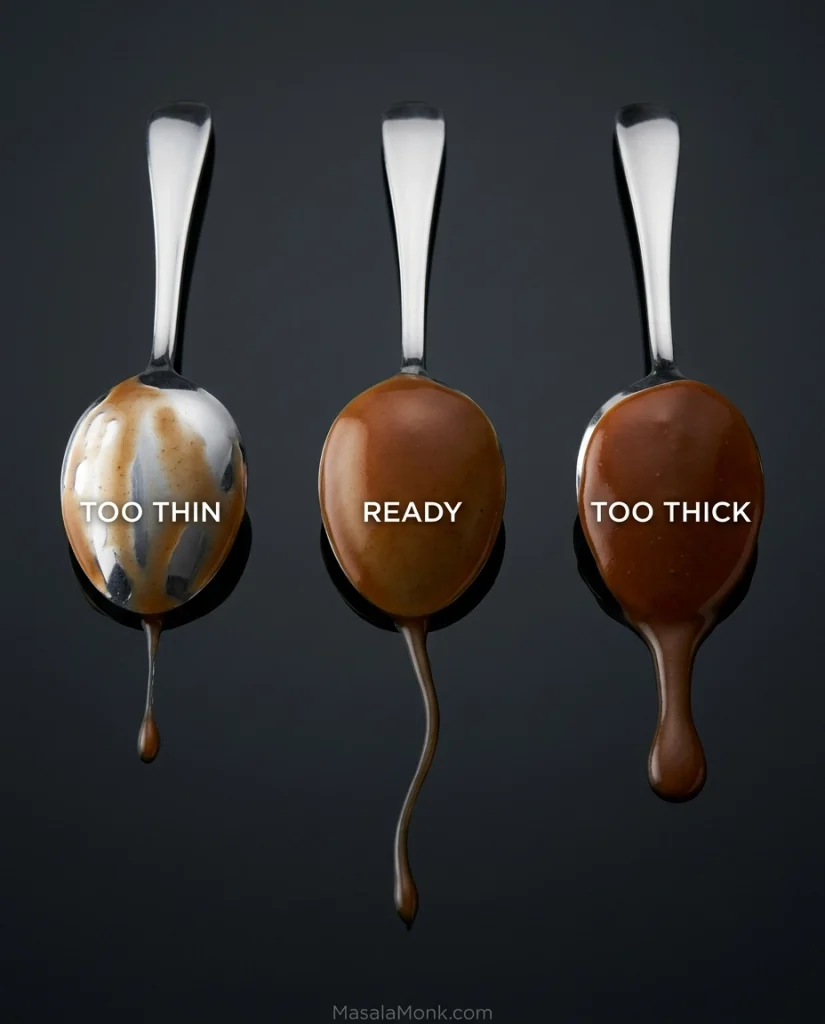
Before the sauce ever hits the pan, check the texture. It should be thin enough to pour, but balanced enough to turn shiny and cling once heated.

Close-up of glossy brown stir fry sauce coating a spoon, with visible bits of garlic, chili, sesame, and scallion.
Use the spoon as a quick texture check: the sauce should pour easily, but still leave a shiny coating behind. That is the texture that helps it cling in the pan.

Recipe at a Glance

Prep time:
5 minutes
Cook time:
No cooking until added to the pan
Yield:
About 1 cup / 250 ml
Servings:
1 family-size stir-fry / about 4 portions
Best for:
Chicken, beef, tofu, vegetables, noodles, rice bowls
Flavor:
Savory, lightly sweet, garlicky, gingery
Make-ahead:
5–7 days in the fridge
Main cue:
Add near the end; stop when shiny and coating

Easy Homemade Stir-Fry Sauce

This is the all-purpose version to start with. It is balanced enough for chicken, beef, tofu, vegetables, noodles, and rice bowls, but simple enough to mix before the pan is even hot.

All-Purpose Stir Fry Sauce

Prep: 5 minutes
Cook: no-cook sauce; 1–3 minutes in pan
Yield: about 1 cup / 250 ml
Serves: 1 family-size stir-fry / about 4 portions

Equipment

No special equipment is needed. A small bowl or jar, a whisk or fork, measuring spoons, and a hot wok or large skillet are enough.

Best For

Chicken, beef, tofu, shrimp, vegetables, noodles, rice bowls, and quick weeknight stir-fries.

Not Best For

It is not meant for deep-frying or as a thick dip straight from the jar. This sauce shines when it hits hot food in the pan and has a minute to thicken.

Ingredients

  • ½ cup / 120 ml water or low-sodium broth
  • ⅓ cup / 80 ml low-sodium soy sauce
  • 1 tablespoon / 15 ml rice vinegar
  • 1 tablespoon honey or brown sugar, about 20 g honey or 12–13 g sugar
  • 2 teaspoons / 10 ml toasted sesame oil
  • 2 garlic cloves, grated or very finely minced
  • 2 teaspoons fresh ginger, grated
  • 1 tablespoon cornstarch / cornflour (the white thickening starch), about 8 g
  • ¼ to ½ teaspoon red pepper flakes, chili garlic sauce, or sriracha, optional

Instructions

  1. Add the water or broth, soy sauce, rice vinegar, honey or brown sugar, sesame oil, garlic, ginger, cornstarch, and chili if using to a bowl or jar.
  2. Whisk well, or close the jar and shake until the cornstarch is fully dissolved.
  3. Use immediately, or refrigerate in an airtight jar.
  4. Shake or whisk again before using because the cornstarch settles as the sauce sits.
  5. Add near the end of stir-frying, after the protein and vegetables are mostly cooked.
  6. Let it bubble for 30 to 60 seconds, tossing until it turns shiny and coats the food.

Recipe Notes

  • Use low-sodium soy sauce for the best balance. Regular soy sauce can become too salty once reduced.
  • Use broth instead of water when you want a deeper sauce for chicken or beef.
  • For a brighter sauce, add 1 extra teaspoon rice vinegar at the end.
  • For a saucier rice bowl, add 2 to 4 tablespoons extra water or broth when the sauce hits the pan.
  • Do not pour it into a pan full of watery vegetables. Cook off extra moisture first.
  • If using this as a marinade, leave out the cornstarch. Cornstarch is for thickening in the hot pan; in a marinade, it can settle, clump, or make the surface pasty.
  • Yes, you can double the recipe. Double all ingredients, store in a larger jar, and shake well before each use.
  • It is also a good meal-prep sauce. Keep a jar in the fridge, and you are halfway to a stir-fry before the pan is even hot.

Why a jar of sauce makes stir-fry easier

A mixed sauce jar turns stir-fry into assembly cooking. With the flavor base ready, you can focus on heat, sequence, and not overcrowding the pan.

Clear glass jar of brown homemade stir fry sauce on a counter with garlic, ginger, scallions, soy sauce, and sesame oil nearby.
Because the sauce is mixed before cooking, weeknight stir-fries move faster. Keep it in a jar, then shake before using so the cornstarch blends back into the sauce.

Stir fry sauce ingredients before you mix

Keep the ingredients measured before cooking starts. Stir-fries move quickly, so the sauce should be ready before the wok or skillet gets hot.

Overhead flat-lay of stir fry sauce ingredients including soy sauce, broth, rice vinegar, honey, sesame oil, garlic, ginger, cornstarch, chili, and scallions.
The ingredient list is short, but each part matters: soy sauce brings salt, vinegar brightens, sweetener rounds, aromatics wake it up, and cornstarch helps it finish properly.

Mix the sauce before the pan gets hot

Whisk or shake until the cornstarch disappears into the liquid. That prevents last-minute measuring and gives the thickener time to disperse evenly.

Hand whisking brown homemade stir fry sauce in a ceramic bowl, with a wok of vegetables in the background and garlic, ginger, chili, scallions, and sesame nearby.
Mix the sauce before the pan gets hot. Then, once the protein and vegetables are ready, you can add it quickly instead of overcooking dinner while you measure.

Before you pour it into the pan: check how much sauce to use and when to add it so the stir-fry turns glossy instead of soupy.

The first time this sauce really clicks is when you stop treating it like a separate recipe and start treating it like a dinner shortcut. A jar in the fridge means chicken, tofu, broccoli, mushrooms, noodles, or leftover rice can turn into something that feels planned — as long as you use the right amount.

Timing cue: Mix the sauce before the pan gets hot. The protein should be cooked, the vegetables should be crisp-tender, and the pan should be hot but not swimming in liquid before the sauce goes in.

The MasalaMonk Stir-Fry Sauce Rule

A good stir-fry sauce is not just soy sauce plus thickener. It needs balance. Once you understand what each part is doing, you can adjust the sauce without guessing.

The six-part sauce rule

Use this as the control panel for the recipe. If dinner tastes off, fix the missing role instead of adding random ingredients.

Educational graphic showing a bowl of stir fry sauce and the MasalaMonk stir-fry sauce rule: salt, loosen, brighten, round, aroma, and cling, with ingredient examples around the bowl.
This is the control system for the whole recipe: salt, loosen, brighten, round, aroma, and cling. Once you understand those six jobs, you can fix the sauce without guessing.
Balance Part Ingredient Job in the Sauce
Salt Soy sauce, tamari, coconut aminos Creates the savory base.
Loosen Water or broth Keeps the sauce from becoming too salty or heavy.
Brighten Rice vinegar, lime juice Cuts through richness and keeps the flavor awake.
Round Honey, brown sugar, maple syrup Softens salt, acid, and heat.
Aroma Garlic, ginger, toasted sesame oil Makes the sauce smell fresh instead of flat.
Cling Cornstarch, arrowroot, xanthan gum Helps the sauce coat the food instead of pooling.

That is the real trick. The recipe gives you the base, but this rule tells you how to fix it. Too salty? Loosen. Too flat? Brighten. Too sharp? Round. Too thin? Help it cling. Too bottled? Add aroma.

Using the rule to fix dinner? If the sauce tastes too salty, too flat, too thin, or too sweet, jump to the troubleshooting table.

How Much Stir Fry Sauce to Use

This is the part most recipes skip, and it is also the part that saves dinner. The same sauce can taste perfect or overwhelming depending on how much food is in the pan.

If your stir-fries usually taste either dry or soupy, use the table first, then check the image cue that matches what you are cooking.

What You Are Cooking How Much Sauce to Use What to Watch
1 lb / 450 g chicken + vegetables ¾ to 1 cup Use the full cup if serving over rice and you want extra sauce.
1 lb / 450 g beef + vegetables ⅔ to 1 cup Beef can handle a deeper, slightly stronger sauce.
14 oz / 400 g tofu + vegetables About ⅔ cup Use a slightly thicker sauce so it clings to crisp tofu.
4 cups vegetables only About ½ cup Use less if the vegetables release water.
6 cups vegetables + 1 lb protein About 1 cup This is the classic family-size stir-fry amount.
200 g fresh noodles or 100 g dried noodles + add-ins ⅔ to 1 cup Noodles absorb sauce quickly; add water or broth if needed.
Fried rice-style stir fry 3 to 5 tablespoons Too much sauce makes rice wet and soft.
Very saucy takeout-style stir fry 1 cup plus 2 to 4 tablespoons water or broth Best when serving over plain rice.

How much sauce to use for chicken stir-fry

For chicken and vegetables, start with ¾ cup if the pan is modest and go up to 1 cup when you want extra sauce for plain rice.

Cooked chicken pieces, mixed vegetables, and a measuring cup of brown stir fry sauce with text reading “Chicken + vegetables” and “Use ¾–1 cup sauce.”
Chicken and vegetables usually need ¾ to 1 cup sauce for a family-size pan. Use the higher end when serving over plain rice, where a little extra sauce is useful.

How much sauce to use for tofu stir-fry

Tofu works better with restraint. Too much sauce softens the crisp edges before they can hold flavor.

Crisp golden tofu cubes with broccoli, peppers, snap peas, carrots, and a measuring cup of sauce, with text reading “Tofu + vegetables” and “Use about ⅔ cup sauce.”
Tofu needs enough sauce to cling to its crisp edges, but not so much that the pan floods. About ⅔ cup is a good starting point for tofu and vegetables.

How much sauce to use for vegetables

Vegetables release moisture as they cook, so a smaller amount of sauce often looks light at first but finishes better after bubbling.

Colorful vegetable stir-fry with broccoli, peppers, carrots, mushrooms, snap peas, zucchini, and a measuring cup of sauce, with text reading “Vegetables only” and “Use about ½ cup sauce.”
Vegetable-only stir-fries need restraint because the vegetables release water as they cook. Start with about ½ cup, then add more only after the sauce thickens.

How much sauce to use for noodles

Noodles absorb sauce quickly. Keep water or broth nearby so you can loosen the pan without adding more salt or sweetness.

Glossy noodle stir-fry being lifted with tongs, with chicken, broccoli, peppers, and a measuring cup of sauce labeled “Noodles” and “Use ⅔–1 cup sauce.”
Noodles absorb sauce as they sit, so keep the finish flexible. Start with ⅔ to 1 cup sauce, then loosen with a splash of water if the noodles tighten up.

How much sauce to use for fried rice

Fried rice needs seasoning, not a full stir-fry sauce pour. Start with a few tablespoons, toss, taste, and stop before the grains clump.

Pan of fried rice with vegetables, egg, scallions, and a tablespoon of sauce, with text reading “Fried rice,” “Use only 3–5 tbsp,” and “Seasoned, not wet.”
Fried rice is seasoned, not sauced. Use only 3 to 5 tablespoons so the grains stay separate instead of turning wet and clumpy.

Amount rule: Start lower if your pan is crowded, your vegetables are watery, or your noodles are already soft. You can always add more sauce after it thickens; you cannot easily remove extra once the pan turns soupy.

When to Add the Sauce

Add it near the end of cooking, not at the beginning. The sauce is there to coat and finish the food, not to boil the vegetables or stew the protein.

The stir-fry order before sauce goes in

The pan should be hot, the protein mostly cooked, and excess vegetable moisture reduced before the sauce goes in.

  1. Heat the wok or large skillet first. A hot pan helps food sear instead of steam.
  2. Cook the protein. Chicken, beef, shrimp, pork, or tofu need direct heat before sauce.
  3. Remove the protein if needed. This prevents overcooking while vegetables finish.
  4. Cook firm vegetables first. Broccoli and carrots need more time than bok choy leaves or peppers.
  5. Cook off extra moisture. A watery pan dilutes the sauce.
  6. Return the protein and shake the sauce. Cornstarch settles, so mix it again.
  7. Add the sauce and toss for 30 to 60 seconds. Stop when it thickens and finishes the pan.
Brown stir fry sauce being poured from a jar into a wok of mostly cooked chicken, broccoli, carrots, peppers, snap peas, and scallions.
Add the sauce near the end, not at the beginning. The food should already be mostly cooked, so the sauce only needs a short bubble to thicken and coat.

Cloudy to glossy: what the sauce should do in the pan

In the pan, the sauce often starts cloudy because the cornstarch is just beginning to hydrate. Once it bubbles around the edges, it should turn clearer, darker, and shinier.

Wok of chicken and vegetables with cloudy brown sauce bubbling around the food and text reading “Cloudy at first is normal.”
At first, cornstarch sauce can look cloudy in the pan. Give it 30 to 60 seconds of bubbling, and it should turn clearer, shinier, and more clingy.

Stop when the sauce turns glossy

The stop point is short and visual: the sauce tightens, the food looks coated, and the vegetables still look bright. Keep cooking after that and the flavor can turn too salty.

Close-up of glossy chicken stir-fry with broccoli, carrots, red peppers, mushrooms, scallions, and sauce clinging to the food, with small text reading “Stop when glossy.”
This is the stop point: the sauce has tightened, the food looks coated, and the vegetables still look bright. Keep cooking much longer and the sauce can turn too salty.

Glossy, not soupy: the final texture cue

The goal is glossy, not soupy — coated, not drowned. If sauce sits under the food instead of clinging to it, the pan probably has too much liquid.

Comparison image with one side showing a stir-fry in too much liquid and the other side showing a coated stir-fry, with text reading “Glossy, not soupy,” “Coated, not drowned,” “Too much liquid,” and “Just enough sauce.”
The difference is liquid control. Too much stir-fry sauce drowns the pan; just enough coats the food and keeps the vegetables crisp-looking.

Good stir-frying is mostly prep, heat, and sequence. Serious Eats explains those stir-frying basics in depth, but for this sauce the main thing is simple: mix it first and add it near the end.

If you need rice underneath your stir-fry, MasalaMonk’s how to cook rice guide is useful when you want fluffy rice that can hold sauce without turning mushy.

Why This Recipe Works

Why each ingredient has a job

This recipe works because each ingredient solves a specific sauce problem. Use the roles below when you need to adjust taste, thickness, or balance.

Ingredient-role graphic with labeled bowls showing soy sauce as savory base, water or broth as balance, vinegar as brightness, honey as roundness, garlic and ginger as aroma, and cornstarch as cling.
When a sauce tastes off, fix the role that is missing. Add broth to loosen, vinegar to brighten, honey or sugar to round, garlic and ginger for aroma, or cornstarch for cling.

This sauce is simple, but it is not random. Soy sauce brings salt and savory depth, while water or broth keeps it from becoming too intense. Rice vinegar adds brightness, and honey or brown sugar rounds the sharp edges so the sauce tastes balanced instead of harsh.

Garlic and ginger give the sauce its classic stir-fry aroma. Toasted sesame oil adds a warm nutty finish. Cornstarch is what changes the sauce from thin liquid into a shiny coating in the hot pan.

The goal is not a heavy glaze. The goal is a thin mixture that thickens in the hot pan, grabs onto the food, and leaves everything tasting seasoned but still fresh.

When it is right, you should smell the garlic and ginger first, see the sauce turn from cloudy to shiny, and still taste the freshness of the vegetables underneath. The sauce should make the food feel finished, not hidden.

Ingredients and Substitutions

Think of this section as permission to adjust. The sauce does not fall apart if you swap broth for water, honey for maple syrup, or tamari for soy sauce. You just need to keep the balance: salt, loosen, brighten, round, aroma, and cling.

Cooking for a specific need? Jump to gluten-free, soy-free, vegan, lower-sodium, and keto variations.

Soy Sauce

Low-sodium soy sauce is the best default. Regular soy sauce can work, but it becomes stronger as it reduces. If you only have regular soy sauce, use ¼ cup instead of ⅓ cup, then add 1 to 2 extra tablespoons water or broth.

For gluten-free sauce, use certified gluten-free tamari, certified gluten-free soy sauce, or coconut aminos. For a soy-free style version, coconut aminos are usually the easiest starting point, but they are sweeter and less salty than soy sauce, so reduce the sweetener and taste at the end.

Water or Broth

Water keeps the flavor clean and light. Broth gives more depth. Chicken broth works well with chicken, beef broth gives beef stir-fries a deeper base, and vegetable broth keeps tofu or vegetable stir-fries flexible. Low-sodium broth is best because the soy sauce already brings salt.

Honey or Brown Sugar

A little sweetness balances the saltiness of soy sauce and the sharpness of vinegar. Honey gives a smooth feel. Brown sugar gives deeper flavor. Maple syrup works well for a vegan version.

For the base sauce, keep the sweetener modest. This is a balanced weeknight sauce, not a sticky glaze. If you want something sweeter, use the honey soy variation below.

Rice Vinegar

Rice vinegar keeps the sauce bright. Apple cider vinegar can work in a pinch. Lime juice also works, especially for a Thai-inspired version, but it changes the flavor and makes the sauce sharper.

Garlic and Ginger

Fresh garlic and ginger make the sauce taste more alive. Grating them helps them disappear into the mixture and spread evenly through the pan.

Close-up of fresh ginger being grated beside minced garlic on a wooden cutting board, with garlic cloves and a small bowl in the background.
Fresh garlic and ginger do more than add flavor; they make the sauce smell freshly cooked instead of bottled. Grating them helps that aroma spread quickly through the stir-fry.

If you need to use powders, replace 2 garlic cloves with about ½ teaspoon garlic powder, and replace 2 teaspoons fresh ginger with about ½ to ¾ teaspoon ground ginger. The sauce will still work, but fresh gives better aroma.

Toasted Sesame Oil

Use toasted sesame oil for flavor, not as the main cooking oil. Two teaspoons are enough to make the sauce taste warm and nutty without overpowering the garlic and ginger.

Cornstarch / Cornflour

Cornstarch thickens the sauce and gives it that takeout-style finish. It must be mixed into cold or room-temperature liquid before heating. If dry cornstarch hits hot liquid directly, it can clump.

Bowl of brown stir fry sauce being whisked with visible text reading “Whisk cornstarch cold first” and “No clumps in the pan.”
Cornstarch works best when it is whisked into cool liquid first. That small step prevents clumps and helps the sauce turn smooth when it bubbles.

It also settles when the sauce sits, so always shake or whisk before adding it to the pan.

Can you make it without cornstarch? Yes, but it will be thinner. You can simmer it slightly longer, use arrowroot for some gluten-free or grain-free versions, or use a tiny amount of xanthan gum for keto sauce. Cornstarch is still the easiest everyday thickener.

How to Use This Sauce for Different Stir-Fries

Once the base is mixed, the rest is about matching the sauce to the food. Chicken wants balance. Beef can take depth. Tofu needs cling. Vegetables need restraint. Noodles need room to move.

For Chicken

Chicken is mild, so the sauce should stay balanced rather than too salty or too sweet. The base recipe works as written, especially if you use broth instead of water.

For 1 lb / 450 g chicken plus vegetables, ¾ to 1 cup is usually right. Go closer to the full cup if you are serving it over rice and want a little extra sauce to catch underneath.

The main danger with chicken is not the sauce; it is overcooking the chicken while waiting for the sauce to thicken. Keep the final simmer short.

Good vegetables for chicken include broccoli, bell peppers, carrots, snap peas, green beans, mushrooms, cabbage, bok choy, zucchini, and onions.

Chicken stir-fry being served from a wok onto rice, with broccoli, carrots, peppers, mushrooms, peas, and glossy brown sauce.
This is the chicken use-case: tender pieces, crisp vegetables, and enough sauce to catch on the rice without turning the bowl soupy.

For Beef

Beef likes a darker, more savory sauce. Start by swapping water for broth. Oyster sauce gives the quickest savory boost, Shaoxing wine or dry sherry adds restaurant-style depth, white pepper brings quiet warmth, and a small splash of dark soy sauce gives color if you have it.

You do not need every add-in at once. Even one or two — broth, oyster sauce, or white pepper — can make the sauce taste deeper.

For 1 lb / 450 g beef plus vegetables, ⅔ to 1 cup works well. Beef can carry a stronger sauce, especially with broccoli, mushrooms, green beans, or rice underneath.

Slice beef thinly across the grain and cook it quickly over high heat. Add the sauce only after the beef and vegetables are mostly cooked, then toss just long enough for everything to thicken and coat.

Beef stir-fry with thin beef slices, broccoli, mushrooms, red peppers, green beans, scallions, sesame seeds, and glossy dark brown sauce.
For beef, lean deeper and more savory. A darker brown sauce works well with mushrooms, broccoli, peppers, and thin slices of tender beef.

For Tofu

Tofu needs the sauce to cling, not slide off. If the tofu is not browned first, it can taste bland even when the sauce itself tastes good.

A 14 oz / 400 g block of tofu plus vegetables usually needs about ⅔ cup. More than that can flood the pan before the tofu has a chance to hold the flavor.

Press firm or extra-firm tofu, cut it into cubes or slabs, and pat it dry before it hits the pan. A dry surface browns better, and browned tofu holds sauce better.

Golden tofu cubes in a wok with broccoli, bell peppers, snap peas, mushrooms, scallions, sesame seeds, and glossy brown sauce.
Brown the tofu first so the sauce has something to hold onto. Crisp edges make tofu taste more seasoned and keep the sauce from sliding off.

For a lower-carb tofu dinner idea, MasalaMonk’s tofu and broccoli stir-fry with cauliflower rice is a natural fit, especially when you want a high-protein meal without noodles or regular rice.

For a vegan tofu stir-fry, use vegetable broth and maple syrup or sugar instead of honey. If you want deeper savory flavor, add mushroom powder or a little dried-shiitake soaking liquid.

For Vegetables

Vegetables are sneaky. They look dry when they first hit the pan, then suddenly release enough water to thin the whole sauce. That is why vegetable stir-fries need less sauce and a hotter pan.

Four cups of vegetables usually need only about ½ cup sauce. That may look modest, but vegetables release their own moisture as they cook.

Mushrooms and zucchini are the biggest water releasers here. Give them space, use higher heat, and wait until their moisture cooks off before adding the sauce.

Cook firm vegetables first: broccoli, carrots, cauliflower, green beans, cabbage stems. Add softer vegetables later: bell peppers, mushrooms, zucchini, bok choy leaves, snap peas, and scallions.

Colorful vegetable-only stir-fry with broccoli, red and yellow peppers, carrots, mushrooms, snap peas, zucchini, scallions, and a light glossy sauce.
A vegetable stir-fry should still look fresh after saucing. Keep the coating light so the broccoli, peppers, carrots, mushrooms, and snap peas stay colorful.

For Noodles and Rice

Noodles drink sauce quickly, so they need a looser finish. For noodles, use ⅔ to 1 cup sauce for about 200 g fresh noodles or 100 g dried noodles, plus your protein and vegetables. Start lower if the noodles are already soft or oily; add a splash of water or broth if they drink up the sauce too quickly.

If cooked noodles are clumped before they go into the pan, loosen them first with a splash of water or oil. Sauce cannot coat noodles evenly if they enter the pan as one sticky block.

Chopsticks lifting glossy stir-fried noodles from a wok with vegetables, tofu or chicken pieces, scallions, and brown sauce.
Noodle stir-fry is ready when the strands separate and shine instead of clumping together. If the pan feels tight, add a splash of water and toss briefly.

For fried rice-style cooking, use much less. Start with 3 to 5 tablespoons. Too much liquid makes rice wet and heavy. Cold cooked rice works better than freshly cooked hot rice because it is drier and separates more easily in the pan.

If you like saucy rice-bowl dinners, use the full cup in the stir-fry and serve it over plain rice. For fried rice, season gradually.

For a takeout-style egg dish with a glossy sauce, MasalaMonk’s egg foo young recipe is a useful companion because it also leans on a savory sauce that thickens and coats.

Back to top ↑

Easy Sauce Variations

You do not need every variation today. Make the base sauce first. Come back to this section when you want it sweeter, spicier, darker, lower-sodium, vegan, gluten-free, keto-friendly, or soy-free.

Choose the sauce direction that fits dinner

Use the base recipe as your starting point, then nudge it sweeter, hotter, darker, or looser depending on what is in the pan.

Three labeled bowls of stir fry sauce showing Honey Soy, Spicy, and Dark Takeout-Style variations with honey, chilies, mushrooms, ginger, and scallions nearby.
Once the base sauce works, choose the direction that fits dinner: honey soy for shine, spicy for heat, or dark takeout-style for a deeper brown sauce.
If You Want Change This Best For
Balanced everyday sauce Use the base recipe as written. Chicken, tofu, vegetables, rice bowls
Sweeter honey soy Increase honey to 2 tablespoons. Chicken, shrimp, tofu, noodles
Darker takeout-style sauce Use broth, oyster sauce, Shaoxing wine, and white pepper. Beef, broccoli, mushrooms, cabbage
Spicy sauce Add chili garlic sauce, sriracha, chili crisp, or fresh chilies. Chicken, shrimp, tofu, noodles
Noodle-friendly sauce Keep it looser with extra water or broth. Fresh noodles, dried noodles, rice noodles
Soy-free style Use coconut aminos and reduce the sweetener. Tofu, vegetables, chicken, rice bowls

Pick the version closest to tonight’s dinner, then adjust from there. Chicken and noodles may want sweeter or looser; beef may want darker; vegetables usually want restraint.

If you find a version that works especially well — extra ginger, chili crisp, coconut aminos, mushroom broth, less sweetener, or something completely your own — leave it in the comments so another reader can borrow the idea.

3 Ingredient Stir Fry Sauce

A 3 ingredient version is useful when you need something fast and do not have the full list of ingredients. Mix soy sauce, honey or brown sugar, and a cornstarch slurry. It works in a pinch, but the full sauce tastes more balanced because it includes acid, aromatics, sesame oil, and a proper loosened base.

Chinese Takeout-Style Brown Sauce Variation

For a deeper, darker, more takeout-style sauce, start by swapping water for broth. Oyster sauce brings the quickest savory boost, Shaoxing wine or dry sherry adds restaurant-style depth, white pepper brings quiet warmth, and a small splash of dark soy sauce gives color if you have it. Reduce the honey or brown sugar slightly so the sauce stays savory.

Vegetarian cooks can use mushroom sauce instead of oyster sauce. For a vegan version, skip oyster sauce and use mushroom powder, shiitake soaking liquid, or a vegan mushroom stir-fry sauce.

Honey Soy Stir Fry Sauce

The honey soy version is sweeter and shinier: increase the honey to 2 tablespoons. It works especially well with chicken, shrimp, salmon, tofu, broccoli, carrots, bell peppers, and noodles. If it tastes too sweet, balance it with rice vinegar, lime juice, chili flakes, or a little more soy sauce.

Spicy Stir Fry Sauce

To make it spicy, add red pepper flakes, chili garlic sauce, sriracha, gochujang, chili crisp, or fresh chopped chilies to the base recipe. Start small. Spicy sauce tastes better when it still has balance: salt, sweetness, acid, garlic, ginger, and heat.

Thai-Inspired Quick Stir-Fry Sauce

This is not a replacement for a specific Thai dish sauce. It is a quick direction for weeknight stir-fries when you want the flavor to lean brighter, sharper, and more chili-forward. Replace some rice vinegar with lime juice, add a little fish sauce if you are not vegetarian, reduce the soy sauce slightly, and keep the garlic and chili strong.

If you want a full Thai basil stir-fry, MasalaMonk’s Pad Kra Pao recipe goes deeper into that sharper, basil-heavy sauce style.

Teriyaki-Style Stir Fry Sauce

For a teriyaki-style version, make the sauce sweeter and shinier. Increase the sweetener, use a little more ginger, and let it reduce until it looks lightly glazed. Use this when you want a sweeter rice-bowl style dinner rather than a lighter vegetable stir-fry. For a dedicated sweeter glaze, see MasalaMonk’s teriyaki sauce recipe.

Diet and Substitution Variations

These versions are not here to make the sauce feel restricted. They are here so the same jar can still work when someone at the table needs less sodium, no gluten, no soy, no animal products, or no sugar.

Use this section like a shortcut: lower-sodium if salt is the problem, gluten-free if wheat is the problem, soy-free if soy itself is the problem, and keto if sugar or starch is the problem.

Easy stir fry sauce swaps that are not interchangeable

The labels matter here. Gluten-free, soy-free, vegan, and lower-sodium changes solve different problems, so choose the swap that matches the actual need.

Ingredient-swap guide for stir fry sauce with visible labels for gluten-free tamari or coconut aminos, soy-free coconut aminos, vegan maple syrup and vegetable broth, and lower-sodium dilute and taste.
Substitution labels matter. Tamari can help with gluten-free stir fry sauce, but it is usually soy-based; coconut aminos are the better soy-free starting point.

Lower-Sodium Version

A lower-sodium version needs more than just low-sodium soy sauce. Low-sodium soy sauce still contains sodium, and the sauce can become saltier as it reduces. Reduce the soy sauce first, increase water or unsalted broth, and build flavor with garlic, ginger, vinegar, chili, scallions, mushrooms, and sesame aroma.

Do not add salt until the stir-fry is finished and tasted. If you are cooking for a strict sodium limit, use label numbers rather than taste alone.

Keto / Sugar-Free Version

For a keto or sugar-free version, skip the honey or brown sugar and use a keto-friendly sweetener only if needed. Cornstarch is not ideal for strict keto. Use up to ⅛ teaspoon xanthan gum for 1 cup sauce, starting with a smaller pinch if your brand thickens aggressively.

Xanthan gum does not behave like cornstarch: cornstarch thickens as it cooks, while xanthan gum thickens as it hydrates. Whisk well, wait a minute, and add more only if you really need it. A sauce can go from glossy to gummy quickly.

Vegan Version

To make it vegan, use vegetable broth and maple syrup or sugar instead of honey. Avoid oyster sauce, fish sauce, chicken broth, chicken bouillon, and non-vegan bottled sauces. For deeper savory flavor, add mushroom powder, finely minced mushrooms, or a little dried-shiitake soaking liquid.

If you are building more plant-forward meals around tofu, tempeh, edamame, lentils, or beans, MasalaMonk’s plant-based protein sources guide can help you choose what to pair with the sauce.

Gluten-Free Version

Regular soy sauce often contains wheat, so it is not always gluten-free. Use certified gluten-free tamari, certified gluten-free soy sauce, or coconut aminos. Also check the labels on broth, oyster sauce, hoisin sauce, chili garlic sauce, and bottled sauces because gluten can appear in places you may not expect.

No Soy Sauce vs Soy-Free vs Gluten-Free

These terms sound similar, but they are not interchangeable. That matters when you are cooking for allergies, gluten-free needs, or someone who is avoiding soy completely. For a broader look at tamari, coconut aminos, and liquid aminos, EatingWell’s guide to soy sauce substitutes is a helpful reference.

Phrase What It Actually Means What to Watch
Without soy sauce The recipe does not use soy sauce. It may still contain soy from hoisin, oyster-style sauces, or other condiments.
Soy-free No soy ingredients at all. Check every label carefully.
Gluten-free No wheat/gluten ingredients. Tamari may be gluten-free but still contains soy.
Coconut aminos A common soy-free and gluten-free substitute for soy sauce. Usually sweeter and less salty, so reduce sweetener.
Liquid aminos A savory soy-sauce-like seasoning. Many versions are soy-based and can still be high in sodium; check the label.

Without Soy Sauce

A sauce without soy sauce is not always the same as a soy-free sauce. Some recipes skip soy sauce but use hoisin sauce, oyster sauce, or other bottled condiments that may still contain soy. That may be fine if you only want to avoid soy sauce specifically, but it is not appropriate for someone who needs a truly soy-free version.

Coconut aminos are the easiest starting point for a soy-sauce-style substitute. From there, garlic, ginger, vinegar, chili, and a little mushroom depth help bring back the savory edge that soy sauce usually provides.

Truly Soy-Free Version

For a truly soy-free version, check every ingredient label carefully. Do not use soy sauce, tamari, hoisin sauce, or oyster-style sauces unless they are clearly labeled soy-free. Use coconut aminos as the main savory base, then add garlic, ginger, rice vinegar, sesame oil if tolerated, chili, and mushroom flavor for depth.

Back to top ↑

Homemade vs Store-Bought Stir Fry Sauce

Store-bought sauce is convenient, but it often leans too sweet, too salty, or too thick. Homemade sauce lets you adjust the balance in the moment: more vinegar for brightness, more broth for looseness, more garlic or ginger for freshness, and a little sweetener only when the sauce tastes harsh.

If you are using bottled sauce, start with ⅓ to ½ cup for a small two-serving stir-fry, or ½ to ¾ cup for a larger pan. Bottled sauces are often saltier and sweeter than homemade, so add less first and stretch with water or broth if needed.

  • Too salty? Dilute with water or broth and add more vegetables.
  • Too sweet? Add rice vinegar, lime juice, chili, or a little soy sauce.
  • Too thick? Loosen with water or broth.
  • Too flat? Add fresh garlic, ginger, scallions, chili, or toasted sesame oil.
  • Tastes bottled? Add fresh aromatics and a splash of acid.

Use bottled sauce near the end of cooking, just like homemade. If it is already thick and sweet, do not simmer it for too long or it can become sticky and overpowering.

How to Fix Sauce Problems

A stir-fry can go sideways fast, but most sauce problems are fixable while the pan is still hot. Usually the pan needs one small correction, not a restart.

Most sauce problems start earlier: check the amount guide and the timing cue if your stir-fries often turn watery, salty, or too thick.

Quick fixes for common stir-fry sauce problems

Problem Why It Happened Fix
Sauce is too salty Too much regular soy sauce, salty broth, or bottled sauce. Add water or broth, vinegar or lime, more vegetables, or a little sweetener.
Sauce is too thin Not enough cornstarch, not simmered long enough, or pan is watery. Simmer 30–60 seconds more or add a small slurry.
Sauce is too thick Too much cornstarch or sauce reduced too much. Add water or broth 1 tablespoon at a time.
Sauce tastes flat Not enough acid, garlic, ginger, or heat. Add vinegar, lime, garlic, ginger, chili, or sesame oil.
Sauce is too sweet Too much honey, sugar, or bottled sauce. Add vinegar, chili, soy sauce, or broth.
Sauce clumps Cornstarch was added directly to hot liquid. Mix cornstarch with cold liquid first.
Stir-fry turns watery Vegetables released moisture into the pan. Cook off liquid before adding sauce.
Sauce burns Sugary sauce cooked too long over high heat. Add sauce at the end, lower the heat slightly if needed, and stop once glossy.
Noodles absorb everything Noodles are thirsty or sauce is too thick. Add water or broth and toss briefly.
Tofu tastes bland Tofu was not crisped or sauce was too thin. Crisp tofu first and use a slightly thicker sauce.
Sauce tastes bottled It is sweet, salty, and thick but missing freshness. Add fresh garlic, ginger, vinegar or lime, scallions, chili, or sesame oil.

Why your stir-fry turns watery

The most common mistake is adding sauce to a crowded, watery pan. Cook the vegetables until extra moisture reduces, then add the sauce and let it bubble briefly.

Wok of chicken and vegetables sitting in thin watery sauce with text reading “Watery pan? Cook off moisture first.”
If the pan turns watery, pause before adding more sauce. Cook off vegetable moisture first, especially with mushrooms, zucchini, or a crowded skillet.

Small fixes before you restart dinner

Small save: If the pan tastes almost right but not quite, add a splash of water if it is too strong, a little vinegar if it feels flat, or a pinch of sugar if it tastes harsh. Tiny changes fix most stir-fry sauce problems.

How to Store It

Store the sauce in an airtight jar in the refrigerator for 5 to 7 days. Shake or whisk before using because the cornstarch settles at the bottom.

You can also freeze it for up to 3 months. Thaw in the refrigerator, then whisk or shake well before adding it to the pan. If freezing, use a freezer-safe container and leave a little room for expansion.

Do not worry if it looks cloudy or separated when cold. Cornstarch can settle and make the sauce look uneven. Once heated and stirred, it should smooth out again.

If the sauce has already been cooked into a stir-fry, store leftovers in an airtight container. For best texture, store noodles or rice separately from saucy stir-fry when possible.

What to Serve With It

It fits easy dinners like chicken and broccoli, beef and green beans, tofu and bok choy, shrimp and vegetables, cabbage and mushrooms, or zucchini and peppers.

Serve those over steamed jasmine rice, brown rice, cauliflower rice, stir-fried noodles, lettuce wraps, or fried rice. For choosing between rice, quinoa, cauliflower rice, or lighter base options, MasalaMonk’s quinoa vs rice guide is helpful, especially if you are balancing fullness, carbs, and texture.

If you want a cool, crisp side beside a salty-sweet stir-fry, MasalaMonk’s cucumber salad is a simple contrast: fresh, tangy, and fast enough to make while the sauce is resting in the jar.

If you want a rice-based takeout-style meal with a different flavor direction, MasalaMonk’s Spam fried rice recipe shows how little sauce fried rice actually needs compared with a saucy stir-fry.

At its best, the sauce leaves you with crisp vegetables, tender protein, and just enough savory-sweet shine for the rice or noodles to catch.

Frequently Asked Questions

What is stir fry sauce made of?

It is usually made with soy sauce, water or broth, rice vinegar, a little sweetener, garlic, ginger, sesame oil, and cornstarch. Together, they make a sauce that is savory, lightly sweet, aromatic, and able to thicken in the pan.

How much sauce should I use for a stir-fry?

Use about ¾ to 1 cup for 1 lb / 450 g protein plus vegetables. Use about ½ cup for vegetables only, ⅔ to 1 cup for noodles, and only 3 to 5 tablespoons for fried rice.

When should I add sauce to a stir-fry?

Add it near the end of cooking, after the protein and vegetables are mostly cooked. Let it bubble for 30 to 60 seconds until it turns glossy and coats the food.

Can I make this without soy sauce?

Yes. Coconut aminos are the easiest soy-sauce-style substitute. They are usually sweeter and less salty than soy sauce, so reduce the sweetener and adjust the flavor at the end. Be careful with hoisin, oyster sauce, and bottled sauces because they may still contain soy even if they are not soy sauce.

Is this sauce gluten-free?

Only if you use the right soy sauce substitute. Regular soy sauce often contains wheat, so choose certified gluten-free tamari, certified gluten-free soy sauce, or coconut aminos, and check all bottled add-ins.

How do I make a lower-sodium version?

Use low-sodium soy sauce or a lower-sodium alternative, water or unsalted broth, and extra garlic, ginger, vinegar, chili, scallions, or mushroom flavor. Avoid high-sodium bottled sauces unless the label works for your needs.

How do I make a keto version?

Skip honey or sugar and use a keto sweetener only if needed. Replace cornstarch with up to ⅛ teaspoon xanthan gum for 1 cup sauce, starting with a small pinch. Soy sauce, tamari, or coconut aminos can all work depending on your carb and sodium needs.

Can I use this for noodles?

Yes. Use ⅔ to 1 cup for a noodle stir-fry, and keep a little water or broth nearby. Noodles absorb sauce quickly, so you may need a splash to loosen everything in the pan.

Can I use this as a marinade?

Yes, but leave out the cornstarch if using it as a marinade. Cornstarch is for thickening in the pan, not for soaking raw protein. Add the cornstarch later when you are ready to cook.

Why is my sauce too salty?

The most common reason is regular soy sauce, salty broth, or too much bottled sauce. Dilute with water or broth, add more vegetables, brighten with vinegar or lime, or balance with a small amount of sweetener.

Why did it not thicken?

It may not have simmered long enough, the pan may have too much vegetable liquid, or there may not be enough cornstarch. Let it bubble briefly, or add a small slurry made from cornstarch and cold water.

How long does homemade stir fry sauce last?

It lasts 5 to 7 days in an airtight jar in the refrigerator. Shake or whisk before using because the cornstarch settles.

Final Notes

Do not let the length of the guide make the sauce feel complicated. The base recipe is simple; the extra notes are just here to help you adjust it without guessing.

Once you know the rule — salt, loosen, brighten, round, aroma, cling — stir-fry sauce stops feeling like a fixed recipe and starts feeling like something you can control.

Keep a jar ready, and a random mix of protein, vegetables, and rice or noodles starts to feel like dinner instead of leftovers. If you make it your own — sweeter, spicier, soy-free, or extra garlicky — share what worked so others can borrow the idea too.

Back to top ↑

Posted on Leave a comment

Tartar Sauce Recipe: Easy Homemade Sauce for Fish and Chips

Bowl of thick homemade tartar sauce with pickle and herb flecks served beside crispy fish, chips, lemon, and fresh herbs

The best tartar sauce recipe makes hot fried fish taste better, not heavier. It should be creamy enough to cling, loose enough to spoon, and full of tiny pickle-and-caper bites so every forkful gets a little crunch, lemon, salt, and freshness.

This no-cook homemade tartar sauce is built for fish and chips, fish sticks, crab cakes, salmon cakes, shrimp, fries, and fried fish sandwiches. Start with the classic dill pickle version when you want the best match for fish and chips, use the quick relish version when dinner is moving fast, and use the substitution notes when the fridge is missing relish, pickles, capers, lemon, or mayo.

Quick Answer: How to Make Tartar Sauce

To make tartar sauce, stir mayonnaise with finely chopped dill pickles or relish, lemon juice, capers, Dijon mustard, herbs, and black pepper. Chill it for 15 to 30 minutes if you have time. For fish and chips, start with dill pickles, gherkins, or cornichons; for fish sticks or soft fish sandwiches, sweet relish gives a milder diner-style sauce.

Best default ratio: For every 1 cup of mayo, use about ⅓ cup finely chopped dill pickles or relish, 1 tablespoon lemon juice, 1 tablespoon capers, 1 teaspoon Dijon, and 1 tablespoon chopped herbs. Make it before you start frying, and the sauce will be cold, rested, and ready when the fish hits the plate.

Formula board showing mayonnaise, chopped dill pickles or relish, lemon juice, capers, Dijon mustard, herbs, chill time, and finished tartar sauce
Use this formula as the starting point, then taste after chilling; the pickles, capers, lemon, and herbs settle as they rest.

Not sure which version fits your meal? Use the style guide below before you start mixing.

Homemade Tartar Sauce at a Glance

Prep time10 minutes
Cook time0 minutes
Rest time15–30 minutes recommended; 1 hour if using raw onion or shallot
YieldAbout 1¼ cups / 300 ml
Serving size2 tablespoons / 30 ml
Servings8–10
Best withFish and chips, fried fish, fish sticks, seafood cakes, shrimp, fries, and fish sandwiches
Main textureThick, spoonable, lightly chunky, and easy to dip
StorageMayo-based sauce: best quality within 4–7 days; Greek yogurt sauce: 2–3 days
FreezingNot recommended

Start with this bowl when dinner is moving fast; the notes below are there for texture choices, missing ingredients, lighter bases, and different seafood plates.

Homemade Tartar Sauce Recipe for Fish and Chips

This no-cook sauce is thick enough to sit on hot fish without sliding off, but still loose enough to spoon. The key is fine chopping: the pickles and capers should show up in every bite without turning the sauce into a bowl of relish.

Make the bowl before the fish goes in the oil, and the sauce will taste more settled by the time dinner is ready.

Prep10 minutes
Cook0 minutes
Rest15–30 minutes
Yield1¼ cups / 300 ml

Ingredients

  • 1 cup mayonnaise, about 225 g / 240 ml / 8 fl oz
  • ⅓ cup finely chopped dill pickles, gherkins, or cornichons, about 55–65 g
  • 1 tablespoon capers, drained and chopped, about 9–10 g
  • 1 tablespoon fresh lemon juice, 15 ml
  • 1–2 teaspoons pickle juice, optional, for extra tang or to loosen the sauce
  • 1 teaspoon Dijon mustard, 5 ml
  • 1 tablespoon chopped fresh dill or parsley, about 2–4 g
  • 1 tablespoon finely minced shallot or onion, optional
  • ½ teaspoon Worcestershire sauce, optional
  • ¼ teaspoon black pepper
  • Salt, only if needed

Method

  1. Chop the mix-ins finely. Finely chop the pickles, capers, herbs, and optional shallot or onion. Smaller pieces give the sauce better texture and more even flavor. If one bite tastes like plain mayo and the next tastes like a pickle jar, the pieces are too big.
  2. Mix the base. Add the mayonnaise, lemon juice, Dijon mustard, and black pepper to a bowl. Stir until smooth.
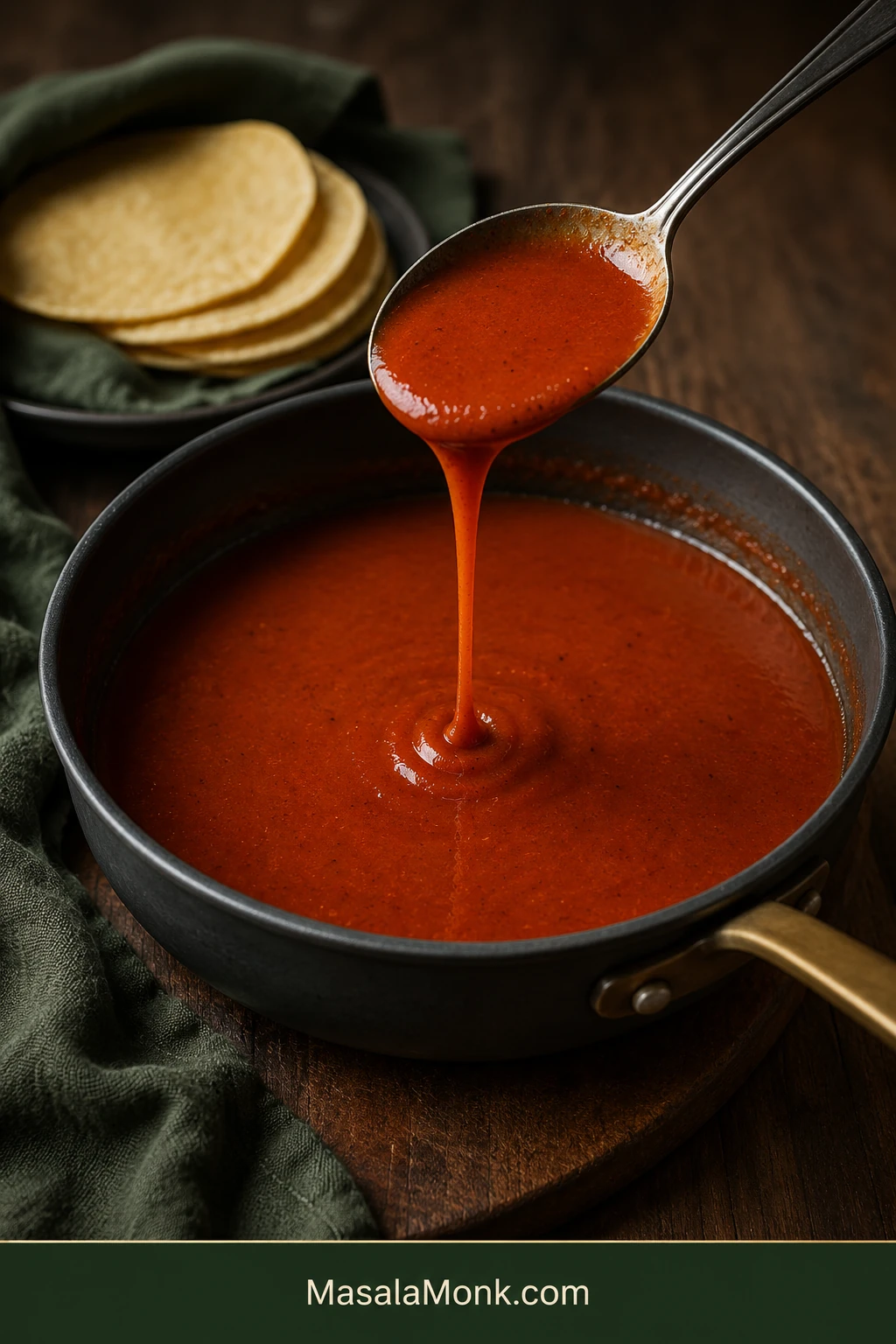
  3. Fold in the flavor. Add the chopped pickles, capers, herbs, optional pickle juice, and optional onion or shallot. Stir until evenly combined.
  4. Taste before salting. Pickles and capers are salty, so add salt only after tasting.
  5. Rest if possible. Cover and refrigerate for 15–30 minutes. The sauce works immediately, but resting lets the chopped ingredients season the mayo.
  6. Adjust and serve cold. Stir once more before serving. Add lemon for lift, pickle juice for tang, mayo for softness, or capers for a saltier seafood edge.

Finished taste cue: The sauce should taste creamy first, then pickle-crunchy and lemony, with a light finish. If it feels heavy, add lemon or pickle juice. If it bites too hard, soften it with another spoonful of mayo.

Recipe Notes

  • Want it sweeter? Swap the chopped dill pickles for sweet pickle relish.
  • Serving fried fish? Use dill pickles, capers, lemon, and herbs.
  • Prefer a smoother sandwich sauce? Mince the pickles and capers very finely or pulse once or twice.
  • Making it vegan? Choose vegan mayo and skip Worcestershire sauce unless you are using a vegan one.
  • Want it lighter? Replace half or all of the mayo with plain Greek yogurt.
  • Keeping it keto? Choose full-fat mayo, dill pickles, capers, lemon, herbs, and no sweet relish or sugar.
  • Yield note: Yield varies slightly depending on how finely the pickles are chopped and whether you add pickle juice.

For more swaps and missing-ingredient fixes, see the substitution guide.

Choose Your Tartar Sauce Style

Use this table when you already know what is on the plate. It keeps the sauce matched to the meal without overthinking the bowl.
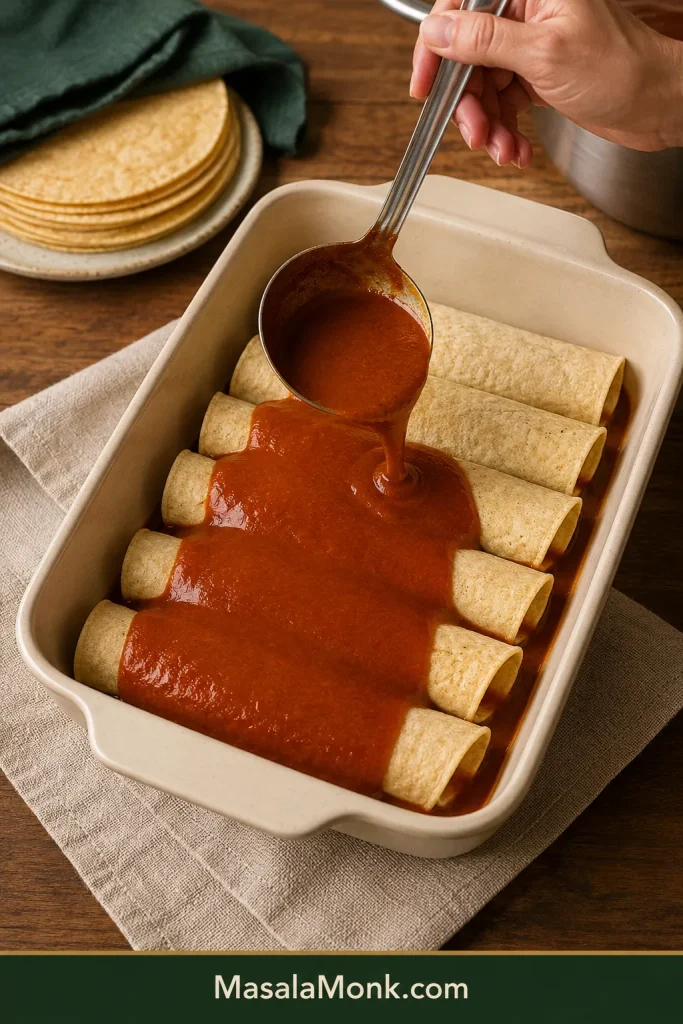
You are servingUse this style
Fish and chipsDill pickles or gherkins, capers, lemon, and herbs
Fish sticksSweet relish, mayo, and lemon juice
Fried fish sandwichFinely minced relish or pickles, a little onion, and a smoother texture
Crab cakesLemon, capers, dill, and a little extra pepper or cayenne
Salmon cakesExtra dill, lemon zest, and a thicker mayo base
No picklesCapers, shallot, lemon juice, and Dijon
Lighter sauceHalf mayo and half Greek yogurt
Keto or low-carb mealFull-fat mayo, dill pickles, capers, lemon, and no sweet relish
Guide showing tartar sauce styles for fish and chips, fish sticks, fried fish sandwiches, crab cakes, salmon cakes, lighter sauce, no-pickle sauce, and low-carb meals
The best bowl depends on the meal: sharper for crisp seafood, smoother for sandwiches, and lighter when the plate needs a fresher finish.

Why This Tartar Sauce Recipe Works

This sauce works because it balances fat, acid, salt, crunch, and rest time. Mayo gives the sauce body, while lemon and pickle juice cut through the mayo’s richness. Pickles bring texture, capers add small salty pops, and a short chill lets the chopped ingredients season the mayo instead of sitting in it separately.

That is why finely chopping matters. Large pickle pieces make some bites taste plain and others taste too sharp. Smaller pieces spread flavor through the bowl, so each spoonful lands the same way.

What Is Tartar Sauce Made Of?

Tartar sauce, also called tartare sauce in the UK and some other regions, is a creamy sauce usually made with mayonnaise, pickles or relish, lemon juice, herbs, and salty ingredients such as capers. It is most often served with fried fish, fish and chips, fish sticks, crab cakes, shrimp, and seafood sandwiches.

The creamy base can be as simple as store-bought mayo, but if you want to build the sauce from scratch, MasalaMonk’s mayo recipe walks through classic, eggless, vegan, garlic, spicy, and herb mayo options.

Tartar sauce ingredients on a light surface, including mayonnaise, dill pickles, capers, lemon, Dijon mustard, herbs, black pepper, and shallot
This small ingredient list works because every part has a job: mayo gives body, pickles add crunch, capers bring salt, and lemon keeps the sauce awake.
IngredientWhat it doesCan you skip or swap it?
MayonnaiseCreates the thick, creamy base.Swap in vegan mayo, Greek yogurt, sour cream, or a half-mayo, half-yogurt mix.
Dill pickles, gherkins, or cornichonsAdd crunch, acidity, and pickle flavor.Sweet relish works for a sweeter sauce; capers help if you have no pickles.
CapersAdd small salty pops that suit seafood.Optional, but worth using. Replace with extra pickles or pickle juice.
Lemon juiceLifts the mayo and cuts through fried food.Pickle juice, white vinegar, or apple cider vinegar can stand in.
Dijon mustardAdds gentle sharpness and depth.Yellow mustard, a little vinegar, or no mustard at all will still work.
Dill, parsley, chives, or tarragonAdd freshness and color.Dried dill works in a pinch; otherwise, leave herbs out.
Shallot or onionAdds savory bite.Optional. Onion powder gives a milder pantry-style flavor.
Worcestershire sauceAdds a deeper savory note.Optional. Skip for vegetarian or vegan tartar sauce unless using a vegetarian or vegan Worcestershire.

The Only Equipment Detail That Matters: Chop Size

No blender is needed. A bowl, spoon, knife, cutting board, and storage jar are enough. The important part is chop size: pickles and capers should be small enough to spread through the mayo, but not so tiny that the sauce loses texture.

Comparison of coarse, fine, and very fine chopped pickles and capers with tartar sauce texture samples
Chop size is the quiet difference between homemade tartar sauce that tastes balanced and a bowl where one bite is plain while the next is all pickle.

Use a small food processor only when you want a smoother sandwich-style sauce. For dipping fish and chips, a knife gives better control.

After chopping, check the finished texture target so the sauce clings without turning stiff or runny.

How to Make Tartar Sauce Step by Step

1. Chop the Pickles and Capers Finely

The sauce should not feel like chopped pickles held together with mayo. Chop the pickles, capers, herbs, and optional onion finely so every spoonful tastes balanced. If the pieces are too large, some bites taste salty and others taste plain.

2. Mix the Mayo, Lemon, and Mustard First

Add the mayonnaise to a small bowl, then stir in the lemon juice, Dijon mustard, and black pepper. This loosens the mayo slightly and helps the sharper ingredients spread evenly before the chunky ingredients go in.

3. Fold in the Pickles, Capers, and Herbs

Add the chopped pickles, capers, herbs, and optional onion or shallot. Stir until everything is evenly coated. The sauce should look creamy and speckled, with small bits of pickle, caper, and herbs in every spoonful.

4. Taste Before Adding Salt

Pickles, relish, capers, mustard, and Worcestershire sauce can all bring salt. Taste before adding more. If the bowl feels dull, it may need lemon juice, pickle juice, capers, or mustard before it needs salt.

5. Chill, Then Adjust

You can serve it immediately, but 15–30 minutes in the fridge improves the flavor. Stir once more before serving. Add lemon for lift, pickle juice for tang, mayo for softness, or capers for a saltier seafood edge.

Here is the full stir-and-chill sequence at a glance.

Step-by-step tartar sauce process showing chopped mix-ins, mayonnaise base, pickles, capers, herbs, tasting, chilling, and finished sauce
Even though tartar sauce is no-cook, sequence still matters: chop small, season the base, fold gently, taste late, and chill before serving.

Texture Target: Chunky Dip or Smooth Sandwich Sauce

The sauce should be thick enough to sit on a piece of fish without sliding off, but loose enough to spoon easily. For dip texture, keep the pickles and capers finely chopped but visible. For sandwich texture, mince everything smaller or pulse once or twice.

Texture guide showing tartar sauce that is too thick, just right, too thin, chunky for dipping, and smoother for sandwiches
Aim for a sauce that holds on a spoon without feeling stiff. Keep dip versions chunkier and sandwich versions finer.

If the sauce looks stiff, loosen it with pickle juice, lemon juice, or a teaspoon of water. If it looks runny, add a spoonful of mayo and chill it for 15–30 minutes. A good bowl should cling, not puddle.

If the sauce has already gone too thick, thin, sweet, or salty, use the troubleshooting guide before making bigger changes.

3-Ingredient Tartar Sauce

When you need the fastest bowl, you only need mayonnaise, pickles or relish, and lemon juice or pickle juice. This quick pantry sauce is not as layered as the full recipe, but it is exactly right for fish sticks, quick fried fish, frozen seafood, sandwiches, and busy weeknight dinners.

In a hurry, use relish and the sauce is closer to 5 minutes. For the best fish-and-chips texture, finely chopping pickles, capers, and herbs is worth the extra few minutes.

Sweet Relish 3-Ingredient Tartar Sauce

  • 1 cup mayonnaise
  • ⅓ to ½ cup sweet pickle relish
  • 1 teaspoon lemon juice

Dill Pickle 3-Ingredient Tartar Sauce

  • 1 cup mayonnaise
  • ⅓ cup finely chopped dill pickles
  • 1–2 tablespoons pickle juice or lemon juice

Stir, taste, and chill if possible. More pickle juice makes the bowl tangier; another spoonful of mayo softens it.

Two three-ingredient tartar sauces made with mayonnaise, sweet relish or dill pickles, and lemon juice or pickle juice
Three ingredients can still make a useful quick tartar sauce: relish gives a softer finish, while dill pickles give a sharper one.

If one of those ingredients is missing, the substitution section below will help you rebuild the bowl.
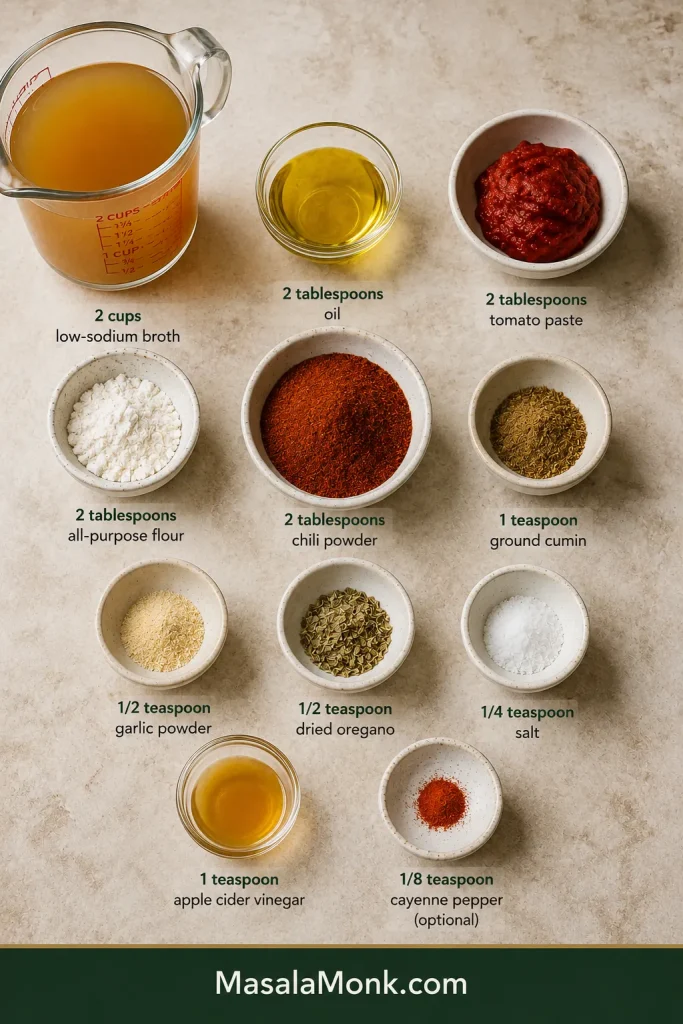
Sweet Relish vs Dill Pickles: Which Is Better?

Team dill pickle for fish and chips, team sweet relish for fish sticks — both have a place, but they are not the same sauce. Dill pickles, gherkins, and cornichons give you a more direct pickle bite. Sweet relish gives you a softer, sweeter, more diner-style sauce.

Beside crisp battered fish, dill pickles or gherkins are the better default. If you want both directions in one bowl, use half dill pickle and half sweet relish.

Side-by-side comparison of sweet relish tartar sauce and dill pickle tartar sauce with serving cues for sandwiches and fish and chips
Sweet relish and dill pickles both belong in tartar sauce, but they solve different cravings: soft and familiar versus crisp and pickle-bright.

For the full fried-fish version, jump to the fish-and-chips sauce section.

Best Tartar Sauce for Fish and Chips

The best tartar sauce for fish and chips should be thick, cold, pickle-forward, and lemony enough to wake up the batter. Make it first, then let it chill while the fish cooks and the chips finish.

Crispy battered fish being dipped into thick homemade tartar sauce with chips and lemon nearby
Mix the tartar sauce before frying, because a short chill makes the sauce taste settled by the time the fish is hot and crisp.

If you are making the full meal, pair this sauce with MasalaMonk’s fish and chips recipe. While the sauce rests, you can prep the batter from MasalaMonk’s fish batter recipe so the cold sauce and hot coating are ready at the same time.

The goal is not fancy. It is that second bite where the fish still feels crisp and the sauce makes it easier to keep going.

What to Serve with Tartar Sauce

Once the basic sauce is made, adjust the texture or seasoning for the food beside it instead of repeating the whole recipe.

Serve withSmall adjustment
Fries or chipsLoosen slightly with pickle juice so it dips easily.
Crab cakesAdd extra lemon, capers, and a pinch of cayenne.
Salmon cakesAdd more dill and a little lemon zest.
ShrimpKeep it lighter with parsley, lemon, and less onion.
Fried fish sandwichMince everything smaller so the sauce spreads cleanly.
CatfishAdd hot sauce, Cajun seasoning, or Old Bay-style seafood seasoning.
Serving guide showing tartar sauce with fries, crab cakes, salmon cakes, shrimp, a fried fish sandwich, and catfish
After the base is ready, adjust by the plate: loosen it for fries, add lemon for seafood cakes, or mince it finer for a sandwich spread.

That same cold, lemony contrast works beside MasalaMonk’s fish cakes, especially against crisp potato and flaky white fish. It is just as useful with salmon croquettes, where the capers and dill echo the flavors already working in the patties.

For a fry-night plate, MasalaMonk’s battered fries give the sauce exactly what it wants: something hot, crisp, and salty to cut through.

Homemade vs Store-Bought Tartar Sauce

Store-bought tartar sauce is convenient, but homemade gives you control over the three things bottled sauces often get wrong: sweetness, acidity, and crunch. Some jars taste sugary. Others taste flat, heavy, or short on pickle texture.

Homemade tartar sauce with visible chopped pickles and herbs compared with smoother store-bought tartar sauce in an unbranded jar
Bottled sauce is convenient, but homemade tartar sauce lets you decide how sweet, sharp, chunky, or herb-forward the final bowl should be.

Homemade wins when you want a livelier lemon-and-pickle finish and better chop texture. Bottled wins when convenience matters more. That is the whole comparison.

Tartar Sauce Substitutions: No Relish, No Pickles, No Mayo, No Capers, No Lemon

This is the kind of sauce that forgives a half-empty fridge. If you have mayo and something pickled, you are already close. Use the table below to choose the best swap without pushing the sauce too thin, too sweet, or too sour.

MissingBestOkayBe careful with
RelishFinely chopped dill pickles, gherkins, or cornichonsCapers plus a little pickle juiceAdding sugar too early
PicklesCapers, shallot, lemon juice, herbs, and DijonSweet relish if you want a softer saucePlain mayo with no briny ingredient
MayoVegan mayoGreek yogurt, sour cream, or half yogurt and half mayoThin milk-based bases
CapersExtra chopped pickles or cornichonsPickle juiceAdding salt before tasting
LemonPickle juiceWhite vinegar or apple cider vinegarToo much vinegar at once
DillParsley, chives, or tarragonA pinch of dried dillToo much dried herb
Substitution guide for tartar sauce showing swaps for missing relish, pickles, mayonnaise, capers, lemon, and dill
Missing relish, lemon, capers, or mayo does not have to stop dinner; instead, choose swaps that keep the sauce creamy, seasoned, and balanced.

Tartar Sauce Without Relish

You do not need relish. Finely chopped dill pickles, gherkins, or cornichons often give better texture for fish and chips. If you still want sweetness, add a tiny pinch of sugar at the end.

Tartar Sauce Without Pickles

No pickles or relish is not ideal, but the sauce is saveable. Capers bring salt, lemon brings lift, Dijon adds sharpness, and a little minced shallot gives the base something savory to hold onto.

Tartar Sauce Without Mayo

For a no-mayo bowl, choose vegan mayo, Greek yogurt, or sour cream. Vegan mayo gives the closest classic texture. Greek yogurt makes it lighter and tangier, while sour cream makes it softer and richer.

Tartar Sauce Without Capers

Add extra chopped pickles for crunch, a spoonful of relish for sweetness, or a splash of pickle juice if the bowl tastes flat. Taste before adding salt because pickles may already bring enough.

Tartar Sauce Without Lemon Juice

Pickle juice is the easiest lemon swap because it brings tang and seasoning at the same time. Vinegar also works, but add it slowly so the sauce does not turn harsh.

Vegan, Dairy-Free, Low-Calorie, Keto, and Low-Carb Tartar Sauce

Once you know the balance, you can change the base without losing the sauce. The base can be mayo, vegan mayo, Greek yogurt, or sour cream; the rest of the bowl still needs pickle, acid, salt, and texture.

If you are choosing the base carefully, MasalaMonk’s eggless mayonnaise recipe explains the difference between egg-free mayo and fully vegan mayo.

NeedBest adjustment
Vegan or egg-freeChoose vegan mayo, then keep the same pickle, lemon, caper, herb, and Dijon balance.
Dairy-freeMayo-based tartar sauce is usually dairy-free, but not egg-free. Check labels, especially for flavored mayo or Worcestershire sauce.
Low-calorie or no-mayoChoose Greek yogurt, or use half yogurt and half mayo for a lighter sauce that still tastes creamy.
Keto, low-carb, or sugar-freeChoose full-fat mayo and dill pickles. Avoid sweet relish, added sugar, and sweetened sauces.
Low-sodiumUse fewer capers and pickles, then lean on lemon juice, herbs, black pepper, and a small amount of mustard.
Three tartar sauce bowls made with vegan mayonnaise, Greek yogurt, and sour cream as mayonnaise alternatives
A no-mayo tartar sauce still needs body, so vegan mayo gives the closest classic texture while Greek yogurt brings a lighter tang.

Fish Sandwich / Filet-O-Fish-Style Tartar Sauce

A fish sandwich-style sauce is smoother, sweeter, and more oniony. It makes more sense on a soft fish sandwich than beside a plate of crisp battered fish. Finely minced pickles or relish work better here than chunky pickle pieces, and a short chill helps the onion flavor settle into the mayo.

Fried fish sandwich with smooth tartar sauce spread, a crisp fish fillet, pickle flecks, herbs, and a soft bun
For a fried fish sandwich, finer chopping helps tartar sauce spread evenly instead of slipping out in large pickle-heavy bites.

This is a flavor direction, not an exact restaurant copy. Use dill relish or very finely minced pickles, add 1–2 teaspoons minced onion, add a tiny pinch of sugar if needed, and chill for at least 1 hour.

Flavor Variations

Think of the base sauce as the calm version. Lemon makes it livelier, Dijon makes it rounder, cayenne makes it warmer, and herbs make it fresher.

VariationHow to adjust 1 cup mayoBest with
Lemon-dillAdd ½ teaspoon lemon zest, 1 extra teaspoon lemon juice, and another tablespoon chopped dill.Salmon cakes, shrimp, lighter fish
Caper-forwardIncrease capers to 2 tablespoons and use cornichons or gherkins.Crab cakes, fried seafood, richer fish
SpicyAdd ½ teaspoon hot sauce or 1 teaspoon minced jalapeño, then taste after resting.Catfish, fried fish sandwiches, shrimp
Old Bay or CajunAdd ¼ teaspoon seasoning, then taste before adding salt.Seafood platters, shrimp, catfish
UK-style tartareUse gherkins or cornichons, capers, parsley, chives, and optional tarragon.Fried cod, haddock, thick chips
Five tartar sauce flavor variations labeled lemon-dill, caper-forward, spicy, Cajun-style, and UK-style tartare
Once the base sauce tastes balanced, keep flavor changes small: extra dill, more capers, gentle heat, seafood seasoning, or fresh herbs.

For a homemade heat option, MasalaMonk’s pepper sauce guide can help you choose a vinegar-forward hot sauce style.

Troubleshooting Homemade Tartar Sauce

Fix the bowl slowly. A teaspoon of lemon juice, pickle juice, mayo, or capers can change everything, so stir, taste, and adjust again before adding more.

ProblemFix nowPrevent next time
Too thickStir in lemon juice, pickle juice, or 1 teaspoon water at a time.Do not drain the pickles completely dry if you want a looser dip.
Too thinAdd more mayo and chill for 30 minutes.Add pickle juice slowly and drain watery relish before mixing.
Too sweetAdd lemon juice, chopped dill pickles, capers, Dijon, or herbs.Start with ⅓ cup relish, or use half dill pickle and half relish.
Too sourSoften with more mayo or a tiny pinch of sugar.Add vinegar or lemon in teaspoons, not tablespoons.
Too saltyAdd more mayo, Greek yogurt, or sour cream.Taste before salting because capers and pickles already season the sauce.
Too blandAdd capers, pickle juice, Dijon, lemon juice, pepper, or Worcestershire sauce.Use at least one pickled or salty ingredient, not mayo alone.
Too chunkyPulse briefly or chop the mix-ins finer.Use smaller dice for sandwich sauce and slightly larger dice for dip.
Watery after storageStir well and add a spoonful of mayo if needed.Drain relish better and avoid over-loosening before chilling.
Troubleshooting guide for tartar sauce that is too thick, too thin, too sweet, too salty, too chunky, or watery after storage
Fix tartar sauce in teaspoons, not big swings; a little pickle juice, mayo, lemon, or finer chopping can bring the whole bowl back into balance.

How to Store Tartar Sauce

Store the sauce in an airtight container in the refrigerator. A clean glass jar works well because it keeps the sauce covered and easy to stir before serving.

  • Mayo-based tartar sauce: best quality within 4–7 days when kept cold in a clean, airtight container.
  • Greek yogurt or no-mayo tartar sauce: best within 2–3 days because the texture loosens faster.
  • Homemade mayo, fresh onion, or yogurt sauces: use the shorter storage window.
  • Make-ahead: make it up to 1 day ahead for better flavor.
  • Long meals: return the sauce to the fridge when possible instead of leaving it out for hours.
  • Freezing: not recommended because mayo and yogurt-based sauces can split, turn watery, or lose their creamy texture.
Glass jar of homemade tartar sauce in the refrigerator with storage notes for mayo-based sauce, yogurt sauce, and freezing
Keep tartar sauce cold, stir it before serving, and avoid freezing so the creamy texture stays spoonable for the next fish-and-chips night.

If the sauce turns watery after chilling, use the troubleshooting guide before serving.

For mayo- or yogurt-based sauces, follow the general two-hour rule for perishable foods: do not leave them out through a long meal before returning them to the fridge.

If the sauce smells off, tastes sour in an unpleasant way, or has been left out too long, discard it.

Frequently Asked Questions

Is tartar sauce the same as tartare sauce?

Yes. In most recipe contexts, tartar sauce and tartare sauce mean the same creamy pickle-based sauce for fish and seafood. “Tartare sauce” is more common in the UK and some other regions.

What is the best pickle for tartar sauce?

Dill pickles, gherkins, and cornichons are best for a fish-and-chips sauce. Sweet pickle relish is better for a sweeter diner-style or fast-food-style sauce.

Does tartar sauce need capers?

No. It can be made without capers, but they add small salty pops that work especially well with seafood. If you skip them, add extra chopped pickle, relish, or pickle juice.

How long should tartar sauce chill before serving?

It can be served immediately, but 15–30 minutes in the fridge improves the flavor. If you added raw onion or shallot, 1 hour is better because the bite softens as it rests.

Can tartar sauce be made ahead?

Yes. Make it a few hours ahead or up to 1 day ahead, then stir and taste before serving. Add a little lemon juice or pickle juice if it needs freshening up.

Is tartar sauce dairy-free?

Many mayo-based tartar sauces are dairy-free, but check the mayonnaise and optional sauces you use. Greek yogurt, sour cream, buttermilk, and crème fraîche sauces are not dairy-free. For a dairy-free and egg-free bowl, use vegan mayo.

What makes homemade tartar sauce taste better than bottled?

Fresh lemon juice, chopped pickles, herbs, and adjustable sweetness make it taste fresher than most bottled sauces. You can push it sharper, sweeter, smoother, or lighter depending on the meal.

What is the best tartar sauce for fish and chips?

Use the dill-pickle version in the recipe card: mayo, dill pickles or gherkins, capers, lemon, herbs, Dijon, and black pepper. Keep it chilled until serving.

Can tartar sauce be frozen?

Freezing is not recommended. Mayo and yogurt-based sauces can split after thawing, leaving the sauce watery, grainy, or oily.

What is the difference between tartar sauce and remoulade?

Tartar sauce is usually a simpler mayo, pickle, lemon, caper, and herb sauce for fish and seafood. Remoulade is more seasoned and can include mustard, garlic, paprika, hot sauce, horseradish, spices, or seafood seasoning.

Final Sauce Notes

A good tartar sauce should not steal the plate. It should sit beside the fish, cling when you dip, and make the next hot bite easier to enjoy — which is exactly why a small bowl made before frying can change the whole meal.

Back to top

Posted on Leave a comment

Orange Sauce for Duck Recipe

Sliced duck breast with crisp skin served over glossy orange sauce on a dark plate.

Duck already feels like the kind of dinner you do not want to waste: crisp skin, rich meat, maybe guests at the table. This orange sauce for duck gives you the classic sweet-sharp citrus lift without turning the plate sticky, syrupy, or restaurant-complicated.

Use it with pan-seared duck breast, roast duck, duck legs, leftover duck, or a simple duck à l’orange-style dinner. It comes together on the stovetop in about 25 minutes and should taste bright, savory, lightly sweet, and clean enough to wake up the duck rather than cover it.

You may also see this called orange gravy for duck, although the texture here is closer to a polished pan sauce than a flour-thickened gravy. It should be glossy and pourable, not gloppy, with enough body to sit beside the meat without soaking the crisp skin.

Quick Answer

For about 1 cup / 240 ml sauce, simmer 1 cup / 240 ml orange juice, 1 cup / 240 ml duck or chicken stock, 1 1/2 tablespoons vinegar, 1 tablespoon honey or sugar, and 2 teaspoons orange zest until lightly reduced. Finish with 2 tablespoons / 28 g cold butter for a smooth citrus sauce that coats the spoon without turning sticky.

Base ratio for orange sauce for duck showing orange juice, stock, vinegar, zest, sweetener, and butter
Use this base ratio for orange sauce for duck as your starting point. Once it reduces, small adjustments with vinegar, stock, or butter can shift the flavor quickly.

Before serving, taste and adjust. Too sweet? Add a splash of vinegar. Too sharp? Add a little honey or butter. Too thin? Simmer it a few minutes longer before using cornstarch.

The target: glossy, pourable, orange-forward, and sharp enough to taste like dinner, not marmalade.

The point is not to make the sweetest orange sauce. The point is to make a sauce that feels right with duck: clean citrus edge, savory depth, gentle sweetness, and a finish that makes the plate feel special.

You can also make the base ahead, then warm it gently and whisk in the butter before serving. That takes pressure off the final minutes, especially when the duck itself already needs your attention.

Need the full measurements in one place? Jump to the recipe card. If your sauce is already too sweet, too sharp, or too thin, go straight to the fix guide.

Three rules for better duck sauce: reduce before thickening, taste before butter, and sauce the plate instead of the crisp skin.

What Is Orange Sauce for Duck?

Orange sauce for duck is a warm citrus sauce served with rich duck meat. It usually combines orange juice or zest with stock, vinegar, a little sweetness, and butter. Some versions are simple and quick, while classic French versions use a sweet-sour base with rich duck or veal stock.

Sauce boat with orange sauce, oranges, stock, vinegar, butter, and duck on a dark surface
Orange sauce for duck is a warm savory citrus sauce, not a sweet dipping sauce. Stock and vinegar are what make the orange taste dinner-ready instead of syrupy.

For home cooking, the goal is simpler: make a sauce that brightens the duck without turning the plate sweet. Orange brings freshness, vinegar keeps the richness in check, and stock gives the sauce enough body to feel like part of the dish rather than a sweet topping.

This recipe is designed as an all-purpose duck sauce. It works with duck breast, roast duck, duck legs, leftover duck, and a simplified duck à l’orange plate. If you like bright sauces for rich holiday mains, MasalaMonk’s cranberry sauce with orange juice follows a similar sweet-tart logic, but this one is warmer and more savory.

Comparing it with the French classic? See the duck à l’orange section before choosing a variation.

Why This Sauce Works with Duck

A good duck sauce has to do two things at once: cut through the richness and still taste like dinner. Orange brings the lift, vinegar keeps it from turning candied, stock gives it a savory backbone, and cold butter makes it feel polished on the plate.

  • Orange brightens rich meat: citrus gives the duck a clean edge instead of letting each bite feel heavy.
  • Vinegar controls the sweetness: it keeps the sauce sweet-sharp, not jammy.
  • Stock gives it backbone: it turns orange juice into a real pan sauce instead of a topping.
  • Cold butter finishes the texture: it softens the acidity and gives the sauce that silky, spoon-coating finish.
Board showing orange, vinegar, stock, and butter as the key parts of sauce for duck
The sauce works because it does more than add orange flavor. It cuts the richness, adds savory depth, and finishes smooth enough to belong on a dinner plate.

The good news is that this is not a one-shot sauce. Before the butter goes in, you can still pull it brighter, softer, saltier, thinner, or thicker.

Is This the Same as Duck à l’Orange Sauce?

This is a simplified duck à l’orange-style sauce. Classic duck à l’orange often starts with a more formal sweet-sour base, sometimes called a gastrique, then builds flavor with orange, stock, and sometimes orange liqueur. It is beautiful, but it can feel like one more moving part when the duck itself already needs care.

This recipe keeps the part home cooks usually want most: citrus lift, controlled sweetness, savory depth, and a smooth finish. It skips the restaurant-style steps unless you want to dress it up with Grand Marnier, port, marmalade, or blood orange. For a more traditional, fully developed version, Serious Eats has a detailed guide to duck à l’orange.

Think of this as the calmer sauce-first version: familiar enough for duck à l’orange cravings, but simple enough to make while dinner is still moving.

Comparison board showing classic duck à l’orange and a simpler orange sauce for duck
Duck à l’orange is the more classical route, while this sauce-first version keeps the same sweet-sharp idea simpler. Both work best when citrus is balanced with a savory base.

Ingredients You Need

Ingredients for orange sauce for duck including orange juice, zest, stock, vinegar, honey, butter, shallot, salt, and pepper
This sauce is short on ingredients, but each one matters. Orange brings aroma, stock makes it savory, vinegar keeps it bright, and cold butter smooths the finish.

Orange Juice and Zest

Fresh orange juice gives the sauce its main flavor. Orange zest is just as important because it adds concentrated citrus aroma without making the sauce watery. You will usually need 2 to 3 medium oranges for 1 cup / 240 ml juice, depending on size and juiciness, plus zest. Zest one orange before juicing it, and avoid the bitter white pith underneath the peel.

Bottled orange juice can work in a pinch, but fresh juice gives a cleaner, brighter sauce. If your oranges are very sweet, start with less honey or sugar and adjust after the sauce reduces.

Navel, Cara Cara, blood orange, and mandarin oranges for making orange sauce for duck
The orange you choose changes the finished sauce. Navel is balanced, Cara Cara is sweeter, blood orange is deeper and tarter, and mandarin gives a softer citrus note.

Duck Stock or Chicken Stock

Stock is the quiet ingredient that makes the sauce taste like dinner, not dessert. Duck stock is ideal if you have it, but low-sodium chicken stock is easier to find and works well. Low-sodium stock is especially helpful because the sauce reduces as it cooks.

If you are cooking duck breast in a pan, you can also add a spoonful of the rendered duck juices or pan drippings. Skim or pour off excess fat first so the sauce tastes rich, not greasy.

Duck stock and chicken stock comparison for orange sauce
Duck stock gives the deepest flavor, but low-sodium chicken stock is easier to find and still works well. Since the sauce reduces, starting with low-sodium stock gives you more control.

Vinegar for Balance

Duck needs acidity. Sherry vinegar and red wine vinegar are both excellent because they bring a rounded sharpness. White wine vinegar also works. Lemon juice can help in a pinch, although vinegar gives a more classic sweet-sour profile.

Use 1 1/2 tablespoons for a balanced base. Use closer to 2 tablespoons if your oranges are very sweet, if you are serving fatty roast duck, or if the finished sauce tastes too round and heavy.

Vinegar choices for orange sauce for duck including sherry vinegar, red wine vinegar, white wine vinegar, and lemon juice
Vinegar is the quiet fix that keeps orange duck sauce from tasting like marmalade. Sherry vinegar and red wine vinegar give rounded acidity, while lemon juice works when that is what you have.

Honey, Sugar, or Marmalade

You only need a little sweetness. Honey gives a rounded flavor, while sugar keeps the sauce cleaner. Start with 1 tablespoon, then add more only after the sauce has reduced and you have tasted it.

Orange marmalade can be used for a shortcut variation, but it should support the duck sauce rather than take over. Too much can push the flavor toward sticky glaze, so keep the base savory with stock and vinegar.

Honey and sugar comparison for sweetening orange sauce for duck
Sweetness should support the orange, not lead the plate. Honey tastes rounder, sugar tastes cleaner, and both should be added lightly until the sauce is reduced and tasted.

Butter for a Smooth Finish

Cold butter goes in at the end. It softens the acidity, gives the sauce a polished finish, and helps it feel complete. Add it off the heat or over very low heat and whisk until smooth.

Once the butter is added, avoid hard boiling. Butter should make the sauce silky, not oily. If the pan starts bubbling hard after the butter goes in, lower the heat immediately.

Equipment You Need

You only need a small saucepan, whisk, citrus zester, and juicer for the basic sauce. A fine-mesh sieve helps if you want a restaurant-smooth finish. A skillet only matters if you are making the orange pan sauce from duck drippings.

  • Small saucepan or saucier
  • Whisk
  • Fine grater or Microplane
  • Citrus juicer
  • Fine-mesh sieve, optional
  • Small bowl for cornstarch slurry, if using

Once the ingredients and basic tools are ready, start the step-by-step method.

How to Make Orange Sauce for Duck

The sauce is most flexible before the butter goes in. Taste there, adjust there, and the finish becomes much easier.

Step-by-step board showing orange sauce simmering, stock being added, sauce being tasted, thickened, and finished with butter
Think of the method as a sequence of control points. Build the citrus base, add savory body, correct the flavor, and only then decide whether the sauce needs help thickening.

1. Reduce the Orange Base

Add the orange juice, orange zest, vinegar, and honey or sugar to a small saucepan. If you are using shallot, add it here too. Bring to a simmer over medium heat, then cook for 5 to 7 minutes, until the mixture smells bright and citrusy and has reduced slightly.

You are not trying to make caramel or a thick syrup at this stage. You just want to concentrate the orange flavor and soften the sharp edge of the vinegar.

Orange sauce gently reducing in a saucepan
The sauce should simmer gently until the orange flavor concentrates. If it boils hard, it can turn sticky before the stock and butter have a chance to round it out.

2. Add Stock and Simmer

Add the duck stock or chicken stock. Simmer for 8 to 12 minutes, stirring occasionally, until the sauce tastes savory and leaves a thin coating on the spoon.

If the sauce still feels thin, keep simmering. Reduction gives better flavor than thickening too early.

3. Balance Sweetness, Acidity, and Salt

Taste before adding butter. This is the moment where the sauce becomes yours: a little sharper for fatty roast duck, a little softer for leaner duck breast, or a touch sweeter if the oranges are tart.

  • Too sweet? Add a small splash of vinegar or lemon juice.
  • Too sharp? Add a little more honey or sugar.
  • Flat? Add a pinch of salt and a little more orange zest.
  • Thin? Simmer longer before using slurry.

4. Thicken Only If Needed

If the sauce is still too thin after reducing, mix 1 teaspoon cornstarch or cornflour with 1 tablespoon cold water. Whisk a small amount of this slurry into the simmering sauce and cook for 30 to 60 seconds.

Do not add dry cornstarch directly to the pan. It can clump and make the texture uneven. Use only enough slurry to help the sauce coat the spoon lightly.

Thickening guide showing reduced sauce, cornstarch slurry, and a warning not to add dry cornstarch
Reduction gives better flavor than rushing to thicken. However, if the sauce still feels thin, mix cornstarch with cold water first so it blends smoothly instead of clumping.

If the sauce has already gone too thin, too thick, bitter, greasy, or broken, use the troubleshooting guide before adding more ingredients.

5. Finish with Butter

Lower the heat or remove the pan from the heat. Whisk in the cold butter, one small piece at a time, until the sauce is smooth. Taste again and adjust salt, pepper, vinegar, or sweetness as needed.

For a very smooth finish, strain it through a fine-mesh sieve before serving. For a more rustic sauce, leave the shallot and zest in.

Glossy orange sauce lightly coating the back of a spoon
The right texture is glossy and pourable, not thick like glaze. When the sauce lightly coats a spoon, it is ready to finish or serve.
Do not worry if the sauce is not perfect on the first taste. As long as you taste before adding the butter, you can pull it back from too sweet, too sharp, too thin, or too flat without starting over.

Orange Sauce for Duck Recipe

Orange Sauce for Duck Recipe

This citrus sauce gives duck the classic sweet-sharp orange lift without turning the plate syrupy. It is smooth enough for duck breast, savory enough for roast duck, and simple enough for a duck à l’orange-style dinner at home.

Prep Time
10 minutes
Cook Time
15–20 minutes
Total Time
25–30 minutes
Yield
About 1 cup / 240 ml

Servings: 4, with about 1/4 cup sauce each

Category: Sauce

Method: Stovetop reduction

Cuisine: French-inspired

Ingredients

  • 1 cup / 240 ml fresh orange juice, from about 2–3 medium oranges, depending on size and juiciness
  • 2 teaspoons finely grated orange zest
  • 1 cup / 240 ml duck stock or low-sodium chicken stock
  • 1 1/2 tablespoons sherry vinegar or red wine vinegar, plus more to taste
  • 1 tablespoon honey or 12 g sugar, plus more only after tasting
  • 1 small shallot, finely chopped, optional, about 2 tablespoons
  • 2 tablespoons / 28 g cold unsalted butter, cut into small pieces
  • 1/4 teaspoon fine salt, plus more to taste
  • Freshly ground black pepper or white pepper, to taste

Optional Thickener

  • 1 teaspoon cornstarch / cornflour
  • 1 tablespoon cold water

Optional Upgrades

  • 1–2 tablespoons / 15–30 ml Grand Marnier, Cointreau, or another orange liqueur
  • 2–4 tablespoons / 30–60 ml port for a richer sauce
  • 1 tablespoon / about 20 g orange marmalade for a sweeter shortcut version

Instructions

  1. Start the orange base. Add orange juice, orange zest, vinegar, honey or sugar, and the optional shallot to a small saucepan. Bring to a simmer over medium heat.
  2. Reduce slightly. Simmer for 5 to 7 minutes, until the orange mixture smells bright and has reduced a little. Do not reduce it to a thick syrup yet.
  3. Add stock. Pour in the duck stock or chicken stock. Simmer for 8 to 12 minutes, stirring occasionally, until the sauce tastes savory and leaves a thin coating on the spoon.
  4. Balance the sauce. Taste before adding butter. Add a little more vinegar if it tastes too sweet, more honey or sugar if it tastes too sharp, or a pinch of salt if it tastes flat.
  5. Thicken only if needed. If the sauce is still too thin after reducing, stir cornstarch with cold water in a small bowl. Whisk a little slurry into the simmering sauce and cook for 30 to 60 seconds. Do not add dry cornstarch directly to the sauce.
  6. Finish with butter. Lower the heat or remove the pan from the heat. Whisk in the cold butter until the sauce is smooth. Do not hard-boil after adding butter.
  7. Strain and serve. Strain through a fine-mesh sieve for a smooth sauce, or leave the shallot and zest in for a more rustic sauce. Serve warm with duck.

Notes

  • Yield: About 1/4 cup sauce per person for 4 servings. Double it if you like extra sauce at the table or are serving roast duck.
  • Texture: Aim for glossy and pourable, with enough body to coat a spoon lightly.
  • Best adjustment point: Taste before adding butter, while the sauce is still easy to correct.
  • Optional upgrades: Choose one at a time. Add marmalade or port with the stock, or orange liqueur after the sauce has reduced.
  • Serving: For crisp duck breast, sauce the plate or spoon around the slices. For roast duck, serve the sauce warm on the side.
Saveable orange sauce for duck recipe card with yield, time, ingredients, and method cues
This saveable card keeps the sauce method simple at the stove. The important moment is tasting before the butter, while the sauce is still easy to adjust.

Making sauce for cooked duck? Use the quick 10-minute version. Cooking duck breast in the pan? Use the duck drippings version.

Quick 10-Minute Version

Use this when the duck is already cooked and you need a fast, warm citrus finish, not a full restaurant-style reduction. It is brighter and lighter than the main recipe, but it still gives the meat the orange lift it needs.

Quick version: Simmer 3/4 cup / 180 ml orange juice, 1/2 cup / 120 ml stock, 1 tablespoon vinegar, 1 tablespoon marmalade or 1 to 2 teaspoons honey, and 1 teaspoon orange zest for 8 to 10 minutes. Finish with 1 tablespoon cold butter and adjust with salt, vinegar, or honey.
Quick orange sauce for duck in a saucepan with sliced cooked duck nearby
The quick version is best when the duck is already cooked and you need a warm citrus finish. Keep the sauce in the pan or spoon, then add it lightly to the plate.

If you are cooking duck breast from scratch, the pan-sauce version below gives better flavor because it uses the browned bits and juices left in the skillet.

Orange Pan Sauce from Duck Drippings

If you are cooking duck breast, this is where the skillet gives you flavor you cannot get from orange juice alone. After cooking the duck, transfer the breast to a board to rest. Pour off most of the rendered duck fat, leaving the browned bits and about 1 teaspoon of fat in the pan.

Add the shallot, if using, and cook for 30 to 60 seconds over medium-low heat, just until softened. Pour in the orange juice, then scrape up the browned bits from the bottom of the pan. Add the zest, vinegar, honey or sugar, and stock, then simmer until the sauce tastes savory and lightly coats a spoon. Lower the heat, whisk in the cold butter, and strain if you want a smoother finish.

This route is especially good for duck breast because it captures the savory flavor left in the skillet. Just avoid leaving too much duck fat in the pan, or the sauce can taste greasy.

Orange pan sauce being made in a skillet with duck drippings, shallots, and browned bits
Duck drippings add savory depth that orange juice alone cannot give. Pour off excess fat first, then use the browned bits to build a richer orange pan sauce.

Once the sauce is ready, see how to serve it with duck breast without soaking the crisp skin.

How to Serve the Sauce with Duck Breast

Duck breast is one of the best uses for this sauce because the contrast is so good: crisp skin, tender meat, and citrus sauce underneath. The skin is the prize. Once it is soaked, the plate loses its best texture.

Spoon the sauce onto the plate first, then lay the sliced duck breast over it. You can also spoon a little sauce around the slices and serve extra on the side. That way the first bite still has that crisp edge.

Sliced duck breast served over orange sauce with crisp skin kept dry
Duck breast needs contrast: crisp skin, tender meat, and citrus sauce below. Serving the sauce underneath gives flavor without softening the best texture.

If you are cooking duck breast from scratch, score the skin in a shallow crosshatch pattern without cutting into the meat. Start the breast skin-side down in a cold pan, then render the fat slowly over low to medium-low heat. This gives the fat time to melt and the skin time to crisp before the meat overcooks.

For the full meat-cooking method, use this duck breast recipe with crispy skin and orange sauce as the companion guide. This page focuses on the sauce, while that guide walks through the duck itself in more detail.
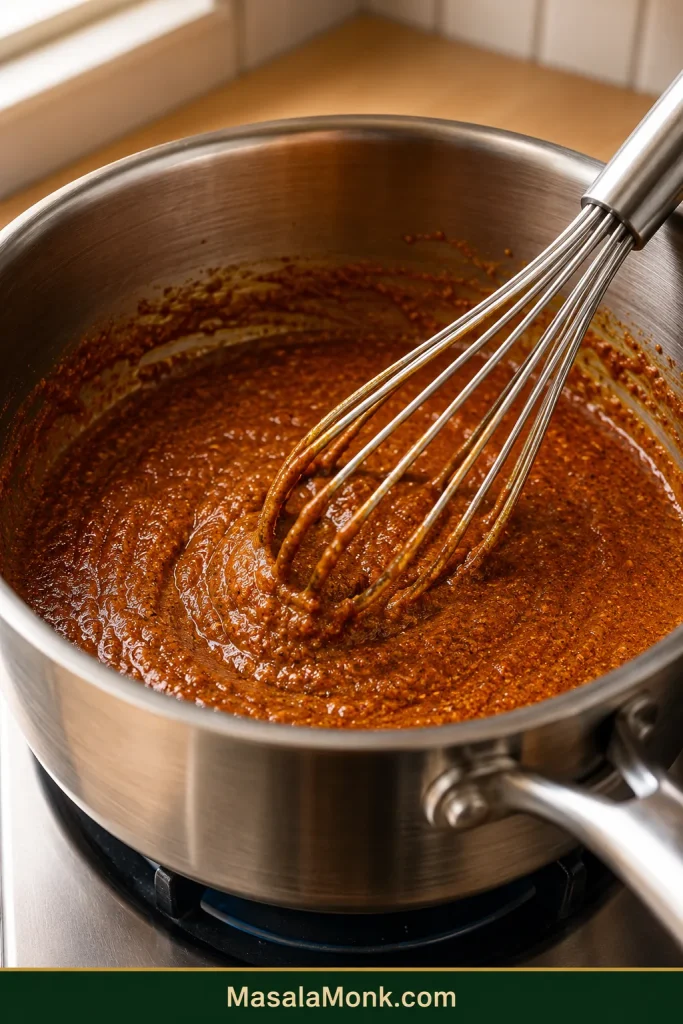
If you are only making the sauce for already-cooked duck, you can skip the temperature notes. If you are cooking duck breast at the same time, this section helps you time the meat before saucing the plate.
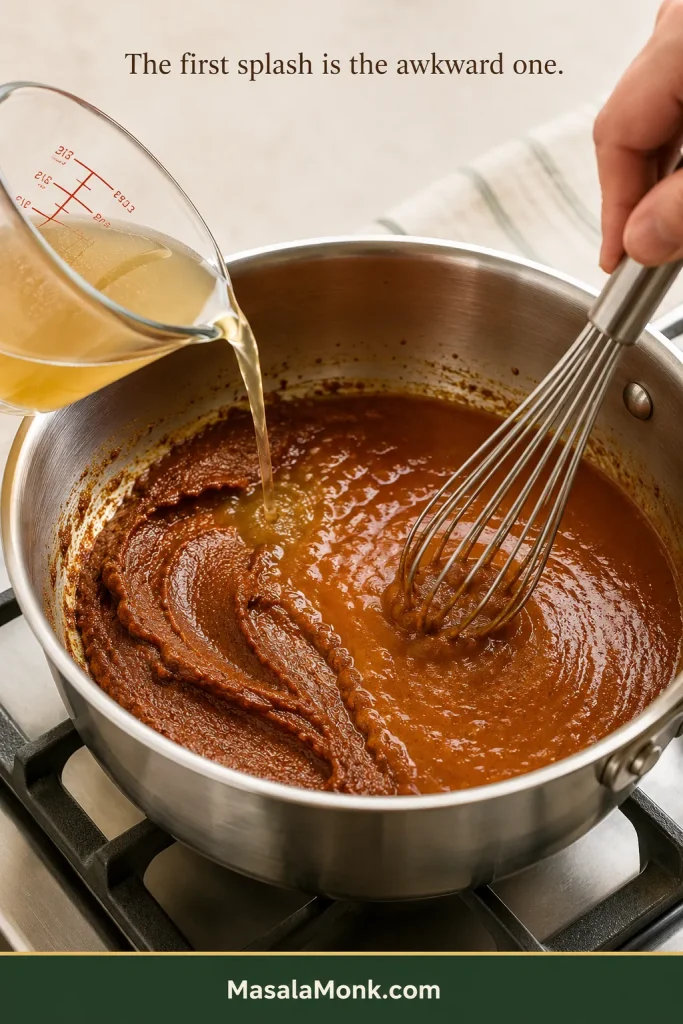
Duck Breast Temperature Guide

In restaurants and many home kitchens, duck breast is often served pink, but official U.S. poultry guidance is 165°F / 74°C. These lower temperatures are common doneness preferences, not official safety recommendations. If you choose a lower doneness target, use your own judgment and consider who you are serving, especially if cooking for children, pregnant guests, older adults, or anyone immunocompromised. You can also refer to the USDA’s safe minimum internal temperature chart for official guidance.

Duck breast temperature guide showing medium-rare, medium, and official United States poultry safety guidance
Duck breast is often served pink, but official U.S. poultry safety guidance is 165°F / 74°C. Use an instant-read thermometer and choose the doneness that suits your table.
Duck Breast Doneness Common Restaurant/Home Target Texture
Medium-rare 130–135°F / 54–57°C Pink, tender, steak-like
Medium 140°F / 60°C Lightly pink, firmer
Well done 155°F+ / 68°C+ Much firmer, less pink
Official U.S. poultry safety temperature 165°F / 74°C Fully cooked by official guidance

How to Keep the Duck Skin Crisp

  • Render the skin slowly instead of blasting it with high heat.
  • Rest the duck breast before slicing so juices settle.
  • Spoon sauce under or around the duck, not heavily over the skin.
  • Serve extra citrus sauce on the side so each person can add more.
  • If reheating leftovers, re-crisp the duck skin separately from the sauce.
Do and don’t comparison showing orange sauce under duck versus sauce poured over duck skin
The skin is the prize. Sauce the plate first, then set the duck on top so the meat gets the citrus lift and the skin keeps its crackle.

How to Use It with Roast Duck or Duck Legs

Roast duck can take a little more sauce than duck breast, especially once it is carved at the table. Still, crisp skin deserves respect. Keep the sauce warm and serve it beside the meat so people can add enough citrus lift without softening every piece.

If you have pan juices from roasting duck, add a spoonful to the sauce for deeper flavor. Skim off excess fat first; a little duck fat tastes luxurious, but too much can turn the sauce greasy.

Duck legs are more forgiving. Because the meat is darker and richer, you can spoon the sauce a little more generously, especially with roasted, braised, or confit-style legs.

Orange sauce served with sliced roast duck and duck legs on dark plates
This citrus sauce works beyond duck breast. With roast duck or duck legs, serve it warm on the side so guests can add more without softening all the skin.

For a bigger holiday table, keep the duck rich and the sides familiar: one citrus sauce, one potato dish, and one green side usually feel complete. If you want a classic make-ahead green side, MasalaMonk’s green bean casserole recipe ideas work better than adding another fussy main-style dish.

Orange Sauce Variations: Marmalade, Grand Marnier, Port, and Blood Orange

Orange sauce variation guide with marmalade, Grand Marnier, port, and blood orange options
Choose the variation by the dinner you want: marmalade for speed, Grand Marnier for elegance, port for depth, and blood orange for a sharper seasonal finish.

Marmalade Shortcut

Marmalade is the fast shortcut, not the whole personality of the sauce. Add 1 tablespoon with the stock for body, sweetness, and a slight orange-peel bitterness.

Too much marmalade pushes the sauce toward sticky glaze. Start small, keep the vinegar close, and remember: if it tastes good on toast, it is probably too sweet for duck.

Orange marmalade sauce for duck with marmalade, a saucepan, and sliced duck
Marmalade can make a fast orange sauce, but it is powerful. Start small, then use vinegar or stock if the flavor begins leaning more like jam than dinner.

Grand Marnier or Cointreau

This is the dinner-party version: still bright and pourable, but with a warmer orange aroma that feels more dressed up. Add 1 to 2 tablespoons of Grand Marnier, Cointreau, or another orange liqueur after the sauce has reduced.

Simmer briefly to mellow the alcohol, then finish with butter. The result should feel fragrant, not perfumey, and richer without becoming heavy.

Grand Marnier orange sauce for duck with plated duck, glossy sauce, and a subtle liqueur glass
Grand Marnier or Cointreau gives the sauce a warmer orange aroma. Simmer briefly before finishing with butter so it tastes elegant rather than sharp.

Port and Orange

Port moves the sauce into a deeper, darker lane. Add 2 to 4 tablespoons with the stock, then taste before serving because port can make the orange feel rounder and sweeter.

This version suits roast duck especially well. If the sauce starts leaning too soft or sweet, a few extra drops of vinegar will wake it back up.

Port and orange sauce served with sliced duck and a darker glossy sauce
Port moves the sauce into a deeper dinner-party lane. Because it can add sweetness, taste before serving and sharpen with a few drops of vinegar if needed.

Blood Orange

Blood orange gives the sauce a ruby-orange color and a slightly berry-like citrus note. Use it exactly as you would regular orange juice, then taste carefully because some blood oranges are less sweet and more tart.

If the finish tastes too sharp, soften it with a little honey or an extra piece of cold butter.

Blood orange sauce for duck with ruby-orange sauce, sliced duck, and cut blood oranges
Blood orange gives duck sauce a deeper color and a tarter citrus edge. If the finish tastes too sharp, soften it with honey or an extra piece of cold butter.

Use the table below as a quick chooser, then follow the same core method: reduce first, taste before butter, and keep the finish pourable rather than sticky.

Version Best For Flavor What to Adjust
Classic base Duck breast, roast duck, duck legs Bright, savory, balanced Taste vinegar and sweetness before butter
Marmalade Fast shortcut Sweeter, peel-like, slightly bitter Add extra vinegar if it tastes jammy
Grand Marnier or Cointreau Dinner-party plates Fragrant, festive, orange-forward Simmer briefly before butter
Port Roast duck or richer plates Darker, rounder, deeper Add acid if it becomes too sweet
Blood orange Seasonal dinners Tart, ruby-colored, berry-citrus Add honey if too sharp

If a variation tastes too sweet, too sharp, or too heavy after reducing, check the sauce fixes before serving.

Common Mistakes to Avoid

These are the small moves that usually separate a polished orange duck sauce from one that tastes too sweet, too heavy, or slightly clumsy on the plate.

  • Adding too much sweetness early: reduce the sauce first, then decide if it needs more honey, sugar, or marmalade.
  • Boiling after butter: once the butter goes in, use gentle heat so the sauce stays smooth.
  • Covering crisp duck skin: spoon the sauce under or around duck breast instead of soaking the skin.
  • Thickening too soon: simmer first, then use cornstarch only if reduction is not enough.
  • Zesting too deeply: use only the colored orange peel, not the bitter white pith.
Common mistakes board for orange sauce for duck showing over-sweetening, boiling butter, over-saucing skin, thickening early, and zesting too deeply
Most orange sauce mistakes start small: too much sweetener, too much heat, or sauce poured over crisp skin. Add gently, taste often, and keep the crisp parts dry.

How to Fix Orange Sauce for Duck

Most problems with this sauce are balance problems, not failures. A splash of acid, a little sweetness, more reduction, or gentler heat can usually bring it back.

Use the table as a quick rescue guide rather than a second recipe. Find the problem, make the smallest adjustment, then taste again before adding more.

Troubleshooting board for orange sauce for duck with sweet, sharp, thin, thick, bitter, greasy, and broken sauce problems
Troubleshooting works best one fix at a time. Adjust sweetness, acidity, thickness, or fat gently, then taste again before changing anything else.
Problem Why It Happened How to Fix It
Too sweet Too much honey, sugar, marmalade, or very sweet orange juice Add a splash of vinegar or lemon juice, then loosen with a little stock if needed.
Too sharp Too much vinegar or very tart oranges Add a little honey or sugar, then finish with butter to round the edges.
Too thin Not reduced enough, or stock was very light Simmer longer. If still thin, whisk in a small amount of cornstarch slurry.
Too thick or sticky Over-reduced or too much marmalade/sugar Whisk in warm stock, water, or orange juice a tablespoon at a time.
Bitter Too much white pith from the orange peel, or over-reduced citrus Strain the sauce, add a little honey, and finish with butter.
Flat Not enough salt, zest, or acid Add a pinch of salt, more orange zest, and a few drops of vinegar.
Greasy Too much duck fat in the pan sauce Skim excess fat or whisk in a splash of warm stock to loosen the sauce.
Broken after butter The sauce boiled hard after the butter was added Take the pan off the heat and whisk in warm stock 1 teaspoon at a time until the sauce looks smoother.

Make-Ahead, Storage, and Reheating

You can make the citrus base ahead of time. Cook the sauce through the reduction stage, then cool and refrigerate it. For the best texture, add the butter when reheating, not before storing.

  • Fridge: Store in an airtight container for 3 to 4 days.
  • Freezer: Freeze before adding butter, and preferably before adding cornstarch slurry, for up to 2 months.
  • Reheating: Warm gently in a small saucepan. Add a splash of stock or water if it has thickened too much.
  • Butter finish: Whisk in cold butter after reheating for the smoothest sauce.
Make-ahead and storage board for orange sauce with container, saucepan, butter, and storage times
For a calmer dinner, make the sauce base ahead and finish it with butter after reheating. Gentle heat protects the texture better than boiling it hard.

When the sauce is ready, build the plate with sides that catch, freshen, or round out the duck.

If the sauce looks slightly separated after chilling, warm it gently and whisk well. A small splash of stock can help bring it back together.

Avoid boiling the sauce hard when reheating, especially after the butter has been added. Gentle heat keeps the finish smoother.

What to Serve with Duck and Orange Sauce

For duck breast, the best plate is usually simple: crisp skin, sliced meat, a spoonful of orange sauce, something potato-based, and one green side. That lets the sauce feel polished without making the plate busy.

Because duck and citrus sauce already bring richness, sweetness, and acidity, choose sides by the job they do on the plate.

Side Job Best Choices Why It Works
Catch the sauce Mashed potatoes, potato gratin, wild rice, rice pilaf Soft or starchy sides hold the orange pan sauce without competing with it.
Freshen the plate Green beans, bitter salad leaves, orange-fennel salad, wilted greens Green or bitter sides keep the duck from feeling too heavy.
Match a holiday table Roasted carrots, Brussels sprouts, hashbrown casserole, green bean casserole These make the meal feel generous without adding another complicated main.

MasalaMonk’s garlic mashed potatoes are especially useful when you want a soft, buttery side that can hold sauce without feeling dry. For a holiday table where you want one rich, make-ahead side, this hashbrown casserole recipe can sit beside roast duck without stealing attention.

Duck with orange sauce served with potatoes, green beans, roasted vegetables, and holiday side dishes
Build the plate by function: something starchy to catch the sauce, something green to freshen the richness, and a warm side if the meal is more festive.

Duck can feel like a high-stakes dinner, but the sauce does not have to be fragile. Reduce it, taste it before the butter, adjust the sweet-sharp balance, and keep it warm. Once the skin is crisp and the sauce is glossy, let the orange lift the duck instead of covering it.

FAQs

What is orange sauce for duck made of?

It is usually made with orange juice, orange zest, stock, vinegar, a small amount of sweetness, and butter. Some versions also include shallot, port, marmalade, wine, or orange liqueur.

Why does orange work so well with duck?

Orange cuts through duck’s richness. The sauce still needs stock and vinegar, though, so it tastes like a savory dinner sauce instead of a sweet glaze.

Should the sauce be sweet?

Lightly sweet, yes. Syrupy, no. The best version is bright, rounded, and savory, with enough acidity to keep the orange from tasting like candy.

What can I use instead of duck stock?

Low-sodium chicken stock is the easiest substitute. It gives the sauce savory depth without overpowering the orange.

Does bottled orange juice work?

It works in a pinch, but fresh juice and fresh zest give a cleaner flavor. If using bottled juice, add fresh zest if possible and taste before adding extra sugar.

How do I thicken orange sauce for duck?

Reduce it first. If it is still too thin, mix 1 teaspoon cornstarch with 1 tablespoon cold water, then whisk in a little slurry and simmer briefly.

Why does my orange duck sauce taste bitter?

Bitterness usually comes from white pith or over-reduced citrus. Use only the colored zest, strain if needed, then soften the sauce with a little honey and butter.

Do I need alcohol?

No. Grand Marnier, Cointreau, and port are optional upgrades. The base sauce gets its balance from orange, stock, vinegar, sweetness, and butter.

How do I scale it for more people?

Double all the ingredients and use a wider saucepan if possible. The sauce may take a few extra minutes to reduce to the same spoon-coating texture.

Is this the same as Chinese duck sauce?

No. This is a warm savory citrus sauce for cooked duck breast, roast duck, or duck à l’orange-style dishes. Chinese-American duck sauce is usually a sweet condiment or dipping sauce.

Comparison of savory orange sauce for duck and Chinese duck sauce as a sweet dipping condiment
Orange sauce for duck is a warm savory citrus sauce for cooked duck. Chinese duck sauce is usually a sweet dipping condiment, so the two are not interchangeable.

How far ahead can I make it?

Make it 3 to 4 days ahead and refrigerate it. For the smoothest finish, reheat gently and whisk in the cold butter just before serving.

What duck dishes work with this citrus sauce?

Use it with pan-seared duck breast, roast duck, duck legs, duck à l’orange, leftover duck, or sliced duck served with potatoes and greens.

Should I pour it over crispy duck skin?

Use a light hand. Spoon the sauce under or around sliced duck breast so the skin stays crisp, then serve extra sauce on the side.

Back to Quick Answer

Posted on 1 Comment

Salsa Verde Recipe: Easy Roasted Tomatillo Salsa

Bowl of roasted salsa verde with tortilla chips, lime, roasted tomatillos, and a spoon showing chunky green texture.

Some sauces sit politely on the side. Salsa verde wakes the plate up. It is bright, green, and alive — the kind of sauce that makes tacos taste fresher, eggs feel less ordinary, grilled chicken more exciting, and tortilla chips almost impossible to leave alone.

At its simplest, this is a one-pan, one-blender salsa: roast the tomatillos, blend everything together, then taste for salt and lime. It should be bright enough to wake up the plate, salty enough to keep you going back for one more chip, and balanced enough to spoon over dinner without thinking twice.

This recipe is made with tomatillos, green chiles, garlic, onion, cilantro, lime, and salt. The roasted version is the one to make first because it softens the tomatillos’ tart edge and gives the salsa a deeper, rounder flavor. Boiled, raw, and charred options are included later, but they are backup help — not homework.

One quick clarification before we start: this is Mexican salsa verde, not Italian salsa verde. Mexican salsa verde is usually made with tomatillos and green chiles. Italian salsa verde is an herb sauce made with parsley, capers, garlic, olive oil, and vinegar or lemon. Both are green sauces, but they are completely different in flavor and use.

In This Guide

Use this as a quick map for the recipe, method choices, heat control, fixes, storage, and serving ideas.

Quick Answer: What Is Salsa Verde?

Salsa verde means “green sauce,” but in Mexican cooking it usually refers to a green salsa made with tomatillos, green chiles, onion, garlic, cilantro, salt, and sometimes lime. Tomatillos are not green tomatoes; they have papery husks and a naturally tangy, slightly fruity flavor that makes them perfect for a lively green salsa.

For the fastest path, go straight to the roasted tomatillo salsa recipe. If you are deciding between raw, boiled, roasted, or charred, use the method guide first.

Tomatillos in papery husks with green chiles, cilantro, onion, garlic, lime, salt, and a bowl of salsa verde
Tomatillos and green chiles give Mexican salsa verde its lively backbone; compared with tomato salsa, the flavor is greener, sharper, and more citrus-friendly.
Start here: If this is your first batch, roast the tomatillos. It is the easiest method to love because it keeps the salsa bright while taking away the harshest raw edge.

At a Glance

This is the kind of salsa that earns a permanent jar spot in the fridge: thick enough for chips, bright enough for tacos, and easy to loosen into a sauce when dinner needs help.

Start withRoasted tomatillo salsa verde
YieldAbout 2½ to 3 cups
Total time20 to 25 minutes under the broiler, or about 25 to 30 minutes with the oven-roasted method
Heat levelMild, medium, or hot depending on jalapeño or serrano amount
Ideal textureSpoonable, lightly textured, not watery
Works withTacos, chips, eggs, enchiladas, chicken, chilaquiles, bowls, nachos
Storage4 to 5 days in the fridge, up to 3 months in the freezer
Salsa verde jar with callouts for yield, time, tomatillo count, heat level, refrigerator storage, and freezer storage
One roasted batch gives about 2½ to 3 cups, so you can serve it with chips now and still have enough left for tacos, eggs, or enchiladas later.

Why This Works

This version is built around the things that usually go wrong: watery texture, harsh garlic, too much tartness, unpredictable heat, and flat flavor. The small details — roasting the garlic, holding back pan juices, tasting before adding extra lime, and resting before the final adjustment — keep the salsa balanced instead of thin, sharp, or dull.

  • Roasting softens the tomatillos. It keeps their tangy flavor but rounds off the sharpest raw edge.
  • Pan juices are added gradually. Roasted tomatillos can release more liquid than expected, so holding some back keeps the salsa from turning watery.
  • Salt comes before extra lime. Under-salted salsa tastes flat, while too much lime can make already-tart tomatillos taste harsh.
  • The method can match the meal. Roasted is the main recipe, but boiled, raw, and charred styles help you make the salsa smoother, brighter, smokier, or more sauce-like.

What You Need

A good batch does not need a long ingredient list. The flavor comes from balancing tangy tomatillos, green chile heat, fresh cilantro, enough salt, and a little lime.

Tomatillos, green chiles, garlic, white onion, cilantro, lime, salt, and finished salsa verde arranged on a prep surface
A good salsa verde recipe does not need many ingredients, but each one has a job: tomatillos bring tang, chiles bring heat, and salt wakes everything up.

Tomatillos

Look for firm tomatillos with dry papery husks. A little stickiness under the husk is normal; rinse it off before cooking or blending. You need 1½ pounds / 680 g tomatillos, usually about 12 medium tomatillos, for about 2½ to 3 cups salsa.

Tomatillos with papery husks beside sliced green tomatoes and a bowl of green tomatillo salsa
Tomatillos are not green tomatoes; instead, they bring the tart, fruity base that gives classic tomatillo salsa verde its lively flavor.

To prep them, remove the husks, rinse the sticky coating, and trim away any damaged spots. Large tomatillos can be halved before roasting so they soften evenly.

Hands choosing fresh tomatillos with papery husks, peeled tomatillos, and labels for firmness, dry husks, and rinsing
Firm tomatillos with dry husks usually roast best; after peeling, rinse the sticky coating so the finished salsa tastes clean rather than tacky or dull.

Jalapeño or Serrano

Jalapeño makes a milder, more approachable salsa. Serrano gives a sharper, more intense green-chile heat. Use one pepper for mild to medium, two serranos for hot, or three to four serranos for a very spicy batch.

Remove the seeds and white ribs for gentler heat before blending. Keep some seeds for a sharper salsa, then adjust after tasting.

Need exact mild, medium, and hot options? Use the heat level guide before blending.

Jalapeños and serrano peppers beside two bowls of salsa verde with labels comparing milder and sharper heat
Jalapeño makes the sauce milder and rounder, while serrano gives sharper green-chile heat, so choose based on who will be eating it.

Onion, Garlic, Cilantro, Lime, and Salt

White onion gives the salsa a clean bite. Rinsing chopped onion under cold water softens harsh raw onion flavor without making the sauce dull. Garlic roasts with the tomatillos in the main recipe so it turns mellow instead of sharp.

Cilantro brings the classic fresh green finish, and tender stems are fine because they carry plenty of flavor. Lime brightens the batch, but tomatillos are already tart, so add it with a light hand and adjust after tasting.

Roasted garlic, rinsed chopped onion, cilantro, lime, salt, and salsa verde arranged as flavor-building ingredients
Garlic, onion, cilantro, lime, and salt build balance around the tomatillos, so the finished green salsa tastes layered instead of flat.

How to Make It

Roast the tomatillos, chile, and garlic until blistered, then blend them with onion, cilantro, lime, and salt. Keep the texture lightly spoonable and add water only at the end when the salsa is too thick.

Four-step salsa verde process showing tomatillo prep, roasting, blending, and tasting to adjust flavor
This four-step flow keeps the recipe simple: prep clean tomatillos, roast for flavor, blend for texture, and adjust only after the salsa settles.

The one thing to watch is liquid. Roasted tomatillos can release a lot of juice, so add the tomatillos first, pulse, and use the pan juices gradually only if the salsa needs them.

Roasted tomatillos going into a blender with reserved pan juices held aside in a small cup
The roasted juices carry flavor, but adding them slowly gives you control over thickness before the salsa turns too loose for chips or tacos.

Do not worry if one batch tastes a little brighter, smokier, or spicier than the last. Tomatillos and chiles vary, so the final taste check is part of making the salsa yours.

Spoon tasting salsa verde with lime wedges, salt, and a jar of green salsa nearby
A short rest makes the flavors easier to read, so taste again before adding more lime, salt, or heat.

Roasted Tomatillo Salsa Verde Recipe

Tomatillos, green chiles, and unpeeled garlic blistered on a sheet pan for roasted salsa verde
Roast the tomatillos until they blister and soften; this rounds off their raw edge while keeping enough acidity for tacos and chips.

Roasted Tomatillo Salsa

This roasted tomatillo salsa is tangy, lightly smoky, and spoonable, with enough body for chips and enough brightness for tacos, eggs, chicken, chilaquiles, bowls, and nachos.

Prep Time 10 minutes
Cook Time About 10 to 13 minutes
Total Time 20 to 25 minutes under the broiler
Yield About 2½ to 3 cups

Equipment

  • Rimmed baking sheet
  • Foil or a bare baking sheet for broiling
  • Blender or food processor
  • Tongs
  • Fine-mesh strainer, optional, for rinsing onion
  • Airtight jar or container

Blender or food processor? Use a food processor for a lightly textured salsa and a blender for a smoother sauce-style salsa.

Broiler note: Use foil or a bare rimmed baking sheet under the broiler. Do not place parchment directly under the broiler. Parchment is only for the 450°F oven method when rated for that heat.

Ingredients

  • 1½ pounds tomatillos, husked and rinsed, about 680 g or 12 medium tomatillos
  • 1 to 2 jalapeños or serranos, roughly 15 to 40 g depending on size
  • 2 to 3 garlic cloves, unpeeled for roasting
  • ½ cup chopped white onion, about 70 g
  • ½ cup chopped cilantro leaves and tender stems, about 8 to 12 g
  • 1 to 2 tablespoons fresh lime juice, 15 to 30 ml, to taste
  • ¾ teaspoon fine salt, about 4 g, plus more to taste
  • 1 to 3 tablespoons water, broth, cooking liquid, or pan juices, only as needed

Instructions

  1. Prep the tomatillos. Remove the papery husks and rinse off the sticky coating. Pat dry before roasting.
  2. Set up the pan. Place tomatillos, jalapeño or serrano, and unpeeled garlic cloves on a foil-lined or bare rimmed baking sheet. Halve large tomatillos and place them cut-side down.
  3. Broil the first side. Broil 4 to 6 inches from the heat for 5 to 7 minutes, until the tomatillos begin to blister and soften.
  4. Finish roasting. Use tongs to turn the chile and garlic as needed, then broil another 4 to 6 minutes. The tomatillos may collapse; that is fine. You are looking for browned spots and a tangy-sweet smell instead of a raw, grassy one.
  5. Cool briefly. Let the roasted ingredients cool for a few minutes. Peel the garlic. Stem the chile. Remove seeds for milder salsa.
  6. Rinse the onion, optional. For a cleaner onion flavor, rinse the chopped onion under cold water and drain well.
  7. Blend carefully. Add the roasted tomatillos, chile, garlic, onion, cilantro, 1 tablespoon lime juice, and salt to a blender or food processor. When there is a lot of liquid on the pan, hold some of it back at first.
  8. Set the texture. Pulse until mostly smooth but still lightly textured. Blend longer only for a thinner sauce-style salsa.
  9. Adjust liquid. Add pan juices, water, broth, or cooking liquid 1 tablespoon at a time only when the salsa is too thick.
  10. Taste. Rest 10 to 15 minutes, then taste again. Add salt first when it tastes dull. Add more lime only when it needs brightness.
  11. Serve or store. Serve warm, room temperature, or chilled. Refrigerate leftovers in an airtight jar.

Notes

  • For mild salsa, use 1 seeded jalapeño.
  • For medium heat, use 1 whole jalapeño or 1 seeded serrano.
  • For a hot batch, use 2 serranos.
  • Without a broiler, roast at 450°F / 230°C for 15 to 20 minutes. Total time will be closer to 25 to 30 minutes.
  • For storage details, see how to store and freeze it. For shelf-stable jars, read the canning safety note before changing the recipe.

Before broiling, pan setup matters: keep the tomatillos close enough to blister, and use foil or a bare rimmed pan instead of parchment.

Sheet pan of tomatillos, green chile, and garlic under a broiler with guidance for heat distance and foil or bare pan
Broiling close to the heat helps tomatillos blister quickly; meanwhile, foil or a bare pan is safer under the broiler than parchment.

Texture depends on the tool: a food processor keeps the salsa lightly textured, while a blender makes it smoother and more sauce-like.

Salsa verde in a food processor with a spoonful of chunky salsa and a blender nearby for a smoother texture
Use a food processor for lightly textured tomatillo salsa, but use a blender when you want a smoother sauce-style finish.

You can stop with the roasted recipe above and be happy. Everything after this point is optional help for method, texture, heat, and use cases.

Raw, Boiled, Roasted, or Charred?

Once you know the base recipe, the method becomes your style choice: raw for sharp and fresh, boiled for smooth, roasted for balanced, and charred for smoky.

Four bowls of salsa verde showing raw, boiled, roasted, and charred versions with different colors and textures
Once you know the base recipe, the method becomes a style choice: raw is sharp, boiled is smooth, roasted is balanced, and charred is smoky.
MethodHow to Do ItFlavorWorks With
RawBlend raw tomatillos, chile, onion, cilantro, lime, and salt.Sharp, tart, fresh, grassy.Tacos, grilled meats, rich or fatty fillings.
BoiledSimmer tomatillos, chile, and garlic for 5 to 12 minutes, then blend.Smoother, cleaner, softer.Taqueria-style salsa, enchiladas, chilaquiles, chicken.
RoastedBroil 9 to 13 minutes total, or roast at 450°F for 15 to 20 minutes.Balanced, rounded, lightly smoky.The most flexible homemade version.
CharredBroil until deeply blistered, blend, then optionally simmer in 1 tablespoon oil for 2 to 3 minutes.Smoky, deeper, more intense.Restaurant-style salsa, tacos, grilled meats, bold bowls.

If you are unsure, choose roasted. It behaves best on a normal weeknight: bright enough for tacos, thick enough for chips, and rounded enough to spoon over dinner.

If the salsa looks too thick or too loose after blending, check the texture guide before adding more liquid.

Boiled Version

The boiled version is smooth, clean, and useful when you need a green salsa that behaves more like a sauce. Place the tomatillos, chile, and garlic in a saucepan, cover with water, and simmer until the tomatillos turn dull green and soften. This usually takes 5 to 12 minutes depending on size.

Stop when the tomatillos are soft but not completely falling apart. Drain them, save a little cooking liquid, then blend with onion, cilantro, salt, and lime to taste. Add the reserved liquid only as needed. This style is especially good for enchiladas, chilaquiles, simmered chicken, and everyday taco-shop-style salsa.

Tomatillos and green chile simmering in a pot beside a bowl of smooth boiled salsa verde
Boiled salsa verde is smoother and cleaner than roasted salsa, which makes it useful for enchiladas, chilaquiles, simmered chicken, and taqueria-style sauces.

Raw Version

Raw salsa verde, also called salsa verde cruda, is the fastest style. It is bracing and fresh, with a sharper edge than cooked salsa verde. Use it for a fresh taco salsa when a more assertive tomatillo flavor sounds good.

Because raw tomatillos can be quite tangy, taste carefully before adding much lime. Salt is usually more important than extra acid in this version.

Bright raw salsa verde cruda spooned over tacos with raw tomatillos and green chile nearby
Raw salsa verde cruda has the sharpest bite, so it works especially well when rich taco fillings need a clean green finish.

Charred Version

The charred version is for deeper flavor. Let the tomatillos and chiles blister more aggressively under the broiler. After blending, heat 1 tablespoon neutral oil in a saucepan, add the salsa, and simmer it for 2 to 3 minutes. The color will darken slightly and the flavor will become more rounded.

This step is optional, but it is excellent for tacos, grilled meats, chilaquiles, or chicken.

Charred tomatillos, green chiles, garlic, and a bowl of dark smoky salsa verde
Charring deepens the flavor of tomatillo salsa, but the vegetables should look blistered and smoky rather than burned.

Mild, Medium, or Hot

For a table of mixed heat levels, start gentler than your own taste. You can always make the next batch sharper, but once this batch is too hot, you need extra tomatillos, avocado, or crema to bring it back.

Heat LevelUse ThisWorks For
Mild1 seeded jalapeñoKids, parties, chips, mild tacos.
Medium1 whole jalapeño or 1 seeded serranoEveryday salsa with a gentle kick.
Hot2 serranosTacos, grilled meats, spicy bowls.
Very hot3 to 4 serranos, with some seeds includedHeat lovers and bold taqueria-style salsa.

If the batch is already hotter than you wanted, go straight to the too-spicy fix instead of adding water.

Mild, medium, and hot salsa verde bowls with jalapeño and serrano pepper amounts shown as labels
For a crowd-friendly salsa verde, start with jalapeño or a seeded serrano; then move hotter only when you know the table wants it.

If you like building heat with different chiles, MasalaMonk’s pepper sauce guide goes deeper into jalapeño, habanero, chipotle, and other chile-based sauces.

Once the salsa is already blended and too spicy, do not add water first. Water will thin the sauce without softening the burn much. Instead, blend in more cooked tomatillo, avocado, sour cream, Mexican crema, or a little more roasted onion, depending on the flavor you want.

The Right Texture

Good salsa verde should be spoonable, lightly glossy, and a little textured. It should not pour like water, but it should not be stiff like guacamole either.

For chips, keep it medium-thick so it clings. On tacos, it should be spoonable and a little loose, so it runs slightly into the filling. For enchiladas or chilaquiles, thin it with broth, water, or cooking liquid so it coats instead of clumping. Bowls and nachos need a thicker salsa so it does not flood the plate.

Serving temperature changes the way it feels, too. Chilled works best for chips, room temperature is great for tacos, and warm is useful when the salsa acts like a sauce for eggs, chicken, enchiladas, or chilaquiles.

If the texture has already gone wrong, the troubleshooting section covers watery, too thick, bland, bitter, tart, and too-spicy salsa.

Three salsa verde textures labeled thick, spoonable, and saucy for chips, tacos, enchiladas, and chilaquiles
A thicker salsa clings to chips, a spoonable one sits better on tacos, and a looser version spreads more evenly through enchiladas or chilaquiles.

How to Fix the Flavor or Texture

Most salsa problems are not disasters. They are usually small balance issues: too much liquid, not enough salt, too much heat, or tomatillos that were sharper than expected.

ProblemLikely CauseHow to Fix It
Watery salsaToo much liquid, hot salsa not rested, or over-blending.Chill first. If still loose, simmer briefly to reduce or blend in avocado for a creamy style.
Too tartVery sharp tomatillos or too much lime.Add roasted onion, a tiny pinch of sugar, or avocado.
BitterOld tomatillos, over-charred skins, or harsh raw garlic.Add more cooked tomatillo, cilantro, salt, or a little lime. Next time, roast until blistered, not scorched.
Too spicyToo many serranos or too many seeds.Blend in more cooked tomatillo, avocado, crema, sour cream, or roasted onion.
BlandUsually not enough salt.Add salt in small pinches, rest for a few minutes, then taste again.
Too thickNot enough liquid or salsa chilled very thick.Add water, broth, cooking liquid, or reserved pan juices 1 tablespoon at a time.
Troubleshooting board for salsa verde with fixes for watery, tart, bitter, spicy, bland, and thick salsa
Most salsa verde problems are balance problems, so the fix is usually small: chill, simmer, salt, thin slowly, or add body instead of starting over.
If you only remember one fix: adjust salt before lime. Under-salted salsa tastes flat, but too much lime can make already-tangy tomatillos taste harsh.

Watery Salsa Verde

Watery salsa verde is usually easy to rescue. Tomatillos release liquid as they cook, and warm salsa can seem thinner than chilled salsa. First, let it cool or refrigerate it for 30 minutes. When it is still too loose, simmer it in a small saucepan for a few minutes until it thickens.

Watery salsa verde simmering in a pan with a spoonful of thicker salsa lifted above the surface
If the salsa looks thin after cooling, a brief simmer concentrates the tomatillo flavor and brings the texture back to spoonable.

For tacos and chips, you want salsa that clings. For enchiladas and chilaquiles, a looser sauce is actually useful.

Bitter or Too Tart

Tomatillos are naturally tart, so add lime slowly. When the salsa tastes too sharp, add roasted onion, a tiny pinch of sugar, or avocado. Avocado is especially helpful because it softens both tartness and heat.

Salsa verde with avocado, roasted onion, cooked tomatillo, cilantro, and lime used to fix bitter or tart flavor
If the sauce tastes too tart or bitter, ingredients with body and sweetness, such as avocado, roasted onion, or cooked tomatillo, can soften the edge.

Bitterness usually comes from old tomatillos, over-charred skins, or too much raw garlic. Next time, use firm fresh tomatillos and roast until blistered and browned in spots, not blackened all over.

Too Spicy

The easiest way to cool down heat is to add body, not water. Cooked tomatillos, avocado, sour cream, Mexican crema, or roasted onion will calm the burn while keeping the sauce useful.

Salsa verde with avocado, crema, roasted onion, and cooked tomatillos used to reduce heat
When the salsa is too spicy, add body with avocado, crema, roasted onion, or more tomatillo instead of thinning the sauce with water.

Served with rich foods like pork, fried eggs, cheese, or grilled chicken, a slightly spicy batch may taste more balanced once it is on the food.

Bland or Flat

When the salsa tastes dull, add salt in small pinches, stir, and wait a minute before tasting again. Once the tomatillo and chile flavor wakes up, you can decide whether it needs more brightness.

Ways to Use It Beyond Chips

Chips may be the first thing that comes to mind, but this is where the jar starts earning its space in the fridge. It can wake up eggs, rescue leftover chicken, make plain rice or tortillas feel intentional, and turn a simple plate into dinner.

Use the sections below for quick details on tacos, enchiladas, salsa verde chicken, chilaquiles verdes, and eggs, bowls, and nachos.

Salsa verde jar surrounded by tacos, eggs, chicken, chilaquiles, chips, and a bowl meal
Once there is a jar in the fridge, salsa verde becomes the green shortcut for tacos, eggs, chicken, chilaquiles, bowls, nachos, and chips.
UsePractical GuideTexture to Aim For
ChipsServe chilled or room temperature with tortilla chips or vegetables.Medium-thick and scoopable.
TacosUse 1 to 2 tablespoons per taco.Spoonable, bright, salty.
EnchiladasUse about 2 cups for a small 8-inch pan, or 2½ to 3 cups for a 9×13-inch pan.Looser, simmered, saucy.
ChickenUse 1½ to 2 cups salsa for about 1½ pounds boneless chicken.Thicker for spooning, looser for simmering.
ChilaquilesWarm 2 cups salsa with ½ to 1 cup broth or water.Loose enough to coat chips.
EggsUse about ¼ cup warm salsa per serving.Spoonable and warm or room temperature.
Bowls and nachosSpoon over at the end, not too early.Thicker so it does not flood the plate.

That is the real value of a good batch: it starts as salsa, then quietly becomes the sauce that helps you finish the week’s tacos, eggs, bowls, and chicken.

Tacos

On tacos, the salsa should be bold enough to cut through rich fillings. Raw salsa is sharp and fresh. Roasted is more rounded. Charred is excellent with grilled meats, crispy potatoes, mushrooms, chicken, pork, or eggs. It works beautifully on fish tacos when you want a clean, bright topping.

Salsa verde being spooned over tacos with lime, cilantro, onion, and warm tortillas
For tacos, the sauce should be bold enough to cut through the filling while still tasting fresh, tangy, and spoonable.

Enchiladas

For enchiladas, make the salsa looser than you would for chips. Simmer it briefly in a little oil or broth, then use enough to coat the tortillas well. Use about 2 cups for a small 8-inch pan, or 2½ to 3 cups for a 9×13-inch pan, depending on how saucy you like your enchiladas.

Salsa verde being poured over rolled tortillas in a baking dish with a note for a 9 by 13 inch pan
For enchiladas, make salsa verde looser than a dip so it can coat the tortillas evenly instead of sitting in thick clumps.

Salsa Verde Chicken

Salsa verde chicken is one of the easiest ways to turn this sauce into dinner. Use 1½ to 2 cups for about 1½ pounds boneless chicken, whether you simmer raw chicken until cooked through or spoon the sauce over sliced baked chicken breast.

Once shredded, the chicken works in tacos, bowls, nachos, quesadillas, or enchilada filling.

Shredded chicken tossed with salsa verde in a skillet with tortillas nearby
Salsa verde chicken is an easy dinner shortcut because the sauce seasons shredded chicken and turns it into filling for tacos, bowls, nachos, or enchiladas.

Chilaquiles Verdes

Chilaquiles verdes need a looser sauce than tacos. Warm 2 cups salsa with ½ to 1 cup broth or water, then add tortilla chips just long enough to coat them. Keep the chips slightly tender but not completely mushy. Finish with eggs, crema, onion, cilantro, and cheese if you like.

Chilaquiles verdes in a skillet with tortilla chips, salsa verde, egg, crema, cilantro, onion, and cheese
For chilaquiles verdes, warm the sauce first so the chips get coated quickly without soaking until they collapse.

Eggs, Bowls, and Nachos

With eggs, this salsa tastes best slightly warm or at room temperature. It is also a strong add-on for breakfast burritos, especially with eggs, potatoes, cheese, beans, or chorizo. For bowls and nachos, keep it thicker so it acts like a topping instead of a puddle.

Breakfast burrito filled with eggs, potatoes, beans, and cheese with salsa verde spooned over the top
Salsa verde wakes up eggs, potatoes, beans, and breakfast burritos, especially when the sauce is served slightly warm or at room temperature.

Creamy, Avocado, Green Tomato, and Hatch Chile Versions

Once the base salsa tastes balanced, the variations become easy. You are not starting over — you are simply changing the richness, heat, or chile character.

Because creamy and avocado versions store differently, check the storage notes before making a large batch.

Creamy Version

To make it creamy, blend ½ cup sour cream or Mexican crema into 1½ to 2 cups cooled salsa. This makes a softer taco sauce that is especially good with grilled chicken, fish tacos, potatoes, roasted vegetables, and breakfast burritos.

Do not can creamy salsa verde. Dairy changes the safety and storage rules. Keep it refrigerated and use it within 2 to 3 days.

Avocado Version

Avocado turns the sauce richer and softer. Blend 1 ripe avocado into 1½ to 2 cups cooled salsa, then thin it one tablespoon at a time only when needed. This is a good fix for a batch that tastes too sharp or too spicy.

Avocado salsa verde is best eaten the same day or within 1 to 2 days. Press plastic wrap directly against the surface before refrigerating to slow browning.

Two bowls of salsa verde showing a pale creamy version and a thicker avocado version with avocado, lime, cilantro, and roasted tomatillos
Creamy salsa verde tastes softer and tangier with crema, while avocado salsa verde becomes richer and helps tame sharpness or heat.

Green Tomato Version

Tomatillos are best for classic Mexican salsa verde. Green tomatoes can make a tangy green salsa, but the flavor is different: more tomato-like, less fruity, and often less naturally bright. Use green tomatoes as a variation when you have them, not as the first choice for this recipe.

When using green tomatoes, roast them well and taste carefully. They may need more lime, salt, or chile to get the same lively balance.

Finished tomatillo salsa and green tomato salsa in separate bowls with tomatillos, husks, sliced green tomatoes, cilantro, and lime
Green tomato salsa can work as a variation, but tomatillos give classic salsa verde its brighter, fruitier tang.

Hatch Green Chile Version

Roasted Hatch green chiles give the salsa a deeper green-chile flavor. Start with ¼ to ½ cup chopped roasted green chile for this batch, then adjust to taste. Hatch chiles can vary widely in heat, so taste before adding extra serrano or jalapeño.

Roasted Hatch green chiles being added to a bowl of salsa verde with tomatillos, cilantro, lime, and salt nearby
Hatch green chiles add deeper roasted chile flavor, so start with a small amount and taste before adding more heat.

For a sweeter, fruitier salsa for tacos, fish, shrimp, or grilled chicken, MasalaMonk’s mango salsa recipe is the better direction. This salsa is tangy and green; mango salsa is juicy, chunky, and fruit-forward.

Salsa Verde and Other Green Sauces

“Salsa verde” simply means green sauce, so different cuisines use the name for different things. The table below is not saying these sauces are interchangeable. It is here to help you recognize which green sauce a recipe or restaurant menu might mean.

SauceMain IngredientsWorks With
Mexican salsa verdeTomatillos, green chiles, onion, garlic, cilantro, salt, sometimes lime.Tacos, chips, enchiladas, chicken, eggs, chilaquiles.
Italian salsa verdeParsley, capers, garlic, olive oil, vinegar or lemon, sometimes anchovy.Fish, steak, roasted vegetables, boiled meats.
Peruvian aji verdeCilantro, green chile or aji amarillo-style heat, lime, mayo or cheese-style creaminess.Roast chicken, fries, grilled meats, rice bowls.
Chile verdeUsually pork or meat cooked with green chiles and tomatillo-style sauce.A stew or main dish, not just a table salsa.

How to Store and Freeze It

Store the salsa in an airtight jar or container in the refrigerator. Plain salsa verde is often even better after 30 minutes to a few hours because the salt, chile, cilantro, and tomatillo flavors settle together.

If you want shelf-stable jars instead of refrigerator salsa, read the canning safety section before changing the ingredients or acid.

Storage MethodHow LongStorage Tip
Refrigerator4 to 5 daysKeep it in a clean airtight jar and stir before serving.
FreezerUp to 3 monthsFreeze in small portions so you can thaw only what you need.
Avocado or creamy version1 to 2 days for avocado, 2 to 3 days for creamyKeep refrigerated and do not freeze if texture matters.
Salsa verde stored in a refrigerator jar, freezer containers, freezer bag, and ice cube tray with storage time labels
Plain salsa verde stores well in the refrigerator and freezer, but add avocado, sour cream, or crema only after thawing for the best texture.

Freeze the plain version before adding avocado, sour cream, or crema. Dairy and avocado versions do not freeze as cleanly and can turn grainy or dull after thawing. When the salsa smells off, looks fizzy, shows mold, or changes in a way that makes you unsure, throw it out.

Can You Can Salsa Verde?

Important: This fresh salsa verde recipe is for the refrigerator or freezer. Do not water-bath can this exact recipe unless you are following a tested canning formula with the correct acid level, jar size, headspace, and processing time.
Canning safety graphic with fresh salsa verde, bottled lime juice, jars, canning equipment, and notes to refrigerate or freeze this recipe
Fresh salsa verde belongs in the refrigerator or freezer unless you are using a tested canning recipe with verified acid, jar, and processing guidance.

Shelf-stable salsa is different from fresh salsa. Tomatillos are acidic, but salsa also contains low-acid ingredients like onions, garlic, and chiles. Safe canning recipes use tested ratios and added acid. The National Center for Home Food Preservation provides a tested tomatillo green salsa formula with measured tomatillos, chiles, onions, and bottled lemon or lime juice. New Mexico State University also publishes salsa canning guidance with tested processing information.

For shelf-stable salsa verde, use a tested canning recipe from a university extension, NCHFP, USDA-style source, or another reputable canning authority. Do not simply add vinegar or lemon juice to this fresh recipe and assume it is safe. Do not change the tomatillo, onion, chile, or acid ratios in a tested canning recipe unless the source specifically says that change is safe.

FAQs

Is salsa verde the same as green salsa?

In Mexican cooking, salsa verde usually means green salsa made with tomatillos and green chiles. The phrase can mean different green sauces in other cuisines, so “Mexican salsa verde” or “tomatillo salsa verde” is the clearer name.

Are tomatillos the same as green tomatoes?

Tomatillos and green tomatoes are different ingredients. Tomatillos have papery husks and a tart, fruity flavor, while green tomatoes are unripe tomatoes. You can make a green tomato salsa, but it will not taste exactly like classic tomatillo salsa verde.

Do you have to cook tomatillos?

You do not have to cook them. Raw salsa verde is sharp and fresh, boiled salsa verde is smooth and clean, roasted salsa verde is rounder, and charred salsa verde tastes deeper and smokier. When in doubt, roast them first; it is the easiest method to love.

Is roasted or boiled better?

Roasted is usually the most flexible homemade version because it tastes rounder and lightly smoky. Boiled is smoother and cleaner, which makes it excellent for taqueria-style salsa, enchiladas, chilaquiles, and simmered chicken.

Is it spicy?

The heat depends on the chile. Start with one seeded jalapeño for a gentle batch, especially when serving a crowd. You can always add more heat next time.

How do I make it less spicy?

The easiest way to cool down the heat is to add body, not water. Blend in more cooked tomatillo, avocado, sour cream, Mexican crema, or roasted onion. Plain water will thin the salsa without balancing the burn very much.

Can I use it as enchilada sauce?

For enchiladas, make the salsa looser than you would for chips. Simmer it briefly, then use enough to coat the tortillas well: about 2 cups for a small 8-inch pan, or 2½ to 3 cups for a 9×13-inch pan.

Why is my salsa verde watery?

Watery salsa usually has too much added liquid or has not cooled yet. Chill it first. If it is still loose, simmer it briefly to reduce. For a creamy fix, blend in avocado instead.

Why is my salsa verde bitter?

Bitterness can come from old tomatillos, over-charred skins, or too much harsh raw garlic. Add more cooked tomatillo, cilantro, salt, or a little lime. Next time, roast until blistered and browned in spots, not blackened all over.

Can I make it without cilantro?

You can leave cilantro out if it is not your thing. The flavor will be less classic, but the salsa can still work with enough chile, onion, lime, and salt. Flat-leaf parsley gives a green herb note, but it will not taste the same.

Can I use canned tomatillos?

Fresh tomatillos are best, but canned tomatillos can help when that is what you have. Drain them well, then blend with chile, onion, garlic, cilantro, lime, and salt. The flavor is usually softer, so taste carefully before serving.

Can I freeze it?

Plain salsa freezes well in small portions for up to 3 months. Thaw it in the refrigerator and stir before serving. Add avocado, sour cream, or crema after thawing, not before freezing.

Can I can this recipe?

This is a fresh refrigerator/freezer recipe, not a canning formula. For shelf-stable canning, use a tested recipe with the correct acid, jar size, headspace, and processing time from a reputable canning authority.

What is the difference between salsa verde and chile verde?

Salsa verde is a green salsa or sauce. Chile verde usually refers to a cooked dish, often pork or another meat simmered with green chiles and tomatillo-style sauce. They are related, but they are not the same thing.

Once you make salsa verde this way, you will start noticing how many meals need it. Keep it thick for chips and tacos, loosen it for enchiladas or chilaquiles, or blend in avocado when you want something softer and creamy. After a few batches, you will know your house style: raw and sharp, boiled and smooth, roasted and round, or charred and smoky. The best version is the one your table keeps reaching for first.

Used table scene with a bowl and jar of salsa verde, tacos, tortilla chips, lime wedges, tortillas, and grilled chicken
After a few batches, salsa verde becomes a house sauce: keep it chunky for tacos, loosen it for saucy meals, or adjust the method until it fits your table.

Back to top

Posted on Leave a comment

Homemade Ketchup Recipe

Thick glossy homemade ketchup in a bowl with a spoon, fresh tomatoes, and tomato paste nearby.

A good homemade ketchup recipe should taste bright, tangy, lightly sweet, deeply tomato-forward, and smooth enough for dipping, spreading, spooning, or squeezing. It should be thicker than tomato sauce, sharper than tomato chutney, and balanced enough for fries, burgers, sandwiches, wraps, pakoras, grilled snacks, and quick dipping sauces. You can also use it as a simple meatloaf glaze or a base for burger sauce.

This homemade tomato ketchup gives you the full fresh tomato method first: ripe tomatoes cooked down with onion, garlic, vinegar, sweetener, salt, mustard, and warm spices until glossy and thick. Then, because real kitchens are not always full of perfect summer tomatoes, you also get a quick tomato paste ketchup recipe, a sugar-free option, texture fixes, storage guidance, and clear canning notes.

In many kitchens, especially in India, this would simply be called a tomato ketchup recipe or homemade tomato sauce. Here, though, the goal is classic ketchup texture: smooth, glossy, thick, tangy-sweet, and easy to dip.

Most importantly, this is a recipe about control. Once you understand the tomato-to-vinegar-to-sweetener balance, you can make ketchup sweeter, tangier, smoother, thicker, spicier, lower in sugar, or closer to bottled ketchup without guessing. That way, the same base can work for fries, burgers, wraps, snacks, and quick sauces without needing a separate recipe every time.

For that reason, the recipe below does not force one version on every kitchen. Instead, it shows you when fresh tomatoes are worth the longer simmer and when tomato paste is the smarter shortcut.

At-a-glance guide summarizing homemade ketchup options, flavor target, texture goal, and storage guidance.
If you want the short version first, this guide shows the key homemade ketchup decisions: which method to choose, how it should taste, and how to store it safely.

Before you start: choose the version based on your tomatoes. If they are ripe and flavorful, use the fresh tomato method. However, if they are watery or bland, use the tomato paste shortcut instead. That way, you get a thick, balanced ketchup without fighting the ingredients.

Quick Answer: The Best Homemade Ketchup Recipe Ratio

Fresh Tomato Ketchup Ratio

To make homemade ketchup with fresh tomatoes, first cook ripe tomatoes with onion and garlic until soft. Next, blend them smooth and strain them for a finer texture. From there, simmer the tomato puree with vinegar, sugar or jaggery, salt, mustard powder, and warm spices until thick and glossy.

Tomato Paste Ketchup Ratio

For a faster version, whisk tomato paste with water, vinegar, sweetener, salt, onion powder, garlic powder, mustard powder, and a tiny pinch of warm spice. Then, simmer it for 5–8 minutes. Compared with the fresh tomato version, tomato paste ketchup is quicker, smoother, and more predictable, although it tastes less seasonal.

As a starting point, use the fresh tomato ratio when flavor matters most and the tomato paste ratio when speed and smoothness matter more.

Version Quick Ratio Best For
Fresh tomato ketchup 1 kg tomatoes + 75–90 ml vinegar + 50–75 g sweetener + 8–10 g salt Ripe summer tomatoes, fresh flavor, and from-scratch ketchup
Tomato paste ketchup 170 g tomato paste + 120–150 ml water + 45 ml vinegar + 20–35 g sweetener Quick ketchup, smooth texture, burgers, fries, and weeknight meals
Ratio guide comparing homemade ketchup made with fresh tomatoes and ketchup made with tomato paste.
Use the fresh tomato ratio when flavor matters most, and the tomato paste ratio when speed, smoothness, and consistency matter more.

That is why this ketchup recipe gives you two practical paths: a fresh tomato version for deeper flavor and a quick tomato paste version for speed.

Because this ketchup recipe is homemade, you can adjust the vinegar, sweetener, salt, and spices near the end instead of being locked into one fixed bottled flavor.

How the Ketchup Should Taste

Flavor target: good ketchup should taste tomato-rich first, then tangy, lightly sweet, salty enough to pop, and only gently spiced. If you can clearly taste cinnamon, clove, or allspice, the warm spice is too strong.

That flexibility is what makes a homemade ketchup recipe useful: the method gives you a starting point, but the final balance comes from tasting and adjusting.

The finished ketchup should taste tomato-rich, tangy-sweet, savory, and gently spiced in the background. When it tastes like plain tomato sauce, it needs more vinegar, sweetener, salt, mustard, or a tiny pinch of warm spice. However, when it tastes like chutney, the warm spices or sweetener are probably too strong.

Which Homemade Ketchup Version Should You Make?

Before you start cooking, decide what problem you are solving. Fresh tomatoes give the best homemade flavor when they are ripe, while tomato paste gives better control when the tomatoes are watery, pale, or out of season.

The easiest way to choose is to look at your tomatoes, your time, and how you plan to store the ketchup. When the tomatoes are ripe and red, fresh tomatoes give the best homemade flavor. On the other hand, when the tomatoes are watery, pale, or out of season, tomato paste gives the fastest, smoothest, most predictable result. If you are reducing sugar, however, the ketchup needs a little more balancing so it still tastes like ketchup instead of plain tomato sauce.

Decision guide showing when to make homemade ketchup with fresh tomatoes and when to use tomato paste.
Fresh tomatoes are best when they are ripe and flavorful, while tomato paste is the smarter shortcut when you want faster, smoother, more predictable ketchup.

In other words, the best homemade version is not always the longest ketchup recipe. It is the version that fits your tomatoes, your time, and the way you want to serve it.

Situation Best Version Why It Works
Ripe summer tomatoes Fresh tomato ketchup This gives the best flavor and the most homemade character.
Watery, pale, or bland tomatoes Tomato paste ketchup The paste gives more predictable color, body, and flavor.
Ketchup needed in about 10 minutes Quick tomato paste ketchup recipe No long reduction is needed.
Lower-sugar ketchup Sugar-free ketchup option This lets you control the sweetener while keeping the sauce balanced.
Pantry-stable jars Tested canning recipe only A flexible fridge ketchup should not be canned casually.

Why This Recipe Works

This recipe works because it treats ketchup as a balance problem, not just a tomato puree. The tomatoes soften first so their flavor turns rounded, the mixture is blended and strained for texture, and the seasoned puree reduces slowly until the vinegar, sweetener, salt, mustard, and spices taste like one glossy sauce.

The fresh tomato version gives deeper homemade flavor, while the tomato paste version gives speed and consistency. Together, they cover both real kitchen situations: good ripe tomatoes and the nights when you need a quick ketchup for fries, burgers, wraps, or snacks. Because both versions use the same sweet-acid-salt logic, you can adjust them in the same way near the end.

Homemade Ketchup Ingredients: Tomatoes, Vinegar, Sugar, Salt and Spices

Ketchup tastes simple, but it depends on balance. Tomatoes give the sauce body, while vinegar adds the sharp tang. Sweetener rounds the acidity, and salt makes the tomato flavor pop. Finally, onion, garlic, mustard, and warm spices turn cooked tomato into ketchup instead of plain tomato sauce.

Because the sauce reduces as it cooks, the balance of vinegar, salt, and sweetener becomes more concentrated near the end. Therefore, it is better to start slightly cautious and adjust after the sauce thickens.

What Is Ketchup Made Of?

Ketchup is usually made from tomatoes or tomato paste, vinegar, sugar or another sweetener, salt, onion, garlic, mustard, and warm spices. The main ingredient is tomato, but the familiar ketchup flavor comes from the balance of tomato, vinegar, sweetness, salt, and spice.

Compared with many bottled ketchup ingredients lists, homemade ketchup gives you more control. You can choose fresh tomatoes or tomato paste, adjust the sugar, use 5% acidity vinegar, control the salt, and keep the spice level gentle.

Ingredients for homemade ketchup including tomatoes, vinegar, sweetener, salt, onion, garlic, mustard powder, and warm spices.
Homemade ketchup gets its classic flavor from balance: tomatoes for body, vinegar for tang, sweetener for roundness, salt for depth, and spices for warmth.

Tomatoes and Vinegar

Tomatoes give the ketchup body, color, and fresh flavor. Meanwhile, vinegar gives the sauce its sharp ketchup tang. For this small-batch fridge version, apple cider vinegar gives a rounder flavor, while white vinegar tastes cleaner and sharper.

Sweetener, Salt and Spices

Sweetener balances tomato acidity, salt sharpens the flavor, and spices make the sauce taste like ketchup instead of plain tomato sauce. In this ketchup recipe, the homemade flavor comes from restraint: mustard powder, cinnamon, and a tiny pinch of clove or allspice are enough. Too much warm spice can push the sauce toward chutney.

Once you understand what each ingredient does, the recipe becomes easier to adjust. The table below shows the fresh tomato amounts first because that version depends most on balance and reduction.

Measurement note: metric weights are more accurate for tomatoes, onion, sweetener, and salt. The US cup and spoon measures are included for convenience, but final yield can vary because tomatoes contain different amounts of water.

Fresh Tomato Ketchup Ingredient Amounts

Ingredient Amount for Fresh Tomato Ketchup Why It Matters
Ripe red tomatoes 1 kg / 2.2 lb Tomatoes form the body, color, and main flavor. Roma, plum, San Marzano-style, or other meaty tomatoes reduce faster and taste richer.
Onion 80–100 g / 3–3.5 oz / 1 small onion Onion builds a savory base and helps the ketchup taste rounded.
Garlic 8–12 g / 2–3 cloves Garlic deepens the flavor. Use less if you want a cleaner bottled-style ketchup.
5% acidity vinegar 75–90 ml / 5–6 tbsp Vinegar gives ketchup its sharp tang. Apple cider vinegar tastes rounder; white vinegar tastes cleaner and sharper.
Sugar, jaggery, or brown sugar 50–75 g / 1.75–2.6 oz / about ¼–⅓ cup packed Sweetener balances tomato acidity and keeps the sauce from tasting like sour tomato puree.
Fine salt 8–10 g / about 1½ tsp Salt sharpens the tomato flavor. Add it carefully because reduction concentrates the sauce.
Mustard powder 1–2 g / ½–1 tsp Mustard powder brings the classic ketchup sharpness without making the sauce taste mustardy.
Cinnamon Pinch to ⅛ tsp A small amount adds warmth. Too much can push the ketchup toward chutney.
Clove or allspice Tiny pinch / 1/16 tsp or less This gives the familiar background spice, but it becomes overpowering quickly.
Cayenne or chili powder Optional, ⅛–¼ tsp Use this for mild heat without turning the ketchup into hot sauce.

How Much Sugar Is in This Homemade Ketchup?

This ketchup recipe uses 50–75 g added sugar, jaggery, or brown sugar for a homemade batch that finishes at about 2–2½ cups. That works out to roughly 1.25–2.3 g added sweetener per tablespoon, depending on your final yield and how much sweetener you use.

For a less sweet ketchup, start with 50 g sweetener and adjust only after the sauce has reduced. Because reduction concentrates flavor, the ketchup may taste sweeter and saltier near the end than it did at the start. Still, do not remove all sweetness unless you want a sharper tomato-sauce-style condiment. Instead, reduce the sweetener gradually and taste again after the ketchup cools.

It is also useful when you want a no-corn-syrup ketchup and prefer to choose the sweetener yourself. For a lighter or more controlled version, homemade ketchup lets you adjust the sugar, salt, and vinegar instead of relying on a fixed bottled formula.

Use 5% acidity vinegar for this recipe, especially when you are also reading the canning section. For regular fridge ketchup, apple cider vinegar, white vinegar, or a mix of the two all work. Apple cider vinegar gives a slightly fruitier ketchup; by contrast, white vinegar gives a cleaner, sharper ketchup.

Important: this flexible recipe is for fridge and freezer storage. If you want shelf-stable canned ketchup, use a tested canning formula and do not casually change vinegar, tomato, onion, vegetable, jar, or processing-time ratios.

Homemade Ketchup Recipe with Fresh Tomatoes

This is the main ketchup-from-scratch version to make when tomatoes are ripe, red, and flavorful. In practice, it starts with 1 kg / 2.2 lb fresh tomatoes and reduces into about 500–600 g / 17.5–21 oz / 2–2½ cups of ketchup, depending on the tomato variety and how thick you cook it.

The method is simple, even though the simmer takes time: soften the tomatoes, blend, strain if needed, season, then reduce until the sauce turns glossy and spoonable.

Step-by-step guide showing how to make homemade ketchup with fresh tomatoes by softening, blending, straining, seasoning, and reducing.
The fresh tomato method is simple: soften the tomatoes, blend them smooth, strain if needed, season, and reduce until the ketchup turns glossy and spoonable.

Best Tomatoes for Homemade Ketchup

The best tomatoes for homemade ketchup are meaty, ripe, and deeply red. For example, Roma, plum, San Marzano-style, and other paste tomatoes are ideal because they have more flesh and less water. Regular round tomatoes also work; however, they usually take longer to reduce. In addition, cherry tomatoes can make a sweet ketchup, although they are often seedier and may need straining.

Homemade ketchup may look slightly darker or softer red than bottled ketchup, especially if you use brown sugar, jaggery, apple cider vinegar, or long cooking. For the brightest color, use ripe red paste tomatoes, white vinegar, white sugar, and gentle heat.

Guide to tomato types for homemade ketchup, including Roma tomatoes, plum tomatoes, San Marzano-style tomatoes, round tomatoes, cherry tomatoes, and pale tomatoes.
Meaty, ripe, deeply red tomatoes make the best homemade ketchup because they reduce faster, taste richer, and give the sauce better color.
Tomato Type How It Works in Ketchup Adjustment
Roma / plum tomatoes Best balance of flesh, flavor, and low water Follow the main formula.
San Marzano-style tomatoes Excellent for smooth, rich ketchup Use the recipe as written.
Regular round tomatoes Good flavor but often watery Give them extra simmering time in a wide pan.
Cherry tomatoes Sweet and bright but more skins/seeds Blend thoroughly, then strain for a smoother finish.
Pale or underripe tomatoes Sharper, less sweet, less red Increase the sweetener slightly or switch to tomato paste.

Step 1: Cook the Tomatoes, Onion, and Garlic

Wash and roughly chop 1 kg / 2.2 lb ripe tomatoes. Then, add them to a wide heavy-bottomed pan with 80–100 g chopped onion and 2–3 garlic cloves. Once everything is in the pan, cover and cook over medium-low heat for 15–20 minutes, until the tomatoes collapse, release their juices, and soften completely.

At this stage, do not add the vinegar, sugar, or salt yet. Starting with just the tomatoes, onion, and garlic lets the vegetables soften evenly before the final reduction.

Step 2: Blend and Strain

After the tomatoes soften, blend the mixture until smooth. An immersion blender is easiest, but a countertop blender gives a finer texture. When using a countertop blender, work in batches and let steam escape safely.

Texture Goal What to Do
Rustic homemade ketchup Blend only, leaving a little skin and seed texture.
Smooth ketchup Pass the blended mixture through a coarse sieve.
Bottled-style ketchup Use a food mill or fine sieve, then blend again after reducing.

For a smoother finish, strain the puree before the final reduction. If you are new to reducing fresh tomatoes, MasalaMonk’s guide to tomato sauce from fresh tomatoes is useful because it explains the food mill method, the no-food-mill path, and why tomato reduction changes texture.

Step 3: Add Vinegar, Sweetener, Salt, and Spices

From there, return the blended and strained tomato puree to the pan. Add:

  • 75–90 ml / 5–6 tbsp 5% acidity vinegar
  • 50–75 g sugar, brown sugar, or jaggery
  • 8–10 g fine salt, or about 1½ tsp
  • ½–1 tsp mustard powder
  • Pinch to ⅛ tsp cinnamon
  • Tiny pinch clove or allspice
  • Optional ⅛–¼ tsp cayenne or chili powder

Start with the lower amount of sugar and vinegar when your tomatoes are already sweet and flavorful. If the tomatoes taste flat, watery, or very acidic, use the higher amount instead. Either way, taste again near the end because the flavor changes as the ketchup reduces.

Step 4: Simmer Until Thick and Glossy

Simmer the ketchup uncovered over low to medium-low heat for 45–70 minutes after blending and seasoning, stirring more often as it thickens. The total cook time is usually 60–90 minutes including the first tomato-softening stage, but watery tomatoes can take longer.

The pan should show small, steady bubbles, not an aggressive boil. Near the end of cooking, the ketchup can catch on the bottom quickly, so use a splatter screen when needed and stir more often as it thickens. Instead of rushing the heat, give the sauce time to reduce slowly; that way, it stays brighter, smoother, and less bitter.

Heat cue: keep the ketchup at a gentle simmer with small, steady bubbles, not a rolling boil. If the sauce spits aggressively, darkens quickly, or sticks to the bottom, lower the heat and stir more often. Gentle reduction gives you brighter flavor, smoother texture, and better color.

Stage Approximate Amount Visual Cue
Fresh chopped tomatoes 1 kg / 2.2 lb Chunky, raw, watery
After softening and blending About 900 ml–1.1 L Loose tomato puree
After straining About 750–950 ml Smoother but still thin
Final ketchup About 500–600 g / 2–2½ cups Glossy, thick, spoonable

Step 5: Test the Thickness

Rather than relying only on time, use the texture as your guide. Because tomatoes vary so much, the exact cook time can shift from batch to batch. Near the end of cooking, check the ketchup with one or more of these doneness tests:

Test What You Should See
Spoon mound test The ketchup should mound slightly on a spoon instead of running off like tomato juice.
Trail test Drag a spatula through the pan; the trail should close slowly, not immediately flood back.
Cold plate test Drop a little ketchup on a chilled plate. After 30 seconds, it should hold shape instead of spreading into a watery puddle.

When in doubt, stop slightly before it looks perfect because ketchup thickens as it cools.

Step 6: Taste and Adjust

Once the ketchup is thick, taste it before you store it. A flat flavor usually needs a little salt first. When the sauce tastes too sweet, add vinegar 1 teaspoon at a time. If the flavor leans too sour, balance it with sweetener in small amounts. When it tastes like plain tomato sauce instead of ketchup, add vinegar, sweetener, salt, mustard, and a very tiny pinch of clove or cinnamon until the flavor tastes rounded.

Do not worry if the ketchup tastes slightly sharp while hot. After cooling, the vinegar softens, the sweetness feels rounder, and the texture becomes thicker.

Step 7: Cool and Store

Before you store it, let the ketchup cool fully. Then, transfer it to a clean glass jar. Refrigerate and use within 2 weeks for best quality, or freeze for longer storage.

For the best flavor, chill the ketchup for at least 2 hours before serving. While it is hot, freshly cooked ketchup can taste sharper than expected. After cooling, the sweetness, acidity, salt, and spices settle into a rounder flavor.

Quick Tomato Paste Ketchup: How to Make Ketchup from Tomato Paste

When fresh tomatoes are weak or you need ketchup quickly, tomato paste is the better starting point. Because it has already been cooked down, this version thickens in minutes, needs less guesswork, and gives you a smoother, more predictable ketchup. It is not as fresh-tasting as the fresh tomato version, but it is much faster.

A standard 6 oz / 170 g can of tomato paste is the easiest starting point for this shortcut. If your paste is very thick or double-concentrated, start with the higher amount of water and adjust after simmering.

Step-by-step guide showing how to make ketchup from tomato paste with water, vinegar, sweetener, salt, onion powder, garlic powder, mustard, and warm spice.
Tomato paste ketchup is the fast route: whisk the ingredients smooth, simmer for a few minutes, cool, and adjust the thickness or tang before serving.
Detail Spec
Yield About 300–350 g / 10.5–12 oz / 1¼–1½ cups
Prep time 3 minutes
Cook time 5–8 minutes
Total time 8–12 minutes
Best for Fries, burgers, sandwiches, dips, and weeknight meals

Tomato Paste Ketchup Ingredients

Ingredient Metric US / Imperial
Tomato paste 170 g 6 oz can
Water 120–150 ml ½–⅔ cup
5% acidity vinegar 45 ml 3 tbsp
Sugar, honey, jaggery, or maple syrup 20–35 g 1½–2½ tbsp
Fine salt 4–5 g About ¾ tsp
Onion powder ½ tsp
Garlic powder ¼–½ tsp
Mustard powder ¼–½ tsp
Cinnamon, clove, or allspice Tiny pinch

How to Make Ketchup from Tomato Paste

  1. Add tomato paste, water, vinegar, sweetener, salt, onion powder, garlic powder, mustard powder, and spices to a small saucepan.
  2. Whisk until the mixture is completely smooth.
  3. Simmer over low heat for 5–8 minutes, stirring often.
  4. If it is too thick, add more water 1 tablespoon at a time.
  5. For more tang, add vinegar 1 teaspoon at a time.
  6. Cool before judging the final thickness.

Best use: tomato paste ketchup is the easiest version for burgers, fries, sandwiches, wraps, and quick mayo-ketchup sauce. It is not as fresh-tasting as the fresh tomato version, but it is smoother and faster.

Sugar-Free, No-Sugar and Keto Homemade Ketchup Option

Classic ketchup needs sweetness to balance tomato acidity. Without any sweetness, the sauce will not taste like familiar bottled ketchup. Instead, it will taste sharper, more acidic, and more like seasoned tomato sauce. However, you still have several good options depending on what “sugar-free” means for you.

This section is for readers looking for ketchup without sugar, no-sugar tomato ketchup, zero-sugar ketchup, or a lower-carb ketchup option. The key point is that ketchup still needs sweetness for balance, so the best sugar-free version uses a low-carb sweetener instead of removing sweetness completely.

Guide comparing no refined sugar, keto low-carb, and no-sweetener options for homemade ketchup.
Ketchup still needs some sweetness for balance, so the best sugar-free version replaces sweetness thoughtfully instead of removing it completely.

Once the basic ketchup tastes balanced, you can lower the sugar more safely. The important thing is to replace sweetness thoughtfully instead of removing it all at once.

Sweetener Options for Sugar-Free Ketchup

Version What to Use Flavor Result
No refined sugar Dates, raisins, apple, jaggery, honey, or maple syrup Still rounded and ketchup-like, but not strictly sugar-free
Keto / low-carb Allulose, monk fruit, or a tiny amount of stevia Closest low-carb option, especially with tomato paste ketchup
No sweetener Skip sweetener Sharper, tangier, more like tomato sauce than ketchup

How to Adjust the Sweetness

In the fresh tomato recipe, replace the 50–75 g sugar with 40–60 g chopped dates or raisins and blend very thoroughly. For keto ketchup, the tomato paste version is easier because it is already thick and consistent. Start with 1–2 tablespoons allulose or monk fruit sweetener, then adjust after simmering.

The best sugar-free ketchup still tastes slightly sweet. If you remove sweetness completely, the sauce becomes tangy tomato sauce, not classic ketchup.

If you are building low-carb burger plates or bowls, this sugar-free ketchup variation fits better than sugary bottled sauces. MasalaMonk’s keto hamburger recipes also explain why ketchup-heavy sauces can become a hidden carb trap.

Fresh Tomato Ketchup vs Tomato Paste Ketchup

Neither version is automatically better. Instead, the right choice depends on your tomatoes and your timing. When tomatoes are ripe and flavorful, fresh tomato ketchup gives the best flavor. By contrast, tomato paste ketchup works better when you want speed, smoothness, and consistency.

In short, the best homemade ketchup recipe for you depends on whether you care more about fresh tomato flavor, speed, smoothness, or consistency.

Need Fresh Tomato Ketchup Tomato Paste Ketchup
Fresh flavor Best when tomatoes are ripe and sweet Good, although less fresh
Speed Slower because it needs reduction Fastest option because paste is already concentrated
Texture Smooth only after careful straining Usually smooth and consistent
Predictability Depends on the tomatoes More predictable because the base is concentrated
Summer tomatoes Ideal choice when tomatoes are in season Useful when fresh tomatoes are weak
Beginner-friendliness Good, although slower Easiest because it skips long reduction
Canning suitability Only with a tested canning recipe Only with a tested canning recipe

How to Make Homemade Ketchup Smooth and Thick

In practice, the two biggest homemade ketchup problems are texture and thickness. Because fresh tomatoes contain a lot of water, ketchup needs reduction. If you stop too early, it tastes like thin tomato sauce. However, if you cook it too hard or too long, it can scorch, darken, or become pasty. Therefore, the goal is slow reduction, not aggressive boiling.

The texture goal is glossy and spoonable, not watery like tomato puree and not stiff like tomato paste.

Texture guide for homemade ketchup showing a spoon mound test, slow-closing trail test, and chilled plate test.
Good homemade ketchup should look glossy, mound slightly on a spoon, leave a slow-closing trail in the pan, and hold shape on a chilled plate.

Use a Wide Pan

A wide pan helps water evaporate faster. By contrast, a tall narrow pot traps steam and makes the ketchup take longer to thicken. For a 1 kg tomato batch, a 26–30 cm / 10–12 inch wide pan is ideal.

Strain for a Smoother Finish

Tomato skins and seeds can make homemade ketchup feel rough. For a smoother finish, blend the softened tomatoes, then pass them through a sieve or food mill before the final reduction.

Reduce Slowly

Keep the ketchup at a gentle simmer. As it thickens, stir more often and scrape the bottom of the pan. The sauce should look glossy, not dry or scorched.

Cool Before Judging Thickness

Hot ketchup looks thinner than cooled ketchup. Therefore, stop when it is slightly looser than your ideal final texture, then let it cool before deciding whether it needs more reduction.

Texture reminder: after cooling, ketchup becomes thicker and smoother. Because of that, stop a little early rather than reducing it until it looks perfect in the hot pan.

How to Fix Homemade Ketchup

Homemade ketchup is easy to adjust when you know what is wrong. First, decide whether the problem is texture, flavor, or color. Then, make small changes and taste again after the ketchup cools slightly on a spoon.

Troubleshooting guide for homemade ketchup showing fixes for ketchup that is too thin, too thick, too sour, too sweet, too salty, bland, spicy, or rough.
Most homemade ketchup problems are easy to fix once you know whether the issue is texture, acidity, sweetness, salt, or spice.

Texture Fixes

Problem Likely Cause Fix
Runny or thin Watery tomatoes or not enough reduction Simmer uncovered in a wide pan until the ketchup thickens and the extra water cooks off.
Stiff or pasty Over-reduced sauce or too much tomato paste Loosen it with water, tomato juice, or vinegar 1 tablespoon at a time.
Rough or seedy Skins or seeds remain Blend longer, then strain through a sieve or food mill for a smoother texture.

Flavor and Color Fixes

Problem Likely Cause Fix
Sharp or sour Too much vinegar or underripe tomatoes Add sugar, jaggery, honey, dates, or raisins in small amounts until the acidity tastes rounded.
Overly sweet Too much sweetener Add vinegar 1 teaspoon at a time. Afterward, add a small pinch of salt or mustard powder if the flavor still feels flat.
Salty or harsh Salt added early or sauce reduced too far Dilute the flavor with unsalted tomato paste, tomato puree, or a little water, then simmer briefly.
Flat or bland Not enough salt, vinegar, or spice Start with salt. Then add vinegar, mustard powder, or warm spice in small amounts.
Too spicy Too much cayenne or chili Round out the heat with tomato paste and a little sweetener.
Brown or dull Overcooking, burning, dark sugar, or dull tomatoes Next time, use ripe red tomatoes, lower the heat, stir more often, and avoid scorching.
Tomato-sauce flavor Missing ketchup’s sweet-acid-spice balance Build ketchup flavor with vinegar, sweetener, salt, mustard powder, and a tiny pinch of clove or cinnamon.

How to Store Homemade Ketchup

After the ketchup tastes right, storage matters as much as flavor. This is especially true for small-batch homemade ketchup because it does not have commercial stabilizers or a tested shelf-stable process.

Store it in a clean glass jar, use a clean spoon, and keep it refrigerated. After serving, return the jar to the fridge rather than leaving it on the counter.

Storage guide for homemade ketchup showing fridge storage, freezer storage, and tested canning safety information.
This small-batch ketchup is best treated as a fridge or freezer condiment unless you follow a tested canning recipe exactly.

Fridge, Freezer and Room Temperature Storage

Storage Method Recommendation
Fridge For best quality, use within 2 weeks.
Freezer For longer storage, freeze for 4–6 months in small portions.
Room temperature Only keep ketchup at room temperature when it has been properly canned with a tested recipe.
After thawing After thawing, stir well; if watery, simmer briefly to bring the texture back.
Jar hygiene Because homemade ketchup has no commercial stabilizers, use clean jars and clean spoons every time.

Can You Can Homemade Ketchup?

Think of this recipe as a fridge ketchup, not a pantry ketchup. You can freeze it safely, but do not treat it like a shelf-stable jarred product unless you follow a tested canning recipe.

For that reason, this flexible MasalaMonk ketchup recipe is not a shelf-stable canning formula.

For canning ketchup, use a tested canning formula from a reliable source such as the National Center for Home Food Preservation tomato ketchup recipe. Do not casually reduce vinegar, increase tomatoes, add extra onion, add extra vegetables, change jar size, change headspace, or shorten processing time.

For context, the NCHFP tomato ketchup formula is a large tested batch using 24 lb ripe tomatoes, 3 cups chopped onions, 3 cups 5% acidity cider vinegar, sugar, salt, and whole spices, with a yield of 6–7 pints. That is a different type of recipe from this flexible small-batch fridge ketchup.

Canning safety note: fridge ketchup is flexible. Canning ketchup is not. For shelf-stable jars, follow a tested recipe exactly, use vinegar with 5% acidity, and process jars according to the tested time for your altitude.

Healthy Canning’s quick ketchup guidance explains the same principle clearly: sweetness, salt, and dry spices are more flexible, but vinegar and low-acid vegetable ratios should not be casually changed in a water-bath canning recipe. If you want a pantry-stable ketchup, use tested canning instructions instead of adapting this small-batch fridge recipe.

Homemade Catsup vs Ketchup: Are They the Same?

Catsup and ketchup usually refer to the same sweet-tangy tomato condiment. “Ketchup” is the dominant modern spelling, but some readers still search for homemade catsup, homemade tomato catsup, or a recipe for tomato catsup.

If you came here looking for catsup, you are in the right place. The spelling changes, but the method is the same: tomatoes are reduced with vinegar, sweetener, salt, mustard, and spices until the sauce becomes thick, glossy, tangy, and balanced.

Close-up of thick glossy homemade ketchup in a bowl with a spoon, with fries in the background.
Homemade ketchup should look smooth, glossy, and spoonable, with enough body to coat fries and burgers without tasting heavy.

Ways to Use Homemade Ketchup

Homemade ketchup is more than a dip for fries. Once you have a jar in the fridge, it becomes a quick base for sauces, glazes, spreads, marinades, and snack plates. For everyday meals, that means one batch can cover burgers, wraps, fries, bowls, and quick dipping sauces.

Guide showing ways to use homemade ketchup with fries, burgers, mayo-ketchup sauce, meatloaf glaze, barbecue sauce, pakoras, wraps, and rice bowls.
A jar of homemade ketchup can do much more than dip fries — it also works in burger sauce, glazes, barbecue-style sauces, and snack platters.
Use How to Use the Ketchup
Fries Pair chilled ketchup with hot crispy homemade French fries.
Burgers Use it on burger buns or fold it into mayo for a creamy burger sauce.
Mayo ketchup sauce Stir 2 parts mayo with 1 part ketchup for a quick fry sauce. MasalaMonk’s homemade mayonnaise guide already covers mayo-ketchup sauce as a useful variation.
Meatloaf glaze Blend ketchup with brown sugar or honey and a splash of vinegar, then brush it over meatloaf.
BBQ sauce base Turn it into a quick barbecue-style sauce with vinegar, brown sugar, smoked paprika, black pepper, and Worcestershire-style seasoning.
Pakoras and snacks Serve it as a tangy-sweet dip when chutney feels too sharp.
Wraps and sandwiches Add a thin layer inside grilled cheese, paneer rolls, tofu wraps, or egg sandwiches.
Rice bowls Spoon it into spicy tomato rice, fried rice-style bowls, or quick sauce bases.

For a fruitier, hotter homemade sauce, try MasalaMonk’s mango habanero sauce. For a sharper fruit-and-mustard dip, try the mango mustard sauce. Both fit naturally into the same homemade sauce and condiment family.

Recipe recap board for homemade ketchup showing fresh tomato and tomato paste versions with a short method summary.
This quick visual recap summarizes both homemade ketchup routes, while the full recipe card below gives the detailed method and ingredient options.

Before you jump to the recipe card: choose the fresh tomato version when tomatoes are ripe and flavorful. However, choose the tomato paste shortcut when you want a faster, smoother, more predictable ketchup. Either way, taste again after cooling because ketchup thickens and mellows in the fridge.

Homemade Ketchup Recipe with Fresh Tomatoes or Tomato Paste

A smooth, tangy homemade ketchup made with ripe fresh tomatoes, vinegar, sweetener, salt, onion, garlic, mustard, and warm spices. This small-batch recipe includes a tomato paste shortcut, sugar-free notes, storage guidance, and texture fixes.

Prep Time15 minutes
Cook Time60–90 minutes
Total Time1 hr 15 min–1 hr 45 min
Yield500–600 g / 2–2½ cups

Equipment

  • Wide heavy-bottomed pan or Dutch oven
  • Immersion blender or countertop blender
  • Sieve or food mill, optional but recommended
  • Spatula
  • Clean glass jar

Ingredients

  • 1 kg / 2.2 lb ripe red tomatoes, roughly chopped
  • 80–100 g / 3–3.5 oz onion, chopped
  • 2–3 garlic cloves, about 8–12 g
  • 75–90 ml / 5–6 tbsp 5% acidity vinegar, apple cider or white vinegar
  • 50–75 g / about ¼–⅓ cup packed brown sugar, jaggery, or sugar
  • 8–10 g fine salt, about 1½ tsp
  • ½–1 tsp mustard powder
  • Pinch to ⅛ tsp ground cinnamon
  • Tiny pinch ground clove or allspice, 1/16 tsp or less
  • Optional: ⅛–¼ tsp cayenne or chili powder
  • Optional: ¼ tsp black pepper

Method

  1. Prep the tomatoes. Wash and roughly chop the tomatoes. Chop the onion and garlic.
  2. Soften. Place the tomatoes, onion, and garlic in a wide pot. Cover and cook over medium-low heat for 15–20 minutes, until the tomatoes collapse and release their juices.
  3. Blend. Blend the mixture until smooth with an immersion blender or countertop blender.
  4. Strain, optional. For smoother ketchup, pass the blended mixture through a sieve or food mill. For rustic ketchup, skip this step.
  5. Season. Return the tomato puree to the pot. Stir in vinegar, sweetener, salt, mustard powder, cinnamon, clove or allspice, and optional cayenne or black pepper.
  6. Reduce. Simmer uncovered over low to medium-low heat for 45–70 minutes. Stir more often as the ketchup thickens so it does not catch on the bottom.
  7. Test. Check that the ketchup mounds slightly on a spoon, leaves a slow-closing trail in the pan, and holds shape on a chilled plate.
  8. Adjust. Taste before storing. Add sweetener if sour, vinegar if sweet, salt if flat, or water if too thick.
  9. Cool and store. Cool the ketchup, transfer it to a clean jar, and refrigerate. Use within 2 weeks for best quality.

Quick Tomato Paste Option

Whisk together 170 g / 6 oz tomato paste, 120–150 ml / ½–⅔ cup water, 45 ml / 3 tbsp vinegar, 20–35 g sweetener, 4–5 g salt, ½ tsp onion powder, ¼–½ tsp garlic powder, ¼–½ tsp mustard powder, and a tiny pinch of cinnamon or clove. Simmer 5–8 minutes, then cool.

Notes

  • For faster thickening and better color, use ripe, meaty tomatoes.
  • A 26–30 cm / 10–12 inch pan works best for a 1 kg tomato batch because it evaporates water faster.
  • Ketchup thickens as it cools, so stop reducing slightly before it looks perfect.
  • For the best flavor, chill the ketchup for at least 2 hours before serving.
  • If you want a smoother bottled-style finish, strain the tomato mixture before the final reduction.
  • If using a countertop blender, blend hot tomatoes in batches and vent the lid so steam can escape safely.
  • Reduction concentrates flavor, so add salt carefully.
  • When doubling the recipe, use a wider pan or expect a longer reduction time. A double batch will not thicken in the same time.
  • For a lower-sugar or sugar-free variation, use allulose, monk fruit, dates, or raisins.
  • This homemade ketchup recipe is flexible for fridge and freezer storage, but it should not be used as a canning formula. For shelf-stable jars, follow a tested canning recipe exactly.

FAQs About Homemade Ketchup

How do I make homemade ketchup from fresh tomatoes?

Fresh tomatoes make excellent homemade ketchup when they are ripe, red, and flavorful. To make it, cook them with onion and garlic, then blend, strain if needed, and reduce with vinegar, sweetener, salt, mustard, and spices until thick.

How do I make ketchup from tomato paste?

Tomato paste ketchup is the fastest version because the tomato base is already concentrated. To make it, whisk tomato paste with water, vinegar, sweetener, salt, onion powder, garlic powder, mustard powder, and a tiny pinch of spice. Then simmer for 5–8 minutes.

Why is my homemade ketchup too thin?

Thin ketchup usually means the tomatoes were watery or the sauce has not reduced enough. To fix it, simmer the ketchup uncovered in a wide pan and stir often as it thickens. The sauce is ready when it mounds slightly on a spoon and holds shape on a chilled plate.

Why does my ketchup taste too sour?

Too much vinegar, underripe tomatoes, or not enough sweetener can make ketchup taste sour. To balance it, gradually add sugar, jaggery, honey, dates, raisins, or a low-carb sweetener until the acidity tastes rounded.

Why does my homemade ketchup taste like tomato sauce?

Your ketchup can taste like tomato sauce when it does not have enough sweet-acid-spice balance. To fix that, add a little vinegar for tang, sweetener for roundness, salt for depth, mustard powder for sharpness, and a tiny pinch of clove, cinnamon, or allspice for classic ketchup flavor. After that, chill it briefly and taste again.

Is homemade ketchup good without sugar?

You can make homemade ketchup without refined sugar, but the flavor changes. For a no-refined-sugar version, use dates, raisins, apple, honey, maple, or jaggery. Meanwhile, keto ketchup works better with allulose, monk fruit, or a very small amount of stevia. Without any sweetener, however, the sauce will taste more like tangy tomato sauce than classic ketchup.

How long does homemade ketchup last?

This small-batch fridge ketchup is best within 2 weeks. For that reason, keep it refrigerated in a clean jar and use a clean spoon. For longer storage, freeze it in small portions for 4–6 months. After thawing, stir before serving.

Does homemade ketchup freeze well?

Freezing works well for homemade ketchup. After cooling, use small containers or ice cube trays. Then, after thawing, stir well. If it separates or turns watery, simmer it briefly to bring the texture back.

Is this homemade ketchup recipe safe for canning?

Do not can this flexible recipe as written. Instead, use it for fridge and freezer storage. For shelf-stable canning, use a tested ketchup canning recipe from a reliable source and follow the vinegar, jar size, headspace, and processing-time instructions exactly.

Is catsup the same as ketchup?

Usually, yes. Catsup and ketchup are alternate names for the same sweet-tangy tomato condiment. Today, ketchup is the more common spelling; however, homemade catsup and homemade tomato catsup usually refer to the same type of recipe.

What makes this a homemade ketchup recipe instead of tomato sauce?

A homemade ketchup recipe uses tomato, vinegar, sweetener, salt, mustard, and warm spices in a tighter balance than tomato sauce. As a result, the finished ketchup tastes tangy-sweet, glossy, concentrated, and dip-friendly.

What is ketchup made of?

Ketchup is usually made from tomatoes, vinegar, sugar or another sweetener, salt, onion or onion powder, garlic or garlic powder, mustard, and warm spices. For homemade ketchup, cinnamon, clove, allspice, or celery seed should stay in the background rather than dominate the sauce. Otherwise, the ketchup can start tasting like chutney instead of a classic dip.

Back to top