Posted on Leave a comment

7 Pizza Sauce Recipes | Marinara, White Garlic, Alfredo, Buffalo, BBQ, Vodka & Ranch

Hand pouring ranch over a buffalo chicken pizza on a wooden board for MasalaMonk’s pizza sauce recipe guide featuring 7 sauces.

If you’ve ever looked up a pizza sauce recipe and somehow ended up with a dozen tabs open, you already know what’s going on: pizza night isn’t one craving, it’s several. One person wants marinara pizza that tastes bright and classic. Someone else is hoping for a white base pizza with a creamy, garlicky bite. Meanwhile, another person is basically chanting “buffalo sauce on pizza” and refusing to negotiate unless pizza ranch dressing is on the table.

So, rather than forcing everyone into a single sauce choice, this post gives you a practical lineup of seven sauces that cover the major moods—red, white, rich, spicy, smoky, creamy-tomato, and tangy-cool. Each pizza sauce recipe is written to work in a hot oven (so your crust stays crisp), and each one includes the small decisions that make a big difference: whether it should be a base, a swirl, or a finish, plus the toppings that actually make sense with it.

If you like a lighter foundation for your pizza nights, you can also borrow ideas from MasalaMonk’s Satvic pizza approach. On the other hand, if you want full comfort-mode slices, you’re still in the right place—because these sauces are built to taste bold even under cheese.


The pizza sauce recipe basics: thickness, layering, timing

A sauce can taste perfect in a spoon and still fail on pizza. However, that usually isn’t because the recipe is “bad.” More often, it’s because pizza cooking is unforgiving: high heat, dry air, and dough that turns steamy if the sauce is too loose.

So before you pick your favorite pizza sauce recipe below, keep these three rules in mind. They’ll protect your crust, sharpen your flavor, and make the whole night feel smoother.

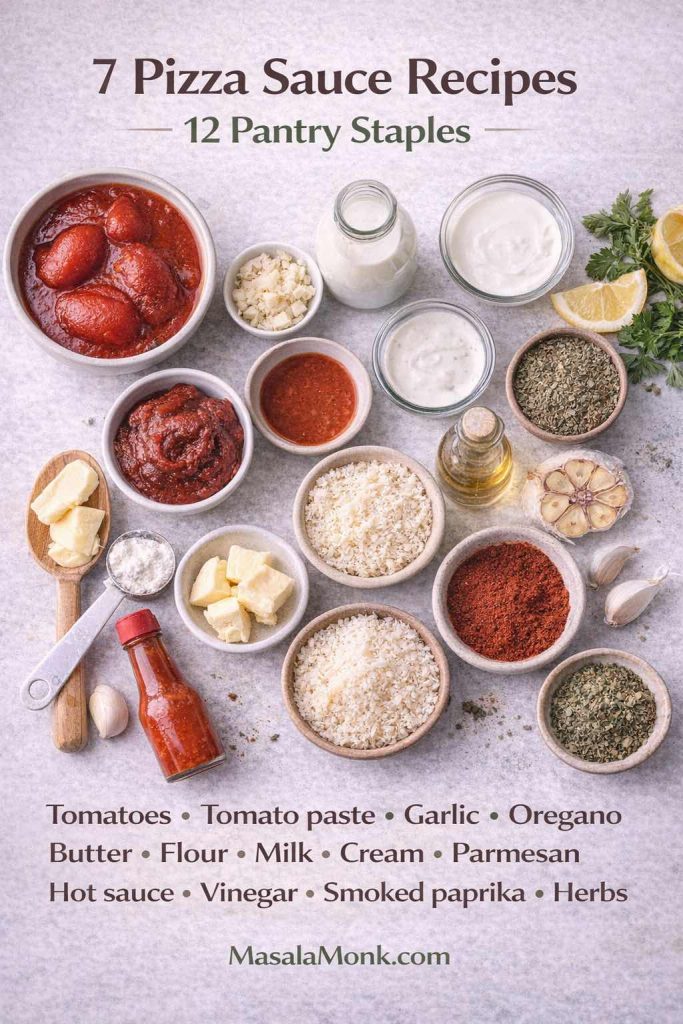
Top-down flatlay of ingredients used across 7 pizza sauce recipes, including tomatoes, tomato paste, garlic, oregano, butter, flour, milk, cream, parmesan, hot sauce, vinegar, and smoked paprika.
With a handful of pantry staples—tomatoes, tomato paste, dairy basics, and a few bold seasonings—you can make seven distinct pizza sauce recipes that cover red, white, creamy, spicy, and smoky styles.

1) Make it thicker than a pasta sauce

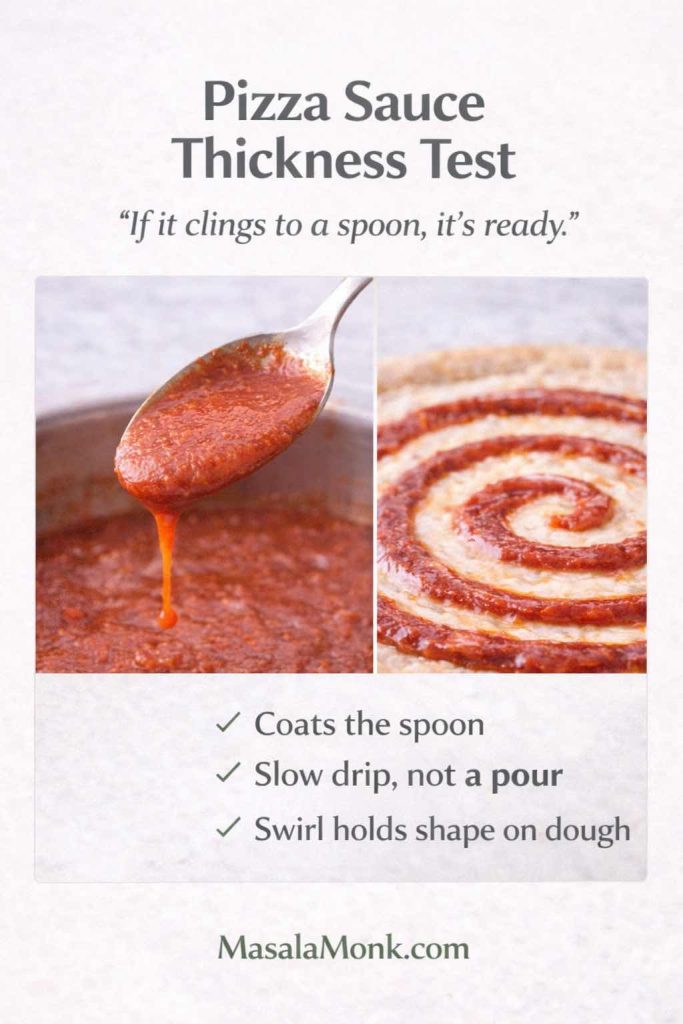
Pasta sauces can be a little loose because pasta carries them. In contrast, pizza sauce sits on top of dough and has to behave under heat. Therefore, if your sauce pours like soup, reduce it longer. When the sauce coats a spoon and slowly slides off, you’re in the right range.

If you’re starting from fresh tomatoes, MasalaMonk’s guide on tomato sauce from fresh tomatoes is useful, especially for learning how reduction changes texture.

Pizza sauce thickness test infographic showing sauce clinging to a spoon with a slow drip and a swirl holding shape on pizza dough, with quick visual cues.
If your sauce coats the spoon and drips slowly, it’s pizza-ready—thicker sauce means a crisp center and better flavor in every slice.

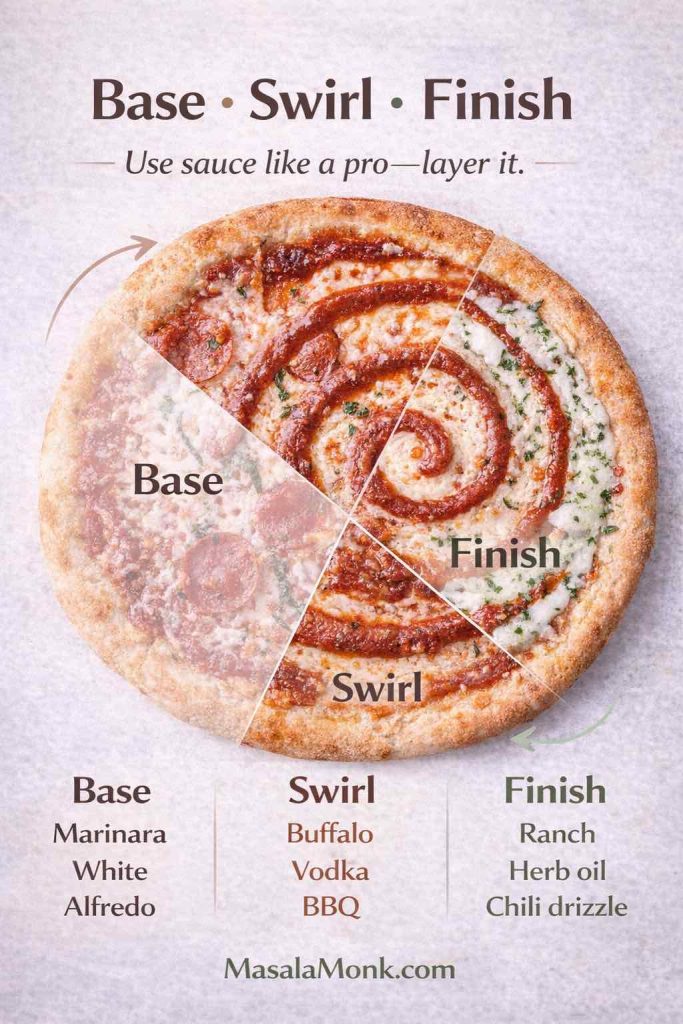
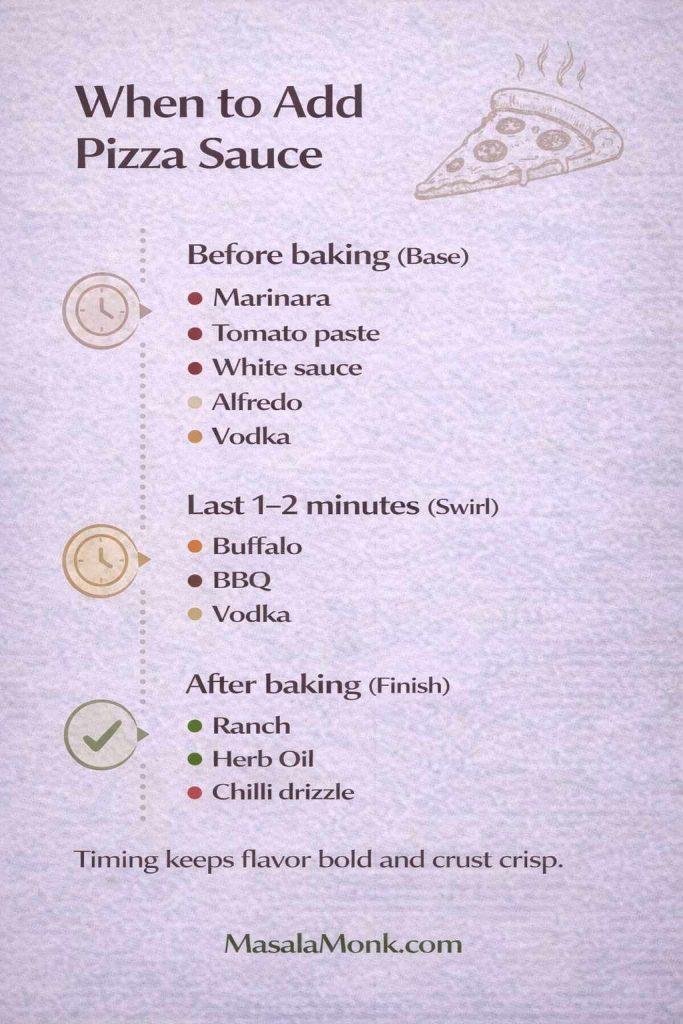
2) Decide: base, swirl, or finisher

This is where pizza starts tasting like you planned it.

  • Base sauce goes under cheese (marinara, white pizza sauce, Alfredo sauce, barbecue pizza sauce, pizza vodka sauce).
  • Swirl sauce goes lightly on top (buffalo sauce on pizza works best like this; vodka and BBQ can, too).
  • Finisher goes on after baking (pizza ranch dressing is the classic example).

Because of that simple choice, you stop oversaucing by default, and your crust stops turning soggy.

Infographic showing how to layer pizza sauces using base, swirl, and finish, with examples like marinara and white sauce for the base, buffalo and BBQ for swirls, and ranch as a finishing drizzle.
Layer your sauces for better flavor and texture: start with a base sauce, add a bold swirl for impact, then finish with a cool drizzle like ranch after baking.

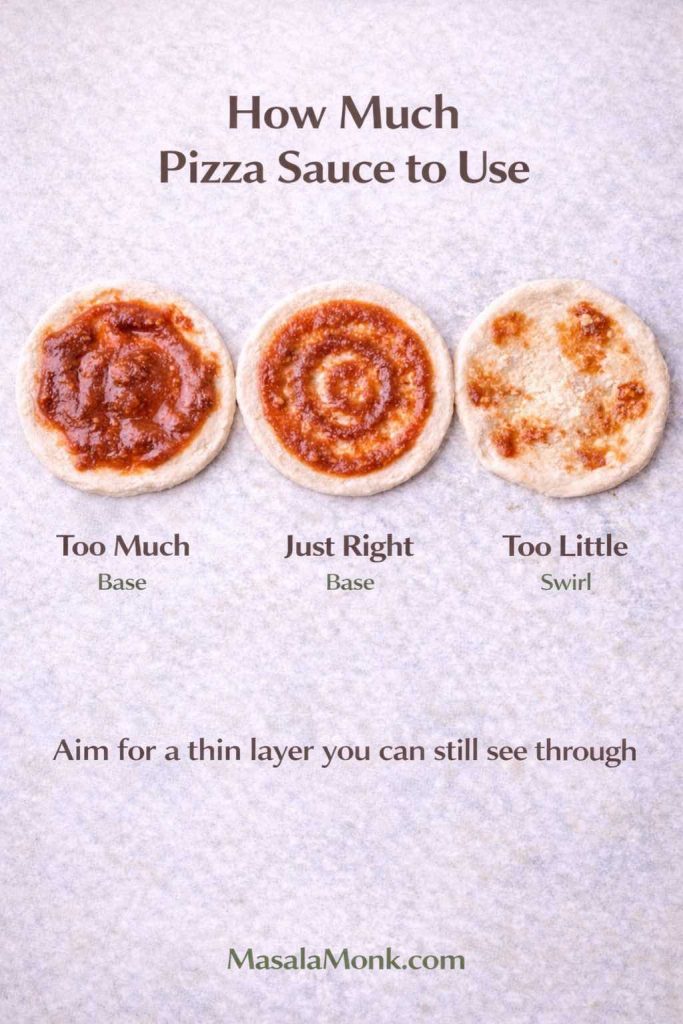
3) Use less than your instincts suggest

Most home pizzas go wrong in the middle because there’s too much moisture. Instead of spreading a thick layer edge-to-edge, start modestly, then add extra flavor as a swirl or drizzle later. As a result, your pizza slices hold together and taste cleaner.

Infographic showing how much pizza sauce to use on dough, comparing too much sauce, a just-right thin layer, and too little sauce, with a tip to aim for a layer you can still see through.
The best pizza sauce layer is thin enough to see the dough through it—too much sauce can make the center soggy, while too little leaves dry bites.

A quick safety note on leftovers

If you’re making sauce ahead, you’ll want to store it safely. For reliable refrigerator and freezer guidance, the USDA’s Leftovers and Food Safety page and FoodSafety.gov’s Cold Food Storage Chart are good references.

And if you want a dependable dough to carry all of these sauces, King Arthur Baking’s Pizza Crust Recipe is straightforward and reliable.

Now, with that framework set, let’s get into the seven sauces—starting with the red classic.

Also Read: Negroni Recipe: Classic Cocktail & Its Variation Drinks


1) Marinara sauce recipe for pizza (marinara pizza / pizza marinara)

When people say “marinara pizza,” they usually mean a tomato base that tastes bright, garlicky, and clean—not heavy, not sweet, and not overloaded with spices. In other words, this is the pizza red sauce lane in its simplest form.

If you want a deeper companion version, MasalaMonk’s dedicated marinara sauce recipe is worth bookmarking. Additionally, Serious Eats has a solid technique reference for a classic marinara-style sauce: Serious Eats marinara.

This pizza sauce recipe, however, is tuned specifically for pizza: thick enough to cling, balanced enough to taste vivid under cheese.

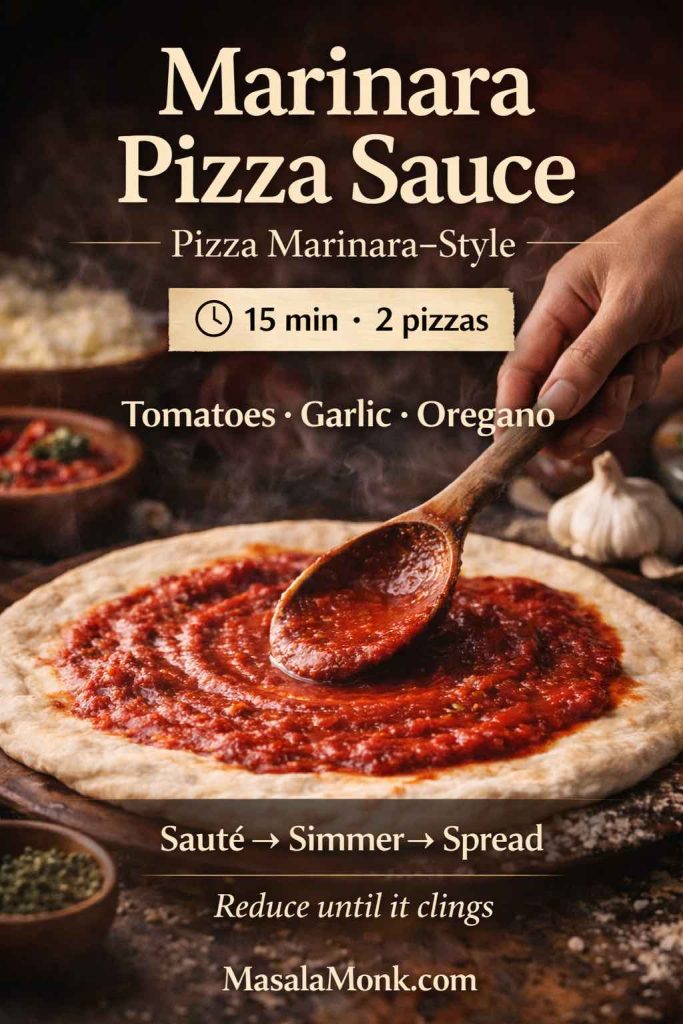
Marinara pizza sauce recipe card showing sauce being spread on pizza dough with quick steps (sauté, simmer, spread) and key ingredients.
A classic marinara pizza sauce in its simplest form—reduce it until it clings to a spoon, then spread a thin layer for a crisp, non-soggy base.

Ingredients for marinara pizza sauce recipe

  • 1 tbsp olive oil
  • 1 medium onion, finely chopped (optional, but helpful for body)
  • 4–6 garlic cloves, finely chopped or grated
  • 1 can (400g) crushed tomatoes (or blended whole peeled tomatoes)
  • 1 tsp salt (start here; adjust later)
  • ½ tsp dried oregano
  • ½ tsp dried basil (or fresh basil at the end)
  • Pinch chilli flakes (optional)
  • ½ tsp sugar (optional, only if your tomatoes are sharp)

Method

  1. Warm olive oil over medium heat. If using onion, add it first with a pinch of salt. Then cook until soft and glossy, about 6–8 minutes.
  2. Add garlic and stir for 30–45 seconds. You want fragrance, not browning.
  3. Add tomatoes, salt, oregano, basil, and chilli flakes if you like.
  4. Bring to a gentle simmer and cook uncovered until thickened, usually 12–18 minutes.
  5. Taste and adjust. If it feels sharp, add a pinch of sugar; if it tastes flat, add salt gradually.

If you like comparing different classic approaches, Ooni’s Classic Pizza Sauce is another good reference point.

How to use it for pizza marinara

Spread a thin layer, then add mozzarella and minimal toppings. After baking, finish with fresh basil if you have it. That last touch makes pizza marinara feel brighter immediately.

Toppings that work especially well

Because marinara sauce for pizza is bright, it pairs beautifully with:

  • mushrooms, olives, roasted bell peppers
  • onions, jalapeños, sweet corn
  • chicken, paneer, or tofu

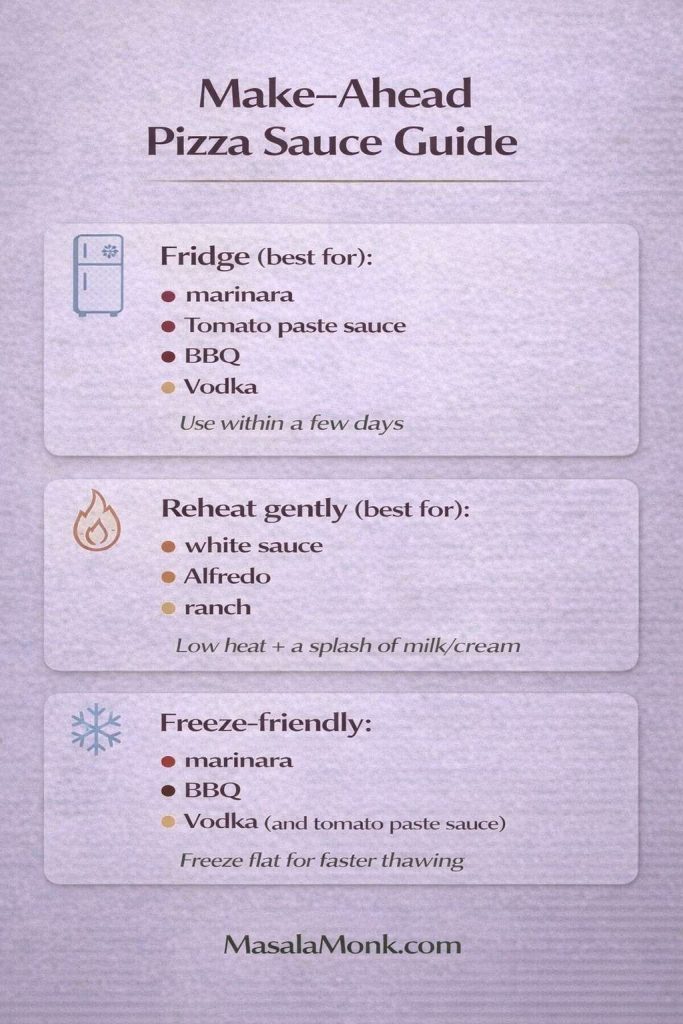
Make-ahead and storage

Marinara thickens further as it cools, which is ideal for pizza sauce. So, you can cook it earlier in the day, chill it, and spread it easily at night.

Quick fixes

  • If it’s watery, simmer longer or whisk in a spoon of tomato paste.
  • If it’s too acidic, add a pinch of sugar or cook onions longer next time.
  • If it tastes dull, add salt in small increments, then reassess.

This is one of the most useful “base” answers to the general pizza sauce query, and it’s the simplest pizza sauce recipe to master first.

Also Read: Classic Deviled Eggs (Easy) + 8 Flavorful Variations


2) Pizza sauce from tomato paste (fast pantry pizza sauce recipe)

Sometimes you don’t want to open a can of tomatoes. Sometimes you don’t want to simmer anything. You just want pizza—fast. That’s exactly where pizza sauce from tomato paste shines.

Because tomato paste is concentrated, this sauce tastes bold even with lots of cheese. Additionally, it starts thick, which means it’s naturally pizza-friendly. So, as a weeknight shortcut, this pizza sauce recipe is hard to beat.

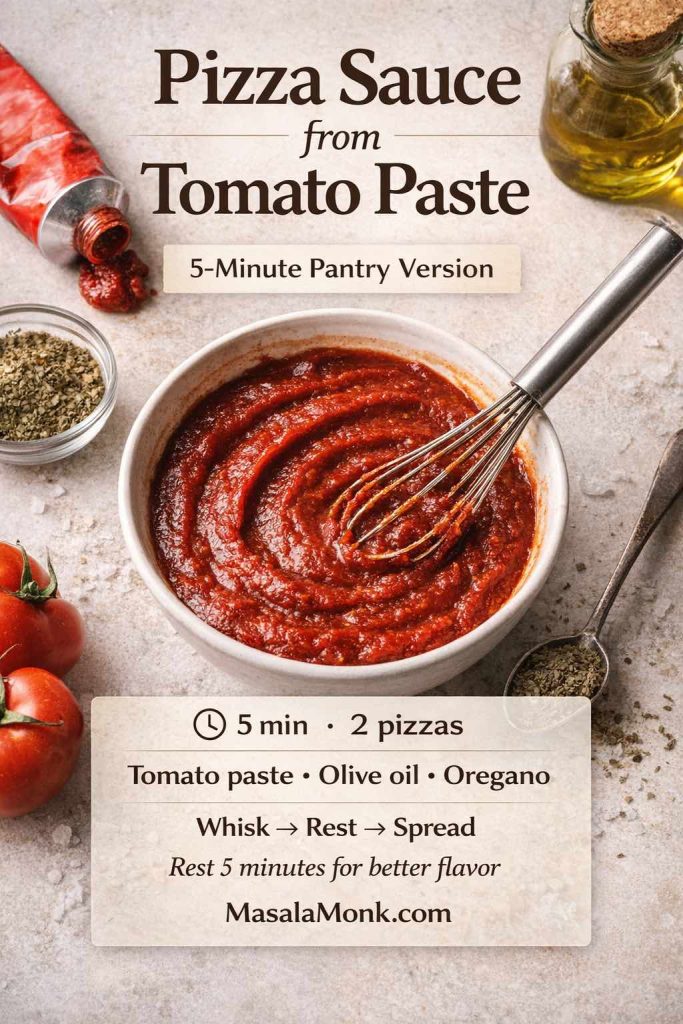
Recipe card showing pizza sauce from tomato paste in a bowl with a whisk, plus quick steps (whisk, rest, spread) and pantry ingredients.
Short on time? This tomato paste pizza sauce is ready in 5 minutes—rest it briefly so the herbs bloom, then spread a thin layer for a bold, crisp base.

Ingredients

  • 6 tbsp tomato paste
  • 6–10 tbsp warm water (adjust for thickness)
  • 1–2 tbsp olive oil
  • 1 tsp dried oregano
  • ½ tsp garlic powder (or 1 small grated garlic clove)
  • ¾ tsp salt (adjust later)
  • Pinch black pepper
  • Pinch chilli flakes (optional)
  • Optional: a squeeze of lemon or a tiny pinch of sugar (choose one only if needed)

Method

  1. Whisk tomato paste and warm water until smooth.
  2. Stir in olive oil, oregano, garlic, salt, pepper, and chilli flakes if using.
  3. Let it sit 5 minutes so the herbs hydrate and the flavor rounds out.

Two easy upgrades (if you have time)

  • Warm it in a small pan with a drizzle of olive oil for 2–3 minutes; it will taste richer.
  • Add a spoon of finely grated onion; it softens the sharp edge quickly.

How to use it

Spread a thin layer as your base. Then add cheese and toppings. Because it’s concentrated, you don’t need much.

Best toppings for this style

This sauce loves bold flavors:

  • spicy toppings (jalapeños, chilli flakes, hot chicken)
  • smoky toppings (roasted peppers, tandoori-style pieces)
  • mixed cheeses (mozzarella plus something sharper)

When you want variety without extra work, pairing this with a white sauce pizza in the same night is a great move.

Also Read: Baked Jalapeño Poppers (Oven) — Time, Temp & Bacon Tips


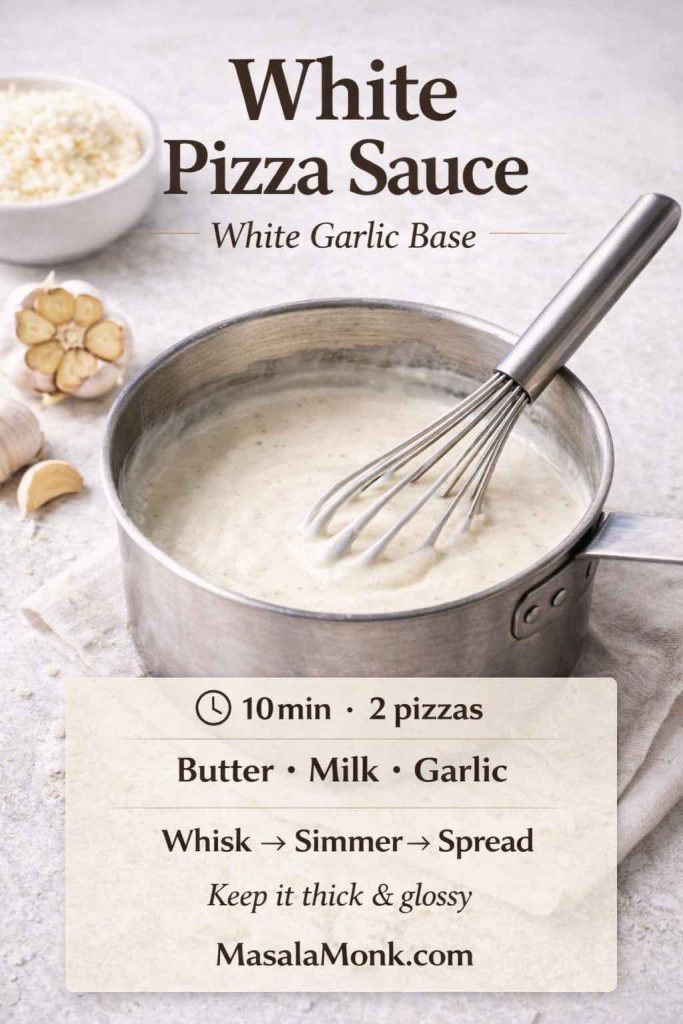
3) White pizza sauce recipe (white sauce in pizza / white garlic pizza sauce / white base pizza)

White sauce in pizza isn’t just “cream on bread.” A proper white pizza sauce has structure, seasoning, and enough thickness to hold up under cheese.

The classic foundation is béchamel: butter, flour, milk. From there, turning it into white garlic pizza sauce is easy. If you want a clear baseline, MasalaMonk’s béchamel guide is helpful. Likewise, Serious Eats has a detailed method: béchamel / white sauce technique.

This pizza sauce recipe focuses on a white base that tastes garlicky and cozy, not bland.

White pizza sauce recipe card showing creamy white garlic sauce being whisked in a saucepan with quick steps (whisk, simmer, spread) and key ingredients.
White pizza sauce works best when it’s thick and glossy—whisk it smooth, simmer briefly, then spread a thin layer for a rich white base pizza that won’t turn watery.

Ingredients for White pizza sauce recipe

  • 2 tbsp butter
  • 2 tbsp all-purpose flour
  • 1½ cups milk (warm if possible)
  • 3–5 garlic cloves, grated (depending on preference)
  • ½ tsp salt (start light)
  • ¼–½ tsp black pepper
  • Pinch nutmeg (optional, but excellent)
  • Optional: 2–3 tbsp grated cheese (parmesan, mozzarella, or both)

Method

  1. Melt butter over medium heat.
  2. Add flour and whisk constantly for 1–2 minutes, until it smells lightly nutty.
  3. Add milk gradually while whisking. At first it may clump; nevertheless, keep whisking and it will smooth out.
  4. Simmer gently until thick, usually 3–6 minutes.
  5. Add garlic, salt, pepper, and nutmeg if using.
  6. If adding cheese, stir it in off heat to keep the sauce smooth.

How to use it on a white base pizza

Spread a thin layer—less than you’d use for marinara. Then build toppings that add contrast.

Toppings that make white pizza sauce recipe shine

  • mushrooms + caramelized onions
  • spinach + corn
  • roasted bell peppers + olives
  • chicken, paneer, or tofu

If you want plant-forward topping inspiration that fits a white base pizza, MasalaMonk’s tofu Italian meal prep ideas includes concepts that adapt nicely.

Make-ahead notes

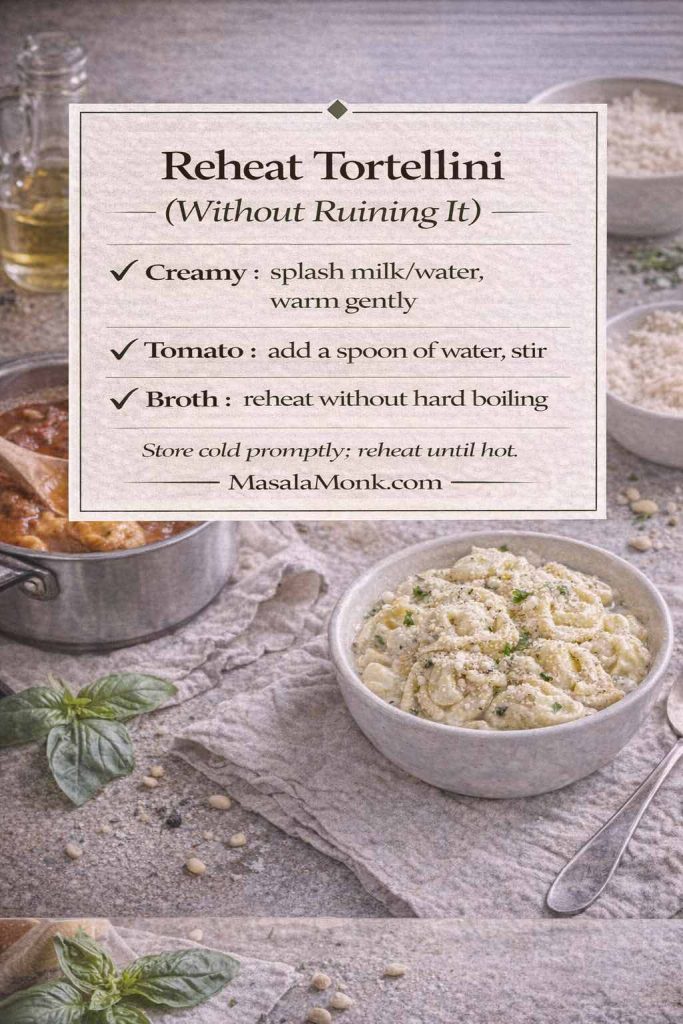
White sauce thickens a lot in the fridge. So, when reheating, warm gently and loosen with a spoon of milk. Avoid aggressive boiling; otherwise, it can split.

Quick fixes

  • Too thick? Add warm milk, a tablespoon at a time.
  • Too bland? Add salt gradually, then recheck.
  • Too heavy? Use less sauce and finish with something bright (like a squeeze of lemon after baking).

This is the pizza sauce recipe that usually convinces people that white sauce belongs on pizza.

Also Read: Peanut Butter Cookies (Classic Recipe & 3 Variations)


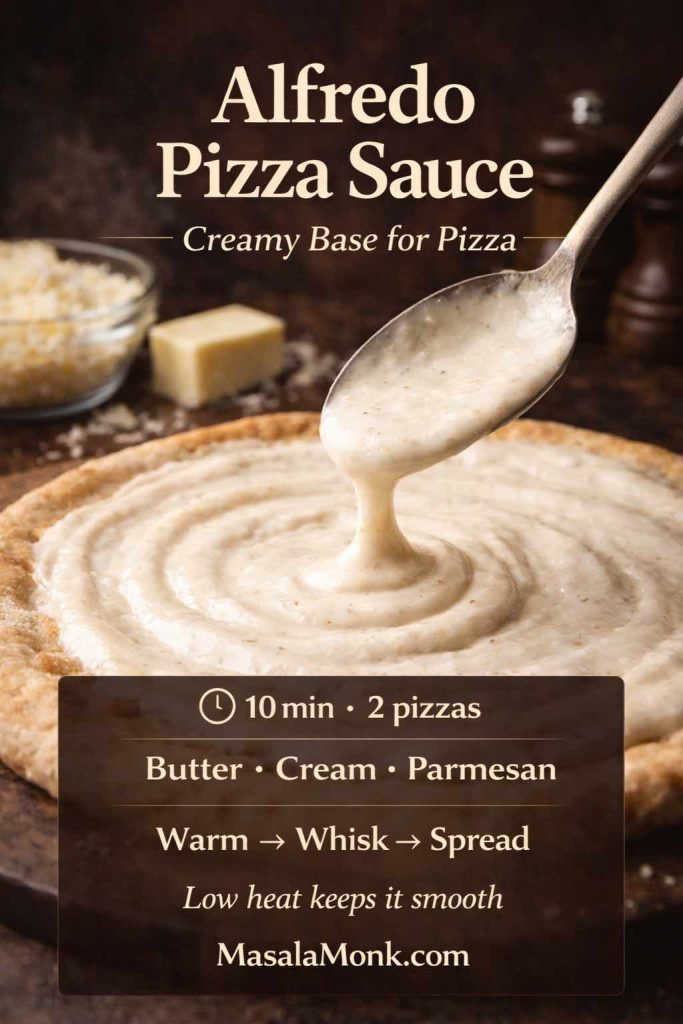
4) Alfredo sauce pizza: pizza sauce recipe for a creamy base

Alfredo sauce pizza is its own craving. It’s richer than white sauce, more buttery, and more cheese-forward. At the same time, Alfredo can separate if overheated or handled roughly. Therefore, the trick is gentle heat and careful mixing.

For Alfredo variations and styles, MasalaMonk has two useful reads: Classic vs Authentic Alfredo and Alfredo Pasta Reinvented: Indian-inspired twists.

This pizza sauce recipe gives you a pizza-friendly Alfredo: smooth, rich, and spreadable.

Alfredo pizza sauce recipe card showing creamy Alfredo being spooned onto pizza dough with quick steps, time, yield, and key ingredients (butter, cream, parmesan).
For Alfredo sauce pizza, keep the heat low and spread a thin layer—this keeps the sauce smooth and creamy instead of separating under high oven heat.

Ingredients for Alfredo pizza sauce recipe

  • 3 tbsp butter
  • 1 cup cream (or half-and-half for lighter)
  • ¾ cup finely grated parmesan (or parmesan + a little mozzarella)
  • Black pepper to taste
  • Optional: 1 small garlic clove, grated
  • Salt only after tasting

Method

  1. Melt butter on low heat.
  2. Add garlic if using and stir briefly.
  3. Warm the cream gently—avoid a hard boil.
  4. Lower heat further, then whisk in cheese gradually until smooth.
  5. Add pepper, taste, and add salt only if needed.

How to use Alfredo sauce on pizza

Spread lightly as a base. Then, instead of piling on more rich items, add toppings that bring contrast: greens, roasted vegetables, or something spicy.

Best toppings for Alfredo sauce pizza

  • spinach + mushroom
  • chicken + corn
  • paneer tikka-style topping (great Indo-Italian vibe)

Make-ahead notes

Alfredo is best fresh. Still, if you store it, reheat gently with a splash of cream or milk. Stir continuously, and keep the heat low.

Quick fixes

  • Grainy texture usually means the heat was too high. Next time, lower heat and add cheese slowly.
  • Oily separation often comes from overheating or too much sauce on the pizza. Use a thinner layer.

This is a pizza sauce recipe that feels restaurant-like without requiring restaurant equipment.

Also Read: Oat Bars: The Perfect Snack or Breakfast, Tastier than Candy, No Sugar, No Baking, Ready in 5 Minutes!


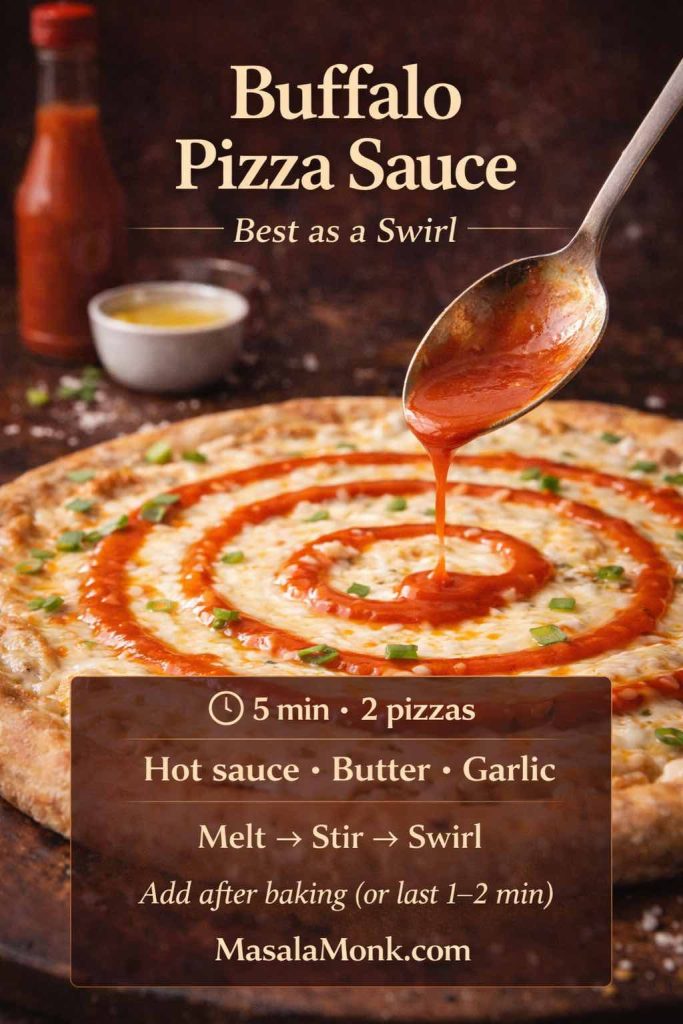
5) Buffalo sauce on pizza: pizza sauce recipe used as a swirl

Buffalo sauce on pizza can be incredible. However, if you spread it thick like marinara, you’ll usually end up with a damp center and harsh acidity. So, the smartest approach is to treat buffalo as a swirl or finisher.

If you want to explore hot sauce ideas beyond buffalo, MasalaMonk’s pepper sauce guide is a great rabbit hole. For classic buffalo sauce logic (hot sauce + butter), Serious Eats’ wing technique is a useful reference: buffalo wings technique.

This pizza sauce recipe is intentionally simple so it tastes like true buffalo.

Buffalo pizza sauce recipe card showing buffalo sauce swirled over a cheese pizza with quick steps (melt, stir, swirl) and ingredients (hot sauce, butter, garlic).
Buffalo sauce on pizza works best as a swirl—add it after baking (or in the last minute) so the flavor stays bright and the crust doesn’t turn soggy.

Ingredients

  • ⅓ cup hot sauce
  • 3 tbsp butter
  • ½ tsp garlic powder (optional)
  • Optional: tiny drizzle of honey (only if you want a sweet edge)

Method

  1. Melt butter over low heat.
  2. Stir in hot sauce.
  3. Add garlic powder if using.
  4. Taste and adjust.

Two ways to use buffalo sauce on pizza

Swirl method (recommended):
Bake the pizza with a base sauce underneath (marinara, white sauce, or Alfredo). Then, right at the end, swirl buffalo sauce over the top. As a result, the flavor stays bold and the crust stays crisp.

Reduced base method:
If you want pizza with buffalo sauce as the base, simmer it for 2–3 minutes to thicken slightly, then spread very thinly.

Toppings that match pizza with buffalo sauce

  • shredded chicken (or crispy chicken)
  • onions, jalapeños
  • mozzarella + cheddar blend
  • ranch drizzle after baking

If you want the whole table to lean into the buffalo theme, MasalaMonk’s buffalo chicken dip is a natural side.

Also, because buffalo pairs beautifully with wings, MasalaMonk’s air fryer chicken wings can turn pizza night into a full-on party spread.

This is one of the most high-impact sauces in the lineup, and it’s a pizza sauce recipe that rewards restraint.

Also Read: Potato Salad Recipe: Classic, Russian, German, Vegan & More


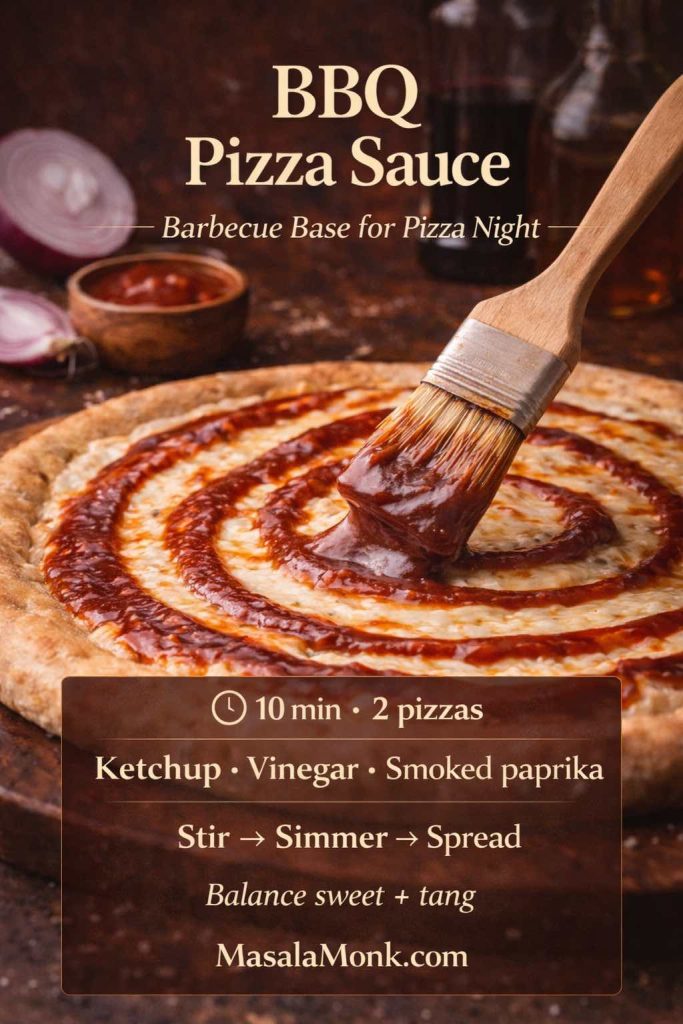
6) BBQ pizza sauce recipe (bbq pizza sauce / barbecue pizza sauce / barbeque pizza)

Barbeque pizza is a crowd-pleaser, yet it needs balance. Many BBQ sauces are sweet, and sweetness can flatten under cheese. Therefore, the best bbq pizza sauce is smoky, thick, and slightly sharp so it stays interesting.

If you want a classic external baseline for simmer-and-thicken, BBC Good Food’s barbecue sauce recipe is a solid reference.

This pizza sauce recipe is tuned specifically for pizza: thicker and more “clingy” than a dipping BBQ sauce.

BBQ pizza sauce recipe card showing thick barbecue sauce being brushed in a swirl on pizza dough, with quick steps (stir, simmer, spread) and key ingredients.
A good BBQ pizza sauce should be thick and glossy—simmer it briefly, then spread a light layer so the crust stays crisp and the smoky-sweet flavor doesn’t overwhelm.

Ingredients for BBQ pizza sauce recipe

  • ¾ cup ketchup (or passata + extra sweetener)
  • 2 tbsp vinegar
  • 2 tbsp brown sugar or jaggery (adjust to taste)
  • 1 tbsp soy sauce
  • 1 tsp smoked paprika (or paprika + pinch cumin)
  • 1 garlic clove, grated
  • Optional: chilli flakes or hot sauce

Method

  1. Combine everything in a small pan.
  2. Simmer 8–12 minutes until glossy and thicker.
  3. Cool slightly; it thickens more as it rests.

How to use barbecue pizza sauce

Use a thin layer as a base. Then add toppings that cut sweetness: onions, jalapeños, pickled elements, or even a squeeze of lime after baking.

Best toppings for barbeque pizza

  • chicken, paneer, or tofu
  • onions (fresh or caramelized)
  • bell peppers
  • mozzarella + a sharper cheese

If you want a vegetable topping prep that works well here, MasalaMonk’s mushroom and zucchini stir fry can be adapted into a drier topping (cook off moisture, then scatter).

This pizza sauce recipe is also great for “mixed crowd” nights because you can keep it mild and still flavorful.

Also Read: Homemade Hot Chocolate with Cocoa Powder Recipe


7) Pizza vodka sauce recipe (pizza vodka sauce / vodka pizza / pizza with vodka sauce)

Pizza vodka sauce sits between marinara and Alfredo: it has tomato depth, but it’s also creamy and a little luxe. That’s why vodka pizza has become such a thing—it tastes like a “restaurant slice” even when made at home.

For technique reference, Serious Eats has a widely referenced vodka sauce method. And if you like the story behind its popularity, Bon Appétit’s piece on why vodka sauce is everywhere is a fun read.

This pizza sauce recipe is written so the sauce stays smooth and thick enough for pizza.

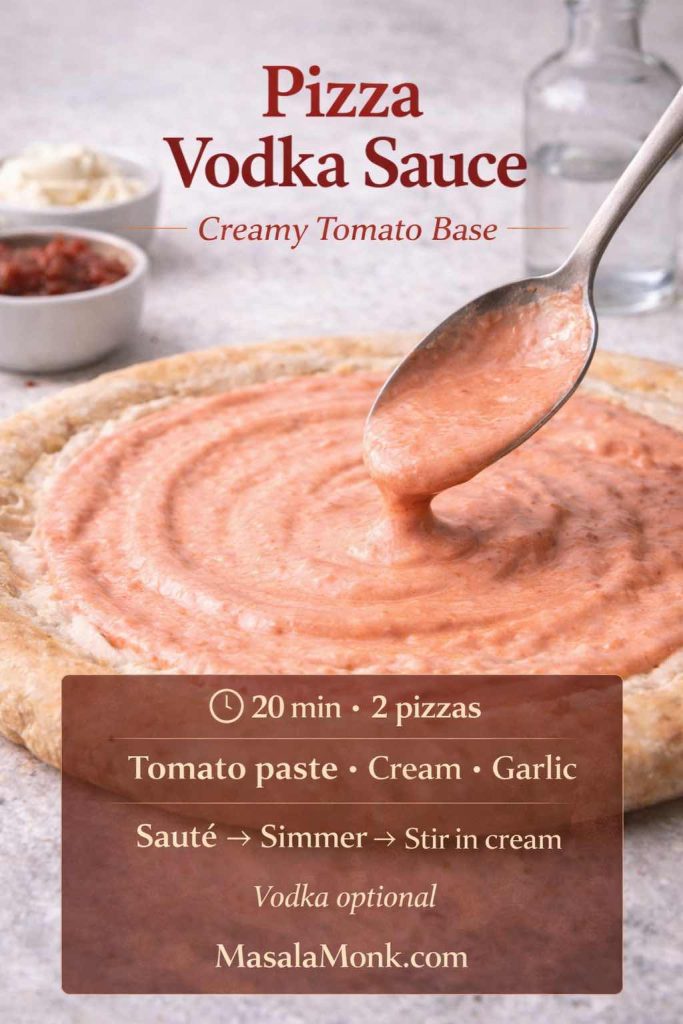
Pizza vodka sauce recipe card showing creamy tomato vodka sauce being spooned onto pizza dough, with quick steps and key ingredients (tomato paste, cream, garlic).
Pizza vodka sauce is a creamy tomato base that stays bold under cheese—build depth with tomato paste first, then stir in cream and keep the layer light on the dough.

Ingredients for Pizza vodka sauce recipe

  • 1 tbsp butter
  • 1 tbsp olive oil
  • 1 small onion, finely chopped
  • 2–3 garlic cloves, sliced
  • 3–4 tbsp tomato paste
  • ¼ cup vodka (optional)
  • ¾ cup crushed tomatoes (or blended peeled tomatoes)
  • ½–¾ cup cream
  • Chilli flakes
  • Salt to taste

Method

  1. Warm butter and oil. Add onion with a pinch of salt and cook until soft.
  2. Add garlic briefly, then stir in tomato paste.
  3. Cook tomato paste 1–2 minutes until it darkens slightly; this step builds depth quickly.
  4. Add vodka if using and simmer briefly.
  5. Add tomatoes and simmer 5–8 minutes.
  6. Stir in cream, add chilli flakes, and season with salt.

No-alcohol option

If you don’t want vodka, skip it and add a splash of water or stock instead. You’ll still have a creamy tomato sauce that behaves well on pizza. In other words, you can still do “vodka pizza vibes” without the vodka.

How to use pizza vodka sauce

You can use it as a base, or you can swirl it over mozzarella on top of a marinara base. Either way, keep the layer modest because cream sauces loosen under heat.

Toppings that match vodka pizza

  • mozzarella + parmesan
  • basil
  • chilli flakes
  • roasted peppers
  • spicy chicken or paneer

This is the pizza sauce recipe for nights when you want something different from classic pizza sauce, but still want tomato at the center.

Also Read: Vodka Pasta (Penne alla Vodka) + Spicy Rigatoni, Chicken, and Gigi Recipes


Ranch as the finishing move (pizza ranch dressing / pizza and ranch dressing)

Pizza and ranch dressing is a real thing for a reason: ranch is cooling, tangy, and creamy, which makes spicy pizza feel balanced. That said, ranch is almost always best as a finisher or dip—not baked into the base.

For an external reference, Serious Eats has a strong homemade ranch dressing recipe. For an egg-free foundation, MasalaMonk’s eggless mayonnaise recipe is a great starting point.

This pizza sauce recipe (in the “finisher” category) is quick, flexible, and easy to adjust.

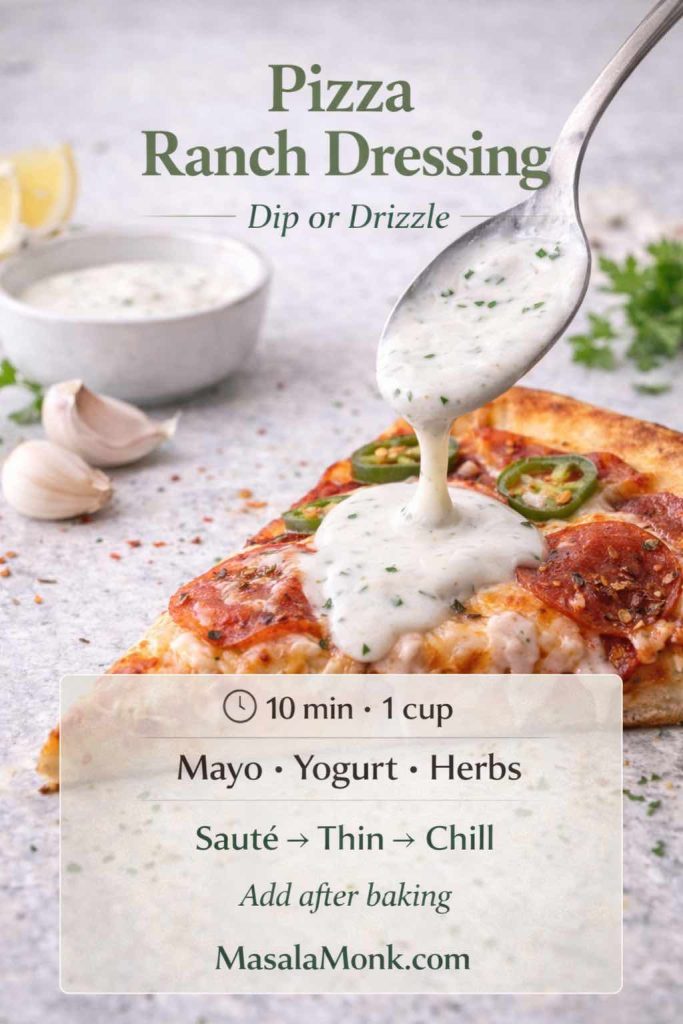
Pizza ranch dressing recipe card showing ranch sauce being drizzled over a spicy pizza slice, with quick steps and key ingredients for dipping or drizzling.
Pizza ranch dressing is best added after baking—use it as a cool drizzle or dip to balance spicy buffalo and peppery slices.

Ingredients

  • ⅓ cup mayonnaise
  • ⅓ cup sour cream or thick yogurt
  • 2–4 tbsp buttermilk (or milk + lemon)
  • 1 tsp lemon juice
  • 1 garlic clove, grated
  • dried dill/parsley (or fresh)
  • salt and pepper

Method

  1. Whisk mayo and sour cream/yogurt until smooth.
  2. Thin gradually with buttermilk until it’s dip- or drizzle-consistency.
  3. Add lemon, garlic, herbs, salt, and pepper.
  4. Chill briefly if you can; the flavor improves as it rests.

How to serve pizza ranch dressing

Drizzle after baking, not before. Or serve it as a dip for crusts. In both cases, you get that cooling contrast that makes buffalo sauce on pizza taste even better.

Also Read: One-Pot Chicken Bacon Ranch Pasta (Easy & Creamy Recipe)


A simple way to plan pizza night so it never feels repetitive

Once you have these sauces, you don’t need to reinvent pizza night every time. Instead, you can rotate styles based on mood. As a result, even the same dough and cheese can feel completely different from week to week.

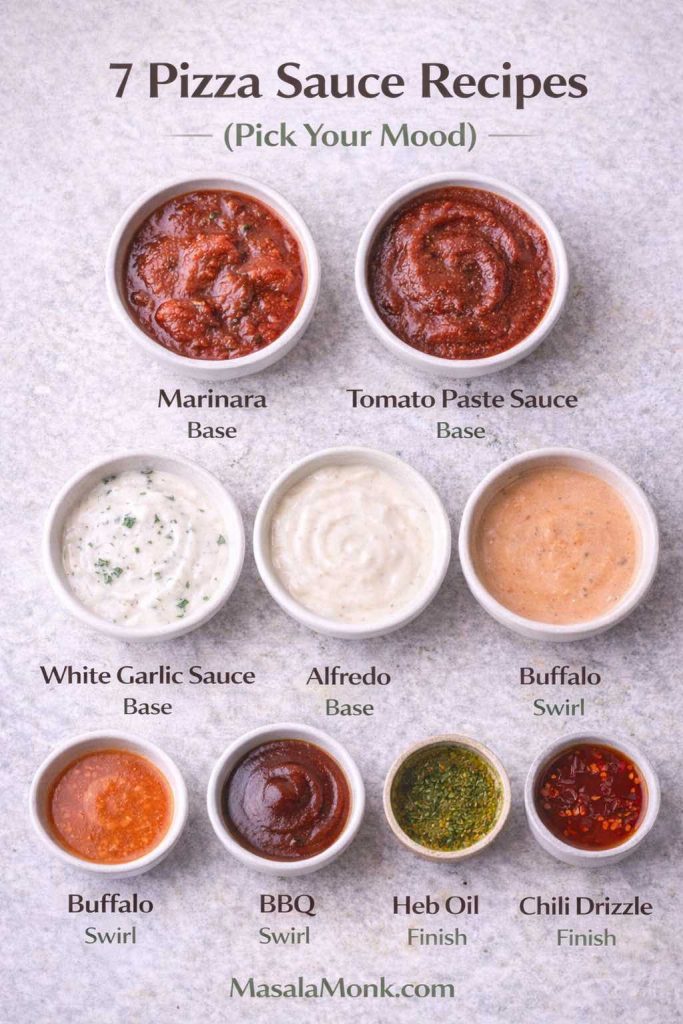
Top-down lineup of seven pizza sauce recipes in bowls—marinara, tomato paste sauce, white garlic sauce, Alfredo, buffalo, BBQ, and finishing drizzles—labeled as base, swirl, or finish.
Choose your sauce based on how you’ll use it: thick sauces work best as a base, bold sauces shine as a swirl, and cool drizzles finish the slice after baking.

Here’s a rhythm that works surprisingly well:

Build “pairs” instead of picking one pizza sauce recipe forever

If you’re making two smaller pizzas, do one red and one white. For example:

  • marinara pizza on one
  • white pizza sauce on the other

Or, for bolder nights:

  • bbq pizza sauce on one
  • pizza vodka sauce on the other

Because the flavor profiles are different, the table feels satisfied without anyone feeling like they “lost the vote.”

Use contrast like a secret ingredient

  • If the sauce is bright (marinara), you can go heavier on cheese or earthy toppings.
  • If the sauce is rich (Alfredo), add something sharp or spicy.
  • If the sauce is sweet (barbecue pizza sauce), bring acidity or heat.

In practice, this keeps every slice from tasting one-note.

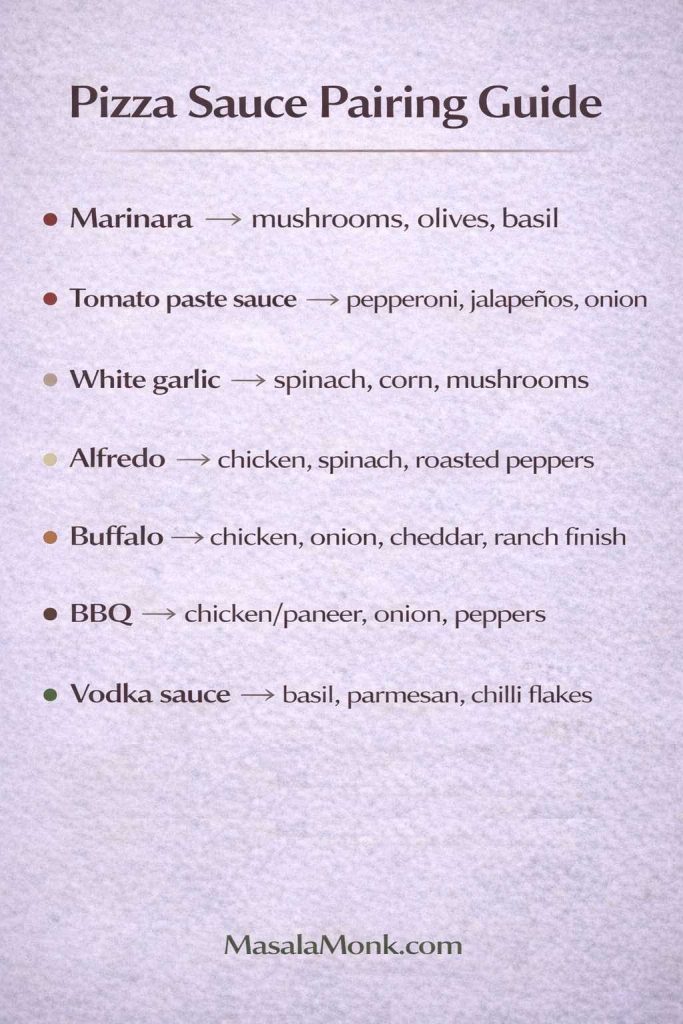
Pizza sauce pairing guide infographic listing marinara, tomato paste sauce, white garlic, Alfredo, buffalo, BBQ, and vodka sauce with suggested toppings, plus MasalaMonk.com branding.
Use this quick pairing guide to match each pizza sauce recipe with toppings that balance it—bright marinara loves herbs and olives, while buffalo and BBQ taste best with savory toppings and a cooling finish.

Add sides that match the mood

If you’re leaning into marinara pizza, a side like MasalaMonk’s homemade garlic bread loaf makes the meal feel complete.

Meanwhile, if you’re doing buffalo or BBQ, wings can tie the whole spread together, and MasalaMonk’s air fryer chicken wings are an easy way to get that crispy side without fuss.


Make-ahead strategy: cook once, eat twice (or three times)

If you want this lineup to feel effortless, treat it like prep. Even one extra batch can make pizza night smoother later.

Tomato sauces (marinara and tomato paste sauce)

These store and reheat well. Additionally, they often taste better the next day. So, you can make marinara once, use it for pizza marinara tonight, and then use leftovers for another marinara pizza or a quick pasta later.

White sauce and Alfredo

These are more delicate. Still, they can be stored for a couple of days if cooled quickly and reheated gently. When reheating, add a splash of milk or cream and keep the heat low. Otherwise, they can split.

Photo-realistic magazine-style cover showing a hand drizzling creamy ranch over a freshly baked pizza on a rustic wooden board, titled “Pizza Sauce Recipe,” with MasalaMonk.com in the footer.
A quick visual cheat sheet: use thicker sauces as the base, then finish bold pizzas (like buffalo or BBQ) with a cool drizzle such as ranch to balance heat and keep the crust crisp.

Buffalo and BBQ

Both are easy to store, and both are flexible. In fact, buffalo often tastes best warmed gently and applied as a swirl at the end. Likewise, BBQ sauce thickens as it cools, which actually makes it more pizza-ready the next day.

Vodka sauce

Vodka sauce stores well, although it can thicken in the fridge. Therefore, warm it gently and loosen with a spoon of water or cream until spreadable again.

And if you ever want to add a green sauce into the rotation later, pesto is the natural next step. MasalaMonk’s pesto variations fit the same structure without changing your overall process.


Bringing it back to the point: a lineup you’ll actually use

Pizza night doesn’t need to be complicated. It just needs a small set of reliable sauces that match different cravings. That’s why this post is built as a rotation rather than a single “one true sauce.”

To recap the seven core styles covered here:

  • marinara sauce for pizza for classic pizza marinara nights
  • pizza sauce from tomato paste for speed and intensity
  • white pizza sauce for white base pizza comfort
  • Alfredo sauce pizza for rich, buttery slices
  • buffalo sauce on pizza for spicy tang and party vibes
  • bbq pizza sauce / barbecue pizza sauce for smoky-sweet crowd-pleasers
  • pizza vodka sauce for creamy tomato “restaurant slice” energy
  • plus pizza ranch dressing as the cooling finisher that makes spicy slices sing

If you save only one idea from this post, make it this: each pizza sauce recipe works best when it’s used in the right role—base, swirl, or finish—and when it’s thick enough to respect the crust.

And once that clicks, pizza night stops being stressful. Instead, it becomes the easiest kind of creative: pick a sauce, pick a couple toppings that make sense, and let the oven do the rest.

When to add pizza sauce infographic showing timing for base sauces before baking, swirl sauces in the last 1–2 minutes, and finishing sauces like ranch after baking.
Sauce timing changes everything: use thicker sauces as a base before baking, add bold swirls near the end, and finish with ranch or herb oil after the pizza comes out for the brightest flavor.

FAQs

1) What is the best pizza sauce recipe for beginners?

If you’re starting out, a basic marinara-style pizza sauce recipe is usually the easiest because it’s forgiving, fast, and doesn’t rely on tricky temperature control. Additionally, it tastes familiar under cheese, so you can focus on getting the texture right rather than chasing complex flavors.

2) What’s the difference between pizza sauce and marinara pizza sauce?

Although they’re close, marinara pizza sauce is often a little brighter and simpler, while a classic pizza sauce recipe is typically thicker and more seasoned to stand up to heavy toppings. In practice, the main difference is consistency: pizza sauce tends to be reduced more so it doesn’t waterlog the crust.

3) How do I make pizza sauce from tomato paste?

To make pizza sauce from tomato paste, whisk tomato paste with warm water until it turns smooth and spreadable, then stir in olive oil, oregano, garlic, salt, and pepper. Afterward, let it rest a few minutes so the dried herbs bloom; as a result, the flavor tastes more “cooked” even before it hits the oven.

4) Why does my pizza sauce make the center soggy?

Usually it happens because the sauce is too thin or there’s simply too much of it. Instead, aim for a thicker pizza sauce recipe and spread a lighter layer; then, if you want extra punch, add a small swirl on top near the end rather than soaking the dough from the start.

5) What is white sauce in pizza, exactly?

White sauce in pizza is a creamy base—often built from a butter-and-flour thickener plus milk—then seasoned with garlic, pepper, and sometimes cheese. Consequently, a white pizza sauce recipe behaves more like a structured cream sauce than plain cream, which is why it bakes well without turning runny.

6) Is white pizza sauce the same as Alfredo sauce?

Not necessarily. White pizza sauce is usually a lighter, béchamel-style base, whereas an Alfredo sauce pizza base is richer and more cheese-forward. Put differently, both are creamy, yet Alfredo tends to taste buttery and intense, while white sauce feels smoother and more neutral.

7) How do I keep an Alfredo sauce pizza from turning greasy?

First, keep the heat gentle when making the sauce so it stays cohesive. Then, use a thinner layer on the dough, because Alfredo loosens under oven heat. Finally, pair it with toppings that add contrast—greens, roasted vegetables, or a little spice—so the slice doesn’t feel heavy.

8) Can I use buffalo sauce on pizza as the base?

Yes, but it’s often better as a swirl. Since buffalo sauce is thinner and more acidic, spreading it as a full base can make the crust damp. Alternatively, bake with a different base sauce and add buffalo sauce on pizza as a finishing swirl so the flavor stays bright.

9) What toppings go best on pizza with buffalo sauce?

Generally, chicken, onions, jalapeños, and a mozzarella-cheddar mix work well because they balance heat and tang. Moreover, a cooling drizzle makes the whole bite feel complete, which is why pizza and ranch dressing is such a common pairing for buffalo-style slices.

10) What’s the difference between bbq pizza sauce and regular barbecue sauce?

BBQ pizza sauce is usually thicker and slightly more balanced for baking, because regular barbecue sauce can be too sweet or too loose under cheese. Therefore, a barbecue pizza sauce recipe often includes extra simmering (to thicken) and enough tang to keep the flavor lively.

11) What does “barbeque pizza” usually mean in recipes?

Typically, barbeque pizza refers to a pizza built around a smoky-sweet sauce base, often topped with onions and a savory protein like chicken or paneer. In addition, it frequently benefits from something sharp—pickled onions or jalapeños—so the sweetness doesn’t dominate.

12) What is pizza vodka sauce, and why is vodka pizza popular?

Pizza vodka sauce is a creamy tomato sauce that often starts with tomato paste cooked for depth, then finished with cream for a plush texture. Meanwhile, vodka pizza became popular because that sauce tastes “restaurant-like” at home: rich, slightly spicy, and still tomato-forward.

13) Do I need vodka to make a pizza vodka sauce recipe?

No. You can still make a great pizza vodka sauce recipe by skipping the vodka and using a small splash of water or stock instead. Even without it, the tomato paste plus cream combination delivers the same creamy tomato character most people want.

14) What’s the best way to use pizza ranch dressing?

Most of the time, pizza ranch dressing works best as a dip or a post-bake drizzle. That way, it stays cool and tangy, which contrasts nicely with hot, spicy slices. Conversely, baking ranch into the pizza can mute its flavor and make it feel heavier.

15) How much sauce should I use on one pizza?

As a rule of thumb, use just enough to lightly coat the dough—more like a thin spread than a thick layer. Then, if you want stronger sauce flavor, add a small extra swirl near the end. This approach keeps the center crisp while still delivering sauce in every bite.

16) Can one post really cover multiple pizza sauce recipes without confusing readers?

Yes, provided each section is clearly separated by sauce type and purpose. For instance, marinara pizza sauce recipe content serves a classic red base intent, while white pizza sauce recipe sections handle creamy base intent, and buffalo or ranch sections cover finishing/drizzle intent. As long as each sauce solves a distinct craving, the structure stays easy to follow.

17) Which pizza sauce recipe is best for a party crowd?

If you’re cooking for a mixed crowd, bbq pizza sauce and marinara-style sauces are usually safest because they’re familiar and broadly liked. Then, for guests who want bolder flavors, offer buffalo sauce on pizza as a swirl and keep ranch available as an optional dip.

18) How do I thicken a sauce quickly if it’s already made?

If it’s a tomato sauce, simmer it uncovered for a few minutes until it reduces. If it’s a creamy sauce, warm it gently and let it simmer briefly so water evaporates without splitting. In either case, aim for a texture that clings—because a thicker pizza sauce recipe is almost always easier to bake successfully.

Posted on 1 Comment

Marinara Sauce Recipe: Classic Homemade Marinara

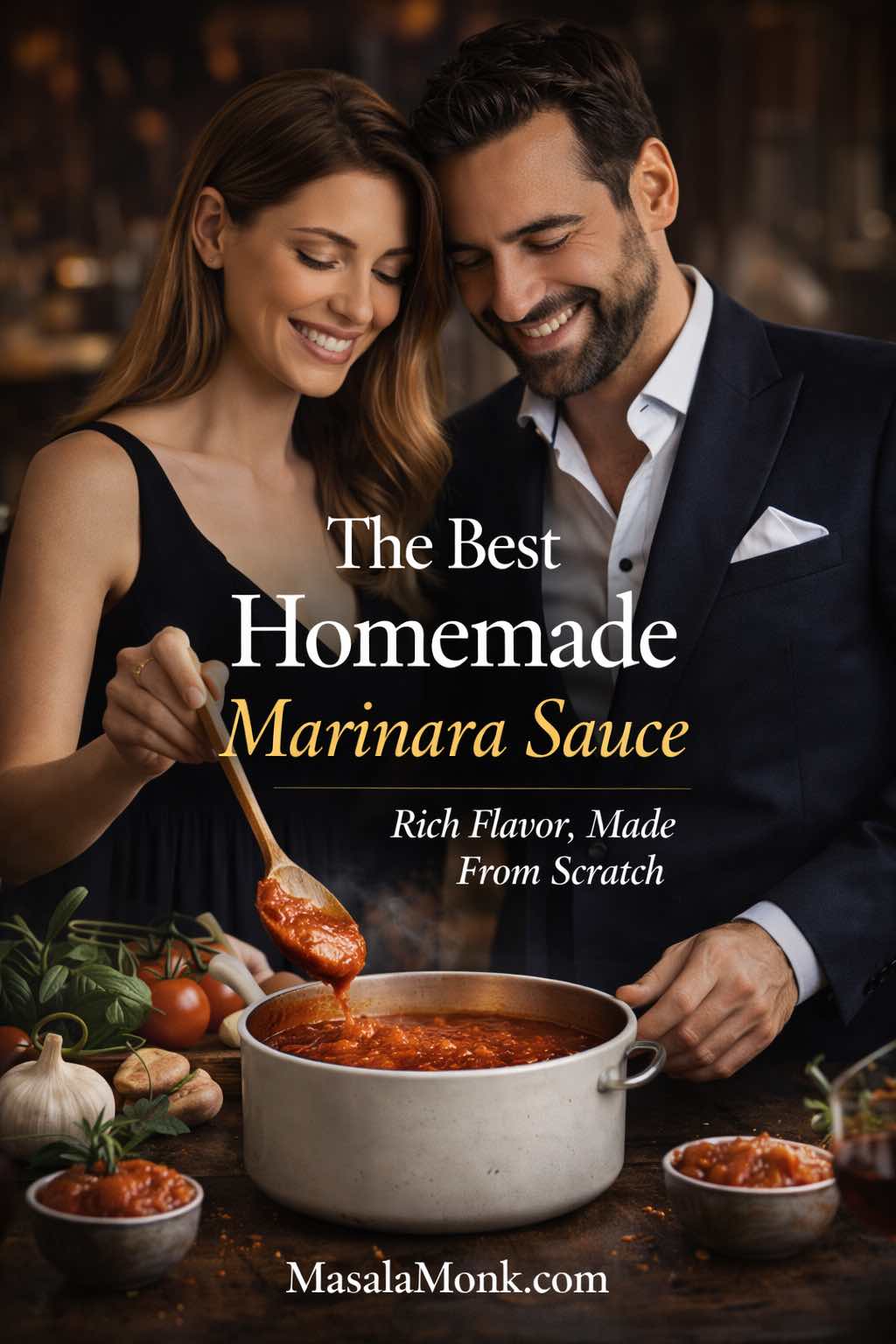
A couple stirring a pot of homemade marinara sauce in a warm, elegant kitchen with fresh tomatoes, garlic, and basil on the counter.

Some sauces demand a Sunday afternoon, a stocked pantry, and a willingness to hover over the stove. Marinara isn’t that kind of sauce. Instead, a good marinara is built for real life: dinner after a long day, a quick lunch you still want to enjoy, or a last-minute plan that somehow turns into friends at your table. That’s why a reliable marinara sauce recipe is one of the most useful things you can learn—it’s simple, adaptable, and endlessly repeatable.

At the same time, marinara is honest. Because the ingredient list is short, every choice matters. Consequently, a watery tomato can make the sauce taste thin. Likewise, a scorched garlic clove can tint the whole pot bitter. Yet, when you get the fundamentals right, the payoff is immediate: a classic homemade marinara sauce that tastes bright, rich, and clean all at once.

In this post, we’ll start with one sturdy marinara sauce recipe you can memorize. Then, we’ll branch into variations that still feel like marinara—just tuned for different needs. For instance, we’ll make a thicker version for pizza. Additionally, we’ll build a punchier marinara dipping sauce. Moreover, we’ll cover options like sugar free marinara sauce, tomato sauce keto and low carb tomato sauce, and low sodium marinara sauce without turning the sauce bland. Finally, we’ll talk storage and reheating, because having marinara ready in the fridge is basically a superpower.

Also Read: Tomato Sauce From Fresh Tomatoes (Food Mill Method & Recipe)


What marinara is, and why it works

Marinara is a quick tomato sauce that’s meant to taste fresh, not heavy. In other words, it’s not a long-simmered ragù built on meat and bones, and it’s not a creamy tomato sauce. Instead, marinara leans on the flavor of tomatoes and a few supporting ingredients: garlic, olive oil (optional), basil, and salt. As a result, it tastes direct and vibrant, while still feeling comforting.

Because marinara is uncomplicated, it’s also flexible. Once you have a base marinara sauce recipe, you can use it as a pasta sauce, a pizza sauce, a dipping sauce, or a component in baked dishes. Meanwhile, you can keep the same method and adjust only one or two “dials” to meet different preferences: less salt, no added sugar, no oil, more heat, or a different tomato choice.

Also Read: Double Chocolate Chip Cookies – Easy Recipe with 7 Variations


Marinara sauce ingredients

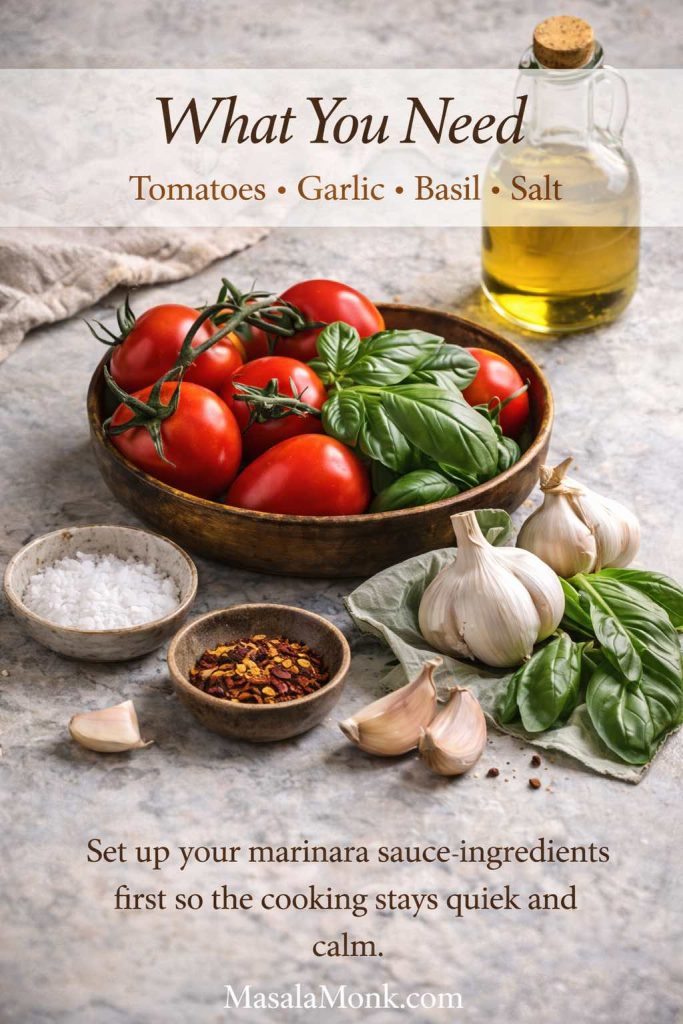
A classic marinara sauce ingredients list is short for a reason. Still, each ingredient has a job, so it helps to know what you’re aiming for.

Flat lay of tomatoes, garlic, basil, olive oil, salt, and chili flakes on a marble counter for a homemade marinara sauce recipe.
Setting up the marinara sauce ingredients first keeps the cooking fast—so you can focus on aroma, simmer, and texture.

Tomatoes: the main character

  • Canned tomatoes are the most consistent option for most of the year. Therefore, they’re the default in this marinara sauce recipe.
  • Fresh tomatoes can be wonderful in season. However, they require a bit more simmering to concentrate flavor and reduce water.
  • San Marzano sauce / San Marzano tomatoes can be an upgrade when you want a smoother, more balanced tomato profile. If you’re curious about what PDO (Protected Designation of Origin) means and how it’s used, the European Commission’s explanation is a solid reference: PDO and quality schemes explained. Likewise, for San Marzano specifically, the official consortium offers background: San Marzano consortium site and about the consortium.

Aromatics: the backbone

  • Garlic is the signature. Nevertheless, you can make a garlic free marinara sauce with a few smart swaps (we’ll do that later).
  • Onion is optional. If you want a minimalist, authentic Italian marinara sauce feel, you can skip it. On the other hand, if you like a slightly rounder sweetness, onion is helpful.

Fat: optional, but useful

  • Olive oil adds richness and carries aroma. Even so, an oil free marinara sauce can still taste good if you rely on gentle reduction and careful seasoning.

Herbs and seasoning: the finishing touch

  • Basil is classic. Additionally, black pepper adds warmth.
  • Salt is essential for “completeness.” However, if you’re making low sodium marinara sauce, you can build flavor using other levers.

If you enjoy understanding ingredients beyond flavor—especially tomatoes—this MasalaMonk post on tomato nutrition and benefits is a useful deep dive that pairs naturally with marinara.

Also Read: Upma Recipe: 10+ Easy Variations (Rava, Millet, Oats, Semiya & More)


A classic marinara sauce recipe you can repeat anytime

This is the heart of the post: a dependable, classic homemade marinara sauce. It’s also intentionally adaptable, which is why it serves as the foundation for every variation later on.

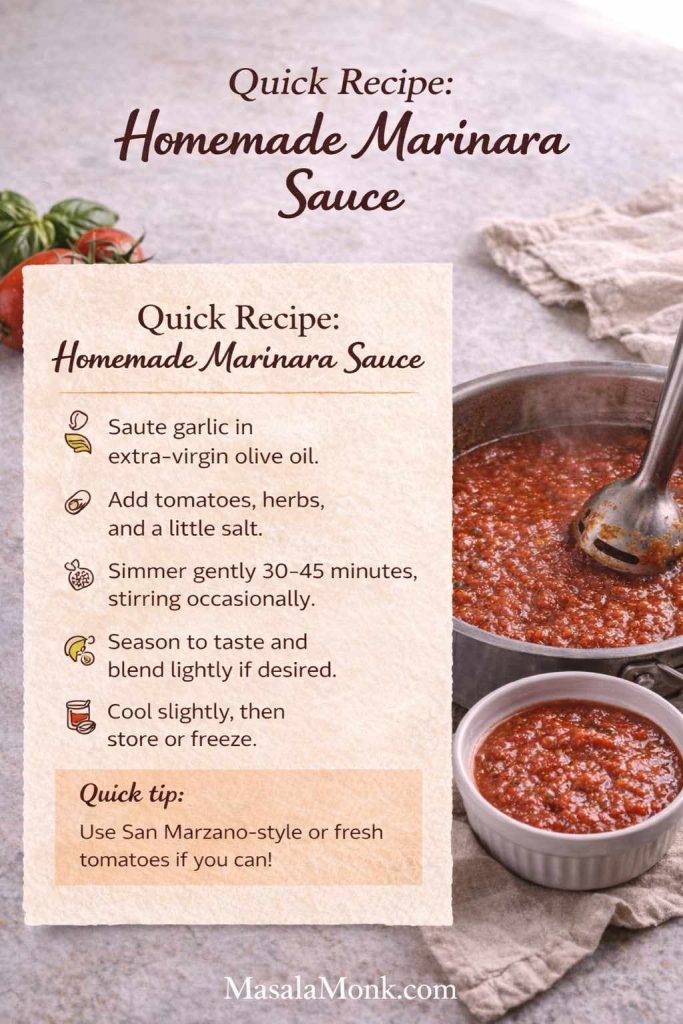
Quick recipe card for homemade marinara sauce on a photo of simmering marinara in a pan, with MasalaMonk.com in the footer.
Save this quick marinara sauce recipe for busy nights—once you know the base steps, you can tweak it for pasta, pizza, or dipping in minutes.

Classic homemade marinara sauce recipe (base)

Makes: ~3–4 cups
Time: ~25–35 minutes

Ingredients

  • 2 tbsp olive oil (or see the oil-free variation later)
  • 4–6 garlic cloves, thinly sliced or minced
  • 1 small onion, finely chopped (optional)
  • 800 g / 28 oz canned whole peeled tomatoes, crushed by hand (or crushed tomatoes)
  • 1 tsp salt to start, then adjust
  • Black pepper to taste
  • 8–12 basil leaves (fresh is best; dried works in a pinch)
  • Optional: pinch of red pepper flakes

How to make Marinara Sauce – Step by Step Method

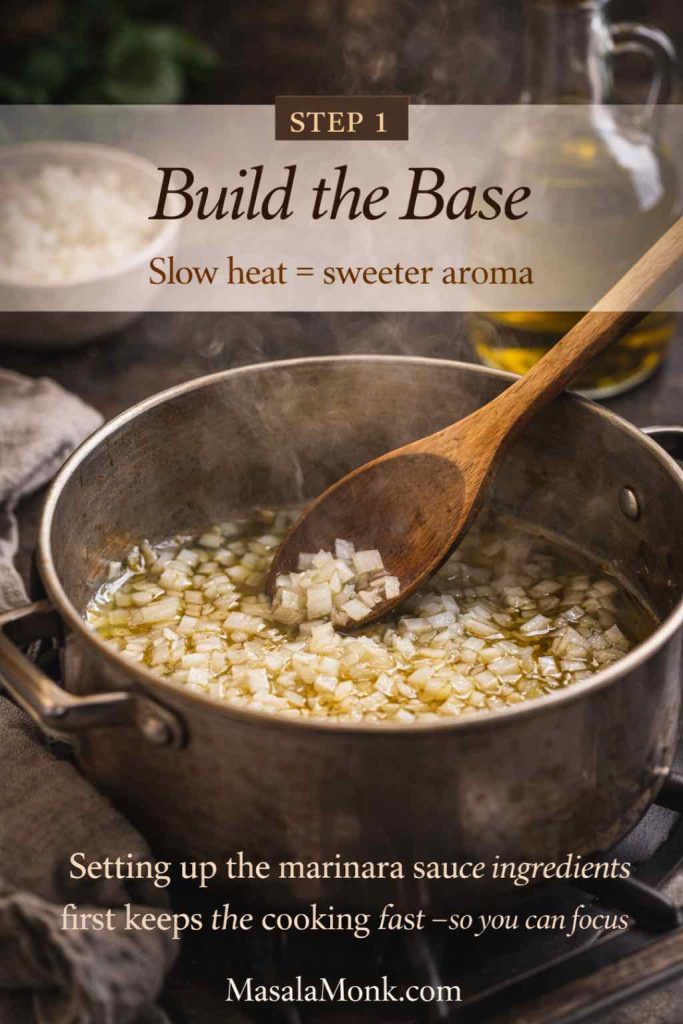
1. Start gently. Place a saucepan over medium heat. Add olive oil. If you’re using onion, cook it slowly until soft and translucent. The goal is sweetness and aroma, not browning.

Chopped onion softening in olive oil in a saucepan with a wooden spoon, showing step 1 of a homemade marinara sauce recipe.
Keep the heat low while the onion turns glossy and sweet—this gentle start makes the final marinara taste fuller without extra ingredients.

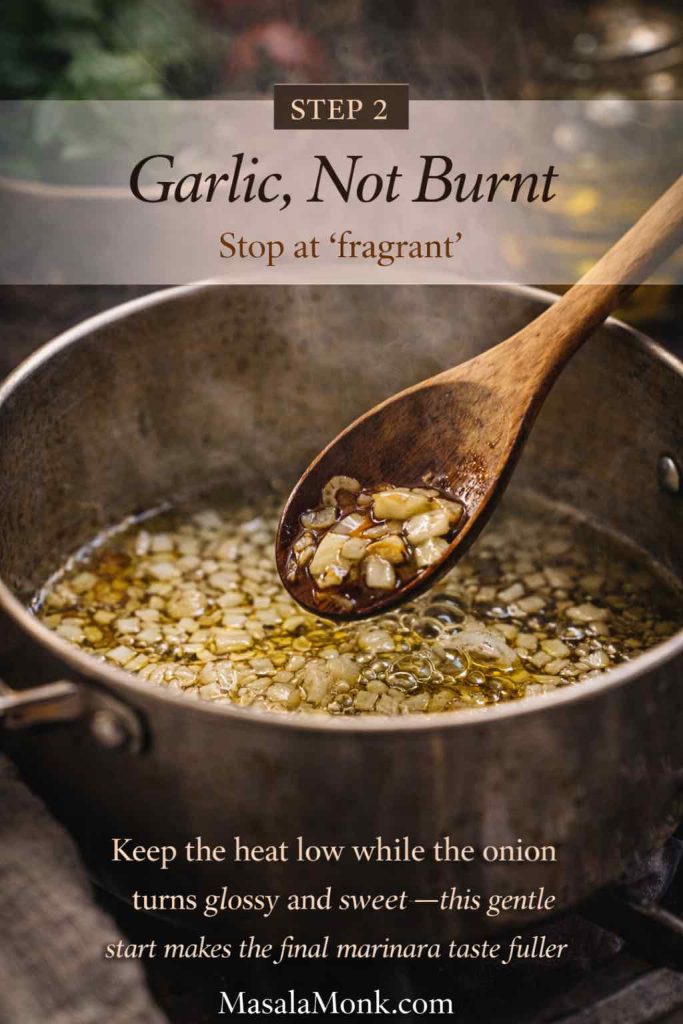
2. Add garlic carefully. Stir in garlic and cook just until fragrant. If the garlic starts to brown aggressively, lower the heat. Otherwise, a bitter edge can show up later.

Garlic gently sizzling in olive oil with softened onion in a saucepan, showing step 2 of a homemade marinara sauce recipe before adding tomatoes.
The moment garlic smells nutty and warm, move on—another 20–30 seconds can shift it from fragrant to bitter.

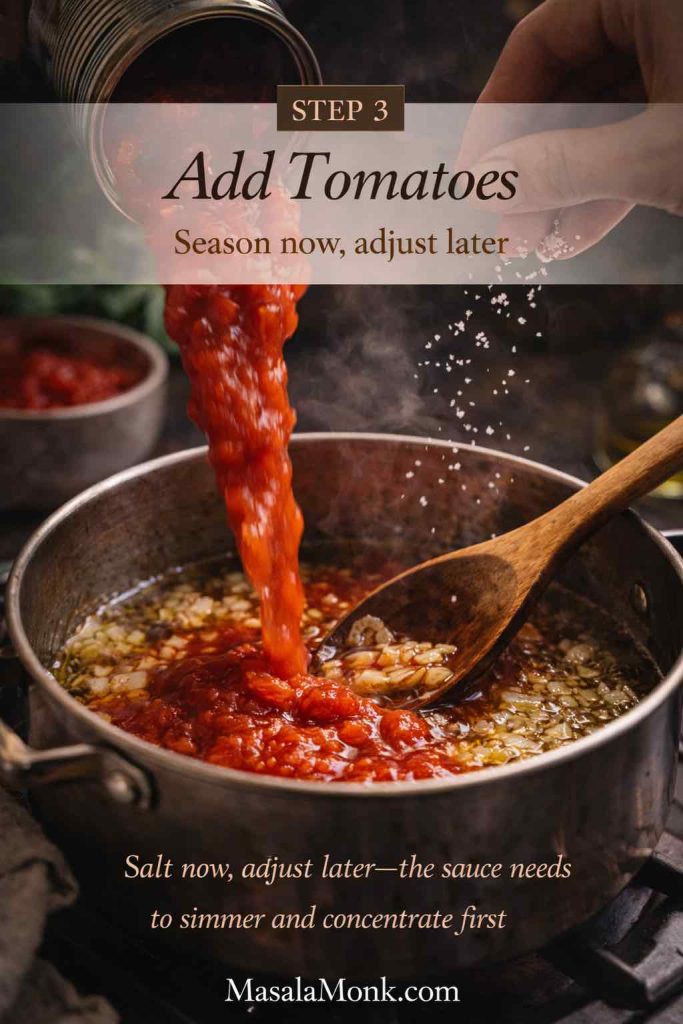
3. Add tomatoes and season. Pour in tomatoes, then add salt, pepper, and optional chili flakes.

Crushed tomatoes being poured into a saucepan with softened onion and garlic, while salt is sprinkled in, showing step 3 of a homemade marinara sauce recipe.
Add tomatoes first, then season lightly—once the marinara reduces, you can fine-tune salt without overshooting.

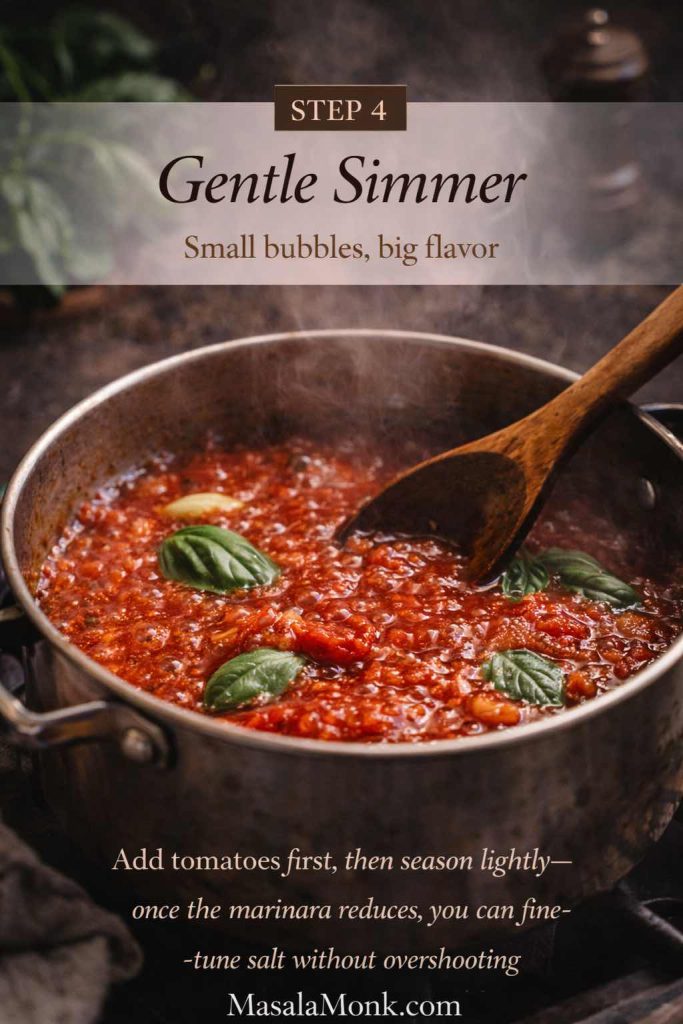
4. Simmer steadily. Bring to a gentle bubble, then reduce heat to maintain a calm simmer. Stir occasionally. Over time, the sauce thickens and tastes more cohesive.

Marinara sauce gently simmering in a saucepan with small bubbles and basil leaves, showing step 4 of a homemade marinara sauce recipe.
Look for small, steady bubbles—this is the sweet spot where marinara thickens and deepens without tasting harsh or overcooked.

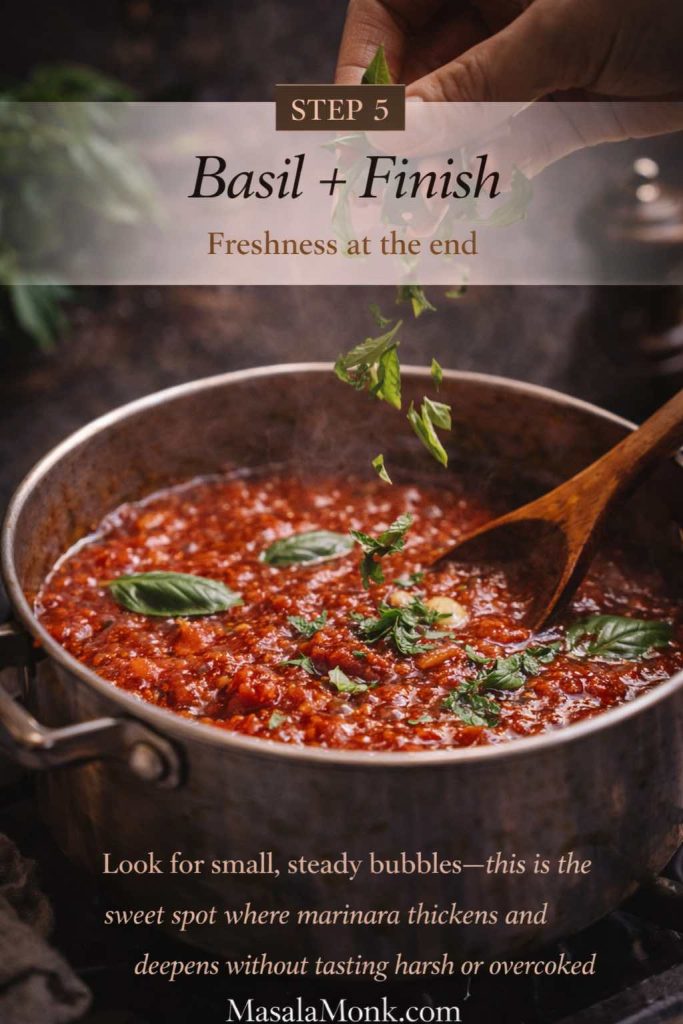
5. Finish bright. Stir in basil at the end, then taste and adjust salt. If you want it smoother, blend briefly. If you prefer rustic texture, leave it chunky.

Fresh basil being torn and sprinkled into a pot of thickened marinara sauce, showing step 5 of a homemade marinara sauce recipe just before serving.
Add basil at the very end so the sauce keeps its bright, fresh aroma—then taste once more and adjust salt and texture.

This is the kind of marinara sauce you can cook without measuring once you’ve made it a few times. In fact, after you learn the rhythm—soften aromatics, add tomatoes, simmer, finish with basil—you’ll be able to steer it by taste.

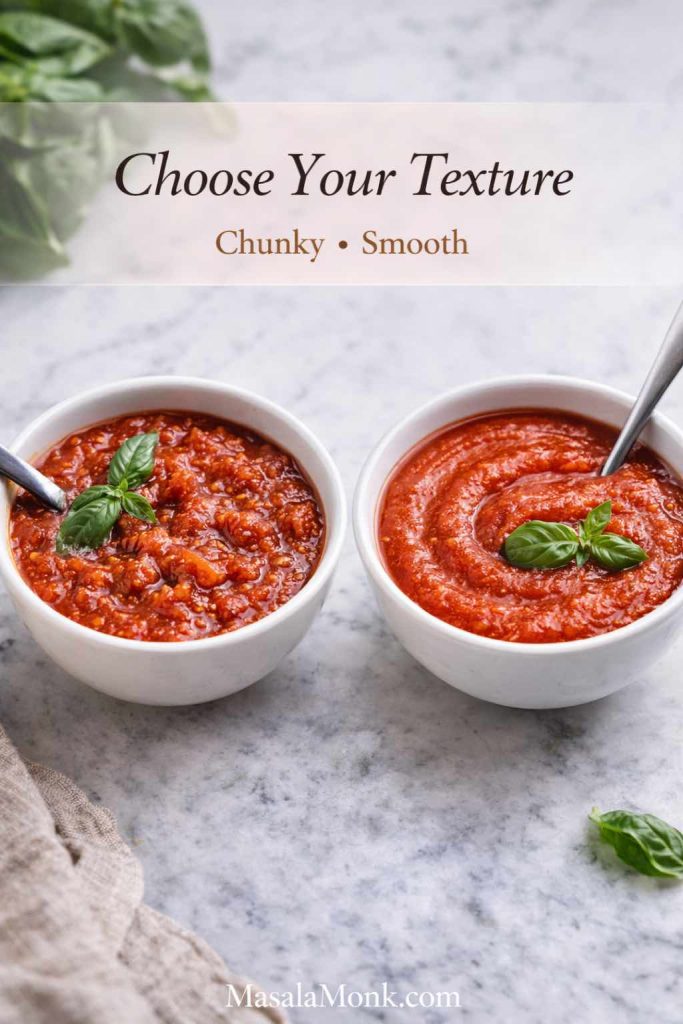
Two bowls of marinara sauce on a marble counter, one chunky and one smooth, showing texture options for homemade marinara sauce.
Chunky marinara is perfect for rustic pasta, while a smooth blend spreads beautifully for pizza or dipping—same sauce, different finish.

If you like reading technique explanations, Serious Eats offers a well-respected reference for a similar style of method: a marinara technique reference. Notice how the logic is the same: gentle aromatics, controlled simmer, and a clean tomato finish.

Also Read: Potato Salad Recipe: Classic, Russian, German, Vegan & More


Why some marinara tastes watery, sharp, or flat

If your marinara has ever felt “almost good,” it usually helps to identify what’s missing. Then, you can fix it quickly next time.

Watery sauce

Often, watery marinara is simply under-reduced. Therefore, simmer a little longer with the lid off. Alternatively, choose a more concentrated tomato product, like crushed tomatoes, when you want a faster cook.

Sharp, sour, or acidic sauce

Sometimes the tomatoes are naturally sharper. In that case, a longer simmer helps. Additionally, finishing with basil can soften the perception of acidity. If you’re specifically aiming for low acid marinara sauce, we’ll cover that variation in detail.

Flat sauce

Flat marinara usually needs one of three things:

  • more salt (or a smarter low-sodium strategy)
  • a little more reduction
  • fresher finishing aromatics (especially basil)

Consequently, a sauce that tastes “fine” can become genuinely satisfying with one small adjustment.

Also Read: Healthy Tuna Salad – 10 Easy Recipes (Avocado, Mediterranean, No Mayo & More)


Authentic Italian marinara sauce, in spirit

“Authentic” can mean many things, so it’s better to talk about intent. Traditional Italian-style marinara tends to be restrained. Instead of piling in herbs and sugar, it relies on tomatoes, garlic, olive oil, and basil, with a gentle simmer. As a result, the sauce feels clean and tomato-forward.

If you want a different classic pasta direction that’s still deeply Italian but completely tomato-free, MasalaMonk’s carbonara guide is a great companion for another night.


San Marzano marinara (San Marzano sauce upgrade)

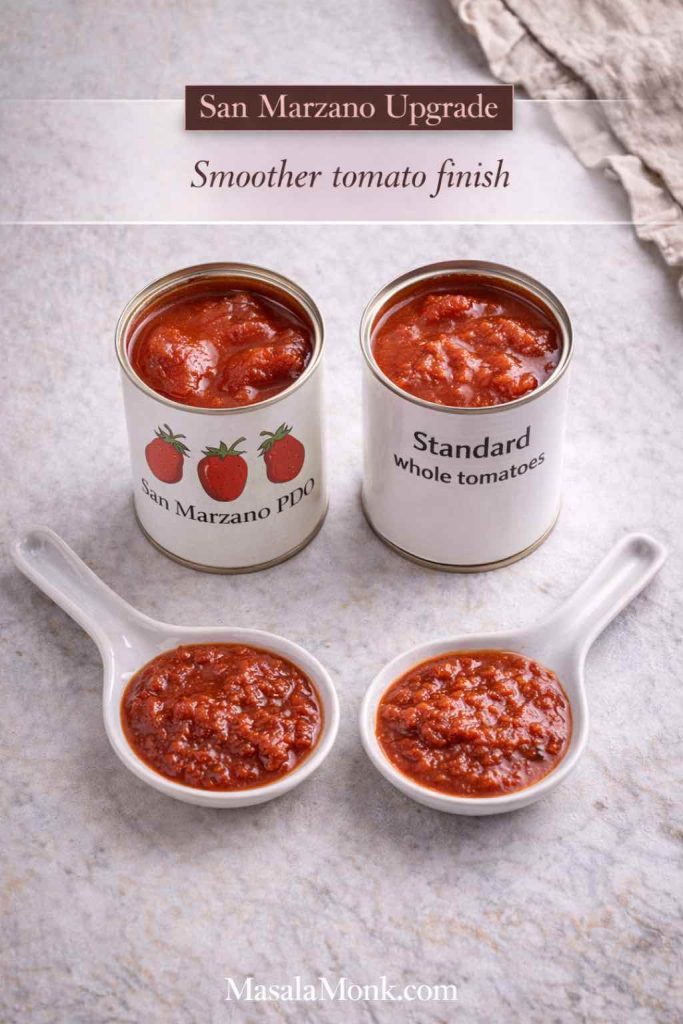
If you’ve been curious about san marzano sauce or san marzano marinara sauce, the simplest approach is to swap the tomatoes and keep the rest minimal. That’s it.

Comparison of San Marzano PDO tomatoes and standard whole tomatoes with two spoonfuls of marinara sauce, showing how tomato choice affects marinara texture and finish.
If you want a smoother, more polished marinara, start with better tomatoes—San Marzano-style tomatoes often give a cleaner finish with less effort.

How to do it

  • Use San Marzano tomatoes (ideally with clear PDO/DOP references if that matters to you).
  • Keep herbs restrained; basil is enough.
  • Simmer only until the sauce tastes cohesive and slightly thickened.

Because San Marzano tomatoes are prized for balance, you often don’t need extra sweetness tricks. Nevertheless, the technique still matters: gentle simmer, careful garlic, and basil at the end.

For context, PDO is a protected origin scheme; you can read the official overview here: PDO explained. Similarly, if you want the “source-of-truth” angle for San Marzano DOP/PDO, the consortium links are here: San Marzano consortium site and about the consortium.

Also Read: Whiskey Sour Recipe: Classic Cocktail, Best Whiskey & Easy Twists


Marinara sauce from fresh tomatoes

A marinara sauce from fresh tomatoes can taste brighter and more “garden-like,” especially when tomatoes are in peak season. However, fresh tomatoes also bring more water. Consequently, the key is patient reduction.

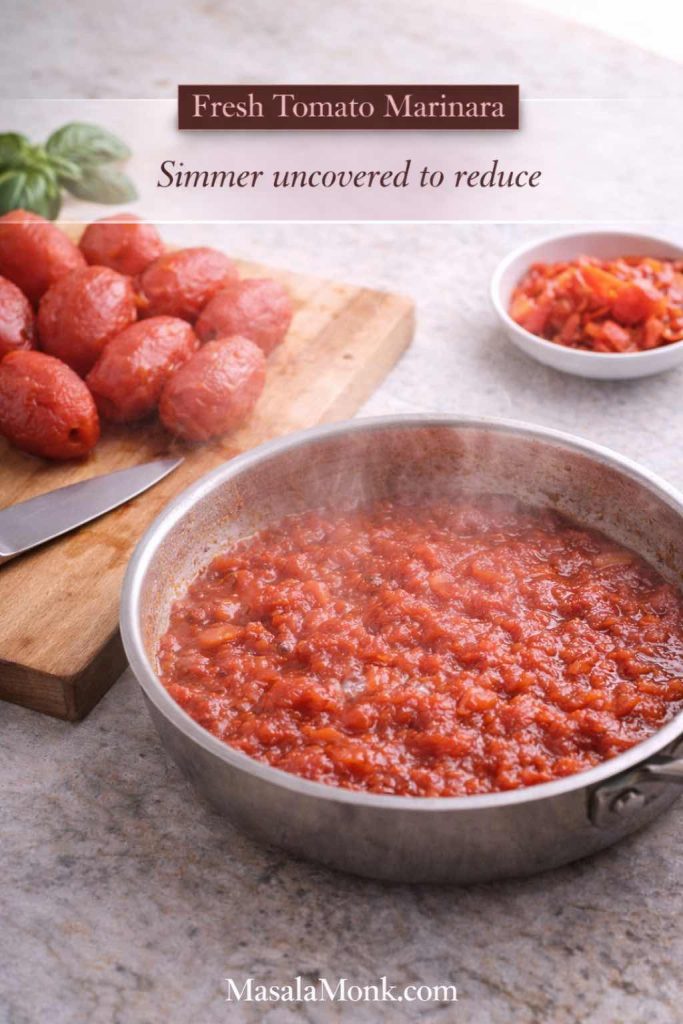
Fresh tomatoes simmering in a wide pan with peeled tomatoes on a cutting board, showing how to make marinara sauce from fresh tomatoes by reducing uncovered.
When you cook fresh tomatoes uncovered, excess water evaporates fast—so the sauce thickens naturally and tastes brighter than a long, covered simmer.

A simple fresh tomato method

  1. Score tomatoes with a small “X” at the bottom. Then, blanch them in boiling water for 30–45 seconds.
  2. Transfer to cool water, peel, and chop.
  3. Sauté garlic (and onion if using) gently, then add chopped tomatoes and salt.
  4. Simmer uncovered until thickened. Finally, finish with basil.

This variation naturally satisfies the idea of a marinara sauce made with fresh tomatoes, while still using the same overall structure as the base marinara sauce recipe. In other words, you’re not learning a new sauce—you’re simply changing the tomato input.

Also Read: High Protein Overnight Oats | 5 Recipes (Low Calorie, Vegan, Bulking & More)


Spicy marinara sauce

Spicy marinara sauce should feel warm and lively, not harsh. Therefore, the best method is to bloom chili flakes briefly in the oil before adding tomatoes. That way, the heat spreads evenly and tastes integrated.

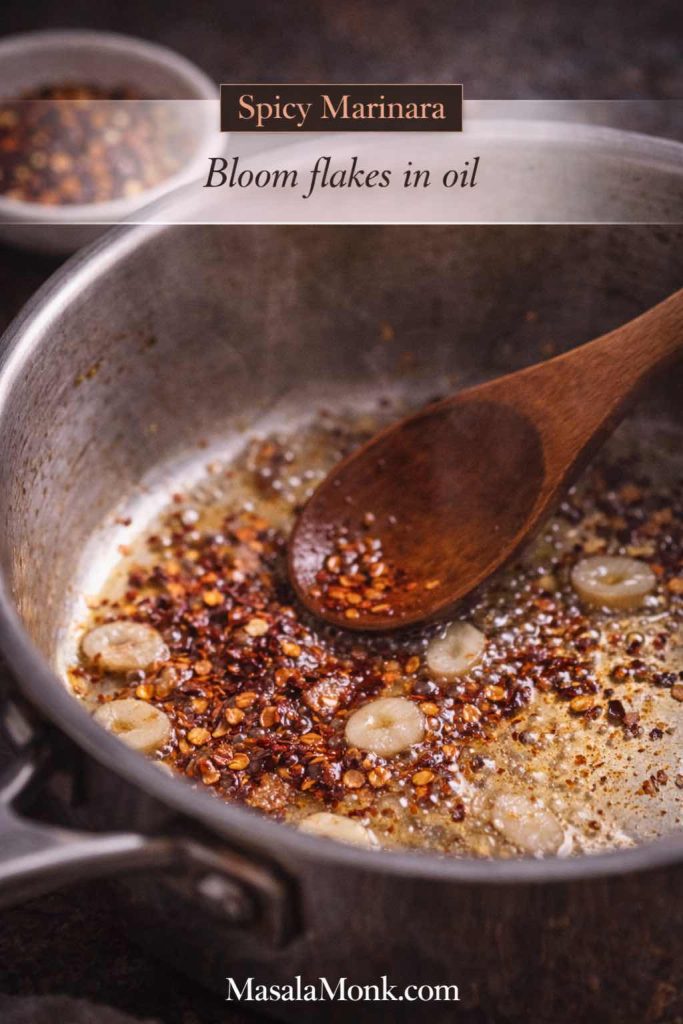
Chili flakes blooming in olive oil with sliced garlic in a saucepan, showing how to start a spicy marinara sauce before adding tomatoes.
Blooming chili flakes in oil perfumes the whole pot, so the heat tastes smooth and even instead of sharp or raw.

How to build balanced heat

  • Add a pinch of red pepper flakes right before garlic.
  • Simmer as usual.
  • Taste near the end, because heat perception changes as the sauce reduces.

If you like playing with different kinds of heat beyond chili flakes, MasalaMonk’s pepper sauce guide can inspire a range of spicy add-ins without forcing you into one flavor profile.


Marinara dipping sauce (including mozzarella sticks)

A marinara dipping sauce should be thicker and slightly more assertive than your everyday pasta marinara. Consequently, you don’t need new ingredients—you need a small shift in reduction and seasoning.

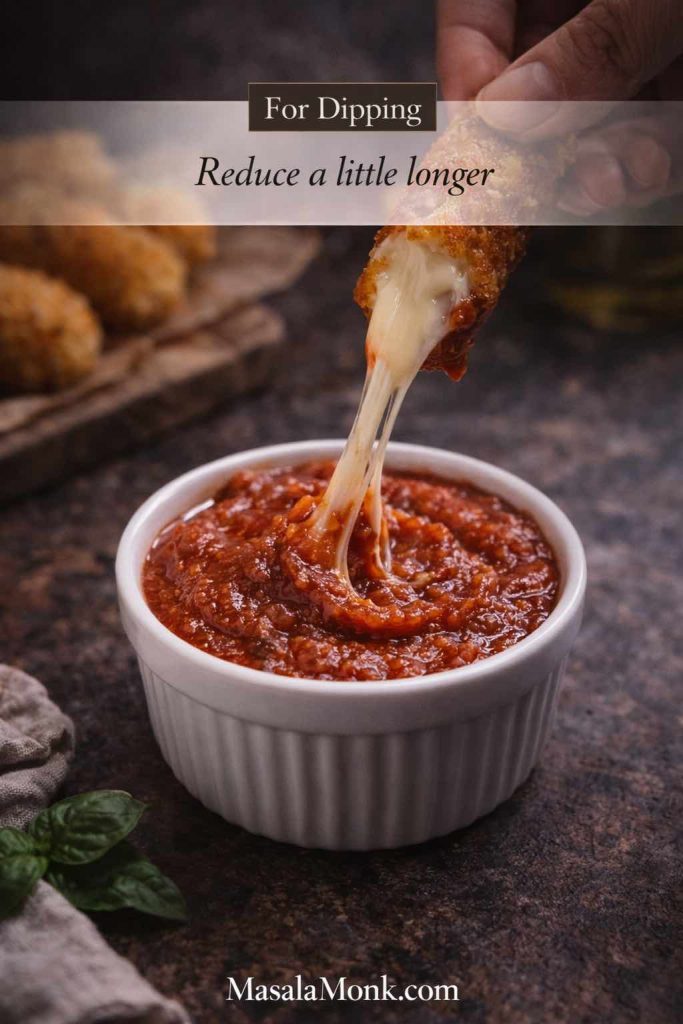
Mozzarella stick with a cheese pull dipping into a ramekin of thick marinara dipping sauce, showing a reduced marinara for dipping.
When marinara is reduced a little longer, it turns into a dip that clings—perfect for mozzarella sticks and any crispy snack.

How to adapt the base

  • Simmer 5–10 minutes longer so it thickens.
  • Add an extra clove of garlic, if you like.
  • Optionally add a pinch more chili flakes for “snack” energy.

This version works naturally as marinara sauce for mozzarella sticks, but it’s also great with toasted bread, roasted vegetables, or anything crispy.

If you want a natural pairing idea that fits beautifully, try it with arancini. MasalaMonk’s arancini balls post is an easy internal read for a snack that practically demands a tomato dip.

Also Read: Authentic Louisiana Red Beans and Rice Recipe (Best Ever)


Marinara sauce for pizza

Marinara sauce for pizza needs to be thick enough to spread without soaking the crust. Therefore, the “pizza shift” is mainly about texture.

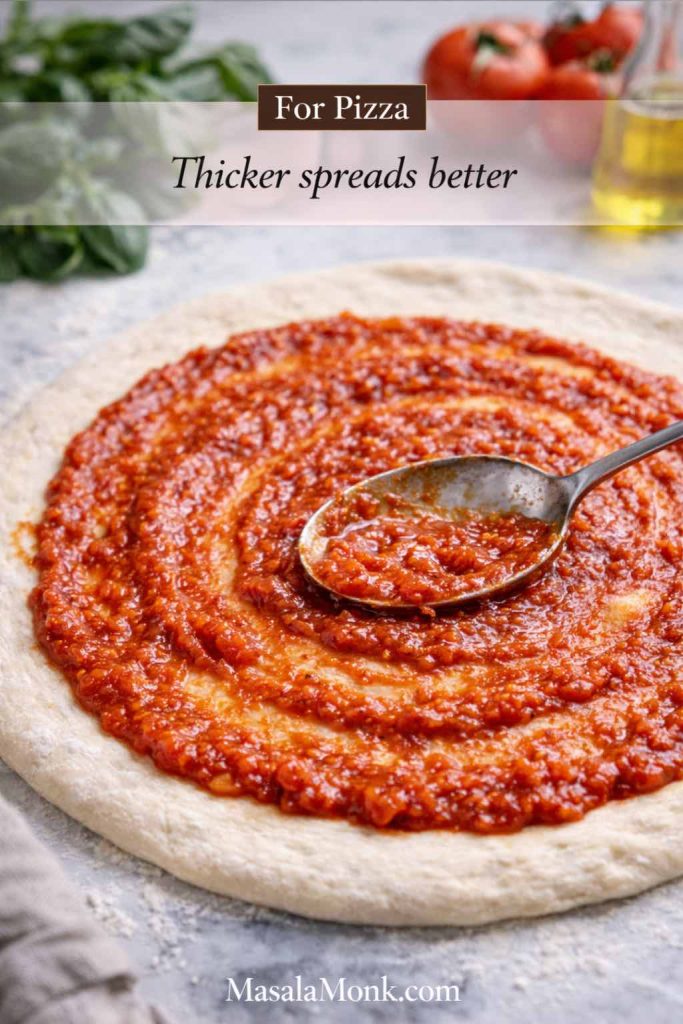
Thick marinara sauce being spread with a spoon on pizza dough, showing how to use marinara sauce for pizza without making the crust soggy.
A thicker marinara spreads in a thin, even layer—so the pizza stays crisp while still tasting boldly tomato-forward.

How to make it pizza-ready

  • Reduce the sauce slightly more than usual.
  • Blend for a smooth consistency, if you like.
  • Go easy on basil inside the sauce; instead, use fresh basil on top after baking.

If you enjoy a lighter homemade pizza approach, MasalaMonk’s Satvic pizza recipe is a good internal companion for dough and topping ideas.

Also Read: Air Fryer Hard-Boiled Eggs (No Water, Easy Peel Recipe)


Marinara sauce for pasta (and how to make it cling)

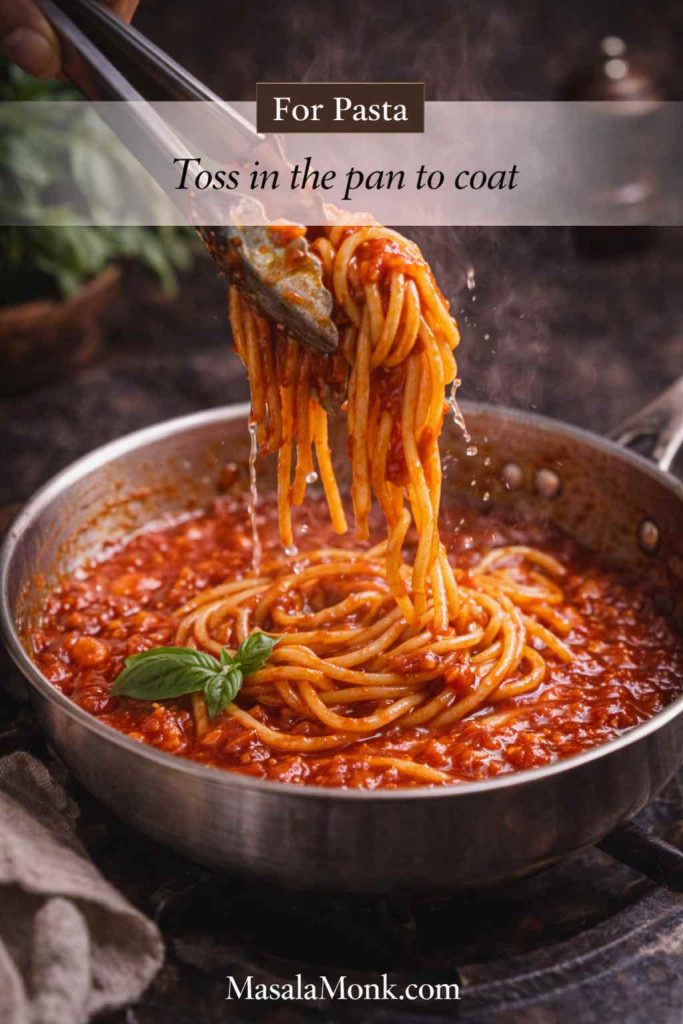
Marinara sauce for pasta is at its best when it coats, not pools. Consequently, the finishing technique matters as much as the sauce itself.

Spaghetti being lifted with tongs from a skillet of marinara sauce, showing how to toss pasta in the sauce for a glossy coating.
Tossing pasta directly in marinara helps the sauce cling to every strand, so each bite tastes evenly seasoned and rich.

The simplest upgrade

  • Reserve a splash of pasta water.
  • Toss pasta with marinara in a pan for 30–60 seconds.
  • Add a little pasta water as needed.

As a result, the sauce emulsifies slightly and clings more smoothly. If you want a technique-oriented reference for sauce behavior and pasta finishing, the Serious Eats approach to sauce method is a helpful baseline: a marinara technique reference.

Also, when you want a meatier cousin to marinara, bolognese is the logical next step. MasalaMonk’s bolognese recipe is a natural internal link for a different kind of red sauce night.


Diet-friendly marinara variations that still taste good

This is where many sauces fall apart: they chase “diet” first and flavor second. Instead, we’ll keep the core identity intact. Then, we’ll adjust only what’s necessary so each version still tastes like marinara.

Sugar free marinara sauce (and no-sugar variations)

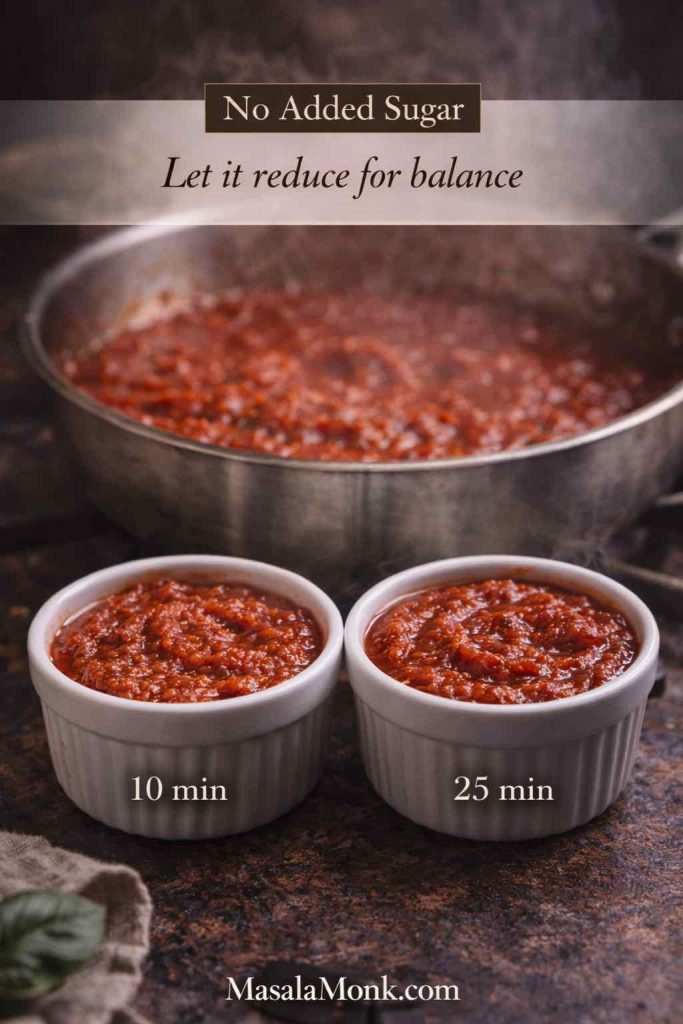
A sugar free marinara sauce is mostly about avoiding the need for sugar in the first place. Therefore, focus on tomato quality and simmering, rather than adding sweeteners.

Two ramekins of marinara sauce labeled 10 min and 25 min in front of a simmering pot, showing how longer reduction naturally deepens flavor without added sugar.
Instead of adding sugar, let the sauce reduce—extra simmer time concentrates tomatoes, darkens the color, and makes marinara taste naturally balanced.

How to make it work

  • Use tomatoes with no added sugar.
  • Simmer long enough for the tomato edge to soften.
  • Finish with basil for sweetness-by-aroma.

If you still want more balance, add a small piece of carrot while simmering, then remove it at the end. Consequently, you get a gentle sweetness without making the sauce taste sugary.

This approach also aligns naturally with no sugar marinara sauce, no sugar added marinara sauce, and zero sugar marinara sauce expectations, while keeping the base marinara sauce recipe intact.

Tomato sauce keto and low carb tomato sauce

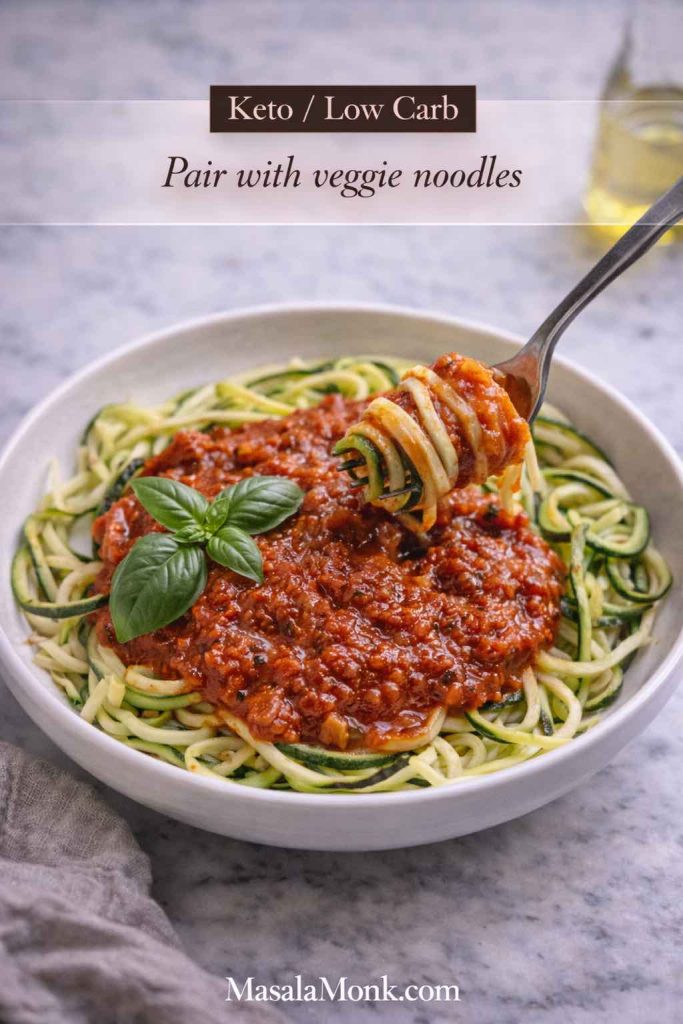
Tomato sauce keto and low carb tomato sauce usually depend more on serving context than the sauce itself. Nonetheless, the sauce should be clean: tomatoes, garlic, basil, and no added sugar.

Zucchini noodles topped with marinara sauce and basil in a bowl, showing a keto and low carb way to serve tomato sauce.
For a keto or low carb plate, keep the marinara the same and swap the base—zucchini noodles (or spaghetti squash) carry the sauce without the extra carbs.

A practical keto-leaning approach

  • Keep onions minimal if you’re strict.
  • Avoid any sweetener additions.
  • Pair the sauce with low-carb “noodles” (zucchini, spaghetti squash) or roasted vegetables.

For serving ideas, MasalaMonk’s keto pasta alternatives fits naturally here, since it helps you build a satisfying plate around a low carb tomato sauce.

Low sodium marinara sauce (and salt-free options)

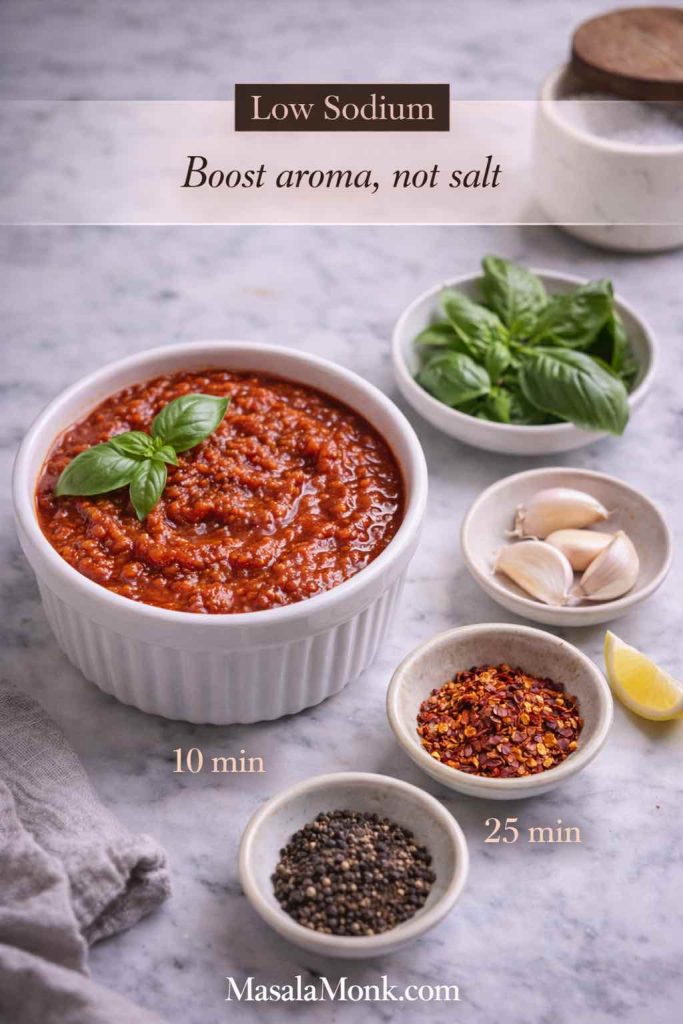
Low sodium marinara sauce isn’t just “less salt.” Instead, it’s a different strategy for building completeness. Therefore, you replace salt’s job with other kinds of intensity.

Bowl of low sodium marinara sauce with basil, garlic, chili flakes, black pepper, and lemon on a marble counter, showing flavor boosters used instead of extra salt.
When you cut back on salt, lean on aroma—garlic, basil, pepper, and a tiny squeeze of citrus can make low sodium marinara taste vivid and complete.

How to keep flavor strong with less salt

  • Sweat onion longer for more natural sweetness.
  • Use a little more garlic.
  • Add black pepper for warmth.
  • Finish with basil for lift.

If you’re going toward no salt marinara sauce or salt free marinara sauce, it helps to simmer a little longer so the sauce concentrates. Moreover, the carrot trick can be helpful here too, because perceived sweetness can reduce the “need” for salt.

Oil free marinara sauce and low fat marinara sauce

An oil free marinara sauce can still be delicious; it just tastes cleaner and slightly lighter. Consequently, reduction becomes even more important.

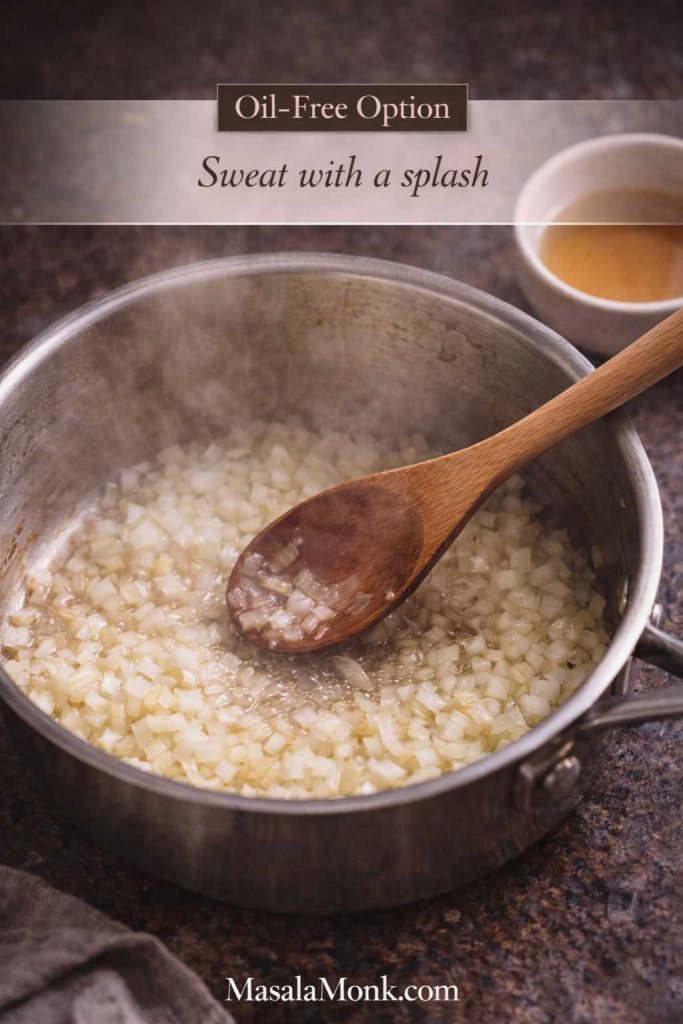
Chopped onions sweating in a saucepan with a splash of broth or water instead of oil, showing how to start an oil free marinara sauce.
For oil-free marinara, use a small splash of water or broth to soften onions—then let the sauce simmer a bit longer to build body.

Oil-free method

  • Start with a few tablespoons of water or unsalted broth.
  • Sweat onion gently, stirring often.
  • Add garlic briefly, then tomatoes.
  • Simmer a bit longer, then finish with basil.

This also supports low fat marinara sauce and light marinara sauce goals while keeping the sauce recognizable.

Garlic free marinara sauce

Garlic free marinara sauce is trickier because garlic is a signature note. However, you can still make a satisfying tomato sauce by leaning on onion, basil, and black pepper.

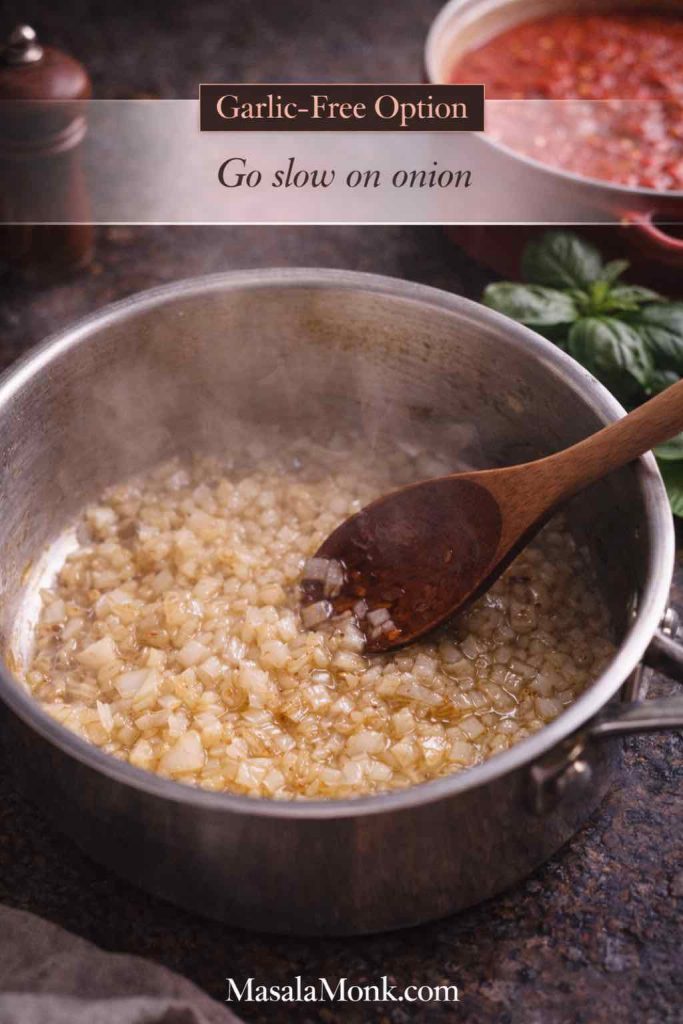
Onions slowly cooking in a saucepan with basil nearby and no garlic present, showing the base technique for a garlic free marinara sauce.
Without garlic, slow-cooked onion becomes the flavor engine—let it turn soft and sweet before tomatoes go in.

How to make it taste “complete”

  • Cook onion slowly until very soft.
  • Use basil generously at the end.
  • Add black pepper and optional chili flakes.

It won’t taste identical to the base marinara sauce recipe, yet it will still land as a classic tomato sauce you can use across meals.

Low acid marinara sauce

Low acid marinara sauce is mostly about perception. In other words, you’re reducing sharpness, not rewriting tomato chemistry.

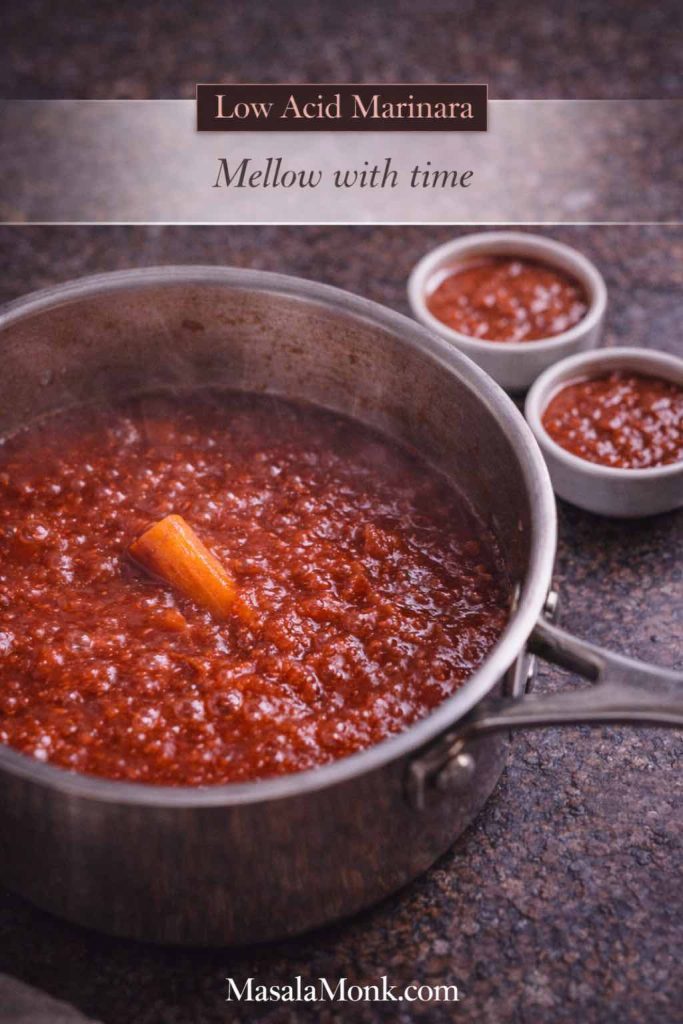
Marinara sauce gently simmering with a piece of carrot in the pot and two ramekins in the background, showing a low acid marinara method that softens sharp tomato flavor.
A gentle simmer is the real fix for sharp tomato sauce—time smooths the edges, and a small carrot can round the flavor without making it taste sweet.

The most reliable moves

  • Start with better tomatoes when possible.
  • Simmer gently and long enough to soften harshness.
  • Use the carrot balancing trick if needed.
  • Avoid adding extra acidic ingredients.

As a result, the sauce reads smoother and easier to eat, especially for people sensitive to sharp tomato flavors.

Also Read: Blueberry Pancakes (6 Recipes) + Homemade Pancake Mix


Taking marinara into full meals

Once you’ve built confidence with a marinara sauce recipe, it becomes a building block, not just a pasta topping. Therefore, it’s worth knowing a few natural ways to fold it into dinner without repeating the same plate.

Lasagna and baked pasta nights

Marinara is often one half of lasagna’s personality. The other half is the creamy layer that creates structure and comfort. If you want that classic route, MasalaMonk’s béchamel guide for lasagna is a natural internal link, especially because it includes options beyond the standard approach.

Alternatively, if you want the cozy flavor profile without assembling layers, MasalaMonk’s crock pot lasagna soup is a fun pivot that still uses marinara logic in a more relaxed form.

Two-sauce pasta nights

Sometimes you want tomato brightness plus something creamy or herbal. Consequently, pairing marinara with a second sauce can make dinner feel intentional without extra work.

  • For basil-forward variety, MasalaMonk’s pesto recipes fit beautifully alongside marinara.
  • For creamy comfort, MasalaMonk’s Alfredo recipes provide a different direction, while still keeping dinner in the “simple and satisfying” lane.

A snack table that actually feels complete

A thick marinara dipping sauce anchors a snack spread. Meanwhile, a cool sauce creates contrast. If you want that refreshing counterpoint, MasalaMonk’s tzatziki guide pairs nicely with warm tomato-based dips.

Likewise, if you want something herbal with bite, MasalaMonk’s chimichurri post offers a different kind of sauce energy that still makes sense on the same table.


Storage, freezing, and reheating

Marinara is one of the best batch-cook sauces because it freezes well and reheats with minimal quality loss. Therefore, it’s worth making a bigger pot when you can.

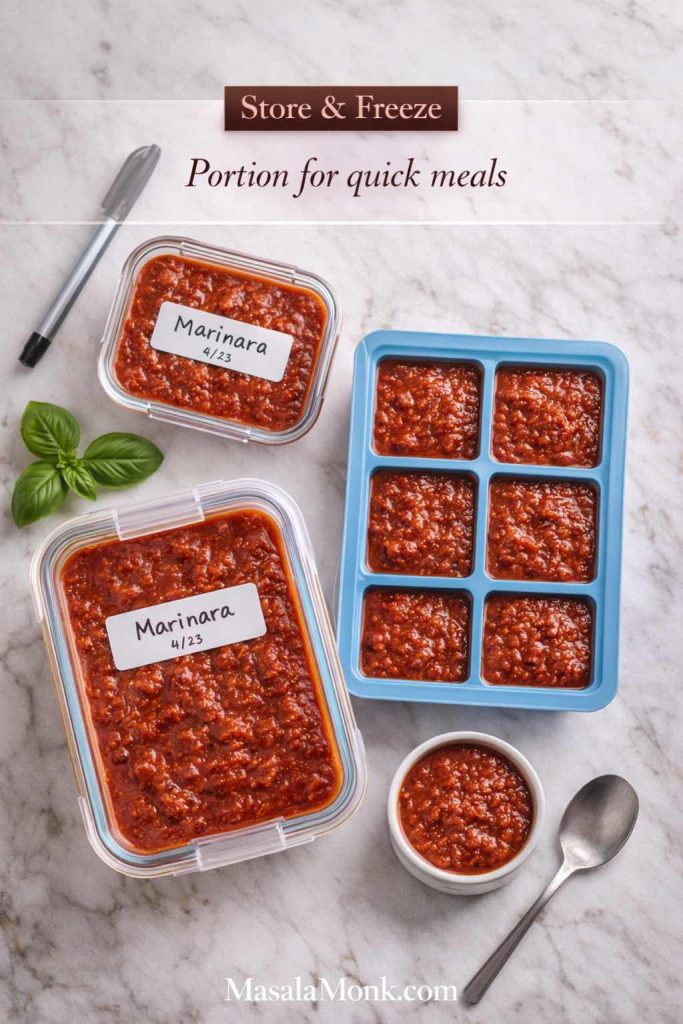
Homemade marinara sauce portioned into labeled glass containers and a silicone freezer tray on a marble counter, showing how to store and freeze marinara.
Freeze marinara in small portions so you can thaw exactly what you need—perfect for fast pasta, pizza, and dipping sauce nights.

Refrigeration

Let the sauce cool, then store it in a sealed container. For reliable guidance on how long leftovers keep, FoodSafety.gov’s cold storage charts are a strong reference: cold food storage charts.

Reheating

When reheating, bring the sauce up to a safe temperature. The USDA’s guidance on leftovers includes reheating to 165°F, and also notes that sauces, soups, and gravies should be brought to a boil when reheating: USDA leftovers and food safety.

Freezing

Freeze marinara in portions so you only thaw what you need. Consequently, you reduce waste while preserving texture.

Also Read: How to Cook Bacon in the Oven (Crispy, No-Mess, Crowd-Ready Recipe)


Bringing it all together

A good marinara sauce recipe is less like a single dish and more like a kitchen skill. Once you know the base, you can create a classic marinara sauce for pasta, a thicker marinara sauce for pizza, or a marinara dipping sauce for mozzarella sticks without starting over. Moreover, you can adjust the same core recipe into sugar free marinara sauce, tomato sauce keto or low carb tomato sauce, low sodium marinara sauce, oil free marinara sauce, or even garlic free marinara sauce—each one still recognizable as marinara.

So start with the base marinara sauce recipe and cook it once exactly as written. Then, cook the same marinara sauce again, but tweak one dial—maybe texture for pizza, maybe heat for a spicy marinara sauce, or maybe the salt strategy for a low sodium marinara sauce. After that, repeat with a fresh tomato version when tomatoes are at their best. Eventually, you’ll stop thinking of it as “a recipe” and start thinking of it as “your sauce.”

And that’s the point: a marinara sauce recipe should make dinner easier, not harder.

Also Read: Coconut Water Cocktails: 10 Easy, Refreshing Drinks

FAQs

1) What is the best marinara sauce recipe for beginners?

If you’re new to cooking, the best marinara sauce recipe is the one that stays simple: tomatoes, garlic, salt, basil, and a gentle simmer. More importantly, keep the heat moderate so the garlic doesn’t brown too fast. Afterward, taste near the end and adjust salt little by little, because that final tweak usually makes the biggest difference.

2) What are the essential marinara sauce ingredients?

At minimum, marinara sauce ingredients include tomatoes, garlic, salt, and basil. Additionally, olive oil is common for richness, while onion is optional for sweetness. Meanwhile, black pepper and a pinch of chili flakes are helpful if you want extra warmth without changing the sauce’s core character.

3) How do I make a marinara sauce recipe easy and quick on weeknights?

For a marinara sauce recipe easy enough for busy nights, start with canned tomatoes and keep the simmer short—about 15–25 minutes—so it thickens without turning heavy. Moreover, slice garlic thinly so it releases flavor fast. Then, finish with basil at the end for a fresher taste.

4) How do I make homemade marinara sauce taste less acidic?

To reduce sharpness, simmer the homemade marinara sauce a little longer at a steady, gentle bubble so the flavors mellow. Also, add basil near the end because it softens the perception of acidity. In some cases, a small piece of carrot simmered in the sauce can round out the flavor without making it sweet.

5) How do I make low acid marinara sauce without adding sugar?

For low acid marinara sauce, focus on tomato quality and time rather than sweeteners. Instead of sugar, use a longer simmer, finish with basil, and consider the carrot-balancing method if the tomatoes taste especially sharp. As a result, the sauce becomes smoother while still tasting like classic marinara.

6) Can I make marinara sauce from fresh tomatoes?

Yes—marinara sauce from fresh tomatoes works beautifully when tomatoes are ripe and flavorful. However, fresh tomatoes release more water, so you’ll typically need a longer uncovered simmer. Once it thickens, you can keep it rustic or blend it briefly for a smoother texture.

7) What’s the easiest marinara sauce recipe fresh tomatoes method?

For a marinara sauce recipe fresh tomatoes version that isn’t complicated, peel tomatoes quickly by blanching, then chop and simmer them with garlic and salt until reduced. Next, finish with basil and adjust seasoning. If the sauce stays watery, simply simmer longer rather than adding extra ingredients.

8) What’s the difference between marinara sauce and tomato sauce?

Marinara sauce is usually a quick, bright tomato-based sauce with garlic and basil, whereas tomato sauce can be broader and sometimes cooked longer or seasoned differently. In other words, marinara is typically lighter and faster, while tomato sauce may be more general-purpose depending on how it’s made.

9) How do I make classic marinara sauce thicker?

To thicken classic marinara sauce, simmer it uncovered so excess water evaporates. Alternatively, use crushed tomatoes for a naturally thicker starting point. If you prefer a smooth finish, blending can also create a thicker mouthfeel even without extra cooking.

10) How do I make marinara sauce for pizza so it doesn’t soak the crust?

Marinara sauce for pizza should be thicker and more concentrated than pasta marinara. Consequently, simmer it a bit longer and, if you want, blend it so it spreads evenly. Also, avoid making it too watery with extra liquid, since that’s what can soften the crust.

11) How do I make marinara sauce for pasta that clings to noodles?

For marinara sauce for pasta, toss the cooked pasta with the sauce in a pan for about a minute, adding a small splash of pasta water as needed. Then, keep stirring so the sauce coats evenly. This approach helps the marinara cling rather than slide off.

12) What is marinara dipping sauce and how is it different from pasta marinara?

Marinara dipping sauce is usually thicker and more boldly seasoned than a pasta version. For example, you might simmer it longer and add slightly more garlic or chili flakes. That way, it tastes punchy even when served in small amounts.

13) How do I make marinara sauce for mozzarella sticks?

For marinara sauce for mozzarella sticks, reduce the sauce until it’s thick enough to cling to the food. Additionally, a little extra garlic and a pinch of chili flakes can make it taste more “snack-friendly.” If you want it smoother, blend briefly so it becomes dip-like.

14) How do I make spicy marinara sauce without overpowering the tomatoes?

To make spicy marinara sauce, bloom chili flakes gently in oil before adding tomatoes, so heat spreads evenly. Still, start small—heat intensifies as the sauce reduces. Finally, taste near the end and add more only if needed.

15) How do I make sugar free marinara sauce that still tastes balanced?

Sugar free marinara sauce relies on tomato choice and simmering rather than sweeteners. In addition, finishing with basil can make the sauce taste rounder. If the tomatoes are sharp, simmering a small piece of carrot can soften the edge without adding refined sugar.

16) What’s the difference between no sugar marinara sauce and no sugar added marinara sauce?

No sugar marinara sauce generally means the recipe contains no added sugars, while no sugar added marinara sauce emphasizes that nothing was added beyond naturally occurring sugars in tomatoes. Practically speaking, both aim for the same goal: a sauce without sweeteners. Therefore, check ingredients and keep the method simple.

17) How do I make zero sugar marinara sauce at home?

To make zero sugar marinara sauce, use tomatoes with no added sugar and avoid sweeteners entirely. Then, rely on reduction, basil, and careful seasoning for balance. If it tastes too sharp, extend the simmer rather than adding sugar.

18) Is marinara sauce keto friendly?

Marinara can be keto friendly in moderation, although tomatoes contain natural carbs. Consequently, keep portions reasonable and avoid recipes that add sugar. Additionally, pairing it with low-carb noodles or vegetables makes it easier to fit into a tomato sauce keto style meal.

19) What’s the best low carb tomato sauce approach for everyday meals?

For low carb tomato sauce, keep the ingredient list clean and skip sweeteners. Next, build the meal around low-carb pairings like zucchini noodles or roasted vegetables. That way, the sauce stays familiar while the plate stays lighter.

20) How do I make low sodium marinara sauce without it tasting bland?

Low sodium marinara sauce tastes better when you boost flavor in other ways: more garlic, plenty of basil, black pepper, and a longer simmer for concentration. Also, adding salt gradually at the end helps you avoid oversalting. If you’re cutting sodium sharply, a slightly thicker sauce often tastes fuller.

21) How do I make no salt marinara sauce or salt free marinara sauce that still tastes good?

For no salt marinara sauce or salt free marinara sauce, focus on concentration and aromatics. In particular, simmer longer to intensify tomato flavor, and use garlic, basil, and pepper more generously. If the sauce tastes harsh, the carrot-balancing trick can help smooth it out.

22) How do I make oil free marinara sauce?

Oil free marinara sauce is made by sautéing onion and garlic gently with a little water or broth instead of oil. Then, add tomatoes and simmer a bit longer for body. As the sauce reduces, it becomes richer tasting even without oil.

23) How do I make garlic free marinara sauce?

Garlic free marinara sauce works best when you lean into onion, basil, and black pepper. Start by cooking onion until very soft, then add tomatoes and simmer until thickened. Finally, finish with basil so the sauce still tastes aromatic.

24) How long does homemade marinara sauce last in the fridge?

Homemade marinara sauce is best used within a few days for quality, although exact timing depends on storage temperature and handling. To stay safe, cool it promptly, store it sealed, and reheat thoroughly. If you won’t use it soon, freezing is a better option.

25) Can I freeze marinara sauce?

Yes—marinara freezes very well. For easier thawing, freeze it in smaller portions. Then, reheat gently on the stove, adding a splash of water if it thickened too much in the freezer.
26) Why does my marinara sauce taste bitter?

Bitterness often comes from garlic browning too much or herbs scorching early in cooking. Next time, keep the heat gentler at the start and add basil closer to the end. Also, choose tomatoes you like, because some cans can taste more harsh than others.

27) Why is my marinara sauce watery even after simmering?

Watery marinara usually needs more uncovered simmering or a tomato product with less liquid. Therefore, let it reduce longer and stir occasionally. If you want faster results, start with crushed tomatoes or blend and then reduce briefly to tighten texture.

28) How do I fix marinara sauce that tastes too salty?

If the marinara tastes too salty, add more tomatoes or a small splash of water and simmer briefly to rebalance. Additionally, a bit of basil at the end can soften the overall perception. For the future, start with less salt and adjust only after the sauce reduces.

29) What is the best marinara sauce to buy if I don’t have time to cook?

If you’re buying instead of cooking, look for a jarred marinara with a short ingredient list: tomatoes, olive oil, garlic, basil, and minimal additives. Furthermore, avoid added sugars if you want a cleaner taste. Then, improve it at home by simmering briefly with basil or garlic.

30) Can I use marinara as a simple tomato pasta sauce for meal prep?

Absolutely. Because marinara reheats well and pairs with many proteins and vegetables, it’s one of the easiest sauces for meal prep. Moreover, you can cook one big batch and split it into variations—spicy, low sodium, or sugar free—so your meals don’t feel repetitive.

Posted on 3 Comments

How to Make Pineapple Chia Pudding: A Refreshing Low-Carb Breakfast Option

LOW-CARB PINEAPPLE CHIA PUDDING

Are you tired of the same old eggs or overnight oats for breakfast? Do you crave something light, refreshing, and tropical, but still want to keep your carbs in check? Look no further—pineapple chia pudding is about to become your new favorite!


Why Pineapple Chia Pudding?

Chia pudding is a superstar in the world of healthy breakfasts. With just a handful of ingredients, you get a creamy, satisfying dish that’s loaded with fiber, healthy fats, and protein. When you add pineapple into the mix, you get a burst of sunshine in every bite—tart, sweet, and absolutely invigorating.

But here’s the kicker: most tropical puddings are loaded with sugar or carb-heavy ingredients. This version keeps carbs to a minimum while maximizing flavor, texture, and satiety.


What Makes This Breakfast Low-Carb and Healthy?

  • Chia Seeds: Nearly all carbs in chia seeds are fiber, which doesn’t spike blood sugar and helps you stay full longer. Chia is also a source of omega-3 fats and plant-based protein.
  • Pineapple: Used sparingly for flavor and nutrition—just enough for a sweet, tangy pop without going overboard on sugar.
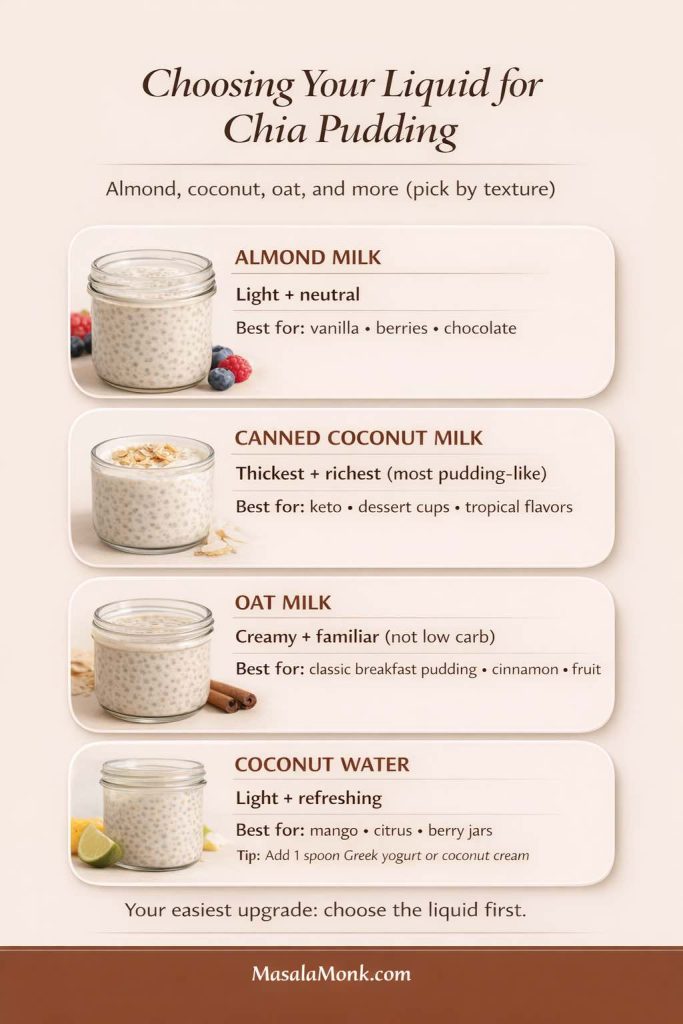
  • Unsweetened Non-Dairy Milk: Almond or coconut milk keeps things creamy and super low in carbs compared to dairy milk or fruit juice.
  • Natural Sweeteners: Swap out honey or maple syrup for monk fruit, erythritol, or stevia for a guilt-free treat.

Ingredients: What You’ll Need

Let’s break down everything you’ll need to whip up a perfect low-carb pineapple chia pudding:

IngredientWhy Use It?Carb Impact
Chia seeds (3 tbsp)Thickens, fiber, protein, omega-3s~2-3g net per serving
Unsweetened almond/coconut milk (3/4 cup)Creamy, low-cal, low-carb~1g net per serving
Fresh/frozen pineapple (2-3 tbsp)Tangy, tropical flavor~3-4g net per serving
Monk fruit/stevia/erythritolAdds sweetness, no sugar0g
Lime juice (optional)Brightness, balances flavorsNegligible
Vanilla extract (optional)Depth, classic pudding flavorNegligible
Unsweetened coconut flakes (optional)Texture, more tropical vibesMinimal
Greek yogurt (optional, topping)Creaminess, protein boostCheck label for carbs

PINEAPPLE CHIA
PUDDING
PINEAPPLE CHIA PUDDING

Step-by-Step Guide: From Ingredients to Bowl

1. Prep the Pineapple

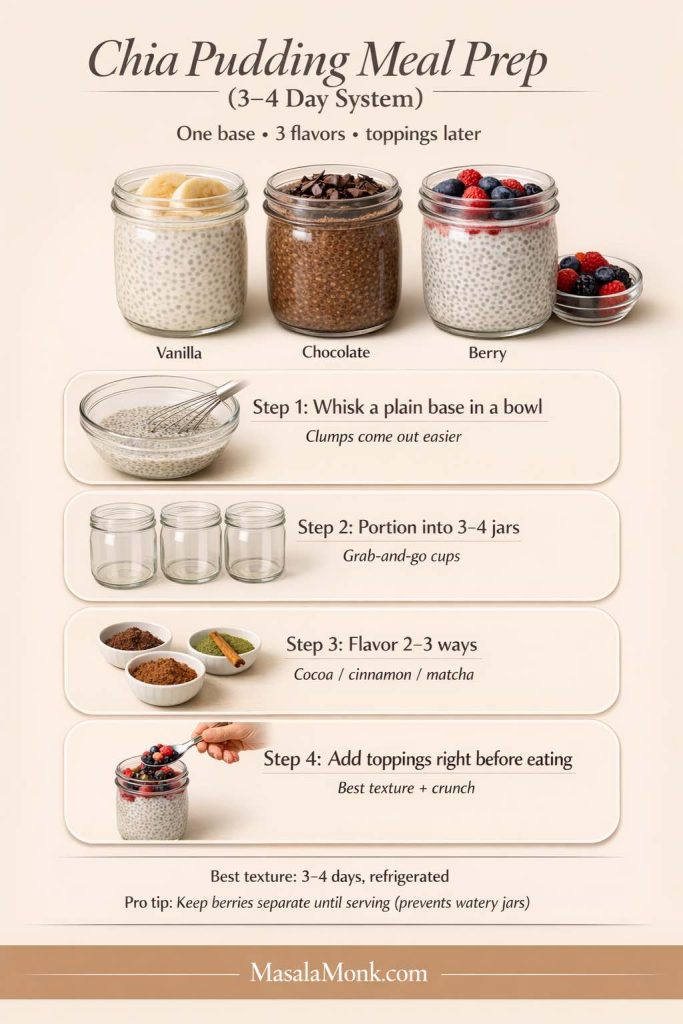
  • Use fresh or frozen pineapple, but keep the serving to about 2–3 tablespoons per portion. Dice it small, or better yet, blend it with a little of your chosen milk for a smooth “pineapple milk.” This gives every bite a burst of flavor without overloading on carbs.

2. Mix the Chia Pudding

  • In a jar or bowl, add:
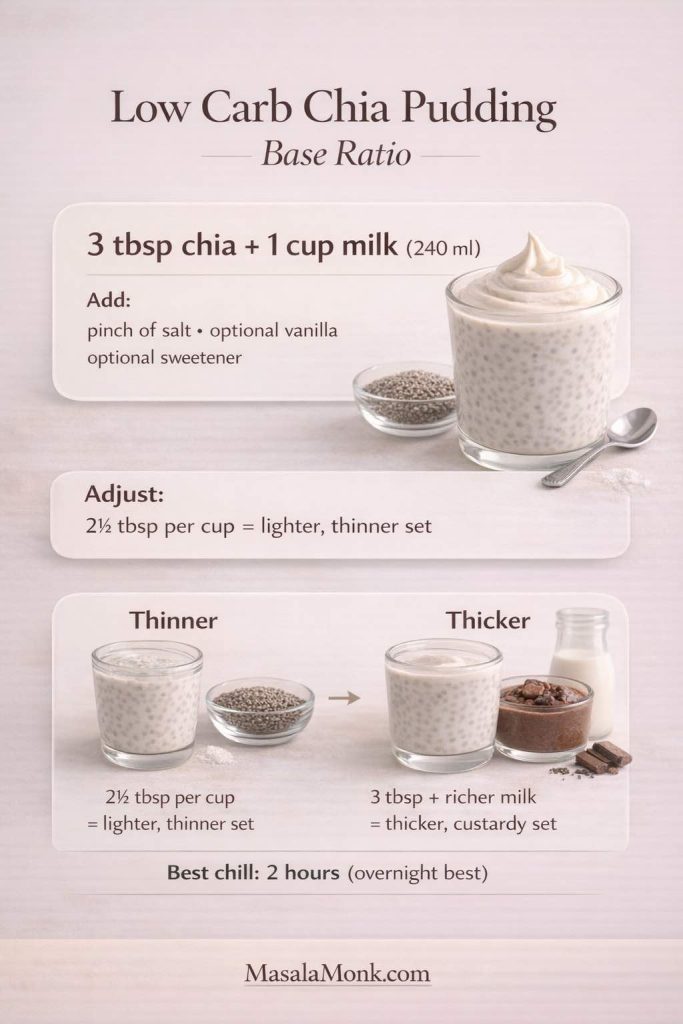
    • 3 tablespoons chia seeds
    • 3/4 cup unsweetened almond or coconut milk
    • 1/2 teaspoon vanilla extract
    • 1–2 teaspoons low-carb sweetener (to taste)
    • Optional: juice from half a lime for zing
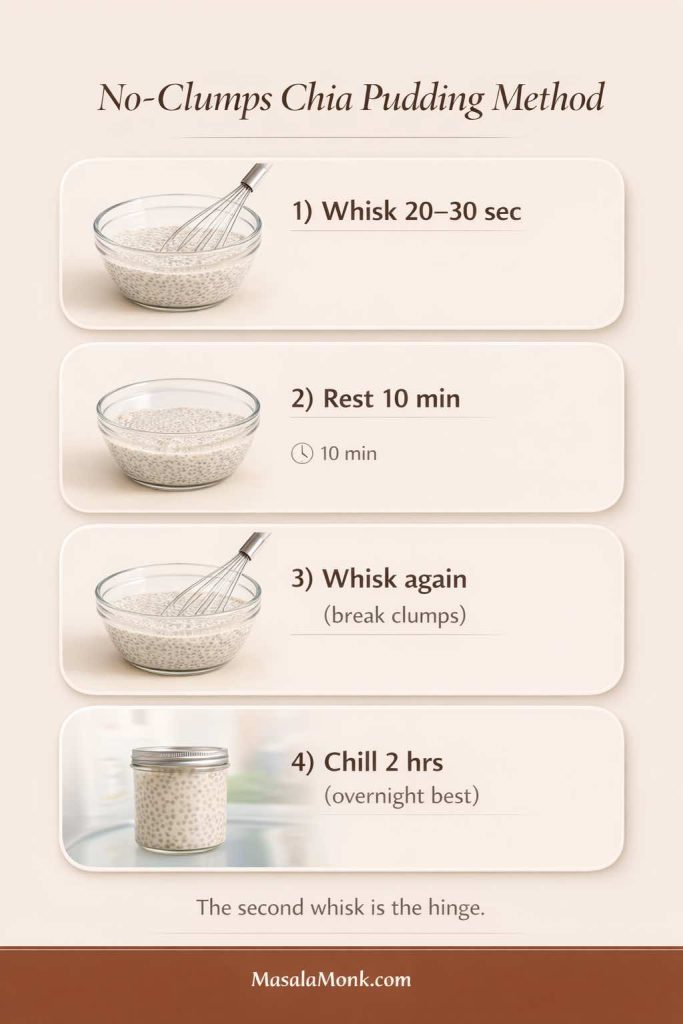
  • Stir vigorously. Wait 5 minutes, stir again to break up clumps.

3. Let It Set

  • Cover the container and refrigerate for at least 2 hours (overnight is best). Chia seeds absorb the liquid and become thick, creating a pudding texture.
  • Pro Tip: For an ultra-smooth, quick version, blend everything (including chia) before chilling. This gives a silky “Dole Whip” vibe, as seen in new 2025 recipe trends.

4. Assemble and Top

  • Before serving, give your pudding a stir.
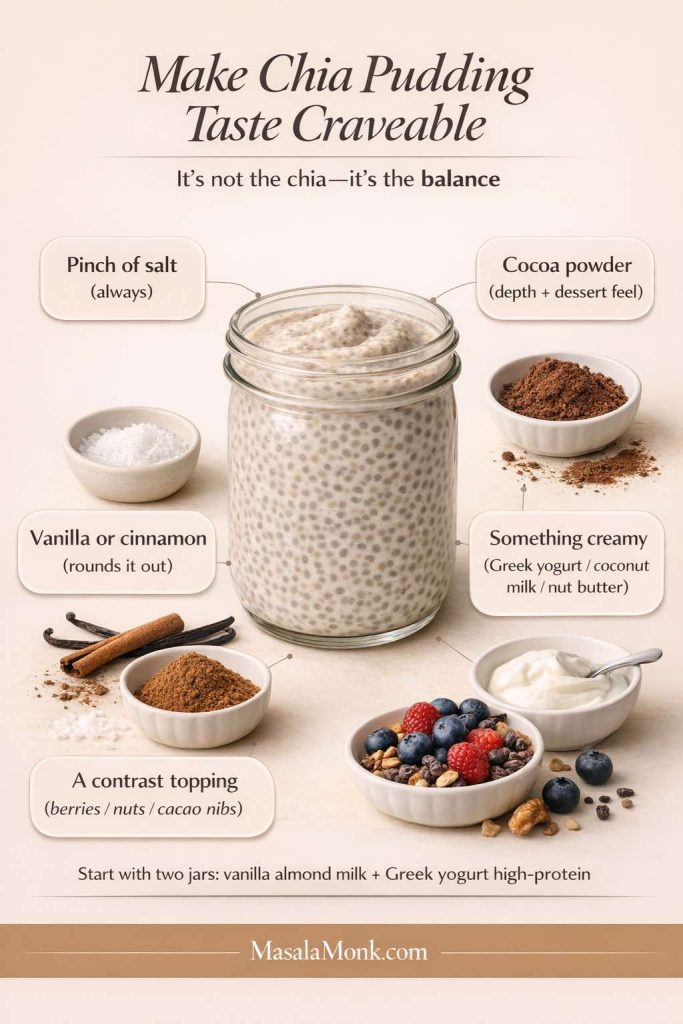
  • Top with your diced/blended pineapple and sprinkle with unsweetened coconut flakes. A dollop of Greek yogurt makes it extra creamy and satisfying.
  • Want to get fancy? Garnish with a mint leaf or a wedge of lime!

How to Keep It Low-Carb (And Delicious!)

  • Watch your pineapple portion. Pineapple is higher in sugar than berries, so moderation is key.
  • Always use unsweetened milks and yogurts. Sweetened versions can double or triple your carb count.
  • Sweeten smartly. A few drops of monk fruit or stevia goes a long way!
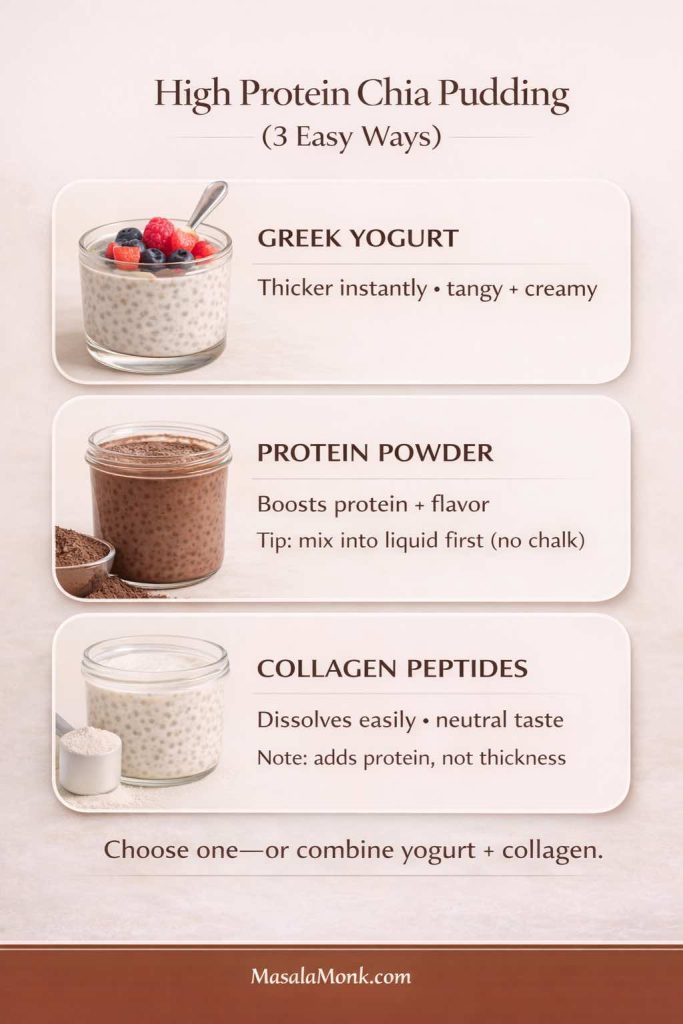
  • Protein boost: Add a scoop of your favorite low-carb protein powder, or swirl in Greek yogurt for extra staying power.
  • Make it your own: Add a hint of cinnamon, lime zest, or even a few toasted pumpkin seeds for crunch.

Meal Prep & Storage Tips

  • Batch-friendly: Make a few jars at once; pudding keeps in the fridge for up to 4 days.
  • Travel-ready: Perfect for grab-and-go breakfasts or snacks.
  • Add fruit just before eating to keep it fresh and vibrant.
  • Texture: If pudding is too thick after chilling, just stir in a splash more milk.

Nutrition Facts (Approximate per serving)

  • Calories: 120–160
  • Net carbs: 6–8g (with 3 Tbsp pineapple and low-carb sweetener)
  • Protein: 3–5g
  • Fiber: 5–7g
  • Fat: 5–7g

(Exact numbers will depend on your ingredients and serving sizes—always check labels if you’re carb counting strictly.)


Why Pineapple Chia Pudding Works—And Why You’ll Love It

  • Hydrating and filling: Chia seeds soak up liquid, so you get a sense of fullness that lasts.
  • Gut-friendly: The fiber helps keep your digestion on track.
  • Vegan, dairy-free, and gluten-free: Works for most diets!
  • Versatile: Easily swap in strawberries, mango, or kiwi for variety—or try a coconut‑lime version for a twist.

Common Questions & Troubleshooting

Q: My pudding isn’t thick! What happened?
A: You may need to add a bit more chia, or let it chill longer. Sometimes different brands of chia absorb liquid differently.

Q: Can I use canned pineapple?
A: Fresh or frozen is best—canned often has added sugar. If using canned, look for “in juice, not syrup” and rinse well.
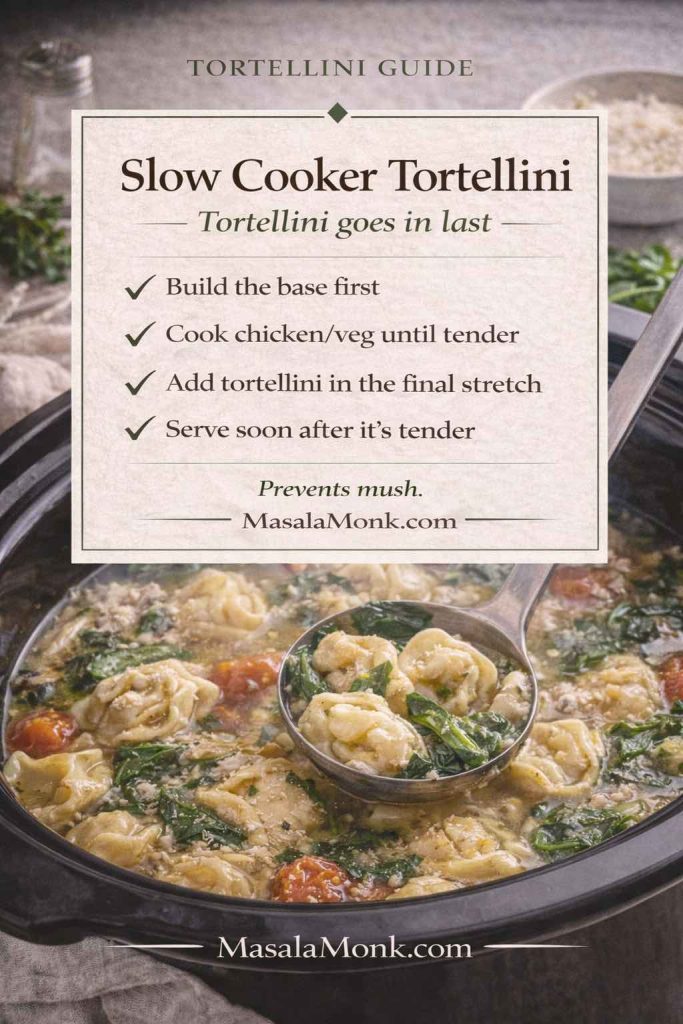
Q: Is this really filling?
A: Yes! The combination of fiber, fat, and a little protein will keep you satisfied for hours.


Variations to Try

  1. Piña Colada Chia Pudding: Use coconut milk, pineapple, and a drop of coconut extract.
  2. Green Power: Add a handful of baby spinach to the blender for a boost (you won’t taste it!).
  3. Berry-Pineapple Swirl: Mix in a tablespoon of chopped strawberries or raspberries.
  4. Spicy Tropic: Add a pinch of cayenne for a fun kick!

Final Thoughts: Your Low-Carb Breakfast Upgrade

With just a few minutes of prep and a handful of pantry staples, you can wake up to a breakfast that’s bright, satisfying, and actually good for you. Pineapple chia pudding is endlessly adaptable—try it for a week, and you’ll never get bored.

Ready to try it? Let me know your favorite twists—or if you need help adapting this for keto, vegan, or nut-free diets! And don’t forget to tag your pudding pics #TropicalChia on Instagram so we can cheer you on.


Printable Recipe Card

Pineapple Chia Pudding (Low-Carb)

  • 3 tbsp chia seeds
  • 3/4 cup unsweetened almond or coconut milk
  • 2–3 tbsp diced pineapple
  • Sweetener (monk fruit/stevia), to taste
  • 1/2 tsp vanilla extract (optional)
  • 1 tsp lime juice (optional)

Directions:

  1. Blend or stir all ingredients except chia, then mix in chia seeds.
  2. Stir well, chill 2+ hours or overnight.
  3. Top with pineapple & coconut before serving. Enjoy!

Try this once, and you’ll see why pineapple chia pudding is the low-carb breakfast that delivers on taste, nutrition, and pure tropical joy—all in one bowl!

10 FAQs for Pineapple Chia Pudding (Low-Carb)

1. Can I use canned pineapple instead of fresh or frozen?
Yes, but choose pineapple canned in its own juice (not syrup) and drain/rinse well. Be aware canned pineapple is often slightly higher in sugar than fresh or frozen.
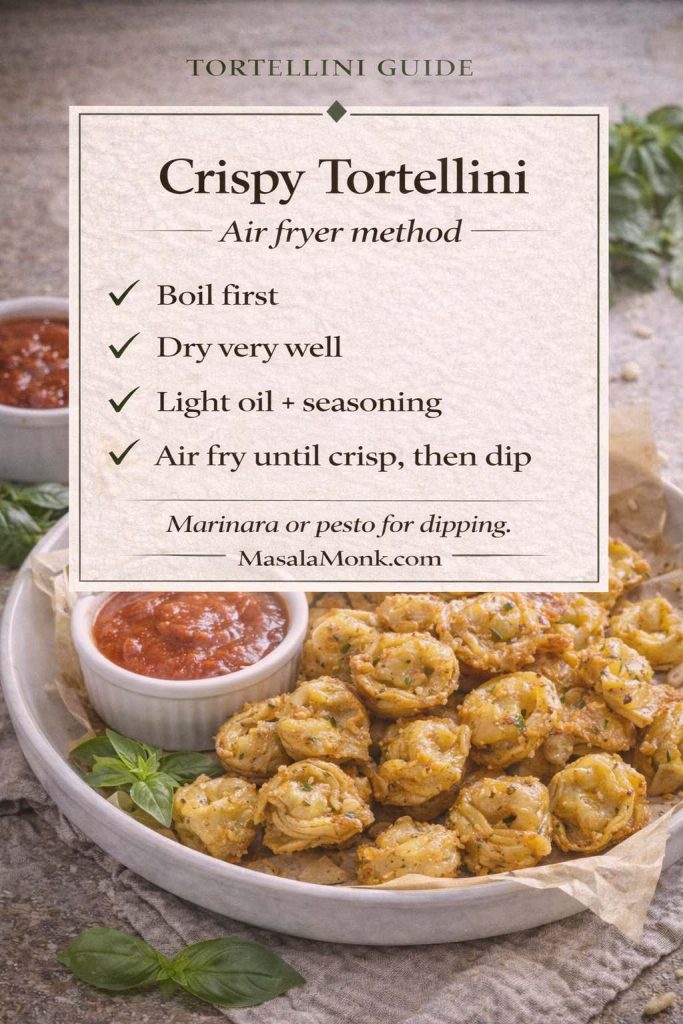

2. How can I make my chia pudding creamier?
Use full-fat coconut milk or a spoonful of Greek yogurt. Blending the pudding before chilling also results in a smoother, silkier texture.


3. Is this recipe suitable for keto diets?
With careful portioning (1-2 tablespoons pineapple) and zero-carb sweetener, you can keep net carbs low enough for most keto plans. Substitute even lower-carb berries if stricter keto compliance is needed.


4. How long does chia pudding keep in the fridge?
It keeps well for up to 4 days. Store in an airtight container and add fresh toppings just before serving for the best texture and flavor.


5. Why isn’t my chia pudding thickening properly?
Either not enough chia seeds were used, the milk ratio was off, or the pudding needs more time. Stir well after the first 10 minutes, and if it’s still runny after several hours, add an extra teaspoon of chia and let it sit longer.


6. Can I meal-prep pineapple chia pudding for the week?
Yes! Portion individual servings into jars for grab-and-go breakfasts. Add pineapple and toppings the day you plan to eat them for maximum freshness.


7. Are there nut-free options for the milk?
Absolutely. Use unsweetened coconut milk (carton or canned) or oat milk (if carbs are not a concern). Hemp milk is also a low-carb, nut-free alternative.


8. Is pineapple chia pudding suitable for kids?
Yes! It’s a fun, nutritious, and naturally sweet breakfast or snack for children. Consider using less sweetener if your child already enjoys fruit as-is.


9. Can I freeze chia pudding?
You can, but the texture may change upon thawing (it can get a bit watery). Freezing in popsicle molds is a great summer treat option!


10. How do I add more protein to this recipe?
Stir in a scoop of protein powder, use Greek yogurt, or add a layer of cottage cheese. You can also top with chopped nuts or seeds for a protein boost.

Posted on Leave a comment

How to Make Banana Pudding? 5 Healthy Breakfast Twists

BANANA PUDDING TWISTS FOR YOUR MORNING BOOST

Banana pudding is more than just a Southern dessert classic. With the right ingredients and a little creativity, it can be transformed into a nourishing, energy-packed breakfast. Whether you’re rushing out the door or looking for a slow, satisfying morning, these five healthy twists on banana pudding bring all the comfort and sweetness you crave without the sugar crash.


1. Banana-Chia Power Pudding

Why it works: Packed with fiber, omega-3s, and antioxidants, chia seeds pair beautifully with bananas to create a naturally sweet, pudding-like breakfast that feels indulgent but is totally guilt-free.

Ingredients:

  • 2 ripe bananas (mashed)
  • 2 cups unsweetened almond or oat milk
  • 6 tbsp chia seeds
  • 1 tsp vanilla extract
  • Optional: pinch of cinnamon or nutmeg

Instructions:

  1. Mash bananas in a bowl until smooth.
  2. Stir in milk, chia seeds, and vanilla extract.
  3. Let sit for 15 minutes, stir again to prevent clumps.
  4. Cover and refrigerate overnight.
  5. Serve with berries or crushed nuts in the morning.

Prep Tip: Stir again after 30 minutes to help the chia gel evenly.

Nutrition Per Serving: Approx. 180 calories, 6g protein, 9g fiber


2. Banana Pudding Overnight Oats

Why it works: Oats make this a hearty, slow-digesting option that keeps you full all morning. The banana and vanilla combo adds natural sweetness, and layering gives it that pudding parfait feel.
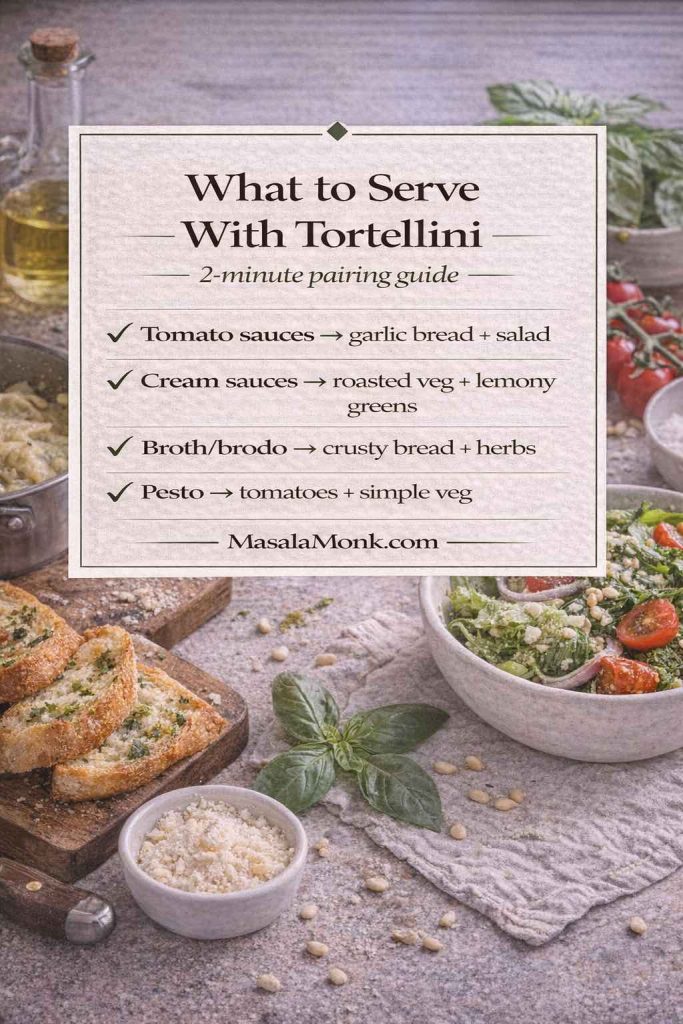
Ingredients:

  • 1 ripe banana (mashed)
  • 1/2 cup rolled oats
  • 1/2 cup Greek yogurt or plant-based yogurt
  • 1/2 cup almond milk
  • 1 tsp vanilla extract
  • Optional: chopped walnuts, honey, or cinnamon

Instructions:

  1. Mix all ingredients together in a mason jar or container.
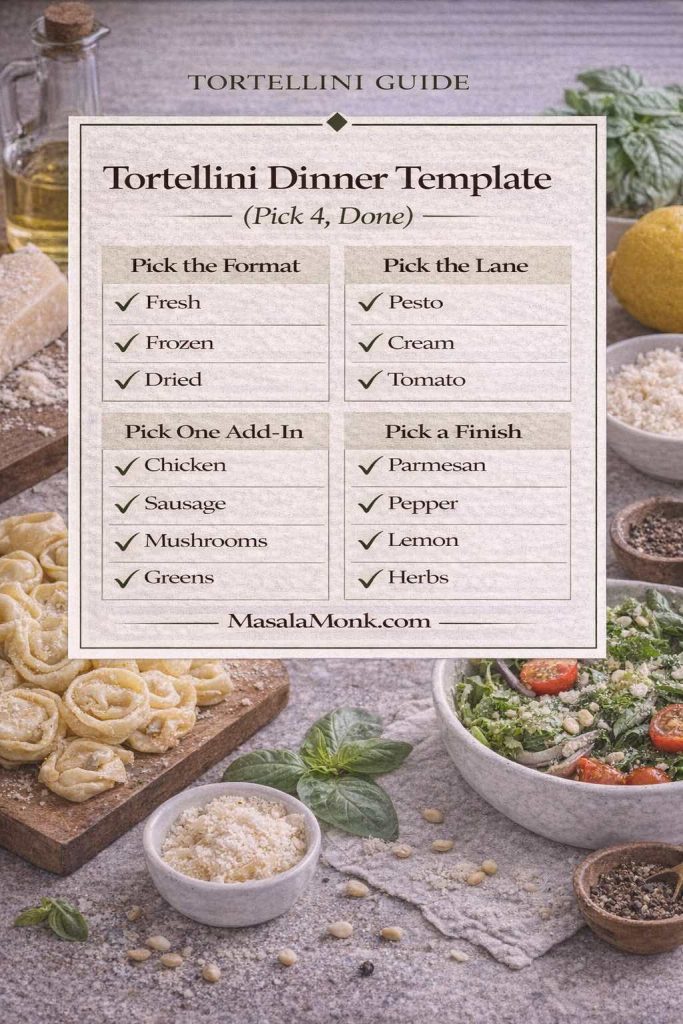
  2. Refrigerate overnight.
  3. In the morning, stir and add desired toppings.

Meal Prep Friendly: Make 2–3 jars ahead for the week.

Nutrition Per Serving: Approx. 250 calories, 10g protein, 5g fiber


3. High-Protein Cottage Cheese Banana Pudding

Why it works: This twist brings a creamy texture and a big protein punch. Perfect post-workout or when you’re craving something richer without being heavy.

Ingredients:

  • 1 cup low-fat cottage cheese
  • 1 ripe banana
  • 1/2 tsp vanilla extract
  • 1 scoop vanilla protein powder (optional)
  • Optional: sweetener of choice (e.g. maple syrup, stevia)

Instructions:

  1. Blend all ingredients until smooth.
  2. Chill for 30 minutes for a thicker consistency.
  3. Top with crushed whole-grain wafers, sliced bananas, or nuts.

Quick Hack: No blender? Just mash banana and stir in the rest.

Nutrition Per Serving: Approx. 300 calories, 20–25g protein


4. Vegan Cashew-Coconut Banana Pudding

Why it works: This creamy, dairy-free version uses healthy fats from cashews and coconut milk for richness and a subtle tropical flavor.

Ingredients:

  • 1/2 cup soaked cashews (4–6 hours)
  • 1 ripe banana
  • 1/2 cup coconut milk
  • 1 tbsp maple syrup
  • 1/2 tsp vanilla extract
  • 1 tsp lemon juice

Instructions:

  1. Blend all ingredients until creamy.
  2. Chill for 1 hour or overnight.
  3. Top with toasted coconut flakes or berries.

Vegan Delight: A crowd-pleaser for plant-based diets.

Nutrition Per Serving: Approx. 290 calories, 4g protein, healthy fats


5. Banana Pudding Breakfast Jars (5-Minute Meal Prep)

Why it works: The fastest, most customizable version. Use Greek yogurt or Skyr, banana, and crunchy toppings for a pudding-meets-parfait hybrid.

Ingredients:

  • 1/2 cup Greek yogurt or Skyr
  • 1 ripe banana (sliced or mashed)
  • 1 tbsp nut butter (optional)
  • Crushed whole-grain crackers, seeds, or granola

Instructions:

  1. Layer yogurt, banana, and crunch toppings in a jar.
  2. Eat immediately or refrigerate for up to 2 days.

On-the-Go Bonus: Great for kids and adults alike.

Nutrition Per Serving: Approx. 250–300 calories, depending on toppings


Final Thoughts

Banana pudding doesn’t need to be a sugar-laden dessert. With these five variations, you can turn this comforting favorite into a nutritious, protein-rich, and fiber-packed breakfast. From overnight oats to vegan delights, there’s a banana pudding twist for every palate and dietary need.

Tip: Always use ripe bananas—they’re sweeter and easier to digest. Add texture with nuts, seeds, and spices like cinnamon or cardamom.

Let breakfast be something you look forward to, not just another task. Try one of these banana pudding twists tomorrow morning—and fuel your day with something as good for your body as it is for your taste buds.


Have a favorite banana pudding recipe or twist? Share it in the comments below or tag us with your creations! #BananaPuddingBreakfast

FAQs

  1. Can I make these banana pudding breakfasts ahead of time?
    Yes! Most of these recipes (especially chia pudding and overnight oats) are ideal for meal prep. They stay fresh in the fridge for 3–5 days.
  2. Are these recipes suitable for kids?
    Absolutely. Kids love the natural sweetness of bananas. Just skip added sweeteners if desired and use nut-free toppings for school safety.
  3. Can I use frozen bananas?
    Yes, thaw them first. Frozen bananas work great for blended recipes like the cottage cheese or vegan cashew pudding.
  4. How ripe should the bananas be?
    Use ripe bananas with brown spots—they’re sweeter, easier to mash/blend, and better for digestion.
  5. What can I substitute for chia seeds if I don’t have them?
    You can use ground flaxseed or just skip them and increase oats or thick yogurt depending on the recipe.
  6. Are these recipes gluten-free?
    Most are naturally gluten-free—just ensure toppings (like granola or wafers) are certified gluten-free if needed.
  7. Which recipe is highest in protein?
    The Cottage Cheese Banana Pudding (with optional protein powder) and Greek Yogurt Jars offer 20g+ protein per serving.
  8. What non-dairy milk works best?
    Unsweetened almond, oat, or coconut milk are great options depending on your flavor preference.
  9. Can I use these recipes for weight loss?
    Yes. They are high in fiber, protein, and healthy fats—great for satiety. Portion control and balanced toppings help optimize them for weight goals.
  10. How can I add crunch or texture to these puddings?
    Add nuts, seeds (like pumpkin or sunflower), toasted coconut, granola, or crushed crackers for contrast and extra nutrients.