Posted on 1 Comment

Duck Breast Recipe

Sliced duck breast with crispy scored skin, pink center, orange sauce, greens, and potatoes on a dinner plate

Duck breast can feel intimidating the first time: beautiful when it works, frustrating when the skin turns rubbery or the meat dries out. The good news is that the method is much calmer than it looks. You do not need a complicated marinade or a chef’s trick. You need to score the skin, start in a cold pan, render the fat slowly, finish gently, rest, and slice.

This duck breast recipe gives you crisp golden skin, a tender center, and a quick orange sauce you can make while the duck rests. More importantly, it shows you what to look for at each stage: how deep to score, how the fat should bubble, when the skin is ready to flip, and how to choose the right temperature for your table.

Because duck breast is rich and easy to overthink, this guide also covers sauces, sides, air fryer and sous vide notes, storage, reheating, leftovers, and troubleshooting. By the end, you should know how to avoid rubbery skin, greasy fat, and dry meat — and what to do if something starts going wrong.

The payoff is a plate that feels special without being frantic: crisp salted skin, a thin rendered fat layer, juicy slices, and a glossy sauce you make while the duck rests.

Before you start: the slow part is the skin-side render. It may feel like nothing is happening for the first few minutes, but that quiet start is exactly what helps the fat melt instead of trapping a chewy layer under the skin.

Quick Answer: Best Way to Cook Duck Breast

Duck breast usually cooks best when you score the skin, season it well, place it skin-side down in a cold dry pan, and slowly render the fat over low to medium-low heat until the skin is golden and crisp. Once most of the fat has melted, flip the breast briefly to cook the meat side, then finish in a 350°F / 180°C oven if the breast is thick or still under your preferred temperature.

Rest the duck skin-side up for 5–10 minutes, then slice it against the grain. Many cooks prefer duck breast medium-rare to medium for juicier slices, while the official poultry safety benchmark is 165°F / 74°C. Use a thermometer and choose the doneness that feels right for you and the people you are serving.

Not sure which doneness to choose? Use the duck breast temperature guide before you start cooking.

Four-step duck breast method showing scored breast, cold pan start, rendered skin, and sliced cooked duck
The method feels simpler when you see the rhythm: score the skin, start cold, render patiently, rest, and slice only after the juices settle.

What success looks like: the skin should be deeply golden and crisp, the white fat layer should look much thinner, and the sliced meat should be juicy rather than dry. If the skin is browning fast but the fat still looks thick, lower the heat and keep rendering.

Close-up guide showing crispy duck skin, thin rendered fat layer, and juicy sliced duck breast
Before you rely on timing alone, check the visual cues: crisp skin, a thinner fat layer, and meat that still looks moist after slicing.

Quick cooking formula: score the skin, season, start skin-side down in a cold dry pan, render gently for 10–18 minutes, flip for 1–2 minutes, oven-finish thick breasts if needed, rest skin-side up for 5–10 minutes, then slice against the grain.

For the visual stage-by-stage version, jump to the duck breast rendering cues before you start cooking.

Duck Breast Recipe at a Glance

Best methodCold-pan pan-seared
Serves2
Total time35–50 minutes
Oil needed?No
Best panHeavy skillet, preferably oven-safe
Oven finishOptional, 350°F / 180°C
Best sauceOrange, cherry, plum, or red wine sauce
Main mistakeCooking too hot before the fat renders

Choose Your Duck Breast Goal

Your goal Best move
Crispiest skin Render longer over low to medium-low heat, and spoon sauce around the slices rather than over the skin.
Juiciest center Use a thermometer, pull the duck a few degrees before your final target, and rest it skin-side up.
Less pink / more cautious doneness Cook closer to the official poultry benchmark, knowing the meat will be firmer.
Thick magret-style breast Render the skin on the stovetop first, then finish gently in a 350°F / 180°C oven.
Date-night or dinner-party plate Use orange or cherry sauce, crisp potatoes, and bitter greens to balance the richness.
Nervous beginner Trust the cues more than the clock: thinner fat layer, golden skin, gentle bubbling, and thermometer-confirmed doneness.
Best leftovers Slice cold or reheat gently, then add cooked duck near the end of rice, noodles, salads, or pasta.
Duck breast goal guide for crispy skin, juicy center, cautious doneness, thick breast, dinner plate, and leftovers
Before the pan heats up, decide what matters most: crispest skin, juiciest slices, cautious doneness, or a more polished dinner-party plate.

Why This Duck Breast Recipe Works

Duck breast cooks differently from chicken breast because it has a thick layer of fat under the skin. If you start with high heat, the skin can brown before that fat melts, leaving a chewy layer underneath. Starting in a cold pan gives the fat time to render gradually, so the skin crisps while the meat stays protected from harsh heat.

Scoring the skin gives the fat more places to escape. Drying the skin helps it brown instead of steam. Pouring off excess fat keeps the duck from sitting in a deep pool of hot fat. Resting skin-side up protects the crisp surface while the juices settle.

Once you understand those four ideas — score, dry, render slowly, rest properly — this cut becomes much easier to cook consistently.

That contrast is why duck breast feels special: the knife taps through crisp skin, the center stays tender, and the sauce belongs beside the slices instead of drowning them.

Ingredients for Duck Breast

You do not need much to make excellent duck breast. Salt, pepper, and a good pan do most of the work. The optional orange sauce makes the plate feel complete, but the cooking technique matters more than the sauce.

For the Duck Breast

  • 2 skin-on boneless duck breasts, about 6–8 oz / 170–225 g each
  • 1 tsp kosher salt, or about ½ tsp fine salt
  • ¼ tsp black pepper
  • Optional: 1 small thyme or rosemary sprig
  • Optional: 1 small garlic clove, lightly crushed

For the Optional Orange Sauce

  • ¼ cup / 60 ml fresh orange juice
  • ½ cup / 120 ml chicken stock
  • 1 tbsp white wine vinegar or red wine vinegar
  • 1–2 tsp honey or sugar
  • 1 tsp orange zest
  • 1 tbsp / 14 g cold butter
  • Salt and black pepper, to taste
Raw skin-on duck breasts with salt, pepper, orange, butter, stock, vinegar, honey, herbs, garlic, and orange zest
With duck breast, a short ingredient list works because salt, controlled heat, and a bright orange sauce do more than a complicated marinade.

No oil needed: Duck breast brings its own cooking fat. Starting in a dry pan lets that fat melt naturally, so the skin can crisp without adding oil.

What Kind of Duck Breast to Buy

For this recipe, the best choice is skin-on boneless duck breast. The skin and fat are not a problem to avoid; they are the reason the recipe works. The goal is to slowly melt that fat so the skin becomes crisp and the meat stays juicy.

Type Best use What to know
Skin-on duck breast Best for this recipe The fat renders slowly and the skin crisps in the pan.
Skinless duck breast Leaner preparations It will not give crispy skin and cooks more like a lean steak.
Duck fillet Same general use Often another name for boneless duck breast.
Magret or moulard duck breast Larger, richer portions Usually fattier and thicker, so it often needs a longer render and oven finish.
Frozen duck breast Fine if thawed properly Thaw fully in the fridge and pat very dry before cooking.
Duck breast buying guide showing skin-on duck breast, skinless duck breast, frozen duck, and thick magret-style duck breast
Skin-on duck breast is the right starting point for crispy skin; thicker magret-style pieces simply need more rendering time and a gentler finish.

Smaller duck breasts, around 4–5 oz / 112–140 g each, may finish entirely on the stovetop. Larger breasts, around 7–8 oz / 200–225 g or more, often benefit from a short oven finish after the skin has rendered.

If the package has very different-sized breasts, cook to temperature rather than trying to make both pieces follow the same timing. The smaller one may need to come out of the pan first.

Equipment You Need

You do not need many tools, but a few of them make the recipe much easier to control. The most helpful one is an instant-read thermometer, especially if you are nervous about doneness.

  • Sharp knife: for scoring the skin cleanly.
  • Paper towels: for drying the skin very well.
  • Heavy skillet: cast iron, stainless steel, carbon steel, or heavy nonstick all work.
  • Instant-read thermometer: the easiest way to avoid overcooking.
  • Small pan, spatula, or cooking weight: useful if the duck breast curls as it renders.
  • Heatproof bowl: for pouring off rendered duck fat.
  • Small saucepan: optional, if making sauce separately.

Best pan choice: Use an oven-safe skillet if possible. That way, if the skin is crisp but the center is still under your target temperature, you can move the whole pan into the oven without transferring the duck.

How to Score Duck Breast

Scoring means making shallow cuts through the skin and fat so the fat can render more evenly. The goal is to cut through the skin and fat, not into the meat. If you see red flesh through the cuts, you have gone too deep.

Knife scoring the skin and fat of a raw duck breast without cutting into the meat
Score through the skin and fat only, because cutting into the meat can release juices before the duck breast has finished cooking.

Parallel Score vs Crosshatch Score

A parallel score is easier for beginners: make diagonal lines across the skin about ¼ inch apart. A crosshatch score adds a second set of diagonal lines in the opposite direction. Both work, as long as the cuts are shallow enough to protect the meat.

How Deep Should the Cuts Be?

Deep enough to open the fat layer, but not so deep that the meat is exposed. This matters because cutting into the meat lets juices escape and can make the duck cook unevenly.

Scoring result What happens
Too shallow The fat does not render as evenly, so the skin can stay thick and chewy.
Just right The fat melts slowly, the skin crisps, and the meat stays juicy.
Too deep Juices leak out, the meat can cook too fast, and the skin may steam instead of crisp.
Duck breast scoring depth guide comparing too shallow, just right, and too deep cuts in the skin
The best scoring depth opens the fat layer without exposing the meat, which helps the skin render while the center stays protected.

How to Cook Duck Breast with Crispy Skin

Once you know what to look for, the method becomes much less stressful. Dry the skin, score the fat, start in a cold pan, let the fat render slowly, then flip, finish, rest, and slice. Each step has a visible cue, so you are not just guessing by the clock.

If you only remember one thing: do not rush the skin side. Crisp duck breast comes from slow rendering, not aggressive searing.

1. Pat the Duck Dry

Dry skin browns better. Pat the duck breasts very well with paper towels, especially on the skin side. For an even better result, season the duck and leave it uncovered in the fridge for a few hours or overnight, then bring it out for about 20–30 minutes before cooking.

2. Start in a Cold Pan

Place the duck breasts skin-side down in a cold, dry skillet. Do not add oil. Turn the heat to low or medium-low.

Raw duck breast placed skin-side down in a dry skillet for a cold pan start with no added oil
Start cold and dry; the pan should look quiet before the fat begins to pool.

It will feel strange if you are used to searing steak in a ripping-hot pan, but duck breast is different. The pan starts quiet, then the fat gradually pools and the skin begins to crisp. If the heat is too high too early, the outside browns before the fat underneath has time to melt.

Cold Pan vs Hot Pan for Duck Breast

A hot pan can make duck breast look browned before it is actually well rendered. That is the trap. The skin may turn golden, but the fat underneath can stay thick and chewy. A cold pan gives the fat time to melt slowly before the skin gets too dark.

Method What happens Result
Cold pan The fat melts slowly before the skin browns too much. Crispier skin, thinner fat layer, juicier meat.
Hot pan The skin browns quickly while fat stays trapped underneath. Golden-looking skin with chewy fat and a higher risk of overcooked meat.
Comparison of cold pan duck breast with thin rendered fat and hot pan duck breast with thicker fat under browned skin
High heat can brown duck skin before the fat has melted; meanwhile, a cold-pan start gives the fat time to render more evenly.

For crisp skin, render first: before relying on the oven, grill, or air fryer, let the fat layer thin in a pan. Otherwise, the meat can cook before the skin has a chance to become properly crisp.

If the duck breast curls and the edges lift away from the pan, press gently with a spatula for the first few minutes or place a lighter pan on top. This keeps the skin flat against the pan so it crisps evenly instead of leaving pale, rubbery patches.

3. Render the Fat Slowly

Cook the duck skin-side down for about 10–18 minutes, depending on the size of the breast, the pan, and the heat level. Use the clock as a guide, but trust the visual cues more.

Duck Breast Rendering Cues

Before you flip, ask three things: is the skin golden, has the white fat layer thinned, and does the skin release from the pan? If yes, you are probably ready.

If you are standing over the pan wondering whether to turn up the heat, wait a little longer first. Duck fat starts slowly, then suddenly the pan becomes more active. That slow change is normal.

Stage What you should see What it means
First few minutes Little fat, quiet pan, skin beginning to warm Normal. The fat has not fully started rendering yet.
Mid-render Gentle bubbling and a shallow pool of clear fat The heat is working. Pour off excess fat if it pools deeply.
Almost ready to flip Golden skin, thinner white fat layer, skin releases from pan The skin is crisp and most of the fat has rendered.
Too hot Smoke, dark patches, loud spitting Lower the heat and pour off excess fat.
Too cool No bubbling after several minutes Increase the heat slightly, but do not jump to high heat.
Duck breast rendering guide showing quiet start, gentle bubbling fat, and golden skin ready to flip
The render starts quietly, then gentle bubbling appears; once the fat layer thins and the skin turns golden, the duck is ready to flip.

Save the duck fat: Pour rendered duck fat into a heatproof bowl, let it cool, then refrigerate it in a clean covered jar. Use it for roasted potatoes, fried rice, sautéed greens, eggs, or roasted vegetables.

Tiny heat adjustments matter here: if the fat is bubbling gently, stay patient. If it smokes or spits hard, lower the heat before the skin darkens.

4. When to Flip Duck Breast

Flip the duck when the skin is golden, crisp, and releases from the pan. The thick white fat layer should look much thinner than when you started.

Duck breast lifted from a skillet to show golden crispy scored skin and a thin rendered fat layer
Wait for the skin to release easily from the pan; forcing the flip too early can tear the crust and leave fat under-rendered.

Cook the flesh side for 1–2 minutes if you are aiming for medium-rare to medium. Smaller breasts may finish here. Thicker breasts usually need the oven finish below.

If the skin is browning but the fat still looks thick, check the skin and fat troubleshooting table before flipping.

Stovetop Only vs Oven Finish

Use this finish Best for What to do
Stovetop only Smaller duck breasts, about 4–5 oz / 112–140 g Render the skin fully, flip, and cook the flesh side briefly until the center reaches your target.
Oven finish Larger or thicker breasts, about 6–8 oz / 170–225 g or more Render until the skin is crisp, flip briefly, then move the oven-safe pan to 350°F / 180°C.

5. Oven-Finish Option

When the skin is crisp but the center is still under your preferred temperature, transfer the oven-safe skillet to a 350°F / 180°C oven.

Crisp-skinned duck breast in an oven-safe skillet being finished in a 350°F oven with a thermometer nearby
Once the skin is already crisp, the oven can gently finish a thicker duck breast without forcing the pan to overcook the outside.

Once you choose the oven finish, use the times below as a starting point and confirm with a thermometer.

Doneness preference Approximate oven finish after rendering
Medium-rare 5–6 minutes
Medium 7–8 minutes
More cooked 10–12 minutes, checking with a thermometer

These times are only guides. Duck breast size varies a lot, so a thermometer is much more reliable than the clock.

6. Rest and Slice

Transfer the duck to a cutting board and rest it skin-side up for 5–10 minutes. Resting lets the juices settle. Keeping the skin side up helps preserve the crisp surface.

This is the moment to be patient. Cut too early and the juices run; wait a few minutes and the slices look cleaner, calmer, and more luxurious.

Do not cover the duck tightly while it rests. Trapped steam can soften the skin you worked so carefully to crisp.

Slice against the grain into neat pieces. If you are serving with sauce, spoon the sauce around the duck rather than flooding the skin.

Rested duck breast being sliced against the grain with crispy skin, pink meat, and orange sauce nearby
Resting skin-side up protects the crisp surface, while slicing against the grain gives cleaner pieces with better texture.

Duck Breast Temperature Guide

Duck breast temperature can feel confusing because duck is poultry, but many cooks treat the breast more like steak for texture. The table below separates texture preferences from the official safety benchmark so you can make a clear choice.

Doneness Internal temperature Result
Rare 125°F / 52°C Deep pink and very soft; less common for cautious home cooks.
Medium-rare 130–135°F / 54–57°C Pink, juicy, and tender.
Medium 140°F / 60°C Lightly pink and firmer.
Medium-well 150–155°F / 66–68°C Much firmer, less pink, less juicy.
Official poultry safety benchmark 165°F / 74°C Meets the official poultry safety guideline; the meat will be much firmer.
Duck breast temperature guide with sliced examples for rare, medium-rare, medium, medium-well, and 165°F benchmark
Use duck breast temperatures as a guide, then choose the doneness that fits your table, texture preference, and food-safety comfort level.

For the neatest result, pull the duck a few degrees before your final target. The internal temperature can rise slightly as it rests, especially if the breast is thick or has been oven-finished.

Food safety note: Duck is poultry, and the official USDA/FSIS safe minimum for poultry is 165°F / 74°C, measured with a food thermometer. Many duck breast recipes use lower temperatures for a pinker, more tender result, so consider who you are serving and choose the doneness that feels appropriate. You can read the USDA/FSIS safe temperature chart.

Instant-read thermometer inserted from the side into the thickest part of a cooked duck breast
Check the thickest part from the side for the most accurate reading, instead of probing through the fat cap or touching the pan.

Quick Orange Sauce for Duck Breast

Once the duck is resting, you have the perfect window to make sauce. Keep it simple: a few minutes in the pan is enough.

Small pan of orange sauce with orange juice, zest, vinegar, stock, honey, and butter for duck breast
Orange sauce works best when it stays bright and savory, because duck needs acidity and gloss more than heavy sweetness.

Orange sauce works because duck needs brightness. The meat is rich, the skin is salty and crisp, and the sauce should bring citrus, acidity, and a little gloss without turning sticky or candy-sweet.

This should not taste like marmalade poured over meat. It should be bright, savory, and just sweet enough to round the edges of the vinegar. The pan drippings bring depth, the orange brings lift, and the butter gives it a glossy finish.

How to Make It

  1. After removing the duck to rest, pour off most of the fat from the pan.
  2. Add orange juice, chicken stock, vinegar, and honey.
  3. Scrape up the browned bits from the pan, avoiding any burnt bits.
  4. Simmer until the sauce is lightly syrupy.
  5. Turn off the heat and whisk in cold butter and orange zest.
  6. Taste and adjust with salt, pepper, vinegar, or honey.

The sauce is ready when it lightly coats a spoon but still tastes bright. If it starts tasting sticky or jammy, loosen it with a splash of stock or orange juice.

Spoon lifted from orange sauce showing a light glossy coating on the back of the spoon
The sauce is ready when it lightly coats a spoon but still moves easily; reduce it too far and it can turn sticky.

Sauce Around the Duck, Not Over the Skin

The sauce should flatter the duck, not hide it. Spoon it around the slices instead of over the crisp top, especially if you want the first bite to keep that rendered skin texture.

Sliced duck breast plated with orange sauce around the slices while the crispy skin stays uncovered
Spoon sauce around the slices instead of over the skin, so the crisp rendered top survives the first bite.

If the sauce tastes too sweet, sharp, thin, or flat, use the orange sauce fixes before serving.

How to Fix the Sauce

Sauce issue Fix
Sweet and heavy Balance it with a splash of vinegar, more orange zest, or a small pinch of salt.
Sharp or vinegary Round the edges with a little honey, sugar, or cold butter.
Thin and watery Keep simmering until the sauce lightly coats a spoon.
Rich or greasy Loosen it with a splash of orange juice, stock, or vinegar.
Flat tasting Wake it up with salt, black pepper, orange zest, or a tiny splash of vinegar.
Bitter edge Soften the bitterness with stock, butter, or a little honey, and avoid scraping up burnt pan bits.
Orange sauce troubleshooting guide with sweet, sharp, thin, rich, flat, bitter, and balanced sauce cues
If the pan sauce tastes off, adjust before serving: acid sharpens sweetness, butter softens edges, and salt wakes up flat flavors.

Best Sauces for Duck Breast

Because the meat is rich, the best sauces usually bring acidity, fruit, wine, herbs, spice, or a salty-sweet contrast. Orange sauce is the classic first choice, but the best sauce depends on the mood of the meal.

Sauce Choose it when Flavor direction
Orange sauce You want the classic bright version. Citrusy, lightly sweet, and balanced.
Cherry sauce You want a holiday, date-night, or dinner-party plate. Tart-sweet, rich, and elegant.
Plum sauce You want a sweet-sharp Asian-style direction. Fruity, glossy, and good with five-spice.
Red wine sauce You want less sweetness and more savory depth. Deep, wine-rich, and restaurant-style.
Berry sauce You want a quick fruit sauce without making orange sauce. Works with blackberries, raspberries, or mixed berries.
Chimichurri You want freshness instead of fruit. Herby, garlicky, acidic, and bright.
Soy-hoisin glaze You want duck with rice, noodles, pancakes, or cucumber. Salty-sweet, glossy, and Asian-style.
Sliced duck breast with bowls of orange, cherry, plum, red wine, chimichurri, and soy-hoisin sauces
From orange sauce to chimichurri, the best sauce should balance duck’s richness while leaving the crispy skin as the main event.

If fruit sauces are not your thing, a green herb sauce can make the plate feel fresher and less heavy. MasalaMonk’s chimichurri recipe is a useful direction when you want garlic, herbs, vinegar, and brightness instead of sweetness.

For an Asian-style duck breast, keep the glaze glossy but controlled. MasalaMonk’s teriyaki sauce recipe is a useful base to adapt with orange, ginger, garlic, sesame, chili, or extra vinegar so the duck stays balanced rather than overly sweet.

What to Serve with Duck Breast

Think in contrasts. Duck breast likes something crisp, something fresh, and something that can catch sauce. Potatoes make the plate cozy, bitter greens keep it from feeling heavy, and rice or noodles turn it into an easy bowl-style dinner.

Sliced duck breast served with potatoes, bitter greens, rice or noodles, and bright orange sauce
A balanced duck breast dinner needs contrast: something rich, something fresh, and something that catches sauce without making the plate heavy.

For complete meal ideas, jump to the easy duck breast plate formulas.

Classic Dinner Sides

  • Duck fat potatoes, when you want the richest bistro-style plate.
  • Mashed potatoes, when you want something soft to catch sauce.
  • Potato gratin, when the meal should feel more like a special dinner.
  • Roasted carrots, when you want sweetness without adding another sauce.
  • Green beans, when you need a familiar holiday-style vegetable.
  • Brussels sprouts, when you want bitterness and crisp edges against the rich duck.

If you want the plate to feel more like a holiday dinner than a weeknight skillet meal, MasalaMonk’s hashbrown casserole recipe gives you the creamy, golden potato side that can stand up to duck’s richness.

Fresh Sides

  • Arugula salad, especially with orange, lemon, or a sharp vinaigrette.
  • Orange and fennel salad, especially with orange sauce or cherry sauce.
  • Cabbage slaw, when you want crunch and acidity.
  • Cucumber salad, especially with soy-hoisin or plum sauce.
  • Bitter greens with vinaigrette, when the duck breast is very rich.

For a holiday-style green vegetable side, MasalaMonk’s green bean casserole recipe ideas give you a classic direction plus lighter and richer variations, depending on how heavy the rest of the meal feels.

Rice, Noodles, and Asian-Style Sides

  • Jasmine rice, especially with orange, plum, soy-hoisin, or ginger-garlic sauce.
  • Fried rice, when you have leftover sliced duck.
  • Garlic noodles, when you want something rich but fast.
  • Stir-fried greens, when you want a lighter plate.
  • Thin pancakes with plum or hoisin sauce, cucumber, and scallions.

If you are serving duck with orange sauce, plum sauce, or a soy-hoisin glaze, rice is one of the easiest bases. MasalaMonk’s how to cook rice guide is useful when you want fluffy rice that will not turn gummy under the sauce.

For a bowl-style meal, think rice, sliced duck, cucumber, scallions, sauce, and something crisp. Keep the duck sliced on top rather than buried under sauce so the skin stays the star.

Sliced duck breast over jasmine rice with cucumber, scallions, and dark soy-hoisin or plum glaze on the side
For an Asian-style duck breast bowl, keep the glaze controlled and the skin visible so the rice catches flavor without hiding texture.

Easy Duck Breast Plate Formulas

Plate style What to serve
Classic bistro plate Duck breast, duck fat potatoes, green beans or bitter greens, and orange sauce.
Date-night plate Duck breast, potato gratin, arugula salad, and cherry or red wine sauce.
Fresh citrus plate Duck breast, orange-fennel salad, roasted carrots, and light orange pan sauce.
Asian-style plate Duck breast, jasmine rice, cucumber, scallions, and plum or soy-hoisin glaze.
Leftover lunch plate Cold sliced duck, bitter greens, potato salad, pickles, and a sharp vinaigrette.
Five duck breast meal ideas labeled bistro, date night, citrus, Asian-style, and leftover lunch
Once the duck is cooked well, the same method can become a bistro plate, date-night dinner, citrus salad, rice bowl, or next-day lunch.

Build the plate: for a classic dinner, pair duck breast with crisp potatoes and bitter greens. For a brighter plate, use orange sauce with rice or fennel salad. For an Asian-style version, slice the duck over rice or noodles and keep the glaze light.

Other Ways to Cook Duck Breast

After you learn the cold-pan method, the other versions make more sense. Each one still has to answer the same question: how do you render the fat without overcooking the meat?

Duck breast cooking methods guide with pan-first, air fryer, sous vide, grill, smoked, and oven-only options
Air fryer, sous vide, grill, smoked, and oven-only methods can all work, but each one still has to manage the fat layer carefully.

If any method leaves the skin soft or the center dry, check common duck breast problems before changing the recipe.

Air Fryer Duck Breast

Air fryer duck breast is best for convenience, not necessarily for the crispiest skin. The fat still needs time to render, so thick duck breasts usually do better if you pre-render the skin in a pan before using the air fryer to finish. Use a thermometer because air fryer timing varies by model and breast size.

Sous Vide Duck Breast

Sous vide is best for precise doneness. The weakness is skin texture: the skin comes out soft, so the final pan render is not optional if you want crisp skin. Cook the duck sous vide to your preferred temperature, pat it very dry, then render and crisp the skin in a pan.

Grilled Duck Breast

Grilled duck breast is best for smoky flavor, but duck fat can flare over direct heat. Render some fat first or grill over controlled heat, then finish to temperature. Avoid blasting the skin over high heat before the fat layer has thinned.

Smoked Duck Breast

Smoked duck breast has a deeper flavor and works well when you want a richer, more savory result. The challenge is balancing smoke, rendered fat, and final skin texture. For the best finish, smoke gently and crisp the skin separately if needed.

Oven-Only Duck Breast

Oven-only duck breast is best avoided if crispy skin is the goal. Oven heat cooks the meat, but it does not manage the fat layer as precisely as a pan. If you want crisp skin, render the fat in a pan first, then use the oven only to finish the center.

How to Fix Common Duck Breast Problems

Start by diagnosing the problem in order: skin first, fat layer second, center temperature third, sauce last. Rubbery skin usually points to moisture or rushed heat. A thick white fat layer usually means the pan got too hot too soon. Dry meat usually means the duck stayed on the heat after the center was already close to your target temperature.

If something looks off, do not panic. Most duck breast problems are fixable technique problems: wet skin, uneven pan contact, heat that climbed too fast, or sauce that reduced too far.

Duck breast troubleshooting guide showing rubbery skin, thick fat, dry meat, smoking pan, sauce issue, and better result
Most duck breast problems trace back to moisture, rushed heat, uneven pan contact, missed temperature, or sauce that reduced too far.

Skin and Fat Problems

Problem Why it happened Fix
Rubbery skin The skin was wet, the heat climbed too fast, or the fat layer needed more time. Dry the skin well, start in a cold pan, and keep cooking skin-side down over lower heat.
Brown skin with thick fat underneath The pan was too hot before the fat had time to melt. Lower the heat and continue rendering skin-side down until the white layer looks thinner.
Pale patches on the skin The breast curled or did not touch the pan evenly. Press gently early in cooking or use a light pan or cooking weight to keep the skin flat.
Crisp skin that softens on the plate The duck was covered tightly, sauced over the skin, or rested skin-side down. Rest skin-side up, keep it uncovered, and spoon sauce around the slices instead of over the crisp top.
Close-up comparison of rubbery duck skin, thick fat under browned skin, and properly rendered thin fat layer
Brown skin does not always mean rendered fat, so check the side of the breast before deciding it is ready to flip.

Meat and Doneness Problems

Problem Why it happened Fix
Crisp skin but undercooked center The breast is thick, or the meat side did not get enough gentle finishing time. Move the oven-safe pan to a 350°F / 180°C oven and finish to your preferred internal temperature.
Dry or overcooked meat The duck stayed on the heat after the center was already near target. Use a thermometer and pull the duck a few degrees early, especially before resting.
Gray band around the meat The heat was too aggressive or the oven finish went too long. Use gentler heat, avoid rushing the render, and check earlier with a thermometer.
Juices running across the board The duck was sliced before it had time to rest. Rest 5–10 minutes skin-side up, then slice against the grain.
Duck breast doneness guide comparing undercooked center, juicy target slices, and dry gray band
Timing helps, but the center tells the truth; checking doneness prevents both an undercooked middle and a dry gray band.

Pan and Cooking Problems

Problem Why it happened Fix
Smoking pan The heat is too high or too much rendered fat has pooled in the skillet. Lower the heat and carefully pour excess fat into a heatproof bowl.
Greasy-tasting duck The fat layer did not render enough before the meat finished cooking. Score more carefully next time and give the skin side more time over lower heat.
Duck breast curling in the pan The edges lifted away from the hot surface. Press gently with a spatula during the first few minutes or use a small pan as a light weight.
Skin sticking to the pan The duck was moved too early or the skin had not released naturally. Give it more time. Properly rendered skin usually releases more easily once it is ready.

Orange Sauce Problems

Problem Why it happened Fix
Thin sauce It has not reduced long enough. Simmer until it lightly coats a spoon.
Over-sweet sauce Too much honey, sugar, or sweet orange juice made it taste heavy. Add vinegar, orange zest, a pinch of salt, or a splash of stock.
Bitter sauce Orange pith, zest, or pan bits cooked too hard. Add stock, butter, or a little honey, and avoid scraping up burnt bits from the pan.
Flat sauce It needs more salt, acid, or brightness. Add a small splash of vinegar, more orange zest, black pepper, or a pinch of salt.

Make-Ahead, Storage, and Reheating

Duck breast is best right after cooking, when the skin is crisp and the meat is freshly rested. However, you can prep parts of the recipe ahead and store leftovers safely.

What You Can Prep Ahead

  • Score the duck breast up to 1 day ahead.
  • Season it and leave it uncovered on a plate or small rack in the fridge for a few hours or overnight to help dry the skin.
  • Make orange sauce, cherry sauce, plum sauce, or red wine sauce ahead and reheat gently.
  • Prep sides before cooking the duck, because duck breast is best served soon after resting.

How to Store Cooked Duck Breast

  • Cool cooked duck breast promptly.
  • Refrigerate within 2 hours of cooking, or within 1 hour if the room is very hot.
  • Store in an airtight container in the refrigerator.
  • Use within 3–4 days.
  • Keep sauce separate if possible so the skin does not soften.

How to Reheat Duck Breast Without Ruining the Skin

  • For best texture, reheat gently in a low oven until warmed through, then re-crisp the skin in a skillet.
  • Place the duck skin-side down in a dry skillet over medium-low heat to bring back some crispness.
  • Avoid microwaving if you care about crisp skin; it softens the skin quickly.
  • For the official USDA/FSIS leftover safety guideline, reheat leftovers to 165°F / 74°C.
Two-step reheating guide showing duck breast warmed in a low oven and re-crisped skin-side down in a skillet
Warm leftover duck gently first, then re-crisp it skin-side down in a skillet instead of relying on the microwave.

For broader leftover storage and reheating safety, the USDA/FSIS food safety basics guide is a useful reference.

What to Do with Leftover Duck Breast

Leftovers are not a downgrade here. Thin slices of cooked duck can turn into excellent lunches as long as you add them gently and avoid cooking them a second time.

Planning to warm the duck later? Read how to reheat duck breast without ruining the skin before you start.

  • Add slices to salad with orange, arugula, and vinaigrette.
  • Use in fried rice with scallions and a little soy sauce. For the best rice texture, borrow the cold-rice method from MasalaMonk’s Spam fried rice recipe and fold sliced duck in near the end so it does not overcook.
  • Add to noodles with greens and chili oil.
  • Tuck into wraps or thin pancakes with plum sauce.
  • Serve cold with mustard, pickles, or fruit chutney.
  • Add to pasta at the very end, just to warm through. Duck works especially well with bright herb sauces, so MasalaMonk’s pesto recipe and variations can give you a fresh sauce direction for leftover duck pasta.
Leftover duck breast served in salad, fried rice, noodles, and a wrap or pasta dish
Add leftover duck near the end of salads, fried rice, noodles, wraps, or pasta so the slices warm without drying out.

For a cold lunch plate, leftover sliced duck also works with potato salad, pickles, bitter greens, and a sharp dressing. MasalaMonk’s potato salad recipes are useful if you want a creamy, tangy, or lighter side to build around.

Duck Breast Recipe with Crispy Skin

This duck breast recipe starts in a cold pan so the fat can render slowly and the skin can crisp without overcooking the meat. Serve it with the quick orange pan sauce, or use the sauce guide above to take it in a cherry, plum, red wine, herb-bright, or Asian-style direction.

Servings2
Prep Time10 minutes
Cook Time18–28 minutes
Rest Time5–10 minutes

Ingredients

  • 2 skin-on boneless duck breasts, about 6–8 oz / 170–225 g each
  • 1 tsp kosher salt, or about ½ tsp fine salt
  • ¼ tsp black pepper
  • Optional: 1 thyme or rosemary sprig
  • Optional: 1 garlic clove, lightly crushed

Optional Orange Sauce

  • ¼ cup / 60 ml fresh orange juice
  • ½ cup / 120 ml chicken stock
  • 1 tbsp white wine vinegar or red wine vinegar
  • 1–2 tsp honey or sugar
  • 1 tsp orange zest
  • 1 tbsp / 14 g cold butter
  • Salt and black pepper, to taste

Duck Breast Method

  1. Pat the duck breasts very dry with paper towels.
  2. Score the skin in diagonal lines or a crosshatch pattern, cutting through the skin and fat but not into the meat.
  3. Season both sides with salt and pepper, using a little more salt on the skin side.
  4. Place the duck breasts skin-side down in a cold, dry skillet.
  5. Turn the heat to low or medium-low. Cook slowly for 10–18 minutes, pouring off excess fat as needed, until the skin is golden and crisp and much of the fat has rendered.
  6. Flip the duck and cook the flesh side for 1–2 minutes.
  7. If the breast is thick or still below your preferred temperature, transfer the oven-safe skillet to a 350°F / 180°C oven for 5–8 minutes.
  8. Rest the duck skin-side up for 5–10 minutes.
  9. Slice against the grain and serve with orange sauce or your preferred duck breast sauce.

Orange Sauce Method

  1. Pour off most of the fat from the pan after removing the duck.
  2. Add orange juice, stock, vinegar, and honey.
  3. Scrape up browned bits and simmer until lightly syrupy, avoiding any burnt bits.
  4. Turn off the heat and whisk in cold butter and orange zest.
  5. Season to taste with salt, pepper, vinegar, or honey.

Notes

  • Use an instant-read thermometer for best results.
  • Pull the duck a few degrees before your final target because the internal temperature can rise slightly as it rests.
  • Rest the duck skin-side up and do not cover it tightly.
  • Keep sauce around the slices, not over the skin, if you want the crispest bite.
  • Save rendered duck fat for potatoes, vegetables, fried rice, greens, or eggs.
Duck breast recipe card with cold-pan method, timing, temperature, orange sauce, and sauce placement note
Keep the core method simple: score shallowly, start cold, render patiently, rest skin-side up, and spoon sauce around the crisp top.

Once the cold-pan render clicks, duck breast stops feeling like a restaurant trick. You are not forcing it; you are letting the fat melt, the skin crisp, and the center come up gently. Serve it with a light sauce, slice it cleanly, and it feels like a special-occasion dinner you can actually repeat.

FAQs About Duck Breast

Do you start duck breast in a cold pan?

Start duck breast in a cold pan when you want crisp skin. The gradual heat gives the fat time to melt before the surface browns, which helps prevent a golden-looking but chewy skin layer.

How long does duck breast take to cook?

Duck breast usually takes 18–28 minutes of cooking time: 10–18 minutes skin-side down to render the fat, 1–2 minutes on the flesh side, plus 5–8 minutes in the oven if the breast is thick. Use timing as a guide, but let the thermometer make the final decision.

Do you have to finish duck breast in the oven?

No. Smaller duck breasts can finish on the stovetop after the skin has rendered. Thicker breasts are easier to control with a short oven finish at 350°F / 180°C after the skin is already crisp.

Should duck breast be pink?

Many cooks prefer duck breast pink because the texture stays tender and juicy. However, duck is poultry, and the official safe minimum is 165°F / 74°C, so use a thermometer and choose based on your comfort level and who you are serving.

What temperature is best for duck breast?

For a softer, juicier texture, many cooks prefer 130–135°F / 54–57°C for medium-rare or about 140°F / 60°C for medium. The official poultry safety benchmark is 165°F / 74°C.

What sauce goes best with duck breast?

Orange sauce is the classic pairing for duck breast because citrus cuts through the fat without hiding the flavor of the meat. Cherry, plum, red wine, berry, chimichurri, and soy-hoisin sauces also work, depending on whether you want fruity, savory, fresh, or Asian-style flavors.

Why is my duck skin rubbery?

Rubbery duck skin usually means the surface was wet, the heat was too high too early, or the fat layer needed more time. Dry the breast well, start in a cold pan, and keep cooking skin-side down until the white fat layer looks much thinner.

Do you need oil to cook duck breast?

No. Duck breast has enough fat under the skin. Starting it in a dry cold pan lets that fat melt naturally and crisp the skin.

Can you cook duck breast from frozen?

Thaw it first for this method. Frozen duck breast releases moisture as it cooks, which makes crisp skin much harder to achieve.

How do you reheat duck breast and keep the skin crispy?

Reheat gently in a low oven until warmed through, then place the duck skin-side down in a dry skillet over medium-low heat to re-crisp the skin. Microwaving is faster, but it softens the skin.

What can I make with leftover duck breast?

Use thin slices in salads, fried rice, noodles, wraps, sandwiches, or pasta. Add cooked duck near the end so it warms without overcooking.

Is duck breast the same as duck fillet?

In many shops and recipes, duck fillet means boneless duck breast. For this crispy-skin method, choose skin-on duck breast or skin-on duck fillet.

Final Thoughts

Good duck breast is not about rushing a dramatic sear. It is about giving the fat enough time to render, watching the skin, checking the temperature, and resting the meat before you slice.

Once that rhythm makes sense, duck breast becomes one of the most satisfying restaurant-style dinners to cook at home: crisp skin, tender slices, a sauce that brightens the plate, and enough confidence to make it again.

What is your favorite way to serve duck breast — orange sauce, cherry sauce, potatoes, rice, bitter greens, or something else? Share it in the comments so other readers can try it too.

Posted on Leave a comment

Slow Cooker Pulled Pork Recipe

Glossy slow cooker pulled pork sandwich on a soft bun with coleslaw, pickles, and sauce clinging to the shredded pork.

Slow Cooker Pulled Pork Recipe should give you tender, glossy shreds that hold sauce without drowning in it — the kind of pork that piles onto buns tonight, tucks into tacos tomorrow, and still feels like a plan when you pull a freezer portion out later. The trick is not adding more sauce or more liquid. It is choosing the right cut, seasoning it well, cooking it until the meat gives way, and finishing it after shredding.

What This Recipe Solves

This version is built for a marbled shoulder cut: pork shoulder, pork butt, or Boston butt. It also works as a Crock-Pot pulled pork recipe if Crock-Pot is the slow cooker brand you use at home. Because the liquid stays modest and the BBQ sauce goes in after shredding, the finished pork tastes seasoned all the way through instead of swimming in thin sauce.

Use it for pulled pork sandwiches with slaw, sliders, tacos, rice bowls, nachos, loaded baked potatoes, freezer meal prep, or a big BBQ-style dinner plate. Along the way, you will know exactly what to do with the real trouble spots: shoulder vs butt, low vs high, how much liquid, when to add BBQ sauce, what “done” should feel like, and how to fix pork that turns out dry, tough, watery, greasy, or bland.

It is the kind of slow-cooker main that works for a quiet dinner, a tray of sliders, or the kind of meal where everyone keeps coming back for just a little more.

Before you start, check the package. This recipe is designed for pork shoulder, pork butt, or Boston butt. If your package says pork loin or pork tenderloin, see the pork loin and tenderloin guidance below before you start. Those leaner cuts need different timing and moisture control. You can still make delicious pork with them, but they are not the right match for shoulder-style pulled pork. Instead, use one of the lean-cut guides linked below.

Quick Answer: Slow Cooker Pulled Pork

For juicy slow cooker pulled pork, use a 4 lb / 1.8 kg pork shoulder, pork butt, or Boston butt; add only 1/2 cup / 120 ml liquid; cook on LOW for 8–10 hours or HIGH for 5–6 hours; then shred and sauce at the end.

The pork is ready when it is tender enough to separate into strands, usually around 195–205°F / 90–96°C. Texture matters more than the exact number, so do not stop just because the timer ended.

Slow cooker and Crock-Pot pulled pork are the same method here. Crock-Pot is a common brand name for a slow cooker, so if you searched for a Crock-Pot pulled pork recipe, you are in the right place.

After cooking, remove the pork, shred it, skim or reduce the juices, and add BBQ sauce. The sauce stays bolder this way because it coats finished pork instead of thinning out during the long cook. Add back only enough cooking juice to make the pork moist and glossy. For the deeper comparison, see when to add BBQ sauce.

Quick answer board for slow cooker pulled pork showing 4 lb pork shoulder, 1/2 cup liquid, LOW 8–10 hours, HIGH 5–6 hours, and sauce after shredding.
For reliable slow cooker pulled pork, start with a marbled shoulder cut, use about 1/2 cup liquid, and let tenderness — not just the timer — decide when it is done.

Shred First, Sauce Second, Add Juice Last

Shred first, sauce second, add juice last: Do not start with a slow cooker full of liquid or a full bottle of BBQ sauce. Pork shoulder releases plenty of juice as it cooks. Start with modest liquid, cook until tender, shred the pork, then add sauce and only enough defatted juice to make it glossy. For the full technique, see how to skim, reduce, and add back the juices.
Three-step pulled pork guide showing shredded pork, barbecue sauce added second, and a small amount of cooking juice added last.
Shred first, sauce second, add juice last: this finish lets the BBQ sauce coat the meat while the reserved juices bring moisture back in small, controlled amounts.

Why This Slow Cooker Pulled Pork Works

Slow cookers tenderize, but they do not concentrate flavor

A slow cooker is excellent at turning pork shoulder soft, but it does not brown meat or reduce sauce like an oven, smoker, or skillet. That is why pulled pork can come out tender but watery if you start with too much liquid or too much BBQ sauce.

The flavor control happens at the end

This method seasons the pork first, cooks it with modest liquid, then saves the BBQ sauce for after shredding. At that point, you can taste the meat, skim or reduce the juices, and add back only what the pork needs.

This is not trying to be smoked barbecue with bark, and it does not need to pretend to be. It is the dependable slow-cooker version: tender pork for sandwiches, sliders, tacos, nachos, and freezer meals without babysitting a grill all day.

The method prevents the common failures

  • Watery pork: modest liquid and sauce after shredding.
  • Bland pork: a full dry rub before cooking.
  • Tough pork: cook until the meat pulls apart, not just until the timer ends.
  • Greasy pork: skim the juices before adding them back.
  • Flat flavor: finish with salt, vinegar, sauce, or reduced juices after shredding.
Do not do these three things:
  • Do not use pork tenderloin and cook it like pork shoulder.
  • Do not cover the pork with liquid.
  • Do not judge doneness by the clock alone.
Food-safe is not the same as pull-apart tender: Pork shoulder becomes pull-apart tender well after it is technically cooked. That is why texture matters more than the clock here.

Pulled Pork at a Glance

Recommended cutPork shoulder, pork butt, or Boston butt
Default size4 lb / 1.8 kg
Slow cooker size6-quart slow cooker preferred
Most forgiving settingLOW for 8–10 hours
Faster settingHIGH for 5–6 hours
Texture targetTender enough to pull apart, usually around 195–205°F / 90–96°C
Liquid1/2 cup / 120 ml cooking liquid, plus vinegar, Worcestershire, and mustard
YieldAbout 8 generous sandwiches or 10 smaller servings
FinishShred first, then add BBQ sauce and just enough defatted cooking juices

Best Cut for Pulled Pork

The best slow cooker pulled pork starts with a cut that can handle long cooking without turning dry or stringy. Pork shoulder, pork butt, and Boston butt have enough fat and connective tissue to become juicy and shreddable. Lean cuts can still taste good, but they do not behave the same way.

Butcher-style guide comparing pork butt, Boston butt, pork shoulder, and picnic shoulder as cuts for pulled pork.
For classic pulled pork, shoulder cuts work best because their fat and connective tissue soften during long cooking and turn into tender, shreddable meat.

Pork Shoulder vs Pork Butt vs Boston Butt

Pork butt and Boston butt come from the upper shoulder area, not the rear of the pig. They are usually well-marbled and forgiving, which makes them the easiest choice for pulled pork. Pork shoulder is also excellent and gives rich cooking juices. Picnic shoulder can work too, though it may include more skin, bone, and uneven pieces.

CutUse for pulled pork?Notes
Pork butt / Boston buttBest first choiceRich, marbled, forgiving, and ideal for shredding.
Pork shoulderExcellentClassic slow-cooker choice with plenty of collagen and flavor.
Picnic shoulderWorksCan include more skin and bone; trim as needed and cook until tender.
Pork loinNot ideal for classic pulled porkLean and better for slices or a separate lean shredded style.
Pork tenderloinNot ideal for classic pulled porkVery lean and much faster-cooking than shoulder.

Bone-In vs Boneless Pork Shoulder

Both bone-in and boneless pork shoulder work. Boneless is easier to trim, season, fit into the slow cooker, and shred. Meanwhile, bone-in can add flavor and often stays juicy, but it may need slightly longer and you will need to remove the bone before shredding.

Comparison of bone-in and boneless pork shoulder for pulled pork, with notes about flavor, cooking time, fit, and shredding.
Bone-in and boneless pork shoulder both work well, so choose bone-in for a hearty roast or boneless when you need easier slow cooker fit and simpler shredding.

For the simplest first version, use a boneless 4 lb / 1.8 kg pork butt or pork shoulder. For a bone-in roast, use the same method and cook until the bone pulls away easily and the meat separates without resistance.

Should the Fat Cap Face Up or Down?

If your pork shoulder has a visible fat cap, trim thick hard fat but do not remove every bit. In a slow cooker, fat-cap direction matters less than it does in a smoker because the pork cooks in a moist, enclosed environment. Still, placing the fat cap up or slightly to the side is a good default because some rendered fat can baste the meat as it cooks.

After cooking, remove large soft fat pieces before shredding. Then add back defatted cooking juices gradually so the pork tastes juicy, not greasy.

Can You Use Pork Loin or Pork Tenderloin?

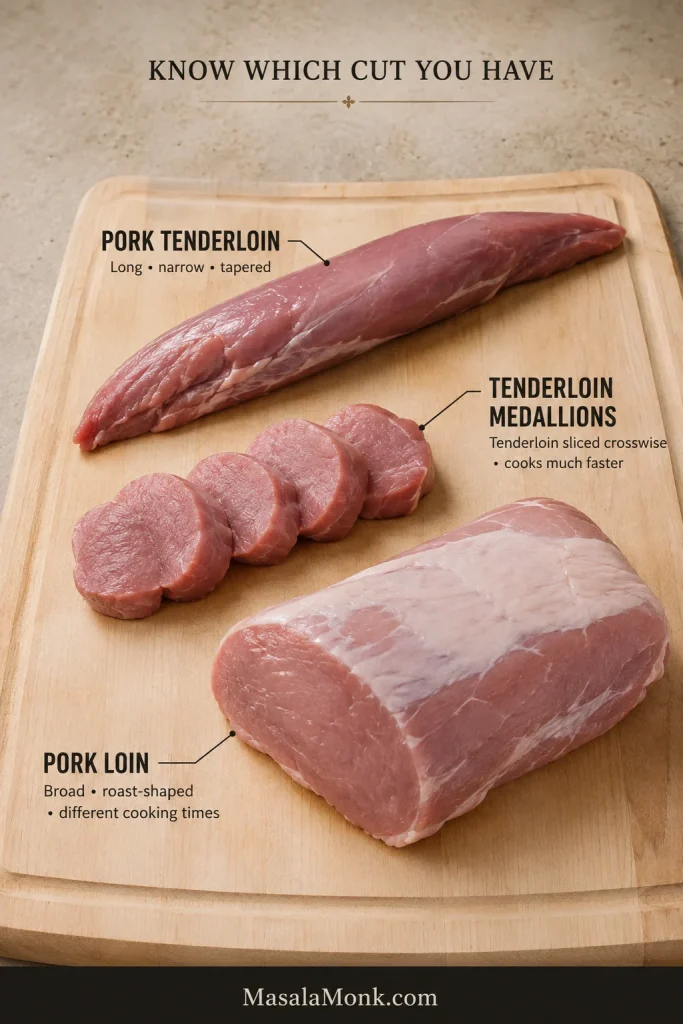
You can shred lean pork, but pork loin and pork tenderloin are not the best cuts for classic pulled pork. They have much less fat and connective tissue than shoulder, so they can dry out if you cook them like pork butt.

Comparison board showing pork shoulder as best for classic pulled pork, while pork loin and pork tenderloin are leaner cuts for different methods.
Pork loin and tenderloin are leaner cuts, so they need a different cooking approach; for classic pulled pork, shoulder gives you the juiciest strands.

If your package says pork loin, use this slow cooker pork loin recipe instead. It is written for the leaner roast that cooks best as tender slices rather than classic pulled pork.

If your package says pork tenderloin, switch to this slow cooker pork tenderloin guide. Tenderloin is smaller, narrower, and much faster-cooking than pork shoulder, so it needs a different timing window.

For an oven version of that leaner cut, use pork tenderloin in the oven. If you want smoke flavor but still have loin rather than shoulder, this smoked pork loin recipe is the better match.

Slow cooker size: A 6-quart slow cooker is the best default for a 4 lb / 1.8 kg pork shoulder. Keep the cooker no more than about two-thirds full. If the pork barely fits, cut it into 2–3 large chunks or use a larger cooker.

Ingredients and Why They Matter

Every ingredient here has a job: the rub seasons the meat, the aromatics build the cooking juices, and the vinegar, mustard, and Worcestershire keep the rich pork from tasting flat.

Ingredient board for slow cooker pulled pork with pork shoulder, dry rub spices, onion, garlic, cooking liquid, vinegar, Worcestershire, mustard, and barbecue sauce.
The best pulled pork flavor starts before the slow cooker turns on: season the meat well, add aromatics for depth, and use tangy finishers to balance the rich pork.

The Pork Cut

Start with 4 lb / 1.8 kg pork shoulder, pork butt, or Boston butt. Because this cut has enough fat and connective tissue, it can handle long cooking and still turn into juicy shreds. If you choose a bone-in roast, use the same method and cook until the bone pulls away easily.

Although the roast can stay whole when it fits comfortably, larger pieces cook more evenly when cut into 2–3 big chunks. Keep the pieces large; tiny cubes can dry at the edges before the center has time to soften.

Dry Rub for Slow Cooker Pulled Pork

The rub is what keeps this slow cooker pulled pork recipe from tasting like plain boiled meat. Mix the spices first, then coat the pork all over so every side gets seasoning.

  • 2 tbsp / 25 g brown sugar
  • 1 tbsp / about 7 g smoked paprika
  • 1 tbsp Diamond Crystal kosher salt / about 9 g, or 2 tsp Morton kosher salt / about 10 g
  • 1 tsp black pepper / about 2 g
  • 1 tsp garlic powder / about 3 g
  • 1 tsp onion powder / about 2–3 g
  • 1 tsp mustard powder / about 2 g
  • 1/2 tsp ground cumin / about 1 g
  • 1/4–1/2 tsp cayenne or chili powder, optional

If your BBQ sauce is very sweet, reduce the brown sugar to 1 tbsp / about 12 g. On the other hand, if you are using a tangy vinegar-forward sauce, the full 2 tbsp keeps the pork balanced.

Aromatics and Cooking Liquid

Next, build a small flavorful base under the pork. These ingredients season the cooking juices without flooding the slow cooker.

  • 1 large yellow onion / about 200 g, sliced
  • 4 garlic cloves / about 12 g, smashed or minced
  • 1/2 cup / 120 ml apple juice, apple cider, broth, beer, or water
  • 2 tbsp / 30 ml apple cider vinegar
  • 1 tbsp / 15 ml Worcestershire sauce
  • 1 tbsp / 15 g yellow or Dijon mustard
  • 1/2–1 tsp / 2.5–5 ml liquid smoke, optional

As the pork cooks, it will release more liquid, so begin with less than you think you need. The liquid should sit under and around the pork, not cover it.

Slow cooker liquid guide comparing a correct 1/2 cup liquid level under pork with a flooded slow cooker that can make sauce thin.
Too much liquid can turn pulled pork watery, so begin with about 1/2 cup and let the pork shoulder release its own juices as it cooks.

BBQ Sauce and Finishers

Toss the shredded pork with 3/4–1 cup / 180–240 ml BBQ sauce, plus 1/4–1/2 cup / 60–120 ml defatted cooking juices as needed. Add these gradually, because the finished pork should look glossy and juicy rather than soupy.

Then taste and adjust. Add vinegar for brightness, salt for depth, hot sauce for heat, or a little more BBQ sauce if the pork needs a sweeter finish.

Best Liquid for Pulled Pork

Apple juice or cider gives a slightly sweet BBQ-friendly base. Broth keeps the pork more savory and flexible. Beer adds deeper flavor, while water works in a pinch if you plan to adjust with sauce, vinegar, or salt at the end.

Guide to cooking liquids for pulled pork showing apple juice or cider, broth, beer, and water around a slow cooker pork setup.
Apple juice or cider gives a sweeter BBQ base, while broth keeps the pork savory and flexible; either way, the liquid should support the meat, not cover it.

For the main recipe, use 1/2 cup / 120 ml. Use up to 1 cup / 240 ml only for a very large roast, a wide cooker, or a slow cooker that runs hot. The liquid should sit under and around the pork, not cover it.

If you are making a soda variation such as Dr Pepper, root beer, or Coca-Cola pulled pork, use the soda variation instructions later in the post.

How to Make Slow Cooker Pulled Pork

The easiest version is rub, layer, cook, shred, and sauce. Searing is optional. For deeper flavor, sear the pork before slow cooking or broil the shredded pork briefly at the end. For the lowest-effort version, skip the sear and let the slow cooker do the work.

Six-step guide for slow cooker pulled pork showing season, add liquid, cook, shred, skim or reduce juices, and sauce to finish.
Once the pork is tender, the finish matters most: shred it warm, manage the juices, and add sauce gradually so the strands stay moist but never soupy.

Should You Sear the Pork First?

You do not have to sear pork shoulder before slow cooking. The recipe still works beautifully without it, which is why it is practical for busy days. Searing adds deeper roasted flavor, but it also adds a pan and a few extra minutes.

The easiest pulled pork skips the sear. For deeper flavor, sear the seasoned pork in a hot skillet with 1 tbsp / 15 ml neutral oil before adding it to the slow cooker. As a middle path, skip the sear at the beginning and broil some of the shredded pork at the end for browned edges.

Decision board showing three pulled pork options: skip the sear, sear first for deeper flavor, or broil after shredding for browned edges.
Searing adds deeper flavor, but it is not required; for the easiest version, skip it and use the broiler later if you want browned edges.

1. Trim and season the pork

Pat the pork dry. Trim away thick, hard surface fat, but leave some fat and marbling. Mix the brown sugar, smoked paprika, salt, pepper, garlic powder, onion powder, mustard powder, cumin, and cayenne or chili powder if using. Rub the seasoning all over the pork.

2. Add the onion, garlic, and liquid

Scatter the sliced onion and garlic in the bottom of a 6-quart slow cooker. Stir together the apple juice, cider, broth, beer, or water with the apple cider vinegar, Worcestershire, mustard, and optional liquid smoke. Pour this into the slow cooker.

The pork should not be covered in liquid. Start with 1/2 cup / 120 ml liquid because the meat will release more juice as it cooks.

3. Cook until tender enough to pull apart

Place the seasoned pork on top of the onion mixture. Then, cover and cook on LOW for 8–10 hours or HIGH for 5–6 hours. Although HIGH works when you are short on time, LOW gives the most even, forgiving texture, especially for larger roasts. For larger roasts, use the cook time by weight chart.

The pork is ready when it pulls apart without a fight. If it feels tight, rubbery, or hard to separate, it usually needs more time, not more force.

4. Remove, rest briefly, and shred

Transfer the pork to a rimmed sheet pan, large cutting board, or wide bowl. Rest for 10 minutes so it is easier to handle. Remove any bone, large fat pieces, or tough connective bits. Shred with two forks or meat claws.

5. Skim or reduce the juices

Pour the slow-cooker juices into a measuring cup or bowl, then skim off excess fat. If the juices taste thin, simmer them in a saucepan for 5–10 minutes until more concentrated. This step is optional, but it is the most reliable fix for watery pulled pork.

6. Add BBQ sauce after shredding

Return the shredded pork to the slow cooker or a large bowl. Toss with 3/4–1 cup / 180–240 ml BBQ sauce. Add 1/4–1/2 cup / 60–120 ml defatted cooking juices as needed, just until the pork is juicy and glossy. Taste, then adjust with salt, vinegar, hot sauce, or more BBQ sauce.

7. Optional: broil for browned edges

If you want crispier BBQ-style edges, spread some sauced pork on a foil-lined sheet pan and broil for 2–4 minutes. Watch closely. Then mix the browned edges back into the rest of the pork.

Slow Cooker Pulled Pork Cook Time

Cook time depends on pork weight, roast shape, bone-in vs boneless, slow cooker size, and how hot your appliance runs. Use the chart as a planning guide, then let texture decide when the pork is finished.

For parties, start earlier than you think. Pulled pork forgives extra holding time far better than it forgives being rushed, and nobody wants to be pulling at a stubborn roast while the buns and slaw are already on the table. For a 4–6 lb roast, cooking overnight or starting early in the morning is safer than trying to finish exactly at dinner time.

Low vs High Setting

LOW is the most forgiving setting for soft, even pulled pork. HIGH works when you are short on time, but it is less forgiving with large roasts. If the slow cooker is packed tightly, use LOW and give the pork more time.

Cook Time by Pork Weight

Cook time chart for slow cooker pulled pork showing LOW and HIGH timing ranges for 3 lb, 4 lb, 5–6 lb, and 7–8 lb roasts.
Use the cook-time chart for planning, then check the texture before serving; pulled pork is ready when it pulls apart easily.
Pork weightLOW settingHIGH settingNotes
3 lb / 1.35 kg7–8 hours4–5 hoursGood for smaller households.
4 lb / 1.8 kg8–10 hours5–6 hoursMain recipe size.
5–6 lb / 2.25–2.7 kg9–11 hours6–7 hoursUse a large slow cooker.
7–8 lb / 3.2–3.6 kg10–12 hours7–8 hoursOnly if the roast fits comfortably.
9–10 lb / 4–4.5 kg11–12+ hoursNot idealBetter to cut into large chunks or use two cookers.

Internal Temperature for Pulled Pork

For pulled pork, temperature is about texture as much as safety. For official safety guidance, FoodSafety.gov lists pork roasts at 145°F / 63°C with a 3-minute rest. But pork shoulder will not shred beautifully at that point. For shoulder-style pulled pork, cook until the meat pulls apart easily, usually around 195–205°F / 90–96°C. Then confirm with the done texture cues before shredding.

Pulled pork temperature guide showing 145°F with a 3-minute rest as safe and 195–205°F as the pull-apart range.
Pork can be food-safe before it is shreddable, so a shoulder roast usually needs more time to reach the tender pull-apart range.

If the thermometer says the pork is in that range but the meat still resists shredding, keep cooking. Texture wins. Check again in 30–60 minutes.

If dinner time is close and the pork is still firm, the answer is usually more time, not more force. Keep it covered and let the shoulder finish softening.

What Done Pulled Pork Looks and Feels Like

The pork should look relaxed and slightly collapsed, not firm and springy. When you lift it with tongs, it may start to split under its own weight. A fork should slide in easily, and the meat should separate into strands without hard pulling. If the pork is still fighting you, it is not ruined — it just needs more time.

Pulled pork doneness guide comparing tight not-ready pork, ready pork that splits easily, and overdone mushy pork.
The best doneness test is physical: ready pork should split under forks or tongs without a fight, while tight meat usually needs more time.
What you seeWhat it meansWhat to do
Firm, springy porkNot readyKeep cooking.
Fork slides in but meat resistsClose, but not doneCook 30–60 minutes more.
Meat splits under tongsReady to shredRest briefly, then shred.
Pork collapses into mushOvercooked or overmixedShred gently and avoid extra stirring.

Can You Overcook Pulled Pork in a Slow Cooker?

Yes, but pork shoulder is forgiving. Overcooking is more likely if the roast is small, the slow cooker runs hot, there is too little moisture left, or the pork sits for hours after it has already become tender. Once the pork shreds easily, switch the slow cooker to WARM and keep the meat moist with a little cooking juice or sauce.

If your pork is already very soft, shred gently. Overmixing can turn tender pork into a mushy texture.

When to Add BBQ Sauce

Best Time to Add BBQ Sauce

The best time to add most of the BBQ sauce is after shredding. A small amount can go in at the beginning if you love a cooked-in sauce flavor, but a full bottle of BBQ sauce early can turn thin because pork shoulder releases so much liquid.

For stronger flavor, cook the pork with rub, onion, garlic, vinegar, Worcestershire, mustard, and 1/2 cup / 120 ml liquid. After shredding, toss with BBQ sauce and only enough defatted cooking juices to make the pork juicy. If the juices taste weak or watery, reduce them in a saucepan first; then, add them back gradually.

How to Keep BBQ Sauce from Turning Thin

This is the whole trick: controlled liquid at the start, concentrated juices at the end, and BBQ sauce added when the shredded pork can actually hold it instead of sliding into a thin puddle.

Add sauce and juices gradually. The finished pork should look coated and glossy, with sauce clinging to the shreds instead of pooling at the bottom. If it looks dry, add a little more juice; if it looks loose, stop before the sauce turns thin.

Before-and-after sauce timing comparison showing barbecue sauce before cooking becoming thin and sauce after shredding clinging to pulled pork.
Adding most of the BBQ sauce after shredding keeps the flavor bolder because the sauce coats finished pork instead of thinning out during the long cook.
Simple sauce timing rule: Cook with rub and modest liquid. Shred first. Sauce second. This gives you better control over sweetness, tang, salt, smokiness, and moisture.
BBQ sauce methodWhat happensBest use
Sauce before cookingSofter, cooked-in flavor, but the sauce can thin out as pork releases juices.Use only a small amount early if you like this style.
Sauce after shreddingBolder BBQ flavor and better moisture control.Best default for this recipe.
Small amount before, more afterGives some cooked-in flavor while keeping the final sauce stronger.Good middle path if you love a saucy slow cooker base.

Should You Drain the Juices from Pulled Pork?

Do not blindly dump the juices, but do not pour all of them back either. The slow-cooker liquid contains flavor, fat, onion, garlic, seasoning, and pork juices. It can make shredded pork taste amazing — or greasy and watery — depending on how you use it.

  • Remove the cooked pork first.
  • Pour the juices into a bowl or measuring cup.
  • Skim or separate the fat.
  • Strain out onion or garlic if you want a smoother finish.
  • If the liquid tastes thin, reduce it in a saucepan for 5–10 minutes.
  • Add back only 1/4–1/2 cup / 60–120 ml at first, then more if the pork needs it.

Treat the slow-cooker juices like seasoning, not soup. The goal is not dry pork and not soupy pork — just enough concentrated juice to make the shreds taste alive.

Four-step pulled pork juice guide showing remove pork, skim fat, reduce juices, and add back only enough juice to coat the meat.
Do not throw away the cooking juices automatically; instead, skim, reduce, and return only what the pork needs for a glossy, well-seasoned finish.

After shredding, taste the pork like you would taste a sauce. When it tastes flat, add salt. If it feels heavy, add vinegar. When the flavor seems thin, reduce the juices. If it tastes too sweet, add mustard, hot sauce, or more unsauced pork.

How to Shred Slow Cooker Pulled Pork

Shred the pork while it is still warm, once it is cool enough to handle. If it cools too much, the fat firms up and the meat is harder to pull cleanly. You want soft strands with a little body, not tiny overworked bits that disappear into the sauce.

Close-up of warm pulled pork being shredded with forks into medium strands while keeping the texture juicy and structured.
Warm pork pulls into cleaner strands, so shred before it cools and stop while the meat still has texture instead of mixing it into mush.
  • Remove the bone if using bone-in pork shoulder.
  • Discard large pieces of fat, gristle, or tough connective tissue.
  • Use two forks, meat claws, or clean gloved hands.
  • Save some cooking juices so you can adjust moisture before serving.

How to Fix Pulled Pork That Is Tough, Watery, Dry, or Bland

If the pork is not perfect when you open the lid, do not panic. Most slow cooker pulled pork problems are easy to fix after shredding. Tough usually means unfinished, watery usually means the juices need managing, and bland usually means the finish needs salt, vinegar, sauce, or heat.

Troubleshooting board for pulled pork with fixes for tough, won’t shred, watery, dry, greasy, bland, too sweet, and mushy pork.
Most pulled pork problems can be fixed after cooking: tough pork needs more time, watery pork needs reduced juices, and bland pork needs a stronger finish.
ProblemLikely causeFix
Pork is toughIt has not cooked long enough for the connective tissue to soften.Cover and cook 30–60 minutes more, then check again.
Pork will not shredThe pork is safe but not pull-apart tender yet.Keep cooking until it separates easily with forks.
Pulled pork is wateryToo much liquid, sauce added early, or lots of pork juices released.Remove pork, strain and skim juices, reduce juices in a saucepan, then add back only what you need.
Pork tastes dryLean cut, not enough cooking juices mixed back in, or too little sauce.Add reserved juices, BBQ sauce, broth, apple juice, or a splash of vinegar.
Pork is greasyToo much rendered fat was mixed back into the shredded pork.Separate the fat from the juices before adding them back.
Pork is blandUnder-seasoned rub or diluted cooking liquid.Add salt, BBQ sauce, vinegar, hot sauce, mustard, or reduced juices.
Pork is too sweetSweet BBQ sauce, brown sugar, or soda variation.Add apple cider vinegar, mustard, hot sauce, salt, or unsauced pork to balance.
Pork is too smokyToo much liquid smoke.Dilute with unsauced pork or add vinegar and BBQ sauce to balance.
Pork is mushyIt was cooked long after tender or shredded too aggressively.Shred larger pieces gently and avoid overmixing with sauce.

What to Serve with Slow Cooker Pulled Pork

Once the pork is shredded and sauced, the hard part is over. From there, it can go classic with buns and slaw, casual with nachos, or meal-prep friendly with rice bowls and potatoes. The best sides add contrast: crunch, acidity, freshness, or creaminess against the rich pork.

How Much Pulled Pork Per Person?

A 4 lb / 1.8 kg raw pork shoulder usually gives about 2.5–3 lb / 1.1–1.35 kg cooked pulled pork, depending on trimming, bone, and fat loss. That is enough for about 8 generous sandwiches or 10 smaller servings.

Portion guide for pulled pork showing serving amounts for sandwiches, sliders, tacos, bowls, and nachos.
For parties, plan portions by how you are serving the pork: sandwiches need more meat, while sliders, tacos, bowls, and nachos stretch the batch further.
Serving styleCooked pulled pork per personNotes
Sandwiches4–6 oz / 115–170 gUse the higher end for large buns or hungry guests.
Sliders2–3 oz / 55–85 gGood for parties, appetizers, and mixed spreads.
BBQ plate5–6 oz / 140–170 gUse the higher end when pork is the main protein with sides.
Tacos3–4 oz / 85–115 gDepends on tortilla size and toppings.
Bowls or nachos3–5 oz / 85–140 gUse less if there are rice, beans, chips, cheese, or vegetables.

Best Sides for Pulled Pork

Before you choose the exact serving style, think in contrasts: rich pork needs something creamy, something crisp, and something tangy beside it.

Serving spread with pulled pork, coleslaw, pickles, potato salad, macaroni and cheese, cucumber salad, and buns.
A pulled pork plate feels balanced when the rich meat has a creamy side, a crisp bite, and something tangy enough to reset the next forkful.

For Pulled Pork Sandwiches

For a better sandwich, use a soft bun, glossy pulled pork, crunchy slaw, pickles, and enough sauce to cling without soaking the bread. This coleslaw recipe is the natural side because it brings the crunch and acidity rich pork needs. The best bite is soft, juicy, crisp, tangy, and warm all at once.

Pulled pork sandwiches with glossy shredded pork, coleslaw, pickles, soft buns, and barbecue sauce on a dark table.
A pulled pork sandwich works best when the pork is juicy, the slaw adds crunch, and the pickles cut through the richness before the bun gets soggy.

For a BBQ Plate

For a BBQ plate, balance the rich pork with something creamy, something sharp, and something crisp. Potato salad or macaroni and cheese brings comfort, while pickles, slaw, roasted vegetables, or a vinegar-style cucumber salad keeps the plate fresh.

For Tacos, Bowls, and Nachos

For tacos and bowls, keep the pork a little less saucy so lime, salsa, cabbage, avocado, and pickled onions can do their job. The no-BBQ version is especially useful here. For bowls, start with warm, fluffy rice; this how to cook rice guide is useful if you want the base to stay separate instead of clumpy. For nachos, scatter the pork over chips with cheese, then finish with fresh toppings after baking.

Pulled pork served three ways as tacos, a rice bowl, and nachos with lime, cabbage, pickled onions, avocado, and herbs.
Pulled pork is not limited to sandwiches; with lime, cabbage, pickled onions, rice, or chips, leftovers become tacos, bowls, and nachos.

Slow Cooker Pulled Pork Leftover Ideas

Leftover pulled pork is one of the best reasons to make a full batch. A good batch should feel like a gift to your future self, not a problem to use up. Store it with a little cooking juice or sauce so it stays moist, then use it for fast meals through the week. For safe timing and reheating, see storing, freezing, and reheating.

The best leftovers are stored with just enough juice that they reheat like fresh pork, not dry scraps.

  • Pulled pork sandwiches: buns, slaw, pickles, and extra BBQ sauce.
  • Pulled pork tacos: tortillas, cabbage, lime, salsa, and pickled onions.
  • Loaded baked potatoes: split potatoes, pork, cheese, sour cream, scallions, and sauce. If you already have cooked potatoes, this leftover baked potatoes guide gives you more ways to turn them into a full meal.
  • Pulled pork nachos: chips, cheese, pork, jalapeños, and fresh toppings. For a smoother drizzle, use homemade cheese sauce instead of only shredded cheese.
  • Rice bowls: rice, pork, slaw, avocado, hot sauce, and lime.
  • Breakfast hash: potatoes, onions, peppers, pork, and eggs.
  • Mac and cheese topping: spoon hot pulled pork over creamy mac and cheese.
  • Party popper filling: tuck a small spoonful into baked jalapeño poppers before adding the cheese filling.
  • Freezer portions: pack 1–2 cup portions with a splash of juices for future meals. Freeze a few small portions before the tray disappears; future you will want tacos, bowls, or loaded potatoes.

Storing, Freezing, and Reheating Slow Cooker Pulled Pork

Cool the pulled pork, then store it with some sauce or cooking juices. Dry leftover pork usually happens because the meat was stored without moisture or reheated too aggressively.

Storage methodHow longBest practice
Refrigerator3–4 daysStore in an airtight container with sauce or cooking juices.
Freezer2–3 months for best qualityFreeze flat in bags or in meal-size portions with some moisture.
ReheatingUntil hot throughoutAdd broth, apple juice, cooking juices, or BBQ sauce and reheat gently.
Storage guide showing pulled pork in airtight containers and freezer bags with labels for fridge, freezer, sauce or juice, and meal-size portions.
Store leftover pulled pork with a little sauce or cooking juice so it reheats moist, then portion it for quick meals later.

How to Reheat Pulled Pork

For the best texture, reheat pulled pork gently with a small splash of sauce, broth, apple juice, or reserved cooking juices. The goal is warm, moist pork, not dry strands or boiling liquid.

Pulled pork reheating in a skillet with a small spoonful of sauce or cooking juice added for moisture.
Reheat pulled pork gently with a splash of sauce or reserved juice so the strands warm through without drying out or turning stringy.

For official food-safety guidance, refrigerate leftovers promptly and reheat them to 165°F / 74°C. The USDA safe temperature chart is a useful reference for leftovers and reheating.

Slow Cooker Pulled Pork Variations

Once you understand the basic method, you can adjust the flavor easily. Keep the liquid controlled, cook until the pork shreds, and then finish with sauce or reduced juices after shredding.

Pulled Pork Without BBQ Sauce

For pulled pork without BBQ sauce, use the same pork shoulder, rub, onion, garlic, vinegar, Worcestershire, mustard, and cooking liquid, but skip the bottled sauce at the end. After shredding, toss the pork with reduced cooking juices, then season to taste with salt, black pepper, apple cider vinegar, mustard, hot sauce, or a squeeze of lime.

This is the version to make when you want one batch of pork to go several directions during the week. It is especially useful for tacos, rice bowls, nachos, burritos, breakfast hash, loaded potatoes, and meal prep because it stays flexible. Later, you can add BBQ sauce, salsa, hot sauce, crema, or another sauce depending on the meal.

Unsauced pulled pork with lime, pickled onions, cabbage, tortillas, mustard, and reduced cooking juices for a lighter variation.
For pulled pork without BBQ sauce, brighten the meat with reduced cooking juices, vinegar, mustard, or lime, especially for tacos and bowls.

Soda-Based Pulled Pork Variations

For soda-based pulled pork, keep the same core method and treat the soda as the cooking liquid, not as a reason to flood the slow cooker. If your BBQ sauce is already sweet, reduce the brown sugar in the rub to 1 tbsp / about 12 g and finish with vinegar or hot sauce for balance.

Soda variation guide with pulled pork, small labeled glasses for Dr Pepper, root beer, and Coca-Cola, plus vinegar and hot sauce for balance.
Soda-based pulled pork can work well, but because the cooking liquid is sweet, balance the finish with vinegar, hot sauce, or a tangier BBQ sauce.

Dr Pepper Pulled Pork

Replace the 1/2 cup / 120 ml cooking liquid with 1 cup / 240 ml Dr Pepper. After shredding, add BBQ sauce gradually and balance with vinegar or hot sauce if needed.

Root Beer Pulled Pork

Use 1 cup / 240 ml root beer as the cooking liquid for a sweeter, rounder BBQ-style pulled pork. It works best with a tangier BBQ sauce or extra apple cider vinegar at the end.

Coca-Cola Pulled Pork

Use 1 cup / 240 ml Coca-Cola as the cooking liquid for a cola-braised version. Keep the finish balanced with BBQ sauce, vinegar, hot sauce, or reduced juices after shredding.

Spicy Pulled Pork

Add 1–2 tsp chili powder, 1/2 tsp cayenne, chopped chipotle in adobo, or hot sauce. For tacos, keep the BBQ sauce lighter and finish with lime. If you like building your own heat, this pepper sauce recipe guide gives you several hot, tangy directions to play with.

FAQs

Is pork shoulder or pork butt better for slow cooker pulled pork?

Pork butt or Boston butt is the easiest first choice because it is usually well-marbled and forgiving. Pork shoulder is also excellent. Both cuts are much better for classic pulled pork than pork loin or pork tenderloin.

Is Crock-Pot pulled pork the same as slow cooker pulled pork?

Yes. Crock-Pot is a popular slow cooker brand, so Crock-Pot pulled pork and slow cooker pulled pork refer to the same general cooking method. Use the same recipe, timing, and tenderness checks.

How long does pulled pork take in the slow cooker?

A 4 lb / 1.8 kg pork shoulder usually takes 8–10 hours on LOW or 5–6 hours on HIGH. Larger roasts need more time. The pork is finished when it separates easily, not just when the timer ends.

Should BBQ sauce go in before or after cooking?

Add most of the BBQ sauce after shredding. Sauce added at the beginning can become thin because pork releases a lot of liquid. For stronger flavor, cook with rub and modest liquid, then sauce the shredded pork at the end.

Why is my pulled pork watery?

Watery pulled pork usually comes from too much liquid, too much sauce added early, or natural pork juices collecting in the slow cooker. Remove the pork, strain and skim the juices, reduce them in a saucepan, then add back only enough to moisten the shredded pork.

Why is my pulled pork tough?

Tough pulled pork usually needs more time, not more force. Pork shoulder can be fully cooked but not yet tender enough to shred. Cover it and continue cooking for 30–60 minutes, then test again with forks.

How do I make pulled pork without BBQ sauce?

Use the rub, onion, garlic, vinegar, Worcestershire, mustard, and cooking liquid, then shred the pork with reduced cooking juices instead of BBQ sauce. This unsauced version is especially good for tacos, rice bowls, nachos, and meal prep.

What is the best way to make pulled pork ahead?

Cook and shred the pork, store it with some defatted juices, then reheat it gently the next day with BBQ sauce or extra cooking liquid. The flavor often gets even better after resting overnight.

How long can pulled pork stay warm for a party?

Once the pork is shredded and sauced, keep it on WARM for 1–2 hours, stirring occasionally and adding a splash of juices or sauce if it starts to dry out. For food safety, do not leave pulled pork sitting at room temperature for more than 2 hours.

Should I cut pork shoulder into chunks before slow cooking?

For a 4 lb / 1.8 kg roast, you can keep it whole if it fits comfortably. For a larger 7–10 lb roast, cut the pork into 2–3 large chunks so it fits better and cooks more evenly. Keep the pieces large so the pork stays juicy.

Should frozen pork shoulder go straight into the slow cooker?

No. Thaw pork shoulder fully in the refrigerator before slow cooking. Starting from frozen can make the pork heat unevenly and spend too long in an unsafe temperature range before the center warms through.

How much pulled pork do I need per person?

Plan on about 4–6 oz / 115–170 g cooked pulled pork per person for sandwiches or BBQ plates. For sliders, 2–3 oz / 55–85 g per person may be enough. A 4 lb / 1.8 kg raw pork shoulder usually gives about 8 generous sandwich servings.

What is the best way to freeze pulled pork?

Freeze pulled pork in meal-size portions with a little sauce or cooking juice. For best quality, use within 2–3 months. Thaw overnight in the refrigerator and reheat gently with extra moisture.

Slow Cooker Pulled Pork Recipe Card

Recipe card for slow cooker pulled pork showing yield, prep time, cook time, best cut, 1/2 cup liquid, finish rule, and storage times.
This recipe card keeps the main method easy to remember: pork shoulder, modest liquid, low-and-slow cooking, and a controlled finish after shredding.

Slow Cooker Pulled Pork Recipe

This slow cooker pulled pork recipe uses pork shoulder or pork butt, a smoky brown sugar rub, modest cooking liquid, and BBQ sauce added after shredding for juicy, glossy pork that holds sauce without turning soupy.

Prep Time20 minutes
Cook Time8–10 hours on LOW or 5–6 hours on HIGH
Total TimeAbout 8.5–10.5 hours on LOW or 5.5–6.5 hours on HIGH
Yield8 generous servings

Ingredients

  • 4 lb / 1.8 kg pork shoulder, pork butt, or Boston butt
  • 1 large yellow onion / about 200 g, sliced
  • 4 garlic cloves / about 12 g, smashed or minced
  • 1/2 cup / 120 ml apple juice, apple cider, low-sodium chicken broth, beer, or water
  • 2 tbsp / 30 ml apple cider vinegar
  • 1 tbsp / 15 ml Worcestershire sauce
  • 1 tbsp / 15 g yellow mustard or Dijon mustard
  • 1/2–1 tsp / 2.5–5 ml liquid smoke, optional
  • 3/4–1 cup / 180–240 ml BBQ sauce, plus more to serve

Dry Rub

  • 2 tbsp / 25 g brown sugar
  • 1 tbsp / about 7 g smoked paprika
  • 1 tbsp Diamond Crystal kosher salt / about 9 g, or 2 tsp Morton kosher salt / about 10 g
  • 1 tsp black pepper / about 2 g
  • 1 tsp garlic powder / about 3 g
  • 1 tsp onion powder / about 2–3 g
  • 1 tsp mustard powder / about 2 g
  • 1/2 tsp ground cumin / about 1 g
  • 1/4–1/2 tsp cayenne or chili powder, optional

Instructions

  1. Trim the pork. Pat pork dry. Trim only thick, hard surface fat; leave some fat and marbling for moisture.
  2. Season. Mix all dry rub ingredients. Rub the seasoning all over the pork.
  3. Optional sear. For deeper flavor, sear the seasoned pork in 1 tbsp / 15 ml neutral oil before slow cooking. For the easiest version, skip this step.
  4. Build the slow cooker base. Add sliced onion and garlic to a 6-quart slow cooker. Stir together the cooking liquid, vinegar, Worcestershire, mustard, and liquid smoke if using. Pour into the cooker.
  5. Add the pork. Place the seasoned pork on top of the onion mixture. The pork should not be covered in liquid.
  6. Cook. Cover and cook on LOW for 8–10 hours or HIGH for 5–6 hours, until the pork pulls apart easily with forks.
  7. Shred. Transfer pork to a rimmed sheet pan, cutting board, or wide bowl. Rest 10 minutes, then remove bone, large fat pieces, and tough bits. Shred with two forks or meat claws.
  8. Handle the juices. Strain or skim the slow-cooker juices. If they taste thin, simmer in a saucepan for 5–10 minutes to concentrate.
  9. Sauce after shredding. Toss shredded pork with BBQ sauce and 1/4–1/2 cup / 60–120 ml defatted cooking juices, adding only enough to make it juicy.
  10. Adjust and serve. Taste and adjust with salt, vinegar, hot sauce, extra BBQ sauce, or more reduced juices. Serve on buns, sliders, tacos, bowls, nachos, baked potatoes, or BBQ plates.

Notes

  • Best cut: pork butt, Boston butt, or pork shoulder.
  • Most forgiving setting: LOW gives the most even texture.
  • Texture target: tender enough to pull apart, usually around 195–205°F / 90–96°C.
  • Liquid note: start with 1/2 cup / 120 ml and do not cover the pork.
  • Finish: shred first, then add BBQ sauce and just enough defatted cooking juice.
  • For crisp edges: broil sauced shredded pork for 2–4 minutes, watching closely.
  • Storage: refrigerate 3–4 days or freeze 2–3 months with a little sauce or juice.

Final Tip

The best slow cooker pulled pork is won at the finish. Choose a marbled shoulder cut, give it enough time to soften, then treat the juices like seasoning instead of soup. Shred first, sauce second, and add back only enough defatted juice to make the pork glossy. That is how you get pulled pork that piles onto buns, holds up in tacos, and still tastes like a plan tomorrow.

Final serving spread with a tray of glossy pulled pork, buns, slaw, pickles, sauce, tongs, and an assembled pulled pork sandwich.
Once the pork is shredded, sauced, and moist, it is ready for sandwiches, sliders, dinner plates, or leftovers that still feel planned tomorrow.

If you try one of the variations, leave a comment with the cut you used — pork butt, pork shoulder, bone-in, or boneless — and whether you finished it with BBQ sauce, reduced juices, or both. Those details are often what separate a good batch from a great one.

Back to top

Posted on 4 Comments

Baked Chicken Breast Recipe

Sliced golden baked chicken breast with pan juices, lemon, parsley, potatoes, and green beans on a plate.

This baked chicken breast recipe is for anyone who has pulled a tray of chicken from the oven and wondered why it turned out dry, bland, rubbery, or unevenly cooked. Chicken breast is not hard to cook, but it is unforgiving: a few extra minutes can turn tender slices into dry, chalky pieces.

The fix is simple and specific. First, pound the thick end, then coat the chicken with oil and seasoning, bake it hot, check the center, and rest before slicing. Most dry chicken breast is not a marinade problem; instead, it is usually a thickness, timing, or resting problem.

Close-up of sliced baked chicken breast showing a moist white interior and browned seasoned edges.
When chicken breast is cooked well, the slices look clean, tender, and moist enough to serve without hiding them under sauce.

The MasalaMonk rule for chicken breast is simple: make it even, bake it hot, check the center, and rest before slicing. No single timer can understand the chicken breast in front of you, especially when one piece is thick, another is thin, and the pack is uneven.

When the thickness and timing are right, the chicken slices cleanly, tastes seasoned across the surface, and stays useful enough for dinner tonight and lunches later.

MasalaMonk rule graphic showing baked chicken breast steps: make it even, bake it hot, check the center, and rest before slicing.
Once the chicken is even in thickness, the oven can work more predictably; after that, temperature and resting protect the texture.

The main method uses 425°F / 220°C for tender, lightly browned boneless skinless chicken breast, with clear timing for 350°F, 375°F, 400°F, 425°F, and 450°F. You will also get help for thin chicken, large pieces, bone-in chicken, frozen chicken, meal prep, storage, reheating, and dry-chicken fixes.

Quick Answer: How to Bake Chicken Breast

For juicy baked chicken breast, pound the thick end so the pieces cook evenly, rub the chicken with oil and seasoning, then bake uncovered at 425°F / 220°C until the center of the thickest piece reaches 165°F / 74°C. Rest for at least 5 minutes before slicing.

At 425°F / 220°C, medium boneless skinless chicken breasts usually take 18 to 22 minutes. Thin pieces may finish in 10 to 14 minutes, while very large or thick breasts can need 24 to 30 minutes or more. The clock gives you a window; the thermometer gives you the answer.

Use this baked chicken breast recipe as the base method, then adjust the timing based on the size, thickness, and cut of chicken you have.

Need to compare thin, medium, large, or extra-large pieces? Go straight to the bake time chart.

Baked Chicken Breast at a Glance

Question Best answer
Best oven temperature 425°F / 220°C for tender, lightly browned chicken breast
Fan or convection oven 400°F / 200°C fan, or reduce by about 25°F and check early
Normal bake time 18–22 minutes for medium breasts at 425°F
Wider timing range 16–25 minutes for most boneless breasts, depending on size and thickness
Safe internal temperature 165°F / 74°C in the center of the thickest piece
Best cut Boneless skinless chicken breasts, close in size
Best thickness Even thickness, ideally about 3/4–1 inch / 2–2.5 cm for average breasts
Rest time At least 5 minutes before slicing
Best tool Instant-read thermometer

Average-size, thawed, boneless chicken breasts that are close in thickness can follow the main recipe directly. Use the extra charts when your chicken is thin, very large, bone-in, frozen, or when your oven is already set to a different temperature.

Baked chicken breast at-a-glance guide showing 425°F, 18 to 22 minutes, 165°F internal temperature, and 5 minutes rest.
These numbers are a strong starting point, but once the tray goes into the oven, thickness and internal temperature matter more than the timer.

Working with thin cutlets, extra-large pieces, or a different oven temperature? The thin vs thick chicken guide and oven temperature chart will be more useful than one fixed timer.

The Simple Method in Practice

In practice, this comes down to a few moves: pound the thick end so the chicken cooks evenly, oil the surface so the seasoning sticks, season all sides, bake hot, check the thickest piece, and rest before slicing.

Once you understand what the chicken in front of you needs — thinner timing, thicker prep, or a little more rest — the recipe becomes much less stressful.

Ingredients for Baked Chicken Breast

The seasoning here is built from pantry basics, so the chicken tastes good on its own. At the same time, it still fits into salads, bowls, wraps, pasta, sandwiches, and meal-prep boxes.

Ingredients for baked chicken breast including raw chicken, olive oil, paprika, garlic powder, herbs, salt, pepper, lemon, and parsley.
Simple pantry seasoning works because oil helps the spices cling to the chicken, so every slice tastes seasoned instead of flat.
Ingredient US amount Metric amount Why it matters
Boneless skinless chicken breasts 4 medium breasts, 5–8 oz each 600–900g total The main cut for fast, easy oven baked chicken breast
Olive oil or avocado oil 1 1/2 tbsp 22 ml Helps seasoning stick and protects the surface
Fine salt 1 tsp About 6g Seasons the chicken properly, not just the outside
Paprika or smoked paprika 1 tsp 2–3g Adds color, warmth, and gentle flavor
Garlic powder 1 tsp About 3g Gives the chicken a savory base
Onion powder 1/2 tsp 1–2g Rounds out the seasoning
Black pepper 1/2 tsp About 1g Adds mild heat
Italian seasoning, oregano, or thyme 1 tsp About 1g Adds herby flavor without needing a marinade
Brown sugar, optional 1–2 tsp 4–8g Helps browning, especially if you are not broiling
Lemon wedges or parsley, optional For serving For serving Adds freshness at the end

Best Chicken Breast to Use

Use boneless skinless chicken breasts that are close in size. Most supermarket packs are uneven: one breast may be thick enough to need pounding, while another may already be thin enough to overcook early.

Three raw chicken breasts of different thicknesses labeled thin, average, and thick on parchment.
Since most supermarket packs are uneven, checking thickness before baking is more useful than treating every piece like it needs the same time.

For this method, similar-size pieces matter more than buying perfectly shaped chicken. As a result, the closer the pieces are in thickness, the easier it is to avoid dry edges and undercooked centers.

Very large chicken breasts are often thick at one end and thin at the other. For the best texture, pound only the bulky end until the piece is closer to one thickness, or slice extra-large breasts horizontally into two thinner pieces. That one step does more for tenderness than adding another sauce or spice.

Best Seasoning for Baked Chicken Breast

The best seasoning for baked chicken breast gives salt, savoriness, color, and aroma without requiring a long marinade. Salt, paprika, garlic powder, onion powder, black pepper, and herbs are enough for a reliable everyday version.

The seasoning should look like a real coating, not a few dusty patches. Because chicken breast is mild, it needs enough salt and spice across the whole surface. If the top looks barely seasoned before baking, the finished chicken will probably taste flat.

Raw chicken breast being coated with paprika garlic seasoning before baking.
A visible coating matters because chicken breast is mild; without enough seasoning on the surface, the finished slices can taste plain.

The brown sugar is optional, but useful. Although it does not make the chicken taste sweet, it helps the paprika-garlic coating brown faster, especially because boneless skinless chicken breast has no skin to crisp.

Salt note: This recipe uses fine salt. If you use kosher salt, you may need a little more by volume because the crystals are larger. Seasoning should taste balanced, not harshly salty.

Oil or Butter?

Oil is the easiest choice for high-heat baking because it coats the chicken evenly and handles the oven well. Butter tastes great, but it can brown faster, so it is often better as a finishing sauce with garlic, lemon, herbs, or pan juices.

Equipment You Need

You do not need special equipment, but a thermometer makes a huge difference. Without one, baked chicken breast often goes dry because the cook is guessing by time, color, or juices instead of checking the center of the thickest piece.

Equipment for baked chicken breast including an instant-read thermometer, sheet pan, parchment, tongs, and a meat mallet.
A thermometer and a way to even the thick end do more for juicy baked chicken breast than a long list of special tools.

No thermometer yet? Read what to do if you do not have one, but a thermometer is still the most reliable way to avoid dry chicken.

  • Instant-read thermometer: the most important tool for tender, safe chicken.
  • Rimmed sheet pan or metal baking dish: good for high heat and even cooking.
  • Parchment paper or foil: useful for cleanup and to prevent sticking.
  • Meat mallet or rolling pin: helps even out thick chicken breasts.
  • Small bowl: for mixing the seasoning.
  • Tongs: for handling seasoned chicken neatly.
  • Cutting board: for resting and slicing after baking.
Pan note: For very high heat, a rimmed sheet pan or metal baking dish is more predictable than glass. If you use a glass baking dish, check the manufacturer’s temperature limit and avoid sudden temperature changes.

How to Make Baked Chicken Breast

This method uses a plain, reliable oven approach: boneless skinless chicken breasts, baked uncovered, with enough seasoning to taste good on their own and enough flexibility to use later in other meals.

Step-by-step guide for baking chicken breast showing drying, pounding, seasoning, baking, and resting.
Each step solves a different problem: moisture on the surface, uneven thickness, weak seasoning, uncertain doneness, or slicing too soon.

1. Preheat the oven

Preheat the oven to 425°F / 220°C. Use the middle rack so the chicken cooks evenly. For a fan or convection oven, use 400°F / 200°C fan and start checking a few minutes early.

Fan and convection ovens move hot air more aggressively, so chicken can cook faster and brown sooner. Reduce the temperature by about 25°F / 15–20°C and start checking a few minutes before the chart says.

2. Pat the chicken dry

Pat the chicken breasts dry with paper towels. A dry surface helps the oil and seasoning cling better. Otherwise, very wet chicken can steam in the pan and release more liquid.

3. Pound the thick end

When the thick end is much taller than the thin end, gently pound only the bulky part with a meat mallet or rolling pin. Aim for an even piece, roughly 3/4 inch to 1 inch / 2 to 2.5 cm thick for average chicken breasts.

Raw chicken breast being pounded at the thick end to create a more even thickness before baking.
Pounding the thick end helps the center and edges finish closer together, so you are not waiting on one bulky section while the rest dries.

When to Slice Large Chicken Breasts Horizontally

Extra-large chicken breasts usually need a different move: slice them horizontally into thinner pieces instead of forcing one thick piece to cook evenly. This makes the timing more predictable and, more importantly, helps avoid a dry outside with an undercooked center.

Extra-large raw chicken breast being sliced horizontally into thinner pieces before baking.
For extra-large chicken breasts, slicing horizontally creates thinner pieces that season better, cook faster, and finish more evenly.

4. Season the chicken

Mix the salt, paprika, garlic powder, onion powder, black pepper, herbs, and optional brown sugar in a small bowl. Then rub the chicken with oil and coat both sides with the seasoning. Season all sides, not just the top.

5. Bake uncovered

Arrange the chicken in a single layer with a little space between pieces. Place the smoother side up if you want the best presentation. Bake on the middle rack, uncovered, until each piece reaches the safe temperature.

Seasoned chicken breasts spaced apart in a single layer on a parchment-lined sheet pan before baking.
Before baking, the tray should look organized: seasoned pieces in one layer, with enough room for heat to move around them.

Smaller or thinner pieces should come out early. Waiting for the largest breast is how the smaller one turns dry.

What the Chicken Should Look Like After Baking

When the chicken comes out of the oven, look for a lightly browned surface, seasoning that still clings, and a small amount of pan juice rather than a watery tray.

Golden baked chicken breasts on a sheet pan with herbs, lemon, browned bits, and light pan juices.
Look for light browning, seasoning clinging to the surface, and a small amount of pan juice—not a tray full of liquid.

For a full tray dinner instead of plain baked chicken breast, this Sheet Pan Chicken Fajitas recipe uses the same oven-friendly logic with sliced chicken, peppers, onions, and smoky seasoning.

6. Rest before slicing

Move the chicken to a cutting board and rest for at least 5 minutes. Then slice against the grain for the most tender texture. For meal prep, let the chicken cool before packing it into containers.

Baked chicken breast resting and sliced on a cutting board with herbs and lemon.
After baking, resting first and slicing second helps the chicken hold its texture instead of losing juices immediately on the board.

Should You Cover Chicken Breast While Baking?

For this recipe, bake the chicken uncovered. Covering traps steam and can make the surface wetter instead of lightly browned. However, covered baking can work well for saucy or casserole-style chicken recipes.

Do You Need to Flip Chicken Breast?

No, not for this method. Chicken arranged in a single layer on a sheet pan or shallow baking dish can bake without flipping. A wet pan or uneven oven may make flipping once useful, but it is not required.

What Good Baked Chicken Breast Looks Like

Good baked chicken breast should have a lightly browned, seasoned surface and a center that slices cleanly without looking wet, raw, chalky, or stringy. When you cut it after resting, you may see a little juice, but the board should not flood immediately.

The slices should bend slightly instead of crumbling, and the cut surface should still look moist enough to eat without hiding it under sauce. A breast that looks dry around the edges but underdone in the center was probably too thick or uneven before it went into the oven. Next time, pound the thick end or slice the breast horizontally before baking.

Sliced baked chicken breast labeled with browned surface, clean slices, and moist center.
Good baked chicken breast should look seasoned, slice cleanly, and stay moist without needing sauce to hide the texture.

How Long to Bake Chicken Breast

With this method, medium boneless chicken breast usually takes 18 to 22 minutes at 425°F / 220°C. Thin pieces can finish in 10 to 14 minutes, while large thick breasts may need 24 to 30 minutes or more.

Use 18 to 22 minutes as the normal starting point for medium chicken breasts. However, the wider 16 to 25 minute range covers smaller, thinner, larger, or uneven pieces. There is no single perfect timer setting because two pieces from the same pack can cook differently.

As a general rule, thin chicken breast cooks fast and dries fast. Thick chicken breast needs either more time or better prep, such as pounding or slicing horizontally. Smaller pieces may finish several minutes before larger ones, so remove them as they are done.

Baked Chicken Breast Time at 425°F / 220°C

Chicken breast size Approx weight Thickness guide Approx bake time at 425°F / 220°C
Thin-sliced breast or cutlet 3–5 oz About 1/2 inch / 1.25 cm 10–14 minutes
Small breast 5–6 oz / 150–180g 0.6–0.8 inch / 1.5–2 cm 13–18 minutes
Medium breast 7–8 oz / 200–225g 3/4–1 inch / 2–2.5 cm 18–22 minutes
Large breast 9–10 oz / 255–285g About 1 inch / 2.5 cm 22–26 minutes
Extra-large breast 11–12 oz / 310–340g Usually thick unless split or pounded 24–30+ minutes
The thermometer decides. These times are estimates. Once the center of the thickest piece reaches 165°F / 74°C, the chicken is ready to rest.
Baked chicken breast time chart at 425°F with timing for thin, small, medium, large, and extra-large pieces.
Use this bake-time chart as a starting point; then, check the thickest part because thickness can change the timing by several minutes.

Using 350°F, 375°F, 400°F, or 450°F instead? Use the oven temperature chart next.

Best Oven Temperature for Baked Chicken Breast

The best oven temperature for most boneless skinless chicken breasts is 425°F / 220°C. It is hot enough to cook quickly and brown lightly, but still manageable if you check early and use similar-size pieces.

That said, 425°F is not the only correct temperature. A 400°F / 200°C oven is better when you want a slightly gentler bake or have larger pieces. When the breasts are even in thickness, 425°F gives faster cooking with better surface color.

Comparison of baked chicken breast at 400°F and 425°F with gentler baking and faster browning notes.
For larger or less even pieces, 400°F gives you more margin; for even breasts, 425°F helps the surface brown before the meat dries out.

Chicken Breast Oven Temperature Chart

Use this chart when your oven is already set to a different temperature, your chicken is larger than average, or you simply feel more comfortable with a gentler bake. The timing changes, but the final check stays the same.

Oven temperature Best for Approx time for medium boneless breast
350°F / 175°C Gentle bake, less browning, slower cooking 25–35 minutes
375°F / 190°C Larger or thicker breasts, gentler cooking 22–30 minutes
400°F / 200°C Balanced weeknight bake 18–26 minutes
425°F / 220°C Best default for tender, lightly browned chicken 16–25 minutes
450°F / 232°C Fastest bake, best for thinner/even pieces, less forgiving 15–22 minutes

If you are unsure, choose 425°F for plain seasoned chicken breast, 400°F for a slightly gentler middle ground, and 375°F for very large pieces or saucier recipes. Lower heat is not automatically juicier; it just gives the chicken more time in the oven, so temperature checking still matters.

Chicken breast oven temperature guide showing 350°F, 375°F, 400°F, 425°F, and 450°F options.
Lower oven temperatures are gentler, while higher temperatures brown faster; however, every version still needs the same 165°F / 74°C doneness check.

Whichever oven temperature you choose, finish with the internal temperature check instead of relying only on time.

How Long to Bake Chicken Breast at 350°F

At 350°F / 175°C, medium boneless chicken breasts usually take about 25 to 35 minutes. This temperature is gentle, but it gives less browning and can dry the chicken if it stays in the oven too long.

How Long to Bake Chicken Breast at 375°F

At 375°F / 190°C, medium boneless chicken breasts usually take about 22 to 30 minutes. This is a good option for thicker pieces or recipes with a wetter marinade or sauce.

How Long to Bake Chicken Breast at 400°F

At 400°F / 200°C, medium boneless chicken breasts usually take about 18 to 26 minutes. This is a balanced middle temperature if you do not want to bake as hot as 425°F.

How Long to Bake Chicken Breast at 425°F

At 425°F / 220°C, medium boneless chicken breasts usually take about 16 to 25 minutes, depending on thickness. This is the default temperature for the main recipe because it gives the best balance of speed, tenderness, and light browning.

How Long to Bake Chicken Breast at 450°F

At 450°F / 232°C, chicken breast cooks fast, often in about 15 to 22 minutes. This temperature can work well for even pieces, but it is less forgiving. Check early, and avoid using bakeware that is not rated for high heat.

Internal Temperature for Baked Chicken Breast

The safe internal temperature for baked chicken breast is 165°F / 74°C in the center of the thickest piece. Use an instant-read thermometer and measure the largest breast first. Do not rely only on color, juices, or the outside texture.

You can use the FoodSafety.gov safe minimum internal temperature chart as the authority for poultry doneness. It lists chicken, turkey, and other poultry at 165°F / 74°C.

Instant-read thermometer inserted into the thickest part of baked chicken breast showing 165°F / 74°C.
The timer can only estimate doneness; the thermometer tells you when the thickest part has reached 165°F / 74°C.

When checking the temperature, avoid touching the pan. For bone-in chicken breast, insert the thermometer near the deepest part of the meat without touching bone.

Can You Pull Chicken Breast at 160°F?

The simplest safety rule is to cook chicken breast until the thickest part reaches 165°F / 74°C. Some experienced cooks remove chicken around 160°F and let carryover heat finish the last few degrees while it rests, but that only makes sense if you are using an accurate thermometer and the chicken continues rising to 165°F. If you want the clearest beginner-friendly target, use 165°F.

What If You Do Not Have a Thermometer?

A thermometer is the only reliable way to know chicken has reached 165°F / 74°C without overcooking it. Without one, use the timing chart only as an estimate and cut into the thickest piece to check that it is no longer pink. Color and juices are less reliable than temperature, so an instant-read thermometer is worth buying if you cook chicken often.

Thin vs Thick Chicken Breast

Thickness matters more than the number on the timer. A thick 6 oz chicken breast can take longer than a flatter 8 oz chicken breast because heat has to reach the center.

For thin-sliced chicken breast or cutlets, start testing around 8 to 10 minutes at 425°F / 220°C. Thin pieces dry out quickly, so do not wait for the same timing you would use for a full chicken breast.

Thin, average, and thick chicken breasts with bake-time cues for each size.
Thin pieces need speed, average pieces follow the recipe more closely, and thick chicken breasts usually need prep before timing becomes reliable.
Type What to do Timing note
Thin-sliced chicken breast Season lightly, bake fast, check early Often 10–14 minutes at 425°F
Average chicken breast Use the main recipe method Usually 18–22 minutes at 425°F
Large thick chicken breast Pound, butterfly, or slice horizontally Can take 24–30+ minutes if left thick
Uneven pieces Sort by size or remove smaller pieces early Do not force every piece to finish at the same time

Why Large Chicken Breasts Cook Unevenly

Large chicken breasts can look done at the edges before the center is ready. That is why thick pieces need either a gentler bake, more time, or better prep before they go into the oven.

Large thick baked chicken breast showing dry edges and a center that takes longer, compared with better pounded or split chicken.
A thick chicken breast can dry around the edges while the center lags behind, which is why pounding or splitting changes the result.

Boneless Skinless vs Bone-In Chicken Breast

This recipe is written for boneless skinless chicken breast because it is the most common choice for quick dinners and meal prep. Bone-in skin-on chicken breast, also called split chicken breast, is juicier and more flavorful, but it takes longer.

Boneless sliced chicken breast compared with bone-in split chicken breast, with 165°F / 74°C doneness cue.
Boneless chicken breast is faster for weeknight cooking, while bone-in split breast takes longer and gives you a little more forgiveness.
  • Boneless skinless chicken breast: fastest, leanest, easiest for salads, bowls, wraps, pasta, and sandwiches.
  • Bone-in skin-on chicken breast: more flavorful and forgiving, but slower to bake.
  • Do not use the same bake time for both. Bone-in chicken breast needs more time, and the thermometer should go near the thickest part without touching bone.

As a rough guide, bone-in split chicken breasts often need closer to 35 to 45 minutes at 400°F / 200°C, depending on size. However, the thermometer still decides, so check the thickest part of the meat without touching bone.

Why This Method Keeps Chicken Breast Juicy

Chicken breast usually gets dry for one of three reasons: the pieces are uneven, the chicken is baked too long, or it is sliced before the juices settle. Seasoning can make chicken taste better, but it cannot fully rescue meat that has been overcooked.

This method fixes those problems directly. Pound the thick end, coat the surface with oil and seasoning, bake hot, measure the thickest piece, and rest before slicing. Once you stop treating the timer as a guarantee, baked chicken breast becomes much easier to repeat.

  • Use similar-size pieces. Chicken breasts of the same size cook more evenly.
  • Pound the thick end. This prevents the thin end from drying out while the center finishes.
  • Do not skip the oil. Oil helps protect the surface and carries flavor.
  • Bake hot and uncovered. A hot oven cooks the chicken efficiently and gives better color.
  • Let temperature decide. Overcooking is the main reason chicken breast gets dry.
  • Remove smaller pieces early. If one breast is thinner, it may finish before the others.
  • Rest before slicing. Give the juices a few minutes to settle.
  • Slice against the grain. This makes the chicken feel more tender.

If your chicken breast keeps turning out dry, it probably does not mean you are bad at cooking chicken. It usually means the pieces needed a little prep before they went into the oven.

Should You Brine Chicken Breast Before Baking?

You do not need to brine chicken breast for this recipe. If the chicken is even in thickness and you use a thermometer, it can still come out tender and moist. However, a quick brine can help if your chicken breasts are very large, very lean, or often turn out dry.

If dinner is in 30 minutes, skip the brine and focus on the bigger wins: even thickness, oil, seasoning, hot oven, and a reliable doneness check.

Quick Chicken Breast Brine

  • 4 cups / 950 ml cold water
  • 2 tbsp kosher salt, or 1 tbsp fine salt
  • Brine for 15–30 minutes
  • Pat very dry before seasoning
  • Use less salt in the seasoning after brining
Raw chicken breast being placed in a glass bowl of saltwater brine with salt and herbs nearby.
A quick brine can help large or very lean chicken breasts, although it still cannot replace even thickness or a proper temperature check.
Salt note: Different salts have different crystal sizes. A tablespoon of fine salt is not the same as a tablespoon of flaky kosher salt. If you are unsure, brine lightly and reduce the salt in the seasoning rub.

Can You Marinate Chicken Breast Before Baking?

Yes, you can marinate chicken breast before baking. A short marinade of 30 minutes can add flavor, while a longer marinade can help with meal prep. However, very acidic marinades can change the texture if the chicken sits too long.

If the chicken has been sitting in a wet marinade, do not pour all of that liquid into the pan. Let excess drip off first and pat the surface lightly if needed. A little moisture is fine, but too much liquid makes the chicken steam instead of bake, which reduces browning and can create watery pan juices.

Marinated chicken breast being lifted from a bowl so excess marinade can drip off before baking.
Let excess marinade drip off before baking, because too much liquid in the pan makes the chicken steam instead of brown.

Can You Bake Frozen Chicken Breast?

For best results, thaw chicken breast before baking. Thawed chicken seasons more evenly, cooks more predictably, and is easier to pound before it goes into the oven.

If baking from frozen, make sure the pieces are separated, not frozen together in a block. As a rough guide, frozen chicken breast can take about 1.5 times as long as thawed chicken, especially if the pieces are thick. Check the thickest piece carefully because the chicken still needs to reach 165°F / 74°C.

Separated frozen chicken breasts on a sheet pan with timing and 165°F internal temperature guidance.
Separated frozen chicken breasts cook more predictably than a frozen block, although the thermometer still matters more than the clock.

Because frozen chicken needs longer, use timing as a rough guide and finish with the internal temperature check.

Do not thaw chicken on the counter. Refrigerator thawing is the easiest safe method; cold-water and microwave thawing are faster, but the chicken should be cooked right away afterward. For a deeper safety reference on thawing chicken and cooking from frozen, the USDA FSIS Chicken from Farm to Table guide explains safe thawing methods and cooking guidance.

Baked Chicken Breast Variations

Once the method is working, the flavor can change easily. Keep the same oven temperature and doneness target, then adjust the seasoning or sauce.

For sweet sauces like BBQ or honey mustard, bake the chicken almost all the way first, then brush on the sauce during the final few minutes. This gives flavor without burning the sugars.

Six Baked Chicken Breast Flavor Directions

Six baked chicken breast flavor variations including lemon pepper, garlic butter, BBQ, Italian, Cajun, and pesto.
Once the base method works, lemon pepper, BBQ, Cajun, pesto, and other flavor directions can change the meal while keeping the same doneness target.
  • Lemon pepper baked chicken breast: use lemon pepper, garlic powder, and a squeeze of fresh lemon after baking.
  • Garlic butter baked chicken breast: finish with melted butter, minced garlic, parsley, and pan juices.
  • BBQ baked chicken breast: bake most of the way, brush with barbecue sauce near the end, and return to the oven briefly.
  • Italian baked chicken breast: use Italian seasoning, garlic, paprika, and a little parmesan after baking.
  • Cajun baked chicken breast: use Cajun seasoning and serve with rice, salad, or pasta. If you want a creamier pasta dinner, this Cajun Chicken Pasta is a natural next recipe.
  • Honey mustard baked chicken breast: brush with honey mustard near the end so the sugars do not burn.
  • Pesto baked chicken breast: spoon pesto over the chicken after baking, or add it during the final few minutes. Leftover sliced chicken also works well in Chicken Pesto Pasta.
  • Spicy chili-lime chicken breast: use chili powder, paprika, garlic, lime juice, and a little oil.

When to Use Another Chicken Method

Use another method when the result changes. This recipe is best for simple seasoned chicken breast. For saucy shredded chicken, these Crock Pot Chicken Breast Recipes are better for pull-apart chicken that stays moist in its cooking juices. For creamy pasta or a complete tray meal, use a recipe built for that result instead of forcing this plain baked method to do everything.

Sauces and Serving Ideas

The nice thing about simple baked chicken breast is that it does not trap you into one meal. When you are serving it as a main dish, a quick sauce makes it feel more complete without changing the basic method.

Easy Sauces for Baked Chicken Breast

Sliced baked chicken breast served with garlic butter, pesto, chimichurri, honey mustard, and salsa.
A sauce gives baked chicken breast a second life at the table; garlic butter, pesto, chimichurri, honey mustard, or salsa can change the whole meal.
  • Garlic butter
  • Lemon pan juices
  • Honey mustard
  • Barbecue sauce
  • Pesto
  • Salsa
  • Mushroom cream sauce
  • Yogurt herb sauce
  • Hot sauce and butter

For a fresh herb sauce that makes plain baked chicken breast taste brighter, try spooning over homemade chimichurri. It works especially well when the chicken is sliced for rice bowls, potatoes, vegetables, or next-day lunches.

What to Serve with Baked Chicken Breast

Four serving ideas for baked chicken breast including a weeknight plate, rice bowl, pasta dinner, and wrap.
Pairing chicken with potatoes, rice, pasta, or wraps turns it into a complete meal instead of just plain protein on a plate.
  • Weeknight plate: sliced chicken, roasted potatoes, green beans, and garlic butter or pan juices.
  • Rice bowl: chicken, rice, cucumber, tomatoes, herbs, and chimichurri or yogurt sauce.
  • Meal-prep lunch: cold sliced chicken, potato salad, greens, and a lemony dressing.
  • Pasta dinner: cubed chicken, pesto or Cajun cream sauce, and a simple salad.
  • Quick wrap: sliced chicken, lettuce, sauce, pickles or onions, and a soft tortilla.
  • Soup or noodle bowl: sliced chicken added at the end so it warms through without drying out.

For a make-ahead side that works with cold sliced chicken, wraps, or picnic-style plates, this Potato Salad recipe guide gives you classic, lighter, and variation-friendly options.

Baked Chicken Breast for Meal Prep

This recipe works well for meal prep because the chicken can be sliced, cubed, or shredded after cooking. Keep the seasoning simple if you want to use it in several meals during the week, then save stronger sauces for the day you serve it.

The point of baked chicken breast is not just tonight’s dinner. It is tomorrow’s salad, the wrap you can make in five minutes, the pasta that needs protein, and the lunch that does not feel like punishment. When the chicken is cooked gently and stored well, it becomes useful instead of dry meal-prep filler.

Baked chicken breast prepared three ways for meal prep: sliced for salad, cubed for bowls, and shredded for wraps.
For meal prep, slice some chicken for salads, cube some for bowls, and shred some for wraps or saucy lunches later.
  • Cool the chicken before storing.
  • Slice it for salads, bowls, wraps, and sandwiches.
  • Cube it for pasta, rice bowls, and quick skillets.
  • Shred it for tacos, soups, and saucy meals.
  • Keep sauces separate until serving when possible.

How Much Cooked Chicken Does This Make?

Four medium chicken breasts usually give enough cooked chicken for 4 dinner portions or several meal-prep portions once sliced, cubed, or shredded. For salads, wraps, or bowls, slice the chicken after resting and store it in portions so it is easy to use during the week.

For lunch prep, leftover baked chicken breast can also become sandwiches. Start with these chicken sandwich recipes if you want BBQ, Buffalo, chicken salad, pesto, or quick café-style ideas.

Storage, Freezing, and Reheating

The main reheating mistake is blasting lean chicken breast until it dries out. Instead, reheat gently and add a little moisture if the chicken has already been sliced.

Task Best method
Refrigerate Store cooled chicken in an airtight container for 3–4 days.
Freeze Cool first, wrap well, and freeze for up to 2–3 months.
Reheat in microwave Add a splash of water, broth, or sauce; cover loosely and heat gently.
Reheat on stovetop Warm sliced chicken with a little broth, sauce, or pan juices over low heat.
Avoid Overheating lean chicken breast until it becomes dry and rubbery.

For salads, wraps, and sandwiches, safely stored baked chicken breast can be used cold straight from the fridge. For a hot plate, reheat only until warmed through; lean chicken breast gets dry when it is blasted a second time.

Baked chicken breast used cold in salad and wraps, plus sliced chicken reheated gently with moisture in a pan.
Safely stored chicken works cold for lunches; however, hot leftovers need gentle heat and a little moisture to stay pleasant.

Chopped or shredded leftovers are often better in moisture-rich lunches than reheated as plain slices. Fold them into chicken salad, tuck them into wraps, or mix them with a little sauce before reheating. This chicken salad sandwich recipe is a natural next step when you want leftover cooked chicken to taste intentional instead of leftover.

If the chicken already feels dry after reheating, jump to how to fix dry chicken breast instead of serving it plain.

Troubleshooting Baked Chicken Breast

Most baked chicken breast problems come from thickness, temperature, timing, or seasoning. Find the problem you had last time, then fix that one thing first.

Troubleshooting guide for baked chicken breast with fixes for dry, rubbery, watery, bland, and uneven chicken.
When chicken breast turns out dry, bland, watery, rubbery, or uneven, the fix usually starts with thickness, seasoning, heat, or moisture.
Problem Likely cause Fix
Dry chicken Overcooked, uneven thickness, or sliced too soon Pound the thick end, use a thermometer, and rest before slicing.
Rubbery chicken Undercooked, cooked too low and slow, or reheated too aggressively Check the thickest part and reheat gently with moisture.
Bland chicken Not enough salt or seasoning Season all sides and use enough salt for the amount of chicken.
Watery pan juices Chicken was very wet, crowded, or heavily marinated Pat dry, avoid overcrowding, and use a rimmed sheet pan.
Outside dry, inside undercooked Chicken breast was too thick Butterfly, slice horizontally, or pound before baking.
Chicken cooked unevenly Pieces were different sizes or thicknesses Sort by size, pound thick pieces, and remove smaller pieces early.
Seasoning burned Too much sugar, broiler too long, or pan too close to heat Use less sugar, skip the broiler, or check earlier.
Chicken stuck to pan Not enough oil or no liner Use parchment or lightly oil the pan.

How to Fix Dry Chicken Breast After Baking

You cannot fully undo overcooked chicken breast, but you can make it much better. Slice it thinly across the grain and add moisture: pan juices, garlic butter, yogurt herb sauce, salsa, pesto, broth, gravy, or a creamy dressing. Dry baked chicken breast is often better chopped into chicken salad, folded into pasta, tucked into wraps, or simmered briefly in sauce than served as a plain whole breast.

Dry baked chicken breast rescue ideas including pan juices, chicken salad, saucy pasta, and wrap filling.
Dry chicken cannot be uncooked, but slicing it thin and adding moisture can make it useful again in salads, pasta, wraps, or pan juices.
Help other readers with real timing: Chicken breast timing changes by size, thickness, oven, and pan. If you make this recipe, share your oven temperature, approximate chicken size or thickness, and how long it took to reach 165°F. Your note may help someone else avoid dry chicken.

Once you know what went wrong, return to the recipe card and adjust the thickness, timing, or temperature next time.

Common Mistakes to Avoid

  • Baking uneven pieces together without checking early: smaller pieces may finish before larger ones.
  • Skipping the oil: chicken breast is lean, so the surface needs a little fat to carry seasoning and protect texture.
  • Using the timer as a guarantee: time gets you close, but thickness and temperature decide.
  • Slicing immediately: give the chicken at least 5 minutes so the juices do not run out on the board.
  • Adding sauce too early: sweet sauces can burn at high heat, so brush them on near the end.
  • Cooking all pieces until the largest one is done: remove thinner pieces as they finish.

Baked Chicken Breast Recipe Card

Saveable baked chicken breast recipe card with 425°F oven temperature, 18 to 25 minutes bake time, 165°F internal temperature, and 5 minute rest.
Save the core method: even the thick end, coat the surface, bake uncovered, check the internal temperature, and rest before slicing.

Baked Chicken Breast Recipe

This easy baked chicken breast recipe uses even thickness, a paprika-garlic seasoning, high oven heat, and a short rest for chicken that slices cleanly and stays useful for dinner or meal prep.

Prep Time10 minutes
Cook Time18–25 minutes
Rest Time5 minutes
Servings4

Ingredients

  • 4 boneless skinless chicken breasts, 5–8 oz / 150–225g each
  • 1 1/2 tbsp / 22 ml olive oil or avocado oil
  • 1 tsp fine salt, or to taste
  • 1 tsp paprika or smoked paprika
  • 1 tsp garlic powder
  • 1/2 tsp onion powder
  • 1/2 tsp black pepper
  • 1 tsp Italian seasoning, oregano, or thyme
  • 1–2 tsp brown sugar, optional, for better browning
  • Lemon wedges or chopped parsley, optional, for serving

Instructions

  1. Preheat the oven. Heat the oven to 425°F / 220°C. For fan or convection, use 400°F / 200°C fan and check early.
  2. Prep the chicken. Pat the chicken dry. Pound the thick end until the pieces are more even, or slice very large breasts horizontally.
  3. Mix the seasoning. In a small bowl, combine salt, paprika, garlic powder, onion powder, pepper, herbs, and optional brown sugar.
  4. Season. Rub the chicken with oil, then coat both sides evenly with the seasoning blend.
  5. Bake. Arrange in a single layer on a parchment-lined rimmed sheet pan or lightly oiled metal baking dish. Bake uncovered for 18–25 minutes, depending on size and thickness.
  6. Check doneness. Start checking smaller or thinner pieces early. Chicken breast is done when the center of the thickest part reaches 165°F / 74°C.
  7. Rest and serve. Rest for at least 5 minutes, then slice against the grain and serve with pan juices, lemon, parsley, sauce, salad, rice, potatoes, or vegetables.

Notes

  • No timer works for every chicken breast. Thickness, not just weight, changes the bake time, so check thin pieces early.
  • The seasoning should coat the surface evenly. If it looks patchy before baking, the finished chicken may taste uneven.
  • For a wet marinade, pat off excess before baking so the chicken browns better.
  • After brining, reduce the salt in the seasoning blend.
  • Smaller pieces should come out early instead of waiting for the largest piece.
  • For meal prep, cool before storing and reheat gently with a splash of broth, water, or sauce.

FAQs About Baked Chicken Breast

What is the best temperature to bake chicken breast?

For most boneless skinless chicken breasts, 425°F / 220°C is the best default. It cooks quickly, gives light browning, and works well when the pieces are similar in size. Use 400°F / 200°C if you want a gentler first try.

How long does chicken breast take in the oven?

At 425°F / 220°C, medium boneless chicken breast usually takes 18–22 minutes. Thin pieces may finish in 10–14 minutes, while large thick breasts can need 24–30 minutes or more. The safest answer still comes from checking the thickest piece, not just watching the clock.

How do I know baked chicken breast is done?

Measure the center of the thickest piece with an instant-read thermometer. Once it reaches 165°F / 74°C, the chicken is ready to rest. Color and juices can help you notice problems, but temperature is the reliable check.

Why is my baked chicken breast dry?

Usually because the chicken stayed in the oven too long, cooked unevenly, or was sliced too soon. Pound the thick end, use the thermometer, and rest before slicing. If it is already dry, slice it thin and use it with sauce, chicken salad, pasta, wraps, or rice bowls.

Should I cover chicken breast while baking?

For this recipe, bake chicken breast uncovered. Covering traps steam and can make the surface wet instead of lightly browned. Covered baking is better for saucy chicken or casserole-style recipes.

Is it better to bake chicken breast at 400°F or 425°F?

Both work. Use 400°F / 200°C when you want a slightly gentler bake or have larger pieces. Use 425°F / 220°C when the breasts are even in thickness and you want faster cooking with better surface color. Either way, use the thermometer instead of relying only on the timer.

How do I bake thin chicken breast?

Thin chicken breast cooks quickly. At 425°F / 220°C, thin-sliced chicken breast or cutlets may take only 10–14 minutes, so start checking early. Removing thin pieces on time matters more than following the timing for a full chicken breast.

What seasoning is best for baked chicken breast?

A simple mix of salt, paprika, garlic powder, onion powder, black pepper, and herbs works well for everyday baked chicken breast. Make sure it coats the surface evenly before baking so the finished chicken tastes seasoned, not patchy.

Can baked chicken breast be made ahead?

Yes. Let it cool, store it in an airtight container, and slice, cube, or shred it for salads, bowls, wraps, sandwiches, pasta, and quick dinners. Keep sauces separate when possible so the chicken stays flexible for different meals.

How do I reheat baked chicken breast without drying it out?

Reheat it gently with a splash of broth, water, sauce, or pan juices. Cover loosely and warm only until heated through. For salads, wraps, and sandwiches, safely stored chicken can also be used cold.

Can I use bone-in chicken breast?

Yes, but bone-in chicken breast takes longer than boneless chicken breast. Check near the thickest part without touching the bone, and do not use the boneless timing chart as the final guide.

The Takeaway

Finished baked chicken breast sliced and served with roasted potatoes, green beans, lemon, herbs, and pan juices.
When the timing and thickness are right, baked chicken breast becomes a dependable dinner protein instead of the dry part of the plate.

This baked chicken breast recipe gets easier once you stop treating the timer as the recipe. Start with the chicken in front of you: make uneven pieces more even, season them properly, bake hot, let temperature decide, and rest before slicing. Once you do that a few times, chicken breast stops feeling like the dry part of dinner and becomes one of the most useful proteins in your weeknight rotation.

Back to top

Posted on 1 Comment

Pesto Pasta Recipe

Bowl of glossy pesto pasta with basil leaves, Parmesan, pine nuts and a lightly sauced green coating

A good pesto pasta recipe should feel effortless: hot pasta, fresh basil, salty Parmesan, and a green sauce that clings lightly to every piece instead of pooling at the bottom of the bowl. The problem is that pesto is not a cooked sauce. When it gets too hot, too dry, or tossed without enough starch, it can turn dull, oily, or clumpy fast.

The fix is simple: toss the pesto off the heat, loosen it with a splash of starchy cooking water, and stop when the pasta looks glossy, loose, and lightly coated. You do not need extra oil, and you usually do not need more pesto.

This easy 20-minute version works with homemade basil pesto or a good store-bought pesto. Once you understand the basic ratio, you can use the same method for spaghetti, penne, quick pesto noodles, creamy pesto pasta, chicken pesto pasta, or a cold pesto pasta salad — all with a bright, basil-forward sauce that tastes alive instead of flat.

Pesto Pasta at a Glance

Time15–20 minutes
Serves4
Pasta12 oz / 340 g dried pasta
Pesto½–¾ cup / 120–180 ml, depending on pesto strength
Cooking WaterReserve 1 cup / 240 ml; start with ¼ cup / 60 ml
Heat LevelToss pesto off the heat
Best TextureGlossy, not greasy; loose, not watery
Works WithHomemade or store-bought pesto

Quick Answer: How to Make Pesto Pasta

Cook the pasta until al dente, then save about 1 cup / 240 ml of the starchy cooking water before draining. Toss the hot pasta with pesto away from direct heat. Add a few spoonfuls of the cooking water until the sauce loosens, turns glossy, and clings lightly to the pasta.

For exact amounts by serving size, use the pesto pasta ratio guide before you start adjusting the sauce.

Close-up of pesto pasta lifted with tongs, showing green sauce clinging to the noodles without oil pooling
Before serving, look for shine without an oil puddle. When pesto coats the pasta in a thin, even layer, the bowl tastes fresher and feels lighter.

Basic Pesto Pasta Ratio

For 4 servings, use 12 oz / 340 g pasta, ½ to ¾ cup / 120–180 ml pesto, and ¼ to ½ cup / 60–120 ml starchy cooking water, added gradually.

Start with ½ cup / 120 ml pesto if using a salty or oily store-bought pesto. Start closer to ¾ cup / 180 ml if using a fresh homemade pesto that is softer, greener, and less concentrated.

If the bowl already looks dry, oily or too thin, check the pesto pasta troubleshooting guide before adding more pesto.

Choose Your Version

  • Classic: basil pesto, fusilli or spaghetti, Parmesan, black pepper, and lemon.
  • Store-bought: start with less pesto, loosen first, then add more after tasting.
  • Creamy: add ricotta, cream cheese, Greek yogurt, or cream off the heat.
  • Dinner bowl: fold in cooked chicken, shrimp, salmon, chickpeas, tofu, paneer, or white beans.
  • Leftovers: serve cold as pesto pasta salad with tomatoes, cucumber, mozzarella, peas, or olives.

Why This Pesto Pasta Works

Pesto is not like marinara or Alfredo. It does not need to simmer, reduce, or thicken in a pan. It is already a finished sauce, usually made with olive oil, basil or other herbs, garlic, cheese, nuts or seeds, and salt.

Because of that, too much heat can flatten the basil, sharpen the garlic, and separate the oil from the rest of the sauce. This method treats pesto gently. The hot pasta warms the sauce just enough, while the starch from the cooking water helps the oil, cheese, herbs, and pasta come together.

Gentle Tossing, Not Simmering

Pesto does not need to reduce like a tomato sauce. Once the pasta is drained, the goal is gentle tossing, not simmering. The heat from the noodles is enough to wake up the sauce without flattening the basil.

Pesto pasta being tossed in a bowl away from the stove so the sauce warms gently
Since pesto is already a finished sauce, gentle heat protects its color and flavor. Toss it away from the burner so the pasta warms the pesto without cooking it down.

Keep Pesto Pasta Bright Green

Bright green pesto pasta compared with dull dark overheated pesto pasta, with tips for gentle heat and quick serving
Bright green pesto depends on gentle handling. Instead of simmering it, let the hot pasta warm the sauce and serve soon after tossing.

The Three Things That Matter Most

When it works, the bowl should feel almost effortless: warm noodles, a green sauce that moves with the pasta, Parmesan melting into the edges, and just enough lemon or pepper to keep everything from tasting heavy.

  • Save the cooking water. It is the easiest fix for a sauce that turns tight, patchy, or greasy.
  • Avoid harsh heat after adding pesto. Let the hot pasta warm the sauce instead.
  • Add liquid gradually. Start with a splash, toss well, then add more only if the bowl needs it.

Ingredients for Pesto Pasta

You do not need many ingredients for pesto pasta, which is why each one matters. Pasta gives structure, pesto brings the flavor, the starchy water turns it into a sauce, and Parmesan or lemon balances the final bowl.

Ingredients for pesto pasta arranged on a pale surface, including pasta, basil pesto, Parmesan, lemon, black pepper and fresh basil
Because pesto pasta uses only a few ingredients, each one has a job: pesto brings the basil flavor, Parmesan adds depth, and lemon or black pepper keeps the sauce lively.

Pasta

For 4 servings, 12 oz / 340 g dried pasta gives you enough room for pesto, cheese, and add-ins without overcrowding the bowl. Fusilli, rotini, penne, ziti, spaghetti, linguine, trofie, shells, and rigatoni all work, although short shapes are usually easier because they catch pesto and toss evenly.

Pesto

Use ½ to ¾ cup / 120–180 ml pesto for 12 oz / 340 g pasta. Homemade basil pesto gives the freshest flavor, but store-bought pesto works well when you start with less and adjust after tossing.

If your jarred pesto tastes great on a spoon, it will usually work well here. When it tastes very salty, oily, bitter, or garlicky straight from the jar, start small and let a small splash of the cooking water do more of the work. For more detail, see the store-bought pesto tips before adding the full amount.

If you want to make the sauce from scratch, choose a nut-free version, or move beyond classic basil pesto, use MasalaMonk’s full pesto recipe and pesto variations guide.

Reserved Cooking Water

This is the tiny step that saves the whole bowl. Before draining the pasta, scoop out at least 1 cup / 240 ml of the cooking water. You will usually use only ¼ to ½ cup / 60–120 ml, but saving extra gives you control if the pesto is thick or the pasta starts to tighten as it sits.

Parmesan, Lemon and Black Pepper

Parmesan gives salty depth and helps the sauce cling. Finely grated cheese disappears into the warm sauce more easily than large shavings, so grate it fine if you want a smoother coating. If you are choosing between Parmesan, Parmigiano Reggiano, Grana Padano, or Pecorino, MasalaMonk’s Parmesan vs Parmigiano Reggiano guide explains the differences clearly.

Lemon juice is optional, but very useful when pesto tastes heavy, oily, flat, or too garlicky. Used lightly, it does not make the pasta taste lemony; it simply wakes up the basil, cheese, and garlic. Black pepper adds a final lift without changing the character of the dish.

Optional Add-Ins

Cherry tomatoes, chicken, shrimp, salmon, broccoli, peas, spinach, zucchini, mozzarella, paneer, chickpeas, and toasted nuts can all work. Add them after the base pasta is lightly sauced. If the bowl is already dry, extra ingredients will only make that problem more obvious.

Equipment You Need

You do not need special equipment, but you do need somewhere gentle to toss the pasta after it is drained.

  • Large pot: for boiling the pasta with enough room to move.
  • Mug or heatproof measuring cup: for scooping out the water before draining.
  • Large mixing bowl or room-temperature skillet: best for tossing pesto with hot pasta off the heat.
  • Tongs, spoon, or silicone spatula: tongs for long pasta; a spoon or spatula for short shapes.
  • Microplane or fine grater: for Parmesan that melts smoothly into the sauce.

Why not toss in the hot pasta pot? The empty cooking pot can stay very hot. A large bowl or room-temperature skillet warms the pesto with the heat of the pasta without cooking the basil too aggressively.

Best Pasta for Pesto

Pesto works especially well with shapes that can hold a loose, herby sauce. Spirals, ridges, tubes, and slightly rough surfaces are especially good because pesto can cling instead of sliding off.

Different pasta shapes for pesto including fusilli, penne, spaghetti, rigatoni, shells and trofie
Short, ridged and spiral pasta shapes make pesto easier to manage. They hold sauce in their curves, while long pasta needs a little more tossing to coat evenly.
Pasta ShapeBest Use
Fusilli / RotiniBest all-rounder. The spirals catch pesto beautifully.
Penne / ZitiEasy weeknight choice. Tosses evenly and works with add-ins.
Spaghetti / LinguineClassic and elegant, but needs energetic tossing and enough cooking water.
TrofieTraditional Ligurian-style shape if you can find it.
RigatoniGood with tomatoes, chicken, vegetables, or mozzarella, but toss well so pesto does not sit inside the tubes.
ShellsFamily-friendly and good at holding little pockets of pesto; toss gently so the shells do not clump.
Tortellini / GnocchiRicher and heavier, best when you want a more filling meal; keep the pesto loose so it does not feel heavy.

Best first choice: fusilli, rotini, or penne. They are forgiving, easy to toss, and much less likely to leave pesto sitting at the bottom of the bowl. Save spaghetti or linguine for when you are ready to toss with a little more patience.

Once you choose the pasta shape, use the ratio guide to decide how much pesto and cooking water to start with.

Long pasta like spaghetti can be excellent, but it needs enough starchy water and proper tossing. Short pasta is more forgiving, especially if you are using a thick jarred pesto. If you want a filled-pasta version, MasalaMonk’s how to cook tortellini guide includes pesto tortellini ideas you can adapt with the same gentle tossing method.

Pesto Pasta Ratio

When this dish tastes flat, oily, or dry, the ingredient list usually is not the problem. The ratio just needs a small adjustment. A bland bowl usually needs more pesto, Parmesan, or salt. An oily or salty bowl usually means the pesto is too concentrated. Dry pasta needs more starchy water, while a thin sauce needs more tossing, a little Parmesan, or a short rest.

Use this table as a starting point, then let the bowl tell you what it needs. Tight pasta needs a splash of cooking water. Flat flavor can be fixed with pesto, Parmesan, lemon, or black pepper. Saltiness is better balanced with extra pasta, tomatoes, mozzarella, spinach, or another unsalted add-in rather than more pesto.

Pesto pasta ratio guide showing pesto amounts for 1 serving, 2 servings, 4 servings and 1 pound of pasta
Use this pesto pasta ratio as a starting point, not a hard rule. Once the pasta is tossed, add more pesto only if the bowl needs flavor rather than moisture.
ServingsDry PastaPestoCooking Water to StartAdd Up To
13 oz / 85 g2–3 tbsp1 tbsp3 tbsp
26 oz / 170 g¼–⅓ cup2 tbsp¼ cup
412 oz / 340 g½–¾ cup¼ cup½ cup
5–61 lb / 450 g¾–1 cup⅓ cup¾ cup

Homemade vs store-bought adjustment: homemade pesto is often fresher, looser, and less salty, so you may use the higher end of the range. Store-bought pesto can be saltier, oilier, and more concentrated, so start lower and add more only after tasting.

The numbers are a starting point, not a rule you have to obey perfectly. Some pestos are loose and mild; others are salty little flavor bombs. Taste once, loosen once, then decide.

The Pasta Water Trick That Keeps Pesto Pasta Saucy

If your bowl has ever turned dry, oily, stiff, or clumpy, this is the part that fixes it. The water you saved is not just water. It carries starch from the pasta, and that starch helps pesto loosen into a sauce that coats instead of separating.

More oil usually makes the bowl heavier. More pesto can make it too salty or intense. A starchy splash from the pot does something different: it loosens the sauce while helping it hold onto the noodles.

Before and after comparison of dry pesto pasta becoming glossy after starchy cooking water is added
Starchy cooking water turns thick pesto into a sauce instead of just thinning it out. That is why a small splash can make dry pasta look glossy again.

What the Sauce Should Look Like

The pasta should look lightly coated and shiny, not greasy. You should not see thick green clumps or an oily puddle at the bottom. When you lift the pasta with tongs or a spoon, the sauce should move with it instead of sliding away.

Pesto pasta texture guide comparing too dry, just right and too thin sauce
Use the texture as your checkpoint. Too dry means the sauce is tight, too thin means it needs more tossing, and just right means the pasta moves easily in the bowl.

For specific dry, oily, bitter or too-salty problems, use the fixes section before changing the recipe.

Start with ¼ cup / 60 ml cooking water for 4 servings, toss well, then add more 1–2 tablespoons at a time. Do not panic if it looks a little loose for the first few seconds. Keep tossing. The starch, oil, cheese, and pesto need a moment to come together.

Also, do not add oil to the pasta water. You want the pasta’s surface starch to help the pesto cling. Oil can make the noodles more slippery and does not solve the real sauce problem. Serious Eats explains the same pasta-water principle in more detail.

How to Make Pesto Pasta

Use this same method for basil pesto pasta, pesto noodles, spaghetti with pesto, penne pesto pasta, and most simple pasta-and-pesto combinations.

Step-by-step pesto pasta guide showing cooking pasta, saving water, draining, tossing off heat, loosening and finishing
The order is what makes this easy pesto pasta reliable. Save the water before draining, then toss off heat and loosen gradually until the sauce coats well.

1. Cook the Pasta in Salted Water

Bring 3–4 quarts / 3–4 liters of water to a boil and salt it well. As a simple guide, use about 1 tablespoon kosher salt, or 2 teaspoons fine sea salt. Use a little less if your pesto or Parmesan is very salty. Add the pasta and cook until al dente according to the package timing. The pasta should still have a little bite because it will soften slightly as you toss it.

2. Save Cooking Water Before Draining

Have the pesto, bowl, Parmesan and measuring cup ready before you drain. This dish is easiest when the hot pasta goes straight from the colander into the mixing bowl.

Just before draining, scoop out at least 1 cup / 240 ml of the starchy cooking water. This is your sauce insurance. It helps loosen thick pesto, fix dry pasta, and bring oily sauce back together.

3. Drain, But Do Not Rinse

Drain the pasta, but do not rinse it. The starch on the surface helps the pesto cling. Rinsing washes away that helpful starch and cools the pasta too much.

4. Toss Pesto with Hot Pasta Off the Heat

Transfer the pasta to a large mixing bowl or a wide skillet that is not on the stove. Add the pesto and start tossing. The pasta will warm the sauce on its own, without pushing the basil into that dull, overcooked flavor.

5. Add the Water You Saved Until the Sauce Coats Well

Add ¼ cup / 60 ml of the water you saved and toss well. At first, the sauce may look a little loose. Keep tossing. The pesto, starch, oil, and cheese will start to come together. Add more 1–2 tablespoons at a time until the pasta is evenly coated.

6. Finish and Serve

Add Parmesan, black pepper, and a small squeeze of lemon if needed. Taste before adding more salt because pesto and Parmesan can already be salty. Serve immediately, while the sauce is warm and loose; pesto pasta tightens as it waits.

The first time you make it, keep the add-ins simple and learn the texture: pasta that moves easily when tossed, with no thick green clumps, no oil slick, and no dry patches underneath. Once you know that feel, the creamy, chicken, tomato, vegan, and cold pasta salad versions become much easier.

Once the method makes sense, use the recipe card for the shorter cooking version.

Recipe Card: Easy Pesto Pasta

Easy Pesto Pasta Recipe

This easy pesto pasta recipe uses basil pesto, hot pasta, Parmesan and starchy cooking water for a quick dinner that tastes fresh and stays saucy instead of dry. It works with homemade or store-bought pesto and is ready in about 20 minutes.

Servings4
Prep Time5 minutes
Cook Time10–12 minutes
Total Time15–20 minutes

Ingredients

  • 12 oz / 340 g dried pasta, such as fusilli, penne, spaghetti, linguine, trofie, or shells
  • Salt, for the pasta water
  • ½ to ¾ cup / 120–180 ml basil pesto, homemade or store-bought
  • 1 cup / 240 ml starchy cooking water, using ¼ to ½ cup / 60–120 ml as needed
  • ¼ cup / about 25 g finely grated Parmesan, plus more for serving
  • 1–2 tsp / 5–10 ml fresh lemon juice, optional
  • Freshly ground black pepper, to taste
  • Fresh basil, toasted pine nuts, walnuts, or extra Parmesan, for serving

Method

  1. Bring a large pot of water to a boil. Salt it well, then add the pasta.
  2. Cook until al dente according to the package timing.
  3. Before draining, save at least 1 cup / 240 ml of the starchy cooking water.
  4. Drain the pasta, but do not rinse it.
  5. Transfer the hot pasta to a large mixing bowl or a wide skillet off the heat.
  6. Add ½ cup / 120 ml pesto if using store-bought pesto, or ¾ cup / 180 ml pesto if using a mild homemade pesto.
  7. Add ¼ cup / 60 ml of the cooking water and toss well.
  8. Add more 1–2 tablespoons at a time until the sauce clings evenly to the pasta.
  9. Add Parmesan, black pepper, and lemon juice if the pasta needs brightness.
  10. Taste and adjust. Add more pesto only if the pasta needs more flavor, not just more moisture.
  11. Serve immediately with extra Parmesan, basil, toasted nuts, or a little more black pepper.

Notes

  • Have the pesto, bowl, Parmesan and measuring cup ready before draining.
  • Do not boil pesto on the stove; let the hot pasta warm it gently.
  • If the sauce looks tight or oily, add a small splash of the cooking water and toss before adding more pesto.
  • If using very salty store-bought pesto, start with ⅓ to ½ cup and add more only after tasting.
Easy pesto pasta recipe card with ingredients, method steps, serving time and a bowl of pesto pasta
Save the basic pesto pasta ratio first: pasta, pesto, reserved cooking water, Parmesan, lemon and pepper. Once that texture works, the variations become easy.

Homemade vs Store-Bought Pesto: How Much to Use and How to Fix Each One

Both homemade and store-bought pesto work, but they do not behave the same way. Homemade pesto is usually fresher, greener, and looser. Store-bought pesto is often more concentrated, so taste it first and start lower in the range.

Homemade pesto and store-bought pesto compared beside pesto pasta and sauce ingredients
Homemade pesto usually tastes fresher and looser, while store-bought pesto can be more concentrated. So, start lower with jarred pesto and adjust after tasting.

How to Choose Store-Bought Pesto for Pasta

Refrigerated pesto is usually the best first choice for fresh basil flavor. Shelf-stable pesto can still work, but it often needs help from lemon, Parmesan, fresh basil, or careful loosening because the flavor can be darker, saltier, or more intense.

Store-bought pesto guide with refrigerated pesto, shelf-stable pesto, spoon tests and adjustment ingredients
A good store-bought pesto should taste balanced before it touches the pasta. If it tastes salty, oily or flat, use less and finish with lemon, Parmesan or fresh basil.
  • Salty pesto: start with less pesto and balance the bowl with tomatoes, mozzarella, spinach, or extra pasta.
  • Oily pesto: skip extra oil; use a small splash of the cooking water and finely grated Parmesan to help the sauce come together.
  • Flat pesto: wake it up with lemon, black pepper, fresh basil, or a little extra cheese.
  • Very thick pesto: let it sit at room temperature while the pasta cooks, then loosen it gradually.
  • Allergen concerns: check labels for nuts, cheese, and shared-production warnings.
Pesto TypeHow Much to Start With for 12 oz / 340 g PastaBest Adjustment
Fresh homemade pesto¾ cup / 180 mlLoosen with a small splash of the cooking water until the sauce coats well; finish with lemon if needed.
Thick store-bought pesto½ cup / 120 mlLoosen it before adding more pesto.
Very salty pesto⅓–½ cup / 80–120 mlUse less Parmesan and balance with unsalted vegetables or extra pasta.
Loose oily pesto½ cup / 120 mlAdd Parmesan and toss well with a small splash of the cooking water.

How to Make Creamy Pesto Pasta

For creamy pesto pasta, use the same base method, then add a small amount of cream, cream cheese, Greek yogurt, ricotta, or cashew cream. Go gently here. A little dairy makes the sauce softer and richer, but too much turns it into a cream sauce with pesto hiding in the background.

Creamy pesto pasta should still taste like pesto first. The cream is there to round the edges, not steal the whole bowl.

Creamy pesto pasta options including heavy cream, cream cheese, Greek yogurt, ricotta and cashew cream
Creamy pesto pasta works best when the creamy ingredient supports the basil instead of hiding it. Add cream, ricotta, yogurt or cashew cream gradually so the sauce stays pesto-forward.
Creamy OptionHow to Use ItBest For
Heavy creamWarm ¼ cup / 60 ml gently, then toss with pesto and a small splash of the cooking water off the heat.Classic creamy pesto pasta.
Cream cheeseUse 2–3 tbsp and loosen gradually with the cooking water until smooth.Thicker, family-style sauce.
Greek yogurtStir in off the heat to avoid splitting.Tangier, lighter version.
RicottaWhisk with a little cooking water first, then toss with pesto.Soft and creamy without becoming too heavy.
Cashew creamUse with vegan pesto and loosen gradually.Dairy-free creamy pesto pasta.

For this base recipe, keep the creamy variation controlled. Add just enough to soften the pesto, then use the water you saved to keep the sauce light enough to coat the pasta. If you are craving a richer chicken-and-cream pasta rather than a pesto-forward bowl, MasalaMonk’s chicken alfredo pasta guide is a better match for that direction.

If you want to turn the creamy version into a full dinner, choose one protein or vegetable from the add-ins guide.

Best Add-Ins for Pesto Pasta: Chicken, Tomatoes, Shrimp, Vegetables and More

Add-ins are easiest when the base pasta already tastes good. Think of them as guests, not rescuers. Chicken, tomatoes, shrimp, peas, or paneer can make the bowl more complete, but they cannot fix a sauce that was too tight from the start.

How to Choose Add-Ins Without Making the Pasta Heavy

For a no-stress first version, make the plain pesto pasta once before adding too much. After that, the variations are easy because you know what the sauce should feel like.

As a rule, keep add-ins to one protein and one vegetable unless you are making pasta salad. Too many extras cool the pasta quickly and make the pesto harder to coat evenly.

Quick Add-In Guide

Add-ins for pesto pasta including chicken, tomatoes, shrimp, greens, beans, paneer and vegetables
Add-ins should build on a good base, not rescue a dry one. Once the pasta is glossy, chicken, tomatoes, shrimp, beans or greens can turn it into a fuller meal.
Add-InHow to Use ItBest For
Cherry tomatoesAdd fresh, blister in a pan, or roast first.Brightness and color.
ChickenAdd cooked sliced chicken after tossing the pasta.Protein-rich dinner.
ShrimpSauté separately, then fold in at the end.Fast seafood pesto pasta.
SalmonFlake cooked salmon into the finished pasta.Richer dinner bowl.
SpinachWilt with the hot pasta before adding pesto.Easy greens.
BroccoliBoil with the pasta during the last 2–3 minutes.Family-friendly vegetable version.
PeasAdd during the last minute of pasta cooking.Sweetness and color.
ZucchiniSauté first so it does not water down the pesto.Summer pesto pasta.
MozzarellaFold in after tossing so it softens but does not disappear.Tomato-basil style pasta.
Green beans and potatoesBoil small potato pieces with the pasta, then add green beans near the end.Classic Ligurian-style pesto pasta.
PaneerPan-sear cubes separately, then fold in at the end.Vegetarian protein variation.
Chickpeas or white beansWarm separately or toss in at the end.Easy vegetarian meal.

Best First Add-Ins to Try

For the easiest dinner upgrade, start with cherry tomatoes, peas, or spinach. For a more filling bowl, add chicken, shrimp, salmon, paneer, chickpeas, or white beans. Whatever you choose, get the sauce right first; add-ins should make the pasta better, not cover up a dry base.

If you are cooking extra on purpose, check the storage and reheating tips so the leftovers do not turn dry.

The base bowl should still taste like pesto pasta after the add-ins go in. When chicken, shrimp, or vegetables become the main event, add a little lemon or basil at the end to bring the pesto back forward.

If you want to take the same idea in a more Indian direction, MasalaMonk’s guide to pesto pasta with Indian twists plays with coriander, mint, curry leaf, spinach and tomato-sesame pesto variations.

Pesto Pasta with Chicken

Cook the chicken separately, then slice or cube it and fold it into the finished pasta. MasalaMonk’s chicken pesto pasta recipe covers the full chicken version, including creamy, one-pot, baked, mushroom, tomato and lighter variations.

Pesto pasta served with sliced grilled chicken, basil and Parmesan
Keep the chicken separate until the end so the meat stays tender while the pesto sauce stays bright and freshly tossed.

Pesto Pasta with Tomatoes

Cherry tomatoes are one of the easiest upgrades because their acidity balances the richness of pesto. Use them fresh for a quick version, blister them in olive oil for a saucier bowl, or roast them if you want a sweeter, deeper flavor.

Pesto pasta with cherry tomatoes, basil, Parmesan and a bright green sauce
Tomatoes bring acidity, juice and color to pesto pasta. As a result, the bowl tastes brighter and less rich without needing a heavier sauce.

If you want the tomatoes to become the main sauce instead of an add-in, MasalaMonk’s tomato sauce from fresh tomatoes guide is the better direction for a bright tomato-forward pasta night.

Pesto Pasta with Shrimp or Salmon

Shrimp and salmon both work well with pesto, but do not cook them in the pesto itself. Sauté shrimp separately or flake cooked salmon into the finished pasta. Add lemon at the end to keep the dish bright.

Pesto pasta with shrimp, lemon, basil and Parmesan in a shallow bowl
Shrimp is a strong pesto pasta add-in because it cooks quickly and pairs well with lemon. Fold it in after the sauce is ready so the seafood stays tender.

Vegetarian, Vegan and Nut-Free Options

Pesto pasta is easy to adapt because the base method stays the same. Change the pesto, but keep the same gentle tossing and starchy-water finish.

Pesto pasta swap guide showing vegetarian, vegan, nut-free and gluten-free versions with different ingredients
The method stays the same even when the pesto changes. Choose vegetarian cheese, a vegan booster, seed-based pesto or gluten-free pasta, then keep the sauce loose.

Vegetarian Pesto Pasta

For a vegetarian pesto pasta, check the cheese in the pesto. Traditional Parmesan-style cheeses may use animal rennet, so choose a vegetarian hard cheese or make pesto at home with a vegetarian-friendly cheese.

Vegan Pesto Pasta

Use vegan pesto and skip the Parmesan finish. Vegan pesto pasta often needs extra savory depth because it loses Parmesan’s salty edge. Nutritional yeast, toasted seeds, lemon, black pepper, or a spoon of cashew cream can help the sauce taste fuller. MasalaMonk also has a fresh basil vegan pesto recipe that can work as a starting point.

Nut-Free Pesto Pasta

Use pesto made with sunflower seeds, pumpkin seeds, hemp seeds, or a seed-free herb sauce. For the safest nut-free version, use a clearly labeled nut-free pesto rather than simply swapping nuts at home if you are cooking for someone with an allergy. Check labels carefully and avoid shared jars, grinders, or utensils unless you know they are safe.

Gluten-Free Pesto Pasta

Use your favorite gluten-free pasta, but watch the cooking time closely. Gluten-free pasta can break or soften quickly, so drain it while it still has bite and toss gently. Add the cooking water slowly because some gluten-free pasta water can thicken the sauce faster than regular pasta water.

How to Fix Dry, Oily, Bitter or Too-Salty Pesto Pasta

Start with the Sauce Texture

If your pesto pasta has ever turned dry, oily, bitter, too salty, or dull, it is usually not a recipe failure. It is a ratio, heat, or tossing problem. Most of these issues can be fixed before the pasta reaches the table.

Before adding more pesto or oil, try one small splash of warm cooking water and 10 seconds of firm tossing. Most pesto pasta problems improve there first.

Troubleshooting guide for pesto pasta with fixes for dry, oily, bitter, too salty, too thin and too garlicky pasta
Most pesto pasta fixes start with reading the bowl. Dry sauce needs loosening, oily sauce needs starch and cheese, and flat flavor usually needs lemon, pepper or Parmesan.

Quick Fixes for Common Pesto Pasta Problems

ProblemWhy It HappenedHow to Fix It
Dry pesto pastaNot enough starchy water, or the pasta absorbed the sauce.Add warm cooking water 1 tbsp at a time and toss well.
Oily pesto pastaThe pesto oil did not come together with the starch.Add a splash of cooking water and a little Parmesan, then toss off the heat.
Bitter pesto pastaThe pesto was overheated, over-garlicky, or made with tired basil.Add lemon, Parmesan, tomatoes, or a small knob of butter.
Pesto turned darkToo much heat hit the basil.Add fresh basil or lemon now; next time keep the pesto away from harsh heat.
Bland pastaThe pasta water was not salted enough.Finish with salt, Parmesan, black pepper and lemon.
Sauce too thinToo much cooking water was added at once.Toss longer, add Parmesan, and let it sit for 1 minute.
Too saltyThe pesto or Parmesan was very salty.Add more pasta, tomatoes, mozzarella, spinach or unsalted vegetables.
Too garlickyThe pesto has a strong raw garlic bite.Add lemon, cheese, tomatoes, cream or extra pasta.
Leftovers are dryThe pasta absorbed the sauce in the fridge.Eat cold as pasta salad or loosen gently with a splash of water.

What to Serve with Pesto Pasta

Pesto pasta can be a light meal on its own, but it also plays well with simple sides. Since the sauce is rich and herby, the best pairings are fresh, crisp, acidic, or simply roasted.

Pesto pasta served with tomato mozzarella salad, garlic bread, roasted vegetables, cucumber salad, chicken and shrimp
Since pesto pasta is rich and herby, the best sides bring contrast. Fresh salads, roasted vegetables, garlic bread and simple proteins make the meal feel complete.
  • Tomato salad with basil and mozzarella
  • Garlic bread or focaccia
  • Roasted broccoli, zucchini, asparagus, or bell peppers
  • Grilled chicken, shrimp, salmon, tofu or paneer
  • Green salad with lemon vinaigrette
  • Cucumber salad for a cold, crisp, acidic side
  • Soup for a bigger dinner
  • Burrata or fresh mozzarella with tomatoes

If you are serving pesto pasta for guests, keep the base pasta simple and put add-ins on the side. That lets people choose chicken, shrimp, tomatoes, vegetables, extra cheese, paneer, or a vegan topping without changing the whole dish.

Storage and Reheating

This dish is happiest right after tossing, while the sauce is still loose and the basil tastes fresh. Leftovers still work, but the pasta will absorb some of the sauce as it sits.

If you know you are cooking ahead, keep a spoonful of pesto aside and stir it into the leftovers after reheating or just before serving cold. That fresh spoonful brings back some of the basil flavor the fridge can dull.

For the easiest leftover plan, skip reheating and use the pesto pasta salad idea instead.

Storage and reheating guide for pesto pasta with an airtight container, cold pasta salad and gentle reheating options
Leftovers need gentle treatment because basil can darken with heat. Store the pasta airtight, warm it briefly if needed, or serve it cold as pesto pasta salad.
  • Fridge: store in an airtight container for 3–4 days.
  • Best leftover use: eat cold or room temperature as pesto pasta salad.
  • Gentle reheat: warm briefly over low heat or in short microwave bursts with a splash of water. Stop as soon as it is warm; high heat can darken the basil and make the sauce oily.
  • Freezing: freezing cooked pesto pasta is not ideal because the texture changes. Freeze pesto separately when possible.

Turn Leftovers into Pesto Pasta Salad

To turn leftovers into pesto pasta salad, let the pasta cool, then add a spoonful of pesto, a little lemon juice, and a few fresh add-ins such as cherry tomatoes, cucumber, mozzarella, olives, peas, or spinach.

Cold pesto pasta salad with cherry tomatoes, cucumber, peas, mozzarella, olives, basil and pine nuts
Cold pesto pasta salad is often the best leftover plan. Add crisp vegetables, mozzarella, lemon and a little extra pesto so the pasta tastes fresh again.

For general leftover safety, the USDA FSIS recommends storing leftovers in airtight packaging or covered containers and using refrigerated leftovers within 3–4 days. You can read their leftovers and food safety guidance for more detail.

FAQs About Pesto Pasta

How much pesto should I use for pasta?

For 4 servings, start with ½ to ¾ cup / 120–180 ml pesto for 12 oz / 340 g dried pasta. Use less if the pesto is store-bought, salty, or oily. Use more if the pesto is homemade, fresh, mild, or loose.

How much pesto do I need for 1 lb of pasta?

For 1 lb / 450 g dried pasta, start with ¾ cup / 180 ml pesto and add up to 1 cup / 240 ml if the pesto is mild. Keep ¾ cup / 180 ml cooking water nearby and add it gradually until the sauce coats the pasta.

Should pesto be heated before adding to pasta?

Pesto should be warmed gently by the hot pasta, not cooked like a tomato sauce. Toss the pesto with hot pasta off the heat, then loosen it with the cooking water you saved.

How do you keep pesto pasta bright green?

Do not simmer or boil the pesto. Toss it with hot pasta away from direct heat, serve soon after mixing, and finish with fresh basil or a small squeeze of lemon if the flavor needs brightness.

Why is my pesto pasta dry?

A dry bowl usually means the sauce is too tight, not that it needs more oil. Add a small splash of warm cooking water, toss hard for a few seconds, and repeat only if the pasta still looks patchy.

Why is my pesto pasta oily?

Oily pesto pasta usually means the sauce did not come together properly. Add a small splash of the cooking water and Parmesan, then toss off the heat until the oil and starch combine.

What pasta shape is best with pesto?
Fusilli, rotini, penne, ziti, trofie, shells, spaghetti and linguine all work. Short ridged or spiral shapes are the easiest because they catch pesto well.

Does store-bought pesto work for pasta?
Store-bought pesto works well, but start with less because it can be saltier and oilier than homemade pesto. Loosen it first, then decide if you need more pesto.

How do you make pesto pasta creamy?
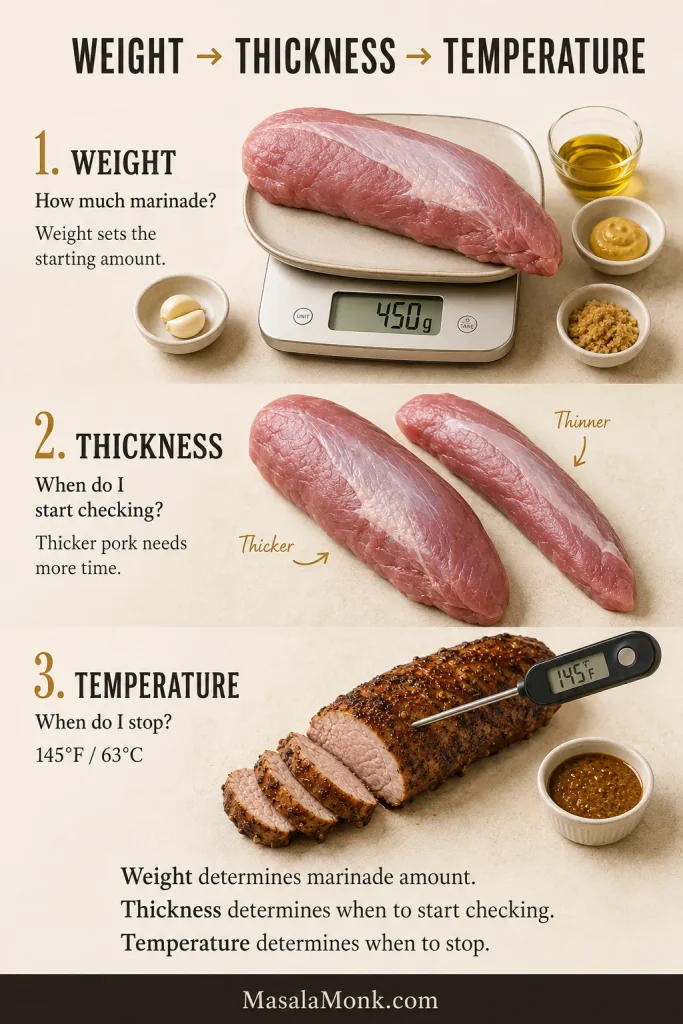
Add a small amount of heavy cream, cream cheese, ricotta, Greek yogurt, or cashew cream. Keep the heat gentle, and use the cooking water you saved to keep the sauce smooth.

What protein goes well with pesto pasta?

Chicken, shrimp, salmon, chickpeas, white beans, tofu and paneer all work. Cook them separately, then fold them into the finished pasta.

What vegetables go well with pesto pasta?

Cherry tomatoes, broccoli, peas, spinach, zucchini, asparagus, roasted peppers and green beans all pair well with pesto pasta.

Can pesto pasta be vegan?

Yes. Use vegan pesto and skip Parmesan, or replace it with nutritional yeast, toasted nuts, seeds, lemon, or a little cashew cream.

Can I make pesto pasta ahead of time?

You can, but it tastes freshest right after tossing. For the best make-ahead version, cook the pasta, cool it, and serve it as pesto pasta salad with extra pesto, lemon juice, and fresh add-ins before serving.

Is pesto pasta better hot or cold?

Fresh pesto pasta is best warm, right after tossing. Leftovers are often better cold or at room temperature as pesto pasta salad because reheating can dull the basil flavor. Add a little fresh pesto, lemon juice, or olive oil before serving cold if the pasta tastes dry.

Final Tip

The best pesto pasta should be glossy, not greasy. Save the starchy water, keep the pesto away from harsh heat, and toss until the sauce clings lightly to every piece. Once you understand that texture, every version becomes easier.

Finished pesto pasta in a bowl with basil, Parmesan, pine nuts, lemon and serving utensils
The final bowl should shine, not swim. When the sauce looks loose, glossy and lightly coated, the pesto pasta is ready for the table.

Back to top

Posted on 1 Comment

Fish Cakes Recipe: Crispy Potato Fish Cakes with Cod or Any White Fish

Crispy cod and potato fish cakes on a plate with lemon wedges, herbs, sauce, and one cake cut open to show the flaky filling

Good fish cakes should give you three things at once: a crisp golden crust, soft but not mushy potato, and real flakes of fish inside. This fish cakes recipe starts with cod because it is easy to find, gentle in flavor, and perfect with lemon, herbs, mustard, and breadcrumbs. However, the same method also works with haddock, pollock, hake, tilapia, leftover cooked white fish, or carefully thawed frozen fish.

These little cakes are the kind of dinner that can feel old-fashioned in the best possible way: a little potato, a little fish, a hot pan, and suddenly the meal feels generous. Still, the texture matters. Too much potato and they taste flat. Too much wet fish and they collapse. This recipe keeps the middle soft and flaky while giving you the crisp edge everyone reaches for first.

The method is simple once you know what matters: dry potato, visible fish flakes, a firm chill, and a crust that sets before you flip. Even if the mixture feels a little soft at first, it is usually easy to save with a spoonful of breadcrumbs and a short rest in the fridge.

What Good Fish Cakes Should Look Like

Before you start cooking, it helps to know the texture you are aiming for: crisp outside, soft inside, and fish that stays visible instead of disappearing into the potato.

Close-up of a fish cake split open to show a crisp breadcrumb crust, soft potato, and flaky white fish inside
A good fish cake should not look smooth inside. Instead, the best texture shows tender potato, real fish flakes, and a crust that breaks cleanly.

Quick Answer: How to Make Crispy Fish Cakes

To make crispy fish cakes, cook cod or another firm white fish until it flakes, then mix it gently with dry mashed potato, egg, lemon, herbs, mustard, and seasoning. Shape the filling into patties, chill for at least 30 minutes, coat with flour, beaten egg, and breadcrumbs, then pan-fry until golden on both sides.

Four-step guide showing fish being cooked, folded with potato, chilled and coated, then pan-fried into crispy fish cakes
Once you understand the basic flow — cook, fold, chill, and fry — this fish cakes recipe becomes easier to adjust without guesswork.

For 8 medium cakes, use about 450g / 1 lb raw fish and 500g / 1.1 lb peeled potatoes. That ratio gives enough potato to bind the patties without hiding the fish. When you break one open, you should see soft potato, clear flakes of fish, and a crunchy golden edge rather than a smooth, heavy paste.

If your mixture already feels too wet, too soft, or likely to break, use the fixing section before shaping the whole batch.

These are especially good when you want something comforting without making a heavy meal. A few crisp cakes, a sharp salad, lemon wedges, and a cold creamy sauce can feel like a proper dinner without needing much else.

Reliable first batch

Use cod or haddock, dry mashed potato, one egg or yolk, lemon zest, parsley, panko, and a 30-minute chill. Pan-fry over medium heat and let the first side fully set before flipping. If this is your first time, use the pan-fried method before trying the baked or air fryer versions.

Ingredient guide for a reliable first batch of fish cakes with cod, dry mashed potato, egg or yolk, lemon, herbs, panko, and a finished cake
For the safest first batch, keep the formula simple: mild cod, dry potato, enough binder, bright lemon, fresh herbs, panko, and a proper chill.

At a Glance

Main fishCod, haddock, pollock, hake, or firm white fish
Best potatoesStarchy potatoes such as Russet, Maris Piper, King Edward, or Yukon Gold
Yield8 medium fish cakes
Serves4
Fish-to-potato ratioAbout 450g raw fish to 500g peeled potatoes
Chill time30 minutes
Pan-fry time4–5 minutes per side
Optional oven finish200°C / 400°F for 8–10 minutes
Air fryer190–200°C / 375–400°F for 10–14 minutes
Fish doneness145°F / 63°C, or opaque and flaking easily
Good saucesTartar sauce, lemon dill mayo, garlic mayo, green chutney mayo, sweet chili sauce

Why This Fish Cakes Recipe Works

The real secret is not a complicated ingredient. It is moisture control. Dry potato gives the cakes structure, gently flaked fish keeps the middle light, and a short chill gives each patty enough firmness to survive the pan.

That is why a fish cake that looks simple on the plate can feel so satisfying: the crust, filling, and flakes all do different jobs. The coating gives crunch, the potato keeps everything tender, and the fish stays present instead of disappearing into the mash.

Four texture cues for fish cakes showing dry potato, visible fish flakes, chilled patties, and fish cakes cooking on the first side
Think of these as the four control points: dry potato builds structure, visible flakes keep texture, chilling firms the patties, and patient frying protects the crust.

Flour helps the egg cling, egg helps the crumbs stick, and breadcrumbs give you that crisp outside. Panko makes the lightest crunch, while fresh breadcrumbs give a softer, more old-fashioned fishcake crust.

Just as importantly, the filling is folded instead of mashed into a paste. That small choice keeps the inside tender and textured, so every bite has a little potato, a little fish, and a clean lemony finish.

What They Should Taste Like

The finished fish cakes should taste clean, lemony, and savory, not heavy or fishy. The crust should give a quiet crunch when you cut in, while the middle stays warm and soft with visible flakes of fish and little pockets of potato. Add a squeeze of lemon and a spoonful of tartar sauce, dill mayo, or green chutney mayo, and the whole plate should feel bright rather than rich.

Forkful of fish cake with flaky cod and potato filling, crisp crust, lemon, and creamy sauce
The best bite should feel balanced: crunchy outside, soft inside, lightly lemony, and savory enough that the potato supports the fish instead of hiding it.

Texture checkpoint

Before chilling, the mixture should hold together when pressed but still show flakes of fish. If it looks smooth like paste, it has been overmixed. If it slumps on the tray, it needs breadcrumbs.

Fish cake mixture being pressed together by hand, with visible fish flakes, potato, herbs, and crumbs in a mixing bowl
Before shaping, the mixture should press together while still looking rustic. If it turns smooth or gluey, the finished patties will feel heavy.

Best Fish for Fish Cakes

For most home cooks, cod is the easiest place to start. It flakes cleanly, tastes gentle rather than strong, and pairs naturally with potato, lemon, herbs, mustard, and breadcrumbs. Haddock is just as classic and slightly sweeter. Pollock and hake are good budget-friendly white fish options, while tilapia works if you handle it gently and avoid overcooking.

If you are standing at the fish counter, do not overthink it. Choose a mild white fish that looks fresh, smells clean, and flakes easily when cooked. Cod and haddock are the safest choices, but pollock, hake, and other firm white fish can make excellent cakes too.

Fish choice board showing cod, haddock, pollock, hake, tilapia, and smoked haddock as options for homemade fish cakes
Mild white fish is the easiest starting point because it flakes cleanly and lets the lemon, herbs, potato, and crisp coating do their jobs.

If you would rather turn cod or haddock into a battered fillet dinner instead of patties, start with this fish and chips recipe.

Fish choice shortcut

First batch: cod or haddock. Budget batch: pollock or hake. Stronger flavor: half smoked haddock, half plain white fish. Leftover option: cooked cod, haddock, salmon, or trout, folded in large flakes.

Why Cod Works So Well for Fish Cakes

Cod is especially good in fish cakes because it stays clean-tasting even after poaching, folding, chilling, and frying. It gives you real flakes inside the cake without making the filling taste heavy or oily.

If using frozen cod, thaw it fully, drain away any liquid, and pat it dry before cooking. Wet fish is one of the quickest ways to make the filling soft, loose, or difficult to brown. For full make-ahead storage and cooking guidance, use the frozen fish cakes guide later in the post.

FishHow it behavesBest use
CodClean-tasting and flakyA clean, reliable choice for classic cod fish cakes.
HaddockFirm, classic, slightly sweeterExcellent for traditional fish and potato cakes.
PollockMild and budget-friendlyGood when you want an affordable white fish.
HakeSoft and delicateWorks well if folded gently.
TilapiaMild but more fragileUseful when cod or haddock is not available.
Smoked haddockBold and saltyUse partly with plain white fish or potato for a stronger flavor.
SalmonRicher and oilierUse a richer binder and brighter seasoning; canned salmon works especially well in croquettes.
TunaDrier and more compact when cannedUse mayo, mustard, egg, and breadcrumbs to keep canned tuna from tasting dry.
MackerelStrong and oilyBalance it with lemon, herbs, mustard, and a crisp coating.

Frozen Fish

Frozen fish works for this recipe, but it must be thawed and dried well. Thaw it in the refrigerator, drain off any liquid, then pat the fish dry before cooking. If frozen fish goes into the filling wet, the patties are more likely to break, taste watery, or refuse to brown.

Frozen fish fillet, thawed fish draining, and raw fish being patted dry before making fish cakes
Frozen fish works well once the extra moisture is handled. After thawing, drain and pat it dry so the mixture stays firm instead of watery.

For freezing shaped cakes, reheating leftovers, and choosing whether to thaw first or cook from frozen, use the full freezing guide below.

Leftover Cooked Fish

Leftover cooked cod, haddock, pollock, salmon, trout, or other flaky fish can work well. Keep the flakes fairly large and fold them in gently near the end. If the fish is already seasoned, taste the mixture before adding more salt.

Leftover cooked white fish flakes beside mashed potato, breadcrumbs, lemon, and herbs for making fish cakes
Leftover fish is easiest to use when the flakes stay large. That way, the finished fish cakes still taste like fish, not only potato.

If you are also starting with leftover mashed potato, use the leftover mash section for the better ratio before you shape the patties.

Using Salmon or Tuna

Both salmon and tuna can make good patties, but they behave differently from poached white fish. Because salmon is richer and canned tuna is drier and more compact, both usually need slightly different seasoning and binding. For a salmon-specific recipe, especially with canned salmon and Southern-style patties, use the salmon croquettes recipe.

Comparison of salmon and tuna for fish cakes, showing salmon as richer and tuna as drier with binder ingredients nearby
Salmon and tuna can both work, but they need different handling. Salmon benefits from bright seasoning, while tuna usually needs more moisture and binder.

Fish and Potato Cakes: The Ratio That Keeps Them Crisp

The best fish and potato cakes use enough potato to bind the filling, but not so much that the fish disappears. A reliable working ratio is:

Reliable starting ratio

450g / 1 lb raw cod or white fish + 500g / 1.1 lb peeled starchy potatoes

Raw white fish, peeled potatoes, and finished fish cakes showing a ratio of 450 grams raw fish to 500 grams peeled potatoes
This fish-to-potato ratio keeps the batch balanced. The potato gives structure, while the fish stays visible enough to make the cakes taste clean and flaky.

Think of the potato as the frame, not the main event. It should hold the fish together, soften the bite, and help the crust brown. It should not bury the fish so completely that the cakes taste like leftover mash with a little seafood mixed in.

You are not chasing a perfect formula so much as a filling that presses together without turning into paste. A wet filling usually needs breadcrumbs, added one tablespoon at a time, followed by a short chill. A dry, crumbly base needs a little more binder, such as egg yolk, Dijon, mayo, or a tiny splash of poaching liquid.

Adjust the Ratio by Texture

The table below is not meant to make the recipe fussy. It simply shows why some batches feel flaky and delicate while others feel soft, sturdy, and more potato-forward.

Three fish cakes showing fish-forward, balanced, and potato-heavy textures with different amounts of fish and potato
Changing the ratio changes the bite. Fish-forward cakes are flakier and more delicate, while potato-heavy cakes are softer, sturdier, and less fish-forward.

These weights follow the same basis as the main recipe: raw fish weight and peeled potato weight.

StyleRaw fishPeeled potatoesResult
Fish-forward500g400gFlakier, more delicate, and a little harder to handle.
Balanced classic450g500gThe most reliable first batch.
Potato-heavy350g600gSofter, cheaper, and less fish-forward.

Check the Mixture Before Shaping

The goal is not smooth mashed potato. The most satisfying cakes have a mixture of soft potato, a few small potato lumps, and visible flakes of fish. If you mash the potato until gluey or crush the fish into paste, the inside becomes heavy instead of light and flaky.

Avoid loose, creamy mashed potatoes for this recipe. Mash made with lots of milk, cream, or butter can make the filling soft. If you are using leftover mashed potato, start with a drier mash and add breadcrumbs until the patties keep their shape.

Fish cake mixture comparison showing a shapeable mixture, a wet slumping mixture, and an overmixed paste
Check the mixture before shaping, because this is where most fish cakes are saved. Shapeable and flaky is ready; wet or pasty needs crumbs, binder, or a chill.

If the mixture already looks wet, slumpy, or crumbly, the troubleshooting table gives faster fixes before you start coating.

Mixture textureWhat it meansWhat to do
Holds shape but feels moistRight where you want itChill, coat, and cook.
Slumps on the trayToo wetAdd breadcrumbs 1 tablespoon at a time.
Crumbles when pressedToo dryAdd egg yolk, Dijon, mayo, or a tiny splash of poaching liquid.
Looks smooth and pastyOvermixedStop mixing. If available, fold in a few extra fish flakes.
Sticky and glueyPotato was overworked or too wetAdd breadcrumbs and chill longer; avoid heavy stirring next time.

Ingredients for Cod and Potato Fish Cakes

The ingredient list is short, so the small choices matter: dry potato instead of creamy mash, enough lemon to wake up the fish, and a coating that protects the soft center while it fries.

Ingredients for cod and potato fish cakes including white fish, potatoes, egg, lemon, herbs, mustard, milk, flour, and breadcrumbs
Because the ingredient list is simple, each choice matters. Dry potatoes, mild fish, lemon, herbs, and breadcrumbs create the flavor, structure, and crust.

Fish

Use cod, haddock, pollock, hake, or another firm white fish. Cod is the easiest starting point because it flakes cleanly and has a gentle flavor that works with lemon, herbs, mustard, and breadcrumbs.

Fresh fish works well, but good frozen white fish is also a smart choice because it will be cooked, flaked, and folded into potato rather than served as a whole fillet. If sustainability labels matter where you shop, the Marine Stewardship Council haddock guide is a useful reference for certified haddock and related white fish choices.

Potatoes

Starchy potatoes are your friend here. Russet, Maris Piper, King Edward, or Yukon Gold mash into a dry, fluffy base that holds together well. Waxy potatoes can work, but they make the filling denser and a little stickier.

Dry fluffy mashed potatoes and starchy potatoes prepared for making fish cakes
Starchy potatoes give potato fish cakes better structure because they mash fluffy and dry instead of turning creamy, loose, or gluey.

Milk, Water, and Bay Leaf

A simple poaching liquid of milk, water, and bay leaf keeps the fish gentle and lightly seasoned. You can use all water if needed, but milk gives the cod a softer, rounder flavor.

White fish gently poaching in milk and water with bay leaf in a shallow pan
Gentle poaching keeps the fish tender enough to flake. However, boiling too hard can make it tight, dry, and harder to fold cleanly.

Egg

Use one small egg or one egg yolk in the filling. A whole egg gives more binding, while a yolk gives richness with slightly less wetness. If your mixture is already soft, use a yolk instead of a full egg.

Lemon, Mustard, and Herbs

Lemon zest, lemon juice, Dijon mustard, parsley, and chives or spring onion keep the filling bright. Fish cakes need more seasoning than plain fish because the potato and breadcrumb coating soften the flavor.

For the crispest finish, use a flour, egg, and breadcrumb coating. Panko gives a lighter crunch. Fresh breadcrumbs give a more traditional homemade fishcake crust. If you like crispy coatings, you may also enjoy the separate fish batter recipe for fried fish.

Breadcrumb coating station with flour, beaten egg, panko breadcrumbs, and a fish cake moving through the coating steps
The coating works in layers: flour dries the surface, egg helps crumbs cling, and breadcrumbs create the crisp shell that protects the soft center.

For the exact flour–egg–crumb sequence in the method, use the step-by-step coating section below.

Tools That Make Fish Cakes Easier

You do not need special equipment, but the right basic tools make the patties easier to handle. A wide skillet gives them room to brown, shallow bowls keep coating neat, and a fish spatula makes flipping less stressful.

Kitchen tools for making fish cakes including a skillet, spatula, masher, mixing bowl, coating bowls, tray, and thermometer
Simple tools make the recipe calmer. A wide skillet, shallow bowls, and a thin spatula help with coating, frying, and gentle flipping.
  • Saucepan: for boiling the potatoes.
  • Shallow pan or skillet: for gently poaching the fish.
  • Colander: for draining the potatoes well.
  • Fork or potato masher: for rough mashing.
  • Mixing bowl: for folding the filling.
  • Tray or large plate: for chilling shaped cakes.
  • Three shallow bowls: for flour, egg, and breadcrumbs.
  • Large skillet: for pan-frying.
  • Fish spatula: for easier flipping.
  • Instant-read thermometer: optional, but useful for checking fish and reheated leftovers.

How to Make Fish Cakes Step by Step

Step 1: Cook the Potatoes

Peel and cut the potatoes into even chunks. Simmer in salted water for 10–15 minutes, or until tender enough to crush with a fork. Drain well, then return the potatoes to the hot pan for 1–2 minutes so excess steam escapes. Mash roughly. Do not add milk, cream, or butter.

Cooked potatoes steam-drying in a pan before being mashed for fish cakes
Letting potatoes steam-dry removes extra moisture. As a result, the mash binds better and the patties are less likely to slump.

The potatoes are ready when they crush easily and look dry rather than glossy after steaming off. A rough mash is better than a perfectly smooth one because a little texture helps the cakes feel light.

Step 2: Poach the Fish

Place the cod or white fish in a shallow pan with milk, water, bay leaf, and a little black pepper. Bring just to a gentle simmer, then cook for about 4–6 minutes, depending on thickness. Turn off the heat, cover, and let the fish stand for 5 minutes. It should reach 145°F / 63°C, or be opaque and flake easily with a fork.

Step 3: Cool and Flake

Lift the fish out of the poaching liquid and let it cool slightly. Flake it into large pieces, removing any skin or bones. Do not mash the fish into the potato. Visible flakes are what make the cakes feel like fish cakes instead of plain potato patties.

Cooked cod being flaked into large pieces with a fork for fish cakes
Keep the cod in large flakes rather than shredding it finely. Those pieces give homemade fish cakes a lighter, more satisfying texture.

Step 4: Mix the Filling

In a large bowl, combine the mashed potato, lemon zest, lemon juice, Dijon mustard, parsley, chives or spring onion, salt, pepper, and egg or egg yolk. Fold in the fish gently. The mixture may feel softer than burger patties, and that is okay. Once chilled and coated, it firms up enough to handle.

Cod flakes, mashed potato, herbs, and seasoning being gently folded together in a bowl
Fold gently so the fish stays visible. Overmixing may seem tidy, but it can turn the filling dense and paste-like.

Step 5: Shape and Chill

Divide the filling into 8 cakes, about 75–90g each. Shape each one about 2cm / ¾ inch thick. Place on a tray and chill for at least 30 minutes. Chilling firms the patties and makes them easier to coat and fry. If you want to make the batch ahead instead of frying right away, use the make-ahead timeline.

Shaped fish cake patties arranged on a tray and chilled before coating
That short fridge rest makes the patties easier to coat and flip. Once chilled, the mixture behaves more like a cake and less like soft mash.

Do not worry if the shaped cakes look a little rustic. Neat edges are nice, but a chilled, well-coated patty matters more than a perfect circle.

Step 6: Coat

Set up three shallow bowls: flour, beaten egg, and breadcrumbs. Coat each round lightly in flour, dip in egg, then press into breadcrumbs. Make sure the sides are coated too.

Uncooked fish cake patty being pressed into panko breadcrumbs so the crumbs coat the sides
Press crumbs onto the sides as well as the top and bottom. This helps the crust protect the soft filling during frying.

Step 7: Fry

Heat oil in a large skillet over medium heat. Fry the cakes for 4–5 minutes per side, or until golden, crisp, and hot through. The first side is the patience side. Let it build a crust before you move it.

Fish cakes frying in a skillet with the first side setting before flipping
Wait until the first side forms a real crust before moving the patties. That small pause helps crispy fish cakes release cleanly instead of tearing.

For more detail on skillet heat, crust timing, and the oven finish, see the pan-fried fish cakes section.

Fish Cakes Recipe: Crispy Cod and Potato Fish Cakes

This fish cakes recipe makes crispy cod and potato patties with dry mashed potato, lemon, herbs, egg, and a golden breadcrumb coating. Pan-fry them for the crispiest crust, or use the baked and air fryer notes below.

Saveable recipe card for crispy cod and potato fish cakes with ratio, chill time, pan-fry time, and finished fish cakes
Keep the core numbers handy: 450g raw fish, 500g peeled potatoes, 30 minutes chilling, and 4–5 minutes per side.
Yield8 fish cakes
Serves4
Prep Time30 minutes
Chill Time30 minutes
Cook Time25 minutes
Total Time1 hour 25 minutes
Main MethodPan-fried
Best FishCod or haddock

Ingredients

Fish and Potatoes

  • 450g / 1 lb raw cod, haddock, pollock, hake, or firm white fish
  • 500g / 1.1 lb peeled starchy potatoes, cut into chunks
  • 150ml / ⅔ cup milk
  • 150ml / ⅔ cup water
  • 1 bay leaf
  • ¾ teaspoon fine salt, divided, plus more for potato water
  • ¼–½ teaspoon black pepper

Binder, Lemon, and Herbs

  • 1 small egg or 1 egg yolk
  • 1 teaspoon lemon zest
  • 1–2 teaspoons lemon juice
  • 1 teaspoon Dijon mustard
  • 2 tablespoons chopped parsley
  • 2 tablespoons chopped chives or spring onion

Coating and Frying

  • 50–60g / ½ cup flour
  • 1 large egg, beaten
  • 85–100g / 1½–2 cups panko or fresh breadcrumbs
  • 3–4 tablespoons neutral oil, or enough for a thin shallow-fry layer
  • Lemon wedges, for serving
  • Tartar sauce, lemon dill mayo, or green chutney mayo, for serving

Instructions

Cook and Mix

  1. Cook the potatoes. Put the potato chunks in a saucepan, cover with cold water, add salt, and simmer for 10–15 minutes until tender. Drain well, then return to the hot pan for 1–2 minutes to steam dry. Mash roughly and let cool slightly.
  2. Poach the fish. Place the fish in a shallow pan with the milk, water, bay leaf, and a little black pepper. Bring just to a gentle simmer. Cook for 4–6 minutes, depending on thickness, then turn off the heat, cover, and rest for 5 minutes. The fish should reach 145°F / 63°C, or be opaque and flake easily with a fork.
  3. Flake the fish. Lift the fish from the poaching liquid, cool slightly, then flake into large pieces. Remove any skin or bones.
  4. Mix the filling. In a bowl, combine the mashed potato, egg or yolk, lemon zest, lemon juice, Dijon mustard, parsley, chives or spring onion, remaining salt, and pepper. Fold in the fish gently, keeping visible flakes.
  5. Adjust texture. A wet mixture needs breadcrumbs, added 1 tablespoon at a time. For a dry or crumbly mixture, add 1 teaspoon of reserved poaching liquid, mayonnaise, or Dijon.

Shape, Coat, and Fry

  1. Shape. Divide into 8 cakes, about 75–90g each and about 2cm / ¾ inch thick. Place on a tray.
  2. Chill. Refrigerate for at least 30 minutes. This helps the patties keep their shape.
  3. Coat. Put flour, beaten egg, and breadcrumbs in three shallow bowls. Coat each cake in flour, dip in egg, then press into breadcrumbs.
  4. Pan-fry. Heat oil in a skillet over medium heat. Fry for 4–5 minutes per side until golden and crisp. Flip gently and only once if possible.
  5. Finish if needed. When the crust is ready before the center is hot, place the batch in a 200°C / 400°F oven for 8–10 minutes.
  6. Serve. Serve hot with lemon wedges, tartar sauce, lemon dill mayo, garlic mayo, green chutney mayo, or sweet chili sauce.

Recipe Notes

  • For the driest potato texture, bake the potatoes instead of boiling them, then scoop and mash the flesh.
  • If using frozen fish, thaw fully and pat dry before cooking.
  • If using leftover mashed potato, avoid very creamy mash or add breadcrumbs to firm it up. See the leftover mashed potato section for the better ratio.
  • Panko gives the lightest crunch. Fresh breadcrumbs give a softer, classic crust.

Pan-Fried Fish Cakes: How to Get a Golden Crust

For your first batch, pan-frying is the best teacher because you can see how the crust sets. Baking is calmer for a full tray, and the air fryer is useful when you want less oil and easier cleanup, but the skillet gives you the clearest feedback. If you already know you want a hands-off batch, use the baked method; if you want less oil, use the air fryer method.

Pan-fried fish cakes in a skillet with a golden breadcrumb crust, herbs, lemon, and a spatula
Pan-frying gives the strongest crust because the crumbs stay in direct contact with hot oil and steady heat.

Use a nonstick skillet, cast iron skillet, or heavy-bottom frying pan. Add enough neutral oil to coat the base generously, usually 3–4 tablespoons. For a deeper crust, use a shallow 1cm / 0.4 inch layer of oil.

You are looking for a steady sizzle, not aggressive frying. If the pan hisses hard or the crumbs darken within a minute, lower the heat. Fish cakes brown best when the crust has time to set before the inside overheats.

Add the patties in a single layer, leave space between them, and cook for 4–5 minutes on the first side before turning gently. The crust should sound gently crisp when you tap it with the spatula, not soft or oily.

When the crust is ready before the center is hot, the oven can finish the job without burning the crumbs. Transfer the batch to a 200°C / 400°F oven for 8–10 minutes, especially if the cakes are thick, very cold from the fridge, or made ahead.

Baked Fish Cakes

When you want the whole batch done at once, baking is the calmest route. The crust will not be quite as crackly as pan-fried, but a hot tray, a little oil, and a halfway flip still give you a golden finish. For a crisper but less hands-off result, use the pan-fried method instead.

Baked fish cakes on a parchment-lined tray with lemon, herbs, oil spray, and a golden breadcrumb crust
Baked fish cakes are useful when you want the whole batch done together. For better browning, oil the crumb coating and flip the tray halfway through.

This is the method to choose when you care more about an easy full tray than the loudest crunch.

  1. Heat the oven to 200°C / 400°F.
  2. Place breaded fish cakes on a parchment-lined or lightly oiled baking sheet.
  3. Brush or spray both sides with oil.
  4. Bake for 18–22 minutes, flipping halfway.
  5. For extra browning, broil or grill for 1–2 minutes at the end.

If the cakes are very thick, use a thermometer to check that the center is hot. Fish cooked from raw should reach 145°F / 63°C, or be opaque and flake easily with a fork. Leftovers should be reheated to 165°F / 74°C.

Air Fryer Fish Cakes

The air fryer is best when you want a neater, lighter version and do not want to babysit a skillet. The trade-off is texture: good crunch, but not the same shallow-fried crust.

Four fish cakes cooked in a single layer in an air fryer basket with oil spray nearby
Air fryer fish cakes crisp best when the basket is not crowded. A little oil helps the crumbs brown, while open space prevents steaming.

Think of the air fryer as a crisping tool, not a deep fryer. A little oil on the crumbs still matters.

For the best homemade air fryer fish cakes, chill them first, spray both sides with oil, and keep them in a single layer. Crowding traps steam and softens the crumb.

TypeAir fryer temperatureTimeNotes
Homemade chilled fish cakes190–200°C / 375–400°F10–14 minutesSpray with oil and flip halfway.
Homemade frozen fish cakes180–190°C / 360–375°F14–18 minutesThicker cakes need longer; check the center.
Store-bought frozen fish cakes180°C / 360°F8–11 minutesCook in a single layer and flip or shake halfway.
Reheating cooked leftovers190°C / 375°F4–6 minutesBest for restoring crispness. Reheat leftovers to 165°F / 74°C.

Air fryer models vary, so treat the times as a range. Smaller, flatter cakes brown faster. Larger or very cold patties may need a few extra minutes. The coating should look golden and crisp, and the center should be hot all the way through. If you are cooking a freezer batch, use the cook-from-frozen section for thaw-first versus frozen guidance.

Frozen Fish Cakes: How to Freeze, Cook, and Reheat

This is a recipe worth doubling. Once the cakes are shaped and coated, they freeze neatly and can become a quick dinner later with very little effort. Future-you will thank you for freezing them flat first; it keeps the coating neat and makes weeknight cooking much easier.

Fish cakes reward a little planning because chilling is not wasted time here. It is what makes the patties easier to coat, freeze, and fry without drama.

Make-Ahead Timeline

Make-ahead fish cakes timeline showing shaping, chilling overnight, freezing flat, and air frying or baking for a fast dinner
Make-ahead fish cakes work best when you plan around chilling. Shape tonight, cover for tomorrow, or freeze flat for a faster dinner later.
PlanWhat to do
Cook tonightShape, chill 30 minutes, coat, and fry.
Prep 1 day aheadShape and refrigerate covered; coat before frying.
Freeze for laterShape, coat, freeze on a tray, then bag.
Cleanest crust from frozenThaw overnight, then pan-fry.
Fastest frozen dinnerAir fry or bake from frozen, checking the center.

If the batch feels too soft before freezing, fix the mixture first so the patties do not break later.

How to Freeze Them

Breaded uncooked fish cakes spaced apart on a tray in the freezer before being stored
Freeze the breaded patties flat before storing them. That simple step protects the coating and makes it easier to cook only what you need later.
  1. Shape the fish cakes.
  2. Chill for 30 minutes.
  3. Coat with flour, egg, and breadcrumbs.
  4. Place on a tray and freeze until firm.
  5. Transfer to a freezer-safe container or bag.
  6. Label with the date and use within 2–3 months for best texture.

Should You Freeze Fish Cakes Before or After Cooking?

For this potato fish cakes recipe, the best texture usually comes from freezing the cakes after shaping and coating, but before frying. Freeze them on a tray until firm, then store with parchment between layers. Thaw overnight before pan-frying for the crispiest crust.

If your fish was previously frozen and you are worried about refreezing, cook the patties first, cool them quickly, then freeze the cooked cakes. Reheat from frozen in the oven or air fryer until hot through.

Cook From Frozen or Thaw First?

For the cleanest crust, thaw fish cakes overnight in the fridge, then pan-fry, bake, or air-fry. If cooking from frozen, use a gentler temperature and allow more time so the outside does not brown before the center heats through.

Comparison showing thawed fish cakes pan-fried for best crust and frozen fish cakes cooked in an air fryer for speed
For the cleanest crust, thaw first and pan-fry. However, baking or air frying from frozen is faster for weeknight dinners.
MethodTemperatureTime from frozen
Oven200°C / 400°F25–30 minutes, flipping once
Air fryer180–190°C / 360–375°F14–18 minutes
Skillet + oven finishMedium skillet, then 200°C / 400°F ovenBrown first, then bake 10–15 minutes

Leftover Mashed Potato Fish Cakes

Leftover mashed potato can be a gift here, as long as it is not too loose. Cold, dry mash gives the fish something sturdy to hold on to, which means the cakes are easier to shape and less likely to fall apart.

Leftover mashed potato, cooked fish flakes, breadcrumbs, herbs, lemon, and shaped fish cakes on parchment
Leftover mashed potato can save time, but it should be cold and fairly dry. If it is creamy, add breadcrumbs and chill longer.

Use about 2 cups cold mashed potato with 300–350g cooked flaked fish for a balanced leftover batch. If you have closer to 450g / 1 lb cooked fish, add another ½–1 cup mash or extra breadcrumbs until the mixture holds its shape.

Leftover mash rule

If the mashed potato tastes creamy enough to eat as a side dish, it may be too soft for fish cakes. Add breadcrumbs, chill longer, and shape smaller cakes.

Why Fish Cakes Fall Apart

Diagnose the Problem First

Fish cakes usually fall apart because the mixture is too wet, the patties were not chilled, the binder is weak, or the crust was moved before it had time to set. If the first cake breaks, do not panic. Most broken fish cakes are a moisture, binder, or timing problem, and the moment they break tells you what to fix.

Troubleshooting board showing wet fish cake mixture, a cracked patty, and a fish cake splitting in the pan
When fish cakes fall apart, notice when it happens. Slumping points to moisture, cracking points to binder or chilling, and splitting in the pan points to heat or early flipping.

Look at when they break. Slumping before frying points to too much moisture. Cracking during coating usually means the patties need more binder or more time in the fridge. Splitting in the pan usually means the crust was moved too early or the heat was too aggressive.

For extra insurance, fry one small test cake before shaping the whole batch. Cracks mean the rest needs a spoonful of breadcrumbs and more chilling. A flat-tasting test cake means you should adjust the salt, lemon, mustard, or herbs before coating the remaining patties.

Quick Fixes for Common Problems

Quick fixes board for fish cakes showing breadcrumbs for wet mixture, egg yolk for crumbly mixture, chilling for soft patties, and lower heat for tearing
A broken first cake does not ruin the batch. Instead, use it as a test and adjust moisture, binder, chill time, or heat before frying the rest.
ProblemLikely causeFix
Fish cakes fall apartMixture too wet, not chilled, or weak binderAdd breadcrumbs, chill 30–60 minutes, and use egg or egg yolk.
Cakes are mushyWet mashed potato or overmixed fillingSteam-dry potatoes, avoid creamy mash, and fold fish gently.
Cakes taste blandPotato diluted the seasoningAdd more salt, lemon zest, herbs, mustard, or a sharper sauce.
Outside browns too fastHeat too highLower heat and finish thick cakes in the oven.
Cakes absorb oilOil too cool or pan overcrowdedUse medium heat, wait for a steady sizzle, and fry in batches.
Coating falls offSurface too wet or coating not pressed inDust lightly with flour first, dip in egg, then press breadcrumbs firmly.
Center is coldCakes too thick or too cold from fridge/freezerFinish in a 200°C / 400°F oven for 8–10 minutes.

Panic fix

If the first cake breaks, stop and adjust the rest: breadcrumbs for wetness, egg yolk for crumbling, longer chilling for softness, and lower heat for tearing. Once the batch is holding together, go back to coating and frying.

How to Keep Fish Cakes from Falling Apart

Prevention guide showing dry mash, large fish flakes, chilled patties, and fish cakes frying without being moved too soon
Prevention starts before the pan: dry mash, large flakes, chilled patties, and a patient first side make the batch easier to handle.
  • Use dry mashed potato, not loose creamy mash.
  • Drain and pat fish dry before mixing.
  • Keep fish flakes visible instead of mashing everything smooth.
  • Use egg or egg yolk as a binder.
  • Chill shaped cakes for at least 30 minutes.
  • Make cakes about 2cm / ¾ inch thick, not huge and heavy.
  • Flip only after the first side is golden and set.

Sauces for Fish Cakes

A good sauce makes fish cakes feel complete. You want something bright, creamy, tangy, or a little spicy to cut through the fried crust and wake up the potato.

Fish cakes served with tartar sauce, dill mayo, garlic mayo, chutney mayo, sweet chili sauce, lemon, and herbs
Fish cakes need a sauce with contrast. Creamy, herby, tangy, or spicy sauces make the potato and fish taste brighter.

For tartar sauce, garlic mayo, or lemon dill mayo, the sauce tastes best when the base is rich but balanced. If you want to make the creamy base yourself, use this homemade mayonnaise recipe before adding pickles, herbs, lemon, capers, or mustard.

For the first batch, keep it simple: tartar sauce and lemon. Once you know you like the texture, try green chutney mayo for a sharper finish or mango mustard sauce when you want something brighter and more playful.

Sauce Ideas by Flavor

SauceUse it with
Tartar sauceClassic cod fish cakes, chips, peas, salad
Lemon dill mayoCod, haddock, and lighter fish cakes
Garlic mayoCrispy pan-fried fish cakes and fries
Green chutney mayoIndian-spiced or herb-heavy fish cakes
Sweet chili sauceThai-inspired or spicy fish cake variations
Caper yogurt sauceLighter plates with salad or roasted vegetables
Sriracha mayoSpicy fish patties, sandwiches, sliders

Need a full plate idea? The serving section below pairs these sauces with sides.

What to Serve with Fish Cakes

Fish cakes can be a light meal, a dinner plate, or part of a bigger seafood spread. Because they are crisp and savory, they pair best with something fresh, sharp, creamy, or crunchy. A simple green salad is enough, but coleslaw, cucumber salad, or fries can make the plate feel more complete.

Fish cakes served with coleslaw, cucumber salad, peas, fries, lemon, and creamy sauce
Pair crisp fish cakes with cool sides, lemon, sauce, and something crunchy. That contrast keeps the plate bright instead of heavy.

The best plate has contrast: hot crisp cakes, something cool or sharp, and enough sauce or lemon to keep each bite bright.

Easy Sides and Pairings

  • Green salad: Best for a lighter dinner.
  • Coleslaw: Crunchy, creamy, and great with tartar sauce.
  • Cucumber salad: Cool, crisp, and bright enough to cut through the fried crust.
  • Peas or mushy peas: Classic with cod and potato fish cakes.
  • Battered fries or chips: Makes the plate feel closer to fish and chips, especially with tartar sauce and lemon.
  • Roasted vegetables: Good for a simple dinner plate.
  • Rice: Useful if you are serving the fish cakes with chutney, curry-style sauce, or sweet chili sauce.
  • Soup: Pair one or two smaller fish cakes with tomato soup, vegetable soup, or chowder.

If you want a spiced version instead, the variations section has Indian-spiced and Thai-style directions.

Fish Cakes vs Fish Patties vs Croquettes

The names overlap because all three are built around the same idea: a soft filling shaped into something you can fry or bake. In everyday cooking, fish cakes usually include fish and potato, while fish patties often rely more on breadcrumbs, egg, mayo, or soaked bread instead of mash.

Comparison of a potato-based fish cake, binder-based fish patty, and breaded croquette with cut-open interiors
The names overlap, but the texture changes. Fish cakes usually lean on potato, patties use more binder, and croquettes have a breaded shell.

Croquettes are usually breaded and fried with a softer filling, so fish cakes can feel like a simpler, flatter cousin of croquettes. If you like the breaded-and-fried style, you may also enjoy this broader croquettes recipe guide.

Variations When You Want a Different Fish or Flavor

Once the basic texture is right, the fish and seasoning can change. Keep the same rules — dry base, visible flakes, enough binder, and a proper chill — then adjust the flavor around the fish you are using.

Fish cake variations showing cod, smoked haddock, tuna, salmon, spiced, and Thai-style fish cakes with different garnishes and sauces
Once the base texture is right, the flavor can change. Cod, smoked haddock, tuna, salmon, spiced, and Thai-style versions all need the same structure.

Cod Fish Cakes

Use cod as written in the main recipe for a clean, gentle, familiar version. It is the safest starting point if you want fish cakes that taste bright, flaky, and not too strong.

Smoked Haddock Fish Cakes

Replace half the cod with smoked haddock for a stronger flavor. Taste before adding salt because smoked fish is already seasoned.

Salt Cod Fish Cakes

Salt cod fish cakes are a separate regional style. Soak the salt cod properly first, then mix with potato, herbs, and binder. Do not use salt cod without soaking or the cakes will be far too salty.

Mackerel Fish Cakes

Mackerel gives a stronger, oilier fish cake. Use more lemon, herbs, mustard, or a sharp sauce to balance the richness.

Tuna Fish Cakes

Canned tuna can work, but tuna patties usually need a slightly different formula because canned tuna is drier and more compact than poached cod. Add mayo, mustard, egg, and breadcrumbs for structure.

Salmon Fish Cakes

Salmon patties and croquettes are close cousins of fish cakes, but they have their own binder, texture, and seasoning logic. Canned salmon usually needs a richer binder and a brighter seasoning profile than poached white fish.

Thai Fish Cakes

Thai fish cakes are a different style. They usually use fish paste or finely processed fish, red curry paste, fish sauce, makrut lime leaves, and green beans. The texture is springier and bouncier than potato fish cakes, so they deserve their own recipe rather than being treated as a small variation here.

Indian-Spiced Fish Cakes

For an Indian-style version, add a little ginger, green chili, cilantro, cumin, or garam masala to the mixture. Keep the spices modest so the fish still comes through. Serve with green chutney mayo or a spoonable mango mustard sauce for a tangy, sweet, mustard-forward finish. For more pairing ideas, go back to the sauces section.

Indian-spiced fish cakes with cilantro, green chili, chutney mayo, mango mustard sauce, and lime
Indian-spiced fish cakes work best when the spices brighten the fish rather than cover it. Cilantro, green chili, chutney mayo, and lime do that well.

Fish Tacos Instead of Fish Cakes

If you have thin fillets and want a fresher, tortilla-style dinner instead of potato fish cakes, make this fish tacos recipe with slaw, sauce, and quick-cooked fish.

Fish Cakes Without Potato

You can make fish cakes without potato, but the texture changes. Instead of mashed potato, use breadcrumbs, soaked bread, egg, mayo, or another binder. The cakes will be more like fish patties than classic potato fish cakes.

Gluten-Free, Dairy-Free, and Egg-Free Adjustments

These swaps work best when you keep the same texture goal: a filling that presses together, chills firm, and can be flipped without falling apart.

Fish cake swap guide showing gluten-free crumbs, water or stock, egg-free mayo, extra breadcrumbs, mashed potato, and shaped patties
Dietary swaps still need the same texture goal. Use gluten-free crumbs, water or stock, and egg-free mayo while keeping the patties firm enough to flip.
  • Gluten-free: Use gluten-free flour and gluten-free breadcrumbs or crushed gluten-free crackers.
  • Dairy-free: Poach the fish in water or light stock instead of milk. Use unsweetened dairy-free milk only if its flavor is neutral.
  • Egg-free: Use egg-free mayo, extra breadcrumbs, or a little extra mashed potato to help bind. Chill the cakes longer and flip gently because they will be more delicate.
  • No panko: Use fresh breadcrumbs, dry breadcrumbs, crushed crackers, or a light cornmeal coating.

How to Store and Reheat Without Losing the Crust

The main goal with leftovers is to bring back the crust without drying out the middle. The microwave is fastest, but the oven, skillet, or air fryer will give you a much better second-day fish cake. If you are freezing uncooked cakes instead of leftovers, use the freezing guide above.

Storage and reheating guide showing fish cakes cooling, stored in a container, reheated in air fryer, oven, or skillet, and served crisp
Let leftovers cool before storing, then reheat with dry heat. This brings back the crust while keeping the center soft and tender.

Refrigerator

Store cooked fish cakes in an airtight container in the refrigerator for up to 3 days. Let them cool before covering so trapped steam does not soften the crust too much.

Freezer

Freeze uncooked breaded fish cakes on a tray until firm, then transfer to a freezer bag or container. Use within 2–3 months for best texture.

How to Reheat Fish Cakes

  • Air fryer: 190°C / 375°F for 4–6 minutes.
  • Oven: 190–200°C / 375–400°F for 8–12 minutes.
  • Skillet: Medium heat with a thin film of oil until crisp and hot.
  • Microwave: Fast, but it softens the crust.

Reheated well, the outside should crisp back up while the center stays soft and flaky. Fish cooked from raw should reach 145°F / 63°C, or be opaque and flake easily with a fork. Leftovers should be reheated to 165°F / 74°C. You can check the official FoodSafety.gov internal temperature chart for current guidance.

Once you understand the texture cues, fish cakes become much less fussy. Keep the potato dry, leave the fish in flakes, chill before coating, and let the first side set in the pan. Those four habits matter more than the exact fish you choose.

FAQs

Best fish for a first batch

Cod is the easiest first choice because it flakes cleanly, tastes mild, and holds together well with potato. Haddock, pollock, hake, and tilapia also work. Smoked haddock gives a stronger flavor, while salmon and tuna need slightly different seasoning and binding.

Frozen fish: what matters most?

Thaw it fully, drain it well, and pat it dry before cooking. Frozen fish releases extra moisture, so drying it properly helps the cakes hold together and brown better.

Leftover fish works, but keep the flakes large

Leftover cooked fish is useful as long as it is not too wet. Fold it into the potato mixture near the end so the pieces stay visible instead of disappearing into the mash.

Leftover mashed potato: when it helps and when it hurts

Cold, dry mashed potato is helpful. Very creamy mash can make the mixture loose, especially if it contains lots of milk, cream, or butter. Add breadcrumbs until the mixture holds its shape.

Why the cakes break

Most broken fish cakes are not a disaster; they are a moisture or timing problem. Add breadcrumbs if the mixture is wet, chill longer if the patties feel soft, and wait until the first side is set before turning.

Egg, yolk, or no egg?

A whole egg gives more binding, while a yolk adds richness with slightly less wetness. Egg-free cakes can work with egg-free mayo, extra breadcrumbs, or a little more mashed potato, but they are more delicate.

Baking instead of frying

Bake breaded fish cakes at 200°C / 400°F for 18–22 minutes, flipping halfway. Brush or spray both sides with oil so the crumbs brown instead of drying out.

Air fryer timing for homemade cakes

Air fry chilled homemade fish cakes at 190–200°C / 375–400°F for 10–14 minutes, flipping halfway. Spray the coating lightly with oil and keep the cakes in a single layer.

Freezing before or after cooking?

For the cleanest crust, freeze shaped and breaded fish cakes before frying. If the fish was previously frozen and you prefer not to refreeze it uncooked, cook the cakes first, cool them quickly, then freeze.

Fish cakes, patties, and croquettes — the difference

The terms overlap. Classic versions usually include fish and potato, fish patties may use breadcrumbs, egg, mayo, or other binders instead of potato, and croquettes are usually breaded and fried with a softer filling.

Back to top