Posted on 8 Comments

Bolognese Sauce Recipe: Real Ragù & Easy Spag Bol

Magazine-style cover photo of tagliatelle bolognese in a bowl with a hand twirling a forkful of pasta, red wine and Parmesan in the background, and the title “Bolognese, Perfected” above MasalaMonk.com.

Some recipes are just dinner. A really good bolognese sauce recipe becomes a whole system.

Once you’ve got a pot of slow-cooked ragù on the stove, you can spin it into classic spaghetti bolognese, tagliatelle al ragù that feels straight out of Emilia-Romagna, cosy lasagna bolognese, baked bolognese pasta, gnocchi bolognese on a chilly night, or even lighter veggie spaghetti bolognese and lentil bolognese bowls for busy weekdays.

This guide goes deep into bolognese in all its forms:

  • The authentic Italian ragù alla bolognese from Bologna
  • Home-style spag bol and traditional spaghetti bolognese
  • Quick, weeknight bolognese shortcuts and jar-sauce hacks
  • Vegetarian bolognese, vegan bolognese sauce, and mushroom bolognese
  • Ideas for lasagne ragu bolognese, baked bolognese pasta, and every pasta shape from rigatoni to tagliatelle

By the end, “bolognese” won’t be one recipe in your head—it’ll be a whole category you can play with.


What Bolognese Actually Is (and Why Italians Side-Eye Spag Bol)

If you’ve ever had an Italian tell you that “spaghetti bolognese doesn’t exist,” they’re not (entirely) being dramatic.

In Bologna, ragù alla bolognese is a very specific thing. The Accademia Italiana della Cucina even filed an official ragù recipe with the Chamber of Commerce, with coarsely ground beef, pancetta, onion, carrot, celery, wine, tomato, stock, and milk, cooked for hours until thick and glossy. It’s a meat sauce first, not a tomato sauce with mince floating in it, and it’s meant for fresh egg pasta like tagliatelle, not dry spaghetti.

Overhead portrait image showing authentic ragù alla bolognese on tagliatelle above and classic spaghetti bolognese below, contrasting meat-first Italian bolognese with tomato-rich spag bol.
Authentic ragù alla bolognese vs spaghetti bolognese: in Italy, bolognese is a slow-cooked, meat-first ragù served with fresh egg tagliatelle, while the global “spag bol” is a brighter, tomato-rich meat sauce on dry spaghetti.

That “real bolognese” has a few defining features:

  • The sauce is meat-forward, with tomato playing a supporting role
  • Milk or cream is added later to soften the acidity and give a subtle creamy bolognese texture
  • It’s traditionally served as tagliatelle al ragù or used as bolognese for lasagna, not piled on spaghetti

Outside Italy, the story twists. In the UK, Australia and beyond, “bolognese” usually means something closer to a rich tomato meat sauce. Classic spaghetti bolognese, basic spag bol recipe versions, healthy spag bol with hidden veg, easy spaghetti bolognese sauce made with a jar—all of those grew from the same idea, but in a different direction.

Instead of choosing between “authentic” and “comfort,” you can have both. Start with a traditional bolognese recipe that respects its roots, then build outwards into weeknight bolognese, veggie hack bolognese, and everything else you actually want to eat during the week.

Also Read: Authentic Chimichurri Recipe (Argentine Steak Sauce)


Traditional Ingredients for Bolognese Sauce Recipe

Every variation starts with a few simple, powerful building blocks. If you understand those, you can improvise comfortably, whether you’re aiming for an authentic bolognese recipe, a healthier spag bol, or a vegetarian bolognese sauce.

Aromatic Sofritto

At the base of almost every traditional bolognese sauce recipe sits soffritto: finely chopped onion, carrot and celery gently cooked in fat until sweet and soft. This mixture is what gives depth and sweetness to both traditional spaghetti bolognese and more modern bolognese pasta recipes.

For four to six servings, a classic soffritto might be:

  • 1 small onion
  • 1 small carrot
  • 1 celery stalk

If you’re making a big pot for bolognese for lasagna, baked bolognese pasta or bolognese lasagne, you can easily double that.

Overhead portrait image of traditional bolognese ingredients grouped on a wooden table, showing soffritto vegetables, minced beef and pork with lentils and mushrooms, tomato paste, passata, wine, stock, and milk or cream for finishing the sauce.
Traditional bolognese in four parts: soffritto for sweetness, beef and pork (plus lentils and mushrooms if you’re going veggie), a little tomato with wine and stock, and milk or cream to round the sauce into a classic ragù.

The Meat (or Meat Alternatives)

Traditional bolognese ingredients usually include:

  • Minced beef (often from a flavourful cut like chuck)
  • Sometimes pork mince or pancetta for sweetness and fat

That’s the foundation of beef bolognese, beef bolognese sauce and the best bolognese meat sauce recipes. However, the same structure works brilliantly with:

  • Pork mince for a softer bolognese with pork mince
  • A mix of beef and pork in classic spaghetti bolognese recipe variations
  • Turkey mince bolognese for a leaner, healthy spaghetti bolognese
  • Lamb mince for a slightly gamey, richer bolognese meat
  • Short ribs or even wagyu in special-occasion bolognese with short ribs or wagyu bolognese
  • Quorn bolognese with soya or mycoprotein mince for a vegetarian spaghetti bolognese

And beyond meat, lentils, mushrooms and walnuts can create a surprisingly convincing plant based bolognese, which we’ll get to in detail later.

Tomato, Wine and Stock

Authentic Italian bolognese sauce ingredients keep tomatoes modest. Instead of drowning the meat, tomato supports it:

  • A spoonful of tomato paste for colour and savoury depth
  • A cup or so of passata or crushed tomatoes
  • A good splash of red or white wine
  • Enough stock to give the sauce room to simmer and reduce

In more modern bolognese spaghetti bolognese recipes, you might see more tomato, especially in quick spag bol recipe easy variants or easy bolognese pasta that lean towards marinara. That’s still fine, as long as you keep the flavours balanced and let it cook down until rich rather than watery.

Dairy: Milk and Cream

One of the most surprising traditional bolognese sauce ingredients is milk. Many home cooks first meet this idea via Marcella Hazan’s bolognese, a justly famous recipe that finishes the ragù with warm milk to soften acidity and add silkiness.

Whether you’re following Marcella Hazan bolognese, a Serious Eats style authentic bolognese ragu recipe or your own family version, adding milk or a splash of cream at the end turns a basic meat and tomato sauce into something closer to classic bolognese sauce.

Also Read: Double Chocolate Chip Cookies – Easy Recipe with 7 Variations


Authentic Bolognese Sauce (Traditional Ragù alla Bolognese Recipe)

Let’s start with an authentic bolognese sauce recipe you’d be happy to serve to an Italian. It’s a little closer to the official Bologna versions and to classic recipes from cooks like Marcella Hazan, but written for a home kitchen.

Think of this as your traditional bolognese recipe: deep, savoury, and patient. It’s perfect for bolognese lasagne, bolognese rigatoni or bolognese tagliatelle, and can still double up as a killer spaghetti bolognese sauce if that’s what the table expects.

Close-up portrait of authentic bolognese ragù simmering in a black Dutch oven, thick and glossy with a wooden spoon dragging a trail through the meat sauce, ready to be finished with milk and nutmeg.
Authentic bolognese sauce in the pot: after two to three hours of gentle simmering, the ragù should be thick, glossy and meat-first, leaving a trail when you drag a spoon through it—ready for that final splash of milk and a pinch of nutmeg.

Ingredients for Traditional Bolognese

For about 6–8 portions of classic bolognese sauce:

  • 2 tbsp olive oil or a mix of oil and butter
  • 75–100 g finely diced pancetta or streaky bacon
  • 1 small onion, finely chopped
  • 1 small carrot, finely chopped
  • 1 small celery stalk, finely chopped
  • 500 g beef mince (20% fat works well)
  • 150–200 g pork mince or extra beef (for bolognese with pork mince, just split 50/50)
  • 150 ml dry red or white wine
  • 350–400 g tomato passata or crushed tomatoes
  • 1–2 tbsp tomato paste
  • 400–500 ml light stock (beef, chicken or vegetable)
  • 200 ml whole milk (for that silky, creamy bolognese sauce finish)
  • Salt, black pepper
  • Pinch of nutmeg (classic in authentic bolognese sauce)

Those same ingredients work as the core bolognese ingredients list whether you’re doing tagliatelle bolognese, bolognese lasagne, or a big pan of bolognese rigatoni. You’ll notice how close this is to the Bologna and Accademia versions – same structure, just rounded in home-cook language.

Step-by-Step Method of Authentic Bolognese Sauce Recipe

Step 1 – Start with the pancetta and soffritto

Pour the olive oil into a heavy-bottomed pot (a Dutch oven is ideal) and set it over low–medium heat. Add the diced pancetta to the cold oil so the fat has time to slowly render rather than seize up and burn.

Close-up of soffritto for authentic bolognese, with onion, carrot, celery and pancetta cooking until soft and glossy in a pot, showing the base flavour being built without browning.
Step 1 – Build the base flavour: cook onion, carrot, celery and pancetta slowly until they’re soft, glossy and sweet. If the soffritto browns, the whole bolognese will taste harsher.

As the pancetta turns lightly golden and the fat melts out, stir in the finely chopped onion, carrot and celery. Keep the heat gentle; you’re sweating the vegetables, not frying them.

  • Stir every few minutes so nothing catches.
  • If the edges start to brown too fast, lower the heat.
  • After 10–15 minutes, the soffritto should be soft, glossy and smell sweet rather than sharp.

You’re building the foundation of flavour here. A patient soffritto is what makes the sauce taste like bolognese, not just “mince in tomato.”

Step 2 – Brown the mince properly

Once the vegetables are silky and fragrant, add the beef and pork mince to the pot along with a generous pinch of salt. Use a wooden spoon to break the mince up into small pieces, mixing it thoroughly through the soffritto.

Close-up of minced beef and pork browning with soffritto in a cast-iron pot, showing the liquid cooked off and caramelised brown bits forming for authentic bolognese flavour.
Step 2 – Brown for real flavour: keep cooking after the mince turns grey; wait until the liquid evaporates and you see deep brown, caramelised bits. That’s what gives bolognese its savoury backbone.

Raise the heat slightly so the meat sizzles rather than steams.

  • At first, the mince will release liquid and look grey. Keep going.
  • Continue cooking, stirring occasionally and scraping the bottom, until that liquid evaporates.
  • You’re aiming for the meat to lose its raw colour and start taking on little browned, caramelised spots.

This is the point where the mince moves from “cooked” to “tasty.” The browning reactions happening here are what give a real bolognese ragù its deep savoury backbone. Don’t rush this step; it’s often the difference between an average sauce and a great one.

Step 3 – Deglaze with wine

When the mince is evenly browned and you can see some browned bits stuck to the bottom of the pot, pour in the wine. You should hear a lively hiss as the liquid hits the hot surface.

Close-up of red wine being poured into a pot of browned minced meat for authentic bolognese, with steam rising as a wooden spoon scrapes up the browned bits to deglaze the pan.
Step 3 – Deglaze the pot: add wine and scrape the bottom so every browned bit dissolves into the sauce. That’s how you turn caramelised scraps into deep bolognese flavour instead of burnt residue.

With your spoon, scrape along the base of the pot to loosen those caramelised bits into the wine. That’s pure flavour dissolving back into the sauce.

  • Let the wine bubble briskly for a few minutes.
  • You’ll see the steam change from sharp and alcoholic to softer and winey.
  • Stop when the pot looks mostly dry again and the meat smells rich, not boozy.

Deglazing does two things at once: it cleans the bottom of the pot and pulls all that stuck-on goodness into the sauce, while the acidity of the wine brightens the eventual richness of the ragù.

Step 4 – Add tomato and stock

Now stir in the tomato paste and cook it for a minute or so, letting it darken slightly. This cooks off any raw acidity and boosts the tomato flavour.

Close-up of an authentic bolognese ragù base in a pot, with browned meat stirred into tomato and stock so the sauce looks loose and stew-like, not yet thickened.
Step 4 – Create the ragù base: once the wine has reduced, stir in tomato and stock until the meat is just submerged and the mixture looks like a loose stew. It will thicken and concentrate later as it simmers.

Next, add the passata or crushed tomatoes and pour in enough stock to loosen everything into a thick, stew-like mixture. The meat should be fully submerged but the sauce should still feel substantial, not watery.

  • Give everything a good stir so the tomato, stock and mince are evenly mixed.
  • At this stage, the sauce will look looser than a finished bolognese—that’s exactly how it should be.

You’ve assembled all the players. The rest of the magic comes from low, slow cooking.

Step 5 – Simmer low and slow

Bring the pot just up to a simmer. As soon as you see steady bubbles, lower the heat to the point where you only see the occasional lazy blip on the surface.

Close-up of authentic bolognese sauce simmering slowly in a cast-iron pot, thick and glossy with a wooden spoon resting in the reduced ragù after 2–3 hours of gentle cooking.
Step 5 – Low & slow magic: keep the heat just high enough for lazy bubbles and let the ragù gently reduce for a couple of hours. When it’s thick, glossy and clinging to the spoon, you’re ready for the final finish.

Set the lid slightly ajar so steam can escape and the sauce can reduce. Now let time do its work.

  • Stir every 20–30 minutes, making sure nothing is sticking at the bottom.
  • If the sauce looks too thick or starts to catch, add a small splash of stock or water.
  • If it still looks quite liquid after an hour, don’t worry—flavour is concentrating as it reduces.

Over two to three hours, the ragù will gradually transform:

  • The sauce thickens and clings to the spoon.
  • The fat and liquid emulsify rather than separating into layers.
  • The vegetables almost disappear into the sauce, leaving sweetness behind.

You’ll know it’s close when a spoon dragged across the bottom leaves a faint trail before the sauce slowly flows back.

Step 6 – Finish with milk and nutmeg

When the ragù is thick, unified and deeply fragrant, pour in the milk (or milk and cream mixture). Stir it through and keep the heat low so it barely simmers.

Close-up of authentic bolognese ragù in a cast-iron pot as a stream of milk is poured in, with a wooden spoon and a nutmeg and grater in the background, showing how to finish the sauce with a silky texture.
Step 6 – Finish the ragù: stirring in milk at the end softens the acidity of the wine and tomato and gives the bolognese a mellow, silky texture that tastes unmistakably “Italian” rather than just mince in tomato sauce.

Let it cook gently for another 20–30 minutes. The dairy will:

  • Soften any remaining sharpness from the wine and tomato
  • Give the sauce a subtle, velvety richness
  • Add that characteristic mellow note you notice in authentic bolognese

Taste and adjust the seasoning with salt and pepper. If you like, grate in a small pinch of nutmeg—a traditional touch that adds warmth without making the sauce taste “spiced.”

Result

At this point, the ragù should be:

  • Thick but still spoonable
  • Glossy, with no oily layer sitting on top
  • Savoury, gently sweet, and in no way overtly tomatoey

That’s your “real bolognese sauce”—the sort of ragù you’d happily ladle over fresh tagliatelle or fold into a lasagne ragu bolognese with béchamel, cuddle with gnocchi, or be portioned into containers for future pasta nights.. If you want to compare ratios and methods, Marcella Hazan’s bolognese sauce is still one of the most respected versions in English, and you’ll see how similar the bones really are.

Portrait image of authentic ragù alla bolognese served over fresh tagliatelle on a rustic plate, topped with Parmigiano and basil, with wine and Parmesan wedge blurred in the background.
Authentic ragù alla bolognese: thick, meat-first sauce clinging to fresh tagliatelle, the way it’s actually served in Bologna – and just as happy layered into lasagne or spooned over gnocchi.

This traditional bolognese sauce recipe is your workhorse. Use it for:

  • Tagliatelle with bolognese sauce or linguine with bolognese sauce
  • Bolognese for lasagna (with béchamel or cottage cheese layers)
  • Baked gnocchi bolognese or baked bolognese spaghetti in one pot

For a faster but still rich variation, a pressure cooker bolognese or oven-braised version in the Kenji / Serious Eats style works beautifully when you’re short on time but still want depth.

Also Read: One-Pot Chicken Bacon Ranch Pasta (Easy & Creamy Recipe)


Classic Spaghetti Bolognese (Easy, Traditional Spag Bol)

Now for the dish most people actually cook every week: spaghetti bolognese. It may not be canonical in Bologna, where they prefer egg pasta, spaghetti bolognese is a classic in countless homes isn’t going anywhere – so let’s make it as good as it can be.

Classic Spaghetti Bolognese (Home-Style Sauce Recipe)

Here’s a straightforward spaghetti bolognese recipe that gives you that cosy, slightly tomato-richer flavour a lot of families love:

Ingredients for Classic Spaghetti Bolognese

  • 2 tablespoons olive oil
  • 1 onion, finely diced
  • 1 carrot and 1 celery stalk, finely diced
  • 2 cloves garlic, minced
  • 500 g beef mince (or a mix of beef and pork)
  • 150 ml red wine (optional but nice)
  • 400 g can chopped tomatoes
  • 1 tablespoon tomato paste
  • 250–300 ml beef or vegetable stock
  • 1–2 teaspoons dried mixed Italian herbs
  • Salt, pepper, pinch of sugar if needed
  • 400–500 g dried spaghetti
Portrait image of classic spaghetti bolognese in a rustic bowl, spaghetti coated in a rich tomato meat sauce with Parmesan on top, plus overlay text reading “Classic Spaghetti Bolognese – Easy home-style spag bol in 30–40 minutes” and a short bullet list of key cooking steps.
Classic spaghetti bolognese: a cosy, tomato-rich spag bol you can cook in 30–40 minutes. Build a quick soffritto, brown the mince, simmer with tomatoes, stock and herbs, then toss the spaghetti with the sauce and a little pasta water so it clings instead of sliding off.

How to Make Classic Spaghetti Bolognese

  1. Sauté onion, carrot, and celery in olive oil until soft and lightly golden.
  2. Add the garlic and cook for a minute.
  3. Stir in the mince with salt and pepper, then cook until browned.
  4. Mix in the tomato paste and let it toast slightly.
  5. Pour in the wine and let it simmer down.
  6. Add chopped tomatoes, stock, and dried herbs.
  7. Let everything simmer for 30–40 minutes, stirring occasionally, until thick.

Meanwhile, cook the spaghetti until al dente. Instead of dumping sauce on top of plain pasta, toss the spaghetti into a pan with the sauce and a ladle of pasta water. Stir over the heat for a minute so the starch, water, and sauce form a light coating that clings, the way every good spaghetti bolognese sauce should.

From that basic structure, you can riff endlessly:

  • Make a traditional spaghetti bolognese by adding a splash of milk near the end.
  • Turn it into healthy spaghetti bolognese by swapping some of the mince for mushrooms and grated carrot.
  • Use pork mince spaghetti bolognese for a slightly softer, milder profile.
  • Make a simple bolognese recipe with no wine by just using extra stock and tomato.

The ingredients to make spaghetti bolognese are also forgiving. A handful of chopped mushrooms or zucchini can disappear into the pot and give you a subtle bolognese with veggies effect without making it feel like a health compromise.

Also Read: French 75 Cocktail Recipe: 7 Easy Variations


Quick Bolognese, Weeknight Bolognese and Jar Hacks

On a Wednesday night, you may not feel like simmering a sauce for hours. That’s when easy bolognese recipes and jar-sauce upgrades get you out of trouble.

Easy Bolognese Sauce Recipe with Jarred Sauce

Think of this as “weeknight bolognese” rather than “perfect ragu”, a quick weeknight bolognese or easy spaghetti bolognese sauce can still be serious:

  1. Soften a chopped onion and a small amount of carrot and celery in olive oil.
  2. Brown 400–500 g mince (beef, turkey, or a mix) in the same pan.
  3. Pour in a jar of decent tomato sauce or plain passata.
  4. Rinse the jar with a little stock or water and add that too.
  5. Season with bay leaf, oregano, thyme, salt, and pepper.
  6. Simmer for 15–20 minutes while you cook the pasta.
  7. Stir in a dash of milk or cream at the end to give it that almost creamy bolognese sauce feel.

To make a bolognese mix like this taste homemade, spices for spag bol really matter. You don’t need anything exotic—just use fresh dried herbs, grind your pepper, and let the sauce cook for at least a bit so flavours meld instead of tasting raw.

Portrait image of a skillet filled with quick weeknight bolognese made from jarred tomato sauce and browned mince, with chopped soffritto, dried herbs, milk and a jar of sauce arranged around the pan and text explaining how to upgrade a jar in 20 minutes.
Weeknight bolognese from a jar: soften a little soffritto, brown the mince, then let a decent jar of sauce simmer with stock, herbs and a dash of milk or cream. In 20 minutes you get a bolognese that tastes far more “homemade” than its ingredients suggest.

You can then:

  • Toss through penne for a quick penne bolognese
  • Turn it into baked bolognese pasta by mixing with rigatoni, topping with cheese and baking
  • Layer it with lasagna sheets and béchamel for a very speedy lasagna bolognese

If you want more inspiration for turning jarred sauces into satisfying meals, the cottage cheese lasagna recipe on MasalaMonk is a good example of how a few simple tweaks can upgrade convenience ingredients into something that feels handmade.

One-Pot Bolognese Sauce Recipe and Baked Variations

Once you’ve accepted that weeknight bolognese can be quick, it opens up other possibilities:

  • One pot pasta bolognese: toast the pasta briefly in the pot, then add sauce and water and cook until everything is done at once.
  • Baked bolognese spaghetti: parboil spaghetti, mix with a thick sauce, scatter mozzarella and Parmesan, and bake until bubbling.
  • Baked gnocchi bolognese: toss gnocchi with sauce in a baking dish, top with cheese, and cook until the top is crisp and the inside is soft and saucy.

For a soupier, spoonable take on these flavours, MasalaMonk’s crock pot lasagna soup shows how to translate a thick meat sauce into a brothy, noodle-filled bowl. You can absolutely use leftover bolognese for that.


Meat Variations: Beef, Pork, Turkey, Lamb & Short Ribs

Once your basic bolognese sauce recipe is under control, changing the meat is an easy way to keep things interesting.

Everyday Mince: Beef, Pork, Turkey

The classic is beef bolognese sauce: all beef, cooked slowly until deep-flavoured. For a slightly sweeter, softer ragu, bolognese with pork mince or a half-and-half beef and pork mixture works beautifully.

Portrait flat-lay showing three types of mince for bolognese on a wooden board: ground beef, ground pork and ground turkey or chicken, each labeled to highlight how they change the flavour and richness of the sauce.
Everyday bolognese meats: beef gives that classic, deep flavour; pork adds softness and a gentle sweetness; turkey or chicken makes a lighter, leaner sauce that still clings beautifully to pasta if you support it with good soffritto and stock.

When you want something lighter, turkey bolognese and turkey mince bolognese can be surprisingly satisfying. Turkey needs a bit more help from olive oil, soffritto and stock, but if you give it time, you still get a rich, clingy sauce that pairs nicely with penne, rigatoni or spaghetti.

Chicken mince behaves in a similar way. Combined with white wine, plenty of herbs and maybe a little cream, it leads toward a lighter bolognese cream sauce that feels somewhere between ragù and a rustic chicken pasta.

Rich Cuts and Slow Braises

Then there are the “event” versions:

  • Lamb bolognese: fantastic with rosemary, red wine, and pappardelle.
  • Wagyu bolognese: intensely rich, so best with sturdier pasta and smaller portions.
  • Beef short rib bolognese or bolognese with short ribs: braise the ribs in the sauce, shred the meat, and fold it back in.
Portrait flat-lay of rich meat cuts for special-occasion bolognese on a wooden board, showing lamb mince, beef short ribs and a marbled wagyu steak with labels explaining how each works in a slow-braised ragù.
Rich cuts for “event” bolognese: lamb loves rosemary and red wine, beef short ribs turn melting and silky when braised then shredded into the sauce, and wagyu brings so much richness that a little goes a long way in a luxurious ragù.

These richer versions shine in bolognese bechamel lasagna or in a big tray of rigatoni bolognese baked under a blanket of cheese. Once you’ve put in that kind of effort, it’s also worth stretching the leftovers: spooning some of the sauce over rice, polenta, or even into a bolognese and rice bake for a second dinner.

Also Read: Coconut Water Cocktails: 10 Easy, Refreshing Drinks


Vegetarian, Vegan & Lentil Bolognese Recipes

A vegetarian bolognese recipe shouldn’t feel like a consolation prize. The best versions still lean on soffritto, browning, deglazing and long simmering; they just use a different “mince.”

Portrait image of a bowl of wholegrain spaghetti topped with a rich lentil and mushroom vegan bolognese, garnished with basil and nutritional yeast, with text reading “Lentil & Mushroom Vegan Bolognese – High-protein, plant-based ragù that still feels like comfort food”.
Lentil & mushroom vegan bolognese: proof that a plant-based ragù can still feel like proper comfort food—high in protein and fibre, rich with umami from lentils and mushrooms, and perfect over wholegrain spaghetti or tagliatelle.

Lentil Bolognese Sauce: The Classic Plant-Based Recipe

For a basic lentil bolognese recipe, you can follow almost exactly the same steps as the meat version:

  1. Cook onion, carrot, and celery slowly in olive oil.
  2. Add a cup of rinsed green or brown lentils and toast them briefly.
  3. Stir in tomato paste, chopped tomatoes, herbs and stock.
  4. Simmer until the lentils are tender and the sauce is thick.

The result is a lentil bolognese sauce that’s earthy, robust, and surprisingly “meaty” over spaghetti or tagliatelle. For a stripped-back, pantry-friendly version, this red lentil bolognese from Rainbow Plant Life is a brilliant reference: just a handful of ingredients, but a lot of depth thanks to wine, nuts and long simmering.

If you’re curious about using lentils instead of meat more broadly, MasalaMonk’s lentil meal prep ideas show how lentil bolognese slots into a week of plant-based high-protein meals alongside curries, stews and salads.

Mushroom Bolognese Sauce and Veggie Hack Bolognese Recipe

When you want something closer in appearance to mince, mushroom bolognese is your friend:

  • Finely chop mushrooms (a food processor helps)
  • Dry-fry them until they release their water and start browning
  • Build the rest of the sauce around them as usual

This style of mushroom bolognese works nicely in traditional spaghetti bolognese recipes, but it really shines with rigatoni, macaroni or other short pasta shapes where the mushroom pieces can tuck into the hollow spaces.

For a seriously convincing plant based bolognese, combining mushrooms and lentils gives you both chew and richness. The lentil and mushroom bolognese at Lazy Cat Kitchen is a textbook example: a deep, umami-packed ragù that just happens to be vegan.

Flat-lay portrait image titled “Plant-Based Bolognese Swaps”, showing bowls of lentils, mushrooms, walnuts and plant mince on a rustic surface with labels explaining how each works as a vegetarian or vegan bolognese alternative.
Plant-based bolognese swaps: lentils give you a hearty base, mushrooms add umami and chew, walnuts bring richness and bite, and plant mince works as an easy 1:1 swap for meat in vegan or vegetarian ragù.

Fully Vegan Recipe of Bolognese Sauce

A good vegan bolognese recipe still relies on:

  • Soffritto for sweetness
  • Mushrooms for savoury depth
  • Lentils, textured soy, or plant mince for protein
  • Wine, stock and tomato for structure

If you swap dairy milk for oat, soy or cashew milk at the end, and use olive oil plus nutritional yeast instead of butter and Parmesan, you end up with a vegan bolognese sauce that behaves almost exactly like the traditional ragù.

For a glimpse at how hearty that can be, Lazy Cat Kitchen’s protein-rich vegan bolognese pairs wholemeal pasta with lentils and walnuts in a way that feels like a post-gym meal more than a “diet dish”.

And if you like building whole weeks of plant-based meals around pasta, sauce, and high-protein ingredients, MasalaMonk’s high-protein pasta dishes are full of ideas that sit comfortably next to a veggie bolognese on your rotation.


Pasta for Bolognese: Tagliatelle, Rigatoni, Penne, Gnocchi & More

Once the sauce is ready, the shape of the pasta changes everything. Each shape has its own vibe, and bolognese plays differently with each.

Tagliatelle, Pappardelle and “Proper” Pairings

In Bologna, the canonical order is tagliatelle al ragù: fresh egg pasta ribbons with a slightly rough surface that cling to the sauce. When you see tagliatelle with bolognese sauce on a menu in Italy, that’s usually what you’re getting.

You can extend that logic to:

  • Bolognese tagliatelle for Sunday lunch
  • Bolognese with pappardelle when you’ve got a richer, chunkier sauce
  • Lasagne ragu bolognese, where sheets of pasta alternate with ragù and béchamel

These pairings make the most sense when you’re using a more traditional bolognese sauce recipe—meat-forward, modest tomato, a long simmer.

Portrait guide titled “Best Pasta Shapes for Bolognese”, showing tagliatelle, rigatoni, penne, spaghetti, gnocchi and lasagne on a rustic background with labels explaining which bolognese each shape is best for.
Best pasta shapes for bolognese: tagliatelle is classic with authentic ragù, rigatoni and penne shine with chunkier or baked bolognese, spaghetti carries the global “spag bol” favourite, while gnocchi and lasagne turn the same sauce into cosy oven bakes.

Everyday Shapes: Spaghetti, Rigatoni, Penne, Macaroni

In real life, you’re often cooking with whatever’s in the cupboard. Happily, bolognese is democratic:

  • Spaghetti bolognese: the iconic spag bol, easy to twirl and kid-friendly.
  • Rigatoni bolognese: hollow tubes that hold little pockets of sauce, perfect for chunkier ragù.
  • Penne with bolognese sauce: easy to eat with just a fork, brilliant in lunchboxes.
  • Bolognese macaroni: a comfort classic that feels like a halfway point between ragù and mac and cheese.

As long as you cook the pasta to al dente and finish it in the sauce with a bit of pasta water, nearly any shape will work. If you want to switch things up entirely, you can even step into low-carb territory and turn a thick sauce into spaghetti squash bolognese or spoon it over roasted vegetables.

If you’re in a pasta-sauce mood generally, and not just in a bolognese one, MasalaMonk’s pesto recipes are a nice counterpoint: classic basil pesto, vegan pesto, and even Indian-twist pesto for the days when you want something fresh and herb-forward rather than slow-cooked and meaty.

Lasagna, Gnocchi and Other Vehicles for Bolognese

Bolognese doesn’t have to live only on pasta shapes. It’s just as happy:

  • Layered in a lasagna bolognese with béchamel and Parmesan
  • Stirred through gnocchi and baked under a cheesy crust
  • Spread on toasted bread as a kind of Italian sloppy joe
  • Spoon-ladled over polenta or mashed potatoes on a cold night
Portrait image of lasagna bolognese in a baking dish with a sliced square on a plate in front, showing layers of bolognese ragù, béchamel, pasta sheets and melted cheese, with the text “Lasagna Bolognese – Layer leftover ragù with pasta sheets, béchamel and cheese”.
Lasagna bolognese: the smartest way to use leftover ragù—just layer it with lasagne sheets, béchamel and cheese, then bake until the top is blistered and golden.

If you’re in a lasagna mood, the béchamel sauce for lasagna guide on MasalaMonk walks through not only classic white sauce but also cottage-cheese-based and vegan versions, so you can tune your lasagna bolognese recipe to your crowd.


Seasoning, Spices and That “Secret” Bolognese Depth

A lot of people look for bolognese seasoning or spices for spag bol as if there’s a magic sachet that turns mince and tomato into a traditional bolognese sauce. In reality, the “secret” is more about technique than ingredients.

What Really Makes a Bolognese Taste Deep

Three habits matter more than any spice mix:

  1. Browning
    Let the meat and vegetables brown slowly. Colour equals flavour, especially on the bottom of the pan.
  2. Deglazing and reducing
    Use wine or stock to dissolve those browned bits, then reduce until the sauce tastes concentrated instead of watery.
  3. Time
    Whether you’re using a slow cooker bolognese recipe, a stovetop pot, or even a pressure cooker, it takes time for everything to meld into a unified ragù instead of feeling like separate components.
Portrait image of a pot of bolognese sauce simmering on a wooden table with a glass of red wine, herbs and a kitchen timer, overlaid with the text “The Real ‘Secret’ to Bolognese Depth – Browning · Deglazing · Time – herbs are just the finishing touch”.
The real “secret” to bolognese depth: it isn’t a magic spice mix, it’s taking time to brown the meat and soffritto properly, deglaze with wine to capture all the flavour, and let the sauce slowly reduce until it tastes rich before you even reach for herbs.

For herbs and spices in a proper bolognese recipe:

  • Keep it classic: bay leaf, oregano, thyme, black pepper
  • Go easy on strong dried herbs so the meat shines
  • Use a pinch of nutmeg in the milk phase for warmth

Once you’ve built that base, you can safely adjust heat (chilli flakes), sweetness (a tiny pinch of sugar if tomatoes are sharp) or richness (extra olive oil or butter at the end).

Also Read: Greek Tzatziki Sauce Recipe (1 Master Sauce + 10 Easy Variations)


Healthy Spaghetti Bolognese & Lighter Bolognese Ideas

Because bolognese is rich, people often look for healthy spaghetti bolognese, healthy pasta bolognese, or lighter spag bol ideas that don’t feel like punishment.

Portrait image of healthy spaghetti bolognese in a rustic bowl, made with wholegrain spaghetti and a veg-packed meat sauce with carrots, zucchini and mushrooms, topped with a little Parmesan and parsley, alongside text promising extra veg, lighter mince and wholegrain pasta with the same cosy flavour.
Healthy spaghetti bolognese: swap in wholegrain pasta, add extra veg like mushrooms, carrot and zucchini, and use leaner mince or part-lentils so you keep the cosy bolognese feel without the heavy aftermath.

Here are a few ways to nudge your bolognese in that direction without losing what makes it comforting:

  • Swap part of the mince for finely chopped mushrooms and grated carrot: this instantly turns it into a quiet bolognese with veggies.
  • Use lentils in place of half (or all) of the meat for a lentil bolognese recipe that’s high in fibre and protein.
  • Choose wholegrain pasta, legume pasta, or even serve the sauce over roasted vegetables or spaghetti squash.
  • Skim excess fat from the surface of the sauce after it cools; the flavour stays, but the heaviness goes down.

It also helps to think of bolognese as one rich meal among many. If you combine bowls of classic spaghetti bolognese or lasagna bolognese with days built around high-protein salads and lighter pasta dishes—like the healthy tuna salad bowls or plant-based pasta ideas on MasalaMonk—you get the comfort without feeling weighed down by it.


Pulling It All Together

By now, bolognese should feel less like a single fixed recipe and more like a whole family of dishes:

  • Authentic bolognese ragu for long, lazy cooking days
  • Classic spaghetti bolognese and traditional spag bol for weeknight comfort
  • Easy bolognese sauce recipe variations with jarred sauce when time is tight
  • Rich bolognese with pork mince, turkey bolognese, lamb ragù or short rib bolognese depending on your mood
  • Vegetarian bolognese sauce, vegan bolognese, lentil bolognese and mushroom bolognese when you want plant-based days
  • Lasagna bolognese, baked bolognese pasta, and gnocchi bolognese for oven-baked cosiness
Vertical infographic titled “The Bolognese Playbook”, showing four options for bolognese sauce: authentic ragù alla bolognese, classic spaghetti bolognese, weeknight or jar bolognese, and veggie or vegan bolognese, with short notes on when to use each.
The Bolognese Playbook: start with one good ragù, then decide whether tonight is for slow-cooked authentic tagliatelle, quick family spag bol, a jar-hack weeknight pan, or a lentil-and-mushroom vegan version.

Once you’ve made this kind of bolognese sauce recipe a few times, you stop worrying about exact amounts and start cooking by feel: a little more stock here, a little longer on the simmer there, maybe an extra splash of milk at the end. The sauce tells you what it needs.

And the best part? Leftovers never feel like leftovers. They feel like a head start on the next meal—whether that’s a quick bowl of pasta bolognese, a slice of lasagne ragu bolognese, or a new experiment you haven’t named yet.

Also Read: Katsu Curry Rice (Japanese Recipe, with Chicken Cutlet)

Portrait image titled “Leftover Bolognese Game Plan”, showing glass containers of bolognese labeled for fridge and freezer storage alongside a small pan of spaghetti, with text giving tips on how long to keep, freeze and reheat the sauce.
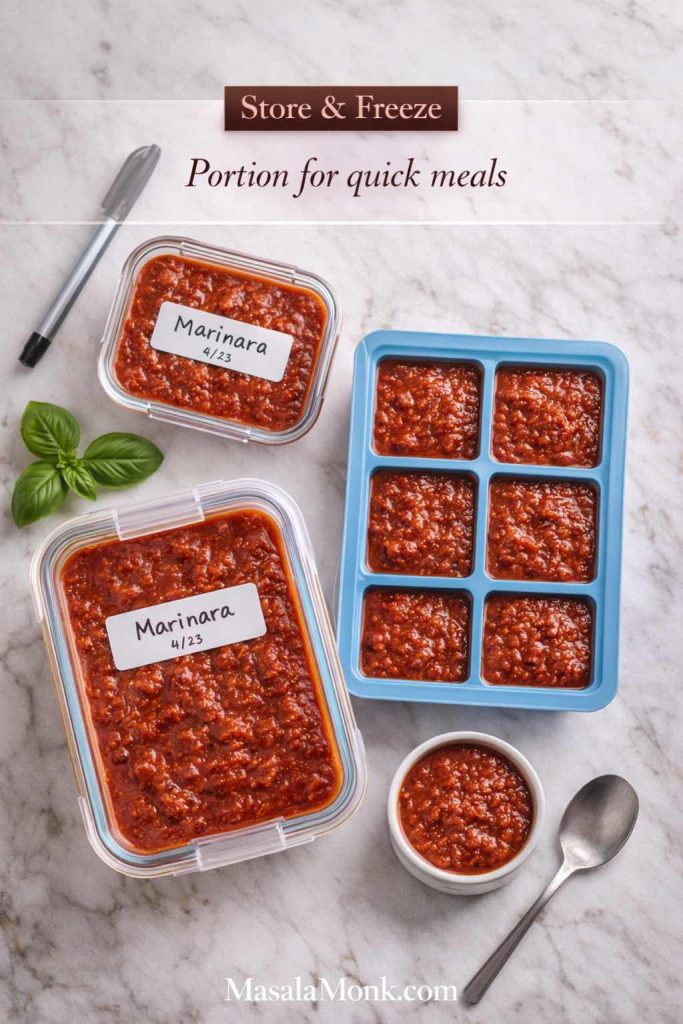
Leftover bolognese game plan: cool the sauce, stash portions in the fridge for 3–4 days or freeze for up to 3 months, then reheat with a splash of water or stock and turn it into quick pasta bowls, lasagna, baked gnocchi or rice bakes.

FAQs About Bolognese Sauce & Its Recipe

1. What makes an authentic bolognese sauce recipe different from regular meat sauce?

An authentic bolognese sauce recipe is built around slowly cooked meat and soffritto rather than a big hit of tomato. The sauce is thick, savoury and almost stew-like, with wine, stock and milk creating depth and balance. By contrast, a basic meat sauce or quick spag bol is usually more tomato-led, brighter, and cooked in a fraction of the time.

2. Is spaghetti bolognese actually Italian?

Spaghetti bolognese as most people know it is more of an international classic than a dish you’ll find in traditional trattorias in Bologna. In Italy, ragù alla bolognese is normally served with fresh tagliatelle or tucked into lasagne. Even so, spaghetti bolognese has become a beloved comfort food in many countries, so you can still enjoy it without feeling “wrong.”

3. Which pasta shape really works best for bolognese sauce?

For a truly authentic feel, fresh tagliatelle is considered the ideal partner for ragù alla bolognese because its broad, slightly rough ribbons capture the sauce so well. Nevertheless, rigatoni, penne, pappardelle and even macaroni bolognese all carry a hearty meat sauce beautifully. Spaghetti bolognese remains popular too, especially for everyday family dinners.

4. How is ragù alla bolognese different from a simple spag bol recipe?

Ragù alla bolognese is traditionally cooked for hours with a modest amount of tomato, plenty of soffritto, wine, stock and milk, resulting in a dense, clingy sauce. A simple spag bol recipe tends to be quicker, more tomato-heavy and often uses more dried herbs and garlic. Both are tasty, but the ragù is usually deeper and more rounded in flavour.

5. How long should I simmer an authentic bolognese sauce?

For a traditional bolognese sauce recipe, you’ll usually want at least two hours of gentle simmering, and three is even better if you have the time. During that period, the liquid reduces, the flavours concentrate and the meat softens into the sauce. Once the ragù is thick, glossy and no longer tastes sharply of tomato or wine, it’s ready.

6. Can I still make a good easy bolognese recipe on a weeknight?

You can absolutely create a satisfying easy bolognese recipe without devoting your whole evening to it. If you brown the mince properly, use a quick soffritto, add a decent tomato base and let it simmer even for 20–30 minutes, you’ll get far better flavour than a five-minute fry-up. A dash of milk or cream at the end nudges it closer to classic ragù.

7. Why does my bolognese sauce sometimes turn out watery?

A watery bolognese usually means too much liquid and not enough reduction time. If the sauce still looks thin, keep simmering with the lid off so steam can escape and the ragù can thicken naturally. Reducing slowly allows the flavours to concentrate instead of leaving you with a diluted, soupy bolognese.

8. What role does milk or cream play in bolognese sauce?

Milk or cream softens the acidity of the tomatoes and wine while giving the sauce a subtle silkiness. It also helps the fat and liquids emulsify so the ragù looks unified rather than split. Traditionally, dairy is added near the end of cooking so it gently transforms the sauce without curdling.

9. How can I make a healthier spaghetti bolognese without losing flavour?

For a healthier spaghetti bolognese, you can replace some of the mince with finely chopped mushrooms, lentils or extra vegetables like grated carrot and zucchini. You might also use leaner turkey or chicken mince and pair the sauce with wholegrain or legume pasta. With good browning and patient simmering, you’ll still get plenty of flavour even with these lighter tweaks.

10. What meat mixture works best in a classic bolognese meat sauce?

A blend of beef and pork mince is often considered the sweet spot for a classic bolognese meat sauce. The beef brings a deep, robust flavour, while the pork adds tenderness and a faint sweetness. You can adjust the ratio either way depending on whether you prefer something richer or more straightforward.

11. Can I use turkey or chicken mince for bolognese instead of beef?

Turkey mince bolognese and chicken versions are perfectly workable and can be lighter in fat. Because these meats are lean, it helps to use a generous soffritto, enough olive oil and a good stock to keep the sauce moist and flavourful. With a bit of extra patience, you’ll end up with a comforting but less heavy bolognese.

12. How is beef short rib bolognese different from regular mince bolognese?

Beef short rib bolognese starts with whole ribs slowly braised in the sauce until the meat falls off the bone. Once shredded, the beef has a luxurious, silky texture and a deeper flavour than standard mince. This style of ragù is particularly suited to pappardelle or lasagna bolognese for special occasions.

13. Which spices and herbs are best for spag bol seasoning?

Simple, classic flavours tend to work best for spag bol seasoning: bay leaf, oregano, thyme, black pepper and a hint of nutmeg. When you brown the meat properly and deglaze the pan with wine, you often need only modest amounts of dried herbs. Heavy-handed seasoning can overwhelm the slow-cooked taste that makes bolognese special.

14. Can vegetarian bolognese really feel as satisfying as the meat version?

A well-made vegetarian bolognese can be every bit as comforting as a traditional one if you treat it with the same care. Lentils, mushrooms, or plant-based mince can be browned, deglazed and simmered with soffritto, tomato and stock just like meat. The result is a sauce with real body and depth rather than a thin vegetable stew.

15. How do I turn a regular bolognese into a vegan bolognese sauce?

To make a vegan bolognese sauce, simply replace the meat with lentils, mushrooms or plant mince and use vegetable stock instead of meat stock. Later on, swap dairy milk for a plant milk such as oat or soy, or skip the milk entirely and finish with olive oil and nutritional yeast. The method stays the same, so you keep the comforting ragù texture.

16. Is lentil bolognese a good option for spaghetti or just for other shapes?

Lentil bolognese works very well with spaghetti because the lentils cling nicely to the long strands. Green or brown lentils give a pleasantly firm texture, while red lentils melt into a softer, creamier sauce. Either way, you get a high-protein, high-fibre bowl that still tastes like a proper pasta bolognese.

17. What exactly is mushroom bolognese and how should I use it?

Mushroom bolognese relies on finely chopped mushrooms browned until they mimic the texture and flavour of mince. Once they’re deeply golden, you add the usual soffritto, tomato and herbs so the sauce develops that familiar bolognese profile. It’s fantastic with tagliatelle, rigatoni or even layered into a vegetarian lasagne.

18. Can I use bolognese sauce directly for lasagna ragu bolognese?

Yes, bolognese sauce is the classic base for lasagna ragu bolognese, as long as it’s thick enough to hold its shape between layers. You simply combine it with sheets of pasta and a béchamel or white sauce before baking. If your sauce is a bit thin, simmer it a little longer until it becomes more concentrated.

19. Is bolognese good for pasta bakes like baked gnocchi bolognese?

Bolognese is ideal for pasta bakes because it already has the rich, clingy texture you want. You can mix it with cooked gnocchi, penne or rigatoni, add cheese on top and bake until bubbling. The oven time adds a new layer of flavour, turning leftover ragù into an entirely fresh meal.

20. How much bolognese sauce should I use per portion of pasta?

As a rough guide, many cooks aim for enough bolognese to generously coat the pasta without creating a soup. Typically, that means pairing 80–100 grams of dry pasta with about one good ladle or two large spoonfuls of sauce. If the pasta looks pale or dry after tossing, you can always add a little more.

21. Can I cook bolognese in a slow cooker or crock pot?

Bolognese adapts very well to slow cookers because it thrives on long, gentle heat. It’s still worth browning the soffritto and mince in a pan first, then transferring everything to the slow cooker with tomato, stock and seasoning. Several hours on low will give you a mellow, deeply flavoured slow-cooker bolognese.

22. Is it acceptable to use jarred sauce in an easy bolognese recipe?

Using jarred sauce is perfectly practical when you’re short on time. If you first build flavour with soffritto and browned mince, then pour in a jar of tomato sauce, you can still achieve a robust weeknight bolognese. Allowing it to simmer briefly and finishing with milk or cream makes it taste far more homemade.

23. How long can homemade bolognese sauce be kept in the fridge?

Homemade bolognese usually keeps well in the fridge for about three to four days if stored in an airtight container. It often tastes even better the next day after the flavours settle. Just be sure to reheat it thoroughly and add a splash of water or stock if it has thickened too much.

24. Can I freeze bolognese sauce, and if so, how should I do it?

Bolognese freezes extremely well, which makes it perfect for batch cooking. Once the sauce has cooled completely, portion it into containers or freezer bags and store it for up to three months. Later, you can thaw it gently in the fridge and reheat on the hob, adjusting the thickness with a little liquid if needed.

25. Why does my bolognese sometimes taste bland even after a long cook?

If your bolognese tastes flat, it often means something was missing at the browning stage or the sauce wasn’t reduced enough. Thoroughly caramelising the meat and vegetables at the start and letting the ragù cook down until concentrated usually solves this. A final check for salt, pepper and a tiny splash of acid (like extra wine or tomato) can bring it to life.

26. Can I make a bolognese sauce recipe without wine?

You can absolutely skip wine if you prefer not to cook with alcohol. In that case, you can use extra stock and perhaps a little tomato juice or vinegar to bring some brightness. As long as you still brown the meat properly and simmer the sauce long enough, you’ll end up with a satisfying bolognese.

27. What’s the best way to reheat leftover spaghetti bolognese?

For the best texture, it’s ideal to reheat the bolognese sauce separately and toss it with freshly cooked pasta. However, if everything is already mixed, warm it in a pan with a splash of water, stirring gently so the spaghetti doesn’t break too much. Once heated through, you can finish with a little fresh cheese or olive oil.

28. How do I turn regular bolognese into a richer, creamy bolognese sauce?

To create a creamier bolognese, you can stir in some milk, cream or mascarpone near the end of cooking and let it simmer briefly. This technique softens the sauce and adds a luscious texture without turning it into a full cream pasta. It works beautifully over tagliatelle or as a base for bolognese lasagne.

29. Is it a good idea to add extra vegetables to my bolognese?

Adding extra vegetables is a great way to build a veggie bolognese without losing the essence of the dish. Finely chopped mushrooms, carrots, celery, peppers or spinach can all melt into the sauce and boost nutrition. When they’re cooked down properly, you still taste “bolognese” rather than a random vegetable stew.

30. What can I do with leftover bolognese sauce apart from serving it with pasta?

Leftover bolognese is incredibly versatile, so it rarely needs to go back on spaghetti unless you want it to. You can spoon it over baked potatoes, tuck it into stuffed peppers, layer it into a small lasagne or bake it with gnocchi and cheese. It also makes a fantastic filling for toasted sandwiches, pies or even a bolognese and rice bake.

Posted on 13 Comments

Cottage Cheese Lasagna Recipe | Chicken, Spinach, & Ricotta

Cottage cheese lasagna slice lifted from a pan, gooey cheese stretch, basil on top—portrait cover with chicken, spinach, and ricotta options.

There are nights when you want a pan of lasagna that slices cleanly, tastes like a hug, and doesn’t swallow your evening. This cottage cheese lasagna is built for exactly those nights. It leans on a silky cottage-cheese layer that bakes up luscious without feeling heavy, embraces a handful of sensible upgrades for jarred marinara, and leaves space for you to pivot into chicken and spinach variations—or fold in a little ricotta—depending on the crowd. As you’ll see, small choices (how you treat the noodles, how you season the cheese, how you nudge the sauce) compound into big results. And yes, everything is weeknight-manageable, even if you’re aiming for company-worthy.


Why cottage cheese lasagna belongs in your rotation

Cottage cheese brings two superpowers to lasagna: protein and flexibility. Where ricotta can read sweet and sometimes grainy, cottage cheese—especially when briefly blended—turns plush and savory, delivering a custardy bite that holds a slice. If you like a touch more texture, you can skip the blender and just whisk; the curds soften in the oven and dot the layers with a pleasant creaminess.

From a nutrition standpoint, cottage cheese is a pragmatic choice many dietitians recommend when you want substantive, satisfying protein without turning to meat in every layer. If you like to skim a bit of background before you cook, you’ll find plain-language context in Cottage Cheese for Breakfast: Fueling Your Day with Protein and Flavor, and for label comparisons, USDA FoodData Central is a reliable place to look up specific brands before you shop.

Just as important: cottage cheese behaves beautifully when you season with intent. A whisper of garlic powder, a pinch of Italian seasoning, and a few twists of black pepper round its edges. If you like nutty depth, grated Parmesan in the filling adds savor and helps the center set like a dream.

Also Read: Lentil Pasta for Weight Loss: Nutrition, Best Brands & 5 Healthy Recipes


Pantry-first lasagna, with smart marinara moves

Great lasagna is as much about approach as it is about ingredients. We’ll build this with pantry-friendly items and a couple of quick upgrades that turn convenience into something that tastes deliberately made.

Creamy cottage cheese, mozzarella, parmesan, eggs, lasagna sheets and a jar of marinara arranged for cottage cheese lasagna.
These are the pantry staples for cottage cheese lasagna—clean-label marinara, a three-cheese combo, and either oven-ready or regular sheets.
  • Noodles: Regular or oven-ready both work; your technique shifts slightly (more below).
  • Sauce: A jar of marinara (24–32 oz) is not a compromise if you season it like you mean it and give it 60 seconds of love on the stove. Editors and chefs consistently point toward clean-label picks—short ingredient lists, tomatoes first, olive oil rather than seed oils, and no added sugar. For a sense of what to scan on the label, peek at EatingWell’s roundup of chef-approved marinara.
  • One-minute upgrade: While the sauce warms, finish it with one to two tablespoons of unsalted butter; this simple technique adds body and balances acidity without turning the sauce into cream. The approach is explained neatly in Simply Recipes’ 1-ingredient upgrade for jarred sauce.
  • Cheese trio: Cottage cheese (the star), shredded mozzarella for stretch, and Parmesan for salinity and nutty bite.

If you’re the kind of cook who enjoys understanding why textures behave the way they do, a quick skim of Classic vs. Authentic Alfredo: 5 Essential Recipes lays out emulsion logic—how fat, water, and hard cheese play together—which is directly relevant to how your lasagna layers bake into a cohesive slice.

Also Read: How to Make Churros (Authentic + Easy Recipe)


The baseline method: cottage cheese lasagna that slices clean and tastes rich

This is your foundation. Once you’ve made it once, you can riff freely.

Prep and noodle strategy

Preheat the oven to 375°F (190°C). If you’re using oven-ready (no-boil) noodles, give them a short soak in warm water while you mix the filling; this partial hydration prevents brittle edges and helps them finish tender in the oven. The idea—so simple it feels like cheating—has been tested repeatedly; Serious Eats even uses a 15-minute soak to streamline assembly. If you’re using regular noodles, boil them to very al dente (about 2 minutes shy of package time) so they finish in the oven with a pleasant bite.

Hand soaking oven-ready lasagna sheets in warm water to hydrate before assembly for tender edges.
A short warm-water soak softens no-boil sheets so they finish evenly in the oven—no brittle corners, no mush.

The cottage-cheese layer

In a large bowl, whisk cottage cheese with a teaspoon of garlic powder, two teaspoons of Italian seasoning, a half-teaspoon of black pepper, and salt to taste. For a plush texture, blend the mixture for 10–20 seconds—just enough to smooth the curds, not so much that it becomes liquid. If you prefer a firmer set, whisk in one or two eggs; if you prefer a softer, spoonable middle, skip them. (Texture tweaks like these show up in other comfort dishes, too; see how curd size changes the bite in Indian Cottage Cheese Jaffles and apply the same idea here.)

Sauce tuning

Warm your marinara in a small pot; add a tablespoon of unsalted butter to round the sauce and a pinch of dried basil or Italian seasoning if your jar reads plain. If you bought a cleaner, tomato-forward jar, that may be all you need. Prefer a touch more umami? You can also swirl in a teaspoon of Worcestershire for depth—this trick plays especially well if your sauce tastes sweet or flat.

Layer and bake

Spoon a cup of sauce into a 9×13-inch (23×33 cm) baking pan. Layer noodles, a third of the cottage mixture, a generous shower of mozzarella, a little Parmesan, then more sauce. Repeat two more times, finishing with noodles, plenty of sauce, the remaining mozzarella, and a final snowfall of Parmesan. Cover the pan (tent the foil so it doesn’t touch the cheese) and bake for 30 minutes. Uncover and continue baking 15–20 minutes until the edges bubble and the top turns spotty-golden.

Finally, rest the lasagna 10–15 minutes before slicing. That pause is not optional if you want tidy squares; moisture redistributes, cheese sets, and your patience is rewarded. If you’re a process nerd, there’s more texture wisdom in The Best Spinach Lasagna—pay particular attention to how moisture management and noodle hydration affect structure.

Also Read: How to Cook Bacon in the Oven (Crispy, No-Mess, Crowd-Ready Recipe)


Lasagna pan showing layer order: tomato sauce base, noodles, cottage cheese layer, then mozzarella on top.
Build tall, tidy slices by repeating this stack: sauce base → noodles → cottage layer → modest mozzarella; finish with extra cheese on top.

Cottage cheese lasagna with chicken: a protein-forward pivot

Now for the first variation: chicken. Rather than building a separate meat sauce, you’ll toss 2 cups of shredded rotisserie or poached chicken with a ladle of warm marinara and tuck it between layers one through three. The goal is gentle coating, not drowning; you want every bite to register chicken without turning the pan into a casserole of sauce and shreds.

When in doubt about balance, remember the pasta-sauce logic that keeps creamy dishes light: coat, don’t smother. If you want a quick refresher on that equilibrium (and a handful of fast variations you can crib when you’re low on time), browse Chicken Alfredo Pasta, 5 Ways. The same principles—salt early, finish with a touch of fat for sheen, and stop before it gets stodgy—apply directly to chicken in lasagna.

For seasoning, chicken appreciates pepper and a little heat. A pinch of red pepper flakes in the cottage layer wakes things up, especially if you’re using a milder jar of marinara. If your crowd skews comfort-first, keep the spice gentle and let the browned top provide the excitement.

Also Read: French Toast Sticks (Air Fryer + Oven Recipe) — Crispy Outside, Custardy Inside


Two bowls of cottage cheese filling: one blended silky with an immersion blender, one whisked with visible curds.
Blend 10–20 seconds for velvety layers or whisk for gentle curds—both bake creamy; pick the texture your crowd prefers.

Cottage cheese lasagna with spinach: green, vibrant, and not watery

Spinach in lasagna is gorgeous when you treat it properly. The core rule is simple: cook and squeeze. Blanch or sauté spinach until just wilted, then wring it dry in a clean towel. Fold the greens into your cottage mixture and taste for salt; spinach can be bland if unseasoned. Because you’ve removed excess water, the lasagna stays cohesive and the slices remain neat.

No-boil sheets pair beautifully with spinach, provided you respect hydration. That brief soak (or a very generous sauce hand) matters because dry corners steal moisture from the filling and punish your layers. If you like to see how pros phrase it, the method notes in this Serious Eats spinach-and-mushroom lasagna explain why soaking sheets for 15 minutes lets you skip boiling while keeping moisture levels consistent from edge to center.

Finally, consider texture play: spinach folded into a lightly blended cottage base gives you a marbled look and a delicate mouthfeel. If you fully puree the cheese, those green ribbons pop even more against the creamy backdrop.

Also Read: 10 Best Chicken Sandwich Recipes (BBQ, Parm, Buffalo & More)


Cottage cheese and ricotta lasagna: the hybrid that pleases both camps

Plenty of readers adore the gentle sweetness of ricotta. If that’s you—or your table is split—try a one-cup swap: replace 1 cup of cottage cheese with 1 cup of ricotta and proceed exactly as written. The blend tilts the filling toward custard while staying sturdy enough to slice. It’s also the right move when you’re pairing the lasagna with something robust (say, garlicky sausage on the side) and want a creamier center to contrast.

If you like to sanity-check macros or sodium when you experiment with blends, USDA FoodData Central lets you compare cottage cheese and ricotta entries by brand and fat percentage. The rough pattern: whole-milk cottage cheese usually brings more protein per gram, ricotta trends slightly sweeter and, depending on brand, a touch saltier. Season your blend like you mean it and let the parmesan sprinkle on top carry the savory note.

Also Read: 10 Best Espresso Martini Recipe Variations (Bar-Tested)


Three neat lasagna slices labeled cottage cheese, spinach, and ricotta, each topped with golden cheese and basil.
One pan, three directions: classic cottage only, spinach folded into the filling, or a one-cup ricotta swap for a custardy center.

Cottage cheese lasagna, step by step (refined for flow)

While the baseline method above gets dinner on the table, you can squeeze even more consistency from the process with a few gentle refinements:

  1. Stage your pans and bowls so assembly is rhythmic: sauce pot (still warm), cottage bowl, mozz/parm bowl, noodles within reach. Smooth rhythm means even layers and less overworking.
  2. Taste the cottage mixture before it ever hits the pan. It should taste a touch saltier than you think ideal; pasta and sauce will absorb the edge.
  3. Use a light hand with mozzarella inside the lasagna and save your big finish for the top. Too much inside gives you slippage; a generous top gives you picture-perfect pull.
  4. Run sauce to every corner. Dry edges are the enemy. Even with soaked no-boil sheets, you want a glaze of sauce kissing the perimeter so nothing leeches moisture from the middle.
  5. Rest on a rack. Elevate the pan for 10–15 minutes and let steam dissipate so the bottom doesn’t over-steam itself into sogginess.

If you’re curious about how professionals layer like engineers—especially with many thin layers—take a look at All-Day Meat Lasagna for perspective. Even if you’re not making a Bolognese today, the notes on moisture balance and noodle handling are worth borrowing.

Also Read: Macaroni & Cheese Recipe: Creamy Stovetop, Baked & Southern


Sauce sense: choose well, then finish like a cook

Jarred marinara isn’t a shortcut; it’s a platform. Choose well, then treat it with the respect you’d give a sauce you simmered yourself.

  • Scan for tomatoes first. You want tomatoes, olive oil, onion, garlic, basil—recognizable items. Editors frequently land on clean-label jars for the most “homemade” flavor; EatingWell’s chef survey is a helpful reference point.
  • Finish with fat, not sugar. The butter swirl method adds body and mellows acidity without sweetening the sauce. If you need more depth, a teaspoon of Worcestershire gives you umami without heavy-handedness.
  • Reseason after warming. Heat changes flavor perception; wait until the sauce is hot, then adjust salt and pepper.

Prefer creamier sauces in general? A few techniques from Alfredo Pasta Reinvented: 5 Indian-Inspired Twists—like blooming spices in fat and balancing dairy with a touch of heat—translate surprisingly well when you want a rosé-style marinara that flatters cottage cheese.

Also Read: Vegan French Toast: 6 Easy Recipes (Pan, Air Fryer, GF & High-Protein)


Clean, layered slice of cottage cheese lasagna on a plate with basil after resting, steam faintly rising.
Rest 10–15 minutes before cutting—moisture settles, cheese sets, and you get photogenic, dinner-party slices.

Texture choices that make your cottage cheese lasagna memorable

What separates a “good enough” lasagna from one people remember? Texture you can see and feel:

  • Silky middle, structured slice: One egg in the cottage mixture gives you a neat slice; two eggs make it firmer and more picnic-friendly. No eggs yields a softer, spoonier center that still settles if you let it rest.
  • Cheese pull that doesn’t slide: Keep most mozzarella on top; inside, a lighter hand reduces slippage and helps the cottage mixture cling to noodles.
  • Edge crisp vs. tender top: Uncovering for the final 15–20 minutes gives you beautiful browning. If your oven runs hot, move the pan down one rack halfway through to avoid scorching.
  • Noodle tenderness without mush: Soaked no-boil sheets or very al dente boiled noodles are your guardrails. For more why-it-works geekery, see Serious Eats’ spinach lasagna, which explains hydration and stacking in plain terms.

Also Read: Pumpkin Spice, Your Way: Master Blend, Variations & Real-World Recipes


Cottage cheese lasagna with chicken, spinach, & ricotta—three paths, one pan

Because your table might want different things on different nights, here’s how to navigate the trio of popular pivots without rewriting the recipe:

Cottage cheese lasagna with chicken (rotisserie-friendly)

  • How much: 2 cups shredded chicken.
  • Where it goes: Scatter a thin layer between each cheese layer so it integrates, not dominates.
  • How to keep it juicy: Toss with warm marinara first; moisture on the outside of the meat keeps it from drying in the oven.
  • How to season: Pepper and a pinch of red pepper flakes bring the chicken to life without demanding a heavier sauce. If you love creamy profiles, the “coat, don’t drown” approach in Chicken Alfredo Pasta, 5 Ways is the north star.

Spinach version of Cottage cheese lasagna (green ribbons, zero puddles)

  • Cook, squeeze, season. Spinach must be dry before it hits the pan. Fold it into the cottage mixture and taste; greens swallow salt.
  • Hydration check: Use the warm-water soak for no-boil sheets, or be generous with sauce at the edges. The moisture discussion in this Serious Eats method is worth a read.
  • Texture cue: Lightly blended cottage base + chopped spinach = green marbling and a custardy bite.

Cottage cheese and ricotta lasagna (the best of both)

  • The swap: Replace 1 cup of cottage cheese with 1 cup of ricotta.
  • What changes: Slightly sweeter, more custardlike center; still sliceable.
  • Label check: Use USDA FoodData Central to compare sodium and fat across brands if you’re cooking for specific dietary needs.

Also Read: Homemade & DIY Coffee Creamer: 16 Flavor Recipes (French Vanilla, Pumpkin Spice & More)


Make-ahead rhythm, reheating, and freezing (reader-tested flow)

You can assemble the lasagna, cover it tightly, and refrigerate for 24–36 hours. Add roughly 10 minutes to the covered bake time to account for the colder start, then uncover and finish as usual. Resting remains crucial; slices clean best after the center relaxes.

Freezing works, too. Assemble but don’t bake; double-wrap in plastic and foil. Thaw in the refrigerator overnight, bake covered until the center is hot, then uncover to brown. Leftover slices reheat gently at 325°F (165°C), covered, for 10–15 minutes; a splash of water along the pan edge preserves moisture.

If gluten-free eaters are at the table, you can replace part of a layer with zucchini planks or serve the lasagna alongside a gluten-free pasta side. For broader ideas, Finding Pasta Alternatives for the Keto Diet outlines swaps (including almond-flour “pasta”) that give you options without forfeiting comfort.

Also Read: Lemon Drop Martini Recipe (Classic, 3-Ingredient, & More)


Serving ideas that flatter cottage cheese lasagna

Because this dish is rich without being dense, pair it with a crunchy salad and something bright in the dressing—lemon, red wine vinegar, a touch of mustard. If you added chicken, lean into peppery greens or shaved fennel to lift the plate. If you folded in spinach and kept the center custardy, think toasted walnuts and thinly sliced apples on the side for crunch and sweetness. Garlic bread is never wrong, but consider brushing the slices with olive oil whisked with a bit of the warm marinara (before the butter finish) so the flavors echo rather than compete.

Wine-wise, medium-bodied reds with decent acidity (Sangiovese blends, Montepulciano) cut through cheese and amplify tomato. If you prefer white, a Verdicchio or a mineral-driven Pinot Grigio won’t get steamrolled. Non-alcoholic options? A splash of balsamic in sparkling water with ice and lemon peels makes a sharp, palate-resetting spritz that stands up to dairy.

Also Read: Daiquiri Recipe (Classic, Strawberry & Frozen Cocktails)


Troubleshooting your cottage cheese lasagna (when something goes sideways)

The top browned before the center set. Your oven likely runs hot or your rack was too high. Next time, start one level down and keep the initial foil tent looser so cheese doesn’t touch. If you need more browning at the end, switch to broil for 60 seconds and watch like a hawk.

The noodles felt stiff at the edges. That’s a hydration or coverage issue. Soak no-boil sheets in warm water while you mix the filling, and make sure sauce touches every corner. The soak-and-stack approach from Serious Eats is your friend here.

The middle slumped when sliced. You either cut too early or skipped eggs in the filling. Rest at least 10 minutes, preferably 15. If you like ultra-clean slices (picnic vibes), use two eggs in the cottage mixture; if you prefer a softer middle, skip them but accept that you must rest the pan longer.

It tasted flat. Season in the bowl, then re-season the warm sauce. A small butter finish helps—here’s the why—and a pinch of red pepper flakes in the cottage layer brightens flavor without heat shock.

Also Read: Piña Colada: Classic Recipe + 10 Variations (Virgin & On the Rocks)


If you want to push flavor further (without extra effort)

  • Herbs: Finely chop basil and parsley, but don’t stir fresh herbs into the cottage mixture; their moisture can make the center watery. Instead, scatter herbs between layers or over the top after baking so they stay vivid.
  • Citrus: A microplane’s worth of lemon zest into the cottage mixture, especially on spinach nights, brings lift without obvious “lemon flavor.”
  • Heat: Aleppo pepper plays beautifully with tomato and dairy—fruity warmth, not aggressive spice.
  • Cheese blend: A little pecorino with Parmesan on top sharpens the finish; keep it to a tablespoon or two so it doesn’t dominate.

If the idea of creamier, spicier profiles intrigues you, you’ll find technique you can borrow in Alfredo Pasta Reinvented: 5 Indian-Inspired Twists. Bloomed spices in fat, then folded into dairy, can turn part of your marinara rosy and aromatic without a second pot.

Also Read: Punch with Pineapple Juice: Guide & 9 Party-Perfect Recipes


Cook once, eat twice: repurpose with intent

Leftover cottage cheese lasagna turns into effortless lunches and low-effort dinners if you treat it like an ingredient rather than a reheat. Cube cold slices and warm them in a small skillet with a splash of water, then toss with fresh basil and a drizzle of good olive oil—the edges caramelize a bit and the center returns to creamy. You can also tuck warm cubes into a toasted ciabatta with arugula and a smear of marinara (yes, effectively a lasagna panini). If you went heavy on spinach, slip those cubes over a garlicky bean salad; the contrast of warm, creamy squares and cool, lemony beans is wildly satisfying.

And because cottage cheese is such an adaptable protein, you’ll find it pulling double duty in breakfast and snack contexts as well—if you enjoy that versatility, Cottage Cheese for Breakfast offers ideas you can fold into the week while you finish off the pan.

Also Read: Savoiardi Chocolate Vanilla Pudding- Easy Dessert Recipe


The last word (before you preheat)

Make the baseline pan once, exactly as written. Notice how the butter-finished jar tastes more considered, how a 10-second blend changes mouthfeel, how a short rest protects your slice. Next time, add chicken and watch how those shreds meld into the structure. The time after that, fold in spinach and see how the greens play against a silkier base. When your table splits between cheese camps, do the one-cup ricotta swap and keep everyone happy.

In the end, the promise is simple: cottage cheese lasagna that respects your time, rewards your attention, and adapts to whatever you have on hand. Choose a clean, tomato-forward jar (scan for cues like the ones in this chef survey), finish it like a cook (a little butter goes a long way), handle noodles thoughtfully (a quick soak for no-boil sheets changes everything), and season your cottage layer with confidence. When those choices stack up—literally—you get the kind of lasagna that makes people ask for seconds and the recipe.

FAQs

1) What is cottage cheese lasagna, and why choose it?

Cottage cheese lasagna layers noodles, a seasoned cottage-cheese mixture, mozzarella, and sauce. Moreover, it delivers a creamy, sliceable center with higher protein and a cleaner flavor than many heavy versions.

2) Can I make cottage cheese lasagna with ricotta as well?

Absolutely. Additionally, swap in 1 cup ricotta for 1 cup cottage cheese for a slightly sweeter, custardlike filling while keeping structure.

3) Do I need eggs in cottage cheese lasagna?

Often, yes. Furthermore, one egg helps the middle set for tidy slices; two eggs make it extra firm; zero eggs yield a softer, spoonable center—just let it rest longer.

4) Should I blend cottage cheese for a smoother texture?

Yes, briefly. Meanwhile, a 10–20 second blitz turns curds silky; a whisk-only mix keeps gentle texture. Either way, season boldly.

5) What’s the best jarred sauce style for cottage cheese lasagna?

Tomato-forward marinara. Notably, choose one with recognizable ingredients and adjust at the stove (salt, pepper, a pat of butter) before layering.

6) How do I use oven-ready (no-boil) noodles in cottage cheese lasagna?

Soak sheets in warm water while mixing the filling. Consequently, they hydrate evenly, avoid brittle edges, and finish tender in the oven.

7) Can I use regular noodles instead of no-boil?

Of course. Similarly, boil to very al dente (about 2 minutes shy of package time) so they finish perfectly during baking.

8) What temperature and time work best?

Bake at 375°F (190°C). Thereafter, go 30 minutes covered, then 15–20 minutes uncovered until bubbling and golden; rest 10–15 minutes before slicing.

9) How do I prevent watery cottage cheese lasagna?

Drain or squeeze wet add-ins (like spinach), hydrate noodles properly, and ensure sauce lightly coats every edge. Consequently, layers hold together beautifully.

10) Can I add chicken to cottage cheese lasagna?

Definitely. Moreover, toss 2 cups shredded chicken with warm sauce, then layer lightly so the lasagna stays balanced rather than heavy.

11) What about spinach in cottage cheese lasagna?

Great idea. Likewise, cook and squeeze it dry, fold into the cheese mixture, and season generously for bright green ribbons without puddling.

12) Is beef or sausage good with cottage cheese lasagna?

Yes. Conversely, use a light hand: scatter cooked, drained meat thinly between layers so the cottage filling still shines.

13) Can I make cottage cheese lasagna vegetarian?

Certainly. Instead, skip meat and lean on spinach, zucchini planks, or mushrooms; just keep vegetables dry so texture stays neat.

14) How do I adapt cottage cheese lasagna to an 8×8 pan?

Halve ingredients. Then, shave about 10 minutes off the uncovered bake, watching for bubbling edges and a lightly browned top.

15) What’s the ideal cheese ratio inside vs. on top?

Inside, go modest with mozzarella to reduce slippage. Conversely, finish boldly on top with mozzarella plus a sprinkle of Parmesan for savory lift.

16) Which cottage cheese works best?

Whole-milk versions melt creamier. Nevertheless, low-fat works if you add a touch more seasoning or a teaspoon of olive oil for richness.

17) Can I assemble cottage cheese lasagna ahead?

Yes. Subsequently, refrigerate 24–36 hours, add ~10 minutes to the covered bake, then uncover to finish; rest before cutting.

18) Does cottage cheese lasagna freeze well?

It does. Preferably, assemble unbaked, double-wrap, and freeze up to 3 months. Later, thaw overnight, bake covered until hot, then brown.

19) How should I reheat leftovers?

Gently. Accordingly, cover slices and warm at 325°F (165°C) for 10–15 minutes; add a splash of water around the edges to keep moisture.

20) How can I make cottage cheese lasagna healthier?

Focus on clean sauce, whole-milk cottage cheese in moderate portions, and smart add-ins like spinach or zucchini. Subsequently, keep portions steady and sides fresh.

21) Can I make gluten-free cottage cheese lasagna?

Yes. Alternatively, use gluten-free noodles or substitute some layers with thin zucchini planks while maintaining generous sauce coverage at the edges.

22) What’s the secret to clean slices?

Patience. Consequently, let the pan rest 10–15 minutes so steam settles and the cottage-cheese layer firms into photo-worthy squares.

23) Why does my cottage cheese lasagna taste flat?

Season twice. First, the cheese mixture; then, the warmed sauce. Finally, finish with Parmesan on top for salty, nutty definition.

24) Can I make cottage cheese lasagna in a skillet?

Yes, for a smaller batch. Thereafter, par-cook noodles or use broken oven-ready sheets, layer in a high-sided oven-safe skillet, and bake as directed.

25) Is cottage cheese lasagna suitable without ricotta?

Absolutely. Indeed, the base recipe was designed to shine with cottage cheese alone—creamy, stable, and undeniably comforting.

Posted on 14 Comments

French Toast Sticks (Air Fryer + Oven Recipe) — Crispy Outside, Custardy Inside

French toast sticks recipe cover with maple syrup poured over a crispy stack; air fryer and oven methods with vegan and gluten-free options.

There are breakfasts you make on autopilot and there are breakfasts that pull everyone to the table. This french toast sticks recipe sits firmly in the second camp: shatteringly crisp edges, a custardy middle that stays tender, and dippable batons that feel festive on a Tuesday and right at home on a holiday brunch board. The method is wonderfully forgiving once you understand three levers—custard ratio, heat management, and evaporation. We’ll walk through air fryer and oven paths, then branch into vegan, gluten-free, and protein-forward variations, plus copycat crunch coats, batch-freezing, and precise reheating. Along the way, when you need a plant-based base that already works, reach for the tried-and-true guide to Vegan French Toast: 6 Easy Recipes; it adapts to sticks beautifully with only a couple of tweaks.

Before we begin, a quick but important food-safety reminder: the center of an egg-based custard should reach about 71°C / 160°F; when you want belt-and-braces certainty, the USDA safe minimum temperature chart explains the number succinctly. With that in mind, let’s get cooking.


Core Ingredients (and Why They Work)

  • Bread (8 thick slices): Brioche, challah, or Texas toast excel because their enriched crumb absorbs custard without collapsing. Standard sandwich bread will do in a pinch if you lightly dry it first.
  • Eggs (3 large): Structure, gloss, and gentle richness.
  • Milk (¾ cup / 180 ml): Whole milk yields plush centers; almond or oat milk keep things dairy-free without losing crispness. If you love making your own nut milk, you can follow this simple primer on how to make almond milk at home for a clean, neutral base.
  • Sugar (1 tbsp): Quickens browning; keep it modest so the crust doesn’t scorch.
  • Vanilla (1 tsp) & Cinnamon (½ tsp): Aroma that plays well with maple, chocolate, or fruit.
  • Salt (pinch): Brightens everything.
  • Butter or neutral oil (1–2 tbsp): A whisper on the basket or pan dramatically boosts crunch.

As a north star for technique and proportions, the explainer at Serious Eats is an evergreen reference; we’ll echo the spirit while tuning for stick geometry and the speed of convection.


Classic French Toast Sticks Recipe — Air Fryer Method

Yield: 4 generous servings (20–24 sticks)
Active time: about 20 minutes

Air Fryer French Toast Sticks stacked on a stoneware plate as maple syrup drips—crisp edges, custardy centers; MasalaMonk recipe card.
Air Fryer French Toast Sticks—shatteringly crisp outside, custardy middle. Dip each stick 5–7 seconds per side, air-fry at 190°C / 375°F for 6–8 minutes, flip once when the color deepens, then rest 1–2 minutes on a rack. Brush a whisper of oil before the flip for extra snap; serve immediately with warm maple.

Step 1: Cut and Dry

Stack each slice and cut into thirds to form batons. Set them on a wire rack for 5–10 minutes while you mix the custard. Alternatively—and especially if the bread is very fresh—give the slices 2–3 minutes in a low oven to drive off a little surface moisture. This brief drying is your first insurance policy against sogginess.

Step 2: Whisk the Custard

In a shallow dish, whisk 3 eggs, ¾ cup (180 ml) milk, 1 tbsp sugar, 1 tsp vanilla, ½ tsp cinnamon, and a pinch of salt until perfectly smooth. The custard should coat the back of a spoon and leave a clean trail when you draw a finger through it.

Step 3: Quick Soak

Dip 6–8 sticks at a time for 5–7 seconds per side. Let excess drip until the coating thins to a glossy film. Because sticks have more edge area, they don’t need a deep soak; brevity yields better texture.

Step 4: Air Fry for Crunch

Preheat to 190°C / 375°F. Lightly brush or spray the basket with butter or oil. Arrange sticks with space between them—hot air needs room to circulate. Air fry 6–8 minutes total, flipping at the halfway point when the color deepens from gold to amber. For a dramatic shell, brush the exposed sides with a trace of oil just before the flip.
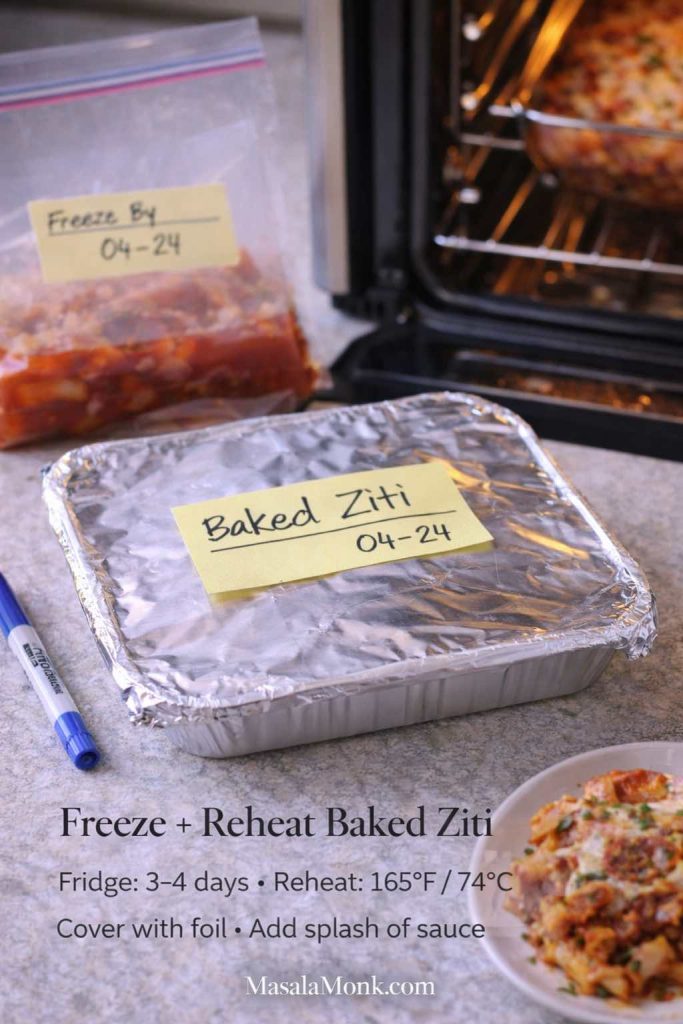
Step 5: Rest, Then Serve

Transfer to a wire rack for 1–2 minutes. That brief rest vents steam and sets the crust. Serve immediately with warm maple syrup, or go playful with a small bowl of 3-minute homemade chocolate syrup that turns glossy on contact.


Sheet-Pan French Toast Sticks — Oven Method (Batch-Friendly)

When you’re cooking for a crowd or stocking the freezer, the oven delivers consistency without babysitting.

Oven-baked French toast sticks on an antique silver tray with parchment—golden, crisp edges and soft centers; MasalaMonk recipe card.
Oven-Baked French Toast Sticks—perfect for batches. Bake at 200°C / 400°F for 12–15 min on a lined rack, flip at ~8 min, then give 2–3 min extra for crunch. Space the sticks so they don’t touch and rest on a wire rack before serving for crisp bottoms.
  1. Heat oven to 200°C / 400°F. Line a rimmed sheet with parchment or set a rack over the sheet; brush with melted butter.
  2. Dip sticks as above and lay them out so they don’t touch.
  3. Bake 12–15 minutes, flipping around 8 minutes, until deeply golden.
  4. For extra crunch, give them 2–3 minutes more after the flip.

  5. Rest on a rack before plating or freezing.
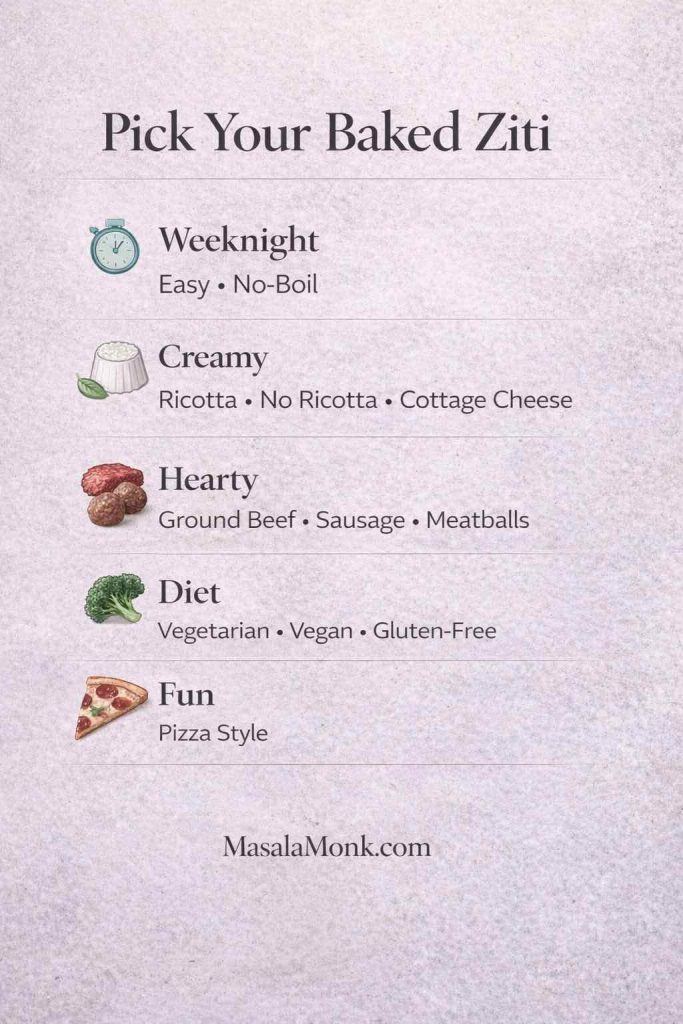
Although times vary with ovens, color and feel tell the truth: crisp edges, bouncy centers. If the center indents and stays wet, a minute or two more will finish the set.


Stovetop Skillet Variation — When You Want Pan Caramelization

Sometimes you crave the scent of butter browning in a pan. In that case:

Skillet French toast sticks browning in a cast-iron pan with butter—golden, crisp edges and custardy centers; MasalaMonk stovetop recipe card.
Skillet French Toast Sticks—deep caramel notes from the pan. Heat medium with butter + a little neutral oil, cook 2–3 min per side, then brown the third edge. Work in small batches, wipe and refresh fat between rounds, and rest on a wire rack to keep bottoms crisp. Serve immediately with warm maple.
  • Heat a large nonstick or well-seasoned cast-iron skillet over medium.
  • Film the pan with a mix of butter and oil.
  • Cook sticks 2–3 minutes per side, turning to brown the third “edge” as needed.
  • Slide finished sticks onto a rack so the bottoms don’t steam.

This route gives you a slightly deeper caramel note and a touch more flexibility if your air fryer is busy with bacon or potatoes.


Vegan French Toast Sticks — Plant-Forward with Crisp Edges

If you’re cooking for vegans, egg allergies, or you simply like the flavor of plant-based custard, swap in the method from Vegan French Toast: 6 Easy Recipes and adapt it for sticks with two small upgrades:

Vegan French toast sticks stacked on a stoneware plate with coconut yogurt and an almond-milk bottle—golden, crisp; MasalaMonk recipe card.
Vegan French Toast Sticks—crisp edges, tender middle without eggs. Enrich the plant custard with 1–2 tsp neutral oil, give each stick a brief soak, then air-fry at 190°C / 375°F for 6–8 min (flip once) or bake at 200°C / 400°F for 12–15 min (flip at 8). Rest on a wire rack to set the crust. Tip: use a tight-crumb loaf and keep the dip quick for best structure.
  • Add 1–2 tsp neutral oil directly to the vegan custard to enhance browning.
  • Keep the soak short (as above) so structure holds.
  • Air fry at 190°C / 375°F for 6–8 minutes total, flipping once, or bake per the oven method and extend a minute if edges look pale.

Because plant custards can set more gently, the rack rest is doubly important; it locks in crunch while the interior finishes.


Gluten-Free French Toast Sticks — Crisp Without Crumble

Gluten-free breads vary substantially, so choose a loaf with a close crumb and assertive structure—brioche-style GF loaves or thicker sandwich slices perform best. Dry the sticks slightly longer before dipping, and keep the soak short. Follow either the air fryer or oven timing above; add 1–2 minutes after the flip if the surface looks soft.

Gluten-free French toast sticks on a stoneware plate with a maple-syrup ramekin—golden, crisp edges and tender centers; MasalaMonk recipe card.
Gluten-Free French Toast Sticks—crisp without crumble. Pick a sturdy, tight-crumb GF loaf (brioche-style or thick sandwich). Dry 5–10 min, then brief soak so the sticks hold structure. Cook: Air fryer 190°C / 375°F, 6–8 min (flip once) or oven 200°C / 400°F, 12–15 min (flip at ~8). If the surface looks soft, finish 1–2 min more. Rest on a wire rack for crisp bottoms.

If gluten is new territory for you or your readers, a quick primer like What is Gluten? helps demystify labels. For a naturally GF side that complements sticks, consider a spoon of millet porridge or these ideas in millets as a gluten-free superfood—they round out the plate without competing on sweetness.


Protein French Toast Sticks — Higher Satiety, Same Crunch

For a more filling breakfast without leaning on syrup, whisk 10–15 g unflavoured whey or plant protein into the custard, then thin with milk until it returns to that glossy, spoon-coating texture. Because added protein browns quickly, watch color closely and lower the air fryer temperature to 185°C / 365°F if necessary. Serve with thick yogurt and chopped nuts, or keep it light and pair a few sticks with keto chia pudding with almond milk so everyone at the table gets what they prefer.

Protein French toast sticks on a stoneware plate with yogurt dip and chopped nuts—golden and crisp; MasalaMonk high-protein recipe card.
Protein French Toast Sticks—more satiety, same crunch. Whisk 10–15 g unflavoured whey or plant protein into the custard, then thin with milk until glossy. Cook 185–190°C / 365–375°F for 6–8 min in the air fryer, flip once, and rest on a rack. Protein speeds browning—watch color and reduce sugar slightly. Serve with thick yogurt and toasted nuts.

Crunch Coats & Copycat Textures — From Churro Sugar to Cornflake Crust

Now and then, you want that fairground crunch or a drive-thru echo at home. Happily, sticks invite embellishment:

  • Cinnamon Sugar “Churro” Finish: Toss just-cooked sticks in a blend of 3 tbsp sugar + 1 tsp cinnamon. Do this while they’re still hot so the sugar clings.
  • Cornflake Crust: After dipping, press each stick into lightly crushed cornflakes. Air fry as usual. The shards add audible crunch without deep-frying.
  • Graham Dust: Blitz plain grahams into coarse crumbs; press on as with cornflakes for a cookie-like halo.
  • Nutty Edge: Roll one long side in finely chopped, lightly toasted almonds or pecans before cooking; it creates a textural contrast without overwhelming the custard.

For inspiration and a sense of what diners expect from a fast-food take, a quick skim of the Sonic Drive-In menu will reveal how they pair sticks and dips. You’ll find that a simple vanilla-maple dip (equal parts maple syrup and thick yogurt, scented with vanilla) outshines most chain versions at home.


Sauces, Dips, and Fruit — Keep the Party on the Plate

Maple syrup is non-negotiable for purists; nevertheless, little jars of toppings make breakfast feel abundant:

  • Warm Chocolate Spoon Sauce: Drizzle a ribbon of 3-minute homemade chocolate syrup over a stack and watch it set into a gloss as the sticks cool.
  • Cinnamon Apples: Spoon over stewed cinnamon apples for a diner-style plate without the cloying sweetness.
  • Yogurt-Maple Dip: Whisk ½ cup thick yogurt with 2 tbsp maple and a pinch of salt.
  • Berry Smash: Crush berries with a touch of sugar and lemon; strain or leave rustic.
  • Orange Zest Sugar: Microplane zest into sugar with a whisper of nutmeg; toss hot sticks lightly for a holiday finish.

Because sauces add sweetness, you can reduce sugar in the custard slightly and lean on caramelization for flavor.


Freezer-Friendly: How to Batch, Store, and Reheat Perfectly

Sticks freeze and reheat better than whole slices thanks to their surface area. Here’s the straightforward route:

  • Cook completely and rest on a rack until room-temp.
  • Freeze in a single layer on a parchment-lined sheet until firm.
  • Bag & label, pressing out air.
  • Reheat from frozen:
    • Air fryer 180°C / 356°F for 3–5 minutes (shake once).
    • Oven 200°C / 400°F for 6–8 minutes on a rack set over a sheet.

If you keep a box of store-bought sticks as a back-pocket option, use these ranges as a starting point and adjust by brand. For context, you can glance at Eggo French Toaster Sticks or Farm Rich French Toast Sticks to see packaging guidance, then dial toward your preferred crispness. Either way, trust color and firmness more than labels.


Ratio Sense — Cook by Feel When Measuring Cups Vanish

Holiday rentals and late-night cravings share one trait: missing measuring cups. Fortunately, this recipe scales by intuition:

  • For 2 slices (6 sticks): 1 large egg + a scant splash of milk (about 60–80 ml).
  • For 4 slices (12 sticks): 2 eggs + ~150 ml milk.
  • For 8 slices (24 sticks): 3 eggs + 180 ml milk (our base).

Aim for a custard that’s thicker than milk and thinner than cream, glossy, and clingy. If it runs like water, add part of another egg; if it clumps, thin with a splash of milk. This single cue—how the custard coats the back of a spoon—unlocks consistency regardless of brand or bread.


Troubleshooting French Toast Sticks Recipe

  • Edges browned, center wet: Shorten the soak next time; for this batch, give the sticks 1–2 extra minutes on a rack in a hot oven to finish.
  • Pale even after time: Preheat longer and add a teaspoon more sugar to the custard; sugar fuels browning.
  • Eggy streaks: Whisk the custard more thoroughly and avoid letting sticks lounge in the liquid.
  • Soft after resting: Always move finished sticks to a wire rack; the air gap prevents steam from softening the bottom.
  • GF bread crumbling: Choose a denser loaf, cut slightly thicker, and keep the dip brisk.
  • Overly sweet: Reduce sugar in the custard and switch to yogurt-maple dip for balance.

For doneness anxiety, an instant-read thermometer ends the guesswork; custard-based dishes earn their melt-in-the-middle texture right around that 71°C / 160°F sweet spot highlighted by the USDA chart.


Flavor Variations That Behave Well in Stick Form

Because the format is stable, you can dress it up or down without losing structure:

  • Orange–Cardamom: Zest one orange into the custard and add a pinch of cardamom; finish with icing sugar.
  • Maple–Brown Butter: Brown 1–2 tbsp butter; brush it on hot sticks and drizzle maple.
  • Coconut: Stir a spoon of coconut cream into the custard; sprinkle toasted coconut to finish.
  • Hazelnut: Thin chocolate-hazelnut spread with warm milk for a pourable gloss.
  • Spiced Sugar: Combine cinnamon, a hint of ginger, and nutmeg; toss lightly while hot.

If you lean into crunchy coats (cornflake or graham), reduce custard sugar slightly to avoid tipping into brittle sweetness.


Scaling Up or Down French Toast Sticks Recipe

  • For one: 1 egg + 60–80 ml milk + 2 slices (6 sticks) → air fryer 6–7 minutes total.
  • For two: 2 eggs + ~150 ml milk + 4 slices (12 sticks) → same heat; cook in two rounds.
  • For a crowd: Double the base and use two sheet pans on convection; rotate pans and flip at the 8-minute mark.

Meanwhile, if you’re running a mixed table—vegan, dairy-free, and classic—cook the vegan batch first, followed by gluten-free if needed, then the standard custard last. Separate racks keep everything crisp and tidy.


A Note on Bread, Moisture, and Timing

Bread is a living variable. Even within the same brand, dryness swings with storage and climate. Consequently, your soak time is the dial you turn most. Fresh, soft brioche? Dry slightly longer and dip quickly. Day-old challah? Dip a hair longer. Very dry loaf? Add a tablespoon of milk and extend the soak by a second or two. Ultimately, color and feel tell you more than the clock: aim for caramel edges and a buoyant middle that springs back when pressed.

If you enjoy tinkering, the classic ratio outlined by pros—roughly one egg per ¼–⅓ cup milk—gives you leeway; the granular reasoning in the Serious Eats overview is a useful mental model as you experiment.


Serving Boards and Balanced Plates

Because sticks are sweet-leaning, anchor the plate with freshness or creaminess. Citrus segments and mint keep things bright; a small bowl of salted yogurt reins in syrup. For a sweet-savory spread, add salty nuts or crisp bacon; for a fully plant-based board, go with fruit, maple, and a side of millet ideas for texture variety. If dessert-for-breakfast is the vibe, a warm ribbon of house chocolate syrup and cinnamon apples earns applause every single time.


Quick Reference Cards (Copy/Paste Friendly)

Air Fryer French Toast Sticks Recipe

  • Ingredients (serves 4): 8 thick slices bread; 3 eggs; ¾ cup (180 ml) milk; 1 tbsp sugar; 1 tsp vanilla; ½ tsp cinnamon; pinch salt; butter/oil.
  • Method: Cut each slice into thirds; dry briefly. Whisk custard smooth. Dip 5–7 s/side. Air fry 190°C / 375°F, 6–8 min, flipping halfway. Rest on a rack. Serve immediately.

Oven-Baked French Toast Sticks Recipe

  • Ingredients: Same as above.
  • Method: Heat oven 200°C / 400°F. Line/rack pan; butter lightly. Dip quickly; arrange with space. Bake 12–15 min, flip at 8 min; add 2–3 min for extra crunch. Rest and serve.

Vegan French Toast Sticks (No Egg, No Dairy)

  • Base: Use plant custard from this vegan guide; add 1–2 tsp neutral oil to the mix.
  • Method: Soak briefly; air fry 190°C / 375°F, 6–8 min (flip once) or bake as above; extend a minute if pale. Rack-rest always.

Gluten-Free French Toast Sticks

  • Bread: Choose a sturdy GF loaf with a tight crumb.
  • Method: Dry a touch longer; soak briefly; follow air fryer/oven timings; finish 1–2 min more if needed.

Make-Ahead & Reheat

  • Freeze fully cooked sticks in a single layer; bag when firm.
  • Reheat from frozen: Air fryer 180°C / 356°F, 3–5 min; Oven 200°C / 400°F, 6–8 min on a rack.

Closing Thoughts

Once you’ve made this french toast sticks recipe a couple of times, you’ll feel the controls in your hands: how quickly to dip, when to flip, and exactly how deep a golden you prefer. From there, variations are easy—vegan when you need it, gluten-free for guests, a protein twist for longer mornings, a churro dust when nostalgia calls. And because the methods scale without drama, you can cook a few sticks for a sleepy kiddo or line up two trays for a party brunch without changing anything but the pan.

When you want the plant-based path that just works, lean on Vegan French Toast: 6 Easy Recipes. If you’re curious about the science of ratios and why small tweaks matter, browse the Serious Eats technique explainer for clarity. And whenever you want precise safety numbers, the USDA chart is the last word. Beyond that, trust your senses: the scent of browning butter, the feel of a springy center, and the sound of a crisp edge snapping are the only cues you really need.

FAQs

1) How long do I air fry french toast sticks, and at what temperature?

For a classic french toast sticks recipe, preheat the air fryer to 190°C / 375°F; cook 6–8 minutes total, flipping halfway. Moreover, if the bread is extra thick, add 1–2 minutes until edges are deeply golden and the center springs back.

2) What’s the best oven time and temperature for french toast sticks?

Bake at 200°C / 400°F for 12–15 minutes, turning at the 8-minute mark. Additionally, for an extra-crisp shell, finish 2–3 minutes more; the interior should feel bouncy rather than wet.

3) What is the ideal egg-to-milk ratio for the custard?

Generally, aim for about 1 large egg per ¼–⅓ cup (60–80 ml) milk. Conversely, if using very stale bread, increase milk slightly so the custard stays silky. This balance keeps the french toast sticks recipe tender without turning soggy.

4) How do I keep french toast sticks crispy instead of soggy?

Firstly, dry the bread briefly before dipping. Secondly, dip quickly (5–7 seconds per side), allowing excess custard to drip off. Furthermore, cook with space between sticks and rest them on a wire rack for a minute before serving.

5) Which bread works best for a french toast sticks recipe?

Brioche, challah, and Texas toast consistently shine thanks to sturdy crumbs and gentle sweetness. Nevertheless, thick-cut sandwich bread succeeds if you dry it slightly beforehand.

6) Can I make french toast sticks without eggs?

Yes. Use a vegan custard base (e.g., plant milk plus thickener and flavorings) and proceed with the same timings. Importantly, add a teaspoon of neutral oil to the batter to encourage browning.

7) How do I make dairy-free french toast sticks?

Simply replace milk with almond, oat, or coconut milk at a 1:1 ratio. Additionally, brush or spray the basket/pan lightly with oil to enhance crisp edges, since non-dairy custards brown a touch slower.

8) What if I have no vanilla or cinnamon?

Omit both and rely on butter browning and maple for aroma. Alternatively, use orange zest, cardamom, or a whisper of nutmeg. Notably, the french toast sticks recipe still tastes great with just salt and sugar.

9) How many eggs per slice (or per batch) should I plan?

As a rule of thumb, 1 egg covers 1–2 slices (3–6 sticks) depending on thickness. Accordingly, for 8 slices (about 24 sticks), 3 eggs plus ¾ cup milk is a dependable starting point.

10) How long should french toast sticks cook on each side in a skillet?

Use medium heat and cook about 2–3 minutes per side. Meanwhile, rotate briefly to brown the “third edge”; transfer to a rack so the bottoms don’t steam.

11) Can I freeze french toast sticks? How do I reheat them later?

Absolutely. Freeze fully cooked sticks in a single layer, then bag. Subsequently, reheat from frozen: air fryer 180°C / 356°F for 3–5 minutes, or oven 200°C / 400°F for 6–8 minutes on a rack.

12) What internal cues tell me the sticks are done?

Look for deep golden edges and a springy center that rebounds with a gentle press. Additionally, the custard should not ooze when cut; if it does, cook 1–2 minutes more.

13) How do I scale this french toast sticks recipe for one person or for a crowd?

For one, use 1 egg + 60–80 ml milk and 2 slices (6 sticks). For a crowd, double or triple the base; use two sheet pans and rotate them, flipping at 8 minutes. Likewise, hold finished sticks on a rack in a warm oven.

14) Can I add protein powder without making the texture chalky?

Yes—whisk in 10–15 g unflavoured whey or plant protein per 1–2 eggs, then thin with milk until the custard coats a spoon. However, because added protein browns faster, reduce heat slightly or watch carefully.

15) What are smart gluten-free adaptations?

Choose a dense GF loaf with a tight crumb, dry the sticks a bit longer, and keep the soak brisk. Moreover, add 1–2 minutes after the flip if the surface looks soft; the extra time sets structure.

16) How do I get a “crunch coat” like churro or cereal-crusted sticks?

Immediately after dipping, press sticks lightly into crushed cornflakes or graham crumbs. Afterward, air fry or bake as usual. Gently dust hot sticks with cinnamon sugar to finish if desired.

17) Can I make the custard richer with cream or half-and-half?

Certainly. Replace up to half the milk with heavy cream or half-and-half. Nevertheless, to prevent a greasy feel, keep cook temperature moderate and avoid over-soaking.

18) What’s the easiest way to avoid eggy streaks in the batter?

Whisk thoroughly until the custard is homogenous and glossy. Additionally, stir between batches, since spices can settle; a smooth custard gives even browning.

19) How do I keep the flavor balanced if I’m using very sweet dips?

Reduce sugar in the custard by a teaspoon and rely on caramelization for depth. Ultimately, the french toast sticks recipe should taste gently sweet on its own, with sauces providing the accent.

20) Can I make french toast sticks ahead for brunch service?

Yes. Cook completely, cool on a rack, and refrigerate up to 4 days. Then, just before serving, re-crisp: air fryer 180°C / 356°F for 3–4 minutes or oven 200°C / 400°F for 5–7 minutes.

21) What pan fat is best—butter or oil?

Butter delivers aroma and browning; a small blend with neutral oil raises the smoke point. Consequently, use butter for flavor and a touch of oil for resilience, especially on the second batch.

22) How do I adapt the french toast sticks recipe for very fresh, soft bread?

Dry the slices lightly in a low oven for 2–3 minutes per side, cool 1 minute, then dip quickly. Conversely, if the loaf is quite dry, increase milk slightly and extend the soak by a second or two.

23) What toppings pair well without overwhelming the texture?

Thick yogurt with a pinch of salt, warm berries, cinnamon apples, peanut-maple, or a restrained chocolate drizzle. Additionally, finish with citrus zest to brighten richer combinations.

24) How do I know I’ve nailed the texture every time?

Color, feel, and sound guide you: amber edges, a gentle spring in the center, and a faint crackle after a brief rack rest. In short, when those cues align, your french toast sticks recipe is spot on.

Posted on 2 Comments

5 Sweet Potato Appetizers Ideas to Inspire the Chef in You

SWEET POTATO APPETIZERS

Sweet potatoes have officially moved beyond the Thanksgiving table and into the culinary spotlight as a versatile, healthful, and flavor-packed ingredient. Whether you’re a home chef or running a professional kitchen, the latest trends in sweet potato appetizers are all about global flavors, striking visuals, and creative textures.

In this post, we dive deep into five trending sweet potato appetizers for 2025, blending research from top food publications, chef menus, and recent product innovations. Each idea is presented with a chef’s rationale, practical how-to guidance, and tips for home and pro kitchens alike.


1. Grilled Purple Sweet Potato Salad Bites

Why It’s Trending:
Purple sweet potatoes are a visual knockout and rich in antioxidants. Recently featured by Bon Appétit (July 2025), grilling intensifies their natural sweetness while adding smokiness—a modern update for plant-forward appetizers.

How to Make It Practical:

  • Slice purple sweet potatoes into ½-inch rounds.
  • Toss with olive oil, salt, and pepper.
  • Grill on high heat until blistered and tender (about 4 minutes per side).
  • Dress with a creamy sesame-mayo or a lemony vinaigrette.
  • Top with scallions, toasted sesame seeds, and microgreens.

Pro Tip:
For parties, skewer grilled rounds and serve with the dressing on the side for dipping. The color and char will stand out on any appetizer tray.


2. Nashville-Spiced Sweet Potato Balls

The Inspiration:
A twist on classic croquettes, these crispy, spice-laden balls are inspired by the hot chicken craze, but made for vegetarians and flexitarians. Recent recipes (Cherry on My Sundae, June 2025) blend sweet potato with smoky paprika, cayenne, and a crunchy coating.

How to Make Them Practical:

  • Roast and mash sweet potatoes.
  • Mix with breadcrumbs, Nashville-style spices, finely diced green onions, and (optional) shredded cheese or bacon bits.
  • Form into balls; dredge in flour, egg, and panko.
  • Fry or bake until golden and crisp.
  • Serve with a creamy ranch or tangy comeback sauce.

Pro Kitchen Variation:
Pipe spiced sweet potato puree into mini choux pastry shells for an upscale passed hors d’oeuvre.


3. Roasted Sweet Potato “Crostini” with Guacamole & Corn

Why Chefs Love It:
Bread-free “crostini” are trending among gluten-free diners and those seeking lighter fare. Roasted sweet potato rounds are the perfect vehicle for colorful, bold toppings. This concept is popular with food bloggers and professional caterers alike (A Couple Cooks, Jan 2025).

How to Make at Home or Work:

  • Slice sweet potatoes into thick rounds (about ½ inch).
  • Roast with olive oil, cumin, and smoked paprika at 425°F until caramelized (20–25 minutes).
  • Top each round with a dollop of guacamole, roasted corn kernels, diced red onion, and chopped cilantro.
  • Finish with lime juice and a sprinkle of cotija cheese.

Chef’s Tip:
Try different toppings, such as whipped feta with pomegranate seeds or spicy black bean mash with pickled jalapeños.


4. Loaded Sweet Potato with Maple-Sriracha Yogurt & Crispy Chickpeas

On the Cutting Edge:
Loaded sweet potatoes are evolving, now being downsized into appetizer “boats” for maximum flavor and visual impact. The latest takes layer sweet, spicy, tangy, and crunchy elements for a full flavor experience (Good Mood Food, April 2025).

How to Make Them Practical:

  • Halve small sweet potatoes lengthwise; roast until just soft.
  • Scoop out a little center to make a well (save the scooped flesh for another use).
  • Fill with maple-sriracha Greek yogurt, crispy roasted chickpeas, crumbled feta, and pickled onions.
  • Drizzle with almond salsa verde (blend toasted almonds, parsley, lemon, olive oil, and a pinch of chili).

Meal Prep Friendly:
Both the yogurt sauce and chickpeas can be made days in advance, making this ideal for parties.


5. Tempura Sweet Potato Rounds with Flavored Salt

The Industry Insight:
Pre-cooked, tempura-battered sweet potato slices are gaining traction in restaurant and catering sectors for their crispness and convenience (US Foods Chef’s Line, 2025). This idea translates well to home kitchens using basic tempura batter.

How to Bring to Your Table:

  • Cut sweet potato into ½-inch thick rounds.
  • Dip in a simple tempura batter (flour, cornstarch, cold seltzer).
  • Fry in hot oil until golden and crispy.
  • Sprinkle immediately with flavored salt (smoked paprika, garlic powder, or furikake).
  • Serve with a dipping sauce—try spicy mayo, ponzu, or garlic aioli.

Entertaining Tip:
Offer a trio of dips and salts, and let guests mix and match.


Expert Tips for Sweet Potato Appetizer Success

  • Visual Appeal: Use a mix of purple, orange, and white sweet potatoes for color contrast.
  • Batch Prep: Many components (roasted rounds, sauces, toppings) can be made ahead for fast assembly.
  • Texture Matters: Combine creamy, crunchy, and chewy elements for memorable bites.
  • Global Flavors: Don’t be afraid to borrow from global cuisines—sriracha, gochujang, furikake, and curry powder all pair beautifully with sweet potatoes.

Final Thoughts

From smoky grilled salads to street-food-inspired croquettes, sweet potato appetizers are having a major moment in 2025. They’re healthy, photogenic, endlessly adaptable, and equally at home at a casual party or a fine-dining table. Whether you’re looking for a new plant-based favorite or a show-stopping party snack, these ideas bring the best of today’s trends straight to your kitchen.

Ready to experiment? Which idea will you try first? Let us know in the comments or share your own sweet potato creations!


FAQs

1. Can I use regular potatoes instead of sweet potatoes in these recipes?

Answer:
Yes, you can substitute regular potatoes for sweet potatoes in most appetizer recipes, but you’ll lose the characteristic sweetness and vibrant color. Adjust seasonings to balance flavors accordingly.


2. How do I keep sweet potato rounds from getting soggy when roasting or grilling?

Answer:
Slice rounds evenly (about ½ inch), don’t overcrowd the pan, and roast or grill at high heat (425°F/220°C) to encourage caramelization. Let them cool on a wire rack to preserve crispness.


3. Can I make sweet potato appetizers ahead of time?

Answer:
Yes! Many components (roasted rounds, dips, toppings) can be made a day ahead. Store separately and assemble just before serving for best texture and flavor.


4. What are some gluten-free options for breading or crisping sweet potatoes?

Answer:
Use gluten-free panko, crushed rice crackers, or cornmeal for coating. Tempura batter can be made with rice flour and cornstarch.


5. How do I make sweet potato appetizers vegan?

Answer:
Omit dairy (cheese, yogurt) and use plant-based alternatives like cashew cream, vegan cheese, or dairy-free yogurt. Use aquafaba or flaxseed “egg” for binding in fritters or balls.


6. What’s the best oil for frying sweet potato appetizers?

Answer:
Use oils with a high smoke point like canola, peanut, or avocado oil. For added flavor, try a touch of sesame oil in the batter or as a finishing drizzle.


7. Can I air-fry sweet potato appetizers instead of deep frying?

Answer:
Absolutely! Air frying is a healthier alternative and works well for rounds, wedges, and even “balls.” Toss lightly in oil, arrange in a single layer, and cook at 375°F/190°C, flipping halfway.


8. How do I add more flavor to plain sweet potato appetizers?

Answer:
Experiment with spice blends (cajun, za’atar, curry powder), citrus zest, fresh herbs, or flavored salts. Don’t be afraid to use bold, global-inspired dips.


9. Are these sweet potato appetizers suitable for kids?

Answer:
Yes! They’re naturally sweet and can be made mild by adjusting spices. Offer a range of dips and let kids assemble their own bites for fun.


10. How should I store leftovers, and can I reheat sweet potato appetizers?

Answer:
Store leftovers in an airtight container in the fridge for up to 3 days. Reheat in a hot oven or air fryer to restore crispness; avoid microwaving as it makes them soggy.