Posted on Leave a comment

Lobster Bisque Recipe: Easy Creamy Homemade Lobster Bisque With Lobster Tails

Creamy lobster bisque in a white bowl with lobster pieces, chives, cream swirl, crusty bread, spoon, and navy linen.

Lobster bisque feels intimidating for one honest reason: lobster is expensive, and the soup shows every shortcut. Weak stock tastes flat. Boiled cream can turn grainy. Lobster meat that sits in the pot too long becomes rubbery instead of sweet and tender.

This version is built to avoid those problems. It gives you a creamy, silky, restaurant-style bowl using lobster tails, seafood stock, aromatics, tomato paste, dry sherry or white wine, and cream. You can keep it simple with clean-tasting seafood stock, or take the fuller route and simmer the lobster shells into that same stock for a sweeter, more layered base.

It is still an easy lobster bisque built around lobster tails, but when you have an extra 25 minutes, the shells give the stock that deeper restaurant-style flavor.

The goal is simple: make the bowl taste like you used the expensive, old-school method, while giving you a calmer lobster-tail path that is much harder to ruin.

You do not need live lobster. There is no chef-only technique hiding in the fine print. You just need to treat the lobster with care, let the shells do some of the flavor work, and keep the cream stage low and steady instead of boiling hard.

It is the kind of soup that makes dinner feel planned and generous, whether you serve it as a holiday starter, a date-night bowl, or a quiet weekend dinner with bread on the side.

Quick Answer: How to Make Lobster Bisque

To make lobster bisque, briefly poach lobster tails in seafood stock just until the meat turns opaque. Remove the meat, save the shells, and use that same stock as the flavor base. For deeper flavor, simmer the shells with aromatics, tomato paste, herbs, and wine if using, then strain and measure the stock.

In a heavy pot, cook onion, celery, carrot, garlic, and tomato paste in butter, add flour, deglaze with dry sherry or white wine, pour in the prepared stock, and simmer until the vegetables are tender. Blend, strain if you want a polished finish, stir in cream over low heat, adjust the base, and add the lobster meat right before serving.

The whole method is about restraint: build flavor from the shells, then protect the cream and lobster at the finish.

For most home cooks, the best balance is the middle path: lobster tails poached in seafood stock, shells simmered back into that same stock, then cream and lobster added only once the base is ready.

Ready to cook? Go straight to the recipe card, or compare the easy, better, and best lobster bisque methods before you start.

This visual keeps the lobster bisque order simple: cook the tails briefly, use the shells for flavor, smooth the base, and protect the cream and lobster at the finish.

Vertical step-by-step guide showing lobster tails poaching, shells simmering, bisque blending, cream being added, and lobster added last.
First poach the tails, then simmer the shells, blend the base, add cream, and warm the lobster last; that order protects both flavor and texture.

Lobster Bisque at a Glance

Main lobster choiceLobster tails
Servings4 generous bowls or 6 appetizer servings
Finished amountAbout 5½ to 6 cups / 1.3 to 1.4 liters
Total timeAbout 1 hour 20 minutes to 1 hour 30 minutes
Texture goalSmooth, creamy, silky, lightly spoon-coating
Recommended pathPoach tails, simmer shells into the same stock, then finish with cream and lobster
Fullest stock optionSeafood stock simmered with lobster shells
Shortcut stock optionClean-tasting seafood or lobster stock
Main thickenerFlour roux, with gluten-free options below
Classic alcohol optionDry sherry, dry white wine, or a little brandy
No-alcohol optionExtra seafood stock plus lemon juice or sherry vinegar
Make-ahead tipMake the base ahead; add cream and lobster before serving
Freezer tipFreeze the base before adding cream and lobster

As a serving guide, a generous bowl is about 1⅓ to 1½ cups. An appetizer serving is closer to 1 cup.

Lobster Bisque Recipe Card

Creamy Lobster Bisque With Lobster Tails

This creamy lobster bisque is made with lobster tails, seafood stock, aromatics, tomato paste, dry sherry or white wine, and cream. The recommended path is simple: poach the lobster tails in stock, simmer the shells into that same stock for deeper flavor, build the bisque base, blend, strain, add cream, adjust the base, and warm the lobster only right before serving.

Prep Time20 minutes
Cook Time1 hour to 1 hour 10 minutes
Total Time1 hour 20 minutes to 1 hour 30 minutes
Servings4 generous bowls or 6 appetizer servings
YieldAbout 5½ to 6 cups / 1.3 to 1.4 liters

Main path: this card uses the shell-enhanced method because it gives the richest flavor without requiring whole live lobsters. For shortcuts, cooked lobster, no-alcohol swaps, and gluten-free thickening, see the quick notes after the card.

Read this before starting: the same 4 cups of stock are used first to poach the lobster, then simmered with the shells, then measured again for the bisque. You are not starting with 8 cups of stock.

Infographic showing one measuring jug of lobster stock used to poach tails, simmer shells, and measure again for lobster bisque.
The same 4 cups of stock do three jobs: poach the lobster, pull flavor from the shells, and become the measured base for the bisque.

Ingredients

For the lobster and shell-enhanced stock
  • 4 lobster tails, 4 to 5 oz each / 115 to 140 g each
  • 4 cups clean-tasting seafood stock or lobster stock / 960 ml, preferably low-sodium
  • 1 tablespoon olive oil or butter
  • ½ small onion, roughly chopped
  • 1 celery rib, roughly chopped
  • 1 small carrot, roughly chopped
  • 2 garlic cloves, smashed
  • 1 tablespoon tomato paste
  • ½ cup dry white wine / 120 ml, optional for the shell stock
  • Up to 1 cup water or extra seafood stock / 240 ml, only if needed to top up after simmering
  • 1 bay leaf
  • 2 sprigs thyme, or ½ teaspoon dried thyme
For the bisque base
  • 4 tablespoons unsalted butter / 56 g
  • 1 medium onion, finely chopped / about 150 g
  • 2 celery ribs, finely chopped / about 100 g
  • 1 medium carrot, finely chopped / about 75 g
  • 3 garlic cloves, minced
  • 2 tablespoons tomato paste / about 32 g, or 3 tablespoons for deeper color
  • 3 tablespoons all-purpose flour / about 24 g
  • ½ cup dry white wine / 120 ml
  • ¼ cup dry sherry / 60 ml
  • 4 cups prepared lobster-shell stock from above / 960 ml
  • ½ teaspoon sweet paprika
  • Pinch of cayenne pepper, optional
  • ½ teaspoon dried thyme, or 1 teaspoon fresh thyme leaves
  • ¾ to 1 cup heavy cream / 180 to 240 ml
  • 1 teaspoon lemon juice or sherry vinegar, plus more to taste
  • Salt and black pepper, to taste
  • 1 tablespoon chopped chives, parsley, or tarragon, for finishing

Stock note: after simmering and straining, measure the liquid again. You need 4 cups / 960 ml for the bisque. If you are short, top it up with water or more seafood stock.

Instructions

Lobster and shell stock
  1. Prepare the lobster tails. Use kitchen shears to cut along the top of each shell. Leave the meat inside for the brief poach; you will remove it after cooking.
  2. Poach the lobster in the stock. Bring the 4 cups seafood or lobster stock to a low simmer. Add the lobster tails and cook for 3 to 5 minutes, depending on size, just until the meat turns opaque. Remove the tails from the stock. When cool enough to handle, pull out the meat, chop it into bite-size pieces, and set it aside. Save the shells and keep the stock.
  3. Build the shell stock. In a pot, heat 1 tablespoon olive oil or butter. Add the lobster shells, rough-chopped onion, celery, carrot, garlic, and tomato paste. Cook for 5 to 7 minutes, stirring often, until the shells smell fragrant and the tomato paste darkens slightly. Add wine if using, then pour in the lobster-poaching stock. Then add bay leaf and thyme. Simmer for 25 to 35 minutes.
  4. Strain and measure the stock. Pass the shell stock through a fine mesh strainer. Measure the liquid. You need 4 cups / 960 ml for the bisque. If you have less, top it up with water or seafood stock. Extra stock can be saved for thinning the soup or reheating leftovers.
Build and smooth the bisque base
  1. Start the bisque base. In a heavy Dutch oven or soup pot, melt the butter over medium heat. Add finely chopped onion, celery, and carrot. Cook for 6 to 8 minutes, until softened and sweet-smelling but not browned.
  2. Build the garlic and tomato paste base. Stir in the garlic and cook for 30 seconds. Add tomato paste and cook for 2 to 3 minutes, stirring often, until it deepens from bright red to brick-red and smells savory.
  3. Make the roux. Sprinkle in the flour and stir for 1 to 2 minutes. The mixture should look thick and pasty, like the vegetables are coated in a soft roux. If it looks dry, lower the heat and keep stirring.
  4. Deglaze. Slowly pour in the white wine and sherry, scraping the bottom of the pot. Let it bubble for 2 to 3 minutes so the sharp alcohol smell softens.
  5. Pour in stock and simmer. Add 4 cups prepared stock, paprika, cayenne if using, thyme, and a small pinch of salt and pepper. Bring to a steady simmer and cook for 18 to 22 minutes, until the vegetables are very tender and the broth tastes full. Salt gradually because seafood stock, clam juice, and lobster base can be salty.
  6. Blend. Carefully blend the soup until smooth using an immersion blender or countertop blender. If using a countertop blender, work in batches and vent the lid slightly so steam can escape.
  7. Strain for a silkier texture. For the most polished finish, pass the blended soup through a fine mesh strainer into a clean pot. Press with a ladle for liquid, then leave the gritty bits behind.
Finish with cream and lobster
  1. Add cream over low heat. Set the pot over low heat. Stir in ¾ cup cream. Add more cream if you want a richer bowl. The soup should look smooth and shiny, with steam rising but no hard bubbling.
  2. Finish the bisque base. Taste and adjust salt, pepper, lemon juice, or sherry vinegar. The finished base should lightly coat a spoon, smell sweet and buttery, and taste balanced. If it tastes heavy, add lemon juice or sherry vinegar. A thin base needs a little more simmering before the lobster goes in. Flat flavor usually means salt should be checked first.
  3. Add the lobster and serve. Stir in the chopped lobster meat and warm it for 1 to 2 minutes. For the safest texture, divide the lobster among bowls and ladle the hot bisque over it. Garnish with chives, parsley, or tarragon and serve hot, not boiling.

Shortcuts, Swaps, and Special Cases

Use these notes when real life does not match the main path exactly: no shells, cooked lobster, no wine, gluten-free needs, or making the base ahead. The recipe is forgiving as long as you protect the stock, cream, and lobster texture.

  • Easy version: poach the lobster in seafood stock, skip the shell-simmering step, and use that stock directly in the bisque.
  • Flavor upgrade: poach the lobster in stock, then simmer the shells in that same stock before making the soup.
  • Cooked lobster meat: skip poaching, use 4 cups seafood stock, and add the cooked lobster only right before serving.
  • Without lobster shells: use lobster stock if possible, or strengthen seafood stock with ¼ to ½ cup clam juice or a small spoonful of lobster base. Add salty bases carefully and taste before adding more salt.
  • No alcohol: replace the ½ cup wine and ¼ cup sherry in the bisque base with ¾ cup extra seafood stock. If you are also skipping the optional wine in the shell stock, use another ½ cup stock there too. Finish with lemon juice or sherry vinegar for brightness.
  • Gluten-free: skip the flour. After blending, whisk 1½ tablespoons cornstarch with 2 tablespoons cold water, stir it into the warm soup, and simmer for 1 to 2 minutes. You can also simmer 2 tablespoons uncooked white rice in the stock until tender, then blend it into the base.
  • Dairy-free: use cashew cream for the most neutral finish. Add it near the end over low heat, just as you would heavy cream.
  • Freezing: freeze the base before adding cream and lobster for the smoothest texture.

Back to top

Why This Lobster Bisque Works

The whole recipe is built around one idea: poach the lobster carefully, use the shells to deepen the stock if you can, blend the base smooth, add cream over low heat, and warm the lobster only right before serving. That path gives you a rich, polished bowl without buying whole live lobsters or guessing through the most expensive part of the process.

Method board with lobster tails, saved shells, golden stock, cream, and a finished bowl of lobster bisque.
Lobster tails keep the method approachable, while the saved shells add the deeper stock flavor that makes the bisque taste more restaurant-style.

The tails give you tender meat for the finished bowl, while the shells turn ordinary seafood stock into something sweeter and more seafood-rich. The aromatics soften in butter until sweet. Tomato paste cooks until it turns brick-red, which gives the soup color and savory depth. Wine and sherry brighten the base so the cream does not make everything taste heavy.

The shell step is the one shortcut I would not skip when I have the shells in front of me. It adds more flavor than extra cream ever will.

The final texture comes from three small choices: simmering the vegetables until tender, blending the base thoroughly, and straining if you want a smoother finish. Cream goes in after blending, and the lobster goes in right before serving. That is the quiet trick: the lobster is the prize, so do not make it do extra work in the pot.

What Is Lobster Bisque?

Lobster bisque is the smooth, creamy side of seafood soup: less chunky than chowder, more polished than stew, and built around shellfish stock, aromatics, tomato paste, wine or sherry, and cream. When it is done well, it tastes rich but not heavy, sweet with lobster but not fishy, and smooth enough to feel special.

Thickness is not the real goal. Balance is: a full seafood base, a little sweetness from the aromatics and tomato paste, enough acidity to wake everything up, and cream that makes the soup plush without muting the lobster.

Equipment You Need

You do not need a restaurant kitchen here. A heavy pot builds flavor, a blender smooths the base, and a fine mesh strainer gives the soup its polished finish.

  • Heavy Dutch oven or soup pot: for sautéing, simmering, and finishing the soup.
  • Kitchen shears: for cutting open lobster shells cleanly.
  • Cutting board and sharp knife: for chopping aromatics and lobster meat.
  • Blender or immersion blender: for smoothing the base.
  • Fine mesh strainer: for a silkier, more polished texture.
  • Whisk: for working flour into the base without clumps.
  • Ladle and measuring cup: for straining, measuring, and adjusting stock.

The fine mesh strainer is not mandatory, but it is the difference between a rustic homemade soup and a smooth bisque. Use it if you have one. If you use a countertop blender, blend hot soup in batches and vent the lid slightly so steam can escape.

Ingredients for Lobster Bisque

Once the method makes sense, the ingredient list feels much less fancy. Each item is there to build sweetness, body, brightness, or shellfish depth.

Overhead ingredient board with lobster tails, seafood stock, onion, celery, carrot, garlic, tomato paste, cream, wine, herbs, lemon, and butter.
Once the lobster tails, seafood stock, aromatics, tomato paste, cream, herbs, and lemon are laid out, the recipe feels organized instead of intimidating.

Lobster Tails

For homemade bisque, lobster tails are the most practical choice. They are easier to find than whole live lobsters, simpler to cook, and still give you shells for stock. Four tails, about 4 to 5 oz each, give enough lobster for 4 generous bowls or 6 appetizer portions.

Frozen lobster tails work well. Thaw them overnight in the refrigerator, or place them in a sealed bag in cold water if you need a faster thaw. Pat them dry before cooking so they do not water down the base.

If you bought extra lobster meat and want a colder, buttery seafood-shack style meal later, save some for these lobster rolls with extra lobster meat.

Lobster Shells or Seafood Stock

The shells are where much of the deep lobster flavor lives. You can make a solid soup with store-bought seafood stock, but simmering the tail shells in that stock makes the base taste fuller and more special.

Taste the stock before using it. If it tastes harsh, stale, metallic, or aggressively salty, it will show up in the finished soup. Lobster bisque does not hide bad stock well.

Without shells, use the cleanest seafood or lobster stock you can find. Clam juice can help in a pinch, but it can be salty, so use it carefully. Chicken stock is an emergency backup, not the ideal choice, because it does not give the same seafood depth.

Onion, Celery, Carrot, and Garlic

These aromatics create the savory foundation. Chop them finely for the bisque itself so they soften quickly and blend smoothly. For the shell stock, rough chopping is fine because everything gets strained.

Tomato Paste

This paste is not there to make the bisque taste like tomato soup. Once it cooks to a brick-red color, it gives the soup warmth, sweetness, color, and a savory base note.

Flour or Thickener

You only need a small amount of flour. It gives the soup body without turning it into gravy. For a gluten-free version, cornstarch slurry is the quickest fix, while rice gives a softer, old-school texture once blended.

Sherry, Wine, or Brandy

Dry sherry is classic here. A dry white wine is easier to find and works beautifully. Brandy or cognac can add a deeper special-occasion note. Use dry alcohol, not sweet dessert-style wine.

Heavy Cream

Cream should make the bisque feel plush, not dull. Add it after blending so the lobster and stock still stay in front.

Herbs and Seasoning

Thyme, tarragon, chives, parsley, paprika, and a tiny pinch of cayenne all work well with lobster. Keep the seasoning warm and supportive. The lobster should still be the main flavor.

Best Lobster to Use

You have more options than you might think. The right choice depends on how much work you want to do, how much shellfish depth you want in the stock, and whether you are starting with raw or cooked meat.

Lobster optionWorks?Use it for
Raw lobster tailsYesMost practical default for homemade bisque
Frozen lobster tailsYesThaw first, then cook briefly
Cooked lobster meatYesAdd near serving so it does not overcook
Whole lobsterYesDeepest flavor, but more work
Lobster shells onlyYesUse for stock; add separate cooked lobster if serving
LangostinoYesBudget-friendly variation or pasta add-in
Shrimp or crabYesUseful variation, but not classic lobster bisque

If you are buying lobster tails specifically for this recipe, look for tails that smell clean and mild, not fishy. Avoid tails with gray patches, strong odor, or freezer burn. For more buying context before shopping, NOAA’s American lobster guide is a helpful reference on flavor, texture, and seafood basics. Read NOAA’s American lobster seafood guide.

Choose Your Lobster Bisque Method

Use this table when you are deciding how much time, lobster flavor, and shortcut help you want. The middle path is the sweet spot for most kitchens: easy enough to manage, but deep enough to taste special.

MethodWhat you doFlavor levelUse it for
EasyPoach lobster tails in seafood stock and use that stock directlyClean and simpleWeekends, first-time bisque, simpler cooking
BetterPoach the tails, then simmer the shells in that same stockFuller and sweeterMost home cooks who want deeper flavor
BestMake a fuller lobster stock from shells, bodies, aromatics, and wineDeepest and most layeredSpecial occasions, dinner parties, holiday starters
ShortcutUse lobster base or clam juice with seafood stockStrong but salt-sensitiveWhen you need flavor fast

Most balanced path: poach the lobster tails in seafood stock, then simmer the shells in that same stock for 25 to 35 minutes. It is not much harder than the easy version, but the broth tastes much fuller.

Infographic comparing easy, better, and best lobster bisque methods with stock-only, simmered shells, and fuller lobster stock options.
The middle path is the sweet spot: poach lobster tails in stock, then simmer the shells back into that stock before building the bisque.

How to Make Quick Lobster Stock From Shells

If you have lobster shells, do not throw them away. A quick shell stock turns a simple base into a much better one. This is the step where the soup starts to smell expensive.

Lobster shells cooking in a pot with onion, celery, carrot, garlic, thyme, and tomato paste.
Sautéing lobster shells with aromatics and tomato paste gives the stock a sweeter, deeper base than seafood stock alone.

After poaching the lobster tails in seafood stock, save that stock. Heat a tablespoon of butter or olive oil in a pot. Add the shells and cook them for a few minutes until they smell fragrant. Then add onion, celery, carrot, garlic, and a spoonful of tomato paste. Once the paste darkens slightly, deglaze with dry white wine if using. Add the lobster-poaching stock, a bay leaf, and thyme. Simmer for 25 to 35 minutes, then strain well.

Golden lobster shell stock being strained through a fine mesh strainer with shells and vegetables left behind.
After simmering, strain for liquid rather than solids: press gently for flavor, then leave the gritty shell bits behind.

Next, measure the liquid. Use 4 cups / 960 ml for the bisque. Short on stock? Top it up with water or seafood stock. Extra stock is a bonus — save it for thinning the soup, reheating leftovers, or making a small seafood sauce.

Glass measuring jug filled with golden lobster stock exactly at the 4-cup mark, with herbs and lobster shells in the background.
Measure the strained stock before moving on, because the bisque base needs the right amount of liquid to cook and blend properly.

The simmer should be steady but not rough. A lazy bubble is enough. Press on the shells and vegetables while straining to extract the liquid, then leave the gritty bits behind.

If your stock smells sweet, buttery, and seafood-rich here, you have already done the most important flavor work. That is when the recipe starts to feel less like a gamble and more like a plan.

Success Checkpoints for Lobster Bisque

Use these checkpoints as you cook. They turn the recipe from a list of steps into something you can read with your eyes, nose, and spoon.

Infographic listing lobster bisque success checkpoints with small visuals for lobster, shell stock, tomato paste, spoon texture, cream, and final lobster.
Use the visual checkpoints as you cook, because color, aroma, texture, and timing matter more than the clock alone.
StageCorrect signProblem sign
Lobster poachMeat turns opaque but still looks tenderTight curl, rubbery texture, or long simmering
Shell stockSweet, buttery, seafood-rich aromaHarsh, stale, or aggressively salty smell
Tomato pasteBrick-red and savory-smellingBright red and raw-smelling
Simmered baseVegetables are very softCarrot or celery still feels firm
Blended soupSmooth and lightly spoon-coatingPasty, gritty, watery, or fibrous
Cream stageSmooth, shiny, and not boiling hardGrainy, split, or aggressively bubbling
Final lobsterWarmed through for 1 to 2 minutesLeft to simmer in the finished soup

If the soup lightly coats a spoon before the lobster goes in, the texture is already close. The lobster only needs to warm through at the finish; that restraint is what keeps it tender.

Once those signs are there, the hard part is behind you. From here, the bisque is less about effort and more about finishing it with restraint.

Before you start the detailed method, use the cook-time table below with the success checkpoints. The lobster should turn opaque and tender before it ever reaches the final bisque.

How Long to Cook Lobster Tails for Bisque

Lobster tails for bisque should be cooked briefly. The meat should turn opaque and firm up slightly, but it should not become tight or chewy.

Lobster tail sizeApproximate cook timeWhat to look for
4 oz / 115 g3 to 4 minutesOpaque meat, still tender
5 oz / 140 g4 to 5 minutesOpaque and just firm
6 oz / 170 g5 to 6 minutesCooked through but not tight
Cooked lobster meatWarm only 1 to 2 minutesDo not simmer for long

When in doubt, slightly undercook the lobster during the first step. It will warm again in the finished soup. Overcooked lobster is the main reason homemade bisque feels disappointing.

Cooked lobster tail meat beside its shell, looking pearly white, opaque, and tender on a clean plate.
Stop when the lobster meat is opaque and tender-looking; meanwhile, a tight curl usually warns that it has gone too far.

For food safety, the FDA says shrimp, lobster, and crab should be cooked until the flesh is pearly and opaque. In this recipe, that means cooking the tails briefly, then warming the chopped meat near serving instead of letting it simmer in the pot. See the FDA safe food handling guidance.

Now that the timing and doneness cues are clear, follow the step-by-step method and keep the lobster out of long simmering.

Step-by-Step Instructions

1. Prep the Lobster Tails

Cut along the top of each shell with kitchen shears. Leave the meat inside for the brief poach. The cut helps heat reach the meat and makes the meat easier to remove after cooking.

Hands using kitchen shears to cut along the top shell of raw lobster tails on a white cutting board.
Cutting along the top shell helps the lobster tail cook evenly and, later, makes the meat easier to remove without tearing.

2. Poach the Lobster Briefly

Bring the seafood stock to a low simmer, then add the tails. For most 4 to 5 oz tails, 3 to 5 minutes is enough. The meat should turn opaque, but it should not tighten into a rubbery curl. Remove the tails right away, cool them slightly, then pull out and chop the meat.

This is the moment to be conservative. The lobster does not need to be fully pampered yet; it only needs to be protected.

Lobster tails poaching gently in golden seafood stock inside a pot with steam and a low simmer.
Keep the poach brief and gentle; the lobster only needs to turn opaque because it warms once more in the finished bisque.

3. Separate Meat, Shells, and Stock

Save both the shells and the poaching stock. The stock already has a little lobster flavor now, and the shells can make it taste even more layered.

Saved lobster shells and chopped lobster meat separated into bowls with kitchen tools nearby.
Once the tails are poached, the shells go back into the stock, while the meat waits safely for the final warm-through.

4. Make the Shell-Enhanced Stock

Cook the shells with rough-chopped aromatics and tomato paste until the pot smells sweet, buttery, and seafood-rich. Add wine if using, then pour in the lobster-poaching stock. Simmer, strain, measure, and use 4 cups for the bisque.

5. Sauté the Aromatics

Melt butter in a heavy pot and add onion, celery, and carrot. Cook until the vegetables soften and smell sweet, about 6 to 8 minutes. Soft vegetables blend more smoothly and create a better base.

Chopped onion, celery, and carrot softening in butter inside a heavy pot.
Softened onion, celery, and carrot give the bisque a sweeter foundation and help the blended base turn smoother later.

6. Build Brick-Red Tomato Paste Flavor

Add garlic and tomato paste. Stir until the paste darkens from bright red to a deeper brick-red color. That little bit of cooking improves the color and removes raw tomato sharpness.

Close-up of brick-red tomato paste cooked with lobster shells, vegetables, and a wooden spoon.
Cook the tomato paste until it turns brick-red; that small color change adds warmth, depth, and a less raw tomato taste.

7. Add Flour

Sprinkle flour over the vegetables and stir until everything looks thick and coated. It should look like a soft paste, not a dry clump. This gives the soup body without making it heavy.

Flour stirred into softened vegetables in a pot, forming a thick roux-like paste.
Before adding liquid, the flour should coat the vegetables like a soft paste; this gives the lobster bisque body without heaviness.

8. Deglaze With Wine and Sherry

Pour in the wine and sherry slowly, scraping up the bottom of the pot. Let it bubble briefly so the sharp alcohol smell softens. This is where the base starts to smell like classic bisque instead of simple vegetable soup.

9. Build the Simmering Base

Pour in the prepared stock, then season with paprika, thyme, cayenne if using, and a little salt and pepper. Simmer until the vegetables are very soft and the broth tastes full. Add salt gradually; stock and seafood bases can sneak up on you.

Golden lobster stock being poured into a brick-red bisque base in a pot.
When the shell stock meets the tomato-aromatic base, the pot shifts from simple vegetables into a true lobster bisque foundation.

10. Smooth the Bisque Base

Use an immersion blender or countertop blender to smooth the base. An immersion blender is convenient, but a countertop blender usually gives the smoothest result. Work in batches if needed and be careful with steam.

Immersion blender blending coral-orange lobster bisque base in a pot.
Blend only after the vegetables are tender; otherwise, the base can stay fibrous instead of turning silky.

11. Strain for a Polished Finish

For the silkiest finish, strain the blended soup through a fine mesh strainer. If you want the bowl to feel like restaurant bisque, this is the extra minute that pays you back.

Smooth coral-orange lobster bisque being pressed through a fine mesh strainer into a clean pot.
Straining after blending is optional, but it is the step that makes homemade lobster bisque feel polished and restaurant-smooth.

12. Add Cream Over Low Heat

Return the strained soup to the pot and lower the heat. Stir in the cream slowly. The soup should look smooth and shiny, not bubbling like it is still cooking hard.

Heavy cream being poured into smooth coral-orange lobster bisque in a pot.
Add cream over low heat, then keep the soup steaming rather than boiling so the texture stays smooth and silky.

13. Finish the Bisque Base

Taste the base before the lobster goes in. It should lightly coat a spoon, smell sweet and buttery, and taste balanced. If it tastes heavy, add lemon juice or sherry vinegar. A thin base needs a little more simmering. Flat flavor usually means salt should be checked first.

Spoon lifted from creamy coral-orange lobster bisque showing a light coating on the back of the spoon.
The base should lightly coat a spoon before the lobster goes in; thick enough to feel silky, but not heavy like gravy.

14. Warm Lobster Right Before Serving

Stir in the chopped lobster meat during the final minute or two, just long enough to warm it. You can also place it directly in bowls and ladle the hot bisque over it. The soup should arrive at the table hot, smooth, and composed — not bubbling like it is still cooking.

Close-up bowl of silky lobster bisque with lobster tail pieces, chives, cream swirl, and a spoon nearby.
Add the lobster only at the end so the bisque stays creamy and the tail meat remains tender in the finished bowl.

The three texture rules: save the lobster-poaching stock, keep the cream below a hard boil, and keep the lobster out of the long simmer so it stays tender.

If the bisque tastes flat, looks thin, feels too thick, or the cream seems grainy, go to troubleshooting lobster bisque before adding more cream.

Back to top

How to Make Lobster Bisque Smooth and Silky

A well-made bisque should feel creamy and smooth, not grainy or chunky. The easiest way to get that texture is to cook the vegetables until fully tender, blend thoroughly, and strain the soup after blending.

  • Cook the vegetables long enough. Hard carrot or celery pieces will not blend smoothly.
  • Use enough liquid. A very thick base can turn pasty in the blender.
  • Blend in batches if needed. Do not overfill a countertop blender with hot soup.
  • Strain for a smoother finish. This is optional, but it makes the bowl feel more polished.
  • Add cream after blending. Cream finishes the texture instead of getting cooked hard from the beginning.

If the soup looks a little plain before the cream, do not worry; the final richness comes later. When it is thicker than you like after blending, loosen it with warm stock before adding more cream. More cream makes it richer, but stock keeps the lobster flavor cleaner.

How to Thicken Lobster Bisque

The soup should have body, but it should not feel like gravy. The goal is a light spoon-coating texture, not a heavy sauce.

ThickenerUse it forHow it affects texture
Flour rouxClassic creamy bisqueSmooth, reliable, familiar
Cornstarch slurryGluten-free quick fixGlossy and fast-thickening
Cooked riceOld-school silky textureVelvety once blended
ReductionStronger flavorDeepens taste but takes longer
Blended vegetablesLighter bodyNatural thickness, less rich

If the bisque is too thin, simmer it uncovered for a few minutes, or whisk 1 teaspoon cornstarch with 1 tablespoon cold water and stir it into the warm soup. For a fully gluten-free version from the start, skip the flour and use 1½ tablespoons cornstarch mixed with 2 tablespoons cold water after blending. Simmer for 1 to 2 minutes so it thickens.

If it is too thick, loosen it with warm seafood stock. Adding dry flour directly to finished soup can clump and leave a raw flour taste, so use a slurry or reduction instead.

Sherry, Wine, Brandy, and No-Alcohol Options

Lobster bisque often uses alcohol because it adds aroma and balances the richness of cream and shellfish. You have several reliable options.

OptionFlavorUse it for
Dry sherryClassic, nutty, mellowTraditional lobster bisque flavor
Dry white wineBright and cleanEveryday version
Brandy or cognacDeep and special-occasionA more luxurious bowl
No alcoholMilder, still balancedUse extra stock plus lemon or sherry vinegar

For the most balanced version, use white wine and a little dry sherry. To make it without alcohol, replace the ½ cup wine and ¼ cup sherry in the bisque base with ¾ cup extra seafood stock. If you are also skipping the optional wine in the shell stock, use another ½ cup stock there too. Finish with lemon juice or sherry vinegar so the soup still tastes bright.

No-alcohol does not mean flat. The stock gives body, while lemon juice or sherry vinegar gives the lift that wine would normally bring.

The same no-wine idea works beautifully in seafood pasta too. This shrimp scampi without wine uses garlic, lemon, butter, and stock when you want a brighter seafood dinner without opening wine.

Skip sweet sherry unless you intentionally want a sweeter soup. Dry sherry is the safer choice for classic flavor.

Troubleshooting Lobster Bisque

If the soup is not where you want it yet, do not assume it is ruined. Bisque usually needs one clear adjustment: salt, acid, stock, cream, or lower heat.

Before you fix the soup, taste it in this order: salt first, then acid, then stock depth, then cream. Most bland bisque is not missing more cream; it is missing balance.

Troubleshooting infographic for bland lobster bisque with numbered steps for salt, acid, stock depth, and cream.
Before adding more cream, fix bland lobster bisque in order: salt first, then acid, then stock depth, and only then richness.

Bland Lobster Bisque

If the bisque tastes bland, do not panic. Check salt first, then add a little lemon juice or sherry vinegar. If it still tastes thin or hollow, the stock may need more shell flavor, reduction, or a small amount of lobster base. Add more cream only after the soup already tastes balanced.

Fishy-Tasting Bisque

A fishy taste usually comes from old seafood, poor-quality stock, or over-reduced briny liquid. Use fresh-smelling lobster, simmer the shells steadily but not aggressively, and balance the finished soup with lemon, herbs, cream, and enough aromatics.

Rubbery Lobster

Chewy lobster almost always means the meat spent too much time in heat. The soup can still taste good, but next time, treat lobster like the finishing touch, not an ingredient that needs to cook in the pot. If you already have cooked lobster, put it in the bowls and ladle hot bisque over it.

Bisque That Is Too Thin

Simmer it uncovered for a few minutes to reduce, or add a small cornstarch slurry. You can also blend in more of the cooked vegetables if you have not strained the soup yet.

Bisque That Is Too Thick

Add warm seafood stock a little at a time until the texture feels right. Use more cream only if you also want it richer.

Split or Grainy Cream

The heat was probably too high after the cream was added. Keep the soup low enough that it steams rather than bubbles hard. If it looks slightly separated, blending can help, but prevention is better.

How to Make Lobster Bisque Pasta or Use Bisque as Pasta Sauce

Lobster bisque pasta is a smart way to use leftover homemade bisque or upgrade a container of store-bought bisque. Think of the soup as a creamy seafood sauce first: reduce it slightly, loosen it with pasta water, and add seafood only near the finish.

Quick lobster bisque pasta formula for 2 servings: use 1½ to 2 cups lobster bisque, 6 to 8 oz pasta / 170 to 225 g, ¼ cup reserved pasta water / 60 ml, and 4 to 6 oz cooked lobster, shrimp, crab, scallops, or langostino.

Creamy lobster bisque pasta with noodles, lobster pieces, herbs, lemon zest, black pepper, and a fork.
Leftover lobster bisque becomes a creamy seafood pasta sauce when you reduce it slightly, toss with noodles, and loosen with pasta water.

To make it, simmer the bisque for 3 to 5 minutes so it thickens slightly. Add cooked pasta and toss with a splash of pasta water until the sauce coats the noodles. Then fold in lobster, shrimp, crab, scallops, or langostino near the end, and finish with lemon juice, black pepper, and herbs.

Pasta shapes that work well include linguine, fettuccine, rigatoni, fusilli, farfalle, and lobster ravioli. Use Parmesan lightly if you like, but do not overdo it. The sauce is already rich, and too much cheese can hide the seafood flavor.

For another creamy seafood pasta that uses pasta water to keep the sauce silky instead of heavy, this creamy salmon pasta with lemon and garlic follows the same gentle-sauce logic with tender fish.

  • Thick sauce: add pasta water.
  • Thin sauce: reduce it before adding pasta.
  • Overly rich: add lemon juice or a little chili.
  • Flat flavor: add herbs, black pepper, or a splash of sherry vinegar.

How to Upgrade Store-Bought Lobster Bisque

Homemade gives you the cleanest lobster flavor, but store-bought bisque can still be useful as a shortcut for soup, lobster bisque pasta, seafood sauce, or a quick starter. Most store-bought lobster bisque needs one of two things: more body or more brightness.

Store-bought problemQuick rescue
WaterySimmer to reduce before serving or tossing with pasta
BlandAdd lemon juice, sherry vinegar, herbs, or a small splash of dry sherry
Lacks lobsterAdd cooked lobster, shrimp, crab, scallops, or langostino
Too saltyLoosen with unsalted stock or cream, not more seafood base
Heavy and flatAdd lemon, herbs, black pepper, or a small splash of acid

If it tastes salty and heavy at the same time, do not add more seafood base. Loosen it with unsalted stock or a little cream, then add lemon or herbs to make it taste cleaner.

Overhead board showing lobster bisque with lemon, herbs, seafood, cream, pasta, and upgrade notes for store-bought bisque.
Store-bought lobster bisque usually needs one clear fix: reduce watery soup, brighten with lemon and herbs, add seafood, or loosen saltiness.

For ravioli, reduce the bisque until it lightly coats a spoon, then use it as a sauce instead of a full bowl of soup. If the store-bought bisque already contains cream, warm it over low heat so the texture stays smooth.

Back to top

Lobster Bisque Variations

These variations all work best when the core bisque base is balanced first. After that, shrimp, crab, spice, gluten-free thickeners, or dairy-free cream can change the bowl without changing the method.

Lobster bisque variations board with a central soup bowl and surrounding shrimp, crab, chili, gluten-free thickener, and dairy-free cream cues.
Use the same bisque base for shrimp, crab, spicy, gluten-free, or dairy-free variations without changing the core method.

Shrimp and Lobster Bisque

When you want the bowl to feel fuller without buying extra lobster, shrimp is the easiest helper. Add shrimp shells to the stock for extra seafood flavor, then add peeled shrimp during the final few minutes of cooking.

Crab and Lobster Bisque

For a softer, sweeter bowl, crab works especially well when you want delicate pieces of seafood in each spoonful. Stir lump crab meat into the finished soup after the cream and fold carefully so the crab stays in pieces.

Langostino Lobster Bisque

Use langostino when the bisque is heading toward pasta, ravioli, or a budget-friendly seafood dinner. Add it near serving, just long enough to warm through.

Spicy Lobster Bisque

A little heat can make the bisque feel even cozier, especially when you are serving it with bread, rice, or pasta. Add cayenne, smoked paprika, chili flakes, or a small amount of Cajun seasoning, but keep the spice supportive rather than overpowering.

Gluten-Free Lobster Bisque

Skip the flour and thicken after blending with cornstarch slurry, rice, or gluten-free flour. Cornstarch is the quickest route, while rice gives a softer, more old-school texture and a classic blended body.

Dairy-Free Lobster Bisque

Use cashew cream for the most neutral dairy-free option. Coconut milk can work, but it will change the flavor and make the soup taste sweeter. Add dairy-free cream near the end over low heat, just as you would heavy cream.

Lighter Lobster Bisque

Use less cream, rely more on blended vegetables, and finish with lemon juice for brightness. The soup will be lighter, though less rich than the classic version.

Lobster Bisque vs Lobster Soup vs Lobster Chowder

These names are often used loosely, but they are not exactly the same.

DishTextureTypical style
Lobster bisqueSmooth, blended, creamySilky soup made with shellfish stock and cream
Lobster soupVariesBroad term for any lobster-based soup
Lobster chowderChunkyOften includes potatoes, cream, and larger pieces
Lobster stewRusticUsually lobster-forward and less blended

If you want a classic bisque, keep it smooth and strain it if possible. For a chowder-style lobster soup, add potatoes and skip the final fine straining.

Another creamy seafood soup that stays chunkier and simpler than bisque is this salmon soup recipe: potatoes, dill, lemon, cream, and tender salmon added near the end.

What to Serve With Lobster Bisque

This is the kind of soup that does not need a crowded plate around it. A small bowl, good bread, and something crisp on the side are enough to make it feel like a planned meal, whether you serve it as a starter, a light dinner, or part of a special seafood spread.

Lobster bisque served with garlic bread, green salad, lemon wedges, spoon, navy linen, and a warm table setting.
Because lobster bisque is rich, pair it with crusty bread or garlic bread plus something crisp, fresh, and lemony.

Crusty bread is the easiest pairing, but a warm garlic bread loaf from scratch makes the bowl feel more like a full dinner.

  • Good crusty bread or garlic bread
  • Simple green salad with lemony dressing
  • Roasted asparagus or green beans
  • Baked potatoes or twice-baked potatoes
  • Steak for a surf-and-turf dinner
  • Lobster rolls if you have extra lobster meat
  • Shrimp scampi for a seafood dinner spread
  • Light pasta or lobster ravioli

For another cozy starter with a restaurant-style feel, this French onion soup for a cozy starter gives you the same slow, savory comfort in a non-seafood direction.

Make-Ahead, Storage, Freezing, and Reheating

Plan Ahead

The strongest make-ahead method is to prepare the base through the blending and straining step, then refrigerate it before adding cream and lobster. When ready to serve, warm the base, add cream, and finish with lobster.

For dinner-party timing, make the base up to 1 day ahead. Reheat it over low heat, add cream shortly before serving, and warm the lobster in the bowls or in the soup for only the final minute. That approach keeps the soup smooth and lets you serve it like it was finished fresh, even if most of the work happened yesterday.

Refrigerate

Store leftovers in an airtight container in the refrigerator for up to 2 to 3 days. Reheat over low heat.

Freeze

For the smoothest texture, freeze the base before adding cream and lobster. Cream-based soups can separate after freezing, and lobster meat can become less tender after repeated heating. Freeze the base for up to 2 to 3 months, thaw overnight in the refrigerator, then reheat and add cream and lobster just before serving.

Reheat

Warm the soup over low heat, stirring often. Keep the heat low enough that the soup steams rather than bubbles hard. If it thickens in the refrigerator, loosen it with a splash of seafood stock or cream.

Use Leftovers

Leftover bisque is excellent as a pasta sauce, seafood sauce, or base for lobster ravioli. Reduce it, add pasta water if needed, and finish with lemon or herbs.

Have extra bisque? Turn it into lobster bisque pasta, use it as a seafood sauce, or see how to upgrade store-bought lobster bisque with the same balancing tricks.

That is the quiet bonus of a good bisque base: even a small amount can turn pasta, ravioli, or seafood into another special meal.

FAQ

These are the quick answers for the questions that usually come up once you start adapting the recipe.

Can I make lobster bisque with lobster tails?

Yes. Lobster tails are the most practical choice for homemade lobster bisque because they give you tender meat and shells for stock. You get the ease of tails while still building deeper flavor from the shells.

Are lobster shells required?

No, but lobster shells are the easiest way to make homemade bisque taste fuller and sweeter. If you do not have shells, use the cleanest lobster or seafood stock you can find, then balance the finished soup with lemon juice or sherry vinegar.

What if I already have cooked lobster meat?

Add cooked lobster only right before serving, just long enough to warm it. Since cooked meat gives you no shells for stock, use lobster stock if possible or strengthen seafood stock carefully with clam juice or lobster base.

Which stock works best?

Lobster stock or shell-enhanced seafood stock gives the fullest flavor. Clean seafood stock is the next best option, clam juice can help in small amounts, and chicken stock should be treated as an emergency backup because it lacks seafood depth.

How do I make it without wine or sherry?

Replace the ½ cup wine and ¼ cup sherry in the base with ¾ cup seafood stock. Finish with lemon juice or sherry vinegar so the soup still has brightness and does not taste flat.

What thickens lobster bisque best?

A flour roux is the classic choice. For gluten-free bisque, use cornstarch slurry or blended rice. To make a thinner finished soup, reduce it instead of adding more cream.

Why does my lobster bisque taste bland?

Start with salt, then add acid, then check stock depth. A little lemon juice or sherry vinegar often wakes up the soup, but if the stock itself is weak, shells, reduction, or a small amount of lobster base may be needed.

Why does lobster turn rubbery in bisque?

Lobster turns rubbery when it spends too long in heat. Treat it like the finishing touch, not an ingredient that needs to simmer: cook it briefly, remove it, and warm it only right before serving.

Is lobster bisque gluten-free?

It can be. Skip the flour and thicken after blending with cornstarch slurry, rice, or gluten-free flour. Cornstarch is fastest, while rice gives a softer blended texture and a more classic old-school body.

Can lobster bisque be dairy-free?

Yes, but it will taste less classic. Cashew cream is the most neutral option; coconut milk works, but it can make the soup sweeter. Add dairy-free cream near the end over low heat, just as you would heavy cream.

Does lobster bisque freeze well?

The base freezes better than the finished soup. Freeze before adding cream and lobster, then use within 2 to 3 months. Add cream and lobster only after reheating so the texture stays smoother and the seafood stays tender.

Can lobster bisque be used as pasta sauce?

Yes. Lobster bisque pasta works best when the bisque is reduced slightly, tossed with pasta, loosened with pasta water, and finished with seafood, lemon, and herbs.

What is the difference between lobster bisque and lobster chowder?

Lobster bisque is smooth, blended, and creamy. By contrast, lobster chowder is chunkier and often includes potatoes, cream, and larger pieces of seafood or vegetables.

What should I serve with lobster bisque?

Serve lobster bisque with crusty bread, garlic bread, a lemony salad, roasted vegetables, baked potatoes, or steak for a surf-and-turf meal. The best pairings are simple, crisp, or bread-like because the soup is already rich.

Lobster bisque should feel special, but it does not need to feel stressful. Start with lobster tails, use a stock you would happily taste on its own, save the shells if you can, and keep the lobster meat out of the long simmer. The best lobster bisque is not the one with the most complicated method. It is the one where the stock tastes clean, the cream stays silky, and the lobster is still tender when the spoon reaches the bowl.

Back to top

Posted on Leave a comment

Baked Brie Recipe: Easy, Gooey, With Honey, Jam, Cranberry or Puff Pastry

Warm baked brie with honey, nuts, herbs, crackers, crostini, pear slices, grapes, and a serving knife on a wooden board.

Baked brie is the appetizer that makes people drift toward the table before dinner is ready: a warm wheel of cheese, a soft center, something glossy on top, and crackers or bread waiting for the first scoop.

The trick is not making baked brie complicated. What matters most is knowing when to stop. Brie should be warm and soft in the middle, not collapsed into oil; easy to scoop, not so runny that it escapes before guests reach the board.

Start with the easy no-pastry version. It gets to the table in about 15 minutes, teaches you exactly how baked brie should feel, and lets toppings like honey, jam, cranberry sauce, fig jam, nuts, and herbs do the work.

That kind of appetizer looks generous before anyone realizes how little work it took; most of the magic is just heat, timing, and one good topping.

Quick Answer: How to Bake Brie

For easy baked brie without pastry, bake a cold 8 oz / 225 g wheel at 350°F / 175°C for 8–12 minutes, until the center feels soft when gently pressed. Leave the rind on so the cheese holds its shape.

Finish with honey, jam, cranberry sauce, fig jam, pepper jelly, nuts, herbs, or flaky salt. Keep crackers, crostini, baguette, apples, pears, or grapes ready so the brie can be served while warm. For baked brie in puff pastry, use 400°F / 200°C, bake until the pastry is golden, usually 35–40 minutes, and rest for 5–10 minutes before cutting.

Infographic showing how to bake brie at 350°F for 8 to 12 minutes with the rind on and the center soft but not collapsed.
A standard 8 oz wheel usually needs 8–12 minutes at 350°F; then stop when the center feels soft rather than waiting for the cheese to collapse.

First-scoop check: the center should move easily while the rind still keeps the wheel mostly together.

Close-up of a cracker scooping soft baked brie with honey, nuts, herbs, and melted cheese in the center.
The first scoop should move smoothly through the creamy center while the rind keeps the baked brie neat enough for serving.

Need the next step? Go to the easy baked brie recipe, check the bake time chart, or compare baked brie toppings.

Jump to What You Need

Make It

Choose a Version

Serve and Fix

Easy No-Pastry Baked Brie

No-pastry baked brie is the best first version because it teaches timing, shows off toppings, and reaches the table fast. There is no wrapping dough, no sealing pastry, no waiting for a crust to brown — just warm cheese, a good topping, and something sturdy to scoop it with.

No-pastry baked brie in a cream ceramic dish with honey, walnuts, thyme, crackers, and a small serving knife.
Because the rind contains the cheese, no-pastry baked brie is the easiest version to master while honey, nuts, and herbs add flavor without extra dough.

Easy Baked Brie: Ingredients and Instructions

A fast no-pastry baked brie that lands on the table warm, soft-centered, and ready for crackers. This is the version to make when you want an easy appetizer that still feels generous.

  • Prep time: 5 minutes
  • Bake time: 8–12 minutes
  • Total time: 15–20 minutes
  • Servings: 4–6
  • Brie size: 8 oz / 225 g wheel
  • Oven: 350°F / 175°C
  • Texture: soft-centered, scoopable, not collapsed

Baked Brie Ingredients

Ingredients for baked brie arranged on a board, including brie, honey, jam, nuts, herbs, crackers, apples, pears, and grapes.
A reliable baked brie appetizer starts with one wheel of brie, one sweet topping, one crunchy element, fresh herbs, and dippers ready before the cheese leaves the oven.
  • 1 cold brie wheel, about 8 oz / 225 g
  • 2–3 tablespoons / 30–45 ml honey, fig jam, cranberry sauce, raspberry jam, apricot preserves, or pepper jelly
  • 2–4 tablespoons / about 15–30 g chopped pecans, walnuts, almonds, or pistachios
  • 1–2 teaspoons / about 1–2 g fresh thyme or rosemary, optional
  • Pinch of flaky salt, optional
  • Crackers, crostini, sliced baguette, apple slices, pear slices, or grapes, for serving

Instructions

  1. Preheat the oven to 350°F / 175°C.
  2. Keep the brie cold until baking. Leave the rind on; it helps contain the soft center.
  3. Place the brie on parchment, in a shallow oven-safe dish, or in a small cast iron skillet.
  4. For thick jam or cranberry sauce warmed into the top, spoon it over the brie now. Honey, loose jam, fresh herbs, and flaky salt usually look better after baking.
  5. Bake for 8–12 minutes, until the center feels soft when gently pressed.
  6. Finish with honey, jam, cranberry sauce, fig jam, nuts, herbs, and a small pinch of flaky salt as needed.
  7. Rest for 2–3 minutes if the cheese looks very runny, then serve warm with crackers, bread, or fruit.

Recipe note: Start checking early. Soft and gently wobbly is better than burst and oily. This is the part to check, not the clock.

Before you bake: Check how long to bake brie, confirm doneness cues, or jump to what to serve with baked brie.

Fastest 3-Ingredient Baked Brie

Use brie + honey or jam + nuts. Bake the cold brie until soft, spoon honey or jam over the top, add chopped pecans or walnuts, and serve warm. That is enough to put something warm, golden, and generous on the table in about 15 minutes.

Minimal three-ingredient baked brie setup with a cold brie wheel, honey, chopped walnuts, crackers, and fresh thyme.
When time is short, brie, honey or jam, and chopped nuts are enough to make a warm baked brie appetizer that still feels generous.

Bake the brie last, not first. The board can wait; the cheese cannot. Have the crackers, bread, fruit, topping, and spreader ready before the brie leaves the oven, and the whole appetizer feels calm instead of rushed.

What Makes This Baked Brie Work

Baked brie is a timing recipe more than an ingredient recipe. The cheese needs just enough heat to turn soft in the center, while the rind still holds everything together.

That is why the no-pastry version is the best place to start. It teaches you how baked brie should feel: warm, scoopable, gently wobbly, and still neat enough to bring to the table.

  • Keep the rind on: it acts like a small edible bowl.
  • Check early: soft and wobbly is better than burst and oily.
  • Use contrast: honey, jam, cranberry, fig, nuts, herbs, or flaky salt keep the cheese from feeling too rich.
  • Serve immediately: baked brie is at its best while the first scoop is still warm.
Baked brie with a soft center being scooped while the rind holds the round wheel of cheese in place.
The rind helps baked brie keep its round shape while the center warms into a creamy layer that is easy to scoop.

How Long to Bake Brie at 350°F

At 350°F / 175°C, a standard 8 oz / 225 g wheel of brie usually takes 8–12 minutes. Smaller wheels soften faster, while larger wheels need more time for the center to warm through.

Brie SizeMetricOven TempBake TimeUse For
Small wheel4–5 oz / 125 g350°F / 175°C6–8 min2–4 people
Standard wheel7–8 oz / 200–225 g350°F / 175°C8–12 min4–6 people
Medium wheel12–13 oz / 340–370 g350°F / 175°C12–18 min6–8 people
Large wheel16 oz / 450–500 g350°F / 175°C18–25 min8–10 people
Baked brie bake time chart showing small, standard, medium, and large brie wheels with baking times at 350°F.
Use the size of the wheel to choose a bake-time range, then check for a soft center before adding toppings or moving the brie to the board.

If your brie takes longer than the chart, nothing is wrong. Some wheels are thicker, colder, or packed more firmly. Use the chart as a starting point and the soft-center test as the final check.

How to Know When Baked Brie Is Done

Baked brie is done when the center feels soft under the rind and the wheel relaxes slightly at the edges. Look for wobble, not collapse.

Perfectly done baked brie with relaxed edges, a soft center, walnuts, thyme, and a serving knife in a shallow dish.
Baked brie is done when the edges relax, the center gives gently under a spoon, and the rind still looks intact.
  • Too firm: bake 2–3 minutes more and check again.
  • Soft and gently wobbly: ready.
  • Split, leaking, or oily: overbaked, but still fine to serve from the dish.

Too Firm, Perfect, or Overbaked

Use the visual cues together: a firm wheel needs a few minutes, a gentle wobble is ready, and a split rind means it is time to serve from the dish.

Doneness guide comparing three baked brie wheels labeled too firm, perfect, and overbaked.
This baked brie doneness guide shows why you want wobble, not collapse: too firm needs more time, while overbaked brie can split and turn oily.

For an 8 oz wheel, 8–10 minutes gives you a neater brie. Around 10–12 minutes gives you a gooier center. After that, leaking becomes more likely.

A tiny bit of cheese escaping is not a disaster. The real problem is when the whole wheel splits and floods the dish, so check early and stop when the center feels soft.

Should You Score Brie Before Baking?

You can score the top rind before baking brie, but keep the cuts shallow. Scoring helps honey, jam, herbs, and nuts settle into the top of the cheese, but cutting too deeply gives the melted center a place to leak.

Hand using a small knife to score shallow lines across the top rind of a cold brie wheel on parchment.
Score only the top rind lightly so honey or jam can settle in; deep side cuts can make melted brie leak too early.

For no-pastry baked brie, make shallow lines only across the top. Do not cut down the sides. For puff pastry baked brie, keep the wheel mostly intact so the cheese stays contained inside the pastry.

The rind is edible and helps the brie hold its shape. If you dislike the flavor, lightly scrape or shallow-score the top, but do not remove the rind or cut into the sides before baking.

Worried about leaks? See the puff pastry baked brie tips or jump to troubleshooting baked brie.

Choose Your Baked Brie Version

Now choose the style that fits the kind of table you are building. If you are unsure, choose honey for easy, cranberry for festive, fig jam for elegant, and puff pastry for drama.

Guide showing four baked brie versions with honey, cranberry, fig jam, and puff pastry.
Match the topping to the occasion: honey keeps things simple, cranberry adds holiday color, fig jam feels polished, and puff pastry makes it a centerpiece.
VersionUse WhenApprox. TimeTopping Idea
No-pastry baked brieYou want the fastest appetizer10–15 minHoney, nuts, thyme
Baked brie with jamYou want easy sweet-savory flavor10–15 minFig, raspberry, apricot, pepper jelly
Cranberry baked brieYou are making a holiday board15–20 minCranberry sauce, pecans, orange zest
Baked brie with honeyYou want something classic and simple10–15 minHoney, walnuts, flaky salt
Baked brie with fig jamYou want a cheese-board feel10–15 minFig jam, walnuts, rosemary
Puff pastry baked brieYou want a dramatic centerpiece35–45 minFig jam, cranberry, honey
Crescent roll baked brieYou want a shortcut dough option25–35 minJam or cranberry sauce
Phyllo baked brieYou want a crisp, flaky wrapper25–35 minHoney, fig jam, walnuts
Air fryer baked brieYou are making a small batch6–10 minHoney or jam
Brie bitesYou want party-tray finger food20–30 minCranberry, fig jam, pepper jelly

Ingredients and Topping Basics

Brie

Use a round wheel of brie if possible. A standard wheel is usually 7–8 oz / 200–225 g and serves 4–6 people as an appetizer. For a party or holiday board, a larger 12–16 oz wheel works better. Wedges can be warmed, but a wheel holds its shape better and looks cleaner when guests start scooping.

You do not need the most expensive brie for baking. A good everyday wheel works well because the cheese is being warmed and topped; save very delicate or expensive brie for a room-temperature cheese board.

Honey, Jam, Cranberry Sauce, or Fig Jam

For an 8 oz / 225 g wheel, use 2–3 tablespoons / 30–45 ml honey, jam, cranberry sauce, fig jam, or pepper jelly, plus 2–4 tablespoons / about 15–30 g chopped nuts if using. That is enough to flavor the cheese without drowning it.

If you already have homemade jam, preserves, or leftover cranberry sauce, baked brie is one of the easiest ways to turn it into an appetizer.

Nuts, Herbs, and Dippers

Pecans, walnuts, almonds, and pistachios add the crunch that keeps each bite interesting. Thyme and rosemary add aroma. Crackers, crostini, baguette, apples, pears, and grapes should be ready before the cheese goes into the oven. Warm brie should never be waiting on crackers.

Best Baked Brie Toppings

Use this chart like a shortcut to the mood you want: simple, festive, elegant, spicy, or savory.

The best bite has all three things: creamy cheese, glossy topping, and something crisp enough to carry it.

Overhead board of baked brie toppings including honey, fig jam, cranberry sauce, pepper jelly, nuts, herbs, fruit, crackers, and flaky salt.
Great baked brie toppings add contrast, so pair creamy cheese with something sweet, tart, crunchy, herby, salty, or lightly spicy.
ToppingPair WithFlavor
HoneyPecans, walnuts, thymeSweet, simple, glossy
Fig jamWalnuts, pistachios, rosemaryRich, elegant, cheese-board style
Cranberry saucePecans, orange zest, rosemaryTart, festive, holiday-ready
Raspberry jamAlmonds, pistachiosBright and sweet-tart
Apricot preservesAlmonds, honeyMild, fruity, crowd-friendly
Pepper jellyPecans, crackers, charcuterie boardsSweet-spicy and bold
Hot honeyWalnuts, pecans, plain crackersSweet-spicy and bold
Apple or pearWalnuts, honey, thymeFresh and fall-style
Garlic and herbsOlive oil, rosemary, thymeSavory and aromatic

Nut-Free Baked Brie Toppings

For a nut-free baked brie, use honey with flaky salt, cranberry sauce with orange zest, fig jam with rosemary, pepper jelly with herbs, or apple slices and pomegranate seeds around the board.

Nut-free baked brie board with honey, cranberry sauce, fig jam, pomegranate seeds, apples, pears, grapes, herbs, crackers, and crostini.
For nut-free baked brie, lean on fruit, herbs, pomegranate, honey, cranberry sauce, fig jam, and sturdy crackers to keep the board full and balanced.

Baked Brie With Jam

Jam turns warm brie into a sweet-savory appetizer with almost no extra work. When the jam warms slightly, it softens into the top of the brie and gives each cracker a little sweet-tart edge.

Baked brie with ruby red jam melting over the top, served with crostini, crackers, and fresh thyme.
A thicker jam works best here because it warms into the top of the cheese without immediately sliding off or flooding the dish.

Baked Brie With Jam: Before or After Baking?

Add thick jam before baking if you want it warmed into the top of the cheese. For a brighter, glossier finish, spoon loose jam on after baking. Either way, keep the layer modest so the topping does not slide off or flood the dish.

Split guide showing thick jam on brie before baking and loose jam spooned onto warm baked brie after baking.
Add thick jam before baking for a warmer topping; spoon loose or glossy jam on after baking when you want a cleaner finish.

Fig jam, raspberry jam, apricot preserves, cherry jam, blackberry jam, cranberry sauce, and pepper jelly all work. For a sweeter, brighter twist, especially if you like sweet-fruity pairings, a small spoon of pineapple jam can also work with plain crackers or toasted baguette.

Use fig jam with walnuts and rosemary for a deeper cheese-board flavor. Raspberry jam with pistachios makes a brighter party appetizer, while apricot preserves with almonds are mild and crowd-friendly. Pepper jelly with sturdy crackers gives the brie a sweet-spicy edge.

Baked Brie With Honey

Honey is the easiest pretty choice: simple, golden, and good with almost any cracker or bread. Bake the brie first, then drizzle honey over the top and finish with nuts, herbs, and a small pinch of flaky salt.

Honey being drizzled from a wooden dipper over baked brie with pecans, thyme, crackers, and a soft center.
After baking, drizzle honey so it stays golden on top, then add nuts, herbs, and a pinch of salt to balance the rich cheese.

The honey should sit on top in a thin shiny layer, not drown the cheese. A little flaky salt and a few toasted nuts make each scoop taste fuller.

Maple syrup can stand in for honey when you want a deeper, cozier flavor. Pair it with pecans or walnuts, especially for fall or holiday appetizer boards.

Cranberry Baked Brie

Cranberry baked brie is the holiday choice that brings color to the board. For Thanksgiving, Christmas, New Year’s Eve, or any winter table, cranberry sauce gives the cheese tartness and brightness.

Cranberry baked brie with pecans, orange zest, rosemary, crackers, and melted cheese in a cream dish.
Cranberry baked brie works especially well for holiday boards because tart cranberry sauce, orange zest, rosemary, and pecans brighten the creamy cheese.

Add chopped pecans or walnuts, a little orange zest, and a few rosemary leaves for a more holiday-ready look and flavor. Leftover cranberry sauce works beautifully here, especially with orange or warm spices.

Homemade cranberry sauce with orange juice is especially good because the orange brightens the warm cheese and keeps the topping from feeling too heavy.

Baked Brie With Fig Jam

For the most cheese-board-style choice, reach for fig jam. It tastes rich and elegant with warm brie, especially when paired with walnuts, pistachios, rosemary, thyme, apples, grapes, or crostini.

Baked brie with dark fig jam, fresh figs, pistachios, walnuts, rosemary, crostini, and melted cheese.
Fig jam gives baked brie a richer cheese-board flavor, while fresh figs, rosemary, nuts, and crostini make the board feel elegant without extra work.

Bake the brie until soft, spoon the fig jam over the top, then finish with nuts and herbs. A tiny drizzle of honey can make it glossier, but you do not need much.

This is also a useful way to turn homemade fig jam into a party appetizer without making anything complicated.

Baked Brie With or Without Puff Pastry

You can bake brie with or without puff pastry. No pastry is faster and lets the topping shine. Puff pastry turns baked brie from easy appetizer into a golden centerpiece, but it also asks for a little more patience.

VersionOven TempTimeKey Tip
No pastry350°F / 175°C8–12 minKeep brie cold and check early
Puff pastry400°F / 200°C35–40 minSeal pastry well and rest before cutting
Crescent rolls350°F / 175°C20–24 minSeal every seam
Phyllo375°F / 190°C20–30 minBrush layers with butter
Air fryer350°F / 175°C6–10 minUse parchment or a small air-fryer-safe dish
Brie bites375°F / 190°C18–22 minUse a mini muffin tin

Puff Pastry Baked Brie

Use puff pastry when you want the dramatic version. You will need 1 thawed puff pastry sheet, an 8–12 oz brie wheel, egg wash, and optional jam, honey, cranberry sauce, or nuts.

How to Wrap Brie in Puff Pastry

Keep the pastry cold and the filling thin before sealing, because puff pastry bakes cleaner when it is not stretched or overloaded.

Hands folding puff pastry around a brie wheel with egg wash, jam, parchment, flour, and a pastry brush nearby.
Keep puff pastry cold, use only a thin layer of filling, and seal the seams well so the brie stays contained while the crust turns golden.
  1. Heat the oven to 400°F / 200°C.
  2. Roll the puff pastry into a square large enough to wrap the brie, usually about 10–11 inches wide.
  3. Place the brie in the center and add a thin layer of jam, honey, or cranberry sauce if using.
  4. Wrap the pastry around the brie and seal the seams well.
  5. Brush with beaten egg.
  6. Bake for 35–40 minutes, or until the pastry is golden.
  7. Rest for 5–10 minutes before cutting.

Here is where people usually go wrong: too much filling, warm pastry, or cutting too soon. Use less jam than you think, chill the wrapped brie if the pastry gets soft, and let the baked pastry rest before slicing so the cheese does not gush out before guests can scoop it.

Warm pastry stretches and tears more easily, which is why chilling the wrapped brie helps it bake up cleaner and leak less.

Rest Before Cutting Puff Pastry Baked Brie

Resting gives the pastry a cleaner cut and gives the melted brie a moment to settle before the first scoop.

Golden puff pastry baked brie cut open with melted brie inside, crostini, cranberry jam, thyme, and a knife nearby.
After resting, puff pastry baked brie slices more neatly while the crust stays crisp and the melted cheese remains scoopable.

If you are building a non-vegetarian puff pastry appetizer tray, these puff pastry sausage rolls make a heartier companion beside the brie.

Crescent Roll Baked Brie

Crescent dough is the casual shortcut. Wrap the brie completely, add jam or cranberry sauce if you like, brush with egg wash, and bake at 350°F / 175°C for 20–24 minutes. Let it rest for about 15 minutes before cutting.

Phyllo Baked Brie

Phyllo gives baked brie a crisp, flaky shell that feels lighter than puff pastry. Brush the phyllo sheets with melted butter, layer them around the brie, add a small amount of jam or honey, and bake until golden and crisp. Keep the filling modest so the layers stay crisp.

Air Fryer Baked Brie

For a quick few-people option, air fryer baked brie works well with a small wheel. Use parchment or a small air-fryer-safe dish, keep the rind on, and air fry at 350°F / 175°C for 6–10 minutes, depending on the size and thickness of the brie. Check early because air fryers heat quickly.

Baked Brie Bites

For a grazing table or party tray, brie bites are easier than asking everyone to gather around one wheel. Cut puff pastry into small squares, press them into a mini muffin tin, add small pieces of cold brie, and bake until the pastry is golden.

For a full party tray, cut the pastry and brie into 24 small pieces, keep the brie cold until assembly, and use only a small spoon of jam, cranberry sauce, fig jam, or pepper jelly in each cup so the bites stay neat.

Air Fryer Brie or Brie Bites?

Choose air fryer brie for a small wheel, or use brie bites when you want tidy portions for a party tray.

Split guide showing air fryer baked brie in parchment and baked brie bites in a mini muffin tin with jam.
Use the air fryer for a small brie wheel, or make brie bites in a mini muffin tin when you want easier party-size servings.

What to Bake Brie In

You do not need a special brie baker, but the right dish makes serving easier. Baked brie is hot, soft, and delicate when it comes out of the oven, so use something that helps you move or serve it without stress.

Equipment guide showing parchment, shallow dish, cast iron skillet, brie baker, pie plate, and mini muffin tin for baking brie.
Choose a shallow dish, skillet, or brie baker when you want to catch melted cheese and serve the baked brie straight from oven to table.
EquipmentUse It For
Parchment-lined baking sheetEasy cleanup and transfer
Shallow oven-safe dishServing directly from the oven
Small cast iron skilletRustic presentation and better heat retention
Ceramic brie bakerHolding toppings and melted cheese neatly
Pie platePuff pastry baked brie
Mini muffin tinBaked brie bites

If you are serving guests, a small dish or skillet is less stressful than trying to move a soft wheel from a flat pan. Serve the brie straight from the dish if you are nervous; it looks relaxed, catches any melted cheese, and keeps the appetizer warmer for a little longer.

What to Serve With Baked Brie

This is the kind of appetizer people naturally gather around, so make the scooping easy and the board relaxed.

Place the brie down first, then build around it. Tuck crackers and bread close enough for scooping, add fruit where the board needs color, nuts where it needs crunch, and one salty bite so the whole board does not feel too sweet.

Baked brie serving board with crackers, sliced baguette, apples, pears, grapes, olives, dried fruit, honey, herbs, and crostini.
Build the board around the brie with sturdy crackers, bread, fruit, and savory bites so every scoop has contrast.

Keep the dippers close. People should be able to scoop without chasing the cheese across the board.

Simple Baked Brie Board Formula

Use one warm brie + one crunchy cracker + one bread + one fresh fruit + one sweet topping + one salty or savory bite. That gives the board enough contrast without making it crowded.

For a fuller grazing board, the 3-3-3-3 charcuterie board rule is a useful way to balance cheeses, crackers or breads, fruit, nuts, pickles, and savory bites without overcrowding the board.

Good Dippers for Baked Brie

  • Crunchy: water crackers, butter crackers, seeded crackers, crostini
  • Bread: sliced baguette, toasted sourdough, crusty bread
  • Fresh: apple slices, pear slices, grapes
  • Sweet: dried apricots, dried cherries, fresh figs, pomegranate seeds

Apples and pears are especially useful because they cut through the richness of the cheese, while grapes and dried fruit make the board feel fuller with almost no prep.

Savory Board Additions

  • Olives
  • Roasted nuts
  • Caramelized onions
  • Roasted peppers
  • Prosciutto or salami, if you are making a non-vegetarian board

If people are standing around the board instead of asking when dinner is ready, the brie did its job.

Back to quick answer · Jump to recipe

Make-Ahead, Storage, and Reheating

Can You Make Baked Brie Ahead?

You can do almost everything ahead except the actual melting. Get the topping, nuts, herbs, crackers, bread, and fruit ready first, then bake the cheese close to serving time.

For guests, set the board first, bake the brie 10–15 minutes before serving, and let the warm cheese be the last thing that lands on the table.

Do not fully bake no-pastry brie hours ahead for a party. It firms as it cools, and reheating works, but it never feels quite as fresh as baking it close to serving.

VersionMake-Ahead Advice
No-pastry briePrep toppings ahead; bake close to serving
Puff pastry brieWrap up to 1 day ahead; brush with egg before baking
Crescent roll brieAssemble and chill; bake fresh
Brie bitesAssemble ahead if needed; bake close to serving
LeftoversRefrigerate and reheat gently

For another appetizer that can be shaped and chilled ahead, a make-ahead cheese ball works well with many of the same crackers, nuts, herbs, and board items.

If you are building a warmer appetizer table, a creamy spinach artichoke dip gives guests another scoopable option while the brie is at its melty best.

How Long Does Baked Brie Stay Gooey?

Baked brie is at its gooey best for about 10–15 minutes after baking. It stays warm a little longer in a ceramic dish or cast iron skillet. As it cools, it becomes thicker and more spreadable rather than runny.

If the brie cools before everyone gets to it, do not worry. It becomes spreadable rather than ruined, and a few gentle minutes in the oven can soften it again.

How to Store Leftovers

Store leftover baked brie in an airtight container in the refrigerator for 2–3 days. This stays within the USDA’s general guidance for refrigerated leftovers. The texture will be firmer once chilled, but it can be warmed again.

For safety, do not leave baked brie sitting out for hours. Once the appetizer has cooled and the serving window is over, refrigerate leftovers rather than keeping the cheese on the table all evening.

How to Reheat Baked Brie

Reheat no-pastry baked brie gently in a low oven until soft again. A temperature between 300°F and 350°F / 150°C and 175°C works well. Low heat is better because brie can turn oily when it is warmed too aggressively a second time.

If the brie is wrapped in puff pastry, reheat it in the oven instead of the microwave so the pastry does not turn soft and soggy.

Troubleshooting Baked Brie

A messy baked brie is still baked brie. Most problems come from too much heat, cuts that are too deep, or a board that is not ready when the cheese is warm.

Leaked baked brie served from a shallow dish with a cracker lifting melted cheese, honey, walnuts, and herbs nearby.
A leaking brie is still useful; instead of moving it, add crackers to the dish and serve the extra-melty cheese while warm.

My Brie Did Not Melt

It probably needed more time. Larger wheels take longer, and some brie is thicker than others. Return it to the oven for 2–5 minutes and check again. The center should feel soft when gently pressed.

My Brie Leaked Everywhere

If the brie leaked everywhere, it was probably overbaked, cut too deeply, or given an escape route through an unsealed pastry seam. Next time, keep the rind intact, avoid cutting down the sides, and use a shallow dish to catch any melted cheese.

My Puff Pastry Is Soggy

The pastry may have been too warm, the filling may have been too wet, or the brie may have been cut too soon after baking. Use less jam inside, keep the pastry cold, bake until deeply golden, and let it rest before slicing.

My Brie Turned Oily or Rubbery

That usually means it was baked or reheated too long. Brie should be warmed until soft, not cooked until it fully collapses. Start checking early, especially with smaller wheels.

The Topping Slid Off

Use less topping or add some of it after baking. A small amount of jam or honey goes a long way. Chopped nuts can also help hold the topping in place.

The Brie Cooled Too Fast

Bake it close to serving time and serve it in the dish it was baked in. A small cast iron skillet or ceramic dish helps the cheese stay warm longer than a flat sheet pan.

The Flavor Is Too Sweet

Add balance. Use less honey or jam next time, finish with flaky salt, add fresh herbs, and serve with plain crackers, tart apple slices, or savory board items.

Trying again? Go back to the easy baked brie recipe, check the timing chart, or return to the quick answer.

Baked Brie FAQ

Do you remove the rind before baking brie?

No. The rind is edible and helps the brie hold its shape while the inside melts. US Dairy notes that bloomy rinds like brie are generally edible. You can lightly score or scrape the top if you prefer, but avoid cutting deeply into the sides.

How long do you bake brie?

A standard 8 oz / 225 g wheel usually takes 8–12 minutes at 350°F / 175°C. Larger wheels can take 18–25 minutes. If the center still feels firm, bake it a few minutes more and check again.

What temperature is best for baked brie?

Use 350°F / 175°C for no-pastry baked brie. Puff pastry baked brie needs 400°F / 200°C so the pastry can brown properly.

Do you bake brie covered or uncovered?

Bake no-pastry brie uncovered so you can see when the edges relax and the center softens. Puff pastry baked brie is also baked uncovered so the pastry can turn golden and crisp.

Can you bake brie without puff pastry?

Yes. No-pastry baked brie is often the easiest and most reliable version. It is usually ready in about 10–15 minutes and lets honey, jam, cranberry sauce, nuts, and herbs shine without needing dough.

What jam goes best with baked brie?

Fig jam is rich and elegant, cranberry sauce is tart and festive, raspberry jam is bright, apricot preserves are mild and crowd-friendly, and pepper jelly gives the brie a sweet-spicy edge.

Should toppings go on before or after baking?

Thick jam or cranberry sauce can go on before baking. Honey, loose sauces, fresh herbs, and flaky salt usually look better after baking. Nuts can go on before baking if you want them lightly toasted, or after baking if you want more crunch.

Can you make baked brie ahead of time?

For no-pastry brie, prep the toppings ahead but bake the cheese close to serving. Puff pastry brie can be wrapped ahead and refrigerated, then brushed with egg wash and baked fresh.

Can you bake Camembert instead of brie?

Yes. Camembert can be baked in a similar way, but it usually has a stronger, earthier flavor. Use the same soft-center test and check early, especially with small wheels.

Can you microwave brie?

You can microwave brie briefly, but the oven gives better control and presentation. If using the microwave, warm it in short bursts on a microwave-safe plate and stop as soon as the center softens.

What crackers go with baked brie?

Water crackers, butter crackers, seeded crackers, crostini, and toasted baguette all work well. Choose sturdy crackers that can scoop warm cheese without breaking.

How long does baked brie stay gooey?

Baked brie is usually gooey for about 10–15 minutes. It stays warm longer in a small cast iron skillet, ceramic dish, or brie baker.

Can you bake brie in an air fryer?

Yes. A small wheel of brie can usually be warmed in an air fryer at 350°F / 175°C for 6–10 minutes, depending on size. Use parchment or an air-fryer-safe dish to keep the cheese contained.

The Easiest Fancy Appetizer

Baked brie works because it gives you a lot of payoff for very little effort. Keep the cheese cold, bake it gently, choose one good topping, and have your crackers or bread ready before it comes out of the oven.

Bake it last, serve it warm, and let the first scoop do the work.

Posted on Leave a comment

Crockpot Buffalo Chicken Dip Recipe

Creamy crockpot buffalo chicken dip in a dark slow cooker with green onions, blue cheese crumbles, tortilla chips, celery, and carrots.

You have people coming over, a slow cooker on the counter, and you need the dip to stay creamy instead of splitting, drying out, or turning into buffalo soup. This crockpot buffalo chicken dip is built for exactly that moment: spicy, cheesy, scoopable, and warm enough for everyone to keep coming back with “just one more chip.”

The easiest version uses cooked shredded chicken or rotisserie chicken, cream cheese, buffalo sauce, ranch or blue cheese dressing, and shredded cheese. As it heats, the slow cooker melts everything together gently, then keeps the dip warm for game day, potlucks, holidays, movie nights, and snack tables where the crockpot quietly becomes the most popular thing in the room.

When it is right, the dip should drag slowly from a chip, hold together in soft cheesy ribbons, and taste like buffalo wings turned into something warmer and easier to share. This guide also helps with the real questions that come up once the crockpot is already on: raw chicken, canned chicken, Frank’s RedHot, ranch vs blue cheese, slow cooker size, party timing, and quick fixes for watery, greasy, lumpy, thick, or too-spicy dip.

For baked, stovetop, Instant Pot, healthy, vegetarian, and vegan versions, see the full Buffalo Chicken Dip Recipe guide.

Quick Answer: The Crockpot Buffalo Chicken Dip Ratio

For one easy batch of crockpot buffalo chicken dip, use 3 cups cooked shredded chicken, 8 oz cream cheese, ⅔ to ¾ cup buffalo wing sauce, ½ cup ranch or blue cheese dressing, and 1½ cups shredded cheese. Cook on LOW for 1½ to 2½ hours or HIGH for 1 to 2 hours, stirring once or twice, then hold the finished dip on WARM for serving.

The dip is ready when the cream cheese has melted into the sauce, the edges are gently bubbling, the center is hot, and the texture is glossy, spoonable, and thick enough to hold on a chip. Use rotisserie chicken for the fastest version, canned chicken for a pantry shortcut, and raw thawed chicken only if you follow the raw chicken method below.

What the Finished Dip Should Look Like

Look for a dip that is melted through, glossy, and thick enough to scoop without running off the chip. That one visual check tells you more than the clock.

Tortilla chip holding a thick scoop of buffalo chicken dip with shredded chicken, melted cheese, and green onion garnish.
This chip test is the easiest doneness cue: if the dip holds its shape on a tortilla chip, the chicken, cream cheese, buffalo sauce, and cheese have melted into balance.

Need the full method? Go straight to the recipe card, or check the quick fixes if your dip is already heating.

Make This Now

  • Fastest version: rotisserie chicken + cream cheese + buffalo sauce + ranch + shredded cheese.
  • Right slow cooker size: 2 to 3 quart for one batch; 5 to 6 quart for a double batch.
  • Smoother sauce choice: buffalo wing sauce or Frank’s Buffalo Wings Sauce for a milder, rounder flavor.
  • Gentlest setting: LOW for smooth melting, then WARM after the dip is fully hot.
  • Raw chicken rule: cook thawed chicken first to 165°F / 74°C, then add the dairy.

Crockpot Buffalo Chicken Dip Recipe Card

Crockpot Buffalo Chicken Dip

A creamy, cheesy slow cooker buffalo chicken dip that melts into a thick, scoopable hot appetizer and stays warm right in the crockpot. Serve with chips, celery, carrots, crackers, or bread.

Prep Time10 minutes
Cook Time1½ to 2½ hours
Total TimeAbout 2 hours, depending on slow cooker size
Servings10 to 12 appetizer servings
Slow Cooker2 to 3 quart for one batch

Ingredients

  • 3 cups cooked shredded chicken or rotisserie chicken, about 420 g
  • 8 oz cream cheese, softened and cubed, 226 g
  • ⅔ to ¾ cup buffalo wing sauce or Frank’s Buffalo Wings Sauce, 160 to 180 ml; or ½ to ⅔ cup Frank’s RedHot Original for a sharper, hotter dip
  • ½ cup ranch dressing or blue cheese dressing, 120 ml
  • 1½ cups shredded cheddar, Colby Jack, or Monterey Jack cheese, about 170 g
  • ½ teaspoon garlic powder, optional
  • 2 tablespoons sliced green onions, optional
  • ¼ cup blue cheese crumbles, optional
  • Tortilla chips, celery sticks, carrot sticks, crackers, pita chips, or toasted bread, for serving

Instructions

  1. Add the cooked shredded chicken, softened cream cheese, buffalo sauce, ranch or blue cheese dressing, garlic powder, and 1 cup of shredded cheese to the slow cooker.
  2. Stir lightly. The mixture does not need to look smooth yet; the cream cheese will melt as it heats.
  3. Cover and cook on LOW for 1½ to 2½ hours, stirring once or twice, until the cream cheese melts into the sauce and the center is hot.
  4. Stir well, then sprinkle the remaining ½ cup shredded cheese over the top. Cover for another 10 to 15 minutes, just until the cheese melts.
  5. Turn the slow cooker down to WARM. Garnish with green onions or blue cheese crumbles if using, then serve with chips, celery, carrots, crackers, or bread.

Doneness Cue

The dip is ready when the edges bubble gently, the center is hot, and there are no cold cream cheese pockets left. It should look glossy and hold on a chip without running off.

Recipe Notes

  • Rotisserie chicken gives the fastest and most flavorful result.
  • Soften and cube the cream cheese so it melts without lumps.
  • Choose buffalo wing sauce for a milder dip and Frank’s RedHot Original for sharper heat.
  • Follow the raw chicken method below if starting with uncooked chicken.
  • Drain canned chicken very well before adding it to the slow cooker.
  • Move from cooking mode to WARM only after the center is hot and the cream cheese has melted into the sauce.

Save the Basic Dip Ratio

Once you know the basic ratio, the recipe becomes easier to scale, soften, spice up, or double for a bigger slow cooker.

Recipe ratio card for crockpot buffalo chicken dip with chicken, cream cheese, buffalo sauce, dressing, shredded cheese, and slow cooker timing.
Once the basic ratio is familiar, this crockpot buffalo chicken dip becomes easy to double, make milder, spice up, or resize for a smaller slow cooker.

3 Things That Keep This Dip from Going Wrong

Buffalo chicken dip is easy, but a few small choices make the difference between a smooth party dip and a crockpot full of oily, lumpy sauce.

  • Start with cooked or rotisserie chicken when you can. It gives you the fastest, safest, most predictable version.
  • Soften the cream cheese first. Cold blocks melt slowly and can leave white pockets in the dip.
  • Use WARM only after the dip is finished. WARM holds the dip for serving; it does not cook raw chicken or melt a cold batch quickly.
Infographic with three crockpot buffalo chicken dip tips: use cooked chicken, soften cream cheese, and use WARM only after cooking.
Before the slow cooker starts, fix the three things that cause most failures: cold cream cheese, uncooked chicken shortcuts, and using WARM as if it were a cooking setting.

From here, use the section you need most: choose your chicken, compare wing sauce vs hot sauce, check slow cooker size, hold it on WARM for a party, or jump to quick fixes.

Choose Your Chicken

There is no single “right” chicken here. The best choice is the one that matches your time, your texture preference, and what is already in your kitchen.

Chicken TypeUse It ForHow to Use It
Rotisserie chickenFastest version with the most flavorRemove skin and bones, shred the meat, and add it directly to the slow cooker.
Cooked shredded chickenClassic homemade versionUse leftover cooked chicken breast, thighs, or poached chicken. Shred finely so it scoops well.
Raw thawed chickenWhen you want the slow cooker to cook the chicken tooCook the chicken first, shred it, then add cream cheese, dressing, and cheese near the end.
Canned chickenPantry shortcut or last-minute party dipDrain very well, flake gently, and fold into the dip without over-stirring.

Best Shortcut: Rotisserie Chicken

For the fullest flavor and easiest texture, rotisserie chicken is the move. When the pantry is doing the work, canned chicken will still get the job done. If you like cooking once and using the leftovers in several ways, a whole chicken in a crock pot gives you juicy shredded meat for dips, sandwiches, wraps, quesadillas, and easy weeknight meals.

Shredded rotisserie chicken with cream cheese, buffalo sauce, shredded cheese, and a slow cooker for buffalo chicken dip.
Rotisserie chicken is the best speed shortcut because the meat is already cooked, seasoned, and tender, so the crockpot only has to melt and marry the flavors.

Starting with raw chicken? Cook the chicken first, then add the dairy so the dip stays creamy instead of greasy or split.

Already know your chicken? Jump to the main crockpot method, the raw chicken method, or the canned chicken shortcut.

Equipment That Makes This Easier

A 2 to 3 quart slow cooker is the easiest fit for one standard batch. The slow cooker does not have to be perfect, but the dip needs enough depth to melt gently without drying around the edges.

  • 2 to 3 quart slow cooker: ideal for one standard batch.
  • 4 quart slow cooker: useful if that is what you already have.
  • 5 to 6 quart slow cooker: better for a double batch or a larger party.
  • Rubber spatula: helpful for scraping melted cheese and cream cheese from the sides.
  • Instant-read thermometer: important if making the raw chicken version.
  • Serving spoon: keep one nearby once the dip is on WARM.

A single batch in a large 6 quart slow cooker will spread thinner and may heat faster. That is not a disaster, but it asks for earlier stirring. Move to WARM as soon as the center is hot and the dairy has melted in.

Using a bigger crockpot for a party? See batch scaling and how to keep the dip warm before serving.

Ingredient Notes

What Goes Into the Dip

The ingredient list is short, but each part has a job: chicken gives structure, cream cheese gives body, buffalo sauce brings heat, dressing rounds the edges, and shredded cheese makes the dip rich.

Overhead ingredient board with shredded chicken, cream cheese, buffalo sauce, ranch dressing, shredded cheese, green onions, blue cheese crumbles, chips, celery, and carrots.
Start with the core five — chicken, cream cheese, buffalo sauce, dressing, and shredded cheese — then finish with green onions or blue cheese for freshness, tang, and color.

Chicken: Cooked shredded chicken or rotisserie chicken is the easiest default. It is fast, flavorful, and less likely to make the dip watery. Canned chicken and raw thawed chicken both work, but each needs its own method.

Cream cheese: One 8 oz block gives the dip body without making it overly heavy. This is what turns the buffalo chicken mixture into a proper dip instead of saucy shredded chicken, so give it time to melt. Softened cubes disappear into the sauce faster and leave fewer stubborn white pockets.

Buffalo sauce: Buffalo wing sauce gives the smoothest flavor for a mixed crowd. Frank’s RedHot Original is sharper, hotter, and thinner, so start with a little less and adjust after the dip melts.

Ranch or blue cheese dressing: Ranch dressing is usually the easiest choice for a mixed group. Blue cheese dressing brings a sharper wing-bar flavor. For parties, put ranch in the dip and blue cheese on the side so people can choose their own level of tang.

Shredded cheese: Cheddar, Colby Jack, Monterey Jack, or a blend all work. Freshly shredded cheese usually melts smoother than bagged pre-shredded cheese. If using bagged cheese, stir gently and avoid overheating; the anti-caking starches can make the dip a little thicker.

Optional extras: Garlic powder adds depth. Green onions add freshness. Blue cheese crumbles add tang. A little extra cheese on top makes the crockpot look more finished when it hits the table.

Once the ingredients are clear, go to the main method, compare Frank’s RedHot options, or choose ranch vs blue cheese.

How to Make Crockpot Buffalo Chicken Dip

Add cooked chicken or rotisserie chicken, softened cream cheese, buffalo sauce, ranch or blue cheese dressing, garlic powder, and most of the shredded cheese to the slow cooker. Stir lightly, cover, and cook on LOW until the cream cheese loosens into the sauce.

What the Dip Looks Like as It Melts

The mixture may look patchy at first. Cream cheese often sits in white pockets before it melts, and the sauce can gather near the edges before the final stir brings everything together. Scrape the sides and bottom once or twice as it warms.

Four-step collage showing buffalo chicken dip ingredients added to a slow cooker, melting, stirred smooth, and finished on WARM.
At first, the mixture can look broken or patchy; however, steady heat and a good stir turn it into the creamy slow cooker buffalo chicken dip you want.

When the center is hot and the buffalo chicken mixture looks creamy instead of patchy, scatter the last bit of cheese over the top. Cover for a few minutes, then turn the slow cooker down for serving. The finished dip should be thick enough to scoop with a chip but soft enough to drag through celery, crackers, or toasted bread.

Texture cue: Do not judge the dip too early. It can look rough before it looks delicious. Once the cream cheese melts and the chicken is evenly mixed through, it usually tightens into a smooth, dippable texture.

Why This Crockpot Buffalo Chicken Dip Works

The slow cooker acts as both the cooking vessel and the serving dish. That matters for parties because baked dip cools quickly, while crockpot buffalo chicken dip can stay warm and spoonable as people snack.

The balance is simple: cream cheese gives body, buffalo sauce brings heat and tang, dressing softens the sharpness, shredded cheese adds richness, and chicken keeps the dip from feeling like straight sauce. Aim for rounded buffalo flavor — spicy first, creamy next, then cheesy and savory enough that the celery sticks disappear too.

Call it crockpot, crock pot, or slow cooker buffalo chicken dip — the goal is the same: hot buffalo flavor, melted cheese, and a dip that holds warm without needing the oven.

Think of it as slow cooker buffalo chicken wing dip: the flavor of wings, the comfort of melted cheese, and none of the pressure of frying or baking trays of chicken while guests are already hungry.

Back to recipe card · Back to top

Crockpot Buffalo Chicken Dip with Frank’s RedHot

Frank’s RedHot gives buffalo chicken dip that familiar cayenne-pepper wing flavor. Reach for Frank’s Buffalo Wings Sauce when you want a smoother, milder dip. Choose Frank’s RedHot Original when you want sharper heat and a more classic hot-sauce bite.

Comparison chart of Frank’s RedHot Original, Frank’s Buffalo Wings Sauce, and buffalo wing sauce for crockpot buffalo chicken dip.
Frank’s RedHot Original gives sharper heat and tang, whereas buffalo wing sauce is smoother and milder; start with less, then adjust once the dip is melted.

If using Frank’s RedHot Original, start with ½ to ⅔ cup instead of the full ¾ cup. It is thinner and hotter than many buffalo wing sauces, so a smaller amount keeps the dip balanced. You can always stir in more after the cheese and cream cheese have melted.

SauceFlavorUse It For
Frank’s RedHot OriginalSharper, tangier, hotterClassic buffalo heat; start with less
Frank’s Buffalo Wings SauceMilder, smoother, more butteryParty dip where not everyone wants strong heat
Generic buffalo wing sauceBalanced and easyReliable everyday version
Plain hot sauceThin and sharpUse carefully, then balance with dairy if needed

Heat too strong after melting? Do not add water. Stir in more cream cheese, ranch, sour cream, Greek yogurt, or shredded chicken. Dairy and chicken calm the heat while keeping the dip thick.

If the dip tastes too hot after melting, jump to troubleshooting for ways to cool the heat without watering it down.

How to Make Crockpot Buffalo Chicken Dip with Raw Chicken

Yes, you can make crockpot buffalo chicken dip with raw chicken, but cook the chicken first and add the dairy after shredding. This keeps the chicken safe and prevents the cream cheese and shredded cheese from sitting over heat for hours.

Add 1½ pounds / about 680 g thawed boneless skinless chicken breasts or thighs to the slow cooker with ¾ cup / 180 ml buffalo sauce and ¼ cup / 60 ml broth, water, or ranch dressing. Cook on HIGH for about 2½ to 3½ hours or LOW for about 4 to 6 hours, until the chicken reaches 165°F / 74°C.

Cook the Chicken First, Then Add the Dairy

The thermometer matters more than the clock. Once the chicken is cooked, shred it with two forks. After that, the stressful part is over; the rest is just melting and stirring.

Raw chicken method for buffalo chicken dip showing chicken cooked in buffalo sauce, shredded after reaching 165°F, and mixed with dairy near the end.
For raw chicken, separate the cooking stage from the creamy stage: cook to 165°F / 74°C first, shred, then add dairy so the final dip stays safe and smooth.

Stir in 8 oz / 226 g cream cheese, ½ cup / 120 ml ranch or blue cheese dressing, and 1 to 1½ cups shredded cheese. Cook another 30 to 45 minutes, stirring once or twice, until the mixture turns smooth and dippable.

Important food safety note: Do not use the WARM setting to cook raw chicken. WARM is only for holding finished dip. For safe chicken guidance, FoodSafety.gov lists poultry at 165°F / 74°C. See the FoodSafety.gov safe minimum internal temperature chart.

For best results, thaw chicken before slow cooking. Starting with frozen chicken can make timing unpredictable, especially in a creamy dip where the dairy can overheat before the center of the chicken is safely cooked. For more slow-cooker timing ideas beyond this dip, these crock pot chicken breast recipes are useful for keeping chicken tender instead of dry.

Back to recipe card · Chicken options · Back to top

Crockpot Buffalo Chicken Dip with Canned Chicken

Canned chicken is the no-stress pantry route when the party snack has to happen with what is already in the cupboard. It will not give you the same chunky bite as rotisserie chicken, but it absolutely works for a quick crockpot buffalo chicken dip.

Drain the canned chicken very well. Flake it gently with a fork, then add it to the slow cooker with the cream cheese, buffalo sauce, dressing, and shredded cheese. Stir enough to combine, but do not aggressively mash it once the dip is hot.

Drained canned chicken being added to a slow cooker with cream cheese and buffalo sauce for buffalo chicken dip.
Canned chicken can save the day, but draining is the difference-maker; extra liquid thins the dip, while gently folded chicken keeps it thicker and more scoopable.

Canned chicken is softer than rotisserie chicken, so gentle folding keeps the texture better. Use canned chicken when speed matters. Reach for rotisserie chicken when you want a chunkier bite and deeper chicken flavor.

If the canned chicken made the dip softer than expected, use the watery dip fixes before serving.

Ranch or Blue Cheese Dressing?

Ranch dressing is usually the easiest choice for a mixed group. It softens the buffalo sauce, rounds out the heat, and gives the dip a familiar flavor that works for most snack tables.

Side-by-side ranch and blue cheese comparison for buffalo chicken dip with bowls of dip, vegetables, and dippers.
Ranch keeps buffalo chicken dip crowd-friendly, while blue cheese makes it taste closer to wings; for parties, ranch inside and blue cheese on the side is the safest play.

Blue cheese dressing gives the dip a tangier, more classic wing-bar taste. If your table leans more wing-night than ranch-party, this blue cheese dip for wings gives you more ways to bring that cooling, tangy flavor into the spread.

For parties, put ranch in the dip and blue cheese on the side. That keeps the dip friendly without losing the wing-bar option.

Buffalo Wing Sauce vs Hot Sauce

Buffalo wing sauce is usually thicker, smoother, and more balanced than plain hot sauce. It often has that buttery wing-sauce flavor already built in, which makes it easier for party dips.

Plain hot sauce is sharper and thinner. It can make the dip taste hotter and slightly looser if you use the same amount. Start with less, let the dip melt, then adjust with more sauce, ranch, cream cheese, or chicken until the flavor lands where you want it.

Slow Cooker Size and Timing

A 2 to 3 quart slow cooker is the sweet spot for one normal batch of buffalo chicken dip. That snug fit gives you a deeper, cozier dip texture; a huge cooker still works, but it asks for earlier stirring. Use a 5 to 6 quart slow cooker for a double batch.

Slow cooker size guide showing 1.5 to 2 quart, 2 to 3 quart, 4 quart, and 5 to 6 quart cookers for buffalo chicken dip.
For one standard batch, a 2 to 3 quart slow cooker usually gives the best depth, helping the dip melt evenly instead of drying out in a too-wide cooker.
Slow Cooker SizeUse It ForTiming Note
1.5 to 2 quartSmall batchGood for 6 to 8 people
2 to 3 quartOne standard batchLOW for 1½ to 2 hours
4 quartFlexible middle sizeLOW for 1½ to 2½ hours
5 to 6 quartDouble batchSingle batch may heat faster and spread thinner
Any sizeServingTurn to WARM after the center is hot and the dip has melted together

LOW is usually better for dairy-heavy dips because it melts everything more gently. HIGH works when you are short on time, but stir more often and turn the slow cooker down as soon as the center is hot. Slow cookers vary, so the visual cues matter more than the clock: melted cream cheese, bubbling edges, and a hot center.

A freshly mixed batch often melts closer to 1½ to 2 hours. Cold make-ahead batches may need closer to 2½ hours.

Batch Size and Crowd Scaling

For a small gathering, one batch is usually enough. At a game-day table or potluck where this is one of the main snacks, plan more generously. Buffalo chicken dip disappears faster than people expect, especially when it stays warm in the slow cooker.

For parties, it is better to have a little extra than to watch the bottom of the crockpot get scraped clean before everyone has had a turn.

Crowd scaling guide for buffalo chicken dip showing small batch, standard batch, double batch, and two slow cookers for large parties.
Instead of guessing party portions, match the dip to the room: one batch for most snack tables, a double batch for bigger groups, and two crockpots for heavy grazing.
Crowd SizeBatch SizeSlow CookerNotes
6 to 8 peopleSmall batch1.5 to 2 quartGood when there are other appetizers.
10 to 12 peopleStandard batch2 to 3 quartMatches the recipe card.
16 to 24 peopleDouble batch5 to 6 quartStir well and allow extra time if starting cold.
25+ peopleTwo batchesTwo slow cookersBetter texture than one overloaded cooker.

Ingredient Scaling

BatchChickenCream CheeseBuffalo SauceDressingShredded Cheese
Half batch1½ cups4 oz⅓ cup¼ cup¾ cup
Standard batch3 cups8 oz⅔ to ¾ cup½ cup1½ cups
Double batch6 cups16 oz1⅓ to 1½ cups1 cup3 cups

For a double batch, stir from the bottom so the center melts evenly. A larger batch may need extra time, especially if the ingredients start cold.

Keep warm for serving · Serving ideas · Back to recipe card · Back to top

How to Keep Buffalo Chicken Dip Warm for a Party

Once the dip is hot and melted, hold it on WARM for serving. The slow cooker should make hosting easier, not give you another thing to babysit.

Crockpot buffalo chicken dip on a party table with chips, celery, carrots, crackers, pretzels, plates, napkins, and a serving spoon.
Once the center is hot, WARM becomes your serving tool: it keeps the buffalo chicken dip soft and scoopable without needing oven space or last-minute reheating.

This is the kind of dip people hover near, because it smells like wings, stays warm, and does not ask anyone to sit down with a plate. Set out the dippers, keep a spoon nearby, and let the crockpot do the quiet work.

Condensation can make the top look watery. Leave the lid slightly ajar for a few minutes and stir well. Too thick? Loosen it with a splash of ranch, milk, or buffalo sauce. Greasy around the edges? Lower the heat if possible and stir in a little extra chicken or softened cream cheese.

For a long party, give the dip a slow stir every so often. That small move keeps the edges from drying and helps the mixture stay soft instead of crusty.

If you want a second hot, cheesy dip on the same table, this Rotel dip recipe brings the same warm party energy with a different flavor profile.

Party safety note: Do not leave the dip sitting out cold. Keep it warm in the slow cooker during serving, then refrigerate leftovers once the party is over. A shallow container helps leftovers cool faster in the fridge.

Make Ahead, Transport, and Party Timing

This is the section that saves you from stirring cheese dip while people are ringing the doorbell. You can mix the dip ahead, let the slow cooker handle the heat, and focus on the rest of the table.

Mix the cooked chicken, cream cheese, buffalo sauce, dressing, garlic powder, and shredded cheese in the slow cooker insert or in a covered container. Refrigerate until you are ready to cook. A cold mixture needs extra time, so stir once the cream cheese begins to soften.

For transport, cook the dip before leaving if the party is nearby, then keep it covered and plug in the slow cooker when you arrive. Stir before serving. If it thickened on the way, loosen it with a splash of ranch, milk, or buffalo sauce once it warms again.

If you want another make-ahead party snack for the same table, this easy cheese ball recipe gives you a cold, sliceable option while the buffalo chicken dip stays warm in the slow cooker.

When Guests ArrivePlan
In 30 minutesSoften the cream cheese and warm the mixture on the stovetop or in the microwave first, then transfer to the slow cooker on WARM.
In 1 to 2 hoursUse cooked chicken and cook on HIGH, stirring often.
In 2+ hoursUse LOW for the smoothest texture.
TomorrowPrep the mixture ahead, refrigerate, and cook fresh the next day.

Troubleshooting Crockpot Buffalo Chicken Dip

Half-melted buffalo chicken dip can look alarming before it looks delicious. Cream cheese sits in white pockets, sauce gathers at the edges, and the top may look oily before the final stir. Do not panic yet — most crockpot dip problems are fixable while the dip is still warm.

Quick Fixes at a Glance

Use the visual guide first if you are standing over the crockpot and need a fast rescue. The full table below gives the likely cause and the best fix.

Troubleshooting infographic for buffalo chicken dip with fixes for watery, greasy, lumpy, too spicy, too thick, bland, separated, and mushy dip.
If the dip looks wrong, do not panic; watery, greasy, lumpy, bland, thick, or spicy buffalo chicken dip can usually be corrected while it is still warm.
ProblemLikely CauseFix
Watery dipCanned chicken was not drained, too much sauce, or lid condensationCook uncovered for 10 to 15 minutes, stir well, or add more shredded chicken or cheese.
Greasy dipCooked too hot, too much cheese, or oily dressingSwitch to LOW or WARM and stir in extra chicken, softened cream cheese, or a spoonful of Greek yogurt.
Lumpy cream cheeseCream cheese was too cold or added in large piecesLet it keep warming, then stir well. Next time, soften and cube the cream cheese first.
Too spicyHot sauce was stronger than expectedAdd ranch, cream cheese, sour cream, Greek yogurt, or more chicken.
Too thickToo much chicken or cheese, or it sat on WARM for a whileStir in a splash of ranch, milk, or buffalo sauce.
BlandNot enough buffalo sauce, salt, or tangAdd more buffalo sauce, garlic powder, green onions, or blue cheese crumbles.
SeparatedDairy sat too hot for too longLower the heat, stir well, and add a small spoonful of cream cheese, sour cream, or Greek yogurt.
Mushy chicken textureCanned chicken was over-stirred or too softFold gently and use rotisserie chicken next time for a chunkier bite.

Back to recipe card · Go to serving ideas · Back to top

What to Serve with Crockpot Buffalo Chicken Dip

Build the board around contrast: hot dip, cold crunch, salty chips, fresh vegetables, and one or two crispy sides. Tortilla chips are the classic choice, but celery, carrots, cucumber rounds, bell pepper strips, crackers, bread, soft pretzels, fries, potato skins, and slider buns all work.

Build a Better Buffalo Chicken Dip Board

Give people more than one way to scoop. Fresh vegetables cut the richness, while chips, crackers, pretzels, bread, fries, wings, or sliders make the spread feel like a real party table.

Serving board with buffalo chicken dip, tortilla chips, celery, carrots, crackers, pretzels, pita chips, toasted bread, wings, sliders, and potato skins.
Build the board with contrast in mind: rich buffalo chicken dip needs crisp vegetables, salty chips, sturdy crackers, pretzels, fries, sliders, or wings to balance each bite.

For a bigger game-day table, pair the dip with crispy air fryer chicken wings or pub-style battered fries. The dip brings the creamy buffalo flavor, while the wings and fries bring the crispy, salty bite people expect from a snack spread.

Not everything on the table has to be spicy. For contrast, add spinach artichoke dip for another hot dip or 7 layer dip for a cold, colorful chips-and-dip option.

A Final Serving Setup

When the dip is the main snack, keep the final setup simple: creamy buffalo chicken in the center, fresh crunch around it, and enough sturdy dippers for people to keep coming back.

Overhead board of finished buffalo chicken dip with tortilla chips, celery, carrots, crackers, ranch, blue cheese crumbles, and green onions.
Finally, keep the serving setup simple: creamy buffalo chicken dip in the center, fresh vegetables for crunch, and salty dippers around the edges for easy scooping.

Leftover Buffalo Chicken Dip Ideas

Leftovers are the cook’s bonus. The dip firms up in the fridge, then melts back into a spicy chicken filling the next day. It already has chicken, cheese, sauce, and seasoning, so it can turn into another snack or quick meal with very little effort.

Leftover buffalo chicken dip stored in a glass container and reused in quesadillas, sliders, and loaded fries.
After chilling, the dip firms into a ready-made filling, so leftovers can become quesadillas, sliders, wraps, baked potatoes, or loaded fries with gentle reheating.
  • Spread it inside quesadillas.
  • Spoon it onto slider buns.
  • Use it in grilled cheese.
  • Add it to wraps with lettuce and celery.
  • Spoon it over baked potatoes.
  • Use it on loaded fries.
  • Stir a little into pasta.
  • Use it as a pizza topping.
  • Stuff it into mushrooms or mini peppers.

Very thick leftover dip can be warmed gently with a splash of milk, ranch, or buffalo sauce before using it as a filling.

Storage, Reheating, and Freezing

Store leftover buffalo chicken dip in an airtight container in the refrigerator for up to 3 to 4 days. Reheat small portions in the microwave, stirring halfway through. For a larger amount, return it to the slow cooker on LOW, stir occasionally, and add a splash of milk, ranch, or buffalo sauce if it looks too thick.

Reheat gently until the dip is hot through the center. If reheating a larger batch, a food thermometer should read 165°F / 74°C in the center before serving. Gentle reheating gives the dip a better chance of coming back close to party texture instead of turning oily or tight.

You can freeze buffalo chicken dip, but the texture may change because of the cream cheese and dressing. It may look slightly grainy or separated after thawing. For best results, thaw it in the refrigerator, reheat gently, and stir in a little fresh cream cheese or dressing to bring it back together.

Back to recipe card · Leftover ideas · Back to top

Easy Variations

Extra Cheesy Buffalo Chicken Dip

Cheese-pull people can use 2 cups shredded cheese instead of 1½ cups. Stir part of it into the dip and save the rest for the top near the end.

Mild Buffalo Chicken Dip

For mixed crowds, use a mild buffalo wing sauce, reduce the sauce to ½ cup, and add an extra spoonful of ranch or cream cheese.

Spicy Buffalo Chicken Dip

Wing-night heat starts with Frank’s RedHot Original or another sharper hot sauce. Add a pinch of cayenne, then finish with blue cheese crumbles or sliced jalapeños.

High-Protein Buffalo Chicken Dip

To make it lighter but still creamy, replace part of the cream cheese with blended cottage cheese or thick Greek yogurt. Add it gently and avoid boiling or overheating so the texture stays smooth.

No Cream Cheese Buffalo Chicken Dip

Without cream cheese, the texture will be looser and tangier. Use sour cream plus a little mayo, or try blended cottage cheese for a lighter version. Keep the heat gentle so the dip does not separate.

Keto or Low-Carb Buffalo Chicken Dip

The dip itself can fit a low-carb style if your sauce and dressing are low in sugar. Serve it with celery, cucumbers, bell peppers, or low-carb crackers instead of tortilla chips.

Dairy-Free Note

A dairy-free version works best with dairy-free cream cheese, dairy-free ranch, and a dairy-free shredded cheese that melts well. The texture will vary by brand, so heat gently and stir often.

FAQs About Crockpot Buffalo Chicken Dip

How long does buffalo chicken dip take in the crockpot?

With cooked or rotisserie chicken, buffalo chicken dip usually takes 1½ to 2½ hours on LOW or 1 to 2 hours on HIGH. A cold make-ahead batch may need a little longer.

Can you make crockpot buffalo chicken dip with raw chicken?

Yes, but use thawed raw chicken and cook it first. Once the chicken reaches 165°F / 74°C, shred it, then add the cream cheese, dressing, and shredded cheese near the end.

Should frozen chicken go straight into the slow cooker?

Thaw the chicken before adding it to the slow cooker. Frozen chicken can heat unevenly, especially in a creamy dip where the dairy may overheat before the chicken is properly cooked.

Is canned chicken okay for buffalo chicken dip?

Yes. Drain canned chicken very well, flake it gently, and fold it into the dip. It gives a softer texture than rotisserie chicken, but it works well for a quick pantry version.

What cheese melts best?

Cheddar, Colby Jack, Monterey Jack, or a blend all work. Freshly shredded cheese usually melts smoother, while pre-shredded cheese is convenient but can make the dip slightly thicker because of anti-caking starches.

Does buffalo wing sauce taste different from hot sauce?

Yes. Buffalo wing sauce is usually smoother and more balanced. Plain hot sauce is sharper and thinner, so start with less and adjust after the dip melts.

How do I hold buffalo chicken dip warm?

Once the dip is hot through the center, turn the slow cooker to WARM. Stir occasionally and loosen with a splash of ranch, milk, or buffalo sauce if it thickens.

How much buffalo chicken dip should I make for a party?

One standard batch serves about 10 to 12 people as an appetizer. For 16 to 24 people, make a double batch in a 5 to 6 quart slow cooker. With a larger crowd, two separate slow cookers usually work better than one overloaded cooker.

Why did my dip turn greasy?

Greasy buffalo chicken dip usually means the dairy or cheese got too hot. Lower the heat, stir well, and add more chicken, softened cream cheese, or a spoonful of Greek yogurt to bring it back together.

Why is my buffalo chicken dip watery?

Watery dip can happen if canned chicken was not drained well, too much sauce was added, or condensation dripped from the lid. Cook uncovered briefly, stir well, or add more chicken or shredded cheese.

Can this be made ahead?

Yes. Mix the ingredients ahead, refrigerate, then cook in the slow cooker when needed. A cold mixture needs extra time, so stir once the cream cheese begins to soften.

Can buffalo chicken dip be frozen?

It can be frozen, but the texture may change because of the cream cheese and dressing. Thaw in the refrigerator, reheat gently, and stir in a little fresh cream cheese or dressing if needed.

What should I serve with it?

Serve buffalo chicken dip with tortilla chips, celery, carrots, crackers, pita chips, cucumber rounds, bell pepper strips, toasted bread, pretzels, fries, or slider buns. A mix of fresh vegetables and salty chips works best because the dip is rich, cheesy, and spicy.

Back to recipe card · Back to top

Did your crowd like it better with ranch, blue cheese, canned chicken, rotisserie chicken, or extra Frank’s? Leave a comment with what worked — it helps the next person planning a game-day table.

When the dip is melted through and clinging to every chip, turn the slow cooker to WARM, set out something crunchy, and let people gather around it. That is the whole magic of crockpot buffalo chicken dip: simple ingredients, low effort, and a party snack that keeps taking care of itself.

Posted on Leave a comment

Rotel Dip Recipe: Easy Velveeta Cheese Dip with Sausage, Beef & Crock Pot Tips

A tortilla chip lifting warm Rotel dip with melted Velveeta, sausage crumbles, diced tomatoes, and green chilies from a dark serving bowl.

This Rotel dip recipe is for the moment when the chips are open, people are hovering, and the cheese needs to stay creamy long after the first scoop. It is not fancy food. Think warm, glossy, salty, tomato-chile cheese dip that does exactly what party food should do: disappear from the table.

The best bowl should be soft enough to drag through with a chip, thick enough to cling, but not so stiff that the chip snaps. That texture comes from a few simple choices: use the Rotel undrained, melt the cheese gently, drain the meat well, and keep the finished dip warm instead of hot.

Keep it classic with Velveeta and Rotel when you need something fast. Add ground beef when you want it hearty and mild. Choose sausage when you want a bolder game-day bowl. Stir in cream cheese when you want it thicker and richer. Use the slow cooker when people are going to keep coming back for one more scoop.

Quick Answer: How to Make Rotel Dip

To make classic Rotel dip, combine 16 oz Velveeta with one 10 oz can of Rotel, undrained. Melt gently on the stovetop, in the microwave, or in a slow cooker until smooth. For a heartier dip, add 1 lb cooked and drained sausage or ground beef.

For the best all-around party dip, use sausage. A milder, family-friendly bowl works better with ground beef. Need the fastest version? Skip the meat. Want the thickest scoop? Add cream cheese.

There is no fancy sauce technique here. The Rotel liquid loosens the cheese, Velveeta keeps it steady, and cooked meat makes it hearty. Once everything is melted, your only job is to keep it soft and stir it now and then.

  • Classic ratio: 16 oz Velveeta + one 10 oz can Rotel, undrained
  • Cream cheese version: add 4 to 8 oz cream cheese for a thicker scoop
  • Crock pot version: cook on low for 2 to 3 hours, then switch to warm
  • Main rule: melt gently; do not boil the cheese mixture

The Easy Rotel Dip Ratio

This simple ratio gives the dip enough cheese to stay creamy, enough Rotel to loosen it, and enough meat to feel like a real party bowl.

Velveeta, an open can of Rotel, cooked ground meat, and tortilla chips arranged on a dark wooden table.
For the easiest Rotel dip ratio, use 16 oz Velveeta, one 10 oz can of Rotel, and 1 lb cooked meat for a heartier batch.

Rotel Dip Recipe Card

Rotel Dip Recipe

A creamy, scoopable cheese dip made with Velveeta, Rotel tomatoes with green chilies, and optional ground beef or sausage. Make it on the stovetop for a quick appetizer, or move it to a crock pot to keep it warm for a crowd.

  • Prep time: 5 minutes
  • Cook time: 10 to 15 minutes
  • Total time: 15 to 20 minutes
  • Servings: 10 to 12 appetizer servings
  • Best for: game day, potlucks, parties, movie nights, nachos, and snack boards

Ingredients

  • 1 lb ground beef or breakfast sausage / 454 g, optional but recommended for a heartier dip
  • 16 oz Velveeta, cubed / 454 g
  • 1 can Rotel diced tomatoes and green chilies, undrained / 10 oz / about 283 g
  • 1/2 tsp chili powder or 1 to 2 tbsp taco seasoning, optional
  • 1 to 3 tbsp milk / 15 to 45 ml, optional, only if the cheese needs thinning
  • 4 to 8 oz cream cheese / 113 to 227 g, optional, for a thicker and richer dip
Cubed Velveeta, an open can of Rotel, cooked meat, cream cheese, milk, seasoning, and a spoon arranged on a wooden board.
Before cooking, set up each ingredient by job: Velveeta melts smoothly, Rotel adds tomato-chile flavor, meat adds body, and cream cheese makes the dip richer.

Instructions

  1. Brown the ground beef or sausage in a large skillet over medium-high heat, breaking it into small crumbles as it cooks.
  2. Drain the meat very well. Keep the crumbles, not the grease.
  3. Reduce the heat to medium-low.
  4. Add the cubed Velveeta, undrained Rotel, and chili powder or taco seasoning if using.
  5. If using cream cheese, add it now in small cubes so it melts evenly.
  6. Stir until the cheese melts and the mixture looks smooth, glossy, and creamy.
  7. If it is too thick, add milk 1 tablespoon at a time until it is easy to scoop.
  8. Taste before serving. Add a pinch of chili powder, taco seasoning, or hot sauce only if it needs more flavor.
  9. Serve warm with tortilla chips, or transfer to a slow cooker on warm for parties.

Recipe Notes

  • For 2-ingredient Rotel dip, skip the meat and use only Velveeta and Rotel.
  • Mild breakfast sausage keeps the batch crowd-friendly, while hot sausage adds more heat.
  • Lean ground beef works well because it keeps the bowl hearty without adding too much grease.
  • Use 4 oz cream cheese for a slightly richer dip or 8 oz for a thick sausage-style batch.
  • If using sausage or taco seasoning, taste before adding extra salt.
  • Cook ground beef or sausage fully before adding the cheese. Ground meat and sausage should reach 160°F / 71°C; FoodSafety.gov has a safe minimum temperature chart if you want a reference.
  • Do not boil the cheese after it melts. Low, steady heat keeps the texture smoother.

What the Dip Should Look Like

Finished Rotel dip should look glossy, melted through, and thick enough to coat a chip. You should see small tomato and green chile pieces suspended in the cheese, not watery liquid around the edges.

When the dip falls from a spoon in slow ribbons, it is ready. A stiff clump needs gentle heat and a little milk. Grease pooling on top usually means the meat needed more draining. The final test is simple: a sturdy chip should scoop through without snapping.

Look for Slow Ribbons

The spoon tells you more than the clock. Smooth ribbons mean the cheese has melted evenly and the dip is ready to serve.

A spoon lifting glossy Rotel dip with diced tomatoes and green chilies so the dip falls back into the bowl in thick ribbons.
Once the cheese falls from the spoon in slow ribbons, the texture is right: melted through, easy to dip, and still strong enough for chips.

Which Version Should You Make?

Keep this ratio handy: 16 oz Velveeta, one 10 oz can Rotel, and 1 lb meat if you want the bowl hearty. From there, choose the version that fits the table.

SituationMake This
Need dip in 10 minutes2-ingredient Velveeta + Rotel
Want the best all-around party bowlSausage + Velveeta + Rotel
Serving kids or spice-sensitive guestsGround beef + mild Rotel
Want thicker scoopsAdd 4 to 8 oz cream cheese
Want the richest versionSausage + cream cheese + Velveeta + Rotel
Keeping it warm for a partyUse the crock pot on warm after melting
Dip got too thickRewarm gently and add milk slowly
Making a bigger party batch32 oz Velveeta + two cans Rotel + 1 to 2 lb meat

Match the Version to the Table

Use the version guide when you are choosing between fast, mild, bold, thick, or slow-cooker friendly.

Four bowls of Rotel dip on a dark table labeled meatless, ground beef, sausage, and cream cheese, with tortilla chips nearby.
Next, match the version to the table: meatless for speed, ground beef for mild flavor, sausage for game day, and cream cheese for thicker scoops.

For most parties, sausage with original Rotel is the safest bold version. A milder family bowl is easier to love with ground beef and mild Rotel.

Need more detail before choosing? Compare the ground beef version, sausage version, cream cheese version, or crock pot method.

Why This Cheese Dip Works

This dip works because every ingredient has a job, and none of them ask much from you.

  • Velveeta melts smoothly. It gives the bowl that classic creamy texture without needing a roux or careful cheese sauce technique.
  • Rotel adds flavor and moisture. The tomatoes and green chilies bring tang, gentle heat, and enough liquid to loosen the cheese.
  • Well-drained meat keeps it clean. Ground beef or sausage makes the bowl more filling, but extra grease can float on top if the meat is not drained.
  • Low heat protects the texture. Cheese dip does not need to boil. It needs to melt gently until loose, glossy, and dippable.
  • A slow cooker solves the party problem. Once melted, the warm setting keeps the cheese soft enough for chips without constant reheating.

If you like understanding why cheese turns smooth instead of grainy, this easy cheese sauce recipe goes deeper into gentle heat and creamy texture.

What Is Rotel Dip?

Rotel dip is the quick American-style cheese dip people make when they want melted cheese, tomato-chile flavor, and almost no prep. The classic version uses Velveeta because it melts smoothly and stays creamy, while Rotel adds tomatoes, green chilies, and just enough liquid to loosen the cheese.

The familiar 10 oz can plus 16 oz cheese ratio is also the brand-style queso formula. Ro-Tel’s Famous Queso Dip uses a 10 oz can of Ro-Tel, undrained, with a 16 oz package of Velveeta.

Searchers may call this Rotel cheese dip, Velveeta Rotel dip, Rotel queso dip, sausage Rotel dip, or hamburger cheese dip, but the idea is usually the same: melted cheese, Rotel, and sometimes meat.

Once you know the basic idea, the ingredient choices are simple: cheese controls the texture, Rotel brings the tomato-chile flavor, and meat decides how filling the bowl feels.

Ingredients You’ll Need

Velveeta

Velveeta gives this recipe its familiar party texture: creamy, steady, and almost impossible to mess up if you keep the heat low. A 16 oz block gives one standard batch the texture people expect from Velveeta Rotel dip.

Regular Velveeta gives the classic flavor. Queso blanco Velveeta also works for a lighter-colored dip. Shredded cheddar alone can turn grainy, so it works better with cream cheese in the no-Velveeta option.

Rotel Tomatoes and Green Chilies

One 10 oz can is the right amount for one 16 oz block of Velveeta. Pour in the tomatoes, chilies, and liquid together; that liquid keeps the cheese from turning stiff. The tomato and green chile pieces also keep the bowl from tasting flat.

Original Rotel is the default for that familiar tomato-chile bite. Mild Rotel is better for a gentle, crowd-friendly bowl. Hot Rotel works when you want more heat.

Ground Beef or Sausage

Meat is optional, but it makes the cheese dip more filling. Ground beef brings a milder, heartier flavor. Sausage makes it bolder, saltier, and more game-day friendly.

For one standard batch, cook 1 lb of ground beef, breakfast sausage, pork sausage, or hot sausage. Break it into small crumbles, spoon off excess fat, and then add the cheese and Rotel.

Cream Cheese

A little cream cheese gives the dip more body; a full 8 oz block turns it into a thicker, richer party scoop. It works especially well with sausage and in no-Velveeta versions.

Cut it into small cubes before adding it so it melts evenly. Use 4 oz when you still want classic queso energy; go up to 8 oz when you want the chip to come up loaded.

Seasoning and Heat

You do not need much seasoning because Velveeta, Rotel, and sausage already bring flavor. For more depth, add a little chili powder, taco seasoning, garlic powder, hot sauce, or chopped jalapeños. Start light, especially with sausage or taco seasoning.

How to Make Rotel Dip

The method is simple: cook the meat if you are using it, turn the heat down, melt the cheese with Rotel, and thin only if the dip needs it.

Stovetop Method

  1. Brown the ground beef or sausage in a large skillet over medium-high heat.
  2. Drain the meat well and return it to the pan.
  3. Lower the heat to medium-low.
  4. Add cubed Velveeta and undrained Rotel.
  5. Add cream cheese now if using it.
  6. Stir until the cheese melts into a smooth dip.
  7. Add a splash of milk only if the dip is too thick.

Drain the Meat Well

Draining the meat is the small step that keeps the finished dip rich instead of oily.

Cooked sausage crumbles in a skillet with a spoon removing excess grease before the meat is added to cheese dip.
After browning sausage or ground beef, drain it well so the cheese dip stays savory and rich without a greasy layer on top.

Once the meat is drained, add the Rotel with its liquid. That can liquid is part of the sauce, helping the cheese loosen while carrying tomato-chile flavor through the whole pan.

Use the Rotel Liquid

Pour in the tomatoes, green chilies, and liquid together before the cheese fully melts, so the mixture has enough moisture from the start.

Undrained Rotel tomatoes, green chilies, and liquid being poured from a can over cubed Velveeta in a dark pan.
When adding Rotel, pour in the tomatoes, green chilies, and liquid together; that juice loosens the Velveeta and keeps the dip scoopable.

Stop when the cheese looks glossy and the dip moves slowly from the spoon, not when it starts bubbling. High heat can make the edges oily, the texture heavy, or real cheese grainy.

Melt the Velveeta Gently

Low heat gives the cheese time to melt into the Rotel liquid, so the dip stays glossy and smooth.

Cubed Velveeta melting with Rotel tomatoes and green chilies in a skillet while a spoon stirs the mixture.
As the Velveeta melts, keep the heat gentle. The goal is glossy, dippable cheese, not a bubbling pot that turns heavy or oily.

Making this ahead for a crowd? Use the crock pot method. If the texture changes while it sits, the troubleshooting guide will help you bring it back.

Microwave Method

The microwave is best when you are making the fast meatless version and just need cheese dip on the table now. Add cubed Velveeta and undrained Rotel to a microwave-safe bowl. Microwave on high for 2 to 3 minutes, stir well, then continue in 30 to 60 second bursts until the cheese is melted through.

If adding ground beef or sausage, cook and drain the meat separately first, then stir it into the melted cheese mixture.

Slow Cooker Method

For parties, the slow cooker is the easiest method. Brown and drain the meat first, then add the meat, cubed Velveeta, and undrained Rotel to the slow cooker. Cook on low for 2 to 3 hours or high for 1 to 2 hours, stirring occasionally. Once smooth, switch to warm for serving.

2-Ingredient / Meatless Rotel Dip

When speed matters more than making it hearty, skip the meat and keep the bowl simple: Velveeta and Rotel. This is the fastest version and the easiest one to make at the last minute.

  • 16 oz Velveeta, cubed / 454 g
  • 1 can Rotel, undrained / 10 oz / about 283 g

Melt them together on the stovetop or in the microwave, stirring until smooth. It is lighter than the ground beef or sausage batch, but it still gives you that classic warm cheese-and-chile flavor. Corn or beans can make it more filling, but they move the recipe into a different style.

Ground Beef Version

Start here when you want the dip to feel like food, not just a snack, but still keep the flavor mild enough for everyone. Ground beef makes the bowl feel more like a filling snack than plain melted cheese, while still letting the tomato-chile flavor come through.

For one batch, use 1 lb ground beef, 16 oz Velveeta, and one 10 oz can Rotel. Brown the beef, break it into small crumbles, and drain it well before adding the cheese and Rotel. You may know this as hamburger Rotel dip, hamburger cheese dip, or Velveeta cheese dip with hamburger meat.

A dark bowl of Rotel dip with fine ground beef crumbles, melted Velveeta, diced tomatoes, green chilies, and tortilla chips.
For a milder bowl, ground beef gives this dip taco-night flavor that works with chips, nachos, baked potatoes, or a mixed crowd.

Sausage Version

Sausage is the game-day version: bolder, saltier, and a little more “people keep coming back” than ground beef. The sausage version smells richer and more savory as it melts, which is why it feels especially right for game day.

A standard sausage batch needs 1 lb breakfast sausage, 16 oz Velveeta, and one 10 oz can Rotel. Mild sausage keeps the dip crowd-friendly. Hot sausage makes it spicier and pairs well with original or hot Rotel. Cook the sausage fully, drain it well, and leave the grease behind before the cheese goes in.

Close-up of sausage Rotel dip with melted cheese, browned sausage crumbles, diced tomatoes, and green chili pieces.
For a bolder party dip, sausage brings deeper savory flavor, more texture, and a stronger game-day feel than ground beef.

This is also the option that works especially well with cream cheese. Add 4 to 8 oz when you want a thicker, richer scoop.

Cream Cheese Version

Cream cheese is for the thick-scoop people. It turns the dip into a heavier, richer scoop — the kind that sits on a sturdy chip instead of sliding right off.

Add 4 oz cream cheese for extra creaminess or 8 oz cream cheese for a thick sausage-style dip. Cut it into small cubes and let it soften slightly so it melts evenly.

A hand holding a tortilla chip topped with thick cream cheese Rotel dip, diced tomatoes, green chilies, and small meat pieces.
Add cream cheese when you want a heavier scoop; it makes the cheese dip richer, sturdier, and easier to load onto thick chips.

Because cream cheese makes the dip thicker, it pairs especially well with the chip test and the sturdy serving ideas below.

Slow Cooker / Crock Pot Rotel Dip

The slow cooker is the best choice when the cheese needs to stay soft for a party. It melts everything gently and keeps the finished bowl ready for repeat scoops.

BatchUse ThisSlow Cooker Size
Standard batch1 lb cooked meat + 16 oz Velveeta + 1 can Rotel3 to 5 quart
Small meatless batch16 oz Velveeta + 1 can Rotel2 to 3 quart
Big party batch1 to 2 lb cooked meat + 32 oz Velveeta + 2 cans Rotel4 to 6 quart
A slow cooker filled with Rotel dip on a party table with tortilla chips, diced tomatoes, jalapeños, green onions, and serving utensils.
For parties, the crock pot is about holding as much as cooking. Once melted, the warm setting keeps each scoop soft and ready.

Cook on low for 2 to 3 hours or high for 1 to 2 hours. Once the cheese is smooth, switch to warm. A large slow cooker batch may need up to 1/4 to 1/2 cup milk as it sits, but add it slowly so the cheese does not become thin.

Do not add raw ground beef or sausage directly into the cheese dip. Cook and drain the meat first. If using 2 lb sausage, taste before adding seasoning because sausage can make the dip salty.

Serving this for a longer party? Keep the dip on warm, then use the troubleshooting section if it thickens, turns oily, or needs loosening later.

For another slow-cooker bite that can stay warm for a crowd, grape jelly meatballs fit the same potluck and game-day table.

Do You Drain the Rotel?

No, do not drain Rotel for regular cheese dip. The liquid in the can helps the cheese melt into a smooth, creamy, dippable texture. The Rotel pour visual above shows how the tomatoes, green chilies, and liquid go in together.

Drain part of the liquid only for a very thick bowl, a doubled recipe that needs more control, or a different recipe where extra moisture causes problems. For the classic dip, use the whole can.

No-Velveeta Version

Real cheese can work, but it will not behave exactly like Velveeta. The no-Velveeta version tastes more like homemade queso, with stronger cheese flavor but less foolproof texture. Keep the heat low and give it help from cream cheese so it stays smoother.

  • 8 oz cream cheese / 227 g
  • 1 to 1 1/2 cups freshly shredded cheddar or pepper jack
  • 1 can Rotel, partly drained if you want a thicker dip
  • A splash of milk if the cheese needs loosening

Freshly shredded cheese melts better than pre-shredded cheese because bagged shredded cheese often has anti-caking ingredients. Add shredded cheese off the heat or over very low heat, and stir gently.

How to Make It Spicier

The easiest way to add heat is to use hot Rotel instead of original. For a stronger kick, add spicy sausage, chopped jalapeños, cayenne, hot sauce, pepper jack, or a little extra chili powder.

Add heat slowly. Cheese dip can become too spicy faster than expected, especially if you use hot sausage and hot Rotel together. For a brighter bowl beside all that cheese, salsa verde adds a tangy green contrast for chips, tacos, bowls, and nachos.

How to Keep It Creamy and Warm

Rotel dip is best when it stays soft enough to scoop. As it cools, the cheese naturally tightens; that is normal, and it is easy to fix.

  • Serve it from a slow cooker on warm.
  • Stir every 20 to 30 minutes during a party.
  • Keep the lid on when people are not serving.
  • Add milk slowly if it gets too thick.
  • Keep the heat low after the cheese melts.
  • Drain meat well so grease does not collect on top.

If the bowl has been sitting for a while, stir it before adding more liquid. Sometimes the top looks thick, but the inside is still creamy once stirred. The same rule applies to other dairy-heavy dips, like spinach artichoke dip: once it is hot and melted, warm is safer than high.

Troubleshooting

When the cheese changes while it sits, do not panic. Warm dips thicken, cool, and sometimes look oily before a quick stir brings them back. Most problems are easy to fix if you control heat, thickness, and grease.

ProblemWhy It HappensHow to Fix It
Too thickThe cheese cooled, or too much liquid evaporatedWarm gently and add milk 1 tablespoon at a time
Too thinToo much liquid or not enough cheeseAdd more cubed Velveeta, or warm uncovered on low for a few minutes while stirring often
GreasyThe meat was not drained wellSpoon off excess grease or blot the surface lightly
Oily edgesThe heat is too high, or the meat was greasyLower the heat, stir gently, and spoon off excess oil
GrainyHeat was too high, or real cheese did not melt smoothlyLower the heat and use Velveeta or cream cheese for a smoother base
Skin on topIt sat uncovered or unstirred for too longKeep covered and stir every 20 to 30 minutes
Too spicyHot Rotel, spicy sausage, or too much hot sauceAdd more Velveeta or cream cheese to mellow it
BlandMild meat and mild Rotel need more seasoningAdd taco seasoning, chili powder, garlic powder, or hot sauce
Too saltySausage, Velveeta, or seasoning added more salt than expectedAdd cream cheese, a splash of milk, or more unsalted meat if you have it

Quick Fix Guide

Most dip problems come down to heat, liquid, or grease. Fix one at a time and the bowl usually comes back quickly.

A Rotel dip troubleshooting board with bowls labeled too thick, too thin, greasy, grainy, too spicy, and too salty, plus small fix ingredients.
If the dip gets too thick, thin, greasy, grainy, spicy, or salty, small fixes like milk, gentle heat, cream cheese, or extra cheese can bring it back.

What to Serve with Rotel Dip

Once the cheese is warm and glossy, the only real question is what gets dipped first. Set out the sturdy chips first. The thin ones can wait for salsa.

Use the Chip Test Before Serving

A sturdy tortilla chip should scoop through the dip without snapping. That tells you the dip is thick enough to cling but still soft enough to serve.

A hand pushing a sturdy tortilla chip into Rotel dip with melted cheese, meat crumbles, diced tomatoes, and green chilies.
Before serving, try the chip test: a sturdy tortilla chip should scoop through cleanly and bring up cheese, meat, tomato, and chile.
  • Best dippers: thick tortilla chips, scoop-style corn chips, Fritos Scoops, pretzels, or sturdy crackers.
  • Fresh contrast: celery sticks, bell pepper strips, cucumber rounds, jalapeño slices, green onion, cilantro, pico de gallo, or a little sour cream drizzle.
  • Load it onto: nachos, fries, tater tots, baked potatoes, tacos, rice bowls, burgers, or hot dogs.
  • Game-day spread: pair it with something crisp and savory like air fryer chicken wings.

The best scoop should bring up cheese, tomato, chile, and little bits of meat in one bite. That is why thick chips matter, especially with sausage or cream cheese versions.

Make Ahead, Storage, Reheating, and Freezing

Yes, you can make Rotel dip ahead. Let it cool, store it in the fridge, and reheat it gently on the stovetop, in the microwave, or in a slow cooker. Add a splash of milk if it has thickened.

Store leftovers in an airtight container in the fridge for 3 to 4 days. Refrigerate leftovers within 2 hours; during serving, keep the dip warm rather than letting it sit at room temperature for long stretches.

Reheating is easy; the only trick is not rushing it. Use low heat on the stovetop or short microwave intervals, stirring often so the edges do not overheat before the center is warm.

Freezing is not ideal. Cheese dips can separate, turn grainy, or lose their smooth texture after thawing. For the best texture, refrigerate leftovers and reheat them within a few days instead.

Make It a Snack Table

A good snack table needs contrast. Keep this cheese dip warm, add a cold 7 layer dip, set out something crunchy, and bring in one savory bite like wings, meatballs, or sliders. That way the Rotel dip stays the warm centerpiece without having to carry the whole table.

Build the Serving Board

Put sturdy chips closest to the warm dip, then use vegetables, jalapeños, green onion, pico, and toppings to add freshness around the rich cheese.

A serving board with Rotel dip, tortilla chips, scoop chips, celery sticks, red bell pepper strips, jalapeños, green onion, diced tomatoes, shredded cheese, and cilantro.
Finally, serve the dip with sturdy chips first, then add scoop chips, vegetables, jalapeños, green onion, pico, and toppings for contrast.

For a second warm dip, buffalo chicken dip brings a spicy, creamy option beside this cheesy one. If you are turning the snack table into dinner, slow cooker pulled pork works for sliders, nachos, rice bowls, and loaded baked potatoes.

FAQ

What is Rotel dip made of?

The classic version is Velveeta plus Rotel diced tomatoes with green chilies. Many versions also add ground beef, sausage, cream cheese, taco seasoning, or chili powder.

Do you drain Rotel before adding it?

No. Use Rotel undrained for regular cheese dip. The liquid helps the cheese melt smoothly and keeps the texture scoopable.

How much Velveeta do I need for one can of Rotel?

Use 16 oz Velveeta for one 10 oz can of Rotel. That is the classic ratio for smooth, scoopable Rotel dip.

Is Rotel dip better with sausage or ground beef?

Sausage gives the dip a bolder, saltier, more party-style flavor. Ground beef is milder and better for a crowd that does not want much spice.

How do you make Rotel dip in a crock pot?

Cook and drain the meat first, then add it to the slow cooker with cubed Velveeta and undrained Rotel. Heat on low for 2 to 3 hours or high for 1 to 2 hours, then switch to warm.

What does cream cheese do in Rotel dip?

Cream cheese makes the dip thicker, richer, tangier, and sturdier on chips. Use 4 oz for a small creamy boost or 8 oz for a thick sausage-style batch.

How do I thin Rotel dip without making it watery?

Warm it gently and add milk 1 tablespoon at a time. Stir before adding more because the center may be creamier than the top looks.

What can I use instead of Velveeta?

Use cream cheese with freshly shredded cheddar or pepper jack. It will taste more like homemade queso, but it will not be as foolproof as classic Velveeta dip.

How long does Rotel dip last in the fridge?

Leftover Rotel dip keeps well in an airtight container in the fridge for 3 to 4 days. Reheat gently and stir in a little milk if it has thickened.
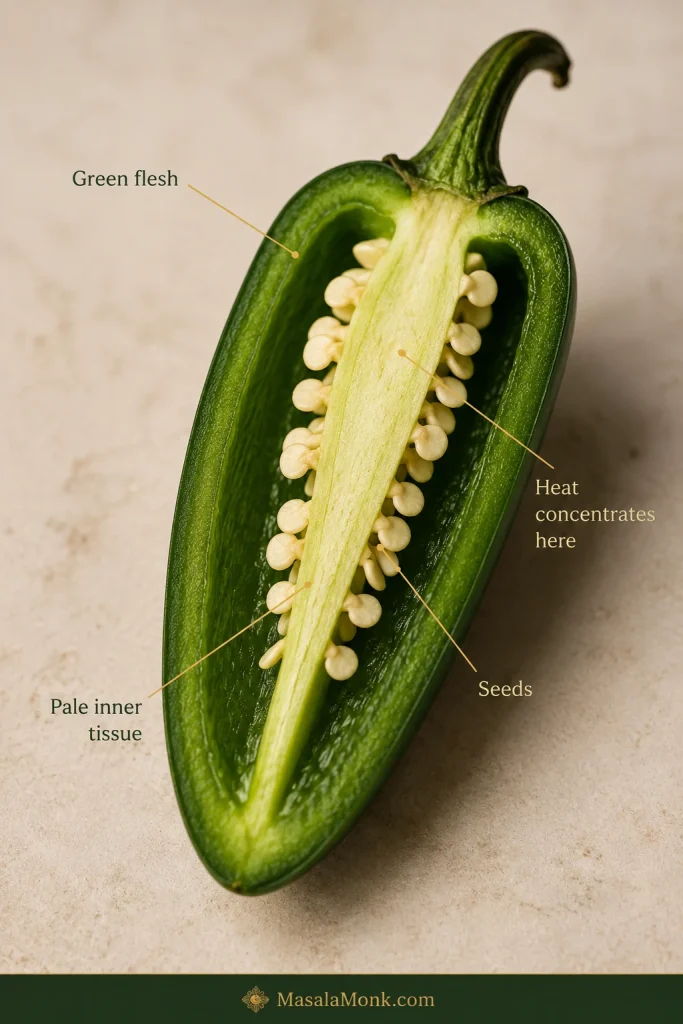
Does Rotel dip freeze well?

Freezing is not the best choice because the cheese can separate or turn grainy after thawing. Refrigerate leftovers and reheat them within a few days for the best texture.

Rotel dip should make the table easier, not more complicated. Start with Velveeta and Rotel, add sausage or ground beef if the bowl needs to feel hearty, stir in cream cheese for a thicker scoop, and let the slow cooker do the quiet work while people come back for more.
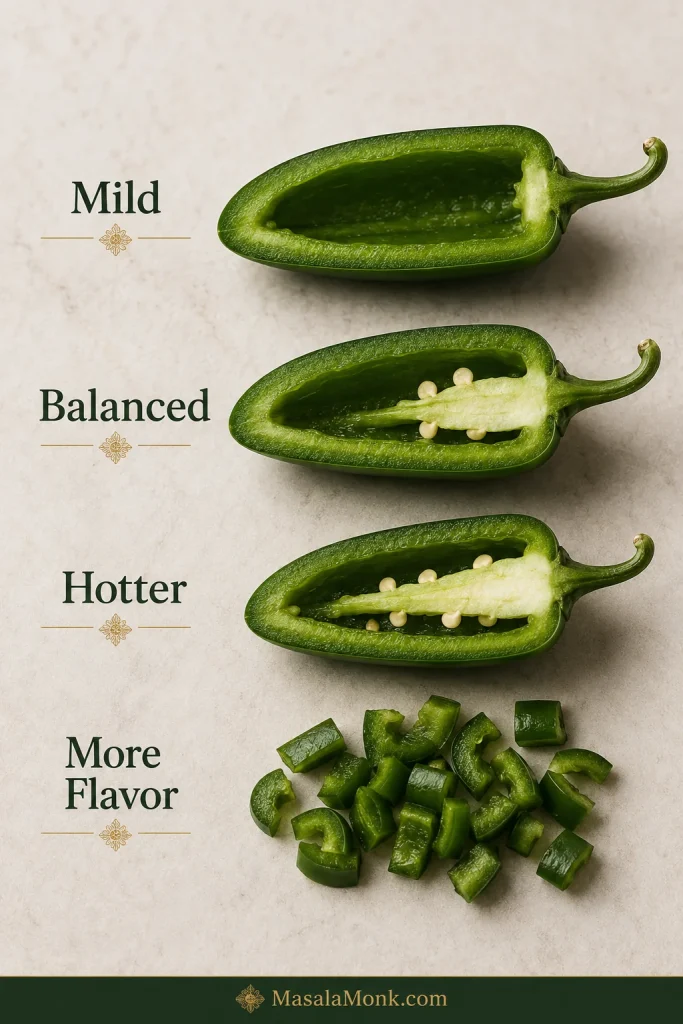
Made it with sausage, ground beef, cream cheese, or just Velveeta and Rotel? Tell us which version disappeared first.

Posted on Leave a comment

Spring Roll Recipe: Crispy Veg Spring Rolls with Wrappers, Filling & Sauce

Crispy vegetable spring rolls on a plate with sweet chili sauce, green chutney, and one roll cut open to show the filling.

These spring rolls are for the moment you want that crackly first bite: a thin golden wrapper, hot vegetable filling, and a bright little dip waiting on the side. The goal is simple: crisp, not greasy; full, not bursting; flavorful, not watery.

They feel easy until you are standing there with wet filling, wrappers drying at the edges, and oil getting hotter by the second. The good news is that they are not difficult once you know what usually goes wrong. This recipe keeps the process steady with five checks: dry filling, thin wrappers, snug fold, thick seal, and steady hot oil.
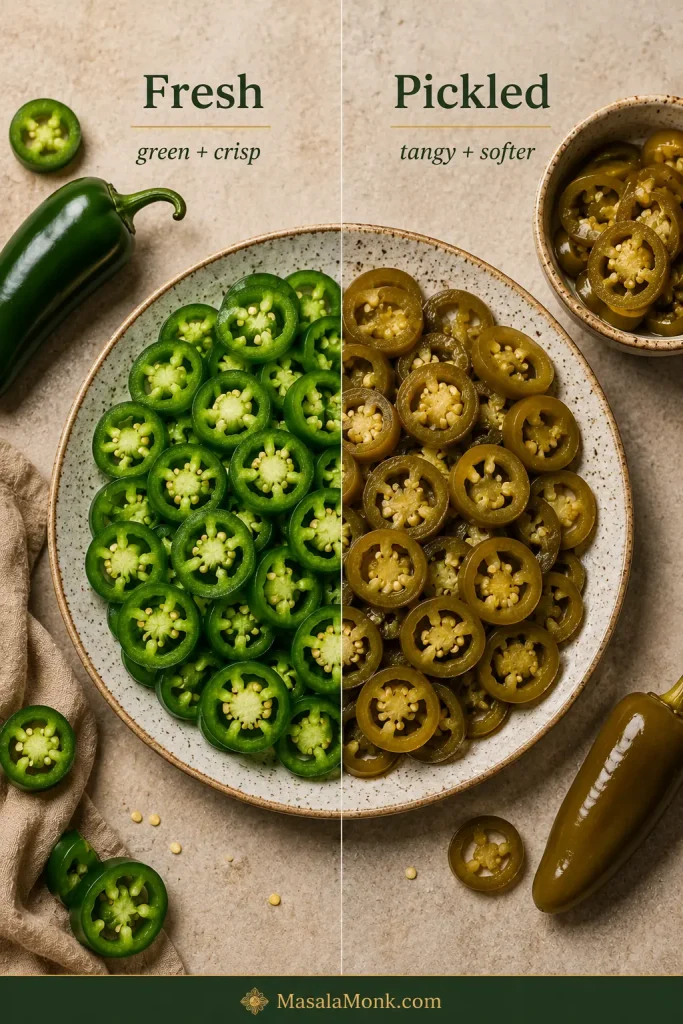
This repeatable home method uses store-bought thin wrappers, ginger-garlic vegetables, clear wrapping cues, and a light golden shell that cracks when served hot.

When the wrapper is right, it breaks before it bends. The filling stays hot and savory inside, the edges stay crisp for those first few minutes, and the dip makes the next bite feel brighter.

Dry filling, covered wrappers, steady oil — that is the whole spring roll game.

Quick Answer: How to Make Crispy Spring Rolls

A spring roll is a filled roll made with a thin wrapper and vegetables, noodles, tofu, meat, or seafood. In this recipe, spring roll means the crispy fried version made with thin wheat wrappers and a cooked vegetable filling.

For crisp rolls, use thin spring roll wrappers and a cooked vegetable filling that is glossy, cooled, and free of loose liquid. Add about 2 heaped tablespoons filling to each standard 8-inch wrapper, roll snugly, seal with flour or cornstarch paste, and fry at 175–185°C / 350–365°F until golden and lightly blistered.

The most important thing is not perfect rolling. It is starting with filling that has stopped steaming, wrappers that stay covered, and oil that bubbles steadily. Get those right, and the rest becomes much easier.

  • Wrapper: thin frozen spring roll sheets or wheat spring roll wrappers.
  • Filling cue: glossy vegetables, no puddle in the pan, and no heavy steam.
  • Frying range: 175–185°C / 350–365°F for freshly wrapped rolls.
  • Filling amount: about 2 heaped tablespoons for an 8-inch / 20–22 cm wrapper.
  • Make-ahead: freeze homemade uncooked rolls on a tray, then cook from frozen.

That is the whole rhythm: dry filling, flexible sheets, a firm seal, and oil hot enough to crisp before the wrapper can soak.

Texture cue: The finished roll should crack before it bends, with filling that stays tucked inside instead of steaming the wrapper soft.

A hand holding a bitten crispy spring roll with cabbage and carrot filling visible inside the golden wrapper.
Use the first bite as your test: the wrapper should crack cleanly, while the hot vegetable filling stays tucked inside.

Ready to cook now? Jump to the recipe card. Still choosing wrappers? Jump to wrappers.

Recipe: Crispy Veg Spring Rolls

This Indo-Chinese style vegetable spring rolls recipe makes 18–22 crispy rolls with a savory cooked filling and thin golden wrappers. Keep the filling cool, the wrappers covered, and the oil steady. After the first few rolls, your hands find the rhythm and the batch moves quickly.

The filling is vegetarian as written and can also be vegan if your wrappers and sauces are vegan.

Prep time30 minutes
Cook time20 minutes
Cooling time10–15 minutes
Total time60–65 minutes
Yield18–22 spring rolls
Serves4–6 as a snack or appetizer
StyleCrispy veg spring rolls / Indo-Chinese inspired
Main methodDeep fried

The timing above includes cooling. Spread the filling on a wide plate or tray so steam escapes faster and the wrappers stay dry.

Cook’s Notes for the Best Texture

  • Cool the filling fully before wrapping.
  • Keep unused wrappers covered with a damp towel.
  • Seal with a thick flour or cornstarch paste, not a watery one.
  • Fry one test roll first if unsure, then cook in small batches and drain on a rack.

Ingredients

For the spring roll filling

  • 20 thin spring roll wrappers, about 8 inches / 20–22 cm square, plus a few extra if your pack has them
  • 200g cabbage, finely shredded, about 3 packed cups
  • 80–100g carrot, julienned or thickly grated, about ¾–1 cup
  • ½ cup capsicum / bell pepper, thinly sliced
  • ½ cup finely sliced French beans or bean sprouts
  • ½ cup spring onions, whites and greens separated
  • 3–4 garlic cloves, finely minced
  • 1 tablespoon ginger, finely minced
  • 1 tablespoon neutral oil for stir-frying the filling
  • 1½–2 tablespoons soy sauce
  • 1–1½ tablespoons vinegar
  • 1–2 teaspoons red chili sauce or green chili sauce, optional
  • ½ teaspoon white pepper or black pepper
  • ½–1 teaspoon sugar, optional, to balance the seasoning
  • ½–1 cup cooked, cooled, roughly chopped noodles, optional
  • Salt only after tasting, because soy sauce, wrappers, and dipping sauces already add salt

The yield depends on wrapper size and filling amount. With the full 1 cup noodles, you may get closer to 22 rolls.

For sealing

  • 2 tablespoons all-purpose flour or cornstarch
  • 2–3 tablespoons water, or enough to make a thick paste

For frying

  • Neutral oil for deep frying, such as sunflower, peanut, canola, rice bran, or another suitable high-heat frying oil

Avoid strongly flavored oils for frying because they can overpower the ginger, garlic, soy, and vegetable filling.

Method

1. Make the sealing paste

Mix the flour or cornstarch with water to make a thick, smooth paste. It should be spreadable, not runny. Keep it nearby while wrapping. Plain water can work with some wrappers, but paste is safer for fried rolls.

2. Cook the filling

Heat 1 tablespoon oil in a wok, kadai, or wide pan over medium-high to high heat. Add the garlic, ginger, and spring onion whites. Stir for a few seconds until aromatic, but do not let the garlic brown too much.

Add the cabbage, carrot, capsicum, and beans or sprouts. Stir-fry on high heat for 2–4 minutes, just until the vegetables soften slightly but still keep some crunch.

Add soy sauce, vinegar, chili sauce if using, pepper, and sugar if needed. Toss well. Add cooked noodles now, if using. Chop long noodles roughly before adding them so they do not pull the filling out when you bite.

Continue cooking until the vegetables smell savory and gingery and there is no visible liquid at the bottom of the pan. Drag a spatula through the filling; if liquid runs back into the space, cook it a little longer. The filling should be glossy and flavorful, not saucy.

Taste and adjust the seasoning. Go light on extra salt because the wrappers and dipping sauces add more. Add spring onion greens at the end. Transfer the filling to a plate or tray and let it cool to room temperature before wrapping.

3. Prepare the wrappers

Thaw frozen spring roll wrappers according to the package instructions. Keep the wrapper stack covered with a clean damp towel while you work; this one small habit prevents most cracking and tearing.

The sheets should feel soft and flexible, not dry, cracked, or sticky. If they stick together, wait a few more minutes after thawing instead of pulling hard. Avoid microwaving frozen wrappers unless the package says it is safe, because they can turn steamy, sticky, and easier to tear.

4. Fill and fold

Place one wrapper on the counter like a diamond, with one corner pointing toward you. Add about 2 heaped tablespoons of cooled filling just below the center. Fold the bottom corner over the filling, tuck gently, fold the left and right corners inward, then roll tightly toward the top corner. Brush the final corner with sealing paste and press to close. Place the roll seam-side down.

The first roll is allowed to look a little awkward. Keep going; the next few usually get neater.

Keep finished rolls covered while you wrap the rest. Exposed wrappers dry quickly, especially in a warm kitchen.

5. Fry until crisp

Heat 2–3 inches of oil in a deep pan to 175–185°C / 350–365°F. Lower the rolls gently into the oil, away from your body. Fry one test roll first if you want to check the seal and oil temperature before committing the whole batch. If it browns evenly and stays closed, the rest of the batch is ready.

Fry 3–5 rolls at a time, depending on pan size. Do not crowd the pan; too many rolls drop the oil temperature and can make the wrappers oily. Turn gently and fry until golden, crisp, and lightly blistered, about 3–5 minutes.

The oil should sizzle steadily. When the rolls brown too slowly, let the oil move closer to 185°C / 365°F before adding more. If they brown too fast, lower the heat and give the oil a moment to settle. Homemade frozen rolls that have not been cooked yet should start closer to 190°C / 375°F, because they drop the oil temperature quickly. When frozen rolls brown before the center is hot, lower the heat slightly after the first minute.

Remove with tongs or a slotted spoon and drain on a wire rack or paper towel-lined plate. The best rolls feel light when you lift them and sound crisp when they touch the rack. Serve hot with sweet chili sauce, soy-vinegar dip, Schezwan-style sauce, green chutney, peanut chutney, or another spring roll dipping sauce.

Success cue: Most spring roll problems trace back to five details: dry filling, thin wrappers, snug folding, thick paste, and steady oil.

A spring roll success formula guide listing dry filling, thin wrappers, snug fold, thick seal, and steady hot oil.
Use this as your final check before wrapping so the rolls fry crisp instead of soggy, oily, or burst.

What Kind of Spring Rolls Are These?

This recipe is for the crispy, fried kind of spring roll: thin wheat wrappers, cooked vegetable filling, and a golden shell that cracks when hot. It is not the soft fresh rice paper version.

For this recipe, choose thin wheat spring roll wrappers or frozen spring roll sheets. Rice paper is better for fresh rolls, and egg roll wrappers make a thicker, chewier roll. The important thing is not only the name on the packet; it is how the wrapper behaves once it hits heat.

Wrapper cue: Use the wrapper that matches the roll you want. Thin wheat wrappers give the crisp fried version in this recipe.

A comparison of thin spring roll wrappers, rice paper sheets, and thicker egg roll wrappers.
Choose thin wheat spring roll wrappers for a light fried shell, because rice paper and egg roll wrappers behave very differently.
TypeWrapperCooked?Best for
Crispy spring rollsThin wheat spring roll wrappersFried, air fried, or bakedCrunchy snacks, appetizers, party food
Fresh rice paper rolls / summer rollsRice paper sheetsNoFresh rolls with herbs, noodles, vegetables, shrimp, tofu, or peanut sauce
Egg rollsThicker egg roll wrappersUsually friedHeavier American-Chinese style rolls
LumpiaThin lumpia wrappersUsually friedFilipino-style crisp rolls

If the names still feel confusing, this spring roll vs summer roll vs egg roll explainer gives a simple comparison.

Why This Spring Roll Recipe Works

Now that the recipe path is clear, the rest of the guide is about making each step easier: the filling, the wrapper, the fold, and the heat.

A good spring roll is not only about ingredients. It is a balance of three small things: filling that does not steam, wrappers that stay flexible, and oil hot enough to set the shell before it turns greasy.

The best rolls are not just crunchy. They have contrast: a thin shell that cracks, vegetables that still have bite, and a dip sharp enough to make the next roll tempting.

The filling dries out before it goes inside

Loose moisture is the enemy of that crackly shell. Quick stir-frying cooks off extra water while keeping the vegetables lightly crunchy.

Cooling stops the wrapper from steaming

Warm filling creates steam. Steam trapped inside a sealed wrapper can soften the roll or make it burst in the oil. Letting the filling rest gives you a cleaner wrap.

Thin wrappers create the crackly shell

For this crispy version, thin wheat spring roll wrappers are not optional — they are what give the roll its light, crackly shell. Thicker egg roll wrappers work differently and give a chewier, heavier result.

A snug fold keeps the roll calm in hot oil

A neatly folded roll fries more evenly and is less likely to open in the oil. Snug is better than squeezed; too much pressure can tear the wrapper.

Helpful Tools for Crisp Spring Rolls

Use what you have. Spring rolls do not need fancy equipment; the useful tools simply help with the three real jobs: cooking moisture out, keeping wrappers flexible, and letting steam escape after frying.

  • Wok, kadai, or wide pan: for cooking moisture out of the filling quickly.
  • Deep heavy pan: for steadier frying heat.
  • Frying thermometer: the easiest way to stay around 175–185°C / 350–365°F.
  • Wire rack: keeps fried rolls crisp by letting steam escape.
  • Damp towel: keeps wrappers flexible while you work.

Spring Roll Ingredients and Filling Formula

The filling should taste bright and savory on its own, because the wrapper only adds crunch; it does not fix a flat filling. You should smell ginger, garlic, soy, and vinegar before you turn off the heat. If the filling tastes dull now, it will taste dull inside the wrapper too.

The formula is simple: crunch, aroma, salt, acid, heat, and a little body. Cabbage and carrot bring texture, ginger and garlic build aroma, soy sauce adds depth, vinegar keeps the fried wrapper from feeling heavy, pepper and chili sauce add bite, and optional noodles make the filling fuller.

Ingredient cue: Build the filling around crunch, aroma, salt, acid, and heat so the rolls taste bright before they reach the dip.

Shredded cabbage, carrot, capsicum, beans, spring onions, garlic, ginger, sauces, and spring roll wrappers arranged on a board.
Start the vegetable spring roll filling with crunchy vegetables and aromatics, then use soy sauce and vinegar for that Indo-Chinese flavor.
  • Crunch: cabbage, carrot, capsicum, beans, sprouts, and spring onions.
  • Aroma: ginger, garlic, and spring onion whites.
  • Umami: soy sauce for depth and salt.
  • Brightness: vinegar to balance the fried shell.
  • Heat: pepper and optional chili sauce for Indo-Chinese snack-shop flavor.
  • Body: a small amount of cooked, cooled, roughly chopped noodles, if you want a fuller filling.

The same soy-garlic-ginger balance is useful beyond this recipe too; this stir fry sauce recipe works well for noodles, vegetables, tofu, chicken, shrimp, and quick weeknight bowls.

Best Wrappers for Crispy Spring Rolls

Once you know which kind of roll you are making, wrapper choice becomes simple. Use thin wheat spring roll wrappers or frozen spring roll sheets for this recipe. Rice paper is for fresh rolls, and egg roll wrappers make a thicker, heavier roll.

Thin sheets give a delicate shatter; thicker wrappers make the roll heavier and chewier.

Wrapper typeUse for this recipe?What to know
Thin wheat spring roll wrappersYesBest choice for crispy fried spring rolls.
Frozen spring roll sheetsYesCommon in Indian and Asian grocery stores. Thaw while sealed.
Lumpia wrappersYes, when availableThin and crisp, though size and texture may vary.
Rice paperNot for this main methodBest for fresh summer rolls. Fried rice paper rolls need a different technique.
Egg roll wrappersNot idealThicker, heavier, and chewier than spring roll wrappers.
Homemade spring roll sheetsPossibleUseful if already made thin and flexible.

Homemade spring roll sheets can work when they are thin and flexible, but they are a separate project. For this recipe, store-bought frozen sheets are easier and more reliable.

If you cannot find spring roll wrappers, lumpia wrappers are the closest substitute. Thaw frozen wrappers while they are still sealed so they do not dry out. Once opened, cover the stack with a clean damp towel, separate one sheet at a time, and cover the rest again immediately.

How to Tell If Wrappers Are Ready

A good wrapper should feel easy in your hands: soft enough to bend, dry enough to separate, and strong enough to roll without splitting. If the sheet fights you, wait. A wrapper that is still too cold or too dry will tear before it rolls.

Readiness cue: A wrapper should separate cleanly and bend easily. If it cracks, it is too dry or still too cold.

A thin square spring roll wrapper being lifted from a stack to show its flexible texture.
A flexible wrapper is easier to fold, seal, and fry; if the sheet cracks while lifting, it may tear during rolling.

For a deeper look at why rice paper packages are sometimes confusingly labeled as “spring roll skin,” Viet World Kitchen has a helpful rice paper buying guide.

Wrappers sorted? Move to the filling, where moisture matters most.

How to Make Spring Roll Filling That Is Not Watery

After the wrapper, the filling is the next place the recipe succeeds or fails. Raw vegetables release water inside the wrapper, which is why the filling is cooked first. When that moisture stays trapped, the rolls can burst, leak, or turn oily while frying.

Moisture Cues Before Wrapping

Moisture cue: The filling can be bold and glossy, but it should never be wet enough to leave a puddle.

A side-by-side comparison of wet spring roll filling and dry cooked spring roll filling.
Moisture causes trouble fast: wet filling can soften, leak, or burst, while dry cooled filling helps the rolls fry crisp and clean.

Cook the filling quickly over high heat. The vegetables should soften slightly but not collapse. Once the sauces go in, keep tossing until the pan looks almost clean when you push the filling aside. Flavor can be bold, but the mixture should not be saucy.

Visual cue: The filling is ready when it looks glossy but not saucy. Push it aside in the pan before wrapping.

Cooked vegetable spring roll filling pushed aside in a pan with no loose liquid visible.
Before the filling goes into wrappers, push it aside in the pan; if liquid runs back, the mixture needs a little more cooking.

Slightly wet filling needs another minute over high heat. A tiny pinch of cornstarch can help bind moisture, but the better fix is usually cooking the liquid off.

When the filling is right, it smells sharp from vinegar, warm from ginger and garlic, and savory enough that it tastes good before it ever reaches the wrapper.

After cooking, spread the mixture on a plate or tray and let the steam escape. Do not wrap while it is still warm. Trapped steam can soften the wrapper and make the rolls burst during frying.

Cooling cue: Spread the filling out instead of leaving it piled up, so steam escapes before the wrappers touch it.

Cooked spring roll filling spread on a tray to cool, with wrappers nearby under a towel.
Once cooked, spread the filling thinly so steam escapes quickly; cooler filling protects delicate spring roll wrappers from softening.

Before You Wrap, Check This

  • The filling is cool, not warm.
  • There is no liquid at the bottom of the plate or tray.
  • The wrappers bend without cracking.
  • The sealing paste is thick, not runny.
  • A damp towel is ready for the unused wrappers.

When all five are true, you are ready to wrap. Anything off? Fix it now; this is much easier than rescuing rolls in hot oil.

Checklist passed? Check how much filling to add before folding.

How Much Filling Goes in Each Spring Roll?

Overfilling is tempting, but it causes rolls to split. Underfilling makes them hollow and oily. Each one should feel like a small firm parcel, not a stuffed pillow.

Wrapper sizeFilling amount
6-inch wrapperAbout 1–1½ tablespoons
8-inch / 20–22 cm wrapperAbout 2 heaped tablespoons
10-inch wrapperAbout 3 tablespoons

For standard 8-inch wrappers, about 2 heaped tablespoons of cooled filling is usually enough. When in doubt, underfill the first two rolls. A slightly slimmer roll fries better than a swollen one that splits.

Correct Filling Amount

Amount cue: The filling should sit below the center of the wrapper with enough empty space left for folding and sealing.

A square spring roll wrapper placed like a diamond with two heaped tablespoons of vegetable filling near the bottom.
With an 8-inch wrapper, two heaped tablespoons of filling keeps the spring roll full without making it bulky or hard to seal.

Shape cue: A roll that looks swollen before frying is usually too full. Slimmer rolls fry cleaner and split less.

A guide comparing an overfilled spring roll wrapper with a correctly filled spring roll wrapper.
If a spring roll looks swollen before frying, it is already more likely to split; leave enough wrapper space for a tight close.

Amount looks right? Move to folding.

How to Fold Spring Rolls

Folding is easier when the filling is cool and the wrapper is soft. Work with one sheet at a time and keep the rest covered.

  1. Place one wrapper on the counter like a diamond, with one corner pointing toward you.
  2. Add the filling just below the center.
  3. Fold the bottom corner over the filling.
  4. Tuck gently once so the filling sits snugly inside.
  5. Fold the left and right corners inward.
  6. Roll tightly toward the top corner.
  7. Brush the final corner with sealing paste.
  8. Press to seal and place the roll seam-side down.

Folding Sequence

First fold cue: Start with a gentle tuck, not a hard squeeze, so the wrapper stays smooth and the filling stays compact.

Hands folding the bottom corner of a spring roll wrapper over the vegetable filling.
First, pull the bottom corner over the filling and tuck it gently, creating a firm base before the side folds.

Side fold cue: Bring the corners in evenly so there are fewer open edges for oil to find.

Hands folding the side corners of a spring roll wrapper inward over the filling.
Next, bring both side corners inward so the filling stays contained and the roll has fewer chances to leak.

Folding cue: Once the fold pattern makes sense, repeat the same light-fill, firm-tuck, neat-fold rhythm for the whole tray.

A four-step guide showing how to fill, tuck, fold the sides, and seal spring rolls.
Once you understand the fold, the process becomes repeatable: fill lightly, tuck firmly, fold neatly, seal well, and move on.

The roll should feel snug but not stretched. If the wrapper is pulling tight before you seal it, there is too much filling.

Torn wrapper? Patch it with a small scrap and paste, then use that roll as the test piece. The first one is allowed to look a little awkward. A secure seal matters more than a perfect shape, and the next few usually get neater as your hands find the rhythm.

Sealing and Resting Before Frying

Seal cue: The paste should be thick enough to hold the final edge closed without running down the wrapper.

Thick sealing paste being brushed onto the final corner of a spring roll wrapper.
Use thick flour or cornstarch paste on the final edge, since a stronger seal holds better once the rolls hit hot oil.

Resting cue: Keep each wrapped roll seam-side down while the rest of the batch is finished.

Uncooked spring rolls arranged seam-side down on a tray with wrappers and filling nearby.
After sealing, rest each roll seam-side down; the gentle pressure helps the closed edge stay secure before frying.

After the first few, the motion becomes simple: fill, tuck, fold, seal, repeat. The tray starts filling up, the rolls look neater, and the frying suddenly feels much less intimidating.

Wrapped and sealed? Go to frying while the wrappers are still flexible.

How to Fry Spring Rolls So They Stay Crispy

This is the part where the rolls change from neat little parcels into the snack everyone starts reaching for. Once they are wrapped, the oil temperature decides whether they turn crackly or greasy. They need hot oil, but not smoking oil. Cool oil makes wrappers absorb oil before they crisp. Oil that is too hot browns the outside before the center heats evenly.

Use the temperature range as your guardrail, then watch the oil and listen to the sizzle. It should sound active but not angry. Rolls should sizzle steadily, not sit quietly and soak, and not brown the second they touch the oil.

SituationTemperatureWhat it means
Freshly wrapped spring rolls175–185°C / 350–365°FBest range for crisp, golden rolls.
Homemade frozen rolls, uncookedAbout 190°C / 375°FThe frozen rolls drop the oil temperature quickly.
Too coolBelow 170°C / 340°FRolls can become oily and pale.
Too hotAbove 190°C / 375°FWrappers brown too fast and may blister aggressively.

Temperature and Bubble Cues While Frying

Temperature cue: Use 175–185°C / 350–365°F for fresh rolls so the wrapper crisps before it absorbs too much oil.

Oil temperature guide showing three spring rolls: pale and oily when too cool, golden at 175–185°C / 350–365°F, and too dark when too hot.
Fresh spring rolls crisp best at 175–185°C / 350–365°F, where the wrapper gets even color without darkening too fast.

Bubble cue: Look for steady bubbling around the wrapper, not a quiet soak and not an angry boil.

Golden spring rolls frying in hot oil with steady bubbles around the wrappers.
During frying, watch the bubbles: steady bubbling means crisping, quiet oil suggests heaviness, and violent bubbling can brown the wrapper too fast.

Use 2–3 inches of oil or enough for the rolls to float. Fry in small batches and turn gently. In a medium pan, 3–5 at a time is usually safer than a crowded batch.

A thermometer is best. Without one, dip the handle of a wooden spoon or a chopstick into the oil. Small, steady bubbles around it usually mean the oil is ready. Violent bubbling or smoke means the oil is too hot.

What the First Test Roll Tells You

  • Opens in oil: the seal is weak or the paste is too thin.
  • Browns too fast: the oil is too hot.
  • Turns pale and oily: the oil is too cool.
  • Bursts: the filling is wet, warm, or overpacked.

That first roll tells you everything: whether the seal holds, whether the oil is hot enough, and whether the filling stayed dry. Once it comes out crisp, the rest of the batch feels easy.

Test cue: One roll can save the batch by showing whether the seal holds and the oil is in range.

A single uncooked spring roll being lowered into hot oil with metal tongs.
Fry one test roll before the full batch; it quickly reveals whether the filling, seal, and oil temperature are ready.

Drain fried rolls on a wire rack when possible. A rack lets steam escape and keeps the wrappers crisp. Paper towels also work, but avoid stacking hot rolls on top of each other. Give them a minute on the rack, then serve while the shell still sounds crisp when you move it.

Drain and Check the Shell

Draining cue: Airflow matters after frying too. A rack lets steam escape instead of trapping it under the rolls.

Freshly fried spring rolls draining on a wire rack over a tray.
After frying, use a wire rack when possible; it lets steam escape instead of collecting underneath and softening the shell.

Texture cue: The best shell looks thin, golden, and lightly blistered rather than thick, smooth, or oily.

Close-up of a golden spring roll wrapper with a lightly blistered crisp surface and small flakes.
Look for this lightly blistered surface: it signals a thin wrapper that fried hot enough to crisp without soaking up excess oil.

Want a lighter version? See air fryer spring rolls.

Back to top

Air Fryer Spring Rolls and Baked Spring Rolls

Deep frying gives the crispiest, most delicate result. Think of the air fryer version as a lighter, weeknight-friendly roll, not an exact copy of the deep-fried one. It can still be crisp, but it will not have the same delicate blistered shell.

Deep Fried vs Air Fryer Texture

Texture comparison: Deep frying gives the most blistered shell, while the air fryer trades some delicacy for convenience.

A comparison of a deep-fried spring roll and an air fryer spring roll with different wrapper textures.
Deep frying gives the most delicate blistered shell, while air frying gives a lighter finish that still works for easier home cooking.

Preheat the air fryer if your model recommends it. A hot basket helps the wrapper start crisping sooner instead of drying out slowly.

MethodTemperatureTimeBest cue
Deep fry175–185°C / 350–365°F3–5 minutesGolden, crisp, lightly blistered wrapper.
Air fryer, standard rolls190–200°C / 375–400°F10–15 minutesCrisp outside, lightly browned, flipped halfway.
Air fryer, thicker rolls180°C / 355°F16–20 minutesCooked through without burning outside.
Oven-baked200°C / 400°F20–25 minutesCrisp edges and golden patches.
Homemade frozen rolls, uncooked200°C / 400°F12–16 minutes, plus more if neededHot center and crisp wrapper.

Store-bought frozen spring rolls are often smaller or partially cooked, so they may air fry faster. Follow the package timing and use the same cues: hot center, crisp wrapper, and no cold spots.

Air Fryer Setup That Crisps Evenly

For the air fryer, brush or spray the rolls lightly with oil on all sides. Arrange them in a single layer with space between each one. Flip halfway through cooking. Dry-looking wrappers usually need a little more oil coating.

Air fryer cue: Arrange rolls in one layer with space between them, then use a light oil coating for better browning.

Spring rolls arranged in a single layer inside an air fryer basket with space between each roll.
Space is the first trick for air fryer spring rolls; a single layer helps hot air reach the wrapper from all sides.

For the most blistered shell, use the deep-fry method.

If air-fried rolls brown unevenly or stay soft in patches, this guide to common air fryer mistakes is worth checking, especially for crowding, airflow, and oil coating.

For baked rolls, place them on a rack set over a tray when available. Brush or spray with oil and bake until crisp-edged and golden. Turn once for more even browning.

Best Sauces for Spring Rolls

The dip is not just extra. It is what makes the second bite as exciting as the first. A good dip resets the bite: it cuts the oil, wakes up the filling, and makes the next roll feel lighter than the last.

Put the sauce close to the platter, because the first few rolls usually disappear before the next batch is out of the oil.

MoodDipBest with
Street-style sweet heatSweet chili sauceCrispy vegetable spring rolls
Sharp and saltySoy-vinegar-garlic dipChinese-style spring rolls
Indo-Chinese spicySchezwan-style sauceVeg, chicken, or noodle rolls
Indian snack plateGreen chutneyFried snacks and veg rolls
Creamy and richPeanut chutney or peanut sauceTofu rolls, fresh rice paper rolls, and some vegetable rolls

Sauce cue: Pick a dip that cuts through the fried shell instead of making the bite feel heavier.

Crispy spring rolls served with sweet chili, soy-vinegar, Schezwan, green chutney, and peanut dipping sauces.
Choose a spring roll sauce by contrast: sweet chili adds heat, soy-vinegar adds sharpness, and chutney keeps each bite fresh.

Quick soy-vinegar dipping sauce

For a quick soy-vinegar dipping sauce, mix 2 tablespoons soy sauce, 1 tablespoon vinegar, 1 small grated garlic clove, ½ teaspoon sugar, chili oil or chili flakes to taste, and 1 tablespoon finely chopped spring onion. Taste and add more vinegar if you want it sharper.

Fresh chutney option

For an Indian-style fresh dip, green chutney brings coriander, mint, chili, lemon, and ginger brightness that cuts beautifully through fried spring rolls.

Peanut sauce note

Peanut sauce is excellent with fresh rice paper rolls, tofu rolls, and summer rolls. With crispy spring rolls, it works best when you want a richer, creamier dip rather than a sharp chili sauce. For a thicker Indian-style peanut dip, this tangy spicy peanut chutney gives the rolls a creamy, nutty, slightly sharp contrast without needing a heavy mayo-style sauce.

Making these ahead? Jump to freezing and reheating.

Spring Roll Variations

Once you understand the dry-filling rule, variations stop feeling risky. The filling can change; the moisture rule does not. Cook the filling, let excess liquid evaporate, cool it, then wrap.

  • Vegan spring rolls: use vegan wrappers and keep the filling vegetable, mushroom, tofu, or noodle-based.
  • Mushroom spring rolls: add sliced mushrooms, but cook them until their moisture evaporates.
  • Chicken spring rolls: add cooked shredded chicken or cooked minced chicken; do not add wet gravy.
  • Shrimp or prawn spring rolls: use chopped cooked shrimp or prawns, pat dry if needed, and avoid wet sauce.
  • Tofu spring rolls: press the tofu first, then brown it lightly or crumble it into the vegetable mixture.
  • Noodle spring rolls: use cooked, cooled, roughly chopped noodles. Too many noodles make the filling heavy.
  • Fresh rice paper rolls: use rice paper, fresh herbs, noodles, vegetables, tofu, shrimp, or chicken. Do not fry this version.

Meat, seafood, or tofu should be cooked before wrapping unless a specific recipe is designed for raw filling. Spring rolls fry quickly, so the wrapper can brown before a raw filling cooks safely and evenly.

Make Ahead, Freezing, and Reheating

These are good for prep, but timing matters. The filling can be made ahead. Wrapped uncooked rolls should either be cooked soon or frozen, because moisture from the filling can soften the wrappers over time.

This is the part that makes spring rolls party-friendly: the messy work can happen earlier, and the crisping can happen when everyone is ready to eat. Frying from frozen also keeps the wrappers from sitting around and slowly softening.

  • Filling only: refrigerate for 1 day once cool. Bring closer to room temperature before wrapping and drain off any collected moisture.
  • Wrapped uncooked rolls: refrigerate for 2–4 hours if needed, but cook them soon for the best texture.
  • Wrapped uncooked frozen rolls: freeze on a tray until firm, then transfer to a freezer-safe bag or container.
  • Cooked leftovers: reheat in an air fryer or oven at 180–200°C / 350–400°F until hot and crisp.

Freezing cue: Freeze uncooked rolls separately first, then bag or box them once firm.

Uncooked spring rolls spaced apart on a parchment-lined tray with a freezer-safe container nearby.
To freeze spring rolls properly, firm them up on a tray first; once solid, they store neatly and cook more evenly later.

Freeze homemade uncooked rolls for up to 2–3 months for best quality. If stacking, use parchment between layers so they do not stick together. Fry or air fry from frozen without thawing, because thawing can make the wrappers wet and sticky.

Use the microwave only when crunch does not matter. It heats the filling, but it softens the wrapper.

Spring Roll Substitutions and Method Swaps

Most swaps are safe once you know what they change: wrapper texture, moisture level, or cooking method.

SwapWorks?What changes
Rice paperNot for this main methodUse it for fresh rolls unless following a separate fried rice paper technique.
Egg roll wrappersIn a pinchThe rolls will be thicker, heavier, and chewier.
Frozen vegetablesOnly if cooked dryThey release more moisture and can make the filling soggy.
Air fryerYesLighter result, less blistered shell, needs oil coating.
Homemade spring roll sheetsYes, if thin and flexibleMore work and less predictable than store-bought frozen wrappers.

The safest swap is the one that keeps the roll thin, dry, and quick-cooking. Once the wrapper gets thicker or the filling gets wetter, the texture changes too.

Spring Roll Troubleshooting

Most spring roll problems are not mysterious. They usually come from moisture, filling amount, sealing, or oil temperature. A soggy or burst roll does not mean the recipe failed. Do not judge the whole batch by one bad roll; the first failure usually tells you exactly what to change.

ProblemLikely causeFix
Spring rolls are soggyWet filling, warm filling, or cool oilCook filling until the pan looks dry, let it cool, and fry hotter.
Rolls burst while fryingOverfilled roll, trapped steam, or loose wrappingUse less filling, let it stop steaming first, and roll more securely.
Wrappers tearWrappers dried out or were handled roughlyKeep wrappers covered and use gentle pressure.
Rolls open in the oilWeak seal or watery pasteUse a thicker paste and place rolls seam-side down.
Spring rolls are oilyOil too cool or pan overcrowdedFry fewer at a time and keep oil in the correct range.
Outside browns too fastOil too hotLower heat slightly and keep the oil below 190°C / 375°F.
Air fryer rolls look dryNot enough oil on the wrapperBrush or spray lightly with oil before air frying.
Filling tastes flatNot enough acid, pepper, or aromaticsAdd vinegar, pepper, chili sauce, garlic, or spring onion.

Troubleshooting cue: Match the symptom to the cause before changing the whole recipe.

Troubleshooting guide for spring rolls: soggy means wet filling or cool oil, burst means overfilled or warm filling, oily means oil too cool, torn means dry wrapper, and flat means it needs acid or aromatics.
Use the symptom as your clue: soggy, burst, oily, torn, and flat spring rolls each point to a different fix.

Need the full method again? Jump back to the recipe card.

Back to top

Spring Roll Recipe FAQs

Are spring rolls the same as rice paper rolls?

No. These crispy rolls use thin wheat-based wrappers and are cooked. Rice paper rolls are softer, fresh rolls made with soaked rice paper sheets.

What wrappers are best for crispy spring rolls?

Thin wheat spring roll wrappers or frozen spring roll sheets are best. Rice paper is for fresh rolls, while egg roll wrappers make a thicker, chewier fried roll.

How do you keep spring rolls from getting soggy?

Cook the filling until there is no loose liquid, let it cool before wrapping, avoid overfilling, fry in hot oil, and do not stack the rolls while hot.

Why did my spring rolls burst while frying?

They usually burst because the filling was too wet, too warm, or packed too tightly. Weak sealing can also make rolls open in the oil.

What temperature should oil be for spring rolls?

Freshly wrapped rolls do best around 175–185°C / 350–365°F. Homemade frozen rolls that have not been cooked yet can start closer to 190°C / 375°F.

How long do you fry spring rolls?

Freshly wrapped crispy spring rolls usually take 3–5 minutes at 175–185°C / 350–365°F, depending on wrapper thickness, filling amount, and batch size.

Can you pan fry spring rolls instead of deep frying?

Yes, but use enough oil to coat the bottom of the pan generously and turn the rolls carefully. They can still crisp, but the browning will usually be less even than deep frying.

Do you cook the filling before wrapping spring rolls?

Yes. Raw vegetables release too much water inside the wrapper. A quick stir-fry seasons them and keeps the finished rolls crisper.

How long do spring rolls take in the air fryer?

Standard homemade air fryer spring rolls usually take 10–15 minutes at 190–200°C / 375–400°F. Brush or spray them lightly with oil and flip halfway.

Should spring rolls be frozen before or after frying?

Freeze homemade spring rolls before frying for the best make-ahead texture. Fry or air fry them from frozen without thawing.

What sauce goes best with spring rolls?

Sweet chili sauce is the easiest match. Soy-vinegar-garlic dip, Schezwan-style sauce, green chutney, and peanut chutney also work well.

Before You Fry Your Next Batch

Once the filling is dry, the wrappers stay covered, and the oil is steady, the recipe becomes simple.

The first batch may not look perfect. That is fine. As you understand the filling, wrapper, fold, and oil, every batch gets cleaner, crisper, and easier.

A good batch rarely waits politely on the platter. Serve the spring rolls while the wrappers still crackle, with a bright dip close by. That contrast — hot filling, crisp shell, sharp sauce — is the reason they disappear so quickly from the plate.

Serving cue: Serve the rolls while the shell still crackles and the sauce is close enough for every bite.

Crispy spring rolls on a serving platter with dipping sauces, scattered vegetables, and a hand reaching for one.
Serve spring rolls hot, before the wrappers lose their crackle; the best bite is crisp shell, savory filling, and bright sauce together.

Back to recipe card · Back to top