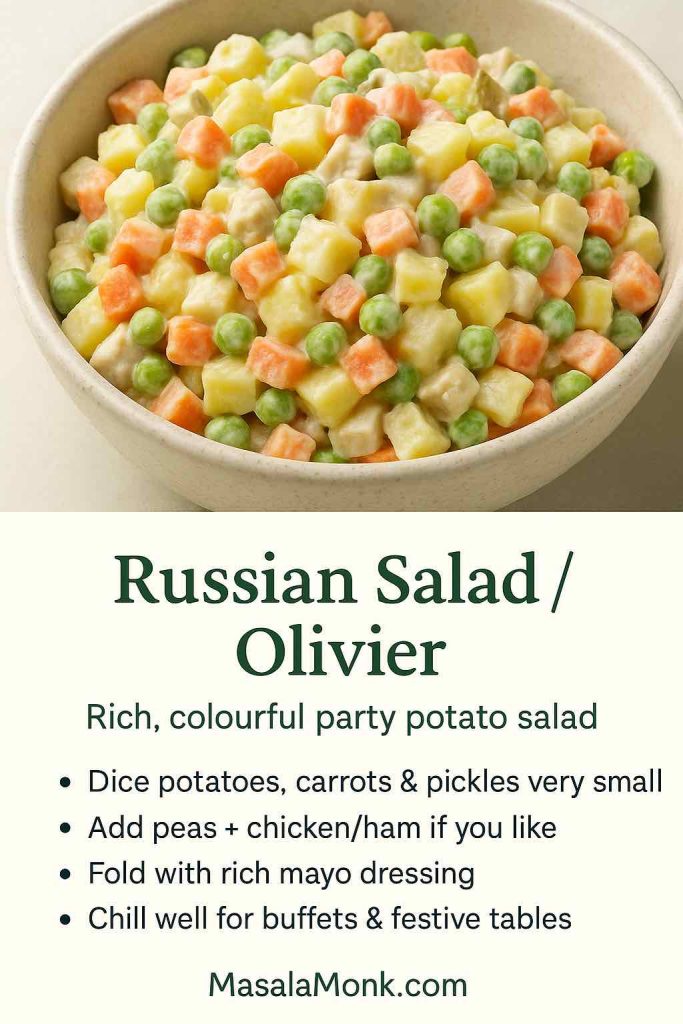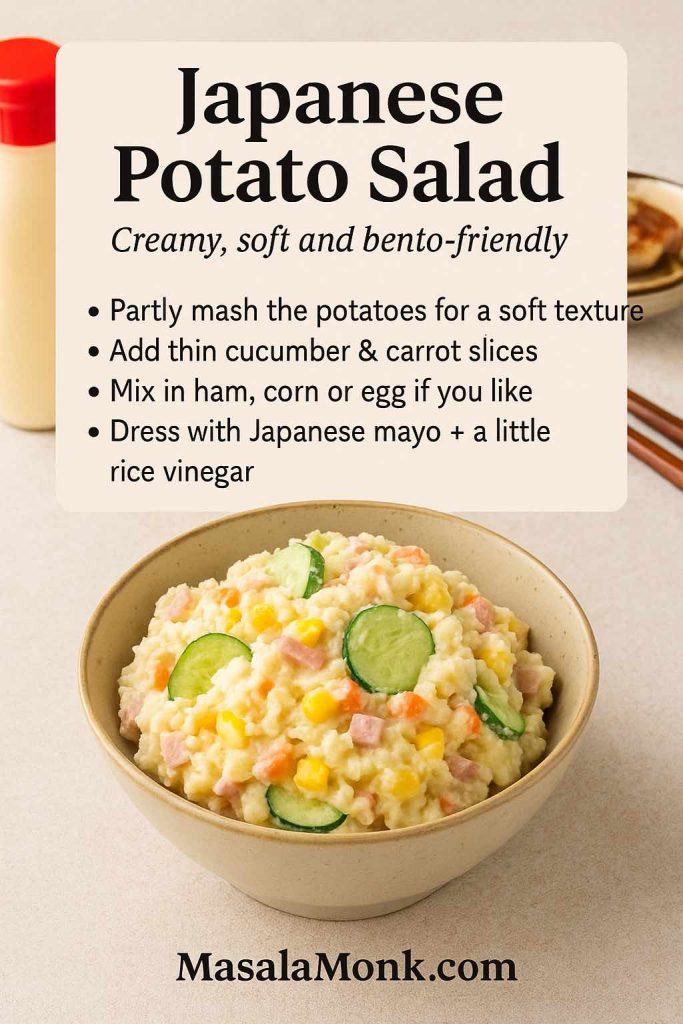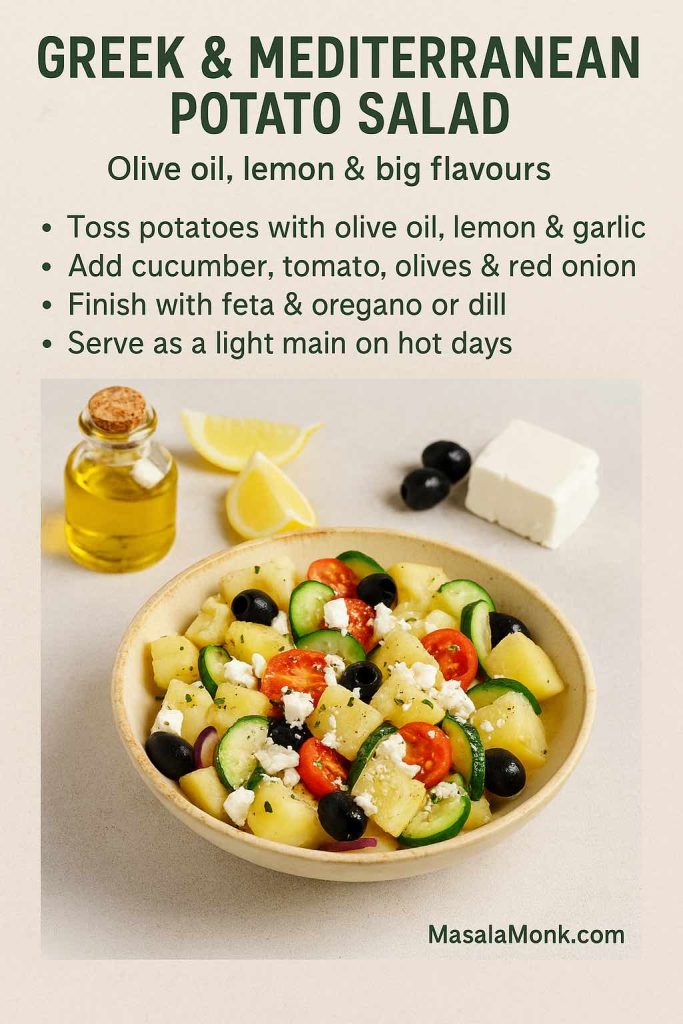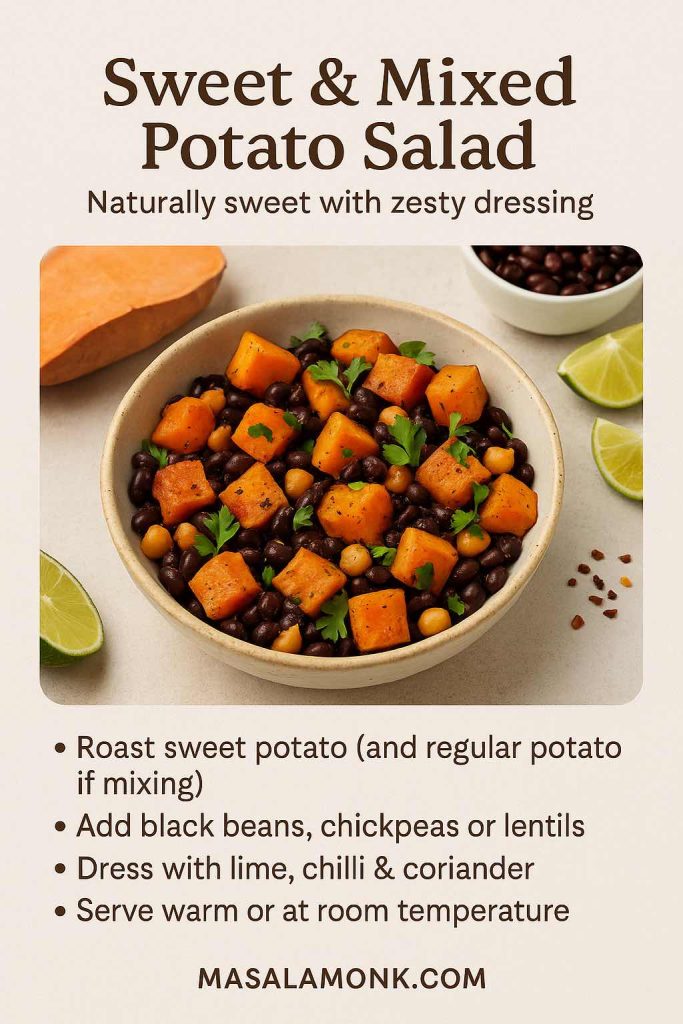
Posted on 8 Comments

Authentic Chimichurri Recipe (Argentine Steak Sauce)

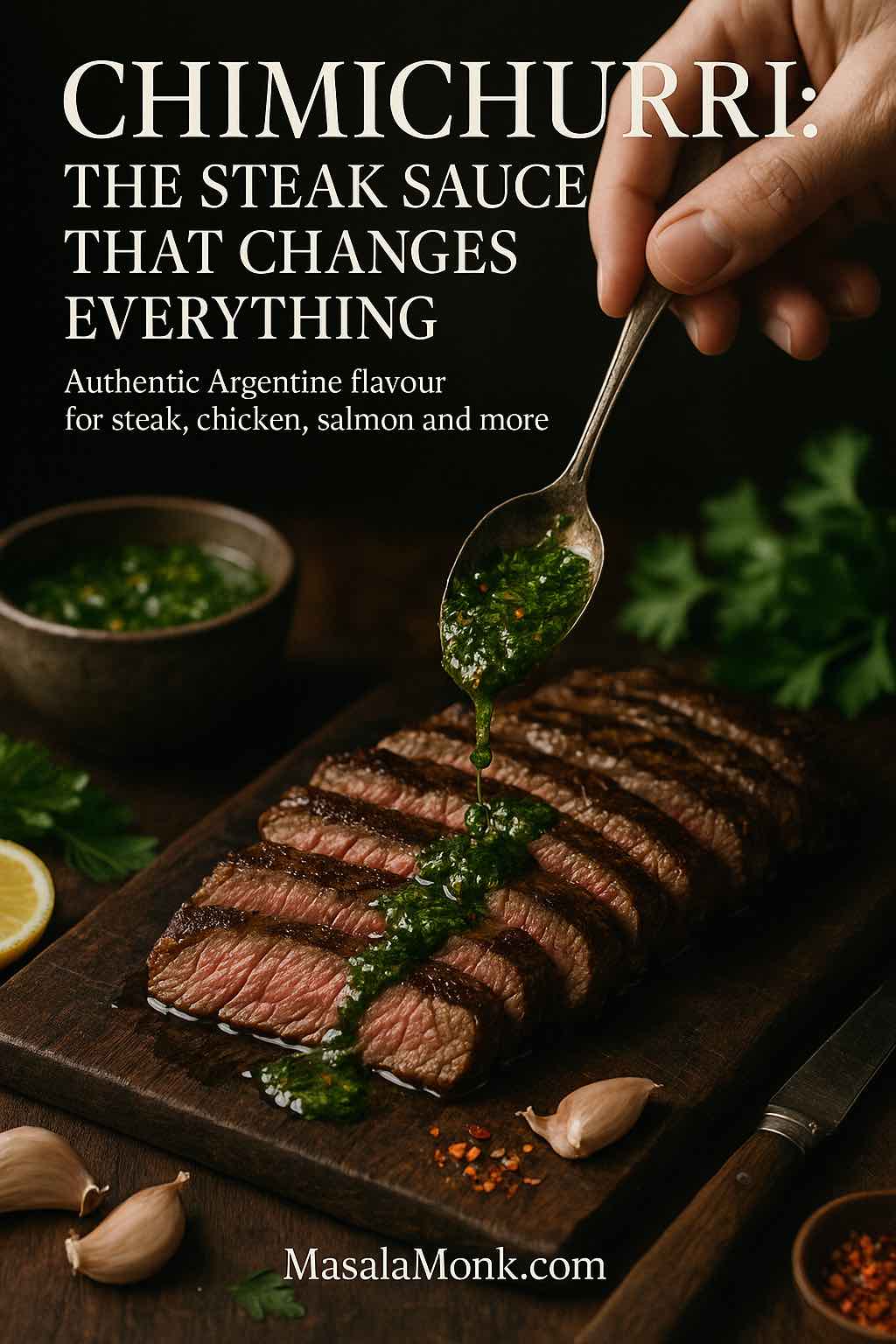
Hand pouring vibrant chimichurri sauce over sliced medium-rare steak on a wooden board, cover image for MasalaMonk chimichurri recipe.

Some sauces quietly change the way you cook. Chimichurri is one of those quiet revolutions: a small bowl of vivid green herbs, garlic and oil that suddenly makes steak, chicken, vegetables, burgers, salmon, even rice taste brighter and more alive. If you’ve ever wondered what chimichurri is, how to make an authentic Argentinian version at home, or how to turn one simple chimichurri recipe into a marinade, dry rub, salad dressing, dip, or even a compound butter, you’re in exactly the right place. We’ll walk through a classic chimichurri sauce recipe, look at red chimichurri and spicy versions, explore cilantro and basil twists, then step into all the ways to use chimichurri for steak, chicken, salmon and beyond.

Along the way, you’ll see how this humble Argentine sauce for steak connects to a whole world of dips and dressings—like basil pesto with 10 variations or Greek tzatziki sauce ideas—so you can build a complete “sauce toolbox” in your kitchen.


What Is Chimichurri?

Chimichurri is a loose, uncooked herb sauce from Argentina and Uruguay, traditionally spooned over grilled meats at outdoor barbecues, or asados. According to its entry on Wikipedia, it’s typically made with parsley, garlic, oregano, vinegar, oil and chili, and it comes in both green (chimichurri verde) and red (chimichurri rojo) versions. It’s part sauce, part marinade, part all-purpose condiment.
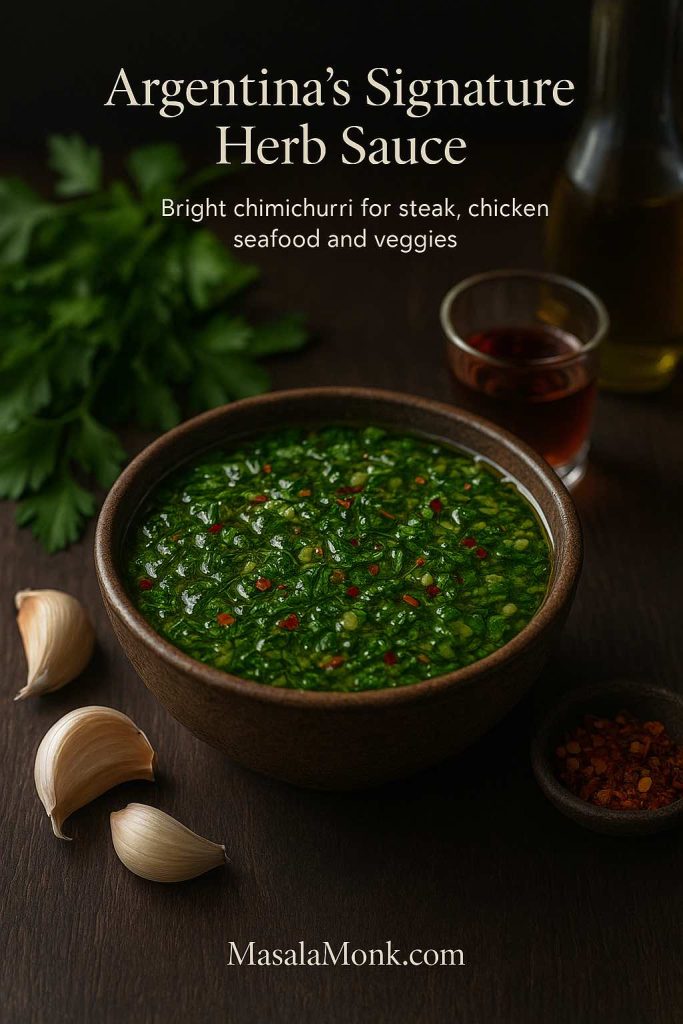
Portrait shot of a rustic bowl filled with bright green chimichurri sauce, Argentina’s signature herb sauce, surrounded by parsley, garlic, chili flakes and red wine vinegar on a dark wooden table.
Chopped parsley, garlic, chili, vinegar and olive oil suspended in one loose, glossy chimichurri—this is the Argentinian herb sauce that turns grilled meat, seafood and vegetables from plain to unforgettable.

Unlike creamy, cooked sauces, chimichurri is raw and punchy. It behaves like a cross between a salsa and a vinaigrette: fresh herbs and garlic suspended in a tangy pool of red wine vinegar and olive oil. That’s why it works as:

  • A bright chimichurri steak sauce, poured generously over sliced beef
  • A quick chimichurri marinade for steak, chicken, prawns or tofu
  • A zippy chimichurri dressing for salads or grain bowls
  • A lively chimichurri dip with bread, fries or roasted vegetables

In some menus and cookbooks you’ll see it called “chimi sauce” or “chimi recipe,” and occasionally people mis-hear it as “jimmy churri sauce.” No matter how you spell it, the idea is the same: finely chopped herbs, bold garlic, enough acidity to wake everything up and enough oil to soften all that intensity.

Also Read: Cranberry Sauce with Orange Juice (7 Easy Recipes & Variations)


Chimichurri Recipe Main Ingredients and Flavour Profile

Before you learn how to make chimichurri step by step, it helps to understand its flavour structure. Most chimichurri ingredients lists share a common backbone:

  • Fresh flat-leaf parsley – the core herb in traditional chimichurri
  • Garlic – usually raw and finely minced, for deep savoury heat
  • Oregano – often dried, sometimes fresh, for that warm earthiness
  • Red pepper flakes or fresh chili – the level that turns it into a spicy chimichurri sauce
  • Red wine vinegar – the most common acid in a classic Argentinian chimichurri sauce recipe
  • Olive oil – a good, flavourful oil to carry everything
  • Salt and black pepper – to round out and balance all the sharp edges
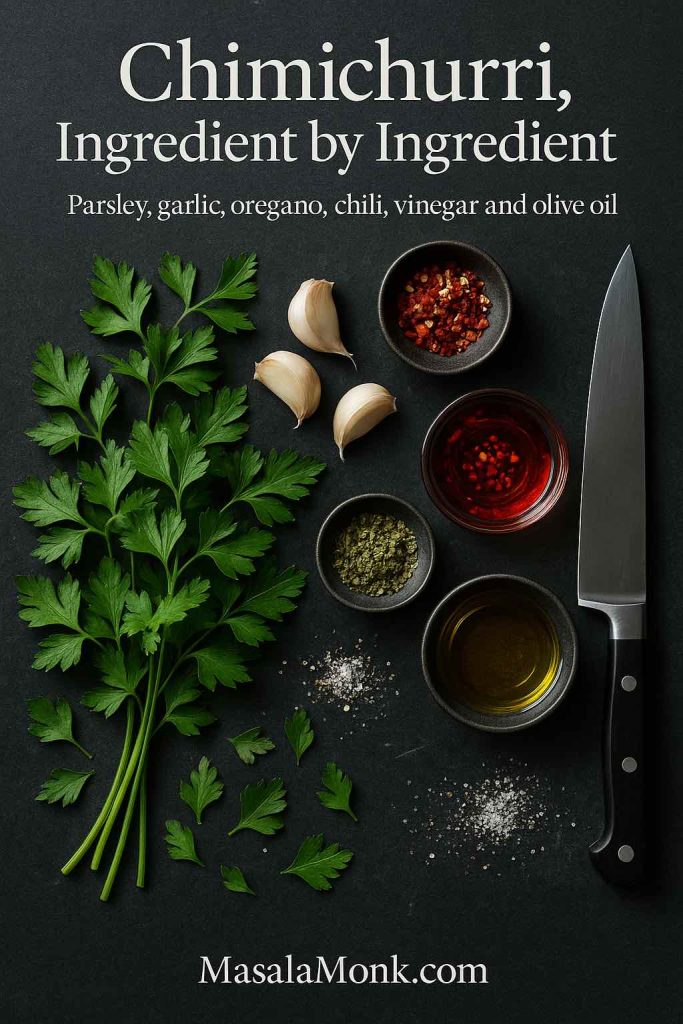
Overhead shot of chimichurri ingredients on a dark surface including flat-leaf parsley, garlic cloves, dried oregano, red pepper flakes, red wine vinegar and olive oil with a chef’s knife.
This is the whole story in one frame: flat-leaf parsley for freshness, garlic for heat, oregano for warmth, chili for a kick, red wine vinegar for tang and olive oil to pull everything together into classic chimichurri sauce.

Many families add tiny tweaks: a spoonful of finely chopped onion or shallot, a splash of lemon juice, or a bay leaf left to infuse the sauce, like in some Argentine home-style recipes. However, the heart of a classic chimichurri recipe remains the same.

If you picture a spectrum of green sauces:

Chimichurri sits in its own niche: all about herbs, vinegar, garlic and chili—not creamy, not cheesy, not tomato-based. It’s an Argentinian herb sauce designed to cut through the richness of grilled meat and wake up the whole plate.

Also Read: Healthy Tuna Salad – 10 Easy Recipes (Avocado, Mediterranean, No Mayo & More)


How to Make Chimichurri: The Classic Green Recipe

Let’s start with a simple, authentic-style green chimichurri sauce you can use on almost anything. This is the base that all the other variations grow from.

Serves: 6–8 as a condiment
Time: 10–15 minutes, plus resting

Ingredients for Classic Chimichurri Sauce Recipe

  • 1 cup very finely chopped flat-leaf parsley (tender stems and leaves)
  • 3–4 cloves garlic, minced into a paste
  • 1–2 tablespoons fresh oregano, chopped (or 1 teaspoon dried oregano)
  • ½–1 teaspoon red pepper flakes, to taste
  • ¼ cup red wine vinegar
  • ½–¾ cup extra-virgin olive oil
  • ½ teaspoon fine salt (plus more to taste)
  • ¼ teaspoon freshly ground black pepper
  • Optional: 1–2 tablespoons finely minced red onion or shallot
  • Optional: 1–2 tablespoons fresh lemon juice

Step-by-Step Method for Chimichurri Sauce Recipe

1. Chop the herbs by hand

Begin by giving the parsley and oregano a really fine chop. Lay the leaves in a loose pile, then run a sharp knife through them again and again until the pieces are tiny but still distinct. You want to see little flecks of green, not a wet paste. This is what keeps chimichurri loose, textured and almost salad-like rather than thick and gluey.
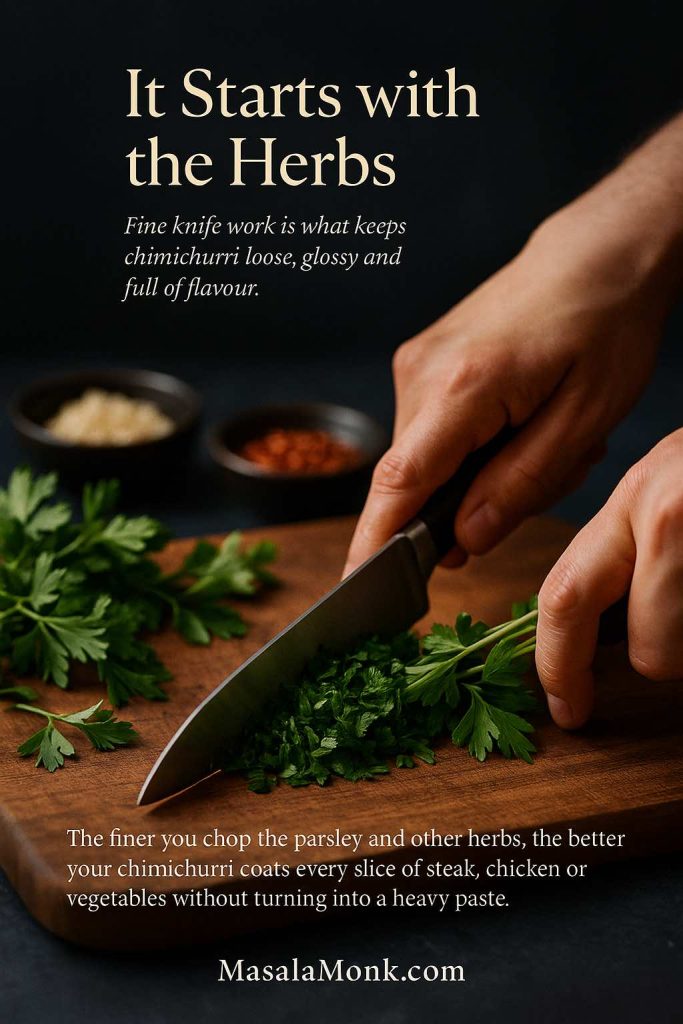
Close-up of hands using a chef’s knife to finely chop fresh flat-leaf parsley on a wooden board with small bowls of garlic and chili in the background for chimichurri sauce.
Fine, even parsley pieces help chimichurri cling lightly to steak, chicken and vegetables, instead of clumping in big leafy chunks or turning into a paste in the blender.

Instead of reaching for a blender or food processor, take a minute to enjoy the knife work. Machines tend to bruise the herbs, releasing too much moisture and turning the sauce into something closer to pesto. Hand-chopping protects the flavour, keeps the colour bright and gives that classic Argentine-style chimichurri look we want over steak, chicken and vegetables.

2. Build the herb base

Once the herbs are finely chopped, slide them into a medium bowl. Add the minced garlic, red pepper flakes and the tiny dice of onion or shallot if you’re using it. Sprinkle over the salt and black pepper, then gently stir everything together. You’re building the flavour foundation here, so take a moment to make sure the aromatics are evenly distributed.
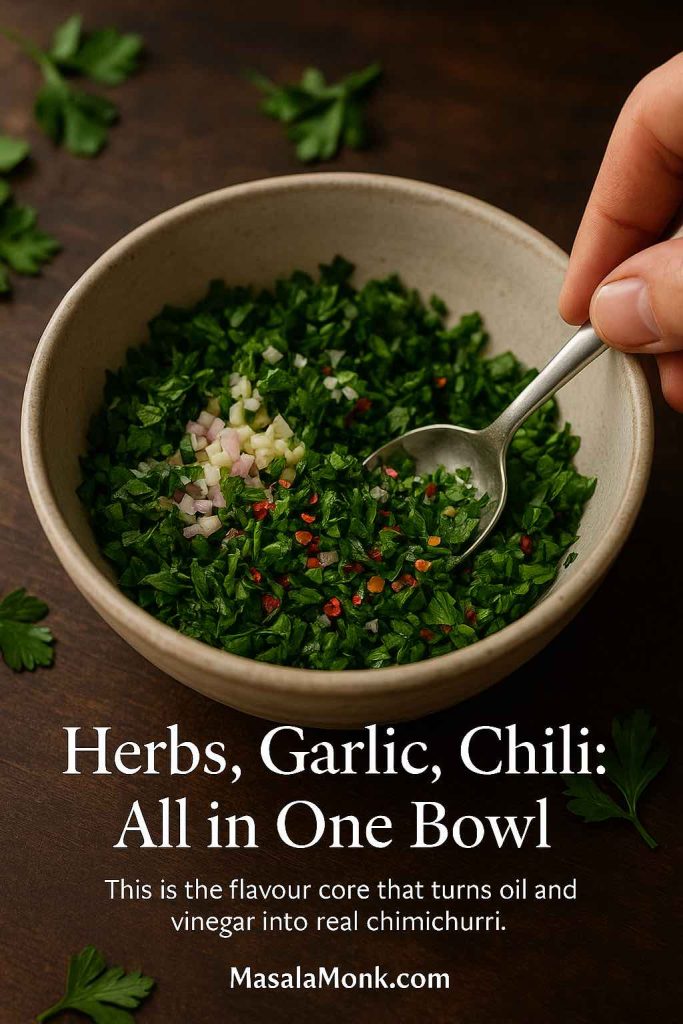
Bowl filled with finely chopped parsley, minced garlic, shallots and red chili flakes being stirred together as the herb base for chimichurri sauce.
When parsley, garlic, shallots and chili come together in one bowl, you’ve built the flavour core—later the vinegar and olive oil simply carry this mix over every slice of steak, chicken, seafood or vegetables.

As the herbs, garlic and chili sit together, they start to release their oils and juices. This early mixing step helps the chimichurri taste integrated later, instead of like oil with bits floating in it. You should already catch the smell of parsley, garlic and spice lifting out of the bowl.

3. Add vinegar, then oil

Now it’s time to give the mixture its bite. Pour in the red wine vinegar and any lemon juice first. Stir well and let the herbs soak up that acidity for a minute; this brief pause softens the raw edge of the garlic and starts to “cook” the herbs in the best possible way.
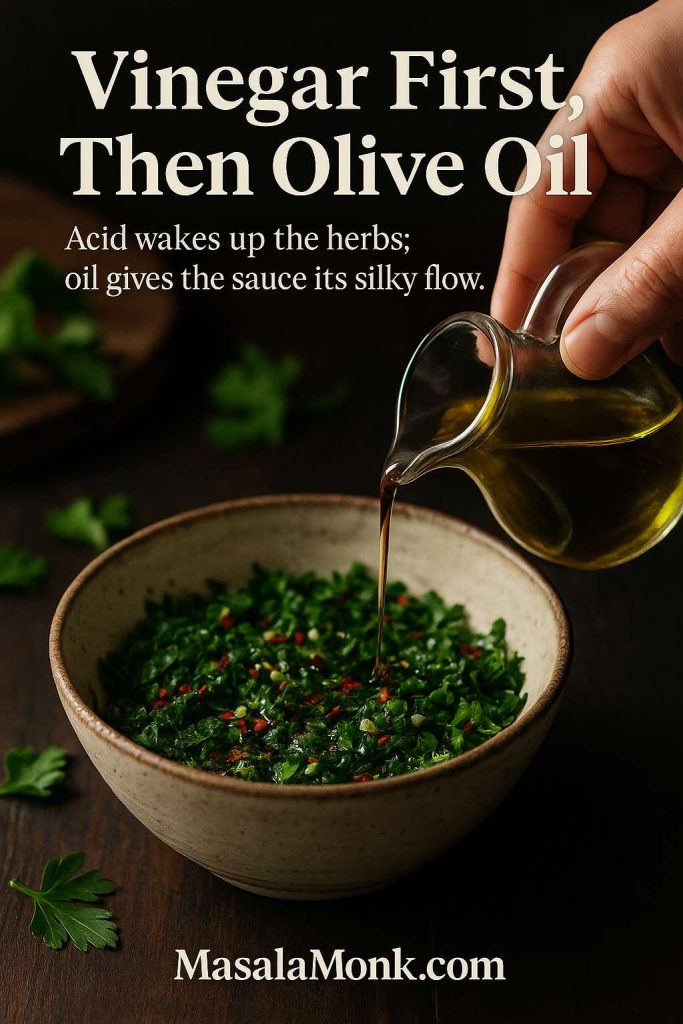
Close-up of red wine vinegar being poured from a glass jug into a bowl of chopped parsley, garlic and chili to make chimichurri, with MasalaMonk.com text on the image.
Let the vinegar hit the herbs first so it can soften the garlic and wake up the parsley, then follow with olive oil to turn everything into a loose, silky chimichurri that runs beautifully over steak, chicken or vegetables.

Only after the vinegar has had a chance to mingle do you begin adding the olive oil. Start with about ½ cup, stirring as you pour, then gradually add more until the chimichurri looks loose, glossy and spoonable—somewhere between a chunky salsa and a vinaigrette. The herbs should be well coated but not drowning in oil. This balance is what lets the sauce cling to steak or chicken while still running slightly across the plate.

4. Taste and adjust

Before you call it done, taste a small spoonful. Ask yourself how it feels on your tongue. If the flavour is sharp or slightly aggressive, a little extra olive oil will round it out. When the sauce tastes flat or dull, reach for a pinch more salt or another drizzle of vinegar to bring it back to life.
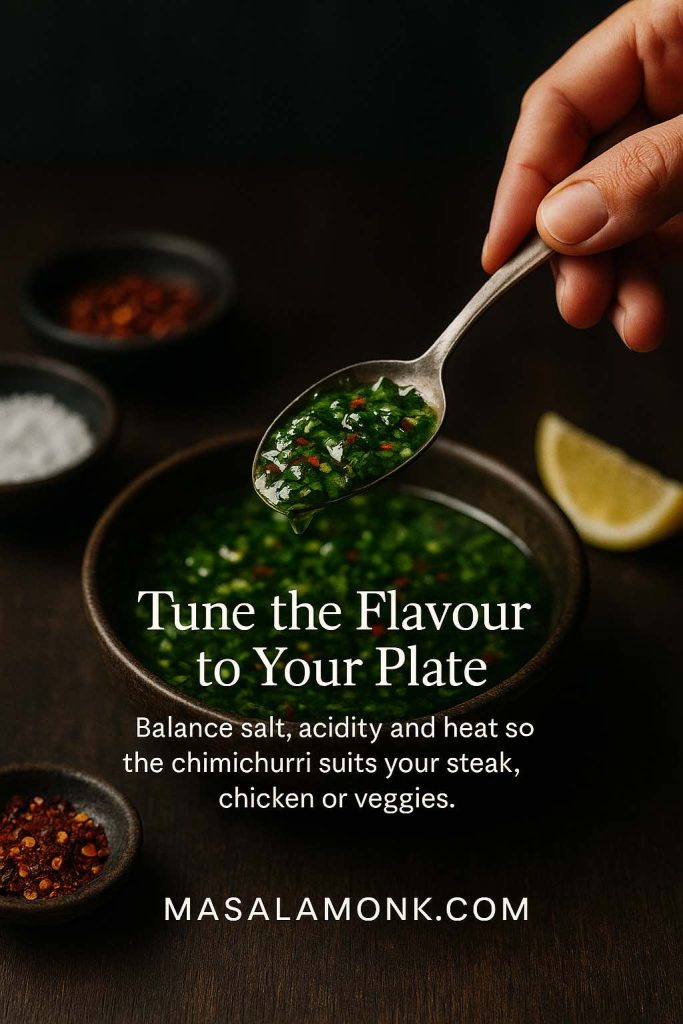
Hand holding a spoonful of glossy green chimichurri sauce above a bowl, with salt, chili flakes and a lemon wedge on a dark table, showing the step of tasting and adjusting seasoning.
A quick taste at this stage tells you whether your chimichurri needs a pinch more salt, an extra splash of vinegar or just a little more chili to match the steak, chicken or vegetables you’re about to serve it with.

On the other hand, if the chimichurri seems too gentle, you can easily wake it up. Add a few more red pepper flakes, a touch of fresh chili or a bit more garlic until the heat and fragrance match what you like on your steak or chicken. This is where you turn a basic chimichurri into your best chimichurri recipe—tiny adjustments until the herbs, acidity, heat and richness all feel in harmony.

5. Let it rest

Finally, give the sauce a little time to settle. Leave your homemade chimichurri at room temperature for 20–30 minutes before serving. During this rest, the herbs hydrate in the oil and vinegar, the garlic softens, and the individual flavours relax into one another.
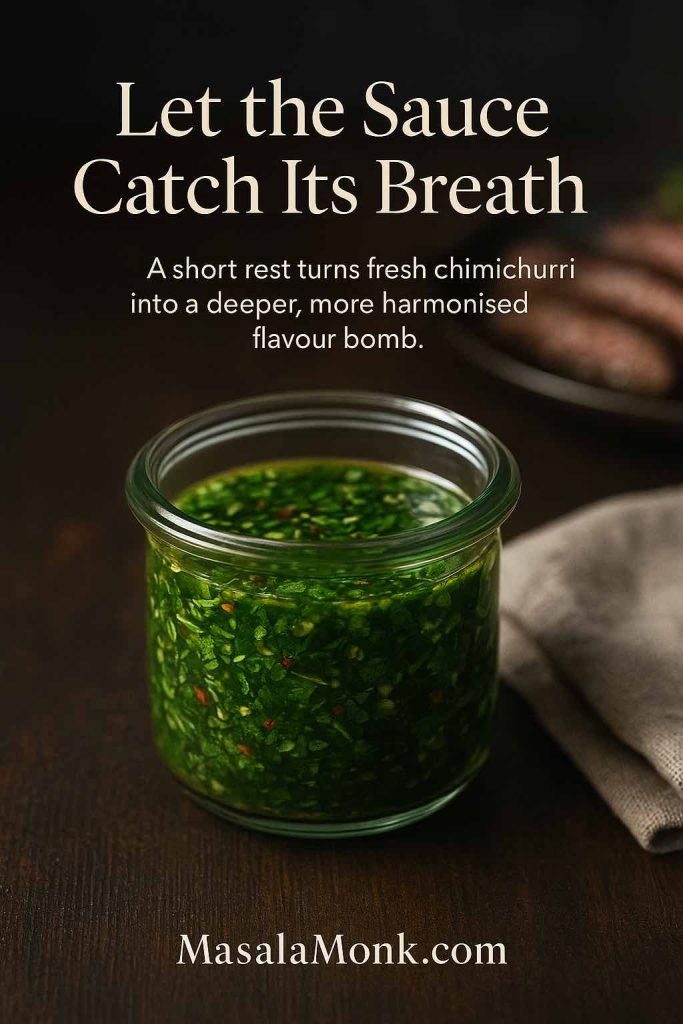
Glass jar filled with fresh homemade chimichurri sauce resting on a dark wooden table, vibrant green herbs and chili suspended in olive oil with a napkin beside it.
After you mix it, let chimichurri rest in a jar for a little while—the parsley softens, the garlic mellows and the whole sauce tastes deeper when it finally hits steak, chicken, seafood or vegetables.

If you’re planning ahead, you can refrigerate the chimichurri for several hours or even overnight. Just remember to bring it back to room temperature and stir well before using it. That way, when you spoon it over a freshly grilled steak, fold it into chicken and rice, or drizzle it on roasted vegetables, you get the fullest, most rounded flavour in every bite.

That’s it. You’ve just made a simple, easy chimichurri recipe you can rely on. It’s the answer to all the “how to make chimichurri,” “how do you make chimichurri,” and “how is chimichurri made” questions in one small bowl.

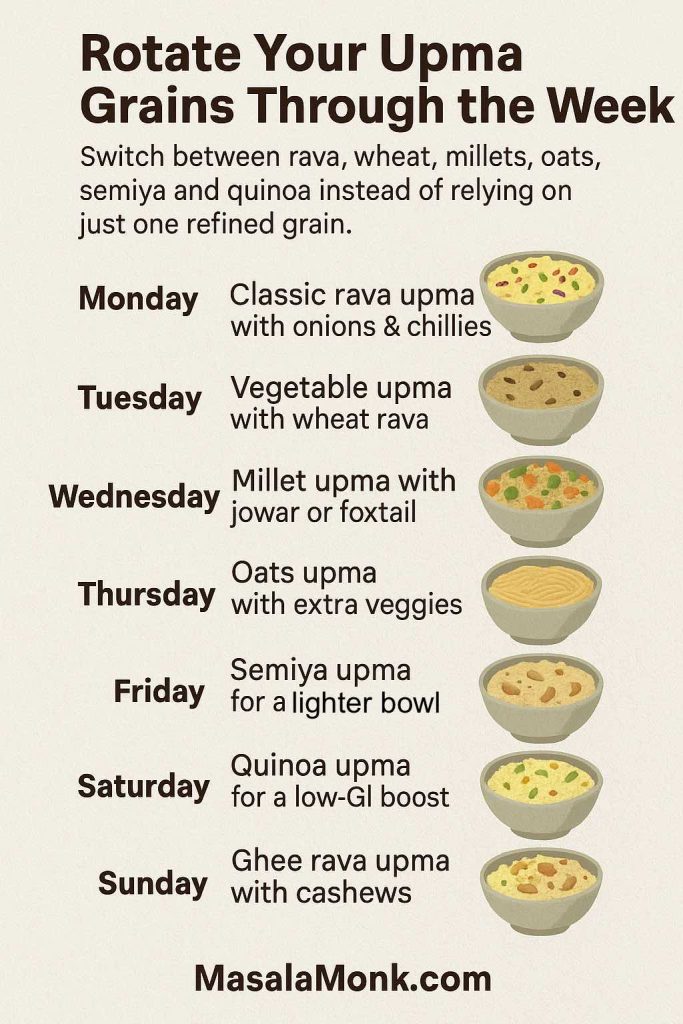
Also Read: Upma Recipe: 10+ Easy Variations (Rava, Millet, Oats, Semiya & More)


Authentic, Traditional and Regional Chimichurri Styles

Once you know the basic technique, you’ll see a whole family of chimichurri recipes out in the wild: authentic versions from Argentina and Uruguay, spicy riffs from Brazil, and herb-loaded sauces inspired by Mexican or Cuban cuisine.

Argentinian parrilla-style platter with sliced grilled beef and sausages arranged around a rustic bowl of green chimichurri sauce, with a hand dipping torn bread into the sauce and the words Chimichurri at the Asado on top.
At an Argentinian asado, chimichurri is the bowl everyone reaches for—passed around the table to soak grilled beef, sausages and even torn bread in sharp parsley, garlic and vinegar rather than sitting as a garnish on just one steak.

Authentic Argentinian Chimichurri Recipe

When people talk about an “authentic chimichurri recipe” or “traditional chimichurri sauce,” they usually mean one thing: heavy on parsley, simple on extras, and totally uncooked.

Recipes like this one from Cafe Delites and Hernan Dieguez’s Argentine chimichurri stick close to that idea—parsley, garlic, oregano, vinegar, chili and oil, sometimes with a bay leaf for perfume. The result is sharp, herbaceous and perfectly suited to grilled beef, sausages and skewers.

These classic versions answer the craving for:

  • Authentic chimichurri sauce
  • Chimichurri original recipe
  • Traditional chimichurri sauce recipe
  • Argentine chimichurri recipe or argentinian chimichurri sauce recipe

If you’re chasing that straight-from-the-parrilla feeling, make the basic recipe above, keep parsley as the star, and resist adding too many extras.
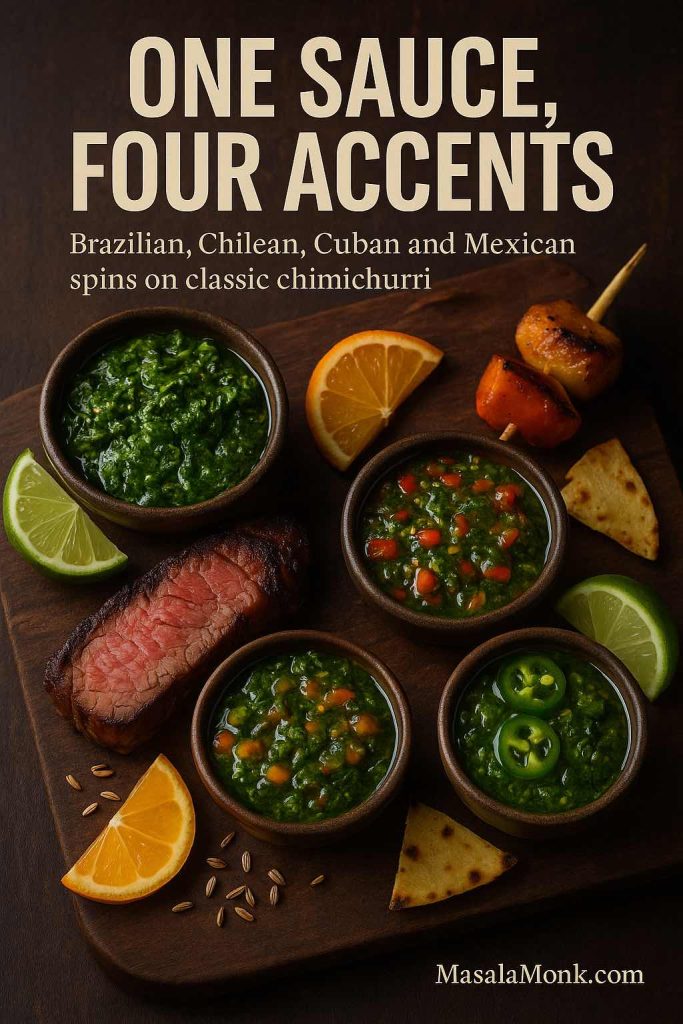
Wooden board with four small bowls of chimichurri variations styled as Brazilian, Chilean, Cuban and Mexican, surrounded by grilled beef, citrus wedges, jalapeño slices and spices, with the title One Sauce, Four Accents.
One basic chimichurri idea becomes four accents here: extra-cilantro Brazilian style with grilled beef, red pepper–flecked Chilean chimichurri, citrus-and-cumin Cuban sauce and a jalapeño-and-lime Mexican twist—all built on the same herb, garlic, vinegar and olive oil backbone.

Brazilian, Chilean, Cuban and Mexican Chimichurri Recipe Twists

As chimichurri travelled, it picked up new accents:

  • Brazilian chimichurri sauce sometimes includes more cilantro and can accompany picanha and other Brazilian steak cuts.
  • Chilean chimichurri may lean into red bell pepper and milder chilies.
  • Cuban-style chimichurri occasionally brings in citrus and a touch of cumin.
  • Mexican chimichurri sauce or “chimichurri mexicano” might introduce jalapeño, serrano or lime juice, nudging the flavour closer to salsa while keeping the herb-and-vinegar backbone.

None of these are less “real”; they’re just a different answer to the same question: how to make a herby, garlicky chimichurri sauce suit local taste and local grills.

Also Read: Double Chocolate Chip Cookies – Easy Recipe with 7 Variations


Cilantro, Basil and Avocado Chimichurri Recipe Variations

Once you’re comfortable with parsley and oregano, it’s natural to start asking “Can you make chimichurri with cilantro?” or “What about basil chimichurri?”

The short answer is yes. Quite happily.
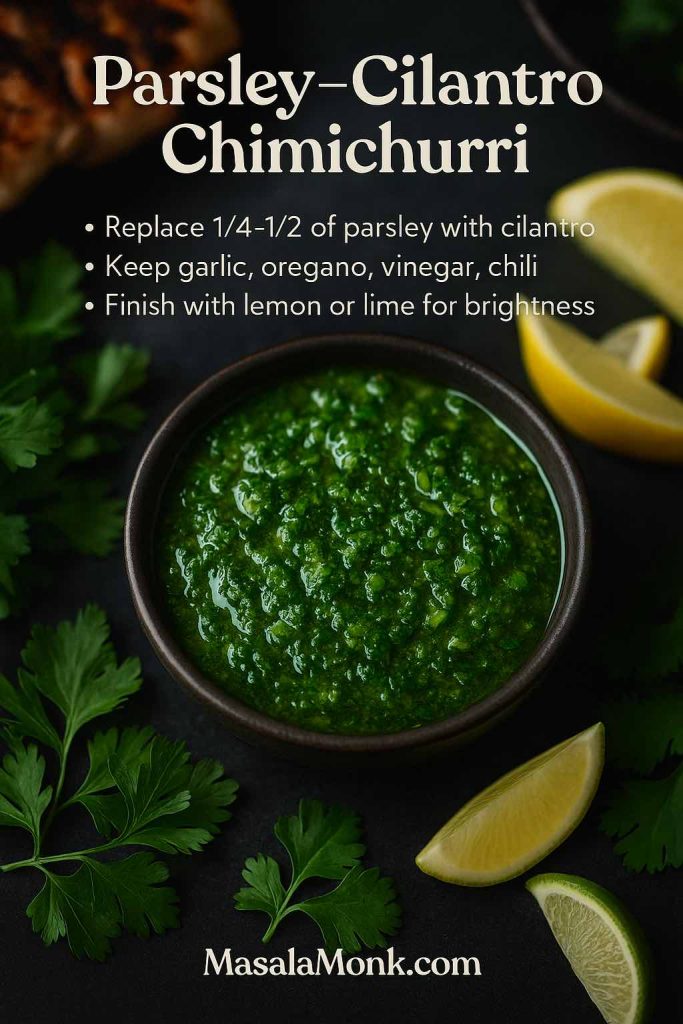
Portrait image of a bowl of bright green parsley-cilantro chimichurri sauce on a dark surface, surrounded by fresh parsley, cilantro and lemon and lime wedges, with text overlay explaining how to make parsley–cilantro chimichurri.
Parsley–cilantro chimichurri is an easy upgrade on the classic: simply replace part of the parsley with cilantro, keep the garlic, oregano, vinegar and chili the same and finish with lemon or lime juice. The result leans gently toward Mexican flavours and is unbeatable on grilled chicken, fish tacos, shrimp skewers and roasted vegetables.

Parsley–Cilantro Chimichurri Recipe

Cilantro chimichurri is probably the most popular variation right now. To make a well-balanced cilantro chimichurri:

  • Replace ¼ to ½ of the parsley with cilantro leaves.
  • Keep the oregano, garlic, vinegar and chili the same.
  • Add a little extra lemon or lime juice for brightness if the flavour feels heavy.

This version is wonderful on grilled chicken, fish tacos, shrimp skewers and roasted vegetables. It edges closer to Mexican flavours while staying clearly a chimichurri, not a salsa.
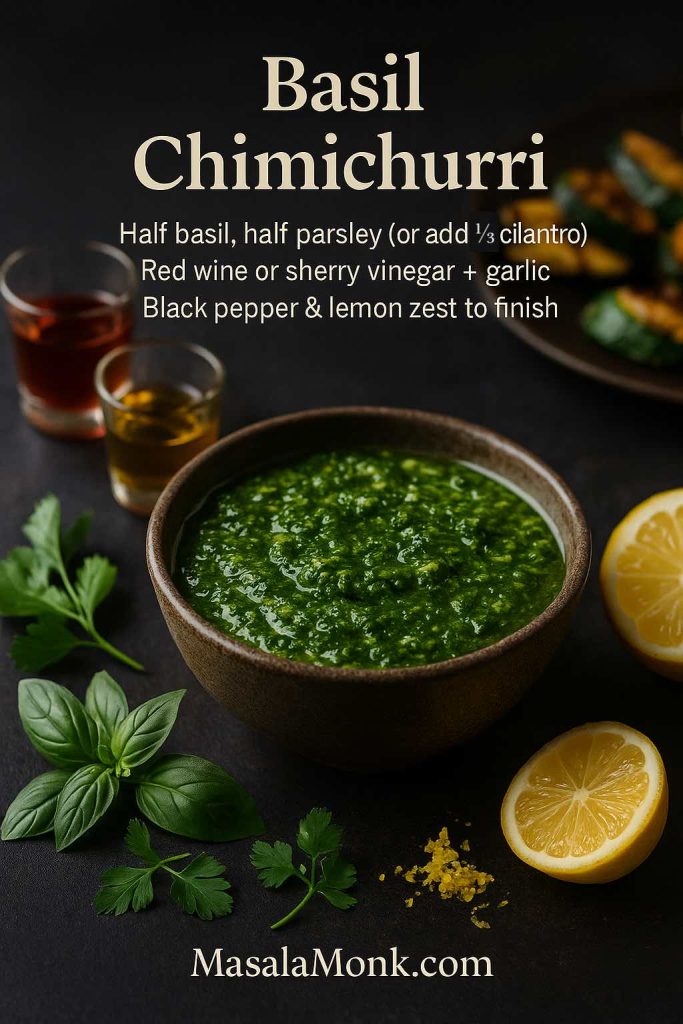
Portrait image of a bowl of basil chimichurri sauce on a dark surface, surrounded by basil and parsley leaves, lemon halves, lemon zest and small glasses of vinegar, with text overlay explaining how to make basil chimichurri.
Basil chimichurri softens the classic sauce into something a little more Italian—use plenty of basil with parsley, whisk in red wine or sherry vinegar, garlic and olive oil, then finish with black pepper and lemon zest before spooning it over roasted vegetables, grilled zucchini or simple chicken breasts.

Basil Chimichurri Recipe and Herb Mixes

Basil brings a soft, sweet edge and moves the sauce closer to an Italian profile. For a basil chimichurri:

  • Use half basil, half parsley, or a third basil, a third parsley, a third cilantro.
  • Stick with red wine vinegar, or try sherry vinegar for a rounder note.
  • Add a touch of black pepper and maybe a small grating of lemon zest.

Basil chimichurri is especially good on roasted vegetables, grilled zucchini, simple chicken breasts and even as a spread inside sandwiches. If you love this kind of herb creativity, you’ll probably also enjoy exploring pesto recipes with 10 easy variations, which cover nut-free, spicy and vegan twists on basil-based sauces.

Avocado Chimichurri Sauce Recipe

If you’re craving something creamier—but still dairy-free—avocado chimichurri is a clever hybrid. You essentially make a quick chimichurri recipe in a bowl, then mash in a ripe avocado until the texture sits between a spoonable sauce and a chunky dip.
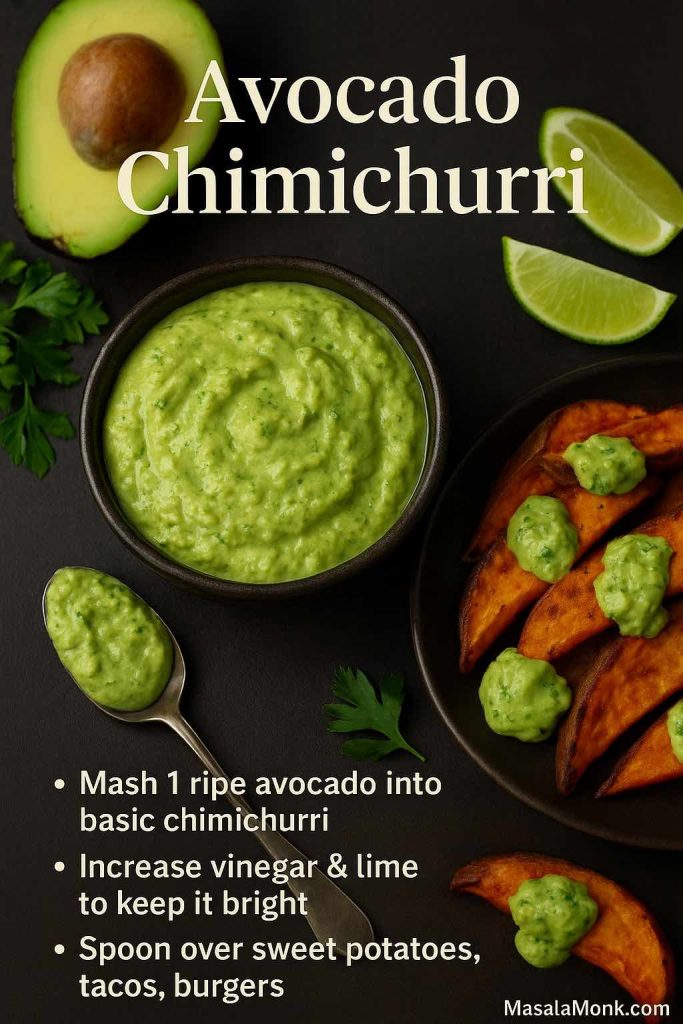
Portrait image of creamy avocado chimichurri sauce in a bowl with a spoonful beside it and roasted sweet potato wedges topped with the sauce, surrounded by avocado halves, parsley and lime wedges on a dark surface.
Avocado chimichurri starts as a regular chimichurri, then gets a ripe avocado mashed in until it turns thick and scoopable—add extra vinegar and lime to keep it bright, then spoon it over sweet potatoes, tacos, burgers or grain bowls for a creamy but still dairy-free sauce.

It’s brilliant with:

  • Grilled prawns and fish
  • Roasted sweet potatoes
  • Chip bowls, tacos and burritos
  • As a spread on burgers and sandwiches

Because avocado dulls acidity slightly, you may want to add more vinegar and lime juice to keep the flavour bright.

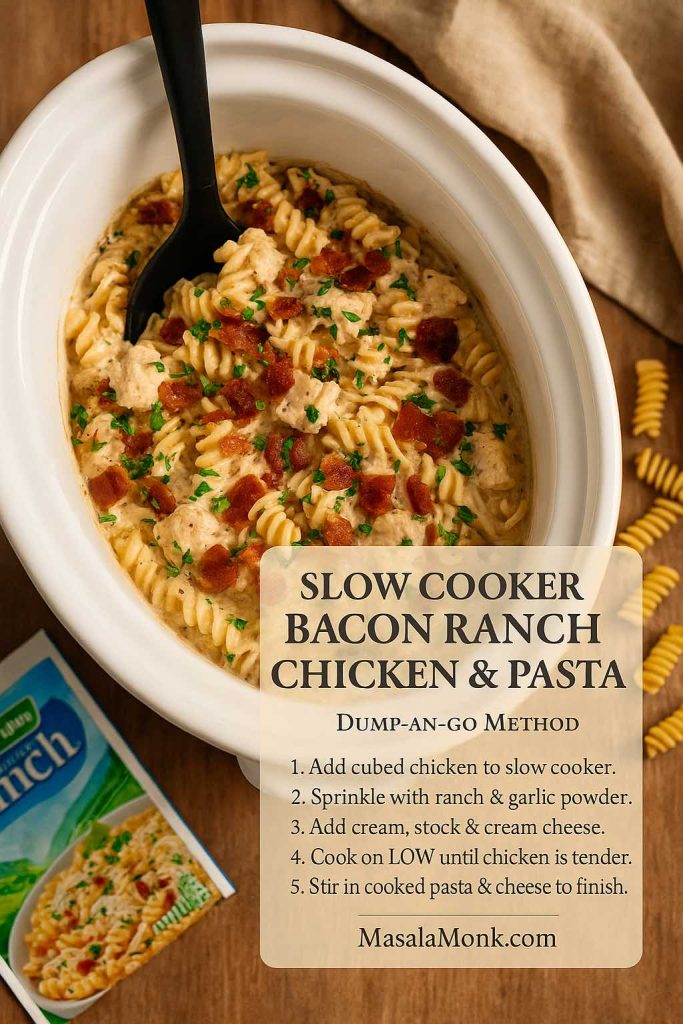
Also Read: One-Pot Chicken Bacon Ranch Pasta (Easy & Creamy Recipe)


Red Chimichurri, Green Chimichurri and Spicy Versions

Most people first meet a green chimichurri sauce. However, red chimichurri sauce has a strong tradition too and deserves its own moment.
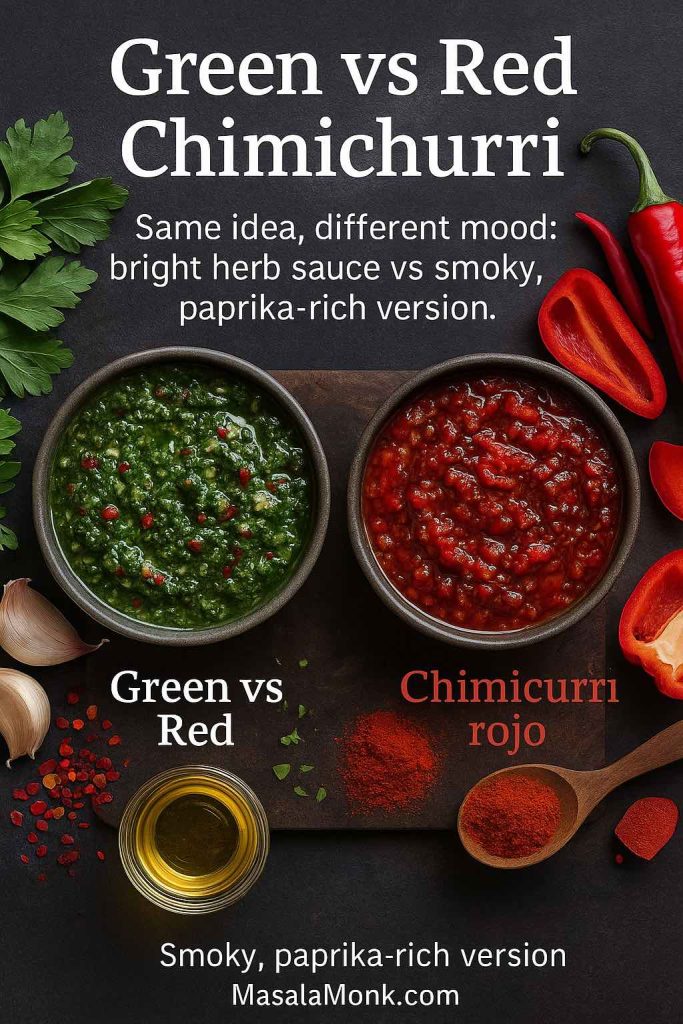
Overhead image of two bowls of chimichurri sauce on a dark surface, one bright green chimichurri verde and one deep red chimichurri rojo, surrounded by parsley, garlic, red pepper flakes, paprika and red pepper with text Green vs Red Chimichurri.
Both sauces start from the same idea—herbs, garlic, vinegar and oil—but chimichurri verde stays bright and parsley-heavy, while chimichurri rojo adds paprika, extra chili and red pepper for a smokier, deeper flavour on grilled meat and vegetables.

Green Chimichurri (Chimichurri Verde)

The classic green version—chimichurri verde—is what you’ve already seen: parsley-led, olive-oil rich, with red pepper flakes scattered through. It’s the default when you see recipes for:

  • chimichurri skirt steak
  • chimichurri flank steak
  • chimichurri beef steak
  • Argentinian steak with chimichurri

The green colour signals freshness, herbal intensity and that unmistakable “asado” aroma.
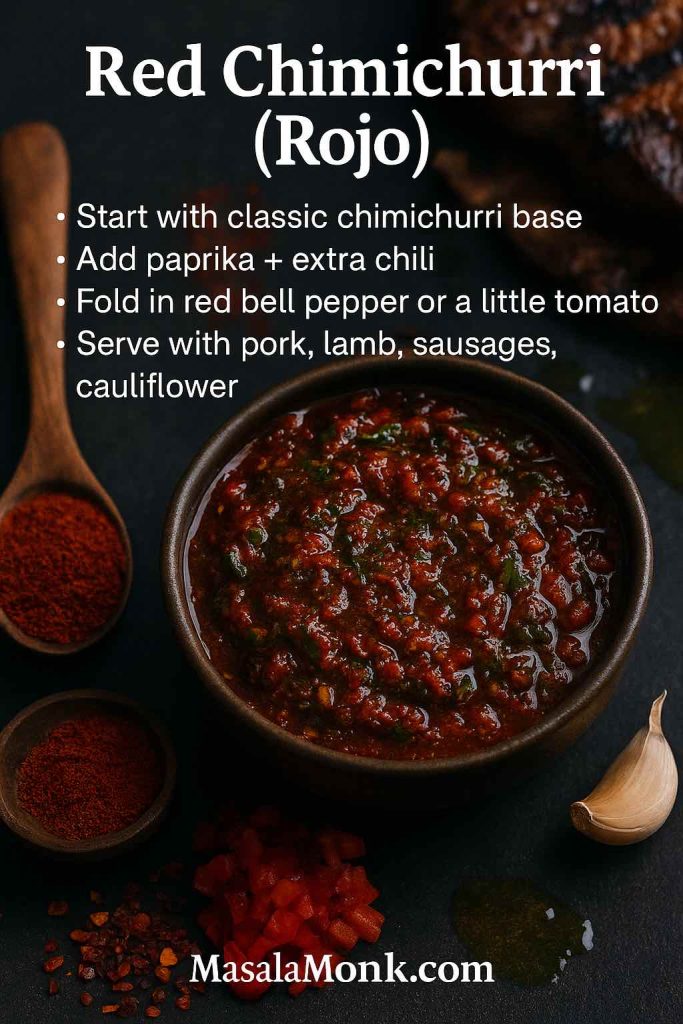
Portrait recipe card showing a bowl of deep red chimichurri rojo on a dark surface, surrounded by paprika, chili flakes, diced red bell pepper and garlic, with text explaining how to make red chimichurri sauce.
Red chimichurri, or chimichurri rojo, starts with the same herb-and-garlic base as the green version, then leans into paprika, extra chili and a little red bell pepper or tomato. The result is a smokier, richer sauce that’s ideal for pork, lamb, sausages and even roasted cauliflower steaks when you want something bolder than classic chimichurri verde.

Red Chimichurri (Chimichurri Rojo)

Red chimichurri starts from the same base but adds ingredients like:

  • Sweet or hot paprika
  • Extra chili flakes or chopped fresh chilies
  • Finely diced red bell pepper
  • Sometimes a spoonful of tomato paste or sun-dried tomatoes

The result is a red chimichurri sauce for steak that feels richer, smokier and often spicier. This is the version to reach for when you want red chimichurri sauce recipe or a more fiery chimichurri hot sauce to drizzle or dip.

Red chimichurri loves grilled pork, lamb chops, spicy sausages and roasted cauliflower steaks just as much as it loves beef.
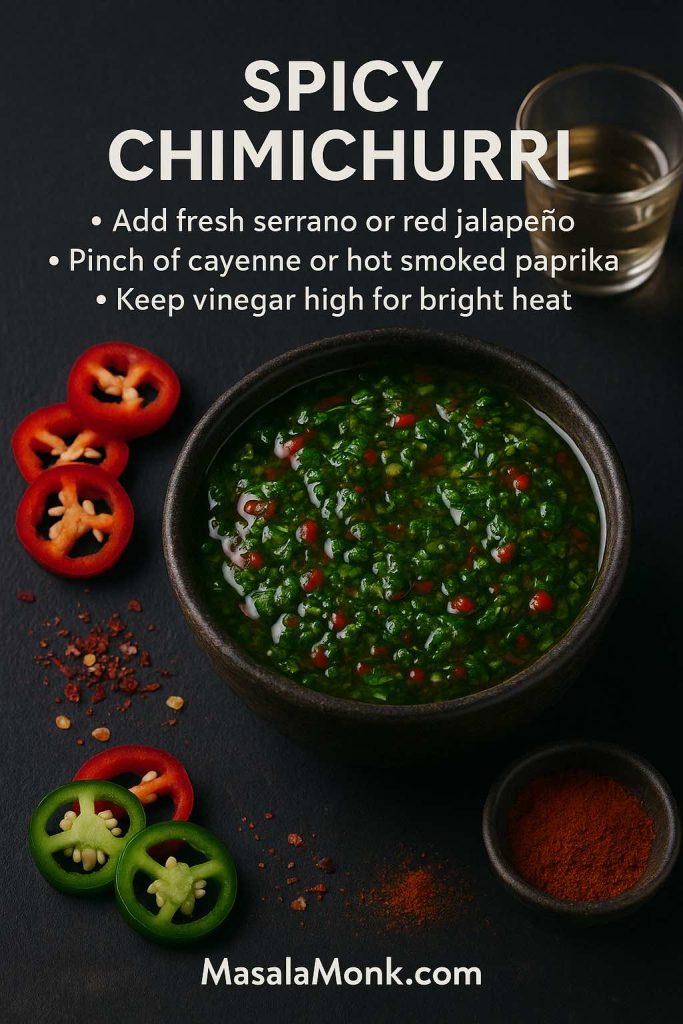
Portrait recipe card showing a dark bowl of spicy green chimichurri sauce on a black surface, surrounded by sliced red and green chilies, chili flakes, cayenne powder and a glass of vinegar, with text explaining how to make spicy chimichurri.
This is the dial-it-up version of chimichurri: fresh serrano or red jalapeño stirred into the herbs, a pinch of cayenne or hot smoked paprika and enough vinegar to keep all that heat feeling bright instead of heavy.

Turning Up the Heat: Spicy Chimichurri Sauce Recipe

If you want a chimichurri sauce spicy enough to make your lips tingle but still balanced, there are a few easy moves:

  • Swap part of the red pepper flakes for finely chopped fresh chili (serrano, red jalapeño or bird’s eye).
  • Add a pinch of cayenne or hot smoked paprika.
  • Keep the vinegar level high so it stays bright, not muddy.

At that point you’re on the border between chimichurri and a light hot sauce, and that’s a very comfortable place to be.

Also Read: Easy Lemon Pepper Chicken Wings (Air Fryer, Oven & Fried Recipe)


Chimichurri for Steak: Flank, Skirt, Ribeye, Bavette and Churrasco

Now for the main event: chimichurri and steak. This is where most people fall in love with the sauce in the first place.
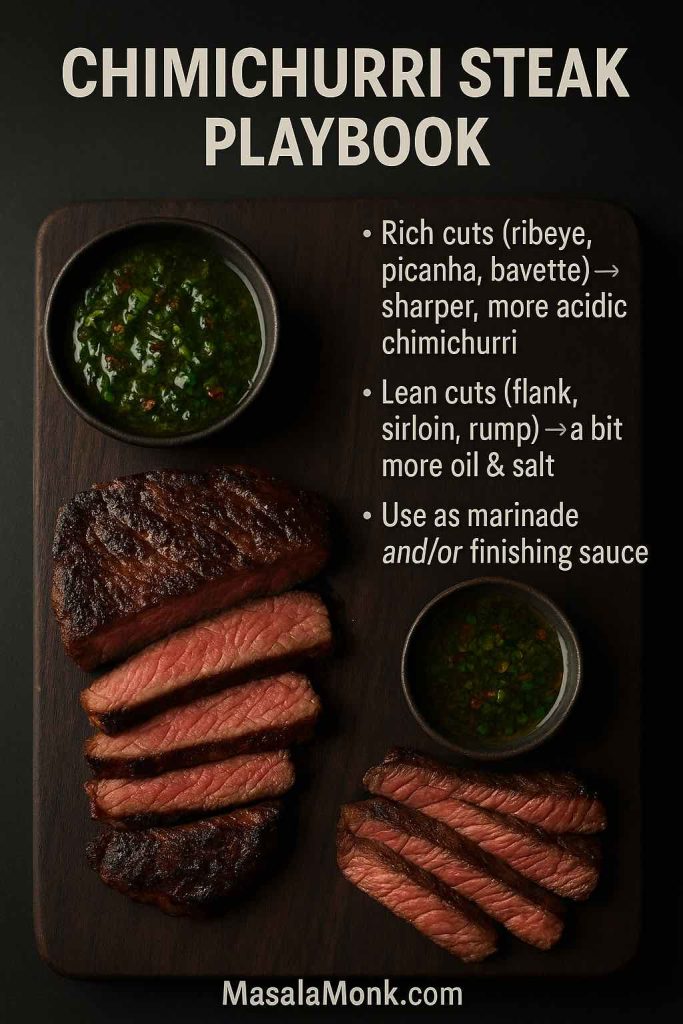
High-resolution guide image showing sliced rich and lean grilled steaks on a dark wooden board with two bowls of chimichurri sauce and on-image text titled Chimichurri Steak Playbook explaining how to pair chimichurri with different steak cuts.
This quick playbook shows how chimichurri behaves with different steaks: richer cuts like ribeye, picanha and bavette shine with a sharper, more acidic sauce, while leaner steaks such as flank, sirloin or rump benefit from a touch more oil and salt, whether you use chimichurri as a marinade, a finishing sauce or both.

General Rules for Chimichurri Steak

Before we dive into specific cuts, a few guiding ideas:

  • Richer steaks (ribeye, picanha, bavette) can handle a sharper, more acidic chimichurri.
  • Leaner steaks (sirloin, rump, some flank) sometimes like a touch more oil and salt.
  • You can use chimichurri as a steak marinade, a steak sauce, or both.

If you’d like exact internal temperatures, the USDA and FoodSafety.gov charts recommend cooking whole beef steaks and roasts to at least 145°C / 63°C with a short rest for safety, even though many steak lovers prefer rarer doneness. You can aim for the safe zone while still serving juicy meat by using chimichurri generously over the top.

Flank Steak Recipe and Chimichurri

Flank steak has a strong, beefy flavour and a visible grain. It loves marinade, high heat and a sharp knife.
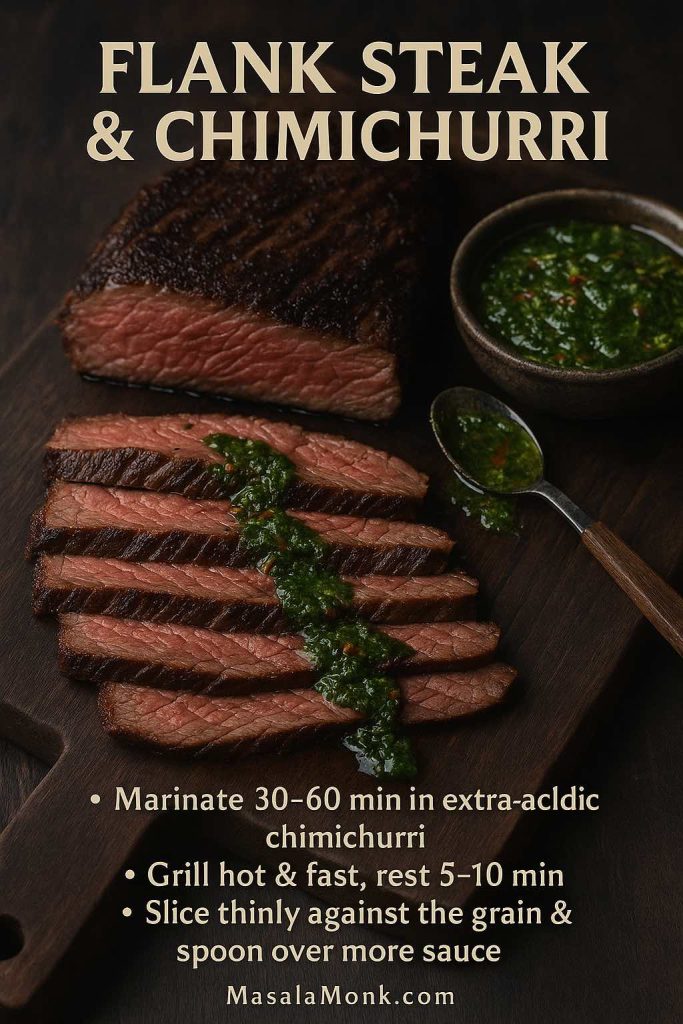
Portrait recipe card showing a grilled flank steak on a wooden board, sliced thinly against the grain with green chimichurri sauce spooned over the slices, a small bowl of chimichurri on the side and text explaining how to marinate and serve flank steak with chimichurri.
Marinate flank steak for 30–60 minutes in an extra-acidic chimichurri, grill it hot and fast, let it rest, then slice thinly against the grain and spoon more sauce over the top—suddenly a relatively affordable cut turns into a steak-night centrepiece.

For flank steak and chimichurri:

  1. Marinate the steak for 30–60 minutes in a slightly more acidic chimichurri marinade for steak (add extra vinegar, salt and a splash of water).
  2. Pat it dry and grill or pan-sear on high heat until it hits your preferred temperature.
  3. Rest for at least 5–10 minutes.
  4. Slice thinly against the grain and spoon chimichurri sauce flank steak generously over the slices.

This approach turns a relatively affordable cut into something that feels like a special occasion.

Skirt Steak Recipe and Chimichurri

Skirt steak, or entraña, is another classic partner. It’s thinner than flank and cooks extremely quickly, making it perfect for weeknight chimichurri dinners.
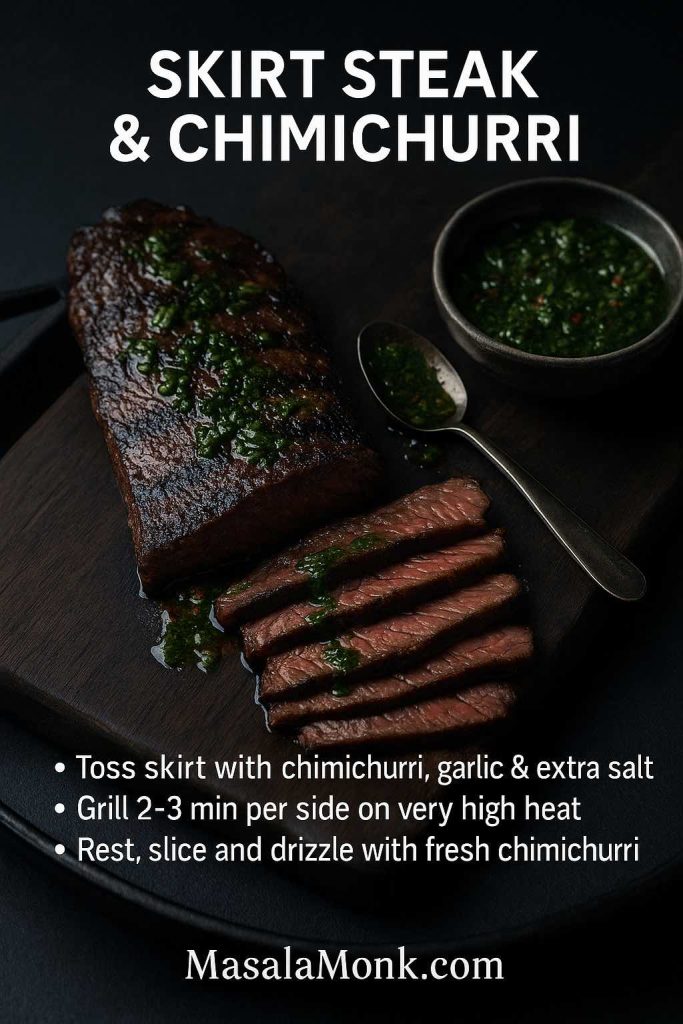
Portrait recipe card showing grilled skirt steak on a dark wooden board, sliced into thin strips and topped with green chimichurri sauce, with a small bowl of chimichurri and text explaining how to cook skirt steak with chimichurri.
For weeknights, skirt steak and chimichurri are hard to beat: toss the steak with chimichurri, garlic and a little extra salt, grill it 2–3 minutes per side on very high heat, then rest, slice and finish with a fresh spoonful of sauce for maximum flavour with minimal time.

Try this chimichurri sauce for skirt steak routine:

  • Toss skirt steak with a few spoonfuls of chimichurri, garlic and extra salt for a quick chimichurri marinade.
  • Grill on a very hot pan or barbecue, about 2–3 minutes per side.
  • Let it rest, then slice and drizzle with fresh chimichurri.

Because skirt is quite rich, this combo often feels like the best chimichurri steak you’ve had without much effort at all.

Ribeye, Bavette and Other Cuts

For thick, marbled cuts like ribeye or bavette, you might skip the marinade and simply use chimichurri as a finishing sauce. Salt the steak ahead, cook it as you like, then bathe it in chimichurri sauce for steak at the table.

The same basic idea works for:

  • Chimichurri ribeye
  • Bavette chimichurri
  • Churrasco chimichurri (thin steaks cooked hot and fast)
  • Mixed grills where several cuts share a platter and a big bowl of chimichurri in the middle

If you’d like to go all in on steak technique—two-zone grilling, resting, slicing—resources like the Serious Eats guides to grilled steak are very handy, and chimichurri slots right into those methods as the finishing touch.

Choripán, Burgers and Sandwiches

Chimichurri doesn’t stop at whole steaks. It is also the heart of the beloved choripán recipe: grilled chorizo sausage tucked into crusty bread, drenched in chimichurri. A quick version is simple:

  • Grill sausages until browned and cooked through.
  • Split crusty rolls, toast lightly, spoon in chimichurri.
  • Add sausage, then more chimichurri on top.

High-resolution image showing a choripán, a chimichurri-topped burger and a steak sandwich arranged on a dark wooden board around a bowl of green chimichurri sauce, with overlay text about using chimichurri on choripán, burgers and sandwiches.
Chimichurri turns simple sandwiches into parrilla food: drizzle it over grilled chorizo in choripán, swap it for ketchup and mayo on burgers, or spoon it into steak sandwiches with roasted peppers for a fast way to make everyday grill-night feel more Argentinian.

Similarly, you can use it to create:

  • Chimichurri burger toppings instead of ketchup and mayo
  • Steak sandwiches with herby chimichurri and roasted peppers
  • Beef skewers—essentially churrasco bites—served with chimichurri as a dipping sauce

A little bowl of sauce suddenly turns grill night into something much more Argentinian.

Also Read: Sheet Pan Chicken Fajitas Recipe (Easy One-Pan Oven Fajitas)


Chicken Chimichurri, Baked Dishes and Chicken-and-Rice Bowls

Although beef gets most of the attention, chicken and chimichurri are an extremely useful pairing for everyday cooking. The acidity brightens mild meat, while the herbs make simple meal prep feel more exciting.
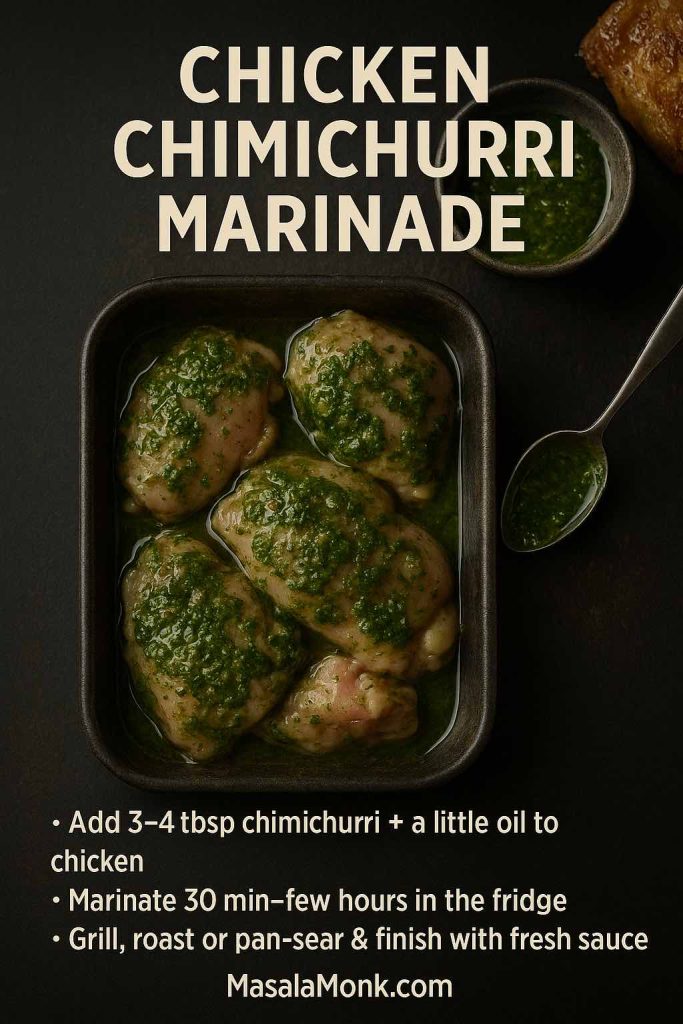
Portrait recipe image showing raw chicken thighs in a dark baking dish covered in green chimichurri marinade, with a small bowl of chimichurri and a spoon on a dark background and step-by-step text for chicken chimichurri marinade.
For an easy chicken chimichurri marinade, coat thighs or breasts in a few spoonfuls of sauce with a little extra oil, let them sit for at least 30 minutes, then grill, roast or pan-sear and finish with a fresh spoonful of chimichurri at the table.

Chicken Chimichurri Marinade Recipe

For a straightforward chicken chimichurri sauce recipe:

  1. Place chicken thighs or breasts in a bowl or zip bag.
  2. Add 3–4 tablespoons of chimichurri plus a drizzle of extra oil.
  3. Marinate 30 minutes (or up to a few hours in the fridge).
  4. Grill, roast or pan-sear until fully cooked.
  5. Serve with more fresh chicken chimichurri sauce spooned over the top.

You can also bake a chicken chimichurri tray bake: scatter potatoes, onions and bell peppers in a roasting dish, nestle in the marinated chicken, and roast until everything is tender and golden. The excess chimichurri and chicken juices effectively become a built-in pan sauce.
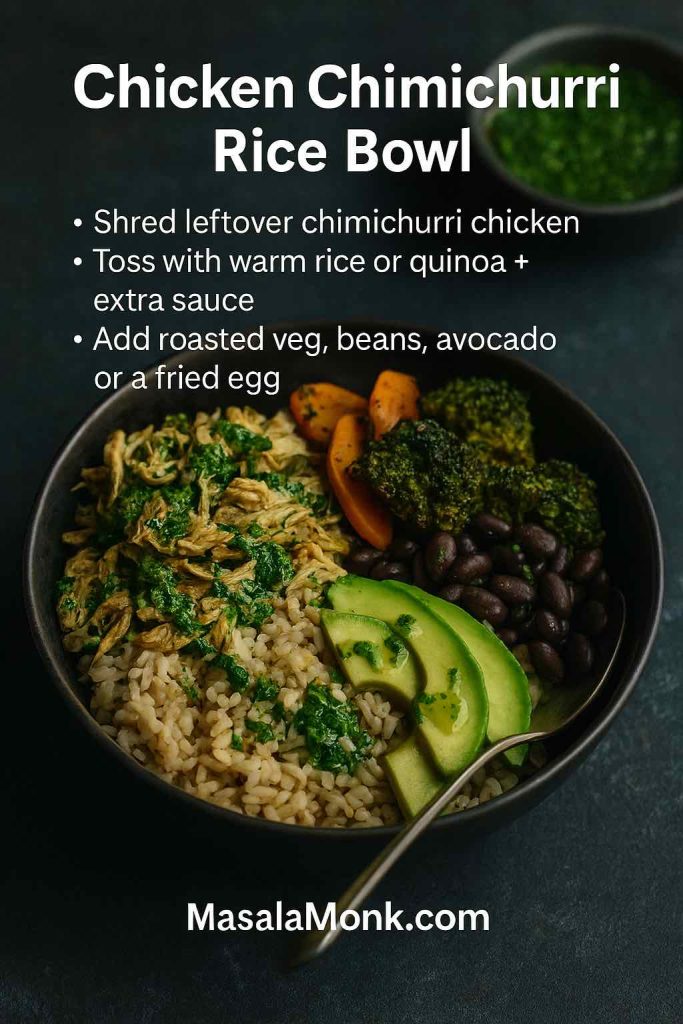
Portrait recipe card showing a bowl of rice topped with shredded chimichurri chicken, roasted vegetables, black beans and avocado slices, drizzled with green chimichurri sauce, with text explaining how to build a chicken chimichurri rice bowl.
Turn leftover chimichurri chicken into a full meal by shredding it over warm rice or quinoa, adding roasted vegetables, beans and creamy avocado, then finishing the bowl with another bright drizzle of sauce.

Recipe for Chicken Chimichurri and Rice

Leftover chimichurri chicken becomes the base of a great chicken and chimichurri rice bowl:

  • Shred cooked chicken.
  • Toss with a spoonful of chimichurri and some cooked rice or quinoa.
  • Add roasted vegetables, beans, avocado or a fried egg.

It’s a quick route to a flavourful lunch, especially when you already have chimichurri sitting in the fridge.

For sandwich nights, use chimichurri instead of mayo in grilled chicken sandwiches and wraps, weaving it into spreads alongside ideas from MasalaMonk’s chicken sandwich recipes for an entire roster of combinations.

Also Read: Negroni Recipe: Classic Cocktail & Its Variation Drinks


Chimichurri and Salmon, Seafood, Vegetables and Plant-Based Proteins

Chimichurri is not just about beef and poultry. Its balance of herbs and acid makes it naturally comfortable with seafood, vegetables and vegetarian proteins.
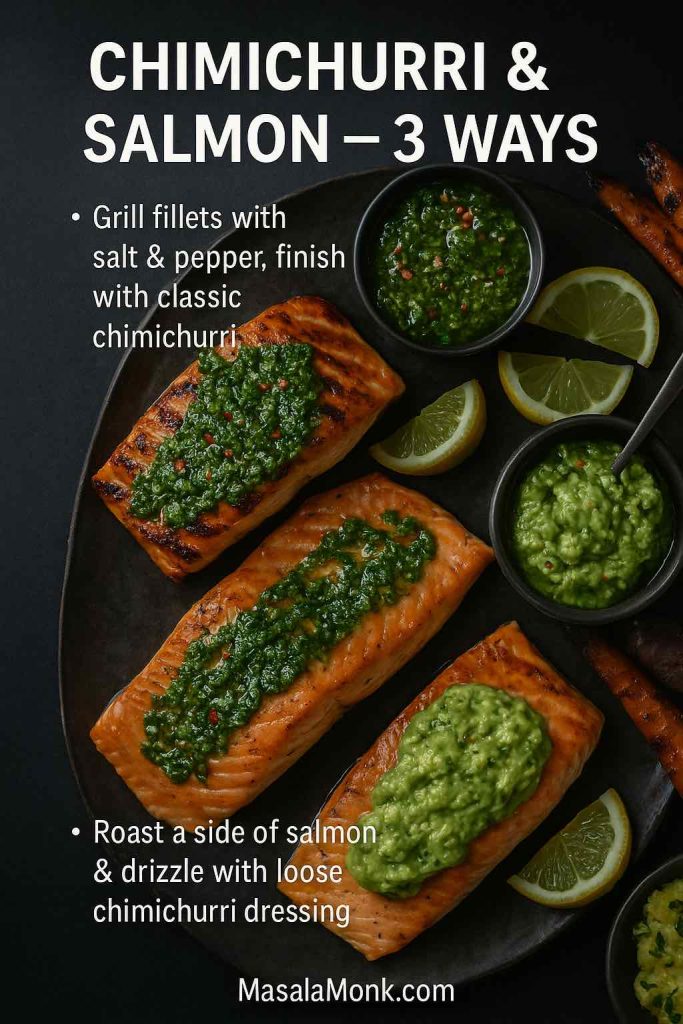
Portrait guide image titled Chimichurri & Salmon – 3 Ways showing grilled salmon fillets topped with green chimichurri, pieces finished with creamy avocado chimichurri, bowls of sauce and lemon wedges on a dark platter.
Salmon is a natural partner for chimichurri—grill fillets and finish them with classic sauce, roast a side of salmon and drizzle a looser chimichurri dressing down the middle, or go richer with a creamy avocado chimichurri on top of each portion.

Chimichurri and Salmon

For chimichurri and salmon, you have a few approaches:

  • Grill or pan-sear salmon fillets with only salt and pepper, then spoon cilantro-heavy chimichurri over the top.
  • Roast a side of salmon and drizzle a looser chimichurri dressing over the whole platter.
  • Use avocado chimichurri as a creamy topping, especially if you like richer sauces.

The mild sweetness of salmon plays beautifully with the tang of vinegar, garlic and herbs.
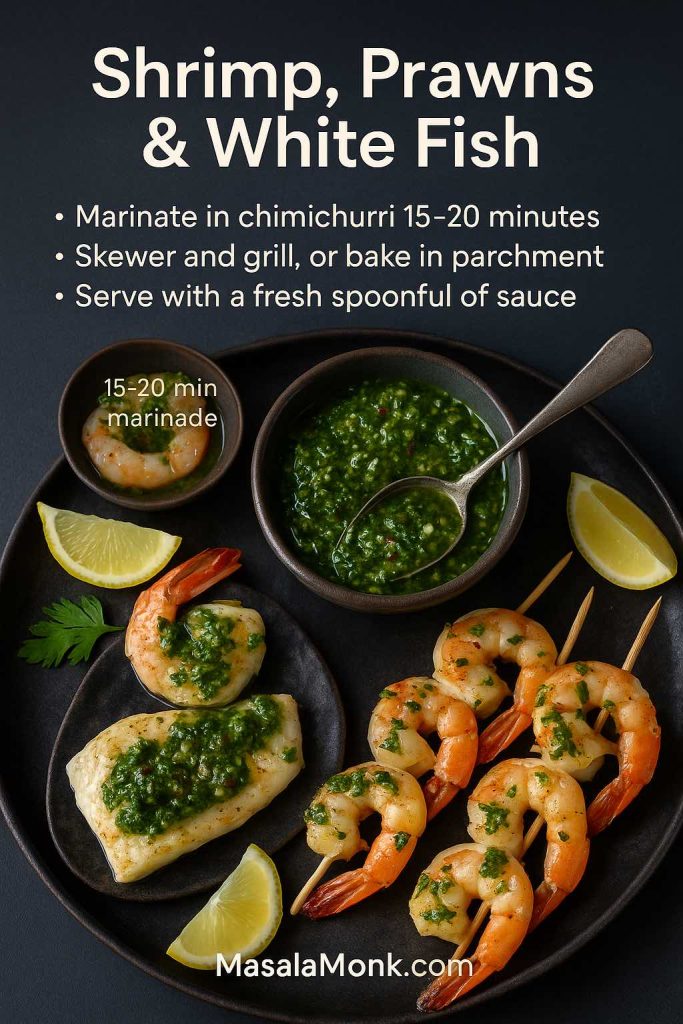
Portrait recipe card showing chimichurri-marinated shrimp and prawn skewers with a white fish fillet topped with green chimichurri, served on a dark platter with lemon wedges and a bowl of sauce, with text explaining how to marinate and cook shrimp, prawns and white fish in chimichurri.
For shrimp, prawns and firm white fish, a short chimichurri bath is enough—marinate for 15–20 minutes, grill or bake, then finish with a fresh spoonful of sauce so the seafood stays bright and delicate instead of heavy.

Shrimp, Prawns and White Fish

Chimichurri also works well as a marinade and finishing sauce for prawns, shrimp and firm white fish:

  • Toss prawns in a chimichurri marinade for 15–20 minutes.
  • Skewer and grill, then serve with more chimichurri.
  • Or bake fish portions in parchment with a spoonful of chimichurri on top.

Because seafood is delicate, you may prefer a slightly less garlicky version for these dishes.

Vegetables, Beans and Tofu

On the plant side, chimichurri brings grilled and roasted vegetables to life: think charred broccoli, roasted carrots, grilled portobello mushrooms, corn on the cob, sweet potato wedges and crispy roast potatoes.
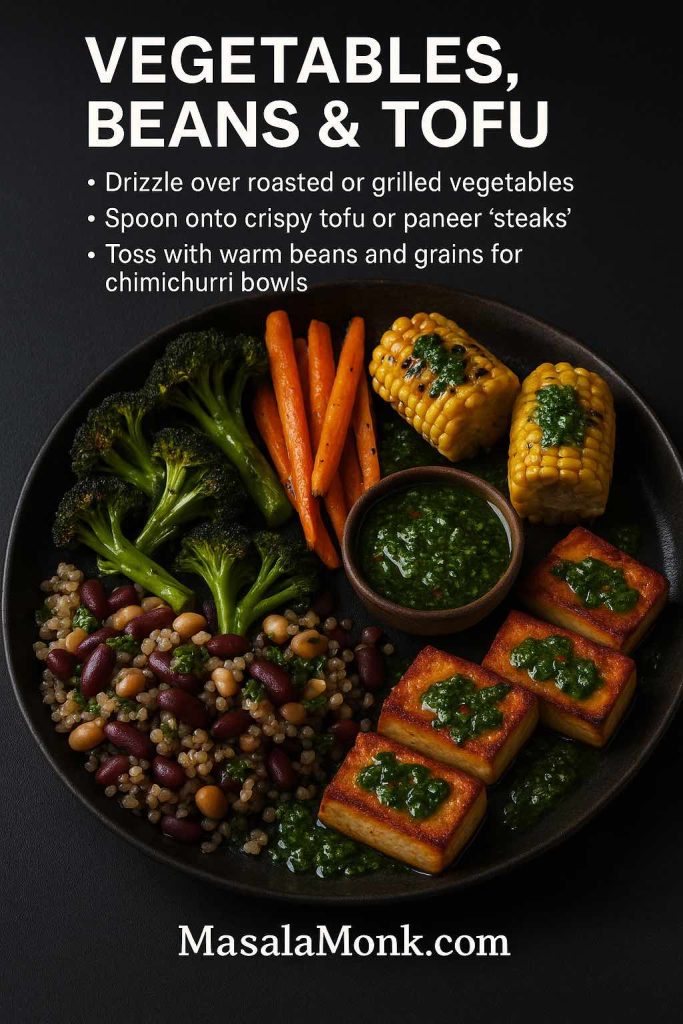
Portrait guide image titled Vegetables, Beans & Tofu showing a dark plate with roasted broccoli, carrots, corn on the cob, crispy tofu cubes and a quinoa-and-bean mix, all drizzled with green chimichurri sauce and served with a small bowl of chimichurri.
Chimichurri isn’t just for steak—drizzle it over roasted broccoli and carrots, spoon it onto crispy tofu or paneer ‘steaks’ and toss it through warm beans and grains to build bright, plant-forward bowls that taste like they’ve been finished at the grill.

You can also:

  • Drizzle chimichurri over crispy tofu or paneer “steaks.”
  • Stir it into warm beans and vegetables with cooked grains to make chimichurri rice bowls.
  • Use it as a dressing for a bean and grain salad, similar in spirit to classic potato or pasta salads.

If you lean heavily into plant-based cooking, it’s worth browsing MasalaMonk’s various veggie-forward ideas—like their high-protein meal prep concepts or grain-based recipes—and simply adding chimichurri as the finishing touch.


Chimichurri Marinade, Rub, Seasoning and Dry Mix Recipe

So far we’ve looked at chimichurri as a fresh sauce. However, it can also become a chimichurri seasoning or chimichurri dry rub that lives in your spice cupboard.

Recipe for Chimichurri Marinade

To convert your sauce into a marinade:

  • Increase the vinegar slightly.
  • Add more salt.
  • Thin with a tablespoon or two of water.

This looser mixture clings to meat or vegetables, tenderising gently and adding flavour without being too oily. It works especially well as a beef chimichurri marinade or as a marinade for chicken thighs and drumsticks.
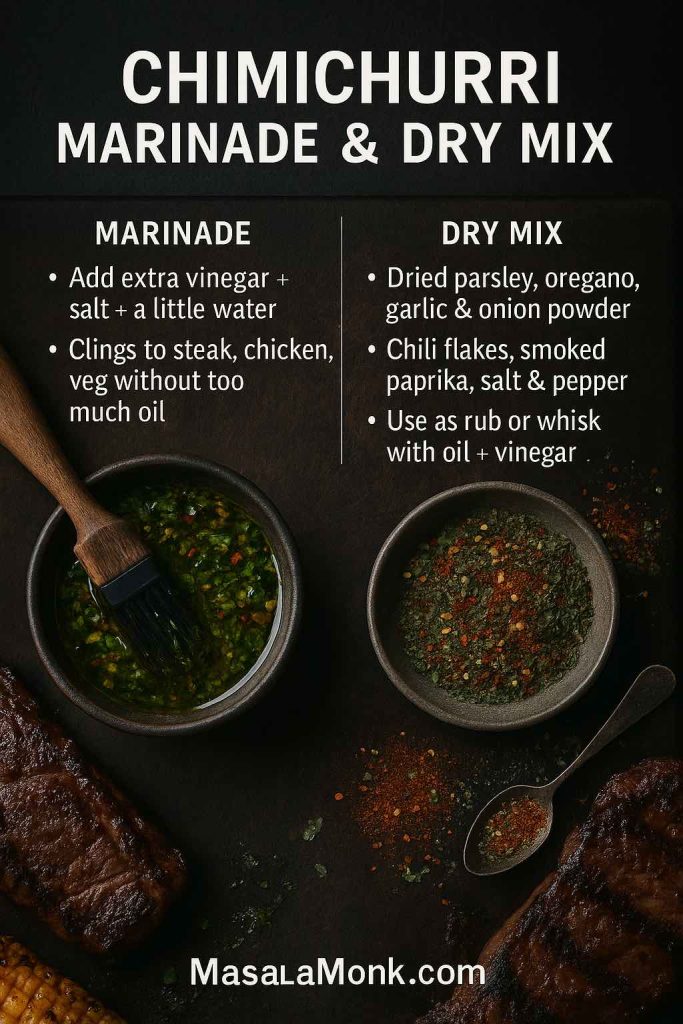
Recipe infographic showing a bowl of chimichurri marinade with a basting brush on one side and a dish of dry chimichurri seasoning on the other, with grilled steak and corn around them and text explaining how to use chimichurri as a marinade and dry mix.
Use chimichurri two ways: loosen the sauce with extra vinegar, salt and a splash of water to make a marinade that clings to steak, chicken and veg without too much oil, or keep a dry chimichurri mix of herbs, chili flakes and smoked paprika in your spice jar to rub on meat or whisk with oil and vinegar for instant chimi sauce.

Dry Chimichurri Mix Recipe

A dry chimichurri mix lets you capture the essence of the sauce using dried herbs and spices. You might combine:

  • Dried parsley
  • Dried oregano
  • Garlic powder
  • Onion powder
  • Red pepper flakes
  • Smoked paprika
  • Dried basil or thyme (optional)
  • Salt and pepper

Sprinkle this chimichurri spice mix as a rub on steak, chicken, pork chops or tofu, or whisk it with vinegar and olive oil for a quick, pantry-friendly chimi sauce.

This is also an excellent answer when you want chimichurri flavour but don’t have fresh herbs on hand.

Also Read: French 75 Cocktail Recipe: 7 Easy Variations


Chimichurri Butter, Mayo, Cream Sauce and Salad Dressing

Once you’ve made a batch of chimichurri, it becomes a building block for many other condiments.

Chimichurri Butter Recipe

For steak nights, grilled corn or baked potatoes, chimichurri butter is a small luxury:

  • Stir 3–4 tablespoons of thick chimichurri into ½ cup softened butter.
  • Shape into a log, wrap and chill.
  • Cut slices and place them on hot steak or vegetables so they melt into a gorgeous herby pool.

This compound butter keeps well in the freezer and turns even plain steamed vegetables into something special.
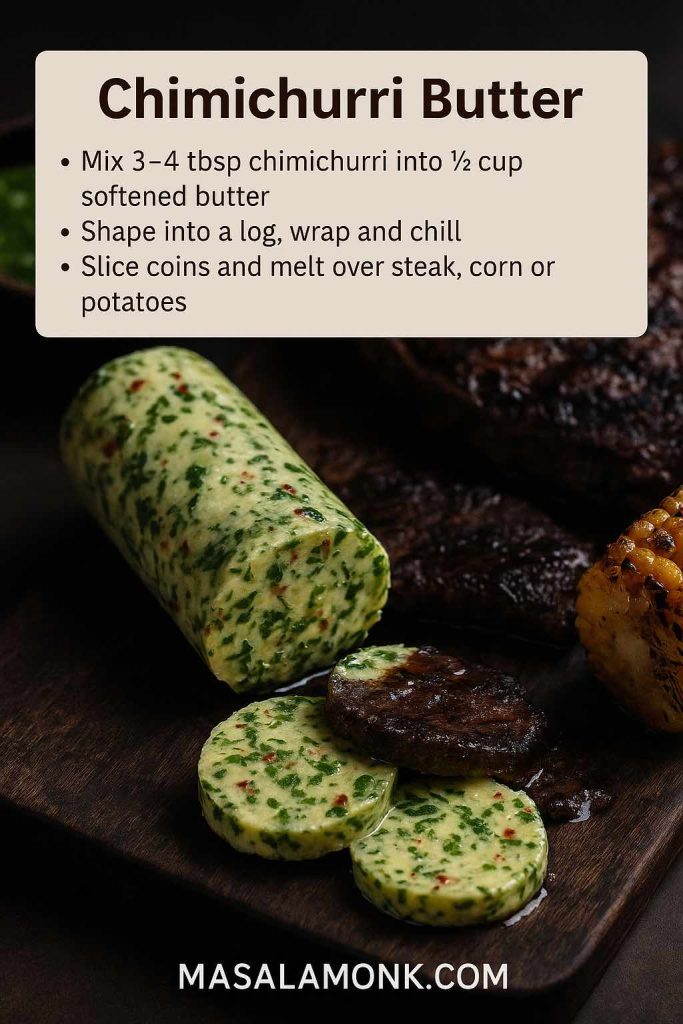
Portrait recipe card showing a log of chimichurri compound butter on a dark wooden board with coin slices melting over grilled steak and charred corn, with text explaining how to make chimichurri butter.
Stir a few spoonfuls of chimichurri into softened butter, chill it in a log and slice coins to melt over hot steak, grilled corn or baked potatoes—one batch of chimichurri butter turns simple mains and sides into restaurant-level plates.

Chimichurri Mayo and Dipping Sauces Recipe

If you like dipping fries or roasted potatoes into sauce, you can whisk chimichurri into mayonnaise or Greek yogurt:

  • Equal parts chimichurri and mayo make a rich, tangy spread.
  • Chimichurri plus yogurt and a squeeze of lemon creates a lighter dipping sauce or salad dressing.

These are terrific alongside crispy potatoes or as alternative burger sauces. For more dip inspiration, you can explore MasalaMonk’s spinach dip recipes and adapt those serving ideas to chimichurri too.
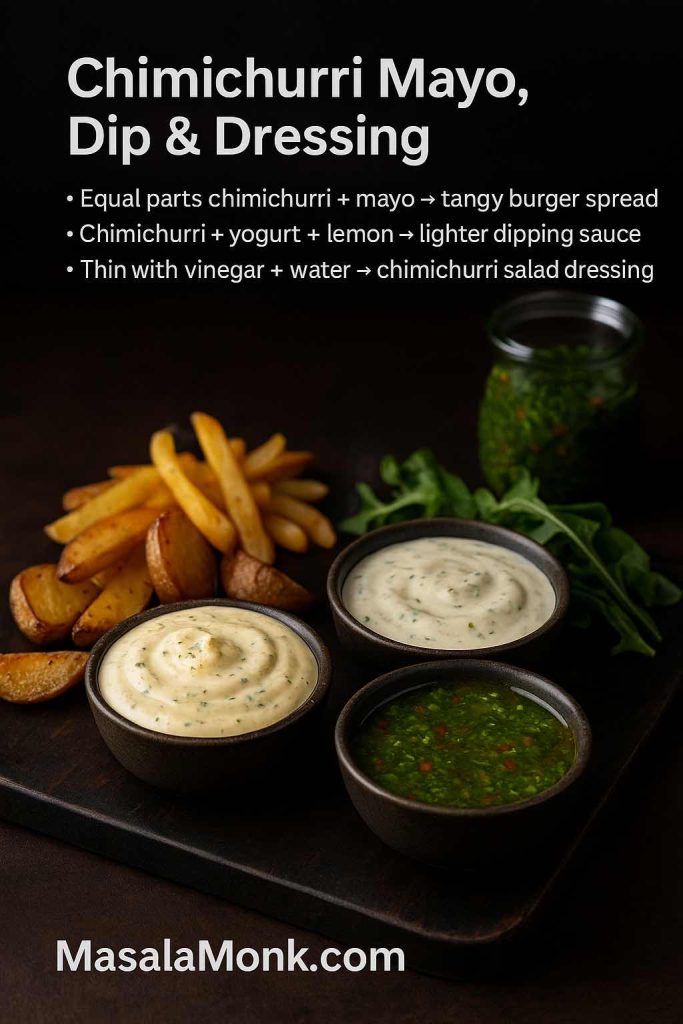
Portrait guide image titled Chimichurri Mayo, Dip & Dressing showing three small bowls on a dark board filled with chimichurri mayo, chimichurri yogurt dip and a loose chimichurri salad dressing, surrounded by fries, roasted potatoes, salad greens and a jar of chimichurri in the background.
One batch of chimichurri turns into three new sauces: whisk it with mayo for a tangy burger spread, fold it into yogurt with lemon for a lighter dipping sauce and thin it with vinegar and water for a bright salad dressing over greens, grain bowls and grilled vegetables.

Chimichurri Salad Dressing Recipe

To transform chimichurri into a salad dressing, simply:

  • Thin with extra vinegar and a splash of water.
  • Add a pinch of sugar or honey if you like a slightly softer edge.
  • Taste to balance salt and acid.

This chimichurri dressing is gorgeous over grilled vegetable salads, steak salads, grain bowls and hearty greens.

Also Read: How to Make Churros (Authentic + Easy Recipe)


Store-Bought Chimichurri Sauce vs Homemade Recipe

Every now and again, people look for best premade chimichurri sauce that can be store bought, ready-made jars and bottles can be handy, but once you understand how to make homemade chimichurri sauce, you gain a lot of control.

Homemade chimichurri:

  • Lets you choose fresh herbs and a good olive oil.
  • Allows you to boost garlic, reduce heat or play with herbs like basil and cilantro.
  • Avoids preservatives, stabilisers and hidden sweeteners.
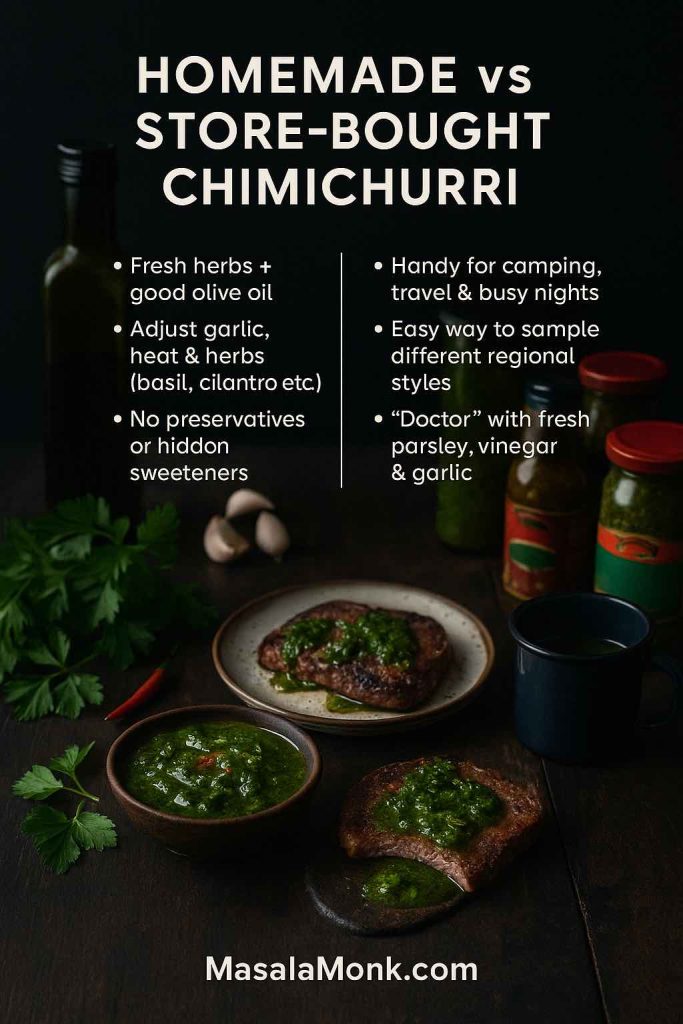
Comparison image showing a rustic plate of steak with bright green homemade chimichurri on one side and jars of store-bought chimichurri sauce on the other, with overlay text listing pros of homemade and premade chimichurri.
Fresh chimichurri made with good olive oil and fragrant herbs lets you control the garlic, chili and sweetness, while bottled chimichurri earns its place for travel, camping and last-minute dinners—especially if you “doctor” it with extra parsley, vinegar and garlic.

Premade chimichurri sauce and chimichurri in a bottle, on the other hand, can be:

  • Useful for camping, travel or last-minute cooking.
  • A quick way to explore different regional takes if you see interesting labels.

If you do buy a jar, you can always “doctor” it: add fresh parsley, more vinegar, extra garlic or chili to bring it closer to your taste. Over time, though, most people find that making a quick chimichurri recipe at home is faster than driving out specifically to buy chimichurri sauce.

Also Read: Simple Bloody Mary Recipe – Classic, Bloody Maria, Virgin & More


How to Store, Freeze and Make Chimichurri Ahead

Chimichurri is one of those condiments that almost improves after a day, which makes it ideal for meal prep.

  • Short term: keep it in a covered jar in the fridge for up to 3–4 days. The flavours deepen and mellow.
  • Medium term: top the jar with a thin layer of olive oil to slow oxidation and keep the herbs greener.
  • Freezing: for longer storage, spoon chimichurri into ice cube trays and freeze. Pop out cubes into a freezer bag and use them later as a quick marinade base or cooking sauce.

Before serving refrigerated or thawed chimichurri, stir it well and let it come to room temperature. You can also refresh it with a little extra parsley, vinegar and oil if it tastes tired.


Is Chimichurri Healthy?

From a nutrition angle, chimichurri looks pretty friendly. It’s essentially:

  • Fresh herbs (especially parsley and sometimes cilantro and basil)
  • Garlic and sometimes onion
  • Olive oil
  • Vinegar and lemon juice
  • Chili and spices

The bulk of the calories come from olive oil; roughly speaking, a tablespoon might sit in the 45–60 calorie range, mostly from fat. That means a modest spoonful can add big flavour for relatively few calories, especially compared to creamy, cheese-heavy or sugar-sweetened sauces.

To make a healthy chimichurri recipe:

  • Keep the oil to the lower end of the range and lean more on herbs and vinegar.
  • Use it to dress lean proteins—chicken, seafood, tofu, legumes—instead of only marbled steaks.
  • Pair it with fibre-rich sides: salads, roasted vegetables, beans, whole grains and sweet potatoes.

If you’re building a broader “healthy comfort” menu, you might also like to balance rich dinners with more gently indulgent drinks and treats—like MasalaMonk’s healthy pumpkin spice latte or a small mug of homemade hot chocolate made with real cocoa.


What to Serve with Chimichurri Steak and Chicken

A plate of chimichurri steak or chicken doesn’t need complicated sides, but thoughtful ones make the whole meal sing.
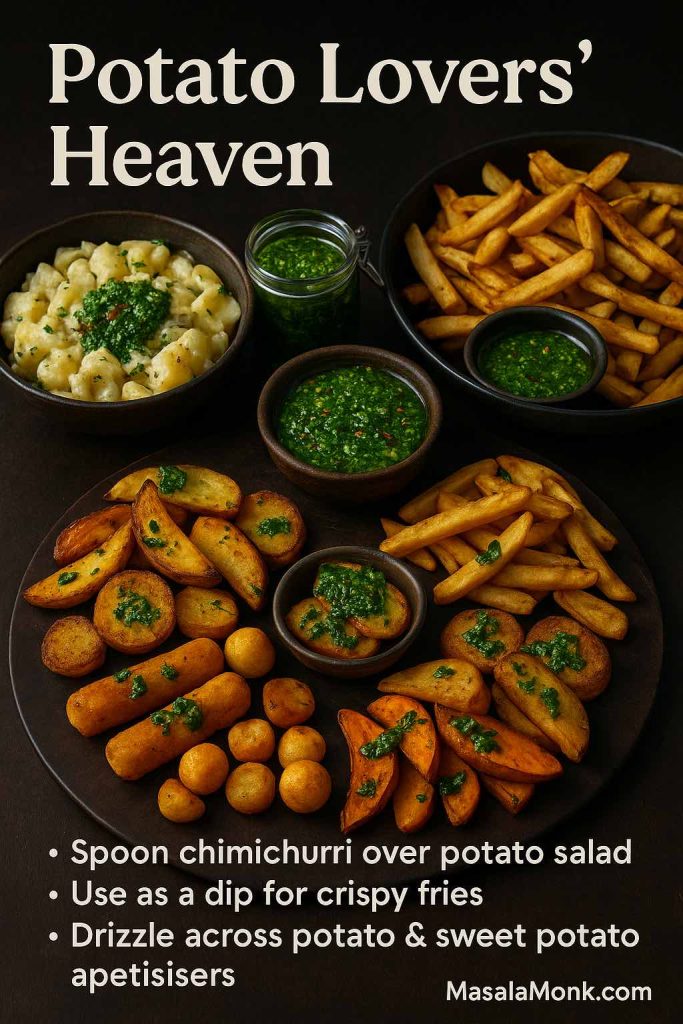
Food guide image titled Potato Lovers’ Heaven showing potato salad, crispy French fries and assorted potato and sweet potato appetisers on dark plates, all served with bowls of green chimichurri sauce and tips on using chimichurri with potatoes.
Potato salad, crispy fries and mixed potato appetisers all get a serious upgrade from chimichurri—spoon it over creamy salad, serve it as a dip for hot fries or drizzle it across roasted potato and sweet potato bites so every side on the table gets some garlicky, herb-bright heat.

Potato Lovers’ Heaven

Herby chimichurri sauce and potatoes are natural partners. You could:

Because chimichurri is both garlicky and acidic, it cuts through the richness of fried or roasted potatoes effortlessly.
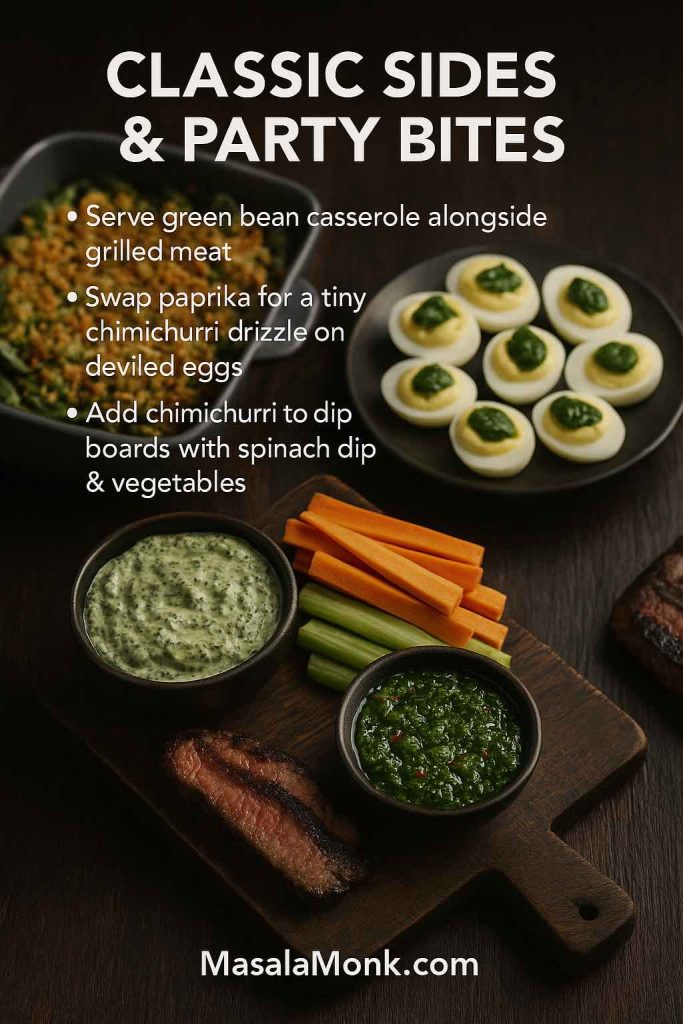
High-resolution food guide titled Classic Sides & Party Bites showing green bean casserole, deviled eggs topped with a touch of chimichurri, spinach dip with vegetable sticks and a bowl of chimichurri on a dark wooden board, with a grilled steak slice at the edge of the frame.
Turn chimichurri steak or chicken into a full spread with cosy sides: a bubbling green bean casserole, deviled eggs finished with a tiny chimichurri drizzle and a dip board where spinach dip, fresh vegetables and a bowl of chimi all share the same platter.

Classic Sides and Party Bites

Beyond potatoes, there are plenty of other dishes that sit happily beside a platter of chimichurri steak:

  • A pan of green bean casserole (MasalaMonk’s green bean casserole recipes offer classic and updated versions) next to grilled meat feels festive.
  • A tray of classic deviled eggs can be dusted with a tiny drizzle of chimichurri instead of paprika for a twist.
  • For dipping boards, consider pairing chimichurri with spinach dip variations and fresh vegetables.

Finally, for nights when you’re turning chimichurri steak into a full occasion, you can round things out with a dessert or a late-night drink. An espresso martini recipe variation makes a lively after-dinner cocktail, while a simple hot chocolate or lemon-water routine will suit quieter evenings.


Chimichurri vs Other Sauces You Might Love

Once you’ve mastered one good chimichurri recipe, it’s natural to compare it to other favourites in your kitchen. Each sauce has its own personality:

  • Chimichurri is raw, herby, sharp and slightly spicy, made for grilled meat and vegetables.
  • Pesto is rich, cheesy and nutty; it loves pasta, sandwiches and roasted vegetables. You can learn more variations in MasalaMonk’s pesto guide.
  • Tzatziki is cool and creamy, based on yogurt, cucumber and garlic, perfect for wraps and mezze; MasalaMonk’s Greek tzatziki sauce recipes dive into that world.
  • Béchamel is a gentle white sauce, the base for lasagna and gratins; it’s explored in MasalaMonk’s béchamel sauce for lasagna.

Learning chimichurri alongside these other “master sauces” gives you a lot of flexibility: one night you serve flank steak with chimichurri, another you layer a vegetable lasagna with béchamel, and on another you pile grilled meat, tzatziki and salad into flatbreads. All of them start from simple, repeatable techniques.

Also Read: Katsu Curry Rice (Japanese Recipe, with Chicken Cutlet)


Bringing It All Together

By now you’ve seen chimichurri from several angles:

  • As a classic Argentine sauce for steak, originally designed for asados and grilled meats.
  • As a versatile chimichurri sauce recipe that can dress flank steak, skirt steak, ribeye, chicken, salmon, vegetables, burgers and choripán.
  • As a base for variations like cilantro chimichurri, basil chimichurri, avocado chimichurri, red chimichurri sauce and spicy chimichurri hot sauce.
  • As a building block for chimichurri butter, chimichurri marinade, chimichurri dry rub, chimichurri salad dressing and more.
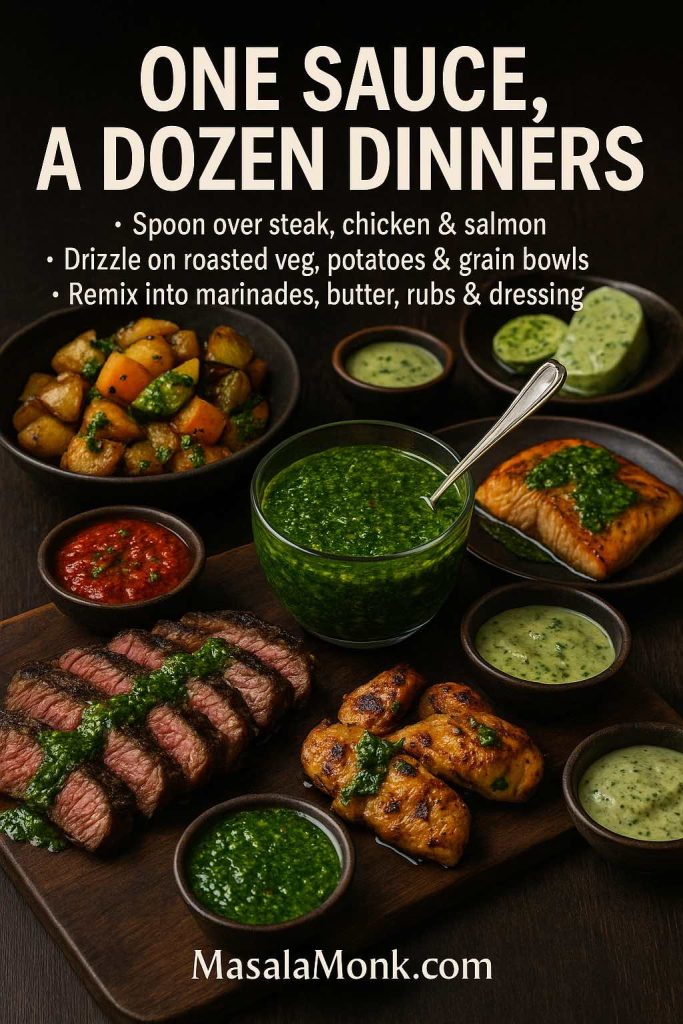
High-resolution overhead image showing sliced chimichurri steak, grilled chicken, roasted potatoes and salmon arranged around a central bowl of green chimichurri sauce with smaller bowls of red and creamy chimichurri, overlaid with the title One Sauce, A Dozen Dinners and bullet points about using chimichurri on meats, vegetables and in marinades, butter, rubs and dressing.
This final feast table pulls everything together: one bowl of chimichurri becomes the finishing touch for steak, chicken and salmon, a drizzle for roasted potatoes and vegetables, and the base for red, creamy and marinade-style variations—proof that a single sauce can carry a dozen different dinners.

You’ve also seen how easily your homemade chimichurri can sit next to potato salads, green bean casseroles, French fries, deviled eggs, dips and drinks to make complete meals that feel thoughtful without being complicated.

Most importantly, you now know exactly how to make chimichurri, how to adjust it to your taste, and how to keep it in your fridge as a ready-to-go flavour bomb. The next time you’re staring at a plain steak, a tray of vegetables or a pack of chicken thighs, you’ll have a simple answer: chop some herbs, add garlic, vinegar, chili and oil, and let chimichurri do the heavy lifting.

FAQs

1. What is chimichurri sauce?

To begin with, chimichurri is an uncooked herb sauce from Argentina and Uruguay made primarily with parsley, garlic, vinegar, olive oil, oregano and chili. It’s traditionally served with grilled beef at asados, which is why so many people think of it first as an Argentinian steak sauce. However, modern cooks now use chimichurri sauce as a condiment, marinade, dressing and dip for everything from steak and chicken to salmon, vegetables, burgers and rice bowls.


2. What ingredients are used to make chimichurri?

Next, let’s talk about the chimichurri ingredients list. A classic, traditional chimichurri recipe includes:

  • Fresh flat-leaf parsley
  • Garlic
  • Dried or fresh oregano
  • Red pepper flakes or fresh chili
  • Red wine vinegar
  • Olive oil
  • Salt and black pepper

Optionally, many home cooks also add a little finely chopped onion or shallot, lemon juice, bay leaf or a hint of other herbs. These variations still fit the idea of an authentic chimichurri sauce as long as parsley, garlic, oil and vinegar remain the main ingredients.


3. How do you make chimichurri?

Moving on, the basic method for how to make chimichurri is very straightforward:

  1. Finely chop parsley (and any other fresh herbs) with a sharp knife.
  2. Mince garlic into a paste and combine it with the herbs, oregano, chili, salt and pepper.
  3. Stir in red wine vinegar and optional lemon juice.
  4. Add olive oil until you get a loose, spoonable sauce.
  5. Taste and adjust salt, acid and heat.
  6. Let your chimichurri rest at room temperature so the flavours meld.

That’s the answer behind “how do you make chimichurri” lots of chopping, no cooking and a little patience.


4. How do you make the best chimichurri recipe for steak?

After you’ve mastered the basics, the best chimichurri recipe for steak is mainly about balance. For rich cuts like ribeye, picanha, skirt steak or flank steak, it helps to:

  • Use plenty of parsley and garlic.
  • Increase vinegar slightly so the chimichurri cuts through fat.
  • Add enough salt so the sauce tastes vivid on its own.
  • Adjust chili for a gentle burn if you want a spicy chimichurri sauce.

For a classic chimichurri for steak recipe, many people follow a roughly 3:1 ratio of oil to vinegar and keep the sauce quite loose. That style works brilliantly as a finishing sauce for flank steak and chimichurri, skirt steak and chimichurri, chimichurri ribeye and other grilled beef steaks.


5. Can I use chimichurri as a marinade, rub or dry seasoning?

In many cases, yes. A basic chimichurri recipe turns into a chimichurri marinade when you simply increase vinegar and salt, then thin the sauce with a splash of water. This version clings to steak, chicken, prawns or tofu for 30–60 minutes before grilling. Furthermore, you can mix dried parsley, dried oregano, garlic powder, onion powder, chili flakes, smoked paprika, salt and pepper to create a dry chimichurri mix or chimichurri seasoning that works as a rub. That dry chimichurri rub can then be sprinkled on meat, seafood or vegetables before cooking, giving you chimichurri flavour even when fresh herbs aren’t available.


6. Is chimichurri healthy?

From a nutrition perspective, chimichurri can be a healthy addition to your meals when you use it mindfully. It’s mostly made from fresh herbs, garlic, olive oil, vinegar and chili. Consequently, you get beneficial fats from the olive oil and plenty of phytonutrients from the parsley and other herbs. Because most of the calories come from oil, a tablespoon of chimichurri sauce will usually sit around 45–60 calories. If you want a healthier chimichurri recipe, simply use more herbs and vinegar relative to oil, and drizzle it over grilled vegetables, lean steak, chicken, seafood, beans or tofu instead of heavy cream-based sauces.


7. What is the difference between authentic chimichurri and modern versions?

In practice, an authentic Argentinian chimichurri sauce recipe usually keeps things very simple: parsley, garlic, oregano, vinegar, olive oil, chili, salt and pepper. That’s the kind of traditional chimichurri recipe you’ll see served with grilled beef at asados. By contrast, modern chimichurri recipes may introduce cilantro, basil, carrot tops, lemon juice, lime juice, smoked paprika, onion, bay leaves or even avocado. These still count as chimichurri as long as the basic idea—herbs, garlic, oil and vinegar—stays intact.


8. Can you make chimichurri with cilantro?

Absolutely. Once you feel comfortable with classic parsley chimichurri, a cilantro chimichurri recipe is a natural variation. Typically, you:

  • Swap one-quarter to one-half of the parsley for cilantro.
  • Keep the oregano, garlic, vinegar and chili the same.
  • Possibly add a little lime juice or extra lemon juice for brightness.

As a result, you get chimichurri cilantro, chimichurri cilantro parsley or chimichurri with parsley and cilantro—different names for the same parsley–cilantro blend. This kind of chimichurri sauce recipe with cilantro goes especially well with chicken, salmon, prawns, fish tacos and grilled vegetables.


9. What is red chimichurri sauce?

Red chimichurri, or chimichurri rojo, is a cousin of the green version. Instead of only parsley and green herbs, red chimichurri sauce often includes:

  • Sweet or hot paprika
  • Extra chili flakes or fresh red chili
  • Sometimes finely chopped red bell pepper
  • Occasionally tomato paste or sun-dried tomato

Beyond that, the structure stays the same: herbs, garlic, vinegar, oil and salt. Therefore, “chimichurri red” or “red chimichurri sauce recipe” typically point to a smokier, slightly richer sauce. Red chimichurri is particularly good as a sauce for steak, pork chops, sausages and grilled vegetables.


10. How should I use chimichurri besides steak?

Once you have a jar of chimichurri in the fridge, it becomes a multi-use condiment. Moreover, you can:

  • Spoon chimichurri over grilled chicken, baked chicken or roast chicken pieces.
  • Drizzle cilantro-heavy chimichurri over salmon or other fish fillets.
  • Toss roasted vegetables and potatoes in chimichurri dressing.
  • Use it on burgers as a chimi sauce instead of ketchup and mayo.
  • Stir a spoonful into cooked rice or quinoa to make chimichurri rice bowls.
  • Serve chimichurri as a dip alongside fries, sweet potato wedges or crusty bread.

So when you’re wondering “how to use chimichurri” or “how to use chimichurri sauce,” the answer is simple: treat it anywhere you’d enjoy a bold herb sauce, vinaigrette or salsa.


11. How long does homemade chimichurri last and how do you store it?

For best flavour, homemade chimichurri is usually stored in an airtight jar in the refrigerator. Under normal circumstances, it keeps well for about 3–4 days. Over time, the herbs soften and the garlic mellows, which can be very pleasant. To extend its life a little, you can:

  • Cover the surface with a thin layer of olive oil.
  • Always use a clean spoon to avoid contamination.

If you’d like to store chimichurri longer, you can freeze it in small portions (for instance, in an ice cube tray). Later on, thaw a cube or two to use as a quick marinade, chimichurri sauce for steak or a base for dressings. Before serving, let it come back to room temperature and stir well.


12. Can I freeze chimichurri?

Yes, chimichurri freezes surprisingly well. Instead of discarding leftovers, you can spoon the sauce into an ice cube tray or small containers and freeze. Subsequently, each cube becomes a ready-made flavour bomb: add one to a pan sauce, melt one over grilled steak, or whisk one into extra vinegar and oil for a fast chimichurri dressing. The texture of the herbs softens slightly after freezing, yet the flavour remains intense, making frozen chimichurri ideal for marinades, skillet sauces and stews.


13. Why does my chimichurri taste bitter, too oily or too acidic?

Occasionally, a chimichurri sauce recipe can feel out of balance. If it tastes bitter, one reason might be over-processed herbs: blending parsley and oil aggressively can release bitter compounds. Another cause can be very sharp, low-quality olive oil. To fix this, chop herbs by hand when possible and consider using a milder oil or a mix of oils.

When chimichurri tastes too oily, add more vinegar, lemon juice and chopped herbs until it feels fresher and lighter. On the other hand, if your chimichurri is too acidic, stir in more olive oil, a pinch of sugar or honey and a little extra salt. In short, you can repair most “bad” chimichurri by adjusting those three dials: oil, acid and salt.


14. What is the difference between chimichurri, pesto and salsa verde?

Although they’re all green sauces, they serve different purposes. Chimichurri is a raw Argentinian herb sauce with parsley, garlic, vinegar, chili and oil, designed as a condiment and marinade for grilled meats. Pesto is a thick Italian sauce made with basil, pine nuts, Parmesan, garlic and olive oil; it’s usually tossed with pasta or spread on sandwiches. Salsa verde can refer to different sauces, but Italian salsa verde includes parsley, capers, anchovies and vinegar, while Mexican salsa verde is based on tomatillos and chilies. Consequently, when you’re searching for chimichurri sauce recipe, pesto recipe or salsa verde, you’re really choosing between three distinct personalities, even though they share herbs and garlic.


15. Is “chimi sauce,” “chimi recipe” or “jimmy churri sauce” the same as chimichurri?

Every so often, you might see people write “chimi sauce,” “chimi recipe” or even “jimmy churri sauce.” Generally, these are just informal or misspelled ways of referring to chimichurri. In some contexts, especially around Dominican street food, “chimi” can mean a specific style of burger, yet the sauce on those burgers is often inspired by chimichurri flavours. Therefore, if someone mentions chimi sauce for steak or asks how to make jimmy churri sauce, they usually want a standard chimichurri sauce recipe—parsley, garlic, vinegar, chili and olive oil—no matter how they spell it.

Posted on 9 Comments

Potato Salad Recipe: Classic, Russian, German, Vegan & More

Smiling woman in a navy shirt holding a bowl of creamy potato salad with dill and vegetables, with text overlay reading “Your New Go-To Potato Salad Recipe – Classic, Russian, German, Vegan & More” for MasalaMonk.com.

There’s something wonderfully comforting about a big bowl of potato salad. It fits in almost anywhere: summer barbecues, winter potlucks, Eid spreads, Christmas dinners, brunch tables, even quiet weekday lunches with leftovers. Some days you crave a classic creamy potato salad recipe with egg and mayo; on others, a tangy German potato salad, a rich Russian salad (Olivier salad), a colourful beet and potato salad, or a lighter Greek yogurt or vegan potato salad with a fresh, herby vinaigrette feels just right.

Because there are so many versions, it makes sense to begin with one reliable, easy potato salad recipe and treat that as your base. From there, you can branch out into the styles you love—warm potato salad with bacon, dill potato salad, Japanese potato salad, cold sweet potato salad, chicken potato salad, vegan potato salad, even the occasional Amish-style or Filipino potato salad. As you’ll see in this guide, once you understand the basic potato salad ingredients and procedure, you can turn that simple foundation into countless potato salad recipes without much extra effort.


Why Potato Salad Is More Than “Just a Side”

Before we make the first bowl, it’s worth answering a simple question: is potato salad just comfort food, or can it actually fit into a balanced way of eating?

Potatoes: What’s Really Inside

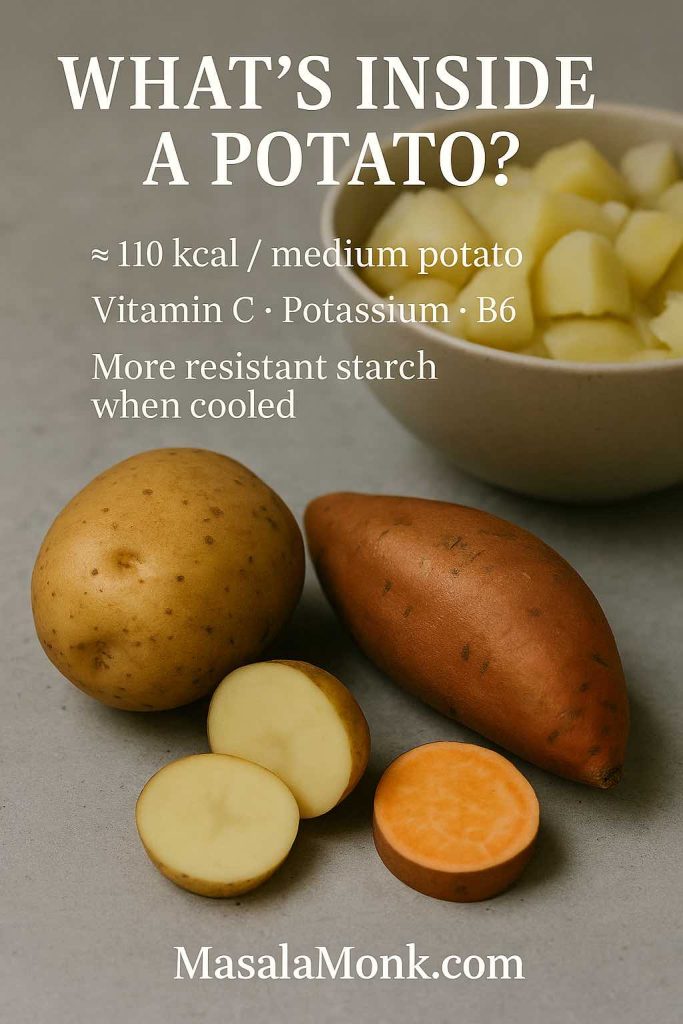
A medium potato (about 5.3 oz) brings around 110 calories, almost no fat, and useful amounts of vitamin C, potassium and vitamin B6. Resources like PotatoGoodness’ nutrition breakdown, describe potatoes as nutrient-dense complex carbohydrates, not empty calories.

Whole and sliced white and sweet potatoes with a bowl of boiled potato cubes, highlighting calories, vitamins and resistant starch to show how potatoes can fit into a healthy potato salad recipe.
Potatoes bring around 110 calories per medium tuber plus vitamin C, potassium and B6—and when cooled for potato salad, some of their starch turns into gut-friendly resistant starch.

Furthermore, when you cool cooked potatoes – which is exactly what happens in a cold potato salad – some starch turns into resistant starch. Many nutrition writers and dietitians point out that resistant starch digests more slowly and may support better blood sugar and gut health than freshly mashed, steaming potatoes.

If you like digging into the details, MasalaMonk’s article “The Potato Debate: White vs Sweet” compares white potatoes and sweet potatoes in terms of glycemic index, calories and context on how to use both wisely.

Why Dressing and Portion Size Matter

Of course, the dressing can change everything. A heavy potato salad mayonnaise dressing with bacon, cheese and extra sugar is not the same as a simple potato salad with yogurt and herbs. Nevertheless, both still start from the same base ingredient.

Because of that, you can easily slide along a spectrum:

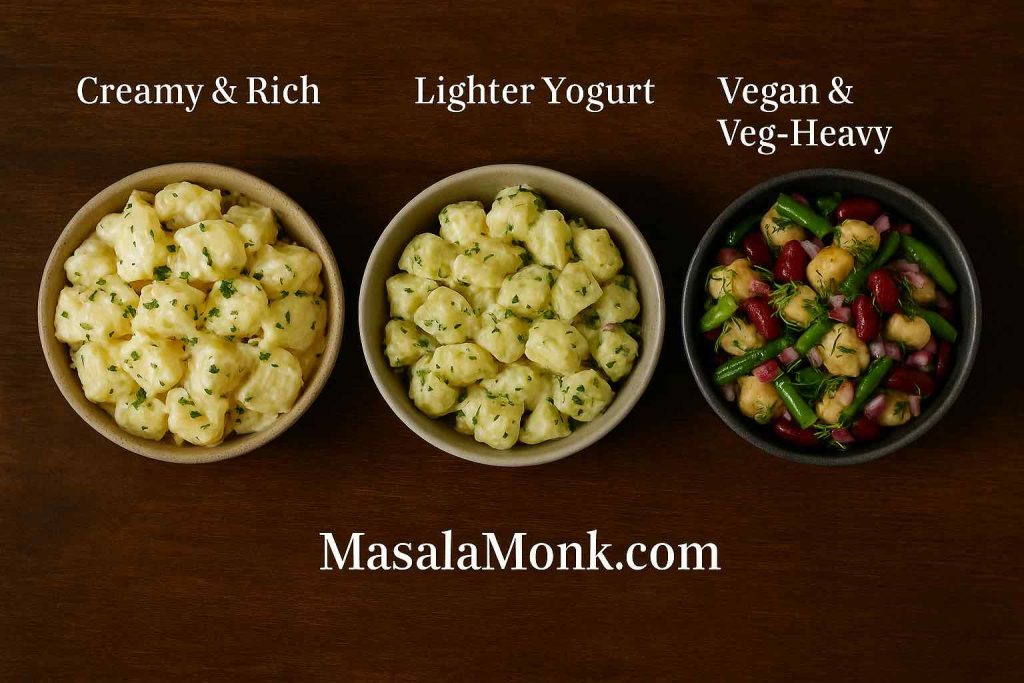
Three bowls of potato salad in a row showing a spectrum from creamy rich mayo, to lighter yogurt, to vegan potato salad packed with beans and vegetables, illustrating how dressing changes a potato salad recipe.
From creamy and rich to lighter yogurt and fully vegan with beans and vegetables, your choice of dressing decides whether a potato salad feels indulgent or everyday-healthy.
  • From classic southern potato salad with eggs, mustard, mayo and relish
  • To a healthy potato salad with olive oil, lemon, herbs and lots of vegetables
  • To a vegan potato salad recipe built with eggless mayo and beans

Thought the focus on this post is on potato salad recipe, but behind that phrase you actually have a whole library of possibilities.

Also Read: Upma Recipe: 10+ Easy Variations (Rava, Millet, Oats, Semiya & More)


Choosing Potatoes and Other Essentials

Now that you know potatoes themselves are not the villain, you can choose the right type and the best supporting cast.

Three groups of potatoes labelled starchy, waxy and all-purpose, each with a matching bowl of potato salad showing mashed, firm cubes and medium texture, to explain which potatoes work best for different potato salad recipes.
Starchy potatoes give soft, mashy salad, waxy potatoes hold their shape in neat cubes, and all-purpose potatoes sit in between—pick your potato type to match the texture you want before you start your next potato salad recipe.

Best Potatoes for Potato Salad

Different potato salad recipes favour different potatoes:

Starchy potatoes (like russets)

  • Great for softer, slightly mashed potato salad
  • Good in old-fashioned potato salad recipe versions

Waxy potatoes (like red or new potatoes)

  • Hold their shape in chunky potato salad
  • Ideal for German potato salad, red potato salad recipe and warm potato salad

All-purpose potatoes

  • Sit in the middle
  • Excellent for an easy potato salad recipe or basic potato salad recipe with egg and mayo

You can use potatoes with skins for a rustic potato salad with skins, or peel them for a smoother traditional potato salad recipe. For pretty bowls, people often love new potato salad or red skin potato salad, because the small potatoes look good simply halved with dressing.

Other Potato Salad Building Blocks

Besides potatoes, most versions share a few key building blocks that you can mix and match to create anything from a simple potato salad to the best potato salad recipe with bacon and dill.

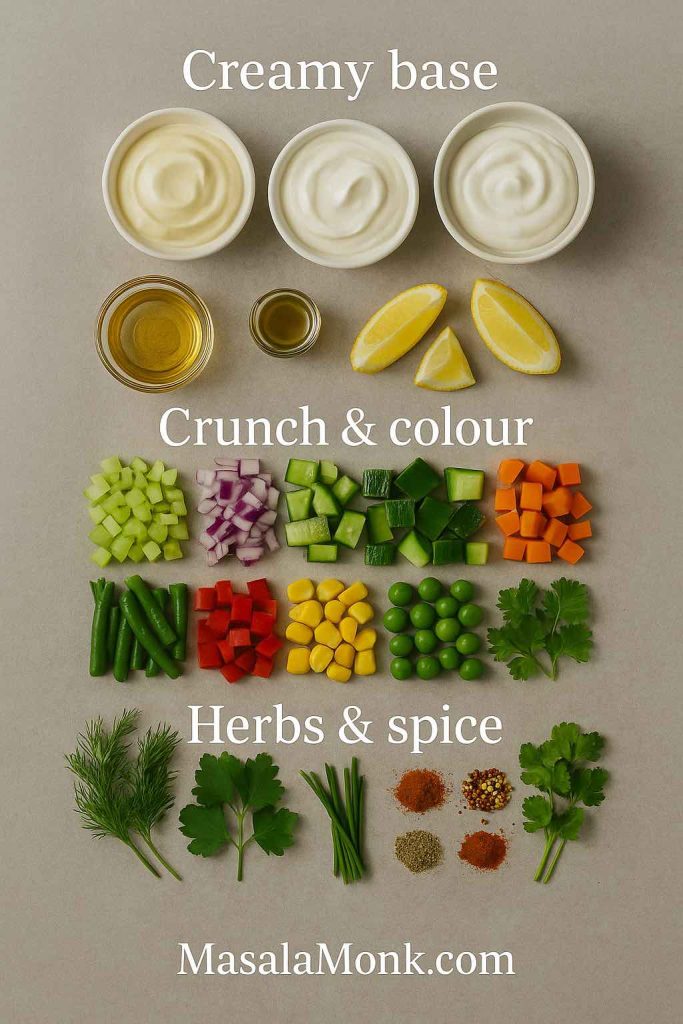
Flat-lay of potato salad ingredients arranged in rows, including bowls of creamy base, lemon wedges, chopped celery, onions, cucumbers, peppers, green beans, corn, peas, carrots and fresh herbs and spices, grouped as creamy base, crunch and colour, and herbs and spice for building different potato salad recipes.
With a creamy base, a splash of acid, plenty of crunchy vegetables and fresh herbs and spice, you can turn any simple potato salad into dill, bacon-and-egg or beet and potato salad in minutes.

Creamy base

  • Mayonnaise
  • Sour cream or hung curd
  • Greek yogurt
  • Any combination of these

Acid and tang

  • Vinegar (white, apple cider or wine vinegar)
  • Pickle brine or gherkin juice
  • Lemon juice
  • Yellow, Dijon or wholegrain mustard

Crunch and colour

  • Celery
  • Onions (red, white or spring onions)
  • Cucumbers
  • Bell peppers
  • Green beans
  • Corn
  • Peas
  • Carrots

Herbs and spices

  • Dill
  • Parsley
  • Chives
  • Coriander (cilantro)
  • Paprika or smoked paprika
  • Cayenne or chilli flakes
  • Cajun seasoning
  • Garlic or garlic powder

Once these simple elements live in your kitchen, it becomes very easy to move from a basic, simple potato salad to richer ideas like a creamy dill potato salad, a bacon and egg potato salad, or even a colourful beet and potato salad with hardly any extra effort.

Also Read: Whole Chicken in Crock Pot Recipe (Slow Cooker “Roast” Chicken with Veggies)


Core Potato Salad Procedure (The Backbone of Almost Every Version)

Almost every potato salad recipe, from classic American to German salad potato dishes, follows the same simple flow. Once you memorise this, you’ll never feel lost.

Step 1: Prep and Boil the Potatoes

First, scrub or peel the potatoes. Cut them into even chunks. For small potato salad, keep them smaller; for chunky potato salad, keep them slightly larger.

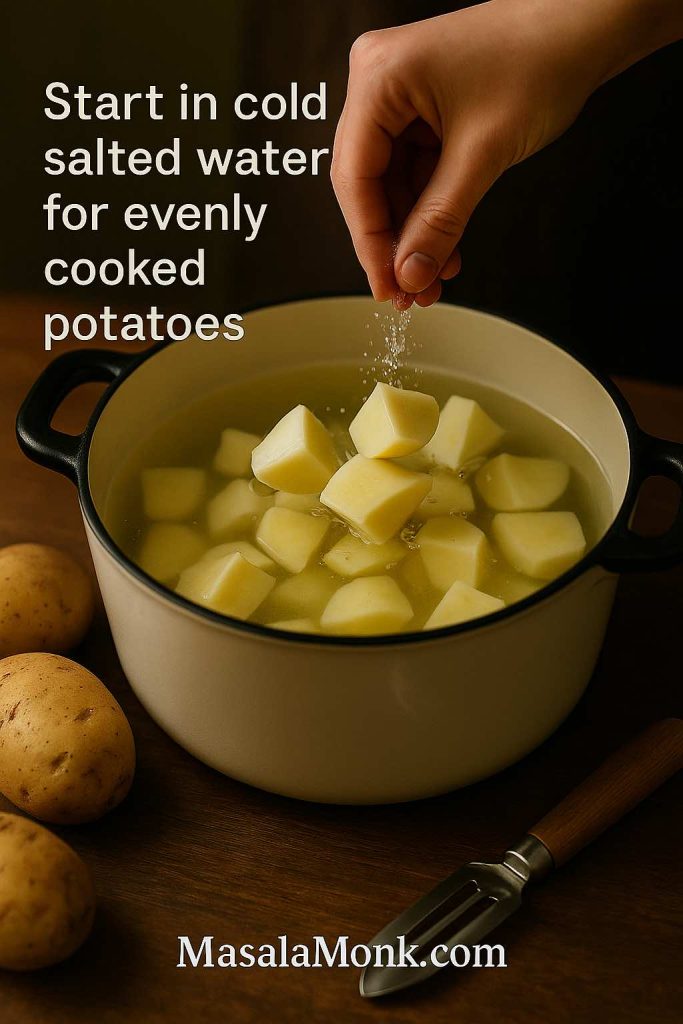
Hand sprinkling salt into a pot of cold water filled with diced potatoes, showing how to start potatoes in cold salted water so they cook evenly for potato salad.
Start potato chunks in cold salted water so they heat through at the same rate—this keeps them tender inside without turning the outside to mush in your potato salad.

Place the potatoes in cold, salted water. Then bring the pot to a gentle boil. Simmer until the potatoes are just tender when pierced with a knife. Try not to let them fall apart, otherwise you’ll land in mashed potato salad territory.

Step 2: Drain and Season While Warm

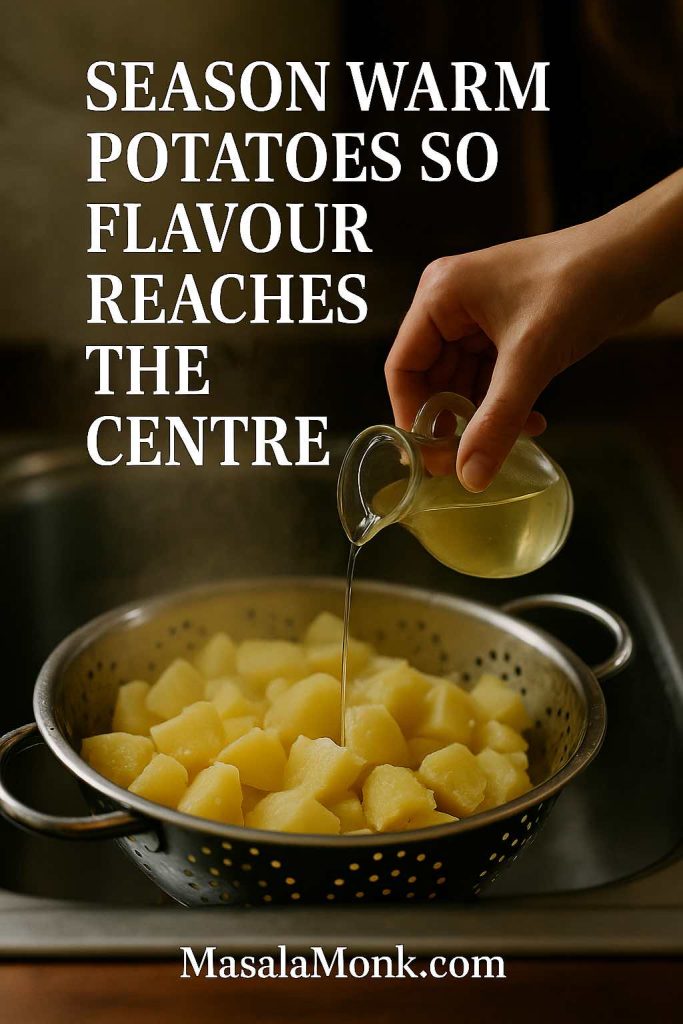
Next, drain the potatoes well and leave them in the colander to steam dry. While they’re warm, you can sprinkle them with a spoonful of vinegar or pickle brine. That trick – also used in recipes like Serious Eats’ classic potato salad – lets the potatoes absorb flavour all the way to the centre.

Hand pouring vinegar from a small glass jug over steaming boiled potato chunks in a metal colander, showing how to season warm potatoes so they absorb flavour for potato salad.
Drizzle vinegar or pickle brine over potatoes while they’re still warm and steaming—this helps the flavour soak into the centre of each piece instead of sitting only on the surface.

Step 3: Make the Dressing

Meanwhile, mix your dressing in a large bowl:

  • Start with mayonnaise or a mix of mayo and sour cream.
  • Add mustard, vinegar or lemon juice and seasonings.
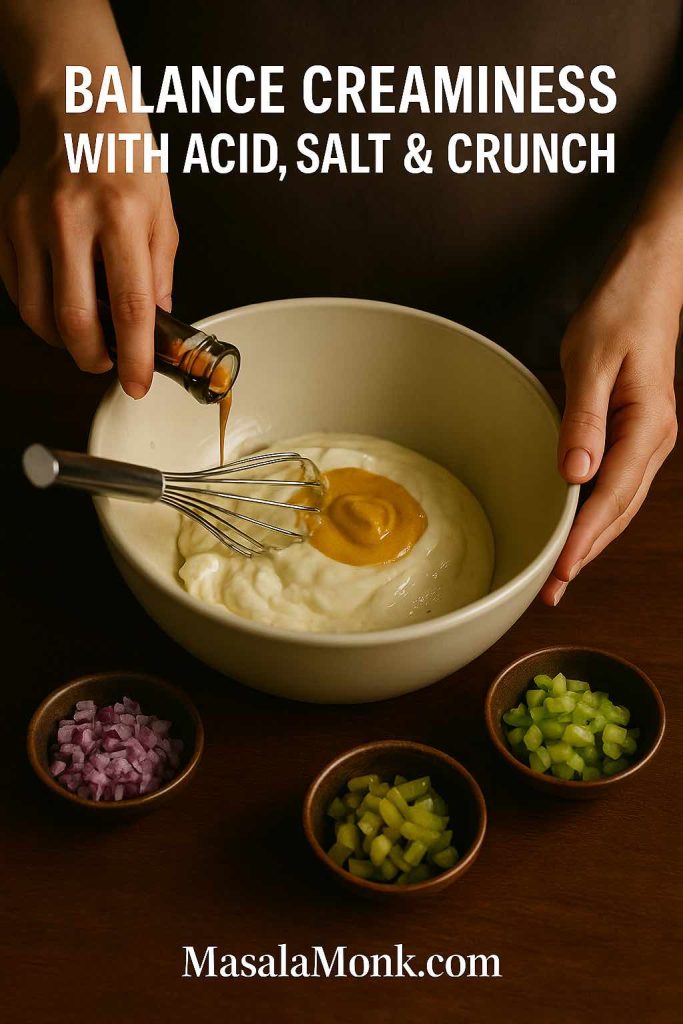
  • Stir in chopped onion, celery and pickles.
Hands whisking mayonnaise with mustard and vinegar in a mixing bowl, surrounded by small bowls of chopped onion, celery and pickles, showing how to balance creaminess with acid, salt and crunch for potato salad dressing.
The best potato salad dressing starts creamy, then gets sharpened with mustard and vinegar and finished with crunchy onions, celery and pickles for texture.

This is the moment where a Hellmann’s potato salad recipe, a Best Foods potato salad recipe or a German potato salad recipe warm start to part ways. The brand of mayo matters less than the balance between creaminess, tang and salt.

Step 4: Fold Everything Together

After that, tip the warm potatoes into the bowl with the dressing. Fold gently until every piece is coated. If you’re making potato salad with egg, fold in chopped hard-boiled eggs at the end so they don’t break down too much.

Hands gently folding boiled potato chunks with chopped eggs and herbs in a large bowl, showing how to mix potato salad softly so it stays chunky instead of turning into mash.
Use a gentle folding motion rather than rough stirring so your potato salad keeps those satisfying chunky pieces of potato instead of collapsing into mashed potatoes in dressing.

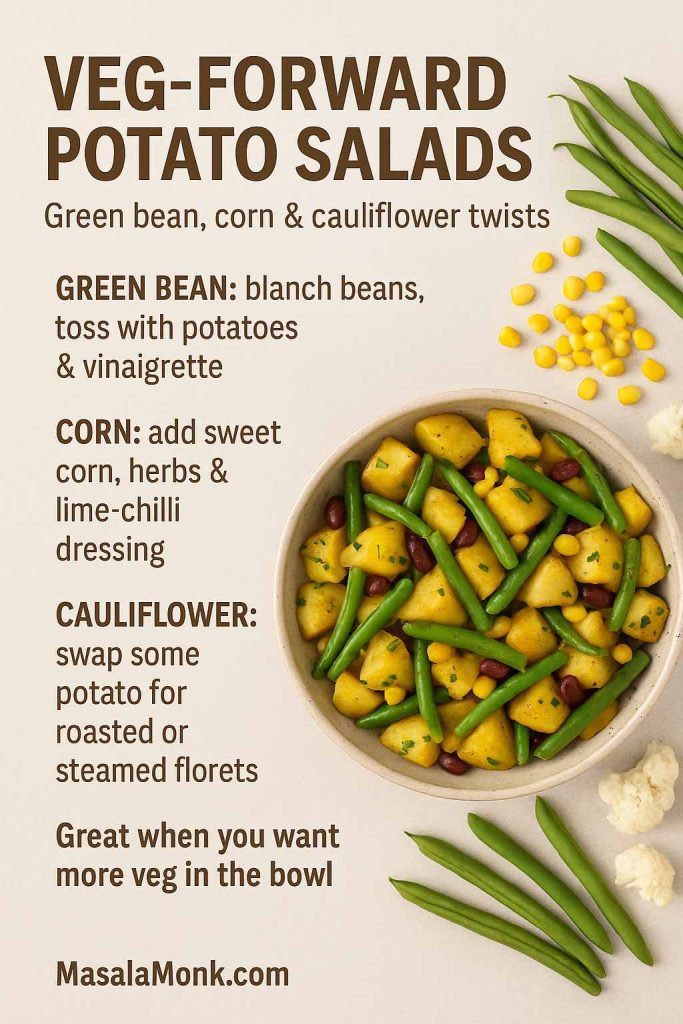
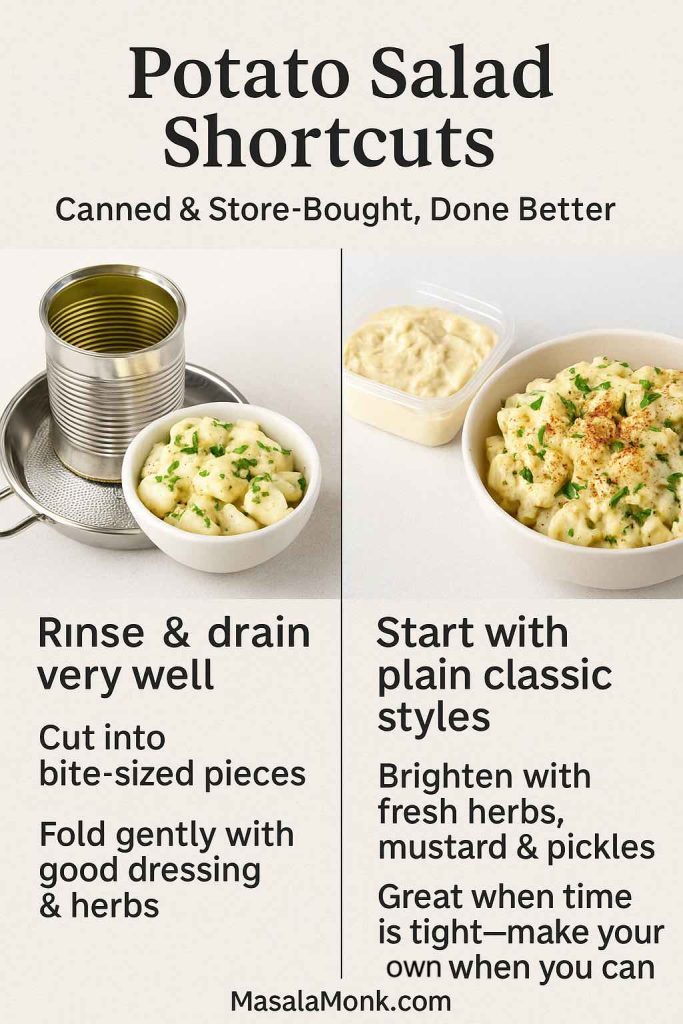
Because this step is gentle, it also works when you add bacon, chopped chicken, canned tuna, green beans, beetroot or even canned potatoes for potato salad.

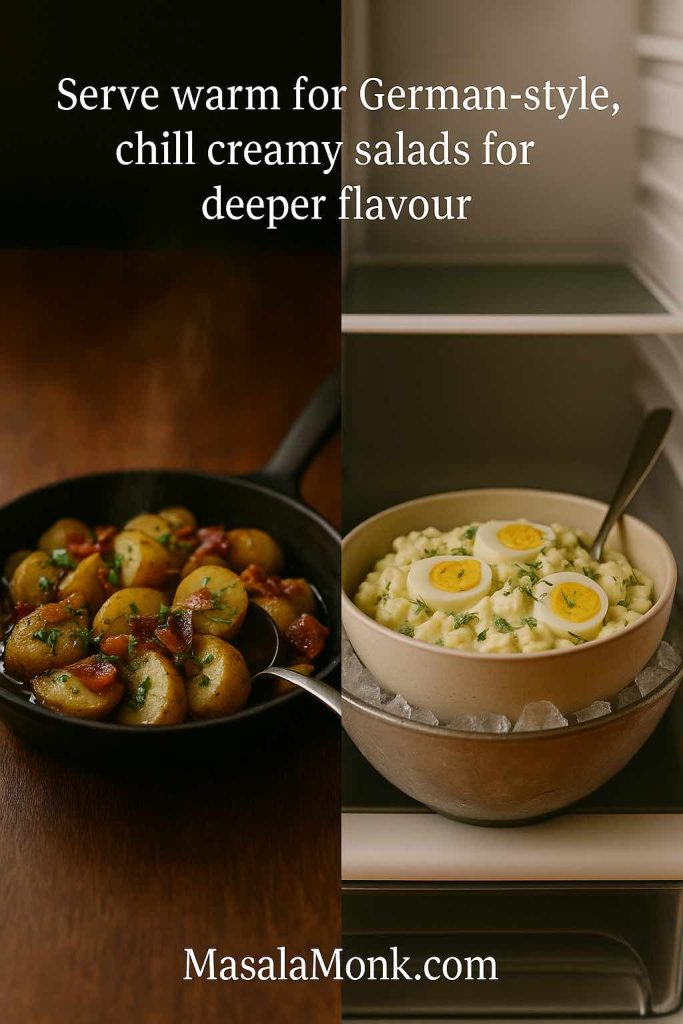
Step 5: Chill or Serve Warm

Finally, decide whether you want a warm potato salad or a chilled one.

  • For German potato salad and some mustard potato salad styles, serve the dish slightly warm.
  • For classic potato salad, Russian salad, Amish potato salad, Hawaiian potato salad or Filipino potato salad, chill the bowl for a few hours so the flavours marry.
Side-by-side image of warm German-style potato salad with bacon in a skillet and a chilled creamy potato salad with egg slices in a bowl on ice, showing when to serve potato salad warm or cold.
Serve German and mustard-based potato salads slightly warm, but let creamy classic potato salad chill on ice or in the fridge so the flavour deepens and the dressing sets.

Once you understand this structure, you can handle almost any potato salad ingredients and procedure list you see online.

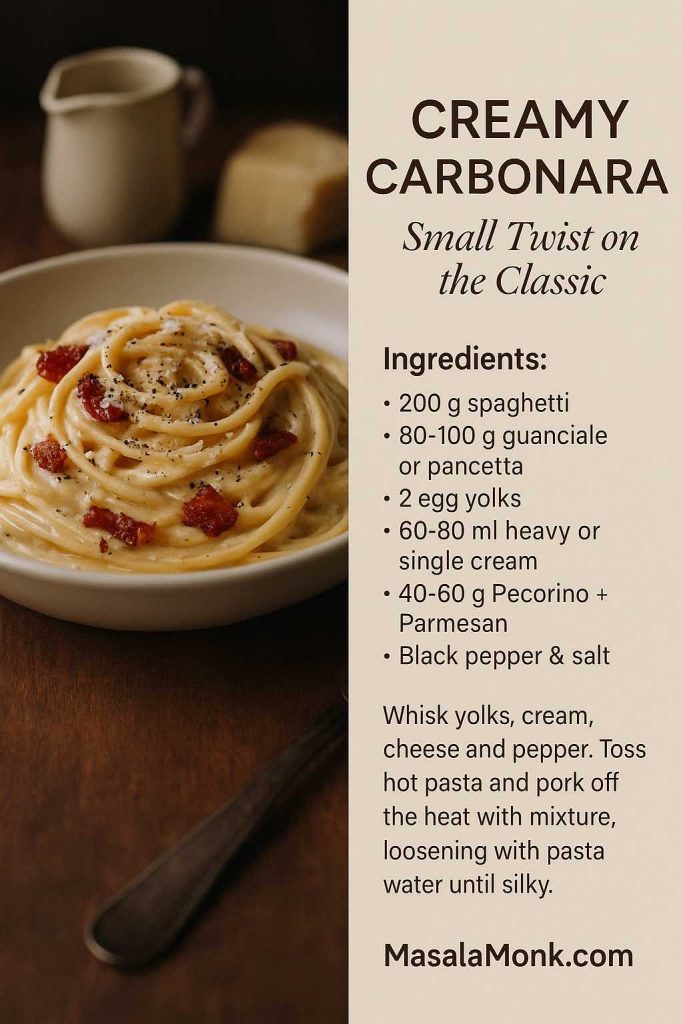
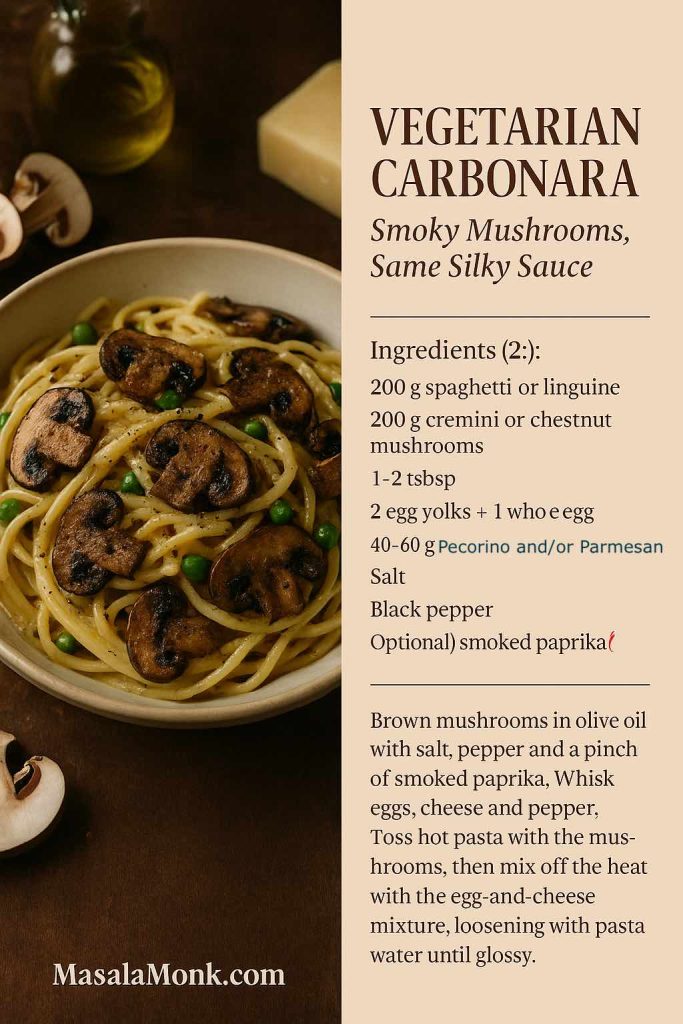
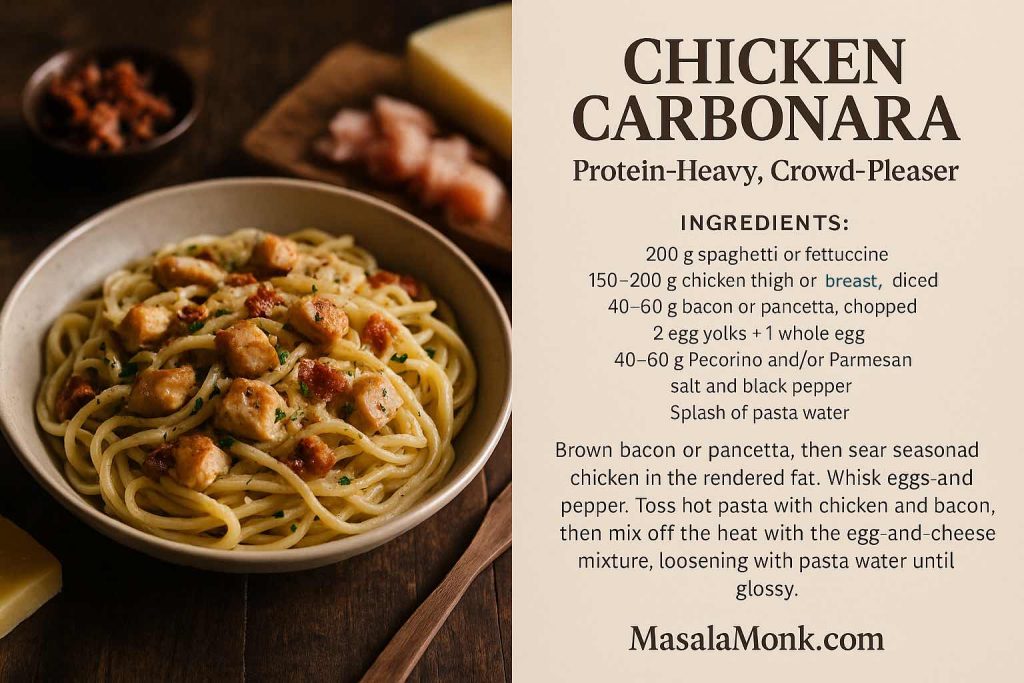
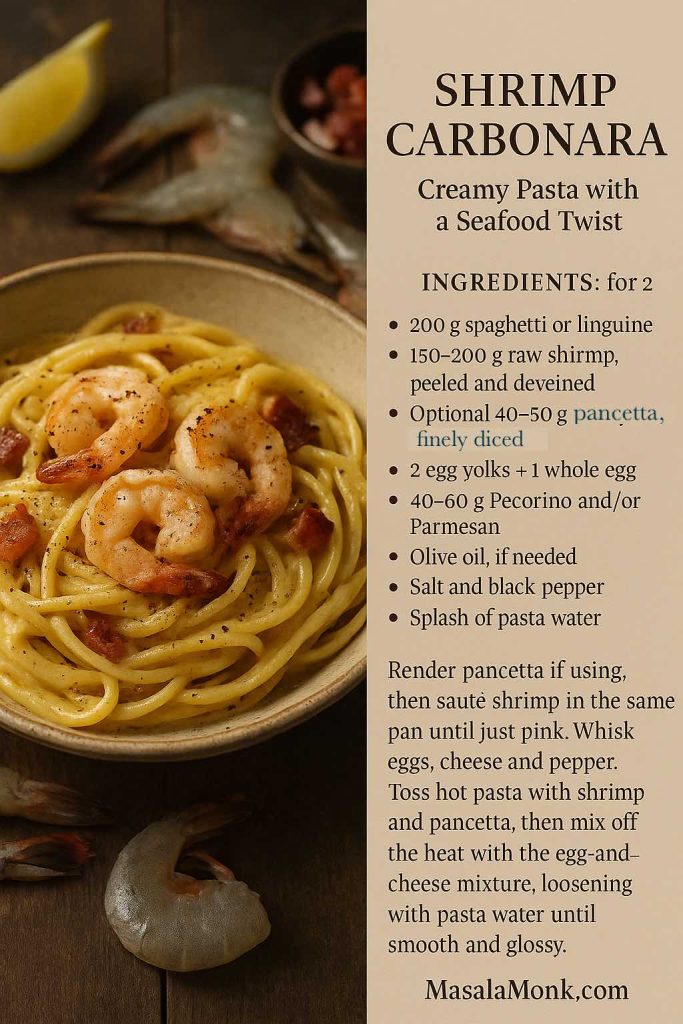
Also Read: Carbonara Recipe: Italian Pasta (Creamy, Veggie, Chicken, Shrimp, Tuna & Keto)


Master Classic Potato Salad Recipe (Easy, Reliable, Adaptable)

Let’s anchor everything with one classic creamy potato salad recipe. You can make it exactly as written or use it as your “mother recipe” for dozens of variations.

Ingredients (Serves 6–8)

  • 1 kg potatoes, peeled or scrubbed
  • 3 large eggs (omit for potato salad recipe no egg)
  • ½ cup mayonnaise
  • ¼ cup sour cream or thick yogurt
  • 1–2 tablespoons mustard (yellow or Dijon)
  • 2–3 tablespoons chopped dill pickles or relish
  • 2–3 tablespoons finely chopped red onion or spring onion
  • 2 tablespoons finely chopped celery
  • 1–2 tablespoons vinegar or lemon juice
  • ½ teaspoon sugar (optional)
  • Salt and black pepper to taste
  • A handful of chopped dill or parsley

If you prefer an eggless creamy base, you can swap the mayo for an egg-free option. For instance, MasalaMonk sells several eggless mayonnaises, and these work well in a vegan potato salad or a potato salad vegetarian version.

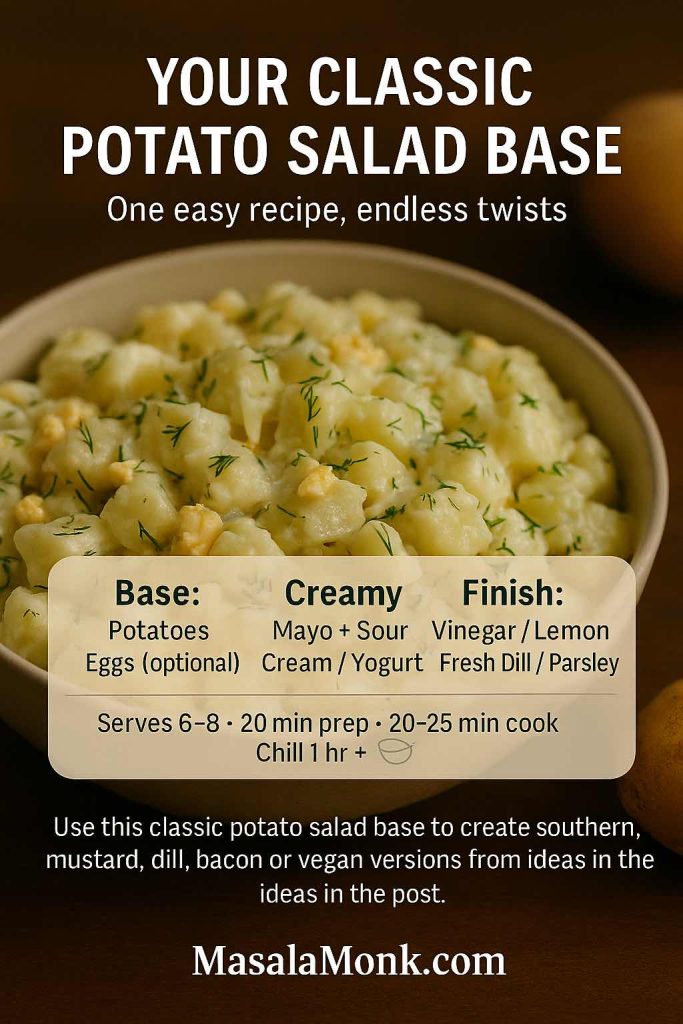
Recipe card showing a bowl of classic creamy potato salad with dill, plus a simple breakdown of base, creamy and finishing ingredients and timings for an easy potato salad base recipe.
This classic potato salad base shows you the core ingredients and timings so you can quickly build any version—southern, mustard, dill, bacon or vegan—without relearning the method each time.

Method

  1. Cut the potatoes into even chunks and place them in a pot of cold, salted water.
  2. Bring to a gentle boil and cook until just tender. Drain and let them steam dry in the colander for a few minutes.
  3. At the same time, hard-boil the eggs. Cool them in cold water, peel and chop into pieces. For an easy way to prep eggs, you can also use the air fryer method from MasalaMonk’s air fryer hard-boiled eggs guide.
  4. In a large mixing bowl, whisk together mayonnaise, sour cream or yogurt, mustard, vinegar or lemon, sugar, salt and pepper. Stir in onion, celery and pickles.
  5. Add the warm potatoes to the bowl and fold gently so they’re coated in dressing.
  6. Fold in the chopped eggs and herbs. Taste and adjust seasoning.
  7. Chill the potato salad for at least an hour before serving.

This simple base already gives you a good potato salad recipe. However, with tiny adjustments you can pivot towards classic southern potato salad, mustard potato salad, dill red potato salad, creamy potato salad with bacon, and several more.

Also Read: One-Pot Chicken Bacon Ranch Pasta (Easy & Creamy Recipe)


Classic Twists: Old-Fashioned, Southern, Mustard and Dill

Once you’ve tried the master bowl a couple of times, you can turn the dial in different directions without starting over.

Old-Fashioned Potato Salad Recipe with Egg

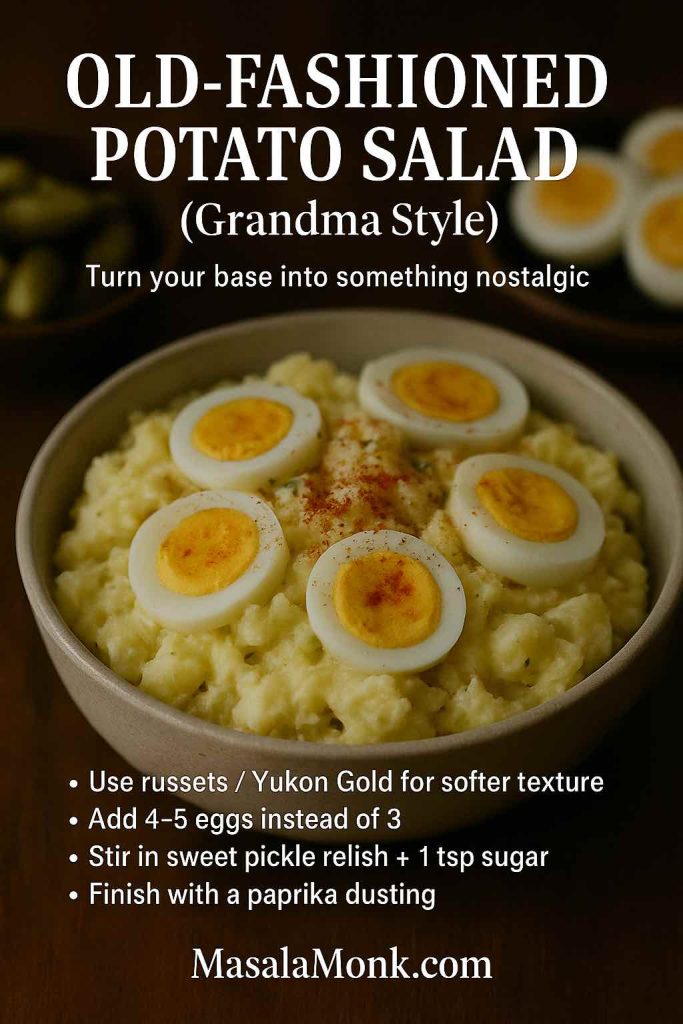
An old-fashioned potato salad feels soft, comforting and a bit nostalgic.

Recipe card showing a vintage-style bowl of old-fashioned potato salad topped with sliced hard-boiled eggs and paprika, plus tips to use russet or Yukon Gold potatoes, extra eggs, sweet pickle relish, sugar and paprika for a nostalgic potato salad.
Turn your classic base into an old-fashioned “grandma style” potato salad by switching to softer russet or Yukon Gold potatoes, adding more eggs, stirring in sweet pickle relish and sugar, and finishing with a paprika dusting.

To get that feel:

  • Use potatoes that break down a little, such as russets or Yukon Gold.
  • Increase the eggs to four or five.
  • Use sweet pickle relish and a spoon of sugar.
  • Sprinkle paprika on top.

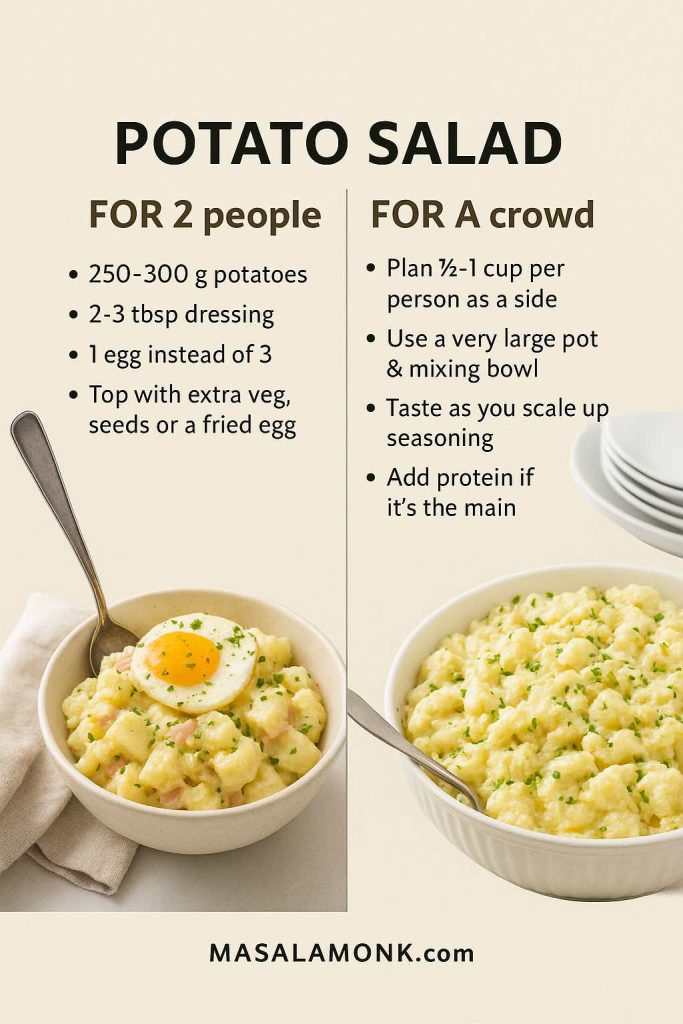
The result is close to many “grandma’s potato salad” styles. It also scales well as potato salad for a crowd at weddings, church suppers and long family lunches.

Southern Potato Salad and Mustard Potato Salad

Southern potato salad often leans into mustard and sweetness.

Recipe card showing a bowl of bright yellow Southern mustard potato salad topped with egg slices and chives, plus tips to boost yellow mustard, add a little sugar, keep celery, relish and egg, and pair it with BBQ, ribs and cornbread.
Turn your classic potato salad into a Southern mustard version by loading up the yellow mustard, adding a touch of sugar and keeping celery, relish and eggs for crunch—perfect next to BBQ, fried chicken and cornbread.

To take your master recipe there:

  • Use a generous spoon of yellow mustard.
  • Add a teaspoon or two of sugar.
  • Keep relish, celery and egg.

Because of the sweetness and mustard, this kind of potato salad recipe sits beautifully next to fried chicken, ribs, collard greens and cornbread. If you like Hidden Valley–style flavours, you can even echo that profile and make a Hidden Valley ranch potato salad recipe by adding ranch seasoning and herbs.

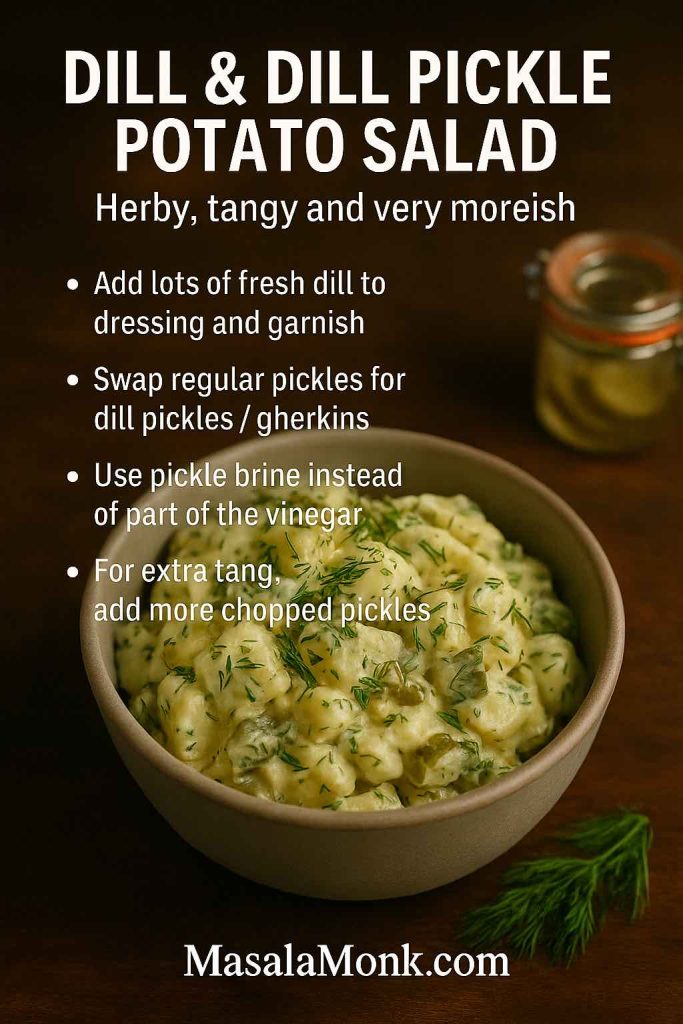
Dill Potato Salad and Dill Pickle Potato Salad

If you love dill, the easiest way to celebrate it is inside potato salad.

Recipe card showing a creamy potato salad loaded with fresh dill and dill pickle pieces in a bowl, plus tips to add lots of dill, swap in dill pickles, use pickle brine and extra chopped pickles for a tangy dill potato salad.
To turn your classic potato salad into a dill lover’s dream, pile in fresh dill, swap regular pickles for dill pickles or gherkins and use pickle brine for extra tang.

Simply:

  • Add plenty of chopped fresh dill to your dressing.
  • Use dill pickles or gherkins instead of regular pickles.
  • Splash in some pickle brine for extra tang.

In that way you land on a classic dill potato salad. If you push the pickles even more, you end up with a dill pickle potato salad that’s sharply tangy and very moreish.

Also Read: Authentic Louisiana Red Beans and Rice Recipe (Best Ever)


Protein-Packed Potato Salad: Egg, Bacon, Tuna and Chicken

Sometimes you want potato salad to carry the whole meal. In that case, protein turns the bowl into something hearty and satisfying.

Potato and Egg Salad / Egg and Potato Salad Recipe

You already have a potato and egg salad if you keep the three boiled eggs in the master recipe. Yet you can go further.

Recipe card showing a creamy potato and egg salad topped with sliced hard-boiled eggs, smoked paprika and chives, with tips to increase eggs, mash some yolks with mayo and mustard, and serve as a deviled egg style potato salad for brunch or potlucks.
Turn your base into an egg-forward, deviled-egg style potato salad by using more boiled eggs, mashing some yolks with mayo and mustard, and finishing with smoked paprika and chives.

For an egg-forward version:

  • Increase eggs to five or six.
  • Mash a couple of yolks with mustard and mayo.
  • Sprinkle the top with smoked paprika and chives.

This starts to feel like a deviled egg potato salad. If you’d like more inspiration, MasalaMonk’s deviled egg recipe post shows deviled egg fillings that also work nicely as potato salad flavour ideas.

Bacon Potato Salad, Bacon Ranch Potato Salad and Bacon Egg Potato Salad

Bacon transforms potato salad quickly.

For a rich, smoky potato salad, crisp your bacon hard, fold some into the bowl and keep extra on top—then add garlic, onion powder and herbs to turn it into a full-on bacon ranch potato salad.

To make a bacon and potato salad:

  • Cook bacon until crisp, then crumble.
  • Fold some pieces into the salad and use the rest as a garnish.

For bacon egg potato salad or bacon and egg potato salad, combine bacon with chopped eggs. The trio of potato, egg and bacon gives you a rich, almost brunch-level bowl.

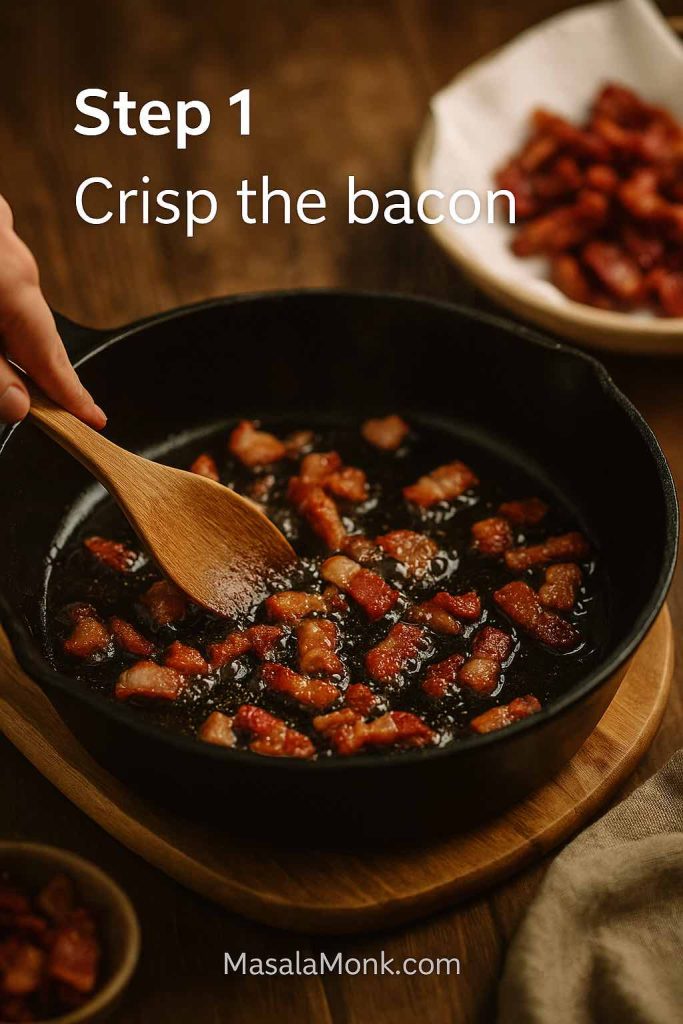
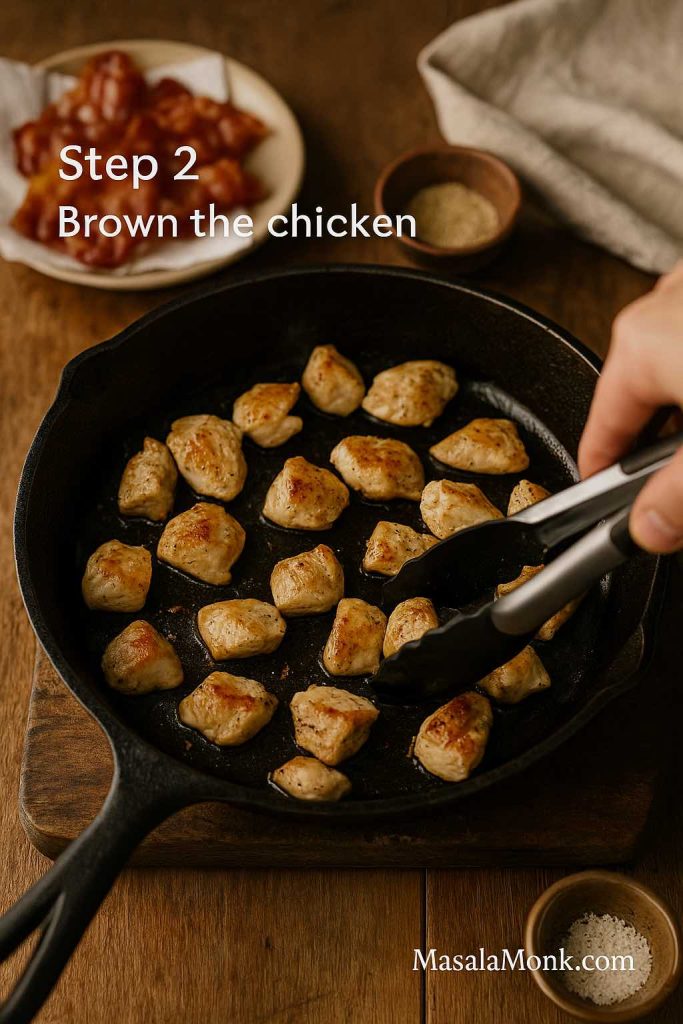
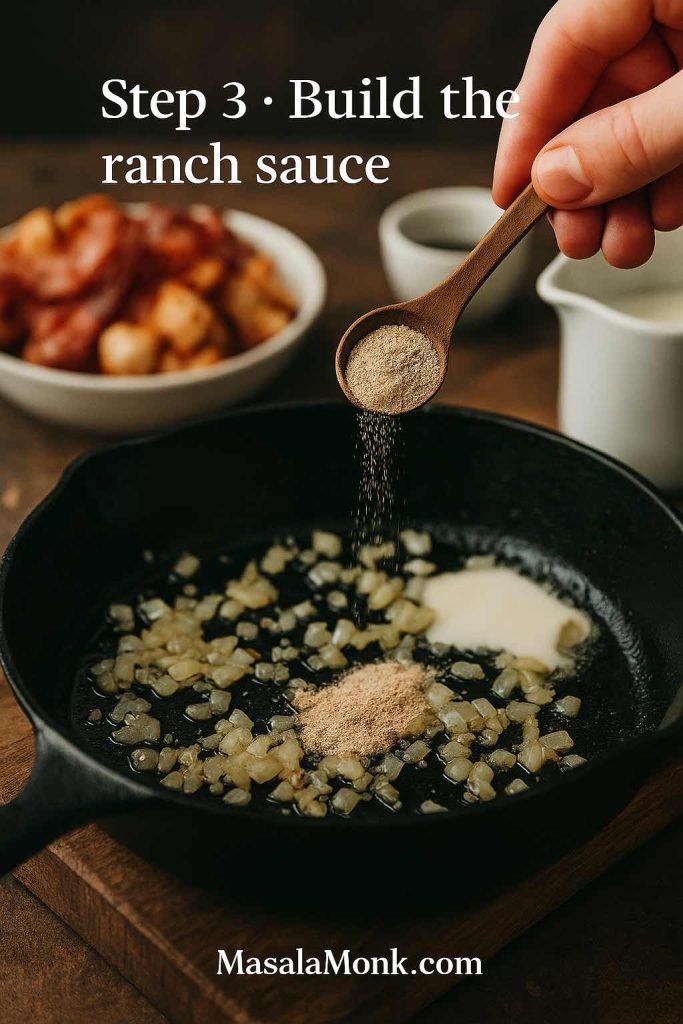
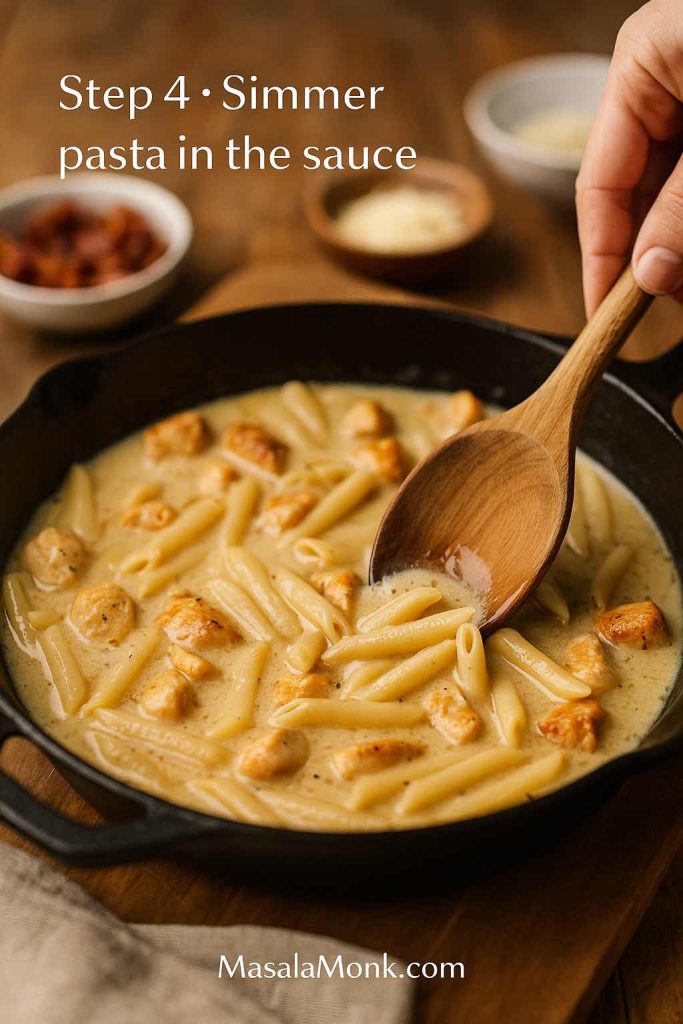
If you enjoy ranch flavours, stir in herbs, garlic and onion powder to create a bacon ranch potato salad. You can also echo the flavours from MasalaMonk’s one-pot chicken bacon ranch pasta and bring those same notes into a cold salad version.

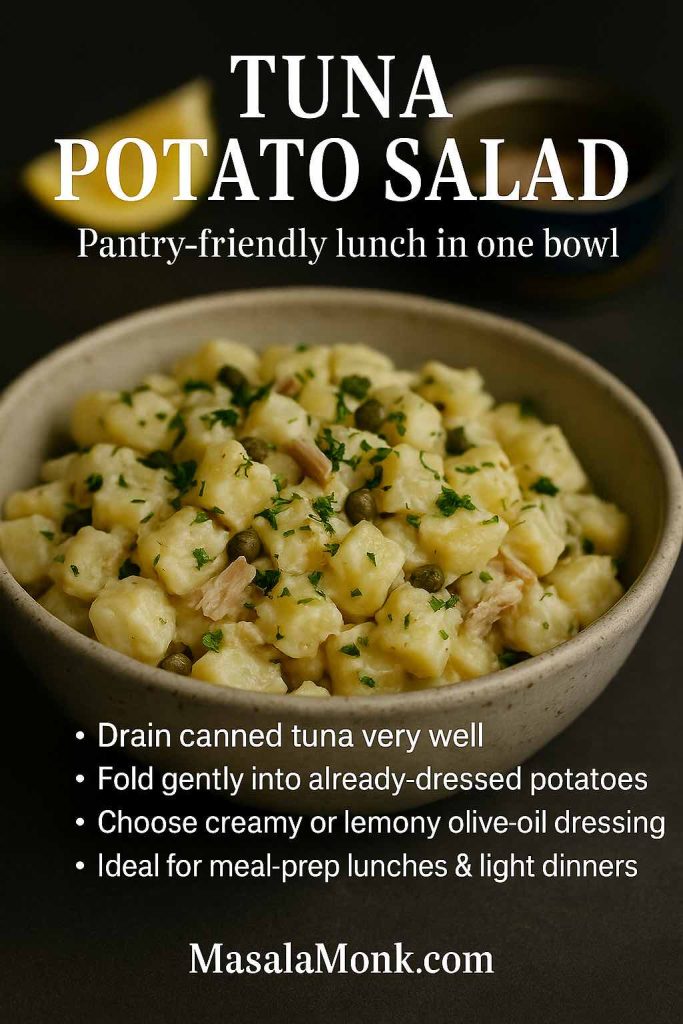
Tuna Potato Salad and Potato Salad Tuna

Tuna potato salad is a smart way to use pantry staples.

Recipe card showing a rustic bowl of tuna potato salad garnished with parsley and capers, with tips to drain canned tuna well, fold it into already-dressed potatoes and choose either a creamy or lemony olive oil dressing for an easy pantry-friendly lunch.
For a pantry-friendly potato salad that works as a full lunch, drain canned tuna really well, fold it gently into already-dressed potatoes and finish with either a creamy or lemony olive oil dressing.

To make it:

  • Drain canned tuna very well.
  • Flake it gently and fold it into the dressed potatoes.

You can keep the dressing creamy or switch to a lemony olive oil one. Either way, you get a complete potato salad tuna bowl that works well for lunches.

Chicken Potato Salad and Chicken and Potato Salad Recipe

Chicken potato salad turns leftovers into something new.

Recipe card showing a bowl of chicken and potato salad with peas in a light creamy yogurt dressing, with tips to add shredded roast or grilled chicken, lighten the dressing with extra yogurt, stir in peas or green beans and serve with salad and bread for a complete meal.
Turn leftover roast or grilled chicken into a full meal by folding it into your potato salad, lightening the dressing with yogurt and adding peas or green beans, then serving it with salad and bread.

For a simple chicken and potato salad:

  • Add shredded roast chicken or grilled chicken pieces.
  • Keep the dressing a little lighter by using more yogurt.
  • Toss in peas or green beans for colour.

This style pairs well with green salad, fresh bread and cold drinks, creating a full meal from one big mixing bowl.

Also Read: Cheesy Chicken Broccoli Rice – 4 Ways Recipe (One Pot, Casserole, Crockpot & Instant Pot)


Lighter, Healthier and Vegan Potato Salad Ideas

Even though creamy salad is comforting, there are days when you want something that sits more lightly. Fortunately, potato salad adapts well.

Potato Salad Recipe Without Mayo

A potato salad recipe without mayo usually uses a vinaigrette.

Recipe card showing a bowl of no-mayo potato salad dressed with olive oil vinaigrette, red onion and parsley, with tips to swap mayo for olive oil and vinegar or lemon, whisk with mustard and garlic, toss potatoes while warm and serve as a lighter picnic-friendly potato salad.
For a lighter, picnic-safe potato salad, skip the mayo and toss warm potatoes with an olive oil, mustard and vinegar or lemon dressing so they soak up tangy flavour all the way through.

You can whisk together:

  • Olive oil
  • Vinegar or lemon juice
  • Mustard
  • A little garlic
  • Salt, pepper and herbs

Then you toss warm potatoes in this dressing. This style echoes many German salad potato recipes and Austrian kartoffelsalat. For a reference point, look at Serious Eats’ Erdäpfelsalat recipe, which uses onions, vinegar and mustard in a light sauce.

Because there is no mayo, this salad feels tangy and bright. It also works well for picnics where you want to reduce the risk of a heavy mayo-based dish sitting out too long.

Greek Yogurt Potato Salad and Potato Salad with Sour Cream

If you still want creaminess, but with a fresher feeling, Greek yogurt potato salad and potato salad with sour cream are ideal.

Recipe card showing a bowl of Greek yogurt and sour cream potato salad with dill and cucumber, plus tips to replace half the mayo with yogurt or sour cream, add lemon, garlic and fresh herbs, and serve as a lighter creamy potato salad for summer lunches and grill nights.
For a lighter but still creamy potato salad, swap half the mayo for Greek yogurt or sour cream, then brighten it with lemon, garlic and plenty of fresh dill or other herbs.

For a simple version:

  • Replace half the mayo with Greek yogurt or sour cream.
  • Add lemon, garlic and herbs.

This is similar to the approach The Kitchn suggests in their classic potato salad tutorial and their later testing of different dressing bases with yogurt and sour cream. The combination keeps things creamy and tangy, yet a bit lighter than pure mayo.

You can also lean into Greek flavours by starting with the Greek tzatziki sauce recipe from MasalaMonk and turning it into a potato salad dressing. That instantly gives you a Greek potato salad or Greek salad potato salad vibe: potatoes, cucumber, garlic, yogurt and dill.

Vegan Potato Salad and Vegetarian Potato Salad

For a vegan potato salad recipe, you simply ensure that:

  • The dressing uses vegan mayo or an eggless mayonnaise.
  • You skip bacon, eggs and cheese.
  • You add plant proteins such as chickpeas, lentils or tofu.
Recipe card showing a bowl of vegan potato salad with potatoes, green beans, chickpeas and carrots, plus tips to use vegan or eggless mayo or a mustard vinaigrette, skip bacon, eggs and cheese, add chickpeas or lentils for protein and serve with other plant-based salads.
Build a vegan but still hearty potato salad by skipping bacon, eggs and cheese, using vegan mayo or a mustard vinaigrette and loading the bowl with chickpeas, lentils and colourful vegetables.

A bowl of potatoes, green beans, chickpeas and a mustard vinaigrette becomes a sturdy vegan potato salad that feels complete. To round out a fully plant-based spread, you can pair it with MasalaMonk’s Vegan Som Tam raw papaya salad and their lentil salad recipes for weight loss.

A vegetarian potato salad, on the other hand, might still include eggs and dairy while avoiding meat. Classic potato salad with egg, a potato salad with sour cream, or even a cream cheese potato salad all fit comfortably into that category.

Also Read: Whiskey Sour Recipe: Classic Cocktail, Best Whiskey & Easy Twists


International Potato Salad Styles

As soon as you look beyond your own kitchen, you realise that “potato salad” changes character completely from one region to another. However, the basic boiled potato remains the star.

Russian Salad (Olivier Salad)

Russian salad, also known as Olivier salad, is a beloved party dish in many countries. It usually includes:

  • Diced potatoes
  • Carrots and peas
  • Pickles
  • Often chicken, ham or sausage
  • A generous amount of mayonnaise

For a deeper dive into its origins and variations, you can read the Olivier salad article on Wikipedia, which traces the dish back to a 19th-century restaurant in Moscow.

Recipe card showing a bowl of Russian salad, or Olivier, with diced potatoes, carrots, peas and pickles in a creamy mayo dressing, plus tips to dice everything small, add peas and chicken or ham, fold with rich mayo and chill well for buffets and festive tables.
Russian salad, or Olivier, turns tiny cubes of potato, carrot, peas and pickles in rich mayo into a colourful party potato salad that’s perfect for buffets and festive spreads.

To make a simple Russian salad at home:

  1. Dice potatoes, carrots and pickles into small cubes.
  2. Cook potatoes and carrots until tender.
  3. Mix with peas, pickles and a rich mayo dressing.
  4. Chill thoroughly before serving.

Because it is rich and colourful, Russian salad works beautifully on festive tables and buffets.

German Potato Salad and Austrian Kartoffelsalat

German potato salad and Austrian potato salad (kartoffelsalat) tend to skip mayo and instead use a warm dressing.

Recipe card showing a bowl of warm German and Austrian potato salad with sliced potatoes, crispy bacon and parsley in a tangy vinegar and mustard dressing, plus tips to use warm sliced potatoes, fry bacon and onions, toss with vinegar, mustard and stock, and serve with schnitzel or sausages.
German and Austrian potato salad skip the mayo and keep things warm: sliced potatoes tossed with bacon, onions, vinegar, mustard and a little stock, perfect next to schnitzel or sausages.

Typically they feature:

  • Warm sliced potatoes
  • Bacon and bacon fat
  • Onions
  • Vinegar and mustard
  • Herbs like parsley and chives

For a lighter Austrian-style example, see Serious Eats’ Erdäpfelsalat, which uses onions, vinegar and mustard in a light sauce. This kind of salad is excellent alongside schnitzel, sausages and grilled meats.

Japanese Potato Salad

Japanese potato salad is creamier and softer than many Western versions. It often feels like a cross between mashed potatoes and chunky salad.

Recipe card showing a bowl of Japanese potato salad made with partly mashed potatoes, thin cucumber and carrot slices, corn and ham, with tips to mash the potatoes softly, add crunchy vegetables, mix in ham or egg and dress with Japanese mayo and a little rice vinegar.
Japanese potato salad is softer and creamier than most Western versions: partly mashed potatoes plus thin cucumber and carrot slices, a little ham or egg and Japanese mayo with rice vinegar make it perfect for bento boxes and fried chicken nights.

A typical bowl includes:

  • Potatoes, boiled and partly mashed
  • Very thin slices of cucumber and carrot
  • Sometimes ham, corn or egg
  • Japanese mayo and a little rice vinegar

Because part of the potato is mashed, the dressing clings to every bite. This style makes a great side for katsu curry, karaage or bento boxes.

Greek and Mediterranean Potato Salad

Greek potato salad and broader Mediterranean potato salad recipes focus on olive oil, lemon and herbs rather than heavy mayo.

Recipe card showing a bowl of Greek and Mediterranean potato salad with potatoes, cucumber, cherry tomatoes, black olives and feta, plus tips to toss potatoes with olive oil, lemon and garlic, add fresh vegetables and finish with feta and herbs for a light main dish on hot days.
This Greek and Mediterranean potato salad skips heavy mayo in favour of olive oil, lemon, garlic, fresh vegetables and feta, turning simple potatoes into a bright, light main for hot days.

You might:

  • Toss potatoes with olive oil, lemon juice, garlic and oregano.
  • Add cucumbers, olives, tomatoes and red onion.
  • Crumble feta cheese on top.

This style becomes even fresher if you use a yogurt-based tzatziki dressing, like the one in MasalaMonk’s Greek tzatziki master recipe. In that case, you end up with a potato salad with yogurt dressing that works as a light main dish on hot days.

Hawaiian, Filipino and South African Potato Salad

Elsewhere, potato salad leans into sweetness or special local ingredients.

Recipe card showing a creamy sweet potato-macaroni salad with raisins and apple slices, plus tips for Hawaiian, Filipino and South African-inspired potato salads using macaroni, condensed milk, apple, raisins and a sweet-tangy creamy dressing for holiday spreads.
Hawaiian, Filipino and South African-inspired potato salads lean sweet and creamy—think macaroni and grated carrot, condensed milk with apples and raisins, or a sweet-tangy dressing for braais, all perfect for holiday spreads and party tables.
  • Hawaiian potato salad often mixes macaroni and potatoes with mayo and grated carrot.
  • Filipino potato salad or pinoy potato salad typically includes condensed milk, apples or fruit cocktail, raisins, eggs and mayo.
  • Potato salad South Africa sometimes appears as a condensed milk potato salad or a creamy potato salad served at braais.

Even though the flavours feel very different from German salad or Japanese potato salad, the base technique remains the same: boil potatoes, mix dressing, combine and chill.

Also Read: Katsu Curry Rice (Japanese Recipe, with Chicken Cutlet)


Colourful Vegetable Potato Salads

Once you’ve mastered the base, adding more vegetables turns potato salad into a full meal in a bowl.

Beet and Potato Salad / Beetroot Potato Salad

Beet and potato salad looks stunning because beetroot tints everything pink.

Recipe card titled Beet & Beetroot Potato Salad showing a bowl of bright pink beet and potato cubes topped with dill, onion and walnuts, with short instructions to cook and dice beetroot, mix with potatoes and a light dressing, add dill, onion and walnuts and chill for holiday tables.
This pretty-in-pink beet and beetroot potato salad uses cooked beet cubes, potatoes, dill, onion and walnuts in a light dressing, making it a striking side for holiday and brunch spreads.

You can make it by:

  • Roasting or boiling beetroot until tender, then dicing it.
  • Mixing beets with potatoes and a light dressing.
  • Adding dill, onion and perhaps walnuts for crunch.

This gives you beet and potato salad, beet potato salad or beetroot and potato salad, depending on how much beet you use. It looks especially good on festive and holiday tables.

Sweet Potato Salad and Mixed Potato Salad

Sweet potato salad recipes highlight natural sweetness and go well with tangy dressings or spices.

Recipe card titled Sweet & Mixed Potato Salad showing a bowl of roasted sweet and regular potato cubes with black beans and chickpeas, lime wedges on the side and bullet tips to roast the potatoes, add beans or lentils, dress with lime, chilli and coriander and serve warm or at room temperature.
This sweet and mixed potato salad roasts sweet (and optional regular) potatoes, then tosses them with black beans or chickpeas, lime, chilli and coriander for a naturally sweet, zesty side that works warm or at room temperature.

For example, you might:

  • Roast sweet potato chunks with olive oil.
  • Toss them with black beans, chickpeas or lentils.
  • Dress them in lime, chilli and coriander.

You can also combine regular potatoes and sweet potatoes in one bowl. That yields a potato and sweet potato salad or even a potato marble salad when you mix different colours.

If you want to understand sweet potato nutrition more deeply, MasalaMonk’s sweet potato nutrition breakdown explains calories, carbohydrates and macros for both 100 g portions and whole potatoes.

Green Bean Potato Salad, Corn Potato Salad and Cauliflower Potato Salad

Beyond beets and sweet potatoes, other vegetables also work beautifully.

Recipe card titled VEG-FORWARD POTATO SALADS showing a bowl of potato salad with green beans, corn and beans, surrounded by fresh green beans, corn kernels and cauliflower, plus tips for green bean, corn and cauliflower potato salad variations.
When you want more vegetables in the bowl, turn your base into a veg-forward potato salad with green beans, sweet corn and cauliflower twists.
  • Green bean potato salad: Blanch green beans until crisp-tender, cool them and toss with potatoes and a vinaigrette.
  • Corn and potato salad: Mix boiled or roasted potatoes with sweet corn kernels, herbs and perhaps a lime-chilli dressing.
  • Cauliflower potato salad: Replace some potatoes with steamed or roasted cauliflower florets to lower the carb load while keeping the general feel.

If you feel like a hot dish instead, MasalaMonk’s easy aloo gobi recipe shows how potatoes and cauliflower pair up in a spiced, comforting way rather than as a cold salad.


Small Batch, Big Batch and Store-Bought Shortcuts

Real life doesn’t always match recipe yields. Sometimes you just need potato salad for 2. Other times you need a huge tub.

Potato Salad for 2 and Small Potato Salad Bowls

For potato salad for two people, you can:

  • Use about 250–300 g potatoes.
  • Scale the dressing to two or three tablespoons.
  • Use one egg instead of three.

Consequently, you get a small potato salad that fits into one bowl. You can also treat it as a potato salad bowl meal by topping it with extra vegetables, seeds or a fried egg.

Infographic titled Potato Salad comparing portions for 2 people and for a crowd, with photos of a small bowl topped with a fried egg and a large serving bowl, and bullet tips on using 250–300 g potatoes and 2–3 tablespoons dressing for two versus planning ½–1 cup per person and scaling seasoning for a big batch.
Use this quick guide to scale potato salad: a small cosy bowl for two with 250–300 g potatoes and a little dressing, or a big party bowl where you plan ½–1 cup per person and keep tasting as you scale up.

Potato Salad for a Crowd

For potato salad for a crowd, simply multiply the master recipe.

A rough guide:

  • As a side dish, plan ½–1 cup per person.
  • For a main dish, allow more, especially if there’s plenty of protein mixed in.

The potato salad ingredients and procedure stay exactly the same. However, you will need a larger pot and mixing bowl, and you should taste as you go to balance the seasoning.

Canned Potatoes and Instant Shortcuts

When time is tight, you may look at canned potatoes for potato salad or canned German potato salad.

You can still make a decent bowl if you:

  • Rinse and drain the canned potatoes thoroughly.
  • Cut them into bite-sized pieces if necessary.
  • Handle them gently when folding in the dressing.

It won’t match the texture of freshly boiled potatoes, but it can rescue last-minute meals.

Infographic titled Potato Salad Shortcuts showing canned potatoes turned into a simple potato salad on one side and a tub of store-bought potato salad upgraded with herbs and paprika on the other, with tips to rinse and drain canned potatoes, fold them with good dressing and herbs, and to brighten plain store-bought salad with fresh herbs, mustard and pickles.
On busy days, you can still get a decent bowl by rinsing and dressing canned potatoes properly or by brightening plain store-bought potato salad with fresh herbs, mustard and pickles.

Store-Bought Potato Salad

Finally, there are days when you just buy potato salad.

Supermarkets and delis often sell:

  • Classic creamy potato salad
  • Deviled egg potato salad
  • German potato salad
  • Dill potato salad
  • Loaded or bacon ranch potato salad

Big-box stores might offer potato salad bulk tubs (similar to what you see when people say “potato salad at Sam’s Club” or “Costco potato salad”). Local chains sometimes have their own styles, like “Kroger potato salad”, “Safeway potato salad”, “Vons potato salad” or “Sainsbury’s potato salad”.

These options are convenient. However, if you find yourself constantly searching for “best potato salad near me”, “Russian salad near me” or “German potato salad near me” and feeling disappointed, it may be time to trust your own cooking. With a simple potato salad recipe in hand, you’ll often do better at home.

Also Read: Green Bean Casserole Recipe Ideas (Classic, Cheesy, Dairy-Free & More)


Safety, Storage and Make-Ahead Tips

Potato salad is delicious, yet it can turn dangerous if left out too long. The good news is that you only need a few simple rules.

How Long Can Potato Salad Sit Out?

Food safety experts repeat one guideline: potato salad should not sit at room temperature for more than two hours. If the temperature is above 32°C / 90°F, limit it to one hour.

Articles like Allrecipes’ guide on potato salad safety and Food & Wine’s explanation emphasise that the real risk is not just the mayonnaise. Instead, cooked potatoes, eggs and cut vegetables form a perfect environment for bacteria in the “danger zone” between 4°C and 60°C.

Therefore:

  • Keep potato salad in the fridge until just before serving.
  • Nest the serving bowl in a larger bowl filled with ice at outdoor events.
  • Refrigerate leftovers promptly.

How Long Does Potato Salad Last in the Fridge?

Refrigerated potato salad generally stays safe for about three to five days. When you store it:

  • Use shallow, covered containers so it chills quickly.
  • Keep it at a consistent fridge temperature.
  • Stir gently and taste before serving leftovers.

Guides like Allrecipes’ and Southern Living’s discussions of how long potato salad can sit out and keep in the fridge explain this window clearly. In short, if you’re not sure about a container that’s been lurking for a week, it’s better to throw it away.

Can You Make Potato Salad Ahead?

Yes, you can. In fact, many people feel a classic potato salad recipe tastes better the next day.

To make it ahead:

  • Boil and dress the potatoes as usual.
  • Chill the salad overnight.
  • Add fresh herbs and any crispy toppings (like bacon) just before serving.

If you want to prep even further ahead, you can boil potatoes and store them plain in the fridge for one or two days, then dress them on the day of serving. That approach helps maintain a good texture.

Also Read: Mimosa Recipe: 10 Easy Versions from Classic to Caramel Apple


What to Serve with Potato Salad

Potato salad is rarely alone on the table. It almost always sits next to something grilled, baked or roasted.

Outdoor BBQ spread with a large bowl of creamy potato salad in the centre, surrounded by grilled sausages and chicken, crispy fried potato bites, green salad, mango-style dressing and dips, showing what to serve with potato salad at picnics and cookouts.
At a BBQ or picnic, let potato salad sit in the middle of the table alongside grilled chicken and sausages, crispy potato bites, a fresh green salad with fruity dressing and a couple of dips so everyone can build a complete plate.

Picnic, Cookout and BBQ Ideas

For a picnic or barbecue, potato salad fits perfectly next to grilled meats and vegetables.

You can build a spread with:

For extra freshness, you can also drizzle green salads with something like MasalaMonk’s sweet and spicy mango salad dressing, which balances nicely against creamy potato salad.

Brunch and holiday spread with a wooden bowl of creamy potato and egg salad in the centre, surrounded by deviled eggs, green salad, roasted vegetables, fresh berries, brownies and a cup of coffee, showing what to serve with potato salad for festive meals.
For brunches and holidays, pair potato salad with deviled eggs, a fresh green salad, roasted vegetables and simple desserts like fruit and brownies so the whole spread feels generous but balanced.

Brunch and Holiday Menus

Potato salad also feels comfortable on brunch tables.

For instance, you might serve:

  • A potato and egg salad or deviled egg potato salad
  • A platter of deviled eggs (inspired by MasalaMonk’s deviled egg ideas through Classic Deviled Eggs post)
  • A green salad and some roasted vegetables
  • Brunch drinks or mocktails for a relaxed weekend

During holidays, Russian salad or Olivier salad, beetroot potato salad, German salad and condensed milk potato salad styles often appear next to roasts, pies, stuffed vegetables and desserts.

Easy Desserts That Pair Well

Because potato salad can be rich, dessert doesn’t need to be complicated.

You can keep things simple with:

  • A tray of fruit and nuts
  • Brownies or blondies
  • A batch of double chocolate chip cookies using MasalaMonk’s “one dough, seven variations” approach

Light fruit-based desserts and cookies both balance a heavier bacon ranch potato salad or German potato salad recipe warm from the stove.


Bringing It All Together

By now, you’ve walked through a whole world of potato salad. You started with a master potato salad recipe and then wandered through:

  • Old-fashioned potato salad recipe with egg
  • Classic southern potato salad and mustard potato salad
  • Dill potato salad and dill pickle potato salad
  • Bacon and egg potato salad, bacon ranch potato salad and tuna potato salad
  • Chicken potato salad and chicken and potato salad recipe ideas
  • Vegan potato salad, potato salad recipe without mayo and potato salad with yogurt dressing
  • International styles like Russian salad, German potato salad, Japanese potato salad, Greek potato salad, Hawaiian and Filipino potato salad
  • Colourful versions such as beetroot potato salad, beet and potato salad, sweet potato salad, potato and sweet potato salad, green bean potato salad and cauliflower potato salad
  • Practical notes on potato salad for 2, potato salad for a crowd, canned potatoes and store-bought shortcuts
  • Safety and storage tips so your potato salad stays delicious and safe

Not only that, you’ve also seen how quickly you can shift from a creamy potato salad recipe with egg and mayo to a lighter, Mediterranean-style salad, or even to a fully vegan potato salad recipe with lentils and beans.

Four friends sitting around a wooden dining table, smiling and serving themselves from several bowls of potato salad, including classic and beetroot versions, with deviled eggs and grilled meats, illustrating potato salad for every table.
Potato salad really does work for every table—from cosy dinners with friends to big family feasts—whether you serve it classic, beetroot-pink, German-style or piled high with eggs and herbs.

Conclusion

In the end, the best potato salad recipe is simply the one you actually enjoy making and eating. Once you’ve cooked this dish a few times, played with different potatoes, swapped in Greek yogurt or sour cream, tried dill and mustard, added bacon or chickpeas and maybe experimented with beetroot and sweet potatoes, you’ll inevitably find your own favourite version.

That version will be the one friends ask you to bring “every time”, the one that disappears first from the table, and the one that quietly proves that a humble potato salad recipe can be as interesting and satisfying as any main course.

Also Read: French 75 Cocktail Recipe: 7 Easy Variations

FAQs

1. What is a classic potato salad recipe?

A classic potato salad recipe usually starts with boiled potatoes, hard-boiled eggs, mayonnaise, mustard, vinegar or lemon juice, and a few crunchy vegetables like celery and onion. After cooking the potatoes until just tender, you drain them well and gently fold them into a creamy potato salad dressing while they’re still warm, then chill everything so the flavours meld. This simple potato salad is the base you can turn into countless variations later.


2. How can I make an easy potato salad recipe with few ingredients?

For an easy potato salad recipe, you only really need potatoes, mayo, a little mustard, salt, pepper and one crunchy element such as onion or cucumber. Just boil the potatoes, cool them slightly, then stir in the dressing and your chosen vegetable. This kind of quick potato salad is perfect when you want a basic potato salad recipe on the table fast without a long ingredient list.


3. What goes into a traditional potato salad recipe with egg and mayo?

In a traditional potato salad recipe with egg and mayo, the potatoes are combined with chopped hard-boiled eggs, mayonnaise, mustard, vinegar, celery, onion and sometimes sweet pickle relish. Typically, this kind of creamy potato salad is seasoned with salt, pepper and a sprinkle of paprika on top. The result is a classic potato salad recipe that tastes like the one many people remember from family gatherings.


4. How do I make a potato salad recipe no egg?

If you prefer a potato salad recipe no egg, you can simply leave the eggs out and increase the crunch and herbs instead. For example, you might add extra celery, cucumber, dill or parsley to keep the texture interesting. In this way, the potato salad still feels satisfying and familiar, just without the egg component.


5. How do I make a potato salad recipe without mayo?

To create a potato salad recipe without mayo, you can swap the creamy base for a vinaigrette. Mix olive oil, vinegar or lemon juice, mustard, garlic, salt and pepper, then toss the warm potatoes in this dressing. That gives you a lighter, tangier potato salad recipe without mayo that works well as a side for grilled meats, fish or tofu.


6. What is the difference between potato salad, Russian salad and Olivier salad?

Potato salad usually focuses on potatoes, eggs and a simple dressing, while Russian salad and Olivier salad add more small diced vegetables like carrots, peas and pickles, plus extra richness. Often, Olivier salad also includes chicken, ham or sausage along with a generous amount of mayonnaise. As a result, Russian salad feels like a dressed-up potato salad recipe with more colour, texture and party vibes.


7. How is German potato salad different from classic creamy potato salad?

German potato salad is usually served warm or at room temperature and relies on a vinaigrette made with vinegar, mustard, onions and sometimes bacon, instead of a heavy mayonnaise base. Classic creamy potato salad, on the other hand, is chilled and built around mayo, sour cream or yogurt. Consequently, German potato salad tastes sharper and lighter, while traditional American potato salad tastes richer and softer.


8. How can I make a healthy potato salad or lighter version?

To turn a regular potato salad recipe into a healthy potato salad, you can reduce the mayonnaise and bring in Greek yogurt, sour cream or a simple olive-oil dressing. Then, add plenty of vegetables such as cucumbers, green beans, peas, corn, bell peppers or herbs. Suddenly, your potato salad becomes a balanced bowl with more fibre, less fat and a brighter flavour.


9. How do I make vegan potato salad?

For a vegan potato salad, you need to replace any animal products with plant-based options. Instead of eggs and regular mayonnaise, use egg-free mayo or an olive-oil vinaigrette, and skip bacon or dairy. Additionally, you can add chickpeas, lentils, beans, nuts or seeds so the vegan potato salad recipe feels filling enough to stand on its own.


10. What are some good flavour variations like dill potato salad or bacon potato salad?

Once you master a basic potato salad recipe, you can customise the bowl in many directions. For dill potato salad, fold in fresh dill and dill pickles; for dill pickle potato salad, add extra pickle brine and chopped gherkins. If you want potato salad with bacon, simply stir in crisp bacon pieces and a little extra mustard. Likewise, you can create red potato salad, sweet potato salad, or crunchy potato salad by switching the potato type and adding more vegetables or toppings.


11. How much potato salad do I need for 2 people or for a crowd?

If you’re planning potato salad for 2 people, about 250–300 g of potatoes plus dressing is usually enough as a side. By contrast, potato salad for a crowd often needs ½ to 1 cup per person, depending on what else you’re serving and whether the salad is a side dish or the main part of the meal. Scaling up or down is straightforward once you know roughly how many potatoes you cook per person.


12. How long does potato salad last in the fridge, and can it sit out?

Generally, homemade potato salad lasts about three to five days in the fridge when stored in a covered container. Nevertheless, it should not stay at room temperature for more than two hours, or one hour in very hot weather, because bacteria can grow quickly. Therefore, always chill potato salad promptly after serving and avoid leaving it on the table for the entire party.


13. How do I fix potato salad if it’s too dry, too runny or bland?

If your potato salad seems too dry, gently stir in more dressing or a spoonful of mayo, yogurt or olive oil until it loosens. Conversely, when a potato salad turns out too runny, you can add extra potatoes or chopped vegetables, then chill it so it firms up. If it tastes bland, simply adjust the salt, acid (vinegar or lemon), mustard and herbs until the flavours pop.


14. What can I serve with potato salad to make a complete meal?

Potato salad pairs well with grilled chicken, sausages, kebabs, burgers, roasted vegetables, baked fish and even hearty bean dishes. Moreover, you can serve it alongside green salads, coleslaw, corn on the cob or simple tomato salads to round out the plate. With those extras, a classic potato salad recipe, a German potato salad or a vegan potato salad can easily anchor a full, satisfying meal.

Posted on 6 Comments

Upma Recipe: 10+ Easy Variations (Rava, Millet, Oats, Semiya & More)

Top-down flatlay of five Indian upma varieties—rava, millet, oats and semiya—arranged with chutney, lemon wedges and herbs, hand holding a spoon, cover image for ultimate upma recipes guide on MasalaMonk.

Upma is one of those breakfasts that feels like home, no matter which part of India you’re from. It’s warm, soft, gently spiced, and endlessly adaptable. With a few pantry staples and one basic upma recipe in your head, you can improvise everything from a simple rava upma for rushed mornings to a millet upma for days when you want something a little more wholesome, or even an oats or quinoa upma when you’re leaning towards high-fibre bowls.

For people looking for “upma recipe”, “how to make upma”, “simple upma recipe”, “millet upma recipe”, “semiya upma”, “instant upma premix” or even “upit recipe”, this long, no-rush guide is meant to sit in your kitchen as a one-stop reference. You’ll get:

  • A detailed, step-by-step rava upma recipe with all the tiny tricks that matter
  • Vegetable and masala variations that turn it into a one-bowl meal
  • Millet upma with different grain options and real health context
  • Semiya (vermicelli) upma, for tiffin boxes and kids who love noodles
  • Oats upma and quinoa upma, with links to what science actually says about them
  • Wheat and rice rava upma for days when you don’t feel like semolina
  • A homemade instant upma mix for travel or office lunches
  • Plenty of ideas for what to serve with upma to build a complete breakfast plate

Along the way, you’ll also find links out to trusted recipe writers and nutrition resources, so you’re not just taking one blog’s word for it. For instance, if you like cross-checking your basics, you can always compare with this lovely, traditional South Indian rava upma method on Indian Healthy Recipes, which you’ll find under the title traditional South Indian rava upma recipe.
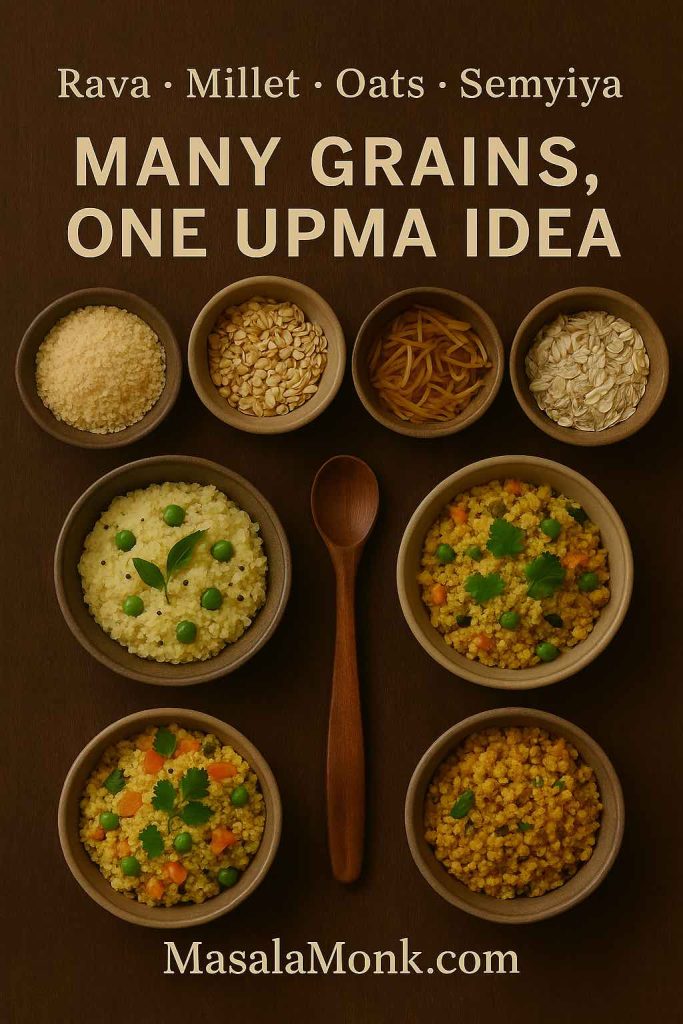

What Is Upma, Really?

At its heart, upma is a savoury porridge or pilaf made by roasting a grain (most commonly semolina / suji) and then simmering it in a seasoned, tempered liquid. The tempering usually includes mustard seeds, lentils like urad dal and chana dal, curry leaves, green chillies, onion and sometimes ginger. Once the grain absorbs the water and steams, it turns soft and fluffy, ready to be fluffed, finished with lemon and coriander, and eaten hot.

Cast iron skillet filled with soft rava upma topped with peas and curry leaves, surrounded by bowls of semolina, lentils and spices, with a hand sprinkling curry leaves, illustrating the upma cooking method.
One pan, so many breakfasts – a skillet of gently simmering rava upma with all the classic tempering elements that define the upma method.

Traditionally, rava upma is especially popular in South India, often served with coconut chutney and filter coffee. If you’re curious about that version, you can see another take on it at Veg Recipes of India under their traditional upma with coconut chutney, which matches closely with what many homes actually make.

However, the family of upma is much bigger than just semolina. As grains like ragi, foxtail millet, jowar, oats and quinoa become more common in pantries, the same technique is being reused with different bases. That means an “upma recipe” today can be:

  • A classic suji upma with just onions and chillies
  • A colourful vegetable upma
  • A masala upma with sambar powder or garam masala
  • A millet upma packed with fibre and minerals
  • A semiya upma that looks like a noodle stir-fry
  • An oats upma that quietly helps your cholesterol numbers
  • A quinoa upma that feels modern but very Indian in flavour
Flatlay of small bowls showing raw rava, millet, semiya and oats at the top, with cooked rava, vegetable millet and semiya upma in bowls below and a wooden spoon in the centre, illustrating that many grains can be used to make upma.
Rava, millet, semiya and oats in their raw and cooked forms, side by side – a reminder that upma is a method you can apply to many grains, not just semolina.

Instead of treating each of these as a totally separate dish, it helps to understand the common logic once, then play.

Also Read: Double Chocolate Chip Cookies – Easy Recipe with 7 Variations


The Classic Rava Upma Recipe (Suji Upma)

Let’s begin with the version you’re most likely to cook again and again: a simple rava upma. Once you get comfortable with this, switching to millet rava or wheat rava upma becomes almost automatic.

Close-up of a neatly domed serving of soft rava upma with peas, carrots and curry leaves on a ceramic plate, hand reaching for the spoon, with text describing it as an everyday suji breakfast bowl.
Soft, fluffy rava upma piled into an everyday suji breakfast bowl, scented with curry leaves, mustard seeds, onions and a squeeze of lemon.

Ingredients for 2 Servings

  • Semolina / suji / upma rava – ½ cup (medium or slightly coarse)
  • Water – 1½ cups (you can move between 1¼ and 1¾ depending on how soft you like it)
  • Oil or ghee – 2 tablespoons
  • Mustard seeds – ½ teaspoon
  • Urad dal – 1 teaspoon
  • Chana dal – 1 teaspoon
  • Cashew halves – 6–8 (optional but lovely)
  • Onion – 1 small, finely chopped
  • Green chillies – 1–2, slit or chopped
  • Ginger – ½ inch piece, finely chopped
  • Fresh curry leaves – 8–10
  • Salt – to taste
  • Lemon juice – 1–2 teaspoons
  • Fresh coriander – a small handful, chopped

Home cooks and bloggers disagree very gently about the perfect ratio of rava to water. Some prefer it soft and spoonable, others a little drier and crumbly. If you want to dig deeper into this, Raks Kitchen has a useful breakdown of textures and ratios in her rava upma water ratio tips. For now, though, 1:3 is a safe, beginner-friendly place to start.

Step 1: Roast the Rava

Begin by dry-roasting the semolina in a wide pan. Keep the flame low-medium and stir continuously so it doesn’t catch at the bottom.

Step 1 of making rava upma showing a hand stirring semolina in a black skillet with a wooden spatula, with text explaining to dry toast suji on low heat till aromatic to keep upma non-sticky.
Step 1 – gently roasting the rava on low heat so every grain of suji stays separate and the final upma turns out soft, fluffy and never sticky.

You’re looking for:

  • A slightly deeper colour, but not brown
  • A warm, nutty aroma
  • Grains that feel separate when you stir them

This step might feel skippable if you’ve bought “roasted upma rava”, but it’s worth doing anyway. Roasting removes raw flavours and, more importantly, helps the rava swell up evenly without turning sticky.

Once roasted, transfer the rava to a plate and let it cool slightly while you prepare the tempering.

Step 2: Build the Tempering

In the same pan, add the oil or ghee. When it heats up, drop in mustard seeds. As soon as they splutter, stir in urad dal and chana dal.

Step 2 of making upma showing mustard seeds, urad dal, chana dal and cashews sizzling in oil in a black skillet while a hand adds fresh curry leaves with a spoon, illustrating the tempering stage for classic rava upma.
Step 2 – tempering mustard seeds, lentils, cashews and curry leaves in hot oil to create the nutty, fragrant base that makes every rava upma taste authentic.
  • Fry the dals on medium heat until they turn golden and crisp.
  • Add cashews at this stage if you’re using them and fry till lightly golden.

The sizzling mix of mustard, dals and nuts is not just for taste; it contributes crunch in every bite. After this, tip in the curry leaves, chopped ginger and green chillies. They’ll sputter a bit, so stand back for a moment.

Finally, add the chopped onion. Sauté until it turns soft and translucent. You don’t really need to brown the onion for a basic upma recipe; you just want the raw bite to vanish.

Step 3: Bring the Spiced Water to a Boil

Now pour in the measured water and add salt. Taste the water – it should be slightly saltier than you’d like the final upma to be, because the rava will absorb some of that salt.

Step 3 of the rava upma recipe showing a cast-iron skillet of spiced water at a rolling boil with curry leaves and lentils, while a hand sprinkles salt from a wooden spoon, with text explaining to boil the water so the rava cooks quickly and evenly.
Step 3 – add water and salt to the tempering, then bring it to a proper rolling boil so the suji swells quickly and the upma cooks evenly without turning lumpy.

Bring this to a rolling boil. This matters more than it seems:

  • Boiling water helps rava swell quickly and evenly.
  • It dramatically reduces your chances of ending up with lumpy upma.

Meanwhile, if you feel like cross-checking a slightly different style of tempering or vegetable add-ins, you could glance through the traditional South Indian rava upma recipe at Indian Healthy Recipes; you’ll notice the same broad steps.

Step 4: Add the Rava Without Lumps

Once the water is bubbling, lower the flame. Hold the roasted rava in one hand and a spatula in the other.

Step 4 of the rava upma method showing a hand pouring roasted semolina in a thin stream into a skillet of bubbling spiced water while another hand stirs with a wooden spatula, with text explaining to sprinkle suji slowly and stir constantly to avoid lumps.
Step 4 – “raining in” the roasted rava, sprinkling suji slowly into boiling spiced water while stirring so every grain cooks evenly without clumping.
  • Slowly sprinkle the rava into the boiling water in a steady stream.
  • Keep stirring continuously.

The idea is to give each little sprinkle of rava a chance to meet the hot liquid and swell individually. If you dump it all in at once, it will clump and form dumplings.

Within a minute or two, the mixture will start thickening and pulling away from the sides.

Step 5: Steam, Fluff and Finish

At this point, cover the pan and let the upma steam on the lowest flame for about 3–4 minutes. Switch off the heat and allow it to sit, still covered, for another 2 minutes.

Step 5 of the rava upma recipe showing a hand lifting the lid off a steaming skillet of fluffy upma while another hand fluffs it with a spoon, with lemon wedge and coriander nearby and text explaining to steam, fluff and finish with lemon and coriander.
Step 5 – let the upma steam on low, then fluff it and finish with lemon juice and fresh coriander for a soft, airy bowl.

When you open the lid:

  • The rava should be cooked through, soft and fluffy.
  • The surface might look a little dome-like; that’s fine.

Fluff gently with a fork or spatula to loosen up the grains. Finally, add lemon juice and chopped coriander, and fold everything together. Taste and adjust salt or lemon once more.

Serve hot with coconut chutney, podi, pickle or simply a drizzle of ghee on top. For another angle on serving ideas (especially with coconut chutney), you can refer to the version at Veg Recipes of India under their traditional upma with coconut chutney.

Also Read: Carbonara Recipe: Italian Pasta (Creamy, Veggie, Chicken, Shrimp, Tuna & Keto)


Vegetable Upma, Masala Upma Recipe and Other Rava Upma Variations

Once the basic method feels natural, you’ll inevitably start tweaking it. Some mornings you’ll want more vegetables, some days more heat, and sometimes you’ll be in the mood for a slightly indulgent, ghee-laced bowl of “mom upma”.

Vegetable Upma

For a simple vegetable upma, follow the classic recipe with one change: after sautéing the onion, add about ½ to 1 cup of finely chopped vegetables such as:

  • Carrots
  • Green beans
  • Green peas
  • Sweet corn
  • Capsicum
Recipe card style image for vegetable upma showing small bowls of chopped carrots, beans, peas, corn and capsicum on a board with a skillet of onions in the background, plus text explaining to add ½–1 cup mixed veggies after the onions and sauté before continuing the rava upma recipe.
Veggie upgrade – turn plain rava upma into colourful vegetable upma by adding a generous ½–1 cup of finely chopped carrots, beans, peas, corn and capsicum after the onions and sautéing till they brighten.

Sauté the vegetables for a couple of minutes until the colours brighten and they lose their rawness. After that, proceed with water, salt and rava as usual.

This variation cleverly answers many searches like “simple upma recipe”, “veggie upma” or “upma recipe for kids”, without changing the core technique.

Masala Upma

For mornings when you want something closer to a one-bowl lunch, a masala upma works beautifully.

Hand sprinkling turmeric into a pan of vegetable upma with peas, carrots and beans, with small bowls of turmeric and red spice in front and text explaining how to turn veggie upma into masala upma with turmeric and sambar or garam masala.
Masala twist – once the veggies are in, add turmeric for colour and a spoon of sambar or mild garam masala to turn everyday vegetable upma into a fuller, lunch-style masala upma.

In addition to the vegetables:

  • Add ¼ teaspoon turmeric powder for a bright colour.
  • Sprinkle in ½ teaspoon sambar powder or a mild garam masala.

Those additions transform the flavour just enough to make it feel more lunch-worthy, especially if you serve it with a dollop of yoghurt and a salad on the side.

Red Rava Upma Recipe

Sometimes you’ll come across red rava (made from whole wheat or red rice) labelled as “upma rava” too. You can treat it in almost the same way as suji, with slight adjustments:

Recipe card for whole-grain red rava upma showing bowls of regular suji and coarse red rava in the foreground with a skillet of rustic red rava upma behind them, plus text explaining to roast red rava longer and use about 1:3 to 1:3.25 rava to water for a nutty, softer texture.
Whole-grain red rava upma – roast the red rava a little longer, add more water and give it extra time on the stove for a deeper, nuttier bowl that feels closer to a whole grain breakfast.
  • Roast it a little longer; whole-grain rava benefits from deeper roasting.
  • Increase the water slightly to around 1:3 or even 1:3.25 if it’s very coarse.
  • Be patient with cooking time; whole grains take longer to soften.

The result is a nuttier, more rustic upma that fits nicely on days when you want something closer to a whole grain breakfast.

Recipe of “Mom-Style” Ghee Rava Upma

If you grew up on upma made by a mother or grandmother who didn’t shy away from ghee, you might crave that taste from time to time.

Mom-style ghee rava upma in a cast-iron pan topped with deep golden cashews and curry leaves while a hand pours ghee from a spoon, with text explaining to use ghee for tempering and finish each serving with an extra spoon of ghee.
Ghee-lover’s home version – swap oil for ghee, fry the cashews till deep golden and finish each serving with an extra spoon of ghee for that nostalgic, mom-style rava upma flavour.

To get that flavour:

  • Use ghee instead of oil for the tempering.
  • Fry the cashews till deep golden.
  • Finish with a small spoonful of ghee drizzled over each serving.

The extra richness hides in the background, but it makes every spoonful taste like a hug.

Also Read: One-Pot Chicken Bacon Ranch Pasta (Easy & Creamy Recipe)


Millet Upma: Jowar, Foxtail, Ragi and Multi-Millet Rava Recipe

Over the last few years, millet upma has become a favourite for people who want a more nutrient-dense breakfast without sacrificing Indian flavours. Millets are naturally rich in fibre, minerals like iron, calcium and zinc, and often have a gentler effect on blood sugar compared to refined grains.

If you’d like to see the bigger picture before you start cooking, two good reads are MasalaMonk’s own overview Millets: The Gluten-Free Superfood and their guide exploring the various types of millets in India. For a more formal look, you can also glance at the ICMR–NIN document on nutritional and health benefits of millets, or FSSAI’s classification of millets as “nutri-cereals” in their millets guidance notes.

Portrait photo of a fibre-rich millet upma bowl with peas, carrots and curry leaves on a wooden table, surrounded by jars labelled multi millet, foxtail and millet rava, with text describing millet upma as a breakfast that gives more fibre, iron and a gentler blood-sugar rise than plain suji.
Millet upma for mornings that last – a fibre-rich bowl made with multi-millet rava, jowar and foxtail-style grains, offering more iron and a gentler blood-sugar rise than plain suji upma.

Which Millet Rava Works Well for Upma?

You can make a millet upma recipe using:

  • Multi-millet rava blends
  • Jowar rava, often called jonna rava in some regions
  • Foxtail millet rava
  • Ragi-based mixed millet rava (often combined with other millets for better texture)

For a clearer sense of what’s available in Indian markets, this breakdown of common types of millet available in India is handy.

Basic Millet Upma Recipe

For 2 servings:

  • Millet rava – ½ cup
  • Water – 1¾ to 2 cups (millets generally need more water than suji)
  • Oil – 2 tablespoons
  • Mustard seeds – ½ teaspoon
  • Urad dal – 1 teaspoon
  • Chana dal – 1 teaspoon
  • Cashews – a small handful (optional)
  • Onion – 1 small, chopped
  • Ginger – ½ inch, chopped
  • Green chillies – 1–2
  • Curry leaves – a few sprigs
  • Mixed vegetables – ½ to 1 cup
  • Salt, lemon juice, coriander – to taste

The method mirrors rava upma, with a few tweaks:

Recipe card image showing small bowls of millet rava labelled multi-millet, jowar, foxtail mix and ragi above a skillet of cooked millet upma, with text explaining that all these millet ravas work for upma and need to be toasted and cooked with about 1¾–2 cups water for ½ cup rava.
Choose your millet rava – multi-millet, jowar, foxtail and ragi mixes all work beautifully for millet upma when you toast the rava first and use a little extra water for soft, fluffy grains.
  1. Dry roast the millet rava in a pan till it smells toasty and feels lighter.
  2. In another pan (or the same pan after transferring the roasted millet), make the tempering: oil, mustard, dals, cashews, curry leaves, ginger, chillies, onion.
  3. Add vegetables and sauté till they brighten.
  4. Pour in water and salt; bring to a good boil.
  5. Lower the flame and slowly stir in the roasted millet rava, stirring as you go.
  6. Cover and cook on a low flame till the grains soften. Rest for a few minutes and fluff.

Because millets can feel new if you haven’t cooked them much before, you might also enjoy trying other breakfast-style millet recipes, such as fermented ragi (finger millet) idlis or barnyard millet and foxnuts savoury pancakes, which give you more ideas on how to rotate millets through your mornings.

Also Read: Katsu Curry Rice (Japanese Recipe, with Chicken Cutlet)


Wheat and Rice Rava Upma Recipe (Godhuma, Bansi, Samba, Arisi Upma)

Beyond millets, many households regularly switch between suji, wheat rava and rice rava. People looking for “wheat rava upma”, “samba rava upma”, “bansi rava upma”, “rice rava upma” and “arisi upma mix” are all essentially trying to do this rotation with confidence.

Digital food photo showing two bowls of upma on a wooden board, one labelled wheat rava upma and the other rice rava or arisi upma, with small piles of wheat rava and rice rava, curry leaves, green chutney and lemon, plus text explaining that wheat rava needs more water and time while rice rava feels closer to soft rice.
Beyond suji – side-by-side bowls of wheat rava upma and rice rava (arisi) upma, showing how you can swap in godhuma or arisi rava for a heartier, rice-like take on classic upma.

Wheat Rava Upma Recipe

Wheat rava goes by many names: godhuma rava, bansi rava, samba rava, broken wheat and so on. This base yields a slightly chewier, almost pilaf-like upma.

To prepare it:

  • Replace suji with the same quantity of wheat rava.
  • Roast it gently before use.
  • Use around 1½ to 2 cups of water for ½ cup wheat rava, depending on how coarse it is.

The tempering and vegetable combination can be identical to rava upma. The only real difference is the cooking time, which tends to be a touch longer.

If someone at home has to avoid wheat because of an allergy or suspected intolerance, it’s worth reading a focused guide such as wheat allergy: symptoms, causes, and treatment and then leaning on rice or millet-based upma instead of wheat rava versions.

Instructional graphic showing a bowl of wheat rava upma with a pile of wheat rava, and a bowl of rice rava or arisi upma with a pile of rice rava, plus text explaining to roast wheat rava well and use about 1:3 water, and to roast rice rava gently and use about 1:3–1:3.5 water for a soft rice-like texture.
Quick tweaks for wheat and rice rava upma – roast wheat rava well and simmer with about 1:3 water for chewier grains, while rice rava or arisi upma prefers gentler roasting and a little extra water for a soft, rice-like finish.

Recipe for Rice Rava Upma / Arisi Upma

Rice rava (or arisi rava) is simply broken rice. It tends to taste closer to soft rice cooked in a tempering, but still follows the “roast, simmer, steam” logic.

You can:

  • Use ½ cup rice rava to start with.
  • Roast it lightly, just until it loses any raw aroma.
  • Temper oil with mustard seeds, dals, curry leaves, ginger, chillies and onions.
  • Add water and salt (start with about 1½ to 1¾ cups, adjusting as needed).
  • Stir in rice rava, then simmer covered till the grains are soft but not mushy.

If you’re already cooking plain rice alongside, you might find MasalaMonk’s guide on how to cook perfect rice every time helpful; it walks through stovetop, cooker and Instant Pot methods and helps time everything together in a busy kitchen.

Also Read: 10 Best Espresso Martini Recipe Variations (Bar-Tested)


Semiya Upma Recipe (Vermicelli / Seviyan Upma)

Switching gears a little, semiya upma is what many people reach for when they’re dealing with fussy children, tiffin boxes or days when they’re simply bored of rava. Vermicelli upma feels lighter, looks fun on the plate, and still uses the same basic building blocks.

Ingredients for 2 Servings

  • Roasted vermicelli (semiya) – 1 cup
  • Water – 2 to 2¼ cups
  • Oil – 1½ to 2 tablespoons
  • Mustard seeds – ½ teaspoon
  • Urad dal – 1 teaspoon
  • Chana dal – 1 teaspoon
  • Cashew nuts – a small handful (optional)
  • Onion – 1 small, chopped
  • Ginger – ½ inch, minced
  • Green chillies – 1–2, chopped
  • Curry leaves – a sprig or two
  • Mixed vegetables – ½ to 1 cup (peas, carrots, beans, corn)
  • Salt, lemon juice, coriander – to taste
Recipe card for semiya upma showing a bowl of colourful vermicelli upma with peas, carrots and curry leaves, surrounded by bowls of roasted semiya, mustard seeds, lentils and cashews, with text summarising the base ratio, tempering and cooking method for semiya upma.
Semiya upma recipe in a nutshell – roasted vermicelli simmered with tempered mustard, lentils, cashews, onions and mixed veggies for a lighter, tiffin-friendly twist on classic upma.

Method

  1. If the vermicelli isn’t pre-roasted, dry roast it till it turns a light golden-brown and gives off a nutty aroma.
  2. In a separate pan, prepare the tempering exactly as you would for rava upma: oil, mustard, dals, cashews, curry leaves, ginger, chillies, onion.
  3. Add vegetables and sauté briefly until they brighten in colour.
  4. Pour in water and salt, bring to a boil.
  5. Add the roasted vermicelli gradually while stirring so it doesn’t clump.
  6. Lower the heat and cook uncovered or partially covered until the water is absorbed and the semiya is soft but still holds its shape.
  7. Finish with lemon and coriander.

Unlike some other variations, semiya upma doesn’t always need chutney; it tastes quite complete on its own, especially if you’re generous with the vegetables and cashews.

Also Read: Greek Tzatziki Sauce Recipe (1 Master Sauce + 10 Easy Variations)


Oats Upma Recipe: A Savoury, High-Fibre Bowl

Once you’re comfortable with the idea that almost any grain can become an upma, oats are a natural next step. Many readers searching for “oats upma” are looking for a way to eat oats that doesn’t feel like a bowl of sweet porridge.

From a nutrition point of view, oats are rich in beta-glucan, a soluble fibre that helps with satiety and cholesterol regulation. Harvard’s Nutrition Source has a concise explainer under their overview of oats and beta-glucan benefits, and Mayo Clinic offers a practical perspective in their guide to starting your day with healthy oatmeal.

Ingredients for 2 Servings

  • Rolled oats – 1 cup
  • Water – about 1¾ cups (adjust if you like it looser or firmer)
  • Oil – 1½ tablespoons
  • Mustard seeds – ½ teaspoon
  • Urad dal – 1 teaspoon
  • Chana dal – 1 teaspoon
  • Cashew nuts – a few (optional)
  • Onion – 1 small
  • Ginger – ½ inch
  • Green chillies – 1–2
  • Curry leaves
  • Mixed vegetables – ½ cup or more
  • Salt, lemon juice, coriander – as usual
Recipe snapshot for savory oats upma showing a bowl of colourful oats upma with peas, carrots and cashews, surrounded by bowls of rolled oats, mustard seeds, lentils and cashews, with text summarising the ratio, tempering and simmering steps for a high-fibre Indian breakfast bowl.
Savory oats upma recipe snapshot – dry-toasted rolled oats simmered with tempered mustard, lentils, cashews, onions and veggies, then finished with lemon and coriander for a high-fibre Indian breakfast bowl.

Method

  1. Dry toast the oats in a pan for 2–3 minutes until they smell toasty and slightly nutty. This step keeps the final texture pleasant and prevents mushiness.
  2. In another pan, temper oil with mustard, dals and cashews.
  3. Add curry leaves, ginger, chillies and onion, sauté till the onion softens.
  4. Stir in vegetables and fry briefly.
  5. Add water and salt; bring to a boil.
  6. Tip in the toasted oats, lower the flame and cook, stirring occasionally, until they absorb the water and turn soft.
  7. Rest for a couple of minutes, then fluff and garnish with lemon and coriander.

If you enjoy oats in both sweet and savoury forms, you might want to keep a few ideas bookmarked. MasalaMonk’s high protein overnight oats and their guide on turning plain oats into a high-protein meal are both excellent for days when you want more variety and protein without abandoning oats as a base.

Meanwhile, if you’re curious about the “hard” science on oats and cholesterol, you’ll find clinical-trial style evidence in publications that examine oat beta-glucan and LDL reduction in detail; those are reassuring when you commit to eating oats upma regularly.

Also Read: Simple Bloody Mary Recipe – Classic, Bloody Maria, Virgin & More


Quinoa Upma: Low-GI, High-Protein Comfort Recipe

Quinoa might not be native to Indian kitchens, but it slips into Indian flavours surprisingly well. When you treat it like rava and build an upma recipe around it, you get a bowl that tastes familiar but behaves a little differently in your body.

As a grain, quinoa tends to have a lower glycaemic index than both white and brown rice and also brings more protein and minerals per cup. A recent comparison on quinoa vs rice for blood sugar and weight management lays this out in an accessible way, and if you enjoy science-y talks, you might appreciate this Royal Society of Chemistry event that explored whether quinoa can be a healthier alternative to rice.

Ingredients for 2 Servings

  • Quinoa – ½ cup, rinsed thoroughly
  • Water – 1½ cups
  • Oil – 1½ to 2 tablespoons
  • Mustard seeds – ½ teaspoon
  • Urad dal – 1 teaspoon
  • Chana dal – 1 teaspoon
  • Cashews – a handful (optional)
  • Onion – 1 small, chopped
  • Ginger – ½ inch
  • Green chillies – 1–2
  • Curry leaves
  • Mixed vegetables – ½ to 1 cup
  • Salt, lemon juice, coriander
Recipe snapshot for quinoa upma showing a bowl of quinoa upma with peas, carrots and cashews beside small bowls of quinoa and lentils, with text explaining rinsing, tempering and simmering quinoa for a low-GI, high-protein upma bowl.
Quinoa upma recipe snapshot – well-rinsed quinoa simmered with tempered mustard, lentils, cashews, onions and veggies until the grains show little “tails”, then fluffed with lemon and coriander for a low-GI, high-protein upma bowl.

Method

  1. Place the quinoa in a fine-mesh sieve and rinse thoroughly under running water. This helps wash away saponins, which can taste bitter.
  2. In a pan, prepare the tempering with oil, mustard seeds, dals and cashews, followed by ginger, chillies, curry leaves and onion.
  3. Add chopped vegetables and sauté briefly.
  4. Stir in the drained quinoa and sauté for a minute or two; this step gives the grains a lightly toasted flavour.
  5. Pour in the water, add salt, and bring to a boil.
  6. Reduce to a simmer, cover and cook until the water is absorbed and the quinoa grains show little “tails”.
  7. Rest off the heat for a few minutes, then fluff and finish with lemon and coriander.

To see how quinoa compares directly to rice in everyday meals, including dishes like pulao and bowls similar to upma, you might enjoy MasalaMonk’s own quinoa vs rice overview, which brings the conversation back into a very Indian kitchen.


Homemade Instant Upma Mix: Just Add Hot Water

There are days when you have no time to chop onions, wash curry leaves or even stand at the stove for long. That’s when searches like “instant upma mix for travel”, “instant rava upma mix”, “readymade upma packet” and “upma premix” start appearing.

Instead of only relying on store-bought packets, you can make your own instant upma mix in a small weekend batch and use it through the week, or carry it in a jar or pouches when you travel.

Instructional image showing a glass jar labelled Instant Upma Mix surrounded by bowls of roasted rava, mustard seeds, lentils, dried curry leaves and spices, with text explaining how to combine them into a homemade instant upma premix for the week.
Instant upma premix – combine roasted rava with cooled tempering, dried curry leaves, ginger powder, chilli and salt, then store it in a jar or pouches so a hot bowl of upma is only boiling water away all week.

What You Need for a Small Batch

  • Roasted rava – 1 cup
  • Oil – 1 tablespoon (you can leave this out and keep the mix completely dry if you prefer)
  • Mustard seeds – ½ teaspoon
  • Urad dal – 1 teaspoon
  • Chana dal – 1 teaspoon
  • Dried curry leaves – a tablespoon or so
  • Ginger powder – a pinch or two
  • Green chilli powder or red chilli flakes – to taste
  • Salt – ¾ to 1 teaspoon (or pack separately)

Making the Instant Upma Premix at Home

  1. Dry roast the rava if it isn’t already roasted; let it cool completely.
  2. In a small pan, heat the oil and fry mustard seeds, urad dal, chana dal and dried curry leaves until crisp and fragrant. Allow this tempering to cool fully.
  3. Mix the roasted rava with the cooled tempering, ginger powder, chilli powder and salt.
  4. Store the mix in a clean, dry, airtight jar. For travel, portion it into small zip pouches or tiny containers so you can make one serving at a time.

Because the mix already contains salt and spices, all you need at the destination is boiling water and a bowl.

Instructional image showing boiling water being poured from a kettle into an insulated mug filled with instant upma premix on a desk, with text explaining how to add premix, pour hot water, cover and wait a few minutes for an easy travel- or office-friendly upma.
Instant upma, anywhere – add premix to a mug, pour boiling water, cover and wait a few minutes for a hot, comforting bowl at your desk, in a hostel or on a train journey.

How to Cook Instant Rava Upma from the Mix

For one serving:

  • Instant upma premix – ½ cup
  • Boiling water – ¾ to 1 cup

You simply:

  1. Add the premix to a bowl or small insulated container.
  2. Pour boiling water over it, stir well and cover.
  3. Let it stand for 5–7 minutes.
  4. Fluff with a fork and eat.

This approach is especially useful for office lunches, dorm rooms and overnight train journeys. If you’re into meal prepping more broadly, you can pair a home-made upma premix with larger batch cooks using guides like MasalaMonk’s vegetarian and high protein meal prep ideas from Indian cuisine, which help you think in terms of components instead of one-off meals.


What to Serve With Upma (and How to Build a Breakfast Around It)

While upma can absolutely be the only thing on your plate, it often plays very well with other small dishes. On some mornings you might want something cooling and tangy alongside; on others, you might want a hot drink or even a sweet treat to nibble with the last few bites.

Upma breakfast platter on a wooden tray with a bowl of rava upma, coconut and tomato chutneys, podi with ghee, curd, lemon wedges and a tumbler of filter coffee, with text suggesting pairing upma with chutneys, pickle and a warm drink for a complete morning meal.
Build your upma breakfast – pair any bowl of rava, semiya or millet upma with coconut and tomato chutney, podi with ghee, curd, lemon pickle and a warm drink like filter coffee to turn it into a complete morning ritual.

Here are a few ways to round out the experience:

  • Coconut chutney, tomato chutney, gunpowder (podi) with ghee, lemon pickle or even a simple bowl of curd all sit naturally next to a bowl of suji upma, semiya upma or millet upma.
  • A warm drink balances the savoury comfort of upma nicely. In winter, for instance, you could make a mug of homemade hot chocolate with cocoa powder on the side and turn breakfast into a cosy ritual.
  • On days when you’re fasting for part of the day, sipping on homemade electrolytes for fasting before or after your eating window—within which you eat a lighter millet upma—can help you feel more balanced.

Boosting the Nutrition

If you’re trying to boost the overall nutrition of the plate, there are a few simple tweaks that add up over time:

  • Sprinkle roasted seeds, such as pumpkin or sunflower, on your upma for a bit of crunch and good fats.
  • Stir soaked chia seeds into yoghurt or chutney; for ideas on how to use chia in Indian-style meals, MasalaMonk’s guide on benefits of chia seeds & how to use them in Indian diet offers plenty of inspiration.
  • Add a small fruit component—slices of papaya, orange segments, a banana—to bring in vitamins and sweetness naturally.
Instructional image showing a plate of upma with small bowls of roasted pumpkin and sunflower seeds, yoghurt topped with chia seeds and sliced banana and orange, with text explaining how to add seeds, chia and fruit to make an upma breakfast more nutritious.
Boost your upma plate – sprinkle roasted seeds, stir chia into yoghurt and add a side of fruit so a simple bowl of upma turns into a more balanced, fibre- and nutrient-rich breakfast.

And if you like mixing Indian and Western breakfast styles on weekends, nothing stops you from serving a simple vegetable upma alongside a couple of slices of vegan French toast or baked toast sticks. MasalaMonk’s collection of vegan French toast recipes and their crispy French toast sticks can give you a head start there.


Rotating Grains Through the Week

One quiet advantage of mastering a few upma recipes is that you can then build a weekly rhythm around rotating grains. Instead of eating only suji or only oats, you can switch between several bases while keeping flavours familiar.

For example:

  • Monday – Classic rava upma with onions and chillies
  • Tuesday – Vegetable upma using wheat rava
  • Wednesday – Millet upma with jowar or foxtail millet rava
  • Thursday – Oats upma with lots of vegetables
  • Friday – Semiya upma for a lighter, comforting bowl
  • Saturday – Quinoa upma when you want something special
  • Sunday – A more indulgent ghee rava upma with cashews

The idea of variety is not just about boredom; it’s also about nutrition. The updated Indian dietary guidelines from ICMR emphasise including a range of cereals and millets over the week rather than relying only on refined grains. You can read more about that in the ICMR document on cereals and millets in the diet, which explains why shifting between rice, wheat, millets and other grains matters for long-term health.

Vertical infographic titled Rotate Your Upma Grains Through the Week showing a weekly planner from Monday to Sunday with small illustrations of different upma bowls and text suggesting classic rava upma, wheat vegetable upma, millet upma, oats upma, semiya upma, quinoa upma and ghee rava upma to encourage rotating grains instead of relying on one refined grain.
Rotate your upma grains through the week – move from rava to wheat, millets, oats, semiya and quinoa so breakfast stays interesting while your plate gradually shifts away from a single refined grain.

On top of that, broader resources that list foods rich in soluble fibre—such as this round-up of soluble-fibre-rich foods on Health.com—help you see where oats, barley, pulses and fruits fit into the larger picture of heart and gut health. As you get comfortable with those patterns, you’ll see that a thoughtfully made upma can anchor a very respectable breakfast, especially when it’s paired with pulses, vegetables and a side of fruit or nuts.

Also Read: Air Fryer Hard-Boiled Eggs (No Water, Easy Peel Recipe)


Bringing It All Together

When you step back and look at everything you can do with one simple technique, the humble upma starts to look less like a single dish and more like a framework. With one basic method—roast the grain, build a tempering, simmer, steam and fluff—you can create:

  • A straightforward suji upma for days when you want something quick and familiar
  • A vegetable or masala upma that almost counts as a complete meal
  • A millet upma that uses jowar, foxtail or ragi rava for extra minerals and fibre
  • A wheat or rice rava upma that tweaks the texture just enough to keep things interesting
  • A semiya upma that feels tiffin-friendly and child-approved
  • An oats upma that quietly supports your cholesterol and blood sugar goals
  • A quinoa upma that borrows global ingredients but stays rooted in Indian seasoning
  • A home-made instant upma mix that travels with you wherever you go
Family sitting at a wooden table enjoying bowls of rava upma, with a close-up of hands holding a bowl in the foreground and text reading “Bringing It All Together – master one upma method and spin it into a cozy, nutritious breakfast”.
Bringing it all together – once you’ve mastered one simple upma method, you can keep serving it in different grains and styles, but what really matters is the shared bowl at the table and the comfort it brings to busy mornings.

You don’t have to memorise separate instructions for each of these. Instead, you only need to internalise the proportions, roasting times and cooking times for each grain. Once you’ve done that, everything else is just small variations: more vegetables one day, more spices another, extra ghee on a Sunday, milder seasoning when someone’s unwell.

Somewhere between “how to make upma” and “which upma recipe should I choose today?”, you’ll probably find your own favourite combination of grain, vegetables, fat and accompaniments. And when that happens, upma stops being just a default breakfast and becomes one of those dishes you can cook almost on autopilot—leaving you free to enjoy the aroma of curry leaves in hot oil, the steam rising from the pan, and the simple pleasure of a warm, comforting bowl at the start of the day.

Also Read: Tres Leches – Mexican 3 Milk Cake Recipe

FAQs

1. What is upma, and how is it different from other Indian breakfasts?

Upma is a savoury, spoonable dish usually made by roasting a grain like rava (semolina, also called suji or upma rava) and then simmering it in a spiced liquid with a tempering of mustard seeds, lentils, curry leaves, chillies and onions. Unlike poha, which uses flattened rice, or idli, which relies on fermented batter, an upma recipe is quick, does not need soaking or grinding, and can be easily adapted to use different grains such as wheat rava, rice rava, millets, oats or quinoa.


2. What is the best rava for a classic rava upma recipe?

For a traditional rava upma or suji upma, medium or slightly coarse upma rava works best. Very fine suji can turn pasty, while extremely coarse rava may feel too chewy. Typically, packets labelled “upma rava” or “bombay rava” are ideal. Wheat rava (bansi or samba) and rice rava also make good upma, but they give a slightly different texture and flavour compared to the classic semolina-based upma recipe.


3. What is the ideal water ratio for soft, fluffy upma?

For most rava upma recipes, a ratio of 1:2½ to 1:3 (rava:water) works well. If you love very soft, hotel-style upma, you can lean closer to 1:3. On the other hand, if you prefer a firmer, grainier texture, you might enjoy 1:2½ more. Millet upma, wheat rava upma and rice rava upma usually need a little extra water; oats upma and quinoa upma also behave differently and often fall somewhere between 1:2 and 1:3 depending on the exact grain and cut.


4. How can I prevent lumps in my rava upma?

To keep your upma smooth and lump-free, the grain needs two things: roasting and careful mixing. First, dry roast the upma rava on a low to medium flame until it smells nutty and feels lighter. Next, bring the water and tempering to a full boil, then lower the heat. Gradually sprinkle the roasted rava into the boiling water with one hand, while you stir constantly with the other. This way, each little bit of rava meets the hot water separately and swells on its own, instead of clumping into balls.


5. Why does my upma turn sticky or mushy?

Upma often becomes sticky if the rava is not roasted enough, if the water ratio is too high for the grain, or if it is stirred aggressively after cooking. For a classic rava upma recipe, roast the semolina until it is aromatic, measure the water accurately, and once it has steamed, fluff gently rather than vigorously mixing it. For semiya upma (vermicelli upma) and oats upma, overcooking or adding too much water can also create a gluey texture, so it helps to keep the flame low and stop cooking as soon as the grain is just tender.


6. How do I make a simple upma recipe without vegetables?

A basic suji upma without vegetables is straightforward. Dry roast the rava, prepare a tempering with oil or ghee, mustard seeds, urad dal, chana dal, curry leaves, ginger, green chillies and onions, then add water and salt and bring it to a boil. Slowly stir in the roasted rava, cook covered for a few minutes, and finally finish with lemon juice and coriander. Even though there are no vegetables, this minimal upma recipe still tastes satisfying because of the fragrant tempering and the roasted flavour of the rava.


7. Can I make upma without onion or garlic?

Many people prefer a satvik upma recipe without onion or garlic, and that version is absolutely possible. In that case, rely more on curry leaves, ginger, green chillies, mustard seeds and lentils in the tempering. You can also add grated coconut or chopped coriander at the end for extra freshness. This style of upma is common on fasting days or festival mornings, and it works equally well with rava upma, millet upma and even oats upma.


8. Is upma healthy, or is it just a heavy breakfast?

Upma can be as light or as indulgent as you choose to make it. A plain rava upma recipe made with a moderate amount of oil or ghee, plenty of vegetables and served with yoghurt or chutney can fit into a balanced diet. Nevertheless, rava is a refined grain, so if you want a more nutrient-dense bowl, it helps to rotate with millet upma, wheat rava upma, oats upma or quinoa upma. By changing the base grain, increasing the amount of vegetables and moderating the fat, you can turn a simple upma recipe into a wholesome, everyday breakfast.

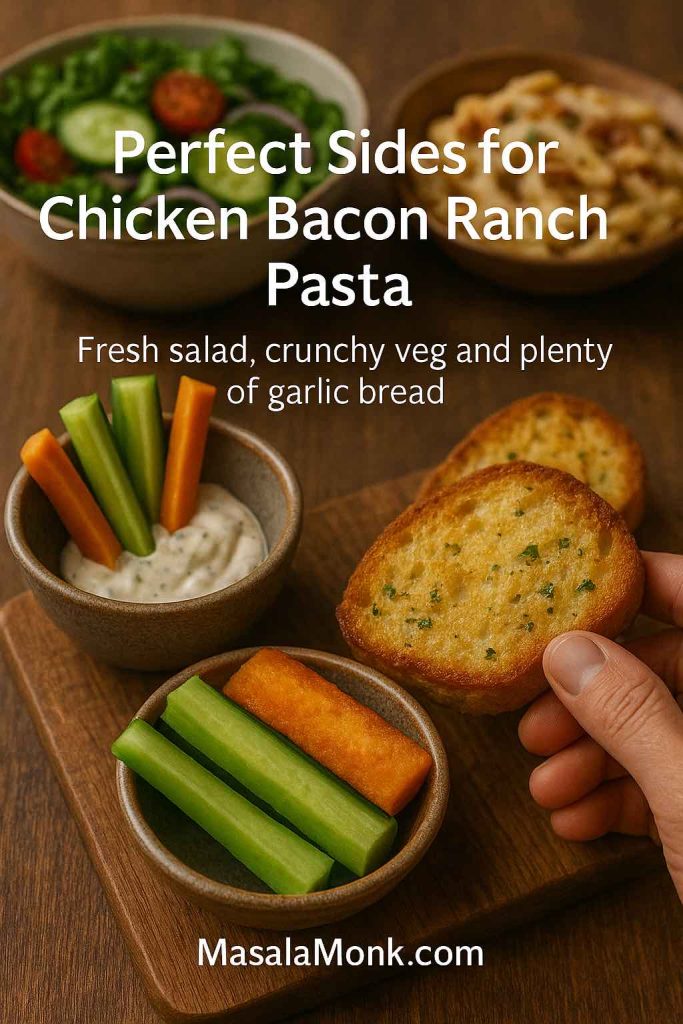

9. Which type of upma is better for weight management or diabetes?

Although individual needs differ, many people looking for a “healthy upma recipe” gravitate towards millet upma, oats upma or quinoa upma. These versions often have more fibre and a gentler impact on blood sugar compared to an upma recipe made only with refined semolina. In addition, adding vegetables, a small portion of nuts or seeds and pairing the bowl with yoghurt or a protein-rich side makes the meal more filling and may reduce the urge to snack soon after. Even so, portion size still matters, so lighter, moderate servings usually work best.


10. What are some easy variations beyond rava upma?

Beyond the classic rava upma, it is quite simple to explore other versions using the same basic method. For instance, semiya upma (vermicelli upma) swaps rava for roasted vermicelli threads; millet upma uses millet rava such as jowar, foxtail or multi-millet blends; oats upma relies on rolled oats; quinoa upma uses rinsed quinoa simmered with the tempering; and rice rava or arisi upma uses broken rice. The seasoning and vegetables can remain almost identical, so once you grasp one upma recipe, the others become natural extensions.


11. How do I prepare an instant upma mix for travel or busy mornings?

An instant upma mix starts with roasted rava and a very dry tempering. To assemble it, first roast the semolina thoroughly and cool it, then fry mustard seeds, urad dal, chana dal and dried curry leaves in a little oil until crisp. Once everything is completely cool, mix the rava, the tempering, dry spices such as ginger powder and chilli powder, and salt. Store the mixture in an airtight jar or in single-serving pouches. Later on, you only need to combine a portion of this instant upma mix with boiling water, allow it to stand covered for a few minutes, and fluff it before eating.


12. How long can roasted rava or instant upma premix be stored?

Roasted rava alone, if cooled thoroughly and kept in an airtight container away from moisture and insects, keeps well for several weeks and often even a couple of months. Instant upma premix that contains oil and spices generally has a shorter shelf life, though it still lasts a few weeks at room temperature in a cool, dry cupboard. If your climate is very humid, keeping smaller quantities of the premix in the fridge can be a safer choice. In any case, it is wise to check aroma and appearance before use; if the mix smells stale or looks clumpy, it is better not to use it.


13. Can I make upma in a pressure cooker or microwave?

Upma is traditionally cooked in an open pan, but it can also be adapted to a pressure cooker or microwave when needed. In a cooker, you can prepare the tempering, add rava and water, then cook on low heat without placing the whistle, treating the cooker like a heavy pan. In a microwave, you may roast rava and prepare the tempering separately, then combine everything with hot water in a microwave-safe bowl and cook in short bursts, stirring in between. Both methods work, although controlling texture and avoiding overcooking is usually easiest on the stovetop.


14. Is upma suitable for toddlers and children?

Upma can be very child-friendly, especially when you keep the spices gentle and cut the vegetables finely. For toddlers, it helps to make the rava upma slightly softer, use only a mild amount of chilli (or skip it altogether), and mash or blend the bowl lightly if needed. As children grow older, you can gradually introduce vegetable upma, semiya upma, millet upma and even a lightly spiced masala upma. Because the basic upma recipe is soft and easy to chew, it often works well as one of the early family foods that kids can share with adults.

Posted on 7 Comments

Carbonara Recipe: Italian Pasta (Creamy, Veggie, Chicken, Shrimp, Tuna & Keto)

Chef tossing spaghetti alla carbonara in a black pan, glossy pasta with crispy guanciale, steam rising over a dark wooden table with cheese, cracked eggs and pepper mill.

There’s a moment, just after you toss hot pasta through eggs and cheese and pork fat, when everything goes quiet. The noodles glisten, the sauce thickens, and suddenly you’re staring at a bowl of carbonara that looks like it fell out of a tiny Roman kitchen and landed on your table. That’s the magic we’re going for here in this Carbonara Recipe.

This is a complete, reader-first guide to making carbonara at home: starting with a classic, no-cream version, then branching into creamy, veggie, chicken, shrimp, tuna and even keto-friendly twists. Along the way you’ll see a few helpful links—some to deeper technique or ingredient guides on MasalaMonk, others to recipes from sites that specialise in vegetarian or low-carb spins—so you can wander off and explore whatever version fits your mood.


What Carbonara Really Is (And What It Isn’t)

Carbonara is one of those dishes that seems simple until you try to explain it. On paper, it’s almost suspiciously basic: pasta, cured pork, eggs, hard cheese, black pepper. That’s it. Yet when you read through classic Roman versions and careful modern explanations—like the foolproof method in Serious Eats’ spaghetti with carbonara sauce —you start to notice the same core ideas repeated:

  • The meat is guanciale (cured pork jowl) or sometimes pancetta, not random ham.
  • The cheese is Pecorino Romano, often with a little Parmesan mixed in.
  • The “sauce” is an emulsion of egg, grated cheese, pork fat and starchy pasta water.
  • There is plenty of black pepper, enough to be noticeable.
Overhead view of classic carbonara ingredients like spaghetti, guanciale, Pecorino, eggs and black pepper on one side and modern variations such as mushrooms, chicken, shrimp, tuna, cream and zucchini noodles on the other.
Classic Roman carbonara begins with spaghetti, guanciale, Pecorino, eggs and pepper; from there it stretches into creamy, veggie, tuna and zucchini variations in kitchens around the world.

Notice what’s missing: cream. Traditional versions rely on the natural richness of egg yolks plus emulsified fat. The creaminess you see on the plate is closer to a glossy custard than a thick white sauce. Guides like the vegetarian carbonara from The Mediterranean Dish also keep that egg-based structure even when they swap out the meat for mushrooms, precisely because that’s what makes carbonara feel like carbonara in the first place.

That said, carbonara is a living dish. Home cooks all over the world slip cream into the mix, use bacon instead of guanciale, add vegetables, throw in chicken or shrimp, stir in a can of tuna, or swap the pasta entirely for zucchini “noodles”. Rather than pretending those versions don’t exist, this guide starts with the most recognisable Roman-style base, then shows you how to bend it in ways that still feel coherent and delicious.

Also Read: 10 Most Popular Mediterranean Breakfasts


Ingredients: The Backbone of a Good Carbonara Recipe

Even before you pick up a knife, good carbonara depends on good ingredients. You don’t need anything fancy, but a couple of choices really change the outcome.

Overhead view of carbonara ingredients on a dark table, with nests of spaghetti and linguine, cubes of pancetta and guanciale, eggs, Pecorino, Parmesan, salt and a hand holding a pepper mill.
The backbone of every good carbonara: a few pasta shapes to choose from, guanciale or pancetta, rich egg yolks, Pecorino with a little Parmesan, freshly ground black pepper and just enough salt.

Pasta

Spaghetti is the classic, and it behaves beautifully in this dish. Nonetheless, you can absolutely make excellent carbonara with:

  • Bucatini (for an extra-chewy slurp)
  • Linguine (a flatter noodle that holds sauce well)
  • Fettuccine (if you like something edging toward Alfredo territory)
  • Short shapes like penne or rigatoni (great in baked carbonara casseroles)

We’ll circle back to shape choices later, because they’re an easy way to vary your pasta carbonara without changing the core recipe.

Pork

If you can find guanciale, use it at least once; it’s worth it. The fat has a deep, almost floral savouriness that gives everything a distinct Roman character. Pancetta is the next best option, and streaky bacon works perfectly fine for most weeknight bowls.

Cut it into small batons or lardons, rather than tiny bits, so you get a mix of crisp edges and softer, fatty centres.

Eggs

Eggs are the heart of the sauce. Yolks give you richness and that deep yellow colour; whole eggs bring a little extra volume and looseness. A great starting point for two portions is:

  • 2 egg yolks + 1 whole egg

You can adjust from there. More yolks make your carbonara deeper and silkier; more whole egg makes it a touch lighter.

Cheese

Pecorino Romano is traditional: it’s salty, sharp and tangy, which cuts beautifully through the richness of pork and egg. Parmesan (or Parmigiano Reggiano) adds nuttiness and a slightly gentler flavour. A lot of home cooks use a mix.

If you enjoy going down cheese rabbit holes, MasalaMonk has a detailed guide to Parmesan cheese and its varieties as well as a helpful comparison of Parmesan and Parmigiano Reggiano with other hard cheeses. Those are worth skimming if you’re choosing cheeses at a well-stocked deli and wondering how far you can stray.

Pepper and Salt

You want freshly cracked black pepper, not the dusty pre-ground stuff at the back of the cupboard. It should be aromatic and obvious in the finished dish—you’re aiming for a gentle pepper heat, not just dots of colour.

Salt mainly lives in the pasta water here. Remember your pork and cheeses are already salty; it’s easy to overdo it if you also heavily season the eggs.

Also Read: 10 Best Espresso Martini Recipe Variations (Bar-Tested)


The Classic Carbonara Method (Step by Step Recipe)

Now that the ingredients are clear, it’s time to build the base recipe. This method works for two generous servings; scaling up is straightforward once you understand the rhythm.

1. Set up your workspace

Before you start cooking, have these ready:

  • A large pot for boiling pasta
  • A wide, heavy pan (or skillet) for the pork
  • A heatproof mixing bowl for eggs and cheese
  • Tongs or a pasta fork
  • A ladle or measuring cup for pasta water

Lining everything up in advance might feel fussy, yet it makes the most important moment—tossing the pasta with the eggs—much calmer.

Vertical photo of a carbonara cooking station with a pot on the stove, a skillet, glass mixing bowl, tongs, measuring cup of water, an egg and a wedge of cheese on a dark counter as a hand sets the tools in place.
Step 1 is all about calm prep: line up your pot, pan, bowl, tongs and pasta water so the carbonara comes together smoothly later on.

2. Mix the egg and cheese “sauce” for this Recipe of Carbonara

In the heatproof bowl, whisk together:

  • 2 egg yolks
  • 1 whole egg
  • About 60 g finely grated hard cheese, ideally a mix of Pecorino and Parmesan
  • A generous pinch of freshly ground black pepper

Whisk until the mixture is smooth and thick, with no streaks of egg white. Set this bowl near the stove; it will be your landing zone for the hot pasta later.

Many detailed recipes, such as the Serious Eats carbonara method, use a sort of double boiler approach to gently warm the egg mixture and guarantee a glossy emulsion. You don’t have to do that, though keeping the bowl near (but not on) the stove naturally warms it a little and helps the sauce come together.

Hand whisking egg yolks, grated Pecorino, Parmesan and black pepper in a glass bowl to make silky carbonara sauce.
In Step 2, egg yolks, Pecorino, a little Parmesan and fresh black pepper come together into the creamy base that makes carbonara rich without any cream.

3. Render the pork in Carbonara Recipe

Place the guanciale, pancetta or bacon into a cold pan, then put the pan on medium-low heat. Starting cold gives the fat time to melt out slowly, which both crisps the meat and leaves you with a good amount of flavourful fat to coat the pasta.

Let it sizzle gently, stirring occasionally, until the pieces are golden at the edges and starting to crisp but not rock-hard. Turn off the heat and leave everything in the pan.

At this stage, the kitchen should smell like a trattoria. Try not to eat all the pork out of the pan with your fingers.

Cubes of guanciale and pancetta slowly crisping in a black skillet, with rendered fat and steam rising for a classic carbonara recipe.
In Step 3, the guanciale or pancetta sizzles gently so the fat renders slowly, giving you crisp edges, soft centres and enough porky oil to coat every strand of carbonara.

4. Cook the pasta

Bring a large pot of well-salted water to a rolling boil. The water should taste pleasantly seasoned, like a mild broth.

Add your spaghetti (or other pasta) and cook until just shy of al dente. While the pasta cooks, stir it from time to time so it doesn’t clump.

A minute or two before the pasta is done, scoop out a good 1–1½ cups of starchy pasta water with a ladle or measuring cup. This step is non-negotiable: that water is crucial to turning your egg-and-cheese mixture into a smooth, pourable sauce.

Large pot of boiling salted water on the stove, with spaghetti being lowered in and a ladle scooping out starchy pasta water for carbonara
Step 4 locks in texture and flavour: cook the pasta in well-salted water, then ladle out some of that starchy liquid to turn eggs, cheese and pork fat into a smooth carbonara sauce.

5. Marry pasta and pork

Turn the pork pan back on to low heat and add a small splash of the pasta water. This loosens any sticky bits on the bottom.

Using tongs, transfer the drained pasta straight from the pot into the pan. A little water clinging to the noodles is helpful. Toss the pasta with the pork and its fat for a minute or so, letting the flavours mingle.

Once the pasta looks glossy with fat, turn off the heat completely. This is important; you don’t want the eggs to hit a screaming-hot pan.

Hand using tongs to lift glossy spaghetti in a skillet, tossing it with crisp pancetta and rendered pork fat for carbonara.
In Step 5, the hot spaghetti is tossed through the rendered pork fat so every strand picks up flavour before it meets the egg-and-cheese sauce.

6. Emulsify the sauce

Now comes the magic.

Quickly lift the pan and pour the hot pasta and pork into the egg-and-cheese bowl. As you do this, toss constantly with tongs, coating every strand. The residual heat from the pasta will gently thicken the eggs.

Add a small splash of hot pasta water and keep tossing. Then another splash. You’re looking for the sauce to loosen and turn silky enough to cling in a thin, shiny layer rather than clumping.

With a bit of practice, you’ll feel when the balance is right. The noodles should gleam, with no visible streaks of raw egg or puddles of liquid at the bottom of the bowl.

Hand using tongs to toss hot spaghetti and pancetta in a glass bowl of egg-and-cheese mixture off the heat, forming a glossy carbonara sauce.
In Step 6, the pasta leaves the pan and gets tossed off the heat with eggs, Pecorino and a splash of pasta water until the carbonara sauce turns thin, shiny and perfectly silky.

7. Taste and adjust your Carbonara Recipe

Now is the time to fine-tune:

  • Add more black pepper if you want extra warmth.
  • Grate on a little extra Pecorino or Parmesan for a salty finish.
  • If the sauce feels too thick, whisk in another spoonful of hot pasta water.

Serve immediately. Carbonara waits for no one; it keeps cooking in its own heat, and the sauce thickens as it sits.

Hand grating Pecorino Romano over a bowl of glossy spaghetti carbonara with crisp pancetta, ready to serve immediately.
Step 7 is all about timing: a hot bowl of carbonara, a last snowfall of Pecorino and black pepper, and straight to the table before the sauce thickens.

The same basic approach—pork cooked gently, eggs and cheese beaten in a bowl, pasta tossed off the heat with a bit of starchy water—shows up across careful recipes and tutorials, including many “how to” breakdowns on Italian cooking sites and in teaching platforms. Once you’ve done it once, you’ll see why the method doesn’t change much.

Also Read: Cheesy Chicken Broccoli Rice – 4 Ways Recipe (One Pot, Casserole, Crockpot & Instant Pot)


Recipe of Creamy Carbonara (With a Little Cream)

In plenty of Italian kitchens, cream in carbonara is a sacrilege. In plenty of non-Italian kitchens, it’s simply what people grew up eating. If cream is part of your personal comfort bowl, you can absolutely incorporate it gracefully.

The easiest way to do that is to keep the method identical and tweak only the egg mixture.

For two portions:

  • Use 2 egg yolks instead of 2 yolks + 1 whole egg.
  • Whisk in 60–80 ml of heavy cream or single cream along with the cheese and pepper.
Recipe card showing a bowl of creamy spaghetti carbonara with guanciale alongside ingredients and quick instructions for making carbonara with cream.
This creamy carbonara card shows the small twist on the classic: extra yolks whisked with a splash of cream, Pecorino and Parmesan, then tossed with hot pasta and guanciale until silky.

Everything else stays the same: same pork, same pasta, same off-heat tossing with a bit of starchy water. The cream makes the sauce more forgiving and a touch richer, especially when you’re still learning.

If you enjoy comparing different kinds of creamy pasta, MasalaMonk’s collection of chicken Alfredo pasta recipes and their deep dive into classic versus “authentic” Alfredo-style sauces are useful contrasts. They highlight the difference between cream-based white sauces and egg-based emulsions, which helps you understand what’s happening in your own pan.


Vegetarian Carbonara (Recipe With Mushrooms and Veg)

Sometimes you want the comfort of carbonara without the meat. Rather than dumping the eggs and cheese onto plain noodles, it’s worth building a proper vegetarian carbonara that still delivers a savoury hit.

Mushrooms are the natural substitute: they brown, they concentrate, and they bring umami. Courgettes (zucchini) or peas also fit in beautifully, and you can see that approach in dishes like the healthier veggie carbonara at BBC Good Food, which keeps the egg-based sauce but piles on vegetables.

Recipe card showing a bowl of vegetarian carbonara made with spaghetti, browned mushrooms and peas beside ingredients and directions for a smoky mushroom carbonara.
This vegetarian carbonara swaps guanciale for deeply browned mushrooms and peas, keeping the same silky egg-and-cheese sauce while adding hearty plant-based flavour.

Here’s one way to do it:

  1. Replace the pork with mushrooms
    • Slice 200 g of cremini, chestnut or button mushrooms.
    • Add a tablespoon or two of olive oil to your pan.
    • Cook the mushrooms over medium-high heat until they are deeply browned and have given up their moisture.
    • Season with salt, pepper, and (if you want a faint smoky note) a tiny pinch of smoked paprika.
  2. Follow the classic method
    • Mix eggs and cheese as before.
    • Boil the pasta and save your pasta water.
    • Toss the hot pasta with the browned mushrooms and their juices instead of pork.
    • Transfer everything to the egg bowl and emulsify with splashes of pasta water.

The result is a veggie carbonara that still looks and behaves like the original: creamy, glossy, with a savoury depth that comes from browned mushrooms rather than cured meat.

If you’d like more inspiration, the vegetarian carbonara with smoky mushrooms from The Mediterranean Dish shows a similar idea with extra olive oil and pasta water standing in for pork fat. Meanwhile, for nights when you want to lean more heavily into plant-based eating beyond cheese and egg, MasalaMonk’s collection of high-protein pasta dishes built around lentils and beans gives you additional options that feel hearty but not heavy.


Chicken Carbonara: Protein-Heavy & Crowd-Pleasing Recipe

Chicken sneaks into carbonara in plenty of modern recipes because it makes the dish feel more like a full “meat and pasta” meal, especially if you’re feeding people who expect visible protein on the plate.

Recipe card showing a bowl of chicken carbonara with creamy spaghetti, browned chicken pieces and crisp bacon beside ingredients and quick steps for chicken carbonara pasta.
This chicken carbonara recipe card turns the classic into a full meat-and-pasta meal, with bacon-rendered chicken tossed through silky egg-and-cheese sauce for extra protein and comfort.

To integrate chicken gracefully:

  • Cut 150–200 g of boneless chicken thigh or breast into small pieces.
  • Season lightly with salt and pepper.

Then:

  1. Render a small amount of bacon or pancetta in your pan to keep that smoky baseline.
  2. Scoop the bacon out and set it aside, leaving the fat.
  3. Sear the chicken pieces in that fat until they’re browned and cooked through.
  4. Return the bacon to the pan, then proceed as usual when you add the pasta.

When you toss the noodles through the egg mixture, you’ll have a pan full of chicken and bacon pieces waiting to be coated, giving you a bona fide chicken carbonara pasta that still echoes the original dish.

If you like the idea of chicken in a creamy, saucy context, it’s also worth exploring other comfort-pasta territory. MasalaMonk’s one-pot chicken bacon ranch pasta is a great example of how bacon, chicken and cream can play together in a single pan without the egg element, while their macaroni and cheese recipe shows how to build a proper cheese sauce from a different angle entirely.


Shrimp and Seafood Carbonara Recipe

Swapping the pork for shrimp (or using the two together) pushes carbonara in a seafood direction without abandoning the classic egg-and-cheese base.

Recipe card showing a bowl of shrimp carbonara with creamy spaghetti, pink shrimp and pancetta beside ingredients and directions for seafood carbonara.
This shrimp carbonara recipe card keeps the classic egg-and-cheese base but layers in sweet, just-cooked shrimp and pancetta for a rich seafood twist on the original pasta.

For two servings, you’ll want:

  • 150–200 g raw shrimp, peeled and deveined
  • Optional: 40–50 g pancetta, finely diced

Here’s how to make it work:

  1. If using pancetta, render it first just as you would for the classic version. Scoop the bits out and leave the fat in the pan.
  2. Add a drizzle of olive oil if needed, then sauté the shrimp over medium heat until just pink and barely cooked through.
  3. Season with a tiny pinch of salt and pepper; remember the cheese will add more salt later.
  4. Return the pancetta to the pan, add your hot pasta and a splash of pasta water, and toss.
  5. Tip the whole mixture into the egg-and-cheese bowl and emulsify.

You end up with a shrimp carbonara that still feels like the real dish—egg-based sauce, plenty of cheese, glossy strands of pasta—but accented by sweet bites of seafood instead of, or alongside, the traditional pork.

Also Read: Whole Chicken in Crock Pot Recipe (Slow Cooker “Roast” Chicken with Veggies)


Recipe of Carbonara with Tuna: The Pantry Hero

Tuna doesn’t show up in classic Roman recipes, yet it might be the variation you cook most often simply because everything comes from the cupboard. It’s an especially good answer when you want something that tastes more involved than it actually was.

Recipe card showing a bowl of tuna carbonara with creamy spaghetti, flaked tuna, capers and lemon beside ingredients and quick instructions for pantry tuna pasta.
This tuna carbonara recipe card proves you can turn a can of tuna, eggs and cheese into a silky, lemony pantry pasta that tastes far more special than the effort it takes.

To build a simple tuna carbonara:

  • Use the standard egg-and-cheese base.
  • Swap the pork for one can of good tuna in olive oil, lightly drained.

Then:

  1. Warm a spoonful of the tuna oil in your pan.
  2. Add the tuna and break it up gently over low heat, just until fragrant.
  3. Toss in your hot pasta and a splash of pasta water; the tuna should coat the strands lightly.
  4. Move everything to the egg bowl and toss vigorously, adding more pasta water as needed.

You can brighten this variation with a bit of lemon zest or a teaspoon of capers, although you don’t have to. The eggs, cheese and tuna already make a satisfying tuna pasta carbonara without extra embellishment.

Also Read: Authentic Louisiana Red Beans and Rice Recipe (Best Ever)


Keto and Low-Carb Carbonara Recipe with Zucchini Noodles

If you’re eating low-carb or following a keto approach, the main challenge in carbonara isn’t the sauce at all; it’s the pasta. Fortunately, the flavour profile of eggs, cheese, bacon and pepper works beautifully with vegetables like zucchini.

Recipe card showing a bowl of keto zucchini carbonara with spiralised zucchini noodles, crispy bacon and creamy egg-and-cheese sauce beside ingredients and method for low-carb carbonara.
This keto zucchini carbonara swaps pasta for zoodles but keeps the smoky bacon, eggs and cheese, so you still get a creamy, salty carbonara hit with far fewer carbs.

A straightforward path is to replace the spaghetti with spiralised zucchini “noodles”, also known as zoodles. Recipes such as the keto carbonara with zoodles at Diet Doctor show exactly how well that combination can work, keeping the bacon and creamy sauce while ditching the wheat. Likewise, Cooking LSL’s low-carb zucchini carbonara demonstrates a similar idea with courgette strands in place of pasta.

To try a simple version at home:

  1. Spiralise 2 medium zucchini and salt them lightly. Let them sit in a colander for 10–15 minutes, then pat dry; this removes excess moisture.
  2. Render your bacon or pancetta in a pan as usual.
  3. Add the zucchini to the pan and cook briefly—just enough to soften slightly while still keeping some bite.
  4. Whisk your eggs and cheese in a bowl.
  5. Transfer the hot zucchini and bacon into the bowl and toss, adding a couple of spoonfuls of hot water (or a splash of stock) to create a creamy coating.

The texture is different, of course; you won’t get the same chew as traditional semolina pasta. Nonetheless, the overall experience—creamy, salty, porky, peppery—lands recognisably in keto carbonara territory.

For days when you’re balancing richer meals with more careful hydration or fasting routines, MasalaMonk’s guide to homemade electrolyte drink recipes is a useful extra resource you can dip into as well.


Playing with Pasta Shapes: Spaghetti, Linguine, Fettuccine, Penne

Once you’re comfortable with the base method, changing the shape of the pasta is an easy way to keep carbonara interesting without rewriting the recipe.

Vertical photo of four pasta shapes for carbonara—nests of spaghetti, linguine and fettuccine plus a pile of penne—arranged on a dark background with a small baked carbonara dish.
Spaghetti is the classic for carbonara, but linguine, fettuccine and short shapes like penne or rigatoni each change the experience, from twirlable strands to bake-ready tubes with bubbly cheese on top.
  • Spaghetti: the classic; it twirls beautifully and holds just enough sauce.
  • Linguine: slightly flatter, gives you more surface area for the sauce to cling to.
  • Fettuccine: verges on creamy Alfredo territory, especially in the cream-enhanced version.
  • Penne or rigatoni: tubes that capture bits of bacon and pools of sauce inside; wonderful in baked carbonara gratins.

Short shapes are especially good when you want a baked carbonara pasta. You can follow the same egg-and-cheese structure, toss it all together, then slide everything into a buttered dish, sprinkle with extra cheese and bake briefly until the top is just set and lightly browned.

Meanwhile, switching to whole-wheat or legume-based pastas—like chickpea or lentil noodles—can gently tilt your bowl toward higher fibre and protein. For more ideas along those lines, you can look at MasalaMonk’s round-up of high-protein, plant-based pasta meals, which explore exactly that balance.


What to Serve with Carbonara

Carbonara itself is rich and savoury. So, the best companions usually contrast that: fresh, crunchy, tangy or slightly bitter flavours that reset your palate between bites.

A few ideas:

  • Simple green salad: toss leaves with lemon juice, olive oil, salt and pepper. The acidity cuts through the sauce nicely.
  • Garlicky vegetables: roast or sautéed broccoli, green beans or asparagus with a squeeze of lemon.
  • Bread and dips: think toasted sourdough and a dish of something creamy yet lighter than the pasta.
Vertical photo of a carbonara meal with a bowl of spaghetti carbonara, green salad, roasted broccoli, toasted sourdough slices and small bowls of spinach dip and tzatziki on a wooden table.
A rich bowl of carbonara pairs beautifully with fresh, lemony salad, garlicky green vegetables, toasted sourdough and lighter dips like spinach or tzatziki to keep every bite feeling balanced.

If you enjoy putting sharable starters on the table, MasalaMonk’s collection of spinach dip recipes covers everything from cold, tangy dips to hot, baked ones that sit comfortably next to a carbonara night spread. On the other hand, if you’d like something fresher and more Mediterranean, their Greek tzatziki sauce variations make a cooling side for grilled chicken or vegetables served alongside your pasta.

For dessert, you don’t have to do anything complicated. Fruit and a little whipped cream, a scoop of gelato, or even just a square of good dark chocolate with coffee is often enough after such a rich main.

Also Read: How to Make Churros (Authentic + Easy Recipe)


Leftovers and Reheating

Purists will say carbonara should never see the inside of a fridge. In an ideal world, you would cook exactly the amount you plan to eat and enjoy it all while it’s at its silkiest. Real life is messier, of course, and sometimes you’ll have leftovers.

To store them:

  • Let the pasta cool quickly.
  • Transfer it to an airtight container.
  • Refrigerate for up to 2 days.
Instructional image showing leftover carbonara being cooled and stored in a lidded glass container and gently reheated in a pan with added water or milk, with text tips on cooling, refrigerating and using low heat.
Cool leftover carbonara quickly, seal it in an airtight container for up to two days, then bring it back to life over low heat with a spoonful of water or milk, stirring often so the sauce turns creamy again instead of scrambling.

Reheating takes a bit of care. Instead of microwaving on full blast (which risks scrambling the eggs), try this:

  1. Add a spoonful or two of water or milk to a pan over low heat.
  2. Tip in the leftover carbonara and break up any large clumps.
  3. Stir gently as it warms, adding another splash of liquid if it seems dry.

The sauce will never be quite as glossy as when it was first tossed, yet you can still coax it into something creamy rather than rubbery. If you like, you can grate over a little fresh cheese and crack some more pepper on top to revive the flavour.


Bringing It All Together

At its core, carbonara is one of the simplest pastas you can make: a handful of ingredients, a single pot of boiling water, and one crucial moment where you toss hot pasta into eggs and cheese and trust the heat to do its work. Once that movement feels familiar, you’re free to adapt:

  • Swap cured pork for browned mushrooms and vegetables for a vegetarian carbonara.
  • Double down on comfort with a splash of cream.
  • Turn it into a more obviously protein-focused meal with chicken or shrimp.
  • Raid the cupboard and build dinner around a can of tuna.
  • Trade the wheat pasta for zucchini noodles when you’re eating low-carb.

Alongside those variations, you can keep exploring adjacent dishes—whether that’s another creamy pasta from MasalaMonk’s Alfredo and mac-and-cheese repertoire, or low-carb zoodle ideas from places like Diet Doctor and Cooking LSL—to build your own little universe of comfort meals.

However you choose to spin it, once you’ve made this dish a few times, you’ll have more than a recipe. You’ll have a reliable, deeply comforting ritual: boil pasta, crisp something savoury in a pan, whisk eggs and cheese in a bowl, then bring everything together in one quiet, perfect toss.

Overhead photo of a central bowl of classic spaghetti carbonara surrounded by smaller bowls of creamy, vegetarian mushroom, chicken, shrimp, tuna and keto zucchini carbonara on a wooden table.
Start with one simple carbonara ritual—boil pasta, crisp something savoury, whisk eggs and cheese, then toss it all together—and spin it into classic, creamy, vegetarian, chicken, shrimp, tuna or keto bowls depending on what you’re craving.

FAQs about Carbonara

1. What are the main ingredients in a traditional carbonara recipe?

A classic carbonara recipe usually includes just a few ingredients: dried pasta (most often spaghetti), guanciale or pancetta, egg yolks, hard cheese such as Pecorino Romano (sometimes with a little Parmesan), freshly ground black pepper and salt for the pasta water. Taken together, these create a rich, glossy sauce without any cream at all. In other words, if you have pasta, cured pork, eggs, cheese and pepper, you already have everything you need for an authentic Italian carbonara.


2. Does real carbonara use cream, or is creamy carbonara always without it?

In traditional pasta carbonara, there is no cream; the creaminess comes from egg yolks, cheese, pork fat and starchy pasta water whisked together into an emulsion. Even so, in many homes around the world people enjoy a creamy carbonara recipe that includes a small splash of cream for extra richness and stability. So, if you want a strictly authentic Italian carbonara recipe, you skip the cream; if you prefer the familiar restaurant-style creamy carbonara, a modest amount of cream can be stirred into the egg-and-cheese mixture without changing the basic method.


3. How do I stop the eggs from scrambling in spaghetti carbonara?

To keep the eggs silky instead of scrambled, the key is temperature control. Firstly, take the pan off the heat before you add the egg mixture; the pasta should be hot, but there should be no direct flame underneath. Secondly, whisk the eggs with cheese in a separate bowl, then add the hot pasta and pork into that bowl and toss constantly. Thirdly, pour in small splashes of hot pasta water as you stir, which loosens the mixture and helps the sauce coat each strand. When you treat the sauce gently like this, spaghetti carbonara becomes creamy and glossy rather than clumpy or eggy.


4. What’s the difference between carbonara and Alfredo pasta?

Although both dishes feel rich and comforting, they are built quite differently. Traditional carbonara sauce ingredients are eggs, hard cheese, cured pork, pepper and pasta water; the sauce is created by emulsifying these together off the heat. Conversely, Alfredo is usually based on butter, cream and cheese, sometimes with garlic or herbs, and often contains no egg at all. Therefore a pasta Alfredo recipe is a cream sauce that simmers on the stove, whereas an authentic spaghetti carbonara recipe is an egg-and-cheese emulsion that thickens only when it comes into contact with hot pasta.


5. Which pasta shape is best for pasta carbonara?

Spaghetti is the most common choice and works beautifully for almost every carbonara recipe. Nevertheless, other shapes also behave well: linguine gives slightly more surface area for the sauce; fettuccine feels luxurious, especially in a creamy carbonara recipe; and short shapes like penne or rigatoni trap sauce and tiny pieces of pork inside their tubes. Ultimately, any pasta that holds the sauce and cooks to a pleasant bite can be used, so you can alternate between spaghetti carbonara, linguine carbonara and penne carbonara depending on what you have in the pantry.


6. Can I make a simple carbonara recipe without pork or bacon?

Yes, you can absolutely prepare a simple carbonara recipe without pork, although the flavour profile changes. Instead of guanciale or bacon, you can brown mushrooms in olive oil until they are deeply golden, then use them as the savoury base for a vegetarian carbonara. Likewise, you might add peas, courgette or spinach for extra colour and texture. Because the egg-and-cheese sauce remains the same, pasta carbonara vegetarian versions still feel creamy and satisfying even when they contain no meat at all.


7. Is there a good vegetarian or veggie carbonara option?

There are several. A popular approach is to build a veggie carbonara with mushrooms, onions and a generous amount of black pepper, then fold in the usual egg and cheese mixture off the heat. Additionally, you can create a spaghetti carbonara vegetarian dish by using olive oil in place of pork fat, adding grilled or roasted vegetables and finishing with Pecorino or Parmesan as usual. For those who prefer a lighter plate, pasta carbonara vegetarian recipes often include extra greens like peas or kale, turning the bowl into a full vegetable-and-pasta meal rather than just a sauce replacement.


8. How can I make an easy chicken carbonara recipe?

For an easy chicken carbonara recipe, you simply add small pieces of chicken to the standard method. Sear bite-sized chunks of chicken breast or thigh in a little oil or in the rendered fat from a small amount of bacon, then set them aside while you cook the pasta. Afterward, return the chicken (and bacon, if using) to the pan, toss with the hot pasta and then combine everything with the egg-and-cheese mixture off the heat. As a result, you get a chicken carbonara pasta that keeps the silky sauce of classic spaghetti carbonara but delivers extra protein and chew in every forkful.


9. How do I adapt carbonara for shrimp or seafood?

To adapt the dish for shrimp, you cook peeled shrimp quickly in a little olive oil or bacon fat until just pink, then follow the usual carbonara steps. After the pasta is cooked, you toss it with the shrimp, add a ladle of hot pasta water and finally fold everything into the egg-and-cheese mixture. In this way, shrimp carbonara (or a broader seafood carbonara) keeps the creamy sauce and peppery bite of the original pasta carbonara while swapping the pork flavour for the sweetness of shellfish.


10. Can I make carbonara without egg, or is egg always essential?

Egg is the core of a traditional carbonara recipe; it provides both richness and structure, so a classic pasta carbonara without egg is no longer really carbonara in the strict sense. That said, there are creamy pasta dishes inspired by carbonara that use cream, cheese and starchy cooking water to imitate the texture while omitting egg entirely, which can be useful for people with allergies. In that case, you would still cook bacon or mushrooms, stir in cream and cheese, and toss with pasta water until the sauce is silky, even though it becomes more of a carbonara-style cream pasta than a true carbonara.


11. What cheese is best for spaghetti carbonara, and can I mix different cheeses?

Pecorino Romano is the classic choice for spaghetti carbonara because it’s salty, tangy and assertive enough to cut through the richness of the egg and pork. Nevertheless, many home cooks like to add some Parmesan or Parmigiano Reggiano for extra nuttiness and a slightly milder edge. Generally, a mix works very well: for example, you might use two-thirds Pecorino and one-third Parmesan in your carbonara sauce recipe. Provided the cheese is hard, dry and finely grated, it will melt smoothly into the egg mixture and help form a stable sauce.


12. How can I make a lighter or healthier carbonara recipe?

A healthier carbonara recipe doesn’t have to sacrifice comfort. One option is to use a smaller amount of bacon or pancetta, focusing on crisp texture and flavour rather than large chunks. Another possibility is to combine whole-wheat or legume-based pasta with plenty of vegetables, turning the dish into a high-fibre, high-protein pasta carbonara. Furthermore, you can favour extra egg whites over yolks to decrease fat slightly while maintaining body in the sauce. Paired with a crisp salad or steamed greens, this style of carbonara feels indulgent but more balanced.


13. Is keto carbonara possible, and what can I use instead of regular pasta?

Keto carbonara is very achievable, since the sauce ingredients—eggs, cheese, bacon and pepper—are naturally low in carbohydrates. The main change lies in the “pasta”. Many people spiralise zucchini into zoodles and treat them as a stand-in for spaghetti, while others use hearts-of-palm noodles or other low-carb alternatives. After you cook the courgette strands briefly in bacon fat, you simply toss them with the egg-and-cheese mixture and a spoonful of hot water, exactly as you would with wheat pasta. Consequently, keto carbonara with zucchini noodles offers the same savoury, creamy flavours in a carb-conscious format.


14. Why is my carbonara dry or clumpy instead of smooth and glossy?

A dry or clumpy carbonara usually signals either too little liquid or too much heat. If you don’t add enough hot pasta water when you toss the pasta with the egg mixture, the sauce can seize and cling in thick patches rather than forming a thin coating. Also, if the pan or bowl is too hot, the eggs can overcook and turn grainy. To prevent this, remove the pan from direct heat, transfer the pasta immediately into the egg bowl, and gradually add hot water while you stir. By adjusting the consistency little by little, you can rescue a stiff sauce and turn it into the smooth, shiny carbonara you’re aiming for.


15. How long does carbonara last, and can I reheat it safely?

Carbonara is best eaten fresh, yet it can be stored for a short time. Typically, leftover pasta carbonara keeps for up to two days in the fridge if you cool it quickly and seal it in an airtight container. When reheating, gentle heat is crucial; otherwise, the eggs can scramble and the sauce may become oily. A practical method is to warm a splash of water or milk in a pan over low heat, then add the cold carbonara and stir constantly until it loosens and heats through. Although the texture won’t be identical to a freshly made spaghetti carbonara recipe, it will still be tasty and comforting enough for a quick lunch.

Posted on 15 Comments

One-Pot Chicken Bacon Ranch Pasta (Easy & Creamy Recipe)

Hands holding a bowl of creamy chicken bacon ranch pasta with crispy bacon pieces, styled like a premium magazine cover for MasalaMonk.

Some evenings call for salad and restraint. Other evenings call for a big, bubbling pan of chicken, bacon and ranch–coated pasta and absolutely no apologies. This one-pot Chicken Bacon Ranch Pasta is made for those nights.

Everything happens in a single pan: tender pasta, juicy chicken, crispy bacon and a silky, ranch-flavoured cheese sauce that clings to every bite. It has all the flavours people love in baked casseroles, slow cooker bacon ranch chicken and pasta dishes, and Instant Pot versions, yet you can make it quickly on the stove with very little fuss.

Once you know the base method, it’s easy to steer this towards a baked bacon ranch pasta casserole, a crock pot version, a lighter chicken ranch pasta without bacon, Alfredo-style twists, spicy Cajun variations, veggie-loaded bowls or even cold pasta salad for the next day.

If creamy pasta nights are your thing, you might also enjoy MasalaMonk’s guide to chicken Alfredo pasta, five ways, or curl up later with their creamy macaroni and cheese – stovetop, baked and Southern-style.


Why This Bacon Ranch Chicken Pasta Works So Well

Before diving into the ingredients, it helps to see why this combination has become such a favourite.

One pot, big flavour

Instead of boiling pasta in one pot, crisping bacon in another and making a sauce in a third, everything cooks together in one deep pan or Dutch oven. The pasta simmers directly in ranch-spiked liquid, soaking up flavours and releasing starch that naturally thickens the sauce.

Overhead view of a cream Dutch oven filled with one-pot bacon ranch chicken pasta, topped with crispy bacon and parsley, with bowls of bacon and herbs on the side.
One-pot bacon ranch chicken pasta simmered in a Dutch oven: all the comfort of a casserole or bake, without the extra dishes.

You end up with something that tastes as indulgent as a cheesy casserole, but without a long oven bake or a pile of dishes. Popular recipes from sites like Belly Full, The Cookie Rookie and The Real Food Dietitians lean into exactly this one-pan approach, because it hits the sweet spot between restaurant-style comfort food and genuine weeknight practicality.

Endlessly adaptable

Once you’ve tried the simple version, you can nudge it in so many directions:

  • Make it extra rich with an Alfredo twist.
  • Strip it back to a super-simple chicken ranch pasta inspired by 5-ingredient recipes like The Tex-Mex Mom’s one-pot dish.
  • Skip pork for a lighter chicken and ranch pasta with vegetables.
  • Add broccoli or spinach for a more balanced one-pan dinner.
  • Switch the shape to penne, rotini, shells, bowties, spaghetti or even tortellini.

The basic idea stays the same, while the flavours and textures shift to match what you’re craving.

Three bowls of chicken bacon ranch pasta showing classic, broccoli veggie, and Alfredo-style variations on a wooden table with ranch packet, bacon and herbs.
One creamy chicken bacon ranch pasta base, three ways – classic, veggie-packed and Alfredo-style – to show just how adaptable this one-pot recipe can be.

Friendly to shortcuts

This is the kind of recipe that actually likes shortcuts:

Also Read: 10 Best Espresso Martini Recipe Variations (Bar-Tested)


Ingredients for Creamy Ranch Chicken Bacon Pasta

You don’t need fancy ingredients to make this comforting bowl of goodness, but understanding each component makes it easy to customise.

Chicken

Use whichever cut suits you:

  • Boneless, skinless breasts for a leaner dish
  • Thighs for extra juiciness
  • Leftover roast or slow-cooker chicken for speed

Dice raw chicken into bite-sized pieces so it cooks quickly and evenly. If you’re using pre-cooked meat, add it later so it warms through gently instead of drying out.

Bacon

Bacon brings smokiness, salt and texture. Thick-cut slices give you meaty chunks that stay satisfying inside the sauce.

You can:

  • Fry chopped bacon directly in the pot at the beginning
  • Or prepare a batch ahead of time using the no-mess oven method in this bacon guide

The rendered fat becomes the base for browning your chicken and aromatic ingredients, so you don’t need much added oil.

Ingredients for creamy ranch chicken bacon pasta laid out on a wooden table, including raw chicken, bacon, penne pasta, milk, broth, ranch seasoning, cheeses, greens and spices.
Everything you need for a pan of creamy ranch chicken bacon pasta, laid out in one place so you can see how simple the ingredients really are.

Pasta

Most short shapes are ideal:

  • Penne, rotini, shells and bowties are sturdy and hold sauce well.
  • Fusilli or cavatappi trap the creamy coating in their curls.
  • Spaghetti or linguine give the dish a “bacon ranch chicken spaghetti” feel that’s slightly more elegant, but just as comforting.

If you’re curious about gluten-free or low-carb options, chickpea, lentil or speciality low-carb pastas can be used too. MasalaMonk explores a range of alternatives in their look at whether pasta has a place in a keto diet.

Ranch flavour

There are several ways to bring that familiar flavour into the pan:

  • Dry ranch packet: the classic option, especially if you’re used to Hidden Valley style dishes.
  • Homemade seasoning blend: dried dill, parsley, garlic, onion and buttermilk powder let you control the salt.
  • Bottled ranch dressing: useful when you want a richer, pourable sauce and a very simple “pasta with ranch dressing” style dinner.

Dry seasoning is especially handy in one-pot and slow cooker recipes, because it disperses easily without thinning the sauce too much.

Also Read: Whole Chicken in Crock Pot Recipe (Slow Cooker “Roast” Chicken with Veggies)

Dairy and creaminess

To create that silky coating, you can combine:

  • Chicken stock for savoury depth
  • Milk for a lighter base
  • Cream or half-and-half for extra richness
  • Cream cheese for a velvety finish that many slow cooker and pressure cooker recipes rely on
  • Or a little Greek yogurt added at the end for tang and extra protein

Recipes that aim to be a bit lighter, like the healthy meal-prep bowls with Greek-yogurt ranch on MasalaMonk, can inspire how you tweak your own mixture.

Cheese

Parmesan gives the sauce saltiness and depth. To make it more indulgent, you can also use:

  • Cheddar, for a flavour close to mac and cheese
  • Mozzarella, for stretchy strings when you lift the fork
  • Colby Jack or Monterey Jack, which melt smoothly and pair well with Cajun seasoning

The overall effect is similar to a ranch-flavoured version of MasalaMonk’s creamy macaroni and cheese.

Vegetables and extras

You can keep things simple or build the dish out into a one-pan meal:

  • Broccoli florets: classic with both cheese and ranch; think of it as a pasta cousin to cheesy chicken broccoli rice.
  • Baby spinach: wilts down into the hot sauce, adding colour and nutrients.
  • Peas or sweetcorn: bring sweetness and pops of texture.
  • Cajun seasoning or chilli flakes: for those who prefer a spicy kick.

Also Read: Easy Lemon Pepper Chicken Wings (Air Fryer, Oven & Fried Recipe)


Step-by-Step: One-Pot Ranch Chicken Pasta with Bacon

Here’s how to turn the ingredients into a pan of bubbling, creamy comfort, without using more than one pot.

Crisp the bacon

Set a large, heavy-bottomed skillet or Dutch oven over medium heat. Add your chopped bacon and cook, stirring occasionally, until the pieces are crisp at the edges and the fat has rendered.

Scoop the bacon onto a plate lined with paper towel, leaving 2–3 tablespoons of bacon fat in the pan. If the pan looks very dry, you can top it up with a little olive oil.

Bacon pieces sizzling in a cast iron skillet while a wooden spatula stirs them, with a plate of crispy bacon in the background for chicken bacon ranch pasta.
Step 1: Crisp the bacon in a heavy pan until the edges are golden and the fat renders – this smoky base flavours every bite of the pasta.

Starting this way means your chicken bacon ranch pasta stovetop version already tastes like it spent extra time developing flavour, even though it’s still a relatively quick dish.

Brown the chicken

Season the cubed chicken lightly with salt, pepper and a teaspoon or so of ranch seasoning. Add it to the hot bacon fat and cook until the edges are golden. It doesn’t need to be fully cooked through yet; it will simmer further with the pasta.

Golden-brown chicken pieces being seared in a cast iron skillet with tongs, with crisp bacon and seasoning bowls in the background for chicken bacon ranch pasta.
Step 2: Brown the chicken in the bacon fat until the edges turn golden – this locks in flavour before it simmers in the creamy ranch sauce.

As the chicken browns, it picks up smoky notes from the bacon and ranch. Many popular recipes from places like The Forked Spoon and The Cookie Rookie rely on this same succession of bacon first, chicken second, for maximum flavour.

Remove the chicken to the same plate as the bacon if the pan is very crowded, or simply push it aside if there’s still space to sauté your aromatics.

Build the ranch-scented base

Lower the heat slightly and add chopped onion (if using) to the pan. Cook until softened, then stir in minced garlic. When everything smells fragrant, sprinkle in most of your ranch seasoning, keeping a little back for later.

Pour in the chicken stock and milk or cream, scraping up any browned bits from the bottom. This is your fundamental ranch pasta recipe base. If you’re modelling it after classic Hidden Valley ranch chicken pasta dishes, you can dissolve a full envelope of their seasoning into the liquid now.

Hand sprinkling ranch seasoning into a cast iron skillet with sautéed onions and cream, with cooked bacon and chicken blurred in the background for chicken bacon ranch pasta.
Step 3: Build the ranch-scented base by softening onions, adding cream and sprinkling in ranch seasoning before the pasta goes in.

If you like a creamier texture along the lines of cheesy bacon ranch chicken pasta, whisk in a few spoonfuls of cream cheese until smooth. That technique echoes many bacon ranch chicken pasta slow cooker and Instant Pot creamy chicken bacon ranch pasta recipes, which use cream cheese to stabilise the sauce.

Cook the Pasta Right in the Chicken Bacon Ranch Sauce

Bring the liquid up to a gentle simmer. Tip in your dry pasta, stir well, and let it cook uncovered for a minute or two so the shapes start to soften.

Next, return the browned chicken (and any juices) to the pan, tucking the pieces down into the liquid. Cover the pot and let everything cook, stirring occasionally, until the pasta is just al dente. The exact time will depend on shape—penne and rotini usually take a little longer than smaller shells or elbows, while spaghetti for chicken bacon ranch noodles softens faster.

Penne pasta and chicken simmering in a creamy ranch sauce in a cast iron skillet, with a hand stirring using a wooden spoon for one-pot chicken bacon ranch pasta.
Step 4: Let the pasta simmer right in the creamy ranch sauce so it soaks up flavour and naturally thickens the one-pot chicken bacon ranch pasta.

Because the pasta cooks directly in the sauce, you get that luscious, clingy texture similar to a dedicated chicken bacon ranch pasta skillet or one pot chicken ranch pasta recipe. The starch from the pasta turns the stock, dairy and ranch into a glossy coating without needing a separate roux.

If the liquid seems to be reducing too quickly before the pasta is tender, simply splash in a bit more stock or water and keep going.

Finish with cheese and bacon

When the pasta is cooked and the sauce has thickened to your liking, drop the heat right down. Stir in the parmesan and any extra melting cheese you’re using—cheddar for a cheddar bacon ranch pasta vibe, or mozzarella for maximum stretch.

Hand sprinkling crispy bacon over a skillet of creamy penne and melted cheese for the final step of chicken bacon ranch pasta.
Step 5: Finish with cheese and a shower of crisp bacon so every forkful of pasta is smoky, creamy and comforting.

Once the cheese has melted smoothly, fold in most of the crispy bacon, keeping a handful for sprinkling over the top. Taste and adjust the seasoning with more ranch mix, salt or pepper.

At this stage, you have the comforting pan of easy chicken bacon ranch pasta that most people picture: creamy, cheesy, studded with chicken and bacon in every forkful.

Also Read: Katsu Curry Rice (Japanese Recipe, with Chicken Cutlet)


Turning It Into a Baked Chicken Bacon Ranch Pasta Casserole

Sometimes you want browned edges and a crust of bubbling cheese. It’s easy to transform this dish into an oven-baked pasta.

  1. Cook the pasta slightly under al dente on the stove.
  2. Grease a baking dish and pour in the pasta mixture.
  3. Top with extra cheddar, mozzarella and some of the reserved bacon.
  4. Bake at 180–190°C (350–375°F) until the top is golden and the sauce is bubbling at the sides.
Golden baked chicken bacon ranch pasta casserole in an oval dish with melted cheese and bacon on top, next to a spoon and a recipe card overlay with simple casserole instructions.
Baked Chicken Bacon Ranch Pasta Casserole – a simple five-step shortcut that turns the one-pot stovetop recipe into a bubbly, golden, oven-baked crowd-pleaser.

This method gives you a comforting casserole similar in spirit to MasalaMonk’s cheesy chicken broccoli rice bakes or their classic macaroni and cheese, but with the tang of ranch and the smokiness of bacon woven through.

If you prefer a more layered, lasagna-style feel, you can borrow ideas from MasalaMonk’s béchamel sauce for lasagna and swirl a thicker white sauce into some of the pasta before baking.


Slow Cooker Bacon Ranch Chicken and Pasta

For days when you want dinner to cook itself while you do other things, the same flavours adapt beautifully to the slow cooker.

A simple approach looks like this:

  1. Add cubed chicken to the slow cooker.
  2. Sprinkle over ranch seasoning and garlic powder.
  3. Dot with cream cheese or pour in a mixture of stock and cream.
  4. Cook on low until the chicken is tender and shreddable.
  5. Stir in cooked pasta and cheese towards the end, or cook spaghetti directly in the sauce if your slow cooker runs hot enough.

This “dump and go” style echoes popular recipes, which offer straightforward, family-friendly versions of slow cooker chicken with ranch and bacon.

White slow cooker filled with creamy bacon ranch chicken and rotini pasta, topped with bacon and parsley, with a recipe card overlay showing dump-and-go slow cooker steps.
Slow Cooker Bacon Ranch Chicken & Pasta – a true dump-and-go method where the crock pot does the work and dinner still comes out ultra-creamy and comforting.

If you’d like to keep closer to your one-pot stovetop version, you can still brown your bacon and chicken in a pan first, then deglaze with a bit of stock and transfer everything into the slow cooker. You’ll get the same deep flavour, with less attention required while it cooks.

Also Read: Crispy Homemade French Fries From Fresh Potatoes (Recipe Plus Variations)


Instant Pot Ranch Chicken Pasta with Bacon

Pressure cookers are made for recipes where pasta cooks in a seasoned liquid, so this dish is a natural fit. Many well-rated versions, come together in well under 30 minutes.

Instant Pot filled with creamy ranch chicken pasta and crispy bacon pieces, with a recipe card overlay showing a quick 30-minute pressure cooker method.
Instant Pot Ranch Chicken Pasta with Bacon – all the creamy ranch comfort you love, made in about 30 minutes in the pressure cooker.

A basic Instant Pot method goes like this:

  1. Use Sauté mode to crisp bacon. Remove it and leave a thin layer of fat.
  2. Sauté the chicken until lightly browned.
  3. Stir in garlic and ranch seasoning.
  4. Add stock and dry pasta, making sure the pasta is mostly submerged.
  5. Seal the lid and cook on high pressure for a short time (often 4–6 minutes, depending on pasta shape).
  6. Quick release the pressure.
  7. Stir in cream, cream cheese and cheese until the sauce is smooth and thick.
  8. Fold in bacon and any wilt-in vegetables such as spinach.

You get the same comforting combination—tender pasta, savoury chicken, bacon and creamy ranch sauce—without having to watch the stove. If you like this style of cooking, there are more cosy ideas in MasalaMonk’s pressure-friendly dishes such as their one-pot cheesy chicken broccoli rice.


Alfredo, Cajun and Extra Cheesy Chicken Bacon Ranch Pasta Twists

Once the basic flavours are familiar, it’s fun to play with the sauce and spices.

Alfredo-inspired variation

To lean towards Alfredo, you can:

  • Swap a portion of the milk and cream for a jar of Alfredo sauce or a homemade version.
  • Keep ranch seasoning on the lighter side so the Alfredo character still comes through.
  • Add extra parmesan and a little butter at the end.
Bowl of Alfredo-style chicken bacon ranch pasta with fettuccine coated in creamy sauce, chicken and crispy bacon, with a fork twirling a bite and a recipe card overlay.
Alfredo-style chicken bacon ranch pasta – a silky hybrid twist where Alfredo sauce and ranch come together for an ultra-creamy, restaurant-style bowl.

You’ll get a silky, indulgent hybrid of Alfredo and ranch. For more detailed sauce technique and inspiration, MasalaMonk’s guides to classic vs authentic Alfredo and Indian-inspired Alfredo twists are both helpful.

Spicy and Cajun version

If you enjoy heat, Cajun seasoning pairs beautifully with ranch and bacon:

  • Add a spoonful to the chicken as it browns.
  • Stir a little into the sauce alongside the ranch mix.
  • Finish with a pinch of chilli flakes or sliced jalapeños on top.
Bowl of spicy Cajun bacon ranch pasta with rotini, creamy orange sauce, crispy bacon and jalapeño slices, surrounded by Cajun spice and chilli flakes with a recipe card overlay.
Spicy Cajun Bacon Ranch Pasta – a smoky heat twist on the classic, with Cajun seasoning, crispy bacon and fresh chilli bringing extra punch to the creamy ranch sauce.

The result is a bolder, smoky bowl of pasta with just enough kick to keep each bite exciting.

Extra-cheesy “mac and cheese” style

For full mac and cheese energy:

  • Use a mix of cheddar and mozzarella along with parmesan.
  • Bake the dish with a light breadcrumb topping until crisp.
Extra-cheesy bacon ranch pasta bake in a white dish with a golden crust of melted cheese and bacon, a spoonful missing to show the creamy pasta inside, and a recipe card overlay with simple baking steps.
Extra-Cheesy Bacon Ranch Pasta Bake – a mac-and-cheese-style twist with cheddar, mozzarella and breadcrumbs baked until the top is crisp and the pasta underneath is ultra-creamy.

You’ll end up with a casserole that sits somewhere between traditional mac and cheese and a ranch-flavoured chicken bacon bake, reminiscent of MasalaMonk’s macaroni and cheese recipe.


Lighter Chicken Bacon Ranch Pasta Options

This is undeniably comfort food, yet there are a few ways to nudge it in a lighter direction without losing its character.

With broccoli, peas and less bacon

For a more balanced pan of pasta:

  • Start with a smaller amount of bacon for flavour and crisp garnish.
  • Use olive oil for the rest of the cooking fat.
  • Add plenty of broccoli florets, peas or both to the pan while the pasta cooks.
  • Use more milk than cream, and go easy on the cheese.

This kind of approach is similar in spirit to Eat the Gains’ chicken ranch pasta with broccoli and Slimming Eats’ easy creamy chicken ranch pasta, which aim to keep things creamy but not overly heavy.

Bowl of lighter chicken bacon ranch pasta with rotini, broccoli, peas and a few bacon pieces, surrounded by Greek yogurt, light ranch dressing and fresh vegetables with a text overlay about the veggies and yogurt twist.
Lighter Chicken Bacon Ranch Pasta – more greens, less bacon and a Greek-yogurt ranch twist for when you want comfort food that still feels a little fresher.

With Greek yogurt and lighter ranch

Another option is to stir in Greek yogurt at the end instead of using all cream. Off the heat, it blends into the sauce and adds tang without splitting.

You can also use a lighter, yogurt-based ranch dressing like the ones MasalaMonk uses in their healthy 5-day meal prep bowls. It’s a good way to keep the flavour profile you love while dialing back richness.


Pasta Shapes for Chicken Bacon Ranch Pasta and Using Leftovers

Because everything cooks in one pot, pasta shape affects not only texture but also how the sauce behaves.

Flatlay of different pasta shapes for chicken bacon ranch pasta, with a creamy bowl of rotini in the center and separate dishes of penne, spaghetti and tortellini labelled short, long and stuffed.
Short, long or stuffed – different pasta shapes change how the creamy ranch sauce clings, from cosy penne and rotini to elegant noodles and indulgent tortellini.

Short shapes

Penne, rotini, shells, bowties and similar shapes:

  • Hold sauce in ridges and hollows
  • Reheat well the next day
  • Are forgiving if you need to simmer a little longer

These are ideal if you’re planning lunches from leftovers or turning the dish into a baked casserole.

Long noodles

Spaghetti, linguine and fettuccine give the dish a slightly more refined feel. They’re great if you like slurpable strands coated in creamy sauce.

Stir a bit more often to prevent clumping, and consider breaking the strands in half before adding them to the pot.

Also Read: Simple Bloody Mary Recipe – Classic, Bloody Maria, Virgin & More

Stuffed pasta

Cheese-filled tortellini or similar shapes turn this into something even more decadent. They’re a fun way to take the recipe in a special-occasion direction with hardly any extra work.

Storing and reusing

Leftovers keep well in the fridge for a couple of days. As the dish cools, the sauce thickens, giving you a texture not unlike pasta salad.

Side-by-side view of creamy chicken bacon ranch pasta for dinner, a glass container of pasta salad with vegetables, and a chicken bacon sandwich to show how to use leftovers for tomorrow’s lunch.
Tonight’s Dinner, Tomorrow’s Lunch – turn leftover chicken bacon ranch pasta into a colourful pasta salad or a hearty chicken bacon sandwich for an easy next-day meal.

With leftovers of chicken bacon ranch pasta you can:

  • Loosen it with a spoonful of milk or ranch dressing before reheating.
  • Turn it cold into a hearty pasta salad by adding cherry tomatoes, cucumber and sweetcorn, then adjusting the seasoning.
  • Use leftover chicken and bacon pieces in sandwiches the next day; MasalaMonk’s collection of chicken sandwich recipes includes ideas that pair perfectly with a smaller scoop of reheated pasta on the side.

What to Serve with Chicken Bacon Ranch Pasta

Because this dish is rich and comforting, a few simple sides help balance the plate.

Garlic bread, veggie sticks with ranch dip and a fresh green salad in the foreground, with a blurred bowl of chicken bacon ranch pasta in the background to highlight the best side dishes.
Fresh salad, crunchy veg with ranch dip and plenty of garlic bread – simple sides that balance the richness of chicken bacon ranch pasta without stealing the spotlight.

Fresh and crisp

A crunchy salad with a sharp vinaigrette or lemony dressing cuts through the creaminess. Sliced cucumbers, cherry tomatoes and red onion tossed with a light yogurt ranch dressings also work nicely.

If you enjoy dips and spreads, MasalaMonk’s selection of spinach dip recipes can inspire a small platter of raw vegetables and crackers to nibble alongside.

Bread and “sauce catchers”

Garlic bread, crusty rolls or toasted baguette slices are natural companions. They’re wonderful for scooping up any remaining sauce and bacon bits from the bottom of the bowl.

Also Read: French 75 Cocktail Recipe: 7 Easy Variations


By the time you’ve cooked this a couple of times, you’ll have a reliable, flexible one-pan dinner up your sleeve that can shapeshift into all kinds of variations. Some nights it might be a quick stovetop bowl of creamy ranch chicken pasta with bacon and peas; others it might become a deeply cheesy, oven-baked casserole with broccoli tucked in and crumbs on top.

Either way, it’s the sort of dish that makes the table go quiet for a few minutes while everyone just eats, and sometimes that’s exactly what dinner should do.

A cozy dinner scene with a hand twirling a forkful of creamy chicken bacon ranch pasta with peas in the foreground, and a cheesy baked chicken bacon ranch casserole in the background on a wooden table.
Creamy one-pan chicken bacon ranch pasta and a bubbling baked casserole – the kind of comforting dinner that makes the table go quiet for all the right reasons.

FAQs for Chicken Bacon Ranch Pasta

1. Can I make chicken bacon ranch pasta ahead of time?

Yes, chicken bacon ranch pasta keeps well, so you can absolutely make it in advance. Cool it quickly, then store it in an airtight container in the fridge for up to 3 days. When reheating, add a splash of milk, cream, or even a spoonful of ranch dressing to loosen the sauce, since it thickens as it chills. Warm it gently on the stove over low heat, stirring often, or reheat in the microwave in short bursts so the chicken doesn’t dry out.


2. How do I stop the sauce from curdling when I reheat chicken bacon ranch pasta?

Curdling usually happens when dairy gets too hot too fast. To avoid that, reheat chicken bacon ranch pasta over low heat and stir frequently. Add a little extra liquid first (milk, cream, or stock), and bring everything up to temperature slowly rather than blasting it on high. If you’re using Greek yogurt in a lighter chicken ranch pasta, always stir it in off the heat and avoid boiling once it has been added.


3. Can I make chicken bacon ranch pasta without cream cheese?

You can definitely skip cream cheese and still end up with a rich chicken bacon ranch pasta. In that case, rely on a combination of stock, milk or cream, and grated cheese to make the sauce velvety. Simmer the pasta in the liquid until it has released enough starch to thicken everything naturally. If you still want a bit more body, whisk in a small knob of butter or a spoonful of extra parmesan at the end instead of cream cheese.


4. Is there a way to make chicken bacon ranch pasta a bit healthier?

There are several easy tweaks. Swap some or all of the cream for milk or evaporated milk, and use less cheese overall while choosing a strongly flavoured one like parmesan so a small amount goes further. Reduce the amount of bacon and keep most of it as a crunchy topping rather than mixing it all into the sauce. Furthermore, add plenty of vegetables such as broccoli, peas, spinach or bell peppers so the final bowl has more colour and fibre. For an even lighter chicken ranch pasta, you can omit bacon entirely and rely on herbs, garlic and ranch seasoning.


5. What’s the best pasta shape for chicken bacon ranch pasta?

Short shapes like penne, rotini, shells and bowties are usually the most forgiving because they hold onto the ranch sauce and stand up well to one-pot cooking and reheating. However, spaghetti, linguine or fettuccine are great if you like long strands coated in a silky bacon ranch sauce, you just need to stir more often to prevent clumping. Stuffed shapes like cheese tortellini also work if you’re after an ultra-indulgent version, though they tend to be better in a slightly looser sauce so the filling doesn’t dry out.


6. Can I make chicken bacon ranch pasta in the slow cooker?

You can, and it’s surprisingly straightforward. Put the chicken, ranch seasoning, garlic and cream cheese (or cream) into the slow cooker with enough stock to cover. Cook on low until the chicken is tender and shreddable. Toward the end, stir in cooked pasta and grated cheese so it doesn’t overcook. Some people like to cook the pasta directly in the slow cooker; if you try that, add it near the end and keep an eye on the texture so it doesn’t turn mushy.


7. How do I adapt this to Instant Pot chicken bacon ranch pasta?

To make an Instant Pot version, use Sauté mode to cook the bacon first, then brown the chicken in the rendered fat. Stir in ranch seasoning, garlic and stock, followed by the dry pasta, making sure the pasta is mostly submerged. Pressure cook for a short time, release the pressure, and then stir in cream, cream cheese and cheese until smooth. Finally, fold in the bacon and any soft vegetables like spinach. It’s a fast way to get chicken bacon ranch pasta on the table with very little hands-on time.


8. Can I use bottled ranch dressing instead of a dry ranch packet?

Yes, bottled ranch dressing works, though it gives a slightly different result. Dry ranch seasoning is concentrated and doesn’t dilute the sauce, which is why it’s popular in many one-pot and slow cooker chicken ranch pasta recipes. Bottled dressing adds flavour and creaminess but also thins the sauce. If you use bottled ranch, reduce the amount of other liquid slightly and taste as you go; you may need less salt because dressing is often quite seasoned already.


9. How do I make a good chicken bacon ranch pasta without bacon?

For a bacon-free version, cook the chicken in olive oil or butter with garlic, onion and ranch seasoning. Build the sauce with stock, milk or cream, then add plenty of vegetables for texture and flavour. You might want a little extra parmesan or a pinch of smoked paprika to replace the bacon’s savoury edge. This style of chicken ranch pasta still feels creamy and comforting, only lighter and friendlier for people who don’t eat pork.


10. What cheeses work best in chicken bacon ranch pasta?

Parmesan is almost always a good starting point thanks to its salty, nutty flavour. Cheddar is excellent if you want a mac-and-cheese-style chicken bacon ranch pasta bake, while mozzarella provides that classic stretch when you lift your fork. Jack-style cheeses melt very smoothly and are ideal if you plan to add Cajun seasoning or chilli for a spicier twist. Start with parmesan, then layer one or two melting cheeses depending on how gooey you want the final dish.


11. Can chicken bacon ranch pasta be frozen?

It can be frozen, although the texture changes slightly. For best results, undercook the pasta a little, cool everything quickly, then portion into freezer-safe containers. When you reheat, thaw in the fridge overnight if possible, add a splash of milk or stock, and warm it slowly on the stove, stirring often. The sauce may separate a bit at first but usually comes back together as you stir in the extra liquid and gently heat it through.


12. How can I turn leftover chicken bacon ranch pasta into a pasta salad?

Leftovers make a great base for a cold pasta dish. Once chilled, the sauce thickens and clings to the pasta. To transform it, stir in a spoonful or two of ranch dressing or plain yogurt to loosen the coating. After that, add chopped tomatoes, cucumber, sweetcorn, red onion or olives, then taste and adjust with a little extra salt, pepper or lemon juice. Serve it straight from the fridge as a hearty chicken ranch pasta salad.


13. Is there a good way to make spicy chicken bacon ranch pasta?

To add heat, mix Cajun seasoning or chilli flakes into the dish at different stages. You can season the chicken while it browns, add more spice with the ranch seasoning when building the sauce, and finish with extra chilli on top. Jalapeños, hot sauce or smoked paprika also work well. The key is to taste gradually so the heat complements the creamy ranch instead of drowning it out.


14. How can I keep the bacon crispy in chicken bacon ranch pasta?

If you want truly crisp bacon pieces, cook the bacon until well rendered and crunchy, then set most of it aside. Stir just a portion into the sauce so it flavours the dish, and sprinkle the rest over the top right before serving. You can also cook bacon separately in the oven, which tends to dry it out pleasantly and keep it crunchy even when scattered over a creamy pasta.


15. What side dishes go well with chicken bacon ranch pasta?

Because this dish is rich, lighter sides work beautifully. Simple salads with lemony dressing, crisp cucumber and tomato bowls, or green beans with garlic are all excellent choices. Additionally, crusty bread, garlic toast or warm rolls are handy for catching every last streak of sauce. If you’re feeding a crowd, you can round things out with a tray of roasted vegetables or a big bowl of slaw to balance the creamy pasta.