Posted on 13 Comments

Cottage Cheese Lasagna Recipe | Chicken, Spinach, & Ricotta

Cottage cheese lasagna slice lifted from a pan, gooey cheese stretch, basil on top—portrait cover with chicken, spinach, and ricotta options.

There are nights when you want a pan of lasagna that slices cleanly, tastes like a hug, and doesn’t swallow your evening. This cottage cheese lasagna is built for exactly those nights. It leans on a silky cottage-cheese layer that bakes up luscious without feeling heavy, embraces a handful of sensible upgrades for jarred marinara, and leaves space for you to pivot into chicken and spinach variations—or fold in a little ricotta—depending on the crowd. As you’ll see, small choices (how you treat the noodles, how you season the cheese, how you nudge the sauce) compound into big results. And yes, everything is weeknight-manageable, even if you’re aiming for company-worthy.


Why cottage cheese lasagna belongs in your rotation

Cottage cheese brings two superpowers to lasagna: protein and flexibility. Where ricotta can read sweet and sometimes grainy, cottage cheese—especially when briefly blended—turns plush and savory, delivering a custardy bite that holds a slice. If you like a touch more texture, you can skip the blender and just whisk; the curds soften in the oven and dot the layers with a pleasant creaminess.

From a nutrition standpoint, cottage cheese is a pragmatic choice many dietitians recommend when you want substantive, satisfying protein without turning to meat in every layer. If you like to skim a bit of background before you cook, you’ll find plain-language context in Cottage Cheese for Breakfast: Fueling Your Day with Protein and Flavor, and for label comparisons, USDA FoodData Central is a reliable place to look up specific brands before you shop.

Just as important: cottage cheese behaves beautifully when you season with intent. A whisper of garlic powder, a pinch of Italian seasoning, and a few twists of black pepper round its edges. If you like nutty depth, grated Parmesan in the filling adds savor and helps the center set like a dream.

Also Read: Lentil Pasta for Weight Loss: Nutrition, Best Brands & 5 Healthy Recipes


Pantry-first lasagna, with smart marinara moves

Great lasagna is as much about approach as it is about ingredients. We’ll build this with pantry-friendly items and a couple of quick upgrades that turn convenience into something that tastes deliberately made.

Creamy cottage cheese, mozzarella, parmesan, eggs, lasagna sheets and a jar of marinara arranged for cottage cheese lasagna.
These are the pantry staples for cottage cheese lasagna—clean-label marinara, a three-cheese combo, and either oven-ready or regular sheets.
  • Noodles: Regular or oven-ready both work; your technique shifts slightly (more below).
  • Sauce: A jar of marinara (24–32 oz) is not a compromise if you season it like you mean it and give it 60 seconds of love on the stove. Editors and chefs consistently point toward clean-label picks—short ingredient lists, tomatoes first, olive oil rather than seed oils, and no added sugar. For a sense of what to scan on the label, peek at EatingWell’s roundup of chef-approved marinara.
  • One-minute upgrade: While the sauce warms, finish it with one to two tablespoons of unsalted butter; this simple technique adds body and balances acidity without turning the sauce into cream. The approach is explained neatly in Simply Recipes’ 1-ingredient upgrade for jarred sauce.
  • Cheese trio: Cottage cheese (the star), shredded mozzarella for stretch, and Parmesan for salinity and nutty bite.

If you’re the kind of cook who enjoys understanding why textures behave the way they do, a quick skim of Classic vs. Authentic Alfredo: 5 Essential Recipes lays out emulsion logic—how fat, water, and hard cheese play together—which is directly relevant to how your lasagna layers bake into a cohesive slice.

Also Read: How to Make Churros (Authentic + Easy Recipe)


The baseline method: cottage cheese lasagna that slices clean and tastes rich

This is your foundation. Once you’ve made it once, you can riff freely.

Prep and noodle strategy

Preheat the oven to 375°F (190°C). If you’re using oven-ready (no-boil) noodles, give them a short soak in warm water while you mix the filling; this partial hydration prevents brittle edges and helps them finish tender in the oven. The idea—so simple it feels like cheating—has been tested repeatedly; Serious Eats even uses a 15-minute soak to streamline assembly. If you’re using regular noodles, boil them to very al dente (about 2 minutes shy of package time) so they finish in the oven with a pleasant bite.

Hand soaking oven-ready lasagna sheets in warm water to hydrate before assembly for tender edges.
A short warm-water soak softens no-boil sheets so they finish evenly in the oven—no brittle corners, no mush.

The cottage-cheese layer

In a large bowl, whisk cottage cheese with a teaspoon of garlic powder, two teaspoons of Italian seasoning, a half-teaspoon of black pepper, and salt to taste. For a plush texture, blend the mixture for 10–20 seconds—just enough to smooth the curds, not so much that it becomes liquid. If you prefer a firmer set, whisk in one or two eggs; if you prefer a softer, spoonable middle, skip them. (Texture tweaks like these show up in other comfort dishes, too; see how curd size changes the bite in Indian Cottage Cheese Jaffles and apply the same idea here.)

Sauce tuning

Warm your marinara in a small pot; add a tablespoon of unsalted butter to round the sauce and a pinch of dried basil or Italian seasoning if your jar reads plain. If you bought a cleaner, tomato-forward jar, that may be all you need. Prefer a touch more umami? You can also swirl in a teaspoon of Worcestershire for depth—this trick plays especially well if your sauce tastes sweet or flat.

Layer and bake

Spoon a cup of sauce into a 9×13-inch (23×33 cm) baking pan. Layer noodles, a third of the cottage mixture, a generous shower of mozzarella, a little Parmesan, then more sauce. Repeat two more times, finishing with noodles, plenty of sauce, the remaining mozzarella, and a final snowfall of Parmesan. Cover the pan (tent the foil so it doesn’t touch the cheese) and bake for 30 minutes. Uncover and continue baking 15–20 minutes until the edges bubble and the top turns spotty-golden.

Finally, rest the lasagna 10–15 minutes before slicing. That pause is not optional if you want tidy squares; moisture redistributes, cheese sets, and your patience is rewarded. If you’re a process nerd, there’s more texture wisdom in The Best Spinach Lasagna—pay particular attention to how moisture management and noodle hydration affect structure.

Also Read: How to Cook Bacon in the Oven (Crispy, No-Mess, Crowd-Ready Recipe)


Lasagna pan showing layer order: tomato sauce base, noodles, cottage cheese layer, then mozzarella on top.
Build tall, tidy slices by repeating this stack: sauce base → noodles → cottage layer → modest mozzarella; finish with extra cheese on top.

Cottage cheese lasagna with chicken: a protein-forward pivot

Now for the first variation: chicken. Rather than building a separate meat sauce, you’ll toss 2 cups of shredded rotisserie or poached chicken with a ladle of warm marinara and tuck it between layers one through three. The goal is gentle coating, not drowning; you want every bite to register chicken without turning the pan into a casserole of sauce and shreds.

When in doubt about balance, remember the pasta-sauce logic that keeps creamy dishes light: coat, don’t smother. If you want a quick refresher on that equilibrium (and a handful of fast variations you can crib when you’re low on time), browse Chicken Alfredo Pasta, 5 Ways. The same principles—salt early, finish with a touch of fat for sheen, and stop before it gets stodgy—apply directly to chicken in lasagna.

For seasoning, chicken appreciates pepper and a little heat. A pinch of red pepper flakes in the cottage layer wakes things up, especially if you’re using a milder jar of marinara. If your crowd skews comfort-first, keep the spice gentle and let the browned top provide the excitement.

Also Read: French Toast Sticks (Air Fryer + Oven Recipe) — Crispy Outside, Custardy Inside


Two bowls of cottage cheese filling: one blended silky with an immersion blender, one whisked with visible curds.
Blend 10–20 seconds for velvety layers or whisk for gentle curds—both bake creamy; pick the texture your crowd prefers.

Cottage cheese lasagna with spinach: green, vibrant, and not watery

Spinach in lasagna is gorgeous when you treat it properly. The core rule is simple: cook and squeeze. Blanch or sauté spinach until just wilted, then wring it dry in a clean towel. Fold the greens into your cottage mixture and taste for salt; spinach can be bland if unseasoned. Because you’ve removed excess water, the lasagna stays cohesive and the slices remain neat.

No-boil sheets pair beautifully with spinach, provided you respect hydration. That brief soak (or a very generous sauce hand) matters because dry corners steal moisture from the filling and punish your layers. If you like to see how pros phrase it, the method notes in this Serious Eats spinach-and-mushroom lasagna explain why soaking sheets for 15 minutes lets you skip boiling while keeping moisture levels consistent from edge to center.

Finally, consider texture play: spinach folded into a lightly blended cottage base gives you a marbled look and a delicate mouthfeel. If you fully puree the cheese, those green ribbons pop even more against the creamy backdrop.

Also Read: 10 Best Chicken Sandwich Recipes (BBQ, Parm, Buffalo & More)


Cottage cheese and ricotta lasagna: the hybrid that pleases both camps

Plenty of readers adore the gentle sweetness of ricotta. If that’s you—or your table is split—try a one-cup swap: replace 1 cup of cottage cheese with 1 cup of ricotta and proceed exactly as written. The blend tilts the filling toward custard while staying sturdy enough to slice. It’s also the right move when you’re pairing the lasagna with something robust (say, garlicky sausage on the side) and want a creamier center to contrast.

If you like to sanity-check macros or sodium when you experiment with blends, USDA FoodData Central lets you compare cottage cheese and ricotta entries by brand and fat percentage. The rough pattern: whole-milk cottage cheese usually brings more protein per gram, ricotta trends slightly sweeter and, depending on brand, a touch saltier. Season your blend like you mean it and let the parmesan sprinkle on top carry the savory note.

Also Read: 10 Best Espresso Martini Recipe Variations (Bar-Tested)


Three neat lasagna slices labeled cottage cheese, spinach, and ricotta, each topped with golden cheese and basil.
One pan, three directions: classic cottage only, spinach folded into the filling, or a one-cup ricotta swap for a custardy center.

Cottage cheese lasagna, step by step (refined for flow)

While the baseline method above gets dinner on the table, you can squeeze even more consistency from the process with a few gentle refinements:

  1. Stage your pans and bowls so assembly is rhythmic: sauce pot (still warm), cottage bowl, mozz/parm bowl, noodles within reach. Smooth rhythm means even layers and less overworking.
  2. Taste the cottage mixture before it ever hits the pan. It should taste a touch saltier than you think ideal; pasta and sauce will absorb the edge.
  3. Use a light hand with mozzarella inside the lasagna and save your big finish for the top. Too much inside gives you slippage; a generous top gives you picture-perfect pull.
  4. Run sauce to every corner. Dry edges are the enemy. Even with soaked no-boil sheets, you want a glaze of sauce kissing the perimeter so nothing leeches moisture from the middle.
  5. Rest on a rack. Elevate the pan for 10–15 minutes and let steam dissipate so the bottom doesn’t over-steam itself into sogginess.

If you’re curious about how professionals layer like engineers—especially with many thin layers—take a look at All-Day Meat Lasagna for perspective. Even if you’re not making a Bolognese today, the notes on moisture balance and noodle handling are worth borrowing.

Also Read: Macaroni & Cheese Recipe: Creamy Stovetop, Baked & Southern


Sauce sense: choose well, then finish like a cook

Jarred marinara isn’t a shortcut; it’s a platform. Choose well, then treat it with the respect you’d give a sauce you simmered yourself.

  • Scan for tomatoes first. You want tomatoes, olive oil, onion, garlic, basil—recognizable items. Editors frequently land on clean-label jars for the most “homemade” flavor; EatingWell’s chef survey is a helpful reference point.
  • Finish with fat, not sugar. The butter swirl method adds body and mellows acidity without sweetening the sauce. If you need more depth, a teaspoon of Worcestershire gives you umami without heavy-handedness.
  • Reseason after warming. Heat changes flavor perception; wait until the sauce is hot, then adjust salt and pepper.

Prefer creamier sauces in general? A few techniques from Alfredo Pasta Reinvented: 5 Indian-Inspired Twists—like blooming spices in fat and balancing dairy with a touch of heat—translate surprisingly well when you want a rosé-style marinara that flatters cottage cheese.

Also Read: Vegan French Toast: 6 Easy Recipes (Pan, Air Fryer, GF & High-Protein)


Clean, layered slice of cottage cheese lasagna on a plate with basil after resting, steam faintly rising.
Rest 10–15 minutes before cutting—moisture settles, cheese sets, and you get photogenic, dinner-party slices.

Texture choices that make your cottage cheese lasagna memorable

What separates a “good enough” lasagna from one people remember? Texture you can see and feel:

  • Silky middle, structured slice: One egg in the cottage mixture gives you a neat slice; two eggs make it firmer and more picnic-friendly. No eggs yields a softer, spoonier center that still settles if you let it rest.
  • Cheese pull that doesn’t slide: Keep most mozzarella on top; inside, a lighter hand reduces slippage and helps the cottage mixture cling to noodles.
  • Edge crisp vs. tender top: Uncovering for the final 15–20 minutes gives you beautiful browning. If your oven runs hot, move the pan down one rack halfway through to avoid scorching.
  • Noodle tenderness without mush: Soaked no-boil sheets or very al dente boiled noodles are your guardrails. For more why-it-works geekery, see Serious Eats’ spinach lasagna, which explains hydration and stacking in plain terms.

Also Read: Pumpkin Spice, Your Way: Master Blend, Variations & Real-World Recipes


Cottage cheese lasagna with chicken, spinach, & ricotta—three paths, one pan

Because your table might want different things on different nights, here’s how to navigate the trio of popular pivots without rewriting the recipe:

Cottage cheese lasagna with chicken (rotisserie-friendly)

  • How much: 2 cups shredded chicken.
  • Where it goes: Scatter a thin layer between each cheese layer so it integrates, not dominates.
  • How to keep it juicy: Toss with warm marinara first; moisture on the outside of the meat keeps it from drying in the oven.
  • How to season: Pepper and a pinch of red pepper flakes bring the chicken to life without demanding a heavier sauce. If you love creamy profiles, the “coat, don’t drown” approach in Chicken Alfredo Pasta, 5 Ways is the north star.

Spinach version of Cottage cheese lasagna (green ribbons, zero puddles)

  • Cook, squeeze, season. Spinach must be dry before it hits the pan. Fold it into the cottage mixture and taste; greens swallow salt.
  • Hydration check: Use the warm-water soak for no-boil sheets, or be generous with sauce at the edges. The moisture discussion in this Serious Eats method is worth a read.
  • Texture cue: Lightly blended cottage base + chopped spinach = green marbling and a custardy bite.

Cottage cheese and ricotta lasagna (the best of both)

  • The swap: Replace 1 cup of cottage cheese with 1 cup of ricotta.
  • What changes: Slightly sweeter, more custardlike center; still sliceable.
  • Label check: Use USDA FoodData Central to compare sodium and fat across brands if you’re cooking for specific dietary needs.

Also Read: Homemade & DIY Coffee Creamer: 16 Flavor Recipes (French Vanilla, Pumpkin Spice & More)


Make-ahead rhythm, reheating, and freezing (reader-tested flow)

You can assemble the lasagna, cover it tightly, and refrigerate for 24–36 hours. Add roughly 10 minutes to the covered bake time to account for the colder start, then uncover and finish as usual. Resting remains crucial; slices clean best after the center relaxes.

Freezing works, too. Assemble but don’t bake; double-wrap in plastic and foil. Thaw in the refrigerator overnight, bake covered until the center is hot, then uncover to brown. Leftover slices reheat gently at 325°F (165°C), covered, for 10–15 minutes; a splash of water along the pan edge preserves moisture.
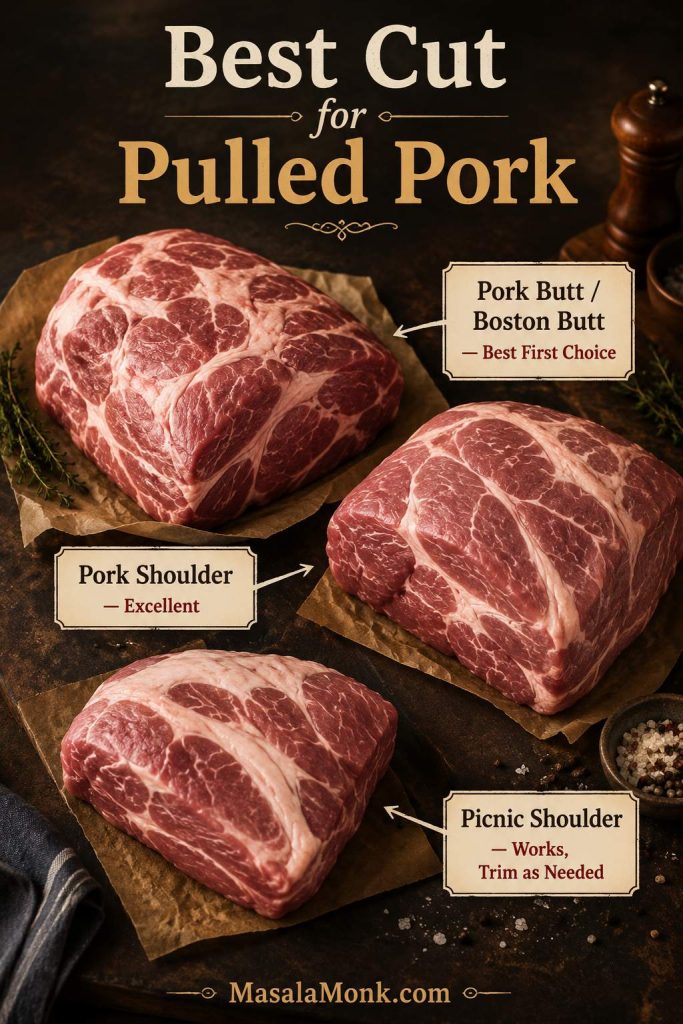
If gluten-free eaters are at the table, you can replace part of a layer with zucchini planks or serve the lasagna alongside a gluten-free pasta side. For broader ideas, Finding Pasta Alternatives for the Keto Diet outlines swaps (including almond-flour “pasta”) that give you options without forfeiting comfort.

Also Read: Lemon Drop Martini Recipe (Classic, 3-Ingredient, & More)


Serving ideas that flatter cottage cheese lasagna

Because this dish is rich without being dense, pair it with a crunchy salad and something bright in the dressing—lemon, red wine vinegar, a touch of mustard. If you added chicken, lean into peppery greens or shaved fennel to lift the plate. If you folded in spinach and kept the center custardy, think toasted walnuts and thinly sliced apples on the side for crunch and sweetness. Garlic bread is never wrong, but consider brushing the slices with olive oil whisked with a bit of the warm marinara (before the butter finish) so the flavors echo rather than compete.

Wine-wise, medium-bodied reds with decent acidity (Sangiovese blends, Montepulciano) cut through cheese and amplify tomato. If you prefer white, a Verdicchio or a mineral-driven Pinot Grigio won’t get steamrolled. Non-alcoholic options? A splash of balsamic in sparkling water with ice and lemon peels makes a sharp, palate-resetting spritz that stands up to dairy.
Also Read: Daiquiri Recipe (Classic, Strawberry & Frozen Cocktails)


Troubleshooting your cottage cheese lasagna (when something goes sideways)

The top browned before the center set. Your oven likely runs hot or your rack was too high. Next time, start one level down and keep the initial foil tent looser so cheese doesn’t touch. If you need more browning at the end, switch to broil for 60 seconds and watch like a hawk.

The noodles felt stiff at the edges. That’s a hydration or coverage issue. Soak no-boil sheets in warm water while you mix the filling, and make sure sauce touches every corner. The soak-and-stack approach from Serious Eats is your friend here.

The middle slumped when sliced. You either cut too early or skipped eggs in the filling. Rest at least 10 minutes, preferably 15. If you like ultra-clean slices (picnic vibes), use two eggs in the cottage mixture; if you prefer a softer middle, skip them but accept that you must rest the pan longer.

It tasted flat. Season in the bowl, then re-season the warm sauce. A small butter finish helps—here’s the why—and a pinch of red pepper flakes in the cottage layer brightens flavor without heat shock.

Also Read: Piña Colada: Classic Recipe + 10 Variations (Virgin & On the Rocks)


If you want to push flavor further (without extra effort)

  • Herbs: Finely chop basil and parsley, but don’t stir fresh herbs into the cottage mixture; their moisture can make the center watery. Instead, scatter herbs between layers or over the top after baking so they stay vivid.
  • Citrus: A microplane’s worth of lemon zest into the cottage mixture, especially on spinach nights, brings lift without obvious “lemon flavor.”
  • Heat: Aleppo pepper plays beautifully with tomato and dairy—fruity warmth, not aggressive spice.
  • Cheese blend: A little pecorino with Parmesan on top sharpens the finish; keep it to a tablespoon or two so it doesn’t dominate.

If the idea of creamier, spicier profiles intrigues you, you’ll find technique you can borrow in Alfredo Pasta Reinvented: 5 Indian-Inspired Twists. Bloomed spices in fat, then folded into dairy, can turn part of your marinara rosy and aromatic without a second pot.

Also Read: Punch with Pineapple Juice: Guide & 9 Party-Perfect Recipes


Cook once, eat twice: repurpose with intent

Leftover cottage cheese lasagna turns into effortless lunches and low-effort dinners if you treat it like an ingredient rather than a reheat. Cube cold slices and warm them in a small skillet with a splash of water, then toss with fresh basil and a drizzle of good olive oil—the edges caramelize a bit and the center returns to creamy. You can also tuck warm cubes into a toasted ciabatta with arugula and a smear of marinara (yes, effectively a lasagna panini). If you went heavy on spinach, slip those cubes over a garlicky bean salad; the contrast of warm, creamy squares and cool, lemony beans is wildly satisfying.

And because cottage cheese is such an adaptable protein, you’ll find it pulling double duty in breakfast and snack contexts as well—if you enjoy that versatility, Cottage Cheese for Breakfast offers ideas you can fold into the week while you finish off the pan.

Also Read: Savoiardi Chocolate Vanilla Pudding- Easy Dessert Recipe


The last word (before you preheat)

Make the baseline pan once, exactly as written. Notice how the butter-finished jar tastes more considered, how a 10-second blend changes mouthfeel, how a short rest protects your slice. Next time, add chicken and watch how those shreds meld into the structure. The time after that, fold in spinach and see how the greens play against a silkier base. When your table splits between cheese camps, do the one-cup ricotta swap and keep everyone happy.

In the end, the promise is simple: cottage cheese lasagna that respects your time, rewards your attention, and adapts to whatever you have on hand. Choose a clean, tomato-forward jar (scan for cues like the ones in this chef survey), finish it like a cook (a little butter goes a long way), handle noodles thoughtfully (a quick soak for no-boil sheets changes everything), and season your cottage layer with confidence. When those choices stack up—literally—you get the kind of lasagna that makes people ask for seconds and the recipe.

FAQs

1) What is cottage cheese lasagna, and why choose it?

Cottage cheese lasagna layers noodles, a seasoned cottage-cheese mixture, mozzarella, and sauce. Moreover, it delivers a creamy, sliceable center with higher protein and a cleaner flavor than many heavy versions.

2) Can I make cottage cheese lasagna with ricotta as well?

Absolutely. Additionally, swap in 1 cup ricotta for 1 cup cottage cheese for a slightly sweeter, custardlike filling while keeping structure.

3) Do I need eggs in cottage cheese lasagna?

Often, yes. Furthermore, one egg helps the middle set for tidy slices; two eggs make it extra firm; zero eggs yield a softer, spoonable center—just let it rest longer.

4) Should I blend cottage cheese for a smoother texture?

Yes, briefly. Meanwhile, a 10–20 second blitz turns curds silky; a whisk-only mix keeps gentle texture. Either way, season boldly.

5) What’s the best jarred sauce style for cottage cheese lasagna?

Tomato-forward marinara. Notably, choose one with recognizable ingredients and adjust at the stove (salt, pepper, a pat of butter) before layering.

6) How do I use oven-ready (no-boil) noodles in cottage cheese lasagna?

Soak sheets in warm water while mixing the filling. Consequently, they hydrate evenly, avoid brittle edges, and finish tender in the oven.

7) Can I use regular noodles instead of no-boil?

Of course. Similarly, boil to very al dente (about 2 minutes shy of package time) so they finish perfectly during baking.

8) What temperature and time work best?

Bake at 375°F (190°C). Thereafter, go 30 minutes covered, then 15–20 minutes uncovered until bubbling and golden; rest 10–15 minutes before slicing.

9) How do I prevent watery cottage cheese lasagna?

Drain or squeeze wet add-ins (like spinach), hydrate noodles properly, and ensure sauce lightly coats every edge. Consequently, layers hold together beautifully.

10) Can I add chicken to cottage cheese lasagna?

Definitely. Moreover, toss 2 cups shredded chicken with warm sauce, then layer lightly so the lasagna stays balanced rather than heavy.

11) What about spinach in cottage cheese lasagna?

Great idea. Likewise, cook and squeeze it dry, fold into the cheese mixture, and season generously for bright green ribbons without puddling.

12) Is beef or sausage good with cottage cheese lasagna?

Yes. Conversely, use a light hand: scatter cooked, drained meat thinly between layers so the cottage filling still shines.

13) Can I make cottage cheese lasagna vegetarian?

Certainly. Instead, skip meat and lean on spinach, zucchini planks, or mushrooms; just keep vegetables dry so texture stays neat.

14) How do I adapt cottage cheese lasagna to an 8×8 pan?

Halve ingredients. Then, shave about 10 minutes off the uncovered bake, watching for bubbling edges and a lightly browned top.

15) What’s the ideal cheese ratio inside vs. on top?

Inside, go modest with mozzarella to reduce slippage. Conversely, finish boldly on top with mozzarella plus a sprinkle of Parmesan for savory lift.

16) Which cottage cheese works best?

Whole-milk versions melt creamier. Nevertheless, low-fat works if you add a touch more seasoning or a teaspoon of olive oil for richness.

17) Can I assemble cottage cheese lasagna ahead?

Yes. Subsequently, refrigerate 24–36 hours, add ~10 minutes to the covered bake, then uncover to finish; rest before cutting.

18) Does cottage cheese lasagna freeze well?

It does. Preferably, assemble unbaked, double-wrap, and freeze up to 3 months. Later, thaw overnight, bake covered until hot, then brown.

19) How should I reheat leftovers?

Gently. Accordingly, cover slices and warm at 325°F (165°C) for 10–15 minutes; add a splash of water around the edges to keep moisture.

20) How can I make cottage cheese lasagna healthier?

Focus on clean sauce, whole-milk cottage cheese in moderate portions, and smart add-ins like spinach or zucchini. Subsequently, keep portions steady and sides fresh.

21) Can I make gluten-free cottage cheese lasagna?

Yes. Alternatively, use gluten-free noodles or substitute some layers with thin zucchini planks while maintaining generous sauce coverage at the edges.

22) What’s the secret to clean slices?

Patience. Consequently, let the pan rest 10–15 minutes so steam settles and the cottage-cheese layer firms into photo-worthy squares.

23) Why does my cottage cheese lasagna taste flat?

Season twice. First, the cheese mixture; then, the warmed sauce. Finally, finish with Parmesan on top for salty, nutty definition.

24) Can I make cottage cheese lasagna in a skillet?

Yes, for a smaller batch. Thereafter, par-cook noodles or use broken oven-ready sheets, layer in a high-sided oven-safe skillet, and bake as directed.

25) Is cottage cheese lasagna suitable without ricotta?

Absolutely. Indeed, the base recipe was designed to shine with cottage cheese alone—creamy, stable, and undeniably comforting.

Posted on 16 Comments

French Toast Sticks (Air Fryer + Oven Recipe) — Crispy Outside, Custardy Inside

French toast sticks recipe cover with maple syrup poured over a crispy stack; air fryer and oven methods with vegan and gluten-free options.

There are breakfasts you make on autopilot and there are breakfasts that pull everyone to the table. This french toast sticks recipe sits firmly in the second camp: shatteringly crisp edges, a custardy middle that stays tender, and dippable batons that feel festive on a Tuesday and right at home on a holiday brunch board. The method is wonderfully forgiving once you understand three levers—custard ratio, heat management, and evaporation. We’ll walk through air fryer and oven paths, then branch into vegan, gluten-free, and protein-forward variations, plus copycat crunch coats, batch-freezing, and precise reheating. Along the way, when you need a plant-based base that already works, reach for the tried-and-true guide to Vegan French Toast: 6 Easy Recipes; it adapts to sticks beautifully with only a couple of tweaks.

Before we begin, a quick but important food-safety reminder: the center of an egg-based custard should reach about 71°C / 160°F; when you want belt-and-braces certainty, the USDA safe minimum temperature chart explains the number succinctly. With that in mind, let’s get cooking.


Core Ingredients (and Why They Work)

  • Bread (8 thick slices): Brioche, challah, or Texas toast excel because their enriched crumb absorbs custard without collapsing. Standard sandwich bread will do in a pinch if you lightly dry it first.
  • Eggs (3 large): Structure, gloss, and gentle richness.
  • Milk (¾ cup / 180 ml): Whole milk yields plush centers; almond or oat milk keep things dairy-free without losing crispness. If you love making your own nut milk, you can follow this simple primer on how to make almond milk at home for a clean, neutral base.
  • Sugar (1 tbsp): Quickens browning; keep it modest so the crust doesn’t scorch.
  • Vanilla (1 tsp) & Cinnamon (½ tsp): Aroma that plays well with maple, chocolate, or fruit.
  • Salt (pinch): Brightens everything.
  • Butter or neutral oil (1–2 tbsp): A whisper on the basket or pan dramatically boosts crunch.

As a north star for technique and proportions, the explainer at Serious Eats is an evergreen reference; we’ll echo the spirit while tuning for stick geometry and the speed of convection.


Classic French Toast Sticks Recipe — Air Fryer Method

Yield: 4 generous servings (20–24 sticks)
Active time: about 20 minutes

Air Fryer French Toast Sticks stacked on a stoneware plate as maple syrup drips—crisp edges, custardy centers; MasalaMonk recipe card.
Air Fryer French Toast Sticks—shatteringly crisp outside, custardy middle. Dip each stick 5–7 seconds per side, air-fry at 190°C / 375°F for 6–8 minutes, flip once when the color deepens, then rest 1–2 minutes on a rack. Brush a whisper of oil before the flip for extra snap; serve immediately with warm maple.

Step 1: Cut and Dry

Stack each slice and cut into thirds to form batons. Set them on a wire rack for 5–10 minutes while you mix the custard. Alternatively—and especially if the bread is very fresh—give the slices 2–3 minutes in a low oven to drive off a little surface moisture. This brief drying is your first insurance policy against sogginess.

Step 2: Whisk the Custard

In a shallow dish, whisk 3 eggs, ¾ cup (180 ml) milk, 1 tbsp sugar, 1 tsp vanilla, ½ tsp cinnamon, and a pinch of salt until perfectly smooth. The custard should coat the back of a spoon and leave a clean trail when you draw a finger through it.

Step 3: Quick Soak

Dip 6–8 sticks at a time for 5–7 seconds per side. Let excess drip until the coating thins to a glossy film. Because sticks have more edge area, they don’t need a deep soak; brevity yields better texture.

Step 4: Air Fry for Crunch

Preheat to 190°C / 375°F. Lightly brush or spray the basket with butter or oil. Arrange sticks with space between them—hot air needs room to circulate. Air fry 6–8 minutes total, flipping at the halfway point when the color deepens from gold to amber. For a dramatic shell, brush the exposed sides with a trace of oil just before the flip.

Step 5: Rest, Then Serve

Transfer to a wire rack for 1–2 minutes. That brief rest vents steam and sets the crust. Serve immediately with warm maple syrup, or go playful with a small bowl of 3-minute homemade chocolate syrup that turns glossy on contact.


Sheet-Pan French Toast Sticks — Oven Method (Batch-Friendly)

When you’re cooking for a crowd or stocking the freezer, the oven delivers consistency without babysitting.

Oven-baked French toast sticks on an antique silver tray with parchment—golden, crisp edges and soft centers; MasalaMonk recipe card.
Oven-Baked French Toast Sticks—perfect for batches. Bake at 200°C / 400°F for 12–15 min on a lined rack, flip at ~8 min, then give 2–3 min extra for crunch. Space the sticks so they don’t touch and rest on a wire rack before serving for crisp bottoms.
  1. Heat oven to 200°C / 400°F. Line a rimmed sheet with parchment or set a rack over the sheet; brush with melted butter.
  2. Dip sticks as above and lay them out so they don’t touch.
  3. Bake 12–15 minutes, flipping around 8 minutes, until deeply golden.
  4. For extra crunch, give them 2–3 minutes more after the flip.
  5. Rest on a rack before plating or freezing.

Although times vary with ovens, color and feel tell the truth: crisp edges, bouncy centers. If the center indents and stays wet, a minute or two more will finish the set.


Stovetop Skillet Variation — When You Want Pan Caramelization

Sometimes you crave the scent of butter browning in a pan. In that case:

Skillet French toast sticks browning in a cast-iron pan with butter—golden, crisp edges and custardy centers; MasalaMonk stovetop recipe card.
Skillet French Toast Sticks—deep caramel notes from the pan. Heat medium with butter + a little neutral oil, cook 2–3 min per side, then brown the third edge. Work in small batches, wipe and refresh fat between rounds, and rest on a wire rack to keep bottoms crisp. Serve immediately with warm maple.
  • Heat a large nonstick or well-seasoned cast-iron skillet over medium.
  • Film the pan with a mix of butter and oil.
  • Cook sticks 2–3 minutes per side, turning to brown the third “edge” as needed.
  • Slide finished sticks onto a rack so the bottoms don’t steam.

This route gives you a slightly deeper caramel note and a touch more flexibility if your air fryer is busy with bacon or potatoes.


Vegan French Toast Sticks — Plant-Forward with Crisp Edges

If you’re cooking for vegans, egg allergies, or you simply like the flavor of plant-based custard, swap in the method from Vegan French Toast: 6 Easy Recipes and adapt it for sticks with two small upgrades:

Vegan French toast sticks stacked on a stoneware plate with coconut yogurt and an almond-milk bottle—golden, crisp; MasalaMonk recipe card.
Vegan French Toast Sticks—crisp edges, tender middle without eggs. Enrich the plant custard with 1–2 tsp neutral oil, give each stick a brief soak, then air-fry at 190°C / 375°F for 6–8 min (flip once) or bake at 200°C / 400°F for 12–15 min (flip at 8). Rest on a wire rack to set the crust. Tip: use a tight-crumb loaf and keep the dip quick for best structure.
  • Add 1–2 tsp neutral oil directly to the vegan custard to enhance browning.
  • Keep the soak short (as above) so structure holds.
  • Air fry at 190°C / 375°F for 6–8 minutes total, flipping once, or bake per the oven method and extend a minute if edges look pale.

Because plant custards can set more gently, the rack rest is doubly important; it locks in crunch while the interior finishes.


Gluten-Free French Toast Sticks — Crisp Without Crumble

Gluten-free breads vary substantially, so choose a loaf with a close crumb and assertive structure—brioche-style GF loaves or thicker sandwich slices perform best. Dry the sticks slightly longer before dipping, and keep the soak short. Follow either the air fryer or oven timing above; add 1–2 minutes after the flip if the surface looks soft.

Gluten-free French toast sticks on a stoneware plate with a maple-syrup ramekin—golden, crisp edges and tender centers; MasalaMonk recipe card.
Gluten-Free French Toast Sticks—crisp without crumble. Pick a sturdy, tight-crumb GF loaf (brioche-style or thick sandwich). Dry 5–10 min, then brief soak so the sticks hold structure. Cook: Air fryer 190°C / 375°F, 6–8 min (flip once) or oven 200°C / 400°F, 12–15 min (flip at ~8). If the surface looks soft, finish 1–2 min more. Rest on a wire rack for crisp bottoms.

If gluten is new territory for you or your readers, a quick primer like What is Gluten? helps demystify labels. For a naturally GF side that complements sticks, consider a spoon of millet porridge or these ideas in millets as a gluten-free superfood—they round out the plate without competing on sweetness.


Protein French Toast Sticks — Higher Satiety, Same Crunch

For a more filling breakfast without leaning on syrup, whisk 10–15 g unflavoured whey or plant protein into the custard, then thin with milk until it returns to that glossy, spoon-coating texture. Because added protein browns quickly, watch color closely and lower the air fryer temperature to 185°C / 365°F if necessary. Serve with thick yogurt and chopped nuts, or keep it light and pair a few sticks with keto chia pudding with almond milk so everyone at the table gets what they prefer.

Protein French toast sticks on a stoneware plate with yogurt dip and chopped nuts—golden and crisp; MasalaMonk high-protein recipe card.
Protein French Toast Sticks—more satiety, same crunch. Whisk 10–15 g unflavoured whey or plant protein into the custard, then thin with milk until glossy. Cook 185–190°C / 365–375°F for 6–8 min in the air fryer, flip once, and rest on a rack. Protein speeds browning—watch color and reduce sugar slightly. Serve with thick yogurt and toasted nuts.

Crunch Coats & Copycat Textures — From Churro Sugar to Cornflake Crust

Now and then, you want that fairground crunch or a drive-thru echo at home. Happily, sticks invite embellishment:

  • Cinnamon Sugar “Churro” Finish: Toss just-cooked sticks in a blend of 3 tbsp sugar + 1 tsp cinnamon. Do this while they’re still hot so the sugar clings.
  • Cornflake Crust: After dipping, press each stick into lightly crushed cornflakes. Air fry as usual. The shards add audible crunch without deep-frying.
  • Graham Dust: Blitz plain grahams into coarse crumbs; press on as with cornflakes for a cookie-like halo.
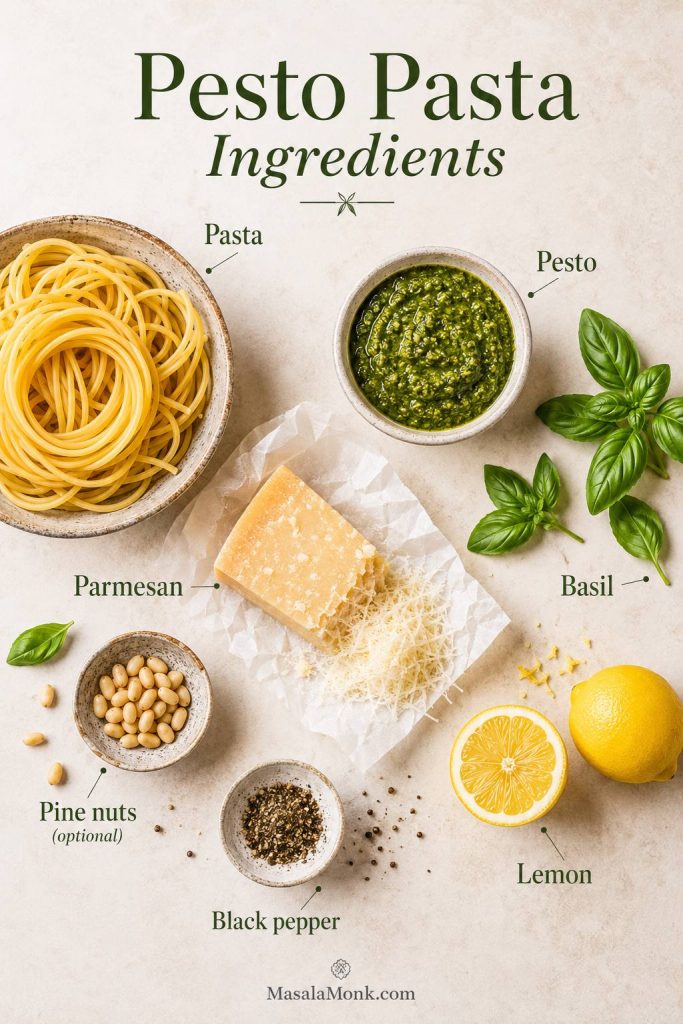
  • Nutty Edge: Roll one long side in finely chopped, lightly toasted almonds or pecans before cooking; it creates a textural contrast without overwhelming the custard.
For inspiration and a sense of what diners expect from a fast-food take, a quick skim of the Sonic Drive-In menu will reveal how they pair sticks and dips. You’ll find that a simple vanilla-maple dip (equal parts maple syrup and thick yogurt, scented with vanilla) outshines most chain versions at home.


Sauces, Dips, and Fruit — Keep the Party on the Plate

Maple syrup is non-negotiable for purists; nevertheless, little jars of toppings make breakfast feel abundant:

  • Warm Chocolate Spoon Sauce: Drizzle a ribbon of 3-minute homemade chocolate syrup over a stack and watch it set into a gloss as the sticks cool.
  • Cinnamon Apples: Spoon over stewed cinnamon apples for a diner-style plate without the cloying sweetness.
  • Yogurt-Maple Dip: Whisk ½ cup thick yogurt with 2 tbsp maple and a pinch of salt.
  • Berry Smash: Crush berries with a touch of sugar and lemon; strain or leave rustic.
  • Orange Zest Sugar: Microplane zest into sugar with a whisper of nutmeg; toss hot sticks lightly for a holiday finish.

Because sauces add sweetness, you can reduce sugar in the custard slightly and lean on caramelization for flavor.


Freezer-Friendly: How to Batch, Store, and Reheat Perfectly

Sticks freeze and reheat better than whole slices thanks to their surface area. Here’s the straightforward route:

  • Cook completely and rest on a rack until room-temp.
  • Freeze in a single layer on a parchment-lined sheet until firm.
  • Bag & label, pressing out air.
  • Reheat from frozen:
    • Air fryer 180°C / 356°F for 3–5 minutes (shake once).
    • Oven 200°C / 400°F for 6–8 minutes on a rack set over a sheet.

If you keep a box of store-bought sticks as a back-pocket option, use these ranges as a starting point and adjust by brand. For context, you can glance at Eggo French Toaster Sticks or Farm Rich French Toast Sticks to see packaging guidance, then dial toward your preferred crispness. Either way, trust color and firmness more than labels.


Ratio Sense — Cook by Feel When Measuring Cups Vanish

Holiday rentals and late-night cravings share one trait: missing measuring cups. Fortunately, this recipe scales by intuition:

  • For 2 slices (6 sticks): 1 large egg + a scant splash of milk (about 60–80 ml).
  • For 4 slices (12 sticks): 2 eggs + ~150 ml milk.
  • For 8 slices (24 sticks): 3 eggs + 180 ml milk (our base).

Aim for a custard that’s thicker than milk and thinner than cream, glossy, and clingy. If it runs like water, add part of another egg; if it clumps, thin with a splash of milk. This single cue—how the custard coats the back of a spoon—unlocks consistency regardless of brand or bread.


Troubleshooting French Toast Sticks Recipe

  • Edges browned, center wet: Shorten the soak next time; for this batch, give the sticks 1–2 extra minutes on a rack in a hot oven to finish.
  • Pale even after time: Preheat longer and add a teaspoon more sugar to the custard; sugar fuels browning.
  • Eggy streaks: Whisk the custard more thoroughly and avoid letting sticks lounge in the liquid.
  • Soft after resting: Always move finished sticks to a wire rack; the air gap prevents steam from softening the bottom.
  • GF bread crumbling: Choose a denser loaf, cut slightly thicker, and keep the dip brisk.
  • Overly sweet: Reduce sugar in the custard and switch to yogurt-maple dip for balance.

For doneness anxiety, an instant-read thermometer ends the guesswork; custard-based dishes earn their melt-in-the-middle texture right around that 71°C / 160°F sweet spot highlighted by the USDA chart.


Flavor Variations That Behave Well in Stick Form

Because the format is stable, you can dress it up or down without losing structure:

  • Orange–Cardamom: Zest one orange into the custard and add a pinch of cardamom; finish with icing sugar.
  • Maple–Brown Butter: Brown 1–2 tbsp butter; brush it on hot sticks and drizzle maple.
  • Coconut: Stir a spoon of coconut cream into the custard; sprinkle toasted coconut to finish.
  • Hazelnut: Thin chocolate-hazelnut spread with warm milk for a pourable gloss.
  • Spiced Sugar: Combine cinnamon, a hint of ginger, and nutmeg; toss lightly while hot.

If you lean into crunchy coats (cornflake or graham), reduce custard sugar slightly to avoid tipping into brittle sweetness.


Scaling Up or Down French Toast Sticks Recipe

  • For one: 1 egg + 60–80 ml milk + 2 slices (6 sticks) → air fryer 6–7 minutes total.
  • For two: 2 eggs + ~150 ml milk + 4 slices (12 sticks) → same heat; cook in two rounds.
  • For a crowd: Double the base and use two sheet pans on convection; rotate pans and flip at the 8-minute mark.

Meanwhile, if you’re running a mixed table—vegan, dairy-free, and classic—cook the vegan batch first, followed by gluten-free if needed, then the standard custard last. Separate racks keep everything crisp and tidy.


A Note on Bread, Moisture, and Timing

Bread is a living variable. Even within the same brand, dryness swings with storage and climate. Consequently, your soak time is the dial you turn most. Fresh, soft brioche? Dry slightly longer and dip quickly. Day-old challah? Dip a hair longer. Very dry loaf? Add a tablespoon of milk and extend the soak by a second or two. Ultimately, color and feel tell you more than the clock: aim for caramel edges and a buoyant middle that springs back when pressed.

If you enjoy tinkering, the classic ratio outlined by pros—roughly one egg per ¼–⅓ cup milk—gives you leeway; the granular reasoning in the Serious Eats overview is a useful mental model as you experiment.


Serving Boards and Balanced Plates

Because sticks are sweet-leaning, anchor the plate with freshness or creaminess. Citrus segments and mint keep things bright; a small bowl of salted yogurt reins in syrup. For a sweet-savory spread, add salty nuts or crisp bacon; for a fully plant-based board, go with fruit, maple, and a side of millet ideas for texture variety. If dessert-for-breakfast is the vibe, a warm ribbon of house chocolate syrup and cinnamon apples earns applause every single time.


Quick Reference Cards (Copy/Paste Friendly)

Air Fryer French Toast Sticks Recipe

  • Ingredients (serves 4): 8 thick slices bread; 3 eggs; ¾ cup (180 ml) milk; 1 tbsp sugar; 1 tsp vanilla; ½ tsp cinnamon; pinch salt; butter/oil.
  • Method: Cut each slice into thirds; dry briefly. Whisk custard smooth. Dip 5–7 s/side. Air fry 190°C / 375°F, 6–8 min, flipping halfway. Rest on a rack. Serve immediately.

Oven-Baked French Toast Sticks Recipe

  • Ingredients: Same as above.
  • Method: Heat oven 200°C / 400°F. Line/rack pan; butter lightly. Dip quickly; arrange with space. Bake 12–15 min, flip at 8 min; add 2–3 min for extra crunch. Rest and serve.

Vegan French Toast Sticks (No Egg, No Dairy)

  • Base: Use plant custard from this vegan guide; add 1–2 tsp neutral oil to the mix.
  • Method: Soak briefly; air fry 190°C / 375°F, 6–8 min (flip once) or bake as above; extend a minute if pale. Rack-rest always.

Gluten-Free French Toast Sticks

  • Bread: Choose a sturdy GF loaf with a tight crumb.
  • Method: Dry a touch longer; soak briefly; follow air fryer/oven timings; finish 1–2 min more if needed.

Make-Ahead & Reheat

  • Freeze fully cooked sticks in a single layer; bag when firm.
  • Reheat from frozen: Air fryer 180°C / 356°F, 3–5 min; Oven 200°C / 400°F, 6–8 min on a rack.

Closing Thoughts

Once you’ve made this french toast sticks recipe a couple of times, you’ll feel the controls in your hands: how quickly to dip, when to flip, and exactly how deep a golden you prefer. From there, variations are easy—vegan when you need it, gluten-free for guests, a protein twist for longer mornings, a churro dust when nostalgia calls. And because the methods scale without drama, you can cook a few sticks for a sleepy kiddo or line up two trays for a party brunch without changing anything but the pan.

When you want the plant-based path that just works, lean on Vegan French Toast: 6 Easy Recipes. If you’re curious about the science of ratios and why small tweaks matter, browse the Serious Eats technique explainer for clarity. And whenever you want precise safety numbers, the USDA chart is the last word. Beyond that, trust your senses: the scent of browning butter, the feel of a springy center, and the sound of a crisp edge snapping are the only cues you really need.

FAQs

1) How long do I air fry french toast sticks, and at what temperature?

For a classic french toast sticks recipe, preheat the air fryer to 190°C / 375°F; cook 6–8 minutes total, flipping halfway. Moreover, if the bread is extra thick, add 1–2 minutes until edges are deeply golden and the center springs back.

2) What’s the best oven time and temperature for french toast sticks?

Bake at 200°C / 400°F for 12–15 minutes, turning at the 8-minute mark. Additionally, for an extra-crisp shell, finish 2–3 minutes more; the interior should feel bouncy rather than wet.

3) What is the ideal egg-to-milk ratio for the custard?

Generally, aim for about 1 large egg per ¼–⅓ cup (60–80 ml) milk. Conversely, if using very stale bread, increase milk slightly so the custard stays silky. This balance keeps the french toast sticks recipe tender without turning soggy.

4) How do I keep french toast sticks crispy instead of soggy?

Firstly, dry the bread briefly before dipping. Secondly, dip quickly (5–7 seconds per side), allowing excess custard to drip off. Furthermore, cook with space between sticks and rest them on a wire rack for a minute before serving.

5) Which bread works best for a french toast sticks recipe?

Brioche, challah, and Texas toast consistently shine thanks to sturdy crumbs and gentle sweetness. Nevertheless, thick-cut sandwich bread succeeds if you dry it slightly beforehand.

6) Can I make french toast sticks without eggs?

Yes. Use a vegan custard base (e.g., plant milk plus thickener and flavorings) and proceed with the same timings. Importantly, add a teaspoon of neutral oil to the batter to encourage browning.

7) How do I make dairy-free french toast sticks?

Simply replace milk with almond, oat, or coconut milk at a 1:1 ratio. Additionally, brush or spray the basket/pan lightly with oil to enhance crisp edges, since non-dairy custards brown a touch slower.

8) What if I have no vanilla or cinnamon?

Omit both and rely on butter browning and maple for aroma. Alternatively, use orange zest, cardamom, or a whisper of nutmeg. Notably, the french toast sticks recipe still tastes great with just salt and sugar.

9) How many eggs per slice (or per batch) should I plan?

As a rule of thumb, 1 egg covers 1–2 slices (3–6 sticks) depending on thickness. Accordingly, for 8 slices (about 24 sticks), 3 eggs plus ¾ cup milk is a dependable starting point.

10) How long should french toast sticks cook on each side in a skillet?

Use medium heat and cook about 2–3 minutes per side. Meanwhile, rotate briefly to brown the “third edge”; transfer to a rack so the bottoms don’t steam.

11) Can I freeze french toast sticks? How do I reheat them later?

Absolutely. Freeze fully cooked sticks in a single layer, then bag. Subsequently, reheat from frozen: air fryer 180°C / 356°F for 3–5 minutes, or oven 200°C / 400°F for 6–8 minutes on a rack.

12) What internal cues tell me the sticks are done?

Look for deep golden edges and a springy center that rebounds with a gentle press. Additionally, the custard should not ooze when cut; if it does, cook 1–2 minutes more.

13) How do I scale this french toast sticks recipe for one person or for a crowd?

For one, use 1 egg + 60–80 ml milk and 2 slices (6 sticks). For a crowd, double or triple the base; use two sheet pans and rotate them, flipping at 8 minutes. Likewise, hold finished sticks on a rack in a warm oven.

14) Can I add protein powder without making the texture chalky?

Yes—whisk in 10–15 g unflavoured whey or plant protein per 1–2 eggs, then thin with milk until the custard coats a spoon. However, because added protein browns faster, reduce heat slightly or watch carefully.

15) What are smart gluten-free adaptations?

Choose a dense GF loaf with a tight crumb, dry the sticks a bit longer, and keep the soak brisk. Moreover, add 1–2 minutes after the flip if the surface looks soft; the extra time sets structure.

16) How do I get a “crunch coat” like churro or cereal-crusted sticks?

Immediately after dipping, press sticks lightly into crushed cornflakes or graham crumbs. Afterward, air fry or bake as usual. Gently dust hot sticks with cinnamon sugar to finish if desired.

17) Can I make the custard richer with cream or half-and-half?

Certainly. Replace up to half the milk with heavy cream or half-and-half. Nevertheless, to prevent a greasy feel, keep cook temperature moderate and avoid over-soaking.

18) What’s the easiest way to avoid eggy streaks in the batter?

Whisk thoroughly until the custard is homogenous and glossy. Additionally, stir between batches, since spices can settle; a smooth custard gives even browning.

19) How do I keep the flavor balanced if I’m using very sweet dips?

Reduce sugar in the custard by a teaspoon and rely on caramelization for depth. Ultimately, the french toast sticks recipe should taste gently sweet on its own, with sauces providing the accent.

20) Can I make french toast sticks ahead for brunch service?

Yes. Cook completely, cool on a rack, and refrigerate up to 4 days. Then, just before serving, re-crisp: air fryer 180°C / 356°F for 3–4 minutes or oven 200°C / 400°F for 5–7 minutes.

21) What pan fat is best—butter or oil?

Butter delivers aroma and browning; a small blend with neutral oil raises the smoke point. Consequently, use butter for flavor and a touch of oil for resilience, especially on the second batch.

22) How do I adapt the french toast sticks recipe for very fresh, soft bread?

Dry the slices lightly in a low oven for 2–3 minutes per side, cool 1 minute, then dip quickly. Conversely, if the loaf is quite dry, increase milk slightly and extend the soak by a second or two.

23) What toppings pair well without overwhelming the texture?

Thick yogurt with a pinch of salt, warm berries, cinnamon apples, peanut-maple, or a restrained chocolate drizzle. Additionally, finish with citrus zest to brighten richer combinations.

24) How do I know I’ve nailed the texture every time?

Color, feel, and sound guide you: amber edges, a gentle spring in the center, and a faint crackle after a brief rack rest. In short, when those cues align, your french toast sticks recipe is spot on.

Posted on 13 Comments

Vegan French Toast: 6 Easy Recipes (Pan, Air Fryer, GF & High-Protein)

Hand dusting powdered sugar over golden vegan French toast on a cooling rack; cover for 6 recipe variations including air fryer, gluten-free, and high-protein. How to make Vegan French Toast Recipes Post.

If you’ve been craving vegan french toast (Dairy and Egg Free) that delivers diner-level crisp edges and a plush, custardy center—without eggs or dairy—you’re exactly where you need to be. This guide starts with a reliable base batter and then branches into five more variations that cover air fryer convenience, freezer-friendly sticks, gluten-free tweaks, chickpea-powered protein, and a beautifully silky tofu custard. Along the way, you’ll pick up small adjustments that transform “pretty good” slices into the ones everybody fights over. Moreover, you’ll find helpful links to deepen your understanding—whether you want to make your own almond milk, understand browning, or choose better gluten-free bread.

Before we cook, a quick mindset: french toast isn’t only a recipe; it’s a tiny set of decisions—bread, batter thickness, soak time, and heat. Tweak those four, and breakfast turns into brunch. Consequently, this page is organized to help you see exactly which lever to pull for your situation, so you can enjoy a stack that’s crisp outside, custardy inside, and absolutely worth repeating.


Core Vegan French Toast Recipe (Pan Method)

A classic slice needs a custard that clings. Here, eggs are replaced with a plant-milk base and a spoon of starch, which acts as a gentle thickener. Once the dipped bread hits the pan, that thin coating sets into a delicate shell while the interior remains soft. As a result, you get structure and tenderness without scrambling a single egg.

Ingredients (serves 2)

  • 1 cup unsweetened oat or almond milk
  • 1 Tbsp cornstarch (or 1½ Tbsp arrowroot)
  • 1½ Tbsp sugar or maple syrup
  • 1 tsp vanilla extract
  • ½ tsp ground cinnamon
  • Pinch of fine salt
  • 4 slices day-old thick bread (vegan)
  • 1 tsp neutral oil + 1 tsp vegan butter
Crisp vegan french toast in a pan with berries, brushed steel knife and linen napkin in a classy, moody kitchen setting.
Pan-seared vegan french toast with maple and berries. A quick custard, a steady medium heat, and a minute on a rack—that’s the formula.

Method for Dairy and Egg Free French Toast

First, whisk the cornstarch with a splash of plant milk until lump-free. Then add the remaining milk, sugar, vanilla, cinnamon, and salt; whisk again until the mixture looks smooth and lightly thickened. Meanwhile, set a nonstick pan or griddle over medium and add the oil plus vegan butter; let the fats mingle and shimmer. Next, dip each slice for 10–20 seconds per side (or 30–60 seconds if you’re using thick-cut bread), let the excess drip, and lay it into the hot pan. Cook 2–3 minutes per side for regular slices or 3–4 minutes for thick ones, turning once, until each face turns deep golden and the edges feel crisp. Finally, transfer the slices to a wire rack for a minute so steam escapes and the underside doesn’t soften.

Why this works

Put simply, starch helps keep the recipe egg free and delivers the grip that eggs usually provide. It gelatinizes as it heats, which helps the custard hug the bread instead of sliding off. At the same time, a little sugar encourages browning, while vanilla and cinnamon do the aromatic heavy lifting. Importantly, the rack rest is not negotiable; by elevating the slice even briefly, you preserve that fragile crispness you just created.

Browning, briefly

Oat or soy milk often brown more readily than very lean almond milk because they typically carry more natural sugars and a touch more protein—two participants in the Maillard reaction (the chemistry that gives you that rich, toasty flavor). However, if almond milk is your favorite, you can absolutely get great color: keep the batter’s small dose of sugar, preheat thoroughly, and avoid crowding the pan. Prefer to control ingredients from the start? Try making your own with this straightforward tutorial for homemade almond milk (clean flavor, short ingredient list, and pleasantly affordable).


Vegan French Toast — Ingredients & Ratios

For consistent results, keep this pocket rule close: per 4 standard slices, use 1 cup plant milk + 1 Tbsp starch. If you’re cooking for a crowd, double everything; if your bread is especially thick, extend the soak rather than thinning the batter. Conversely, if your loaf is very fresh and soft, lightly pre-toast the slices for a sturdier crumb that holds its shape. Moreover, remember that sweetness in the bread itself counts; cinnamon-raisin and similar loaves brown faster and need a touch lower heat.

Also Read: Easy Homemade Oats Milk with just One Ingredient- Non Slimy, at last


Vegan French Toast — Step-by-Step & Browning Tips

To avoid sogginess, let the custard cling and then drip cleanly; don’t send it into the pan dripping rivers of batter. Next, keep the heat at medium—hot enough to brown, gentle enough to set the interior. In addition, rotate slices if your pan has hot spots, and, if needed, nudge the heat down for sugar-rich breads so the exterior doesn’t darken before the center firms. Curious about the science behind that gorgeous color? A friendly primer on the Maillard reaction shows why proteins plus sugars under heat equal deep flavor and golden edges.

As a tiny flourish, dust one face of the dipped slice with a whisper-thin veil of cornstarch just before it hits the pan, then cook that side first. Consequently, you’ll get a glassier, extra-crisp crust without altering the interior at all.


How to make Vegan French Toast in Air Fryer

Some mornings, hands-off wins. The air fryer delivers consistent browning, less stovetop babysitting, and easy batching.

Two slices of vegan french toast from the air fryer on a wire rack over a tray, maple drizzle and linen.
The air fryer takes over while you pour coffee—375°F, a mid-cook flip, and a brief rack rest for that diner-style crunch.

Whole slices

Preheat to 190°C / 375°F and lightly coat the basket. Meanwhile, dip and drain the slices, then lay them in a single layer—no touching corners. Cook 6–8 minutes total, flipping at 4 minutes. Because space equals crispness, work in batches and resist stacking. To keep the first batch snappy, set finished slices on a rack instead of a plate. For a helpful benchmark that lives in the same temperature neighborhood (even though it uses sticks), this air-fryer range for french toast sticks is a useful reference you can adapt to whole slices.

If your air fryer runs hot, reduce the temperature by 10–15 degrees and add a minute to the total time; if it runs cool, go the other way. Furthermore, if the underside looks pale after flipping, mist lightly with oil and continue—little adjustments like that make a visible difference to this Egg and Dairy Free French Toast Recipe.

Also Read: 5 Delicious High-Protein Vegan Meal Prep Ideas Using an Air Fryer


Vegan French Toast Sticks (Air Fryer)

These are a guaranteed hit: easy to hold, perfect for dunking, and surprisingly freezer-friendly.

How to

After dipping, slice each piece into 3–4 sticks. Next, for a snack-shop crunch, roll the wet sides in fine panko or lightly crushed cornflakes. Subsequently, arrange in a single layer and air-fry 7–9 minutes, shaking or flipping at 4 minutes. Finally, rest the sticks for 1 minute; the coating sets as it cools, so patience pays off.

Air-fried vegan french toast sticks with light cornflake crunch cooling on a tray, tongs and linen beside a maple ramekin.
Cut, coat, air-fry. A quick dunk, a light crumb, and a brief rack rest turn simple sticks into a snack-shop classic.

Make-ahead, the simple way

Bake or air-fry a full tray, cool completely, and freeze the sticks in a single layer on a sheet pan. Then bag them. Later, reheat straight from frozen—no thawing—in a hot air fryer or toaster oven until the edges sing. If you prefer a clear workflow, this tutorial on freezing and speedy reheats lays out the steps in a way that’s easy to adapt to vegan batter.

For packed-lunch convenience, include a small lidded container of maple or a quick cinnamon-sugar dip. Notably, sticks travel better than whole slices; they keep their texture longer and fit neatly into bento-style boxes.


Gluten-Free Vegan French Toast

Gluten-free french toast can be crisp and custardy—no compromises—if you start with the right bread and thicken the custard slightly.

Choose sturdier breads

Seek out GF loaves that use psyllium husk (often with xanthan). In practice, psyllium forms a gel that mimics gluten’s elasticity, which helps slices survive a quick soak and a decisive flip. If you enjoy the “why,” this clear baking overview of psyllium’s role in structure explains how it strengthens doughs, while this sandwich loaf example shows the concept in a trustworthy recipe. Additionally, Bon Appétit’s take on psyllium for gluten-free baking is a handy companion read if you love nerdy kitchen notes.

Crisp gluten-free vegan french toast with powdered sugar on a stone counter; gluten-free loaf blurred in the background.
Structure first: choose a psyllium-supported GF loaf, dip briefly, then let the surface set before you flip for that deep golden finish.

Small tweaks, big payoff

  • Shorten the soak to 8–12 seconds per side; gluten-free crumb hydrates quickly.
  • Add ½ Tbsp extra cornstarch per cup of plant milk to the batter for a firmer set.
  • Prefer oat or soy milk when you want deeper browning on GF loaves.
  • If slices feel a touch dry after cooking, brush the edges with melted vegan butter just before serving.

Because readers often ask “who needs gluten-free, anyway?”, a concise explainer helps. This friendly overview—what is gluten—frames the basics without getting preachy. Consequently, you can give context without derailing the recipe.


High-Protein Vegan French Toast Recipe with Chickpea Flour

On days you want more protein and a gentle “eggy” vibe, chickpea flour (besan) shines.

Dairy and Egg Free Custard swap (serves 2)

  • 1 cup plant milk
  • 2 Tbsp chickpea flour
  • 1–2 Tbsp sugar or maple
  • 1 tsp vanilla, ½ tsp cinnamon, pinch salt
  • Optional ⅛ tsp baking powder for a soft lift
High-protein vegan french toast made with chickpea flour, crisp exterior and custardy interior on a ceramic plate.
Whisk plant milk with besan, cook gently, then rest on a rack: the result is crisp edges and a protein-rich, custardy bite.

Whisk until perfectly smooth and proceed exactly like the base recipe. Because chickpea flour binds so well, thick slices flip confidently and come off the pan with crisp, tidy edges. Moreover, the gram-flour aroma leans subtly savory in a way that many people associate with classic diner toast—especially if you stir in a pinch of kala namak (black salt) for that faint eggy aroma.

If you enjoy seeing how gram-flour batters behave in other cuisines, Meera Sodha’s beloved Pondicherry toast is a delightful read; although it’s a savory cousin, it demonstrates how crisp and golden a chickpea batter can be.

Also Read: 5 Facts about Besan (Chickpea Flour) and Its Place in the Keto Diet


Silken-Tofu Vegan French Toast Recipe (Blended Custard)

Prefer a silkier, richer bite? Silken tofu emulsifies into a creamy custard that sets like a dream.

Blend this (serves 2)

  • 150 g silken tofu
  • ½ cup plant milk
  • 1–2 Tbsp sugar or maple
  • 1 tsp vanilla, ½ tsp cinnamon, pinch salt
Hand dusting powdered sugar over golden vegan French toast on a cooling rack; cover for 6 variations including air fryer, gluten-free, and high-protein.
Blend silken tofu into the custard, cook low and steady, then rest briefly on a rack for a crisp edge and a velvet-soft middle.

Blend until completely smooth and glossy. Then dip briefly—this mixture clings—and cook over medium to medium-low so the surface doesn’t over-brown before the center sets. In addition, rest the slices on a rack for one minute to maintain that tender perimeter crunch.

If you’re currently avoiding soy, swing back to the starch-based master batter; it delivers excellent crispness with pantry staples and zero legumes. On the other hand, if you adore creamier centers, tofu delivers that “custard pull” when you cut the slice.

Also Read: ‘Tofu’ Instead of ‘Eggs’: 5 High Protein Plant-Based Breakfast Ideas


Flavor Add-Ins & Vegan Toppings

Once the base is set, it’s time to play. Because the batter is intentionally balanced, it welcomes many directions without seizing or splitting.

  • Vanilla-cinnamon classic: keep the base ratios as written.
  • Brown sugar + nutmeg: add 1 Tbsp brown sugar and a scant ⅛ tsp nutmeg to the custard.
  • Banana custard: mash ½ ripe banana into the mix and reduce plant milk by ¼ cup; consequently, you’ll get banana-bread vibes without going overly sweet.
  • Chocolate-hazelnut swirl: dot a dairy-free spread over hot slices so it melts into rivulets.
  • Bananas Foster topping: caramelize banana with a little vegan butter and brown sugar; optionally, finish with a splash of rum.
  • Ice-cream sundae breakfast: crown warm slices with a scoop of vegan vanilla and a ribbon of maple.

Meanwhile, if you like to prep a second dish the night before, a jar of creative chia puddings offers an effortless, dairy-free counterpoint—cool and creamy against hot and crisp. Alternatively, when you want a heartier plate, this roundup of quinoa breakfast and prep ideas delivers extra protein without crowding the skillet.


Bread Choices, Soak Times, and Crispness

Bread thickness, dryness, and sugar content steer results more than almost anything else, regardless of the custard you choose.

  • Thick, enriched loaves (vegan brioche or Texas-style sandwich bread) love a 30–60 second soak and 3–4 minutes per side. As a result, you’ll get that spoon-tender center people rave about.
  • Standard sandwich slices prefer a 10–20 second dip and 2–3 minutes per side cook—fast, tidy, weeknight-friendly.
  • Very fresh bread tends to go soft; therefore, pre-toast briefly to add backbone.
  • Cinnamon-raisin or sweeter breads brown faster; thus, reduce the heat slightly and lengthen the cook by 30–60 seconds.
  • Gluten-free loaves need shorter soaks and slightly thicker batter (see the GF section above).

Crucially, let slices rest on a wire rack rather than stacking them on a plate; otherwise, trapped steam softens the crust you carefully built. Additionally, if you want a glassier finish, dust one face of a dipped slice with cornstarch right before searing and cook that side first. Conversely, if you prefer a softer exterior, skip the dusting and cover the pan for the final minute to create a gentle steam.

Read More: Why is modern sandwich bread different from ‘real’ bread?


Plant Milks for Vegan French Toast (Oat vs Almond)

To keep Recipe of French Toast Vegan and free from dairy, choosing the milk is really important, as it shapes both flavor and color. By contrast with very lean almond milk, oat milk typically brings more carbohydrates—and sometimes a smidge more protein—which can deepen browning and enhance aroma. Nevertheless, almond milk has a wonderfully clean taste and keeps sweetness in check. Therefore, if you use almond milk, keep that small measure of sugar in the batter and preheat the pan until a drop of custard sizzles on contact. Furthermore, barista-style oat milks may be sweeter than you expect; if yours tastes notably sweet, reduce the added sugar by a teaspoon to maintain balance.

Prefer to skip additives and minimize packaging? Here’s a practical, step-by-step on almond milk from scratch you can keep on hand. Beyond that, consider experimenting with soy milk when you want extra browning; its protein content often nudges the Maillard reaction along.

Also Read: Coconut Milk Nutrition Facts & Glycemic Index Impact


Make-Ahead, Freezer-Friendly, and Crowd Service

If you’re cooking for more than two, organization beats speed. First, heat the oven to 95–120°C / 200–250°F and place a wire rack over a sheet pan. As each slice finishes, transfer it to the rack so it stays crisp while you finish the batch. Secondly, for brunch service, keep the pan at medium and rotate slices through in an even rhythm; it’s calmer than cranking the heat and hoping.

For weekly planning, the stick format is your friend. Prepare a double batch on Sunday, freeze them flat, and reheat on weekday mornings. Not only do they keep beautifully, but they also return to crisp with minimal fuss—especially in an air fryer. Meanwhile, if your family prefers whole slices, you can cool them on a rack, freeze between sheets of parchment, and reheat directly from frozen in a toaster oven.


Serving Ideas & Natural Pairings

Because the pan is already hot, you can build a small spread without extra stress. For instance, a bowl of berries and a spoonful of coconut yogurt turn a couple of slices into a complete breakfast. Alternatively, a wedge of citrus brightens heavier toppings like banana and brown sugar. Moreover, a sprinkle of toasted nuts or seeds adds welcome contrast—walnuts with maple, pistachios with rose syrup, almonds with cinnamon.

If you enjoy putting something make-ahead on the table, assemble a jar of chia pudding ideas the night before. For a higher-protein side, a warm quinoa breakfast bowl with fruit and nuts sits comfortably beside cinnamon-forward toast. And if you’re celebrating, vegan ice cream on hot slices never fails; it melts into the ridges like a sauce you didn’t have to make.


Troubleshooting on the Fly

  • Center still wet? Shorten the soak next time and add ½ Tbsp more starch per cup of plant milk. Also, give the slices another minute in a low oven on a rack; that gentle finish works wonders.
  • Edges burn before the interior sets? Lower the heat a notch and extend the cook by 30–60 seconds per side. Additionally, consider whether the bread is very sugary; if so, dial back batter sugar by a teaspoon.
  • Pale color? Preheat properly, avoid crowding (steam is the enemy of browning), and use oat or soy milk when you want deeper color. A dab more sugar in the custard can also help.
  • Slices fall apart when flipping? Reduce the soak, choose sturdier bread, and, for gluten-free, pick loaves with psyllium; the structure matters more than you think.
  • Texture too dry? Brush the edges lightly with melted vegan butter right before serving, or shorten the rack rest to 30 seconds instead of a minute.

Also Read: Vegan Keto Smoothie Kick-Start: 5 Macadamia Nut Recipes for Nutrient-Packed Mornings


The Six Vegan French Toast Recipes, At a Glance

For quick reference, here are compact summaries. Each follows the bread guidance above; timings assume medium heat on the stove or a preheated 190°C / 375°F air fryer.

1) Vegan French Toast — Pan (Base)

  • Batter: 1 cup plant milk + 1 Tbsp cornstarch + 1½ Tbsp sugar + 1 tsp vanilla + ½ tsp cinnamon + pinch salt.
  • Dip: 10–20 sec/side (30–60 sec for thick slices).
  • Cook: 2–3 min/side (3–4 for thick), then rest on a rack.

2) Vegan French Toast — Air Fryer (Whole Slices)

  • Batter: same as base.
  • Cook: 6–8 min total at 190°C / 375°F; flip at 4 min.
  • Note: leave space between slices for crispness; mist lightly with oil if needed.

3) Vegan French Toast Sticks — Air Fryer

  • Batter: base batter.
  • Form: cut each dipped slice into 3–4 sticks; optionally coat in fine panko or crushed cornflakes.
  • Cook: 7–9 min at 190°C / 375°F; shake/flip at 4 min.
  • Freeze & reheat: cool completely, freeze flat, then bag; reheat directly from frozen.

4) Gluten-Free Vegan French Toast

  • Batter: base batter + ½ Tbsp extra cornstarch per cup.
  • Bread: sturdier GF loaf with psyllium.
  • Dip: 8–12 sec/side.
  • Cook: 2–3 min/side; rest on a rack.

5) High-Protein Vegan French Toast — Chickpea Flour

  • Batter: 1 cup plant milk + 2 Tbsp chickpea flour + sugar + vanilla + cinnamon + salt (optional ⅛ tsp baking powder).
  • Dip/Cook: as base; go slightly lower/slower for thick bread.
  • Aroma tweak: a pinch of kala namak adds that classic breakfast note.

6) Silken-Tofu Vegan French Toast — Blended Custard

  • Batter: blend 150 g silken tofu + ½ cup plant milk + sugar + vanilla + cinnamon + salt until silky.
  • Dip: brief; this custard clings well.
  • Cook: medium to medium-low so it sets before over-browning.

Parting thought

Above all, remember that vegan french toast is more technique than trick. With a clingy batter, a measured soak, steady heat, and a short rest on a rack, you’ll serve stacks that taste as indulgent as anything from your favorite brunch spot—only friendlier to your pantry and your routine. Now pass the maple, pour the coffee, and enjoy the kind of breakfast that makes the whole day feel easier.

Also Read: Eggless French Toast Recipe – Crispy, Fluffy & Totally Irresistible!

FAQs

1) What is the best plant milk for vegan French toast?

Oat milk usually browns faster and tastes fuller; almond milk stays cleaner and less sweet; soy milk boosts Maillard browning thanks to protein. Choose based on flavor and color goals.

2) How do I get crisp edges and a custardy center without eggs?

Use a clingy batter (about 1 cup plant milk + 1 Tbsp starch for 4 slices), dip just long enough for the crumb to hydrate, cook over steady medium heat, then rest slices on a wire rack for one minute.

3) Why is my vegan French toast soggy?

Excess batter and overcrowding trap steam. Let slices drip cleanly, keep space in the pan, and avoid ultra-fresh bread unless lightly pre-toasted.

4) How long should I soak the bread?

Standard sandwich slices: 10–20 seconds per side. Thick vegan brioche or Texas toast: 30–60 seconds. Gluten-free slices: 8–12 seconds since the crumb hydrates quickly.

5) Which bread works best?

Day-old, sturdy loaves hold shape and deliver structure. Enriched vegan brioche gives a plush interior; plain sandwich bread is weeknight-friendly; psyllium-based gluten-free loaves flip reliably.

6) Can I make gluten-free vegan French toast?

Absolutely. Slightly thicken the batter (+½ Tbsp starch per cup of milk), shorten the soak, and choose a GF loaf with psyllium for elasticity and resilience.

7) What’s the ideal pan temperature?

Medium. Too hot scorches edges before the center sets; too low dries the slice without browning. A faint sizzle on contact signals you’re in the sweet spot.

8) How do I keep the exterior from burning on sweeter breads?

Dial the heat down a notch and extend cooking by 30–60 seconds per side. Cinnamon-raisin and similar loaves caramelize quickly, so patience pays off.

9) Can I use an air fryer for vegan French toast?

Yes. Preheat to 190°C / 375°F, arrange slices in a single layer, flip at the halfway point, and rest on a rack. For sticks, cut each slice into 3–4 pieces and cook a touch longer.

10) How can I add more protein?

Swap the starch for 2 Tbsp chickpea flour (besan) per cup of milk, or blend silken tofu into the custard. Optionally add a pinch of kala namak for a classic breakfast aroma.

11) What if my slices tear when flipping?

Reduce soak time, pick sturdier bread, and slide a thin spatula under the crust side first. For gluten-free, the psyllium crumb matters more than thickness alone.

12) How do I boost browning without over-sweetening?

Maintain a small amount of sugar in the batter, preheat thoroughly, and prefer oat or soy milk. Alternatively, dust one dipped face very lightly with cornstarch and cook that side first.

13) Can I meal-prep or freeze vegan French toast?

Definitely. Air-fry or bake sticks, cool completely, freeze flat, then bag. Reheat from frozen in an air fryer or toaster oven until crisp at the edges.

14) What toppings match vegan French toast?

Fresh berries, citrus wedges, toasted nuts, coconut yogurt, or a drizzle of maple keep balance; dairy-free chocolate-hazelnut spread or quick caramelized banana leans indulgent.

15) How do I adjust sweetness across milks and breads?

Taste your milk first—barista-style oat can be sweeter—then trim added sugar by 1 teaspoon if needed. Conversely, lean almond milk benefits from keeping the full measure for flavor and color.

16) What’s the quick ratio I should memorize?

Per 4 slices: 1 cup plant milk + 1 Tbsp starch + 1½ Tbsp sweetener + 1 tsp vanilla + ½ tsp cinnamon + pinch salt. Dip, sear over medium, then rack-rest to finish.

Posted on 3 Comments

Endomorph Body Type: Diet & Workout Plan for Women & Men

Endomorph body type cover: fit woman with shaker, diet plan notebook, quinoa and salmon; Diet & Workout Plan and 12-Week Fat-Loss Blueprint.

If you identify with the endomorph body type, you probably gain weight quickly, hold fat readily around the hips and waist, and feel hungrier than friends when calories get tight. However, none of that is a drawback—it’s simply a starting point. With clear macro targets, repeatable meals, and a realistic blend of strength and cardio, you can create steady fat loss while protecting muscle. For a broader backdrop on somatotypes—and why labels are just heuristics—skim our concise primer on ectomorph, mesomorph, and endomorph. If you end up realizing your traits skew leaner and hard-gainer, pivot to our ectomorph body type guide. And then we also have Mesomorph Body Type: Diet, Workouts & Weight Loss (Female & Male).


What the Endomorph Body Type Implies in Practice

Typically, an endomorph frame features a wider pelvis, shorter average limb length, and a natural tendency to store energy rather than burn it off. Nevertheless, your outcomes are governed by habits: consistent calorie control, protein-forward meals, progressive resistance training, and enough movement outside the gym. Moreover, because appetite, mood, and sleep can swing during a diet, your plan should be resilient on bad days, not just perfect ones.

At a glance, the pillars are simple. First, create a modest daily deficit, avoiding crash diets that multiply cravings. Next, hit protein high enough to spare lean tissue. Then, lift 3 full-body sessions per week and layer 2 cardio days you actually enjoy. Finally, track what matters—weekly average weight, daily steps, and a handful of “north-star” lifts—so adjustments become objective rather than impulsive.

For training frequency and progression, the consensus echoed by ACSM’s resistance training models is clear: expose each muscle group at least twice weekly, progress loads or reps gradually, and manage fatigue so you can keep showing up. Simultaneously, modern hypertrophy research indicates muscle grows across a spectrum of loads if sets are taken sufficiently close to failure; strength, by contrast, tends to favor heavier work (Schoenfeld 2017). In short, your best plan is deliberately simple and ruthlessly repeatable.

Also Read: 5 Top Battle Rope Workout for Fat Loss


Macros for an Endomorph Body Type (Women & Men)

Calorie targets that don’t wreck adherence

Start around bodyweight (lb) × 10–12 kcal/day (≈ 20–25 kcal/kg). After 14 days, review your weekly average weight. If you’re not losing roughly 0.25–0.75% per week, trim 100–150 kcal/day and reassess. Conversely, if performance or mood crashes, nudge calories up 50–100/day and stabilize for a week before changing again. Importantly, consistency beats aggressiveness: a “good enough” deficit you can sustain outperforms a harsh one you abandon.

Protein, fat, and carbs configured for fat loss

  • Protein: Aim for 1.6–2.2 g/kg/day to preserve muscle, curb hunger, and support recovery. This practical range aligns with the open-access ISSN protein position stand and is reinforced by meta-analyses in resistance-trained populations (Morton et al., 2018).
  • Fat: Allocate 0.7–1.0 g/kg/day for hormones and satiety; generally keep fat at ≥20–25% of total calories so meals feel satisfying (see distribution discussion in JISSN protein dosing review).
  • Carbs: Fill the remainder; bias higher-fiber, minimally processed choices and cluster a bigger chunk of carbs around training to support performance.

Furthermore, consider a light, behavior-driven carb cycle: add 30–50 g carbs on lifting days and subtract the same amount on rest days. If it enhances adherence and energy, keep it. If it complicates life, drop it and return to a steady intake.

Gender-specific nuances without stereotyping

Women: during higher-symptom cycle phases, hold calories steady (or upshift 50–100 kcal/day), maintain protein, and prioritize sleep; once symptoms ease, resume the earlier deficit. For training, keep intensity but reduce a set if soreness lingers (ACSM recovery guidance).
Men: weekends are the silent saboteur; one uncontrolled evening can erase five compliant days. Plan social meals with a protein-first plate, share desserts, and limit liquid calories.

Also Read: The Science of Protein: Maximizing Muscle Growth and Recovery


Endomorph Meal Plan Templates You Can Actually Repeat

To begin, here are two one-day frameworks—adjust portions to your target calories. Swap proteins freely (fish, chicken, eggs, tofu/tempeh, dal/rajma), pile vegetables high, and choose carbs you enjoy but can measure.

~1,400 kcal day (often suits smaller or sedentary women)

Breakfast: Greek yogurt (200 g) + berries + 20 g mixed nuts
Lunch: Chickpea & veggie bowl, olive-oil drizzle; side salad
Snack: Whey or soy shake + apple
Dinner: Grilled fish or paneer, roasted potatoes, steamed greens
Macro ballpark: ~110 g protein / 120 g carbs / 45 g fat

~1,900–2,100 kcal day (often suits active women or average men)

Breakfast: Two eggs + 100 g tofu scramble, whole-grain toast
Lunch: Chicken (120–150 g) or chana masala, brown rice, sautéed veg
Snack: Skyr/curd + fruit; 15 g almonds
Dinner: Lean mince or rajma bowl, quinoa, big salad
Macro ballpark: ~130–150 g protein / 170–210 g carbs / 55–65 g fat

Beyond that, think in templates: a protein, a high-fiber carb, a colorful veg, and a measured fat. Similarly, keep a short rotation of batch-cooked staples—rice or quinoa, boiled potatoes, roasted mixed vegetables, and a couple of ready proteins—so “busy day” eating is still aligned with the plan. If you’re uncertain about where you sit on the body-type spectrum—or you’re guiding family members with different builds—this somatotypes explained article helps you choose the right emphasis per person.

Also Read: How to Eat 100 Grams of Protein a Day


Best Workout Plan for an Endomorph Body Type

Although trendy programs promise shortcuts, endomorphs typically thrive on full-body strength three days weekly, paired with two cardio sessions. Crucially, you’ll progress slowly and manage fatigue so appetite doesn’t spike uncontrollably. Accordingly, here’s a template that balances stimulus and recovery.

Weekly layout (5 days; 3 strength + 2 cardio)

Mon — Full-Body A (strength)
Back Squat 3×6–10 • DB Bench 3×8–12 • One-arm Row 3×8–12 • RDL 3×8–12 • Plank 3×45s

Tue — Conditioning (intervals)
8–12 × (40 s easy / 20 s brisk) on bike/rower • 10-min cool-down walk

Wed — Full-Body B (strength)
Trap-bar Deadlift 3×4–6 • Split Squat 3×8–12/leg • Lat Pulldown 3×8–12 • Incline DB Press 3×8–12 • Pallof Press 3×10/side

Thu — Steps & restore
7–10k steps • light mobility 15 min • early bedtime

Fri — Full-Body C (strength; glute/upper bias)
Hip Thrust 4×8–12 • Leg Curl 3×10–15 • Overhead Press 3×6–10 • Seated Row 3×8–12 • Lateral Raise 2×15–20 • Curl/Triceps 2×12–15

Sat — Cardio choice
30–40 min brisk zone-2 or a compact 20-min HIIT block if time-crunched

Sun — Off

Notably, this layout hits each major muscle about twice weekly, which aligns with ACSM progression models. Meanwhile, the rep ranges exploit the hypertrophy-across-loads principle; strength trends heavier, but moderate loads performed near technical failure still add muscle (Schoenfeld 2017).

Also Read: Beginner’s Guide to the Gym

Progression rules that encourage momentum

  • Add one rep per set each week until you reach the top of the prescribed range, then add the smallest plate and reset the reps lower.
  • Keep 1–3 reps in reserve on most sets to manage fatigue.
  • If a lift stalls for 2–3 weeks, add a back-off set at 60–70% (12–15 reps) or swap to a close variation and rebuild confidence.

HIIT versus steady cardio—what to choose?

Time-efficient HIIT complements busy schedules, while steady zone-2 tends to be gentler on recovery. Consequently, the “best” option is the one you’ll execute consistently alongside lifting and steps. Rotate as life demands; consistency trumps dogma.


Intermittent Fasting with an Endomorph Body Type

Intermittent fasting (IF) can match traditional daily restriction for weight loss; it’s a tool for adherence, not a metabolic cheat code. Begin conservatively with 14:10; if you’re training well and sleeping soundly, explore 16:8. Place 2–3 protein feedings inside the eating window, keep fiber high, and avoid the classic trap—“I fasted, so I earned a feast.” If performance drops or evening overeats bloom, shorten the window or return to regular meal spacing. Ultimately, choose the schedule that keeps you honest over the long run. Big picture, randomized data and reviews show IF is broadly comparable to continuous restriction when calories and protein are equated (JAMA 2020 TRE RCT).

Also Read: Intermittent Fasting: Daily Discipline or Overdoing It?


A 12-Week Endomorph Body Type Fat Loss Plan

Phase 1 (Weeks 1–4): Lay the foundation

  • Calories ≈ BW×12 (or your calculator’s equivalent).
  • Protein 1.8 g/kg; vegetables at 2+ meals/day.
  • Three full-body sessions, one short interval day, one zone-2 day.
  • 7–10k steps daily; bedtime routine to secure 7–9 h sleep.
  • Track weekly average weight, steps, and loads on 3–4 key lifts.

Phase 2 (Weeks 5–8): Drive the process

  • Trim 100 kcal/day if weight loss has slowed below ~0.25%/week.
  • Progress presses, squats, rows, and hinges by tiny increments; small jumps compound.
  • Add one HIIT block post-strength once weekly if energy permits; otherwise keep cardio steady.

Phase 3 (Weeks 9–12): Plateaus, solved simply

Choose one lever at a time, then hold for 10–14 days:

  • another −100 kcal/day, or
  • a single light-day (e.g., 5:2-style) once weekly, or
  • +15 min zone-2 after two strength sessions.
    Meanwhile, maintain protein, keep fiber high, and guard sleep like a lifter’s secret supplement.

Also Read: Guide to Body Fat Percentage


Troubleshooting an Endomorph Body Type Without Panic

Scale stuck despite “perfect” weeks? Verify adherence first: calories, steps, training sessions, and weekend totals. If everything checks out, reduce 100 kcal/day or add 1,000–2,000 weekly steps; reassess after another fortnight.

Evening cravings destroying momentum? Front-load 30–40 g protein at breakfast, include a high-fiber carb at lunch, and reserve 20–30 g of your daily carbs for dinner to blunt nighttime hunger. Additionally, swap ultra-palatable snacks for fruit + yogurt or air-popped popcorn sprinkled with spice.

Energy low, lifts slipping? Shift 50–100 kcal from fats toward carbs—especially pre- and post-workout—while holding protein steady. Furthermore, confirm hydration and add a short walk after meals to improve digestion.

Weekends wiping out progress? Pre-commit: choose the restaurant, scan menus, and plan a protein-anchored main. Share starters and desserts, sip water between alcoholic drinks, and log roughly—accuracy beats avoidance.

Soreness snowballing? Drop one accessory set per muscle for a week, keep steps, and focus on sleep. Once soreness normalizes, restore the set or leave volume lower if progress resumes.

Also Read: 10 Examples of Egg Dishes, with 2 Eggs


How This Fits Women and Men Without Overcomplicating It

Although goals and preferences differ, the physiology of fat loss is shared. Women often benefit from keeping fiber high at lunch and a protein anchor at breakfast to tame evening cravings. Men, by contrast, may need stricter boundaries around weekends and liquid calories. Nevertheless, programming is nearly identical: full-body strength, modest cardio, generous protein, and a measured calorie deficit. As you refine, check that your identity as “endomorph” isn’t boxing you in; if training reveals you tolerate volume easily or gain muscle briskly, keep the structure but increase performance ambitions accordingly.

Also Read: How Does a High Protein, High Fiber Diet Support Weight Loss?


Why This Works Even When Life Gets Messy

To be blunt, the endomorph body type isn’t a verdict—it’s a reminder to bias your plan toward satiety, structure, and sustainability. Progress arises from stacking small, consistent wins: turning up to three strength sessions, walking daily, eating the next planned meal, and nudging loads up over time. Importantly, the research base supports the core tactics you’re using:

  • Muscle can grow across a spectrum of loads when effort is high (Schoenfeld 2017), so you don’t have to chase one “magic” rep range.
  • Frequency and progressive overload, delivered in recoverable doses, are reliable drivers of improvement (ACSM progression).
  • Protein targets around 1.6–2.2 g/kg are both practical and protective of lean mass during a deficit (ISSN position stand).

Meanwhile, internal links help readers explore adjacent paths without leaving your ecosystem. If someone realizes they’re actually a leaner hard-gainer, direct them to the ectomorph body type guide. If another reader wants a quick refresher on the spectrum and mixed types, route them to somatotypes explained. Either way, your post remains the practical blueprint they return to when it’s time to act.


Final Word

Ultimately, an endomorph body type signals how you might respond—not how your story ends. Set a modest deficit you can maintain, anchor protein, train full-body with intent, and walk more than you think you need. Add small amounts of cardio you’ll actually do, sleep like an athlete, and adjust patiently every couple of weeks. Consequently, your waistline will trend down, your lifts will creep up, and your relationship with food will get calmer. Keep showing up, keep the plan boringly effective, and let the compounding do its work.


FAQs

1) What is the endomorph body type?

An endomorph body type generally carries fat more easily, with a wider hip/waist structure and strong legs. Nevertheless, results still come from habits—calorie control, protein-forward meals, strength training, and consistent movement.

2) How do I know if I’m truly an endomorph?

Look for patterns: easier fat gain, softer midsection, better performance on lower-body lifts, and noticeable appetite when dieting. Conversely, if you gain muscle quickly while staying lean, you may lean mesomorphic instead.

3) What are the best macros for endomorph weight loss?

Aim for protein 1.6–2.2 g/kg/day, fat 0.7–1.0 g/kg/day, and fill the rest with carbs. Importantly, keep fats above ~20–25% of calories for satiety while timing more carbs around workouts.

4) How many calories should an endomorph eat to lose weight?

Begin near bodyweight (lb) × 10–12 kcal (≈ 20–25 kcal/kg). Thereafter, adjust every 14 days so weight trends down ~0.25–0.75% per week.

5) What’s the best workout for an endomorph body type?

Prioritize full-body strength 3 days per week plus 2 cardio sessions. Notably, use big lifts (squat, hinge, push, pull) with moderate reps and leave 1–3 reps in reserve.

6) Do endomorphs need HIIT or steady cardio?

Both work; choose the one you’ll repeat. HIIT is time-efficient; meanwhile, steady zone-2 is easier to recover from. Ultimately, consistency beats style.

7) Should women train differently than men with an endomorph body type?

Principles match—protein, progression, and a modest deficit. However, women can emphasize glutes, hamstrings, lats, and delts for shape, while men may guard against weekend calorie spikes.

8) What’s an endomorph meal plan structure that works?

Organize 4–5 meals with one “anchor” protein serving (≈40–50 g) and high-fiber carbs at daytime meals. Consequently, cravings at night diminish and adherence improves.

9) Which foods are best for endomorph fat loss?

Lean proteins (fish, poultry, eggs, tofu/tempeh, dals), high-fiber carbs (oats, potatoes, rice, quinoa), colorful vegetables, and measured fats (olive oil, ghee, nuts, seeds). Conversely, limit ultra-processed snacks and sugary drinks.

10) Should endomorphs try intermittent fasting?

Yes—if it helps adherence. Start with 14:10, then consider 16:8 only if energy, sleep, and training remain solid. Place 2–3 protein feedings inside the window. Do read Foods to Eat During 16:8 Intermittent Fasting.

11) What is the best way to carb cycle for endomorphs?

Lightly: +30–50 g carbs on lifting days and −30–50 g on rest days. Furthermore, keep protein steady every day to protect lean mass.

12) How fast should weight loss happen for an endomorph body type?

Target 0.25–0.75% of bodyweight per week. Faster drops risk muscle loss and rebound hunger; slower changes may signal the deficit is too small.

13) What if progress stalls?

First, confirm adherence (meals, steps, training, weekends). If solid, reduce calories 100–150/day or add 1,000–2,000 steps/week. Reassess after 10–14 days.

14) What’s the best endomorph weight-loss workout split for beginners?

Three full-body days:

  • Day A: Squat, Press, Row, Core
  • Day B: Deadlift or Trap-bar, Split Squat, Pull-down, Core
  • Day C: Hip Thrust, Leg Curl, Overhead Press, Seated Row, Accessories
    Additionally, add two short cardio sessions on non-lifting days.

15) Which supplements actually help endomorphs?

Keep it simple: creatine monohydrate (3–5 g/day) for strength and lean mass support, protein powder for convenience, and basics like vitamin D or omega-3s if intake is low. Everything else is optional.

16) Are there special tips for endomorph men?

Yes: plan social meals in advance, cap liquid calories, and track weekend totals. Likewise, keep a few “north-star” lifts (e.g., squat, bench, row) to measure progress objectively.

17) Are there special tips for endomorph women?

Absolutely: during higher-symptom cycle phases, hold calories steady (or up 50–100 kcal), keep protein high, and reduce one accessory set if soreness lingers. Thereafter, resume the original deficit.

18) What are the best exercises for endomorph fat loss?

Compound moves that recruit lots of muscle: squats, deadlifts or trap-bar pulls, hip thrusts, lunges, presses, rows, and pull-ups or pulldowns. Moreover, sprinkle in accessories (leg curls, lateral raises, curls, triceps) for balance.

19) Do endomorphs need more cardio than other body types?

Not necessarily. Instead, match cardio to recovery and step count. Hence, aim for 7–10k steps/day and 2 cardio sessions; increase only if fat loss stalls and energy remains good.

20) How should an endomorph track progress?

Use a weekly average weight, waist/hip measurements, progress photos every 2 weeks, and top-set logs on key lifts. Thus, tweaks are driven by data rather than emotion.

21) What’s the best way for an endomorph to handle cravings?

Front-load protein at breakfast, include fiber at lunch, and save 20–30 g carbs for dinner. Additionally, keep low-calorie “volume” foods ready (berries, yogurt, soups, air-popped popcorn).

22) Can an endomorph build muscle while losing fat?

Yes—especially if new to lifting or returning from a layoff. Nevertheless, prioritize protein, train hard with progressive overload, and avoid overly aggressive deficits.

23) Is a “free” day OK for an endomorph body type?

Occasionally, yes; but plan it. Alternatively, use a single free meal and keep the rest of the day on plan. Importantly, resume your routine at the very next meal.

24) When should an endomorph change the plan?

After 10–14 days without progress despite adherence. Then, adjust one lever—calories, steps, cardio minutes, or training volume—and hold steady before judging again.

Posted on 2 Comments

Mesomorph Body Type: Diet, Workouts & Weight Loss (Female & Male)

Mesomorph body type—female portrait lifting a dumbbell beside a salad and jump rope; science-backed guide to diet, workouts and weight loss.

The mesomorph body type is often described as naturally athletic—broader shoulders, a relatively narrow waist, and a frame that seems to “take” to training. Nevertheless, body-type labels are tendencies, not destinies. If you want a concise orientation to how these categories are typically described, this primer on somatotypes sets the scene; then, rather than overfitting rules to a label, build progress using the evidence-led ACSM progression models. With that perspective in mind, below you’ll find a complete, practical playbook tailored to the mesomorph body type—including nutrition, training templates, cardio, recovery, and troubleshooting for plateaus.

The two other body types you might want to read more about are:


What the Mesomorph Body Type Looks Like (and Why It’s Only a Starting Point)

Typically, people who align with the mesomorph body type present a solid, muscular build, make steady strength gains with sensible programming, and tolerate both training volume and dietary carbohydrate reasonably well. Even so, many readers identify as blends—“ecto-meso” or “endo-meso.” That’s perfectly fine. Because the methods here are grounded in outcomes, not identity labels, they work across that spectrum. Moreover, we’ll show you exactly how to adjust when progress stalls, so your plan remains responsive rather than rigid.

Also read: 3 Somatotypes: Ectomorph, Mesomorph, Endomorph


Nutrition for the Mesomorph Body Type: Targets, Food Matrix & Adherence

Start With Calories, Then Iterate Intelligently

First, set calories to match your goal and adjust every two weeks based on trends:

  • Fat loss: body weight (lb) × 10–12
  • Recomp/maintenance: × 12–14
  • Muscle gain: × 15–17

To make those numbers concrete right away, run them through our macro calculator and save your initial targets. After a fortnight, evaluate the trend—not a single weigh-in—and nudge only one variable at a time.

Also Read: The Science of Protein: Maximizing Muscle Growth and Recovery

Lock Protein First, Then Shape Carbs and Fats Around Training

Protein protects lean mass in a deficit and supports growth in a surplus. A large synthesis suggests roughly 1.6 g/kg/day covers the hypertrophy benefit for most lifters before returns diminish; see this landmark meta-analysis. Meanwhile, during more aggressive cuts in lean, resistance-trained folks, higher intakes relative to fat-free mass (≈ 2.3–3.1 g/kg FFM) better defend muscle, as shown by Helms et al..

Day to day, keep protein convenient and consistent. Eggs, Greek yogurt, tofu/tempeh, fish, poultry, lean beef, and lentils cover most scenarios. For quick, real-world anchors, check the protein in two boiled eggs or compare with three scrambled eggs.

Carbs vs Fats for the Mesomorph Body Type: Fuel the Work

Keep protein steady, then flex carbs and fats to hit your calories. On lifting days, place more of your carbs before and after workouts; on rest or easy-cardio days, slide carbs down and nudge fats up slightly. Pragmatically, that’s the spirit of periodized nutrition: fuel the work that matters while keeping overall intake aligned with your goal.

Also Read: How to Eat 100 Grams of Protein a Day

The Mesomorph Food Matrix (Female & Male)

  • Proteins: eggs, Greek yogurt, cottage cheese, tofu/tempeh, fish, chicken, lean beef, lentils
  • Carbs (mostly high-fiber): oats, potatoes, rice, quinoa, whole-grain wraps/bread, beans, fruit
  • Fats: extra-virgin olive oil, avocado, nuts/seeds, fatty fish
  • Veg: leafy greens, crucifers, and colorful mixed veg for volume and micronutrients

For adherence—and, importantly, satiety—a modest daily handful of nuts can help; this guide to high-impact nuts for weight management is a useful reference while you build shopping lists.


Sample Meal Templates for the Mesomorph Body Type (Scale Portions to Your Calories)

Female—fat-loss day (~1,700–1,900 kcal)
Breakfast: Greek yogurt (~200 g) with oats (~40 g) and berries
Snack: Apple with ~25 g almonds
Lunch: Chicken–quinoa–veg bowl (~120 g cooked chicken; ~120 g cooked quinoa)
Pre-workout: Banana plus 20–25 g whey
Dinner: Salmon (120–150 g), potatoes (~200 g), large salad with olive-oil dressing

Male—recomp day (~2,400–2,600 kcal)
Breakfast: 3 eggs + 2 whites, whole-grain toast, spinach
Snack: Cottage cheese (~200 g) with pineapple
Lunch: Lean beef & rice bowl (150–180 g beef; ~200 g cooked rice; veg)
Pre-workout: Oats (~60 g) with 25–30 g whey
Dinner: Chicken (180–200 g), sweet potato (~250 g), broccoli with olive oil

Additionally, track more than the scale. In practice, waist measurements, weekly photos, and gym numbers tell a clearer story. This concise body-fat guide helps calibrate expectations as the mesomorph body type changes composition.


Training for the Mesomorph Body Type: Principles, Progression & Templates

Principles First: What Drives Results Reliably

Progressive overload—small, steady jumps in load or reps with tidy technique—remains the backbone, precisely as recommended by the ACSM progression models. Most people with a mesomorph body type thrive on four lifting days per week, accumulating 8–15 hard sets per muscle across those sessions. Session length of 60–75 minutes is plenty when rests are purposeful and assistance work stays efficient.

Mesomorph Body Type—Female 8-Week Template (Strength + Shape)

Split: Upper A / Lower A / Upper B / Lower B (+ optional accessory circuit)

  • Upper A: Horizontal press, row, overhead press, pulldown, lateral raises, core
  • Lower A: Squat pattern, RDL, split squat, leg curl, calf raise, core
  • Upper B: Incline press, chest-supported row, push-ups, single-arm row, face pulls, core
  • Lower B: Deadlift or trap-bar pull, hip thrust, step-ups, leg press, ham curl, core

Progression:
Weeks 1–4 → 3–4×8–12; add ~2.5–5% when you hit the top of the range with crisp form
Weeks 5–8 → 4×6–10 on primaries; accessories 10–15 reps with 60–75 s rests

If you’re training at home, begin with basics; this streamlined home-gym checklist covers the essentials. On minimalist days, rotate sessions from our calisthenics beginner’s guide or this structured 30-day plan.

Mesomorph Body Type—Male 8-Week Template (Strength-Forward)

Split: Push / Pull / Legs / Upper (strength)

  • Push: Bench, incline DB press, overhead press, dips, triceps pressdowns
  • Pull: Deadlift or RDL, pull-ups, barbell row, rear-delts, curls
  • Legs: Squat, leg press, lunges, ham curls, calves
  • Upper (strength): Bench 5×5, row 5×5, weighted chins (3–5 reps), then accessories 8–12

Progression:
When all sets are clean, add 2.5–5 kg on main lifts; for accessories, chase reps first, then load. Consequently, you keep momentum without compromising form.


Cardio for the Mesomorph Body Type: Build an Engine, Keep the Muscle

Aim for two to three cardio sessions weekly. For base fitness and recovery, prioritize Zone 2 at a conversational pace for 30–45 minutes; this practical Zone 2 guide explains how it improves endurance without beating up your legs. When time is tight, add a brief interval dose—say 10×1 minute hard with 1–2 minutes easy—since a well-cited review suggests intervals can match steady cardio for body-comp outcomes with less total time.

To target intensity precisely, set your numbers with the in-house heart-rate zone calculator or follow this straightforward Apple Watch how-to. For variety, sprinkling in finishers from these battle-rope workouts keeps conditioning lively without monopolizing your schedule.

From a broader health standpoint, respect the baseline volumes in the WHO 2020 guidelines: 150–300 minutes of moderate or 75–150 minutes of vigorous aerobic activity per week, with muscle-strengthening on two or more days.


Recovery, Sleep & Stress—Hidden Levers for the Mesomorph Body Type

Even the best plan falters if recovery is neglected. Therefore, set minimums and protect them like appointments:

  • Sleep: 7–9 hours nightly; anchor bedtime and wake time whenever possible
  • Steps: 7k–10k per day for general health and appetite regulation
  • Deloads: every 6–8 weeks or whenever form, mood, and motivation degrade together
  • Hydration: 30–40 ml/kg/day as a broad starting point (increase modestly in heat or high-sweat sessions)
  • Mobility: 10–15 minutes on rest days—hips, thoracic spine, and ankles tend to pay dividends

Additionally, if you’re struggling with late-night snacking or poor sleep quality, front-load protein and vegetables earlier, keep a consistent pre-sleep routine, and dim screens at least 30–60 minutes before bed. Small lifestyle changes compound quickly for the mesomorph body type because the training stimulus is usually not the limiting factor—recovery is.


Mesomorph Weight Loss: A Step-by-Step Playbook That Actually Works

  1. Pick your calorie target (using the multipliers above) and track a weekly average of 3–4 morning weigh-ins.
  2. Aim for ~0.5–0.8% body-weight loss per week. Faster drops risk lean-mass losses; keeping protein high, as outlined by Helms et al., helps defend FFM.
  3. Lift four days per week, nudging loads or reps gradually in line with the ACSM progression guidance.
  4. Do cardio two or three times weekly, leaning mostly on Zone 2 with a single interval session for punch.
  5. Fuel hard sessions with more carbs before and after lifting; that aligns with the practical logic behind periodized fueling.
  6. If you stall for 14+ days, change only one variable: trim 150–250 kcal/day or add one 30–40-minute Zone 2 session. Keep protein and lifting volume steady; don’t pile on extra HIIT at once.
  7. Reassess every two weeks. If trends match the goal, hold steady; otherwise, implement a small, single adjustment and re-evaluate.

Female-Specific Notes for the Mesomorph Body Type (Brief but Crucial)

Two micronutrients deserve special attention: iron and calcium. A food-first approach remains the default; however, if intake is low—or symptoms suggest a shortfall—use the practitioner sheets for iron and calcium to set targets before considering supplements. Furthermore, many women report higher energy and better training “feel” around ovulation; if that’s you, placing a slightly higher-carb meal near those peak sessions can improve performance without overcomplicating the week.


A Week That Works for the Mesomorph Body Type (Female or Male)

  • Mon: Upper/Push (60–70 min)
  • Tue: Zone 2 cardio (30–40 min)
  • Wed: Lower/Pull (60–75 min)
  • Thu: Rest or mobility
  • Fri: Upper/Legs (60–70 min)
  • Sat: Intervals (10×1 min hard / 1–2 min easy) or a short circuit
  • Sun: Optional easy cardio or complete rest

If you’re training outside a commercial gym, start with basics—dumbbells, an adjustable bench, and a couple of bands—and add pieces only as consistency demands. For simplicity, skim this concise equipment checklist and build from there.


Common Mesomorph Body Type Mistakes (and Simple Fixes)

Over-reliance on HIIT: Because the mesomorph body type often “handles” intensity well, it’s tempting to chase more high-intensity intervals. Yet, recovery is finite. Cap HIIT at one or two short sessions weekly and keep most conditioning in Zone 2; your lifts will thank you.

Under-eating protein: Hitting calories without nailing protein is a classic stall point. Consequently, structure each meal around a protein anchor (e.g., Greek yogurt at breakfast, fish at dinner) and backfill carbs/fats to taste.

Skipping deloads: If loads stall, joints grumble, and motivation dips simultaneously, it’s time for a deload. Drop volume by ~30–40% for a week, keep intensity moderate, and return refreshed.

All-or-nothing dieting: Rapid, unsustainable deficits backfire. Instead, treat fat loss like a multi-block project: two to three weeks of steady deficit, followed by a maintenance week to consolidate habits, then repeat.


Bringing the Mesomorph Body Type Plan Together

Start with calories, lock protein, and train four days with progressive overload. Thread in two or three cardio sessions—mostly Zone 2—and fuel your hardest sessions with a touch more carbohydrate. Meanwhile, protect sleep, hydration, and steps; they quietly power consistency. As you adapt, refine targets using the macro calculator, calibrate expectations with the body-fat guide, and pace conditioning via the HR zone calculator. Ultimately, the mesomorph body type thrives on simple, repeatable behaviors executed with patience—and this framework is designed to make that consistency not only achievable, but sustainable.

FAQs

1) What is the mesomorph body type and how do I know if I am one?

The mesomorph body type generally presents a naturally athletic frame—broader shoulders, a relatively narrow waist, and noticeable responsiveness to training. Moreover, if you build muscle at a steady pace and maintain moderate body fat with ordinary effort, you likely lean mesomorphic (even if you’re a blend).

2) What’s the best diet for the mesomorph body type?

Prioritize protein, set calories to match your goal, and then balance carbs and fats around training. Furthermore, keep protein near 1.6–2.2 g/kg body weight daily, choose fiber-rich carbs most of the time, and anchor each meal with lean protein plus colorful vegetables.

3) How many calories should a mesomorph body type eat to lose fat?

Typically, start around body weight (lb) × 10–12. Additionally, monitor a two-week average of scale weight, waist, and gym performance; then adjust by small steps rather than overhauling everything at once.

4) Which macro split suits the mesomorph body type?

Set protein first, then allocate carbs higher on lift days and modestly lower on rest days, while fats fill the remainder. Consequently, you fuel performance without overshooting total calories.

5) What foods should a mesomorph body type emphasize?

Lean proteins (eggs, fish, poultry, tofu), slow-digesting carbs (oats, potatoes, rice, legumes, fruit), and healthy fats (olive oil, avocado, nuts) work beautifully. Likewise, a large portion of non-starchy vegetables at most meals improves satiety.

6) What is the best workout split for the mesomorph body type?

A four-day split tends to excel—e.g., Upper/Lower/Upper/Lower or Push/Pull/Legs/Upper. Importantly, aim for 8–15 hard sets per muscle each week and progress loads or reps gradually.

7) What exercises should a mesomorph body type prioritize?

Compound lifts first: squats, deadlifts or RDLs, bench and overhead press, rows, and pull-ups. Subsequently, add accessories (lunges, hip thrusts, face pulls, lateral raises) to round out weak points.

8) How should a mesomorph body type use cardio without losing muscle?

Keep two to three sessions weekly. Notably, most work should be Zone 2 (easy-moderate), while one short interval session adds efficiency. Place intervals away from heavy lower-body days to preserve strength.

9) What’s the best way for a mesomorph body type to lose weight quickly yet safely?

Target a weekly drop of ~0.5–0.8% of body weight, maintain high protein, lift four days, and keep cardio consistent. Conversely, avoid extreme deficits that sabotage recovery and training quality.

10) Does carb cycling help the mesomorph body type?

Yes—pragmatically. Higher carbs on training days (especially pre/post workout) and slightly lower on rest days can improve adherence and performance. Nevertheless, total weekly calories still drive results.

11) How can a mesomorph body type break a fat-loss plateau?

After 14 days with no change, either reduce daily calories by 150–250 or add one 30–40-minute Zone 2 session. Furthermore, hold protein steady and keep lifting volume consistent to defend lean mass.

12) What is a good weekly schedule for the mesomorph body type?

For example: Mon Upper, Tue Zone 2, Wed Lower, Thu Rest/Mobility, Fri Upper or Legs, Sat Intervals or circuits, Sun Optional easy cardio. Consequently, you balance stimulus and recovery across the week.

13) How should a female mesomorph body type modify the plan?

Calorie targets will differ, and exercise selection may prioritize glutes and shoulders more often. Additionally, track energy across the menstrual cycle and consider slightly higher carbs on peak-effort days if performance improves.

14) What supplements suit the mesomorph body type?

Focus on fundamentals first—diet quality, protein intake, strength progression, sleep. Thereafter, consider basic, well-researched options (e.g., creatine monohydrate, vitamin D if deficient) based on personal needs and professional advice.

15) How much rest should a mesomorph body type take between sets?

Generally, 2–3 minutes for heavy compounds and 60–90 seconds for accessories. Moreover, longer rests on main lifts often yield better performance and progression.

16) How quickly should the mesomorph body type expect results?

Strength improvements can appear within weeks; body-composition changes typically show across 6–12 weeks. Crucially, consistency beats intensity—steady adherence compounds over time.

17) Is HIIT necessary for the mesomorph body type?

Not strictly. HIIT is efficient, yet Zone 2 builds a durable aerobic base with less fatigue. Accordingly, many mesomorphs thrive on one brief interval session paired with mainly Zone 2.

18) Can the mesomorph body type gain muscle and lose fat simultaneously?

Under certain conditions—new lifters, returning trainees, or those with higher body fat—recomposition happens. Nevertheless, most intermediate lifters progress faster by focusing on one goal at a time.

19) What recovery habits best support the mesomorph body type?

Aim for 7–9 hours of sleep, 7k–10k daily steps, regular hydration, and a deload every 6–8 weeks. Additionally, brief mobility work on rest days maintains range of motion and training quality.

20) How should a mesomorph body type track progress beyond the scale?

Use a trio: weekly average weight, waist measurements, and gym numbers. Likewise, periodic photos in similar lighting reveal changes that numbers can miss.