Posted on Leave a comment

Easy 7 Layer Dip Recipe

Finished 7 layer dip in a clear 9x13 glass dish with visible layers, colorful toppings, tortilla chips, and one corner lightly scooped.

This is the kind of 7 layer dip recipe people hover around at gatherings: cool, creamy, salty, fresh, and loaded enough that every chip gets a little bit of everything. The best versions look colorful when they land on the table and still taste good after the first few scoops.

This one keeps that appetizer-table magic while fixing the usual problems: stiff beans, loose salsa, browning avocado, broken chips, and layers that collapse too quickly. Instead of baking, it stays cold and no-bake, with seasoned refried beans, fresh avocado, taco-seasoned sour cream, drained salsa or pico, shredded cheese, tomatoes, olives, green onions, and jalapeños layered into a 9×13-inch dish.

The trick is not a secret ingredient. Most 7 layer dips are easy; this one is built around the parts that usually go wrong. The beans need to scoop cleanly, the avocado needs protection, the salsa should brighten without leaking, and the layers should be thin enough that the first scoop does not ruin the whole dish.

That is the difference between a dip people nibble at and a dip people keep “evening out” with one more chip until the corner of the dish is mysteriously gone.

Quick Answer: The Best 7 Layer Dip Recipe

This cold, no-bake 7 layer dip recipe is built in a 9×13-inch dish with seasoned refried beans on the bottom, then guacamole, taco-seasoned sour cream, drained salsa or pico de gallo, shredded cheese, diced tomatoes, and a final topping layer of olives, green onions, jalapeños, and cilantro.

The best layer order is the one that keeps the dip sturdy, fresh, and easy to scoop: heavy beans first, avocado protected in the middle, creamy sour cream above it, drained salsa for brightness, cheese for structure, and fresh toppings on top. If you have time, chill the dish for about 30 minutes so the layers settle before serving.

For exact amounts, jump to the recipe card. If you want the visual test first, see what a clean scoop should look like.

What a Clean Scoop Should Look Like

A good scoop should pick up beans, avocado, sour cream, salsa, cheese, and toppings together without pulling the whole dish apart. If the first scoop collapses the corner, the layers are usually too thick, too cold, or too loose.

Tortilla chip lifting a clean scoop of 7 layer dip with refried beans, guacamole, sour cream, salsa, cheese, tomatoes, olives, and green onions.
A good scoop should catch beans, avocado, sour cream, salsa, cheese, and toppings together; if it drags the whole dish apart, the layers are probably too thick or too cold.

7 Layer Dip at a Glance

7 layer dip planning scene with a 9x13 dish, tortilla chips, avocados, salsa strainer, timer, and labels for servings, prep time, chill time, and draining salsa.
Before layering, check the dish size, serving count, chill time, and salsa-draining step so the dip is easier to serve when guests arrive.
Recipe type Cold, no-bake layered taco dip
Best dish 9×13-inch / about 23×33 cm glass or ceramic dish
Servings 12–16 appetizer servings
Main base 2 cans refried beans + 3 medium-large avocados
Prep time 25 minutes
Chill time 30 minutes recommended, optional if serving right away
Serve temperature Cold or lightly chilled
Best chips Sturdy tortilla chips or scoop-style chips
Make-ahead window Best assembled the same day; components can be prepped 1 day ahead
Biggest mistake Using loose salsa or pico without draining it first

What Is 7 Layer Dip?

7 layer dip is a cold layered Tex-Mex-style appetizer made with beans, avocado or guacamole, sour cream, salsa, cheese, and fresh toppings. It is usually served with tortilla chips and shows up at game days, potlucks, tailgates, movie nights, and casual parties because it is easy to make and easy to share.

The names often overlap. Some people call it seven layer dip, 7 layer taco dip, layered taco dip, Mexican layer dip, or layered bean dip. Although the exact toppings can change from kitchen to kitchen, the goal is always the same: a colorful, scoopable dish with a sturdy base, creamy middle layers, bright salsa, cheese, and fresh toppings.

If you are building a cold appetizer table, this dip also works well beside a make-ahead cheese ball recipe. Both can be chilled ahead, served with sturdy dippers, and set out when guests arrive.

Why This 7 Layer Dip Recipe Works

The goal is not just seven layers; it is seven layers that taste good together. The bean layer should be savory, the avocado should be bright, the sour cream should be tangy, the salsa should wake everything up, and the toppings should make each scoop feel fresh instead of heavy.

The best bite should be creamy from the beans and avocado, tangy from the sour cream and salsa, salty from the cheese and olives, and fresh from the tomatoes, green onions, cilantro, and jalapeños.

Flavorful bean base

The refried beans are loosened and seasoned before spreading, so they taste better and stay soft enough for chips to scoop through.

Fresh avocado middle

The avocado layer adds cool, creamy freshness. Covering it with sour cream helps slow browning and keeps the middle from drying out.

Bright but balanced salsa

Drained salsa or pico brings tangy tomato flavor without taking over the whole bite or sinking into the creamy layers.

Clean serving-dish structure

A 9×13-inch dish gives the layers room to spread, keeps the dip easier to scoop, and makes enough for a real appetizer table.

Loaded tortilla chip with 7 layer dip and small callouts for creamy, tangy, salty, fresh, and crunchy flavors.
The best bite is balanced: creamy beans and avocado, tangy salsa and sour cream, salty cheese and olives, plus fresh toppings for crunch and brightness.

7 Layer Dip Ingredients

Ingredients for 7 layer dip arranged on a light surface, including refried beans, avocados, sour cream, taco seasoning, salsa, cheese, tomatoes, olives, green onions, jalapeños, lime, cilantro, and tortilla chips.
Simple ingredients work harder when the creamy layers are seasoned first, because plain beans or sour cream can make the finished dip taste flat.

This dip only works if the bean layer, avocado layer, and sour cream layer each taste good before they go into the dish. So, season the creamy layers first, then build the dish. That way every bite tastes balanced instead of just like plain beans, sour cream, and jarred salsa stacked together.

1. Refried Beans

Use two cans of refried beans for a full 9×13-inch dish. Pinto refried beans give the most classic flavor, while black refried beans taste a little earthier. If you are serving vegetarian guests, check the label because some refried beans are made with lard.

Plain canned beans can be stiff when cold, so stir them with a little salsa, cumin, chili powder, garlic powder, lime juice, and salt before spreading. You want a base that is thick enough to hold the layers but soft enough for a tortilla chip to scoop through.

Seasoned refried beans in a bowl with a spatula showing thick scoopable texture, plus salsa, lime, chips, and seasoning nearby.
A sturdy refried bean base holds the dip together, but the texture still needs to be soft enough for chips to scoop cleanly.

2. Guacamole or Mashed Avocado

Fresh avocado gives the dip a cool, creamy middle. Mash ripe avocados with lime juice, salt, cilantro, and jalapeño if you like heat. Keep it slightly chunky for a fresher texture, or mash it smoother for cleaner layers.

Store-bought guacamole works too when you need a faster party dip. Choose a thicker guacamole, taste it first, and brighten it with lime juice, cilantro, or a little salt if it tastes flat.

Bowl of fresh mashed avocado with lime, cilantro, jalapeño, and a hand mixing the guacamole layer for 7 layer dip.
Lime, cilantro, and salt brighten the avocado layer, while a slightly chunky texture keeps the dip fresh instead of heavy.

3. Sour Cream and Taco Seasoning

Sour cream mixed with taco seasoning creates the creamy taco-dip layer. Use enough seasoning to give it flavor, but do not overdo it because salsa, chips, cheese, and olives also bring salt.

A taco seasoning packet works well here. Start with less than the full packet if your chips, cheese, salsa, and olives are already salty, then add more to taste.

Bowl of sour cream being mixed with taco seasoning for the creamy layer of 7 layer dip.
Taco seasoning turns plain sour cream into a flavorful middle layer; however, add it gradually if your chips, cheese, salsa, and olives are already salty.

For a thicker texture, beat 4 oz / 113 g softened cream cheese into the sour cream before spreading. Cream cheese is optional. A small amount makes the layer richer and more stable; however, too much can make the dip feel heavy instead of fresh.

4. Salsa or Pico de Gallo

The best salsa for 7 layer dip is thick, chunky salsa or well-drained pico de gallo. Although pico tastes fresh and bright, tomatoes release liquid as they sit. Avoid thin restaurant-style salsa unless you strain it first, because it can leak into the sour cream and make the dip watery.

Chunky salsa, drained pico de gallo, and thin salsa in a fine-mesh strainer with text saying thick salsa or drained pico is best.
Thick salsa or drained pico gives 7 layer dip bright tomato flavor without letting excess liquid sink into the sour cream layer.

Most importantly, the salsa layer should brighten the dip, not take over the whole bite. If you want a brighter salsa bowl on the side, this mango salsa recipe gives the table something fresh, juicy, and chip-friendly without weighing down the creamy layers.

Place the salsa or pico in a fine-mesh strainer before layering. If it leaves a puddle in the bowl, it will leave a puddle in the dish.

For the full moisture-control guide, use the no-watery dip section.

5. Shredded Cheese

Cheddar gives sharper flavor, Monterey Jack tastes milder and creamier, pepper jack adds heat, and a Mexican cheese blend is the easiest all-purpose option. Freshly shredded cheese tastes best, but pre-shredded cheese works when you need a fast appetizer dish.

The cheese also helps separate the salsa from the fresh toppings, which keeps the top looking cleaner.

6 and 7. Fresh Toppings

Finish with diced Roma tomatoes, black olives, green onions, cilantro, and jalapeños. Roma tomatoes are useful because they are meatier and less juicy than many slicing tomatoes. If your tomatoes are especially wet, seed them or blot them before adding them to the top.

Fresh toppings being added to 7 layer dip, including shredded cheese, diced tomatoes, sliced black olives, green onions, cilantro, and jalapeños.
Fresh toppings add color and crunch, although juicy tomatoes and delicate herbs are best added thoughtfully when making the dip ahead.

Best 7 Layer Dip Layer Order

Side view of 7 layer dip in a glass dish with labeled layers for beans, avocado, sour cream, salsa, cheese, tomatoes, and toppings.
The best 7 layer dip layer order keeps heavy beans on the bottom, protects avocado in the middle, and leaves fresh toppings on top.

There are several common layer orders, and many of them work. In some versions, cheese goes earlier; in others, salsa sits on top or lettuce becomes one of the layers. For this 7 layer dip recipe, I like the order below because it keeps the heaviest layer on the bottom, protects the avocado, controls excess liquid, and leaves the top fresh and colorful.

The best order for 7 layer dip is:

  1. Seasoned refried beans
  2. Guacamole or mashed avocado
  3. Taco-seasoned sour cream
  4. Drained salsa or pico de gallo
  5. Shredded cheese
  6. Diced tomatoes
  7. Olives, green onions, jalapeños, and cilantro

The point is not to build the tallest dip. The point is to build layers thin enough that a normal chip can reach more than one flavor before it breaks.

Why Thin Layers Scoop Better

Thin layers help a chip reach more than one flavor without snapping. They also make the first scoop cleaner because the dip spreads across the dish instead of stacking too high in one deep spot.

Shallow 9x13 dish of 7 layer dip being scooped cleanly, compared with a deeper bowl that is harder to scoop from.
A normal chip should reach more than one flavor before it breaks; that is why thinner, even layers beat a tall, heavy stack.

This order works because the beans create the sturdy base, the avocado stays tucked into the middle, the sour cream spreads gently over it, and the salsa is managed before the cheese and toppings go on. As a result, the top stays bright while the bottom stays strong enough for scooping.

Layer-order tip: Spread each layer gently all the way to the edges. That makes the dip look cleaner from the side, gives every scoop a bit of every layer, and helps protect the avocado from air.

Equipment You’ll Need

A 9×13-inch dish, a fine-mesh strainer, a few mixing bowls, and a spatula are the only tools that really matter. The strainer keeps salsa from watering down the dip, while the spatula helps spread the soft layers without dragging them into each other.

  • 9×13-inch / 23×33 cm glass or ceramic dish: best for a crowd and visible layers.
  • Fine-mesh strainer: for draining salsa or pico.
  • Mixing bowls: for the beans, avocado, and sour cream.
  • Fork or potato masher: for mashing avocado.
  • Silicone spatula or offset spatula: for spreading soft layers gently.
  • Knife and cutting board: for tomatoes, green onions, jalapeños, and herbs.
  • Plastic wrap: for covering the dish tightly if making it ahead.

How to Make 7 Layer Dip

The method is simple, but the small details matter: season each creamy layer, spread gently, drain the salsa, and chill the dish briefly if you have time.

Four-step 7 layer dip guide showing beans spread in a dish, avocado added, salsa drained in a strainer, and toppings finished on the dip.
Build the dip in the right order: spread the beans, add avocado, drain the salsa, and finish with toppings for cleaner layers.

Step 1: Season and Loosen the Beans

Stir the refried beans with salsa, cumin, chili powder, garlic powder, lime juice, and salt. If the beans still feel too stiff, add another spoonful of salsa or a small spoonful of sour cream. The goal is thick and scoopable, not runny.

Spread the beans edge to edge in the bottom of the dish, including the corners. This gives every scoop a sturdy base and keeps the first chip from pulling up toppings with no beans underneath.

Spatula spreading seasoned refried beans into the corner of a clear 9x13 dish for the base layer of 7 layer dip.
Spreading beans into the corners gives every scoop a base, so early chips do not pull up toppings without the refried bean layer underneath.

Step 2: Make the Avocado Layer

Mash the avocados with lime juice, cilantro, jalapeño, and salt. Taste before layering; bland avocado makes the whole dish feel flat.

Then, dollop the avocado over the bean layer first and spread it gently. Do not press too hard, or you will drag the beans underneath.

Step 3: Mix the Sour Cream Layer

Stir sour cream with taco seasoning until smooth. If using cream cheese, make sure it is fully softened, then beat it with the sour cream before adding the seasoning so there are no lumps.

Next, dollop the sour cream mixture across the avocado and spread it gently to the edges. Try to cover the avocado completely; this helps slow browning and gives the dip a clean creamy middle.

Taco-seasoned sour cream being spread over the avocado layer in a glass dish to cover the green layer.
Covering avocado with sour cream helps slow browning and keeps the middle layer creamy through chilling and serving.

Step 4: Drain the Salsa or Pico

Place the salsa or pico in a fine-mesh strainer and drain for 5 to 10 minutes if it looks loose. You do not need to squeeze it dry; you just want to remove the liquid that would otherwise run into the sour cream.

Chunky salsa draining in a fine-mesh strainer over a glass bowl with visible liquid below and text saying drain salsa first.
If salsa releases liquid in the strainer, it would have released that liquid into the dip, so drain it before layering.

After that, spread the drained salsa in a thin, even layer. Too much can overpower the creamy layers and make them slide around, so use less if your salsa is very juicy.

Step 5: Add Cheese and Fresh Toppings

Sprinkle the cheese evenly over the salsa, then add diced tomatoes, olives, green onions, cilantro, and jalapeños. If the dip is being made several hours ahead, save the most delicate herbs and a few extra green onions for just before serving so the top looks fresh.

Step 6: Chill Briefly and Serve

Chill the dish for about 30 minutes if you have time. This helps the layers settle and makes the dip easier to scoop. If it has been refrigerated for several hours, let it sit for about 10 minutes before serving so the bean layer softens slightly.

Finally, serve with sturdy tortilla chips, scoop-style chips, or crunchy vegetables. The first scoop should cut through the layers without turning the whole dish into a landslide.

Planning for a party? The make-ahead section explains what to prep the day before and what to add right before serving.

Easy 7 Layer Dip Recipe

This easy 7 layer dip recipe is built for clean scooping: seasoned refried beans, guacamole, taco sour cream, drained salsa, cheese, tomatoes, olives, green onions, and jalapeños layered in a 9×13-inch dish. It is cold, creamy, colorful, crowd-friendly, and made to stay fresher and cleaner on the appetizer table.

Prep time:
25 minutes
Chill time:
30 minutes optional
Total time:
25–55 minutes
Yield:
12–16 servings
Dish:
9×13-inch / 23×33 cm dish
Serve:
Cold or lightly chilled

Ingredients

Bean layer

  • 2 cans refried beans, 15–16 oz each / 850–900 g total
  • ⅓ cup salsa / 80 ml, drained if loose
  • 1 teaspoon ground cumin / 2–3 g
  • ½ teaspoon chili powder / 1–2 g
  • ½ teaspoon garlic powder / about 1.5 g, optional
  • 1 tablespoon lime juice / 15 ml, optional
  • Salt, to taste

Guacamole layer

  • 3 medium-large ripe avocados / about 400–500 g avocado flesh
  • 2 tablespoons lime juice / 30 ml
  • ¼ cup chopped cilantro / 10–15 g
  • 1 small jalapeño, finely chopped, optional
  • Salt, to taste

Sour cream layer

  • 1½ cups sour cream / about 360 g
  • 2 tablespoons taco seasoning / about 18–20 g
  • Optional for a thicker texture: 4 oz cream cheese / 113 g, softened

Salsa layer

  • 1½ cups chunky salsa or pico de gallo / 360 ml, drained well
  • Use 1 cup / 240 ml if your salsa is very wet

Cheese and toppings

  • 1½–2 cups shredded cheddar, Monterey Jack, pepper jack, or Mexican cheese blend / 170–225 g
  • 1 cup diced Roma tomatoes / 150–180 g, seeded if juicy
  • ½ cup sliced black olives / about 60–75 g, drained
  • ⅓ cup sliced green onions / 25–35 g
  • Optional: chopped cilantro, pickled jalapeños, diced fresh jalapeño

For serving

  • Sturdy tortilla chips or scoop-style chips

Instructions

  1. Season the beans. In a bowl, stir the refried beans with salsa, cumin, chili powder, garlic powder, lime juice, and salt until thick but scoopable.
  2. Spread the base. Spread the bean layer evenly in a 9×13-inch dish, going all the way to the edges and corners.
  3. Make the avocado layer. Mash the avocados with lime juice, cilantro, jalapeño, and salt. Taste and adjust with more lime or salt if needed.
  4. Add the avocado. Dollop the avocado over the beans, then spread gently so you do not pull up the layer underneath.
  5. Mix the sour cream layer. Stir sour cream with taco seasoning until smooth. For a thicker texture, beat softened cream cheese into the sour cream before adding the seasoning.
  6. Cover the avocado. Dollop the sour cream layer over the avocado and spread it gently to the edges.
  7. Drain the salsa. Spoon salsa or pico into a fine-mesh strainer and drain for 5–10 minutes if it is loose or watery.
  8. Add the salsa and cheese. Spread the drained salsa in a thin layer, then sprinkle evenly with cheese.
  9. Finish the top. Add tomatoes, olives, green onions, cilantro, and jalapeños.
  10. Chill and serve. Chill for 30 minutes if possible. Serve cold or lightly chilled with sturdy tortilla chips.

Notes

  • Drain the salsa or pico well. This is the main fix for a loose, soggy dip.
  • Dollop each soft layer across the dish before spreading it gently for cleaner layers.
  • Halve the recipe for a smaller 8×8-inch dish.
  • Assemble the dip the same day you serve it for the best texture.
  • Cream cheese is optional. It makes the sour cream layer thicker but is not required.
Saveable easy 7 layer dip recipe card with a finished dip, tortilla chips, and text for 9x13 dish, servings, prep time, chill time, and draining salsa first.
Keep the core details handy: use a 9×13 dish, plan for 12 to 16 servings, chill briefly if possible, and drain salsa first.

Can You Make 7 Layer Dip Ahead?

You can make this 7 layer dip recipe ahead, but the real test is how it looks when guests arrive: bright avocado, clean creamy layers, no salsa leaking at the edges, and a top that still looks like you just finished it.

For guests, assemble the dip a few hours before serving, cover it tightly, and keep it chilled. However, if it is just for casual snacking or leftovers, overnight assembly is fine; just expect softer layers and a little avocado darkening.

The cleanest make-ahead plan is to prep the parts separately one day ahead. Mix the beans, stir together the sour cream layer, shred the cheese, slice the olives, chop the green onions, and drain the salsa. Then mash the avocado and assemble the full dish closer to serving time.

Make-ahead timing Best approach Why it works
30 minutes ahead Fully assemble and chill Best balance of fresh flavor and settled layers
2–6 hours ahead Fully assemble, cover tightly, refrigerate Great for guests if salsa is drained well
1 day ahead Prep components separately; assemble later Keeps toppings fresher and avocado brighter
Overnight fully assembled Possible, but not ideal Avocado can darken and salsa can release moisture

Easy Party Timeline

Make-ahead timeline for 7 layer dip showing day-before component prep, 2 to 4 hour assembly and chilling, and fresh toppings added before serving.
For the freshest make-ahead 7 layer dip, prep sturdy components early, assemble a few hours before serving, and add delicate toppings last.
  • The day before: mix the bean layer, mix the sour cream layer, shred cheese, chop sturdy toppings, and drain olives.
  • 2–4 hours before serving: mash the avocado, drain the salsa, assemble the dip, cover, and refrigerate.
  • Right before serving: add extra cilantro, green onions, jalapeños, or a few fresh tomatoes to brighten the top.

If you need to assemble the whole dish the night before, drain the salsa very well, seed juicy tomatoes, spread each layer to the edges, and press plastic wrap close to the surface before refrigerating. Then, add delicate toppings like cilantro and extra green onions right before serving so the top still looks fresh.

Best hosting move: Keep the full dish chilled until guests arrive. If the gathering is long, set out part of the dip and refill from the refrigerator instead of letting the whole dish sit out for hours.

For leftovers and food-safety timing, see how to store leftover 7 layer dip.

How to Keep 7 Layer Dip from Getting Watery

If a 7 layer dip looks perfect when you assemble it and then turns soupy around the edges, salsa is usually the first suspect. The fix is not more cheese or thicker sour cream. Instead, drain the salsa or pico before it ever touches the creamy layers.

If you remember only one thing before assembling the dip, make it this: drain the salsa first.

No-Watery-Dip Rules

Spoon salsa or pico into a fine-mesh strainer and let the loose liquid run off. If your salsa is especially juicy, use less of it, choose a thicker chunky salsa, or add only enough to create a thin flavorful layer. The salsa should brighten the dip, not turn it into a tomato-heavy puddle.

No-watery-dip rules: Drain salsa or pico, use Roma tomatoes or seed juicy tomatoes, keep the avocado layer thick, add delicate toppings late, and avoid making the layers so deep that chips have to dig through them.
No-watery 7 layer dip rules board with salsa draining in a strainer, thick guacamole, seeded tomatoes, fresh herbs, and shallow dip layers.
Watery dip is usually preventable: drain salsa, seed juicy tomatoes, keep avocado thick, add herbs late, and avoid overly deep layers.

Common Watery Dip Problems and Fixes

Problem What causes it Best fix
Liquid pools around the edges Salsa or pico was added straight from the jar or bowl Drain it in a fine-mesh strainer before layering
Tomatoes make the top soggy Very juicy tomatoes or unseeded tomatoes Use Roma tomatoes, seed them, or blot them lightly
The layers loosen after chilling Too many fresh watery toppings were added too early Add herbs, green onions, and extra tomatoes closer to serving
The avocado layer softens too much The avocados were overmixed or too much liquid was added Use just enough lime for flavor and keep the avocado layer thick
Lettuce turns limp Lettuce was layered too far ahead Use lettuce only for same-day serving, or save it for taco salad

Do Not Ignore the Bean Layer

The bean layer matters too. If the beans are too stiff, guests press harder with chips, which breaks the layers and makes the dish messy. If the beans are too loose, the base loses structure. Aim for thick, spreadable, and chip-friendly.

Best Dish Size for 7 Layer Dip

Comparison of 7 layer dip serving sizes with a 9x13 dish, 8x8 dish, individual cups, and a deep bowl labeled harder to scoop.
For a crowd, a shallow 9×13 dish gives the layers room and makes serving easier than a deep bowl.

A 9×13-inch / 23×33 cm glass or ceramic dish is the best choice for this 7 layer dip recipe because it gives you enough surface area for even layers, easy scooping, and a crowd-friendly amount of dip. A clear dish also shows off the layers from the side, which makes it look more impressive without any extra fuss.

The best serving dish is not just the prettiest one; it is the one that lets a chip reach more than one layer at a time. Although a deep bowl may show off the layers, a shallower dish is usually easier to eat from.

Dish or serving style Best for Watch out for
9×13-inch dish Parties, potlucks, game day, large family gatherings Use enough toppings so the surface does not look sparse
8×8-inch dish Small batch, family snack, casual dinner side Halve the recipe so the layers do not get too thick
Shallow platter Pretty presentation and easy scooping Layers spread thinner and can look messier faster
Deep trifle bowl Dramatic visible layers Harder to dip cleanly; better with a serving spoon
Individual cups or jars Office parties, kids, tailgates, no double-dipping More prep work, but very neat to serve

How to Make a Smaller 8×8 7 Layer Dip

For an 8×8-inch dish, halve the recipe. Use 1 can of refried beans, 1 to 2 avocados, about ¾ cup sour cream, ¾ cup drained salsa, ¾ to 1 cup cheese, and a lighter handful of toppings. Keep the same layer order; only reduce the quantities.

How to Make 7 Layer Dip Cups

For individual cups, use small clear cups or jars and add a spoonful of each layer in the same order: beans, guacamole, sour cream, drained salsa, cheese, tomatoes, and toppings. This works well when you want a cleaner appetizer table or when guests need an easy grab-and-go serving.

Individual 7 layer dip cups in clear glasses with visible beans, avocado, sour cream, salsa, cheese, tomatoes, olives, jalapeños, cilantro, and tortilla chips.
Individual 7 layer dip cups take more prep, but they make portions neat, visible, and easy for guests to grab.

Is 7 Layer Dip Served Hot or Cold?

The classic version is served cold or lightly chilled. Beans, guacamole, sour cream, salsa, cheese, and toppings are layered into a no-bake dip and served with tortilla chips. That cold, creamy, crunchy contrast is part of why it works so well as a shared appetizer.

If you want a hot dip, use a baked taco dip structure instead. Warm versions usually need a different base, especially if you add ground beef, melty cheese, or more cream cheese. For this dish, keep it cold and focus on clean layers, managed moisture, and sturdy chips.

Cold 7 layer dip in a clear glass dish compared with a warm skillet taco dip in the background, with labels for classic cold and hot dip different structure.
Classic 7 layer dip is served cold or lightly chilled, while hot taco dip needs a different structure with warm fillings and melted cheese.

For a game-day spread, keep this dip cold and pair it with something hot and crisp, like air fryer chicken wings. The contrast works well: cool creamy layers, crunchy chips, and hot wings that bring the heat.

What to Serve with 7 Layer Dip

Best Chips and Dippers

Sturdy tortilla chips are the best choice because they can handle the bean layer without breaking. Scoop-style chips are especially useful because they pick up more of the layers at once. Thin restaurant-style chips taste great, but they can snap if the dip is very cold or the beans were not softened before spreading.

For a full 9×13 dish, plan on one 10–13 oz / 280–370 g bag of sturdy tortilla chips for every 6 to 8 people, and more if this is one of the main snacks on the table. Because every scoop tastes a little different — creamy, salty, tangy, fresh, and crunchy all at once — it usually disappears in uneven corners first, with everyone going back for the bite that has the most cheese, salsa, and avocado.

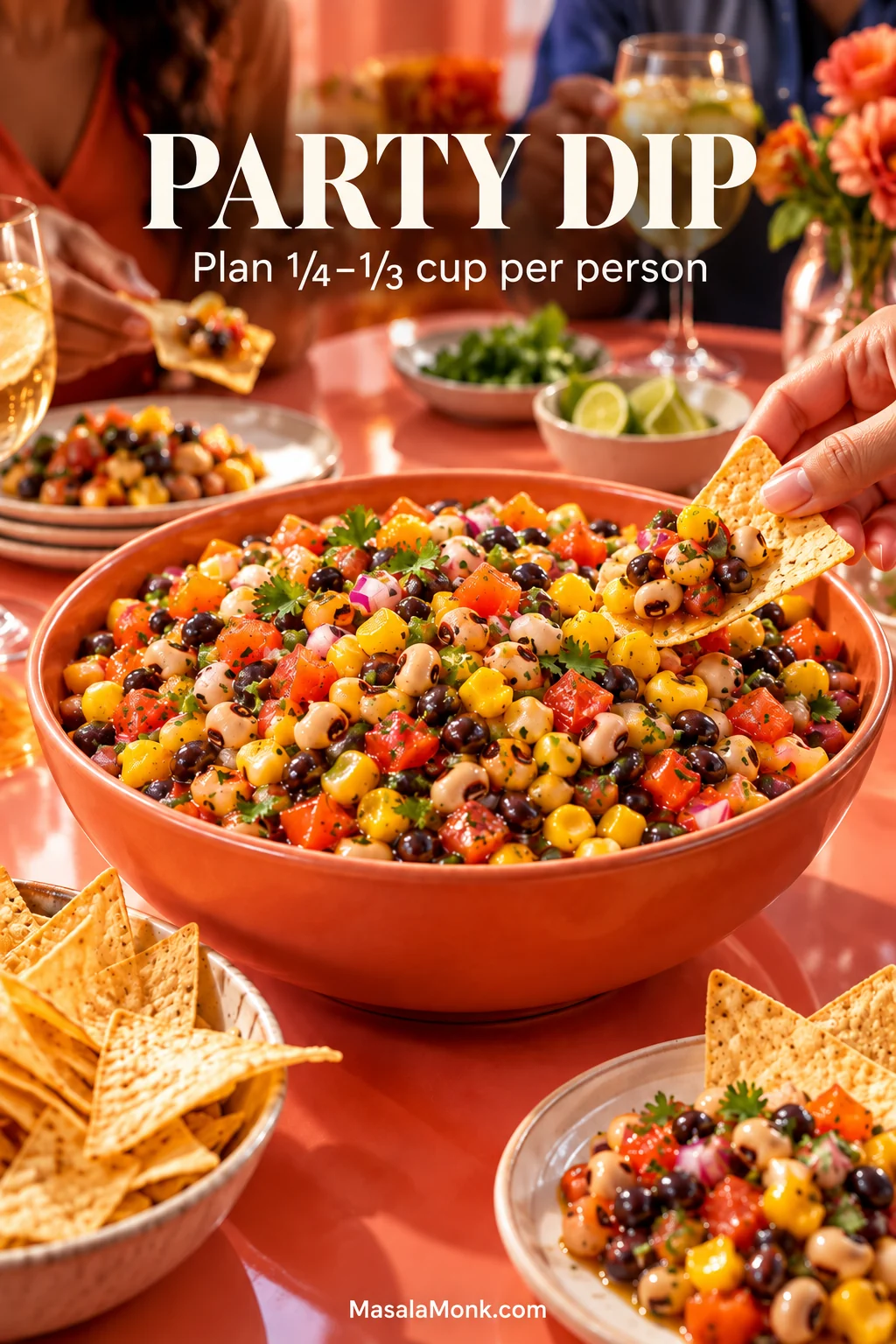
For a party where this is one of several appetizers, plan about ⅓ to ½ cup dip per person. Once it becomes the main snack on the table, expect people to eat more because every scoop tastes a little different.

Party Appetizer Pairings

Party appetizer spread with 7 layer dip, tortilla chips, sliced vegetables, small plates, napkins, and a warm appetizer in the background.
Sturdy tortilla chips are the main dipper, while crisp vegetables and one warm appetizer can round out the party table without crowding the dip.

You can also serve 7 layer dip with mini tostadas, pita chips, crunchy lettuce cups, bell pepper strips, cucumber rounds, celery sticks, or carrot sticks. For a bigger appetizer spread, it fits naturally next to creamy favorites like buffalo chicken dip and spinach dip.

For something warm and crisp beside the cold dip, a tray of potato appetizers works well with the same chips-and-dips mood: salty, crunchy, easy to share, and friendly for a mixed crowd. Deciding between a cold layered dip and a warm baked version? See hot vs cold 7 layer dip.

Chip tip: If the dip is very cold from the refrigerator, let it sit for 10 minutes before serving. The layers will still be chilled, but the beans will be easier to scoop.

7 Layer Dip Variations

This is where 7 layer dip gets personal. Some people want olives, some want no olives, some want lettuce, some want ground beef, and some want the classic cold layers exactly as they are. Use the structure here as the base, then adjust the toppings without losing the clean scoop.

7 layer dip variation scene with a main dip and bowls of ground beef, shredded lettuce, and spicy jalapeño salsa.
Once the base structure is solid, you can add ground beef, lettuce, or jalapeño heat without losing the layered scoop.

7 Layer Dip with Ground Beef

For a heartier taco-night version, add cooked, well-drained, cooled taco-seasoned ground beef above the bean layer. Do not add hot beef to a cold dip because it can loosen the sour cream and avocado. Keeping the beef cooled and well-drained gives you taco flavor without making the layers greasy or soupy.

7 Layer Dip with Cream Cheese

This is the richer party version: beat 4 oz / 113 g softened cream cheese into the sour cream before adding taco seasoning. It makes the creamy layer thicker and more stable, but keep the amount modest so the dip still tastes fresh rather than heavy.

7 Layer Dip with Lettuce

Lettuce only belongs in this dip when it is heading to the table soon. It adds taco-salad crunch, but it wilts quickly once it sits against salsa and sour cream. Add it near the top and serve the dish the same day.

Spicy 7 Layer Dip

To add heat without making the dip watery, use hot salsa sparingly, mix diced jalapeño into the avocado, swap in pepper jack cheese, or finish with pickled jalapeños. For another creamy-spicy bite on the side, these baked jalapeño poppers fit the same party mood.

Vegetarian 7 Layer Dip

This recipe is vegetarian as written if your refried beans are vegetarian. Some canned refried beans contain lard, so check the label if that matters for your guests. Black refried beans or pinto refried beans both work well.

Lighter 7 Layer Dip

For a lighter version, use Greek yogurt in place of some or all of the sour cream, use a little less cheese, and add more fresh toppings. Keep the bean and avocado layers flavorful so the dip still tastes satisfying instead of like a reduced version of the original.

Troubleshooting 7 Layer Dip

If a layered dip goes wrong, it usually shows up fast: a watery edge, a broken chip, a smeared top, or one scoop that pulls half the dish with it. However, most of these are not disasters. They are small texture issues you can prevent before the dish reaches the table.

Troubleshooting board for 7 layer dip showing watery salsa, a broken chip, browning avocado, messy layers, and fix labels for draining salsa, loosening beans, covering avocado, and using shallow layers.
When 7 layer dip turns messy, the cause is usually excess liquid, stiff beans, exposed avocado, or layers built too deep.

Moisture and Texture Fixes

Problem Why it happened How to fix it
The dip is watery Salsa, pico, tomatoes, or lettuce released too much liquid Drain salsa and pico, seed juicy tomatoes, and add delicate toppings closer to serving
The beans are too stiff Refried beans were spread straight from the can or chilled too hard Mix beans with salsa, lime juice, or a spoonful of sour cream until scoopable
Chips keep breaking The dip is too dense, too cold, or served in a deep dish Loosen the beans slightly, use a shallower dish, and serve with sturdy chips
Every scoop destroys the layers Layers are too thick, the dish is too deep, or the dip is too cold Use a 9×13 dish, spread thinner even layers, and let the dip sit 10 minutes before serving
The guacamole is browning The avocado layer had too much air exposure Use lime juice, cover the avocado with sour cream, and press plastic wrap close to the surface when chilling

Flavor and Serving Fixes

Problem Why it happened How to fix it
The layers look messy Each layer was spread too aggressively from one spot Dollop each soft layer across the dish first, then spread gently with an offset spatula or spoon
The dip tastes flat The beans or avocado were not seasoned enough Season the bean layer and avocado layer separately before assembly
The top looks dull after chilling Fresh herbs and green onions sat too long in the fridge Add cilantro, green onions, and extra jalapeños just before serving
The dip feels too salty Taco seasoning, cheese, olives, and chips all added salt Use less taco seasoning next time and balance with more avocado, sour cream, or fresh tomato

How to Store Leftover 7 Layer Dip

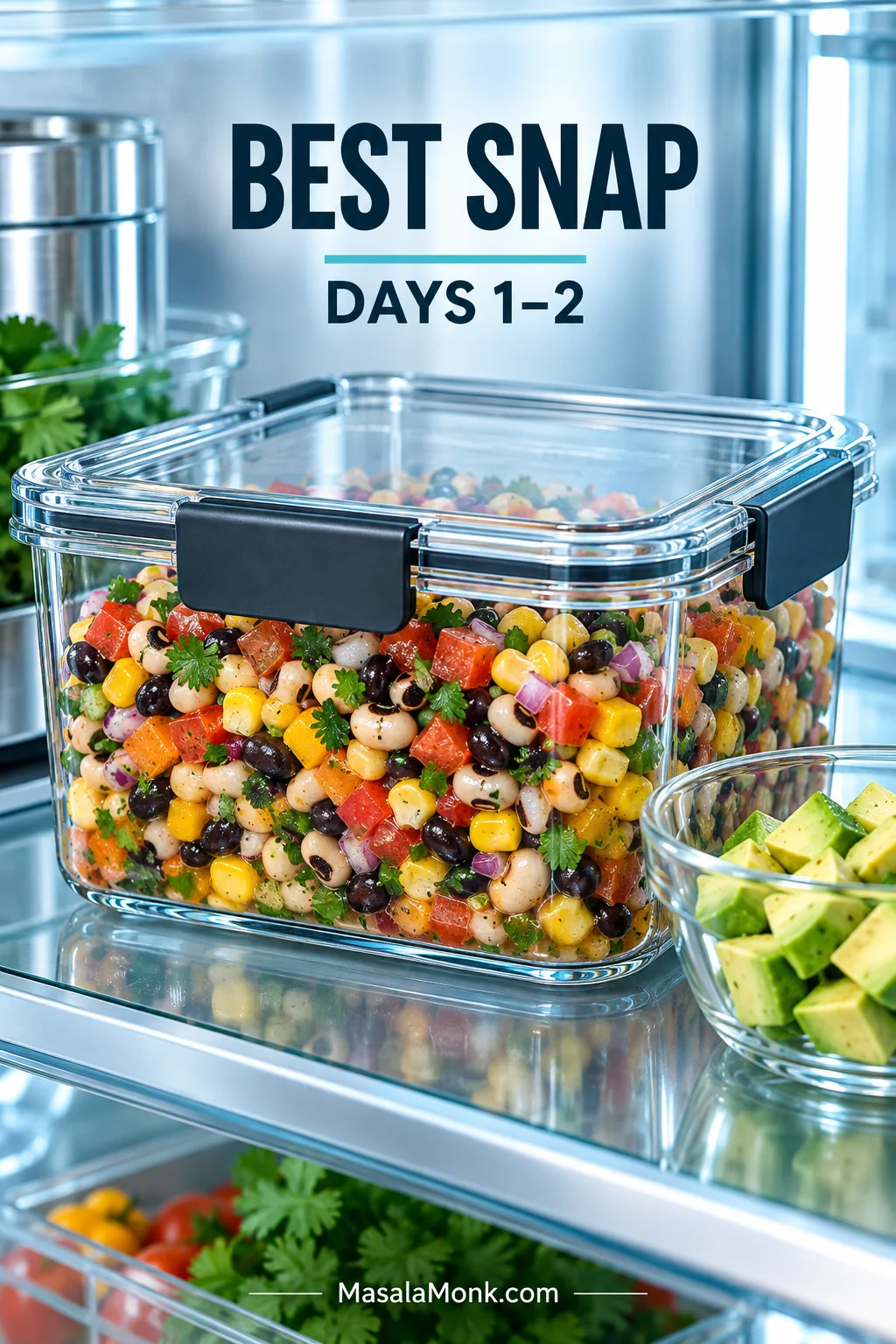
Cover leftovers from this 7 layer dip recipe tightly and refrigerate them as soon as the party is over. The dip is best within 1 to 2 days. The flavor will still be good the next day, but the layers may soften, the salsa may bleed into the creamy layers, and the avocado may darken slightly.

Do not freeze it. Sour cream, avocado, salsa, and fresh toppings do not thaw cleanly, so the texture will turn watery and grainy. Instead, if the leftovers look messy but still smell fresh and have been stored safely, scoop them into tacos, burrito bowls, quesadillas, or nachos rather than trying to serve them as a neat layered dip again.

Because this dip contains dairy and avocado, keep it chilled until serving and do not let it sit out for hours. The FDA recommends refrigerating perishable foods within 2 hours, or within 1 hour when the temperature is above 90°F / 32°C. A refrigerator should be kept at 40°F / 4°C or below. You can read the FDA’s safe food handling guidance here: Safe Food Handling.
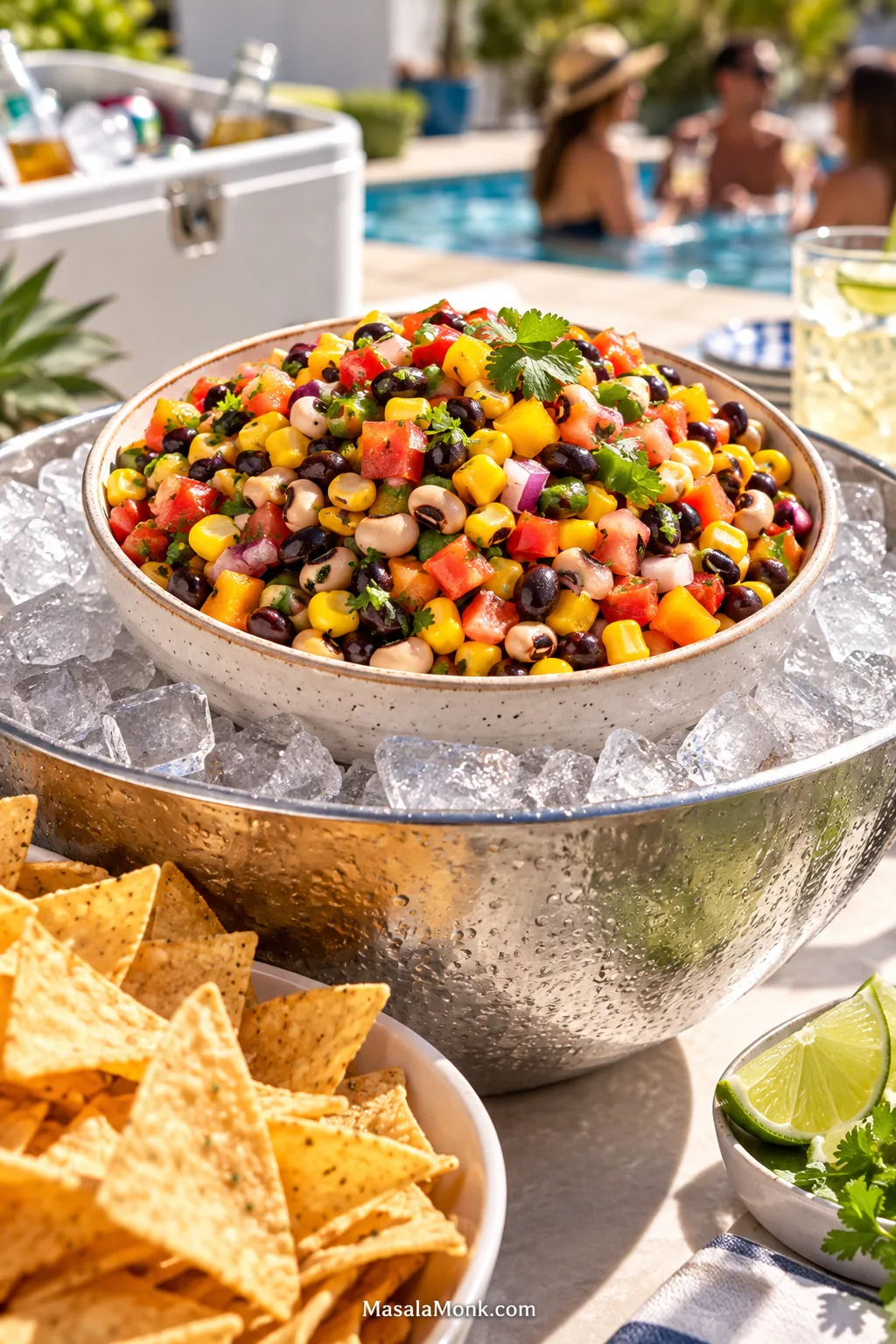
Storage tip: For a long game day or gathering, serve a smaller portion first and keep the rest covered in the refrigerator for refills.

FAQs About 7 Layer Dip

What are the seven layers in 7 layer dip?

A classic version usually has refried beans, guacamole, sour cream, salsa, cheese, tomatoes, and toppings such as olives, green onions, jalapeños, or cilantro. The toppings can vary, but the best versions balance creamy, fresh, salty, and crunchy layers.

Which layer goes first?

Start with refried beans because they are the heaviest layer and create the base. Loosen and season them first, then spread them all the way to the corners so every scoop has structure.

What is the best layer order?

For most gatherings, use beans, guacamole, taco-seasoned sour cream, drained salsa or pico, cheese, tomatoes, and toppings. That order keeps the base sturdy, protects the avocado, and controls extra liquid. For the full explanation, see the best layer order section.

How many people does a 9×13 dish serve?

A 9×13 dish serves about 12 to 16 people as an appetizer. If it is one of several snacks, it can stretch further. If it is the main dip on the table, expect larger servings.

How much 7 layer dip should I plan per person?

For a party with several appetizers, plan about ⅓ to ½ cup dip per person. If this is the main snack with chips, plan more because people tend to come back for extra scoops.

How far ahead should I make it?

For guests, make this 7 layer dip recipe 30 minutes to 6 hours before serving. You can prep most components one day ahead, but full overnight assembly is not ideal because salsa can release liquid and avocado can darken. For timing details, see the make-ahead section.

Why did my dip get watery?

Usually, the culprit is loose salsa, pico de gallo, juicy tomatoes, or lettuce. Drain salsa before layering, use Roma tomatoes, seed or blot juicy tomatoes, and add delicate toppings closer to serving. For the full fix, see how to keep 7 layer dip from getting watery.

What salsa is best for 7 layer dip?

Thick, chunky salsa or well-drained pico de gallo works best. Thin restaurant-style salsa can taste good, but it should be strained first so it does not leak into the sour cream layer.

Can I use store-bought guacamole?

Yes. Store-bought guacamole is fine for a faster version. Choose a thick guacamole, taste it first, and add lime juice, cilantro, or salt if it needs more brightness.

Is it supposed to be hot or cold?

Serve it cold or lightly chilled. Hot taco dip is a separate style and usually needs a different structure with cooked meat, melted cheese, or a baked base.

Should lettuce go in it?

Use lettuce only when serving the dip soon after assembly. It adds crunch, but it wilts quickly once it sits against salsa and sour cream.

Do I need taco seasoning?

Taco seasoning gives the sour cream layer more flavor, and a packet works well. Start with less than the full packet if your chips, cheese, salsa, and olives are already salty, then add more to taste.

What can I use instead of sour cream?

Plain Greek yogurt is the easiest substitute. It tastes tangier and slightly lighter, but it works well with taco seasoning. You can also use half Greek yogurt and half sour cream.

What chips are best?

Sturdy tortilla chips or scoop-style chips are best because they can cut through the bean layer without snapping. If the dip has been refrigerated for several hours, let it sit for about 10 minutes so the beans soften slightly before serving. For more serving ideas, see what to serve with 7 layer dip.

How long can it sit out?

Do not leave it out for more than 2 hours, or more than 1 hour in hot weather above 90°F / 32°C. For long gatherings, set out a smaller amount and keep the rest refrigerated.

What is the difference between 7 layer dip and taco dip?

7 layer dip is a type of taco dip with distinct visible layers. Taco dip can be simpler, creamier, baked, meatier, or mixed together rather than layered. In everyday cooking, the names often overlap.

Is it the same as Mexican layer dip?

They are usually very similar. Mexican layer dip is a broader name that may include fewer or more than seven layers, while 7 layer dip specifically suggests a seven-part layered appetizer with beans, creamy layers, salsa, cheese, and toppings.

Final Tips for the Best 7 Layer Dip

The best 7 layer dip recipe is not complicated. It just needs care in the places that matter: seasoned beans, drained salsa, protected avocado, a 9×13 dish for a crowd, sturdy chips for scooping, and enough fresh toppings to make the dish look bright and generous.

When those pieces are in place, the dip does exactly what a great party appetizer should do. It looks colorful when it hits the table, scoops cleanly through the first rush, tastes creamy and fresh in the same bite, and keeps people coming back long after they said they were done snacking.

Are you team olives, team no olives, team lettuce, team ground beef, or classic cold layers only? Tell me which version disappears fastest at your table.

Final serving of 7 layer dip in a clear 9x13 dish with one corner scooped, tortilla chips around the dish, and colorful toppings still visible.
When the layers are built well, the dip can still look colorful, inviting, and easy to scoop after the first rush of chips.

Back to top

Posted on 10 Comments

Sheet Pan Chicken Fajitas Recipe (Easy One-Pan Oven Fajitas)

Woman holding a warm flour tortilla filled with sheet pan chicken fajitas above a tray of oven-baked chicken, bell peppers, and onions on a rustic wooden table.

Sheet pan chicken fajitas are one of those meals that feel like a tiny miracle. You get juicy chicken, caramelised onions, and colourful peppers, all sizzling with smoky fajita spices, but instead of juggling three pans on the stove, everything happens together on one tray in the oven. It’s the kind of recipe that works on frantic weeknights, lazy Sundays, game days, and everything in between. This sheet pan chicken fajitas recipe is all about ease.

You toss strips of chicken and vegetables in a bold spice blend, spread them over a pan, and let the oven transform them into tender, slightly charred perfection. While your oven fajitas roast, you can warm tortillas, mix a simple sauce, or just sit down for a minute and breathe. By the time the timer rings, the kitchen smells like your favourite Tex-Mex spot, and you’ve got a full chicken fajita sheet pan dinner ready to slide onto the table.


Why Sheet Pan Fajitas Chicken Recipe Beats Skillet Fajitas

Traditional skillet fajitas chicken has its charms: a screaming-hot skillet for fajitas, that dramatic sizzle as the pan hits the table, the cloud of steam scented with lime and chili. Yet there’s a reason sheet pan fajitas have become such a staple in modern kitchens.

Hand using tongs over a tray of sheet pan chicken fajitas on a wooden counter, with a skillet of fajitas blurred on the stovetop in the background and text reading Sheet Pan vs Skillet Fajitas.
Sheet pan chicken fajitas in the spotlight, skillet fajitas in the background – same Tex-Mex flavour, but the one-pan oven method keeps dinner simpler and cleaner.

First, there’s the simplicity. With this easy sheet pan chicken fajitas method, you’re making a true one pan chicken fajita dinner. Instead of cooking in batches, then keeping everything warm, the meat and vegetables roast together. That means less hovering, fewer dishes, and more time to deal with everything else calling your name.

Second, the texture is fantastic. High oven heat encourages the peppers and onions to soften while still keeping a bit of bite, and the chicken picks up lovely browned edges. When you spread everything out properly on the tray, your baked chicken fajitas end up tasting like you fussed far more than you did.

Finally, this style is incredibly flexible. You can turn it into a chicken fajita tray bake for a crowd, scale down to chicken fajitas for one, make it extra spicy, keep it mild for kids, or adapt the marinade for pork, shrimp, or vegetables. Once you’ve learned the rhythm of cooking chicken fajitas in the oven, you’ll find yourself using the same technique for other dishes too.

Also Read: 10 Best Espresso Martini Recipe Variations (Bar-Tested)


Understanding Fajitas (and Why They Love the Oven)

Before diving into the nuts and bolts of this sheet pan chicken fajitas recipe, it helps to know what fajitas actually are. Traditionally, fajitas started as strips of grilled skirt steak served with onions and peppers in tortillas as part of Tex-Mex cooking, and the name itself comes from “faja,” meaning “strip” or “belt.” Over time, the concept expanded to include chicken fajitas, shrimp, and even all-vegetable versions, all built around that core idea of savoury strips tucked into warm tortillas.

Because fajitas are usually cooked hot and fast, transferring that method to the oven makes a lot of sense. When you cook fajitas in oven, you’re essentially recreating the high heat of the grill or stovetop, just with a different heat source. The key difference is that instead of shaking a pan throughout the cooking process, you let the oven do most of the work and just give your sheet pan fajita chicken a stir once or twice.

Stovetop chicken fajitas in a pan are still wonderful when you’re in the mood to stand and cook, but making fajitas in the oven is the move when life is hectic. You end up with the same satisfying flavours in a more forgiving, lower-effort format.

Also Read: Katsu Curry Rice (Japanese Recipe, with Chicken Cutlet)


Ingredients for Sheet Pan Chicken Fajitas Recipe

You don’t need anything fancy for baking sheet fajitas—just everyday staples that work incredibly well together.

Thinly sliced chicken breast and chicken thigh strips on a wooden cutting board with a chef’s knife, labeled as breast or thigh for sheet pan chicken fajitas.
Chicken breasts stay lean and tidy, chicken thighs stay extra juicy—both cuts slice into perfect strips for sheet pan chicken fajitas.

Chicken: breast or thigh

Start with about 700–900 g (1½–2 lb) of boneless, skinless chicken. Both options work:

  • Chicken breasts give you leaner chicken breast fajitas oven style fajitas. They cook quickly and slice neatly, which is useful if you’re building bowls or meal-prep boxes.
  • Chicken thighs stay juicy even if they roast a little longer, making them ideal for a slightly more forgiving chicken thigh fajitas oven version.

Slice the chicken into thin strips across the grain. Thin, even strips are crucial for chicken fajitas baked in oven because they cook at roughly the same time as the vegetables.

Sliced red, yellow, green and orange bell peppers with red onion rings and chicken strips arranged on a wooden board under the title Peppers and Onions for sheet pan chicken fajitas.
Colourful strips of peppers and onions, cut to match the chicken, give sheet pan chicken fajitas their sweetness, crunch and even roasting.

Peppers and onions

Next, grab your vegetables:

  • 3 bell peppers (red, yellow, orange, or green)
  • 1–2 medium onions

Bell peppers are naturally sweet and full of vitamin C and antioxidants, so they’re one of the reasons these healthy sheet pan chicken fajitas feel as nourishing as they do. Thin slices roast quickly and tuck perfectly into tortillas or bowls. Onions bring savoury depth and a touch of natural sweetness as they caramelise, turning the entire fajita sheet pan dinner into something rich and comforting.

Slice both peppers and onions into strips that mirror the size of your chicken pieces. Matching everything like this makes your one sheet chicken fajitas cook more evenly.

Small bowls of chili powder, cumin, paprika, garlic, oregano, salt, oil and lime wedges arranged around a central bowl of fajita spice mix, with a hand scooping seasoning for sheet pan chicken fajitas.
A simple fajita spice mix of chili, cumin, paprika, garlic, oregano, oil and lime is all you need to turn basic chicken and peppers into bold sheet pan chicken fajitas.

Oil, lime, and spice mix

For that signature fajita flavour, you’ll need:

  • Neutral oil (or mild olive oil)
  • Fresh lime juice
  • Chili powder
  • Ground cumin
  • Paprika (regular or smoked)
  • Garlic powder or minced garlic
  • Dried oregano
  • Salt and black pepper
  • Optional cayenne for heat

This blend turns basic chicken and peppers into full-on fajita chicken sheet pan magic. As the tray roasts, the spices toast and cling to every piece, giving your sheet fajitas their unmistakable colour and aroma.
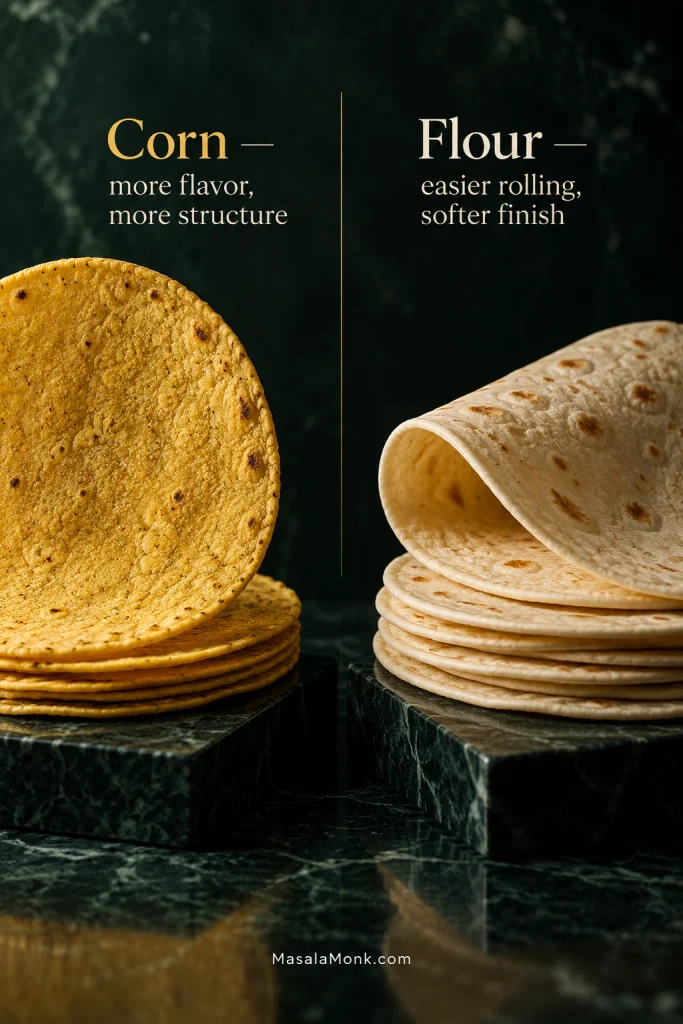
Stack of flour and corn tortillas surrounded by bowls of cheese, sour cream, jalapeños, cilantro, lime wedges, onions and fajita filling on a wooden board for sheet pan chicken fajitas.
Soft tortillas, fresh jalapeños, lime, cheese and creamy toppings turn simple sheet pan chicken fajitas into a build-your-own fajita bar everyone can customise.

Tortillas and toppings

Once your chicken fajitas in the oven recipe comes out bubbling and browned, you’ll want a few extras to round things out:

  • Flour or corn tortillas
  • Grated cheese
  • Sour cream or thick Greek yogurt
  • Sliced jalapeños
  • Fresh coriander
  • Extra lime wedges

If you’d like a lighter, more refreshing topping, a bowl of cool Greek tzatziki sauce is a beautiful alternative to sour cream. It brings creaminess, garlic, cucumber, and herbs that play wonderfully with spicy chicken fajita oven tray flavours.


Choosing the Best Sheet Pan for Recipe of Chicken Fajitas

Because this recipe hangs on your pan, it’s worth a quick look at equipment. The same mixture of chicken and peppers behaves differently in a cast-iron chicken fajita pan, a light cookie sheet, and a heavy-duty baking tray.

Sheet pan vs skillet

If you’ve always made skillet fajitas chicken, shifting to the oven might feel like a big step. In reality, each method has its niche:

  • A cast-iron skillet for fajitas is unbeatable when you want dramatic sizzle and dark char. You get those hot spots that bring extra browning, and it’s fun for smaller batches you want to serve right away.
  • A sturdy sheet pan is better when you need 1 pan chicken fajitas for four people (or more) without hovering. You get more surface area, so your pan sheet chicken fajitas can spread out and roast instead of steaming.

For this recipe, a rimmed, heavy-duty baking sheet is ideal. It’s stable under high heat and holds onto some of that warmth, helping the edges crisp up.

Cast iron skillet, heavy rimmed sheet pan with chicken and peppers, and an empty silver cookie sheet arranged side by side under the title Choosing the Best Pan for Fajitas.
A cast iron skillet, cookie sheet and heavy rimmed sheet pan side by side—showing why the sturdy sheet pan is the best choice for oven-baked chicken fajitas.

Cookie sheet vs baking sheet

You can absolutely use a cookie sheet if that’s what you have; a lot of people make cookie sheet fajitas and cookie sheet chicken fajitas successfully. Just keep these points in mind:

  • Thin pans may warp at high temperatures, which can cause the oil to pool and parts of your pan sheet fajitas to brown faster.
  • Darker pans brown more aggressively, which can be great for extra char but requires closer watching at the end.

If you’re shopping with fajitas in mind, look for something marketed as a half-sheet pan or roasting tray. That’s essentially the best pan to cook fajitas in when you’re leaning into the baked fajitas style.

Also Read: Vegan French Toast: 6 Easy Recipes (Pan, Air Fryer, GF & High-Protein)


Step-by-Step: Making Chicken Fajitas in the Oven

Now that your ingredients and pan are ready, it’s time to make easy oven baked chicken fajitas from start to finish.

Sheet pan lined with parchment holding sliced bell peppers and red onions while a hand holds a bowl of raw chicken strips beside it for step one of sheet pan chicken fajitas.
Step 1 – Prep the tray: line the pan, scatter peppers and onions, then add the sliced chicken so everything is ready to roast together.

1. Preheat and prep the tray

Begin by preheating your oven to around 220°C (425°F). This high heat is what makes fajitas baked in oven taste similar to grilled versions. While the oven heats, line your pan with parchment or lightly brush it with oil.

Scatter your sliced peppers and onions across the tray. This base layer becomes the foundation of your sheet pan chicken and peppers, catching juices and seasonings as everything cooks.

Arrange the sliced chicken on top. You’re building your chicken sheet pan fajitas right on the tray, so there’s no need for extra bowls once you get the hang of it.

Hands tossing raw chicken strips, bell peppers and onions on a sheet pan with tongs while a spoonful of fajita seasoning is sprinkled over the top for step two of sheet pan chicken fajitas.
Step 2 – Season and toss: drizzle on oil and lime, sprinkle over the fajita spice mix, then toss everything together until the chicken and veggies are coated.

2. Mix and add the seasoning

Drizzle oil and lime juice over the chicken and vegetables. Sprinkle over your spice mix, making sure every strip has a little colour. Then, use your hands or tongs to toss everything together directly on the pan until the entire chicken fajita sheet pan recipe looks well coated.

At this point, the mixture already resembles a fajita tray bake: vibrant, glossy, and promising. Make sure nothing is piled too high; for the best sheet pan fajitas, you want most pieces in a single layer, or as close as you can get.

Baked sheet pan chicken fajitas with browned chicken strips and peppers being pulled from the oven with an oven mitt while a thermometer checks the chicken’s temperature.
Step 3 – Roast and serve: bake the chicken and peppers until lightly charred, check that the chicken is cooked through, then bring the sizzling sheet pan fajitas straight to the table.

3. Roast until juicy and slightly charred

Slide the pan into the hot oven and roast for about 18–22 minutes:

  • Stir once halfway through to make sure your pan fajita mix cooks evenly.
  • Keep an eye on smaller pieces; they might brown a bit faster at the edges.
  • If you’d like a darker finish, you can increase the heat slightly or use the broiler for the last few minutes for broiled chicken fajitas.

For safety, aim for an internal temperature of 165°F (74°C) in the thickest pieces of chicken. A small instant-read thermometer takes the guesswork out of this part and guarantees fully cooked baked chicken fajitas every time.

When the chicken is opaque and tender and the vegetables have softened and picked up browned spots, your oven baked chicken fajita recipe is ready.

Also Read: Baked Jalapeño Poppers (Oven) — Time, Temp & Bacon Tips


Getting the Texture Just Right

Good chicken fajitas baked in oven are all about balance. You want soft onions, tender peppers, and juicy chicken, but you also want enough colour and char to bring depth.

Sheet pan of chicken fajitas divided in half, with crowded pieces on one side and well-spaced, deeply browned chicken and peppers on the other to show how spreading out gives better char.
Crowded fajitas steam, but when you spread the chicken and peppers out in a single layer you get the charred, deeply flavoured sheet pan chicken fajitas everyone loves.

Here are a few small tweaks that make a big difference:

  • Spread the mixture out. Crowding the tray makes fajitas bake tray style dishes steam. If things are piled high, use two pans.
  • Rotate the pan halfway through if your oven runs hot in certain spots. This simple step can turn a decent fajita sheet pan recipe into the best sheet pan fajitas your oven can produce.
  • Stir gently. Flipping everything once in the middle helps both sides brown without shredding the chicken.

If you love the seared edges you get from cooking fajitas in a pan, you can always transfer a portion of the roasted fajita chicken sheet pan mix to a hot cast-iron chicken fajita pan for a minute or two before serving. It’s the best of both worlds: low-effort cooking plus that restaurant-style finish.

Also Read: Vodka with Lemon: Easy Cocktails, Martini Twist & DIY Infusion


Turning One Recipe into Many: Variations on Sheet Pan Chicken Fajitas

A good sheet pan fajita chicken base opens up a lot of possibilities. Once you’ve mastered the classic version, you can start playing with different combinations.

Classic tray bake sheet pan chicken fajitas with roasted chicken strips, bell peppers, onions, blistered cherry tomatoes, garlic cloves and lime wedges on a metal pan.
Classic tray bake fajitas with roasted garlic, burst cherry tomatoes and lime wedges turn simple sheet pan chicken fajitas into a full, juicy one-pan dinner.

Classic tray bake fajitas

You can lean harder into the chicken fajita tray bake idea by nestling lime wedges, whole garlic cloves, and even halved cherry tomatoes around the pan before roasting. As the tomatoes burst and the garlic softens, they create pockets of extra flavour that melt into the juices and coat the chicken.

For a slightly heartier fajita chicken tray bake, try adding:

  • Drained black beans or chickpeas
  • Frozen corn (no need to thaw)
  • Diced sweet potato or small potato cubes for a more substantial baked fajitas recipe

These additions make your chicken fajita sheet pan meal feel more like a complete tray dinner that can be served as is, without many extra sides.

Sheet pan of extra-charred broiled chicken fajitas with blistered bell peppers and onions being pulled from under the oven broiler with tongs.
Extra-charred, broiled sheet pan chicken fajitas with blistered peppers and smoky edges for anyone who loves that grilled, restaurant-style flavour at home.

Extra-charred and broiled fajitas

If you lean towards the smoky, charred edges you get from grilling or pan fajita recipe styles, the broiler is your friend. Once the chicken is cooked through, slide the pan under the broiler for two to three minutes, watching closely. The vegetables will blister in places, and you’ll end up with something closer to restaurant-style oven fajitas.

Some cooks like to marinate the chicken first, inspired by recipes like sheet pan chicken fajitas from Serious Eats, then finish under the broiler for a deep, roasty flavour. Others love the simplicity of budget-friendly oven fajitas where you just toss everything and bake. Both approaches fit happily within this chicken fajita recipe sheet pan framework; feel free to adapt.

Hand lifting a soft taco filled with shredded sheet pan chicken, peppers, cheese and salsa from a wooden board, with the roasted chicken fajitas still on the sheet pan below.
Turn one tray of sheet pan chicken fajitas into easy chicken tacos by shredding the baked chicken, piling it into warm tortillas and topping with cheese, salsa and herbs.

Sheet pan taco chicken and chicken tacos

Sometimes you’re craving tacos rather than classic fajitas. Luckily, the same sheet pan chicken fajitas mixture doubles as sheet pan taco chicken with almost no changes.

Once your easy sheet pan fajitas come out of the oven:

  • Shred a portion of the chicken with two forks.
  • Spoon the shredded pieces into small tortillas with extra cheese and salsa.
  • Keep some of the sliced version for traditional fajitas.

You’ve just transformed easy baked chicken fajitas into both fajitas and tacos, using one tray and one round of cooking.

Small sheet pan of chicken fajitas beside a single plate with a tortilla being filled, napkin and glass of water on a wooden table for a fajitas for one or two serving.
A mini sheet pan of chicken fajitas with a single plate and tortilla shows how easy it is to scale this recipe down for one or two people without losing the one-pan simplicity.

Small-batch fajitas for one or two

The beauty of this method is how easy it is to scale down. For chicken fajitas for one, just cut the amounts to a single chicken breast, one pepper, and half an onion. You’ll still spread everything out so it roasts properly, and you’ll still be rewarded with a personal-sized chicken fajita sheet pan dinner without leftovers, if that’s what you prefer.

On evenings when you want leftovers on purpose, doubling the recipe turns the same base into meal prep gold.

Also Read: Coconut Water Cocktails: 10 Easy, Refreshing Drinks


Serving Ideas: Toppings, Sides, and Full Fajita Nights

Once your best sheet pan chicken fajitas are out of the oven, you can serve them simply or turn them into an entire feast.

Classic fajita spread

Lay out warmed tortillas, your sheet pan chicken fajitas, and bowls of toppings:

  • Grated cheese
  • Sour cream or Greek yogurt
  • Salsa or pico de gallo
  • Avocado slices or guacamole
  • Fresh coriander and lime wedges

If you’d like something a bit different from sour cream, spoon some Greek tzatziki sauce into a bowl and let people drizzle it over their baked chicken fajitas. The cool yogurt, cucumber, and herbs bring a wonderful contrast to the spicy, smoky chicken.

Sheet pan chicken fajitas surrounded by tortillas, cheese, sour cream, guacamole, salsa, fries, dips and drinks on a wooden table with the text Build Your Own Fajita Night.
Build your own fajita night with sheet pan chicken fajitas in the centre, surrounded by tortillas, toppings, fries, dips and drinks so everyone can customise their perfect plate.

Party platters and game-day food

For gatherings, you can use your one pan fajita recipe as the centrepiece of a game-day spread. Arrange the tray bake fajitas on a board with bowls of tortilla chips, crunchy vegetables, and a few dips. A bubbling Buffalo chicken dip on the side adds creamy heat, while a selection of spinach dips brings extra richness.

If you want something on the side that everyone loves, a tray of crispy homemade French fries turns fajita night into a full-on comfort feast. You can even add a platter of lemon pepper chicken wings so guests can load their plates with wings, fries, and sheet pan chicken fajitas pioneer woman–style trays of sizzling chicken and peppers.

Bowls, salads, and low-carb options

On nights when you’re craving something lighter, skip the tortillas and build fajita bowls:

  • Spoon your fajitas in oven chicken over shredded lettuce, rice, quinoa, or cauliflower rice.
  • Add beans, corn, chopped tomatoes, and avocado.
  • Finish with lime juice and a spoonful of yogurt or tzatziki.

If you’re exploring lower-carb eating, you might enjoy browsing plant-powered keto Mexican recipes for inspiration. You’ll find ideas there for vegetable-based fillings that pair nicely with this fajita oven recipe, especially when you’re using the same spices in creative ways.

Drinks that pair beautifully with this Recipe of Sheet Pan Chicken Fajitas

Fajitas are festive by nature, so they love good drinks. For brunch-style spreads or weekend dinners with friends, a pitcher of Bloody Marys or colourful mimosas fits right in with fajitas, nachos, and dip.

If you’re more in the mood for something sweet after dinner, a slice of tres leches cake or another dessert brings everything to a gentle close after the warm spice of your fajita sheet pan chicken.


Leftovers, Meal Prep, and Next-Day Ideas

One of the nicest things about easy oven baked sheet pan chicken fajitas is how gracefully they turn into other meals.

Storing and reheating

Let leftovers cool slightly, then pack them in airtight containers. They’ll keep well in the fridge for three days or so. Reheat gently in a skillet, in the oven, or even in the microwave, though a quick blast in a pan or oven helps revive those tasty browned edges.

Because the vegetables hold up, easy baked chicken fajitas make excellent lunches. Tuck them into tortillas, spoon them over rice, or toss them through salads for quick meals that still feel satisfying.

Glass containers of leftover sheet pan chicken fajitas above plates with a quesadilla, burrito bowls and scrambled eggs made from the fajita filling, showing easy next-day meal ideas.
Leftover sheet pan chicken fajitas slip easily into glass containers, then reappear as quesadillas, burrito bowls and even a quick fajita-style breakfast the next day.

Fresh ways to use leftovers from Sheet Pan Chicken Fajitas Recipe

Leftover sheet pan fajita chicken doesn’t have to be eaten in exactly the same format. You can:

  • Turn it into quesadillas by folding the chicken and peppers into tortillas with cheese and crisping them in a pan.
  • Build burrito bowls or burritos with rice, beans, and whatever else you have around.
  • Add it to omelettes or scrambled eggs for a fajita-style breakfast.
  • Stir it through a simple pasta with a bit of cream or yogurt and extra lime juice for a fajita-inspired pasta night.

If you’re looking for more easy chicken ideas to keep in your weekly rotation, recipes like whole chicken in crock pot or cheesy chicken broccoli rice fit right alongside this easy chicken fajitas sheet pan method. They all deliver that same comforting feeling with minimal fuss.


Are Sheet Pan Chicken Fajitas Healthy?

Because this sheet pan fajita recipe leans heavily on chicken and vegetables, it’s simple to tweak it towards your own idea of “healthy.”

Protein and vegetables

You’re getting a good dose of protein from the chicken, plus fibre and vitamins from peppers and onions. Bell peppers are rich in vitamin C and antioxidants, while onions contribute their own unique compounds and prebiotic fibre. When you serve this chicken fajita one pan meal with extra vegetables or a salad, you’re building a plate that’s both satisfying and colourful.

Sheet pan chicken fajitas in the background with a healthy bowl of chicken, black beans, avocado and salad on one side and cheesy chicken fajita tacos with tortilla chips on the other, showing how toppings change the balance.
The base of sheet pan chicken fajitas is all about lean protein and colourful vegetables, while your choice of tortillas, beans, salad, cheese or chips is what tips the meal lighter or more indulgent.

Choices that change the balance

The health profile of easy fajitas in the oven depends heavily on what you serve alongside them. Flour tortillas, cheese, sour cream, and chips will make it more indulgent; lettuce, salsa, yogurt, and beans keep it feeling a bit lighter.

You can also swap chicken for vegetables entirely. Jackfruit, mushrooms, and tempeh can all stand in for meat while keeping the spirit of sheet pan fajitas alive. For inspiration, you might enjoy jackfruit-based meal ideas or tempeh “beef” style fillings, both of which adapt beautifully to fajita spices.

If you’re curious about how onions fit into a low-carb or keto approach, you can also explore a gentle breakdown of onions and keto to see how they can still have a place in a mindful diet.


Comparing Sheet Pan Chicken Fajitas Recipe to Stovetop Fajitas

It’s natural to wonder how chicken fajitas in oven recipe versions stack up against the classic pan fajita recipe cooked on the stove.

Stovetop fajitas

With cooking fajitas in a pan, you get:

  • A bit more control over individual pieces as you stir and flip.
  • Very quick cooking, which is great for small batches.
  • That sizzle and sear you might associate with restaurant fajitas.

However, you also get more active time at the stove, and if you’re making a large batch of pan fajitas chicken, you may need to cook in rounds.

Side-by-side photo showing chicken fajitas cooking in a sizzling cast iron skillet on the stovetop on the left and a sheet pan of chicken fajitas being pulled from the oven on the right, with text Stovetop vs Sheet Pan Fajitas
Stovetop fajitas bring hands-on sizzle in a cast iron skillet, while sheet pan chicken fajitas offer the same flavours with an easier, hands-off oven approach.

Oven fajitas

With fajitas baked in oven, you enjoy:

  • A mostly hands-off experience: toss, spread, roast.
  • The ability to cook a lot at once, ideal for families or leftovers.
  • Easy cleanup, because you’ve truly made 1 pan fajitas.

There’s no wrong answer here. Many people use oven methods during the week for easy sheet pan fajitas and save skillet or grilled versions for weekends when they feel like cooking in a more leisurely way. You can even move between methods in the same meal: roast most of the fajita sheet pan bake in the oven, then finish a portion in a hot skillet if you’re craving that extra sear.

Also Read: Whiskey Sour Recipe: Classic Cocktail, Best Whiskey & Easy Twists


A Short Fajita Story to Serve with Dinner

When you bring a tray of sheet pan chicken fajitas to the table, you’re not just serving dinner; you’re offering a tiny piece of culinary history, adapted to modern life. Fajitas may have started as grilled strips of beef cooked over open flames and served to hungry ranch workers, but they’ve travelled a long way from those early days.

Now, they show up as restaurant sizzlers, street food, skillet suppers, and, increasingly, as fajitas in oven chicken dinners pulled from home ovens around the world. Recipes like classic grilled chicken fajitas keep the outdoor tradition alive, while damn delicious sheet pan fajitas and similar recipes prove that you can get big flavour from a humble baking tray.

Your own chicken fajita sheet pan pioneer woman moment might look like a pan pulled from the oven on a Wednesday night, kids spooning sheet pan fajita chicken into tortillas at the counter, someone mixing drinks in the corner, and everyone leaning over the table to build their perfect bite. It doesn’t have to be dramatic; it just has to taste good and feel welcoming.

Sheet pan chicken fajitas on a wooden table with three hands building tortillas, squeezing lime and spooning filling, with the text Sheet Pan Chicken Fajitas Any Night of the Week and MasalaMonk.com
Sheet pan chicken fajitas at the centre of the table, with everyone reaching in to build their own tortillas – an easy any-night-of-the-week dinner straight from one pan.

Bringing It All Together

In the end, this sheet pan chicken fajitas recipe is really an invitation. It invites you to trade a little stovetop juggling for the convenience of easy oven baked fajitas, to let the oven carry more of the load while you use the extra time however you need.

Whether you’re serving classic baked chicken fajitas with warm tortillas, building low-carb bowls from a fajita oven tray, or turning leftovers into quesadillas and tacos, you’re working with a method that’s endlessly adaptable. One night you might pair your pan sheet fajitas with tzatziki and salads; another night you might bring out dips, fries, and wings and turn it into a party.

However you choose to plate them, these best sheet pan chicken fajitas are there to make dinner easier, a little brighter, and a lot more satisfying—one tray at a time.

Close-up of a chicken fajita held in one hand, filled with charred chicken strips, red and yellow peppers, avocado slice, cilantro and a dollop of white sauce in a soft tortilla.
A warm, handheld chicken fajita loaded with charred chicken, sweet peppers, avocado and a touch of creamy sauce—everything you love about sheet pan chicken fajitas in a single perfect bite.

FAQs about Sheet Pan Chicken Fajitas Recipe

1. Can I use chicken breasts or thighs for sheet pan chicken fajitas?

You can use either, and both work beautifully in a sheet pan chicken fajitas recipe. Chicken breasts give leaner baked chicken fajitas, while thighs stay extra juicy and forgiving if they roast a little longer. As long as you slice them into similar strips, your chicken sheet pan fajitas will cook evenly.


2. How thick should I slice the chicken and vegetables?

Aim for strips about 1–1.5 cm thick so everything in your sheet pan fajitas roasts at roughly the same pace. Thin slices of chicken, peppers, and onions give you tender pieces with nicely browned edges. When the sizes match, your one sheet chicken fajitas are much less likely to end up with overcooked chicken and underdone veg.


3. What oven temperature works best for baking sheet fajitas?

A hot oven is ideal; most oven fajitas turn out best around 220°C / 425°F. That higher heat lets the sheet pan fajita chicken caramelise instead of steaming. Once the chicken is cooked through and the vegetables are lightly charred, your chicken fajitas baked in oven are ready to serve.


4. How long do sheet pan chicken fajitas usually take to cook?

For a typical oven baked chicken fajita recipe, the tray needs about 18–22 minutes, depending on your oven and how crowded the pan is. Stir once halfway so the chicken fajita in oven mix colours on all sides. When the chicken is opaque and the vegetables look glossy and tender, your baked fajitas are done.


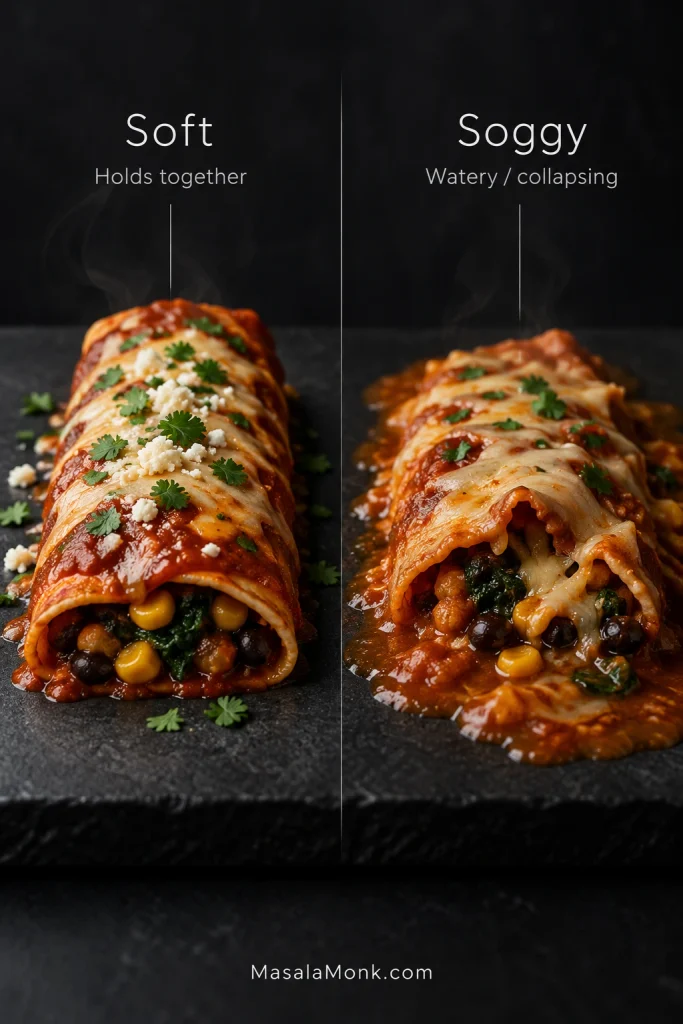
5. How do I stop my sheet fajitas from going soggy?

Give everything room to breathe on the tray. If your chicken fajita sheet pan is piled too high, the juices collect and you get more steam than roast. Spreading the mixture into a shallow layer—or using two pans for pan sheet chicken fajitas—helps you get those tasty browned edges instead of soft, wet vegetables.


6. What’s the best pan for fajitas in the oven?

A sturdy rimmed baking sheet is usually the best pan for fajitas when you’re using this method. It’s big enough for easy sheet pan chicken fajitas and strong enough not to warp at high heat. You can still make cookie sheet fajitas, but a heavy tray tends to give more even browning.


7. Can I use a non-stick or glass dish for this sheet pan fajita recipe?

You can, although the results change slightly. Non-stick trays make clean-up easier but may brown sheet pan chicken fajitas a little less. Glass dishes hold heat differently, so your chicken fajita one pan dinner might need a few extra minutes; simply watch for colour and doneness rather than relying only on the clock.


8. Can I cook fajitas in the oven if I’m used to making them in a skillet?

Yes, you can easily move from skillet fajitas chicken to a chicken fajitas in the oven recipe. The ingredients stay almost the same; only the technique changes. Instead of tossing everything in a chicken fajita pan on the stove, you toss on a tray, roast, and stir once, letting the heat build flavour while you step away.


9. Are sheet pan chicken fajitas spicy?

They’re usually moderately spiced rather than extremely hot. Most sheet pan fajita recipes rely on chili powder, cumin, and paprika for warmth, then add cayenne or fresh chili for extra kick. If you like mild baked chicken fajitas, simply skip the hotter spices; if you love heat, sprinkle more over your pan fajita before roasting.


10. How can I adjust the heat level in my baked fajitas recipe?

You control the spice level with your seasoning. To keep easy oven baked chicken fajitas gentle, use mild chili powder and no cayenne. On the other hand, if you want fiery sheet pan fajitas, add extra cayenne, fresh jalapeños, or a hotter chili powder to the sheet pan fajita chicken mix before cooking.


11. Can I prepare the chicken fajitas ahead of time?

You can slice the chicken and vegetables and mix them with oil and spices a few hours ahead. Keep the chicken fajita sheet pan mixture covered in the fridge until you’re ready to bake. When it’s time for dinner, spread everything out and roast, turning marinated one pan chicken fajita components into a flavourful tray with very little effort.


12. Is it okay to use frozen vegetables for sheet pan fajitas?

Frozen peppers and onions can work in a pinch, though the texture will be softer. If you scatter them straight onto the tray for baking sheet fajitas, expect less char and more moisture. Fresh vegetables give crisper edges and brighter colour, but frozen still make decent oven fajitas when you’re short on time.


13. How do I keep the chicken from drying out?

Don’t overcook it and avoid very tiny pieces. Cutting even strips, using enough oil, and pulling the chicken fajita in oven tray out as soon as the meat is just done all help keep your chicken fajita pan recipe juicy. Thighs are especially forgiving in a chicken fajita tray bake because they stay tender even if they roast a bit longer.


14. Can I make sheet pan fajitas for one or two people?

Definitely. For chicken fajitas for one or a small household, simply reduce the quantities and use a smaller tray. You’ll still enjoy one sheet fajitas with the same flavour and texture, just in a more manageable size that doesn’t leave you with too many leftovers.


15. Do I need to line the pan when I make sheet pan chicken fajitas?

Lining the pan with parchment makes clean-up easier but isn’t compulsory. If you skip lining, lightly oil the surface so your chicken sheet pan fajitas don’t stick. Either way, the sheet pan chicken and peppers will still roast nicely and pick up plenty of flavour.


16. Can I cook these fajitas under the broiler instead of just baking?

Yes, the broiler can give you extra char. Many people bake the chicken fajita sheet pan dinner until almost done, then move it under the broiler for a couple of minutes for lightly blackened edges. This approach gives broiled chicken fajitas that look close to grilled ones, while still using a single pan.


17. Are baked chicken fajitas healthier than fried versions?

Baked chicken fajitas generally use less oil than deep-fried options, and they’re built around lean protein and vegetables. Because you’re roasting the chicken fajita oven tray rather than frying, the meal often feels lighter. The overall balance still depends on your tortillas, toppings, and portion sizes, but the base of baked chicken fajita recipe is a wholesome starting point.


18. Can I double the recipe for a crowd?

You can absolutely scale this sheet pan chicken fajitas recipe up. For a large group, divide the mixture between two trays so the pan sheet fajitas still roast instead of steaming. Rotate the pans halfway through, and you’ll end up with a big batch of best sheet pan chicken fajitas ready at the same time.


19. What other meats can I use for a sheet pan fajita tray bake?

Chicken is classic, yet the same method works with beef strips, pork, or even shrimp. If you use quicker-cooking proteins like prawns, add them later in the baking time so they don’t overcook. No matter which protein you choose, the basic pan fajita pattern—strips, spices, and high heat—stays the same.


20. Can I make a vegetarian version of sheet pan fajitas?

Yes, it’s simple to adapt this into a vegetable-only fajita sheet pan recipe. Swap the chicken for mushrooms, tofu, paneer, jackfruit, or a mix of hearty vegetables and keep the same seasoning and roasting method. The result still feels like easy sheet pan fajitas, just without the meat.


21. How should I reheat leftover sheet pan chicken fajitas?

Leftover baked chicken fajitas reheat well in a hot skillet or in the oven. Spread the chicken fajita tray bake mixture in a single layer and warm it just until hot, so the chicken doesn’t dry out. A quick reheat brings your pan sheet chicken fajitas back to life for tacos, bowls, or wraps the next day.


22. What’s the difference between sheet pan fajitas and baked chicken tacos?

Sheet pan fajitas focus on strips of chicken and vegetables that you stuff into tortillas right at the table. Baked chicken tacos usually have the filling tucked inside the shells before going into the oven. Nevertheless, the same sheet pan fajita chicken can be used for both; you just decide whether to assemble first or after roasting.


23. Can I make this recipe milder for kids?

Yes, you can easily keep easy sheet pan chicken fajitas gentle enough for younger eaters. Use mild chili powder, skip the cayenne, and maybe add a bit more paprika for colour. Then, if adults want extra heat, they can sprinkle chili or hot sauce over their own chicken fajita sheet pan meal.


24. Do I need special fajita seasoning packets for this recipe?

Packets are convenient, but they’re not required for an easy sheet pan fajita recipe. A simple mix of chili powder, cumin, paprika, garlic, salt, and pepper gives the same character. Once you’ve tasted your homemade seasoning on a chicken fajita in oven tray, you may not feel the need to buy packets again.


25. Can I use this method for a chicken fajita pan on the stovetop?

You can borrow the same spice mix and proportions when you’re cooking chicken fajitas in a pan. Simply sear the chicken and vegetables in a hot skillet for fajitas instead of on a tray. That way, you can enjoy both skillet fajitas chicken and easy oven baked chicken fajitas using one familiar flavour base.