Posted on — 2 Comments

5 Energizing Matcha Smoothie Recipes with Spinach for Healthy Mornings

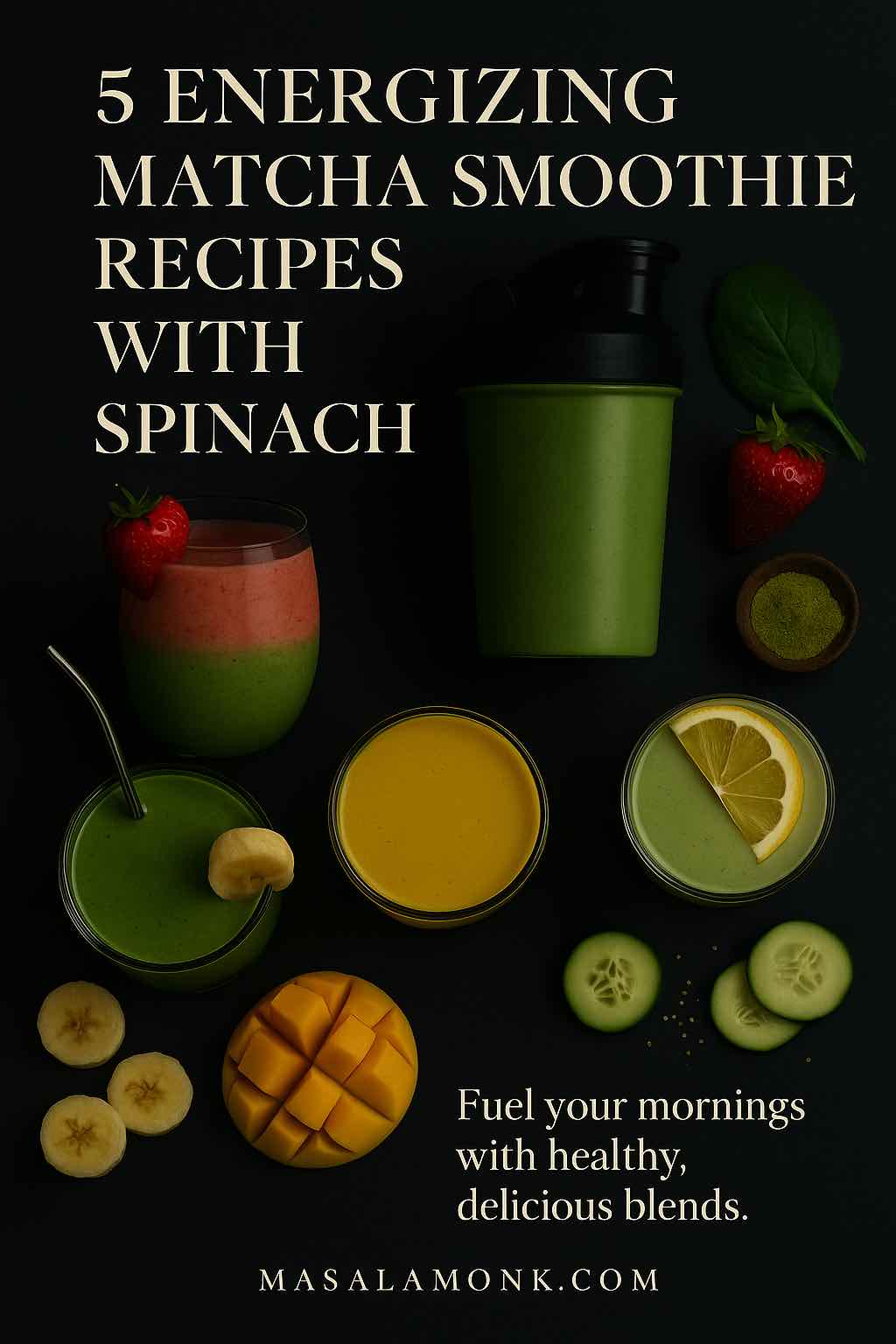
A collection of five different matcha spinach smoothies arranged in unique glasses with fruits, protein, and matcha props, styled on dark marble.

If you’ve ever struggled to find the perfect morning drink that’s both energizing and nourishing, you’re not alone. Coffee might wake you up fast, but it can also leave you with jitters or a mid-morning crash. That’s why more and more people are turning to matcha smoothie recipes with spinach. They don’t just taste amazing — they deliver steady, focused energy and a serious boost of nutrients in every sip.

The beauty of these smoothies is how flexible they are. Creamy bananas, sweet strawberries, tropical mango, or even a scoop of protein powder can all blend seamlessly with spinach and matcha. The result is a drink that feels indulgent, but is secretly loaded with health benefits. And as science shows, both matcha and spinach bring some powerful advantages to your body and mind.


The Science Behind Matcha + Spinach Smoothies

Before we get into recipes, let’s unpack why this duo is worth adding to your routine. Because while smoothies should taste good, it’s even better when they work hard for your health too.

Matcha: Calm Energy Meets Antioxidant Power

Unlike regular green tea, where the leaves are steeped and removed, matcha is made by whisking whole powdered leaves into water or milk. This means you’re consuming all the nutrients the leaf has to offer. According to Harvard Health, matcha delivers a higher concentration of catechins — powerful plant compounds that act as antioxidants and may help lower blood pressure, protect heart health, and support insulin sensitivity (Harvard Health).

One antioxidant in particular, EGCG (epigallocatechin gallate), has been studied for its role in metabolism and fat oxidation. Research suggests green tea catechins like EGCG may help with weight management, though results are still mixed in humans (PMC study).

What makes matcha especially unique is its combination of caffeine and L-theanine. Together, they deliver steady alertness without the nervous edge of coffee. A review in the Cleveland Clinic notes that this balance can improve focus, memory, and attention while promoting a sense of calm (Cleveland Clinic). It’s why so many people describe matcha energy as “calm focus” rather than a quick buzz.

Spinach: A Green You’ll Actually Enjoy

Spinach may be humble, but it’s a nutritional powerhouse that deserves more credit. Just a handful provides vitamin K for bone strength, iron for healthy blood, folate for cell growth, and magnesium for muscles and nerves. It’s also a good source of vitamin C and plant-based antioxidants, which support immunity and skin health.

What makes spinach so easy to add to smoothies is its taste — or rather, its lack of one. Unlike bitter greens like kale, spinach blends smoothly with fruits and nut milks without overpowering them. The Times of India even calls spinach-based smoothies some of the easiest “green drinks” for people who don’t usually like leafy flavors (Times of India).

Together: Why This Combo Works

When you bring these two ingredients together, you get the best of both worlds: the antioxidants and calm energy of matcha plus the vitamins, minerals, and fiber of spinach. One nutrition site even points out that matcha contains up to 125 times more antioxidants than spinach alone, which makes pairing them a no-brainer (Veganced).

The result? A smoothie that helps your body fight oxidative stress, supports steady energy, aids digestion, and fills nutritional gaps — all while tasting creamy and refreshing. No wonder matcha + spinach smoothies are becoming a go-to choice for people looking to balance wellness with convenience.


5 Healthy Matcha Smoothie Recipes

Now that you know the science behind why matcha and spinach make such a powerful pair, it’s time to put that knowledge into practice. These five recipes are simple, versatile, and can be made in just a few minutes. Each one has its own personality — whether you’re in the mood for creamy banana, refreshing berries, tropical mango, a protein-packed boost, or a lighter breakfast blend for weight management.

Think of these as base recipes you can play with. Swap milks, add seeds, toss in extra fruit — the options are endless. The best part? Every sip delivers the calm energy of matcha and the nutritional lift of spinach.


Banana Spinach Matcha Smoothie Recipe

There’s something undeniably comforting about bananas in a smoothie — creamy, naturally sweet, and always satisfying. When you pair banana with vibrant green matcha and a handful of spinach, you get a drink that feels indulgent while being sneakily healthy. The banana masks the “green” taste of spinach, making this a great option if you’re just starting out with green smoothies.
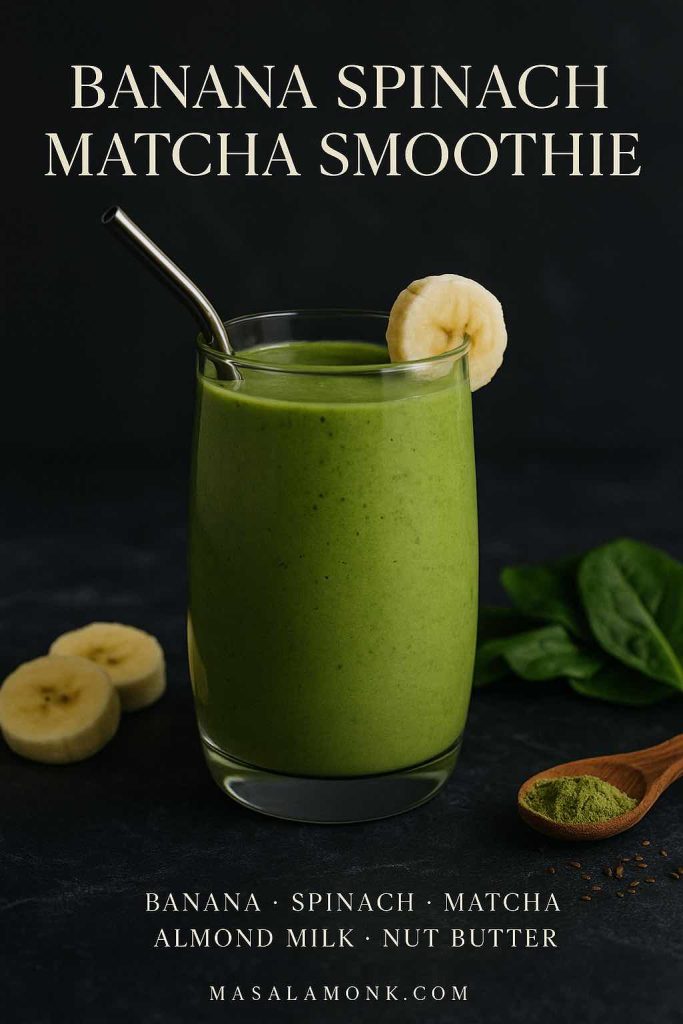
A tall glass of banana spinach matcha smoothie with banana slices and spinach leaves, styled in a classy magazine look.
Start your mornings with this creamy Banana Spinach Matcha Smoothie — packed with antioxidants, fiber, and natural energy.

This smoothie is perfect for breakfast on busy mornings because it gives you sustained energy without a sugar crash. Bananas provide quick-release carbs for an instant boost, while matcha’s caffeine and L-theanine combination offers focus and calm energy throughout the morning. Add in spinach for fiber, iron, and vitamins, and you’ve got a simple but powerful smoothie that ticks all the boxes.

Want to play around with flavors? Add a spoonful of cocoa powder for a chocolate banana matcha smoothie, sprinkle in cinnamon for warmth, or swap dairy milk for almond or oat milk if you prefer a vegan version. For an extra protein boost, toss in a spoon of Greek yogurt or nut butter — it turns this into a filling, meal-worthy shake.

Ingredients:

  • 1 ripe banana (frozen for extra creaminess)
  • 1 teaspoon matcha powder (culinary grade works best in smoothies)
  • 1 cup fresh spinach leaves, washed and packed
  • 1 cup almond or oat milk (or dairy milk if you prefer)
  • 1 tablespoon nut butter (optional, for protein and healthy fats)
  • Ice cubes (optional, for texture)

Method:

  1. Place all ingredients in a blender.
  2. Blend on high until smooth and creamy.
  3. Adjust thickness with more milk if needed.
  4. Serve immediately — garnish with a sprinkle of matcha powder or chia seeds.

Pro Tip: Freeze banana slices ahead of time for a creamier texture and a naturally chilled smoothie without watering it down.


Strawberry Spinach Matcha Smoothie (Berry Boost)

Strawberries and matcha may sound like an unusual pairing, but once you try it, you’ll see why it works so well. The sweetness and slight tang of strawberries balance matcha’s earthy notes, while spinach blends in seamlessly, adding nutrients without altering the taste. The result is a refreshing, vibrant pink-green smoothie that feels like a treat but delivers serious nutrition.
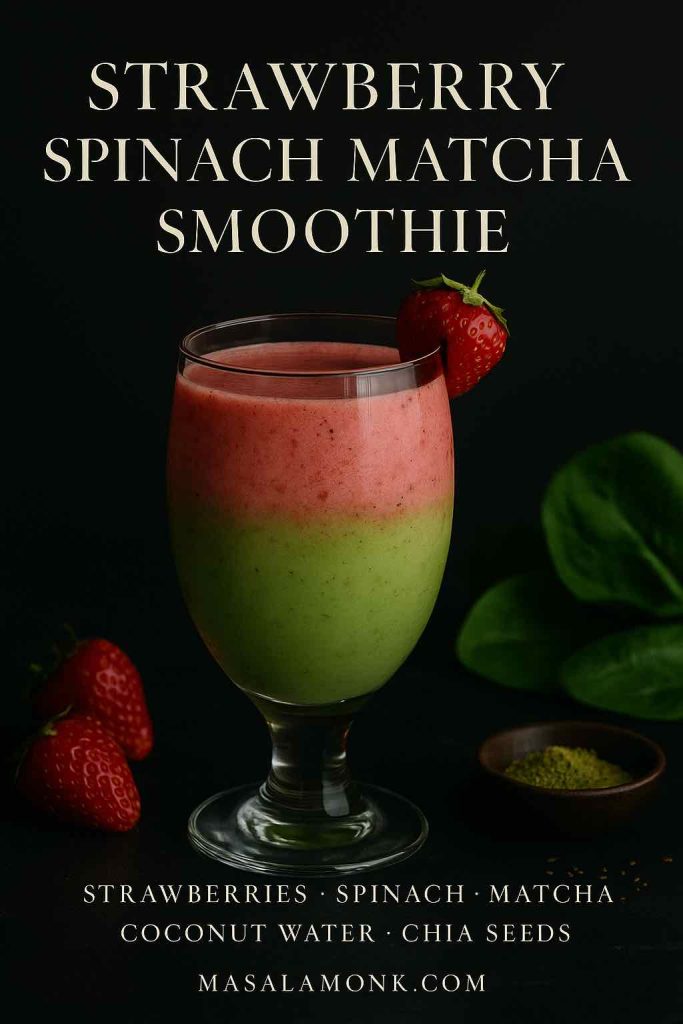
A layered strawberry spinach matcha smoothie in a stemmed glass with fresh strawberries and spinach on a dark background.
A refreshing Strawberry Spinach Matcha Smoothie, blending leafy greens with fruity sweetness for a vibrant, energizing drink.

This smoothie is ideal as a mid-morning pick-me-up or an afternoon refresher. Berries are loaded with vitamin C and antioxidants, which not only support your immune system but also help your body absorb the iron from spinach more effectively — a win-win. Together with matcha’s catechins, this drink is a powerhouse of anti-inflammatory compounds.

For variety, try swapping strawberries for blueberries or raspberries to create different versions of a berry matcha smoothie. Adding a spoonful of chia seeds makes it more filling, while coconut water instead of milk gives it a lighter, tropical edge. You can even blend in a few frozen banana slices for extra creaminess.

Ingredients:

  • 1 cup strawberries (fresh or frozen)
  • 1 teaspoon matcha powder
  • 1 cup fresh spinach leaves
  • 1 cup coconut water or almond milk
  • 1 tablespoon chia seeds (optional, for fiber)
  • ½ frozen banana (optional, for creaminess)

Method:

  1. Blend spinach, liquid base, and matcha first to avoid clumps.
  2. Add strawberries, chia seeds, and banana if using.
  3. Blend until smooth, adjusting liquid for consistency.
  4. Pour into a chilled glass and enjoy immediately.

Pro Tip: Use frozen berries instead of ice cubes — they’ll thicken your smoothie while keeping the flavor concentrated and sweet.


Mango Spinach Matcha Smoothie (Tropical Energy)

If you’ve ever wished your breakfast could taste like vacation, this smoothie is for you. Juicy, golden mango pairs beautifully with the grassy notes of matcha, while spinach provides a subtle green boost. The result is a creamy, tropical matcha green smoothie that feels indulgent but is light on calories.
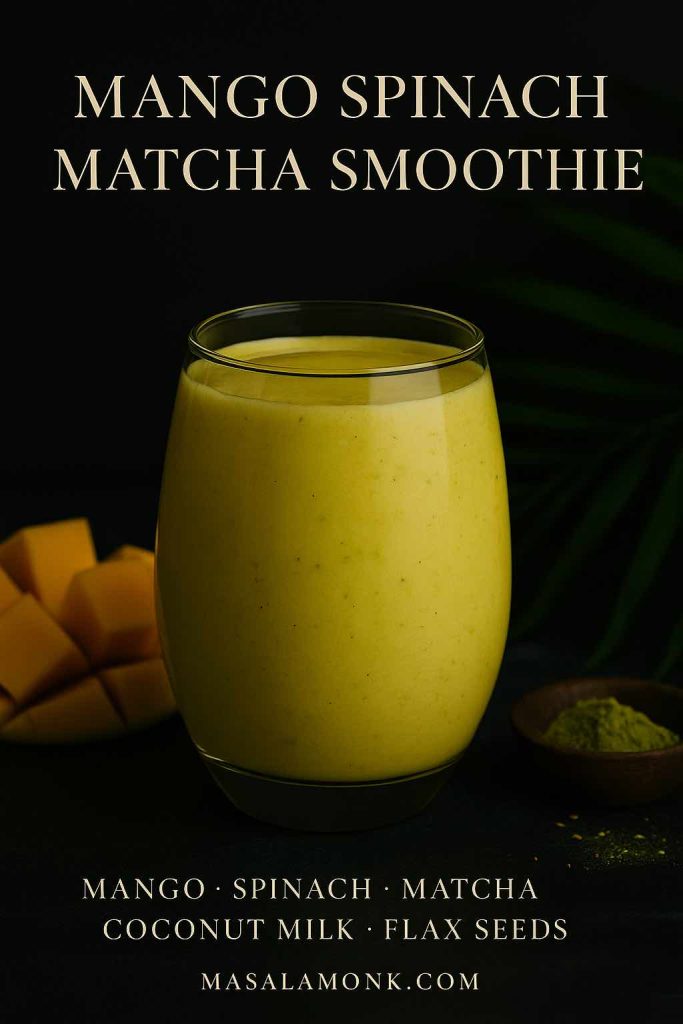
A golden mango spinach matcha smoothie in a tumbler glass, with mango cubes and matcha powder styled elegantly.
Bright and tropical, this Mango Spinach Matcha Smoothie delivers creamy texture, immune-boosting vitamins, and a morning energy kick.

Mango is rich in vitamin A and vitamin C, making this smoothie especially good for skin health and immunity. Paired with matcha’s antioxidants and spinach’s minerals, it becomes a nutrient-dense drink that can replace sugary tropical juices with a much healthier option. It’s also naturally sweet, so you don’t need added sugar.

For an extra twist, add coconut milk or pineapple chunks to create a tropical matcha smoothie. If you’re looking for a more filling version, blend in a scoop of protein powder or flax seeds to turn it into a post-workout recovery drink.

Ingredients:

  • 1 cup mango chunks (fresh or frozen)
  • 1 teaspoon matcha powder
  • 1 cup spinach leaves
  • 1 cup coconut milk (or coconut water for lighter option)
  • 1 tablespoon flax seeds or hemp seeds (optional, for omega-3s)
  • Ice cubes (optional)

Method:

  1. Blend spinach, liquid, and matcha first.
  2. Add mango and seeds, then blend until silky smooth.
  3. Serve chilled, with a sprinkle of shredded coconut on top if desired.

Pro Tip: If your mango isn’t super ripe, add half a banana to balance the flavor and enhance creaminess.


Protein-Packed Spinach Matcha Smoothie

Sometimes you need a smoothie that does more than just refresh you — it needs to fill you up. This protein-packed version is exactly that. With a scoop of protein powder or Greek yogurt, it transforms into a balanced meal that keeps you satisfied for hours. Matcha fuels your mind with clean energy, spinach delivers micronutrients, and the protein helps repair muscles and maintain satiety.
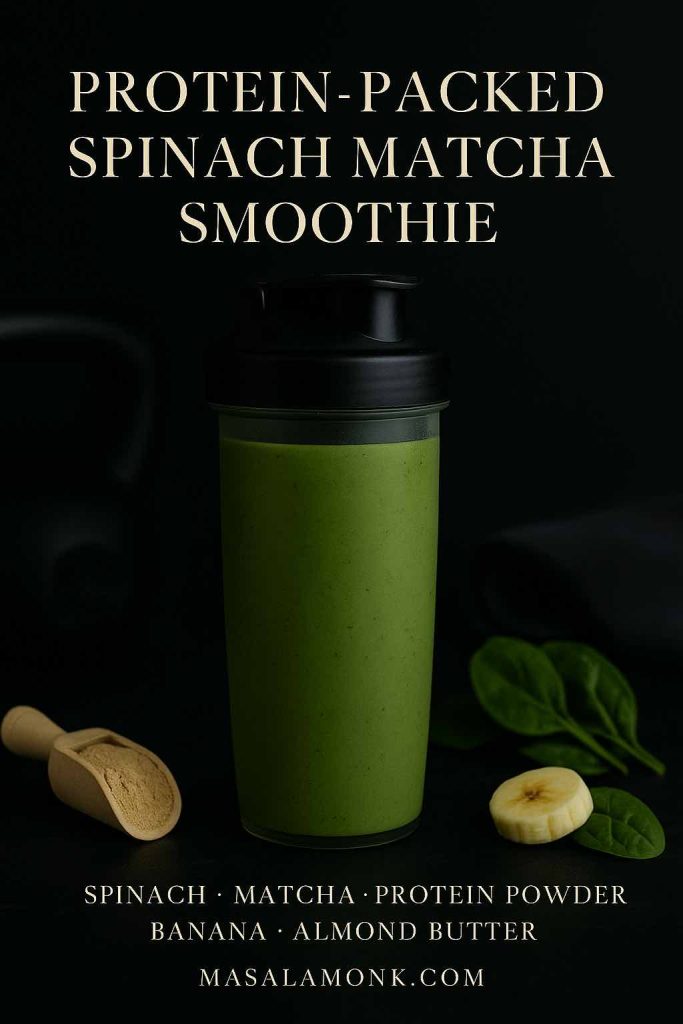
A protein-packed spinach matcha smoothie served in a sleek shaker bottle with protein scoop and spinach leaves.
Boost your workout recovery with this Protein-Packed Spinach Matcha Smoothie — rich in plant-based protein and antioxidants.

This smoothie works beautifully as a post-workout drink. The combination of carbs from fruit and protein from powders or yogurt is ideal for recovery, while matcha helps sharpen your focus for the rest of the day. Spinach adds magnesium and potassium, which also support muscle function.

The best part? You can adapt it endlessly. Go with vanilla whey for creaminess, collagen for skin and joint support, or plant-based protein for a vegan twist. Blend in banana or avocado for texture, add nut butter for richness, or stir in cacao for a chocolate matcha protein shake.

Ingredients:

  • 1 scoop protein powder (whey, plant-based, or collagen)
  • 1 teaspoon matcha powder
  • 1 cup fresh spinach
  • 1 banana or ½ avocado
  • 1 tablespoon almond butter (optional)
  • 1 cup milk of choice (dairy, oat, or almond)

Method:

  1. Blend spinach, matcha, and milk first.
  2. Add protein powder, banana/avocado, and almond butter.
  3. Blend until smooth and creamy.
  4. Serve immediately as a satisfying meal replacement.

Pro Tip: For best results, blend the spinach and matcha with liquid first, then add the protein powder — this prevents clumping and ensures a silky finish.


Weight-Loss Morning Matcha Spinach Smoothie

Light, hydrating, and metabolism-friendly, this is one of those Matcha Smoothie Recipes, that is designed for those mornings when you want something refreshing yet filling enough to keep cravings at bay. Matcha has been studied for its potential role in fat oxidation, while spinach provides fiber to support digestion and satiety. Add chia seeds, which expand in liquid, and you’ve got a smoothie that helps you feel full longer without piling on extra calories.
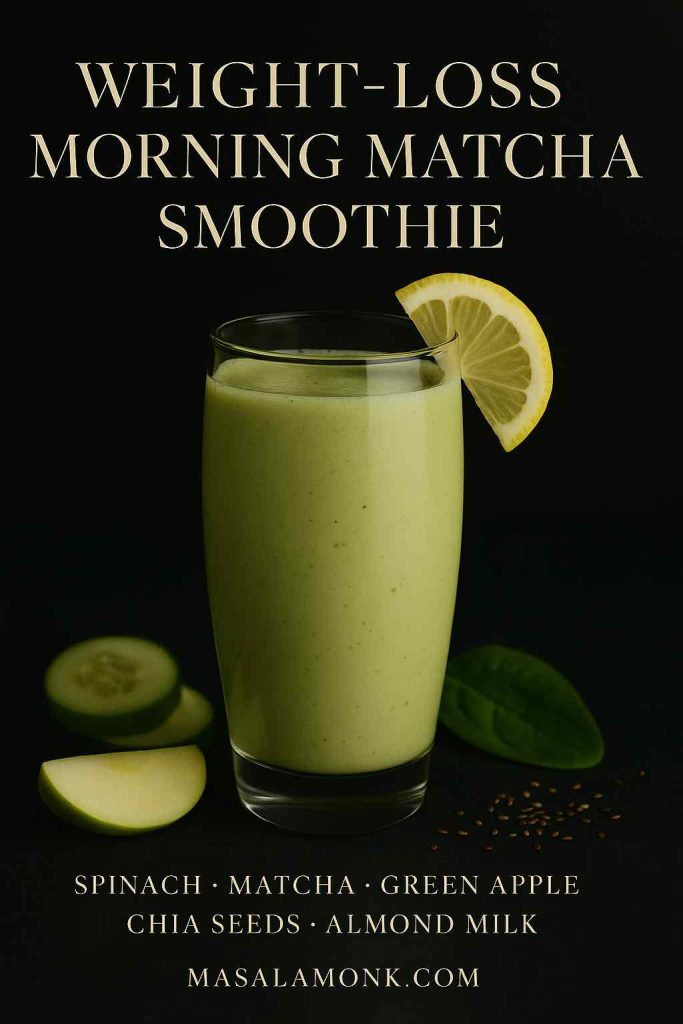
A tall slim glass of weight-loss morning matcha smoothie with lemon wedge garnish, cucumber slices, and chia seeds.
Light and refreshing, this Weight-Loss Morning Matcha Smoothie combines green apple, cucumber, and matcha for a low-calorie wellness drink.

This blend is especially good first thing in the morning, as it hydrates and energizes without being heavy. The crisp flavors of apple or cucumber keep it light and refreshing, while lemon juice adds brightness and helps balance the grassy notes of matcha. It’s also a great option if you’re trying intermittent fasting and need a nutrient-rich but light first meal.

For more staying power, you can add a quarter avocado, a scoop of protein powder, or even some Greek yogurt. These tweaks turn it from a simple snack into a smart, weight-conscious breakfast smoothie that supports your goals.

Ingredients:

  • 1 teaspoon matcha powder
  • 1 cup fresh spinach
  • ½ green apple or cucumber
  • 1 tablespoon chia seeds (or flax seeds)
  • 1 cup unsweetened almond milk
  • Juice of ½ lemon (optional, for brightness)
  • Ice cubes

Method:

  1. Blend spinach, almond milk, and matcha first until smooth.
  2. Add apple/cucumber, chia seeds, and lemon juice.
  3. Blend again until creamy and light.
  4. Pour into a tall glass and enjoy immediately.

Pro Tip: Soak the chia seeds in almond milk for 10–15 minutes before blending — it makes the smoothie creamier and more filling.


Tips for Making the Best Matcha Smoothies at Home

By now, you’ve seen just how versatile and delicious these matcha smoothie recipes can be. But before you start blending on autopilot, it’s worth taking a moment to think about how to get the most out of your matcha smoothie routine. A few simple choices can make your drinks not only tastier, but also healthier and more satisfying.

A flat-lay still life of smoothie ingredients including matcha powder, spinach leaves, banana slices, strawberries, mango cubes, chia seeds, and a lemon wedge.
Ready to blend wellness into your day? Fresh matcha, spinach, fruits, and seeds — the perfect base for healthy smoothie recipes.

First, let’s talk about the matcha itself. Not all matcha powders are created equal. If you’re new to making smoothies, look for a culinary-grade matcha. It’s affordable, blends well, and is made for mixing into recipes. Ceremonial grade is a bit more delicate and often reserved for traditional tea ceremonies, but if that’s what you have, it will still work beautifully. Just remember to sift your matcha before blending to avoid clumps.

Next, consider your base liquid. While regular milk is always an option, plant-based milks like almond, oat, or coconut add unique flavors and textures that can transform a smoothie. Coconut milk, for example, makes your drink richer and tropical, while oat milk adds a natural sweetness and creamy consistency. If you’re keeping calories low, unsweetened almond milk or coconut water are excellent choices.

Add-in and Add-ons for Matcha Smoothie Recipes

Another thing to think about is add-ins. The recipes above are strong on their own, but you can make them even more powerful by including extras like:

  • Chia seeds or flax seeds → for fiber and omega-3s.
  • Nut butters → for creaminess and healthy fats.
  • Protein powders → for satiety and muscle recovery.
  • Cacao or cinnamon → for extra flavor and antioxidants.

And finally, don’t forget texture. If you like your smoothies thick and spoonable, use frozen fruit and less liquid. If you prefer them light and drinkable, add more liquid and use fresh fruit. Over time, you’ll figure out the balance that works best for your taste and routine.

When you keep these tips in mind, you’ll find that your matcha smoothie recipes become less of a one-off treat and more of a daily ritual you look forward to.


📚 Further Reading on Health & Wellness

Looking for more ways to nourish your mornings and support your health? Here are a few handpicked posts from MasalaMonk you might enjoy:


Conclusion – Blending Flavor, Health, and Energy

As you can see, a simple smoothie can be so much more than just a quick drink. By combining spinach with matcha, you’re layering nutrients, antioxidants, and natural energy into something that also tastes genuinely delicious. Whether you reach for the banana version on a busy morning, the berry boost for an afternoon refresh, or the protein-packed blend after a workout, each one of these matcha smoothie recipes has a role to play in your day.

What makes them even better is how customizable they are. With just a few tweaks — switching up your fruit, adding seeds, or trying different plant-based milks — you can create endless variations without ever getting bored. It’s this flexibility, along with the proven health benefits of both matcha and spinach, that makes these smoothies such a smart addition to your lifestyle.

So the next time you’re debating between reaching for a cup of coffee or skipping breakfast altogether, consider giving one of these vibrant green blends a try instead. You’ll get the calm, sustained energy of matcha, the nutritional boost of spinach, and the satisfaction of knowing you’re nourishing your body with every sip. In other words, you’re not just drinking a smoothie — you’re fueling your day the smart, delicious way.


FAQs About Matcha Smoothie Recipes

1. Can you put matcha powder in smoothies?

Absolutely! Adding matcha powder to smoothies is one of the easiest ways to enjoy its benefits. Because matcha is powdered green tea leaves, you’re consuming the whole leaf — which means more antioxidants and nutrients compared to regular steeped tea. Just a teaspoon blended with fruit, spinach, and your favorite milk turns into a vibrant matcha smoothie recipe that’s both energizing and nourishing.


2. What fruit goes best with matcha in smoothies?

Bananas, strawberries, blueberries, and mango are some of the best fruits to pair with matcha in smoothies. Bananas add creaminess and natural sweetness, berries bring antioxidants and tang, and mango creates a tropical twist. These pairings not only balance matcha’s earthy flavor but also make your matcha smoothie recipes taste like a treat.


3. What is the best matcha for smoothies?

For smoothies, culinary-grade matcha is the best choice. It’s more affordable than ceremonial grade and designed to be mixed into foods and drinks. Look for high-quality organic matcha that’s bright green in color, as that usually indicates freshness and good nutrient content. This will make your matcha green tea smoothies both flavorful and effective.


4. Are matcha smoothies good for weight loss?

They can be. Matcha contains catechins like EGCG that may support metabolism and fat oxidation, while spinach and seeds add fiber to keep you full. When combined with low-calorie fruits like cucumber, apple, or berries, these weight-loss matcha smoothie recipes can help control cravings and keep your energy steady throughout the day.


5. Can matcha smoothies replace coffee in the morning?

Yes, many people use matcha smoothies as a coffee alternative. Matcha contains caffeine, but it’s balanced by L-theanine, which promotes calm focus instead of jitters. When blended into a smoothie with spinach, fruit, and protein, it makes a balanced breakfast that powers your morning without the crash that coffee often brings.


6. How often should you drink matcha smoothies?

Most people can enjoy one of the matcha smoothie recipes per day without issues, depending on their caffeine sensitivity. A typical serving (1 teaspoon of matcha powder) contains about 60–70 mg of caffeine, which is less than coffee but enough to boost energy. If you’re sensitive to caffeine, try having your smoothie earlier in the day.

Posted on — 3 Comments

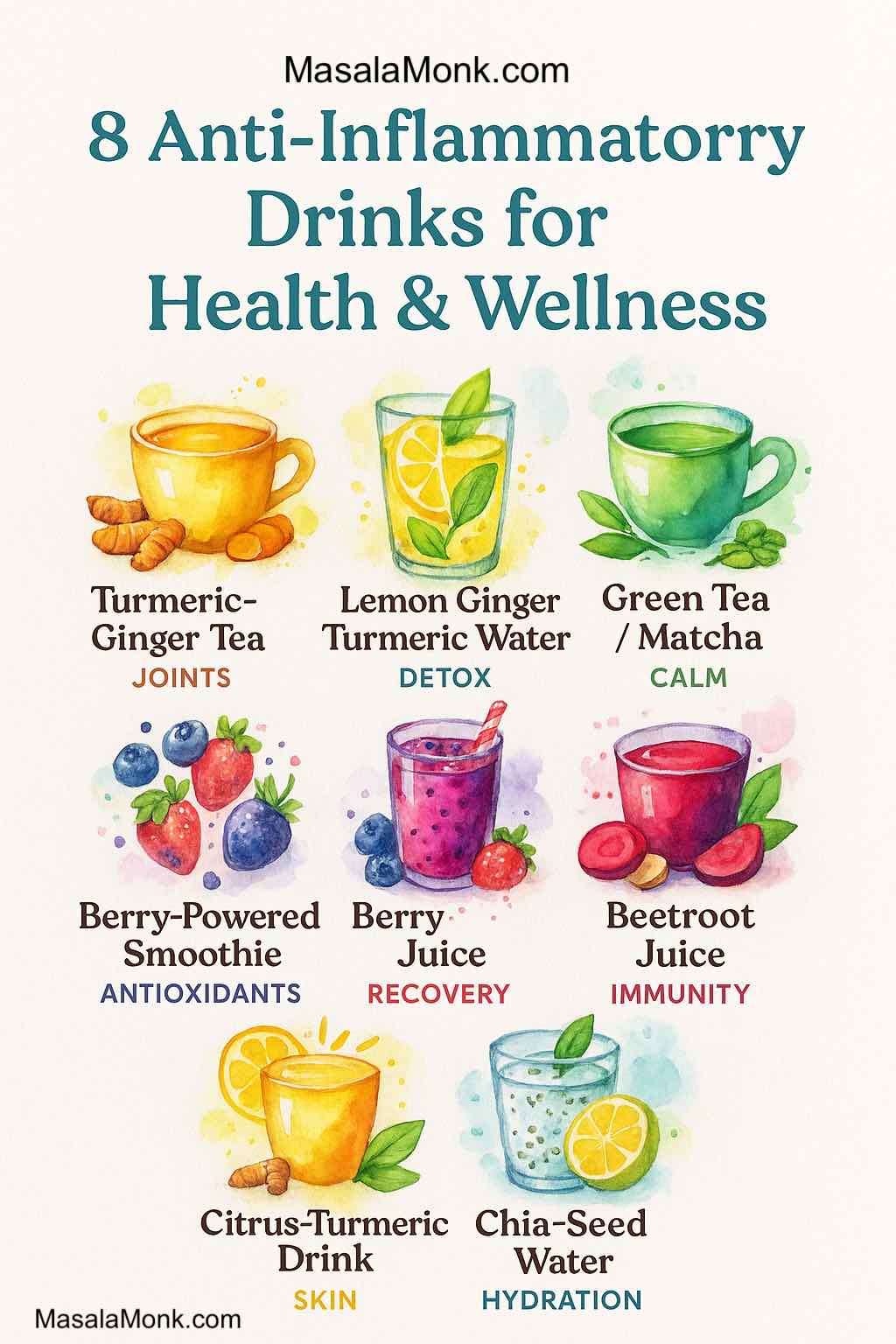
8 Anti-Inflammatory Drinks for Health & Wellness

8 Anti-Inflammatory Drinks for Health & Wellness

Let’s be real—life is busy, aches and stress happen, and sometimes the idea of “wellness” feels complicated or out of reach. But what if feeling better could start with something as simple as what’s in your mug?

Inflammation, the silent culprit behind everything from creaky knees to brain fog, is no match for Mother Nature’s healing kitchen. Every day, real people are discovering the power of simple, vibrant, and delicious anti-inflammatory drinks to dial down discomfort and light up their lives—one sip at a time.

In case you want to understand more about inflammation, read more here: What Is Inflammation? Body’s Double-Edged Sword

So, grab your favorite cup, settle in, and let’s explore eight truly nourishing drinks you can make at home. This isn’t just another list—it’s a roadmap to tiny, joyful, everyday victories.


1. Turmeric-Ginger Tea: Your Cozy, Golden Hug in a Cup

This drink is like wrapping yourself in a warm, golden blanket on a rainy day. The combo of earthy turmeric and zesty ginger feels soothing even before you know how powerful it is.

Turmeric-Ginger Tea for Joint Relief and Inflammation Support – MasalaMonk.com

Why it works:

  • Science tells us that curcumin (from turmeric) and gingerol (from ginger) actively calm inflammation, support joints, and even lift mood.
  • Add a pinch of black pepper—this isn’t just an old wives’ tale, it actually boosts turmeric’s power by helping your body absorb curcumin better.

How to make it:

  1. Bring 2 cups of water to a gentle simmer.
  2. Add ½ teaspoon turmeric powder (or a thumb-sized piece of fresh root, peeled and sliced), ¼ teaspoon grated fresh ginger, and a pinch of black pepper.
  3. Let it all bubble away for 10 minutes—breathe in that spicy, earthy aroma!
  4. Pour into your favorite mug. Sweeten with honey or jaggery if you like, or add a dash of milk for extra richness.

How people feel:

“I started drinking turmeric-ginger tea every day—honestly, I didn’t expect much. But after a week, my morning stiffness was gone, and even my mood felt lighter!”
“It took away almost all of my symptoms—fatigue, brain fog, cold limbs. I stopped drinking it and my symptoms came back!”

Ready to dive deeper? Discover real-life tips and tricks in The Benefits of Turmeric Ginger Cinnamon Tea for Weight Loss and Overall Well-being.


2. Lemon Ginger Turmeric Water: Morning Zing, All-Day Glow

Imagine a drink that wakes up every sleepy cell in your body—lemon ginger turmeric water is exactly that. It’s bright, fresh, and just a little spicy, like sunshine in a bottle.

Lemon Ginger Turmeric Water – Detox and Immunity Boost Drink – MasalaMonk.com

Why it works:

  • Lemon is a vitamin C powerhouse and helps flush out toxins.
  • Ginger soothes the gut and adds a warming kick.
  • Turmeric fights inflammation deep in your tissues, so you’re helping your body from the inside out.

How to make it:

  1. Grab a clean jar or bottle.
  2. Fill with 1 liter water.
  3. Add the juice of one whole lemon, 1-inch of fresh ginger (sliced thin), and ½ teaspoon turmeric powder.
  4. Give it a shake and let it steep overnight in the fridge.
  5. Sip throughout the next day—on your commute, at your desk, after a workout.

Tips from real people:

  • “It’s a lifesaver for my afternoon energy crashes.”
  • “If you’re new to turmeric, use less at first—the taste grows on you!”

Get the step-by-step guide at Lemon Ginger Turmeric Water: A Refreshing Drink for Weight Loss and Detoxification.


3. Green Tea or Matcha: The Ritual That Restores

There’s something almost meditative about making green tea. The gentle steam, the vivid green, the grassy aroma—it’s a ritual that slows you down and gives you a moment just for yourself.

Green Tea Matcha – Antioxidant-Rich Calming Beverage for Wellness – MasalaMonk.com

Why it works:

  • Green tea is full of polyphenols (especially EGCG) that tame inflammation and support heart, brain, and metabolism.
  • Matcha, made from powdered green tea leaves, is even more concentrated—think “supercharged” green tea.

How to enjoy it best:

  1. Bring water to just before boiling (around 80°C / 176°F—you don’t want to scorch the leaves!).
  2. Steep a green tea bag for 2–3 minutes or whisk 1 teaspoon of matcha into hot water until frothy.
  3. Add a squeeze of lemon to brighten it up, or a drizzle of honey for a gentler taste.

How it feels:

“I started making a cup every afternoon. Not only do I feel less jittery than with coffee, but my mind feels clearer and my skin has improved too.”

For more creative tea routines, try Morning Metabolism Boost: 5 Green Tea & Spice Infusions for Weight Loss


4. Berry-Powered Smoothies: Sweet, Tart, and Totally Transformative

Picture this: a glass so vibrant it looks like summer, brimming with the taste of fresh-picked berries and the promise of antioxidants.

Berry Antioxidant Smoothie for Immune Support and Inflammation – MasalaMonk.com

Why it works:

  • Blueberries, tart cherries, blackberries—they’re rich in anthocyanins, which actively reduce inflammation and help everything from sore muscles to cranky skin.
  • Bonus: Blending with yogurt or plant milk adds protein and probiotics, making it a meal and a medicine.

How to whip it up:

  1. Add 1 cup frozen blueberries (or your favorite mix) to a blender.
  2. Throw in half a banana, a handful of spinach (you won’t taste it, promise!), ½ cup Greek or coconut yogurt, and 1 tablespoon chia seeds.
  3. Pour in enough almond or oat milk to blend.
  4. Blend until creamy and enjoy the beautiful purple color!

From real people:

“I started drinking this after workouts and noticed my soreness was way less. Plus, my skin looks brighter!”

Curious about the science? See Pure Blueberry Juice: 5 Ways It Boosts Your Well-Being.


5. Beetroot Juice: Earthy, Bold, and Vascular-Supporting

If you haven’t tried beetroot juice yet, don’t let its bold color scare you! Earthy and subtly sweet, this drink is a favorite for athletes and anyone looking to reduce inflammation.

Beetroot Juice for Recovery and Vascular Health – Anti-Inflammatory Benefits – MasalaMonk.com

Why it works:

  • Beets are high in betalains and nitrates, which improve blood flow and ease inflammation—amazing for recovery after a tough day or a big workout.

Easy homemade version:

  1. Juice 1–2 beets with an apple and a small chunk of ginger for extra zing.
  2. No juicer? Grate the beets, squeeze through cheesecloth, and mix the juice with water.
  3. Drink ½ cup to start—beetroot is powerful!

What people say:

“I drink beetroot juice before my morning walks. I feel more energetic, and my knees hurt less than they used to.”

Also Read: Power of Beetroot and Beet Juice


6. Elderberry Juice or Tea: For When You Need a Health Shield

There’s something magical about elderberry—its deep purple hue, tart flavor, and old-world charm make it feel special. People swear by it for immunity, but it’s also a secret weapon for calming inflammation.

Elderberry Juice Tea – Immunity and Inflammation Relief Naturally – MasalaMonk.com

Why it works:

  • Elderberries are packed with anthocyanins and vitamin C, supporting your immune system and fighting off swelling and aches.

How to make a homebrew:

  1. Simmer ½ cup dried elderberries, 3 cups water, a cinnamon stick, and 2–3 cloves for 30 minutes.
  2. Strain, cool, and sweeten lightly with honey if desired.

Real-life stories:

“Whenever a cold hits my family, elderberry tea shortens it every time. We make a big batch and drink it warm with lemon.”

For more herbal synergies, read Amla, Tulsi, Ashwagandha, Ginger & Turmeric: The Ayurvedic Herbal Combo That Strengthens Immunity Naturally.


7. Citrus-Turmeric Drinks: Morning Sunshine, Anytime Relief

Who doesn’t love the bright, punchy taste of orange and lemon? Paired with turmeric, these drinks are a daily “reset button”—zesty, cheerful, and brimming with anti-inflammatory vitamin C.

Simple morning ritual:

  1. Juice 2 oranges and ½ lemon into a glass.
  2. Stir in ½ teaspoon turmeric and a dash of black pepper.
  3. Drink immediately for a tangy wake-up that supports your skin, joints, and mood.

From our community:

“I started adding turmeric to my orange juice—honestly, my skin started glowing and I just feel brighter every morning!”

See more ideas at Citrus Zing: 5 Turmeric-Orange Drinks for a Tangy Morning Kick.


8. Chia-Seed Water: Small Seeds, Big Results

This is wellness in its simplest, most satisfying form. Chia seeds + water = a hydrating, fiber-rich drink that keeps you full, supports your gut, and cools inflammation from the inside out.

Chia-Seed Water – Hydration and Omega-3 Anti-Inflammatory Power – MasalaMonk.com

How to make it:

  1. Add 1 tablespoon chia seeds to a big glass of water.
  2. Wait 10–15 minutes as the seeds form a gel-like layer.
  3. Squeeze in lemon or drop in a few mint leaves for extra flavor.
  4. Sip slowly, and feel hydrated and satisfied.

User tip:

“I started with just a teaspoon at first, and my digestion improved—no more afternoon slumps!”

You might like to read: Glycemic index of Chia Seeds and their effectiveness on Blood Sugar


How to Make This Work in Real Life

  • Start with one drink: Don’t overwhelm yourself—pick the one that sounds the tastiest or easiest and try it for a week.
  • Set a ritual: Make your drink part of a morning routine, afternoon pick-me-up, or evening wind-down. The consistency is more important than perfection.
  • Adjust for you: Can’t stand turmeric? Go lighter and add cinnamon. Want a sweeter taste? Toss in apple slices or berries.
  • Homemade beats store-bought: You control the sweetness, strength, and love that goes into your drink.
  • Listen to your body: Notice what changes—energy, mood, aches, even skin. Everyone’s different!

Real People, Real Results: What Our Community Says

  • “It’s not a miracle cure, but I notice the difference in my joints and gut when I skip my morning turmeric tea.”
  • “Homemade ginger shots are a game changer. The taste is intense, but you really do get used to it.”
  • “Elderberry syrup is our family’s go-to when flu season hits—plus, it tastes like a treat!”

Make It Part of Something Bigger

The truth? Drinks alone won’t fix everything. But as part of a lifestyle full of real food, gentle movement, fresh air, and good sleep, they’re like the spark that gets your fire burning.

Want to go deeper? Read How to Follow an Anti-Inflammatory Diet for Optimal Health for more recipes, spice tips, and a full-body approach.


Final Sip

Wellness isn’t about restriction or perfection—it’s about tiny habits, delicious flavors, and little moments of self-care you can look forward to every day.
So pick a drink, make it yours, and let each sip remind you: You deserve to feel good, right now.

Do you have a go-to anti-inflammatory drink? What have you noticed since you started? Share your story below—your experience might be just the encouragement someone else needs!


Explore More (for Further Reading & Internal Linking)


Ready to sip, savor, and thrive? Your best health might just be a glass away. Cheers!

10 FAQs & Answers

1. What are anti-inflammatory drinks?
Anti-inflammatory drinks are beverages made with ingredients known to help reduce inflammation in the body, such as turmeric, ginger, green tea, berries, and citrus. These drinks can support your body’s natural healing processes and promote overall wellness.

2. How often should I drink anti-inflammatory beverages?
You can safely enjoy 1–2 servings of most anti-inflammatory drinks daily. Consistency is key for long-term benefits, but always listen to your body and consult a doctor if you have any underlying conditions.

3. Can I mix and match different anti-inflammatory drinks?
Yes! Rotating between different drinks—like turmeric tea in the morning and a berry smoothie later—can help you benefit from a wider range of nutrients and antioxidants.

4. Are there any side effects to these drinks?
Most anti-inflammatory drinks are safe for healthy adults. However, high doses of turmeric or ginger may interact with certain medications (like blood thinners), and too much citrus may affect those with acid reflux. Always start small and monitor how you feel.

5. Do I need special equipment to make these drinks?
No special equipment is required for most recipes—a basic pot or kettle, a blender (for smoothies), and a citrus juicer are helpful but not essential. You can get creative with what you have at home.

6. Can I prepare these drinks in advance?
Yes, many of these drinks can be made in batches and stored in the fridge for 1–2 days—like lemon ginger turmeric water or berry smoothies. Fresh is always best, but prepping ahead saves time.

7. Are these drinks suitable for kids and seniors?
Most recipes are safe for all ages when made with natural ingredients and without excessive spice or added sugars. Adjust spice levels for kids and consult a healthcare provider for anyone with health conditions.

8. Will these drinks help with chronic pain or joint issues?
Many readers report reduced joint pain and muscle soreness with regular use of turmeric-ginger tea, beetroot juice, and berry smoothies. While not a cure, they can be a supportive addition to your wellness routine.

9. Can I use powdered spices or do I need fresh ingredients?
Both work! Fresh ingredients often provide a brighter taste, but high-quality powdered spices are convenient and still deliver health benefits. Always check for purity and avoid mixes with added fillers.

10. How can I make these drinks taste better if I’m not used to the flavors?
Start with less spice and increase gradually. Add natural sweeteners (like honey or apple), mix with mild teas, or blend with fruit to create a flavor you enjoy. Over time, many people come to love the natural, earthy taste.

Posted on — 6 Comments

5 Natural Alternatives for Commercial Processed Drinks this Summer

Natural Summer Drinks

Summer in India (and much of the world) means intense heat, rising humidity, and a constant search for something cool, satisfying, and hydrating. Yet most commercial processed drinks—think sodas, bottled iced teas, energy drinks, and “fruit” beverages—are loaded with refined sugar, artificial flavors, and preservatives that often leave you feeling sluggish, not refreshed.

This year, we challenge you to #ReimagineRefreshment. Skip the processed, and turn to natural, wholesome, and on-trend alternatives—each carefully chosen for taste, nutrition, and practicality in your everyday routine. Let’s discover the top 5, why they work, how you can make them at home, and how each fits with a modern wellness lifestyle.


1. Cortisol Cocktail: Social Media’s Favorite Stress‑Busting Summer Sipper

What is it?
A “cortisol cocktail” is a hydrating, mineral-rich, non-alcoholic drink trending everywhere from TikTok to wellness podcasts. Despite the name, it contains no hormones—just a combination of natural ingredients that support hydration, electrolytes, and calm.

Key Ingredients:

  • Coconut water (natural electrolytes & potassium)
  • Citrus juice (vitamin C boost)
  • Magnesium powder (supports calm, sleep, and nerve function)
  • Sea salt (mineral replenishment)
  • Sparkling water (just for fizz!)

How to Make It (1 glass):

  1. Pour 200ml coconut water into a tall glass.
  2. Squeeze in the juice of half an orange or lime.
  3. Stir in 1/4 tsp magnesium powder (or as per supplement label).
  4. Add a small pinch of sea salt.
  5. Top with sparkling water and a few ice cubes. Garnish with mint or orange wedge.

Why you’ll love it:
It’s lightly sweet, super hydrating, has no added sugar, and the minerals help with both energy and relaxation—a perfect afternoon pick-me-up or post-workout cooler.

Pro Tip: If you take medication or have kidney issues, check with your doctor before using magnesium supplements.


2. Prebiotic Soda: Gut-Friendly, Fizzy, and Fun

What’s new in 2025?
Big beverage brands and indie startups are rolling out “prebiotic sodas”—fiber-infused, naturally sweetened fizzy drinks made for gut health and a lighter summer vibe.

What makes it different?

  • Contains plant-based prebiotic fiber (like inulin) for digestion.
  • Lower in sugar than regular sodas.
  • Naturally flavored with real fruit.
  • Some use stevia or monk fruit for sweetness.

How to Make Your Own:

  1. Add a few fresh orange and strawberry slices to a glass.
  2. Pour chilled sparkling water over.
  3. Stir in 1 tsp inulin powder (available online/health stores).
  4. Add a tiny pinch of sea salt and a dash of stevia or honey if desired.

Why it’s great:
You get the satisfaction of bubbles without the sugar crash. Prebiotics feed the good bacteria in your gut, supporting overall digestion and wellness.

Pro Tip: Start with a small amount of inulin to let your system adjust.


3. Matcha Cooler: Energize with Antioxidants

Why matcha?
Matcha is a finely ground green tea powder rich in antioxidants, L-theanine (for calm focus), and a mild caffeine lift—ideal for summer afternoons or a healthy “mocktail hour.”

Trendy variations:

  • Classic Iced Matcha: Whisk 1 tsp matcha powder with a splash of cold water until frothy. Pour over ice, top with more cold water, and add honey or maple syrup if needed.
  • Pineapple Matcha Fizz: Whisk matcha, add pineapple juice, sparkling water, and ice for a tropical green twist.
  • Matcha Lemonade: Mix matcha with lemon juice, a touch of agave, and plenty of ice.

Why you’ll love it:
Matcha is naturally energizing but gentle on the system—no jitters. It looks beautiful in the glass and tastes bright and grassy.

Pro Tip: Use ceremonial-grade matcha for best color and flavor.


4. Chaas / Buttermilk: India’s Traditional Summer Hero

Why is chaas a classic?
This yogurt-based drink, known as chaas, is the ultimate Indian cooler—full of probiotics, protein, minerals, and natural cooling properties. It’s the perfect digestif after a heavy meal or a sweltering day.

Simple recipe:

  1. Blend 1 cup plain dahi (curd/yogurt) with 1.5 cups cold water.
  2. Add 1/2 tsp roasted cumin powder, a pinch of black salt, and a handful of fresh mint or coriander.
  3. Pour over ice and serve immediately.

Why you’ll love it:
Chaas hydrates, replenishes lost electrolytes, and is ultra-satisfying after spicy food or long hours outside.

Pro Tip:
Add grated ginger, chopped cucumber, or even a dash of chaat masala for variety.


5. Turmeric & Ginger Tonic: Anti-Inflammatory and Zesty

Why this tonic?
Both turmeric and ginger are scientifically proven to fight inflammation, boost immunity, and aid digestion—plus, they make a beautifully golden, Instagram-ready drink.

How to Make:

  1. Boil a 2-inch piece of ginger in 2 cups water for 5 minutes.
  2. Stir in 1 tsp turmeric powder, juice of half a lemon, and 1 tbsp honey or jaggery.
  3. Add a pinch of black pepper (boosts turmeric’s benefits), strain, and chill.
  4. Serve over ice with lemon slices.

Why you’ll love it:
This drink delivers a vibrant flavor punch, supports your health, and looks gorgeous. Perfect as a midday refreshment or post-dinner “digestive.”

Pro Tip:
Make a batch ahead and store in the fridge—it’s even better cold!


Conclusion: Hydrate Smarter, Live Better

This summer, skip the commercial drinks aisle and embrace these natural, practical, and deeply satisfying alternatives. Whether you’re after hydration, gut health, energy, tradition, or an immune boost, there’s a perfect glass waiting for you.

Try them at home, share with family and friends, and tag your creations with #MasalaMonkDrinks for a chance to get featured!


Share Your Favorite

Which drink will you try first? Have your own healthy summer sipper?
Drop your recipes, questions, and reviews in the comments below.


Stay cool, stay hydrated, and enjoy every sip—naturally.
MasalaMonk.com

10 FAQs for Natural Summer Drinks

1. Are these drinks suitable for kids and seniors?
Yes, all drinks can be enjoyed by kids and seniors, but adjust the amount of added salt, spices, or supplements (like magnesium) for age and dietary needs. Always consult a doctor for any chronic health issues.

2. Can I prepare these drinks ahead of time?
Absolutely! Drinks like chaas, turmeric & ginger tonic, and infused prebiotic soda can be refrigerated for up to 24–48 hours. Just stir before serving and add fresh herbs/ice at the end.

3. Are these drinks vegan?
Most are vegan by default. For chaas, use plant-based yogurt. For sweeteners, replace honey with agave or maple syrup.

4. Do I need special equipment to make these drinks?
No special equipment needed! A blender or whisk is helpful for chaas and matcha, but all drinks can be made with basic kitchen tools like a pitcher, knife, and glass.

5. Where can I find inulin powder or magnesium powder?
These are available at health food stores, large supermarkets, or online. Choose a reputable brand and start with small quantities.

6. Can I use bottled coconut water or does it have to be fresh?
Bottled coconut water is fine—just choose unsweetened and no-added-flavor versions for the healthiest option.

7. How much sugar do these drinks contain?
Most drinks are naturally low in sugar. You control sweetness—add fruits, stevia, or minimal natural sweeteners if desired.

8. Are these drinks safe for people with diabetes?
Most are safe in moderation, but always check with your doctor. Use unsweetened versions and low-GI sweeteners if needed.

9. Can I make a big batch for a party or picnic?
Definitely! All recipes can be multiplied, made in pitchers, and served chilled. Add ice and herbs just before serving for freshness.

10. How do I store leftovers?
Store in a covered container or bottle in the fridge for 24–48 hours. Shake or stir well before pouring.

Posted on — 2 Comments

10 Exotic Superfoods for a Healthy Pregnancy

Pregnancy is a time when nutrition takes center stage, and what better way to nourish both mother and baby than with some exotic superfoods? These nutrient-packed foods not only add variety and excitement to your prenatal diet but also come loaded with essential vitamins, minerals, and antioxidants. Let’s explore ten exotic superfoods that can contribute to a healthy and vibrant pregnancy.

1. Quinoa: The Protein-Packed Ancient Grain

Quinoa, often hailed as a ‘super grain,’ is a complete protein, providing all nine essential amino acids vital for both mother and baby’s health. It’s also high in fiber, iron, and magnesium, making it a fantastic alternative to traditional grains, especially for those following a gluten-free diet.

2. Chia Seeds: Tiny Seeds with Mighty Nutrients

Don’t let their size fool you; chia seeds are a nutritional powerhouse. They’re an excellent source of omega-3 fatty acids, crucial for fetal brain development. Plus, their high fiber content can help combat pregnancy-induced constipation.

3. Acai Berries: The Antioxidant Rich Berry

Acai berries are bursting with antioxidants, which protect cells from damage and boost energy levels. They’re also rich in vitamins and minerals, supporting overall health during pregnancy.

4. Kefir: The Probiotic Wonder

Kefir, a fermented milk drink, is brimming with probiotics, essential for maintaining a healthy gut. A healthy gut can enhance digestion and absorption of nutrients, crucial during pregnancy.

5. Moringa: The Miracle Tree

Moringa leaves are known for their impressive nutritional profile. High in vitamins A, C, and E, as well as calcium and iron, moringa is a great supplement to a prenatal diet, especially in regions where these nutrients might be lacking in the diet.

6. Edamame: The Green Powerhouse

Edamame, or young soybeans, are not only delicious but also a fantastic source of protein, fiber, and vitamins. They are particularly beneficial for vegetarian and vegan diets during pregnancy.

7. Matcha: A Healthier Caffeine Alternative

Matcha, a type of green tea powder, is an antioxidant-rich food that can offer a gentle energy boost. While caffeine intake should be limited during pregnancy, matcha provides a healthier alternative with added health benefits.

8. Kimchi and Fermented Foods: For Gut Health

Fermented foods like kimchi are rich in probiotics, which are vital for maintaining healthy gut flora. A balanced gut microbiome is essential for optimal nutrient absorption and immune function.

9. Turmeric: The Anti-Inflammatory Spice

Turmeric is known for its anti-inflammatory properties. Adding turmeric to meals can help reduce inflammation and joint pain, which can be particularly beneficial during the later stages of pregnancy.

10. Goji Berries: The Nutrient-Dense Snack

Packed with antioxidants, vitamins, and minerals, goji berries are a great snack option. They support immune health and provide a natural energy boost, which can be helpful during pregnancy.


Conclusion:
Incorporating these exotic superfoods into your pregnancy diet can provide a wealth of health benefits. However, it’s important to remember that while these foods are nutritious, they should complement a balanced diet. Always consult with your healthcare provider before introducing new foods into your pregnancy diet, especially if you have any dietary restrictions or health concerns.

Enjoy the journey of pregnancy with these flavorful, nutrient-rich superfoods on your plate!

FAQs

  1. Can I consume quinoa every day during pregnancy? Yes, quinoa can be a daily part of your diet. It’s a complete protein and rich in other nutrients, making it ideal for pregnancy nutrition.
  2. Are chia seeds safe throughout pregnancy? Absolutely! Chia seeds are safe and beneficial throughout pregnancy, offering omega-3s, fiber, and calcium.
  3. How do acai berries benefit pregnancy? Acai berries are rich in antioxidants, which support immune health and provide energy, both of which are beneficial during pregnancy.
  4. Can kefir help with pregnancy digestion? Yes, kefir’s probiotics can improve gut health, aiding digestion and nutrient absorption, which is crucial during pregnancy.
  5. Is moringa safe for all stages of pregnancy? Moringa is generally safe but consult with a healthcare provider first, especially if you have specific health conditions.
  6. How much edamame can I eat while pregnant? Edamame is safe in moderation. A serving or two per day can provide you with protein, fiber, and vitamins.
  7. Is matcha a good alternative to coffee during pregnancy? Matcha is a healthier caffeine alternative, but it should be consumed in moderation due to its caffeine content.
  8. Can kimchi help with pregnancy-related gut issues? Yes, kimchi is rich in probiotics, which can help maintain a healthy gut microbiome, aiding in digestion during pregnancy.
  9. Does turmeric have specific benefits for pregnant women? Turmeric’s anti-inflammatory properties can help reduce inflammation and joint pain, which can be beneficial during pregnancy.
  10. Are goji berries a good snack option during pregnancy? Definitely! Goji berries are packed with nutrients and antioxidants, making them a great snack choice for energy and immune support.

Blog Tags: Pregnancy Superfoods, Exotic Foods in Pregnancy, Prenatal Nutrition, Healthy Eating During Pregnancy, Quinoa, Chia Seeds, Acai Berries, Kefir, Moringa, Edamame, Matcha, Kimchi, Turmeric, Goji Berries, Gestational Health

Posted on — Leave a comment

Discover the 5 Most Exquisite Green Teas in the World

person holding sliced vegetables on basket

In a world that seeks serenity and wellness, where each sip brings a moment of tranquility and rejuvenation, green tea emerges as a cherished companion on our journey towards health and balance. Green tea, celebrated for its numerous health benefits and unique flavor profile, has captured the hearts of tea enthusiasts around the globe. It is within this realm of tea appreciation that we embark on a journey to discover the crème de la crème, the pinnacle of green tea excellence that promises an extraordinary experience for both the body and the soul. Get ready to immerse yourself in the world of green tea elegance! 🍵🌿

Green tea, with its vibrant green leaves and distinct aroma, has been revered for centuries for its potential to promote wellness and provide a moment of respite in our fast-paced lives. Whether enjoyed in its purest form or blended with aromatic herbs and fruits, green tea offers a diverse range of flavors and characteristics that awaken the senses and uplift the spirit.

Join us now as we unveil the five most exquisite green teas in the world, each boasting a unique character, exceptional quality, and a taste that transports you to the lush tea gardens where they are grown. Let’s explore the realm of green tea sophistication, where tradition meets innovation, and indulgence knows no bounds.

5️⃣ Matcha: The Green Elixir 🍵 Our journey begins with Matcha, a vibrant powdered green tea that has taken the world by storm. Originating from Japan, Matcha is made from shade-grown tea leaves that are carefully ground into a fine powder. This special cultivation method enhances the concentration of antioxidants, resulting in a tea that is not only rich in flavor but also packed with health benefits. When whisked with hot water, Matcha creates a frothy, vibrant green beverage with a uniquely creamy and slightly sweet taste. Known for its calming and energizing effects, Matcha has become a beloved choice for tea ceremonies and daily rituals. Prices for high-quality Matcha can range from $20 to $50 per ounce (approximately INR 1,400 to INR 3,500).

4️⃣ Dragon Well (Longjing): The Jewel of Chinese Tea 🐉🍵 From the misty hills of Hangzhou, China, comes Dragon Well tea, known in Chinese as Longjing. Renowned for its flat, spear-shaped leaves and delicate chestnut aroma, Dragon Well tea is an emblem of Chinese tea culture. The leaves are hand-harvested in early spring and meticulously pan-fired to achieve their signature shape and flavor. When brewed, Dragon Well tea offers a fresh, crisp taste with subtle vegetal notes and a lingering sweetness. It is often praised for its gentle and smooth character, making it a popular choice for those seeking a soothing and refreshing tea experience. Prices for Dragon Well tea can range from $30 to $70 per 50 grams (approximately INR 2,000 to INR 5,000).

3️⃣ Gyokuro: The Jewel of Japanese Tea 💎🍵 Prepare to be transported to the mist-covered tea gardens of Japan, where Gyokuro tea reigns supreme. Considered the pinnacle of Japanese tea craftsmanship, Gyokuro is shaded for several weeks before harvest, resulting in leaves that are rich in chlorophyll and amino acids. This shading process creates a tea that is vibrant green in color and possesses a mellow, umami flavor profile. With each sip of Gyokuro, you’ll discover a delicate balance of sweetness and vegetal notes, accompanied by a smooth and buttery mouthfeel. The unique cultivation and meticulous care involved in producing Gyokuro contribute to its elevated price, ranging from $40 to $80 per 50 grams (approximately INR 2,800 to INR 5,600).

2️⃣ Silver Needle (Bai Hao Yin Zhen): The Elixir of Elegance 🌸🍵 Our journey continues to the Fujian province in China, where Silver Needle tea, also known as Bai Hao Yin Zhen, captivates with its delicate beauty and refined flavors. Crafted from the unopened buds of the tea plant, which are covered in fine white hairs, Silver Needle tea exudes elegance and grace. When brewed, it unveils a pale, straw-colored infusion with a subtle floral aroma and a mild, sweet taste. The smooth, velvety texture of Silver Needle tea caresses the palate, leaving a refreshing and lingering sensation. Due to its limited availability and the meticulous hand-picking process, Silver Needle tea is priced between $50 and $100 per 50 grams (approximately INR 3,500 to INR 7,000).

1️⃣ Da Hong Pao: The King of Chinese Rock Teas 🏞️🍵 At the summit of our green tea expedition, we encounter Da Hong Pao, a legendary tea that holds an esteemed position in Chinese tea culture. Grown in the rocky cliffs of the Wuyi Mountains in China, Da Hong Pao is known for its captivating legend, exceptional quality, and rich, complex flavors. The leaves, which are carefully harvested by hand, undergo a meticulous process of withering, roasting, and oxidizing, resulting in a tea that is bold, robust, and full-bodied. With its deep, earthy notes, hints of caramel and chocolate, and a lingering smokiness, Da Hong Pao offers a truly immersive tea experience. Due to its limited production and high demand, Da Hong Pao is priced between $100 and $1,000 per 50 grams (approximately INR 7,000 to INR 70,000).

💫 Embrace the Green Tea Splendor Immerse yourself in the world of green tea elegance, where each sip brings a moment of tranquility and nourishment. These exquisite green teas represent the pinnacle of tea craftsmanship, offering unique flavors, captivating aromas, and a journey of the senses. Whether you are a tea aficionado seeking the ultimate tea experience or an adventurer eager to explore the depths of tea sophistication, these teas are sure to transport you to a realm of pure indulgence and serenity.