

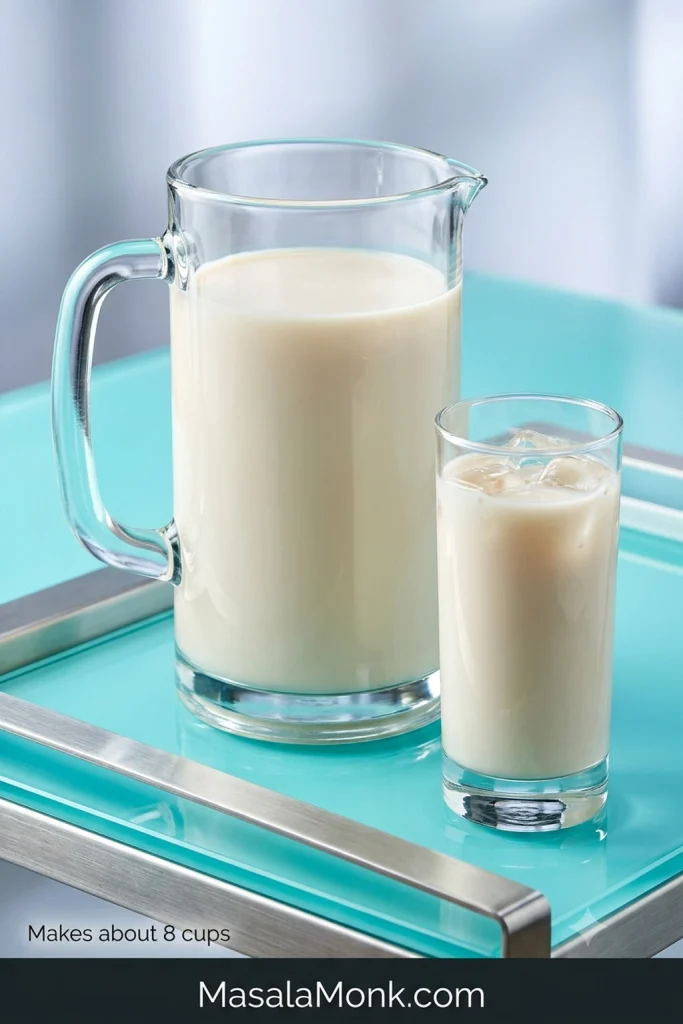
Mexican horchata should be cold and creamy, with cinnamon you can smell before the first sip. This version keeps the sweetness in check, so the rice still comes through and the drink stays refreshing over ice.
The ingredient list is short. Texture is the part worth paying attention to: soften the rice before blending, strain the rice base in two stages, then wait until the pitcher is chilled before deciding whether it needs more water or sugar.
It is an easy homemade horchata in terms of actual work. Most of the time is hands-off—an overnight soak, a few minutes at the blender and strainer, then a good chill before serving.
Before You Start
Soak: Give the rice a full 8–12 hours in the refrigerator.
Strain: Use a fine-mesh sieve first, then a nut-milk bag or doubled cheesecloth.
Hold some back: Save the final water and extra sugar until the drink has chilled. It is much easier to add either than to undo too much.
Mexican Horchata Recipe
A smooth rice-and-cinnamon horchata with a little evaporated milk for body and enough water to keep the finished drink light and refreshing.
Total elapsed: about 10–14 hours, mostly hands-off. The final volume varies slightly with how much liquid stays with the discarded rice pulp and how much of the reserved water you use.
Equipment
- Blender
- Large covered bowl or container
- Fine-mesh sieve
- Nut-milk bag or doubled damp cheesecloth
- Large pitcher
Ingredients
- 1 cup / 180 g uncooked long-grain white rice
- 2 small Mexican canela (Ceylon cinnamon) sticks, about 3 inches / 7–8 cm each, or 1 larger stick
- 4 cups / 950 ml cool water, for soaking
- ½ cup / 120 ml evaporated milk
- 4 cups / 950 ml cold water, divided, for finishing
- ¼ cup / 50 g granulated sugar, plus up to another ¼ cup / 50 g to taste
- 1 teaspoon / 5 ml vanilla extract
- ⅛ teaspoon fine salt, optional
- Ice, for serving
How to Make Mexican Horchata
- Rinse the rice. Give the uncooked rice a quick rinse under cool running water, then drain well. No need to rinse until the water runs completely clear.
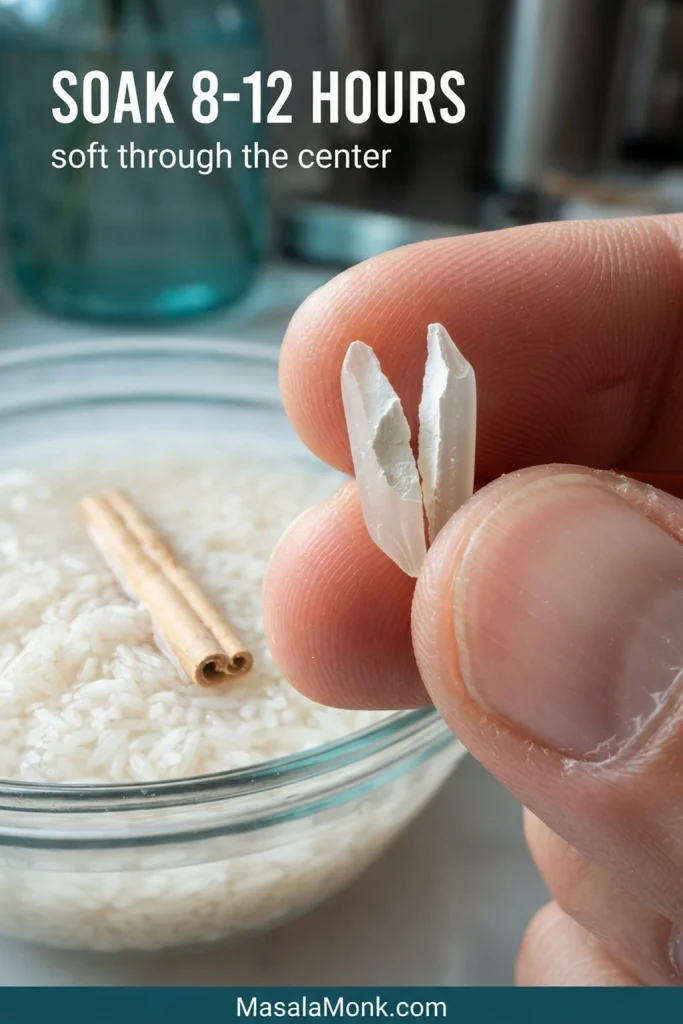
- Soak overnight. Put the rice, cinnamon sticks and 4 cups / 950 ml cool water in a covered container. Refrigerate for 8–12 hours. At the end of the soak, pinch a grain between your fingers. It should split or crush fairly easily. If the center still feels very hard, give it more time.
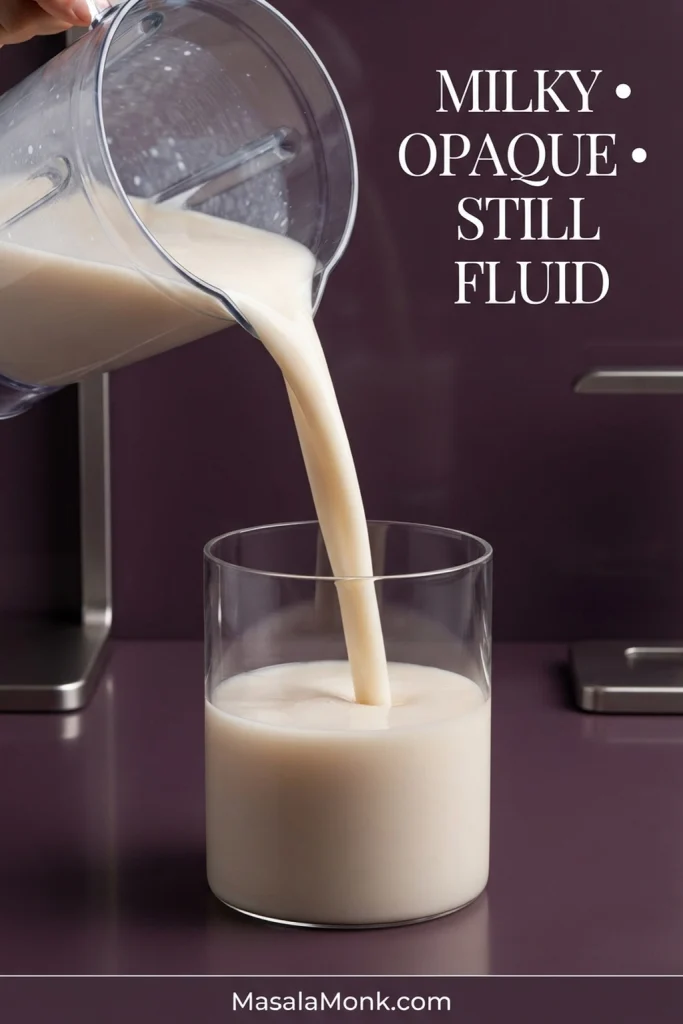
- Blend the softened rice. Remove the cinnamon sticks. Blend the soaked rice with its soaking water until the liquid is strongly milky and opaque and the rice is finely broken down. Tip the blender jug; the mixture should still pour easily instead of falling in a thick ribbon. A powerful blender may take 60–90 seconds, while a standard blender may need closer to 2 minutes. If the jar is crowded, blend in two batches and combine them before straining.
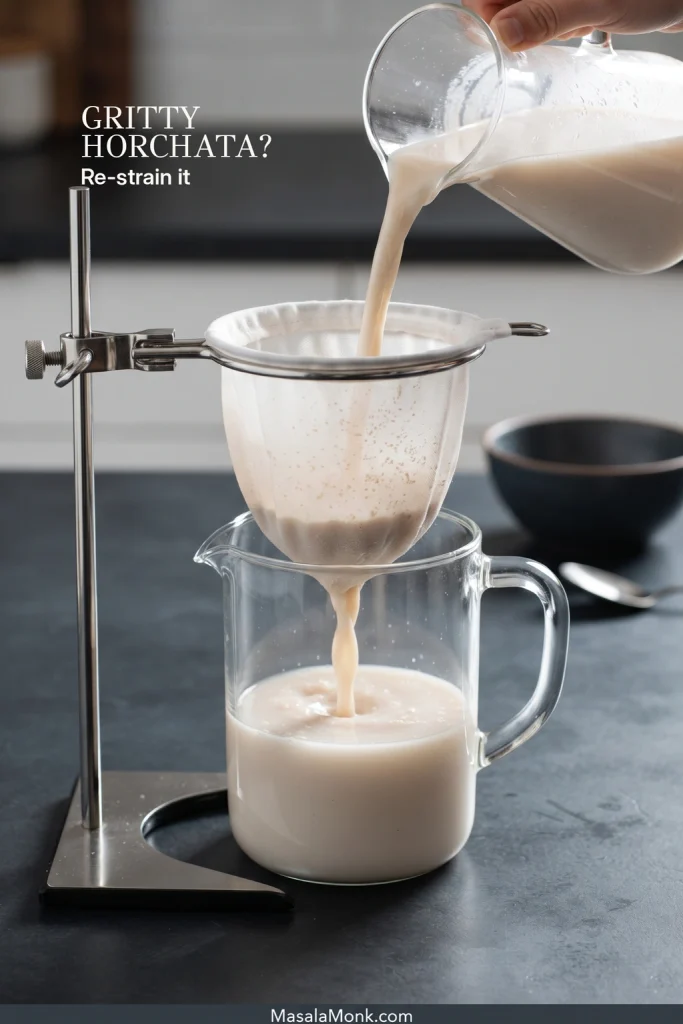
- Strain twice. Pour the mixture through a fine-mesh sieve first. Let most of the liquid drain, then press the pulp gently. Next, pass the cloudy liquid through a nut-milk bag or a fine sieve lined with two layers of damp cheesecloth. Taste a spoonful. If you can still feel fine rice grit, run it through the fine filter once more. Discard the rice pulp.
Finish, chill and serve
- Finish the base. Whisk in the evaporated milk, vanilla, optional salt and ¼ cup / 50 g sugar until the sugar dissolves.
- Add most of the finishing water. Stir in 3½ cups / 830 ml cold water and hold back the final ½ cup / 120 ml. The horchata should pour freely with a little more body than whole milk.
- Chill, then taste. Refrigerate for 1–2 hours. Pour a little over ice before changing anything. Add some or all of the reserved water if you want it lighter. If you want it sweeter, dissolve 1 tablespoon sugar in a small splash of warm water, stir it into the chilled horchata, then taste again. Repeat only if needed.
- Serve. Give the pitcher a gentle stir and pour over fresh ice.
Recipe Notes
- Sweetness: The starting sugar gives a lightly sweet drink. Use the additional sugar only if you want a noticeably sweeter pitcher.
- Dairy-free: Omit the evaporated milk and follow the same finishing-water method. After chilling, add a little extra cold water only if you want a lighter pitcher.
- Richer version: Skip the starting granulated sugar and begin with 2–3 tablespoons / about 40–60 g sweetened condensed milk. Add more only after tasting.
- Double batch: Double the ingredients, but blend in batches so the blender is not crowded. Combine the blended liquid before straining and finishing the pitcher.
- Storage: Keep finished horchata covered and refrigerated and use within about 3 days for the best flavor and texture.
Research note: This recipe synthesizes established Mexican horchata methods and documented home-cook experience; MasalaMonk has not independently kitchen-tested this exact formula.
Use the finished pitcher as the final texture check. It should look creamy and opaque, yet still pour cleanly and stay refreshing over ice.
Horchata Guide
What Kind of Horchata Are We Making?
Mexican horchata is a chilled rice-and-cinnamon drink, usually sweetened with sugar; richer versions may also include milk, almonds or condensed milk.
It belongs to the broad family of Mexican aguas frescas, and there is no single richness level that every homemade or restaurant version follows. Here, the soaked rice supplies most of the body and a modest amount of evaporated milk softens the texture without making the drink heavy.
That lighter finish is particularly welcome beside saucy, chile-spiced food such as black bean and veggie enchiladas.
Spanish horchata de chufa is a different drink made from tiger nuts, so a Spanish horchata recipe is not interchangeable with this Mexican rice-based version.
Read the Pitcher: Four Horchata Checkpoints
The clock gets you close. These cues tell you when to move on.
| Stage | What you are looking for |
|---|---|
| After soaking | A grain should crush fairly easily instead of staying hard through the center. |
| After blending | The liquid should be strongly milky, opaque and still fluid enough to pour easily. |
| After straining | The base should feel creamy and clean across the tongue, without obvious rice grit. |
| Finished and chilled | The horchata should pour freely with a little more body than whole milk and stay refreshing over ice. |
At the blender stage, stop once the mixture is strongly milky and still pours easily. More blending is not necessarily better; it can break the remaining rice into particles that are finer and harder to strain cleanly.
Starch gives the drink some body. Fine rice that slips through the strainer feels gritty. A little sediment after a night in the fridge is normal settling, not the same problem.

When the pitcher is right, the first sip tastes of rice and cinnamon before sweetness takes over. The texture feels creamy, but the finish stays clean enough that another glass still sounds good. Ready to make it? Jump to the recipe card.
Mexican Horchata Ingredients: Why Rice, Cinnamon and a Little Milk Work
Use uncooked long-grain white rice
Long-grain white rice is a straightforward choice here: its flavor is neutral, it is easy to find, and it is commonly used for Mexican rice horchata. It starts uncooked, the opposite approach from rice pudding made with cooked rice, where the grains are already hydrated before they meet the milk.
A quick rinse is enough. There is no need to rinse until the water runs completely clear.
Let the rice soften before blending
The overnight soak softens the dry grains before blending. By morning, the soaking water should look cloudy and the rice noticeably softer.
Use Mexican cinnamon when you can
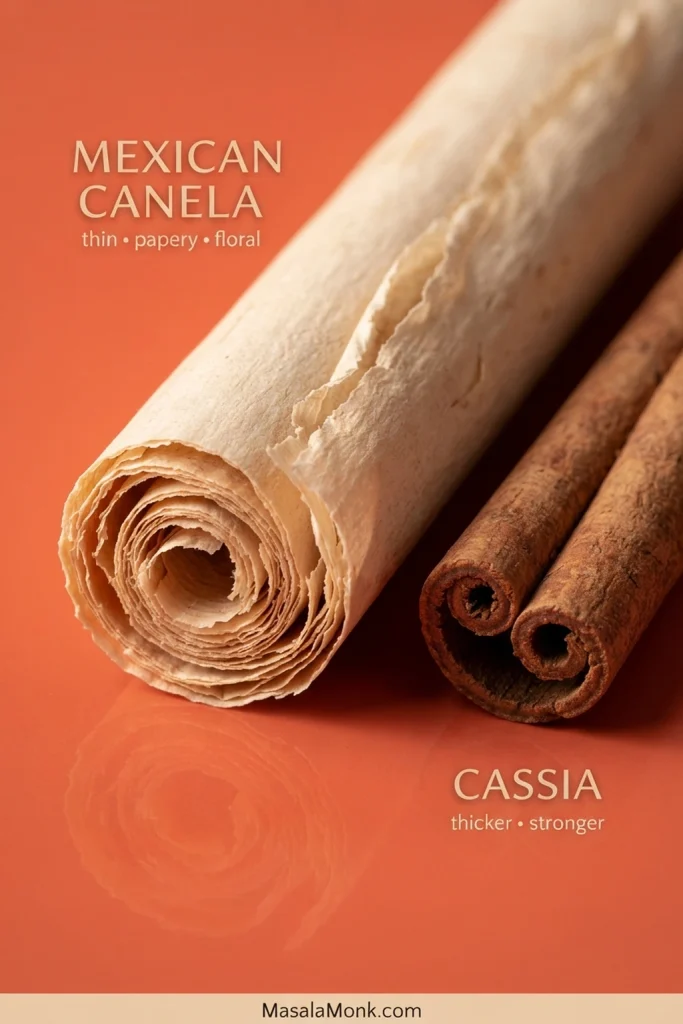
The thin, papery cinnamon sold in Mexican markets as canela is typically true or Ceylon cinnamon. It is softer and more floral than thick cassia bark. If cassia is what you have, use one stick for this batch rather than matching the canela quantity by volume.
Let the cinnamon infuse during the soak, then take the sticks out before blending. Keep ground cinnamon to a very light dusting over individual glasses; stirring a spoonful through the pitcher can make an otherwise smooth horchata feel dusty.
A little evaporated milk is enough
The soaked rice already gives the drink body. A modest amount of evaporated milk rounds out the texture without burying the rice and cinnamon. In tres leches cake, evaporated milk is deliberately pushed much further as part of a rich three-milk soak; horchata needs far less.
Sweeten after you know what you have
Start modestly with sugar. Make the final adjustment after chilling, when you can judge the drink the way it will actually be served.
The optional pinch of salt should never announce itself. If you can taste salt, there is too much; here it simply helps the rice, cinnamon and vanilla taste a little clearer.
Why Horchata Needs Two Different Strainers
For the smoothest horchata, strain through a fine-mesh sieve first, then through a nut-milk bag or doubled cheesecloth. The first catches the bulky rice pulp; the second catches the finer particles that affect the way the drink feels.
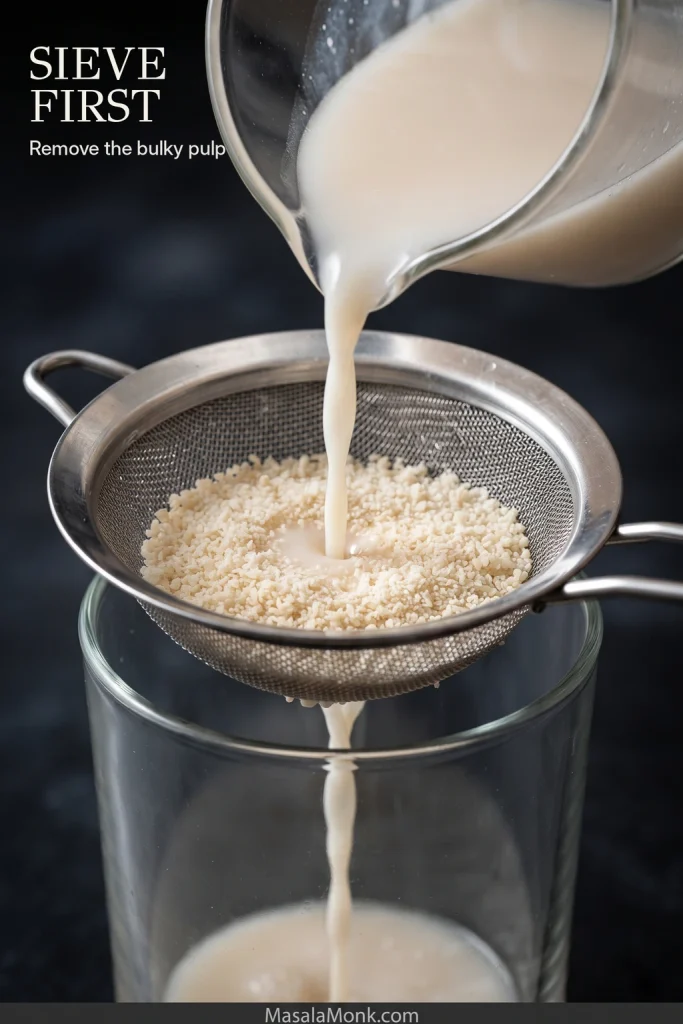
Let the liquid drain, press gently, and taste a spoonful. If you can still feel rice grit, give it one more pass through the fine filter.
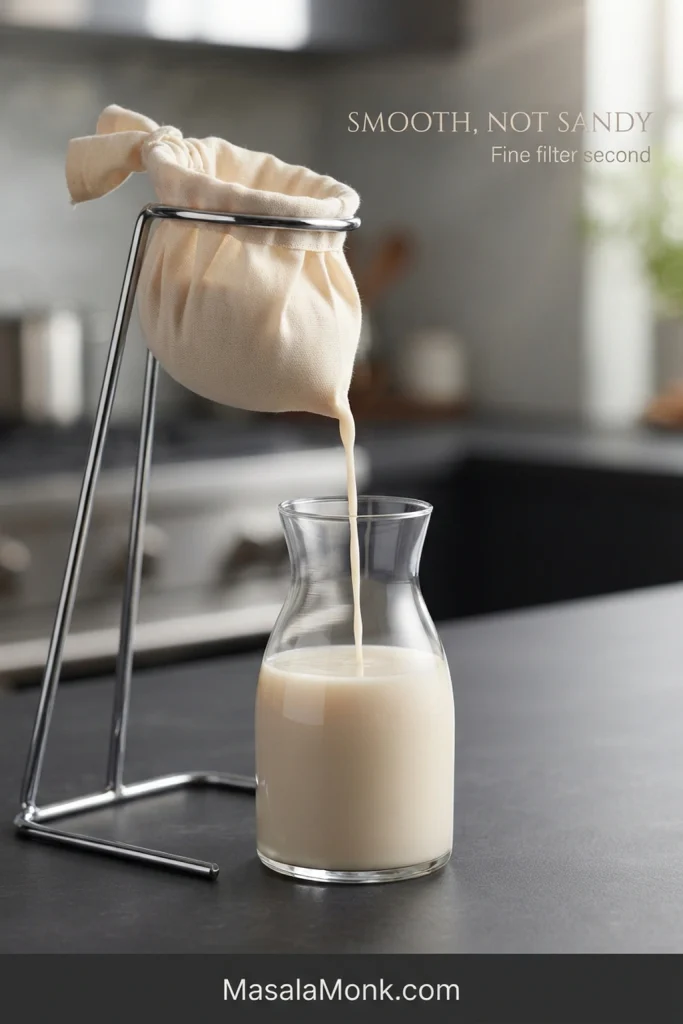
The sieve removes the obvious pulp; the fine filter does the polishing. Once the fine grit is gone, the payoff is obvious: the rice feels creamy instead of dusty and the cinnamon tastes cleaner. Still fighting grit? Jump to Horchata Troubleshooting.
Tune the Pitcher After It Chills
Taste horchata fully chilled before making the final sweetness or thickness adjustment. Temperature changes the way both feel, and the glass over ice is the one that counts.
This is also when the drink starts to come together. The sweetness settles down, the cinnamon feels clearer and the whole glass becomes more refreshing.

Adjust one thing at a time
- Want it lighter? Add cold water in ¼-cup / 60-ml increments.
- Want more body? Hold back more finishing water next time. For this batch, add only a small splash of evaporated milk if you also want a richer dairy finish.
- Want it sweeter? Dissolve 1 tablespoon sugar in a small splash of warm water, stir it into the pitcher, then taste again. Repeat only if needed.
- Already too sweet? Add cold water gradually until the rice and cinnamon come back into balance.
- Tastes flat? Make sure the drink has not been over-diluted first. A few extra drops of vanilla or a very small pinch of salt can sharpen the flavor. If the cinnamon itself is weak, use a little more during the soak next time instead of stirring ground cinnamon into the finished pitcher.
Making a final sweetness adjustment? Keep it separate from the dilution decision so you can change one variable at a time and know what actually improved the pitcher.

Need the exact amounts again? Back to the recipe card.
Three Ways to Finish the Same Rice Base
1. Creamy and refreshing
This is the version in the recipe card: creamy enough to soften the edges of rice and cinnamon, but light enough to stay refreshing with food.
2. Lighter dairy-free horchata
Omit the evaporated milk and follow the same finishing-water method as the main recipe. Taste the horchata after chilling, then add a little extra cold water only if you want a lighter pitcher. Rice, cinnamon, water and sugar make a complete horchata on their own.

3. Richer condensed-milk horchata
Skip the starting granulated sugar and begin with 2–3 tablespoons / about 40–60 g sweetened condensed milk. Taste before adding more. This richer version is especially good with something equally full-flavored, such as crispy birria tacos with consommé.
Optional almond note: If you want almond in the background, soak about ¼ cup / 35 g blanched almonds with the rice, then blend and strain them together. Remember the tree-nut allergen if you are serving the pitcher to a group.
Making the pitcher ahead? Jump to storage and fridge behavior.
What Happens to Horchata in the Fridge?
Horchata is easy to split across two days. Soak the rice and cinnamon at night; blend, strain and finish the pitcher the next day. You can also refrigerate the strained rice base and add the milk, sugar and final water closer to serving.
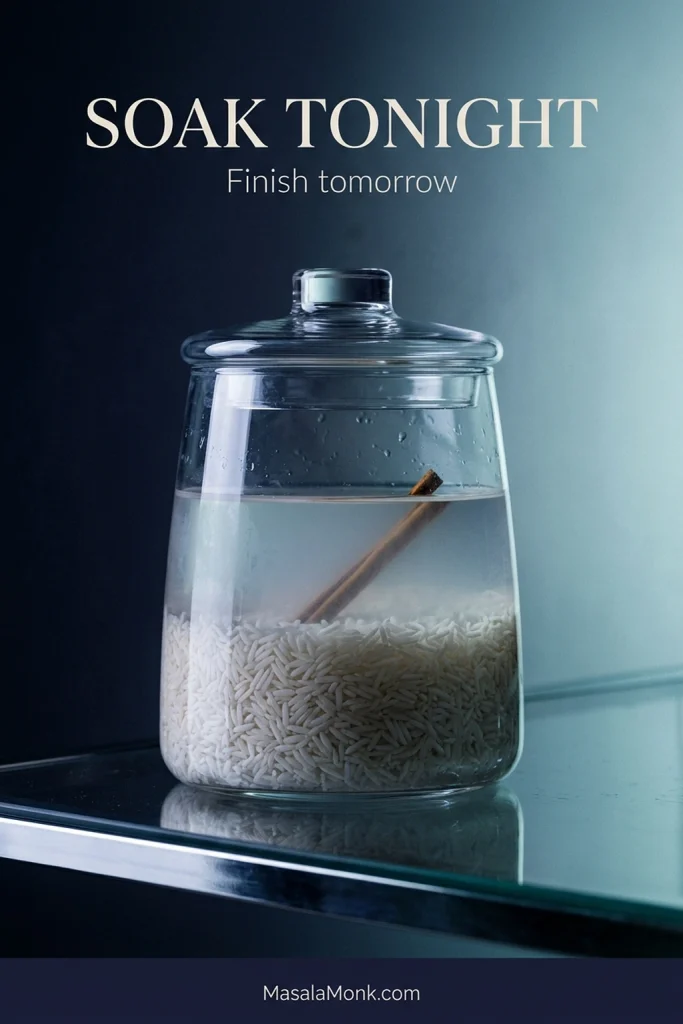
For best quality, refrigerate homemade horchata in a covered container and use it within about 3 days. Keep the refrigerator at 40°F / 4°C or colder, in line with FDA cold-storage guidance.
A light layer of fine sediment after chilling is normal. Give the pitcher a gentle stir before pouring. If a dense gritty layer collects at the bottom, you can re-strain the drink for a cleaner texture or pour carefully and leave the heaviest sediment behind.
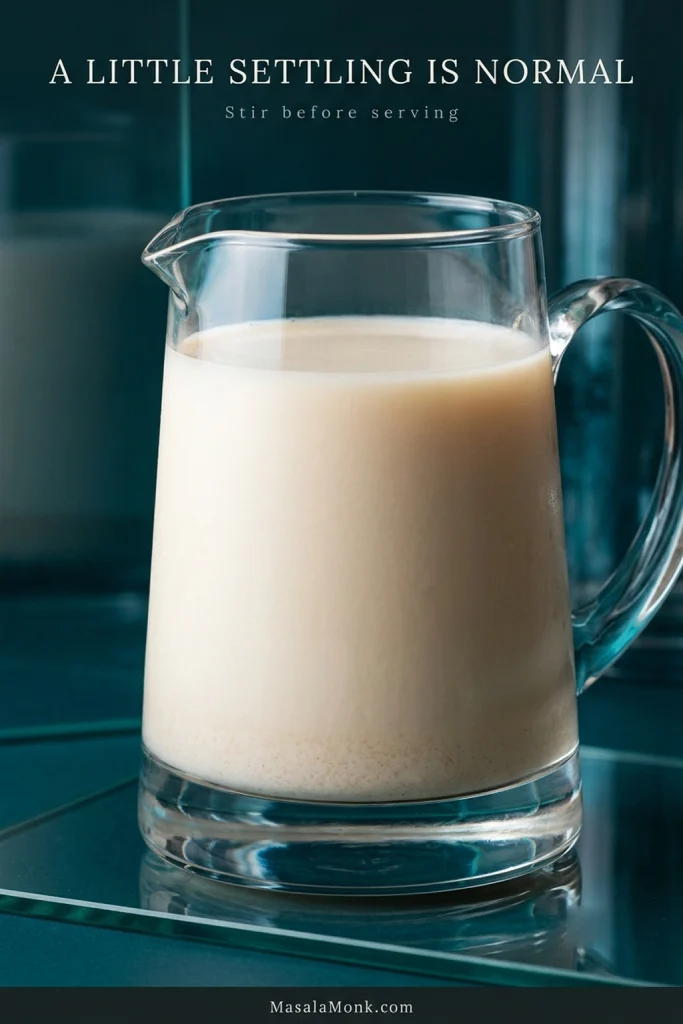
Not sure whether the sediment is normal? Jump to Horchata Troubleshooting.
Sour or otherwise unpleasant smells, unexpected bubbling, or a slimy or ropy texture are spoilage warning signs. Discard the drink if you notice them.
Keep the pitcher chilled and put fresh ice in each glass so the whole batch does not become steadily more diluted.
Horchata Troubleshooting
Small taste differences are easy to adjust. These are the problems worth stopping for.
| What happened? | What to do |
|---|---|
| The drink feels gritty or chalky | Fine rice solids remain. Pass the horchata through the nut-milk bag or doubled cheesecloth again. |
| The blender mixture became very thick | Add cool water a little at a time until it pours freely again. |
| The cheesecloth barely drains | Coarse pulp is clogging it. Run the mixture through the fine-mesh sieve before using the finer filter. |
| A heavy gritty layer settles at the bottom | Re-strain the current batch if you want a cleaner texture, or pour carefully and leave the densest sediment behind. Use finer straining next time. |
| The horchata smells sour, bubbles unexpectedly or turns slimy | Discard the drink. Those are not signs of ordinary rice settling. |
Give the chilled pitcher a gentle stir before you pour. If the cinnamon comes through, the sweetness feels right and the drink still tastes refreshing over ice, leave it alone.
Pour another glass.








