Posted on Leave a comment

Jungle Juice Recipe

Large glass drink dispenser filled with red-orange jungle juice, sliced oranges, strawberries, limes, ice, and party cups on a table.

A good jungle juice recipe should make hosting easier, not leave you guessing how many bottles, gallons, or cups you need while guests are walking in. This version is built as a measured party punch: fruity, cold, colorful, easy to pour, and scaled for 1-gallon, 2-gallon, and 5-gallon batches.

It is strong enough to feel like an adult party drink, but not built around the “dump every bottle in” approach that makes the punch taste harsh and unpredictable. Below, you’ll find the 2-gallon base recipe, shopping help, guest-count planning, alcohol math, lighter and more spirit-forward adjustments, plus alcohol-free, Halloween, color, and holiday-style variations.

The best batch is the one you can set out cold, point guests toward the cups, and stop worrying about mixing individual drinks all night.

Quick Answer: What Is Jungle Juice?

Jungle juice is a large-batch fruit punch for adult parties, usually made with liquor, fruit juice, sliced fruit, and a fizzy mixer. It is the kind of drink you make in a dispenser, punch bowl, or food-safe cooler when you want something colorful, easy to pour, and simple enough for guests to serve themselves.

The best version should taste fruity and refreshing first. It should not taste like straight alcohol, and it should not be so sweet that one cup feels heavy. That is why this recipe uses fruit punch, citrus, pineapple, cranberry, fresh fruit, and a bubbly finish for balance.

Jungle juice at a glance:
Good starting batch: 2 gallons for most parties
Serves: about 25–32 pours, or fewer people if guests have more than one
Alcohol: 1 bottle vodka + 1 bottle white rum for the 2-gallon batch
Main flavor: fruit punch, orange juice, pineapple juice, lemonade, cranberry, citrus, and strawberries
Container: 2.5- to 3-gallon drink dispenser, punch bowl, stockpot, or food-safe cooler
Make-ahead: mix juice, alcohol, and fruit 2–12 hours ahead
Add last: lemon-lime soda, ginger ale, club soda, or sparkling water

If you only remember one thing, start with the 2-gallon batch, chill it well, and add the carbonated mixer at the end. That gives you the easiest balance of flavor, serving size, and party convenience.

Visual formula showing vodka, white rum, juice, fizzy mixer, fresh fruit, and a finished 2-gallon jungle juice dispenser.
Once you understand the basic jungle juice formula, it becomes much easier to scale the recipe without guessing bottle math, juice volume, or fizz.

Easy Jungle Juice Recipe

Start with this 2-gallon batch for most parties. It fills a dispenser, but it is still easy to taste, chill, and adjust before guests arrive. Most importantly, it avoids the common mistake of making the punch too strong first and trying to fix it later.

Active Time10 minutes
Chill Time2 hours recommended
Total Time2 hours 10 minutes
YieldAbout 2 gallons

Servings: about 25 to 32 pours, depending on cup size

Yield note: The liquid amount lands around 2 gallons depending on how much fizz you add. Fresh fruit takes up extra room in the container, so use a larger dispenser than the final liquid yield.

Labeling tip: If you are serving alcoholic and non-alcoholic versions, label both dispensers clearly before guests arrive.

Ingredients

  • 1 bottle vodka, 750 ml / about 25.4 fl oz / about 3.2 cups
  • 1 bottle white rum, 750 ml / about 25.4 fl oz / about 3.2 cups
  • 8 cups fruit punch / 64 fl oz / 1.9 L
  • 4 cups orange juice / 32 fl oz / 950 ml
  • 4 cups pineapple juice / 32 fl oz / 950 ml
  • 4 cups lemonade or pink lemonade / 32 fl oz / 950 ml
  • 2 cups cranberry juice / 16 fl oz / 475 ml
  • 2 to 4 cups lemon-lime soda, club soda, sparkling water, or ginger ale, added last
  • 1 lb / 450 g strawberries, sliced
  • 2 oranges, sliced
  • 1 lemon or lime, sliced
  • Ice, for serving

Instructions

  1. Wash and slice the strawberries, oranges, and lemon or lime.
  2. Add the fruit punch, orange juice, pineapple juice, lemonade, cranberry juice, vodka, and rum to a large food-safe drink dispenser, punch bowl, stockpot, or beverage cooler.
  3. Stir well with a long-handled spoon.
  4. Add the sliced fruit.
  5. Cover and chill for at least 2 hours. For better fruit flavor, chill for 3 to 12 hours.
  6. At serving time, stir in the lemon-lime soda, club soda, sparkling water, or ginger ale.
  7. Serve cold over ice.
Container tip: Do not fill the container to the rim. Use a 2.5- to 3-gallon dispenser for the 2-gallon batch so there is room for fruit, stirring, fizz, and easy serving.
Saveable recipe card for easy jungle juice showing a 2-gallon yield, 25 to 32 pours, active time, chill time, and main ingredients.
This quick jungle juice recipe card keeps the 2-gallon yield, serving range, timing, and core ingredients easy to check while you prep.

Planning a bigger batch? Jump to the guest-count guide or the 1, 2, and 5-gallon amounts before you shop.

Shopping List for 2 Gallons of Jungle Juice

Here is the simple shopping list for the main 2-gallon batch, so you can shop once, chill everything, and set up the dispenser before guests start arriving.

  • 1 bottle vodka, 750 ml
  • 1 bottle white rum, 750 ml
  • 1 large bottle fruit punch, at least 64 fl oz
  • 1 carton orange juice, at least 32 fl oz
  • 1 bottle or can pineapple juice, at least 32 fl oz
  • 1 bottle lemonade or pink lemonade, at least 32 fl oz
  • 1 small bottle cranberry juice, at least 16 fl oz
  • 1 bottle lemon-lime soda, ginger ale, club soda, or sparkling water
  • 1 lb strawberries
  • 2 oranges
  • 1 lemon or lime
  • Ice for serving
Shopping list for 2 gallons of jungle juice with vodka, rum, fruit punch, orange juice, pineapple juice, lemonade, cranberry juice, fizzy mixer, fruit, and ice.
Before you shop, this 2-gallon jungle juice checklist helps you buy the right bottles, juices, fruit, fizz, and ice without doing recipe math in the store.

Why This Jungle Juice Recipe Works

Many party-punch recipes are vague: a bottle of this, a jug of that, some fruit, and maybe soda if you have it. That can work for a casual punch bowl, but it gets stressful when you are trying to shop for 20, 40, or 80 people.

This version is built around clean party math. The main recipe makes about 2 gallons, then the same formula is scaled into 1-gallon and 5-gallon amounts. You also get serving estimates, alcohol-strength notes, and a clear reminder to save the bubbly finish for the end so the punch tastes lively when guests start pouring.

Best basic formula: 1 bottle vodka + 1 bottle white rum + about 22 cups juice + 2–4 cups fizz + fresh fruit = about 2 gallons of jungle juice. Keep that formula in mind, then adjust sweetness, strength, and fizz after the punch has chilled.

It also keeps the flavor flexible. You can make it cheaper with fruit punch and lemonade, brighter with pineapple and citrus, lighter with sparkling water, or alcohol-free for a family party, baby shower, cookout, or mixed gathering.

What Does Jungle Juice Taste Like?

A good batch should taste like cold fruit punch with pineapple brightness, citrus lift, and a light bubbly finish. It should be fruity first, gently boozy second, and refreshing enough that one cup does not feel syrupy or heavy.

If the first sip tastes like straight liquor, add juice, citrus, or a bubbly mixer before serving. If it tastes flat, it probably needs fresh bubbles, colder bottles, or more ice in the cups. The best batch should look generous in the dispenser, pour easily over ice, and stay lively from the first glass to the last.

Jungle Juice Ingredients

Think of the ingredients in layers: a fruity base for volume, citrus for lift, fresh fruit for the party look, and bubbles at the end so the dispenser still feels fresh when guests start pouring. You do not need cocktail-bar precision, but you do need balance.

Jungle juice ingredients arranged by category, including alcohol, juice base, fresh fruit, and fizzy mixer.
Each ingredient group has a job: the alcohol carries the punch, the juices build body, the citrus brightens it, and the fizz keeps it lively.

Alcohol

Vodka and white rum are the easiest base for classic jungle juice. Vodka keeps the drink clean and neutral, while rum gives it a rounder, fruitier party-punch flavor. Triple sec or orange liqueur can be added if you want more citrus, but it is optional.

For a more rum-forward tropical party drink, try this classic rum punch recipe.

Juice and Mixers

Fruit punch gives the drink its classic party flavor. Orange juice, pineapple juice, lemonade, and cranberry juice make it taste brighter and less one-note. You do not need every juice in the store; you just need a good balance of sweet, tart, and tropical.

If you like pineapple-forward party drinks, this punch with pineapple juice guide has more ideas for pineapple, cranberry, ginger ale, lemon-lime soda, and make-ahead party punch combinations.

Fresh Fruit

Use fruit that can sit in punch without falling apart immediately. Strawberries, oranges, lemons, limes, and pineapple are the easiest choices. Apples, grapes, blueberries, raspberries, peaches, kiwi, and cranberries can also work, depending on the season and the look you want.

Slice citrus into wheels or half-moons, halve or slice strawberries, and cut pineapple into small chunks. The fruit should look generous in the dispenser, but it should not crowd out so much liquid that serving becomes difficult.

Fizz

Lemon-lime soda gives the sweetest, most familiar party-punch taste. Club soda or sparkling water keeps the punch lighter and less sugary. Ginger ale adds a softer spice and works especially well with pineapple and cranberry.

Save the carbonated mixer for the end so the punch tastes lively when guests start pouring.

How to Choose the Alcohol

Most batches work best with simple alcohol choices. Vodka gives the punch a clean base, while white rum adds a softer tropical note. Orange liqueur, tequila, or sparkling wine can work in variations, but they change the flavor quickly.

AlcoholUse It ForFlavor Effect
VodkaClean baseNeutral, easy to mix, lets the fruit and juice lead
White rumClassic partner for vodkaRounder, fruitier, slightly tropical
Triple sec or orange liqueurOptional citrus boostAdds orange flavor and sweetness
TequilaSmall variationSharper and more noticeable; use carefully
Sparkling wineBetter for jingle juice than jungle juiceFestive and lighter, but changes the drink style
Hosting note: This recipe is framed as a balanced adult party punch, not a drinking-game drink. Label the punch clearly, serve moderate pours, and keep water or a non-alcoholic option nearby.

How to Make Jungle Juice

Jungle juice is easy to make, but the order matters if you want the fruit to taste fresh and the punch to stay lively.

  1. Prepare the fruit. Wash everything well, then slice strawberries, citrus, and pineapple if using.
  2. Mix the still ingredients first. Add the vodka, rum, fruit punch, orange juice, pineapple juice, lemonade, and cranberry juice to your container.
  3. Stir before adding fruit. This helps the juices and alcohol blend evenly.
  4. Add fruit and chill. Two hours is enough, but 3 to 12 hours gives the fruit more time to flavor the punch.
  5. Finish with fizz. Lemon-lime soda, sparkling water, club soda, or ginger ale should go in once the punch has chilled.
  6. Serve over ice. Put ice in glasses instead of dumping a large amount directly into the punch, unless you are using an ice ring.
Step-by-step guide showing how to make jungle juice by slicing fruit, mixing liquids, stirring, chilling, adding fizz, and serving over ice.
The order matters: build the still punch first, give the fruit time to flavor it, then add bubbles at the end for a fresher pour.

How Much Jungle Juice to Make for 20, 30, 50, or 100 People

This is the table to check before you shop. A 30-person backyard party, a 50-person birthday, and a long 100-person event do not need the same batch. Use these amounts as a practical starting point, then keep extra juice, fizz, water, and ice chilled nearby.

Guest CountSuggested BatchPlanning Notes
20 people1½ to 2 gallonsBest if other drinks are available
30 people2 gallonsGood starting point for most parties
50 people3 to 4 gallonsKeep extra fizz chilled for topping up
75 people5 gallonsUse a lighter batch for longer events
100 people5 gallons plus backup drinksBetter with water and a non-alcoholic punch nearby
Guest-count guide showing how much jungle juice to make for 20, 30, 50, 75, and 100 people.
Instead of choosing a batch size by container alone, match the jungle juice amount to your guest count, party length, and backup drink options.

1-Gallon, 2-Gallon, and 5-Gallon Jungle Juice Amounts

This is the part that keeps you from overbuying, underbuying, or trying to scale a punch recipe in your head at the store. Use the table as a practical party guide, then adjust the final sweetness and strength before guests arrive.

One gallon equals 128 fl oz, or about 3.8 L. One standard 750 ml bottle is about 25.4 fl oz, or about 3.2 cups.

Batch SizeVodkaRumJuice BaseFizz, Added LastFruitApprox. Servings
1 gallon375 ml / ½ bottle375 ml / ½ bottle11 cups total juice1 to 2 cups½ lb strawberries + citrus12 to 16
2 gallons750 ml / 1 bottle750 ml / 1 bottle22 cups total juice2 to 4 cups1 lb strawberries + citrus25 to 32
5 gallons, lighter large-party batch2 bottles2 bottles3½ to 3¾ gallons total juiceAbout ½ gallon2 to 3 lb fruit60 to 80
Guide comparing 1-gallon, 2-gallon, and 5-gallon jungle juice batches with containers, alcohol amounts, juice, fizz, fruit, and serving estimates.
Use this 1, 2, and 5-gallon jungle juice guide when you need to scale the recipe without guessing bottle amounts, juice volume, or final servings.

5-Gallon Jungle Juice: Lighter vs Exact-Scale Batch

A 5-gallon batch is 2.5 times the 2-gallon recipe. Matching the main recipe’s strength means using 2½ bottles of vodka and 2½ bottles of white rum. A lighter large-party batch uses 2 bottles of each with more juice, soda, or sparkling water.

That 2½-bottle amount means 2 full 750 ml bottles plus 375 ml from a third bottle. If you do not want a half bottle left over, the lighter 5-gallon version is the simpler choice.

5-Gallon StyleVodkaRumBest For
Lighter large-party batch2 bottles2 bottlesLonger parties, mixed groups, easier sipping
Exact-scale batch2½ bottles2½ bottlesMatching the main 2-gallon recipe strength
Five-gallon jungle juice scaling guide comparing a lighter batch with 2 bottles of vodka and 2 bottles of rum to an exact-scale batch with 2 and a half bottles of each.
If you are making a 5-gallon jungle juice batch, decide first whether you want an easier-sipping party punch or the same strength as the main recipe.

If you prefer a more spirit-forward punch, adjust gradually and keep the servings smaller rather than turning the whole batch into a harsh drink.

Important: fruit takes up space in the container, and ice melts if added directly to the punch. For the cleanest flavor and most accurate yield, chill the punch first, add fizz at serving time, and put ice in the glasses instead of the main dispenser.

How Much Jungle Juice Per Person?

Plan by pour size, not just by gallons. A small party cup may hold 6 oz, while a larger cup can easily hold 10 oz or more.

Batch6 oz Pours8 oz Pours10 oz Pours
1 gallonAbout 21About 16About 12
2 gallonsAbout 42About 32About 25
5 gallonsAbout 106About 80About 64
Serving-size guide showing 6-ounce, 8-ounce, and 10-ounce jungle juice pours with estimated servings for 1, 2, and 5 gallons.
Serving count changes quickly once cup size changes, so plan jungle juice by pour size instead of relying only on total gallons.

For a party with other drinks available, estimate one or two smaller pours per adult guest. Longer events usually work better with a lighter batch, plenty of water, and at least one non-alcoholic option nearby.

How Strong Is Jungle Juice?

Because this punch is fruity and served cold, guests may drink it faster than they realize. The simplest host-friendly approach is to label the punch clearly, serve moderate pours, and keep water or a non-alcoholic drink nearby.

Standard Drink Math for This Batch

A 750 ml bottle of 80-proof vodka or rum contains about 17 standard U.S. drinks. The National Institute on Alcohol Abuse and Alcoholism defines one U.S. standard drink as about 0.6 fl oz / 14 g of pure alcohol.

The 2-gallon recipe above uses one 750 ml bottle of vodka and one 750 ml bottle of rum. That means the full batch contains roughly 34 standard drinks before it is divided into servings. At about 32 small 8 oz pours, each pour is roughly around one standard drink, though the exact strength depends on your spirits, final volume, pour size, and how much soda or ice you use.

Alcohol strength guide showing two 750 ml bottles of 80-proof spirits, a 2-gallon jungle juice dispenser, standard drink icons, and 8-ounce pours.
Since jungle juice is fruity and easy to sip, standard-drink math helps you understand how proof, pour size, ice, and final volume change the strength.

Want a lighter table option? Jump to the non-alcoholic jungle juice or the cleaner, less-sweet variation.

Why This Recipe Skips Grain Alcohol

This recipe intentionally skips grain alcohol or “dump every bottle in” formulas because the final strength becomes harder to estimate and easier to over-serve. A measured vodka-and-rum base is easier to balance, label, and adjust for a real party.

Lighter, Balanced, and Stronger Batches

Note: homemade punch strength is always approximate because bottle proof, final volume, ice melt, fruit displacement, and pour size all change the actual drink. Use the math as a planning guide, not a precise serving guarantee.
StyleHow to AdjustBest For
Lighter jungle juiceUse less alcohol and more juice or a lighter carbonated mixer.Longer parties, outdoor cookouts, mixed groups
Balanced jungle juiceUse the recipe as written: vodka, rum, juice, fruit, and fizz.Most adult parties
More spirit-forward jungle juiceIncrease alcohol gradually and keep the fruit/juice base generous.Smaller pours, clearly labeled punch, adult-only gatherings

Cheap Jungle Juice for a Party That Still Tastes Good

Budget jungle juice should still feel like a real party drink, not a random mix of whatever was cheapest. Save money on the base, not on the balance: fruit punch gives volume, lemonade adds tartness, pineapple makes it taste more tropical, and fresh citrus makes the whole batch feel intentional.

The upgrade is not expensive ingredients; it is cold bottles, citrus, enough fruit to look generous, and a bubbly finish that makes the batch feel fresh.

A cheaper version can use:

  • Fruit punch as the main base
  • Lemonade or pink lemonade for tartness
  • Orange juice for body
  • Pineapple juice for tropical flavor, if budget allows
  • Store-brand lemon-lime soda, ginger ale, club soda, or sparkling water
  • Frozen strawberries and sliced citrus

Even on a budget, the batch should taste intentional, not like alcohol hiding under sugary drink mix. Cold bottles, fresh citrus, and the final fizzy splash make a big difference.

Budget-friendly jungle juice ingredients with fruit punch, lemonade, orange juice, pineapple juice, citrus, frozen strawberries, fizzy mixer, ice, and a punch dispenser.
Cheap jungle juice tastes better when you save money on the base, then use cold bottles, citrus, fruit, and fizz to make the punch feel fresh instead of careless.

Jungle Juice Variations

Once you understand the basic formula, this party punch is easy to adjust for the season, color theme, and crowd.

Vodka Jungle Juice

Vodka jungle juice is a good option if you want a cleaner flavor and do not want rum in the batch. It tastes lighter and lets the fruit punch, pineapple, orange, and lemonade stand out more.

Vodka jungle juice variation in a clear dispenser with citrus, pineapple, strawberries, ice, and a generic vodka bottle nearby.
Vodka jungle juice is a cleaner-tasting variation because the fruit punch, pineapple, orange, lemonade, and citrus can stand out without rum in the background.

A 1-gallon vodka-only batch can use:

  • 750 ml vodka
  • 6 cups fruit punch
  • 2 cups pineapple juice
  • 2 cups orange juice
  • 1 cup lemonade or cranberry juice
  • 1 to 2 cups lemon-lime soda or sparkling water, added last
  • Sliced strawberries, oranges, lemons, or pineapple

If you like vodka-citrus drinks, this vodka with lemon guide has more bright, simple vodka drink ideas.

Non-Alcoholic Jungle Juice

A non-alcoholic jungle juice is worth making even when you are serving the regular version too. It gives kids, non-drinkers, designated drivers, and anyone taking a break something that still feels colorful, festive, and part of the party.

To make it alcohol-free, replace the vodka and rum with extra juice and a chilled fizzy mixer. Add the bubbles once the drink is cold so it stays lively.

A simple 2-gallon non-alcoholic batch can use:

  • 8 cups fruit punch
  • 4 cups pineapple juice
  • 4 cups orange juice
  • 4 cups lemonade
  • 2 cups cranberry juice
  • 8 to 10 cups ginger ale, lemon-lime soda, club soda, or sparkling water, added last
  • Strawberries, oranges, lemons, limes, and pineapple

If you are serving both versions, keep the non-alcoholic batch in a separate labeled dispenser so guests do not have to ask which one is which.

Non-alcoholic jungle juice in a labeled alcohol-free dispenser with colorful fruit punch, citrus, strawberries, ice, and party cups.
A non-alcoholic jungle juice dispenser keeps the party table welcoming for kids, non-drinkers, designated drivers, and anyone who wants a colorful alcohol-free pour.

For a lower-sugar alcohol-free option, these keto mocktails can sit alongside the fruit punch at a mixed party.

Cleaner, Less-Sweet Jungle Juice

For a cleaner, less sugary version, use 100% juices where possible and replace part of the fruit punch with cranberry juice, pomegranate juice, pineapple juice, or fresh citrus. Keep the fruit visible and use sparkling water instead of lemon-lime soda if you want it less sweet.

This version is still easy, but it tastes more like a proper party punch and less like a sugary last-minute mix.

Cleaner less-sweet jungle juice variation in a glass pitcher with cranberry-red punch, citrus slices, lime, pomegranate or cranberry, mint, ice, and sparkling bubbles.
For a cleaner, less-sweet jungle juice, use citrus and sparkling water to lighten the punch instead of relying on extra soda for balance.

Another lighter tropical direction is this collection of coconut water cocktails, especially if you want refreshing rum, vodka, tequila, or mocktail ideas that feel less heavy than a full punch bowl.

Color Variations: Blue, Green, and Bright Party Punch

Color variations are useful for parties because they make the dispenser feel more intentional. For blue jungle juice, use blue fruit punch or a blue sports drink with pineapple juice, lemonade, vodka or white rum, citrus slices, and a clear fizzy mixer. Keep darker juices like cranberry low so the color stays bright.

A green version works best with lemonade, pineapple juice, limeade, lemon-lime soda, and a small amount of blue curaçao or green-colored punch. Lime wheels, green grapes, and pineapple chunks help the drink look festive without relying only on food coloring.

Three colorful jungle juice variations showing blue punch with citrus, green punch with lime and grapes, and Halloween punch with spooky garnish.
Blue, green, and Halloween jungle juice variations work best when the color stays bright but the flavor still makes sense with citrus, pineapple, fruit, and fizz.

Halloween Jungle Juice

Halloween jungle juice is the version to make when you want the punch bowl to become part of the table. Keep the flavor fruity, then use color, citrus slices, and a little drama to make it feel spooky without making the recipe harder.

A Halloween version can use:

  • Vodka and white rum as the base
  • Pineapple juice and orange juice for color
  • Lemon-lime soda added at serving time
  • Blue curaçao for color and orange flavor
  • Lime slices, orange slices, and gummy candy garnish for serving cups
Dry ice safety: Dry ice should be handled only with proper tongs or insulated gloves. Never touch it bare-handed, never put solid pieces into individual cups, and do not drink punch while pieces of dry ice remain in the serving bowl. Use dry ice only in a well-ventilated area, never seal it inside an airtight container, and avoid using it in a closed drink dispenser.

Jungle Juice vs Jingle Juice

Jungle juice is a flexible fruity party punch made with liquor, juice, soda, and fresh fruit. Jingle juice is usually a Christmas punch built around cranberry, sparkling wine or Moscato, vodka, citrus, and holiday garnishes such as cranberries, mint, and lime.

Make jungle juice when you want a flexible year-round party punch. Make jingle juice when the party is specifically holiday-themed and cranberry, sparkling wine, mint, and citrus fit the table better.

Split comparison of jungle juice with orange-red fruit punch and citrus beside jingle juice with cranberry punch, mint, lime, cranberries, and holiday garnish.
Jungle juice works as a flexible year-round party punch, while jingle juice leans more holiday-focused with cranberry, citrus, mint, and festive sparkle.

Make-Ahead, Storage, and Serving Tips

You can make jungle juice ahead, but the timing matters. The best version tastes cold and settled, while the final fizz still feels fresh.

  • Best make-ahead window: mix the juice, alcohol, and fruit 2 to 12 hours ahead.
  • Save the bubbles: soda, sparkling water, club soda, or ginger ale should be added after chilling.
  • Keep it cold: refrigerate the punch or keep the dispenser chilled.
  • Use ice carefully: add ice to glasses, or use an ice ring, so the whole batch does not become watery.
  • Use a food-safe container: a drink dispenser, punch bowl, stockpot, or beverage cooler is better than any container not designed for food.
Make-ahead timeline for jungle juice showing when to mix juice, alcohol, and fruit, when to chill the punch, and when to add bubbles before serving.
To make jungle juice ahead without losing freshness, chill the fruit and still liquids early, then add the carbonated mixer when guests are ready to pour.

Already mixed the punch and need a fix? Jump to troubleshooting for quick adjustments.

To keep the punch cold without watering it down, chill every bottle before mixing, keep the main batch refrigerated as long as possible, and serve over ice in cups. For a punch bowl, an ice ring melts more slowly than loose ice and looks better on the table.

Because this punch contains cut fruit, keep it cold. The FDA produce safety guidance recommends refrigerating fresh produce at 40°F / 4°C or below. As a practical party rule, keep the main batch chilled and refill serving containers as needed.

What to Serve with Jungle Juice

Because jungle juice is fruity and sweet, the best food pairings are salty, easy, and snackable. Think chips and salsa, sliders, wings, nachos, pizza, tacos, grilled skewers, or a big snack board.

During a longer party, simple and sturdy food works best. Salty snacks and easy finger foods balance the sweetness of the punch and help guests pace themselves without needing a formal meal.

Party table with jungle juice, chips and salsa, sliders, wings, tacos, pizza, fruit, cheese, crackers, and snack board foods.
Because jungle juice is fruity and sweet, salty snacks, sliders, wings, tacos, pizza, and easy finger foods help balance the table and keep guests satisfied.

Equipment You’ll Need for Jungle Juice

You do not need bar tools, but you do need a clean container large enough for the batch. Leave yourself more room than you think you need; fruit, fizz, stirring, and ladling all take space.

Container Size Guide

Batch SizeMinimum ContainerMore Comfortable Size
1 gallon1.5 gallons2 gallons
2 gallons2.5 gallons3 gallons
5 gallons6 gallons6+ gallons if using lots of fruit
Container size guide showing a 1-gallon pitcher, 3-gallon drink dispenser, and 6-gallon beverage cooler with fill lines and space for fruit, stirring, and fizz.
A larger container gives the punch enough headspace for fruit, stirring, fizz, and serving without spills.
  • Large drink dispenser, punch bowl, stockpot, or food-safe beverage cooler
  • Long-handled spoon or spatula
  • Liquid measuring cup or jug
  • Knife and cutting board
  • Ladle, if using a punch bowl
  • Serving cups or glasses
  • Ice for glasses
  • Optional ice ring for the punch bowl
Avoid mixing jungle juice in a household trash can or any container that is not clearly food-safe. A clean beverage cooler, stockpot, punch bowl, or drink dispenser is a better choice.

Troubleshooting Jungle Juice

If the punch tastes a little off after mixing, do not panic. Jungle juice is one of the easiest party drinks to fix because you can adjust it by the cup: more citrus for sweetness, more juice for strength, more fizz for flatness, and more ice in the glass for serving.

ProblemLikely CauseHow to Fix It
Too strongToo much alcohol for the amount of juiceAdd fruit punch, pineapple juice, lemonade, club soda, or sparkling water.
Too sweetToo much fruit punch or lemon-lime sodaAdd cranberry juice, fresh lemon or lime juice, club soda, or sparkling water.
Too tartToo much citrus, cranberry, or unsweetened juiceAdd fruit punch, pineapple juice, lemonade, or a little simple syrup.
FlatFizz was added too earlyAdd fresh lemon-lime soda, sparkling water, club soda, or ginger ale just before serving.
WateryToo much ice melted into the punchChill the punch first and serve over ice in individual glasses.
Fruit looks tiredFruit sat too long or was sliced too thinAdd a fresh handful of citrus slices, strawberries, or pineapple before serving.
Troubleshooting guide for jungle juice with fixes for punch that is too strong, too sweet, flat, watery, or filled with tired fruit.
Most jungle juice problems are easy to fix one step at a time: juice for strength, citrus for sweetness, bubbles for flatness, and fresh fruit for presentation.

FAQs

What is jungle juice made of?

Jungle juice is usually made with liquor, fruit juice, fresh fruit, and a fizzy mixer. Vodka, white rum, fruit punch, orange juice, pineapple juice, lemonade, cranberry, strawberries, and citrus are common ingredients.

What alcohol works best in jungle juice?

Vodka and white rum are the easiest choices. Vodka keeps the flavor clean, while rum gives the punch a rounder, fruitier taste. Orange liqueur can be added for a citrus boost.

How much alcohol goes in jungle juice?

A balanced 2-gallon batch uses one 750 ml bottle of vodka and one 750 ml bottle of white rum. For a lighter batch, reduce the alcohol and add more juice, club soda, or sparkling water.

Do you pour the whole 750 ml bottle into jungle juice?

For the 2-gallon recipe, yes: use one full 750 ml bottle of vodka and one full 750 ml bottle of white rum. For a 1-gallon batch, use about half a bottle of each.

How many people does 1 gallon of jungle juice serve?

One gallon gives about 16 servings at 8 oz each, about 21 smaller 6 oz servings, or about 12 larger 10 oz servings.

How many people does 2 gallons serve?

Two gallons gives about 32 servings at 8 oz each, about 42 smaller 6 oz servings, or about 25 larger 10 oz servings.

How many people does 5 gallons serve?

Five gallons gives about 80 servings at 8 oz each. For smaller 6 oz pours, it can serve about 100. For larger cups, plan closer to 60 to 65 servings.

How much should I make for 30 people?

For 30 people, the 2-gallon recipe is a good starting point if other drinks are available. For a longer party, keep extra juice and fizz chilled for topping up.

How much do I need for 50 people?

For 50 people, plan around 3 to 4 gallons if other drinks are available, or a lighter 5-gallon batch for a longer event.

How far ahead should you make it?

Make the juice, alcohol, and fruit mixture 2 to 12 hours ahead. Add soda, sparkling water, club soda, or ginger ale when the punch is cold and ready to serve.

How long does jungle juice last in the fridge?

It is best the day it is made or the next day. Store leftovers covered in the refrigerator, and strain out tired fruit before serving again.

Can you freeze jungle juice?

You can freeze strained leftover punch without the fizzy mixer. It works better as a slushy-style leftover than a fresh party batch. Add fresh citrus or bubbles after thawing.

Should it be served over ice or mixed with ice?

Serve it over ice in individual cups. Loose ice in the main dispenser melts quickly and can make the whole batch watery.

What fruit is best?

Strawberries, oranges, lemons, limes, and pineapple are the easiest choices. They look good in the dispenser and add fresh flavor without falling apart too quickly.

Why does it taste too strong?

It usually has too much alcohol for the final amount of juice, fruit, fizz, and ice. Add juice or a sparkling mixer gradually, then serve smaller pours over ice.

How do you make it less sweet?

Use club soda or sparkling water instead of lemon-lime soda. Cranberry juice, fresh lime, lemon juice, or extra citrus slices also help balance sweetness.

Is jungle juice the same as trash can punch?

It is sometimes called trash can punch, but you should not mix it in a household trash can. Use a clean drink dispenser, punch bowl, stockpot, or food-safe beverage cooler.

Is jungle juice the same as jingle juice?

No. Jungle juice is a broad fruity party punch. Jingle juice is usually a Christmas punch with cranberry, sparkling wine or Moscato, vodka, citrus, and holiday garnishes.

Can jungle juice be made without alcohol?

Yes. Replace the vodka and rum with extra fruit punch, pineapple juice, orange juice, lemonade, ginger ale, club soda, or sparkling water. Keep the fresh fruit and serve it cold so it still feels like a real party punch.

Final Hosting Tips

Start with the 2-gallon recipe if you are making jungle juice for the first time. It is large enough for a party, easy to scale, and easier to control than a huge 5- or 6-gallon batch.

The best flavor comes from chilling the juice, alcohol, and fruit together, then adding the final fizz when the dispenser goes out. Keep the punch cold, serve it in moderate pours, and leave enough room for fruit and stirring.

When the dispenser is cold, the fruit looks bright, and guests can help themselves without asking you to play bartender, the whole party feels easier.

The best jungle juice is not the strongest one. It is the batch people can pour easily, sip comfortably, and come back to without you having to remix drinks all night. Keep it cold, leave room for fruit and stirring, add the fizz at the end, and the party punch takes care of itself.

Cold jungle juice dispenser with sliced fruit, cups, party food in the background, and a hand pouring punch into a cup.
When the punch is cold, balanced, and easy to pour, guests can keep serving themselves while you enjoy the party too.
Posted on 9 Comments

Dirty Martini Recipe (Classic, Extra Dirty, No Vermouth, Spicy, Blue Cheese, Tequila + Batched)

A chilled dirty martini in a coupe-style martini glass with three green olives on a cocktail pick, plus a small bowl of olives and a ramekin of olive brine on a smooth warm-cream studio background. Text overlay reads “The Dirty Martini Guide,” “Dirty Martini Recipe,” and “Perfect Ratio • Extra Dirty Scale • No-Vermouth • Variations,” with MasalaMonk.com in the footer.

There’s a reason the dirty martini recipe has become the “order again” drink for so many people. It’s sharp but silky, salty but clean, and strangely calming once you dial in the balance. When it’s right, it doesn’t taste like “olive juice and vodka.” Instead, it tastes like a colder, sleeker version of savory snacks: briny, crisp, and oddly refreshing.

Olive brine is the loud ingredient, which is why first attempts sometimes land muddy instead of crisp. The whole game is learning to steer it: get the martini briny without going murky, and cold without watering it into sadness.

This post gives you a reliable base, then the versions people actually make at home: slightly dirty through filthy, extra dry and no-vermouth builds, shaken vs stirred, blue cheese olives, spicy dirty martinis, a tequila “dirty martini,” and a batched freezer bottle for parties. Along the way, you’ll get clear ratios, measurements, and the small details that turn “fine” into “make another.”

If you like grounding things in classic definitions first, the IBA Dry Martini spec is a useful reference point for what “martini” traditionally means before we make it dirty. Then we’ll do what everyone actually came here for: add brine.


What “Dirty” Really Means (And Why It’s So Easy to Overdo)

“Dirty” is not a single setting. It’s a sliding scale.

A slightly dirty martini can feel almost like a regular martini that took a walk past a bowl of olives. A really dirty martini can taste like a bold, salty snack in liquid form. Somewhere between those two is the version most people fall in love with—the one that’s briny enough to make your mouth water, yet still clean enough to feel crisp.

Dirty Martini Guide infographic showing how to keep a dirty martini briny, not murky: start with 1/4 oz olive brine, chill the glass until ice-cold, and use lots of ice to stir 20–30 seconds for proper dilution; includes mixing glass, ice, brine bowl, and MasalaMonk.com footer.
Making a dirty martini is mostly a control problem, not a recipe problem. If yours tastes muddy or ‘salty-water-ish,’ don’t pour more brine—fix the cold and the dilution first. Use this quick guide: start at 1/4 oz brine, freeze the glass, and stir with lots of ice for 20–30 seconds. Save this as your repeatable dirty martini checklist (and pin it for your next martini night).

The tricky part is that olive brine is powerful. It’s salt, acidity, and flavor all concentrated into a small pour. That’s why so many first attempts end up tasting murky. Not because the idea is wrong, but because the brine took the wheel.

The good news is that once you learn a simple dirty martini ratio and a couple of “feel” cues, the drink becomes surprisingly consistent. Even better, you can tailor it to your exact preferences: vodka or gin, up and icy, shaken or stirred, with vermouth or without, extra dry or not, blue cheese olives or plain, spicy or classic.

Also Read: Keto Hot Chocolate Recipe (Sugar-Free Hot Cocoa) + Best Homemade Mix


The Core Dirty Martini Recipe (Vodka or Gin)

This is your anchor. Make this once, then tweak from there.

Vertical recipe card titled “Dirty Martini Recipe” and “Classic Dirty Martini (Vodka or Gin)” on a warm-cream background. It shows a chilled dirty martini with green olives plus a bowl of olives and a small cup of olive brine. Text lists ingredients: 2½ oz vodka or gin, ½ oz dry vermouth, ¼ oz olive brine, plenty of ice, 2–3 green olives. Method steps: chill glass, add spirit/vermouth/brine, fill with ice, stir 20–30 sec, strain and garnish. Footer: MasalaMonk.com.
Classic Dirty Martini Recipe Card (Vodka or Gin): Save this for the exact measurements, then use the Dirty Scale + Ratio graphics above to fine-tune your brine level (slightly dirty to extra dirty) and keep every martini cold, smooth, and balanced—never murky or overly salty.

Ingredients (one drink)

  • 2 ½ oz (75 ml) vodka or gin
  • ½ oz (15 ml) dry vermouth
  • ¼ oz (7–8 ml) olive brine (start here; you can always go dirtier)
  • Plenty of ice
  • Garnish: 2–3 green olives

Method (stirred, glossy, and freezer-cold)

  1. Chill your glass. A martini glass that’s already cold changes everything—less temperature shock, more silky texture.
  2. Add vodka or gin to a mixing glass.
  3. Add dry vermouth.
  4. Add olive brine.
  5. Fill the mixing glass with ice. More ice helps you chill efficiently without watering the drink into sadness.
  6. Stir until the outside of the mixing glass feels ice-cold—usually 20–30 seconds.
  7. Strain into your chilled glass.
  8. Garnish with olives and take a first sip before you do anything else.

If you want a classic external reference for this base structure, the Liquor.com Dirty Martini recipe follows the same fundamental idea: spirit, vermouth, brine, and a very cold serve.

Why this version works so reliably

It gives you a stable balance: enough brine to taste “dirty,” enough vermouth to soften the edges, and enough dilution from stirring to make the texture smooth rather than aggressive. From here, you can drift toward extra dirty, extra dry, no vermouth, or any other style without losing the plot.

Also Read: 10 Low Carb Chia Pudding Recipes for Weight Loss (Keto, High-Protein, Dairy-Free)


Dirty Martini Ratio (The Simple Formula You Can Remember)

A dirty martini becomes easier when you stop thinking in absolutes and start thinking in proportions. The ratio is your friend because it scales naturally—one drink, two drinks, a batched bottle for the freezer.

Vertical infographic titled “Dirty Martini Ratio” showing the formula 5:1:½ for Spirit : Vermouth : Brine. It lists measurements for one drink (2½ oz spirit, ½ oz vermouth, ¼ oz olive brine) and notes it scales for batching. Photo shows a chilled dirty martini with green olives, plus a small bowl of olives and a ramekin on a smooth warm-cream background. MasalaMonk.com appears in the footer.
Dirty Martini Ratio Cheat Sheet (5:1:½): Use this simple formula to build a classic dirty martini every time—then scale it up for a freezer bottle when you’re batching for guests. Measure the brine, keep it brutally cold, and you’ll get that clean, briny “bar-style” sip at home.

A practical dirty martini ratio

  • 5 parts vodka or gin
  • 1 part dry vermouth
  • ½ part olive brine (for classic dirty)

In real-world measurements for one drink, that lands neatly at:

  • 2½ oz spirit
  • ½ oz vermouth
  • ¼ oz brine

From there, adjust brine like a dial.

Also Read: Garlic & Paprika Cabbage Rolls (Keto-Friendly Recipes) – 5 Bold Savory Twists


Slightly Dirty, Classic Dirty, Really Dirty: Pick Your Lane

Olive brine is the loudest ingredient, so even a teaspoon can shift the whole drink. Use this scale with 2½ oz (75 ml) vodka or gin. Vermouth can stay at ½ oz (15 ml) unless you’re going extra dry.

Infographic showing a dirty martini dirtiness scale with olive brine amounts per 1 drink (2½ oz vodka or gin). Levels include Hint (1 tsp/5 ml), Slightly (2 tsp/10 ml), Classic (¼ oz/7–8 ml), Really (⅜ oz/11 ml), Extra (½ oz/15 ml), and Filthy (¾ oz/22 ml). Photo shows a chilled dirty martini with green olives, plus a bowl of olives and a small ramekin of brine. Footer reads MasalaMonk.com.
Dirty Martini Dirtiness Scale: Use this quick olive brine chart to dial your drink from barely briny to extra dirty (or filthy) without guessing. Go up one step, taste, and remember: if it starts feeling “salty-water-ish,” fix temperature or dilution first—then adjust brine.

Dirty Martini “Dirtiness” Scale (Olive Brine per 1 drink)

StyleOlive brineFlavor cue
Martini with a hint of olive1 tsp (5 ml)Clean, barely briny
Slightly dirty2 tsp (10 ml)Noticeable olive, still crisp
Classic dirty¼ oz (7–8 ml)Balanced “most people mean this”
Really dirty⅜ oz (11 ml)Brine-forward, snacky
Extra dirty½ oz (15 ml)Bold + unmistakably salty
Extra extra dirty / Filthy¾ oz (22 ml)Full commitment; must be ice-cold

Quick rule: Go up one step, then taste. If it feels “salty-water-ish,” fix temperature or dilution first, not brine.

Slightly dirty martini

For the “hint of olive” crowd:

  • 1–2 teaspoons olive brine

This is elegant and restrained. It still feels like a martini first, with the savory note tucked into the background.

Classic dirty martini

For the “yes, I want brine” crowd:

  • ¼ oz olive brine

This is the version most people mean when they say “dirty martini.”

Really dirty martini

For the “make it taste like olives” crowd:

  • ⅜ to ½ oz olive brine

Here, the brine becomes a headline. The drink turns snacky, bold, and unapologetically salty.

Also Read: Crock Pot Chicken Breast Recipes: 10 Easy Slow Cooker Dinners (Juicy Every Time)


Extra Dirty Martini, Very Dirty Martini, Filthy Martini: How to Go Big Without Going Muddy

This is where a lot of people end up: extra dirty, extra extra dirty, dirtiest martini, filthy dirty martini—whatever name you give it, the goal is obvious.

The challenge is that there’s a point where more brine doesn’t feel more luxurious. It just feels… watery and salty.

So if you want to make an extra dirty martini that still tastes composed, do it in a way that keeps texture and balance.

Vertical infographic titled “Extra Dirty Martini — Go big without going muddy.” Shows a pale green martini in a stemmed glass with two olives, plus a jigger and small ramekin of olive brine. Two recipe cards compare “Extra Dirty (Balanced)” (2½ oz vodka/gin, ¼ oz dry vermouth, ½ oz olive brine) vs “Extra Extra Dirty / Filthy” (2½ oz vodka/gin, ¼ oz vermouth, ¾ oz brine). Bottom tips: colder glass, more ice, stir longer, tiny vermouth bump. Footer: MasalaMonk.com.
Extra Dirty Martini (Sweet Spot vs Filthy): Use this quick recipe card to push brine boldly without tipping into “watery + salty.” The left card is the reliable extra dirty martini recipe most people actually love; the right card is the filthy/extra extra dirty version that only works when it’s brutally cold and served fast. The bottom “fix this first” checklist saves bad batches—because the problem is usually warmth or dilution, not “more olive brine.” (MasalaMonk.com)

The extra dirty martini recipe (one drink)

  • 2½ oz vodka or gin
  • ¼ oz dry vermouth (yes, less vermouth works well here)
  • ½ oz olive brine
  • Stir brutally cold, strain, garnish

Once you go extra dirty, the classic ratio becomes less useful—think of it as a separate template. This is the sweet spot for many people: unmistakably briny, still clean enough to sip without making a face.

The extra extra dirty martini recipe (if you truly want it)

  • 2½ oz vodka or gin
  • ¼ oz dry vermouth
  • ¾ oz olive brine

At this point, you’re fully committing. It can be delicious, but it needs the drink to be extremely cold. If it warms even slightly, it turns blunt.

If you enjoy the philosophy of taking a martini into “very wet and very intense” territory, Serious Eats has a fun deep dive into the filthy end of the spectrum with their Filthy / Sopping-Wet Martini approach.

How to keep a super dirty martini from tasting flat

Here’s the move that quietly saves the drink: don’t add brine to fix a problem that’s actually temperature or dilution.

If your martini tastes too sharp or too intense, you usually need one of these:

  • Stir a little longer (more controlled dilution)
  • Use a colder glass
  • Use bigger ice
  • Use a touch more vermouth, even if you’re going extra dirty

That last one surprises people, yet it matters. A small amount of vermouth can make the brine taste savory instead of salty-water-ish.

Also Read: Eggless Yorkshire Pudding (No Milk) Recipe


Dirty Martini Without Vermouth (And How to Make It Taste Smooth)

Some people love vermouth. Then some people tolerate it. And then some people would rather drink a martini without vermouth and never look back.

If you’re in the no-vermouth camp, you can still make a delicious dirty martini. You just need to lean on cold temperature and gentle dilution even more, because vermouth is often the ingredient that rounds the drink.

Vertical recipe card titled “No-Vermouth Dirty Martini” and “Dirty Martini Without Vermouth” with subtitle “Bone-dry • briny • smooth.” It shows a vodka version for 1 drink: 3 oz vodka, ¼ oz (7–8 ml) olive brine, plenty of ice, olives. Method: freeze or chill glass hard, stir 30–40 seconds until ice-cold, strain and garnish. Tip says to stir longer if it tastes “hot.” Photo shows a martini glass with green olives, a mixing glass, and a bowl of olives. Footer: MasalaMonk.com.
Dirty Martini Without Vermouth (Bone-Dry Version): Perfect for anyone who likes a vodka martini with zero vermouth—clean, briny, and straightforward. The key is not “more brine,” it’s more cold: freeze the glass, stir longer, and you’ll get a smooth, bar-style sip without turning it salty-water-ish.

Vodka martini no vermouth (dirty version)

  • 3 oz vodka
  • ¼ oz olive brine
  • Stir hard with plenty of ice
  • Strain into a well-chilled glass
  • Garnish with olives

Why 3 oz? Because if you’re skipping vermouth, increasing the vodka slightly gives you a fuller mouthfeel once the ice has done its job. Stir 30–40 seconds (or until very cold) because vermouth isn’t there to soften edges.

Dirty martini no vermouth (gin version)

  • 2½ oz gin
  • ¼ oz olive brine
  • Stir very cold and strain.
  • Olive garnish

Gin without vermouth can feel more angular than vodka without vermouth, because gin brings its own botanicals. Still, if you like gin martini with olives and you want it dry and direct, it can be a sharp, briny joy.

Also Read: Mozzarella Sticks Recipe (Air Fryer, Oven, or Fried): String Cheese, Shredded Cheese, and Every Crunchy Variation


Extra Dry Dirty Martini (What It Means and How to Avoid a Salty Surprise)

“Extra dry” typically means “less vermouth.” When you combine extra dry with dirty, brine can take over fast—because you removed the ingredient that softens the salt.

Vertical infographic titled “Extra Dry Dirty Martini” with headline “Less Vermouth, Still Balanced” and subtitle “Avoid the salty surprise.” It shows two options: Option A Extra Dry—2½ oz vodka or gin, ¼ oz dry vermouth, ¼ oz olive brine; Option B Bone Dry—2½ oz vodka or gin, 1 tsp dry vermouth, ¼ oz olive brine. It says “Stir 20–30 sec until ice-cold • strain • olives” and notes “If brine tastes harsh, add cold/dilution—not more brine.” Photo shows a chilled martini with olives on a warm-cream background. Footer: MasalaMonk.com.
Extra Dry Dirty Martini (2 options): If you like less vermouth, use this card to stay crisp and balanced—without the “salty surprise.” Choose Extra Dry (¼ oz vermouth) or Bone Dry (1 tsp), keep the brine measured, and focus on ultra-cold stirring for that smooth, bar-style finish.

So if you want an extra dry dirty martini that still feels balanced, try one of these:

Extra dry dirty martini (balanced)

  • 2½ oz vodka or gin
  • ¼ oz dry vermouth
  • ¼ oz olive brine

This stays crisp and clean, without turning salty.

Bone dry dirty martini (still drinkable)

  • 2½ oz vodka or gin
  • 1 teaspoon vermouth (yes, a teaspoon)
  • ¼ oz olive brine

This is for the people who like the idea of vermouth, but barely.

A useful side note: vermouth behaves like a fortified wine. It changes over time once opened, so it’s worth treating it with care. Difford’s Guide has a straightforward explanation of how to store vermouth after opening, which matters more than most people expect.

Also Read: How to make No-Bake Banana Pudding: No Oven Required Recipe


Dirty Martini “Up,” Dirty Martini Straight Up, Dirty Vodka Martini Up: The Cold, Concentrated Style

“Up” simply means served chilled without ice in the glass. It’s the classic martini presentation. When it’s done right, it feels sleek and intense.

The key is temperature. An up martini needs to be colder than you think, because there’s no ice in the glass continuing the chill.

Vertical infographic titled “Dirty Martini: Up vs On the Rocks.” Shows two pale olive-tinted dirty martinis: left in a martini glass served up, right in a rocks glass with clear ice. Two cards compare: Up is cold and concentrated with no ice; On the Rocks stays colder longer with slow dilution and suits extra dirty martinis. Tip: salty-water-ish usually means warmth or dilution, not brine. MasalaMonk.com footer.
Dirty Martini: Up vs On the Rocks — same drink, totally different experience. “Up” tastes colder and more concentrated (best when you chill hard and serve fast). “On the rocks” stays colder longer and softens slowly as it dilutes, which is perfect for slow sipping or extra dirty martinis. If your drink tastes “salty-water-ish,” it’s usually warmth or dilution—not brine. Save this guide for your next martini night.

How to nail a dirty martini straight up

  • Freeze your glass or chill it aggressively.
  • Stir with lots of ice.
  • Strain cleanly so you don’t get ice shards floating around.

This is also where you’ll hear people specify “dirty vodka martini straight up” or “dirty martini up.” They want that clean pour and that concentrated texture.

Also Read: Chicken Adobo — Step-by-Step Recipe — Classic Filipino Adobong Manok


Shaken Dirty Martini vs Stirred Dirty Martini (And Why People Disagree)

A lot of drink arguments are actually texture arguments disguised as tradition.

Vertical infographic titled “Dirty Martini: Shake or Stir?” comparing shaken vs stirred dirty martinis. The stirred side says “glossy + silky” with notes: clearer look, smoother mouthfeel, controlled dilution, best for classic “proper” martini feel. The shaken side says “icy + loud” with notes: colder faster, tiny ice shards, cloudier appearance, best for extra-cold bold briny fans. Bottom tip: “If you hate cloudy, stir. If you love icy bite, shake.” Footer: MasalaMonk.com.
Shaken vs Stirred Dirty Martini: If you want a clearer, silkier “classic” sip, stir. If you want it extra-cold with that icy bite (and don’t mind a cloudier look), shake. This quick guide helps you choose the right technique before you even measure the brine.

Stirring tends to give you:

  • A clearer drink
  • A smoother mouthfeel
  • A calmer, silkier sip

Shaking tends to give you:

  • More aeration
  • Tiny ice shards
  • A slightly more aggressive chill
  • A cloudy look (especially with brine)

Some people love that icy, loud, “shaken dirty martini” feel. Others prefer the glossy calm of stirring.

If you’re making your first dirty martini recipe at home, stirring is usually the easier path to consistency. Meanwhile, if you love the theatrical coldness of a shaken drink, shake it and enjoy it—just know the texture will be different.

Also Read: Sweetened Condensed Milk Fudge: 10 Easy Recipes


The Olive Brine Question: Olive Juice, Olive Brine, Olive Juice Mixer

The language gets messy here. You’ll see “olive juice” in recipes, “olive brine” in cocktail circles, and “olive juice mixer” in product descriptions. In home practice, it usually means the liquid in a jar of olives.

The only real rule is this: use brine that tastes good.

If it tastes overly metallic, aggressively vinegary, or weirdly sweet, it will show up in the drink. That’s why “best olive brine for dirty martini” becomes such an obsession—because brine is not a neutral ingredient.

If you want a deeper look at how pros think about brine, Food & Wine has a good read on making DIY olive brine for dirty martinis, which helps explain why “jar brine” and “bar brine” can taste wildly different.

Also Read: Sourdough Recipe: 10 Easy Bread Bakes (Loaves, Rolls & Bagels)


Blue Cheese Dirty Martini (And the Blue Cheese Olive Moment)

There’s a reason “vodka martini blue cheese olives” and “dirty martini blue cheese olives” keep showing up in conversation. That garnish turns the drink into an appetizer.

The trick is restraint. Blue cheese is bold. If you add too much, it can dominate the martini and make it feel heavy.

Vertical recipe-card infographic titled “Blue Cheese Dirty Martini” with subtitle “The appetizer-style garnish.” A chilled dirty martini sits in a clear martini glass on a warm-cream background, garnished with three green olives on a pick; one olive is blue-cheese-stuffed. A side bowl of green olives and a small ramekin of crumbled blue cheese appear nearby. Text lists the build: 2½ oz vodka or gin, ½ oz dry vermouth, ½ oz olive brine; stir 20–30 seconds until ice-cold, strain, serve up; garnish with 1 blue-cheese-stuffed olive plus 1–2 regular olives. Footer reads MasalaMonk.com.
Blue Cheese Dirty Martini (Appetizer-Style Garnish): If you love that salty, savory martini vibe, this is the upgrade. The trick is balance—one blue-cheese-stuffed olive gives the creamy, funky hit without making the drink heavy. Use it as a quick visual guide, then tweak your brine level to match how dirty you like it.

Dirty martini with blue cheese olives (one drink)

  • Make your classic dirty martini recipe (vodka or gin)
  • Garnish with:
    • 1 blue-cheese-stuffed olive
    • plus 1–2 regular olives

That gives you the creamy, funky hit without overwhelming the brine.

If you want food alongside this version, go in the same savory direction. A dip that matches the vibe can make the whole table feel intentional, especially something like MasalaMonk’s blue cheese dip guide for a snack spread that leans tangy and bold.

Also Read: 10 Vegan Chocolate Cake Recipes (Easy, Moist, & Dairy-Free)


Spicy Dirty Martini (Dirty Spicy Martini, Hot & Dirty Martini)

A spicy dirty martini works when the heat feels bright and clean—not bitter or overwhelming. The brine already has salt and acidity, so the spice should complement that rather than fight it.

Here are three ways to build a spicy dirty martini that still tastes like a martini, not a dare.

Vertical infographic titled “Spicy Dirty Martini” with headline “3 Clean Ways to Add Heat” and subtitle “Keep it briny—not bitter.” It lists three methods: 1) Pepper brine swap—replace 1–2 tsp olive brine with jalapeño or pepperoncini brine. 2) Chili rinse—add 2–4 drops chili oil (or spicy bitters) to the glass, swirl, discard, then pour martini. 3) Garnish that bites—add 1 slice pickled jalapeño (or 1 spicy olive). Bottom tip: “Start mild. You can always go hotter next round.” Footer: MasalaMonk.com.
Spicy Dirty Martini (3 easy methods): Want a dirty spicy martini that tastes clean instead of bitter? Use this quick guide—pepper brine swap, chili rinse, or a spicy garnish—so you can dial in the heat without wrecking the briny balance. Start mild, taste, then go hotter on the next round.

1) Dirty spicy martini with pickled pepper brine

  • Make your classic dirty martini
  • Replace 1–2 teaspoons of olive brine with pepper brine (jalapeño or pepperoncini)

This brings heat plus tang, and it layers well with olives.

2) Spicy dirty martini with a chili rinse

  • Chill your glass
  • Add a few drops of chili oil or spicy bitters
  • Swirl, then discard the excess
  • Pour the martini

This method gives you aroma and heat without changing the drink’s balance too much.

3) Hot and dirty martini with a garnish that bites

  • Make your dirty martini
  • Garnish with a pickled jalapeño slice or a spicy olive

This looks dramatic and it signals what’s coming before the first sip.

If you’re serving food with a spicy dirty martini, go for something cooling and creamy. A yogurt dip is the perfect counterbalance. For example, MasalaMonk’s Greek tzatziki sauce master recipe gives you a chilled, garlicky dip that works beautifully with spicy flavors, and it keeps the overall experience fresh rather than heavy.

For a richer pairing that still makes sense with heat, a warm, crowd-pleasing dip is hard to beat—especially MasalaMonk’s buffalo chicken dip, which lands in the same spicy-salty comfort zone, just in a different form.

Also Read: Kahlua Drinks: 10 Easy Cocktail Recipes (Milk, Vodka, Coffee)


Dirty Tequila ‘Martini’ (A Savory Tequila Cocktail in a Martini Glass)

Tequila in a “martini” glass can make people raise an eyebrow, yet it’s surprisingly good when you build it thoughtfully. This is not a classic martini in the traditional sense. Still, if you like tequila and you like brine, it can be a bright, savory drink that feels modern and a little mischievous.

Vertical recipe-card infographic titled “Dirty Tequila ‘Martini’” on a warm cream background. A pale-gold tequila martini sits in a chilled martini glass with two green olives on a pick. A rounded recipe card lists the build (tequila, olive brine, optional dry vermouth), a 4-step stir-and-strain method, garnish guidance, and a tip to start with moderate brine. Footer reads MasalaMonk.com.
Dirty Tequila “Martini” (tequila + olive brine): A briny, bright twist for people who love savory cocktails but want something a little mischievous. Start with ¼ oz olive brine, stir until ice-cold, and taste—tequila + brine intensifies fast. (Perfect right before fries, a salty snack board, or any crisp bite.)

Dirty tequila martini (one drink)

  • 2½ oz tequila (a clean, smooth style works best)
  • ¼ oz olive brine
  • ¼ oz dry vermouth (optional, but it helps)
  • Stir super cold
  • Garnish with a green olive

Because tequila has its own personality, this version benefits from keeping the brine moderate at first. Once you taste the first attempt, you can push it dirtier if you want.

If you’re building food around this tequila version, lean into crispy, salty bites. Fries are a natural partner, and a dip that cools things down makes it even better. A simple pairing is MasalaMonk’s crispy homemade french fries guide, especially if you want the whole setup to feel like a casual bar snack—just cleaner and fresher.

Also Read: 19 Essential Kitchen Tools That Make Cooking Easier


Dirty Gin Martini Template (How to Adjust for Any Gin)

People often ask for brand-specific dirty martini recipes (like Hendrick’s Dirty Martini, Tanqueray Dirty Martini, Bombay Sapphire Dirty Martini) because they’re trying to match the drink to a gin they already like. With gin, the differences can be noticeable because botanicals matter.

A gin-forward dirty martini tends to feel:

  • more aromatic
  • more layered
  • sometimes more “herbal” against the brine

That can be wonderful if you love gin martinis. It can also be confusing if you’re expecting the clean neutrality of vodka.

So rather than treating each gin as a separate dirty martini recipe, use a stable base and adjust one dial: vermouth.

Vertical “Dirty Gin Martini” infographic on a warm cream background showing an overhead coupe-style dirty gin martini with olive and cucumber ribbon, plus juniper/rosemary accents and a bar spoon. Includes a base template (2½ oz gin, ½ oz dry vermouth, ¼ oz olive brine), a vermouth dial (rounder/balanced/drier), a tip to fix temperature or dilution before adding more brine, and “MasalaMonk.com” footer.
Dirty gin martini template = one base + one dial. Start with 2½ oz gin, ½ oz dry vermouth, and ¼ oz olive brine, then adjust vermouth depending on how aromatic your gin is (rounder vs drier). Save this as your quick “make it taste like a bar” cheat sheet—and if it ever tastes muddy, fix temperature and dilution first before you blame the brine. (MasalaMonk.com)

A clean dirty gin martini template

  • 2½ oz gin
  • ½ oz dry vermouth
  • ¼ oz olive brine
  • Stir and strain ice-cold
  • Olives

Then, if your gin is especially aromatic and you want it to feel drier, drop vermouth to ¼ oz. If your gin feels sharp with brine, keep the vermouth at ½ oz to round it.

Also Read: How to Cook Tortellini (Fresh, Frozen, Dried) + Easy Dinner Ideas


Dirty Vodka Martini Template (How to Adjust for Any Vodka)

Vodka is often chosen for a dirty martini because it’s a clean stage for brine. That’s why vodka + olive juice becomes such a popular combination.

Once again, you don’t need a unique recipe per vodka (like Tito’s Dirty Martini, Grey Goose Dirty Martini, Ketel One Dirty Martini, etc). What you need is a method that keeps the drink cold and balanced. However, if you already have a vodka you like, it can feel satisfying to “pair” it with the right style:

  • If your vodka is very clean and neutral, it’s great for extra dirty or filthy styles.
  • If your vodka has a bit of sweetness or softness, it can make a no-vermouth dirty martini easier to enjoy.

Also Read: Cranberry Moscow Mule Recipe: A Festive Holiday Cocktail With Easy Variations


The Dirty Martini Mix Conversation (Premixed, Canned, Batched)

Some people want to make a dirty martini cocktail quickly and consistently. That’s where premixed and batched styles come in. Even if you love the ritual of stirring, it’s hard to deny the appeal of opening the freezer and pouring an already-perfectly-chilled martini.

The trick is dilution. When you stir a martini, you’re always adding a little water from the ice. If you batch and skip that, your martini can taste too hot and too sharp. So you add water on purpose.

Also Read: Baked Ziti Recipe Collection: 15 Easy Variations

Batched dirty martini (freezer bottle method)

This makes about 8 servings.

Vertical infographic titled “Batched Dirty Martini (Freezer Bottle)” with headline “Make-Ahead Party Martini” and subtitle “8 servings • pour straight from freezer.” It shows a clear bottle labeled “Freezer Dirty Martini,” a martini glass with green olives, and a small jigger on a warm-cream background. Text includes batch amounts: 2 cups vodka or gin, ⅓ cup dry vermouth (optional), ⅓ cup olive brine, ½ cup cold water for dilution. Steps: stir in a pitcher, bottle, freeze 4+ hours, pour into chilled glass and garnish. Tip: taste before freezing; brine strength varies. Footer: MasalaMonk.com.
Batched Dirty Martini (Freezer Bottle Method): Hosting or just want zero-fuss martinis? This make-ahead dirty martini batch is your “pour and serve” shortcut—complete with the dilution water that makes it taste like a freshly stirred drink. Mix, freeze, then pour straight into a chilled glass and garnish with olives.
  • 2 cups vodka or gin
  • ⅓ cup dry vermouth (optional, but it helps the balance)
  • ⅓ cup olive brine
  • ½ cup cold water

Stir, bottle, freeze. When you’re ready, pour straight from the freezer into a chilled glass and garnish with olives. Taste and adjust brine before freezing (brine intensity varies wildly).

Freezer note: At typical vodka/gin strength, this won’t freeze solid—just gets syrupy-cold. If it thickens too much, add 1–2 tbsp water to the bottle and shake.

This method is also a surprisingly elegant party move. It turns the dirty martini into something you can serve quickly, like a house cocktail.

If you want another cocktail post from MasalaMonk that leans into easy ratios and straight-up serving, the Paper Plane cocktail guide is a fun companion. It’s not a martini, yet it shares the same appeal: simple structure, strong payoff.

Also Read: Iced Coffee: 15 Drink Recipes—Latte, Cold Brew, Frappe & More


How to Make a Dirty Martini Taste “Proper” at Home

A lot of people want a proper martini—not because they’re chasing rules, but because they’re chasing a feeling. They want the drink to feel deliberate, like something a good bar would serve, even if they made it in their own kitchen.

So here are the details that actually move the needle.

Want your dirty martini to taste like it came from a great bar? These 5 small details do the heavy lifting: freeze the glass, use a full mixing glass of ice, stir long enough for silky dilution, keep vermouth fresh, and taste your brine before it touches the drink. Most “bad” dirty martinis aren’t recipe failures—they’re warmth or dilution problems. Save this checklist for your next martini night and use it as your repeatable home-bar routine.

1) Cold glassware is not optional if you want a silky martini

A warm glass steals your chill instantly. Then the drink opens up too fast, and the brine starts to feel louder than it should. A cold glass makes everything feel tighter and more polished.

2) The right amount of ice is more ice than you think

A handful of ice melts too quickly and waters the drink unpredictably. A full mixing glass of ice chills efficiently and gives you controlled dilution. That control is what makes your second martini taste like your first.

3) Stirring time is not a personality test—it’s a texture tool

Stir less and your martini can taste harsh and hot. Stir longer and the drink becomes smoother. If your martini tastes “too strong,” it’s often not the alcohol—it’s the lack of dilution.

4) Vermouth freshness quietly matters

Even if you’re only adding a small amount, stale vermouth can taste dull or slightly off, and it can make the whole drink feel less clean. If you keep vermouth in the fridge after opening and treat it like the wine it is, your martinis tend to improve noticeably. Difford’s has a practical overview of vermouth storage and serving that explains why.

5) Brine is the star, so choose it like you mean it

If the brine tastes strange out of the jar, it will taste strange in the drink. If you want to understand brine beyond “whatever came with the olives,” Food & Wine’s piece on DIY brine for dirty martinis is a good way to see how layered it can be.

Also Read: How to Make Churros (Authentic + Easy Recipe)


What to Eat With a Dirty Martini (So It Feels Like a Whole Experience)

This is where dirty martinis shine. They don’t just tolerate food—they improve with it. Salt, fat, crunch, and tang all make the brine feel cleaner and the drink feel smoother.

Below are a few pairings that fit different dirty martini styles, using MasalaMonk recipes you can weave into a “martini night” without turning it into a full production.

Vertical “Dirty Martini Guide” infographic titled “What to Eat With a Dirty Martini” with five pairing cards: Classic Dirty—deviled eggs; Extra Dirty—salty snack board (olives, pickles, cheese, crackers); Spicy Dirty—cool tzatziki with cucumber; Blue Cheese—blue cheese dip with crackers; Tequila Dirty—fries with dip. Bottom tip says adding crunch and tang makes the martini taste smoother. MasalaMonk.com footer.
Planning a martini night? Use this quick pairing cheat sheet to make your dirty martini taste cleaner and smoother: deviled eggs for classic, a salty snack board for extra dirty, tzatziki for spicy, blue cheese dip for comfort, and fries + dip for tequila dirty. The simple rule that always works: salt + crunch + tang. Save it, pin it, and build the full spread from the MasalaMonk guides linked in this section.

Classic dirty martini food pairing: deviled eggs

Deviled eggs are practically built for martinis: creamy, salty, and bite-sized. If you want a base recipe that’s easy to scale with variations, MasalaMonk’s deviled eggs guide gives you plenty of directions to keep things interesting without overthinking it.

Even better, deviled eggs work with almost every martini style—vodka, gin, extra dirty, no vermouth, up, straight up, all of it.

Extra dirty martini pairing: a snack board that leans salty

If your martini is really dirty, you want food that can keep up. A charcuterie board does that beautifully because it gives you salt, fat, and little bursts of acid. If you want a method that makes board-building feel easy rather than fussy, MasalaMonk’s 3-3-3-3 charcuterie board rule guide gives you a simple framework.

Add olives, pickles, a few cheeses, and something crunchy, and suddenly your martini feels like it belongs.

Spicy dirty martini pairing: cool tzatziki

Spice plus brine is exciting, but it can also feel intense. A cool dip balances it instantly. MasalaMonk’s Greek tzatziki sauce master recipe is especially helpful because it’s built as a base plus variations, which makes it easy to match different flavors—more dill, more garlic, more lemon, or a little mint.

Blue cheese olive martini pairing: blue cheese dip or mozzarella sticks

If you’ve gone full blue cheese olive, you’re already living in the land of savory comfort. Lean into it. MasalaMonk’s blue cheese dip guide can anchor a snack table, while their mozzarella sticks recipe gives you that hot-and-crunchy contrast that makes a cold martini feel even colder.

Tequila dirty martini pairing: fries + a dip

Tequila with brine tends to invite crisp, salty food. Fries are a natural fit, especially when you add something cool on the side. Start with MasalaMonk’s homemade french fries guide, then add tzatziki or any creamy dip you like.

Party pairing for any martini night: buffalo chicken dip

If you want one warm, bold centerpiece that makes everyone gather around the table, MasalaMonk’s buffalo chicken dip is built for that job. It’s rich, tangy, and spicy in a way that makes a salty martini feel even cleaner.

Also Read: Baked Jalapeño Poppers (Oven) — Time, Temp & Bacon Tips


A “Choose Your Own Dirty Martini” Flow That Actually Helps

Instead of trying to memorize every version, you can build the martini that matches your mood.

Vertical infographic titled “Choose Your Dirty Martini” on a warm cream background. Top shows three clear martini-style drinks. Six labeled cards guide builds by mood: Clean + Crisp (vodka, classic dirty), Aromatic (gin, balanced vermouth), Big Briny Punch (extra dirty), Savory Comfort (blue cheese olive), Spicy (pepper brine or chili rinse), and Simplest Build (no vermouth). Footer reads MasalaMonk.com.
Not sure how dirty you actually want it? Use this “choose your dirty martini” guide to match your mood: clean + crisp vodka, aromatic gin, big briny extra-dirty, blue cheese comfort, spicy pepper-brine, or the simplest no-vermouth build. It’s the fastest way to stop guessing and start landing on your perfect dirty martini—every time. Save this for your next martini night, and share it with a fellow olive-lover. Full Dirty Martini Guide here on MasalaMonk.com.

If you want the cleanest, crispest sip

Go vodka, classic brine, stir, serve up.

If you want a more aromatic martini

Go gin, keep vermouth at ½ oz, keep brine moderate, stir longer.

If you want a big briny punch

Go extra dirty, reduce vermouth slightly, keep everything brutally cold.

If you want savory comfort

Add blue cheese olives and serve with something creamy and tangy.

If you want heat

Use pepper brine or a chili rinse and balance it with a cool dip nearby.

If you want the simplest possible build

Skip vermouth, stir hard, keep brine moderate, and let cold do the smoothing.

Also Read: Classic Rum Punch + 9 Recipes (Pitcher & Party-Friendly)


The Dirty Martini, Made Yours

A dirty martini is one of those drinks where personal preference isn’t a footnote—it’s the whole point. Some people want it barely dirty. Others want it filthy. Some want gin, some want vodka, some want tequila just because it sounds fun. Some want vermouth. Others want martini without vermouth and they’re perfectly happy there.

What matters is learning how to steer the drink so it tastes intentional instead of accidental. Start with the core dirty martini recipe, taste what you made, and adjust one thing at a time: a little more brine, a little less vermouth, a longer stir, a colder glass, a different garnish.

Vertical infographic titled “The Dirty Martini, Made Yours” showing six adjustable “dials” for customizing a dirty martini: spirit (vodka, gin, tequila), dirtiness level, dryness/vermouth, method (stir vs shake), serve style (up vs on the rocks), and garnish options (olives, blue cheese, lemon twist, cucumber, spicy). Includes small food and bar-tool illustrations and a MasalaMonk.com footer.
Use this “6-dial” guide to build your perfect dirty martini without guessing—pick your spirit, choose how briny you want it, decide how dry to go, then lock in method, serve style, and garnish. The big win: change one dial at a time so you can actually taste what improved (and if it turns “muddy,” fix cold + dilution before adding more brine).

Then, once you’ve found your version, make it part of a small ritual. Put olives on a plate. Add a bowl of tzatziki. Make deviled eggs. Or throw mozzarella sticks in the oven. Suddenly it’s not just a cocktail—it’s a tiny, salty, cold celebration.

And that, honestly, is what the dirty martini has always been good at.

Also Read: Crock Pot Lasagna Soup (Easy Base + Cozy Slow-Cooker Recipes)


FAQs: Dirty Martini Recipe (Ratios, Variations, and Fixes)

1) What is a dirty martini?

At its core, a dirty martini is a martini made with vodka or gin plus olive brine (often called olive juice). As a result, it tastes saltier and more savory than a classic dry martini.

2) What’s the best dirty martini recipe for beginners?

To begin with, choose vodka or gin, add a small amount of dry vermouth, then measure in olive brine. Afterward, taste and adjust the brine on your next round if you want it bolder.

3) What is the best dirty martini ratio?

In general, a reliable ratio is 5 parts vodka or gin, 1 part dry vermouth, and about ½ part olive brine for a classic dirty style. From that baseline, you can nudge the brine up for a really dirty martini or down for a slightly dirty martini.

4) How much olive brine should I use in a dirty martini?

As a starting point, use 1–2 teaspoons for slightly dirty, or ¼ oz (7–8 ml) for classic dirty. For a really dirty martini, move closer to ⅜–½ oz.

5) Is olive brine the same as olive juice?

Most of the time, yes—olive “juice” usually means the brine in a jar of olives. That said, brines vary a lot by brand, so the best olive juice for a dirty martini is the one you actually like the taste of.

6) Can I make a dirty martini without vermouth?

Definitely. In fact, a dirty martini no vermouth style is common for people who want it extra dry. Even so, skipping vermouth often means you’ll want to chill harder and stir a bit longer for smoothness.

7) What’s a vodka martini no vermouth, dirty style?

Simply put, it’s vodka plus olive brine, chilled and served up. For many, that’s the whole appeal of a dirty vodka martini no vermouth—direct, briny, and uncomplicated.

8) What does “extra dry” mean in a dirty martini?

Typically, extra dry means less vermouth. Consequently, the olive brine can feel more prominent, so it helps to keep the brine measured and the drink extremely cold.

9) What’s the difference between a dirty martini and a dry martini?

A dry martini relies on dry vermouth for its classic profile; meanwhile, a dirty martini uses olive brine for savory salinity. Additionally, phrases like “dirty and dry martini” often imply both brine and a reduced vermouth pour.

10) What is a dirty martini “up”?

Put another way, “up” means chilled and strained into a glass with no ice. Therefore, a dirty martini up is served straight up after being stirred or shaken with ice.

11) What’s the difference between “straight up” and “on the rocks” for a dirty martini?

Straight up (or up) is strained into a glass without ice; on the rocks is served over ice in the glass. In turn, straight up tastes more concentrated, while rocks stays colder longer and softens gradually as it sits.

12) Should a dirty martini be shaken or stirred?

Either is valid, yet the feel changes. Stirring usually creates a clearer, silkier drink; shaking makes it colder fast, often cloudier, with tiny ice shards. Ultimately, a shaken dirty martini is a style preference, not a rule-break.

13) What’s the best way to make a dirty martini at home that tastes like a bar drink?

First, chill the glass well. Next, use plenty of ice while mixing. Then, stir long enough to reach a smooth dilution. Finally, measure the brine rather than eyeballing it, because a little extra can swing the flavor quickly.

14) Why does my dirty martini taste too salty?

More often than not, the brine amount is high for your palate, or the brine itself is intensely salty. With that in mind, reduce brine next time, keep the drink colder, and let the olives provide aroma without flooding the mix.

15) Why does my dirty martini taste watery?

Usually, it comes down to over-dilution from melting ice or using too little ice while mixing. Oddly enough, adding more ice can help because it chills faster and melts more predictably.

16) Why does my dirty martini taste harsh or “hot”?

In many cases, that’s under-dilution. Accordingly, stir a bit longer, chill the glass more, or add a small splash of vermouth if you use it to round the edges.

17) What are the best olives for a dirty martini?

Generally, firm green olives work well. If you want a buttery bite, choose a milder green olive; if you prefer a sharper pop, pick a more robust brined olive. Either way, the best olives are the ones you enjoy eating plain.

18) What are blue cheese olives, and do they work in a dirty martini?

Blue cheese stuffed olives add creamy, funky savoriness that pairs well with brine. For balance, many people use one blue cheese olive plus one or two regular olives so the garnish enhances rather than overwhelms.

19) How do I make a blue cheese dirty martini?

Make a classic dirty martini (vodka or gin), then garnish with a blue cheese stuffed olive. If you want more blue cheese intensity, add a second—however, the drink can start to feel heavier and saltier.

20) What’s a spicy dirty martini?

A spicy dirty martini adds heat to the briny base. Depending on your preference, you can add spice through pepper brine, a spicy garnish, or a light chili rinse in the glass.

21) How do I make a hot and dirty martini without ruining the flavor?

Rather than dumping in heat, add it in controlled increments—like a teaspoon of pepper brine or a spicy garnish—so the drink stays crisp instead of turning bitter or harsh.

22) What is a tequila dirty martini?

A tequila dirty martini swaps vodka or gin for tequila while keeping olive brine in the mix. As such, it becomes a savory tequila cocktail served martini-style, best when kept extremely cold and carefully measured.

23) Can I make a dirty martini with gin instead of vodka?

Yes, and it’s often more aromatic. Because gin brings botanicals, brine can feel more intense, so many people keep brine moderate and include at least a small amount of vermouth to pull it together.

24) What is a “perfect” dirty martini?

In practice, “perfect” means the ratio, temperature, and dilution are dialed in to your taste. In other words, it’s less about a single formula and more about repeatable balance.

25) What is the ultimate dirty martini recipe?

For most drinkers, “ultimate” means very cold, well-measured, and tailored to their preferred level of dirty—classic, very dirty, extra dry, or no vermouth. Above all, consistency is what makes it feel “ultimate.”

26) What is a very dirty martini recipe?

A very dirty martini generally means pushing olive brine to around ½ oz per drink, sometimes more. Because that’s a strong brine load, chilling and stirring technique become especially important.

27) What is an extra dirty martini recipe?

Typically, an extra dirty martini recipe uses about ½ oz olive brine, along with vodka or gin and often a reduced pour of vermouth. As a result, it tastes more intensely briny than a classic dirty martini.

28) What is an extra extra dirty martini?

It’s a step beyond extra dirty—often around ¾ oz brine. Even though some people love the punch, others find it too salty, so it’s best treated as a personal preference.

29) What’s the difference between “dirty” and “filthy” martinis?

Colloquially, “filthy” just means extremely dirty—more olive brine and a stronger savory profile. Put simply, filthy is dirtier.

30) Can I batch a dirty martini for a party?

Yes. A batched dirty martini is made ahead and stored very cold, often in the freezer. Crucially, you’ll want to add measured water to mimic the dilution you’d normally get from stirring with ice.

31) How do I keep a batched dirty martini from tasting too strong?

When batching, include enough water for dilution and keep the bottle deeply chilled. Otherwise, the drink can taste “hot” compared with a freshly stirred martini.

32) What are the basic ingredients to make a dirty martini?

At minimum: vodka or gin, olive brine, ice, and olives. Optionally, add dry vermouth, which can make the drink feel more rounded and cohesive.

33) What does “dirty martini means” in plain terms?

It means the martini includes olive brine. Hence, the drink shifts from crisp and botanical toward salty and savory.

34) What’s the difference between “dirty martini with a twist” and a classic dirty martini recipe?

A twist refers to citrus peel (often lemon). In a dirty martini, a twist can brighten the brine and make the sip feel lighter; meanwhile, the classic approach leans on olives as the main garnish.

35) Can I make a dirty martini without olives?

Yes. The drink is still dirty if it includes olive brine. Nevertheless, olives add aroma and that final savory bite, so many people find the drink feels more complete with at least one olive.

36) What’s the best dirty martini recipe if I’m sensitive to salt?

Start with a slightly dirty martini using 1–2 teaspoons brine, keep the drink very cold, and rely on olives for flavor rather than more brine. That approach keeps the character while lowering the salt impact.

Posted on 11 Comments

Kahlua Drinks: 10 Easy Cocktail Recipes (Milk, Vodka, Coffee)

Flat lay of Kahlua, milk, coffee, cola, and three iced Kahlua cocktails labeled White Russian, Sombrero, and Kahlua & Coke for a 10-recipe guide.

Kahlua drinks have a way of making ordinary evenings feel a little more intentional. Maybe it’s the familiar aroma—coffee, caramel, a hint of vanilla—or maybe it’s the way this coffee liqueur slips so easily into what’s already in your kitchen. Either way, drinks using Kahlua don’t demand a crowded bar cart. In fact, the best Kahlua drink recipes often start with everyday staples: milk, cream, vodka, coffee, Coke, and a handful of ice.

That’s exactly what you’ll find here: kahlua cocktail recipe classics you can build with confidence, plus the kind of variations that keep things interesting when you’re in the mood to tweak. Some nights call for a creamy Kahlua and cream drink recipe that tastes like dessert in a glass. Other times, vodka and Kahlua drinks like a White Russian or a Black Russian are the cleanest answer. And when you want something modern, nothing beats an espresso martini with Kahlua—cold, foamy, and café-scented.

Before you start pouring, one detail matters more than it seems: coffee strength. Whenever a recipe uses espresso, cold brew, or strong coffee, you’ll get a much better drink if the coffee is bold enough to stand up to ice and alcohol. If you want a simple, espresso-like concentrate without a machine, this guide to Moka Pot Mastery is a good place to start. Likewise, if you’re still getting comfortable with coffee intensity and extraction, Masala Monk’s Quick Espresso Guide helps you understand what “strong enough” actually means in a practical way.

Now, with the basics in place, let’s make some genuinely satisfying kahlua liqueur drinks—starting with the easiest combinations and building toward the showstoppers.

What mixes with Kahlúa cheat sheet showing the best mixers—milk, cream, vodka, espresso/cold brew, cola, and brandy/bourbon—with a quick ratio guide.
Quick guide: what mixes with Kahlúa. Use milk, cream, vodka, espresso/cold brew, cola, or brandy/bourbon—and start with a simple ratio of 1 oz Kahlúa to 2–3 oz mixer over ice.
Pick your Kahlúa drink infographic that helps choose the best Kahlúa cocktails by vibe—creamy, strong no-dairy, coffee-forward, fizzy, or dessert.
Not sure what to make? Use this Kahlúa drink picker to match your mood—creamy classics, coffee-forward favorites, fizzy quick drinks, or dessert-style cocktails—then jump to the recipe section below.

Kahlua drinks with milk that feel like an iced latte (but better)

Milk and Kahlua drinks are popular for a reason: they’re creamy without being heavy, sweet without being cloying, and easy enough to make while you’re still chatting in the kitchen. Even better, they’re forgiving—so you can adjust ratios to taste without ruining the vibe.

Kahlua Sombrero drink (milk + Kahlúa, the simplest classic)

If you’re collecting kahlua drink ideas that require almost zero effort, this is the one. The Kahlúa Sombrero is a true two-ingredient drink: Kahlúa + milk over ice. Kahlúa’s official version keeps it beautifully minimal, which is exactly why it works: Kahlúa Sombrero Drink Recipe.

Serves: 1
Glass: Highball (or any tall glass)

Ingredients

  • 60 ml (2 oz) Kahlúa
  • 120–180 ml (4–6 oz) cold milk (start with 4 oz, add more to taste)
  • Ice
Kahlúa Sombrero recipe card showing a 2-ingredient Kahlúa and milk drink over ice with ingredients and step-by-step method.
Kahlúa Sombrero (2 ingredients): a classic Kahlúa and milk drink over ice. Use 2 oz Kahlúa + 4–6 oz cold milk, stir gently, and adjust the milk to taste.

Method

  1. Fill a highball glass with ice.
  2. Pour in the Kahlúa.
  3. Add cold milk, starting with 120 ml (4 oz).
  4. Stir gently, then taste. Add a little more milk if you want it lighter.

Variations that still taste “Sombrero,” not random

  • Extra creamy: Use half-and-half instead of milk. The drink turns silkier and feels more dessert-like.
  • Oat milk Sombrero: Oat milk makes the coffee flavor taste rounder and more “latte-ish,” especially when everything is very cold.
  • Mocha Sombrero: Drizzle a little homemade chocolate syrup inside the glass first. If you like a quick syrup that tastes rich without being fussy, try this 3-minute homemade chocolate syrup.
  • Spiced finish: Dust the top with cinnamon or cocoa. It’s subtle, yet the aroma makes the whole drink feel more deliberate.

Make it for a group (without turning into a bartender)
Pour Kahlúa into glasses first, then add milk. This way, you’re not measuring perfectly; you’re building the drink in a way that stays consistent. As a result, everyone gets roughly the same strength, and you still get to adjust per person (“lighter” or “stronger”) in seconds.

Also Read: Cranberry Moscow Mule Recipe: A Festive Holiday Cocktail With Easy Variations


Kahlua drinks with milk and coffee (a stronger “grown-up iced latte”)

Sometimes the Sombrero is almost too gentle. In that case, a splash of strong coffee deepens the coffee note and pulls the sweetness back into balance.

Serves: 1
Glass: Highball

Ingredients

  • 45–60 ml (1.5–2 oz) Kahlúa
  • 30–60 ml (1–2 oz) strong coffee or espresso, cooled
  • 90–150 ml (3–5 oz) cold milk
  • Ice
Kahlúa iced latte recipe card showing a highball glass with ice, Kahlúa, cooled coffee, and milk, plus ingredients and quick build method.
Kahlúa Iced Latte (milk + coffee): the stronger ‘grown-up’ upgrade to a Sombrero. Add Kahlúa to ice, pour in cooled espresso or strong coffee, top with cold milk, and stir for a coffee-forward finish.

Method

  1. Fill a glass with ice.
  2. Add Kahlúa.
  3. Pour in cooled espresso or strong coffee.
  4. Top with milk and stir.

Variations

  • Cold brew version: Use cold brew concentrate for a smooth, intense coffee base. If you want a clear concentrate method and dilution approach, Serious Eats has a practical recipe: Cold Brew Iced Coffee Recipe.
  • Froth the milk: If you like café textures, froth the milk lightly before pouring. Masala Monk’s cappuccino recipe is aimed at cappuccino, yet the milk-handling tips translate beautifully to foamy iced drinks too.
  • Iced coffee playground: If you enjoy switching between cold brew, iced latte, and frappe-style textures, this roundup of iced coffee recipes gives you plenty of bases that pair well with coffee liqueur.

Also Read: Baked Ziti Recipe Collection: 15 Easy Variations


Kahlúa cocktail measurements infographic with quick oz-to-ml conversions and starter ratios for Kahlúa drinks like White Russian, Black Russian, and Espresso Martini.
Kahlúa cocktail measurement guide: quick oz-to-ml conversions plus the most-used ratios in this post (White Russian, Black Russian, Espresso Martini, and easy Kahlúa mixers). Save this for quick scaling and batching.

Kahlua and cream drink recipes that taste like dessert in a glass

Cream changes everything. It doesn’t just make Kahlúa richer—it makes it slower, softer, and more “after dinner.” If you’re in the mood for cocktails with Kahlua that feel like a treat, cream is your best friend.

Kahlua and cream drink recipe (the minimalist indulgence)

This is the stripped-down version of the White Russian—no vodka, just coffee liqueur and cream. It’s fast, comforting, and surprisingly elegant. Kahlúa’s official method is as simple as it sounds: Kahlúa and Cream Drink Recipe.

Serves: 1
Glass: Rocks glass

Ingredients

  • 60 ml (2 oz) Kahlúa
  • 45–60 ml (1.5–2 oz) heavy cream (or half-and-half for lighter)
  • Ice
Kahlúa and cream drink recipe card (no vodka) showing a rocks glass with cream swirling into Kahlúa over ice, with ingredients and simple steps.
Kahlúa & Cream (no vodka): the minimalist, dessert-style Kahlúa cream drink. Pour 2 oz Kahlúa over ice, float 1.5–2 oz cream, then stir lightly (or sip it layered).

Method

  1. Fill a rocks glass with ice.
  2. Pour in the Kahlúa.
  3. Slowly add cream.
  4. Stir lightly—or leave it layered and let it mingle as you sip.

Variations

  • “Cream cloud” style: Float the cream gently so you get a creamy top and a coffee-rich bottom. The first sip is soft; the last sip is deeper.
  • Pinch of salt: If the drink tastes too sweet, a tiny pinch of salt instantly balances it. The flavor stays dessert-like, yet it becomes cleaner.
  • Chocolate ripple: Add a thin swirl of chocolate syrup inside the glass first. Again, this homemade chocolate syrup is a great option because it blends smoothly.
  • Plant-based cream: Oat-based creamers tend to keep the drink thick and velvety, while coconut cream makes it taste like a coconut-coffee dessert.

Serve it with something that makes sense
Creamy coffee drinks love a slightly bitter or deeply chocolate dessert. For an easy pairing, these double chocolate chip cookies fit the mood without competing.

Also Read: Manhattan Cocktail Recipe (Classic + 6 Variations)


Whipped cream that doesn’t collapse (for the nights you want the full dessert vibe)

If you want whipped cream on Mudslides or iced Kahlúa coffee, stability and texture matter. Serious Eats lays out multiple methods (hand, mixer, processor) in a way that’s easy to follow: The Best Ways to Make Whipped Cream.

This isn’t about being fancy. Instead, it’s about keeping your topping soft and cloud-like long enough to enjoy the drink, rather than watching it melt into a sad puddle.


Vodka and Kahlua drinks that belong in every home bar

Vodka and Kahlua drinks are classics because vodka adds strength without stealing the show. Meanwhile, Kahlúa brings sweetness and coffee depth. With cream, you get something dessert-like. Without cream, you get something cleaner and sharper.

Kahlua White Russian drink (the creamy icon)

The White Russian is arguably the most famous of all drinks made with Kahlua. It’s rich, smooth, and almost absurdly satisfying when served ice-cold. Kahlúa’s official recipe keeps it classic: White Russian Recipe. If you want a second trusted reference with a clear format, Liquor.com also maintains a classic build: White Russian.

Serves: 1
Glass: Rocks glass

Ingredients

  • 60 ml (2 oz) vodka
  • 30 ml (1 oz) Kahlúa
  • 30 ml (1 oz) heavy cream (or half-and-half / milk)
  • Ice
White Russian recipe card showing a vodka and Kahlúa cocktail with cream over ice, including ingredients and step-by-step method.
Classic White Russian: a creamy vodka and Kahlúa cocktail. Build over ice with 2 oz vodka + 1 oz Kahlúa, stir to chill, then float 1 oz cream (stir lightly if you prefer it blended).

Method

  1. Fill a rocks glass with ice.
  2. Add vodka and Kahlúa.
  3. Stir briefly to chill.
  4. Slowly pour cream over the top.
  5. Stir lightly if you prefer a uniform drink, or keep it layered.

Variations (still a White Russian, just smarter)

  • Milk version: Replace cream with cold milk for a lighter finish. The drink shifts toward “iced coffee dessert” rather than “liquid cream.”
  • Oat milk White Russian: Oat milk gives thickness without dairy and plays nicely with coffee sweetness.
  • Extra coffee-forward: Add a tiny splash of espresso or strong coffee. It keeps the drink from feeling overly sweet.
  • Dessert finish: Dust cocoa on top, or add a micro-drizzle of chocolate syrup.
  • Brunch-style pairing: Serve with something salty and crunchy to balance the creamy sweetness. For a spicy option that wakes up your palate, try baked jalapeño poppers.

Batch it without losing the texture
Mix vodka + Kahlúa in a jug and keep it in the fridge. When it’s time to serve, pour that chilled base over ice, then finish each glass with cream. This way, you keep the “fresh cream” look and feel, rather than pre-mixing everything into a uniform beige pitcher.

Also Read: Chicken Salad Sandwich: Classic Base + 10 Global Variations


Cold Brew White Russian (the modern coffee upgrade)

If you love the White Russian but want it more coffee-forward, this version is a natural next step. Kahlúa’s official build adds cold brew to the standard structure: Cold Brew White Russian Drink Recipe.

Serves: 1
Glass: Rocks glass

Ingredients

  • 45 ml (1.5 oz) vodka
  • 30 ml (1 oz) Kahlúa
  • 30 ml (1 oz) cold brew (or strong chilled coffee)
  • 30 ml (1 oz) cream (or oat creamer)
  • Ice
Cold Brew White Russian recipe card showing vodka, Kahlúa, cold brew coffee, and cream over ice in a rocks glass with a coffee-forward cream float.
Cold Brew White Russian (coffee upgrade): add cold brew to the classic White Russian for a stronger coffee finish. Stir vodka + Kahlúa + cold brew over ice, then float cream (or oat creamer) on top.

Method

  1. Fill a rocks glass with ice.
  2. Add vodka, Kahlúa, and cold brew.
  3. Stir briefly.
  4. Float cream on top.

Variations

  • Concentrate-friendly: If your cold brew isn’t strong enough, use a concentrate method and dilute carefully. Serious Eats explains concentrate ratios and dilution clearly: Cold Brew Iced Coffee Recipe and A Guide to Cold Brew Coffee.
  • Salted cold brew version: A tiny pinch of salt makes the coffee taste rounder and less sharp, especially if your brew leans bitter.
  • Cinnamon finish: A very light dusting makes it smell like a café pastry without turning the drink into a spice bomb.

Also Read: Vodka Pasta (Penne alla Vodka) + Spicy Rigatoni, Chicken, and Gigi Recipes


Black Russian (the clean, no-dairy classic)

The Black Russian is the sharp, stirred cousin of the White Russian. It’s still sweet, yet it feels more like a true cocktail. Kahlúa’s official recipe is straightforward: Black Russian Drink Recipe. Liquor.com’s version also emphasizes the chilled, stirred style: Black Russian.

Serves: 1
Glass: Rocks glass

Ingredients

  • 60 ml (2 oz) vodka
  • 30 ml (1 oz) Kahlúa
  • Ice
  • Optional garnish: cherry or orange peel
Black Russian recipe card showing a vodka and Kahlúa cocktail over ice with an optional orange peel garnish, plus ingredients and quick steps.
Black Russian (no dairy): a simple vodka and Kahlúa cocktail. Pour 2 oz vodka + 1 oz Kahlúa over ice, stir until very cold, and finish with an orange peel if you want a brighter aroma.

Method

  1. Fill a rocks glass with ice.
  2. Add vodka and Kahlúa.
  3. Stir until very cold.
  4. Garnish if you like, then sip slowly.

Variations

  • Less sweet: Reduce Kahlúa slightly and increase vodka a touch. It becomes more spirit-forward, less dessert-like.
  • Orange peel lift: Express an orange peel over the glass, then discard it. The aroma makes the coffee note feel brighter.
  • Chilled glass: If you chill the glass first, the drink stays crisp longer, which helps the sweetness feel more restrained.

What to serve alongside
Because the Black Russian is cleaner than the creamy drinks, it pairs beautifully with salty snacks. If you want a no-stress party platter idea, these easy potato appetizers offer a lot of options without pulling attention away from the drink.

Also Read: Oat Pancakes Recipe (Healthy Oatmeal Pancakes)


Kahlua cocktail recipe with brandy: the Dirty Mother

Brandy and coffee liqueur is an underrated pairing. It’s warm, round, and just a little old-school in the best possible way. The Dirty Mother is essentially a Black Russian with brandy instead of vodka, and it’s a perfect after-dinner pour. Kahlúa’s official recipe is here: Dirty Mother Drink Recipe.

Dirty Mother (Kahlúa + brandy, stirred and smooth)

Serves: 1
Glass: Rocks glass

Ingredients

  • 45–60 ml (1.5–2 oz) brandy
  • 30 ml (1 oz) Kahlúa
  • Ice
Dirty Mother cocktail recipe card showing Kahlúa and brandy over a large ice cube with expressed orange peel, plus ingredients, method, and variations.
Dirty Mother (Kahlúa + brandy): a smooth, after-dinner cocktail with a warm, glossy finish. Stir brandy and Kahlúa over ice, then express an orange peel for a quietly sophisticated aroma.

Method

  1. Fill a rocks glass with ice.
  2. Add brandy and Kahlúa.
  3. Stir until chilled and glossy.

Variations

  • Dirty White Mother: Add a small splash of cream on top. It becomes richer and more dessert-like while keeping the brandy warmth.
  • Citrus aroma: Express orange peel over the glass. Brandy loves citrus; coffee loves citrus; the result feels quietly sophisticated.
  • Longer drink: Add a cube or two of ice and sip slowly—the dilution actually improves the balance over time.

Dessert pairing that fits the mood
If you want a dessert that matches the caramel warmth, sticky toffee pudding is an excellent companion—soft, sweet, and deeply comforting without clashing with coffee flavors.

Also Read: How to Cook Tortellini (Fresh, Frozen, Dried) + Easy Dinner Ideas


Kahlua mudslide cocktail recipe (creamy, dreamy, and party-friendly)

If someone says they don’t like “cocktails,” then happily drinks a Mudslide, you’ll understand why this drink has a reputation. It’s creamy, sweet, and dessert-forward, yet it’s still a legitimate cocktail when made cold and balanced. Kahlúa’s official Mudslide is a solid baseline: Mudslide Recipe. Liquor.com also maintains a classic Mudslide structure: Mudslide.

Classic Mudslide (shaken, cold, and properly smooth)

Serves: 1
Glass: Rocks glass

Ingredients

  • 30 ml (1 oz) vodka
  • 30 ml (1 oz) Kahlúa
  • 30 ml (1 oz) Irish cream liqueur
  • Ice
  • Optional: chocolate drizzle, cocoa dusting, whipped cream
Classic Mudslide recipe card showing a creamy Kahlúa cocktail with vodka and Irish cream, chocolate drizzle, and step-by-step instructions.
Classic Mudslide: a creamy Kahlúa cocktail with vodka and Irish cream. Shake equal parts vodka, Kahlúa, and Irish cream with ice, strain over fresh ice, and finish with chocolate drizzle for a dessert-style drink.

Method

  1. Fill a shaker with ice.
  2. Add vodka, Kahlúa, and Irish cream.
  3. Shake hard until the shaker feels very cold.
  4. Strain into a rocks glass filled with fresh ice.
  5. Finish with a light chocolate drizzle or cocoa dusting if you want.

Variations

  • Lighter Mudslide: Add a splash of milk and reduce Irish cream slightly. It becomes easier to sip without feeling heavy.
  • Extra chocolate: Use a thin swirl of homemade chocolate syrup inside the glass before pouring.
  • Whipped cream top: If you go this route, the topping matters—this guide to making whipped cream helps you keep it soft and stable.
  • Spiced Mudslide: A whisper of cinnamon or a tiny pinch of salt can make the coffee-chocolate combination taste more “grown-up.”

Serve something savory so the night stays balanced
Since Mudslides lean sweet, pairing them with something savory keeps the table from feeling like pure dessert. A warm, crowd-friendly option is a dip situation—this spinach dip recipe collection gives you multiple variations depending on whether you want cold, baked, or artichoke-style.

Also Read: How to Cook Perfect Rice Every Time (Recipe)


Frozen Mudslide (blended dessert energy)

For celebrations, a frozen Mudslide is pure fun. Kahlúa’s official frozen version leans into ice cream, which is exactly what makes it so crowd-pleasing: Frozen Mudslide Drink Recipe.

Serves: 1 large or 2 smaller
Glass: Tall glass

Ingredients

  • 30 ml (1 oz) vodka
  • 30 ml (1 oz) Kahlúa
  • 30 ml (1 oz) Irish cream liqueur
  • 3 scoops vanilla ice cream
  • Ice (optional, for thicker texture)
  • Optional: chocolate sauce swirl
Frozen Mudslide recipe card showing a blended Kahlúa drink with vodka, Irish cream, vanilla ice cream, whipped cream, and chocolate drizzle.
Frozen Mudslide (blended): a creamy Kahlúa dessert drink made with vodka, Irish cream, and vanilla ice cream. Blend until thick, pour into a tall glass, then top with whipped cream and chocolate drizzle.

Method

  1. Add vodka, Kahlúa, Irish cream, and ice cream to a blender.
  2. Blend until thick and smooth.
  3. If you want it thicker, add a little ice and blend again.
  4. Pour into a glass and finish with a light chocolate swirl if you like.

Variations

  • Mocha frozen version: Add a spoon of espresso or strong coffee. It sharpens the coffee note and keeps the sweetness from dominating.
  • Salted finish: A tiny pinch of salt makes the drink taste richer and more balanced.

Also Read: Vegan Mayo Recipe Guide: 5 Plant-Based Mayonnaise


Espresso martini with Kahlua (the café cocktail that feels like a night out)

Among modern kahlua cocktail recipe favorites, the espresso martini keeps winning because it’s simple, elegant, and intensely aromatic. It also looks impressive, even when you’re making it in your kitchen. Kahlúa’s official espresso martini recipe is a great starting point: Espresso Martini. Liquor.com also offers a classic structure, including a small amount of syrup for balance: Espresso Martini.

Classic Kahlua espresso martini (strong, cold, foamy)

Serves: 1
Glass: Martini or coupe

Ingredients

  • 60 ml (2 oz) vodka
  • 30 ml (1 oz) Kahlúa
  • 30 ml (1 oz) espresso, cooled (or strong coffee concentrate)
  • Ice
  • Optional: 5–10 ml (1–2 tsp) simple syrup (only if you want it sweeter)
  • Garnish: 3 coffee beans (optional)
Kahlúa Espresso Martini recipe card in a coupe glass with foamy top and coffee bean garnish, showing ingredients and shake-and-strain method.
Kahlúa Espresso Martini: a coffee-forward vodka martini with a creamy foam top. Shake vodka + Kahlúa + cooled espresso hard with ice for 15–20 seconds, then strain into a chilled coupe and garnish with coffee beans.

Method

  1. Brew espresso, then let it cool for a few minutes so it’s not steaming hot.
  2. Fill a shaker with ice.
  3. Add vodka, Kahlúa, and cooled espresso.
  4. Shake hard for 15–20 seconds until the shaker feels icy cold.
  5. Strain into a chilled martini glass (fine strain if you want a smoother foam).
  6. Garnish if you like, then serve immediately.

Variations that keep it coherent

  • Moka pot version: If you don’t have espresso, moka pot coffee makes an excellent substitute because it’s concentrated. Start with Moka Pot Mastery if you want to dial it in.
  • Cold brew espresso martini style: Cold brew concentrate is smoother and easier for batching. Masala Monk’s cold brew espresso martini recipe is a helpful reference when you want that cold, clean coffee note.
  • Spiced espresso martini direction: If you like the idea of warming spices alongside coffee, Masala Monk’s spiced espresso martini ideas can inspire flavor pairings that still feel intentional rather than chaotic.
  • Chocolate-leaning espresso martini: A light chocolate swirl in the glass (not a heavy pour) makes it taste like mocha without burying the coffee.

If you’re serving this at a gathering
Make sure the espresso (or concentrate) is already chilled before guests arrive. That way, you’re not juggling hot coffee and melted ice at the same time. Once everything is cold, shaking becomes the fun part rather than the stressful part.

Also Read: Strawberry Smoothie Recipes (12 Easy Blends + Bowls & Protein Shakes)


Kahlua coffee drinks for hot nights, cold nights, and lazy afternoons

Not every good drink needs a shaker. Kahlua coffee drinks are proof that simple can still feel special, especially when your coffee base is strong and your ingredients are properly chilled.

Hot Kahlua coffee (the cozy classic)

Serves: 1
Glass: Mug

Ingredients

  • 180–240 ml (6–8 oz) hot coffee
  • 30–45 ml (1–1.5 oz) Kahlúa
  • Optional: 15–30 ml (0.5–1 oz) cream
  • Optional: cinnamon, cocoa, or a small chocolate drizzle
Hot Kahlúa coffee recipe card showing a warm coffee cocktail in a mug with cinnamon and whipped cream, plus ingredients and quick steps.
Hot Kahlúa Coffee (cozy classic): a warm coffee cocktail for cold nights. Stir 1–1.5 oz Kahlúa into 6–8 oz hot coffee, add a splash of cream if you like, and finish with cinnamon or cocoa.

Method

  1. Pour hot coffee into a mug.
  2. Add Kahlúa and stir.
  3. Add cream if you want it softer and richer.
  4. Finish with a small dusting of cinnamon or cocoa if you like.

If you want to explore coffee bases that taste better in general—not just for cocktails—Masala Monk’s coffee brewing methods guide is a great deep dive into why different methods taste different.

Also Read: Air Fryer Chicken Wings (Super Crispy, No Baking Powder)


Iced Kahlua coffee (easy, crisp, surprisingly refreshing)

Serves: 1
Glass: Highball

Ingredients

  • 150–180 ml (5–6 oz) strong coffee or cold brew
  • 30–45 ml (1–1.5 oz) Kahlúa
  • Optional: 60–90 ml (2–3 oz) milk or oat milk
  • Ice
Iced Kahlúa coffee recipe card showing a layered iced coffee cocktail with optional milk, plus ingredients and quick steps in a highball glass.
“Iced Kahlúa Coffee (easy + refreshing): a quick iced coffee cocktail with Kahlúa. Pour strong coffee or cold brew over ice, add 1–1.5 oz Kahlúa, and finish with a splash of milk or oat milk if you want it creamy.

Method

  1. Fill a tall glass with ice.
  2. Add coffee (or cold brew).
  3. Pour in Kahlúa.
  4. Add milk if you want it creamy.
  5. Stir and serve.

If you love rotating through iced styles, you’ll get a lot of inspiration from Masala Monk’s iced coffee recipes and the quick comparison in Iced Coffee Simplified.

Also Read: Classic Deviled Eggs (Easy) + 8 Flavorful Variations


Kahlua drinks with Coke (fizzy, fun, and way better than it sounds)

Kahlua and Coke is one of those combinations that feels almost too simple, until you taste the way cola spice and coffee sweetness meet in the middle. The result is fizzy, lightly dessert-like, and genuinely easy to enjoy.

Kahlua and Coke (the fast highball)

Serves: 1
Glass: Highball

Ingredients

  • 45 ml (1.5 oz) Kahlúa
  • 150–180 ml (5–6 oz) cola, chilled
  • Ice
  • Optional: lime wedge
Kahlúa and Coke recipe card showing a fizzy highball over ice with a lime squeeze, including ingredients and quick steps.
Kahlúa & Coke (fast highball): a fizzy, surprisingly good Kahlúa mixer. Pour 1.5 oz Kahlúa over ice, top with chilled cola, stir once, and add a squeeze of lime for a brighter finish.

Method

  1. Fill a glass with ice.
  2. Add Kahlúa.
  3. Top with cola.
  4. Stir once, lightly.
  5. Add a squeeze of lime if you want brightness.

Variations

  • Creamy cola twist: Add a splash of milk or cream. It turns into a float-like dessert drink.
  • Coffee-forward fizz: Add a tiny splash of cold brew first, then top with cola.

Also Read: Pumpkin Spice, Your Way: Master Blend, Variations & Real-World Recipes


Colorado Bulldog (vodka + Kahlua + cream, finished with cola)

If you want a drink that sits directly between a White Russian and a cola highball, this is it. Kahlúa’s official recipe is a reliable reference: Colorado Bulldog Drink Recipe.

Serves: 1
Glass: Short glass (rocks)

Ingredients

  • 45 ml (1.5 oz) vodka
  • 30 ml (1 oz) Kahlúa
  • 30 ml (1 oz) cream (or half-and-half)
  • Cola, to top (about 60–90 ml / 2–3 oz)
  • Ice
Colorado Bulldog recipe card showing vodka, Kahlúa, cream, and cola poured over ice in a rocks glass with fizzy marbling and step-by-step method.
Colorado Bulldog (White Russian + cola twist): shake vodka, Kahlúa, and cream with ice, strain into a rocks glass, then top with cola for a creamy-fizzy cocktail with a marbled finish.

Method

  1. Add vodka, Kahlúa, and cream to a shaker with ice.
  2. Shake briefly until cold.
  3. Strain into a rocks glass filled with fresh ice, leaving space at the top.
  4. Top with cola and stir gently once.

What to serve with it
Because it’s creamy and fizzy, something spicy and crunchy works beautifully. A tray of baked jalapeño poppers disappears fast with drinks like this, especially when you want a snack that feels party-ready without being complicated.

Also Read: Pepper Sauce Recipe Guide: Classic Vinegar Heat to Chipotle, Ají & Peppercorn


Kahlua shot drinks that feel like tiny desserts

Kahlua shot drinks are easy to serve, easy to sip, and friendly for guests who prefer sweet flavors. At the same time, they can look surprisingly impressive with minimal effort.

Classic creamy Kahlua shot (simple, smooth, no layering stress)

Serves: 1 shot
Glass: Shot glass

Ingredients

  • 20 ml (about 2/3 oz) Kahlúa
  • 20 ml (about 2/3 oz) Irish cream (or heavy cream)
Classic creamy Kahlúa shot recipe card showing a layered shot with Kahlúa and Irish cream, plus 20 ml + 20 ml ingredients and quick pour-and-top method.
Classic Creamy Kahlúa Shot: the easiest 2-ingredient Kahlúa shot. Pour 20 ml Kahlúa, top with 20 ml Irish cream (or heavy cream), and sip—add a tiny pinch of salt to make it taste less sweet and more coffee-forward.

Method

  1. Pour Kahlúa into a shot glass.
  2. Top with Irish cream or heavy cream.
  3. Sip immediately.

Variation
If you want it to taste a little less sweet and more like coffee, add a tiny pinch of salt to the cream before pouring. It’s subtle, yet it makes the flavor feel more balanced.

Also Read: Crock Pot Lasagna Soup (Easy Base + Cozy Slow-Cooker Recipes)


B-52 shot (layered, classic, always a crowd-pleaser)

The B-52 is the shot that looks like a magic trick: three neat layers, each with its own flavor. Kahlúa’s official recipe explains the equal-parts layering style: B-52 Shot Recipe.

Serves: 1 shot
Glass: Shot glass

Ingredients

  • 15 ml (1/2 oz) Kahlúa
  • 15 ml (1/2 oz) Irish cream liqueur
  • 15 ml (1/2 oz) triple sec (orange liqueur)
B-52 shot layering guide showing step-by-step how to pour Kahlúa, Irish cream, and triple sec into three clean layers using a spoon.
B-52 Shot: how to layer it (equal parts). Pour Kahlúa first, then slowly float Irish cream and triple sec over the back of a spoon for three clean layers—perfect for a classic layered Kahlúa shot.

Method

  1. Pour Kahlúa into a shot glass.
  2. Very slowly layer Irish cream over the back of a spoon so it floats.
  3. Very slowly layer triple sec the same way, forming the top layer.
  4. Serve immediately.

Variations

  • Less sweet: Use slightly less triple sec and slightly more Irish cream for a softer top.
  • Dessert pairing: Churros are a perfect match for coffee-and-cream shots. If you want a full churros guide with dough and sauce options, Masala Monk’s how to make churros is a great starting point, and the classic pairing is hard to beat: BBC Good Food’s churros with chocolate dipping sauce.

Also Read: High Protein Overnight Oats | 5 Recipes (Low Calorie, Vegan, Bulking & More)


A few more Kahlua drinks that keep the theme going

At this stage, you’ve got a well-rounded lineup of drinks with Kahlua—milk-based comfort pours, creamier dessert-style cocktails, vodka classics, coffee-forward martinis, fizzy cola highballs, and easy party shots. Even so, if you’d like to stretch the bottle further without sliding into oddball mashups, one simple guideline keeps everything on track: stay within the same flavor family.

For example, coffee and dairy naturally belong together, so milk or cream will almost always feel seamless. Likewise, coffee and vodka pair cleanly because vodka adds strength without competing. Meanwhile, coffee and cola can be surprisingly harmonious—the fizz and spice lift the sweetness instead of fighting it. In the same way, coffee and chocolate tend to amplify each other, making dessert-style builds taste intentional rather than accidental. Finally, coffee and warmer spirits like brandy work beautifully when you want something mellow and after-dinner.

Once that pattern clicks, improvising becomes far easier—because instead of guessing, you’re simply choosing combinations that already make sense.

Masala Monk’s guide on what mixes well with Baileys is a surprisingly useful companion for Kahlúa because it explores the same creamy, dessert-leaning flavor world. Even when you’re not mixing Baileys specifically, it’s a helpful way to think about what tastes harmonious together.

If you’re building a snack table alongside these Kahlua drinks

Creamy and sweet cocktails are more enjoyable when there’s something savory nearby. A few options that pair naturally without stealing attention:

And if you’re leaning into dessert pairings instead, you already have some easy wins:


One last round: how to make these Kahlua drinks taste “clean” instead of sugary

Even though Kahlúa is sweet by design, your drink doesn’t have to taste sugary. A few small choices change the entire finish:

  • Make everything colder. Cold ingredients reduce the perception of sweetness and keep the coffee note sharper.
  • Use enough ice. Plenty of ice chills quickly and prevents the drink from warming up too fast.
  • Strengthen the coffee base when you add coffee. Weak coffee makes watered-down drinks. Strong coffee makes the coffee liqueur taste richer.
  • Keep additions intentional. One accent (chocolate, cinnamon, orange peel) is usually enough. Two can be great. Five makes the drink confused.
Infographic showing how to make Kahlúa drinks taste less sweet with quick fixes like chilling ingredients, using more ice, stronger coffee, a pinch of salt, and going spirit-forward.
Kahlúa too sweet? Use this quick cocktail balance guide: chill everything, use more ice, strengthen the coffee, add a tiny pinch of salt, and keep add-ons minimal for a cleaner finish.

If you enjoy going deeper on coffee strength and methods, it’s worth exploring both Masala Monk’s coffee brewing methods overview and the practical cold brew resources from Serious Eats: Cold Brew Iced Coffee Recipe and A Guide to Cold Brew Coffee. Once your coffee base improves, nearly every coffee cocktail improves with it.

Also Read: Béchamel Sauce for Lasagna: Classic, Vegan & Ricotta Sauce Recipe


Closing: the best Kahlua drinks are the ones you’ll actually make again

It’s easy to collect recipes and never repeat them. On the other hand, the best Kahlua drinks are the ones that slide naturally into your routine: a Sombrero when you want something easy and creamy, a White Russian when you want a classic, a Black Russian when you want it clean, a Mudslide when you want dessert, and an espresso martini when you want something that feels like a night out.

Start with one recipe that matches your mood, then use the variations to make it yours. After that, you’ll stop wondering what to mix with Kahlua—because you’ll already have a short list of favorites that never disappoint.

Also Read: Green Chutney Recipe (Coriander–Mint / Cilantro Chutney)

FAQs: Kahlua drinks, mixers, and easy recipe questions

1) What can you mix with Kahlua?

Kahlúa mixes well with milk, cream, vodka, coffee, cola, and even cold brew concentrate. In practice, the easiest starting point is either a milk-and-Kahlua drink for a smooth, mellow sip or a vodka and Kahlua drink for a cleaner cocktail base.

2) What are the easiest Kahlua drinks to make at home?

To keep it simple, start with Kahlua and milk, Kahlua and cream, or Kahlua and Coke. After that, move to classic Kahlua drink recipes like a White Russian or Black Russian once you’re comfortable with the basic flavor balance.

3) What are the best Kahlua drink recipes for beginners?

Beginner-friendly options include the Kahlua Sombrero drink, a straightforward Kahlua and cream drink recipe, and a Black Russian. These drinks using Kahlua are low-effort and teach you how sweetness, coffee notes, and dilution behave over ice.

4) What are the best Kahlua drinks with milk?

Kahlua drinks with milk include the Sombrero, lighter “latte-style” mixes with a splash of coffee, and milk-based variations of the White Russian. Additionally, oat milk and almond milk can shift the texture and sweetness without changing the overall idea.

5) Is Kahlua good with milk?

Yes—milk softens the sweetness and highlights the coffee flavor, which is why milk and Kahlua drinks feel like a café-style treat. Moreover, choosing a richer milk (or a thick plant milk) can make the drink taste closer to dessert.

6) What’s the difference between a Kahlua and cream drink and a White Russian?

A Kahlua and cream drink uses coffee liqueur and cream only, while a White Russian adds vodka for extra strength and a drier finish. Consequently, the Kahlua and cream drink recipe tends to taste sweeter and softer, whereas the White Russian feels more like a cocktail.

7) What are the most popular vodka and Kahlua drinks?

The most popular vodka & Kahlua drinks are the White Russian and the Black Russian. In comparison, the White Russian is creamy and dessert-like, while the Black Russian is spirit-forward and simpler.

8) Can you make a White Russian with milk instead of cream?

Absolutely. Using milk creates a lighter White Russian that still keeps the classic coffee-cream profile. Alternatively, half-and-half offers a middle ground if you want it smoother than milk but less heavy than cream.

9) What are the best drinks with Kahlua and vodka besides the Russians?

Beyond the White Russian and Black Russian, you can use vodka and Kahlua as the base for dessert-style cocktails such as Mudslide-inspired builds, or you can lean into coffee-forward mixes by adding espresso for an espresso martini with Kahlua.

10) What is the Kahlua Mudslide cocktail recipe supposed to taste like?

A Mudslide is creamy, sweet, and coffee-chocolate adjacent—closer to a dessert drink than a sharp cocktail. Even so, when it’s properly chilled and balanced, it still finishes cleanly rather than tasting heavy.

11) What can you mix with Kahlua for a quick party drink?

For speed, Kahlua and Coke is one of the fastest options. Likewise, simple creamy shooters are easy Kahlua drink ideas for groups because they pour quickly and don’t require shaking.

12) Is Kahlua and Coke a good combination?

Yes—cola brings fizz and spice, and Kahlúa adds coffee sweetness. As a result, Kahlua and Coke tastes like a grown-up soda dessert, especially over plenty of ice.

13) What are good Kahlua shot drinks?

Popular kahlua shot drinks include simple creamy Kahlua shots and layered dessert-style shots. Notably, layered options work best when you pour slowly so the layers stay distinct.

14) What’s the best way to make an espresso martini with Kahlua?

Use strong espresso (cooled slightly), vodka, and Kahlúa, then shake hard with ice to build foam. Afterward, strain into a chilled glass so the top stays smooth and creamy.

15) How do you make an espresso martini no Kahlua?

If you’re making an espresso martini no Kahlua, replace Kahlúa’s coffee-and-sweetness role with strong coffee or cold brew concentrate plus a small amount of sweetener. Then shake with vodka and ice until you get the same foamy texture.

16) What are Kahlua coffee drinks?

Kahlua coffee drinks include hot coffee spiked with Kahlúa, iced Kahlúa coffee with cold brew, and creamier “latte-style” mixes. In the same vein, you can adjust sweetness and texture by choosing milk, cream, or a plant-based alternative.

17) What’s the best substitute for Kahlua in recipes?

If Kahlúa isn’t available, use another coffee liqueur, or combine strong coffee with a little sweetener to mimic the flavor and sweetness. Ultimately, the goal is to preserve the coffee note and the gentle caramel-like sweetness.

18) Are Kahlua martini recipes the same as an espresso martini?

Not exactly. Kahlua martini recipes often mean vodka and Kahlúa shaken and served up, while an espresso martini includes espresso for deeper coffee intensity and a thicker foam. Therefore, a Kahlua martini can be simpler and sweeter, whereas the espresso martini leans bolder.

19) What is a chocolate Kahlua martini?

A chocolate Kahlua martini is a dessert-style martini that combines vodka and Kahlúa with a chocolate element such as cocoa or chocolate syrup. Meanwhile, adding a small splash of cream can make it softer and more indulgent.

20) How can you make Kahlua drinks less sweet?

To reduce sweetness, increase dilution with ice, use stronger coffee when coffee is included, or add a bit more vodka in vodka and Kahlua drinks. Additionally, a tiny pinch of salt can make the sweetness feel more balanced without changing the drink’s identity.

Posted on 8 Comments

Cold Brew Espresso Martini: How to Make It (Step-by-Step Recipe)

Rooftop cold brew espresso martini in a coupe glass with creamy foam and coffee beans, city skyline bokeh background, cocktail tools on the table.

A cold brew espresso martini is a little bit of magic in a coupe glass: coffee aroma first, then a chilled, silky sip that feels both dessert-adjacent and surprisingly clean. When it’s right, it tastes like roasted chocolate, toasted nuts, and a gentle bitter snap at the finish—never watery iced coffee, never syrupy candy, and definitely not a boozy blur.

What makes the cold brew approach so appealing is how calm it feels. You’re not scrambling to pull espresso at the last moment. You’re not waiting for hot coffee to cool while your ice melts. Instead, you’re working with coffee that’s already cold and already stable, which makes the whole process smoother from start to finish.

At the same time, cold brew shifts the texture game. Fresh espresso naturally helps build that classic foamy cap; cold brew doesn’t always behave the same way unless you guide it with strength, ratios, and technique. That’s exactly what this post is built for: a dependable cold brew espresso martini recipe you can repeat, plus variations that genuinely earn their place—whether you want an espresso martini with cold brew concentrate that tastes bold and bar-level, an espresso martini made with cold brew from a bottle that stays smooth and easy, or a creamy cold brew martini Baileys style twist that leans indulgent without turning sloppy.

If you enjoy experimenting once you’ve nailed the base, MasalaMonk’s espresso martini variations is a great companion. When you’re in the mood for aromatic riffs—cardamom, warm spice, cocoa—Masala Martinis: 5 spiced espresso martini ideas gives you plenty of inspiration that still fits the espresso martini template.


What you’re aiming for in the glass

Before you measure a single ounce, it helps to know what “good” looks and tastes like—because once you’ve got the target clear, the decisions become straightforward.

A proper Cold Brew Espresso Martini should feel like this

  • A glossy, coffee-colored body (not pale, not murky)
  • A soft foam cap that holds for at least a minute or two
  • A clear coffee aroma before you even sip
  • A finish that’s gently bitter and lightly sweet, never sticky

That “holds for a minute or two” point matters more than it sounds. When the foam collapses instantly, the drink often tastes thinner as well. Texture and flavor are linked—physically, not poetically. A well-shaken drink is better integrated, colder, and more consistent from first sip to last.

If you ever like comparing your home build to a benchmark, the IBA Espresso Martini is a clean reference point for the classic idea: vodka, coffee liqueur, espresso, sugar syrup, shaken and garnished with coffee beans. Meanwhile, for a technique-forward explanation of why espresso martinis behave the way they do, Difford’s Espresso Martini is one of the clearest deep-dives into foam and balance.

Also Read: How to Cook Bacon in the Oven (Crispy, No-Mess, Crowd-Ready Recipe)


Cold brew, cold brew concentrate, and “cold brew espresso” explained simply

The coffee base is the one choice that shapes everything else: how much sweetness you need, how much foam you can build, and how bold the drink tastes after shaking.

“Infographic comparing cold brew coffee vs cold brew concentrate for an espresso martini, explaining which makes better foam and stronger coffee flavor.
Cold brew vs concentrate for espresso martinis: Use cold brew concentrate for the boldest coffee flavor and the most reliable foam; use ready-to-drink cold brew when you want a smoother, softer sip. (Tip: choose an unsweetened coffee base so you can control sweetness with liqueur/syrup.)

Cold brew coffee

This is usually ready-to-drink strength: smooth, drinkable, often a bit gentle. It works beautifully for an espresso martini with cold brew if you adjust volume thoughtfully and keep sweetness under control. The result tends to be rounder and softer.

Cold brew concentrate

This is stronger and closer to “espresso-like” intensity in cocktails. It’s the easiest path to an espresso martini with cold brew concentrate that still tastes unmistakably coffee-forward after dilution from shaking.

“Cold brew espresso”

You’ll hear this phrase casually, and it usually means “extra-strong cold brew” or “concentrate.” Espresso is technically a brewing method (pressure), while cold brew is steeped over time; in a cocktail context, what matters is intensity and flavor, not the label.

If you want a quick refresher on how cold brew differs from other cold coffee styles—without getting lost in jargon—MasalaMonk’s cold brew vs iced latte vs frappe guide breaks it down in a practical, drink-first way.

Also Read: 10 High Calorie Protein Shakes & Smoothie Recipes for Healthy Weight Gain


Ingredients that matter (and why they matter)

A cold brew martini recipe can be “three things in a shaker,” or it can be genuinely excellent. The difference usually comes down to three decisions: coffee strength, liqueur style, and sweetness control.

Vodka

Pick a vodka you’d be happy to drink in a clean martini. Coffee doesn’t hide harsh alcohol; it amplifies it. Neutral works best, though a slightly rounder vodka can feel smoother in a colder drink.

Coffee liqueur

This is the sweetness dial and a chunk of your coffee flavor.

Infographic comparing coffee liqueurs for espresso martinis—Kahlúa vs Mr Black vs Baileys—showing which is sweeter, which is drier, and how much simple syrup to use.
Best coffee liqueur for an espresso martini: Kahlúa gives a classic sweeter drink (often no syrup needed), Mr Black is drier and more coffee-forward (add a small splash of syrup only if needed), and Baileys makes a creamy dessert-style martini (reduce syrup or coffee liqueur to keep the finish clean).
  • Kahlúa tends to be rounder and sweeter, which makes a Kahlúa cold brew martini feel instantly familiar. If you like having a clear classic reference, Kahlúa’s own Espresso Martini is a simple baseline.
  • Mr Black is drier and more coffee-driven, which is why it shows up so often in modern espresso martinis. Their concentrate-friendly build is here: Mr Black Espresso Martini.
  • Baileys moves the drink into creamy territory. That’s perfect when you want a cold brew martini Baileys version that feels plush without getting sloppy. For pairing ideas that keep the flavors coherent, MasalaMonk’s What mixes well with Baileys? is a great guide.

If you’re curious about coffee liqueurs beyond the usual suspects, The Spruce Eats has a solid overview here: coffee liqueurs for sipping and mixing.

Coffee base (cold brew or concentrate)

This is the backbone. If the coffee is weak, you’ll end up compensating with more liqueur or syrup, and then the drink gets heavy and sweet instead of bold and balanced.

When someone talks about the best cold brew for espresso martini, what they usually mean is: unsweetened, strong, and chocolate-leaning, with enough intensity to survive the shake.

Sweetener (optional, but powerful)

A small amount of syrup can round harsh edges, especially with drier liqueurs or darker coffee. Still, it’s easy to go too far. Cold drinks mute sweetness at first, then sweetness blooms as they warm slightly—so starting lighter is almost always smarter.

Also Read: Chicken Salad Sandwich: Classic Base + 10 Global Variations


Equipment that makes the drink feel “proper”

You don’t need a home bar. You do need a few basics.

Essential tools

  • A cocktail shaker (or a tight-lidded jar)
  • A jigger or measuring cup
  • A fine strainer (strongly recommended)
  • A chilled coupe, martini glass, or Nick & Nora
Tools checklist for making an espresso martini without an espresso machine, showing a shaker, jigger, fine strainer, chilled glass, and firm ice, with a tip that fine straining improves foam.
No espresso machine? No problem. You only need a shaker (or tight jar), jigger, fine strainer, chilled coupe/martini glass, and firm ice. A fine strain is the simplest upgrade for a smoother foam cap and a cleaner finish.

The fine strainer is the quiet hero. It removes tiny ice shards that can break foam and make the surface look rough. It also gives you that smoother cap that makes the drink feel intentional.

Glass choice

A coupe is forgiving and elegant. A martini glass is classic. A Nick & Nora keeps the pour compact and the aromas focused. Any of them work as long as you chill the glass properly.

Also Read: Strawberry Smoothie Recipes (12 Easy Blends + Bowls & Protein Shakes)


Make your own cold brew (and cold brew concentrate) for espresso martinis

You can absolutely use bottled cold brew. Still, if you want your espresso martini cold brew recipe to taste consistent every time, making your own concentrate is a game-changer. It turns the cocktail into a “whenever” drink instead of a “only when I’ve planned ahead” drink.

Even better, once you’ve got concentrate in the fridge, you can seamlessly switch between styles: a bold espresso martini with coffee concentrate, a smoother espresso martini made with cold brew, or a lighter cold brew coffee martini served over a big cube when you feel like something more relaxed.

Cold brew concentrate recipe infographic showing a 1:4 coffee-to-water ratio, 12–18 hour steep time, straining instructions, and how much concentrate to use in an espresso martini.
Cold brew concentrate for espresso martinis: Use a 1:4 coffee-to-water ratio (by weight) and steep 12–18 hours, then strain well. Concentrate gives a bolder coffee flavor that holds up in shaking—most espresso martini builds use about 30 ml concentrate per drink.

Cold brew concentrate (best for cocktails)

This is the version that behaves most like espresso in a shaker—intense, aromatic, and resilient after dilution.

What you need

  • Coarsely ground coffee
  • Cold filtered water
  • A jar or pitcher
  • A strainer + paper filter (or coffee filter)

Ratio

Use 1 part coffee to 4 parts water (by weight if possible).

Method

  • Combine coffee and water in a jar and stir until fully saturated.
  • Cover and steep in the fridge for 12–18 hours.
  • Strain through a sieve, then filter again for clarity.
  • Store refrigerated.

This is the concentrate you’ll use in the base recipe below. If you’ve ever seen “espresso concentrate for martini” written in a recipe, this is the practical, make-at-home version of that idea.

Regular cold brew coffee (ready-to-drink strength)

If you prefer a smoother, lighter coffee base, standard cold brew is still excellent—especially if you enjoy a slightly softer drink.

Ratio

Use 1 part coffee to 8 parts water.

Method

Use the same steeping approach, typically 12–16 hours, then strain and chill.

This is great for an espresso martini with cold brew when you want a gentler profile. Because it’s less intense than concentrate, you’ll often use a larger volume in the cocktail so the coffee stays present after shaking.

For more cold coffee inspiration—especially if you like having multiple bases on rotation—MasalaMonk’s Iced Coffee Recipes is a handy internal hub.

Also Read: Classic Rum Punch + 9 Recipes (Pitcher & Party-Friendly)


The base recipe: Cold Brew Espresso Martini (concentrate version)

This is the version that most reliably gives you the classic espresso-martini feel with cold brew: bold coffee flavor, a velvety cap, and a clean, chilled finish. Because cold brew concentrate is already intense, it holds its own after shaking, so the drink stays coffee-forward rather than drifting into “sweet vodka with a hint of coffee.”

Photo-realistic recipe card for a cold brew espresso martini in a coupe glass with a creamy foam cap and coffee beans on top. Text overlay lists ingredients and ratios using cold brew concentrate (vodka, coffee liqueur, cold brew concentrate, optional simple syrup), plus a pro tip to use firm ice, shake hard 15–20 seconds, and fine strain for a thicker foam.
Cold Brew Espresso Martini (concentrate version) — a quick, saveable card with the exact ratios and a foam-building pro tip. Use it as your at-a-glance guide while you follow the full step-by-step method below.

Ingredients (1 drink)

  • 60 ml vodka
  • 30 ml cold brew concentrate
  • 22.5–30 ml coffee liqueur
  • 5–10 ml simple syrup (optional)
  • Ice
  • Garnish: three coffee beans (optional)

If you like a drier, sharper finish, stay closer to 22.5 ml coffee liqueur and keep syrup minimal. On the other hand, if you prefer a rounder, more dessert-leaning sip, slide toward 30 ml coffee liqueur and add a small splash of syrup.

Espresso martini sweetness dial infographic showing dry, balanced, and dessert-leaning options with suggested coffee liqueur amounts (22.5 ml, 25–30 ml, 30 ml) and optional simple syrup ranges.
Espresso martini sweetness dial: Prefer it dry and coffee-forward? Use 22.5 ml coffee liqueur and minimal syrup. For a balanced drink, aim for 25–30 ml liqueur with a small syrup splash if needed. For a dessert-leaning sip, use 30 ml liqueur plus 5–10 ml syrup. Tip: cold drinks hide sweetness—start lower and adjust next round.

Step-by-step method

1) Chill the glass first

Start by chilling your glass because temperature affects everything that follows. Either place it in the freezer for a few minutes or fill it with ice and water while you build the drink. This small move pays off immediately: the cocktail stays crisper longer, and the foam sits more neatly instead of collapsing early.

2) Load the shaker with firm ice

Next, fill your shaker with solid, firm ice. Avoid half-melted, wet ice from a tray that’s been opened and closed all day—those pieces melt too quickly and can dilute the cocktail before it’s properly chilled. You’re aiming for cold and concentrated, not watery and muted.

3) Measure into the shaker in a steady order

Then measure everything into the shaker. Pour vodka first, followed by your coffee liqueur, and then add the cold brew concentrate. If you’re using simple syrup, add it last—starting with less than you think you need. You can always make the next drink slightly sweeter; it’s harder to rescue one that’s already cloying.

4) Shake hard for 15–20 seconds

Now comes the defining moment: shake vigorously for 15–20 seconds. Rather than shaking “until cold,” shake with purpose. This is where you build texture and that signature espresso-martini-style cap. In other words, you’re not simply chilling the drink; you’re integrating it, aerating it, and setting up the final mouthfeel.

5) Fine strain into the chilled glass

After that, dump any ice water from your glass (if you used it to chill), then strain the cocktail in. If you have a fine strainer, use it here. That extra strain removes tiny ice chips that can rough up the surface and shorten the foam’s life. As a result, the top looks smoother and the sip feels silkier.

6) Garnish and serve immediately

Finally, garnish with three coffee beans if you like the classic look, and serve right away. This drink is at its best when it’s ice-cold—aroma up top, creamy texture in the first sip, and a clean coffee finish that doesn’t get weighed down.

Guide to choosing the best cold brew for espresso martinis, highlighting unsweetened coffee, bold flavor that survives shaking, chocolatey/nutty notes, and a quick test for cold brew vs concentrate strength.
Cold brew espresso martini step-by-step (60-second method): Chill the glass, use hard ice, measure vodka + coffee liqueur + cold brew (or concentrate), then shake 18–22 seconds and fine strain for a smoother foam cap. Serve immediately for the best aroma and texture.

If you like cross-checking ratios against a widely used reference, Liquor.com’s Espresso Martini explicitly treats cold brew concentrate as a suitable substitute for espresso.

Also Read: Vodka Pasta (Penne alla Vodka) + Spicy Rigatoni, Chicken, and Gigi Recipes


The alternate base: Espresso Martini made with cold brew coffee (ready-to-drink)

If you’re using bottled cold brew or homemade regular-strength cold brew, you can still make a cold brew espresso martini that tastes polished. The only shift is that you protect intensity by using enough coffee—and by keeping sweetness adjustable.

Cold brew espresso martini infographic showing two recipes: a bar-style version with cold brew concentrate and an easy version using bottled cold brew coffee, with measurements and shaking tips.
Cold brew espresso martini, two ways: Use cold brew concentrate for the boldest coffee flavor and the most reliable foam, or use bottled cold brew coffee for a smoother, easy version—just increase the coffee volume and keep sweetness adjustable.

Ingredients (1 drink)

  • 60 ml vodka
  • 30 ml coffee liqueur
  • 45–60 ml cold brew coffee
  • Optional: 0–10 ml syrup
  • Ice
  • Optional garnish: coffee beans

Method (same structure, slightly different mindset)

Follow the same shake-and-strain method as the concentrate version. The main difference is that ready-to-drink cold brew is often gentler, so the coffee portion becomes a more prominent ingredient in the build.

Infographic showing how to make an espresso martini with bottled cold brew taste bold, including using more cold brew if mild, reducing syrup, choosing a coffee-forward liqueur, and a quick ratio guide.
Espresso martini with bottled cold brew: If your ready-to-drink cold brew tastes mild, use a bigger pour (45–60 ml), keep sweetness drier (reduce syrup first), and choose a more coffee-forward liqueur. Shake about 20 seconds and fine strain for better texture and a smoother foam cap.

To keep it balanced, begin with less syrup than you think you need. Regular cold brew often tastes smooth and chocolatey, so sweetness can creep up quickly once liqueur enters the picture. After your first sip, you’ll know whether you want a touch more syrup next time—or whether the drink already feels round enough.

Also Read: How to Make Churros (Authentic + Easy Recipe)


Why cold brew sometimes “won’t foam” like espresso (and how to fix it)

This is the point where a lot of cold brew martinis fall apart—not in taste, but in presentation and mouthfeel.

Espresso has crema and suspended compounds that whip into foam readily, especially when it’s freshly brewed and still lively. Cold brew is smoother and often filtered more thoroughly, so it can be less eager to foam. Still, you can build a beautiful cap with cold brew if you focus on four levers.

Top-down photo of a cold brew espresso martini with a thick crema-like foam cap and coffee bean garnish, surrounded by bar tools, plus an overlay “Foam Fix” checklist: use cold brew concentrate, hard ice, shake 18–22 seconds, and fine strain for longer-lasting foam.
Foam Fix for Cold Brew Espresso Martinis: Cold brew doesn’t foam like fresh espresso unless you drive the technique. Use cold brew concentrate for intensity, shake with hard ice for clean chilling (not watery dilution), go 18–22 seconds for proper aeration, and fine strain to keep ice shards from breaking the cap. If your foam collapses fast, start here—these four tweaks usually solve it.

1) Coffee strength

If the drink looks flat and tastes thin, the coffee is usually too weak. Switching to cold brew concentrate is the fastest fix. Alternatively, tighten your ratios by reducing coffee volume slightly and using a more intense liqueur.

2) Ice quality

Soft, wet ice melts quickly and introduces too much water too fast. Dense cubes chill more efficiently while controlling dilution. In practice, this is one of the biggest differences between “pretty good” and “proper.”

3) Shake length and aggression

With cold brew, give yourself permission to shake longer. Fifteen seconds is a starting point. Twenty seconds is not excessive when you want a stable foam and a colder, more integrated drink.

4) Fine straining

It’s not only about aesthetics. Tiny ice shards can pop foam and make the surface look patchy. Fine straining gives you a cleaner, more even top that holds longer.

Also Read: Marinara Sauce Recipe: Classic Homemade Marinara


Choosing the best cold brew for espresso martini (in real terms)

Instead of chasing a brand name, chase characteristics. The best cold brew for espresso martini tends to be:

Guide to choosing the best cold brew for espresso martinis, highlighting unsweetened coffee, bold flavor that survives shaking, chocolatey/nutty notes, and a quick test for cold brew vs concentrate strength.
Best cold brew for espresso martinis: Choose an unsweetened, coffee-forward cold brew with a bold, chocolatey/nutty profile that won’t disappear after shaking. Quick test: if it tastes like iced coffee, use a larger pour (45–60 ml); if it tastes like concentrate, 30 ml is usually enough.
  • Unsweetened
  • Intense enough to hold up in a shaker
  • Chocolatey or nutty rather than fruity or acidic
  • Fresh enough that it still smells like coffee, not like a muted fridge drink

Taste it straight first. If it feels like a casual iced coffee, treat it as a lighter base: use a bigger coffee pour, keep syrup restrained, and choose a liqueur that adds aroma without making the drink sticky. If it tastes closer to concentrate—dense, bold, almost syrupy in flavor—use it in concentrate proportions.

Espresso martini with Starbucks cold brew

An espresso martini with Starbucks cold brew can work well if you treat Starbucks cold brew as a variable-strength ingredient. Some versions are smooth and mild; others are stronger. If it’s mild, use more coffee and keep syrup low. If it’s stronger, use it closer to concentrate proportions. Either way, the goal stays the same: coffee should remain present even after the shake.

Also Read: Almond Flour Pancakes (Easy Recipes) Fluffy, High-Protein, Keto & More


Dialing in balance: small changes that fix the whole drink

Once you’ve made your first round, the next one becomes dramatically better—not because you “learned bartending overnight,” but because you can adjust precisely.

Espresso martini troubleshooting infographic showing how to fix a watery drink, overly sweet martini, bitter coffee flavor, or boozy balance, with quick adjustments to concentrate, syrup, liqueur, and shaking.
Espresso martini troubleshooting guide: If your cold brew espresso martini tastes watery, too sweet, too bitter, or too boozy, these quick fixes help you rebalance fast—often by adjusting coffee strength (concentrate vs cold brew), syrup, coffee liqueur, and shake time.

If it tastes watery

  • Switch from cold brew coffee to cold brew concentrate.
  • Use slightly less coffee volume if your ice is soft.
  • Make sure your ice is firm, not wet.

This is also where coffee concentrate shines. Concentrate keeps the coffee flavor intact as dilution happens, so the drink stays bold instead of drifting.

If it tastes too sweet

  • Reduce syrup first.
  • If you didn’t add syrup, reduce coffee liqueur slightly.
  • Alternatively, switch to a drier coffee liqueur.

This is often the difference between a cozy drink and a cloying one.

If it tastes too bitter or too sharp

  • Add 2–5 ml syrup.
  • Consider a slightly sweeter liqueur.
  • Make sure your cold brew isn’t over-extracted.

If it tastes too boozy

  • Increase coffee by a small amount (or reduce vodka by 10–15 ml).
  • Shake a touch longer to add controlled dilution.
  • Serve in a smaller glass so the drink feels tighter and more aromatic.

Also Read: How to Cook Perfect Rice Every Time (Recipe)


Espresso martini with brewed coffee, iced coffee, or cold drip

Sometimes the plan is simple: you want the drink, and you want it now. If you don’t have cold brew ready, you still have options.

Espresso martini with brewed coffee

This can work if you treat brewed coffee with respect.

  • Brew it stronger than normal.
  • Cool it completely before shaking.
  • Use a smaller amount than you would cold brew coffee.

Hot coffee dumped into a shaker melts ice aggressively and pushes the drink watery. Cooling first keeps your structure intact. In a pinch, this becomes a workable espresso martini with brewed coffee that still tastes like coffee rather than “vodka with vague warm notes.”

Espresso martini with iced coffee

An espresso martini with iced coffee works best when the iced coffee is unsweetened and strong. If it’s already sweetened or dairy-heavy, balance gets trickier—though a creamy direction can still be lovely if that’s your goal.

Cold drip espresso martini

Cold drip coffee can be clean and aromatic. If it’s strong, treat it like concentrate. If it’s lighter, treat it like cold brew coffee. Either way, a cold drip espresso martini can smell incredible, especially when you keep syrup minimal and let the coffee lead.

Also Read: Rob Roy Drink Recipe: Classic Scotch Cocktail (Perfect + Dry + Sweet Variations)


Variations that belong here (and why they’re worth making)

A good variation changes at least one of these: sweetness level, coffee intensity, texture, or aromatic profile. Otherwise, it’s just the same drink in a different outfit.

Infographic showing three cold brew espresso martini variations with ratios: Kahlúa version, Mr Black version, and Baileys creamy version, plus a tip to shake hard and fine strain.
Cold brew espresso martini variations (3 ways): Make a Kahlúa cold brew martini for a sweeter classic profile, a Mr Black espresso martini for a drier coffee-forward finish, or a Baileys cold brew martini for a creamy dessert-style twist. For best texture, shake hard and fine strain.

Kahlúa cold brew martini (round, classic, crowd-friendly)

Build

  • 60 ml vodka
  • 30 ml cold brew concentrate (or strong cold brew)
  • 30 ml Kahlúa
  • Optional: 0–5 ml syrup

Shake hard and fine strain. Often, Kahlúa provides enough sweetness on its own.

If you enjoy playing with Kahlúa’s flavor ladder—cream, cocoa, warm spice—MasalaMonk’s What can you mix with Kahlúa? is an easy internal link to keep nearby.

Cold brew martini Baileys (creamy, plush, dessert-leaning)

Build

  • 45 ml vodka
  • 30 ml Baileys
  • 15 ml coffee liqueur
  • 30 ml cold brew concentrate
  • Optional: 0–5 ml syrup

Shake longer than usual, then fine strain. That longer shake helps emulsify dairy and keep the texture velvety rather than split.

For flavor pairings that stay coherent, MasalaMonk’s What mixes well with Baileys? is a natural companion.

Mr Black cold brew espresso martini (drier, roastier, modern)

Mr Black’s own build is concentrate-friendly and clean: Mr Black Espresso Martini.

A reliable dry build

  • 60 ml vodka
  • 30 ml cold brew concentrate
  • 30 ml Mr Black
  • 0–10 ml syrup only if needed

This version is bold and coffee-forward without leaning sugary.

If you want extra context on why Mr Black is often singled out for espresso martinis, this feature is a useful read: Forbes on making an espresso martini with Mr Black.

Cold brew vodka martini (lighter, sharper, less sweet)

This is the stripped-down cousin: more “coffee spirit drink” than classic espresso martini.

Build

  • 60 ml vodka
  • 45 ml cold brew coffee (or 30 ml concentrate + 15 ml water)
  • 10–15 ml coffee liqueur (optional)
  • No syrup unless needed

Shake and strain. It won’t have the same foam or sweetness, yet it can be wonderfully clean.

Nitro cold brew martini (silky feel, coffee-forward)

Nitro cold brew adds texture and a creamy mouthfeel. The key is not drowning it in sugar—let the softness do the work.

Build

  • 60 ml vodka
  • 20–25 ml coffee liqueur
  • 30–45 ml nitro cold brew (depending on strength)
  • Minimal syrup, if any

Shake with care: enough to integrate and chill, not so chaotic that you flatten everything into a dull drink.

Espresso martini with cold brew liqueur

Some liqueurs are specifically made with cold brew extraction, which can taste more like real coffee and less like candy sweetness. In that case, the best move is restraint: pull back syrup, keep the coffee base strong, and fine strain for a clean top.

Also Read: How to Make Eggless Mayo at Home (Egg Free Mayonnaise Recipe)


Flavor accents that elevate without clutter

Once your base recipe is solid, tiny aromatic moves make the drink feel custom.

Espresso martini garnish ideas infographic showing four simple options: three coffee beans, cocoa dust, orange peel expression, and a micro pinch of salt to enhance coffee flavor.
Espresso martini garnish ideas: Keep it simple—top with three coffee beans for the classic look, add a light cocoa dust for a dessert vibe, express an orange peel for brighter aroma, or use a micro pinch of salt to make the coffee taste rounder (without extra sweetness).

A citrus expression for lift

A quick orange peel expression over the foam can brighten the aroma without turning the drink fruity. It’s especially elegant when the drink leans chocolatey.

If you like the idea of building confidence with citrus technique in vodka drinks, MasalaMonk’s vodka with lemon guide keeps it practical.

Warm spice, used lightly

A pinch of cinnamon or cardamom can make the coffee aroma feel deeper. If you want a full spiced direction, MasalaMonk’s spiced espresso martini ideas translate beautifully to cold brew—especially if you’re using concentrate.

Salt, almost invisible

A micro pinch of salt (or a tiny dash of saline solution) can make coffee taste rounder without adding sweetness. It’s a quiet bar trick that makes the drink taste more finished.

Also Read: How to Cook Tortellini (Fresh, Frozen, Dried) + Easy Dinner Ideas


Making a few at once without losing the foam

If you’re serving friends, the annoyance with espresso martinis is usually the same: foam is built per shake. Cold brew helps because your coffee is already cold and stable, so you can pre-mix the base and keep things smooth.

Batch cold brew espresso martinis infographic showing how to pre-mix vodka, coffee liqueur, and cold brew concentrate, then shake each serving with hard ice and fine strain to keep the foam.
Batch cold brew espresso martinis for a party: Pre-mix vodka + coffee liqueur + cold brew concentrate (add syrup lightly), chill the bottle, then shake each serving 18–22 seconds with hard ice and fine strain to keep that classic espresso-martini foam.
Batch calculator table for cold brew espresso martinis showing ingredient amounts for 1, 2, 4, and 8 drinks (vodka, cold brew concentrate, coffee liqueur), with a tip to pre-mix the base and shake each serving for foam.
Cold brew espresso martini batch calculator: Scale the base for 1, 2, 4, or 8 drinks using vodka + cold brew concentrate + coffee liqueur, then pre-mix and chill. For the classic espresso-martini foam, shake each serving with hard ice and fine strain before serving.

Batch the base, shake each serving

In a bottle or jug, combine:

  • vodka
  • coffee liqueur
  • cold brew concentrate (or strong cold brew)
  • syrup (start low)

Chill it thoroughly. Then for each drink:

  • pour a single serving into a shaker with ice
  • shake hard
  • fine strain into a chilled glass

That way, every glass still feels like a proper espresso martini cold brew, not a poured compromise.

Also Read: Manhattan Cocktail Recipe (Classic + 6 Variations)


What to serve with a Cold Brew Espresso Martini

Coffee cocktails love contrast: sweetness balanced by salt, richness balanced by brightness.

Food pairing guide for a cold brew espresso martini showing sweet coffee-friendly desserts, salty snacks for contrast, and bright citrus options as a palate reset.
What to serve with a cold brew espresso martini: Pair it with coffee-friendly desserts (tiramisu, biscotti, dark chocolate), add salty contrast (salted nuts, pretzels) to balance sweetness, and use a bright citrus bite as a quick palate reset between sips.
  • dark chocolate, tiramisu-style desserts, biscotti
  • salted nuts or lightly salty snacks
  • creamy desserts (especially with Baileys versions)
  • citrus-forward bites if you’ve added orange peel aroma

If you want a bright palate reset between richer pours, MasalaMonk’s Lemon Drop Martini pairs nicely as a “second drink” direction—not because it’s similar, but because it’s the opposite.

Also Read: Baked Ziti Recipe Collection: 15 Easy Variations


Bringing it home: the version you’ll keep making

If you want the most repeatable “proper” result, keep cold brew concentrate in the fridge and build from there. It turns the drink into a simple ritual: chill the glass, load the shaker with good ice, measure vodka + coffee liqueur + concentrate, shake hard, fine strain, garnish if you want.

From that point, the drink becomes yours. Maybe you settle into an espresso martini with cold brew concentrate that’s drier and roastier. Perhaps your house style becomes a Kahlúa cold brew martini that’s round and cozy. Or you end up loving a Mr Black cold brew espresso martini because it stays coffee-forward without needing extra sugar. Either way, the logic stays stable: strong coffee base, controlled sweetness, a real shake, and a clean strain.
Espresso martini style guide showing three options—dry coffee-forward, classic balanced, and creamy dessert—plus a tip to shake hard and fine strain for best texture.
Choose your espresso martini style: Go dry + coffee-forward for a roastier, less-sweet finish, classic + balanced for the familiar espresso martini profile, or creamy + dessert for a Baileys-style twist. No matter the style, shake hard and fine strain for a smoother foam cap.

If you ever want to compare your build to a traditional benchmark again, the IBA Espresso Martini remains a clean reference point—and for deeper foam/technique reasoning, Difford’s Espresso Martini is still one of the best explainers around.

Also Read: Cranberry Moscow Mule Recipe: A Festive Holiday Cocktail With Easy Variations

Cold brew espresso martini FAQ infographic with quick answers covering no espresso machine, why there’s no foam, watery martinis, shake time, cold brew vs concentrate, and batching for a party.
Cold brew espresso martini FAQs (quick answers): No espresso machine needed—use cold brew concentrate or strong cold brew. For better foam, use hard ice, shake 15–22 seconds, and fine strain. If it’s watery, your cold brew is likely too mild or your ice is wet—switch to concentrate or firmer ice.

FAQs

1) Can I make a cold brew espresso martini without an espresso machine?

Absolutely. Instead of pulling espresso, use cold brew concentrate or strong cold brew coffee. As long as the coffee base is bold enough to stand up to vodka and coffee liqueur, the drink still tastes like a proper espresso martini—just smoother and easier to pull off at home.

2) What’s the difference between a cold brew espresso martini and a cold brew martini?

A cold brew espresso martini follows the classic espresso martini structure: vodka, coffee liqueur, and a concentrated coffee base shaken hard for texture. A “cold brew martini,” meanwhile, is sometimes used loosely for any vodka-and-cold-brew drink, even if it’s built on ice or skips the foamy shake.

3) Can I use cold brew coffee instead of cold brew concentrate?

Yes, although you’ll usually need a larger pour of cold brew coffee because it’s often less intense than concentrate. Consequently, the drink can dilute more during shaking, so keep an eye on balance and avoid adding too much extra syrup too soon.

4) What is the best cold brew for espresso martini recipes?

Choose an unsweetened cold brew with a bold, chocolatey profile and minimal acidity. In contrast, light, tea-like cold brew can disappear behind coffee liqueur. If you want the most consistent result, cold brew concentrate is typically the strongest option.

5) How do I make an espresso martini with Starbucks cold brew?

Use Starbucks cold brew the same way you’d use any ready-to-drink cold brew: start with a slightly larger coffee measure than concentrate builds, then adjust sweetness after tasting. If your Starbucks product is a stronger concentrate-style version, treat it like concentrate rather than regular cold brew.

6) Can I make an espresso martini with brewed coffee?

You can, provided the coffee is strong and fully chilled. Otherwise, hot brewed coffee melts ice too quickly and the cocktail turns thin. For best results, brew it stronger than usual, cool it completely, then shake as you would for a standard espresso martini.

7) Can I use coffee concentrate for an espresso martini?

Definitely. Coffee concentrate (including cold brew concentrate) is one of the easiest ways to keep the coffee flavor intense. Moreover, it helps the drink stay punchy even after dilution from shaking.

8) Why is my cold brew espresso martini watery?

Most often, the cold brew base is too mild or the ice is melting too fast. Switch to cold brew concentrate, use firmer ice, and shake just long enough to chill and aerate without over-diluting. If needed, slightly reduce coffee volume and rely on stronger concentrate instead.

9) Why isn’t my espresso martini with cold brew foamy?

Cold brew doesn’t naturally foam like fresh espresso, so technique matters more. Shake harder and a bit longer, use a very cold glass, and fine strain to remove ice shards. Also, consider using cold brew concentrate, since stronger coffee tends to build a better texture.
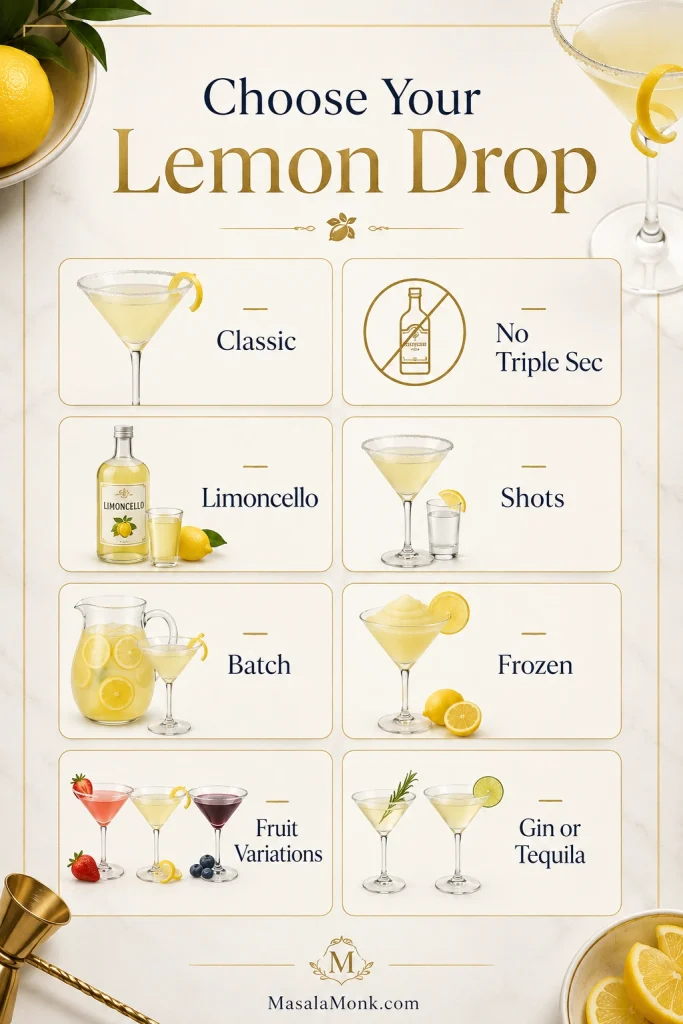
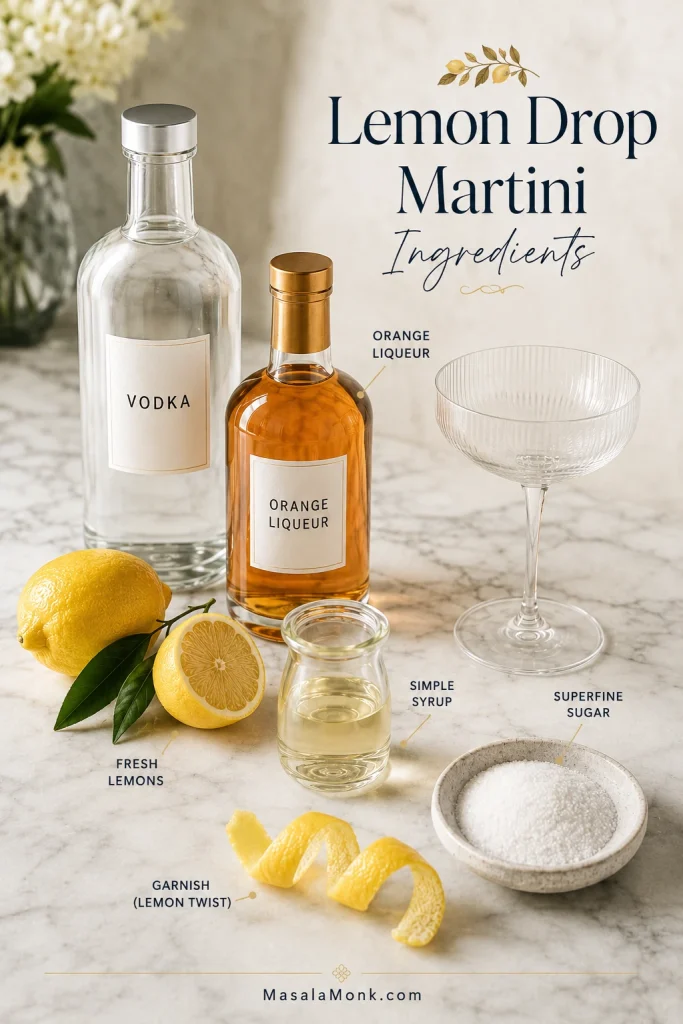
10) How long should I shake a cold brew espresso martini?

Typically, 15–20 seconds is ideal. That said, if your ice is very hard and your ingredients are cold, a slightly shorter shake can still work. Conversely, if you’re using regular cold brew instead of concentrate, an extra few seconds often improves the foam.

11) Should I add simple syrup to an espresso martini with cold brew?

Only if you want more roundness. Coffee liqueur already adds sweetness, so start small and adjust after tasting. If you’re using a drier coffee liqueur, a touch of syrup can smooth the edges without making the drink cloying.

12) What coffee liqueur works best for a cold brew espresso martini?

If you prefer classic sweetness, go with a sweeter coffee liqueur like Kahlúa. Alternatively, if you want a drier, more coffee-forward finish, choose a roastier, less sweet coffee liqueur. Either way, keep sweetness adjustable with minimal syrup.

13) How do I make a Kahlúa cold brew martini?

Use vodka, Kahlúa, and cold brew concentrate (or strong cold brew), then shake hard and strain into a chilled glass. Because Kahlúa is already sweet, you can often skip simple syrup unless your cold brew is particularly bitter.

14) How do I make a cold brew martini with Baileys?

Combine vodka, Baileys, a small amount of coffee liqueur (optional), and cold brew concentrate, then shake longer than usual for a creamy texture. Since Baileys adds sweetness and body, reduce or skip simple syrup to keep the finish clean.

15) Can I make a cold brew espresso martini without coffee liqueur?

Yes, although it will taste less “classic.” In that case, replace the liqueur’s sweetness and coffee notes with a little syrup and a stronger coffee base. Additionally, consider adding a tiny pinch of salt to round the coffee flavor.

16) Is a cold brew espresso martini stronger than a regular espresso martini?

It depends on your ratios. Cold brew concentrate can deliver a strong coffee punch, yet alcohol strength is mainly determined by how much vodka you use and how much dilution happens in the shake.

17) Can I batch cold brew espresso martinis for a party?

You can pre-mix vodka, coffee liqueur, cold brew (or concentrate), and syrup, then keep it chilled. However, shake each serving with ice right before pouring so you still get the foam and the proper texture.

18) What garnish works best on an espresso martini made with cold brew?

Three coffee beans are the classic choice. If you want variety, try a light dusting of cocoa, a few chocolate shavings, or a subtle orange zest expression for aroma—just keep it restrained so it doesn’t overpower the coffee.

Posted on 8 Comments

Cranberry Moscow Mule Recipe: A Festive Holiday Cocktail With Easy Variations

Cranberry Moscow Mule in a copper mug garnished with rosemary, cranberries, and lime, with text “Pitcher + Single Serve” and “Holiday party-ready.”

There are cocktails that feel like a project, and then there are cocktails that feel like a decision. The cranberry Moscow mule sits firmly in that second camp: you grab a bottle of ginger beer, you find a lime, you pour, you stir, and suddenly the glass looks like a holiday postcard.

That’s the quiet charm of this drink. It can be a cozy Christmas Moscow mule, a bright Thanksgiving cranberry mule, a casual cranberry mule cocktail after work, or the kind of holiday mule you make when friends “just happen” to stop by. Either way, you get the same three-note magic: ginger heat, citrus snap, and that tart-sweet cranberry glow that makes the whole thing taste like winter without tasting heavy.

Even better, it’s easy to steer. Want something sharper? You lean into lime. Prefer it rounder and sweeter? You choose cranberry cocktail instead of 100% juice or add a touch of syrup. Craving something more aromatic? Rosemary, thyme, or orange peel transforms the drink in seconds. And if you’re making cranberry moscow mules for a crowd, a pitcher base takes the stress out of hosting.

If you like having a dependable starting point before you riff, Masala Monk’s guide to the classic mule template is a great foundation: Moscow Mule Recipe: Master Ratio + 10 Easy Variations. From there, cranberry slides in naturally—like the drink was always meant to wear red.


Why Ginger Beer and Cranberry Juice Work So Well Together

At first glance, ginger beer and cranberry juice sounds almost too simple. Yet the pairing makes sense the moment you sip it.

Cranberry brings bright acidity and a clean fruit note. Ginger beer brings spicy fizz and a slight sweetness. Put them together, and you get a cranberry ginger beer cocktail that tastes lively instead of sugary—especially once lime shows up to keep everything crisp.

Infographic showing why ginger beer, cranberry juice, and lime create a balanced cranberry Moscow mule, highlighting tartness, spicy fizz, and crisp citrus balance.
Why ginger beer and cranberry juice work so well together: cranberry adds bright tartness, ginger beer brings spicy fizz, and lime keeps everything crisp—so the mule tastes lively, not sugary.

That balance is the real “secret” here. A mule is essentially a bright, gingery highball; cranberry gives it holiday color and a tart backbone, but ginger beer keeps it from turning into straight-up juice. Meanwhile, lime keeps the drink from getting flat or cloying, which is why moscow mule with cranberry juice almost always tastes better when you don’t skip the citrus.

If you’ve ever wondered why two “mule” drinks can taste wildly different, the answer is often hiding in the mixer. Ginger beer tends to be bolder and more ginger-forward, while ginger ale is usually softer and sweeter; Food & Wine’s breakdown of the difference explains why the swap changes the entire drink’s profile (Ginger Beer vs. Ginger Ale), and Epicurious dives into how production and flavor affect cocktails (Ginger Beer vs. Ginger Ale). In other words: both can work, but they won’t taste the same—and cranberry amplifies that difference.

So if you’re using ginger ale because that’s what you have, you can still make a cranberry mule drink you’ll love; you’ll just want a bit more lime to keep the drink sharp and mule-like.

Also Read: Baked Ziti Recipe Collection: 15 Easy Variations


Cranberry Moscow Mule Ingredients (And What Each One Does)

A good cranberry mule recipe doesn’t need many ingredients, but each one has a job. Once you know what those jobs are, you can tweak the drink confidently—whether you’re building a spiced cranberry mule, an apple cranberry moscow mule, or a big batch cranberry moscow mule.

Vodka (or your spirit of choice)

Vodka keeps the drink clean and neutral, which is why cranberry vodka mule recipes are the classic lane. If you want a specific bottle recommendation, you can absolutely make a cranberry mule recipe with Tito’s—its smooth profile works well with tart juice and spicy ginger.

That said, vodka isn’t your only option. Later on, you’ll see how easily this becomes a gin mule, a whiskey cranberry mule, or a tequila cranberry mule with one simple swap.

Cranberry juice (the fork in the road)

This is where people unknowingly choose their drink’s personality.

  • Cranberry juice cocktail (sweetened) gives you a crowd-pleasing holiday mule cocktail that’s easy to sip.
  • 100% cranberry juice makes the drink tarter, brighter, and more “grown-up,” but it often benefits from a touch of sweetener.

If you’re chasing the best cranberry mule recipe for a party, cranberry cocktail is typically the easiest win. On the other hand, if you love sharp drinks, 100% cranberry can be stunning—especially when you add a teaspoon or two of syrup to round the edges.

Ginger beer (the mule’s engine)

Ginger beer is what makes this drink a mule instead of a vodka cranberry with bubbles. It brings spice, fizz, sweetness, and a slightly fermented tang.

If you’re curious about classic proportions for a Moscow mule, Serious Eats lays out the familiar format—vodka, lime, and 4–6 ounces of ginger beer—clearly and simply (Moscow Mule). Liquor.com offers a similarly straightforward approach (Moscow Mule Cocktail Recipe). Those classics are useful here because cranberry is an add-on, not a replacement. You’re still building a mule; you’re just tinting and flavoring it.

Fresh lime juice (non-negotiable if you want the “mule” taste)

Bottled lime juice can work in a pinch, yet fresh lime gives the drink a brightness that plays beautifully with cranberry. More importantly, it keeps ginger beer and cranberry juice from tasting like a sweet soda.

Ice (more important than it looks)

A mule is at its best when it’s cold and crisp. Lots of ice keeps the ginger beer lively and slows dilution so the drink stays balanced.

Copper mugs (optional—and worth one safety note)

Copper mugs are fun and iconic, although a highball glass is perfectly fine. If you do use copper, it’s smart to choose a lined mug because acidic drinks (ginger, lime) can encourage copper to leach from unlined copper vessels. KFF Health News summarizes research and recommends lined mugs as a safer option (Don’t Nurse That Moscow Mule). You don’t need to panic; you just don’t want an unlined copper cup holding an acidic drink for a long time.

Also Read: Manhattan Cocktail Recipe (Classic + 6 Variations)


The Cranberry Moscow Mule Recipe (Single Drink)

This is the version you’ll come back to again and again—the one you can make by memory once you’ve done it twice.

Ingredients (1 drink)

  • 2 ounces vodka
  • 1 ounce cranberry juice (cocktail or 100%, your call)
  • 1/2 ounce fresh lime juice
  • 4–6 ounces cold ginger beer
  • Ice

Method

  1. Fill a copper mug or tall glass generously with ice.
  2. Add vodka, cranberry juice, and lime juice.
  3. Top with ginger beer.
  4. Stir gently, just enough to combine.
  5. Garnish and serve immediately.
Cranberry Moscow Mule recipe graphic showing a copper mug cocktail with rosemary, cranberries, and lime, plus measurements for single serve and an 8-drink pitcher.
Save this cranberry Moscow mule recipe: make one drink in minutes or mix a pitcher base for eight—then top each glass with ginger beer for the freshest fizz.

If you want the fastest possible route—almost a “dump and stir” approach—Food Network’s cranberry mule is famously minimal: vodka, cranberry juice, ginger beer, ice, garnish (Cranberry Mule Recipe). That style is great when you’re making drinks while chatting, because it’s nearly impossible to mess up. Still, adding lime makes the drink taste more like a true mule and less like a sweet highball, so consider it the small extra step that pays you back with every sip.

Also Read: Green Chutney Recipe (Coriander–Mint / Cilantro Chutney)


Garnishes That Make It Look Like a Holiday Moscow Mule

A cranberry mule already looks festive, but garnishes change the experience as much as they change the photo.

  • Fresh cranberries: classic, simple, and instantly “holiday.”
  • Rosemary sprig: the aroma hits before the sip, which makes it feel like a Christmas mule cocktail.
  • Thyme: softer than rosemary, more delicate, and quietly elegant.
  • Orange peel: warm citrus perfume that turns it into an orange cranberry moscow mule moment.
  • Lime wheel: keeps things bright and crisp.
Sugared cranberries on a cocktail pick with a cranberry mule drink in the background, featuring on-image instructions to dip in simple syrup, roll in sugar, and dry 10–15 minutes.
Sugared cranberries (5 minutes): dip fresh cranberries in simple syrup, roll in sugar, and let them dry—an instant “wow” garnish for cranberry Moscow mules and holiday drinks.

If you want to go all-in, sugared cranberries are the easiest “wow” garnish because they look fancy and take almost no effort. Alternatively, an orange peel and rosemary sprig together makes the drink smell like winter as soon as you lift the mug.

Also Read: Best Vermouth for a Negroni Cocktail Drink Recipe


Christmas Moscow Mule Recipe (The Holiday Mule Version)

The difference between an everyday cranberry mule and a Christmas moscow mule isn’t a new ingredient list—it’s the way you layer aroma and warmth.

Christmas cranberry Moscow mule in a copper mug with sugared cranberries, rosemary, and orange peel, featuring an on-image recipe with vodka, cranberry, lime, and ginger beer.
Christmas cranberry Moscow mule: rosemary and orange peel add instant holiday aroma—mix vodka, cranberry, and lime over ice, then top with ginger beer right before serving.

Start with the base cranberry Moscow mule recipe. Then:

  • Add a rosemary sprig and a handful of cranberries.
  • Express an orange peel over the mug (twist it to release the oils), then drop it in.
  • If you like a sweeter edge, add a small spoon of simple syrup before the ginger beer and stir lightly.

As the drink sits, rosemary perfumes the ginger, orange lifts the cranberry, and suddenly it tastes like a holiday mule without tasting like a candle. That’s the sweet spot.

Cranberry sauce Moscow mule in a tall glass with a spoonful of cranberry sauce, lime wheel, and rosemary, with an on-image recipe for a leftover cranberry sauce mule.
Cranberry sauce Moscow mule: stir a spoonful of leftover cranberry sauce into vodka and lime, then top with ginger beer for a smooth, bold mule with holiday flavor.

If your holiday table already includes cranberry-orange flavors, it’s also fun to pair this drink with something like Cranberry Sauce with Orange Juice, because the same flavor family shows up on both the plate and the glass. The result feels cohesive without feeling planned.

Also Read: Sandwich for Breakfast: Breakfast Sandwich Recipe + 10 Variations


Cranberry Lime Moscow Mule (For People Who Like It Crisp)

Sometimes you want the cranberry to be present but not sweet. In that case, pull the drink toward citrus.

Make the base recipe, then:

  • Use 100% cranberry juice, and
  • Increase lime slightly (a fuller half ounce, or even a touch more if your ginger beer is sweet).
Cranberry lime Moscow mule in a tall glass with lime wedge and wheel, with an on-image recipe highlighting extra lime for a crisp, tart mule.
Cranberry lime Moscow mule: the extra squeeze of lime keeps the drink sharp and mule-like—especially if your ginger beer or cranberry juice runs sweet.

What you get is a cranberry lime mule that drinks clean and bright. It’s the kind of mule that tastes refreshing even after a rich meal, which is exactly why it fits a holiday spread so well.

Also Read: Paper Plane Cocktail Recipe + Best Amaro Substitutes & Tips


Cranberry Orange Moscow Mule (Warm Citrus Without Heaviness)

Cranberry and orange is a classic duo, and it fits the mule format naturally. Instead of making the drink sweeter, orange adds perfume and warmth.

You can do it two easy ways:

  1. Orange peel garnish method: build the base drink, then add orange peel and stir.
  2. Orange juice method: replace a small portion of cranberry juice with orange juice (just enough to bring in the aroma without turning it into a brunch drink).
Cranberry orange Moscow mule in a tall glass with orange peel twist, cranberries, and ice, with an on-image recipe using vodka, cranberry, lime, and ginger beer.
Cranberry orange Moscow mule: add an orange peel twist for warm citrus aroma without making the drink heavy—then top with ginger beer for a crisp finish.

If you want inspiration from a more “designed” version, Bobby Flay’s cranberry-orange mule recipe leans into cranberry vodka and orange notes for a festive spin (Cranberry-Orange Mule). You don’t need to follow it exactly to enjoy the idea; even a simple orange peel garnish can shift your cranberry mule cocktail into a more holiday-forward direction.

Also Read: Strawberry Smoothie Recipes (12 Easy Blends + Bowls & Protein Shakes)


Apple Cranberry Moscow Mule (Cran-Apple, But Make It a Mule)

Apple and cranberry together taste like fall and winter in one sip. The trick is keeping the apple from making the drink taste like sparkling juice.

Here’s the approach that stays mule-like:

Apple Cranberry Mule (1 drink)

  • 2 ounces vodka
  • 1 ounce cranberry juice
  • 1 ounce apple cider (or cloudy apple juice)
  • 1/2 ounce lime juice
  • Ginger beer to top

Build it over ice, then garnish with apple slices and cranberries.

Apple cranberry Moscow mule in a copper mug with apple slice, cranberries, and cinnamon, with an on-image recipe using vodka, cranberry juice, apple cider, lime, and ginger beer.
Apple cranberry Moscow mule: a cozy cider twist on the classic—vodka, cranberry, apple cider, lime, then ginger beer for that signature mule sparkle.

Liquor.com’s apple cranberry moscow mule goes directly at the “cran-apple” idea using cran-apple juice and a smaller lime measure, then tops with ginger beer (Apple Cranberry Moscow Mule). It’s a great reference point if you want that specific flavor lane.

If you’re serving a mix of drinkers—some doing alcohol, some not—an apple-forward zero-proof option fits nicely alongside this version. Masala Monk’s apple juice mocktails are handy for that kind of table, since you can keep the same garnish style and make everything look intentional.

Also Read: Classic Rum Punch + 9 Recipes (Pitcher & Party-Friendly)


Spiced Cranberry Moscow Mule (Cinnamon, Thyme, and Winter Warmth)

A spiced cranberry mule should feel like winter, not like potpourri. The goal is warmth in the background, not a spice rack in the foreground.

Spiced Cranberry Mule, Cinnamon Style

Build the base drink, then add:

  • a tiny pinch of cinnamon, or
  • a cinnamon stick as garnish, or
  • a dash or two of aromatic bitters (if you keep them around)

Cinnamon plays especially well with cranberry and orange peel, so it’s also a natural fit for a Christmas mule cocktail.

Spiced cranberry mule in a crystal glass with cinnamon, thyme, and cranberries, with an on-image recipe using vodka, cranberry juice, lime, and ginger beer.
Spiced cranberry mule: cranberry, lime, and ginger beer with a cinnamon stick and thyme garnish for a warm holiday twist that still tastes crisp and bright.

Spiced Cranberry Thyme Moscow Mule

Thyme is subtler than rosemary, which means it’s easier to use without overpowering the drink.

Build the base drink, then:

  • clap a thyme sprig between your hands to wake up the aroma
  • garnish with the sprig and stir gently once

The result feels like a spiced cranberry thyme mule—fresh, herbal, slightly wintry—without losing that classic mule snap.

Also Read: 7 Pizza Sauce Recipes | Marinara, White Garlic, Alfredo, Buffalo, BBQ, Vodka & Ranch


Cranberry Rosemary Mule (That “Smells Like the Holidays” Version)

Rosemary is the garnish that does the most work with the least effort. It turns a cranberry moscow mule into a cranberry rosemary mule almost instantly.

Build the base drink, then:

  • garnish with rosemary and cranberries
  • stir lightly so the rosemary oils lightly perfume the top of the drink

Because rosemary is assertive, you don’t need to muddle it. In fact, muddling can make the herb taste woody. Instead, let it behave like a fragrant accent.

Cranberry rosemary mule in a dark glass with rosemary, cranberries, and lime, featuring an on-image recipe and a tip to clap rosemary before garnishing.
Cranberry rosemary mule: clap the rosemary sprig before garnishing so the drink smells like the holidays—then add ginger beer last for the brightest fizz.

If you enjoy herbal directions in drinks in general—especially for alcohol-free versions—Masala Monk’s guide to herbal infusions in mocktails is a fun rabbit hole to go down. Rosemary and thyme show up often for a reason: they’re instantly aromatic and pair well with citrus.

Also Read: Vodka Pasta (Penne alla Vodka) + Spicy Rigatoni, Chicken, and Gigi Recipes


Cranberry Pomegranate Moscow Mule (A Deeper, Brighter Fruit Twist)

Cranberry is tart. Pomegranate is tart in a different way—more jewel-toned, slightly floral, and a little rounder.

For a cranberry pomegranate mule:

  • Use half cranberry juice and half pomegranate juice in the base recipe
  • Keep lime and ginger beer the same
Cranberry pomegranate Moscow mule in a tall glass with lime and pomegranate arils, featuring an on-image recipe that uses half cranberry and half pomegranate juice.
Cranberry pomegranate Moscow mule: swap in a half-and-half cranberry–pomegranate juice blend for a deeper, jewel-toned mule that still finishes crisp with ginger beer and lime.

The drink stays crisp, yet the fruit layer feels more complex. It’s a great option when you want something that tastes a little more “special occasion” without adding steps.

Also Read: Mayo Recipe: 15+ Homemade Mayonnaise Variations


Cranberry Vanilla Moscow Mule (A Soft, Dessert-Leaning Option)

If your ginger beer is sharp and you want the drink to feel smoother, vanilla can give it a gentle “holiday dessert” vibe.

There are a few easy routes:

  • Use a small splash of vanilla syrup (the same kind you’d use in coffee), or
  • Use vanilla vodka, or
  • Add a tiny pinch of vanilla extract to a big batch base (very little goes a long way)
Cranberry vanilla Moscow mule in a stemless glass with cranberries and orange peel, with an on-image recipe including vodka, cranberry juice, lime, vanilla syrup, and ginger beer.
Cranberry vanilla Moscow mule: a softer, dessert-leaning twist—add just a teaspoon of vanilla syrup to round the cranberry and let ginger beer keep it crisp.

This turns the drink into a cranberry vanilla mule—still fizzy and gingery, just rounder at the edges. It’s especially nice with orange peel.

Also Read: Blueberry Pancakes (6 Recipes) + Homemade Pancake Mix


Choose Your Spirit: Vodka, Gin, Bourbon, Whiskey, or Tequila

One reason “mule” drinks are so popular is that the template welcomes substitutions. Once you’ve made a cranberry mule with vodka, you can spin it into several other crowd-pleasing directions.

Cranberry mule spirit swaps graphic showing four drinks labeled vodka, gin, bourbon, and tequila, with a base recipe ratio and flavor notes.
Cranberry mule spirit swaps: use the same mule base, then choose vodka (classic), gin (botanical), bourbon (warm), or tequila (bright) to match your mood and menu.

Cranberry Vodka Mule (Classic and Clean)

This is the standard cranberry mule recipe: vodka, cranberry, lime, ginger beer. It’s the most neutral, the most widely loved, and the easiest to batch.

If you like the idea of balancing citrus and sweetness in simple highballs, Masala Monk’s vodka with lemon guide explains the logic behind adding a little syrup to keep tartness bright rather than harsh—an idea that carries over beautifully when you use unsweetened cranberry.

Gin Mule (Cranberry Gin Mule)

Swap vodka for gin and you’ll get a cranberry gin mule that feels more aromatic and botanical. Rosemary garnish becomes even more compelling here, because gin and rosemary play beautifully together.

Cranberry gin mule in a tall glass with lime and rosemary, featuring an on-image recipe for a gin mule made with cranberry juice, lime, and ginger beer.
Cranberry gin mule (gin mule): a more botanical take on the mule—gin, cranberry, lime, then ginger beer, finished with rosemary for an aromatic holiday-ready sip.

This is a great “holiday mule” option when you want something that tastes a touch more complex without adding any extra ingredients.

Bourbon Cranberry Mule (Whiskey Cranberry Mule / Cranberry Kentucky Mule)

Swap vodka for bourbon (or whiskey) and the drink turns warmer and richer. That’s why bourbon cranberry mule and whiskey cranberry mule variations show up so often in colder months: the vanilla-caramel notes in bourbon make cranberry taste more like a winter fruit.

Bourbon cranberry mule (Kentucky mule) in a rocks glass with orange peel and cinnamon, with an on-image recipe using bourbon, cranberry juice, lime, and ginger beer.
Bourbon cranberry mule (Kentucky mule): swap vodka for bourbon to make cranberry taste warmer and richer—then finish with ginger beer and an orange peel twist.

If you want the drink to feel extra seasonal, add orange peel and a cinnamon stick and you’ve basically got a Christmas mule drink that tastes like it belongs next to a fire.

Tequila Cranberry Mule (Cranberry Mexican Mule)

Swap vodka for tequila blanco and you’ll get a brighter, punchier drink. The cranberry becomes sharper, the ginger feels louder, and orange peel suddenly makes a lot of sense.

Tequila cranberry mule (Mexican mule) in a tall glass with a salt-sugar rim, lime wheel, and orange peel, with an on-image recipe using tequila, cranberry, lime, and ginger beer.
Tequila cranberry mule (Mexican mule): tequila blanco makes the cranberry-and-ginger combo brighter and punchier—serve it icy cold with a lime wheel and ginger beer on top.

If you enjoy margarita-style flavors, this version is a natural bridge—especially with a salt-sugar rim or a chili-salt rim if you like heat.

Also Read: Whiskey Sour Recipe: Classic Cocktail, Best Whiskey & Easy Twists


Big Batch Cranberry Moscow Mule (Pitcher Recipe That Actually Works)

If you’re hosting, the best gift you can give yourself is a plan that doesn’t require you to play bartender all night. A cranberry moscow mule pitcher base does exactly that.

The most important rule: batch everything except the ginger beer.

Ginger beer is your fizz, so you want it fresh. Once it sits in a pitcher, it goes flat, and your big batch cranberry moscow mule turns into a sweet, diluted punch. Still tasty, but not the drink you meant to make.

Big Batch Cranberry Mule Base (About 8 Drinks)

  • 2 cups vodka
  • 1 cup cranberry juice
  • 1/2 cup fresh lime juice
  • Optional: 1/4 to 1/2 cup simple syrup (especially if using 100% cranberry juice)

Stir this base in a pitcher and chill it thoroughly.

To Serve

Fill each mug with ice, pour in the base, then top with ginger beer. Stir gently and garnish.

Big batch cranberry mule pitcher filled with cranberries and lime, with an on-image recipe for an 8-serving pitcher and a note to top each glass with ginger beer.
Big batch cranberry mule made for hosting: mix the vodka–cranberry–lime pitcher base, then top each glass with ginger beer so every serving stays cold and fizzy.

That’s it. Suddenly, cranberry moscow mule large batch service becomes effortless. You can chat, refill the snack table, and actually enjoy your own party.

If you want a reference point for a “no-fuss” cranberry mule direction, Food Network’s approach is as straightforward as it gets (Cranberry Mule Recipe), and it scales easily. Meanwhile, if you like a more styled holiday direction that leans orange and cranberry, Bobby Flay’s cranberry-orange mule is a fun idea to borrow elements from when you’re building your garnish bar (Cranberry-Orange Mule).

A Simple Hosting Rhythm (So You’re Not Stuck in the Kitchen)

Instead of pre-pouring full drinks, set up a “build your own” station:

  • a chilled pitcher of cranberry mule base
  • ginger beer bottles on ice
  • a bowl of cranberries
  • sliced limes
  • rosemary and thyme sprigs
  • orange peels or orange slices
Build-your-own cranberry mule bar setup with a pitcher of cranberry mule base, ginger beer on ice, sliced limes, orange peel, cranberries, and herbs, with on-image text.
Build-your-own cranberry mule bar: set out a chilled pitcher base, keep ginger beer cold, and let guests add lime, orange peel, and herb garnishes—easy hosting, fresher fizz.

That small setup makes holiday moscow mules feel abundant, even if you’re keeping things casual.

Also Read: Waffle Recipe Without Milk: Fluffy, Golden, and Crisp


Virgin Cranberry Moscow Mule (The Zero-Proof Version That Still Feels Festive)

A virgin cranberry moscow mule shouldn’t feel like a consolation prize. It should taste like a real drink—bright, fizzy, gingery, and finished with the same garnishes as the alcoholic version.

Virgin Cranberry Mule (1 drink)

  • 2–3 ounces cranberry juice
  • 1/2 ounce lime juice
  • Ginger beer to top
  • Ice

Build over ice, stir gently, and garnish with cranberries and rosemary.

Virgin cranberry Moscow mule mocktail in a crystal glass with cranberries, rosemary, and lime, plus an on-image recipe with cranberry juice, lime, and ginger beer.
Virgin cranberry Moscow mule (mocktail): all the ginger-lime sparkle with a ruby cranberry twist—perfect for kids, drivers, and anyone skipping alcohol.

If you want a clear, tested reference for the non-alcoholic format, Skinnytaste’s cranberry mule mocktail keeps it clean with cranberry juice, ginger beer, and lime (Cranberry Mule Mocktail). You can keep it that simple, or you can dress it up the same way you would a Christmas mule cocktail: rosemary, orange peel, sugared cranberries, the whole works.

For a more “grown-up” herbal direction—especially if you’re serving mocktails at a holiday gathering—Masala Monk’s piece on herbal mocktail infusions is a nice source of ideas. Even one sprig of rosemary can make a zero-proof drink feel intentional.

Also Read: Sheet Pan Chicken Fajitas Recipe (Easy One-Pan Oven Fajitas)


Ginger Ale, Ginger Beer, and Cranberry: Two Easy Routes

Sometimes the question isn’t “which cranberry mule recipe should I make?” It’s “what do I do with what’s already in my fridge?”

Portrait graphic comparing ginger beer vs ginger ale for a cranberry mule, showing how to adjust lime, plus a base recipe and quick tips for sweetness and scaling.
Ginger beer vs ginger ale for a cranberry mule: ginger beer gives sharper mule bite, while ginger ale is softer—so bump the lime and add bubbly last for the best fizz.

If you have ginger beer

You’re in classic mule territory. Build the drink normally. You’ll get more spice, more bite, and a more defined mule identity.

If you only have ginger ale

You can still make a moscow mule recipe with cranberry juice that tastes refreshing. It will be softer and sweeter, so lean into lime a little more. Those differences are exactly why guides like Food & Wine and Epicurious emphasize that ginger beer and ginger ale aren’t interchangeable without changing the result (Food & Wine’s comparison, Epicurious’ comparison).

Either way, cranberry and ginger is a winning pairing. You just steer the balance with lime and sweetness.

Also Read: Strawberry Mojito Mocktails – 10 Easy Variations


What to Serve With Cranberry Moscow Mules (So the Night Feels Complete)

A cranberry mule cocktail is fizzy, gingery, and slightly tart. That means it loves food that’s creamy, salty, crunchy, or gently spicy. In other words, it pairs beautifully with party snacks.

Instead of trying to cook ten things, aim for contrast:

  • one creamy dip
  • one crunchy bite
  • one “fresh” element
  • one cozy holiday side if you’re doing dinner

Here are combinations that work especially well.

Creamy dips and spreads

A creamy dip softens the ginger bite and makes the drink feel smoother.

  • A classic option is Easy Spinach Dip (Cold, Baked, Artichoke & 10 Variations). It’s rich enough to balance the drink, yet it still feels party-friendly rather than heavy.
  • If you want something bolder, Buffalo Chicken Dip is a natural match because spicy, tangy food and fizzy ginger drinks tend to make each other more exciting.
  • For something cool and bright, Greek tzatziki pairs beautifully with the lime and cranberry notes, especially alongside roasted or fried snacks.

One-bite, tidy appetizers

This is the category that makes a gathering feel effortless.

The “hot and crispy” anchor

Every snack table benefits from one warm, crisp tray that disappears quickly.

  • Air fryer chicken wings are ideal here: spicy wings plus a cranberry mule is the kind of pairing that keeps people hovering near the table.

Boards and grazing plates (the easiest party trick)

If you want the room to feel festive without cooking all day, a board does most of the work.

Masala Monk’s guide to charcuterie boards and the 3-3-3-3 rule makes it easy to build something abundant. Add crackers, cheese, something briny, something sweet, and a bowl of cranberries as a playful nod to the drink. With a holiday mule in hand, it feels like an event.

Holiday sides that make everything feel seasonal

If you’re serving these drinks with dinner—especially if you’re leaning into Christmas moscow mule vibes—cozy sides fit right in.

  • Green bean casserole is a classic companion to a holiday table, and it works surprisingly well with a crisp cranberry mule because the drink cuts through creamy, savory dishes.
  • If cranberry is already on your menu, cranberry sauce with orange juice ties the whole spread together, especially if you’re also making a cranberry orange mule variation.

And if you want something simple that helps dips disappear even faster, homemade garlic bread is a cozy, crowd-friendly move—particularly when the weather is cool and the drinks are icy.

Also Read: Katsu Curry Rice (Japanese Recipe, with Chicken Cutlet)


A Cranberry Mule You’ll Actually Make Again

The best thing about this drink is that it doesn’t ask you to commit. You can keep it simple—vodka, cranberry, lime, ginger beer—and it’s already delicious. Then, whenever you feel like it, you pivot:

  • rosemary and cranberries for a cranberry rosemary mule
  • orange peel for a cranberry orange moscow mule
  • apple cider for an apple cranberry mule
  • cinnamon and thyme for a spiced cranberry mule
  • bourbon for a whiskey cranberry mule
  • tequila for a cranberry mexican mule
  • a pitcher base when you’re making cranberry moscow mules for a crowd
  • zero-proof when you want a virgin cranberry moscow mule that still feels special

No matter which direction you choose, the drink keeps its personality: bright, fizzy, gingery, and unmistakably festive.

Also Read: Peanut Butter Cookies (Classic Recipe & 3 Variations)

FAQ

1) What is a cranberry Moscow mule?

A cranberry Moscow mule is a Moscow mule made with vodka, ginger beer, lime juice, and cranberry juice. Compared to a classic mule, it tastes fruitier, looks more festive, and often shows up as a holiday mule or Christmas mule cocktail.

2) What are the cranberry Moscow mule ingredients?

Typically you’ll need vodka, cranberry juice, fresh lime juice, ginger beer, and ice. Afterward, garnishes like cranberries, rosemary, lime, or orange peel make it feel more seasonal.

3) How do I make a cranberry mule cocktail taste less sweet?

If your cranberry mule tastes too sweet, first increase the lime juice slightly. Next, choose a less-sweet cranberry juice (or reduce the cranberry portion) and use a spicier ginger beer for more bite and balance.

4) Can I use 100% cranberry juice in a cranberry moscow mule recipe?

Yes—however, 100% cranberry juice is much tarter than cranberry juice cocktail. Because of that, many people add a small amount of simple syrup to soften the edges while keeping the drink bright.

5) What’s the best ginger beer for a cranberry ginger beer mule?

Since ginger beers vary a lot, pick based on your preference: a spicier ginger beer creates a sharper mule, while a sweeter ginger beer makes a smoother cranberry mule drink. Either way, fresh lime keeps it tasting like a mule.

6) Can I make a moscow mule recipe with cranberry juice and ginger ale?

You can. Even so, ginger ale is usually sweeter and less spicy than ginger beer, so the result will be softer and closer to a cranberry highball. To bring it back toward mule territory, add a bit more lime and use plenty of ice.

7) What vodka works best for a cranberry mule recipe?

Any smooth vodka works well. In particular, a cranberry mule recipe with Tito’s is popular because it’s clean and easy-drinking, letting ginger and cranberry stand out.

8) How do I make an easy cranberry moscow mule?

For an easy version, fill a mug with ice, add vodka and cranberry juice, then top with ginger beer and squeeze in lime. Finally, stir once and garnish—done.

9) How do I make a Christmas Moscow mule recipe?

To turn it into a Christmas mule drink, keep the base recipe and add holiday garnishes such as rosemary sprigs, fresh cranberries, and orange peel. Optionally, add a cinnamon stick for a cranberry cinnamon moscow mule feel.

10) What is an apple cranberry Moscow mule?

An apple cranberry Moscow mule is a cranberry mule variation that includes apple cider or apple juice along with cranberry, then finishes with ginger beer and lime. As a result, it tastes like a cran-apple mule with the classic mule fizz.

11) How do I make an apple cider cranberry Moscow mule?

Instead of using only cranberry juice, use a split—cranberry plus apple cider—then add vodka, lime, and ginger beer. In addition, cinnamon garnish pairs especially well with this version.

12) Can I make a spiced cranberry Moscow mule?

Absolutely. For instance, add aromatic bitters, a cinnamon stick, or a light dusting of cinnamon. Alternatively, use herbs like thyme for a spiced cranberry thyme Moscow mule that still tastes fresh.

13) What’s the difference between a cranberry rosemary mule and a cranberry thyme moscow mule?

Rosemary is more piney and bold, while thyme is gentler and more floral. Consequently, rosemary gives a stronger holiday aroma, whereas thyme keeps the drink lighter.

14) What is a cranberry pomegranate Moscow mule?

A cranberry pomegranate mule combines cranberry juice with pomegranate juice, then adds vodka, lime, and ginger beer. Because pomegranate is naturally tangy, it deepens the fruit flavor without making the drink heavy.

15) Can I make a cranberry mule with gin?

Yes—swap vodka for gin to make a gin mule or cranberry gin mule. Compared to vodka, gin adds botanical notes that taste especially good with rosemary or orange peel.

16) How do I make a bourbon cranberry mule or whiskey cranberry mule?

Replace vodka with bourbon or whiskey. Then build the drink the same way with cranberry, lime, and ginger beer. In turn, the flavor becomes warmer and richer, similar to a cranberry Kentucky mule style.

17) Can I make a tequila cranberry mule (Mexican mule)?

Definitely. Use tequila blanco instead of vodka, then add cranberry juice, lime, and ginger beer. For extra lift, garnish with orange peel or a lime wheel.

18) How do I make a big batch cranberry Moscow mule?

Make a pitcher base with vodka, cranberry juice, and lime juice, and chill it. Then, when serving, pour the base over ice and top each glass with ginger beer so the fizz stays lively.

19) What’s the best cranberry moscow mule pitcher recipe for a crowd?

A reliable approach is batching vodka + cranberry + lime in advance, then topping with ginger beer per glass. That method scales easily for a cranberry moscow mule for a crowd, a large batch cranberry mule, or a party pitcher.

20) How far ahead can I prep a cranberry moscow mule batch?

You can mix the vodka, cranberry juice, and lime juice several hours ahead and keep it refrigerated. Still, add ginger beer only at serving time to maintain carbonation.

21) Can I make a virgin cranberry Moscow mule?

Yes—a virgin cranberry mule uses cranberry juice, lime juice, and ginger beer over ice. For a more “holiday mule” feel, garnish with rosemary and cranberries just like the cocktail.

22) Can I use cranberry vodka in a moscow mule with cranberry vodka?

Yes. Cranberry vodka works well and reinforces the fruit notes. Even so, keep lime in the recipe so it doesn’t drift into overly sweet territory.

23) What can I use instead of lime in a cranberry mule recipe?

If you’re out of lime, lemon can work. Nevertheless, lime is the classic mule citrus and tends to pair best with ginger beer and cranberry.

24) Why does my cranberry mule taste flat?

Usually it’s because the ginger beer wasn’t cold, the drink sat too long, or it was stirred too aggressively. To fix it, use chilled ginger beer, add it last, and stir gently.

25) Can I serve cranberry mules for Thanksgiving and Christmas?

Yes—cranberry mules fit both. For Thanksgiving, apple cider and cinnamon variations feel especially fitting. For Christmas, rosemary, orange, and pomegranate versions look and smell extra festive.