Posted on Leave a comment

Avocado Seed Benefits for Weight Loss: Unleashing the Hidden Potential

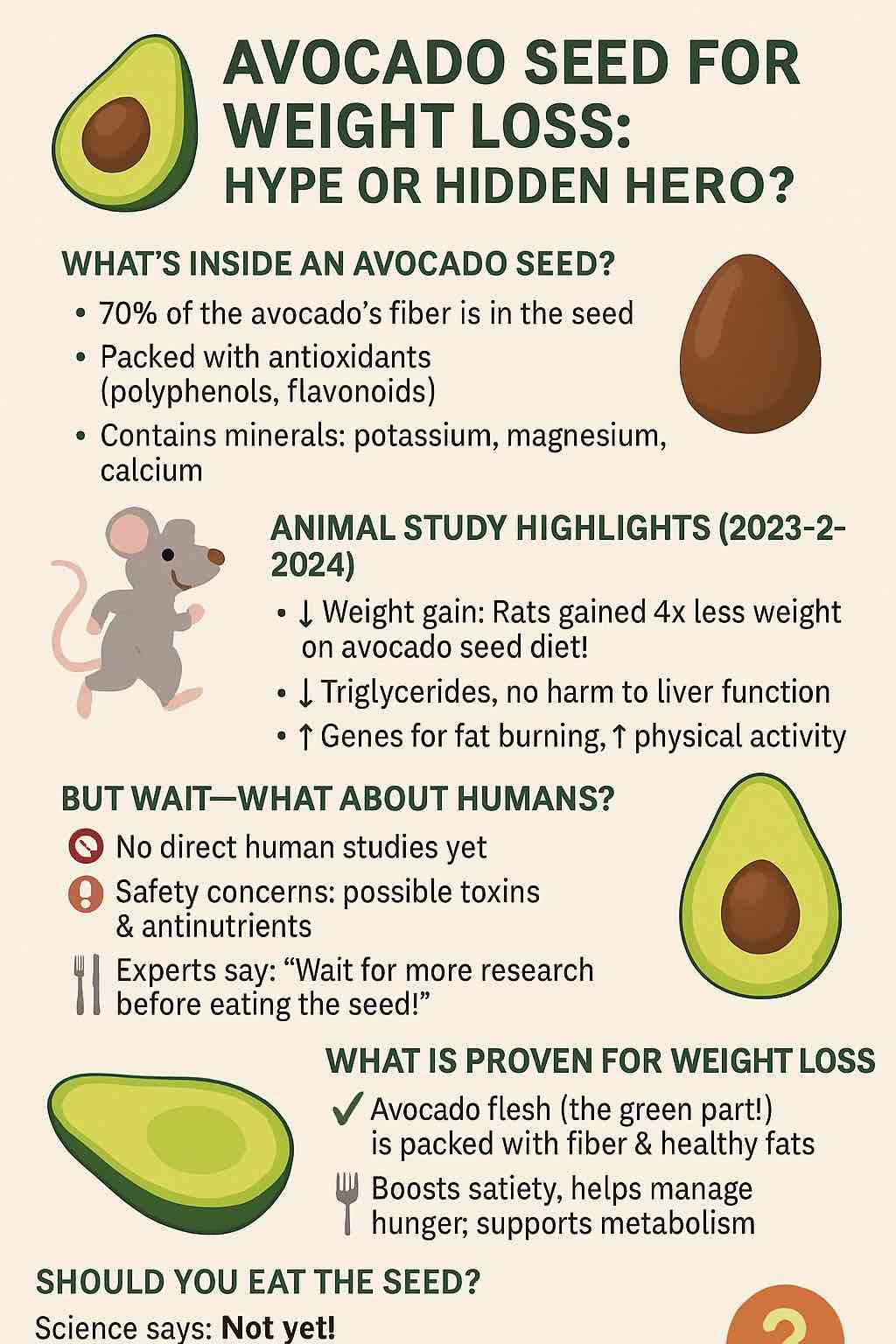
AVOCADO SEED FOR WEIGHT LOSS

Avocado has earned its place as a superfood, beloved for its creamy texture and heart-healthy fats. But while most of us scoop out the green goodness and toss the large, hard pit, a question lingers: Are we discarding a hidden weapon for weight loss? Recent buzz and emerging research hint that the avocado seed—the part we usually throw away—might have untapped potential. But does science support the hype? Can it help you shed pounds? Let’s dig deep and separate fact from fad.


The Science So Far: What’s in an Avocado Seed?

Before tossing that seed in the blender, it’s worth understanding what’s inside. Unlike the smooth flesh, the avocado seed is dense and tough, but it’s packed with nutrients:

  • Dietary Fiber: Almost 70% of an avocado’s total fiber is in the seed, which can promote feelings of fullness and steady blood sugar.
  • Phytochemicals: Rich in polyphenols, flavonoids, catechins, and proanthocyanidins—compounds that have antioxidant and anti-inflammatory effects.
  • Healthy Fats & Amino Acids: Contains small amounts of healthy lipids and essential amino acids.
  • Minerals: Potassium, magnesium, and calcium.

It sounds impressive—but does this nutritional profile actually translate to weight-loss benefits?


What Does the Research Say? A Look at the Evidence

1. Animal Studies: Signs of Real Potential

Most of the recent excitement comes from animal research. Here’s what scientists have found:

  • Weight Gain Prevention in Rats (2024): In a well-controlled study, rats fed a high-fat diet with added avocado seed powder gained much less weight (7.8 g) compared to those on a high-fat diet alone (33.9 g). They also had lower triglycerides, pointing to better fat metabolism. The effect was seen over several weeks, with no harm to liver function or cholesterol profiles.
  • Metabolic Benefits in Mice (2023): Mice that consumed a small percentage of avocado seed in their diet ate less (likely feeling fuller), moved more, and activated genes linked to fat burning. These mice didn’t just gain less weight—they also seemed healthier overall, with less inflammation and no organ toxicity.

Takeaway: In rodents, avocado seed appears to reduce weight gain, curb appetite, and boost metabolism—all very promising for future human applications.

2. Human Studies: A Glaring Gap

Here’s where the plot thickens: There are no clinical trials on whole avocado seed for weight loss in humans. All human research so far has focused on the avocado flesh or isolated seed extracts in test tubes. Nutrition experts caution that while animal results are exciting, they don’t always translate directly to people.

Why? Humans digest foods differently. Compounds safe for rats may be irritating or toxic to us, especially in concentrated forms.


How Does Avocado Seed Work? Theorized Mechanisms

The ways in which avocado seed might help with weight management (at least in animal models) include:

  • Appetite Regulation: High fiber and unique compounds may slow digestion and promote feelings of fullness.
  • Energy Expenditure: Certain phytochemicals seem to activate genes involved in burning calories rather than storing them.
  • Reduced Fat Absorption: Some evidence suggests the seed’s tannins and saponins could limit how much fat the body absorbs from food.
  • Anti-inflammatory Action: Lower inflammation is often linked to improved metabolism and easier weight loss.

The Safety Question: Is It Smart to Eat Avocado Seed?

Here’s the practical reality: Avocado seed isn’t generally recognized as safe for routine human consumption.

  • Antinutrients: Seeds are naturally high in tannins and compounds that block the absorption of certain minerals.
  • Cyanogenic Glycosides: Like apple seeds, avocado seeds may contain compounds that release tiny amounts of cyanide when metabolized (though in much lower levels).
  • Unknown Dosage: No one knows how much is safe, and extraction/concentration can make things riskier.

Leading health organizations and major nutritionists advise waiting for more evidence before adding avocado seed powder or extracts to your smoothies, especially if you’re pregnant, breastfeeding, or have digestive issues.


Practical Tips: What You Can Do For Weight Loss with Avocado

While we wait for human studies to catch up, here are some practical, science-backed ways to harness avocado for weight management:

1. Enjoy the Flesh, Not the Pit

Avocado flesh is loaded with fiber and healthy fats. Studies in humans have shown that eating an avocado with a meal increases satiety (fullness), helping you eat less later in the day.

2. Add Avocado to Breakfast

Including avocado in your breakfast (on whole-grain toast or in a smoothie) can keep hunger at bay and prevent mid-morning snack cravings.

3. Use Avocado for Healthy Swaps

Mash avocado as a substitute for butter or mayonnaise. This not only cuts calories but also increases fiber and healthy fat intake.

4. Experiment Cautiously with the Seed

If you’re curious, some people dry, grate, and blend small amounts (¼–½ tsp) of the seed into smoothies. If you choose to try this, do so very sparingly and monitor for any digestive discomfort. Always consult with a healthcare professional first.


The Bottom Line: Hype or Hidden Gem?

  • Avocado seed is a fascinating subject in weight-loss research, with strong evidence for metabolic benefits in animals—but the jury is still out for humans.
  • Safety concerns remain about routine consumption, so best to wait for clinical studies before jumping on the trend.
  • Avocado flesh is the real, proven hero: rich in fiber and healthy fats that help control appetite, keep you fuller longer, and support a healthy metabolism.

If you’re looking for a natural edge in your weight-loss journey, enjoy the avocado—and let science work on the seed for now.


Want More? Practical Avocado Recipes for Weight Loss

1. Green Avocado Smoothie

  • ½ ripe avocado
  • 1 cup spinach
  • 1 small apple
  • 1 cup unsweetened almond milk
  • Ice and a squeeze of lemon

2. Avocado & Chickpea Salad

  • 1 avocado, cubed
  • ½ cup cooked chickpeas
  • Cherry tomatoes, red onion, lemon juice, herbs

3. Avocado Egg Toast

  • ½ avocado mashed on whole-grain toast
  • Topped with a poached egg, chili flakes, and arugula

FAQs

1. Can I eat avocado seeds to lose weight?
There is no clinical evidence in humans that eating avocado seeds will help with weight loss. Most studies showing benefits are in animals. Safety for regular human consumption is unproven, so it’s not recommended at this time.

2. Are there any proven weight-loss benefits of avocado seeds in humans?
No, all current research on weight loss and avocado seeds has been done on animals. No direct human studies exist to support these claims.

3. Is it safe to consume avocado seeds?
Avocado seeds contain antinutrients and possible toxins. There’s no established safe dose for humans, and health experts recommend avoiding regular consumption until more is known.

4. What nutrients are found in avocado seeds?
Avocado seeds are rich in dietary fiber, antioxidants (polyphenols, flavonoids), small amounts of healthy fats, amino acids, and minerals like potassium and magnesium.

5. How do researchers think avocado seeds might help with weight management?
Animal studies suggest they may reduce appetite, boost metabolism, and decrease fat accumulation, likely due to their high fiber and bioactive compound content.

6. How can I prepare an avocado seed if I want to try it?
If you still wish to experiment, dry the seed, grate or blend a very small amount (¼–½ teaspoon), and add it to a smoothie. Always consult your healthcare provider before trying.

7. What are safer ways to use avocado for weight loss?
Focus on eating the avocado flesh, which is proven to help control appetite, support metabolic health, and provide lasting fullness.

8. Can avocado seed supplements be used as a shortcut?
Supplements are not regulated, and the safety or effectiveness of avocado seed supplements is unknown. Stick to whole, known-safe foods.

9. Why isn’t the avocado seed more widely consumed if it’s so nutritious?
Concerns about digestibility, potential toxins, taste, and lack of human safety data have kept it from mainstream diets.

10. What’s the healthiest way to include avocado in a weight-loss plan?
Eat avocado flesh in salads, smoothies, or on toast. Its fiber and healthy fats are proven to increase satiety and support healthy eating habits.
Posted on Leave a comment

Fennel for Weight Loss: A Natural and Flavorful Approach

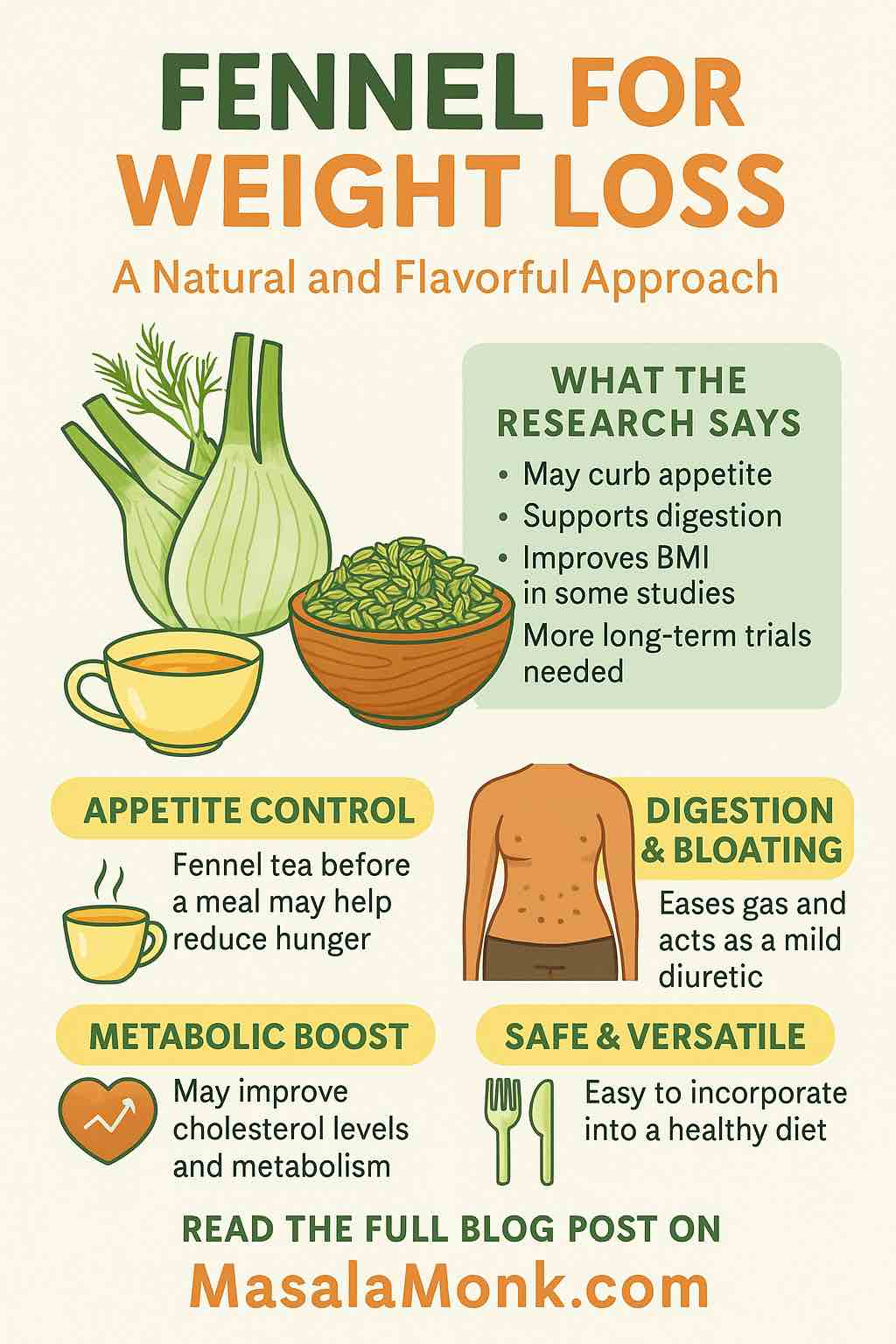
FENNEL FOR WEIGHT LOSS

Looking for a natural way to support your weight loss goals? If you’re tired of harsh diet pills and flavorless “health” foods, fennel might be the secret ingredient missing from your journey. Revered for centuries in Mediterranean kitchens and healing traditions, fennel is not only delicious—it’s earning real attention from modern science for its gentle, effective, and multi-faceted support in weight management.

What is Fennel?

Fennel (Foeniculum vulgare) is a highly aromatic herb with a subtle licorice flavor. It’s unique because every part—bulb, stalk, fronds, and seeds—is edible and bursting with nutrients. While you may have encountered fennel seeds in Indian cuisine or the bulb in Italian salads, the entire plant is a powerhouse for both flavor and wellness.

Why Consider Fennel for Weight Loss?

1. Appetite Control: Nature’s Little Secret

Struggling with cravings or overeating? Fennel seeds contain anethole, a compound shown to help regulate appetite hormones. Recent studies suggest that fennel tea, when consumed before meals, can reduce feelings of hunger and lead to lower calorie intake.

Pro tip: Brew fennel tea 15 minutes before lunch or dinner to help curb those extra servings!

2. Digestion & Bloating Relief: Feel Lighter, Not Just Slimmer

Bloating and sluggish digestion can make you feel heavy—even if the scale doesn’t move. Fennel is a traditional digestive, easing gas and discomfort. Modern research supports its use as a carminative (gas-reliever) and mild diuretic, which means less water retention and a flatter stomach.

Quick Fix: Chew a pinch of fennel seeds after your meal, just like they do in India!

3. Metabolic Boost & Lipid Control

Obesity is about more than just calories in versus calories out. It’s linked to inflammation, oxidative stress, and sluggish metabolism. Fennel seeds are rich in antioxidants and fiber, which not only help reduce inflammation but also improve blood lipid profiles.

Recent trials show that adding fennel seed or extract to snacks (think: crackers or yogurt) can improve BMI and cholesterol over just 8 weeks.

4. Safe, Accessible, and Delicious

Unlike many weight-loss “superfoods,” fennel is safe for most people, affordable, and versatile. It fits easily into almost any dietary pattern, from Mediterranean to vegetarian to low-carb.


Science Speaks: What Does the Research Say?

  • 2025 Review: A major review in the Pakistan Biomedical Journal noted that fennel’s active ingredients support satiety, fat metabolism, blood sugar, and cholesterol control. While the results are promising, more large clinical trials are needed.
  • Human Trials: People consuming snacks fortified with fennel extract saw real improvements in BMI and cholesterol after just two months. Another study found that women drinking fennel tea before meals ate fewer calories and felt fuller, compared to those drinking a placebo.
  • Animal Studies: Rats and mice given fennel extract gained less weight and had healthier metabolic markers, thanks to reduced inflammation and oxidative stress.
  • Caution: While these findings are encouraging, it’s clear that fennel works best as a supportive aid, not a magic bullet.

✅ Summary of Evidence

BenefitHuman RCTsAnimal StudiesMechanismLevel of Evidence
Appetite ↓Yes (small)YesAnethole effects, ghrelin ↓Moderate
Body fat/BMI ↓YesYesImproved metabolism, satietyModerate
Lipid profile improvementYesYesFat metabolism, antioxidant → HDL ↑/LDL ↓Moderate
Digestive comfort (bloating)YesCarminative effectStrong for digestion
Direct body fat lossLimitedYesPreliminary, mostly in animalsWeak in humans

How to Use Fennel for Weight Loss

1. Fennel Tea

Ingredients:

  • 1-2 teaspoons fennel seeds
  • 1 cup boiling water

How to Make:
Crush the seeds lightly. Pour boiling water over them, cover, and steep for 10–15 minutes. Strain and sip, ideally before meals.

Why it works:
Studies indicate fennel tea helps control appetite and ease digestion.


2. Fennel Seed Snack Topper

Sprinkle roasted fennel seeds on yogurt, oatmeal, or salads. They add crunch, flavor, and fiber that keeps you fuller longer.


3. Roasted Fennel Bulb

How to Cook:
Slice fresh fennel bulbs. Drizzle with olive oil, salt, and pepper. Roast at 400°F (200°C) until golden and tender. Serve as a side dish or toss with leafy greens.


4. Chew After Meals

Simply chew ½ teaspoon of fennel seeds after eating—an easy, time-tested trick for digestion and fresh breath.


Practical Tips for Maximum Benefit

  • Consistency is key: Incorporate fennel daily for best results, but remember, it’s most effective when combined with balanced eating and regular movement.
  • Mind your dose: About 5 grams (a teaspoon) of seeds or extract per day is used in many trials.
  • Mix with other healthy habits: Use fennel as part of a diet rich in veggies, lean proteins, and whole grains.
  • Stay hydrated: Fennel’s mild diuretic effect is best balanced with plenty of water.

Are There Any Risks?

For most, fennel is very safe when used in food amounts. Avoid large supplemental doses if you have a history of hormone-sensitive conditions or are pregnant, due to its mild estrogenic activity. If in doubt, ask your doctor.


The Bottom Line: Can Fennel Help You Lose Weight?

Yes—with a catch. Fennel can curb appetite, reduce bloating, and support a healthier metabolism. But real, sustainable weight loss comes from the combination of smart food choices, physical activity, and habits you can stick with for life.

Fennel isn’t a miracle, but it’s a fantastic flavor-packed tool to help you enjoy the journey.


Want to Get Started?

Try swapping your afternoon snack with fennel tea, or add roasted fennel bulbs to your weekly menu. Small changes add up—and with fennel, they taste great, too.


References & Further Reading


Ready to spice up your routine? Fennel might just be your new weight-loss ally—naturally, flavorfully, and scientifically.


Have you tried fennel for weight loss? Share your experiences or favorite recipes in the comments!

10 Frequently Asked Questions (FAQs) About Fennel for Weight Loss

1. Can fennel really help me lose weight?

Fennel may help with weight loss by reducing appetite, easing bloating, and supporting better digestion. Some small human studies show benefits, especially when combined with a healthy diet and exercise. However, fennel is not a “magic bullet”—it works best as a supportive tool.


2. How should I use fennel for weight loss?

The most common methods are drinking fennel tea before meals, chewing fennel seeds after eating, and adding roasted fennel bulb or seeds to recipes. Aim for about 1–2 teaspoons of seeds (or their equivalent) per day for best effect.


3. What does fennel taste like?

Fennel has a mild, sweet, and slightly licorice-like flavor. The bulb is crisp and refreshing, while the seeds are aromatic and a bit stronger.


4. Is it safe to use fennel every day?

For most people, yes! Fennel is safe when used in culinary amounts. Avoid large medicinal doses if you are pregnant, breastfeeding, or have hormone-sensitive conditions. When in doubt, check with your doctor.


5. Will fennel make me lose belly fat?

Fennel can help reduce bloating, making your stomach appear flatter. While it may support fat loss as part of a healthy lifestyle, no food (including fennel) specifically targets belly fat.


6. Does fennel have any side effects?

Side effects are rare when fennel is consumed as a food or tea. In large doses, it can cause allergic reactions or interact with certain medications. Stick to moderate, food-based amounts.


7. Can I use fennel with other weight loss herbs?

Yes! Fennel combines well with herbs like ginger, cumin, or black cumin (Nigella sativa) for enhanced digestive and metabolic effects. Always introduce new herbs gradually to monitor tolerance.


8. How soon can I expect to see results?

You might notice less bloating and better digestion within days. Weight loss or appetite changes usually take several weeks, and results are most noticeable when paired with other healthy habits.


9. Are fennel supplements as effective as seeds or tea?

Whole seeds and tea are the most researched and traditional forms. Some supplements may be effective, but quality varies—choose reputable brands and stick close to food-based options when possible.


10. Can children or older adults use fennel safely?

Fennel is generally safe for all ages in food amounts. For children, use smaller portions. For older adults, fennel can aid digestion and reduce bloating—just consult a healthcare provider if there are existing health conditions or medications.

Posted on 1 Comment

Ayurvedic Electrolyte Elixir: Harness the Power of Cloves, Turmeric, and Chia Seeds

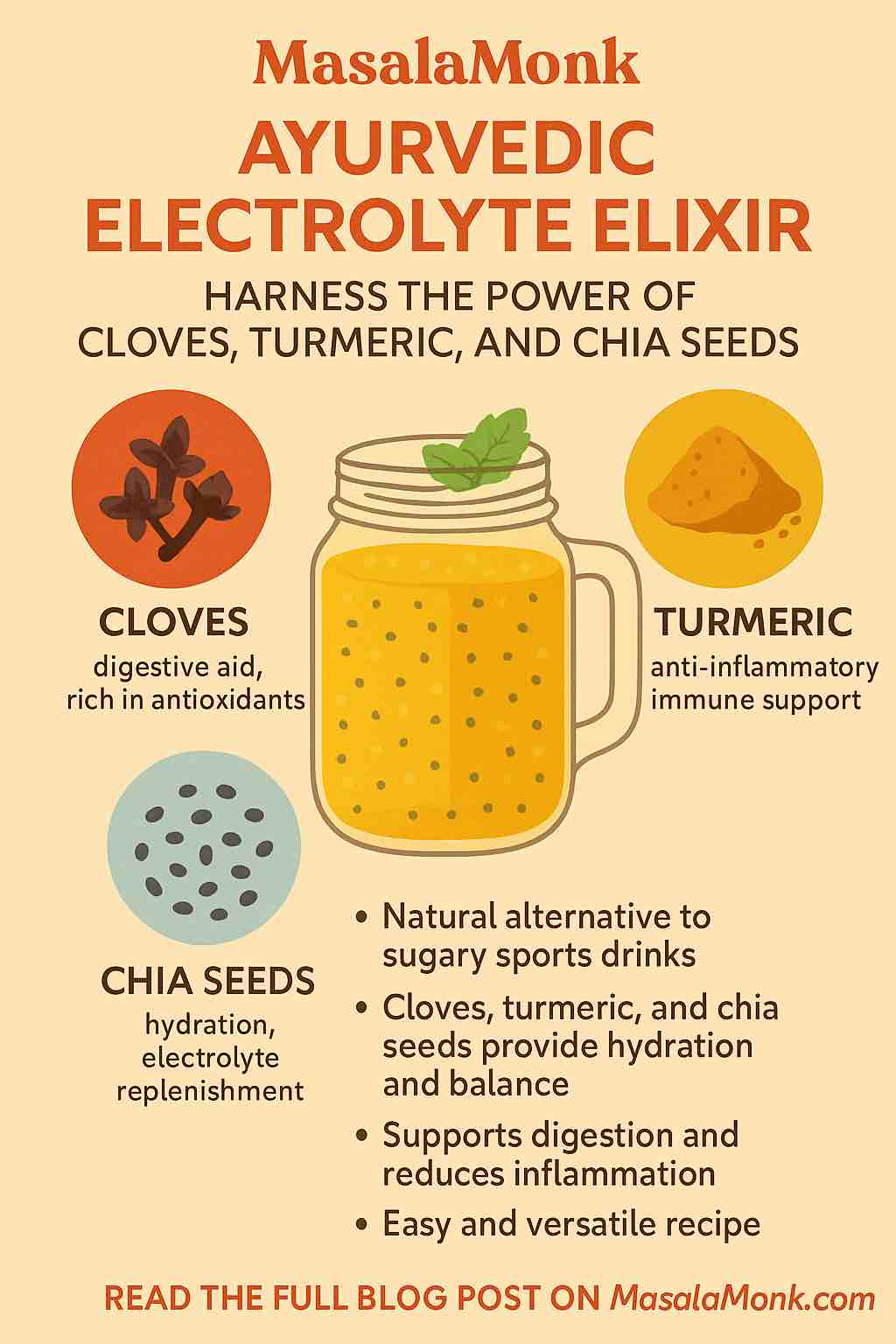
CLOVES, TURMERIC, AND CHIA SEEDS for Electrolytes

Tired of reaching for artificial sports drinks every time you feel dehydrated or drained? There’s a better way—a recipe that blends the wisdom of Ayurveda with modern science, featuring the remarkable trio of cloves, turmeric, and chia seeds.

Whether you’re sweating it out at the gym, recovering from an illness, or just looking to supercharge your daily hydration, this elixir offers more than just a thirst-quencher. Let’s dive deep into how these ingredients work together, why science backs their synergy, and how you can start sipping today.


What’s an Electrolyte Elixir—And Why Ayurveda?

Electrolytes—like sodium, potassium, magnesium, and calcium—are vital minerals that maintain your body’s fluid balance, nerve function, and muscle health. Lose too many through sweat, exercise, illness, or heat, and you’ll feel the difference: think headaches, cramps, fatigue, or even dizziness.

Modern sports drinks try to replace these, but often contain artificial colors, flavors, and loads of sugar. Ayurveda, India’s ancient system of medicine, offers natural alternatives using kitchen spices and seeds. An elixir in Ayurveda isn’t just about hydration; it’s about balance—nourishing your body, mind, and even your mood.


Meet the Power Trio

1. Chia Seeds: Nature’s Hydration Hack

Chia seeds might not be traditional to Ayurveda, but they fit right in with its principles of holistic hydration:

  • Electrolyte-rich: Chia is high in magnesium, calcium, and potassium.
  • Gel-forming: Soaked chia swells to form a gel that releases water slowly, keeping you hydrated longer.
  • Fiber & Omega-3s: These promote gut health and stable energy.
  • Modern science: Studies show chia seeds support sustained hydration and electrolyte balance (PubMed).

2. Turmeric: The Golden Healer

Turmeric (Haridra in Ayurveda) is famed for:

  • Anti-inflammatory & antioxidant power (thanks to curcumin)
  • Support for liver and digestive health
  • Tridoshic action: Suitable for all body types, balances excess heat and toxins
  • Immunity boost: Recent studies (2024–2025) reinforce turmeric’s immune-modulating effects and support for gut health

3. Cloves: Digestive Dynamo

Cloves (Lavanga) aren’t just for chai! They offer:

  • Warming and digestive properties: Stimulate the “agni” or digestive fire
  • Antimicrobial and antioxidant activity (due to eugenol)
  • Relief from bloating and nausea
  • Science-backed: Modern research validates cloves for gut comfort and immune support

Why This Combo Works: The Science of Synergy

  • Electrolyte Restoration: Chia delivers minerals; a pinch of Himalayan salt adds sodium for full-spectrum balance.
  • Digestive Harmony: Turmeric and cloves prevent digestive heaviness or discomfort often caused by regular electrolyte drinks.
  • Sustained Hydration: The gel from soaked chia means your cells get water slowly and steadily—ideal after a workout, in hot weather, or even during fasting.
  • Anti-inflammatory & Antioxidant Shield: Turmeric and cloves guard against inflammation, support recovery, and help your immune system function optimally.
  • Improved Nutrient Absorption: Black pepper (optional) can be added to boost curcumin absorption; a little fat (like coconut oil or ghee) increases bioavailability even more.

How to Make Your Ayurvedic Electrolyte Elixir

You’ll need:

  • 1 cup filtered or coconut water (for extra potassium)
  • 1 tablespoon chia seeds (soaked 10–15 minutes)
  • 1/4 teaspoon turmeric powder (organic preferred)
  • 1–2 whole cloves (lightly crushed) or 1/8 teaspoon clove powder
  • Pinch of black pepper (optional)
  • Pinch of Himalayan pink salt or rock salt
  • 1 teaspoon raw honey or jaggery (optional, to taste)
  • Juice of half a lemon (for vitamin C and flavor)

Instructions:

  1. Soak the chia seeds in water (or coconut water) for at least 10 minutes, until a gel forms.
  2. Add the turmeric, cloves, black pepper, salt, and sweetener. Mix thoroughly.
  3. Squeeze in fresh lemon juice just before drinking.
  4. Stir well and enjoy—preferably at room temperature or slightly warm (especially good for Vata types).

Dosha-Friendly Customizations

  • Vata (dry/cold): Use warm water, add a touch of ghee or coconut oil for grounding.
  • Pitta (hot/intense): Use more coconut water and less black pepper; focus on the cooling effects of chia.
  • Kapha (slow/damp): Amp up the cloves and turmeric, minimize the sweetener.

When & How to Use

  • Post-workout: Rehydrate and restore lost minerals.
  • Hot days: Keep your system cool and balanced.
  • During illness: Especially if you have fever, diarrhea, or dehydration—sip slowly for maximum absorption.
  • As a daily ritual: Start your morning or break your fast with this elixir for sustained energy and hydration.

Pro Tips for the Best Results

  • Always soak chia before consuming to avoid digestive discomfort.
  • Go easy on the cloves—a little goes a long way!
  • Choose organic turmeric for better taste and potency.
  • Use honey/jaggery only if needed—don’t over-sweeten; let the spices shine.
  • Batch prep: Soak chia ahead of time and keep it in the fridge for a few days’ worth of drinks.

What Does the Latest Science Say?

Turmeric: Bibliometric reviews from 2024–25 show explosive growth in studies confirming curcumin’s role in reducing inflammation, improving immunity, and supporting gut health.
Chia Seeds: 2025 wellness guides (and even TikTok trends) recognize chia’s role in electrolyte balance and long-lasting hydration for athletes, office workers, and everyone in between.
Cloves: Modern analyses reaffirm clove’s ancient reputation for supporting digestion, fighting bacteria, and providing antioxidants.

While there’s still a need for large-scale clinical trials on this exact combination, the science behind each ingredient is strong and continues to grow.


Frequently Asked Questions

1. Can I prepare the Ayurvedic Electrolyte Elixir in advance?
Yes, you can soak chia seeds in advance and refrigerate the gel for up to 3 days. For the freshest flavor and maximum potency, add turmeric, cloves, lemon, and salt just before drinking.


2. Is this elixir safe for people with medical conditions?
Generally, it’s safe for most, but if you have allergies, take blood thinners (due to turmeric), or have kidney issues (because of minerals), consult your healthcare provider first.


3. Can I substitute ingredients if I don’t have all three?
Yes! You can use just one or two of the core ingredients. For example, swap chia for soaked basil seeds (sabja) or use ginger instead of cloves if you prefer.


4. Does this drink actually replenish electrolytes like commercial sports drinks?
It provides magnesium, potassium, calcium (from chia), sodium (from salt), and trace minerals. For extreme fluid loss (e.g., heavy sweating, illness), you may need to increase the salt slightly for adequate sodium.


5. Is the elixir suitable for children and seniors?
Yes, but use mild amounts of turmeric and cloves for kids. Skip honey for children under 1 year. For seniors, this elixir is gentle and hydrating, but always check for potential interactions with medications.


6. Can I drink it during fasting or intermittent fasting?
Absolutely. It’s low in calories, supports hydration, and won’t break a fast if you skip sweeteners. The electrolytes and fiber also help prevent dehydration and energy dips.


7. Does it have to be served warm or cold?
Either works! Ayurveda often recommends room temperature or slightly warm drinks for digestion, but on hot days, cold (not iced) is refreshing and effective.


8. What’s the best time to consume this elixir?
Morning is ideal for starting your hydration, after workouts for recovery, or anytime you feel depleted or overheated. It can also help after mild illness.


9. Will turmeric stain my teeth or containers?
Turmeric can stain plastic and some porous surfaces, so use glass containers and rinse promptly. For teeth, regular brushing prevents noticeable staining.


10. Can I add other flavors or herbs?
Definitely! Mint, ginger, cardamom, or rosewater can be added for flavor and extra benefits. Just keep the base ingredients to maintain electrolyte balance.


Final Thoughts

This Ayurvedic Electrolyte Elixir is more than a drink—it’s a ritual of nourishment and self-care. It bridges the wisdom of the ancients with the discoveries of modern wellness science. Next time you’re tempted by a bottle of neon-colored sports drink, try this instead. Your body—and your taste buds—will thank you.


Ready to try it? Share your variations, tips, or experiences in the comments below!
Curious about the science? Check the references for the latest research and deep dives on each ingredient.

Stay hydrated, stay balanced, and embrace the best of both worlds—naturally.

Posted on 1 Comment

Homemade Salami: Minimal Processing, Maximum Flavor

low sodium salami spicy salami salami for charcuterie board dry cured salami uncured salami salami for charcuterie

A Complete Guide for Food Lovers, Health Seekers, and DIY Cooks


Salami—the word conjures up visions of rustic Italian kitchens, spicy aromas, and mouthwatering slices enjoyed with cheese or olives. But if you care about health, clean eating, or just want to avoid additives, the question is: Can you make healthy, minimally processed salami at home?

The answer is YES—and it’s easier than you might think.

This post covers the what, why, and how of homemade salami, along with several practical, delicious recipes for any kitchen. Let’s dive in!


What is Salami, Really?

Salami is a family of cured sausages made by fermenting and air-drying meat, usually pork or beef, with spices and salt. Traditionally, salami was made to preserve meat for long periods without refrigeration.

Why make it yourself?

  • Control every ingredient: Choose your own meat, salt, and spices.
  • Skip preservatives: No unnecessary nitrates, nitrites, or chemical flavors.
  • Customize for health: Go leaner, lower-sodium, or even plant-based!

The Basics: How is Salami Made?

  1. Meat Selection
    Start with fresh, high-quality meat—pork, beef, chicken, or even game. For classic salami, a bit of fat (about 20%) is ideal for flavor and texture.
  2. Seasoning
    Salt, black pepper, garlic, wine, fennel seeds, or chili are common. Use what you love.
  3. Curing or Cooking
    Traditional salami is cured—fermented and air-dried for weeks or months. But home cooks can make oven-baked, steamed, or even instant “semi-cured” versions for speed and safety.
  4. Casing
    Either use natural/edible casings (from the butcher), plastic wrap, or simply foil for no-casing versions.

Is Homemade Salami Healthier?

It can be—IF you control the process:

  • Use leaner meats, fresh spices, and skip artificial preservatives.
  • Control salt levels.
  • Choose oven-baked or steamed versions if you want to avoid nitrites or worry about curing at home.
  • Add extra flavor and nutrition with herbs, veggies, or even plant-based swaps.

4 Healthy, Easy Salami Recipes for Home

1. Simple Oven-Baked Beef Salami

Best for: Fast, fuss-free, high-protein snacking
No fermentation, no casing, no preservatives!

You’ll need:

  • 500g (1 lb) lean ground beef (or chicken/turkey)
  • 1.5 tsp salt
  • 1 tsp black pepper
  • 1 tsp garlic powder
  • 1 tsp mustard seeds
  • ½ tsp smoked paprika or a few drops liquid smoke (optional)
  • Pinch of sugar or honey (optional, helps flavor—not needed for keto)

Steps:

  1. Mix everything very well in a bowl (knead with hands for best texture).
  2. Shape into a thick log.
  3. Wrap tightly in plastic wrap, then foil.
  4. Chill in fridge 24 hours for flavors to meld.
  5. Remove wrap, place on rack in baking tray. Bake at 160°C (325°F) until internal temp is 70°C (160°F), about 45–60 mins.
  6. Cool fully before slicing thin.

Why it’s healthy:

  • No chemicals, minimal salt, your meat and your flavors!

2. Preservative-Free Chicken Salami

Best for: Lean protein, lower fat, quick lunchboxes

You’ll need:

  • 500g ground chicken
  • 1 tsp salt
  • 1 tsp black pepper
  • 1 tsp red chili flakes
  • 1 tsp garlic powder
  • ½ tsp ground coriander
  • 1 tbsp finely chopped bell pepper (optional for color)

Steps:

  1. Mix ingredients well.
  2. Shape into log, wrap tightly in baking paper and then foil.
  3. Steam for 25–30 mins or until cooked through, or bake at 160°C for 40 mins.
  4. Cool, unwrap, and chill before slicing.

Why it’s healthy:

  • No nitrites or additives, high in protein, lower in fat.

3. Traditional-Style “Milano” Semi-Cured Salami (Short Ferment)

Best for: Classic salami fans with some patience, probiotic benefits

You’ll need:

  • 400g pork shoulder (finely minced)
  • 100g pork fat
  • 2 tsp salt
  • 1 tsp black pepper
  • ½ tsp garlic powder
  • 1 tbsp red wine
  • Natural casing (from butcher)
  • Optional: 1/4 tsp starter culture (for safe fermentation, see butchers or online)

Steps:

  1. Mix meat, fat, salt, pepper, garlic, wine. Add starter culture if using.
  2. Stuff tightly into soaked casing.
  3. Hang in cool, humid place (15–20°C, 80–90% humidity) for 3 days to ferment.
  4. Move to cooler, less humid area to dry for 2–4 weeks until firm.
  5. Slice thin and enjoy.

Note: Always follow food safety for curing (see trusted online guides).

Why it’s healthy:

  • No commercial chemicals, natural fermentation for gut health, real ingredients.

4. Spicy Vegan “Salami” (No Meat, All Flavor)

Best for: Plant-based eaters, anyone avoiding meat or preservatives

You’ll need:

  • 1 cup vital wheat gluten
  • 1 tbsp chickpea flour
  • 2 tbsp tomato paste
  • 1 tbsp olive oil
  • 2 tbsp nutritional yeast
  • 1 tsp smoked paprika
  • ½ tsp garlic powder
  • ½ tsp onion powder
  • 1 tsp black pepper
  • 1 tbsp soy sauce or tamari
  • 1 tsp miso paste (optional)
  • ¾ cup water

Steps:

  1. Mix all dry ingredients.
  2. Whisk wet ingredients separately, then combine.
  3. Knead into a dough, shape into log, wrap tightly in foil.
  4. Steam for 40–50 mins.
  5. Cool and slice thin.

Why it’s healthy:

  • No nitrates, cholesterol, or processed meat—just plant power and fiber!

Tips for Success & Safety

  • Oven-baked/steamed salami is safest for beginners—no risk of unsafe fermentation.
  • If curing, use a starter culture for reliable results.
  • Cool and chill before slicing for best texture.
  • Experiment! Add herbs, seeds, or chopped nuts for variety.

Final Thoughts

Homemade salami gives you real control, flavor, and nutrition with minimal fuss. Whether you want classic beef or chicken, probiotic-rich “semi-cured,” or a plant-powered version, there’s a healthy salami for every kitchen.

Why settle for store-bought with additives when you can make your own—clean, tasty, and tailored to your health goals?


Hungry for More?

Want step-by-step photos, video tutorials, or a printable recipe card? Or are you ready for an in-depth guide to fermentation safety and flavor mastery?
Let us know in the comments or read more on MasalaMonk.com!


Ready to slice into your own homemade salami? Try a recipe and share your creations—tag us @MasalaMonk!

10 FAQs for Healthy Homemade Salami

1. Is it safe to make salami at home?
Yes, if you follow proper recipes, hygiene, and temperature guidelines. Oven-baked or steamed salami is safest for beginners, while fermentation or curing requires more care and experience.

2. Do I need curing salts (nitrates/nitrites) for homemade salami?
For oven-baked or steamed salami, you can skip curing salts. For dry-cured or fermented salami, curing salts are recommended to prevent harmful bacteria—unless you’re very experienced with safe fermentation.

3. What meats can I use for healthy homemade salami?
Lean beef, chicken, turkey, pork, and even wild game. For healthier versions, choose lean cuts and trim excess fat.

4. Can I make salami without any preservatives or additives?
Yes! Use only meat, salt, herbs, and spices for oven or steamed salami. For dry-cured types, the process itself preserves the meat with salt, but food safety is essential.

5. How long does homemade salami last?
Oven-baked or steamed salami lasts up to 7–10 days in the fridge. Dry-cured salami can last several weeks or even months if stored properly.

6. Is homemade salami healthier than store-bought?
Usually, yes. You control the meat quality, salt, and spices, and avoid commercial additives, preservatives, and excess sodium.

7. Are there plant-based or vegan salami options?
Absolutely! You can make vegan salami using vital wheat gluten, spices, tomato paste, and olive oil, steamed or baked for firm texture.

8. Can I customize the flavor of my homemade salami?
Definitely. Add any herbs, spices, seeds, chili flakes, or even chopped nuts to suit your taste preferences.

9. What’s the easiest salami to make at home for beginners?
Oven-baked or steamed chicken or beef salami—no casing, no fermentation, just mix, shape, cook, and slice.

10. Do I need special equipment to make salami at home?
No special tools are required for oven or steamed recipes. For traditional cured salami, you’ll need casings and a cool, humid place for drying.

Posted on 3 Comments

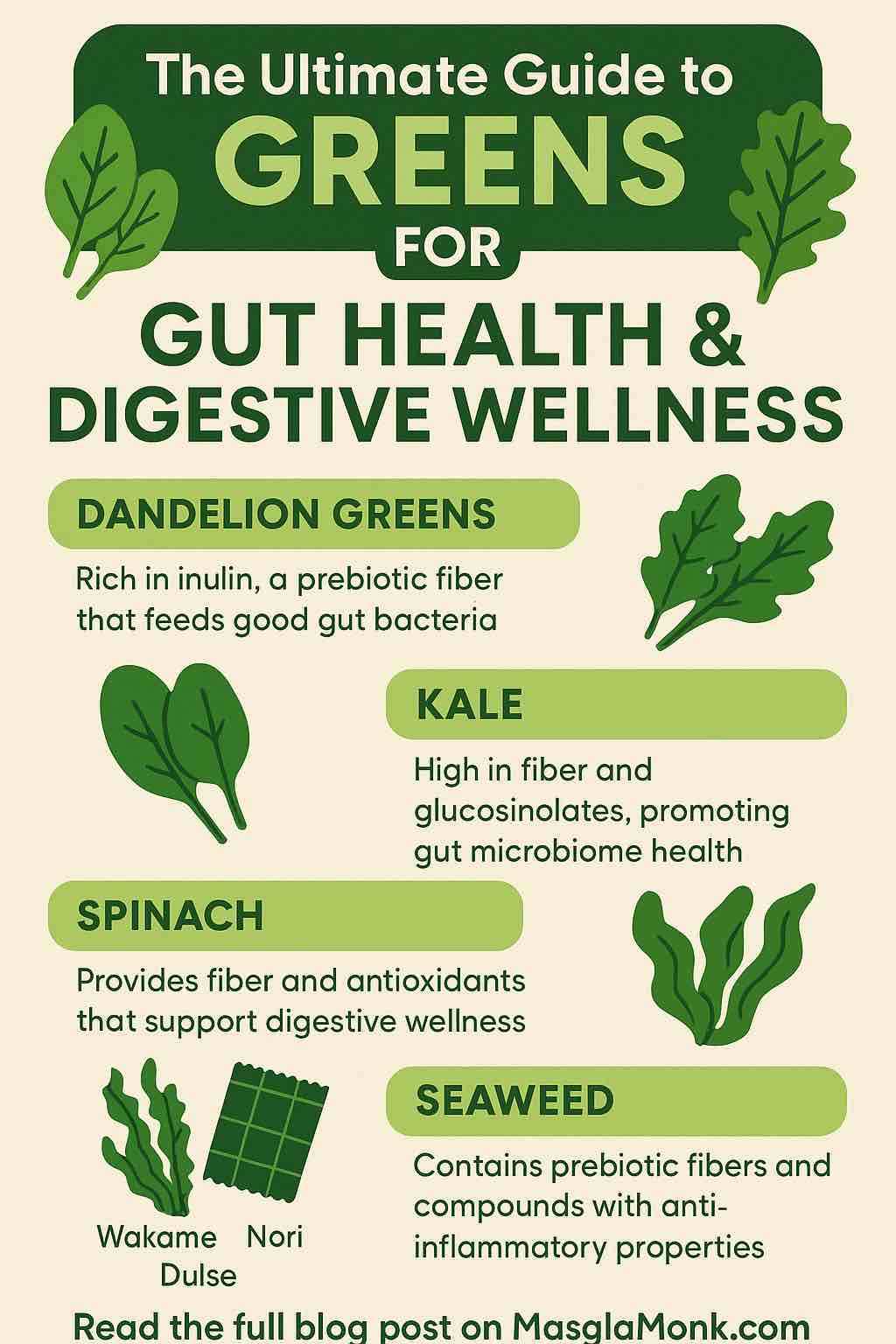
The Best Greens for Gut Health and Digestive Wellness

GREENS FOR GUT HEALTH & DIGESTIVE WELLNESS

Gut health is having a moment—and for good reason. The human gut isn’t just where food is digested; it’s the command center for immunity, mood, metabolism, and long-term disease prevention. The star of the show? Your gut microbiome, a vibrant ecosystem of trillions of bacteria, yeasts, and other microorganisms. And what you eat is the single biggest factor influencing your microbiome’s balance.

Of all the foods available, greens—from leafy vegetables to edible seaweeds—stand out for their prebiotic fibers, unique plant compounds, and ability to support digestive wellness. In this post, you’ll discover which greens science says are best for your gut, the reasons why, and exactly how to get more of them on your plate.


Section 1: The Science—How Greens Feed Your Gut

1.1. Fiber: Fuel for Friendly Bacteria

Greens are loaded with dietary fiber, but not all fiber is the same. The fibers in greens act as prebiotics—special food for beneficial bacteria like Bifidobacteria and Lactobacillus. As these bacteria feast on fiber, they create short-chain fatty acids (SCFAs), especially butyrate, which soothes inflammation, strengthens your gut lining, and may lower your risk of diseases ranging from IBS to colon cancer.

1.2. Unique Plant Compounds

Beyond fiber, greens contain:

  • Sulfoquinovose (in leafy greens like spinach & kale): a rare sugar that feeds gut bacteria and increases microbial diversity.
  • Glucosinolates (in cruciferous greens like kale): plant chemicals broken down into anti-inflammatory molecules.
  • Inulin & Oligofructans (especially in dandelion greens): powerful prebiotic fibers that have been shown to significantly boost beneficial bacteria.
  • Polyphenols (found in microgreens and seaweed): antioxidants that encourage good bacteria and inhibit bad ones.

1.3. Seaweed: The Next-Gen Gut Food

Edible seaweeds like nori, wakame, and brown seaweed contain unique fibers—alginates, carrageenans, ulvans—that most land vegetables simply don’t have. These fibers support rare gut bacteria and are linked to improved gut barrier function and a stronger immune system. Brand new research (2025) even shows certain seaweeds can increase SCFA-producing bacteria and may protect against colon cancer in animal models.


Section 2: The Best Greens for Gut Health—What’s Backed by Research?

2.1. Dandelion Greens

  • Star compound: Inulin
  • Gut benefit: Massive prebiotic boost—one of the highest inulin concentrations of any green. Studies show dandelion inulin increases Bifidobacteria, improves regularity, and supports gut lining repair.
  • How to eat: Raw in salads, sautéed, or blended in smoothies. If the flavor is too strong, mix with milder greens.

2.2. Kale & Spinach

  • Star compounds: Fiber, sulfoquinovose, glucosinolates (kale)
  • Gut benefit: Kale and spinach increase SCFA production, enhance microbial diversity, and support anti-inflammatory gut bacteria. Kale also helps the liver detoxify and may reduce colon inflammation.
  • How to eat: Raw, steamed, massaged with olive oil, or baked as chips. Add to soups, omelets, and grain bowls.

2.3. Swiss Chard & Collard Greens

  • Star compounds: Soluble and insoluble fiber, polyphenols
  • Gut benefit: Feed both major groups of gut bacteria; polyphenols have antioxidant and anti-inflammatory effects.
  • How to eat: Sautéed with garlic, in wraps, or chopped into stews.

2.4. Microgreens (Broccoli, Mustard, Radish)

  • Star compounds: Concentrated vitamins, polyphenols
  • Gut benefit: Microgreens can have up to 40x more nutrients than mature plants. Their polyphenols support good gut bacteria and may reduce inflammation.
  • How to eat: On salads, sandwiches, in smoothies, or as a garnish.

2.5. Seaweed (Nori, Wakame, Dulse, Brown Seaweed)

  • Star compounds: Alginates, fucoidan, ulvans, unique polyphenols
  • Gut benefit: Human clinical trials (2024-2025) show brown seaweed increases SCFA-producing bacteria and can even lower markers of inflammation. Seaweed fibers help “train” the microbiome in ways land veggies cannot.
  • How to eat: Sprinkle nori flakes on rice, add wakame to soups, or blend seaweed into smoothies. Opt for food-grade, tested seaweed to avoid contaminants.

Section 3: Practical Tips—How to Eat More Greens for Gut Health

3.1. Rotate Your Greens

Different greens feed different bacteria. Variety matters! Rotate between dandelion, kale, spinach, microgreens, chard, and seaweed to support a broad spectrum of microbes.

3.2. Pair with Healthy Fats

Many green nutrients (like vitamins A, E, K) are fat-soluble. Drizzle with olive oil or toss with avocado for better absorption—and a more satisfying meal.

3.3. Start Low, Go Slow

If you’re new to fiber-rich greens, introduce them gradually. This gives your gut time to adjust, reducing the risk of bloating or gas.

3.4. Try Fermented Greens

Fermenting greens (like kimchi or sauerkraut) adds a probiotic boost, delivering live bacteria alongside the prebiotic fiber.

3.5. Be Cautious with Wild Seaweed

Some wild seaweed can harbor bacteria like Vibrio. Always choose tested, food-grade products (usually labeled as such in health stores or from reputable online suppliers).


Section 4: Real-World Meal Ideas

Breakfast:

  • Green smoothie (spinach, microgreens, avocado, banana, oat milk, chia seeds)
  • Omelet with sautéed kale, dandelion greens, and feta

Lunch:

  • Massaged kale salad with olive oil, lemon, walnuts, and roasted sweet potatoes
  • Collard green wraps stuffed with hummus, carrots, and microgreens

Snack:

  • Nori seaweed snacks
  • Swiss chard chips (baked with olive oil)

Dinner:

  • Stir-fry with dandelion greens, tofu, and brown rice
  • Miso soup with wakame seaweed and tofu

Section 5: Frequently Asked Questions

1. Which green is the single best for gut health?
Dandelion greens are considered one of the best for gut health due to their high inulin content, a prebiotic fiber that specifically nourishes beneficial gut bacteria.


2. Can I eat greens raw, or should they be cooked for gut health?
Both raw and cooked greens are valuable. Raw greens retain more enzymes and vitamin C, while cooking can increase bioavailability of some nutrients and make fibers easier to digest for sensitive guts. Try to include a mix of both in your diet.


3. Is seaweed safe to eat every day?
Food-grade, tested seaweed is generally safe in moderate amounts. However, excessive consumption can lead to high iodine intake. Most health authorities recommend 2–3 servings per week for adults.


4. Are green powders or supplements as good as fresh greens?
While green powders can supplement your diet, they lack the water and full fiber content of fresh greens. Use them as a backup, not a replacement for whole foods.


5. What if I experience bloating when increasing greens?
This is common when introducing more fiber. Increase your intake gradually, drink plenty of water, and consider lightly cooking greens to reduce bloating. If symptoms persist, consult a healthcare provider.


6. What are the best greens for people with sensitive digestion or IBS?
Spinach, romaine lettuce, and cooked Swiss chard are typically well-tolerated. If you’re sensitive to FODMAPs, introduce inulin-rich greens like dandelion very slowly and monitor your response.


7. Can children and seniors benefit from eating more greens for gut health?
Yes! Greens support gut health at all ages. Just ensure the greens are prepared in an age-appropriate way—chopped small for kids, cooked soft for seniors.


8. How can I add more greens to my diet if I don’t like the taste?
Blend greens into smoothies with fruit, add them to sauces or soups, or bake them as chips. Combining greens with flavorful dressings or spices can make them more palatable.


9. Are fermented greens better for gut health?
Fermented greens (like sauerkraut and kimchi) provide both prebiotics (fiber) and probiotics (live beneficial bacteria), making them an excellent choice for gut health.


10. Do I need to wash store-bought greens and seaweed?
Yes. Even pre-washed greens should be rinsed before eating. For seaweed, buy food-grade, certified products and follow any preparation instructions on the packaging.


Section 6: The Future—Greens, Seaweed, and Microbiome Medicine

The research is moving fast. Human trials now show seaweed and diverse greens can:

  • Increase the abundance of beneficial SCFA-producing bacteria
  • Reduce inflammation
  • Support colon health, even lowering markers of cancer risk in preliminary studies

The bottom line? A daily habit of rotating leafy greens and adding a few servings of safe, food-grade seaweed could be one of the simplest ways to support lifelong gut health and wellness.


Conclusion: Simple Steps for a Happier Gut

  1. Eat greens daily, and rotate types for max benefit
  2. Try adding food-grade seaweed to your diet weekly
  3. Pair with healthy fats for better absorption
  4. Start slow, listen to your body, and enjoy the journey!

Your gut—and the rest of your body—will thank you.


What are your favorite greens—or questions about gut health? Drop them in the comments!