Posted on Leave a comment

Pistachios and Cholesterol

PISTACHIOS AND CHOLESTEROL

Imagine a snack that’s delicious, fun to crack open, and—according to a growing stack of studies—could help keep your cholesterol in check. Enter the humble pistachio: the green-hued, bite-sized nut that’s quietly taking center stage in the world of heart health. But what’s the real science behind pistachios and cholesterol? And how can you harness these benefits in your daily life without overdoing it?

In this post, we’ll break down the latest research, uncover the fascinating link between pistachios, cholesterol, and your gut, and serve up actionable tips for making pistachios part of a truly heart-healthy lifestyle.


The Science: Pistachios in the Spotlight

A Growing Body of Evidence

For years, nutritionists have touted nuts as “heart-healthy”—but not all nuts are created equal. Recent studies are zooming in on pistachios, and the findings are impressive:

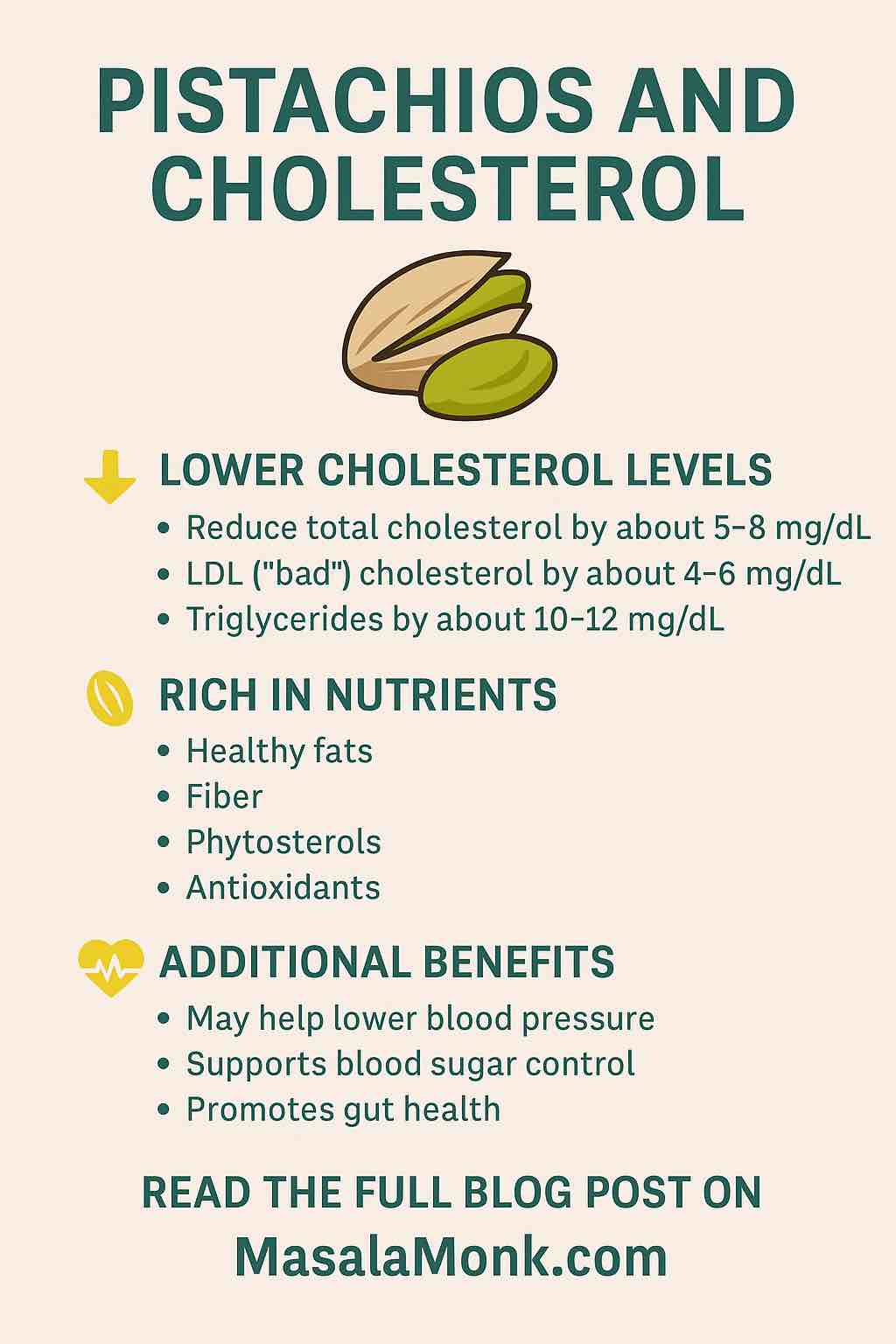
  • Lower LDL (“bad”) Cholesterol: Meta-analyses and clinical trials consistently show that regular pistachio consumption (about ⅓ to ⅔ cup, or 30–85g per day) can lower LDL cholesterol by about 4–6 mg/dL.
  • Total Cholesterol Drops Too: Total cholesterol reductions average around 5–8 mg/dL.
  • Triglycerides Benefit: You might also see triglycerides drop by about 10–12 mg/dL, especially if pistachios replace refined carbs or less healthy snacks.
  • HDL (“good”) Cholesterol: Most studies show HDL remains stable, with occasional slight increases.

A 2025 Breakthrough: Gut Health Joins the Party

A just-published 12-week clinical trial found that people with prediabetes who ate a generous nightly portion of pistachios (about ½ cup) didn’t just improve their cholesterol—they also experienced:

  • A healthier gut microbiome: More beneficial bacteria (like Roseburia and Lachnospiraceae), less of the “bad actors” (like Flavonifractor).
  • Better blood sugar and blood pressure.
  • Reduced markers of inflammation.

This suggests pistachios’ benefits for cholesterol may not just be about fats and fiber—they could also be working through your gut.


Why Do Pistachios Lower Cholesterol?

The answer is a delicious mix of nutrition science and biology:

  • Healthy Fats: Pistachios are rich in monounsaturated and polyunsaturated fats—the types known to lower LDL.
  • Phytosterols: These plant compounds block cholesterol absorption in your gut.
  • Fiber: The fiber in pistachios binds to cholesterol in your digestive tract and helps ferry it out of your body.
  • Antioxidants: Pistachios are loaded with vitamin E and other antioxidants that prevent LDL from becoming oxidized (a key step in the development of heart disease).
  • Prebiotic Power: That fiber also feeds gut bacteria, encouraging the growth of beneficial microbes that may directly influence cholesterol metabolism.

Beyond Cholesterol: The Full Heart-Health Package

While cholesterol takes the headline, pistachios offer other cardiometabolic perks:

  • Blood Pressure: Clinical trials show regular pistachio snacking can shave 1–2 mmHg off your systolic blood pressure—small but meaningful for heart health.
  • Blood Sugar Control: In people with prediabetes or diabetes, pistachios improve fasting glucose and insulin sensitivity.
  • Weight Management: Despite being energy-dense, pistachios are linked to increased satiety and better weight control, possibly because they’re satisfying and require effort to eat (think shelling them one by one!).
  • Inflammation and Oxidative Stress: Both of which are important for long-term vascular health.

How Much Pistachio Is “Just Right”?

Science-backed, practical advice:

  1. Aim for 30–60g (about ⅓ to ⅔ cup) per day. This is the range used in most studies, often as a snack or “pre-meal.”
  2. Choose unsalted and dry-roasted or raw. Avoid added sodium and oils.
  3. Make the swap: Replace chips, crackers, or other refined snacks—not just add pistachios on top of your usual calories (unless you need the extra energy).
  4. Consistency is key: Benefits show up within about 12 weeks of regular use.

Making Pistachios Part of Your Routine

Breakfast:

  • Sprinkle on yogurt or oatmeal
  • Stir into overnight oats

Lunch:

  • Toss into salads for crunch
  • Use as a topping for roasted veggies

Snack:

  • Enjoy a handful (shelled, if you’re pressed for time, but in-shell helps with mindful eating)
  • Blend into homemade energy balls or bars

Dinner:

  • Crust fish or chicken with crushed pistachios
  • Mix into grain bowls or pilafs

Practical Tips and Caveats

  • Calorie awareness: Pistachios are dense in calories, so if weight is a concern, substitute them for other snacks instead of simply adding them.
  • Allergy warning: As with all nuts, they’re off-limits if you have a nut allergy.
  • Quality matters: Store in a cool, dark place to keep them fresh and avoid rancidity.

The Gut-Cholesterol Connection: An Emerging Frontier

Why does your gut microbiome matter? Those beneficial bacteria help break down pistachio fibers into short-chain fatty acids (SCFAs) like butyrate, which may help lower cholesterol production in your liver and reduce inflammation throughout your body.
Think of it as a “team effort” between your diet and your inner ecosystem—a new reason to love these green gems!


Conclusion: Crack Open Better Health

From lowering LDL cholesterol to supporting a healthy gut, pistachios offer a heart-smart package that’s both delicious and practical. The latest research is clear: making pistachios a regular part of your day (in moderation!) can be a simple, satisfying, and evidence-based step toward better cholesterol—and a healthier you.

So the next time you’re pondering a snack, remember: every little green nut could be a step closer to a stronger heart and a happier gut.


For questions about your specific health situation, consult your healthcare provider or a registered dietitian.


If you enjoyed this post, share it with your fellow snack-lovers or leave a comment about your favorite way to enjoy pistachios!

Frequently Asked Questions (FAQs)

1. How many pistachios should I eat per day for cholesterol benefits?

Answer:
Most studies recommend about 30–60 grams per day, which is roughly ⅓ to ⅔ cup of shelled pistachios. This amount, eaten daily, is linked to lower LDL (“bad”) cholesterol and total cholesterol.


2. Should I eat pistachios raw or roasted?

Answer:
Both raw and dry-roasted pistachios provide heart-healthy benefits. Choose unsalted versions to avoid excess sodium, which can impact blood pressure.


3. Can pistachios help raise my HDL (“good”) cholesterol?

Answer:
Pistachios generally help lower LDL and total cholesterol, but their impact on HDL is usually neutral—sometimes showing a slight increase or remaining unchanged.


4. How soon will I notice cholesterol changes after adding pistachios to my diet?

Answer:
Improvements in cholesterol can be seen in about 8 to 12 weeks of regular daily intake, based on clinical trials.


5. Are pistachios safe for people with diabetes or prediabetes?

Answer:
Yes. In fact, pistachios have been shown to help improve blood sugar control and insulin sensitivity in people with prediabetes or diabetes, alongside cholesterol benefits.


6. Will eating pistachios make me gain weight?

Answer:
Not likely, if you use them to replace less healthy snacks or ingredients. Pistachios promote satiety, and studies show they do not lead to weight gain when eaten in recommended amounts as part of a balanced diet.


7. How do pistachios compare to other nuts for cholesterol lowering?

Answer:
Pistachios are among the top nuts for lowering LDL cholesterol, similar to almonds and walnuts. Each nut has unique nutrients, but all are heart-healthy when eaten in moderation.


8. What’s the best time of day to eat pistachios for cholesterol?

Answer:
There’s no strict timing. Some studies use pistachios as a “pre-meal” or nighttime snack. Consistency—eating them daily—is more important than timing.


9. Are there any risks or side effects to eating pistachios?

Answer:
Pistachios are safe for most people, but avoid them if you have a nut allergy. Watch portion sizes, as they’re calorie-dense, and choose unsalted versions to limit sodium.


10. Can pistachios replace cholesterol-lowering medication?

Answer:
No, pistachios can support cholesterol management but are not a substitute for prescribed medication. Always talk to your doctor before making changes to your treatment plan.

Posted on Leave a comment

Exploring the Nutritional and Health Benefits of Coriander: From Flavorful Herb to Wellness Powerhouse

Benefits of Coriander:

You probably know coriander—also called cilantro—as the green leafy herb sprinkled over curries, tacos, or salads. But what if I told you this humble kitchen staple is far more than just a flavor enhancer? From regulating blood sugar to protecting your skin, coriander is quietly earning its place as a true wellness powerhouse.

Let’s dive deeper into what makes coriander so special, how modern science is validating ancient wisdom, and—most importantly—how you can harness its full potential in your everyday life.


The Botanical Backstory: What’s in a Name?

First, a quick clarification: “Coriander” refers to the entire plant (leaves, stems, and seeds). In North America, the fresh leaves are called “cilantro,” while the seeds are called “coriander.” In most of the world, “coriander” covers both.

Coriander (Coriandrum sativum) has been cultivated for over 7,000 years—ancient Egyptians, Greeks, Romans, and Ayurvedic healers all prized it for its culinary and medicinal powers. But what does today’s science say?


The Nutritional Profile: Tiny Herb, Mighty Nutrients

Coriander is surprisingly nutrient-dense. Here’s a snapshot of what you get in a modest serving:

  • Leaves (per ¼ cup):
    • 16% Daily Value (DV) of Vitamin K
    • Good source of Vitamin A, C, and E
    • Fiber, calcium, manganese, iron, and 11 essential oils
  • Seeds (per tablespoon):
    • High in dietary fiber
    • B-vitamins (esp. folate, riboflavin)
    • Iron, magnesium, manganese
    • Flavonoids and polyphenols like quercetin, linalool, and terpinene

But coriander’s real magic lies beyond basic nutrition. Let’s explore the science.


Proven Health Benefits: What the Research Reveals

1. Blood Sugar Control and Diabetes Support

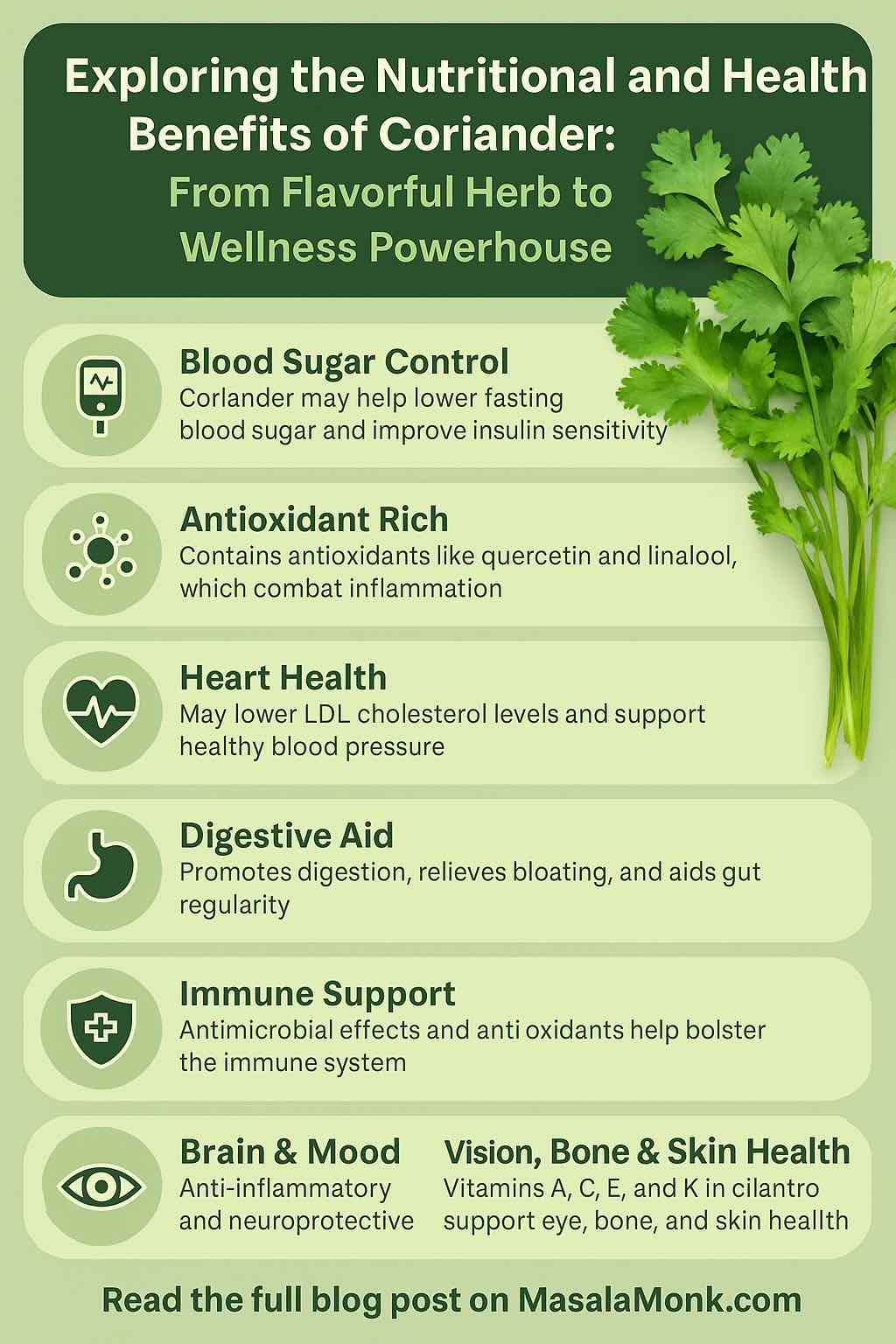
Several randomized controlled trials (RCTs) have shown that daily coriander seed powder (as little as 1g/day) can:

  • Lower fasting blood sugar
  • Improve insulin sensitivity
  • Reduce total cholesterol and triglycerides

For example, a 6-week double-blind study in people with type-2 diabetes found fasting glucose dropped from ~156 to ~130 mg/dL. Cholesterol and triglyceride levels improved significantly as well. These effects are attributed to coriander’s ability to activate insulin-producing enzymes and boost antioxidant defenses.

Practical Tip:
If you have prediabetes or diabetes, consider adding 1g of coriander seed powder (about ¼ tsp) to your morning routine. Sprinkle it into smoothies, yogurt, or warm lemon water. (Check with your doctor first if you’re on medication!)


2. Antioxidant and Anti-Inflammatory Power

Coriander is rich in antioxidants—especially quercetin, terpinene, and linalool—which help fight oxidative stress and inflammation. Research shows that coriander intake increases plasma antioxidant capacity and reduces cell damage markers like malondialdehyde.

Why it matters:
Oxidative stress is linked to heart disease, cancer, and neurodegenerative disorders. Coriander’s unique compounds may help buffer these risks.


3. Heart Health: Lowering Cholesterol and Blood Pressure

Animal and human studies suggest coriander can:

  • Lower LDL (“bad”) cholesterol and total cholesterol
  • Improve HDL (“good”) cholesterol
  • Reduce blood pressure via diuretic and vascular effects

Practical Tip:
Use ground coriander seeds in salad dressings, dips, or spice blends to help keep your heart happy.


4. Digestive Aid and Gut Health

Coriander has been used for centuries as a digestive tonic. Modern science backs this up:

  • Stimulates digestive enzymes and juices
  • Relieves bloating and gas
  • Eases indigestion and supports gut motility

Quick Remedy:
Make a simple coriander tea:

  • 1 tsp coriander seeds, lightly crushed
  • Steep in hot water for 5–10 minutes
  • Add a squeeze of lemon and a dash of honey

5. Immune and Antimicrobial Benefits

Coriander extracts have demonstrated antimicrobial activity against common pathogens like E. coli, Salmonella, and Staph. They also help modulate immune responses and reduce inflammatory cytokines.


6. Brain and Mood Support

Emerging research indicates coriander may help protect the brain:

  • Neuroprotective: Animal studies show reduced seizure activity, improved memory, and less anxiety.
  • Molecular mechanisms: Certain coriander compounds activate potassium channels involved in calming overexcited neurons.

7. Skin, Bone, and Eye Health

  • Skin: Coriander seed oil has been shown to reduce UV-induced irritation and accelerate skin repair.
  • Bone: High vitamin K and calcium content support strong bones.
  • Eyes: Vitamin A and antioxidant content aid in protecting vision.

Real-Life Ways to Use Coriander Every Day

1. Fresh Leaves (Cilantro)

  • Chop and sprinkle over soups, salads, tacos, or curries
  • Add to green smoothies or pesto for a fresh zing

2. Seeds

  • Toast and grind for use in spice blends, rubs, and marinades
  • Simmer in lentil dishes, stews, or herbal teas

3. Lemon-Coriander Water

Try this trendy wellness infusion for metabolism and detox support:

  1. Soak 1 tsp coriander seeds overnight in water
  2. In the morning, add a squeeze of lemon
  3. Strain and drink on an empty stomach

Reported benefits include better digestion, less bloating, and gentle detoxification.


Recipe: Cooling Coriander-Mint Chutney

Perfect for digestion, blood sugar balance, and a flavor kick!

Ingredients:

  • 1 cup fresh coriander leaves
  • ½ cup mint leaves
  • 1 green chili
  • 1 small piece of ginger
  • 2 tbsp lemon juice
  • Salt to taste
  • Water to blend

Method:

  1. Combine all ingredients in a blender.
  2. Blend to a smooth paste. Add water as needed.
  3. Store in the fridge for up to 3 days.

Who Should Be Cautious?

  • Pregnant or breastfeeding women: Large medicinal doses not recommended
  • People on diabetes or blood pressure meds: Monitor closely, as coriander may amplify effects
  • Allergy: Rare, but possible

Always consult a healthcare professional before starting any new herbal supplement, especially if you have chronic conditions or take prescription drugs.


The Bottom Line: Coriander is More Than a Flavor

From ancient remedies to modern clinical trials, coriander proves itself as a true wellness ally. Whether you’re managing blood sugar, aiming for heart health, boosting immunity, or just want to spice up your meals, coriander offers a tasty, evidence-based way to nourish your body.

So next time you see that bunch of cilantro or those tiny golden seeds, remember: you’re holding a powerhouse of health in your hands!


Have You Tried Coriander for Wellness?

Share your favorite recipes, tips, or experiences in the comments below. Let’s spread the word about this mighty herb—your body (and taste buds) will thank you!


References:


Ready to add more coriander to your life? Try the recipes above and let me know how it goes!

FAQs: Coriander – Nutritional & Health Benefits

1. What is the difference between coriander and cilantro?
Coriander refers to the entire plant (Coriandrum sativum). In North America, the fresh leaves are called cilantro, while the dried seeds are known as coriander. In other regions, both the leaves and seeds may simply be called coriander.


2. How much coriander should I consume daily for health benefits?
Research suggests that about 1 gram (approximately ¼ teaspoon) of coriander seed powder daily can be beneficial for blood sugar and cholesterol. Fresh leaves can be used liberally in meals.


3. Can coriander help with blood sugar control?
Yes, several human trials indicate that coriander seeds may help lower fasting blood sugar and improve insulin sensitivity, especially in people with prediabetes or type-2 diabetes. Always consult your doctor if you have a medical condition or are on medication.


4. What are the best ways to include coriander in my diet?
Add fresh leaves to salads, soups, or smoothies. Use ground seeds in spice blends, curries, or herbal teas. Try making lemon-coriander water by soaking seeds overnight and adding lemon juice in the morning.


5. Is coriander safe for everyone?
Coriander is safe in normal food amounts for most people. However, those who are pregnant, breastfeeding, or taking blood sugar/blood pressure medication should use caution and consult a healthcare provider before taking medicinal doses.


6. Are there any potential side effects of consuming coriander?
Coriander is generally well-tolerated. Rarely, it can cause allergic reactions or mild digestive upset. Excessive consumption may lower blood sugar or blood pressure too much in sensitive individuals.


7. Does coriander really help with weight loss?
Coriander seeds, especially in combination with lemon water, may support metabolism and reduce water retention, but no single food will cause weight loss without healthy diet and lifestyle habits.


8. Can coriander improve skin health?
Yes, coriander seed oil and fresh leaves have antioxidant and anti-inflammatory properties. Studies show coriander seed oil can reduce skin irritation and help with healing.


9. Does cooking coriander destroy its nutrients?
Some delicate vitamins (like vitamin C) in coriander leaves are sensitive to heat, so add fresh leaves at the end of cooking. Seeds retain their nutrients and flavor even when toasted or cooked.


10. How do I store fresh coriander to keep it fresh longer?
Wrap rinsed leaves in a paper towel and store them in a sealed bag or container in the refrigerator. Alternatively, place stems in a jar of water and cover loosely with a plastic bag.

Posted on 1 Comment

The Power of Chia Seeds: 5 Plant-Based High-Protein Meal Prep Ideas

chia seeds meal prep ideas

In today’s fast-paced world, meal prepping isn’t just a trend—it’s a lifestyle hack for staying healthy, energized, and organized. But when you’re aiming for plant-based meals that are genuinely high in protein, it can be a challenge to keep things interesting and nutritious. That’s where the humble chia seed shines! In this post, we’ll explore why chia seeds are a plant-based powerhouse and show you five practical, delicious meal prep ideas that put protein at the center of your plate.


Why Chia Seeds Deserve a Place in Every Plant-Based Kitchen

Chia seeds might be tiny, but their nutrition profile is nothing short of mighty. Here’s what makes them a superstar:

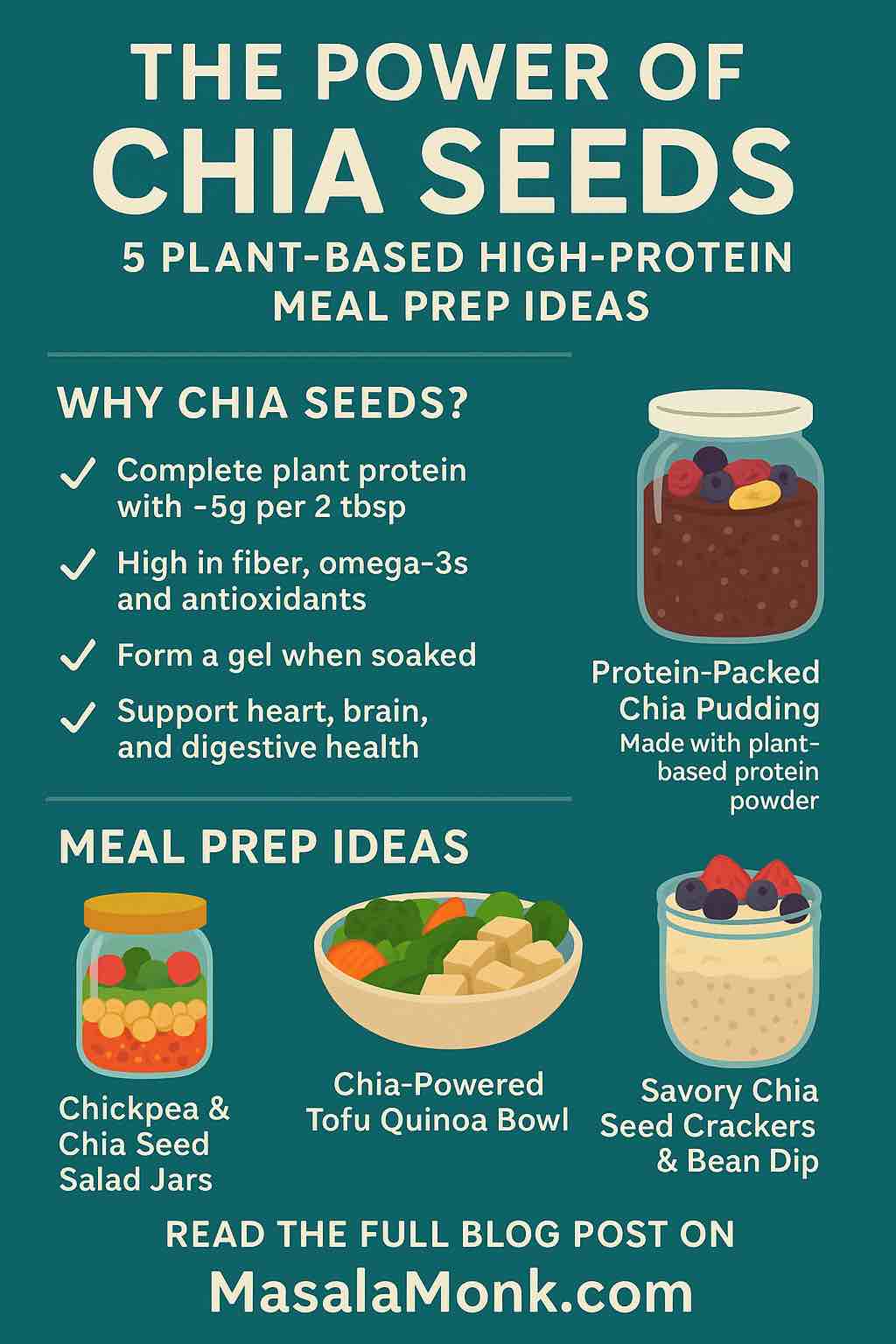
  • Complete Plant Protein: Chia seeds provide all nine essential amino acids, making them one of the rare complete proteins in the plant world. Just two tablespoons offer about 5g of protein—perfect for bumping up your meal’s macro profile.
  • Rich in Omega-3s: They’re one of the richest plant sources of ALA omega-3 fatty acids, crucial for heart and brain health.
  • Loaded with Fiber: With 10g of fiber per serving, chia supports digestive health, satiety, and steady energy.
  • High in Antioxidants and Micronutrients: Expect a hit of calcium, magnesium, iron, and potent antioxidants that fight inflammation and cell damage.
  • Gel-Forming Magic: When soaked, chia seeds absorb up to 12x their weight in liquid, creating a satisfying texture for puddings, smoothies, and even egg replacers in vegan baking.

Latest Science: More Than Just a Trend

Recent studies show that daily chia seed consumption can help lower blood pressure, improve cholesterol, reduce inflammation, and support weight management. A 2023 review concluded that chia’s unique bioactive peptides and omega-3s support cardiovascular, metabolic, and even cognitive health.


The Secret to High-Protein Plant-Based Meals: It’s All in the Mix

While chia seeds are great on their own, the real magic happens when you combine them with other plant-based proteins. Use them to boost the protein in meals built around legumes, soy, nuts, and whole grains.

Pro Tip: Always hydrate chia seeds (soak them in liquid for at least 15–30 minutes). This not only helps you absorb their nutrients but also makes your meals easier to digest.


5 Practical, High-Protein Chia Seed Meal Prep Ideas

Ready to level up your plant-based meal prep? Here are five make-ahead recipes that combine chia’s power with other high-protein ingredients. Each can be made in advance, portioned out, and stored for grab-and-go convenience.


1. Protein-Packed Chia Pudding Parfaits

Why it works: Chia’s classic use! By adding plant-based protein powder and soy/pea milk (the highest-protein plant milks), you transform breakfast or snacks into a genuine muscle-builder.

How to Prep:

  1. Mix 3 tbsp chia seeds with 1 cup unsweetened soy milk and 1 scoop plant-based protein powder. Sweeten with a little maple syrup or date paste if desired.
  2. Stir well and refrigerate overnight.
  3. In the morning, layer with berries, sliced banana, and a tablespoon of almond butter or hemp seeds.
  4. Portion into jars for easy meal prep.

Protein per serving: 20–25g
Keeps for: 4–5 days refrigerated


2. Savory Chia Seed & Chickpea Salad Jars

Why it works: Chickpeas are a classic plant protein. Chia seeds in the dressing add texture, fiber, and an extra protein boost.

How to Prep:

  1. In a mason jar, layer ½ cup cooked chickpeas, diced bell pepper, cherry tomatoes, cucumber, and leafy greens.
  2. For the dressing: Whisk 2 tbsp chia seeds with ¼ cup lemon juice, ¼ cup tahini, 1 clove minced garlic, and water to thin.
  3. Pour dressing on the bottom of the jar before adding other ingredients (to keep veggies fresh).
  4. Shake before eating!

Protein per serving: 15–18g
Keeps for: 4 days refrigerated


3. Chia-Powered Tofu Quinoa Bowls

Why it works: This bowl combines three protein sources: tofu, quinoa, and chia—ideal for post-workout meals or hearty lunches.

How to Prep:

  1. Bake cubed extra-firm tofu with tamari and sesame oil until golden.
  2. Cook quinoa according to package instructions.
  3. Make a chia-lime dressing: Blend 2 tbsp chia seeds with ¼ cup olive oil, juice of 1 lime, 1 tbsp maple syrup, and a pinch of salt. Let it thicken.
  4. Assemble: ½ cup quinoa, ½ cup tofu, steamed broccoli, carrots, red cabbage, and a drizzle of dressing per bowl.

Protein per serving: 22–26g
Keeps for: 3–4 days refrigerated


4. High-Protein Chia Overnight Oats

Why it works: Oats, chia seeds, and nut butter make a protein-rich base; add vegan Greek yogurt for even more.

How to Prep:

  1. Combine ½ cup rolled oats, 2 tbsp chia seeds, 1 cup soy milk, 2 tbsp almond butter, and a dash of cinnamon in a jar.
  2. Mix in a scoop of vanilla vegan protein powder if desired.
  3. Let sit overnight, then top with berries and 2 tbsp vegan Greek yogurt in the morning.

Protein per serving: 18–24g
Keeps for: 4 days refrigerated


5. Crunchy Chia, Flax & Sunflower Crackers with White Bean Dip

Why it works: A snack box staple! Crackers are loaded with seeds for plant protein and fiber; pair with bean dip for a complete snack.

How to Prep:

  1. Mix 1 cup ground flaxseed, ½ cup chia seeds, ½ cup sunflower seeds, salt, pepper, and water to form a dough. Spread on a lined baking sheet and bake at 325°F (160°C) for 35–40 minutes.
  2. For the dip: Blend 1 can white beans, 2 tbsp olive oil, juice of 1 lemon, 1 clove garlic, and a splash of water until smooth.
  3. Portion crackers and dip into snack containers.

Protein per serving: 12–16g
Keeps for: 5 days refrigerated


Tips for Success: Getting the Most from Chia Seeds in Meal Prep

  • Hydrate for Digestibility: Always soak chia seeds before eating for optimal digestion and nutrition.
  • Pair for Complete Protein: Combine chia with soy, legumes, or whole grains to ensure a complete amino acid profile.
  • Batch Prep: Make a big batch of chia pudding, salad dressing, or crackers at the start of the week to save time.
  • Stay Hydrated: Chia is high in fiber—drink plenty of water throughout the day to support digestion.
  • Experiment: Chia can also be added to smoothies, soups, vegan pancakes, and baked goods for a subtle nutrition boost.

Final Thoughts: Tiny Seeds, Massive Benefits

Chia seeds are more than a passing fad—they’re a powerful, versatile ingredient backed by science and beloved by home cooks for good reason. Whether you’re prepping meals for the week, aiming to boost your plant-based protein, or just looking for simple ways to upgrade your nutrition, chia seeds deserve a permanent spot in your pantry.

Ready to get started? Pick one (or all) of the meal prep ideas above and see how easy, tasty, and satisfying plant-based eating can be!


Have a favorite chia meal prep trick? Share it in the comments or tag your creations on social! Want more in-depth recipes, macro breakdowns, or storage hacks? Let me know and I’ll tailor more posts just for you.

10 Frequently Asked Questions (FAQs) About Chia Seeds and High-Protein Plant-Based Meal Prep

1. How much protein do chia seeds have?

Chia seeds provide about 4–5 grams of protein per two-tablespoon (28g) serving. While not as high as beans or lentils, they offer a complete amino acid profile, making them an excellent addition to plant-based diets.


2. Do I need to soak chia seeds before eating them?

Yes, it’s best to soak chia seeds in liquid (water, milk, etc.) for at least 15–30 minutes. This makes them easier to digest and allows your body to absorb their nutrients more efficiently.


3. Can chia seeds replace eggs in vegan baking?

Absolutely! Mix 1 tablespoon of chia seeds with 3 tablespoons of water and let it sit for 10–15 minutes. The gel acts as a great egg substitute in many baking recipes.


4. What’s the best way to store prepped chia seed meals?

Store chia puddings, overnight oats, and other prepped meals in airtight containers in the refrigerator. Most will stay fresh for 4–5 days.


5. Are chia seeds safe for everyone to eat?

Most people can enjoy chia seeds safely, but those with certain digestive conditions or allergies should start with small amounts to see how they feel. Always drink plenty of water when eating chia due to their high fiber content.


6. How can I increase the protein in chia-based meals?

Pair chia seeds with other high-protein foods like soy milk, plant-based protein powder, beans, tofu, tempeh, lentils, or nut butters for a balanced, protein-rich meal.


7. Do chia seeds help with weight loss?

Chia seeds are high in fiber and expand when soaked, helping you feel full for longer. This can support weight management as part of a balanced diet and active lifestyle.


8. Are chia seeds a good source of omega-3 fatty acids?

Yes! Chia seeds are one of the richest plant-based sources of ALA (alpha-linolenic acid) omega-3s, which support heart and brain health.


9. Can I add chia seeds to hot dishes, like soups or stir-fries?

You can sprinkle chia seeds into soups or stews near the end of cooking. However, heating them too much can degrade some nutrients, so use them as a topping or stir them in after cooking for maximum benefit.


10. How much chia should I eat daily?

Most studies and nutritionists recommend 1–2 tablespoons (about 15–30 grams) of chia seeds per day as part of a healthy diet.

Posted on 2 Comments

‘Mushrooms’ Instead of ‘Beef’: 5 High Protein Plant-Based Meal Prep Ideas

Mushrooms Instead of Beef

Are you looking for high-protein, plant-based meal prep ideas that don’t rely on ultra-processed “fake meat” or endless chickpeas? Maybe you’re trying to cut back on beef, eat more sustainably, or just love mushrooms and want to make them the star of your weekly lunches.
You’re in the right place.

In this post, we’ll dive deep into why mushrooms are gaining ground as a powerful meat alternative, how to optimize their protein potential, and—most importantly—give you five seriously delicious, meal-preppable recipes that will keep you fueled all week.


Why Mushrooms? (And What the Science Says)

Let’s be honest: mushrooms are not beef—but that’s their superpower. Unlike many plant foods, mushrooms bring an umami-packed, meaty texture to dishes without the cholesterol, saturated fat, or environmental baggage of red meat. But can they compete on protein?

Nutritional Science: Mushrooms vs. Beef

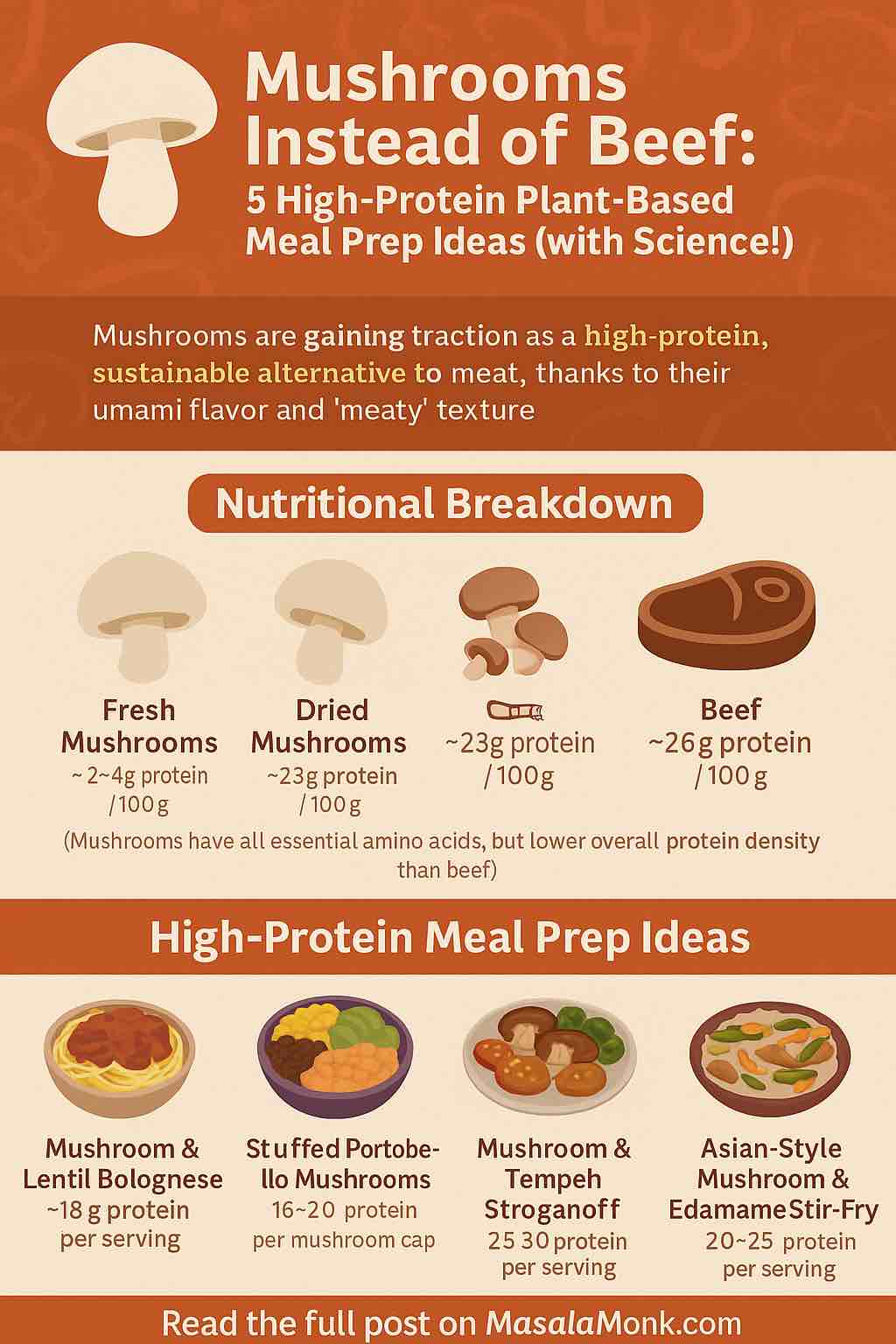
  • Fresh mushrooms (e.g., white button, cremini, portobello) contain about 2–4 grams of protein per 100 grams—less than beef, which typically clocks in around 26g/100g.
  • Dried mushrooms (shiitake, porcini, or even dried blends) can contain up to 23g of protein per 100g, thanks to water loss concentrating their nutrients.
  • New research shows that mushrooms have a complete amino acid profile (including all nine essentials), particularly when you include their mycelium or pair them with other plant proteins.

Pro tip: For real protein power, combine mushrooms with legumes (like lentils, black beans), soy (tofu, tempeh, edamame), or high-protein grains (quinoa, buckwheat). This creates meals that match or exceed the protein of many meat dishes.

Sustainability Bonus

Mushrooms are a low-impact food superstar. Replacing just 20% of beef consumption with fungi-based proteins could cut global deforestation in half and slash water and land use.


Meal Prep Philosophy: How to Make Mushrooms Work for You

Meal prep is all about ease, nutrition, and flavor. Mushrooms:

  • Store and reheat well (especially in saucy, stewy, or baked dishes)
  • Absorb flavors beautifully
  • Pair naturally with beans, grains, and herbs

Below, you’ll find five meal prep-friendly recipes, each with an emphasis on practical prep, protein content, and customization.


5 High-Protein, Mushroom-Based Meal Prep Ideas


1. Hearty Mushroom & Lentil Bolognese

Why it works:
Mushrooms’ earthy umami replaces ground beef perfectly, while lentils pump up the protein.

Meal Prep Plan:

  • Sauté diced onions, garlic, and carrots in olive oil.
  • Add 500g finely chopped mushrooms (mix of button, cremini, shiitake for depth), cook until browned.
  • Stir in 1 cup dried lentils, 1 can crushed tomatoes, a splash of red wine (optional), Italian herbs, and simmer until lentils are tender.
  • Serve over protein-rich pasta (like chickpea or lentil pasta) or zucchini noodles for a lower-carb option.

Protein Power:
Each serving with lentil pasta: 20–25g protein.

Storage:
Keeps in the fridge for up to 5 days or freeze for 3 months.


2. Smoky Mushroom, Black Bean & Tofu Burrito Bowls

Why it works:
Layering mushrooms with two powerhouse plant proteins (tofu and black beans) creates a complete, super-satisfying meal.

Meal Prep Plan:

  • Cube and roast extra-firm tofu (press out moisture, toss with spices, bake until golden).
  • Sauté mushrooms with smoked paprika, cumin, and chili powder.
  • Assemble with cooked brown rice or quinoa, black beans, corn, and salsa.
  • Pack avocado or guacamole separately.

Protein Power:
Each bowl: 23–28g protein.

Storage:
Store bowls and toppings separately for max freshness (avocado oxidizes quickly).


3. Stuffed Portobello Mushrooms with Quinoa & Chickpeas

Why it works:
Big portobellos = built-in meal containers! Quinoa and chickpeas ensure these are way more than a side dish.

Meal Prep Plan:

  • Mix cooked quinoa with canned or cooked chickpeas, spinach, diced bell pepper, lemon zest, and nutritional yeast.
  • Remove mushroom stems, brush caps with olive oil, stuff, and bake at 200°C (400°F) until golden (about 25 minutes).
  • Drizzle with tahini-lemon sauce after reheating.

Protein Power:
One large cap: 16–20g protein.

Storage:
Best reheated in the oven or air fryer, but microwave works in a pinch.


4. Creamy Mushroom & Tempeh Stroganoff

Why it works:
Tempeh brings serious protein and a firm, “meaty” bite. Mushrooms and a cashew cream sauce give richness without dairy.

Meal Prep Plan:

  • Sauté sliced mushrooms and onions, add cubed tempeh, brown well.
  • Add garlic, smoked paprika, splash of tamari, and simmer with veggie broth.
  • Blend soaked cashews with lemon juice, mustard, and water—add to pan to make it creamy.
  • Serve over whole wheat noodles or brown rice.

Protein Power:
One serving: 24–30g protein.

Storage:
Keeps in fridge up to 4 days; sauce thickens, so thin with water when reheating.


5. Asian-Inspired Mushroom & Edamame Stir-Fry

Why it works:
Edamame is a top-tier vegan protein. Quick cooking locks in texture and nutrients.

Meal Prep Plan:

  • Stir-fry shiitake, oyster, and/or cremini mushrooms with ginger, garlic, snap peas, bell peppers.
  • Add pre-cooked, shelled edamame and toss in a simple sauce (soy, rice vinegar, sesame oil, optional chili flakes).
  • Serve over brown rice, quinoa, or buckwheat soba noodles.

Protein Power:
Per serving: 20–25g protein.

Storage:
Great hot or cold; holds up well for 3–4 days in the fridge.


Bonus: How to Maximize Mushroom Protein in Meal Prep

  • Use dried mushrooms or mushroom powder: Rehydrated, these are protein-dense and add extra umami.
  • Pair with “complete” proteins: Lentils, beans, soy (tofu, tempeh, edamame), quinoa, and nuts.
  • Batch cook and freeze: Most mushroom-based sauces, stews, and bakes freeze very well.

Final Thoughts

Mushrooms might not be as protein-packed as beef on their own, but with the right partners and prep, they can anchor a week’s worth of filling, nutritious, and planet-friendly meals.
Plus, you get all the health benefits—antioxidants, fiber, vitamins B and D, and a lower carbon footprint.

Ready to Cook?

Pick one or two of these recipes to try this week. Experiment with mushroom varieties and flavor combos.

Eat boldly, eat better, eat mushrooms. 🌱🍄

FAQs


1. Are mushrooms really a good substitute for beef in terms of protein?
Answer:
While mushrooms alone contain less protein than beef (2–4g per 100g fresh vs. 26g for beef), they offer a complete amino acid profile and, when paired with legumes, soy, or grains, can help create high-protein, balanced meals.


2. Which types of mushrooms are best for meal prep and protein content?
Answer:
Cremini, portobello, shiitake, and oyster mushrooms offer great texture and flavor. Dried mushrooms are the most protein-dense and can be added to boost overall content.


3. How can I make sure my mushroom-based meal is high in protein?
Answer:
Always combine mushrooms with other protein-rich plant foods like lentils, beans, tofu, tempeh, edamame, or quinoa. This ensures a complete amino acid profile and higher total protein per meal.


4. Do mushroom-based meals keep well in the fridge or freezer?
Answer:
Yes! Most mushroom dishes (stews, sauces, casseroles, baked dishes) store and reheat well. Use airtight containers and consume within 3–5 days, or freeze for up to 3 months.


5. Can I use store-bought mushroom meat substitutes?
Answer:
Absolutely. Mycoprotein (like Quorn) and other fungi-based products are high in protein and fiber, and have a low environmental footprint. Just check the ingredients for allergens and additives.


6. Are mushroom-based meals suitable for people with gluten intolerance?
Answer:
Yes, as long as you avoid adding wheat-based ingredients (like seitan or regular pasta). Use gluten-free grains (quinoa, brown rice, gluten-free pasta) and double-check sauces and seasonings.


7. How can I make mushroom dishes taste “meatier”?
Answer:
Use a mix of mushroom varieties, roast or brown them well to concentrate flavor, and add umami-rich ingredients like soy sauce, tamari, miso, smoked paprika, or nutritional yeast.


8. Are mushrooms safe for everyone to eat?
Answer:
Most culinary mushrooms are safe for the general population. However, people with compromised immune systems should eat only well-cooked mushrooms. Always buy from reputable sources and never forage wild mushrooms unless you’re an expert.


9. What are the health benefits of including more mushrooms in my diet?
Answer:
Mushrooms are rich in B vitamins, fiber, antioxidants, selenium, copper, potassium, and can be a source of vitamin D if UV-exposed. They’re low in calories, fat, and sodium.


10. Can I meal prep these recipes for the whole week?
Answer:
Yes! These dishes are designed for batch cooking and reheating. For best texture, store grains, sauces, and fresh toppings (like avocado or greens) separately and assemble when ready to eat.

Posted on Leave a comment

Reaping the Benefits of Soaked Raisins: Unlocking Nature’s Nutritional Treasure

Power of SOAKED RAISINS!

Imagine starting your day with a handful of sweet, plump raisins—transformed overnight by nothing more than a soak in water. While raisins are a staple in pantries across the globe, soaking them has become a popular morning ritual, especially in wellness circles and traditional Ayurveda. But what’s the real story? Are soaked raisins truly a nutritional powerhouse, or just another health trend? Let’s dive deep, separate myth from fact, and discover how you can unlock the full potential of this humble dried fruit.


Section 1: Why Soaked Raisins? A Historical and Scientific View

Raisins, or dried grapes, have a history as rich as their flavor. Used in ancient Persia, Greece, and India, they’ve long been celebrated for their concentrated energy and sweetness. But soaking them? That tradition stems from Ayurveda and folk wisdom, promising better digestion, “detoxification,” and even glowing skin.

But science has started to catch up, looking beyond old wives’ tales to understand what actually happens when you soak raisins overnight.


Section 2: The Science – What Really Changes When You Soak Raisins?

1. Softer, More Digestible

Soaked raisins are simply easier on the teeth and stomach. The soaking process rehydrates their tough skins, making them soft, plump, and easier to chew and digest. For anyone with sensitive teeth or digestive issues, this alone is a big win.

2. Reduced Anti-Nutrients, Enhanced Absorption

Like many plant foods, raisins contain “anti-nutrients” (phytates and tannins) that can bind to minerals like iron, zinc, and calcium, slightly reducing their absorption. Soaking, even for just 8-12 hours, can lower these compounds by 10–20%, theoretically making it easier for your body to access these minerals. While the effect is modest, it’s real—especially if your diet is mostly plant-based.

3. Nutrient Powerhouse Stays Intact

Importantly, soaking doesn’t “wash out” the good stuff! Raisins are naturally rich in:

  • Potassium: Helps control blood pressure and heart function
  • Iron: Vital for energy and fighting fatigue
  • Antioxidants (polyphenols, resveratrol): Combat inflammation and oxidative stress
  • Natural prebiotics: Promote gut health
  • Fiber: Supports smooth digestion and healthy cholesterol

Section 3: Health Benefits—Backed by Research

A. Heart Health & Blood Pressure
Studies have shown that regular raisin consumption can lower blood pressure and LDL cholesterol, thanks largely to their potassium and fiber content. Some research even suggests a 6–10 mmHg drop in systolic BP when swapping raisins for processed snacks.

B. Blood Sugar Balance
Raisins, despite being sweet, have a moderate glycemic index. Multiple trials indicate that they cause a smaller spike in blood sugar than many refined carb snacks—good news for those with diabetes or prediabetes.

C. Gut Health & Regularity
The combo of soluble fiber and natural tartaric acid acts as a gentle laxative and prebiotic, feeding your good gut bacteria and supporting smooth, regular bowel movements.

D. Antioxidant & Anti-Inflammatory Power
Raisins retain powerful polyphenols after soaking. These compounds have been linked to reduced inflammation, healthier aging, and even improved brain function (in animal studies).


Section 4: Busted—Myths About Soaked Raisins

1. “Soaked raisins detox your body.”
There’s no scientific evidence that any food directly “detoxifies” your liver or cleanses your blood. The antioxidants and fiber in raisins can support your body’s natural detox pathways, but don’t expect miracle cures.

2. “Raisin water is a vitamin drink.”
Most vitamins and minerals remain in the fruit, not the soaking water. While raisin water can be a hydrating, slightly sweet beverage, it’s not a substitute for eating the whole raisin.

3. “You must eat them only in the morning.”
While morning routines can help you remember, there’s no magic time—soaked raisins are good any time of day!


Section 5: How To Soak & Enjoy Raisins—Your Daily Ritual

Step-by-Step Guide

  1. Measure out 8-12 raisins (about a tablespoon), preferably organic and unsweetened.
  2. Rinse them to remove any residue.
  3. Soak in a glass of clean, room-temperature water overnight (6–12 hours).
  4. In the morning, eat the raisins and, if you like, drink the water.

Pro Tip: Add a few strands of saffron or a pinch of cinnamon to your soak for an extra wellness boost and unique flavor!

Creative Ways To Use Soaked Raisins

  • Add to breakfast oatmeal, porridge, or yogurt bowls
  • Mix into salads for a sweet-tart pop
  • Blend into smoothies for natural sweetness
  • Top on toast with nut butter
  • Incorporate into homemade trail mix or granola

Section 6: Practical Precautions

  • Portion Control: Raisins are energy-dense. 8–12 per day is a good starting point.
  • Sugar Content: Still high in natural sugars—suitable for most, but diabetics should monitor blood sugar.
  • Dental Hygiene: Always rinse or brush after—raisins can stick to teeth.
  • Allergies/Sensitivities: Rare, but possible—especially to sulfites if used as a preservative.

Section 7: The Bottom Line—Should You Soak Raisins?

Soaked raisins are a simple, practical way to make a healthy food even gentler and more enjoyable. The science supports modest improvements in mineral absorption and digestive comfort, but the real value comes from the core nutrients and antioxidants raisins already provide. If you love the taste and routine, there’s no downside—just pure, plant-based goodness in every bite.


Ready to Try?

Tomorrow morning, swap your usual snack for a handful of soaked raisins—and see how you feel! Sometimes, the simplest rituals offer the sweetest rewards.

FAQs About Soaked Raisins

1. What are the main benefits of eating soaked raisins?
Soaked raisins are softer, easier to digest, and may have slightly reduced anti-nutrients, making minerals like iron and calcium more available for absorption. They still provide antioxidants, fiber, potassium, and natural prebiotics—supporting heart, gut, and metabolic health.


2. How long should I soak raisins for best results?
Soak raisins for 8–12 hours (overnight is ideal) in clean, room-temperature water. This ensures they are fully rehydrated and easier to eat and digest.


3. Should I drink the water in which raisins were soaked?
Drinking raisin water is optional. Most nutrients and fiber stay in the fruit, but the water may contain some sugars and trace minerals. It’s safe and can be a hydrating, slightly sweet beverage, but eating the raisins is more beneficial.


4. Are soaked raisins better than unsoaked raisins?
Soaked raisins are easier on the teeth and stomach and may allow for slightly better mineral absorption. However, most of the core health benefits are present in both soaked and unsoaked raisins.


5. Can diabetics eat soaked raisins?
Raisins have a moderate glycemic index and contain natural sugars. In small amounts (8–12 per day), they can be part of a diabetic diet, but portion control and blood sugar monitoring are important. Consult your healthcare provider for personal guidance.


6. Can I soak other dried fruits with raisins?
Yes! You can soak raisins with other dried fruits like figs, apricots, or dates. Just be mindful that the combined sugar content will increase, so keep portions moderate.


7. Do soaked raisins help with constipation?
Yes, soaked raisins are a gentle, natural laxative due to their soluble fiber and tartaric acid content. Regular consumption may help improve bowel regularity.


8. Are there any side effects of eating soaked raisins?
Most people tolerate soaked raisins well. Overeating can cause digestive upset due to fiber and sugar. Rarely, some may be sensitive or allergic to grapes or preservatives like sulfites.


9. Do I need to rinse raisins before soaking?
Yes, it’s best to rinse raisins before soaking to remove any dust, residues, or preservatives on the surface.


10. Can kids and elderly people eat soaked raisins?
Absolutely! Soaked raisins are softer and less of a choking hazard, making them a safe, nutritious snack for children and older adults—provided there are no allergies or medical restrictions.