Posted on 4 Comments

Easy Lemon Pepper Chicken Wings (Air Fryer, Oven & Fried Recipe)

Easy lemon pepper chicken wings on a plate with fries and creamy dip, glass of white wine and a woman in the background, styled like a premium magazine cover with the title Easy Lemon Pepper Chicken Wings – Crispy & Flavorful.

There’s a very particular kind of happiness that comes from a tray of lemon pepper chicken wings landing on the table. The first thing you notice is the smell: hot chicken, citrus, and black pepper all hitting your nose at once. Then you see the skin, blistered and golden, flecked with tiny bits of lemon zest and coarse pepper. And finally there’s that crunch when you bite in, followed by juicy meat and a bright, salty, lemony finish that makes your fingers impossible not to lick.

You do not need a restaurant fryer or a game-day catering budget to make wings like that at home. With a bag of wings, a couple of lemons, and a bit of patience, you can build your own version that’s just as addictive—maybe more, because you can tweak it exactly the way you like.

In this long, detailed guide, you’ll walk through:

  • A flexible base recipe for lemon pepper chicken wings
  • Three cooking methods: air fryer, oven-baked, and shallow-fried
  • A fresh homemade lemon pepper seasoning you can keep in a jar
  • A buttery “lemon pepper wet” sauce for glossy, saucy wings
  • Variations like honey lemon pepper, spicy three-pepper wings, and lemon pepper ranch
  • Side dishes, dips, and drinks that turn wings into a full spread
  • How to store and reheat leftovers safely while keeping them crisp

Grab a drink, skim once to see which method you’ll use, and then dive back in with your wings and spices ready to go.

Also Read: What to Mix with Jim Beam: Best Mixers & Easy Cocktails


Why Lemon Pepper Chicken Wings Hit So Hard

Before getting into the practical stuff, it helps to understand what we’re chasing.

Texture: Crispy Outside, Juicy Inside

The dream lemon pepper chicken wing is all about contrast:

  • Skin: tight, dry, and crisp enough that you hear it crackle
  • Meat: tender and still juicy, never stringy or overcooked
  • Coating: light enough to cling, bold enough to taste in every bite

That combination comes from a few small habits: drying the wings, seasoning them well, and cooking them with enough heat and airflow that the skin really dehydrates and browns. Certain techniques, like using a little baking powder in the dry rub, are popular because they raise the pH of the skin and help it crisp more deeply, a trick explored in depth in testing-focused cooking articles.

Portrait graphic showing lemon pepper chicken wings with text callouts for crispy skin, juicy meat and bright lemon and pepper seasoning, explaining why the wings are so addictive.
This is what a great lemon pepper wing should look and feel like: crackly skin that gives way with a snap, juicy meat that stays tender all the way to the bone, and a bold mix of lemon and black pepper that lingers just enough to make you reach for another. It’s the kind of balance that works whether you’re eating over the kitchen counter on a Friday night or passing a platter around on game day.

Flavor: Bright, Salty, Peppery

Then there’s the flavor profile:

  • Lemon: zesty and fresh, with just enough juice to be tangy
  • Pepper: freshly cracked and slightly floral, not just dusty heat
  • Salt: present but balanced, never harsh
  • Butter or oil: there in the background, carrying all the other flavors

A good lemon pepper seasoning hits those notes cleanly. In its traditional form, lemon pepper is made by infusing dried lemon zest into cracked black pepper and then combining it with salt and optional aromatics. When you build your own version at home, you can decide how lemony, how peppery, and how salty you want it.

Comfort: Casual but Special

Finally, wings have that special status of being both casual and celebratory. They fit into:

  • Friday-night snacks
  • Game-day spreads
  • Lazy family dinners
  • Potluck tables where everybody grabs with their fingers

Lemon pepper in particular has a kind of “grown-up” flavor profile—more sharp and aromatic than heavily sweet sauces—while still being totally approachable.

That’s what we’re aiming for: wings that feel like something you’d order from a favorite place, only made at home, exactly to your taste.

Also Read: Katsu Curry Rice (Japanese Recipe, with Chicken Cutlet)


Ingredients for Lemon Pepper Chicken Wings

To keep things painless, let’s group everything into four parts: the wings, the base seasoning, the lemon pepper blend, and the optional wet sauce.

The Wings and Base Seasoning

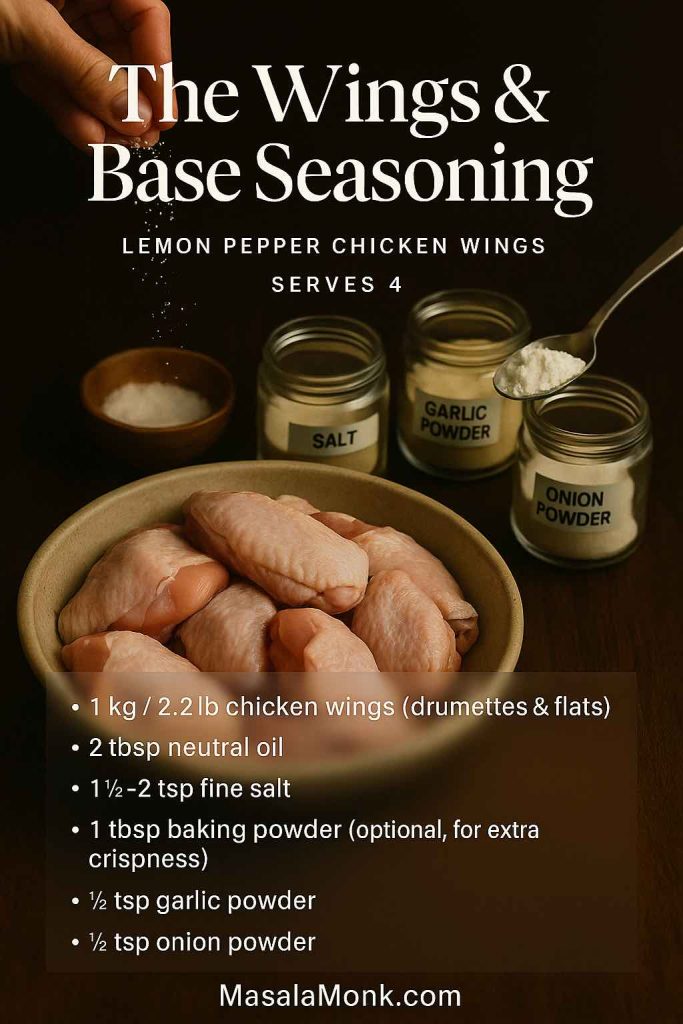
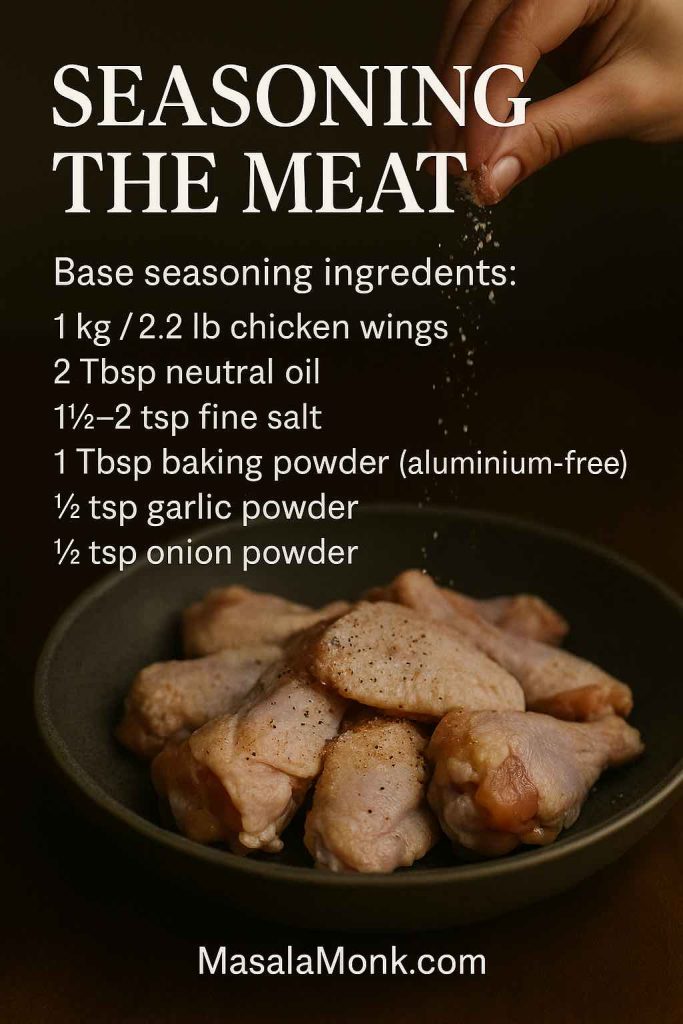
For roughly 4 servings (or fewer, if everyone is wing-obsessed), you’ll want:

  • 1 kg / 2.2 lb chicken wings, split into drumettes and flats, wing tips removed
  • 2 tablespoons neutral oil (such as avocado, sunflower, or canola)
  • 1½–2 teaspoons fine salt, adjusted according to your lemon pepper blend
  • 1 tablespoon baking powder (aluminium-free; optional but excellent for crispness)
  • ½ teaspoon garlic powder
  • ½ teaspoon onion powder

This base seasoning gives the wings a solid, savory foundation. If you’ve ever wondered why some baked or air-fried wings feel a bit flabby, it’s often because the skin never really dries out or because there isn’t enough salt on the meat itself.

Recipe card style image showing raw chicken wings in a bowl with jars of salt, garlic powder and onion powder, plus text listing the base seasoning ingredients for lemon pepper chicken wings.
Everything that goes into the base rub for these wings: chicken, neutral oil, salt, baking powder and a mix of garlic and onion powder to build that savory crunch before the lemon pepper even hits.

The baking powder is a small but powerful addition. Tests on crispy poultry have shown that an alkaline coating encourages browning and crunch, which is why this trick shows up again and again in recipes for crispy baked wings and roasted chicken skin.

If you’d rather skip it, you absolutely can; just make a point of drying the wings very thoroughly and not overcrowding them during cooking.

Also Read: Simple Bloody Mary Recipe – Classic, Bloody Maria, Virgin & More


Homemade Lemon Pepper Seasoning

There are many store-bought lemon pepper seasonings available, and some are genuinely tasty. However, they also vary hugely in saltiness and lemon intensity, and quite a few are mostly salt with a faint citrus scent.

Making your own gives you control. You can keep it bright, adjust the salt, and even decide how fine or coarse the pepper should be.

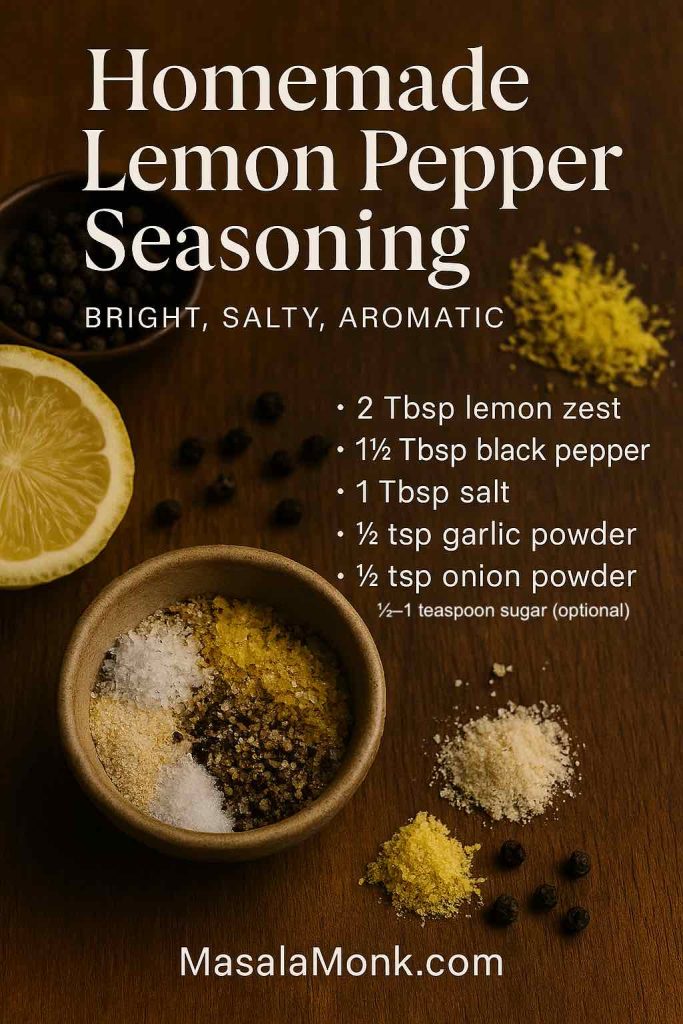
For a small jar:

  • 2 tablespoons finely grated lemon zest (preferably from unwaxed lemons)
  • 1½ tablespoons freshly cracked black pepper
  • 1 tablespoon flaky or coarse salt
  • ½ teaspoon garlic powder
  • ½ teaspoon onion powder
  • ½–1 teaspoon sugar (optional, but it rounds off any bitterness and helps browning)
Portrait recipe card showing a small bowl of homemade lemon pepper seasoning with visible lemon zest, black pepper and salt on a wooden surface, surrounded by peppercorns and lemon, plus text listing the seasoning ingredients.
A small batch of homemade lemon pepper seasoning—lemon zest, cracked black pepper, salt, garlic and onion powder—so you can control exactly how bright, salty and peppery your wings taste.

To prepare it:

  1. Spread the lemon zest in a thin layer on a plate or small tray.
  2. Let it air-dry for a few hours, or place it in a very low oven until it’s no longer wet to the touch.
  3. Combine the dried zest with the pepper, salt, and other seasonings, then stir thoroughly.
  4. Store in an airtight jar away from direct heat and light.

If you’d like reassurance on the proportions or want another perspective, you can glance at a similar homemade lemon pepper seasoning recipe that uses dried lemon zest, black pepper, and salt as its backbone.

For each kilo of wings, plan on 1½–2 tablespoons of this seasoning, plus more at the table for anyone who likes an extra sprinkle.

Also Read: Air Fryer Hard-Boiled Eggs (No Water, Easy Peel Recipe)


Lemon Pepper “Wet” Sauce

Some people love their lemon pepper chicken wings dry and crisp, with the seasoning clinging directly to the skin. Others adore the “wet” style: glossy, buttery, and intensely lemony.

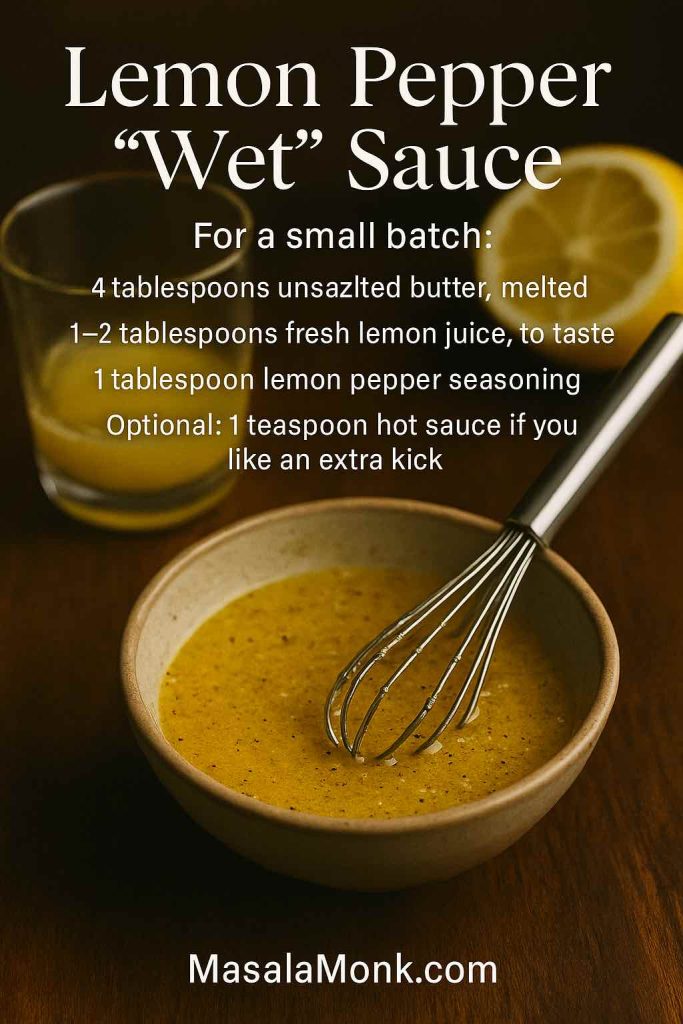
For a small batch of wet sauce:

  • 4 tablespoons unsalted butter, melted
  • 1–2 tablespoons fresh lemon juice, to taste
  • 1 tablespoon lemon pepper seasoning
  • Optional: 1 teaspoon hot sauce if you like an extra kick
Portrait recipe card showing a bowl of lemon pepper wet sauce with a whisk, plus text listing melted butter, fresh lemon juice, lemon pepper seasoning and optional hot sauce for coating lemon pepper chicken wings.
This quick lemon pepper “wet” sauce—melted butter whisked with lemon juice, seasoning and a touch of heat—turns crisp wings into the glossy, intensely lemony style you’d usually only get from a good wing joint.

Whisk it all together until smooth. Taste and adjust the lemon, salt, and heat. If it feels too sharp, a pinch more butter or a drop of honey will smooth things out. If it tastes flat, a bit more lemon juice or seasoning will wake it up.

You’ll toss fresh-cooked wings in this sauce to make them “lemon pepper wet”.

Also Read: Tres Leches – Mexican 3 Milk Cake Recipe


Optional Extras

Depending on your mood, you can also have these on standby:

  • Extra fresh lemon wedges for squeezing
  • A little more freshly cracked black pepper at the table
  • Honey for quick honey lemon pepper wings
  • Cayenne pepper or chili flakes for a spicier batch
  • Ranch dressing or yogurt-based sauces for dipping

Now that everything’s assembled, it’s time to get the wings ready to cook.


Prepping the Wings Properly

Spending ten minutes on prep makes a huge difference later. Instead of jumping straight into cooking, take a moment to set the wings up for success.

Portrait image showing hands cutting raw chicken wings on a wooden board into drumettes, flats and tips, with text overlay titled Trimming and Splitting.
Start strong by trimming and splitting each wing into a drumette, a flat and a tip so everything cooks evenly and is easy to eat.

Trimming and Splitting

If your wings aren’t already separated, start by cutting each whole wing into:

  • The drumette (the meaty piece that looks like a tiny drumstick)
  • The flat (the two-boned middle section)
  • The tip (which you can save for stock if you like)

Sharp kitchen shears work well; a small chef’s knife is also fine. Once you’ve separated them, discard any stray feathers or bits of skin.

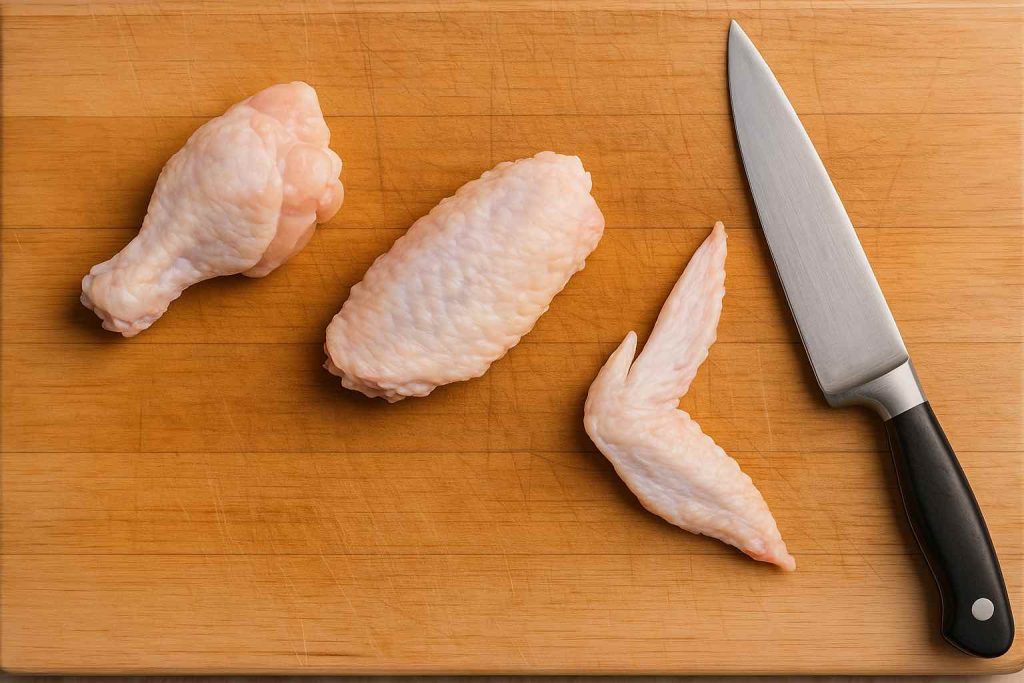
Picture of Chicken Wings separated into 3 parts - the drumette, the flat and the Tip.
This is how the wing would look like after proper cutting – Chicken Wings separated into 3 parts – the Drumette, the Flat and the Tip.

Drying the Skin

Next, lay the pieces out on a tray or large plate lined with paper towels. Pat every side dry. Flip them and pat again. It may feel a little tedious, but this step is one of the keys to crisp wings later, especially in the oven or air fryer.

If you’re planning ahead, you can put the tray of dried wings into the fridge, uncovered, for an hour or two. The circulating air helps dry the skin even further. Some cooks even leave them overnight.

Portrait image of chicken wings on a plate lined with paper towels while a hand pats them dry, with text overlay titled Drying the Skin.
Patting the wings bone-dry with paper towels is the small prep step that pays off later in ultra-crispy skin.

Seasoning the Meat

Once the wings are dry, slide them into a big bowl. Sprinkle over base seasoning or:

  • The oil
  • Salt
  • Baking powder
  • Garlic powder
  • Onion powder

Using your hands or a spatula, toss everything until the wings are evenly coated. Make sure the baking powder doesn’t clump; it should be completely mixed into the other seasonings.

At this stage you can cook right away, or you can let the wings sit in the fridge for about half an hour to absorb the salt and spices. That short rest is a kind of mini dry brine; it helps season the meat all the way through and encourages a beautiful, even color on the skin.

Portrait image showing a hand sprinkling seasoning over raw chicken drumettes on a plate, with text overlay titled Seasoning the Meat.
A generous, even coating of salt and spices or use the base seasoning we create earlier in the post – on the wings sets up deep flavor before the lemon pepper ever goes on.

Notice that we still haven’t added the lemon pepper seasoning. That comes later, once the wings are cooked and still hot. Adding it at the end protects the lemon zest from burning and keeps the flavor bright.

Also Read: Peanut Butter Cookies (Classic Recipe & 3 Variations)


Base Method: From Raw Wings to Golden and Ready

Although the details differ from method to method, the basic flow is always the same:

  1. Prep and season the wings
  2. Cook using air fryer, oven, or oil
  3. Toss hot wings in lemon pepper seasoning and/or wet sauce
  4. Check internal temperature
  5. Serve and enjoy

With that structure in mind, you can choose the cooking approach that fits your kitchen and mood.


Air Fryer Lemon Pepper Chicken Wings

If you own an air fryer, this is likely to become your favorite method. It’s fast, fairly clean, and makes crisp wings with very little oil.

Preheating and Setup

Begin by preheating your air fryer to 190–200°C / 375–400°F. Preheating ensures the wings start crisping immediately, rather than steaming while the machine warms up.

While it heats, lightly oil the basket if things tend to stick, and double-check that the air vents are clear. Basic air fryer safety guidelines, such as keeping the unit on a heat-resistant surface and avoiding obstructed vents, help everything cook evenly and safely.

Portrait image of an air fryer with a hand adjusting the dial while seasoned chicken wings sit in the basket in a single layer, with text overlay about preheating to 190–200°C and arranging the wings properly.
Preheat the air fryer fully, then slide in the wings in a single, uncrowded layer so the hot air can crisp every side instead of steaming them.

Arranging the Wings

Place the seasoned wings into the basket in a single layer. It’s okay if they’re a little close, but try to avoid stacking them. Air fryers crisp food by blasting it with hot moving air; when air can’t circulate, you get pale, soft spots instead of even browning. Overcrowding is one of the most common reasons for disappointing results.

If you have more wings than comfortably fit in one layer, plan on cooking them in batches rather than forcing everything in at once.

Cooking Time and Turning

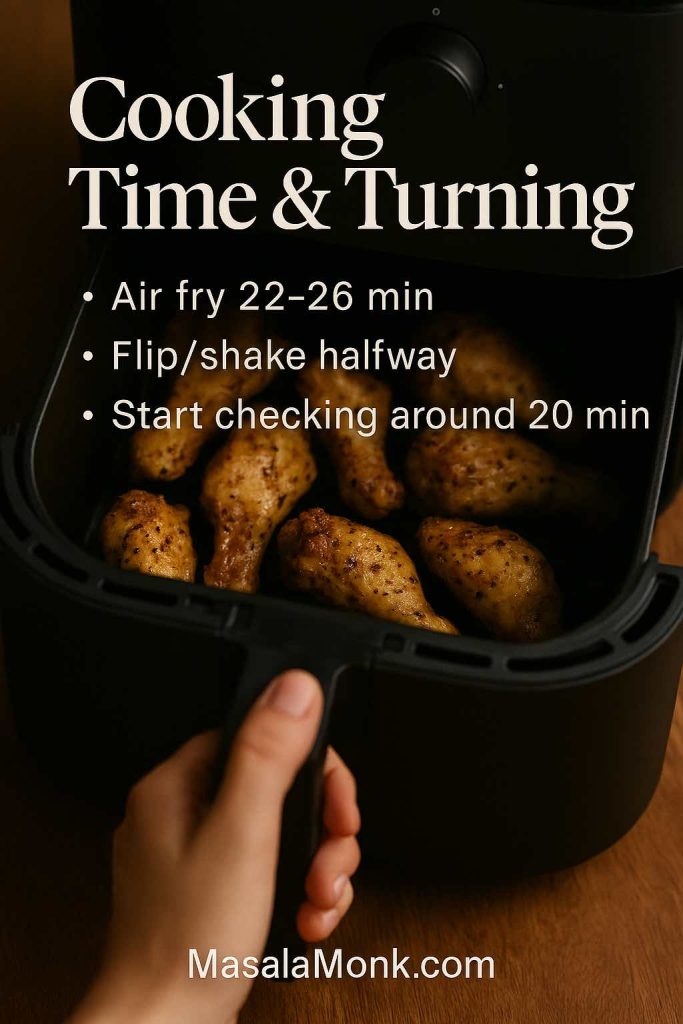
Slide the basket in and air fry the wings for about 22–26 minutes, flipping or shaking them halfway through. The exact time depends on:

  • The size of your wings
  • Your specific air fryer model
  • How packed the basket is
Portrait image of an air fryer basket filled with golden lemon pepper chicken wings being pulled out by hand, with overlay text listing cooking time, flipping halfway and checking doneness around 20 minutes.
Once the basket is loaded, let the wings go for 22–26 minutes, giving them a shake halfway through so every side gets blasted with hot air instead of sitting in one spot.

Around the 20-minute mark, start checking their color and texture. The skin should look golden to deep brown and feel firm when you tap it with tongs.

Seasoning While Hot

As soon as the wings are cooked, transfer them to a clean bowl while they’re still sizzling. Sprinkle over 1½–2 tablespoons lemon pepper seasoning and toss until every piece looks speckled with zest and pepper.

If you’re going for air-fried lemon pepper wet wings, drizzle in some of the butter–lemon sauce and toss again. The residual heat helps the flavors sink in and the butter cling without separating.

Portrait image of hot lemon pepper chicken wings in a bowl while a hand sprinkles seasoning over them, showing how to toss the wings with lemon pepper while they are still sizzling.
As soon as the wings come out of the air fryer or oven, shower them with lemon pepper and toss while they’re still sizzling so the zest, pepper and butter lock onto every piece.

Pile the wings onto a platter, garnish with fresh lemon wedges for squeezing, and bring them straight to the table.

Also Read: Homemade Hot Chocolate with Cocoa Powder Recipe


Oven-Baked Lemon Pepper Chicken Wings

When you’re feeding more than a couple of people, the oven suddenly becomes your best friend. A single large tray can handle a mountain of wings at once.

Preheating the Oven

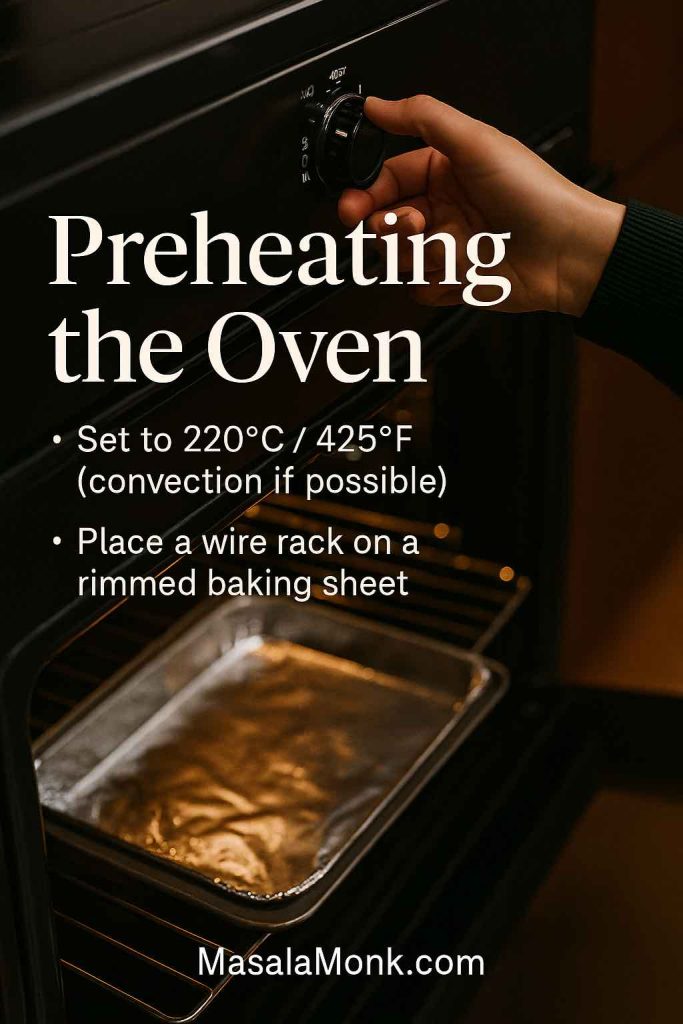
Set your oven to 220°C / 425°F. If it has a convection (fan) option, switch it on; that extra air movement mimics the air fryer effect and encourages crisp skin.

Portrait image of a hand turning the oven dial to 220°C / 425°F with the door open, showing a foil-lined baking sheet and wire rack inside, with text overlay titled Preheating the Oven.
Crank the oven up to 220°C / 425°F and drop a rack over a lined tray before you even think about the wings—high heat and airflow are what turn seasoned chicken into proper oven-crisp lemon pepper wings.

Place a wire rack on a rimmed baking sheet and line the sheet with foil or parchment for easier cleanup. The rack keeps wings elevated, allowing hot air to circulate underneath, which is especially helpful when the sheet is crowded.

Arranging and Baking

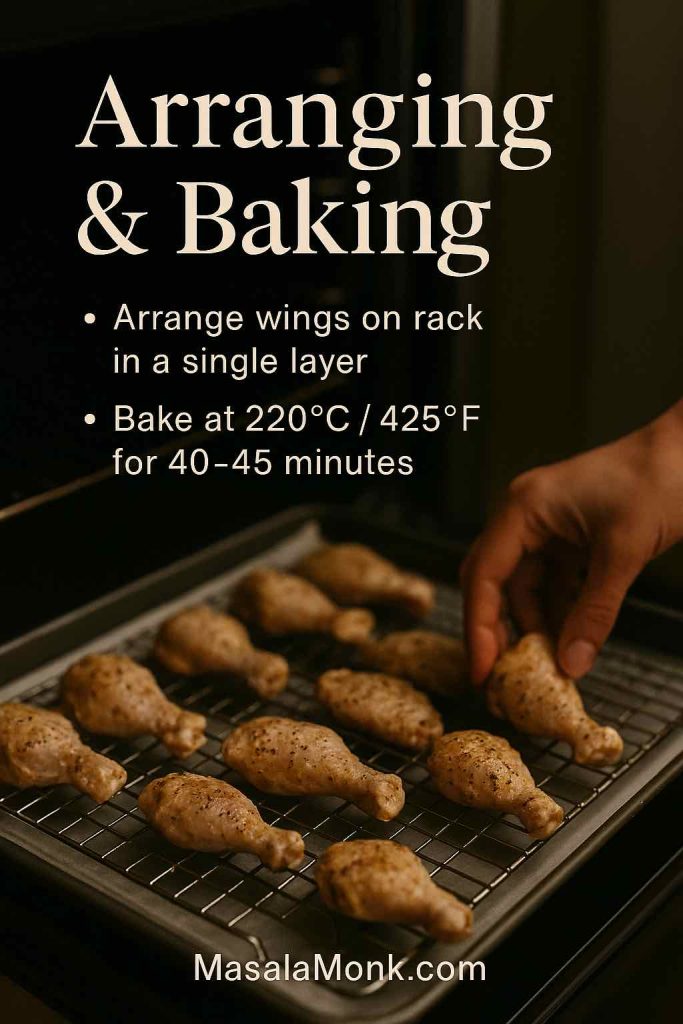
Spread the seasoned wings out in a single layer on the rack. Avoid stacking them; if necessary, use two trays and swap their positions halfway through baking.

Slide the tray into the hot oven and bake for 40–45 minutes, turning the wings once in the middle of the cooking time. As they roast, the skin will gradually tighten and brown, and the fat will drip down onto the tray.

Portrait image of raw seasoned chicken wings laid in a single layer on a wire rack set over a baking sheet, being slid toward the oven, with text overlay titled Arranging & Baking.
Spread the wings out on a rack in one even layer and let the oven do its thing for 40–45 minutes—no stacking, no crowding, just steady heat working on every side.

If, towards the end, they look well-cooked but not quite crisp enough for your taste, you can switch on the broiler for the last 2–3 minutes. Watch carefully at this stage; the lemon and pepper can go from perfect to scorched very quickly under direct heat.

Tossing in Lemon Pepper

Once they’re sizzling and golden, transfer the wings to a mixing bowl. Immediately dust them with lemon pepper seasoning and toss gently but thoroughly. If you’d like some of them wetter, move half to another bowl and toss those in your butter–lemon sauce.

Portrait image of freshly baked chicken wings in a metal mixing bowl being tossed with lemon pepper seasoning using a wooden spoon, with text overlay titled Tossing in Lemon Pepper.
As soon as the tray comes out, scrape the hot wings into a bowl and toss them in lemon pepper so the citrus, salt and cracked pepper cling to the crust while it’s still sizzling.

The baked method gives you lemon pepper chicken wings with a little less hands-on time than frying, plenty of crunch, and the satisfaction of pulling a huge, steaming tray from the oven.

Also Read: Watermelon Daiquiri: A Refreshing Twist on a Classic Cocktail


Fried Lemon Pepper Chicken Wings

There’s something undeniably satisfying about fried wings. The oil helps create that deeply blistered, crunchy skin that many people associate with their favorite wing spots.

Heating the Oil

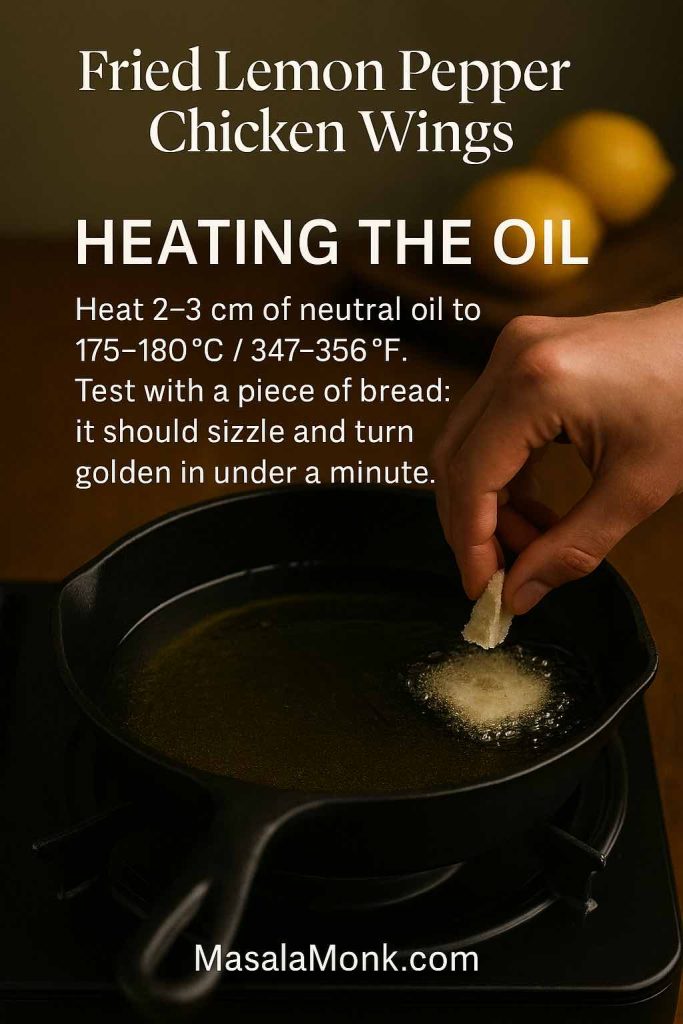
Choose a wide, heavy pan—a deep skillet or Dutch oven works well—and pour in 2–3 cm of neutral oil. Heat it to 175–180°C / 347–356°F. If you don’t have a thermometer, you can use the old bread test: a small piece of bread should sizzle and turn golden in under a minute.

Portrait image of a cast iron skillet filled with hot oil on the stove, with a hand dipping a small piece of bread in to test the temperature, and text overlay titled Heating the Oil for fried lemon pepper wings.
Heat a shallow pool of neutral oil until a scrap of bread sizzles and turns golden in under a minute—that’s the sweet spot for blistered, crunchy fried lemon pepper wings.

Keep the handle turned inward and the pan on a stable burner. Having a splatter guard or lid nearby is handy, just in case.

Frying in Batches

Lower the wings into the oil carefully, placing them away from you to minimize splashes. Fry only as many as fit comfortably in a single layer; crowding cools the oil and leads to greasy, unevenly cooked wings.

Let them sizzle for 10–12 minutes, turning occasionally so they brown on all sides. Heavier wings may need a little longer. The skin should be deeply golden and crisp, and the meat cooked through.

Portrait image of chicken wings frying in hot oil in a skillet while a pair of tongs lifts a golden drumette above the surface, with text overlay titled Frying in Batches.
Work in small batches so each wing has room to move in the oil, turning them until every side is deep golden and crisp instead of greasy and uneven.

Check the internal temperature of a few wings with an instant-read thermometer; it should read at least 165°F / 74°C, matching the recommended safe minimum temperature for chicken.

Transfer cooked wings to a wire rack set over a tray or to paper towels to drain.

Seasoning Straight from the Oil

While the wings are still hot and glistening, move them into a bowl and shower them with lemon pepper seasoning. Any residual oil on the surface helps the spices cling and bloom. For a truly indulgent batch, pour in some of the buttery lemon mixture too and toss until everything looks shiny.

Portrait image of a plate piled with fried chicken wings while a hand sprinkles lemon pepper seasoning over them, with lemon wedges on the table and text overlay titled Fried Lemon Pepper Chicken Wings – Seasoning Straight from the Oil.
As soon as the wings leave the oil, hit them with lemon pepper so the hot, glistening crust grabs every speck of citrus, salt and black pepper.

If you’re cooking several rounds of fried wings, you can hold finished ones in a low oven (around 140°C / 285°F) for a short time. Just remember the usual game-day safety guidance: cooked foods shouldn’t sit in the “danger zone” between cold and hot for extended periods.

Also Read: Authentic Butter Chicken Recipe (Murgh Makhani) Creamy and Flavorful


Lemon Pepper Chicken Wings Variations

Once you’ve done a straightforward batch, it’s hard to resist playing. Fortunately, the base lemon pepper chicken wings recipe is like a blank canvas that welcomes small tweaks.

Honey Lemon Pepper Chicken Wings

To turn a portion into honey lemon pepper wings:

  1. Stir 2–3 tablespoons honey into your melted butter–lemon sauce.
  2. Toss a batch of hot wings in this mixture until they’re evenly coated and shining.
  3. Taste one and adjust with another splash of lemon juice or a pinch of salt if needed.
Portrait image of honey lemon pepper chicken wings piled on a plate, glistening with a sticky honey–lemon glaze, with text overlay explaining to stir honey into warm lemon-butter sauce and toss the hot wings.
Honey lemon pepper wings take the same crispy base and wrap it in a glossy honey–lemon glaze that softens the sharp edges and makes every bite a little bit sticky, sweet and impossible to stop at one.

The honey softens the sharp edges of the lemon and pepper, so this variation is especially popular with people who like a gentler, slightly sweet wing.


Spicy Lemon Pepper Chicken Wings

If your crowd enjoys a bit more heat, you can make spicy lemon pepper wings by layering in a few extra flavors.

For the dry rub, add:

  • ½–1 teaspoon cayenne pepper, chili powder, or a mix of your favorite hot spices

For the finishing sauce, consider:

  • A spoonful of hot sauce
  • Extra cracked black pepper on top
Portrait image of spicy lemon pepper chicken wings on a plate, coated in a fiery three-pepper glaze with visible chili flakes and black pepper, with text overlay explaining to add cayenne to the rub and hot sauce to lemon-butter before tossing the wings.
Spicy lemon pepper wings layer heat from black pepper, cayenne and hot sauce over that same bright citrus base, so you get proper three-pepper fire without losing the lemony punch.

The idea is to pull heat from three places: the black pepper, the cayenne or chili, and the hot sauce. That way, you get a “three-pepper” style intensity without losing the citrusy brightness that makes lemon pepper wings so distinctive.

Also Read: Kali Mirch Paneer | Black Pepper Paneer- Kid Friendly Recipe


Lemon Pepper Ranch Chicken Wings

When you want to lean toward creamy, herby flavors without giving up the lemon-pepper backbone, ranch steps in.

There are a couple of simple routes:

  1. Lemon Pepper Ranch Dip
    Stir some lemon pepper seasoning into a bowl of thick ranch. Use it as a dip for classic lemon pepper wings, vegetable sticks, and maybe some potato wedges.
  2. Ranch-Coated Lemon Pepper Wings
    Thin ranch with a bit of lemon juice until it’s just pourable. Toss freshly cooked, lightly lemon-peppered wings in a small amount of this dressing so they get a light ranch glaze.
Portrait image of lemon pepper ranch chicken wings on a rustic plate, drizzled with creamy ranch, with a bowl of herby ranch dip and lemon wedges in the background, plus text overlay explaining how to make lemon pepper ranch dip or a light ranch glaze for the wings.
Lemon pepper ranch wings take the same crisp, citrusy base and finish it with cool, herby ranch—either as a thick dip on the side or a light glaze over the hot wings.

Either way, you keep the zing of lemon and the bite of black pepper, while adding the familiar tang and herbs of ranch.


Extra Twists to Try

As you get comfortable, you might experiment with:

  • Garlic Lemon Pepper Wings – Add minced garlic to the butter sauce or increase the garlic powder in the base rub.
  • Smoky Lemon Pepper Wings – Add a little smoked paprika or chipotle powder to the seasoning mix.
  • Herby Lemon Pepper Wings – Finish with chopped parsley or thyme for fresh, green notes.

Small changes can dramatically shift the personality of your wings without requiring a completely new recipe.


Dips, Sides, and Extras for Wing Night

A platter of lemon pepper chicken wings is already a good time, yet pairing them with a few well-chosen sides turns everything into a proper event. You don’t need to go overboard; two or three complementary dishes go a long way.

Portrait image of a wing night spread with lemon pepper chicken wings in the center, surrounded by fries, creamy dip, jalapeño poppers and churros on a dark wooden table, with text overlay asking what to serve with lemon pepper wings and suggesting dips, potatoes, comfort sides and something sweet.
Turn a simple tray of lemon pepper wings into a full wing night by adding a creamy dip, a hot potato side, a cheesy bite like jalapeño poppers and an easy dessert to finish.

Cool and Creamy Dips

First, let’s talk dips. Wings love anything creamy or tangy that cools the palate.

A versatile approach is to offer more than one option:

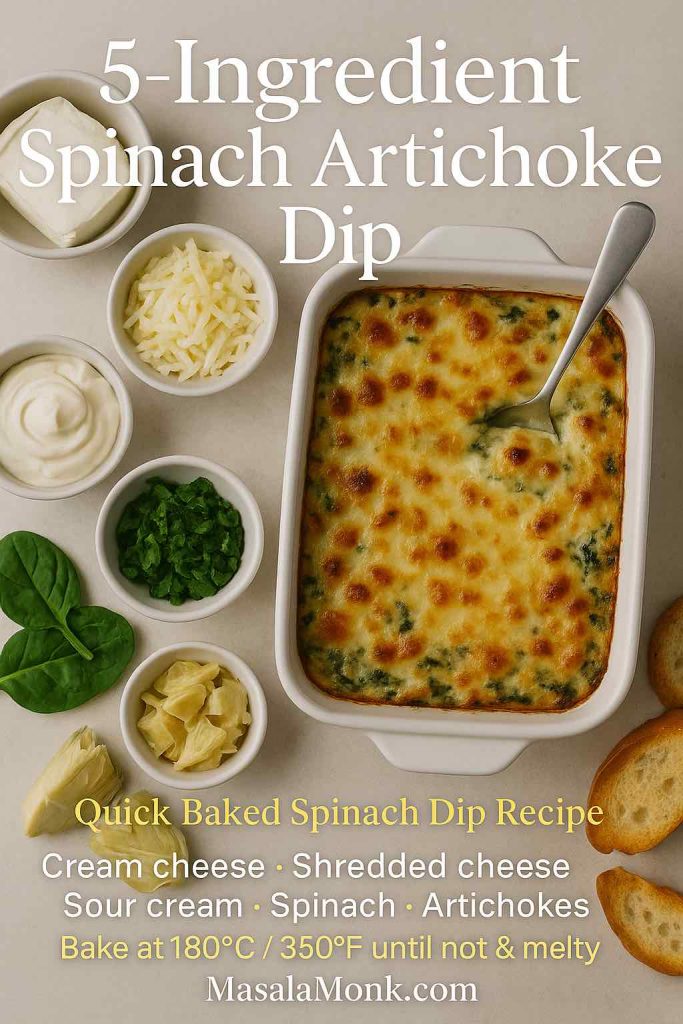
  • A selection pulled from spinach dip recipes gives you both cold and hot spinach-based dips, including a classic spinach-artichoke style that is fantastic with salty, zesty chicken.
  • When the wings are bright and peppery, a chilled bowl of yogurt, cucumber, lemon, and garlic based on a Greek tzatziki sauce recipe brings a cooling, refreshing contrast and feels lighter than a traditional ranch.

You can also keep a simple blue cheese dip or herbed mayonnaise around, especially if you’re making a spicy batch.


All the Potato Things

Next come the potatoes, because wings and potatoes are a classic duo.

For a straightforward side that always disappears, a big tray of crispy homemade French fries does the job. You can season them simply with salt or play around with variations: garlic-parmesan, chili, or even a light dusting of lemon pepper to echo the wings.

If you feel like branching out, take a look at 10 easy potato appetizers. There you’ll find ideas like smashed potatoes, loaded bites, and other crispy snacks that sit happily beside a wing platter and give people something else to nibble between drumettes.


Comfort Sides That Make It a Meal

Sometimes you want the wings to feel like the centerpiece of a hearty dinner rather than just snacks. In that case, adding one or two warm, substantial dishes helps.

A bubbling pan of macaroni and cheese brings creamy comfort to the table. Next to lemon pepper chicken wings, the rich cheese sauce and soft pasta respond beautifully to the tangy, crisp chicken.

For an additional spicy, creamy bite, baked jalapeño poppers fit right in. They have their own crunch and heat, yet they don’t duplicate the exact flavors of the wings, which keeps the spread interesting.

And if you want a sweet finish without getting too formal, you might end with churros. Using the method from how to make churros, you can fry or bake ridged sticks of dough, roll them in cinnamon sugar, and serve them with chocolate or caramel sauce. They feel playful and shareable, which matches the whole mood of wing night.


Drinks That Pair with Lemon Pepper Chicken Wings

Although you can absolutely just set out a cooler of cold drinks and call it a day, matching your beverages to lemon pepper wings is surprisingly fun.

Because lemon is already a star here, citrusy drinks are natural partners. A chilled lemon drop martini style drink echoes the lemon while bringing a sweet-tart edge that works nicely with salty, peppery chicken. You can make a non-alcoholic version using lemon juice, simple syrup, and sparkling water served in glasses with sugared rims.

During cooler months, you might also lean into autumnal flavors by offering a pumpkin-spice-flavored latte or dessert built from your own spice blend, especially if you already have the oven and stove busy with wings and sides.


Storing and Reheating Lemon Pepper Chicken Wings

With a big batch, you’ll often have a few wings left over. Stored and reheated properly, they make an easy next-day lunch or snack that’s almost as good as the original round.

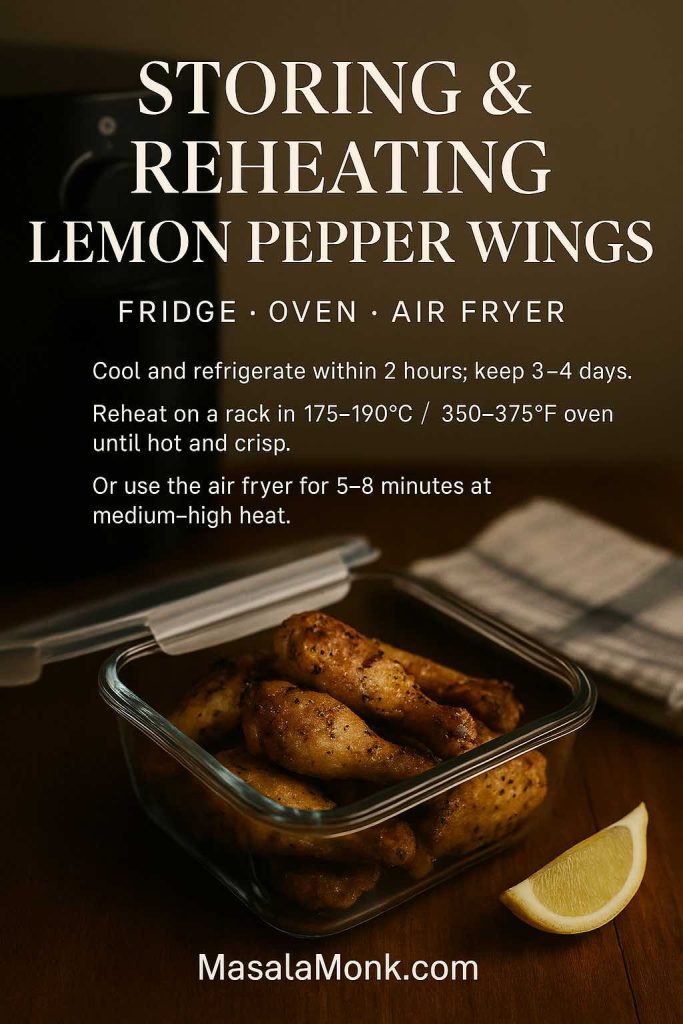
Portrait image showing cooked lemon pepper chicken wings in a glass container beside an air fryer, with text overlay explaining how to store them in the fridge and reheat in the oven or air fryer to keep the skin crispy.
Once wing night is over, cool the leftovers, tuck them into the fridge and bring them back to life in the oven or air fryer so the skin crisps up again instead of going limp.

Storing Safely

After everyone has eaten, let the wings cool down briefly, then transfer them into an airtight container. Try to get them into the refrigerator within two hours of cooking. Game-day food safety advice consistently emphasizes this 2-hour window for hot foods like wings, to avoid letting them sit in the temperature range where bacteria grow fastest.

In the fridge, cooked wings will usually keep well for 3–4 days.

Reheating in the Oven

For a fairly large batch or whenever you want the most uniform results, the oven is a good choice:

  1. Bring the wings out of the fridge while the oven preheats to 175–190°C / 350–375°F.
  2. Arrange them on a wire rack set over a baking sheet.
  3. Warm them for 8–12 minutes, turning once if necessary, until they’re hot, the skin has re-crisped, and a thermometer reads at least 165°F / 74°C in the thickest part.

Comparisons of reheating methods often find that the oven returns the best combination of juicy meat and crisp skin, while the microwave tends to make the coating soft.

Reheating in the Air Fryer

If you only have a handful of wings to reheat, the air fryer shines:

  1. Preheat to about 175–180°C / 350–360°F.
  2. Place the wings in a single layer in the basket.
  3. Heat for 5–8 minutes, shaking once, until they’re sizzling again and the skin feels crisp.

The air fryer works quickly and restores a nice crunch without needing much effort. Guides on reheating wings in an air fryer recommend similar temperatures and timings, with the same target internal temperature for safety.

Once more, the microwave is best kept as a last resort. It will heat the meat, but it tends to steam the skin, undoing all your crisping work.

Also Read: French Toast Sticks (Air Fryer + Oven Recipe) — Crispy Outside, Custardy Inside


Using Leftover Lemon Pepper Chicken Wings in New Ways

Interestingly, leftover lemon pepper chicken wings don’t have to stay wings. If you strip the meat from the bones, you suddenly have a bowl of tender, lemony chicken that’s perfect for other dishes.

For instance, you can:

  • Toss the meat with a little mayonnaise or yogurt, chopped celery, and herbs for a quick lemon pepper chicken salad.
  • Sprinkle it over greens with cherry tomatoes, cucumbers, and a light vinaigrette for an easy lunch.
  • Layer it into sandwiches or sliders, using ideas from chicken sandwich recipes—anything from Buffalo to BBQ styles can overlap nicely with the lemon pepper flavor, especially if you add cheese, lettuce, and pickles.

In this way, one batch of wings can stretch into multiple meals without feeling repetitive.


Bringing It All Together

By now you’ve seen that making excellent lemon pepper chicken wings at home isn’t complicated; it’s just a series of small, thoughtful steps:

  • Drying and seasoning the wings so they’re flavorful before they ever hit the heat
  • Choosing the cooking method that matches your gear and your crowd
  • Finishing with a fresh, lively lemon pepper seasoning and, if you’re in the mood, a buttery wet sauce
  • Adding simple variations—honey, spice, ranch—to keep things interesting
  • Surrounding the wings with dips, potatoes, and a few extras to turn them into a full occasion
  • Handling leftovers in a way that keeps them both safe and delicious

Whether you’re planning a game-night spread, a relaxed weekend dinner, or just a kitchen experiment on a random afternoon, this approach lets you take a humble pack of wings and transform it into something everyone reaches for.

Next time you see a pile of wings at the shop, you’ll know exactly what to do: grab a couple of lemons, check your pepper grinder, and give yourself permission to fill your kitchen with the smell of hot, crackling, lemon pepper chicken wings.

FAQs about Lemon Pepper Chicken Wings

1. What are the ingredients for lemon pepper chicken wings?

For classic lemon pepper chicken wings, you usually need chicken wings, oil, salt, black pepper, lemon zest or lemon pepper seasoning, and a few simple pantry spices. Typically, the ingredients for lemon pepper chicken include wings, garlic powder, onion powder, a small amount of baking powder for crispiness, and either a homemade or store-bought lemon pepper blend. For saucy versions, you simply add butter and a splash of lemon juice to turn the dry rub into a glossy coating.

2. How do I make lemon pepper chicken wings crispy?

Firstly, pat the wings very dry with paper towels before you season them. Then, toss them with a little oil, salt, and a light dusting of baking powder along with your spices. After that, cook the lemon pepper wings in a hot oven or air fryer without crowding the tray or basket, so the skin has room to dry and blister. Finally, toss them in lemon pepper once they’re cooked and still hot; this way, you get crisp skin plus a fresh coating of seasoning instead of burnt lemon.

3. Can I cook lemon pepper chicken wings in the air fryer?

Absolutely, air fryer lemon pepper wings are one of the easiest options. First, preheat your air fryer so the wings start cooking in hot air right away. Next, arrange the wings in a single layer and cook them until the skin is golden and crisp, flipping once. Afterward, toss the hot wings in lemon pepper seasoning or a butter-lemon sauce to finish. Because the air fryer circulates hot air around each piece, air fryer chicken wings lemon pepper usually turn out very crispy with minimal oil.

4. How do I bake lemon pepper wings in the oven?

To make baked lemon pepper wings, start by preheating the oven to a high temperature, usually around 220°C / 425°F. Place the seasoned wings on a rack set over a baking sheet so air can circulate underneath. Then bake until the wings are brown and crisp, turning once halfway. Right after they come out of the oven, toss them in lemon pepper seasoning or melted butter with lemon and pepper, and you’ll have oven baked lemon pepper chicken with a satisfying crunch and bright flavor.

5. Can I use frozen wings for lemon pepper chicken wings?

Yes, you can, although the process changes slightly. Ideally, you thaw frozen wings in the fridge overnight so you can dry and season them properly. If you must cook from frozen, you can start them plain in the oven or air fryer until they’re mostly cooked, then drain off any excess moisture, pat them as dry as you can, and season them before finishing. This method works, but thawed wings still give the crispiest lemon pepper chicken wings.

6. What is the best way to make lemon pepper wet wings?

For lemon pepper wet wings, you cook the wings until the skin is crisp, then toss them in a butter-based sauce. Typically, the sauce includes melted butter, lemon juice, and lemon pepper seasoning; sometimes a little garlic or hot sauce goes in as well. Once the wings are done, you immediately coat them in this mixture, creating shiny, saucy lemon pepper wings that still have a bit of crunch underneath the glaze.

7. How can I make honey lemon pepper wings?

To create honey lemon pepper wings, you start with regular lemon pepper chicken wings and simply sweeten the finishing sauce. Melt butter, stir in lemon juice, lemon pepper seasoning, and then add honey until the balance of sweet and tangy feels right. When the wings are finished cooking, toss them in this honey-lemon mixture. As a result, you get sticky, glossy honey lemon pepper wings that keep the citrus and pepper bite but add a gentle caramel sweetness.

8. Are lemon pepper chicken wings spicy?

On their own, most lemon pepper chicken wings are more tangy and peppery than truly spicy. Black pepper brings a mild heat and a floral bite, while the lemon makes everything feel bright. If you enjoy spice, you can turn them into spicy lemon pepper wings by adding cayenne, chili flakes, or hot sauce to the dry rub or finishing butter. Conversely, if you prefer a milder flavor, you can reduce the pepper and let the lemon and garlic stand out more.

9. Can I make salt and pepper chicken wings using the same method?

Yes, the same base technique works beautifully for salt and pepper chicken wings. Instead of finishing with lemon pepper, you season the wings with salt, black pepper, and sometimes garlic, spring onions, or chopped chilies after cooking. In other words, you follow the same steps for drying, seasoning, and crisping the wings, then swap the lemon for extra aromatics. This way, you can easily make both salt and pepper chicken and lemon pepper chicken in one session.

10. What are the ingredients for lemon pepper chicken breast or boneless lemon pepper wings?

The ingredients for lemon pepper chicken breast are almost identical to those for wings. You need chicken breast or boneless pieces, oil, salt, garlic powder, onion powder, and lemon pepper seasoning, plus optional butter and lemon juice for a sauce. For boneless lemon pepper wings, you cut boneless chicken into chunks or strips, coat them lightly, cook them until golden, and then toss them in lemon pepper seasoning or a lemon-butter sauce. Essentially, you’re using the same flavors, just on boneless pieces instead of whole wings.

11. How long should I marinate or season lemon pepper chicken wings?

Interestingly, you don’t have to marinate lemon pepper chicken wings for hours to get good flavor. Usually, it’s enough to season the wings with salt, spices, and oil, then let them rest in the fridge for 30–60 minutes. That short rest works like a dry brine and helps the meat absorb the salt. Later, you finish with lemon pepper seasoning or a wet sauce after cooking, which keeps the lemon taste bright. If you want to marinate longer, you can, but it’s better to keep strong acids like lemon juice for the end so they don’t toughen the meat.

12. How do I keep lemon pepper wings from drying out?

To keep lemon pepper wings juicy, start by not overcooking them. Use a thermometer and aim for an internal temperature of 165°F / 74°C, then pull them from the heat. Additionally, try not to trim away too much skin or fat, because those help keep the meat moist while it crisps. Finally, avoid long, harsh marinating in pure lemon juice; instead, add most of the acid at the end in a sauce or final seasoning so you get flavor without dryness.

13. Can lemon pepper chicken wings be made gluten-free or dairy-free?

In many cases, lemon pepper chicken wings are naturally gluten-free if you avoid flour or breadcrumb coatings and choose a gluten-free lemon pepper seasoning. If you’re sensitive, double-check that your baking powder and spices are labeled safe. For a dairy-free version, you simply skip the butter and use oil instead when you make the finishing sauce, or you stick to a dry lemon pepper rub. Consequently, you can still enjoy lemon pepper wings even with gluten-free or dairy-free needs.

14. Can I prepare lemon pepper chicken wings ahead of time?

Yes, preparing ahead is very practical. First, you can season the wings with the base spices and refrigerate them, uncovered or loosely covered, for a few hours or overnight; this helps the skin dry and the meat absorb salt. Then, you cook them close to serving time so they’re fresh and crisp. Alternatively, you can fully cook the lemon pepper chicken wings, chill them, and reheat them later in the oven or air fryer. As long as you cool and store them properly and heat them back to a safe temperature, they keep their flavor and much of their crunch.

15. How do I reheat lemon pepper wings so they stay crispy?

To reheat lemon pepper wings without losing texture, avoid the microwave whenever possible. Instead, use a hot oven or air fryer. In an oven, place the wings on a rack set over a baking sheet and warm them at a moderate temperature until they’re hot through and the skin re-crispens. When using an air fryer, reheat them in a single layer at a medium-high setting for a few minutes, shaking once. In short, dry, circulating heat restores crispiness far better than steaming or microwaving does.

16. Can I turn this recipe into black pepper chicken or black pepper chicken sauce?

You can absolutely borrow the same flavor base for black pepper chicken or a simple black pepper chicken sauce. Instead of focusing on lemon, you boost the pepper and add soy sauce, garlic, and maybe a little stock or water to create a glossy stir-fry sauce. Then you cook sliced chicken pieces and vegetables, such as onions and peppers, in that mixture. Although the result is different from lemon pepper chicken wings, it uses the same balance of savory, peppery heat and can be a nice way to enjoy similar flavors in a completely new dish.

Posted on 5 Comments

Crispy Homemade French Fries From Fresh Potatoes (Recipe Plus Variations)

Woman frying crispy homemade French fries in a pan on the stove, lifting golden fries from hot oil for a MasalaMonk recipe guide.

There’s a special kind of joy in biting into crispy homemade french fries that you made yourself. The outside is shatteringly crisp, the inside is fluffy and hot, and you can taste actual potato instead of just salt and grease. Once you learn how to do diy french fries at home, it becomes hard to go back to limp, lukewarm fast-food versions.

In this guide, we’ll walk through:

  • A straightforward french fries ingredients and procedure section you can follow every time
  • The best way to cook fries using a classic double-fry method
  • Easier options like oven fries at 425°F and air fryer frozen french fries
  • Fun variations: seasoned fries, garlic parmesan french fries, chili cheese french fries, truffle fries, and more
  • Smarter choices for healthy potato fries, from oil selection to veggie alternatives

The aim is simple: by the end, you’ll be able to make perfect french fries in several styles, whether you’re cooking for movie night, a party tray of loaded fries, or just a snack for one.

Also Read: Simple Bloody Mary Recipe – Classic, Bloody Maria, Virgin & More


Why Bother Making Crispy French Fries at Home?

At first glance, buying a bag of frozen fries or grabbing a portion from a takeaway seems easier. However, at home french fries come with a few big advantages.

To begin with, you control the ingredients. You choose the potatoes, the oil, and the salt level. You can keep things minimal for a simple fries recipe, or go wild with flavors like cajun french fries or cheese french fries. When you’re in charge, “quality fries” actually means something.

Moreover, you get to decide how indulgent you want your fries to be. Potatoes themselves are not villains. According to Potatoes USA’s nutrition overview, a medium potato has around 110 calories, zero fat, and offers vitamin C, potassium, and fiber when you keep some peel on. Deep frying adds fat and energy, of course, but with homemade fries, you can:

  • Use better oils
  • Fry at the right temperatures
  • Or choose oven fries potatoes and air fryer french fries most of the time

A typical restaurant portion of fries can be high in fat and sodium. Overviews like Verywell Fit’s french fries nutrition facts break down just how quickly calories add up when fries are cooked in old oil and then heavily salted. Making real potato fries at home lets you adjust all of that.

Finally, the flavor is simply better. Fresh potato fries have a clean, sweet, potato-forward taste that frozen fries rarely match. Once you’ve had real french fried potatoes straight from your own kitchen, it’s hard not to feel a tiny bit smug.

Also Read: Homemade Hot Chocolate with Cocoa Powder Recipe


Best Potatoes for Crispy Homemade French Fries

The heart of any good potato french fries recipe is, unsurprisingly, the potato. Not all varieties behave the same in hot oil or a hot oven, so it’s worth thinking about the type you buy.

Starchy vs “gold” potatoes

For classic crispy fries with fluffy interiors, starchy potatoes are ideal:

  • Russet / Idaho potatoes: High starch and low moisture. These are perfect for french fries from russet potatoes if you want that restaurant-style contrast between crisp outside and soft inside.
  • Yukon Gold and other yellow potatoes: Slightly waxier, with more moisture, but very creamy. These are excellent for gold potato fries or yukon gold french fries when you want a rich, buttery interior and deep golden exterior.

Side-by-side comparisons, like this piece on Russet vs Yukon Gold, point out that Russets crisp up more dramatically than yellows because of their starch and lower moisture, whereas Yukon Golds keep their shape and feel denser and creamier. That matches what you’ll see in your pan: Russets are your friend for the crispiest french fries, while golds are great when you lean toward golden potato french fries that feel more substantial.

In short:

  • For extra crispy french fries or skinny fries → choose Russet/Idaho.
  • For rich, slightly softer thick cut fries or steak fries → try Yukon Gold or another yellow potato.

You can mix them too, especially if you like serving a variety of textures on one platter.

Also Read: Mimosa Recipe: 10 Easy Versions from Classic to Caramel Apple


Oils, Heat, and Tools for Homemade French Fries that are Crispy

Once you’ve got your potatoes sorted, the next question is: what do you fry them in, and how?

Oils that work well for fries

When you’re deep-frying, you want oils that can handle high temperatures and stay reasonably stable:

  • Refined peanut or sunflower oil
  • Canola or rapeseed oil
  • Rice bran oil
  • High-oleic vegetable blends
  • Light or refined olive oil (for fries in olive oil, not extra virgin)

Articles on the healthiest oils for cooking and frying highlight avocado, refined olive, peanut, and similar oils because they combine decent smoke points with more monounsaturated fats. They’re not magic health potions, but they’re a smarter choice than repeatedly overheated, low-quality oils.

For full-on indulgence, some people love beef tallow fries or duck fat french fries. Both fats give incredible flavor, but they are obviously richer and make the most sense for occasional “wow” dinners. On the other end of the spectrum, you can choose very light oil coatings in the oven or air fryer for healthier french fries.

Helpful tools (and what you can skip)

You do not need a dedicated “french fry fryer” to make excellent fries. You can absolutely make french fries at home using basic tools:

  • A heavy pot or deep frying pan
  • A thermometer (to manage that best way to fry fries temperature window)
  • A large bowl for soaking
  • A colander or sieve
  • A clean towel for drying
  • A wire rack and tray for draining cooked fries

A dedicated fryer can make things more convenient if you make home made fries often, but it’s not a requirement. A sharp knife is also plenty for cut fries, although a mandoline or fry cutter can be fun if you often crave french fries shoestring, crinkle cut french fries, or thick cut french fries.

Also Read: French 75 Cocktail Recipe: 7 Easy Variations


Ingredients for Classic French Fries

The nice part about a simple french fries recipe is how short the shopping list is. Here’s a good base for four people.

Core ingredients

  • 1 kg (about 2.2 lb) potatoes (Russet for crispiest; Yukon Gold for creamier)
  • Oil for frying (enough to fill your pot 5–7 cm / 2–3 inches deep)
  • 2–3 teaspoons fine salt

That’s your essential french fries ingredients list: nothing fancy, just the basics that define fresh french fries.

Optional extras for crunch and flavor in Crispy Homemade French Fries

If you’d like to push things toward the crunchy fries recipe end of the spectrum or turn out seasoned fries, keep these on hand:

  • Cornstarch or rice flour (for french fries with crispy coating)
  • Garlic powder, onion powder, smoked paprika, chili powder (for seasoned french fries or cajun french fries)
  • Grated Parmesan, cheddar, or other cheese (for parmesan french fries or cheesy french fries)
  • Truffle oil and fresh parsley (for truffle french fries recipe)
  • Fresh garlic and butter or olive oil (for garlic french fries recipe)

With these extras, the same basic batch of fries can become restaurant style fries, garlic parmesan fries, or loaded french fries without much extra effort.

Also Read: Tres Leches – Mexican 3 Milk Cake Recipe


Step-by-Step Crispy Homemade French Fries (Stovetop)

Let’s start with the classic version: crispy homemade french fries cooked in oil on the stove. This method gives you extra crispy fries if you follow the temperatures and timing closely.

Recipe card showing classic crispy homemade French fries on a plate with ketchup and text for serves, prep time, and cook time.
Classic crispy homemade French fries – a MasalaMonk recipe card with serving size and cook times, perfect for pinning or saving for later.

Step 1: Cut and soak the potatoes

First, scrub your potatoes well. You can peel them if you prefer, but leaving the skins on makes more rustic real potato fries and adds a touch of fiber.

Cut the potatoes into sticks about 8–10 mm thick. For skinny french fries or french fries shoestring, go thinner; for steak fries or thick cut fries, cut chunky batons or wedges.

As soon as you cut them, drop the sticks into a big bowl of cold water. This rinses away surface starch and stops oxidation. Swish them around, then drain and refill with fresh cold water. If you like, add a spoonful of vinegar or lemon juice; it can help them hold their structure during cooking.

Soaking for 20–30 minutes helps prevent the outside from turning gummy and gives you a better chance at truly crispy french fries rather than soggy ones. Once you’re done soaking, drain the potatoes thoroughly and spread them out on a clean towel. Pat them dry until they feel matte. Water on the surface is the enemy here: it lowers oil temperature and encourages splattering.

Step 2: First fry (par-cooking)

Heat your oil to around 150–160°C (300–320°F). At this stage, the goal is to cook the potatoes through without browning them much. For deep frying, a two-stage cook—first at a lower temperature, then at a higher one—is key to combining a fluffy interior with crisp exterior.

Working in small batches, gently lower the dried potato sticks into the hot oil. Fry for about 4–6 minutes. They should turn from opaque to slightly translucent and feel tender if you poke them with a knife, but they should not yet be golden.

Lift them out with a slotted spoon and place them on a rack set over a tray. Repeat with the remaining batches. At this point, you have par-cooked fries: soft, pale, and flexible. You can pause here, cool them, and even refrigerate for several hours if you want to fry just before serving. That’s how many restaurant style french fries are prepped.

Step 3: Second fry (crisping and coloring)

For the second fry, raise the oil temperature to 185–190°C (365–375°F). That hotter environment is where you’ll develop the golden crust that makes crispiest french fries such a pleasure.

Again in small batches, slide the par-cooked fries back into the oil. Fry for 2–4 minutes, until they’re uniformly golden, with little blistered areas and crisp edges. Keep an eye on their color; you’re aiming for golden potato french fries, not dark brown or burnt ones.

There’s a health reason for that, too. When starchy foods like potatoes are fried or baked at high heat, they can form acrylamide, a compound that health agencies monitor. The US FDA’s guidance on acrylamide in foods suggests aiming for light golden colors and avoiding burnt bits whenever possible. The National Institute of Environmental Health Sciences also notes that french fries and similar foods can be significant acrylamide sources when heavily browned. So, aim for gold, not mahogany.

Once the fries are ready, lift them onto the rack or a paper-towel-lined tray. Immediately sprinkle them with salt while they’re still sizzling, so the crystals cling. If you like seasoned fries, this is the moment to toss with paprika, garlic powder, or any spice mix you enjoy.

And just like that, you’ve completed the core french fries procedure: cut, soak, dry, par-fry, then finish hot.

Also Read: High Protein Overnight Oats | 5 Recipes (Low Calorie, Vegan, Bulking & More)


Slightly Smarter, Still Crispy: Health Notes and Oil Choices

Even though fried fries recipes are not exactly health food, you can still make better choices without losing all pleasure.

First, use fresh or properly filtered oil and avoid letting it smoke. Overheated, repeatedly reused oil isn’t just unpleasant in flavor; it can contribute to off flavors and degraded fats. A thermometer makes it much easier to maintain that best way to fry french fries temperature range, whether you’re in a pot or a countertop fryer.

Second, consider how often you go for fully deep-fried crispy french fries versus lighter versions. You might save deep-fried extra crispy french fries for weekends, while turning to oven fries or air fryer homemade fries on busy weeknights.

Third, balance your plate. Fries alongside grilled chicken, salad, or roast vegetables feel different from fries plus more fried items. That’s where side dishes and smarter recipes around your fries come in—and we’ll circle back to those in a bit.

Also Read: 10 High Calorie Protein Shakes & Smoothie Recipes for Healthy Weight Gain


Oven Fries at 425°F: Baked, Seasoned, and Easy

When you’d rather not deal with a pot of hot oil, oven fries 425°F are a great compromise. They won’t be identical to deep-fried fries, yet you can get delicious baked seasoned fries with crisp edges and tender middles.

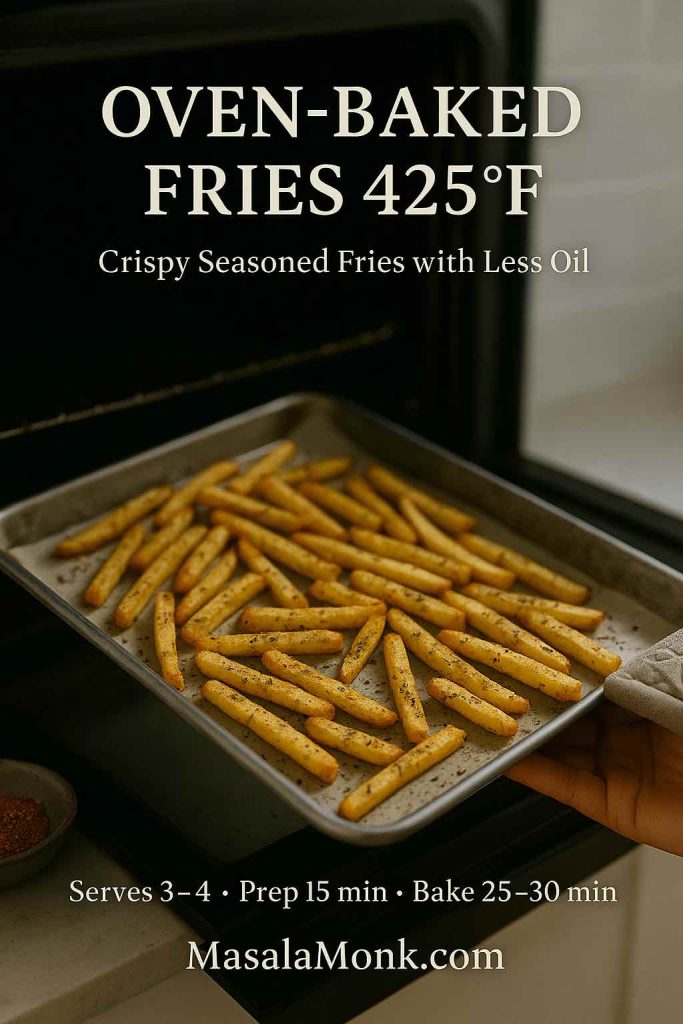
Recipe card showing a tray of oven-baked seasoned fries at 425 degrees, held with an oven mitt, with serving size and baking time details.
Oven-baked fries at 425°F – crispy seasoned fries with less oil, with prep and bake times highlighted so you can see the whole MasalaMonk method at a glance.

Basic oven fries method

  1. Preheat your oven to 220°C / 425°F.
  2. Cut your potatoes into wedges or sticks, just as before.
  3. In a bowl, toss them with 1–2 tablespoons of oil—this can be olive, avocado, or any neutral oil you like.
  4. Season generously with salt, pepper, and any spices you enjoy: garlic powder, smoked paprika, dried thyme, or a ready-made seasoning blend.
  5. Spread the fries out in a single layer on a baking sheet, leaving a bit of space between pieces. Crowding leads to steaming rather than crisping.
  6. Bake for about 20–25 minutes, turning once halfway through, until the edges are golden brown and the fries are tender inside.

At this point, you’ve made seasoned oven fries that work beautifully with the same sauces and toppings you’d use for deep-fried versions. They’re particularly nice as a side to oven-baked mains or as part of a lighter tray meal.

If you’re planning a party spread that doesn’t revolve solely around fries, you can point guests toward other potato-centric snacks too. A collection like MasalaMonk’s potato appetizers fits naturally alongside oven fries on a buffet table, giving people more variety while still leaning into that potato comfort.

Also Read: How to Cook Perfect Rice Every Time (Recipe)


Air Fryer Fries: Crispy Homemade French Fries With Less Oil

Next, let’s move to fries airfryer style. Air fryers circulate very hot air around food, using far less oil than deep frying. Comparative work on deep-fried vs air-fried potatoes has shown that air-fried samples can have dramatically less fat and slightly fewer calories per serving, which makes them a handy tool when you’d like healthier french fries more often.

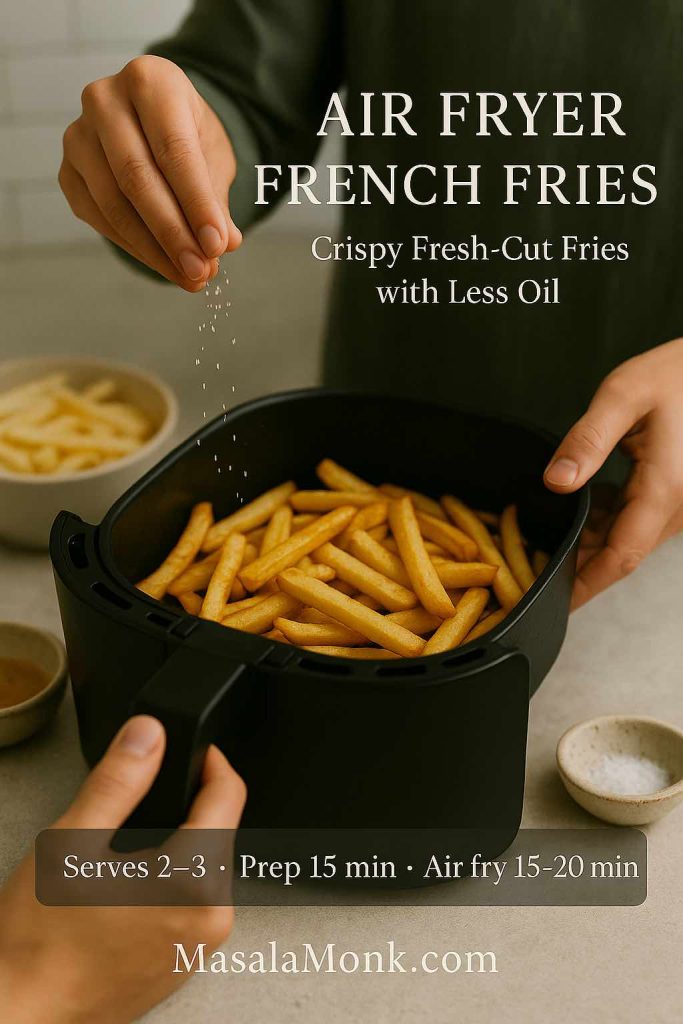
Recipe card showing air fryer French fries made from fresh-cut potatoes, with seasoning sprinkled over the basket and serving and cook times displayed.
Air fryer French fries made from fresh-cut potatoes – a MasalaMonk recipe card that highlights how to get crispy fries with less oil, plus prep and air-fry times at a glance.

Fresh potato fries in the air fryer

For easy french fries recipe done in the air fryer:

  1. Cut your potatoes into sticks and soak them as you would for deep frying.
  2. Drain and dry thoroughly.
  3. Toss with 1–2 teaspoons of oil, salt, and seasonings.
  4. Place them in the air fryer basket in a loose, even layer.
  5. Cook at 190°C / 375°F for 15–20 minutes, shaking every 5 minutes so they brown evenly.
  6. For extra crispy french fries, finish with a final 3–5 minutes at 200°C / 400°F.

This method gives you healthy potato fries that still feel indulgent. They’re especially good as skinny fries, where the higher surface area means lots of crunchy bits.

Frozen Crispy Homemade French Fries in the air fryer

For those nights when you want the best frozen fries for air fryer with minimal fuss:

  1. Preheat the air fryer to 200°C / 400°F.
  2. Tip frozen shoestring fries, straight cut fries, frozen waffle fries, or other shapes into the basket. Try not to overstack them.
  3. Air fry for 10–18 minutes depending on thickness, shaking halfway through.
  4. Season as soon as they come out of the basket.

Most brands are already partially fried in oil, so you often don’t need extra. However, a light spray of oil can help paler brands crisp a little better. This technique works well if you want to focus your kitchen time on main dishes but still end up with crispy fries recipe results.

If you’re fond of multitasking with your air fryer, ideas like air fryer hard-boiled eggs fit nicely into the same workflow. You might prepare homemade fries for dinner and a batch of eggs for breakfast with very little extra effort.

Also Read: Béchamel Sauce for Lasagna: Classic, Vegan & Ricotta Sauce Recipe


Playing With Shapes: Shoestring, Thick Cut, Steak, and Crinkle

Once you have a reliable french fries recipe, the next step is having fun with shapes. Different cuts give you different textures and cooking times.

Skinny and shoestring fries

Thin skinny fries or french fries shoestring are all about extreme crispness:

  • Cut the potatoes into matchsticks.
  • Soak, dry, and fry exactly as for the classic recipe.
  • Shorten the par-fry to keep them from overcooking, and watch carefully during the second fry—they go from golden to too dark very quickly.

Shoestring fries are fantastic when you’re making loaded french fries recipe variations like chile-topped fries, because so many edges catch sauce and cheese.

Thick cut fries and steak fries

On the opposite end, thick cut french fries and steak fries are all about a soft, potato-y center:

  • Cut the potatoes into chunky batons or wedges.
  • Lengthen the par-fry slightly or start them in the oven with a bit of water in the pan, then finish in hot oil or under the broiler.
  • Because there’s more potato in each piece, they stay creamy inside even when the exterior is thoroughly crisp.

Thick cut fries shine alongside robust dishes: grilled steak, roasted chicken, or as part of a plate with gravy and vegetables.

Crinkle cut and waffle fries

For crinkle cut french fries, fries crinkle cut, or french fries crinkle, you’ll need a crinkle cutter or a mandoline that makes ridges. The technique stays the same—soak, dry, par-fry, then crisp—but the ridges create extra surface area. That means more crunch, and it also means they hold onto seasonings and sauces really well.

Similarly, frozen waffle fries from the store become great canvases for fancy fries toppings. Their lattice structure acts like a little basket for cheese, carne asada, or creamy sauces.

Also Read: Peanut Butter Cookies (Classic Recipe & 3 Variations)


Veggie Fries: Sweet Potato, Yuca, Jicama, and Rutabaga

While classic french fries from white potatoes are iconic, you can also explore veggie french fries when you’re craving variety or want to shift the nutrition profile a bit.

Sweet potato fries

Sweet potato french fries deserve their own shout-out. They bake and air fry beautifully, and they pair well with both sweet and savory seasonings, from cinnamon and chili to garlic and smoked paprika. You can even make crinkle cut sweet potato fries for added texture.

Sweet potatoes tend to be softer and more prone to burning at high heat, so a light coating of cornstarch and oil, plus slightly lower temperatures, often work best. For more detail on how sweet potatoes differ nutritionally from white potatoes, you might enjoy MasalaMonk’s sweet potato nutrition breakdown and their piece on the potato debate: white vs sweet. Those articles go into fiber, vitamins, and even blood sugar considerations in a way that helps you decide when to reach for which.

Recipe card showing crispy spiced sweet potato fries in a round tray with dipping sauce, lime, and sweet potato pieces, plus serving and cook time details.
Crispy, spiced sweet potato fries with a creamy dip – a MasalaMonk recipe card that highlights this naturally sweet, oven or air-fried alternative, complete with prep and cook times.

Yuca, jicama, and rutabaga fries

Beyond sweet potatoes, you can experiment with:

  • Yuca french fries: dense, starchy, and very satisfying. They need peeling and careful boiling before frying, but the final texture is almost creamy.
  • Jicama french fries: lower in carbs, with a fresh crunch and a subtle sweetness. These are typically best baked or air fried with strong seasonings.
  • Rutabaga french fries: slightly earthy and sweet, good roasted until caramelized and then tossed with spices.

These alternatives work well when you want healthy potato fries style sides on repeat without always using white potatoes. They’re also fun for guests who’ve never tried such variations.

Also Read: Chicken Alfredo Pasta, 5 Ways (Classic to Cajun, Veg, 15-Minute Jar, Healthy)

Four glasses lined up on a board, each filled with a different veggie fry—sweet potato, yuca, jicama and rutabaga—with a hand picking up one fry and dipping sauces blurred in the background.
Veggie fries medley: sweet potato, yuca, jicama and rutabaga, for nights when you want all the crunch of fries with a little extra colour and variety on the MasalaMonk table.

Seasoned, Spiced, and Coated Fries

Once you’ve mastered the basics, it’s time to play with seasoned fries, homemade seasoned french fries, and light coatings for texture.

Basic seasoned Crispy Homemade French Fries

For a straightforward seasoned fries recipe, start with fresh, hot fries and toss them with:

  • Fine salt
  • Garlic powder
  • Onion powder
  • Smoked paprika
  • A pinch of black pepper or chili powder

This base mix instantly transforms simple french fries into something closer to best seasoned fries, and you can adjust the heat level to taste.

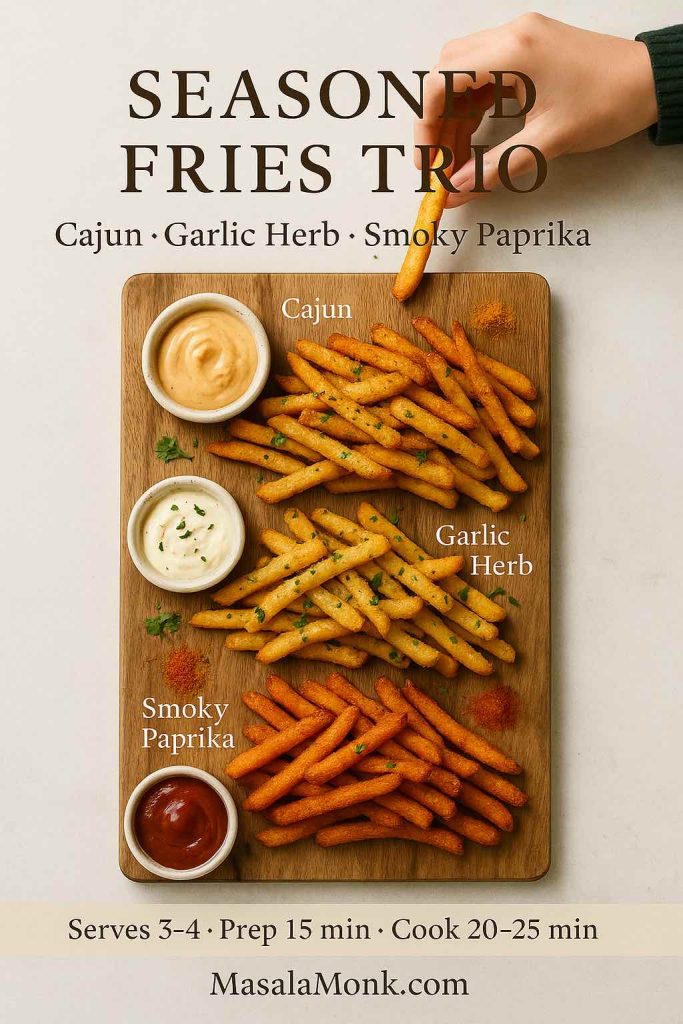
Top-down view of a wooden board with three piles of seasoned fries labeled Cajun, Garlic Herb and Smoky Paprika, each with a matching dipping sauce and a hand picking up a fry.
Seasoned fries three ways – Cajun, garlic herb and smoky paprika – so you can turn one batch of MasalaMonk fries into a full flavour tasting board.

Cajun and herby variations

To steer your fries toward cajun french fries, blend:

  • Paprika
  • Cayenne
  • Garlic powder
  • Oregano
  • Thyme
  • A bit of brown sugar and black pepper

Toss this through hot fries and you’ll have spicy, deeply flavored seasoned homemade fries that go especially well with tangy dips like tzatziki or yogurt-based sauces.

Alternatively, if you’d rather lean into herbs, use rosemary, thyme, cracked black pepper, and flaky salt. These herby seasoned french fries feel more rustic and pair beautifully with roast meats and vegetables.

Crispy coatings for Homemade French Fries

If you want french fries with crispy coating without turning them into full battered french fries, a light dusting of starch can help. After soaking and drying, toss the raw potato sticks in a spoonful of cornstarch or rice flour, shake off the excess, and then fry as usual. The coating makes subtle bubbles and ridges on the surface, giving you extra crispy fries that stay crunchy a little longer.

Also Read: Crock Pot Lasagna Soup (Easy Base + Cozy Slow-Cooker Recipes)


Cheesy, Loaded, and Fancy Fries

Now comes the most playful part: turning a bowl of fries into a full meal or an irresistible shareable plate.

Garlic parmesan fries

To create garlic parmesan french fries, start with a batch of hot, freshly fried fries.

  1. In a small pan, gently warm a bit of butter or olive oil with minced garlic until fragrant, not browned.
  2. Toss the hot fries with this garlic mixture.
  3. Add a handful of grated Parmesan and chopped parsley.
  4. Season with salt and pepper as needed.

This same approach also works for simple parmesan french fries if you skip the garlic or for sweet french fries if you play with honey and chili flakes instead.

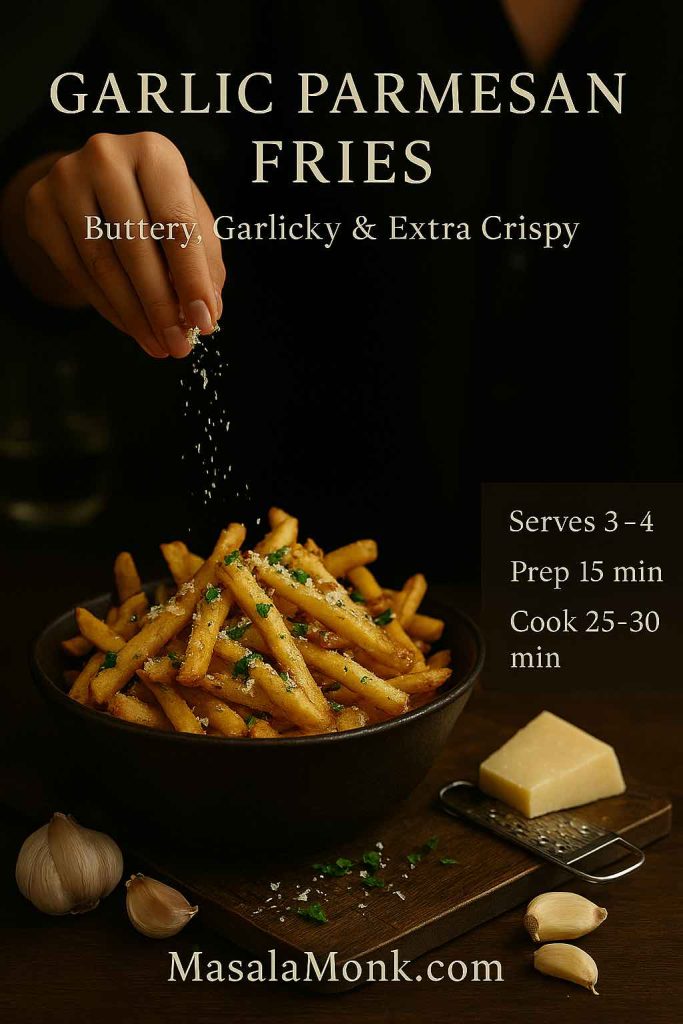
Recipe card showing garlic parmesan fries in a bowl with cheese being sprinkled on top, surrounded by garlic cloves and a parmesan wedge, plus serving and cook time details.
Buttery, garlicky parmesan fries piled high in a bowl – a MasalaMonk recipe card that highlights this extra-crispy variation, complete with prep and cook times for easy reference.

Chili cheese and carne asada fries

For fully loaded chili cheese french fries, layer:

  • A bed of crispy fries
  • A ladle of hot chili (vegetarian or meaty)
  • Grated cheddar or Monterey Jack
  • Jalapeños, scallions, maybe a drizzle of sour cream

Slide the whole thing under the broiler for a minute until the cheese melts. Suddenly, your crispy fries have become serious comfort food.

Recipe card showing chili cheese loaded fries in a cast iron skillet, topped with chili, melted cheese, jalapeños and sour cream, with serving and bake time details
Chili cheese loaded fries served in a cast iron skillet – a MasalaMonk recipe card for the ultimate comfort fry platter, complete with prep and bake times for easy game-night planning.

Similarly, carne asada french fries combine:

  • Fries
  • Chopped grilled steak
  • Pico de gallo or salsa
  • Guacamole
  • Sour cream or crema
  • Fresh coriander

They’re messy, delicious, and perfect for sharing.

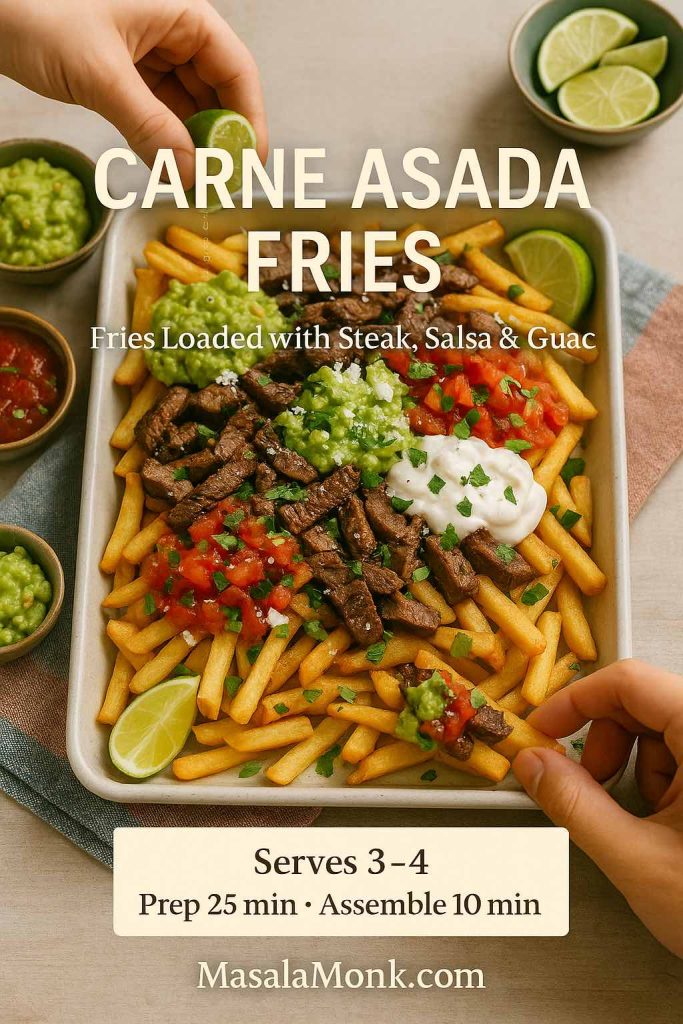
Carne asada fries on a rectangular tray topped with grilled steak strips, guacamole, salsa, sour cream and cilantro, with hands squeezing lime and reaching for a fry.
Carne asada fries loaded with steak, salsa, guacamole and sour cream – a MasalaMonk feast that turns a simple tray of fries into a full-on meal.

Truffle and “fancy” fries

When you want fancy fries without too much effort, truffle french fries recipe style toppings make a big impression.

  • Toss hot fries with a little truffle oil (a few drops go a long way).
  • Add grated Parmesan and parsley.
  • Season with salt and cracked pepper.

Because truffle oil can dominate, it’s best used with neutral, simply salted fries rather than heavily seasoned ones.

If you’d like more ideas for dips and cheesy sides that pair well with loaded fries, MasalaMonk’s spinach dip collection and their buffalo chicken dip recipes offer plenty of inspiration. Both kinds of dip are excellent alongside loaded french fries or even spooned over the top.

Tall metal cup filled with truffle fries topped with parmesan and herbs, served on a dark plate with aioli, styled like an elegant restaurant snack.
Skinny truffle fries finished with parmesan, herbs and a side of aioli – a simple MasalaMonk twist that turns fries into a wine-bar style treat.

Sauces and Dips for Crispy Homemade French Fries

Good fries deserve good sauces. Beyond ketchup, you can easily mix and match flavors for your own french fry dip recipe collection.

Creamy dips

For creamy dipping sauce for french fries, try ideas like:

  • A simple garlic mayonnaise with lemon juice
  • A smoky paprika mayo
  • A yogurt-based dip with herbs and garlic

These work especially well with seasoned fries and cajun fries, where the spices already bring a lot of personality.

If you want to branch out further, the cool, garlicky punch of tzatziki is a great contrast to hot fries. A guide like MasalaMonk’s Greek tzatziki sauce recipes shows how versatile that sauce can be across different herbs and add-ins, and every version is happy to share a plate with crispy fries.

Four quick fries dipping sauces – garlic mayo, smoky ketchup, spicy mayo and herb yogurt – so you can switch up the flavour of every MasalaMonk fries night in minutes.

Cheesy and baked dips for Crispy Homemade French Fries

Meanwhile, cheesy dips make perfect companions to french fries loaded with toppings. Spinach and artichoke dip, hot cheese dips, or buffalo chicken dip can all sit in the center of a platter surrounded by straight cut french fries, curly french fries, or crinkle cut fries for dipping.

Because fries and rich dips can be quite substantial, you may find it useful to round out your menu with lighter but still indulgent favorites. Dishes like classic deviled eggs with variations or high-protein snacks and breakfasts, such as overnight oats recipes, help keep things balanced over the course of a day, even if dinner is definitely in “treat” territory.


What to Serve With Crispy Homemade French Fries

Rather than thinking of fries as an afterthought, you can build entire meals around them in a way that feels intentional and satisfying.

Classic comfort plates

On one hand, there’s the timeless pairing of chicken and french fries:

  • Grilled or fried chicken
  • Homemade fries (deep-fried, oven-baked, or air fried)
  • Coleslaw or a fresh salad

You can also swap chicken pieces for sandwiches. A platter of fries next to juicy sandwiches from a range like MasalaMonk’s chicken sandwich recipe collection makes a complete, crowd-pleasing spread.

For full comfort food mode, consider serving fries alongside creamy classics:

Those casseroles and bakes give you vegetables and dairy in forms people love, while the fries bring crunch and a salty edge to balance the creaminess.

Party spreads and grazing boards

For parties or movie nights, a fries-centric board can be a huge hit. You might:

  • Offer multiple shapes: thick cut fries, skinny fries, crinkle cut fries
  • Provide several seasonings: plain salted, cajun, garlic herb
  • Add bowls of dips: tzatziki, spinach dip, buffalo chicken dip, ketchup, mustard-based sauces

Alongside that, including a few extra nibbles from potato-focused ideas like MasalaMonk’s potato appetizers roundup keeps everyone happy without making fries the sole attraction.


Leftovers, Crispy Homemade French Fries, and Casseroles

Every now and then, you might find yourself with cooked fries left over. They won’t be as crisp the next day, but they are far from useless.

Turning fries into home fries

One option is to make a sort of shortcut home fries recipe:

  1. Chop leftover fries into bite-sized pieces.
  2. Heat a skillet with a spoon of oil or butter.
  3. Add onions or peppers if you like, then the chopped fries.
  4. Cook over medium-high heat until the edges crisp and the pieces heat through.
  5. Season again and serve with eggs for breakfast.

These cooking home fries from leftover fries are especially good with runny yolks or as part of a brunch plate.

Cast iron skillet filled with breakfast home fries made from chopped leftover fries, peppers and three fried eggs, served with coffee, toast and salsa
Turn last night’s fries into this cosy breakfast home fries skillet, topped with sunny-side eggs and peppers for an easy MasalaMonk-style brunch.

Casseroles with Crispy Homemade French Fries

Another route is to layer leftover fries into a bake:

  • Assemble a cheeseburger casserole with french fries: fries on the bottom, cooked ground meat or meat alternative, cheese, and pickles or onions, then bake until bubbly.
  • Create a riff on shepherd’s pie using fries as a topping instead of mashed potatoes.

These dishes aren’t traditional, but they’re a fun way to avoid waste and to reimagine fries in a new context.

Also Read: Coconut Water Cocktails: 10 Easy, Refreshing Drinks


Bringing It All Together

To sum everything up, making french fries at home doesn’t need to be complicated. You start with good potatoes, a sensible approach to oil and heat, and a simple french fries recipe that you can repeat without thinking too hard. From there, the world opens up: you can lean toward healthy potato fries most days, then indulge in deep-fried extra crispy french fries when the mood hits.

You’ve seen how to:

  • Choose between Russet and Yukon Gold for the best french fry potato
  • Use soaking, drying, and double frying to achieve reliably crispy homemade french fries
  • Swap in oven fries, air fryer fries, or veggie french fries like sweet potato, yuca, jicama, and rutabaga
  • Turn plain fries into seasoned fries, garlic parmesan fries, chili cheese fries, carne asada fries, and truffle fries
  • Build full meals and snack boards around fries with dips, casseroles, sandwiches, and brunch ideas

Whether you keep it simple with a plate of lightly salted fresh french fries, or go all out with a giant platter of loaded french fries recipe piled high with cheese and toppings, you now have the tools to make them taste the way you want, every time you crave them.

Also Read: Cottage Cheese Lasagna Recipe | Chicken, Spinach, & Ricotta

FAQs about Crispy Homemade French Fries

1. What is the best potato for crispy homemade french fries?

For truly crispy homemade french fries, starchy potatoes work best. Russet or Idaho potatoes are usually considered the best french fry potato because they have a high starch, low moisture content that turns fluffy inside and crisp outside after frying. Yukon Gold or other “gold” potatoes also make excellent golden potato french fries, although they come out a little creamier and denser. If you prefer extra crunch and light interiors, reach for Russets; if you like a richer bite, go for Yukon Golds.


2. How do I keep fries crispy and not soggy?

To keep fries crunchy instead of limp, several small steps matter. Dry the potatoes thoroughly after soaking so you’re not dropping water into the oil. Then, cook them twice: a gentle first fry to cook the potato through, followed by a hotter second fry that creates the crisp crust. Avoid crowding the pan, since too many fries at once will cool the oil and make everything greasy. Salt and season fresh french fries right after the second fry while they are still hot, and serve them soon so the crust stays crisp.


3. Why do recipes tell me to soak potatoes before frying?

Soaking sliced potatoes in cold water helps pull out surface starch, which can otherwise form a gummy coating and prevent crispy fries from developing. A soak of 20–30 minutes is usually enough for a simple french fries recipe. After soaking, draining and drying thoroughly is just as important. When excess starch and moisture are removed, the fries brown more evenly and stay crisp longer, which is essential for the crispiest french fries.


4. Can I make crispy homemade french fries without a deep fryer?

Yes, you absolutely can make homemade fries without a dedicated fryer. A deep, heavy pot or a sturdy frying pan works fine as long as you use enough oil to submerge the potatoes and maintain consistent heat. A thermometer helps you hit the right temperature range. In addition, you can make oven fries and air fryer fries with just a thin coating of oil if you’d rather skip deep-frying altogether. The technique changes slightly, yet you still end up with easy french fries that taste fantastic.


5. What is the best way to fry french fries for perfect results?

A classic double-fry method is often considered the best way to fry french fries. First, fry the potatoes at a lower temperature so they cook through without much color. Then, after a short rest, fry them again at higher heat so the outside turns crisp and golden. During both steps, keep the oil temperature steady and avoid crowding the pan. Using this approach, even a beginner can turn out perfect french fries from a straightforward easy french fries recipe.


6. How hot should the oil be for french fries?

For the first fry, aim for oil around 150–160°C (300–320°F). This lets the interior of the potato cook gently without the outside browning too quickly. For the second fry, raise the temperature to about 185–190°C (365–375°F). At this higher heat, the surface dries out and browns into a crisp shell. Keeping the oil in this range is one of the main secrets behind extra crispy french fries and prevents the fries from soaking up too much oil.


7. Can I make french fries without oil?

You can make french fries without oil in the strict sense by baking or air frying plain potato sticks, though they will taste more like roasted potatoes than true fries. More realistically, very small amounts of oil—just enough to lightly coat the potatoes—create healthy potato fries that still feel indulgent. Oven-baked oven fries 425 and air-fried potatoes both work well with only a teaspoon or two of oil per serving, especially when you add bold seasonings.


8. Are homemade fries healthier than fast food fries?

While fries are still an occasional treat, homemade fries can be a better option than many fast-food versions. You decide the portion size, which oil to use, and how much salt to add. You can also make french fries from fresh potatoes instead of relying on heavily processed products. If you alternate deep-fried batches with oven fries or air fryer homemade fries, and you pair them with protein and vegetables, french fry meals can fit more comfortably into a balanced way of eating.


9. What’s the difference between shoestring, thick cut, steak fries, and crinkle cut?

All these names refer mainly to shape and thickness. Shoestring fries and skinny fries are very thin and cook quickly, giving you lots of crunchy texture. Thick cut fries and steak fries are chunkier sticks or wedges with a soft, fluffy center. Crinkle cut french fries have wavy ridges that increase surface area and help hold onto sauce and seasoning. You can use the same basic french fries recipe for each style; just adjust cooking time so the inside cooks before the outside browns too much.


10. How do I make seasoned fries at home?

To make a seasoned fries recipe at home, start with freshly cooked, hot fries. Immediately toss them with salt, then add your favorite flavors. A simple mix might include garlic powder, onion powder, smoked paprika, and black pepper. For cajun french fries, you can add cayenne, oregano, and thyme. If you prefer herby seasoned homemade fries, try rosemary, thyme, or mixed Italian herbs. Because you apply the spices while the fries are hot, they cling well and create deeply flavorful seasoned french fries.


11. How can I make fries extra crispy with a coating?

For french fries with crispy coating, a light starch layer helps. After soaking and drying the potatoes, toss them in a spoonful of cornstarch or rice flour until just lightly dusted. Shake off the excess, then fry using the usual two-step method. The starch forms tiny bubbles and ridges on the surface, leading to extra crispy fries. You still get the flavor of real potato fries, but with a more pronounced crunch that holds up better under sauces and toppings.


12. Can I make french fries in the air fryer from frozen?

Yes, air fryer frozen french fries are one of the easiest weeknight options. Place frozen fries in air fryer—whether they are shoestring, waffle, or steak-cut—in a single layer, set the temperature around 200°C / 400°F, and cook until they’re crisp and hot, shaking the basket once or twice. Many people look for the best frozen fries for air fryer because par-fried frozen fries crisp quickly and take well to extra seasonings. With this method, you still get satisfying crunch without using much additional oil.


13. Can I microwave french fries?

You can microwave fries, yet they rarely come out crisp. Microwave french fries tend to steam rather than brown, so they soften instead of staying crunchy. If you want to use the microwave, you can briefly pre-cook thick wedges or steak fries, then finish them in a hot oven, pan, or air fryer to reintroduce crispness. For reheating leftovers, a skillet or air fryer generally gives better results than the microwave alone.


14. How do I reheat leftover fries so they don’t turn floppy?

To revive fries, spread them in a single layer in a hot pan with a thin film of oil, or place them in a preheated air fryer basket. Heat until the outside becomes crisp again and the centers are warmed through. This method works for frozen fried potatoes, french fries and chips, or leftover home made fries from the day before. Reheating on a baking sheet in a hot oven also helps, though it may take slightly longer to recapture the original crunch.


15. How can I make fries healthier without losing too much flavor?

If you want healthier french fries without giving them up entirely, there are several strategies. Bake or air fry potato sticks with just a small amount of oil instead of deep-frying. Switch between white potatoes and alternatives like sweet potato french fries, yuca french fries, jicama french fries, or rutabaga french fries for more variety in fiber and nutrients. Additionally, serve your crispy homemade french fries as a side with lean protein, salads, or vegetable-rich dishes rather than pairing them only with other heavy foods.


16. What sauces go well with homemade fries?

Although ketchup is classic, homemade fries welcome a wide range of sauces. Garlic mayonnaise, mustard-based dips, smoky paprika mayo, yogurt-and-herb sauces, and spicy chili dips all pair beautifully with crispy fries. Cheese-based sauces turn simple fries into french fries loaded with flavor, while lighter dips like tzatziki give a refreshing contrast. By keeping a few favorite sauces on hand, you can turn one basic easy fries recipe into many different experiences just by changing what you serve alongside.

Posted on 8 Comments

10 Spinach Dip Recipes: Cold, Baked, Artichoke & More

Woman dipping bread into a creamy spinach dip recipe surrounded by colorful veggie sticks, bread cubes, and small bowls of dip on a wooden table.

Some recipes feel trendy for a season and then vanish. A really good spinach dip recipe is the opposite. It shows up at potlucks, game nights, Diwali parties, Christmas dinners, and casual Friday evenings, and somehow the bowl is always scraped clean.

This long, cozy guide gathers several kinds of spinach dip recipes into one place: classic cold party dip, ranch-style, vegetable soup mix in a bread bowl, two versions of spinach artichoke dip (cold and baked), a lighter yogurt-based dip, a cheesy queso-style dip, plus a few ultra-simple three- and five-ingredient options. Along the way, you’ll find ideas for what to serve with them, how to handle fresh versus frozen spinach, and a little bit of context about spinach itself.

If you’d like to nerd out on the health side later, you can always read more about spinach nutrition and weight loss benefits on MasalaMonk or check the nutrient breakdown on Healthline’s spinach nutrition page. For now, though, let’s get straight into creamy bowls and warm bread.


Why spinach makes such a good dip base

Before diving into the first spinach dip recipe, it helps to quickly appreciate why spinach works so well in dips.

Spinach has a fairly mild, earthy flavor that doesn’t overpower other ingredients, yet it adds a lovely deep green color and just enough personality. Because it shrinks dramatically when cooked or thawed, a small amount of raw spinach turns into a concentrated, almost buttery pile of greens that blends beautifully into sour cream, yogurt, mayonnaise, and cheese.

Nutritionally, spinach is one of those leafy greens that keeps turning up in research. It’s naturally low in calories yet high in vitamins A, C, K, several B vitamins including folate, and minerals such as iron and potassium. If you want to dig into the numbers, the USDA’s FoodData Central database lists exact values for fresh and cooked spinach. Spinach also contains plant compounds like carotenoids and nitrates, which are frequently associated with heart and eye health in studies cited by major nutrition sources.

Of course, the creamy parts of a spinach dip recipe still make this more of a treat than a salad. However, it’s a treat with at least some leafy-green goodness baked in, which is a nice bonus.

Also Read: How to Cook Bacon in the Oven (Crispy, No-Mess, Crowd-Ready Recipe)


Fresh, frozen, or canned spinach: choosing the right one

A question that comes up surprisingly often is whether fresh, frozen, or canned spinach is “best” for a spinach dip recipe. The honest answer is that all three can work, as long as you handle them properly.

Frozen spinach

Frozen chopped spinach is usually the easiest option for dips. It’s already blanched and chopped, so the main task is thawing and squeezing.

  • Thaw overnight in the fridge or quickly in the microwave.
  • Squeeze out as much water as possible.
  • For most recipes here, one 10 oz / 280 g packet of frozen spinach is perfect.

Because it’s blanched soon after harvest, frozen spinach keeps much of its nutritional value. If you like numbers, both Healthline and similar sources note that cooked or frozen spinach often contains more concentrated amounts of certain vitamins and minerals per serving than raw spinach, simply because the volume shrinks.

Fresh spinach

Fresh spinach is fantastic when you already have a big bag in the fridge.

  • Rinse and dry the leaves.
  • Wilt them in a pan with a splash of water or a tiny amount of oil.
  • Once cool, squeeze out the liquid and chop.

You’ll need more fresh spinach by weight than frozen, because it shrinks significantly. Roughly 300–350 g of raw leaves will give you a similar amount of cooked spinach to one frozen packet.

Canned spinach

Canned spinach is less common, yet it can absolutely stand in when that’s what you have.

  • Pour it into a sieve and rinse briefly.
  • Press firmly with the back of a spoon or your hands to remove excess liquid.
  • Measure out about 1½ cups of firmly packed, drained spinach for one batch of dip.

As long as you treat any of these options like a sponge that needs wringing out, your spinach dip recipe will be thick and creamy instead of runny.

Also Read: How to Make Churros (Authentic + Easy Recipe)


Classic cold spinach dip recipe (your party-style base)

This is the backbone of everything that follows. Once you can make this classic cold spinach dip recipe with your eyes closed, you can riff on it endlessly.

Ingredients (about 3 cups)

  • 1 packet (10 oz / 280 g) frozen chopped spinach, thawed
  • 1 cup (240 ml) sour cream
  • 1 cup (240 ml) mayonnaise
  • ½ cup (about 50 g) finely grated hard cheese (parmesan or similar, optional but delicious)
  • 2–3 tablespoons finely minced onion or 2 teaspoons dried minced onion
  • 1–2 cloves garlic, finely minced or ½ teaspoon garlic powder
  • ½–1 teaspoon salt, to taste
  • ¼–½ teaspoon black pepper
  • Optional mix-ins
    • ½ cup finely chopped water chestnuts for crunch
    • ¼–½ cup sliced green onions
    • ¼ cup finely diced bell pepper or pimentos
Classic spinach dip in a ceramic bowl with a hand dipping crusty bread, surrounded by carrot and cucumber sticks on a wooden board, with mini recipe text overlay.
Classic cold spinach dip recipe – a creamy party favorite made with frozen spinach, sour cream and mayo, served with crusty bread and fresh veggie sticks.

Step-by-step Recipe – How to make a Spinach Dip

1. Thaw and squeeze the spinach

Start by thawing the frozen chopped spinach. You can do this overnight in the fridge, in a bowl of cold water, or quickly in the microwave. Once thawed, gather the spinach in your hands or in a clean kitchen towel and squeeze firmly over the sink. Quite a lot of liquid will come out; keep going until it feels as dry as you can manage.

This part might seem fussy, yet it makes all the difference between a thick, scoopable spinach dip recipe and a watery one.

Step 1 of classic spinach dip recipe showing hands squeezing thawed chopped spinach in a towel over a sieve, with green liquid dripping into a bowl.
Step 1 – Thaw and squeeze the spinach: thaw frozen chopped spinach, then squeeze out as much water as possible so your spinach dip stays thick and creamy.

2. Build the creamy base

In a medium mixing bowl, whisk together the sour cream and mayonnaise until smooth. Add the onion, garlic, salt, and pepper. Give it another good stir so the seasonings are nicely dispersed.

If you’re one of those people who likes a mild onion flavor, start with the lower end of the onion amount and adjust later. It will intensify as the dip rests.

Step 2 of classic spinach dip recipe showing a hand whisking sour cream and mayonnaise in a glass bowl with small bowls of onion, garlic, salt and pepper on a wooden surface.
Step 2 – Build the creamy base: whisk sour cream and mayonnaise together, then add onion, garlic, salt and pepper to create the smooth foundation for your spinach dip.

3. Fold in the spinach

Next, add the squeezed spinach to the bowl. Use a spoon or spatula to fold it into the creamy base, breaking up any clumps so the greens are evenly moved through the mixture. At this stage you can also sprinkle in parmesan (or another hard cheese) if you’re using it, along with optional water chestnuts, green onions, or bell peppers.

Step 3 of classic spinach dip recipe showing a hand using a spatula to fold a mound of squeezed spinach into a creamy dip base in a glass bowl, with grated cheese and green onions in small bowls nearby.
Step 3 – Fold in the spinach: stir the squeezed spinach into the creamy base until evenly green, then add parmesan and any crunchy mix-ins like water chestnuts or green onions.

4. Chill to develop flavor

Cover the bowl and refrigerate for at least 1–2 hours. If you can, prepare this spinach dip recipe the day before and let it rest overnight. The onion softens, the garlic mellows, and the spinach flavor infuses into the creamy base in a way that simply doesn’t happen if you eat it right away.

Step 4 of classic spinach dip recipe showing a hand pressing plastic wrap over a bowl of creamy spinach dip on a wooden surface before refrigerating.
Step 4 – Chill the dip: cover the bowl and refrigerate, letting the spinach dip rest for 1–2 hours or overnight so the flavors deepen and the texture thickens.

5. Taste and serve

Just before serving, give the dip a stir, then taste it. Adjust the salt and pepper if needed. If it feels a little too thick, you can loosen it with a tablespoon or two of milk, cream, or yogurt.

Step 5 of classic spinach dip recipe showing a hand dipping toasted bread into a bowl of creamy spinach dip, surrounded by carrot sticks, celery sticks, spinach leaves and bread cubes.
Step 5 – Taste and serve: give the spinach dip a final stir, adjust the salt and pepper, then serve it with bread, crackers and fresh veggies for dipping.

Spoon into a serving bowl and surround it with sliced bread, vegetables, or any dippers you like. Later in this post we’ll get into detailed serving ideas; for now, you’ve just made a classic cold spinach dip recipe that can stand on its own at any gathering.

If this made you fall in love with the creamy-spinach combo, you might also enjoy the Indian-inspired spinach raita (palak raita), which takes similar flavors in a lighter, yogurt-based direction.


Ranch spinach dip recipe variation

Once you’ve mastered the base, the next easy twist is a ranch spinach dip recipe. Ranch seasoning brings herbs, garlic, onion, and a slight tang, turning the classic dip into something just a little more familiar and “snacky”.

What you’ll need

  • 1 batch classic cold spinach dip base
  • 1 packet ranch-style seasoning mix (about 1 oz)
    or 3–4 tablespoons thick ranch dressing
  • A splash or two of milk or yogurt if the dip ends up too thick
Top-down view of a bowl of ranch spinach dip with a hand holding a spoon, surrounded by spinach leaves, crackers, and ranch seasoning on a teal background with mini recipe text overlay.
Ranch spinach dip recipe – a herby, tangy twist on classic spinach dip made with sour cream, mayo, ranch seasoning, and plenty of spinach, perfect with crisp crackers or veggies.

How to make ranch spinach dip

To keep things simple, start by mixing the ranch with the creamy ingredients before adding spinach:

  1. In a clean bowl, whisk together the sour cream and mayonnaise from the base recipe with the ranch seasoning mix until it’s completely blended.
  2. Add the squeezed, chopped spinach and fold it through.
  3. Taste before adding extra salt; most ranch mixes bring plenty of salt on their own.
  4. Chill the ranch spinach dip recipe for at least an hour, then adjust the seasoning once more if needed.

This version is excellent with crunchy vegetable sticks, but it really shines next to potatoes. For a full party-snack spread, you can pair it with some of these easy potato appetizers, which range from crispy bites to cheesy loaded options.


Vegetable soup mix spinach dip recipe in a bread bowl

For many people, the most nostalgic spinach dip recipe involves a packet of vegetable soup mix and a big round loaf of bread. It’s the kind of thing that appears on buffet tables surrounded by chunks of bread and vanishes within an hour.

Ingredients

  • 1 batch classic spinach dip recipe base, without onion and garlic added yet
  • 1 packet dry vegetable soup and dip mix
  • ½ cup finely chopped water chestnuts
  • ½ cup chopped green onions or sautéed leeks
  • 1 large round loaf of bread (sourdough, rye, or pumpernickel all work)
Bread bowl filled with creamy spinach dip made with vegetable soup mix, surrounded by carrot and celery sticks and torn bread pieces, with mini recipe text overlay.
Bread bowl spinach dip – a crowd-pleasing veggie soup mix spinach dip recipe served in a hollowed loaf with crunchy vegetables and rustic bread for dipping.

Method

1. Stir the soup mix into the base

Whisk together sour cream and mayonnaise in a large bowl. Sprinkle in the dry vegetable soup mix and stir well. Let this sit for 5–10 minutes so the dehydrated vegetables can soften slightly.

2. Add spinach and mix-ins

Fold in the drained, chopped spinach. Stir through the water chestnuts for crunch and the green onions or leeks for a sweet onion note.

3. Chill thoroughly

Because the soup mix needs a little time to hydrate, this version benefits from at least 2 hours in the fridge, and overnight is even better.

4. Turn it into a bread bowl

While the dip chills, prepare your bread:

  1. Slice off the top of the loaf like a lid.
  2. Hollow out the center with your hands, leaving a good 2–3 cm wall so the dip bowl is sturdy.
  3. Cut the removed bread into rough bite-sized cubes.

Just before serving, spoon the dip into the hollowed loaf and arrange the bread cubes around it on a platter. Add some fresh vegetables for color and extra crunch.

If you’d like an even more indulgent bread pairing another time, consider baking a homemade garlic bread loaf and cutting it into chunks for dipping. On days when you want something heartier but still relatively wholesome, slices of quick and healthy oatmeal bread also make a great base for spinach dip.

To turn the whole setup into a full grazing platter, you can borrow some ideas from the guide on assembling charcuterie boards using the 3-3-3-3 rule, then tuck this bread-bowl dip right into the center.


Spinach artichoke dip recipes: cold and baked

Whenever people talk about restaurant-style spinach dip, they’re usually imagining spinach artichoke dip. The artichokes add a tangy, tender bite that cuts through the richness. It’s worth having both a cold version and a baked one in your personal spinach dip recipe collection.


Cold spinach artichoke dip

This version is brilliant when you need something make-ahead that can sit on a buffet.

Ingredients

  • 1 batch classic cold spinach dip recipe
  • 1 cup chopped marinated artichoke hearts, drained
  • ½ cup shredded mozzarella or mild cheese blend (optional)
  • 2–3 tablespoons lemon juice
Cold spinach artichoke dip in a light ceramic bowl with a hand holding a crostini scoop, surrounded by lemon wedges, spinach leaves, artichoke hearts, and toasted baguette slices on a pale stone surface, with mini recipe text overlay.
Cold spinach artichoke dip – a make-ahead spinach dip recipe with sour cream, mayo, cheese, lemon and plenty of artichoke hearts, perfect for serving with crisp crostini or vegetables.

Directions

  1. Prepare the classic spinach dip base and let it chill for at least an hour.
  2. Stir in the chopped artichoke hearts and shredded cheese, if using.
  3. Add lemon juice a tablespoon at a time, tasting as you go, until it feels bright but not sour.
  4. Chill for another hour so the flavors mingle.

Serve with crackers, toasted bread slices, or vegetable sticks. The artichokes make this spinach dip recipe feel more complex, even though the method stays very simple.

Baked spinach artichoke dip (hot and bubbly)

For a cozier option, especially in cooler months, a baked spinach artichoke dip recipe gives you that golden top and stretchy cheese pull.

Ingredients

  • 1 block (8 oz / 225 g) cream cheese, softened
  • ½ cup sour cream
  • ½ cup mayonnaise
  • 1 cup shredded mozzarella
  • ½ cup grated parmesan or similar hard cheese
  • 1½ cups cooked, chopped spinach (frozen and thawed, or sautéed fresh)
  • 1 cup chopped artichoke hearts
  • 2 cloves garlic, minced
  • Salt and pepper, to taste
Baked spinach artichoke dip in a cast-iron skillet with a hand lifting a cheesy scoop on toasted bread, the golden bubbling top surrounded by extra crostini, with mini recipe text overlay.
Baked spinach artichoke dip – a hot, cheesy spinach dip recipe made with cream cheese, sour cream, spinach and artichokes, baked until golden and bubbling and served straight from the skillet with crisp toasted bread.

Instructions

  1. Preheat your oven to 180°C / 350°F. Lightly grease a small baking dish.
  2. Beat the cream cheese in a mixing bowl until smooth. Add the sour cream and mayonnaise and blend again.
  3. Stir in mozzarella, parmesan, garlic, spinach, and artichokes. Season with a small pinch of salt and pepper; the cheeses are salty, so it’s easy to overdo it.
  4. Spread the mixture into the baking dish in an even layer.
  5. Bake for 20–25 minutes, until hot and bubbling at the edges.
  6. For a browned top, switch to the broiler for 2–3 minutes at the end, watching carefully to avoid burning.

Place the hot dish on a board surrounded by baguette slices, breadsticks, and roasted vegetables. If you’re planning a fuller meal, this cheesy, comforting bowl sits nicely beside cozier dishes like cottage cheese lasagna with spinach or green bean casserole recipe ideas for holiday or Sunday dinners.


Lighter spinach and yogurt spinach dip recipe

Sometimes you want the flavor of a spinach dip recipe without quite so much heaviness. A yogurt-forward version keeps everything creamy but brings in more protein and a pleasant tang.

Ingredients

  • 1 cup thick Greek yogurt or hung curd
  • ½ cup light mayonnaise or additional yogurt
  • 1 packet (10 oz) frozen chopped spinach, thawed and squeezed dry
  • 2 cloves garlic, minced
  • 2–3 tablespoons lemon juice
  • 2–3 tablespoons chopped fresh herbs (dill, parsley, coriander – choose your favorite)
  • Salt and pepper, to taste
Spinach and yogurt dip in a white bowl with a hand dipping a carrot stick, surrounded by fresh veggie sticks, lemon wedges, herbs and small bowls of Greek yogurt, with mini recipe text overlay.
Spinach & yogurt dip – a lighter, protein-rich spinach dip recipe made with Greek yogurt, spinach, garlic, lemon and fresh herbs, served with crunchy vegetable sticks.

Directions

  1. In a bowl, whisk together the yogurt and mayonnaise until smooth.
  2. Add garlic, lemon juice, salt, and pepper, and whisk again.
  3. Fold in the spinach and chopped herbs.
  4. Chill for at least 1 hour so the garlic and herbs soften and flavor the yogurt.
  5. Taste, then adjust salt, pepper, and lemon juice.

This lighter spinach dip recipe pairs wonderfully with fresh vegetables and seeded crackers. Because yogurt plays the starring role, it feels especially at home next to Indian-leaning dishes. If you enjoy this style, you might also like the creamy spinach raita mentioned earlier or the hung curd spinach cheese sandwich, which uses strained yogurt in a protein-rich filling.

For a completely different spin, check out the idea of lentil-and-green dips like the lentil and spinach hummus. It’s another clever way to bring spinach into snack time, this time with extra fiber and plant protein from pulses.


Simple 3-ingredient and 5-ingredient spinach dip recipes

On some days, there’s time to shop and prep; on others, you want a spinach dip recipe that works almost like a magic trick. That’s where minimalist versions come in handy.

3-ingredient spinach dip

For a basic three-ingredient bowl:

  • 1 cup sour cream or thick Greek yogurt
  • 1 cup mayonnaise or softened cream cheese
  • 1 packet (10 oz) frozen chopped spinach, thawed and squeezed dry
Top-down view of a 3-ingredient spinach dip in a bowl surrounded by small bowls of sour cream, mayonnaise or cream cheese, and spinach on a light surface, with mini recipe text overlay.
3-ingredient spinach dip – a fast and simple spinach dip recipe made with sour cream, mayo or cream cheese, and spinach, just mix until creamy and chill before serving.

Stir everything together, season lightly with salt and pepper, and chill. If you’d like more flavor without technically adding a “fourth ingredient”, you can use a seasoned cream cheese or a flavored mayonnaise to sneak in herbs and spices.

5-ingredient baked spinach artichoke dip

Another shortcut version keeps the ingredient list short but still gives you an impressive baked dish:

  • 1 block (8 oz) cream cheese
  • 1 cup shredded cheese (mozzarella or a blend)
  • ½ cup sour cream or yogurt
  • 1 cup chopped spinach
  • 1 cup chopped artichoke hearts
5-ingredient spinach artichoke dip baked in a white dish with a spoon, surrounded by small bowls of cream cheese, shredded cheese, sour cream, spinach and artichokes, with mini recipe text overlay.
5-ingredient spinach artichoke dip – a quick baked spinach dip recipe using just cream cheese, shredded cheese, sour cream, spinach and artichokes, baked at 180°C / 350°F until hot and melty.

Beat the cream cheese until smooth, then stir in sour cream, cheese, spinach, and artichokes. Spread into a small baking dish and bake at 180°C / 350°F for 20 minutes or so, until everything is hot and melty.

These versions are especially useful when you already have something like baked jalapeño poppers or cheese balls with Indian-inspired flavors in the oven and just want one more dish without adding much work.


Warm cheesy spinach queso dip

If you’re hosting game night or movie night, a spinach dip recipe with a queso twist always gets attention. It’s stretchy, melty, and perfect with crunchy sides.

Ingredients

  • 250 g processed melting cheese or cheese loaf, cubed
  • ½ cup milk or cream
  • 1 cup cooked, chopped spinach
  • Optional:
    • ½ cup diced tomatoes with green chilies, drained
    • 1 jalapeño, finely chopped
    • ½ teaspoon onion powder or garlic powder
Spinach queso dip in a cast-iron skillet with a tortilla chip lifting a stretchy cheesy scoop, surrounded by tortilla chips, salsa, jalapeños and shredded cheese, with mini recipe text overlay.
Spinach queso dip – a warm, cheesy spinach dip recipe made by melting cheese with milk, stirring in spinach and chilies, and serving hot with crunchy tortilla chips and hearty dippers.

Method

  1. Add the cheese cubes and milk to a small saucepan or deep skillet.
  2. Warm over low heat, stirring often, until the cheese melts into a smooth sauce.
  3. Stir in spinach and any optional add-ins.
  4. Keep over very low heat, just enough to keep the queso fluid, not boiling.

Serve this warm spinach dip recipe in a heat-safe bowl. Although tortilla chips are a classic pairing, it’s also fun with toasted bread fingers, roasted potato wedges, and even vegetable sticks for contrast.

Also Read: Air Fryer Chicken Wings (Super Crispy, No Baking Powder)


What to serve with your favorite spinach dip recipe

Once you’ve chosen which spinach dip recipe to make, the next question is what to put around the bowl. The possibilities are genuinely endless, but a few categories cover most occasions.

Breads and crackers

Bread and spinach dip are such a natural pairing that it’s easy to build a whole platter around them.

  • Cubes of crusty bread or baguette
  • Slices of homemade garlic bread loaf for extra flavor
  • Toasted slices of oatmeal bread when you want something a little heartier
  • Pita chips, breadsticks, or crispbread
  • Seeded crackers for crunch

If you enjoy assembling boards, you can place the dip as the centerpiece of a small grazing board. Surround it with breads, crackers, nuts, and fruit, taking cues from the charcuterie tips in the 3-3-3-3 rule guide.

Vegetables

Creamy dips always benefit from fresh, crisp vegetables as dippers. They add color, crunch, and a lighter option for guests who don’t want too much bread.

Try:

  • Carrot and cucumber sticks
  • Bell pepper strips
  • Cherry tomatoes
  • Blanched broccoli or cauliflower florets
  • Snap peas or green beans

Spinach is already part of the leafy-greens family that many nutrition experts say we should eat more of; adding assorted vegetables around the bowl brings you even closer to that goal. If you ever want to zoom out and read more about the role of vegetables and fruits in healthy eating patterns, Harvard’s Nutrition Source has an accessible overview.

Other appetizers for a full spread

For a larger gathering, it’s nice to add a few more bite-sized dishes so your spinach dip recipe shares the table with other flavors and textures.

Some options that work beautifully alongside dip include:

Together with one or two spinach dips, these give you an appetizer table that feels far more elaborate than the actual work involved.


Drinks that pair well with spinach dips

Because most spinach dip recipes are rich and creamy, they pair best with drinks that either cut through that richness or wrap around it in a cozy way.

For a sparkling, citrusy option, a French 75 cocktail is a classic choice. The combination of gin, lemon, a touch of sugar, and sparkling wine feels bright and celebratory, and the bubbles help refresh the palate between bites of dip.

If you prefer something on the slightly bitter side, you might like the balance of a Negroni with variations, while fans of shaken sour cocktails can explore the classic whiskey sour recipe with its sharp lemon edge. On evenings when you’d rather keep things non-alcoholic or cozy, mugs of homemade hot chocolate with cocoa powder feel surprisingly right next to hot spinach artichoke dip and roasted potatoes.

If you’re in the mood to experiment further, a roundup of creative gin cocktail recipes or playful ideas like the green tea shot with Jameson can help you match your drinks to the energy of the evening.


Storing spinach dips safely

Finally, because most versions of a spinach dip recipe are built on sour cream, yogurt, mayonnaise, and cheese, it’s worth paying attention to storage.

A few simple guidelines go a long way:

  • Keep spinach dips refrigerated in a covered container.
  • Try to eat them within 3–4 days for the best quality and safety.
  • During gatherings, avoid letting the dip sit out at room temperature for more than 2 hours. If the weather is very hot, aim for 1 hour. After that point, it’s safer to discard leftovers that have been sitting out.

If you’d like specific, broader advice beyond dips, the general recommendations on FoodSafety.gov are a useful reference for how long different chilled foods can safely stay out and how long they should be stored in the fridge.

For long parties, a good strategy is to serve half the dip at a time and keep the rest chilled. When the bowl runs low, swap in fresh, cold dip rather than topping up what’s been sitting out for hours.

Also Read: 6 Wellness Shot Recipes to Boost Your Immune System

Overhead view of four leftover spinach dip ideas including creamy spinach pasta, a skillet of baked dip, stuffed mushrooms and a stuffed baked potato, with text suggesting ways to use leftover spinach dip.
Leftover spinach dip ideas – turn extra dip into creamy pasta sauce, a cheesy pizza or toast topping, or use it to stuff mushrooms, baked potatoes and sandwiches so every last spoonful gets enjoyed.

Bringing it all together

By now, you’ve walked through a whole mini-universe of spinach dip recipes: the classic cold party version, ranch and vegetable soup mix twists, spinach artichoke variations (both cold and baked), lighter yogurt-based dips, shortcut three- and five-ingredient bowls, and a cheesy queso option for game day. You’ve also seen how to adapt fresh, frozen, or canned spinach, how to build a simple but impressive appetizer table around your dip, and how to think about drinks and storage.

You don’t have to make all of them at once. Instead, treat this as your personal spinach dip recipe toolbox. Pick one for a quiet evening with toasted bread and a movie, another for a big holiday meal with green bean casserole and lasagna, and keep the quickest versions in mind for those nights when someone messages, “We’re stopping by in 20 minutes,” and you still want to put something homemade on the table.

Also Read: What to Eat with Hummus for Weight Loss 🏋️‍♀️

FAQs

1. Can I make a spinach dip recipe ahead of time?

Yes, a spinach dip recipe actually tastes better when made ahead. Firstly, mixing everything together and letting it sit in the fridge for a few hours allows the onion, garlic, herbs, and spinach to fully flavor the creamy base. Secondly, the texture improves as the dip thickens slightly while it chills. Ideally, make your spinach dip 8–24 hours in advance, then give it a good stir and a quick taste before serving. If it feels too thick after chilling, you can gently loosen it with a tablespoon or two of milk, cream, or yogurt. In short, “make ahead” is not just okay; it is one of the secrets to a truly delicious spinach dip recipe.


2. Should I use fresh, frozen, or canned spinach for spinach dip?

All three can work in a spinach dip recipe; they simply need slightly different handling. Frozen chopped spinach is the most convenient option because it is already blanched and finely cut. After thawing, you only have to squeeze out as much water as possible. Fresh spinach is lovely when you already have it at home; just wilt it in a pan, cool it down, squeeze well, and chop. Canned spinach is the least common, yet it is still usable if you drain it thoroughly and press out the extra liquid. Overall, the most important step—no matter which kind you choose—is removing excess moisture, so the spinach dip stays thick and creamy instead of watery.


3. How do I stop my spinach dip recipe from being watery?

Excess water in the spinach is almost always the culprit. Therefore, the first step is to squeeze the spinach very well, whether it is frozen, fresh, or canned. Additionally, avoid adding watery ingredients like tomatoes or cucumbers directly into the dip; serve them on the side as dippers instead. If you accidentally end up with a loose spinach dip, you can stir in a bit of extra cream cheese, sour cream, or grated hard cheese to help thicken it. Another simple trick is to chill the dip for a longer time, since it tends to firm up as it rests in the refrigerator. Ultimately, good draining plus proper chilling are the best defenses against a runny spinach dip recipe.


4. What is the best base for a cold spinach dip recipe—sour cream, mayo, or cream cheese?

Each base creates a slightly different personality for your spinach dip recipe. Sour cream gives a tangy, smooth texture and classic “party dip” flavor. Mayonnaise adds richness and a glossy mouthfeel, making the dip feel more luxurious. Cream cheese, on the other hand, produces a thicker, spreadable consistency that is excellent for bread and crackers. Very often, the tastiest dips use a combination of these: for example, half sour cream and half mayonnaise, or sour cream with a portion of cream cheese for extra body. As a general guideline, use more sour cream and yogurt if you want a lighter dip, and more mayonnaise or cream cheese if you prefer something richer and denser.


5. Can I make a healthier spinach dip recipe with yogurt?

Absolutely, you can create a lighter spinach dip recipe by replacing part or even all of the sour cream and mayonnaise with thick yogurt or hung curd. To begin, choose a full-bodied yogurt like Greek yogurt so the dip does not become too runny. Then mix it with a smaller amount of mayonnaise or olive oil for smoothness and flavor. Moreover, you can lean on garlic, lemon juice, herbs, and black pepper to make the dip exciting without needing loads of fat. Over time, you can adjust the ratio in favor of yogurt as your taste buds get used to a tangier, fresher flavor. This kind of spinach and yogurt dip works wonderfully with raw vegetables and whole-grain crackers, and it still feels indulgent even though it is a bit kinder to your daily calories.


6. How can I turn a basic spinach dip recipe into a spinach artichoke dip?

Transforming a classic spinach dip recipe into a spinach artichoke dip is surprisingly straightforward. Simply fold in chopped artichoke hearts—marinated or canned both work—after you have mixed the base. As a starting point, add about one cup of chopped artichokes to a standard batch of dip. Additionally, consider including shredded mozzarella and a little extra parmesan if you are aiming for that familiar restaurant-style flavor. If you want a cold dip, you can serve it immediately after chilling. Conversely, for a baked spin on the same idea, spread the mixture into an oven-safe dish, sprinkle more cheese on top, and bake until it is hot and bubbling. In either case, the artichokes add a lovely tang and texture that makes the spinach dip feel even more special.


7. What is the difference between a cold spinach dip recipe and a baked one?

A cold spinach dip recipe is usually based on sour cream, mayonnaise, and sometimes yogurt, and it relies on chilling time to thicken and develop flavor. It stays soft and scoopable straight from the refrigerator and is perfect for bread, chips, and raw vegetables. A baked spinach dip, in contrast, features more cheese—especially mozzarella, parmesan, and cream cheese—and is heated in the oven until hot and gooey. As a result, it has a stretchy, melty texture and a lightly browned top. Because of that, baked versions feel cozier and more suited to winter dinners, holiday parties, and game nights. Cold dips, meanwhile, are especially refreshing for warm-weather gatherings but also hold their own at any buffet table.


8. Can I make a spinach dip recipe without mayonnaise?

Yes, you can absolutely create a spinach dip recipe without mayonnaise. One straightforward option is to replace mayonnaise entirely with sour cream, Greek yogurt, or a blend of both. Cream cheese also works well as a base; it produces a thick, spreadable dip when combined with sour cream or yogurt. Furthermore, seasonings like garlic, onion, lemon juice, pepper, and herbs will provide plenty of flavor so you do not miss the mayonnaise at all. If you want even more richness without mayo, you can add a small splash of olive oil or a bit of grated cheese to round out the taste. In the end, the structure of the dip comes from something creamy plus the spinach, while the flavor comes mainly from aromatics and spices, so you have lots of freedom.


9. How can I make a gluten-free spinach dip recipe?

A spinach dip recipe is often naturally close to gluten-free, but there are a few details to check. Firstly, the core ingredients—spinach, sour cream, yogurt, mayonnaise, cream cheese, and most cheeses—do not contain gluten. The potential issues usually come from packets of soup mix, seasoning blends, and certain processed cheeses. Therefore, you need to read the labels on any mixes or flavored ingredients to ensure they are certified gluten-free. Instead of using packaged vegetable or onion soup mix, you can season your dip with plain dried herbs, garlic powder, onion powder, smoked paprika, and salt. As for serving, choose gluten-free dippers such as rice crackers, corn chips labeled gluten-free, sliced vegetables, or gluten-free bread. Once you take these simple steps, your spinach dip recipe can be enjoyed safely by guests who avoid gluten.


10. Can a spinach dip recipe be made vegan or dairy-free?

Yes, with a few strategic swaps you can create a dairy-free or even fully vegan spinach dip recipe. To begin, replace sour cream and yogurt with plant-based alternatives made from coconut, soy, or almonds. Next, swap out cream cheese and other cheeses for vegan cream cheese or shredded plant-based cheese. In addition, use a vegan mayonnaise made from vegetable oils instead of eggs. As you adjust these ingredients, you might need to rely more heavily on garlic, lemon juice, nutritional yeast, and herbs to build up a satisfying savory flavor. For a thicker texture, you can blend in a small amount of soaked cashews or silken tofu. When everything is combined and chilled, you will have a creamy, scoopable spinach dip that fits into a dairy-free or vegan lifestyle while still feeling indulgent.


11. How long does a homemade spinach dip recipe last in the fridge?

As a general guideline, a homemade spinach dip recipe keeps well in the refrigerator for about three to four days. The ingredients—especially sour cream, yogurt, mayonnaise, and cheeses—are all perishable, so they need to be stored in a covered container at a consistently cold temperature. Try not to leave the dip out at room temperature for more than two hours during parties; if it has been sitting out for longer than that, it is safer to discard the remainder. One practical approach is to serve part of the dip in a bowl and keep the rest chilled, refilling as needed. In this way, the majority of your spinach dip remains at a safe temperature while guests are enjoying the portion on the table.


12. Can I freeze leftover spinach dip?

Freezing a spinach dip recipe is possible, although the results depend on the ingredients. Dips that are mostly cream cheese and shredded cheese tend to freeze and thaw better, because they have less water. On the other hand, dips with a high proportion of sour cream or yogurt can sometimes become grainy or separated after freezing. If you choose to freeze spinach dip, place it in an airtight container, leaving a little room for expansion. When you want to use it again, thaw it slowly in the refrigerator, then stir it thoroughly. If the texture feels slightly broken, you can try whisking in a spoonful of fresh cream cheese or yogurt to smooth it out. Even so, for the very best texture and flavor, it is usually preferable to enjoy a spinach dip recipe freshly made or only chilled in the fridge.


13. What can I do with leftover spinach dip besides serving it with bread or crackers?

Leftover spinach dip is surprisingly versatile, so you do not have to keep eating it in exactly the same way. Firstly, you can transform it into a pasta sauce by thinning it with a little milk or pasta cooking water, then tossing it with hot pasta and extra parmesan. Secondly, you can spread it over pizza dough as a “white” sauce base for a spinach dip pizza topped with mozzarella and vegetables. Additionally, it works well as a filling in stuffed mushrooms or as a layer inside baked sandwiches and wraps. You can even spoon a thicker spinach dip recipe into baked potatoes or use it as a topping for grilled chicken or fish. With just a bit of imagination, the leftovers become an ingredient rather than a problem.


14. How can I add more flavor to a basic spinach dip recipe?

If your basic spinach dip recipe tastes a little flat, you have lots of options for boosting flavor. Garlic and onion are the first and most obvious helpers; you can use them fresh, sautéed, or in powdered form. Beyond that, herbs like dill, parsley, coriander, basil, and chives add freshness. Spices such as smoked paprika, cayenne, black pepper, and mustard powder introduce warmth and complexity. A squeeze of lemon juice or a splash of vinegar brightens everything, especially in richer dips. Grated parmesan or another sharp cheese can also deepen the savory notes. Finally, a pinch of salt added after chilling can tighten the flavors, since cold food often needs slightly more seasoning than warm dishes. Bit by bit, these small additions turn a simple spinach dip recipe into something truly memorable.

Posted on 1 Comment

Falafel, a Middle-Eastern Classic with 5 Exotic Indian Twists

Falafel Fusion: 5 Irresistible Indian Twists

Somewhere along the ancient Silk Route, in the mosaic of bustling markets and kitchen fires, chickpeas met spices and magic happened. This is the origin story of falafel—one of the world’s most beloved snacks, golden and crisp, aromatic and infinitely versatile.

Today, falafel’s journey continues, and nowhere is this reinvention more exciting than in Indian kitchens. In a country where street food is a religion, spices are sacred, and vegetables are celebrated, falafel finds new meaning. At MasalaMonk, we believe in culinary adventure. If you’re ready to make tradition your own, keep reading for five Indian-inspired falafel twists—each tested, practical, and sure to make you a legend among friends and family.


The Heartbeat of Falafel: Simple, Honest, Timeless

Before we let our imagination run wild, let’s pay homage to the falafel’s roots. The classic is beautiful in its simplicity: soaked (never canned!) chickpeas, fresh herbs like parsley and coriander, garlic and onion for warmth, cumin and coriander for spice, and a pinch of baking powder or flour for perfect crispness.

What emerges from the bubbling oil is a ball that’s nutty, earthy, and deeply satisfying. In the Middle East, falafel is enjoyed everywhere—from street carts in Cairo to family kitchens in Tel Aviv—tucked into pita bread, loaded with crisp vegetables and drizzled with creamy tahini or tangy yogurt sauce.


Why Falafel & India Are a Match Made in Heaven

Walk through any Indian city and the air hums with possibilities: vendors frying snacks, families gathered for tiffin, tables covered in chutneys, salads, pickles, and fresh bread. Falafel, with its all-veggie soul, slips effortlessly into this world. It is as natural in a Mumbai pav as it is in a Jerusalem pita, as beloved on a Delhi street as in a trendy vegan café.

Indian twists on falafel celebrate what we do best—layering flavors, exploring textures, pairing with zesty sauces, and always looking for something new. These fusion falafels are more than recipes; they’re invitations to play, experiment, and share.


The 5 Indian Twists: Fusion That Tells a Story

Ready to roll up your sleeves? Here are five Indian-inspired falafel twists, each with its own backstory, personality, and serving ideas. All are practical for the home cook—no fancy gadgets required (unless you want to get out your air fryer!).


1. Masala Chana Falafel: A Love Letter to the Bazaar

Imagine the spice-laden air of an Indian bazaar. That’s the inspiration here. The humble chickpea is joined by garam masala and a dash of amchur, giving these falafels warmth and tang that’s unmistakably Indian.

Masala Chana Falafel: A Love Letter to the Bazaar

How to Make It Yours:

  • Soak dried chickpeas overnight for the best bite—canned just won’t do.
  • Blitz with garlic, onion, a heaped spoon of garam masala, and amchur (dried mango powder).
  • A touch of besan (gram flour) helps hold things together, while chopped coriander brings freshness.
  • Chill your mixture, shape into balls, and fry, air-fry, or bake until deeply golden.

Serving Inspiration:
These are made for dipping! Try with bright green mint chutney, yogurt laced with black salt, or stuff into warm pav with crunchy onions and a swipe of tamarind sauce.

For the Health-Conscious:
Use your air fryer: shape and spritz the falafel with a little oil, then air-fry at 200°C (400°F) for 14–16 minutes, flipping halfway. You’ll get the crunch, minus the extra oil.

On a Budget?
Chickpeas are inexpensive, besan is pantry-friendly, and the spices are probably in your kitchen already. Double the recipe and freeze uncooked falafels for later.


2. Methi-Palak Falafel: Greens for the Soul

This twist is all about color, nutrition, and that deep, herbaceous note Indians love. Inspired by hara bhara kabab, it’s a delicious way to get more greens into every bite.

Methi-Palak Falafel: Greens for the Soul

How to Make It Yours:

  • Soak chickpeas, then blend with blanched spinach, fresh methi leaves, mint, and coriander.
  • Spice things up with green chili, roasted cumin, a sprinkle of amchur for tang, and a whisper of nutmeg if you’re feeling bold.
  • For extra crunch and visual flair, roll each falafel in a mix of black and white sesame seeds before frying or air-frying.
  • If you’re looking to use less oil, try cooking these in an appe/appam pan—just a few drops per cavity needed!

Serving Inspiration:
Serve alongside coconut chutney, a salad of grated beets and carrots, or as a colorful party platter. These are a hit with kids—sneaky greens never tasted so good.

For the Health-Conscious:
Go heavy on the greens and skip the deep fryer entirely. The appam pan or air fryer makes these low-oil, high-flavor.

On a Budget?
Use frozen spinach or methi to cut costs—no need for fancy fresh herbs if they’re not in season.


3. Aloo Tikki Falafel: The Snack Everyone Loves

If you grew up eating aloo tikki on the street, you’ll love this mashup. Here, boiled potatoes blend with chickpeas for a softer, creamier falafel—spiced in the style of Delhi’s famous tikkis.

Aloo Tikki Falafel: The Snack Everyone Loves

How to Make It Yours:

  • Mash together equal parts boiled potato and soaked chickpeas.
  • Add chaat masala, roasted cumin, green chili, chopped coriander, and a pinch of ajwain.
  • A bit of cornflour ensures crispness and holds the mix together.
  • Shape into flat tikkis or round balls—both work.
  • Pan-fry for a golden crust, or bake/air-fry for a lighter touch.

Serving Inspiration:
Layer into pav with tamarind and green chutneys, or serve chaat-style with whipped yogurt, crunchy sev, pomegranate, and diced onions. Street-food joy in every bite.

For the Health-Conscious:
Bake or air-fry with minimal oil, and use sweet potato for an even lower-GI, vitamin-rich twist.

On a Budget?
Potatoes and chickpeas are among the most economical ingredients—this one’s a real crowd-feeder.


4. Paneer Bhurji Falafel: Creamy, Cheesy, Crowd-Pleaser

Falafel meets paneer bhurji—need we say more? This is fusion at its richest, with soft crumbled paneer folded into the falafel, perfumed with ginger, turmeric, and kasuri methi.

Paneer Bhurji Falafel: Creamy, Cheesy, Crowd-Pleaser

How to Make It Yours:

  • Combine soaked chickpeas and well-crumbled paneer in your mixer.
  • Add onion, ginger, garlic, green chili, turmeric, garam masala, and kasuri methi.
  • A tablespoon of besan helps the mix hold together.
  • Don’t over-blend; you want a little texture.
  • Shape into patties, then shallow fry, bake, or air-fry.

Serving Inspiration:
Wrap in soft whole-wheat rotis with kachumber salad, or serve on naan with pickled onions and a swirl of lemony yogurt.

For the Health-Conscious:
Use low-fat paneer or swap in firm tofu for a vegan, high-protein version.

On a Budget?
Paneer can be homemade from milk for a fraction of the store price. Make a big batch and freeze extra patties for lunchboxes or snacks.


5. Daal Bati Falafel: Rajasthan on a Plate

The hearty warmth of Rajasthan’s daal bati meets falafel’s crisp magic in this original twist. This is comfort food, transformed.

Daal Bati Falafel: Rajasthan on a Plate

How to Make It Yours:

  • Cook and mash a mix of moong, urad, and masoor dals (lentils).
  • Combine with whole wheat flour, a touch of ajwain, hing, and chopped green chilies.
  • Add a bit of mustard oil or ghee for flavor.
  • Shape into small balls or discs—think mini batis!
  • Bake for a healthier touch, or shallow fry for a treat.

Serving Inspiration:
Drizzle with warm ghee, serve with spicy green chutney or crushed over a tangy salad.

For the Health-Conscious:
Baked daal bati falafels are high-protein, high-fiber, and nourishing—great for anyone seeking hearty, gluten-friendly snacks.

On a Budget?
Dals are the backbone of Indian home cooking: cheap, filling, and super nutritious.


New for 2025: The Fusion Falafel Trends You Can’t Miss

Falafel’s Indian journey isn’t slowing down. This year’s biggest hits are:

Falafel Pav:
A Jaipur street star—classic falafel tucked into buttery pav buns with lettuce, onion, mint, and tamarind chutneys. A new classic for the fusion generation.

Falafel Chaat:
Mini falafels become the new base for party chaat—drizzled with yogurt, bright chutneys, showered in chaat masala, sev, and pomegranate. Every bite is a burst of flavor and color.

No-Fry Appam-Pan Falafel:
The appam pan is the Indian kitchen’s unsung hero—making dozens of low-oil, perfectly shaped falafels in minutes. Ideal for parties, tiffins, and health-focused foodies.

Tadka Falafel Sliders:
Fusion meets drama: Falafel sliders are topped with a hot tadka (spiced oil) of mustard seeds, curry leaves, sesame, and chili—poured over just before serving for a sizzle and aroma that stops conversations.


Pro Tips for Busy Kitchens

  • Make-Ahead Magic: Prepare falafel dough ahead of time, refrigerate up to 2 days, or freeze shaped (uncooked) falafels for up to a month. Cook from frozen—no thawing needed.
  • Smart Swaps: No chickpeas? Try black chana, moong dal, or a combo of beans and lentils. No fresh greens? Use frozen or even dried herbs.
  • Air-Fryer Advantage: Every twist here can be air-fried with outstanding results. Preheat the air fryer, spritz the falafel with oil, and cook until golden—healthier, but just as crisp.
  • Feed a Crowd: Double or triple the recipe for parties, tiffins, or weekday meal prep. Leftovers are perfect in wraps, over salads, or even crumbled onto pizza.
  • Presentation Matters: Serve on wooden boards, in bowls, or even in banana leaves for an authentic street-food vibe.

The Joy of Sharing: Food Without Borders

What we love most about these Indian falafel twists isn’t just their taste, or even their health benefits. It’s the way they invite people in. Food like this is made for sharing—around a busy family table, with friends at a picnic, or even at a community gathering where traditions mingle and new favorites are born.

So go ahead—make falafel your own. Swap ingredients, play with spices, invent your own chutney or salad pairing. There’s no “wrong” way to do fusion if you’re having fun and feeding people you care about.

At MasalaMonk, we believe that great food is a journey, not a destination. And sometimes, the best journeys begin with something familiar—like falafel—and end somewhere wildly delicious, and utterly Indian.


Share your falafel experiments, tag us in your kitchen adventures, and inspire the next twist! Happy cooking and happy eating from all of us at MasalaMonk.

10 Most Relevant FAQs and Answers

1. What’s the secret to falafel that doesn’t fall apart while frying or air-frying?
The key is to use dried chickpeas soaked overnight (not canned or cooked), drain well, and chill your falafel mixture before shaping. If the mixture feels too wet, add a little besan (gram flour) or oats until it holds together.


2. Can I make falafel without a deep fryer?
Absolutely! Falafel can be baked in a hot oven or cooked in an air fryer for a crispy texture with less oil. You can also use an appe/appam pan on the stovetop for bite-sized, low-oil falafel balls.


3. How do I freeze falafel for later?
Shape the uncooked falafel mixture into balls or patties and freeze in a single layer. Once solid, transfer to a container or bag. Cook from frozen—just add a couple extra minutes to the cook time.


4. What are the best gluten-free binding options for falafel?
Use besan (chickpea flour), rice flour, or gluten-free oats as binders. Avoid regular wheat flour or bread crumbs if gluten is a concern.


5. How can I make falafel completely vegan?
All the basic falafel recipes are vegan by default. For the paneer twist, swap paneer for firm tofu or use extra chickpeas or lentils instead.


6. Are these Indian falafel twists suitable for meal prep?
Yes! Prepare the mixture or shape the balls/patties ahead of time and refrigerate for up to 2 days or freeze for longer. Cooked falafel also keeps well in the fridge for up to 4 days.


7. Can I use canned chickpeas if I’m short on time?
You can, but the texture will be softer and they may fall apart more easily. Drain and dry them thoroughly, and add a bit more flour or oats to help bind. The best texture comes from dried, soaked chickpeas.


8. What are some easy, Indian-style dips and sauces to serve with falafel?
Try mint-coriander chutney, tamarind chutney, spicy tomato chutney, coconut chutney, or even flavored yogurt (raita) with roasted cumin and black salt.


9. How do I make falafel less oily but still crispy?
Air-frying or baking with a light oil spray delivers crunch without excess oil. Avoid overcrowding and turn halfway for even browning. An appam pan is a great low-oil option for mini falafels.


10. Can I add other vegetables or beans to the falafel mixture?
Definitely! Try adding grated carrots, beetroot, sweet potato, spinach, or even black chickpeas or mung dal. This boosts nutrition and adds new flavors and colors to your falafel.

Posted on 2 Comments

5 Sweet Potato Appetizers Ideas to Inspire the Chef in You

SWEET POTATO APPETIZERS

Sweet potatoes have officially moved beyond the Thanksgiving table and into the culinary spotlight as a versatile, healthful, and flavor-packed ingredient. Whether you’re a home chef or running a professional kitchen, the latest trends in sweet potato appetizers are all about global flavors, striking visuals, and creative textures.

In this post, we dive deep into five trending sweet potato appetizers for 2025, blending research from top food publications, chef menus, and recent product innovations. Each idea is presented with a chef’s rationale, practical how-to guidance, and tips for home and pro kitchens alike.


1. Grilled Purple Sweet Potato Salad Bites

Why It’s Trending:
Purple sweet potatoes are a visual knockout and rich in antioxidants. Recently featured by Bon Appétit (July 2025), grilling intensifies their natural sweetness while adding smokiness—a modern update for plant-forward appetizers.

How to Make It Practical:

  • Slice purple sweet potatoes into ½-inch rounds.
  • Toss with olive oil, salt, and pepper.
  • Grill on high heat until blistered and tender (about 4 minutes per side).
  • Dress with a creamy sesame-mayo or a lemony vinaigrette.
  • Top with scallions, toasted sesame seeds, and microgreens.

Pro Tip:
For parties, skewer grilled rounds and serve with the dressing on the side for dipping. The color and char will stand out on any appetizer tray.


2. Nashville-Spiced Sweet Potato Balls

The Inspiration:
A twist on classic croquettes, these crispy, spice-laden balls are inspired by the hot chicken craze, but made for vegetarians and flexitarians. Recent recipes (Cherry on My Sundae, June 2025) blend sweet potato with smoky paprika, cayenne, and a crunchy coating.

How to Make Them Practical:

  • Roast and mash sweet potatoes.
  • Mix with breadcrumbs, Nashville-style spices, finely diced green onions, and (optional) shredded cheese or bacon bits.
  • Form into balls; dredge in flour, egg, and panko.
  • Fry or bake until golden and crisp.
  • Serve with a creamy ranch or tangy comeback sauce.

Pro Kitchen Variation:
Pipe spiced sweet potato puree into mini choux pastry shells for an upscale passed hors d’oeuvre.


3. Roasted Sweet Potato “Crostini” with Guacamole & Corn

Why Chefs Love It:
Bread-free “crostini” are trending among gluten-free diners and those seeking lighter fare. Roasted sweet potato rounds are the perfect vehicle for colorful, bold toppings. This concept is popular with food bloggers and professional caterers alike (A Couple Cooks, Jan 2025).

How to Make at Home or Work:

  • Slice sweet potatoes into thick rounds (about ½ inch).
  • Roast with olive oil, cumin, and smoked paprika at 425°F until caramelized (20–25 minutes).
  • Top each round with a dollop of guacamole, roasted corn kernels, diced red onion, and chopped cilantro.
  • Finish with lime juice and a sprinkle of cotija cheese.

Chef’s Tip:
Try different toppings, such as whipped feta with pomegranate seeds or spicy black bean mash with pickled jalapeños.


4. Loaded Sweet Potato with Maple-Sriracha Yogurt & Crispy Chickpeas

On the Cutting Edge:
Loaded sweet potatoes are evolving, now being downsized into appetizer “boats” for maximum flavor and visual impact. The latest takes layer sweet, spicy, tangy, and crunchy elements for a full flavor experience (Good Mood Food, April 2025).

How to Make Them Practical:

  • Halve small sweet potatoes lengthwise; roast until just soft.
  • Scoop out a little center to make a well (save the scooped flesh for another use).
  • Fill with maple-sriracha Greek yogurt, crispy roasted chickpeas, crumbled feta, and pickled onions.
  • Drizzle with almond salsa verde (blend toasted almonds, parsley, lemon, olive oil, and a pinch of chili).

Meal Prep Friendly:
Both the yogurt sauce and chickpeas can be made days in advance, making this ideal for parties.


5. Tempura Sweet Potato Rounds with Flavored Salt

The Industry Insight:
Pre-cooked, tempura-battered sweet potato slices are gaining traction in restaurant and catering sectors for their crispness and convenience (US Foods Chef’s Line, 2025). This idea translates well to home kitchens using basic tempura batter.

How to Bring to Your Table:

  • Cut sweet potato into ½-inch thick rounds.
  • Dip in a simple tempura batter (flour, cornstarch, cold seltzer).
  • Fry in hot oil until golden and crispy.
  • Sprinkle immediately with flavored salt (smoked paprika, garlic powder, or furikake).
  • Serve with a dipping sauce—try spicy mayo, ponzu, or garlic aioli.

Entertaining Tip:
Offer a trio of dips and salts, and let guests mix and match.


Expert Tips for Sweet Potato Appetizer Success

  • Visual Appeal: Use a mix of purple, orange, and white sweet potatoes for color contrast.
  • Batch Prep: Many components (roasted rounds, sauces, toppings) can be made ahead for fast assembly.
  • Texture Matters: Combine creamy, crunchy, and chewy elements for memorable bites.
  • Global Flavors: Don’t be afraid to borrow from global cuisines—sriracha, gochujang, furikake, and curry powder all pair beautifully with sweet potatoes.

Final Thoughts

From smoky grilled salads to street-food-inspired croquettes, sweet potato appetizers are having a major moment in 2025. They’re healthy, photogenic, endlessly adaptable, and equally at home at a casual party or a fine-dining table. Whether you’re looking for a new plant-based favorite or a show-stopping party snack, these ideas bring the best of today’s trends straight to your kitchen.

Ready to experiment? Which idea will you try first? Let us know in the comments or share your own sweet potato creations!


FAQs

1. Can I use regular potatoes instead of sweet potatoes in these recipes?

Answer:
Yes, you can substitute regular potatoes for sweet potatoes in most appetizer recipes, but you’ll lose the characteristic sweetness and vibrant color. Adjust seasonings to balance flavors accordingly.


2. How do I keep sweet potato rounds from getting soggy when roasting or grilling?

Answer:
Slice rounds evenly (about ½ inch), don’t overcrowd the pan, and roast or grill at high heat (425°F/220°C) to encourage caramelization. Let them cool on a wire rack to preserve crispness.


3. Can I make sweet potato appetizers ahead of time?

Answer:
Yes! Many components (roasted rounds, dips, toppings) can be made a day ahead. Store separately and assemble just before serving for best texture and flavor.


4. What are some gluten-free options for breading or crisping sweet potatoes?

Answer:
Use gluten-free panko, crushed rice crackers, or cornmeal for coating. Tempura batter can be made with rice flour and cornstarch.


5. How do I make sweet potato appetizers vegan?

Answer:
Omit dairy (cheese, yogurt) and use plant-based alternatives like cashew cream, vegan cheese, or dairy-free yogurt. Use aquafaba or flaxseed “egg” for binding in fritters or balls.


6. What’s the best oil for frying sweet potato appetizers?

Answer:
Use oils with a high smoke point like canola, peanut, or avocado oil. For added flavor, try a touch of sesame oil in the batter or as a finishing drizzle.


7. Can I air-fry sweet potato appetizers instead of deep frying?

Answer:
Absolutely! Air frying is a healthier alternative and works well for rounds, wedges, and even “balls.” Toss lightly in oil, arrange in a single layer, and cook at 375°F/190°C, flipping halfway.


8. How do I add more flavor to plain sweet potato appetizers?

Answer:
Experiment with spice blends (cajun, za’atar, curry powder), citrus zest, fresh herbs, or flavored salts. Don’t be afraid to use bold, global-inspired dips.


9. Are these sweet potato appetizers suitable for kids?

Answer:
Yes! They’re naturally sweet and can be made mild by adjusting spices. Offer a range of dips and let kids assemble their own bites for fun.


10. How should I store leftovers, and can I reheat sweet potato appetizers?

Answer:
Store leftovers in an airtight container in the fridge for up to 3 days. Reheat in a hot oven or air fryer to restore crispness; avoid microwaving as it makes them soggy.