Posted on — 4 Comments

Are Lentils Good for Weight Loss? Benefits, Recipes, and Science Explained

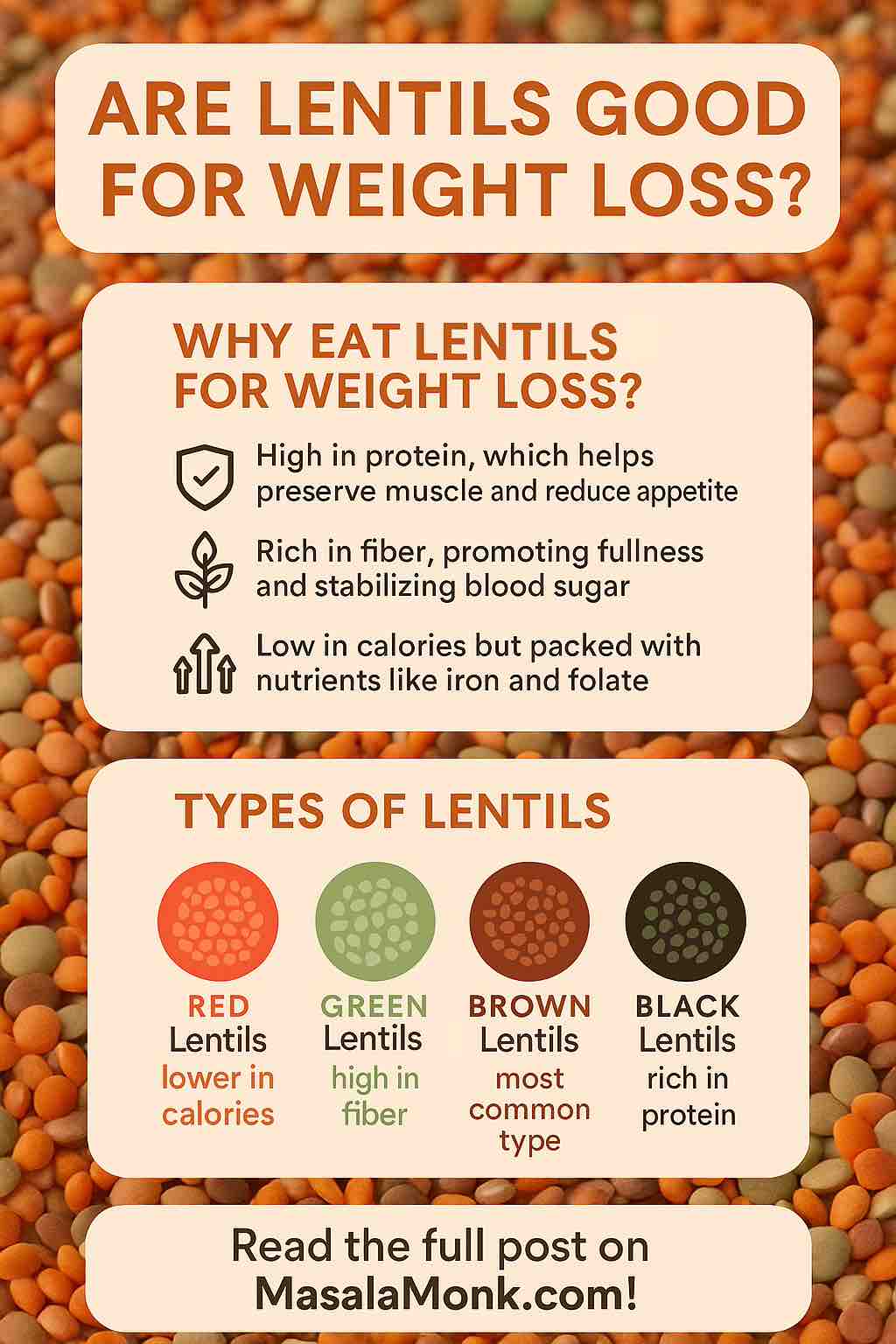
ARE LENTILS GOOD FOR WEIGHT LOSS? WHY EAT LENTILS FOR WEIGHT LOSS?

Lentils have been a dietary staple around the world for thousands of years, valued for their affordability, quick cooking time, and dense nutritional profile. In recent years, however, they’ve gained special recognition for their potential to support weight loss and fat reduction. So if you’ve ever wondered, “Are lentils good for weight loss?” or “Can lentils help you shed fat naturally?”, you’re not alone. These questions have become increasingly common as more people turn to whole foods for sustainable health results.

In this post, we’ll walk you through everything you need to know about lentils and weight loss—starting with the science behind their nutritional benefits, then moving into the best lentil types, cooking tips, and practical ways to incorporate them into your daily meals. Along the way, we’ll also answer common questions and share low-calorie lentil recipes that align with your weight management goals.

By the end, you’ll understand why lentils are often called a superfood for weight loss—and how you can use them strategically in your diet without worrying about unwanted weight gain.

My Person experience 147 Kgs to 90 Kgs: 3 Lentils for Fat Loss Win.


Why Lentils Are a Hidden Gem for Weight Loss

Let’s start with the basics. Lentils are small, mighty legumes packed with nutrients. But what makes them especially powerful for weight loss is their low calorie density, high fiber, and protein content. These three factors work together to keep you full, satisfied, and energized without overeating.
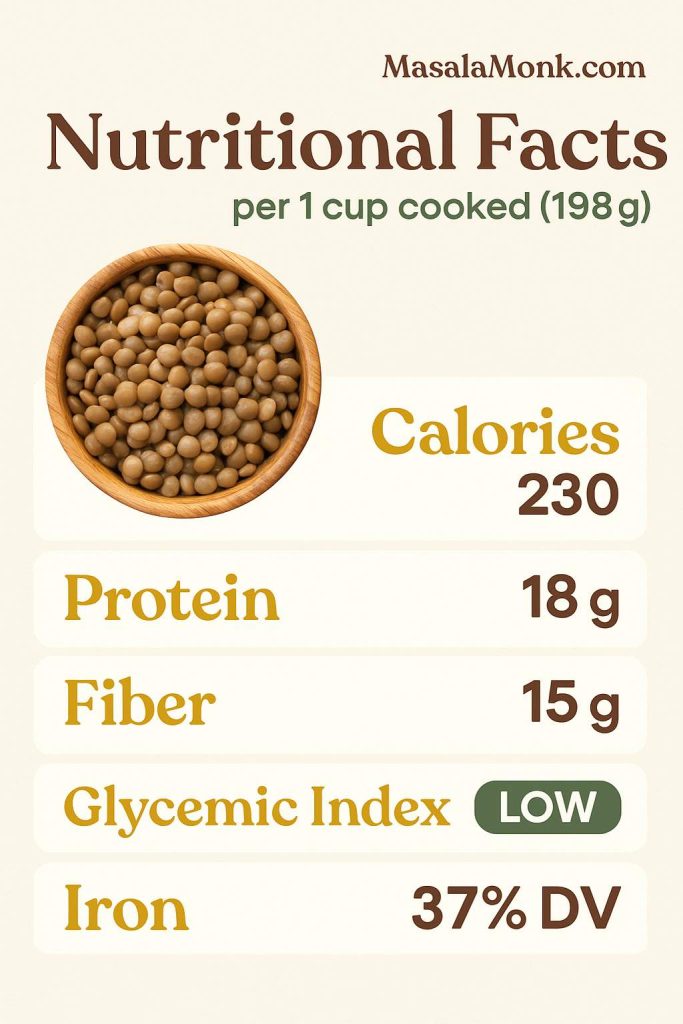
One cup of cooked lentils provides 230 calories, 18 grams of protein, and 15 grams of fiber — a simple way to stay full while losing weight.
Infographic showing nutritional facts of lentils per 1 cup cooked: 230 calories, 18g protein, 15g fiber, low glycemic index, and rich in iron.

A Look at the Numbers

Here’s what one cup (about 198 grams) of cooked lentils offers:

  • Calories: ~230
  • Protein: ~18 grams
  • Fiber: ~15 grams
  • Fat: Less than 1 gram
  • Glycemic Index: Low (21–30 depending on type)

In simple terms: You get a lot of food volume and nutrients, for relatively few calories. That’s a winning combo for weight loss.


Nutritional Profile of Lentils: Why They’re Great for Weight Loss

Before exploring how lentils affect weight loss directly, it’s important to understand their nutritional foundation.

1. Calorie Content

Lentils are relatively low in calories compared to many other protein-rich foods. For instance, one cup (about 198 grams) of cooked lentils provides approximately 230 calories. This makes them an excellent choice for those looking to reduce their calorie intake without sacrificing satisfaction or fullness.

2. High Protein Content

Protein plays a crucial role in weight loss because it helps maintain lean muscle mass while promoting satiety. Lentils offer around 18 grams of protein per cooked cup, which is impressive for a plant-based source. As a result, they serve as a smart alternative to animal proteins, especially for vegetarians and vegans focused on weight management.

3. Fiber-Rich Food

Another key benefit of lentils is their fiber content. A single cooked cup delivers about 15 grams of dietary fiber. This not only slows digestion and extends the feeling of fullness but also helps regulate blood sugar levels. Together, these effects can reduce overeating and curb unhealthy snacking—two essential factors in successful fat loss.

4. Low Glycemic Index

Lentils have a low glycemic index (GI), which means they release glucose into the bloodstream gradually. This helps maintain steady energy levels and reduces fat storage associated with insulin spikes. It’s especially beneficial for individuals managing insulin resistance or type 2 diabetes, which are commonly linked to excess weight.

5. Rich in Micronutrients

Beyond macronutrients, lentils provide a variety of essential vitamins and minerals that support metabolic health. These include:

  • Iron, which aids in energy production and oxygen transport
  • Magnesium, important for metabolism and muscle function
  • Folate, which supports cell repair and DNA synthesis
  • Potassium, which regulates fluid balance and blood pressure

These nutrients work together to support healthy metabolism and energy balance, both of which are foundational for sustainable weight loss.

Summary: Why Lentils Are Nutrient-Dense for Weight Loss

  • Low in calories (230 per cooked cup)
  • High in protein (18g) to promote satiety and preserve muscle
  • Packed with fiber (15g) to aid digestion and reduce cravings
  • Low glycemic index to support blood sugar control
  • Rich in essential vitamins and minerals that fuel metabolism

Taken together, these attributes make lentils one of the best foods for healthy, long-term weight loss.


Are Lentils Good for Weight Loss? What Does the Science Say?

So, are lentils truly good for weight loss? The evidence strongly suggests they are.

How Lentils Promote Weight Loss

Lentils support fat loss through several mechanisms. First, their combination of protein and fiber increases satiety, helping you feel full longer and reduce overall calorie intake. Second, the fiber slows digestion and stabilizes blood sugar levels, preventing insulin spikes that lead to fat storage and sugar cravings.

Additionally, lentils contain prebiotic fibers that feed beneficial gut bacteria. An increasingly large body of research links a healthy gut microbiome with better weight regulation, reduced inflammation, and improved metabolic health.

Lentils are also low in caloric density, which means you can eat satisfying portions without consuming excessive calories. This makes them a great option for people who want to feel full while still creating a calorie deficit.

What the Research Really Says About Lentils and Weight Loss

When it comes to losing weight in a healthy, sustainable way, lentils offer more than just nutrition—they’re backed by science. From supporting satiety and gut health to regulating blood sugar and improving metabolic markers, here’s what the research shows.

Lentils Can Help You Eat Less Without Feeling Hungry

A systematic review and meta-analysis found that eating just one serving of pulses like lentils per day helped people lose weight—without making any other dietary changes. Participants also experienced improved cholesterol levels, further reinforcing lentils’ heart-healthy benefits.

Smiling young woman eating a healthy lentil salad, with overlay text saying ‘Stay Full, Snack Less — Protein + Fiber keep hunger away for hours’.
Enjoying a fresh lentil salad — protein and fiber together help you stay full and snack less.

They Improve Blood Sugar and Inflammation

In a 2024 clinical trial, adults at higher metabolic risk who replaced meat with lentils saw notable improvements in their blood sugar response and inflammation markers—without reporting digestive discomfort. You can read more about that here.

Fiber and Resistant Starch Support Your Gut and Metabolism

Lentils are rich in both soluble and insoluble fiber, as well as resistant starch—components that help stabilize blood sugar, prolong fullness, and feed beneficial gut bacteria. According to Harvard’s School of Public Health, these properties make lentils a powerful tool in managing weight and improving digestion over time.

Lentils vs. Animal Protein: Why It Matters

Unlike red meat or cheese, lentils contain no cholesterol, are low in fat, and offer more fiber per gram. That’s why the Cleveland Clinic lists lentils as one of the best plant-based proteins for improving heart health and supporting weight loss.

Higher Fiber = Lower Risk of Disease and Death

A large 2022 study involving over 86,000 adults found that higher dietary fiber intake—including from lentils—was linked to significantly reduced risk of death from heart disease and cancer. For the full breakdown, check the Health.com report.


Which Lentils Are Best for Weight Loss?

While all lentils are healthy, some varieties may be slightly more effective for supporting weight loss due to their specific nutritional profiles.

Red Lentils

These cook quickly and have a soft texture, making them ideal for soups and purees. They’re slightly lower in calories and still provide a solid amount of protein and fiber.

If you’re looking for easy ways to use them, don’t miss these red lentil recipes that support weight loss.

Green Lentils

Known for holding their shape after cooking, green lentils are excellent in salads and side dishes. They typically contain more fiber and slightly more protein compared to red lentils.

Brown Lentils

As the most commonly available type, brown lentils are highly versatile. They have a balanced ratio of protein to fiber and work well in stews, curries, and mixed dishes.

Black Lentils (Beluga)

These small, shiny lentils are dense in protein, fiber, and antioxidants. They also have the lowest caloric content per gram, making them especially nutrient-dense for those focused on weight loss.

You can explore some of our favorite black lentil recipes designed for weight loss.

Which Lentil is Best?

If you’re targeting maximum fiber and protein per serving, green and black lentils are excellent choices. However, all lentil types contribute positively to a weight loss plan. Feel free to choose based on your preferred flavor, texture, or recipe.


How to Eat Lentils for Weight Loss

Your preparation method can significantly influence how lentils support your weight loss goals.

Portion Control

Aim for one to two cups of cooked lentils per day to ensure you’re getting adequate protein and fiber without consuming too many calories. Keep in mind that lentils expand as they cook—one cup of dry lentils yields roughly 2.5 cups cooked.

Cooking Tips

Stick to healthy preparation methods. Avoid frying or using cream-based sauces, and instead opt for boiling, pressure cooking, or simmering in broth. Flavor them with herbs, spices, lemon juice, or low-calorie sauces.

You can also pair lentils with nutrient-dense, non-starchy vegetables like spinach, bell peppers, or cucumbers to add bulk and enhance their fat-burning benefits.

Eating Lentils Daily

Adding lentils to your meals every day can help reduce appetite, improve blood sugar stability, and promote steady energy throughout the day. Many people report feeling fuller and more satisfied when lentils are a regular part of their diet.


Healthy Recipe Ideas to Enjoy Lentils and Lose Weight

One of the best things about lentils—besides their nutrition—is how incredibly versatile and delicious they are. Whether you’re craving something warm and comforting, light and refreshing, or even something with a bit of a spicy kick, there’s a lentil recipe that fits. Here are some easy, healthy ideas to get you started.
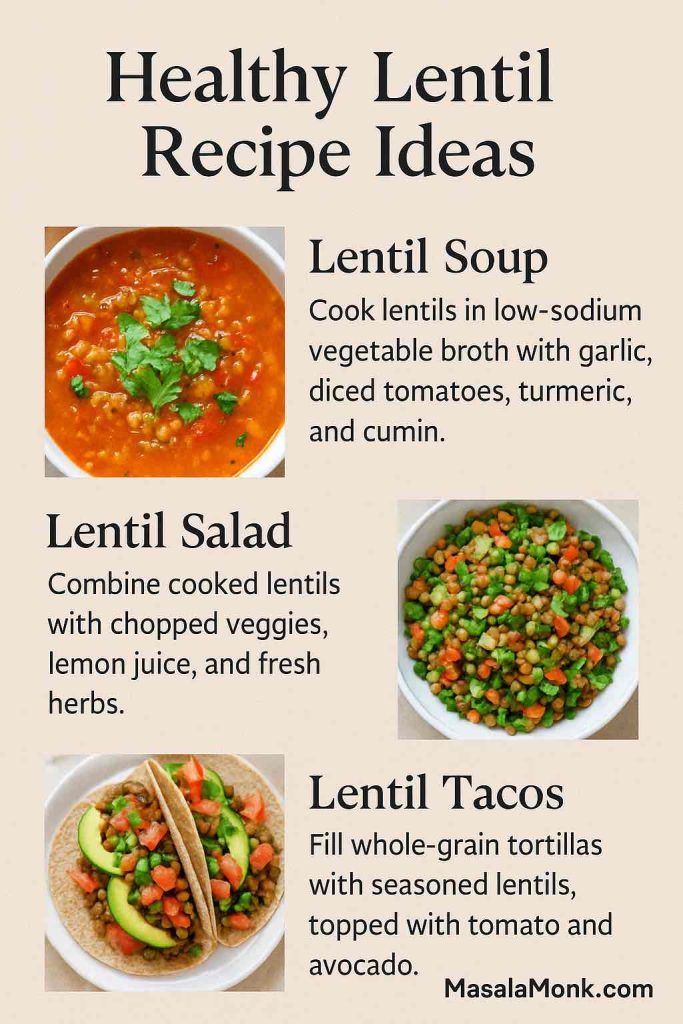
Recipe graphic showing three healthy lentil dishes: lentil soup cooked with tomatoes and spices, a colorful lentil salad with vegetables, and whole-grain tortillas filled with seasoned lentils and avocado.
Healthy lentil recipes made simple — from cozy lentil soup to refreshing salad and nourishing lentil tacos.

Lentil Soup (Comfort in a Bowl)

When you’re in the mood for something hearty and nourishing, lentil soup is a perfect choice. Start with a base of low-sodium vegetable broth, then add in diced tomatoes, chopped onions, garlic, and your favorite vegetables. To give it depth and warmth, season generously with spices like turmeric, cumin, paprika, and black pepper. Let it simmer until everything is tender and fragrant. It’s the kind of meal that feels like a hug on a cold day—and it just so happens to be great for your waistline, too.

For more inspiration, check out our vegan lentil soup recipes for weight loss.

Lentil Salad (Light, Fresh & Filling)

If you prefer something cooler and crisp, lentil salad is quick to throw together and endlessly customizable. Mix cooked green or brown lentils with chopped cucumbers, tomatoes, bell peppers, and red onions. Then drizzle with fresh lemon juice and olive oil, and toss in some fresh herbs like parsley or cilantro. For extra flavor, add a pinch of cumin or a splash of apple cider vinegar. It’s a refreshing meal or side that keeps you full without weighing you down.

Lentil Tacos (Plant-Based and Packed with Flavor)

Looking for a fun and creative way to use lentils? Try turning them into taco filling! Cook lentils with onions, garlic, cumin, chili powder, and a bit of tomato paste or crushed tomatoes. Once thickened, scoop the mixture into crisp lettuce wraps or whole-grain tortillas. Top with shredded cabbage, avocado slices, fresh salsa, or a dollop of Greek yogurt. It’s a satisfying, protein-rich dinner that even meat-lovers will enjoy—plus it’s completely customizable.

Lentil Curry (Rich, Warming, and Satisfying)

Nothing beats a cozy lentil curry when you want something deeply satisfying but still healthy. Red or brown lentils work especially well here. Sauté garlic, onions, and ginger in a bit of oil, then add curry powder, cumin, and turmeric. Stir in crushed tomatoes and your lentils, and let everything simmer until soft and creamy. You can toss in some spinach or cauliflower for added fiber and nutrients. Serve with a small portion of brown rice or enjoy it on its own for a one-pot, plant-powered meal.


Lentil Diet Plans and Tips for Weight Loss

Incorporating lentils into your daily meals doesn’t have to be complicated. In fact, once you get into the rhythm of it, they can become the foundation of a delicious, nutrient-dense eating routine that supports steady, sustainable fat loss.

To help you get started, here’s a simple one-day sample meal plan that shows how easy it is to make lentils a part of your day. Of course, you can mix and match ingredients to suit your tastes, and feel free to swap in seasonal produce or different proteins as needed.

For those who like to prep ahead, here are some plant-based high-protein lentil meal prep ideas that work beautifully for weight loss.

🥣 Breakfast: Light, Energizing, and Fiber-Filled

Begin your day with a breakfast that’s both light and satisfying. A fruit and nut bowl is a great place to start—think sliced banana, berries, a handful of almonds or walnuts, and maybe a sprinkle of chia or flax seeds for added fiber. This kind of meal helps regulate your appetite and sets the stage for more mindful eating throughout the day.

Alternatively, if you’re someone who prefers to drink their breakfast, a smoothie is a fantastic option. Blend almond milk or oat milk with a scoop of protein powder, frozen berries, spinach, and a spoonful of nut butter or flaxseed. It’s quick, refreshing, and keeps you fueled all morning.

🥗 Lunch: Refreshing, Filling, and Balanced

By midday, you’ll want something that’s hearty enough to fill you up, yet balanced enough to avoid that post-lunch slump. A lentil salad checks all the boxes. Start with a base of cooked green or brown lentils, and add in chopped cucumber, cherry tomatoes, red onion, and mixed greens. Then drizzle on a dressing of lemon juice and olive oil for a fresh, zesty flavor.

For an extra protein boost, consider adding grilled tofu, a boiled egg, or lean grilled chicken. This kind of lunch offers the perfect mix of fiber, protein, and healthy fats to carry you through the afternoon without cravings.

🥕 Snack: Crunchy, Satisfying, and Guilt-Free

Rather than letting hunger sneak up on you later in the day, plan ahead with a simple, wholesome snack. Raw vegetables like carrots, bell peppers, or cucumber slices pair well with a few tablespoons of hummus. If you’re in the mood for something crunchy, try roasted chickpeas or a small handful of almonds or pumpkin seeds.

Not only do these snacks satisfy your taste buds, but they also help keep your energy levels steady between meals—so you’re less likely to overeat at dinner.

🍛 Dinner: Comforting, Nutrient-Dense, and Easy to Prepare

As the day winds down, dinner should be comforting yet light enough to support restful digestion and sleep. A bowl of lentil soup or a gently spiced lentil curry makes for the perfect evening meal. Use ingredients like garlic, onion, tomatoes, ginger, turmeric, and cumin to boost both flavor and health benefits.

To round out your plate, add a serving of steamed vegetables—such as broccoli, zucchini, or spinach—and if you need a little more substance, include a small portion of whole grains like brown rice or quinoa. This combination is not only delicious but also deeply nourishing and naturally supportive of your weight loss goals.

Key Tips

  • Balance your meals by combining lentils with healthy fats and lean proteins
  • Stay hydrated, especially when increasing your fiber intake
  • Vary your meals to avoid boredom and improve nutrient diversity
  • Exercise regularly to maximize fat loss
  • Watch portions, even with healthy foods

Want More Lentil Inspiration?

If you’re excited to start cooking with lentils but want a bit more variety or meal prep guidance, we’ve got you covered. Whether you’re into comforting soups, quick salads, or prepping ahead for the week, these posts will give you fresh, weight-loss-friendly ideas.

Explore These Reader Favorites:

These posts are full of practical tips, balanced meal ideas, and step-by-step recipes to keep your lentil journey exciting and effective.


Can You Eat Only Lentils?

Lentils are highly nutritious, but eating only lentils isn’t advisable for the long term. Your body requires a wide range of nutrients that only a varied diet can provide. For best results, use lentils as a base and build your meals around them using other whole foods.


Nutrition Chart of Common Types of Lentils (per 1 cup cooked, ~198g):

Type of LentilCaloriesProtein (g)Fiber (g)Carbs (g)Fat (g)Iron (% DV)Glycemic Index
Red Lentils23017.815.639.90.837%Low (21–29)
Green Lentils23018.015.639.00.835%Low (22–30)
Brown Lentils23018.015.039.90.836%Low (29–32)
Black Lentils (Beluga)18024.017.930.00.740%Very Low (~21)
Yellow Lentils (Split Moong)21014.015.438.00.728%Moderate (~32–35)
Masoor Dal (Split Red Lentils)23018.015.640.00.837%Low (21–29)

⚠️ Note:

  • Nutritional values can vary slightly by source, preparation method, and origin of lentils.
  • %DV (Daily Value) is based on a 2,000-calorie diet.
  • Glycemic Index (GI) estimates are approximate and vary depending on processing and how lentils are cooked.

Key Takeaways:

  • Best for Weight Loss (Fiber + Protein): Black lentils (Beluga)
  • Most Versatile: Brown and green lentils (hold shape well, good for salads and soups)
  • Quickest Cooking & Best for Soups/Purees: Red lentils and Masoor dal
  • Gentlest on Digestion: Yellow lentils (Split Moong)

If you’re curious how to cook Beluga or Black Lentil creatively, don’t miss our guide on Beluga lentil benefits and recipes for fat loss.


Common Questions and Myths About Lentils and Weight Loss

Are lentils fattening?

Not at all. Lentils are naturally low in fat and calories, and they’re packed with fiber and protein—both of which actually help prevent overeating. As long as you’re not adding heavy cream or frying them in oil, lentils are one of the least “fattening” foods you can eat.

Can lentils cause weight gain?

Only if you’re consistently eating more calories than your body needs—including from lentils. But on their own, lentils are unlikely to cause weight gain. In fact, most people find that lentils help them feel full on fewer calories, which makes weight gain less likely.

Are lentils really good for weight loss?

Yes, absolutely. Lentils support weight loss in multiple ways—they keep you full, stabilize your blood sugar, and offer a high amount of protein and fiber without a lot of calories. Plus, they’re inexpensive and easy to prepare, which makes healthy eating more sustainable.

Is dal good for weight loss?

It can be! Dal—essentially lentil stew—is great for weight loss when made with minimal oil and plenty of vegetables. Use spices like cumin, turmeric, and coriander to add flavor without the extra calories. Just avoid adding too much ghee, butter, or fried toppings.

How much lentils should I eat per day to lose weight?

Around 1 to 2 cups of cooked lentils per day is a good target. That gives you enough fiber and protein to feel full and satisfied without going overboard on calories.

Can I eat lentils every day?

Yes, and many people do. Lentils are gentle on digestion, easy to cook, and work well in a variety of meals. Just be sure to also eat a range of other foods—like vegetables, fruits, whole grains, and healthy fats—for balanced nutrition.

Which lentils are best for weight loss?

Green and black lentils are often considered the best for weight loss because they’re slightly higher in fiber and protein. But all lentils—red, brown, yellow—are good choices, so feel free to mix it up based on what you enjoy eating.

What’s the best way to cook lentils for fat loss?

Boiling or pressure cooking is best. Avoid frying or adding high-calorie ingredients like cream or lots of oil. Instead, season with herbs, lemon, garlic, or low-sodium broth for flavor without the calories.

Do lentils help with belly fat?

Lentils won’t “target” belly fat specifically, but because they help reduce overall calorie intake and improve blood sugar balance, they can support full-body fat loss—including belly fat—when combined with a healthy diet and regular exercise.

What happens if I eat lentils for 30 days?

Most likely, you’ll feel more full, snack less, and notice more stable energy levels. Some people even report weight loss just from swapping processed carbs with lentil-based meals. Just be sure to keep meals balanced with other nutrient-rich foods.

Are lentils high in carbs?

They do contain carbohydrates, but they’re complex carbs paired with fiber and protein—which means they’re digested slowly and don’t cause blood sugar spikes. Unlike refined carbs, lentils keep you full and energized.

Can I eat lentils at night?

Yes, lentils are a great dinner option. Their fiber and protein can actually help prevent late-night snacking. Just keep portions reasonable and avoid pairing them with heavy, oily foods.

What’s healthier—lentils or rice?

Both can be part of a healthy diet, but lentils generally offer more protein, fiber, and nutrients per calorie. That said, combining lentils with small portions of whole grains like brown rice or quinoa gives you a balanced, satisfying meal.

Can lentils help reduce sugar cravings?

They can! Because they stabilize blood sugar and promote satiety, lentils help curb the cravings that come from energy crashes. Try having a lentil-based lunch and see how much more stable your afternoon energy feels.

Do I need to soak lentils?

Not always. Most lentils (especially red and yellow varieties) don’t require soaking. However, soaking can help reduce cooking time and may improve digestion for some people.
A rustic bowl filled with cooked lentils with bold text overlay reading ‘Lentils for Weight Loss’ highlighting how lentils are affordable, nutritious, and backed by science.
Lentils for weight loss — affordable, nutritious, and backed by science at MasalaMonk.

Final Thoughts: Why Lentils Are a Weight Loss Superfood

Lentils combine all the key qualities that support weight loss:

  • Low in calories yet nutrient-dense
  • High protein to preserve muscle and reduce appetite
  • Rich fiber to control hunger and stabilize blood sugar
  • Versatile and easy to incorporate into many meals
  • Affordable and accessible for most diets

In summary, lentils offer a unique combination of nutrients that make them ideal for weight loss: they’re low in calories, yet rich in protein and fiber, which helps keep you full and satisfied.

Unlike many processed weight-loss products, lentils are natural, unprocessed, and incredibly versatile. Whether you prefer soups, salads, curries, or tacos, lentils can easily be integrated into your meals without sacrificing flavor or nutrition.

Moreover, their high fiber content aids digestion, their low glycemic index stabilizes blood sugar, and their impressive micronutrient profile supports your metabolism. All things considered, lentils are not just weight-loss-friendly—they’re one of the most effective, affordable, and accessible foods for anyone looking to lose weight in a healthy, sustainable way.

So, whether you’re starting your weight loss journey or looking to optimize your current diet, lentils deserve a place on your plate. By including lentils regularly in your diet—whether as soups, salads, curries, or snacks—you can enhance fullness, reduce overall calorie intake, and promote healthy fat loss without feeling deprived.


Posted on — 9 Comments

10 Examples of Egg Dishes, with 2 Eggs

10 Irresistible Egg Dishes With Just 2 Eggs

Let’s be honest: Sometimes, the most magical things in the kitchen happen when you have just a couple of eggs left in the fridge, a growling stomach, and a spark of curiosity. Eggs are like little edible treasures—packed with protein, affordable, and capable of starring in dishes from every corner of the world.

But what if you only have two? Is that enough? The answer: Absolutely! From quick weekday breakfasts to cozy solo dinners, here are 10 detailed, creative ways to transform just two eggs into something wonderful. We’ll sprinkle in tips, flavor twists, and point you to more deep-dives on MasalaMonk.com along the way!


1. Creamy Classic Scrambled Eggs

There’s a reason every culture has its own version of scrambled eggs. They’re soothing, reliable, and quick to make—plus, they’re a blank canvas for your favorite flavors.

How to Make (the Right Way):
Crack 2 eggs into a bowl, add a generous pinch of salt, a grind of black pepper, and just a tiny splash of milk or cream (totally optional, but adds a lovely softness). Whisk with a fork or small whisk until everything is smoothly combined and a little frothy.

Classic Scrambled Eggs
Fluffy scrambled eggs made with just 2 eggs, butter, and a hint of chives—perfect for a quick, protein-packed breakfast or brunch.

Melt a pat of butter in a nonstick pan over gentle heat (don’t rush it—good scrambled eggs are all about patience). Pour in your eggs, and with a silicone spatula, slowly stir from the edges to the center, letting soft curds form. The moment they look barely set, remove from heat—they’ll keep cooking from residual warmth.

Flavor Upgrade:
A handful of chopped chives or coriander, a sprinkle of grated cheddar, or a dusting of smoked paprika can work wonders. For even more ways to amp up your eggs, visit Egg-cellent Seasoning Options for Flavorful Eggs.

Personal Touch:
Serve with buttered sourdough or even spoon them onto hot rice, Japanese-style. Some days, it’s the simplest things that feel like a big, warm hug.


2. Soft or Hard-Boiled Eggs (the Anytime Snack)

Eggs don’t need much to be a satisfying snack or lunch. Boiled eggs are portable, filling, and can be dressed up in countless ways.

How to Make (Foolproof):
Place 2 eggs in a saucepan, cover with cold water by about an inch, and bring to a gentle boil. For soft-boiled (runny yolk, firm white), cook for 6-7 minutes. For hard-boiled (set all the way through), go for 10-12 minutes. Immediately transfer eggs to a bowl of ice water (or run under cold water) to stop cooking and make peeling a breeze.

Perfect Boiled Eggs
Soft or hard-boiled eggs done right—enjoy these easy, protein-rich boiled eggs on toast, salads, or as a healthy snack.

Slice them over salads, nestle into a bento box, or sprinkle with flaky salt and a little chili powder for a quick snack.

Egg Nutrition:
Curious about how much nutrition you’re actually getting? Check out How Much Protein in Two Boiled Eggs? for the details on protein, calories, and why boiled eggs are a dietitian’s favorite.

Pro Tip:
Experiment with flavor: Try marinating peeled eggs in soy sauce and garlic for “ramen eggs,” or toss slices with a bit of chaat masala for an Indian twist.


3. Masala Omelette (Spicy Indian Comfort Food)

If you’ve ever visited an Indian railway station or a roadside dhaba, you’ve probably spotted someone expertly flipping a masala omelette on a sizzling tawa. Two eggs, a few chopped veggies, and a handful of spices make for a breakfast that’s bursting with flavor and memories.

How to Make:
Whisk 2 eggs with salt. Add finely chopped onion, tomato, green chili, and fresh coriander. Toss in a pinch each of turmeric, red chilli powder, and black pepper. Heat oil or ghee in a pan, pour in the mixture, and cook on medium heat, swirling to spread evenly. Flip to brown both sides, then serve hot.

Masala Omelette
Spicy Indian masala omelette loaded with onions, tomatoes, green chilies, and fresh coriander—ready in minutes with just 2 eggs.

Level It Up:
Stuff with cheese, leftover sabzi, or even crumbled paneer for extra richness. For a truly “desi” twist, pair with pav or tuck inside buttered bread for a street-style sandwich.
Want to explore even more Indian-inspired egg fusion? Head over to Eggs Benedict: Desi Twist Challenge.


4. Shakshuka (Eggs Poached in Spicy Tomato Sauce)

Shakshuka is the kind of breakfast (or dinner!) that makes you want to mop the bowl clean with a hunk of bread. Originating from North Africa and wildly popular across the Middle East, it’s a celebration of eggs and bold, tangy-sweet flavors.

How to Make:
In a skillet, sauté chopped onion, bell pepper, and garlic in olive oil until soft. Add a can of diced tomatoes (or fresh if you have), a teaspoon of cumin, paprika, and a pinch of cayenne. Simmer until thickened, then make two small wells and gently crack your eggs into them. Cover and cook on low heat until the whites are set but yolks remain runny.

Shakshuka
A single-serve shakshuka with two eggs poached in a flavorful tomato and pepper sauce—bring Middle Eastern breakfast to your table.

Serving Suggestion:
Finish with a sprinkle of feta, a handful of parsley, and serve straight from the pan with toasted sourdough or warm pita.

Want to know where this dish fits into Mediterranean mornings? See 10 Most Popular Mediterranean Breakfasts.


5. Cloud Eggs (For When You Feel Fancy)

Cloud eggs are part breakfast, part magic trick. They’re fluffy, photogenic, and taste like a cross between a soufflé and a poached egg. Perfect for impressing guests—or just brightening a grey morning.

How to Make:
Separate your 2 eggs, placing whites and yolks in different bowls. Whip the whites until stiff peaks form (electric beaters are your friend). On a lined baking tray, dollop the whipped whites into two mounds and create a small nest in each. Bake at 190°C (375°F) for 3 minutes, then add a yolk to each nest and bake for another 2 minutes until just set.

Cloud Eggs
Whip up Instagram-worthy cloud eggs with just two eggs—fluffy whites, golden yolks, and a sprinkle of herbs for a show-stopping brunch.

Science Corner:
Curious why egg whites whip so dramatically? Find out in Can You Really Not Whip Egg Whites if There’s Yolk in Them? Let’s Crack This Myth.

Garnish:
A little parmesan, chives, or smoked paprika on top and you’re set for an Instagram post.


6. Mini Frittata (Eggs for Dinner, or Anytime)

A frittata is essentially an Italian open-faced omelette—thick, fluffy, and endlessly adaptable. With two eggs, you can create a mini version perfect for solo meals or meal prep.

How to Make:
Beat 2 eggs with salt, pepper, and a tablespoon of milk or cream. Pour into a small, greased oven-safe dish or a muffin tin. Scatter over whatever you have: sautéed spinach, chopped tomatoes, cooked potato, cheese, or herbs. Bake at 180°C (350°F) until puffed and golden, about 12–15 minutes.

Mini Frittata
Easy mini frittata baked with vegetables and cheese—healthy, customizable, and perfect for meal prep or quick dinners with 2 eggs.

Why You’ll Love It:
Frittatas are brilliant for using up leftovers and sneaking extra veggies into your diet. Serve warm or at room temperature with a fresh salad.


7. Egg Drop Soup (For Rainy Evenings or Sick Days)

Egg drop soup is Chinese comfort in a bowl—warm, soothing, and ready in minutes. If you love silky, ribbon-like egg textures, this one’s for you.

Egg Drop Soup
Classic Chinese egg drop soup made from scratch with two eggs—silky egg ribbons in savory broth, ideal for a light meal or appetizer.

How to Make:
Bring 2 cups of chicken or vegetable broth to a gentle simmer. Beat 2 eggs in a small bowl. With a fork or chopsticks, swirl the broth in one direction, then slowly drizzle in the eggs. Watch as soft egg “ribbons” form instantly. Add a splash of soy sauce, white pepper, and finish with chopped scallions.

Plant-Based Twist:
Eggs not your thing today? Try a tofu scramble instead—see Tofu Instead of Eggs: 5 High-Protein Plant-Based Breakfast Ideas.

Optional:
Toss in a handful of spinach or a few drops of sesame oil for depth.


8. Classic Egg Salad (Perfect for Sandwiches and Snacks)

Egg salad is a retro lunchbox hero and comes together in no time with just two eggs. It’s creamy, tangy, and perfect for spreading on toast or spooning into lettuce wraps.

How to Make:
Boil 2 eggs until firm, peel, and chop them up. In a bowl, mix with a spoonful of mayonnaise, a dash of mustard, salt, pepper, and fresh herbs like dill or parsley. Want to spice it up? Add a little chopped celery, onion, or even a pinch of curry powder.

Egg Salad
Creamy, tangy egg salad made from just two eggs—great for sandwiches, wraps, or as a low-carb, protein-rich lunch.

Health Note:
Egg yolks are packed with nutrients and healthy fats. If you’re curious about what makes them so good for you, read Egg Yolks or Yellow: Nutritional & Protein Profile.

Serving Suggestion:
Slather on toast, stuff into pita bread, or serve as a dip with crackers.


9. Mini Spanish Tortilla (Tortilla Española)

Don’t let the name fool you—a Spanish tortilla is not a wrap, but a tender, thick omelette loaded with potatoes and onions. Making a mini version with just two eggs is perfect for a hearty meal-for-one.

How to Make:
Thinly slice a small potato and half an onion. Sauté in olive oil over low heat until golden and soft (patience pays off here). Beat 2 eggs, season, and combine with the veggies. Pour back into the pan, smooth the top, and cook gently until the bottom is golden. Carefully flip (use a plate if you must) and finish cooking the other side.

Mini Spanish Tortilla
Spanish tortilla for one: thin-sliced potato and onion cooked with two eggs for an authentic, satisfying tapa or breakfast.

Variations:
Try adding red peppers, cooked chorizo, or a sprinkle of smoked paprika for a twist. Serve warm or at room temperature with a tomato salad.


10. Eggs Kejriwal (Mumbai’s Spicy Toasted Egg & Cheese)

Eggs Kejriwal is a cult favorite from Mumbai’s old Irani cafés—a spicy, cheesy open-faced sandwich that’s so much more than “egg on toast.”

How to Make:
Toast a slice of bread, slather with a little butter, then add grated cheese (cheddar works well) and a finely chopped green chilli for heat. Place under the broiler or in a hot pan until the cheese bubbles. Then, top with a fried egg (or even a soft-boiled one split open) and a sprinkle of black pepper.

Eggs Kejriwal
Iconic Mumbai-style Eggs Kejriwal—crisp toast topped with cheese, green chilies, and a runny fried egg for a spicy, satisfying treat.

Pro Tip:
Serve with ketchup, chutney, or a cup of strong chai for the full experience.


Final Thoughts: Two Eggs, Endless Possibilities

Next time you peer into your fridge and see just two eggs, remember this list. Whether you’re feeling classic, creative, healthy, or indulgent, there’s a two-egg recipe waiting to make your day better.
Experiment, taste, and make it your own—eggs are forgiving and open to nearly infinite flavor combinations.

Eggs are also a nutritional powerhouse:
Rich in protein, vitamins, and healthy fats, they’re ideal for building muscle, fueling your brain, or simply starting your day on a happy note.


Pro Tips for the Best Egg Dishes

  • Always season eggs before cooking—it makes a world of difference in texture and flavor.
  • Cook on low heat for tender results—high heat toughens eggs.
  • Get creative with toppings and sides: Chutneys, salsas, and pickles all love eggs.
  • Don’t waste the yolk! That’s where much of the nutrition and flavor live.

For more tips, inspiration, and the latest egg trends, keep browsing MasalaMonk.com. Your kitchen, your rules—happy cooking!

FAQs for 10 Egg Dishes with 2 Eggs

1. Can I double these recipes if I have more eggs?

Absolutely! Each recipe is designed for two eggs but can be scaled up easily. Just multiply the ingredient quantities by the number of eggs you’re using, and adjust the pan size and cooking time as needed.


2. What are the health benefits of eating two eggs a day?

Two eggs provide about 12–14 grams of high-quality protein, healthy fats, vitamin D, choline, and a host of other nutrients. They keep you full, support muscle health, and are generally considered safe for most people as part of a balanced diet. For more on nutrition, see How Much Protein in Two Boiled Eggs?.


3. Can I use egg substitutes in these recipes?

Yes! For plant-based options, use tofu scramble in place of scrambled eggs, or try commercially available vegan egg replacers for frittatas and omelettes. For more ideas, check Tofu Instead of Eggs: 5 High-Protein Plant-Based Breakfast Ideas.


4. How do I keep my scrambled eggs soft and creamy, not rubbery?

Cook on low heat, stir gently, and remove the eggs from heat just before they’re fully set. They’ll finish cooking with residual warmth. Adding a splash of milk or cream helps too.


5. What are some good side dishes to serve with these egg recipes?

Pair eggs with toasted bread, parathas, rice, sautéed greens, roasted potatoes, or fresh salads. Chutneys, salsas, and pickles also make excellent accompaniments.


6. Are brown eggs healthier than white eggs?

No—brown and white eggs have virtually the same nutritional value. The color difference comes from the breed of chicken, not the nutritional content.


7. Can I prepare these egg dishes ahead of time?

Some dishes, like boiled eggs, egg salad, and mini frittatas, store well in the fridge for up to 3 days. Scrambled eggs and omelettes are best enjoyed fresh.


8. What’s the best way to peel hard-boiled eggs?

Cool eggs in ice water immediately after boiling. Crack the shell all over and peel gently under running water. Older eggs often peel more easily than very fresh ones.


9. How can I make my egg dishes more flavorful?

Use fresh herbs, spices, or seasoned salts. Try flavor boosters like garlic, onions, cheese, or even a drizzle of chili oil. For more ideas, read Egg-cellent Seasoning Options for Flavorful Eggs.


10. Can I make these dishes if I don’t have a nonstick pan?

Yes. Use a well-seasoned cast iron pan or a stainless steel pan with enough oil or butter to prevent sticking. For oven-baked dishes like frittatas, line your baking dish with parchment or grease it well.

Posted on — Leave a comment

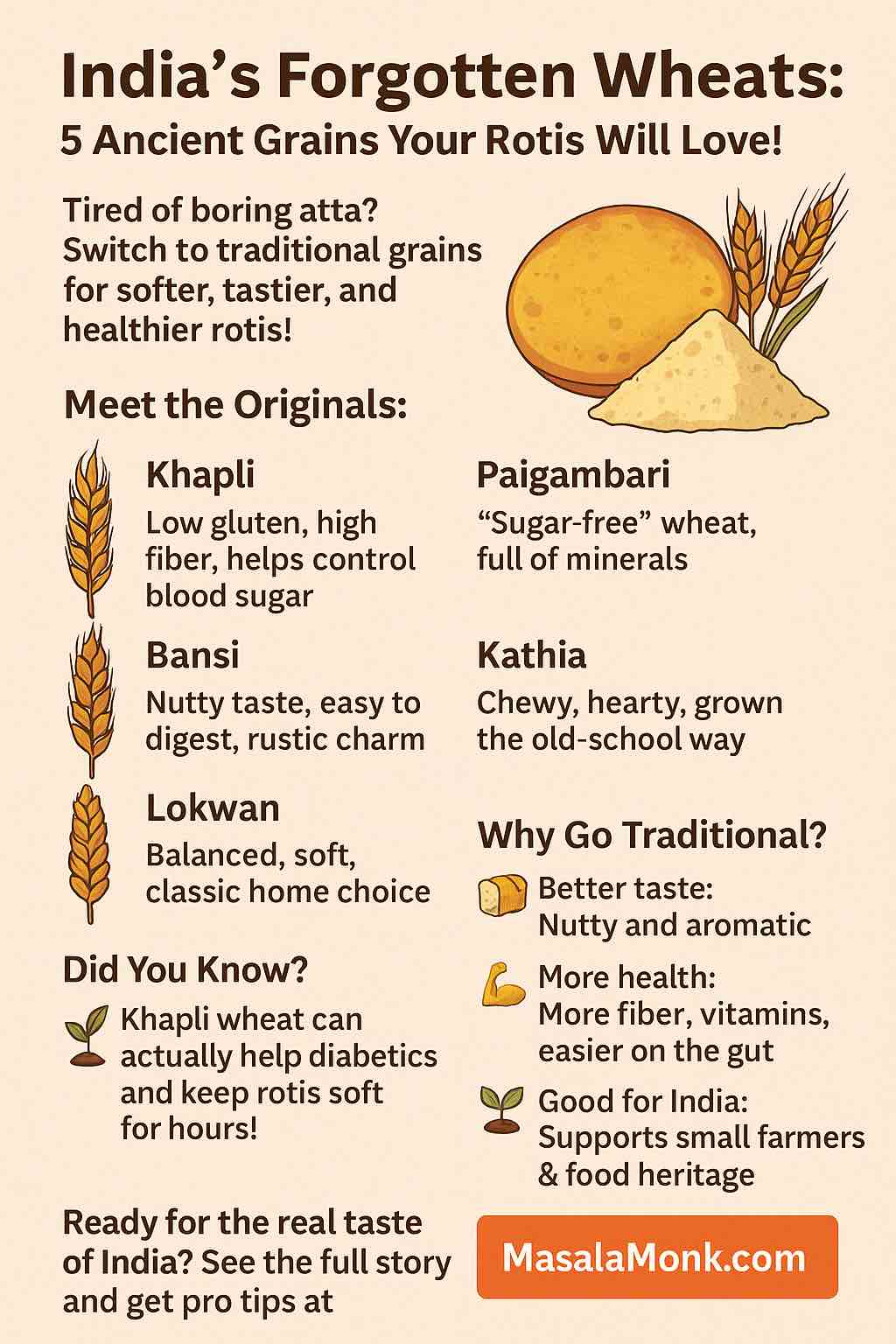
5 Best Wheat Flour Or Atta in India 🍞🌾

Best Wheat Flour Or Atta in India

When you walk through any bustling Indian market, bags of “chakki atta” and “whole wheat flour” line the shelves—often sold by brands you see on TV. But have you ever paused to wonder: What wheat is actually in your atta? Is it the same as what your grandmother used? Why do some rotis taste richer, feel softer, or keep you full longer?

The answers are rooted deep in Indian history, soil, and tradition. Before modern hybrids took over the fields, India’s farms were filled with a rainbow of wheat varieties—each unique in flavor, nutrition, and story. Today, let’s journey back to our roots and discover why traditional, heirloom wheat varieties (and their stone-ground atta) matter more than ever.


Why Traditional Wheat Matters

The Hybrid Takeover

Since the 1960s, the Green Revolution transformed Indian agriculture. High-yielding hybrid wheat made India food-secure, but it also pushed out the rich diversity of ancient grains. Today, most commercial atta is made from just a few hybridized types bred for yield and storage—not taste, nutrition, or digestibility.

The Heirloom Comeback

Across India, small farmers and conscious consumers are reviving heirloom wheat varieties. These grains aren’t just relics of the past—they offer practical benefits for our kitchens, our health, and even our planet.


5 Must-Know Traditional Wheat Varieties for Atta

1. Khapli Wheat (Emmer, Triticum dicoccum)

History & Region:
Cultivated since the Indus Valley Civilization, still grown in Maharashtra, Karnataka, and parts of Gujarat.

Nutrition:

  • Protein: 12.8–13 g/100 g
  • Fiber: 10–15 g/100 g
  • Low Gluten: ~5–6%
  • Low Glycemic Index: 39–50
  • Rich in: Magnesium, iron, antioxidants

Health Benefits:

  • Clinical studies show khapli lowers cholesterol and blood sugar better than modern wheat.
  • It’s easier to digest—ideal for people with mild gluten sensitivity or diabetes.

Kitchen Tips:
Khapli atta dough absorbs more water—let it rest 20–30 minutes before rolling. Rotis stay soft for hours. Use in parathas, rotis, dosa, or even pilafs!


2. Paigambari Wheat (Sona Moti, Triticum aestivum sphaerococcum)

History & Region:
Pearl-like ancient wheat from Punjab, MP, and the Deccan Plateau. Called “sugar-free” wheat by some old-timers!

Nutrition:

  • Low Glycemic Index: ~55
  • Higher Protein & Minerals: More folic acid, iron, zinc than hybrids
  • Lower Gluten: Easy on the gut

Health Benefits:
Excellent for people wanting lighter rotis, slow-release energy, and improved digestion.

Kitchen Tips:
Perfect for fluffy rotis, upma, and traditional sweets. If you’ve never tried it, make “paigambari lapsi”—a sweet cracked-wheat pudding!


3. Bansi Wheat (Triticum durum)

History & Region:
Indigenous to Madhya Pradesh and Rajasthan, this golden-hued wheat survived colonial displacement and hybrid takeovers.

Nutrition:

  • High in fiber, protein, minerals
  • Weak gluten network—makes it easier on the stomach

Health Benefits:
Gives slow energy release; traditional wisdom says it “sticks to the ribs” and keeps you full.

Kitchen Tips:
Bansi atta is loved for making rustic, nutty rotis, upma, dhokla, and even semolina for sweets.


4. Kathia Wheat (Tetraploid Durum Landrace)

History & Region:
Traditional wheat of Gujarat and Haryana—farmed organically and adapted to harsh, low-water conditions.

Nutrition:

  • High fiber and protein
  • Strong taste, robust texture

Health Benefits:
Praised for satiety and “desi” flavor.

Kitchen Tips:
Makes slightly chewier rotis—great for those who love hearty breads. Use in porridge (lapsi) or flatbreads with dollops of ghee.


5. Lokwan (Lok-1) Wheat

History & Region:
Bread wheat landrace of Maharashtra, MP, Gujarat. Still found in home mills and local mandis.

Nutrition:

  • Protein: ~12.7 g/100 g
  • Fiber: ~10–11 g/100 g
  • Balanced gluten—chewy but soft

Health Benefits:
Traditional “daily” atta for many households, supports satiety and digestive wellness.

Kitchen Tips:
Versatile for chapati, puri, or even pancakes (“thalipeeth”). Lokwan atta works especially well in wood-fired chulha breads.


Why Stone-Ground Atta Makes a Difference

Traditional wheat truly shines when milled on a slow, stone “chakki.” Here’s why:

  • Less Heat: Retains vitamins, enzymes, natural flavor
  • More Bran & Germ: Keeps all the fiber, minerals, and healthy oils
  • Better Taste: Earthy, nutty, and distinctly aromatic—unlike bland, roller-milled flour

How to Find and Use Heirloom Wheat Atta

1. Where to Buy

  • Local Mandis: Old grain markets in MP, Rajasthan, Gujarat, Maharashtra
  • Organic/Artisan Stores: Brands like Two Brothers Organic, Satvyk, Graminway, Organic Tattva often sell Khapli, Bansi, Paigambari, and Lokwan atta
  • Online: Look for “heritage wheat,” “khapli atta,” “bansi wheat flour,” or “stone-ground chakki atta” from reputable sellers

2. How to Use

  • Rotis/Chapati: Use as you would regular atta—expect richer flavor, and sometimes softer or chewier texture.
  • Mix & Match: Blend two or more heirloom wheats for custom flavor and nutrition.
  • Traditional Recipes: Try lapsi, dhokla, dosas, upma, parathas, or simply the classic phulka.

3. Pro Tips

  • Water Content: Heirloom atta often needs more water—start with a soft dough.
  • Rest the Dough: Especially for khapli, resting helps gluten relax, making softer breads.
  • Taste: Expect a deeper, slightly earthy, and sometimes sweeter taste.

The Bigger Picture: Supporting Tradition, Health, and Sustainability

Choosing heirloom wheat atta isn’t just a food trend—it’s a way to support India’s agricultural biodiversity, honor generations of farmers, and reclaim richer nutrition for your family.

Every time you cook with these ancient grains, you’re bringing history, flavor, and health back to your table.


Final Thoughts

Modern life moves fast—but some things are worth slowing down for. Next time you reach for a bag of atta, pause and look for these traditional wheats. Your rotis (and your body) will thank you—and you’ll become part of a movement that celebrates India’s living food heritage.

Ready to try it out?
Share your experiences with heirloom wheat, your favorite recipes, or questions in the comments! Let’s keep the conversation (and the tradition) alive.

FAQs

1. What is the difference between traditional and hybrid wheat?
Answer:
Traditional wheat varieties are indigenous, non-hybridized grains grown for centuries in India—like Khapli, Bansi, and Paigambari. Hybrids are modern, high-yielding breeds introduced after the Green Revolution. Traditional wheats tend to have more flavor, nutrition, and digestibility, while hybrids are bred mainly for yield and uniformity.


2. Why is stone-ground chakki atta better than regular roller-milled atta?
Answer:
Stone grinding preserves more fiber, vitamins, minerals, and healthy oils by generating less heat and retaining the wheat’s bran and germ. This results in more flavorful and nutritious atta compared to roller-milled flour, which is often more refined and less nutrient-dense.


3. Is heirloom wheat suitable for people with gluten sensitivity?
Answer:
Traditional wheats like Khapli have a simpler, lower gluten structure, making them easier to digest for many people with mild gluten intolerance. However, they still contain gluten and are not safe for people with celiac disease.


4. Which traditional wheat is best for diabetics?
Answer:
Khapli wheat (Emmer) is scientifically proven to have a low glycemic index and glycemic load, making it an excellent choice for managing blood sugar levels. Paigambari wheat is also considered better than modern wheat for diabetics.


5. Where can I buy heirloom wheat or atta in India?
Answer:
You can buy these grains or their stone-ground atta in local mandis in states like Maharashtra, Madhya Pradesh, Rajasthan, and Gujarat. Many organic or artisan brands and online stores (e.g., Two Brothers Organic, Graminway, Satvyk) also sell them across India.


6. Does traditional wheat atta taste different from regular atta?
Answer:
Yes, traditional wheats offer a richer, nuttier, and sometimes slightly sweet flavor. Rotis made from these grains are often softer or chewier, with a distinct aroma that many find superior to modern commercial atta.


7. Do I need to change my cooking method when using heirloom atta?
Answer:
Heirloom atta usually needs a bit more water, and the dough benefits from a 20–30 minute rest before rolling. Otherwise, you can use it in the same way as regular atta for rotis, parathas, and more.


8. Are these traditional grains more expensive?
Answer:
Generally, yes—they are grown in smaller quantities, often organically, and require more careful processing. However, the nutritional and culinary benefits make them worth the investment for many families.


9. Can I mix traditional and modern atta?
Answer:
Absolutely! Many people blend heirloom wheat atta with regular atta to balance taste, texture, and budget—while still enjoying health benefits.


10. What is the best way to store heirloom wheat atta?
Answer:
Keep it in an airtight container in a cool, dry place. Since stone-ground atta retains natural oils, it’s best to use within 2–3 months or store in the fridge for longer freshness.

Posted on — 3 Comments

Indian Falafel: 6 Masala, Palak, Aloo, Paneer & Curry Leaf Twists

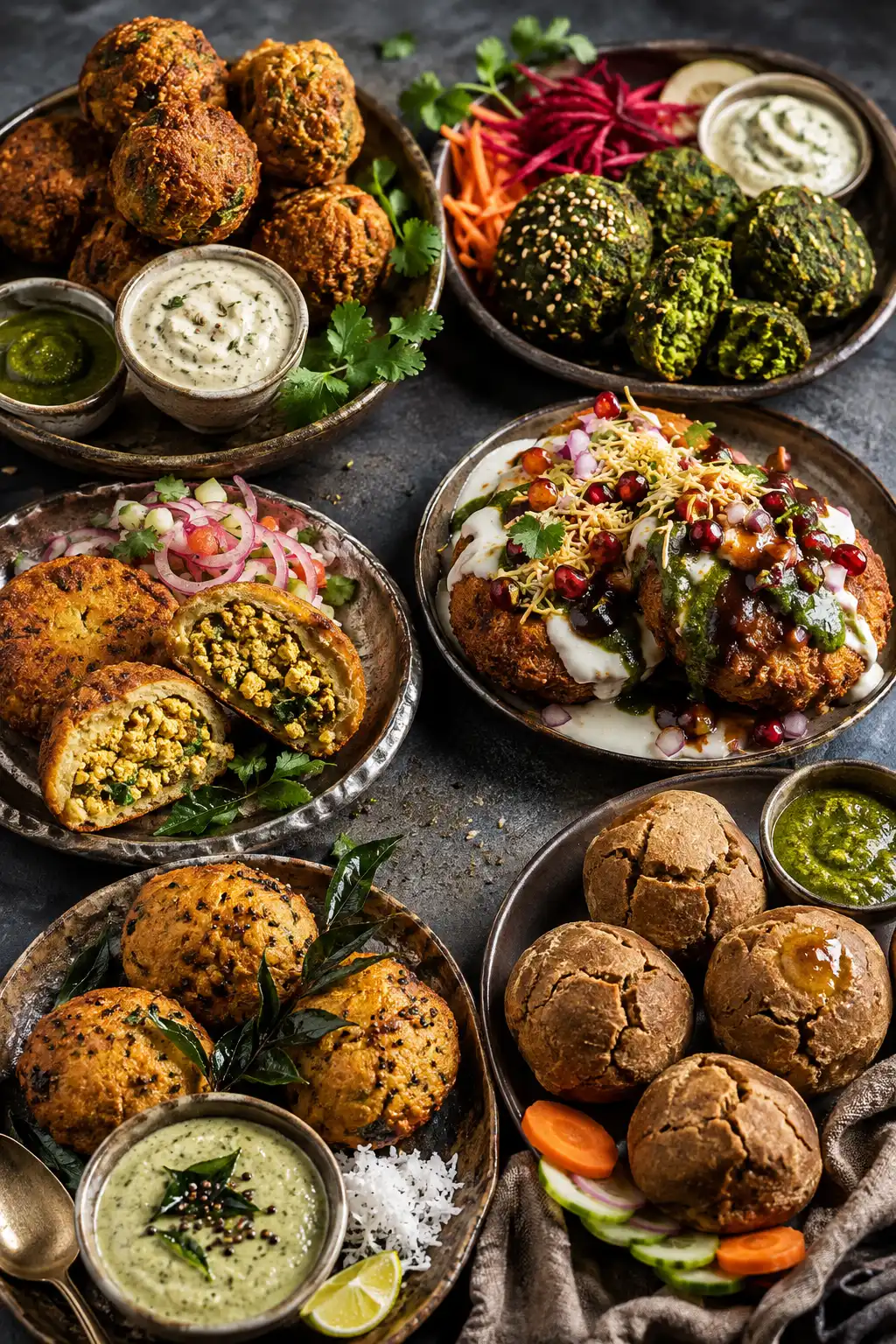
Six Indian falafel variations including Masala Chana, Methi-Palak, Aloo Tikki Chaat, Paneer Bhurji-Stuffed, Curry Leaf and Daal Bati Falafel.

At its most familiar, falafel starts with soaked chickpeas, herbs and spices, pulsed to a coarse crumb and cooked until the outside turns crisp while the middle stays tender. That basic idea fits surprisingly well into an Indian kitchen, where cumin, coriander, green chilli, ginger, amchur, chaat masala and chutneys already feel at home.

The recipes here take that starting point in six different directions. Masala Chana stays closest to classic falafel; Methi-Palak goes greener and softer; Aloo Tikki turns flat and chaat-ready; Paneer Bhurji becomes a filling rather than part of the shell; Curry Leaf brings mustard, ginger and coconut chutney into the picture; and Daal Bati deliberately leaves chickpea falafel furthest behind.

You do not need to cook them all the same way, either. Some want hot oil, one wants the broad crust of a frying pan, two sit happily in an appe/paniyaram pan, and the Daal Bati version belongs in the oven.

Table of Contents

Choose Your Indian Falafel

If you already know what sounds good, use the first column to jump straight to that recipe. If not, the texture and cooking method usually make the decision easier.

FalafelWhat it is likeBest methodBest with
Masala ChanaWarm, tangy and crisp, with a coarse chickpea centreFry or air-fryGreen chutney, cumin yogurt, pav or pita
Methi-PalakGreen, herbaceous and tender with a sesame crustAppe/paniyaram pan or air fryerCreamy dip, beet-carrot salad
Aloo TikkiCrisp outside, soft inside and built for chaatShallow-fryYogurt, green chutney, tamarind, sev
Paneer Bhurji-StuffedCrisp chickpea shell with a soft spiced paneer centreFryKachumber, pickled onion, roti
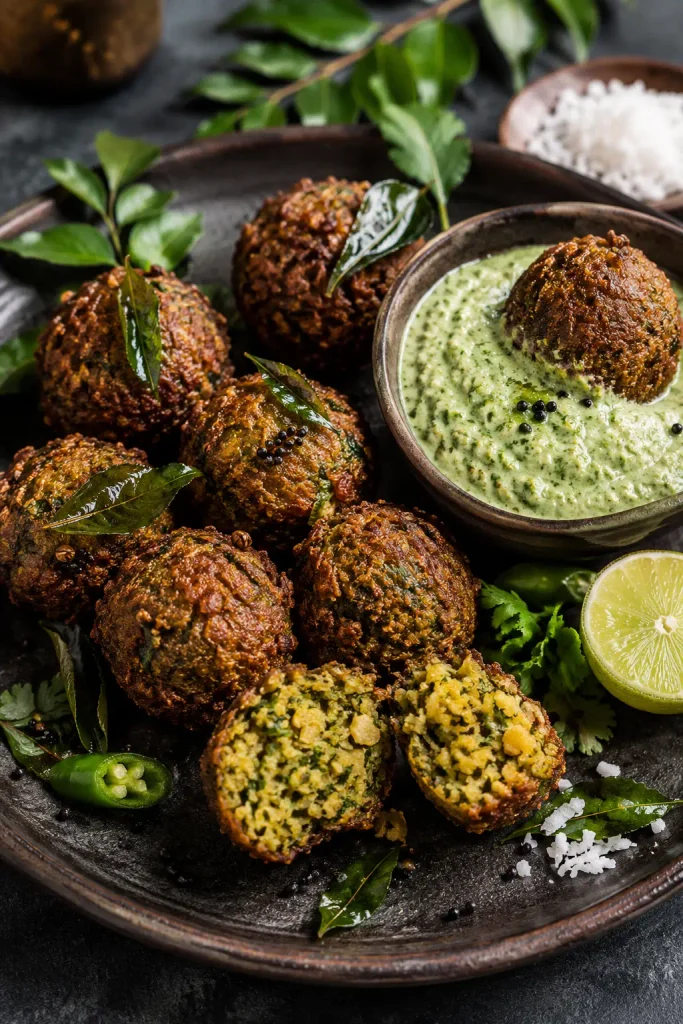
Curry LeafFragrant, peppery and coarse, with ginger and mustardFry or appe/paniyaram panCoconut-coriander chutney
Daal BatiEarthy, firm and rustic with a cracked bati-like crustBakeGreen chutney, onion, lemon, ghee

What Makes a Good Falafel Base?

For the Masala Chana, Methi-Palak, Paneer-Stuffed and Curry Leaf recipes, begin with dried chickpeas soaked in plenty of cold water for 8–12 hours or overnight in the refrigerator. Drain and rinse well before using. The Aloo Tikki version is different on purpose: cooked chickpeas suit the softer potato-based texture we want there.

Dry ingredients before adding more flour. Wet chickpeas or greens lead to more besan, and more besan can make falafel dense. This matters most with spinach: squeeze blanched palak until it feels almost surprisingly dry.

Pulse; do not purée. Falafel mixture should resemble coarse crumbs rather than hummus. A small handful may look loose in the bowl but should hold when firmly compressed.

Add besan cautiously. Start small and adjust only when the mixture genuinely needs help holding together.

For traditional falafel technique, classic serving ideas, baking and deeper air-fryer guidance, see our complete homemade falafel recipe.


1. Masala Chana Falafel

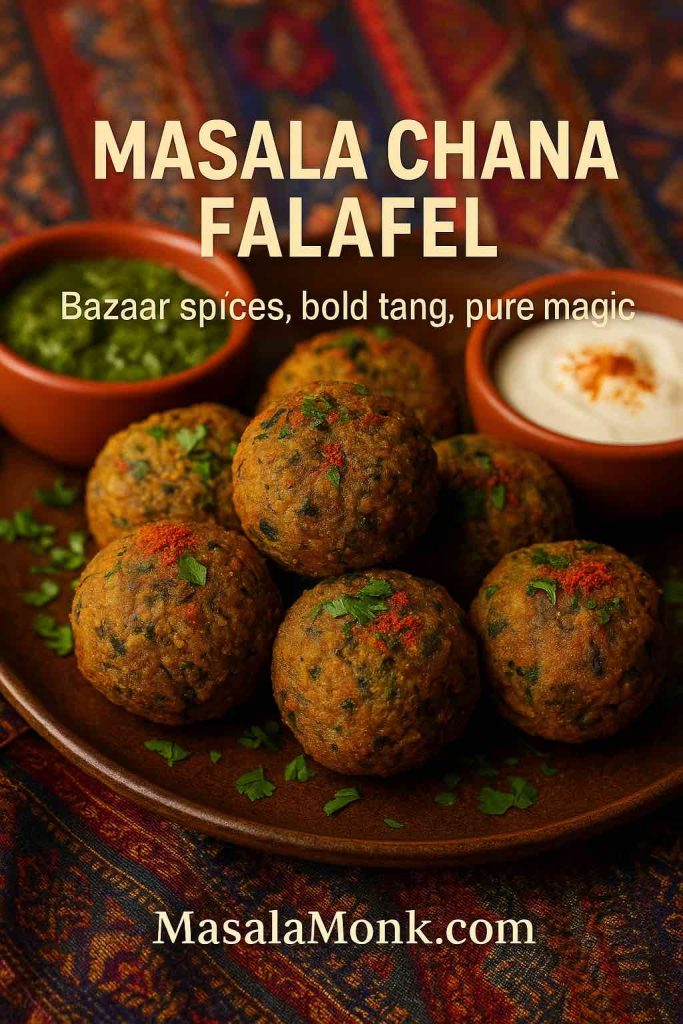
Masala Chana stays closest to familiar falafel: crisp outside, coarse within, but warmer with garam masala and cumin and a little sharper from amchur. Keep the garam masala measured so the chickpeas, coriander and garlic still come through.

Golden Masala Chana falafel balls with green chutney and cumin yogurt

Yield: about 14–16 falafel
Soaking: 8–12 hours or overnight in the refrigerator
Active prep: about 20 minutes
Chilling: 30 minutes
Cooking: about 15 minutes total, 4–5 minutes per fried batch

Ingredients

  • 1 cup (about 200 g) dried chickpeas
  • ½ medium onion, roughly chopped
  • 3 garlic cloves
  • ¾ cup loosely packed fresh coriander
  • 1 green chilli
  • 1 teaspoon ground cumin
  • 1 teaspoon ground coriander
  • ¾ teaspoon garam masala
  • ½ teaspoon amchur
  • ¼ teaspoon Kashmiri chilli powder, optional
  • 1 teaspoon fine salt, or to taste
  • 1 tablespoon besan, plus more only if needed
  • ½ teaspoon baking powder
  • Neutral oil, for frying

Method

  1. Soak the chickpeas as described above, then drain, rinse and pat away obvious surface moisture.
  2. Add chickpeas, onion, garlic, coriander and green chilli to a food processor. Pulse in short bursts until the mixture resembles coarse crumbs.
  3. Transfer to a bowl and mix in cumin, ground coriander, garam masala, amchur, chilli powder if using, salt and 1 tablespoon besan.
  4. Squeeze a spoonful firmly in your palm. It should hold together. If it is genuinely wet or still breaks after compression, add a little more besan.
  5. Cover and refrigerate for 30 minutes.
  6. Stir in the baking powder, then shape into 14–16 compact balls.
  7. Heat frying oil to about 170–175°C / 340–350°F. Fry one test falafel first. If it holds, cook the remaining falafel in small batches for about 4–5 minutes, until deeply golden and crisp.

Air-Fryer Option

Shape the falafel slightly flatter than perfect spheres, brush or spray the surfaces with oil and air-fry at 190°C / 375°F for about 12–15 minutes, turning halfway. Start checking early toward the end rather than relying only on the clock.

Serve with: coriander-mint green chutney and cumin yogurt. These also work beautifully in pav, pita or on a mezze plate with homemade hummus.


2. Methi-Palak Falafel with Mint & Coriander

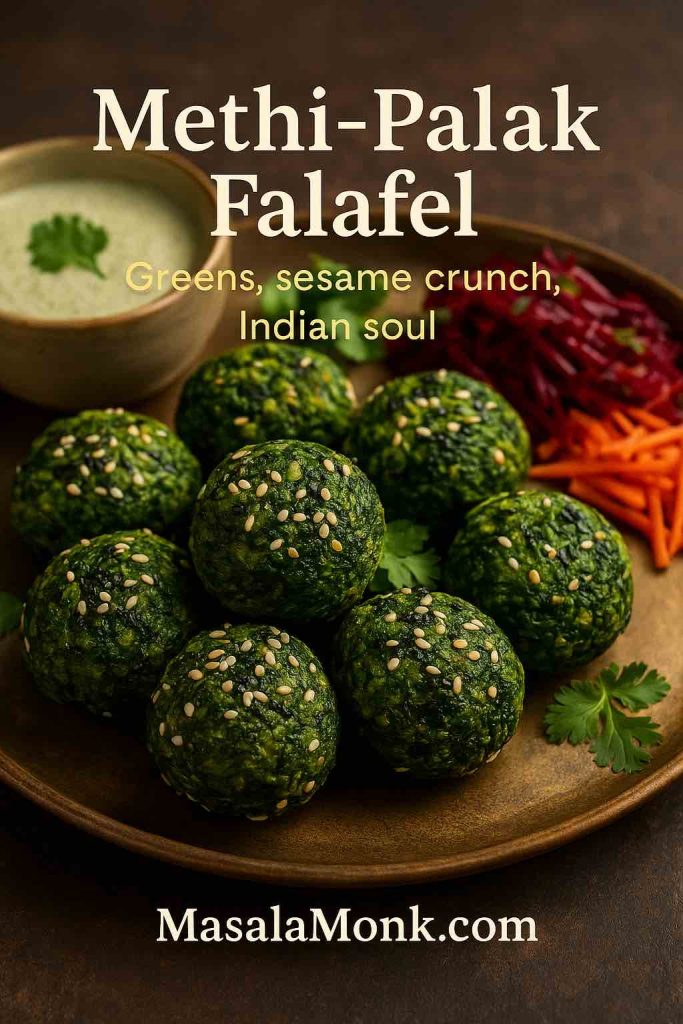
Spinach turns these falafel unmistakably green, but methi is what gives them character. Mint and coriander keep the flavour fresh, while sesame adds nuttiness and a light crust around the outside.

The important step is simple: squeeze the spinach properly dry. Not casually dry. Not “I shook the colander twice” dry. Properly dry.

Green Methi-Palak falafel balls with sesame seeds, beetroot and carrot salad

Yield: about 14 small falafel
Soaking: 8–12 hours or overnight in the refrigerator
Active prep: about 25 minutes
Chilling: 30 minutes
Cooking: about 12 minutes

Ingredients

  • 1 cup (about 200 g) dried chickpeas
  • 60 g fresh spinach
  • ½ cup loosely packed fresh methi leaves
  • ½ cup fresh coriander
  • ¼ cup mint leaves
  • ¼ small onion
  • 2 garlic cloves
  • 1 green chilli
  • ¾ teaspoon ground cumin
  • ½ teaspoon ground coriander
  • ½ teaspoon amchur
  • Tiny pinch of nutmeg, optional
  • 1 teaspoon fine salt
  • 1 tablespoon besan, plus more only if required
  • ½ teaspoon baking powder
  • 2 tablespoons white sesame seeds
  • Oil, for cooking

Method

  1. Soak, drain and rinse the chickpeas as described above.
  2. Blanch the spinach for about 30–60 seconds, just until wilted. Cool immediately, then squeeze firmly until very little liquid comes out.
  3. Add chickpeas, squeezed spinach, methi, coriander, mint, onion, garlic and green chilli to a food processor. Pulse to a coarse green mixture rather than a paste.
  4. Mix in cumin, ground coriander, amchur, nutmeg if using, salt and 1 tablespoon besan.
  5. Chill for 30 minutes, then stir in the baking powder. Add a little more besan only if a firmly compressed portion will not hold.
  6. Shape into small round falafel and lightly roll or press each one in sesame seeds.

Appe/Paniyaram Pan Method

Brush the cavities lightly with oil. Add one falafel per cavity and cook over medium to medium-low heat, rotating as each surface firms. Cook until the falafel feels firm through the centre and no longer looks wet or pasty when one is broken open, usually around 10–12 minutes for small falafel.

Air-Fryer Option

Brush or mist lightly with oil and air-fry at 190°C / 375°F for about 12–14 minutes, turning once. Check early toward the end: small green falafel can dry out quickly.

Serve with: a creamy yogurt or coconut-yogurt dip, shredded beetroot, shredded carrot, coriander and lemon. That presentation also stays true to the vivid green falafel already shown in the article.


3. Aloo Tikki Falafel Chaat

Aloo tikki pulls this variation away from classic falafel in exactly the right direction. Cooked chickpeas keep the connection, potato gives the centre its softness, and ajwain, cumin, amchur and chaat masala take it straight toward North Indian street food.

Aloo Tikki falafel chaat with yogurt, green chutney, sev and pomegranate

Yield: 8 medium tikkis
Prep: about 25 minutes
Optional chilling: 20–30 minutes
Cooking: about 16 minutes total, around 8 minutes per batch

Ingredients for the Tikkis

  • 300 g boiled potatoes, cooled completely
  • 150 g cooked chickpeas, drained and dried well
  • 1 green chilli, finely chopped
  • 3 tablespoons chopped fresh coriander
  • ¾ teaspoon roasted cumin powder
  • ½ teaspoon ground coriander
  • ¾ teaspoon chaat masala
  • ½ teaspoon amchur
  • ¼ teaspoon ajwain, lightly crushed
  • ¼–½ teaspoon Kashmiri chilli powder, optional
  • ¾ teaspoon salt, or to taste
  • 2 tablespoons cornflour/cornstarch or rice flour
  • 1–2 tablespoons besan only if additional binding is needed
  • Oil, for shallow-frying

Method

  1. Use completely cooled potatoes. Coarsely crush the cooked chickpeas and mash the potatoes until mostly smooth but not gluey.
  2. Combine potatoes and chickpeas with green chilli, coriander, cumin, ground coriander, chaat masala, amchur, ajwain, chilli powder if using, salt and cornflour.
  3. Mix gently until the mixture holds together. Divide into eight portions and shape into broad patties about 1.5 cm thick.
  4. If the tikkis feel very soft, refrigerate for 20–30 minutes. If they are still too fragile after chilling, work a small amount of besan into the mixture.
  5. Heat a thin layer of oil in a heavy frying pan over medium heat.
  6. Cook the tikkis for about 3–4 minutes on the first side without constantly moving them. Flip once a proper crust has formed, then brown the second side.

Turn Them into Falafel Chaat

For all eight hot tikkis, have ready:

  • 1 cup plain yogurt, whisked smooth
  • 6 tablespoons green coriander-mint chutney
  • 4–6 tablespoons tamarind chutney
  • ½ small red onion, finely chopped
  • 4–6 tablespoons fine sev
  • 4 tablespoons pomegranate arils
  • Chaat masala
  • Chopped coriander

Arrange the hot tikkis on a plate, spoon over yogurt, then add green chutney and tamarind chutney. Finish with onion, sev, pomegranate, chaat masala and coriander. Serve immediately, while the tikki is still hot and crisp underneath the cool, tangy toppings.

Air-fryer option: brush both sides with oil and air-fry at 190°C / 375°F, turning once, until browned and firm. Start checking around 12 minutes. Shallow-frying still gives the more characteristic tikki crust.


4. Paneer Bhurji-Stuffed Falafel

Paneer works better here as a surprise in the centre than blended through the chickpea mixture. Keep the shell coarse and chickpea-heavy, then tuck a dry, fragrant paneer bhurji inside so the contrast is obvious when you cut one open.

Paneer bhurji-stuffed falafel cut open to show the spiced paneer filling

Yield: about 10–12 stuffed falafel
Soaking: 8–12 hours or overnight in the refrigerator
Active prep: about 30 minutes
Chilling: 30 minutes
Cooking: about 12 minutes total, 5–6 minutes per fried batch

For the Falafel Shell

  • 1 cup (about 200 g) dried chickpeas
  • ½ small onion
  • 3 garlic cloves
  • ½ cup fresh coriander
  • 1 green chilli
  • ¾ teaspoon ground cumin
  • ½ teaspoon ground coriander
  • ½ teaspoon garam masala
  • ¾ teaspoon fine salt
  • 1 tablespoon besan, plus more only if required
  • ½ teaspoon baking powder

For the Paneer Bhurji Filling

  • 100 g paneer, finely crumbled
  • 1 teaspoon oil or ghee
  • 1 teaspoon finely grated ginger
  • ½ green chilli, finely chopped
  • ¼ teaspoon turmeric
  • ½ teaspoon garam masala
  • ½ teaspoon kasuri methi, crushed
  • Small pinch of salt
  • 1 teaspoon lemon juice

Method

  1. Heat 1 teaspoon oil or ghee in a small pan. Add ginger and green chilli and cook briefly until aromatic.
  2. Add paneer, turmeric, garam masala, kasuri methi and salt. Cook for a few minutes until fragrant and deliberately fairly dry. Remove from the heat, stir in lemon juice and cool completely.
  3. Soak, drain and rinse the chickpeas as described above. Pulse them with onion, garlic, coriander and green chilli until coarse and crumbly.
  4. Mix in cumin, ground coriander, garam masala, salt and 1 tablespoon besan. Refrigerate for 30 minutes.
  5. Stir in the baking powder. If the shell mixture will not hold when firmly compressed, add a little more besan.
  6. Take roughly 2 tablespoons of falafel mixture and flatten it in your palm. Put about 1½–2 teaspoons of cooled paneer filling in the middle.
  7. Bring the chickpea mixture completely around the filling. Pinch any cracks closed and shape into a thick ball or slightly flattened oval. Keep the paneer completely enclosed.
  8. Fry at about 170–175°C / 340–350°F for roughly 5–6 minutes, until the shell is deeply golden and crisp.

Serve with: soft whole-wheat roti, kachumber, pickled red onion, coriander and lemony yogurt. If you want to make the filling from scratch, our guide to making paneer at home is useful here.


5. Curry Leaf Falafel with Mustard, Ginger & Green Chilli

Curry leaves change the aroma immediately. Ginger and green chilli bring a very different sort of heat from garam masala, while cumin, coriander and a small mustard tempering push the flavour toward South Indian pulse snacks without turning the recipe into a renamed vada.

Curry leaf falafel with crisp curry leaves, mustard seeds and coconut-coriander chutney

Yield: about 14 falafel
Soaking: 8–12 hours or overnight in the refrigerator
Active prep: about 20 minutes
Chilling: 30 minutes
Cooking: about 10 minutes total, 4–5 minutes per fried batch

Ingredients

  • 1 cup (about 200 g) dried chickpeas
  • ½ small onion
  • 3 garlic cloves
  • 2.5 cm / 1 inch fresh ginger
  • 1–2 green chillies
  • 15 fresh curry leaves
  • ½ cup fresh coriander
  • ½ teaspoon cumin seeds
  • ½ teaspoon coriander seeds
  • ¼ teaspoon black mustard seeds
  • 1 teaspoon neutral oil, for tempering the mustard
  • ¼ teaspoon freshly ground black pepper
  • Small pinch of hing, optional
  • 1 teaspoon fine salt
  • 1 tablespoon besan, plus more only if needed
  • ½ teaspoon baking powder
  • 2 tablespoons desiccated coconut, optional
  • Neutral oil, for cooking

Method

  1. Soak, drain and rinse the chickpeas as described above.
  2. Toast the cumin and coriander seeds briefly in a dry pan until aromatic. Cool, then crush roughly.
  3. Heat 1 teaspoon neutral oil in the same small pan. Add the mustard seeds and let them crackle. Remove from the heat and cool.
  4. Add chickpeas, onion, garlic, ginger, green chilli, curry leaves and coriander to a food processor. Pulse until coarse.
  5. Mix through the toasted spices, cooled mustard tempering, black pepper, hing if using, salt, 1 tablespoon besan and desiccated coconut if using.
  6. Chill for 30 minutes, then stir in baking powder. Add a little more besan only if a compressed portion will not hold.
  7. Shape into about 14 compact falafel.
  8. Fry at 170–175°C / 340–350°F for about 4–5 minutes, until golden and crisp.

Appe/paniyaram pan option: oil the cavities lightly and cook over medium to medium-low heat, rotating the falafel as each side firms and browns.

Serve with: coconut-coriander chutney, lemon and a few crisp fried curry leaves. The creamy coconut softens the chilli and mustard without hiding the curry-leaf aroma.


6. Daal Bati Falafel

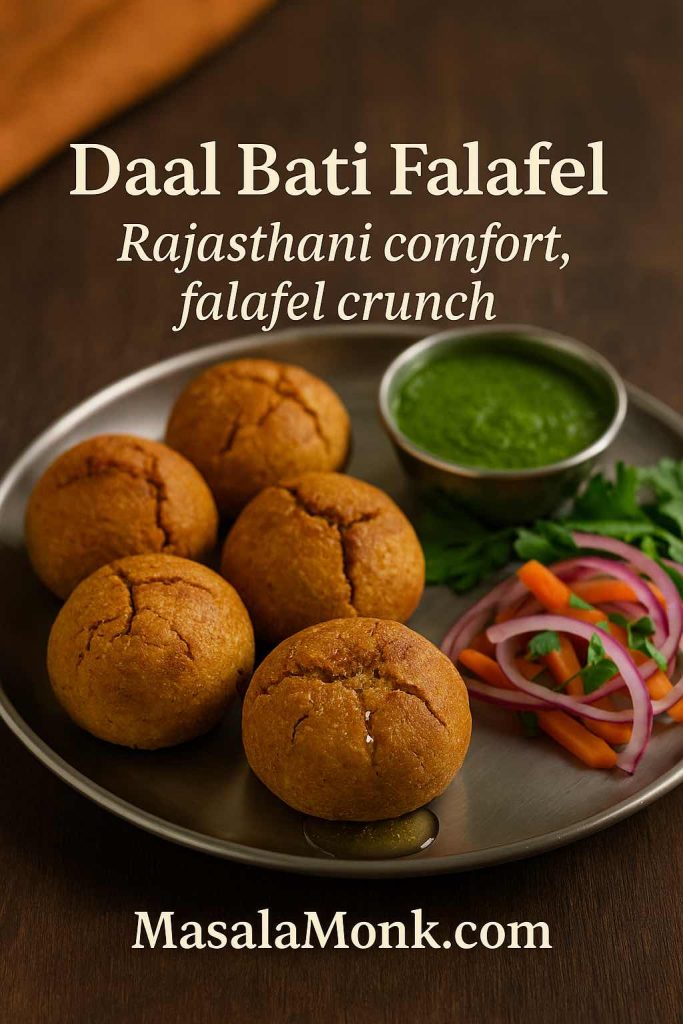
Daal Bati is the outlier of the six, and it should be. Instead of copying the coarse chickpea interior of classic falafel, it leans into lentils, atta, ajwain and ghee. The result is firmer and more rustic, with the cracked golden surface of a tiny bati.

Baked Daal Bati falafel with cracked golden crust, green chutney and onion salad

Yield: about 10–12 small bites
Prep: about 25 minutes
Resting: 15 minutes
Baking: about 25 minutes

Ingredients

  • ½ cup total dry dal, using roughly equal amounts moong dal, masoor dal and urad dal; cook and drain well, then measure 1 cup for the dough
  • 1 cup (about 120 g) whole-wheat flour, plus more if required
  • 2 tablespoons fine semolina/sooji
  • 2 tablespoons melted ghee or mustard oil
  • ½ teaspoon ajwain, lightly crushed
  • ¼ teaspoon cumin
  • Small pinch of hing
  • 1 green chilli, very finely chopped
  • ½ teaspoon grated ginger
  • ¼ teaspoon turmeric
  • ¾ teaspoon salt, or to taste
  • Water only if required
  • A little additional ghee for brushing, optional

Method

  1. Cook the ½ cup mixed dry dals until tender but not watery. Drain very thoroughly, then measure 1 cup of cooked dal for the dough. Reserve any extra.
  2. Mash the drained dal coarsely.
  3. Add whole-wheat flour, semolina, ghee or mustard oil, ajwain, cumin, hing, green chilli, ginger, turmeric and salt.
  4. Bring everything together into a firm dough. If sticky, add whole-wheat flour 1 tablespoon at a time. If too dry to hold, add water 1 tablespoon at a time.
  5. Rest for 15 minutes while the oven heats to 200°C / 400°F.
  6. Divide into 10–12 small balls. Leave a slightly rugged surface rather than smoothing every crack away.
  7. Arrange on a baking tray, brush lightly with ghee or oil and bake for 22–28 minutes, turning once, until browned and firm outside.
  8. If desired, brush the hot bites very lightly with ghee as soon as they leave the oven.

Serve with: green chutney, sliced onion, carrot or cucumber and lemon wedges. Because this recipe contains atta, it is not gluten-free. If finished with ghee, it is not vegan either; mustard oil keeps the bites themselves plant-based.


Which Cooking Method Works Best?

The best cooking method changes with the mixture. A chickpea ball wants something different from a soft potato tikki or an atta-and-dal bite.

MethodBest forWhat to expect
Deep-fryingMasala Chana, Paneer-Stuffed, Curry LeafDeepest colour and crispest falafel-style crust
Shallow-fryingAloo TikkiBroad golden crust with a soft potato-chickpea centre
Air fryerMasala Chana, Methi-Palak, Aloo TikkiGood browning with less oil; slightly drier than frying
Appe/paniyaram panMethi-Palak, Curry LeafSmall rounded bites with low oil and good support while cooking
OvenDaal BatiFirm, rustic, bati-like crust rather than a fried falafel shell

For the chickpea-heavy versions, frying gives the clearest contrast between crisp exterior and coarse interior. For Aloo Tikki, broad contact with a hot pan is the point. Methi-Palak benefits from the support of an appe/paniyaram pan, while Daal Bati belongs in the oven. Use the method that suits the texture of each variation rather than forcing every recipe into every appliance.

More Indian Ways to Serve Falafel

Falafel Chaat

Put several hot Masala Chana or Methi-Palak falafel on a plate and lightly crack them open. Add whisked yogurt, green chutney, tamarind chutney, finely chopped red onion, chaat masala, sev, pomegranate and coriander. Assemble just before eating so the base keeps some crunch.

Falafel Pav

Split and toast pav with a little butter or oil. Spread one side with green chutney and the other with tamarind chutney. Add a slightly flattened Masala Chana Falafel, sliced onion and something crisp such as cucumber or cabbage. A little chaat masala over the filling ties it together.

Paneer-Stuffed Falafel Roti Roll

Warm a soft roti and add sliced Paneer Bhurji-Stuffed Falafel, kachumber, pickled onion, coriander and lemony yogurt. Because the paneer is already inside, the wrap does not need another heavy filling.

Indian-Style Mezze Plate

Try Masala Chana Falafel with hummus, cucumber, kachumber, pickled onions, green chutney, lemon and warm flatbread. If you are making the bread too, use our homemade pita bread recipe. For a sharper mango-pickle note, a spoonful of amba sauce fits naturally beside falafel and hummus.

Falafel Bowl

Start with rice, millet, couscous or chopped salad. Add falafel, cucumber, tomato, onion and something creamy such as hummus or yogurt. Then choose one strong Indian accent—green chutney, tamarind, achar, chaat masala or coconut chutney—rather than using every condiment at once.

Fixing These Indian Falafel Variations

ProblemLikely causeFix
Masala or Curry Leaf falafel breaks in oilMixture too wet, too loose or oil too coolDrain thoroughly, compress firmly, fry one tester and add a little besan only if needed
Methi-Palak falafel is soggySpinach retained too much waterSqueeze blanched spinach much more thoroughly before processing
Paneer falafel cracks openWet filling, too much filling or paneer too close to the surfaceCook bhurji drier, cool completely and use a smaller amount
Aloo Tikki sticks or breaks when flippedTurned before the crust formedLeave it undisturbed longer and flip only when it releases more easily
Air-fried green falafel is dryToo little surface oil or too much cooking timeLightly oil and begin checking earlier
Daal Bati mixture is stickyCooked dal retained too much waterDrain longer and add atta gradually rather than dumping in a large amount

If the first chickpea falafel disintegrates, stop there. One tester is enough to tell you whether the mixture needs drying, firmer shaping or hotter oil.

Make Ahead, Store & Freeze

Masala Chana and Curry Leaf: the mixture can be prepared ahead and refrigerated, with baking powder stirred in shortly before shaping and cooking.

Methi-Palak: shorter holding is better because fresh greens continue releasing moisture as they sit.

Paneer-Stuffed: prepare the dry paneer bhurji and chickpea shell mixture separately, refrigerate them, then stuff closer to cooking.

Aloo Tikki: shape the patties, freeze in a single layer until firm, then transfer to a freezer-safe container with parchment between layers if stacking.

Daal Bati: bake, cool and refrigerate. Reheat in a hot oven or air fryer to restore the firmer exterior.

For broader freezing and reheating guidance for classic chickpea falafel, see the full falafel guide.

Indian Falafel FAQs

Can you put garam masala in falafel?

Yes. Classic falafel already uses spices such as cumin and coriander, so a restrained amount of garam masala fits naturally. In the Masala Chana version, it adds an Indian finish without masking the chickpeas and fresh herbs.

Which Indian chutney goes best with falafel?

Coriander-mint green chutney is the most versatile choice for Masala Chana, Methi-Palak and Paneer-Stuffed Falafel. Tamarind works particularly well with Aloo Tikki Falafel Chaat or falafel pav, while coconut chutney makes the most sense beside Curry Leaf Falafel.

Can I make falafel in an appe or paniyaram pan?

Yes. It is particularly useful for Methi-Palak and Curry Leaf Falafel because the cavities support the mixture while each surface cooks. Brush the cavities with a little oil and rotate the falafel as they firm and brown.

Why is my spinach falafel soggy?

Usually because the spinach contains too much water. After blanching, cool it and squeeze aggressively before adding it to the chickpeas. Removing moisture is preferable to compensating later with a large amount of besan.

Can falafel be made with moong dal?

Yes, but replacing chickpeas with another pulse changes both texture and technique. Whole or split moong can make excellent falafel-inspired fritters and patties, but it should be treated as its own formulation rather than a blind one-for-one substitution.

How do you make falafel chaat?

Put hot falafel or Aloo Tikki Falafel on a plate and add whisked yogurt, green chutney, tamarind chutney, onion, chaat masala, sev, pomegranate and coriander. Assemble just before serving so some of the crust stays crisp.

Can paneer be added to falafel?

Yes. Stuffing works particularly well because the paneer remains a distinct soft centre rather than changing the texture of the entire chickpea mixture. Keep the bhurji fairly dry and cool it completely before stuffing.

Which Indian falafel works best in an air fryer?

Masala Chana is the easiest starting point. Methi-Palak also works well, but check it early because small green falafel can dry out. Aloo Tikki can be air-fried, although shallow-frying gives the more characteristic crust. Daal Bati belongs in the oven, and frying remains the most reliable method for the stuffed paneer version.

Posted on — Leave a comment

Embark on a Culinary Adventure: Discover Tempeh in High Protein Vegan Indian Recipes

Tempeh in High-Protein Vegan Indian Recipes

In a world where conscious eating meets culinary creativity, the quest for plant-based, protein-rich meals has taken center stage. For those who crave bold flavors without compromising on nutrition, there’s an exciting ingredient waiting to be explored: Tempeh. While its roots trace back to Indonesia, tempeh is now making waves across global kitchens, including those steeped in the aromatic traditions of Indian cuisine. If you’re looking to add a high-protein punch to your vegan Indian meals, this fermented soybean superfood might just be your new best friend.


What is Tempeh?

Tempeh is a fermented soy product, traditionally made by culturing cooked soybeans with the Rhizopus mold. Unlike tofu, which is made from soy milk, tempeh retains the whole soybean, resulting in a denser texture and higher nutritional content. Its nutty, earthy flavor and firm structure make it a versatile ingredient for frying, grilling, sautéing, or simmering.

Nutritional Highlights:

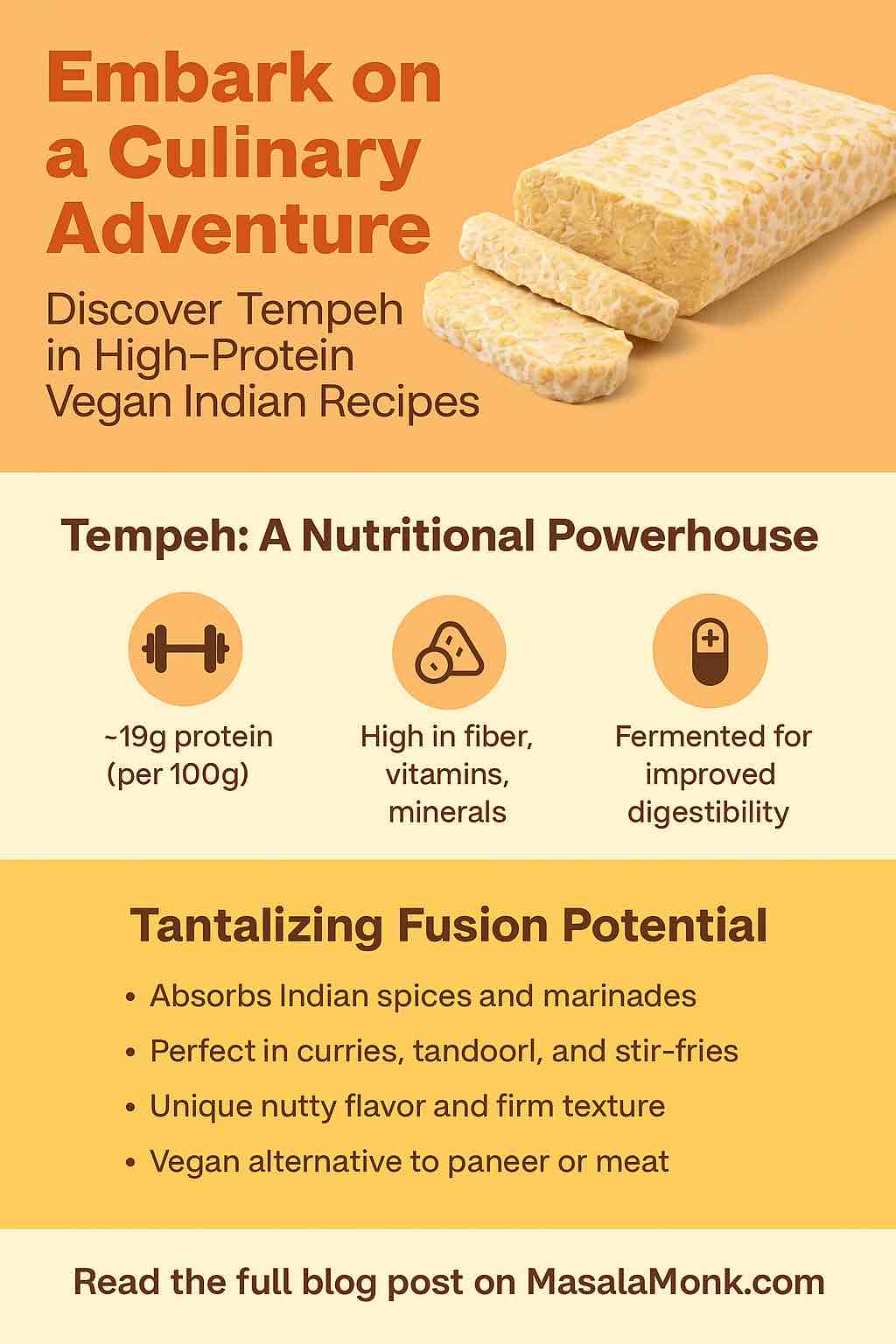
  • Protein: ~19g per 100g (complete protein)
  • Fiber: Supports gut health
  • B Vitamins: Especially riboflavin and niacin
  • Probiotics: Thanks to fermentation
  • Low Glycemic Impact: Great for blood sugar control

Why Tempeh Works in Indian Cuisine

Indian cooking thrives on layers of flavor, spice blends, and textural variety. Tempeh, with its porous structure and mild tang, readily absorbs marinades and masalas, making it a fantastic canvas for Indian flavors. Unlike tofu, it doesn’t fall apart easily and can withstand long simmering in gravies or high-heat pan-frying.

The inclusion of tempeh aligns perfectly with Indian culinary principles:

  • Ayurvedic Balance: Fermented foods support digestion and balance doshas.
  • Regional Compatibility: Works well across North Indian curries, South Indian stir-fries, and even Indo-Chinese fusion.
  • Satvik Diet Suitability: Whole, unprocessed, and natural.

Getting Started: Preparing Tempeh for Indian Dishes

Before diving into recipes, here are a few preparation tips:

1. Steam Before Use:

Tempeh can have a slight bitter aftertaste. Steaming it for 10–15 minutes softens the texture and removes bitterness, helping it better absorb marinades.

2. Marinate Generously:

Use yogurt (or coconut yogurt), lemon juice, ginger-garlic paste, and spices like turmeric, red chili, and cumin. Let it sit for at least 30 minutes.

3. Cook for Texture:

Tempeh can be grilled, pan-fried, or crumbled like paneer bhurji. Crisp edges and spice infusion are key for a satisfying bite.


High-Protein Tempeh Recipes with an Indian Twist

1. Tempeh Tikka Masala

Serves 2–3

Ingredients:

  • 200g tempeh (cubed)
  • 1/2 cup coconut yogurt
  • 1 tbsp lemon juice
  • 1 tsp ginger-garlic paste
  • Spices: turmeric, garam masala, cumin, coriander, chili powder
  • 1 cup tomato puree
  • 1/2 cup coconut milk or cashew cream

Steps:

  1. Steam and marinate tempeh.
  2. Grill or pan-fry until golden.
  3. In a pan, cook tomato puree with spices.
  4. Add coconut milk and grilled tempeh. Simmer for 10 mins.
  5. Garnish with coriander. Serve with brown rice or roti.

2. South Indian-Style Tempeh Stir-Fry

Inspired by poriyal and thoran traditions

Ingredients:

  • 200g tempeh (cubed or shredded)
  • 1/4 cup grated coconut
  • Curry leaves, mustard seeds, urad dal
  • Green chilies, turmeric, asafoetida

Steps:

  1. Temper mustard seeds, urad dal, and curry leaves in coconut oil.
  2. Add green chilies, turmeric, and tempeh.
  3. Stir-fry until golden.
  4. Add coconut, mix well, and serve hot.

3. Tempeh Bhurji (Scrambled Tempeh)

Great for breakfast or as a filling for wraps

Ingredients:

  • 200g crumbled tempeh
  • Onion, tomato, green chili
  • Spices: turmeric, cumin, coriander
  • Fresh coriander and lemon juice to finish

Steps:

  1. Sauté onion, tomato, and chili with spices.
  2. Add tempeh and cook for 5–7 minutes.
  3. Finish with lemon juice and fresh herbs.

Practical Tips for the Indian Kitchen

  • Storage: Keep tempeh refrigerated and use within a week. Can be frozen for longer shelf life.
  • Sourcing: Available at health stores, specialty grocers, and online platforms. Some Indian startups now produce local varieties (e.g., chickpea-based tempeh).
  • Substitutions: If soy-based tempeh is unavailable, try lentil or chickpea tempeh.

The Verdict: A Worthy Adventure

Incorporating tempeh into Indian cuisine isn’t just a fusion gimmick—it’s a deeply practical choice for those seeking better nutrition without sacrificing flavor. With its high protein content, probiotic benefits, and ability to carry bold Indian flavors, tempeh stands tall among plant-based ingredients.

So next time you’re prepping your masalas or tossing together a stir-fry, consider reaching for tempeh. It’s more than just soy—it’s a gateway to nourishing, adventurous, and delicious eating.


Ready to try tempeh in your next Indian meal? Share your creations and tag us with #TempehTadka

✅ Frequently Asked Questions (FAQs)

1. What is the best way to reduce the bitterness of tempeh before cooking?
Steam or simmer the tempeh for 10–15 minutes before marinating or adding to dishes. This not only reduces bitterness but also improves texture and flavor absorption.


2. Can I use tempeh directly in Indian curries without pre-cooking?
While you can, it’s highly recommended to steam and then lightly fry or grill it first. This enhances flavor and prevents it from turning soggy in the curry.


3. Is tempeh safe for people with soy allergies?
No. Traditional tempeh is made from soybeans. However, soy-free versions made from chickpeas or lentils are available and suitable for those with soy allergies.


4. Where can I buy tempeh in India?
Tempeh is available in organic stores, gourmet grocery chains, and online platforms like Amazon India, BigBasket, or from local producers like Hello Tempayy or Veggie Champ.


5. Can I substitute paneer or tofu with tempeh in Indian recipes?
Yes. Tempeh can be a great substitute in dishes like tikka masala, bhurji, or stir-fries. Keep in mind its stronger flavor and firmer texture.


6. Is tempeh a complete protein?
Yes. Tempeh contains all nine essential amino acids, making it one of the best complete plant-based protein sources.


7. How long can tempeh be stored?
Fresh tempeh lasts about 5–7 days in the refrigerator. For longer storage, freeze it in an airtight container for up to 2 months.


8. Can I use tempeh in South Indian recipes like thoran or poriyal?
Absolutely. Tempeh pairs well with curry leaves, mustard seeds, grated coconut, and chilies—making it ideal for South Indian-style stir-fries.


9. Does tempeh have probiotic benefits like yogurt?
Tempeh contains live cultures during fermentation, but many store-bought versions are pasteurized, reducing probiotic content. Still, it supports gut health due to its prebiotic fiber and digestibility.


10. Is tempeh suitable for weight loss diets?
Yes. It’s high in protein and fiber, which promote satiety. Its low glycemic index also makes it beneficial for blood sugar control and weight management.