Posted on 2 Comments

Mango with Coconut Milk: A Tropical Fusion of Flavors and Health Benefits!

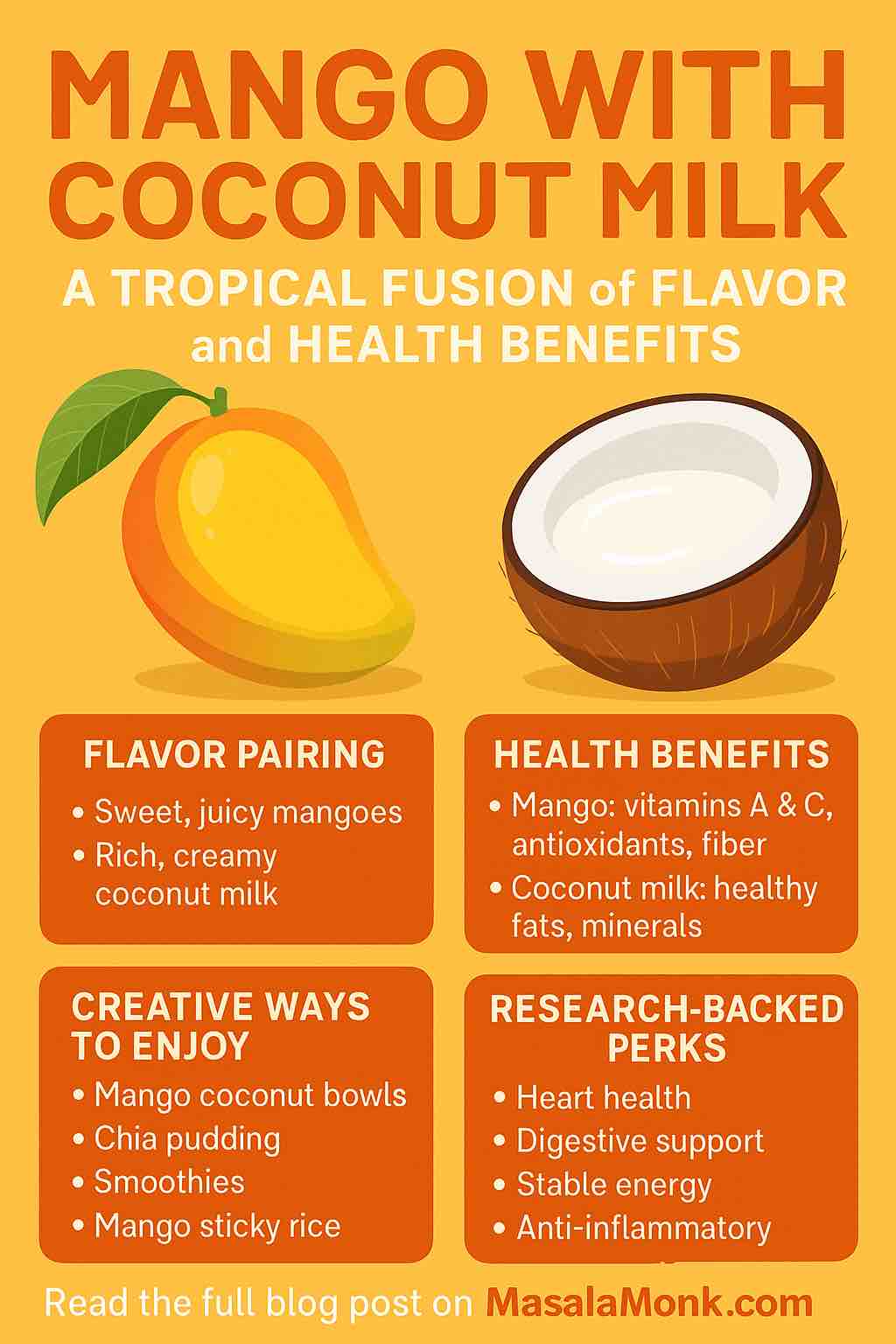
MANGO WITH COCONUT MILK

Imagine a bowl of ripe, juicy mangoes draped in silky coconut milk—sweet, creamy, and impossibly fresh. This is more than a treat; it’s a centuries-old staple across the tropics, celebrated from the bustling markets of Bangkok to the vibrant kitchens of Mumbai. But mango with coconut milk isn’t just about flavor; it’s a dynamic duo delivering a range of health benefits, backed by both tradition and modern science.

Whether you’re looking for a healthy dessert, a quick breakfast, or simply a taste of summer all year round, this tropical combo is a must-try. Let’s explore its origins, nutritional power, creative recipes, and why it deserves a spot in your regular routine.


The Tropical Roots: More Than Just a Sweet Treat

The marriage of mango and coconut milk is woven through the food culture of Southeast Asia, South Asia, and beyond. In Thailand, mango sticky rice (Khao Niao Mamuang) reigns as a national dessert. Across the Philippines, coconut-based sweets like ginataang halo-halo often feature mango as a starring fruit. In India, mango and coconut milk unite in vegan smoothies, puddings, and festive treats.

This pairing isn’t accidental: both ingredients thrive in warm, humid climates, and both offer dense nutrition designed by nature for energy, hydration, and sustenance.


Flavor Profile: A Balancing Act

  • Mango: Sweet, floral, slightly tangy, and aromatic.
  • Coconut milk: Rich, creamy, with a hint of sweetness and tropical perfume.

Together, they create a flavor harmony—refreshing yet decadent. Mango’s acidity cuts through the richness of coconut milk, making each bite lively but balanced.


Latest Research: Health Benefits Unveiled

Recent studies have shone a spotlight on the unique health perks of each ingredient—and what happens when you bring them together.

Mango: More Than Vitamin C

  • Cardiometabolic Support: A 2025 study by UC Davis found that eating 1.5 cups of mango daily for just two weeks reduced blood pressure and improved cholesterol in postmenopausal women.
  • Blood Sugar Balance: Mango polyphenols (like mangiferin and quercetin) have been linked to improved insulin sensitivity and reduced blood sugar spikes—without the negative effects of refined sugars.
  • Digestive Health: High fiber content (2.6g/cup) supports regularity and a healthy gut microbiome.
  • Immunity & Skin: Rich in vitamins A and C, essential for skin glow and immune defense.

Coconut Milk: The Creamy Nutritional Booster

  • Medium-Chain Triglycerides (MCTs): Quick-burning fats that boost metabolism and provide lasting energy.
  • Electrolytes: Potassium, magnesium, and manganese for hydration, muscle, and nerve function.
  • Gut-Friendly Fats: MCTs and natural prebiotics may promote a diverse, healthy gut microbiome.
  • Plant-Based and Lactose-Free: A safe option for those with dairy allergies or vegan diets.

The Combo: Synergy in a Bowl

When you combine the two:

  • Heart Health: Mango’s cholesterol-lowering effects + coconut’s HDL-boosting MCTs.
  • Stable Energy: Fiber from mango + fats from coconut milk = slow, steady release of energy.
  • Hydration and Recovery: Electrolytes in coconut milk plus the water content of mangoes make this pairing excellent for rehydration after exercise or in hot weather.
  • Anti-Inflammatory: Both are rich in antioxidants that may help fight inflammation and oxidative stress.

Practical Ways to Enjoy Mango and Coconut Milk

Let’s get real: you don’t need fancy equipment or rare ingredients to make this at home. Here are some delicious, approachable ideas:

1. Classic Mango Coconut Bowl

Ingredients:

  • 1–1.5 cups ripe mango, cubed or sliced
  • ½–1 cup coconut milk (unsweetened)
  • Optional: 1 tsp honey or maple syrup, pinch of salt, lime zest

Directions:

  1. Arrange mango in a bowl.
  2. Pour coconut milk over mango. Drizzle with honey if using.
  3. Top with lime zest and a pinch of salt for brightness.
  4. Serve chilled, with toasted coconut flakes if desired.

2. Mango Coconut Chia Pudding

Ingredients:

  • 1 cup coconut milk
  • 2–3 tbsp chia seeds
  • 1 cup diced mango
  • 1 tsp vanilla (optional)

Directions:

  1. Mix chia seeds with coconut milk and vanilla. Chill overnight.
  2. Layer chia pudding with mango in a glass.
  3. Top with extra fruit or nuts for crunch.

3. Mango Coconut Smoothie

Ingredients:

  • 1 cup frozen mango
  • ¾ cup coconut milk
  • ½ banana (for extra creaminess)
  • Squeeze of lime

Directions:
Blend until smooth and enjoy as a refreshing snack or breakfast.

4. Thai-Inspired Mango Sticky Rice (Quick Version)

Ingredients:

  • 1 cup cooked sticky rice (or jasmine rice)
  • 1–2 ripe mangoes
  • 1 cup coconut milk
  • 2 tbsp sugar
  • Pinch of salt
  • Toasted sesame seeds (optional)

Directions:

  1. Warm coconut milk with sugar and salt. Pour half over the rice, let soak.
  2. Plate rice with sliced mango. Drizzle remaining coconut milk sauce on top.
  3. Garnish with sesame seeds.

Tips for Best Results

  • Choose ripe, fragrant mangoes. The sweetness matters!
  • Opt for full-fat, unsweetened coconut milk for maximum creaminess—shake or stir before use.
  • Control sugar: Both ingredients are naturally sweet; minimize added sweeteners.
  • Make it a meal: Add a scoop of protein powder, Greek yogurt (if not vegan), or chia seeds to turn this into a filling breakfast.
  • Seasonal swaps: When mango isn’t in season, try pineapple or papaya for a twist.

Potential Pitfalls & How to Avoid Them

  • Calories & Fat: Coconut milk is calorie-dense. Use smaller portions or dilute with water if you’re watching intake.
  • Canned vs. Fresh: Fresh coconut milk tastes better and has fewer additives, but canned is convenient. Always check labels for unnecessary ingredients.
  • Allergies: Though rare, coconut allergies do exist. Always check if serving guests.

Cultural Fun Facts

  • Mango is the national fruit of India, Pakistan, and the Philippines.
  • In Ayurveda, both mango and coconut are considered cooling foods—ideal for hot weather.
  • Mango sticky rice is traditionally eaten in Thailand at the end of the hot season, celebrating the mango harvest.

Conclusion: Savor the Tropics, Savor Your Health

Mango with coconut milk isn’t just a treat—it’s a celebration of sunshine, flavor, and health. Backed by new research and centuries of tradition, it offers something for everyone: athletes, foodies, vegans, kids, and anyone seeking joy in a bowl.

Next time you spot ripe mangoes, don’t just eat them plain. Pair them with coconut milk, try one of these recipes, and experience a fusion that’s as good for your body as it is for your soul.


Ready to Try?

If you’ve got questions, want more recipes, or need tips for special diets (like low-sugar or high-protein versions), let me know in the comments!
Or—share your own favorite ways to enjoy this tropical duo!


References:

FAQs: Mango with Coconut Milk

1. Is mango with coconut milk healthy for everyday consumption?

Answer: Yes, in moderation. Both mango and coconut milk offer beneficial nutrients (vitamins, antioxidants, healthy fats), but coconut milk is high in calories and saturated fat. Stick to appropriate portions and limit added sugars.


2. Can people with diabetes enjoy mango and coconut milk?

Answer: In controlled portions, yes. Recent research shows mango may help stabilize blood sugar, but it still contains natural sugars. Use unsweetened coconut milk and avoid adding extra sweeteners. Always consult your healthcare provider for personal recommendations.


3. Is this combination suitable for a vegan or dairy-free diet?

Answer: Absolutely! Both mango and coconut milk are plant-based and naturally free from dairy and animal products.


4. What type of coconut milk is best: canned, carton, or fresh?

Answer: Full-fat canned coconut milk offers the richest texture and flavor. Fresh coconut milk is ideal if available. Carton versions are usually more diluted and can contain additives—check ingredient labels for purity.


5. How can I make this dish lower in calories or fat?

Answer: Use light (reduced-fat) coconut milk, dilute regular coconut milk with water, and watch your portion size. Adding extra fruit or chia seeds can help increase volume and fiber without extra fat.


6. Can I prepare mango with coconut milk ahead of time?

Answer: Yes! Many recipes (like puddings or smoothie bowls) benefit from chilling and can be stored in the fridge for up to two days. Add fresh mango just before serving for best texture.


7. Are there any allergy concerns with coconut milk?

Answer: Coconut allergies are rare but possible. If you have a tree nut allergy, check with your doctor, as coconut is technically a fruit, not a nut, but cross-reactivity can occur.


8. What are good toppings or add-ins for more nutrition?

Answer: Try chia seeds, flaxseeds, sliced almonds, berries, toasted coconut flakes, or a sprinkle of cinnamon for extra flavor and nutrition.


9. Is it safe for kids and toddlers?

Answer: Yes, if there are no allergies. Use unsweetened coconut milk and limit added sugars. Mango is soft and easy to digest—just cut it into age-appropriate pieces.


10. Can I use frozen mango instead of fresh?

Answer: Definitely! Frozen mango works well in smoothies, puddings, and bowls, and offers nearly the same nutrition as fresh. Thaw or blend directly from frozen as needed.

Posted on Leave a comment

Top 7 YouTube Channels for Beginner Indian Cooks

Embarking on your culinary journey, especially with Indian cuisine, can be both exciting and daunting. Indian cooking is known for its rich flavors, diverse ingredients, and intricate techniques. If you’re a beginner looking to dive into this world, finding the right resources is crucial. Here’s a quick guide to the top 10 YouTube channels that will help you master Indian cooking, even if you’re starting from scratch.

1. Your Food Lab

  • Host: Sanjyot Keer
  • Why It’s Great: “Your Food Lab” offers a fantastic mix of traditional and contemporary recipes. Sanjyot’s clear instructions, exact measurements, and focus on technique make it easier for beginners to follow along and achieve great results.
  • Link: Your Food Lab

2. Vahchef – VahRehVah

  • Host: Sanjay Thumma
  • Why It’s Great: Vahchef is one of the pioneers in Indian cooking on YouTube. His early videos are especially useful for beginners, with a fun presentation and thorough explanations of each step.
  • Link: Vahchef – VahRehVah

3. Cooking Shooking

  • Host: Yaman Agarwal
  • Why It’s Great: Yaman’s channel covers a wide range of recipes, from simple snacks to elaborate meals. His straightforward instructions and practical tips make it an excellent resource for novice cooks.
  • Link: Cooking Shooking

4. Bharatz Kitchen

  • Host: Bharat
  • Why It’s Great: Bharat’s approachable style and emphasis on home cooking make this channel ideal for beginners. His recipes often use easily available ingredients and focus on everyday meals.
  • Link: Bharatz Kitchen

5. Ranveer Brar

  • Host: Chef Ranveer Brar
  • Why It’s Great: Chef Ranveer combines storytelling with cooking, making his videos both informative and entertaining. While some dishes may be advanced, he often includes tips for beginners.
  • Link: Ranveer Brar

6. Nisha Madhulika

  • Host: Nisha Madhulika
  • Why It’s Great: Focused on vegetarian recipes, Nisha’s channel is a treasure trove for those looking to explore Indian cuisine. Her calm demeanor and clear instructions are perfect for new cooks.
  • Link: Nisha Madhulika

7. Bong Eats

  • Why It’s Great: Specializing in Bengali cuisine, Bong Eats offers detailed explanations and a focus on authenticity. The videos are designed for both novice and experienced cooks, making complex dishes accessible.
  • Link: Bong Eats

And yes, do not forget to expore exciting recipes like Healthy Non-Fried Gulgule Recipe For Kid’s Lunch Box or Protein Rich Cherry Pancakes Recipe in our own Recipes section, here.

Tips for Beginner Cooks

  • Start Simple: Begin with recipes that require minimal ingredients and steps to build your confidence.
  • Master Basic Techniques: Focus on learning basic cooking techniques like chopping, sautéing, and boiling.
  • Follow Along: Watch the entire video once before starting to cook to get an overview of the process.
  • Be Patient: Cooking is a skill that improves with practice. Don’t be discouraged by initial failures.
  • Experiment: Once you’re comfortable, start experimenting with flavors and ingredients to make the recipes your own.

Conclusion

Learning to cook Indian cuisine can be a rewarding experience that opens up a world of flavors and techniques. These YouTube channels provide a wealth of knowledge and guidance to help you become a confident cook. So, pick a recipe, gather your ingredients, and start your culinary adventure!

Do let us know your thoughts if you are already familiar with some channel or you end up trying any from the above.

Happy cooking! 🍛

Posted on Leave a comment

Idli Podi | Milagai Podi Recipe

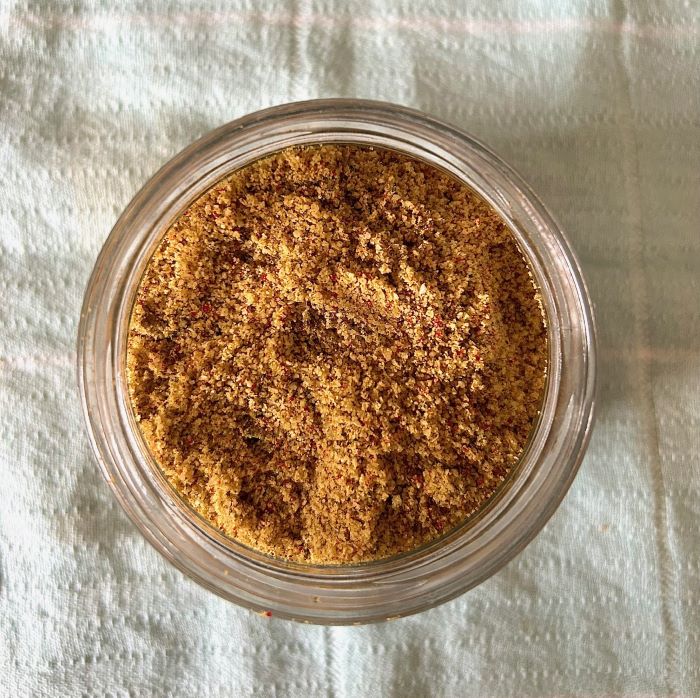
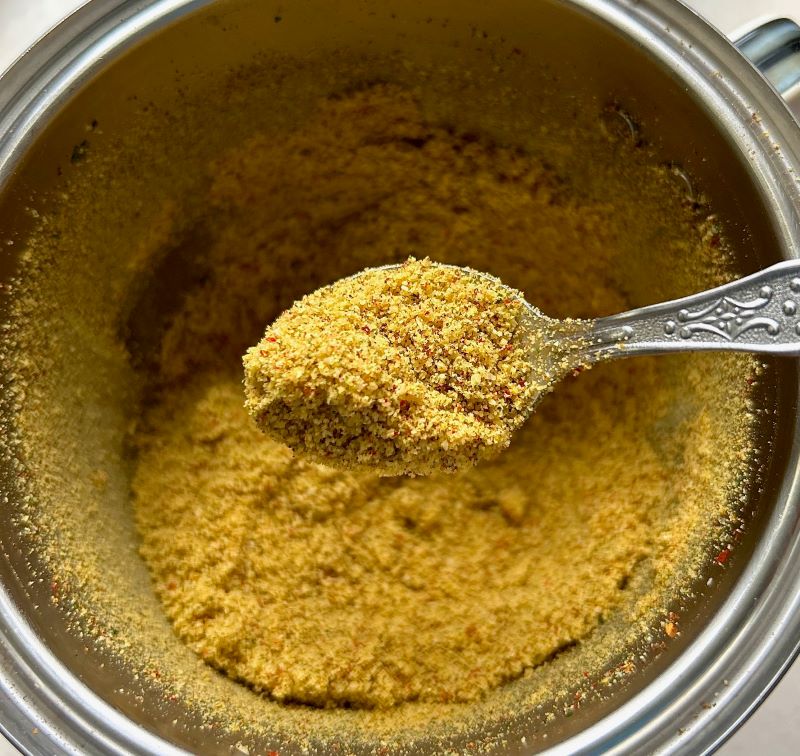
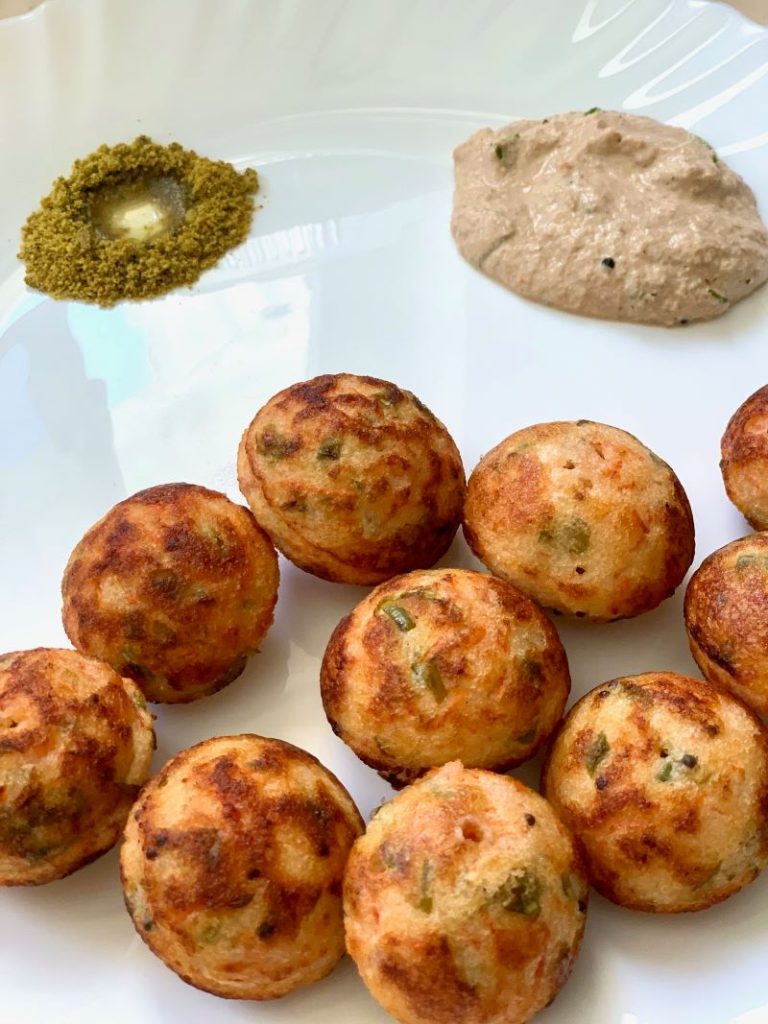
If you have never heard of podi before, podi is a flavourful South Indian coarse spice powder condiment made with lentils, seeds and spices and served with Idlis. But for most fans, you can say podi is an emotion. It is like a flavour imbibed in every bite. Podi is a general South Indian word that means “powder”. In the Tamil language, the word milagai means red chilies and podi means powder. Idli podi is always served with ghee or sesame oil. There is a popular dish in South India where idlis are smeared with podi and ghee or sesame oil. But Idli Podi is not just limited to idlis. You can serve podi with paniyarams, sprinkle it on dosas, uttapams or make podi rice. Its main purpose is to add flavour to a meal, sometimes when certain spices are involved, podis can aid digestion too.

The flavour of podi is quite unique and tasty. There is a slight crunch in it that comes from roasted lentils. The nutty taste comes from sesame seeds with some smokiness and pungency from red chilies and other ingredients.

You can try serving podi with Ragi Idli. They pair beautifully with podi and other sautéed vegetables and makes a healthy, gluten free breakfast.

The recipe is pretty simple. You just have to roast the ingredients and grind everything together. There is some spiciness and heat in a typical milagai podi but you can control the heat as per your preference. There are variations to idli podi where some like to add dry coconut, curry leaves or peanuts.

There is another variation of idli podi called as gunpowder which is spicy and includes more red chilies as well as garlic.

The podi recipe that I am sharing with you is a recipe that I have been making for years now. There is always a jar of podi at my house. I like to add this powder in Masala Idli, sprinkle it on dosa, serve it with paniyarams or make podi rice with ghee. 

Tips for making Idli Podi

  1. Always use fresh spices and lentils to make podi. 
  2. It is always better to soak lentils for an hour in warm water and dry them with cotton kitchen towel before roasting. 
  3. I always add sesame seeds to make podi. It gives a great flavour and also is super nutritious. You can skip it if you like. You can use either black or white sesame seeds. 
  4. Rinse curry leaves with fresh water and then pat dry them with a kitchen towel. 
  5. Do not roast sesame seeds for long or it will taste bitter. 

Let’s see how you can make this flavour bomb.

Recipe: makes approx 200 grams

Ingredients: 

  • Urad dal: 1/2 cup
  • Channa dal: 1/4th cup
  • Curry leaves: 1/2 cup
  • Sesame seeds: 1/4th cup
  • Dried Red Chillies: 12-15 (add more if you like)
  • Mustard seeds: 2 tsps
  • Hing/Asafetida: 1/4th tsp
  • Oil: 2 tbsps
  • Salt as per taste

Method: 

  • Wash and soak both the lentils separately for an hour in warm water. This step is optional. You can just wash the lentils, pat dry and roast them but soaking helps to soften the lentils and makes them easy to digest.
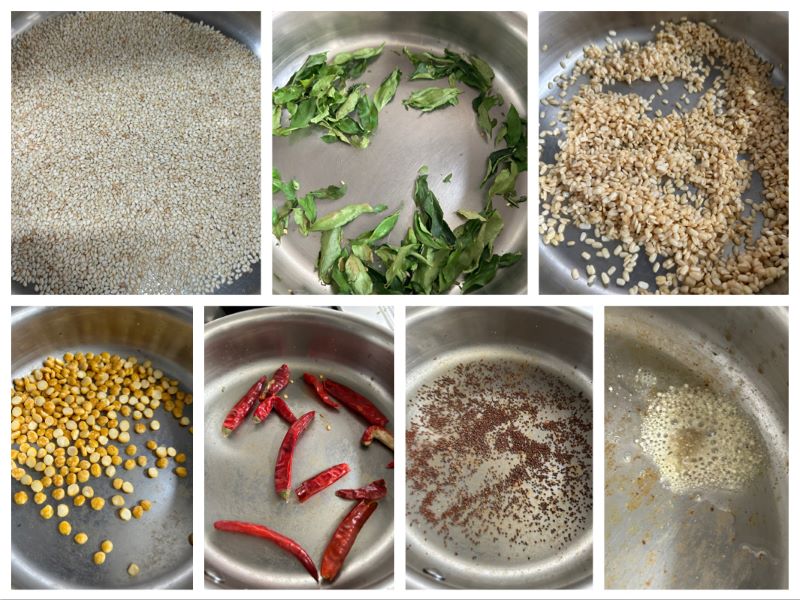
  • Bring a wide heavy bottom pan to medium heat. Add sesame seeds and roast them till they become slightly brown and start crackling and popping. Set aside in a large plate.
  • Roast curry leaves till the leaves become crisp and shrink in size. Set aside.
  • Now add washed, soaked and towel dried urad dal. Roast till golden brown and fragrant. Set aside. 
  • Add channa dal and roast. Chana dal takes longer to roast. It should get browned or golden. For uniform cooking and color, keep on stirring them often.
  • Now add a tbsp of oil and roast dry red chilies on a low flame. Roast till you get a pungent smoky aroma from chilies. Set aside
  • Next add mustard seeds and roast them till they start crackling and popping in the pan. Set aside.
  • Lastly, add a tbsp of oil and cook asafoetida or hing in it for 10-15 seconds. Mix it with the other roasted ingredients.
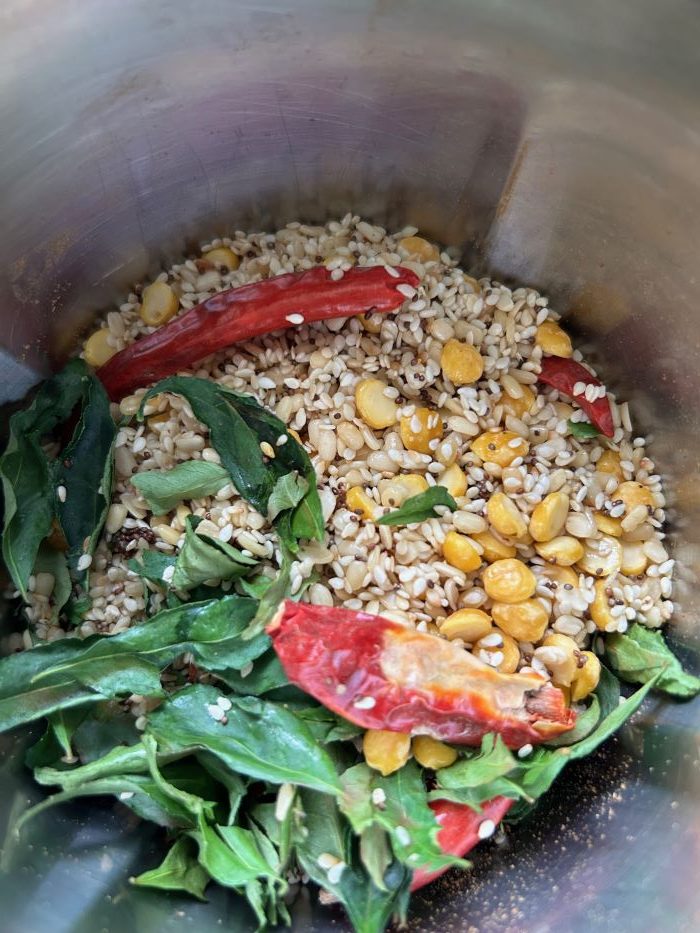
  • Once everything is well roasted, put it all in a blender. Add salt to taste and grind well. Grind in intervals of some seconds to a coarse powder. Do not grind in one go for long as the sesame seeds will release oil.
  • Store Podi in an airtight glass jar. The powder will last you almost a year.

Happy Cooking!! 🙂

Do give this recipe a shot. If you try this recipe, do give us a shout out. Just click a picture and tag us on @masala.monk or use the hashtag #MasalaMonkRecipe and share on Instagram and Facebook. We would love to hear from you. 🙂

Posted on 2 Comments

Protein Rich Cherry Pancakes Recipe

Summer is here and cherries are in season. You have got to try this recipe before the cherry season runs out. These healthy fats pancakes are fluffy, delicious and a little addictive. Made with whole grains, milk and egg these come together in just 10 minutes. 

I normally make pancakes with different fruits like banana, apple, strawberries but never tried it with cherries. It was only when I had 2 boxes of cherries that I decided to give it a shot. I think this is the first time I have ever made anything with cherries. I just don’t eat it with anything else. Cherries are pretty perfect on their own. Also, cherries are super healthy too. They are loaded with antioxidants which have anti-inflammatory properties. If you have been exercising and have sore muscles have cherries daily. They are excellent to soothe sore muscles. 

With all the goodness of cherries, these pancakes are packed with protein too. Just 4 pancakes have approx. 25 grams of protein. So, it’s a win-win situation wherein cherries are helping to heal your sore muscles and you are getting quality protein from these pancakes.

  • 1/2 cup Buttermilk: 6 gms Protein
  • 1 egg: 6 gms Protein: 3/4th Wholewheat flour: 10-12 gms Protein
  • 1/2 cup rolled Oats: 5-6 gms Protein

I served this to my little one yesterday and guess what, he gave me 83,000 crore likes for these pancakes. That’s how he described it when I asked him how was the taste 😁

Main Ingredients you need and their Substitutes

Wholewheat Flour: I have made these pancakes using wholewheat flour. You can make this gluten free by using gluten free flour like millet flour. Buckwheat, barnyard millet, pearl millet or finger millet flour, they all go well.

Rolled Oats: I have also added rolled oats in combination to wholewheat flour. It gives a nice bite and texture to the pancakes. You can skip it if you like and just use wholewheat flour.

Jaggery Powder: Some form of sweetness helps to enhance the taste. Jaggery has its own distinct flavour and I think goes very well with earthy and nutty flavour of wholewheat flour. You can use any unprocessed sugar like palm sugar or coconut sugar.

Buttermilk: Buttermilk is an excellent ingredient in baked goods and pancakes because it helps create light and fluffy foods by encouraging carbon dioxide bubbles to form in the batter. Also, it gives a slightly tangy flavour which I love. If you don’t have buttermilk, you can use yogurt or milk. You can also make these vegan by using  Almond milk or Coconut milk. 

Eggs: Eggs are helpful in adding volume to the pancakes. They also provide moisture along with the oil. However, if you want to make these eggless, just take 1 tbsp of chia seeds or flaxseeds (coarsely ground), mix 4 tbsps of water. Keep aside for 15 minutes. The mixture will get a gel like texture. Use this in place of 1 egg. 

Coconut Oil: Coconut oil not only adds flavor but also nutrition. Pure coconut oil is anti-inflammatory and antioxidant in nature, that helps maintain heart health. Thanks to the good fats. You can substitute coconut oil with either butter or olive oil.

Now on to the process of making these cherry pancakes

Recipe: makes 4-5 pancakes

Ingredients:-

  1. Deseeded Cherries: 10-12
  2. Buttermilk: 1 cup
  3. Egg: 1 large
  4. Wholewheat Flour: 3/4th cup
  5. Rolled Oats: 1/2 cup
  6. Pure Vanilla extract: 1/2 tsp
  7. Jaggery Powder: 2 tsps
  8. Baking Soda: 1/2 tsp
  9. Salt: a generous pinch
  10. Coconut Oil: 1 tbsp
  11. Oil/Butter for cooking 

Instructions 

  • In a blender, add 8-9 deseeded cherries, buttermilk, egg, pure vanilla extract, coconut oil & jaggery powder. Blend till everything comes together. 
  • In a bowl, sieve wholewheat flour, baking soda and salt. Mix well. Now add rolled oats and mix again. 
  • Gradually add the wet ingredients to dry ingredients and make a thick flowing consistency batter. Gently mix till everything incorporates well but do not over mix the batter 
  • Now grease a non-stick pan with some butter or oil. When the pan is medium hot, add 1/3rd cup of batter or according to the size you prefer. Once the bubbles form and top sets, flip and cook both the sides till golden brown. 
  • Enjoy it as it is or serve with maple syrup or honey or toppings of your choice. 

If you are looking for more pancake recipes, then you must check out these recipes below-

Do let me know if you try out this recipe. If you try this recipe, you can also click a picture and tag us on @masala.monk or use the hashtag #MasalaMonkRecipe and share on Instagram or Facebook. We would love to hear from you. 🙂

Posted on 3 Comments

Easy and Healthy Oat Cookies- No Sugar | No Butter | No Refined Flour

If you are looking for healthy cookies recipe for your kids, this is it! These soft, chewy, perfectly sweet and wholesome cookies will be your go to recipe. I highly recommend this for your sweet cravings and pick-me-up snack moments.

Being a mother I am always on a look out for healthy snacking options for my child. I hate to give him sugary packet snacks everyday. While they are ok as once in a while indulgence but I get wary of all the artificial flavours, preservatives and processed sugar added in bakery cookies. 

These cookies have the goodness of whole-grains, oatmeal, egg and dates as prime ingredients. The natural sweetness and moisture come from a fruit, dates and coconut oil. The best part about these cookies is that they are one bowl cookies. No endless use of utensils and whisking is required. 

Main Ingredients and their Substitutes

Rolled Oats: I have used rolled oats or old fashioned oats here because they are better for baking. However, you can also quick oats. Quick oats will give you a slightly uniform texture. I however, prefer the taste and texture of rolled oats

Wholewheat Flour: I have added wholewheat flour for more fibre. Also, it brings together the cookie dough and gives nice crunch to these cookies. 

Apple: I like to add an apple in the cookies for moisture and natural sweetness. You can totally substitute apple with either a banana or applesauce. 

Virgin Coconut Oil: Coconut oil offers an almost direct substitute to butter. It lends a sweet but subtle flavour to bakes. You do not need to use as much coconut oil to get the same fat content as butter, since butter comprises 20% water. You can use butter here if coconut oil is not available. Just increase the butter by 20%.

Egg: Egg not only adds more protein and nutrition in cookies but it also helps to bind and improve texture of the cookies resulting in more light and chewy cookies. However you can totally make them eggless too by substituting 1 egg with flaxmeal. 1 tsp ground roasted flaxseeds in 4 tbsps water. Let it sit for 10 minutes. Use this mixture in place of egg or use 1/4th cup of greek yogurt. 

Dates: I have added dates as a natural replacement for sugar. Dates are also rich in iron, fibre and antioxidants. If you want to substitute dates in this recipe, you do that by adding 1/4th cup of pure maple syrup.

Dark Chocolate: Use a good quality dark chocolate, atleast 70%. You can totally substitute it by adding raisins, black currants, cranberries, walnuts, dried blueberries or any other dried fruits or nuts of your choice.

Now let’s get to the recipe

Recipe: makes 14 to 15 cookies

Ingredients 

  • Rolled Oats: 1 cup
  • Wholewheat flour: 1/2 cup
  • Apple: 1 medium
  • Virgin Coconut oil: 3 tbsps
  • Egg: 1 
  • De-seeded dates: 4
  • Baking powder: 1/2 tsp
  • Cinnamon powder: 1/2 tsp
  • Vanilla Extract: 1 tsp
  • Dark Chocolate chunks (70%): 1/2 cup

Method:

  • Soak dates in hot water for 10 minutes to soften it.
  • Sieve wholewheat flour, baking powder and cinnamon in a large bowl. Now mix rolled oats. Keep aside. 
  • In a blender, crack an egg or add flaxmeal/yogurt. Add chopped apple, softened dates, vanilla and oil. Blend this mixture to a purée.
  • Now add wet ingredients to dry ingredients in batches. Mix till everything incorporates well. Do not over mix. Cut and fold gently.
  • Add chocolate chunks and mix well. The mixture will be moist at this time. You can refrigerate the cookie dough for 30 minutes. It will become easier to give it a shape. Also, the oats will absorb the flavour and soften.
  • Line baking tray with a baking paper or a silicon sheet.
  • Take one tbsp scoop and scoop out the mixture on the baking tray. Scoop will give you even size cookies. Flatten a little with a back of a spoon.
  • Bake in the preheated oven for 10 to 12 minutes at 180 C
  • Transfer on a wire rack. Allow it to cool. Once cooled, store in an airtight container.

How to store

These Healthy Cookies store well for a few days, so you can make a batch on the weekend and enjoy them throughout the week. Store in an airtight container at room temperature or in the fridge for up a week. They will soften further as they sit in the container making it perfect for toddlers. 

You can also try more of such healthy bakes- Healthy Carrot Orange Marmalade Cake and Wholewheat Banana and Jaggery Cake. 

Do give these healthy cookies a try. I am sure you and your kids will love it. Let me know in the comment section below if you do give it a try. It will be great to hear from you guys. Stay Healthy! 🙂