Posted on 2 Comments

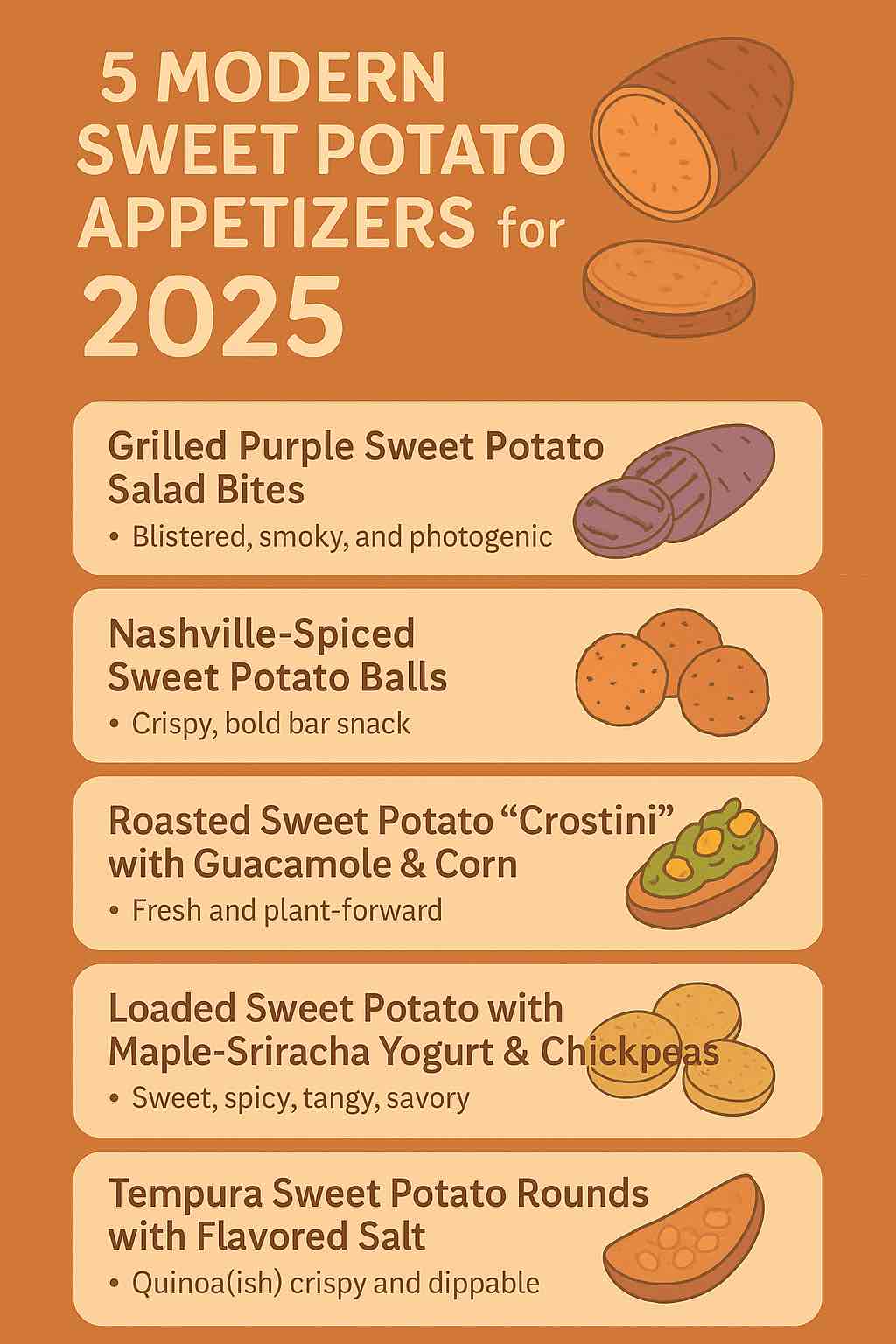
5 Sweet Potato Appetizers Ideas to Inspire the Chef in You

SWEET POTATO APPETIZERS

Sweet potatoes have officially moved beyond the Thanksgiving table and into the culinary spotlight as a versatile, healthful, and flavor-packed ingredient. Whether you’re a home chef or running a professional kitchen, the latest trends in sweet potato appetizers are all about global flavors, striking visuals, and creative textures.

In this post, we dive deep into five trending sweet potato appetizers for 2025, blending research from top food publications, chef menus, and recent product innovations. Each idea is presented with a chef’s rationale, practical how-to guidance, and tips for home and pro kitchens alike.


1. Grilled Purple Sweet Potato Salad Bites

Why It’s Trending:
Purple sweet potatoes are a visual knockout and rich in antioxidants. Recently featured by Bon Appétit (July 2025), grilling intensifies their natural sweetness while adding smokiness—a modern update for plant-forward appetizers.

How to Make It Practical:

  • Slice purple sweet potatoes into ½-inch rounds.
  • Toss with olive oil, salt, and pepper.
  • Grill on high heat until blistered and tender (about 4 minutes per side).
  • Dress with a creamy sesame-mayo or a lemony vinaigrette.
  • Top with scallions, toasted sesame seeds, and microgreens.

Pro Tip:
For parties, skewer grilled rounds and serve with the dressing on the side for dipping. The color and char will stand out on any appetizer tray.


2. Nashville-Spiced Sweet Potato Balls

The Inspiration:
A twist on classic croquettes, these crispy, spice-laden balls are inspired by the hot chicken craze, but made for vegetarians and flexitarians. Recent recipes (Cherry on My Sundae, June 2025) blend sweet potato with smoky paprika, cayenne, and a crunchy coating.

How to Make Them Practical:

  • Roast and mash sweet potatoes.
  • Mix with breadcrumbs, Nashville-style spices, finely diced green onions, and (optional) shredded cheese or bacon bits.
  • Form into balls; dredge in flour, egg, and panko.
  • Fry or bake until golden and crisp.
  • Serve with a creamy ranch or tangy comeback sauce.

Pro Kitchen Variation:
Pipe spiced sweet potato puree into mini choux pastry shells for an upscale passed hors d’oeuvre.


3. Roasted Sweet Potato “Crostini” with Guacamole & Corn

Why Chefs Love It:
Bread-free “crostini” are trending among gluten-free diners and those seeking lighter fare. Roasted sweet potato rounds are the perfect vehicle for colorful, bold toppings. This concept is popular with food bloggers and professional caterers alike (A Couple Cooks, Jan 2025).

How to Make at Home or Work:

  • Slice sweet potatoes into thick rounds (about ½ inch).
  • Roast with olive oil, cumin, and smoked paprika at 425°F until caramelized (20–25 minutes).
  • Top each round with a dollop of guacamole, roasted corn kernels, diced red onion, and chopped cilantro.
  • Finish with lime juice and a sprinkle of cotija cheese.

Chef’s Tip:
Try different toppings, such as whipped feta with pomegranate seeds or spicy black bean mash with pickled jalapeños.


4. Loaded Sweet Potato with Maple-Sriracha Yogurt & Crispy Chickpeas

On the Cutting Edge:
Loaded sweet potatoes are evolving, now being downsized into appetizer “boats” for maximum flavor and visual impact. The latest takes layer sweet, spicy, tangy, and crunchy elements for a full flavor experience (Good Mood Food, April 2025).

How to Make Them Practical:

  • Halve small sweet potatoes lengthwise; roast until just soft.
  • Scoop out a little center to make a well (save the scooped flesh for another use).
  • Fill with maple-sriracha Greek yogurt, crispy roasted chickpeas, crumbled feta, and pickled onions.
  • Drizzle with almond salsa verde (blend toasted almonds, parsley, lemon, olive oil, and a pinch of chili).

Meal Prep Friendly:
Both the yogurt sauce and chickpeas can be made days in advance, making this ideal for parties.


5. Tempura Sweet Potato Rounds with Flavored Salt

The Industry Insight:
Pre-cooked, tempura-battered sweet potato slices are gaining traction in restaurant and catering sectors for their crispness and convenience (US Foods Chef’s Line, 2025). This idea translates well to home kitchens using basic tempura batter.

How to Bring to Your Table:

  • Cut sweet potato into ½-inch thick rounds.
  • Dip in a simple tempura batter (flour, cornstarch, cold seltzer).
  • Fry in hot oil until golden and crispy.
  • Sprinkle immediately with flavored salt (smoked paprika, garlic powder, or furikake).
  • Serve with a dipping sauce—try spicy mayo, ponzu, or garlic aioli.

Entertaining Tip:
Offer a trio of dips and salts, and let guests mix and match.


Expert Tips for Sweet Potato Appetizer Success

  • Visual Appeal: Use a mix of purple, orange, and white sweet potatoes for color contrast.
  • Batch Prep: Many components (roasted rounds, sauces, toppings) can be made ahead for fast assembly.
  • Texture Matters: Combine creamy, crunchy, and chewy elements for memorable bites.
  • Global Flavors: Don’t be afraid to borrow from global cuisines—sriracha, gochujang, furikake, and curry powder all pair beautifully with sweet potatoes.

Final Thoughts

From smoky grilled salads to street-food-inspired croquettes, sweet potato appetizers are having a major moment in 2025. They’re healthy, photogenic, endlessly adaptable, and equally at home at a casual party or a fine-dining table. Whether you’re looking for a new plant-based favorite or a show-stopping party snack, these ideas bring the best of today’s trends straight to your kitchen.

Ready to experiment? Which idea will you try first? Let us know in the comments or share your own sweet potato creations!


FAQs

1. Can I use regular potatoes instead of sweet potatoes in these recipes?

Answer:
Yes, you can substitute regular potatoes for sweet potatoes in most appetizer recipes, but you’ll lose the characteristic sweetness and vibrant color. Adjust seasonings to balance flavors accordingly.


2. How do I keep sweet potato rounds from getting soggy when roasting or grilling?

Answer:
Slice rounds evenly (about ½ inch), don’t overcrowd the pan, and roast or grill at high heat (425°F/220°C) to encourage caramelization. Let them cool on a wire rack to preserve crispness.


3. Can I make sweet potato appetizers ahead of time?

Answer:
Yes! Many components (roasted rounds, dips, toppings) can be made a day ahead. Store separately and assemble just before serving for best texture and flavor.


4. What are some gluten-free options for breading or crisping sweet potatoes?

Answer:
Use gluten-free panko, crushed rice crackers, or cornmeal for coating. Tempura batter can be made with rice flour and cornstarch.


5. How do I make sweet potato appetizers vegan?

Answer:
Omit dairy (cheese, yogurt) and use plant-based alternatives like cashew cream, vegan cheese, or dairy-free yogurt. Use aquafaba or flaxseed “egg” for binding in fritters or balls.


6. What’s the best oil for frying sweet potato appetizers?

Answer:
Use oils with a high smoke point like canola, peanut, or avocado oil. For added flavor, try a touch of sesame oil in the batter or as a finishing drizzle.


7. Can I air-fry sweet potato appetizers instead of deep frying?

Answer:
Absolutely! Air frying is a healthier alternative and works well for rounds, wedges, and even “balls.” Toss lightly in oil, arrange in a single layer, and cook at 375°F/190°C, flipping halfway.


8. How do I add more flavor to plain sweet potato appetizers?

Answer:
Experiment with spice blends (cajun, za’atar, curry powder), citrus zest, fresh herbs, or flavored salts. Don’t be afraid to use bold, global-inspired dips.


9. Are these sweet potato appetizers suitable for kids?

Answer:
Yes! They’re naturally sweet and can be made mild by adjusting spices. Offer a range of dips and let kids assemble their own bites for fun.


10. How should I store leftovers, and can I reheat sweet potato appetizers?

Answer:
Store leftovers in an airtight container in the fridge for up to 3 days. Reheat in a hot oven or air fryer to restore crispness; avoid microwaving as it makes them soggy.
Posted on 4 Comments

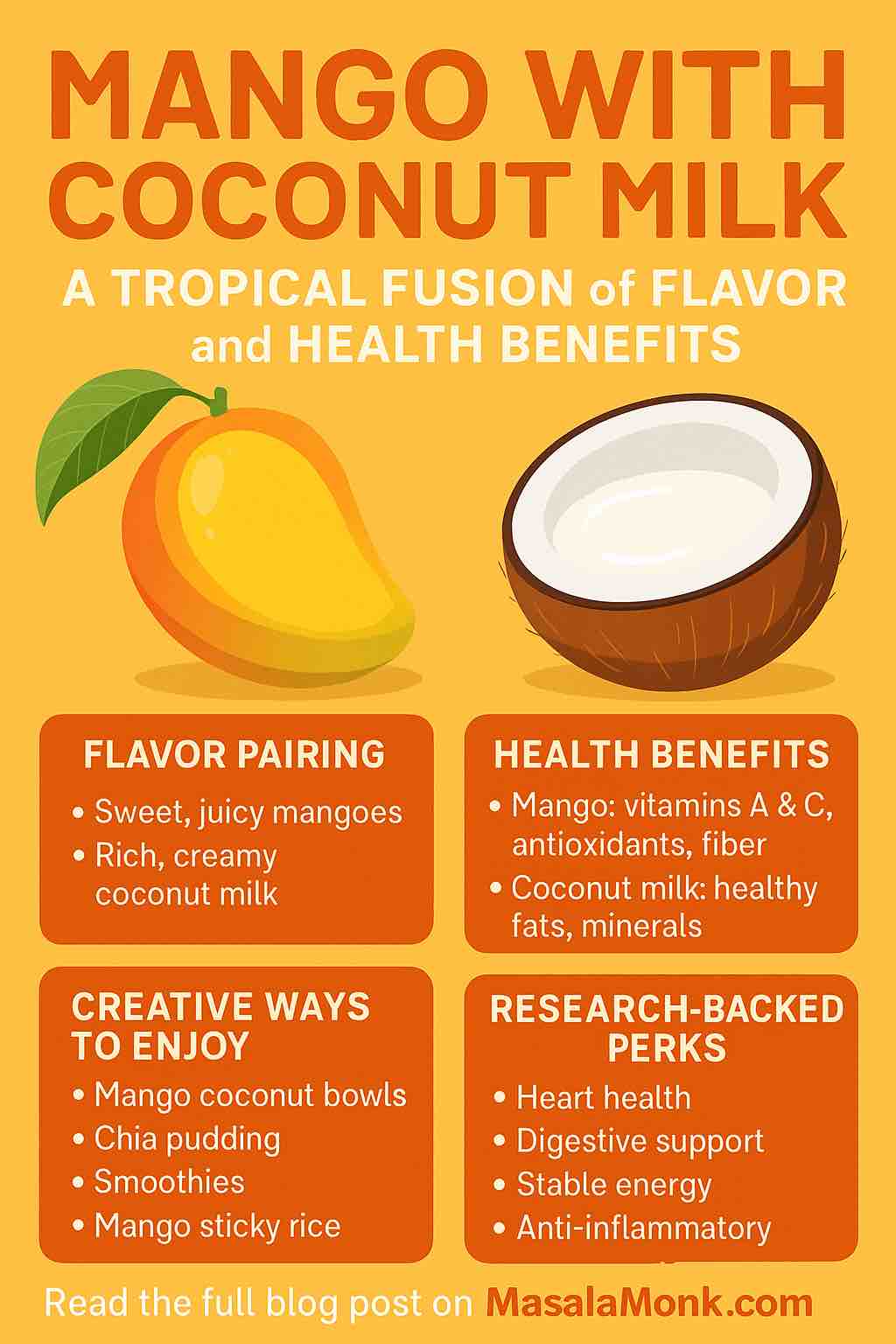
Mango with Coconut Milk: A Tropical Fusion of Flavors and Health Benefits!

MANGO WITH COCONUT MILK

Imagine a bowl of ripe, juicy mangoes draped in silky coconut milk—sweet, creamy, and impossibly fresh. This is more than a treat; it’s a centuries-old staple across the tropics, celebrated from the bustling markets of Bangkok to the vibrant kitchens of Mumbai. But mango with coconut milk isn’t just about flavor; it’s a dynamic duo delivering a range of health benefits, backed by both tradition and modern science.

Whether you’re looking for a healthy dessert, a quick breakfast, or simply a taste of summer all year round, this tropical combo is a must-try. Let’s explore its origins, nutritional power, creative recipes, and why it deserves a spot in your regular routine.


The Tropical Roots: More Than Just a Sweet Treat

The marriage of mango and coconut milk is woven through the food culture of Southeast Asia, South Asia, and beyond. In Thailand, mango sticky rice (Khao Niao Mamuang) reigns as a national dessert. Across the Philippines, coconut-based sweets like ginataang halo-halo often feature mango as a starring fruit. In India, mango and coconut milk unite in vegan smoothies, puddings, and festive treats.

This pairing isn’t accidental: both ingredients thrive in warm, humid climates, and both offer dense nutrition designed by nature for energy, hydration, and sustenance.


Flavor Profile: A Balancing Act

  • Mango: Sweet, floral, slightly tangy, and aromatic.
  • Coconut milk: Rich, creamy, with a hint of sweetness and tropical perfume.

Together, they create a flavor harmony—refreshing yet decadent. Mango’s acidity cuts through the richness of coconut milk, making each bite lively but balanced.


Latest Research: Health Benefits Unveiled

Recent studies have shone a spotlight on the unique health perks of each ingredient—and what happens when you bring them together.

Mango: More Than Vitamin C

  • Cardiometabolic Support: A 2025 study by UC Davis found that eating 1.5 cups of mango daily for just two weeks reduced blood pressure and improved cholesterol in postmenopausal women.
  • Blood Sugar Balance: Mango polyphenols (like mangiferin and quercetin) have been linked to improved insulin sensitivity and reduced blood sugar spikes—without the negative effects of refined sugars.
  • Digestive Health: High fiber content (2.6g/cup) supports regularity and a healthy gut microbiome.
  • Immunity & Skin: Rich in vitamins A and C, essential for skin glow and immune defense.

Coconut Milk: The Creamy Nutritional Booster

  • Medium-Chain Triglycerides (MCTs): Quick-burning fats that boost metabolism and provide lasting energy.
  • Electrolytes: Potassium, magnesium, and manganese for hydration, muscle, and nerve function.
  • Gut-Friendly Fats: MCTs and natural prebiotics may promote a diverse, healthy gut microbiome.
  • Plant-Based and Lactose-Free: A safe option for those with dairy allergies or vegan diets.

The Combo: Synergy in a Bowl

When you combine the two:

  • Heart Health: Mango’s cholesterol-lowering effects + coconut’s HDL-boosting MCTs.
  • Stable Energy: Fiber from mango + fats from coconut milk = slow, steady release of energy.
  • Hydration and Recovery: Electrolytes in coconut milk plus the water content of mangoes make this pairing excellent for rehydration after exercise or in hot weather.
  • Anti-Inflammatory: Both are rich in antioxidants that may help fight inflammation and oxidative stress.

Practical Ways to Enjoy Mango and Coconut Milk

Let’s get real: you don’t need fancy equipment or rare ingredients to make this at home. Here are some delicious, approachable ideas:

1. Classic Mango Coconut Bowl

Ingredients:

  • 1–1.5 cups ripe mango, cubed or sliced
  • ½–1 cup coconut milk (unsweetened)
  • Optional: 1 tsp honey or maple syrup, pinch of salt, lime zest

Directions:

  1. Arrange mango in a bowl.
  2. Pour coconut milk over mango. Drizzle with honey if using.
  3. Top with lime zest and a pinch of salt for brightness.
  4. Serve chilled, with toasted coconut flakes if desired.

2. Mango Coconut Chia Pudding

Ingredients:

  • 1 cup coconut milk
  • 2–3 tbsp chia seeds
  • 1 cup diced mango
  • 1 tsp vanilla (optional)

Directions:

  1. Mix chia seeds with coconut milk and vanilla. Chill overnight.
  2. Layer chia pudding with mango in a glass.
  3. Top with extra fruit or nuts for crunch.

3. Mango Coconut Smoothie

Ingredients:

  • 1 cup frozen mango
  • ¾ cup coconut milk
  • ½ banana (for extra creaminess)
  • Squeeze of lime

Directions:
Blend until smooth and enjoy as a refreshing snack or breakfast.

4. Thai-Inspired Mango Sticky Rice (Quick Version)

Ingredients:

  • 1 cup cooked sticky rice (or jasmine rice)
  • 1–2 ripe mangoes
  • 1 cup coconut milk
  • 2 tbsp sugar
  • Pinch of salt
  • Toasted sesame seeds (optional)

Directions:

  1. Warm coconut milk with sugar and salt. Pour half over the rice, let soak.
  2. Plate rice with sliced mango. Drizzle remaining coconut milk sauce on top.
  3. Garnish with sesame seeds.

Tips for Best Results

  • Choose ripe, fragrant mangoes. The sweetness matters!
  • Opt for full-fat, unsweetened coconut milk for maximum creaminess—shake or stir before use.
  • Control sugar: Both ingredients are naturally sweet; minimize added sweeteners.
  • Make it a meal: Add a scoop of protein powder, Greek yogurt (if not vegan), or chia seeds to turn this into a filling breakfast.
  • Seasonal swaps: When mango isn’t in season, try pineapple or papaya for a twist.

Potential Pitfalls & How to Avoid Them

  • Calories & Fat: Coconut milk is calorie-dense. Use smaller portions or dilute with water if you’re watching intake.
  • Canned vs. Fresh: Fresh coconut milk tastes better and has fewer additives, but canned is convenient. Always check labels for unnecessary ingredients.
  • Allergies: Though rare, coconut allergies do exist. Always check if serving guests.

Cultural Fun Facts

  • Mango is the national fruit of India, Pakistan, and the Philippines.
  • In Ayurveda, both mango and coconut are considered cooling foods—ideal for hot weather.
  • Mango sticky rice is traditionally eaten in Thailand at the end of the hot season, celebrating the mango harvest.

Conclusion: Savor the Tropics, Savor Your Health

Mango with coconut milk isn’t just a treat—it’s a celebration of sunshine, flavor, and health. Backed by new research and centuries of tradition, it offers something for everyone: athletes, foodies, vegans, kids, and anyone seeking joy in a bowl.

Next time you spot ripe mangoes, don’t just eat them plain. Pair them with coconut milk, try one of these recipes, and experience a fusion that’s as good for your body as it is for your soul.


Ready to Try?

If you’ve got questions, want more recipes, or need tips for special diets (like low-sugar or high-protein versions), let me know in the comments!
Or—share your own favorite ways to enjoy this tropical duo!


References:

FAQs: Mango with Coconut Milk

1. Is mango with coconut milk healthy for everyday consumption?

Answer: Yes, in moderation. Both mango and coconut milk offer beneficial nutrients (vitamins, antioxidants, healthy fats), but coconut milk is high in calories and saturated fat. Stick to appropriate portions and limit added sugars.


2. Can people with diabetes enjoy mango and coconut milk?

Answer: In controlled portions, yes. Recent research shows mango may help stabilize blood sugar, but it still contains natural sugars. Use unsweetened coconut milk and avoid adding extra sweeteners. Always consult your healthcare provider for personal recommendations.


3. Is this combination suitable for a vegan or dairy-free diet?

Answer: Absolutely! Both mango and coconut milk are plant-based and naturally free from dairy and animal products.


4. What type of coconut milk is best: canned, carton, or fresh?

Answer: Full-fat canned coconut milk offers the richest texture and flavor. Fresh coconut milk is ideal if available. Carton versions are usually more diluted and can contain additives—check ingredient labels for purity.


5. How can I make this dish lower in calories or fat?

Answer: Use light (reduced-fat) coconut milk, dilute regular coconut milk with water, and watch your portion size. Adding extra fruit or chia seeds can help increase volume and fiber without extra fat.


6. Can I prepare mango with coconut milk ahead of time?

Answer: Yes! Many recipes (like puddings or smoothie bowls) benefit from chilling and can be stored in the fridge for up to two days. Add fresh mango just before serving for best texture.


7. Are there any allergy concerns with coconut milk?

Answer: Coconut allergies are rare but possible. If you have a tree nut allergy, check with your doctor, as coconut is technically a fruit, not a nut, but cross-reactivity can occur.


8. What are good toppings or add-ins for more nutrition?

Answer: Try chia seeds, flaxseeds, sliced almonds, berries, toasted coconut flakes, or a sprinkle of cinnamon for extra flavor and nutrition.


9. Is it safe for kids and toddlers?

Answer: Yes, if there are no allergies. Use unsweetened coconut milk and limit added sugars. Mango is soft and easy to digest—just cut it into age-appropriate pieces.


10. Can I use frozen mango instead of fresh?

Answer: Definitely! Frozen mango works well in smoothies, puddings, and bowls, and offers nearly the same nutrition as fresh. Thaw or blend directly from frozen as needed.

Posted on Leave a comment

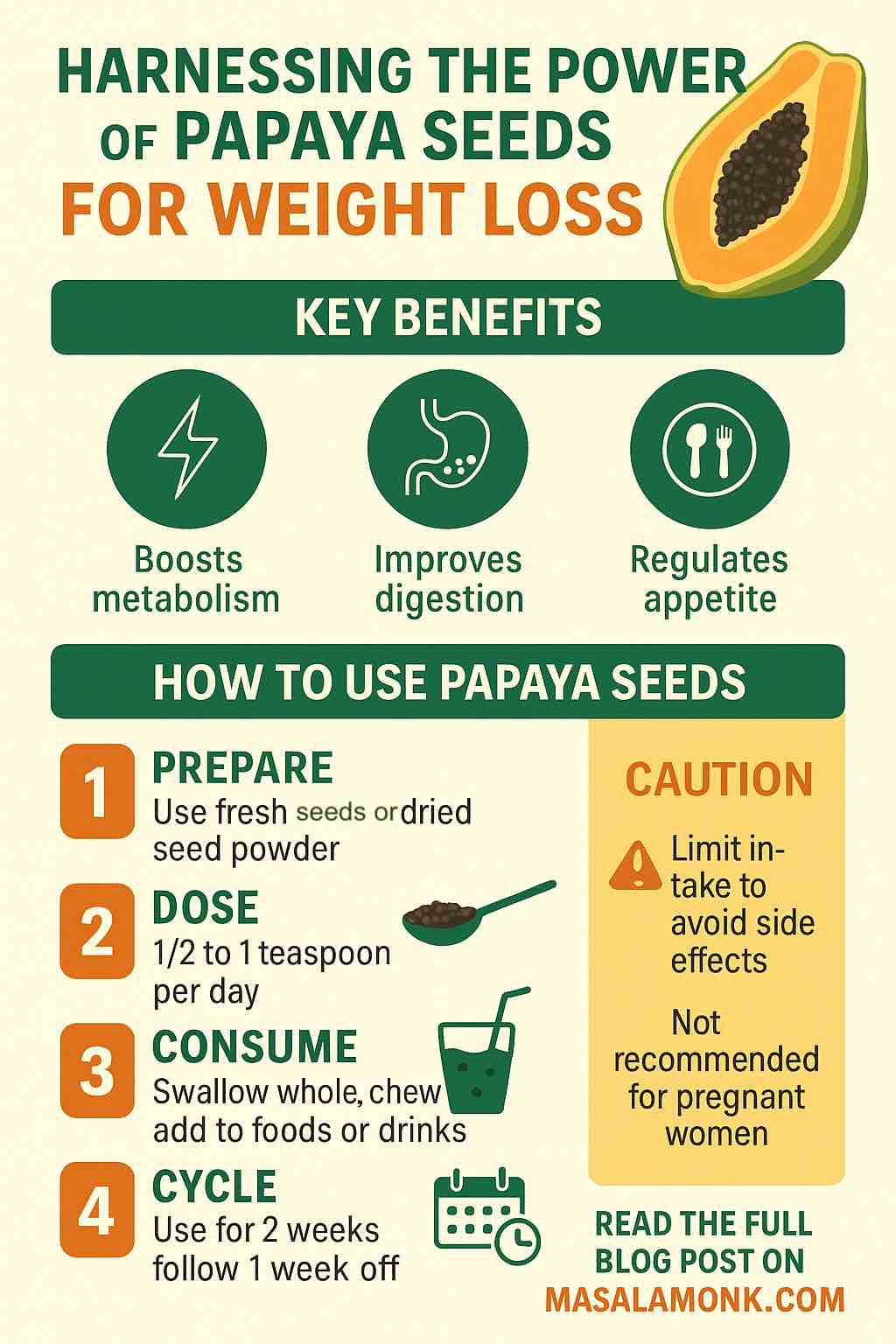
Harnessing the Power of Papaya Seeds for Weight Loss: A Step-by-Step Guide

PAPAYA SEEDS FOR WEIGHT LOSS

In a world obsessed with quick fixes and fad diets, nature often holds the most powerful solutions. One such underappreciated superfood? Papaya seeds. Often discarded, these tiny black seeds are nutritional powerhouses that may help support weight loss, improve digestion, and promote overall health when used correctly. This blog post dives into the science, safety, and step-by-step use of papaya seeds for weight management, giving you a practical guide backed by research.


1. The Hidden Gem: What Are Papaya Seeds?

Papaya seeds are the small, peppercorn-like seeds found at the center of the tropical papaya fruit. They have a sharp, slightly bitter flavor, resembling mustard or wasabi due to compounds like benzyl isothiocyanate. For centuries, they’ve been used in traditional medicine across Asia, Africa, and South America for their antiparasitic, antibacterial, and digestive properties.


2. Nutritional and Bioactive Composition

Papaya seeds contain a potent mix of:

  • Fiber: Helps promote satiety and supports digestive regularity.
  • Papain: A digestive enzyme aiding protein breakdown.
  • Benzyl isothiocyanate (BITC): Possesses antimicrobial and potential anti-cancer effects.
  • Phenolic compounds and flavonoids: Offer antioxidant and anti-inflammatory benefits.
  • Monounsaturated fatty acids (MUFA): Like oleic acid, beneficial for heart health.

These compounds work synergistically to boost metabolism, reduce inflammation, and improve nutrient absorption—critical factors in sustainable weight management.


3. Scientific Evidence: What Research Tells Us

Though direct human trials on weight loss using papaya seeds are still scarce, a body of indirect evidence exists:

  • Animal Studies: Research in rodents shows reduced appetite and weight gain when administered papaya seed extracts. Leptin modulation—a hormone involved in hunger regulation—was observed.
  • Antiparasitic Effects in Humans: A 2007 clinical study showed that children given a papaya seed-honey mix had a 76.7% parasite clearance rate versus 16.7% in controls.
  • Digestive Health: Papain and fiber-rich content help improve digestion, reducing bloating and supporting nutrient metabolism.
  • Liver Support: Some animal studies report hepatoprotective effects, which may aid fat metabolism and detox—important for effective weight loss.

While promising, these benefits need validation in large-scale human trials specifically targeting weight loss.


4. Step-by-Step Guide to Using Papaya Seeds for Weight Loss

Step 1: Sourcing and Preparation

  • Fresh Seeds: Scoop them out from a ripe papaya.
  • Drying: Rinse and air-dry them for 3–5 days on a paper towel until fully dehydrated.
  • Storage: Store in an airtight jar away from moisture and light.
  • Grinding: For ease of use, grind dried seeds into a coarse powder.

Step 2: Dosage Guidelines

Start small to test tolerance. General recommendation:

  • Beginner Dose: 1/4 teaspoon (approx. 5–7 seeds) per day.
  • Moderate Dose: 1/2 teaspoon daily.
  • Max Limit: Do not exceed 1 teaspoon/day (about 15 seeds) for extended periods.

Cycle usage: 2 weeks on, 1 week off.

Step 3: Consumption Methods

  • Raw Chew: Swallow whole seeds or chew if tolerable.
  • Smoothie Add-In: Add to green smoothies or protein shakes.
  • With Lemon Water: Mix powdered seeds into warm lemon water.
  • With Ginger/Honey: Combines well for digestive synergy.

Take them in the morning on an empty stomach or before meals to help curb appetite.


5. Safety Considerations and Warnings

Moderation is key. Though papaya seeds are natural, their concentrated compounds can have adverse effects in high doses:

  • Liver Concerns: Excess BITC may harm liver cells if consumed chronically.
  • Fertility Impacts: Animal studies suggest male fertility suppression at high doses.
  • Pregnancy Warning: Not recommended for pregnant or breastfeeding women.
  • Possible GI Effects: Nausea, bloating, or diarrhea in sensitive individuals.

Always consult a healthcare provider if you have underlying conditions.


6. Integrating Papaya Seeds into a Healthy Lifestyle

Papaya seeds are not a magic bullet. Their effectiveness increases when paired with:

  • Balanced Diet: High in fiber, lean proteins, and low-glycemic carbs.
  • Regular Physical Activity: Cardio + strength training.
  • Hydration: At least 2 liters of water daily.
  • Sleep & Stress Management: Critical for hormonal balance.

Use papaya seeds as a supportive tool—not a sole solution.


7. Final Thoughts: Should You Try Papaya Seeds for Weight Loss?

Papaya seeds offer a compelling blend of digestive, antimicrobial, and metabolic benefits that could support a weight loss plan when used thoughtfully. They’re inexpensive, accessible, and backed by emerging—but promising—scientific data.

However, their potency means they should be used in small, controlled amounts, with cycles and caution. Think of them as a supplement to your health toolkit, not the centerpiece.

With nature’s help and a balanced lifestyle, even small seeds can lead to meaningful transformation.


Disclaimer: This guide is for informational purposes only and does not constitute medical advice. Always consult a healthcare professional before making dietary changes.


Have you tried papaya seeds? Share your experience or questions in the comments below!

10 FAQs about Papaya Seeds for Weight Loss

1. Can papaya seeds really help with weight loss?
Papaya seeds can support weight loss indirectly by improving digestion, reducing bloating, and possibly curbing appetite due to their fiber and enzyme content. However, they are not a standalone fat-burning solution and work best alongside a balanced diet and exercise.

2. How many papaya seeds should I take daily?
Start with 1/4 teaspoon (5–7 seeds) and gradually increase to a maximum of 1 teaspoon per day. Always cycle usage (e.g., 2 weeks on, 1 week off) and monitor for side effects.

3. When is the best time to consume papaya seeds?
The ideal times are in the morning on an empty stomach or 20–30 minutes before a meal, which may help control appetite and improve digestion.

4. Can I swallow the seeds whole?
Yes, you can swallow them whole or chew them. Chewing releases more of their active compounds but also intensifies their bitter taste. Grinding and mixing into drinks is often more palatable.

5. Are there any side effects of papaya seeds?
In large or prolonged doses, they may cause nausea, diarrhea, liver stress, or reduce male fertility (based on animal studies). Avoid if pregnant, breastfeeding, or if you have liver issues.

6. Can I use store-bought papaya seeds?
It’s best to use fresh seeds from ripe papayas and dry them yourself to ensure purity. Some health stores sell dried or powdered papaya seeds, but check for quality and additives.

7. Are papaya seeds safe for everyone?
No. They should be avoided by pregnant or breastfeeding women, and used cautiously by people with liver conditions or fertility concerns. Always consult a healthcare provider if unsure.

8. How do I prepare papaya seeds for daily use?
Scoop from ripe fruit, rinse, air-dry for 3–5 days, then store in a dry, airtight jar. Grind into powder or keep whole for chewing or blending into drinks.

9. Can children consume papaya seeds?
While one study showed antiparasitic effects in children, routine use for weight loss is not recommended without medical supervision due to lack of safety data in minors.

10. Will papaya seeds interfere with medications?
There’s limited research, but due to their enzyme and antimicrobial activity, they could interact with digestion-related or liver-metabolized medications. Consult a doctor before use if you’re on any regular medication.

Posted on Leave a comment

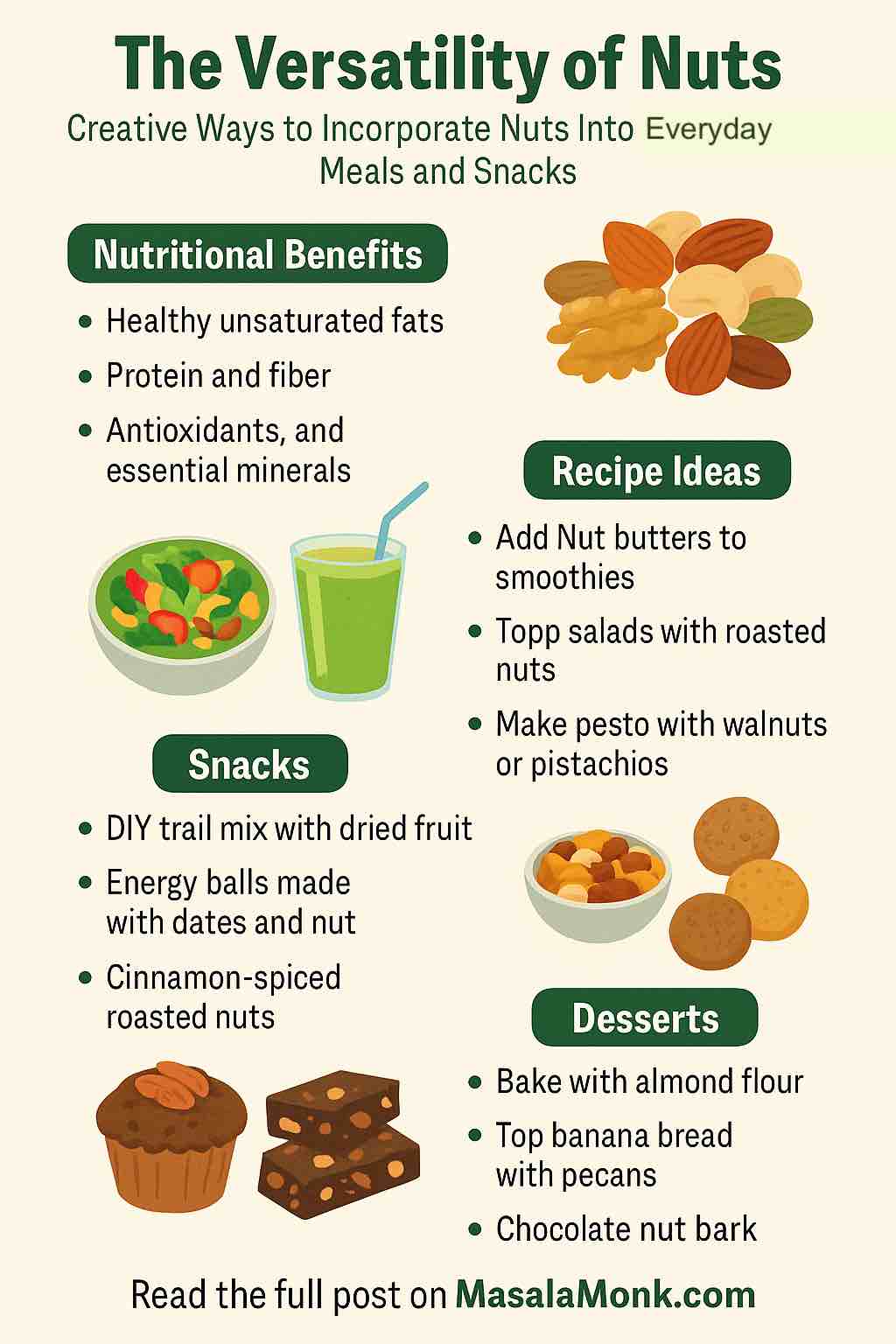
The Versatility of Nuts: Creative Ways to Incorporate Nuts into Your Everyday Meals and Snacks

Nuts-Into-Everyday-Meals-and-Snacks

Nuts are one of nature’s most powerful—and underutilized—ingredients. Packed with nutrients, flavor, and texture, they are a culinary multitool that can add health and depth to nearly any dish. From your morning smoothie to your evening dinner plate, and every snack in between, nuts can bring variety, satisfaction, and nourishment. Here’s a practical, creative, and engaging guide on how to make nuts a staple in your daily eating routine.


Why Nuts Matter: A Nutritional Powerhouse

Nuts like almonds, walnuts, pistachios, and cashews are rich in healthy fats, plant protein, fiber, and essential micronutrients including magnesium, vitamin E, selenium, and calcium. A single ounce (30g) of almonds, for example, contains about 6g of protein and 80mg of calcium. Regular consumption is linked to improved heart health, better weight management, and reduced inflammation. Despite their small size, they can make a big impact on your diet and overall well-being.


Morning Boosters: Start Your Day Right

1. Nut-Infused Smoothies
Blend nut butters like almond, peanut, or cashew into smoothies for added creaminess, protein, and richness. Combine with banana, spinach, dates, and a milk of your choice for a nutritious start.

2. Yogurt & Smoothie Bowls
Top bowls with chopped nuts, chia seeds, and a drizzle of nut butter. Try pistachios with strawberries or walnuts with apple slices and cinnamon.

3. Homemade Nut Granola
Bake a mix of rolled oats, honey, olive oil, and your favorite nuts for a crunchy, customizable granola.

4. Savory Nut Toasts
Spread cashew cream cheese or almond ricotta on whole grain toast. Add avocado, smoked paprika, or sliced tomatoes for a gourmet touch.


Midday & Main Meal Marvels

1. Nutty Salads with Texture
Toss roasted pecans, pine nuts, or almonds into salads. Combine with arugula, goat cheese, and citrus segments for a flavorful twist.

2. Stir-fries and Curries
Add cashews to Thai or Indian curries, or ground peanuts in Indonesian sauces. They soak up spices beautifully and offer hearty texture.

3. Nut-Crusted Proteins
Coat chicken, tofu, or salmon in crushed pistachios, almonds, or hazelnuts for a crunchy finish.

4. Innovative Pesto & Sauces
Swap traditional pine nuts for walnuts or pistachios in your pesto. Create creamy peanut or cashew sauces for noodles, wraps, or dipping.

5. Rice & Grain Upgrades
Sprinkle toasted slivered almonds or pine nuts over couscous, quinoa, or brown rice to add layers of flavor and crunch.


Snacks That Travel Well

1. DIY Trail Mix
Build your own mix with roasted nuts, dried fruits, dark chocolate chips, and seeds like pumpkin or sunflower.

2. Energy Balls and Bars
Blend dates, oats, and nut butters with extras like cocoa nibs, coconut, or protein powder. Roll into balls or press into bars for a grab-and-go option.

3. Spiced & Roasted Nuts
Roast nuts with bold flavors—sweet (cinnamon-honey), savory (rosemary-garlic), or spicy (chili-lime). Perfect for snacks, salads, or cocktails.

4. Portable Nut Dips
Make muhammara (roasted red pepper and walnut dip) or use almond butter as a dip for sliced apples, carrots, or celery.


Sweet but Smart: Nut-Based Desserts

1. Nut Flours for Baking
Use almond flour or hazelnut meal in gluten-free baking recipes for cookies, muffins, and cakes.

2. Nut Toppings
Sprinkle crushed nuts on banana bread, oatmeal cookies, or fruit crisps to elevate texture and flavor.

3. Chocolate Nut Barks & Clusters
Melt dark chocolate and mix with nuts and seeds. Spread into thin bark or form clusters for a simple, satisfying dessert.

4. Stuffed Dates
Fill Medjool dates with nut butter and dip in dark chocolate. Finish with a pinch of sea salt for a luxurious treat.


Global Inspirations for Everyday Variety

  • Middle Eastern: Add pine nuts to hummus, or make classic baklava with layers of phyllo and crushed walnuts or pistachios.
  • Asian: Use peanuts in satay sauce or sprinkle chopped cashews over Thai noodle bowls.
  • Mediterranean: Blend walnut pesto for pasta or spread almond dips on flatbread.
  • Western Vegetarian: Make a hearty nut roast for a meatless dinner centerpiece.

Tips for Storage, Substitutes & Safety

  • Storage: Keep nuts in airtight containers; refrigerate or freeze to prevent rancidity.
  • Portion Control: Stick to about 30g/day to balance calorie intake and health benefits.
  • Low-Sodium Option: Choose raw or unsalted nuts for heart-friendly snacking.
  • Allergy Alternatives: Try sunflower seed butter, pepitas, or coconut flakes as substitutes.

Final Thoughts: Small Changes, Big Impact

Whether you’re upgrading your breakfast, adding crunch to your salad, or experimenting with global flavors, nuts can play a delicious and meaningful role in your meals. They’re not just a snack—they’re an ingredient that bridges convenience, flavor, and wellness. Start small, mix and match, and you’ll soon discover that a handful of nuts can go a long way.

Ready to get nutty in the kitchen? Start today with a new recipe or a fresh twist on an old favorite.

✅ Summary Table

Use CaseNut ApplicationBenefit
Smoothies/BowlsNut powders, butters, chopped nutsCreaminess, protein, crunch
CookingNut‑based sauces, pestos, crusts, meat subFlavor, texture, plant protein
Snacks & BarsTrail mix, energy balls, spiced nutsOn‑the‑go nutrition
Baking/DessertsNut flours, toppings, barksHealthier indulgence
Gastro-cultureMuhammara, karedok, nut roast, sataysGlobal authenticity
Gifting/PartyJar mixes, charcuterie nutsPresentation, convenience

Posted on Leave a comment

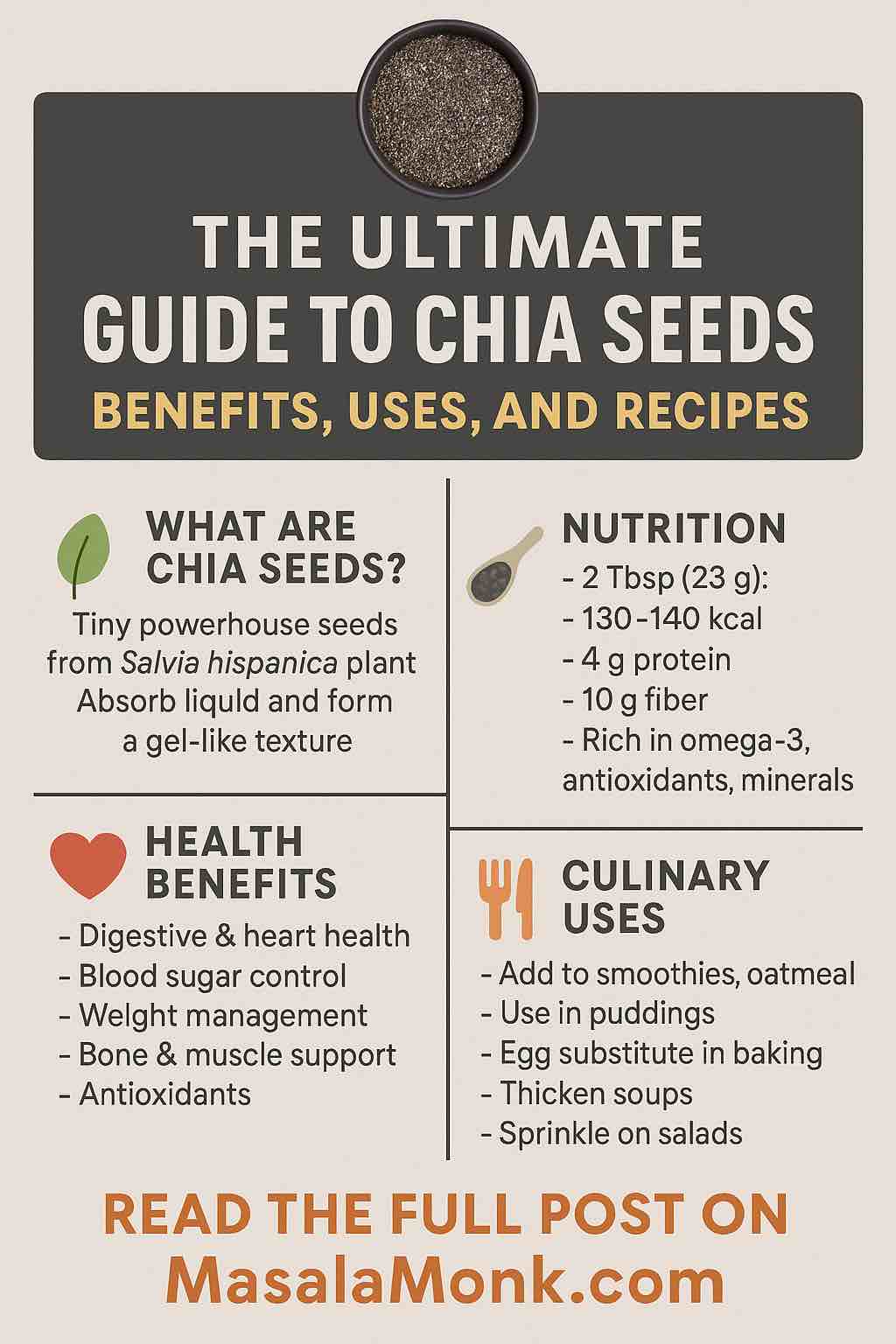
The Ultimate Guide to Chia Seeds: Benefits, Uses, and Recipes

GUIDE TO CHIA SEEDS BENEFITS, USES, AND RECIPES

Whether you’re a wellness enthusiast, a curious foodie, or someone simply trying to eat healthier, chia seeds are a tiny superfood worth knowing. This guide explores everything you need to know about chia seeds: their origins, health benefits, practical uses, and easy-to-make recipes that fit into any lifestyle.


🌱 What Are Chia Seeds?

Chia seeds are the edible seeds of Salvia hispanica, a flowering plant native to Mexico and Guatemala. Historically consumed by Aztec and Mayan cultures, chia was prized for its energy-boosting properties. Today, it’s known for being rich in fiber, omega-3 fatty acids, protein, and essential minerals.


🧪 Nutritional Powerhouse

In just two tablespoons (28g), chia seeds offer:

  • Fiber: 10-11g
  • Protein: 4-5g (with all 9 essential amino acids)
  • Fat: 8-9g (mainly ALA omega-3s)
  • Calcium: 18% of RDI
  • Magnesium: 30% of RDI
  • Phosphorus: 27% of RDI
  • Antioxidants: Quercetin, chlorogenic acid, and caffeic acid

Chia seeds are naturally gluten-free and suitable for vegan, keto, and paleo diets.


❤️ Health Benefits

1. Supports Heart Health

The high content of omega-3 fatty acids (ALA) helps reduce inflammation, lower blood pressure, and improve cholesterol levels.

2. Improves Digestion

With 40% fiber by weight, chia seeds promote gut health, regular bowel movements, and help prevent constipation.

3. Regulates Blood Sugar

The soluble fiber in chia forms a gel-like consistency that slows digestion, helping to prevent blood sugar spikes.

4. Aids in Weight Management

The gel-like consistency when soaked provides a feeling of fullness, reducing overeating.

5. Boosts Bone Health

Rich in calcium, phosphorus, and magnesium—critical nutrients for maintaining strong bones.

6. Antioxidant Protection

Chia’s antioxidant compounds help combat oxidative stress and may support aging and chronic disease prevention.


⚠️ Potential Side Effects & Safety Tips

  • Choking hazard: Dry chia seeds expand in liquid. Always soak before consuming.
  • Digestive discomfort: Introduce gradually and drink plenty of fluids.
  • Drug interactions: Monitor if on blood pressure or diabetes meds.
  • Prostate/Kidney caution: High ALA and mineral levels may need moderation in sensitive individuals.

🍴 Practical Ways to Use Chia Seeds

💧 Hydration & Energy

  • Chia Fresca: Mix 1 tbsp chia seeds in a glass of water with lemon juice. Great for pre-workout hydration.
  • Fennel Chia Water: Soak chia with crushed fennel seeds overnight; drink in the morning for digestion.

🍽 Breakfasts

  • Overnight Oats: Mix oats, milk, chia seeds, and fruit; refrigerate overnight.
  • Smoothie Booster: Add a tablespoon of soaked chia to any smoothie.
  • Chia Yogurt Bowl: Mix with Greek yogurt, berries, and a drizzle of honey.

🍰 Baking & Cooking

  • Egg Substitute: Mix 1 tbsp chia + 3 tbsp water = 1 egg in baking recipes.
  • Breads & Muffins: Add a few tablespoons into batter for a nutrition upgrade.
  • Thickener: Use in soups or sauces instead of cornstarch.

🥗 Salads & Snacks

  • Granola Mix: Include in granola bars or homemade trail mix.
  • Salad Topper: Sprinkle raw over salads for crunch.

🍓 Easy & Delicious Recipes

1. Coconut Chia Pudding

Ingredients:

  • 1/2 cup chia seeds
  • 2 cups coconut milk
  • 1 tsp vanilla extract
  • 1 tbsp maple syrup
  • Fruit, nuts for topping

Instructions: Mix ingredients, refrigerate for 6+ hours. Top with fruits and nuts before serving.


2. Strawberry Banana Chia Smoothie

Ingredients:

  • 1 banana
  • 1/2 cup strawberries
  • 1 tbsp soaked chia seeds
  • 1 cup almond milk
  • Ice (optional)

Instructions: Blend until smooth and creamy. Serve immediately.


3. Savory Avocado Toast with Chia

Ingredients:

  • 2 slices of whole grain bread
  • 1 ripe avocado
  • Lemon juice, chili flakes, salt
  • 1 tsp chia seeds

Instructions: Mash avocado with seasoning, spread on toast, and sprinkle with chia.


4. Indian-Inspired Chia Bowl (Mango Turmeric)

Ingredients:

  • 1/2 cup chia seeds
  • 1.5 cups coconut milk
  • 1/4 tsp turmeric
  • 1/2 cup mango puree
  • Cardamom, jaggery to taste

Instructions: Soak chia in coconut milk overnight. Mix in turmeric, mango, and sweetener before serving.


✅ Final Tips for Everyday Use

  • Stick to 1-2 tablespoons/day.
  • Soak for at least 10–15 minutes before consuming.
  • Pair with foods rich in vitamin C or calcium to improve mineral absorption.
  • Store in a cool, dry place in an airtight container.

🧭 Conclusion

Chia seeds offer an easy, versatile, and nutrient-dense way to enhance your diet. From boosting heart health to supporting digestion, these tiny seeds are a worthy pantry staple. With countless ways to enjoy them—from puddings to smoothies to savory dishes—chia can be effortlessly integrated into any lifestyle.

Ready to give chia a try? Start small, stay hydrated, and get creative in your kitchen!

🔍 Frequently Asked Questions (FAQs)

1. Do chia seeds need to be soaked before eating?

Yes. Soaking chia seeds prevents potential choking and enhances digestibility. When dry, they absorb 10–12x their weight in liquid, which can cause discomfort if eaten without fluid. Soak for at least 10–15 minutes.


2. How much chia should I eat daily?

1 to 2 tablespoons (15–30 grams) per day is generally safe and effective for most people. Start with 1 tablespoon and increase gradually while ensuring good hydration.


3. Can chia seeds help with weight loss?

They may help indirectly. The fiber and gel-forming nature of soaked chia seeds promote satiety, which can reduce calorie intake. However, chia alone won’t cause weight loss—it should be part of a balanced diet and active lifestyle.


4. Are there any side effects of chia seeds?

In excess or without enough water, chia may cause bloating, gas, or constipation. Dry seeds can pose a choking risk. Also, people on blood pressure, blood sugar, or blood thinner medications should consult a doctor due to chia’s bioactive properties.


5. Can I cook chia seeds?

Yes. You can bake them into muffins, breads, and pancakes. Cooking won’t destroy most of their nutrients, but soaking or grinding preserves the omega-3 content better.


6. What’s the difference between black and white chia seeds?

Nutritionally, they are nearly identical. The main difference is cosmetic—white chia may be preferred in lighter-colored dishes like puddings or smoothies for visual appeal.


7. How do chia seeds support heart health?

Chia seeds are rich in ALA, a plant-based omega-3 fatty acid shown to reduce inflammation, lower blood pressure, and improve cholesterol levels—all beneficial for cardiovascular health.


8. Are chia seeds good for people with diabetes?

Yes. The soluble fiber slows carbohydrate absorption, helping to stabilize blood sugar. However, they may enhance the effects of diabetes medications, so monitor levels closely if adjusting your diet.


9. Can children or elderly people eat chia seeds?

Yes, but always ensure they are fully soaked to avoid choking. Start with small amounts and mix into soft foods like yogurt or porridge.


10. How should I store chia seeds?

Keep them in an airtight container in a cool, dark place. Properly stored, they can last up to 2 years. For maximum freshness, refrigerate after opening, especially in humid climates.