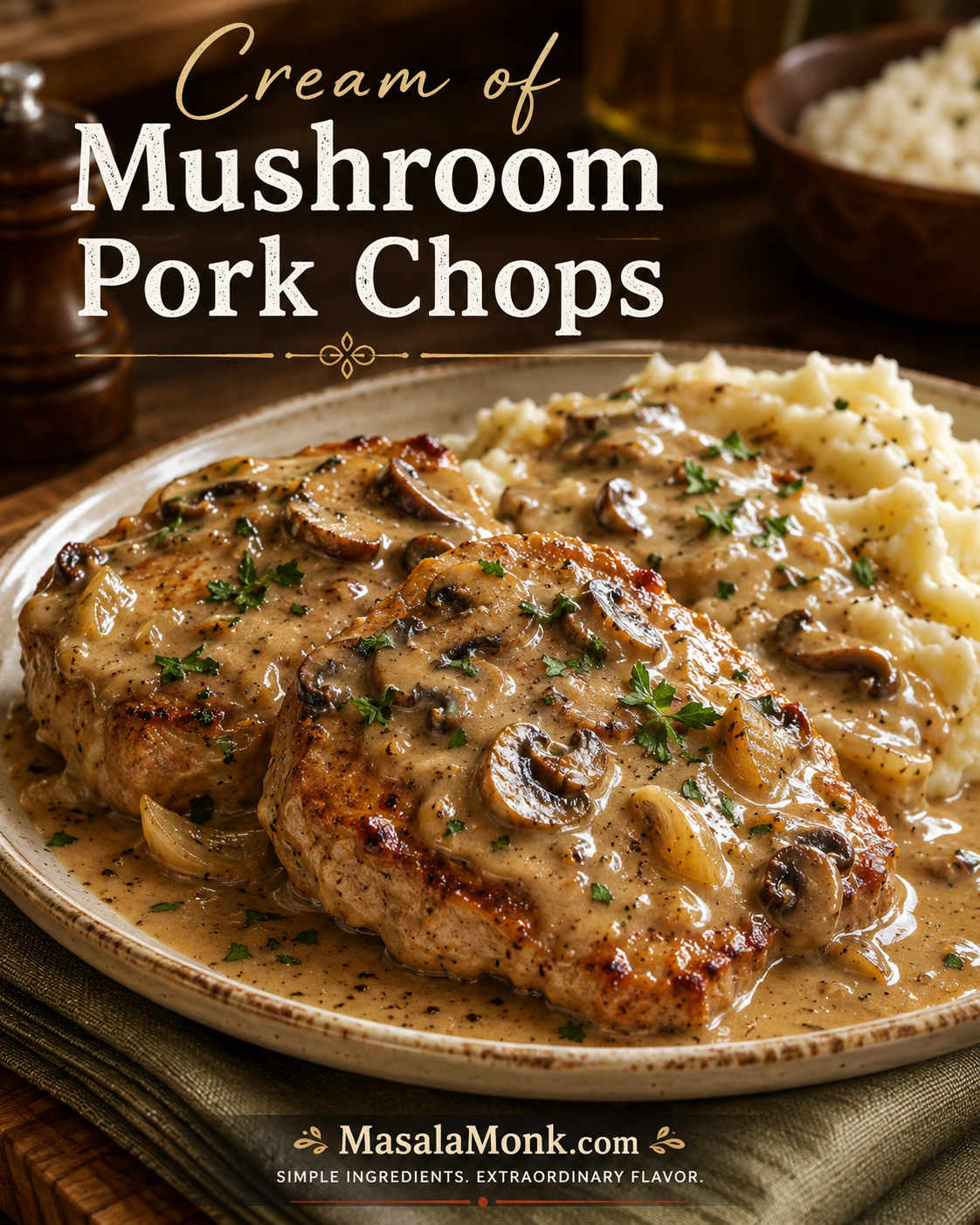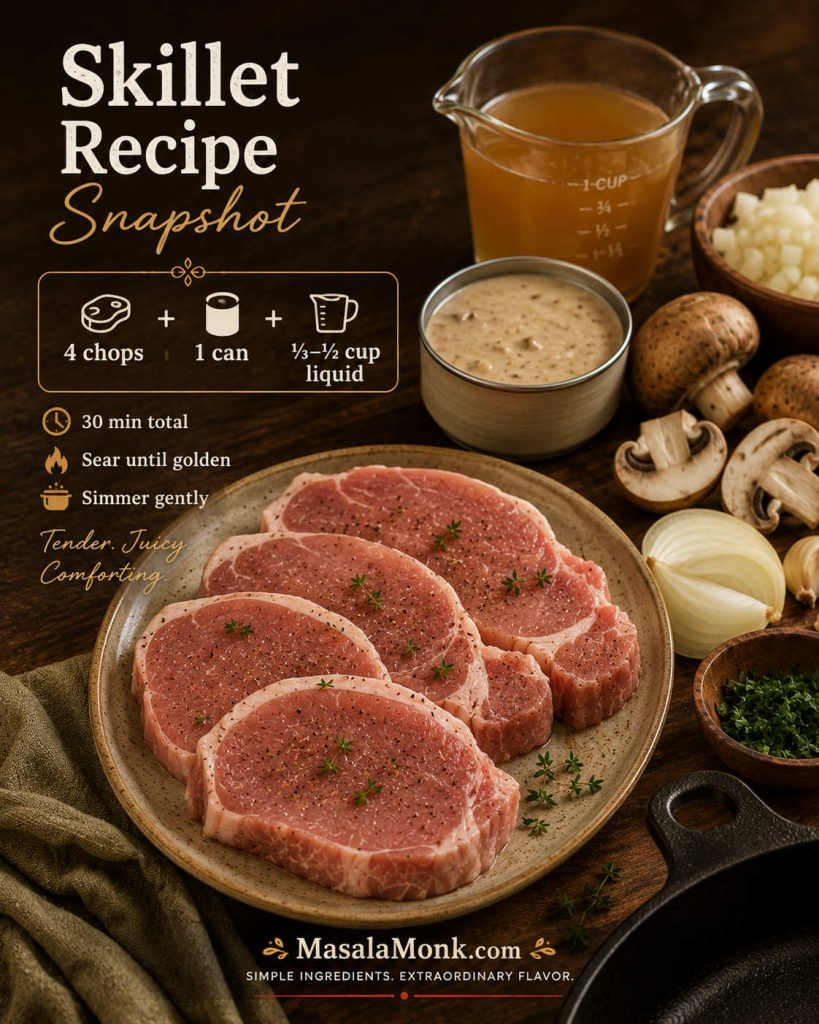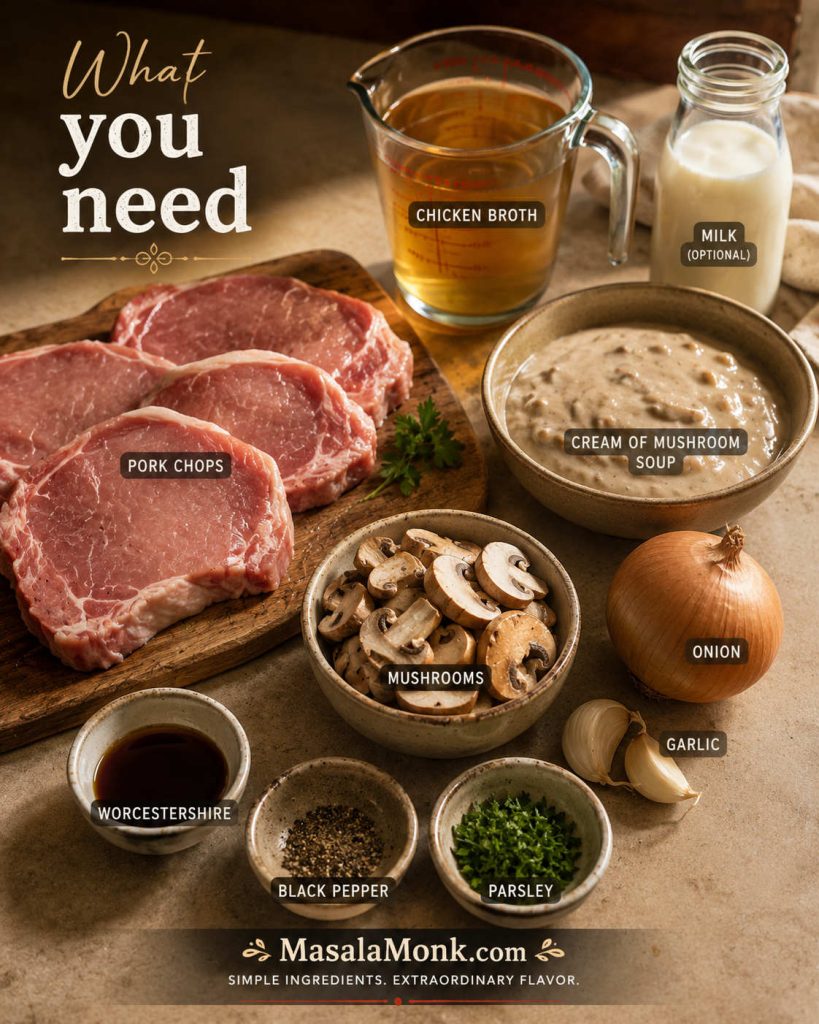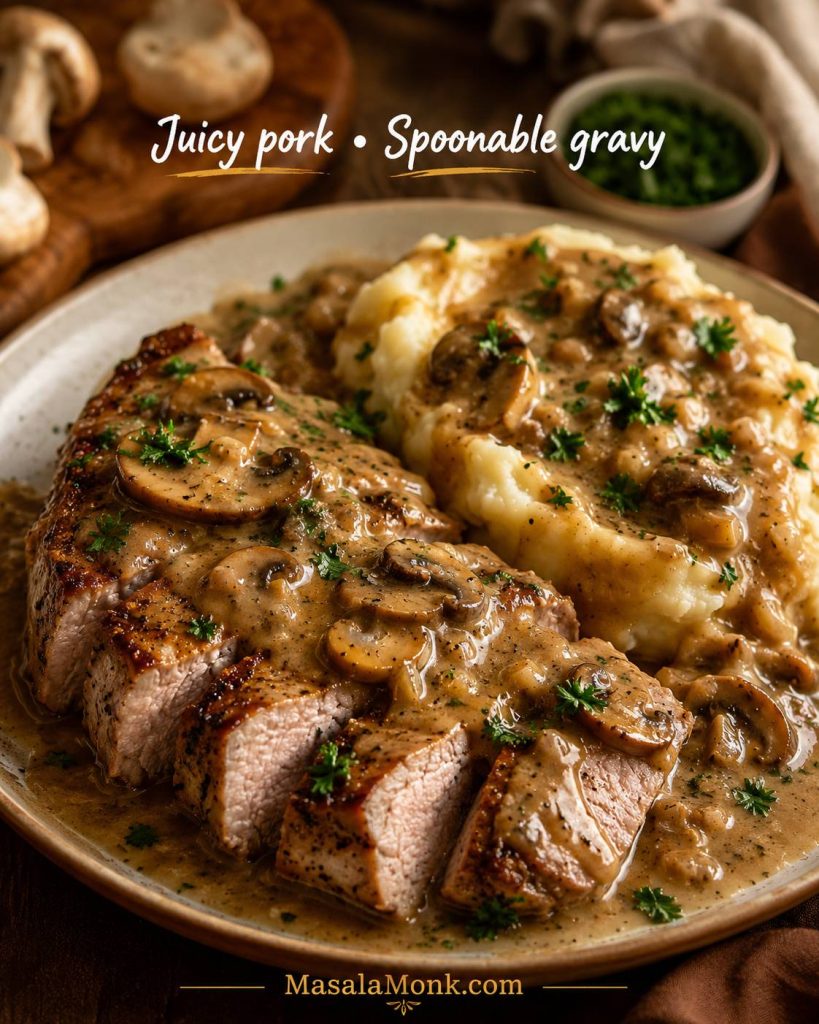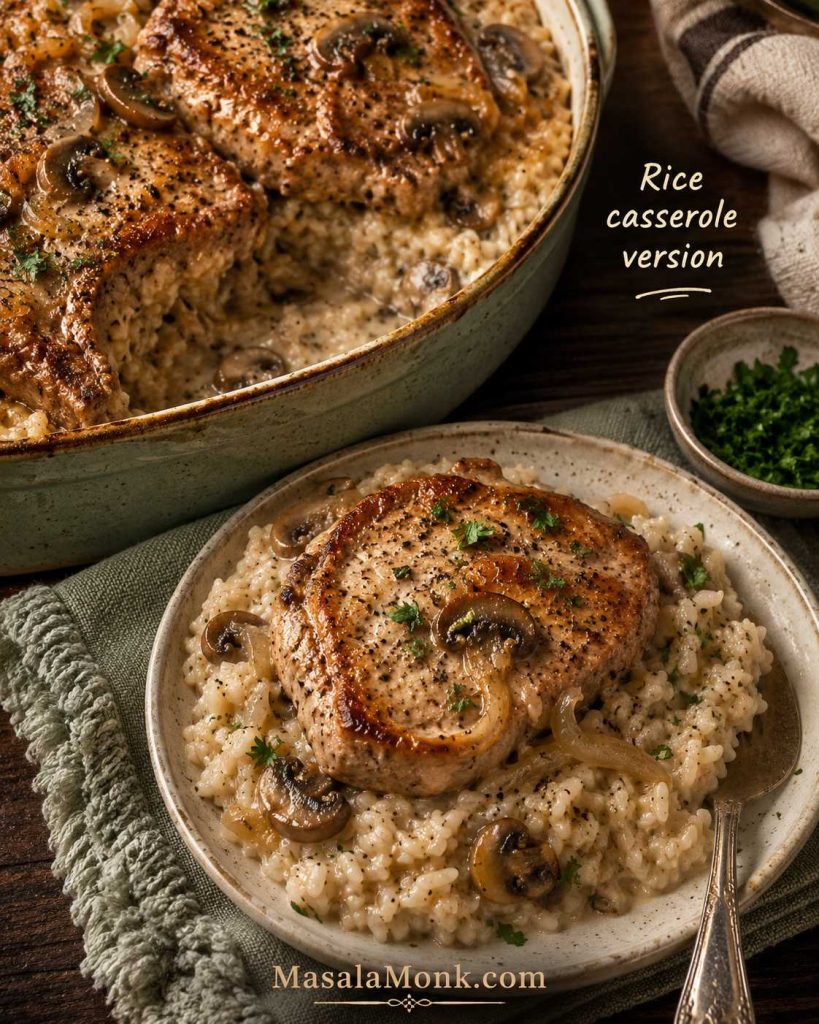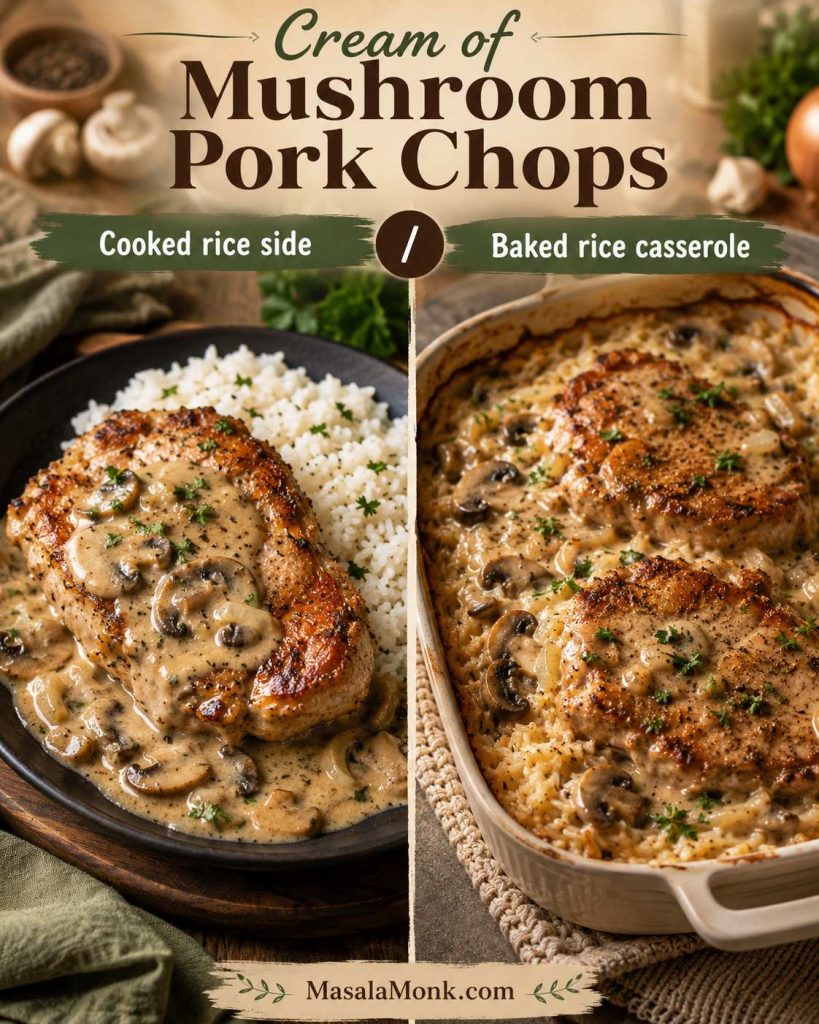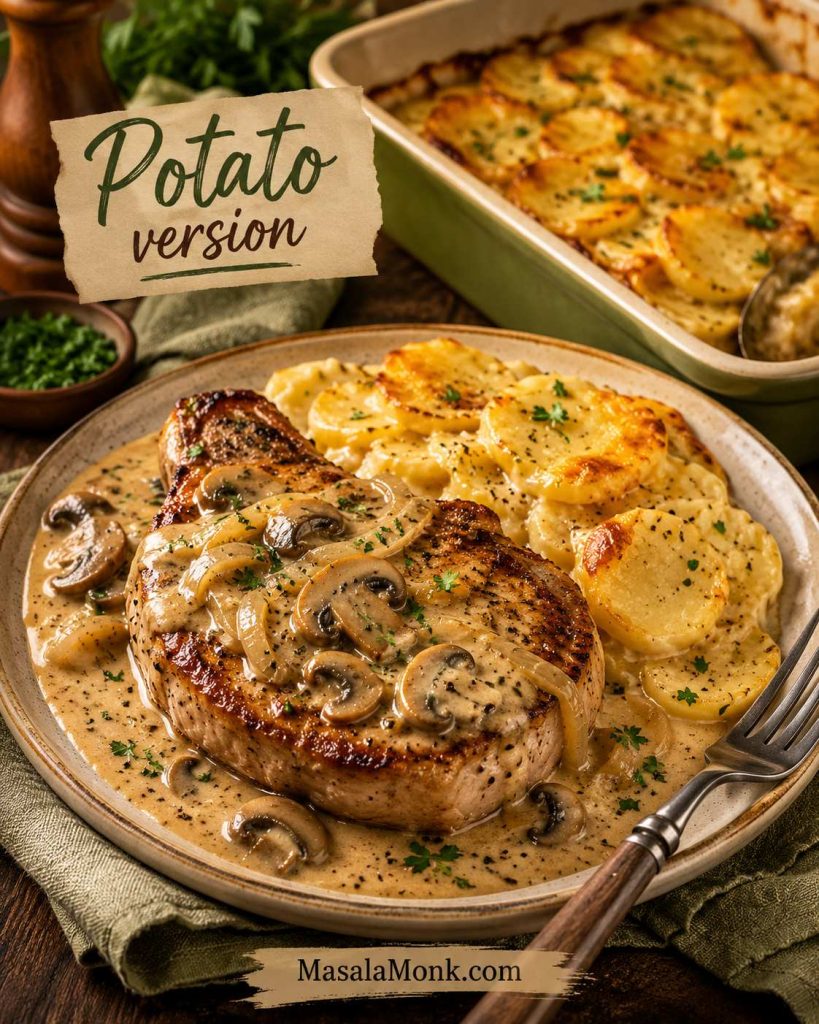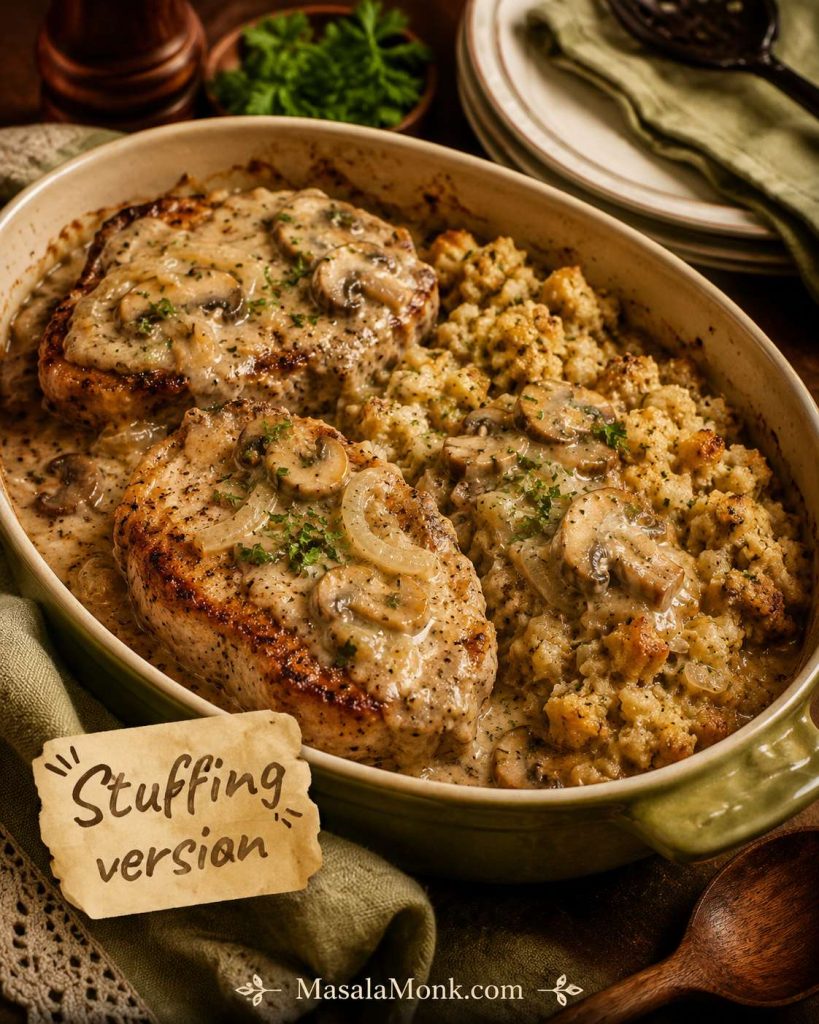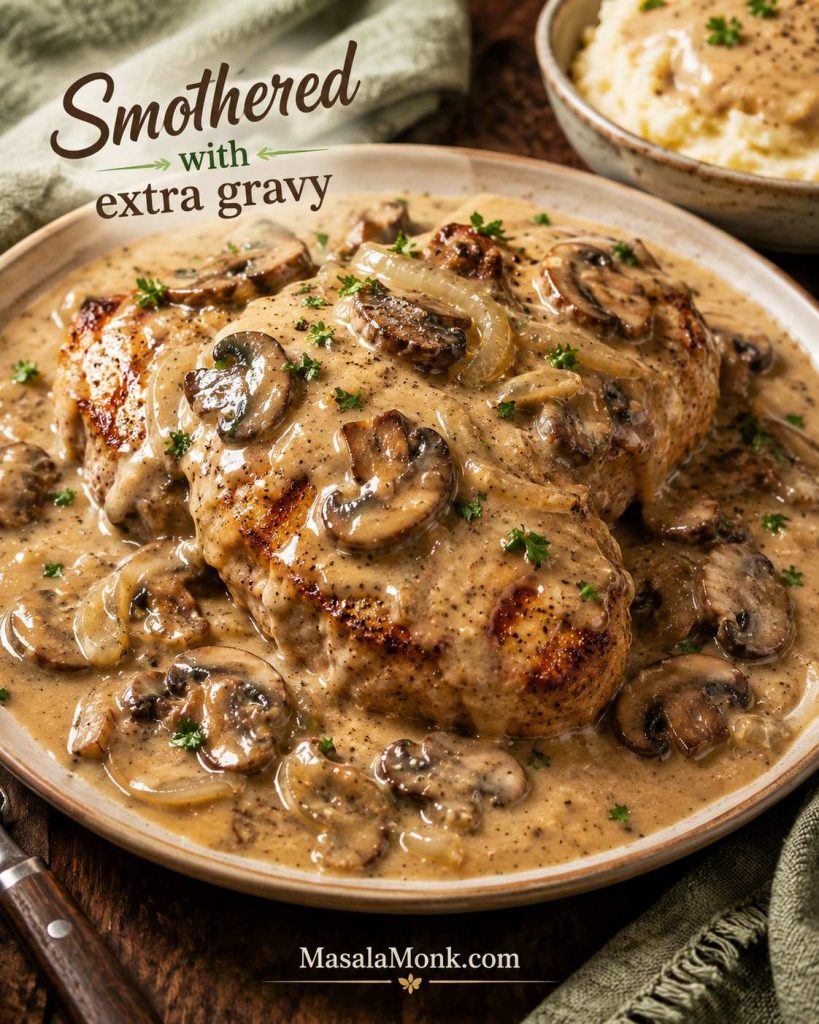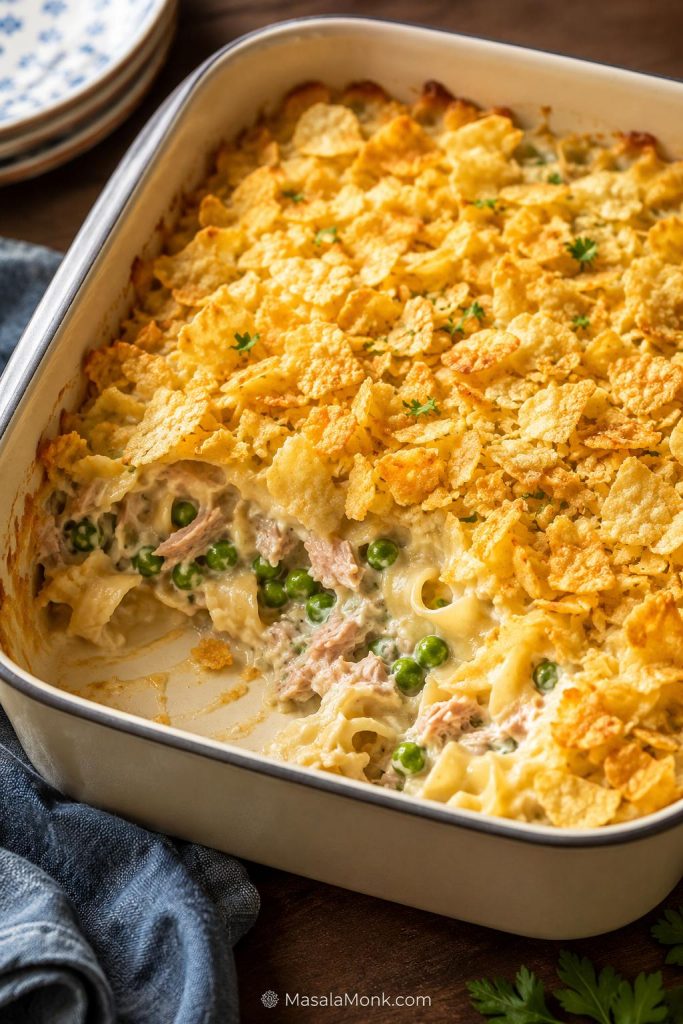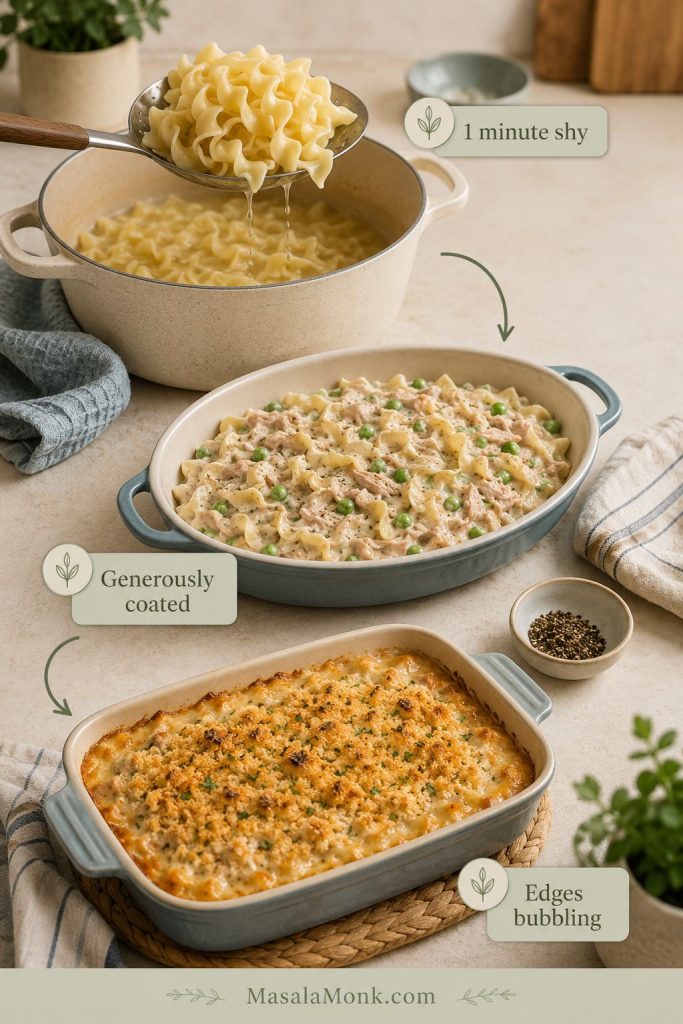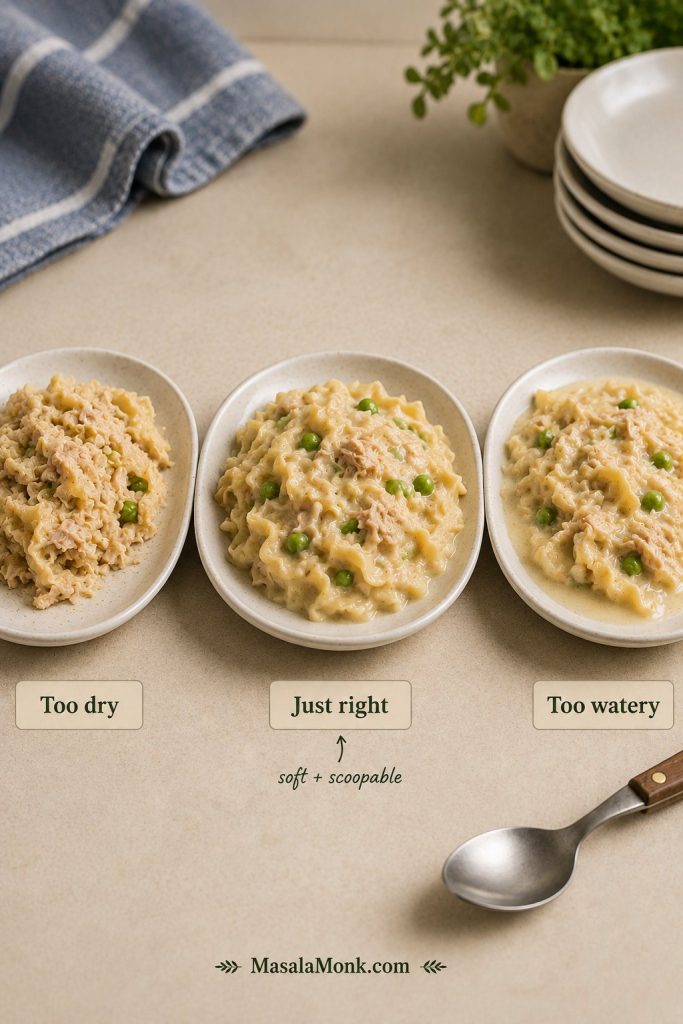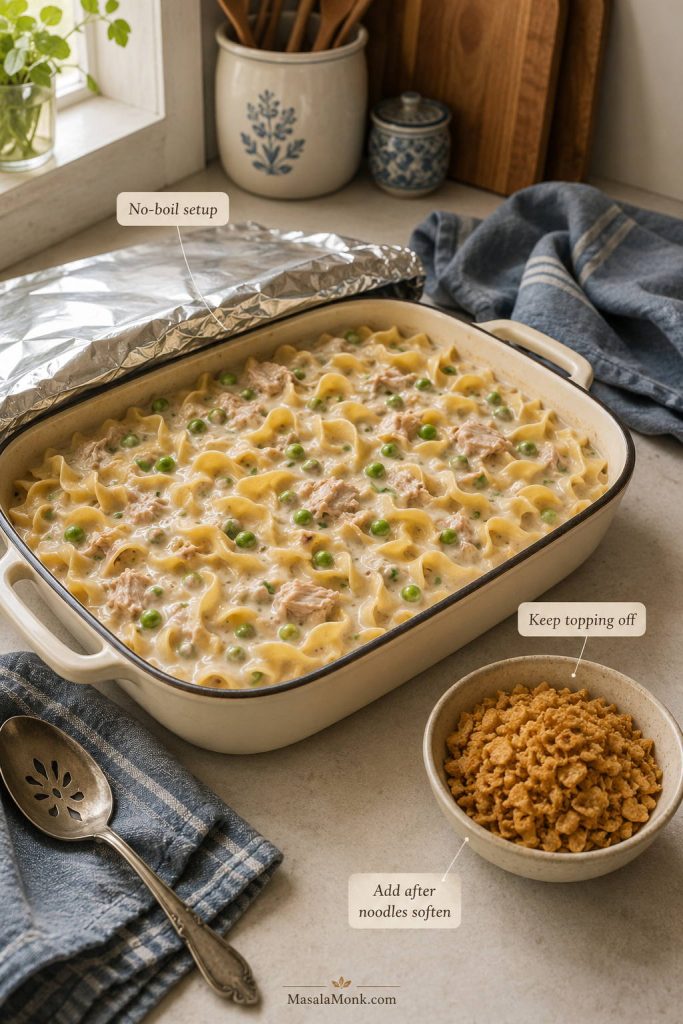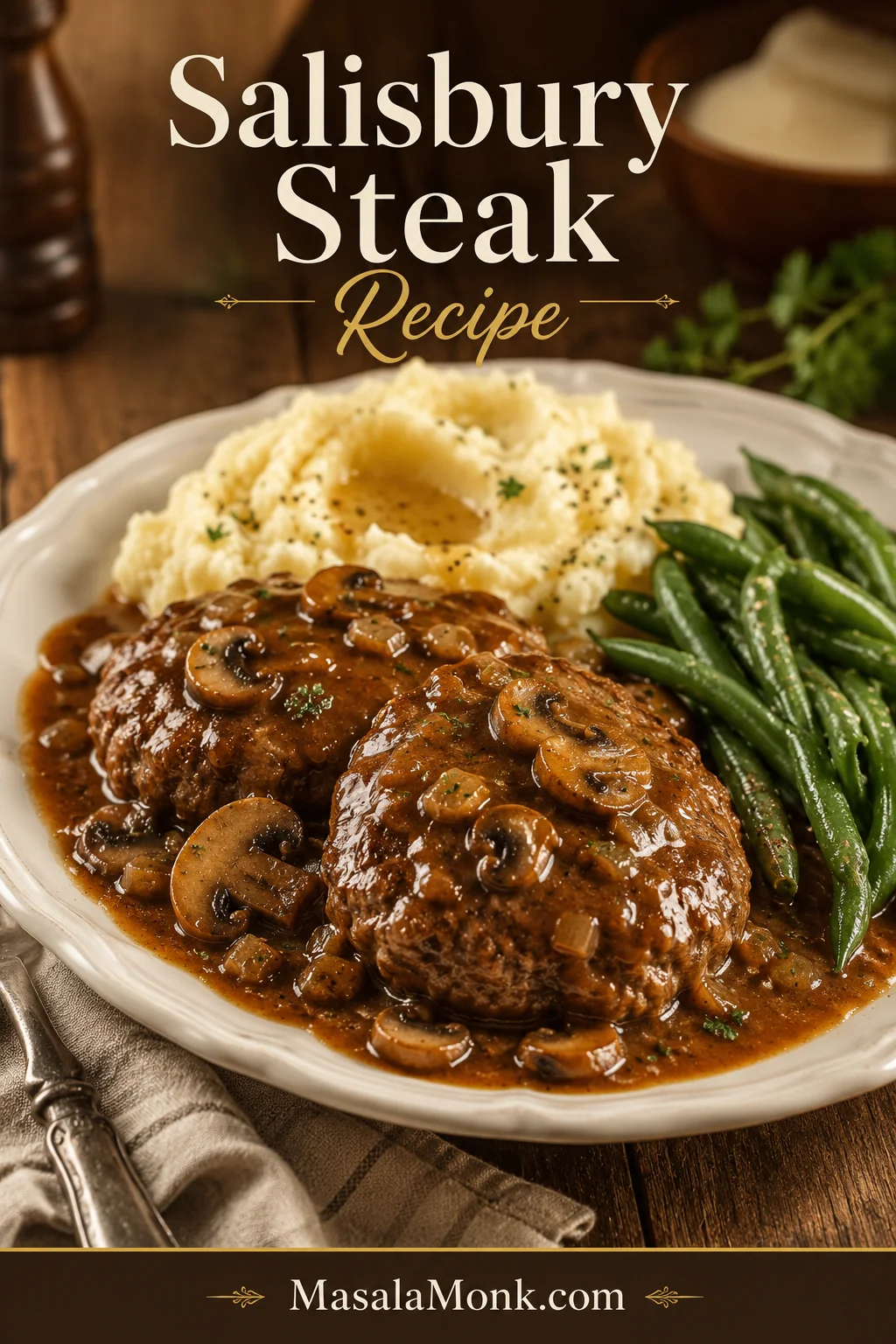
This Salisbury steak recipe is for the night you want old-fashioned comfort without making anything complicated: tender oval beef patties, glossy mushroom onion gravy, and a plate that feels made for mashed potatoes. It cooks in about 40 minutes, all in one skillet, with enough gravy for potatoes, rice, or egg noodles.
It keeps the part people remember from TV dinners — the beef, the gravy, the mashed-potato comfort — and fixes the part nobody misses: dry meat, flat sauce, and that one-note salty taste. The first bite should feel like the Salisbury steak people remember, but the second bite should taste like the version they always wished it was.
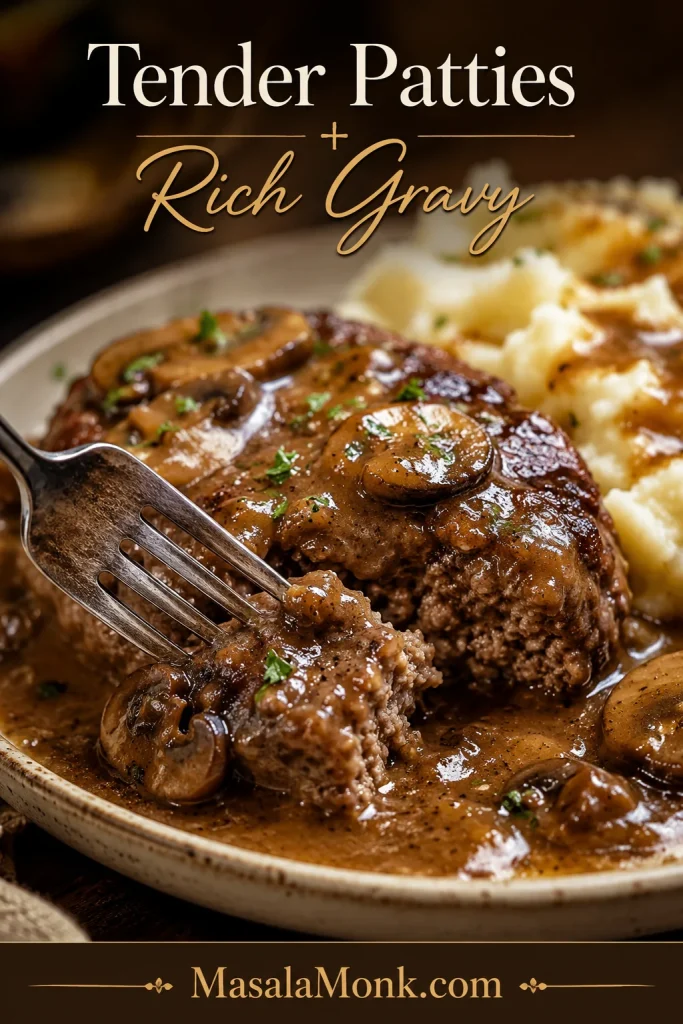
The goal is simple: juicy patties, savory gravy, and a dinner that feels familiar in the best way — not dry, bland, salty, or fussy. The secret is not making ground beef fancy. It is getting three humble things right: tender patties, browned flavor, and gravy that tastes like it had more time than it did.
Start with the classic skillet version: browned beef patties, mushroom onion gravy, and a low, gentle finish in the pan. From there, you can take the same method wherever your kitchen needs it: no mushrooms, brown gravy mix, cream of mushroom soup, frozen hamburger patties, baked Salisbury steak, Crock Pot-style dinners, or make-ahead leftovers without ending up with dry meat or salty gravy.
Quick Answer: How to Make Salisbury Steak
To make Salisbury steak, mix ground beef with egg, breadcrumbs, grated onion, Worcestershire sauce, ketchup, mustard, salt, and pepper. Shape the mixture into oval patties, brown them in a skillet, make mushroom onion gravy in the same pan, then simmer the patties in the gravy until cooked through.
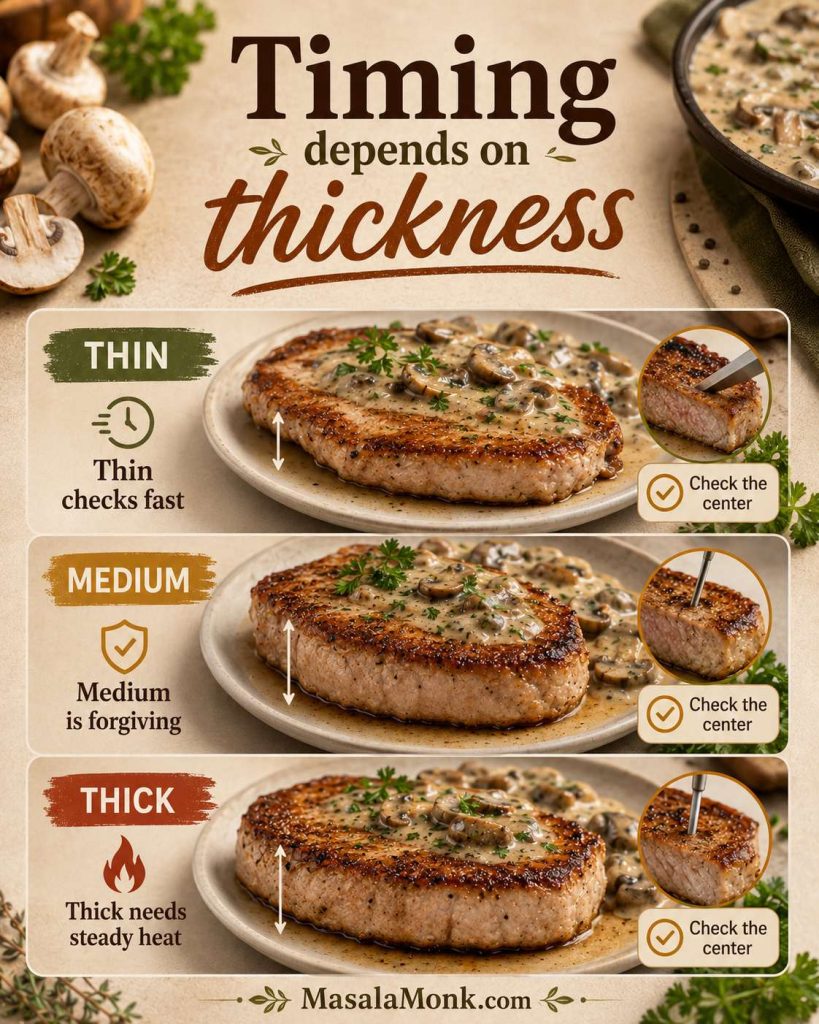
The best patties are about 3/4 inch / 2 cm thick. Brown them for 2–3 minutes per side, then simmer gently in gravy for about 8–10 minutes, or until the center reaches 160°F / 71°C.
Fast path: 1 lb / 454 g ground beef, or up to 500 g, makes 4 oval patties. Brown first, build the gravy in the same skillet, finish gently in the pan gravy, and serve with mashed potatoes, rice, or egg noodles.
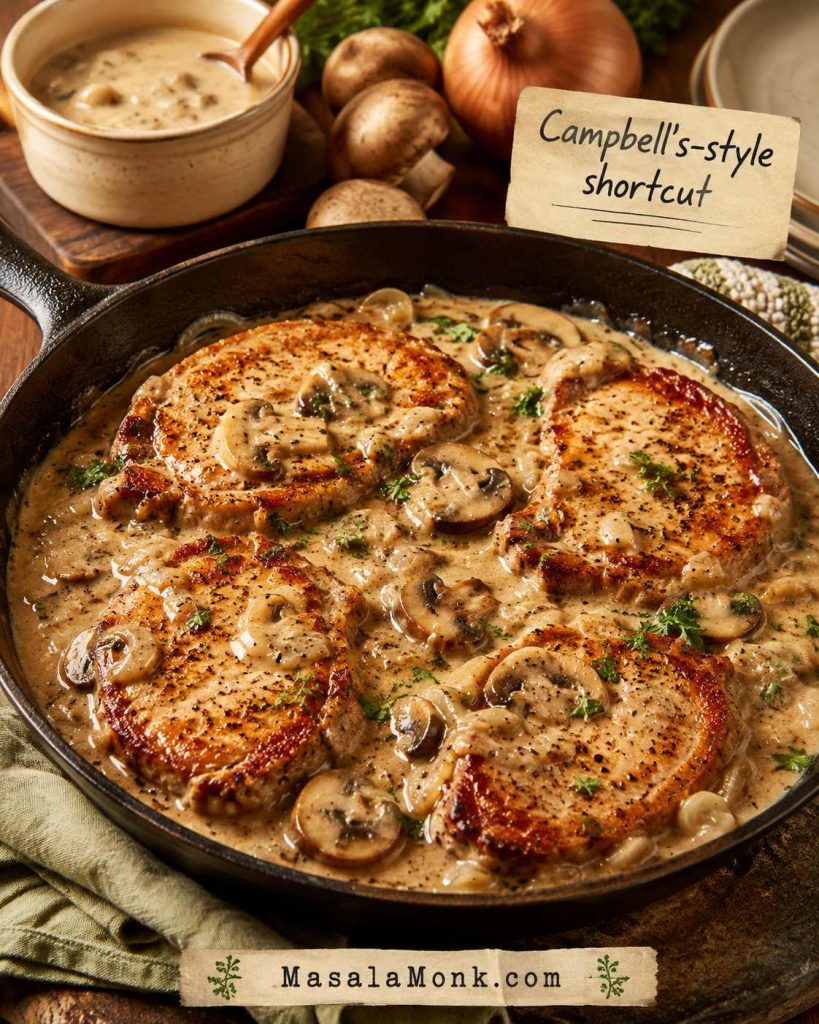
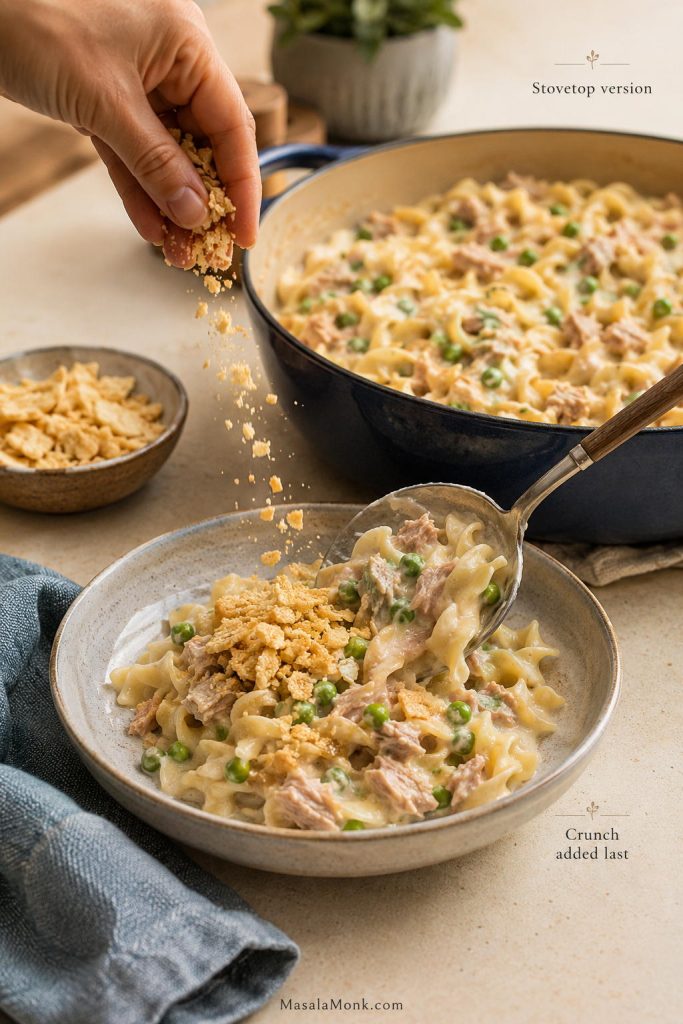
This skillet view shows the core method: brown the patties, keep the flavor in the pan, and let the mushroom onion gravy finish the dinner.
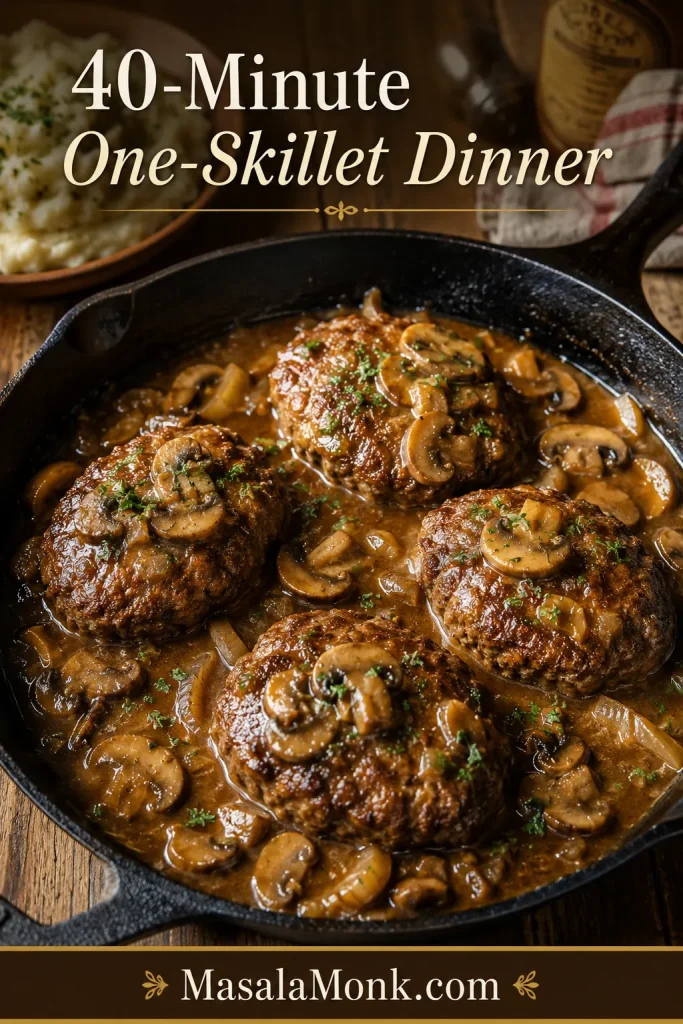
Need the full flow? Jump to the step-by-step method · Choosing a shortcut? Compare the versions · Patties or gravy misbehaving? Go to patty fixes or gravy fixes.
Make This Salisbury Steak When
- You have ground beef and want something cozier than plain burgers.
- Dinner needs gravy, mashed potatoes, and an old-fashioned feel.
- You want a skillet meal with pantry ingredients, not a complicated steakhouse recipe.
- Your family likes hamburger steak, brown gravy, mushroom gravy, or onion gravy.
- You need a recipe that includes shortcuts without losing the homemade feel.
If ground beef is doing dinner duty this week, this Korean beef bowl recipe is faster and saucier, while this American goulash recipe turns ground beef and macaroni into a one-pot comfort dinner.
Salisbury Steak Recipe Card
Salisbury Steak With Mushroom Onion Gravy
Tender old-fashioned ground beef patties browned in a skillet and simmered in rich mushroom onion gravy. Serve with mashed potatoes for the classic plate, or spoon the pan gravy over rice or egg noodles for an easy weeknight dinner.
| Prep Time | 15 minutes |
| Cook Time | 25 minutes |
| Total Time | 40 minutes |
| Servings | 4 |
| Yield | 4 Salisbury steak patties |
| Course | Dinner |
| Cuisine | American comfort food |
| Method | Stovetop skillet |
| Finish Temp | 160°F / 71°C |
Equipment
- Large skillet or cast-iron skillet
- Mixing bowl
- Box grater or sharp knife for the onion
- Whisk
- Wide spatula
- Instant-read thermometer
For the Salisbury Steak Patties
- 1 lb / 454 g ground beef, or up to 500 g if that is your package size, preferably 80/20 or 85/15
- 1 large egg
- 1/2 cup panko, about 30 g, or 1/2 cup fine dry breadcrumbs, about 45–55 g
- 1/4 cup finely grated onion, from about 1/2 small onion, or very finely minced onion
- 1–2 garlic cloves, minced
- 1 tablespoon ketchup
- 1 teaspoon Worcestershire sauce
- 1 teaspoon Dijon mustard, or 1/2 teaspoon dry mustard
- 3/4 teaspoon salt
- 1/2 teaspoon black pepper
- 1 tablespoon oil, for browning
- Optional: 1/2 teaspoon onion powder, garlic powder, or smoked paprika
For the Mushroom Onion Gravy
- 2 tablespoons butter
- 6–8 oz / 170–225 g mushrooms, sliced, such as cremini, baby bella, or white button mushrooms
- 1/2 to 1 medium onion, sliced or finely chopped
- 2 tablespoons all-purpose flour
- 2 cups / 480 ml beef broth, low-sodium if possible
- 1 teaspoon Worcestershire sauce
- 1 teaspoon Dijon mustard
- 1 tablespoon ketchup for classic flavor, or tomato paste for a deeper gravy
- Black pepper, to taste
- Salt, only if needed
- Optional: 2–3 tablespoons cream for a richer gravy
Before you start: Slice the mushrooms and onion, measure the broth, and keep the flour nearby. Once the patties are browned, the gravy comes together quickly in the same skillet.
Shape and Brown the Patties
- Mix the patties gently. In a large bowl, combine ground beef, egg, breadcrumbs, grated onion, garlic, ketchup, Worcestershire sauce, Dijon mustard, salt, pepper, and any optional seasoning. Mix just until combined. Do not knead or overwork the beef.
- Shape the patties. Divide the mixture into 4 oval patties about 3/4 inch / 2 cm thick. Each patty should be about 4 oz / 115–125 g. If the mixture feels soft, chill the shaped patties for 10–15 minutes before browning.
- Brown the patties. Heat oil in a large skillet over medium-high heat. Brown the patties for 2–3 minutes per side. They should get color but do not need to cook through yet. That is exactly what you want.
Make the Gravy and Finish
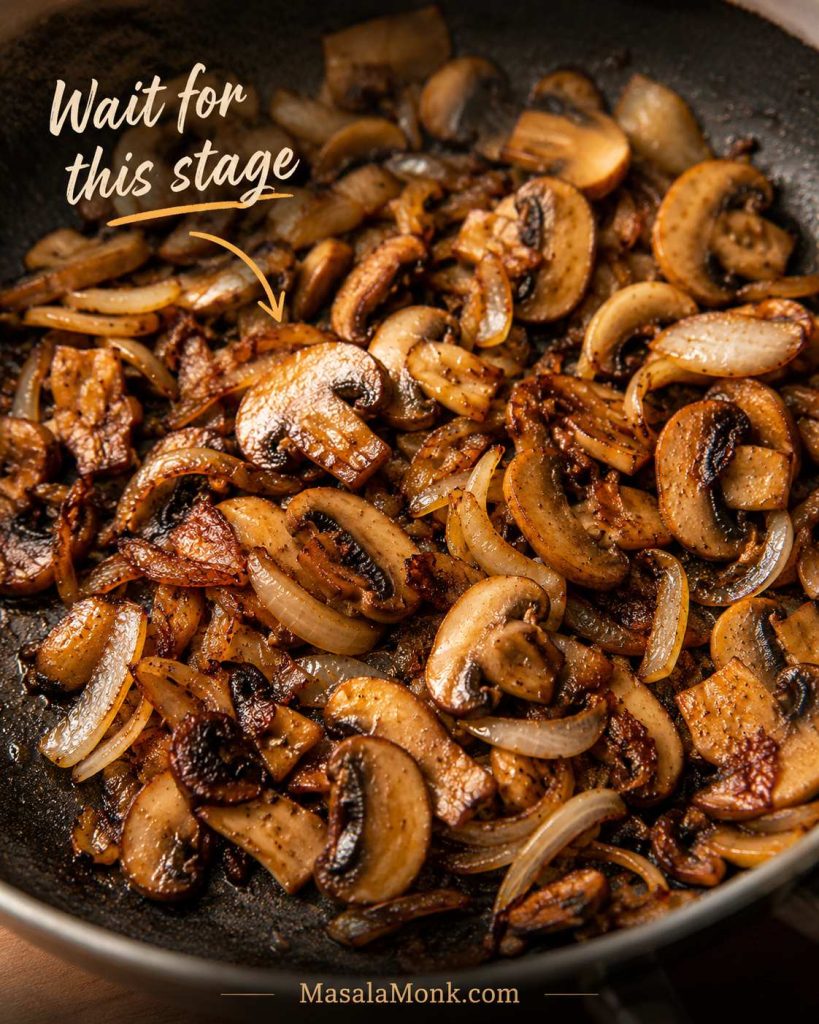
- Cook the mushrooms and onions. Transfer the patties to a plate. In the same skillet, melt the butter. Add mushrooms and onion. Cook for 5–7 minutes, stirring often, until the mushrooms look smaller, darker, and no longer watery in the pan.
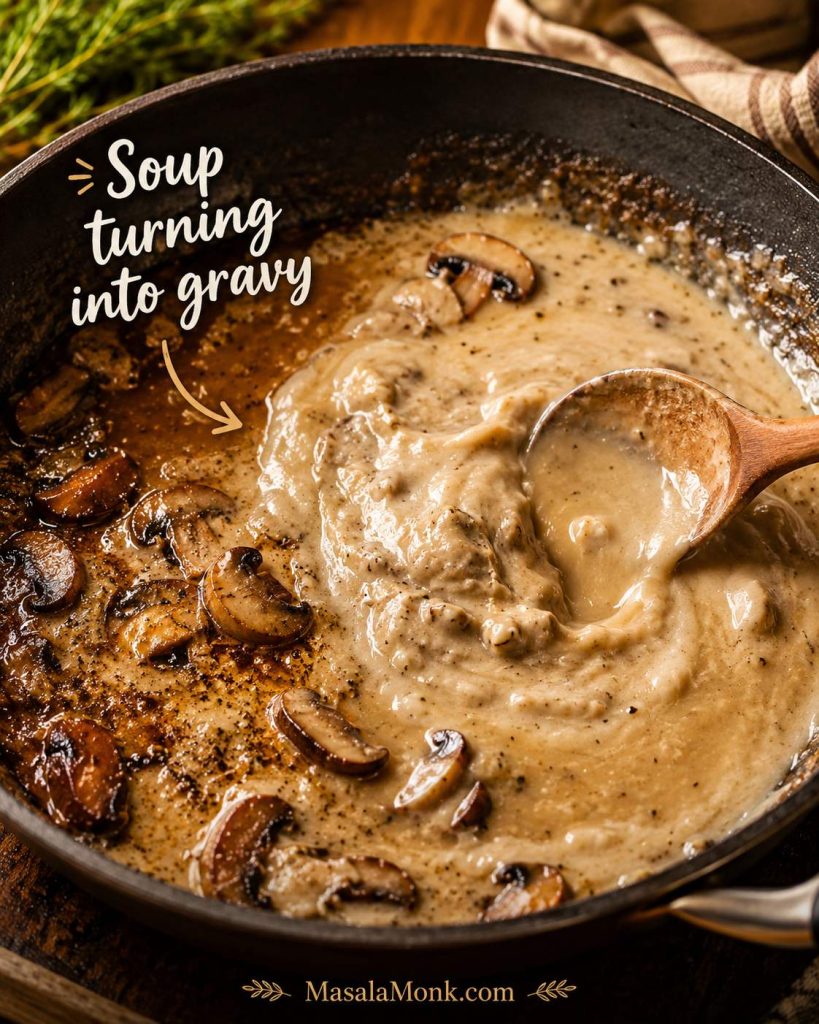
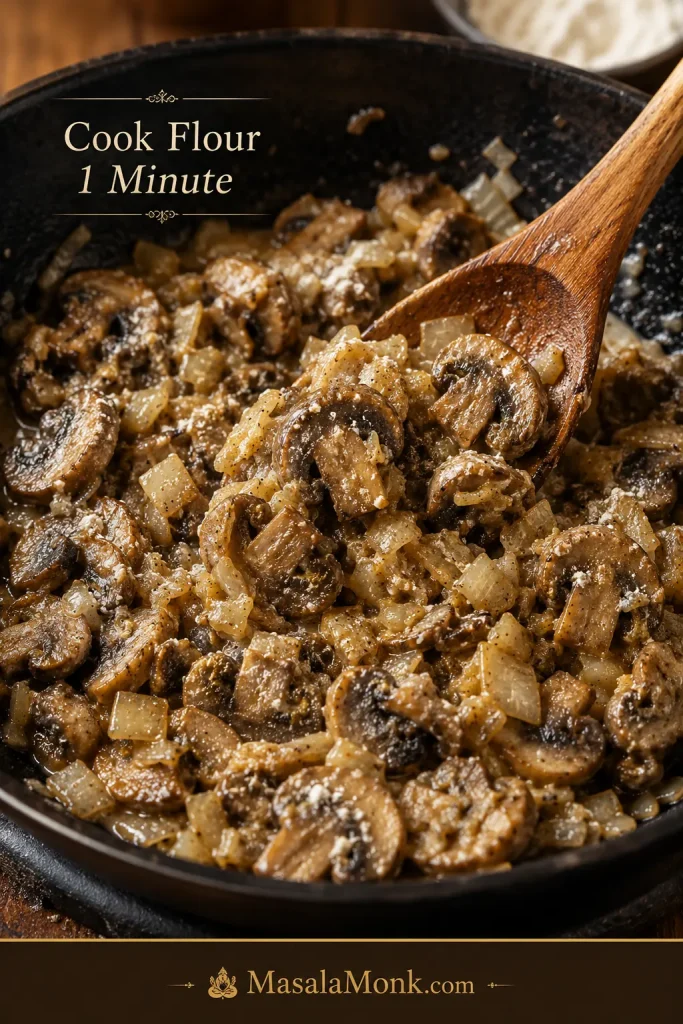
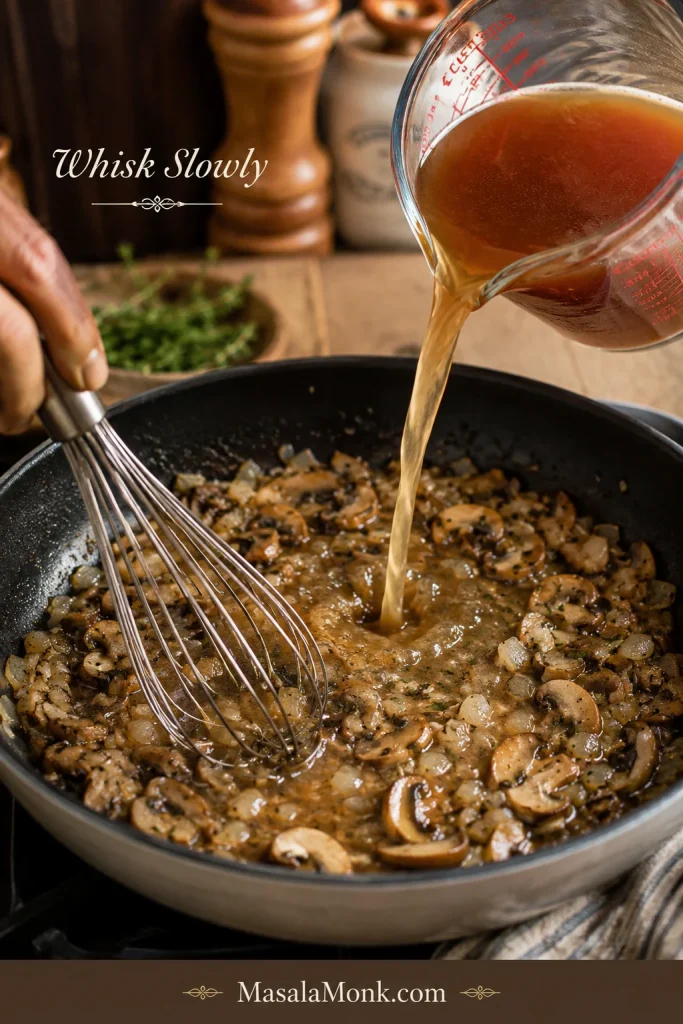
- Make the gravy. Sprinkle flour over the mushrooms and onions. Stir for 1 minute. Slowly whisk in beef broth, scraping up the browned bits from the skillet. Add Worcestershire sauce, Dijon mustard, ketchup or tomato paste, and black pepper.
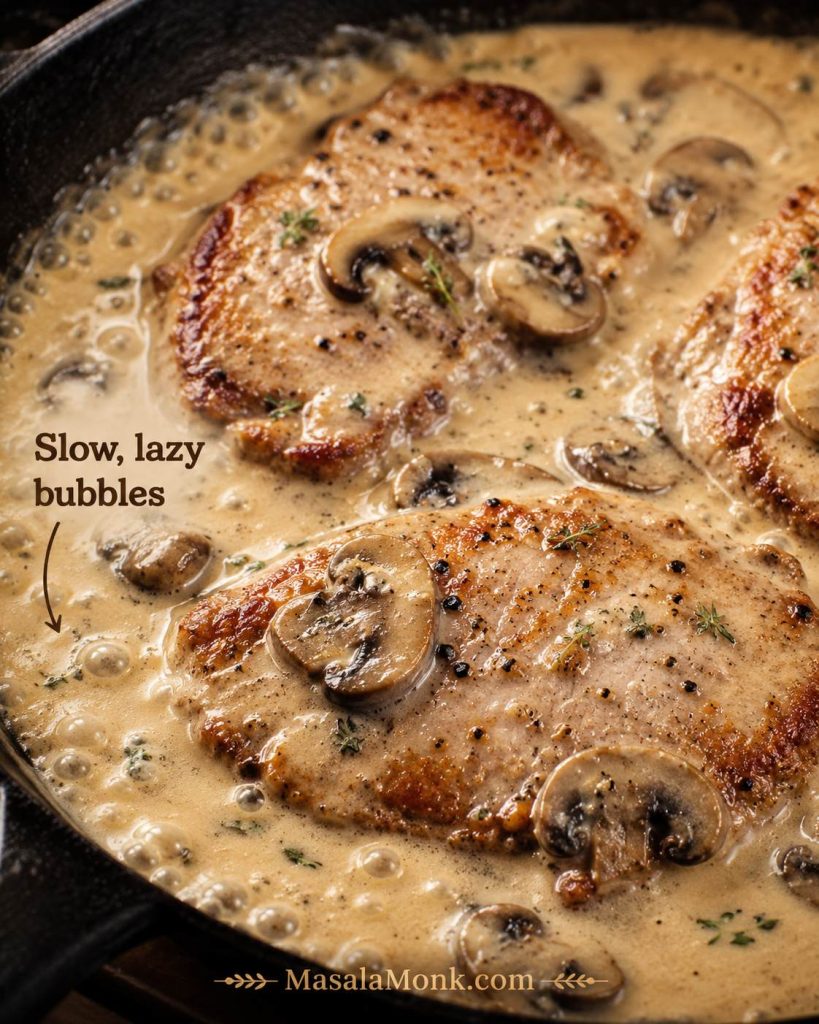
- Finish in the gravy. Return the browned patties and any juices to the skillet. Spoon gravy over the top. Reduce heat to medium-low and simmer gently for 8–10 minutes, or until the patties reach 160°F / 71°C in the center.
- Taste and serve. Add salt only if needed. Stir in cream at the end if using. Serve hot with mashed potatoes, rice, egg noodles, or vegetables.
Recipe Cues Before Serving
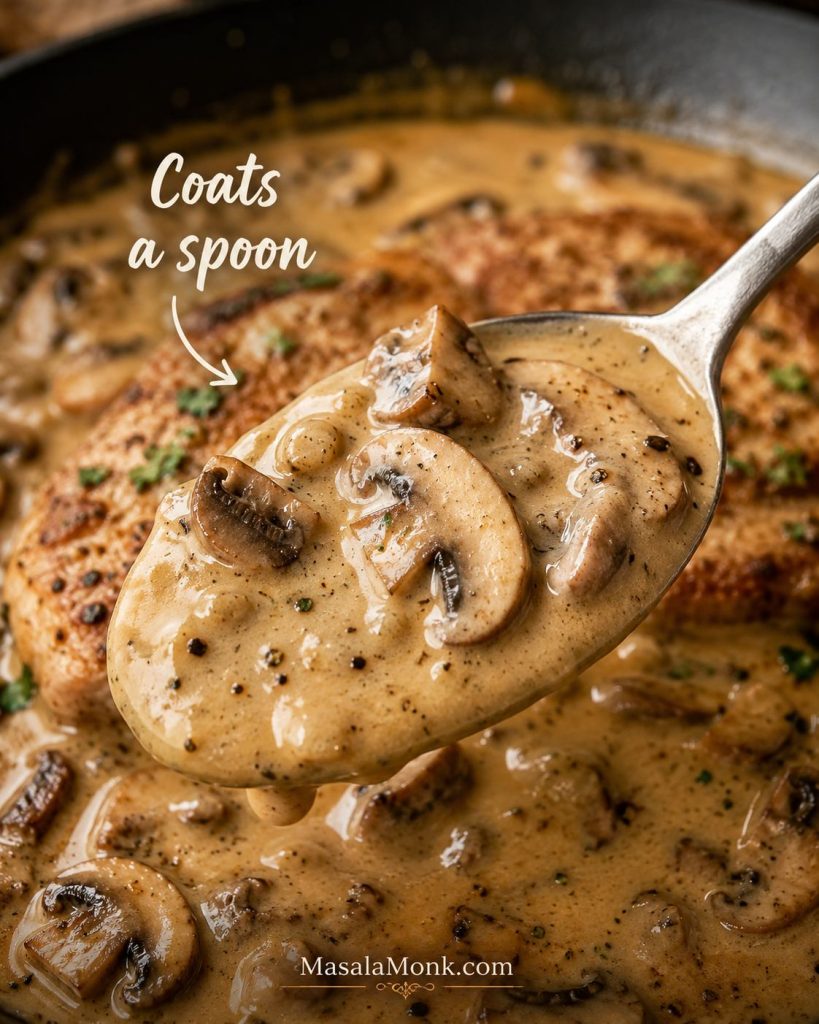
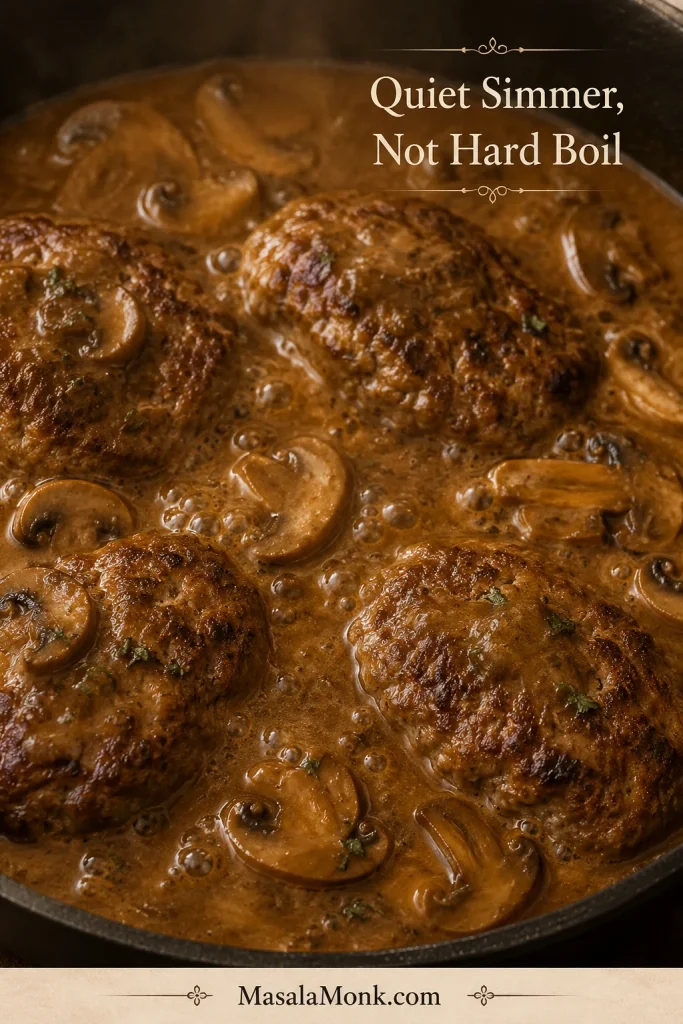
Recipe cue: The gravy should coat a spoon, the patties should feel tender when pressed, and the skillet should be at a quiet simmer rather than a hard boil.
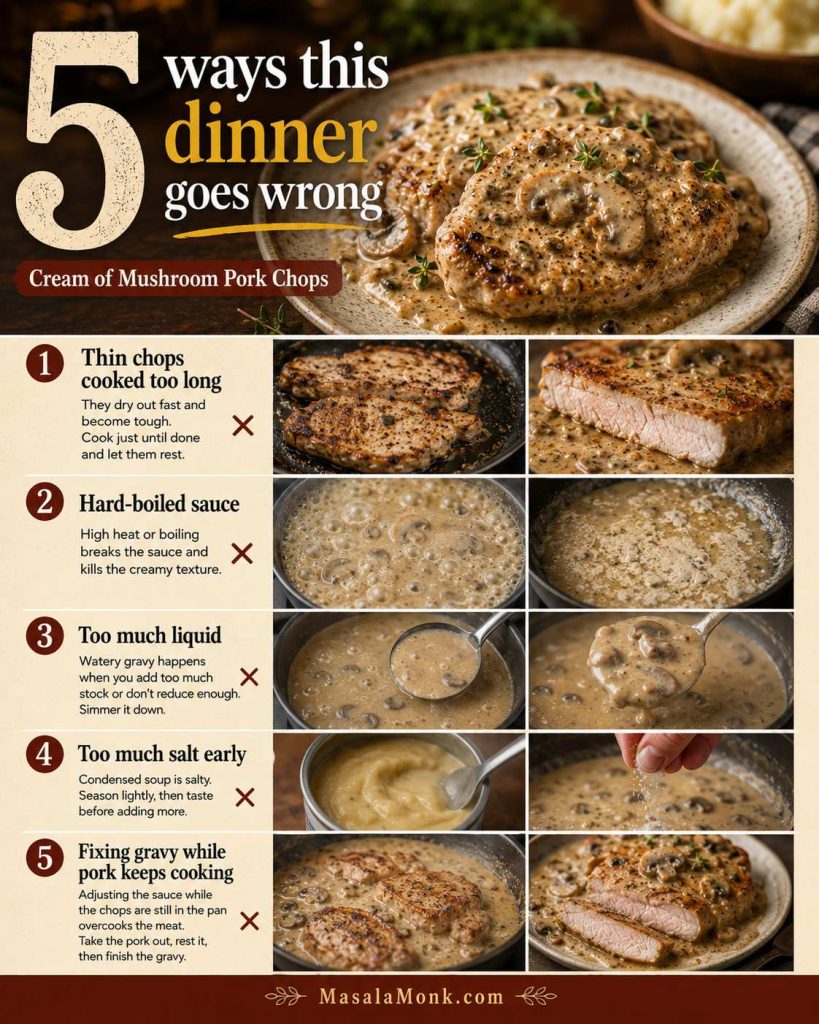
Common mistake to avoid: Do not fully cook the patties during the browning step. They only need color on the outside. They finish cooking gently in the gravy, which keeps them more tender.
Cooking from the card? Keep the cooking cues handy, or jump straight to the photo-guided steps.
Salisbury Steak Success Check: The patties should be browned on the outside, 160°F / 71°C in the center, and tender when pressed. The gravy should coat a spoon, move slowly over mashed potatoes, and taste savory before it tastes salty. If it tastes flat, add Worcestershire sauce, Dijon, black pepper, or a little tomato paste before adding more salt.
Why this method works: Grated onion keeps the patties moist, a quick sear builds flavor without drying the beef, and finishing in gravy lets the meat cook gently while the sauce picks up the pan flavor.
Use this success check before serving so the patties, gravy, and finish temperature all line up.
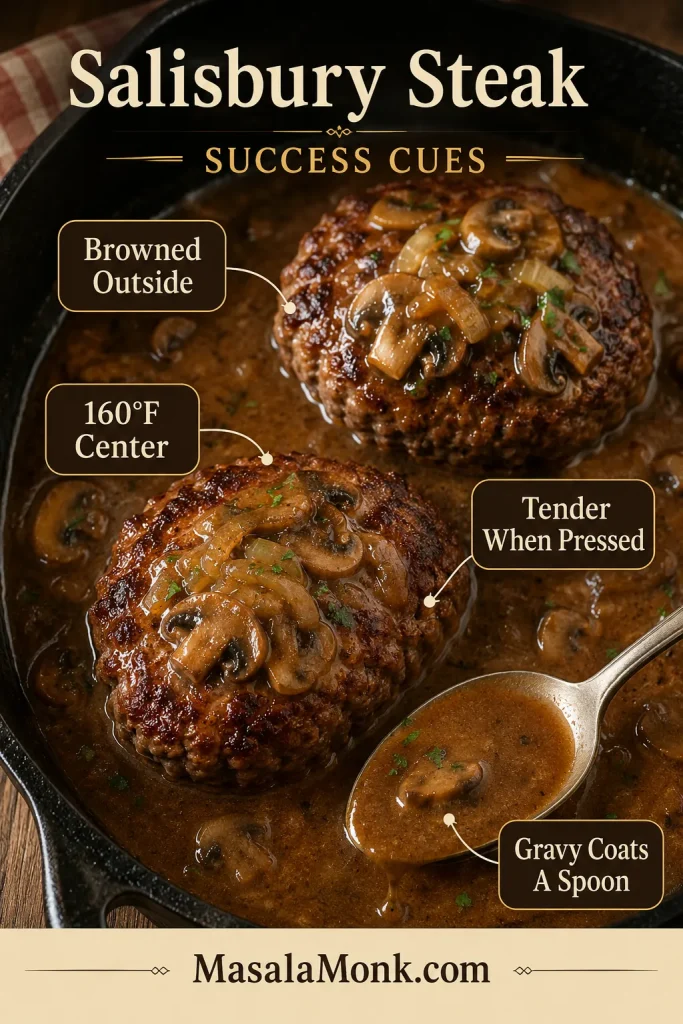
Salisbury Steak Cooking Cues at a Glance
| Best beef | 80/20 or 85/15 ground beef |
| Patty size | 4 oval patties, about 4 oz / 115–125 g each |
| Patty thickness | About 3/4 inch / 2 cm thick |
| Binder | Egg + breadcrumbs or panko |
| Main gravy | Mushroom onion gravy with beef broth |
| Browning time | 2–3 minutes per side |
| Finish method | Low, gentle finish in the gravy |
| Safe temperature | 160°F / 71°C in the center |
| Best sides | Mashed potatoes, rice, egg noodles, green beans, peas, carrots |
Once the patties are shaped and the skillet is hot, the rest is mostly patience: let the meat brown, let the mushrooms cook down, and let the pan gravy finish the job.
Table of Contents
Cooking now? Use the recipe card above. Want the why, the fixes, and the shortcut versions? Use the guide below.
Make It Right
What Is Salisbury Steak?
Most Salisbury steak starts with ground beef mixed with egg, breadcrumbs, onion, Worcestershire sauce, ketchup or mustard, and seasonings. The mixture is shaped into small oval steaks, browned in a skillet, and served with brown gravy, mushroom gravy, or onion gravy.
Despite the name, it is not cut from a whole steak. It is a ground beef dinner, closer to hamburger steak, but usually with more seasoning and binder mixed into the meat.
That is why it feels familiar before you even cook it: a browned beef patty, a pool of gravy, and something soft on the plate to catch every spoonful.
What This Recipe Is Built Around
The whole dinner works because the method stays simple: season the beef well, shape it gently, brown it properly, then let the pan gravy finish the job.
Think of it as the frozen-dinner idea rebuilt properly: better beef, better browning, and gravy that comes from the skillet instead of a tray. It keeps the familiar comfort of the old tray-dinner version, but gives you the part those dinners never really had: fresh pan flavor and gravy you can adjust at the stove.
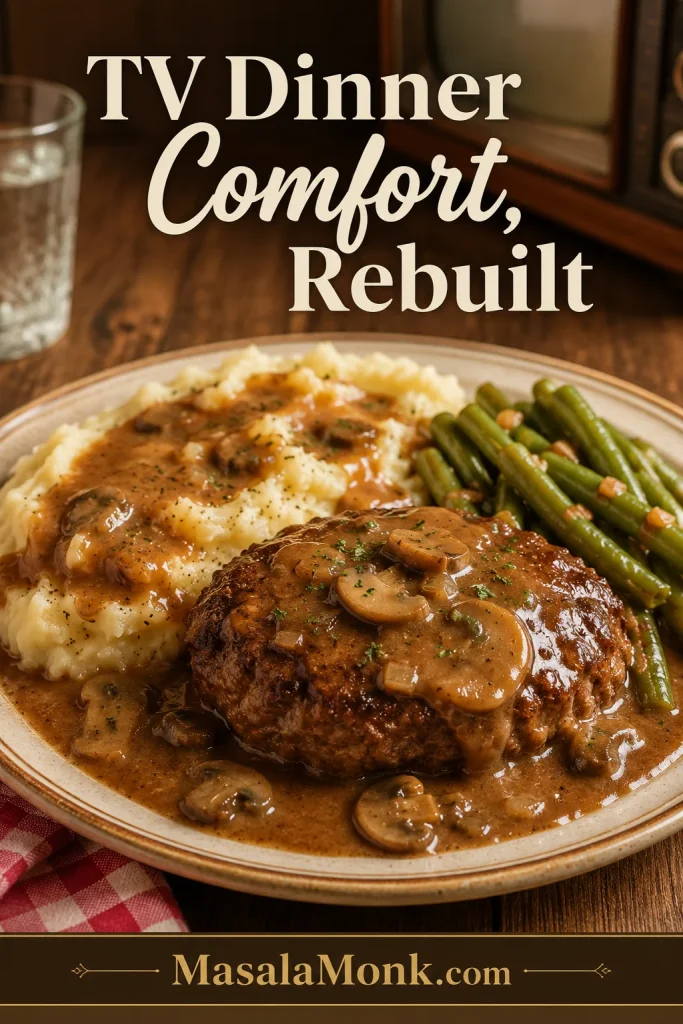
The flavor comes from small pantry ingredients that work together. Worcestershire sauce adds savoriness, ketchup gives a little sweet tang, mustard adds balance, mushrooms and onions build the gravy base, and beef broth gives it body.
Why This Salisbury Steak Recipe Works
- Egg and breadcrumbs help the patties hold together while still keeping them tender.
- Grated onion adds moisture without leaving large raw onion pieces in the beef.
- Worcestershire, ketchup, and mustard give classic flavor with pantry ingredients.
- Browning first builds flavor and helps the patties stay intact.
- Same-pan gravy uses the browned bits left behind from the beef.
- A quiet simmer finishes the patties without turning them tough.
Ingredients and Why They Matter
This recipe is forgiving, but the ingredients still have jobs to do. The patties need structure and moisture, while the gravy needs enough browning and seasoning to taste like more than thickened broth.
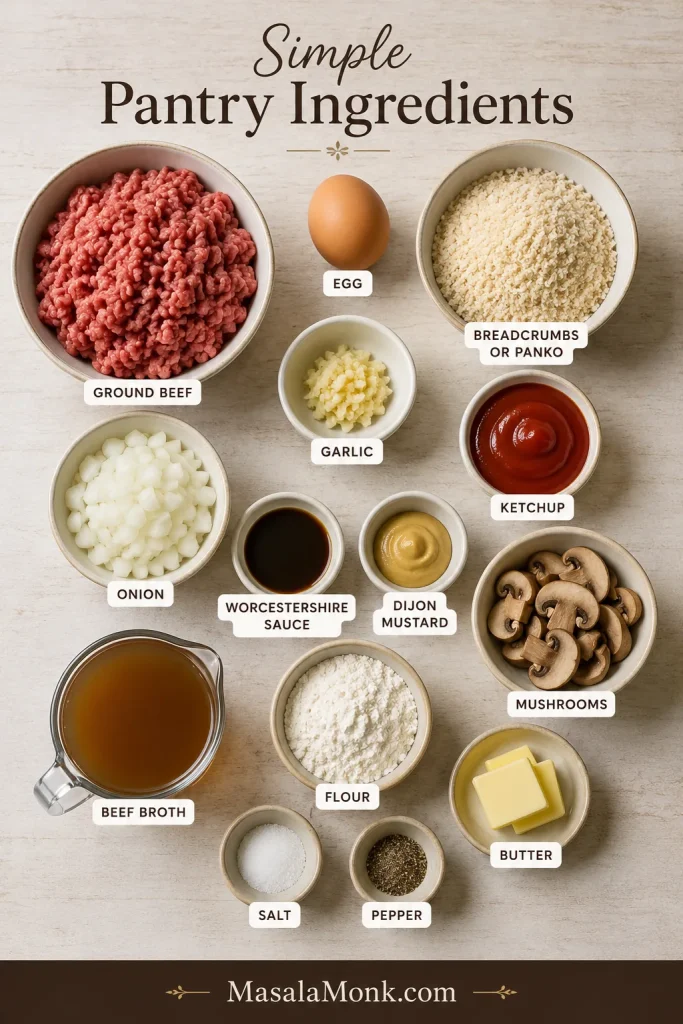
| Ingredient | What it does |
|---|---|
| Ground beef | 80/20 or 85/15 gives the best balance of flavor and tenderness. |
| Egg | Helps bind the patties so they do not fall apart in the skillet. |
| Breadcrumbs or panko | Add structure and keep the patties from becoming dense. |
| Grated onion | Adds moisture and old-fashioned flavor throughout the beef. |
| Worcestershire sauce | Adds deep savory flavor. |
| Ketchup | Gives a small sweet-tangy note that tastes familiar in the patties. |
| Dijon or dry mustard | Balances the richness of the beef and gravy. |
| Mushrooms | Give the gravy body, earthiness, and classic mushroom-gravy flavor. |
| Onion | Sweetens as it cooks and makes the pan gravy feel fuller. |
| Flour | Thickens the gravy into a spoonable sauce. |
| Beef broth | Forms the main gravy liquid. |
Once those pieces are in place, the recipe is less about perfect measurements and more about good cues: do not overmix, do not rush the browning, and do not let the gravy boil hard.
Best Ground Beef for This Recipe
Use 80/20 or 85/15 ground beef if you can. The patties need some fat to stay juicy, especially because they are browned first and then finished in gravy.
Very lean beef can work, but it is less forgiving. With 90/10 beef, mix gently, avoid overcooking, and consider adding a splash of milk or a little extra grated onion to keep the centers moist.
Breadcrumbs, Panko, or Crackers?
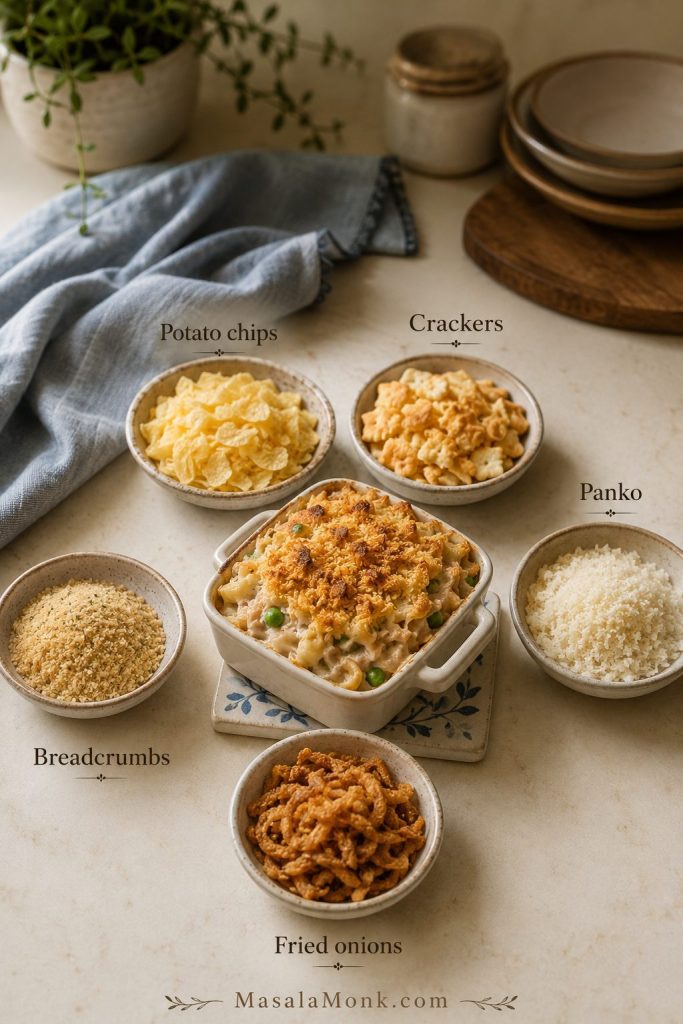
Panko gives a slightly lighter patty. Regular breadcrumbs make the texture softer and more old-fashioned. Crushed crackers also work well, especially if you like the classic pantry-dinner style.
Start with 1/2 cup. If the mixture feels too wet after mixing, add 1–2 tablespoons more and let it sit for a few minutes before shaping.
Useful Equipment
You do not need special equipment, but a few tools make this skillet dinner easier and more reliable.
- Large skillet: A 12-inch skillet gives the patties room to brown instead of steam.
- Wide spatula: Helps turn soft patties without breaking them.
- Whisk: Keeps the gravy smooth when broth goes into the flour.
- Box grater: Useful for grating onion into the patty mixture.
- Instant-read thermometer: The easiest way to check that ground beef patties reached 160°F / 71°C.
How to Make Salisbury Steak
1. Mix the beef gently
Add the ground beef, egg, breadcrumbs, grated onion, garlic, ketchup, Worcestershire sauce, mustard, salt, and pepper to a bowl. Mix just until the ingredients are evenly combined.
Do not knead the beef like dough. Overmixing makes the patties firm and springy instead of tender.
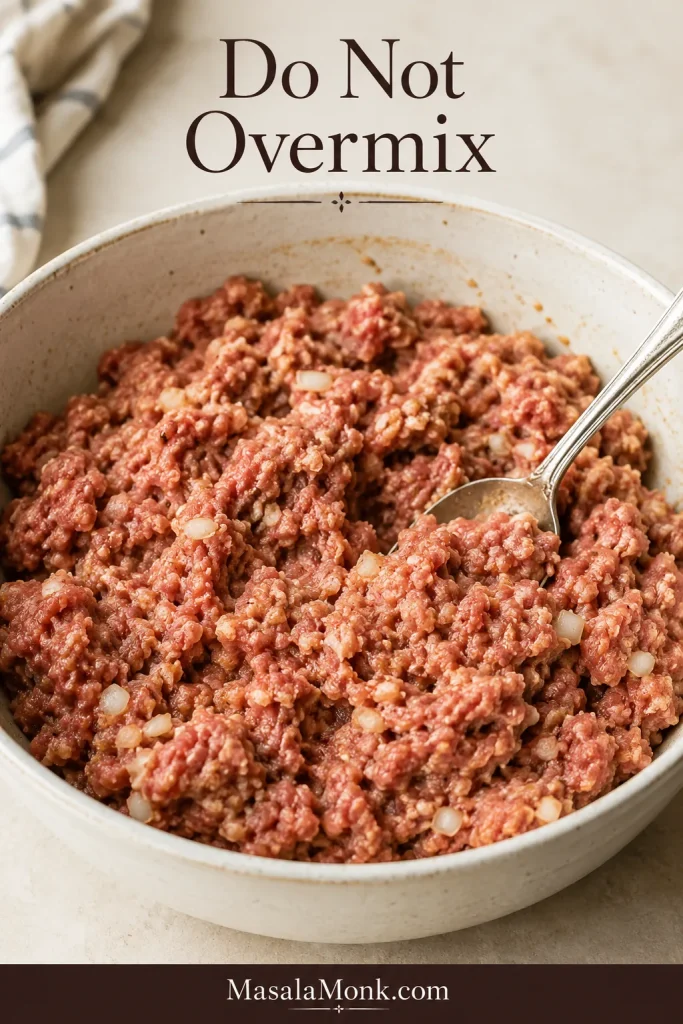
Optional flavor check: Cook a teaspoon-sized piece of the beef mixture in the skillet before shaping all the patties. Taste it, then adjust salt, pepper, Worcestershire sauce, or mustard if needed.
2. Shape oval patties
Divide the mixture into 4 portions and shape them into oval patties about 3/4 inch / 2 cm thick. They should look more like small chopped steaks than thick burger patties.
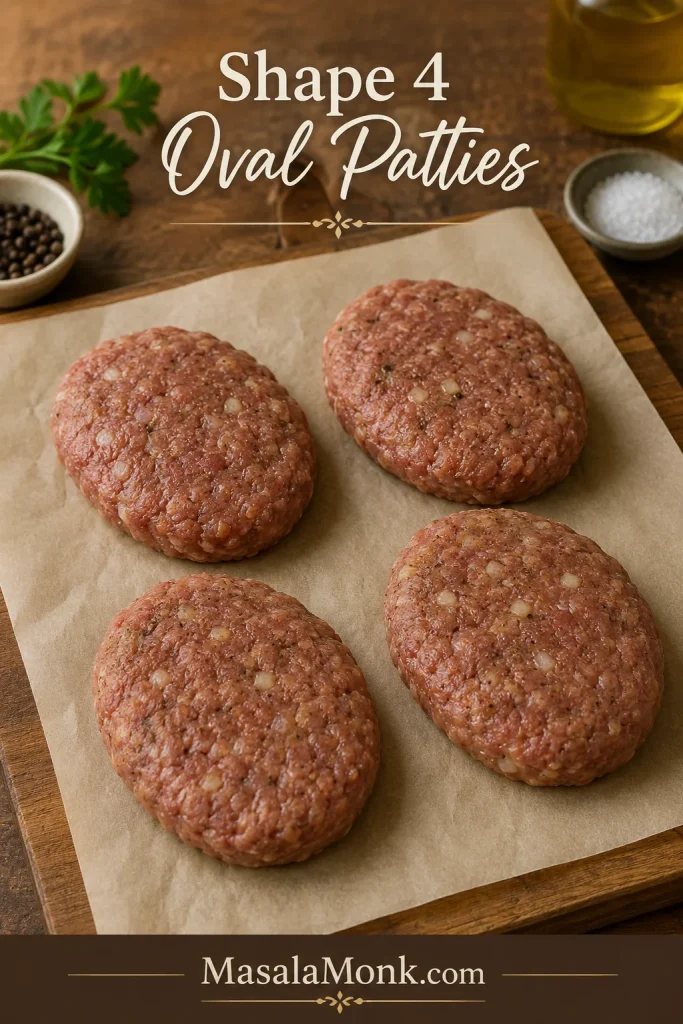
They do not need to look perfect. A slightly rustic oval patty feels right here; it just needs to be even enough to cook gently in the gravy.
If the mixture feels soft, that does not mean you ruined it. Chill the shaped patties for 10–15 minutes so they firm up before they hit the pan, or add 1–2 tablespoons breadcrumbs if the mixture is still loose.
Best Patty Size
For 1 lb / 454 g ground beef, or up to 500 g, make 4 oval patties. Each patty should be about 4 oz / 115–125 g and about 3/4 inch / 2 cm thick. This size browns well, cooks evenly, and still feels like old-fashioned Salisbury steak instead of a regular burger.
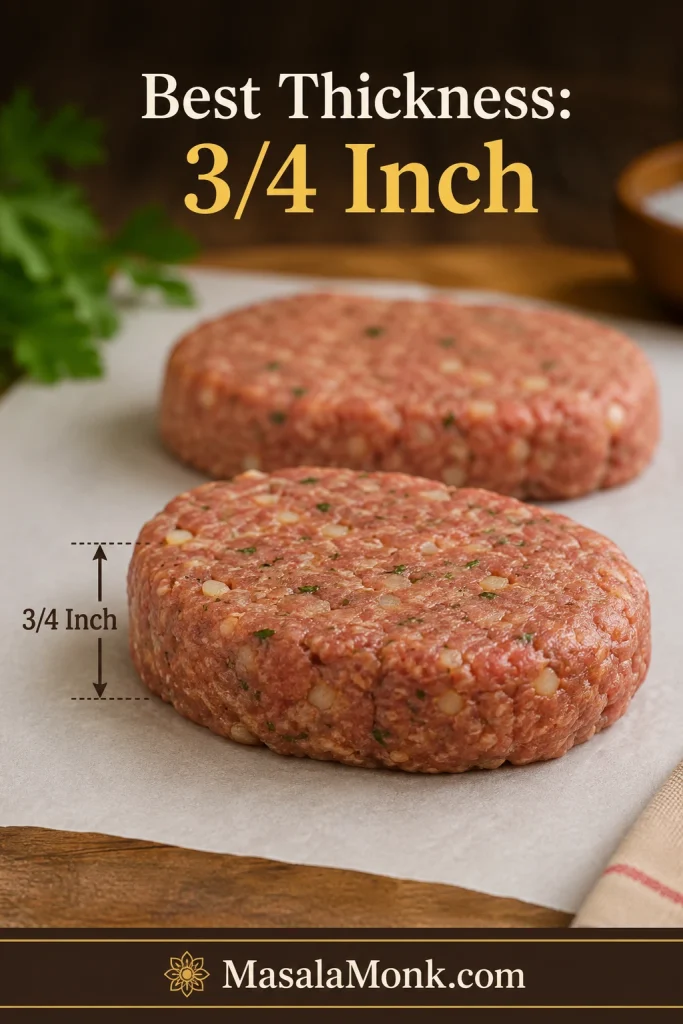
The finished patties should be fork-tender like a soft meatball, not chewy like a dry burger.
3. Brown before simmering
Heat oil in a large skillet over medium-high heat. Brown the patties for 2–3 minutes per side. They should develop color, but they do not need to be cooked through yet.
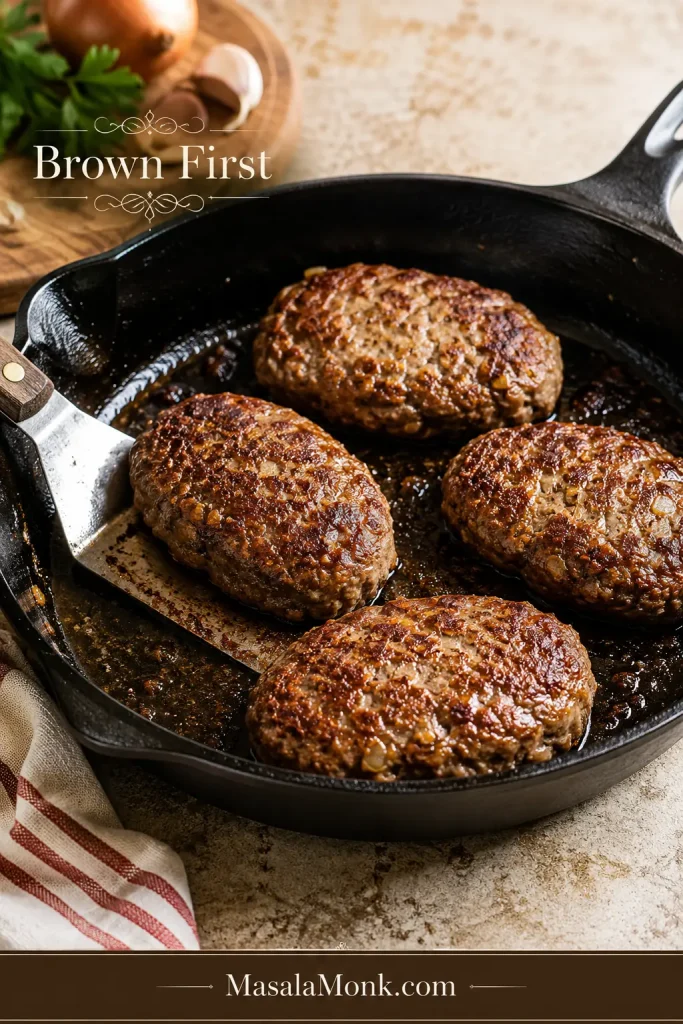
If the patties stick, give them another 30 seconds before flipping. Meat usually releases more cleanly once a crust has formed.
Move them to a plate while you make the gravy. The browned bits left in the pan are part of the flavor base.
4. Make the gravy in the same skillet
Melt butter in the skillet, then cook the mushrooms and onions until they soften and begin to brown. This is where the dish starts to smell like dinner instead of just browned beef, so let the mushrooms and onions do their work before you rush in with the broth.
Stir in flour, then slowly whisk in beef broth with Worcestershire sauce, Dijon mustard, ketchup or tomato paste, and black pepper. As the broth goes in, scrape the bottom of the skillet to pull up the browned bits from the patties. Those bits are what make the gravy taste deeper instead of flat.
5. Finish gently in the gravy
Return the patties to the skillet and spoon gravy over them. Simmer gently for 8–10 minutes, or until the centers reach 160°F / 71°C.
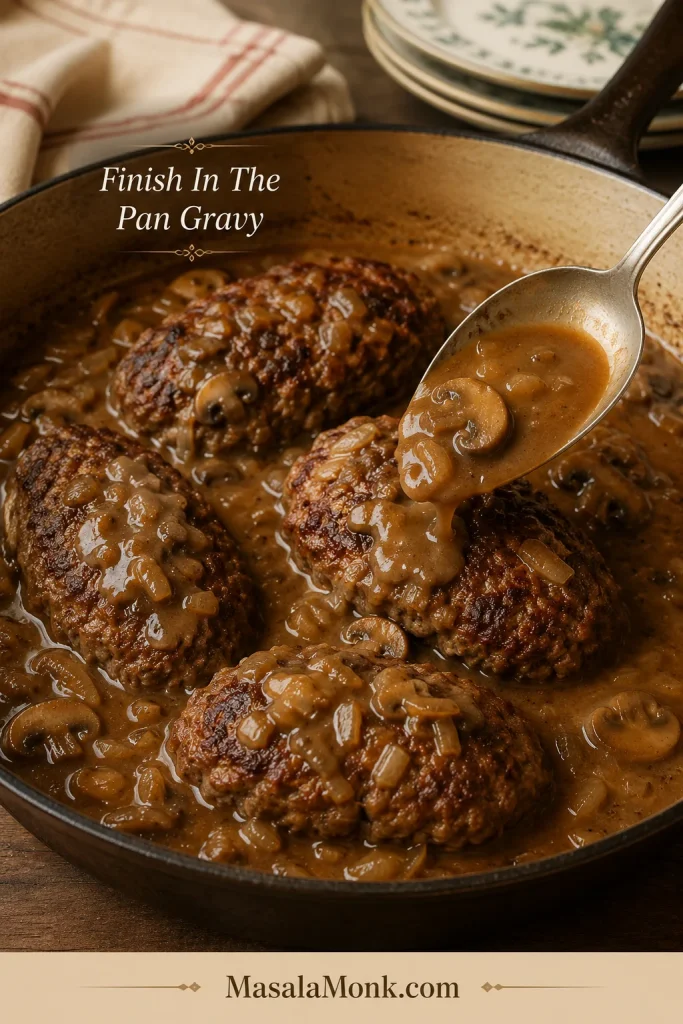
The skillet should bubble quietly. If the gravy is boiling hard, lower the heat so the meat stays tender.
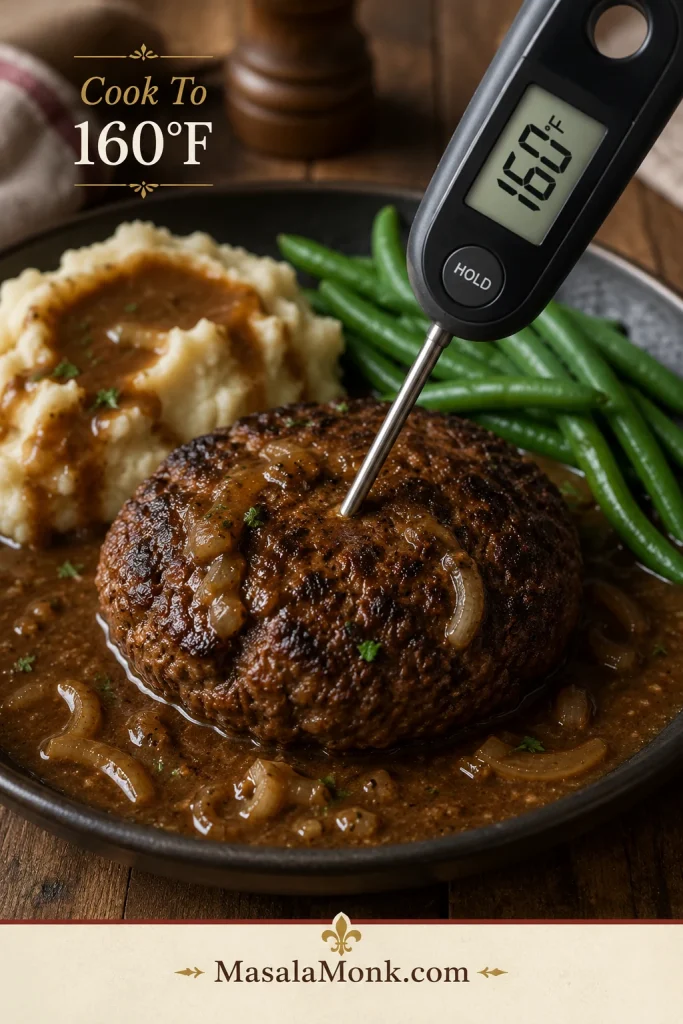
Check the temperature and serve
A thermometer helps here because color alone can be misleading. The patties may look done before the center reaches the safe finish temperature, especially if they are thick.
Back to recipe card · Next: mushroom onion gravy · Troubleshoot gravy · Back to top
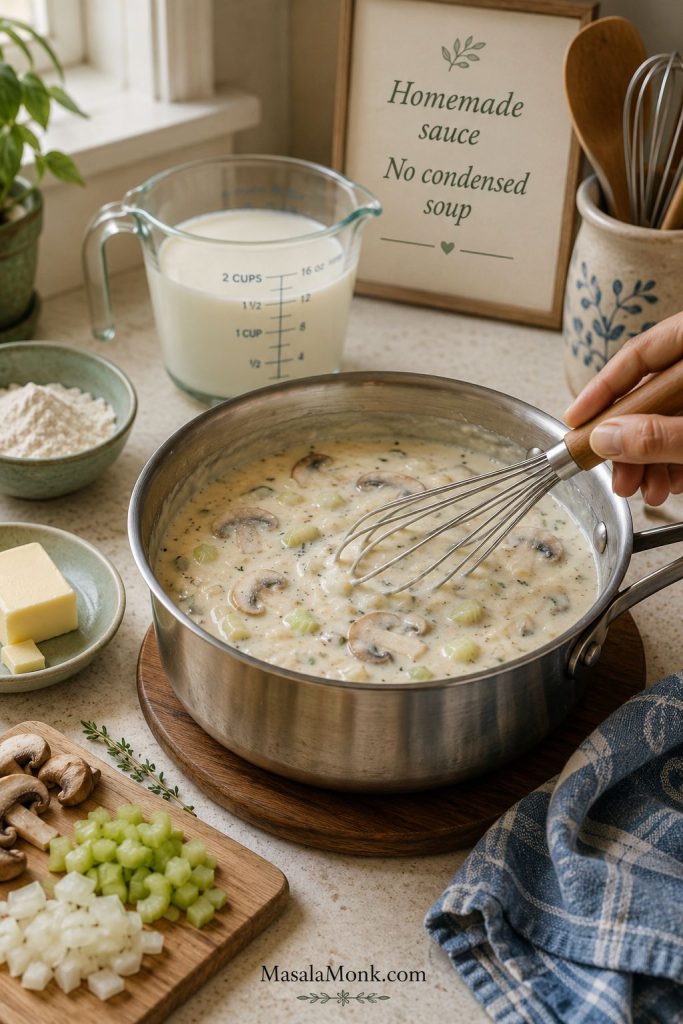
How to Make Mushroom Onion Gravy
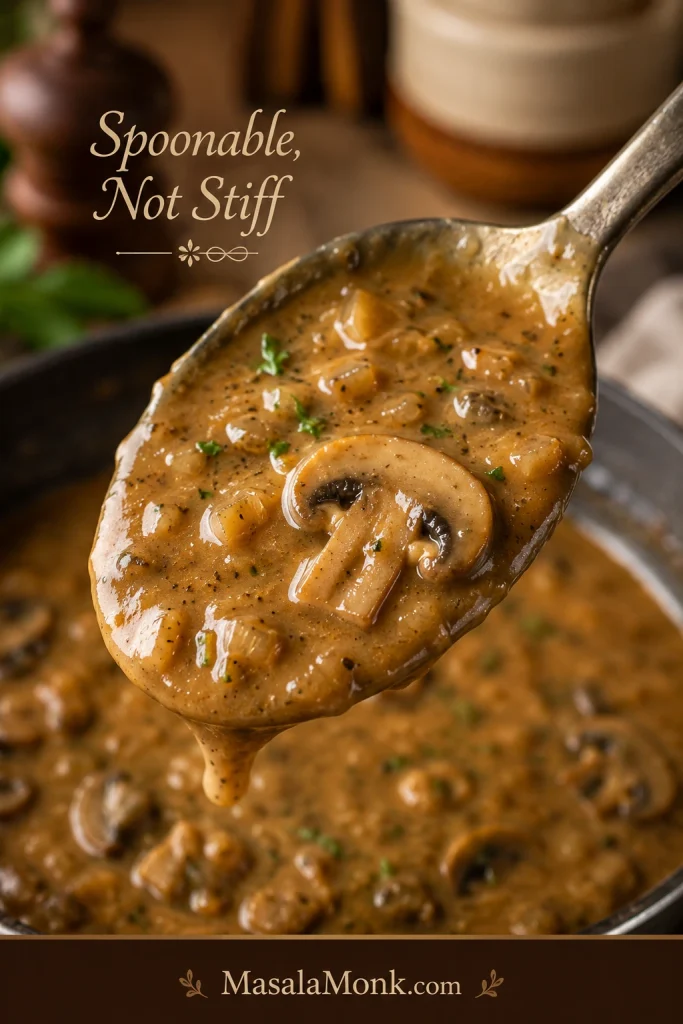
The gravy is half the comfort here. It should taste savory first, then rich — thick enough to coat a spoon but loose enough to flow over mashed potatoes.
Brown the mushrooms and onions
Cook the mushrooms and onions until the mushrooms release moisture and the onions begin to soften. The mushrooms are ready when they look smaller, darker, and no longer watery in the pan.
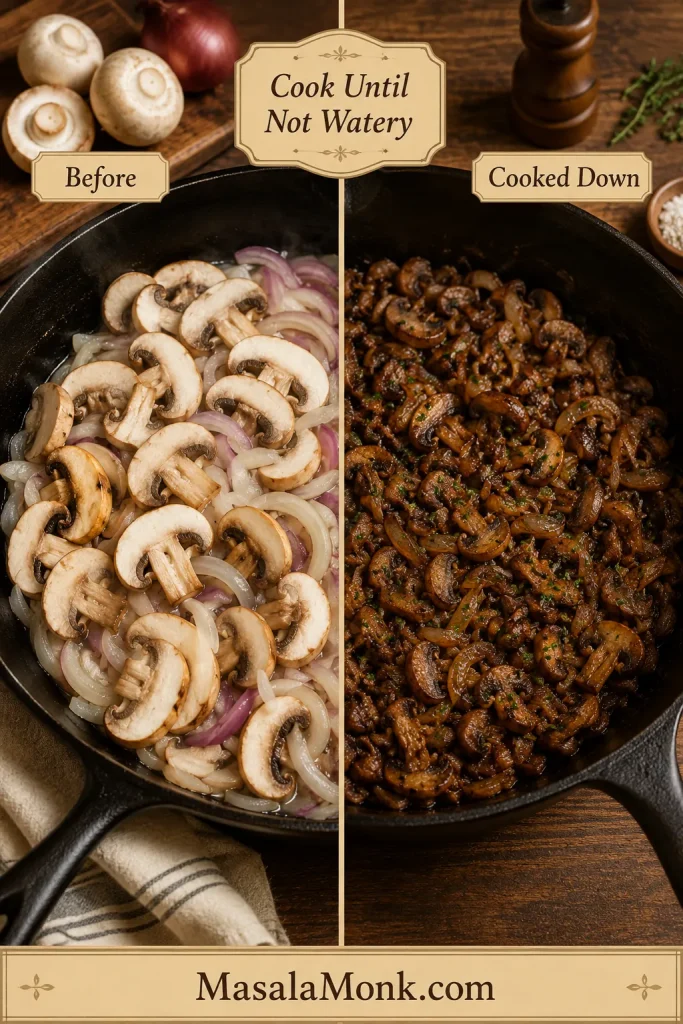
Do not add broth the moment the vegetables hit the skillet. A few extra minutes here gives the pan gravy deeper flavor.
If you only have canned mushrooms, drain them well and add them after the onions soften. They will not brown like fresh mushrooms, but they still add mushroom flavor to the gravy.
Cook the flour briefly
Once the mushrooms and onions are ready, sprinkle flour over them and stir for about 1 minute. After the flour goes in, the vegetables should look lightly coated, not dry and clumpy.
Whisk in broth slowly
Add the beef broth slowly while whisking. The gravy will look a little loose at first. That is normal. Once the broth is whisked in, it should look smooth; it will tighten as it simmers and becomes spoonable once the patties go back into the skillet.
The 2 tablespoons flour to 2 cups broth ratio makes a medium-thick gravy. Worcestershire sauce, Dijon, and ketchup or tomato paste round out the flavor.
Need more mushroom-sauce detail? This creamy mushroom sauce recipe goes deeper into browning, texture, and no-cream adjustments.
Adjust the texture at the end
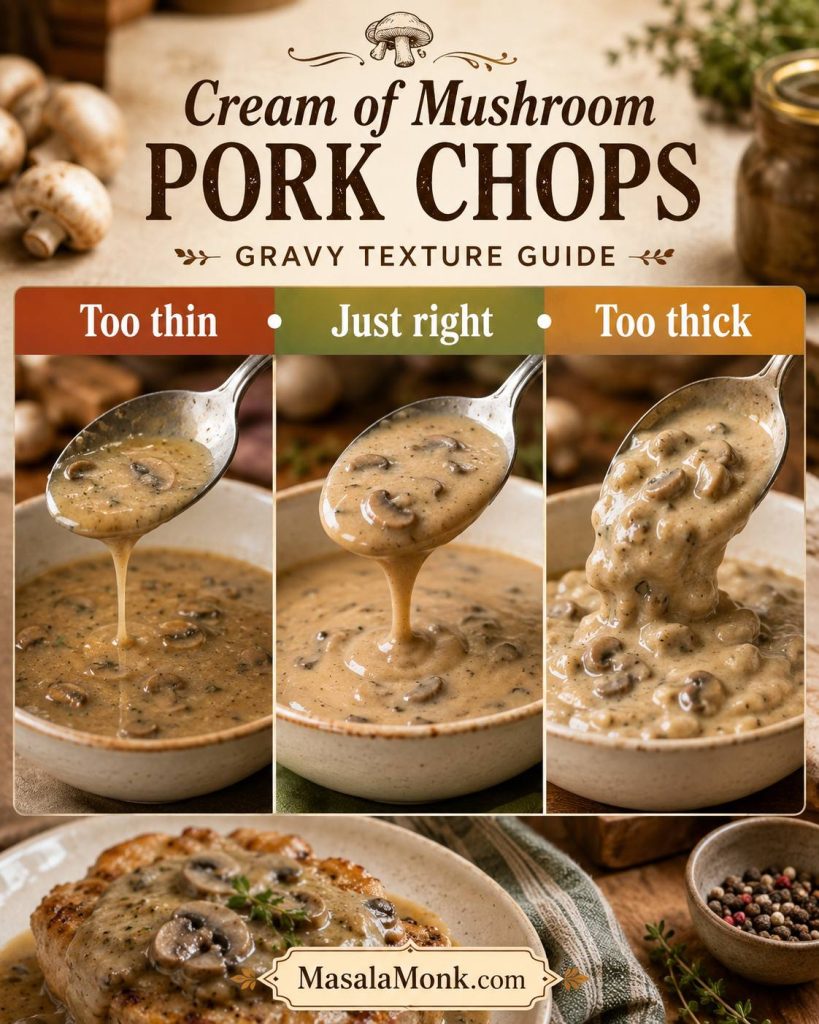
If the gravy is too thick, add broth or water a splash at a time. If it is too thin, simmer uncovered for a few minutes or use a small cornstarch slurry. The finished sauce should move slowly, not sit stiffly.
Choose Your Salisbury Steak Version
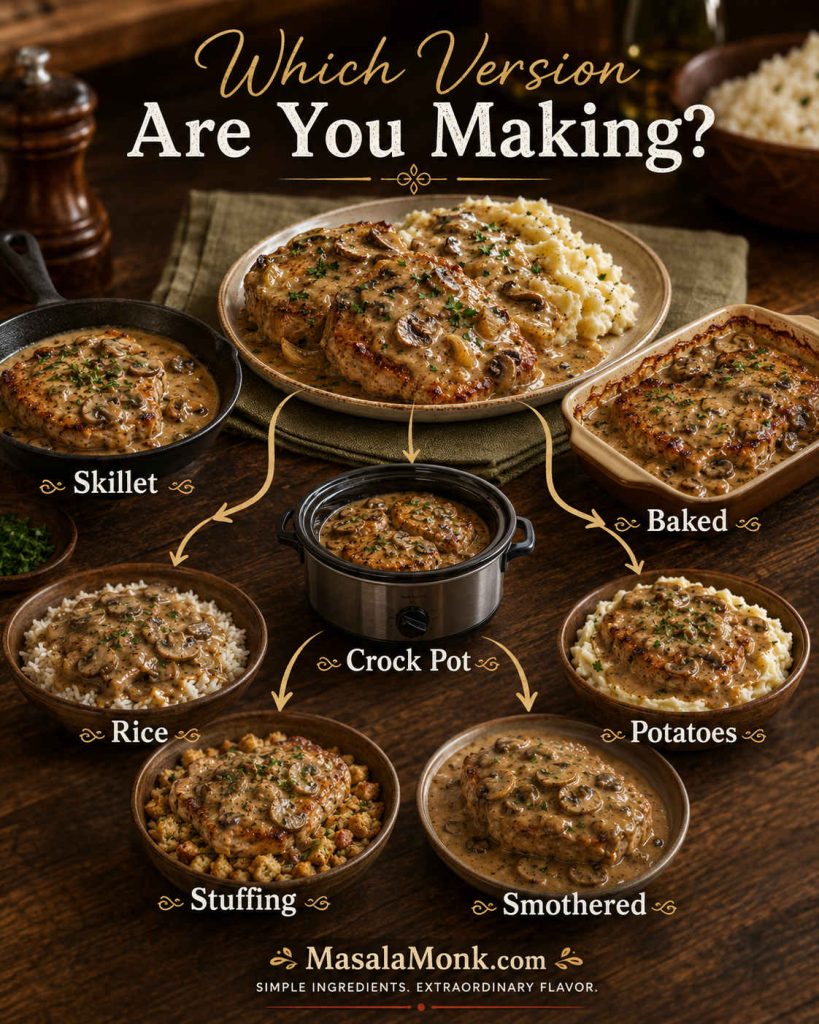
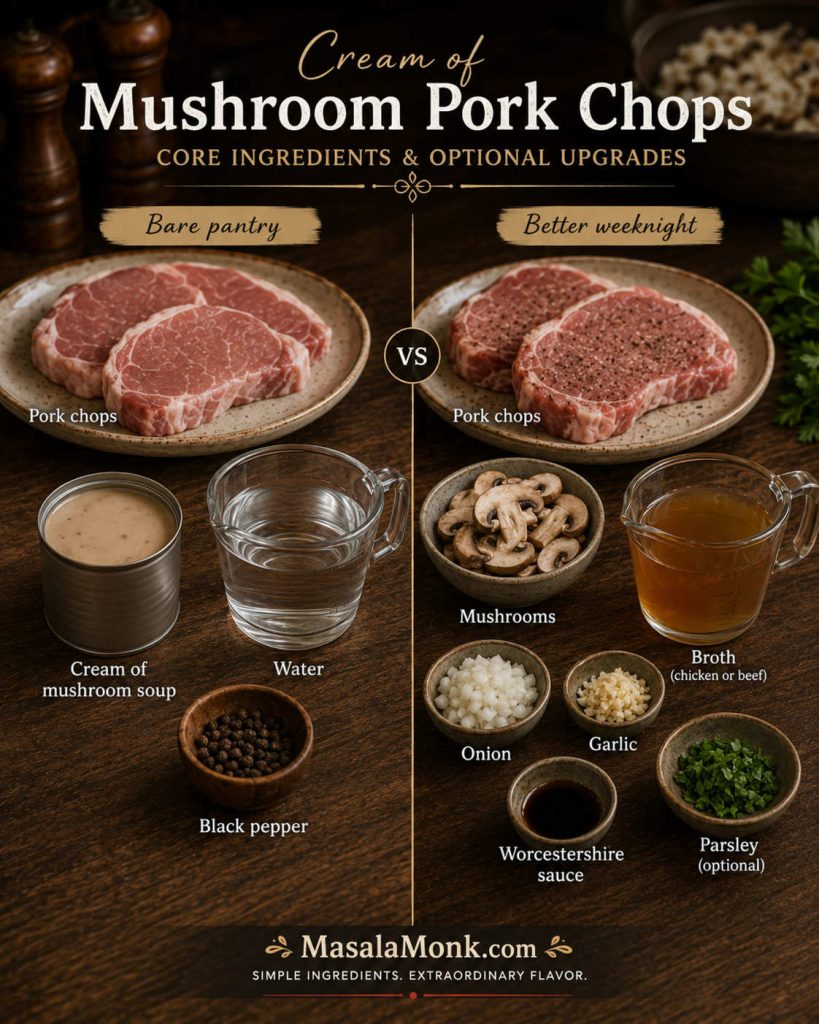
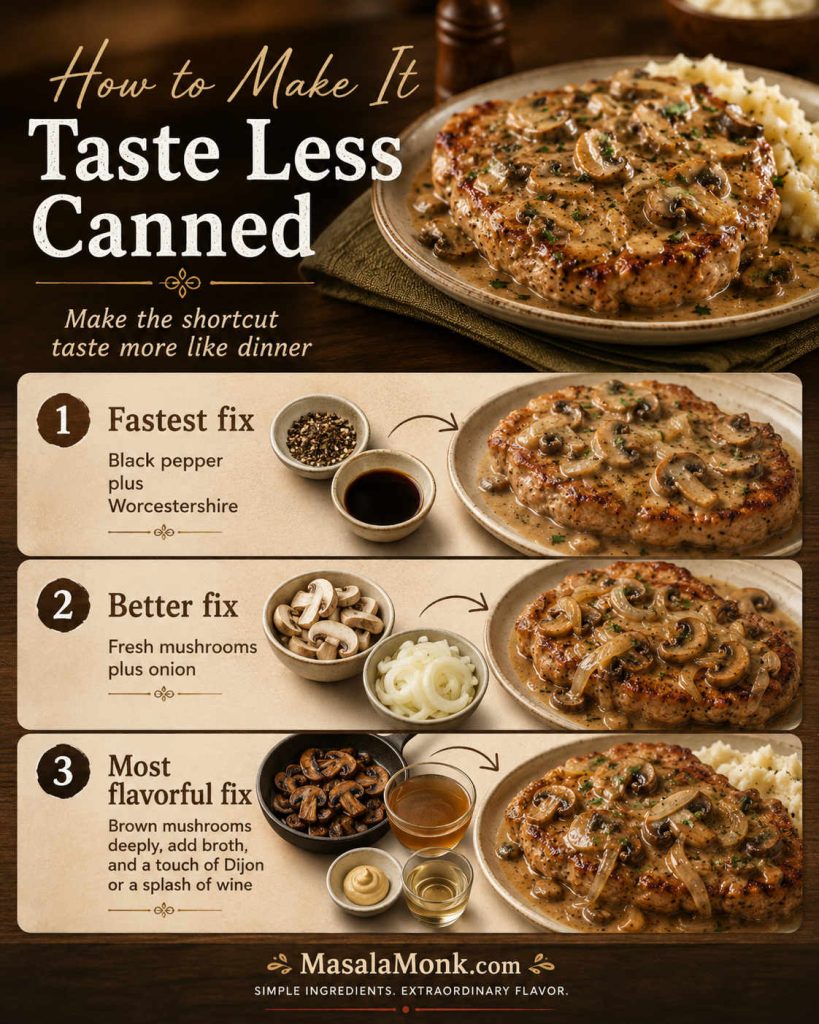
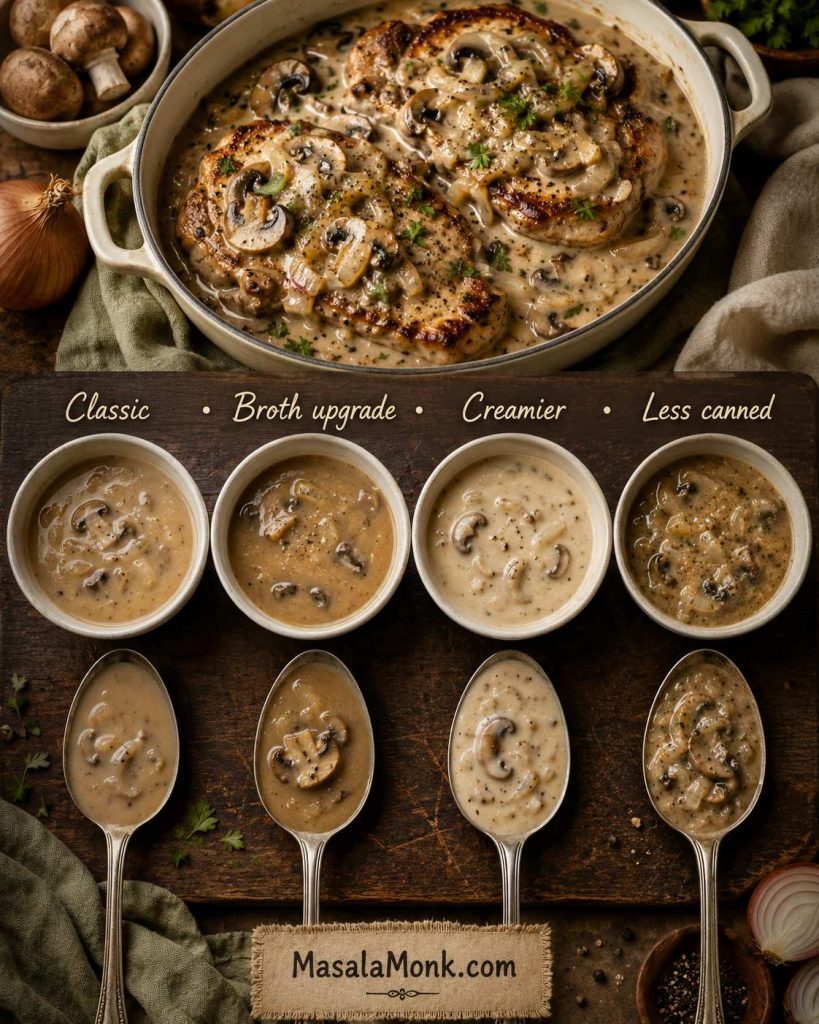
This is the real-life pantry section: brown gravy mix, cream of mushroom soup, frozen hamburger patties, no mushrooms, baked Salisbury steak, and Crock Pot versions can all work if you keep the patties tender and the salt under control. Pick the route that matches your kitchen tonight, then use the main method as the base.
Shortcut Decision Table
| What you have or want | Best route |
|---|---|
| You want the classic homemade version | Use the main mushroom onion gravy recipe. |
| You have no mushrooms | Make onion gravy instead. Cook the onions longer so the sauce still tastes deep and sweet. |
| You have a brown gravy packet | Use the liquid amount on the packet, but replace water with low-sodium beef broth. Taste before adding salt. |
| You have cream of mushroom soup | Start with 1 can condensed soup plus 1/2 cup beef broth. Add another 1/4 cup broth if it looks too thick. |
| You want more onion flavor | Use extra onions or a French onion-style gravy, but watch the salt if using soup mix. |
| You want a hands-off dinner | Brown the patties first, then use the Crock Pot section below for a softer, saucier finish. |
| You want to bake it | Brown the patties, cover with hot gravy, and bake until 160°F / 71°C. |
| You have frozen hamburger patties | Thaw first if you can. Frozen works, but fresh or thawed patties brown better. |
| You want a kid-friendly version | Shape the beef mixture into meatballs and simmer them in gravy. |
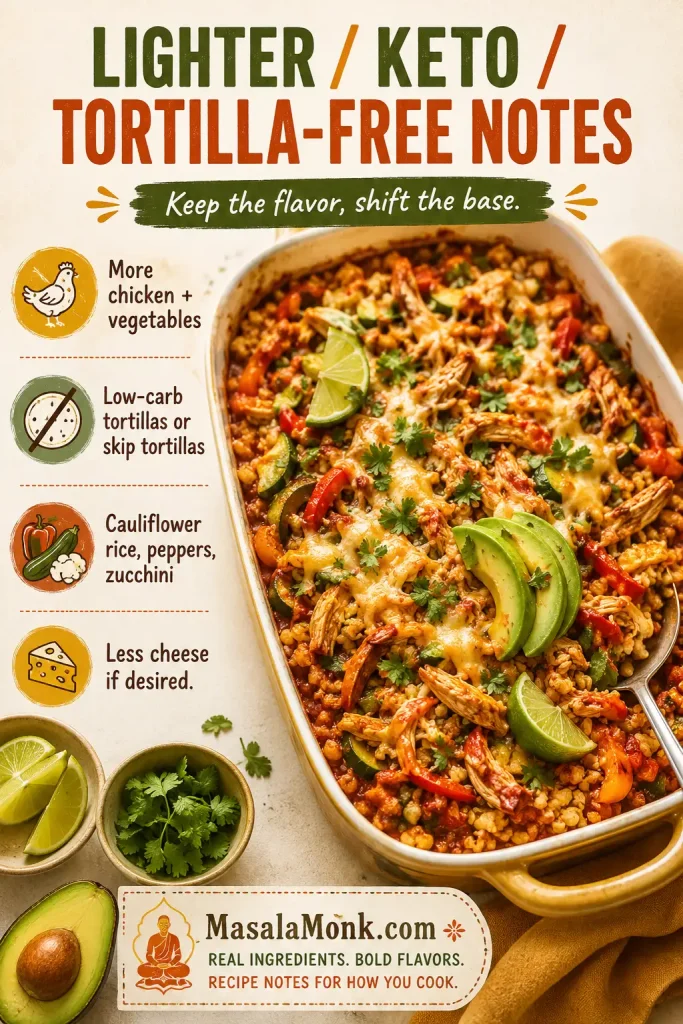
| You want a lighter dinner | Use leaner beef or turkey and serve with vegetables or cauliflower mash. |
Shortcut Salt Rule
You do not have to make every version from scratch to get a good dinner. The trick is to keep the patties tender, keep the gravy balanced, and avoid stacking too much salt when using packets, canned soup, or bouillon.
Shortcut rule: If you use gravy mix, bouillon, canned soup, or onion soup mix, choose low-sodium broth and do not add extra salt until the gravy is finished.
Salisbury Steak vs Hamburger Steak
These two comfort-food dinners overlap, but they are not always exactly the same.
| Dish | What it usually means |
|---|---|
| Salisbury steak | Seasoned ground beef patties mixed with egg, breadcrumbs, onion, Worcestershire sauce, ketchup or mustard, then served with gravy. |
| Hamburger steak | A simpler seasoned ground beef patty, often served with onion gravy or brown gravy. |
| Burger steak | Often used for Filipino or Jollibee-style ground beef patties with mushroom gravy, usually served with rice. |
The easiest way to think about it: hamburger steak is usually closer to a seasoned burger patty, while Salisbury steak eats more like a meatball-style patty with gravy.
For a regular weeknight dinner, the important part is simple: if you want ground beef patties with mushroom gravy, onion gravy, or brown gravy, this recipe gives you the right result.
Salisbury Steak Variations and Shortcuts
The base recipe is the safest place to start. The shortcut versions are there for the nights when the pantry, the freezer, or the clock makes the choice for you.
Think of these as kitchen routes, not separate recipes. The browning-and-gravy logic stays the same; you are simply changing the sauce, cooking method, or shortcut ingredient.
Choose one route and stay with it. Mixing every shortcut at once is usually how the gravy becomes too salty or too thick.
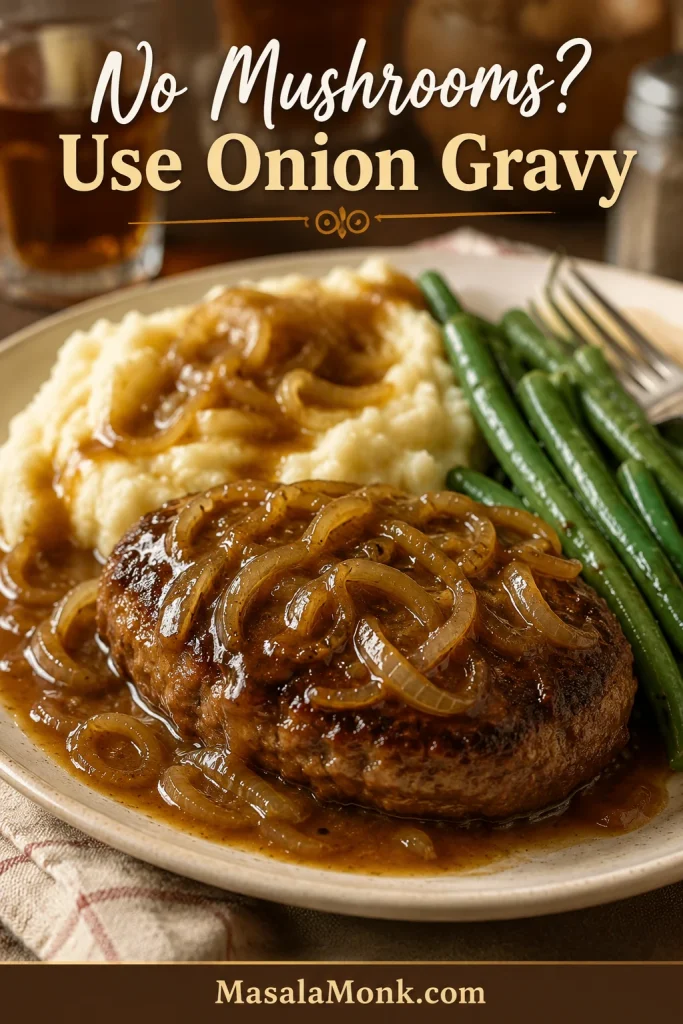
No-Mushroom Salisbury Steak
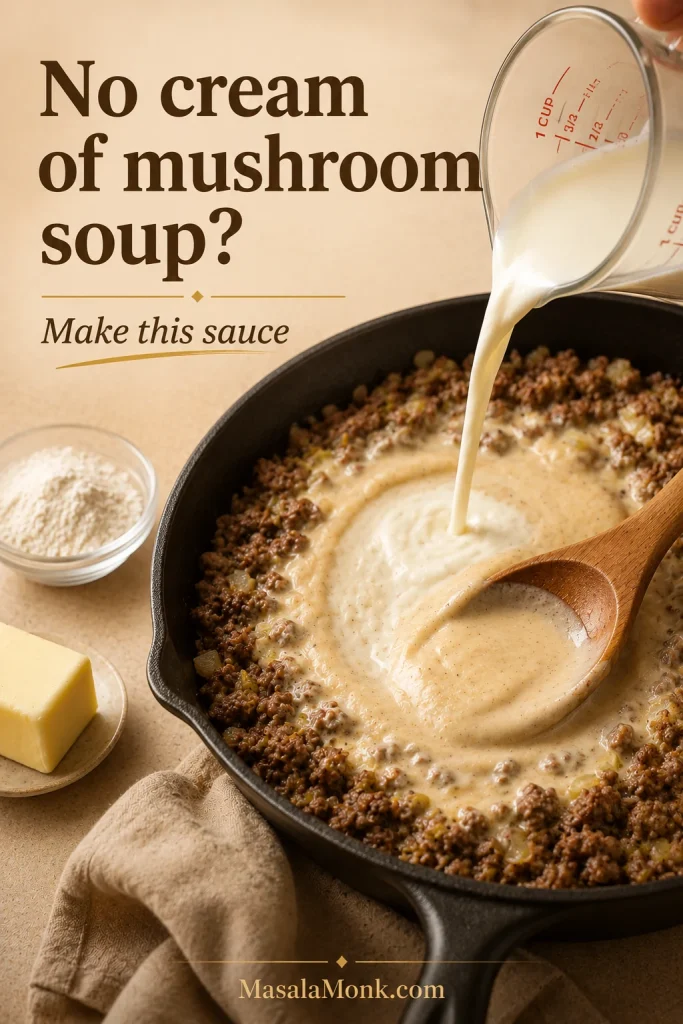
Skip the mushrooms and make onion gravy instead. Use 1 large sliced onion, cook it in butter until soft and lightly golden, then add flour and beef broth. Worcestershire sauce, Dijon, and a small spoon of ketchup or tomato paste help the gravy taste full.
This is the easiest route for anyone who dislikes mushrooms but still wants the old-fashioned gravy dinner.
Onion Gravy Version
Want the gravy to taste more oniony and old-fashioned? Use 1 large onion or 2 medium onions, slice them thin, and cook them until soft, sweet, and lightly browned. The deeper the onions cook, the richer the pan sauce tastes.
If onion gravy is your favorite part of the plate, this smothered pork chops recipe uses the same brown-first, finish-gently logic with a rich onion gravy.
Brown Gravy Mix Shortcut
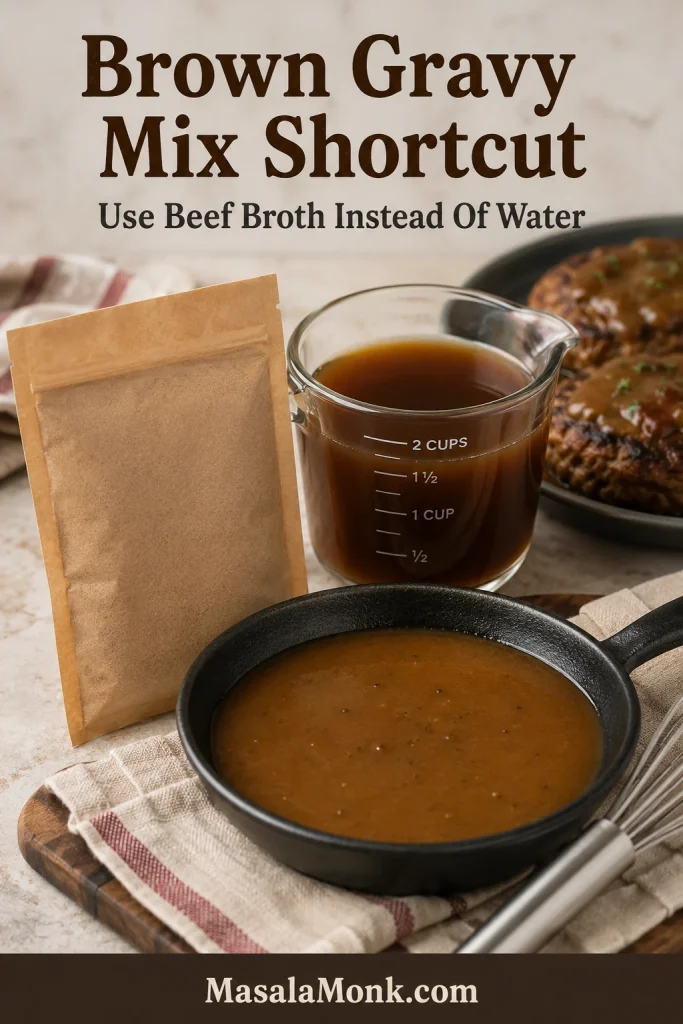
Brown gravy mix is useful when speed matters. For most packets, use the liquid amount listed on the package, but replace water with low-sodium beef broth. That keeps the shortcut easy while making the gravy taste more like dinner than a packet.
If you are also using bouillon, canned soup, or onion soup mix, start with half the packet or taste carefully before adding the full amount. These shortcuts can stack salt quickly.
Cream of Mushroom Soup Version
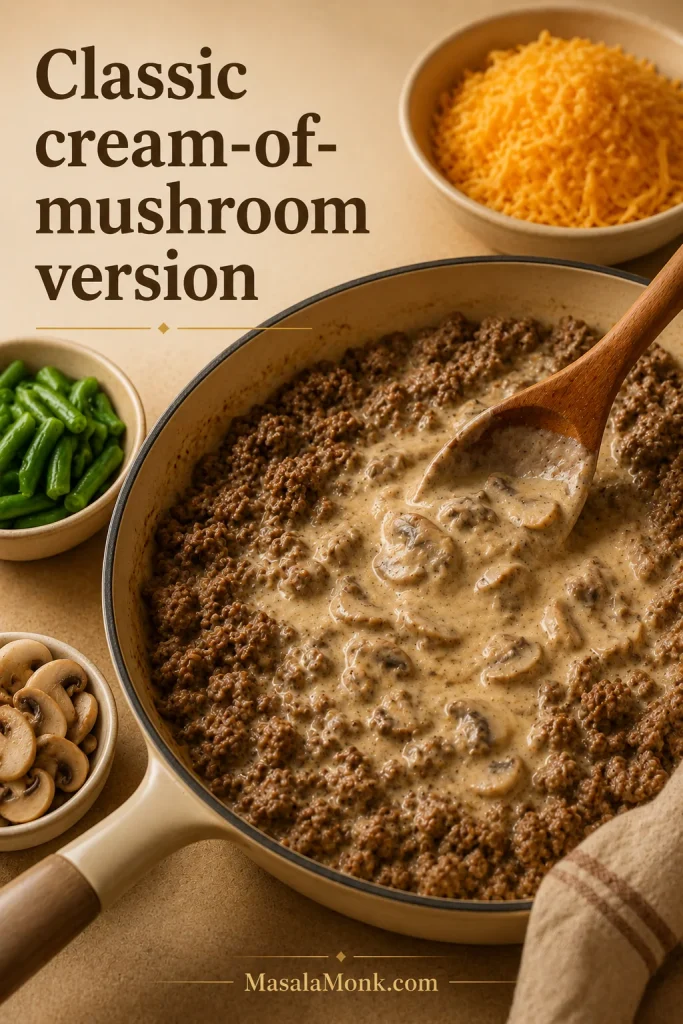
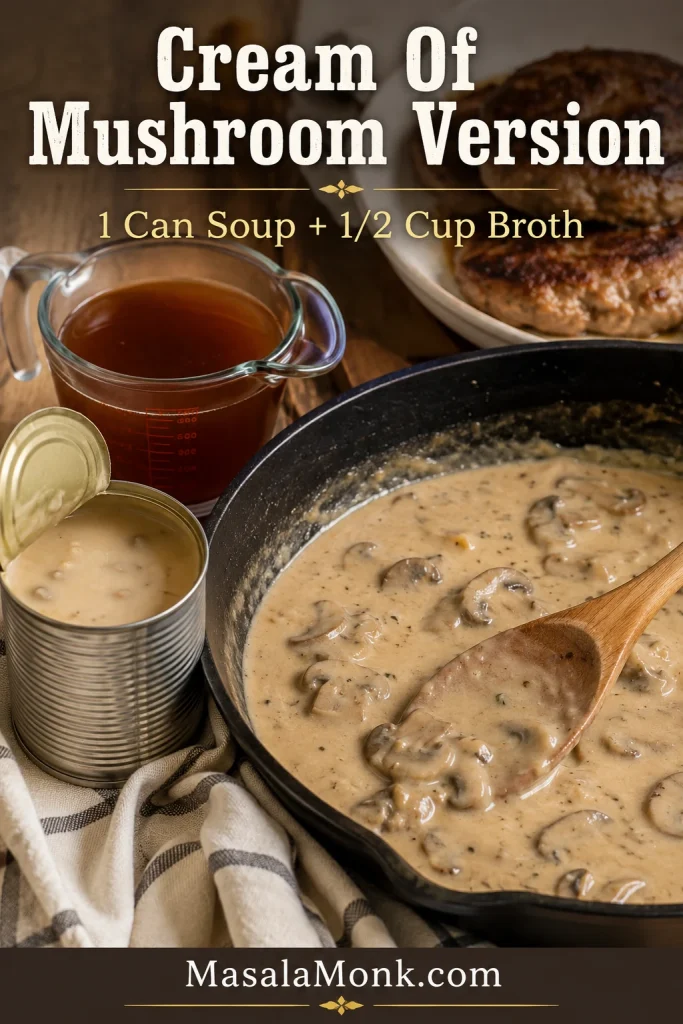
A can of cream of mushroom soup can work when you want the old-school pantry version. Start with 1 can condensed cream of mushroom soup plus 1/2 cup beef broth. Add another 1/4 cup broth if the sauce looks too thick after simmering.
Add Worcestershire sauce and black pepper so it tastes more like a proper gravy. If you use cream soup with brown gravy mix or onion soup mix, reduce the added salt and use low-sodium broth.
If you like creamy mushroom gravy dinners, this cream of mushroom pork chops recipe uses a similar pantry-friendly sauce direction.
French Onion Salisbury Steak
French onion Salisbury steak leans into the onion-gravy side of the dish. Use extra sliced onions and beef broth, or replace part of the broth with French onion soup. Onion soup mix can work too, but start with less because it is salty.
For deeper onion-gravy flavor ideas, this French onion soup recipe shows how cooked-down onions, broth, and savory boosters build that sweet, rich onion base.
Baked Salisbury Steak
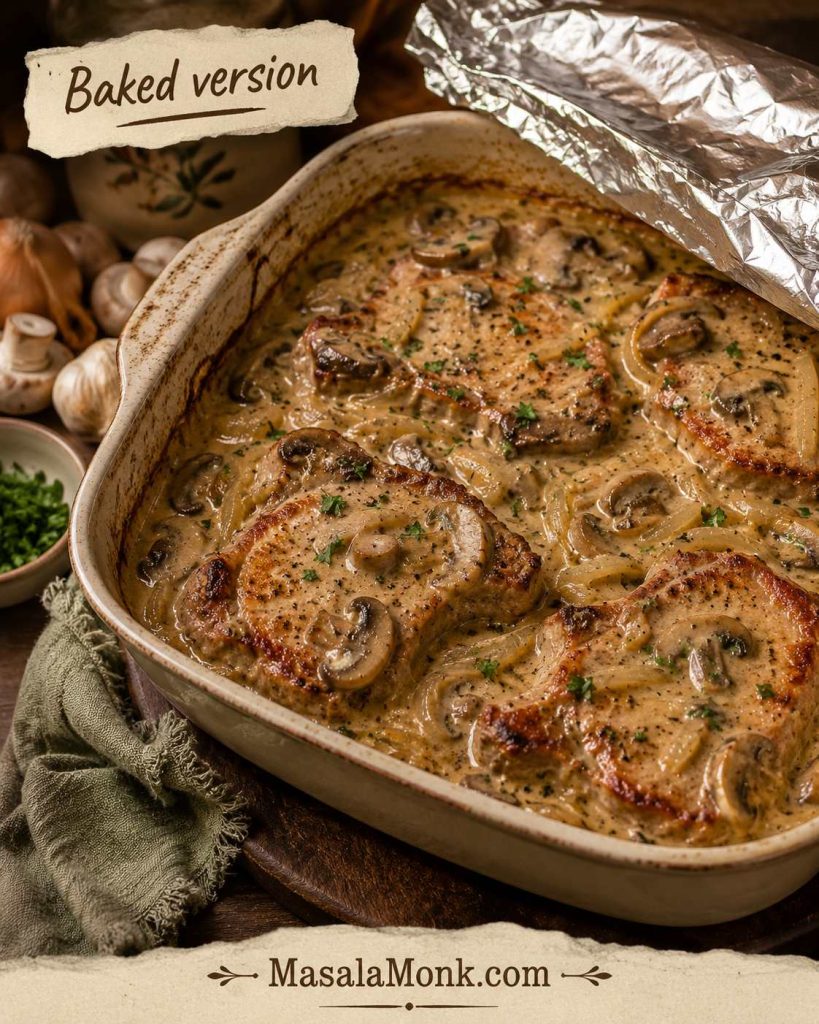
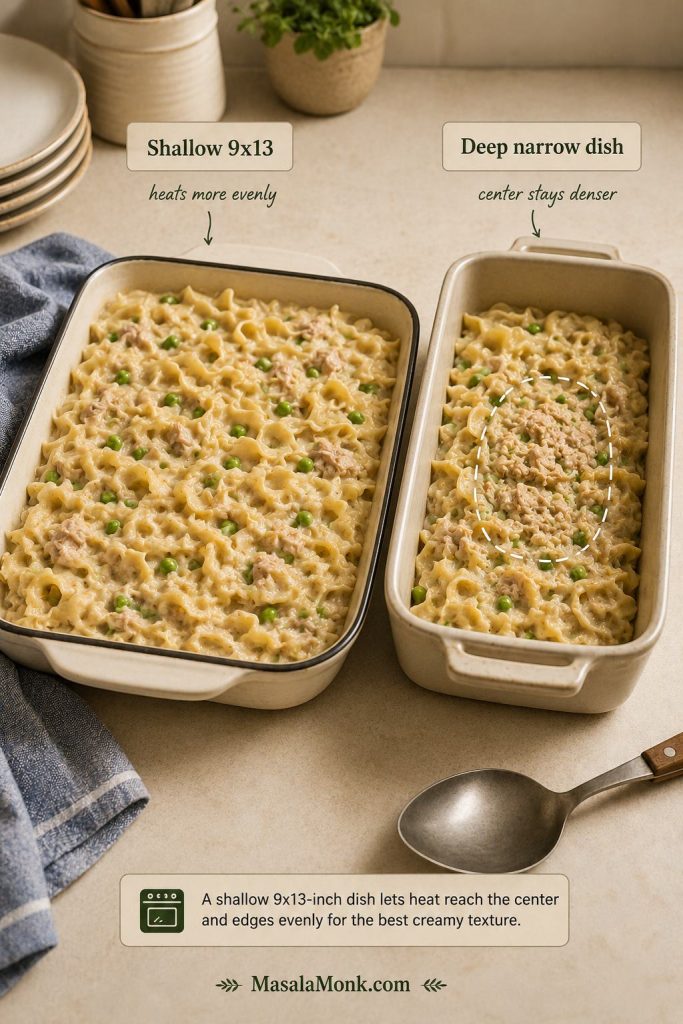
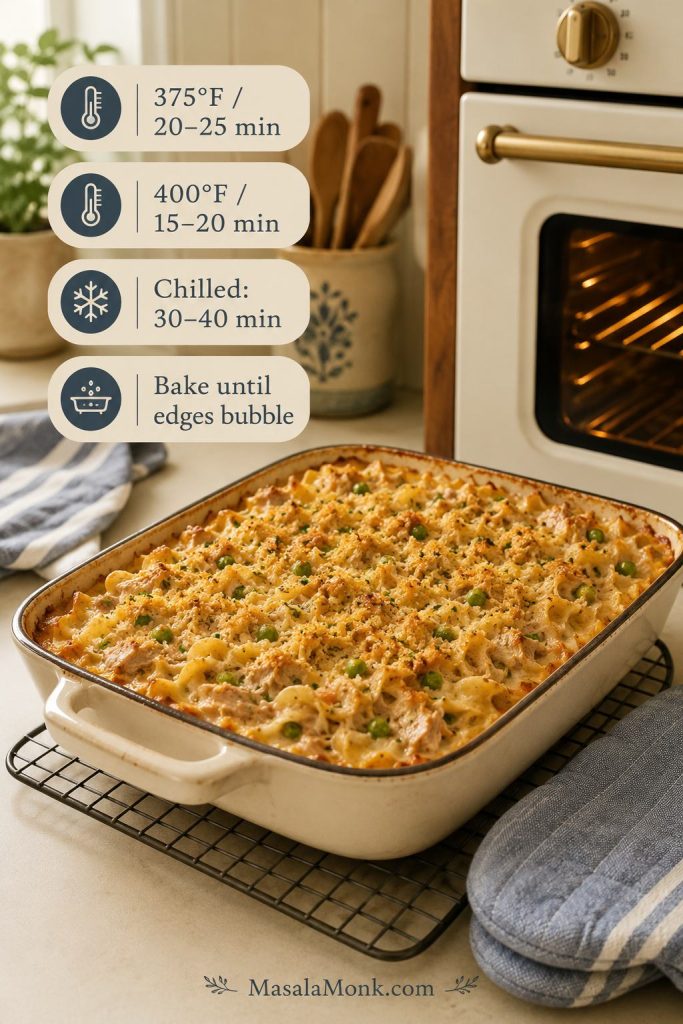
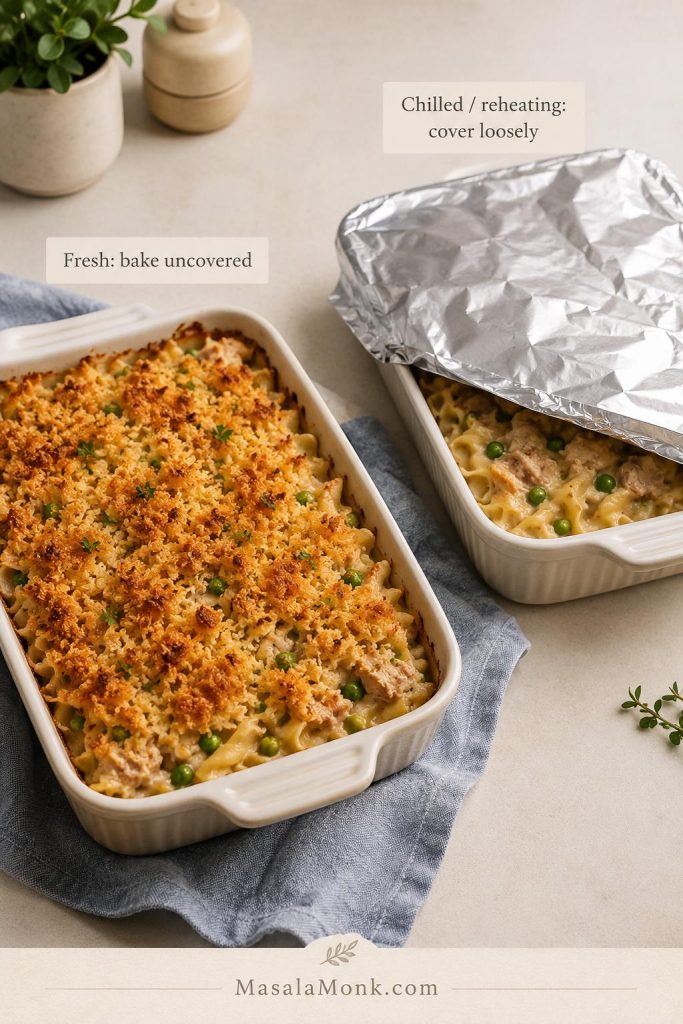
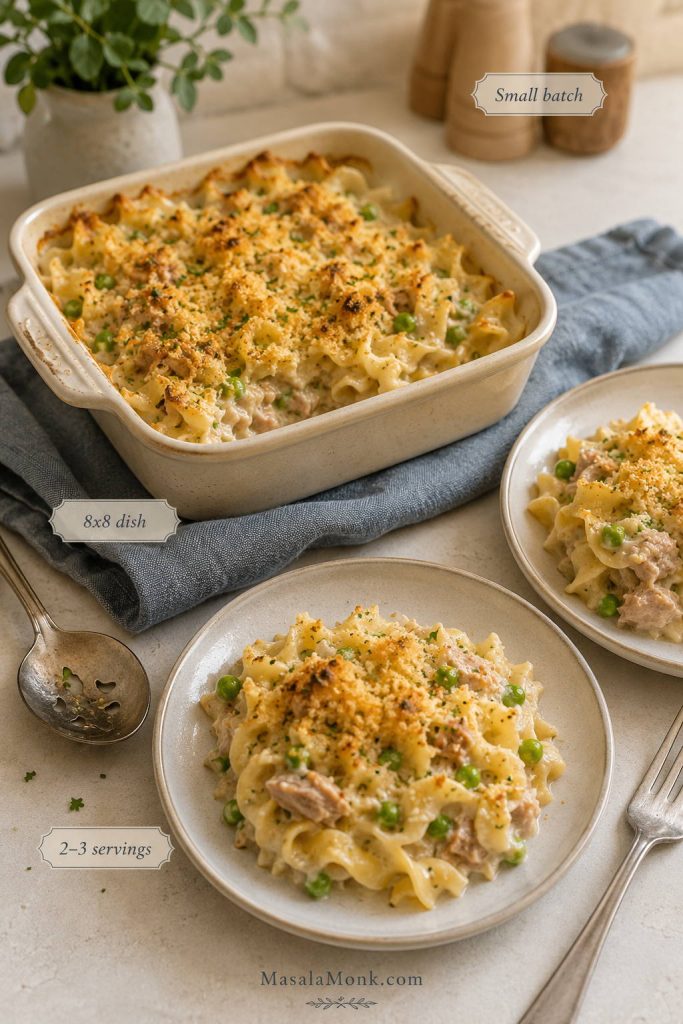
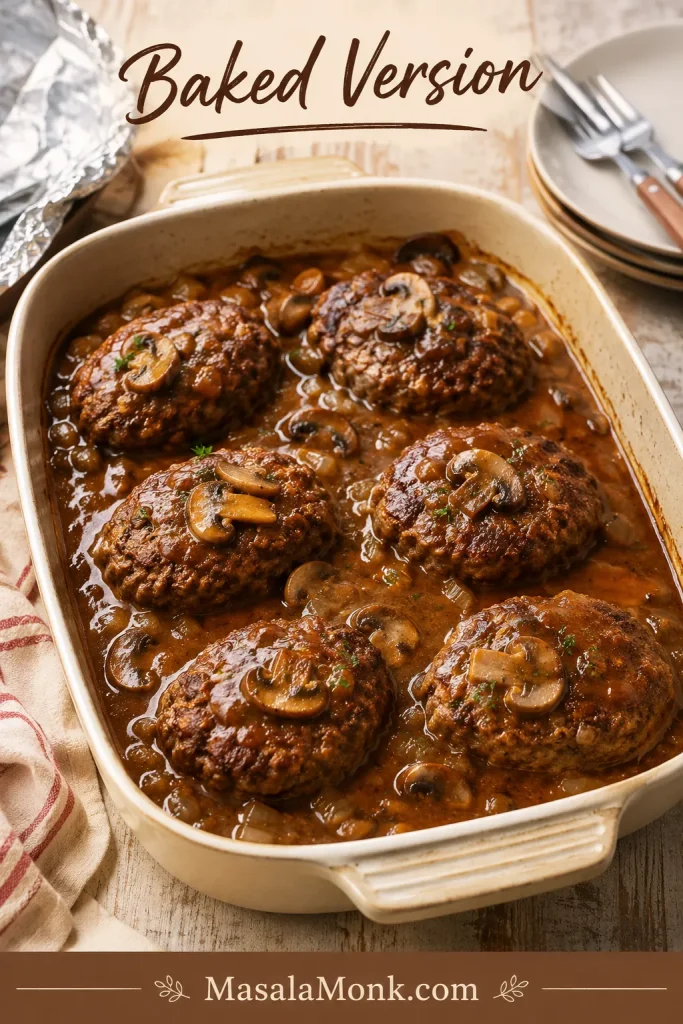
To bake Salisbury steak, brown the patties first, then place them in a 9×13 / 13×9 baking dish. Pour hot gravy over the patties, cover with foil, and bake at 375°F / 190°C for 20–25 minutes, or until the patties reach 160°F / 71°C.
Let the dish rest for 5–10 minutes before serving so the gravy settles and the patties stay juicy.
Crock Pot Salisbury Steak
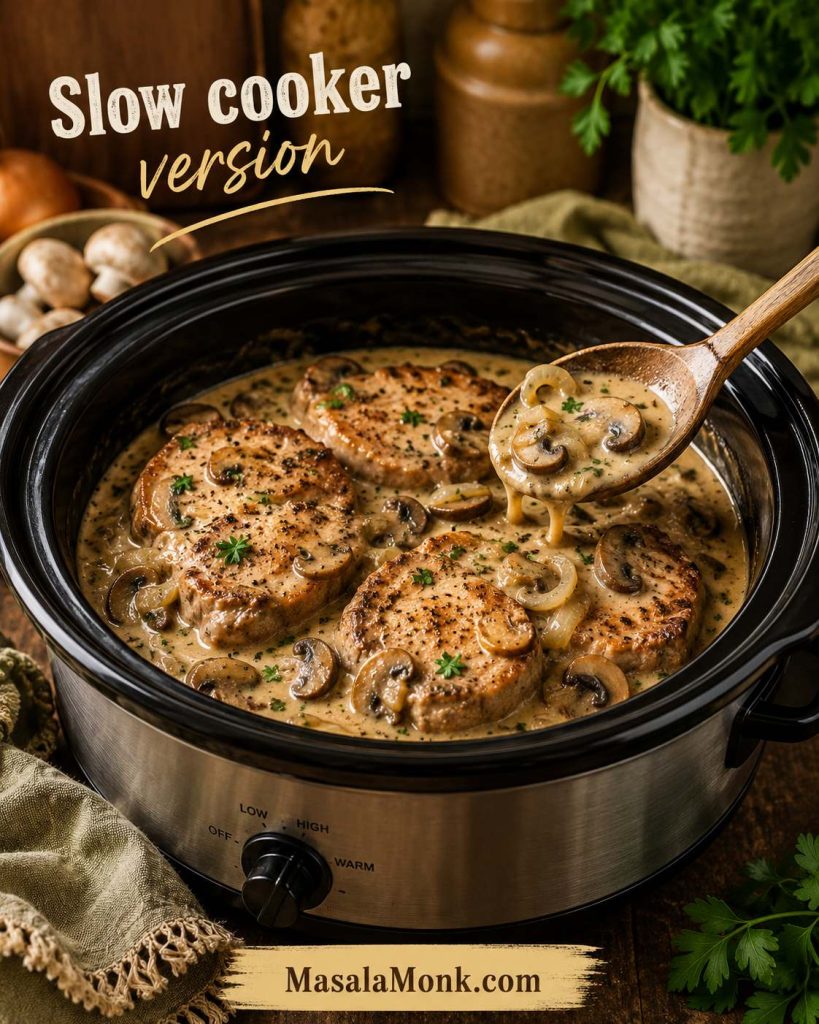
The slow cooker version deserves its own method because the patties, gravy, and timing behave differently. Brown the patties first for the best flavor, place them in the slow cooker with onions, mushrooms if using, and gravy, then cook on low until tender and 160°F / 71°C in the center.
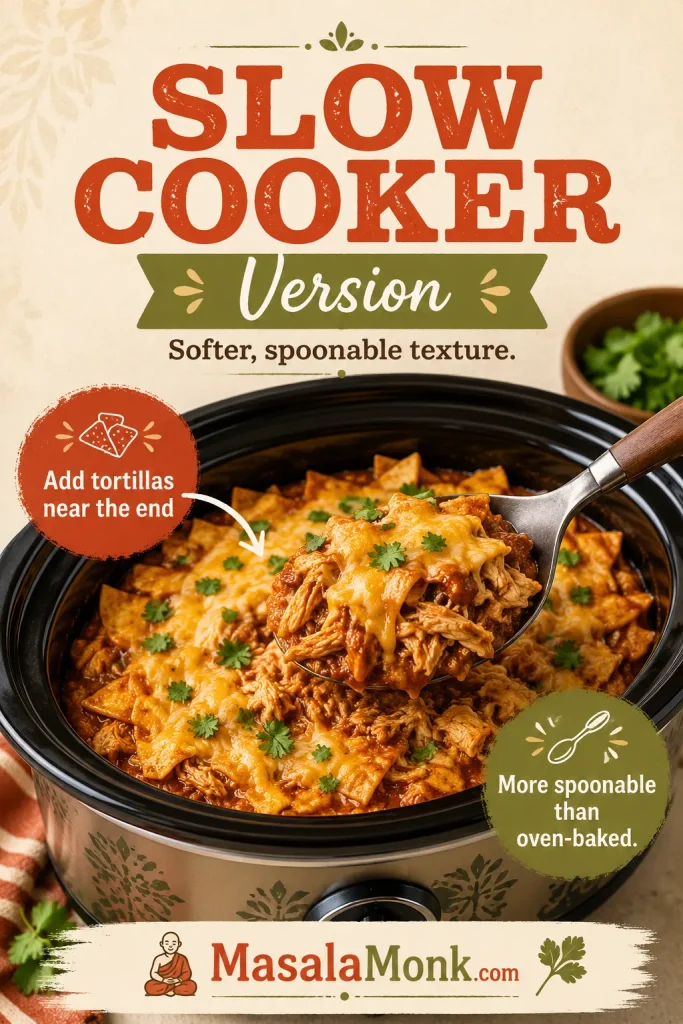
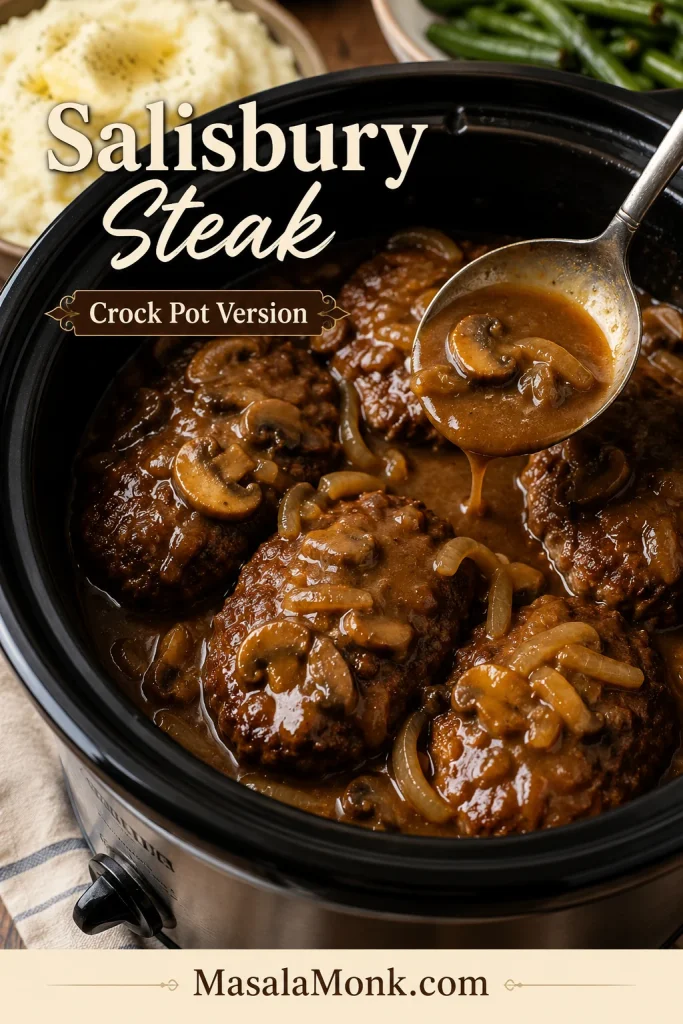
This skillet version is faster. Use this Crock Pot Salisbury steak recipe when you want the hands-off route with a softer, saucier finish, frozen patty tips, cream soup shortcuts, and slow-cooker gravy guidance.
Frozen Hamburger Patties
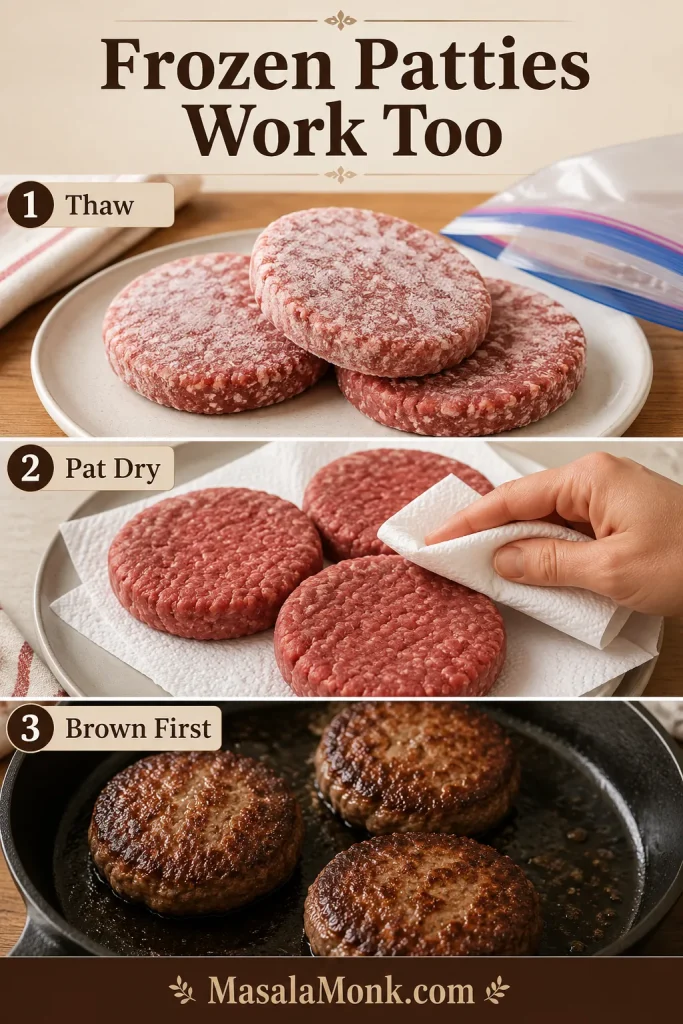
Fresh homemade patties have the best texture, but frozen hamburger patties can work for a shortcut dinner.
Frozen patties work best when they are thawed first, patted dry, seasoned, browned, and then simmered in gravy. If cooking from frozen, use a quiet simmer and check the center with a thermometer. The patties must reach 160°F / 71°C. Expect a softer, less homemade texture than fresh patties.
For a separate burger-focused method with time, temperature, and frozen-patty cues, see this air fryer burgers recipe.
Meatball Version
For a kid-friendly twist, shape the same beef mixture into meatballs instead of oval patties. Brown the meatballs, then simmer them in mushroom gravy until cooked through. This gives you the same flavor in smaller pieces that are easy to serve over rice or noodles.
Gluten-Free Version
Use gluten-free breadcrumbs or crushed gluten-free crackers in the patties. For the gravy, skip the flour and thicken with a cornstarch slurry instead. Check the labels on Worcestershire sauce, broth, gravy packets, canned soup, and onion soup mix.
Lighter Version
Use leaner beef or ground turkey, reduce the butter slightly, and serve the patties with vegetables, cauliflower mash, or salad. Leaner meat dries out faster, so cook gently and stop once the patties reach 160°F / 71°C.
Back to choose your version · Fix patties · Fix gravy · Serving ideas · Back to top
Patty Fixes: Falling Apart, Tough, or Dry
If the mixture feels imperfect, do not panic. Salisbury steak is forgiving before it hits the pan. A little more breadcrumb, a short chill, or a splash of moisture can usually bring the patties back into shape.
The fastest fix before cooking: If the mixture feels too soft, add 1–2 tablespoons breadcrumbs and chill the shaped patties for 10–15 minutes. If the mixture feels dry and crumbly, add a spoon of grated onion or a tiny splash of milk.
If the patties feel too soft, break while flipping, or fall apart in the gravy, use this troubleshooting guide before changing the whole recipe.
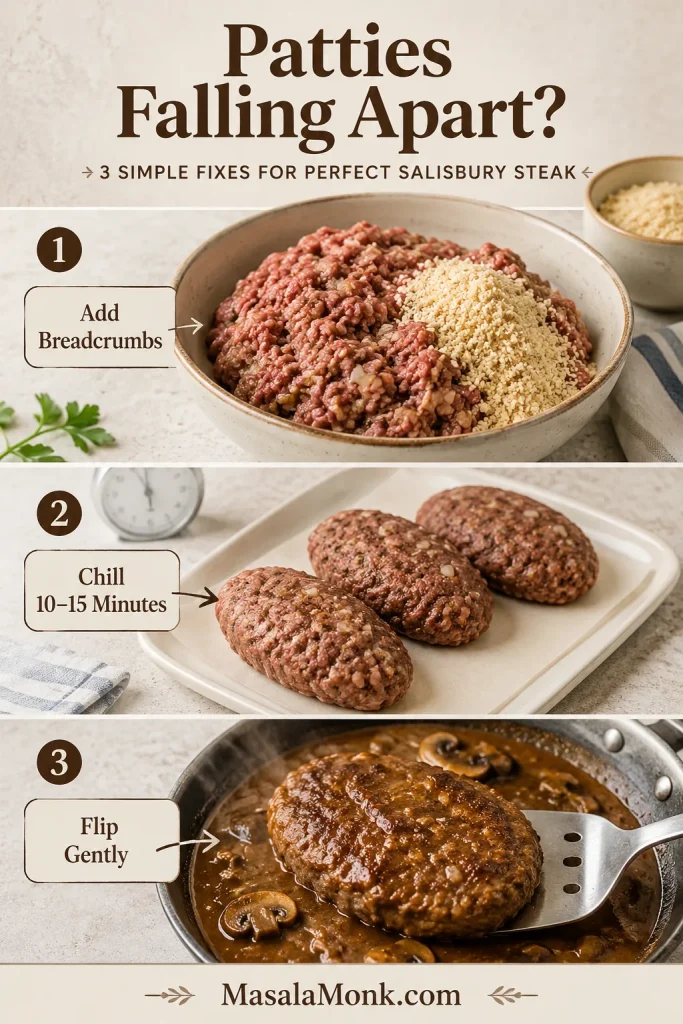
Why Salisbury Steak Patties Fall Apart
| Problem | Likely cause | Fix |
|---|---|---|
| Breaks when flipping | Flipped too early or pan was not hot enough | Let the first side brown and use a wide spatula. |
| Mixture feels wet | Too much onion or not enough binder | Add a little more breadcrumbs and rest the mixture briefly. |
| Falls apart in gravy | Gravy is boiling too hard | Lower the heat to a gentle simmer. |
| Too soft to handle | Mixture needs time to firm up | Chill shaped patties for 10–15 minutes. |
| Cracks around edges | Patties are too loosely shaped or too thin | Shape gently but firmly and keep them about 3/4 inch thick. |
Why Salisbury Steak Gets Tough
- Overmixed beef: Mix only until combined.
- Very lean beef: Use 80/20 or 85/15 for a juicier result.
- Patties too thick: Thick patties take longer to cook through.
- Hard simmer: Keep the gravy bubbling gently.
- Overcooking: Stop once the patties reach 160°F / 71°C.
Why Salisbury Steak Turns Dry
Dry patties usually come from very lean beef, patties that are too thin, or cooking them too far past 160°F / 71°C. Use beef with a little fat, keep the patties evenly shaped, and let the gravy finish the cooking instead of leaving the meat on high heat.
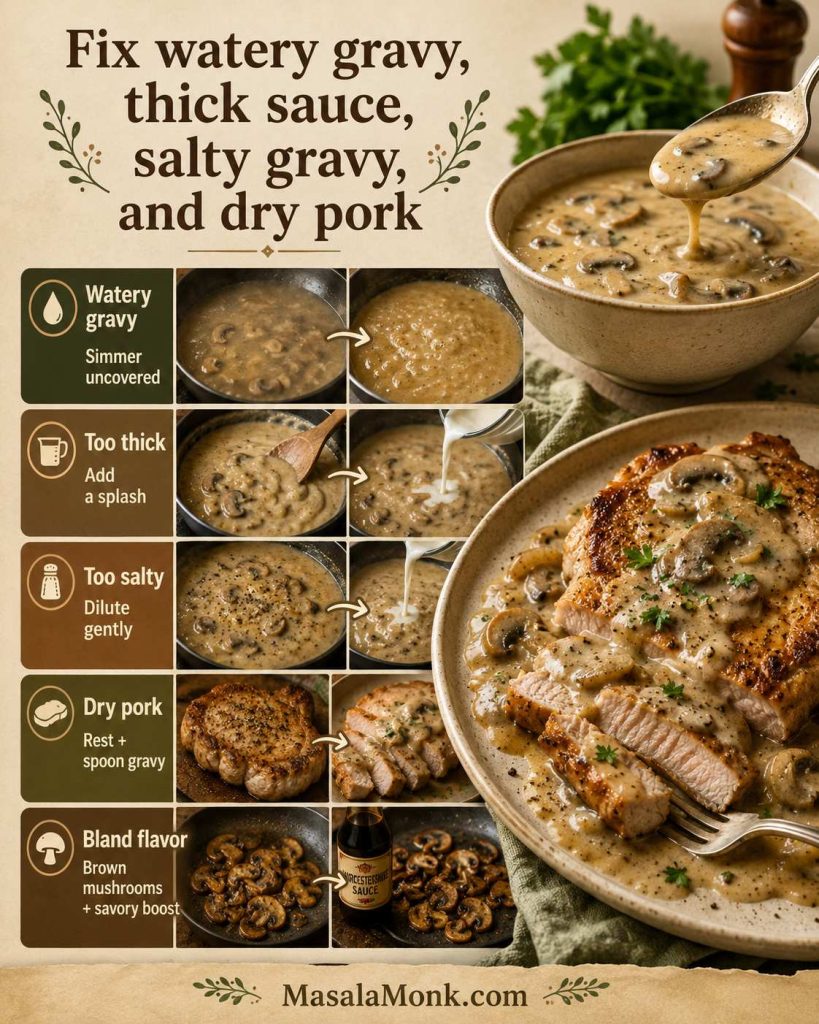
Gravy Fixes: Too Thin, Too Thick, Salty, or Bland
The gravy should be thick enough to spoon over the patties but not so thick that it turns gluey. Most problems are easy to fix before serving.
Taste the gravy before you add salt. Most Salisbury steak problems are easier to fix before the patties go back into the pan.
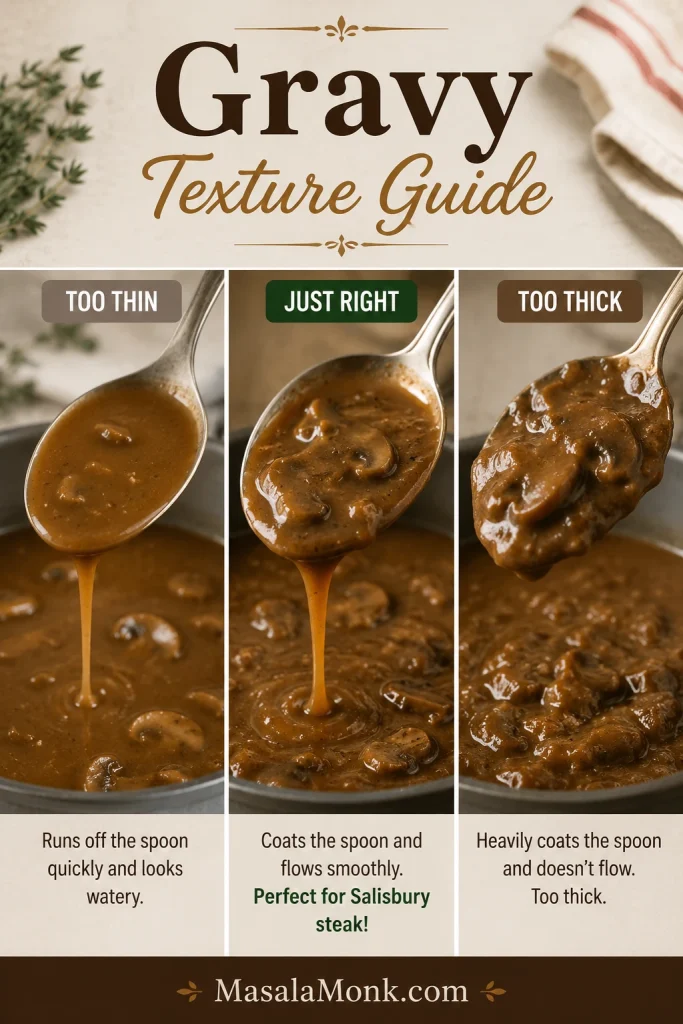
Quick Fixes for Gravy Problems
| Gravy problem | How to fix it |
|---|---|
| Too thin | Simmer uncovered for a few minutes, or stir in 1 tablespoon cornstarch mixed with 1 tablespoon cold water. |
| Too thick | Add beef broth or water, a splash at a time. |
| Too salty | Add unsalted broth or water. Avoid stacking gravy mix, bouillon, and onion soup mix without tasting. |
| Too bland | Add Worcestershire sauce, black pepper, Dijon, tomato paste, or a little beef bouillon. |
| Lumpy | Whisk while adding broth slowly. If needed, strain and return the gravy to the skillet. |
| Not brown enough | Brown the mushrooms and onions longer and scrape up the browned bits from the pan. |
| Pasty | Cook the flour briefly before broth goes in, then loosen with more broth if needed. |
Salt and Leftover Gravy Notes
Salt is the one thing to watch most closely. Beef broth, Worcestershire sauce, gravy packets, canned soup, bouillon, and onion soup mix can stack salt quickly, so dilute with unsalted broth or water before adding more seasoning.
Leftover gravy also thickens as it chills. Loosen it with a splash of broth or water when reheating.
Once the gravy is right, jump to serving ideas or return to the recipe card.
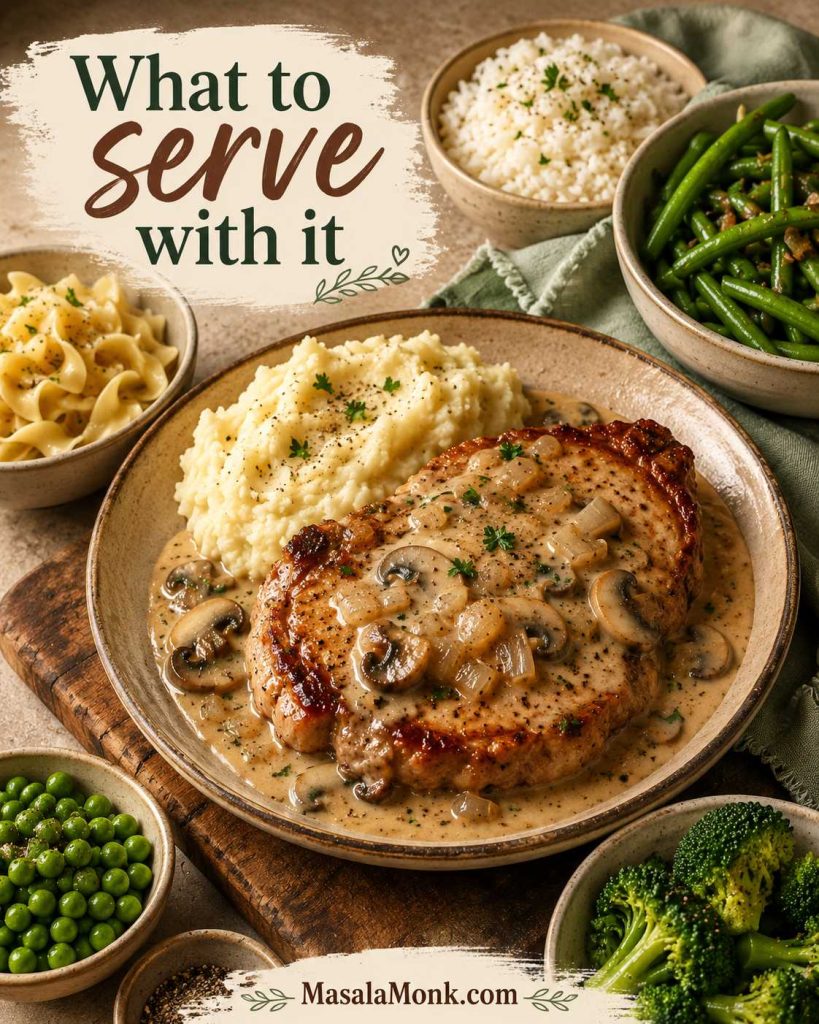
What to Serve With Salisbury Steak
This is the kind of gravy dinner where the side dish matters. Because the gravy is rich, the best plates usually have one soft side to catch the sauce and one simple vegetable to balance it.
For the most dependable plate, give the gravy somewhere soft to land and add something green for contrast. That keeps the dinner cozy without making it feel one-note.
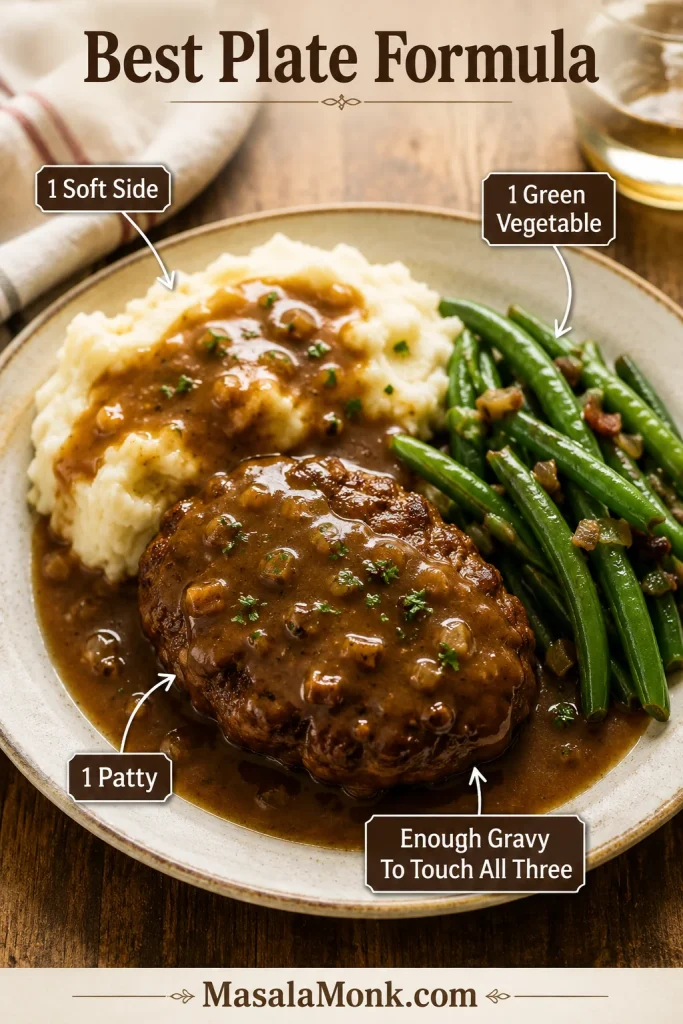
Spoon the gravy over the patties at the table if you can. It is a small thing, but it makes the whole plate feel more generous without feeling expensive.
| Dinner style | Best sides |
|---|---|
| Classic comfort plate | Mashed potatoes, peas, green beans, corn |
| Easy weeknight dinner | White rice, egg noodles, roasted carrots, simple salad |
| Extra cozy | Garlic mashed potatoes, buttered noodles, dinner rolls |
| Lighter plate | Cauliflower mash, steamed broccoli, roasted vegetables, salad |
| Family-style dinner | Mashed potatoes, green beans, glazed carrots, biscuits |
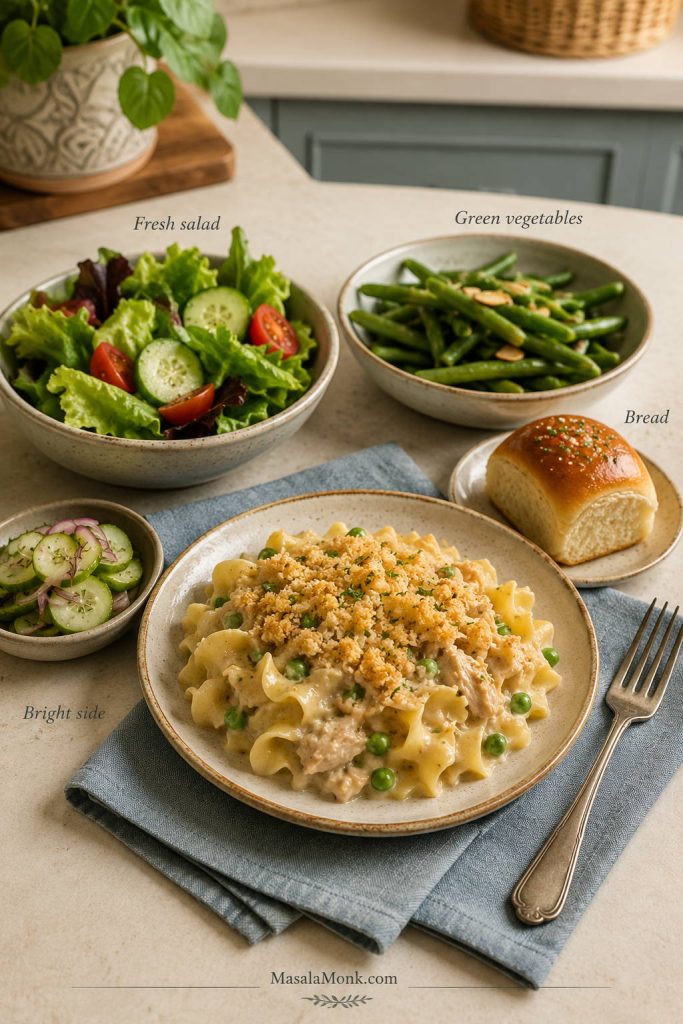
The most classic plate is Salisbury steak, creamy mashed potatoes, and green beans. For a richer side, use garlic mashed potatoes. Rice and egg noodles are also excellent because they soak up the mushroom gravy without competing with it.
For a holiday-style green bean side, this green bean casserole recipe fits the gravy-and-comfort theme well.
Storage, Freezing, and Reheating
Leftovers are one of the quiet wins of this recipe because the gravy keeps the meat from drying out.
How to store leftovers
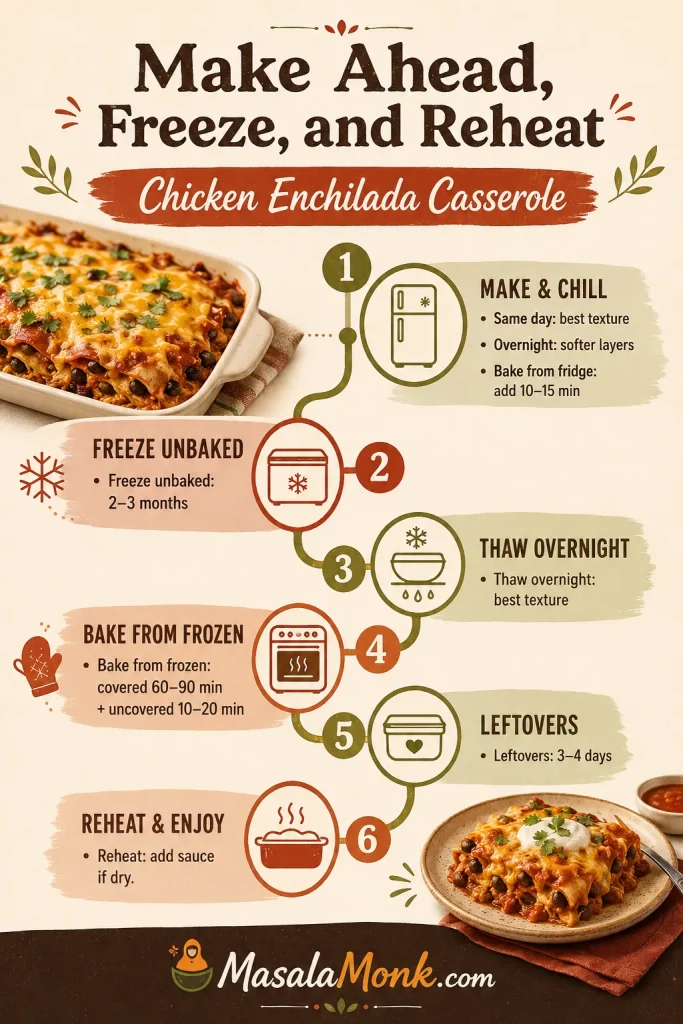
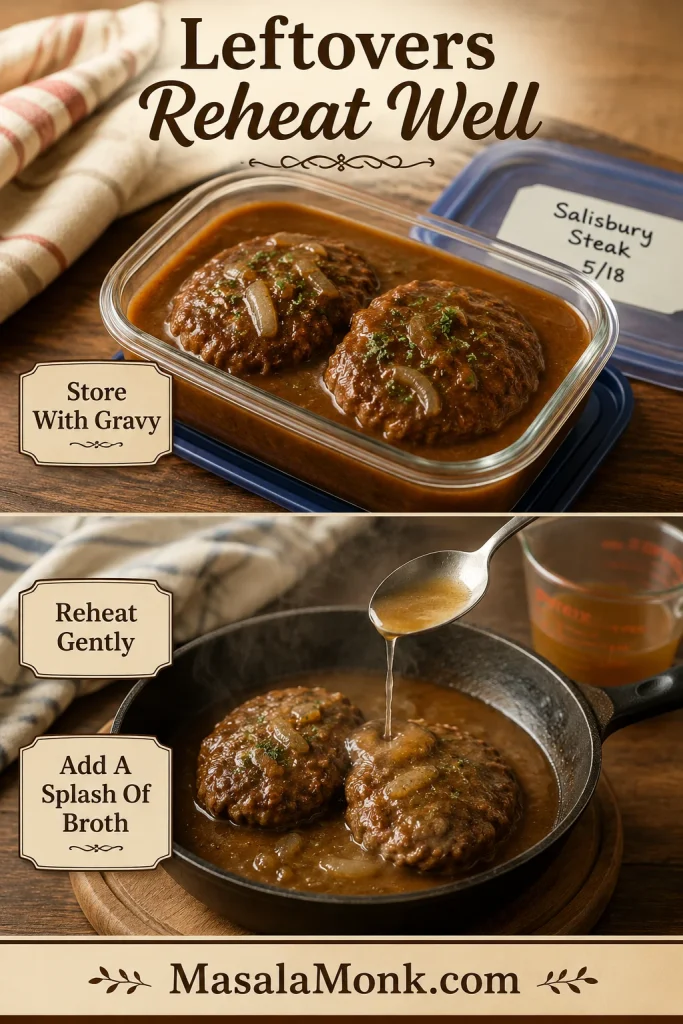
Store leftover Salisbury steak with the gravy in an airtight container in the refrigerator for 3–4 days. Keeping the patties in gravy helps them stay moist.
How to freeze Salisbury steak
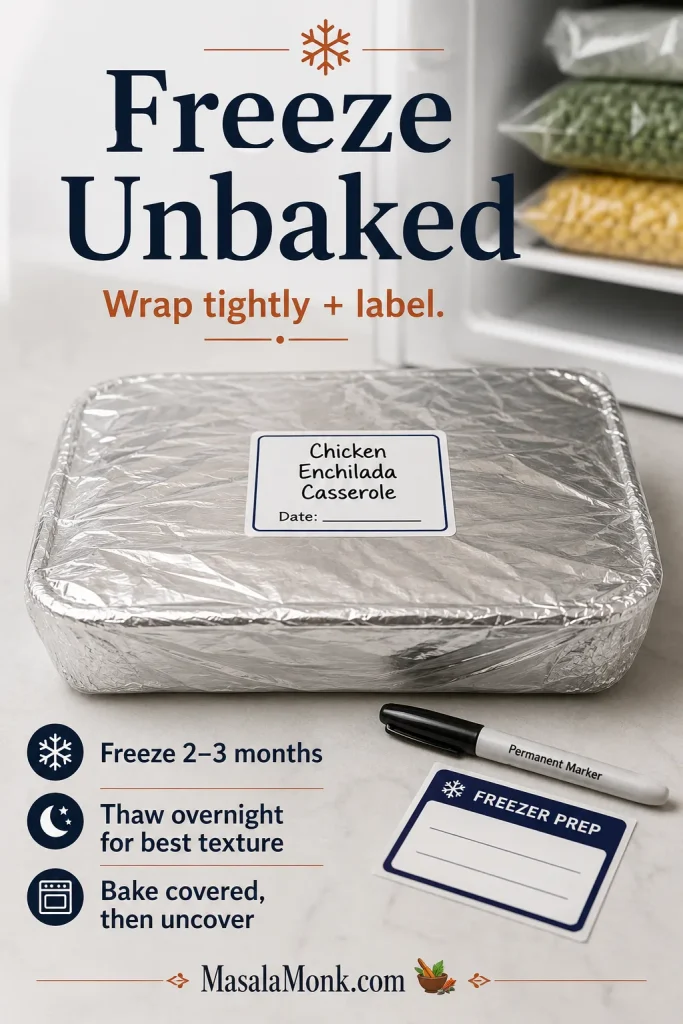
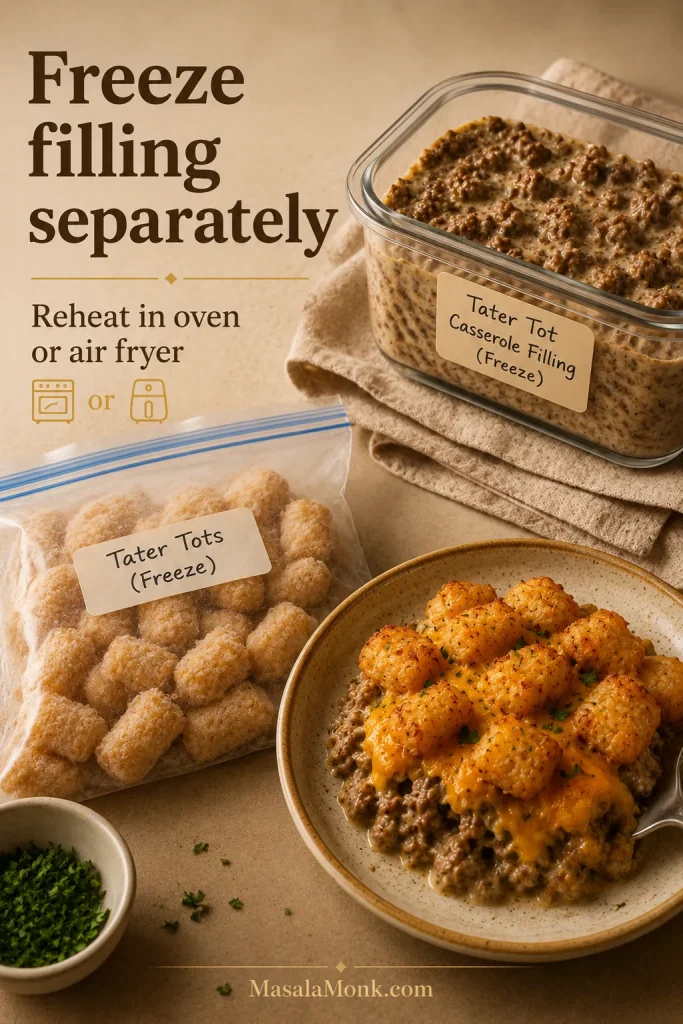
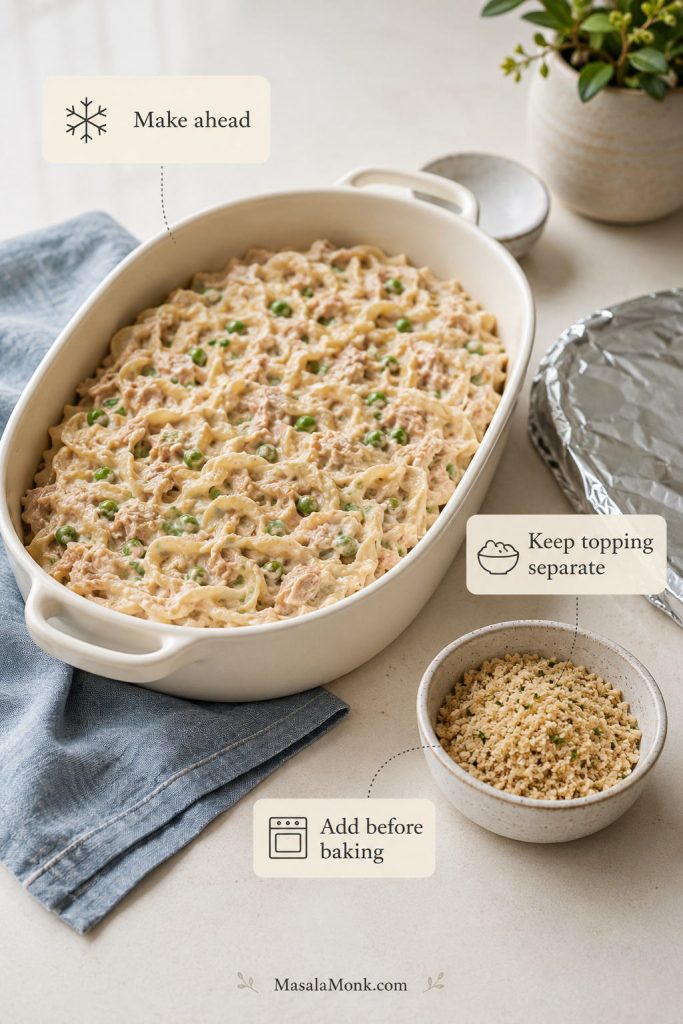
For convenience, cool the patties and gravy completely, then freeze them together in a freezer-safe container for up to 2–3 months. For the best texture, freeze the patties and gravy separately, then reheat them together gently after thawing.
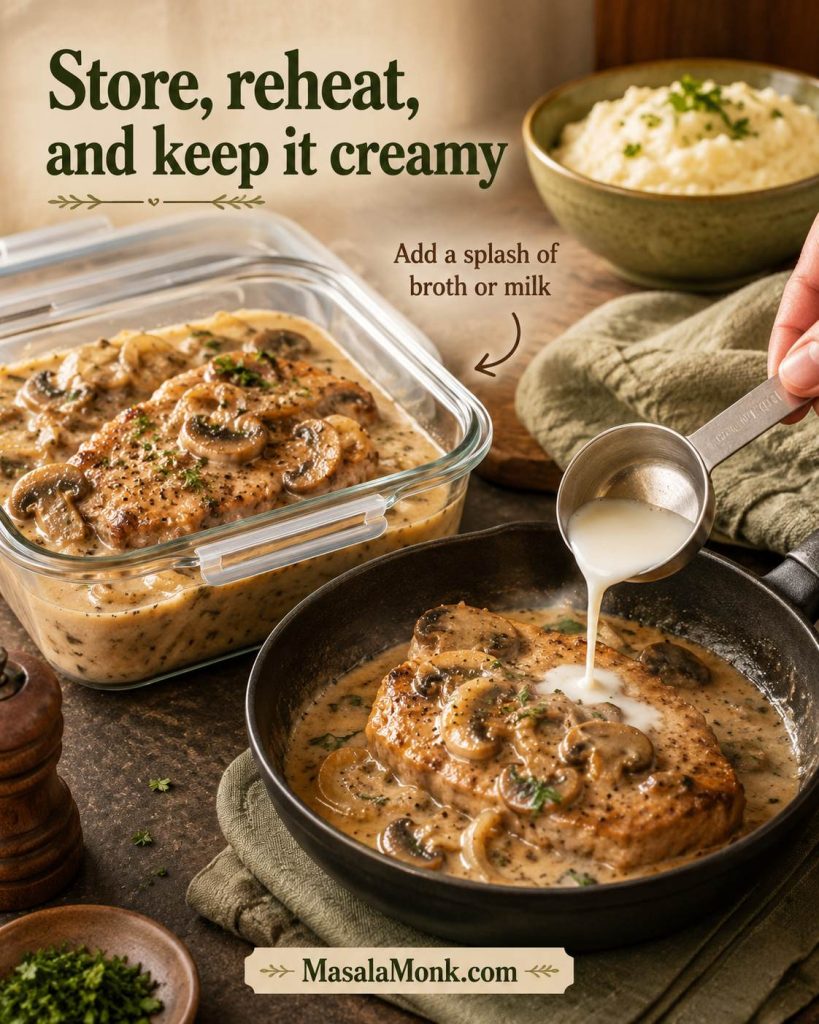
How to reheat without drying it out
Reheat gently on the stovetop over low heat with a splash of broth or water to loosen the gravy. You can also microwave in short intervals, spooning sauce over the patties between bursts.
Avoid high heat when reheating because it can make the patties firm or rubbery.
Make-Ahead Tips
You can shape the patties up to 24 hours ahead and refrigerate them covered. This can help them hold together when browning. Let the patties sit at room temperature for about 10 minutes before cooking so they are not ice-cold in the center.
The full dish also reheats well because the patties sit in gravy. If the sauce thickens in the refrigerator, add a splash of broth or water when reheating.
Ground Beef Safety Note
Because this recipe uses ground beef, cook the patties to 160°F / 71°C in the center. An instant-read thermometer keeps you from guessing or overcooking them.
USDA guidance: Ground Beef and Food Safety.
FAQs About Salisbury Steak
What is Salisbury steak made of?
Most Salisbury steak starts with ground beef mixed with egg, breadcrumbs, onion, Worcestershire sauce, ketchup or mustard, and seasonings. The mixture is shaped into oval patties, browned, and finished in gravy.
Is Salisbury steak the same as hamburger steak?
They are similar, but not always identical. Salisbury steak usually has binders and seasonings mixed into the meat, while hamburger steak is often a simpler seasoned beef patty with gravy.
Which ground beef works best?
80/20 or 85/15 ground beef gives the best flavor and tenderness. Very lean beef works, but it needs gentler cooking because it dries out faster.
Why is my Salisbury steak falling apart?
The mixture may be too wet, the patties may need more binder, or they may have been flipped before a crust formed. Use egg and breadcrumbs, shape evenly, brown before simmering, and chill soft patties for 10–15 minutes before cooking.
How do you keep the patties tender?
Use beef with some fat, mix gently, avoid overcooking, and simmer the patties gently in gravy. Do not boil the sauce hard after the patties go back into the skillet.
Does Salisbury steak need egg?
Egg helps bind the patties so they are easier to brown and simmer without falling apart. If you skip it, keep the mixture slightly firmer, chill the shaped patties, and flip them gently.
Panko, breadcrumbs, or crackers — which works best?
All three can work. Panko gives a slightly lighter texture, regular breadcrumbs make a softer old-fashioned patty, and crushed crackers give a classic pantry-style result.
Can I make Salisbury steak without mushrooms?
Yes. Skip the mushrooms and lean on onions instead. Cook them until soft and golden before building the gravy so the sauce still tastes full.
How do I use brown gravy mix for Salisbury steak?
Use the liquid amount on the packet, but replace water with low-sodium beef broth. Taste before adding salt, especially if you are also using bouillon, canned soup, or onion soup mix.
What is the best way to use cream of mushroom soup?
Start with 1 can condensed cream of mushroom soup and 1/2 cup beef broth. Add another 1/4 cup broth if the sauce looks too thick after simmering.
How thick should the patties be?
About 3/4 inch / 2 cm thick is a good target. Patties that are too thick take longer to cook and can dry out before the center reaches 160°F / 71°C.
How do I know the patties are fully cooked?
The patties should reach 160°F / 71°C in the center because they are made from ground beef. Use an instant-read thermometer for the most reliable result.
How do I bake Salisbury steak instead of simmering it?
Brown the patties first, place them in a baking dish, cover with hot gravy, and bake at 375°F / 190°C for 20–25 minutes, or until fully cooked in the center.
Do frozen hamburger patties work for Salisbury steak?
Yes. They are a useful shortcut, though fresh or thawed patties brown better and taste more homemade. If cooking from frozen, simmer gently and check that the center reaches 160°F / 71°C.
How far ahead can I make Salisbury steak?
You can shape the patties up to 24 hours ahead, or refrigerate the cooked patties and gravy for 3–4 days. The finished dish also freezes well for 2–3 months.
What sides go best with Salisbury steak?
Mashed potatoes are the classic choice. Rice, egg noodles, green beans, peas, corn, roasted carrots, broccoli, and simple salads also work well.
Final Notes
The best version does not need to be complicated. A little fat in the beef, a gentle hand with the mixing, a proper sear, and a gravy that has time to taste rich are what turn plain hamburger patties into the kind of old-fashioned dinner people actually remember.
Do not chase perfection here. A slightly uneven patty, a little extra onion, or a gravy that needs one more splash of broth is normal. This is the kind of dinner that forgives small mistakes.
Serve it with mashed potatoes for the classic plate, rice for an easy weeknight dinner, or egg noodles when you want the gravy to do most of the work. If you made the no-mushroom, frozen-patty, brown-gravy-mix, cream-of-mushroom, baked, or Crock Pot version, leave a comment with what you used and how the gravy turned out. Those real kitchen notes help the next cook choose their route.
Back to recipe card · Back to table of contents · Back to top