Posted on Leave a comment

Cutting Down on Sugar: Simple Strategies for Eating Less Sugar

Cutting Down on Sugar

“Sugar is sweet—but too much can sour your health.”
In today’s world, reducing sugar isn’t just about willpower—it’s about strategy, awareness, and smarter choices. This isn’t a call to cut sugar cold turkey, but rather a guide to eating less sugar in a realistic, sustainable way, based on the latest research and practical tips.


🍬 Why Cut Down on Sugar?

Added sugars—especially in beverages and ultra-processed foods—are a major driver of preventable disease. They contribute to:

  • Obesity and weight gain
  • Type 2 diabetes and insulin resistance
  • Cardiovascular disease
  • Liver dysfunction
  • Mood disorders, anxiety, and fatigue
  • Dental problems

📊 The Stats Don’t Lie:

  • Over 2.2 million diabetes cases and 1.2 million cardiovascular disease cases are attributed annually to sugary drinks alone (Tufts University, 2025).
  • People exposed to sugar restrictions in early childhood develop less hypertension and diabetes and live healthier for longer (Science, 2024).

🧭 Step-by-Step: How to Cut Sugar Practically

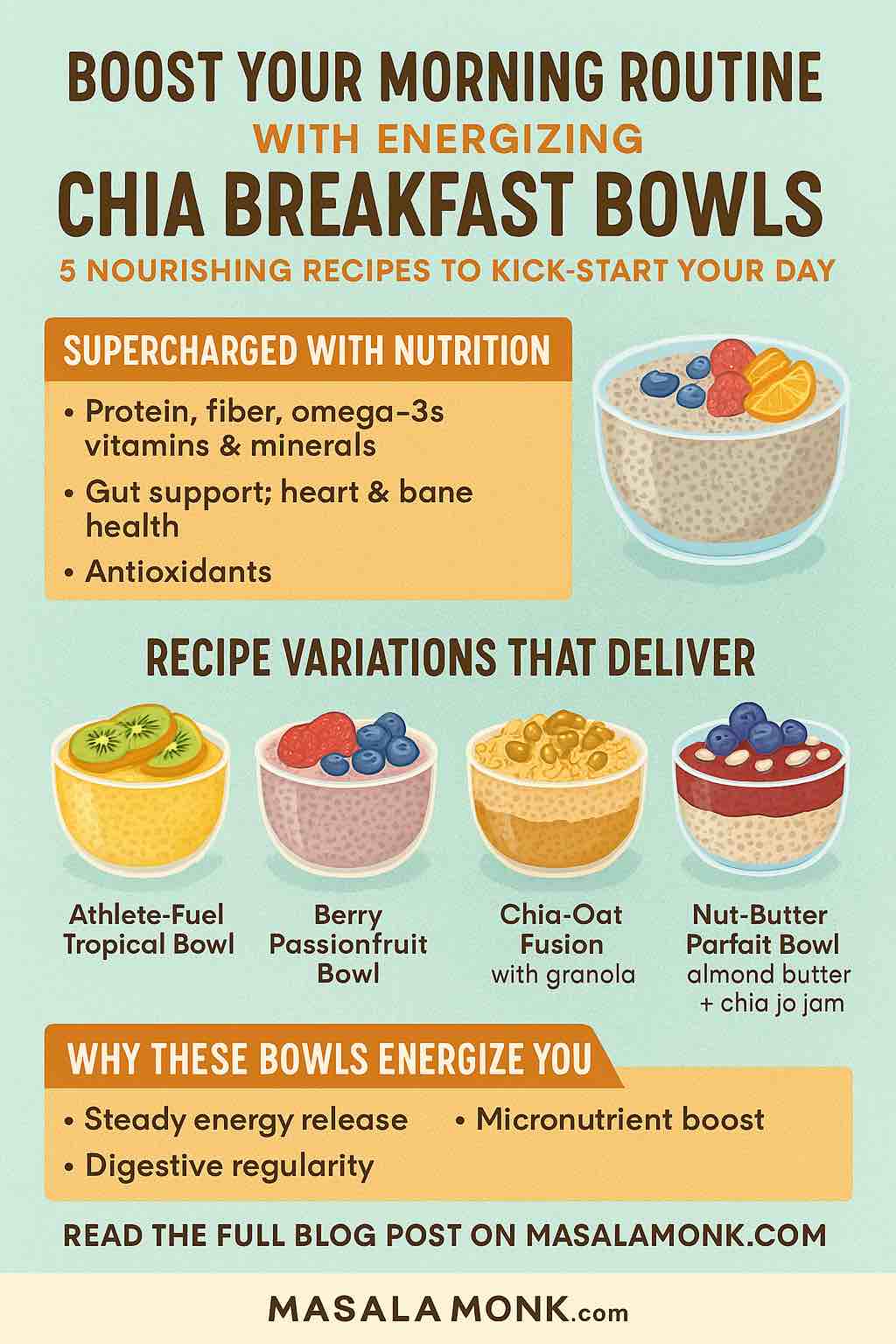
✅ 1. Know Where Sugar Hides

The first step to cutting down sugar is knowing where it lives. It’s not just in candy or soda.

🕵️‍♂️ Hidden Sources of Added Sugar:

  • Granola, breakfast cereals
  • Yogurt (especially fruit-flavored)
  • Sauces and dressings (e.g. ketchup, BBQ sauce)
  • Bread and crackers
  • “Healthy” snacks: protein bars, energy bites

🔎 Action Tip: Read nutrition labels carefully. Look for “added sugars” and scan ingredient lists for:

High-fructose corn syrup, cane juice, dextrose, maltose, agave, rice syrup, molasses.


✅ 2. Tackle Sugary Drinks First

Liquid sugar is absorbed faster, spikes blood glucose harder, and does more damage per gram than solid sugar.

❌ Worst Offenders:

  • Sodas, fruit juices, energy drinks
  • Sweetened coffee, tea
  • “Vitamin” waters or sports drinks

✔️ Better Swaps:

Instead of…Try this…
ColaSparkling water with lime
Bottled iced teaBrew your own unsweetened tea
Flavored latteBlack coffee with cinnamon or nutmeg
Fruit juiceWhole fruit with water on the side

🔁 Gradual reduction is better than going cold turkey—start with 50/50 juice + water blends.


✅ 3. Rebuild Sweetness Around Whole Foods

You don’t need to give up sweet flavors. You just need better sources.

🍌 Naturally Sweet Ideas:

  • Oatmeal with mashed banana and cinnamon
  • Greek yogurt with berries and a drizzle of honey
  • Baked goods with applesauce or dates as sweetener

📉 Over time, your palate recalibrates—you’ll crave less sugar naturally.


✅ 4. Master the Art of “Meal Sequencing”

A 2025 study found that eating fiber and protein before carbs can reduce blood sugar spikes by up to 50%.

🥗 The Sequence:

  1. Vegetables (e.g., salad or cooked greens)
  2. Protein + healthy fat (chicken, eggs, beans, nuts)
  3. Carbs last (rice, pasta, bread, fruit)

This small habit makes a big metabolic difference.


✅ 5. Get Smart with Snacks

Constant snacking—especially on sweetened options—keeps insulin high and cravings alive.

🥜 Better Snacking Choices:

  • Nuts or trail mix (unsweetened)
  • Hard-boiled eggs
  • Hummus + veggie sticks
  • Dark chocolate (70%+ cocoa)

📅 Tip: Pre-plan snacks at the beginning of the week and don’t shop hungry.


🧠 The Psychology of Sugar: Break the Craving Loop

Sugar gives a quick dopamine hit, which leads to a cycle of reward-seeking and crash. Here’s how to break it:

💡 Practical Mindset Tips:

  • Don’t deprive—replace. Focus on what you can eat, not just what you’re cutting out.
  • Delay the craving: Set a 10-minute timer when a craving hits. Often, it fades.
  • Distract & hydrate: Thirst can masquerade as hunger. Drink water or herbal tea.

📱 Tools & Apps to Help

Tracking sugar helps build awareness. Here are apps to consider:

AppWhat it does
MyFitnessPalTracks total and added sugars
YazioClean interface, sugar tracking + goals
SenzaGreat for low-carb or keto lifestyles
Glucose Goddess hacksMeal sequencing & glucose flattening tips

🛡️ What About Sugar Substitutes?

Not all sweeteners are created equal.

⚖️ Smart Choices (in moderation):

  • Stevia, monk fruit, erythritol – low or no impact on blood sugar
  • Allulose – naturally occurring, low-calorie sugar mimic

🚫 Watch Out:

  • Artificial sweeteners (aspartame, saccharin) may disrupt gut microbiota
  • Some may maintain sweet cravings even without calories

🏛️ Beyond the Plate: Policies Shaping Sugar Reduction

Public health is catching up.

  • SNAP program updates (2025): Some states now restrict soda purchases via food assistance.
  • SSB taxes: Over 40 countries and cities have implemented taxes—consumption falls by 10–20% where enforced.
  • Food labeling laws: Added sugars now clearly listed in many countries, empowering consumers.

🔚 Final Thoughts: Progress Over Perfection

Cutting sugar isn’t about quitting dessert forever or obsessing over labels. It’s about:

  • Making smarter swaps
  • Understanding your triggers
  • Creating sustainable systems that support your goals

Even small reductions—one less soda per day, half as much sugar in your coffee, or reading one more label—compound over time.


✅ Quick Recap: Sugar Reduction Checklist

✔ Scan ingredient lists for added sugars
✔ Replace sugary drinks with flavored water or tea
✔ Use fruit and spices to naturally sweeten food
✔ Eat veggies/protein before carbs
✔ Prepare healthy snacks ahead of time
✔ Track your sugar intake using an app
✔ Gradually reset your palate

How These Strategies Work Together

StrategyEvidenceImpact
Cut sugary drinksSystematic reviews (SSBs → weight/BMI), soda swaps → ~20% mortality risk reductionLower calorie intake, reduced glucose spikes
Meal sequencingExpert-endorsed, small trialsSmoother glycemic control
Substitutes & label useAHA/Health orgs endorse low-cal sweeteners, replacements like applesauceGradual taste adaptation, less added sugar
Policy measuresTaxes & campaigns show measurable intake dropsBroad public health benefit

🔍 FAQs on Cutting Down Sugar

1. How much sugar is considered “too much”?

According to the World Health Organization and American Heart Association:

  • Men: No more than 36g (9 teaspoons) of added sugar per day
  • Women: No more than 25g (6 teaspoons)
    That’s about 5–10% of your daily calories from added sugars.

2. Is natural sugar in fruit bad for you?

No. Whole fruits contain fiber, water, vitamins, and antioxidants that slow sugar absorption and provide essential nutrients. Fruit juice, however, should be limited as it removes fiber and concentrates sugar.


3. Do I have to give up desserts completely?

Not at all. You can enjoy desserts in moderation or recreate them using healthier ingredients, like using dates, bananas, or applesauce for sweetness. Portion control and frequency are key.


4. What are the best sugar substitutes?

The most recommended are:

  • Stevia and monk fruit (plant-based, no calories)
  • Erythritol and allulose (low-calorie sugar alcohols)
    Avoid overuse of artificial sweeteners like aspartame or sucralose if you’re sensitive to them.

5. How can I tell if a food has added sugar?

Check the “Added Sugars” line on the Nutrition Facts label. Also scan the ingredient list for words like:

  • Corn syrup, cane juice, maltose, dextrose, agave, molasses.

6. Why are sugary drinks worse than sugary foods?

Liquid sugar is absorbed more quickly, leading to rapid blood sugar spikes, insulin surges, and fat storage. It’s also less satiating, so it adds calories without reducing hunger.


7. Will cutting sugar help me lose weight?

Yes—especially if you cut liquid sugar and processed snacks. This reduces empty calorie intake and improves insulin sensitivity, making it easier for your body to burn fat.


8. How long does it take to reduce sugar cravings?

Most people see reduced cravings within 7–14 days. Your taste buds adapt over time, and whole foods begin to taste sweeter naturally.


9. What should I eat when I crave sugar?

Try:

  • Fruit (like apple slices with peanut butter)
  • Nuts
  • Dark chocolate (70%+)
  • A glass of water and a walk—sometimes cravings stem from boredom or dehydration.

10. Is “zero sugar” the same as healthy?

Not always. “Zero sugar” products can contain artificial sweeteners, additives, or unhealthy fats. Always check the full nutrition label—not just marketing claims.
Posted on 4 Comments

The Ultimate Guide to Crafting the Best Margarita Mocktail: Step-by-Step Recipe Included

Crafting the Best Margarita Mocktail

If you’ve ever wanted to enjoy the zesty, vibrant experience of a margarita without the alcohol, you’re in the right place. Whether you’re looking to reduce alcohol intake, want something inclusive for all ages at your party, or simply love the flavor of citrus-forward cocktails, a well-crafted margarita mocktail hits all the right notes.

This guide walks you through everything you need to know to create the perfect margarita mocktail. From understanding flavor balance to experimenting with advanced techniques, we’ll cover it all.


🌿 Why Choose a Margarita Mocktail?

Margarita mocktails aren’t just substitutes for the real thing; they’re exciting, refreshing drinks in their own right. They offer:

  • Complex flavor profiles
  • Room for creativity
  • A guilt-free experience
  • Health-conscious ingredients

🍹 The Classic Margarita Mocktail Formula

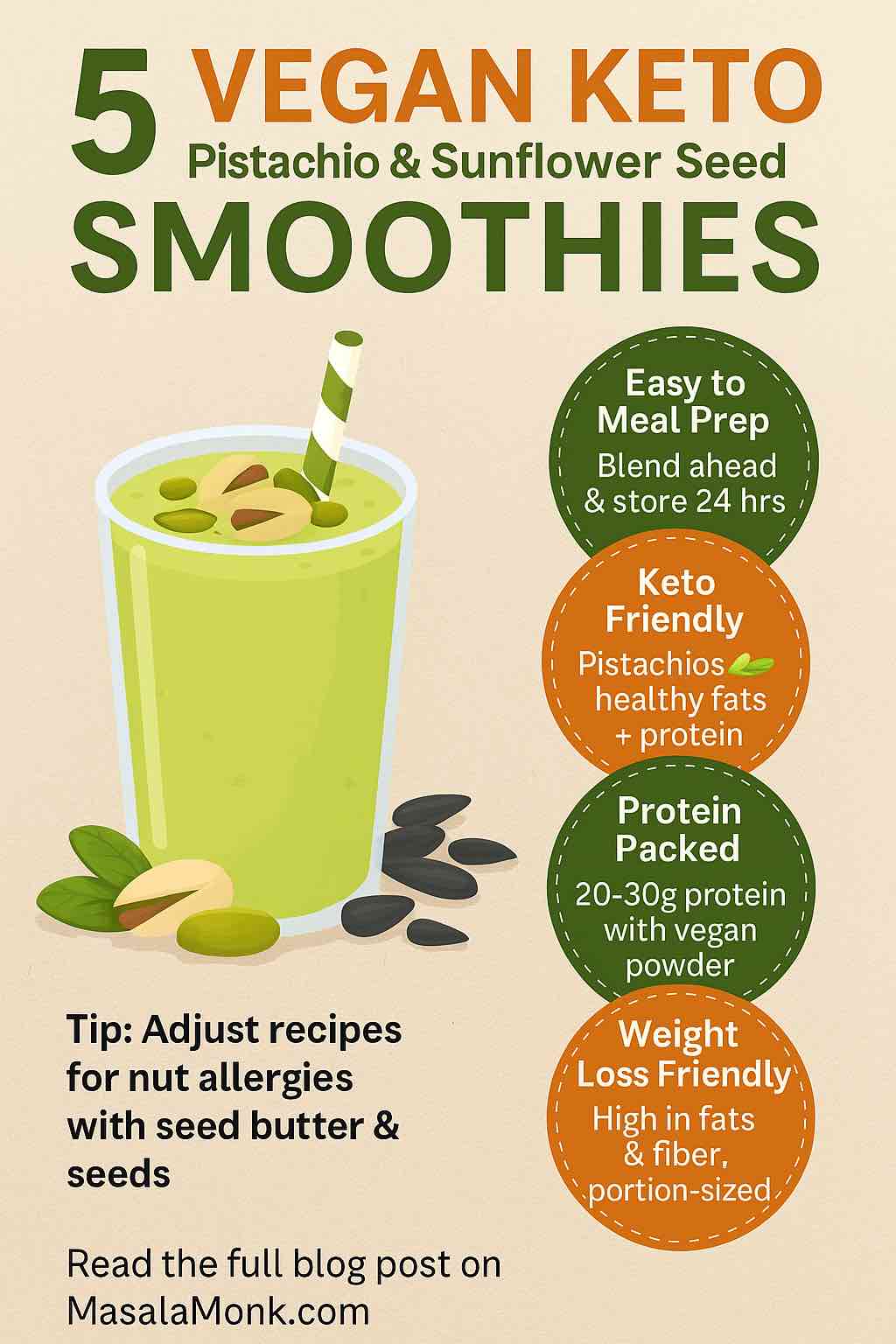
At its heart, a good margarita mocktail requires a balance of four core flavors:

  • Sour: Fresh lime juice is the star
  • Sweet: Agave syrup, simple syrup, or honey
  • Bitter: Optional, but helps simulate the depth of tequila
  • Salty: Rim of the glass to enhance taste

Base Recipe (Single Serving):

  • 1.5 oz fresh lime juice
  • 0.5 oz orange juice
  • 0.75 oz agave syrup (adjust to taste)
  • 2 oz sparkling water (or club soda)
  • Ice
  • Salt or Tajín for the rim

Steps:

  1. Rim your glass: Rub a lime wedge around the edge and dip into salt or Tajín.
  2. In a shaker, combine lime juice, orange juice, and agave syrup with ice.
  3. Shake vigorously for 10–15 seconds.
  4. Strain into the rimmed glass filled with fresh ice.
  5. Top with sparkling water and gently stir.
  6. Garnish with a lime wheel or wedge.

🧠 Flavor Variations to Elevate Your Mocktail

🍓 1. Strawberry Lime Margarita Mocktail

  • Muddle 2–3 ripe strawberries before shaking
  • Use a splash of elderflower syrup for floral depth
  • Garnish with a basil leaf

🥚 2. Spicy Jalapeño Grapefruit

  • Add 2 slices of fresh jalapeño to the shaker
  • Substitute orange juice with fresh grapefruit juice
  • Use Tajín and smoked salt for the rim

🧉 3. Cucumber Mint Cooler

  • Muddle cucumber and mint in the shaker
  • Use honey syrup instead of agave
  • Top with cucumber sparkling water

🌸 4. Hibiscus Basil Margarita

  • Make a hibiscus-basil syrup (steep dried hibiscus and fresh basil in hot sugar water)
  • Replace plain agave with this syrup
  • Garnish with edible flowers

🧬 Advanced Techniques for Flavor Depth

Use Non-Alcoholic Spirits: Brands like Lyre’s and Ritual offer zero-proof tequilas that can replicate the agave complexity.

Infused Syrups: Homemade syrups with herbs (rosemary, thyme), spices (ginger, cinnamon), or chiles can introduce new layers of flavor.

Shrubs & Vinegars: A dash of apple cider vinegar or a fruit shrub adds brightness and a subtle bite.

Bitters: Use alcohol-free bitters to round out your mocktail. Just a few drops can mimic complexity.


🪜 Tips for Hosting with Mocktails

  • Create a DIY Station: Let guests rim their glasses and choose garnishes.
  • Serve in Pitchers: Multiply the base recipe and top with sparkling water just before serving.
  • Offer Variety: Prepare a few different syrups and juice bases in advance.

🕊️ Final Thoughts

Crafting a perfect margarita mocktail isn’t about mimicking alcohol—it’s about building something new and just as satisfying. With fresh ingredients, balanced flavors, and a little creativity, you can turn any gathering (or solo evening) into a fiesta.

Whether you prefer yours fruity, spicy, herbal, or frozen, the key is to start with quality ingredients and adjust based on your taste. Don’t be afraid to experiment, taste as you go, and most importantly, enjoy the process.

Cheers to mocktail magic!

Frequently Asked Questions (FAQs)

1. Can I make a margarita mocktail without a shaker?
Yes! Use a mason jar with a lid or stir the ingredients vigorously in a glass before adding ice and soda. Just be sure to mix well.

2. What’s the best substitute for agave syrup?
You can use honey syrup (equal parts honey and water), maple syrup, or simple syrup (sugar + water) based on your flavor preference.

3. Can I make it ahead of time?
Yes, but only the base (juice + sweetener) should be prepped ahead. Add sparkling water and ice just before serving to retain fizz.

4. What if I want a frozen version?
Blend the base ingredients with a cup of ice until slushy. Skip the soda or add a splash after blending for a fizzy twist.

5. How do I make it spicy without it being overwhelming?
Use 1–2 thin jalapeño slices in the shaker and strain them out. Adjust based on heat tolerance.

6. Is there a low-sugar version of this mocktail?
Yes! Use fresh juices and opt for stevia or monk fruit sweetener. Also, unsweetened sparkling water helps cut sugar.

7. Can kids drink this?
Absolutely. It’s alcohol-free and can be adjusted in sweetness or sourness to suit younger palates.

8. Are there ready-made zero-proof tequilas that are worth trying?
Yes, brands like Ritual, Lyre’s, and Monday offer alcohol-free tequilas that add depth and authenticity.

9. What’s the difference between using sparkling water vs. tonic or soda?
Sparkling water is neutral, while tonic adds bitterness and soda adds sweetness. Choose based on your flavor goal.

10. How do I rim the glass professionally?
Moisten the glass rim with a lime wedge, then roll it in a mix of coarse salt, sugar, or Tajín on a flat plate. Chill the glass for a clean finish.

Posted on Leave a comment

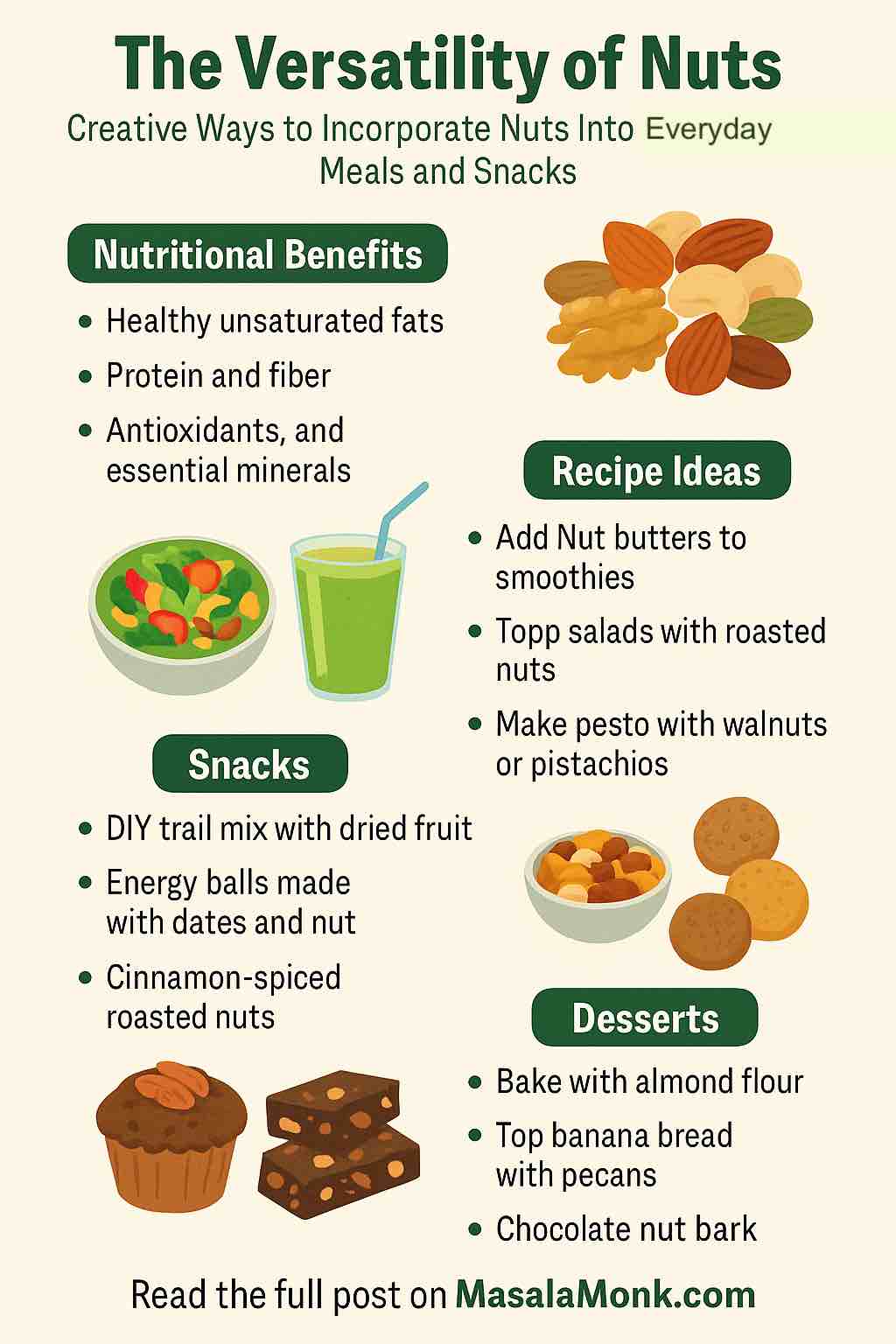
The Versatility of Nuts: Creative Ways to Incorporate Nuts into Your Everyday Meals and Snacks

Nuts-Into-Everyday-Meals-and-Snacks

Nuts are one of nature’s most powerful—and underutilized—ingredients. Packed with nutrients, flavor, and texture, they are a culinary multitool that can add health and depth to nearly any dish. From your morning smoothie to your evening dinner plate, and every snack in between, nuts can bring variety, satisfaction, and nourishment. Here’s a practical, creative, and engaging guide on how to make nuts a staple in your daily eating routine.


Why Nuts Matter: A Nutritional Powerhouse

Nuts like almonds, walnuts, pistachios, and cashews are rich in healthy fats, plant protein, fiber, and essential micronutrients including magnesium, vitamin E, selenium, and calcium. A single ounce (30g) of almonds, for example, contains about 6g of protein and 80mg of calcium. Regular consumption is linked to improved heart health, better weight management, and reduced inflammation. Despite their small size, they can make a big impact on your diet and overall well-being.


Morning Boosters: Start Your Day Right

1. Nut-Infused Smoothies
Blend nut butters like almond, peanut, or cashew into smoothies for added creaminess, protein, and richness. Combine with banana, spinach, dates, and a milk of your choice for a nutritious start.

2. Yogurt & Smoothie Bowls
Top bowls with chopped nuts, chia seeds, and a drizzle of nut butter. Try pistachios with strawberries or walnuts with apple slices and cinnamon.

3. Homemade Nut Granola
Bake a mix of rolled oats, honey, olive oil, and your favorite nuts for a crunchy, customizable granola.

4. Savory Nut Toasts
Spread cashew cream cheese or almond ricotta on whole grain toast. Add avocado, smoked paprika, or sliced tomatoes for a gourmet touch.


Midday & Main Meal Marvels

1. Nutty Salads with Texture
Toss roasted pecans, pine nuts, or almonds into salads. Combine with arugula, goat cheese, and citrus segments for a flavorful twist.

2. Stir-fries and Curries
Add cashews to Thai or Indian curries, or ground peanuts in Indonesian sauces. They soak up spices beautifully and offer hearty texture.

3. Nut-Crusted Proteins
Coat chicken, tofu, or salmon in crushed pistachios, almonds, or hazelnuts for a crunchy finish.

4. Innovative Pesto & Sauces
Swap traditional pine nuts for walnuts or pistachios in your pesto. Create creamy peanut or cashew sauces for noodles, wraps, or dipping.

5. Rice & Grain Upgrades
Sprinkle toasted slivered almonds or pine nuts over couscous, quinoa, or brown rice to add layers of flavor and crunch.


Snacks That Travel Well

1. DIY Trail Mix
Build your own mix with roasted nuts, dried fruits, dark chocolate chips, and seeds like pumpkin or sunflower.

2. Energy Balls and Bars
Blend dates, oats, and nut butters with extras like cocoa nibs, coconut, or protein powder. Roll into balls or press into bars for a grab-and-go option.

3. Spiced & Roasted Nuts
Roast nuts with bold flavors—sweet (cinnamon-honey), savory (rosemary-garlic), or spicy (chili-lime). Perfect for snacks, salads, or cocktails.

4. Portable Nut Dips
Make muhammara (roasted red pepper and walnut dip) or use almond butter as a dip for sliced apples, carrots, or celery.


Sweet but Smart: Nut-Based Desserts

1. Nut Flours for Baking
Use almond flour or hazelnut meal in gluten-free baking recipes for cookies, muffins, and cakes.

2. Nut Toppings
Sprinkle crushed nuts on banana bread, oatmeal cookies, or fruit crisps to elevate texture and flavor.

3. Chocolate Nut Barks & Clusters
Melt dark chocolate and mix with nuts and seeds. Spread into thin bark or form clusters for a simple, satisfying dessert.

4. Stuffed Dates
Fill Medjool dates with nut butter and dip in dark chocolate. Finish with a pinch of sea salt for a luxurious treat.


Global Inspirations for Everyday Variety

  • Middle Eastern: Add pine nuts to hummus, or make classic baklava with layers of phyllo and crushed walnuts or pistachios.
  • Asian: Use peanuts in satay sauce or sprinkle chopped cashews over Thai noodle bowls.
  • Mediterranean: Blend walnut pesto for pasta or spread almond dips on flatbread.
  • Western Vegetarian: Make a hearty nut roast for a meatless dinner centerpiece.

Tips for Storage, Substitutes & Safety

  • Storage: Keep nuts in airtight containers; refrigerate or freeze to prevent rancidity.
  • Portion Control: Stick to about 30g/day to balance calorie intake and health benefits.
  • Low-Sodium Option: Choose raw or unsalted nuts for heart-friendly snacking.
  • Allergy Alternatives: Try sunflower seed butter, pepitas, or coconut flakes as substitutes.

Final Thoughts: Small Changes, Big Impact

Whether you’re upgrading your breakfast, adding crunch to your salad, or experimenting with global flavors, nuts can play a delicious and meaningful role in your meals. They’re not just a snack—they’re an ingredient that bridges convenience, flavor, and wellness. Start small, mix and match, and you’ll soon discover that a handful of nuts can go a long way.

Ready to get nutty in the kitchen? Start today with a new recipe or a fresh twist on an old favorite.

✅ Summary Table

Use CaseNut ApplicationBenefit
Smoothies/BowlsNut powders, butters, chopped nutsCreaminess, protein, crunch
CookingNut‑based sauces, pestos, crusts, meat subFlavor, texture, plant protein
Snacks & BarsTrail mix, energy balls, spiced nutsOn‑the‑go nutrition
Baking/DessertsNut flours, toppings, barksHealthier indulgence
Gastro-cultureMuhammara, karedok, nut roast, sataysGlobal authenticity
Gifting/PartyJar mixes, charcuterie nutsPresentation, convenience

Posted on Leave a comment

Boost Your Morning Routine with Energizing Chia Breakfast Bowls: 5 Nourishing Recipes

Chia Breakfast Bowls

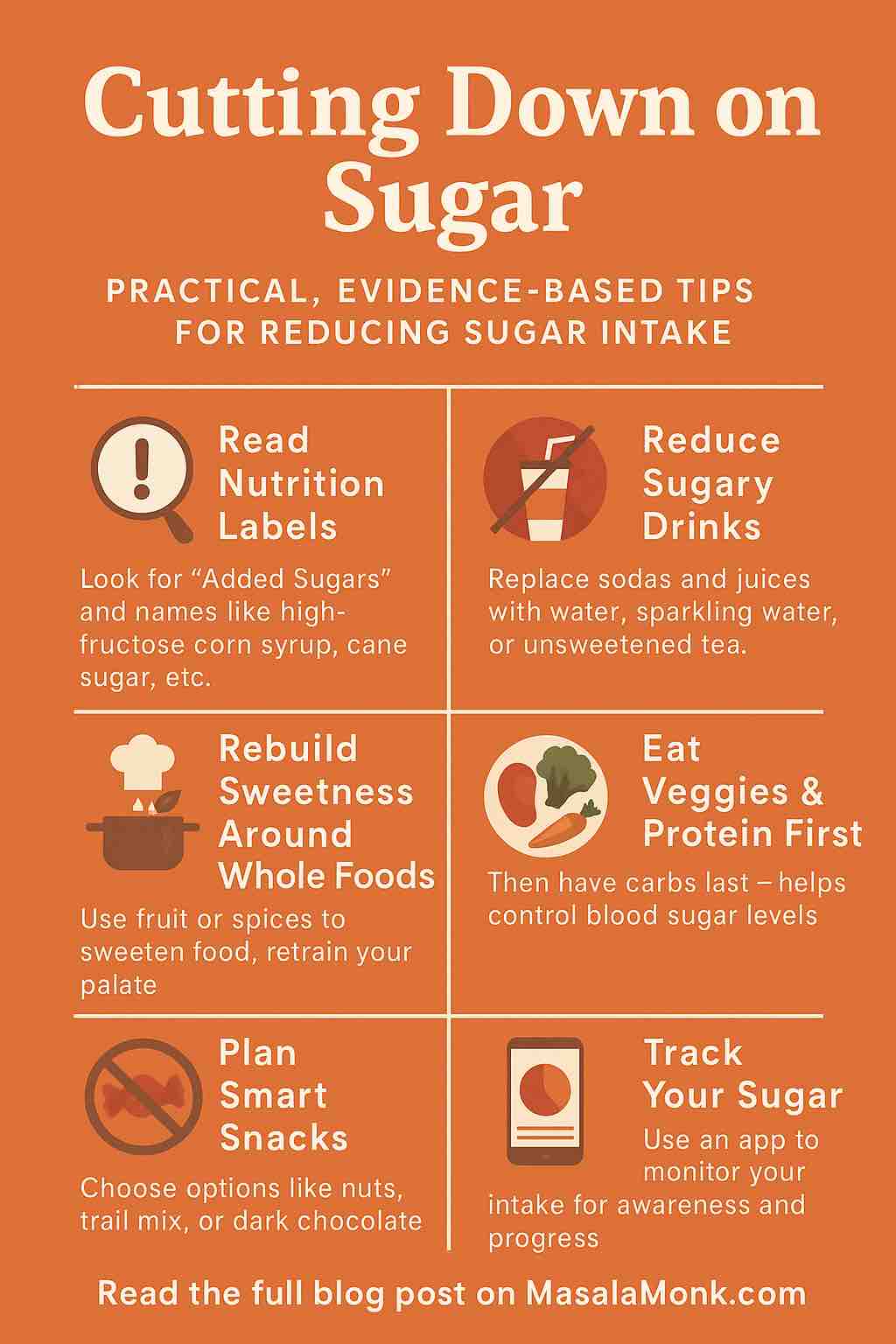
Looking for a morning routine upgrade that fuels your body, sharpens your mind, and delights your taste buds? Say hello to chia breakfast bowls—a powerful combination of convenience, nutrition, and endless flavor options. This blog post dives into the benefits of chia seeds, practical preparation tips, and five energizing recipes that will transform your mornings.


Why Chia Seeds Deserve a Spot in Your Breakfast

Chia seeds may be tiny, but they pack a punch when it comes to health benefits:

  • Nutrient Dense: Just 2 tablespoons of chia seeds provide ~10g of fiber, 4.7g of protein, omega-3 fatty acids, and essential minerals like calcium, magnesium, and iron.
  • Sustained Energy: The blend of protein, healthy fats, and complex carbohydrates helps maintain energy levels and avoid mid-morning crashes.
  • Gut-Friendly: High fiber content supports digestive health and regularity.
  • No-Cook Convenience: Mix, soak, top, and go. No stove required.

Whether you’re a busy professional, a fitness enthusiast, or someone exploring plant-based nutrition, chia breakfast bowls offer a customizable and satisfying start to your day.


How to Prepare the Perfect Chia Bowl

Step 1: Soak Your Chia

Mix 3 tablespoons of chia seeds with 1 cup of your favorite milk (plant-based or dairy). Let it soak for at least 2 hours, or preferably overnight in the refrigerator.

Step 2: Choose a Base

  • Creamy: Add Greek yogurt or plant-based yogurt for extra protein and creaminess.
  • Oaty: Mix in overnight oats for a more substantial bowl.
  • Fruity: Blend in mashed banana, mango puree, or applesauce.

Step 3: Add Your Toppings

Aim for a mix of textures and nutrients:

  • Fruits: Berries, sliced banana, kiwi, or citrus segments
  • Crunch: Toasted nuts, granola, pumpkin seeds
  • Superfoods: Coconut flakes, cacao nibs, hemp hearts, bee pollen
  • Sweeteners (optional): Honey, maple syrup, or dates

5 Nourishing Chia Bowl Recipes to Jumpstart Your Day

1. Berry & Passionfruit Sunrise Bowl

Base: Chia soaked in almond milk Toppings: Muddled berries, passionfruit pulp, toasted coconut, pepitas Why You’ll Love It: Antioxidant-rich and visually stunning, this bowl is a tropical wake-up call.

2. High-Protein Tropical Delight

Base: Chia + almond milk + Greek yogurt Toppings: Diced mango, kiwi, shredded coconut Nutrition Boost: ~18g of protein and 12g of fiber per serving. Ideal for post-workout recovery or long workdays.

3. Chia-Oatmeal Energy Bowl

Base: Rolled oats and chia seeds soaked in soy or oat milk overnight Toppings: Granola, blood orange slices, blackberries Power-Up: Combines slow-releasing carbs with high fiber for all-morning energy.

4. Yogurt-Chia Crunch Bowl

Base: Chia mixed with vanilla-flavored Greek yogurt Toppings: Fresh berries, kiwi slices, crunchy granola Best For: A fast and filling breakfast that feels like dessert but fuels like a power meal.

5. Apple-Cinnamon Comfort Bowl

Base: Chia in cinnamon-spiced oat milk Toppings: Sliced apples, a pinch of nutmeg, raisins, and almond slivers Why It Works: Cozy and warming, this bowl is perfect for autumn mornings or comfort cravings.


Smart Prep Tips for Busy Mornings

  • Batch It: Prepare 3-4 jars of chia pudding at once and store them in the fridge.
  • Pre-Cut Toppings: Keep containers of chopped fruit and toasted nuts ready for easy assembly.
  • On-the-Go Friendly: Use mason jars or meal prep containers to make your breakfast grab-and-go.

Customize Your Bowl

Want to make it your own? Try these fun variations:

  • Green Power: Add matcha or spirulina
  • Chocolate Fix: Mix in cacao powder or top with dark chocolate chips
  • Indian Inspired: Infuse with cardamom, rosewater, or turmeric
  • Savory Twist: Top with avocado, tomatoes, and a drizzle of olive oil

Final Thoughts

Energizing, delicious, and endlessly adaptable, chia breakfast bowls are a game changer. Whether you prep them the night before or whip them up in the morning, they deliver on taste, texture, and nutrition. Start small, experiment often, and you’ll soon have a chia bowl that’s as unique as your morning routine.

Ready to make the switch? Try one of these recipes this week and see how your mornings transform.

🔍 FAQs

1. How long should chia seeds soak before eating?
Chia seeds should soak for at least 2 hours, but overnight soaking is ideal for full hydration and a creamy texture.

2. Can I use water instead of milk for soaking chia seeds?
Yes, but using milk or plant-based alternatives improves taste, texture, and nutrition. Water works in a pinch but is less flavorful.

3. Are chia bowls good for weight loss?
Absolutely. Chia bowls are high in fiber and protein, helping you feel full longer and reduce unnecessary snacking.

4. Can I prep chia bowls in advance?
Yes. You can prep 3–4 servings at once and refrigerate them for up to 5 days, making them perfect for meal prepping.

5. Are chia bowls safe for kids?
Yes, but for young children, ensure seeds are fully hydrated to avoid choking hazards. Adjust toppings for age-appropriate textures.

6. What’s the best liquid-to-chia seed ratio?
A good rule of thumb is 1 tablespoon chia seeds to 1/4 cup liquid. For a thicker pudding, reduce the liquid slightly.

7. Can I eat chia seeds without soaking them?
While safe in small amounts, dry chia seeds absorb liquid and can swell in your throat or stomach. Always soak them when making bowls.

8. How can I make chia bowls more protein-rich?
Add Greek yogurt, nut butters, protein powder, or cottage cheese to increase protein content.

9. Are chia bowls suitable for diabetics?
Yes, when made without added sugars. Chia’s fiber helps regulate blood sugar, especially when paired with protein and healthy fats.

10. Can I freeze chia pudding bowls?
Yes, though texture changes slightly. Freeze in small portions and thaw in the fridge overnight before eating.

Posted on 1 Comment

Innovate Your Vegan Keto Breakfast: 5 Pistachio and Sunflower Seed Smoothie Recipes for Meal Replacement

VEGAN KETO Pistachio & Sunflower Seed SMOOTHIES

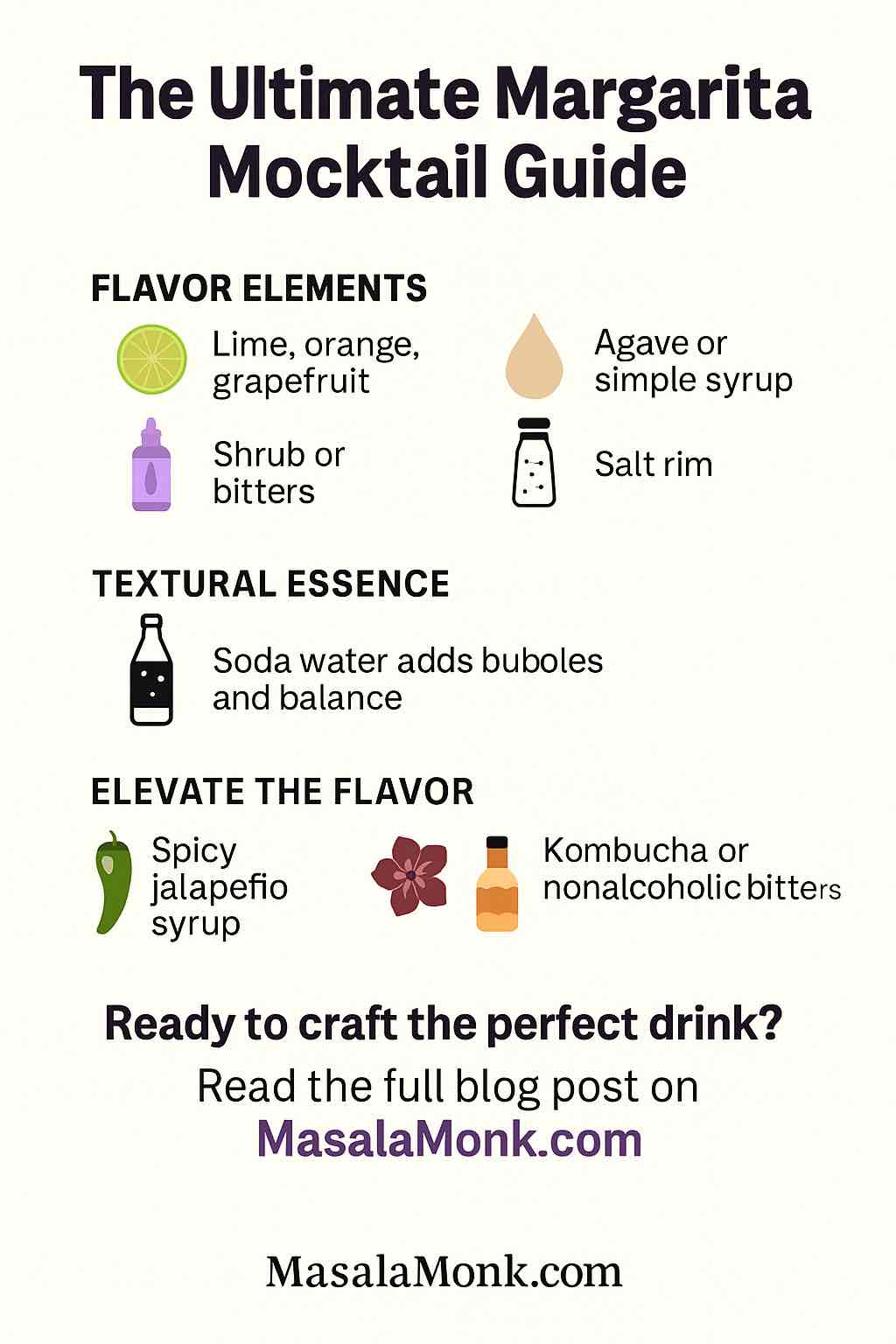
When you’re navigating a vegan keto lifestyle, breakfast can feel like a tricky puzzle: you want something quick, nutrient-dense, low in carbs, but still satisfying. Enter the ultimate solution: pistachio and sunflower seed smoothies. These nutrient-packed ingredients deliver a powerhouse of healthy fats, protein, and fiber without tipping the carb scale. Let’s explore five creative and practical smoothie recipes designed specifically for meal replacement on a vegan keto diet.


Why Pistachios and Sunflower Seeds?

Both ingredients are often underestimated in the smoothie world but shine on a vegan keto plan:

  • Pistachios are rich in monounsaturated fats, magnesium, vitamin B6, and even provide a complete source of protein.
  • Sunflower seeds offer vitamin E, selenium, and a solid profile of healthy fats and fiber.

Together, they form the perfect base for creamy, satiating, and nutrient-balanced smoothies.


Smoothie 1: Green Pistachio Crunch

Ingredients:

  • 1/4 cup raw pistachios (soaked for 10 minutes)
  • 2 tbsp raw sunflower seeds
  • 1 cup unsweetened almond or coconut milk
  • 1 handful spinach
  • 1 tbsp chia seeds
  • Ice cubes

Directions: Blend all ingredients until smooth. For a little texture, pulse in a few extra sunflower seeds at the end.

Why it Works: This recipe delivers a perfect trio of fats, fiber, and protein, and the spinach adds micronutrients without altering the taste.


Smoothie 2: Pistachio-Matcha Mint Refresh

Ingredients:

  • 1/4 cup pistachio butter
  • 1 tsp ceremonial matcha
  • A few fresh mint leaves
  • 1 scoop vegan vanilla protein powder
  • 1 tbsp hemp seeds
  • 1 cup unsweetened oat or almond milk
  • Ice cubes

Directions: Blend until creamy and bright. Garnish with a mint sprig for a refreshing morning kick.

Why it Works: Matcha boosts metabolism and focus, while mint aids digestion. Hemp seeds add extra protein and omega-3s.


Smoothie 3: Chocolate Sunflower Power

Ingredients:

  • 2 tbsp sunflower seed butter
  • 1 tbsp unsweetened cocoa powder
  • 1 cup coconut milk + 1/2 cup water
  • 1 scoop vegan chocolate protein powder (optional)
  • 1/2 tsp vanilla extract
  • Ice cubes

Directions: Blend until rich and smooth. For a mocha version, add a shot of espresso.

Why it Works: This dessert-like smoothie satisfies chocolate cravings while keeping carbs in check.


Smoothie 4: Banana-Free Pistachio Protein Shake

Ingredients:

  • 1 cup unsweetened almond or pistachio milk
  • 1 tbsp pistachio butter
  • 1 scoop vegan protein powder
  • 1/2 avocado (for texture)
  • Ice cubes

Directions: Blend until smooth and creamy. Top with crushed pistachios for a crunchy finish.

Why it Works: No banana means minimal carbs. Avocado enhances the texture and adds healthy fats.


Smoothie 5: Pistachio Meal Replacement Shake

Ingredients:

  • 40g soaked pistachios
  • 2 tbsp raw sunflower seeds
  • 1 tbsp ground flaxseed
  • 1 scoop hemp or soy protein
  • 250ml unsweetened almond or oat milk
  • 1/2 tsp cinnamon
  • 1 tsp vanilla extract
  • Ice cubes

Directions: Blend thoroughly until creamy. Optionally add a pinch of salt for balance.

Why it Works: This one is tailored for full meal replacement: high in fats, protein, and fiber to keep you full for hours.


Pro Tips for Smoothie Success

  1. Keep it Cold: Use frozen avocado or cauliflower for added creaminess without diluting flavor.
  2. Batch It: Prep 2-3 servings in advance and store in sealed jars for grab-and-go nutrition.
  3. Customize the Boosters: Add MCT oil for brain fuel, or swap in different greens for variety.
  4. Watch the Carbs: Skip high-sugar fruits and keep total net carbs under 10g per shake.

Final Thoughts

Innovating your vegan keto breakfast doesn’t require exotic ingredients or hours in the kitchen. With pistachios and sunflower seeds as your foundation, you can craft creamy, satisfying smoothies that not only meet your macros but genuinely excite your taste buds. Try rotating these recipes throughout your week to stay energized and in ketosis, without ever getting bored.

FAQs

  1. Are pistachios and sunflower seeds keto-friendly?
    Yes, in moderation. Pistachios and sunflower seeds are high in healthy fats and protein with moderate carbs. Keeping portions controlled (e.g., ¼ cup pistachios) makes them keto-compliant.
  2. Can I prepare these smoothies in advance?
    Absolutely. You can prep and store smoothies in airtight containers in the fridge for up to 24–36 hours. Shake well before consuming.
  3. How much protein is in each smoothie?
    With the inclusion of vegan protein powder, most recipes deliver 20–30g of protein per serving. Without powder, expect 8–15g, depending on the seed/nut base.
  4. What milk alternatives work best for these recipes?
    Unsweetened almond, coconut, and pea milk are best for keto. They’re low in carbs, rich in flavor, and blend smoothly.
  5. Can I skip protein powder and still get enough protein?
    Yes, but you’ll need to rely more on hemp seeds, chia, pistachios, and sunflower seed butter. Protein will be lower but still decent for a meal.
  6. Are these smoothies suitable for weight loss?
    Yes—when portioned appropriately. They’re high in satiety-promoting fats, fiber, and protein, helping manage hunger and blood sugar.
  7. What can I use instead of avocado in the banana-free shake?
    Frozen cauliflower, coconut cream, or extra nut butter can replicate the creamy texture without adding sugar.
  8. Do these smoothies break a fast?
    Yes. Because they contain calories, fats, and protein, they break a fast—but they make a great first meal post-fasting.
  9. Can I freeze these smoothies?
    Technically yes, but texture may degrade slightly after thawing. For best results, freeze ingredients in portions and blend fresh.
  10. How can I adjust the recipes for nut allergies?
    Use seed-based alternatives like sunflower or pumpkin seed butter, and opt for oat or coconut milk instead of nut milks.