Posted on 3 Comments

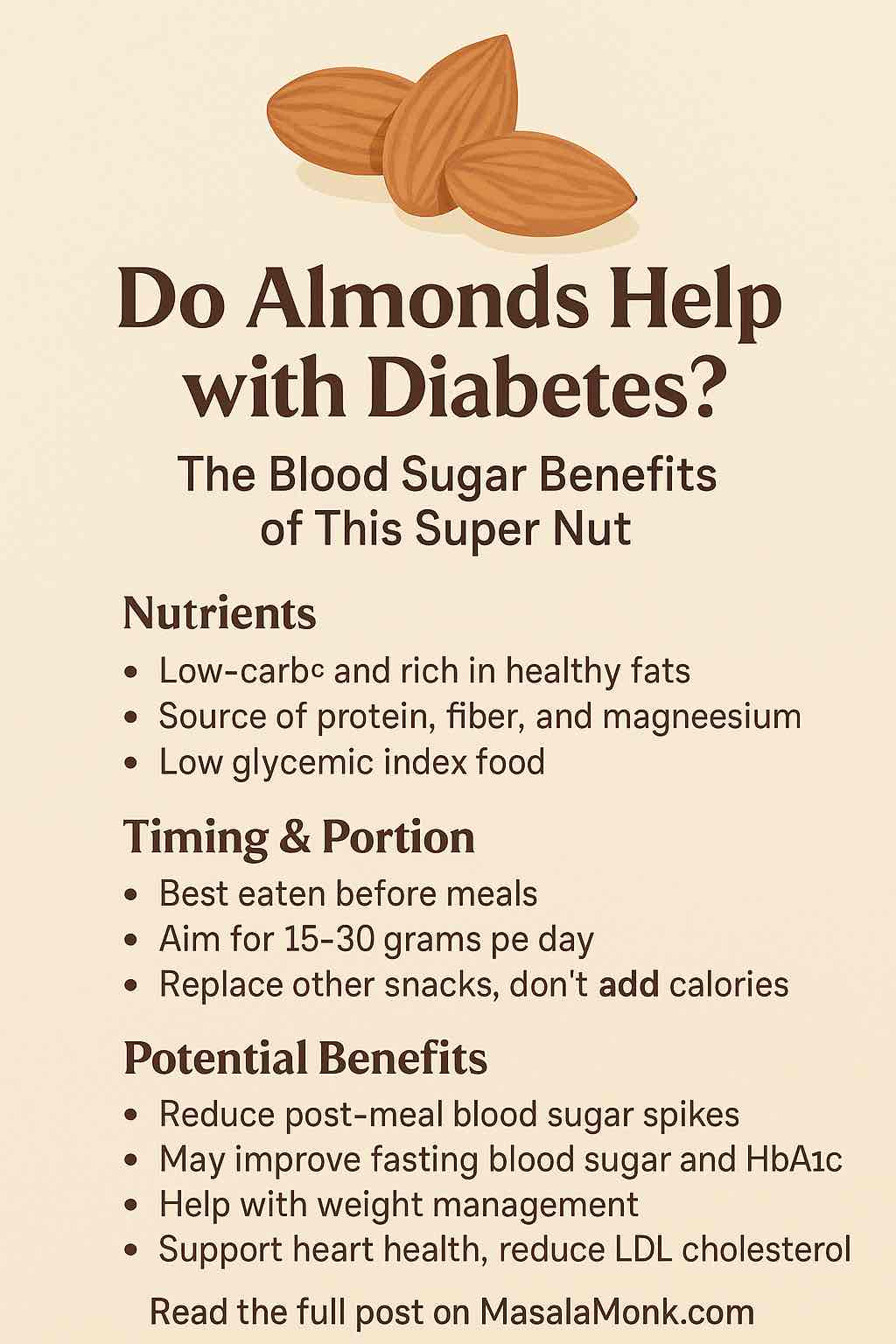
Do Almonds Help with Diabetes? The Blood Sugar Benefits of This Super Nut

almonds and diabetes

Managing blood sugar can feel like walking a tightrope—but what if a simple, delicious snack could make the balance easier?

Enter almonds: the crunchy little nuts that are making a big impact in diabetes management. From controlling post-meal sugar spikes to improving heart health, almonds might just be the super snack every diabetic and prediabetic person should consider.

But is it hype or hard science?

In this deep dive, we’ll unpack the latest clinical research, how almonds affect blood sugar, and the right way to incorporate them into your diet.


🧬 What Makes Almonds Special?

Almonds are not just low-carb—they’re nutrient powerhouses. A 28-gram serving (about 23 almonds) offers:

  • 6g protein
  • 3.5g fiber
  • 14g fat (mostly monounsaturated)
  • 75mg magnesium (helps insulin sensitivity)
  • 0g sugar

They also have a low glycemic index, meaning they won’t cause major blood sugar spikes like refined carbs do.


🔬 The Science: What Studies Really Say

Let’s look at the evidence—both encouraging and nuanced.

Short-Term Wins: Lower Post-Meal Spikes

Several studies confirm that almonds blunt the rise in blood sugar after eating a carbohydrate-rich meal:

  • A 2022 study showed that eating just 15g of almonds before a meal reduced post-meal glucose by 14%.
  • Another study from India (2024) found that a daily almond intake in prediabetics significantly improved fasting blood sugar and HbA1c.

These effects are likely due to the fat, fiber, and protein content in almonds, which slow digestion and buffer carb absorption.

⚠️ Long-Term Results: Not Always Straightforward

A 5-month trial in prediabetics (2023) revealed worsened insulin sensitivity and higher fasting glucose when participants added almonds without adjusting other foods—meaning they consumed more calories overall.

💡 Lesson: Almonds work best when they replace less healthy options—not when simply added on top.


🧠 How Almonds Work Their Magic

Here’s what makes almonds effective:

MechanismBenefit for Diabetics
Slow gastric emptyingReduces speed of glucose absorption
Increased satiety hormonesTriggers GLP‑1 and peptide YY (appetite control)
Magnesium & healthy fatsImprove insulin function
Low glycemic loadMinimal direct impact on blood sugar

🕒 Timing is Everything: When to Eat Almonds

Studies show the timing of almond consumption significantly affects blood sugar:

  • Before Meals: Eating almonds 30 minutes before a high-carb meal reduces glucose spikes.
  • With Breakfast: May help reduce morning hyperglycemia.
  • ⚠️ Mindless Snacking: Can lead to weight gain if not accounted for in total calorie intake.

Suggested Dosage:
Start with 15–20 grams (10–15 almonds) before lunch or dinner. This delivers benefits without adding too many extra calories.


🥗 Smart Ways to Add Almonds to Your Diet

Here are practical, diabetes-friendly ways to use almonds:

🍽️ As a Snack

  • 15 raw almonds + 1 boiled egg
  • Almonds + a small apple (for fiber and balance)

🥣 In Meals

  • Crushed almonds on salads or sautéed vegetables
  • Blend into oats with cinnamon (no sugar!)

🍵 In Smoothies

  • Add almond butter (unsweetened!) to your morning smoothie for a protein-fat boost

🚫 Watch Out For…

Not all almond products are created equal. Avoid:

ProductWhy to Avoid
Sweetened almond milkHigh added sugar can spike blood glucose
Almond snacks with salt/honeyAdds sodium and simple carbs
OvereatingExcess calories can increase insulin resistance

❤️ Bonus Benefits: More Than Just Blood Sugar

Adding almonds to your diabetes plan also supports:

  • Heart health: Lowers LDL cholesterol
  • Weight management: Increases satiety
  • Inflammation control: Rich in antioxidants and vitamin E

These are all critical factors for long-term diabetes management.


🧾 Real-Life Almond Plan for a Day

TimeAlmond Use
7:30 AMAlmond butter in chia smoothie (1 tbsp)
11:30 AM10 raw almonds 30 min before lunch
4:00 PMHandful of almonds + sliced cucumber
7:00 PMCrushed almonds over stir-fried veggies

🧠 TL;DR — Should You Eat Almonds If You Have Diabetes?

Yes—with strategy.

Almonds can help reduce blood sugar spikes, especially when eaten before meals and in place of other snacks. But overconsumption or just “adding them in” can backfire.

Follow these principles:

  • ✅ Keep it to 15–30g/day
  • ✅ Replace—not stack—your snacks
  • ✅ Eat before meals for best results
  • ❌ Avoid sweetened or flavored almond products

📣 Final Thoughts

Almonds aren’t a magic bullet—but they are a smart, tasty, and scientifically supported ally in your fight against high blood sugar. Like all powerful tools, it’s about how you use them.

Ready to make almonds a regular part of your diabetes plan? Start with 10–15 almonds before your next carb-rich meal and feel the difference.

🔍 Frequently Asked Questions (FAQs)

1. Can almonds help control blood sugar levels?

Yes. Almonds can reduce post-meal glucose spikes when consumed before or with carbohydrate-rich meals. Their fiber, fat, and protein content slows glucose absorption.


2. How many almonds should a diabetic eat per day?

A typical recommendation is 15–30 grams per day (about 10–23 almonds), ideally spread across meals or snacks. Portion control is key to avoid excess calories.


3. Should I eat almonds before or after a meal?

For blood sugar benefits, eat almonds 30 minutes before a high-carb meal. This timing has been shown to reduce post-meal glucose spikes.


4. Are raw almonds better than roasted or salted ones?

Raw or dry-roasted unsalted almonds are best. Salted almonds may raise blood pressure, and flavored varieties may contain added sugars.


5. Can eating too many almonds raise blood sugar?

Not directly, but excessive almond consumption can lead to weight gain, which may worsen insulin resistance over time. Stick to recommended portions.


6. Is almond butter good for diabetics?

Yes, unsweetened almond butter retains the same benefits as whole almonds. Just ensure it contains no added sugars or hydrogenated oils.


7. What about almond milk—is it safe for diabetics?

Yes, but choose unsweetened almond milk only. Sweetened versions can contain enough sugar to spike blood glucose.


8. Can almonds replace carbs in my meal plan?

Almonds can be a low-carb replacement for snacks like chips or cookies. However, they should not replace essential carbs like whole grains or vegetables entirely.


9. Do almonds help with type 2 diabetes specifically?

Yes. Some studies show improved fasting blood sugar, HbA1c, and insulin sensitivity in people with type 2 diabetes who consumed almonds regularly as part of a calorie-balanced diet.


10. Can prediabetics benefit from eating almonds?

Yes, though results are mixed. When used to replace other foods, almonds may improve glucose and insulin levels. Simply adding them to the diet without calorie adjustment may not help.
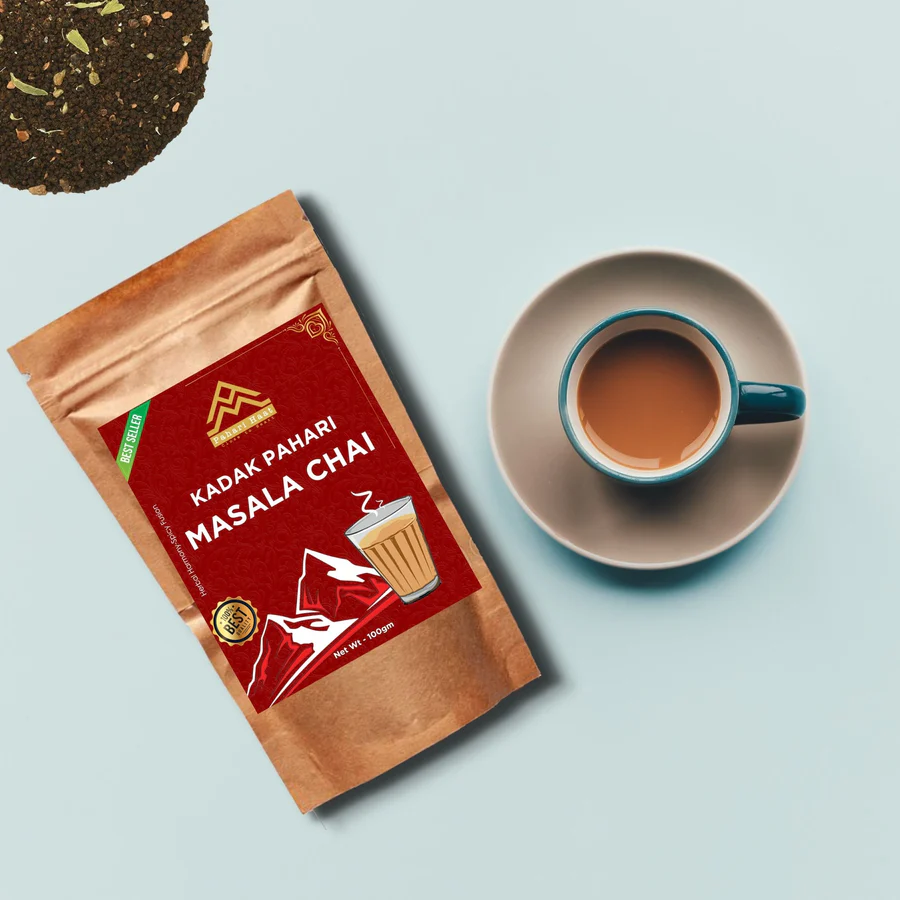
Pahari Masala Chai (Tea)

Bring the warmth of the mountains to your cup with our Pahari Masala Chai a powerful blend of premium Assam tea leaves and 20 handpicked herbs and spices, crafted to deliver an authentic, spiced tea experience.

Known for its copperish color, bold body, and aromatic spice mix, this chai is sourced from the upper regions of Assam, celebrated for producing strong, flavorful tea. The addition of traditional herbs like cardamom, cinnamon, cloves, black pepper, and ginger creates a beautifully harmonious fusion that is both comforting and invigorating.

Whether you’re kickstarting your morning or need an afternoon recharge, Pahari Masala Chai is your go-to blend for warmth, flavor, and tradition in every sip.

Net Weight:

100gms

Storage:

Once opened, store in a cool & dry place.

Shelf Life:

9 months from the date of manufacturing

Shipping:

We have a processing time of 7 to 14 days on all our products, however, it may take 2-3 weeks for final delivery depending on your location and Pincode.

Posted on 9 Comments

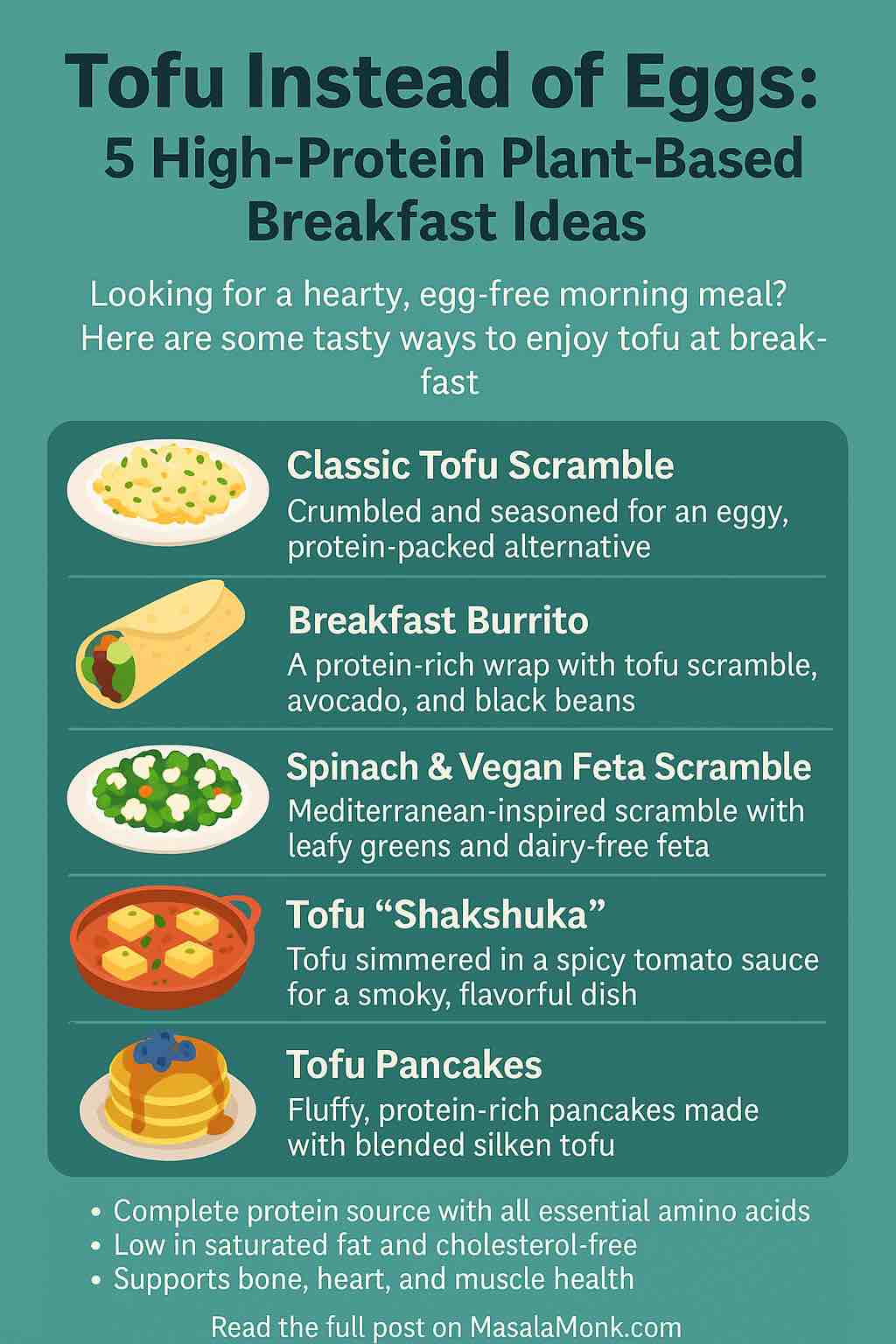
‘Tofu’ Instead of ‘Eggs’: 5 High Protein Plant-Based Breakfast Ideas

Tofu Instead of Eggs

Whether you’re vegan, managing cholesterol, navigating food allergies, or just curious about clean eating, there’s never been a better time to explore tofu as a nutritious, high-protein breakfast star.

In 2025, with more people opting for plant-forward meals (or managing GLP-1-related appetite changes), tofu has surged in popularity as a complete protein and egg alternative. It’s versatile, affordable, low in saturated fat, and—when cooked well—just as satisfying as your favorite egg dish.

Let’s dive deep into five high-protein, plant-based breakfast ideas using tofu, plus practical tips, nutrition science, and ways to make them delicious and repeat-worthy.


🍳 1. Classic Tofu Scramble (Eggy and Protein-Packed)

🥄 What It Is:

A scrambled egg substitute made by crumbling tofu and cooking it with spices that mimic egg flavor—like turmeric and kala namak (black salt).

💪 Protein Power: ~15–20g per serving

Use ½ block of extra-firm tofu + nutritional yeast + veggies.

🧂 Key Ingredients:

  • Extra-firm tofu (pressed)
  • Turmeric (for color)
  • Kala namak (egg-like sulfur flavor)
  • Nutritional yeast (cheesy, umami boost)
  • Olive oil or plant-based butter
  • Garlic/onion powder
  • Optional: bell peppers, spinach, mushrooms

🔪 How to Make It:

  1. Press the tofu for 10–15 minutes to remove excess water.
  2. Crumble tofu into a hot, oiled pan.
  3. Add turmeric, kala namak, garlic/onion powder.
  4. Stir-fry for 6–8 minutes, adding veggies toward the end.
  5. Finish with nutritional yeast and herbs.

🧠 Bonus: Add 1 tbsp tahini or plant milk for creaminess.


🌯 2. Protein-Packed Breakfast Burrito

🥄 What It Is:

A wrapped version of the tofu scramble, bulked up with black beans, avocado, and whole grain tortillas.

💪 Protein Power: 25–30g per burrito

Combining tofu + legumes = protein synergy.

🌯 What You’ll Need:

  • Tofu scramble (as above)
  • Cooked black beans (½ cup)
  • Avocado slices
  • Whole grain tortilla
  • Salsa or hot sauce
  • Optional: sautéed kale, vegan cheese

🔪 Assembly:

  1. Warm the tortilla.
  2. Layer in tofu scramble, beans, avocado, and add-ins.
  3. Wrap, fold, and toast lightly on a skillet if desired.
  4. Slice and serve with a dip or wrap in foil for grab-and-go.

🧊 Meal Prep Friendly:

Make 3–5 burritos at once, wrap in foil, and refrigerate/freeze for later.


🌱 3. Spinach & Vegan Feta Scramble

🥄 What It Is:

A Mediterranean-style tofu scramble with iron-rich spinach and dairy-free feta.

💪 Protein Power: 18–22g per serving

Tofu + greens + vegan cheese = nutrient-dense start.

🧂 Ingredients:

  • Tofu (firm or extra-firm)
  • Baby spinach
  • Vegan feta (look for almond/cashew-based versions)
  • Olive oil
  • Lemon zest or juice
  • Oregano

🔪 How to Make:

  1. Sauté spinach in olive oil until wilted.
  2. Add crumbled tofu, cook with spices.
  3. Fold in crumbled vegan feta and lemon zest.
  4. Serve with pita bread or grain toast.

🧠 Nutrition Note:

This breakfast delivers calcium, iron, magnesium, and healthy fats in one plate.


🍅 4. Tofu “Shakshuka” – Middle Eastern Twist

🥄 What It Is:

Inspired by shakshuka, this dish uses cubed tofu in a spicy tomato-harissa sauce.

💪 Protein Power: 20g+

Whole-food rich and flavor-forward.

🔥 What You Need:

  • Firm tofu, cubed
  • Canned tomatoes (or fresh)
  • Harissa paste or chili flakes
  • Onions, garlic, bell pepper
  • Cumin, smoked paprika
  • Cilantro or parsley to garnish

🔪 Method:

  1. Sauté aromatics in oil.
  2. Add tomatoes, spices, and simmer into a thick sauce.
  3. Stir in tofu cubes, simmer 10 minutes.
  4. Serve with crusty sourdough or naan.

🧠 Tip: Add chickpeas for extra fiber and texture.


🥞 5. Tofu Protein Pancakes

🥄 What It Is:

Silken tofu blended into pancake batter for a high-protein, fluffy breakfast stack.

💪 Protein Power: 15–18g per serving

Especially when topped with nut butter or seeds.

🧂 Ingredients:

  • ½ cup silken tofu
  • 1 banana
  • ½ cup oats or whole wheat flour
  • Plant milk as needed
  • Baking powder, cinnamon
  • Optional: flaxseed, vanilla extract

🔪 Instructions:

  1. Blend all ingredients until smooth.
  2. Pour into a nonstick skillet and cook like pancakes.
  3. Stack, drizzle with almond butter, maple syrup, or berries.

🧠 Great for kids or post-workout breakfasts.


🧬 The Nutritional Science Behind Tofu at Breakfast

Recent studies show that soy-based foods like tofu can:

✔️ Support muscle maintenance
✔️ Improve heart health (lower LDL cholesterol)
✔️ Provide all 9 essential amino acids
✔️ Deliver iron, calcium, magnesium, and B-vitamins
✔️ Promote longevity when replacing animal proteins (Harvard, 2024 study on dietary patterns)

Pro tip: For even better amino acid balance, pair tofu with beans, whole grains, or seeds.


🛍️ Quick Shopping List

Here’s a weekly tofu-friendly grocery starter kit:

EssentialsAdd‑InsSpices & Flavor
Extra-firm tofuSpinach, kaleTurmeric, cumin
Silken tofuAvocados, bell peppersKala namak (black salt)
Black beansVegan cheeseNutritional yeast
Whole grain tortillasMushroomsGarlic/onion powder
Plant milkBananas, oatsHarissa, paprika

🧠 Final Thoughts: Why Tofu is the Breakfast MVP in 2025

  • It’s clean, complete, and cholesterol-free.
  • Tofu breakfast recipes are customizable, batchable, and nutrient-dense.
  • Unlike processed meat substitutes, tofu is minimally processed and globally accessible.

Whether you’re vegan, experimenting, or just looking for a delicious alternative to eggs—tofu is worth a try (or five).

🔟 Frequently Asked Questions (FAQs)


1. Is tofu actually a complete protein like eggs?

Yes. Tofu, made from soybeans, contains all nine essential amino acids, making it a complete protein—just like eggs. It also offers fiber, calcium, iron, and heart-healthy fats, which eggs do not.


2. Which type of tofu should I use for breakfast recipes?

  • Extra-firm or firm tofu for scrambles and burritos (holds shape well).
  • Silken tofu for blending into pancakes, smoothies, or creamy sauces.

3. How do I make tofu taste more like eggs?

Use kala namak (black salt) for a sulfurous, eggy flavor, plus turmeric for color and nutritional yeast for umami. Pressing the tofu and sautéing it with onion/garlic powder also boosts taste.


4. Can I make tofu breakfast recipes ahead of time?

Yes! Most scrambles, burritos, and tofu shakshuka store well in the fridge for up to 3–4 days. Burritos can also be frozen and reheated quickly in a skillet or microwave.


5. Is tofu safe to eat every day?

For most people, yes. Multiple studies confirm that moderate daily soy intake (1–2 servings/day) is safe and may even help reduce the risk of heart disease, osteoporosis, and some cancers.


6. Can I get enough protein from tofu at breakfast alone?

Definitely. A typical serving (½ block or ~150g tofu) has 15–20g of protein. Adding beans, seeds, or whole grains boosts the total to 25–30g—comparable to or better than eggs or meat.


7. What’s the best oil or fat to use when cooking tofu?

Use olive oil, avocado oil, or plant-based butter for best flavor and nutrition. Avoid highly processed seed oils or margarine if you’re going for a clean, whole-foods approach.


8. Can kids eat tofu for breakfast too?

Yes. Tofu is safe for kids and toddlers, as long as it’s cooked properly and not overly salty. Use silken tofu pancakes or mild scrambles with fun shapes or sauces to make it appealing.


9. Is tofu breakfast good for weight management or fitness?

Yes. Tofu is high in protein and low in calories, helping you stay full longer. It’s especially useful if you’re building muscle, managing blood sugar, or using GLP‑1 medications like Ozempic.


10. Where can I find kala namak and other tofu-friendly ingredients?

Kala namak is available at Indian/Asian grocery stores, online (e.g., Amazon), or in specialty spice shops. Nutritional yeast, vegan feta, and harissa can be found at health food stores or Whole Foods-style retailers.

Posted on 1 Comment

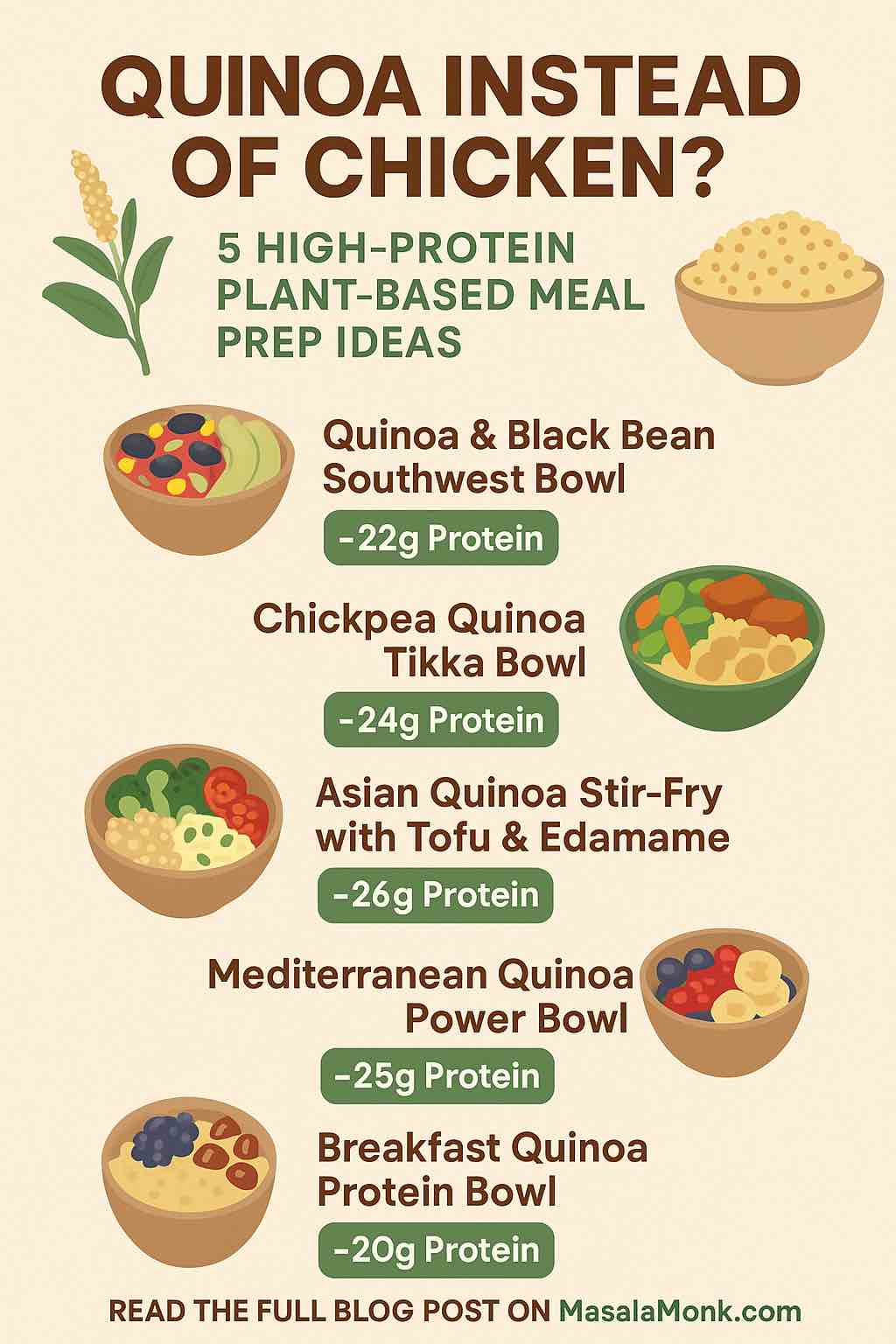
‘Quinoa’ Instead of ‘Chicken’: 5 High Protein Plant-Based Meal Prep Ideas

QUINOA INSTEAD OF CHICKEN

Ditching meat doesn’t mean sacrificing protein. Meet quinoa — your new plant-based powerhouse.


🧭 Why Replace Chicken with Quinoa?

When we think of high-protein meals, chicken breast often dominates the conversation. But for those seeking a plant-based, sustainable, and gut-friendly alternative, quinoa is the underrated hero. While not as protein-dense by weight (cooked chicken has ~31g per 100g vs. quinoa’s ~4.4g), quinoa is a complete protein, offers complex carbs, and has an unbeatable ability to pair with other proteins for a balanced meal.

What makes quinoa ideal for meal prep?

  • Stays fluffy even after refrigeration or freezing
  • Cooks in 15–20 minutes
  • Versatile: works in savory bowls, salads, and even breakfast
  • Naturally gluten-free, fiber-rich, and easily digestible

🥗 The Protein Strategy: Quinoa + “Companions”

Quinoa alone isn’t enough to hit 25–35g of protein per meal. But combined with legumes, tofu, tempeh, seeds, or nut-based sauces, it becomes the perfect foundation for high-protein meals.

Let’s dig into five meal prep-friendly ideas that prove plant-based doesn’t mean protein-poor.


1. 🌮 Quinoa & Black Bean Southwest Bowl

Total Protein: ~22g per serving
Prep Time: 30 min
Serves: 4

Ingredients:

  • 1 cup dry quinoa
  • 1½ cups cooked black beans
  • 1 cup corn kernels (fresh or frozen)
  • 1 red bell pepper, diced
  • 1 avocado, sliced
  • 2 tbsp nutritional yeast
  • Optional: vegan cheese, hot sauce

Dressing:

  • Juice of 2 limes
  • 1 tbsp olive oil
  • 1 tsp cumin
  • Salt, pepper, chili flakes to taste

Method:

  1. Cook quinoa in vegetable broth for flavor.
  2. In a large bowl, mix quinoa, beans, corn, pepper.
  3. Add dressing, toss well, and top with avocado.
  4. Store in airtight containers. Add avocado fresh each day if preferred.

Make it Extra: Add pan-seared tempeh or grilled tofu to hit 30g+ protein.


2. 🍛 Chickpea Quinoa Tikka Bowl

Total Protein: ~24g
Prep Time: 35 min
Serves: 4

Ingredients:

  • 1 cup quinoa
  • 1½ cups cooked chickpeas
  • 1 small onion, diced
  • 2 garlic cloves
  • 1 tbsp ginger, minced
  • 2 tbsp tomato paste
  • 1 tbsp garam masala
  • ½ tsp turmeric
  • 1 can light coconut milk

Method:

  1. Cook quinoa and set aside.
  2. In a pan, sauté onions, garlic, ginger.
  3. Add tomato paste and spices, cook until aromatic.
  4. Add chickpeas and coconut milk. Simmer for 10 minutes.
  5. Serve over quinoa.

Meal Prep Tip: Freeze the curry separately and defrost as needed. Serve with greens or roasted cauliflower for texture.


3. 🥦 Asian Quinoa Stir-Fry with Tofu & Edamame

Total Protein: ~26g
Prep Time: 25 min
Serves: 4

Ingredients:

  • 1 cup quinoa
  • 1 block extra-firm tofu, cubed
  • 1 cup shelled edamame
  • 1 cup broccoli florets
  • 2 carrots, julienned
  • 1 tbsp sesame oil
  • 2 tbsp tamari or soy sauce
  • 1 tbsp rice vinegar
  • 1 tsp garlic powder

Method:

  1. Cook quinoa and steam veggies lightly.
  2. Pan-fry tofu until golden and crisp.
  3. Toss all ingredients together in a large skillet with sauces.
  4. Portion into containers with sesame seeds on top.

Flavor Hack: Add crushed peanuts or sriracha tahini for extra bite and bonus protein.


4. 🧆 Mediterranean Quinoa Power Bowl

Total Protein: ~25g
Prep Time: 30 min
Serves: 4

Ingredients:

  • 1 cup quinoa
  • 1 cup cooked lentils
  • ½ cup hummus
  • ½ cucumber, diced
  • Cherry tomatoes
  • Kalamata olives
  • Red onion
  • 2 tbsp pumpkin seeds
  • Lemon-tahini dressing

Method:

  1. Assemble quinoa base and layer lentils and veggies.
  2. Top with hummus and drizzle dressing.
  3. Add seeds before sealing containers.

Eat Cold: This is a no-reheat option. Keeps beautifully in the fridge for up to 4 days.


5. 🥣 Breakfast Quinoa Protein Bowl

Total Protein: ~20g
Prep Time: 10 min
Overnight chill: Yes
Serves: 2

Ingredients:

  • 1 cup cooked quinoa (cooled)
  • 1 tbsp chia seeds
  • 1 tbsp almond butter
  • 1 tbsp hemp seeds
  • ¾ cup unsweetened soy milk
  • ½ tsp cinnamon
  • Berries and banana slices to top

Method:

  1. Mix everything in a jar or container.
  2. Let sit overnight.
  3. Top with fruits and a dash of maple syrup before eating.

Tip: Use a protein-rich plant milk (like soy or pea-based) for a better amino acid profile.


🧠 Nutrition Hacks: Boost Protein in Every Bite

Add-InProtein (per serving)How to Use
Hemp seeds (3 tbsp)~10gTop any bowl or stir into dressing
Pumpkin seeds (¼ cup)~8gAdd crunch to salads
Nutritional yeast~5g (2 tbsp)Mix into sauces, soups, or dressings
Tempeh (100g)~19gGrill and layer into any bowl
Edamame (½ cup)~9gWorks in stir-fries and salads

📦 Meal Prep Strategy: From Sunday to Friday

✅ Do This on Prep Day:

  • Cook 3–4 cups of quinoa (makes ~9 cups cooked)
  • Roast a sheet tray of tofu, tempeh, and seasonal vegetables
  • Make 2 dressings: one tahini-based, one citrusy
  • Portion bowls with protein, starch, and veg separately if possible
  • Pack sauces in small jars to prevent sogginess

🧊 Storage Tips:

  • Quinoa keeps 5–6 days in the fridge
  • Most dressings stay fresh 7 days
  • Chickpea or lentil curries can freeze for up to 2 months
  • Keep leafy greens separate if possible

🌟 Final Thoughts

Quinoa may not dethrone chicken on pure protein quantity alone, but it wins when paired well, especially for those prioritizing plant-based variety, digestive health, and meal prep convenience.

By combining smart ingredients and a bit of prep, you can hit your protein goals without a single piece of meat — and enjoy every bite doing it.

🔍 10 Frequently Asked Questions (FAQs)

1. Is quinoa enough to meet my protein needs without meat?

Answer: On its own, quinoa provides about 8g of protein per cup. While that’s less than chicken, it’s a complete protein, and when combined with legumes, seeds, tofu, or tempeh, it can easily help you reach 20–35g of protein per meal — comparable to meat-based dishes.


2. Can I freeze quinoa-based meal prep bowls?

Answer: Yes. Cooked quinoa freezes very well. For best texture, freeze quinoa and sauces separately, and avoid freezing fresh vegetables or avocado. Reheat gently to maintain flavor and texture.


3. How long does cooked quinoa last in the fridge?

Answer: Properly stored in an airtight container, cooked quinoa lasts up to 6 days in the fridge. It’s ideal for batch cooking once a week.


4. What’s the best way to season quinoa?

Answer: Cook quinoa in vegetable broth instead of water, and add herbs, garlic powder, or a bay leaf to infuse flavor. Drizzle with lemon juice or mix in dressings right before serving.


5. Can I eat quinoa for breakfast and still get protein?

Answer: Absolutely. A quinoa breakfast bowl with almond butter, chia seeds, hemp seeds, and soy milk can offer 20g+ protein. It’s also a good gluten-free alternative to oats.


6. Is quinoa better than brown rice nutritionally?

Answer: Quinoa is higher in protein and contains all 9 essential amino acids, making it a better protein source. It also has more fiber, magnesium, and iron compared to brown rice.


7. What type of quinoa should I use for meal prep?

Answer: White quinoa is the most neutral in flavor and softest in texture, making it great for bowls. Red or black quinoa is firmer and works well in salads. All types have similar nutrition.


8. What are good plant-based protein add-ons to quinoa?

Answer: Top choices include chickpeas, lentils, tofu, tempeh, edamame, hemp seeds, and pumpkin seeds. Combining multiple sources helps you hit your amino acid and protein targets.


9. Can kids or athletes use quinoa-based meal preps?

Answer: Yes. Quinoa is easy to digest, gluten-free, and great for energy and recovery. For athletes, combine it with lentils and a healthy fat (like tahini or avocado) for sustained fuel.


10. Does quinoa cause bloating or digestion issues?

Answer: Quinoa is generally easy to digest. However, rinsing it before cooking removes saponins, which can cause mild irritation or bitterness. Always rinse thoroughly for best results.

Posted on Leave a comment

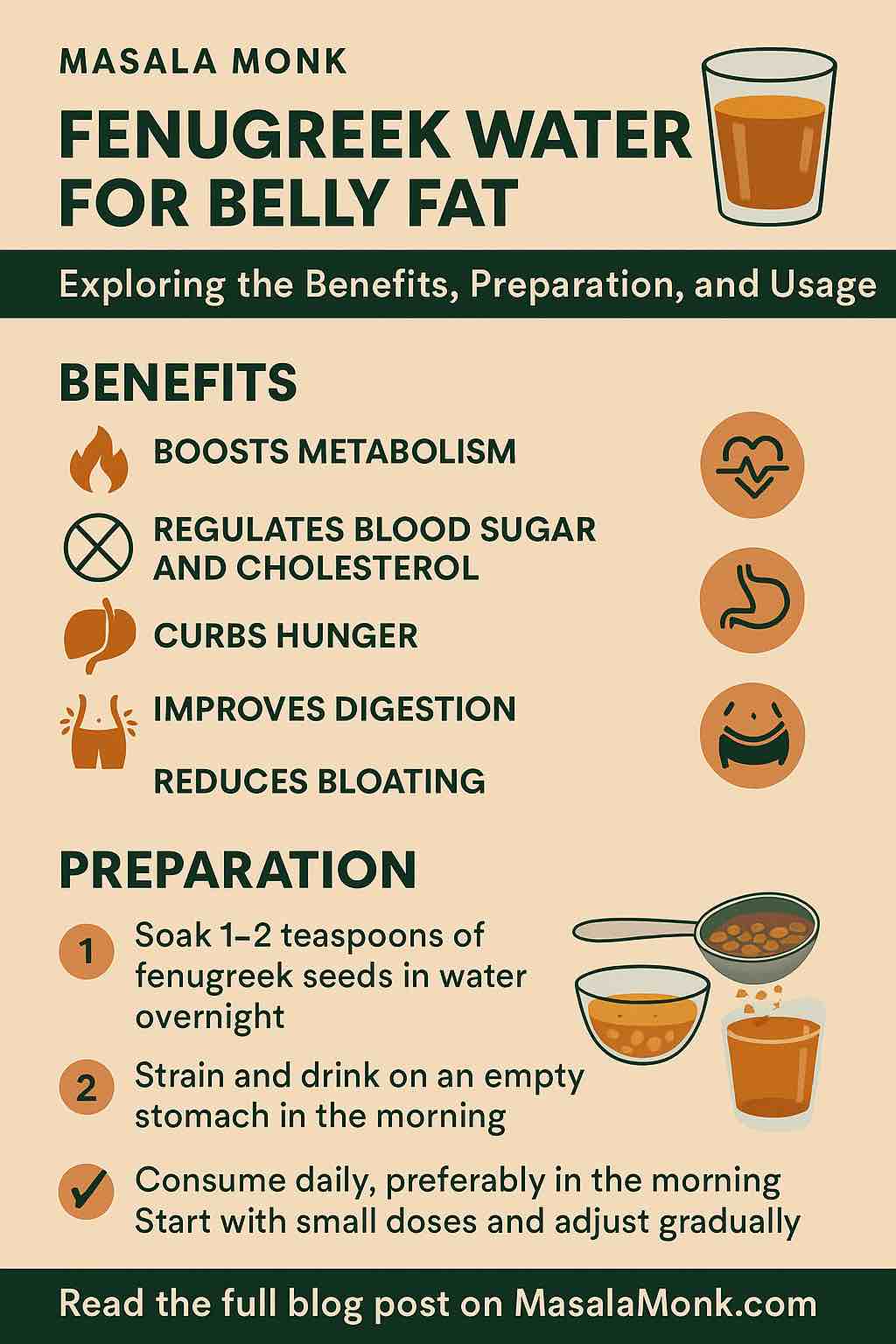
Fenugreek Water for Belly Fat: Exploring the Benefits, Preparation, Usage, and Frequently Asked Questions

FENUGREEK WATER FOR BELLY FAT

In the ever-evolving world of wellness, natural remedies continue to capture attention for their holistic and low-risk benefits. Among these, fenugreek water (or methi water) has emerged as a popular option for those seeking to support weight loss, especially targeting stubborn belly fat. Backed by both tradition and growing scientific interest, this humble seed may offer more than just flavor to your curries.

This blog post dives deep into what fenugreek water is, why it’s beneficial, how to prepare and use it effectively, and offers extended insights for practical daily integration.


What Is Fenugreek Water?

Fenugreek is a small, golden-brown seed with a slightly bitter taste and a long history in Ayurvedic medicine. Soaking the seeds overnight in water creates a nutrient-rich infusion known as fenugreek water. This drink, when consumed regularly, is believed to enhance digestion, regulate metabolism, and support fat loss goals.


Why Belly Fat Matters

Excess fat around the abdomen isn’t just about aesthetics—it’s closely linked to metabolic dysfunctions such as:

  • Type 2 diabetes
  • Cardiovascular disease
  • Hormonal imbalances
  • Insulin resistance

Belly fat is particularly harmful because it includes visceral fat, which surrounds internal organs and triggers systemic inflammation. Thus, reducing belly fat can lead to a significantly healthier metabolic profile.


Benefits of Fenugreek Water for Belly Fat

1. Appetite Suppression and Satiety

Fenugreek contains a unique soluble fiber—galactomannan—that absorbs water and expands in the stomach. This effect creates a feeling of fullness, which naturally curbs overeating and unhealthy snacking.

Scientific trials suggest that fenugreek fiber supplementation significantly reduces hunger levels and total daily caloric intake, especially in overweight individuals.

2. Improved Digestion and Bloating Reduction

Digestive issues like gas, constipation, and bloating can make the belly appear larger and heavier. Fenugreek’s fiber content supports regular bowel movements and reduces gastrointestinal discomfort, leading to a flatter, healthier midsection over time.

Additionally, better digestion means more efficient nutrient absorption, which supports overall metabolic health.

3. Blood Sugar and Insulin Control

Stable blood sugar levels are crucial for fat metabolism. Fenugreek contains trigonelline and 4-hydroxyisoleucine, compounds known to improve insulin sensitivity and slow carbohydrate absorption.

By preventing sudden blood sugar spikes and crashes, fenugreek water reduces cravings and lowers the risk of excess glucose being stored as abdominal fat.

4. Cholesterol and Fat Metabolism Support

Fenugreek seeds have a natural ability to reduce LDL (bad cholesterol) and increase HDL (good cholesterol). Their saponin and flavonoid content helps break down triglycerides and promotes the use of fat for energy.

This leads to a more efficient metabolism, which over time contributes to decreased fat storage—especially in the belly region.

5. Anti-Inflammatory and Antioxidant Effects

Chronic inflammation plays a silent but significant role in weight gain and fat retention. Fenugreek is packed with antioxidants and anti-inflammatory compounds that help neutralize oxidative stress and support hormonal balance.

Lowering inflammation improves everything from gut health to energy levels and supports a more active lifestyle that’s essential for fat loss.


How to Prepare Fenugreek Water (3 Easy Methods)

Method 1: Overnight Soak (Most Common)

Ingredients:

  • 1 to 2 teaspoons of fenugreek seeds
  • 1 cup (250 ml) of water

Instructions:

  1. Soak the seeds in water overnight (6-8 hours).
  2. In the morning, strain and drink the water.
  3. Optional: Chew the soaked seeds for added fiber and nutrients.

This method is convenient and gentle on the digestive system. It’s best for those just starting their fenugreek routine.

Method 2: Warm Fenugreek Tea

Instructions:

  1. Soak seeds for a few hours to soften.
  2. Boil the mixture for 5-10 minutes.
  3. Strain and sip warm.

Adding lemon juice or a dash of cinnamon can amplify metabolic benefits while balancing the bitterness.

Method 3: Fenugreek and Ajwain Combo

This method enhances digestion and reduces water retention.

Instructions:

  1. Soak 1 tsp each of fenugreek and ajwain seeds in water overnight.
  2. Boil the mixture, strain, and consume on an empty stomach.

Ajwain complements fenugreek by promoting deeper digestive detox and reducing bloating.


When and How to Take Fenugreek Water

  • Timing: Drink on an empty stomach in the morning to maximize absorption and support appetite control throughout the day.
  • Dosage: Start with 1 teaspoon of seeds soaked in 1 cup of water. Gradually increase to 2 teaspoons if tolerated well.
  • Frequency: Once daily is sufficient. If your body responds well, it can be consumed again before dinner or bedtime for added benefit.

Combining Fenugreek Water with Lifestyle Practices

To truly tackle belly fat, fenugreek water must be part of a comprehensive wellness plan. Here’s how to integrate it effectively:

1. Smart Nutrition

Adopt a diet rich in whole foods—especially lean protein, healthy fats, and fiber. Avoid processed sugars and refined carbs that cause insulin spikes and abdominal fat storage.

2. Strength and Cardio Workouts

Combine weight training with high-intensity interval training (HIIT) to enhance fat burn and preserve muscle mass. A strong core workout 3–4 times a week will help tighten abdominal muscles.

3. Hydration and Sleep

Drink plenty of water throughout the day. Lack of hydration slows metabolism and increases cravings. Prioritize 7–9 hours of sleep to regulate cortisol and growth hormone, both of which influence fat storage.

4. Mindful Eating and Stress Reduction

Stress-related eating is a leading cause of belly fat. Use mindfulness techniques like deep breathing or journaling to build awareness around hunger and emotions.


Potential Side Effects & Precautions

While fenugreek water is generally safe, keep these considerations in mind:

  • Digestive Issues: Overconsumption can lead to bloating or diarrhea. Start with small quantities and monitor.
  • Hypoglycemia Risk: Individuals on blood sugar-lowering medications should consult their doctor as fenugreek may enhance insulin effects.
  • Hormonal Interactions: Due to its phytoestrogen content, pregnant women or those with hormone-sensitive conditions should avoid or seek medical guidance.
  • Medication Interactions: Fenugreek may potentiate the effects of certain drugs for diabetes, blood pressure, or cholesterol.

Final Thoughts

Fenugreek water stands out as a simple yet potent natural remedy that supports belly fat reduction through multiple mechanisms: satiety, digestion, blood sugar regulation, and inflammation control. While it won’t replace exercise or a healthy diet, it can amplify the results of those efforts.

By making fenugreek water a consistent part of your morning ritual—and aligning it with conscious lifestyle choices—you empower your body to shed visceral fat, boost metabolism, and move closer to your health goals.

So go ahead—soak those seeds tonight and begin each day with this powerful infusion of ancient wisdom and modern science.


Disclaimer: This post is for informational purposes only and does not constitute medical advice. Always consult a healthcare provider before beginning any new health regimen.

🔍 Frequently Asked Questions

1. Can fenugreek water specifically reduce belly fat?
While fenugreek water doesn’t target belly fat alone, it helps reduce overall body fat by regulating blood sugar, curbing appetite, and improving digestion—all of which indirectly support belly fat loss.

2. How long should I drink fenugreek water before seeing results?
Most users notice reduced bloating within a few days. For fat loss and visible changes, give it 3–4 weeks of consistent use along with proper diet and exercise.

3. Should I drink fenugreek water hot or cold?
You can drink it either way. Warm water may aid digestion more effectively, while cold or room temperature versions are more palatable in warmer climates.

4. Can I consume fenugreek water twice a day?
Yes, but begin with once daily. If well-tolerated, a second dose before dinner or bed can enhance its effects, especially for blood sugar regulation.

5. Is it necessary to chew the soaked seeds?
Not mandatory, but chewing the soaked seeds provides additional fiber and nutrients. If the taste is too strong, feel free to discard them after straining.

6. Can fenugreek water be used during intermittent fasting?
Yes. Since it contains minimal calories, fenugreek water typically doesn’t break a fast and may actually improve fasting benefits like appetite control.

7. Are there any people who should avoid fenugreek water?
Yes. Pregnant women, individuals on blood sugar medication, or those with hormone-sensitive conditions should consult a doctor before starting.

8. Can fenugreek water cause side effects?
In some, it may cause bloating, gas, or diarrhea—especially if consumed in large quantities. Start with small amounts and adjust based on tolerance.

9. Can I add lemon or other herbs to my fenugreek water?
Absolutely. Lemon, ginger, ajwain, and cinnamon are popular additions that can boost digestive and metabolic benefits.

10. How is fenugreek water different from fenugreek supplements?
Fenugreek water is more natural and gentle, ideal for daily use. Supplements offer concentrated doses but may pose greater risk for side effects and interactions.