Posted on 2 Comments

The Revitalizing Brew: Unveiling the Benefits of Cardamom Tea

BENEFITS OF CARDAMOM TEA

If you’ve ever enjoyed the fragrant notes in a cup of chai, tasted the warmth of Middle Eastern desserts, or savored an aromatic curry, you’ve likely encountered cardamom. But what if I told you this humble spice does far more than delight your taste buds?

Welcome to the world of cardamom tea—a traditional brew gaining new attention for its science-backed health benefits. In this blog, we’ll explore the latest research, real-world tips, and step-by-step brewing guides to help you unlock the full power of cardamom tea.


What Is Cardamom Tea?

Cardamom tea is made by steeping cardamom seeds or pods—alone or with other ingredients—in hot water. The result is a fragrant, slightly sweet, and spicy infusion prized in India, the Middle East, and now worldwide. While you can enjoy it on its own, it often appears in masala chai blends, Turkish coffee, or as a digestive after meals.


The Science: Why Cardamom Tea Is a Rising Star

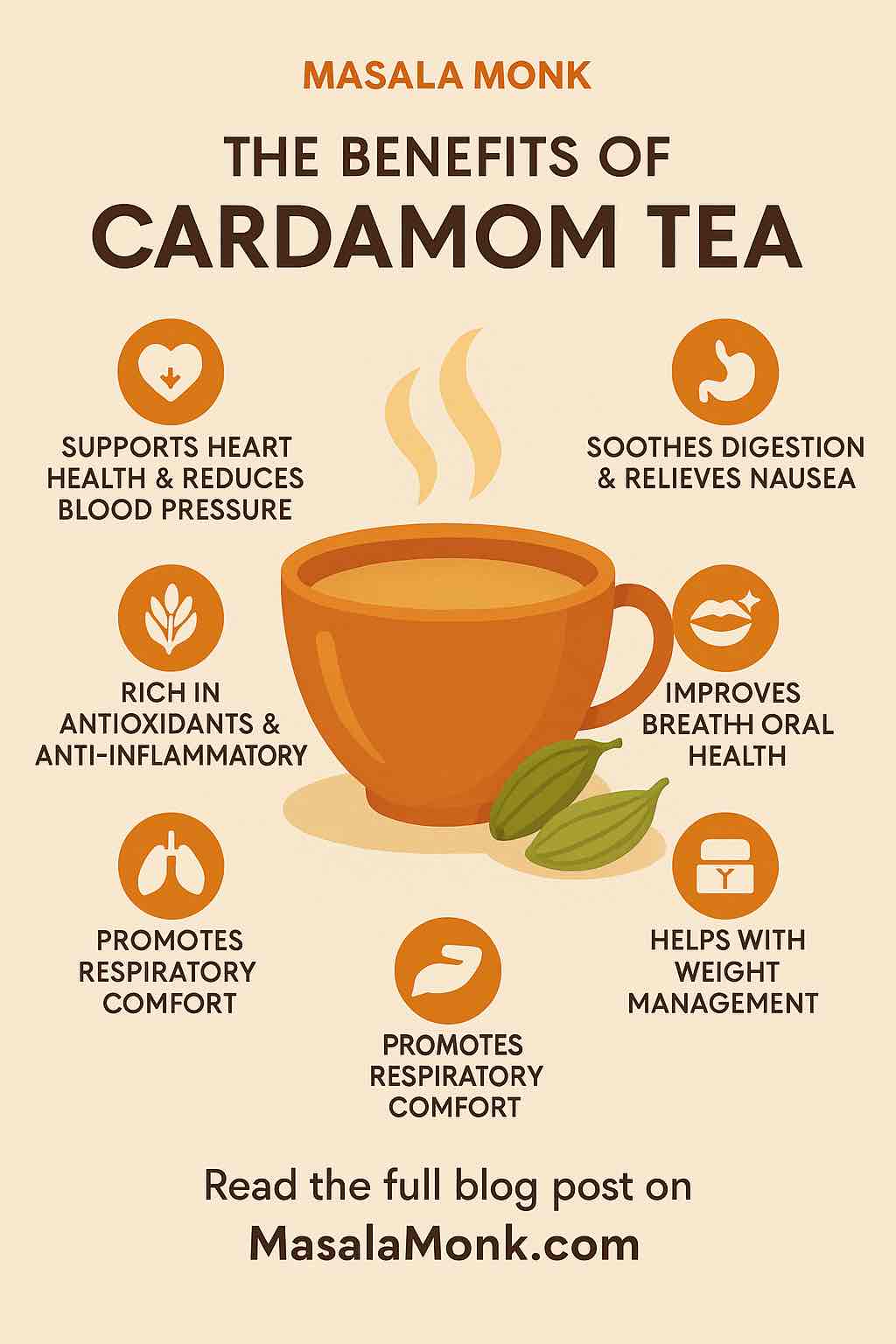
1. Heart Health & Blood Pressure

The latest clinical trials and meta-analyses (2023–2024) reveal cardamom’s gentle but real effect on cardiovascular wellness:

  • Regular intake (about 3 g/day of powdered seeds for 8–12 weeks) may modestly reduce both systolic and diastolic blood pressure—even in those with mild hypertension.
  • Antioxidant compounds and natural diuretic properties in cardamom support vascular health, helping your heart work efficiently.

Practical Tip:
If you have mild high blood pressure, ask your healthcare provider if cardamom tea might be a safe, tasty addition to your wellness routine.

2. Potent Anti-inflammatory and Antioxidant Properties

Cardamom is loaded with phytochemicals such as 1,8-cineole and α-terpineol:

  • These compounds neutralize free radicals, reducing inflammation and potentially lowering your risk of chronic diseases.
  • Meta-analyses show cardamom supplementation consistently lowers blood markers of inflammation (like C-reactive protein).

Practical Tip:
Combine cardamom tea with turmeric or ginger for a delicious anti-inflammatory powerhouse.

3. Digestive Relief

A time-honored digestive aid, cardamom tea:

  • Soothes bloating, gas, and cramps.
  • May ease nausea—especially in early pregnancy (though use in pregnancy should always be discussed with your doctor).
  • Supports gut health with mild antibacterial and anti-spasmodic effects.

Practical Tip:
Sip cardamom tea after heavy meals, or add a few pods to your regular tea to calm your stomach.

4. Fresh Breath & Oral Hygiene

Did you know chewing cardamom pods after meals is a traditional remedy for bad breath?

  • Modern studies confirm cardamom’s essential oils kill oral bacteria and help reduce dental plaque.
  • Cardamom tea delivers these benefits, with an aromatic twist.

Practical Tip:
Drink cardamom tea unsweetened after meals as a natural mouth freshener.

5. Metabolic and Weight Management Potential

Emerging research (mostly in animals and early human trials) suggests:

  • Cardamom may help regulate blood sugar and fat metabolism.
  • Some small trials in humans with metabolic syndrome or PCOS found modest improvements in triglyceride levels and inflammation.

Practical Tip:
Pair cardamom tea with healthy meals and regular exercise as part of a holistic weight management strategy.

6. Respiratory Comfort

Cardamom’s volatile oils have a mild bronchodilating effect, which may:

  • Ease mild respiratory discomfort and support clear breathing.
  • Make cardamom tea a soothing drink during cold or allergy seasons.

How to Brew Cardamom Tea: Practical Methods

Classic Simple Cardamom Tea

Ingredients:

  • 3–5 green cardamom pods, lightly crushed
  • 2 cups water
  • Optional: honey, black tea leaves, ginger

Steps:

  1. Bring water to a boil.
  2. Add crushed cardamom pods (and ginger or black tea, if using).
  3. Simmer gently for 5–10 minutes.
  4. Strain into your favorite mug.
  5. Sweeten with honey if desired.

Masala Chai with Cardamom

Ingredients:

  • 3–4 green cardamom pods
  • 1–2 cloves
  • 1 cinnamon stick
  • 1-inch ginger piece
  • 2 cups water
  • 1 cup milk (any kind)
  • 2 tsp black tea leaves
  • Sweetener to taste

Steps:

  1. Boil water with all spices and ginger for 5–10 minutes.
  2. Add tea leaves, simmer 2 minutes.
  3. Add milk, bring to boil, then simmer 2 more minutes.
  4. Strain, sweeten, and enjoy.

Iced Cardamom Green Tea

Ingredients:

  • 3 cardamom pods, crushed
  • 2 green tea bags
  • 2 cups hot water
  • Honey and lemon, to taste

Steps:

  1. Brew green tea with cardamom pods in hot water for 5 minutes.
  2. Remove bags and pods, let cool.
  3. Add honey and lemon, serve over ice.

How Much to Drink? Dosage & Safety

  • Typical therapeutic dose: Clinical trials use around 3 grams (about 1–1.5 tsp) of ground seeds per day.
  • Culinary use: Lower amounts (a few pods per day) are both safe and beneficial for most.
  • Safety: Cardamom is well tolerated, but large doses may upset sensitive stomachs. If pregnant, breastfeeding, or on blood thinners, consult your doctor first.

Frequently Asked Questions

1. What are the main health benefits of cardamom tea?
Cardamom tea supports heart health, helps reduce blood pressure, soothes digestion, freshens breath, and has strong antioxidant and anti-inflammatory properties. Recent studies suggest it may also help regulate blood sugar and promote respiratory comfort.


2. Can I drink cardamom tea every day?
Yes, for most people, daily consumption of cardamom tea is safe and beneficial when used in moderate amounts (e.g., a few pods or up to 1 teaspoon of ground seeds per day). As with any herbal remedy, listen to your body and consult your healthcare provider if you have specific health conditions.


3. Is cardamom tea safe during pregnancy?
Small amounts (culinary use) are generally considered safe for most pregnant women and may even help with nausea, but higher or supplemental doses should only be used under medical supervision. Always consult your doctor before adding any new herbal teas during pregnancy.


4. Can cardamom tea interact with medications?
Cardamom is generally safe, but in rare cases, it may interact with blood thinners or medications for high blood pressure. If you take prescription medication, check with your healthcare provider before regular use.


5. Does cardamom tea contain caffeine?
Cardamom itself is caffeine-free. If you brew it with black or green tea, your drink will contain caffeine. To enjoy it as a caffeine-free herbal tea, steep only the pods or ground seeds in hot water.


6. How much cardamom tea is too much?
Therapeutic studies use up to 3 grams (about 1–1.5 teaspoons ground cardamom) daily for short periods. Regular culinary use—using 3–5 pods per day in tea or food—is safe for most. Excessive consumption may cause digestive upset in sensitive individuals.


7. What’s the best way to brew cardamom tea for health benefits?
Crush 3–5 whole green cardamom pods, simmer in 2 cups water for 5–10 minutes, and strain. You can combine with other herbs or tea leaves as you wish. Freshly crushed pods deliver the best aroma and active compounds.


8. Does cardamom tea help with weight loss?
Some animal and early human studies suggest cardamom may aid metabolism and help manage triglycerides. However, it is not a magic solution—best results come when used as part of a balanced diet and healthy lifestyle.


9. Can I use ground cardamom instead of whole pods?
Absolutely. Ground cardamom is convenient—use ¼ to ½ teaspoon per cup. Whole pods retain freshness longer and add a deeper aroma, but both forms offer health benefits.


10. Can children drink cardamom tea?
In small amounts (one or two pods brewed into a family pot of tea), cardamom tea is safe for most children over age 4. Avoid concentrated doses or supplements for kids. Always check with your pediatrician if unsure.


Final Thoughts: The Everyday Superbrew

Cardamom tea offers more than just comfort—it’s a practical, enjoyable way to boost your wellness. With its rich tradition and growing body of scientific support, this brew is worth making part of your daily self-care ritual.

So, the next time you need a break, crave something soothing, or want to nurture your heart and mind, reach for cardamom tea. Your body—and your senses—will thank you.
Have you tried cardamom tea, or have a favorite recipe or health tip? Share your experiences below!

Posted on 1 Comment

Saffron: The Golden Spice for Weight Loss and Appetite Control

Saffron The Golden Spice for Weight Loss

Saffron—often called the “golden spice”—has long been treasured for its unique flavor, vibrant color, and sky-high price tag. But beyond the allure in your kitchen, this delicate stigma of the Crocus sativus flower has been a cornerstone of traditional medicine for centuries. Today, science is catching up, uncovering remarkable properties that go beyond mood improvement and into the realm of weight loss and appetite control. Can saffron really help curb those late-night cravings and support your healthy weight journey? Let’s dive into the latest research, practical advice, and expert insights.


Why Saffron for Weight Loss?

Saffron’s story as a health aid isn’t new. Traditional Persian, Indian, and Mediterranean cultures have used it for everything from mood enhancement to digestive health. But its recent emergence as a natural appetite suppressant has sparked a new wave of interest—especially among those looking for alternatives to stimulant-based weight loss pills.

What’s the secret?
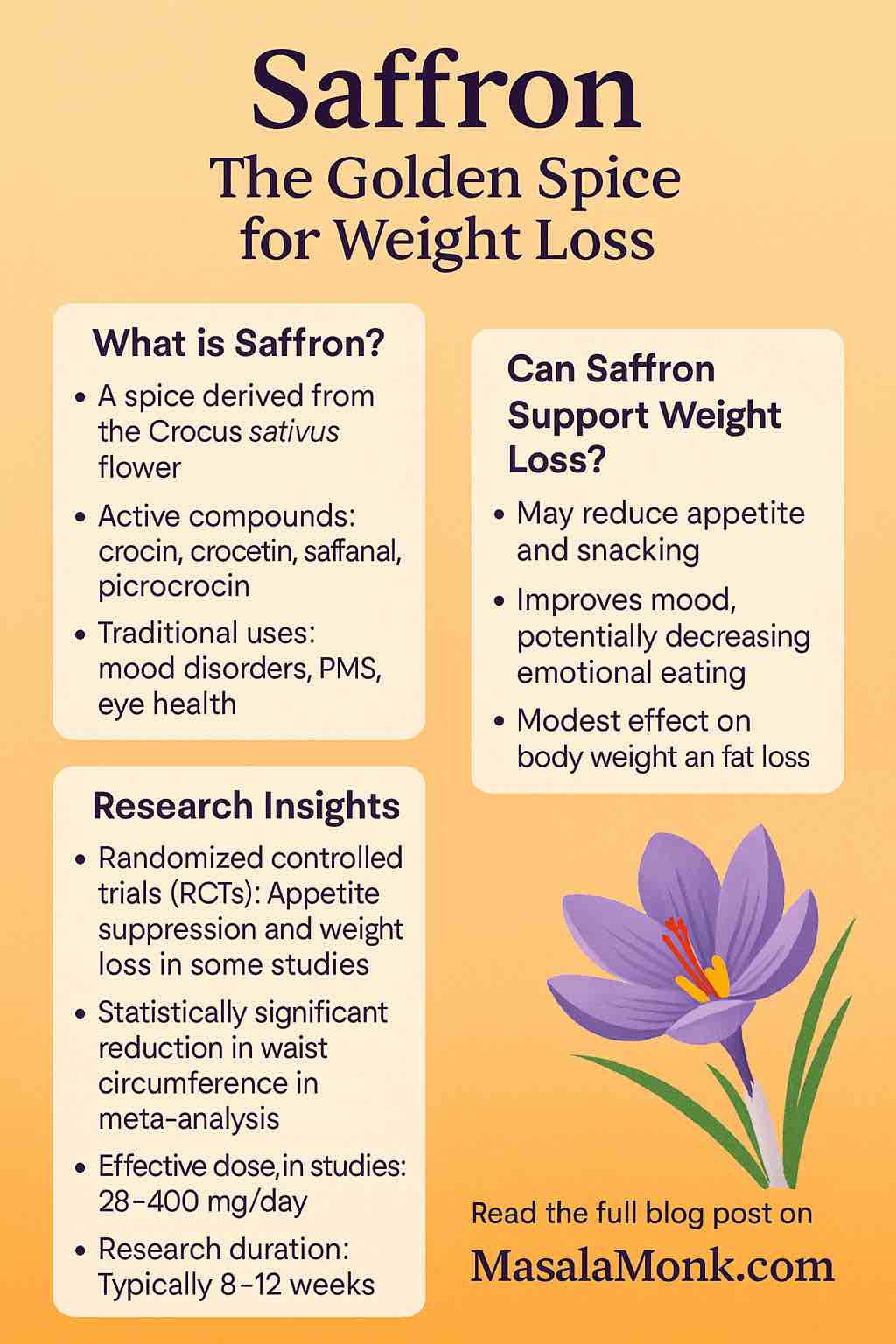
Saffron contains bioactive compounds like crocin, crocetin, safranal, and picrocrocin, which are believed to interact with neurotransmitters involved in satiety (fullness), mood regulation, and even fat metabolism.


What Does the Research Actually Say?

1. Appetite Suppression and Less Snacking

One of the earliest and most widely cited studies found that women who took a patented saffron extract called Satiereal (176.5 mg/day) for 8 weeks snacked significantly less and lost more weight compared to those on placebo. Participants reported less “compulsive eating”—often driven by emotional or stress triggers.

A 2024 trial in overweight adolescents (using 60 mg/day for 12 weeks) also showed reduced appetite, lower BMI, and slimmer waistlines—even outperforming some standard medications in certain areas.

2. Mood and Emotional Eating

Saffron has been studied for its antidepressant effects, with several trials showing it can enhance serotonin activity in the brain. Why does this matter for weight loss? Because many people overeat when they’re stressed or sad. Improving mood may help reduce the urge to eat for emotional comfort—making healthy choices easier and more natural.

3. Metabolic Benefits

Recent meta-analyses in people with metabolic syndrome or prediabetes show saffron can:

  • Lower fasting blood glucose
  • Improve HDL (“good”) cholesterol
  • Reduce triglycerides and total cholesterol

While the effect on total body weight is modest, these metabolic benefits matter for anyone trying to lose weight or improve health markers.

4. How Strong Is the Evidence?

  • Multiple RCTs (randomized controlled trials) back up saffron’s effect on appetite, emotional eating, and waist circumference.
  • Meta-analyses (the gold standard of evidence) show statistically significant—though modest—weight and waist reductions.

How Does Saffron Work?

Scientists believe saffron’s appetite-controlling powers come from:

  • Serotonin modulation: Saffron appears to help maintain serotonin in the brain, supporting satiety and better mood.
  • Gut-brain signaling: Compounds in saffron may positively affect hormones like ghrelin (the “hunger hormone”) and peptide YY (a fullness hormone).
  • Synergistic plant compounds: Whole saffron extract tends to outperform isolated molecules, suggesting a “teamwork” effect.

How to Use Saffron for Weight Loss: Practical Guide

1. Supplements vs. Culinary Saffron

  • Supplements: Most clinical trials use standardized saffron extracts (like Satiereal or Supresa), typically in capsules.
  • Culinary saffron: While delicious and healthy, you’d need unrealistic amounts to match the doses used in studies.

2. Dosage

  • Most studied: 28–400 mg/day of extract, most commonly 60 mg/day.
  • Duration: At least 8–12 weeks for best effect.
  • Tip: Always choose extracts standardized for crocin content, ideally from a reputable brand with 3rd-party testing.

3. When to Take Saffron?

  • Split doses: Morning and evening, or before meals, may help control appetite throughout the day.
  • With food: Can be taken with or without food, but consistency is key.

4. Who Should Avoid Saffron?

  • Pregnant and breastfeeding women (unless using only as a spice in food)
  • Those on antidepressants (due to possible serotonin effects)
  • Anyone with known saffron allergy

5. Is Saffron Safe?

  • At studied doses (28–400 mg/day): generally very safe, with only mild side effects (nausea, dizziness, dry mouth in rare cases).
  • Avoid high doses (>1.5 g/day), which can be toxic.

Choosing the Right Supplement

When buying a saffron supplement:

  • Look for brands using clinically studied extracts (e.g., Satiereal, Supresa)
  • Check for standardization to crocin and/or safranal
  • Review 3rd-party lab testing for purity and authenticity (to avoid adulteration with turmeric or marigold)
  • Beware of “bargain” saffron—it’s often not genuine!

Can You Boost Results? Pair Saffron with Lifestyle Habits

Saffron isn’t a miracle spice, but it can support your efforts when used alongside:

  • Healthy, balanced diet (think lots of fiber, veggies, lean protein)
  • Consistent exercise (even daily walking helps)
  • Mindful eating practices (notice hunger and fullness cues)
  • Stress management (yoga, meditation, or even a hobby you enjoy)

Real-World Experience

Many people describe feeling less “snacky,” improved mood, and even easier weight management after a few weeks of saffron supplementation. Of course, everyone’s results vary—but when combined with a healthy lifestyle, saffron is a promising, natural tool in your wellness arsenal.


Latest Science: What’s New?

  • Innovative delivery: Patented extracts like Supresa® may offer stronger appetite control, and nanoformulations are being studied for better absorption.
  • Teen trials: Even in adolescents, saffron appears safe and effective for appetite and metabolic support.
  • Long-term questions: Most research is under 12 weeks—more studies are needed for extended use and in diverse populations.

Conclusion

Saffron’s golden threads aren’t just for risotto or paella—they could play a golden role in helping you manage weight and control appetite, naturally and safely. Backed by centuries of traditional wisdom and modern clinical science, saffron is emerging as a standout spice for holistic health.

If you’re struggling with emotional eating, snacking, or motivation, consider adding a quality saffron extract to your wellness routine (with your healthcare provider’s okay). It’s not a quick fix, but it’s a small, flavorful step toward sustainable results.


Ready to try saffron?
Remember: Look for quality, consistency, and integrate it with healthy habits. Your journey to a lighter, happier you could be a little more golden!


What are your thoughts? Have you tried saffron for appetite or weight? Share your experiences or questions in the comments below!

FAQs

1. How much saffron should I take for weight loss?
Most studies use 28–400 mg per day of a standardized saffron extract, with 60 mg/day being the most common effective dose. Always follow the instructions on your supplement, and consult your healthcare provider before starting.


2. How long does it take to see results with saffron?
Clinical trials show benefits (reduced appetite, less snacking, modest weight loss) typically appear after 6–12 weeks of consistent use.


3. Can I just add saffron to my food instead of taking supplements?
While culinary saffron is healthy, the effective amounts used in studies are much higher than what you’d normally cook with. For appetite control, a standardized extract supplement is recommended.


4. Are there any side effects of saffron?
Saffron is generally very safe at recommended doses. Rarely, some people experience nausea, dizziness, or dry mouth. High doses (above 1.5 grams daily) can be toxic.


5. Is saffron safe for everyone?
Saffron supplements are not recommended for pregnant or breastfeeding women, people with certain allergies, or those on antidepressants without doctor supervision. Always check with your healthcare provider.


6. Does saffron help with emotional eating or cravings?
Yes, saffron has been shown to improve mood and reduce the urge to snack, especially in response to stress or emotional triggers, due to its effects on serotonin.


7. Will saffron supplements interact with my medication?
Saffron can increase serotonin activity, so use caution if you’re on SSRIs or other antidepressants. Discuss with your doctor if you’re on medication before starting saffron.


8. What’s the best form of saffron supplement to buy?
Choose a supplement standardized to crocin or safranal, preferably with third-party lab testing for purity. Reputable brands will often use patented extracts like Satiereal or Supresa.


9. Can children or teens use saffron for weight control?
Recent studies suggest low doses may be safe and effective for adolescents, but only under medical supervision. Do not give supplements to children without consulting a pediatrician.


10. Can saffron replace diet and exercise for weight loss?
No. Saffron can help reduce appetite and support weight loss, but it works best alongside a balanced diet and regular exercise. Think of it as a helpful tool, not a replacement.

Posted on Leave a comment

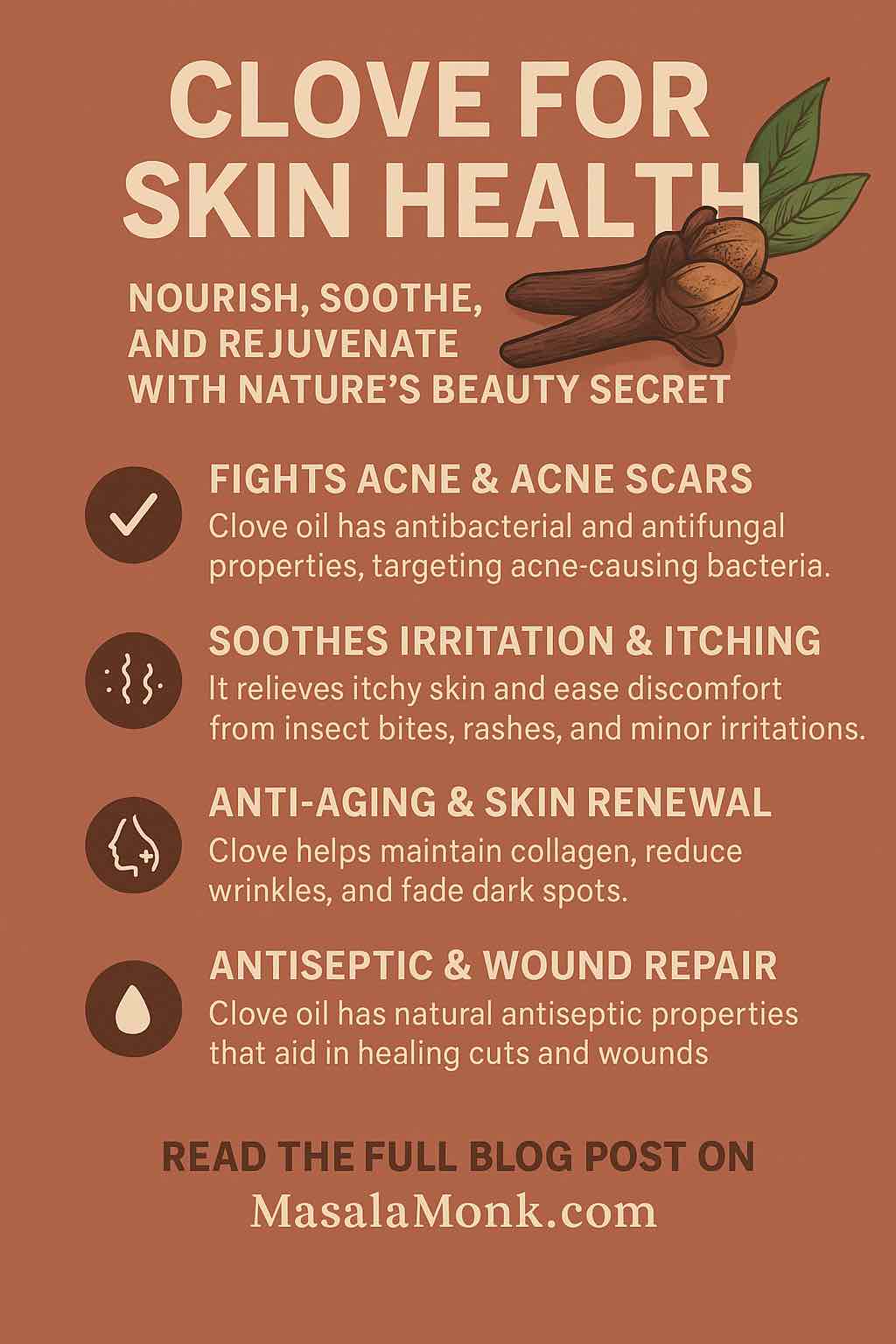
Clove for Skin Health: Nourish, Soothe, and Rejuvenate with Nature’s Beauty Secret

CLOVE FOR SKIN HEALTH

In a world overflowing with skincare fads and “miracle” ingredients, it’s easy to overlook the natural wonders tucked away in your spice cabinet. Clove—the aromatic flower bud from Syzygium aromaticum—is one such gem, cherished for centuries in Ayurvedic, Chinese, and folk medicine. But it’s not just tradition or folk wisdom; modern science is catching up, and the results are stunning.

If you want skin that is clear, resilient, youthful, and glowing—without the harsh chemicals—let’s unlock the power of clove together. This blog post explores how clove supports skin health, what the latest research reveals, how you can use it at home, and the real-world precautions you must know.


The Science of Clove: What Makes It Special?

The Secret Compounds

  • Eugenol: The dominant compound in clove oil (70–90%), eugenol is a powerhouse antioxidant, anti-inflammatory, and antimicrobial agent. It’s the reason dentists use clove for numbing and why your grandma might have reached for it for a toothache.
  • β‑Caryophyllene: A lesser-known, but potent, anti-inflammatory compound also found in black pepper and cannabis.
  • Other Phytochemicals: Flavonoids, tannins, and triterpenoids—offering skin-protective, wound-healing, and calming effects.

These compounds act together to fight microbes, tame inflammation, soothe itching, and even support the skin’s natural healing and anti-aging processes.


Clove for Skin: Evidence-Based Benefits

1. Acne and Breakout Control

  • How it works: Clove oil is a natural enemy of Cutibacterium acnes and Staphylococcus aureus—the bacteria that cause pimples and inflamed breakouts.
  • Real use: Mix a single drop of clove oil into a teaspoon of jojoba or coconut oil, and dab it gently onto active spots. Clinical studies show a significant reduction in redness and swelling within days.
  • Bonus: Its antifungal properties also help with conditions like athlete’s foot or fungal acne.

2. Soothing Itch and Irritation

  • Clinical insight: A 2024 study confirmed that diluted clove oil outperformed petroleum jelly in relieving chronic itch (pruritus), making it a natural alternative for those with eczema, dermatitis, or even bug bites.
  • How to try: Blend a few drops into your favorite unscented moisturizer and use as needed on itchy patches (avoid broken skin).

3. Wound Healing and Repair

  • Latest research (2025): Cutting-edge nanotechnology is now used to deliver clove oil in “nanosponges,” which offer sustained release and zero skin irritation—unlike pure, undiluted clove oil, which can sting. Animal and cell studies show these gels accelerate healing, reduce inflammation, and minimize scarring.
  • Practical takeaway: While these advanced gels may not be widely available in stores yet, you can use well-diluted clove oil for minor cuts and scrapes at home.

4. Anti-Aging and Skin Rejuvenation

  • Lab evidence: Clove oil suppresses enzymes that break down collagen and trigger wrinkling. Studies show it boosts procollagen (the precursor to collagen), fights UV-induced damage, and brightens uneven tone.
  • How to use: Add a tiny amount to homemade serums or masks, always with a carrier oil and never directly on the skin.

How to Use Clove for Skin—Safely and Effectively

The Rules of the Game

  1. Dilute, Dilute, Dilute: Never apply clove oil neat! Use at a concentration of 0.5–1%—that’s about 1–2 drops per tablespoon of carrier oil (e.g., jojoba, almond, coconut).
  2. Patch Test: Even diluted, clove oil is potent. Apply to a small spot on your forearm and wait 24 hours before using widely.
  3. Avoid Sensitive Areas: Do not use on lips, around the eyes, or on mucous membranes. Never use on infants, and consult a doctor if you’re pregnant, nursing, or have sensitive skin conditions.
  4. Combine Wisely: For pain or severe itching, you can blend clove oil with traditional remedies (like lidocaine gel)—but only with medical guidance.

Practical DIY Recipes

1. Clove Spot Acne Treatment

Ingredients:

  • 1 drop clove essential oil
  • 1 teaspoon jojoba or coconut oil

How to Use: Mix well, dip a cotton swab, and apply directly to pimples after cleansing. Use once daily.


2. Soothing Clove Itch Relief Balm

Ingredients:

  • 2 drops clove oil
  • 1 tablespoon shea butter
  • 1 teaspoon sweet almond oil

How to Use: Whip all ingredients together, store in a small jar, and use on itchy, irritated areas as needed.


3. Gentle Clove Face Mask for Brightening

Ingredients:

  • 1 teaspoon clove powder (not oil)
  • 1 tablespoon honey or plain yogurt

How to Use: Mix, apply to clean face for 5–10 minutes, then rinse. Use weekly.


Advanced: What’s New and Exciting?

  • Nanosponges and Gels: The future of clove in skincare lies in slow-release formulations, offering all the benefits with virtually zero irritation. Watch for these ingredients in next-gen skincare products.
  • Clove + Conventional Treatments: Blends of clove and lidocaine are already being used clinically for pain management, showing improved results over lidocaine alone.

Frequently Asked Questions

1. Is clove oil safe for direct application to the skin?
No. Clove oil is very potent and should never be used undiluted on the skin. Always mix it with a carrier oil (like coconut, almond, or jojoba oil) at a concentration below 1% before topical use.


2. How can clove help with acne and pimples?
Clove oil is naturally antibacterial and anti-inflammatory. When diluted, it can reduce redness, swelling, and kill acne-causing bacteria. Apply only on affected areas for best results.


3. Can clove oil help with dark spots or hyperpigmentation?
Clove’s antioxidants may help fade dark spots and even out skin tone with regular use. However, results vary, and it’s best used as a supplement to—not a replacement for—sun protection and other brightening agents.


4. What’s the safest way to patch test clove oil before using it on my face?
Dilute the oil as directed, apply a small amount to the inside of your forearm, and wait 24 hours. If no redness or irritation appears, it’s likely safe to use elsewhere.


5. Can I use clove oil on sensitive or eczema-prone skin?
Exercise caution. Clove oil can irritate sensitive or broken skin. Consult a dermatologist before using it if you have eczema or other skin conditions.


6. Is clove oil effective for itch relief?
Yes. Studies have shown diluted clove oil can effectively relieve itching (pruritus), especially for chronic cases, and works better than petroleum jelly in some cases.


7. Are there any side effects to using clove on the skin?
Possible side effects include burning, irritation, allergic reaction, and sensitization with prolonged use or if undiluted. Always dilute and patch test first.


8. Can I make my own clove-infused skincare at home?
Absolutely! You can add a drop or two of clove oil to your homemade serums, balms, or masks—but always follow proper dilution guidelines. Avoid direct contact with eyes and mucous membranes.


9. Are there ready-made skincare products with clove available?
Yes, some natural and Ayurvedic skincare brands include clove in spot treatments, balms, and creams—often blended with other soothing botanicals. Check labels for concentration and do a patch test.


10. Can pregnant or breastfeeding women use clove oil on their skin?
It’s best to avoid essential oils, including clove, during pregnancy and breastfeeding unless approved by a healthcare provider, as some compounds can be absorbed through the skin.


Final Thoughts: Nature’s Beauty Secret, But Handle With Care

Clove is much more than a holiday spice—it’s a clinically validated, multi-functional skincare ally that can help you conquer acne, soothe irritation, support healing, and keep skin looking younger for longer. But respect its potency: Always dilute, patch test, and don’t go overboard.

As science continues to refine how we use clove—think nanotechnology and advanced gels—the future looks bright for this natural wonder.


Ready to Try?

Share your experience with clove in the comments! Want recommendations for ready-made clove skincare products, or guidance on building your own safe, effective routine? Drop your questions below.


Stay radiant, stay natural!

Posted on 4 Comments

Charcuterie Boards: History, Assembly, Health, and the 3-3-3-3 Rule

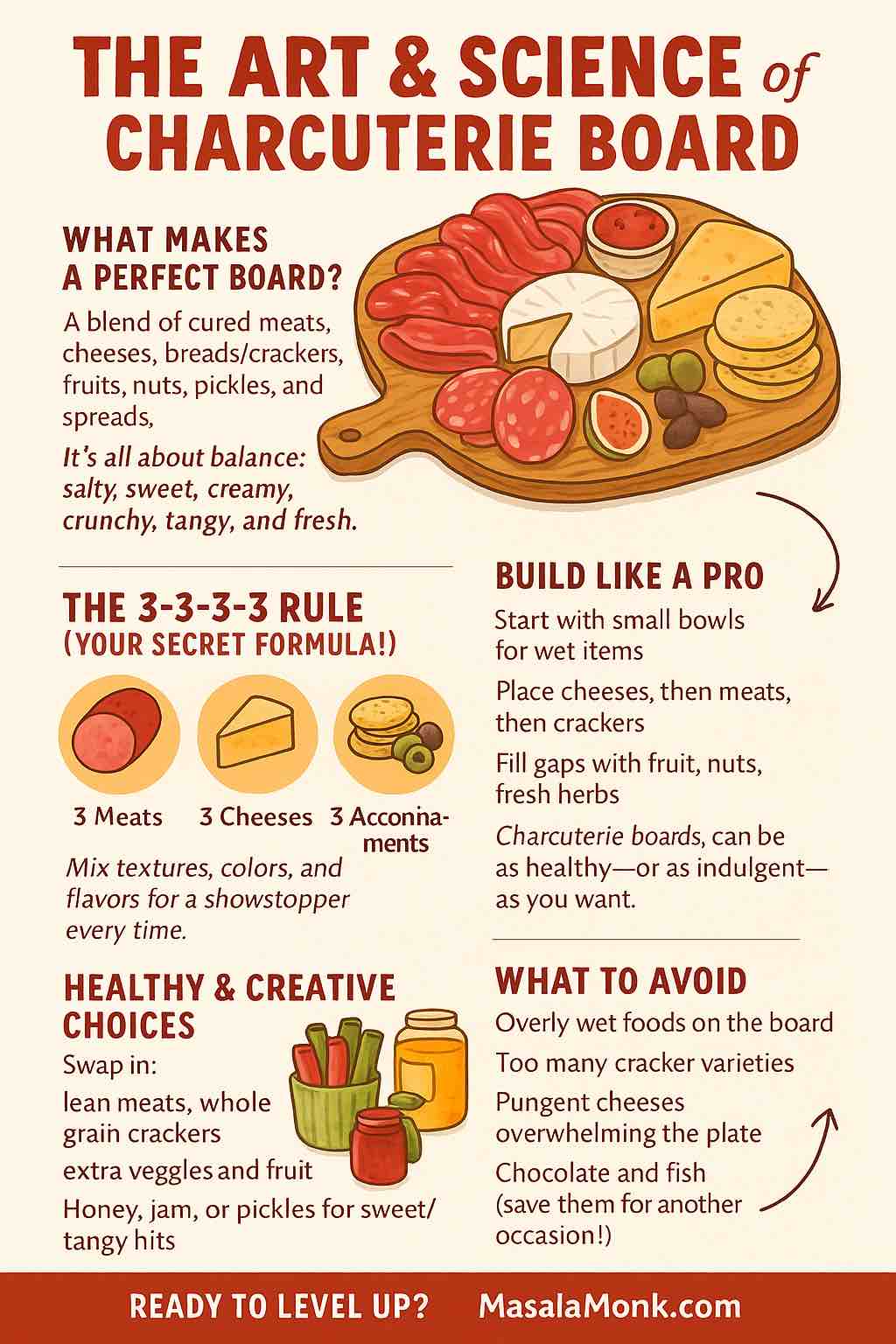
CHARCUTERIE BOARD

A well-crafted charcuterie board is more than just food—it’s a statement piece, a conversation starter, and a delicious way to bring people together. Whether for a cozy family gathering or a festive celebration, the art of arranging meats, cheeses, and their accompaniments is timeless and endlessly creative.

Let’s dive deep into the world of charcuterie boards—what they are, where they come from, how to make them healthy, and, most importantly, how to build a show-stopping spread at home.


What Is a Charcuterie Board?

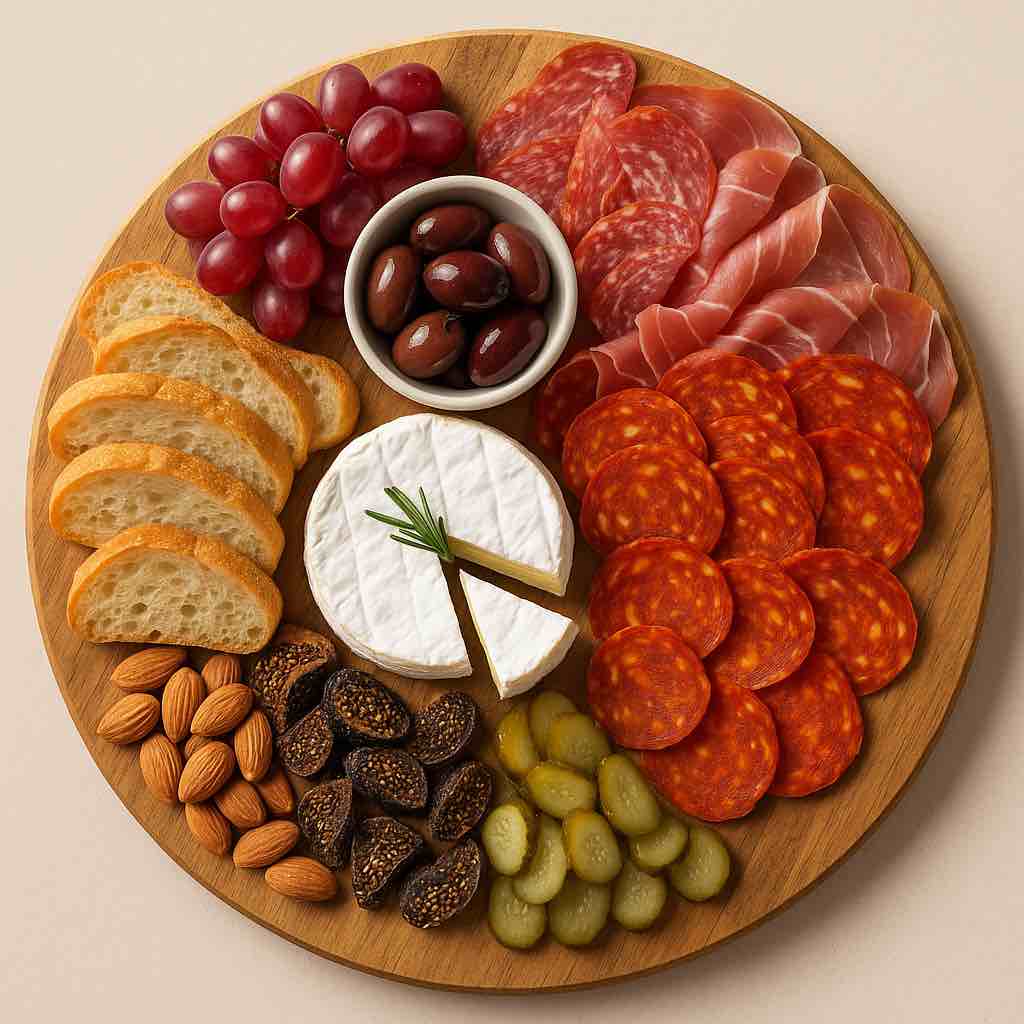
At its core, a charcuterie board is an artful arrangement of cured meats (charcuterie), cheeses, bread, crackers, fruits, nuts, pickles, and spreads—all beautifully presented on a platter or wooden board. The word “charcuterie” is French, originally referring to shops that sold cured pork products. Today, charcuterie has expanded to encompass a much wider variety of meats, cheeses, and snacks.

Modern charcuterie boards are as diverse as their creators, often blending traditions from around the world. They’re now a mainstay at parties, wine nights, and even as a casual dinner option for families.


The History & Evolution of Charcuterie

  • European Roots: The tradition of curing meats began in France and Italy centuries ago as a way to preserve food before refrigeration. Meats were salted, air-dried, and sometimes smoked, then enjoyed with bread and local cheese.
  • Charcuterie Shops: In 15th-century France, “charcutiers” specialized in preparing and selling pork products—everything from pâté to sausage and rillettes.
  • The Modern Board: In recent decades, charcuterie boards have evolved, especially in the US, to include a wide array of cheeses, fruits, nuts, and even sweet elements like chocolate or honeycomb.

The Anatomy of a Charcuterie Board

A truly great charcuterie board offers balance, variety, and visual appeal. Here’s what usually makes the cut:

  • Cured Meats: Salami, prosciutto, coppa, soppressata, chorizo, turkey or chicken salami, pâté.
  • Cheeses: Soft (brie, camembert, goat), semi-hard (manchego, gouda), hard (aged cheddar, parmesan), blue cheese.
  • Bread & Crackers: Baguette slices, rustic bread, grissini (breadsticks), artisanal crackers, crostini.
  • Accompaniments: Fresh/dried fruits (grapes, figs, apricots), olives, pickles, nuts (almonds, walnuts, pistachios), jams, honey, mustards, and fresh herbs for garnish.

The secret: Mix flavors and textures—salty, sweet, tangy, creamy, crunchy.


The 3-3-3-3 Rule: Your Charcuterie Blueprint

Feeling overwhelmed by all the options? Use the 3-3-3-3 rule to guarantee a well-rounded, visually stunning board:

  • 3 Meats: (e.g., prosciutto, salami, chorizo)
  • 3 Cheeses: (e.g., brie, aged cheddar, blue cheese)
  • 3 Starches: (e.g., crackers, sliced baguette, breadsticks)
  • 3 Accompaniments: (e.g., olives, fruit, nuts)

This formula makes shopping simple and ensures a good mix without overloading the board.


How to Arrange Your Charcuterie Board Like a Pro

  1. Start Big: Place small bowls for olives, jams, and spreads on the board first.
  2. Add Cheese: Arrange cheese in different corners. Vary the shape—wedge, block, crumbled.
  3. Meats: Fold or fan out slices of meat for volume and easy grabbing. Group different meats together.
  4. Starches: Add stacks of crackers and bread in gaps, fanned or leaning for height.
  5. Fill Gaps: Tuck in fruits, nuts, and pickles to fill empty spaces and add pops of color.
  6. Finishing Touches: Garnish with fresh herbs (rosemary, thyme, basil) or edible flowers.

Tip: Serve at room temperature (let the board sit out for 15-30 minutes) to bring out the best flavors and textures.

CategoryClassic OptionVeg/Vegan OptionBudget-Friendly
MeatsProsciutto, SalamiRoasted Veggies, HummusTurkey slices
CheesesBrie, CheddarPlant-based cheeseLocal fresh cheese
StarchesBaguette, CrackersSeed crackers, PitaPopcorn, Breadsticks
AccompanimentsOlives, Grapes, NutsFruit, Pickles, NutsDried fruit
“Build-Your-Own Board” table for easy planning
CHARCUTERIE BOARD

5 Things to Avoid on a Charcuterie Board

  1. Overly Wet Foods: Juicy fruits or olives without bowls can make crackers soggy and messy.
  2. Super-Pungent Cheeses or Meats: Very strong flavors (like aged blue cheese or spicy sausage) can dominate—use sparingly and keep separate.
  3. Pre-Sliced Cheese: It dries out fast. Use blocks or wedges and slice just before serving.
  4. Too Many Crackers/Breads: Stick to 2-3 types so the board isn’t overwhelming.
  5. Chocolate or Fish: Chocolate can clash with savory items, and seafood flavors may overpower the board.

Are Charcuterie Boards Healthy?

Charcuterie boards can be healthy—or indulgent—depending on what you include. Tips for a more nutritious board:

  • Opt for lean, minimally processed meats (turkey, chicken, nitrate-free options).
  • Include fresh fruits and veggies for fiber, color, and vitamins.
  • Choose whole-grain crackers for more nutrients and fiber.
  • Add nuts for healthy fats and crunch.
  • Use cheese in moderation (watch out for high-fat, high-sodium varieties).

Remember: Processed meats, even those cured “naturally,” should be enjoyed in moderation. Pair with fresh foods and plenty of hydration.


Pro Tips & Pairing Ideas

  • Balance is Key: Always have something salty, something sweet, something creamy, and something crunchy.
  • Regional Pairings: Pair Italian meats with Italian cheeses and crackers; Spanish chorizo with Manchego and Marcona almonds.
  • Wine Pairings: White wines pair well with softer cheeses and lighter meats; bold reds with hard cheeses and spicy cured meats.

Charcuterie Board FAQ

1. What is a charcuterie board?
A charcuterie board is a platter featuring an assortment of cured meats, cheeses, breads or crackers, fruits, nuts, pickles, and spreads, arranged artfully for sharing.

2. How do I use the 3-3-3-3 rule for charcuterie boards?
Include 3 meats, 3 cheeses, 3 starches (crackers or breads), and 3 accompaniments (such as fruit, nuts, or pickles) for a well-balanced, visually pleasing board.

3. What should I avoid putting on a charcuterie board?
Avoid overly wet foods, very pungent cheeses or meats, pre-sliced cheese, too many types of crackers, and chocolate or fish, which can clash with other flavors.

4. How far in advance can I prepare a charcuterie board?
Prep ingredients a few hours in advance, but assemble the board just before serving to keep everything fresh and prevent drying out.

5. How much should I serve per person?
As an appetizer, plan for about 2 ounces of meat and 2 ounces of cheese per person.

6. Are charcuterie boards healthy?
They can be! Choose lean meats, lots of fruits and vegetables, whole grain crackers, and limit high-fat cheeses and processed meats for a more nutritious board.

7. What’s the best way to arrange a charcuterie board?
Start with bowls for spreads and olives, place cheeses and meats next, then fill in with breads, crackers, fruits, nuts, and garnishes for color and balance.

8. Can I include vegetarian or vegan options?
Yes! Add hummus, plant-based cheeses, marinated veggies, roasted nuts, and fruit for vegetarian or vegan guests.

9. What drinks pair best with a charcuterie board?
Wine is classic (red, white, or sparkling), but craft beers, ciders, and even mocktails pair well depending on the board’s flavors.

10. How do I keep the board looking fresh?
Keep wet foods in small bowls, use herbs for garnish, and avoid overcrowding—leave a little space so each item stands out.


Conclusion: The Joy of Sharing

Charcuterie boards celebrate abundance, flavor, and togetherness. With the right mix of elements—and a few pro tips—you can create a spread that delights the eyes as much as the tastebuds. Whether you’re a purist or a creative host, the charcuterie board is your canvas.

Want more tips, recipes, or printable guides?
Visit MasalaMonk.com for in-depth how-tos, shopping lists, and inspiration!


What’s your favorite element on a charcuterie board? Share your thoughts or questions below!

Posted on Leave a comment

DIY Salami: Low Sodium, Spicy, Dry-Cured, and Charcuterie Perfection

DIY Salami & Charcuterie

There’s a reason salami has been a staple in kitchens around the world for centuries. Its bold flavors, satisfying texture, and impressive shelf life make it a superstar—whether you enjoy it as a snack, in a sandwich, or as the star of your next charcuterie board. But what if you want to make your own salami at home—with lower sodium, more spice, less processing, or custom flavors? What if you want to build the ultimate, health-forward charcuterie experience?

Let’s dive into everything you need to know, with actionable tips, DIY ideas, and pairing inspiration you can use right away.


Why Make Salami at Home?

  • Control the salt and spices: Perfect for low-sodium diets or those who love extra heat.
  • Avoid additives and preservatives: Skip synthetic nitrites or questionable fillers.
  • Endless creativity: Experiment with meat blends, herbs, heat, and even plant-based versions.
  • Impress at gatherings: Nothing says “wow” like homemade charcuterie.

1. DIY Low-Sodium Salami: Satisfy Your Cravings, Not Your Salt Meter

Why try it?
Most commercial salami is loaded with salt—sometimes 600 mg or more per serving. But you can easily make your own version with 30–50% less sodium and plenty of flavor.

How to DIY:

  • Use lean beef, chicken, or turkey for the base.
  • Add salt at 30–50% of typical recipes (start with 1/2 teaspoon per pound and adjust to taste).
  • Punch up flavor with garlic, black pepper, fresh herbs (rosemary, parsley), and a squeeze of lemon for brightness.
  • Skip sodium-heavy extras like cheese or soy sauce in the mix.
  • Bake or steam your log (wrapped in foil or baking paper) at 160°C (325°F) until cooked through. Cool before slicing.

Pairing tips:

  • Serve with crunchy, fresh veggies and unsalted nuts.
  • Choose mild, low-sodium cheeses like fresh mozzarella or ricotta.
  • Avoid pairing with aged cheeses and salted crackers—balance is key!

2. Spicy DIY Salami: Bring the Heat!

Why try it?
Traditional spicy salamis—like Calabrese or Ventricina—are legendary, but homemade means you control the fire!

How to DIY:

  • Start with any basic ground meat salami recipe.
  • Add chili flakes, black pepper, cayenne, or smoked paprika to taste.
  • For smoky depth, add a touch of liquid smoke or smoked paprika.
  • Optional: Add minced jalapeño or chili paste for extra heat.
  • Steam or bake your log, then chill before slicing thin.

Pairing tips:

  • Serve with creamy cheeses (brie, burrata) to balance the spice.
  • Add fruit like figs, dates, or honey for a sweet counterpoint.
  • Use with mild pickles or fresh bread; avoid pairing with sharp/spicy cheeses that can overwhelm.

3. Salami for Charcuterie Boards: Flavor, Texture, and Balance

Why DIY for charcuterie?
Nothing is more impressive (or fun) than a board filled with your own creations.

How to DIY:

  • Make two or three small-batch salamis: one classic (garlic, black pepper), one herby (fennel seed, thyme), one spicy (see above).
  • Mix textures—try one leaner, one with a touch more fat.
  • For color, roll some logs in cracked pepper, chopped herbs, or smoked paprika before cooking.

Building the board:

  • Pair with a variety of cheeses: soft (goat), semi-firm (manchego), hard (aged cheddar).
  • Add olives, nuts, fresh fruit, pickles, and something sweet (fig jam, honey).
  • Use a mix of crackers and crusty bread, but leave space so each element stands out.

What to avoid:

  • Too many salty or spicy ingredients together.
  • Overcrowding—simplicity and balance always win.

4. Dry-Cured Salami: The Traditional Artisan’s Route

Why try it?
Dry-cured salami has the deepest flavor, the most tradition, and—if made safely—the longest shelf life. This style takes patience and care but is incredibly rewarding.

How to DIY (basic method):

  • Mix pork shoulder (or blend of pork and beef), pork fat, salt, black pepper, garlic, red wine, and your favorite spices.
  • Use natural casings (from a butcher) and a starter culture (for safe fermentation).
  • Stuff mixture into casings, tie, and hang in a cool (15–20°C), humid (80–90%) environment for 3–6 weeks.
  • Dry until the log loses about 30% of its weight.
  • Always follow proven recipes and food safety guidelines!

Pairing tips:

  • Thinly slice and serve with crusty bread, olives, and a sharp, nutty cheese.
  • Pair with juicy tomatoes or simple greens for freshness.
  • Don’t pair with other strong, funky cured meats—let your dry-cured masterpiece shine.

What to avoid:

  • Attempting dry-curing without proper temp/humidity control.
  • Skipping starter cultures or curing salts—safety first!

5. Uncured Salami: What Does It Really Mean?

What is it?
“Uncured” means it’s made without synthetic nitrites or nitrates—using natural sources like celery powder instead. Some home recipes simply skip curing salts altogether and use baking/steaming for safety.

How to DIY:

  • Use lean meat, sea salt, celery powder (if desired), black pepper, garlic, and vinegar or wine.
  • Bake or steam until fully cooked—no need for extra preservatives.

Pairing tips:

  • Great with crunchy veggies, soft cheeses, and fresh herbs.
  • Enjoy as part of a healthy lunchbox with whole grain crackers and fruit.

What to avoid:

  • Assuming “uncured” means preservative-free—it’s still a preserved meat.
  • Storing homemade uncured salami too long—consume within a week if not dry-cured.

6. General DIY & Pairing Tips

  • Start small: Try mini logs with different spices and meats.
  • Stay safe: If fermenting or curing, always use a tested recipe and proper food safety measures.
  • Experiment: Mix meats (turkey and pork; beef and chicken), add seeds, chopped nuts, or even dried cranberries for creative twists.
  • Variety matters: For your charcuterie, always include something fresh (veggies or fruit), something creamy, something crunchy, and your show-stopping salami.

Common Mistakes to Avoid

  • Over-salting or under-seasoning: Always taste-test with a mini patty before shaping your whole log.
  • Rushing the chilling or drying stage: Let flavors develop and the texture firm up!
  • Using poor-quality meat: The flavor of your salami is only as good as what you start with.
  • Ignoring food safety: When in doubt, stick to cooked (not cured) recipes.

Conclusion: Your DIY Salami Journey Starts Here

Whether you want to cut sodium, dial up the spice, try traditional dry-curing, or impress your friends with a custom charcuterie board, homemade salami puts you in control. You get healthier results, unique flavors, and the satisfaction of true kitchen creativity.

Ready to try?
Mix up a batch, slice it thin, and build your board. Share your results, ask questions, and keep experimenting—your salami adventure is just beginning!


Explore more recipes and guides on MasalaMonk.com, and tag us with your homemade creations!
What’s your favorite salami style? Have you ever made your own? Let us know in the comments!

10 FAQs for DIY Salami & Charcuterie

1. Can I really make salami at home safely?
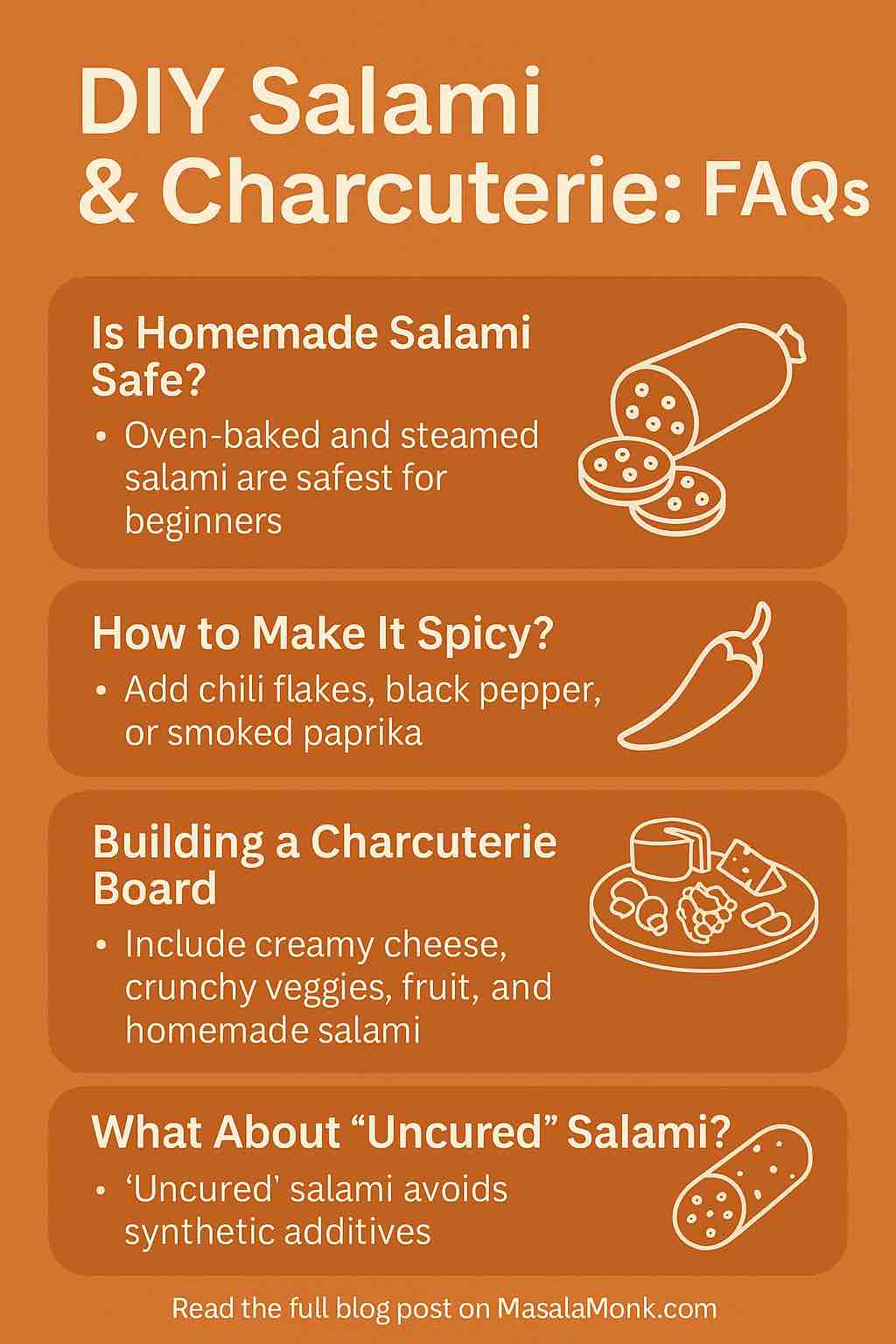
Yes! Oven-baked and steamed salami recipes are safest for beginners. If you try dry-curing, always use a trusted recipe, proper salt, and (if possible) a starter culture and curing chamber.

2. How do I lower the sodium in homemade salami?
Simply use less salt—start with about half the amount most recipes recommend and boost flavor with fresh herbs, garlic, pepper, and lemon zest.

3. What’s the difference between cured, uncured, and dry-cured salami?
Cured salami uses synthetic nitrates/nitrites for preservation; uncured uses natural sources like celery powder; dry-cured is fermented and aged for weeks using salt and sometimes a starter culture.

4. Can I make spicy salami at home?
Absolutely! Just add chili flakes, black pepper, smoked paprika, or minced chilies to your favorite base recipe.

5. How long does homemade salami last?
Oven-baked and steamed salami lasts up to a week in the fridge. Dry-cured salami can last for weeks to months if stored properly.

6. Do I need special equipment for homemade salami?
No special equipment for baked/steamed recipes. For dry-curing, a sausage stuffer, casings, and (ideally) a curing chamber or temperature- and humidity-controlled fridge help.

7. What meats work best for DIY salami?
Traditional salami uses pork, but beef, chicken, turkey, and even plant-based options work well. Leaner meats make lighter salamis.

8. How do I build a balanced charcuterie board with homemade salami?
Mix flavors and textures: include creamy cheese, crunchy veggies or nuts, a sweet element (fruit or jam), and your homemade salami, sliced thin.

9. What should I avoid when making or pairing salami?
Avoid excess salt or spice, overcrowding your board, using low-quality meats, or skipping food safety steps. Don’t pair all salty or all spicy items—balance is key.

10. Is uncured salami healthier?
Uncured salami avoids synthetic additives but still uses natural curing agents. For the healthiest option, make your own with minimal salt, no fillers, and lots of fresh flavor.