Posted on Leave a comment

Watermelon Juice Recipe

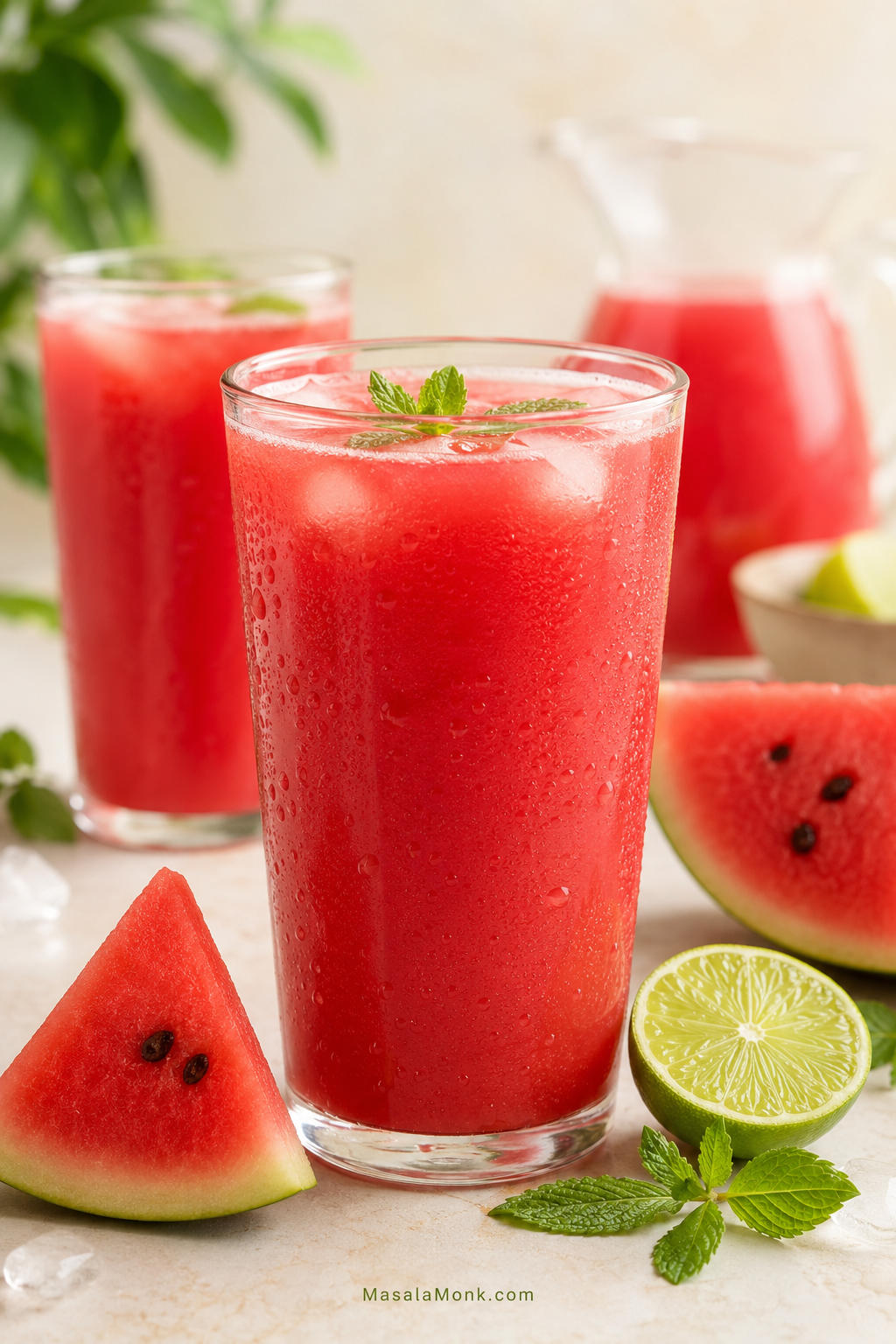
Cold watermelon juice served in clear glasses with ice, watermelon wedges, lime, and mint on a bright summer surface.

There are days when a cold glass of watermelon juice feels better than dessert: icy, ruby-red, naturally sweet, and bright enough to wake you up in a few sips. The only catch is that it can turn flat or watery if you blend it the wrong way.

This watermelon juice recipe keeps the flavor bold by blending cold watermelon without added water, then balancing it with lime or lemon and a small pinch of salt. You do not need a juicer, and you can leave it pulpy, strain it smooth, or turn the same base into watermelon cucumber juice, watermelon pineapple juice, mint watermelon juice, or Indian-style tarbooz juice with black salt.

The best glass should taste like biting into cold watermelon, not like watermelon-flavored water. That is why this method starts with chilled fruit, skips added water, and adjusts only after you taste: citrus for lift, a tiny pinch of salt for brightness, and more cold fruit for body.

Quick Answer: How to Make Watermelon Juice

Blend 4 cups cold seedless watermelon cubes with 1 tablespoon fresh lime or lemon juice and a small pinch of salt. Do not add water at first. Strain the juice if you want it smooth, or leave it unstrained for a thicker, pulpy, fresh-fruit texture. Serve it over ice right away, or chill it briefly and stir before pouring.

Sweet watermelon needs very little help. Bland fruit is where the lime-and-salt trick matters most. That small adjustment is what turns watery blended fruit into a bright, cold glass that actually tastes alive.
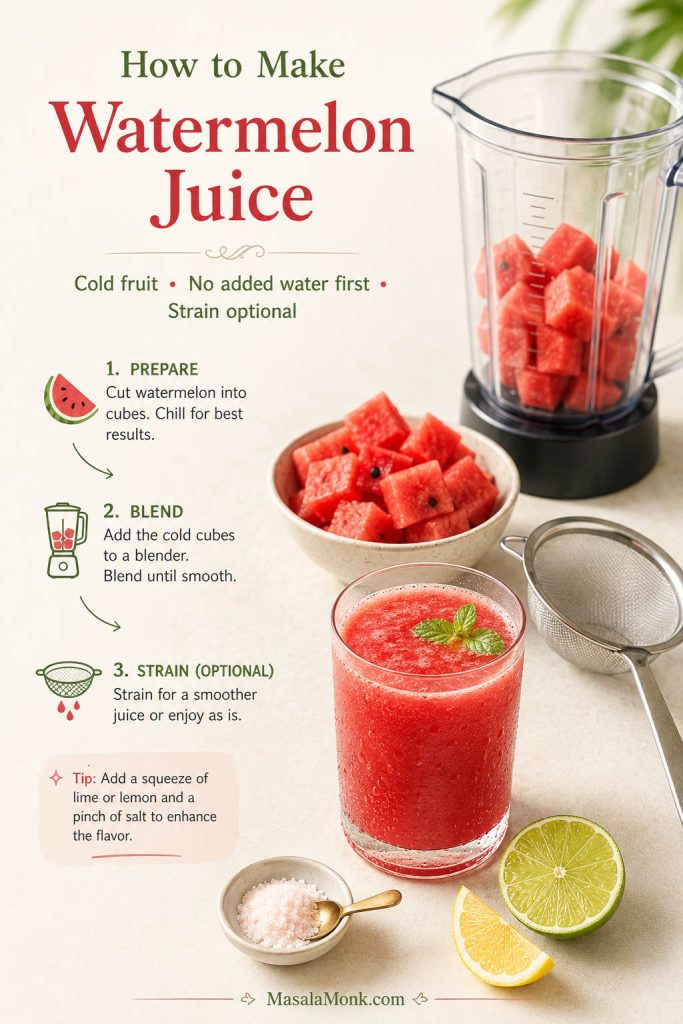
Quick guide showing watermelon cubes, lime, lemon, salt, a blender, and optional strainer for making watermelon juice.
Blend cold watermelon first, then taste before adding anything else. That small pause helps you fix the fruit you actually have instead of diluting the glass too early.

If your juice tastes flat, thin, or pulpy after blending, use the flavor fixes before adding more ice or sugar.

Why This Watermelon Juice Works

The best version should taste like cold, ripe watermelon first: clean, juicy, and bright. Everything else in this recipe is there to protect that flavor, not cover it up.

  • No juicer needed: Watermelon blends easily because it is naturally full of juice.
  • No added water: The drink stays sweet, fresh, and concentrated instead of diluted.
  • Lime or lemon wakes it up: A little acidity lifts even average watermelon.
  • A small pinch of salt helps: Regular salt sharpens the sweetness; black salt gives an Indian-style summer cooler flavor.
  • Straining is optional: Keep the pulp for body, or strain the juice for a cleaner pitcher-style drink.

Because the base is so clean, you can use it for everyday drinking, mocktails, brunch drinks, popsicles, or cocktails like a watermelon margarita.

Ingredients for Watermelon Juice

You only need watermelon for the simplest version, but lime or lemon and a little salt make the drink taste much more alive.
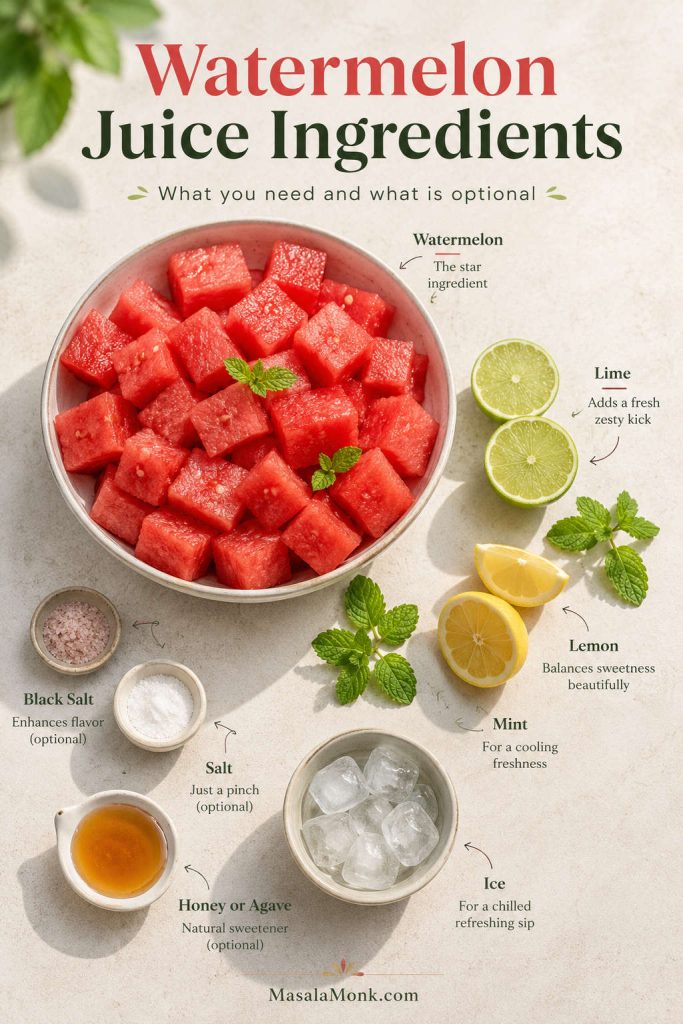
Watermelon juice ingredients arranged with watermelon cubes, lime, lemon, mint, salt, black salt, sweetener, and ice.
Watermelon does most of the work, while the small additions shape the flavor. Lime or lemon adds lift, salt sharpens sweetness, and mint or black salt changes the mood.
Ingredient US Measure Metric Why It Matters
Cold seedless watermelon cubes 4 cups About 600 g The main body, sweetness, and color of the drink.
Fresh lime or lemon juice 1 tablespoon 15 ml Lifts the flavor and fixes flat-tasting fruit.
Fine salt or black salt Small pinch, up to 1/8 teaspoon About 0.5 g Makes the fruit taste sweeter and more refreshing.
Fresh mint leaves 6–10 leaves Optional Adds a cooling summer flavor.
Honey, sugar, or agave 1–2 teaspoons Optional Use only if the watermelon is not sweet enough.
Ice As needed Optional Serve over ice, but avoid blending in too much ice because it waters down the flavor.

Seedless vs Seeded Watermelon

Seedless watermelon is easiest because you can cube and blend it quickly. If you have seeded watermelon, remove as many black seeds as possible before blending. A few small white seeds are usually fine in a blender, especially if you plan to strain the juice.

Lime or Lemon?

Lime gives the drink a sharper, more tropical edge. Lemon tastes softer and more familiar, especially if you are making watermelon lemonade or Indian-style tarbooz juice. Either works, so use what you have.
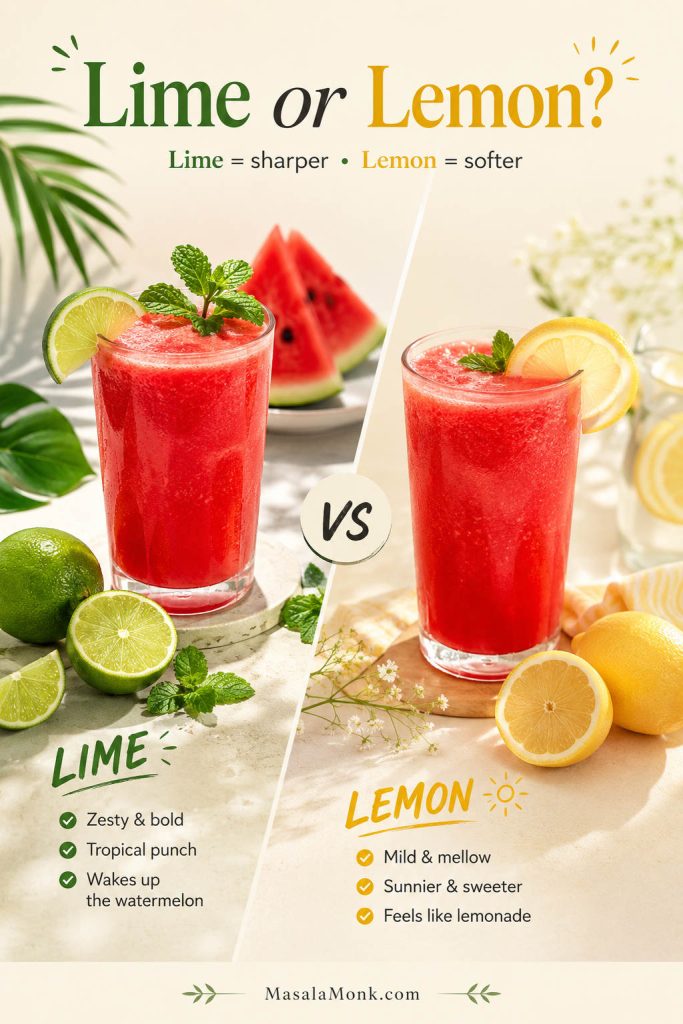
Split comparison showing lime and lemon options for watermelon juice, with lime shown as sharper and lemon as softer.
Lime gives the glass a sharper, cleaner edge, while lemon makes it softer and more lemonade-like. Choose lime for crispness and lemon for a gentler summer drink.

Do You Need Sugar?

Usually, no. A ripe watermelon should be sweet enough. However, if the fruit is pale, bland, or not fully ripe, add 1–2 teaspoons of honey, sugar, simple syrup, or agave. Start small because the drink should still taste fresh, not syrupy.
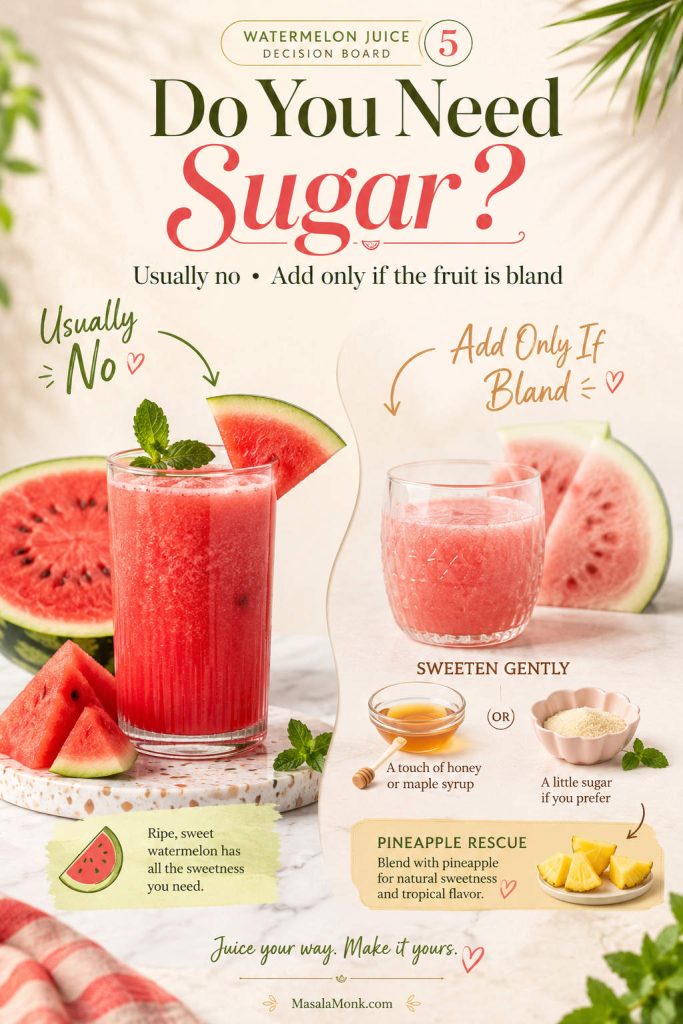
Decision board showing ripe watermelon needing no sugar and bland watermelon with optional sweetener or pineapple.
Ripe watermelon usually needs no sugar. When the fruit tastes pale or flat, pineapple or a tiny amount of sweetener can rescue the juice without making it syrupy.

If your watermelon needs help but you do not want to lean on sugar, pineapple is one of the easiest fruit fixes. For another naturally sweet tropical drink, this pineapple mango juice follows the same fruit-forward idea.

How to Pick a Sweet Watermelon

The best juice starts before the blender. If the melon is sweet and ripe, the recipe needs almost no help. If you only check two things, choose one that feels heavy for its size and has a creamy yellow field spot.
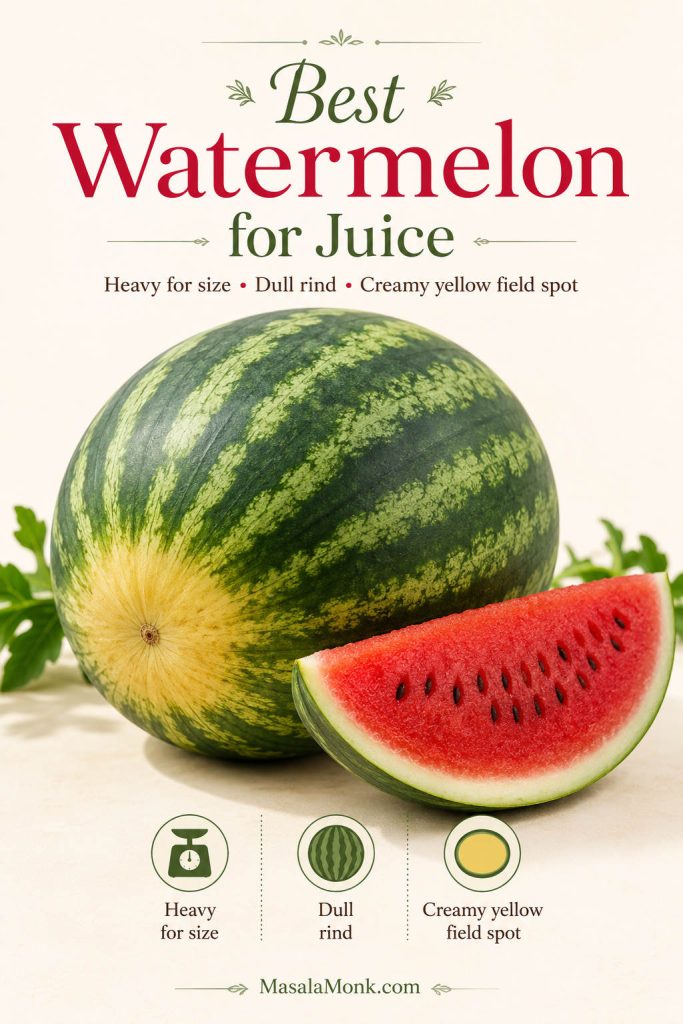
Whole watermelon with a creamy yellow field spot and ripe red cut fruit used as a guide for choosing watermelon for juice.
Better juice starts with better fruit. Choose a watermelon that feels heavy for its size and has a creamy yellow field spot for the best chance at sweetness.
  • Heavy for its size: A juicy watermelon should feel heavier than it looks.
  • Dull rind: A shiny rind can mean the fruit is underripe.
  • Creamy yellow field spot: This is where the melon rested on the ground. A deeper yellow spot usually suggests better ripeness.
  • Symmetrical shape: Avoid oddly dented or misshapen fruit when possible.
  • No soft spots or sour smell: Once cut, the flesh should smell fresh and sweet, not fermented.

How to Make Watermelon Juice in a Blender Without a Juicer

This is the easiest clean method because it is fast, low-effort, and does not require special equipment. You do not need a perfect watermelon for it to work. A great melon needs almost nothing; an average one can still become a good drink with citrus, salt, cold temperature, or a little pineapple.
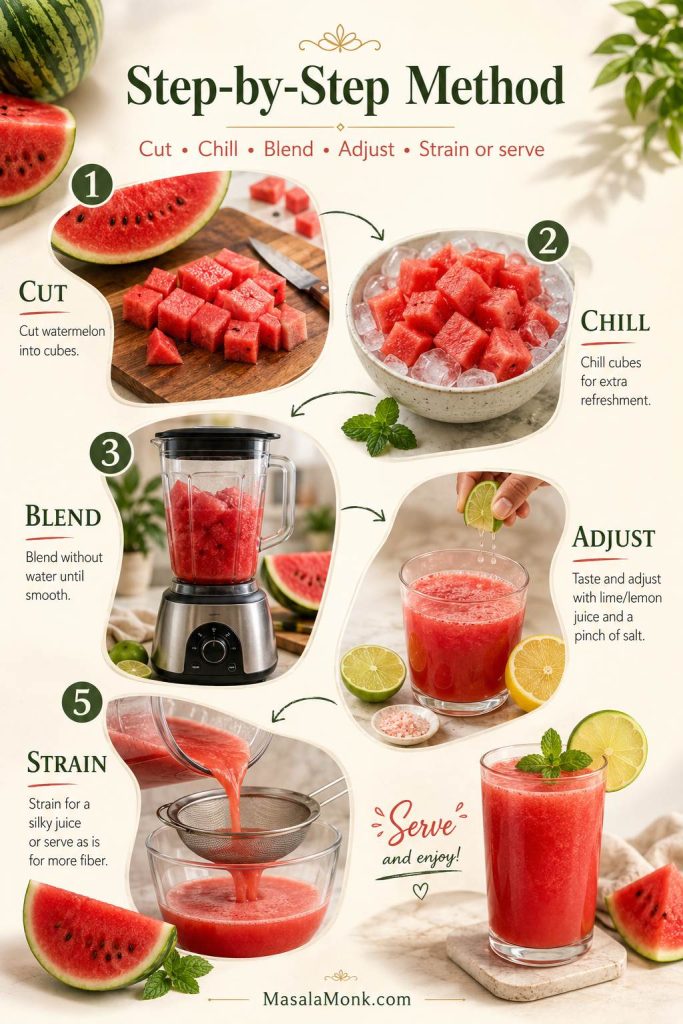
Step-by-step board showing watermelon being cut, chilled, blended, adjusted with citrus and salt, then strained or served.
The method is simple, but the order matters. Chill and blend the fruit first, then adjust the flavor before deciding whether to strain or serve.

Wash the Watermelon Before Cutting

Rinse the outside before cutting, and scrub the rind under running water if it feels dusty or dirty. You do not eat the rind, but the knife passes through it into the fruit, so a clean outside matters. Food-safety guidance also recommends washing produce before cutting, even when you do not eat the skin.

Whole watermelon being washed under running water before cutting for fresh juice.
Wash the rind before cutting, even though you will not eat it. As the knife passes through the outside into the flesh, a clean rind helps keep juice prep cleaner.

Chill the Watermelon

Cold fruit makes better juice. If the watermelon is already cold, you can serve the drink right away without blending in extra ice. If it is room temperature, cube it and chill the pieces for 30 minutes before blending, or chill the finished pitcher briefly before serving.
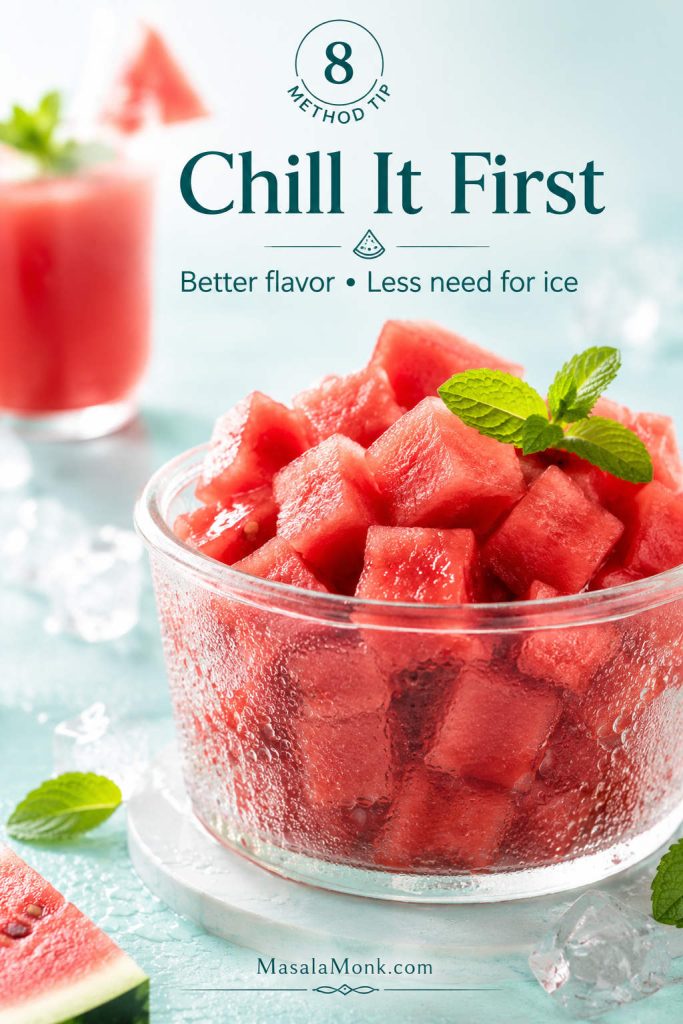
Cold watermelon cubes chilled in a glass bowl before blending into watermelon juice.
Cold fruit gives the drink better body and a cleaner first sip. It also reduces the need for blended ice, which can make the juice taste watery.

Cut Away the Rind

Slice off the green rind and the pale white part underneath it. A little pale edge will not ruin the drink, but too much white rind can make it taste grassy or thin.
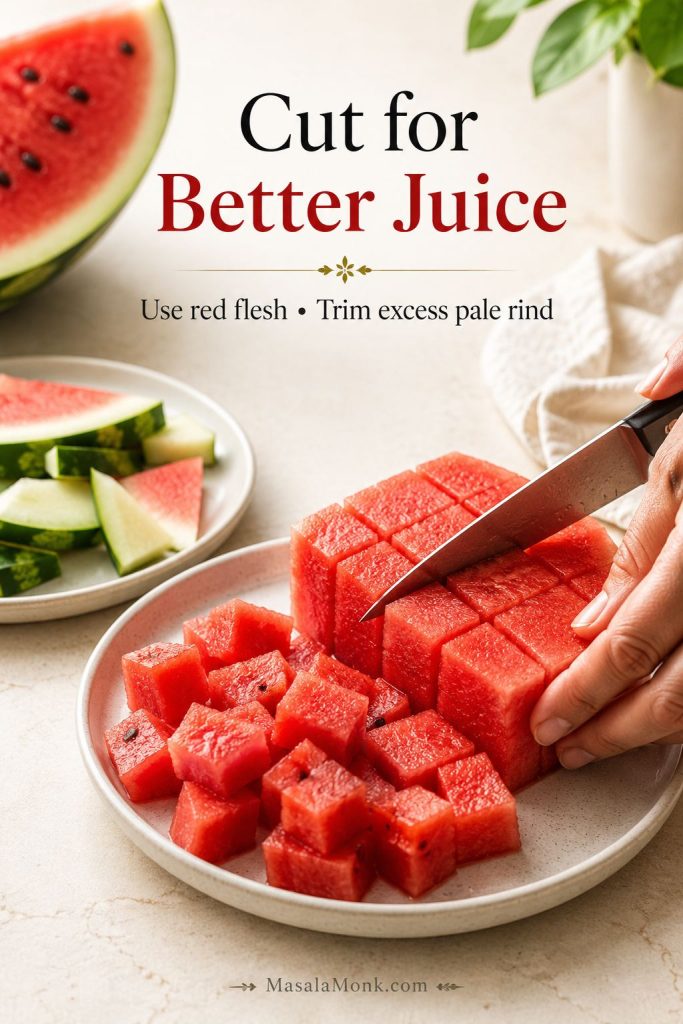
Watermelon being cut into red cubes with the pale rind trimmed away for making juice.
Use mostly the red flesh for the cleanest flavor. Too much pale rind can make fresh watermelon juice taste grassy, thin, or less naturally sweet.

Blend Without Water

Add the watermelon cubes to a blender and blend for 30–60 seconds, until smooth. Do not add water at first. The fruit releases plenty of liquid as it blends.

The No-Water Rule

Blend the watermelon by itself first. Extra water makes the drink thinner before you know whether it needs help. If the blender struggles, pulse a few times, press the fruit down with a tamper if your blender has one, or add only 1–2 tablespoons cold water to get the blades moving.
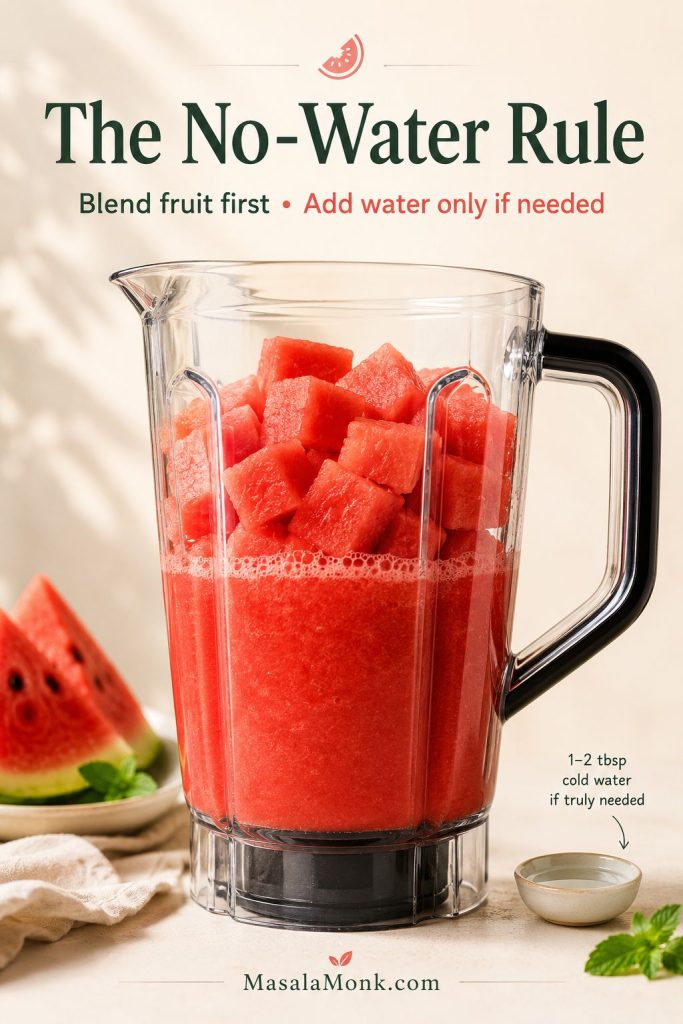
Blender filled with watermelon for the no-water method, with a small water cue only if needed.
Watermelon releases plenty of liquid once the blades catch. Start without water and use only the smallest splash of cold water if your blender refuses to move.

If the first blend tastes weak or watery, taste and adjust before adding ice or extra water.

Taste, Then Adjust

Taste before adding anything else. Sweet but flat? Add lime or lemon. Dull? Try a tiny pinch of salt or black salt. Not sweet enough? Add a teaspoon or two of honey, sugar, agave, or a little pineapple.
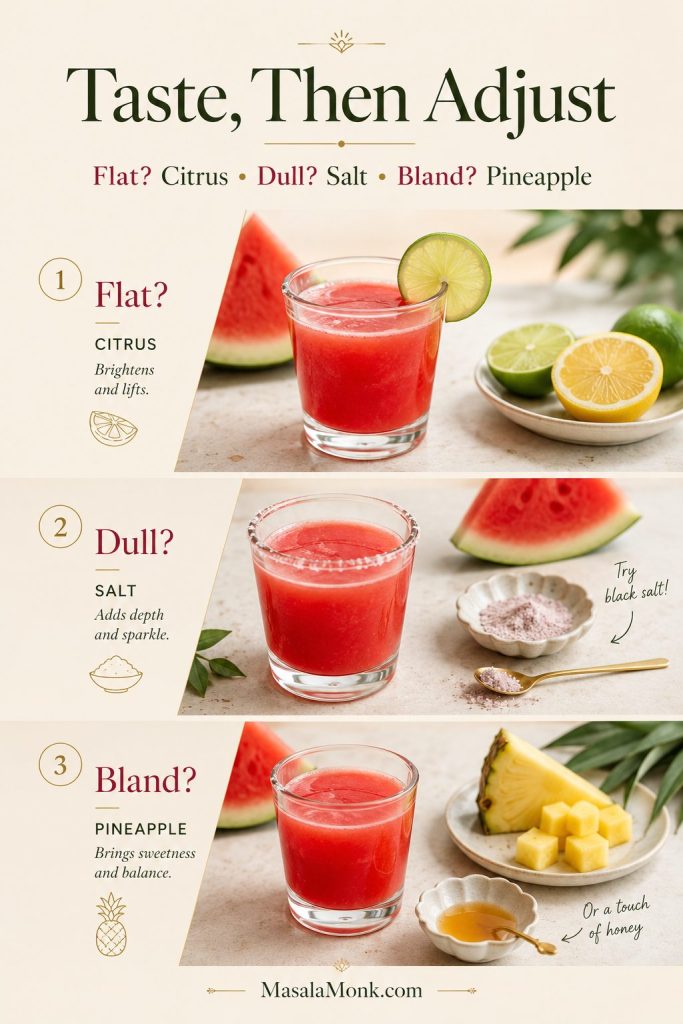
Taste-and-adjust guide showing citrus for flat juice, salt for dull juice, and pineapple for bland watermelon juice.
A quick taste tells you what the glass needs. Citrus brightens, salt sharpens, and pineapple adds sweetness plus acidity when the melon tastes weak.

Strain If You Want It Smooth

Pour the juice through a fine-mesh strainer for a clean, smooth glass. Leave it unstrained if you like a thicker, pulpy, fresh-fruit texture.

Serve Cold

Pour into glasses over ice and enjoy soon after blending. Garnish with mint, lime, lemon, or small watermelon wedges if you want it to look more polished.

Should You Strain Watermelon Juice?

Straining is optional. The right choice depends on the texture you want and how you plan to serve the drink.

If you want a juice-bar-style glass, strain it. If you want more body and less waste, leave it pulpy.
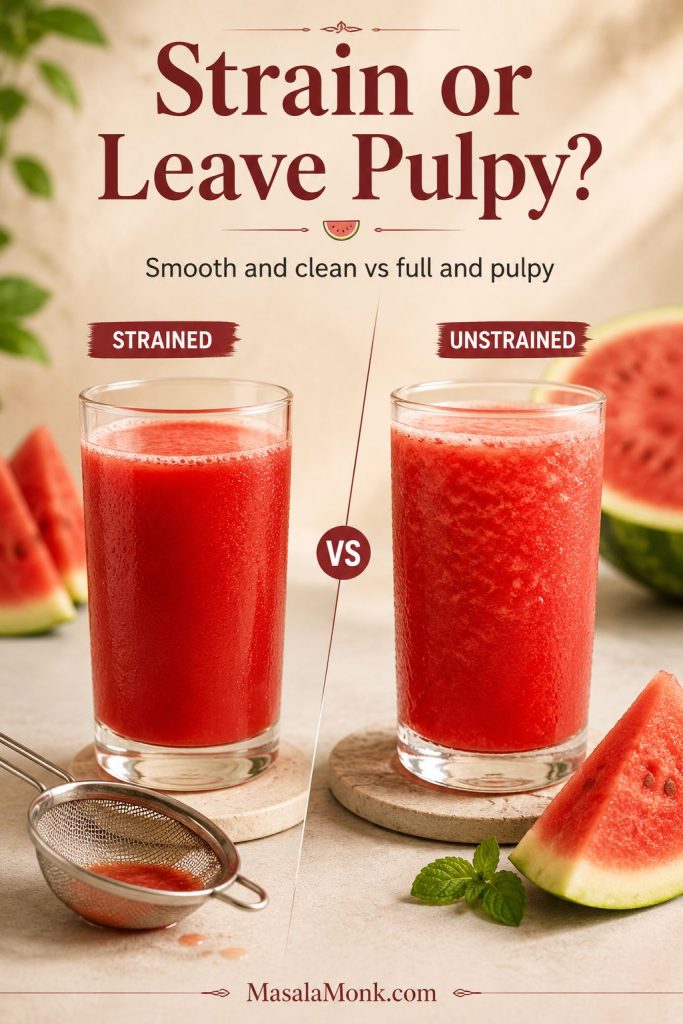
Comparison of strained watermelon juice and unstrained pulpy watermelon juice in clear glasses.
For a pitcher or mocktail, strained juice looks cleaner. When you are drinking it right away, the pulp adds body and keeps more of the fruit in the glass.
Style Texture Best For
Unstrained Thicker, pulpy, more body Everyday drinking, less waste, a fuller fruit texture
Fine-mesh strained Smooth but still fresh Pitchers, guests, cleaner glasses
Cheesecloth or nut milk bag Very smooth and polished Mocktails, cocktails, party drinks, or extra-smooth juice

For a quick glass at home, unstrained is perfectly fine. For a pitcher, mocktail, or cocktail, straining gives a cleaner finish.

Still not sure about texture? See the texture guide for thin, just-right, and pulpy juice.

How to Fix Bland, Watery, or Pulpy Watermelon Juice

This is where homemade watermelon juice either becomes excellent or stays forgettable. Watermelon changes from fruit to fruit, so taste the blended juice before adding anything. Then fix the exact problem instead of dumping in ice, sugar, or water.

If the first sip is not right, do not panic and do not add more ice. Flat juice needs citrus and salt, thin juice needs more cold fruit, and pulpy juice needs straining.
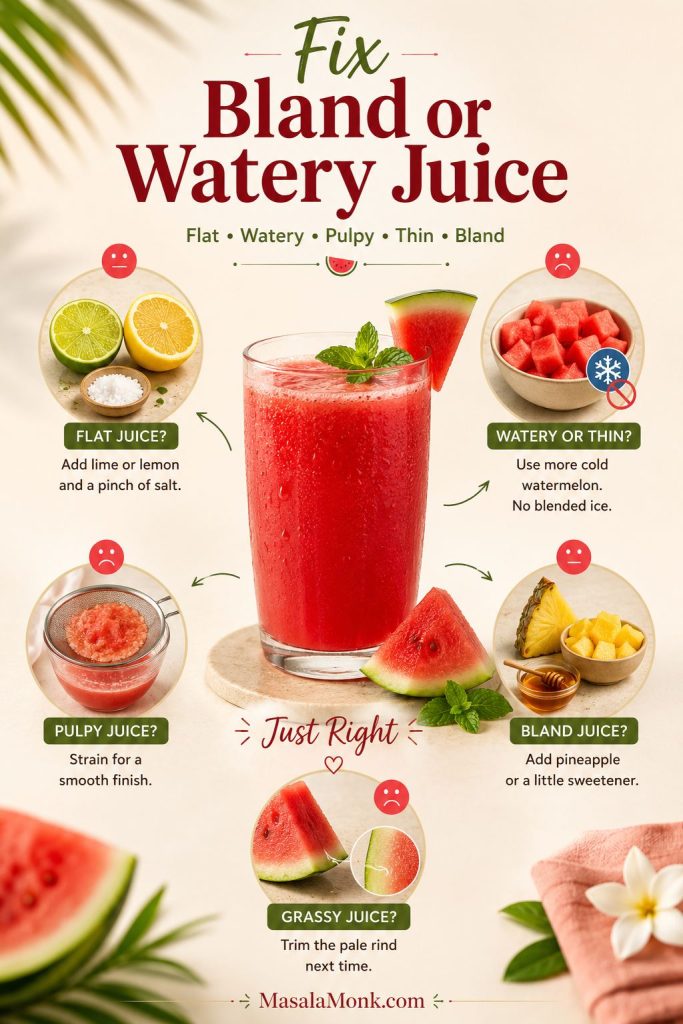
Troubleshooting board showing fixes for bland, watery, pulpy, thin, and flat watermelon juice.
Do not rescue a dull batch with more ice. Instead, fix the actual problem: brighten the flavor, rebuild the body, or strain the texture until the glass tastes balanced.
Problem Best Fix
Tastes flat Add 1 tablespoon lime or lemon juice and a small pinch of salt.
Not sweet enough Add 1–2 teaspoons honey, sugar, or agave. Pineapple also helps.
Too sweet Add lime, lemon, cucumber, or sparkling water.
Too watery Chill it, stir it, and serve over ice instead of blending ice into it. For more body, blend in extra cold watermelon.
Too pulpy Strain through a fine-mesh sieve, cheesecloth, or nut milk bag.
Too thin after straining Blend in more cold watermelon, not more ice.
Separated in the fridge Stir or shake before serving. Separation is normal.
Slightly grassy Use less of the pale white part near the rind next time.

What not to do: Do not fix thin, bland juice by blending in a lot of ice or water. That makes the flavor even weaker. Use lime or lemon for brightness, a small pinch of salt for lift, pineapple for sweetness, or more cold watermelon for body.

What the Right Texture Looks Like

The ideal texture is bright and full without becoming thick. Use this guide after blending or straining, especially if the juice tastes thin or feels too pulpy.
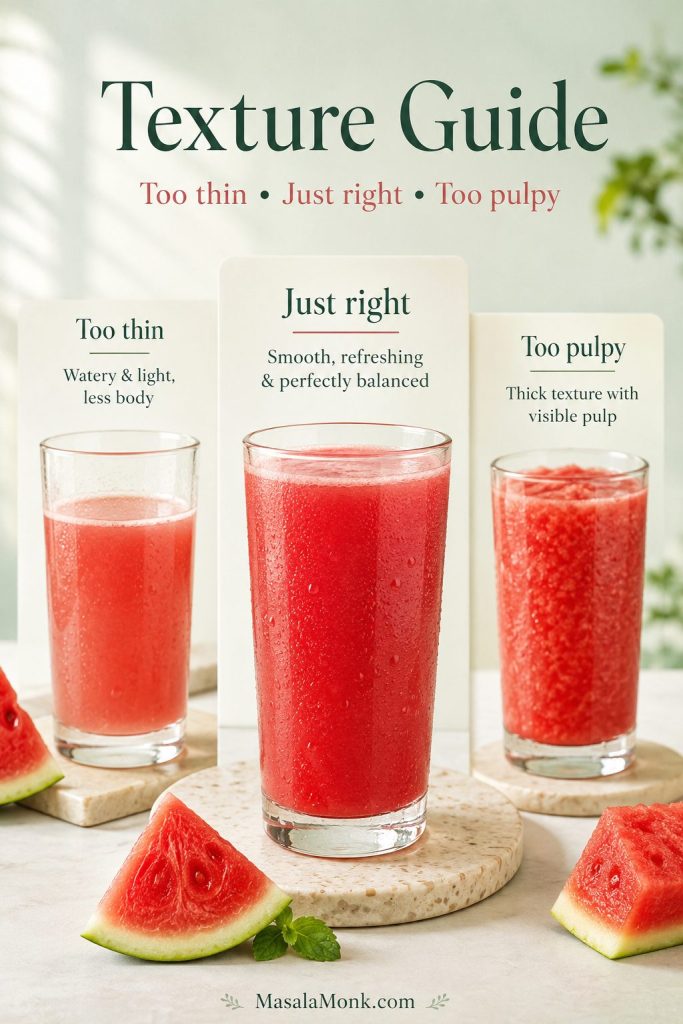
Three glasses comparing watermelon juice that is too thin, just right, and too pulpy.
The best texture is bright and full without feeling thick. If the juice is too thin, blend in more cold watermelon; if it is too pulpy, strain it.

Watermelon Juice Variations

Once the basic glass tastes bright, choose the variation by mood: cucumber for cooler and lighter, pineapple for sweeter and fuller, ginger for bite, sparkling water for a mocktail feel, and black salt for Indian-style tarbooz juice.

Variation guide showing cucumber, pineapple, ginger, sparkling, and tarbooz-style watermelon juice options.
Once the basic glass tastes balanced, choose the variation by mood. Cucumber cools it down, pineapple adds sweetness, ginger gives bite, and black salt makes it tarbooz-style.
What You Want Make This Version
Bright, crisp, and classic Watermelon lime juice
Cooler and less sweet Watermelon cucumber juice
Sweet-tart and tropical Watermelon pineapple juice
A little bite Watermelon ginger juice
Light, fizzy, and mocktail-like Sparkling watermelon juice
Tangy Indian summer-cooler flavor Tarbooz juice with black salt, mint, and lemon

If you are making a pitcher or party batch, check the yield guide before scaling any variation.

Watermelon Lime Juice

Choose this when you want the cleanest, brightest glass. Blend 4 cups watermelon with 1 tablespoon lime juice and a small pinch of salt. It tastes crisp, cold, and not too sweet.
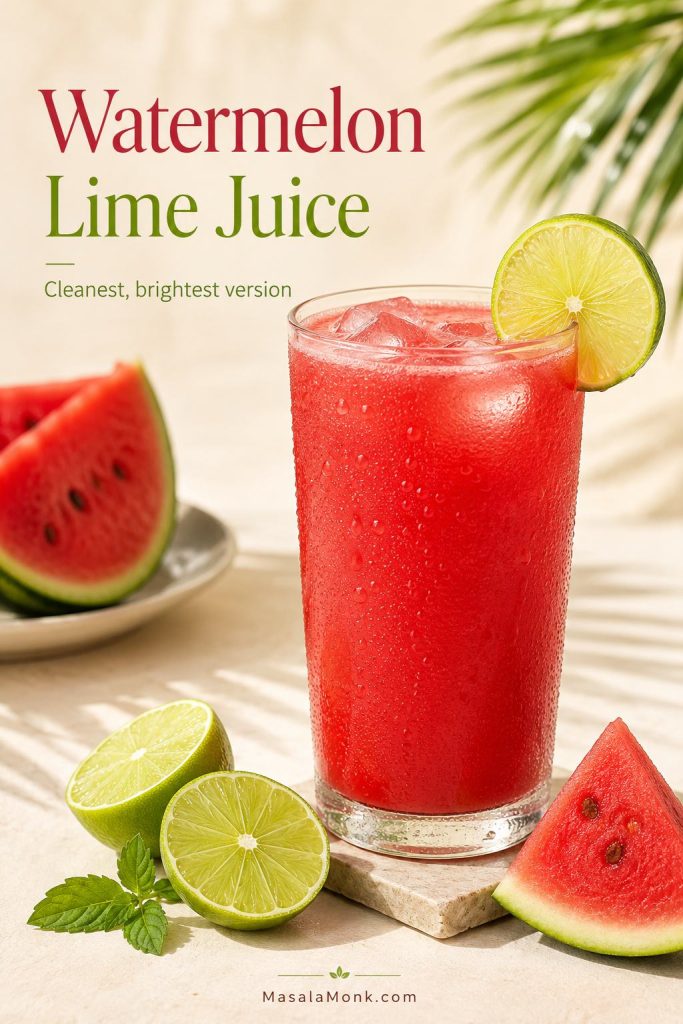
Watermelon lime juice served cold with lime garnish, watermelon wedges, and condensation on the glass.
Choose watermelon lime juice when you want the crispest version. Lime cuts through the sweetness quickly, so the glass tastes clean, bright, and not too heavy.

Watermelon Lemon Juice

Lemon gives the base a softer, lemonade-like brightness. Use 1 tablespoon lemon juice instead of lime. This is the simplest version of watermelon and lemon juice, and it works especially well with mint or black salt.

Watermelon lemon juice served cold with lemon slices and a soft lemonade-style presentation.
Lemon gives the drink a softer kind of brightness. Because it tastes gentler than lime, this version works well when you want a watermelon lemonade feel.

Watermelon Mint Juice

Mint makes the drink taste colder and more refreshing, especially on very hot days. Blend 4 cups watermelon with 6–10 fresh mint leaves and 1 tablespoon lime juice. Start with fewer leaves if your mint is strong, because too much can turn the flavor herbal instead of fresh.
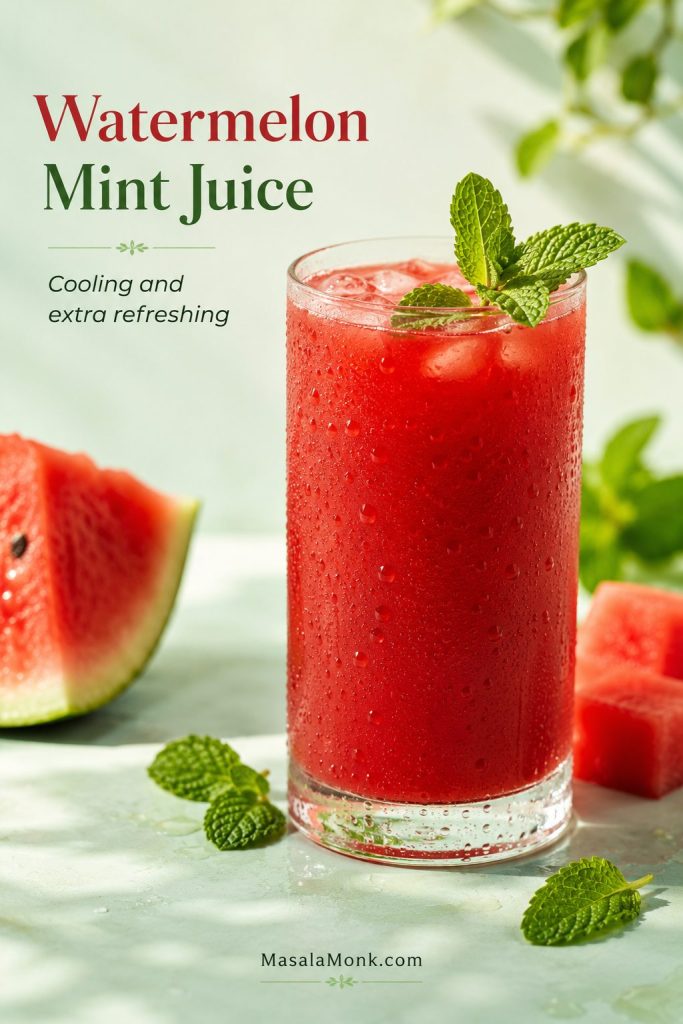
Watermelon mint juice served cold with fresh mint leaves and watermelon pieces.
Mint makes the drink feel cooler without adding sweetness. Start with a few leaves first, then add more only if you want a stronger herbal finish.

If mint and lime are your favorite part of the glass, you may also like this mojito recipe for the same cooling, citrusy direction.

Watermelon Cucumber Juice

When you want something cooler and less sweet, add cucumber. Blend 4 cups watermelon with 1/2 to 1 cup peeled cucumber, 1 tablespoon lime or lemon juice, and a small pinch of salt. This also covers the same idea people search for as watermelon and cucumber juice.
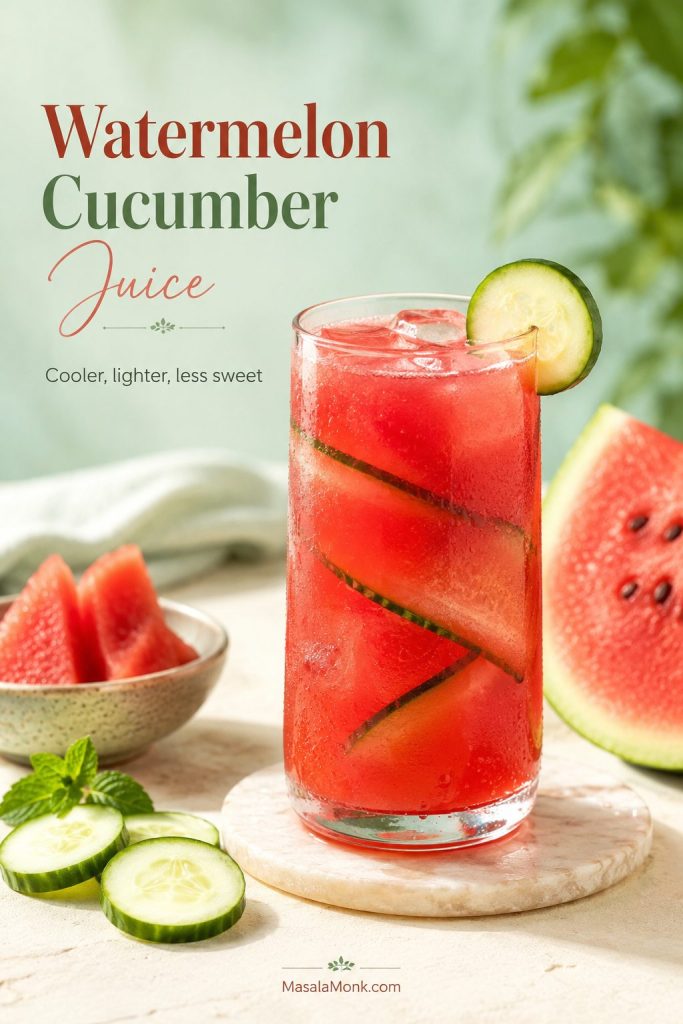
Watermelon cucumber juice served cold with cucumber slices, watermelon pieces, and mint.
Cucumber makes the juice lighter and less sweet, which helps when the watermelon is very ripe. It also gives the glass a cleaner, spa-water-style finish.

Watermelon Pineapple Juice

For bland watermelon, pineapple is the easiest rescue. It brings both sweetness and acidity, so the blend tastes fuller without needing much added sugar. Use 2 cups watermelon with 1 cup pineapple, then add lime if you want more sharpness. If you are looking for watermelon and pineapple juice, this 2:1 fruit ratio is the easiest place to start.
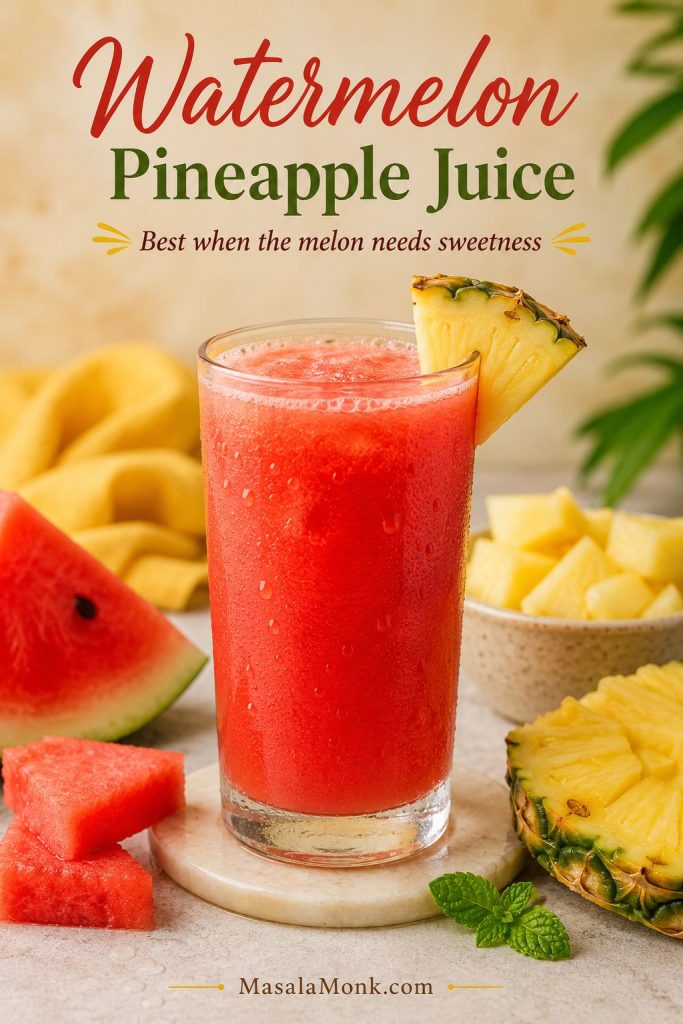
Watermelon pineapple juice served cold with pineapple pieces, watermelon, and mint.
Pineapple is the easiest fruit fix when watermelon tastes bland. It adds both sweetness and acidity, so the juice tastes fuller without needing much added sugar.

Watermelon Ginger Juice

For a sharper, more grown-up glass, add fresh ginger. It cuts through the sweetness and gives the juice a warm little kick. Blend 4 cups watermelon with 1 to 2 teaspoons fresh grated ginger and 1 tablespoon lemon or lime juice.
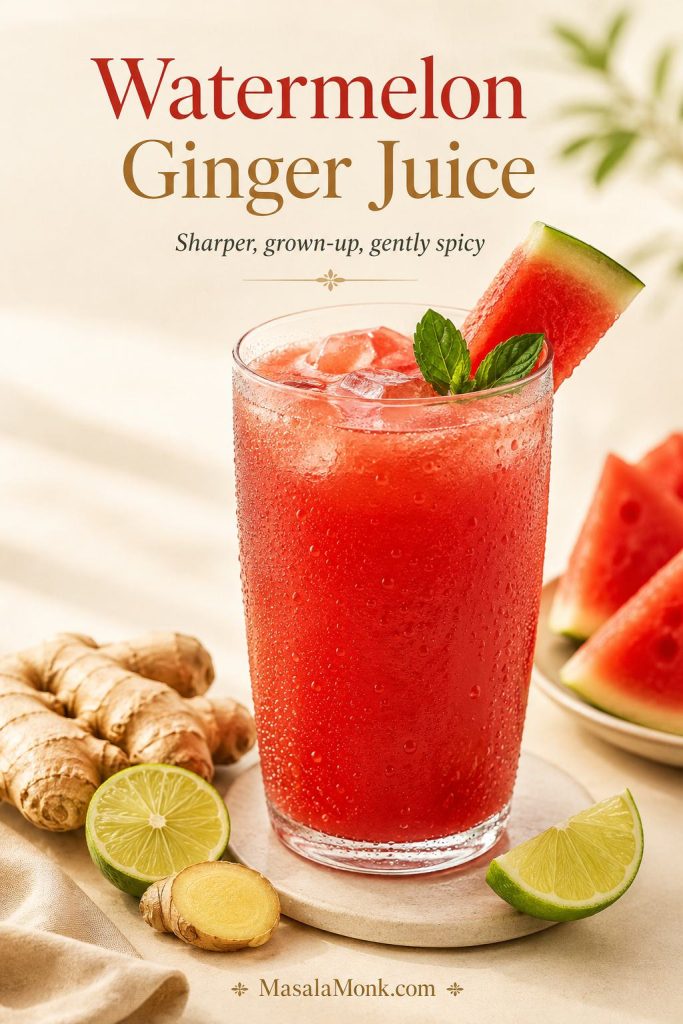
Watermelon ginger juice served cold with ginger root, citrus, mint, and watermelon.
Fresh ginger gives the drink a sharper, more grown-up finish. Start small because ginger can quickly overpower watermelon’s clean sweetness.

Watermelon Coconut Water

For a softer, slightly tropical version, blend 3 cups watermelon with 1/2 cup coconut water, lime, and mint. Use less coconut water at first because it thins the drink quickly.

Sparkling Watermelon Juice

For a mocktail-style glass, fill a cup about two-thirds full with cold watermelon juice, then top with chilled sparkling water. Add lime and mint for a cleaner finish.

Sparkling watermelon juice with visible bubbles, lime, mint, watermelon, and sparkling water.
Add sparkling water right before serving so the bubbles stay lively. This turns fresh watermelon juice into an easy mocktail-style summer drink.

For more non-alcoholic summer drink ideas, use this juice as a base for watermelon mocktails, especially versions with lime, mint, coconut water, or bubbles.

Indian-Style Tarbooz Juice

For an Indian summer-cooler flavor, blend watermelon with lemon or lime, mint, and a small pinch of black salt. Add only a tiny pinch of roasted cumin, black pepper, or chaat masala if you want that street-style edge. Keep the seasoning light so the fruit tastes cooler and brighter, not salty.
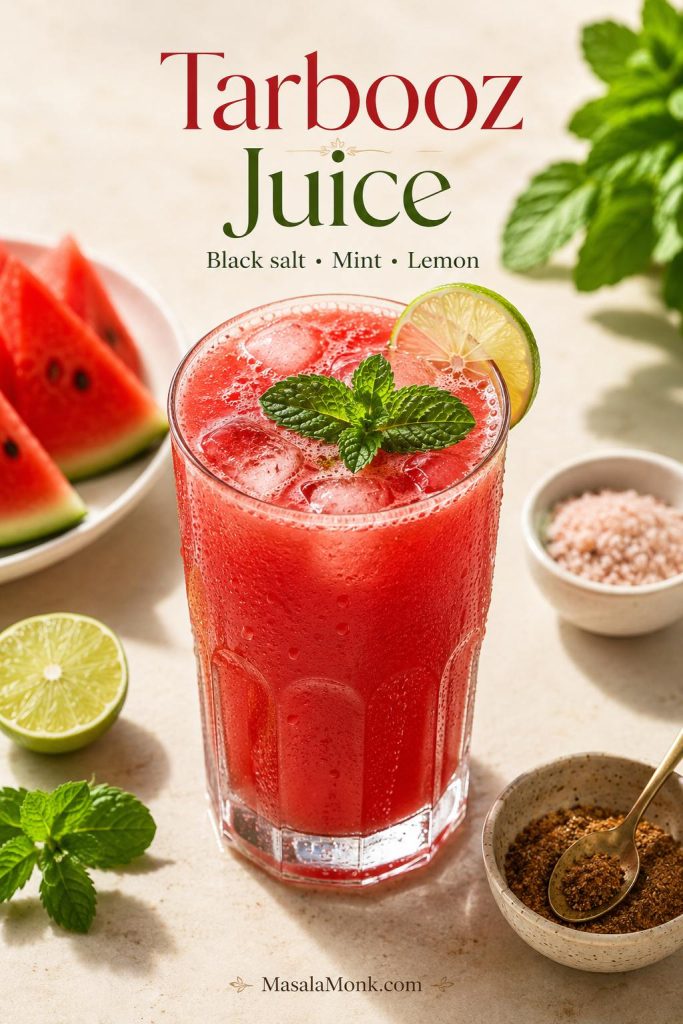
Indian-style tarbooz juice with watermelon juice, black salt, mint, lemon or lime, and small spice bowls.
Black salt gives tarbooz juice its tangy Indian summer-cooler edge. Keep the seasoning light, though, so the drink still tastes like cold watermelon first.

Juicing Watermelon: Blender vs Juicer Method

For watermelon, a blender is usually the better first choice because the fruit is already soft, juicy, and easy to break down. A juicer can work, but it often gives you a thinner, cleaner drink rather than the cold, full-bodied glass most people want at home.
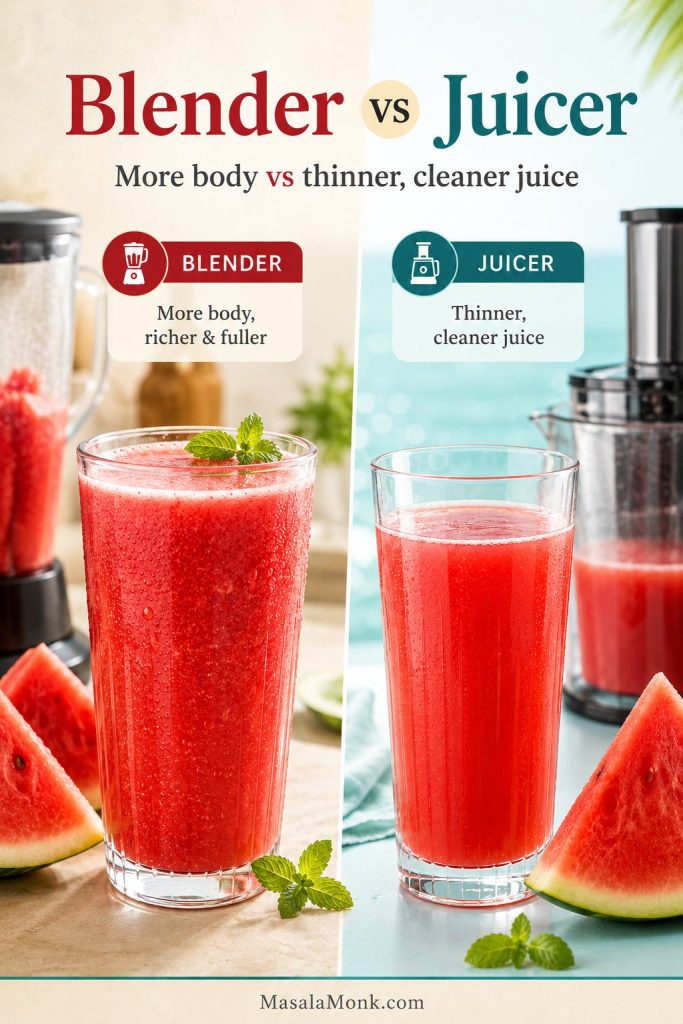
Comparison of blender and juicer methods for watermelon juice, showing fuller blended juice and thinner juiced watermelon.
A blender gives watermelon juice more body, while a juicer makes it thinner and cleaner. For most home batches, blending first is easier and more satisfying.
Method Result Best For
Blender, unstrained Thicker juice with more body Everyday drinking and less waste
Blender, strained Smooth, clean juice Pitchers, guests, mocktails, cocktails
Juicer Thinner, clearer juice People who already own a juicer and prefer a lighter drink

If you use a juicer, remove the rind and feed the pieces through slowly. If you use a blender, you can decide after blending whether you want to strain the juice or keep the pulp.

For a more filling drink, unstrained blended juice has an advantage because it keeps more of the fruit’s body. Mayo Clinic notes that juicing is not healthier than eating whole fruits and vegetables, and that blending edible parts can retain more fiber and plant compounds than extracting juice alone. You can read their general juicing guidance for more context.

How Much Juice Does One Watermelon Make?

The exact yield depends on ripeness, juiciness, and whether you strain. These estimates will help you plan.
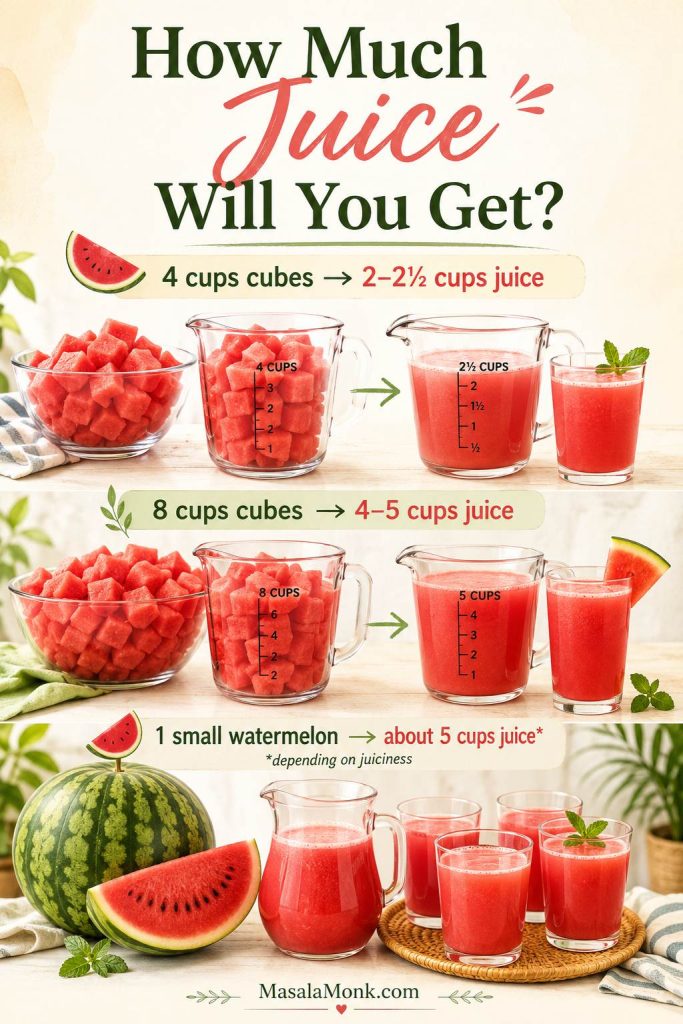
Watermelon juice yield guide showing juice amounts from 4 cups of cubes, 8 cups of cubes, and one small watermelon.
Watermelon yield changes with ripeness and juiciness, but 4 cups of cubes usually gives about 2 to 2½ cups of juice. Use this guide when scaling for a pitcher.
Watermelon Amount Approximate Juice Yield
4 cups cubed watermelon / about 600 g About 2–2½ cups / 480–600 ml
8 cups cubed watermelon / about 1.2 kg About 4–5 cups / 950 ml–1.2 L
1 small watermelon, about 6–6.5 lb About 5 cups, depending on juiciness

If you are making a pitcher for a group, start with 8 cups of cold cubed watermelon. That usually gives enough for about 4 glasses, especially if you serve it over ice or top some glasses with sparkling water.

How to Store Watermelon Juice

This drink tastes best right after blending. The flavor is brightest, the color is freshest, and the texture has not had time to settle.
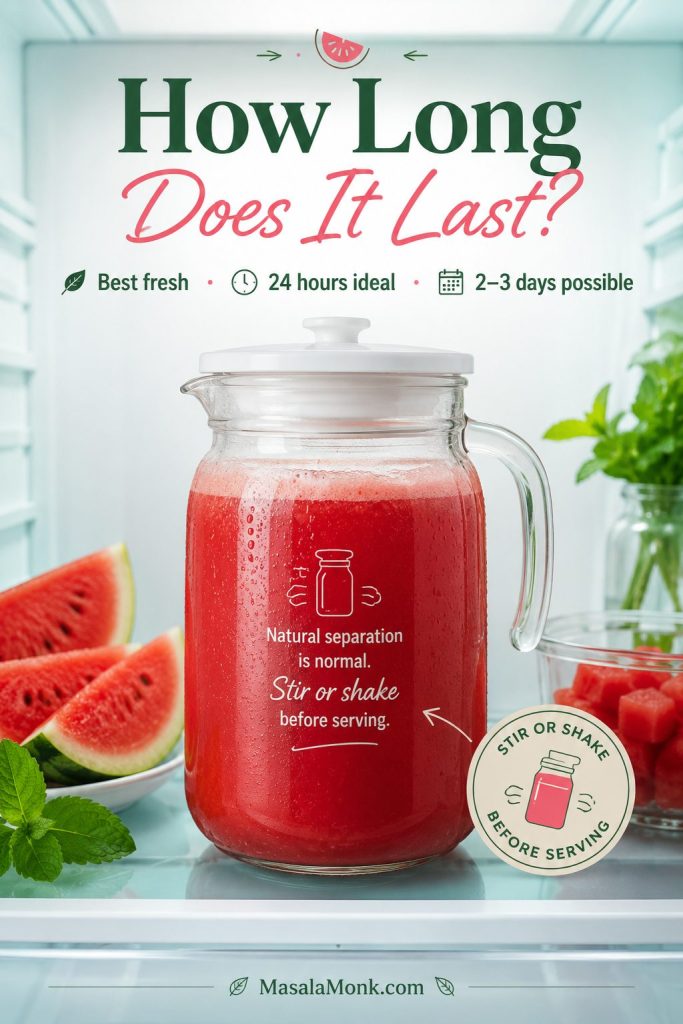
Storage guide for watermelon juice in a covered jar showing best fresh, 24 hours ideal, and 2 to 3 days possible.
Fresh is the peak, but a short fridge rest can still work. Keep the jar covered, serve it cold, and stir well before pouring because the pulp naturally settles.

Storage Rule

For the best make-ahead flavor, refrigerate watermelon juice in a clean covered jar for up to 24 hours. It can keep for 2–3 days if properly chilled, but the flavor fades and the juice naturally separates. Stir or shake before serving.

If you are serving guests, blend it the same day if possible. If you make it ahead, keep it covered and cold, then stir well and taste again before pouring.

  • Best: drink it right away.
  • Best make-ahead window: up to 24 hours in the fridge.
  • Possible: 2–3 days in a clean airtight jar, if kept cold.
  • Freeze: pour into ice cube trays for smoothies, mocktails, lemonade, or slushies.
  • Do not leave it out: fresh fruit juice should not sit at room temperature for long.

Separation is normal. It does not mean the juice has gone bad unless it smells sour, tastes fizzy, looks spoiled, or has been stored too long.

Freeze Extra Juice Into Cubes

Freezing is the best option when you have extra juice but do not want to drink it plain later. The cubes work better as a mixer than as thawed juice.
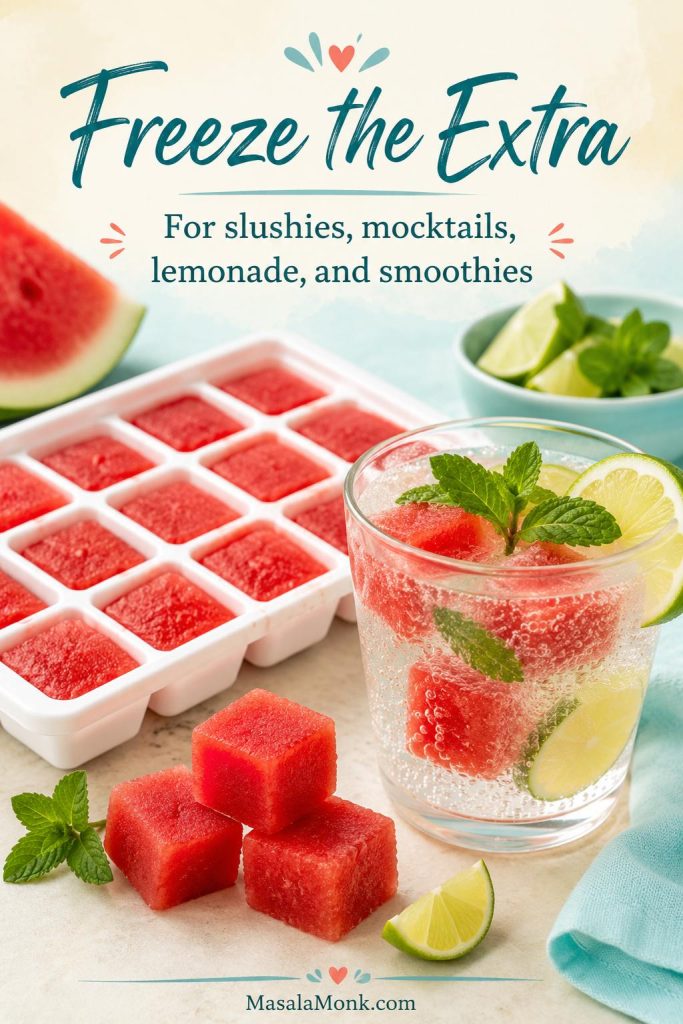
Frozen watermelon juice cubes in an ice cube tray with cubes added to a clear drink with lime and mint.
Freeze extra juice into cubes instead of wasting it. Later, use the cubes in lemonade, sparkling water, smoothies, slushies, or mocktails.

For more serving ideas, see the ways to use watermelon juice section.

Is Watermelon Juice Healthy?

Think of watermelon juice as a fresh summer drink, not a health shortcut. You do not have to turn it into a wellness claim for it to be worth making; a cold, unsweetened glass can simply taste like real fruit and feel better than soda.
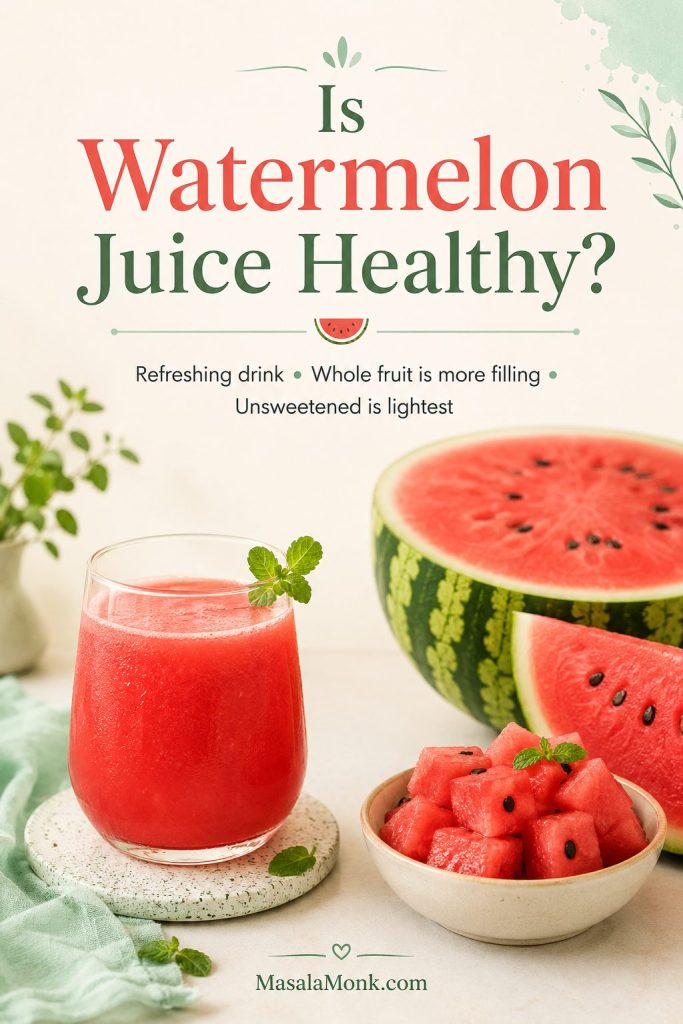
Modest glass of watermelon juice beside whole watermelon pieces for a balanced health comparison.
Unsweetened watermelon juice can be a refreshing fruit drink, but whole watermelon is usually more filling. So, enjoy the juice, but keep portions in mind.

It is naturally sweet, colorful, and hydrating. However, it is still fruit juice, so whole watermelon is usually more filling because you chew it and keep more of the fruit’s natural structure. Unstrained blended juice keeps more body than fully strained juice, but it is still easier to drink quickly than eating watermelon pieces.

A modest glass of unsweetened watermelon juice is mostly blended fruit, so the calories and natural sugars depend on how much watermelon you drink. The main practical point is portion size: it is easier to drink several cups of juice than to slowly eat the same amount of fruit.

If you want a lighter drink, keep it unsweetened and add lime, mint, cucumber, or sparkling water instead of extra sugar. For a deeper nutrition-focused read, see our guide to watermelon juice benefits.

For a lighter glass, you can also try the watermelon cucumber juice or sparkling watermelon juice variations.

Is Watermelon Juice Good for Weight Loss?

It can fit into a balanced diet, especially if it replaces soda or heavily sweetened drinks. However, it does not cause weight loss by itself. For fullness, whole watermelon is usually better because it contains more intact fiber and takes longer to eat.

If weight management is your goal, keep the drink unsweetened, avoid oversized portions, and treat it as one refreshing glass within the rest of your day.

Ways to Use Watermelon Juice

Once there is a cold pitcher in the fridge, it disappears quickly. Drink it plain, stretch it with bubbles, freeze it into cubes, or use it as the base for summer drinks.
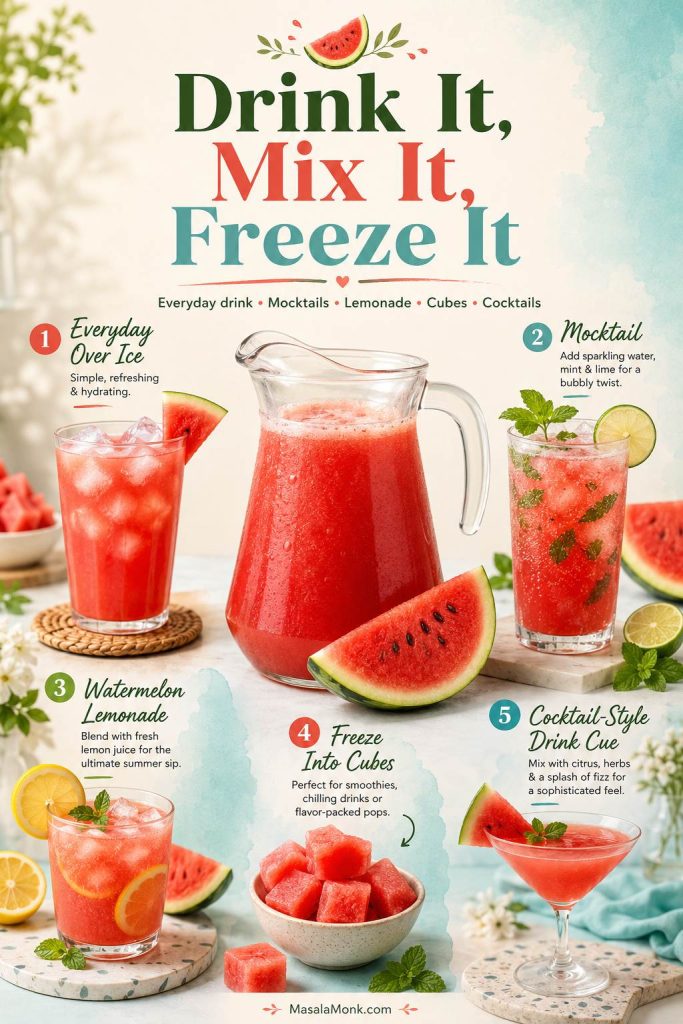
Ways to use watermelon juice, including an everyday glass, mocktail, lemonade, frozen cubes, and cocktail-style drink.
A pitcher can do more than fill one glass. Use it for everyday drinks, sparkling mocktails, watermelon lemonade, frozen cubes, or summer cocktails.
  • Everyday drink: serve cold over ice with lime.
  • Mocktail base: top with sparkling water, mint, cucumber, or coconut water.
  • Watermelon lemonade: mix with lemon juice and a little sweetener if needed.
  • Frozen cubes: use in lemonade, slushies, smoothies, and summer pitchers.
  • Cocktails: strain first for cleaner margaritas, mojitos, and daiquiris.

If you are making cocktails, strained juice usually works better because it gives a cleaner texture. For a frozen cocktail direction, strained watermelon juice also works well in a watermelon daiquiri.

Make the simple version once: cold watermelon, lime or lemon, and a pinch of salt. After that first bright, icy glass, you will know exactly how to adjust the cucumber, pineapple, mint, ginger, and black salt versions by taste.

Watermelon Juice Recipe Card

Here is the quick-reference version of the recipe, with the no-water rule and taste-before-adjusting step built in.
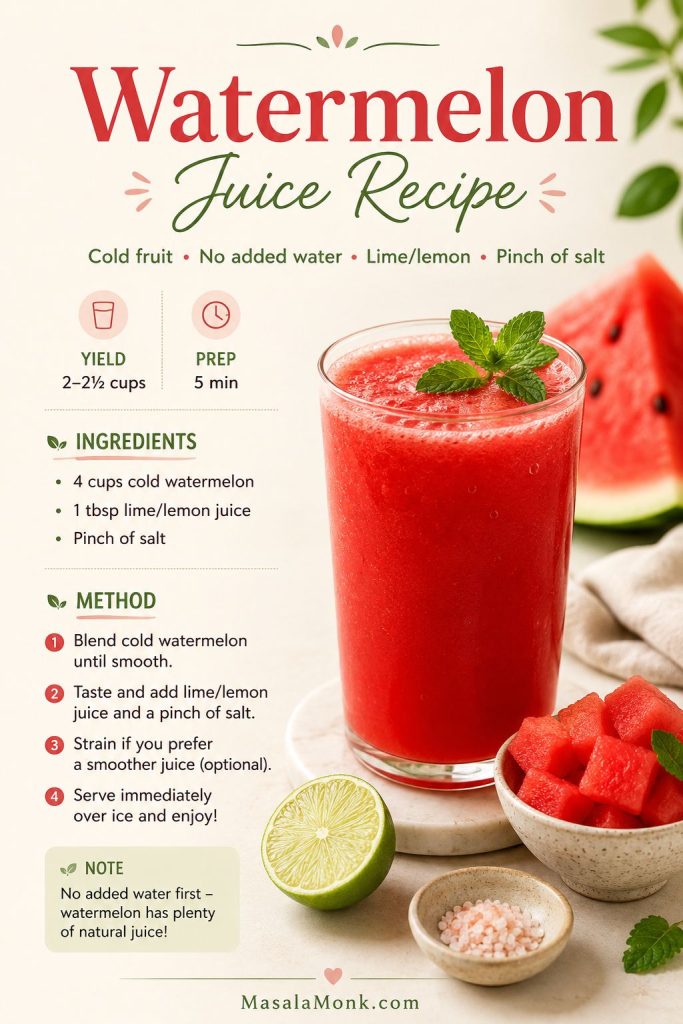
Saveable watermelon juice recipe card with yield, prep time, ingredients, and blender method beside a glass of juice.
This is the formula to remember: cold fruit first, no added water first, citrus for lift, and a tiny pinch of salt only after you taste the blended juice.

Watermelon Juice Recipe

Fresh watermelon juice made in a blender with cold fruit, no added water, lime or lemon, and a small pinch of salt for a bright, not-watery glass.

Prep Time5 minutes
Cook Time0 minutes
Total Time5 minutes
Yield2–2½ cups / 480–600 ml

Equipment

  • Blender
  • Knife and cutting board
  • Measuring cup
  • Fine-mesh strainer, optional
  • Pitcher or jar

Ingredients

  • 4 cups cold seedless watermelon cubes, about 600 g
  • 1 tablespoon fresh lime or lemon juice, 15 ml
  • Small pinch fine salt or black salt, up to 1/8 teaspoon
  • 6–10 fresh mint leaves, optional
  • 1–2 teaspoons honey, sugar, or agave, only if needed
  • Ice, for serving

Instructions

  1. Rinse the outside of the watermelon before cutting.
  2. Chill the watermelon if possible. Cold fruit makes better juice and reduces the need for extra ice.
  3. Cut away the rind and pale white part, then cube the red flesh.
  4. Add the cubes to a blender. Blend for 30–60 seconds, until smooth. Do not add water at first.
  5. Taste the juice. Add lime or lemon juice and a small pinch of salt or black salt. Add mint if using.
  6. Blend briefly again. If the fruit is not sweet enough, add 1–2 teaspoons honey, sugar, or agave.
  7. Strain through a fine-mesh sieve if you want smooth juice, or leave it unstrained for a thicker texture.
  8. Serve immediately over ice, or chill for 30 minutes and stir before serving.

Notes

  • Do not add water unless your blender truly cannot move. Add only 1–2 tablespoons if needed.
  • For watermelon cucumber juice, add 1/2 to 1 cup peeled cucumber.
  • For watermelon pineapple juice, use 2 cups watermelon and 1 cup pineapple.
  • For watermelon ginger juice, add 1–2 teaspoons fresh grated ginger.
  • For Indian-style tarbooz juice, use lemon or lime, mint, black salt, and a tiny pinch of roasted cumin or chaat masala.
  • The juice naturally separates. Stir or shake before serving.

Storage

Watermelon juice is best fresh. Refrigerate it in a clean covered jar for up to 24 hours for best flavor, or up to 2–3 days if properly chilled. Stir before serving.

For extra help beyond the card, see straining, storage, and watermelon juice variations.

FAQs

Do you need a juicer to make watermelon juice?

No. A blender is enough because watermelon is soft and naturally juicy. Blend the cubes until smooth, then strain only if you want a cleaner texture.

Should watermelon juice be strained?

Only if you want a smoother glass. Unstrained juice has more body; strained juice looks cleaner in pitchers, mocktails, and cocktails.

Can I make watermelon juice without sugar?

Usually, yes. Ripe watermelon is sweet enough on its own, especially when lime or lemon and a tiny pinch of salt brighten the flavor.

Why does watermelon juice separate?

Fresh blended fruit naturally separates as it sits because the pulp and liquid settle at different rates. Stir or shake before serving. Separation alone does not mean the juice has spoiled.

How long does fresh watermelon juice last?

It tastes best immediately. For the best make-ahead flavor, refrigerate it in a clean covered jar for up to 24 hours. It may keep for 2–3 days if properly chilled, but the flavor fades and separation increases.

Can I freeze watermelon juice?

Yes. Freeze it in ice cube trays, then use the cubes in lemonade, sparkling water, smoothies, mocktails, or slushies. The texture changes after thawing, so frozen cubes are better for mixing than drinking plain.

Can I use lemon instead of lime?

Yes. Lime tastes sharper and more tropical, while lemon gives a softer lemonade-style brightness. Use 1 tablespoon lemon or lime juice for every 4 cups of watermelon.

Can I make watermelon juice with seeds?

You can use seeded watermelon, but remove as many black seeds as possible before blending. A few small white seeds are usually fine, especially if you plan to strain.

What can I mix with watermelon juice?

The easiest mixers are lime, lemon, mint, cucumber, pineapple, ginger, coconut water, sparkling water, black salt, and a little roasted cumin. For mocktails and cocktails, strain it first so the drink tastes cleaner.

Is watermelon juice the same as watermelon agua fresca?

Not exactly. Watermelon juice is usually mostly blended watermelon, sometimes with citrus or salt. Watermelon agua fresca is usually lighter because it is diluted with water and often sweetened. For stronger fruit flavor, use this recipe without added water; for a lighter Mexican-style agua fresca, dilute and sweeten to taste.
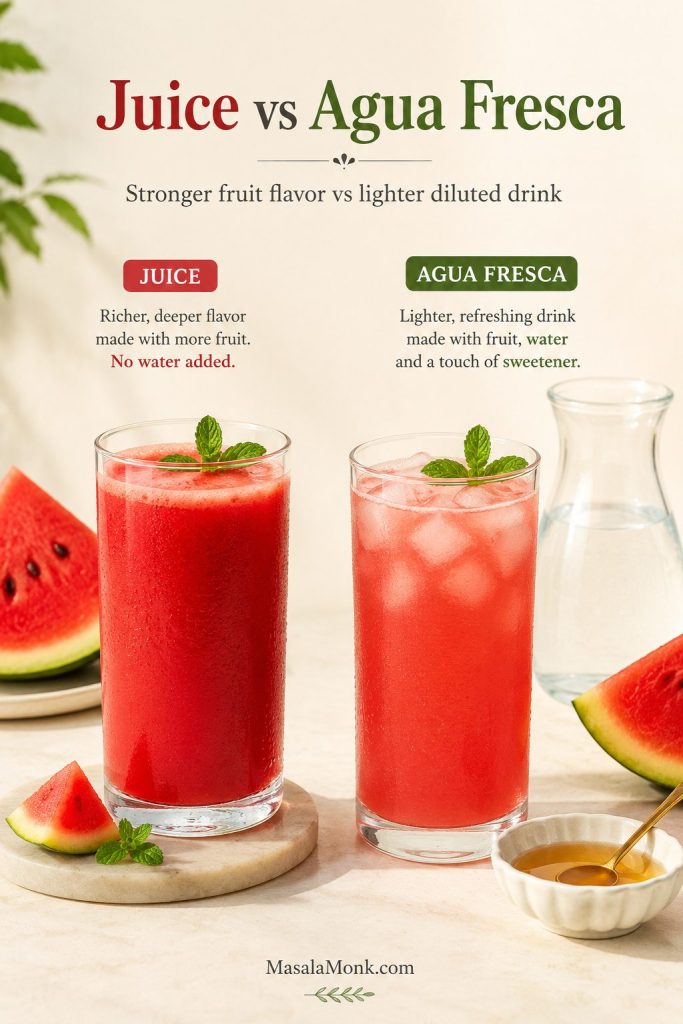
Comparison of watermelon juice and watermelon agua fresca, showing a richer undiluted drink and a lighter diluted drink.
Choose undiluted juice when you want stronger watermelon flavor. Choose agua fresca when you want a lighter, softer drink that is usually diluted and gently sweetened.

Back to top

Posted on 1 Comment

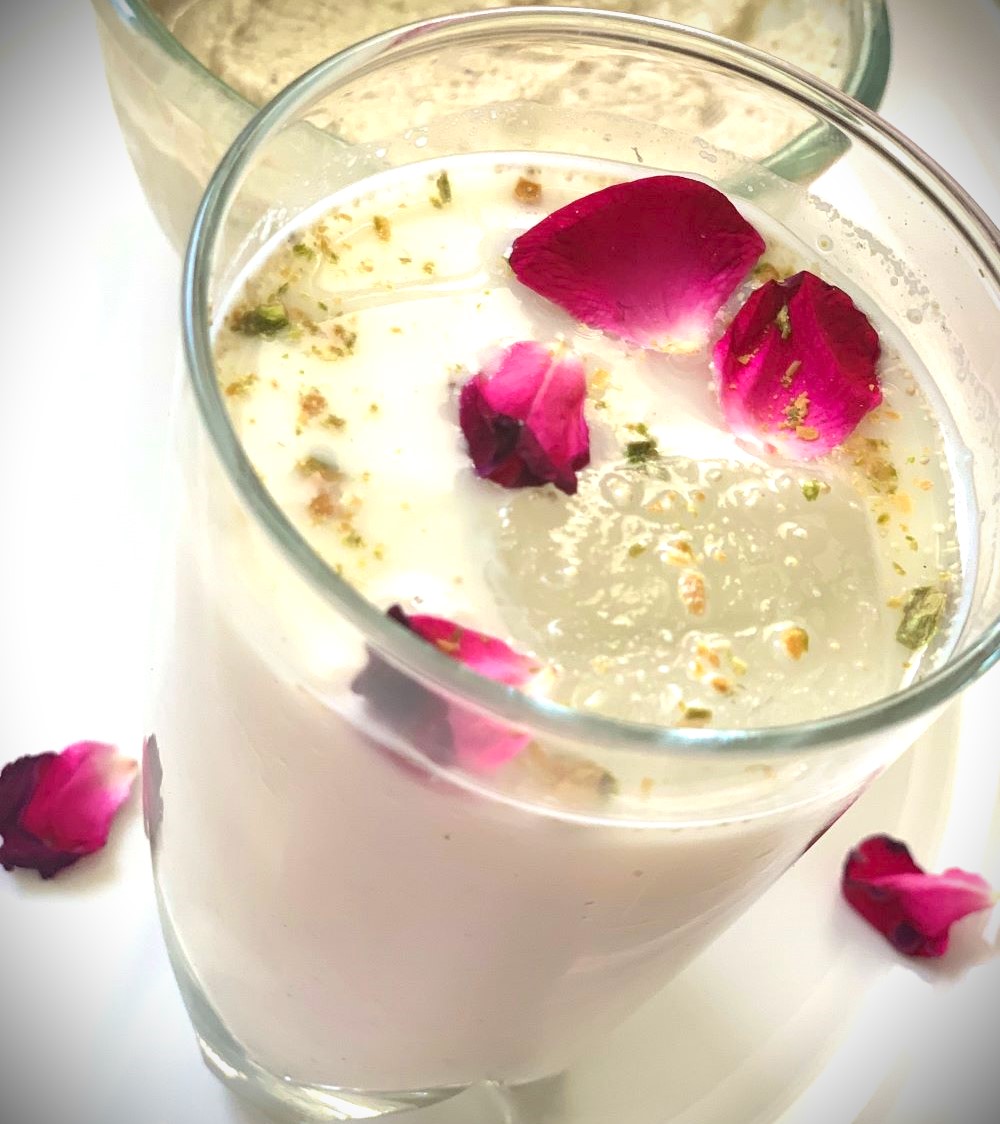
Homemade Almond and Rose Sharbat Concentrate- Healthy Summer Delight

Summer is here and so is the need for delicious healthy summer coolers to quench our thirst. Drinking homemade sharbats is one of the natural ways to beat the heat and stay hydrated. Sharbat is usually a syrup made from fruit, flower extracts, and/or herbs. The syrup is then diluted with sugar, water and ice.
I have been a sucker for Badam (Almond) Sharbat all my growing years. I remember my mother used to make badam concentrate in summers. I would open the refrigerator and make myself a glass one after the other and before my siblings could lay a hand on it, the bottle of concentrate would have halved. That’s how much I loved it then and I still do.

It’s fairly simple to make a drink with concentrate. Just add few tablespoons of concentrate in a glass, add water and ice cubes. Mix well and enjoy. No need to add any sugar and stir endlessly. Every child can make it.

Before I share the recipe, here’s an interesting insight on sharbat. Did you know that, in India, sharbat was introduced by the Mughals in the 16th century, which was popularized by Babur in the Indian subcontinent who had sent for frequent loads of ice from the Himalayas to make this chilling beverage.

Almond sharbat also known as sherbet originated from Persia, which was flavoured with cardamom and kewra water. Since then, there have been many different versions of it. We will make one flavored with rose petals and musk melon seeds. Badam Sharbat is valued for its exceptional health benefits.

  • Almonds are enriched with vitamin E, fibre, magnesium and omega 3 fatty acids. It is a natural brain tonic for memory enhancement. It’s also cools and calms your body.
  • Rose petals on the other hand, are linked with stress reduction and relaxation. They are loaded with antioxidants. It’s a natural summer cooler. It improves digestion by calming your system. 
  • Muskmelon seeds are not only rich in vitamins and minerals like vitamin A, K, E, niacin, zinc & magnesium but did you know that musk melon seeds are excellent to prevent seasonal flu. Keep the summer cold at bay by eating muskmelon seeds. They get rid of extra mucus in the body and help clear up congestion.

How to make this Concentrate?

Ingredients

  • Raw Almonds- 1 cup (250 ml measuring cup)
  • Filtered Water- 2 cups
  • Raw unprocessed Sugar- 1 1/4 cup (depends how sweet you prefer. I don’t like it overly sweet)
  • Black pepper peppercorn- 9-10
  • Cardamom- 4 to 5 pods, slightly crushed 
  • Musk Melon seeds- 3 tbsps
  • Rose Petals- 1/2 cup
  • Fennel seeds- 1 tsp

Instructions

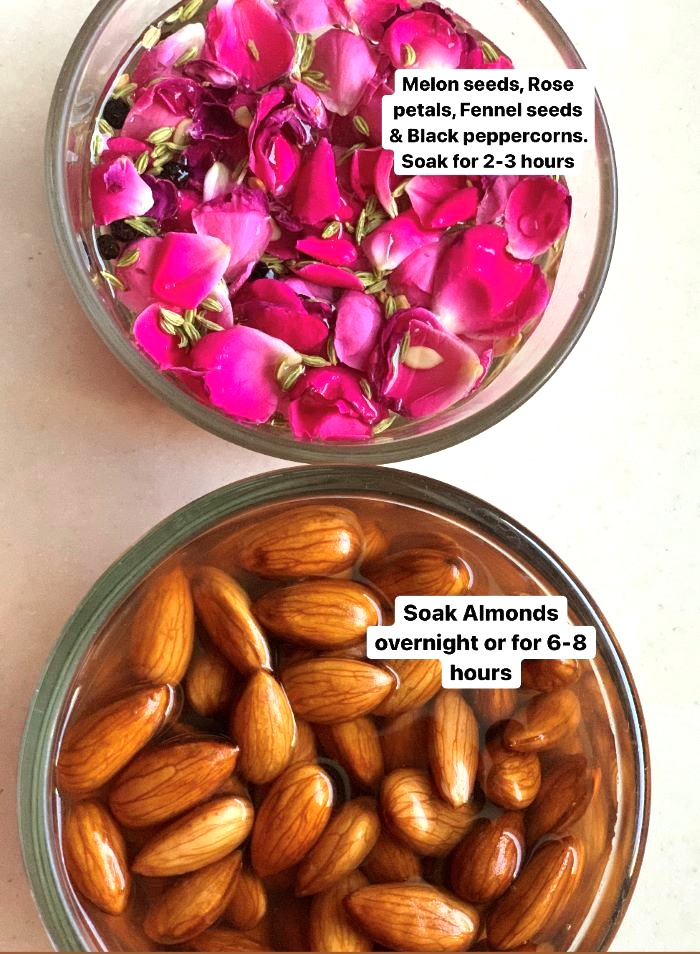
  • Rinse almonds and soak overnight or for 6-8 hours. 
  • In another bowl soak melon seeds, rose petals, peppercorns & fennel seeds for 2-3 hours
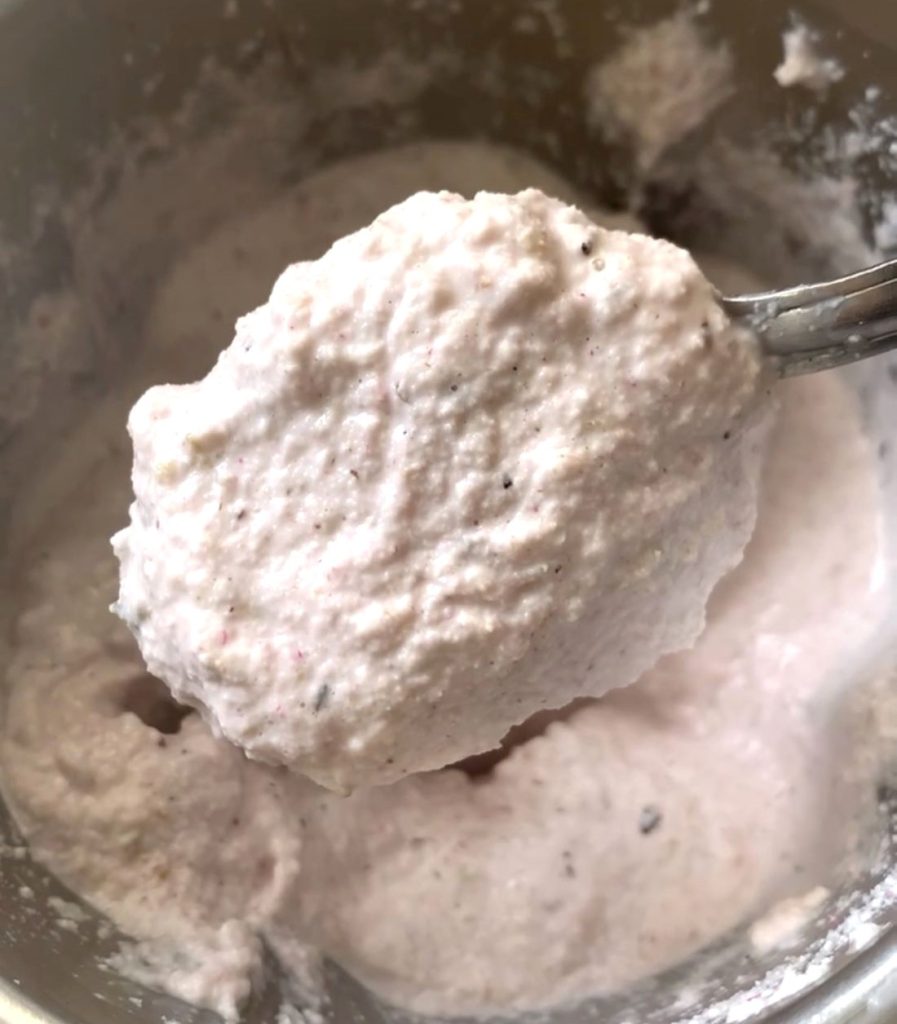
  • Drain the water. Peel the almonds. Now, grind almonds, melon seeds, rose petals, fennel seeds & peppercorns into a fine paste. Use water to get a smooth thick paste. 
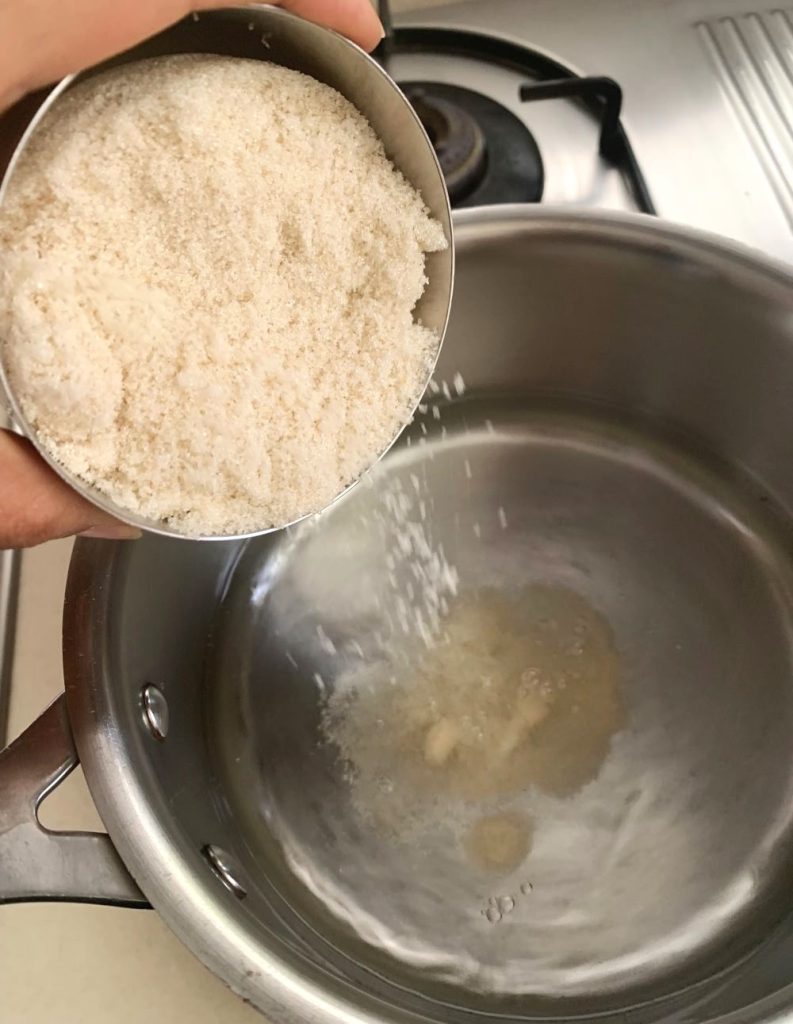
  • In a pan add water and sugar. Bring it to boil. Add crushed cardamom and simmer the syrup for 4-5 minutes. 
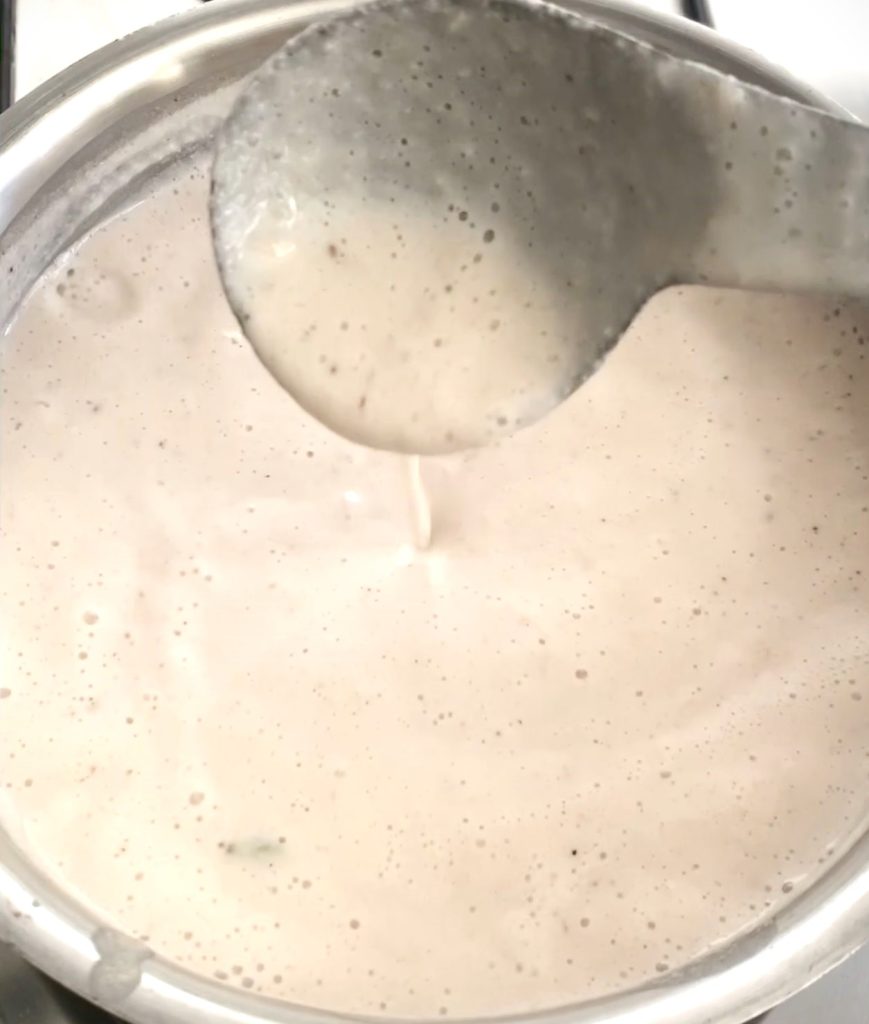
  • Now add the prepared almond paste and cook for 15 minutes on low flame or till the syrup thickens and reduces to almost half. 
  • Please remember that the syrup will also thicken on cooling. 
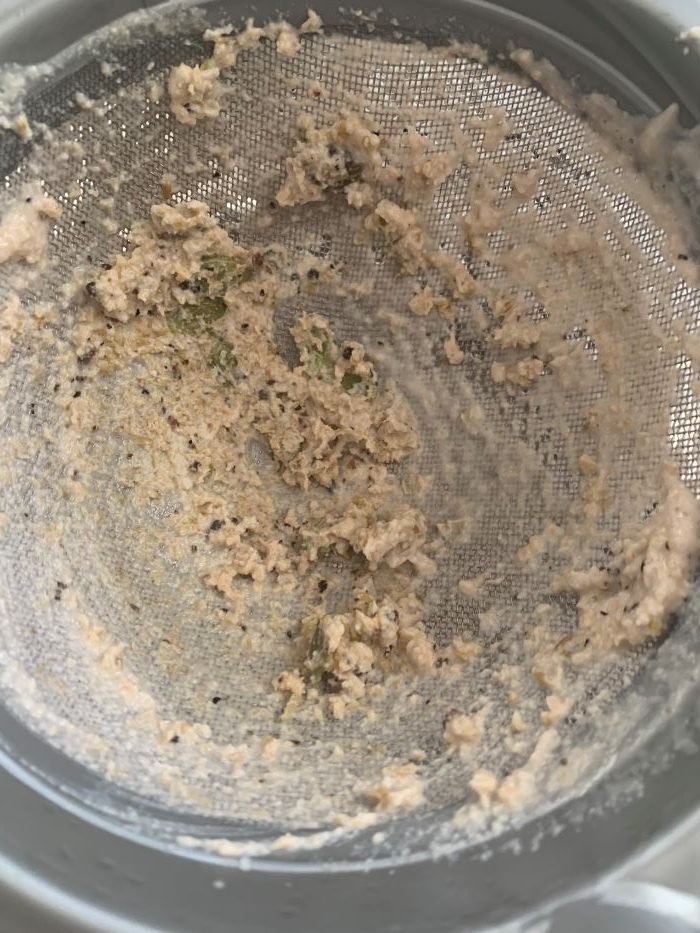
  • Once cooled, sieve the syrup with a soup strainer to get a smooth concentrate. 
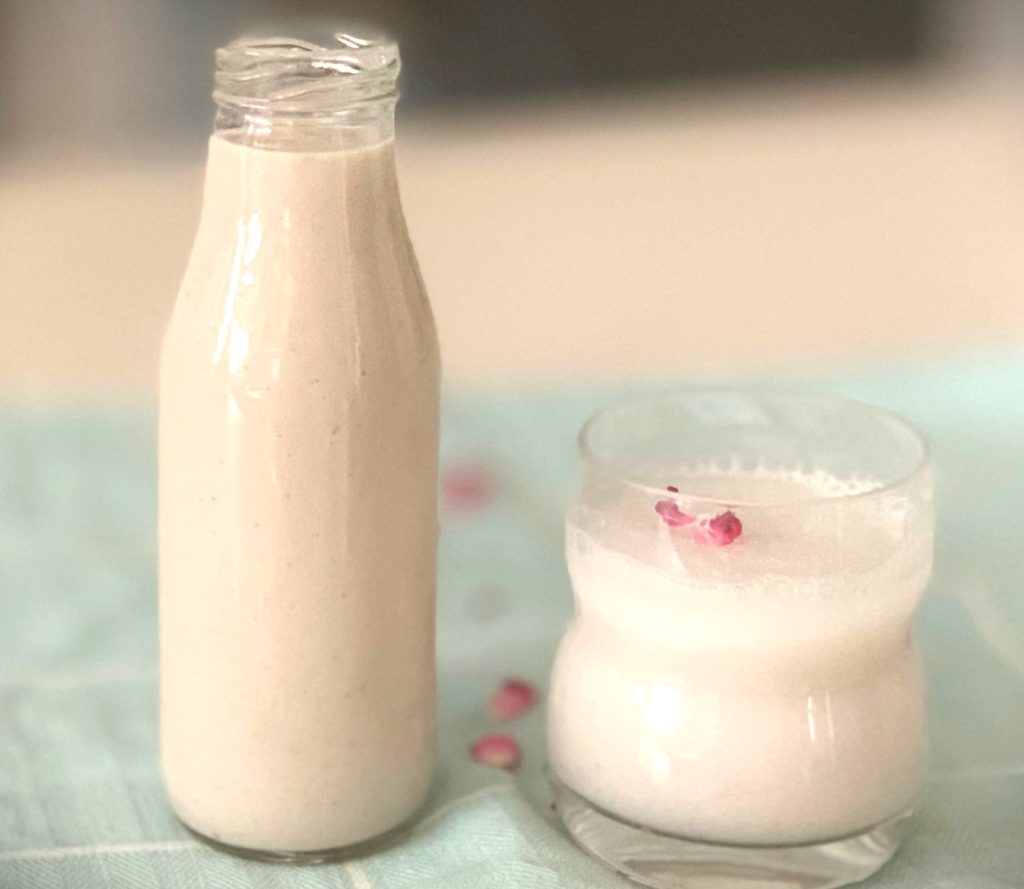
  • Once it cools down, pour it into clean sterilized glass bottles.

How to prepare the Sharbat?

  • To prepare a glass of sharbat, pour 2 tablespoons of concentrate in a glass and top it with cold water. Stir well. Check for taste. If you want you can add more concentrate. Once ok, add ice cubes if you like. Cheers to good health!
  • You can also add this concentrate to cold milk and give it to your kids in summers.

Notes:

  1. Use indigenous variety of pink rose petals and not the ones used by florists. Damask roses are a powerfully fragrant variety and has a distinct flavor. You can use garden rose as well.
  2. I have used unprocessed raw cane sugar here.
  3. Store the Badam Rose Sharbat concentrate in the refrigerator for upto a month. Shake well before use.
  4. If you like to have more of rose flavor in the concentrate then, you can add couple of drops of rose essence or a tbsp of rose water.
Posted on 6 Comments

Cooling Cucumber Electrolyte Quenchers: Stay Hydrated with a Refreshing Twist

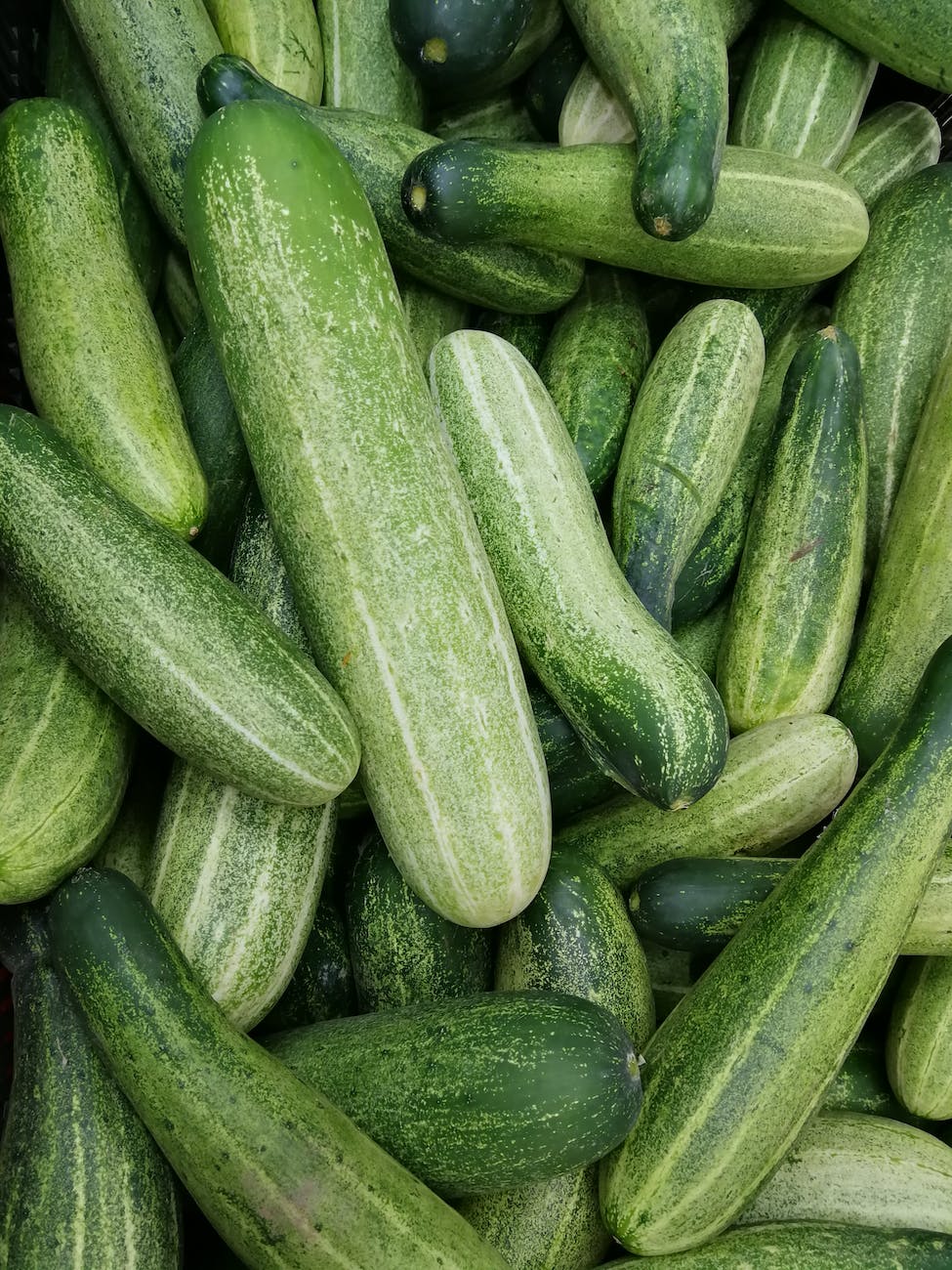
cucumber

Hey there, cool and refreshed souls! Are you ready to beat the heat and stay hydrated with a burst of cucumber-infused electrolyte quenchers? 🥒💦✨ Get ready to embrace the revitalizing power of cucumbers as we dive into a world of refreshing and hydrating drink recipes that will keep you cool, replenished, and ready to conquer those sunny days! 🌞🍹🌿

What are Electrolytes?

Electrolytes are minerals that carry an electric charge and are essential for various bodily functions. They help balance the amount of water in your body, balance your body’s pH level, move nutrients into your cells, and remove waste from your cells. Electrolytes also help ensure that your nerves, muscles, heart, and brain work the way they should.

Do Cucumbers Have Electrolytes?

Yes, cucumbers are a good source of electrolytes. They contain essential electrolytes such as potassium and magnesium. These electrolytes are vital for maintaining fluid balance, nerve function, and muscle contractions.

The Electrolyte Content of Cucumbers

Potassium

Cucumbers are a good source of potassium, an electrolyte that helps regulate fluid balance, nerve signals, and muscle contractions. A deficiency in potassium can lead to fatigue, weakness, and constipation.

Magnesium

Cucumbers also contain magnesium, another essential electrolyte. Magnesium is involved in many processes in the body, including regulating muscle and nerve function, blood sugar levels, and blood pressure. It’s also necessary for making protein, bone, and DNA.

Cucumber Water as an Electrolyte Drink

Given their electrolyte content, cucumbers can be used to make a hydrating and electrolyte-rich drink. Cucumber water can be a great way to stay hydrated, especially during hot weather or after a workout. It’s easy to make and can be a refreshing alternative to plain water or commercial electrolyte drinks.

How to Make Cucumber Electrolyte Water

Making cucumber electrolyte water is simple. All you need is a cucumber, water, and a pinch of salt for added sodium, another important electrolyte. Here’s a quick recipe:

  1. Slice a whole cucumber and add it to a pitcher of water.
  2. Add a pinch of salt.
  3. Let it sit for at least an hour to allow the cucumber and salt to infuse the water.
  4. Enjoy your homemade cucumber electrolyte water!

Cucumber Electrolyte Water with Twist

Let us explore the cooling and hydrating properties of cucumbers and combine them with a variety of ingredients to create delicious electrolyte quenchers. From crisp cucumber-infused waters to invigorating cucumber mocktails, these recipes will elevate your hydration game and keep you feeling refreshed from within. So, let’s dive in and discover five tantalizing recipes that will quench your thirst and bring a smile to your face! 🥒💧🍃

🌟 Cucumber Mint Cooler: The Refreshing Refresher 🍹🌱 Cool down with this classic combination of cucumber and mint. Blend fresh cucumbers with a handful of mint leaves, a squeeze of lime, a touch of honey or agave syrup, and a splash of sparkling water. The crispness of cucumbers, combined with the refreshing taste of mint and zesty lime, creates a revitalizing cooler that will keep you hydrated and invigorated. Sip on this refreshing refresher and feel the cooling sensation wash over you! ❄️🍃

💦 Cucumber-Lemon Electrolyte Water: The Hydration Hero 🍋💧 Quench your thirst and replenish your electrolytes with this simple and revitalizing cucumber-lemon water. Slice fresh cucumbers and lemons, add them to a pitcher of water, and let the flavors infuse overnight. The result is a hydrating elixir that combines the lightness of cucumbers with the tanginess of lemons, making it the perfect companion for those hot summer days. Pour yourself a glass, sit back, and let the hydration hero save the day! 🌞💦

🍹 Cucumber Limeade Mocktail: The Tropical Twist 🌴🍹 Transport yourself to a tropical paradise with this cucumber limeade mocktail. Blend cucumbers with freshly squeezed lime juice, a splash of coconut water, a hint of agave syrup, and a handful of ice. The combination of cooling cucumbers, tangy lime, and a touch of coconut water creates a tropical oasis in your glass. Sip on this mocktail, close your eyes, and let the tropical flavors transport you to a beachside getaway! 🏖️🌴

🥒 Cucumber-Basil Infused Water: The Herbaceous Hydrator 🌿💦 Elevate your hydration game with the herbaceous goodness of cucumber-basil infused water. Slice cucumbers and add them to a pitcher of water along with fresh basil leaves. Let the flavors meld together for a few hours in the refrigerator. The result is a refreshing and aromatic drink that combines the crispness of cucumbers with the delightful essence of basil. Pour yourself a glass, take a sip, and feel the herbaceous hydration! 🌱🍹

🍃 Cucumber-Ginger Detox Water: The Revitalizing Cleanse 🌿🌶️ Give your body a revitalizing cleanse with this cucumber-ginger detox water. Slice cucumbers and add them to a pitcher of water, along with thin slices of fresh ginger and a squeeze of lemon. Let the flavors infuse for a few hours to maximize the benefits. The hydrating properties of cucumbers, combined with the cleansing effects of ginger and the tanginess of lemon, create a detoxifying elixir that will leave you feeling refreshed and rejuvenated from the inside out! 🥒🍋🌿

There you have it, my refreshing friends! These cucumber-infused electrolyte quenchers are here to keep you cool, hydrated, and satisfied all summer long. So, grab your cucumbers, slice them up, and get ready to quench your thirst with these delightful concoctions!

Frequently Asked Questions

1. What electrolytes are found in cucumbers?

Cucumbers contain essential electrolytes such as potassium and magnesium. These electrolytes play crucial roles in maintaining fluid balance, nerve function, and muscle contractions in the body.

2. How do the electrolytes in cucumbers benefit the body?

The electrolytes in cucumbers, particularly potassium and magnesium, help regulate fluid balance, nerve signals, and muscle contractions. Potassium deficiency can lead to fatigue, weakness, and constipation, while magnesium is involved in many processes, including regulating muscle and nerve function, blood sugar levels, and blood pressure.

3. Can cucumber water replace commercial electrolyte drinks?

Cucumber water can be a refreshing and healthier alternative to commercial electrolyte drinks, especially those high in sugars and artificial flavors. However, it’s important to note that cucumber water may not provide the same level of electrolytes as commercial drinks designed for intense athletic activity. For everyday hydration and mild exercise, cucumber water can be an excellent choice.

4. How can I make my own cucumber electrolyte water?

Making cucumber electrolyte water is simple. Slice a whole cucumber and add it to a pitcher of water. For added electrolytes, you can add a pinch of salt, which provides sodium. Let the mixture sit for at least an hour to allow the cucumber and salt to infuse the water, then enjoy!

5. Can cucumber water help with hydration?

Yes, cucumber water can significantly aid with hydration. Cucumbers are high in water content, and the added electrolytes can help maintain fluid balance in the body. This makes cucumber water a great choice for staying hydrated, especially during hot weather or after a workout.

6. Are there other health benefits to drinking cucumber water?

Beyond its electrolyte content, cucumber water offers a range of health benefits. It helps keep you hydrated, supports proper digestion, flushes out toxins, and promotes skin health due to its hydrating and nutrient-rich properties. Additionally, cucumber water can aid in reducing inflammation in the body, contributing to overall wellbeing.

7. Is cucumber water suitable for everyone?

Cucumber water is generally safe and suitable for most people. However, some individuals may be allergic to cucumbers or have specific medical conditions that require dietary restrictions. If you have any concerns or medical conditions, it’s always best to consult with a healthcare professional before making significant changes to your diet.

Conclusion

Cucumbers are a great source of essential electrolytes, making them a great addition to your diet, especially if you’re active and need to replenish your electrolytes regularly. Whether eaten as is or used to make refreshing cucumber water, cucumbers can help you stay hydrated and maintain your body’s electrolyte balance.

Stay cool, stay refreshed, and enjoy the rejuvenating power of cucumbers in every sip. Cheers to a hydrated and vibrant summer! 🥒💦🌞

Posted on Leave a comment

Benefits of Pineapple and Cucumber Juice

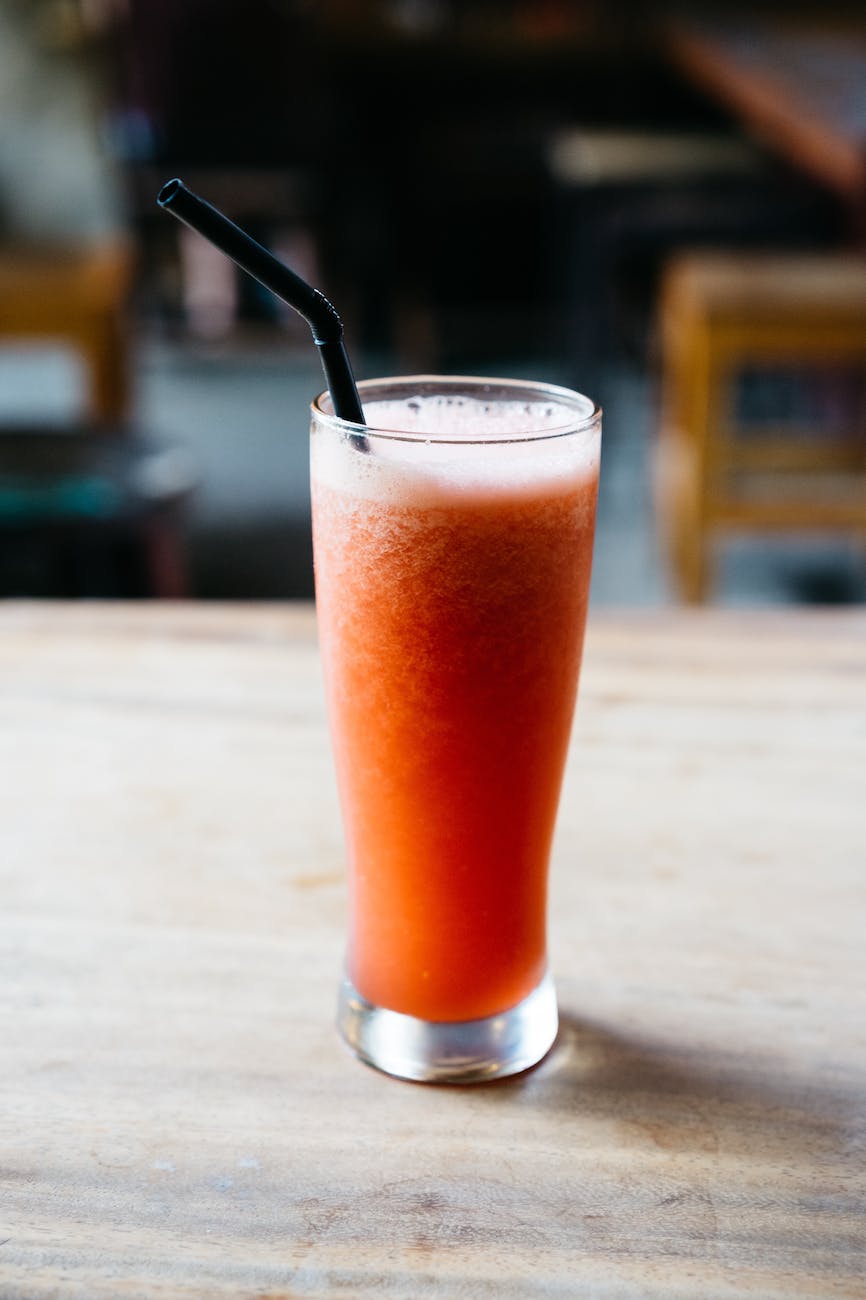
close up photo of a watermelon smoothie drink

In the world of nutrition, few duos are as harmonious as pineapple and cucumber. These two fruits complement each other not only in taste but also in the myriad of health benefits they offer. In this blog post, we’ll delve into the fascinating world of pineapple and cucumber, exploring their unique qualities and how they work together to boost your well-being.

Pineapple: A Tropical Delight with Nutritional Goodness

Pineapple is not just a delightful tropical fruit; it is a nutritional powerhouse that brings a burst of flavor and health benefits to your plate. Let’s delve deeper into why you should make pineapple a regular part of your diet:

  1. Rich in Vitamin C: Pineapple is loaded with Vitamin C, an essential nutrient known for its immune-boosting properties. Regular consumption of pineapple can help strengthen your immune system and protect your body against various infections.
  2. Digestive Aid – Bromelain: One of the key components of pineapple is bromelain, a group of enzymes that aids in digestion. Bromelain helps break down proteins and supports a healthy digestive system, reducing bloating and discomfort.
  3. Anti-Inflammatory Properties: Bromelain also exhibits powerful anti-inflammatory properties, which can help alleviate inflammation in the body. It may be particularly beneficial for individuals with inflammatory conditions such as arthritis.
  4. Manganese Content: Pineapple is an excellent source of manganese, a trace mineral essential for bone health, collagen production, and enzyme function.
  5. Rich in Fiber: Pineapple contains dietary fiber that promotes regular bowel movements and supports gut health.

Cucumber: The Ultimate Hydrator and Low-Calorie Snack

Cucumber is not only incredibly refreshing but also offers an array of health benefits. Here’s why you should add cucumber to your daily diet:

  1. Hydration Booster: Cucumber is composed of about 95% water, making it an excellent choice to keep you hydrated, especially during hot summer days. Staying well-hydrated is essential for overall health and maintaining optimal body functions.
  2. Low in Calories, High in Nutrients: If you’re watching your calorie intake, cucumber is a fantastic option. It is low in calories but rich in essential nutrients like potassium, magnesium, and Vitamin K. These nutrients contribute to heart health, muscle function, and bone health.
  3. Freshens Breath: Cucumber’s high water content stimulates saliva production, which helps wash away bacteria in the mouth and freshens your breath naturally.
  4. Supports Skin Health: Cucumbers contain silica, a compound that promotes skin health by supporting collagen production and keeping the skin hydrated.
  5. Anti-Inflammatory and Antioxidant Properties: Cucumbers contain antioxidants such as beta-carotene and flavonoids that help fight inflammation and oxidative stress.
  6. Promotes Weight Management: Due to its low calorie and high water content, cucumber is an excellent choice for those looking to manage their weight.

A Perfect Detox and Cleanse Duo: Pineapple and Cucumber

When combined, pineapple and cucumber create a powerful duo for detoxifying and cleansing the body:

  • Pineapple’s Bromelain Breaks Down Toxins: Bromelain in pineapple is known for its ability to break down toxins and waste products in the body, promoting better detoxification.
  • Cucumber Flushes Out Impurities: Cucumber’s high water content acts as a natural diuretic, helping to flush out toxins and impurities through urine. This aids in cleansing the urinary system.
  • Alkalizing Properties: Both pineapple and cucumber have alkalizing properties, which can help balance the body’s pH levels and support a healthy internal environment.

The Magic of Pineapple Cucumber Juice: Refreshing and Nutrient-Packed

Creating a revitalizing juice by blending pineapple and cucumber is a wonderful way to enjoy their health benefits. Here’s why pineapple cucumber juice is a must-try:

  • Hydrates and Detoxifies: Pineapple cucumber juice is incredibly hydrating, thanks to the high water content of both fruits. It helps keep you refreshed and well-hydrated throughout the day.
  • Natural Energy Boost: This juice is a natural source of essential vitamins and minerals, such as Vitamin C, Vitamin K, and potassium, which provide a natural energy boost.
  • Rich in Antioxidants: The combination of pineapple and cucumber provides a healthy dose of antioxidants, which help neutralize free radicals and protect your cells from oxidative damage.
  • Supports Skin Health: The high Vitamin C content in pineapple cucumber juice supports collagen production and contributes to healthy, radiant skin.
  • Aids in Weight Management: The low calorie and nutrient-rich nature of the juice make it a great addition to your weight management journey.

The Blissful Pineapple Cucumber Smoothie: Creamy and Nutrient-Rich

For a more substantial and creamy option, consider blending pineapple and cucumber into a delicious smoothie:

  • Pre or Post-Workout Delight: The smoothie’s nutrient density makes it an ideal pre or post-workout beverage, providing your body with the necessary nutrients to fuel your fitness journey.
  • Family-Friendly: The creamy texture of the smoothie appeals to both kids and adults, making it a family-friendly treat that even picky eaters will love.
  • Customizable and Versatile: You can easily customize the smoothie by adding other fruits, greens, or protein sources to suit your taste and nutritional needs.

Detox and Cleanse: A Nourishing Journey

Incorporating pineapple and cucumber into your detox journey offers an array of health benefits:

  • Hydration and Nutrients: The high water content of cucumber and the richness of vitamins in pineapple contribute to overall hydration and nourishment during your cleanse.
  • Digestive Support: Pineapple’s bromelain and cucumber’s fiber content support healthy digestion and regular bowel movements, aiding in detoxification.
  • Elimination of Toxins: The combination of pineapple’s enzymes and cucumber’s diuretic properties helps eliminate toxins and waste from the body.
  • Alkalizing the Body: Both pineapple and cucumber have alkalizing effects, promoting a balanced pH level and creating an environment less conducive to harmful microorganisms.

Frequently Asked Questions (FAQs)

1. What are the health benefits of pineapple and cucumber together?

Combining pineapple and cucumber provides a range of health benefits, including hydration, digestive support, immune system boost, and antioxidant protection.

2. Can pineapple and cucumber juice help with weight management?

Yes, pineapple cucumber juice can be beneficial for weight management due to its low calorie and nutrient-dense nature, making it a healthy and refreshing beverage option.

3. Are there any potential side effects of consuming pineapple cucumber juice?

While pineapple and cucumber are generally safe for most people, excessive consumption may lead to digestive discomfort in some individuals. Moderation is key.

4. Can pineapple cucumber smoothies be a good pre or post-workout option?

Absolutely! Pineapple cucumber smoothies offer a great mix of hydration, natural energy, and essential nutrients, making them an excellent choice for pre or post-workout nourishment.

5. How do pineapple and cucumber contribute to detoxification and cleansing?

Pineapple’s bromelain helps break down toxins, while cucumber’s high water content acts as a natural diuretic, promoting detoxification through urine.

6. Can pineapple cucumber juice aid in skin health?

Yes, the high Vitamin C content in the juice supports collagen production, contributing to healthy and radiant skin.

7. Are there any specific recipes for pineapple cucumber juice and smoothies?

There are countless delicious recipes available online. Experiment with different fruit combinations, add greens or herbs, and adjust sweetness to suit your taste preferences.

8. Can pregnant women consume pineapple cucumber juice?

Pregnant women can enjoy pineapple and cucumber in moderate amounts, but it’s essential to consult with a healthcare professional for personalized advice.

9. Does pineapple cucumber juice help with hydration?

Yes, both pineapple and cucumber are high in water content, making the juice an excellent hydrating option, especially during hot weather or after physical activity.

10. Are there any potential allergens in pineapple cucumber juice?

While pineapple and cucumber are not common allergens, individuals with known allergies to these fruits should avoid consuming the juice.

11. Can pineapple cucumber juice be beneficial for digestive health?

Yes, the bromelain in pineapple and the fiber in cucumber contribute to healthy digestion and support regular bowel movements.

12. Can pineapple cucumber juice be a part of a balanced diet?

Absolutely! Pineapple cucumber juice, when consumed as part of a well-balanced diet, provides valuable nutrients and hydration.

13. Are there any particular health conditions where pineapple cucumber juice should be avoided?

Individuals with certain medical conditions, such as kidney issues or allergies, should consult with a healthcare professional before incorporating pineapple cucumber juice into their diet.

14. Is pineapple cucumber juice a suitable option for improving skin complexion?

The Vitamin C and hydrating properties of pineapple cucumber juice can contribute to skin health and a more radiant complexion.

15. Can pineapple cucumber juice help with reducing inflammation?

Pineapple’s bromelain possesses anti-inflammatory properties, which, combined with cucumber’s hydrating effects, can help reduce inflammation in the body.

16. Can children enjoy pineapple cucumber juice?

Yes, children can enjoy this delicious and nutritious beverage, but parents should be mindful of portion sizes and any individual sensitivities.

17. Can pineapple cucumber juice be used as a base for smoothies with added ingredients?

Absolutely! Pineapple cucumber juice can serve as a fantastic base for smoothies, allowing you to add various fruits, vegetables, and supplements to enhance its nutritional value.

18. Are there any alternative ways to consume pineapple and cucumber together?

Yes, you can enjoy them sliced, diced, or blended into salads, salsas, or as a topping for yogurt or ice cream.

19. Can pineapple cucumber juice be beneficial for the hair?

While pineapple cucumber juice provides essential vitamins, minerals, and hydration that promote overall health, specific benefits for hair require further research.

20. Does pineapple cucumber juice have any impact on blood sugar levels?

Pineapple has a higher natural sugar content, so individuals with diabetes should monitor their intake and consider consuming the juice in moderation.

Remember, always consult with a healthcare professional before making significant changes to your diet or if you have specific health concerns. Enjoy the goodness of pineapple and cucumber in various forms, and savor their unique flavors and health benefits.

Conclusion: A Refreshing Path to Better Health

Pineapple and cucumber, two flavorful and nutrient-packed fruits, have earned their place as an essential part of a healthy diet. Whether you enjoy them in juice or smoothie form or incorporate them into your detox journey, their combined benefits make them an incredible addition to your wellness routine. Embrace the dynamic duo of pineapple and cucumber to refresh, hydrate, and nourish your body from within.

Blog Tags: Pineapple, Cucumber, Tropical Fruits, Health Benefits, Detox, Cleanse, Nutrition, Hydration, Digestive Health, Smoothie, Juice, Wellness, Anti-Inflammatory, Bromelain, Vitamins, Minerals, Refreshing, Family-Friendly.

Posted on Leave a comment

Salted Watermelon: A Refreshing and Savory Twist

woman wearing white shirt eating watermelon

Watermelon is known for its naturally sweet and refreshing taste, but have you ever considered adding a touch of salt to elevate its flavor? In this comprehensive blog post, we’ll delve deeper into the unique combination of salt and watermelon, exploring the reasons behind its popularity, the science of taste, and various ways to enjoy this delightful and unexpected treat. Get ready to tantalize your taste buds and dive into the fascinating world of salted watermelon! 🍉🧂

🧂 The Science of Taste To understand the allure of salted watermelon, it’s helpful to explore the science of taste. Our taste buds detect five primary tastes: sweet, sour, bitter, salty, and umami. When combined strategically, these flavors can create a harmonious and complex sensory experience. In the case of salted watermelon, the salt acts as a flavor enhancer, bringing out the natural sweetness of the fruit and adding a subtle savory note. It’s all about achieving a delicate balance between the sweet and salty flavors, creating a unique and enjoyable taste experience.

🍉 The Benefits of Salted Watermelon Here are some reasons why salted watermelon has gained popularity and why you might want to give it a try:

  1. Enhanced Flavor: The addition of salt to watermelon enhances its natural sweetness, making each bite more vibrant and flavorful. The salt acts as a taste amplifier, bringing out the fruit’s inherent deliciousness.
  2. Balanced Taste: The combination of sweet and salty flavors creates a harmonious balance that can be incredibly satisfying to the palate. The salt not only enhances the sweetness but also adds depth and complexity to the overall taste profile.
  3. Refreshment and Hydration: Watermelon is already known for its hydrating properties due to its high water content. When combined with a touch of salt, it becomes even more refreshing, making it an ideal treat to cool down on hot summer days. The electrolytes found in salt can also help replenish lost minerals and promote hydration.
  4. Texture and Mouthfeel: The salt crystals on the watermelon’s juicy flesh provide a delightful textural contrast. As you bite into the watermelon, the burst of sweetness combined with the slight crunch of salt crystals creates a unique and enjoyable eating experience.

🧂 How to Enjoy Salted Watermelon Ready to try this unique flavor combination? Here are a few ways to enjoy salted watermelon:

  1. Simple Salt Sprinkle: Slice a fresh watermelon into wedges or cubes, and sprinkle a pinch of salt over the pieces. Let the salt dissolve for a few minutes before taking a bite. This simple method allows the flavors to meld, resulting in a harmonious combination of sweet and salty.
  2. Salted Watermelon Salad: Create a refreshing salad by combining diced watermelon with crumbled feta cheese, fresh mint leaves, a drizzle of olive oil, and a sprinkle of sea salt. The salty cheese complements the sweetness of the watermelon, while the mint adds a burst of freshness. This salad is a perfect balance of flavors and textures.
  3. Watermelon Salsa: Get creative and make a vibrant salsa by combining diced watermelon with finely chopped red onion, jalapeño peppers, cilantro, lime juice, and a sprinkle of salt. This salsa is not only a delicious accompaniment to grilled meats or tacos but also a refreshing and tangy addition to your culinary repertoire.
  4. Watermelon Gazpacho: Blend watermelon chunks with cucumber, tomatoes, red onion, garlic, lime juice, and a pinch of salt to create a refreshing and savory gazpacho. This chilled soup is perfect for hot summer days and showcases the versatility of salted watermelon in savory dishes.
  5. Watermelon and Feta Skewers: Thread watermelon cubes and feta cheese onto skewers, sprinkle with a pinch of salt, and drizzle with balsamic glaze for an elegant and flavorful appetizer. The combination of sweet watermelon, salty feta, and tangy balsamic creates a delightful burst of flavors.

🍉🧂 Whether you’re enjoying a simple salt sprinkle, creating a savory watermelon salad, or experimenting with watermelon in more complex recipes, salted watermelon offers a delightful and unexpected twist on this beloved summer fruit. It’s a unique way to elevate the flavor profile, add a touch of savory complexity, and create a memorable culinary experience. So, grab a slice, sprinkle a pinch of salt, and savor the refreshing combination of sweet and salty goodness!