Posted on Leave a comment

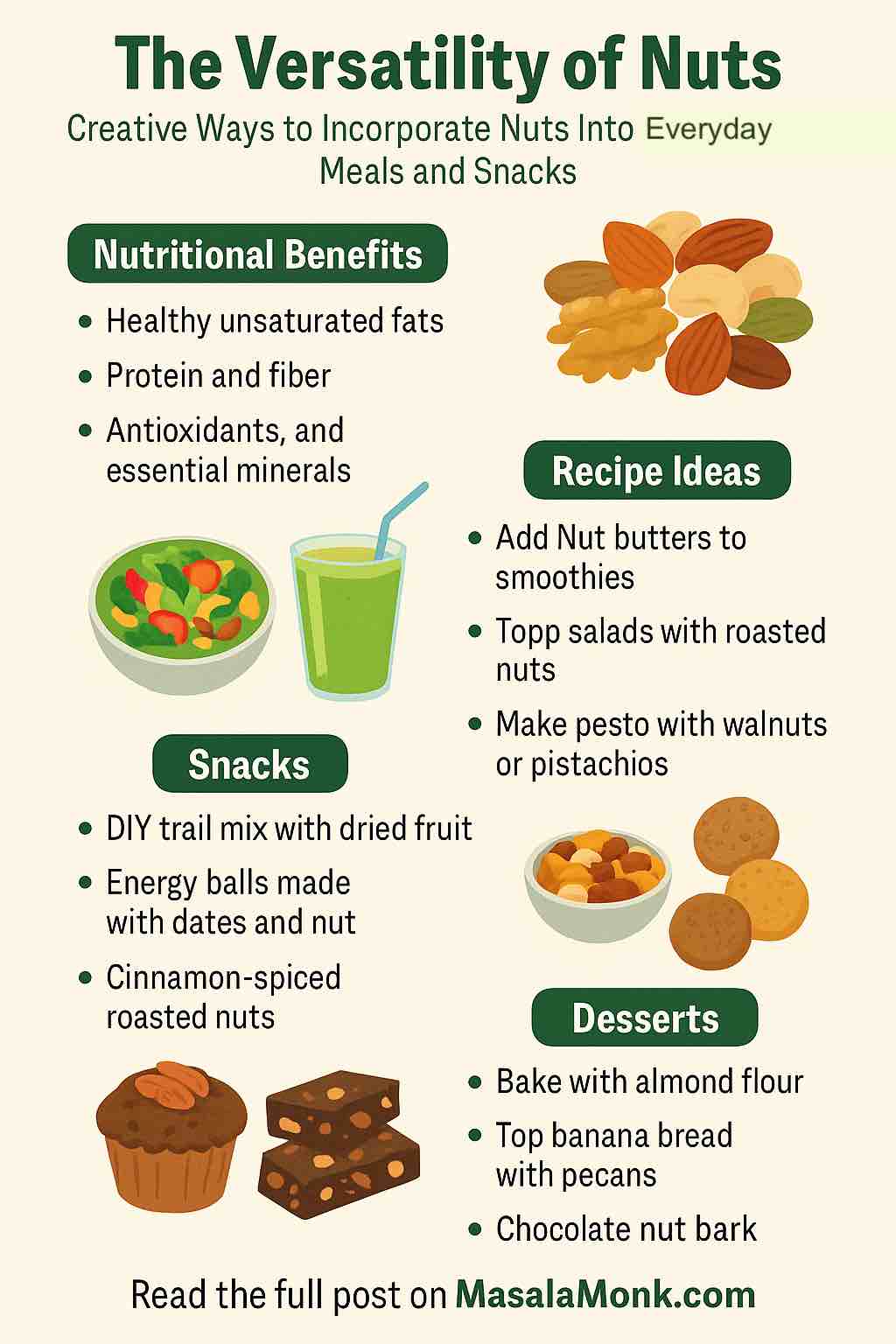
The Versatility of Nuts: Creative Ways to Incorporate Nuts into Your Everyday Meals and Snacks

Nuts-Into-Everyday-Meals-and-Snacks

Nuts are one of nature’s most powerful—and underutilized—ingredients. Packed with nutrients, flavor, and texture, they are a culinary multitool that can add health and depth to nearly any dish. From your morning smoothie to your evening dinner plate, and every snack in between, nuts can bring variety, satisfaction, and nourishment. Here’s a practical, creative, and engaging guide on how to make nuts a staple in your daily eating routine.


Why Nuts Matter: A Nutritional Powerhouse

Nuts like almonds, walnuts, pistachios, and cashews are rich in healthy fats, plant protein, fiber, and essential micronutrients including magnesium, vitamin E, selenium, and calcium. A single ounce (30g) of almonds, for example, contains about 6g of protein and 80mg of calcium. Regular consumption is linked to improved heart health, better weight management, and reduced inflammation. Despite their small size, they can make a big impact on your diet and overall well-being.


Morning Boosters: Start Your Day Right

1. Nut-Infused Smoothies
Blend nut butters like almond, peanut, or cashew into smoothies for added creaminess, protein, and richness. Combine with banana, spinach, dates, and a milk of your choice for a nutritious start.

2. Yogurt & Smoothie Bowls
Top bowls with chopped nuts, chia seeds, and a drizzle of nut butter. Try pistachios with strawberries or walnuts with apple slices and cinnamon.

3. Homemade Nut Granola
Bake a mix of rolled oats, honey, olive oil, and your favorite nuts for a crunchy, customizable granola.

4. Savory Nut Toasts
Spread cashew cream cheese or almond ricotta on whole grain toast. Add avocado, smoked paprika, or sliced tomatoes for a gourmet touch.


Midday & Main Meal Marvels

1. Nutty Salads with Texture
Toss roasted pecans, pine nuts, or almonds into salads. Combine with arugula, goat cheese, and citrus segments for a flavorful twist.

2. Stir-fries and Curries
Add cashews to Thai or Indian curries, or ground peanuts in Indonesian sauces. They soak up spices beautifully and offer hearty texture.

3. Nut-Crusted Proteins
Coat chicken, tofu, or salmon in crushed pistachios, almonds, or hazelnuts for a crunchy finish.

4. Innovative Pesto & Sauces
Swap traditional pine nuts for walnuts or pistachios in your pesto. Create creamy peanut or cashew sauces for noodles, wraps, or dipping.

5. Rice & Grain Upgrades
Sprinkle toasted slivered almonds or pine nuts over couscous, quinoa, or brown rice to add layers of flavor and crunch.


Snacks That Travel Well

1. DIY Trail Mix
Build your own mix with roasted nuts, dried fruits, dark chocolate chips, and seeds like pumpkin or sunflower.

2. Energy Balls and Bars
Blend dates, oats, and nut butters with extras like cocoa nibs, coconut, or protein powder. Roll into balls or press into bars for a grab-and-go option.

3. Spiced & Roasted Nuts
Roast nuts with bold flavors—sweet (cinnamon-honey), savory (rosemary-garlic), or spicy (chili-lime). Perfect for snacks, salads, or cocktails.

4. Portable Nut Dips
Make muhammara (roasted red pepper and walnut dip) or use almond butter as a dip for sliced apples, carrots, or celery.


Sweet but Smart: Nut-Based Desserts

1. Nut Flours for Baking
Use almond flour or hazelnut meal in gluten-free baking recipes for cookies, muffins, and cakes.

2. Nut Toppings
Sprinkle crushed nuts on banana bread, oatmeal cookies, or fruit crisps to elevate texture and flavor.

3. Chocolate Nut Barks & Clusters
Melt dark chocolate and mix with nuts and seeds. Spread into thin bark or form clusters for a simple, satisfying dessert.

4. Stuffed Dates
Fill Medjool dates with nut butter and dip in dark chocolate. Finish with a pinch of sea salt for a luxurious treat.


Global Inspirations for Everyday Variety

  • Middle Eastern: Add pine nuts to hummus, or make classic baklava with layers of phyllo and crushed walnuts or pistachios.
  • Asian: Use peanuts in satay sauce or sprinkle chopped cashews over Thai noodle bowls.
  • Mediterranean: Blend walnut pesto for pasta or spread almond dips on flatbread.
  • Western Vegetarian: Make a hearty nut roast for a meatless dinner centerpiece.

Tips for Storage, Substitutes & Safety

  • Storage: Keep nuts in airtight containers; refrigerate or freeze to prevent rancidity.
  • Portion Control: Stick to about 30g/day to balance calorie intake and health benefits.
  • Low-Sodium Option: Choose raw or unsalted nuts for heart-friendly snacking.
  • Allergy Alternatives: Try sunflower seed butter, pepitas, or coconut flakes as substitutes.

Final Thoughts: Small Changes, Big Impact

Whether you’re upgrading your breakfast, adding crunch to your salad, or experimenting with global flavors, nuts can play a delicious and meaningful role in your meals. They’re not just a snack—they’re an ingredient that bridges convenience, flavor, and wellness. Start small, mix and match, and you’ll soon discover that a handful of nuts can go a long way.

Ready to get nutty in the kitchen? Start today with a new recipe or a fresh twist on an old favorite.

✅ Summary Table

Use CaseNut ApplicationBenefit
Smoothies/BowlsNut powders, butters, chopped nutsCreaminess, protein, crunch
CookingNut‑based sauces, pestos, crusts, meat subFlavor, texture, plant protein
Snacks & BarsTrail mix, energy balls, spiced nutsOn‑the‑go nutrition
Baking/DessertsNut flours, toppings, barksHealthier indulgence
Gastro-cultureMuhammara, karedok, nut roast, sataysGlobal authenticity
Gifting/PartyJar mixes, charcuterie nutsPresentation, convenience

Posted on Leave a comment

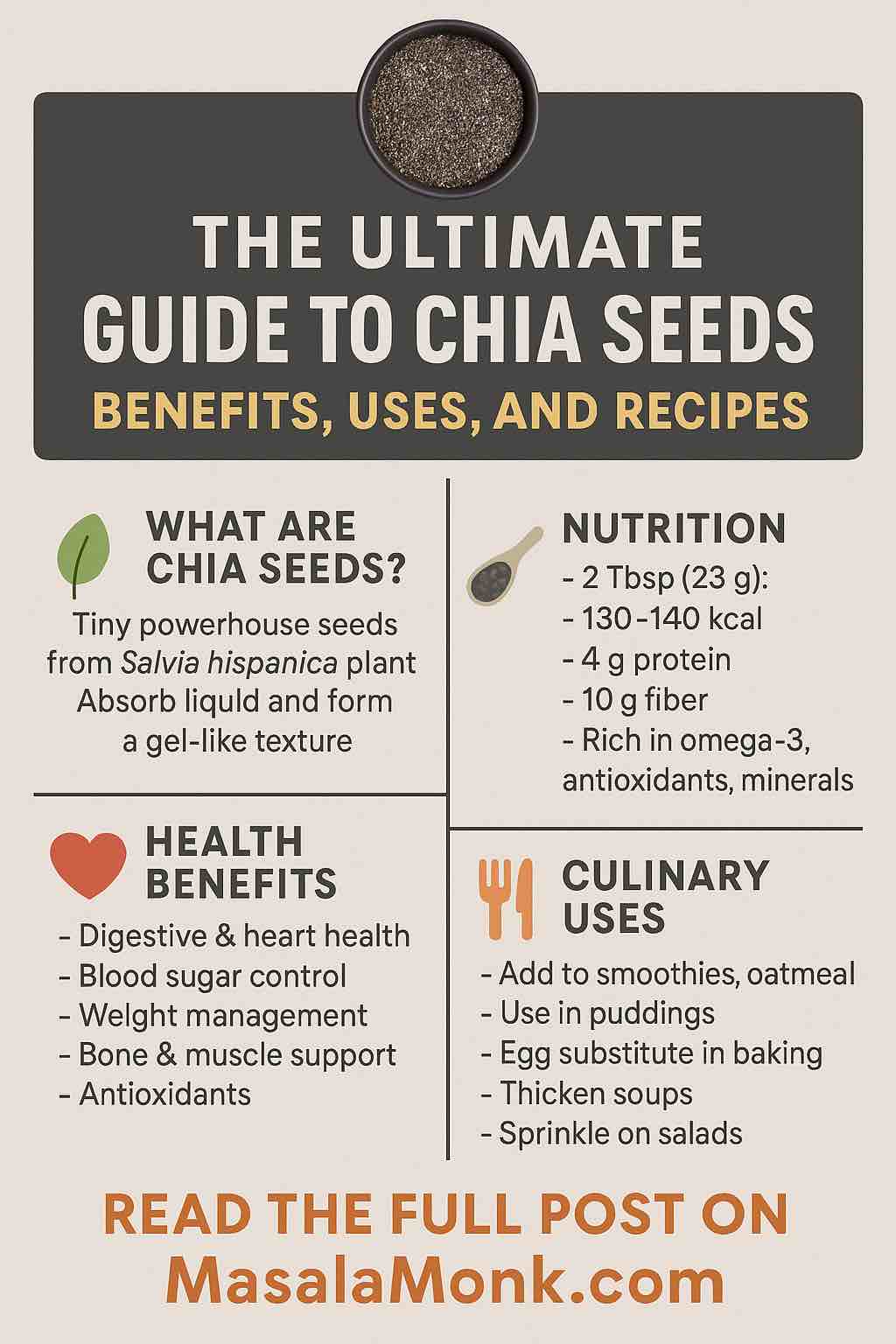
The Ultimate Guide to Chia Seeds: Benefits, Uses, and Recipes

GUIDE TO CHIA SEEDS BENEFITS, USES, AND RECIPES

Whether you’re a wellness enthusiast, a curious foodie, or someone simply trying to eat healthier, chia seeds are a tiny superfood worth knowing. This guide explores everything you need to know about chia seeds: their origins, health benefits, practical uses, and easy-to-make recipes that fit into any lifestyle.


🌱 What Are Chia Seeds?

Chia seeds are the edible seeds of Salvia hispanica, a flowering plant native to Mexico and Guatemala. Historically consumed by Aztec and Mayan cultures, chia was prized for its energy-boosting properties. Today, it’s known for being rich in fiber, omega-3 fatty acids, protein, and essential minerals.


🧪 Nutritional Powerhouse

In just two tablespoons (28g), chia seeds offer:

  • Fiber: 10-11g
  • Protein: 4-5g (with all 9 essential amino acids)
  • Fat: 8-9g (mainly ALA omega-3s)
  • Calcium: 18% of RDI
  • Magnesium: 30% of RDI
  • Phosphorus: 27% of RDI
  • Antioxidants: Quercetin, chlorogenic acid, and caffeic acid

Chia seeds are naturally gluten-free and suitable for vegan, keto, and paleo diets.


❤️ Health Benefits

1. Supports Heart Health

The high content of omega-3 fatty acids (ALA) helps reduce inflammation, lower blood pressure, and improve cholesterol levels.

2. Improves Digestion

With 40% fiber by weight, chia seeds promote gut health, regular bowel movements, and help prevent constipation.

3. Regulates Blood Sugar

The soluble fiber in chia forms a gel-like consistency that slows digestion, helping to prevent blood sugar spikes.

4. Aids in Weight Management

The gel-like consistency when soaked provides a feeling of fullness, reducing overeating.

5. Boosts Bone Health

Rich in calcium, phosphorus, and magnesium—critical nutrients for maintaining strong bones.

6. Antioxidant Protection

Chia’s antioxidant compounds help combat oxidative stress and may support aging and chronic disease prevention.


⚠️ Potential Side Effects & Safety Tips

  • Choking hazard: Dry chia seeds expand in liquid. Always soak before consuming.
  • Digestive discomfort: Introduce gradually and drink plenty of fluids.
  • Drug interactions: Monitor if on blood pressure or diabetes meds.
  • Prostate/Kidney caution: High ALA and mineral levels may need moderation in sensitive individuals.

🍴 Practical Ways to Use Chia Seeds

💧 Hydration & Energy

  • Chia Fresca: Mix 1 tbsp chia seeds in a glass of water with lemon juice. Great for pre-workout hydration.
  • Fennel Chia Water: Soak chia with crushed fennel seeds overnight; drink in the morning for digestion.

🍽 Breakfasts

  • Overnight Oats: Mix oats, milk, chia seeds, and fruit; refrigerate overnight.
  • Smoothie Booster: Add a tablespoon of soaked chia to any smoothie.
  • Chia Yogurt Bowl: Mix with Greek yogurt, berries, and a drizzle of honey.

🍰 Baking & Cooking

  • Egg Substitute: Mix 1 tbsp chia + 3 tbsp water = 1 egg in baking recipes.
  • Breads & Muffins: Add a few tablespoons into batter for a nutrition upgrade.
  • Thickener: Use in soups or sauces instead of cornstarch.

🥗 Salads & Snacks

  • Granola Mix: Include in granola bars or homemade trail mix.
  • Salad Topper: Sprinkle raw over salads for crunch.

🍓 Easy & Delicious Recipes

1. Coconut Chia Pudding

Ingredients:

  • 1/2 cup chia seeds
  • 2 cups coconut milk
  • 1 tsp vanilla extract
  • 1 tbsp maple syrup
  • Fruit, nuts for topping

Instructions: Mix ingredients, refrigerate for 6+ hours. Top with fruits and nuts before serving.


2. Strawberry Banana Chia Smoothie

Ingredients:

  • 1 banana
  • 1/2 cup strawberries
  • 1 tbsp soaked chia seeds
  • 1 cup almond milk
  • Ice (optional)

Instructions: Blend until smooth and creamy. Serve immediately.


3. Savory Avocado Toast with Chia

Ingredients:

  • 2 slices of whole grain bread
  • 1 ripe avocado
  • Lemon juice, chili flakes, salt
  • 1 tsp chia seeds

Instructions: Mash avocado with seasoning, spread on toast, and sprinkle with chia.


4. Indian-Inspired Chia Bowl (Mango Turmeric)

Ingredients:

  • 1/2 cup chia seeds
  • 1.5 cups coconut milk
  • 1/4 tsp turmeric
  • 1/2 cup mango puree
  • Cardamom, jaggery to taste

Instructions: Soak chia in coconut milk overnight. Mix in turmeric, mango, and sweetener before serving.


✅ Final Tips for Everyday Use

  • Stick to 1-2 tablespoons/day.
  • Soak for at least 10–15 minutes before consuming.
  • Pair with foods rich in vitamin C or calcium to improve mineral absorption.
  • Store in a cool, dry place in an airtight container.

🧭 Conclusion

Chia seeds offer an easy, versatile, and nutrient-dense way to enhance your diet. From boosting heart health to supporting digestion, these tiny seeds are a worthy pantry staple. With countless ways to enjoy them—from puddings to smoothies to savory dishes—chia can be effortlessly integrated into any lifestyle.

Ready to give chia a try? Start small, stay hydrated, and get creative in your kitchen!

🔍 Frequently Asked Questions (FAQs)

1. Do chia seeds need to be soaked before eating?

Yes. Soaking chia seeds prevents potential choking and enhances digestibility. When dry, they absorb 10–12x their weight in liquid, which can cause discomfort if eaten without fluid. Soak for at least 10–15 minutes.


2. How much chia should I eat daily?

1 to 2 tablespoons (15–30 grams) per day is generally safe and effective for most people. Start with 1 tablespoon and increase gradually while ensuring good hydration.


3. Can chia seeds help with weight loss?

They may help indirectly. The fiber and gel-forming nature of soaked chia seeds promote satiety, which can reduce calorie intake. However, chia alone won’t cause weight loss—it should be part of a balanced diet and active lifestyle.


4. Are there any side effects of chia seeds?

In excess or without enough water, chia may cause bloating, gas, or constipation. Dry seeds can pose a choking risk. Also, people on blood pressure, blood sugar, or blood thinner medications should consult a doctor due to chia’s bioactive properties.


5. Can I cook chia seeds?

Yes. You can bake them into muffins, breads, and pancakes. Cooking won’t destroy most of their nutrients, but soaking or grinding preserves the omega-3 content better.


6. What’s the difference between black and white chia seeds?

Nutritionally, they are nearly identical. The main difference is cosmetic—white chia may be preferred in lighter-colored dishes like puddings or smoothies for visual appeal.


7. How do chia seeds support heart health?

Chia seeds are rich in ALA, a plant-based omega-3 fatty acid shown to reduce inflammation, lower blood pressure, and improve cholesterol levels—all beneficial for cardiovascular health.


8. Are chia seeds good for people with diabetes?

Yes. The soluble fiber slows carbohydrate absorption, helping to stabilize blood sugar. However, they may enhance the effects of diabetes medications, so monitor levels closely if adjusting your diet.


9. Can children or elderly people eat chia seeds?

Yes, but always ensure they are fully soaked to avoid choking. Start with small amounts and mix into soft foods like yogurt or porridge.


10. How should I store chia seeds?

Keep them in an airtight container in a cool, dark place. Properly stored, they can last up to 2 years. For maximum freshness, refrigerate after opening, especially in humid climates.

Posted on 6 Comments

Millets: The Gluten-Free Superfood

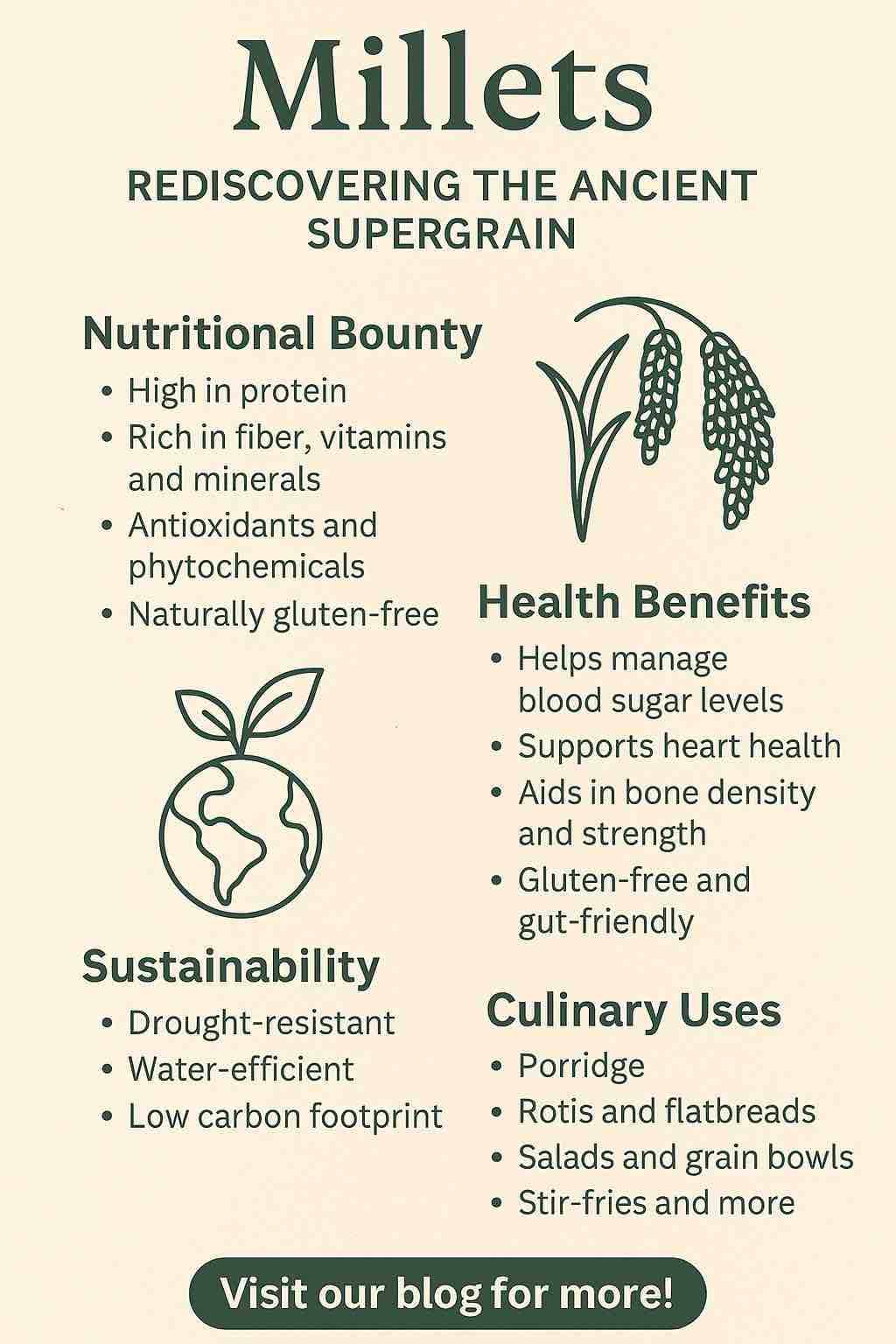
Millets: Rediscovering the Ancient Supergrain for Modern Health and Sustainability

In a world increasingly plagued by lifestyle diseases, food intolerances, and climate instability, an ancient grain is quietly making its way back into our kitchens—and onto our plates. Millets, once relegated to the margins of agriculture and diets, are now being hailed as superfoods for the future. With their impressive nutritional profile, natural resilience, and culinary versatility, millets are not just good for your body—they’re good for the planet.

This isn’t just a dietary trend—it’s a global movement. From the United Nations declaring 2023 as the International Year of Millets, to nutritionists and chefs spotlighting them on social media and menus alike, millets are having a moment—and it’s well deserved.


🧬 Section 1: The Nutritional Bounty of Millets

Millets are small-seeded grains from the Poaceae family, cultivated in Asia and Africa for thousands of years. What sets them apart nutritionally?

🔹 1. Packed with Macro and Micronutrients

  • High Protein Content: Millets like foxtail and pearl millet are excellent plant-based protein sources.
  • Rich in Minerals: They provide iron, calcium, magnesium, potassium, and phosphorus—critical for everything from blood production to muscle and bone function.
  • Loaded with B Vitamins: Including niacin, riboflavin, folate, and thiamine, supporting brain function, energy metabolism, and cellular health.

🔹 2. Superior Dietary Fiber

Millets contain both soluble and insoluble fiber, aiding digestion, regulating blood sugar, and promoting heart health. Just 100 grams of finger millet (ragi) provides nearly 15-20% of daily fiber requirements.

🔹 3. Antioxidant & Phytochemical Powerhouse

They contain:

  • Phenolic compounds: Anti-aging, anti-inflammatory, and cancer-preventive properties.
  • Phytates & Lignans: Linked with reduced cholesterol and hormone-related cancers.
  • Ferulic Acid & Catechins: Help neutralize free radicals and protect cellular integrity.

💡 Section 2: Health Benefits — Backed by Science

Millets are more than nutrient-rich—they’re disease-fighting powerhouses.

🩺 1. Blood Sugar Regulation

Due to their low glycemic index, millets slow glucose absorption—making them ideal for managing diabetes. Clinical studies show millet-based diets improve insulin sensitivity and reduce postprandial blood sugar spikes.

❤️ 2. Heart Health

  • Soluble fiber in millets reduces LDL (bad) cholesterol.
  • Magnesium relaxes blood vessels, improving blood flow and reducing blood pressure.
  • Their anti-inflammatory properties help prevent atherosclerosis.

🧠 3. Mental and Cognitive Benefits

  • Niacin and folate in millets support neurotransmitter function.
  • Magnesium aids in mood stabilization and anxiety relief.

💪 4. Bone Density and Strength

Ragi (finger millet) provides 3x more calcium than milk—supporting bone development, especially in children and older adults.

🌾 5. Gluten-Free and Gut-Friendly

Perfect for those with celiac disease or gluten intolerance, millets are easy on the gut, non-allergenic, and don’t trigger inflammation like some processed flours.


🌿 Section 3: Millets and the Planet — A Sustainable Grain

Millets don’t just benefit people—they’re a climate-smart crop.

🔹 Water-Efficient

Require 70% less water than rice or wheat.

🔹 Drought-Resilient

Can thrive in poor soil and high temperatures, making them perfect for dry zones and small-scale farming.

🔹 Low Carbon Footprint

Minimal need for chemical fertilizers or pesticides, reducing greenhouse gas emissions.

🔹 Supports Agricultural Biodiversity

There are over 20 varieties of millet, helping preserve genetic diversity in a world dominated by mono-cropping.


🍽️ Section 4: Bringing Millets Into Your Daily Diet

Millets are remarkably versatile. Here’s how to add them to every meal:

☀️ Breakfast

  • Ragi porridge with banana, cinnamon, and nuts
  • Foxtail millet upma with veggies
  • Millet pancakes using barnyard or little millet flour

🍱 Lunch

  • Bajra or Jowar roti instead of wheat
  • Millet grain bowls with lentils, greens, and tahini dressing
  • Kodo millet khichdi with moong dal and ghee

🌆 Dinner

  • Millet stir-fry with tofu and vegetables
  • Biryani with barnyard millet instead of basmati rice

🍪 Snacks & Sweets

  • Millet energy bars with seeds and dates
  • Ragi ladoos or cookies sweetened with jaggery
  • Millet puffs or crackers as healthy munchies

📚 Section 5: Popular Types of Millets and Their Benefits

MilletNutritional HighlightsBest Uses
Ragi (Finger)High calcium, iron, antioxidantsPorridge, dosa, cookies
Bajra (Pearl)Iron-rich, cooling, great for wintersRotis, bhakri, porridge
FoxtailLow GI, protein-richUpma, rice substitute, salads
BarnyardHigh fiber, low calorieFasting dishes, khichdi, pulao
KodoGluten-free, good for heart and weight lossIdli, pongal, salads
Little MilletHigh in fiber and B vitaminsUpma, pongal, millet bowls
Sorghum (Jowar)Great for gut health, lowers cholesterolRotis, flatbreads, muffins

🔚 Conclusion: Why Millets Are the Future of Food

From nourishing your body to healing the planet, millets offer a complete package. They’re ancient grains with modern relevance, offering a sustainable solution to many of today’s health and environmental challenges.

So the next time you reach for rice or wheat, consider this: a small grain can make a big difference. Swap in millets a few times a week, and you might just unlock a healthier, more conscious lifestyle—one bowl at a time.

FAQs

1. What are millets and how are they different from other grains?

Millets are a group of small-seeded grasses cultivated for thousands of years. Unlike refined grains like white rice or wheat, millets are whole grains, gluten-free, and rich in fiber, protein, and essential minerals. They’re also more environmentally resilient.


2. Are millets suitable for people with gluten intolerance or celiac disease?

Yes, millets are naturally gluten-free, making them safe and highly suitable for individuals with celiac disease or gluten sensitivity.


3. Can diabetics eat millets?

Absolutely. Millets have a low glycemic index (GI), which means they release glucose slowly into the bloodstream, helping manage blood sugar levels and reducing insulin spikes.


4. What are the most popular types of millets and their uses?

  • Ragi (Finger Millet) – Porridge, dosa, cookies
  • Bajra (Pearl Millet) – Rotis, khichdi
  • Foxtail Millet – Upma, rice replacement
  • Barnyard Millet – Fasting foods, khichdi
  • Kodo & Little Millet – Idlis, salads
    Each variety has unique nutritional benefits and culinary applications.

5. Are millets good for weight loss?

Yes, their high fiber content promotes satiety, reduces overeating, and aids digestion. Replacing refined grains with millets can support healthy weight management.


6. How can I include millets in my daily meals?

Millets can replace rice, wheat, or oats. Use them in:

  • Breakfast: Millet porridge, pancakes, or upma
  • Lunch/Dinner: Millet rotis, grain bowls, or biryani
  • Snacks: Millet cookies, puffs, or ladoos

7. Are millets safe for children and the elderly?

Yes, millets are excellent for all age groups. Ragi, for example, is rich in calcium, aiding bone development in children and preventing osteoporosis in seniors.


8. Do millets require special cooking methods?

Not at all. Millets are easy to cook—just wash, soak (optional), and boil or steam like rice. Cooking times vary slightly between types, usually 15–25 minutes.


9. Are there any side effects of eating millets?

Millets are generally safe. However, excessive consumption of raw or poorly prepared millets may hinder nutrient absorption due to compounds like phytates. Moderation and proper cooking (like soaking or fermenting) help avoid this.


10. Why are millets considered environmentally sustainable?

Millets grow in arid conditions, require minimal water and fertilizers, and have a low carbon footprint. They are ideal for sustainable agriculture, especially in regions facing climate change and water scarcity.

Posted on Leave a comment

How to make Meat from Wheat? Seitan Recipe for Plant-Based Vegan Protien

white and black wooden blocks

Hello, Eatlo community! 🍽️👋 We’re back with another exciting video for all the vegan and vegetarian foodies out there. This time, we’re bringing you a fantastic recipe from The Pot Thickens, titled “Washed Flour Seitan Recipe from Start to Finish | Viral TikTok Vegan Chicken”. 🌾🍗

About The Pot Thickens 🎥🍴

The Pot Thickens is a fantastic platform that features a plethora of vegan and vegetarian recipes, cooking tips, and food hacks. Their mission is to make plant-based cooking accessible, fun, and delicious. In this video, they take us through the process of making seitan from scratch using the washed flour method, a technique that has recently gone viral on TikTok and YouTube.

The Magic of Seitan 🌾🍗

Seitan, also known as wheat meat, is a popular meat substitute made from wheat protein. It’s been used for centuries in Asian cuisine and is now gaining popularity worldwide, especially among vegans and vegetarians. The washed flour method of making seitan involves extracting the protein from wheat flour, resulting in a product with a texture and flavor that many find superior to seitan made from processed vital wheat gluten.

The Recipe 📝🍗

The recipe starts with making a dough from flour and water, which is then kneaded and left to rest. The dough is then washed multiple times to remove the starch, leaving behind the gluten. The gluten is then stretched, braided, and knotted to create a tight bundle of gluten fibers.

The bundle is then simmered in a flavorful braising liquid for about an hour. After simmering, the seitan is left to rest and chill in the braising liquid overnight. This process results in a firm, meat-like product that can be shredded, sliced, or cut into chunks for use in various recipes.

Join the Conversation! 🗣️👥

This video is a must-watch for anyone interested in plant-based cooking and looking for a versatile meat substitute. The recipe is detailed, easy to follow, and results in a delicious, meat-like product that can be used in a variety of dishes.

Don’t forget to join our Facebook community for more discussions on food, recipes, and well-being. We’d love to hear your thoughts on this video and any experiences you’ve had with making homemade seitan. See you there! 😊

Posted on Leave a comment

Beyond Chicken: 5 Hemp Seed-Powered High Protein Tofu Meal Prep Ideas, Chicken-Free and Nutrient-Rich

Introducing the power of hemp seeds to your tofu meal prep! Hemp seeds are a nutritional powerhouse, packed with protein, healthy fats, and essential vitamins and minerals. Incorporating hemp seeds into your tofu-based dishes not only adds a delightful nutty flavor but also boosts the protein content for a well-rounded and nutritious meal. Join us as we explore these hemp seed-powered tofu meal prep ideas that are both satisfying and chicken-free. 💪🌿🌱


🥗 Hemp Seed Tofu Salad: Create a refreshing and protein-rich hemp seed tofu salad that is perfect for meal prep. Begin by marinating tofu cubes in your favorite dressing, such as a tangy vinaigrette or a creamy tahini-based sauce. Toss the marinated tofu with a variety of fresh vegetables, such as mixed greens, cherry tomatoes, cucumbers, and shredded carrots. Sprinkle hemp seeds generously over the salad for an added boost of protein, healthy fats, and a delightful crunch. This salad can be prepared in advance and stored in the refrigerator, allowing the flavors to meld together and making it a convenient grab-and-go option for a nutritious meal.


🍲 Hemp Seed Tofu Curry: Delight in the flavors of a creamy and aromatic hemp seed tofu curry that is sure to satisfy your taste buds. Start by sautéing tofu cubes with onions, garlic, and a blend of your favorite curry spices, such as turmeric, cumin, and coriander. Add a rich and creamy sauce made from coconut milk, vegetable broth, and a generous sprinkle of ground hemp seeds. Simmer the tofu in the sauce until it becomes tender and absorbs all the flavors. Serve this comforting curry over steamed rice or with warm naan bread for a hearty and protein-packed meal.


🌯 Hemp Seed Tofu Wraps: Create flavorful and protein-rich hemp seed tofu wraps that are perfect for on-the-go meals. Marinate tofu slices in a mixture of soy sauce, lime juice, and your choice of herbs and spices. Grill or pan-fry the tofu until it develops a deliciously charred exterior. Spread a layer of your favorite sauce, such as hummus or tahini, on a whole wheat tortilla. Top with the grilled tofu, fresh vegetables like lettuce, tomatoes, and avocado, and a sprinkle of hemp seeds. Roll up the wrap tightly and secure with a toothpick or wrap it in parchment paper for a satisfying and portable meal.


🍜 Hemp Seed Tofu Noodle Bowl: Indulge in a nourishing and protein-packed hemp seed tofu noodle bowl that is both comforting and delicious. Prepare your favorite type of noodles, such as soba or rice noodles, according to the package instructions. Sauté tofu cubes with vegetables like bell peppers, broccoli, and snap peas in a flavorful stir-fry sauce. Toss the cooked noodles with the tofu and vegetables, and sprinkle a generous amount of hemp seeds on top for added protein and texture. Garnish with fresh herbs like cilantro or green onions, and enjoy a satisfying and nutrient-dense meal in a bowl.


🍛 Hemp Seed Tofu Buddha Bowl: Embrace the concept of a well-balanced meal with a nutrient-rich hemp seed tofu Buddha bowl. Start by cooking a variety of grains, such as quinoa, brown rice, or farro, as your base. Arrange the cooked grains in a bowl and top with sautéed tofu, roasted vegetables, leafy greens, and a sprinkle of hemp seeds. Drizzle with your favorite dressing or sauce, such as a zesty lemon-tahini dressing or a tangy balsamic vinaigrette. This Buddha bowl offers a combination of flavors, textures, and nutrient-dense ingredients to nourish your body and keep you feeling satisfied.


Nutrition Overview:

Here’s a breakdown of the key nutrients found in these hemp seed-powered tofu meal prep ideas:

NutrientHemp Seeds (1 oz)Tofu (4 oz)
Protein9.2g9.9g
Fiber2.7g0.5g
Omega-3 Fatty Acids6.6g0.2g
Omega-6 Fatty Acids16.2g1.9g
Vitamin E7.9mg0.2mg
Iron2.8mg1.8mg
Magnesium210mg47mg
Zinc2.4mg1.1mg

Hemp seeds are an excellent source of plant-based protein and essential fatty acids, including omega-3 and omega-6. They also provide important vitamins and minerals such as vitamin E, iron, magnesium, and zinc. Tofu, on the other hand, is a versatile protein source and a good source of calcium and iron. Combining these two nutrient-rich ingredients in your meal prep ensures that you’re getting a well-rounded and balanced meal.


Incorporating hemp seeds into your tofu meal prep adds a nutritional boost and a delightful nutty flavor. These hemp seed-powered tofu meal prep ideas are not only high in protein but also provide a variety of essential nutrients. Don’t forget to capture your creations and share them with us! 📸 Tag your hemp seed tofu dishes with #MasalaMonk and @Masala.Monk on Instagram or Pinterest to join our growing community of food enthusiasts.

Save this post for future meal prep inspiration and explore the wonderful world of hemp seed-powered tofu meals that are both flavorful and nutritious.