Posted on 2 Comments

Benefits of Flax Seeds and How to Incorporate Them into the Indian Diet

FLAX SEEDS in INDIAN DIET

There’s a reason ancient civilizations revered flax seeds (“Alsi” in Hindi)—and modern science is only adding to the hype! From boosting heart health to improving hormonal balance, flax seeds have quietly become a nutrition superstar. Yet, most Indian kitchens haven’t unlocked their full potential.

If you’re curious about easy, Indian-friendly ways to add this powerhouse seed to your meals, or just want the latest scientific scoop, you’re in the right place. Let’s dive in!


Section 1: What Are Flax Seeds and Why All the Buzz?

Flax seeds are tiny, flat, brown or golden seeds harvested from the flax plant (Linum usitatissimum). They’ve been consumed for thousands of years but have only recently hit the mainstream thanks to new research revealing their wide-ranging health benefits.

So what makes flax seeds so special?

  • Loaded with Omega-3 (ALA) – Rare for plant foods, this fatty acid supports heart, brain, and joint health.
  • Fiber Powerhouse – Both soluble and insoluble fiber for better gut, lower cholesterol, and stable blood sugar.
  • Lignan Rich – Plant antioxidants with unique hormone-balancing and anti-cancer potential.
  • Quality Plant Protein – Perfect for vegetarians/vegans.
  • Versatile in the Kitchen – Easily added to Indian meals without compromising on taste.

Section 2: Science-Backed Benefits of Flax Seeds

1. Heart Health & Cholesterol

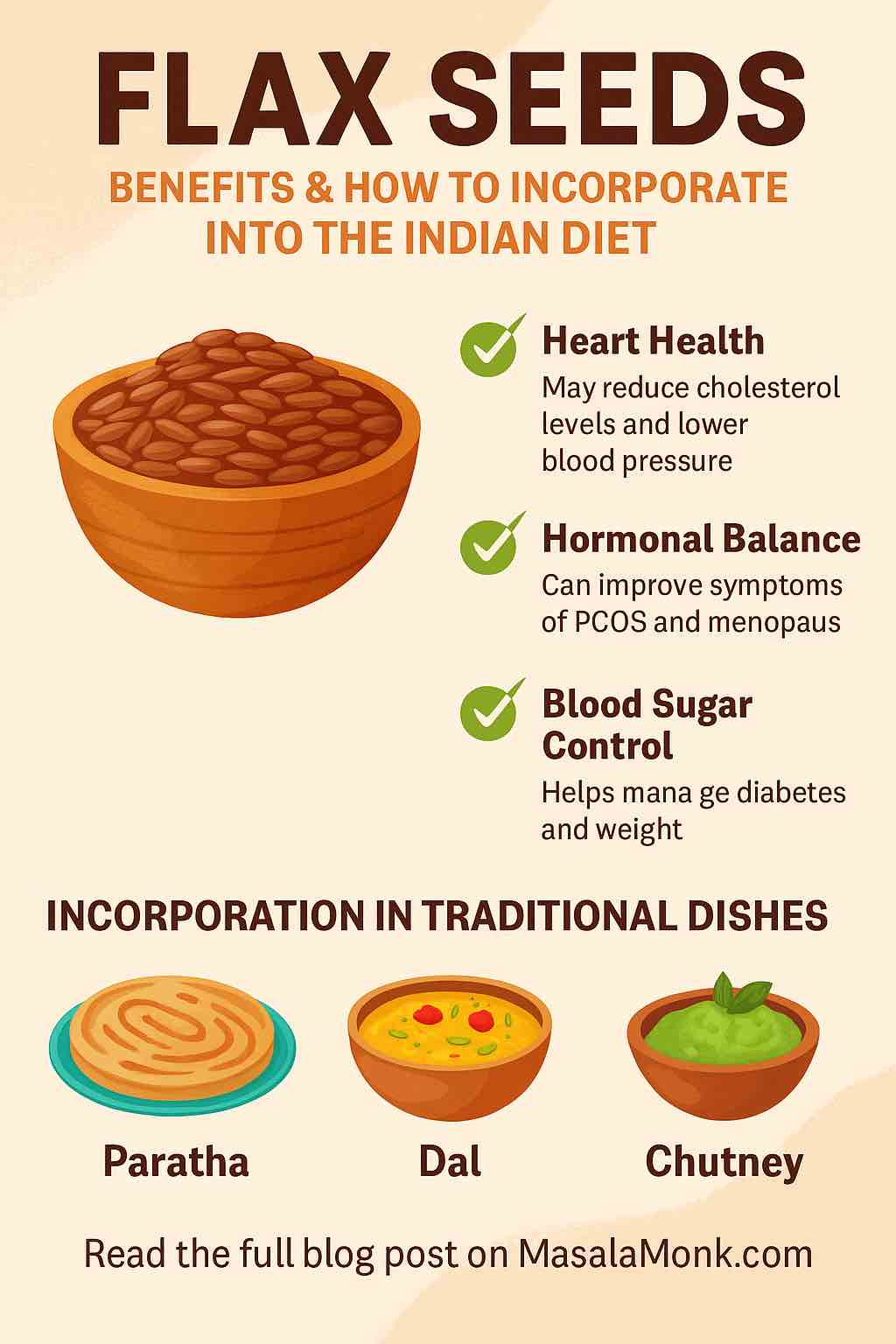
Numerous clinical trials and meta-analyses now confirm: flax seeds lower total and LDL (bad) cholesterol, modestly lower blood pressure, and improve overall cardiovascular health. This is largely thanks to their combination of ALA, fiber, and lignans.

2. Blood Sugar Control

Regular flax seed intake helps manage blood glucose and insulin resistance, especially helpful for people with type 2 diabetes or those at risk.

3. Weight Management

Fiber and healthy fats keep you fuller for longer, curb cravings, and support healthy weight loss—supported by several randomized trials.

4. Hormonal Balance (PCOS, Menopause, PMS)

Recent studies (2024–2025) show daily flax can:

  • Reduce PCOS-related hormonal imbalances (normalizing FSH, LH ratios).
  • Ease perimenopausal and menopausal symptoms such as hot flashes and mood swings.
  • Provide gentle support for menstrual regularity.

5. Gut Health & Immunity

Flax seeds act as prebiotics, supporting a diverse gut microbiome and lowering inflammation markers like CRP and IL-6.

6. Liver Health (NAFLD/MASLD)

Flax seed supplementation improves liver enzymes, reduces fatty deposits, and boosts beneficial gut bacteria, especially in people with fatty liver disease.

7. Cancer Prevention

While evidence is still emerging, high lignan content is linked to lower risk of hormone-related cancers (breast, prostate).


Section 3: The Indian Dilemma—How to Eat Flax Seeds Without Compromising Taste

Here’s the real challenge: How do you add flax seeds to your daily Indian meals without feeling like you’re swallowing sawdust?

Key Tips for Maximum Nutrition

  1. Always Use Ground Flax Seeds
    Whole flax seeds often pass undigested. Buy whole, lightly roast, and grind in small batches. Store in an airtight container in the fridge.
  2. Start Small
    Begin with 1 teaspoon daily, and work up to 1–2 tablespoons (about 10–30 g), adjusting based on your gut tolerance.
  3. Hydrate
    Fiber needs water! Drink plenty throughout the day.
  4. Be Consistent
    Benefits come with regular use over 8–12+ weeks.

Section 4: 10 Easy Indian Ways to Use Flax Seeds (With Practical Recipes)

1. Paratha/Chapati Dough

Add 1–2 tbsp ground flax seeds to your daily dough for rotis, parathas, or theplas. You won’t even notice the difference in taste!

2. Dals and Curries

Finish your dal, sambhar, or sabzi with 1 tbsp of ground flax. Add at the end—don’t cook for too long to preserve nutrients.

3. Chutneys and Podis

  • Flax Seed Chutney:
    Roast 2 tbsp flax, blend with coconut, mint, chilies, and salt for a nutrient-packed side.
  • Flax Podi:
    Dry roast flax with sesame, cumin, and chilies. Grind to a coarse powder. Sprinkle on rice, idlis, or dosa.

4. Flax Laddoos

Mix ground flax with dates, nuts, and a bit of ghee or nut butter. Shape into energy balls for a portable, healthy snack—especially for kids and elders.

5. Breakfast Boosters

  • Poha/Upma: Add 1 tbsp flax at the end of cooking.
  • Porridge: Stir flax into oats or daliya.
  • Curd/Yogurt: Mix flax, fruit, and a touch of honey.

6. Beverages

Add ground flax to buttermilk, lassi, or smoothies.
Pro tip: It adds creaminess without altering taste.

7. Egg Substitute in Baking

Mix 1 tbsp flax meal with 3 tbsp water, let sit for 5 min—replaces one egg in cakes, muffins, or pancakes.

8. Healthy Toppings

Sprinkle on salads, fruit chaat, bhel, or even on raita for an omega-3 punch.

9. Soups & Stews

Stir in towards the end for thickening and nutritional boost.

10. Namkeen and Snack Mixes

Roast flax seeds with peanuts, curry leaves, and mild spices for a crunchy, fiber-rich snack.


Section 5: Who Should Be Careful?

  • People with bowel disorders: Start with a small amount, as too much fiber too quickly can cause bloating or discomfort.
  • Pregnant/breastfeeding women: Stick to food-level (culinary) use; consult your doctor for large, regular doses.
  • People on blood thinners: Flax can mildly impact clotting.

Section 6: Frequently Asked Questions

1. How much flax seed should I eat daily for health benefits?
The ideal amount is 1–2 tablespoons (10–20 grams) of ground flax seeds per day for most adults. Start with a teaspoon and increase gradually to avoid digestive discomfort.

2. Should I eat flax seeds whole or ground?
Always consume flax seeds ground or as a powder. Whole seeds may pass through your digestive tract undigested, so you’ll miss out on their nutrients.

3. Can I cook flax seeds? Will heating destroy the nutrients?
Light roasting is fine and even enhances flavor. Avoid prolonged, high-heat cooking, but adding ground flax to warm food or during final cooking is perfectly safe and effective.

4. Are there any side effects of eating flax seeds?
Some people experience gas or bloating if they eat too much too quickly. Increase your intake gradually and drink plenty of water. Rarely, allergic reactions or digestive discomfort can occur.

5. Can children and elderly people eat flax seeds?
Yes. For young children, start with ¼–½ teaspoon a day; for elders, start with ½–1 teaspoon. Adjust amounts based on tolerance and consult a doctor for any health conditions.

6. Is there a difference between brown and golden flax seeds?
Both are nutritionally very similar and can be used interchangeably. Choose whichever is easily available or affordable.

7. How do I store flax seeds to keep them fresh?
Store whole seeds in a cool, dry place for up to a year. Ground flax should be kept in an airtight container in the refrigerator and used within 2–4 weeks for best freshness and nutrition.

8. Can flax seeds be eaten during pregnancy or breastfeeding?
Flax seeds are safe in food amounts, but large medicinal doses should be avoided unless prescribed by a doctor. Always consult your healthcare provider before making dietary changes during pregnancy or lactation.

9. Do flax seeds interact with any medicines?
Flax seeds may slightly affect blood clotting and blood sugar, so if you’re on anticoagulants or diabetes medication, consult your doctor before regular, large consumption.

10. What are some quick Indian recipes to use flax seeds daily?
Mix ground flax into roti dough, sprinkle on dal or sabzi, stir into chutneys or curd, add to smoothies, or make flax seed ladoos for a healthy snack. See the blog above for more ideas!


Section 7: Sample 1-Day Indian Meal Plan with Flax Seeds

Breakfast:
Poha with 1 tbsp ground flax stirred in before serving + curd

Lunch:
Chapati with 1 tbsp flax in dough + palak dal (add 1 tbsp flax meal while tempering) + salad sprinkled with flax

Snack:
Flax seed laddoo + tea

Dinner:
Brown rice, vegetable curry with flax meal + flax podi on the side

Beverages:
Buttermilk or smoothie with 1 tsp flax


Conclusion: Small Seed, Big Impact

Flax seeds may be tiny, but their health punch is huge. They’re affordable, versatile, and easy to add to your favorite Indian meals without changing your family’s tastes or traditions. Science shows that regular, moderate intake (1–2 tbsp/day) can help with heart, hormone, gut, and liver health—sometimes within just weeks.

Start today—roast, grind, sprinkle, and enjoy!


Want more?
Let me know if you’d like downloadable recipe cards, weekly meal plans, or the latest scientific studies for a particular health issue.


Your health journey can start with just one tiny seed—give flax a place in your Indian kitchen today!
Posted on Leave a comment

The Surprising Link Between Popcorn and Weight Loss

popcorn & weight loss

Popcorn: Just hearing the word might conjure up the smell of movie theaters, the sound of kernels bursting in a pot, or memories of late-night snacks with friends. But for many, popcorn is still stuck in the “junk food” category—something indulgent rather than nutritious. It’s time to set the record straight. New research reveals that, when prepared right, popcorn isn’t just a low-calorie snack—it could be a powerful ally in your weight loss journey and metabolic health.

Popcorn: Not Just Empty Calories

Let’s get this out of the way: not all popcorn is created equal. Microwave bags loaded with butter, caramel corn, and movie theater tubs dripping with oil are not the popcorn that’s impressing nutritionists and scientists. The real hero here is air-popped, unprocessed popcorn—just simple whole kernels, popped with air or a hint of healthy oil, and seasoned with spices rather than fat.

Why does this matter? Unlike processed snacks, air-popped popcorn is:

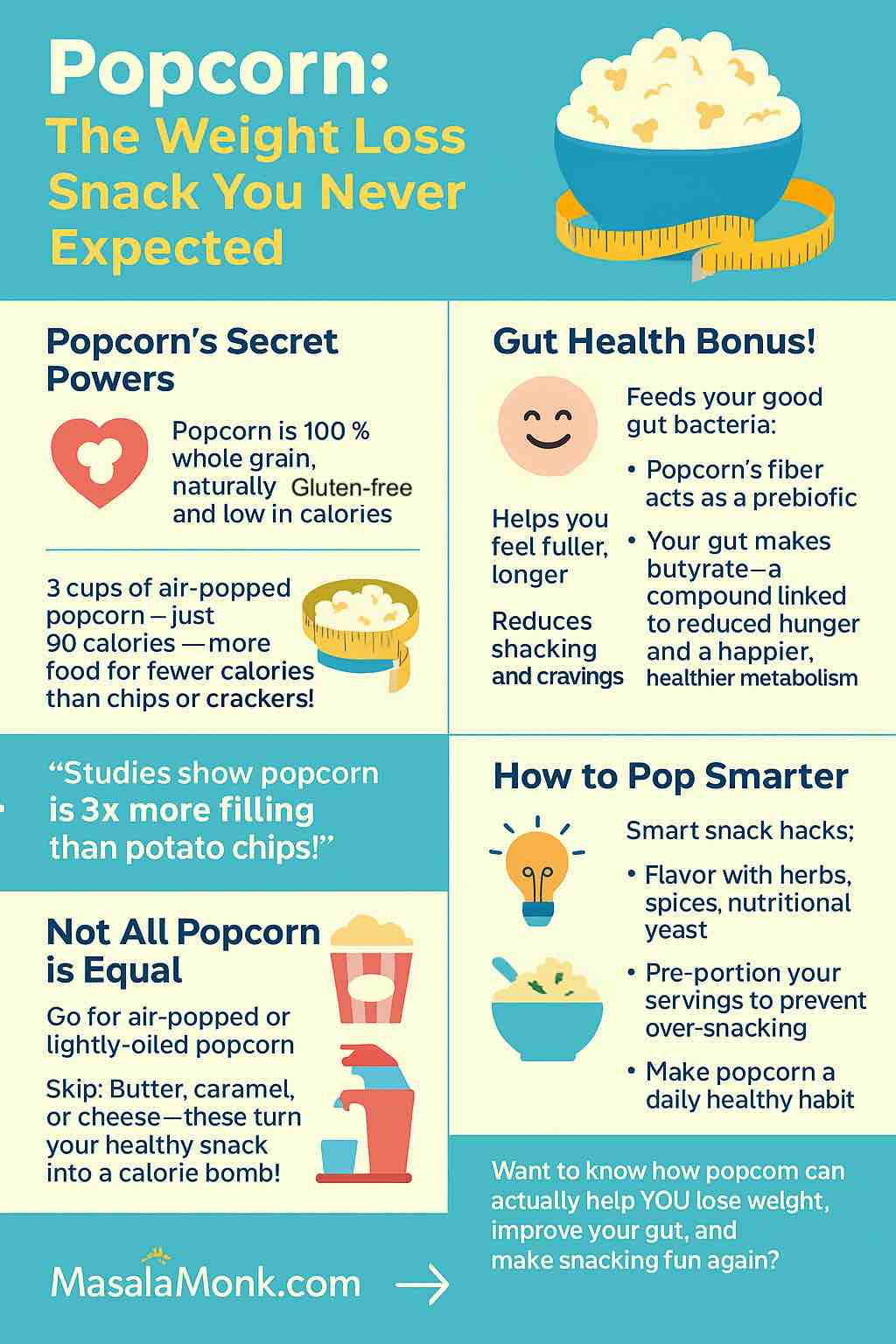
  • A 100% whole grain—retaining all the bran and germ, packed with nutrients.
  • Low in calories, high in volume—1 cup has just 31 calories, and three full cups are under 100!
  • Rich in fiber—about 3 grams per serving, which supports fullness and gut health.
  • Loaded with polyphenols—plant compounds that protect against inflammation and may improve metabolism.

This combination is rare in the snack world. Most “crunchy snacks” are either high-calorie, low-volume (chips), or stripped of nutrients (rice cakes, crackers). Popcorn breaks that mold.

How Popcorn Supports Weight Loss

The Science of Satiety

Satiety—the sense of fullness after eating—is crucial for any successful weight loss effort. The research is clear: foods that are high in fiber, low in calories, and take up a lot of space in your stomach keep you feeling fuller, longer. Popcorn nails all three.

Several clinical studies have compared popcorn to chips and pretzels. Participants who ate the same calorie amount of popcorn reported feeling significantly more satisfied, were less likely to reach for more food later, and consumed fewer calories overall in the hours that followed. The magic is in popcorn’s volume and fiber: you eat more, chew longer, and your stomach sends a stronger “I’m full!” signal to your brain.

Volume Eating and Mindful Snacking

“Volume eating” is a growing trend in weight management. The idea: choose foods that fill your plate and your stomach, but not your calorie budget. Three cups of air-popped popcorn looks—and feels—like a real snack, while a handful of chips barely registers. This visual and physical fullness is a psychological advantage. Popcorn also encourages slower, more mindful eating. Unlike chips or candies that can be shoveled in by the handful, popcorn’s shape means you typically eat one or two pieces at a time, giving your body more time to register fullness.

Fiber and the Gut–Brain Connection

Perhaps the most exciting new research on popcorn isn’t about calories, but about what happens after you eat it. The type of fiber in popcorn acts as a prebiotic—it feeds the beneficial bacteria in your gut. These bacteria ferment the fiber, producing short-chain fatty acids like butyrate. Butyrate is now known to play a key role in gut health, inflammation control, and even the regulation of appetite hormones like GLP-1 and PYY.

Cutting-edge studies have found that butyrate may actually help lower appetite, support metabolic flexibility (how efficiently your body burns fat for energy), and strengthen the gut barrier—helping you absorb nutrients better and reduce inflammation throughout the body.

Scientists are even breeding new popcorn varieties, such as Quality Protein Popcorn (QPP), to enhance these effects by boosting protein content and fiber quality, further increasing butyrate production in the gut. This opens the door to a future where popcorn is a functional food: a snack that isn’t just “not bad,” but actively supports health and weight loss.

Popcorn for Real Life: How to Get the Benefits

Here’s how you can make popcorn work for your goals:

Choose the Right Popcorn

  • Air-popped kernels are best: Use a hot air popper or pop in a covered pot with just a teaspoon of healthy oil (like olive or avocado oil).
  • Skip the microwave bags: Most are loaded with processed fats, sugar, and preservatives that can undo all the benefits.
  • Buy kernels in bulk: Not only is this more cost-effective, but you avoid additives and can control every ingredient.

Healthy Ways to Flavor Popcorn

Popcorn’s neutral flavor is a blank canvas. Instead of reaching for butter or caramel, experiment with:

  • Nutritional yeast for a cheesy, savory kick plus a boost of B vitamins.
  • Smoked paprika, chili powder, or curry powder for an exotic twist.
  • Cinnamon and a dusting of cocoa for a slightly sweet snack without added sugar.
  • Dried herbs like rosemary, thyme, or Italian seasoning for Mediterranean flair.
  • A sprinkle of sea salt and vinegar powder for a “salt and vinegar” flavor.

Lightly misting popcorn with olive oil spray before tossing with seasoning helps everything stick without adding much fat.

Smart Snacking Strategies

  • Portion ahead: Pop a large batch and divide it into single-serving containers or bags to grab and go, avoiding overeating.
  • Pair with protein: Add a handful of roasted chickpeas or a few nuts for a more balanced snack that’s extra filling.
  • Eat mindfully: Serve your portion in a bowl, sit down, and enjoy the experience. Avoid eating from the pot or bag, especially while distracted by screens.

The Role of Popcorn in Meal Planning

Popcorn isn’t just for snacking! Try:

  • Using popcorn as a salad topper in place of croutons for crunch and fiber.
  • Mixing it with air-popped chickpeas or baked beans for a crunchy, savory mix.
  • Making your own healthy “party mix” with whole-grain cereal, popcorn, seeds, and a dash of spices.

Social & Psychological Benefits

There’s another reason popcorn is a weight-loss ally: it’s a social food. Sharing a bowl of popcorn at home or at gatherings can help you stick to healthy habits while still being part of the fun. You’re less likely to feel deprived compared to skipping snacks altogether, which supports a more sustainable, balanced approach to eating.

What to Watch Out For

Of course, popcorn’s benefits only apply when you avoid certain traps:

  • Butter and cheese coatings can turn popcorn into a calorie bomb.
  • Sweet flavors like caramel and kettle corn are high in sugar.
  • Excessive oil or store-bought toppings can add hundreds of extra calories.

Aim for less is more when it comes to toppings, and be wary of “gourmet” popcorns that often contain even more sugar and fat than chips.

The Future of Popcorn

With the rise of food innovation, popcorn is stepping into the spotlight as more than just a snack. Scientists are working to enhance its protein and fiber content even further. In a few years, you may see “gut-friendly” or “protein-fortified” popcorn on shelves, designed specifically to amplify its benefits for weight loss and wellness.

Meanwhile, the latest diet trends—from “fiber-maxxing” to gut health-focused eating—are all finding a place for popcorn as a natural, affordable, and enjoyable staple.

Final Thoughts: Embrace the Pop!

If you’re on a weight loss journey, looking for gut health support, or simply searching for snacks that satisfy, it might be time to rethink popcorn. When prepared simply—without excess fat, sugar, or salt—popcorn delivers on all fronts: high in fiber, filling, affordable, and versatile. It’s a rare case of a comfort food that actually deserves a place in your healthy lifestyle.

So the next time you crave something crunchy, think beyond the usual chips and cookies. A big, fluffy bowl of air-popped popcorn could be the secret weapon you never knew you needed—for your waistline, your microbiome, and your peace of mind.


Ready to pop? Try making your own air-popped creation and share your favorite healthy popcorn toppings!

10 Popcorn & Weight Loss FAQs

1. Is all popcorn good for weight loss?
No, only air-popped or minimally-oiled popcorn is supportive for weight loss. Avoid buttered, caramel, cheese-coated, and most microwave varieties, as these can be high in calories, sugar, and unhealthy fats.

2. How much popcorn can I eat if I’m watching my weight?
A standard serving is about 3 cups of air-popped popcorn, which contains roughly 90–100 calories. This is a satisfying snack size for most people.

3. Does popcorn really help you feel full?
Yes! Popcorn is high in fiber and volume, which helps fill your stomach and promotes a lasting feeling of fullness compared to other snacks.

4. Can I eat popcorn every day?
Absolutely, as long as you prepare it healthily and stick to moderate portions. Daily popcorn can support fiber intake and healthy snacking habits.

5. Does popcorn spike blood sugar?
Plain air-popped popcorn has a low glycemic load and generally does not cause rapid blood sugar spikes when eaten in moderation.

6. What are the healthiest ways to flavor popcorn?
Use herbs, spices, nutritional yeast, or a sprinkle of sea salt. Avoid heavy oils, cheese powders, and sugary toppings.

7. Is popcorn suitable for people with gluten intolerance or celiac disease?
Yes, popcorn is naturally gluten-free. Always check flavorings for added gluten, especially in commercial popcorn.

8. Can popcorn really improve gut health?
Yes. Popcorn’s fiber acts as a prebiotic, feeding beneficial gut bacteria that produce butyrate—a compound linked to appetite control, gut health, and reduced inflammation.

9. Are there any risks to eating popcorn?
Popcorn is safe for most people, but be mindful of portion sizes and toppings. Small children and those with swallowing difficulties should avoid whole popcorn to prevent choking.

10. How can I keep from overeating popcorn?
Portion out your snack before eating, use smaller bowls, and avoid distracted eating (like in front of screens). Mindful eating helps prevent overindulgence.

Posted on Leave a comment

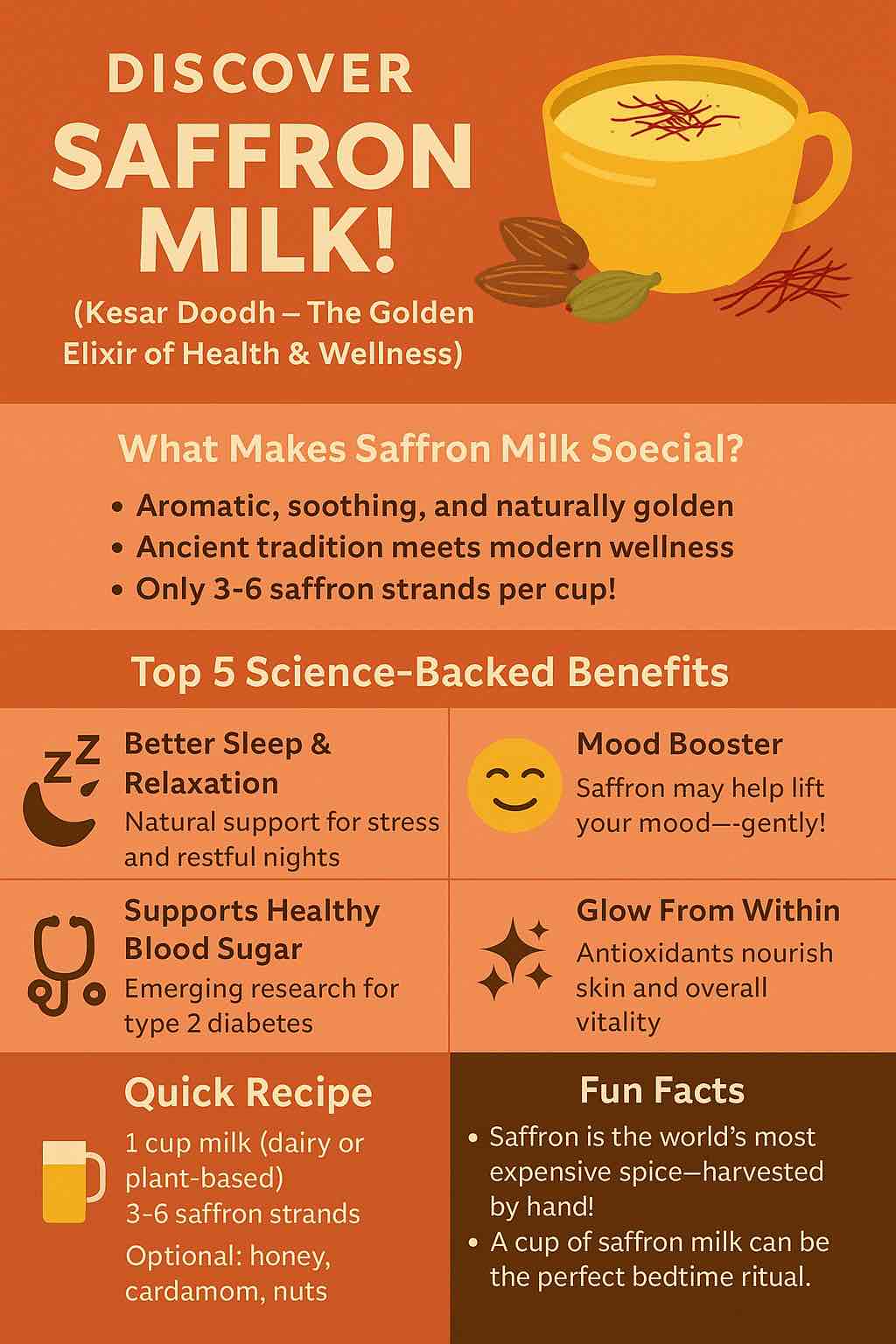
Saffron-infused Milk: A Golden Elixir of Health and Wellness

SAFFRON MILK!

From the royal courts of ancient Persia to cozy kitchens in modern India, saffron-infused milk (often called Kesar Doodh) has woven a golden thread through the tapestry of human culture and wellness. But what is it about this aromatic, sun-hued drink that has captured hearts—and sparked scientific curiosity—for centuries? Let’s explore the tradition, science, and simple pleasures of this remarkable beverage, and see how you can bring its benefits into your own life.


What is Saffron-Infused Milk?

Saffron-infused milk is a warm, comforting drink made by steeping saffron threads—the world’s most expensive spice—in milk (dairy or plant-based). Often enhanced with cardamom, nuts, and a touch of sweetener, this beverage delivers not only a sensory delight but also a host of potential health benefits.

Traditionally enjoyed during celebrations, as a nightcap, or as a tonic for mothers and children, Kesar Doodh has recently reemerged as a trendy superfood in the wellness world.


The Science Behind the Gold: What Does Research Say?

1. Mood, Stress, and Sleep

Modern clinical studies have confirmed what Ayurveda and Unani medicine have long claimed: saffron can uplift mood, reduce mild to moderate depression, and help you sleep better. Saffron’s main bioactives—crocin, safranal, and picrocrocin—support neurotransmitter balance, enhancing serotonin activity and promoting relaxation. Some research even suggests saffron’s effects can rival low-dose prescription antidepressants, with the bonus of fewer side effects.

Practical Tip: Enjoying a cup of saffron milk about an hour before bedtime can be a gentle, natural way to unwind after a stressful day.


2. Blood Sugar and Metabolic Health

A recent 2024 meta-analysis found that saffron supplementation over 8–12 weeks can significantly reduce fasting blood glucose and HbA1c levels in people with type 2 diabetes. The effect is mild but meaningful—likely due to saffron’s antioxidant and anti-inflammatory properties rather than direct effects on insulin.

Practical Tip: For those managing blood sugar, saffron milk (with minimal or no added sweetener) could be a supportive addition to a balanced diet.


3. Eye Health and Cognitive Support

Saffron’s antioxidants, especially crocin, have shown promise in supporting retinal function in early age-related macular degeneration (AMD) and may also protect brain cells against oxidative damage—potentially benefiting memory and cognitive function.

Practical Tip: Consistent, long-term consumption may support both eye and brain health, especially for older adults.


4. Immunity, Skin, and Overall Vitality

Saffron is rich in carotenoids and flavonoids, which help neutralize free radicals and modulate immune responses. Many believe this contributes to the “glow” attributed to saffron milk, both for skin and general vitality.

Practical Tip: In India, saffron milk is often given to new mothers and children (in modest amounts) as a nourishing tonic.


5. Women’s Health

Saffron’s reputation for supporting hormonal balance and alleviating PMS symptoms is now supported by several clinical trials. Its soothing effect on cramps and mood swings makes it a thoughtful, natural option for women’s health.


The Ritual: How to Prepare Perfect Saffron Milk

Making saffron milk is a mindful ritual in itself. Here’s a basic recipe, plus options for customization.

Classic Saffron Milk (Kesar Doodh)

Ingredients:

  • 1 cup whole milk (or oat/almond milk for vegan option)
  • 3–6 strands of high-quality saffron
  • 2–4 cardamom pods, lightly crushed (optional)
  • 1–2 tsp honey or jaggery (optional; skip for sugar control)
  • 1 tbsp slivered almonds or pistachios (optional)

Instructions:

  1. Bloom the saffron: Warm a tablespoon of milk and soak the saffron strands for 5–10 minutes, until the milk turns a rich golden color.
  2. Heat the milk: In a small saucepan, heat the rest of the milk with cardamom until just below boiling.
  3. Combine: Stir in the bloomed saffron and its soaking milk. Simmer gently for 3–5 minutes.
  4. Sweeten & garnish: Turn off heat, add honey or jaggery (if using), and top with nuts.
  5. Serve: Enjoy hot as a soothing nightcap or chill for a refreshing summer drink.

Variations:

  • For kids: Use less saffron and a touch of honey.
  • For diabetes: Skip sweetener, use cinnamon or stevia, and stick to dairy/unsweetened plant milk.
  • For a latte twist: Froth the milk and serve in a mug with a pinch of ground turmeric for extra color.

Practical Questions Answered

How much saffron is safe?

Culinary use (3–6 strands per cup) is very safe. Clinical studies use up to 30 mg/day. Avoid exceeding 1.5 g/day, and pregnant women should avoid medicinal doses, especially in the first trimester.

Can I use plant-based milk?

Absolutely! Oat, almond, and cashew milks all work. Note: flavor and color may be slightly milder.

What does real saffron taste and smell like?

It’s floral, slightly earthy, and subtly sweet—never bitter. Always buy from trusted sources to avoid adulteration.

Does saffron milk really make skin glow?

There’s no magic, but its antioxidants do support skin health from within. Combined with good hydration and nutrition, you’ll notice the difference over time.


Saffron Milk in Modern Life: Trends and Innovations

Saffron milk is experiencing a global revival! You’ll find it:

  • In ready-to-drink bottles by premium brands.
  • Blended into “golden lattes” at cafés.
  • Infused into ice creams, breakfast bowls, and even skincare products.
  • Highlighted in new research as a functional beverage for stress, beauty, and metabolism.

Choosing and Storing Saffron

  • Look for: Deep red threads with a honeyed aroma and slight bitterness; avoid bright yellow or very cheap “saffron.”
  • Store: In an airtight container, away from light and moisture.
  • Test purity: Soak a strand in warm water—it should slowly release color (not instantly, which can signal dye).

Conclusion: A Golden Tradition, Backed by Science

Saffron-infused milk is more than a drink; it’s a ritual of nourishment, comfort, and connection. Today, science is revealing why this ancient “elixir” deserves a spot in your modern wellness routine. Whether for sleep, skin, mood, or simply the joy of sipping something beautiful, Kesar Doodh offers warmth in every golden drop.


Ready to try it yourself? Steep a few saffron threads tonight, sip mindfully, and let the ancient gold work its gentle magic—body and soul.

10 FAQs About Saffron-Infused Milk

1. What is saffron milk and how is it different from turmeric milk?
Saffron milk (Kesar Doodh) is made by steeping saffron strands in milk, sometimes with cardamom or nuts. Turmeric milk (Golden Milk) uses turmeric as its main ingredient. Both are traditional wellness drinks, but saffron milk has a unique floral aroma and is famed for its mood and skin benefits, while turmeric milk is better known for its anti-inflammatory effects.


2. Is saffron milk safe for children and pregnant women?
In culinary amounts (3–6 strands per cup), saffron milk is generally safe for children and for pregnant women after the first trimester. However, very high doses of saffron should be avoided during pregnancy, especially in the early months, as excessive saffron may cause uterine contractions.


3. How much saffron should I use per cup of milk?
3–6 saffron threads per cup are enough for flavor, color, and health benefits. More is not necessarily better; higher amounts can be wasteful and unnecessary.


4. Can I drink saffron milk daily?
Yes, you can enjoy saffron milk daily, as long as you stick to culinary doses. Regular intake may gently support mood, sleep, and general wellness.


5. Does saffron milk help with sleep?
Yes, studies show that saffron can improve sleep quality and help with insomnia. Having a cup of warm saffron milk about an hour before bed may promote relaxation and better sleep.


6. Will saffron milk help improve my skin complexion?
Saffron contains antioxidants that support skin health from within. Regular consumption, combined with a healthy diet, may help your skin appear more radiant and refreshed.


7. Is it okay to make saffron milk with plant-based milks?
Absolutely. Oat, almond, cashew, and soy milk all work well. The flavor may be a bit different, but you’ll still get the color and many benefits.


8. Can I sweeten saffron milk?
Yes! Traditional recipes use honey, jaggery, or sugar. For blood sugar concerns, use a little stevia, monk fruit, or simply enjoy it unsweetened.


9. How do I know if my saffron is genuine?
Genuine saffron threads are deep red, slightly moist, and have a floral, honeyed aroma. They should release color slowly in warm liquid—not instantly. Buy from reputable sellers to avoid adulteration.


10. Are there any side effects of drinking saffron milk?
In normal amounts, side effects are rare. Excessive intake (several grams daily) can cause nausea, dizziness, or, in extreme cases, toxicity. Always use only a few strands per cup and consult your doctor if pregnant, breastfeeding, or on medication.

Posted on Leave a comment

Carrots for Weight Loss: Nature’s Crunchy Slimming Superfood 🌱🥕

Carrots for Weight Loss

If you’re searching for a natural, tasty, and affordable way to support your weight loss journey, look no further than the humble carrot. Whether you like them raw, roasted, purple, orange, or even shredded into your salad, carrots are so much more than a lunchbox staple—they’re a nutritional powerhouse with science-backed benefits for weight management, gut health, and beyond. Let’s crunch into the details!


Why Carrots? The Nutritional Powerhouse

Carrots have a reputation for being good for your eyes, but they’re even better for your waistline. Here’s why:

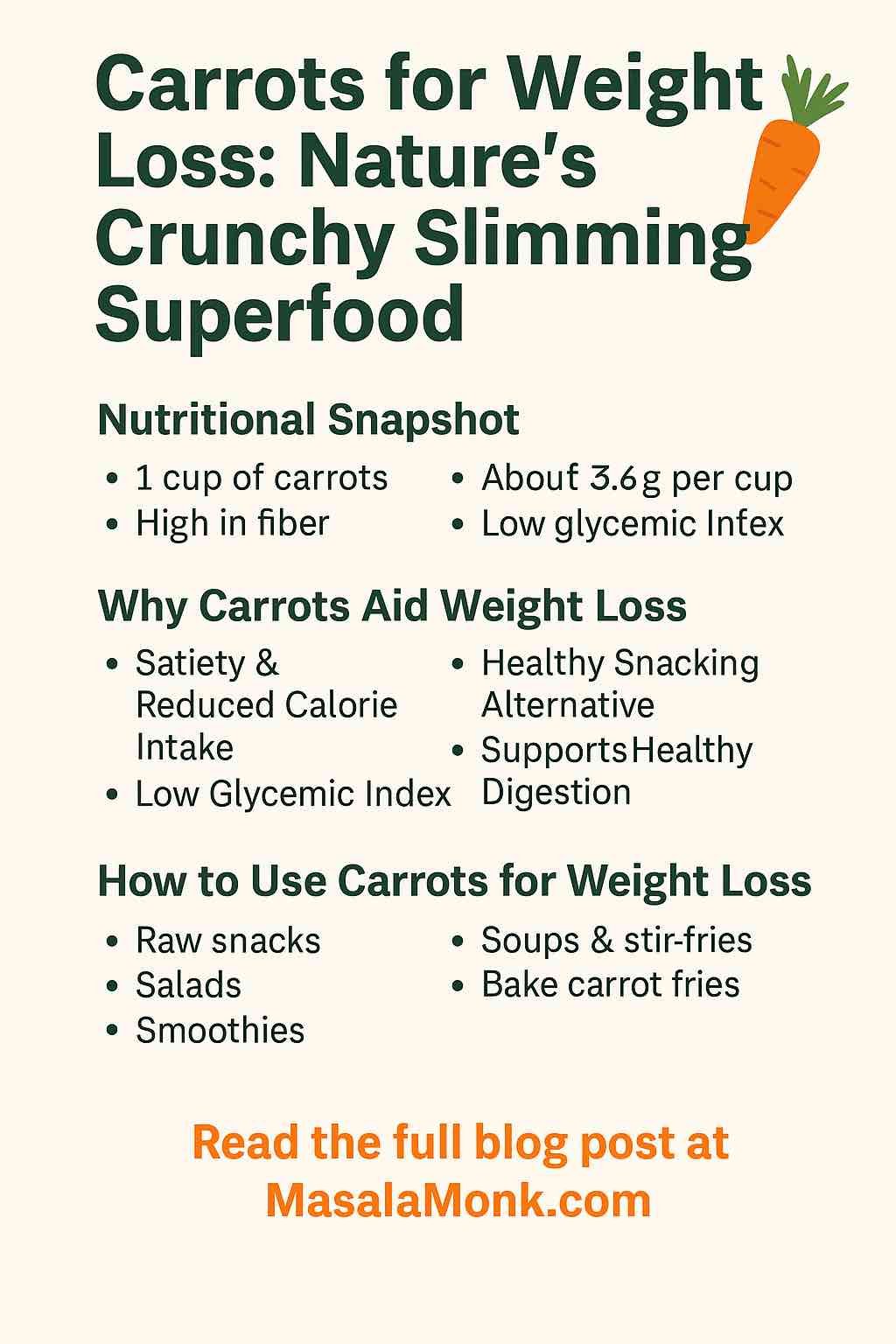
  • Low in Calories, High in Volume: One cup of raw carrots contains only about 50 calories—but fills you up thanks to its fiber and water content (carrots are about 88% water!).
  • Rich in Fiber: With about 3.6 grams of fiber per cup, carrots slow digestion, promote fullness, and help keep those snack cravings at bay.
  • Packed with Antioxidants: Orange carrots are loaded with beta-carotene (a vitamin A precursor). Purple and black carrots go a step further, containing anthocyanins—powerful plant compounds linked to weight and metabolic benefits.
  • Blood Sugar Friendly: The glycemic index (GI) of raw carrots is low (~16), meaning they won’t spike your blood sugar and cause hunger rebound.

The Science: How Carrots Support Weight Loss

1. Satiety and Calorie Control

The fiber in carrots is your secret weapon against overeating. Studies show that fiber-rich veggies, like carrots, slow down digestion and trigger stretch receptors in your stomach, helping you feel full sooner and for longer.

Real-world tip: Eat a handful of carrot sticks 20 minutes before lunch or dinner (“veggie preload”). Research shows this can naturally reduce how many calories you eat at your main meal!

2. Gut Health: The Microbiome Connection

A 2025 animal study found that carrots fed to mice on a high-fat diet led to a healthier gut microbiome and better blood sugar control—without changing total calorie intake. Why does this matter? Because a happy gut microbiome is linked to easier weight management in humans, too.

3. Anthocyanins & Purple Carrots: Next-Level Benefits

Move over, orange—purple and black carrots contain anthocyanins, shown in observational studies to help with weight control and improved metabolic health. Roasted purple carrots, in particular, retain their antioxidant punch.

4. Small Changes, Big Impact

A 2024 study found that eating just baby carrots three times per week increased skin carotenoid levels (a marker of veggie intake and health) by over 10% in just one month. That’s a measurable change from a snack most of us love anyway!


Practical Ways to Eat More Carrots (and Love It)

1. Snack Smart

  • Raw carrot sticks are perfect for dipping in hummus, Greek yogurt, or salsa.
  • Make your own “carrot fries” by slicing and roasting with herbs—way lower in calories than potato fries.

2. Add Color to Your Plate

  • Grate carrots into salads, slaws, and wraps.
  • Toss purple carrot coins into roasted veggie trays for a rainbow of antioxidants.

3. Power Up Your Meals

  • Add shredded carrots to oatmeal for natural sweetness and a vitamin A boost.
  • Simmer chopped carrots into soups, stews, or even spaghetti sauce for extra fiber.

4. Try Carrot-Based Recipes

  • Carrot Smoothie: Blend carrot, apple, spinach, and a splash of orange juice.
  • Carrot & Lentil Soup: Fiber, protein, and comfort in a bowl.
  • Carrot Muffins: Use whole wheat flour and minimal sugar for a healthy breakfast treat.

Carrots vs. Other Snack Foods (Why They Win)

Snack (1 cup)CaloriesFiber (g)Sugar (g)Nutrient Quality
Carrots~503.6~6High
Potato chips~15010Low
Pretzels~10811Low
Grapes~1041.4~23Moderate

Action Plan: How to Add Carrots for Weight Loss

  1. Start Small: Swap one daily snack for raw or roasted carrots.
  2. Preload Meals: Eat a cup of carrot sticks before lunch/dinner.
  3. Mix It Up: Try different carrot colors (orange, purple, black) for variety and antioxidants.
  4. Snack Prep: Pre-slice carrots and store in water in your fridge for grab-and-go snacking.

The Bottom Line

Carrots are an easy, delicious, and affordable addition to any weight loss plan. They fill you up, satisfy cravings, nurture your gut, and support long-term health in ways few foods can match. Whether you’re counting calories, carbs, or just looking to eat healthier, carrots belong in your kitchen and on your plate.

So next time you reach for a snack—make it a carrot. Your waistline (and taste buds) will thank you. 🥕

1. Are carrots really effective for weight loss?

Yes. Carrots are low in calories, high in fiber, and have a high water content, which helps keep you full with fewer calories. Scientific studies also show that adding carrots to meals or as snacks can help reduce overall calorie intake.


2. Can eating too many carrots make you gain weight?

Carrots are very low in calories, so it’s unlikely unless you eat excessive amounts with high-calorie dips or toppings. Moderation and balanced portions are always key.


3. Is there a difference between eating raw and cooked carrots for weight loss?

Both forms are healthy. Raw carrots are slightly lower in calories and have a lower glycemic index. Cooking can enhance the absorption of certain antioxidants (like beta-carotene) but may raise the glycemic index slightly—still low compared to many foods.


4. Do carrots have too much sugar for people with diabetes or on low-carb diets?

No. Carrots contain natural sugars, but their overall carbohydrate content and glycemic load are low. Most people with diabetes can safely include carrots in their diets. As always, individual needs may vary.


5. Can eating carrots turn my skin orange?

Only if consumed in extremely high amounts (several pounds daily for weeks). This is called carotenemia and is harmless and reversible. For most people, this is not a concern.


6. Are purple and black carrots better for weight loss than orange carrots?

Purple and black carrots contain extra antioxidants (anthocyanins), which have been linked in studies to metabolic health. However, all carrot colors are low in calories and high in fiber, making them great for weight loss.


7. How many carrots should I eat per day for health benefits?

A serving a day (about 1 cup or 2 medium carrots) is beneficial. Eating carrots a few times a week, even in snack-sized portions, has been shown to improve health markers.


8. Are baby carrots as nutritious as regular carrots?

Yes! Baby carrots are just regular carrots cut and polished into smaller pieces. The nutrient content is nearly identical.


9. What’s the best way to include carrots in my diet for weight loss?

Snack on raw carrots, use them in salads, soups, or as a veggie “preload” before meals to curb appetite. Roasted, boiled, and grated carrots all work—just avoid high-calorie dips or frying.


10. Can I juice carrots for weight loss?

Carrot juice contains many nutrients, but juicing removes most of the fiber, which is essential for satiety and blood sugar control. Eating whole carrots is generally better for weight loss.

Posted on Leave a comment

Exploring the Nutritional and Health Benefits of Coriander: From Flavorful Herb to Wellness Powerhouse

Benefits of Coriander:

You probably know coriander—also called cilantro—as the green leafy herb sprinkled over curries, tacos, or salads. But what if I told you this humble kitchen staple is far more than just a flavor enhancer? From regulating blood sugar to protecting your skin, coriander is quietly earning its place as a true wellness powerhouse.

Let’s dive deeper into what makes coriander so special, how modern science is validating ancient wisdom, and—most importantly—how you can harness its full potential in your everyday life.


The Botanical Backstory: What’s in a Name?

First, a quick clarification: “Coriander” refers to the entire plant (leaves, stems, and seeds). In North America, the fresh leaves are called “cilantro,” while the seeds are called “coriander.” In most of the world, “coriander” covers both.

Coriander (Coriandrum sativum) has been cultivated for over 7,000 years—ancient Egyptians, Greeks, Romans, and Ayurvedic healers all prized it for its culinary and medicinal powers. But what does today’s science say?


The Nutritional Profile: Tiny Herb, Mighty Nutrients

Coriander is surprisingly nutrient-dense. Here’s a snapshot of what you get in a modest serving:

  • Leaves (per ¼ cup):
    • 16% Daily Value (DV) of Vitamin K
    • Good source of Vitamin A, C, and E
    • Fiber, calcium, manganese, iron, and 11 essential oils
  • Seeds (per tablespoon):
    • High in dietary fiber
    • B-vitamins (esp. folate, riboflavin)
    • Iron, magnesium, manganese
    • Flavonoids and polyphenols like quercetin, linalool, and terpinene

But coriander’s real magic lies beyond basic nutrition. Let’s explore the science.


Proven Health Benefits: What the Research Reveals

1. Blood Sugar Control and Diabetes Support

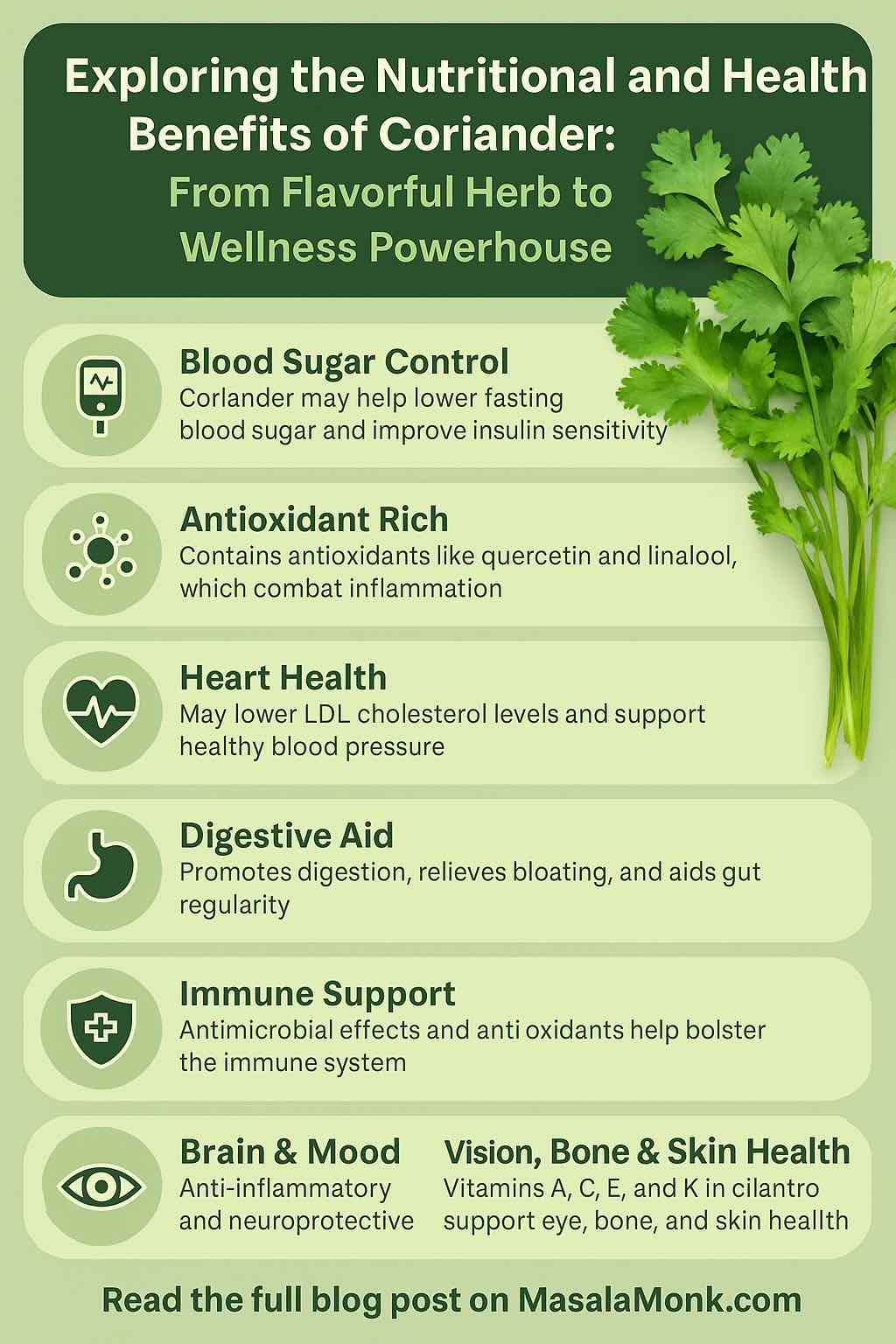
Several randomized controlled trials (RCTs) have shown that daily coriander seed powder (as little as 1g/day) can:

  • Lower fasting blood sugar
  • Improve insulin sensitivity
  • Reduce total cholesterol and triglycerides

For example, a 6-week double-blind study in people with type-2 diabetes found fasting glucose dropped from ~156 to ~130 mg/dL. Cholesterol and triglyceride levels improved significantly as well. These effects are attributed to coriander’s ability to activate insulin-producing enzymes and boost antioxidant defenses.

Practical Tip:
If you have prediabetes or diabetes, consider adding 1g of coriander seed powder (about ¼ tsp) to your morning routine. Sprinkle it into smoothies, yogurt, or warm lemon water. (Check with your doctor first if you’re on medication!)


2. Antioxidant and Anti-Inflammatory Power

Coriander is rich in antioxidants—especially quercetin, terpinene, and linalool—which help fight oxidative stress and inflammation. Research shows that coriander intake increases plasma antioxidant capacity and reduces cell damage markers like malondialdehyde.

Why it matters:
Oxidative stress is linked to heart disease, cancer, and neurodegenerative disorders. Coriander’s unique compounds may help buffer these risks.


3. Heart Health: Lowering Cholesterol and Blood Pressure

Animal and human studies suggest coriander can:

  • Lower LDL (“bad”) cholesterol and total cholesterol
  • Improve HDL (“good”) cholesterol
  • Reduce blood pressure via diuretic and vascular effects

Practical Tip:
Use ground coriander seeds in salad dressings, dips, or spice blends to help keep your heart happy.


4. Digestive Aid and Gut Health

Coriander has been used for centuries as a digestive tonic. Modern science backs this up:

  • Stimulates digestive enzymes and juices
  • Relieves bloating and gas
  • Eases indigestion and supports gut motility

Quick Remedy:
Make a simple coriander tea:

  • 1 tsp coriander seeds, lightly crushed
  • Steep in hot water for 5–10 minutes
  • Add a squeeze of lemon and a dash of honey

5. Immune and Antimicrobial Benefits

Coriander extracts have demonstrated antimicrobial activity against common pathogens like E. coli, Salmonella, and Staph. They also help modulate immune responses and reduce inflammatory cytokines.


6. Brain and Mood Support

Emerging research indicates coriander may help protect the brain:

  • Neuroprotective: Animal studies show reduced seizure activity, improved memory, and less anxiety.
  • Molecular mechanisms: Certain coriander compounds activate potassium channels involved in calming overexcited neurons.

7. Skin, Bone, and Eye Health

  • Skin: Coriander seed oil has been shown to reduce UV-induced irritation and accelerate skin repair.
  • Bone: High vitamin K and calcium content support strong bones.
  • Eyes: Vitamin A and antioxidant content aid in protecting vision.

Real-Life Ways to Use Coriander Every Day

1. Fresh Leaves (Cilantro)

  • Chop and sprinkle over soups, salads, tacos, or curries
  • Add to green smoothies or pesto for a fresh zing

2. Seeds

  • Toast and grind for use in spice blends, rubs, and marinades
  • Simmer in lentil dishes, stews, or herbal teas

3. Lemon-Coriander Water

Try this trendy wellness infusion for metabolism and detox support:

  1. Soak 1 tsp coriander seeds overnight in water
  2. In the morning, add a squeeze of lemon
  3. Strain and drink on an empty stomach

Reported benefits include better digestion, less bloating, and gentle detoxification.


Recipe: Cooling Coriander-Mint Chutney

Perfect for digestion, blood sugar balance, and a flavor kick!

Ingredients:

  • 1 cup fresh coriander leaves
  • ½ cup mint leaves
  • 1 green chili
  • 1 small piece of ginger
  • 2 tbsp lemon juice
  • Salt to taste
  • Water to blend

Method:

  1. Combine all ingredients in a blender.
  2. Blend to a smooth paste. Add water as needed.
  3. Store in the fridge for up to 3 days.

Who Should Be Cautious?

  • Pregnant or breastfeeding women: Large medicinal doses not recommended
  • People on diabetes or blood pressure meds: Monitor closely, as coriander may amplify effects
  • Allergy: Rare, but possible

Always consult a healthcare professional before starting any new herbal supplement, especially if you have chronic conditions or take prescription drugs.


The Bottom Line: Coriander is More Than a Flavor

From ancient remedies to modern clinical trials, coriander proves itself as a true wellness ally. Whether you’re managing blood sugar, aiming for heart health, boosting immunity, or just want to spice up your meals, coriander offers a tasty, evidence-based way to nourish your body.

So next time you see that bunch of cilantro or those tiny golden seeds, remember: you’re holding a powerhouse of health in your hands!


Have You Tried Coriander for Wellness?

Share your favorite recipes, tips, or experiences in the comments below. Let’s spread the word about this mighty herb—your body (and taste buds) will thank you!


References:


Ready to add more coriander to your life? Try the recipes above and let me know how it goes!

FAQs: Coriander – Nutritional & Health Benefits

1. What is the difference between coriander and cilantro?
Coriander refers to the entire plant (Coriandrum sativum). In North America, the fresh leaves are called cilantro, while the dried seeds are known as coriander. In other regions, both the leaves and seeds may simply be called coriander.


2. How much coriander should I consume daily for health benefits?
Research suggests that about 1 gram (approximately ¼ teaspoon) of coriander seed powder daily can be beneficial for blood sugar and cholesterol. Fresh leaves can be used liberally in meals.


3. Can coriander help with blood sugar control?
Yes, several human trials indicate that coriander seeds may help lower fasting blood sugar and improve insulin sensitivity, especially in people with prediabetes or type-2 diabetes. Always consult your doctor if you have a medical condition or are on medication.


4. What are the best ways to include coriander in my diet?
Add fresh leaves to salads, soups, or smoothies. Use ground seeds in spice blends, curries, or herbal teas. Try making lemon-coriander water by soaking seeds overnight and adding lemon juice in the morning.


5. Is coriander safe for everyone?
Coriander is safe in normal food amounts for most people. However, those who are pregnant, breastfeeding, or taking blood sugar/blood pressure medication should use caution and consult a healthcare provider before taking medicinal doses.


6. Are there any potential side effects of consuming coriander?
Coriander is generally well-tolerated. Rarely, it can cause allergic reactions or mild digestive upset. Excessive consumption may lower blood sugar or blood pressure too much in sensitive individuals.


7. Does coriander really help with weight loss?
Coriander seeds, especially in combination with lemon water, may support metabolism and reduce water retention, but no single food will cause weight loss without healthy diet and lifestyle habits.


8. Can coriander improve skin health?
Yes, coriander seed oil and fresh leaves have antioxidant and anti-inflammatory properties. Studies show coriander seed oil can reduce skin irritation and help with healing.


9. Does cooking coriander destroy its nutrients?
Some delicate vitamins (like vitamin C) in coriander leaves are sensitive to heat, so add fresh leaves at the end of cooking. Seeds retain their nutrients and flavor even when toasted or cooked.


10. How do I store fresh coriander to keep it fresh longer?
Wrap rinsed leaves in a paper towel and store them in a sealed bag or container in the refrigerator. Alternatively, place stems in a jar of water and cover loosely with a plastic bag.