Posted on Leave a comment

Pistachios and Cholesterol

PISTACHIOS AND CHOLESTEROL

Imagine a snack that’s delicious, fun to crack open, and—according to a growing stack of studies—could help keep your cholesterol in check. Enter the humble pistachio: the green-hued, bite-sized nut that’s quietly taking center stage in the world of heart health. But what’s the real science behind pistachios and cholesterol? And how can you harness these benefits in your daily life without overdoing it?

In this post, we’ll break down the latest research, uncover the fascinating link between pistachios, cholesterol, and your gut, and serve up actionable tips for making pistachios part of a truly heart-healthy lifestyle.


The Science: Pistachios in the Spotlight

A Growing Body of Evidence

For years, nutritionists have touted nuts as “heart-healthy”—but not all nuts are created equal. Recent studies are zooming in on pistachios, and the findings are impressive:

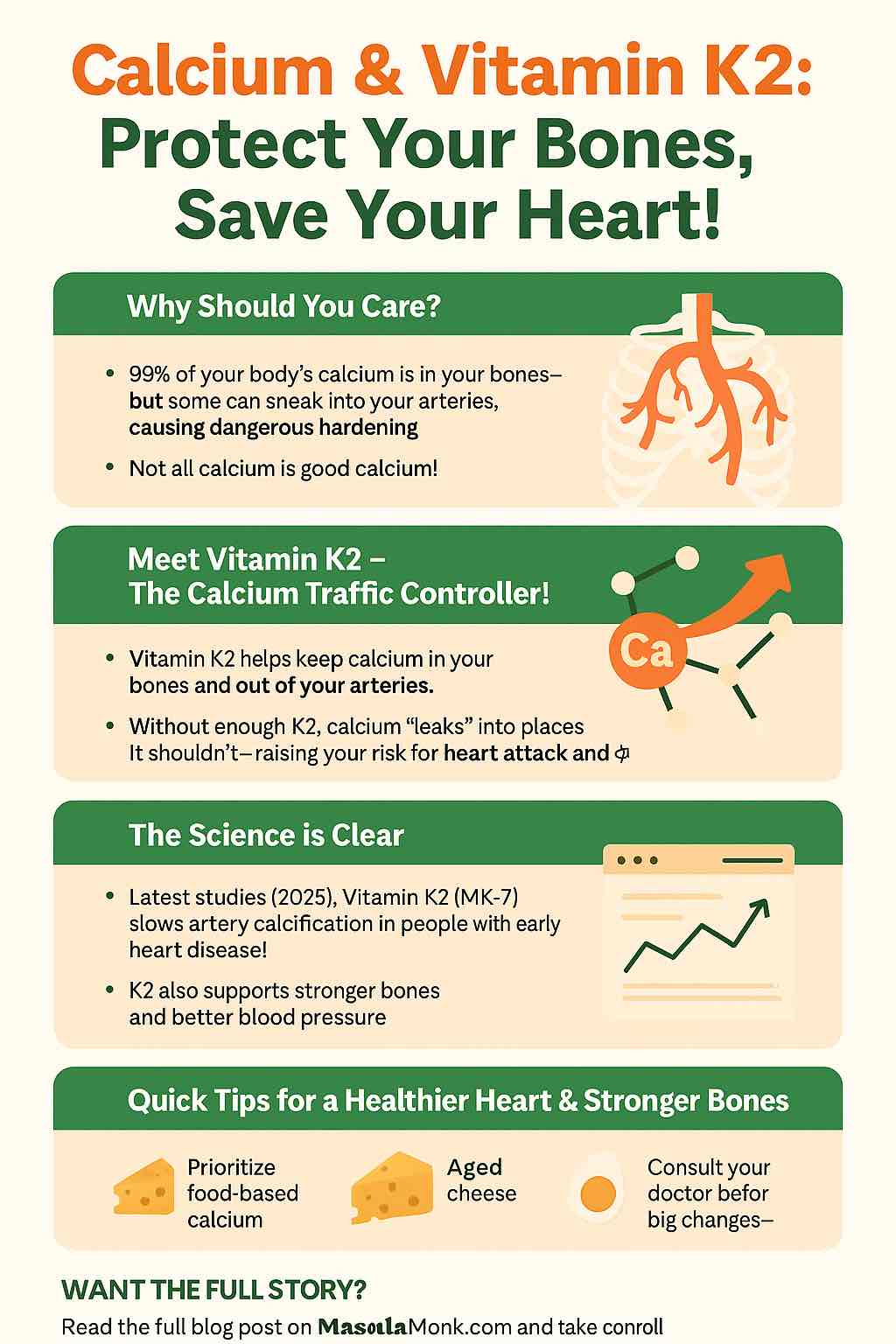
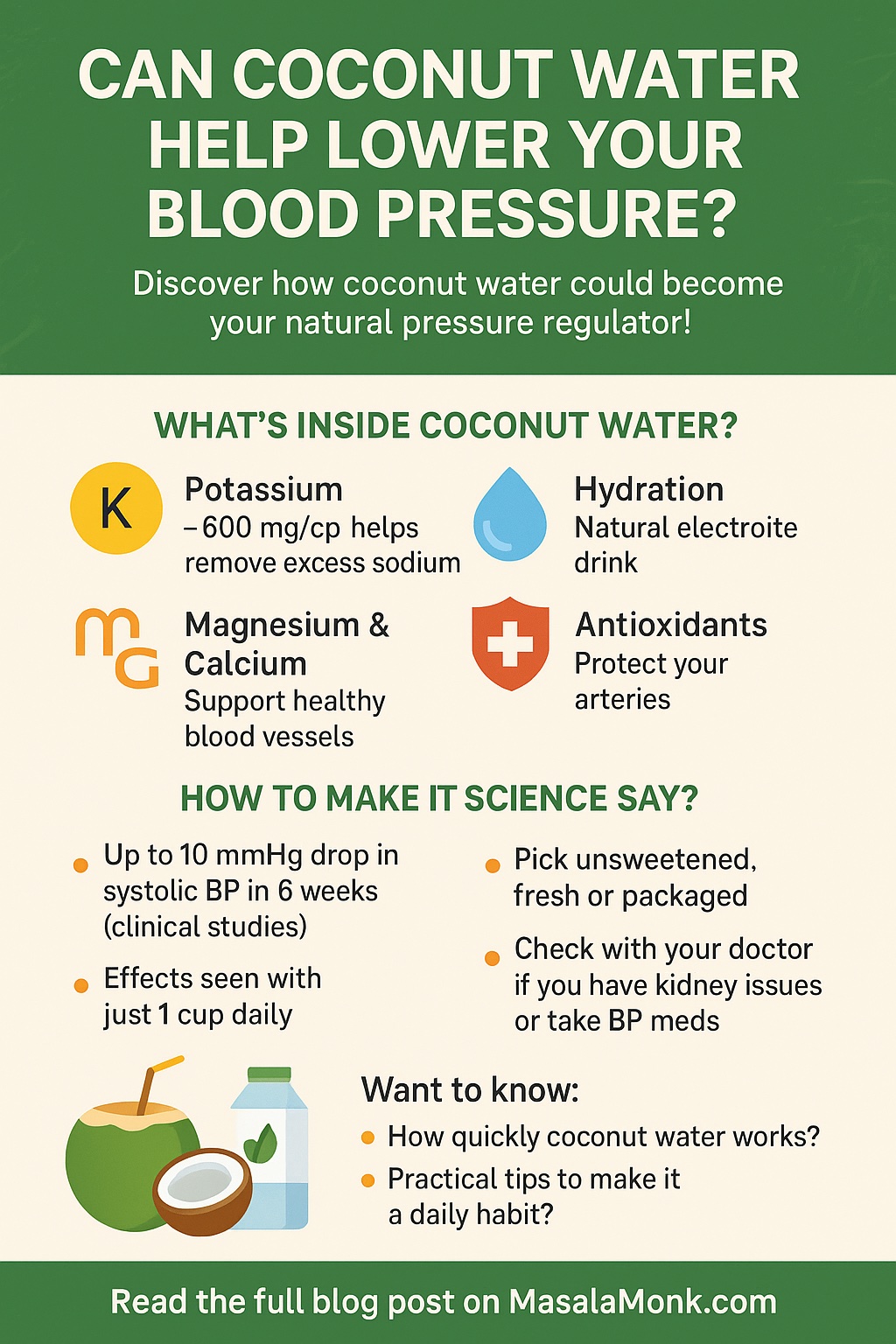
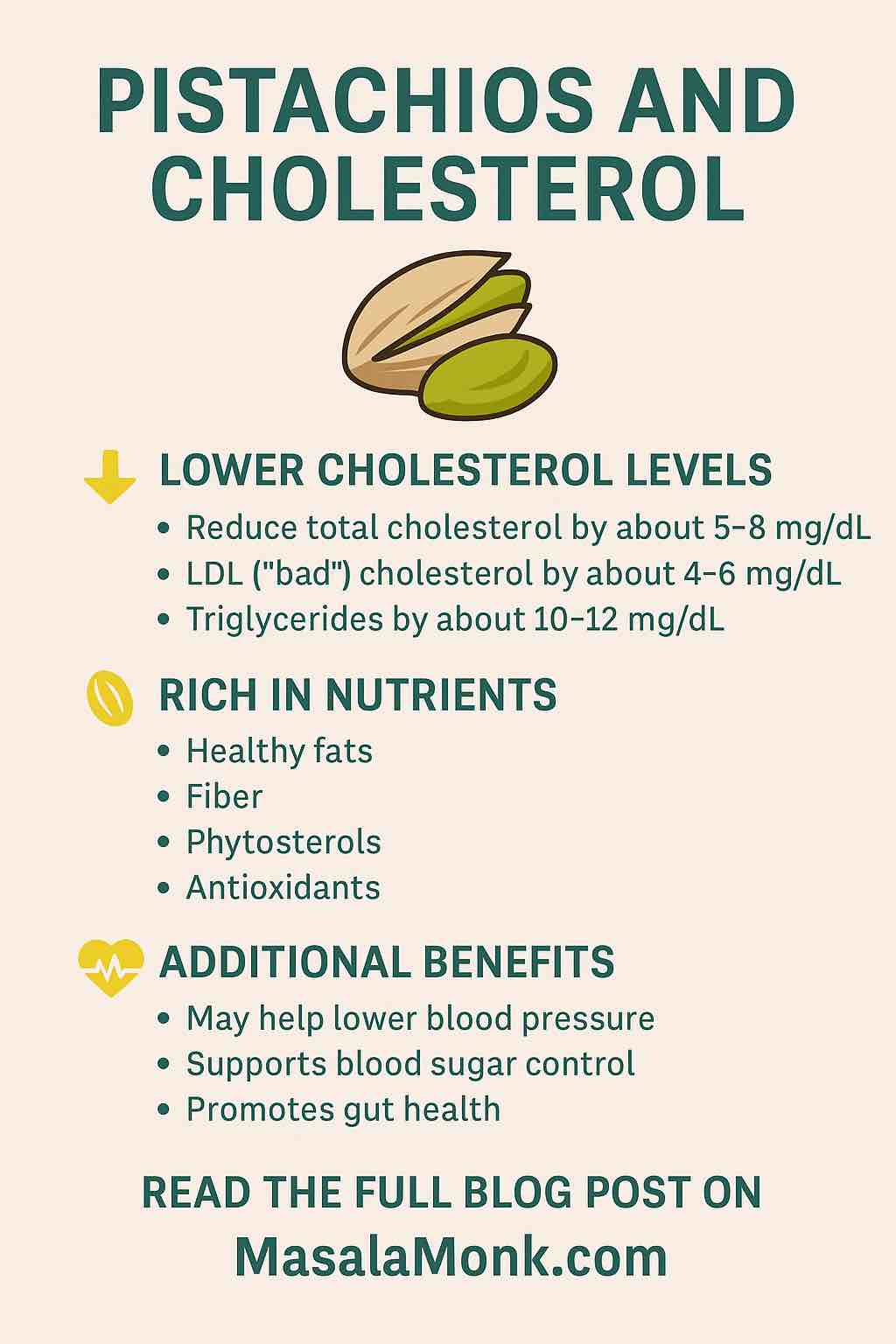
  • Lower LDL (“bad”) Cholesterol: Meta-analyses and clinical trials consistently show that regular pistachio consumption (about ⅓ to ⅔ cup, or 30–85g per day) can lower LDL cholesterol by about 4–6 mg/dL.
  • Total Cholesterol Drops Too: Total cholesterol reductions average around 5–8 mg/dL.
  • Triglycerides Benefit: You might also see triglycerides drop by about 10–12 mg/dL, especially if pistachios replace refined carbs or less healthy snacks.
  • HDL (“good”) Cholesterol: Most studies show HDL remains stable, with occasional slight increases.

A 2025 Breakthrough: Gut Health Joins the Party

A just-published 12-week clinical trial found that people with prediabetes who ate a generous nightly portion of pistachios (about ½ cup) didn’t just improve their cholesterol—they also experienced:

  • A healthier gut microbiome: More beneficial bacteria (like Roseburia and Lachnospiraceae), less of the “bad actors” (like Flavonifractor).
  • Better blood sugar and blood pressure.
  • Reduced markers of inflammation.

This suggests pistachios’ benefits for cholesterol may not just be about fats and fiber—they could also be working through your gut.


Why Do Pistachios Lower Cholesterol?

The answer is a delicious mix of nutrition science and biology:

  • Healthy Fats: Pistachios are rich in monounsaturated and polyunsaturated fats—the types known to lower LDL.
  • Phytosterols: These plant compounds block cholesterol absorption in your gut.
  • Fiber: The fiber in pistachios binds to cholesterol in your digestive tract and helps ferry it out of your body.
  • Antioxidants: Pistachios are loaded with vitamin E and other antioxidants that prevent LDL from becoming oxidized (a key step in the development of heart disease).
  • Prebiotic Power: That fiber also feeds gut bacteria, encouraging the growth of beneficial microbes that may directly influence cholesterol metabolism.

Beyond Cholesterol: The Full Heart-Health Package

While cholesterol takes the headline, pistachios offer other cardiometabolic perks:

  • Blood Pressure: Clinical trials show regular pistachio snacking can shave 1–2 mmHg off your systolic blood pressure—small but meaningful for heart health.
  • Blood Sugar Control: In people with prediabetes or diabetes, pistachios improve fasting glucose and insulin sensitivity.
  • Weight Management: Despite being energy-dense, pistachios are linked to increased satiety and better weight control, possibly because they’re satisfying and require effort to eat (think shelling them one by one!).
  • Inflammation and Oxidative Stress: Both of which are important for long-term vascular health.

How Much Pistachio Is “Just Right”?

Science-backed, practical advice:

  1. Aim for 30–60g (about ⅓ to ⅔ cup) per day. This is the range used in most studies, often as a snack or “pre-meal.”
  2. Choose unsalted and dry-roasted or raw. Avoid added sodium and oils.
  3. Make the swap: Replace chips, crackers, or other refined snacks—not just add pistachios on top of your usual calories (unless you need the extra energy).
  4. Consistency is key: Benefits show up within about 12 weeks of regular use.

Making Pistachios Part of Your Routine

Breakfast:

  • Sprinkle on yogurt or oatmeal
  • Stir into overnight oats

Lunch:

  • Toss into salads for crunch
  • Use as a topping for roasted veggies

Snack:

  • Enjoy a handful (shelled, if you’re pressed for time, but in-shell helps with mindful eating)
  • Blend into homemade energy balls or bars

Dinner:

  • Crust fish or chicken with crushed pistachios
  • Mix into grain bowls or pilafs

Practical Tips and Caveats

  • Calorie awareness: Pistachios are dense in calories, so if weight is a concern, substitute them for other snacks instead of simply adding them.
  • Allergy warning: As with all nuts, they’re off-limits if you have a nut allergy.
  • Quality matters: Store in a cool, dark place to keep them fresh and avoid rancidity.

The Gut-Cholesterol Connection: An Emerging Frontier

Why does your gut microbiome matter? Those beneficial bacteria help break down pistachio fibers into short-chain fatty acids (SCFAs) like butyrate, which may help lower cholesterol production in your liver and reduce inflammation throughout your body.
Think of it as a “team effort” between your diet and your inner ecosystem—a new reason to love these green gems!


Conclusion: Crack Open Better Health

From lowering LDL cholesterol to supporting a healthy gut, pistachios offer a heart-smart package that’s both delicious and practical. The latest research is clear: making pistachios a regular part of your day (in moderation!) can be a simple, satisfying, and evidence-based step toward better cholesterol—and a healthier you.

So the next time you’re pondering a snack, remember: every little green nut could be a step closer to a stronger heart and a happier gut.


For questions about your specific health situation, consult your healthcare provider or a registered dietitian.


If you enjoyed this post, share it with your fellow snack-lovers or leave a comment about your favorite way to enjoy pistachios!

Frequently Asked Questions (FAQs)

1. How many pistachios should I eat per day for cholesterol benefits?

Answer:
Most studies recommend about 30–60 grams per day, which is roughly ⅓ to ⅔ cup of shelled pistachios. This amount, eaten daily, is linked to lower LDL (“bad”) cholesterol and total cholesterol.


2. Should I eat pistachios raw or roasted?

Answer:
Both raw and dry-roasted pistachios provide heart-healthy benefits. Choose unsalted versions to avoid excess sodium, which can impact blood pressure.


3. Can pistachios help raise my HDL (“good”) cholesterol?

Answer:
Pistachios generally help lower LDL and total cholesterol, but their impact on HDL is usually neutral—sometimes showing a slight increase or remaining unchanged.


4. How soon will I notice cholesterol changes after adding pistachios to my diet?

Answer:
Improvements in cholesterol can be seen in about 8 to 12 weeks of regular daily intake, based on clinical trials.


5. Are pistachios safe for people with diabetes or prediabetes?

Answer:
Yes. In fact, pistachios have been shown to help improve blood sugar control and insulin sensitivity in people with prediabetes or diabetes, alongside cholesterol benefits.


6. Will eating pistachios make me gain weight?

Answer:
Not likely, if you use them to replace less healthy snacks or ingredients. Pistachios promote satiety, and studies show they do not lead to weight gain when eaten in recommended amounts as part of a balanced diet.


7. How do pistachios compare to other nuts for cholesterol lowering?

Answer:
Pistachios are among the top nuts for lowering LDL cholesterol, similar to almonds and walnuts. Each nut has unique nutrients, but all are heart-healthy when eaten in moderation.


8. What’s the best time of day to eat pistachios for cholesterol?

Answer:
There’s no strict timing. Some studies use pistachios as a “pre-meal” or nighttime snack. Consistency—eating them daily—is more important than timing.


9. Are there any risks or side effects to eating pistachios?

Answer:
Pistachios are safe for most people, but avoid them if you have a nut allergy. Watch portion sizes, as they’re calorie-dense, and choose unsalted versions to limit sodium.


10. Can pistachios replace cholesterol-lowering medication?

Answer:
No, pistachios can support cholesterol management but are not a substitute for prescribed medication. Always talk to your doctor before making changes to your treatment plan.
Posted on Leave a comment

Garlic and Cholesterol: Unveiling the Heart-Healthy Connection

Garlic and Cholesterol

In a world increasingly dominated by chronic diseases, heart health remains at the forefront of global well-being conversations. Elevated cholesterol—particularly low-density lipoprotein cholesterol (LDL, often dubbed “bad cholesterol”)—is a primary risk factor for heart disease, which is still the world’s number one killer. The pharmaceutical industry has produced potent statin drugs, but many people remain interested in natural alternatives and supportive dietary strategies. One ancient remedy that never seems to fade from public interest is garlic.

Long revered in kitchens and folk medicine cabinets worldwide, garlic’s reputation for supporting cardiovascular health is not new. But what does the latest science really say about garlic’s effect on cholesterol and heart health? And how can you, as a health-conscious individual, harness its benefits practically and safely in 2025?

Let’s peel back the layers.


Garlic: A Storied History of Healing

Garlic (Allium sativum) has been used for thousands of years for both culinary and medicinal purposes. Ancient texts—from Egyptian papyri to Greek medical treatises—describe its use for treating a range of ailments, including infections, digestive issues, and circulatory problems.

But it’s only in the last 50 years that scientists have begun to dissect its effects in controlled studies, focusing particularly on its potential to lower cholesterol and protect the heart.


The Science: How Garlic Affects Cholesterol and the Cardiovascular System

What Are the Key Bioactives?

The health-promoting effects of garlic are attributed to its rich array of sulfur-containing compounds. When a garlic clove is crushed or chopped, the enzyme alliinase converts alliin to allicin, which is responsible for that characteristic aroma—and many of its health benefits. Allicin, however, is unstable and quickly breaks down into a host of other sulfur compounds, such as S-allylcysteine (SAC), diallyl disulfide, vinyldithiins, and ajoene.

Aged garlic extract (AGE), produced by soaking sliced raw garlic in ethanol for up to 20 months, transforms these actives into more stable and highly bioavailable compounds like SAC and S-propenylcysteine, both proven to have powerful antioxidant and anti-inflammatory properties.


How Does Garlic Lower Cholesterol?

The latest mechanistic research (2024–2025) points to several ways garlic may impact cholesterol and heart health:

  1. Inhibiting Cholesterol Synthesis:
    Compounds like allicin and its derivatives can inhibit the HMG-CoA reductase enzyme, the same pathway targeted by statin drugs (albeit much less powerfully).
  2. Enhancing Cholesterol Efflux:
    AGE has been shown to upregulate transporters (ABCA1 and ABCG1) that shuttle cholesterol out of blood vessel walls and back to the liver for disposal.
  3. Reducing LDL Oxidation:
    Garlic’s antioxidants reduce oxidative modification of LDL—a key step in the formation of arterial plaque.
  4. Lowering Inflammation and Supporting Endothelial Health:
    Chronic vascular inflammation is a driver of atherosclerosis. Garlic’s anti-inflammatory and vasodilatory effects protect vessel walls and support blood flow.

The Latest Evidence: What Do Clinical Trials and Reviews Say?

1. Meta-Analyses (2024–2025)

  • A 2025 meta-analysis in Nutrition Reviews (21 randomized controlled trials, mostly adults with risk factors) found that garlic supplementation:
    • Lowered total cholesterol by an average of 10–25 mg/dL
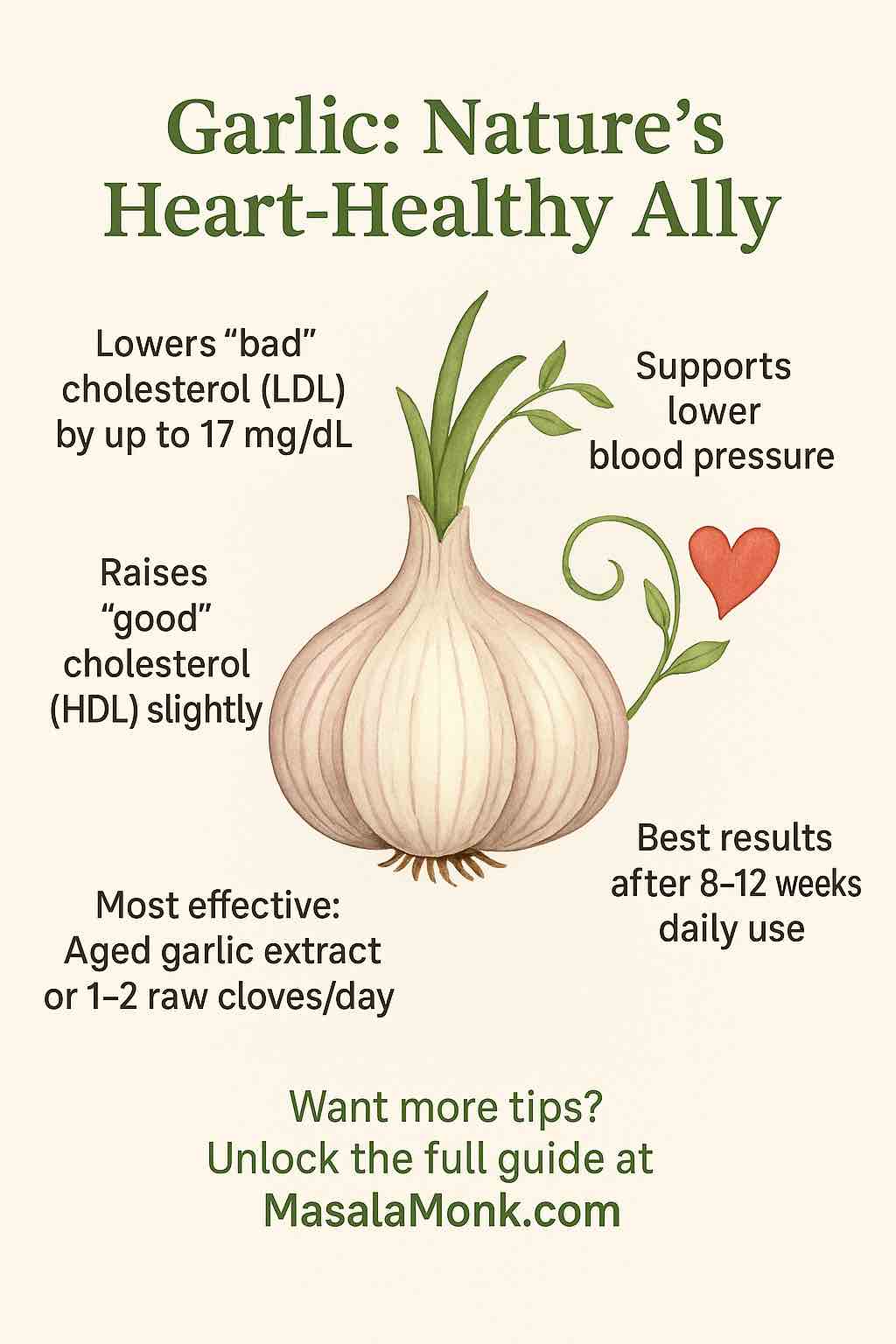
    • Reduced LDL (“bad cholesterol”) by 6–17 mg/dL
    • Modestly raised HDL (“good cholesterol”) by 2 mg/dL
    • Improved triglyceride levels and reduced markers of inflammation and oxidative stress.
  • Another 2024 review (Du et al.) found similar results, with the most pronounced effects in people with elevated baseline cholesterol, and greater benefits with longer-duration use and higher doses.

2. Direct Clinical Trials

  • A 2025 feasibility trial using fermented garlic extract enriched with nitric oxide in hypertensive patients showed a rapid reduction in blood pressure and improved arterial stiffness—effects relevant to heart health, though lipid outcomes require further study.
  • A randomized 12-week trial with endurance athletes given aged garlic extract (Kyolic) (1.2–2.4g daily) demonstrated improved arterial flexibility, higher VO₂max (aerobic fitness), and reduced cardiovascular risk proteins.
  • Some smaller or short-duration studies (including a well-designed 6-month Stanford trial with 192 participants) found no significant lipid improvements in people with only moderately high cholesterol, highlighting that individual response and baseline risk matter.

3. Form Matters: Raw, Powdered, or Aged?

  • Aged garlic extract (AGE) consistently outperforms other forms, likely due to its unique profile of bioactives and improved bioavailability.
  • Raw garlic and garlic powder do show benefit in some trials, but results are more variable, possibly due to differences in preparation, dosage, and study design.
  • Black garlic (aged fresh bulbs) and fermented garlic extracts are promising, especially for antioxidant effects and blood pressure, but large-scale human data is still emerging.

4. Other Cardiovascular and Metabolic Benefits

Beyond cholesterol, garlic (especially AGE) appears to:

  • Lower systolic blood pressure by ~3–4 mmHg and diastolic by ~2 mmHg
  • Reduce fasting blood sugar and improve insulin sensitivity
  • Support endothelial function (the health of blood vessel linings)
  • Modestly reduce arterial plaque progression in people with metabolic syndrome

Real-World Application: How Much Garlic Should You Take, and In What Form?

Dosage and Duration

  • Aged Garlic Extract (AGE):
    600 mg to 2,400 mg daily (standardized to S-allylcysteine content), divided into one or two doses, for at least 8–12 weeks is the most well-studied protocol.
  • Raw Garlic:
    1–2 cloves per day (about 4 grams), crushed and left to sit for a few minutes before use, may offer benefits—though consistency of effect is less certain.
  • Garlic Powder/Tablets:
    Look for standardized products with known allicin yield; follow manufacturer guidelines, as allicin content varies greatly.

Tip:
The cholesterol-lowering and vascular benefits of garlic appear to be dose-dependent and duration-dependent—higher doses and longer use (beyond 8–12 weeks) provide the best results, especially in those with elevated baseline risk.


Who Benefits Most?

  • People with mildly to moderately elevated cholesterol
  • Those at increased cardiovascular risk due to metabolic syndrome, prediabetes, or hypertension
  • Individuals seeking natural adjuncts to statin therapy or lifestyle-based heart health plans

Are There Any Risks or Side Effects?

Garlic is generally safe for most adults at culinary or supplemental doses. Common side effects include gastrointestinal discomfort, heartburn, and—of course—garlic breath! At higher doses, garlic can slightly increase bleeding risk, so people taking blood thinners or anticoagulant medications should consult their physician first.

Pregnant or breastfeeding women should consult their healthcare provider before starting high-dose supplements.


Garlic in Your Diet: Practical Tips for Everyday Heart Health

1. Crush, Chop, and Rest

Allicin, the superstar sulfur compound, is only formed when garlic is crushed or chopped. To maximize benefit, let chopped garlic rest for 5–10 minutes before cooking or adding to recipes.

2. Add to Savory Dishes

Garlic’s savory, pungent flavor complements nearly every cuisine. Try it:

  • Sautéed with greens, beans, or vegetables
  • Stirred into soups, stews, and curries
  • Mashed into avocado or hummus
  • Minced into salad dressings or yogurt dips

3. Try Aged Garlic Extract

If raw garlic isn’t your thing (or you want a consistent, odorless supplement), opt for a reputable aged garlic extract (AGE). These are widely available, well-tolerated, and backed by the strongest evidence.

4. Experiment with Black or Fermented Garlic

For culinary adventurers, black garlic (sweet, umami-rich, and mild) or fermented garlic extract can be added to sauces, spreads, or even enjoyed on toast.


Myth-Busting: What Garlic Can (and Can’t) Do

Garlic is not a “miracle cure.” While research supports its role in lowering cholesterol and supporting heart health, the effects are modest compared to statins and should be seen as complementary to—not a replacement for—other medical and lifestyle strategies.

Garlic is not a substitute for medical therapy in those with high cardiovascular risk or established disease. Always discuss significant supplement use with your healthcare provider.


Takeaways and Recommendations

1. Garlic can play a valuable role in a heart-healthy lifestyle.
Regular garlic consumption—especially as aged garlic extract—offers modest but meaningful cholesterol-lowering, blood pressure, and anti-inflammatory benefits.

2. Aged garlic extract is the best-studied form.
For cholesterol, aim for 600–2,400 mg daily for at least 8 weeks. For culinary benefit, 1–2 fresh cloves daily is a practical target.

3. Combine garlic with other heart-healthy strategies.
Diet, exercise, weight management, and (when appropriate) medical therapy remain foundational for optimal cardiovascular risk reduction.

4. Talk to your doctor before high-dose supplementation.
Especially if you take blood thinners or have underlying health conditions.


The Bottom Line: A Practical, Heart-Healthy Choice

The evidence is clear: Garlic—especially in the form of aged garlic extract—offers practical, safe, and research-backed support for cholesterol management and heart health. While it won’t replace your statin or lifestyle plan, it can be an effective adjunct for many people—especially those seeking natural solutions.

For best results:

  • Choose standardized aged garlic extract for supplements, or eat 1–2 raw cloves daily
  • Combine with a balanced, plant-forward diet rich in fiber, healthy fats, and antioxidants
  • Stay active and manage other risk factors

The “stinking rose” has never smelled sweeter for your heart!


References & Further Reading


Ready to give your heart a boost? Make garlic a regular guest at your table—or in your supplement cabinet—and reap the well-documented benefits for years to come.

Frequently Asked Questions (FAQs)

1. Does garlic really help lower cholesterol?
Answer: Yes, multiple high-quality studies and meta-analyses confirm that garlic—especially aged garlic extract—can lower total and LDL cholesterol by about 10–25 mg/dL with consistent daily use for 8–12 weeks or longer.


2. What is the best form of garlic for cholesterol: raw, powder, or aged extract?
Answer: Aged garlic extract (AGE) is the most researched and effective form for cholesterol lowering. Raw and powdered garlic also offer benefits but with more variable results due to differences in allicin and other bioactive content.


3. How much garlic should I take for heart health benefits?
Answer: Most studies recommend 600–2,400 mg of aged garlic extract per day or 1–2 fresh raw cloves daily. It’s important to use these consistently for at least 8–12 weeks to see benefits.


4. Are there side effects or safety concerns with regular garlic use?
Answer: Garlic is generally safe for most people, but high doses may cause digestive discomfort, heartburn, or body odor. It can also increase bleeding risk, especially if you’re on blood thinners—always consult your doctor if you have concerns.


5. Can garlic supplements replace my cholesterol medication?
Answer: No, garlic is not a substitute for statins or prescription cholesterol-lowering medication. It works best as a supportive, natural adjunct alongside a heart-healthy lifestyle or prescribed therapy.


6. How long does it take for garlic to lower cholesterol?
Answer: Noticeable reductions typically occur after 8–12 weeks of daily use, with larger benefits accumulating over longer periods. Results can vary based on baseline cholesterol, garlic form, and consistency.


7. What else can garlic do for my heart besides lower cholesterol?
Answer: Garlic also supports lower blood pressure, reduces arterial stiffness, improves endothelial (vessel lining) function, and has antioxidant and anti-inflammatory effects—contributing to broader cardiovascular protection.


8. Is black garlic as good as regular garlic for cholesterol?
Answer: Black garlic is high in antioxidants and has shown promise for heart health in early research, but more studies are needed to confirm its specific cholesterol-lowering effects compared to aged garlic extract.


9. Should I take garlic on an empty stomach or with food?
Answer: Garlic can be taken with or without food, but some people find it gentler on digestion when taken with meals. Supplements should be used according to the product’s directions.


10. Who should avoid high-dose garlic or garlic supplements?
Answer: People taking blood thinners (like warfarin), those scheduled for surgery, and individuals with a known garlic allergy should avoid high-dose garlic. Pregnant or breastfeeding women should consult their healthcare provider before starting supplements.

Posted on Leave a comment

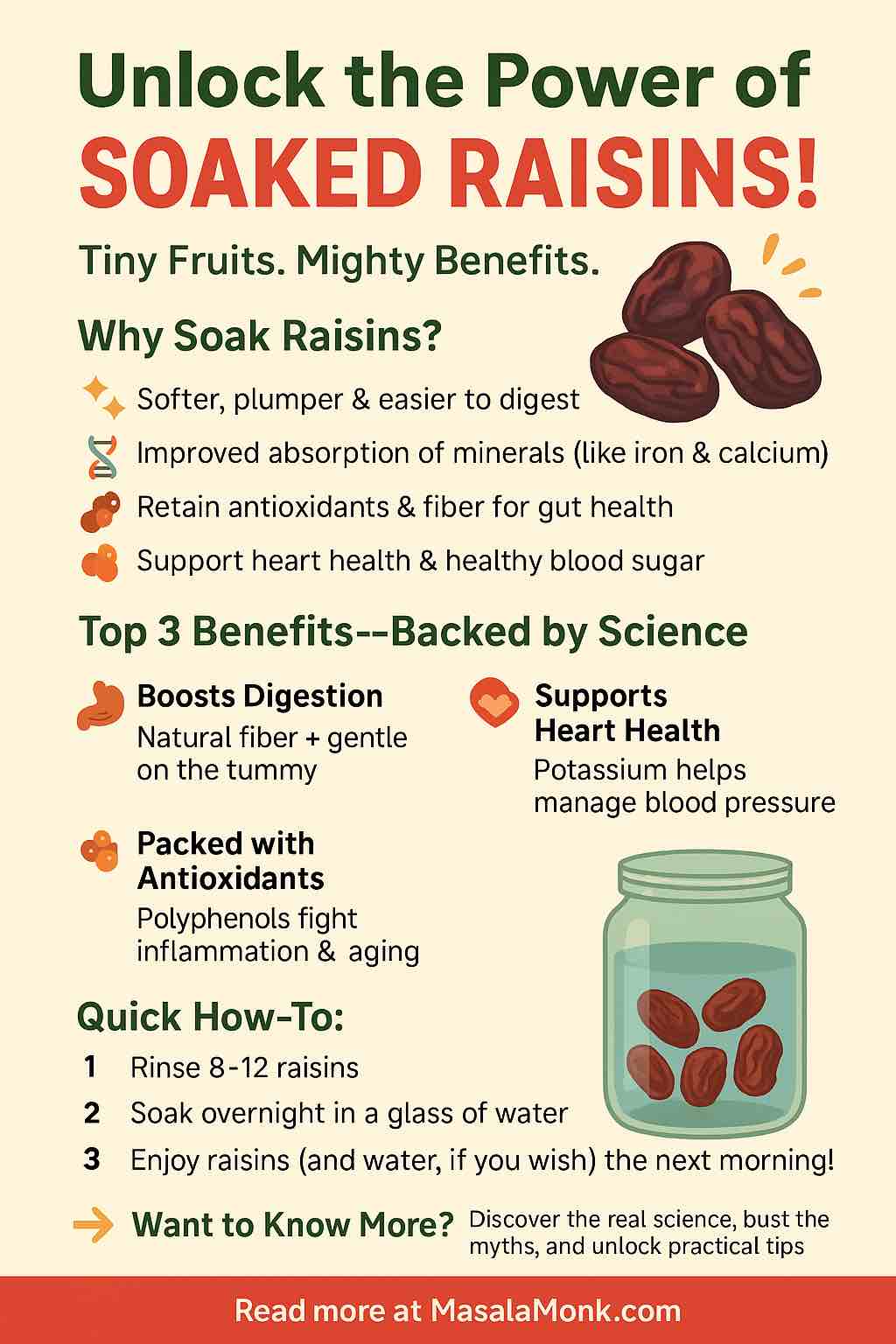
Reaping the Benefits of Soaked Raisins: Unlocking Nature’s Nutritional Treasure

Power of SOAKED RAISINS!

Imagine starting your day with a handful of sweet, plump raisins—transformed overnight by nothing more than a soak in water. While raisins are a staple in pantries across the globe, soaking them has become a popular morning ritual, especially in wellness circles and traditional Ayurveda. But what’s the real story? Are soaked raisins truly a nutritional powerhouse, or just another health trend? Let’s dive deep, separate myth from fact, and discover how you can unlock the full potential of this humble dried fruit.


Section 1: Why Soaked Raisins? A Historical and Scientific View

Raisins, or dried grapes, have a history as rich as their flavor. Used in ancient Persia, Greece, and India, they’ve long been celebrated for their concentrated energy and sweetness. But soaking them? That tradition stems from Ayurveda and folk wisdom, promising better digestion, “detoxification,” and even glowing skin.

But science has started to catch up, looking beyond old wives’ tales to understand what actually happens when you soak raisins overnight.


Section 2: The Science – What Really Changes When You Soak Raisins?

1. Softer, More Digestible

Soaked raisins are simply easier on the teeth and stomach. The soaking process rehydrates their tough skins, making them soft, plump, and easier to chew and digest. For anyone with sensitive teeth or digestive issues, this alone is a big win.

2. Reduced Anti-Nutrients, Enhanced Absorption

Like many plant foods, raisins contain “anti-nutrients” (phytates and tannins) that can bind to minerals like iron, zinc, and calcium, slightly reducing their absorption. Soaking, even for just 8-12 hours, can lower these compounds by 10–20%, theoretically making it easier for your body to access these minerals. While the effect is modest, it’s real—especially if your diet is mostly plant-based.

3. Nutrient Powerhouse Stays Intact

Importantly, soaking doesn’t “wash out” the good stuff! Raisins are naturally rich in:

  • Potassium: Helps control blood pressure and heart function
  • Iron: Vital for energy and fighting fatigue
  • Antioxidants (polyphenols, resveratrol): Combat inflammation and oxidative stress
  • Natural prebiotics: Promote gut health
  • Fiber: Supports smooth digestion and healthy cholesterol

Section 3: Health Benefits—Backed by Research

A. Heart Health & Blood Pressure
Studies have shown that regular raisin consumption can lower blood pressure and LDL cholesterol, thanks largely to their potassium and fiber content. Some research even suggests a 6–10 mmHg drop in systolic BP when swapping raisins for processed snacks.

B. Blood Sugar Balance
Raisins, despite being sweet, have a moderate glycemic index. Multiple trials indicate that they cause a smaller spike in blood sugar than many refined carb snacks—good news for those with diabetes or prediabetes.

C. Gut Health & Regularity
The combo of soluble fiber and natural tartaric acid acts as a gentle laxative and prebiotic, feeding your good gut bacteria and supporting smooth, regular bowel movements.

D. Antioxidant & Anti-Inflammatory Power
Raisins retain powerful polyphenols after soaking. These compounds have been linked to reduced inflammation, healthier aging, and even improved brain function (in animal studies).


Section 4: Busted—Myths About Soaked Raisins

1. “Soaked raisins detox your body.”
There’s no scientific evidence that any food directly “detoxifies” your liver or cleanses your blood. The antioxidants and fiber in raisins can support your body’s natural detox pathways, but don’t expect miracle cures.

2. “Raisin water is a vitamin drink.”
Most vitamins and minerals remain in the fruit, not the soaking water. While raisin water can be a hydrating, slightly sweet beverage, it’s not a substitute for eating the whole raisin.

3. “You must eat them only in the morning.”
While morning routines can help you remember, there’s no magic time—soaked raisins are good any time of day!


Section 5: How To Soak & Enjoy Raisins—Your Daily Ritual

Step-by-Step Guide

  1. Measure out 8-12 raisins (about a tablespoon), preferably organic and unsweetened.
  2. Rinse them to remove any residue.
  3. Soak in a glass of clean, room-temperature water overnight (6–12 hours).
  4. In the morning, eat the raisins and, if you like, drink the water.

Pro Tip: Add a few strands of saffron or a pinch of cinnamon to your soak for an extra wellness boost and unique flavor!

Creative Ways To Use Soaked Raisins

  • Add to breakfast oatmeal, porridge, or yogurt bowls
  • Mix into salads for a sweet-tart pop
  • Blend into smoothies for natural sweetness
  • Top on toast with nut butter
  • Incorporate into homemade trail mix or granola

Section 6: Practical Precautions

  • Portion Control: Raisins are energy-dense. 8–12 per day is a good starting point.
  • Sugar Content: Still high in natural sugars—suitable for most, but diabetics should monitor blood sugar.
  • Dental Hygiene: Always rinse or brush after—raisins can stick to teeth.
  • Allergies/Sensitivities: Rare, but possible—especially to sulfites if used as a preservative.

Section 7: The Bottom Line—Should You Soak Raisins?

Soaked raisins are a simple, practical way to make a healthy food even gentler and more enjoyable. The science supports modest improvements in mineral absorption and digestive comfort, but the real value comes from the core nutrients and antioxidants raisins already provide. If you love the taste and routine, there’s no downside—just pure, plant-based goodness in every bite.


Ready to Try?

Tomorrow morning, swap your usual snack for a handful of soaked raisins—and see how you feel! Sometimes, the simplest rituals offer the sweetest rewards.

FAQs About Soaked Raisins

1. What are the main benefits of eating soaked raisins?
Soaked raisins are softer, easier to digest, and may have slightly reduced anti-nutrients, making minerals like iron and calcium more available for absorption. They still provide antioxidants, fiber, potassium, and natural prebiotics—supporting heart, gut, and metabolic health.


2. How long should I soak raisins for best results?
Soak raisins for 8–12 hours (overnight is ideal) in clean, room-temperature water. This ensures they are fully rehydrated and easier to eat and digest.


3. Should I drink the water in which raisins were soaked?
Drinking raisin water is optional. Most nutrients and fiber stay in the fruit, but the water may contain some sugars and trace minerals. It’s safe and can be a hydrating, slightly sweet beverage, but eating the raisins is more beneficial.


4. Are soaked raisins better than unsoaked raisins?
Soaked raisins are easier on the teeth and stomach and may allow for slightly better mineral absorption. However, most of the core health benefits are present in both soaked and unsoaked raisins.


5. Can diabetics eat soaked raisins?
Raisins have a moderate glycemic index and contain natural sugars. In small amounts (8–12 per day), they can be part of a diabetic diet, but portion control and blood sugar monitoring are important. Consult your healthcare provider for personal guidance.


6. Can I soak other dried fruits with raisins?
Yes! You can soak raisins with other dried fruits like figs, apricots, or dates. Just be mindful that the combined sugar content will increase, so keep portions moderate.


7. Do soaked raisins help with constipation?
Yes, soaked raisins are a gentle, natural laxative due to their soluble fiber and tartaric acid content. Regular consumption may help improve bowel regularity.


8. Are there any side effects of eating soaked raisins?
Most people tolerate soaked raisins well. Overeating can cause digestive upset due to fiber and sugar. Rarely, some may be sensitive or allergic to grapes or preservatives like sulfites.


9. Do I need to rinse raisins before soaking?
Yes, it’s best to rinse raisins before soaking to remove any dust, residues, or preservatives on the surface.


10. Can kids and elderly people eat soaked raisins?
Absolutely! Soaked raisins are softer and less of a choking hazard, making them a safe, nutritious snack for children and older adults—provided there are no allergies or medical restrictions.

Posted on 2 Comments

Connection between Calcium, Vitamin K2, and Vascular Calcification

Calcium & Vitamin K2:

You probably know calcium is important for strong bones. You’ve seen the ads for calcium supplements and heard warnings about osteoporosis. But recently, another side to the story is emerging—one that connects our favorite bone-builder to heart health, and brings a largely ignored vitamin, K2, into the spotlight.

What if I told you that getting calcium wrong might not just fail your bones—it could harden your arteries?
And what if the missing puzzle piece for a strong heart and skeleton is a nutrient most people have never heard of?

Welcome to the intersection of calcium, vitamin K2, and vascular calcification—where the latest science is rewriting the rules of preventive health.


1. Calcium: Essential, But Not Always Innocent

For decades, the health community has sung the praises of calcium for bone strength. We need it—about 99% of the body’s calcium is stored in bones and teeth.

But here’s the twist:
When calcium ends up in your arteries instead of your bones, it can lead to vascular calcification—essentially, “hardening” of the arteries, which is a major risk factor for heart attacks, strokes, and high blood pressure.

How does this happen?

  • Too much calcium in the blood (especially from supplements)
  • Aging or certain diseases (e.g., chronic kidney disease)
  • Not enough “calcium traffic controllers” to keep it in the right places

2. Vascular Calcification: A Silent Threat

Vascular calcification is the buildup of calcium in the blood vessel walls. Unlike soft plaque, this calcium is hard and unyielding—turning flexible arteries into stiff pipes.

Why should you care?

  • It’s strongly linked to heart attacks, strokes, and even cognitive decline.
  • Once started, it’s very hard to reverse.

Who’s at risk?

  • Older adults
  • People taking high-dose calcium supplements (especially without balancing nutrients)
  • Patients with chronic kidney disease, diabetes, or a family history of heart disease

3. Enter Vitamin K2: The Master Traffic Controller

Vitamin K2 (especially in its MK-7 form) acts like the manager of a construction crew. It ensures calcium gets put into your bones and teeth—where it’s needed—and keeps it out of your arteries and organs, where it causes harm.

How does K2 work?

  • Activates proteins (like matrix Gla protein/MGP and osteocalcin)
  • These proteins literally bind up calcium and shuttle it to your skeleton
  • Without K2, these proteins can’t do their job—so calcium “leaks” into arteries

Most people are low in K2—especially in Western diets, where sources like natto (fermented soybeans), aged cheese, and some animal foods are rare.


4. What Does the Latest Research Say? (2024–2025)

A. Calcium Alone Can Be Problematic

  • Some studies link high-dose calcium supplements (without K2) to higher heart attack risk, particularly in older adults.
  • Calcium from food doesn’t show this risk—likely because it’s absorbed more slowly and with co-factors like K2.

B. K2 Supplementation Shows Real Promise

  • 2025 RCT: Over 2 years, 180 µg/day of MK-7 (a form of K2) in people with early artery calcification significantly slowed further progression compared to placebo. (Journal of Hypertension, 2025)
  • K2 supplementation reduces levels of inactive MGP (a key biomarker), suggesting it’s helping prevent “calcium leaks” in arteries.
  • Benefits are seen even in healthy people and those with early disease, not just those with severe calcification.

C. Special Populations:

  • Chronic kidney disease (CKD): K2 shows some promise, though results are mixed. People with kidney problems are at especially high risk for vascular calcification.
  • Postmenopausal women: K2 may improve arterial stiffness and blood pressure.

D. It’s Not Just About Bones or Heart—It’s About Both

  • K2 (with D3) improves bone density while also protecting arteries—potentially solving the supplement “double-edged sword.”

5. Practical Takeaways: What Should You Do?

A. Get Calcium From Food First

  • Dairy (if tolerated), leafy greens, tofu, sardines, almonds.
  • Food-based calcium is paired with nutrients and absorbed gradually.

B. Don’t Overdo Calcium Supplements

  • If you need a supplement (e.g., for osteoporosis), use the lowest dose required.
  • Don’t take “just in case”—work with your healthcare provider to test your levels.

C. Add Vitamin K2 to the Mix

  • Consider a supplement with MK-7 form (typically 90–200 µg/day)—especially if you’re taking calcium or vitamin D.
  • Look for reputable brands, and take with a meal for best absorption.
  • Natural food sources: Natto (a Japanese fermented food, by far the richest source), aged hard cheeses (Gouda, Edam), pastured egg yolks, goose liver.

D. Don’t Forget Vitamin D

  • Vitamin D and K2 work together: D helps you absorb calcium; K2 helps you use it wisely.
  • Many D3 supplements now include K2 for this reason.

E. If You’re on Blood Thinners…

  • If you take warfarin (Coumadin), talk to your doctor before adding any K2—K vitamins affect how your medication works.

6. The Future: What to Watch For

The science is moving fast:

  • Ongoing studies in people on dialysis, transplant patients, and those with high baseline calcification.
  • Emerging evidence that tracking dp-ucMGP (the inactive, uncarboxylated form of MGP) may be a useful marker for K2 status and vascular health.

Guidelines are evolving, but leading researchers already suggest that K2 is a “missing link” in the prevention of both osteoporosis and cardiovascular disease.


7. Final Thoughts: A Smarter Way to Supplement

The old advice was simple: “Take more calcium!”
The new science says: “Balance your nutrients, respect the synergy, and put calcium where it belongs.”

Vitamin K2 might just be the unsung hero in your supplement routine—protecting both your bones and your arteries.

Your Action Plan:

  1. Check your sources: Get calcium from food first.
  2. Team up nutrients: If using supplements, add K2 (and D3) to the mix.
  3. Eat some fermented foods or aged cheeses.
  4. Ask your doctor about testing your vitamin D and calcium status, and discuss K2 if you have risk factors.
  5. Stay curious! Science keeps evolving, and so should your approach to health.

References / Further Reading

  • Vossen LM, et al. “Menaquinone-7 slows down progression of coronary artery calcification in patients with mild-to-moderate coronary artery disease: A randomized controlled trial.” J Hypertens. 2025.
  • Schurgers LJ, et al. “Vitamin K2: The essential bioactive form for vascular health?” Nutrients. 2023.
  • Maresz K. “Vitamin K2 and cardiovascular health: A review of the latest evidence.” Open Access J. 2024.

Do you have questions about your supplement stack? Curious about practical ways to boost K2 naturally? Let’s continue the conversation in the comments below!


Disclaimer: This article is for educational purposes only and does not replace individualized medical advice. Always consult your healthcare provider before making changes to your supplement routine.

FAQs

1. What is the difference between vitamin K1 and K2?
Vitamin K1 (phylloquinone) is found in leafy greens and helps with blood clotting. Vitamin K2 (menaquinone, especially MK-7) is found in fermented foods and some animal products, and it helps direct calcium into bones and away from arteries. K2 has a much stronger impact on vascular health than K1.


2. Can I get enough vitamin K2 from my diet?
Most Western diets are low in vitamin K2, unless you regularly eat natto (fermented soybeans), certain aged cheeses, or grass-fed animal products. Many people may benefit from a supplement, especially if at risk for osteoporosis or vascular calcification.


3. Is it safe to take calcium and vitamin K2 together?
Yes, taking calcium and vitamin K2 together is considered safe for most people. In fact, K2 helps ensure calcium is used properly by the body and doesn’t build up in the arteries.


4. Who should be especially careful about calcium supplementation?
People over 50, those with a history of heart disease, chronic kidney disease, or those already taking high-dose vitamin D should discuss calcium supplements with their doctor and consider balancing with K2 and magnesium.


5. What is the best form and dose of vitamin K2?
MK-7 is the most studied and bioavailable form. Doses of 90–200 µg/day are commonly used in research for heart and bone benefits.


6. How long does it take to see results from vitamin K2 supplementation?
Research shows changes in biomarkers (like dp-ucMGP) can occur within weeks, but slowing of arterial calcification or improvement in bone density typically takes 1–2 years of consistent use.


7. Should I take vitamin D with K2?
Yes, vitamin D helps absorb calcium and K2 helps put it in the right places. Many combination supplements include both for this reason.


8. Can vitamin K2 interact with medications?
Vitamin K2 can interfere with blood-thinning medications like warfarin. If you’re on any anticoagulant, consult your doctor before starting K2.


9. Is food-based K2 as effective as supplements?
Fermented foods like natto provide a high dose of K2, but many people find supplements more practical for consistent dosing—especially if they don’t enjoy these foods.


10. Is vascular calcification reversible?
It is very difficult to reverse once established. The main goal is to slow or prevent progression. Early intervention with diet, lifestyle, and possibly K2 is key.

Posted on 2 Comments

Natural Pressure Regulator: How Coconut Water Can Help Manage High Blood Pressure

COCONUT WATER HELP LOWER YOUR BLOOD PRESSURE?

High blood pressure, or hypertension, is a silent epidemic affecting more than 1 billion people worldwide. It’s called the “silent killer” because you often don’t feel symptoms—yet it quietly increases your risk of heart attacks, strokes, and kidney disease. While medication and lifestyle changes are the mainstay of treatment, there’s growing excitement around natural remedies that can be added to your daily routine. One such contender? Coconut water.

In this post, we’ll dive deep into how coconut water works as a natural pressure regulator, the latest research, and how you can use it to support your health—practically, safely, and deliciously.


Why Blood Pressure Matters

Blood pressure measures the force of blood pushing against the walls of your arteries. When that force is consistently too high, your heart works harder, and your arteries become damaged over time.
Normal: Under 120/80 mmHg
Hypertension: 130/80 mmHg or higher (for most adults)

Managing blood pressure is crucial for long-term well-being. Alongside regular exercise, maintaining a healthy weight, reducing salt intake, and managing stress, dietary tweaks can make a real difference.


Meet the Natural Regulator: Coconut Water

If you’ve cracked open a green coconut on a hot day, you know how refreshing coconut water is. But it’s not just a tasty thirst-quencher—it’s loaded with nutrients that support heart health, particularly for blood pressure management.

What’s Inside Coconut Water?

  • Potassium (~600 mg per cup): Helps your body get rid of excess sodium, relaxing blood vessel walls.
  • Magnesium & Calcium: Support healthy muscle and blood vessel function.
  • Antioxidants: Fight oxidative stress, which is linked to high blood pressure.

What Does Science Say? The Latest Research

Coconut water’s reputation as a blood pressure ally isn’t just folklore. Let’s look at the most recent evidence:

1. Six-Week Nigerian Study (2025)

  • 70 hypertensive adults drank 300 mL of tender coconut water daily for 6 weeks.
  • Results:
    • Systolic (upper number): Dropped from ~146 to 135 mmHg
    • Diastolic (lower number): Fell from ~94 to 87 mmHg
    • Control group? Minimal change.

2. Indonesian Trials (2022–2023)

  • 150–300 mL daily in adults and elderly with mild hypertension.
  • Results:
    • Systolic blood pressure dropped by up to 29 mmHg in some cases.
    • Diastolic pressure saw significant reductions too.
    • Effects observed in as little as one week for some participants.

3. Caribbean Study (2005)

  • Compared coconut water, a local herbal drink, and a combination.
  • 71% of coconut water drinkers saw a noticeable drop in systolic BP (6–17 mmHg).

Takeaway: Regular, moderate consumption of coconut water can lower blood pressure, especially in people with mild hypertension. The most consistent results come from drinking about 150–300 mL daily for at least 1–6 weeks.


How Does Coconut Water Work Its Magic?

Potassium Power

  • Potassium helps your kidneys flush out excess sodium—the main dietary culprit behind high blood pressure.
  • It also relaxes the walls of your blood vessels, lowering resistance and thus, your pressure.

Magnesium & Calcium

  • Both minerals contribute to the proper contraction and relaxation of blood vessel muscles.
  • A deficiency in these minerals has been linked to higher blood pressure.

Antioxidants

  • Help protect the delicate lining of blood vessels from damage, reducing inflammation and supporting normal function.

Practical Tips: Adding Coconut Water to Your Routine

How Much Should You Drink?

  • 150–300 mL (about ½ to 1¼ cups) daily is the sweet spot according to the latest research.
  • Consistency matters: Aim for daily use over at least several weeks to see results.

What Kind Should You Choose?

  • Fresh is best: Water from a young green coconut is ideal.
  • Packaged is fine—as long as it’s unsweetened and has no added flavors or preservatives.
  • Check the label: Some brands sneak in sugar, which defeats the purpose!

When Should You Drink It?

  • Anytime! Many people enjoy it first thing in the morning, as a mid-day refresher, or post-exercise.

Who Should Be Careful?

While coconut water is safe for most people, a few groups need to take extra care:

  • Kidney issues? Too much potassium can be harmful if your kidneys aren’t working properly.
  • On certain blood pressure or heart medications? Check with your doctor, as potassium can interact with some drugs.
  • Diabetes? Coconut water contains natural sugars—track your carb intake.

Beyond Blood Pressure: Other Benefits

  • Hydration: Coconut water is a natural electrolyte drink—great after sweating or exercise.
  • Digestive support: Its mild diuretic effect can help with bloating.
  • Weight-friendly: It’s low in calories compared to sodas or juices.

The Bottom Line

Coconut water is a delicious, natural, and research-backed way to support healthy blood pressure.
Drinking 150–300 mL daily, as part of a balanced lifestyle, can help lower both systolic and diastolic blood pressure—especially for those with mild hypertension. Choose unsweetened varieties, be consistent, and always consult your doctor before making major changes, especially if you have kidney issues or take medications.

Here’s to a healthier heart, one sip at a time!


Got questions about coconut water, heart health, or want more practical nutrition tips? Drop them in the comments below!

10 FAQs about Coconut Water and High Blood Pressure


1. How much coconut water should I drink to help lower my blood pressure?
Most studies support drinking 150–300 mL (about ½ to 1¼ cups) of unsweetened coconut water daily for several weeks to see potential benefits.


2. Can I replace my blood pressure medication with coconut water?
No. Coconut water can support healthy blood pressure but should never replace prescribed medication. Always consult your doctor before making any changes.


3. How soon will I see results if I start drinking coconut water every day?
Some studies have observed reductions in blood pressure within one week, but most recommend allowing at least three to six weeks for consistent results.


4. Are there any side effects to drinking coconut water daily?
Coconut water is safe for most people, but overconsumption can lead to too much potassium, especially for those with kidney problems. Monitor your intake and consult your doctor if unsure.


5. Can people with diabetes drink coconut water?
Yes, in moderation. Coconut water contains natural sugars, so people with diabetes should track their carbohydrate intake and choose unsweetened varieties.


6. Is coconut water more effective than eating potassium-rich foods like bananas?
Both coconut water and bananas are good potassium sources. Coconut water offers hydration and additional minerals, but it’s best used as part of a balanced diet.


7. What’s the best time of day to drink coconut water for blood pressure?
Any time works, but many people enjoy it in the morning or after physical activity for hydration. Consistency is more important than timing.


8. Should I choose fresh coconut water or is packaged coconut water okay?
Fresh is ideal, but packaged coconut water is also effective—just make sure it’s unsweetened and has no added preservatives or flavors.


9. Who should avoid drinking coconut water regularly?
People with kidney disease, those taking potassium-sparing medications, or anyone on a restricted potassium diet should avoid regular intake without medical advice.


10. Can coconut water prevent high blood pressure from developing?
It may help support normal blood pressure when combined with a healthy diet and lifestyle, but it is not a guaranteed preventive measure.