Posted on Leave a comment

Ashwagandha for Menopause Relief

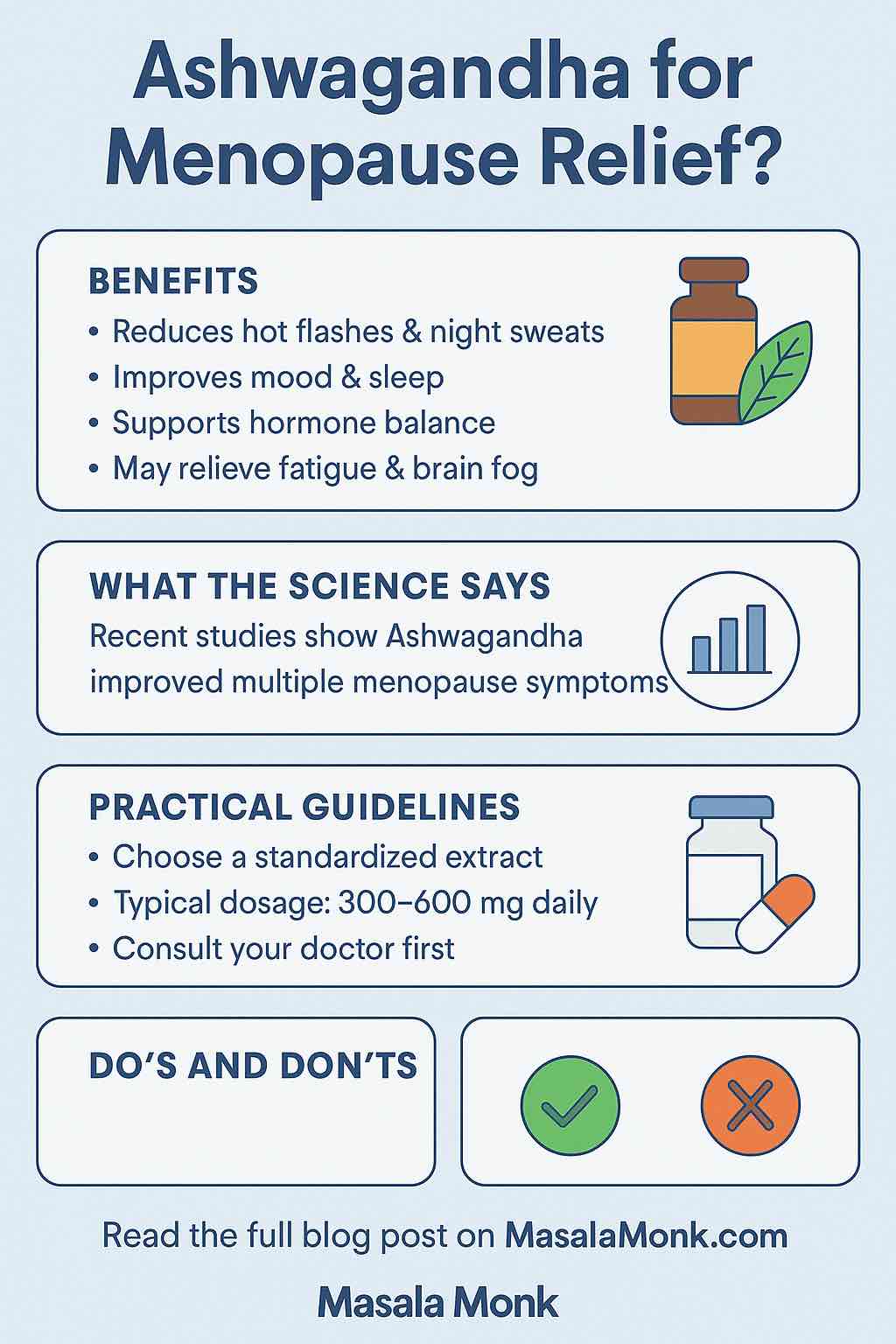
Ashwagandha for Menopause Relief?

Menopause. Just the word can stir up a whole cocktail of feelings. If you’re navigating this natural transition, you know it can come with waves of hot flashes, sleepless nights, mood swings, and that infamous brain fog. While hormone replacement therapy (HRT) is a mainstream solution, many women want more natural ways to ease their symptoms—or to add gentle, supportive options alongside conventional care.

One herbal remedy that’s surging in popularity is Ashwagandha (Withania somnifera). But does the science support the hype? And—practically—how should you use it for real-world relief? Let’s dig in.


What Is Ashwagandha?

Ashwagandha, sometimes called “Indian ginseng” or “winter cherry,” is an adaptogenic herb used for centuries in Ayurvedic medicine. Adaptogens are special plants believed to help your body adapt to stress, balance hormones, and support overall resilience.

Traditionally, Ashwagandha was used for vitality, energy, and calming the mind—but modern research has put it under the microscope for all sorts of women’s health applications, menopause included.


Why Are Women Turning to Ashwagandha for Menopause?

Menopause is about more than just your period stopping. It’s a time of dramatic hormonal changes—mainly a drop in estrogen and progesterone. That hormonal turbulence can create a ripple effect across nearly every body system.

Common symptoms?

  • Hot flashes
  • Night sweats
  • Sleep disturbances
  • Mood swings and anxiety
  • Low energy and fatigue
  • Brain fog
  • Vaginal dryness and changes in libido

It’s no surprise women seek solutions that address multiple symptoms at once. Enter Ashwagandha, which—thanks to its broad effects on stress, sleep, mood, and hormones—feels like a logical fit.


What Does the Latest Science Say?

Let’s skip the wishful thinking and look at real studies. Here’s what research in the past couple of years has uncovered:

1. Reducing Hot Flashes & Night Sweats

  • A 2025 clinical trial followed over 120 postmenopausal women who took a standardized Ashwagandha extract (Sensoril®) at 250 mg or 500 mg daily for 24 weeks. The results? Both doses led to a 24% reduction in vasomotor symptoms—meaning hot flashes and night sweats got noticeably better.
  • Improvements were also seen in mood, sleep, and sexual health. The higher dose had even stronger effects.
  • Other smaller studies (2021–2024) echo these findings, showing a reduction in hot flashes, improved sleep, and better emotional balance.

2. Mood, Anxiety, and Sleep

  • Ashwagandha’s claim to fame is as a stress-buster. Several studies show that doses around 300–600 mg per day can reduce anxiety, help you cope with stress, and even support better, deeper sleep.
  • One trial found women felt calmer and less irritable within just a few weeks. Many participants reported better sleep quality and fewer middle-of-the-night wake-ups.

3. Hormonal Support

  • Some studies (including recent ones) found that Ashwagandha can raise estrogen levels and decrease FSH/LH, the hormones that spike as your ovaries slow down. While not a replacement for HRT, this hormonal balancing act might explain the improvement in hot flashes, mood, and even vaginal dryness.
  • There’s also emerging evidence of benefits for bone and cardiovascular health, likely tied to both direct effects and overall lower inflammation.

How Does Ashwagandha Work?

  • Lowers Cortisol: Chronic stress makes menopause symptoms worse. Ashwagandha helps calm your HPA axis, dialing down the body’s stress response.
  • Supports Neurotransmitters: It may increase GABA activity (think: calm, relaxed brain) and help stabilize mood.
  • Mildly Mimics Estrogen: Some evidence suggests it interacts with hormone receptors, potentially offsetting drops in estrogen.
  • Reduces Inflammation: By fighting oxidative stress, Ashwagandha may support everything from brain function to heart health.

Practical Guide: How to Use Ashwagandha for Menopause

1. Choose a Quality Extract

Look for standardized extracts—such as Sensoril® or KSM‑66—since these are used in clinical trials. Check for third-party certification (like NSF or USP) and a standardized withanolide content (5–10%).

2. Start With the Right Dose

  • Most studies used 300–600 mg per day, split into two doses with meals.
  • Start low (300 mg) to see how your body responds, then increase if needed.
  • Give it at least 8 weeks to gauge benefits—most changes are gradual.

3. Who Should Avoid It?

  • Ashwagandha is generally safe, but do not use it if you are pregnant, breastfeeding, or have known liver disease or autoimmune conditions.
  • Check with your doctor if you take thyroid meds, sedatives, or have a history of hormone-sensitive cancers.
  • Side effects are usually mild (drowsiness, digestive upset), but rare cases of liver irritation have been reported—so always use reputable brands.

4. Track Your Symptoms

Keep a menopause journal or use an app to log:

  • Number and intensity of hot flashes/night sweats
  • Sleep quality
  • Mood/anxiety
  • Vaginal symptoms and libido

Compare your baseline with how you feel after 4, 8, and 12 weeks.


Do’s and Don’ts for Real-Life Success

DO:

  • Be patient! Natural remedies take time—expect 4–8 weeks for the first noticeable results.
  • Combine Ashwagandha with lifestyle basics: regular exercise, balanced nutrition, stress management, and good sleep hygiene.
  • Use the same standardized brand for consistency.

DON’T:

  • Don’t exceed recommended doses, thinking “more is better.”
  • Don’t use it as a substitute for urgently needed medical care or HRT if prescribed.
  • Don’t ignore unusual symptoms—stop and consult a healthcare professional if you notice jaundice, severe fatigue, or abdominal pain.

What Real Women Are Saying

Many women describe feeling “steadier,” less frazzled, and more like themselves after starting Ashwagandha. Hot flashes ease up, and restless nights become a little less torturous. Some even note a boost in libido or comfort with sex.

But remember—every woman’s journey is different. If you try Ashwagandha and it’s not for you, that’s okay! Menopause is highly individual, and so is the best way to manage it.


Final Thoughts

Ashwagandha isn’t a magic cure—but modern research shows it’s a genuine, gentle ally for women facing menopause. By easing hot flashes, smoothing mood swings, improving sleep, and supporting hormonal health, it helps make this transition more manageable. Combine it with lifestyle self-care and the support of your health team for best results.

If you’re ready to try Ashwagandha, invest in a quality, standardized extract, track your symptoms, and give it a fair chance. As always, personalized advice from a healthcare provider is gold.


Menopause is a journey—sometimes bumpy, sometimes empowering. Whether Ashwagandha becomes part of your toolkit or not, know that support, science, and self-compassion can make all the difference.

10 FAQs About Ashwagandha for Menopause Relief

1. How long does it take for Ashwagandha to work for menopause symptoms?
Most women begin to notice benefits—such as reduced hot flashes, improved sleep, and a calmer mood—within 4 to 8 weeks of daily use. For full results, try it consistently for at least 12 weeks.


2. What is the recommended dosage of Ashwagandha for menopause relief?
Clinical studies commonly use 300–600 mg per day of a standardized extract, split into two doses (morning and evening). Always check the label for withanolide content and use the same brand for consistency.


3. Is Ashwagandha safe to use with hormone replacement therapy (HRT) or other medications?
Generally, yes, but always check with your healthcare provider. Ashwagandha can interact with sedatives, thyroid medications, and some immune-modulating drugs. Never combine supplements and prescription meds without professional advice.


4. Are there any side effects of Ashwagandha?
Most people tolerate Ashwagandha well. Occasional side effects include mild digestive upset, drowsiness, or headache. Rarely, liver issues have been reported—avoid if you have liver disease or unexplained jaundice.


5. Which is better: Ashwagandha powder or extract?
For menopause symptom relief, standardized extracts (such as KSM-66 or Sensoril) are preferred, as these are used in clinical research and provide consistent, measurable doses of active compounds.


6. Can Ashwagandha help with all menopause symptoms?
It’s most effective for stress, sleep disturbances, mood swings, and hot flashes. Some evidence suggests benefits for sexual health, bone health, and cognitive clarity, but effects may vary.


7. Should Ashwagandha be taken in the morning or at night?
Most studies use a split dose—half in the morning, half in the evening, with food. If you experience drowsiness, take the larger dose in the evening.


8. Is Ashwagandha suitable for everyone?
No. Avoid if pregnant, breastfeeding, or if you have autoimmune disorders, hormone-sensitive cancers, or active liver problems. Always consult a healthcare professional if unsure.


9. Can I take Ashwagandha long-term?
Short-term studies (up to 6 months) show good safety, but there’s limited data on continuous use beyond a year. If you plan to use it long-term, take periodic breaks and check in with your doctor.


10. How do I know if Ashwagandha is working for me?
Track your symptoms using a menopause journal or app. Look for changes in hot flashes, sleep, mood, energy, and overall well-being after 4–8 weeks. If you see little or no benefit after 12 weeks, consult your provider about other options.


Posted on 2 Comments

Nourishing from the Inside Out: The Benefits of Coconut Water for Skin and Hair Health

COCONUT WATER FOR SKIN AND HAIR

Imagine a simple, natural drink that not only quenches your thirst but can help you glow from the inside out—boosting both your skin’s radiance and your hair’s health. That’s the promise of coconut water, a staple in tropical regions for centuries and now a global wellness sensation. But what does science actually say? Is it just another wellness fad, or can coconut water really nourish your beauty inside and out? Let’s dig in, bust some myths, and give you actionable, practical tips for integrating coconut water into your routine.


What Is Coconut Water?

Coconut water is the clear, slightly sweet liquid found inside young green coconuts (not to be confused with coconut milk or oil). Naturally low in calories, it’s packed with electrolytes like potassium, magnesium, sodium, and calcium, plus a blend of vitamins, amino acids, and plant hormones (called cytokinins).


The Science-Backed Benefits

1. Hydration Hero for Skin and Body

  • Why it matters: Hydrated skin is plump, resilient, and naturally glowing. Dehydration, by contrast, accentuates wrinkles, dullness, and flakiness.
  • How coconut water helps: Thanks to its high electrolyte content—especially potassium—coconut water hydrates the body faster than regular water. This shows up as fresher, “dewier” skin when consumed regularly.
  • Latest insight: Recent studies (2024–2025) confirm coconut water’s electrolytes help maintain the skin’s natural moisture barrier, making it especially helpful in hot climates or for people prone to dry skin.

Pro tip:
Swap one sugar-loaded soda or juice daily for 250–500ml of pure coconut water. Notice improvements in your skin’s texture and overall energy levels.


2. Rich in Antioxidants for Anti-Aging

  • What are antioxidants? Compounds that fight free radicals—unstable molecules that damage cells, speed up aging, and trigger inflammation.
  • How coconut water works: It’s rich in vitamin C, phenolic compounds, and cytokinins (like kinetin) that reduce oxidative stress, support collagen production, and fight fine lines.
  • Latest research: Human skin cell studies (2025) show coconut water can decrease oxidative damage and may even promote longer cell life.

Pro tip:
Drink it chilled, and consider using it as a facial mist (details below) to help your skin fight environmental stressors—especially in urban settings with pollution.


3. Calms Inflammation and Fights Acne

  • Anti-inflammatory action: Coconut water contains lauric acid and other bioactives known to soothe inflamed or irritated skin.
  • Acne support: Its antimicrobial properties (confirmed in lab studies) can help keep acne-causing bacteria at bay, though it’s not a substitute for medical acne treatments.

Caution:
While coconut water can calm and hydrate, it’s not a miracle acne cure. Use it as a supportive part of a holistic routine.


4. Boosts Skin Elasticity & Radiance

  • Vitamin C + Cytokinins: These support collagen synthesis, promoting firmer, more elastic skin.
  • User reports: Many people report a “natural glow” and reduced dark circles after consistently drinking coconut water for 2–4 weeks.

5. Hair Health—From Follicles to Tips

  • Scalp hydration: Coconut water is a lightweight, non-greasy hydrator for a dry or flaky scalp.
  • Strength & growth: The mix of minerals, amino acids, and vitamins K & C boosts blood flow to follicles, helping with hair strength and reducing breakage.
  • Clinical update (2023): A topical serum containing freeze-dried coconut water showed up to a 17% increase in hair growth and an 81% reduction in fallout over 90 days in clinical studies.

Practical Ways to Use Coconut Water

A. Drinking for Daily Beauty

  • How much? 250–500ml per day is safe and effective for most adults.
  • Best time: Morning or post-exercise for optimal absorption.
  • For best results: Choose 100% pure coconut water, unsweetened, and preferably from a fresh coconut.

B. Topical Skincare: Easy DIYs

1. Coconut Water Facial Mist

  • Pour coconut water into a clean spray bottle (optionally add 1–2 drops of rose water).
  • Store in the fridge.
  • Spritz on cleansed skin as a toner or anytime your skin feels dull.

2. Soothing Ice Cubes

  • Freeze coconut water in an ice tray.
  • Gently rub a cube over your face after sun exposure or before makeup.

3. Anti-Redness Mask

  • Mix 2 tbsp coconut water with ½ tsp turmeric or sandalwood powder.
  • Apply to blemished or inflamed areas; leave for 10 minutes, then rinse.

C. Hair & Scalp Routines

1. Scalp Spray

  • Mix ½ cup coconut water with 1 tsp aloe vera gel or jojoba oil.
  • Massage into the scalp pre-shampoo or as a leave-in spray.

2. Shine-Boosting Hair Rinse

  • After shampooing, pour coconut water through your hair as a final rinse.
  • Air dry for a natural, frizz-free finish.

What to Watch Out For

  • Purity: Avoid brands with added sugars or flavors.
  • Shelf life: Fresh coconut water is best; if using bottled, check expiry dates and opt for cold-pressed.
  • Medical cautions: Those with kidney disease or on potassium-restricted diets should consult their doctor before regular use.

Myth-Busting: What Coconut Water Can’t Do

  • It’s not a cure-all: Coconut water supports skin and hair health, but won’t cure severe skin disorders or replace prescription treatments.
  • Acne: It can help calm skin, but should not be your only acne remedy.

The Bottom Line

Coconut water is more than just a trendy drink—it’s a multi-tasking, evidence-backed way to support your body’s hydration, skin radiance, and hair vitality from the inside out. The greatest benefits come from consistent use—drinking it regularly and integrating it thoughtfully into your daily beauty routines.

Ready to start glowing from within? Next time you spot fresh green coconuts or high-quality bottled coconut water, grab one and give these tips a try. If you’re a fan of DIY beauty, experiment with the simple recipes above—your skin and hair will thank you!

Share your coconut water stories or questions in the comments—let’s nourish from the inside out together!

FAQs

1. How much coconut water should I drink daily for skin and hair benefits?
Answer:
250–500ml (about 1–2 cups) daily is a safe and effective amount for most healthy adults. Listen to your body and consult a doctor if you have kidney or heart conditions.


2. Is coconut water better for skin when applied topically or when consumed?
Answer:
Both are beneficial! Drinking supports hydration and antioxidant levels from within, while topical use can soothe, tone, and refresh the skin. For best results, combine both.


3. Can coconut water cure acne or other skin problems?
Answer:
No, coconut water cannot cure acne or serious skin conditions. However, it can help calm irritation and support overall skin health as part of a balanced routine.


4. What type of coconut water should I use for skin and hair?
Answer:
Fresh, pure coconut water (from young green coconuts) is best. If buying bottled, choose cold-pressed, unsweetened, and preservative-free options.


5. Are there any side effects to using coconut water on the skin or hair?
Answer:
Side effects are rare, but some people may experience irritation. Always patch-test first, and discontinue if you notice redness or itching.


6. Can I use coconut water in combination with other skincare ingredients?
Answer:
Yes! Coconut water pairs well with aloe vera, rose water, turmeric, sandalwood, and green tea in DIY skincare. Avoid mixing with harsh chemicals.


7. Does coconut water help with dandruff or dry scalp?
Answer:
Yes, its hydrating and soothing properties can reduce dryness and flakiness. Use as a scalp spray or rinse for gentle relief.


8. How soon can I expect to see results in my skin and hair?
Answer:
Most people notice improved hydration and glow within 2–4 weeks of consistent use. Hair strength and reduced fallout may take 6–12 weeks.


9. Can children and pregnant women drink coconut water for these benefits?
Answer:
Generally, yes—coconut water is safe for most children and pregnant women. However, consult your healthcare provider if you have specific health concerns.


10. How should I store coconut water for topical or hair use?
Answer:
Keep fresh coconut water refrigerated and use within 24–48 hours for maximum potency. For DIY mists or rinses, make small batches and store in a clean, sealed container.

Posted on 6 Comments

5 Benefits of having Apple Cider Vinegar (ACV) on Empty Stomach

Apple Cider Vinegar on an Empty Stomach

Apple cider vinegar (ACV) has gone from humble pantry staple to superfood sensation—thanks to everyone from fitness influencers to your grandma swearing by its health-boosting power. But does sipping ACV on an empty stomach actually live up to the hype in 2025, or is it just another wellness fad?

Let’s cut through the noise and dive deep into what the latest research says, how to use ACV for real results, and what you need to know to avoid common pitfalls.


Why Are People Drinking Apple Cider Vinegar in the Morning?

ACV’s roots go back centuries—used in ancient Greece as a digestive, in folk medicine for infections, and even in traditional Japanese meals. The recent clinical research now backs what many have experienced anecdotally: taking ACV before food may amplify its effects on metabolism, blood sugar, and satiety. That’s why you see it recommended first thing in the morning, when your stomach is empty and your system is most responsive.

Drinking diluted ACV first thing in the morning, before breakfast, has become a daily ritual for countless people chasing everything from fat loss to clearer skin. The most common claims are:

  • Faster weight loss and fat burning
  • Reduced bloating and better digestion
  • Smoother blood sugar and more energy
  • Lower cholesterol and heart protection
  • Immune support and detox effects

But do these claims hold up in clinical studies? Here’s what the latest (2024–2025) research actually reveals.


1. Weight Loss and Fat Reduction: New Clinical Proof

The most exciting ACV news comes from a 2024 double-blind, placebo-controlled study out of Lebanon . Here’s the scoop:

  • Overweight young adults took 15 mL of ACV (about 1 tablespoon) diluted in water on an empty stomach every morning for 12 weeks.
  • They lost an average of 6–8 kg (13–17 lbs)—far more than the placebo group!
  • Their BMI, waist and hip size, and body fat percentage all dropped significantly.
  • No side effects were reported.

Other recent studies echo these findings: consistent morning ACV helps you shed stubborn fat, particularly around the belly .

Why does it work?

  • ACV seems to suppress appetite, so you naturally eat less throughout the day.
  • It also improves insulin sensitivity, reducing fat storage.
  • Morning timing may be extra potent: a 2025 study found triple the visceral (belly) fat loss when ACV was taken before breakfast compared to later in the day .

2. Blood Sugar Balance for Lasting Energy

If you struggle with energy crashes or high blood sugar, ACV may help. A recent meta-analysis (2024) found that 2–3 tablespoons of ACV daily, especially before meals, led to:

  • Lower fasting blood sugar and smaller post-meal glucose spikes
  • Improved long-term blood sugar (HbA1c) in people with type 2 diabetes

How does this happen? ACV’s acetic acid slows how quickly your stomach empties and carbs are absorbed, creating a more gradual, sustained rise in blood sugar—and preventing that “sugar crash” later.

Pro tip: If you’re eating a carby breakfast (like oatmeal, toast, or cereal), drink your diluted ACV 10–15 minutes before for best results.


3. Cholesterol and Heart Health: More Than Just Hype

Multiple 2024 studies confirm that regular ACV use can:

  • Lower LDL (“bad”) cholesterol and triglycerides
  • Modestly boost HDL (“good”) cholesterol
  • Improve overall heart health markers

These changes can be especially meaningful if you’re overweight or managing metabolic issues. But ACV isn’t magic—it works best as part of an overall healthy lifestyle.


4. Digestive Comfort and Gut Support

Ever feel bloated after a meal? Unfiltered ACV contains “the mother”—beneficial bacteria and enzymes that may support gut flora, aid digestion, and reduce mild bloating .

While evidence here is mostly anecdotal, some studies suggest that ACV helps produce more short-chain fatty acids (SCFAs), which nourish your gut lining and support immunity .

Drinking ACV on an empty stomach may:

  • Stimulate stomach acid, aiding the breakdown of food (especially protein and fat)
  • Ease symptoms of bloating, sluggish digestion, or mild reflux for some (always listen to your body!)
  • Support a healthy microbiome, especially if you use raw, unfiltered ACV with “the mother” (those cloudy, stringy bits).

5. Antimicrobial Perks

ACV’s acetic acid and natural polyphenols can kill some bacteria and fungi in lab studies. People use it to sanitize veggies, ease sore throats, or as part of their oral hygiene routine (just never gargle it undiluted!) .


How to Actually Use ACV—A Practical Guide

Step 1: Start Small

  • If you’re new to ACV, begin with 1 teaspoon (5 mL) in a large glass of water. Gradually increase to 1–2 tablespoons (15–30 mL), which is the amount used in most studies.
  • Never drink it undiluted. Always use at least 250 mL (1 cup) of water—cold, room temperature, or warm is fine (not boiling hot).

Step 2: Timing Is Everything

  • Best: First thing in the morning, at least 10–15 minutes before breakfast.
  • Also helpful: Before the largest or most carb-heavy meal of your day (e.g., before lunch or dinner if that suits your routine better).
  • If you try ACV at night for blood sugar/fasting benefits, leave a 2–3 hour gap before lying down to avoid reflux.

Step 3: Make It Tasty and Sustainable

  • Add a squeeze of fresh lemon for a vitamin C kick and better flavor.
  • A dash of cinnamon boosts metabolism and adds a warming note.
  • Sweeten with a few drops of stevia or raw honey if you like, but keep added sugar minimal.

Step 4: Protect Your Teeth

  • ACV is acidic; regular contact can weaken enamel.
    • Drink through a straw.
    • Rinse your mouth with plain water afterward.
    • Wait 30 minutes before brushing your teeth.

Step 5: Make It a Ritual, Not a Chore

  • Tie your ACV habit to another morning routine—like after you brush your teeth or before you read your emails.
  • Track your progress: measure your waist, take photos, or jot down notes on your digestion and energy every 2–4 weeks.

Practical ACV Morning Ritual

Here’s a simple way to make it a healthy (and maybe even enjoyable!) part of your morning:

Recipe: ACV Morning Tonic

  • 1 tbsp raw, unfiltered apple cider vinegar
  • 1 cup (250 mL) cold or warm (not hot) water
  • Optional: squeeze of fresh lemon, dash of cinnamon, or a few drops of stevia/honey for taste

Stir, sip slowly, and follow up with your regular breakfast after 10–15 minutes.


What Real Users Notice: Realistic Results & Tips

Week 1–2:

  • Some people report immediate reduction in bloating and a decrease in appetite.
  • Others need to adjust to the tart taste—diluting more and adding flavor helps!

Week 3–4:

  • Appetite and sugar cravings drop for many.
  • Energy is more stable, especially late morning and after meals.
  • Early signs of weight change may show up, especially if paired with other healthy habits.

Weeks 5–12:

  • Noticeable changes in waist, clothing fit, and body composition.
  • Improvements in blood markers (cholesterol, glucose) often seen on labs.

Long-Term:

  • ACV becomes an easy, automatic part of a healthy lifestyle.
  • Many people stick with it because it’s cheap, accessible, and provides visible and felt benefits.

Who Should Be Cautious?

  • If you have acid reflux (GERD), ulcers, kidney disease, or are on potassium-lowering or diabetes medication, always talk to your healthcare provider before starting daily ACV.
  • Pregnant or breastfeeding? There’s no strong research for or against; err on the side of caution and consult your doctor.
  • If you notice throat burning, ongoing nausea, or tooth pain, back off the dose, dilute more, or try every other day.

Beyond the Morning Tonic: Creative Ways to Get Your ACV

  • Use ACV as a base for homemade vinaigrette—great over salads or roasted veggies.
  • Mix with sparkling water and a splash of juice for a refreshing, low-sugar “soda.”
  • Add to soups, marinades, or drizzle over steamed greens for extra tang and flavor.

Maximizing Your Results: Practical Tips

  • Combine with protein: ACV works even better if your first meal is rich in protein (eggs, Greek yogurt, tofu scramble).
  • Stay consistent: Lasting results come from daily use—set a calendar reminder if needed.
  • Pair with movement: A morning walk or light stretching can supercharge ACV’s metabolic boost.

Bottom Line: Is Apple Cider Vinegar Worth It?

The latest science says yes—if you use it right. Daily, diluted ACV (especially on an empty stomach) can:

  • Support steady weight loss and fat reduction
  • Improve blood sugar and cholesterol
  • Aid digestion and help your gut
  • Give a small antimicrobial boost

It’s not a miracle solution, but it’s a powerful tool in your health toolkit—cheap, easy, and low-risk for most people.

Ready to try it? Start slow, listen to your body, and give yourself a few weeks to see results. Wellness is a journey—and sometimes, simple habits make the biggest difference.


FAQs

1. Can I drink apple cider vinegar every day?

Yes, most studies use daily intake of 1–2 tablespoons diluted in water. Daily use is safe for most healthy adults if properly diluted, but always listen to your body and start with a lower dose to assess tolerance.


2. Should I take ACV before or after eating?

For best results, take ACV 10–15 minutes before eating, especially in the morning on an empty stomach. This timing maximizes its effects on blood sugar, satiety, and digestion.


3. How much apple cider vinegar should I use?

Start with 1 teaspoon (5 mL) and gradually increase to 1–2 tablespoons (15–30 mL) diluted in at least 1 cup (250 mL) of water. Most benefits are seen in this range.


4. Can I use ACV if I have acid reflux or ulcers?

Caution is advised. ACV can worsen reflux or irritate ulcers in some people. If you have GERD, peptic ulcers, or a sensitive stomach, consult your doctor before using ACV regularly.


5. Does ACV interact with any medications?

Yes, ACV may interact with diabetes medications, diuretics, and drugs that lower potassium levels. Always check with your healthcare provider if you take prescription meds.


6. Will ACV help me lose weight without diet or exercise?

ACV can support weight loss by curbing appetite and improving blood sugar, but results are best when combined with a balanced diet and regular physical activity.


7. Is it better to use raw, unfiltered ACV?

Yes, raw, unfiltered ACV with “the mother” contains beneficial bacteria and enzymes believed to enhance gut health and offer greater health benefits.


8. Can I take ACV at night?

Some people take ACV at night to help with blood sugar stability and late-night cravings. If you try this, take it at least 2–3 hours before bed to reduce the risk of reflux.


9. What are the side effects of drinking ACV?

Possible side effects include throat irritation, tooth enamel erosion, mild nausea, and digestive upset—especially if taken undiluted. Always dilute ACV and rinse your mouth with water afterward.


10. Can children or pregnant women take ACV?

There isn’t enough research to recommend daily ACV for children or pregnant women. Occasional use in foods is fine, but consult a healthcare provider before regular supplementation.

Posted on 1 Comment

The Magic Elixir: Garlic Water Benefits for High Blood Pressure

GARLIC WATER FOR HIGH BLOOD PRESSURE

High blood pressure (hypertension) is often called the “silent killer,” quietly raising your risk for heart attacks, strokes, and kidney disease. While medication and lifestyle tweaks are essential, many people search for natural, safe, and affordable ways to support healthy blood pressure. Enter garlic water—a simple remedy that’s turning heads not just in folk medicine, but in real scientific research.

Is it just another internet fad, or is there real power in this kitchen staple? Let’s dive deep into the world of garlic water—exploring what it is, how it works, the latest clinical findings, and how you can easily prepare and use it at home.


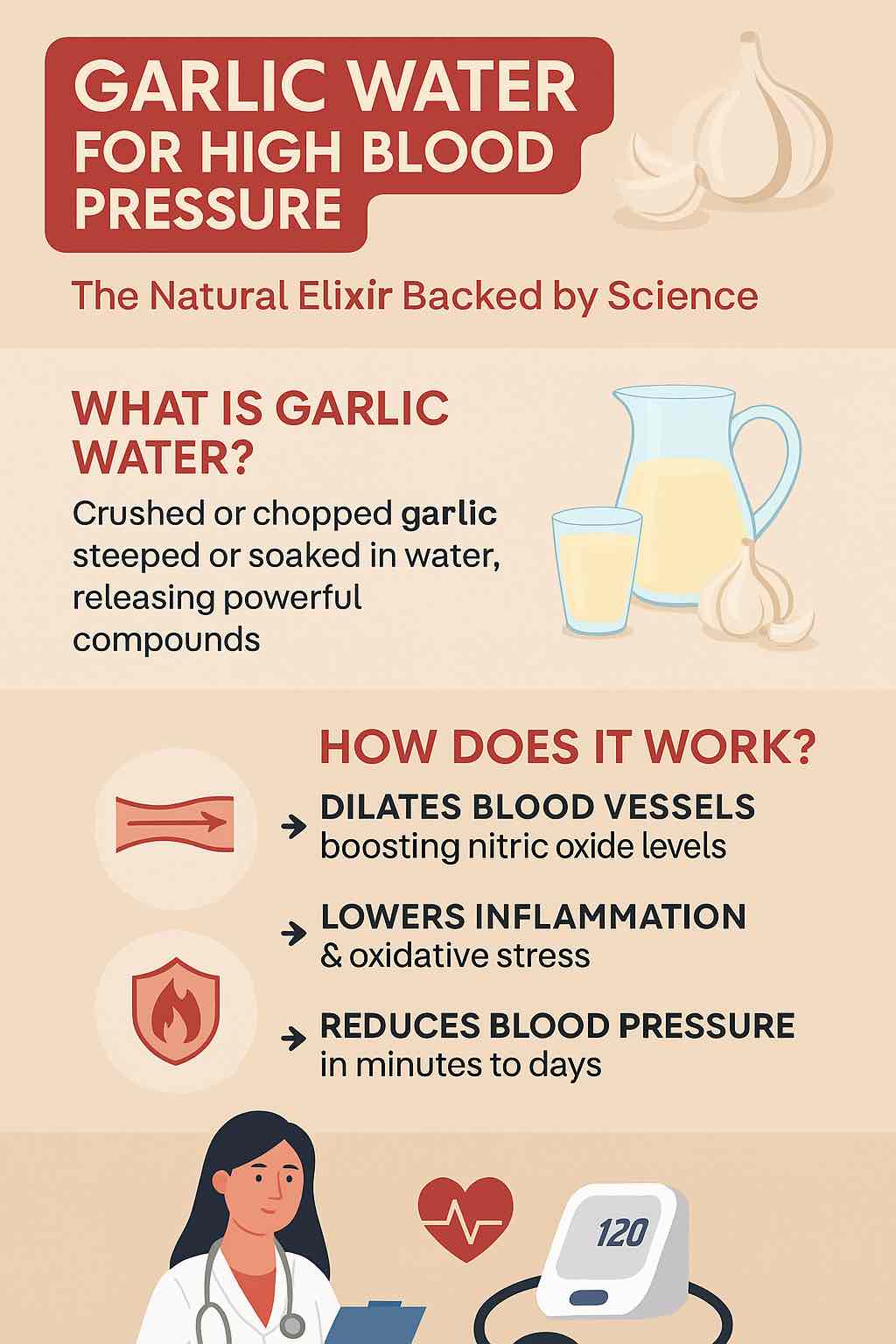
What Is Garlic Water?

Garlic water is just what it sounds like: fresh garlic steeped or soaked in water, sometimes enhanced through fermentation. Crushing or chopping garlic releases powerful compounds that dissolve into the water, creating a potent, drinkable infusion. Unlike capsules or aged garlic supplements, garlic water is food-based, easy to make, and needs nothing more than what’s already in your kitchen.


How Does Garlic Water Work for Blood Pressure?

The secret to garlic’s power lies in its unique chemistry:

  • Allicin: Formed when garlic is chopped or crushed, this compound helps relax blood vessels and improve blood flow.
  • S-allyl cysteine (SAC): A water-soluble antioxidant shown to support healthy arteries.
  • Nitric Oxide (NO): Garlic can help your body make more NO, a molecule that tells blood vessels to relax and widen, lowering blood pressure.
  • Hydrogen Sulfide (H₂S): Garlic boosts this natural gas in your body, which also relaxes blood vessels.

Together, these compounds can help lower blood pressure by making arteries more flexible, reducing inflammation, and even mildly inhibiting the same pathway as some prescription blood pressure medications (the ACE system).


The Latest Science: What Do Studies Say?

Fast-Acting Effects—Not Just Hype

Fermented Garlic Water

A 2025 Korean pilot study gave adults with mild-to-moderate hypertension a drink made from fermented garlic extract containing nitric oxide (think: souped-up garlic water). The results were impressive:

  • Blood pressure dropped significantly within 15–25 minutes after drinking.
  • Measures of arterial stiffness (how “stiff” your arteries are) also improved rapidly.
  • Benefits were seen with just a single drink, highlighting the immediate effects of water-based garlic infusions.

Simple Steeped Garlic Water

A 2023 study in Indonesia worked with elderly patients, giving them freshly crushed garlic cloves steeped in warm water. Here’s what happened:

  • Systolic blood pressure (the top number) dropped by about 16 mm Hg.
  • Diastolic blood pressure (the bottom number) fell by about 15 mm Hg.
  • These changes happened over just a few days—not weeks or months.

Takeaway:

Garlic water isn’t just a slow-and-steady remedy—it can produce real, measurable blood pressure reductions quickly, sometimes within minutes to days.


How to Make Garlic Water: Two Powerful Methods

1. Classic Fresh Garlic Water

What you need:

  • 2–3 fresh garlic cloves
  • 1 cup (250 ml) warm (not boiling) water

Instructions:

  1. Peel and crush the garlic cloves. Crushing is key—it releases allicin, the active compound.
  2. Add the crushed garlic to the warm water.
  3. Let it steep for 10–15 minutes.
  4. Strain and drink. You can add a little honey or lemon for taste if you like.

Tip: For best effect, drink once or twice daily—ideally before meals.


2. Fermented Garlic Water (for a Nitric Oxide Boost)

What you need:

  • 2–3 fresh garlic cloves
  • 1 cup (250 ml) room temperature water
  • A glass jar with a loose-fitting lid

Instructions:

  1. Chop or crush the garlic and add to the jar.
  2. Pour in the water, cover loosely (don’t seal airtight).
  3. Leave at room temperature for 24–48 hours.
  4. Strain and refrigerate. Drink 1/2 to 1 cup per day.

Fermenting the garlic increases its nitric oxide content, potentially giving you even quicker and more powerful blood pressure benefits. You may notice a tangy flavor—this is normal.


How Soon Will You Notice Results?

  • Fermented garlic water: Some people see blood pressure and pulse changes within 15–30 minutes.
  • Fresh garlic water: Many see effects within 1–3 days.
  • Long-term: Daily use over weeks may support lasting improvements in blood vessel health and blood pressure control.

How to Track Your Progress

  • Use a home BP monitor: Check your blood pressure before and after trying garlic water for a few days.
  • Keep a simple log: Note the date, time, blood pressure reading, and any changes in how you feel (energy, headaches, etc).
  • Share results with your doctor: Especially if you’re taking blood pressure medication.

Is Garlic Water Safe? What to Watch For

  • Generally safe in typical food amounts.
  • Possible mild side effects: Garlic odor, burping, mild stomach upset.
  • Caution: Garlic can slightly thin the blood. If you’re on blood thinners, have a bleeding disorder, or are preparing for surgery, talk to your doctor first.
  • Not a substitute: Garlic water should complement—not replace—prescribed medication and healthy lifestyle choices.

Real-World Tips for Success

  • Consistency matters: Make it a daily ritual for the best effect.
  • Don’t overdo it: More isn’t always better—2–3 cloves per day is enough.
  • Pair with healthy habits: Garlic water works best alongside a low-salt, high-potassium diet, exercise, stress reduction, and good sleep.
  • Enjoy the ritual: The act of preparing and sipping garlic water can be a mindful, healthy part of your daily routine.

Final Thoughts: Garlic Water as a Natural Ally

The science is clear: garlic water can be a safe, powerful, and fast-acting natural aid for lowering blood pressure. It’s not just old wives’ wisdom—modern research backs it up. Whether you prefer the classic or the fermented version, this “magic elixir” can be your easy-to-make ally in the fight against hypertension.

Just remember: always work with your healthcare provider, especially if you have medical conditions or take prescription medications. Garlic water is a fantastic sidekick, but the main hero of your heart health journey is still a balanced lifestyle and professional care.


Ready to try it?
Start with a single clove and see how your body responds. Track your results, tweak your recipe, and enjoy the benefits of this ancient yet newly rediscovered remedy—straight from your kitchen.


Have you tried garlic water for blood pressure? Share your experience or questions below!

Frequently Asked Questions (FAQs) about Garlic Water for High Blood Pressure


1. How much garlic water should I drink daily for blood pressure benefits?
Answer:
Most studies and traditional recommendations suggest drinking 1 cup (250 ml) of garlic water prepared with 2–3 crushed cloves once or twice a day. Start with a smaller amount if you’re sensitive to garlic, and monitor how you feel.


2. Can I use garlic powder or bottled garlic instead of fresh garlic?
Answer:
Fresh garlic is best! Crushing or chopping fresh cloves releases allicin and other active compounds. Garlic powder and pre-chopped garlic in oil or jars lose potency and may not provide the same health benefits.


3. How soon can I expect to see results in my blood pressure?
Answer:
Some people experience a drop in blood pressure within 15–30 minutes (especially with fermented garlic water). More commonly, noticeable effects are seen within 1–3 days of consistent use.


4. Is it safe to drink garlic water every day?
Answer:
For most healthy adults, daily use is safe and well-tolerated. Possible mild side effects include garlic odor, heartburn, or mild digestive upset. If you are on blood thinners or have a bleeding disorder, consult your doctor first.


5. Does garlic water interact with any medications?
Answer:
Yes, garlic can slightly thin the blood and may interact with anticoagulants (like warfarin), antiplatelet drugs (like aspirin), and some blood pressure medications. Always talk to your healthcare provider if you’re taking prescription meds.


6. What is the difference between fresh garlic water and fermented garlic water?
Answer:
Fresh garlic water is made by steeping crushed garlic in warm water for 10–15 minutes. Fermented garlic water involves letting chopped garlic sit in water for 24–48 hours at room temperature, which increases its nitric oxide content for potentially faster and stronger effects.


7. Can I make garlic water in advance and store it?
Answer:
Yes! Store fresh garlic water in the fridge for up to 24 hours. Fermented garlic water can be kept in the fridge for 2–3 days. Always strain before drinking and discard if it smells off.


8. Does garlic water taste bad? Any tips for making it more palatable?
Answer:
Garlic water does have a strong, pungent flavor. To improve the taste, add a squeeze of fresh lemon, a teaspoon of honey, or steep it with mint leaves. Drinking it chilled can also make it more refreshing.


9. Can I use garlic water if I have low blood pressure?
Answer:
Garlic water can further lower blood pressure, so if you already have low BP or experience dizziness, consult your doctor before using it regularly.


10. Can I stop my blood pressure medication if garlic water works for me?
Answer:
Never stop or reduce your prescribed medication without your doctor’s approval. Garlic water can be a supportive remedy but is not a replacement for medical treatment. Always coordinate changes with your healthcare provider.

Posted on Leave a comment

Secret Superfood: Roselle and Gongura Leaves

SECRET SUPERFOOD: ROSELLE & GONGURA LEAVES

Tangy. Nutritious. Ancient. Scientifically backed. Discover why Roselle and Gongura should be your next pantry staple!


Introduction

In a world obsessed with kale, avocados, and blueberries, an ancient leafy green quietly shines in home kitchens across India, Africa, and the Caribbean. Roselle (Hibiscus sabdariffa) and its leafy cousin, Gongura (popular in South India), are finally stepping into the global superfood spotlight. Their vibrant flavor, powerhouse nutrition, and now—cutting-edge science—make them an essential for anyone serious about health.

What Are Roselle and Gongura?

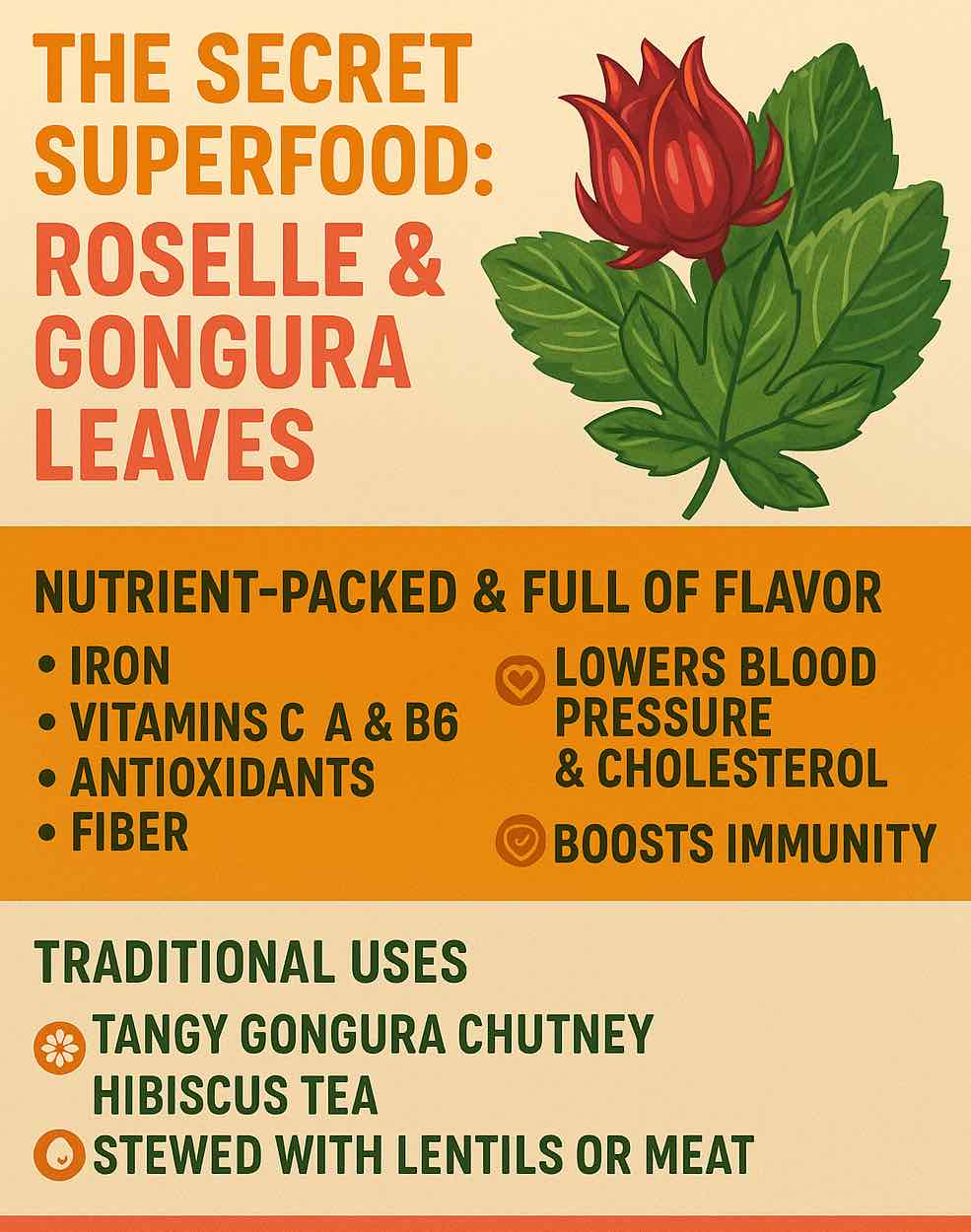
  • Roselle is a species of hibiscus, grown for its tart calyces (used in teas, jams, drinks) and nutritious leaves.
  • Gongura refers to the leaf variety of Roselle, famed in Andhra and Telangana cuisines (India) for its unique tang.

🌱 Nutrition & Phytochemistry: Why Are They So Special?

Both leaves and calyces (the red outer “fruits” used in hibiscus tea) pack an extraordinary nutritional punch:

Key Nutrients

  • Vitamins: C (immunity), A (vision/skin), B6 & B9 (energy, brain), riboflavin, niacin.
  • Minerals: Iron (higher than spinach!), calcium, magnesium, potassium, phosphorus, zinc.
  • Phytochemicals: Polyphenols, flavonoids (quercetin, kaempferol), anthocyanins (in calyces), protocatechuic acid.
  • Fiber: Supports gut health and satiety.
  • Antioxidants: Extremely high—neutralizes free radicals, reduces inflammation.

🧬 What Does the Science Say? Latest Research (2024–2025)

Forget the hype—what do clinical trials show?

1. Blood Pressure & Heart Health

  • Multiple recent meta-analyses and RCTs confirm:
    • Regular consumption of Hibiscus tea/capsules lowers systolic and diastolic blood pressure by 5–8 mmHg (comparable to some medications for mild hypertension!).
    • LDL cholesterol drops by 7 mg/dL; triglycerides improve as well.

2. Blood Sugar & Metabolic Syndrome

  • A 2025 Bangkok trial: Roselle extract in people with abdominal obesity and mild metabolic syndrome reduced fasting glucose, improved insulin sensitivity, and lowered triglycerides within weeks.
  • 2024 Tunisia pilot: 1 month of hibiscus tea dropped blood sugar by 47%, HbA1c by 9.5%, triglycerides by 60%, cholesterol by 39%, and BP by 17% (in type 2 diabetics and hypertensives).

3. Cognitive Boost

  • March 2025 study: A single dose of anthocyanin-rich hibiscus tea improved memory, executive function, and cardiovascular markers in healthy adults.

4. Other Emerging Benefits

  • Hepato- and nephro-protective: Supports liver and kidney health.
  • Antimicrobial & anti-inflammatory: Fights common bacteria, fungi; calms inflammation.
  • Potential anti-cancer effects: Inhibits tumor-promoting pathways (in animal studies).

5. Safety

  • Generally safe, with rare side effects (mild digestive upset at high doses).
  • No significant interactions reported with moderate intake.

🍲 How to Use Roselle & Gongura: Practical Kitchen Guide

Gongura (Roselle Leaves):

  • Chutney: South India’s iconic Gongura pachadi—tangy, spicy, pairs with rice or dosa.
  • Dal (Lentils): Add chopped leaves to dal for a tart, iron-rich boost.
  • Stir-fries: Sauté with garlic, chilies, and onions—treat like spinach but enjoy the tang!
  • Stews & Curries: Uplifts chicken, fish, or prawn curries.

Quick Recipe: Gongura Dal

  1. Boil 1 cup toor dal (split pigeon peas) until soft.
  2. Sauté onions, garlic, chilies, add 2 cups chopped gongura leaves, cook till wilted.
  3. Mix dal + sautéed leaves. Add salt, turmeric. Simmer 10 min. Top with cumin-mustard seed tempering.

Roselle Calyces:

  • Tea: Boil calyces in water 5–10 min, sweeten if desired—enjoy hot or iced (“sorrel” in the Caribbean).
  • Jam/Sauces: Calyces cook into brilliant crimson jam—great with toast or cheese.
  • Drinks: Blend with fruit juice or lemon for a tart, antioxidant-packed beverage.

🌍 Traditional Wisdom Meets Modern Science

  • Ayurveda & Folk: Used for fever, digestion, anemia, infections, skin health.
  • Africa & the Caribbean: Known for “sorrel” drinks, pickled calyces, medicinal teas.
  • Asia: Stews, chutneys, soups—especially for post-partum recovery.

Modern science is validating centuries of traditional use: Roselle and Gongura aren’t just flavorful—they’re functional.


🛒 Buying, Storing, and Using

  • Fresh: Buy from Indian, African, or Asian groceries; look for vibrant green (leaves) or red (calyces), avoid wilted or slimy.
  • Dried: Calyces are widely available online for tea; dried leaf powders are emerging in global health markets.
  • Storage:
    • Fresh leaves: Refrigerate in a loose bag, use within 4–5 days.
    • Calyces: Air-dry for long storage, or freeze.

💡 Pro Tips

  • Tartness varies: Red-stem Gongura is more sour than green-stem. Use accordingly.
  • Pairing: Acidic leaves replace tamarind or lemon in recipes.
  • Max nutrition: Steam or sauté lightly; boiling is fine but discard excess water if you want less tartness.
  • Chutney hack: Add sesame or peanuts for protein and texture.

⚡️ Who Should Try Roselle & Gongura?

  • Anyone with pre-hypertension or high BP
  • Those seeking more plant iron (esp. vegetarians)
  • People with metabolic syndrome or early diabetes
  • Anyone bored of spinach!
  • Note: Those with kidney stones or on potassium-sparing diuretics should consult their doctor (leaves are high in potassium and oxalates).

📈 Bottom Line

Roselle and Gongura leaves are among the world’s most underappreciated superfoods—delicious, versatile, and validated by cutting-edge science for real-world health benefits. They’re not a “magic cure,” but when added to a balanced diet, they can support heart, metabolic, and overall well-being.


🥄 Ready to Try?

  1. Pick up some Gongura leaves or Roselle calyces this week.
  2. Try a simple dal, tea, or chutney recipe.
  3. Notice how they add a lively tang and deep nutrition to your meals!

Have you tried Roselle or Gongura yet? Share your experience or questions in the comments below!

FAQs

1. What is the difference between Roselle and Gongura?
Roselle (Hibiscus sabdariffa) is the plant species; its tart red calyces are used for tea and jams worldwide. Gongura refers to the edible green leaves of Roselle, especially popular in Indian cuisine for their tangy taste.

2. Are Roselle and Gongura safe for daily consumption?
Yes, both are generally safe when eaten in normal food amounts. Most studies report no serious side effects. If you have kidney issues, consult a doctor before frequent use, as the leaves are high in potassium and oxalates.

3. Can I use Roselle leaves and calyces interchangeably in recipes?
No. The calyces are intensely tart and used for drinks, teas, and preserves. The leaves (Gongura) are used more like spinach or other greens in curries, stews, and chutneys.

4. Where can I buy Roselle or Gongura?
Check Indian, African, or Asian grocery stores for fresh leaves. Dried calyces for hibiscus tea are widely available online and in many supermarkets worldwide.

5. What are the key health benefits of these superfoods?
Scientific studies show they can help lower blood pressure, support heart health, improve lipid profiles, aid in blood sugar control, provide antioxidants, and support liver and kidney health.

6. Are there any side effects or contraindications?
Very rarely, some people may experience mild digestive upset. People prone to kidney stones or on potassium-restrictive diets should moderate intake or seek medical advice.

7. How should I store Roselle calyces and Gongura leaves?
Fresh leaves: refrigerate in a loose bag, use within a week. Calyces: air-dry or freeze for longer storage. Dried products should be kept in airtight containers away from moisture.

8. How much should I consume to get the health benefits?
Human studies use 1–3 cups of hibiscus tea daily or 2–3 servings of leaves weekly. For general health, including the leaves or tea a few times per week is a practical and safe approach.

9. Can pregnant or breastfeeding women eat Roselle/Gongura?
Traditionally, they are eaten by women in India (including postpartum). However, there is limited research on high-dose supplementation during pregnancy, so moderate, food-level consumption is considered safe.

10. Do these superfoods interact with any medications?
Large amounts of hibiscus/roselle can potentially lower blood pressure and blood sugar, so monitor if you’re on related medications. Always check with your healthcare provider for personal guidance.