Posted on 12 Comments

Negroni Recipe: Classic Cocktail & Its Variation Drinks

Negroni Recipe cover showing the classic 1:1:1 pour (gin, Campari, sweet vermouth) with orange twist and copper jigger—highlighting White, Rum and Sbagliato variations.

Some drinks are fashionable for a season; others become a ritual. The Negroni recipe belongs to the second camp—three equal parts, stirred until silk-smooth, brightened with orange oils, and served over clean, cold ice. Before we branch into the riffs everyone searches for, let’s calibrate to the standard so your palate has a reference point. The version codified by the International Bartenders Association matches what you’ll find on Campari’s own recipe page: 1 part gin, 1 part Campari, 1 part sweet red vermouth, stirred and garnished with orange. With that compass set, you can navigate anywhere.

Technique that makes a Negroni sing

Stirring is non-negotiable here. Shaking a Negroni will aerate and cloud it, muting those ruby facets and loosening structure more than you want. Building in a mixing glass full of dense, cold cubes gives you precise control over dilution, and that control translates directly into texture—the way the drink glides rather than tumbles. When you’re entertaining, large-format or clear cubes keep the drink crisp for longer; they also look beautiful in the glass and help you serve confidently through a long conversation. If you’d like a quick refresher on picking ice for different drinks, our primer on purpose-built cubes and crushed ice in long refreshers lays out the tradeoffs in plain terms—big cubes for slow melt, crushed for instant chill and a “vacation” vibe (see our note in Coconut Water Cocktails).

Because vermouth is wine, treat it like one. Once you crack a fresh bottle, keep it in the fridge and try to use it within about a month for peak flavor—this aligns with testing discussed by Serious Eats on vermouth storage—and while you can stretch to six or eight weeks without disaster, oxidation slowly flattens those herbs and spice notes (more on that from Liquor.com). A small mark on the label with the open date is a tiny habit that pays off in brighter cocktails: the case for refrigerating vermouth and a complementary reminder about the practical “use-by” window from Liquor.com.

Alright—glasses chilled, citrus ready, vermouth cold. Let’s make the drink you came for, then fan out into the variations people are actively searching for right now.

Also Read: How to Cook Perfect Rice Every Time (Recipe)


The classic Negroni recipe (your baseline)

Ratio: 1:1:1
Spec: 30 ml (1 oz) London Dry gin · 30 ml (1 oz) Campari · 30 ml (1 oz) sweet (rosso) vermouth
Method: Add to a mixing glass full of firm ice. Stir 20–25 seconds until the liquid looks glossy and the mixing glass is frosty. Strain over a single large cube in a rocks glass. Express a wide piece of orange peel over the top—aim the peel at the surface and squeeze to lay down aromatics—then drop it in.

Classic Negroni recipe card with 1:1:1 ratio—gin, Campari, sweet vermouth—being poured over ice with orange peel, copper jigger, and bar spoon.
Classic Negroni recipe, built 1:1:1 and stirred over a large cube for clarity and balance; finished with expressed orange oils alongside copper bar tools for service-ready elegance.

Although the equal-parts recipe is deceptively simple, it’s also incredibly sensitive to temperature and melt. Consequently, colder starting ingredients behave better, and using a heavy-bottomed rocks glass keeps the drink cooler in hand. Moreover, up-front prep (pre-chilled glasses, cut peels, fresh big cubes) makes service smooth when you’re making more than one round. Similarly, if you enjoy tinkering, try the classic with contrasting gin styles: a juniper-forward London Dry for textbook snap, or a contemporary floral gin for a lifted, citrus-blossom top note. Express the orange peel cleanly either way—the oils knit the edges together and frame the bitterness.

Lastly, if you’re curious about the broader ecosystem of canonical specs, the IBA maintains a list of official classics worth exploring—your Negroni sits among them, and its whiskey cousin, the Boulevardier, is there as well: browse the IBA’s cocktail index.

Also Read: Homemade Hot Chocolate with Cocoa Powder Recipe


From the classic to the crowd’s favorites

Now that your baseline is calibrated, let’s walk the tree of variations. We’ll start with the ones readers look for most—White Negroni, Mezcal Negroni, Sbagliato & Spritz, Boulevardier (bourbon/rye/scotch), Rum & Kingston, Espresso Negroni, Dry/ Bianco—and then add a few seasonal or technique-driven paths. As we go, you’ll see a pattern: every riff pushes on one leg of the 1:1:1 triangle—base spirit, bitter, or sweet—then resolves the new shape with a compatible garnish or texture.

How to make White Negroni (equal parts; gentian brightness, citrus lift)

The White Negroni flips the color without losing the bitter-sweet tug-of-war. To do it, keep the equal-parts logic but swap components: gin stays; Campari becomes a pale gentian bitter (commonly Suze); sweet vermouth becomes a lighter, aromatic aperitif wine such as Lillet Blanc or Cocchi Americano.

Spec: 30 ml (1 oz) gin · 30 ml (1 oz) Suze · 30 ml (1 oz) Lillet Blanc or Cocchi Americano
Method: Stir and serve either up in a chilled coupe or down over a large cube; garnish with a grapefruit peel for a bright, floral lift.

White Negroni recipe card—gin, Suze, Lillet Blanc (or Cocchi Americano)—stirred over a large cube with lemon twist; marble surface, bar spoon and jigger; MasalaMonk.com footer.
White Negroni — equal parts gin, Suze and Lillet Blanc (or Cocchi Americano). Stir until ice-cold and garnish with a lemon twist for bright gentian lift.

The drink’s modern origin is widely credited to Wayne Collins (early 2000s), and you’ll find both equal-parts and lightly adjusted versions in print. For a concise backgrounder and spec, have a look at WSET’s neat overview of contemporary Negroni twists, which also gives context to how bartenders keep reinventing this structure: three bold spins on a bitter classic.

Meanwhile, if bergamot is your love language, you may enjoy a tea-scented detour next: our iced-tea cocktail roundup includes an Earl Grey Negroni idea that blends refined citrus perfume with familiar bitterness—peek at the “Earl Grey Negroni” mention inside Earl Grey Elegance.

Also Read: Mango Martini + 5 Variants of Classic Cocktail

Mezcal Negroni Recipe (smoke threaded through ruby bitters)

Smoky, savory mezcal can be polarizing on its own; inside a Negroni, however, it becomes structure rather than spectacle. The bitterness of Campari and the sweetness of vermouth cradle the smoke and reveal cocoa and orange-peel edges.

Spec: 30 ml (1 oz) mezcal joven · 30 ml (1 oz) Campari · 30 ml (1 oz) sweet vermouth
Method: Stir firmly; strain over a large cube; express orange peel.
Option: If you’d like a gentler arc, split the base into 20 ml mezcal + 10 ml gin. The gin’s botanicals round the mezcal while preserving its backbone.

Mezcal Negroni recipe card with 1:1:1 proportions—mezcal, Campari, sweet vermouth—in a stemmed glass over ice, orange peel garnish, copper jigger and bar spoon.
Mezcal Negroni — equal parts mezcal, Campari and sweet vermouth. Stir until cold and serve over a large cube; the smoke threads through orange oils for a cocoa-citrus finish.

Because mezcal styles vary, try a few and note how fruit, smoke, and mineral tones shift your results. Additionally, reserve the heavily smoky bottles for slow sips; a medium-smoke mezcal usually integrates more gracefully here.

Also Read: Vodka with Lemon: Easy Cocktails, Martini Twist & DIY Infusion

Negroni Sbagliato (with prosecco) and the Negroni Spritz Recipe

Replace gin with sparkling wine and you get the most famous “happy accident” in aperitivo history. The story is irresistible: in 1972 at Bar Basso in Milan, Mirko Stocchetto reportedly grabbed sparkling wine instead of gin, and the Sbagliato (“mistaken”) was born. For an engaging origin sketch, La Cucina Italiana has a succinct explainer; you’ll also find a clear, modern build in Bon Appétit’s recipe. Read more here: Sbagliato’s Milanese origin and this approachable recipe with context.

Negroni Sbagliato recipe card with prosecco poured over ice into a wine glass of Campari and sweet vermouth, orange slice garnish, copper jigger and bar spoon.
Negroni Sbagliato — build Campari and sweet vermouth over ice, then top with well-chilled prosecco and give one gentle lift to keep the bubbles lively.

Sbagliato (built, not stirred): In a wine glass full of fresh ice, add 30 ml (1 oz) Campari and 30 ml (1 oz) sweet vermouth, then top with 60–90 ml (2–3 oz) well-chilled prosecco. Give a single gentle lift with the barspoon to marry, garnish with an orange slice, and serve immediately. Because bubbles are fragile, add sparkling last; shaking or stirring vigorously robs you of the lively texture you came for.

Negroni Spritz: If you want something loftier but closer to the classic, build the equal-parts Negroni over ice in a large wine glass, then top with ~60 ml prosecco and ~30 ml cold soda water. One soft lift is plenty. If you enjoy batched spritzes for a crowd—and you like the “sparkling last” principle shown in our party-friendly builds—take a peek at our prosecco-topped structure inside this playful spritz how-to (the principles translate cleanly): a mango-spritz template that stresses topping gently.

Negroni Spritz recipe card in a large wine glass with orange twist—2 oz prosecco, 1½ oz Campari, 1 oz soda—bubbles visible; copper straw and jigger; MasalaMonk.com footer.
Negroni Spritz — build the classic over ice, then top with prosecco and a splash of soda. One gentle lift keeps the sparkle alive.

While you’re exploring bubbly builds, another MasalaMonk post shows the same logic for highballs and batched drinks—add the carbonated element at the end to protect fizz—catch the pattern in this breezy guide: Apple Juice Mocktails that sparkle.

Boulevardier / Whiskey–Bourbon–Scotch Negroni (comforting and plush)

Think of the Boulevardier as the Negroni’s whiskey-warm cousin. The IBA standard tilts the ratio to give whiskey a touch more runway.

IBA Spec: 45 ml (1½ oz) bourbon or rye · 30 ml (1 oz) Campari · 30 ml (1 oz) sweet vermouth
Method: Stir over ice; strain up into a chilled stem or over a large cube in a rocks glass; orange zest. The official spec is listed on the IBA’s page: read the Boulevardier entry.

Boulevardier recipe card—1½ oz bourbon, 1 oz Campari, 1 oz sweet vermouth—stirred and served over a large cube with orange zest; crystal decanter, leather notebook and pen; MasalaMonk.com footer.
Boulevardier (Bourbon Negroni) — 1½:1:1 bourbon, Campari and sweet vermouth. Stir until ice-cold, strain over a single large cube, finish with orange zest for a warm, plush sip.

Alternatively, some bartenders push it to 2:1:1 for a richer, rounder sip, while older sources document equal-parts versions. If you like historiography and ratio nerdery, the Wikipedia page collects those threads succinctly: Boulevardier background and ratios.

Fans of whiskey who want other, longer formats to alternate with the Boulevardier often enjoy gently spiced, tea-based highballs or soda-brightened builds—taste that bridge in our cinnamon-spiced whiskey iced-tea guide: Whiskey and Warmth.

Rum Negroni & Kingston Negroni Recipe (island bassline, bitters singing on top)

Rum Negronis aren’t just “the same but sweeter.” Jamaican rum’s esters—ripe banana, molasses funk, overripe pineapple—recast Campari’s bitterness in technicolor. Equal parts will work beautifully with a moderately funky rum; with big-shouldered bottles, a heavier base can be satisfying.

Rum Negroni (balanced): 30 ml (1 oz) Jamaican rum · 30 ml (1 oz) Campari · 30 ml (1 oz) sweet vermouth
Kingston Negroni (cult favorite): 30 ml (1 oz) Smith & Cross (or similar) · 30 ml (1 oz) Campari · 30 ml (1 oz) sweet vermouth; long orange peel.

Kingston Negroni recipe card—30 ml Jamaican rum, 30 ml Campari, 30 ml sweet vermouth—stirred over a large ice cube with orange peel; halved orange and rum decanter; MasalaMonk.com footer.
Kingston (Rum) Negroni — equal parts Jamaican rum, Campari and sweet vermouth. Stir 20–25 seconds, strain over a big cube, and finish with orange oils for tropical depth.

For a lively deep-dive that blind-tastes Kingston variations—including a conversation with the drink’s creator—pour yourself a read at PUNCH: the ultimate Kingston Negroni test and, when you’re ready to mix, grab a clean spec from their recipe card: Kingston Negroni recipe.

If your home bar already leans into rum and citrus, detours like frozen daiquiris or tropical long drinks make a fun next stop; start here for a bright blender template that respects balance: Watermelon Daiquiri.

Espresso Negroni Recipe (coffee bitterness meets Campari snap)

Coffee’s roasted bitterness loves Campari, and a measured splash of espresso folds in seamlessly without swallowing the drink whole. Done right, the result tastes like dark chocolate and orange peel decided to collaborate.

Spec (stirred-friendly): 30 ml (1 oz) gin · 25–30 ml Campari · 15–20 ml sweet vermouth · 10–15 ml fresh, cooled espresso
Method: If using hot espresso, “whip-shake” briefly with a single cube purely to chill and texture, then strain over a large cube; or stir if your espresso is already cold. Express orange peel.

Espresso Negroni recipe card—30 ml gin, 25–30 ml Campari, 15–20 ml sweet vermouth, 10–15 ml cooled espresso—stirred over a large cube with orange peel; portafilter and copper cup.
Espresso Negroni — keep the Negroni’s balance, then weave in chilled espresso. Stir 20–25 seconds, strain over a single large cube, and finish with orange oils.

Because technique drives texture here, you’ll get better crema and balance if you borrow a few ideas from our espresso cocktail guides—fast ratio checks, squeeze-time on the shake, and ways to keep the coffee aromatic rather than harsh. Skim both our bar-tested roundups for practical, no-nonsense tips: 10 Best Espresso Martini Variations and these 5 Spiced Espresso Martini Ideas. For a short coffee fundamentals refresher, this quick overview gives you context on extraction and strength: Know Your Coffee.

If you prefer a lighter coffee touch on weeknights, try splitting the espresso with a measured dash of coffee liqueur. The liqueur’s sugar reins in bitterness and creates a silkier seam from sip to finish.

Also Read: What to Mix with Jim Beam: Best Mixers & Easy Cocktails

How to make Dry Negroni & its Recipe for crisper profile, leaner sweetness

Swapping dry vermouth for sweet brings the drink into aperitif-Martini territory—still vivid and bitter, just brighter and more linear. An extra dash or two of orange bitters restores a little mid-palate depth without changing the drink’s posture.

Spec: 30 ml (1 oz) gin · 30 ml (1 oz) Campari · 30 ml (1 oz) dry vermouth
Method: Stir cold, strain, express orange.
Optional: 1–2 dashes orange bitters.

Dry Negroni recipe card—30 ml gin, 30 ml Campari, 30 ml dry vermouth—with optional 1–2 dashes orange bitters; stirred over a large clear ice cube with orange peel, crystal decanter and nickel jigger.
Dry Negroni — equal parts gin, Campari and dry vermouth for a cleaner, crisper profile. Optionally add orange bitters, then stir 20–25 seconds and finish with an orange peel.

This is the version to pour when the afternoon sun is still warm and you want refreshment over richness. Incidentally, it’s also where gin choice is most obvious: London Dry frames Campari rigidly; softer contemporary gins give you a more perfumed glide.

Also Read: Homemade Hot Chocolate with Cocoa Powder Recipe

Bianco Negroni (clear and citrus-forward)

Think of this as a sibling to the White, but with a bianco vermouth plus a clear bitter (for example, Luxardo Bitter Bianco). The result is translucent, citrus-polished, and perfect when you want something crystalline rather than ruby.

Spec: 30 ml (1 oz) gin · 30 ml (1 oz) bianco vermouth · 30 ml (1 oz) bitter bianco
Method: Stir, serve up or down; garnish with a lemon twist for cleaner aromatics.

Bianco Negroni recipe card—equal parts gin, bianco vermouth and bitter bianco—stirred over a clear ice cube with a lemon twist; clean marble backdrop.
Bianco Negroni — a crystal-clear riff with gin, bianco vermouth and bitter bianco; stir until icy cold and garnish with a lemon twist for citrus brightness.

Also Read: Peanut Butter Cookies (Classic Recipe & 3 Variations)

Blood Orange Negroni Recipe (seasonal color, softer bitterness)

When blood oranges are in season, a tiny splash of fresh juice makes your Negroni glow and rounds the Campari edge without turning the drink into a sour.

Spec: 30 ml (1 oz) gin · 25 ml Campari · 25 ml sweet vermouth · 10 ml blood orange juice
Method: Stir and strain over a cube; garnish with a thin wheel or a neat peel.

Blood Orange Negroni recipe card—30 ml gin, 25 ml Campari, 25 ml sweet vermouth, 10 ml fresh blood orange juice—stirred over a large ice cube with blood orange garnish.
Blood Orange Negroni — a seasonal glow with a 10 ml splash of fresh blood orange to soften Campari’s edge without turning the drink into a sour.

Notably, this is one of the few moments when a squeeze of juice complements the formula without remaking it from scratch. It’s also a pretty pour for a party tray.

Also Read: Green Tea Shot with Jameson | Recipe & 10 Variations

Recipe of Smoked or Smoky Negroni (aroma as garnish, not a mask)

Smoke can be layered two ways: either lightly smoke the glass (a quick pass of smoldering wood chips before you pour) or introduce a trace of smokiness via a spirit split—say, a teaspoon or two of lightly peated Scotch in the base. Either route preserves the Negroni’s structure but adds a campfire whisper that plays beautifully with orange peel.

Smoked Negroni recipe card showing equal parts gin, Campari and sweet vermouth; stirred, strained and served in a lightly smoked glass with an expressed orange peel.
Smoked Negroni — keep the classic build, then lightly smoke the glass (or add a whisper of peated Scotch) for a campfire aroma that flatters the orange oils.

Sour Negroni Recipe (niche, but increasingly asked for)

Add lemon juice and a touch of simple syrup and you shift into sour territory. When you want that texture—especially with a fluffy egg-white cap—the result is closer to a bitter New York Sour than a strict Negroni, but it satisfies the same craving and turns Campari into the star of the foam.

Spec (shaken): 30 ml (1 oz) gin · 22.5 ml (¾ oz) Campari · 22.5 ml (¾ oz) sweet vermouth · 22.5 ml (¾ oz) lemon juice · 7.5 ml (¼ oz) simple syrup
Method: Shake hard; strain into a rocks or a chilled coupe; optional egg white for a glossy cap; orange zest on top.

Sour Negroni recipe card (ml only)—30 ml gin, 22.5 ml Campari, 22.5 ml sweet vermouth, 22.5 ml lemon juice, 7.5 ml simple syrup; egg white optional; orange zest garnish.
Sour Negroni — 100% ml measurements for quick batching: shake hard, strain into a coupe, and finish with orange zest. Egg white optional for a silky foam.

Also Read: Béchamel Sauce for Lasagna: Classic, Vegan & Ricotta Sauce Recipe


Negroni Recipe, built for a crowd (how to prep, mix, and keep it bright)

When you’re pouring for more than two, the Negroni becomes a gift: the equal-parts math scales elegantly, and the drink can be batched in advance. Here’s how to do it without sacrificing texture.

Mix in advance, chill deeply:

Combine gin, Campari, and vermouth in a sealable bottle or pitcher and refrigerate until very cold. If you’re serving up (no ice in the glass), you can add measured cold water to emulate the dilution you’d get from stirring—stirred drinks commonly benefit from about a fifth to a quarter of their volume as water. For a succinct overview of dilution and batching logic, Serious Eats’ guides on party cocktails are useful starting points; you’ll also see the same “sparkling last” principle echoed across spritz articles on our site (for example, the build notes inside this Lemon Drop Martini batching tip). For your bubbly riffs, add prosecco and soda right before serving—never earlier—so the texture is lively in the glass.

Freeze-door Negroni:

If freezer door space is available, pre-dilute the batch slightly with filtered water, then store the bottle in the freezer. The drink pours velvety and ice-cold straight from the bottle; one large cube in the glass will keep it on track without over-thinning. And yes, big, clear cubes help more than you’d think; revisit our practical note on intentional ice in Coconut Water Cocktails.

Party tray service:

Express your peels in advance and hold them wrapped to prevent drying. When guests arrive, all you’re doing is pour-and-garnish. If you’d like to offer a bubbly option side-by-side, pre-batch the Campari and vermouth in a separate bottle for Sbagliatos, then top each glass with prosecco to order. For an easy visual, see how we structure spritzes and highballs in our sparkling pieces—always top last and lift once (you’ll spot the same advice in our spritz-centric posts like Apple Juice Mocktails and that breezy Mango Spritz template).


How ingredients change the drink (and how to choose them)

Because “gin + Campari + vermouth” can be millions of combinations, a few guidelines keep you oriented.

Gin:

A classic London Dry (Beefeater, Tanqueray, etc.) slots in cleanly with Campari’s decisive bitterness, producing what most people expect when they order a Negroni. Contemporary gins—grapefruit-peel bright, cucumber-cool, or floral—shift the balance toward perfume and away from juniper’s structure. Consequently, they’re a joy in White/Bianco families and dry variants; with standard ruby Negronis, you may want to keep them in supporting or split-base roles.

Vermouth:

Freshness is everything. Even the best bottle tastes sleepy after a long, warm month on the shelf. To keep your drinks crisp, store rosso and bianco vermouths cold and pick a bottle size that matches your cadence. For a clear, evidence-based nudge, peek at that Serious Eats test again: refrigeration keeps vermouth tasting like itself. To triangulate the practical window you can work with, Liquor.com’s shelf-life guide suggests ~6–8 weeks as an upper, real-world bound: how long vermouth lasts once opened.

Campari and its cousins:

Campari is the reference point. That said, regional bitters or boutique red amaros will nudge the edges and can be wonderful; just expect the sweetness and bitterness to rebalance slightly and adjust your vermouth choice to harmonize.

Citrus:

Orange is canonical, but lemon can be elegant in White/Bianco builds. With blood orange riffs, you might even split the garnish—express an orange twist, then place a thin blood orange wheel as a visual cue.

Coffee:

If you’re already dialing in coffee for other cocktails, keep that wisdom in rotation. Our espresso pieces walk through real ratios, foam/crema physics, and the difference between moka, espresso, and cold brew—handy context before you tweak the Espresso Negroni: Bar-tested variations and spiced espresso ideas.

Tea & spice:

For aromatic spin without extra sugar, tea-infused elements are gentle tools. A touch of bergamot from Earl Grey feels tailor-made for the White Negroni; if that sounds like your lane, the iced-tea cocktail shortlist we mentioned earlier includes an Earl Grey Negroni idea.

Also Read: Crock Pot Lasagna Soup (Easy Base + Cozy Slow-Cooker Recipes)


Negroni Recipe variations you can learn in one sitting (quick cards)

Because the best way to remember is to make and taste, here’s a compact set you can practice in an afternoon. They’re concise by design; each will teach your palate something distinct about how bitterness, sweetness, and aroma negotiate with one another.

Classic (equal parts, stirred)

30 ml (1 oz) gin · 30 ml (1 oz) Campari · 30 ml (1 oz) sweet vermouth · orange peel

White Negroni (equal parts)

30 ml (1 oz) gin · 30 ml (1 oz) Suze · 30 ml (1 oz) Lillet Blanc or Cocchi Americano · grapefruit peel
Background and context: WSET’s Negroni reinventions

Mezcal Negroni

30 ml (1 oz) mezcal · 30 ml (1 oz) Campari · 30 ml (1 oz) sweet vermouth · orange peel

Sbagliato (built)

30 ml (1 oz) Campari · 30 ml (1 oz) sweet vermouth · top 60–90 ml prosecco · orange slice
Story and recipe: Milan’s Sbagliato origin and a clear, modern build

Negroni Spritz (built)

Classic equal-parts over ice · top prosecco (~60 ml) · splash soda (~30 ml) · gentle lift
For bubbly logic you can reuse in other spritzes: Apple Juice Mocktails and this party-friendly Mango Spritz template

Boulevardier (stirred)

45 ml (1½ oz) bourbon or rye · 30 ml (1 oz) Campari · 30 ml (1 oz) sweet vermouth · orange zest
Official spec: IBA Boulevardier and additional ratio notes: background & variations

Rum / Kingston Negroni (stirred)

30 ml (1 oz) Jamaican rum · 30 ml (1 oz) Campari · 30 ml (1 oz) sweet vermouth · long orange peel
Deep-dive + recipe: Ultimate Kingston test and recipe card

Espresso Negroni (stir or quick whip)

30 ml (1 oz) gin · 25–30 ml Campari · 15–20 ml sweet vermouth · 10–15 ml espresso · orange peel
Technique primers: Bar-tested espresso ratios and spiced riffs

Dry Negroni (stirred)

30 ml (1 oz) gin · 30 ml (1 oz) Campari · 30 ml (1 oz) dry vermouth · optional orange bitters

Bianco Negroni (stirred)

30 ml (1 oz) gin · 30 ml (1 oz) bianco vermouth · 30 ml (1 oz) bitter bianco · lemon twist

Blood Orange Negroni (stirred)

30 ml (1 oz) gin · 25 ml Campari · 25 ml sweet vermouth · 10 ml blood orange juice

Smoked Negroni (stirred, smoked glass or spirit split)

Classic spec; smoke the glass briefly or split the base with a teaspoon of lightly peated Scotch

Sour Negroni (shaken)

30 ml gin · 22.5 ml Campari · 22.5 ml sweet vermouth · 22.5 ml lemon juice · 7.5 ml simple · optional egg white

Also Read: How to Make Churros (Authentic + Easy Recipe)


Negroni Recipe troubleshooting (without losing the magic)

Even with three ingredients, small missteps can blur the drink. Here’s how to fix the most common issues while keeping the Negroni’s essential profile intact.

“It tastes too bitter.” Two easy adjustments: (1) increase vermouth slightly to 35 ml (1⅙ oz) while pulling Campari back to 25 ml (5⁄6 oz), or (2) express a larger piece of orange peel and drag it around the rim—a simple aroma trick that smooths the edges. On very hot days, serving down over a larger cube helps too, since slower melt equals steadier sweetness perception.

“It’s thin or watery.” Start with colder bottles. Then, shorten your stir by a few seconds and use denser ice. If you’re nursing the drink outdoors, consider a chilled double rocks glass.

“It’s too sweet.” Verify your vermouth freshness first; oxidized bottles can taste oddly fat and dull. If freshness checks out, try a slightly drier ratio—32 ml gin, 28 ml Campari, 28 ml vermouth—or move to the Dry Negroni template with a dash or two of orange bitters.

“The coffee note in my Espresso Negroni turned harsh.” Cool the espresso before it hits alcohol or add a measured dash of coffee liqueur to buffer any roughness. For texture, borrow espresso-martini tricks from our guides so your shake is purposeful, not violent: 10 Best Espresso Martini Variations and spiced espresso ideas.

“My Sbagliato/Spritz goes flat.” Top with prosecco last and give one gentle lift; this is the through-line in every sparkling build we publish, from zero-proof spritzes to party punches—notice the same sequencing in our Apple Mocktails and the Mango Spritz template. For origin and a modern, field-tested Sbagliato spec, revisit La Cucina Italiana and Bon Appétit.

Also Read: Classic vs. Authentic Alfredo: 5 Essential Recipes


Where your Negroni sits in the canon (and why that matters)

Part of the pleasure of mastering a Negroni recipe is discovering its cousins and context. Historically, this family arises from the Americano (bitter + sweet + soda), which the Negroni toughens by swapping soda for gin. Down the tree, the Boulevardier warms it with whiskey; sideways, the Sbagliato relaxes it with bubbles. It holds a proud spot on the IBA’s roster of classics: see the Negroni’s official entry and the Boulevardier’s page. As you taste across the set, you’ll feel how alcohol strength, sugar, and bitterness move as a triangle—nudge one point and the other two respond. That mental model makes you a faster, calmer host because you’ll instinctively know how to correct a drink mid-stream.

Moreover, when your bar cart evolves, your Negroni will evolve with it. If you have a contemporary gin that smells like lemon zest and flowers, it might shine in a Bianco lane; a juniper-spicy London Dry might feel exactly right in the classic ruby build; a bottle of Jamaican rum waiting for its moment is practically begging for a Kingston test flight. Should you be deep in a whiskey season, the Boulevardier keeps that glow going, and our gentle whiskey highballs are there when you want something longer: Whiskey and Warmth.

Finally, because tools and technique are part of the pleasure, keep one eye on the small details that compound: cold bottles, large clear ice, and confidently expressed citrus. Tiny changes, cumulative gains. For a quick pep talk on ice’s role across cocktail styles, revisit the practical notes we tucked into Coconut Water Cocktails.


One last round (and what to explore next)

At this point you can pour the Negroni recipe from muscle memory: equal parts, stirred, orange oils. You can also steer by instinct—toward gentian brightness in a White Negroni; toward smoke under a Mezcal Negroni; toward bubbles in a Sbagliato or Negroni Spritz; toward warmth in a Boulevardier; toward island aromatics with the Kingston; toward roast and chocolate in an Espresso Negroni; or toward crispness with a Dry or Bianco build. Along the way, you learned how to keep vermouth fresh (why the fridge matters, plus a practical window), how to protect bubbles (top last, lift once), and how ice behaves from the first stir to the last sip.

If you’re in the mood to keep exploring tonight, let your palate choose the fork: a tea-scented Earl Grey Negroni idea awaits in our iced-tea collection (Earl Grey Elegance); a coffee-obsessed detour is ready in our espresso pieces (bar-tested ratios and warming spice riffs); and if you’d like to set up a spritz station for friends, our prosecco-topped builds show you exactly how to do it without losing fizz (Apple Mocktails and the Mango Spritz template).

Whichever path you pick, you’re bringing the Negroni’s spirit with you: balance, clarity, and a little ceremony. Raise the glass, take in the orange oils, and sip slowly—the night will meet you there.

Also Read: 10 Best Chicken Sandwich Recipes (BBQ, Parm, Buffalo & More)

FAQs

1) What is the classic Negroni Recipe ratio?

The classic Negroni Recipe follows a simple 1:1:1 formula—equal parts gin, Campari, and sweet (rosso) vermouth—stirred over ice and finished with an expressed orange peel.

2) How do you make a Negroni Recipe step by step?

Measure 30 ml (1 oz) each of gin, Campari, and sweet vermouth into a mixing glass with plenty of cold ice. Stir 20–25 seconds until well-chilled, strain over a large cube in a rocks glass, then express and drop in an orange peel.

3) Should a Negroni be stirred or shaken?

Always stir a Negroni Recipe. Stirring chills and dilutes precisely while keeping the drink clear and silky; shaking aerates and can over-dilute.

4) Which gin is best for a Negroni Recipe?

Choose a juniper-forward London Dry for the most “classic” profile. Alternatively, contemporary gins (citrus-forward or floral) soften edges and shine in White/Bianco or Dry Negroni variations.

5) What vermouth works best in a Negroni Recipe?

Use a fresh, high-quality sweet (rosso) vermouth for the classic. Keep it refrigerated after opening and aim to finish the bottle within a few weeks for peak flavor.

6) Can I make a Negroni Recipe with dry vermouth?

Yes—swap sweet vermouth for dry to create a Dry Negroni. Optionally add 1–2 dashes of orange bitters to restore mid-palate depth.

7) What’s the difference between a White Negroni and a Bianco Negroni?

A White Negroni typically uses gin, Suze (gentian bitter), and Lillet Blanc or Cocchi Americano. A Bianco Negroni uses gin, bianco vermouth, and a clear bitter (e.g., Bitter Bianco); it’s crisper and more citrus-forward.

8) How do I make a Mezcal Negroni?

Combine equal parts mezcal, Campari, and sweet vermouth, then stir and serve over a large cube with orange peel. For gentler smoke, split the base: 20 ml mezcal + 10 ml gin.

9) What is a Negroni Sbagliato and how is it different?

A Sbagliato replaces gin with prosecco. Build Campari and sweet vermouth over ice, then top with chilled prosecco. It’s lighter, bubbly, and lower in ABV than the classic Negroni Recipe.

10) How is a Negroni Spritz built?

Start with the classic equal parts over ice in a large wine glass, then top with prosecco and a splash of soda water. Give one gentle lift to preserve bubbles.

11) Is a Boulevardier just a Negroni with whiskey?

Essentially, yes. A Boulevardier swaps gin for bourbon or rye (often in a 1½:1:1 ratio). Stir, strain, and garnish with orange zest.

12) Can I make a Rum Negroni or Kingston Negroni?

Absolutely. Use equal parts Jamaican rum, Campari, and sweet vermouth for a Rum Negroni; choose a high-ester rum for the Kingston style to highlight tropical aromatics.

13) How do I make an Espresso Negroni?

Add a small measure of fresh espresso (10–15 ml) to the classic, then stir—or briefly “whip-shake” to chill and create light crema. Express orange to link coffee and Campari.

14) What if I don’t have vermouth—can I still do a Negroni Recipe?

You can approximate by using amaro or aperitif wines, but the flavor balance will change. If vermouth is missing, consider a different cocktail or lean into a Dry Negroni style with dry vermouth if that’s on hand.

15) Can I make a Negroni Recipe without Campari?

You can substitute another red bitter or amaro, understanding sweetness and bitterness may shift. Start with equal parts and adjust vermouth to balance.
16) What garnish is proper for a Negroni Recipe?

A wide orange peel, expressed over the surface to release oils. For White/Bianco versions, a grapefruit or lemon twist suits the profile beautifully.

17) How strong is a Negroni?

Served over ice, the Negroni Recipe typically lands around the mid-20% ABV range after dilution. Strength varies with spirit proof, ice, and stir time.

18) Why does my Negroni taste too bitter?

First, check ratios. Then, try a slightly vermouth-forward balance (e.g., 35 ml vermouth, 25 ml Campari) or express a larger orange peel. Warmer drinks feel harsher, so keep everything very cold.

19) Why does my Negroni taste watery?

Either your ice is melting too fast or you’re over-stirring. Use dense, large cubes and shorten the stir by a few seconds. Pre-chill glassware when possible.

20) How do I batch a Negroni Recipe for parties?

Multiply equal parts gin, Campari, and vermouth, bottle, and chill deeply. If serving up, pre-dilute with cold filtered water (≈20–25% of total volume). Add any sparkling components (for Sbagliato/Spritz) right before serving.

21) Can I store a pre-mixed Negroni in the fridge or freezer?

Yes. A pre-diluted, bottled Negroni can live in the freezer for service “from the door.” If it’s undiluted, keep it in the fridge and stir to order with fresh ice.

22) What glass is best for a Negroni Recipe?

A heavy rocks glass with one large cube is standard. For the Sbagliato and Spritz, a large wine glass accommodates bubbles and garnish more comfortably.

23) Does the type of ice really matter?

Definitely. Large, clear cubes melt slower and keep flavors focused. Crushed or small cubes chill quickly but dilute faster, which can blur balance.
24) What’s the ideal stir time for a Negroni Recipe?

About 20–25 seconds with cold, dense ice. Look for a glossy texture and a frosty mixing glass rather than counting alone.

25) Is there a “perfect” Negroni Recipe beyond 1:1:1?

Equal parts is canonical, yet many bartenders enjoy tiny tweaks—more base spirit for a drier finish or a touch more vermouth to soften bitterness. Adjust in 5 ml (¼ oz) steps.

26) Which bitters can I add to a Negroni?

Orange bitters fold in nicely, particularly in a Dry Negroni. Chocolate or coffee bitters are delicious with espresso riffs; use sparingly.

27) Can I use Bianco vermouth in a classic Negroni Recipe?

Yes, though it pushes the drink toward the Bianco style—brighter, clearer, and a bit lighter in perceived sweetness. Consider a lemon twist instead of orange.

28) How do seasonal citrus swaps change a Negroni?

Blood orange juice (a small splash) softens bitterness and adds color; grapefruit peels add floral lift to White/Bianco versions. Keep juice additions modest to avoid turning the drink into a sour.

29) What’s the difference between a Negroni Spritz and a Sbagliato?

Both are bubbly, but the Spritz keeps the gin (then tops with prosecco and soda), while the Sbagliato replaces gin entirely with prosecco. The Spritz is brighter; the Sbagliato is softer and lower in ABV.

30) Can I make a non-alcoholic Negroni?

Yes. Combine equal parts non-alcoholic “gin,” NA red bitter, and NA aperitivo/rosso. Serve extra-cold; a few drops of saline solution can improve body.

31) Does glassware temperature affect the Negroni Recipe?

Chilled glassware helps maintain temperature and texture, especially for up-style service or hot-weather pours. It’s a small step with big payoff.

32) What’s the quickest way to upgrade my home Negroni?

Use fresh, refrigerated vermouth; cut a wide, juicy orange peel; and stir with dense ice over a single large cube. Those three changes deliver a bar-quality result.

33) How do I keep a Sbagliato or Spritz from going flat?

Add prosecco (and soda, if using) at the very end. Stir gently—one light lift is enough—to avoid knocking out carbonation.

34) Is a Negroni Recipe good for batching in a pitcher?

Absolutely. The equal-parts structure scales cleanly. Keep the pitcher ice-cold, stir portions over fresh ice for service, and garnish each glass individually.

35) Why is my Espresso Negroni harsh or muddy?

Hot espresso hitting alcohol can taste sharp. Cool it briefly, use a small measure, or split with a touch of coffee liqueur. Finally, express orange peel to link flavors.

36) Can I use flavored gins in a Negroni Recipe?

You can, though they may introduce sweetness or botanicals that clash with Campari. If you experiment, start with small test pours and consider the Dry or Bianco frameworks.

37) What peel size is best for expressing oils?

A wide strip (about 2–3 cm wide) expressed over the surface releases more aromatic oil. Avoid pith-heavy strips, which can add bitterness.

38) How long should a batched Negroni Recipe keep?

If kept cold and sealed, spirit-forward batches (without juice) hold well for weeks. However, quality is highest in the first week, especially when vermouth is freshest.

39) Can I turn a Negroni into a sour-style cocktail?

Yes—add lemon juice and a little syrup, then shake hard. Optionally include egg white for a velvety cap; garnish with orange zest to anchor Campari’s citrus.

40) What’s the simplest variation to try after the classic?

Try the White Negroni if you want brightness, the Boulevardier for warmth, the Kingston for tropical depth, or the Espresso Negroni for roast-and-orange harmony. Each teaches a distinct lesson while honoring the spirit of the original.

Posted on 8 Comments

Piña Colada: Classic Recipe + 10 Variations (Virgin & On the Rocks)

Moody piña colada in a hurricane glass with pineapple and cherry—classic recipe and variations by MasalaMonk.

Some drinks whisper “holiday,” yet the piña colada practically sings it. If you love that beach-in-a-glass feeling, you’re in the right place. First, we’ll lock in the frozen classic that tastes like sunshine. Next, we’ll switch to an easy piña colada on the rocks for no-blender nights. Then, because it’s fun to play, we’ll explore practical pina colada variations you can master in minutes—strawberry, mango, blue curaçao, coconut-rum, spiced-rum, vodka, tequila, skinny, keto-leaning, and frozen pineapple. Finally, since not every occasion calls for alcohol, we’ll craft a zero-proof version that’s indulgent without spirits.

Before we blend, a tiny language detour helps. In Spanish, piña colada literally means “strained pineapple,” a nod to the pressed juice at the drink’s core — see Etymonline’s word history and the concise entry at Merriam-Webster. Meanwhile, let’s keep the focus on flavor and technique.

What does piña colada mean?
Piña colada means “strained pineapple.” Traditionally, it pairs pineapple with coconut and rum; however, you can easily make a virgin piña colada by skipping the rum and balancing sweetness with a little lime or a splash of coconut water.

Because stories matter almost as much as flavor, here’s the short origin postcard. Puerto Rico celebrates the piña colada as its national cocktail, and San Juan still debates where it was first poured. Many point to Ramón “Monchito” Marrero at the Caribe Hilton in the 1950s, while others mention competing claims across town. For a friendly primer, read Discover Puerto Rico’s guide, and for the hotel’s version of events, browse the Caribe Hilton history page.


Frozen vs. On the Rocks: choose your texture before you start

First, decide your vibe. Frozen is creamy, slushy, and a touch dessert-leaning—perfect for lingering afternoons or sunny patios. On the rocks, by contrast, is shaken hard with ice and served over fresh cubes; it’s quicker, brighter, and lets rum aromas peek through. As a result, many people pick frozen for weekends and rocks for weeknights.

If you often serve a crowd, prep a thick frozen base and, meanwhile, keep extra pineapple juice chilled. Then, when someone wants a lighter drink, shake a single serving with a splash of juice and strain it over ice for an instant piña colada on the rocks. If you prefer a visual of the shaken style, this walkthrough for a Piña Colada on the Rocks (Shaken) mirrors the method below.


Classic Piña Colada (Frozen)

Why it works. Pineapple brings tang and perfume; cream of coconut adds velvety body and gentle sweetness; white rum lifts aromatics so the finish feels sunny rather than heavy. For proportions, the classic split of rum + pineapple + cream of coconut gives a balanced canvas; from there, adjust to your blender and your preferred sweetness.

Classic frozen piña colada recipe card in a hurricane glass with pineapple and cherry—MasalaMonk footer
Creamy, sunny, timeless. Use pre-chilled juice for thicker, longer-lasting foam and that luxe, dessert-leaning texture.

Ingredients (1 drink)

  • 60 ml white rum (¼ cup)
  • 90 ml pineapple juice (⅜ cup)
  • 60–90 ml cream of coconut (¼–⅜ cup), to taste
  • 1–1½ cups ice
  • Pineapple wedge and cherry, to garnish

Method

  1. Chill a tall glass; meanwhile, add rum, pineapple juice, and cream of coconut to the blender.
  2. Add ice and blend until smooth and pourable. If the blades stall, loosen with a small splash of juice.
  3. Taste and adjust—if it’s too thick, a little more juice helps; if sweetness lingers, a few drops of lime tidy the finish.
  4. Pour, garnish, and serve immediately for maximum frostiness.

Coconut note. Cream of coconut isn’t the same as coconut milk or unsweetened coconut cream. Because cream of coconut is sweetened and thicker, it creates that signature silky texture. If you choose coconut milk for a “skinny” profile, add a touch of simple syrup and expect a lighter body.

Quick upgrades. Keep pineapple juice cold; colder inputs blend better and hold foam longer. Use frozen pineapple in place of some ice for louder fruit with less dilution. If your blender hesitates, pulse first, then blend continuously; layering liquids before ice prevents cavitation.


Piña Colada on the Rocks (Quick Method)

If you want the flavor without the thickness, the shaken version is a weeknight hero. It preserves the tropical profile, trims the richness, and—because it’s fast—fits Tuesday just as well as Saturday.

Piña Colada on the Rocks recipe card in moody portrait—rocks glass with pineapple wedge, MasalaMonk footer.
On-the-rocks keeps the colada bright: hard shake, fresh ice, compact glass. Perfect for quick weeknights without the blender.

Ingredients (1 drink)

  • 60 ml white rum (¼ cup)
  • 90 ml pineapple juice (⅜ cup)
  • 30–45 ml cream of coconut (2–3 tbsp), to taste
  • 10 ml fresh lime juice (2 tsp, optional)
  • Ice
  • Pineapple wedge or citrus peel, to garnish

Method

  1. Add everything to a shaker with ice.
  2. Shake hard for 10–12 seconds; then strain over fresh ice in a rocks glass.
  3. Garnish; taste and brighten with a drop more lime if you like.

Why you’ll love it. Shaking gently aerates and adds just enough dilution to feel refreshing, not heavy. Smaller glasses (180–240 ml / 6–8 oz) keep the drink cold and focused. Moreover, when you’re making rounds, you can pre-mix pineapple juice + cream of coconut in a bottle; then just add rum and shake to order.


Virgin Piña Colada (and Virgin Piña Colada on the Rocks)

Virgin piña colada meaning: a non-alcoholic piña colada that keeps pineapple and coconut while skipping rum. For a lighter texture, shake on the rocks and finish with lime.

Virgin piña colada recipe card—non-alcoholic, moody portrait with MasalaMonk footer
Zero-proof, 100% tropical; balance sweetness with lime or a splash of chilled coconut water.

Ingredients (1 drink)

  • 120 ml pineapple juice (½ cup)
  • 45–60 ml cream of coconut (3–4 tbsp), to taste
  • ½–1 cup ice (for frozen) or a shaker of ice (for rocks)
  • Optional: 10–15 ml fresh lime (2–3 tsp) or 30–60 ml coconut water (2–4 tbsp)

Method

  • Frozen: add juice and cream of coconut to a blender; add ice; blend until smooth. Adjust with a splash of juice or coconut water if needed.
  • On the rocks: shake juice and cream of coconut with ice; strain over fresh ice. Add lime to taste.

Keep exploring (internal). For lighter, long drinks that echo these flavors, see Coconut Water Cocktails. If you enjoy mint and tang, try Pineapple Mojito Mocktails. For low-sugar days, browse Keto Mocktails.


How to build pina colada variations without a recipe

Because once you nail the base, it’s easy to improvise. First, keep the triangle of pineapple–coconut–spirit intact. Next, add an accent (fruit, spice, citrus, or liqueur). Then, adjust sweetness and texture in small steps. Finally, decide on frozen or rocks, and garnish with intention. With that in mind, here are ten reliable pina colada variations you can pour anytime.


Top 10 Pina Colada Variations

1) Strawberry Piña Colada (Lava-Flow: Fruity Pina Colada Variation)

When you want playful drama, strawberry is the simplest path. First, blend a thick strawberry base; next, blend your colada until silky; then, slowly pour it over the red layer so the “lava” rises in ribbons. As a result, you get classic coconut-pineapple comfort lifted by bright berry zip. Finally, keep both layers fairly thick so they ripple instead of mixing.

Strawberry Lava-Flow piña colada layered recipe card—red strawberry base and creamy colada, MasalaMonk footer.
Playful drama, classic comfort: keep both layers thick so the red “lava” ribbons instead of mixing—instant showstopper.

Strawberry layer (1 drink)

  • 60 g strawberries (⅓–½ cup)
  • 10–15 ml fresh lime (2–3 tsp)
  • 5–10 ml simple syrup (1–2 tsp)
  • A few ice cubes
    Blend smooth; pour into a chilled tall glass.

Colada layer

  • 60 ml white rum (¼ cup)
  • 90 ml pineapple juice (⅜ cup)
  • 45–60 ml cream of coconut (3–4 tbsp)
  • ¾–1 cup ice
    Blend until just pourable; slowly cascade over the strawberry base.

Pro tip. If berries are peak-sweet, reduce or skip syrup; conversely, if they’re tart, add an extra teaspoon.


2) Mango Colada (Tropical Pina Colada Variation)

Mango slides in silkily and, meanwhile, softens acidity. Next, use ripe fruit or a quality purée; if the texture feels dense, loosen with a splash of pineapple juice. Finally, a tiny pinch of salt heightens the mango’s aroma without reading “salty,” and a teaspoon of lime adds sparkle.

Mango Colada recipe card—golden cocktail with mango and pineapple garnish, moody portrait, MasalaMonk footer
Mango slides in silkily and softens acidity; loosen with pineapple juice if dense, add a pinch of salt and 1 tsp lime to make aromas pop.

For 1 drink

  • 60 ml white rum (¼ cup)
  • 75 ml pineapple juice (5 tbsp)
  • 45 ml cream of coconut (3 tbsp)
  • 60–90 g mango (½–¾ cup) or 60 ml purée (¼ cup)
  • ¾–1 cup ice
    Blend smooth; serve thick for a dessert vibe, or shake and strain over ice for a lighter finish.

Love mango + vodka? Try these riffs: Mango Vodka Cocktail Drinks (Base + 7 Variations).


3) Blue Curaçao Colada (Blue Pina Colada Variation)

Sometimes you want familiar comfort and a little showmanship. Blue curaçao adds gentle citrus notes and that ocean-blue hue. Importantly, this isn’t a Blue Hawaii (a sharper, vodka-leaning sour); instead, it lands closer to a Blue Hawaiian, where coconut and pineapple still lead — compare Blue Hawaiian vs. Blue Hawaii.

Blue curaçao piña colada recipe card—ocean-blue hue, premium moody lighting
Coconut-pineapple comfort with coastal color—keep dilution low so the blue stays vivid.

For 1 drink

  • 45 ml white rum (3 tbsp)
  • 15 ml blue curaçao (1 tbsp)
  • 90 ml pineapple juice (⅜ cup)
  • 45–60 ml cream of coconut (3–4 tbsp)
  • ¾–1 cup ice
    Blend or shake; add a few drops of lime only if sweetness lingers.

Color tip. Add ice gradually. Over-dilution can dull the blue.


4) Coconut-Rum Colada (Coconut-Forward Pina Colada Variation)

If you’re craving even more coconut, this is your lane. First, switch to coconut rum; then, because it’s sweeter than white rum, start at the lower end of the cream-of-coconut range. Afterward, taste and—if needed—counter with a few drops of lime so the finish stays tidy. Consequently, the drink reads lush and aromatic rather than sugary.

Coconut-Rum Colada recipe card—coconut-forward piña colada in a hurricane glass, moody portrait, MasalaMonk footer
Coconut-forward and lush: start at the lower cream-of-coconut range (coconut rum is sweeter); tidy the finish with a few drops of lime.

For 1 drink

  • 60 ml coconut rum (¼ cup)
  • 90 ml pineapple juice (⅜ cup)
  • 45–60 ml cream of coconut (3–4 tbsp)
  • ¾–1 cup ice
    Blend until smooth; garnish with pineapple.

5) Spiced-Rum Colada (Cozy Pina Colada Variation)

When you want warmth and depth, spiced rum brings vanilla and baking-spice notes that cozy up to pineapple and coconut. Next, keep the cream of coconut moderate so the spices shine; then, grate a whisper of nutmeg over the top for aroma. Overall, you get a beachy drink with sweater-weather soul.

Spiced-Rum Colada recipe card—creamy cocktail with nutmeg and pineapple garnish, moody portrait, MasalaMonk footer
Vanilla and baking-spice notes meet pineapple-coconut; keep cream of coconut moderate and finish with a whisper of nutmeg.

For 1 drink

  • 60 ml spiced rum (¼ cup)
  • 90 ml pineapple juice (⅜ cup)
  • 45 ml cream of coconut (3 tbsp)
  • ¾–1 cup ice
    Blend, taste, and add 1 tsp lime if you want extra lift; serve frozen or shake and strain over ice.

6) Vodka Colada (Chi-Chi: Clean Pina Colada Variation)

Prefer a cleaner finish? In that case, swap rum for vodka. Because vodka is neutral, balance depends on your pineapple and coconut; therefore, taste before you pour. Meanwhile, serving tall over fresh ice emphasizes that breezy, easy-drinking feel, and a small pinch of salt can quietly boost pineapple.

For 1 drink

  • 60 ml vodka (¼ cup)
  • 90 ml pineapple juice (⅜ cup)
  • 45–60 ml cream of coconut (3–4 tbsp)
  • ¾–1 cup ice
    Blend or shake; adjust with a few drops of lime if it tastes flat.

7) Tequila Colada (Crisp Pina Colada Variation)

When you’re in the mood for tropical with a little edge, tequila adds bright minerality that pairs beautifully with pineapple and coconut. Generally, blanco keeps it crisp; meanwhile, a tiny pinch of salt makes the fruit sing. Finally, a lime wheel garnish sets the tone.

For 1 drink

  • 60 ml blanco tequila (¼ cup)
  • 90 ml pineapple juice (⅜ cup)
  • 45–60 ml cream of coconut (3–4 tbsp)
  • Small pinch of salt (optional)
  • ¾–1 cup ice
    Blend until silky; garnish and serve.

Variation. For a Margarita-leaning twist, add 10–15 ml triple sec and shake on the rocks.


8) Skinny Colada (Light Pina Colada Variation)

Sometimes you want the flavor without the heft. So, swap in coconut milk and use just enough syrup to keep things balanced. Additionally, a squeeze of lime adds lift without extra calories; furthermore, shaking and serving on the rocks keeps it especially light and bright. Because coconut milk is thinner than cream of coconut, expect a silkier, less dessert-like body.

Nutrition-curious? See Coconut Milk Nutrition Facts & Glycemic Index.

For 1 drink

  • 60 ml white rum (¼ cup)
  • 90 ml pineapple juice (⅜ cup)
  • 45 ml coconut milk (3 tbsp)
  • 5–15 ml simple syrup (1–3 tsp), to taste
  • ¾–1 cup ice
    Blend or shake; sweeten a teaspoon at a time until it lands just right.

9) Keto-Leaning Colada (Lower-Sugar Pina Colada Variation)

If you’re watching sugar, this is the smart pivot. First, keep pineapple modest. Next, use unsweetened coconut cream. Then, sweeten with your preferred keto option. Finally, swap some ice for frozen pineapple so body improves without a big sugar bump. For more low-carb ideas, browse Keto Mocktails.

For 1 drink

  • 60 ml white rum (¼ cup)
  • 60–75 ml pineapple juice (¼–⅓ cup) or a mix of juice + water
  • 45 ml unsweetened coconut cream (3 tbsp)
  • Keto sweetener, to taste
  • ¾–1 cup ice
    Blend smooth; finish with a squeeze of lime to sharpen the edges.

Optional. A drop or two of coconut extract boosts aroma without adding carbs.


10) Frozen Pineapple Colada (Maximum-Fruit Pina Colada Variation)

For maximum fruit and minimal dilution, frozen pineapple replaces much of the ice. Consequently, the texture stays lush, the flavor gets louder, and the chill lasts to the final sip. If your blender struggles, pulse a few times before running continuously; then, loosen with a splash of juice only if necessary.

For 1 drink

  • 60 ml white rum (¼ cup)
  • 60 ml pineapple juice (¼ cup)
  • 45–60 ml cream of coconut (3–4 tbsp)
  • 1 heaping cup frozen pineapple chunks
    Blend thick and silky; pour into a tall, well-chilled glass.

Types of Coladas (Piña Colada Type Drinks)

Although the piña colada is the icon, there’s a whole colada family. For example, try:

  • Piña Verde: herbal green notes over the pineapple-coconut base.
  • Banana Colada: thicker, softer mouthfeel from ripe banana.
  • Champagne Colada: topped with sparkling wine for a celebratory finish.
  • Mango Colada: silkier fruit body and perfume.
  • Blue Colada: blue curaçao for citrus notes and a vivid hue.

Consequently, you can match mood—lush and frozen for weekends, or bright and shaken on busy nights. Moreover, these quick pivots turn the classic into a set of pina colada variations that never feel repetitive.


Drinks Similar to a Piña Colada

If you enjoy the piña colada, you’ll likely love drinks similar to a piña colada. First, try the Miami Vice—half strawberry daiquiri, half piña colada, fully festive; the recipe on Liquor.com is reliable. Next, mix a Painkiller—rum, pineapple, orange, and cream of coconut with a nutmeg finish—using the official spec on Pusser’s Rum.

Finally, for fast color gradients and sweet-tart layers, explore Mocktails with Grenadine for non-alcoholic ideas you can adapt.


Ingredient buying guide (quick but useful)

Pineapple juice. Fresh-pressed tastes bright and aromatic; however, high-quality canned juice blends smoothly and is wonderfully consistent. Keep it chilled and use it within a few days for the best foam and flavor.

Cream of coconut vs. coconut milk. Coconut milk is unsweetened and lighter; cream of coconut is sweetened and thicker, designed for cocktails. If you substitute, rebalance sweetness and expect a different mouthfeel. For clarity, this guide to cream of coconut vs. coconut milk explains the swap smartly.

Rum. A clean white rum is the classic choice. If you prefer deeper flavor, aged or spiced rum works beautifully—just reduce cream of coconut slightly or add a little lime so sweetness doesn’t dominate.

Citrus. Fresh lime is your editor. Even a teaspoon or two can transform a heavy finish into a bright one.

Salt. A literal pinch can make fruit taste “riper.” Use sparingly and always taste.


Technique tips that instantly upgrade your glass

  • Chill everything. Cold inputs blend smoother and hold foam longer.
  • Liquids first, ice last. In blenders, layering liquids before ice helps avoid cavitation.
  • Pulse, then finish. Short pulses break big pieces; a brief continuous blend polishes texture.
  • Shake like you mean it. For rocks versions, firm shaking (10–12 seconds) delivers perfect chill and dilution.
  • Mind your glassware. Tall glasses flatter frozen drinks; compact rocks glasses keep shaken versions bright and cold.
  • Garnish with intent. Pineapple fronds, a fresh wedge, or even a citrus peel add aroma where your nose meets the glass.

Make-ahead, batching, and easy swaps

No cream of coconut? Substitute coconut milk plus simple syrup, adjusting in tiny steps. The texture will be lighter but still silky.

No blender? Shake the on-the-rocks version hard with cracked ice. If you want extra body, add a small spoon of coconut milk before shaking.

Dairy-free needs? These recipes are naturally dairy-free; if you add ice cream for a dessert riff, reduce sweetener and add a pinch of salt.

Batching for parties. Blend a quadruple-size base without ice; chill deeply. Just before serving, either blend portions with ice for frozen service or shake portions with ice for rocks service. Because melted ice thins sweetness, taste after chilling and bump cream of coconut or lime by a teaspoon if needed.

Make-ahead shortcut. Pre-blend a “colada mix” by stirring equal parts cream of coconut and pineapple juice; keep it cold. During service, add spirit and ice, then blend or shake. This saves time and keeps ratios consistent across a long evening.

Prefer lighter long pours? Skim ideas in Tropic Like It’s Hot: Coconut Water Cocktails for Summer.


Pina colada flavored drinks: quick pivots you can do in 60 seconds

Sometimes you don’t want a whole new recipe—just a shift in mood. Therefore, try these tiny changes: add a teaspoon of lime for snap; swap in coconut milk for a lighter feel; drop in 15 ml blue curaçao for color; stir in 30 ml mango purée for silk; or finish with grated nutmeg for warmth. In short, these micro-moves turn the base into pina colada variations that stay familiar yet fresh.


A friendly close

You now have a complete island toolkit: a dependable classic, a quick piña colada on the rocks, a zero-proof path, and ten flexible pina colada variations that keep things interesting. Start with the frozen original; then try the lighter rocks version on a weeknight. Once you know which texture feels most like you, branch into strawberry, mango, or blue curaçao and see what sticks.

When you land on a new favorite—or discover a clever garnish—share it so others can try it too. Tropical, relaxed, and simple—that’s the piña colada at its best.

FAQs

1) What does “piña colada” mean?

Simply put, it means “strained pineapple.” In other words, the name points to fresh or pressed pineapple juice at the drink’s heart. From there, coconut and rum complete the classic trio; however, you can skip the rum for a virgin version and still keep the sunny flavor.

2) Is the piña colada Puerto Rican?

Yes. Most stories trace the cocktail to San Juan, Puerto Rico. Consequently, you’ll often see it called the island’s national drink. While the inventor is debated, the flavor profile—pineapple, coconut, and rum—clearly began there and then traveled the world.

3) Frozen vs. on the rocks: which piña colada should I choose?

It depends on mood. Frozen is lush, creamy, and a little dessert-like; meanwhile, piña colada on the rocks feels lighter and brighter because hard shaking adds chill and subtle dilution. So, choose frozen for lazy afternoons and rocks for quick weeknights.

4) How do I make a virgin piña colada (including on the rocks)?

It’s easy. First, combine pineapple juice with cream of coconut; then, either blend with ice for a frosty treat or shake hard and serve over fresh ice for a lighter sip. Finally, a squeeze of lime balances sweetness, and a splash of coconut water lengthens the drink without extra sugar.

5) What are the most popular pina colada variations?

Start with simple winners: Strawberry (lava-flow), Mango, Blue Curaçao (Blue Colada), Coconut-Rum, Spiced-Rum, Vodka (Chi-Chi), Tequila, Skinny, Keto-leaning, and Frozen Pineapple. Because each keeps the pineapple-coconut core, you can swap spirits or fruit and still taste “piña colada.”

6) Which rum is best—white, coconut, or spiced?

As a rule, white rum is clean and versatile. Coconut rum adds extra coconut sweetness; therefore, reduce cream of coconut slightly or add a few drops of lime. Spiced rum brings vanilla and baking-spice notes; consequently, the drink feels cozier, especially with a pinch of nutmeg.

7) Can I make a piña colada with vodka or tequila?

Absolutely. Vodka creates a silky, neutral canvas where pineapple shines; meanwhile, tequila (especially blanco) adds crisp minerality that many love. Accordingly, both are recognized pina colada variations—great for guests who don’t usually choose rum.

8) Cream of coconut vs. coconut milk: what’s the difference?

Cream of coconut is sweetened and thick, which yields that classic, velvety texture. Coconut milk is unsweetened and lighter. Therefore, if you substitute coconut milk, add a little simple syrup and expect a silkier, less dessert-like body—perfect for skinny riffs.

9) How can I make a skinny or keto piña colada?

For skinny, use coconut milk and sweeten lightly, then brighten with lime. For keto-leaning, use unsweetened coconut cream, keep pineapple juice modest (or cut with water), and sweeten with your preferred keto option. Finally, blending a few frozen pineapple chunks boosts body without a big sugar hit.

10) Can I make a piña colada without a blender?

Yes—shake it. First, combine pineapple juice, cream of coconut, and spirit in a shaker with plenty of ice; next, shake hard for 10–12 seconds; then, strain over fresh ice. As a result, you’ll get a piña colada on the rocks that’s fast, cold, and refreshingly light.

11) What drinks are similar to a piña colada?

If you like the style, try a Miami Vice (half strawberry daiquiri, half colada) or a Painkiller (rum, pineapple, orange, cream of coconut, nutmeg). Likewise, explore the broader family of coladas and easy pina colada variations like Blue Colada or Banana Colada when you want something familiar yet new.

12) What are the main “types of coladas” (piña colada type drinks)?

Think of “colada” as a creamy coconut family. For example, there’s Piña Verde (herbal), Banana Colada (thicker and softer), Champagne Colada (bubbly and celebratory), Mango Colada (silky and perfumed), and Blue Colada (citrusy and vivid). Accordingly, you can match the drink to the moment.

13) How do I fix a piña colada that’s too sweet, too thin, or too thick?

If it’s too sweet, add a few drops of lime or a splash of pineapple juice for acidity, if it’s too thin, blend in frozen pineapple or a bit more ice and if it’s too thick, loosen with a small splash of juice. Meanwhile, a tiny pinch of salt can quietly make fruit taste “riper.”

14) What garnish works best—and does it change the flavor?

A pineapple wedge, fronds, or a lime wheel adds aroma right where you sip. Additionally, a gentle nutmeg grate complements spiced-rum coladas. Because your nose leads the experience, even simple garnishes make each of your pina colada variations feel more polished.

15) Can I batch piña coladas for a party?

Definitely. First, blend a big base of pineapple juice and cream of coconut (without ice) and chill it well. Next, add rum to individual portions and either blend with ice for frozen drinks or shake on the rocks to order. Finally, taste after chilling; you may need a touch more lime or cream of coconut to keep balance.
16) What’s the easiest way to try multiple pina colada variations in one night?

Start with a classic base and pour it into two small blenders or shakers. Then, split accents: add strawberry to one and mango to the other; or try blue curaçao in one and tequila in the next. Consequently, you’ll compare flavors side by side without remaking the whole recipe.

17) Are “pina colada flavored drinks” different from full coladas?

Sometimes, yes. Think of them as quick pivots: add mango purée, a dash of blue curaçao, a squeeze of lime, or even coconut milk instead of cream of coconut. In short, these small tweaks turn the base into pina colada flavored drinks that stay familiar yet feel brand new.

18) What glass should I use—tall or rocks?

Use a tall, chilled glass for frozen coladas to keep the slush cold and lively. Conversely, choose a compact rocks glass (about 180–240 ml) for piña colada on the rocks so the flavors stay focused while the ice chills, not waters down, the drink.

19) How do I keep my piña colada cold outdoors without watering it down?

First, chill your glassware. Next, use pre-chilled juice and spirit. Then, for frozen versions, swap part of the ice for frozen pineapple so flavor stays loud as the drink warms. Finally, enjoy promptly—because even the best slush softens in the sun.

20) What single tip improves every pina colada variation?

Taste, then tweak in tiny steps. Add sweetness in teaspoons, lime in ½-teaspoon splashes, and ice in small handfuls. As a result, mouthfeel, balance, and aroma land exactly where you want—no matter which pina colada variations you’re trying tonight.

Posted on 21 Comments

Coconut Water Cocktails: 10 Easy, Refreshing Drinks

Hand garnishing a tall coconut water cocktail with lime and mint on a sunlit rattan tray, beach backdrop; overlay text reads ‘Coconut Water Cocktails – 10 light, refreshing recipes. Make any night feel like holiday.’

Coconut water cocktails are the simplest way to make your glass taste like holiday—without tipping it into dessert. They stay crisp and gently sweet; plus, because coconut water is naturally clean and a touch mineral, these drinks play beautifully with rum, tequila, vodka, gin, and even bourbon. Right from the first pour, coconut water cocktails soften sharp edges, brighten citrus, and keep every sip light on its feet. And yes, if you’ve heard people say “coconut juice,” that’s just another name for coconut water.

Why this approach makes sense. We start from classic templates—think the official Mojito spec and the official Margarita spec—then, instead of soda or a heavy mixer, we lengthen with chilled coconut water. As a result, the bones of the cocktail stay intact while the vibe shifts toward sunshine.

Also Read our post: The Ultimate Guide to Coconut Water: Benefits, Nutrition, and How to Choose the Best One.


How coconut water cocktails stay crisp (temperature, dilution, and balance)

First, keep everything colder than you think. Chilled bottles, fresh ice, and a gentle stir matter because highballs are mostly mixer. For a quick primer on why this works, see Punch’s guide to highball technique: easy ways to keep tall drinks lively. Likewise, notice how a simple highball often leans toward a 2:1 mixer-to-spirit ratio; Liquor.com’s whiskey highball method shows the idea we adapt here with coconut water.

Next, prefer unsweetened coconut water. Brands vary—some taste round and sweet, others cleaner and more mineral—so taste first, then adjust in the glass: a squeeze of lime for snap, a micro-pinch of sea salt for focus, or a teaspoon of simple syrup if your citrus runs sharp. If you like numbers, you can browse the USDA FoodData Central entries for typical calories and electrolytes (they do swing by brand). Also, to clear up a common mix-up early: coconut water isn’t coconut milk—they’re different ingredients with different jobs; here’s a plain-English explainer on the difference between coconut water and coconut milk.

Finally, because temperature dictates texture, pick ice on purpose. Big cubes melt slowly and keep flavors tight; crushed ice melts faster but screams “vacation.” If you want zero fade, freeze coconut water ice cubes and build right over them.

And while you are at it, do not forget to have a look at our post: Punch with Pineapple Juice: Guide & 9 Party-Perfect Recipes.


A reliable base for coconut water cocktails (and how to nudge it)

Start with this easy framework, then tweak to taste:

  • Ratio that just works: 60 ml spirit to 120 ml chilled coconut water (a friendly 1:2). Stir gently over plenty of ice. If there’s fresh juice involved, shake briefly for chill and texture, then strain over new ice—over-shaking can mute coconut’s delicate aroma.
  • Acid and lift: Add 10–25 ml lime (or lemon). If the drink turns too sharp, lengthen with another splash of coconut water instead of piling on sugar.
  • A tiny sweetness toolbox: Many coconut water cocktails need no added sugar. However, if you want a touch more body, use 5–10 ml simple syrup—or make coconut-water simple syrup (equal parts sugar and coconut water warmed just to dissolve).
  • Glassware that fits: Highball or Collins works best for these tall, easy sippers; if you’re sizing your home setup, this quick primer on Collins vs. highball glass sizing helps match pours to volumes.
  • A little backstory for fun: Our lighter piña colada nods to Puerto Rican roots and Coco López’s game-changing cream of coconut—if you enjoy origin stories, this concise Piña Colada history is a neat read.

And if Piña Colada is your thing, our post on Piña Colada and its variants is a neat read.


Recipe 1: Rum & Coconut Water Highball

Style: tall, bright, two-minute build
Serves: 1 drink

Ingredients

  • 60 ml white rum (2 oz)
  • 120–150 ml chilled unsweetened coconut water (4–5 oz)
  • 1 fresh lime wedge, plus a wheel for garnish
  • Ice (big cubes for a cleaner sip; crushed for beach vibes)
Rum & Coconut Water Highball recipe card: tall chilled highball on a rattan tray with lime wheel; on-image text lists 60 ml white rum, 120–150 ml unsweetened coconut water, lime wedge, and simple build-in-glass steps; MasalaMonk.com footer; neutral studio background.
Rum & Coconut Water Highball — the 1:2 blueprint. Build in a chilled glass over big cubes, squeeze a lime wedge, and stir once (don’t over-dilute). For a longer sip, add 30 ml more coconut water; for extra snap, a micro-pinch of sea salt tightens the finish. Hosting? Scale to a pitcher at 480 ml rum + 960 ml coconut water for 8 serves; add lime in the glass. Pairs beautifully with salty snacks and grilled corn. © MasalaMonk.com

How this coconut water cocktail comes together

First, fill a chilled highball with ice so the glass is properly cold.
Next, add the rum and immediately top with coconut water.
Then, squeeze the lime wedge over the drink, drop it in, and give exactly one gentle stir—just enough to marry, not to dilute.
Finally, taste and adjust: a tiny extra squeeze of lime for snap, or a splash more coconut water if you want a longer, lighter profile.

Why it works
Rum brings soft vanilla and sugarcane notes; meanwhile, coconut water contributes clean, mineral sweetness. Together, they deliver one of the most effortless coconut water cocktails—refreshing first, tropical second.

Variations

  • Spiced Route: Swap white rum for spiced rum and add 2 dashes aromatic bitters; finish with an expressed orange peel.
  • Pineapple Lift: Add 30 ml (1 oz) pineapple juice and 10 ml lime for a sunnier, fruit-forward twist.
  • Coconut-Forward: Build over coconut water ice cubes so the flavor stays true right to the last sip.

Make-ahead
Stir together rum and coconut water in a small jug up to 2 hours ahead and refrigerate. However, add citrus and fresh ice only at serve time so the drink stays lively.

Serving note
Because this is a blueprint for many coconut water cocktails, you can scale it to a pitcher easily: keep the 1:2 spirit:coconut-water ratio, chill thoroughly, and, moreover, pass a bowl of lime wedges so guests can tune their glass.

If you’d like another rum path for later, this Watermelon Daiquiri keeps things bright and summery.


Recipe 2: Coconut Water Margarita

Style: classic shaken sour, stretched for sunshine
Serves: 1 drink

Ingredients

  • 60 ml blanco tequila (2 oz)
  • 25 ml fresh lime juice (¾ oz)
  • 15 ml orange liqueur (½ oz)
  • 60–90 ml chilled coconut water (2–3 oz), to taste
  • Pinch of fine salt for half-rim (optional)
  • Ice
Coconut Water Margarita recipe card: stemmed margarita glass with salted half-rim and lime wheel, hand sprinkling salt; golden-hour bar lighting; overlay shows 60 ml tequila, 25 ml lime, 15 ml orange liqueur, and coconut water to lengthen; MasalaMonk.com footer.
Coconut Water Margarita — snap of a classic, softer finish. Shake 60 ml tequila + 25 ml fresh lime + 15 ml orange liqueur hard for 10–12s, then lengthen with 60–90 ml coconut water over fresh ice. Salt only half the rim so each sip is adjustable. Too tart? add a splash more coconut water. No liqueur? use 10–15 ml simple syrup. Batching for 8: 480 ml tequila + 200 ml lime + 120 ml liqueur + 480–720 ml coconut water; add lime just before serving. © MasalaMonk.com

Step-by-step with balance in mind

First, if you enjoy a salted rim, swipe a lime wedge around half the glass and dip in fine salt—this way you can choose each sip.
Meanwhile, add tequila, lime juice, orange liqueur, and 60 ml coconut water to a shaker. Fill with ice and shake hard for 10–12 seconds.
Then, strain over fresh ice into your prepared glass.
Finally, lengthen with up to 30 ml more coconut water if you prefer a lighter, porch-friendly profile. Garnish with a lime wheel.

Flavor notes
You keep the margarita’s classic snap and agave glow; however, coconut water smooths the mid-palate and leaves a clean, refreshing finish. Consequently, this is one of those coconut water cocktails that wins over “not-too-sweet” drinkers instantly.

Variations

  • Highball Take: Build in a tall glass: 60 ml tequila, 20 ml lime, 15 ml orange liqueur, 120 ml coconut water. Stir gently; add a grapefruit wedge if you like.
  • Tropical Glow: Shake in 30 ml (1 oz) pineapple juice for a sunny, beach-bar vibe.
  • No Liqueur, Still Great: Skip the orange liqueur and replace with 10–15 ml simple syrup; the coconut water keeps everything soft and bright.

Make-ahead
Batch tequila + orange liqueur + coconut water in a bottle and chill for a few hours. However, hold the lime until the moment you shake—fresh citrus is the difference between “good” and “oh wow.”

Serving note
If you’re hosting, set out a tiny dish of sea salt and a plate of lime wheels. Guests can salt one side of their glass and, furthermore, choose exactly how bright they want each sip.

For a weekend project, try these watermelon margarita variations—fun, fresh, and easy to batch


Recipe 3: Coconut Water Mojito

Style: minty, refreshing, softly tropical
Serves: 1 drink

Ingredients

  • 8–10 fresh mint leaves, plus a sprig for garnish
  • 15 ml simple syrup (½ oz)
  • 25 ml fresh lime juice (¾ oz)
  • 45 ml white rum (1½ oz)
  • 90–120 ml chilled coconut water (3–4 oz), to taste
  • Crushed ice (or cubes if that’s what you have)
Coconut Water Mojito recipe card: crushed-ice highball with mint and lime; overlay lists 8–10 mint leaves, 15 ml syrup, 25 ml lime, 45 ml white rum, and 90–120 ml coconut water with brief shake-then-top method; MasalaMonk.com footer; cinematic wood-bar lighting.
Coconut Water Mojito — airy and bright. Light-muddle mint with syrup to perfume (don’t shred), shake briefly with lime, rum, and 90 ml coconut water, then strain over crushed ice and lengthen to taste. If sweetness creeps up, add a tiny pinch of salt or an extra squeeze of lime. For easy repeats, keep mint syrup (1:1 syrup steeped with mint, 30 min) in the fridge for a week. © MasalaMonk.com

Gentle muddle, bright finish

First, in a shaker tin, gently press the mint with the simple syrup—just a light muddle to perfume, not shred.
Next, add lime juice, rum, and 90 ml coconut water. Fill with ice and shake briefly (5–6 seconds) to chill and wake the aromatics.
Then, pour into a tall glass over fresh crushed ice.
Finally, top with another splash of coconut water if you want it longer. Garnish with a mint sprig and a lime wheel.

Why it works
Replacing soda with coconut water keeps the mojito airy and bright while adding a whisper of natural sweetness. Among coconut water cocktails, this one shines because the mint sings and the finish stays crisp.

Variations

  • Sparkling Finish: After step 3, add a short splash of plain seltzer for extra lift.
  • Pineapple Garden: Shake in 30 ml (1 oz) pineapple juice for a fruit-forward riff that still drinks light.
  • Refined-Sugar-Free: Swap simple syrup for 10–15 ml honey syrup (1:1) or a small splash of agave.

Make-ahead
Blend a quick mint syrup (equal parts sugar and water warmed to dissolve; add a handful of mint, steep 30 minutes, strain). With that in the fridge, mojitos become a one-minute operation: mint syrup + lime + rum + coconut water, shake, pour.

Serving note
Because crushed ice dilutes faster, taste halfway through and, if needed, add a tiny pinch of salt or a squeeze of lime to keep flavors vivid from first sip to last.

Hosting a mixed crowd? Point non-drinkers to these pineapple mojito mocktails—same mint-pineapple vibe, no alcohol.


Recipe 4: Vodka Coconut Cooler

Style: ultra-light, clean, endlessly sippable
Serves: 1 drink

Ingredients

  • 45–60 ml vodka (1½–2 oz)
  • 150 ml chilled unsweetened coconut water (5 oz)
  • 10–15 ml fresh lime juice (⅓–½ oz), to taste
  • Ice
  • Optional garnish: cucumber slice or thin lime wheel
Vodka Coconut Cooler recipe card: crisp high-key photo of frosted highball on white marble, cucumber ribbon garnish; minimal overlay with vodka, coconut water, fresh lime; MasalaMonk.com footer.
Vodka Coconut Cooler — ultra-light by design. Build over fresh ice and keep the lime modest so coconut water’s clean, mineral sweetness leads. For spa vibes, add a cucumber ribbon; for spritz mode, finish with a splash of plain seltzer. © MasalaMonk.com

Smooth build, crisp finish

First, fill a tall highball with fresh ice so the drink stays bracingly cold.
Next, add the vodka and lime juice, and then top with coconut water.
After that, stir gently for 5–6 seconds—just enough to marry without over-diluting.
Finally, taste and adjust: a touch more lime for snap, or a splash more coconut water for a longer, lighter cooler.

Why it works
Among coconut water cocktails, this one is the minimalist. Vodka steps back, letting coconut water’s clean, mineral sweetness shine while lime keeps the edges bright.

Variations

  • Cucumber Breeze: Muddle 2–3 thin cucumber slices in the glass first; then build as written for spa-day energy.
  • Grapefruit Twist: Swap lime for 15 ml grapefruit juice and add 2 dashes grapefruit bitters for a gentle, bittersweet lift.
  • Spritz Mode: Top the finished drink with a short splash of plain seltzer for extra sparkle.

Make-ahead
Stir vodka and coconut water in a bottle and chill for up to a day. However, add the lime only at serving so the cooler stays lively.

Serving note
Because this is one of the most approachable coconut water cocktails, it’s perfect for mixed crowds—simply lay out lime wedges so everyone can tune their glass.

Prefer vodka long-drinks? Here’s a Mango Vodka Cocktail (base + 7 variations) that stays tropical yet super clean.


Recipe 5: Gin & Coconut Highball (Gimlet-ish)

Style: botanical, bright, quietly tropical
Serves: 1 drink

Ingredients

  • 60 ml dry gin (2 oz)
  • 20 ml fresh lime juice (⅔ oz)
  • 90–120 ml chilled coconut water (3–4 oz)
  • Ice
  • Optional bitters: 1–2 dashes orange or grapefruit bitters
  • Garnish: mint sprig or a wide lime peel
Gin & Coconut Highball (Gimlet-ish) recipe card: pale gin cocktail in a stemmed coupe on warm linen with mint sprig and wide lime peel; overlay lists 60 ml gin, 20 ml fresh lime, 90–120 ml coconut water, brief shake-then-lengthen method; MasalaMonk.com footer.
Gin & Coconut Highball — botanical, bright, quietly tropical. Shake 60 ml gin + 20 ml fresh lime + 90 ml coconut water for 6–8 sec (just to chill/aerate), strain over fresh ice, then lengthen with a splash if you want it longer. One dash of orange or grapefruit bitters rounds juniper edges; garnish with mint or a wide lime peel. For a softer profile, use a citrus-forward gin. © MasalaMonk.com

Shake briefly, then lengthen

First, add gin, lime, and 90 ml coconut water to a shaker with ice.
Next, shake briefly (6–8 seconds) to chill and aerate without muting coconut’s delicate aroma.
Then, strain into an ice-filled highball and, if you prefer it longer, add another small splash of coconut water.
Finally, dot the top with a dash or two of citrus bitters, garnish, and serve.

Flavor notes
This lands squarely in the “refreshing yet grown-up” corner of coconut water cocktails. Gin’s botanicals get a soft-focus lens, lime brings zip, and coconut water smooths the finish.

Variations

  • Pineapple Fizz: Shake in 30 ml pineapple juice; afterward, crown with a small splash of seltzer.
  • Herbal Garden: Clap a basil leaf between your palms to wake it up, then tuck it alongside the mint for a greener aroma.
  • Short & Strong (Rocks): Build 60 ml gin + 60–75 ml coconut water over a big cube; stir, garnish with expressed lime peel.

Make-ahead
Combine gin and coconut water in a small pitcher and chill for a few hours. However, shake each portion with fresh lime right before serving.

Serving note
If your gin leans juniper-heavy, a single dash of orange bitters rounds the edges beautifully; consequently, the drink reads polished rather than piney.

Also Read: Natural Pressure Regulator: How Coconut Water Can Help Manage High Blood Pressure


Recipe 6: Bourbon Coconut Refresher

Style: mellow, fragrant, surprisingly summery
Serves: 1 drink

Ingredients

  • 60 ml bourbon (2 oz)
  • 120 ml chilled coconut water (4 oz)
  • 2 dashes aromatic bitters
  • Expressed orange peel (plus extra for garnish)
  • Ice
Bourbon Coconut Refresher recipe card: rocks glass with big ice, bourbon + coconut water cocktail under warm tungsten light; expressed orange peel garnish; overlay lists 60 ml bourbon, 120 ml coconut water, 2 dashes bitters, and the stir–scent–sip method; MasalaMonk.com footer.
Bourbon Coconut Refresher — mellow, fragrant, surprisingly summery. Stir 60 ml bourbon + 120 ml coconut water over ice for 6–8 sec, add 2 dashes aromatic bitters, then express a wide orange peel over the glass and drop it in. If it leans sweet, a tiny squeeze of lemon or micro pinch of salt tightens the finish. For a short sipper, try the Island Old Fashioned: 60 ml bourbon + 10 ml coconut-water syrup + bitters over a big rock. © MasalaMonk.com

Stir, scent, and sip

First, fill a rocks or highball glass with ice.
Next, add the bourbon and coconut water, then stir 6–8 seconds to chill and integrate.
Afterward, add the bitters and express a wide strip of orange peel over the glass so the oils perfume the top; then drop it in.
Finally, taste and tweak: if it feels a touch sweet, squeeze a tiny wedge of lemon or add a micro pinch of salt to sharpen the profile.

Why it works
Bourbon’s caramel and vanilla lean into coconut’s gentle sweetness; meanwhile, bitters and orange oils keep the finish bright and tidy. It’s the sleeper hit of coconut water cocktails—unexpectedly summery, deeply sippable.

Variations

  • Ginger Snap: Float 15–30 ml ginger ale on top for a gingery sparkle.
  • Citrus Pivot: Swap the orange peel for lemon and add 5 ml lemon juice if you prefer a tangier edge.
  • Island Old Fashioned (Short): Stir 60 ml bourbon, 10 ml coconut-water simple syrup, and 2 dashes bitters over a big cube; garnish with orange peel.

Make-ahead
Mix bourbon, coconut water, and bitters in a small bottle and chill for a couple of hours. Add the expressed peel only when pouring so the aroma stays vivid.

Serving note
Because this reads softer than a whiskey-forward sipper, it’s a smart bridge for friends who “don’t usually drink bourbon” but love tall, easy coconut water cocktails.

Talking about Coconut water, do read Spice Up Your Electrolyte Game: 5 Refreshing Recipes with Cardamom, Cloves, and Coconut Water.


Recipe 7: Lighter Piña Colada (with Coconut Water)

Style: breezy, not-too-sweet, blender optional
Serves: 1 drink

Ingredients

  • 60 ml white rum (2 oz)
  • 90 ml pineapple juice (3 oz)
  • 90 ml chilled coconut water (3 oz)
  • 15 ml coconut cream (optional, for extra body)
  • Ice
  • Garnish: pineapple wedge or fronds
Lighter Piña Colada recipe card: hurricane glass with frosty pale-yellow colada, pineapple wedge garnish; sunlit kitchen wood table; overlay lists 60 ml white rum, 90 ml pineapple juice, 90 ml coconut water, 15 ml coconut cream (optional), and ‘Shake, or blend—then fine-tune’; MasalaMonk.com footer.
Lighter Piña Colada — breezy, not-too-sweet. Shake rum + pineapple + coconut water (with 15 ml coconut cream only if you want extra body) 12–15 sec until frosty, or blend briefly with 1 cup ice. Taste and fine-tune: tiny squeeze of lime if your pineapple is sweet; splash more coconut water if you want it longer. Pre-chill pineapple + coconut water for extra lift. © MasalaMonk.com

Shake, or blend—then fine-tune

First, decide on texture: shaken is lighter, while blended is beach-bar creamy.
Next, for the shaken version, add rum, pineapple juice, coconut water, and coconut cream (if using) to a shaker with ice; then shake hard for 12–15 seconds until frosty.
Afterward, strain into a chilled tall glass over fresh ice; subsequently, taste and adjust with a tiny squeeze of lime for lift or a splash more coconut water for length.
Alternatively, for the blended version, add everything to a blender with 1 cup of ice and blend just until smooth—no longer, otherwise the flavors can mute.
Finally, garnish with pineapple and serve immediately so the aromatics stay vivid.

Why it works
Classic coladas can be lush; however, this lighter take relies on coconut water to stretch flavor without adding heaviness. Consequently, you get a sunny, refreshing sip that still reads as a colada—one of the friendliest coconut water cocktails for warm afternoons.

Variations

  • Gold-Rum Glow: Swap half the white rum for gold rum to add caramel warmth.
  • Citrus Snap: Add 10 ml lime juice if your pineapple is very sweet; conversely, skip it if the fruit is tart.
  • Colada Spritz: Shake the lighter version and, afterward, crown with a short splash of plain seltzer for sparkle.

Make-ahead
Pre-chill pineapple juice and coconut water together; nevertheless, add rum and any coconut cream only at serving, which keeps texture lively.

Serving note
Because this recipe skews sessionable, it’s excellent for mixed groups discovering coconut water cocktails—offer lime wedges so guests can tune sweetness versus brightness.

While still on Amazing Coconut water, have a look at The Power of Coconut Water: Unpacking the Health Benefits.


Recipe 8: Coconut Seltzer Spritz (Rum or Tequila)

Style: sparkling, ultra-refreshing, low effort
Serves: 1 drink

Ingredients

  • 45 ml white rum or blanco tequila (1½ oz)
  • 60 ml chilled coconut water (2 oz)
  • 120 ml coconut-flavored seltzer or plain seltzer (4 oz)
  • 10–15 ml fresh lime juice (⅓–½ oz), to taste
  • Ice
  • Garnish: lime wheel; optional mint sprig
Coconut Seltzer Spritz recipe card: tall bubbly cocktail on a sunlit balcony, lime wheel garnish; overlay lists 45 ml rum or blanco tequila, 60 ml coconut water, 120 ml seltzer, 10–15 ml lime, and ‘build gently, then let the bubbles work’; MasalaMonk.com footer.
Coconut Seltzer Spritz — sparkling, ultra-refreshing, low effort. Build over ice: 45 ml rum or tequila, 60 ml coconut water, 10–15 ml lime; top with 120 ml seltzer and give just one brief stir so the fizz stays lively. Softer finish? a final whisper of coconut water. Riffs: Grapefruit Lane (swap lime for 15 ml grapefruit + tiny salt) or Pineapple Wink (+15–30 ml pineapple before seltzer). For a pitcher, pre-chill spirit + coconut water, add lime and seltzer in the glass. © MasalaMonk.com

Build gently, then let the bubbles work

First, fill a tall glass with ice so everything starts truly cold.
Next, add the rum or tequila and the lime juice; then pour in the coconut water.
After that, top with seltzer; subsequently, give a brief, delicate stir so you don’t knock out the bubbles.
Finally, garnish and sip; if you prefer it softer, add a final whisper of coconut water.

Flavor notes
This sits squarely in the spritz family of coconut water cocktails—bright, buoyant, and charmingly simple. Meanwhile, the bubbles carry coconut aroma upward, so each nose of the glass feels tropical before you even taste.

Variations

  • Grapefruit Lane: Swap lime for 15 ml grapefruit juice and add a micro-pinch of sea salt; consequently, the finish snaps.
  • Pineapple Wink: Add 15–30 ml pineapple juice before topping with seltzer for a fruit-forward spritz.
  • Zero-Fuss Pitcher: Combine spirit and coconut water in advance; thereafter, add lime and seltzer in the glass so carbonation stays lively.

Make-ahead
Batch spirit + coconut water and chill for up to 3 hours; however, never add seltzer early, or the spritz will fall flat.

Serving note
Because the drink is feather-light, it’s a great “first round” when introducing friends to coconut water cocktails—especially on hot days.

You might also want to explore The Versatility of Coconut Water: 5 Creative Recipes Beyond the Glass.


Recipe 9: Tequila–Coconut–Lime Highball

Style: simple build, crisp and grassy with a soft landing
Serves: 1 drink

Ingredients

  • 60 ml blanco tequila (2 oz)
  • 10–20 ml fresh lime juice (⅓–⅔ oz), to taste
  • 120–150 ml chilled coconut water (4–5 oz)
  • Ice
  • Optional garnish: lime wheel or thin cucumber slice
Tequila–Coconut–Lime Highball recipe card: tall pale-green cocktail with lime wheel on a cool taco-night tabletop; overlay lists 60 ml blanco tequila, 10–20 ml fresh lime, 120–150 ml coconut water with brief build-in-glass method; MasalaMonk.com footer.
Tequila–Coconut–Lime Highball — crisp, grassy, soft landing. Build over ice: 60 ml tequila + 10–20 ml fresh lime, top with 120–150 ml coconut water, stir 5–6 sec. A micro pinch of sea salt knits flavors; lengthen with more coconut water for a lighter pour. Riffs: Paloma-ish (swap half the coconut water for grapefruit soda) or Herbal Breeze (tuck in basil or cilantro). Make-ahead: pre-chill tequila + coconut water; add lime in the glass. © MasalaMonk.com

Build, balance, and brighten

First, add tequila and lime to an ice-filled highball.
Next, top with coconut water and stir gently for 5–6 seconds.
Then, taste thoughtfully: add a splash more coconut water for length or a few extra drops of lime for snap; moreover, a micro-pinch of sea salt can knit flavors together.
Finally, garnish simply and serve while well chilled.

Why it works
Tequila’s grassy, peppery edge meets coconut’s mellow sweetness, and, as a result, the highball finishes clean rather than sharp. Consequently, this has become a staple among our coconut water cocktails—it’s as easy as it is satisfying.

Variations

  • Paloma-ish: Replace half the coconut water with grapefruit soda or add 60–90 ml coconut seltzer; afterward, taste and add a pinch of salt.
  • Herbal Breeze: Clap a cilantro sprig or basil leaf between your palms to release aroma, then tuck it in.
  • Short & Strong: Build 60 ml tequila + 75–90 ml coconut water over a big rock; stir, garnish with expressed lime peel.

Make-ahead
Stir tequila and coconut water together and chill; nevertheless, add fresh lime in the glass so the drink stays bright.

Serving note
This highball excels with tacos and salty snacks; furthermore, its easy balance makes it a gateway coconut water cocktail for tequila lovers.

And for using this Elixir or Coconut water beyond cocktails, do read Coconut Water for Wellness: 5 Refreshing Recipes for Recovery and Weight Loss


Recipe 10: Rum–Pineapple–Coconut Lime Highball

Style: bright, sunny, crowd-pleaser
Serves: 1 drink

Ingredients

  • 45 ml white rum (1½ oz)
  • 30 ml pineapple juice (1 oz)
  • 10 ml fresh lime juice (⅓ oz)
  • 120 ml chilled coconut water (4 oz)
  • Ice
  • Garnish: lime wheel or pineapple leaf
Rum–Pineapple–Coconut Lime Highball recipe card: tall sunny highball with pineapple leaf and lime wheel on an outdoor picnic cloth; overlay lists 45 ml white rum, 30 ml pineapple juice, 10 ml lime, 120 ml coconut water with ‘Layer, lengthen, and lift’ method; MasalaMonk.com footer.
Rum–Pineapple–Coconut Lime Highball — vacation in a glass, still light on its feet. Layer 45 ml white rum + 30 ml pineapple + 10 ml lime over ice, top with 120 ml coconut water, and stir briefly. Want more zing? squeeze a touch more lime. Prefer softer? add a splash more coconut water. Pitcher math for 8: 360 ml rum + 240 ml pineapple + 80 ml lime + 960 ml coconut water; add the lime just before pouring so the aromatics stay vivid. © MasalaMonk.com

Layer, lengthen, and lift

First, fill a tall glass with ice; then add rum, pineapple juice, and lime juice.
Next, top with coconut water and stir briefly to integrate.
Afterward, taste; if you want more zing, add a tiny extra squeeze of lime, whereas if you want a softer profile, add another splash of coconut water.
Finally, garnish and serve immediately so the pineapple aromatics don’t fade.

Flavor notes
This is vacation-in-a-glass—yet, thanks to coconut water, it stays light on its feet. Moreover, the pineapple brightens while lime sharpens, creating one of the most crowd-friendly coconut water cocktails on the menu.

Variations

  • Gold-Rum Depth: Swap half the white rum for gold rum to add toffee notes.
  • Bitters Pop: Add 1–2 dashes aromatic bitters for a polished finish.
  • Sparkling Twist: Top with plain seltzer for extra lift, especially on hot afternoons.

Make-ahead
Pre-combine pineapple juice and coconut water in a chilled bottle; however, add rum and lime to order so the citrus stays vivid.

Serving note
Because the flavors read familiar and friendly, this is the highball you can hand to almost anyone exploring coconut water cocktails for the first time.


Quick Fixes When a Drink Tastes “Almost Right”

Even great coconut water cocktails sometimes need a tiny nudge. Therefore, try one tweak at a time and taste after each change.

  • Too tart? Add a splash of coconut water before you reach for sugar; it lengthens and softens without masking flavor.
  • Too sweet? Add 5–10 ml fresh lime or a micro pinch of sea salt; both sharpen edges instantly.
  • Too flat? Stir once more with fresh ice or add a dash of bitters (aromatic for rum/bourbon; citrus for gin/tequila).
  • Too strong? Lengthen with 30–60 ml coconut water and, if needed, one small squeeze of lime to keep it lively.
  • Not coconutty enough? Build over coconut water ice cubes next time; the flavor won’t fade as the glass warms.

Smart Swaps & Pantry Shortcuts

Because real life isn’t a bar back, these swaps keep momentum.

  • Citrus: Lemon works where lime is called for; start with a little less, then adjust.
  • Sweeteners: If you’re out of simple syrup, dissolve 1 tsp sugar directly in the glass or use agave/honey syrup (1:1).
  • Rum choices: White keeps things crisp; gold adds soft caramel; spiced brings baking-spice warmth.
  • Tequila & gin: Blanco tequila reads grassy and bright; London dry gin is classic, but a lighter, citrus-forward gin can be lovely, too.
  • Seltzer: When you want bubbles, plain seltzer is neutral; coconut-flavored seltzer adds aroma without weight.

Make-Ahead & Hosting (Crowd-Friendly, Still Fresh)

For parties, coconut water cocktails shine because they’re easy to batch—just keep the bright parts last.

  • Pitcher rule: Pre-mix spirit + coconut water up to 3 hours ahead and chill deeply. Add citrus just before serving.
  • Scale without math: Keep the 1:2 spirit:coconut water ratio. For 8 drinks, that’s ~480 ml spirit + ~960 ml coconut water.
  • Self-tuning station: Set out lime wedges, mint, a tiny bottle of simple syrup, and bitters so guests can “tune” sweetness and snap.
  • Ice plan: Start with coconut water cubes for the first round, then switch to regular ice so you don’t run out.
  • Glassware: Highballs for long sippers; rocks for shorter, stronger serves—label pitchers so nobody guesses.

For an inclusive pitcher, keep a zero-proof option like this best margarita mocktail (step-by-step) alongside the spirits; and for low-carb guests, this quick keto mocktails guide has easy swaps.


Photo & Garnish Cheat Sheet (Fast but Pretty)

A little garnish reads as care, not fuss.

  • Rum highballs: Lime wheel + optional mint.
  • Tequila & lime builds: Lime wheel or thin cucumber slice.
  • Gin long drinks: Mint sprig or wide lime peel; a dash of citrus bitters looks gorgeous.
  • Bourbon refresher: Expressed orange peel—shine it over the glass so the oils sparkle.
  • Piña colada (lighter): Pineapple wedge or a couple of fronds; crushed ice = instant vacation.

Storage Notes (Because You’ll Make More Tomorrow)

  • Simple syrup: Fridge, up to 2 weeks.
  • Coconut-water simple syrup: Fridge, 1–2 weeks; label it so you remember which is which.
  • Mint syrup: Fridge, 1 week; keep it bright by adding the mint after the syrup cools, then strain.
  • Opened coconut water: Keep chilled and use within 2–3 days for best flavor.

The Last Sip

In the end, coconut water cocktails are about ease: a cold glass, a friendly 1:2 ratio, and a little fresh citrus. Because the mixer is light and mineral, the drinks feel sunny rather than heavy; because the steps are simple, they’re weeknight-friendly as well as party-proof. So chill your bottles, pile on the ice, and pour like you’re on holiday—even if the “beach” is your balcony. Cheers.


FAQs

1) What alcohol mixes best with coconut water for easy coconut water cocktails?

Rum is the most classic; however, tequila, vodka, and gin all shine, and even bourbon works beautifully. Start with a simple 1:2 ratio (60 ml spirit to 120 ml chilled coconut water), then add 10–20 ml fresh lime for lift.

2) Can I make a margarita with coconut water, and how is it different?

Yes—shake tequila, lime, and orange liqueur, then lengthen with coconut water. Consequently, you keep the margarita’s snap but get a smoother, lighter finish that reads super refreshing.

3) How do I build a mojito-style drink using coconut water instead of soda?

Gently muddle mint with a little syrup, add lime and rum, then top with coconut water and crushed ice. Meanwhile, a tiny pinch of sea salt wakes up the mint and keeps the sweetness in check.

4) Do vodka and coconut water actually work together?

Absolutely. Vodka steps back while coconut water and citrus do the talking. For weeknight-friendly coconut water cocktails, it’s one of the cleanest, most sippable combos—especially with a cucumber slice.

5) What about gin—won’t botanicals clash with coconut water?

Not really. In fact, gin’s botanicals get a soft-focus finish. Shake briefly with lime, then lengthen with coconut water; additionally, a dash of orange or grapefruit bitters makes the drink feel polished.

6) Is bourbon too heavy for coconut water cocktails?

Surprisingly, no. Bourbon’s caramel and vanilla meet coconut’s gentle sweetness; then bitters and an expressed orange peel keep things bright. If it reads sweet, add a micro pinch of salt or a squeeze of lemon.

7) Can I make a lighter piña colada using coconut water?

Yes—use pineapple juice, rum, and coconut water (with a spoon of coconut cream only if you want extra body). Consequently, you get the beachy vibe without the weight, and a squeeze of lime keeps it lively.

8) How can I use seltzer or LaCroix with coconut water in cocktails?

Build spirit + lime + coconut water, then top with coconut seltzer (or plain seltzer). Because the bubbles carry aroma, the spritz drinks extra bright—great for first rounds and hot afternoons.

9) What’s the best simple ratio for batching coconut water cocktails for a party?

Keep it math-free: 1 part spirit to 2 parts chilled coconut water in a pitcher. Moreover, add citrus right before serving so the mix stays vivid; let guests adjust with lime wedges, syrup, and bitters.

10) My drink tastes off—too tart, too sweet, or too flat. Quick fixes?

Too tart? Add a splash of coconut water. Too sweet? Add 5–10 ml lime or a tiny pinch of salt. Too flat? Fresh ice and one dash of bitters (aromatic for rum/bourbon; citrus for gin/tequila) bring it back.

11) Is “coconut juice” the same as coconut water in cocktail recipes?

Yes—many people say “coconut juice,” but they mean coconut water. However, it is not the same as coconut milk (richer and opaque) or cream of coconut (sweetened and thick).

12) Any quick ways to make coconut flavor last to the final sip?

Definitely. Freeze coconut water ice cubes and build over them; alternatively, make a fast coconut-water simple syrup (equal parts sugar and coconut water warmed just to dissolve). Consequently, the finish stays coconutty, not watery.

Posted on 18 Comments

What to Mix with Jim Beam: Best Mixers & Easy Cocktails

Portrait cover for “What to Mix with Jim Beam,” featuring a Jim Beam bottle, copper mule mug, highball glass, ginger beer, soda, lemonade, fresh citrus, and MasalaMonk.com footer branding

Some evenings beg for ceremony—coupes from the freezer, jiggers lined up like soldiers, a playlist set to “speakeasy.” But most evenings? They just want something generous, bright, and honest. Jim Beam was made for those nights. It’s a bottle that meets you where you are: steady and vanilla-warm as a classic bourbon, playful and fruit-forward as Apple, Vanilla, Orange, Honey, Peach, or Red Stag (Black Cherry). And because our readers keep asking “what’s the best mixer for Jim Beam?” and “what do I mix with the Apple/Vanilla/Orange one?”—we’re going to answer with a human, kitchen-table approach: clear ingredients, simple “how to make” steps, smooth transitions from one idea to the next, and plenty of friendly asides you’ll actually use.

We’ll start with the fastest answer—so you can pour while you read. Then we’ll move through classic bourbon serves (highball, cola, tonic, lemonade, iced tea), and glide, glass by glass, into each flavor expression with official brand anchors where helpful and a bunch of Masala Monk twists to keep things personal. Along the way, you’ll notice more connective tissue: why a pinch of salt matters, when to choose ginger ale over ginger beer, how to scale for friends, and what to reach for when the weather turns. Think of this as a conversation in a warm kitchen—one hand on the bottle, the other rummaging for citrus—rather than a lecture across a bar.


The 10-Second Answer (so you can pour now, not later)

If you remember only one line, let it be this: use a tall glass, pack it with fresh ice, and aim for 1 part Jim Beam to 2–3 parts mixer. Then add a citrus wedge, give a very short stir, and taste. Want spice and lift? Choose ginger ale or ginger beer. Prefer a crisp, bourbon-forward feel? Go soda water with a lemon wheel. Craving comfort? Cola with a squeeze of lime never misses. Meanwhile, sunny afternoons adore lemonade and iced tea, and fruit-leaning expressions glow with cranberry, apple, or even pineapple. With that out of the way, let’s settle in and make you a short list you’ll reach for again and again.


1) Best Mixer for Jim Beam Bourbon (Highball, Cola, Tonic, Lemonade & Iced Tea)

Before we talk flavors, let’s treat the classic white-label bourbon the way it deserves: tall, chilled, and sparkling. Because when bourbon meets bubbles properly, the drink doesn’t just quench—it floats.

Jim Beam Highball (crisp, bright, repeatable)

There’s a small ritual here that pays off: cold topper, plenty of ice, a gentle stir. Not fussy—just respectful.

Ingredients (1 drink)

  • 60 ml Jim Beam Bourbon
  • 120–180 ml ginger ale (soft spice) or soda water (bone-dry and crisp)
  • Lemon wheel • Tall glass • Fresh ice

How to make
Fill a tall glass with ice. Add bourbon. Top with chilled ginger ale (or soda). Stir briefly—three small turns. Rest a lemon wheel on top, and taste before you tweak. If you want more fizz, add a little more mixer; if you want more bourbon, well, top yourself up.

Why it works
Ginger ale flatters Beam’s vanilla and caramel; soda lets the grain and oak step forward. Because the stir is short, you keep the fizz; because the ice is fresh and the glass is tall, the drink stays lively from first sip to last.

Quick variations

  • Zesty Highball: two dashes orange bitters before you top; express a lemon peel for fragrance.
  • Tea Highball: top with unsweetened iced tea and a squeeze of lemon—smoother, food-friendlier, very “second glass.”
  • Half-and-Half Mule: split your topper ½ ginger beer / ½ soda water for mule spice without extra sweetness.
  • Salt-Lime Cooler: a tiny pinch of black salt on the lemon wheel; it sharpens citrus and makes the sip feel colder.

(If you enjoy a little technique reading later, this quick primer on highball ratios and chilled components is handy: Highball technique overview.)

Photorealistic portrait of a Jim Beam highball with lemon wheel and lively fizz; text overlay reads “Best Mixers for Jim Beam • Ice first • Stir gently • Citrus last”; MasalaMonk.com footer branding.
Best mixers for Jim Beam—start with ice, keep the stir short, add citrus last. This simple sequence preserves bubbles and lifts flavor, so every highball tastes brighter.

Also read: Earl Grey Elegance: 5 Bergamot-Spiced Iced Tea Cocktails for Sophisticated Tuesday Sips

Jim Beam & Cola (classic comfort that benefits from one tiny trick)

There’s a reason this pairing never left the party. Still, a squeeze of lime before you drop the wedge in keeps the drink bright instead of syrupy.

Ingredients (1 drink)

  • 60 ml Jim Beam Bourbon
  • 150–180 ml cola
  • Fresh ice • Lime wedge

How to make
Glass full of ice; bourbon in; cola on top; lime squeezed and dropped. Then a calm, single stir.

Two easy upgrades

  • Spice-Cola: one dash Angostura + an expressed orange peel; now it tastes like a proper cocktail.
  • Cola-Coffee Float (late night): 45 ml Beam + 90 ml cola + 30 ml chilled coffee over a big cube; orange twist.

Bourbon & Tonic (the sleeper hit you never asked for)

Tonic’s quinine brings a clean, brisk snap that resets your palate between sips. It surprises people—in the best way.

Ingredients (1 drink)

  • 60 ml Jim Beam Bourbon
  • 150–180 ml tonic water
  • Tall glass • Ice • Lime wedge

How to make
Bourbon in a tall, ice-filled glass; top with tonic; delicate stir; lime wedge. Start at a 1:2 ratio and adjust to taste, because tonic’s personality is assertive.

Portrait of a bourbon-and-tonic highball with sparkling bubbles and a lime wedge; overlay reads “Bourbon & Tonic • Chilled tonic • Gentle stir • Lime wedge for snap”; MasalaMonk.com footer.
Keep tonic very cold, pour Beam over plenty of ice, then give a gentle stir. Finish with a lime wedge for snap—quinine keeps the palate fresh and food-friendly.

Lemonade & Iced Tea (porch-ready and sessionable)

  • Bourbon Lemonade: 60 ml Beam + 150–180 ml lemonade over ice; lemon wheel + mint.
  • Bourbon Tea Highball: 60 ml Beam + 150–180 ml unsweetened iced tea; squeeze of lemon.
  • Arnold Bourbon (half & half): 60 ml Beam, then equal parts iced tea and lemonade to top; lemon wedge.

Because these long drinks scale so well, you can chill the topper in the fridge, pre-cut citrus, and pour to order in seconds. Friends will think you planned; secretly, you barely did.


2) Jim Beam Apple Mixers — Crisp, Sparkling, Crowd-Pleasing

Now that the bourbon is humming, let’s turn to Apple—the friendliest of the flavors. It loves clean fizz and bright citrus; it also loves company. Two official serves give you a solid backbone; from there, the riffs write themselves.

Orchard Twist (official baseline, then our riffs)

This is the “friends are five minutes away” drink: apple whiskey, cranberry, a lift of soda, and a lime wedge. It’s ruby in the glass and gone before it waters down. If you want the brand’s minimalist baseline, see Official Orchard Twist — Jim Beam Apple + Cran + soda.

Ingredients (1 drink)

  • 60 ml Jim Beam Apple
  • 60 ml cranberry juice
  • 60–90 ml soda water
  • Ice • Lime wedge

How to make
In a tall ice-filled glass, add Apple, then cranberry, then soda; gentle stir; lime wedge. That’s it—company-proof.

Masala Monk riffs

  • Apple-Cran Fizz (table ratio): as above; if your cranberry is extra-tart, add 5–7 ml simple syrup.
  • Apple Ginger Pop: top with dry ginger ale + a fast lemon squeeze; garnish with a thin fan of grated apple.
  • Masala Apple Shandy: make your topper half lemonade, half soda; dust a pinch of black salt on the rim.
  • Warm Orchard (winter): 45 ml Apple + hot apple cider + a thin slice of fresh ginger; cinnamon stick stirrer.
Photorealistic portrait of a Jim Beam Apple spritz with cranberry hue and soda bubbles; text overlay reads “Jim Beam Apple Mixers • Cran + Soda • Lime wedge • Gentle stir”; MasalaMonk.com footer branding.
Orchard Twist made simple—apple whiskey for aroma, cranberry for color and snap, soda for lift. Finish with a lime wedge and a gentle stir to keep the bubbles lively.

Apple Highball (official spritz, clean and lean)

This is Apple at its simplest: bright, sparkling, and very refillable. The brand’s version is here: Official Apple Highball — Jim Beam Apple + soda.

Ingredients (1 drink)

  • 60 ml Jim Beam Apple
  • 120–180 ml soda water
  • Lemon wheel • Ice

How to make
Apple over ice, soda to the top, brief stir, lemon wheel. If you want color and bite, swap half the soda for cranberry.

Two gentle variations

  • Berry Apple: 60 ml Apple + 60 ml cranberry + 60–90 ml soda; lemon wheel.
  • Spearmint Apple: clap a few mint leaves to perfume the glass (don’t muddle hard).

3) What to Mix with Jim Beam Vanilla — Dessert-Adjacent, Movie-Night Perfect

If Apple is an afternoon picnic, Vanilla is movie night on the couch—nostalgic, mellow, and sneakily sippable. Naturally, the best mixers feel like comfort food in a glass.

Vanilla & Root Beer Float (nostalgia without the fuss)

Ingredients (1 drink)

  • 45–60 ml Jim Beam Vanilla
  • Root beer to top
  • Ice • Optional small scoop vanilla ice cream

How to make
Ice in, Vanilla in, root beer up to the top, and—if dessert is calling—slip in that small scoop. Because root beer is already sweet, you won’t need extra syrup.

Tall root-beer float made with Jim Beam Vanilla, foamy head, optional ice-cream scoop; overlay with practical tips; MasalaMonk.com footer.
Vanilla whiskey and root beer deliver instant dessert vibes; a tiny scoop of ice-cream adds foam, while a single dash of bitters reins in sweetness.

Coffee-Vanilla Highball (the “one more episode” pour)

Ingredients (1 drink)

  • 45 ml Jim Beam Vanilla
  • 90–120 ml cold brew coffee
  • 15 ml cream or half-and-half
  • Pinch cinnamon • Ice

How to make
Vanilla over ice, add cold brew, float the cream, dust the cinnamon, and give one gentle lift with the spoon so the layers mingle slowly.


4) Jim Beam Orange — Mule Magnet, Citrus Charmer (and yes, Ginger Sour)

Ginger beer, lime, ice: Orange practically begs for that trio. Yet, because life is full of small surprises, it also shines shaken—especially with ginger syrup—and, on “I’m already late” nights, with a fast lemon-lime soda you can pour without thinking.

Jim Beam Orange Mule (official, tall and refreshing)

The crowd-pleaser. It’s fizzy, aromatic, and dangerously easy to refill. For the brand’s baseline, see Official Jim Beam Orange Mule — brand recipe.

Ingredients (1 drink)

  • 60 ml Jim Beam Orange
  • 120–150 ml ginger beer
  • 10 ml fresh lime juice (or a small orange-and-lime blend)
  • Optional 5–10 ml simple syrup if your ginger beer is ultra-dry
  • Ice • Orange peel + mint (or lime wedge) • Copper mug or tall glass

How to make
Fill the mug with ice, add Orange, squeeze in lime, top with ginger beer, and give one gentle roll with your spoon. Garnish generously—it’s part of the joy.

Masala Monk twists

  • Monk’s Spicy Mule: 2 dashes Angostura + thin slice fresh ginger; swap simple for ½ tsp jaggery syrup (1:1).
  • Tamarind Mule: ½ tsp tamarind syrup for tang; pinch black salt on the orange peel.
  • Low-ABV Spritz: 45 ml Orange + 90 ml ginger beer + 60 ml soda; mint bouquet.
  • Zero-Proof “Mule”: orange cordial + ginger beer + lime in a mule mug (clearly non-alcoholic).
Photorealistic copper-mug Jim Beam Orange Mule with crushed ice, ginger beer, fresh lime and mint; overlay reads “Jim Beam Orange Mule • Squeeze lime • Fresh ginger slice • Optional jaggery syrup”; MasalaMonk.com footer.
For the brightest mule: squeeze the lime over the ice, add Jim Beam Orange, then ginger beer. Slip in a thin ginger slice for aroma and—if your ginger beer is extra-dry—a touch of jaggery syrup. One gentle stir keeps the fizz lively.

Orange Crush (official, shaken and sunny)

A citrusy shake with a soda lift so it reads lively instead of heavy. See Official Jim Beam Orange Crush — brand cocktail.

Ingredients (1 drink)

  • 45 ml Jim Beam Orange
  • 30 ml orange juice
  • 20–22.5 ml lemon juice
  • 10–15 ml simple syrup
  • Ice • Soda to top • Orange wheel

How to make
Shake Orange, citrus, and syrup hard with ice. Strain over fresh ice. Top with a light splash of soda. Orange wheel to finish.

Two simple riffs

  • Salted Citrus Crush: tiny pinch black salt before topping; mint for aroma.
  • Grapefruit Crush: split the OJ with pink grapefruit (50:50) for a drier finish.

Orange Ginger Sour (because people keep asking)

This covers that “jim beam orange ginger sour” long-tail with a balanced, bar-quality sour you can shake at home.

Ingredients (1 drink)

  • 60 ml Jim Beam Orange
  • 22.5 ml fresh lemon juice
  • 10–12.5 ml ginger syrup (or reduce ~60 ml ginger beer down to ~20 ml by simmering, then cool)
  • Optional: 1 egg white
  • Ice • Orange peel

How to make
Dry shake (if using egg), then add ice and shake until the tin frosts. Fine strain into a chilled coupe—or over a single large cube if you like it on the rocks. Express orange peel across the top; serve immediately.

Portrait cocktail of Jim Beam Orange shaken with lemon and ginger syrup, served with an expressed orange peel; overlay reads “Orange Ginger Sour • Fresh lemon • Ginger syrup • Shake hard • Orange peel”; MasalaMonk.com footer.
Shake Jim Beam Orange with fresh lemon and ginger syrup until the shaker frosts. Fine strain, then express an orange peel—bright, balanced, and bar-quality at home.

Orange + Lemon-Lime (Sprite) Highball (for the “pour and smile” crowd)

Ingredients (1 drink)

  • 60 ml Jim Beam Orange
  • 150–180 ml lemon-lime soda
  • Ice • Lime wedge

How to make
Build over ice, brief stir, lime wedge. No measuring spoons, no apologies.


5) What to Mix with Jim Beam Honey — Soft, Friendly, Sunshine-Ready

If a flavor could smile, Honey would. It prefers sunlight, laughter, and tall glasses. Keep it bright; keep it simple; and watch the pitcher empty itself.

Photorealistic portrait of a Jim Beam Honey lemonade highball with mint and lemon slice; overlay reads “Jim Beam Honey Cocktails • Mint sprig • Add lemon last • Try iced tea or dry ginger ale”; MasalaMonk.com footer.
For sunshine-simple balance: pour Honey over ice, top with lemonade, add lemon last to protect the fizz, and finish with a mint sprig. Swap in iced tea or dry ginger ale when you want it less sweet.

Honey Lemonade Cooler (the “one more glass” special)

Ingredients (1 drink)

  • 60 ml Jim Beam Honey
  • 150–180 ml lemonade
  • Ice • Mint sprig

How to make
Honey over ice, lemonade to the top, one gentle nudge with the spoon. Mint goes in last so the aroma hits first.

Variations

  • Honey-Tea Highball: 60 ml Honey + 150 ml unsweetened iced tea + lemon wheel.
  • Honey-Ginger: 60 ml Honey + 120–150 ml dry ginger ale + lemon squeeze.
  • Hot Honey Cider: 45 ml Honey + hot apple cider + cinnamon stick; a flamed orange peel if you’re feeling fancy.

6) What to Mix with Jim Beam Peach — Porch-Perfect, Picnic-Ready

As the light softens and conversation slows, Peach slides happily into tea and lemonade. These are the drinks you’ll set in a jug on the table and refill without thinking.

Photorealistic portrait of a Peach Palmer—Jim Beam Peach with iced tea and lemonade, condensation on the glass; overlay reads “Peach Palmer • Iced tea + Lemonade • Delicate stir • Lemon wedge”; MasalaMonk.com footer.
Half iced tea, half lemonade with Jim Beam Peach—stir delicately to keep clarity, then add a fresh lemon wedge for zip. Porch-perfect, pitcher-friendly.

Peach Palmer (half tea, half lemonade, all smiles)

Ingredients (1 drink)

  • 45 ml Jim Beam Peach
  • 90 ml unsweetened iced tea
  • 60 ml lemonade
  • Ice • Lemon wedge

How to make
Peach over ice, add tea, float lemonade, and give a delicate stir. Lemon wedge to finish. If you prefer bubbles, swap lemonade for lemon-lime soda.

Variations

  • Ginger-Peach Fizz: sub the lemonade for dry ginger ale; add 1 dash Angostura.
  • Cran-Peach Spritz: 45 ml Peach + 60 ml cranberry + 60–90 ml soda; lime wheel.

7) Jim Beam Red Stag (Black Cherry) — Cola, Soda & a Little Lime

Red Stag is cherry with a bourbon backbone—no wonder it loves cola. Yet it’s just as happy going drier with soda water and lime. For extra context and pairings in the brand’s own words (including iced tea and lemonade), skim Red Stag product page — cherry with cola or with iced tea/lemonade.

Red Stag & Cola (official, lime-balanced)

If you want the tidy baseline, here’s the brand’s page: Official Red Stag & Cola — brand serve.

Ingredients (1 drink)

  • 45–60 ml Red Stag
  • 135–180 ml cola
  • Ice • Lime wedge

How to make
Build over ice, squeeze the lime, then a gentle stir. That squeeze is everything.

Photorealistic Red Stag and cola highball with clear ice and lime; overlay reads “Red Stag Mixed Drinks • Squeeze lime to balance • Lighter? Use soda + bitters”; MasalaMonk.com footer.
Cola brings comfort; a firm lime squeeze keeps Red Stag bright. For a lighter cherry-lime, swap cola for soda water and add two dashes of bitters—same flavor, less weight.

Red Stag & Soda Highball (official, cleaner and brighter)

Brand anchor here: Official Red Stag & Soda Highball — brand serve.

Ingredients (1 drink)

  • 60 ml Red Stag
  • 150 ml soda water
  • Ice • Lime wedge

How to make
Build over plenty of ice, quick stir, lime wedge.

Red Stag Half & Half (tea + lemonade long drink)

If you like half-tea, half-lemonade, the brand even spells it out: Red Stag Half & Half — brand recipe.

Home-bar version

  • 45–60 ml Red Stag
  • 90 ml unsweetened iced tea
  • 90 ml lemonade
  • Tall glass • Ice • Lemon wedge

Our riffs

  • Cherry-Lime Rickey: Red Stag + soda + 10 ml fresh lime + 2 dashes Angostura; lime wheel + cherry.
  • Tea-Time Highball: topper is ½ iced tea / ½ lemonade; lemon wedge and a gentle roll.
  • Smoked Cherry Old Fashioned (quick): 60 ml Red Stag + 1 barspoon rich syrup (2:1) + 2 dashes bitters; big cube; orange peel.

8) What to Mix with Jim Beam Fire — Three Fast Winners

Fans keep asking, and these three land every time—no extra bells required.

  • Cream Soda Fire: 45–60 ml Jim Beam Fire + 150 ml cream soda over ice; cinnamon stick.
  • Hot Apple Fire: 45 ml Fire into hot apple cider; lemon peel + cinnamon.
  • Ginger Fire Highball: 60 ml Fire + 120–150 ml dry ginger ale + lemon wedge.
Tall highball of Jim Beam Fire with cream soda over ice, cinnamon stick garnish; overlay with practical tips; MasalaMonk.com footer.
Cream soda amplifies cinnamon warmth; the stick adds aroma while you sip—no extra syrup needed.

Because Fire brings cinnamon sweetness, keep things lean—no syrup unless you truly love it sweet.


9) Bourbon Cream & Winter Bottles — Cozy Weather, Simple Joy

When the weather turns, Bourbon Cream becomes your shortcut to warm, velvety drinks that feel like a blanket. Likewise, any wintery limited release can follow the same playbook.

Bourbon Cream Coffee (silky, café-cozy)

Ingredients (1 drink)

  • 45 ml Bourbon Cream
  • Hot coffee to fill
  • Whipped cream, dusted with cocoa

How to make
Warm mug; Bourbon Cream in; coffee on top; cream to crown. Consequently, you get gentle alcohol heat, rounded sweetness, and coffee aromatics in three friendly moves.

A simple float for dessert

  • Adult Cola Float: 45 ml Bourbon Cream + 120 ml cola over ice; tiny scoop vanilla ice cream optional.

Seasonal note (Winter Reserve & friends)
If a winter bottle shows up in your market, treat it like Bourbon Cream for cozy serves (coffee, cocoa) or like straight bourbon for hot toddies and hot cider. The methods and ratios above still apply, and your guests will thank you when the wind picks up.


10) Two Timeless Jim Beam Cocktails (Whiskey Sour & Old Fashioned)

Sometimes the best “mixer” is simply lemon, sugar, and patience with ice. With these two, you get grown-up balance with zero drama—and because they’re anchored to global standards, they’re repeatable even on autopilot.

Whiskey Sour (IBA baseline, scaled for home jiggers)

For the canonical baseline, the Whiskey Sour — IBA official spec lists 45 ml whiskey, 25 ml lemon, 20 ml simple syrup, and an optional egg white. Meanwhile, our build nudges the whiskey to 60 ml—friendlier for common 30 ml jiggers and a big cube—while keeping the balance crystal-clear.

Ingredients (1 drink)

  • 60 ml Jim Beam Bourbon (IBA lists 45 ml; we scale)
  • 22.5 ml fresh lemon juice
  • 15 ml simple syrup
  • Optional: 1 egg white
  • Ice • Lemon peel • Cherry (optional)

How to make
Dry shake (if using egg) to whip the texture, then shake hard with plenty of ice. Strain over a large cube into a rocks glass. Express a lemon peel over the top; if you’re in a retro mood, add a cherry.

Why Beam sings here
Beam’s vanilla and gentle oak soften lemon’s edges, so you can keep syrup modest. Consequently, the drink finishes clean rather than cloying—a second-round kind of sour.

Whiskey Sour made with Jim Beam, silky head, lemon peel; overlay with shake/strain cues; MasalaMonk.com footer.
Shake Beam with fresh lemon and a light touch of syrup until the tin frosts; fine strain and express a lemon peel for a clean finish.

Old Fashioned (IBA structure, modern home-bar method)

The Old Fashioned — IBA official spec is famously spare: sugar, bitters, whiskey, water. When simplicity rules, technique whispers the loudest.

Ingredients (1 drink)

  • 60 ml Jim Beam Bourbon
  • 1 sugar cube (or 7.5 ml simple syrup)
  • 2 dashes Angostura bitters
  • Tiny splash water
  • Big clear ice • Orange peel

How to make
If using a cube, place it in a rocks glass with bitters and a few drops of water; muddle gently to dissolve. Add bourbon and ice; stir until the glass is cold and the surface looks glossy. Strain onto a big cube. Express an orange peel and serve.

Two tasteful upgrades

  • Swap white sugar for jaggery syrup (2:1) to echo Beam’s vanilla and caramel.
  • Add a single dash of orange bitters if you like a citrus-bright finish.

How to Drink Jim Beam (a beginner-to-enthusiast path)

Start with a Highball: 1 part bourbon to 2–3 parts fizz (ginger ale for spice, soda water for crispness), a pile of fresh ice, and a lemon wedge. If you prefer sweeter, try Bourbon & Cola with a firm squeeze of lime. When you’re ready for a “proper cocktail,” shake a Whiskey Sour—bright, silky, impossible not to like. Next, graduate to the Old Fashioned—still simple, just more spirit-forward. After that, let curiosity pull you across the flavored range: Apple for spritzy afternoons; Orange when you’re craving a mule; Vanilla for dessert-ish nightcaps; Honey and Peach for picnics and long lunches; and Red Stag for cola nights and tea-lemonade afternoons. Because this isn’t about mastering tricks; it’s about learning which small choices make your glass taste like you.


Party Batching, Glassware & Ice (the quiet details that change everything)

Batching for four highballs

  • 240 ml Jim Beam (classic or flavored)
  • 480–720 ml chilled topper (soda, ginger ale, lemonade, or iced tea)
  • Pre-cut citrus • Extra-cold ice

How to serve
Keep the topper very cold in the fridge. Pour bourbon over ice in each glass, top from the chilled bottle, and stir briefly. Consequently, you preserve carbonation while still marrying flavors. Add citrus at the last second so the oils are fresh.

Glassware

  • Highballs & long drinks: tall, straight-sided glasses keep bubbles tight and the profile clean.
  • Sours (up or on the rocks): a chilled coupe for “up”; a rocks glass with a big cube for “down.”
  • Old Fashioned: a heavy rocks glass with a wide mouth for easy peel expression.

Ice

  • For tall drinks, more (and larger) ice means less dilution and longer fizz.
  • For stirred or spirit-forward drinks, a single big cube melts slowly and keeps the texture silky.
  • For shakes, don’t be shy—hard shaking makes cold, airy sours that feel luxurious without extra sugar.

Troubleshooting & Taste Tweaks (so every pour lands)

  • Too sweet? Add a squeeze of lemon or lime; or swap half your topper for soda water.
  • Too sharp? Add 5 ml simple syrup in sours, or choose ginger ale instead of soda in highballs.
  • Too flat? Your mixer wasn’t cold enough, your stir was too vigorous, or the glass was warm. Chill what you can and stir less.
  • Not enough flavor? Increase the spirit to 75 ml, or add a dash of bitters to deepen the finish.
  • Want lighter ABV? Drop spirit to 45 ml and extend the topper; or use the Low-ABV Spritz variations above.
  • No fresh citrus? Express a peel (even from an older lemon or orange) over the drink—the oils go a long way.

Pantry-Powered Twists (little moves, big returns)

Because your kitchen is already a flavor lab, here are a few reliable upgrades:

  • Jaggery syrup (2:1): earthy, mineral sweetness that flatters bourbon; unbeatable in an Old Fashioned.
  • Black salt (kala namak): the tiniest pinch on a citrus garnish lifts fruit and tames sweetness.
  • Fresh ginger: a thin slice in mules and highballs adds aroma and bite—especially with Jim Beam Orange.
  • Green chilli (nimbu-mirch style): a tiny slice floated on a Whiskey Sour foam gives aroma first, heat second.
  • Masala chai: brew strong, chill, and use in place of plain iced tea with Peach or Honey; the spices echo bourbon’s caramel.
  • Citrus zest oils: express peels over the glass (don’t just toss them in); the first sip becomes a little ceremony.

A tiny cooking aside (for those marinade & BBQ quereis)

While this guide is all about drinks, Jim Beam plays nicely in the kitchen, too. If you’re fielding “marinade” or “BBQ sauce” questions, steer folks to a quick glaze: equal parts ketchup and brown sugar, a healthy splash of Beam, a dash of Worcestershire, and a pinch of chilli flakes. Simmer until glossy and brush onto grilled chicken or ribs at the very end so the sugars don’t burn. Not a drink, but a weeknight hero.


Responsible Enjoyment (because good nights end well)

Measure your pours, sip water between rounds, and plan your ride before the bottle opens. Label pitchers when you batch, offer a zero-proof option that’s just as pretty as the “real” thing, and keep an eye on friends who pour generously. The best cocktail, after all, is the one everyone remembers fondly in the morning.


Helpful official Links & Sources mentioned above


Last sip: good home bartending isn’t about impressing the room; it’s about small, caring choices—cold mixers, clean ice, a bright wedge of citrus, and a moment to taste before you tweak. With Jim Beam, that’s usually all it takes. Tonight, let the bottle meet you where you are, and pour something you’ll happily make again tomorrow.

FAQs

1) What’s the best mixer for Jim Beam?

First things first: ginger ale is the best mixer for Jim Beam if you want easy spice and gentle sweetness. Next best, for a drier, bourbon-forward sip, is soda water with a lemon wheel. In short, start at 1 part Jim Beam : 2–3 parts mixer, lots of ice, quick stir.

2) How do I make a simple Jim Beam highball at home?

To begin, fill a tall glass with fresh ice. Then pour 60 ml Jim Beam and top with 120–180 ml chilled ginger ale (or soda water). Finally, give three gentle stirs and add a lemon wheel. This crisp Jim Beam highball is the baseline for most easy Jim Beam mixers.

3) What mixes well with Jim Beam Apple?

For starters, try cranberry + soda (clean, tart, and sparkling). Moreover, dry ginger ale with a squeeze of lemon is wonderfully balanced. Meanwhile, in cooler weather, go warm with hot apple cider and a thin slice of fresh ginger—an instant crowd-pleaser for Jim Beam Apple mixers.

4) What can I mix with Jim Beam Vanilla for dessert vibes?

Begin with a root beer float (add a small scoop of vanilla ice cream if you like). Next, for a cozier spin, go cold brew + a splash of cream with a pinch of cinnamon. Both are nostalgic, easy, and highly appreciated “drinks with Jim Beam Vanilla.”

5) Besides the Mule, what else pairs with Jim Beam Orange?

Naturally, the Jim Beam Orange Mule (ginger beer + lime) is a classic. However, for a shaken option, make an Orange Ginger Sour (lemon + ginger syrup, shaken hard). On busy nights, simply top with lemon-lime soda and add a lime wedge—fast Jim Beam Orange cocktails that still feel bright.

6) What’s a quick, reliable drink with Jim Beam Honey?

Start with lemonade—sunny and refreshing. Also great: unsweetened iced tea for a smoother finish, or dry ginger ale with a lemon squeeze when you want extra zip. These are no-brainer Jim Beam Honey cocktails.

7) What should I mix with Jim Beam Peach?

First, reach for iced tea + lemonade (a Peach Palmer) for a porch-perfect long drink. Alternatively, choose ginger ale for subtle spice, or cranberry + soda for a pink, patio-ready spritz. All three are strong Jim Beam Peach cocktails for summer.

8) Red Stag mixed drinks—cola or soda?

Both, but for different moods. With cola, add a lime squeeze so it doesn’t read too sweet. Meanwhile, with soda water, you’ll get a cleaner cherry-lime feel—lighter, longer, and great with food. Consequently, Red Stag mixed drinks are an easy win at parties.

9) I’m new to bourbon—how should I drink Jim Beam?

First, keep it simple with a highball (1:2 to 1:3). Next, when you’re ready for a classic, shake a Whiskey Sour Jim Beam (bourbon + lemon + a touch of syrup). Finally, graduate to an Old Fashioned Jim Beam (sugar + bitters + bourbon) when you want spirit-forward elegance.
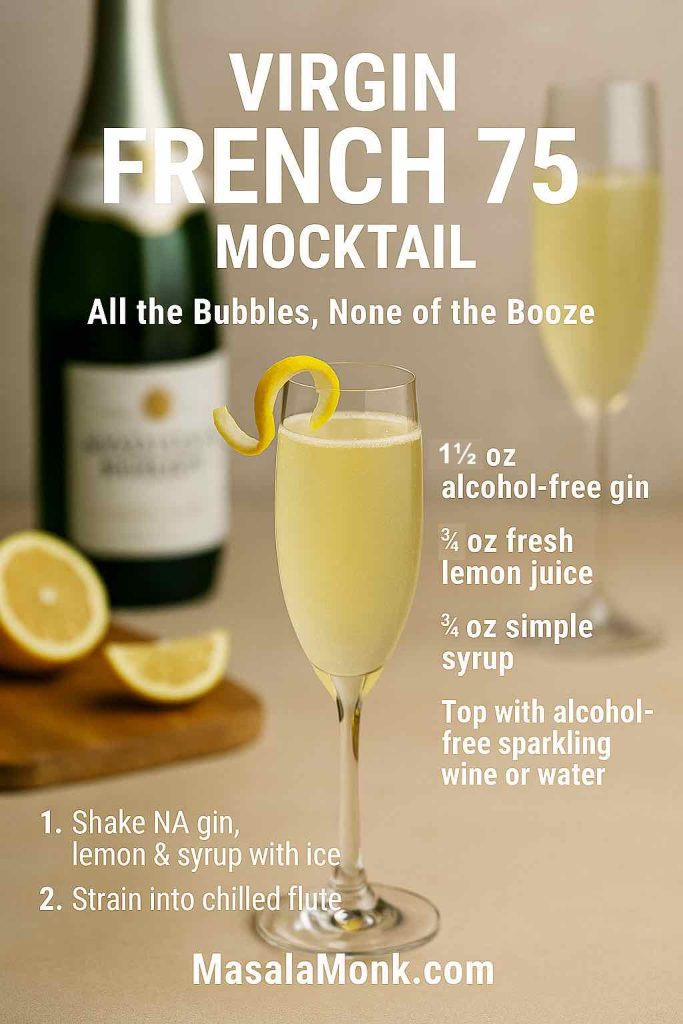
10) What ratio works best for Jim Beam mixers?

As a rule of thumb, use 1 part Jim Beam to 2–3 parts mixer. Moreover, the taller the glass (and the colder the topper), the longer your bubbles last. As a result, your Jim Beam mixed drinks stay lively from first sip to last.

11) Can I make a Whiskey Sour with Jim Beam?

Absolutely. For Whiskey Sour Jim Beam, shake 60 ml bourbon + 22.5 ml lemon + 15 ml simple (optional egg white). Then strain over a big cube, add a lemon peel, and enjoy. Meanwhile, keep sugar modest—Beam’s vanilla notes already round the edges.

12) Is Jim Beam good in an Old Fashioned?

Yes. For Old Fashioned Jim Beam, stir 60 ml bourbon with a sugar cube (or 7.5 ml simple) and 2 dashes bitters, then serve over a big cube with an orange peel. Furthermore, swapping simple for jaggery syrup adds a warm, caramel depth that suits Beam.

13) Is Jim Beam and Sprite a good idea?

Indeed. Jim Beam and Sprite (or any lemon-lime soda) is bright and ultra-easy. Even better, Jim Beam Orange and Sprite tastes like a fizzy creamsicle—just add a lime wedge and you’ve got a 10-second highball.

14) Does Jim Beam work with tonic water?

Yes—surprisingly well. Bourbon and tonic is brisk and aromatic, especially with a lime wedge. Therefore, if you’re exploring best mixer for Jim Beam options beyond ginger ale, tonic is a sophisticated, summer-friendly choice.

15) What mixes well with Jim Beam Fire?

Try cream soda (dessert-leaning and quick), hot apple cider (cozy and seasonal), or dry ginger ale + lemon (clean and snappy). Consequently, what to mix with Jim Beam Fire becomes a three-option answer you can pour in seconds.

16) What are the best non-carbonated mixers for Jim Beam?

When you want less fizz, choose unsweetened iced tea, lemonade, cranberry, apple, or even pineapple juice. Moreover, a tiny pinch of black salt on the citrus garnish can lift fruit and tame sweetness—small move, big result.
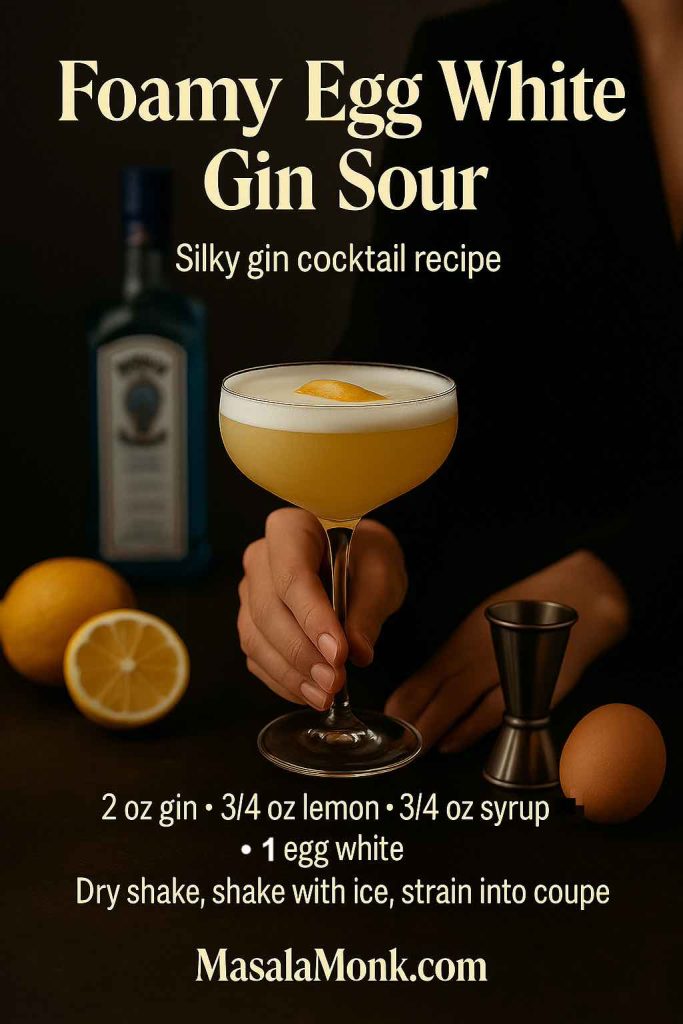
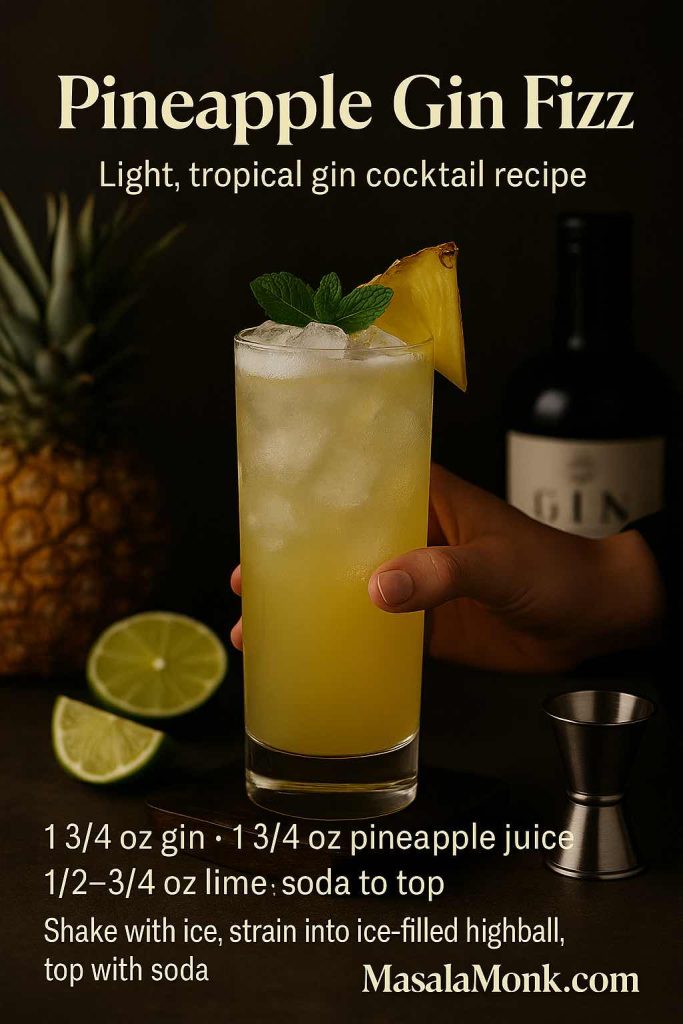
17) How can I batch Jim Beam cocktails for a party?

Start with the friendly template: for four Jim Beam mixed drinks, use 240 ml Jim Beam and 480–720 ml chilled mixer (soda, ginger ale, lemonade, or iced tea). Then pour bourbon over ice in each glass, top from the chilled bottle, give a brief stir, and add citrus last for maximum aroma.

18) Which garnishes make Jim Beam mixers pop?

First and foremost, fresh citrus—lemon wheels, lime wedges, and expressed orange peels. Next, consider two dashes of bitters to add backbone. And finally, for a Masala Monk twist, a pinch of black salt or a thin slice of fresh ginger can transform a good drink into a great one.

19) How do I lower ABV but keep flavor in Jim Beam cocktails?

Simply reduce the pour to 45 ml and extend the topper, or choose our Low-ABV Spritz variations (spirit + ginger beer + extra soda). Meanwhile, crushed ice and taller glasses make lighter drinks feel just as satisfying.

20) What glass and ice should I use for Jim Beam mixers?

Use a tall highball and lots of fresh ice for long drinks—more ice actually means less dilution and better fizz. Conversely, choose a heavy rocks glass and a single big cube for Old Fashioneds and spirit-forward serves. As a result, your Jim Beam cocktails look polished and taste consistent.

Posted on 2 Comments

Crown Peach Beach Drink: 5 Masala Twists to Cocktail with Recipes

taking photo of cocktails

Hello, cocktail enthusiasts! 🥂 Are you ready to spice up your Crown Peach Beach Drink? We’ve got some exciting masala twists for you to try. These unique variations will add a kick to your cocktail and make your beach day or party even more memorable. So, let’s dive right in! 🏊‍♀️

1️⃣ Crown Peach Beach Drink with a Cinnamon Twist 🍑🏖️🔥

Our first stop is at the beach but with a spicy twist. Adding a stick of cinnamon to your Crown Peach Beach Drink can bring a warm, spicy flavor that complements the sweetness of the peach.

Ingredients:

  • Crown Royal Peach
  • Fresh Fruit Juices
  • Sweet Syrup
  • Bubbly Soda
  • Cinnamon Stick

Instructions:

  1. Mix Crown Royal Peach with your choice of fresh fruit juices.
  2. Add a dash of sweet syrup and top it off with bubbly soda.
  3. Stir in a cinnamon stick and let it infuse for a few minutes before serving.
  4. Serve chilled with a slice of fruit for garnish.

Food Pairing: This cinnamon twist pairs well with grilled peaches or a peach cobbler for a harmonious blend of flavors.

2️⃣ Crown Peach Beach Drink with a Cardamom Kick 🍑🏖️💥

Next, we’re adding a cardamom kick to the classic Crown Peach Beach Drink. Cardamom adds a fragrant, slightly sweet flavor that pairs beautifully with the peach.

Ingredients:

  • Crown Royal Peach
  • Fresh Fruit Juices
  • Sweet Syrup
  • Bubbly Soda
  • Cardamom Pods

Instructions:

  1. Crush a few cardamom pods to release their flavor.
  2. Mix Crown Royal Peach with your choice of fresh fruit juices.
  3. Add a dash of sweet syrup and the crushed cardamom pods.
  4. Top it off with bubbly soda and serve chilled.

Food Pairing: This cardamom-infused cocktail pairs well with spicy Indian snacks like samosas or pakoras.

3️⃣ Crown Peach Beach Drink with a Ginger Jolt 🍑🏖️⚡

Ready for a jolt? Adding fresh ginger to your Crown Peach Beach Drink can give it a refreshing, spicy kick that’s perfect for a hot summer day.

Ingredients:

  • Crown Royal Peach
  • Fresh Fruit Juices
  • Sweet Syrup
  • Bubbly Soda
  • Fresh Ginger

Instructions:

  1. Grate a small piece of fresh ginger.
  2. Mix Crown Royal Peach with your choice of fresh fruit juices.
  3. Add a dash of sweet syrup and the grated ginger.
  4. Top it off with bubbly soda and serve chilled.

Food Pairing: This ginger jolt pairs well with sushi or other Asian dishes.

4️⃣ Crown Peach Beach Drink with a Clove Crunch 🍑🏖️🎇

Adding cloves to your Crown Peach Beach Drink can bring a warm, spicy, and slightly bitter flavor that adds depth to the cocktail.

Ingredients:

  • Crown Royal Peach
  • Fresh Fruit Juices
  • Sweet Syrup
  • Bubbly Soda
  • Cloves

Instructions:

  1. Crush a few cloves to release their flavor.
  2. Mix Crown Royal Peach with your choice of fresh fruit juices.
  3. Add a dash of sweet syrup and the crushed cloves.
  4. Top it off with bubbly soda and serve chilled.

Food Pairing: This clove crunch pairs well with rich, savory dishes like roast chicken or lamb.

5️⃣ Crown Peach Beach Drink with a Star Anise Accent 🍑🏖️✨

Last but not least, we’re adding a star anise accent to the Crown Peach Beach Drink. Star anise adds a sweet, licorice-like flavor that brings a unique twist to the cocktail.

Ingredients:

  • Crown Royal Peach
  • Fresh Fruit Juices
  • Sweet Syrup
  • Bubbly Soda
  • Star Anise

Instructions:

  1. Mix Crown Royal Peach with your choice of fresh fruit juices.
  2. Add a dash of sweet syrup and star anise.
  3. Top it off with bubbly soda and let the star anise infuse for a few minutes before serving.

Food Pairing: This star anise accent pairs well with Vietnamese pho or other noodle dishes.

And there you have it, folks! Five masala twists to the Crown Peach Beach Drink will spice up your cocktail game. Remember, the key to a great cocktail is experimentation, so don’t be afraid to try these twists and make them your own. Cheers! 🍹🎉

Blog Tags: Crown Royal Peach, Drink Recipes, Cocktails, Summer Drinks, Beach Drinks, Party Drinks, Masala Twists, Spicy Cocktails, Food Pairing, Whiskey Recipes