Posted on Leave a comment

19 Essential Kitchen Tools That Make Cooking Easier

Photorealistic magazine-style cover showing premium kitchen tools on a dark stone surface: chef’s knife on a wooden cutting board with a microplane grater and bowl of flaky salt, titled “Kitchen Tools That Change Everything,” with MasalaMonk.com in the footer.

The fastest way to enjoy cooking more often isn’t a complicated recipe or a brand-new appliance—it’s having kitchen tools that remove friction from the moment you start. When the board stays put, the knife cuts cleanly, the pan heats predictably, and the utensils feel right in your hand, dinner stops feeling like a task you brace for. Instead, it becomes something you can begin without a deep breath first.

This guide is inspired by Joshua Weissman’s idea that the right tools make cooking smoother and more fun (his original “19 tools” video is here: 19 Tools To Make Cooking Easier). At the same time, what you’re reading is a fresh, independent list—built for real home kitchens, realistic storage, and tools you’ll actually use on a random Tuesday.

Along the way, you’ll also see how to choose between materials—stainless steel, silicone, wood—plus how to avoid the common trap of buying a huge utensil set that looks impressive but spends most of its life in a drawer.


Kitchen tools that earn their space every day

An “essential” isn’t just popular—it earns a permanent spot because it reliably does at least one of these things:

  • makes prep faster without making you rush
  • improves results in a way you can taste (or see)
  • reduces mess and cleanup
  • makes cooking safer by improving control
  • multitasks so you own fewer items overall
  • stays pleasant to use, even after months of washing
Infographic titled “Kitchen Tools: What to Buy First” on a dark countertop, listing a 5-step buying order (knife and cutting board; tongs, spatula, whisk; skillet, pot, sheet pan; thermometer and kitchen scale; microplane, box grater, salad spinner) with photoreal tools and MasalaMonk.com in the footer.
If you’re upgrading your kitchen tools slowly, this order gives the biggest impact first—without drawer clutter. Start with a great knife + stable cutting board, then add a few daily-use utensils, dependable cookware, and finally the accuracy tools (thermometer + kitchen scale) that make results repeatable. Save this checklist for the next time you’re tempted by a giant utensil set.

So, rather than collecting gadgets, this kitchen tools list focuses on workhorses—items that quietly lift everything you cook.

Also Read: Sourdough Starter Recipe: Make, Feed, Store & Fix Your Starter (Beginner Guide)


Kitchen tools list for prep: quicker chopping, cleaner counters, better flavor

1) A chef’s knife: kitchen tools that make prep feel effortless

A comfortable chef’s knife isRcy feels like an extension of your hand. Once you have that, chopping becomes calmer: onions are neater, herbs slice instead of bruising, and prep stops stealing your energy before cooking even begins.

If you want a practical reference for what makes a chef’s knife “worth it” (balance, handle comfort, blade shape), Epicurious has a helpful test-driven overview. The best chef’s knife (Epicurious)

2) A paring knife: kitchen tools for precise, small cuts

Even with a great chef’s knife, a paring knife is the tool that handles detail work without awkward angles—peeling ginger, trimming strawberries, coring tomatoes, cutting small garnishes, or cleaning up blemishes on produce.

It’s also the knife that helps you slow down and be precise when precision matters.

3) A cutting board: kitchen tools that keep prep stable and tidy

A big, stable cutting board makes prep feel organized. It gives you room to keep a “clean side” and a “scrap side,” and it prevents that cramped, messy feeling that happens when you’re constantly sweeping ingredients off the edge.

Infographic titled “Knife + Cutting Board Safety” listing five prep tips (damp towel under board, claw grip, keep tip down, one board one job, scraps to a bowl) with a chef’s knife on a wooden cutting board over a blue towel and a small “scraps” bowl, plus MasalaMonk.com in the footer.
These small knife and cutting board habits make prep faster, safer, and noticeably less messy. A damp towel stops slipping, the claw grip protects fingertips, and a scraps bowl keeps your workspace clear so cooking feels calmer from the first chop. Save this quick safety checklist—once it becomes routine, weeknight prep gets easier immediately.

If your board slides, add a damp towel underneath. That tiny change makes chopping more confident immediately.

4) Kitchen shears (cooking shears)

Kitchen shears are the underrated shortcut. You’ll reach for them for herbs, scallions, parchment, packaging, and quick trimming jobs that feel silly to do with a knife. They’re also useful for snipping bacon into pieces, cutting pizza, or trimming poultry skin.

If you’re comparing options, terms like “poultry shears,” “kitchen scissors,” and “kitchen shears” often point to the same category—what matters most is that they feel sturdy and easy to clean.

5) Bench scraper

A bench scraper is the tool that keeps your counter tidy while speeding up prep. Scoop chopped vegetables into a bowl in one clean motion. Scrape flour off the counter. Portion dough. Even if you don’t bake often, it turns “lots of tiny moves” into “one quick move.”

It’s one of those kitchen tools that feels minor until it becomes automatic.

6) Best vegetable peeler (for you)

A good peeler is smooth, fast, and predictable. With the right one, you peel carrots or potatoes without removing half the vegetable. It also makes quick ribbons for salads and garnishes with almost no effort.

You’ll see a few common styles—Y-peelers and swivel peelers are the big two. Whichever you choose, look for the same thing: a peeler that glides without chattering, feels secure in your hand, and doesn’t slip when the veggie is wet.

7) Best cheese grater (and why a box grater wins)

A box grater earns its spot because it does more than cheese. It shreds carrots for salads, potatoes for hash browns, chocolate for desserts, and even onion when you want it to melt into a sauce.

It’s also a reliable “texture tool”—it gives you consistent pieces that cook consistently, which often means better browning and more even seasoning.

8) Microplane / fine grater

If you want big flavor with minimal effort, this is the move. Citrus zest brightens everything. Garlic and ginger become smooth instead of chunky. Hard cheeses melt into dishes without gritty bits. Nutmeg becomes a soft, warm finish rather than a loud spice.

A microplane is one of those kitchen tools that quietly makes your cooking taste more intentional.

9) Best mandoline slicer (with safety first)

A mandoline slicer creates uniform slices quickly. Uniform slices cook at the same rate, which means fewer burnt edges and fewer undercooked centers—especially for potatoes, onions, cucumbers, and slaw vegetables.

Still, this tool has one rule: use the guard (or a cut-resistant glove) every time. Even if you’re careful, complacency is what catches people.

10) Salad spinner

A salad spinner is the difference between crisp salad and watery salad. Dry leaves hold dressing, so flavor clings instead of sliding off. It also helps with herbs: spin them dry, then chop—your cutting board stays cleaner, and your herbs stay brighter.

If you’re building a kitchen tools list that supports healthier, faster meals, this one surprisingly earns its place.

Also Read: How to make No-Bake Banana Pudding: No Oven Required Recipe


Kitchen tools for measuring and consistency: fewer guesses, better repeats

Not every meal needs precision. However, repeatable results—especially for sauces, baking, and “signature dishes”—often come from simple measuring tools.

11) Measuring cups

Measuring cups are foundational kitchen tools because they cover both dry and liquid measuring in everyday cooking. You might not measure everything, but you’ll measure often: rice, flour, sugar, milk, broth, and quick batters.

If you prefer a clean aesthetic, you’ll also notice options like white measuring cups or decorative sets. Style is fine—function matters more: easy to read, easy to wash, and comfortable to hold.

12) Measuring spoons

Measuring spoons control the “small but powerful” ingredients—salt, baking powder, vanilla, spices, vinegar, soy sauce. They’re also how you keep a dish balanced when you’re cooking without a recipe.

Once you get used to accurate spoons, you’ll be surprised how often they rescue a sauce from being too salty or too acidic.

13) Best kitchen scale for baking (and for cooking)

A digital kitchen scale makes baking easier because it removes the biggest variable: inconsistent measuring. Flour isn’t packed differently each time. Recipes are simpler to halve or double. Cleanup is lighter because you can weigh directly into one bowl.

Infographic titled “Kitchen Scale (Digital)” showing a digital kitchen scale with a glass bowl of flour and text listing three benefits: weigh flour for better bakes, scale sauces and marinades, and halve or double recipes easily, with MasalaMonk.com in the footer.
A digital kitchen scale is one of those kitchen tools that pays you back fast: more consistent baking, easier scaling for sauces and marinades, and effortless halving or doubling without guesswork. Save this as a reminder—once you start weighing flour, recipes get noticeably more reliable and cleanup often gets simpler too.

King Arthur has a clear explanation of why a scale changes the way baking feels. Why a digital kitchen scale matters (King Arthur Baking)

If you want a natural way to use a scale more often, bread is perfect for it. This internal guide pairs beautifully with a scale-first approach: Sourdough bread recipes

14) Instant read food thermometer (digital thermometer cooking)

A thermometer is the tool that removes the most anxiety per rupee. Chicken breast stays juicy because you stop guessing. Roasts get pulled at the right moment. Leftovers reheat more confidently. Even oil temperature becomes easier to manage.

Infographic titled “Instant-Read Food Thermometer” listing key internal cooking temperatures in °C (chicken/turkey 74°C, ground meat 71°C, fish 63°C, pork/leftovers 63–71°C, steaks 54–63°C) beside a digital instant-read thermometer on a light stone surface, with MasalaMonk.com in the footer.
An instant-read food thermometer is the fastest way to stop guessing and start getting repeatable results—juicy chicken, properly cooked ground meat, and fish that doesn’t dry out. This quick Celsius cheat sheet keeps the key temps in one place, so you can cook with confidence on busy weeknights. Save it for later (you’ll use it more than you expect).

For safe internal temperatures, keep a reliable chart bookmarked: USDA safe temperature chart or FoodSafety.gov internal temperature chart.

Also Read: Chicken Adobo — Step-by-Step Recipe — Classic Filipino Adobong Manok


Kitchen tools and equipment for cooking: buy workhorses, not clutter

Cookware can be the biggest source of frustration in a kitchen—especially when you have too many pieces that don’t do any one job well. Instead, choose a few dependable items and learn them deeply.

15) A skillet that matches how you cook

One great skillet outperforms five “okay” pans. The right choice depends on what you cook most often:

  • stainless steel for browning and pan sauces
  • cast iron or carbon steel for heat retention and long-term durability
  • nonstick for easy eggs and delicate food (with the understanding it’s a replaceable item over time)
Infographic titled “A Skillet That Matches How You Cook” comparing stainless steel, cast iron/carbon steel, and nonstick skillets, with notes on best uses (browning and pan sauces; searing and heat retention; eggs and delicate food) and MasalaMonk.com in the footer.
Not every skillet cooks the same. This quick guide helps you choose the right skillet for how you cook: stainless steel for browning and pan sauces, cast iron or carbon steel for searing and heat retention, and nonstick for eggs and delicate food. Save it so your next pan upgrade actually fits your weeknight routine—and your cookware lasts longer.

If you’re leaning toward cast iron, this internal post is a strong reality check before you buy: Buying a cast iron skillet? 5 warnings before you invest

If your decision is more about coatings, this breakdown helps: Ceramic vs Teflon (PTFE) cookware

16) A dependable pot (saucepan or Dutch oven)

A good pot is where “real food” happens: dal, rice, pasta, soups, curries, beans, braises, and big batches that turn into leftovers. It also makes sauces calmer because heat is more stable and the bottom is less prone to scorching.

Sauces are the easiest proof that a pot matters. For example: Tomato sauce from fresh tomatoes and Marinara sauce recipe both benefit from steady simmering and easy stirring.

17) Baking tray / rimmed sheet pan

A rimmed sheet pan is one of the most versatile kitchen tools and utensils “adjacent” items you can own. Roast vegetables. Crisp tofu. Bake chicken. Reheat leftovers without turning the stove into a mess. Cook multiple components at once.

If you want a simple one-pan dinner that proves why this tool matters, try: Sheet pan chicken fajitas

18) Mixing bowls (nesting set)

Mixing bowls are a daily-use item that makes everything tidier: toss salad, marinate meat, mix batters, coat vegetables, hold chopped ingredients, and keep your counter organized.

You’ll come across recommendations like “mixing bowls with lids” or “best mixing bowls” in a lot of buying guides. The general idea is the same: bowls that stack neatly, don’t slide around, and wash easily.

19) Wire rack

A wire rack helps food stay crisp by letting steam escape underneath. It also cools baked goods properly, which matters more than people expect—cookies stay snappy, breads don’t turn gummy, and fried foods don’t soften as quickly.

If you want a satisfying use-case, oven bacon is perfect for it: How to cook bacon in the oven


Kitchen tools and utensils you’ll reach for constantly

Cookware handles the heat. Meanwhile, these hand tools handle the workflow—stirring, flipping, scraping, plating, serving, and keeping things clean.

Tongs: the “extra hand”

Tongs are the tool you reach for when you want control without fuss. They flip, toss, grab, and plate without tearing food or poking holes. They’re also excellent for mixing salads, turning roasted vegetables, and serving pasta.

Infographic titled “Tongs: Your ‘Extra Hand’” listing five uses for kitchen tongs—flip without tearing, toss salads and noodles, turn roasting tray vegetables, plate cleanly, and grab hot food—shown with stainless steel tongs holding a broccoli floret on a cutting board, with MasalaMonk.com in the footer.
Good kitchen tongs feel like an extra hand: they flip without tearing, toss salads and noodles fast, handle hot sheet-pan veggies safely, and plate food neatly without juggling forks. Save this quick guide—once you keep a solid pair of tongs within reach, weeknight cooking gets smoother and less messy.

If you see variants like chef tongs, catering tongs, plating tongs, or mini serving tongs, they’re all in the same family. For everyday cooking, choose a pair that feels comfortable and springy, with ends that grip well.

Spatulas: the right one for the job

A spatula is not one thing, which is why kitchens end up with too many. A simpler approach works better:

  • a silicone spatula for scraping bowls and pots clean
  • a sturdy turner for flipping food confidently
Spatulas are where kitchens get cluttered fast—so keep it simple. A silicone scraper spatula handles bowls, batter, and sauces with almost zero waste, while a sturdy turner spatula makes flipping and lifting feel clean and confident. Save this pairing guide for your next kitchen tools upgrade (or the next time you’re tempted by a giant utensil set).

That second category includes slotted turner spatulas, fish spatulas, and thin metal spatulas. The shape matters less than the feeling: it should slide under food easily and feel stable when lifting.

If you cook with nonstick pans, keep a silicone tool for that surface. If you cook with cast iron or stainless steel, a sturdy metal turner can be a joy.

Whisk (including a balloon whisk)

A whisk is a sauce tool as much as it is a baking tool. It smooths gravies, fixes lumpy sauces, emulsifies dressings, and makes eggs more consistent. A balloon whisk is especially helpful when you want volume—whipped cream, airy eggs, or fluffy batters.

This is also where measuring spoons and a whisk pair beautifully: you can build a balanced dressing quickly without dirtying extra gadgets.

Ladle

A ladle is a small tool that instantly makes serving feel cleaner: soups, dal, curry, pasta sauce, stew. It reduces spills and makes portioning simpler, especially when you’re feeding family or serving guests.

Wood ladles, metal ladles, and stainless steel serving utensils all work—choose the material that fits your cookware and how you wash.

Also Read: Sweetened Condensed Milk Fudge: 10 Easy Recipes


Kitchen utensil set: stainless steel, silicone, or wooden cooking utensils?

A kitchen utensil set can be a smart buy, especially when you’re setting up a kitchen or replacing mismatched items. However, the material changes how you cook—and what cookware stays in good shape.

Infographic titled “Kitchen Utensil Set: Choose the Right Material” comparing stainless steel, silicone, and wood kitchen tools, with best uses and care tips, shown on a dark stone background with utensil photos and MasalaMonk.com in the footer.
Choosing a kitchen utensil set is easier when you match the material to your cookware. Stainless steel is ideal for stainless pans and cast iron, silicone protects nonstick and ceramic, and wooden cooking utensils stay comfortable for everyday stirring. Save this quick guide for your next upgrade so you buy the right tools once—and avoid scratches, flimsy spatulas, and clutter.

Stainless steel kitchen utensil set

A stainless steel utensil set is durable, easy to clean, and comfortable for high heat. It feels excellent on stainless steel and cast iron. It also looks “professional,” which is why you will often see people looking for high end kitchen utensils.

That said, stainless can scratch coatings, so if you cook mostly on nonstick, you’ll want to be gentle—or choose silicone for those pans.

Silicone kitchen utensils set

A silicone utensil set is kinder to coated pans and great for scraping thick sauces and batters. It’s also a good fit if you’re building toward “non toxic cooking utensils” and want tools that won’t chip, flake, or expose metal edges against delicate surfaces.

The key is sturdiness. A floppy spatula is frustrating, while a well-built silicone tool becomes a favorite.

Wooden utensil set (wooden kitchen utensil set / wooden cooking utensils set)

Wooden utensils feel warm and comfortable in the hand. They’re gentle on cookware, especially on nonstick or ceramic surfaces. They also stay cooler than metal during long stirring sessions.

If you’re shopping for a wooden utensil set—whether it’s a basic spatula-and-spoon combo or a nicer handmade set—aim for pieces that feel dense, smooth, and well-finished. Olive wood utensils and acacia wood utensils are popular because they’re sturdy, though any well-made wood can work if cared for properly.

Wood does ask for a little respect: wash and dry promptly, and don’t leave wooden spoons soaking in water.

If you want a broader cookware overview that connects tools to materials, this internal guide fits naturally here: How to choose the best cookware for your kitchen

Also Read: Peanut Butter Fudge: Recipes & Guide (8 Methods + Easy Variations)


Kitchen tools for healthier cooking and peace of mind

A lot of what people worry about with kitchen tools comes back to “health” and “safety”—non-toxic materials, coatings that hold up, and utensils that won’t chip, flake, or scratch cookware over time. While no single tool guarantees “healthy,” your choices can reduce common headaches.

Choose tools that don’t create avoidable problems

  • Use a thermometer so you don’t overcook lean proteins into dryness.
  • Use a scale for baking so you’re not adding extra flour and ending up with dense results.
  • Use cookware and utensils that fit your heat level, so you’re not accidentally stressing coatings.
  • Keep a scraping tool that doesn’t damage pans (silicone is helpful here).

If you want a simple anchor point for safe doneness, the USDA safe temperature chart is worth keeping handy.

Also Read: 10 Vegan Chocolate Cake Recipes (Easy, Moist, & Dairy-Free)


Kitchen tools list for cooking faster: how the right tools change weeknights

Kitchen tools matter most when you’re tired and hungry—when you want dinner without turning your kitchen into a disaster zone.

The sheet pan shortcut

A sheet pan makes “one tray, one timer” cooking possible. Roast vegetables while a protein cooks beside them. Reheat leftovers without babysitting the stove. Crisp things quickly.

If you want a simple starting point, Sheet pan chicken fajitas is a great “proof recipe” because it shows how a single pan can carry a full meal.

Infographic titled “The Sheet Pan Shortcut” showing a rimmed sheet pan with roasted chicken, broccoli, and peppers plus tongs and lemon wedges, with four steps for one-tray cooking and MasalaMonk.com in the footer.
This is the fastest way to make weeknight cooking feel easy: one sheet pan, one timer, and a simple order that actually works. Start the veggies first, add protein, then finish with sauce or lemon for big flavor without extra pots. Save this “sheet pan shortcut” for busy nights—and use it anytime you want dinner plus leftovers with minimal cleanup.

The skillet rhythm

A good skillet simplifies cooking because it’s predictable. Once you know how your pan browns onions, you can build meals quickly: sauté aromatics, add vegetables, season well, finish with a sauce or a squeeze of citrus.

Here’s an easy internal skillet example that makes good use of a sturdy pan and tongs: Skillet mushroom and zucchini stir fry

The sauce pot advantage

A dependable pot is what turns “ingredients” into “dinner.” It’s also what makes meal prep feel realistic—one big pot means multiple meals.

If you want sauces that become weekly staples, these internal links are natural fits:


Kitchen planning tools: when layout affects how you cook

Not all “kitchen tools” are handheld. Sometimes, the biggest improvement is planning how your kitchen works—especially if you’re moving into a new home, renovating, or simply reorganizing.

A kitchen planning tool or online kitchen design tool can help you visualize work zones so cooking flows naturally: prep near the sink, cooking near the stove, and storage where you actually need it. If you’ve ever walked across the room five times just to grab salt, you already know why layout matters.

People use different planners depending on region and store—Wickes kitchen planner, Wren kitchen planner, IKEA kitchen planner (including SEKTION), Howdens kitchen planner, and similar cabinet layout planner tools. The brand matters less than the principle: get the triangle (sink–stove–fridge) working, then keep daily tools within arm’s reach of where you use them.

Kitchen mood board: make your tools fit your space

A kitchen mood board sounds aesthetic—and it can be—but it also helps you choose finishes and storage that make your tools accessible. If you love wooden utensils, maybe you want a utensil crock. If you use stainless steel utensils, you might prefer a hanging rail. And if you’re building a clean look, you might choose stackable measuring cups and keep them in one drawer.

Even a small “plan” reduces clutter because you’re buying with intention rather than impulse.

Also Read: Kahlua Drinks: 10 Easy Cocktail Recipes (Milk, Vodka, Coffee)


Commercial stainless steel benches, prep tables, and food prep tables at home

It’s surprisingly common to see home cooks borrow ideas from commercial kitchens—stainless prep tables, workbenches, and simple food-prep stations—because they solve a real problem: easy cleanup and a durable surface for heavy chopping.

You don’t need a restaurant bench to benefit from the concept, though. The home version is simply this: create a dedicated prep surface that stays clear enough to use. Once you have a reliable place to chop, mix, and stage ingredients, cooking feels lighter.

Infographic titled “Meal Prep Setup (10 Minutes)” showing a cutting board on a damp towel with a chef’s knife, bench scraper, and two labeled bowls (“Scraps” and “Done”), plus a checklist of five steps for faster prep, with MasalaMonk.com in the footer.
Meal prep gets easier when your kitchen tools support the workflow. This 10-minute setup keeps prep clean and fast: one clear zone, a stable board, a scraps bowl, a “done” bowl, and a bench scraper to move ingredients in one sweep. Save this checklist for busy weeknights—once you try it, chopping feels calmer and cleanup feels lighter.

If you have space for a small prep table, it can be transformative. If you don’t, the alternative is a large cutting board that can temporarily turn any counter into a “prep station.”

Also Read: Hot Chocolate Coffee: 3 Easy Recipes (Cocoa, Mix, or Espresso)


Sharpening kitchen knives: the kitchen tool that protects your hands

A sharp knife is safer than a dull knife because you use less force and get more control. That’s why you’ll see so many different sharpening options mentioned—magnetic sharpeners, whetstones, stone sets, guided systems, and classic pull-through sharpeners. The names vary, but the goal is the same: a sharp edge you can maintain consistently.

There are many ways to sharpen. The most important habit is consistency: a little maintenance more often beats a dramatic rescue once a year.

If you want a practical baseline, aim for two habits:

  • hone regularly (if you use a honing rod)
  • sharpen periodically (stone, system, or professional service)

Once your knife is sharp, everything else becomes easier—especially prep.

Also Read: Cranberry Moscow Mule Recipe: A Festive Holiday Cocktail With Easy Variations


Kitchen tools for baking: simple tools that unlock a lot of recipes

Even if you don’t think of yourself as “a baker,” a few tools make baking approachable—especially if your goal is to make breakfast or desserts without stress.

Scale + bowls + spatula = baking that repeats well

A scale keeps batters consistent. Nesting bowls keep prep tidy. A silicone spatula prevents waste and helps cleanup.

If you’re leaning into breads, this is where a scale becomes addictive: Sourdough bread recipes

Measuring cups and spoons: the calm version of baking

When measuring tools are solid, you stop second-guessing. That matters for pancakes, muffins, quick breads, and cookies.

For a breakfast-friendly recipe set that naturally uses measuring cups, whisk, and a good pan, this internal link fits well: Blueberry pancakes recipes


Professional kitchen essentials at home: what actually translates

It’s tempting to chase “professional chef tools,” “chef recommended kitchen tools,” and “must have kitchen items for chefs.” Some of that is useful; some of it is just marketing.

What genuinely translates from professional kitchens to home kitchens is simplicity and durability:

  • fewer items, better items
  • predictable work surfaces
  • tools that wash easily
  • a workflow that doesn’t require ten gadgets

This is why “boring” tools like tongs, a whisk, a good knife, and a stable cutting board often outperform flashy gadgets.

If you want a broader outside reference for what belongs in a starter kitchen, Serious Eats has a solid, practical list. Basic starter kitchen equipment (Serious Eats)

Also Read: Cold Brew Espresso Martini: How to Make It (Step-by-Step Recipe)


Eco kitchen products and sustainable kitchen products: the parts that matter

A lot of home cooks are trying to make their kitchens a little less wasteful—buying fewer things overall, choosing tools that last, and skipping gadgets that end up in a drawer for a month and the trash a year later. The good news is you don’t need a “perfect” eco setup. You just need a few habits that steer your buying in the right direction.

A simple approach helps:

  • buy fewer tools (and buy them once)
  • choose durable materials
  • avoid disposable or single-use gadgets
  • pick items that can handle daily washing without warping, cracking, or peeling

Wooden utensils can be a sustainable choice when cared for properly—wash, dry, and don’t leave them soaking. Stainless steel is durable and long-lasting, especially for tools that take heat and pressure. Silicone can be practical for nonstick cookware and for scraping batters and sauces, as long as you choose sturdier pieces that won’t tear at the edges.

If your goal is to reduce waste, the best “eco upgrade” is usually replacing one frustrating, flimsy tool with one you’ll happily use for years—rather than buying a whole new set because it looks nice.

Also Read: Baked Ziti Recipe Collection: 15 Easy Variations


Kitchen tools list: what to buy first so you feel the difference immediately

If you’re upgrading gradually, this order gives the fastest improvement without overwhelming your kitchen.

First wave (instant improvement):

  1. chef’s knife + large cutting board
  2. skillet + dependable pot
  3. tongs + silicone spatula + whisk
  4. measuring cups + measuring spoons

Second wave (consistency and confidence):
5) instant-read thermometer
6) digital scale
7) sheet pan

Third wave (speed and finishing touches):
8) microplane
9) box grater
10) kitchen shears
11) bench scraper
12) salad spinner
13) mandoline slicer (if you’ll use it weekly)

Once you’ve built that foundation, buying becomes calmer because you’re filling real gaps rather than chasing trends.

Also Read: Sandwich for Breakfast: Breakfast Sandwich Recipe + 10 Variations


A few “skip for now” kitchen tools (unless you know you’ll use them)

A lot of kitchen gadget sets look helpful, yet they create clutter quickly. Unless you’re sure you’ll use them weekly, consider waiting on:

  • single-use slicers that only cut one shape
  • novelty spatulas that don’t feel good to use
  • oversized utensil sets where half the pieces never get touched
  • complicated can openers or grinders that are hard to clean

If you do need something specific—like an easy can opener for arthritis or a rechargeable salt and pepper grinder—buy it because it solves a real problem in your kitchen, not because it looks cool.

Also Read: Manhattan Cocktail Recipe (Classic + 6 Variations)


Closing thought: the best kitchen tools make you cook more

The “perfect” kitchen isn’t the one with the most stuff. It’s the one where you can start cooking without resistance—where the tools support you instead of slowing you down.

When your kitchen tools are right, you chop faster, season more confidently, cook with fewer surprises, and clean up without dread. As a result, cooking becomes something you do more often—simply because it’s easier to begin.

And once you’re cooking more often, everything else gets better too: sauces become second nature, weeknights feel lighter, and even simple meals start tasting like you meant them.

If you want a quick next step after this tools list, pick one recipe category that rewards good tools immediately:

FAQs

1) What kitchen tools do I need to start cooking at home?

If you’re starting from scratch, focus on kitchen tools that cover prep, heat, and serving. A chef’s knife, a stable cutting board, a skillet, a pot, measuring cups and measuring spoons, a spatula, tongs, and a whisk will handle most meals. After that, add a sheet pan, a kitchen scale, and an instant-read thermometer to improve consistency.

2) What are the most important kitchen tools for beginners?

Beginners benefit most from kitchen tools that reduce effort and mistakes. Start with a sharp knife, a large board, and one reliable pan. Next, add measuring tools for repeatable results. Finally, pick a few utensils that feel comfortable—tongs, a silicone spatula, and a whisk—so cooking stays simple rather than fussy.

3) Is it better to buy a kitchen utensil set or individual utensils?

It depends on your cookware and how you cook. A kitchen utensil set can be convenient when you’re setting up a new kitchen. However, buying individual pieces often gives better quality for the tools you’ll use daily. If you do choose a set, aim for sturdy essentials rather than a large bundle with lots of rarely used items.

4) Which kitchen tools and utensils are best for nonstick pans?

For nonstick cookware, choose kitchen tools made from silicone, wood, or nylon so you don’t scratch the coating. A silicone spatula, silicone spoon, and silicone tongs are especially useful. Even so, avoid sharp-edged metal turners on nonstick, because small scratches add up over time.

5) What are the best kitchen tools for stainless steel cookware?

Stainless steel cookware can handle tougher kitchen tools. Stainless steel utensils, a thin metal spatula or turner, and sturdy tongs work well. Since stainless is often used for browning, tools that scrape and flip confidently can be helpful, especially when you want good sear and clean release.

6) Are wooden cooking utensils a good choice?

Yes—wooden cooking utensils are comfortable, gentle on cookware, and great for stirring sauces and curries. Still, they need basic care: wash promptly, dry well, and don’t soak them. If you want a set, a wooden utensil set with a spoon, flat spatula, and ladle covers most needs.

7) Which is better: silicone kitchen utensils or wooden kitchen utensils?

Silicone kitchen utensils are excellent for scraping batters, stirring thick sauces, and protecting nonstick pans. Wooden kitchen utensils feel natural, stay cooler in the hand, and work well for long simmering dishes. Ultimately, many kitchens do best with both: silicone for scraping and wood for everyday stirring.

8) What kitchen tools are considered “non toxic” or safer for everyday cooking?

Many people choose stainless steel, wood, or high-quality silicone for everyday kitchen tools. Stainless steel is durable and stable, wood is simple and long-lasting with care, and silicone is useful for nonstick cookware. Rather than chasing a label, prioritize tools that don’t flake, chip, or degrade quickly under heat.

9) What’s the best kitchen knife set, or should I buy single knives?

If you cook often, buying a few excellent knives usually beats buying a large knife set. A chef’s knife plus a paring knife covers most tasks. If you prefer a knife set, choose one with fewer pieces and a reputation for comfort and durability, rather than a massive block with duplicates.

10) How do I sharpen kitchen knives at home?

There are several reliable methods: whetstone sharpening, guided sharpening systems, and quality pull-through sharpeners. Whichever method you choose, consistency matters more than complexity. Additionally, keeping knives dry and stored properly helps them stay sharp longer between sharpening sessions.

11) Do I really need a kitchen scale?

A kitchen scale isn’t mandatory, yet it quickly becomes one of the most useful kitchen tools—especially for baking. It helps you measure flour accurately, scale recipes without hassle, and repeat results more easily. Moreover, it can reduce dishes because you weigh ingredients into one bowl.

12) What’s the best instant-read thermometer for cooking?

The best instant-read thermometer is the one you’ll actually use—quick to read, easy to hold, and accurate. Look for a fast response time and a clear display. If you grill, a grill meat thermometer can be useful too, but an instant-read thermometer is still the everyday workhorse.

13) Do I need a mandoline slicer in my kitchen tools list?

A mandoline slicer is optional, but it’s very helpful if you make salads, slaws, chips, or layered bakes. It gives even slices quickly, which helps food cook evenly. That said, safety is non-negotiable—use the guard and slow down, because speed is not worth injuries.

14) What are the best kitchen tools for meal prep?

For meal prep, prioritize kitchen tools that speed up chopping and storage: a large cutting board, a sharp knife, mixing bowls, measuring cups, and sheet pans. Then add tools that reduce repetition, such as a salad spinner, bench scraper, and food storage containers that stack neatly.

15) Are mixing bowls with lids worth it?

Yes, especially if you meal prep or like keeping the counter tidy. Mixing bowls with lids help you store chopped ingredients, marinate without mess, and cover leftovers quickly. As a result, your workflow feels smoother and your fridge stays more organized.

16) What kitchen tools make the biggest difference for healthy cooking?

A few kitchen tools make healthier cooking easier: a sheet pan for roasting, a nonstick-friendly utensil set for quick eggs and vegetables, a thermometer to avoid overcooking lean proteins, and measuring tools to keep portions consistent. Meanwhile, a salad spinner makes it easier to eat more greens because salads taste better.

17) What are the best kitchen tools for small kitchens?

In small kitchens, choose kitchen tools that multitask and store easily: a nesting mixing bowl set, stackable measuring cups, a compact utensil crock, and one excellent skillet and pot. Also, tools like a bench scraper and microplane take very little space while adding a lot of usefulness.

18) Are commercial stainless steel benches or prep tables useful at home?

They can be, particularly if you bake often or do heavy meal prep. A food prep table provides a dedicated, easy-to-clean surface. However, many home cooks get similar benefits by keeping one counter zone clear and using a large cutting board as a portable prep station.

19) What’s the difference between cooking utensils and serving utensils?

Cooking utensils are designed for heat and stirring—spatulas, tongs, whisks, ladles. Serving utensils are designed for plating and presentation—serving spoons, salad tongs, pie servers, and larger ladles. Having both makes hosting easier, yet you can start with cooking tools and add serving pieces later.

20) Which kitchen tools are worth upgrading first?

If you want the fastest improvement, upgrade the tools you touch most: the knife, cutting board, skillet, and tongs. Next, add a kitchen scale and instant-read thermometer for consistency. After that, upgrade comfort tools like mixing bowls, a sturdy spatula, and a reliable peeler.

Posted on Leave a comment

Homemade Teriyaki Sauce Recipe : Classic, Thick, Sticky, Healthy & More

Hand pouring glossy teriyaki sauce over a bowl, with the headline ‘Mastering Teriyaki Sauce’ on a premium magazine-style cover for MasalaMonk.

Teriyaki is one of those flavours that makes plain food feel like an actual meal. A bowl of rice and vegetables is nothing special; spoon a glossy, sweet–savory teriyaki sauce over the top and suddenly it looks like something from a Japanese grill. The same happens to chicken thighs, salmon fillets, tofu cubes, even roasted potatoes. A teriyaki sauce recipe is simple at its core, but endlessly flexible in practice.

The confusion starts when you realise “teriyaki sauce” means very different things to different people. In Japan, it began as a simple glaze made with soy sauce, mirin and sugar, brushed repeatedly onto grilled fish or chicken. Outside Japan, it grew thicker, sweeter and more garlicky, eventually showing up in bottles, takeout shops and fusion recipes ranging from teriyaki pizza to teriyaki burgers. Then the health-conscious crowd arrived and the questions multiplied: low sugar teriyaki, low sodium teriyaki, keto teriyaki, vegan teriyaki, soy-free teriyaki… are those even still “teriyaki”?

This post is meant to be your one-stop answer. We’ll walk through what teriyaki actually is, how to make a reliable homemade teriyaki sauce, how to cook a more traditional Japanese-style version, and how to spin that base into marinades, stir-fry sauces, glazes, dips and dressings. After that, we’ll look at the most useful flavour variations and finish with ways to make teriyaki lighter and friendlier for everyday eating, without turning it into a completely different sauce.

Throughout, think of teriyaki as joining the same “core sauce” family as pesto, béchamel and tzatziki—sauces that MasalaMonk has already taken deep dives into in posts like the basil-packed pesto variations, classic béchamel for lasagna and refreshing Greek tzatziki recipes. Once you know the base, you can bend it in all sorts of directions.


What “Teriyaki” Really Means

The word comes from two Japanese elements: teri, which refers to shine or luster, and yaki, meaning grilling or broiling. If you look at the description on Wikipedia’s teriyaki page, you’ll see that originally it wasn’t a bottled sauce at all, but a method of cooking: fish or meat was grilled while being brushed with a mixture of soy sauce, mirin and sugar, sometimes sake as well. The sugar and mirin helped the glaze caramelise and created that characteristic glossy coat.

In that setting:

  • the focus was on the technique of basting and grilling
  • the glaze was a simple blend of soy, mirin, sugar and maybe sake
  • the sauce itself stayed fairly thin and syrupy, not thick like gravy

Classic examples include teriyaki yellowtail, teriyaki mackerel and teriyaki chicken. The glaze was cooked directly onto the surface of the food. It wasn’t something served in a ramekin on the side.

Traditional Japanese teriyaki salmon being brushed with a thin soy–mirin glaze on a tabletop grill, showing the shiny caramelised surface and steam rising.
In classic Japanese cooking, teriyaki isn’t a bottled sauce but a technique: fish or chicken is grilled while being brushed over and over with a light soy–mirin glaze until it turns glossy and caramelised.

As Japanese cooks migrated and Japanese flavours spread, teriyaki began to adapt. In Hawaii, cooks folded in brown sugar and pineapple juice. In the US, garlic and ginger started appearing in the mix. Bottled teriyaki sauces appeared on shelves, often thickened with starch and stabilisers so they’d hold up over time. Restaurant dishes like chicken teriyaki bowls, beef teriyaki skewers and salmon teriyaki became staples.

So when someone says “teriyaki sauce” today, they might be thinking of:

  • a light, traditional soy–mirin glaze
  • a thick, sweet, garlicky bottled sauce
  • or a homemade version that tries to be healthier, spicier or fruitier

Instead of treating those as completely separate things, it’s more helpful to see them as points on a spectrum, all built from the same core ingredients.

Also Read: Bolognese Sauce Recipe: Real Ragù & Easy Spag Bol


The Essential Building Blocks of Teriyaki

Every teriyaki sauce—whether it calls itself authentic, homemade, healthy, or “just like your favourite restaurant”—is some combination of a few key elements. Once you understand what each one does, creating your own version becomes much easier.

Soy Sauce: The Savoury Backbone of Any Teriyaki Sauce Recipe

The foundation of teriyaki is soy sauce. It brings salt, umami (that deep savoury dimension), and the dark, rich colour most people associate with the sauce.

The Wikipedia entry for soy sauce gives a good overview of how it’s traditionally brewed from soybeans, grain, water and salt. For our purposes, what matters is:

  • regular soy sauce is intensely salty and savoury
  • you can use low-sodium soy to make more forgiving sauces
  • tamari, made mostly from soy without wheat, is a good choice when you need a gluten-free teriyaki base

Because soy sauce is so salty, it’s very easy for teriyaki to become sodium-heavy—especially when you reduce it into a sticky glaze. That’s why a lot of people look for lower sodium approaches, which we’ll come back to later.

Mirin and Sake: Shine and Sweetness

If soy sauce is the backbone, mirin is the soul of a traditional teriyaki. Mirin is a sweet rice wine used in Japanese cooking, described in more depth on pages like this mirin overview. It brings:

  • natural sweetness
  • a mild, wine-like aroma
  • a helping hand with that glossy “teri” shine when it reduces with soy and sugar

Sake, another rice wine, sometimes joins the party, adding aroma and dimension. Put together, soy, mirin, sake and sugar form the base of the classic Japanese teriyaki glaze. No cornstarch, no garlic, no ginger—just those four building blocks simmered until they slightly thicken.

If you don’t have mirin, you can approximate it by combining a splash of sake or white wine with sugar, or by using sugar and rice vinegar together for a similar sweet-acid balance. It won’t be exact, but the overall character of the sauce will still lean toward teriyaki.

Sweeteners: Balance and Caramelisation in a Teriyaki Sauce Recipe

Teriyaki has a sweet side. That sweetness balances the saltiness of soy sauce and encourages the surface of the sauce to caramelise under high heat.

You can use:

  • white sugar, for neutral sweetness
  • brown sugar, for a deeper, caramel-like note
  • honey, for a rounder, floral sweetness

Other sweeteners—maple syrup, coconut sugar, jaggery, date syrup—can slide in comfortably as well, depending on what you have and what kind of flavour you’re chasing.

The main thing is to remember that sugar is acting as a seasoning. It’s there to keep the sauce from tasting harsh and salty and to give it that repeat-able, “lick the spoon” quality. Take it too far and you end up with something that feels like dessert on your chicken; dial it in well and you get that classic sweet–savory balance.

Overhead view of small bowls holding soy sauce, mirin, sugar, garlic, ginger and other seasonings on a wooden table, showing the main ingredients needed to make homemade teriyaki sauce.
Every teriyaki recipe is built from the same core pieces: soy for salt and colour, mirin or sake for shine, sugar or honey for sweetness, plus garlic and ginger for aroma. Once you understand this “flavour blueprint”, tweaking the sauce for chicken, salmon, noodles or low-sugar versions becomes simple.

Garlic and Ginger: Aromatic Extras

In strictly traditional teriyaki, you can absolutely skip garlic and ginger. Many traditional Japanese teriyaki sauce recipes don’t include them. But they’ve become so common in global teriyaki that a lot of people instinctively expect that flavour.

Garlic adds a warm, pungent note; ginger brings a slightly spicy freshness. Together, they make the sauce:

  • punchier and more aromatic
  • better suited to stir-fries and noodle dishes
  • closer to what most “teriyaki chicken” takeout tastes like

If you love ginger, you can double down and let the sauce lean into a ginger-forward profile. If you want something mellow, you can keep both garlic and ginger fairly subtle.

Thickening: Reduction, Starch or Syrup

Finally, there’s the question of texture. A teriyaki sauce recipe can be:

  • thin and brushable
  • thick and clingy
  • or sticky and syrupy

There are three easy ways to get the texture you want.

Reduction
If you simmer a soy–mirin–sugar mixture gently, water evaporates and the sauce naturally thickens. This is how traditional teriyaki glaze is usually made: no extra thickener, just time and evaporation.

Starch slurry
Mix a spoonful of cornstarch with an equal or slightly larger amount of cold water until smooth, then stir that into a gently simmering sauce. As it heats, the starch thickens the liquid, giving you a glossy, reliable coating. This is what a lot of quick “homemade teriyaki sauce” recipes use.

Thicker sweeteners
Honey and syrupy sweeteners naturally give body. If your sauce includes them and you reduce it a bit, they help you get that sticky, almost lacquered consistency without needing much starch.

Once you’re familiar with these three levers, adjusting a sauce from “light glaze” to “thick stir-fry sauce” to “sticky wing glaze” becomes a simple question of preference.

Also Read: Authentic Chimichurri Recipe (Argentine Steak Sauce)


The Everyday Homemade Teriyaki Sauce Recipe

With the fundamentals in place, let’s actually make a sauce you can use on weeknights. This version keeps the ingredient list small, uses garlic and ginger, and relies on a cornstarch slurry so you get a consistent result even if you’re new to this.

It’s exactly the kind of thing you can batch once and then keep in the fridge, the way you might keep a jar of pesto or a homemade salad dressing.

Close-up of glossy homemade teriyaki sauce being stirred with a wooden spoon in a small saucepan, with a glass jar of sauce in the background, illustrating batch cooking for easy weeknight teriyaki recipes.
Cooking one small pan of teriyaki and jarring it for the fridge turns the sauce into a “house staple” you can grab for quick dinners—brush it over chicken, drizzle on salmon, toss with vegetables or turn it into a stir-fry sauce without starting from scratch each time.

Ingredients for Teriyaki Sauce Recipe

  • ½ cup soy sauce (regular or low-sodium)
  • ½ cup water
  • ¼ cup mirin (or 2 tablespoons mirin + 2 tablespoons sake if that’s what you have)
  • ¼ cup brown sugar (you can replace part with honey for extra stickiness)
  • 1–2 cloves garlic, very finely minced
  • 1–2 teaspoons fresh ginger, grated
  • 1 tablespoon rice vinegar (optional, for brightness)
  • 1 tablespoon cornstarch
  • 2 tablespoons cold water (for the slurry)

Step-by-Step Teriyaki Sauce Recipe

Step 1: Combine the base ingredients

Pour the soy sauce, water, mirin, brown sugar, garlic, ginger and rice vinegar into a small saucepan. Stir everything together so the sugar starts to dissolve and the garlic and ginger are evenly dispersed.

Hand pouring soy sauce into a saucepan filled with liquid and brown sugar, with sliced garlic and fresh ginger on a cutting board, showing the base ingredients for homemade teriyaki sauce.
Layering soy, mirin, sugar, garlic and ginger in a cold pan lets the flavours blend before the heat hits, so your teriyaki sauce reduces evenly instead of tasting sharply salty in some spoonfuls and flat in others.

Step 2: Bring to a gentle simmer

Set the saucepan over medium heat. As it warms up, keep an eye on it and give it an occasional stir. Aim for a gentle simmer, not a furious boil. After a few minutes, the sugar will be fully dissolved and the kitchen will start to smell like teriyaki night.

Teriyaki sauce gently simmering in a small saucepan with tiny bubbles at the edges and a wooden spoon stirring, showing how to melt the sugar and infuse flavour without boiling hard.
If the surface is jumping like a vigorous boil, turn the heat down. A quiet simmer gives you gloss and depth; too much heat can make the sauce taste harsh or slightly burnt before it ever reaches the right thickness.

Step 3: Make the cornstarch slurry

While the sauce is heating, mix the cornstarch and cold water in a small bowl until completely smooth. Any lumps now will turn into lumps in the sauce later, so it’s worth taking ten extra seconds to get this right.

Hand whisking cornstarch and cold water into a smooth slurry in a small ceramic bowl on a wooden counter, with a saucepan blurred in the background, showing how to prepare a lump-free thickener for teriyaki sauce.
If the slurry looks chalky or grainy, keep whisking until it turns glossy and perfectly smooth. A well-made slurry disappears into the teriyaki and thickens it gently; a rushed one leaves tiny gummy blobs you’ll never quite strain out.

Step 4: Thicken the sauce

Once the sauce is gently simmering, turn the heat down just a notch and slowly pour in the cornstarch slurry while stirring continuously. The liquid will look cloudy at first, then begin to clear and thicken. After a minute or two, it should coat the back of a spoon and fall in a slow, steady ribbon.

Cornstarch slurry being poured in a thin stream into a simmering saucepan of teriyaki sauce while a wooden spoon stirs constantly, showing how to thicken the sauce evenly.
Add the slurry gradually and give the sauce a minute or two to come back to a gentle simmer. It should go from thin and shiny to a glaze that coats the back of a spoon and falls in a slow ribbon—ideal for brushing, tossing and drizzling.

Step 5: Taste and adjust

Now taste the sauce.
If the sauce feels too salty, add a splash of water or a teaspoon more sugar.
If it tastes too sweet, add a dash more soy sauce or a little extra rice vinegar.
And if it seems a bit flat, another pinch of ginger often wakes everything up.

Person tasting a spoonful of glossy homemade teriyaki sauce over a saucepan, with small bowls of soy sauce, brown sugar and a lemon wedge on the counter, showing how to adjust the balance of flavours.
Always adjust the sauce while it’s warm, when the flavours are most open and easy to correct. A sauce that tastes slightly too intense in the spoon will usually be perfect once it’s spread over rice, noodles or grilled meat, so keep your tweaks small and deliberate.

Step 6: Cool and store

When you’re happy with the flavour and texture, take the pan off the heat and let the sauce cool for a few minutes. It will thicken slightly as it stands. Pour it into a clean glass jar, let it come completely to room temperature, and then move it to the fridge.

Warm homemade teriyaki sauce being ladled from a saucepan into a glass jar on a wooden board, with steam still rising, showing how to cool and store the sauce before refrigerating.
Leaving the teriyaki uncovered for a few minutes before sealing the jar lets excess steam escape so condensation doesn’t water the sauce down. Once it’s at room temperature, close the lid and you’ve got a ready-to-use teriyaki glaze for the next several meals.

Step 7: Use your house teriyaki sauce

Your house teriyaki sauce is ready. Brush it on grilled chicken, spoon it over salmon before baking, toss it with stir-fried vegetables and noodles, or reduce it a little further into a sticky glaze for wings or meatballs.

Also Read: Upma Recipe: 10+ Easy Variations (Rava, Millet, Oats, Semiya & More)

Collage showing a jar of homemade teriyaki sauce in the centre, with glazed chicken pieces, salmon fillets being coated with sauce and a bowl of teriyaki stir-fry noodles and vegetables, illustrating different ways to use one batch of sauce.
The same jar of teriyaki can do weeknight meal prep and entertaining: whisk it into a quick marinade for chicken thighs, brush it over salmon before baking, toss it through veggie noodles, or reduce it further for ultra-sticky wings, meatballs and party skewers.

A More Traditional Japanese-Style Teriyaki Glaze Recipe

If you’re in the mood for something closer to what you might find in Japan—lighter, simpler, and without that cornstarch gloss—there’s an even more minimal version.

Here we go back to the roots: soy sauce, mirin, sake and sugar, simmered until glossy.

Ingredients

  • ½ cup soy sauce
  • ½ cup mirin
  • ¼ cup sake
  • 3–4 tablespoons sugar

Combine these in a small saucepan and stir until the sugar starts dissolving. Set the pan over medium heat and bring the mixture to a gentle simmer.

Keep it on that soft simmer for around 8–10 minutes, stirring occasionally, until the liquid has reduced by about a third. You don’t need to be exact here; what you’re looking for is a sauce that coats the back of a spoon in a thin, shiny layer, rather than running off like plain soy sauce.

This minimalist glaze is the “old-school” version of teriyaki—just soy, mirin, sake and sugar gently reduced until it can be brushed in thin layers over grilled fish, chicken skewers or tofu for a clean, restaurant-style shine.

Take the pan off the heat and let it cool slightly. This is now your traditional-leaning teriyaki glaze.

Use it to brush repeatedly over pieces of chicken, fish or tofu while they grill or broil. The sugar and mirin will take on a deeper colour and the surface will go from matte to glossy. Each pass builds another layer of flavour.

This version is especially good on salmon and on chicken skewers, where you want the glaze to complement the grilled flavour rather than smother it.

Also Read: Double Chocolate Chip Cookies – Easy Recipe with 7 Variations


How One Sauce Becomes Many: Marinade, Stir-Fry, Glaze, Dip, Dressing

You don’t need completely different recipes for “teriyaki marinade”, “teriyaki glaze” and “teriyaki stir-fry sauce”. You just change the texture, strength and acidity in the original teriyaki sauce recipe.

Jar of base teriyaki sauce on a wooden table surrounded by five small bowls labelled marinade, stir-fry, sticky glaze, dip and dressings, illustrating different ways to use one homemade teriyaki sauce.
Once you have a basic teriyaki in a jar, you don’t need five different recipes—just thin it for marinades, loosen it slightly for stir-fries, reduce it to a sticky glaze, brighten it into a dipping sauce, or whisk it with oil or mayo for dressings and burger sauces.

Turning It Into a Marinade

For marinating, you want the sauce thinner and usually a bit sharper. That way it coats the food easily and adds flavour without forming a heavy layer.

Take the everyday teriyaki (before thickening, or thinned slightly with water if it’s already thick) and add:

  • a little extra rice vinegar, or
  • a squeeze of lemon or lime
Close-up of teriyaki sauce being poured from a jar over raw chicken pieces in a white dish, with lemon halves and a small bowl of rice vinegar nearby and text explaining how to turn teriyaki into a marinade.
A good teriyaki marinade should feel looser and a bit brighter than your table sauce. Thinning it with water or stock helps it coat evenly, while extra vinegar or citrus keeps richer meats like chicken thighs or pork tasting fresh even after a long soak.

Pour this over chicken pieces, pork, tofu or sturdy vegetables and marinate in the fridge. Chicken thighs and drumsticks are happy with anywhere from half an hour to overnight. Fish does better with a shorter bath—twenty minutes to an hour—so it doesn’t go mushy. Tofu can handle long soaks, and often gets better with time.

If you want, you can boil the leftover marinade after you’ve removed the raw meat or fish and use it as a finishing sauce; just make sure it gets a good hard boil so it’s safe.

Using It as a Stir-Fry Sauce

In a stir-fry, you want the sauce to cling but still move. The cornstarch-thickened everyday teriyaki is perfect once you adjust its thickness.

If it’s too thick to pour smoothly, add a splash of water or unsalted stock. Then:

  1. Stir-fry your vegetables and protein over high heat.
  2. When everything is nearly done, reduce the heat slightly.
  3. Pour the teriyaki into the pan and toss quickly so it coats everything.
Wok on a gas stove with chicken, broccoli, red pepper and snap peas being coated in a glossy teriyaki stir-fry sauce, with on-image tips explaining how to loosen and add the sauce at the end of cooking.
The best teriyaki stir-fries start dry and finish wet: sear your protein and vegetables first, then pour in a slightly loosened sauce in the last few minutes so it thickens just enough to cling without burning on the bottom of the pan.

In a minute or two, the sauce will cling and glisten around the ingredients. Spoon this over hot rice, noodles or even quinoa. Set it next to other sharable sides—potato salads, dips, grilled vegetables—and it suddenly looks like a generous spread rather than “just a stir-fry”.

Reducing It to a Sticky Glaze

For wings, ribs, thick salmon fillets and roasted tofu cubes, you want a sauce that’s more like a glaze: sticky, intense and slightly caramelised.

You can either start with the everyday teriyaki and simmer it longer (with an extra spoonful of sugar or honey for extra sheen), or you can use the traditional soy–mirin–sake glaze and reduce it further.

Close-up of a brush coating teriyaki-glazed chicken wings on a dark baking tray, with text overlay explaining how to reduce teriyaki into a thick, sticky glaze for wings, salmon or tofu.
For that restaurant-style lacquer, let your teriyaki bubble gently until it looks almost syrupy, then brush it on near the end of cooking. The sugars caramelise in the heat, giving wings, salmon or tofu a shiny crust without burning or drying them out.

Brush thickened sauce onto food in the last stretch of cooking and let the oven or grill finish the job. If you want extra charring, give it a last-minute blast under a very hot broiler or grill, watching it closely so the sugar doesn’t burn.

Turning It Into a Dipping Sauce

Sometimes it’s nicer to dip than to coat. If you want teriyaki as a dip for dumplings, skewers, crispy tofu, roasted vegetables or even fries, you want a sauce that’s strong in flavour but thin enough to flow easily.

Take a portion of your homemade teriyaki and thin it with a little water or light stock. Add a bit more vinegar or citrus juice to brighten things and cut the sweetness. Pour into a small bowl and top with sesame seeds and chopped spring onion.

Bowl of teriyaki dipping sauce topped with sesame seeds and chopped spring onion, surrounded by dumplings, skewers and roasted potato wedges, with text explaining how to thin and brighten teriyaki for use as a dip.
Turning teriyaki into a dip is all about contrast: a looser texture and brighter acidity so it cuts through fried dumplings, grilled skewers and roasted vegetables instead of weighing them down. A splash of stock and vinegar goes a long way.

Put that on a table alongside other dips—spinach-based ones, creamy spreads, spicy options—and suddenly teriyaki is playing in the same space as buffalo sauce and ranch, not just “stir-fry sauce”.

Using It as a Dressing or Mayo

Teriyaki also works beautifully off the heat.

For a simple dressing, whisk equal parts teriyaki sauce and neutral oil together, then add a spoon of rice vinegar or lemon juice. You get a punchy salad dressing that loves green salads, grain bowls and noodle salads. Shake it in a jar until lightly emulsified, then toss or drizzle as you like.

Jar of teriyaki salad dressing next to a green salad and a small bowl of teriyaki mayo beside a crispy chicken burger, with on-image text explaining how to make teriyaki dressings and mayo for salads, bowls and sandwiches.
A spoonful of teriyaki goes a long way off the heat: whisk it with neutral oil and a splash of vinegar for a punchy salad or grain-bowl dressing, or fold it into mayo to turn simple chicken sandwiches and burgers into full-blown “teriyaki” meals.

For a sandwich or burger sauce, stir a spoonful or two of teriyaki into mayonnaise and taste as you go. That simple mix is surprisingly good on chicken sandwiches, burgers, sliders and teriyaki-style rice bowls. If you like building stacked sandwiches with layers of texture and flavour, you can borrow structure ideas from MasalaMonk’s own chicken sandwich recipe collection and simply swap their sauce element for your teriyaki mayo.

Also Read: One-Pot Chicken Bacon Ranch Pasta (Easy & Creamy Recipe)


Playing with Flavours: Honey, Citrus, Pineapple, Miso, Spice

Once the base is second nature, you can adjust it to suit your mood or the rest of the menu. Most “special” teriyaki sauce recipes are just small nudges away from that everyday sauce.

Honey Teriyaki Sauce Recipe

Replacing some or all of the brown sugar with honey gives you a honey-teriyaki hybrid. Honey makes the sauce silkier and helps it cling to food in a particularly satisfying way.

Vertical recipe card showing honey teriyaki sauce in a saucepan with honey dripping from a wooden dipper above it, plus text explaining how to swap sugar for honey and use the sauce for wings, drumsticks, meatballs and tofu bites.
Honey doesn’t just sweeten teriyaki, it changes the texture—giving you a thicker, more elastic glaze that clings beautifully to wings, drumsticks, tofu and meatballs. Just keep the heat moderate, because honey-based sauces can go from caramelised to burnt much faster than sugar-only versions.

This version is perfect for:

  • chicken wings and drumsticks
  • sticky meatballs
  • glossy tofu bites

Just remember that honey browns faster than regular sugar, so keep an eye on oven and grill temperatures to avoid scorching.

Recipe for Ginger-Sesame Teriyaki Sauce

If ginger is your favourite part, double the amount you add and keep the garlic modest in the original teriyaki sauce recipe. When the cooking is done, stir in a teaspoon of toasted sesame oil and a spoonful of toasted sesame seeds.

Recipe card showing a rustic bowl of glossy ginger–sesame teriyaki sauce topped with toasted sesame seeds, with fresh ginger, sesame oil and a noodle bowl in the background, plus text explaining how to double the ginger and finish with sesame oil and seeds.
Turning your base teriyaki into a ginger–sesame version is one of the easiest ways to make noodle bowls and tofu stir-fries taste “restaurant-level” – all you do is lean harder on fresh ginger, stir in toasted sesame oil off the heat and shower everything with sesame seeds right before serving.

What you get is a sesame–ginger teriyaki that’s ideal for:

  • tofu and vegetable stir-fries
  • soba and udon noodle bowls
  • roasted or steamed greens

It’s also a great way to make cold noodle salads feel complete without loading them up with mayonnaise.

Orange Teriyaki Sauce Recipe

To bring citrus into the picture, swap part of the water in the base recipe for fresh orange juice and add grated orange zest at the end. Taste the result and adjust with extra soy or vinegar if it leans too sweet.

Vertical recipe card showing a jar of orange teriyaki sauce on a wooden table with fresh orange halves and zest beside a chicken stir-fry pan, plus text explaining how to add orange juice and zest and where to use the citrus teriyaki sauce.
Swapping part of the water for fresh orange juice gives teriyaki a lighter, brighter profile that’s perfect when you want something fresher than a straight soy glaze. It’s especially good on chicken-and-bell-pepper stir-fries, prawn skewers and fun fusion ideas like teriyaki chicken pizza.

Orange teriyaki sits beautifully on:

  • chicken stir-fries with bell peppers
  • shrimp or prawn skewers
  • fusion dishes like teriyaki chicken pizza

It’s especially useful when you want something that feels lighter and fresher than a straight soy-based glaze.

Recipe of Pineapple Teriyaki Sauce

For a more tropical character, use pineapple juice in place of some of the water and sugar. Pineapple’s natural enzymes can help tenderise meat, which is why pineapple-based marinades are so common in grill cultures.

Vertical recipe card showing a jar of pineapple teriyaki sauce on a wooden table with fresh pineapple rings and grilled chicken skewers in the background, plus text explaining how to use pineapple juice for a tropical teriyaki glaze and marinade.
Pineapple teriyaki pulls double duty as both flavour and tenderiser, which is why it shines on grilled chicken skewers, pork chops and burgers. Because the enzymes are so active, it’s best to keep marinating times short for delicate fish and seafood so they stay juicy, not mushy.

Use homemade pineapple teriyaki sauce on:

  • grilled chicken skewers
  • pork chops and pork tenderloin
  • burgers topped with grilled pineapple rings

Just go easy with marinating delicate fish in pineapple heavy mixtures for long periods; shorter times work better to preserve texture.

Apple-Lifted Teriyaki Sauce Recipe

Apple juice and a spoon of applesauce can soften teriyaki’s edges and give it a mild, autumnal feel. A pinch of cinnamon or nutmeg can tilt it gently toward “warm spice” without turning it into dessert.

Vertical recipe card showing a jar of apple teriyaki glaze on a wooden table with apple slices, applesauce and roasted meat in the background, plus text explaining how to add apple juice and warm spices to teriyaki sauce.
Apple teriyaki is a smart way to make salty soy-based glazes feel rounder and more comforting. A little apple juice and applesauce softens the edges, while a pinch of warm spice lets the sauce sit naturally alongside roast pork, tray-bake chicken and caramelised root vegetables.

This style of sauce suits roast pork, sheet-pan chicken dinners with onions and apples, and roasted carrots or squash.

Miso Teriyaki Sauce & Its Recipe

Miso is another fermentation star in Japanese cooking, and adding a spoon of miso paste to warm teriyaki sauce deepens its savoury side.

Take the pan off the heat, whisk in a spoon of white or red miso, and taste. You might not need more soy after that; miso is salty as well.

Vertical recipe card showing a wooden bowl of dark miso teriyaki sauce with small dishes of miso paste and grilled salmon in the background, plus text explaining how to whisk miso into warm teriyaki and use it on salmon, trout, eggplant, mushrooms and tofu steaks.
White miso gives a gentler, slightly sweeter teriyaki, while red miso makes the sauce deeper and more intense. Either way, add the paste off the heat and taste before you reach for extra soy—miso itself brings plenty of salt and umami.

Miso teriyaki is particularly good on:

  • salmon or trout
  • eggplant, mushrooms and other umami-friendly vegetables
  • tofu steaks and skewers

It feels simple but layered, which is exactly what you want when the sauce is doing most of the work.

Spicy Teriyaki Sauce Recipe

For those nights when you want a little heat, add sriracha, gochujang or your favourite chilli paste to the simmering sauce. Start with a teaspoon or two, taste, and adjust. You can also finish with a squeeze of lime juice if you like spice plus tang.

Vertical recipe card showing a jar of spicy teriyaki sauce with a swirl of red chilli paste on top, fresh red chillies and teriyaki wings in the background, plus text explaining how to add sriracha or gochujang and use the sauce on wings, tofu, veggie stir-fries and noodles.
Spicy teriyaki is ideal when you want the comfort of sweet–savory sauce with proper heat. Stir in chilli paste gradually, then finish with lime to keep the flavour bright—perfect for party wings, sticky tofu cubes, veg-packed stir-fries and big noodle bowls.

Spicy teriyaki is ideal for:

  • hot wings
  • sticky tofu cubes
  • vegetable stir-fries
  • noodle dishes with a bit of a kick

It sits comfortably on a table with buffalo wings, creamy dips and crisp salads, especially if you like building mixed, “everyone grabs what they like” spreads.

Also Read: Authentic Louisiana Red Beans and Rice Recipe (Best Ever)


Making Teriyaki Friendlier: Less Sugar, Less Salt, Keto, Vegan, Soy-Free

Because teriyaki is built on soy sauce and sugar, it doesn’t automatically fit every eating style. But once you’re making it at home instead of relying solely on bottled versions, you have a lot more control.

Vertical guide image showing a jar of teriyaki sauce surrounded by ginger, lemon and herbs, with overlay text highlighting options such as less sugar, less salt, keto-ish, vegan and soy-free, and tips for adapting teriyaki sauce to different diets.
Instead of treating teriyaki as something you have to give up, think of it as a base you can tune: cut the sugar, dilute the soy, switch to keto sweeteners or coconut aminos and lean harder on ginger, garlic and citrus to keep the flavour big while the numbers stay friendly.

Cutting Back on Sugar in the Recipe for Teriyaki Sauce

You can usually cut the sugar in a teriyaki recipe by a third or even half without destroying the balance, especially if you:

  • keep mirin in the mix
  • lean more on ginger and garlic
  • let a bit more acidity (vinegar or citrus) balance the salt
Guide image showing a jar of low sugar teriyaki sauce with a half-filled spoon of sugar, fresh ginger and lemon on a wooden table, with text explaining how to reduce sugar and boost aromatics and acidity in teriyaki sauce.
Most teriyaki recipes can lose a third to half their added sugar without breaking; the trick is to let ginger, garlic and a bit of acid do more of the balancing work, and only bring in low-cal sweeteners if you still miss a touch of sweetness.

For more aggressive sugar reduction, you can substitute part of the sugar with low-calorie sweeteners. Just be careful with reductions: without sugar to round things out, very reduced sauces can taste sharply salty.

Making It More Keto-Friendly

For a keto-leaning teriyaki sauce recipe, you want lower net carbs:

  • use low-sodium soy or tamari, diluted with water
  • sweeten with a keto-compatible sweetener
  • thicken with a tiny pinch of xanthan gum if you need a glaze, or leave it thinner
A vertical keto teriyaki guide card showing a jar labeled “Keto-ish” with soy sauce, keto sweetener and grilled chicken in the background, along with text explaining how to make a low-carb teriyaki using tamari, keto sweeteners and xanthan gum.
Keto-style teriyaki keeps things bold without the sugar spike—tamari, ginger and garlic build the savoury base, a touch of keto sweetener rounds the edges, and a tiny pinch of xanthan gum creates that classic glossy cling without carbs.

In practice, you’ll probably use less sauce per serving and let the grilled meat, fish or tofu do more of the talking.

Lowering the Sodium Load in Teriyaki Sauce Recipe

Salt is the other big issue. It doesn’t take much teriyaki sauce to push your sodium intake up for the day, and most health guidelines suggest keeping sodium on the conservative side for heart and kidney health.

Vertical low-sodium teriyaki guide card showing a jar of teriyaki sauce on a wooden surface with a low-sodium soy bottle, lemon, ginger and garlic in the background, plus text explaining how to dilute soy sauce and boost flavour with aromatics instead of salt.
A simple way to make teriyaki easier on your daily sodium is to treat soy like a concentrate: start with reduced-sodium soy, cut it with water or stock and let ginger, garlic and citrus rebuild the flavour instead of just pouring in more soy sauce.

Instead of just accepting that, you can:

  • base your sauce on reduced-sodium soy sauce
  • dilute soy with water or unsalted stock
  • build flavour with ginger, garlic, chilli and acid instead of extra soy

You’ll still get plenty of teriyaki character, but with a much softer impact on your daily salt tally.

Keeping Your Teriyaki Sauce Recipe Vegan

Most homemade teriyaki sauces are almost vegan by default. As long as you skip honey and stick to sugar or maple syrup, the standard soy–mirin–garlic–ginger mixture is plant-based.

Vertical vegan teriyaki guide card showing a jar of glossy teriyaki sauce on a wooden table with soy sauce, garlic, ginger and a bowl of vegetables in the background, plus text explaining how to make a fully plant-based teriyaki using sugar or maple syrup instead of honey.
Most classic teriyaki formulas are just one swap away from being vegan—use sugar or maple syrup instead of honey, then pair the sauce with tofu, tempeh, mushrooms and veggie bowls for the same sweet–savory comfort in a fully plant-based meal.

Combine that with tofu, tempeh, mushrooms, seitan or beans and you have endless vegan teriyaki bowls and plates. You can structure them the way you’d structure high-protein salads or spreads—like the ones in MasalaMonk’s healthy tuna salad ideas—but swap the tuna for chickpeas or lentils and the mayo for teriyaki.

Going Soy-Free with Coconut Aminos

If you need to avoid soy, coconut aminos is your friend. It’s made from fermented coconut sap and salt, and while it tastes different from soy sauce, it still brings a dark, savoury note. It’s also generally lower in sodium and naturally gluten- and soy-free.

Vertical soy-free teriyaki guide card showing a jar of dark coconut aminos teriyaki sauce on a wooden table with a coconut aminos bottle, garlic, ginger and lemon in the background, plus text explaining how to swap soy sauce for coconut aminos and adjust sugar and acidity.
Coconut aminos already bring sweetness and savoury depth, so a good soy-free teriyaki is more about restraint than addition—use less extra sugar, lean on garlic, ginger and vinegar for balance, and reduce gently until it behaves just like your usual glaze.

To modify the recipe and make a soy-free teriyaki-style sauce:

  • use coconut aminos instead of soy sauce
  • reduce or omit extra sugar (coconut aminos is sweeter than soy)
  • add garlic, ginger and vinegar
  • reduce or lightly thicken with starch if you want a glaze

It won’t taste exactly like traditional teriyaki, but it’s recognisably in the same family and plays the same role on the plate.

Also Read: Sheet Pan Chicken Fajitas Recipe (Easy One-Pan Oven Fajitas)


Bottled Teriyaki vs Homemade: Which Has the Edge?

Bottled teriyaki has one unbeatable strength: convenience. You finish work, you’re tired, you don’t feel like measuring anything, and that bottle is right there. Pour some over chicken or vegetables, and you’re halfway to dinner.

The tradeoffs are just as clear:

  • you don’t control how salty or sweet it is
  • you’re stuck with the brand’s idea of texture and flavour balance
  • you often get stabilisers and preservatives you probably don’t need in a fresh sauce
Vertical infographic comparing a bottle of store-bought teriyaki sauce on one side and a jar of homemade teriyaki with fresh ingredients on the other, with text outlining the pros and cons of bottled versus homemade teriyaki.
Store-bought teriyaki wins on speed and predictability, but a homemade batch gives you full control over salt, sugar and thickness—and you can still use bottled sauce as a shortcut base, then upgrade it with fresh garlic, ginger, citrus, honey or miso.

A homemade teriyaki sauce recipe asks for a little more effort once, then repays you many times. There’s no single “best teriyaki sauce recipe” for everyone, but when you make it yourself you can dial in your own best version. You:

  • decide how salty, sweet and thick it should be
  • can tune it to your household’s tastes (more ginger, less garlic, citrusy, smoky, etc.)
  • can adapt it to different needs (lighter one night, sticky the next)

That does not mean you don’t have to throw away bottled sauce forever. You can also treat it as a base ingredient. Sauté garlic and ginger, add bottled teriyaki and cook it for a few minutes; thin or reduce as needed; finish with citrus, honey, chilli or miso. That’s the same philosophy MasalaMonk uses in things like their homemade coffee creamer flavour guide: start with something simple, then bend it to your will.
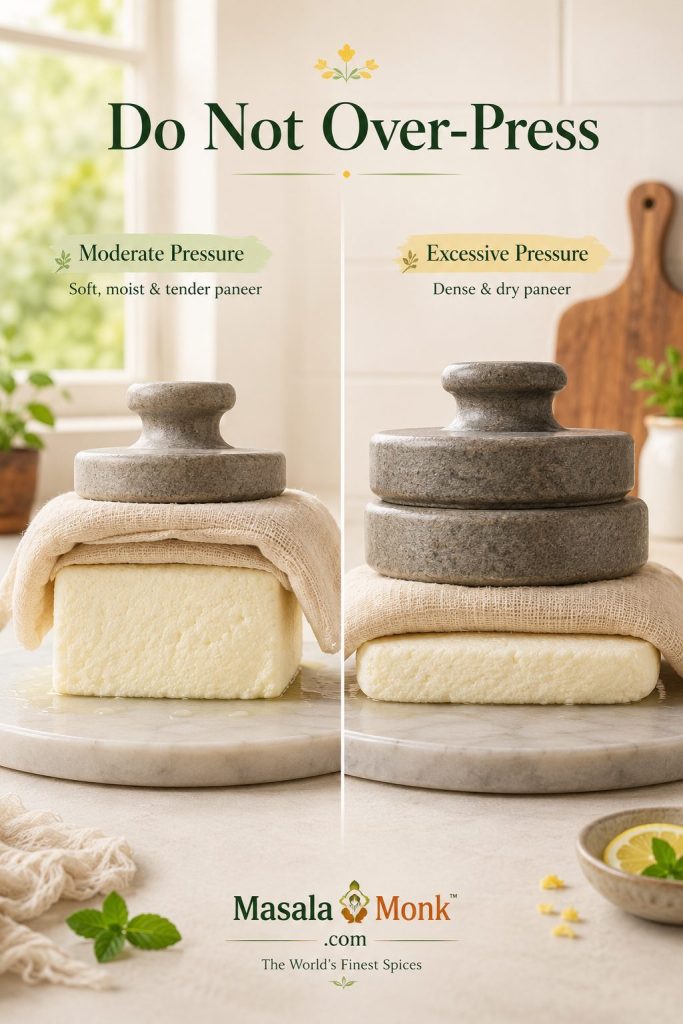
But if you take one thing away from this post, let it be this: the jump from “I buy teriyaki” to “I make teriyaki” is smaller than it looks.

Also Read: Cheesy Chicken Broccoli Rice – 4 Ways Recipe (One Pot, Casserole, Crockpot & Instant Pot)


Quick Teriyaki Chicken Recipe (Using This Sauce)

If you only make one dish with this teriyaki sauce recipe, let it be simple chicken teriyaki – the kind of easy teriyaki chicken recipe (stovetop, air fryer or oven) you can throw together on a weeknight. It’s the kind of weeknight meal that tastes like takeout, uses just one pan, and works with chicken thighs or breast.

Ingredients

  • 500–700 g chicken thighs or breast, cut into bite-sized pieces
  • 2 tablespoons neutral oil
  • Salt and pepper (just a pinch; the sauce is salty)
  • ½ to ¾ cup homemade teriyaki sauce (from the everyday teriyaki sauce recipe above)
  • Cooked white rice or brown rice, to serve
  • Steamed or stir-fried vegetables (broccoli, carrots, peppers, beans), to serve
High-resolution recipe card showing a bowl of quick teriyaki chicken with glossy glazed pieces, rice and green vegetables, with overlay text listing ingredients and three simple steps for a one-pan teriyaki chicken dinner.
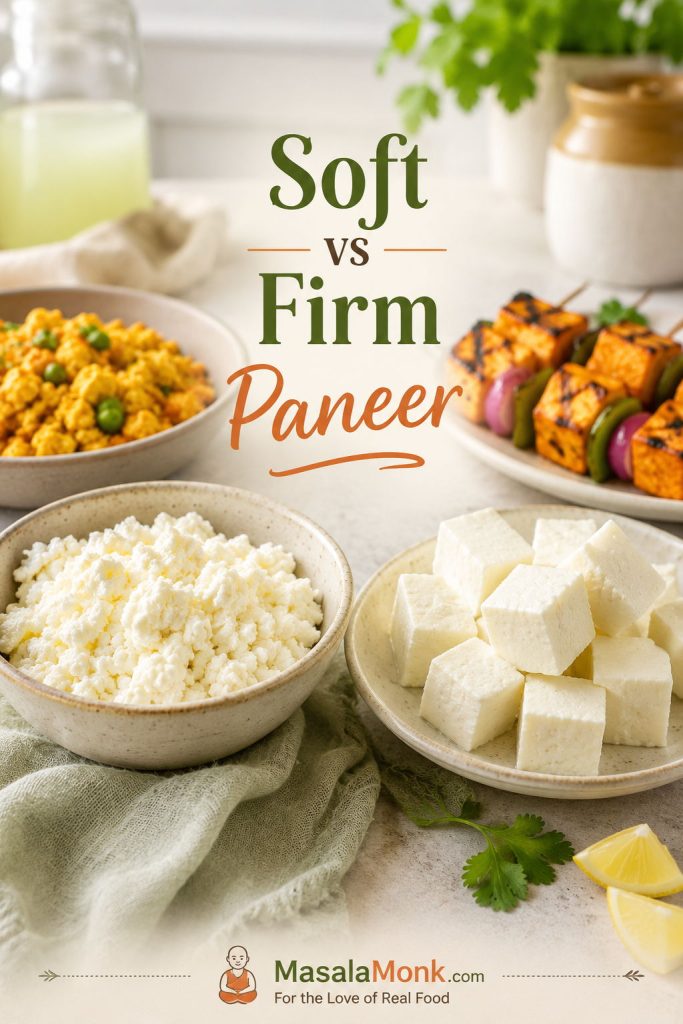
This is the “entry level” way to use your house teriyaki: one hot pan, a handful of chicken, a scoop of sauce and you’ve got a takeout-style bowl in under half an hour—perfect for testing new flavour tweaks like honey, orange or spicy teriyaki without changing the method.

How to Cook Teriyaki Chicken

  1. Prep the chicken. Pat the chicken dry and season very lightly with salt and pepper.
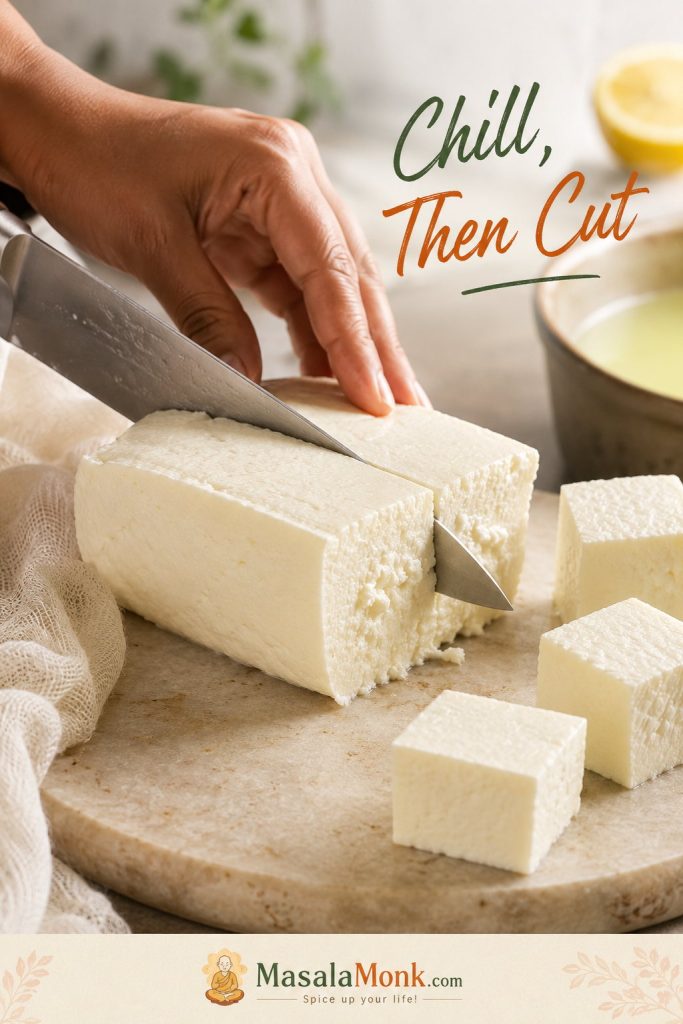
  2. Sear. Heat the oil in a wide pan over medium-high heat. Add the chicken in a single layer and cook until lightly browned on both sides and just cooked through.
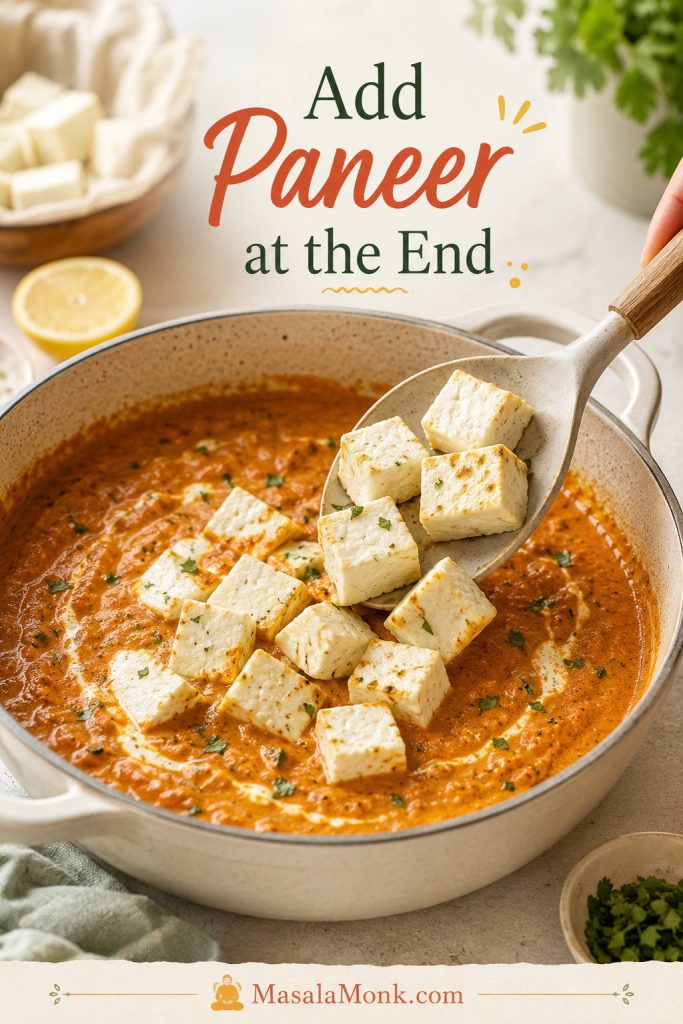
  3. Add the teriyaki sauce. Reduce the heat to medium, pour in the teriyaki sauce and toss so every piece is coated.
  4. Glaze. Let the sauce bubble gently for a few minutes, stirring, until it thickens into a shiny glaze and clings to the chicken. If it gets too thick, add a splash of water; if it’s too thin, simmer for another minute.
  5. Serve. Spoon the chicken teriyaki over hot rice with plenty of vegetables on the side. Drizzle over any extra sauce from the pan.

This basic chicken teriyaki recipe is easy to spin into variations. Toss cooked noodles through the pan for chicken teriyaki noodle stir fry, or pile the glazed pieces into a bun with crunchy salad for teriyaki chicken burgers.

Also Read: Whiskey Sour Recipe: Classic Cocktail, Best Whiskey & Easy Twists


Easy Teriyaki Salmon Recipe

For salmon teriyaki, the oven does most of the work. This is a simple teriyaki salmon recipe that uses the same everyday sauce.

  1. Heat the oven to 200°C. Line a baking tray with parchment.
  2. Place 4 salmon fillets on the tray, skin-side down. Pat dry and season very lightly with salt and pepper.
  3. Spoon a generous layer of teriyaki sauce over each fillet.
  4. Bake for 10–12 minutes, depending on thickness, until the salmon is just cooked through.
  5. For a more caramelised finish, brush with a little more sauce and give the fillets 1–2 minutes under a hot grill or broiler.
Vertical recipe card showing a plate of oven-baked teriyaki salmon with white rice and broccolini, plus text with simple steps for making easy teriyaki salmon using homemade teriyaki sauce.
Baking the salmon with teriyaki already on top does two jobs at once—the fish gently steams underneath while the sauce reduces on the surface, so you get juicy flesh, a shiny glaze and tray juices you can spoon straight over rice or noodles.

Serve the baked teriyaki salmon with rice and vegetables, or flake it over warm noodle bowls. The same method works for other firm fish fillets if you’re in the mood for fish teriyaki beyond salmon.

Also Read: Easy Lemon Pepper Chicken Wings (Air Fryer, Oven & Fried Recipe)


Simple Beef Teriyaki Stir-Fry (with rice or noodles)

Beef teriyaki is another fast, high-heat favourite. Thin slices of beef cook in minutes and soak up the teriyaki stir-fry sauce beautifully.

  • 300–400 g beef steak, sliced thinly against the grain
  • 2 cups mixed vegetables (broccoli, carrots, peppers, snap peas)
  • 2 tablespoons neutral oil
  • ½ cup teriyaki sauce, thinned with a splash of water if very thick
  • Cooked rice or noodles, to serve
Vertical recipe card showing a bowl of simple beef teriyaki stir-fry with glossy beef strips, broccoli, carrots and green beans over rice, with a wok full of stir-fry in the background and text explaining the quick three-step method.
Because the beef is sliced thin and cooked hot and fast, this stir-fry is the perfect place to test how thick you like your teriyaki—keep it slightly looser if you’re serving over rice, or reduce it a little more if you want the sauce to cling tightly to noodles.
  1. Stir-fry the beef. Heat 1 tablespoon oil in a hot pan or wok. Add the beef and stir-fry just until browned; remove to a plate.
  2. Cook the vegetables. Add the remaining oil and the vegetables. Stir-fry over high heat until crisp-tender.
  3. Combine with sauce. Return the beef to the pan, pour in the teriyaki sauce and toss everything together. Cook for 1–2 minutes until the sauce bubbles and coats the beef and vegetables.
  4. Serve. Spoon your beef teriyaki stir-fry over rice, or toss with cooked noodles for beef teriyaki noodles.

This one pan teriyaki beef and rice or noodle dinner is an easy way to turn the same teriyaki sauce recipe into a new meal.

Also Read: Crispy Homemade French Fries From Fresh Potatoes (Recipe Plus Variations)


Bringing It All Together in Real Meals

Theory is nice, but you’re going to remember teriyaki by what you put on the table.

You might start by whisking up that everyday teriyaki sauce, then:

  • marinate chicken thighs in a thinner, more acidic version and roast them on a tray with onions and peppers, brushing with a thicker glaze in the last ten minutes
  • spoon the traditional soy–mirin–sake glaze over salmon fillets as they grill, letting it build up into a shiny layer, then serve them with rice and a crisp side from the potato salad recipes you’ve bookmarked
  • throw together a fridge-cleanout stir-fry with vegetables, tofu and a ladle of teriyaki, knowing you can adjust sweetness and salt right there in the pan
  • build warm or cold noodle bowls with soba, plenty of vegetables and a ginger-sesame teriyaki dressing
  • glaze pork chops or pork tenderloin with pineapple teriyaki and serve with a simple salad and grilled pineapple slices
  • spread pineapple-lifted teriyaki over a pizza base, add leftover chicken teriyaki and bake for an easy teriyaki chicken pizza night.
Four friends sitting around a wooden table sharing a variety of teriyaki dishes—including chicken bowls, teriyaki salmon, noodles and vegetables—with a jar of sauce in the centre and the text “One Teriyaki, A Whole Table of Meals” overlaid.
One base teriyaki sauce can turn into a whole table of food—bowls, salmon, stir-fries, wings and veggie plates—so once you’ve dialled in your “house” version, you’re only a few tweaks away from an easy teriyaki night with friends.

If you’re hosting, you can lean harder into variety. Make a platter of wings: some in honey teriyaki, some in spicy teriyaki. Put out bowls of dips—spinach dip, buffalo chicken dip, hummus—along with raw vegetables, bread and crackers. Pour drinks, maybe even something fun and fizzy from a set of mimosa ideas, and suddenly your weeknight sauce has turned into a party.

Also Read: Katsu Curry Rice (Japanese Recipe, with Chicken Cutlet)

Conclusion

Over time, you’ll find your own sweet spot: maybe a slightly less sweet, more gingery version for everyday cooking; a fruit-heavy pineapple or orange teriyaki for grilling; a miso-enriched glaze for salmon; and a low-sugar, low-sodium version when you want to keep things light but flavourful.

And at that point, “teriyaki sauce” isn’t a mysterious thing in a bottle anymore. It’s just one of your house sauces—like pesto, like chimichurri, like tzatziki—waiting in the fridge or on the stove, ready to make simple food feel like something worth sitting down for.

FAQs on Teriyaki Sauce and its Recipe

1. What is teriyaki sauce, exactly?

Teriyaki sauce is a sweet–savory Japanese-style sauce built on soy sauce, a sweetener (usually sugar or honey), and mirin or another mild cooking wine. Traditionally, it began as a glaze brushed over grilled fish or chicken, giving the surface a shiny, caramelised coating. Over time, it has evolved into a multi-use sauce for marinating, stir-frying, glazing, dipping, and even dressing salads and noodle bowls.


2. How do you make a simple homemade teriyaki sauce from scratch?

To begin with, you only need a few pantry staples. Combine soy sauce, water, mirin (or a mix of mild wine and sugar), brown sugar, minced garlic, grated ginger, and a splash of rice vinegar in a saucepan. Simmer gently until the sugar dissolves and the flavours mingle. Then, if you want it thicker, stir in a cornstarch-and-water slurry and cook for a minute or two until glossy. Taste, adjust sweetness and salt, cool it, and your homemade teriyaki sauce is ready to use or store for quick teriyaki chicken, salmon, beef or veggie stir-fries.


3. What’s the difference between authentic Japanese teriyaki and the thicker takeout-style sauce?

In authentic Japanese teriyaki, the sauce is usually just soy sauce, mirin, sake, and sugar simmered until slightly syrupy, with no garlic, no ginger, and no cornstarch. It stays light and clean, meant mainly for brushing over grilled fish or chicken. By contrast, many takeout-style or bottled teriyaki sauces are thicker, sweeter, and heavily scented with garlic and ginger, often relying on starch for that shiny, clingy texture. Both are delicious, but they serve slightly different purposes in cooking.


4. What ingredients do I really need for teriyaki sauce if my pantry is basic?

Even with a minimal pantry, you can still make a good teriyaki-style sauce. At the very least, you need soy sauce for salt and umami, sugar (or honey) for sweetness, and water to keep it from being overpowering. Whenever possible, adding something mirin-like (or a mild wine plus sugar), along with a little garlic and ginger, makes the flavour much more rounded. From there, extras like rice vinegar, sesame oil, or chilli are optional upgrades, not requirements.


5. How can I make my teriyaki sauce thicker and stickier?

If your teriyaki sauce feels too thin, there are several ways to change that. The most straightforward method is to simmer it for longer so water evaporates and the sauce naturally reduces and thickens. Alternatively, you can whisk a small amount of cornstarch into cold water, then stir this slurry into gently simmering sauce until it becomes glossy and coats the back of a spoon. For an even stickier glaze, increasing honey or another syrupy sweetener and cooking for a little longer works beautifully on wings, drumsticks, salmon and tofu.


6. Can I make teriyaki sauce without mirin or sake?

Yes, you absolutely can. When mirin or sake isn’t available, you can still get very close to that classic taste. One approach is to use a mild white wine with a little extra sugar. Another option is to mix sugar with a bit of rice vinegar and water to mimic some of mirin’s sweet–tangy balance. It won’t be perfectly traditional, yet the resulting sauce will still taste recognisably like teriyaki and work well in marinades, stir-fries and glazes.


7. Is teriyaki sauce healthy, and how can I make it lighter?

On its own, teriyaki sauce tends to be high in sodium and contains added sugar, so it’s more of a “use thoughtfully” ingredient than a neutral one. However, it can absolutely fit into a balanced way of eating. To make it lighter, you can switch to low-sodium soy sauce, dilute the soy with water, and reduce the sugar by a third to half. In addition, leaning more on ginger, garlic and a touch of vinegar keeps the flavour big while toning down the salt and sweetness. Using less sauce per serving and pairing it with plenty of vegetables also helps.


8. How do I turn teriyaki sauce into a marinade, stir-fry sauce, or dipping sauce?

Interestingly, you don’t need separate recipes for each use. For a teriyaki marinade, simply keep the sauce thinner and slightly more acidic by adding a bit more water and vinegar or citrus. Then for a stir-fry sauce, aim for medium thickness so it coats ingredients without turning gloopy—your cornstarch-thickened version is ideal here. And for a dipping sauce, thin a small amount with water or light stock, then brighten it with extra vinegar or lime so it’s punchy, pourable and perfect alongside dumplings, skewers, tofu or roasted vegetables.


9. How long does homemade teriyaki sauce last in the fridge?

Generally, homemade teriyaki sauce keeps well in a sealed jar in the refrigerator for about one week, sometimes a bit longer if it’s cooked, cooled and stored cleanly. Because it contains soy and sugar, it has some built-in preservative qualities, but it still counts as a fresh sauce. Before using leftovers, give it a sniff, a quick look and a small taste. If anything seems off—odd smell, separation that doesn’t mix back, or mould—discard it and make a fresh batch.


10. Can I freeze teriyaki sauce for later?

Absolutely. Moreover, freezing is a smart way to batch-prep. Once your teriyaki sauce has cooled completely, pour it into freezer-safe containers or small portions in ice cube trays. When frozen, you can pop the cubes into a bag for easy storage. On busy days, just thaw a few cubes in a saucepan or microwave and use them as a glaze, marinade base or stir-fry sauce. This trick also lets you make different versions—honey, ginger-heavy, spicy—and keep them ready to go.


11. How do I make a low sugar or keto-friendly teriyaki sauce?

For a lower sugar teriyaki, start by cutting the sugar in your favourite recipe in half and letting mirin, ginger, garlic and vinegar do more of the flavour work. If you’d like to go further and keep the sauce very low in carbohydrates, you can use a sugar substitute that behaves well in cooking, then taste and adjust carefully to avoid an artificial aftertaste. In addition, keeping the sauce slightly thinner and using less per serving is often enough to get that teriyaki flavour without loading up on sugar.


12. Is it possible to make vegan or soy-free teriyaki sauce?

Yes, both are quite achievable. To keep your teriyaki sauce recipe vegan, avoid honey and use plant-based sweeteners such as sugar or maple syrup, along with soy sauce, mirin, garlic and ginger. For a soy-free teriyaki-style sauce, you can swap soy sauce for coconut aminos or a similar savoury seasoning, then adjust the sweetness down a bit because those alternatives are often naturally sweeter. Finally, add garlic, ginger and a touch of vinegar, then reduce or lightly thicken the mixture until it has the shine and consistency you want.


13. Can I use bottled teriyaki sauce in these recipes?

Yes. If you already have a bottle of teriyaki sauce at home, you can absolutely use it in place of the homemade teriyaki sauce recipe here. For a quick teriyaki chicken recipe using bottled sauce, brown the chicken in a pan, pour in enough sauce to coat, and let it simmer until the chicken is cooked through and the sauce thickens slightly. If the bottled sauce is very strong or salty, thin it with a little water or stock and add fresh garlic, ginger or a squeeze of citrus to brighten it. The same approach works for slow cooker teriyaki chicken with bottled sauce or a very quick teriyaki chicken with bottled sauce on the stovetop: add the chicken and sauce, cook until tender, then thicken the juices at the end if you want a stickier finish.


14. How do I make teriyaki chicken in the air fryer?

Air fryer teriyaki chicken is basically your quick-pan recipe adapted to hot circulating air. Pat chicken thighs or breast pieces dry, toss them in a thin layer of teriyaki sauce (or marinate briefly), then arrange them in a single layer in the basket. Air fry at around 190–200°C for 10–15 minutes, turning once, until cooked through. In the last 2–3 minutes, brush with a little more teriyaki to create a sticky glaze. Serve over rice or tuck into wraps and bowls with vegetables for an easy, lower-oil version of classic teriyaki chicken.


15. What’s an easy slow cooker or crockpot teriyaki chicken recipe?

For slow cooker teriyaki chicken, the main trick is to keep the sauce thin at the start and thicken it at the end. Place boneless chicken thighs or breasts in the crockpot, pour over enough teriyaki sauce (homemade or bottled) to mostly cover, and cook on LOW for 4–6 hours or HIGH for 2–3 hours until tender. Remove the chicken and shred or slice it. Then simmer the cooking liquid in a saucepan with a cornstarch slurry until it turns into a glossy teriyaki glaze. Toss the chicken back in the thickened sauce and serve over rice, noodles or in lettuce wraps.


16. How can I use teriyaki sauce for baked chicken or salmon?

Baked teriyaki chicken and baked teriyaki salmon are both “hands-off” ways to use the same sauce. For chicken, arrange thighs or drumsticks on a lined tray, brush with teriyaki sauce and bake at 190–200°C until cooked through, brushing once or twice more during baking for extra gloss. For salmon, spoon teriyaki over fillets and bake for 10–12 minutes, then finish with a quick blast under the grill to caramelise the top. In both cases, you can reduce extra sauce on the stovetop into a thicker glaze for drizzling when you serve.


17. What are some easy teriyaki noodle and fried rice ideas?

Teriyaki sauce turns simple noodles and leftover rice into full meals. For teriyaki noodles, stir-fry vegetables and a protein of your choice, add cooked noodles (soba, udon, ramen or regular stir-fry noodles), then pour in enough teriyaki to coat everything. Toss over high heat until glossy. For teriyaki fried rice, stir-fry cold cooked rice with vegetables, scrambled egg and any leftover meat or tofu, then add a thinner teriyaki sauce and let it sizzle into the rice. Both are great ways to use up fridge odds and ends while still delivering that sweet–savory teriyaki flavour.


18. How do I make a good teriyaki chicken and broccoli or veggie bowl?

For chicken teriyaki with broccoli and other vegetables, think in three parts: base, veg and protein. Start with rice or noodles in the bowl. Stir-fry or steam broccoli, carrots, peppers and snap peas until just tender, then toss them with a little teriyaki sauce so they’re lightly coated. Cook chicken pieces in a pan until browned, add more teriyaki and let it reduce to a shiny glaze. Pile the glazed chicken and vegetables over the base, drizzle over any remaining sauce, and sprinkle with sesame seeds. It’s an easy template for healthy chicken teriyaki bowls you can repeat all week.


19. Can I use teriyaki sauce for cod, shrimp or other seafood?

Definitely. Teriyaki cod and teriyaki shrimp are both fast, flavourful options. For cod or other white fish, keep the sauce a bit lighter and don’t marinate for too long; brush or spoon teriyaki over fillets just before baking or grilling. For shrimp, a 10–15 minute marinade is usually enough before a quick stir-fry or grill, then you can finish with extra sauce in the pan. Because seafood cooks quickly, teriyaki works best as a glaze and finishing sauce rather than a long marinade that might break down the texture.


20. What are some fun, non-traditional ways to use teriyaki sauce?

Once you have a reliable teriyaki sauce recipe, you can take it far beyond the usual rice bowls. Use it as the base for teriyaki chicken pizza (spread a thicker glaze on the crust, add cooked chicken, onions and peppers, then bake with cheese), or brush burgers and meatballs with teriyaki as they grill for a sweet–savory crust. Toss roasted potatoes or sweet potatoes in a reduced teriyaki glaze for a sticky side dish, or drizzle a thinner sesame–ginger version over grain bowls and chopped salads. The same core sauce can anchor everything from party snacks to weeknight comfort food.


Posted on 1 Comment

6 Habits to Normalize by Age 25

As we navigate our 20s, it’s crucial to establish habits that set the foundation for a successful and balanced life. By age 25, normalizing the following habits can lead to a healthier, more productive, and fulfilling lifestyle.

1. Wake Up at 5 AM

Rising early gives you a head start on the day, allowing for quiet, uninterrupted time to focus on personal goals and tasks. Early mornings can be used for activities like exercise, meditation, or simply enjoying a peaceful start to the day.

Benefits:

  • Increased productivity
  • Improved mental health
  • More time for self-care

2. Four Hours of Deep Work

Dedicate at least four hours daily to deep work—intense, focused periods of work without distractions. This practice can significantly boost your productivity and help you achieve your professional goals more efficiently.

Tips for Deep Work:

  • Create a distraction-free environment
  • Set clear goals for each work session
  • Take regular breaks to avoid burnout

3. Cook Your Own Food

Preparing your own meals is not only healthier but also more economical. It gives you control over what you consume, allowing you to maintain a balanced diet and avoid unhealthy fast food options.

Advantages:

  • Better nutrition
  • Cost savings
  • Culinary skills development

4. Keep Your Life Private

Maintaining a level of privacy in your personal life can protect you from unnecessary stress and drama. Share your achievements and struggles selectively, ensuring you have a trusted support system without oversharing.

Reasons to Maintain Privacy:

  • Reduced social pressure
  • Protection from unsolicited advice
  • Enhanced personal security

5. Spend One Hour in the Gym

Regular exercise is essential for physical and mental well-being. Committing to at least one hour in the gym daily can help you stay fit, reduce stress, and boost your overall energy levels.

Exercise Benefits:

  • Improved physical health
  • Enhanced mood and mental clarity
  • Better sleep quality

6. Mind Your Own Business

Focusing on your own goals and progress rather than getting involved in others’ affairs can lead to greater personal satisfaction and reduced stress. This mindset allows you to channel your energy into what truly matters to you.

Outcomes:

  • Increased focus and productivity
  • Reduced stress and negativity
  • Greater personal growth

Conclusion

Incorporating these habits into your daily routine by age 25 can set the stage for a successful, healthy, and fulfilling life. Start small, be consistent, and watch as these practices transform your lifestyle for the better.

FAQs

1. Why should I wake up at 5 AM? Waking up at 5 AM provides you with extra time in the morning for productive activities such as exercise, planning your day, or working on personal projects without interruptions.

2. What is deep work, and why is it important? Deep work refers to focused, uninterrupted periods of work that allow you to achieve high levels of productivity. It’s important because it helps you accomplish more in less time, improving both the quality and quantity of your work.

3. How can I start cooking my own food if I have no experience? Begin with simple recipes and gradually progress to more complex dishes. Utilize online resources, cooking classes, and practice regularly to build your culinary skills.

4. Why is keeping my life private beneficial? Maintaining privacy helps reduce stress and social pressure, protects you from unsolicited advice, and enhances your personal security.

5. How do I make time for an hour in the gym every day? Prioritize exercise by scheduling it into your daily routine, just like any other important appointment. Find a gym close to home or work, and choose a time that fits your schedule best.

6. What are some effective strategies for deep work? Create a distraction-free workspace, set clear goals, take regular breaks, and use techniques like the Pomodoro method to maintain focus during deep work sessions.

7. How can I ensure a balanced diet when cooking at home? Plan your meals, use fresh and varied ingredients, and follow nutritional guidelines to ensure you’re getting a balanced diet. Consider consulting a nutritionist for personalized advice.

8. What are the mental health benefits of maintaining privacy? Privacy can reduce anxiety, help you maintain healthy boundaries, and give you a sense of control over your personal life, leading to improved mental well-being.

9. How does regular exercise benefit my mental health? Exercise releases endorphins, reduces stress, improves mood, and can help combat anxiety and depression, contributing to overall mental well-being.

10. What does “mind your own business” really mean in practice? It means focusing on your own goals and progress without getting involved in others’ affairs. This mindset helps you concentrate your energy on what truly matters to you, reducing stress and promoting personal growth.

Blog Tags

self-improvement, productivity, healthy lifestyle, waking up early, deep work, cooking at home, privacy, exercise, mental health, personal growth, habits, success, young adults, lifestyle tips

Posted on 2 Comments

Easy Aloo Gobi – Indian Cauliflower and Potato Dish Recipe

person holding cauliflower

Aloo Gobi, a popular Indian dish made with cauliflower (gobi) and potatoes (aloo), is a delight to the senses with its vibrant colors, tantalizing aromas, and rich, spicy flavors. Its simplicity and the accessibility of its ingredients make it a common household dish in India and an excellent introduction to Indian cuisine for cooking enthusiasts worldwide.

This delicious vegetable curry, cooked Punjabi style, makes a great vegetarian main or a side dish to accompany your favorite meat curry. It can be prepared dry or as masala with a bit of gravy. It is also very adaptable to other vegetables, and peas (matar) can be added to create Aloo Gobi Matar.

The Recipe: Easy Aloo Gobi

Ingredients:

  • 1 medium cauliflower (cut into florets)
  • 2 medium potatoes (peeled and cubed)
  • 1 cup green peas (optional)
  • 3 tbsp vegetable oil
  • 1 tsp cumin seeds
  • 1 onion (finely chopped)
  • 2 green chillies (slit lengthwise)
  • 1 tsp ginger-garlic paste
  • 2 tomatoes (finely chopped)
  • 1/2 tsp turmeric powder
  • 1 tsp red chilli powder
  • 2 tsp coriander powder
  • Salt to taste
  • Fresh coriander leaves (for garnish)

Instructions:

  1. Prepare the Vegetables: Wash the cauliflower florets and cubed potatoes thoroughly. If you’re using peas, ensure they are fresh or fully thawed if frozen.
  2. Cook the Aloo and Gobi: Heat oil in a pan. Add the cumin seeds, and when they start to splutter, add the potatoes. Cook until they are half done. Now add the cauliflower florets and cook until both are tender and slightly golden brown.
  3. Prepare the Masala: In a separate pan, heat some oil. Add the finely chopped onions and green chillies, sauté until the onions turn golden brown. Now add the ginger-garlic paste and sauté for another minute. Add the finely chopped tomatoes and cook until they are soft and mushy.
  4. Add the Spices: Now add the turmeric, red chilli, and coriander powder to the onion-tomato mixture. Stir well and cook until the raw smell of the spices goes away.
  5. Combine Everything: Now add the cooked potatoes and cauliflower to this masala. Mix everything well, so the vegetables are well coated with the masala. Cook for a few more minutes. If using peas, add them now.
  6. Garnish and Serve: Finish by seasoning with salt and garnishing with fresh coriander leaves. Serve your Aloo Gobi hot with rotis or rice.

Variations:

  • Aloo Gobi Matar: Add a cup of peas when you add the cooked potatoes and cauliflower to the masala. This variation adds an extra dimension to the dish and is perfect for when you want to up your vegetable intake.
  • Gobi Masala: Omit the potatoes and double the amount of cauliflower for a different take on the traditional recipe.
  • Aloo Gobi with Paneer: Add cubes of paneer (Indian cottage cheese) towards the end for a protein boost. This variation transforms the dish into a wholesome main meal.
  • Gobi Curry: Increase the amount of tomatoes and add some water after adding the spices to create a delicious cauliflower curry with more gravy.

This easy-to-follow Aloo Gobi recipe is the perfect starting point for creating an Indian feast at home. Remember, the best thing about cooking is making a recipe your own, so feel free to experiment and enjoy the process. Happy cooking!

Blog Tags: Aloo Gobi, Indian Cuisine, Vegetarian Recipes, Indian Recipes, Easy Recipes, Cauliflower Recipes, Potato Recipes, Curry Recipes, Home Cooking, Spices, Vegetables, Healthy Eating, Vegan Recipes, Comfort Food, Dinner Ideas, Meal Prep, Cooking at Home, World Cuisine

Posted on Leave a comment

Surprise Everyone with This Peach Condensed Milk Cake

Peach Fantasy by Masala Monk

Hello, food lovers! 🍽️💕 Today, we’re diving into a delightful dessert recipe that’s sure to impress everyone at your next gathering. We’re talking about a Peach Condensed Milk Cake, a dessert that’s not only incredibly flavorful but also easy to make! This fantastic recipe comes from the YouTube channel Amo Receitas, a wonderful resource for anyone looking for simple yet tasty meal ideas.

🎉 Join the Foodie Community! 🍽️

If you try these recipes or have other delicious recipes to share, join the vibrant and engaging food lovers community on Facebook. It’s a place where you can share your culinary experiments, discover new recipes, and connect with fellow food enthusiasts.

🍑 The Magic of Peach Condensed Milk Cake 🍰

Peach Condensed Milk Cake is a dessert that combines the sweet and tangy flavor of peaches with the creamy richness of condensed milk. The result is a cake that’s moist, flavorful, and absolutely delicious. Plus, it’s a versatile dessert that can be served at any occasion, from a casual family dinner to a special celebration.

🍽️ The Recipe: How to Make Peach Condensed Milk Cake 🍑

The recipe starts with the cake batter, which is made from 3 1/2 cups of flour, 1 cup of sugar, 3 eggs, 3/4 cup of oil, 1 1/4 cup of milk, 1 tablespoon of baking powder, and 1 teaspoon of vanilla sugar. The ingredients are mixed together until smooth.

Next, the batter is poured into a greased baking dish. Slices of peach are arranged on top of the batter, and then 1 1/2 cups of condensed milk is poured over the peaches. The cake is then baked until golden and set.

🍴 Enjoying Peach Condensed Milk Cake: Tips and Suggestions 🍽️

When enjoying Peach Condensed Milk Cake, here are a few tips and suggestions:

  • Feel free to adjust the amount of condensed milk to suit your taste. If you prefer a less sweet cake, you can reduce the amount of condensed milk.
  • This cake is best served chilled, so consider making it a day ahead and storing it in the refrigerator overnight.
  • Peach Condensed Milk Cake makes a great dessert for any meal. Serve it with a cup of coffee or tea for a delightful afternoon treat.

🎉 Join the Foodie Community! 🍽️

If you try this recipe or have other delicious recipes to share, join the vibrant and engaging food lovers community on Facebook. It’s a place where you can share your culinary experiments, discover new recipes, and connect with fellow food enthusiasts.

🙏 Credits 🙏

A big thank you to Amo Receitas for sharing this fantastic Peach Condensed Milk Cake recipe. Their channel is a treasure trove of delicious recipes that are easy to follow and absolutely delightful to taste. If you’re a fan of simple and tasty recipes, be sure to check out their YouTube channel for more culinary inspiration

So, are you ready to bring a taste of this delicious Peach Condensed Milk Cake into your kitchen? With this recipe, you can enjoy a delicious and unique dessert right at home. Happy cooking! 🍽️🎉

Remember to check out more amazing recipes on Amo Receitas‘s YouTube channel. Enjoy the delicious day! 🌞🍡🌭