Posted on Leave a comment

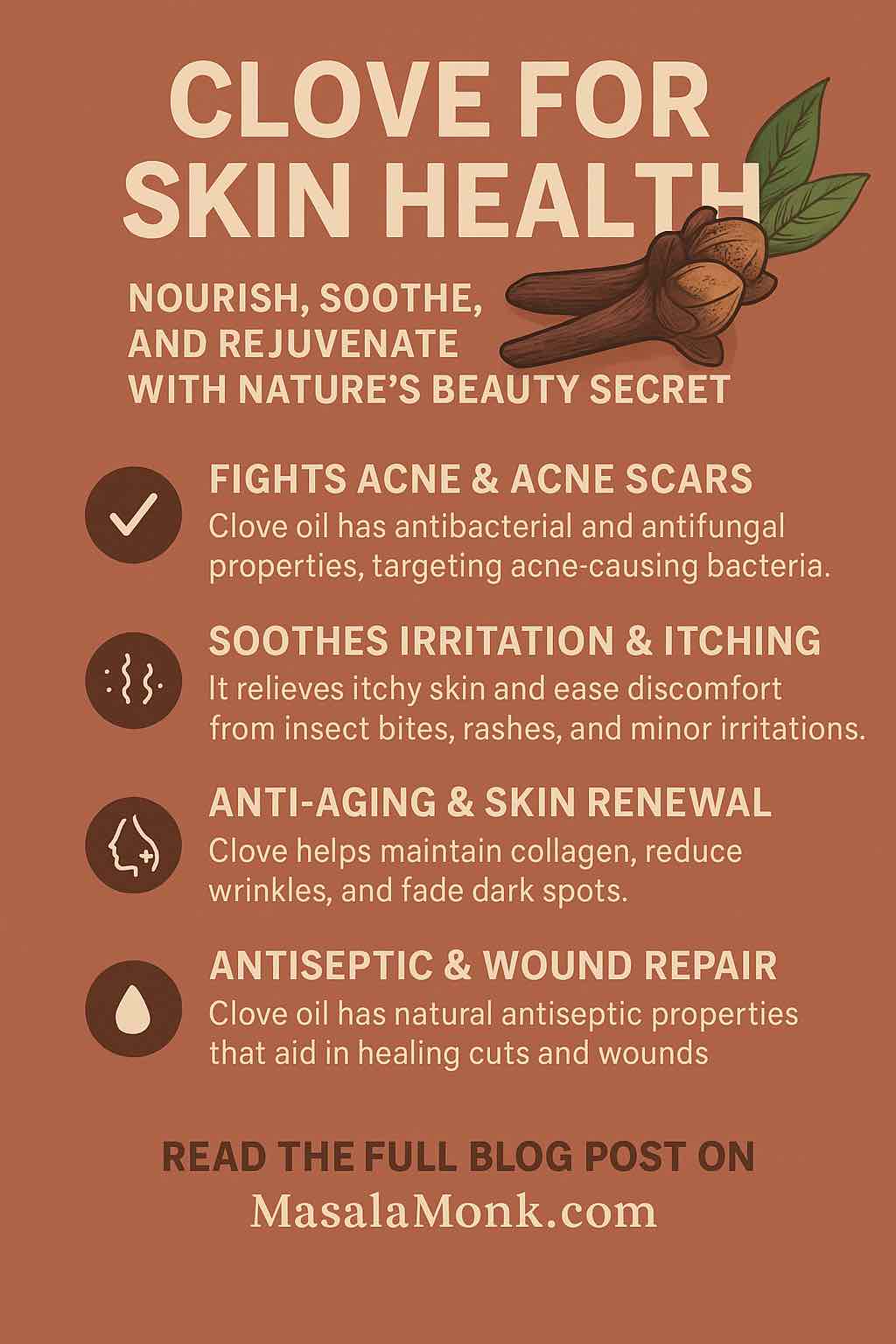
Clove for Skin Health: Nourish, Soothe, and Rejuvenate with Nature’s Beauty Secret

CLOVE FOR SKIN HEALTH

In a world overflowing with skincare fads and “miracle” ingredients, it’s easy to overlook the natural wonders tucked away in your spice cabinet. Clove—the aromatic flower bud from Syzygium aromaticum—is one such gem, cherished for centuries in Ayurvedic, Chinese, and folk medicine. But it’s not just tradition or folk wisdom; modern science is catching up, and the results are stunning.

If you want skin that is clear, resilient, youthful, and glowing—without the harsh chemicals—let’s unlock the power of clove together. This blog post explores how clove supports skin health, what the latest research reveals, how you can use it at home, and the real-world precautions you must know.


The Science of Clove: What Makes It Special?

The Secret Compounds

  • Eugenol: The dominant compound in clove oil (70–90%), eugenol is a powerhouse antioxidant, anti-inflammatory, and antimicrobial agent. It’s the reason dentists use clove for numbing and why your grandma might have reached for it for a toothache.
  • β‑Caryophyllene: A lesser-known, but potent, anti-inflammatory compound also found in black pepper and cannabis.
  • Other Phytochemicals: Flavonoids, tannins, and triterpenoids—offering skin-protective, wound-healing, and calming effects.

These compounds act together to fight microbes, tame inflammation, soothe itching, and even support the skin’s natural healing and anti-aging processes.


Clove for Skin: Evidence-Based Benefits

1. Acne and Breakout Control

  • How it works: Clove oil is a natural enemy of Cutibacterium acnes and Staphylococcus aureus—the bacteria that cause pimples and inflamed breakouts.
  • Real use: Mix a single drop of clove oil into a teaspoon of jojoba or coconut oil, and dab it gently onto active spots. Clinical studies show a significant reduction in redness and swelling within days.
  • Bonus: Its antifungal properties also help with conditions like athlete’s foot or fungal acne.

2. Soothing Itch and Irritation

  • Clinical insight: A 2024 study confirmed that diluted clove oil outperformed petroleum jelly in relieving chronic itch (pruritus), making it a natural alternative for those with eczema, dermatitis, or even bug bites.
  • How to try: Blend a few drops into your favorite unscented moisturizer and use as needed on itchy patches (avoid broken skin).

3. Wound Healing and Repair

  • Latest research (2025): Cutting-edge nanotechnology is now used to deliver clove oil in “nanosponges,” which offer sustained release and zero skin irritation—unlike pure, undiluted clove oil, which can sting. Animal and cell studies show these gels accelerate healing, reduce inflammation, and minimize scarring.
  • Practical takeaway: While these advanced gels may not be widely available in stores yet, you can use well-diluted clove oil for minor cuts and scrapes at home.

4. Anti-Aging and Skin Rejuvenation

  • Lab evidence: Clove oil suppresses enzymes that break down collagen and trigger wrinkling. Studies show it boosts procollagen (the precursor to collagen), fights UV-induced damage, and brightens uneven tone.
  • How to use: Add a tiny amount to homemade serums or masks, always with a carrier oil and never directly on the skin.

How to Use Clove for Skin—Safely and Effectively

The Rules of the Game

  1. Dilute, Dilute, Dilute: Never apply clove oil neat! Use at a concentration of 0.5–1%—that’s about 1–2 drops per tablespoon of carrier oil (e.g., jojoba, almond, coconut).
  2. Patch Test: Even diluted, clove oil is potent. Apply to a small spot on your forearm and wait 24 hours before using widely.
  3. Avoid Sensitive Areas: Do not use on lips, around the eyes, or on mucous membranes. Never use on infants, and consult a doctor if you’re pregnant, nursing, or have sensitive skin conditions.
  4. Combine Wisely: For pain or severe itching, you can blend clove oil with traditional remedies (like lidocaine gel)—but only with medical guidance.

Practical DIY Recipes

1. Clove Spot Acne Treatment

Ingredients:

  • 1 drop clove essential oil
  • 1 teaspoon jojoba or coconut oil

How to Use: Mix well, dip a cotton swab, and apply directly to pimples after cleansing. Use once daily.


2. Soothing Clove Itch Relief Balm

Ingredients:

  • 2 drops clove oil
  • 1 tablespoon shea butter
  • 1 teaspoon sweet almond oil

How to Use: Whip all ingredients together, store in a small jar, and use on itchy, irritated areas as needed.


3. Gentle Clove Face Mask for Brightening

Ingredients:

  • 1 teaspoon clove powder (not oil)
  • 1 tablespoon honey or plain yogurt

How to Use: Mix, apply to clean face for 5–10 minutes, then rinse. Use weekly.


Advanced: What’s New and Exciting?

  • Nanosponges and Gels: The future of clove in skincare lies in slow-release formulations, offering all the benefits with virtually zero irritation. Watch for these ingredients in next-gen skincare products.
  • Clove + Conventional Treatments: Blends of clove and lidocaine are already being used clinically for pain management, showing improved results over lidocaine alone.

Frequently Asked Questions

1. Is clove oil safe for direct application to the skin?
No. Clove oil is very potent and should never be used undiluted on the skin. Always mix it with a carrier oil (like coconut, almond, or jojoba oil) at a concentration below 1% before topical use.


2. How can clove help with acne and pimples?
Clove oil is naturally antibacterial and anti-inflammatory. When diluted, it can reduce redness, swelling, and kill acne-causing bacteria. Apply only on affected areas for best results.


3. Can clove oil help with dark spots or hyperpigmentation?
Clove’s antioxidants may help fade dark spots and even out skin tone with regular use. However, results vary, and it’s best used as a supplement to—not a replacement for—sun protection and other brightening agents.


4. What’s the safest way to patch test clove oil before using it on my face?
Dilute the oil as directed, apply a small amount to the inside of your forearm, and wait 24 hours. If no redness or irritation appears, it’s likely safe to use elsewhere.


5. Can I use clove oil on sensitive or eczema-prone skin?
Exercise caution. Clove oil can irritate sensitive or broken skin. Consult a dermatologist before using it if you have eczema or other skin conditions.


6. Is clove oil effective for itch relief?
Yes. Studies have shown diluted clove oil can effectively relieve itching (pruritus), especially for chronic cases, and works better than petroleum jelly in some cases.


7. Are there any side effects to using clove on the skin?
Possible side effects include burning, irritation, allergic reaction, and sensitization with prolonged use or if undiluted. Always dilute and patch test first.


8. Can I make my own clove-infused skincare at home?
Absolutely! You can add a drop or two of clove oil to your homemade serums, balms, or masks—but always follow proper dilution guidelines. Avoid direct contact with eyes and mucous membranes.


9. Are there ready-made skincare products with clove available?
Yes, some natural and Ayurvedic skincare brands include clove in spot treatments, balms, and creams—often blended with other soothing botanicals. Check labels for concentration and do a patch test.


10. Can pregnant or breastfeeding women use clove oil on their skin?
It’s best to avoid essential oils, including clove, during pregnancy and breastfeeding unless approved by a healthcare provider, as some compounds can be absorbed through the skin.


Final Thoughts: Nature’s Beauty Secret, But Handle With Care

Clove is much more than a holiday spice—it’s a clinically validated, multi-functional skincare ally that can help you conquer acne, soothe irritation, support healing, and keep skin looking younger for longer. But respect its potency: Always dilute, patch test, and don’t go overboard.

As science continues to refine how we use clove—think nanotechnology and advanced gels—the future looks bright for this natural wonder.


Ready to Try?

Share your experience with clove in the comments! Want recommendations for ready-made clove skincare products, or guidance on building your own safe, effective routine? Drop your questions below.


Stay radiant, stay natural!
Posted on Leave a comment

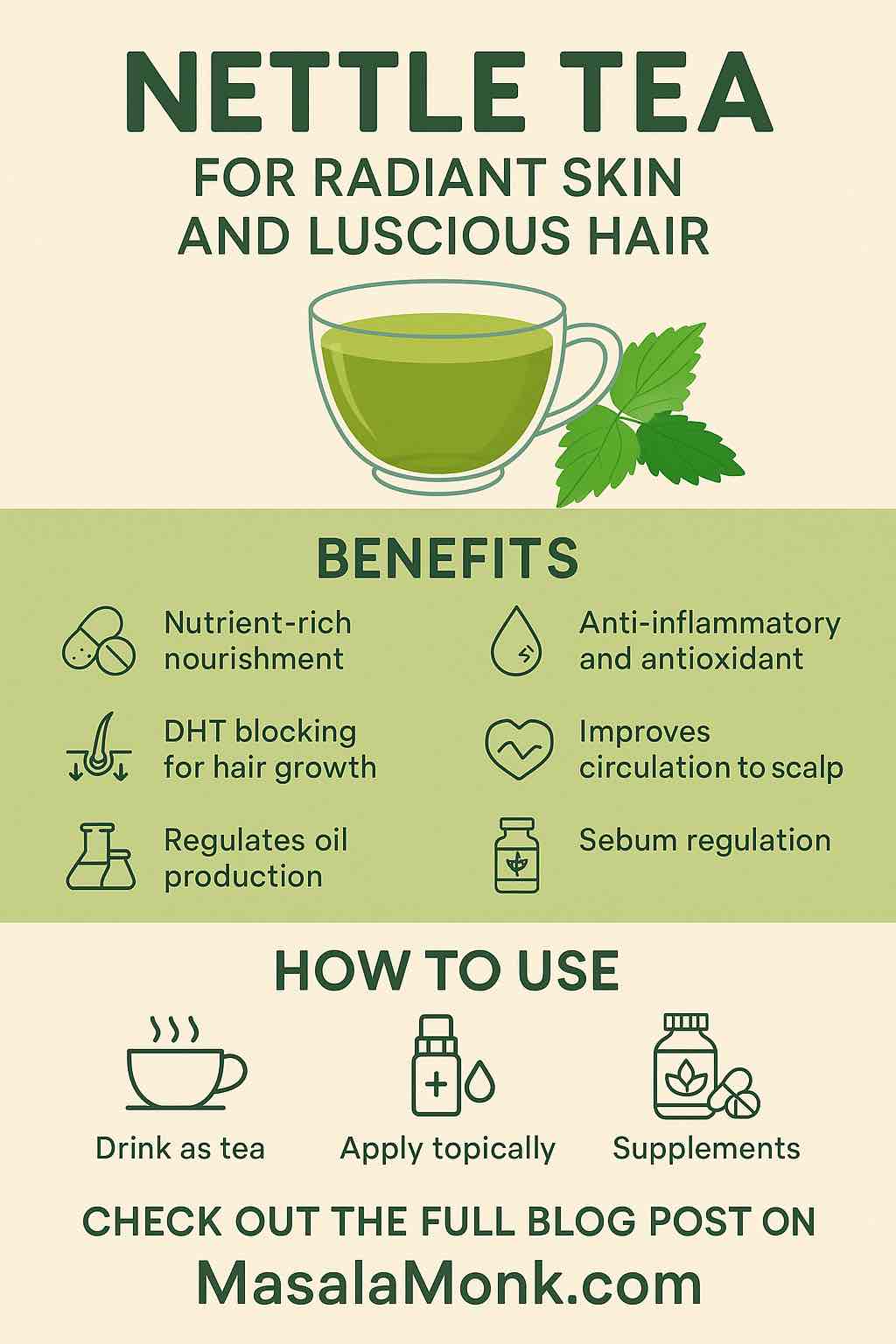
Nettle Tea for Radiant Skin and Luscious Hair

NETTLE TEA FOR RADIANT SKIN AND LUSCIOUS HAIR

When you think of glowing skin and luxurious hair, stinging nettle (Urtica dioica) might not be the first plant that comes to mind. But this prickly wild herb—once notorious for its painful sting—has quietly earned superstar status among herbalists, beauty experts, and wellness enthusiasts. In this post, we’ll explore why nettle tea is having a major moment, what the latest science says, and how to make this ancient tonic work for you—inside and out.


Why Nettle? A Quick Introduction

Nettle is not a new trend. It’s been used for centuries as a healing tonic across Europe, Asia, and North America. What’s changed? Modern research is now catching up to folk wisdom, revealing how nettle supports healthy skin, robust hair, and overall wellbeing.

Key nutrients in nettle leaves:

  • Vitamins A, C, D, E, and several B vitamins
  • Iron, magnesium, silica, calcium, potassium
  • Polyphenols and antioxidants

Nettle delivers a rare combination: deep nourishment, anti-inflammatory action, hormone-balancing effects, and gentle detox—all in a single cup of tea.


How Nettle Tea Benefits Skin and Hair (with Latest Evidence)

1. Nutrient-Rich for Cellular Repair

Your skin and hair are some of the first places to show nutrient imbalances or oxidative stress. Nettle tea provides bioavailable vitamins and minerals critical for:

  • Collagen synthesis (vitamin C, silica)
  • Wound healing (vitamin K, magnesium)
  • Strong, shiny hair shafts (iron, folate, biotin)

2. Anti-Inflammatory and Antioxidant Effects

Nettle contains carotenoids, polyphenols, and flavonoids that help calm chronic inflammation—a root cause of acne, eczema, redness, and even scalp irritation. By fighting free radicals, nettle may help prevent premature aging and dullness.

2025 Research Spotlight:
In silico studies confirm nettle’s antioxidants effectively neutralize skin-damaging free radicals and reduce inflammatory markers in both scalp and dermal cells.

3. DHT Blocking for Hair Growth

One of nettle’s standout benefits: it inhibits 5α‑reductase, the enzyme that converts testosterone to DHT—a key player in pattern hair loss. While more research is needed on nettle tea specifically, clinical trials with nettle-based shampoos and serums found:

  • Up to 90% reduction in hair loss after 6 months (compared to ~40% in placebo group)
  • Increased hair density and reduced shedding

4. Improves Scalp and Skin Circulation

Compounds like beta-sitosterol in nettle help enhance microcirculation. This means more oxygen and nutrients reach your scalp and skin, supporting growth and repair.

5. Sebum Regulation

Nettle has a natural balancing effect on oil production, making it a smart addition for both oily and combination skin types, as well as greasy scalp and hair.


How to Use Nettle for Beauty: Tea, Topical, and More

Here’s how to make nettle part of your beauty routine for maximum benefit:

1. Drink It: Daily Nettle Tea Ritual

  • How: Steep 1-2 teaspoons of dried nettle leaf in hot water for 5–10 minutes. Strain and enjoy 1–2 cups per day.
  • Flavor tip: Add a squeeze of lemon, honey, or mint to offset the earthy taste.
  • What to expect: Gradual, steady improvements. Most people report brighter skin and thicker hair after 2–3 months of regular use.

Pro Tip:
Nettle’s natural diuretic effect helps flush toxins, but be sure to stay hydrated!

2. Apply Topically: Rinses, Oils, and Masks

DIY Nettle Hair Rinse:

  • Steep 1–2 tablespoons dried nettle in 2 cups boiling water.
  • Cool, strain, and pour over clean, damp hair as a final rinse.
  • Massage gently into scalp; do not rinse out immediately.

Nettle-Infused Face Mist:

  • Brew strong nettle tea, allow to cool, and pour into a spray bottle.
  • Mist onto cleansed skin as a natural toner to soothe inflammation and balance oil.

Nettle Oil for Scalp:

  • Blend nettle-infused oil (or purchase pre-made) with a few drops of rosemary or peppermint oil.
  • Massage into scalp weekly to stimulate follicles and ease dryness or dandruff.

3. Supplements and Serums

  • Capsules or tinctures: Consider 500–1000 mg/day, but check with your doctor, especially if you take medication.
  • Serums and shampoos: Look for high-quality, standardized nettle extract near the top of ingredient lists.

Real-World Stories

“I started using nettle tea as a last resort for postpartum hair shedding. Three months in, my hair feels stronger and I have fewer breakouts. The results are real!”
— Jane D., London

“Nettle rinses brought shine back to my curls and calmed my itchy scalp. I wish I’d known about this years ago!”
— Tyler S., NYC


What Science Still Can’t Prove (Yet)

While early results and centuries of folk wisdom are promising, large-scale clinical trials on nettle tea for skin and hair are limited. Most studies focus on topical extracts, not tea. Individual response can vary based on genetics, hormones, and overall lifestyle.


Are There Any Side Effects?

  • Nettle is safe for most adults when used appropriately.
  • If you are pregnant, breastfeeding, or on blood thinners or diuretics, consult your healthcare provider first.
  • Some people report mild digestive upset or allergic reactions—start with a small amount and monitor your response.

Making Nettle Tea a Ritual (That Sticks)

  • Start a 30-day nettle challenge: Take a selfie before, and again at 4 and 8 weeks to track progress.
  • Pair with mindful moments—use tea time as a reset from your daily hustle.
  • Invite a friend to join—rituals are easier (and more fun) together!

Final Take: Should You Try Nettle Tea?

If you’re seeking a simple, holistic way to support radiant skin and healthy hair, nettle tea is an easy, affordable, and evidence-backed place to start. While it’s not a miracle cure, it’s a powerful ally—especially when combined with good sleep, a balanced diet, and gentle self-care.

Ready to get started?
Brew a cup, embrace the ritual, and let nature’s pharmacy nourish you from root to tip.

FAQs: Nettle Tea for Skin and Hair

1. Can anyone drink nettle tea, or are there people who should avoid it?
Most healthy adults can safely enjoy nettle tea. However, pregnant or breastfeeding individuals, and those taking blood thinners, blood pressure medications, or diuretics should consult their healthcare provider before starting nettle due to possible interactions.

2. How quickly can I expect to see results in my skin or hair after starting nettle tea?
Most people notice subtle improvements in 4–8 weeks of consistent use, but individual response varies based on lifestyle, diet, and genetics. For some, hair shedding decreases after a month; for others, it may take longer.

3. Does nettle tea taste good? Can I improve the flavor?
Nettle tea has an earthy, grassy flavor. To make it tastier, add lemon, honey, fresh mint, or blend it with green or herbal teas.

4. Is there a difference between using nettle tea and nettle extract for hair and skin?
Nettle extract (used in serums or shampoos) is more concentrated for topical benefits and often used in clinical studies. Nettle tea offers systemic support and nutrient intake, best for overall health and gentle, ongoing benefits.

5. Can I use nettle tea directly on my hair and skin?
Yes! Use cooled, strained nettle tea as a hair rinse, facial mist, or gentle toner. Always patch-test before widespread use, especially if you have sensitive skin.

6. Where can I buy high-quality nettle tea?
Look for organic dried nettle leaves from health food stores, reputable online herbal retailers, or specialty tea shops. Avoid products with fillers or artificial flavors.

7. Can I make nettle tea from fresh nettle leaves?
Yes, but always wear gloves to avoid stings before steeping. Rinse thoroughly and steep as you would dried nettle (using a bit more volume for fresh leaves).

8. Are there any side effects of drinking too much nettle tea?
Overconsumption may cause upset stomach, mild diuretic effects (increased urination), or rare allergic reactions. Stick to 1–2 cups daily unless otherwise advised by your doctor.

9. Will nettle tea interfere with other supplements or medications?
It may interact with blood pressure drugs, blood thinners, and diuretics. Always check with your healthcare provider if you are on regular medication.

10. Can I combine nettle tea with other natural remedies for better results?
Absolutely! Many people pair nettle with herbs like horsetail, rosemary, or saw palmetto for enhanced hair benefits. For skin, pair with chamomile or calendula. Always introduce new botanicals one at a time to monitor effects.

Posted on Leave a comment

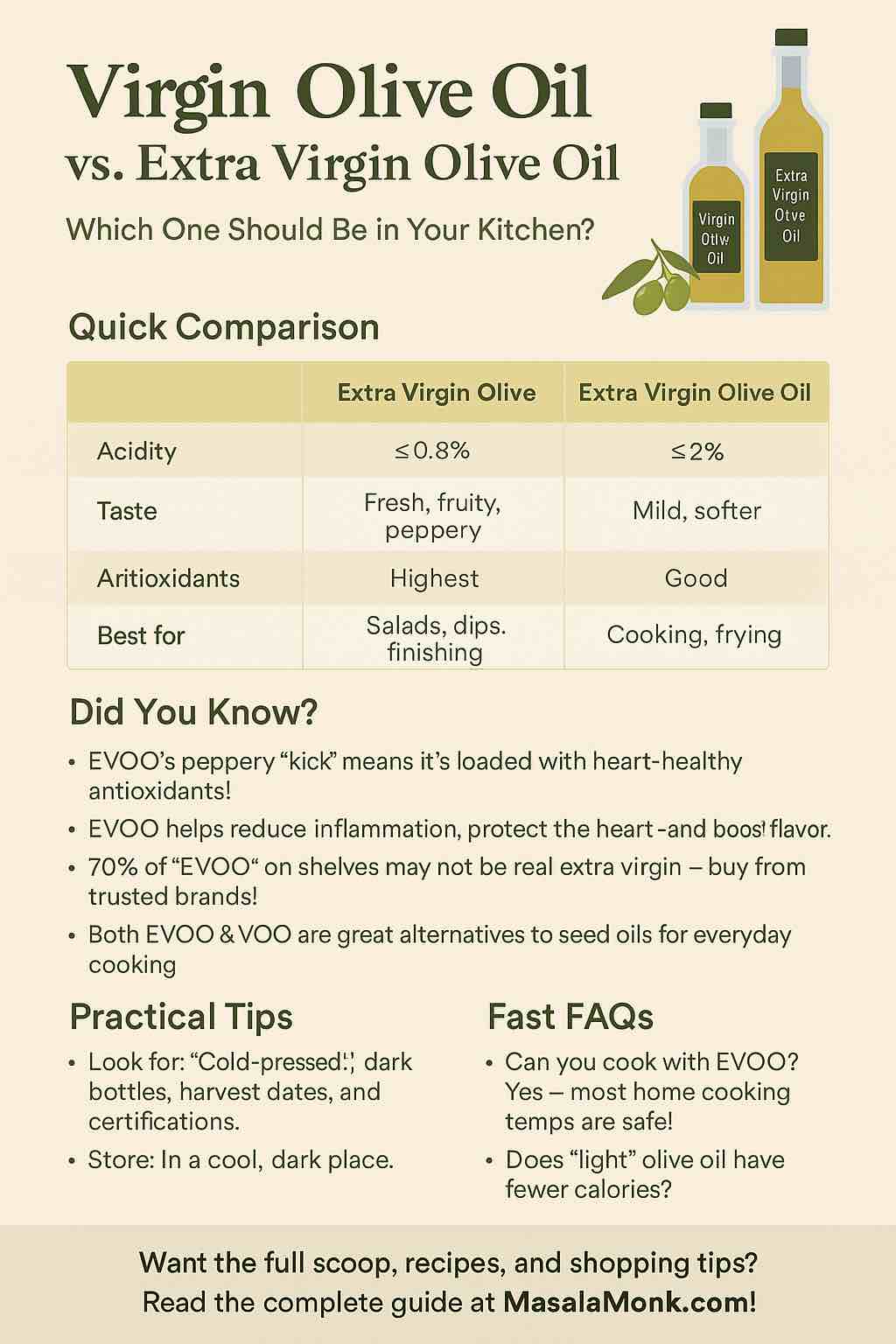
Virgin Olive Oil vs. Extra Virgin Olive Oil

Virgin Olive Oil vs. Extra Virgin Olive Oil

Olive oil is more than just a staple of Mediterranean kitchens; it’s also a global health superstar. But walk down any grocery store aisle, and you’re quickly confronted with a choice: Virgin Olive Oil (VOO) or Extra Virgin Olive Oil (EVOO)?
Is the extra cost of “extra virgin” worth it? Are there real differences in taste, health benefits, or cooking uses? And what does the latest research reveal for your everyday life?

Let’s break it all down in practical, plain English—so you can make smart, delicious, and healthy choices.


1. Quick Definitions

  • Extra Virgin Olive Oil (EVOO): The highest grade. Made from fresh olives, cold-pressed, with no chemical processing. Strict quality standards: acidity ≤ 0.8%, no taste defects, rich flavor.
  • Virgin Olive Oil (VOO): Also cold-pressed, but allows slight imperfections in flavor and aroma. Acidity ≤ 2%, can have minor defects, milder taste.

2. How Olive Oils Are Made

Both EVOO and VOO are produced mechanically—meaning the oil is extracted from olives without chemicals or excessive heat.
However, the olives used for EVOO must be the freshest and least damaged. Any hint of fermentation, mold, or overripe fruit, and the oil drops to “virgin” or lower status.


3. Quality & Chemical Standards

StandardExtra Virgin Olive OilVirgin Olive Oil
Free Acidity (as oleic acid)≤ 0.8%≤ 2.0%
Sensory DefectsNoneSlightly allowed
ProcessingCold-pressed onlyCold-pressed only
  • EVOO is stringently tested for taste and aroma. Even a hint of “fustiness,” rancid, or winey notes, and it’s downgraded.
  • VOO may taste a bit flatter, or have mild off-notes, but is still edible and healthy.

4. Flavor Showdown

  • EVOO: Fresh, grassy, fruity, sometimes peppery or bitter. Complex, “alive,” and often has a little “kick” in the throat (a sign of healthy phenols).
  • VOO: Softer, less vibrant, may be missing those sharp, peppery notes. Sometimes slightly bland or with minor mustiness.

Tip:
If you love dipping bread, drizzling salads, or finishing dishes with a splash of oil—EVOO is almost always preferred.


5. Nutrition & Health: What Science Says in 2025

Both EVOO and VOO:

  • Rich in heart-healthy monounsaturated fats
  • Contain vitamins E & K
  • Offer some antioxidants

EVOO Goes Further:

  • High-polyphenol EVOO (especially “early harvest” or “cold-pressed” varieties) has significantly more antioxidants—mainly hydroxytyrosol, oleacein, and oleocanthal.
  • 2025 research shows these compounds:
    • Lower inflammation and oxidative stress (potentially reducing risk of heart disease, diabetes, and some cancers)
    • Improve vascular function
    • May reduce pain and mimic effects of ibuprofen

Recent Study Highlights:

  • June 2025 (Nutrients): Regular EVOO intake lowers risk of cardiovascular events, improves endothelial health, and may help prevent recurrence of heart issues.
  • 2025 animal studies: High-polyphenol EVOO best protects against cholesterol, inflammation, and mitochondrial stress (even more than regular EVOO or VOO).
  • Regulatory note: Some claims (like “EVOO raises HDL”) are still under review by the European Food Safety Authority.

6. Cooking: Which Oil for What?

EVOO:

  • Smoke point: ~375–410°F (190–210°C)
  • Best for: Salads, finishing, drizzling, bread dipping, gentle sautéing
  • Can be used for: Most home cooking—even frying, as recent studies show EVOO is more stable than once believed (thanks to antioxidants)
  • Not best for: Prolonged, high-temp deep frying (though still better than many “neutral” oils)

VOO:

  • Slightly higher smoke point (~420°F/215°C)
  • Best for: Roasting, frying, or recipes where subtlety is OK
  • Flavor is milder, making it good for dishes where you don’t want olive oil to steal the show

7. Smart Shopping & Storage

How to Buy Great EVOO:

  1. Look for “cold-pressed” and “early harvest” or “high-polyphenol” on the label.
  2. Check the harvest or best-by date: Fresher is better! Ideally, buy oil less than 18 months from harvest.
  3. Dark glass bottle (protects from light).
  4. Taste before you commit: Peppery “throat hit” and bitterness mean healthy phenols.

Storage Tips:

  • Keep away from heat and light. Cupboard, not next to the stove!
  • Seal tightly after each use.
  • Use within 2–3 months of opening for peak freshness.

8. Common Myths & Buyer Beware

Myths:

  • EVOO isn’t for cooking: False. It’s great for most home cooking and doesn’t become “toxic” at moderate heat.
  • All EVOO is the same: False. Quality varies hugely between brands and regions.

Fraud Alert:

  • Studies show a shocking number of “EVOO” bottles on store shelves are blends or even fake.
  • Best protection: Buy from reputable brands, specialty stores, or producers who can prove their oil’s origin.

9. Bottom Line: What Should You Use?

  • For health and flavor: Choose EVOO—especially high-polyphenol or early-harvest types—for salads, finishing, and everyday cooking.
  • For higher-heat or neutral taste: Use VOO or even light olive oil, but know you lose some of the health punch.
  • On a budget: Even standard VOO is a heart-healthy upgrade over most seed oils. But a good bottle of EVOO is worth the splurge if you want both taste and maximum benefits.

Final Thought

Great olive oil is more than a fat—it’s a flavor, a health elixir, and a little luxury in everyday life.
The next time you shop, spend a moment with the label. Your salad—and your heart—will thank you.

10 FAQs About Virgin Olive Oil vs. Extra Virgin Olive Oil


1. What is the main difference between virgin olive oil and extra virgin olive oil?
Answer:
Extra virgin olive oil (EVOO) is made from the freshest olives, cold-pressed with no chemical treatment, and must pass strict taste and chemical standards (acidity ≤ 0.8%). Virgin olive oil (VOO) is also cold-pressed but may have slight taste defects and a higher acidity (≤ 2%). EVOO is generally more flavorful and has higher antioxidant content.


2. Can I cook and fry with extra virgin olive oil?
Answer:
Yes! EVOO’s smoke point (375–410°F) is suitable for most home cooking, including sautéing and shallow frying. Recent studies show its antioxidants help protect it from breakdown during cooking.


3. Is extra virgin olive oil really healthier than virgin olive oil?
Answer:
EVOO contains more polyphenols (powerful antioxidants) than VOO, giving it a health edge for reducing inflammation, protecting the heart, and possibly lowering chronic disease risk. Both, however, are healthier than refined seed oils.


4. Why does some extra virgin olive oil taste peppery or bitter?
Answer:
That peppery, bitter kick is a sign of high phenolic (antioxidant) content—especially oleocanthal, which is linked to anti-inflammatory effects. This taste means the oil is fresh and packed with beneficial compounds.


5. How should I store olive oil to keep it fresh?
Answer:
Keep olive oil in a cool, dark place (like a cupboard), tightly sealed, and away from heat or sunlight. Use within 2–3 months of opening for best flavor and nutrition.


6. How can I tell if my olive oil is real extra virgin?
Answer:
Look for a harvest or best-by date, dark glass packaging, and certifications (PDO, PGI, COOC). Bitterness and a slight throat burn are good signs. Buying from trusted brands or specialty stores increases your chances of getting authentic EVOO.


7. Are there calories or fat differences between EVOO and VOO?
Answer:
No, both have about 120 calories and 14 grams of fat per tablespoon. The nutritional difference lies in antioxidants and minor compounds, not in calorie or fat content.


8. What does “cold-pressed” mean, and does it matter?
Answer:
“Cold-pressed” means the oil is extracted without added heat, preserving more nutrients and flavor. Both EVOO and VOO should be cold-pressed, but the freshest olives and best conditions are reserved for EVOO.


9. Does “light olive oil” mean fewer calories?
Answer:
No. “Light” refers to a lighter color and flavor—not to calories or fat content. It’s usually a refined oil, missing most of the healthful antioxidants found in EVOO and VOO.


10. Can I use virgin olive oil in place of extra virgin for salad dressings or dips?
Answer:
You can, but the flavor will be milder and may lack the fruity, peppery notes of EVOO. For raw uses like salads or bread dipping, EVOO is usually preferred for its vibrant taste and higher health benefits.

Posted on 2 Comments

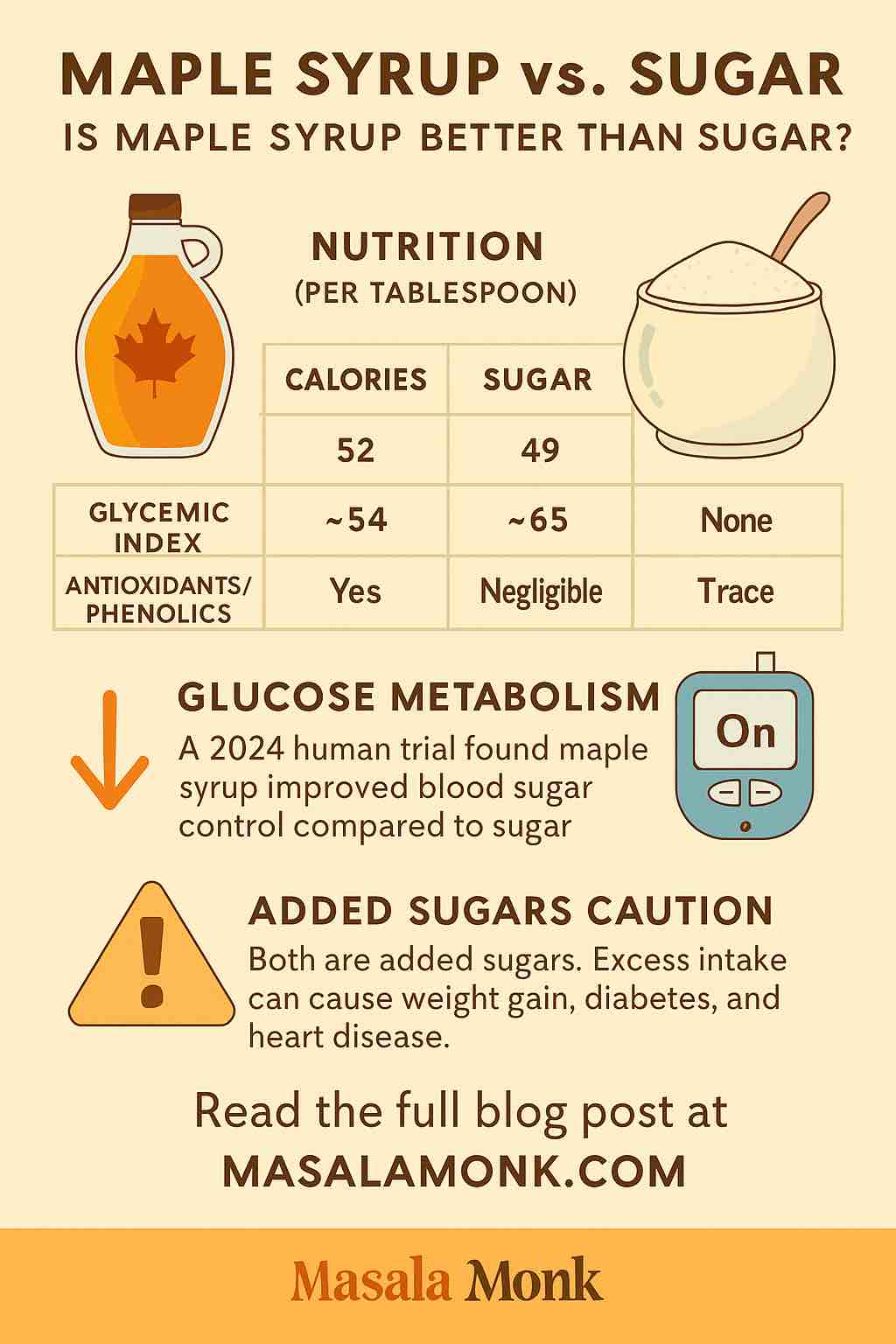
Maple Syrup VS Sugar: Is Maple Syrup Better Than Sugar?

MAPLE SYRUP vS. SUGAR

You stand in your kitchen, eyeing that bottle of pure maple syrup beside your familiar white sugar jar. The pancake is hot and ready—so what do you pour? If you’ve wondered whether maple syrup is actually a healthier alternative or just another sugar in disguise, you’re not alone.

Let’s dig deep—beyond marketing, beyond myths—and use the latest science (including a 2024 human clinical trial!) to discover: Is maple syrup better than sugar?


1. The Basics: What Are We Comparing?

White Sugar (Sucrose):

  • Made from sugar cane or sugar beets.
  • 100% refined sucrose (glucose + fructose).
  • Neutral flavor, highly versatile.
  • Virtually no nutrients beyond pure carbohydrate.

Maple Syrup:

  • Tapped from the sap of sugar maple trees, then boiled down.
  • Roughly 60% sucrose + water + traces of glucose/fructose.
  • Distinct, robust flavor and aroma.
  • Contains minerals, antioxidants, and unique plant compounds.

2. Nutrition Showdown: Calories, Carbs, and More

Per TablespoonMaple SyrupWhite Sugar
Calories52 kcal49 kcal
Carbohydrates13g12.5g
Sucrose Content~60%100%
Glycemic Index (GI)~54~65
Nutrients (e.g. Mn, Zn)Trace amountsNegligible
Antioxidants/PhenolicsYesNone

Takeaway:
Both are concentrated sources of sugar and calories. But maple syrup has a slightly lower GI, plus trace nutrients and plant compounds that white sugar lacks.


3. What Does the Latest Research Say?

🍁 The 2024 Human Trial: Maple Syrup Gets Its Day in Court

In late 2024, researchers ran a gold-standard, placebo-controlled trial (n=42 adults) where participants swapped 2 tablespoons of sugar a day for the same amount of maple syrup. After 8 weeks, those using maple syrup (vs sugar) saw:

  • Better blood sugar control: Lower blood glucose spikes during a glucose tolerance test.
  • Reduced abdominal fat: Small but measurable decreases in belly fat.
  • Lower systolic blood pressure: On average, a drop of nearly 3 mm Hg.
  • Healthier gut: Maple syrup improved gut bacteria, increasing helpful strains and reducing harmful ones.

Caveat: This is a small, short-term study. More research is needed for big health claims, but the results are promising.

🧬 Lab & Animal Studies

Animal studies confirm maple syrup’s modest benefits for blood sugar, fat metabolism, and inflammation, thanks to its unique antioxidants (like quebecol, formed only during the syrup’s boiling process).


4. Beyond Nutrition: The Flavors and Practical Kitchen Wisdom

Flavor

  • Maple syrup: Deep, caramelized, sometimes smoky. Pairs beautifully with pancakes, oatmeal, yogurt, roasted veggies, and more.
  • Sugar: Neutral—perfect for recipes where you don’t want added flavor.

Baking & Cooking Tips

  • Substitute: Maple syrup is sweeter by volume than sugar, so you can use slightly less. Try replacing 1 cup sugar with ¾ cup maple syrup, and reduce other liquid by 3 tablespoons.
  • Watch for moisture: Maple syrup adds liquid. Adjust recipes or cooking time, especially in baked goods.
  • Don’t use “pancake syrup”: Most commercial syrups are corn syrup + artificial flavor, not real maple.

5. The Real Health Bottom Line

Maple Syrup’s Advantages:

  • Lower glycemic index (raises blood sugar a bit more slowly).
  • More than 100 bioactive compounds, including polyphenols with anti-inflammatory and antioxidant effects.
  • Trace minerals: manganese, zinc, calcium, potassium.

But… Don’t Overdo It:

  • Both are added sugars.
    Overconsumption—of any sugar—raises risk for obesity, type 2 diabetes, heart disease, and tooth decay.
  • No miracle cure: To get significant minerals from maple syrup, you’d need to consume way too much.
  • Calories still count: Maple syrup is not “diet food.”

6. Environmental and Ethical Considerations

  • Maple syrup production: Often small-scale, supports sustainable forestry, low pesticide use, and keeps forests standing.
  • Sugar production: Can involve deforestation, heavy pesticide/fertilizer use, and global shipping.

7. Practical Verdict: Should You Switch?

If you love the taste, real maple syrup is a smarter sweetener choice—in moderation. It’s less processed, has a unique flavor, and delivers trace nutrients and plant compounds that sugar simply doesn’t.
But don’t fall for the “natural equals healthy” myth: you still need to limit all added sugars for long-term health.

Smart Strategies

  • Use pure maple syrup for flavor-forward dishes (pancakes, yogurt, roasted nuts).
  • Keep both sweeteners as occasional treats, not daily staples.
  • Train your palate to appreciate less overall sweetness—your body and taste buds will thank you.

References & Further Reading

  1. USDA FoodData Central: Maple Syrup
  2. PubMed: 2024 Human Clinical Trial
  3. Cleveland Clinic: Is Maple Syrup Healthier Than Sugar?
  4. Healthline: Maple Syrup
  5. Ohio State: Monthly Maple Review
  6. Verywell Health: Maple Syrup vs. Honey

Conclusion

Maple syrup wins on flavor, nutrients, and research-backed modest benefits. But the healthiest move? Sweeten less, no matter what you choose.

What’s your favorite way to use maple syrup? Any baking experiments or recipes you love? Let’s keep the conversation (and the pancakes) going in the comments!

10 FAQs About Maple Syrup vs Sugar

1. Is maple syrup healthier than white sugar?

Answer: Maple syrup has a lower glycemic index, more minerals, and antioxidants than white sugar. However, both are added sugars and should be used in moderation.


2. Can people with diabetes use maple syrup instead of sugar?

Answer: Maple syrup has a slightly lower impact on blood sugar but still raises glucose. People with diabetes should treat both as added sugars and limit their use.


3. How much maple syrup is safe to consume daily?

Answer: Nutritionists recommend limiting all added sugars to less than 6 teaspoons (25g) per day for women and 9 teaspoons (36g) for men—including maple syrup.


4. Does maple syrup contain nutrients that sugar doesn’t?

Answer: Yes. Maple syrup has trace amounts of manganese, zinc, calcium, potassium, and antioxidants. Sugar has virtually none.


5. Is “pancake syrup” the same as real maple syrup?

Answer: No. Pancake syrup is usually corn syrup with artificial flavor. Always check labels and choose “100% pure maple syrup” for health and flavor benefits.


6. Can I use maple syrup in baking instead of sugar?

Answer: Yes, but you’ll need to reduce the recipe’s other liquids by about 3 tablespoons for each cup of maple syrup used, since maple syrup adds moisture.


7. Does maple syrup help with weight loss?

Answer: No. Maple syrup is calorie-dense and, like sugar, can contribute to weight gain if overused. Use it as an occasional treat, not a weight-loss aid.


8. Is maple syrup environmentally friendly?

Answer: Generally yes. Maple syrup production is sustainable, supports forest preservation, and uses fewer pesticides compared to large-scale sugar cane or beet farming.


9. What are the unique compounds in maple syrup?

Answer: Maple syrup contains over 100 bioactive compounds, including antioxidants and a unique molecule called quebecol, formed during boiling.


10. Does maple syrup spoil? How should I store it?

Answer: Unopened maple syrup can last for years. Once opened, refrigerate it to prevent mold and use within 6–12 months.


Posted on Leave a comment

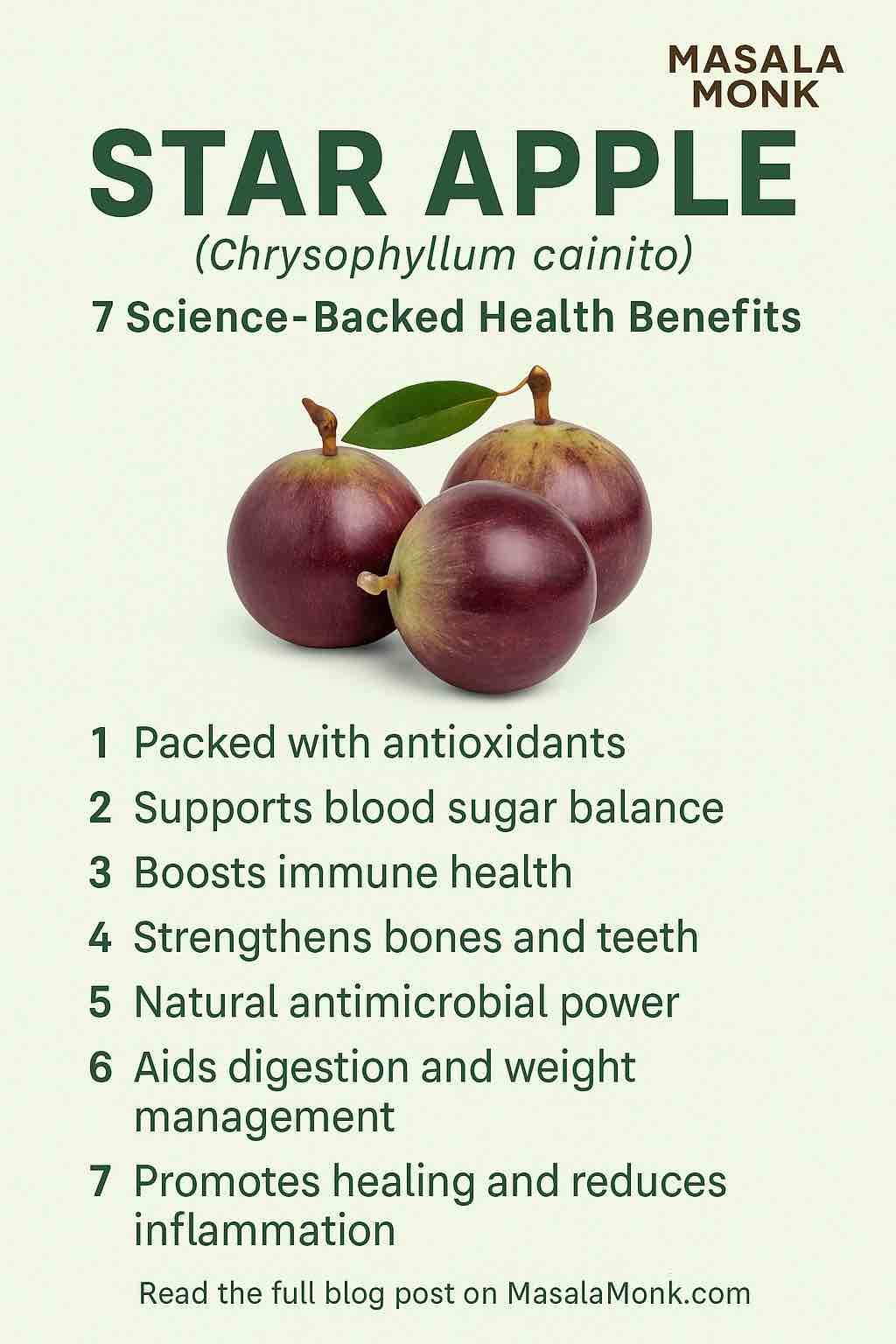
7 Health Benefits of Chrysophyllum Fruits or Star Apple

STAR APPLE (Chrysophyllum cainito)

Have you ever bitten into a star apple—its skin shimmering in deep purple or green, the flesh sweet and creamy, and the core gleaming with a star pattern? Beyond its captivating looks and unique flavor, Chrysophyllum cainito, commonly known as star apple, is quickly gaining attention from health enthusiasts and researchers worldwide.

But what’s behind the buzz? In this deep dive, we explore the 7 proven health benefits of star apple, the science behind them, and practical ways you can use this exotic fruit to boost your well-being.


🌿 What Is Star Apple? A Quick Overview

Star apple (Chrysophyllum cainito) is a tropical fruit native to the Caribbean and Central America, but now cultivated in Southeast Asia, Africa, and beyond. Its most striking feature? Cut the fruit crosswise, and you’ll spot a natural “star” embedded in the pulp. Both the purple and green varieties are edible, with the green variety tending to be slightly less sweet.

Nutrition Snapshot

  • Calories: ~67 kcal/100g
  • Vitamins: Vitamin C, B-complex (B1, B2, B3), A, E
  • Minerals: Calcium, magnesium, phosphorus, potassium
  • Phytonutrients: Flavonoids, alkaloids, saponins, triterpenoids

1. 🛡️ Packed With Antioxidants

Star apple is bursting with antioxidants—especially phenolics, flavonoids (like quercetin and catechin), and vitamin C.
What does this mean for you?
Antioxidants protect your cells from oxidative stress caused by pollution, stress, and poor diet. Consuming antioxidant-rich foods has been linked to lower risks of cancer, heart disease, and neurodegeneration.

Research highlight:
Multiple lab studies (see source) confirm that extracts of the fruit, peel, and even leaves strongly scavenge free radicals and reduce lipid peroxidation, making star apple one of the top tropical antioxidant fruits.


2. 🍬 Supports Blood Sugar Balance

Worried about blood sugar spikes? Studies show that star apple can help regulate glucose levels:

  • Animal studies: Diabetic rats given star apple leaf extracts showed dramatic drops in blood glucose, comparable to standard diabetes drugs like glibenclamide and metformin.
  • Mechanism: Compounds in star apple inhibit enzymes (like α‑glucosidase) that break down carbs into sugars, and help the body use insulin more effectively.

Practical tip:
While research is promising, star apple shouldn’t replace your medication, but it’s a smart fruit choice for anyone managing prediabetes or looking to keep blood sugar stable.


3. 💪 Boosts Immune Health

Thanks to its high vitamin C and polyphenol content, star apple supports your immune system on multiple fronts:

  • Fights off infections
  • Speeds up wound healing
  • May reduce the risk or severity of common colds

Did you know?
Just 100g of star apple pulp provides up to 15–20% of your daily vitamin C needs!


4. 🦴 Strengthens Bones and Teeth

Forget chalky supplements! Star apple is naturally rich in calcium, phosphorus, and magnesium—all essential for strong bones and teeth.
Why it matters:
Long-term intake may help prevent osteoporosis and dental issues, especially as you age.


5. 🦠 Natural Antimicrobial Power

Traditional healers have used star apple bark and leaves to treat wounds and infections for centuries—and modern science agrees!

  • Lab tests: Extracts of the peel, pulp, and seeds have been shown to inhibit common bacteria (Staphylococcus, E. coli, Salmonella) and fungi (Candida, Aspergillus).
  • How it works: Phytochemicals like alkaloids, saponins, and tannins disrupt microbial cell walls and slow pathogen growth.

Home use:
While not a replacement for antibiotics, applying a poultice of star apple leaf (under proper guidance) is a folk remedy for minor skin infections.


6. 🏃 Aids Digestion and Weight Management

With its impressive fiber content, star apple:

  • Keeps you fuller, longer (helping control appetite and snacking)
  • Prevents constipation and supports healthy gut bacteria

How to eat it:
Enjoy the flesh raw, add to fruit salads, or blend into smoothies for a creamy, naturally sweet texture.


7. 🩹 Promotes Healing and Reduces Inflammation

Beyond boosting your immune system, compounds in star apple actively fight inflammation and speed up healing:

  • Animal research: Topical star apple leaf extracts helped wounds close faster and improved collagen synthesis, even outperforming some commercial wound ointments.
  • Everyday benefit: Reducing chronic inflammation may lower your risk of heart disease, diabetes, and arthritis.

⚠️ Star Apple Safety: What You Need to Know

  • Eat only the pulp: The seeds, rind, and latex are not edible (can be mildly toxic).
  • Allergies are rare: But always introduce new foods in moderation, especially for children and those with sensitivities.
  • Not a substitute for medicine: While promising, scientific studies are still mostly in animals and labs—use as a food, not a drug.

🥗 How to Enjoy Star Apple (Recipes & Tips)

Simple ways to eat star apple:

  1. Raw and Chilled: Slice, remove seeds and skin, and eat the jelly-like pulp with a spoon.
  2. In Fruit Salad: Pairs beautifully with mango, pineapple, and banana.
  3. Smoothies: Blend with coconut water, banana, and a squeeze of lime for a tropical shake.
  4. Frozen Treats: Puree and freeze into popsicles or sorbet.

Pro tip:
The green variety is less sweet and more refreshing, while the purple is creamier and sweeter. Try both!


🌱 Summary: Why Add Star Apple to Your Diet?

Star apple isn’t just a treat for the eyes and taste buds—it’s a nutritional powerhouse backed by real science. From antioxidant and immune support to blood sugar and gut health, its benefits are wide-ranging and practical for everyday wellness.
Whether you’re a foodie, a health nut, or simply curious, give star apple a try—and let its natural “star” brighten your diet.


References & Further Reading

  1. Phytochemistry and Pharmacological Activities of Chrysophyllum cainito: A Review (NCBI)
  2. Antioxidant Activity of Star Apple Extracts (Scielo)
  3. Nutritional Composition and Antimicrobial Effects (Netjournals)

Have you tried star apple before? Share your experience or recipes below!

10 Star Apple (Chrysophyllum cainito) FAQs

1. What does star apple taste like?
Star apple has a mildly sweet, creamy, and slightly grape-like flavor. The texture is soft and jelly-like, especially around the “star” pattern at its core.


2. Can I eat the skin and seeds of star apple?
No, only the pulp is edible. The skin, seeds, and especially the sticky latex can be mildly toxic and may cause stomach upset.


3. Is star apple safe for diabetics?
Yes, when eaten in moderation. Research suggests it may help regulate blood sugar, but always consult your doctor before making dietary changes if you have diabetes.


4. How do I know when a star apple is ripe?
Ripe star apples are slightly soft to the touch and have a glossy, unblemished skin. Avoid fruits that are rock-hard or have broken skins.


5. Are there any allergy risks with star apple?
Allergic reactions are rare, but as with any new fruit, try a small amount first, especially for children or those with food sensitivities.


6. Can star apple help with weight loss?
Yes, its high fiber content promotes fullness and helps control appetite, making it a good addition to weight management plans.


7. How do I store star apple?
Keep ripe star apples in the refrigerator and eat within a few days. Unripe fruits can be left at room temperature until they soften.


8. What are the main nutrients in star apple?
Star apple is rich in vitamin C, dietary fiber, calcium, magnesium, and natural antioxidants like flavonoids and phenolic compounds.


9. Can I use star apple for home remedies?
Traditional medicine uses the leaves and bark for wound healing and infections, but always use caution and consult a professional before using for medical purposes.


10. Is star apple safe during pregnancy?
Star apple is generally safe when eaten as part of a balanced diet during pregnancy, but as with all tropical fruits, consume in moderation and discuss with your healthcare provider.