The Pahari Life Plum Jam (250 ml)

The Pahari Life Plum Jam is a delightful celebration of natural flavors and nutritional goodness. Made with handpicked plums from the Organic Ramgarh Orchards of Uttarakhand where the air is pure and the water crystal-clear this jam captures the essence of the mountains in every spoonful. The tartness of ripe plums is perfectly balanced with the subtle warmth of cinnamon, making it an irresistible addition to your breakfast or dessert table.

Plums are not only delicious but also low in calories and high in dietary fiber and antioxidants, which help support digestion and protect the body from the harmful effects of free radicals. Our jams are handmade in small batches using only the finest organic ingredients, ensuring a rich, authentic taste with every bite.

Spread it on toast, swirl it into yogurt, or use it as a topping for desserts The Pahari Life Plum Jam is a wholesome, flavorful way to enjoy a taste of the hills.

Net Weight:

250ml

Storage:

Store in a cool and dry place, away from direct sunlight.

Shelf Life:

12 months

Shipping:

We have processing time of 7 to 14 days on all our products, however it may take 3-4 weeks for final delivery depending on your location and pin code.

Posted on Leave a comment

Saffron-infused Milk: A Golden Elixir of Health and Wellness

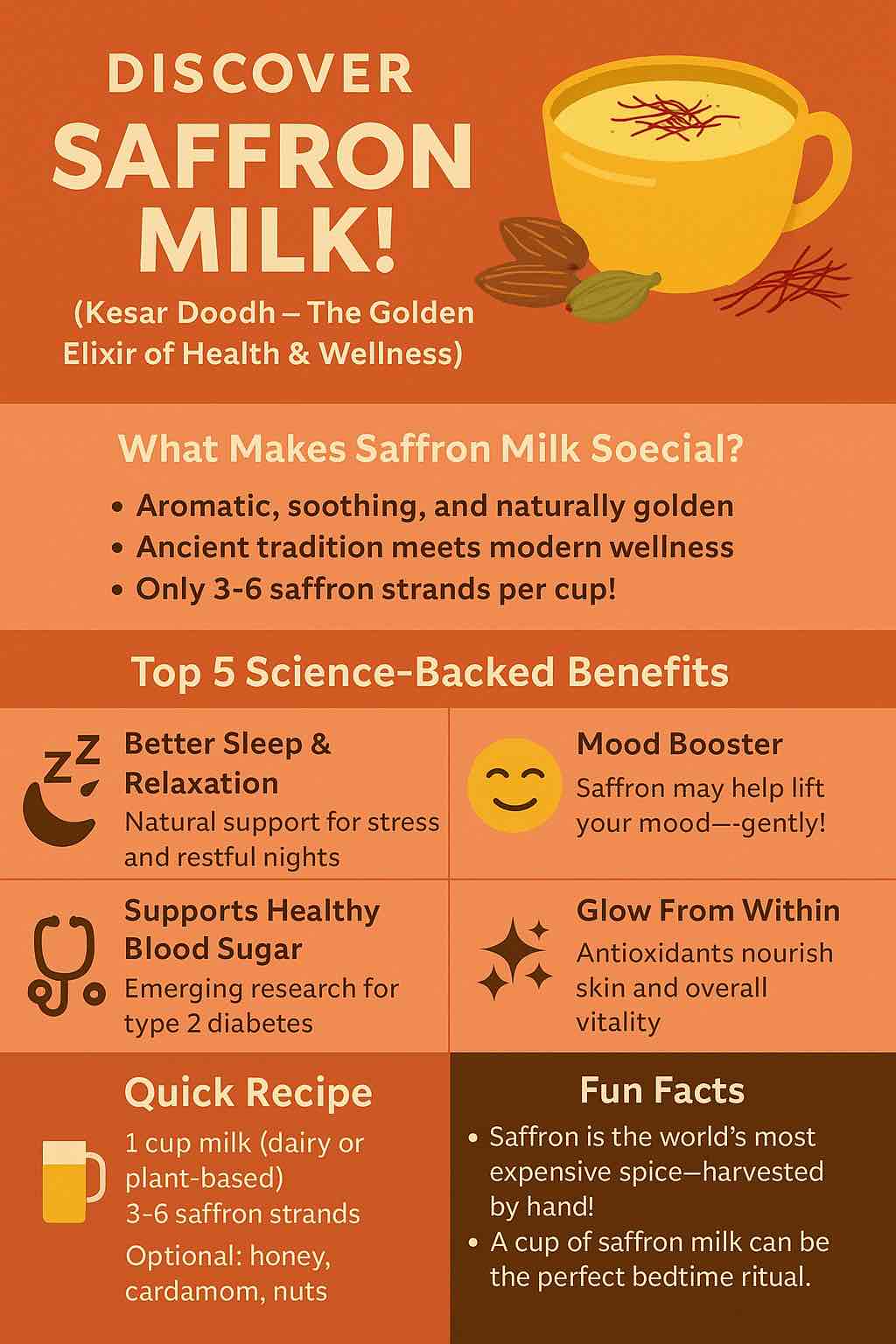
SAFFRON MILK!

From the royal courts of ancient Persia to cozy kitchens in modern India, saffron-infused milk (often called Kesar Doodh) has woven a golden thread through the tapestry of human culture and wellness. But what is it about this aromatic, sun-hued drink that has captured hearts—and sparked scientific curiosity—for centuries? Let’s explore the tradition, science, and simple pleasures of this remarkable beverage, and see how you can bring its benefits into your own life.


What is Saffron-Infused Milk?

Saffron-infused milk is a warm, comforting drink made by steeping saffron threads—the world’s most expensive spice—in milk (dairy or plant-based). Often enhanced with cardamom, nuts, and a touch of sweetener, this beverage delivers not only a sensory delight but also a host of potential health benefits.

Traditionally enjoyed during celebrations, as a nightcap, or as a tonic for mothers and children, Kesar Doodh has recently reemerged as a trendy superfood in the wellness world.


The Science Behind the Gold: What Does Research Say?

1. Mood, Stress, and Sleep

Modern clinical studies have confirmed what Ayurveda and Unani medicine have long claimed: saffron can uplift mood, reduce mild to moderate depression, and help you sleep better. Saffron’s main bioactives—crocin, safranal, and picrocrocin—support neurotransmitter balance, enhancing serotonin activity and promoting relaxation. Some research even suggests saffron’s effects can rival low-dose prescription antidepressants, with the bonus of fewer side effects.

Practical Tip: Enjoying a cup of saffron milk about an hour before bedtime can be a gentle, natural way to unwind after a stressful day.


2. Blood Sugar and Metabolic Health

A recent 2024 meta-analysis found that saffron supplementation over 8–12 weeks can significantly reduce fasting blood glucose and HbA1c levels in people with type 2 diabetes. The effect is mild but meaningful—likely due to saffron’s antioxidant and anti-inflammatory properties rather than direct effects on insulin.

Practical Tip: For those managing blood sugar, saffron milk (with minimal or no added sweetener) could be a supportive addition to a balanced diet.


3. Eye Health and Cognitive Support

Saffron’s antioxidants, especially crocin, have shown promise in supporting retinal function in early age-related macular degeneration (AMD) and may also protect brain cells against oxidative damage—potentially benefiting memory and cognitive function.

Practical Tip: Consistent, long-term consumption may support both eye and brain health, especially for older adults.


4. Immunity, Skin, and Overall Vitality

Saffron is rich in carotenoids and flavonoids, which help neutralize free radicals and modulate immune responses. Many believe this contributes to the “glow” attributed to saffron milk, both for skin and general vitality.

Practical Tip: In India, saffron milk is often given to new mothers and children (in modest amounts) as a nourishing tonic.


5. Women’s Health

Saffron’s reputation for supporting hormonal balance and alleviating PMS symptoms is now supported by several clinical trials. Its soothing effect on cramps and mood swings makes it a thoughtful, natural option for women’s health.


The Ritual: How to Prepare Perfect Saffron Milk

Making saffron milk is a mindful ritual in itself. Here’s a basic recipe, plus options for customization.

Classic Saffron Milk (Kesar Doodh)

Ingredients:

  • 1 cup whole milk (or oat/almond milk for vegan option)
  • 3–6 strands of high-quality saffron
  • 2–4 cardamom pods, lightly crushed (optional)
  • 1–2 tsp honey or jaggery (optional; skip for sugar control)
  • 1 tbsp slivered almonds or pistachios (optional)

Instructions:

  1. Bloom the saffron: Warm a tablespoon of milk and soak the saffron strands for 5–10 minutes, until the milk turns a rich golden color.
  2. Heat the milk: In a small saucepan, heat the rest of the milk with cardamom until just below boiling.
  3. Combine: Stir in the bloomed saffron and its soaking milk. Simmer gently for 3–5 minutes.
  4. Sweeten & garnish: Turn off heat, add honey or jaggery (if using), and top with nuts.
  5. Serve: Enjoy hot as a soothing nightcap or chill for a refreshing summer drink.

Variations:

  • For kids: Use less saffron and a touch of honey.
  • For diabetes: Skip sweetener, use cinnamon or stevia, and stick to dairy/unsweetened plant milk.
  • For a latte twist: Froth the milk and serve in a mug with a pinch of ground turmeric for extra color.

Practical Questions Answered

How much saffron is safe?

Culinary use (3–6 strands per cup) is very safe. Clinical studies use up to 30 mg/day. Avoid exceeding 1.5 g/day, and pregnant women should avoid medicinal doses, especially in the first trimester.

Can I use plant-based milk?

Absolutely! Oat, almond, and cashew milks all work. Note: flavor and color may be slightly milder.

What does real saffron taste and smell like?

It’s floral, slightly earthy, and subtly sweet—never bitter. Always buy from trusted sources to avoid adulteration.

Does saffron milk really make skin glow?

There’s no magic, but its antioxidants do support skin health from within. Combined with good hydration and nutrition, you’ll notice the difference over time.


Saffron Milk in Modern Life: Trends and Innovations

Saffron milk is experiencing a global revival! You’ll find it:

  • In ready-to-drink bottles by premium brands.
  • Blended into “golden lattes” at cafés.
  • Infused into ice creams, breakfast bowls, and even skincare products.
  • Highlighted in new research as a functional beverage for stress, beauty, and metabolism.

Choosing and Storing Saffron

  • Look for: Deep red threads with a honeyed aroma and slight bitterness; avoid bright yellow or very cheap “saffron.”
  • Store: In an airtight container, away from light and moisture.
  • Test purity: Soak a strand in warm water—it should slowly release color (not instantly, which can signal dye).

Conclusion: A Golden Tradition, Backed by Science

Saffron-infused milk is more than a drink; it’s a ritual of nourishment, comfort, and connection. Today, science is revealing why this ancient “elixir” deserves a spot in your modern wellness routine. Whether for sleep, skin, mood, or simply the joy of sipping something beautiful, Kesar Doodh offers warmth in every golden drop.


Ready to try it yourself? Steep a few saffron threads tonight, sip mindfully, and let the ancient gold work its gentle magic—body and soul.

10 FAQs About Saffron-Infused Milk

1. What is saffron milk and how is it different from turmeric milk?
Saffron milk (Kesar Doodh) is made by steeping saffron strands in milk, sometimes with cardamom or nuts. Turmeric milk (Golden Milk) uses turmeric as its main ingredient. Both are traditional wellness drinks, but saffron milk has a unique floral aroma and is famed for its mood and skin benefits, while turmeric milk is better known for its anti-inflammatory effects.


2. Is saffron milk safe for children and pregnant women?
In culinary amounts (3–6 strands per cup), saffron milk is generally safe for children and for pregnant women after the first trimester. However, very high doses of saffron should be avoided during pregnancy, especially in the early months, as excessive saffron may cause uterine contractions.


3. How much saffron should I use per cup of milk?
3–6 saffron threads per cup are enough for flavor, color, and health benefits. More is not necessarily better; higher amounts can be wasteful and unnecessary.


4. Can I drink saffron milk daily?
Yes, you can enjoy saffron milk daily, as long as you stick to culinary doses. Regular intake may gently support mood, sleep, and general wellness.


5. Does saffron milk help with sleep?
Yes, studies show that saffron can improve sleep quality and help with insomnia. Having a cup of warm saffron milk about an hour before bed may promote relaxation and better sleep.


6. Will saffron milk help improve my skin complexion?
Saffron contains antioxidants that support skin health from within. Regular consumption, combined with a healthy diet, may help your skin appear more radiant and refreshed.


7. Is it okay to make saffron milk with plant-based milks?
Absolutely. Oat, almond, cashew, and soy milk all work well. The flavor may be a bit different, but you’ll still get the color and many benefits.


8. Can I sweeten saffron milk?
Yes! Traditional recipes use honey, jaggery, or sugar. For blood sugar concerns, use a little stevia, monk fruit, or simply enjoy it unsweetened.


9. How do I know if my saffron is genuine?
Genuine saffron threads are deep red, slightly moist, and have a floral, honeyed aroma. They should release color slowly in warm liquid—not instantly. Buy from reputable sellers to avoid adulteration.


10. Are there any side effects of drinking saffron milk?
In normal amounts, side effects are rare. Excessive intake (several grams daily) can cause nausea, dizziness, or, in extreme cases, toxicity. Always use only a few strands per cup and consult your doctor if pregnant, breastfeeding, or on medication.


The Pahari Life Kiwi Jam (250ml)

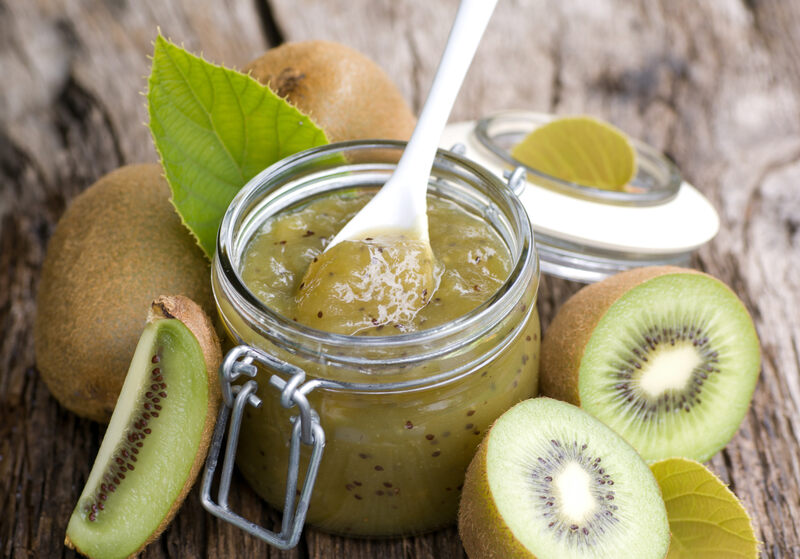
Sourced from the lush Organic Ramgarh Orchards nestled in the pristine mountains of Uttarakhand, The Pahari Life Kiwi Jam is a deliciously unique spread that combines the refreshing zing of ripe kiwis with the comforting warmth of cinnamon. These fruits are grown in an environment enriched by crystal-clear mountain water, giving them an unbeatable natural flavor and purity.

Each jar is handmade in small batches using only the highest quality organic ingredients. The jam not only excites your palate but also boosts your wellness kiwis are loaded with antioxidants that help combat the effects of free radicals, support immunity, and promote better digestion.

Whether you spread it on warm toast, swirl it into yogurt, or spoon it over pancakes, The Pahari Life Kiwi Jam adds a touch of Himalayan freshness and goodness to your everyday meals. A true taste of the hills wholesome, flavorful, and made with love.

Net Weight:

250ml

Storage:

Store in a cool and dry place, away from direct sunlight.

Shelf Life:

12 months

Shipping:

We have processing time of 7 to 14 days on all our products, however it may take 3-4 weeks for final delivery depending on your location and pin code.

Posted on 7 Comments

Steel Cut Oats vs Rolled Oats: Nutrition, Taste, Cooking & More

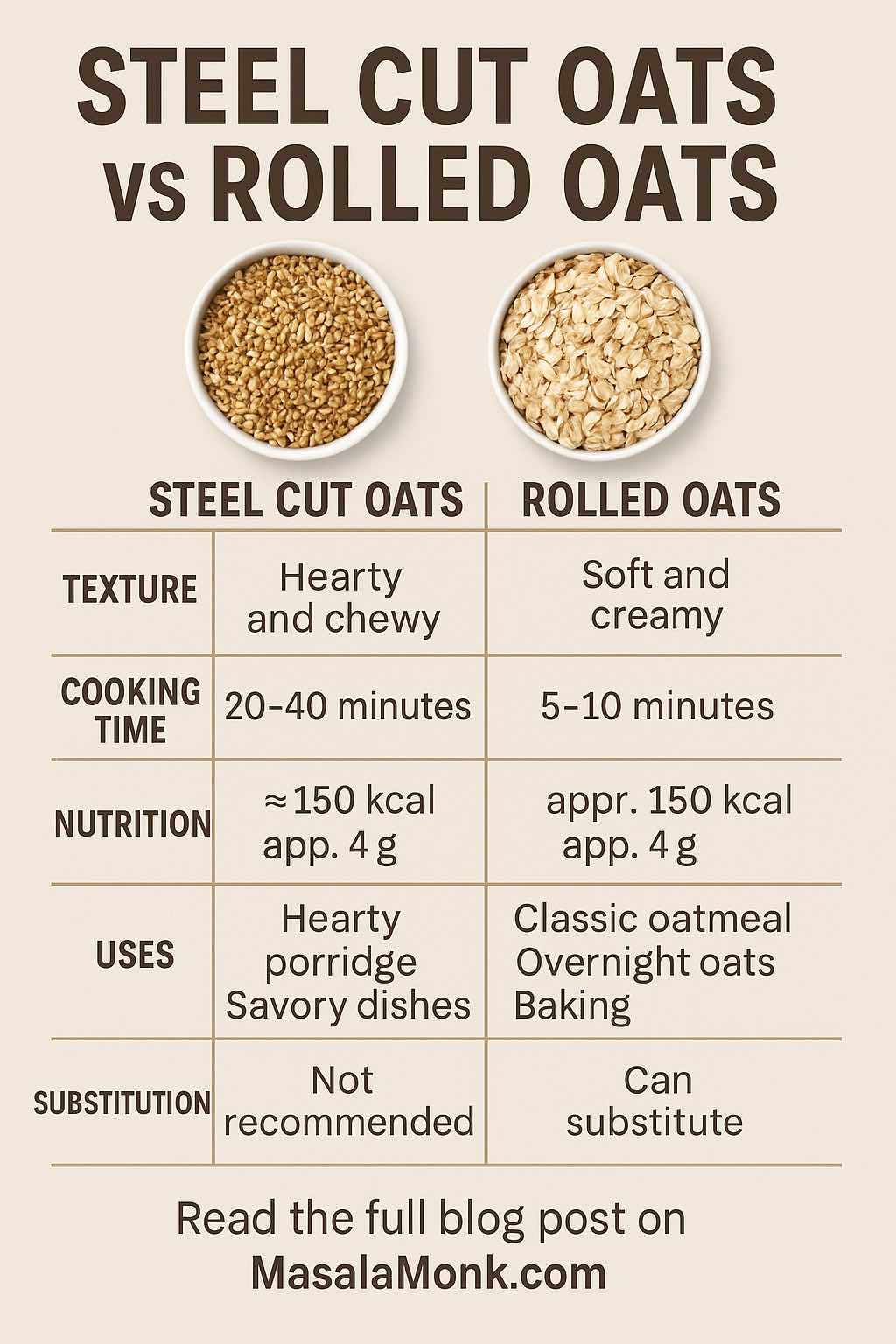
STEEL CUT OATS VS ROLLED OATS

Oats are one of the healthiest, most versatile whole grains you can buy, but the options—steel cut oats and rolled oats especially—can leave even experienced cooks scratching their heads. What actually makes them different? Does one have a real advantage for health, flavor, or recipes? Here’s a practical, detailed breakdown that will make you an oats expert, with links only where you truly need more detail.


What Sets Steel Cut Oats Apart?

Steel cut oats (sometimes called Irish oats or pinhead oats) are made by chopping the whole oat groat into coarse pieces with steel blades. That’s almost all the processing they get—no flattening, rolling, or steaming. What does this mean for you?

  • Texture: Extremely hearty and chewy, with a distinct, nubby bite
  • Cooking time: 20–40 minutes on the stovetop, unless you soak or use a pressure cooker
  • Flavor: Robust, nutty, and full-bodied

Practical tip:
Steel cut oats are perfect for those who want their breakfast to feel substantial and filling. They keep their shape well, making them ideal for meal prep—just cook a batch and reheat through the week. For those who love savory breakfast bowls (think sautéed veggies, a runny egg, spices), steel cut oats give you the structure to carry those flavors.


Why Choose Rolled Oats?

Rolled oats—also known as old-fashioned oats—start the same way, but get steamed and then flattened into thin flakes by heavy rollers. That bit of extra processing changes everything:

  • Texture: Creamy and soft, with just enough chew to stay interesting
  • Cooking time: Super quick—just 5–10 minutes on the stovetop, or no cooking at all for overnight oats
  • Flavor: Mild, sweet, and easy to pair with fruits, spices, or honey

When to use rolled oats:
Rolled oats are the MVP of breakfast for busy mornings and for anyone who loves classic oatmeal. They also star in overnight oats, muesli, granola, pancakes, muffins, and cookies—offering just enough bite without any toughness. If you want to know more about substituting old-fashioned oats and rolled oats, check out this post on swapping the two in recipes.


Nutrition: Is There a Winner?

Steel cut oats and rolled oats are almost identical nutritionally. Both are whole grains, rich in fiber (especially beta-glucan, which is great for heart health), protein, and slow-digesting carbs. Here’s how they compare per 40g (about 1/2 cup dry):

TypeCaloriesFiberProteinFatGlycemic Index
Steel Cut~150~4g~5g~2.5g52
Rolled~150~4g~5g~2.5g59
  • Steel cut oats: Slightly lower glycemic index, digest more slowly, so you feel fuller longer.
  • Rolled oats: Slightly higher GI, but still a slow carb compared to most grains.

Bottom line: If you want oats for blood sugar management, weight loss, or heart health, both options are equally smart. The biggest difference is in texture and cooking time, not nutrition.


Taste & Texture: What’s Best for You?

Steel cut oats deliver a truly hearty, chewy, and substantial experience—like a rice or barley porridge. Each spoonful holds its shape and soaks up flavor slowly.
Rolled oats create the classic, creamy oatmeal you might remember from childhood, and take on the flavor of whatever you add: cinnamon, cardamom, apple, banana, or berries.

Use steel cut oats if:

  • You want a breakfast that sticks with you
  • You meal-prep porridge or like making savory oat bowls
  • You love a chewy, substantial bite

Use rolled oats if:

  • You want something quick and creamy
  • You love overnight oats or make granola/muffins often
  • You want oats to absorb flavors fast (great for sweet or spiced bowls)

Cooking, Prep, and Everyday Tips

Steel Cut Oats:

  • Stovetop: Simmer 1 part oats to 3–4 parts liquid for 20–40 minutes
  • Pressure Cooker: 10–12 minutes, natural release
  • Soak overnight to cut cook time in half
  • Batch-cook for the week; they reheat beautifully with a little milk

Rolled Oats:

  • Stovetop: 1 part oats to 2 parts liquid, ready in 5–10 minutes
  • Overnight Oats: Soak in equal parts milk/yogurt and oats overnight in the fridge—no cooking!
  • Microwave: 2–3 minutes for a creamy bowl on busy mornings
  • Bake into cookies, bars, or granola for added fiber and texture

Pro tip:
If you bake with oats, always use rolled/old-fashioned oats—steel cut are too tough for most baked recipes. Rolled oats give you the best of both worlds: nutrition, speed, and a little bite.


Can You Substitute One for the Other?

Not really, except for simple porridge. Steel cut oats are just too dense and require too much liquid for most recipes that call for rolled oats—especially baking and overnight oats. If a recipe calls for steel cut oats, using rolled oats will make the result much softer and creamier. For traditional oatmeal bowls, you can swap in a pinch (just adjust cook time), but for baking or muesli, stick to rolled.

If you want a full breakdown on oat types and swaps (including quick and instant oats), you’ll love our complete oat guide.

Substitution Guide

Use/RecipeSteel Cut → RolledRolled → Steel Cut
Hot PorridgeNot recommended*Yes, but creamier
Overnight OatsOnly if pre-cookedYes
Cookies/GranolaNoYes (but more chewy)
Savory BowlsYesYes

*Steel cut oats won’t soften enough without long cooking—don’t use them raw for overnight oats or in quick bakes.


Practical Uses & Ideas

  • Steel Cut Oats:
    • Make a big batch, store in the fridge, and enjoy all week
    • Use in savory bowls with veggies, sautéed greens, and eggs
    • Try oat risotto: cook steel cut oats in broth and finish with Parmesan
  • Rolled Oats:
    • Prep overnight oats in jars for grab-and-go breakfasts
    • Bake into cookies or granola for easy snacks
    • Blend into smoothies for a creamy, fiber-rich boost
    • Add to pancake or muffin batter for extra nutrition

Conclusion

There’s no wrong answer in the steel cut vs rolled oats debate—just what fits your taste, lifestyle, and recipes.

  • Want chewy and hearty? Steel cut is for you.
  • Want quick and versatile? Rolled oats win.

Both will fill you up, boost your health, and make breakfast better.
Hungry for more oat insights? Read our Ultimate Guide to Oats for a deep dive on every oat type, nutrition, and the best ways to use them in your kitchen.

Related Reading

10 FAQs – Steel Cut Oats vs Rolled Oats

1. Which is healthier, steel cut oats or rolled oats?

Both are equally healthy; they have nearly identical nutrition. Steel cut oats have a slightly lower glycemic index, which means slower digestion.


2. Do steel cut oats and rolled oats taste the same?

No. Steel cut oats are chewier and nuttier, while rolled oats are softer and creamier.


3. Can I use steel cut oats in recipes that call for rolled oats?

Usually not. Steel cut oats take much longer to cook and won’t soften properly in most baking or overnight oats recipes.


4. Are steel cut oats better for weight loss?

Not necessarily. Both types support weight management due to high fiber content; steel cut oats may keep you full slightly longer.


5. Are rolled oats and old-fashioned oats the same?

Yes, they are exactly the same. The terms are used interchangeably.


6. Can I make overnight oats with steel cut oats?

Only if you cook them first, or soak them for at least 24 hours. Otherwise, they will remain too hard.


7. Which cooks faster: steel cut oats or rolled oats?

Rolled oats cook much faster—5 to 10 minutes. Steel cut oats require 20 to 40 minutes unless soaked or pressure cooked.


8. Are there any nutritional differences between steel cut and rolled oats?

Macros (protein, fiber, calories) are nearly identical. The main difference is in texture and cooking time, not nutrition.


9. Can I use rolled oats instead of steel cut oats in porridge?

Yes, but your porridge will be creamier and softer, with less chew.


10. Do both types of oats help lower cholesterol?

Yes, both are high in beta-glucan fiber, which is known to help lower cholesterol levels.

Posted on 3 Comments

Natural Detoxification: Cranberry Juice and Apple Cider Vinegar for Weight Loss

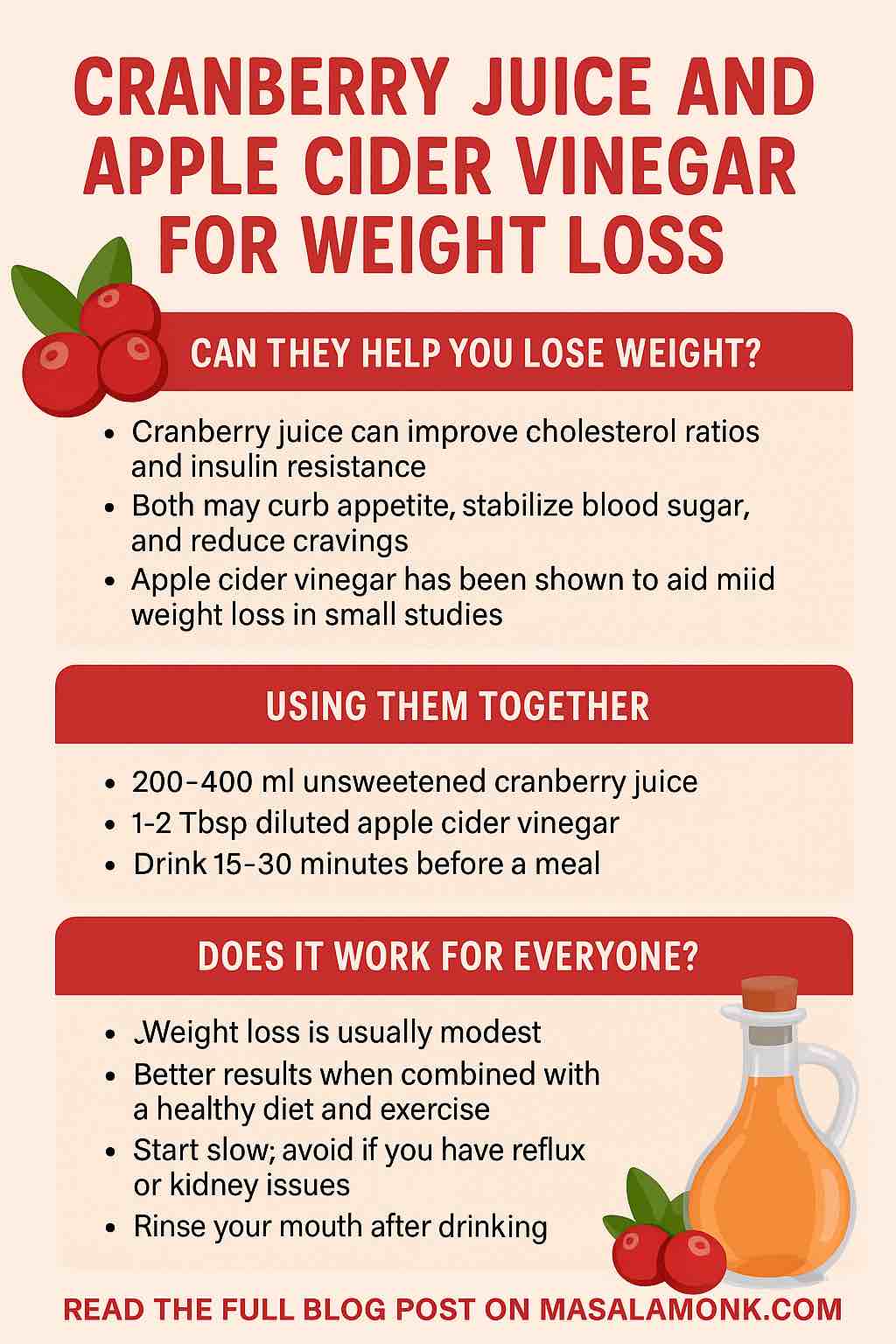
CRANBERRY JUICE AND APPLE CIDER VINEGAR FOR WEIGHT LOSS

Detox drinks are everywhere. From social media “weight loss hacks” to time-tested folk remedies, millions are drawn to the promise of a cleaner, leaner body. Two of the most popular stars in this arena? Cranberry juice and apple cider vinegar (ACV)—often used together as a “detoxifying” and slimming elixir.
But how much of this is science, and how much is just wishful thinking? If you’re searching for honest, practical, and research-backed advice—plus tips for safe, effective use—this comprehensive guide is for you.


Why Do We Talk About “Detox” at All?

Let’s bust a myth right away: your body doesn’t need special drinks to detox. Your liver, kidneys, skin, and gut are already working 24/7 to clear waste and balance your internal chemistry. However, certain foods and drinks can support these processes, especially by reducing inflammation, boosting antioxidant status, or helping you avoid excess calories and sugar.

Cranberry juice and ACV are both believed to “help the body detox,” but their true benefits go deeper—and may actually help with weight management and metabolic health when used wisely.


Spotlight on Cranberry Juice

Nutritional Goldmine

  • Packed with antioxidants: Especially proanthocyanidins (PACs), which are unique to cranberries and have demonstrated health benefits in several studies.
  • Rich in vitamin C, fiber, and micronutrients that can help combat oxidative stress and support immune health.
  • Low in sugar (if unsweetened): Choose 100% pure cranberry juice; avoid cocktail blends loaded with added sugars.

Research-Backed Benefits

1. Metabolic and Heart Health

  • A 2024 meta-analysis MDPI, 2024 covering 16 clinical trials found cranberry products can improve cholesterol ratios and insulin resistance—key factors in metabolic syndrome and weight gain.
  • Several studies report increases in adiponectin, a hormone that encourages the body to use fat for fuel.

2. Gut Health and Digestion

  • Cranberry polyphenols help diversify beneficial gut bacteria and may reduce inflammation in the digestive tract, indirectly supporting metabolism and weight control.

3. Potential Liver Protection

  • Some trials show reduced oxidative stress and better liver enzyme profiles in people with metabolic issues who consumed cranberry juice regularly.

How to Use Cranberry Juice

  • Dose: 200–400 mL (about 6–12 oz) per day of unsweetened, 100% juice.
  • Timing: Best consumed before meals or as a mid-morning “tonic.”
  • Tip: To reduce tartness, dilute with water or add a splash of lemon.

Apple Cider Vinegar: More Than a Fad?

What’s in ACV?

  • Acetic acid (main active ingredient): Thought to slow gastric emptying, suppress appetite, and help regulate blood sugar.
  • Trace minerals and polyphenols: May offer mild antioxidant benefits.
  • Probiotics: Present in raw, unfiltered (“with the mother”) varieties.

Research-Backed Benefits

1. Blood Sugar & Insulin Control

  • Consistent evidence shows that 1–2 tablespoons (15–30 mL) ACV before meals can lower post-meal blood sugar spikes and improve insulin sensitivity—particularly valuable for prediabetics and those with insulin resistance.

2. Weight Management

  • Clinical studies find modest weight loss—2–4 lbs (1–2 kg) over 8–12 weeks—when ACV is used with calorie control. A notable 2024 trial in Lebanese adolescents saw up to 8 kg (≈18 lbs) lost in 12 weeks, but experts warn this needs to be replicated in diverse groups.

3. Cholesterol & Heart Health

  • Minor reductions in triglycerides and LDL (“bad”) cholesterol have been observed, although effects are small.

Safety, Risks, and Common Mistakes

  • NEVER drink ACV undiluted—always mix with water or juice to protect teeth and throat.
  • Excess ACV can lead to digestive distress, lower potassium, or interact with some medications (especially diabetes drugs and diuretics).
  • Rinse your mouth with water after drinking and wait before brushing teeth.

The Real-World Synergy: Cranberry Juice + ACV

What Happens When You Mix Them?

While both ingredients have promising benefits alone, no major clinical trial has tested the combination for weight loss or detoxification. However, experts and enthusiasts suggest you may experience:

  • Greater fullness and appetite control before meals.
  • Improved blood sugar balance and reduced cravings.
  • A burst of antioxidants and gut support, thanks to the polyphenols in cranberries and the acetic acid in ACV.

What the Science Suggests

  • Both ingredients may complement each other: ACV slows digestion and sugar absorption, while cranberry juice provides antioxidants and a hydrating, low-calorie base.
  • Neither is a substitute for a balanced diet or exercise. Real, lasting weight loss requires sustainable changes in eating, movement, and sleep.

How To Try It: Practical Protocol & Recipes

Classic Detox Drink Recipe

Ingredients:

  • 200 mL (about 7 oz) unsweetened cranberry juice
  • 1–2 teaspoons (5–10 mL) raw apple cider vinegar (“with the mother”)
  • 200 mL cold water
  • Optional: squeeze of lemon, pinch of stevia/monk fruit, mint leaves

Instructions:

  1. Mix all ingredients thoroughly.
  2. Drink before a main meal (once or twice daily).
  3. Rinse your mouth with plain water after drinking.

Variations:

  • Add a pinch of ginger for extra digestive support.
  • Mix with sparkling water for a refreshing, low-calorie “mocktail.”

How to Incorporate Safely (and Get Results)

  1. Start Small: Try with half the suggested dose for a week to see how your body responds.
  2. Monitor Your Body: Watch for stomach upset, reflux, or any changes in bowel habits.
  3. Stay Consistent: Effects are modest and best seen after 2–3 months of regular use.
  4. Make It a Habit: Tie your drink to an existing routine—such as before lunch or your afternoon slump.

Does It Work for Everyone? Realistic Expectations

  • Weight loss is usually modest. Most studies show a 1–2 kg (2–4 lb) reduction over 8–12 weeks—sometimes more, but only with strict calorie control and lifestyle changes.
  • Appetite and cravings: Many users report feeling less hungry and making better food choices.
  • Energy & digestion: Some experience better digestion, less bloating, and improved energy.

Remember: Your results will depend on your baseline habits, genetics, and consistency.


Frequently Asked Questions

1. Can I use cranberry juice and apple cider vinegar together every day?
Yes, most healthy adults can use this combination daily, as long as you stick to safe amounts: 200–400 mL unsweetened cranberry juice and 1–2 tablespoons (15–30 mL) diluted ACV per day. Always start with lower amounts to assess tolerance.


2. What is the best time to drink cranberry juice and ACV for weight loss?
The best time is 15–30 minutes before a main meal (especially breakfast or lunch). This may help reduce appetite, stabilize blood sugar, and prevent overeating.


3. Does this drink cause any side effects?
Possible side effects include stomach upset, acid reflux, or enamel erosion (if undiluted). Rinse your mouth after drinking and avoid if you have kidney problems, ulcers, or are taking medications that interact with vinegar.


4. Should I use fresh cranberries or only juice?
Fresh cranberries, unsweetened juice, and standardized cranberry capsules all offer benefits. For convenience, most use 100% unsweetened juice; avoid cocktails or blends with added sugar.


5. Can I use apple cider vinegar tablets or capsules instead of liquid?
Yes, but quality varies. Choose reputable brands that standardize acetic acid content. Liquid ACV (with “the mother”) is preferred for full benefits, but capsules are an option if the taste is an issue.


6. Will this drink help me “detox” my body?
No drink can “detox” you overnight. Cranberry juice and ACV can support your body’s natural detoxification pathways through antioxidants and improved metabolism, but they’re not substitutes for your liver and kidneys.


7. How quickly will I see weight loss results?
Expect modest results: 1–2 kg (2–4 lb) over 8–12 weeks, mostly if combined with calorie control and regular exercise. Some may feel appetite or craving changes within days.


8. Are there people who should avoid this drink?
Yes: avoid if you have chronic kidney disease, severe acid reflux, ulcers, or are pregnant/nursing. Those with diabetes or on certain meds should consult their doctor first.


9. Can I add other ingredients to this drink?
Yes! Lemon juice, ginger, cinnamon, or mint can enhance flavor and may add extra antioxidant or digestive benefits.


10. Can I keep a batch in the fridge or should I make it fresh?
For best taste and potency, make your drink fresh daily. However, you can prep a larger batch for up to 24 hours—just stir before serving, as vinegar and juice may settle.


Expert Tips to Maximize Results

  • Pair with a balanced plate: Focus on lean proteins, lots of non-starchy veggies, healthy fats, and whole grains.
  • Move your body daily: Even short walks help your metabolism and support healthy weight loss.
  • Sleep and stress matter: Both influence appetite hormones and fat storage.
  • Track progress: Use a journal or app to note how you feel, changes in cravings, weight, and energy levels.

The Bottom Line

Cranberry juice and apple cider vinegar, especially when combined, can be a tasty and supportive tool for better appetite control, blood sugar management, and mild weight loss. But don’t fall for miracle claims: the true “detox” is daily healthy living.
Start slow, stay consistent, and focus on habits you can maintain for life.


References & Further Reading


Join the Conversation!

Have you tried cranberry juice and apple cider vinegar? What was your experience? Drop a comment below—or share your questions for our next science-backed Q&A!