Posted on Leave a comment

Unlocking the Nutmeg Benefits for Women: Enhancing Wellness and Empowerment

NUTMEG BENEFITS FOR WOMEN

When you hear the word “nutmeg,” you might picture a cozy kitchen, the gentle aroma wafting from a freshly baked dessert, or a dash sprinkled atop your favorite latte. But did you know that this humble spice is far more than a flavor enhancer? For women, nutmeg has been celebrated for centuries—not only in traditional medicine but also by modern science—for its remarkable role in supporting holistic wellness.

In this post, we’ll journey into the history, science, and day-to-day applications of nutmeg for women’s health, covering menstrual comfort, mood balance, beauty, digestion, and much more. Plus, you’ll find practical tips and easy recipes to empower your wellness routine—safely and deliciously.


What is Nutmeg?

Nutmeg comes from the seeds of the Myristica fragrans tree, native to Indonesia but now beloved worldwide. It’s long been prized in Ayurveda, Unani, and traditional European medicine for its therapeutic effects—especially for women’s health.

Key Compounds in Nutmeg

  • Myristicin, Elemicin, Eugenol: Support mood, digestion, and act as mild sedatives.
  • Terpenoids & Flavonoids: Powerful antioxidants and anti-inflammatories.
  • Essential Oils: Used in aromatherapy for pain relief and relaxation.

The Science: Why is Nutmeg Good for Women?

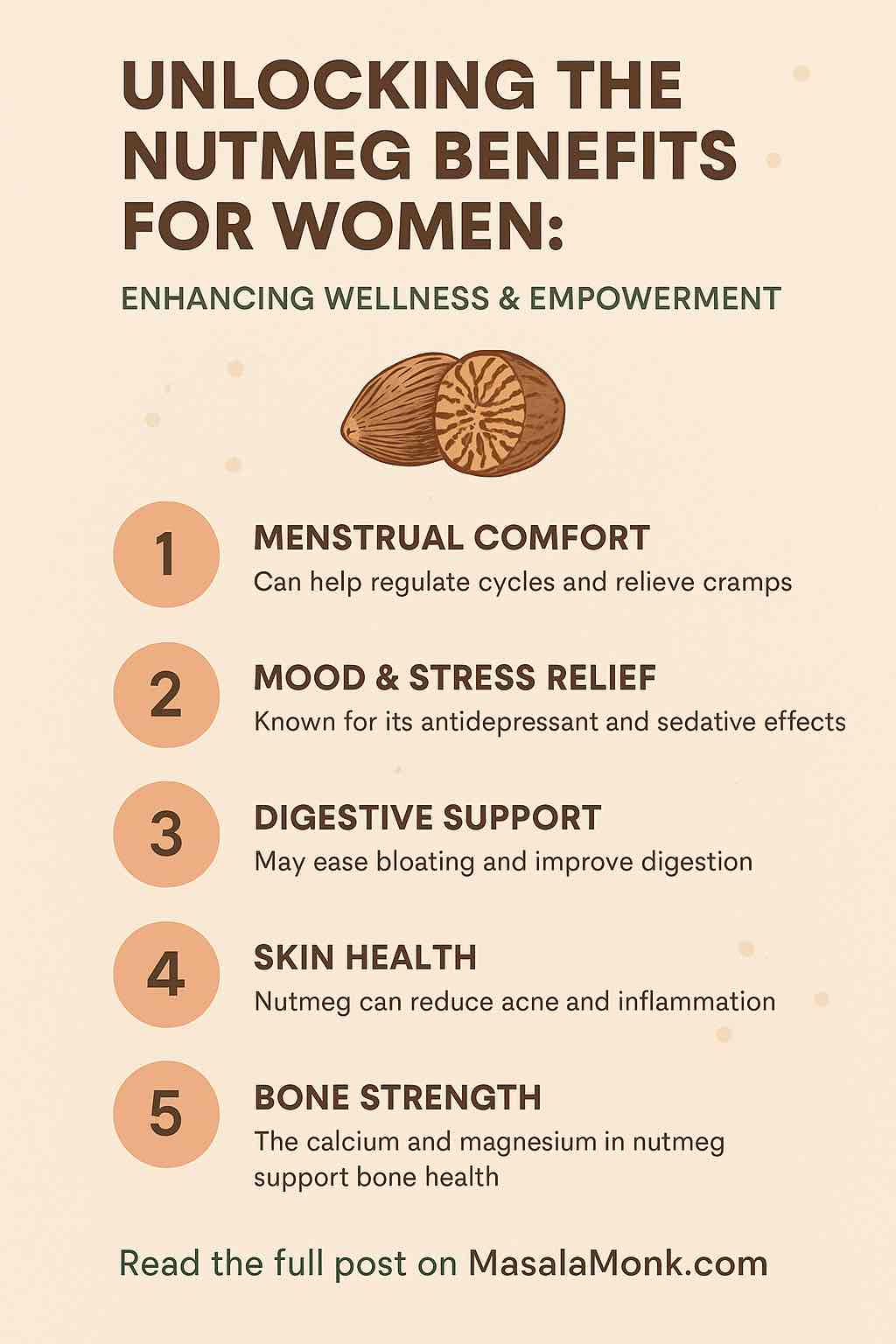
1. Menstrual Comfort & Hormonal Balance

Why it matters: Menstrual cramps and PMS affect millions of women, sometimes disrupting daily life. Nutmeg has a tradition of soothing these symptoms.

  • What the science says:
    Multiple studies (including a meta-analysis of aromatherapy trials) show that topical nutmeg essential oil—massaged on the lower abdomen—can significantly reduce menstrual pain. Nutmeg’s natural anti-inflammatory and antispasmodic effects help relax uterine muscles, easing discomfort .

Try this:
Mix 3–5 drops of nutmeg essential oil into 2 tbsp of coconut oil. Gently massage onto your lower abdomen during cramps. (Always patch test first.)

2. Mood Uplift & Stress Reduction

Why it matters: Women often juggle multiple roles, making emotional resilience vital.

  • What the science says:
    Nutmeg contains myristicin and elemicin, compounds shown in animal studies to have mild antidepressant and sedative effects. They help modulate serotonin and dopamine—chemicals involved in mood, relaxation, and sleep .

Try this:
Add a pinch (1/4 tsp) of nutmeg powder to warm milk or herbal tea before bed to wind down and support restful sleep.

3. Digestive Ease

Why it matters: Digestive complaints—bloating, gas, mild cramps—are common in women.

  • What the science says:
    Nutmeg’s carminative oils (eugenol, pinene) help soothe the digestive tract, reduce gas and bloating, and can gently stimulate digestion .

Try this:
Sprinkle nutmeg into soups or smoothies, or brew a “digestive tea” (see recipe below).

4. Glowing Skin & Beauty

Why it matters: Hormonal changes can lead to breakouts or dull skin.

  • What the science says:
    Nutmeg is antimicrobial and anti-inflammatory. Preliminary studies and traditional use suggest it can calm acne, reduce redness, and even out pigmentation when used topically .

Try this:
Mix 1/4 tsp nutmeg powder with 1 tsp honey or yogurt. Apply as a gentle face mask for 5–10 minutes, then rinse. Patch test to avoid sensitivity.

5. Bone Health

Nutmeg provides trace minerals—magnesium, calcium, phosphorus—which support bone strength. While not a primary source, every bit helps in a balanced diet.


Practical Ways to Add Nutmeg to Your Life

Culinary Ideas

  • Golden Nutmeg Latte:
    Combine 1 cup milk (any kind), 1/2 tsp turmeric, 1/4 tsp nutmeg, pinch of black pepper, sweetener to taste. Warm and whisk until frothy.
  • Spiced Oatmeal:
    Add 1/4 tsp nutmeg and 1/2 tsp cinnamon to your morning oats.
  • Digestive Tea:
    Steep a cinnamon stick, a few cloves, and 1/4 tsp nutmeg in hot water for 5 minutes. Add honey if desired.

Beauty Routine

  • Nutmeg Spot Mask:
    Mix nutmeg and honey, apply to blemishes, let sit 10 minutes, then rinse.
  • Soothing Bath:
    Add a few drops of nutmeg oil to your bath (diluted in a carrier oil) for relaxation.

Aromatherapy

  • Diffuse nutmeg oil (2–3 drops) to create a calming atmosphere in your living or work space.

Safety First: How Much is Too Much?

Nutmeg is potent. While culinary amounts (up to 1/2 tsp per day) are safe for most people, large doses can be toxic (nausea, dizziness, hallucinations, heart issues). Pregnant women and those on certain medications should consult a doctor before using nutmeg medicinally.

Topical tips: Always dilute essential oil and patch test before using on skin.


Conclusion

From comforting menstrual cramps and uplifting mood to glowing skin and improved digestion, nutmeg is a simple, affordable, and powerful ally for women’s wellness. Harness its ancient wisdom and modern science—just a pinch at a time.

Remember: Moderation is your best friend. Enjoy nutmeg as part of a balanced routine, and always listen to your body.


References

  1. Meta-analysis of Aromatherapy for Dysmenorrhea
  2. Nutmeg: A Review of Biological Activities
  3. Nutmeg for Digestion
  4. Nutmeg in Skin Care

FAQs

1. How much nutmeg is safe to consume daily?
Most experts recommend no more than ¼ to ½ teaspoon of nutmeg powder per day in food or beverages. Larger doses can cause side effects like nausea, dizziness, or even hallucinations.

2. Can nutmeg really relieve menstrual cramps?
Yes, both traditional use and modern research (especially aromatherapy and topical use) support nutmeg’s ability to ease menstrual pain due to its antispasmodic and anti-inflammatory properties.

3. Is nutmeg safe during pregnancy or breastfeeding?
Culinary use in small amounts is generally considered safe, but large or medicinal doses can be risky and may stimulate the uterus. Always consult your healthcare provider first.

4. How does nutmeg improve sleep quality?
Nutmeg contains compounds like myristicin that have mild sedative effects, helping relax the mind and body for better sleep, especially when mixed with warm milk or herbal tea.

5. Can nutmeg help with stress and mood swings?
Yes, animal studies and traditional practice suggest nutmeg may help uplift mood and reduce anxiety due to its mild antidepressant and calming effects.

6. What are the best ways to use nutmeg for skin care?
Nutmeg powder can be combined with honey or yogurt to create a gentle, anti-inflammatory face mask that may help with acne and redness. Always patch test first.

7. Can nutmeg be used for digestive problems?
Yes, nutmeg is carminative—helping relieve gas, bloating, and mild stomach discomfort. It can be added to teas or dishes to support healthy digestion.

8. Are there any risks of nutmeg allergies?
Some people may experience allergic reactions or skin irritation, especially with topical use. Patch test before applying to skin, and discontinue use if any irritation develops.

9. Does nutmeg have any drug interactions?
High doses may interact with certain medications (like MAO inhibitors or antidepressants). Culinary use is generally safe, but check with your doctor if you take prescription medication.

10. How soon will I notice nutmeg’s benefits?
Some benefits, like menstrual pain relief or sleep support, may be felt within hours. Others, like digestive or skin improvements, may require several days of consistent use.
Posted on Leave a comment

How to Choose the Best Foods to Break a Fast for Optimal Fat Loss and Sustained Energy

Break a Fast for Optimal Fat Loss and Sustained Energy

Intermittent fasting has swept the health and fitness world in recent years—and for good reason. Study after study demonstrates that time-restricted eating and fasting can help with fat loss, metabolic health, cognitive function, and even longevity. But here’s a question that stumps even seasoned fasters:

“What’s the BEST way to break my fast for maximum fat loss and all-day energy?”

If you’ve ever agonized over this—or if you’ve ever felt weirdly sleepy, bloated, or ravenous after a meal that was supposed to leave you energized—you’re not alone. The truth is, how you break your fast matters just as much as when you fast. The latest research shows that your first meal after fasting can “set the tone” for your metabolism, fat burning, and energy for the rest of the day.

In this detailed guide, we’ll dive deep into the science and practice of breaking a fast for optimal fat loss and sustained energy. You’ll learn what actually happens in your body during a fast, which foods and combinations are best, common mistakes to avoid, and get real-life meal examples you can try today.


Section 1: The Science of Fasting—Why Breaking the Fast Matters

When you fast—whether it’s a simple overnight fast, intermittent fasting (like 16:8 or 18:6), or even an extended fast—your body undergoes major metabolic shifts:

  • Glycogen stores are depleted, and your body begins to mobilize fat for fuel.
  • Insulin levels drop, making your body more insulin-sensitive (a good thing for fat loss).
  • Autophagy (cellular cleaning) ramps up, especially after 16–24 hours.

But when you break your fast, your body becomes like a sponge—primed to absorb nutrients, restore glycogen, and recalibrate your metabolism for the hours ahead. The type of food you eat first can either:

  • Sustain fat burning and stable energy, or
  • Trigger a sharp blood sugar spike, leading to fatigue, hunger, and fat storage.

Why the First Meal is Critical

Research in 2025 confirms that:

  • The composition of your first meal after fasting determines your insulin and glucose response for hours.
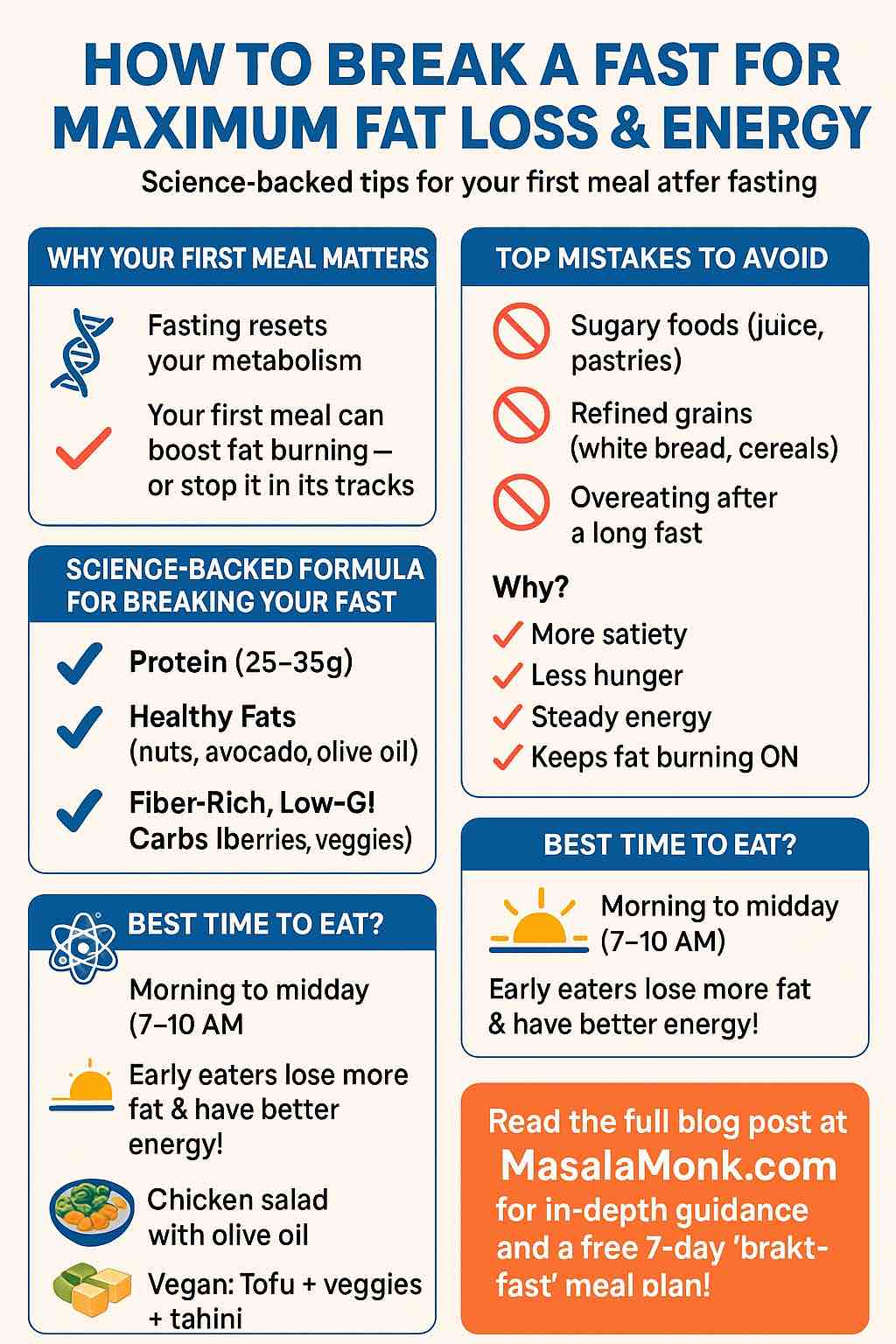
  • Early time-restricted eating (eating more calories earlier in the day) leads to greater fat loss and metabolic benefits compared to late-night eating .
  • Protein and fat, consumed first, can dampen blood sugar spikes and keep you in a “fat-burning” mode longer .

Section 2: The Biggest Mistakes People Make When Breaking a Fast

Before we get practical, let’s bust a few myths and mistakes:

Mistake 1: Eating High-Sugar Foods or Juices First

Your gut and metabolism are sensitive after fasting. Starting with sweet foods, refined carbs, or fruit juices causes rapid glucose absorption, which spikes insulin and halts fat burning.

Mistake 2: Overeating or Bingeing

Many people feel ravenous after fasting and overdo it. Research shows this can cause bloating, GI distress, and a crash in energy as your body struggles to process a large meal all at once.

Mistake 3: Breaking Fast with “Fast” Foods

Ultra-processed foods (bars, pastries, “breakfast cereals”, etc.) are tempting but often loaded with sugar, unhealthy fats, and additives that sabotage metabolic health.

Mistake 4: Ignoring Protein and Healthy Fats

Meals that are too carb-heavy (even healthy carbs) can leave you hungry again soon. Protein and fats are key for satiety and energy.


Section 3: Research-Backed Principles for Breaking a Fast

Let’s translate the latest science into practical, simple rules:

1. Start with Protein

  • Protein triggers a lower insulin response than carbs, supports muscle maintenance, and signals satiety to your brain.
  • 2024–2025 studies show that 25–35g of high-quality protein in your first meal after fasting can help maintain lean mass while promoting fat loss.

2. Add Healthy Fats

  • Healthy fats (avocado, nuts, olive oil, fatty fish, seeds) help slow the absorption of nutrients and keep blood sugar stable.
  • They also provide longer-lasting energy, especially when you’re still using fat for fuel.

3. Include Fiber-Rich, Low-Glycemic Carbs

  • Fiber slows digestion and helps avoid sharp glucose spikes.
  • Low-GI carbs—like berries, leafy greens, legumes—support gut health and provide steady energy.

4. Sequence Meals Properly

  • After longer fasts (20+ hours), start gently: bone broth, a few nuts, or a small protein portion.
  • Wait 15–30 minutes, then eat a full, balanced meal.

5. Hydrate and Replenish Electrolytes

  • Water, herbal tea, or a pinch of sea salt can help offset any dehydration from fasting.
  • Especially important after 16+ hour fasts.

Section 4: What the Latest Research (2024–2025) Says

Let’s dig into new findings:

A. Intermittent Fasting Works—But Meal Timing is Key

A 2025 Annals of Internal Medicine study found that people practicing 4:3 fasting (three “fasting” days a week) lost more weight and improved their blood pressure, cholesterol, and glucose than those simply cutting daily calories . Interestingly, adherence (how well people stuck to the plan) was higher in the fasting group.

B. Early Eating Windows Enhance Fat Loss

Multiple studies (Spain, Iran, UK) confirm that eating most of your calories before 3–4 PM boosts fat loss, insulin sensitivity, and even mood .

C. Protein & Fat for Stable Energy

Research published in Nutrients (June 2025) demonstrates that starting your eating window with protein and fat (instead of just carbs) reduces the risk of reactive hypoglycemia (blood sugar crashes) and increases satiety throughout the day.

D. Fasted Exercise = More Fat Burn

A May 2025 clinical trial shows that people who work out in a fasted state (especially morning) burn more fat and have better triglyceride responses post-meal.


Section 5: Practical Steps—How to Break a Fast for Fat Loss & Energy

Let’s pull it all together. Here’s a step-by-step process you can follow, whether you’re fasting for 14 hours or doing occasional 24-hour fasts.

Step 1: Hydrate

  • Drink 8–16 oz (250–500 ml) of water upon waking and before your first meal.
  • Add a pinch of Himalayan salt or electrolyte powder if you’ve been fasting longer than 16 hours.

Step 2: Ease In (For Long Fasts)

  • If you fasted 20+ hours, start with something gentle:
    • A cup of bone broth
    • A few almonds or walnuts
    • 1 boiled egg

Step 3: Build Your Main Meal

  • Protein (25–35g):
    • 3–4 eggs
    • Greek yogurt or cottage cheese (unsweetened)
    • Chicken, turkey, fish, or tofu
  • Healthy Fat (15–25g):
    • 1/2 avocado
    • 1–2 tbsp olive oil
    • A small handful of nuts
  • Fiber/Low-GI Carbs (10–20g):
    • 1 cup berries
    • 2 cups spinach, kale, broccoli, or other non-starchy vegetables
    • 1/2 cup legumes (chickpeas, black beans) if tolerated

Optional: Add fermented foods (sauerkraut, kimchi, kefir) for gut health.

Step 4: Eat Slowly, Chew Well

Your digestive system is “waking up” after a break—give it time to signal fullness.

Step 5: Monitor Your Energy and Hunger

  • You should feel satisfied but not stuffed.
  • Energy should remain steady for 3–5 hours after eating.

Section 6: Sample Meal Ideas to Break Your Fast

Example 1: The “Power Plate”

  • 3 eggs scrambled with spinach and tomatoes (protein + fiber)
  • 1/2 avocado (healthy fat)
  • Small bowl of berries (low-GI carbs)
  • Sprinkle of pumpkin seeds (extra minerals and crunch)

Example 2: Savory Yogurt Bowl

  • 1 cup Greek yogurt (unsweetened, high protein)
  • 1 tbsp chia seeds + 1 tbsp walnuts (fiber & fat)
  • 1/2 cup mixed berries
  • Dash of cinnamon and a sprinkle of salt

Example 3: Simple Lunch-Style Break-Fast

  • 4 oz grilled chicken breast
  • 1–2 cups mixed salad greens + cherry tomatoes, cucumber, bell pepper
  • 2 tbsp olive oil vinaigrette
  • Small handful of almonds

Example 4: Vegan/Plant-Based

  • 1 cup cooked lentils with sautéed kale and red onion
  • Drizzle of tahini
  • Side of fresh orange slices or berries

Section 7: Foods to Avoid When Breaking a Fast

  • Sugary foods and drinks: Fruit juice, sweetened yogurt, pastries, candy.
  • Refined grains: White bread, white rice, most breakfast cereals.
  • Ultra-processed snacks: Chips, bars, crackers made with refined flour and oils.
  • Large fatty meals: (especially if fasting >24 hours) Too much fat can cause GI upset; add fats gradually.
  • Alcohol: Rapidly absorbed after fasting, impairs metabolism.

Section 8: What About Coffee, Supplements, and Other Diets?

Can I break my fast with coffee?

  • Black coffee is fine during a fast and won’t break it. To break your fast, pair coffee with a protein-rich meal or add a splash of unsweetened milk/cream.

Should I take supplements when breaking a fast?

  • Magnesium, potassium, and sodium are helpful if you fast >16 hours.
  • Multivitamins can be taken with your meal for best absorption.

What if I’m keto, paleo, or plant-based?

  • The same principles apply! Focus on protein, healthy fats, and fiber.
  • For keto: Stick to leafy greens and low-carb veggies; avoid grains/legumes.
  • For plant-based: Choose tofu, tempeh, lentils, beans as protein; add nuts and seeds for fat.

Section 9: Myth-Busting—Breaking a Fast

Myth: “Any calorie breaks my fast.”
Fact: Most metabolic benefits of fasting (fat burning, autophagy) aren’t reversed by a few calories—especially from protein or fat. However, carbs (especially sugar) rapidly end the fasted state.

Myth: “Fasting means skipping breakfast.”
Fact: Breakfast just means “breaking the fast”—the time of day is less important than the quality and timing of your first meal.

Myth: “Fruit juice is a healthy way to break a fast.”
Fact: Juice is mostly sugar with little fiber; it spikes blood sugar and halts fat burning.


Section 10: The Takeaway—A Simple Action Plan

To break your fast for optimal fat loss and sustained energy:

  1. Hydrate first.
  2. Prioritize protein (25–35g in your first meal).
  3. Add healthy fats for satiety and slow energy.
  4. Choose low-GI, fiber-rich carbs (berries, greens, legumes).
  5. Eat most calories earlier in the day—avoid late-night meals.
  6. Move your body—try a fasted morning walk or workout.
  7. Monitor your body—adjust portions and macros to your energy and hunger.

Section 11: Your Next Steps—A Week of Break-Fast Meals

To make it easy, here’s a simple 7-day “break-fast” meal plan you can rotate:

DayMeal Example
Monday3 eggs + spinach, tomato, olive oil + ½ avocado + berries
TuesdayGreek yogurt + chia + walnuts + berries + sprinkle of hemp seeds
WednesdayTofu scramble + kale + bell pepper + salsa + ½ avocado
ThursdayChicken breast + arugula salad + olive oil + pumpkin seeds
FridayCottage cheese + sliced cucumber + olive oil + cherry tomatoes
SaturdayLentil stew + broccoli + tahini drizzle
Sunday2 boiled eggs + small apple + almond butter

Adjust portion sizes for your goals and preferences.


Conclusion

Fasting can be a powerful tool for fat loss, health, and focus—but only if you break your fast wisely. New science shows the first foods you eat matter: protein, healthy fats, and fiber-rich carbs help you sustain energy, avoid hunger, and keep burning fat all day long.

Start slow, choose real foods, and listen to your body. The results? More energy, better moods, and—if that’s your goal—sustained, healthy fat loss.

Ready to try it? Let me know your favorite “break-fast” meal or questions in the comments!

If you enjoyed this post, share it with your friends—or try one of the meals above and tag us with your results!

10 Frequently Asked Questions (FAQs)

1. What should I absolutely avoid when breaking a fast?
Avoid sugary foods (like juice, pastries), refined grains (white bread, most cereals), and ultra-processed snacks. These spike your blood sugar, trigger hunger, and halt fat burning.

2. Is it okay to break a fast with fruit?
Whole fruit is better than fruit juice, but keep portions small and combine with protein/fat to blunt blood sugar spikes. Berries or half an apple with nuts or Greek yogurt work well.

3. Can I drink coffee or tea while fasting or to break my fast?
Black coffee and unsweetened tea are fine during fasting. To break your fast, enjoy them with your meal, but avoid adding sugar or high-calorie creamers.

4. How much protein should I aim for in my first meal after fasting?
Aim for 25–35 grams of high-quality protein (about 3–4 eggs, 1 cup Greek yogurt, or a palm-sized portion of meat/fish).

5. Should I eat carbs in my first meal after fasting?
Include low-glycemic, fiber-rich carbs like berries, legumes, or vegetables. Avoid high-sugar or starchy carbs when breaking your fast.

6. Can I break a fast with a workout shake or bar?
Most commercial shakes and bars are high in sugar and low in nutrients. If using, choose one with no added sugars, moderate protein, and healthy fats.

7. What’s the best time of day to break my fast?
Early morning to midday (e.g., 7–10 AM) aligns best with your body’s circadian rhythms and supports optimal fat loss and energy.

8. What if I feel weak or dizzy after breaking a fast?
This may be due to dehydration or rapid blood sugar changes. Hydrate before eating, eat slowly, and ensure you include some healthy fats and protein.

9. How can I break a fast if I follow a vegan or plant-based diet?
Opt for tofu, tempeh, lentils, beans, nuts, and seeds for protein and fat. Pair with leafy greens or non-starchy vegetables.

10. Will breaking my fast with fat (like bulletproof coffee) keep me in fat-burning mode?
Adding only fat (e.g., butter/MCT oil in coffee) provides energy but doesn’t offer protein or fiber. For best results, combine fats with protein and fiber for satiety and metabolic health.

Posted on 6 Comments

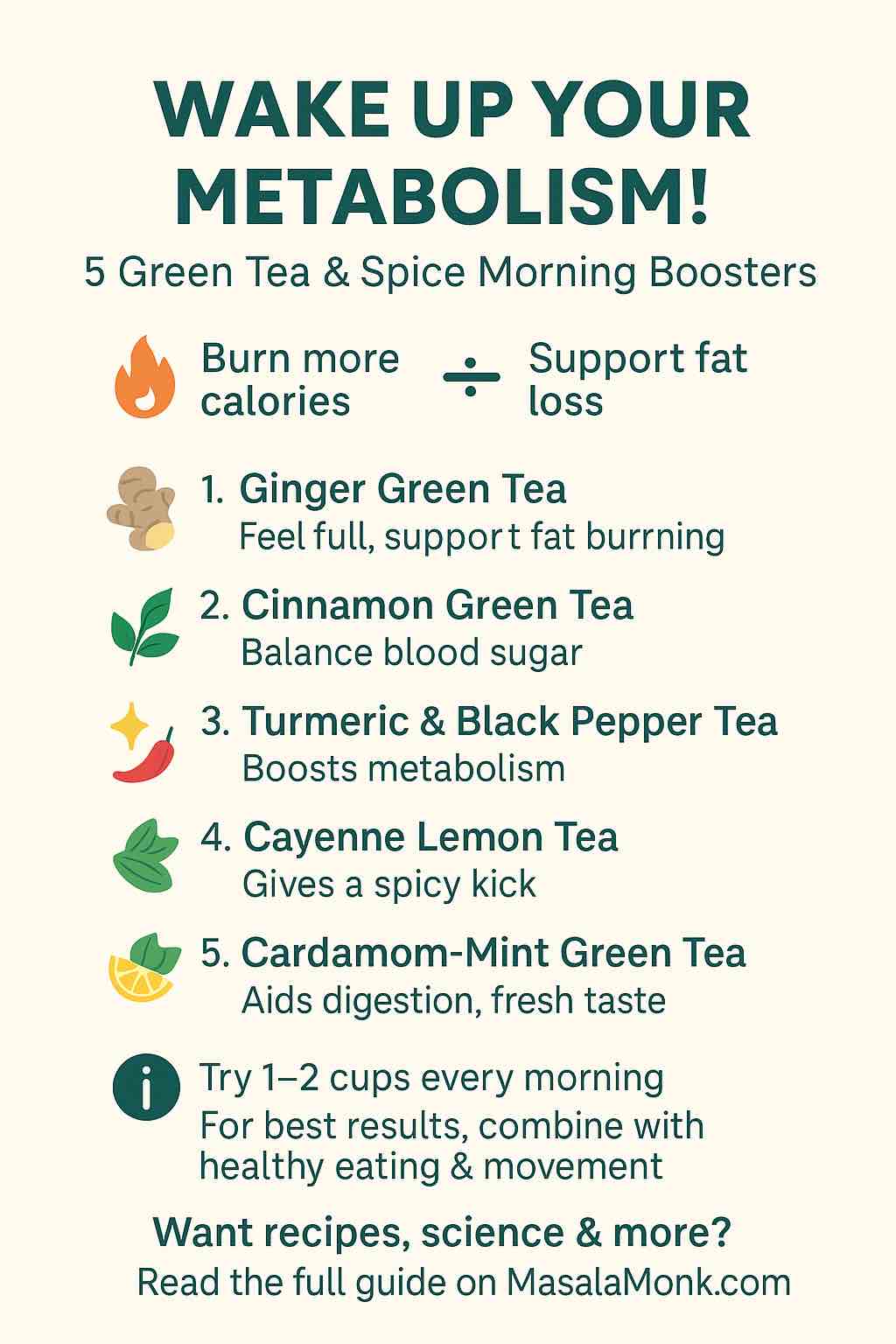
Morning Metabolism Boost: 5 Green Tea & Spice Infusions for Weight Loss

Green Tea & Spice Morning Boosters

Wake Up, Fire Up: Start Your Day with a Natural Metabolic Kick

Ever wished you could start your day with something that actually helps your metabolism wake up, not just your brain? You’re in good company. Science shows certain herbs, teas, and spices can give your morning routine the edge you need—supporting weight loss, boosting energy, and making those early hours a little more exciting.

If you’re looking for real results (not fad-diet hype), let’s explore 5 green tea and spice infusions that have stood up to recent scientific scrutiny and offer practical, tasty ways to jumpstart your day.


Why Green Tea & Spices?

Green tea isn’t just your grandmother’s beauty secret. Loaded with antioxidants called catechins (especially EGCG) and a gentle dose of caffeine, green tea supports thermogenesis (your body’s calorie-burning engine) and fat oxidation. But add a few choice spices—like ginger, cinnamon, turmeric, black pepper, and cayenne—and you unlock a blend of natural chemicals that work together for even better effects.

Here’s the Science in Simple Terms:

  • Thermogenesis: These teas & spices raise your internal body temperature, making your body burn more calories to maintain balance.
  • Fat Oxidation: Green tea catechins and capsaicin from cayenne help your body use fat as energy.
  • Appetite Regulation: Ginger, cinnamon, and mint can help curb those morning cravings, making it easier to stick to your goals.
  • Blood Sugar Balance: Cinnamon and turmeric stabilize glucose swings that can drive overeating.

Bottom Line: These ingredients don’t melt fat magically, but they nudge your metabolism in the right direction—especially when paired with good habits.


The Five Powerhouse Morning Infusions

Let’s get practical. Here are five easy, delicious, research-backed recipes for your morning mug. Each comes with its own science-backed edge, so you can rotate them or pick your favorite.


1. Ginger Green Tea

Why it works: Ginger boosts thermogenesis, tames inflammation, and helps you feel full.

Recipe:

  • 1 green tea bag or 1 tsp loose green tea
  • 1 tsp freshly grated ginger (or ½ tsp dried ginger)
  • 1 cup freshly boiled water

How-to:
Steep green tea and ginger together for 5 minutes. Add a squeeze of lemon for extra vitamin C.

Science Snap:
A 2024 meta-analysis (27 human trials!) showed ginger (2g/day) reduces body weight, waist size, and appetite when used consistently.


2. Cinnamon Green Tea

Why it works: Cinnamon helps control blood sugar and may curb fat storage.

Recipe:

  • 1 green tea bag
  • ½ to 1 tsp ground Ceylon cinnamon or 1 stick cinnamon
  • 1 cup hot water

How-to:
Steep the tea and cinnamon together for 5 minutes. Remove the stick if using. Sweeten with a little stevia or honey if desired.

Science Snap:
Meta-analyses confirm regular cinnamon intake reduces BMI and waist circumference, with effects visible in just a few weeks.


3. Turmeric & Black Pepper Green Tea

Why it works: Turmeric is anti-inflammatory; black pepper’s piperine increases the bioavailability of curcumin, turmeric’s active ingredient.

Recipe:

  • 1 green tea bag
  • ¼ tsp ground turmeric
  • Pinch of black pepper
  • 1 cup hot water

How-to:
Steep all together for 4–5 minutes. Add a dash of honey or a slice of orange for flavor.

Science Snap:
Clinical reviews up to 2025 show this combo improves metabolic health, aids fat loss, and even boosts mood in some participants.


4. Cayenne Lemon Green Tea

Why it works: Capsaicin from cayenne ramps up calorie burn and may reduce hunger.

Recipe:

  • 1 green tea bag
  • Pinch of cayenne pepper (start small!)
  • Juice of ½ fresh lemon
  • 1 cup hot water

How-to:
Steep tea and cayenne together for 3–5 minutes. Add lemon juice last. Sip slowly.

Science Snap:
RCTs suggest 2–4mg of capsaicin daily can decrease body fat over 8–12 weeks—but go easy to avoid stomach upset.


5. Cardamom-Mint Green Tea

Why it works: Cardamom supports digestion and metabolism; mint refreshes and may help curb appetite.

Recipe:

  • 1 green tea bag
  • 2 lightly crushed cardamom pods or ¼ tsp ground cardamom
  • Handful of fresh mint leaves
  • 1 cup hot water

How-to:
Steep tea, cardamom, and mint together for 5 minutes. Enjoy warm or as an iced tea.

Science Snap:
While not as heavily studied as the other spices, both cardamom and mint have shown benefits in digestion and appetite suppression.


How to Use These Infusions for Best Results

Consistency matters:
Drink one of these infusions every morning, ideally before breakfast or mid-morning. You can rotate recipes to keep things interesting and maximize benefits.

Keep it safe:

  • 2–3 cups per day is a reasonable upper limit for most people.
  • If you’re sensitive to caffeine, try decaf green tea—some benefits remain.
  • Pregnant/nursing, on blood thinners, or with gallstones? Check with your doctor before adding a lot of green tea, turmeric, or ginger.

Pair with:

  • A high-protein breakfast or balanced meal for lasting satiety and energy.
  • A few minutes of gentle movement (walk, stretches, yoga) to synergize metabolic effects.

What NOT to do:

  • Don’t over-sweeten. Try stevia, monk fruit, or a tiny drizzle of honey if needed.
  • Don’t expect miracles without healthy eating and movement.
  • Don’t use green tea extract supplements unless guided by a healthcare pro—stick with brewed tea.

Frequently Asked Questions

1. Can I use any type of green tea for these infusions?

Answer:
Yes, you can use any unsweetened green tea—loose leaf, bagged, or matcha. Just avoid flavored or pre-sweetened teas, which may have additives or sugar that reduce the health benefits.


2. Is it okay to add sweetener to these infusions?

Answer:
You can add a small amount of natural sweetener like honey, stevia, or monk fruit if needed. Try to limit added sugars, as they can counteract some weight loss benefits. Taste first; many find the spices provide enough flavor!


3. How long should I steep the spices with the tea?

Answer:
Most spices and green tea steep best together for 4–5 minutes. For a stronger flavor, let spices steep longer and add the tea bag in the last 2–3 minutes to avoid bitterness.


4. Can I drink these teas if I’m sensitive to caffeine?

Answer:
Absolutely! Use decaf green tea or even a mild white tea as a substitute. While some metabolic benefits come from caffeine, the spices themselves offer plenty of support.


5. How soon will I see results from drinking these infusions?

Answer:
Visible results typically occur after 8–12 weeks of consistent daily use, combined with a balanced diet and regular exercise. These infusions support healthy habits but aren’t quick fixes.


6. Are there any side effects I should be aware of?

Answer:
Most people tolerate these ingredients well in moderation. However, high amounts of green tea can cause jitteriness, and spices like cayenne may cause digestive discomfort if overused. Those on blood thinners, pregnant, or with certain medical conditions should consult a healthcare provider.


7. Can I prep these infusions ahead of time?

Answer:
Yes! You can brew a larger batch and refrigerate for up to 2 days. Just shake or stir before drinking, as some spices may settle.


8. Do I need to use fresh spices or are dried/powdered okay?

Answer:
Both fresh and dried spices work. Fresh may provide a more vibrant flavor and slightly higher antioxidant content, but powdered versions are very effective and convenient.


9. Can I drink more than one infusion a day?

Answer:
You can, but limit total green tea intake to 3–4 cups per day to avoid excess caffeine. Feel free to alternate different infusions on different days, or enjoy a cup in the morning and another in the afternoon.


10. Will these infusions interact with my medications?

Answer:
Some ingredients (especially green tea, turmeric, ginger, and cinnamon) can interact with certain medications, such as blood thinners, diabetes drugs, or blood pressure meds. Always check with your healthcare provider before starting any new herbal routine if you’re on medication.

The Bottom Line

Green tea and spice infusions are an easy, tasty, and research-backed way to give your metabolism a gentle nudge each morning. While none of these are “magic,” the habit itself is powerful—and you’ll get bonus benefits for your mood, gut, and immune system.

Why not pick your favorite and try it tomorrow morning?
If you’re looking for more tips, recipes, or science, leave a comment or reach out—I’m always happy to dig up more details for you!


Sources & Further Reading


Ready to supercharge your morning?
Pick a recipe, try it for a week, and notice how you feel—your metabolism just might thank you.

Posted on 4 Comments

Glycemic index of Chia Seeds and their effectiveness on Blood Sugar

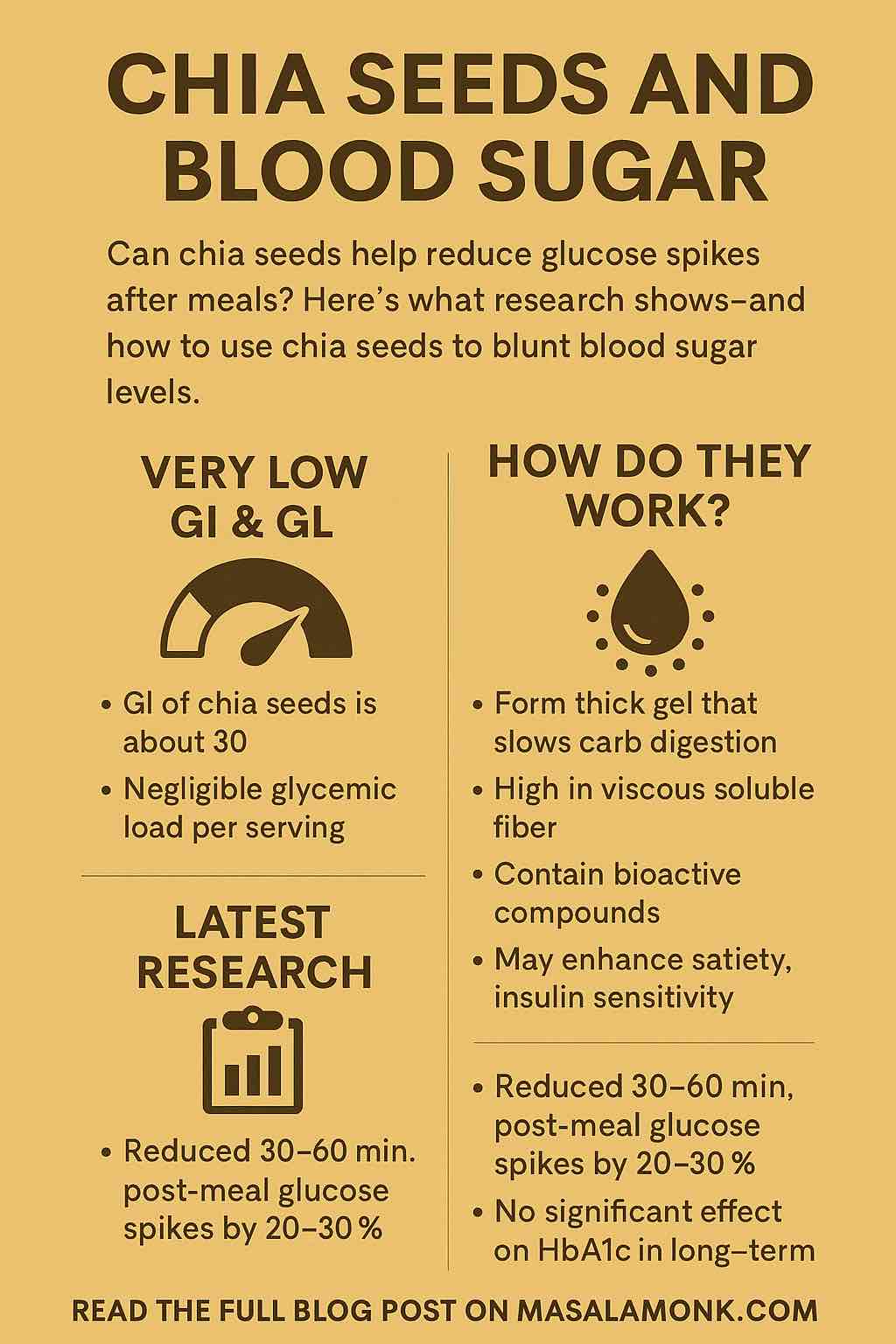
CHIA SEEDS AND BLOOD SUGAR

Managing blood sugar—especially after meals—is a concern for millions, whether you’re living with diabetes, prediabetes, or just aiming for better metabolic health. While many foods claim to stabilize glucose levels, few are as hyped as chia seeds.

But do chia seeds actually help? How do they work, and how should you use them to see real benefits?

In this post, we dive into the science, break down the latest research (2024–2025), and give you practical strategies to make chia a smart part of your glucose game plan.


🌾 What Are Chia Seeds?

Chia seeds (from Salvia hispanica L.) are tiny black or white seeds native to Central America. Nutritionally, they’re powerhouses:

  • 10g fiber per 28g (1 oz) serving
  • Rich in omega-3s (ALA), antioxidants, protein, calcium, magnesium
  • Naturally gluten-free, vegan, and incredibly shelf-stable

Most interestingly for us? Their viscous gel-forming ability when mixed with water—a property that directly impacts how your body handles sugar.


📈 What Is the Glycemic Index of Chia Seeds?

  • Glycemic Index (GI): ~30 or even <5 depending on how it’s tested (because most of its carbs are fiber).
  • Glycemic Load (GL): Extremely low—about 1–2 per serving (28g), due to minimal available carbohydrates.

Conclusion: Chia seeds are a low-GI, low-GL food—safe and stabilizing for blood sugar.


🧬 How Do Chia Seeds Reduce Blood Sugar Spikes?

Chia seeds work through a combination of physical, chemical, and biochemical mechanisms:

1. Gel Formation & Viscous Fiber

When soaked, chia seeds absorb up to 12x their weight in liquid and form a thick gel. This slows:

  • Gastric emptying
  • Enzymatic digestion of carbs
  • Glucose absorption

2. Slower Carb Digestion

Their fiber forms a physical barrier around starches, reducing the breakdown of sugars in the upper gut.

3. Bioactive Compounds

Chia contains flavonoids (like quercetin) and phenolic acids, which may:

  • Inhibit alpha-amylase and alpha-glucosidase (enzymes that digest carbs)
  • Act as mild anti-inflammatories

4. Satiety & Insulin Sensitivity

Chia’s fat, fiber, and protein increase satiety and slow food transit, which may help reduce insulin spikes.


📚 Latest Research (2024–2025): What the Science Says

🔍 Meta-Analysis (Pedram et al., June 2024)

  • 8 RCTs, 362 people
  • No significant effect on fasting glucose, insulin, or HbA1c
  • But some post-meal reductions observed in individual studies

🧪 Postprandial Glucose Reduction

  • Chia added to cookies or baked products reduced post-meal glucose by 22–30% in 2023–2024 trials
  • Best effects seen 30–60 minutes after eating

💡 Chia vs. Flaxseed

In a head-to-head glucose challenge:

  • 25g of ground chia outperformed flaxseed in lowering blood glucose after 50g of pure sugar.

🔬 Other Benefits

  • May lower systolic blood pressure by 6–7 mmHg
  • No consistent change in weight, fasting glucose, or cholesterol in medium-term use

🍴 How to Use Chia Seeds to Control Blood Sugar

✅ Best Practices

  1. Use before or with meals: Especially carb-rich ones (oats, rice, bread, etc.)
  2. Soak them: 1 tablespoon chia + ¼ cup water for 15–20 minutes before use
  3. Aim for 5–25g per dose (1–2 tablespoons)

💡 Tip: Ground chia may work faster and more effectively than whole seeds.


🥣 5 Simple Ways to Add Chia to Your Diet

IdeaGlycemic Benefit
Chia water (1 tbsp + lemon + cinnamon)Pre-load to slow carb absorption
Oatmeal with chiaAdds fiber and protein; lowers GL
Chia pudding (overnight with milk/fruit)Slow digesting, fiber-rich breakfast
Chia in smoothiesSlows sugar spike from fruit
Chia in baking (e.g., muffins, pancakes)Reduces GL of flour-based items

⚖️ Should Everyone Take Chia for Glucose Control?

✔️ Best for:

  • People with pre-diabetes, insulin resistance
  • Those with post-meal glucose spikes
  • Anyone managing metabolic syndrome

❗ Less useful for:

  • People looking for fasting glucose or HbA1c improvements only
  • Those eating very low-carb already

📌 Final Verdict: Does Chia Help With Blood Sugar?

Yes—for post-meal glucose control.
Consuming 3–7g chia with meals significantly reduces glucose spikes within 60 minutes.

🚫 No—for long-term fasting markers alone.
Studies don’t show consistent changes in HbA1c or fasting insulin without other interventions.


🧠 Smart Strategy

Use chia strategically, not blindly.

💡 Pair chia with:

  • Carbs like oats, bread, or rice
  • Pre-meal hydration
  • Other glucose-stabilizing habits (walks, protein, vinegar, etc.)

🛠️ Bonus: Build Your Own Glucose Protocol

Step-by-Step Plan:

  1. Choose a carb-heavy meal you eat often
  2. Add 1 tbsp chia, soaked or ground, before or during
  3. Measure your blood glucose (optional)
  4. Track how you feel—satiety, energy, clarity
  5. Adjust dose, timing, and combination over time

💬 Final Thoughts

Chia seeds aren’t magic—but they’re a powerful tool in your blood sugar toolkit.

Used wisely, they can reduce the burden of postprandial glucose spikes, improve satiety, and support overall metabolic health—with virtually no downside.


🔎 Frequently Asked Questions (FAQs)

1. What is the best time to eat chia seeds for blood sugar control?

The most effective time is 15–30 minutes before or with a high-carb meal. This allows the chia gel to form and slow down digestion and glucose absorption.


2. Do I need to soak chia seeds before eating them?

Yes, ideally. Soaking chia seeds (1 tbsp in ¼ cup water) allows them to form a gel, which enhances their ability to blunt glucose spikes. Ground chia can also be used without soaking.


3. How much chia should I consume per day for glucose benefits?

Research supports using 5–25g/day (1–2 tablespoons), preferably spread across meals. Even as little as 3g per meal can reduce post-meal glucose spikes by 20–30%.


4. Can chia seeds help lower fasting blood sugar or HbA1c?

Not consistently. Most studies show little to no change in fasting glucose or HbA1c. Chia’s benefits are mainly in reducing post-meal spikes, not chronic glucose markers.


5. Whole chia or ground chia: which is better?

Ground chia may be more effective for quick blood sugar impact because the nutrients are more bioavailable. However, soaked whole chia still works well.


6. Are chia seeds safe for people with diabetes?

Yes. Chia seeds are generally safe and beneficial for people with diabetes. They have a very low glycemic load and can help reduce glucose spikes. Always start with small amounts if new to high-fiber foods.


7. Do chia seeds work instantly?

They work within 30–60 minutes post-meal, especially for lowering blood sugar spikes. However, long-term benefits on insulin or HbA1c require consistent use and meal pairing.


8. Can I bake chia seeds and still get the benefits?

Yes. Chia retains much of its fiber and gel-forming capacity even when baked into muffins, pancakes, or breads—especially at doses of 3–7g per serving.


9. Can chia seeds replace medication or other diabetes treatments?

No. Chia is a supportive food, not a substitute for medication or medical guidance. It can be a valuable adjunct, but should not replace prescribed treatment.


10. What’s the difference between chia and flax for blood sugar control?

Both are high in fiber, but studies suggest chia is slightly more effective at reducing post-meal glucose, likely due to its superior gel formation and higher mucilage content.


Posted on Leave a comment

The Pear – Nutrition, Benefits, and 5 Practical Ways for Weight Loss

PEAR- Nutrition & Benefits

When we think of weight loss superfoods, the humble pear is often overlooked in favor of trendy berries or exotic seeds. But science is catching up—and the verdict is in: pears are nutritional powerhouses with unique benefits for weight management and overall health. From their juicy bite to their high-fiber punch, pears offer more than just a sweet snack. Let’s dive into the science, the benefits, and—most importantly—how you can use pears in your daily routine for real, lasting results.


1. Pear Nutrition: More Than Just a Sweet Treat

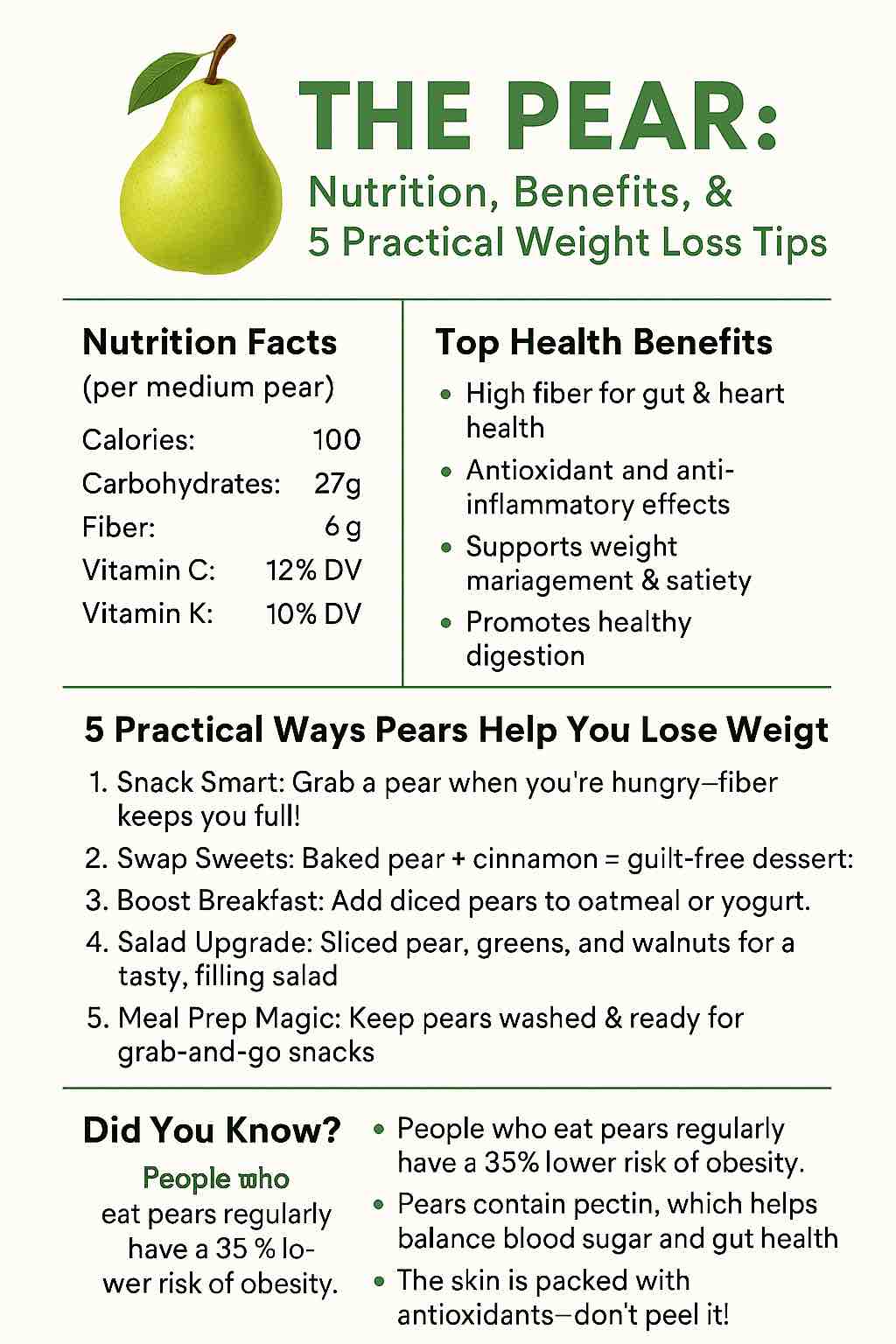
Pears are nature’s dessert—with substance! Here’s what you get in one medium pear (about 178g):

  • Calories: 100–102
  • Carbs: 27g (of which 6g is fiber, 16g natural sugars)
  • Protein: 1g
  • Fat: 0g
  • Vitamin C: 12–15% DV
  • Vitamin K: 10% DV
  • Potassium: 6% DV
  • Copper, Magnesium, Folate: Small but meaningful amounts

Key Feature: The skin is rich in soluble fiber (pectin) and antioxidants—so always eat your pear whole!


2. Proven Health Benefits of Pears (Latest Research)

2.1. Weight Management and Satiety

  • Fiber Power: A pear packs up to 24% of a woman’s daily fiber needs. Fiber slows digestion, controls blood sugar, and keeps you full longer.
  • Low Energy Density: You can eat more pears for fewer calories compared to calorie-dense snacks, supporting a calorie deficit.
  • Clinical Evidence: Recent trials (2024–2025) show that eating a pear before meals can reduce total calorie intake and support gradual, sustainable weight loss.

2.2. Gut and Heart Health

  • Pectin: Pears are among the richest sources of pectin, a soluble fiber that feeds healthy gut bacteria, lowers cholesterol, and helps regulate bowel movements.
  • Gut Microbiome: Cutting-edge studies show pear pectin boosts the growth of good bacteria, reduces inflammation, and improves insulin sensitivity.

2.3. Blood Sugar and Diabetes Control

  • Low Glycemic Index: Pears have a GI of about 38—gentle on blood sugar.
  • Polyphenols & Anthocyanins: Pears’ colorful skins are packed with bioactive compounds that fight oxidative stress, reduce diabetes risk, and help control appetite.

2.4. Immune Support

  • Antioxidants: Vitamin C and flavonoids in pears strengthen immunity and protect cells from damage.
  • Copper: Supports red blood cell production and nervous system health.

3. 5 Practical Ways to Use Pears for Weight Loss (That Actually Work)

1. The Pre-Meal Pear Trick
Eat one whole pear (with skin) 30–45 minutes before lunch or dinner.
Why: The fiber and water volume signal fullness to your brain, making it easier to say “no” to seconds or calorie-dense entrees.
Pro Tip: Keep pears visible on your counter as a healthy reminder!


2. Swap Sweets with Smart Pear Snacks
Craving dessert? Try these:

  • Baked pear with cinnamon and a sprinkle of nuts
  • Sliced pear with plain Greek yogurt
  • Pear “nachos” (thin slices, peanut butter drizzle, chia seeds)
    Why: You satisfy your sweet tooth, add nutrients, and avoid empty calories from cakes, cookies, and ice cream.

3. Upgrade Breakfast for Lasting Energy
Add diced pear to oatmeal, high-fiber cereal, or a smoothie.
Why: This raises your meal’s fiber content and provides natural sweetness, curbing the urge to snack mid-morning.


4. Make Salads You’ll Actually Crave
Pair thin-sliced pear with leafy greens, walnuts, a sprinkle of feta, and a simple vinaigrette.
Why: The crunch and sweetness balance savory flavors, making salads filling (and never boring).


5. Meal Prep and Snack Smart
Wash, slice, and store pears in the fridge for grab-and-go snacking.
Why: You’re less likely to reach for chips or cookies when healthy snacks are ready and visible.


4. Pro Tips for Getting the Most from Pears

  • Eat the Skin! Most of the fiber and antioxidants are found here.
  • Choose Colorful Varieties: Red or purple-skinned pears contain more anthocyanins—linked to lower diabetes and obesity risk.
  • Mix & Match: Try different varieties—Bartlett, Bosc, Anjou—for flavor and nutrient diversity.
  • Pair with Protein: Team pears with nuts or cheese for an even greater satiety boost.
  • Stay Hydrated: Pears have high water content—great for hydration and fullness.

5. Who Should Watch Their Pear Intake?

  • Low-FODMAP Dieters: Pears are high in fructose, which may trigger symptoms in those with IBS.
  • Diabetics: Pears are diabetic-friendly in moderation, but portion size matters.
  • Allergic Individuals: Pear allergy is rare, but always exercise caution with new foods.

6. The Latest Science: What’s New in 2024–2025?

  • Clinical studies highlight pears’ pectin as a standout fiber for controlling appetite, improving blood sugar, and lowering cholesterol.
  • Population studies show that regular pear eaters have a 35% lower risk of obesity and significantly improved diet quality.
  • Bioactive compounds like anthocyanins and polyphenols in pears are now linked to reduced risk of type 2 diabetes and chronic inflammation.

Conclusion: The Takeaway

Pears are a simple, affordable, and delicious addition to any weight loss plan. Backed by solid science, they help you eat less, feel full, and support gut and metabolic health. Whether you’re snacking smart, boosting breakfast, or swapping out sweets, the pear belongs at the center of your healthy diet.


Ready to Make Pears a Habit?

  • Start small: Add one pear a day for a week and notice the difference in hunger and cravings.
  • Try new recipes: Experiment with pears in smoothies, salads, or as baked desserts.
  • Share your story: Did eating pears help you lose weight or feel better? Share your experience below!

Don’t just read—give the pear a try. Your waistline (and taste buds) will thank you!

FAQs: Pears, Nutrition, and Weight Loss

1. Are pears good for weight loss?
Yes. Pears are low in calories, high in fiber, and contain water—helping you feel full with fewer calories. Studies show regular pear eaters are less likely to be overweight.

2. Should I eat pears with the skin on?
Absolutely! Most of the fiber, antioxidants, and nutrients are in the skin. Wash pears well and eat them whole for maximum benefits.

3. How many pears should I eat per day for weight loss?
1–2 pears per day is a practical amount. Eating one pear before meals or as a snack can help reduce overall calorie intake.

4. Do pears have a high sugar content?
Pears have natural sugars, but their high fiber and low glycemic index (about 38) help prevent blood sugar spikes.

5. Can people with diabetes eat pears?
Yes, in moderation. Pears’ fiber and low glycemic load make them suitable for diabetics, but portion control is important.

6. Are there differences between pear varieties?
Yes. Bartlett, Bosc, Anjou, and Asian pears differ slightly in taste and color, but all are nutritious. Red and purple-skinned pears contain more anthocyanins (antioxidants).

7. Is it okay to eat pears if I have digestive issues or IBS?
Pears are high in fructose and FODMAPs, which can trigger symptoms in some people with IBS. If you’re sensitive, try smaller portions or consult your doctor.

8. How do pears help with gut health?
Their pectin (soluble fiber) feeds good gut bacteria, eases constipation, and supports a healthy microbiome.

9. What are some easy ways to add pears to my diet?
Eat as a snack, slice into oatmeal or yogurt, toss in salads, or bake with cinnamon as a healthy dessert.

10. Can I lose weight just by eating more pears?
No single food causes weight loss, but pears are a helpful, satisfying tool as part of a balanced diet and active lifestyle.