When we think about eating healthy, most of us know fruit should be a part of our daily diet. But if you’re concerned about your sugar intake—maybe for blood sugar, weight management, or just better energy—you might wonder: Are all fruits created equal when it comes to sugar? Spoiler: they’re not! Some fruits are naturally lower in sugar yet still totally delicious and satisfying.
In this post, we’ll explore the science, the myths, and the practical choices—so you can enjoy the sweetness of fruit without the sugar rush. Whether you’re diabetic, pre-diabetic, on a low-carb diet, or simply curious, you’ll find actionable info and tasty ideas here.
Why Choose Low-Sugar Fruits?
First: let’s bust a myth. Natural sugar from whole fruit is not the enemy—it comes packaged with fiber, water, vitamins, minerals, and a mind-blowing range of antioxidants. But if you’re sensitive to sugar spikes, looking to lose weight, or need to watch your carbohydrate intake, some fruits are simply better than others.
Here’s why low-sugar fruits are awesome:
- Gentle on Blood Sugar: Most have a low glycemic index, so they won’t spike your blood glucose.
- Fiber Power: Fiber slows down sugar absorption, keeps you fuller longer, and helps gut health.
- Packed with Nutrients: Low-sugar doesn’t mean low nutrition. Many are rich in vitamin C, potassium, and plant compounds linked to lower inflammation and disease risk.
- Easy to Enjoy Every Day: They’re practical for snacks, meals, smoothies, and even dessert.
What Does Science Say?
Recent research (see sources below) shows that:
- Berries, citrus, and other low-GI fruits can improve blood sugar control, not harm it—even for people with diabetes.
- Whole fruit is always better than juice. Juicing removes fiber and concentrates sugars, while eating the whole fruit preserves natural benefits.
- Portion size matters: Even higher-sugar fruits like mango or peaches can be part of a healthy diet if enjoyed in moderation.
10 Low-Sugar Fruits to Love
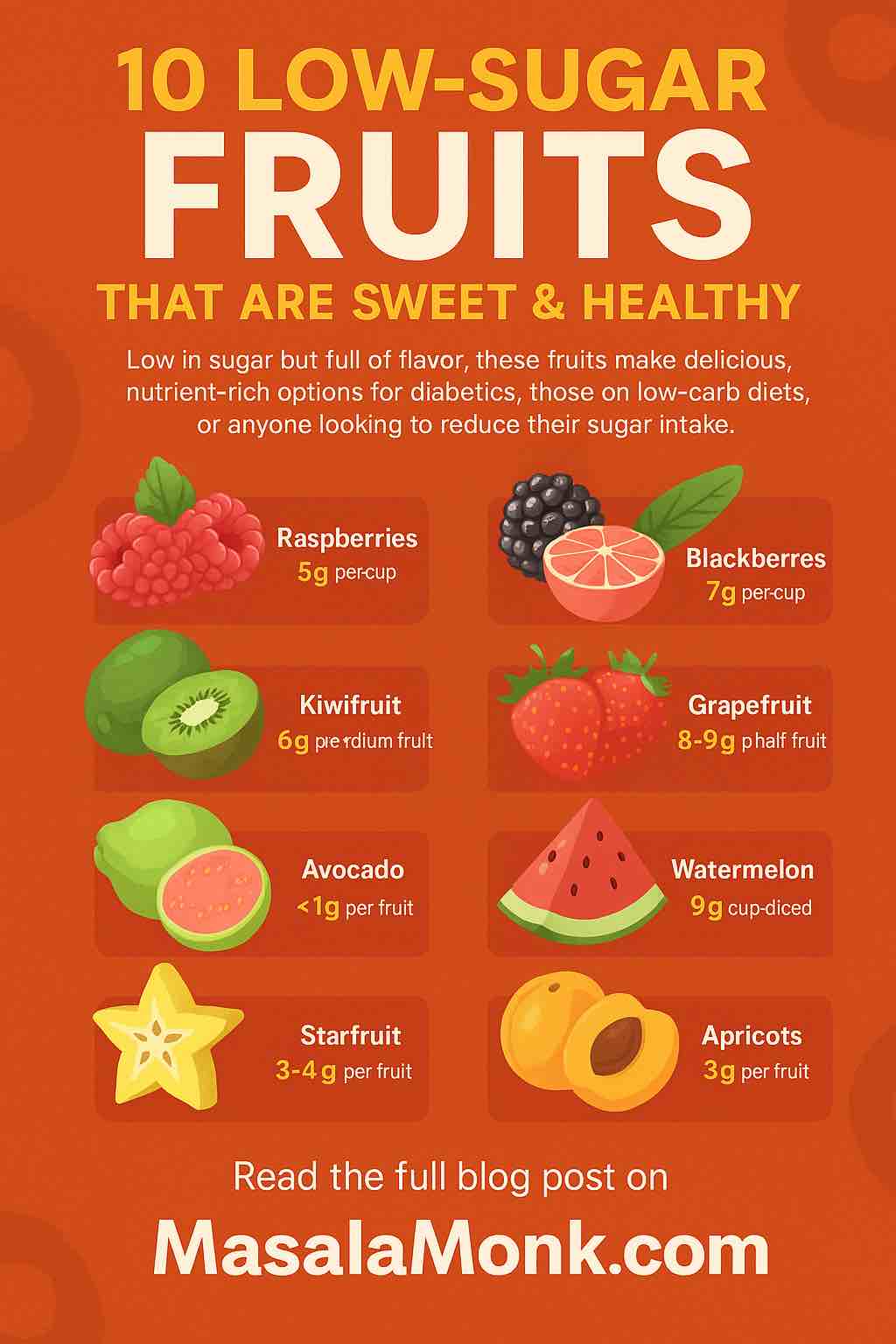
Here’s a science-backed, practical list with serving sizes, sugar content, and fun tips for each.
1. Raspberries
- Sugar: 5g per cup (about 123g)
- Why They Rock: Packed with fiber (8g per cup!), vitamin C, and powerful antioxidants called polyphenols that help control blood sugar and reduce inflammation.
- How to Eat: Sprinkle on yogurt, blend into smoothies, or eat by the handful.
- Fun Fact: Clinical studies show raspberries can blunt the sugar spike after a meal!
2. Blackberries
- Sugar: 7g per cup
- What’s Great: Vitamin C, vitamin K, anthocyanins (plant pigments that fight inflammation).
- How to Use: Toss in oatmeal, add to salads, or use as a naturally sweet topping for desserts.
3. Strawberries
- Sugar: 7g per cup
- Why Try: Low in sugar, high in flavor, and a vitamin C superstar.
- Serving Tip: Slice over cereal, mix into a fruit salad, or freeze for a refreshing snack.
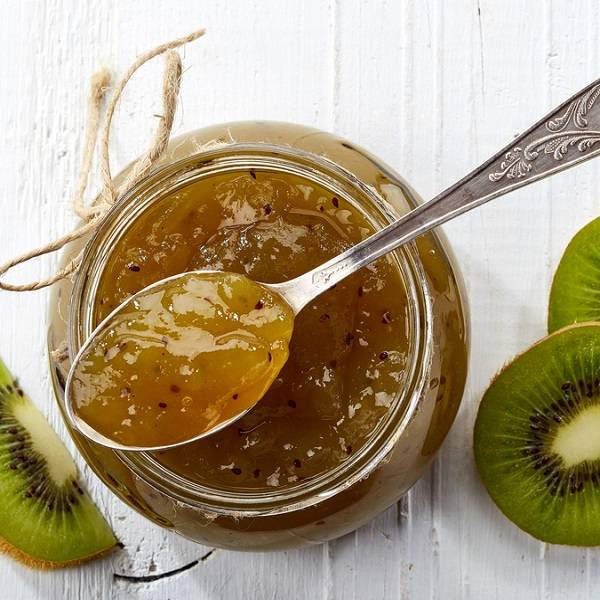
4. Kiwifruit
- Sugar: 6g per medium fruit
- Health Perk: More vitamin C than an orange, plus potassium and digestive enzymes.
- Eat It Like This: Slice and scoop, or add to your morning smoothie for a tangy twist.
5. Grapefruit
- Sugar: 8-9g per half fruit
- Why It’s Special: Low GI, high in vitamin C, and linked to better weight and insulin control in some studies.
- Pro Tip: Try it broiled with a sprinkle of cinnamon, or segment it into salads.
6. Avocado
- Sugar: <1g per fruit (yes, it’s a fruit!)
- Nutritional Highlight: Healthy fats, fiber, and barely any sugar.
- How to Eat: On toast, in smoothies, or as creamy guacamole.
7. Watermelon
- Sugar: 9g per cup (diced)
- What’s Good: Super hydrating, low calorie, and surprisingly low in sugar per serving.
- Serving Idea: Cube it for a summer snack, or blend into a refreshing drink.
8. Guava
- Sugar: 5g per fruit
- Why Eat: One of the richest fruits in vitamin C, plus fiber and a unique tropical flavor.
- Best Way: Eat it whole (seeds and all!), or slice into fruit salads.
9. Starfruit (Carambola)
- Sugar: 3-4g per fruit
- Why Try: Crunchy, tart-sweet, and fun to slice into stars. Also high in vitamin C.
- Caution: Avoid if you have kidney disease due to oxalate content.
10. Apricots
- Sugar: 3g per fruit
- Nutritional Note: Low sugar and loaded with vitamin A.
- Eat: Fresh or add to salads—just watch out for dried apricots, which are much higher in sugar.
Up-and-Coming: Falsa Berries
If you can find them, Falsa berries (Grewia asiatica) are making waves for their ultra-low sugar, high antioxidants, and cooling, refreshing flavor—used in traditional Indian and Middle Eastern drinks and remedies.
Busting Fruit Myths
- Whole fruit is NOT the same as juice: Juice (even fresh) has concentrated sugars and almost no fiber—so it can spike your blood sugar. Stick with whole fruit or fiber-rich smoothies.
- Portion size matters: If you love a higher-sugar fruit (like mango or cherries), enjoy it in smaller portions and balance with protein or healthy fat.
- Diabetics don’t need to avoid fruit entirely: In fact, the latest research shows that moderate fruit intake, especially low-GI fruits, can be beneficial for blood sugar and heart health.
How to Add More Low-Sugar Fruits to Your Life
- Blend, don’t juice: Blending keeps all the fiber. Try berry smoothies with seeds and leafy greens.
- Pair with protein or fat: Eat fruit with nuts, yogurt, or cheese for a balanced snack.
- Mix up your salads: Add berries, citrus, or sliced guava to leafy greens for color and flavor.
- Make fruit the dessert: Grilled peaches, chilled watermelon, or a bowl of blackberries and cream—delicious and naturally sweet.
The Latest Science at a Glance
- Berries, citrus, and guava: Backed by clinical trials for improving blood sugar response and reducing inflammation.
- Smoothies with seeds: New studies show blending seeds and fruit together further improves blood sugar stability.
- Whole fruit vs. juice: Repeated research shows juice is not a substitute for whole fruit—fiber and plant compounds make all the difference.
- Emerging “superfruits”: Falsa berries, starfruit, and guava are gaining recognition as healthy, low-sugar alternatives.
Sources and Further Reading
Final Thoughts
Don’t let sugar anxiety keep you from enjoying fruit. The right choices—like berries, kiwis, grapefruit, guava, and even watermelon—let you enjoy sweet, juicy flavor while supporting your health. The best diet is one you love and can stick to. So explore the fruit aisle, try something new, and savor the best of nature’s sweetness—without the sugar overload.
What’s your favorite low-sugar fruit or recipe? Share in the comments!
FAQs: Low-Sugar Fruits
1. Are low-sugar fruits safe for people with diabetes?
Yes. Most low-sugar fruits, like berries and kiwi, have a low glycemic index and are safe for diabetics in reasonable portions. They provide fiber and antioxidants, which can actually help blood sugar control. Always discuss any major diet changes with your doctor.
2. Is fruit sugar (fructose) bad for you?
No, not in whole fruits. Whole fruit contains fiber, vitamins, and water, which slow sugar absorption. Issues mainly arise with added sugars or fruit juices, not whole fruits.
3. Which fruits should I avoid if I want to cut sugar?
Higher-sugar fruits include bananas, grapes, mangoes, cherries, and dried fruits. These can be enjoyed in moderation, but lower-sugar options like berries, kiwi, and grapefruit are better for reducing overall sugar intake.
4. How can I make fruit more filling as a snack?
Pair it with protein or healthy fat—like yogurt, cottage cheese, nuts, or seeds. This slows digestion, curbs hunger, and keeps blood sugar steadier.
5. Is it okay to drink fruit juice if I want to eat less sugar?
Limit fruit juice. Juices remove fiber and quickly deliver a lot of sugar. If you want a drink, blend whole fruit into a smoothie so you keep all the fiber.
6. Are frozen or canned fruits okay?
Yes, with caution. Frozen fruit is usually just as healthy as fresh. For canned fruit, choose those packed in water or juice—not syrup—to avoid added sugars.
7. Can kids eat low-sugar fruits?
Absolutely! Low-sugar fruits are great for children. They’re naturally sweet, nutritious, and help build healthy eating habits.
8. What’s the best time of day to eat fruit for blood sugar?
With meals or as a snack (not alone on an empty stomach). Combining fruit with other foods slows sugar absorption.
9. Are dried fruits healthy?
In small amounts. Dried fruits are concentrated in sugar and calories, so stick to very small portions or choose whole, fresh fruit instead.
10. What’s the difference between low-GI and low-sugar fruit?
Low-GI fruit raises blood sugar slowly. Low-sugar fruit simply contains less total sugar. Many low-sugar fruits are also low-GI, but always check both if blood sugar is a concern.