Posted on 1 Comment

Apple Cider Vinegar for Diabetes and Blood Sugar Management

APPLE CIDER VINEGAR & DIABETES

Let’s be honest: Most of us living with diabetes—or supporting someone who is—have heard about “miracle” foods, magic supplements, and endless hacks that promise easier blood sugar control. Apple cider vinegar (ACV) has topped that list for years, popping up everywhere from social media trends to serious scientific journals. But does it actually work? Who is it for? What can you expect if you try it? Let’s go beyond the hype, break down the latest science, real user experiences, practical tips, and critical safety info so you can decide if ACV deserves a spot in your routine.


What Actually Is Apple Cider Vinegar?

Apple cider vinegar starts life as humble apple juice, which is first fermented by yeast to alcohol, and then by bacteria into acetic acid—the main “active” component. If you buy raw, unfiltered ACV, you’ll see a cloudy mass at the bottom (“the mother”), which contains probiotics and enzymes.

People have used vinegar as a tonic for thousands of years, but in the last decade, it’s exploded as a health trend, especially for weight loss, gut health, and—you guessed it—blood sugar.


What Does Science Say About ACV for Diabetes and Blood Sugar?

Recent research is cautiously optimistic. Here’s what large analyses and individual trials reveal:

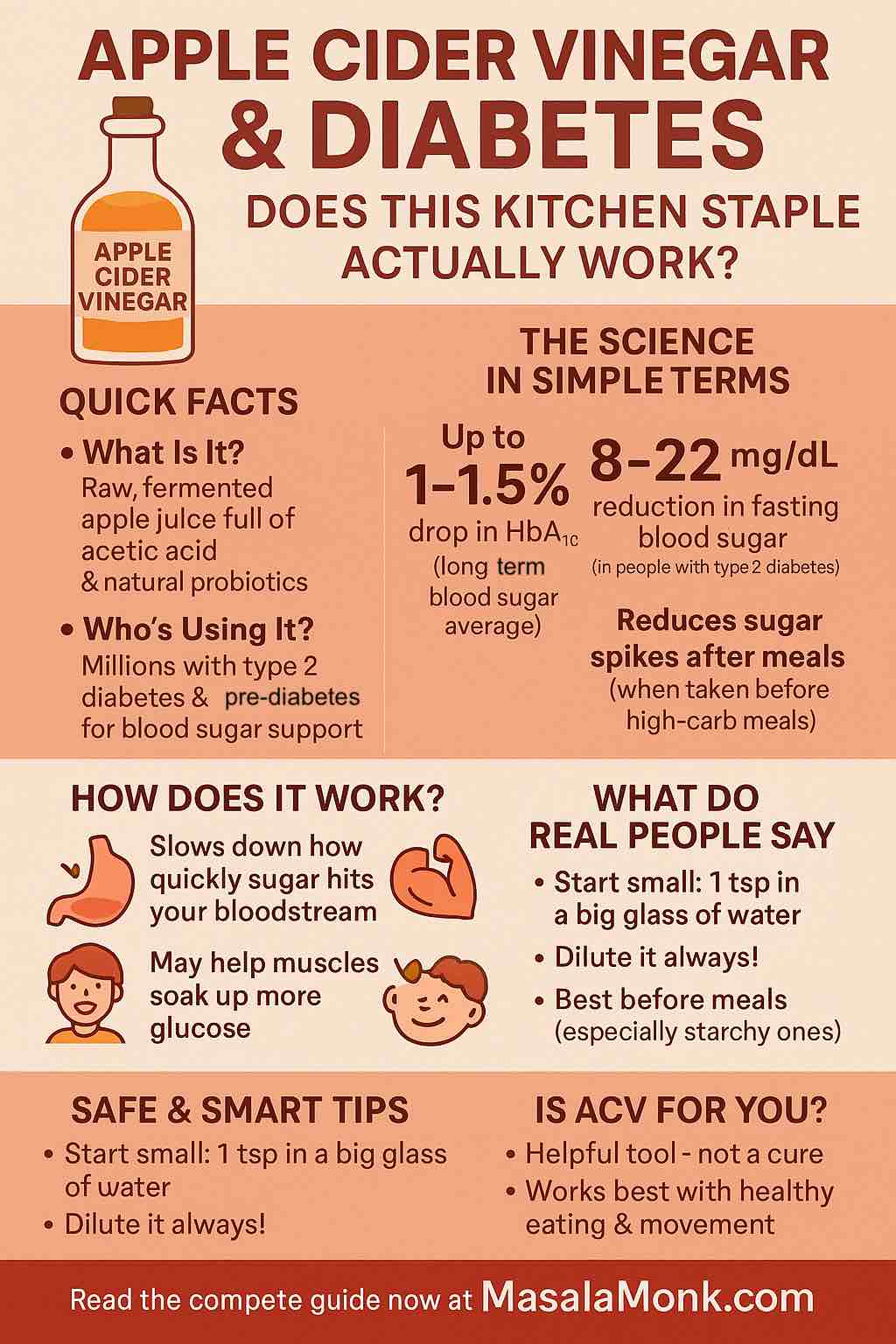
  • Fasting Blood Sugar (FBS): Controlled studies and dose–response meta-analyses show reductions between 8 and 22 mg/dL in people with type 2 diabetes after several weeks of daily ACV use (usually at 10–30 mL/day).
  • HbA1c (the “three-month average” of blood sugar): Some studies report drops of up to 1–1.5 percentage points—most notable when ACV is combined with a healthy eating plan.
  • After-meal (postprandial) blood sugar spikes: Multiple trials—and tons of user reports—show that a tablespoon of diluted ACV before or with high-carb meals often blunts the spike that typically follows.
  • Insulin & Insulin Resistance: The science here is mixed. Some trials see a rise in insulin, but don’t always see big changes in insulin resistance markers.
  • Cholesterol, Triglycerides & Weight: Some longer studies show modest improvements in LDL (“bad” cholesterol), triglycerides, and even slight reductions in waist circumference or appetite.

The caveat? Most trials are small (30–100 people), relatively short (4–12 weeks), and there’s variation in how ACV is used. That said, results are promising—especially as a low-risk add-on for people with type 2 diabetes or prediabetes.


How Does ACV Work for Blood Sugar? The Science, Simply Explained

It’s not magic—there are actual biological reasons vinegar can impact blood sugar:

  • Slows stomach emptying: Acetic acid makes food move through your stomach more slowly, so carbs hit your bloodstream gradually rather than all at once. This means smaller sugar spikes after you eat.
  • Improves glucose uptake: Some lab research suggests ACV activates a pathway (AMPK) that helps your muscles soak up more sugar from the blood.
  • Reduces sugar production in the liver: ACV contains polyphenols that may tell your liver to make less glucose.
  • Suppresses appetite: Some people find vinegar helps them feel fuller faster, which might indirectly help with portion control and blood sugar.

This multi-pronged approach is why many experts see ACV as a helpful “adjunct”—a tool, not a treatment—alongside diet, exercise, and medication.


What Do Real People Say? User Experiences from the Diabetes Community

The best way to balance science is with real stories. Here’s what people are actually experiencing:

“It definitely helps my post-meal spikes.”

“The first morning I tried ACV my spike was only up to 145. The next day, after the same breakfast, it was 125! I just use 1 Tbsp in water before I eat.”
— Type 2 diabetes, Reddit user

“Noticeable difference with high-carb meals.”

“Whenever I have pasta or rice, I take a tablespoon of ACV in a glass of water before eating, and my numbers don’t go as high. Doesn’t work miracles, but it helps.”
— r/diabetes_t2

“Not a fan of the taste, but capsules work.”

“I just can’t stand the vinegar taste, but the ACV capsules seem to work the same for me, as long as I use them before meals.”
— r/prediabetes

“Didn’t notice a big difference.”

“I tried ACV every day for a month and saw no change. Maybe it’s just me, or maybe it works better if you’re insulin resistant.”
— r/diabetes_t2

“Caution: It can cause stomach issues.”

“Don’t drink it straight! I did that once and got bad heartburn. Now I dilute it and use a straw, and it’s fine.”
— r/diabetes_t2

“Best results when combined with other healthy habits.”

“My A1C dropped, but I was also walking more, eating fewer carbs, and drinking ACV. Hard to say how much the vinegar did alone.”
— r/prediabetes


Practical Advice: How to Use ACV for Blood Sugar Management

Want to try it? Here’s a smart, safe way:

  • Start slow: Begin with 1 teaspoon (5 mL) of ACV diluted in a big glass of water (8–12 oz, or 240–350 mL).
  • Work up to 1–2 tablespoons (15–30 mL) per day if tolerated, split into two or three doses (before main meals).
  • Timing: Take ACV 10–20 minutes before meals, especially those with higher carbs.
  • Always dilute! Straight vinegar can burn your throat and erode tooth enamel.
  • Use a straw to protect your teeth, and rinse your mouth afterwards.
  • Don’t overdo it: More is not better. Stay under 2 Tbsp per day unless your doctor advises otherwise.

Easy & Tasty Ways to Use ACV

  1. Classic ACV Tonic
    • 1 tablespoon ACV
    • 8–12 oz cold or warm water
    • Optional: squeeze of lemon, dash of cinnamon, or a few drops of stevia
  2. Simple Vinaigrette
    • 2 tablespoons olive oil
    • 1 tablespoon ACV
    • Pinch of salt, pepper, a squirt of mustard
  3. In Your Food
    • Splash over roasted veggies or greens
    • Stir into soup or add to a marinade
  4. ACV Capsules
    • Look for standardized products with clear acetic acid content
    • Great if you dislike the taste, but always check for fillers/additives

Are There Risks? Who Should Be Careful?

Most people tolerate ACV well—if it’s diluted. But there are risks and situations where you should avoid or use caution:

  • Tooth enamel erosion: Vinegar is acidic. Dilute it, use a straw, rinse your mouth.
  • Throat or stomach irritation: If you have reflux, ulcers, or sensitive digestion, start slow or avoid altogether.
  • Low potassium: Rare, but possible, especially if you’re on certain diuretics or insulin. Monitor your bloodwork.
  • Medication interactions: ACV can potentially amplify the effects of blood sugar-lowering meds—leading to hypoglycemia.
  • Chronic kidney disease, stomach ulcers, or serious dental issues: Avoid unless cleared by your doctor.

If in doubt, check with your healthcare provider before adding ACV, especially if you’re on medications, have GI issues, or chronic conditions.


Final Thoughts: Is Apple Cider Vinegar Worth Trying?

Apple cider vinegar isn’t a “miracle cure”—but it isn’t snake oil either. If you have type 2 diabetes or prediabetes, there’s credible science and thousands of real-world reports suggesting ACV can help blunt post-meal blood sugar spikes, modestly lower fasting glucose, and support better A1C—especially when used alongside healthy eating and regular activity.

It’s simple, cheap, low-risk when used correctly, and fits easily into most routines. The biggest effects tend to show up when:

  • You’re using it as part of a consistent, balanced routine
  • You use it with, or just before, meals (especially starchy or carb-heavy ones)
  • You’re tracking your response with a glucose meter or CGM, so you can see what works for you

But remember: The real foundation of diabetes management is still what you eat, how you move, your sleep, stress, and medications when needed. ACV is a helpful “extra,” not a replacement.


Pro tip: Try tracking your before-and-after meal glucose a few times a week when you add ACV, and see how your body responds. If you notice consistent improvements (and no side effects), it might just be a simple win worth keeping in your toolkit.

Questions, stories, or recipes to share? Drop them below!

Frequently Asked Questions (FAQs)

1. How much apple cider vinegar should I take to help manage blood sugar?
Most studies suggest 1–2 tablespoons (15–30 mL) per day, diluted in at least one cup of water, is effective and safe for most people. Start with 1 teaspoon (5 mL) to assess your tolerance, and never exceed 2 tablespoons per day without consulting your healthcare provider.

2. When is the best time to take ACV for blood sugar control?
Taking ACV 10–20 minutes before a meal—especially one high in carbohydrates—seems most effective for reducing post-meal blood sugar spikes.

3. Should I drink ACV straight?
No, never drink it undiluted! Always mix it with water or use it in salad dressings or food to avoid damaging your teeth and irritating your throat or stomach.

4. Can I take ACV if I’m on diabetes medication?
Possibly, but check with your healthcare provider first. ACV can enhance the effect of blood sugar-lowering meds, increasing the risk of hypoglycemia in some people.

5. Do ACV capsules or gummies work as well as the liquid?
Some people find capsules or gummies convenient, but their acetic acid content varies. Look for reputable brands and standardized dosages, but be aware: research focuses mostly on the liquid form.

6. Are there any side effects of taking apple cider vinegar?
Potential side effects include tooth enamel erosion, throat or stomach irritation, and low potassium levels (especially with certain meds). Always dilute ACV and start slow.

7. Can ACV replace my diabetes medication or other treatments?
No. ACV is an adjunct—not a substitute—for prescribed medication, healthy eating, and exercise. Never stop your meds without your doctor’s guidance.

8. How soon will I notice a difference in my blood sugar?
Some people see a difference in post-meal blood sugar within days, while fasting glucose and HbA1c may take several weeks to months to improve. Track your readings for personalized results.

9. Is it safe for everyone with diabetes to use ACV?
Most people tolerate ACV well if diluted, but avoid it if you have stomach ulcers, severe acid reflux, chronic kidney disease, or significant dental issues—unless cleared by your doctor.

10. What’s the best way to include ACV in my diet if I don’t like the taste?
Try using ACV in salad dressings, marinades, or diluted with lemon and a touch of stevia or cinnamon to mask the flavor. ACV capsules are an option, but check for reliable brands and dosages.
Posted on 1 Comment

Kiwi Fruit: Nutrition, Benefits, and How to Eat It 🥝🌱

Kiwi Fruit: Nutrition, Benefits

Kiwi fruit, with its unique sweet-tart flavor and vibrant green or golden flesh, has long been a favorite in fruit salads and tropical desserts. But in 2025, science is making it clear: this small, fuzzy fruit is one of the most impressive “functional foods” you can put on your plate. Whether your goals are better digestion, improved sleep, heart protection, glowing skin, or simply eating smarter, kiwi delivers—and often in ways you might not expect.

Let’s take a deep, practical dive into why eating kiwi every day could change your health, your habits, and your life.


Kiwi Nutrition Facts: What’s Inside the Fuzz?

It’s easy to underestimate kiwi due to its size, but inside is a nutritional goldmine:

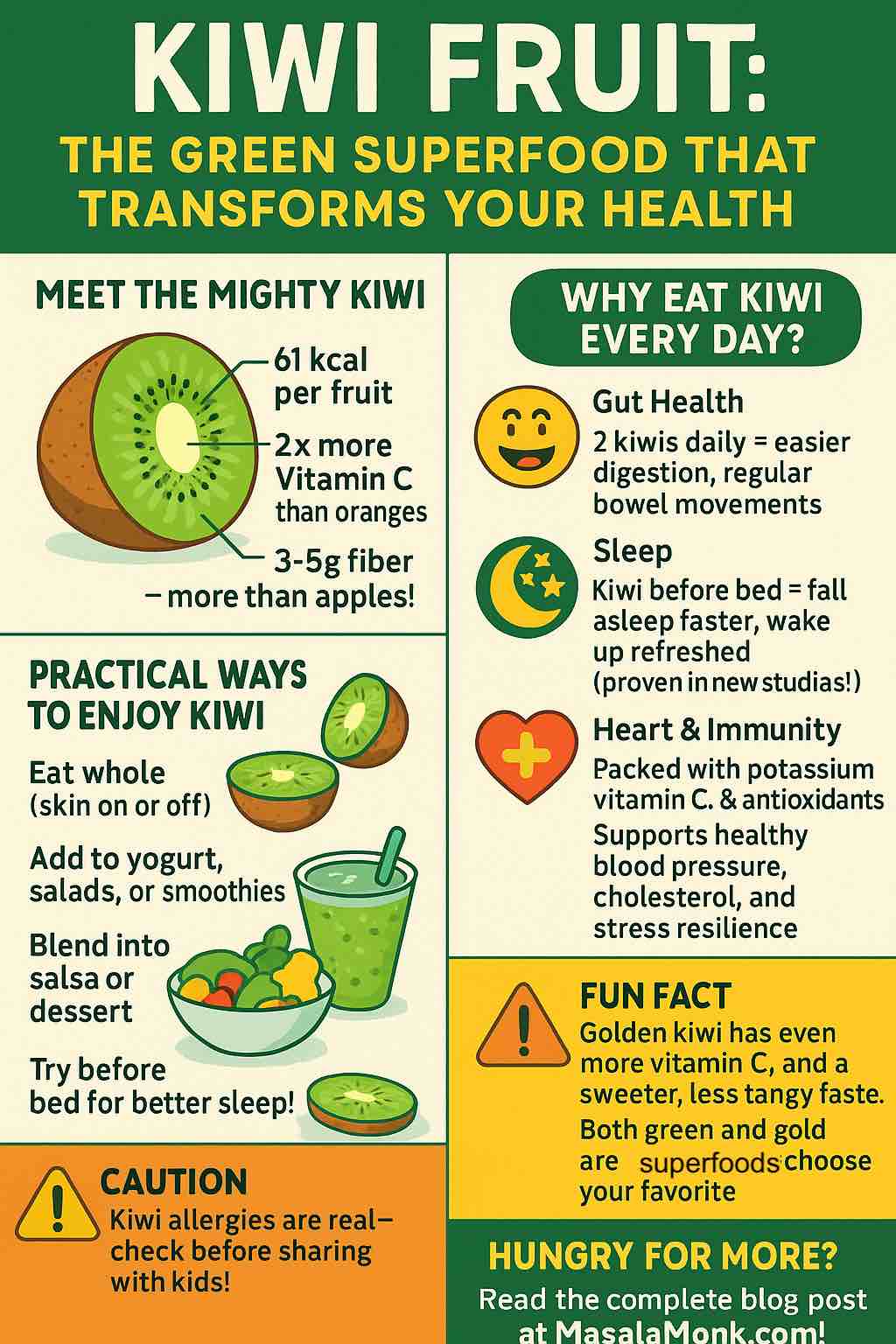
  • Calories: ~61 kcal (per 100g, about 1 medium kiwi)
  • Carbohydrates: 15g (natural sugars + valuable fiber)
  • Fiber: 3–5g (both soluble and insoluble types for gut health)
  • Protein: 1.1g
  • Fat: 0.5g
  • Vitamin C: 90–110mg (100–200% of daily needs—golden kiwis can reach up to 160mg)
  • Vitamin K: 30–40mcg (supports blood and bone health)
  • Potassium: 215–312mg (more than a banana per calorie)
  • Vitamin E: 1.5mg (one of the few fruits with natural vitamin E)
  • Folate, Copper, Magnesium, Calcium: In smaller but significant amounts
  • Antioxidants: Rich in lutein, zeaxanthin, carotenoids, and polyphenols

Key detail: The edible skin contains extra fiber, vitamin E, and powerful phytonutrients. If you can handle the fuzzy texture, scrub and eat the whole fruit for maximum benefits.


How Kiwi Supercharges Your Health: New Science in 2025

1. Digestion & Gut Health: More Than Just Fiber

Kiwi has become a star in digestive health—not just for its fiber, but also for actinidin, a unique enzyme that breaks down proteins in your stomach. This means better digestion, less bloating, and more comfortable meals—especially for those who get gassy or heavy after eating animal protein or legumes.

Recent studies in the US, New Zealand, and Asia show:

  • Two green kiwis a day significantly improve stool frequency and consistency, relieving both occasional and chronic constipation.
  • Kiwi outperformed psyllium (a common fiber supplement) in clinical trials, providing greater relief from abdominal discomfort and straining.
  • The fruit acts as a prebiotic, feeding beneficial gut bacteria, and boosts short-chain fatty acid (SCFA) production, supporting colon health and reducing inflammation.

Practical tip: Try a “kiwi breakfast shot”—eat one or two kiwis (with skin, if you like) on an empty stomach with water before your first meal.


2. Sleep: The Surprising Nighttime Superfood

Struggling to fall or stay asleep? Kiwi is quickly becoming the go-to bedtime snack.

Latest research (2024–2025) reveals:

  • Eating 1–2 kiwis about one hour before bed helps people fall asleep faster, increases total sleep time, and improves sleep efficiency.
  • This effect has been confirmed in adults, children, and even people with insomnia or overweight/obesity.
  • The sleep boost is thought to come from the combination of natural serotonin, vitamin C, folate, and antioxidants—plus some gentle carbs that help your brain make melatonin.

Lifestyle tip: Replace your late-night cookie or ice cream with sliced kiwi, maybe topped with a sprinkle of cinnamon or a little yogurt.

Real-world example: A university trial with students found that after two weeks of evening kiwi, participants reported feeling more refreshed and alert in the morning, with less grogginess.


3. Heart Health & Metabolism: Small Fruit, Big Protection

Heart disease remains the world’s top killer, but simple daily changes add up. Kiwi offers several cardiovascular benefits:

  • Its high potassium content helps lower blood pressure by counteracting sodium.
  • Studies confirm that eating kiwi daily can lower triglycerides, reduce platelet aggregation (less clot risk), and modestly raise HDL (“good”) cholesterol.
  • Kiwis are naturally low in sodium and fat, with a low glycemic index (~40), so they’re ideal for people with hypertension, prediabetes, or metabolic syndrome.

Actionable tip: Add kiwi to your post-workout smoothie or salad to replenish potassium and speed up muscle recovery.

Fun fact: In a study, people who ate three kiwis a day for eight weeks saw measurable improvements in blood pressure and blood lipids compared to those eating apples.


4. Mood, Immunity & Daily Energy: Vitamin C in Overdrive

Kiwi is one of the best natural sources of vitamin C—beating out oranges, strawberries, and many “superfoods” by weight.

  • Just two kiwis provide more than enough vitamin C for a whole day, supporting your immune system and helping your body fight viruses and heal wounds.
  • Vitamin C also reduces the impact of stress, improves mood, and assists your body in making collagen for healthy skin and joints.
  • A 2025 trial in young adults found that regular kiwi consumption improved mood, reduced fatigue, and boosted vitality—sometimes in as little as four days.

Tip for busy days: Bring kiwis to work or class as a portable, vitamin-packed snack. They’re less messy than oranges and need no prep if you eat the skin.


5. Skin, Eye, and Longevity Benefits

  • Kiwis contain lutein and zeaxanthin, carotenoids important for long-term eye health and protection against age-related macular degeneration.
  • Their vitamin E and C combo helps repair and rejuvenate skin, fighting oxidative damage and keeping your complexion bright.
  • New research also links regular kiwi intake to lower risk of some cancers, especially colorectal, thanks to fiber and unique antioxidant compounds that protect gut cells.

Pro aging hack: Try eating kiwi skin-on for a beauty and gut boost, or blend it into your smoothies for extra nutrients.


6. Cancer Prevention and Overall Longevity

While no single fruit is a cure-all, kiwi’s mix of fiber, vitamin C, and plant antioxidants is being actively studied for cancer prevention, especially of the colon. Emerging evidence suggests:

  • People who eat kiwis daily have a statistically lower risk of developing colorectal cancer.
  • The combination of antioxidants and fiber appears to reduce inflammation and support healthy cell turnover.

Practical application: If you have a family history of colorectal cancer or want to improve long-term gut health, make kiwi a daily staple.


How to Eat More Kiwi: Practical Tips for Every Lifestyle

Raw and Simple:

  • Halve and scoop with a spoon for a portable snack.
  • Eat the skin for extra fiber—just scrub well before eating.

In Salads:

  • Add sliced kiwi to mixed greens, feta cheese, walnuts, and a citrus vinaigrette for a refreshing lunch.

On Breakfast:

  • Top Greek yogurt, overnight oats, or cottage cheese with sliced kiwi, seeds, and honey.

In Smoothies:

  • Blend one or two kiwis with spinach, banana, pineapple, and coconut water for a bright, tangy boost.

Salsas and Dips:

  • Mix chopped kiwi with avocado, jalapeño, red onion, and cilantro for a colorful salsa—perfect for grilled fish, chicken, or tacos.

Desserts:

  • Layer kiwi with whipped coconut cream, berries, and toasted nuts for a quick, healthy dessert.

As Dried Snacks:

  • Slice thin and dehydrate for tangy, chewy “kiwi chips” (kids love these!).

For Better Sleep:

  • Try two kiwis an hour before bed—plain or with a bit of cinnamon or dark chocolate shavings.

Kiwi in Real Life: Building a Healthy Routine

Here are a few sample ways to add kiwi to your daily rhythm:

The “Kiwi Two-a-Day” Challenge:
Start your morning and end your evening with a kiwi. Track your digestion, sleep, and energy for two weeks—most people notice real improvements.

Meal Prep Hack:
Buy a bag of kiwis every week. Wash them all at once. Store ripe ones in the fridge and eat as snacks, or slice over meals.

For Families:
Let kids try kiwis with the skin (cut into fun shapes if needed). The unique taste and texture can help expand picky eaters’ palates.

Fitness & Recovery:
Post-workout, blend kiwi with protein powder, leafy greens, and coconut water for the ultimate recovery shake.

For Travelers:
Kiwi travels well—bring a couple in your bag for flights or road trips to avoid unhealthy airport snacks.


Risks and Precautions: Who Should Be Careful?

  • Allergies: Some people, especially those allergic to latex or other fruits (like banana or avocado), can react to kiwi. Symptoms range from mild itching to severe reactions. Try a small amount first if unsure.
  • Blood Thinners: Kiwi is high in vitamin K, which can interfere with warfarin and similar medications. If you’re on blood thinners, consult your doctor about how much is safe.
  • Oral Irritation: The actinidin enzyme can make your mouth tingle, especially if you’re sensitive—peeling may help.

Final Thoughts: Should You Eat Kiwi Every Day?

If you’re searching for a practical, delicious, and research-backed way to improve your diet and your health, kiwi fruit is hard to beat. Its blend of fiber, vitamin C, antioxidants, and plant enzymes offers real-life benefits for digestion, sleep, mood, skin, and heart health—often in ways you’ll actually feel.

Eating just one or two kiwis a day is simple, affordable, and fits into almost any diet—vegan, paleo, low-FODMAP (in moderation), or just plain healthy eating.

Try it for two weeks. You might sleep better, smile more, and feel lighter—inside and out.

Ready to make kiwi a habit? Pick up a few on your next grocery run and start experimenting. Your gut, heart, and mind will thank you!

FAQs About Kiwi Fruit

1. Can you eat kiwi skin, and is it healthy?
Yes, the skin is edible and actually boosts the fiber, vitamin E, and antioxidant content of each fruit. Just wash it thoroughly before eating. The texture is fuzzy, but you can rub off some of the hairs if you prefer. If you have a sensitive mouth, start with the skin of golden kiwis, which is smoother.


2. How many kiwis should I eat per day for health benefits?
Most research supports eating 1–2 kiwis per day for noticeable benefits to digestion, sleep, and immunity. Clinical studies often use this amount, and it’s generally safe for most healthy adults and children.


3. Are green and golden kiwis nutritionally different?
Yes. Green kiwis are higher in fiber and contain more actinidin (an enzyme aiding protein digestion). Golden kiwis are sweeter, less acidic, and contain even more vitamin C and some extra antioxidants. Both are excellent for health, so choose based on your taste and texture preference.


4. Is kiwi safe for people with allergies?
Kiwi can trigger allergies, especially in people sensitive to latex, avocados, bananas, or birch pollen. Symptoms can include itching, tingling, or swelling in the mouth. If you have any known food allergies or experience symptoms, consult your doctor before adding kiwi to your diet.


5. Can kiwi help with constipation and gut health?
Yes. Kiwi’s unique mix of fiber and the actinidin enzyme has been shown to improve bowel regularity, soften stools, and relieve constipation—sometimes outperforming fiber supplements. Eating two green kiwis daily can benefit most people with sluggish digestion.


6. Does eating kiwi really help you sleep better?
Recent clinical studies show that eating 1–2 kiwis about an hour before bed can help you fall asleep faster, sleep longer, and improve sleep quality. Kiwi contains serotonin and antioxidants that contribute to these benefits.


7. Is kiwi fruit good for people with diabetes?
Kiwi has a low glycemic index (around 40), meaning it causes only a gentle rise in blood sugar. It’s rich in fiber, which also helps with blood sugar control. Most people with diabetes can include kiwi as part of a balanced diet, but portion control is still important.


8. How should I store kiwi to keep it fresh?
Keep unripe kiwis at room temperature to ripen (speed this up by placing them next to apples or bananas). Once ripe, move them to the refrigerator, where they’ll stay fresh for up to a week.


9. Can I give kiwi to young children or babies?
Yes, but introduce it gradually to check for any reactions. Remove the skin for babies and cut the fruit into small pieces to reduce choking risk. Kiwi is a great source of vitamin C and fiber for growing kids.


10. Are there any medications or health conditions that make kiwi unsafe?
If you take blood thinners (like warfarin), kiwi’s vitamin K can interfere with your medication. People with a history of kidney stones may also want to moderate intake due to oxalate content. Always consult your healthcare provider if you have concerns.

Posted on Leave a comment

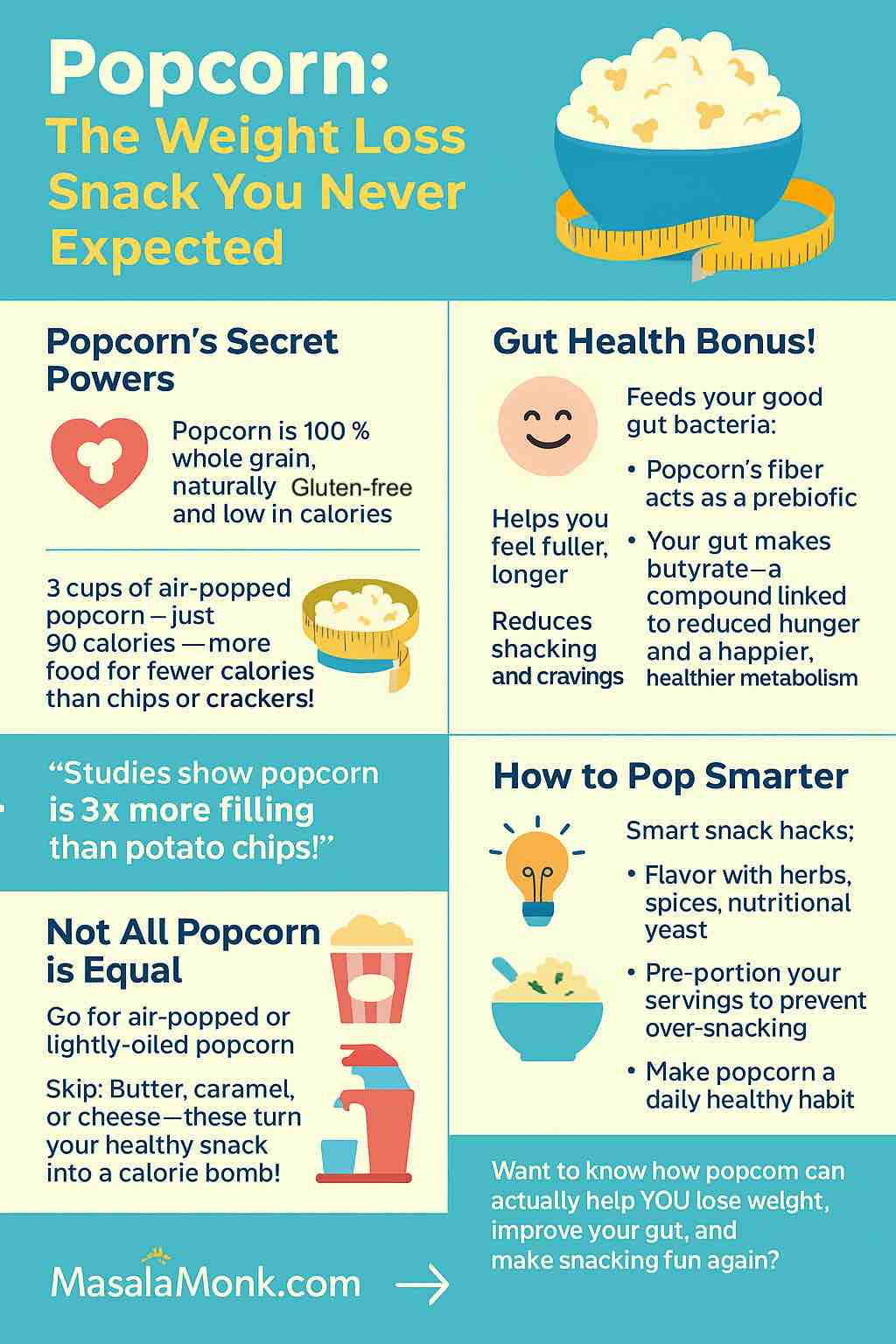
The Surprising Link Between Popcorn and Weight Loss

popcorn & weight loss

Popcorn: Just hearing the word might conjure up the smell of movie theaters, the sound of kernels bursting in a pot, or memories of late-night snacks with friends. But for many, popcorn is still stuck in the “junk food” category—something indulgent rather than nutritious. It’s time to set the record straight. New research reveals that, when prepared right, popcorn isn’t just a low-calorie snack—it could be a powerful ally in your weight loss journey and metabolic health.

Popcorn: Not Just Empty Calories

Let’s get this out of the way: not all popcorn is created equal. Microwave bags loaded with butter, caramel corn, and movie theater tubs dripping with oil are not the popcorn that’s impressing nutritionists and scientists. The real hero here is air-popped, unprocessed popcorn—just simple whole kernels, popped with air or a hint of healthy oil, and seasoned with spices rather than fat.

Why does this matter? Unlike processed snacks, air-popped popcorn is:

  • A 100% whole grain—retaining all the bran and germ, packed with nutrients.
  • Low in calories, high in volume—1 cup has just 31 calories, and three full cups are under 100!
  • Rich in fiber—about 3 grams per serving, which supports fullness and gut health.
  • Loaded with polyphenols—plant compounds that protect against inflammation and may improve metabolism.

This combination is rare in the snack world. Most “crunchy snacks” are either high-calorie, low-volume (chips), or stripped of nutrients (rice cakes, crackers). Popcorn breaks that mold.

How Popcorn Supports Weight Loss

The Science of Satiety

Satiety—the sense of fullness after eating—is crucial for any successful weight loss effort. The research is clear: foods that are high in fiber, low in calories, and take up a lot of space in your stomach keep you feeling fuller, longer. Popcorn nails all three.

Several clinical studies have compared popcorn to chips and pretzels. Participants who ate the same calorie amount of popcorn reported feeling significantly more satisfied, were less likely to reach for more food later, and consumed fewer calories overall in the hours that followed. The magic is in popcorn’s volume and fiber: you eat more, chew longer, and your stomach sends a stronger “I’m full!” signal to your brain.

Volume Eating and Mindful Snacking

“Volume eating” is a growing trend in weight management. The idea: choose foods that fill your plate and your stomach, but not your calorie budget. Three cups of air-popped popcorn looks—and feels—like a real snack, while a handful of chips barely registers. This visual and physical fullness is a psychological advantage. Popcorn also encourages slower, more mindful eating. Unlike chips or candies that can be shoveled in by the handful, popcorn’s shape means you typically eat one or two pieces at a time, giving your body more time to register fullness.

Fiber and the Gut–Brain Connection

Perhaps the most exciting new research on popcorn isn’t about calories, but about what happens after you eat it. The type of fiber in popcorn acts as a prebiotic—it feeds the beneficial bacteria in your gut. These bacteria ferment the fiber, producing short-chain fatty acids like butyrate. Butyrate is now known to play a key role in gut health, inflammation control, and even the regulation of appetite hormones like GLP-1 and PYY.

Cutting-edge studies have found that butyrate may actually help lower appetite, support metabolic flexibility (how efficiently your body burns fat for energy), and strengthen the gut barrier—helping you absorb nutrients better and reduce inflammation throughout the body.

Scientists are even breeding new popcorn varieties, such as Quality Protein Popcorn (QPP), to enhance these effects by boosting protein content and fiber quality, further increasing butyrate production in the gut. This opens the door to a future where popcorn is a functional food: a snack that isn’t just “not bad,” but actively supports health and weight loss.

Popcorn for Real Life: How to Get the Benefits

Here’s how you can make popcorn work for your goals:

Choose the Right Popcorn

  • Air-popped kernels are best: Use a hot air popper or pop in a covered pot with just a teaspoon of healthy oil (like olive or avocado oil).
  • Skip the microwave bags: Most are loaded with processed fats, sugar, and preservatives that can undo all the benefits.
  • Buy kernels in bulk: Not only is this more cost-effective, but you avoid additives and can control every ingredient.

Healthy Ways to Flavor Popcorn

Popcorn’s neutral flavor is a blank canvas. Instead of reaching for butter or caramel, experiment with:

  • Nutritional yeast for a cheesy, savory kick plus a boost of B vitamins.
  • Smoked paprika, chili powder, or curry powder for an exotic twist.
  • Cinnamon and a dusting of cocoa for a slightly sweet snack without added sugar.
  • Dried herbs like rosemary, thyme, or Italian seasoning for Mediterranean flair.
  • A sprinkle of sea salt and vinegar powder for a “salt and vinegar” flavor.

Lightly misting popcorn with olive oil spray before tossing with seasoning helps everything stick without adding much fat.

Smart Snacking Strategies

  • Portion ahead: Pop a large batch and divide it into single-serving containers or bags to grab and go, avoiding overeating.
  • Pair with protein: Add a handful of roasted chickpeas or a few nuts for a more balanced snack that’s extra filling.
  • Eat mindfully: Serve your portion in a bowl, sit down, and enjoy the experience. Avoid eating from the pot or bag, especially while distracted by screens.

The Role of Popcorn in Meal Planning

Popcorn isn’t just for snacking! Try:

  • Using popcorn as a salad topper in place of croutons for crunch and fiber.
  • Mixing it with air-popped chickpeas or baked beans for a crunchy, savory mix.
  • Making your own healthy “party mix” with whole-grain cereal, popcorn, seeds, and a dash of spices.

Social & Psychological Benefits

There’s another reason popcorn is a weight-loss ally: it’s a social food. Sharing a bowl of popcorn at home or at gatherings can help you stick to healthy habits while still being part of the fun. You’re less likely to feel deprived compared to skipping snacks altogether, which supports a more sustainable, balanced approach to eating.

What to Watch Out For

Of course, popcorn’s benefits only apply when you avoid certain traps:

  • Butter and cheese coatings can turn popcorn into a calorie bomb.
  • Sweet flavors like caramel and kettle corn are high in sugar.
  • Excessive oil or store-bought toppings can add hundreds of extra calories.

Aim for less is more when it comes to toppings, and be wary of “gourmet” popcorns that often contain even more sugar and fat than chips.

The Future of Popcorn

With the rise of food innovation, popcorn is stepping into the spotlight as more than just a snack. Scientists are working to enhance its protein and fiber content even further. In a few years, you may see “gut-friendly” or “protein-fortified” popcorn on shelves, designed specifically to amplify its benefits for weight loss and wellness.

Meanwhile, the latest diet trends—from “fiber-maxxing” to gut health-focused eating—are all finding a place for popcorn as a natural, affordable, and enjoyable staple.

Final Thoughts: Embrace the Pop!

If you’re on a weight loss journey, looking for gut health support, or simply searching for snacks that satisfy, it might be time to rethink popcorn. When prepared simply—without excess fat, sugar, or salt—popcorn delivers on all fronts: high in fiber, filling, affordable, and versatile. It’s a rare case of a comfort food that actually deserves a place in your healthy lifestyle.

So the next time you crave something crunchy, think beyond the usual chips and cookies. A big, fluffy bowl of air-popped popcorn could be the secret weapon you never knew you needed—for your waistline, your microbiome, and your peace of mind.


Ready to pop? Try making your own air-popped creation and share your favorite healthy popcorn toppings!

10 Popcorn & Weight Loss FAQs

1. Is all popcorn good for weight loss?
No, only air-popped or minimally-oiled popcorn is supportive for weight loss. Avoid buttered, caramel, cheese-coated, and most microwave varieties, as these can be high in calories, sugar, and unhealthy fats.

2. How much popcorn can I eat if I’m watching my weight?
A standard serving is about 3 cups of air-popped popcorn, which contains roughly 90–100 calories. This is a satisfying snack size for most people.

3. Does popcorn really help you feel full?
Yes! Popcorn is high in fiber and volume, which helps fill your stomach and promotes a lasting feeling of fullness compared to other snacks.

4. Can I eat popcorn every day?
Absolutely, as long as you prepare it healthily and stick to moderate portions. Daily popcorn can support fiber intake and healthy snacking habits.

5. Does popcorn spike blood sugar?
Plain air-popped popcorn has a low glycemic load and generally does not cause rapid blood sugar spikes when eaten in moderation.

6. What are the healthiest ways to flavor popcorn?
Use herbs, spices, nutritional yeast, or a sprinkle of sea salt. Avoid heavy oils, cheese powders, and sugary toppings.

7. Is popcorn suitable for people with gluten intolerance or celiac disease?
Yes, popcorn is naturally gluten-free. Always check flavorings for added gluten, especially in commercial popcorn.

8. Can popcorn really improve gut health?
Yes. Popcorn’s fiber acts as a prebiotic, feeding beneficial gut bacteria that produce butyrate—a compound linked to appetite control, gut health, and reduced inflammation.

9. Are there any risks to eating popcorn?
Popcorn is safe for most people, but be mindful of portion sizes and toppings. Small children and those with swallowing difficulties should avoid whole popcorn to prevent choking.

10. How can I keep from overeating popcorn?
Portion out your snack before eating, use smaller bowls, and avoid distracted eating (like in front of screens). Mindful eating helps prevent overindulgence.

Posted on 1 Comment

Banana and Diabetes: 5 Golden Rules for Enjoying this Tropical Delight in Your Diabetic Diet

BANANA AND DIABETES

If you have diabetes, you’ve probably been warned about bananas: “They’re too sweet!” or “Bananas will spike your blood sugar!” But is it true? Or is this tropical fruit unfairly maligned? Let’s cut through the confusion with the latest science and five golden rules for safely—including deliciously—enjoying bananas in your diabetic diet.


🍌 The Truth: Are Bananas Bad for Diabetes?

Bananas have long gotten a bad rap in diabetic circles. Yes, they’re sweet. Yes, they contain carbs. But not all carbs—or bananas—are created equal.

  • A small-to-medium banana (100–120g) contains about 20–25g of carbohydrates.
  • The glycemic index (GI) of bananas varies by ripeness: green bananas are low GI (30–45), while very ripe bananas are higher (up to 62).
  • Bananas are also packed with fiber, potassium, vitamin B6, antioxidants, and unique compounds called resistant starches.

Recent research even suggests that eating the right kind of banana, in the right way, can support blood sugar, gut health, and even weight loss—especially if you’re smart about it.


🏆 The 5 Golden Rules: Bananas in a Diabetic Diet

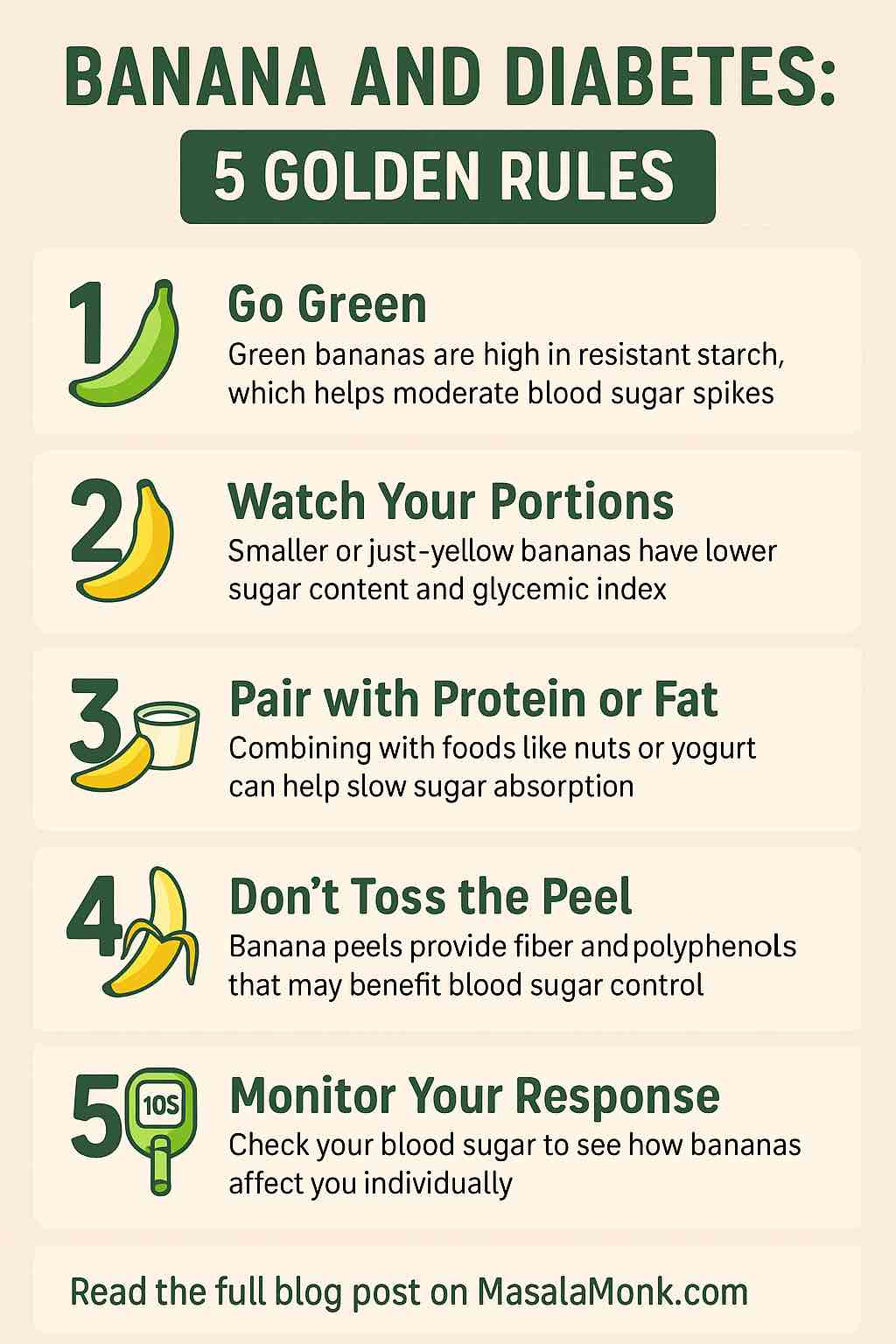
1. Go Green—Resistant Starch is Your Friend

Forget the yellow, spotty banana you’ve always eaten. Green (unripe) bananas are a superfood for diabetics. Here’s why:

  • Green bananas are high in resistant starch—a special carbohydrate that behaves more like fiber than sugar.
  • Resistant starch isn’t digested in the small intestine. Instead, it feeds your good gut bacteria and slows the rise of blood sugar after eating.
  • Recent clinical trials (2024–2025) found that daily green banana biomass (like flour or mashed green banana) reduced fasting blood glucose, HbA1c, cholesterol, and even body weight in people with diabetes.

Practical tip:

  • Slice or mash green bananas into porridge, smoothies, or curries.
  • Try green banana flour in pancakes, breads, or as a soup thickener.

2. Watch Your Portions—Size & Ripeness Matter

A “one-size-fits-all” approach doesn’t work with bananas. Here’s how to keep portions in check:

  • A small banana (about 6 inches) = 18g carbs.
  • A medium banana (7–8 inches) = 23–27g carbs.
  • A large banana (9 inches) = 30–35g carbs.

And remember: the riper the banana, the higher its sugar content and GI. The best choice for most people with diabetes is a small, just-yellow or slightly green banana.

Practical tip:

  • If you want a sweeter, riper banana, eat just half and save the rest for later.
  • Don’t eat bananas as dessert right after a high-carb meal; space them out.

3. Pair Bananas With Protein or Healthy Fat

Bananas eaten alone are digested quickly. But combining them with protein or fat slows sugar absorption and flattens blood sugar spikes.

Winning combos:

  • Banana with Greek yogurt
  • Banana and almond or peanut butter
  • Sliced banana on cottage cheese
  • Green banana flour in a protein smoothie

Practical tip:

  • Never eat bananas on an empty stomach or with refined carbs (like white bread). Always pair with a protein or healthy fat!

4. Don’t Toss the Peel—Bioactives for Better Blood Sugar

The humble banana peel is having a renaissance in diabetes research. New studies (2024–2025) show banana peel is packed with polyphenols, antioxidants, fiber, and even natural enzyme blockers that slow carbohydrate digestion.

How to use it:

  • Wash the peel thoroughly, boil it, and blend into smoothies, curries, or even banana bread batter.
  • Look for “banana peel flour” in health food stores—great for gluten-free baking and a fiber boost.

Practical tip:

  • Start small—try blending a strip of boiled banana peel into a smoothie and see how you like the taste and texture.

5. Monitor & Personalize—Test Your Response

Everyone’s blood sugar response to bananas is a little different, depending on your gut microbiome, medications, and more.

Practical tip:

  • Use your blood glucose meter or a continuous glucose monitor (CGM) to test your blood sugar 1–2 hours after eating banana-based snacks.
  • Track what works for you: maybe you tolerate green banana pancakes but not a ripe banana after a meal.

Over time, you’ll find the ideal portion, ripeness, and pairing strategy that lets you enjoy bananas confidently.


📝 Real-Life Meal Ideas

  • Breakfast: Green banana flour pancakes with ricotta and walnuts.
  • Snack: Half a small banana with peanut butter.
  • Lunch: Steamed green banana slices tossed with olive oil, lemon, and herbs.
  • Dinner: Add banana peel (boiled and blended) to your favorite curry or stew.
  • Dessert: Frozen banana “nice cream” (just half a banana, protein powder, almond butter, and cinnamon—blended).

📊 The Science, in a Nutshell

RuleWhy It MattersPractical Example
Choose green/unripe bananaMore resistant starch, lower sugar spikeGreen banana flour in pancakes
Manage portion & ripenessLower total carbs, lower GIHalf a small banana with Greek yogurt
Pair with protein/fatBlunts glucose rise, better satietyBanana + almond butter
Use banana peel/bioactivesExtra fiber, polyphenols, and natural “carb blockers”Boiled peel in smoothies or curries
Monitor your own responseFind what works best for your bodyUse a blood glucose meter

🚦 The Bottom Line

Bananas are NOT off-limits for people with diabetes.
With smart choices—favoring green or just-yellow bananas, watching portions, pairing with protein/fat, and using every part of the fruit—you can make bananas a metabolism-friendly part of your diet.

Banana pancakes for breakfast, anyone?


Ready to bring bananas back to your menu? Try one of the tips above and let us know your experience!

10 FAQs: Bananas and Diabetes

1. Can people with diabetes eat bananas at all?
Yes! Bananas can be included in a diabetic diet if you pay attention to portion size, ripeness, and food pairings. They are not “forbidden” but should be eaten mindfully.

2. Are green bananas better than ripe bananas for blood sugar?
Yes. Green (unripe) bananas are higher in resistant starch, which digests slowly and leads to a lower rise in blood sugar compared to fully ripe bananas.

3. How much banana is safe to eat at one time?
For most people with diabetes, half to one small banana (about 4–6 inches long) per serving is reasonable. Always consider your personal carbohydrate targets and test your blood sugar response.

4. What is the glycemic index (GI) of a banana?
Banana GI varies by ripeness: green bananas ~30–45 (low), just-yellow ~51, ripe ~62 (medium). The riper the banana, the higher its GI.

5. Should I avoid bananas if my blood sugar is high?
If your blood sugar is currently elevated, it’s best to avoid bananas or any fruit until your glucose is more controlled. Once stable, you can enjoy bananas with portion and pairing awareness.

6. Can I eat banana peel? Is it safe?
Yes, banana peel is edible and rich in fiber, antioxidants, and beneficial plant compounds. Wash thoroughly, boil to soften, and blend into dishes for extra nutrients.

7. Is banana flour good for diabetes?
Green banana flour is high in resistant starch and fiber, making it a great choice for baking or adding to smoothies. It can help support gut health and stabilize blood sugar.

8. What are good foods to pair with bananas for better blood sugar control?
Pair bananas with protein (e.g., Greek yogurt, cottage cheese) or healthy fats (e.g., nut butters, seeds). This slows digestion and minimizes blood sugar spikes.

9. Can bananas help with weight management?
Bananas—especially green ones—contain fiber and resistant starch that promote fullness and may help with weight control when eaten in moderation as part of a balanced diet.

10. How do I know if bananas work for me?
Use a blood glucose meter or CGM to check your blood sugar 1–2 hours after eating bananas. Track your personal response and adjust serving size, ripeness, or pairings accordingly.

Posted on 6 Comments

5 Benefits of having Apple Cider Vinegar (ACV) on Empty Stomach

Apple Cider Vinegar on an Empty Stomach

Apple cider vinegar (ACV) has gone from humble pantry staple to superfood sensation—thanks to everyone from fitness influencers to your grandma swearing by its health-boosting power. But does sipping ACV on an empty stomach actually live up to the hype in 2025, or is it just another wellness fad?

Let’s cut through the noise and dive deep into what the latest research says, how to use ACV for real results, and what you need to know to avoid common pitfalls.


Why Are People Drinking Apple Cider Vinegar in the Morning?

ACV’s roots go back centuries—used in ancient Greece as a digestive, in folk medicine for infections, and even in traditional Japanese meals. The recent clinical research now backs what many have experienced anecdotally: taking ACV before food may amplify its effects on metabolism, blood sugar, and satiety. That’s why you see it recommended first thing in the morning, when your stomach is empty and your system is most responsive.

Drinking diluted ACV first thing in the morning, before breakfast, has become a daily ritual for countless people chasing everything from fat loss to clearer skin. The most common claims are:

  • Faster weight loss and fat burning
  • Reduced bloating and better digestion
  • Smoother blood sugar and more energy
  • Lower cholesterol and heart protection
  • Immune support and detox effects

But do these claims hold up in clinical studies? Here’s what the latest (2024–2025) research actually reveals.


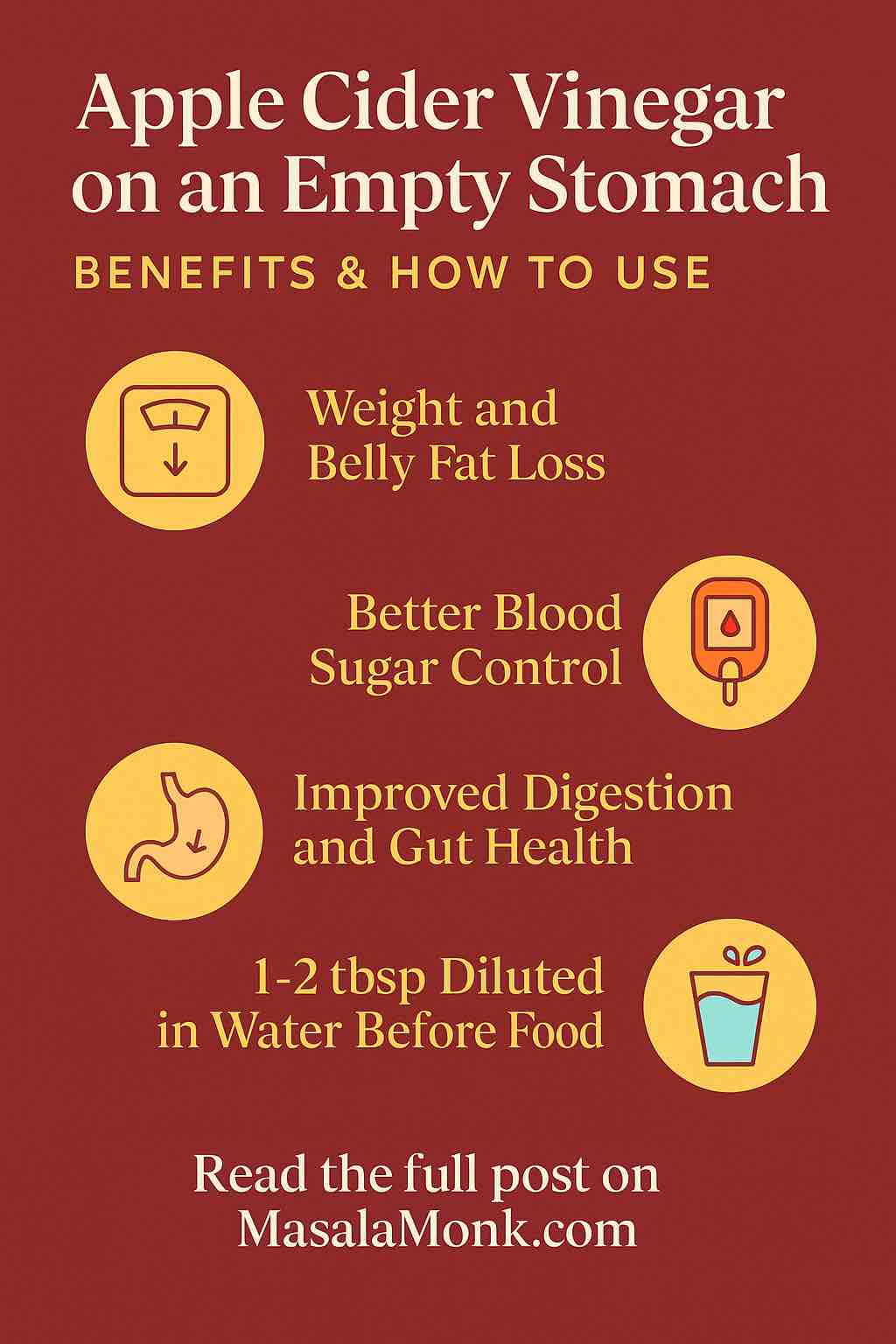
1. Weight Loss and Fat Reduction: New Clinical Proof

The most exciting ACV news comes from a 2024 double-blind, placebo-controlled study out of Lebanon . Here’s the scoop:

  • Overweight young adults took 15 mL of ACV (about 1 tablespoon) diluted in water on an empty stomach every morning for 12 weeks.
  • They lost an average of 6–8 kg (13–17 lbs)—far more than the placebo group!
  • Their BMI, waist and hip size, and body fat percentage all dropped significantly.
  • No side effects were reported.

Other recent studies echo these findings: consistent morning ACV helps you shed stubborn fat, particularly around the belly .

Why does it work?

  • ACV seems to suppress appetite, so you naturally eat less throughout the day.
  • It also improves insulin sensitivity, reducing fat storage.
  • Morning timing may be extra potent: a 2025 study found triple the visceral (belly) fat loss when ACV was taken before breakfast compared to later in the day .

2. Blood Sugar Balance for Lasting Energy

If you struggle with energy crashes or high blood sugar, ACV may help. A recent meta-analysis (2024) found that 2–3 tablespoons of ACV daily, especially before meals, led to:

  • Lower fasting blood sugar and smaller post-meal glucose spikes
  • Improved long-term blood sugar (HbA1c) in people with type 2 diabetes

How does this happen? ACV’s acetic acid slows how quickly your stomach empties and carbs are absorbed, creating a more gradual, sustained rise in blood sugar—and preventing that “sugar crash” later.

Pro tip: If you’re eating a carby breakfast (like oatmeal, toast, or cereal), drink your diluted ACV 10–15 minutes before for best results.


3. Cholesterol and Heart Health: More Than Just Hype

Multiple 2024 studies confirm that regular ACV use can:

  • Lower LDL (“bad”) cholesterol and triglycerides
  • Modestly boost HDL (“good”) cholesterol
  • Improve overall heart health markers

These changes can be especially meaningful if you’re overweight or managing metabolic issues. But ACV isn’t magic—it works best as part of an overall healthy lifestyle.


4. Digestive Comfort and Gut Support

Ever feel bloated after a meal? Unfiltered ACV contains “the mother”—beneficial bacteria and enzymes that may support gut flora, aid digestion, and reduce mild bloating .

While evidence here is mostly anecdotal, some studies suggest that ACV helps produce more short-chain fatty acids (SCFAs), which nourish your gut lining and support immunity .

Drinking ACV on an empty stomach may:

  • Stimulate stomach acid, aiding the breakdown of food (especially protein and fat)
  • Ease symptoms of bloating, sluggish digestion, or mild reflux for some (always listen to your body!)
  • Support a healthy microbiome, especially if you use raw, unfiltered ACV with “the mother” (those cloudy, stringy bits).

5. Antimicrobial Perks

ACV’s acetic acid and natural polyphenols can kill some bacteria and fungi in lab studies. People use it to sanitize veggies, ease sore throats, or as part of their oral hygiene routine (just never gargle it undiluted!) .


How to Actually Use ACV—A Practical Guide

Step 1: Start Small

  • If you’re new to ACV, begin with 1 teaspoon (5 mL) in a large glass of water. Gradually increase to 1–2 tablespoons (15–30 mL), which is the amount used in most studies.
  • Never drink it undiluted. Always use at least 250 mL (1 cup) of water—cold, room temperature, or warm is fine (not boiling hot).

Step 2: Timing Is Everything

  • Best: First thing in the morning, at least 10–15 minutes before breakfast.
  • Also helpful: Before the largest or most carb-heavy meal of your day (e.g., before lunch or dinner if that suits your routine better).
  • If you try ACV at night for blood sugar/fasting benefits, leave a 2–3 hour gap before lying down to avoid reflux.

Step 3: Make It Tasty and Sustainable

  • Add a squeeze of fresh lemon for a vitamin C kick and better flavor.
  • A dash of cinnamon boosts metabolism and adds a warming note.
  • Sweeten with a few drops of stevia or raw honey if you like, but keep added sugar minimal.

Step 4: Protect Your Teeth

  • ACV is acidic; regular contact can weaken enamel.
    • Drink through a straw.
    • Rinse your mouth with plain water afterward.
    • Wait 30 minutes before brushing your teeth.

Step 5: Make It a Ritual, Not a Chore

  • Tie your ACV habit to another morning routine—like after you brush your teeth or before you read your emails.
  • Track your progress: measure your waist, take photos, or jot down notes on your digestion and energy every 2–4 weeks.

Practical ACV Morning Ritual

Here’s a simple way to make it a healthy (and maybe even enjoyable!) part of your morning:

Recipe: ACV Morning Tonic

  • 1 tbsp raw, unfiltered apple cider vinegar
  • 1 cup (250 mL) cold or warm (not hot) water
  • Optional: squeeze of fresh lemon, dash of cinnamon, or a few drops of stevia/honey for taste

Stir, sip slowly, and follow up with your regular breakfast after 10–15 minutes.


What Real Users Notice: Realistic Results & Tips

Week 1–2:

  • Some people report immediate reduction in bloating and a decrease in appetite.
  • Others need to adjust to the tart taste—diluting more and adding flavor helps!

Week 3–4:

  • Appetite and sugar cravings drop for many.
  • Energy is more stable, especially late morning and after meals.
  • Early signs of weight change may show up, especially if paired with other healthy habits.

Weeks 5–12:

  • Noticeable changes in waist, clothing fit, and body composition.
  • Improvements in blood markers (cholesterol, glucose) often seen on labs.

Long-Term:

  • ACV becomes an easy, automatic part of a healthy lifestyle.
  • Many people stick with it because it’s cheap, accessible, and provides visible and felt benefits.

Who Should Be Cautious?

  • If you have acid reflux (GERD), ulcers, kidney disease, or are on potassium-lowering or diabetes medication, always talk to your healthcare provider before starting daily ACV.
  • Pregnant or breastfeeding? There’s no strong research for or against; err on the side of caution and consult your doctor.
  • If you notice throat burning, ongoing nausea, or tooth pain, back off the dose, dilute more, or try every other day.

Beyond the Morning Tonic: Creative Ways to Get Your ACV

  • Use ACV as a base for homemade vinaigrette—great over salads or roasted veggies.
  • Mix with sparkling water and a splash of juice for a refreshing, low-sugar “soda.”
  • Add to soups, marinades, or drizzle over steamed greens for extra tang and flavor.

Maximizing Your Results: Practical Tips

  • Combine with protein: ACV works even better if your first meal is rich in protein (eggs, Greek yogurt, tofu scramble).
  • Stay consistent: Lasting results come from daily use—set a calendar reminder if needed.
  • Pair with movement: A morning walk or light stretching can supercharge ACV’s metabolic boost.

Bottom Line: Is Apple Cider Vinegar Worth It?

The latest science says yes—if you use it right. Daily, diluted ACV (especially on an empty stomach) can:

  • Support steady weight loss and fat reduction
  • Improve blood sugar and cholesterol
  • Aid digestion and help your gut
  • Give a small antimicrobial boost

It’s not a miracle solution, but it’s a powerful tool in your health toolkit—cheap, easy, and low-risk for most people.

Ready to try it? Start slow, listen to your body, and give yourself a few weeks to see results. Wellness is a journey—and sometimes, simple habits make the biggest difference.


FAQs

1. Can I drink apple cider vinegar every day?

Yes, most studies use daily intake of 1–2 tablespoons diluted in water. Daily use is safe for most healthy adults if properly diluted, but always listen to your body and start with a lower dose to assess tolerance.


2. Should I take ACV before or after eating?

For best results, take ACV 10–15 minutes before eating, especially in the morning on an empty stomach. This timing maximizes its effects on blood sugar, satiety, and digestion.


3. How much apple cider vinegar should I use?

Start with 1 teaspoon (5 mL) and gradually increase to 1–2 tablespoons (15–30 mL) diluted in at least 1 cup (250 mL) of water. Most benefits are seen in this range.


4. Can I use ACV if I have acid reflux or ulcers?

Caution is advised. ACV can worsen reflux or irritate ulcers in some people. If you have GERD, peptic ulcers, or a sensitive stomach, consult your doctor before using ACV regularly.


5. Does ACV interact with any medications?

Yes, ACV may interact with diabetes medications, diuretics, and drugs that lower potassium levels. Always check with your healthcare provider if you take prescription meds.


6. Will ACV help me lose weight without diet or exercise?

ACV can support weight loss by curbing appetite and improving blood sugar, but results are best when combined with a balanced diet and regular physical activity.


7. Is it better to use raw, unfiltered ACV?

Yes, raw, unfiltered ACV with “the mother” contains beneficial bacteria and enzymes believed to enhance gut health and offer greater health benefits.


8. Can I take ACV at night?

Some people take ACV at night to help with blood sugar stability and late-night cravings. If you try this, take it at least 2–3 hours before bed to reduce the risk of reflux.


9. What are the side effects of drinking ACV?

Possible side effects include throat irritation, tooth enamel erosion, mild nausea, and digestive upset—especially if taken undiluted. Always dilute ACV and rinse your mouth with water afterward.


10. Can children or pregnant women take ACV?

There isn’t enough research to recommend daily ACV for children or pregnant women. Occasional use in foods is fine, but consult a healthcare provider before regular supplementation.