
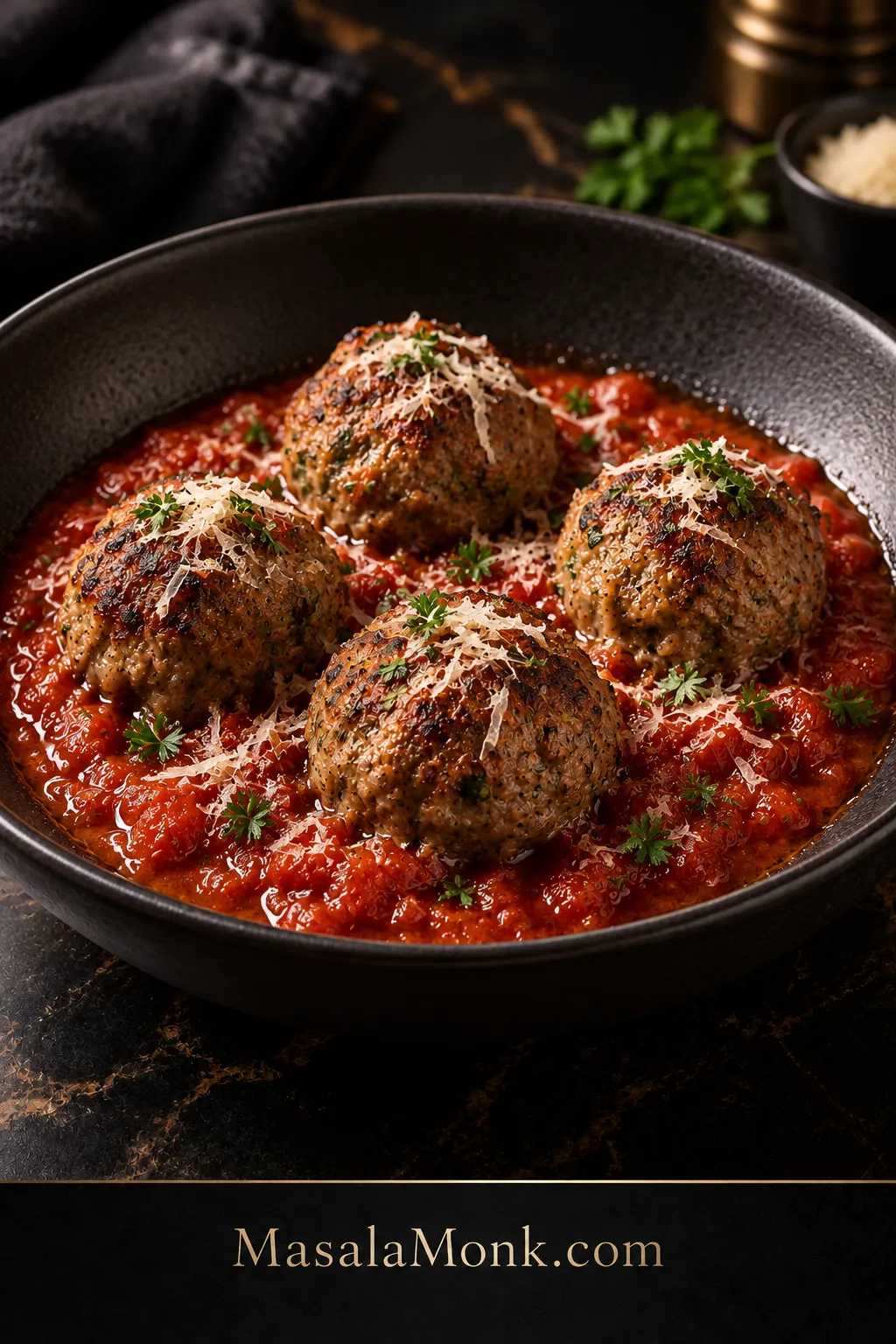
A good meatball has to survive quite a bit of handling. You scoop it, roll it, move it to the pan and often add sauce later. After all that, you still want a savory meatball with a juicy, fork-tender middle.
This meatball recipe uses 80/20 ground beef, milk-softened panko, grated onion, Parmesan, garlic and herbs for easy homemade meatballs with a familiar Italian-American flavor. The all-beef mixture bakes at 400°F / 205°C on one sheet pan, with no need to fry the meatballs in batches.
Quick texture check: the raw beef mixture is soft enough to scoop but stays together when gently pressed. Once shaped, each meatball stays round without feeling hard. After baking to 160°F / 71°C, look for a moist middle that yields easily to a fork.
Juicy, Tender Baked Meatballs
Tender all-beef meatballs baked together on one sheet pan, with a juicy center and enough structure to hold up in sauce.
What You’ll Need
Use a large mixing bowl, rimmed metal baking sheet and parchment paper. For prep, have a box grater with large holes for the onion, a fine grater or Microplane for the garlic, a cookie scoop or spoon, and an instant-read thermometer. A digital kitchen scale makes evenly sized meatballs especially easy, but it is optional.
Ingredients
- ½ cup plain panko breadcrumbs — about 30 g
- ¼ cup whole milk — 60 ml
- 1 large egg
- ¼ cup grated yellow onion — about 40 g, including its juice
- 2 garlic cloves — about 6 g, finely grated or minced
- ⅓ cup finely grated Parmesan — about 30–35 g
- 2 tablespoons finely chopped fresh parsley — about 8 g
- 1 teaspoon dried oregano or Italian seasoning
- 4.5 g salt — roughly 1½ teaspoons Diamond Crystal kosher salt, 1 teaspoon Morton kosher salt, or ¾ teaspoon fine salt
- ½ teaspoon freshly ground black pepper
- 1 lb / 16 oz / 454 g 80/20 ground beef
Method
Prep and Mix the Meatball Base
- Heat the oven. Set a rack in the center and preheat to 400°F / 205°C. Line a large rimmed metal baking sheet with parchment paper.
- Build the flavor base. Mix in the egg, grated onion and its juice, garlic, Parmesan, parsley, oregano, salt and black pepper.
- Add the beef last. Mix with clean hands or a fork just until the softened breadcrumbs and flavorings are evenly distributed and the mixture comes together enough to portion. Stop there. It should still look like ground beef, not a smooth paste.
Unsure about the seasoning? Cook a teaspoon-size piece of the mixture through in a small skillet before shaping the rest. Taste it and adjust the bowl while you still can.
Portion, Shape and Bake
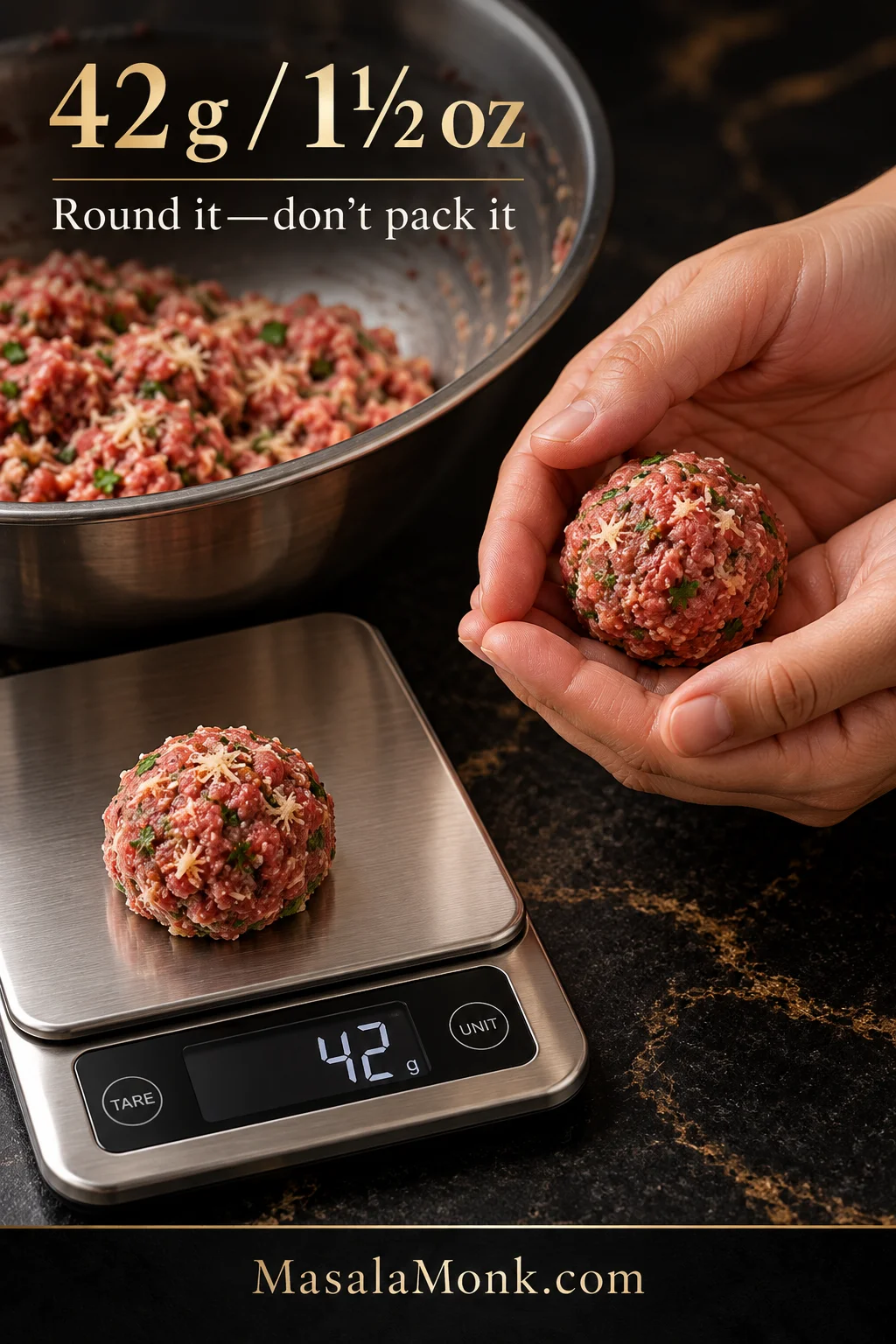
- Divide into about 16 portions. Aim for roughly 42 g / 1½ oz each. Without a scale, divide the mixture into four rough sections and then divide each section into four.
- Shape the meatballs. Lightly dampen your hands if needed, then roll each portion a few times until it is round and stable. Avoid squeezing it into a hard ball.
- Arrange them on the pan. Leave roughly 1–2 inches / 2.5–5 cm between the meatballs so hot air can move around them.
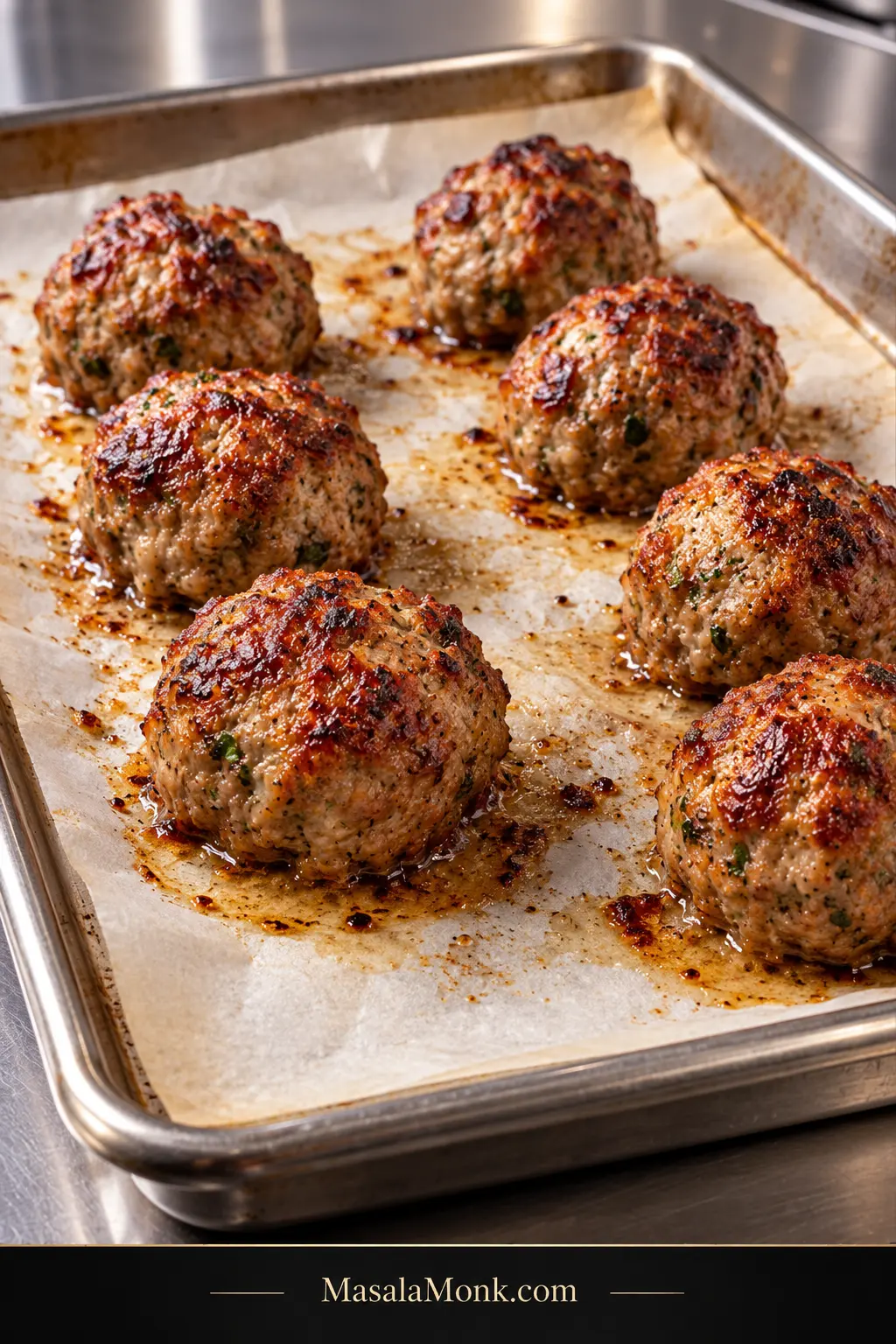
- Bake and start checking at 15–16 minutes. Meatballs this size usually finish in 16–22 minutes at 400°F / 205°C, depending on your oven and how cold the mixture was when it went in. There is no need to flip them.
- Check one of the larger meatballs. Insert an instant-read thermometer into the center. Ground-beef meatballs are safely cooked when they reach 160°F / 71°C. The timer tells you when to check; the thermometer tells you when to stop.
- Serve while hot. If fully cooked meatballs are going into sauce, fold them through gently and avoid another long simmer.
Recipe Notes
- 85/15 ground beef also works. If you go leaner than that, pay especially close attention to the internal temperature.
- A little stickiness is normal. When a scooped portion stays together, use damp hands before reaching for more breadcrumbs.
- For a mixture that truly will not hold its shape, chill it for 15–20 minutes. If it remains unusually loose, add plain panko about 1 tablespoon at a time.
Meatball Guide
Cut One Open Before You Add the Sauce
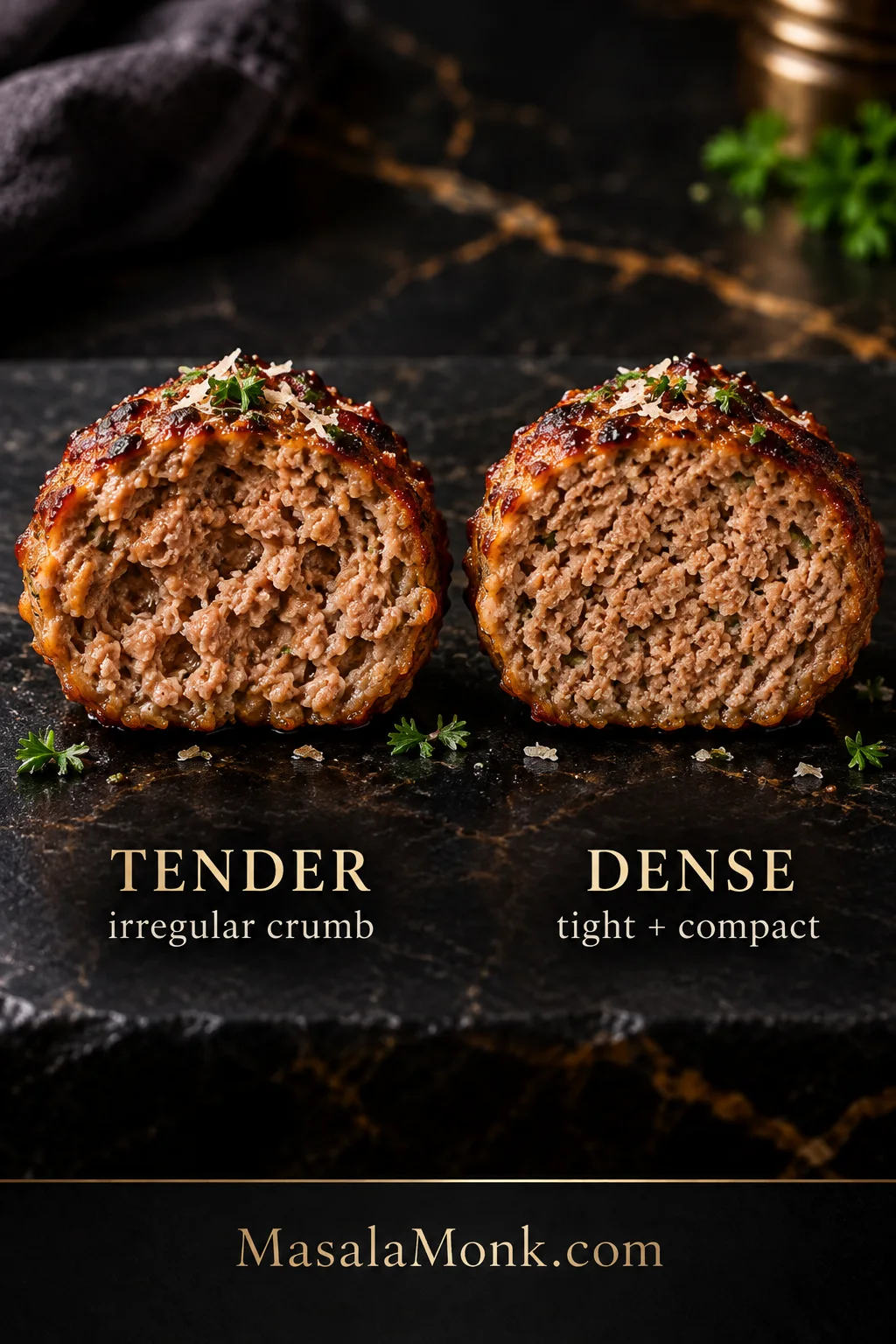
After one of the larger meatballs reaches 160°F / 71°C, cut it in half while it is still hot. The center should look moist and juicy, with the irregular crumb of ground meat instead of a tight, sausage-like texture.
Try a piece with a fork. It gives easily but stays together as you lift it. Then taste it plain. Savory beef comes first, followed by Parmesan, garlic, onion and herbs—not a meatball waiting for sauce to rescue it.
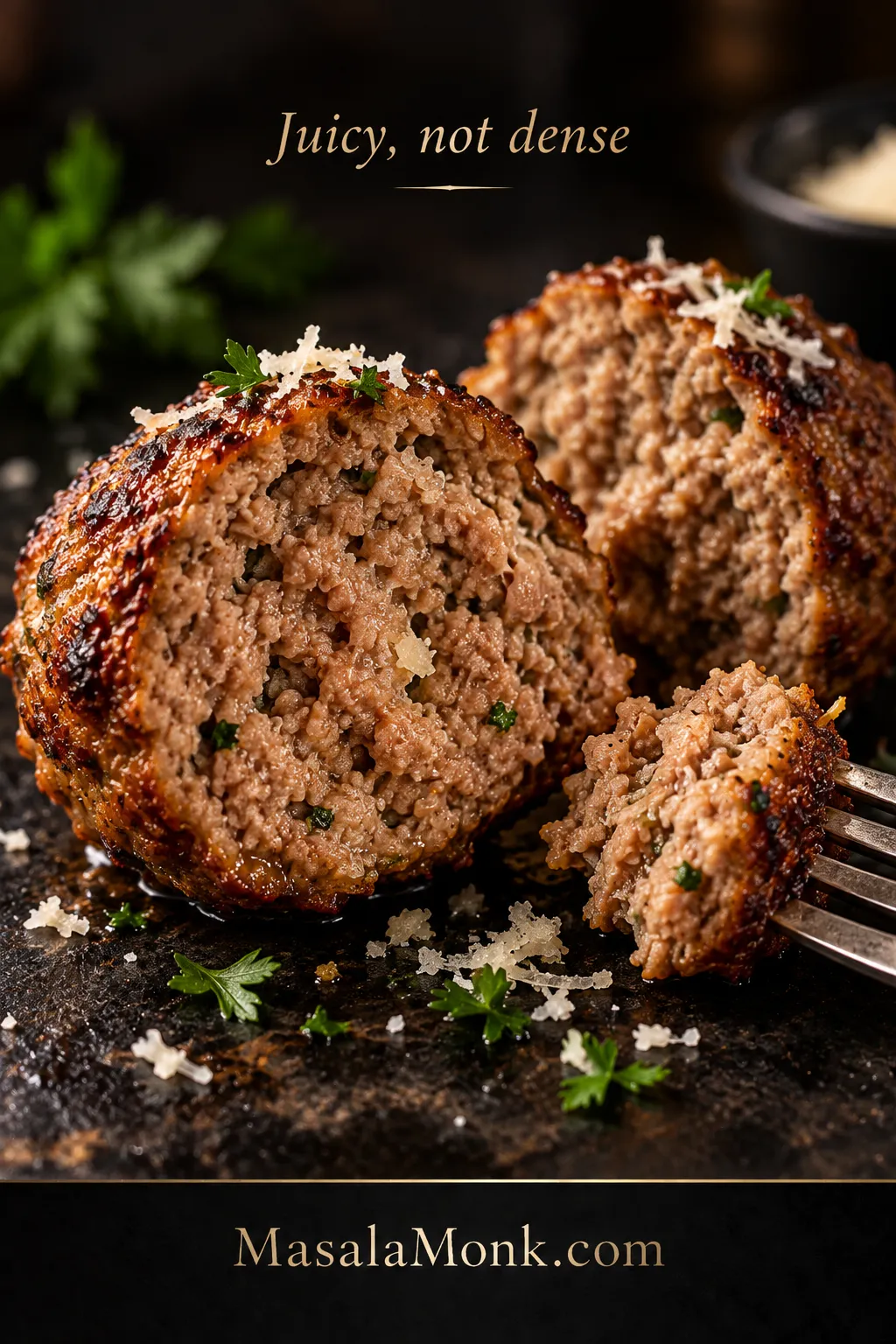
Most of that tender texture was decided before the pan ever reached the oven.
If the center looks tight, jump back to mixing and shaping. For a doneness question, see meatball size, oven temperature and doneness.
Why These Meatballs Stay Tender
Tender meatballs start with enough fat, softened breadcrumbs and a light hand with the beef.
The Beef and Breadcrumbs Do Different Jobs
80/20 ground beef brings enough fat to keep an all-beef meatball rich and forgiving. An 85/15 grind works too; leaner beef gives you less room to overcook the center without noticing dryness.
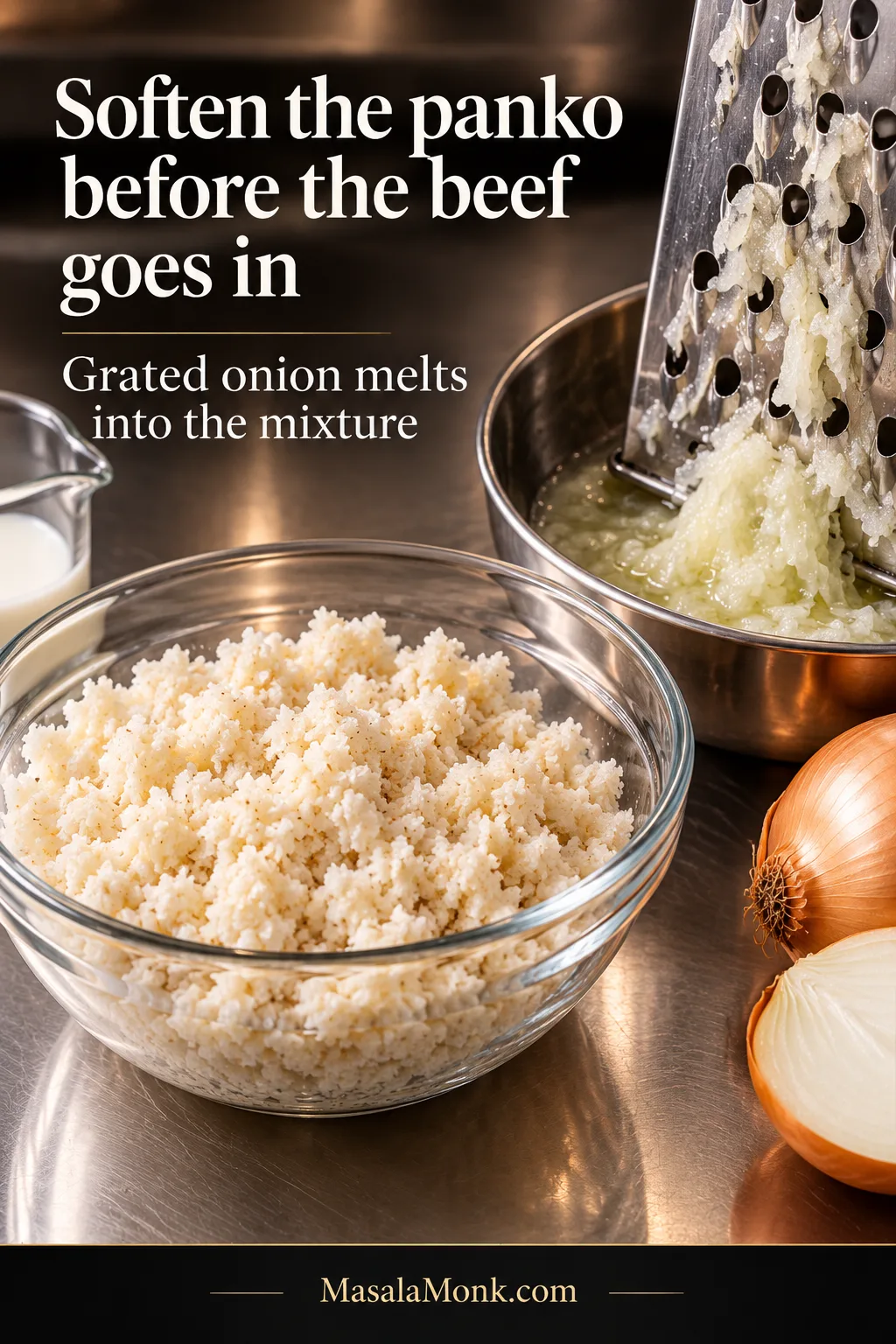
The panko has a different job: holding moisture in the mixture. Softening it with milk before the beef goes in means the crumbs are already hydrated instead of acting like dry filler. We use the same milk-softened breadcrumb idea in our meatloaf recipe.
Grated Onion Melts Into the Meatball
Larger pieces of raw onion can stay crunchy during a short bake. Grating the onion on the large holes of a box grater spreads its juice and flavor through the beef, where it softens into the meat instead of leaving noticeable chunks.
Season the Meatball, Not Just the Sauce
Parmesan, garlic, onion, parsley and oregano give the meatballs their familiar savory flavor. Marinara should add tomato and acidity to a meatball that already tastes good on its own, not provide all of the flavor.
Mixing and Shaping Without Making Them Dense
The goal is simple: spread the softened breadcrumbs and flavorings through the beef without working it into a smooth paste. Stop while the mixture still has the loose, irregular look of ground meat.
Use the same light touch when shaping. Scoop a portion, roll it a few times between damp palms and put it on the sheet pan. It only needs enough pressure to stay round and make the trip to the oven intact.
Meatball Size, Oven Temperature and Doneness
Even portions matter more than one exact minute count. Treat the times below as a checking window, then use the center temperature to decide when the batch is done.
| For this batch | Target |
|---|---|
| Portion | About 42 g / 1½ oz |
| Oven | 400°F / 205°C |
| Start checking | 15–16 minutes |
| Typical window | 16–22 minutes |
| Ground-beef center | 160°F / 71°C |
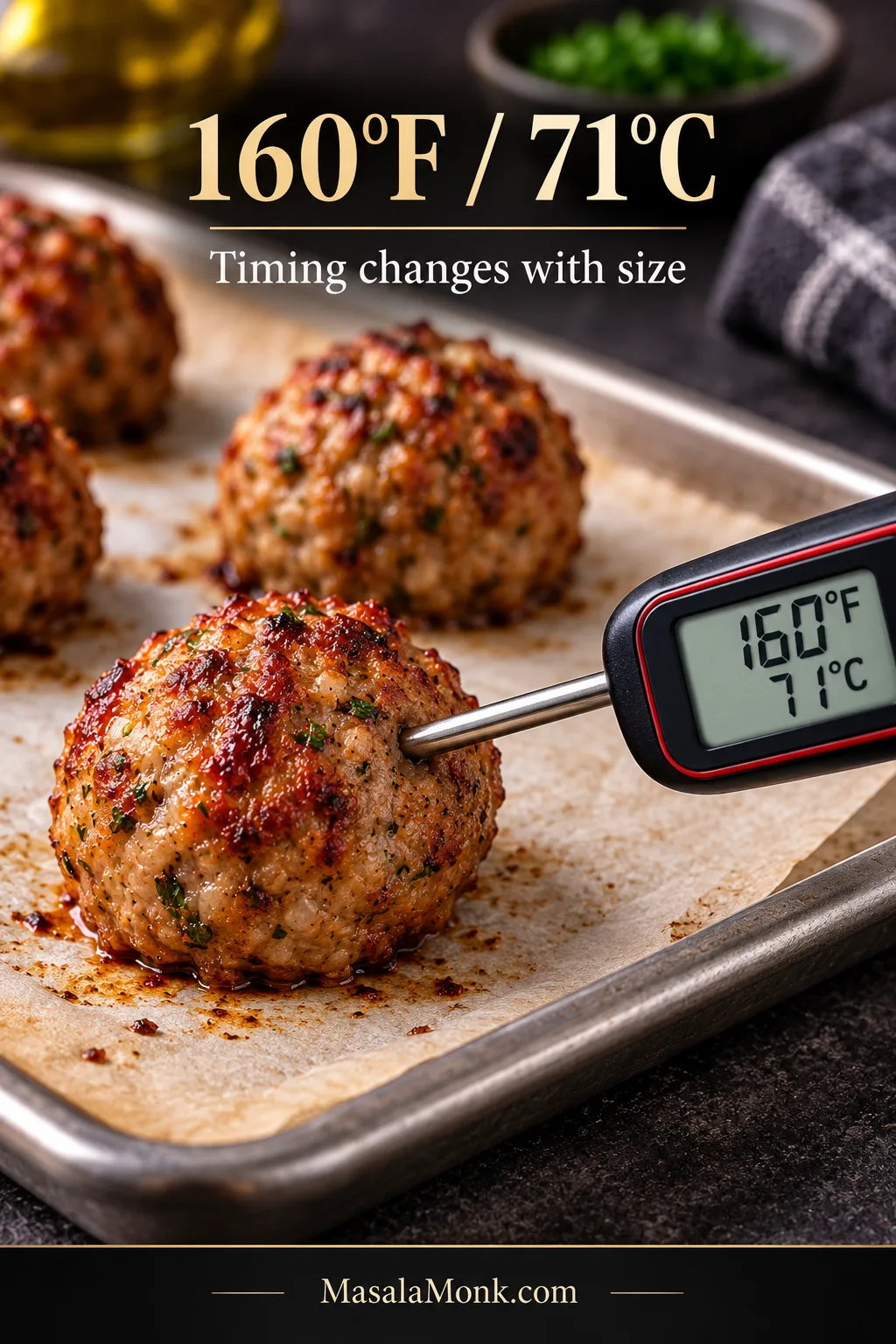
Smaller meatballs finish sooner; larger ones need more time for heat to reach the middle. Oven calibration, pan material and how cold the mixture is can shift the timing too.
USDA ground-beef guidance specifically includes meatballs among foods that should reach 160°F / 71°C. A thermometer is more reliable than judging doneness by color.
When Meatballs Fall Apart—and Other Fixes
Where the problem appears tells you a lot. A portion that falls apart in your hands can have a different problem from a baked meatball that only begins to crumble after it reaches the sauce.
| What happens | What to check |
|---|---|
| Falls apart while shaping | Make sure the beef has been mixed enough for a portion to stay together. If it feels unusually loose, chill it before adding more breadcrumbs. |
| Breaks during frying or raw-in-sauce cooking | The outside may be getting moved before it has had time to set. Leave the first surface alone a little longer. |
| Breaks after entering sauce | Handle the cooked meatballs gently. Spoon sauce around them instead of repeatedly stirring the pot. |
| Dry or crumbly | Very lean beef, too many dry breadcrumbs or cooking well beyond the target temperature are the first things to check. |
| Dense or springy | The beef may have been mixed until very smooth or the portions packed too firmly. |
| Good texture but bland | Check the salt first, followed by Parmesan, onion, garlic and herbs. A cooked tester lets you adjust the bowl before shaping the rest. |
What If the Meatballs Are Pale?
A properly cooked meatball does not need a dark crust to be good. Parchment, spacing, pan material and individual ovens all affect how much browning you see.
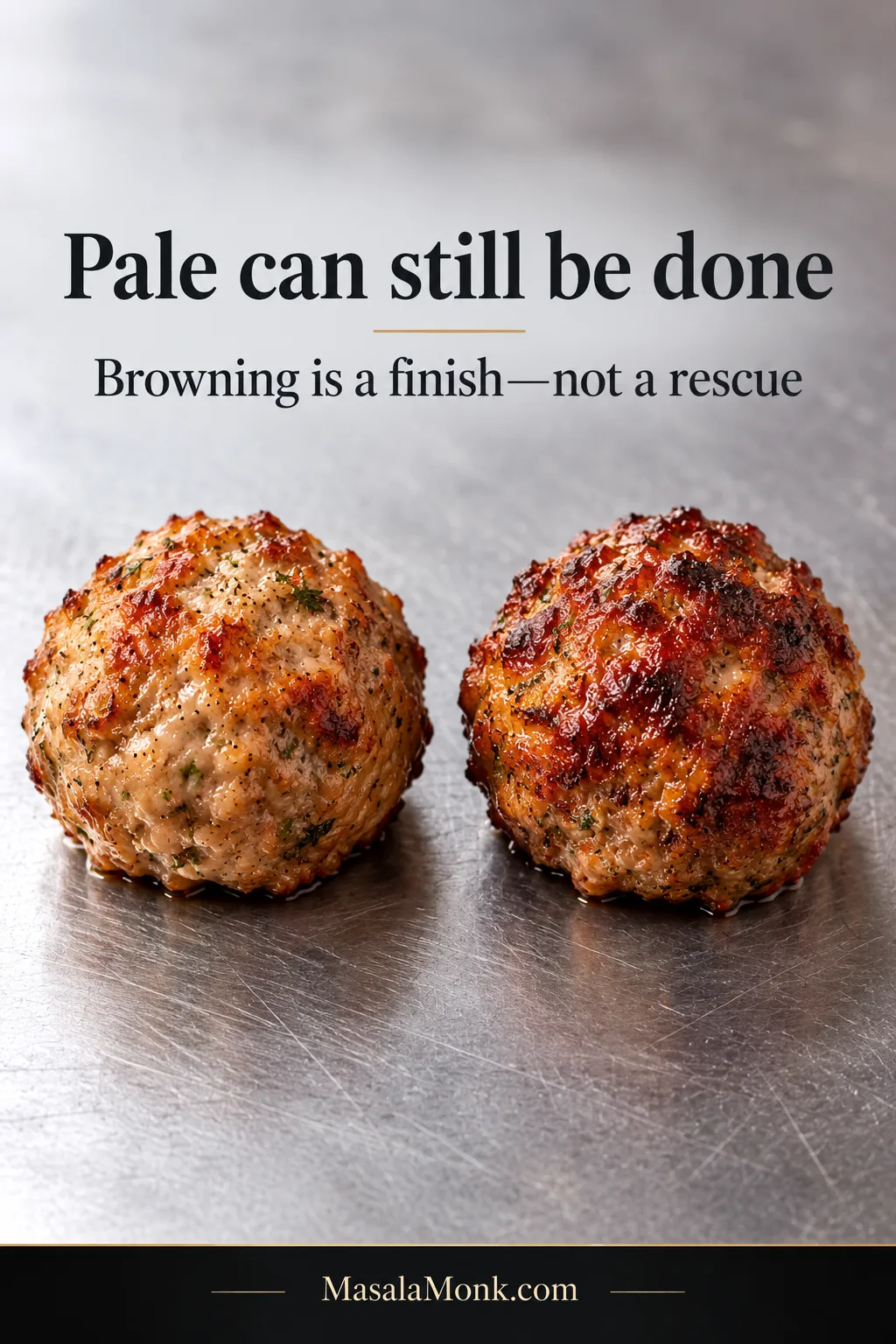
If stronger color matters, move the meatballs to an unlined broiler-safe metal pan near the end of cooking and broil them very briefly while watching closely. Check the center again afterward. Once the meatballs are fully cooked, there is little reason to keep heating them simply to make the outside darker.
Browning is a finish—not a rescue.
Other Ways to Cook and Sauce Meatballs
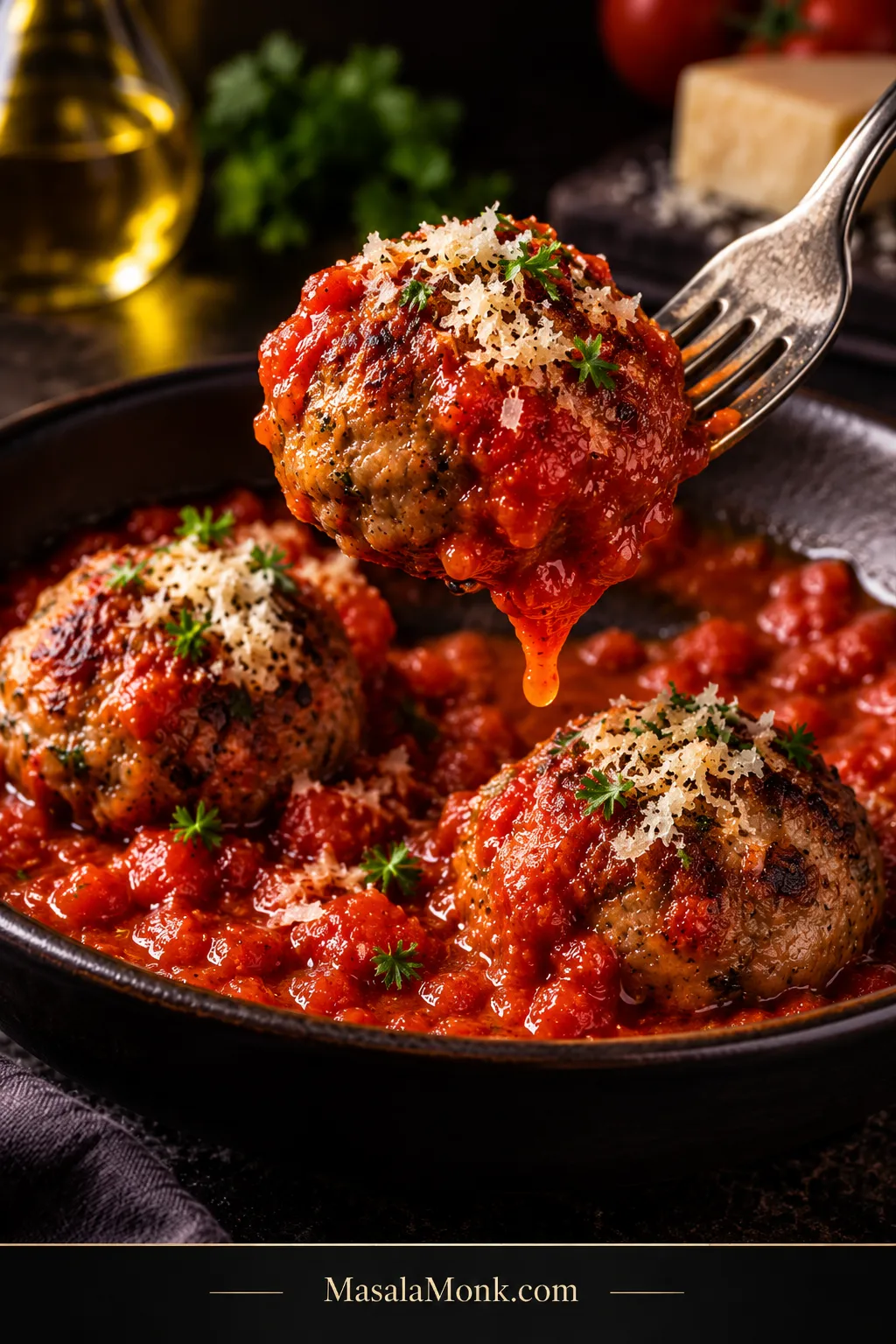
Baking remains the easiest default because the whole batch cooks together with very little handling. For a classic red-sauce dinner, heat the sauce separately and spoon it over the meatballs, or fold them through just before serving. Our marinara sauce recipe gives you a simple homemade option.
Pan-fry them if you want a deeper crust; the tradeoff is oil, batches and more turning. Let the first side set before trying to move the meatballs.
You can also cook raw meatballs directly in gently simmering sauce. They are especially delicate at the beginning, so give them time to set before moving them around and verify doneness with a thermometer.
Useful Variations
Beef and pork: replace 4–8 oz / 115–225 g of the beef with ground pork while keeping the total ground-meat weight at 1 lb / 454 g. Pork changes the flavor and can add richness depending on its fat content; the all-beef version does not depend on pork for tenderness.
Other breadcrumbs: fine dry or gluten-free breadcrumbs may work, but they do not absorb milk exactly like panko. Do not assume a straight volume swap. Soften them first, then add crumbs or milk in small amounts if the mixture is clearly too loose or too stiff. Panko remains the most predictable choice for this version.
Egg-free and poultry versions need their own adjustments. Removing the egg changes both moisture and structure. Ground chicken and turkey have different fat and moisture profiles from 80/20 beef and work better in recipes designed around poultry; ground poultry must reach 165°F / 74°C.
What to Serve With Meatballs
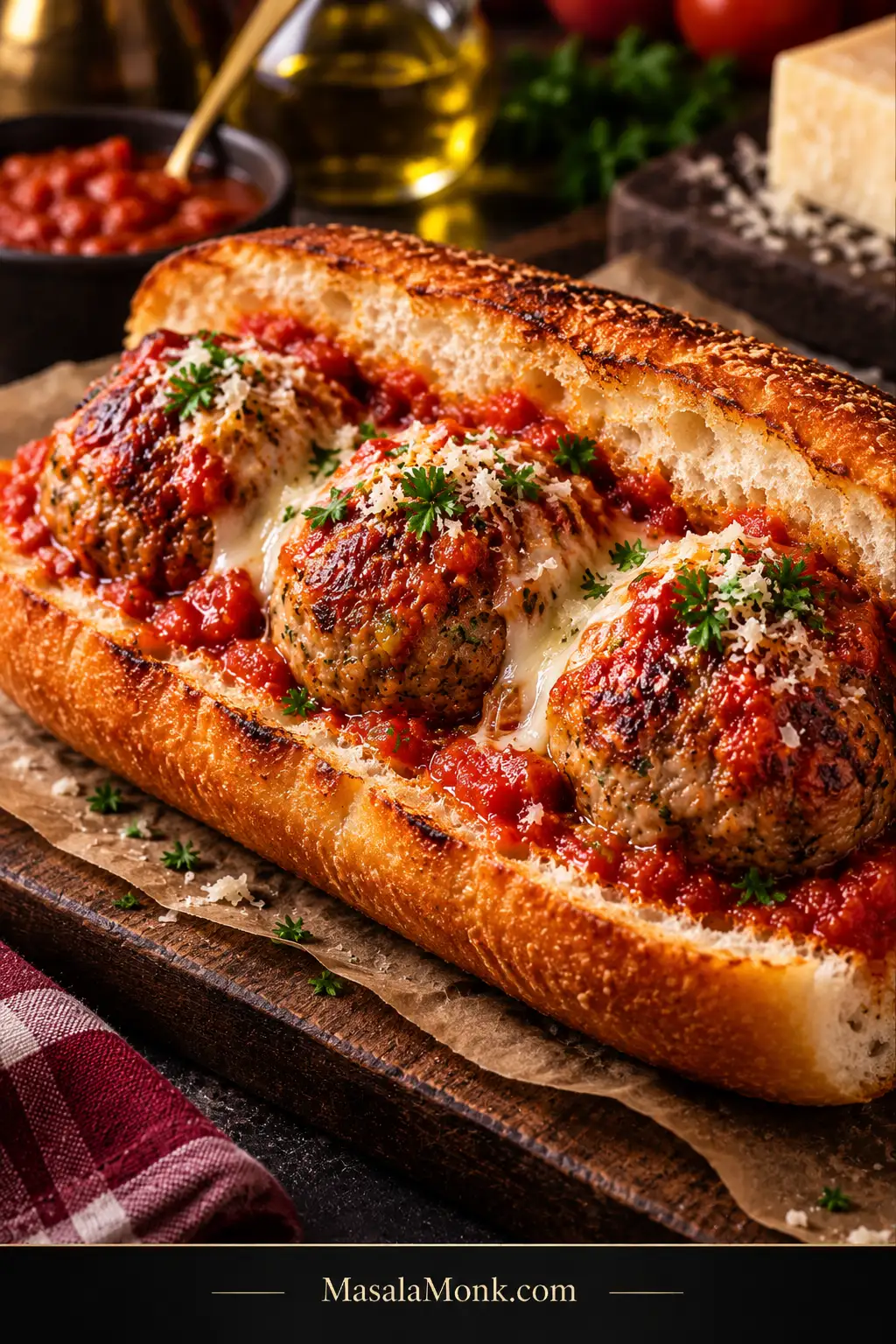
Serve them with marinara and spaghetti, tuck them into a toasted roll with sauce and melted cheese, or spoon them over creamy mashed potatoes. A simple vegetable or salad is plenty alongside.
Make Ahead, Freeze and Reheat
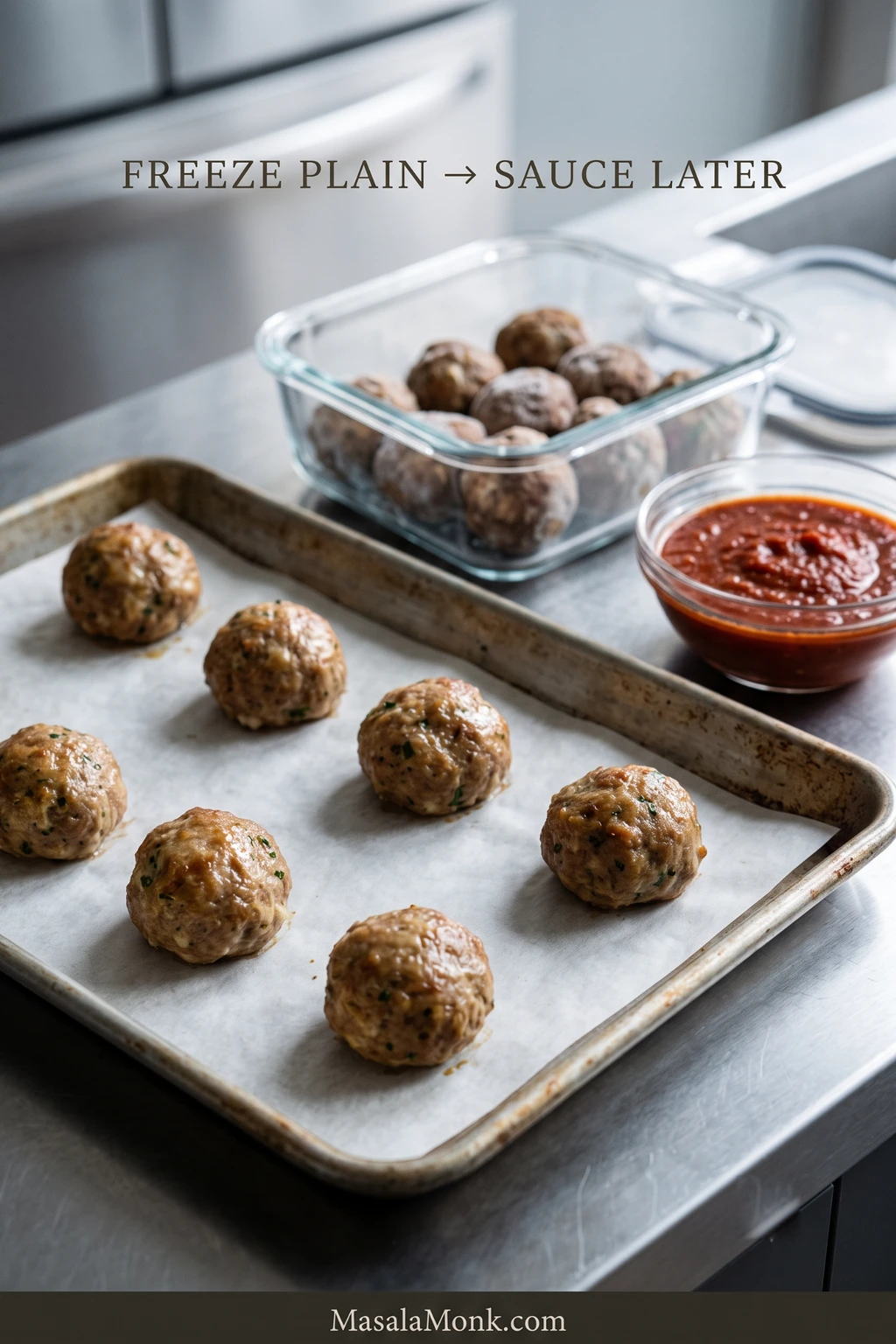
Make ahead or freeze raw: shape the meatballs, cover the tray and refrigerate for up to 1 day before baking. For longer storage, freeze the shaped meatballs on a parchment-lined tray until firm, then transfer them to an airtight freezer container. Thaw them in the refrigerator before baking for the most predictable timing.
Refrigerate cooked meatballs: cool leftovers promptly and store them in an airtight container. USDA leftovers guidance recommends using most refrigerated cooked leftovers within 3–4 days.
Freeze cooked meatballs: cool them first, freeze them on a tray until firm, then transfer them to a freezer bag or airtight container. Aim to use them within about 3 months for the best texture and flavor. Keeping them plain also leaves you the option of turning them into grape jelly meatballs later.
To reheat: warm the meatballs gently in sauce, in a covered baking dish or in the microwave until the center reaches 165°F / 74°C.
Once the mixture feels right in your hands and you know when to stop cooking, meatballs stop being fussy. After that, the rest is dinner.








