
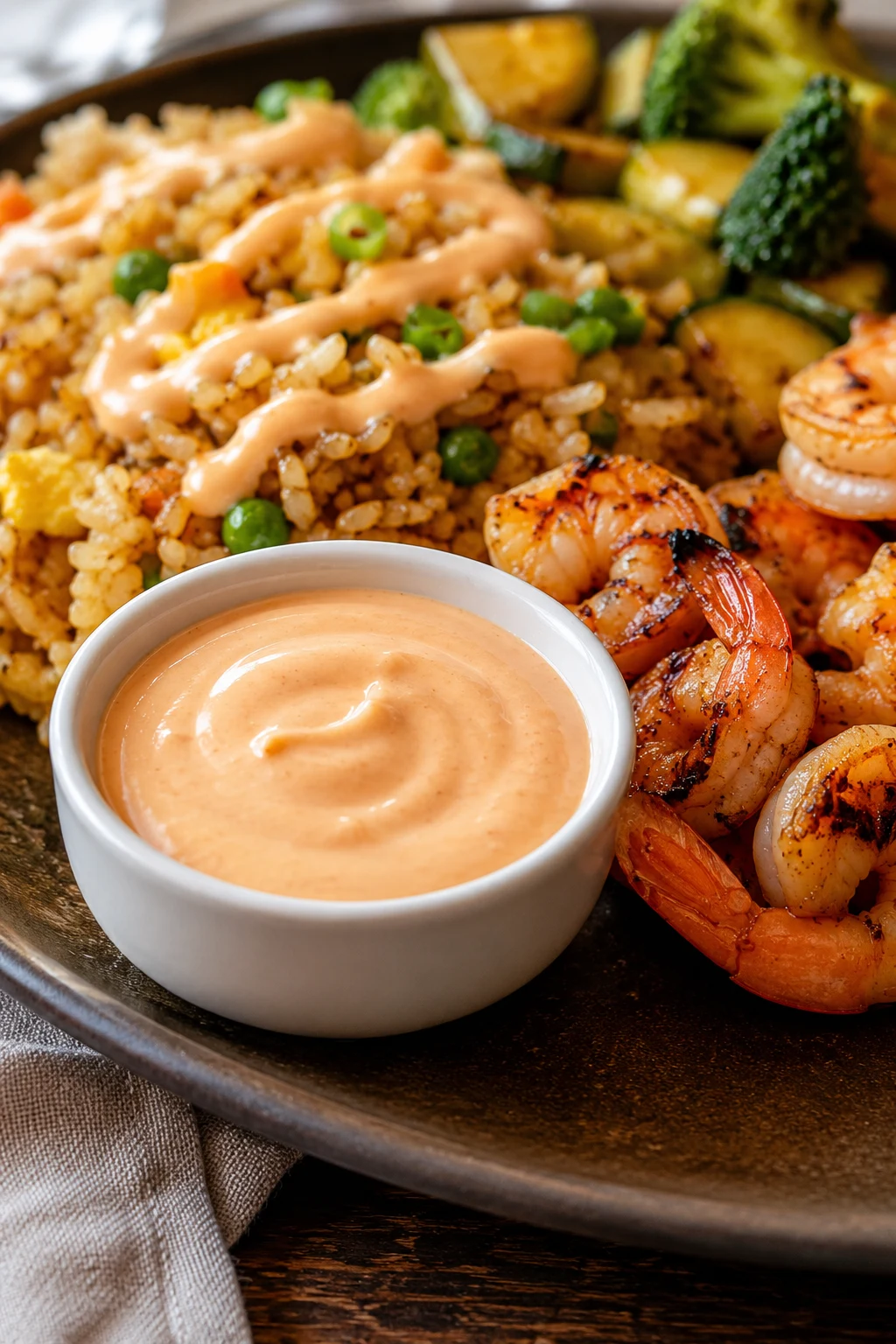
This yum yum sauce is the cool, creamy, pale pink-orange sauce people remember from the hibachi plate before anything else. It is a little sweet, a little tangy, rich enough for dipping, and somehow good on almost everything at the table.
Yum yum sauce is a mayo-based hibachi-style sauce made with ketchup or tomato paste, rice vinegar, sugar, garlic powder, onion powder, paprika, and water. It takes about 5 minutes to whisk together, then the fridge does the final work.
Make the simple ketchup version first. Once it chills, you can tune it sweeter, tangier, richer, thinner, or spicier without guessing. Ketchup gives you the friendly first batch; tomato paste gives you the deeper, less sweet version you try once you know what you like.
The goal is not just copying one restaurant bottle. It is to give you the sauce people keep reaching for: creamy but not heavy, sweet but not sugary, thin enough to drizzle, and bold enough to make rice, shrimp, chicken, and vegetables taste finished.
Keep it nearby when dinner is moving toward shrimp, vegetables, or a quick shrimp fried rice plate.
In This Guide
Quick Answer: How to Make Yum Yum Sauce
To make yum yum sauce, whisk mayonnaise with ketchup, rice vinegar, sugar, garlic powder, onion powder, paprika, a pinch of salt, and enough water to make it smooth. Ketchup gives the easiest sweet, pale pink-orange version. Tomato paste can replace ketchup when you want a deeper, less sweet sauce.
You can use it immediately if dinner is ready, but it tastes more like steakhouse-style yum yum sauce after chilling. Thirty minutes helps, 2 hours is better, and overnight gives the smoothest flavor. Stir before serving and thin with a little water if you want it pourable enough for fried rice, shrimp, chicken, vegetables, or bowls.
This sauce is often called hibachi white sauce, Japanese white sauce, shrimp sauce, pink sauce, or Japanese steakhouse sauce. It is best understood as an American hibachi-style restaurant sauce, not a traditional Japanese condiment.
Already cooking? Go straight to the recipe card, or use the texture guide if you need dip, drizzle, or dressing consistency.
Best first batch: Use 1 cup mayo, 2 tablespoons ketchup, 2 teaspoons rice vinegar, 1 teaspoon sugar, 1 teaspoon garlic powder, ½ teaspoon onion powder, ½ teaspoon paprika, a pinch of salt, and 1 to 2 tablespoons water. Chill for 30 minutes. This gives you the classic sweet, creamy hibachi-style version before you start adjusting.
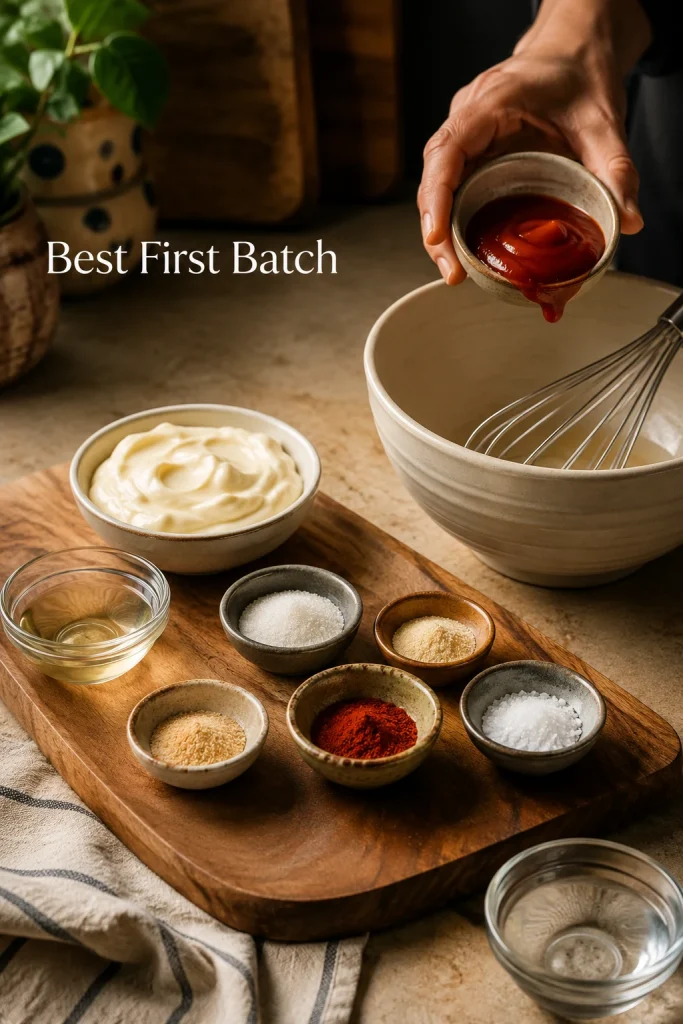
Yum Yum Sauce at a Glance
| Best default version | Regular mayo, ketchup, rice vinegar, sugar, garlic powder, onion powder, paprika, salt, and water |
|---|---|
| Active time | 5 minutes |
| Minimum total time | 35 minutes, including a 30-minute chill |
| Best flavor | After 2 hours or overnight |
| Yield | About 1¼ to 1½ cups / 300 to 360 ml, depending on thinning |
| Texture goal | Thick enough to dip, smooth enough to drizzle after thinning |
| Best with | Shrimp, fried rice, chicken, steak bites, vegetables, fries, spring rolls, rice bowls, wraps, and burgers |
| Storage | Up to 1 week in an airtight container in the refrigerator |
Yum Yum Sauce Recipe
This easy yum yum sauce starts thick and creamy, then thins into the pale pink-orange drizzle people love with fried rice, shrimp, chicken, vegetables, steak bites, fries, spring rolls, and hibachi-style bowls. The main recipe uses ketchup for the easiest first batch. Tomato paste, Kewpie mayo, butter, and heat are included as optional upgrades when you want a richer steakhouse-style sauce.
| Active Time | 5 minutes |
|---|---|
| Cook Time | 0 minutes |
| Chill Time | 30 minutes minimum, 2 hours recommended |
| Minimum Total Time | 35 minutes |
| Best Flavor | After 2 hours or overnight |
| Yield | About 1¼ to 1½ cups / 300 to 360 ml |
| Serving Size | 2 tablespoons / 30 ml |
| Servings | 10 to 12 |
| Equipment | Mixing bowl, whisk, measuring spoons, airtight jar, optional squeeze bottle |
Ingredients
- 1 cup mayonnaise / about 230 g
- 2 tablespoons ketchup / about 30 g
- 2 teaspoons rice vinegar / 10 ml
- 1 teaspoon sugar / 4 g
- 1 teaspoon garlic powder / about 3 g
- ½ teaspoon onion powder / about 1 g
- ½ teaspoon paprika or smoked paprika / about 1 g
- 1 to 2 tablespoons water / 15 to 30 ml, plus more as needed
- Pinch of salt, to taste
Optional Restaurant-Style Add-Ins
- Use 1 tablespoon tomato paste / 15 to 16 g instead of ketchup for a deeper, less sweet sauce.
- Add 1 tablespoon melted cooled butter / 14 g for a silkier, richer finish.
- Use Kewpie mayo instead of regular mayo for a fuller, more savory base.
- Add a pinch of cayenne or ½ teaspoon sriracha for gentle heat.
- If using tomato paste instead of ketchup, increase sugar to 2 teaspoons / 8 g.
Instructions
- Add the mayonnaise, ketchup, rice vinegar, sugar, garlic powder, onion powder, paprika, and a pinch of salt to a mixing bowl.
- Whisk until the sauce is smooth and evenly colored, with no streaks of tomato or spice.
- Add water 1 tablespoon at a time until the sauce reaches your preferred thickness.
- If using butter, let the melted butter cool slightly, then whisk it into the sauce. Do not add hot butter directly to the mayo.
- Taste lightly, but do not over-adjust yet. The flavor becomes smoother after chilling.
- Cover and refrigerate for at least 30 minutes. For better flavor, chill for 2 hours or overnight.
- Stir again before serving. Thin with another teaspoon or two of water if needed.
Recipe Notes
- The ketchup version is sweeter, easier, and the best place to start.
- The tomato paste version is deeper, less sweet, and better when you want the richer steakhouse-style finish.
- Thick dip texture needs about 1 tablespoon water. Drizzle texture usually needs 2 to 3 tablespoons water. A looser dressing-style sauce can take up to 4 tablespoons.
- To double the recipe, double everything except the water. Add water slowly at the end until the texture looks right.
- Store in an airtight jar in the refrigerator for up to 1 week.
- Freezing is not recommended because mayo-based sauces can separate after thawing.
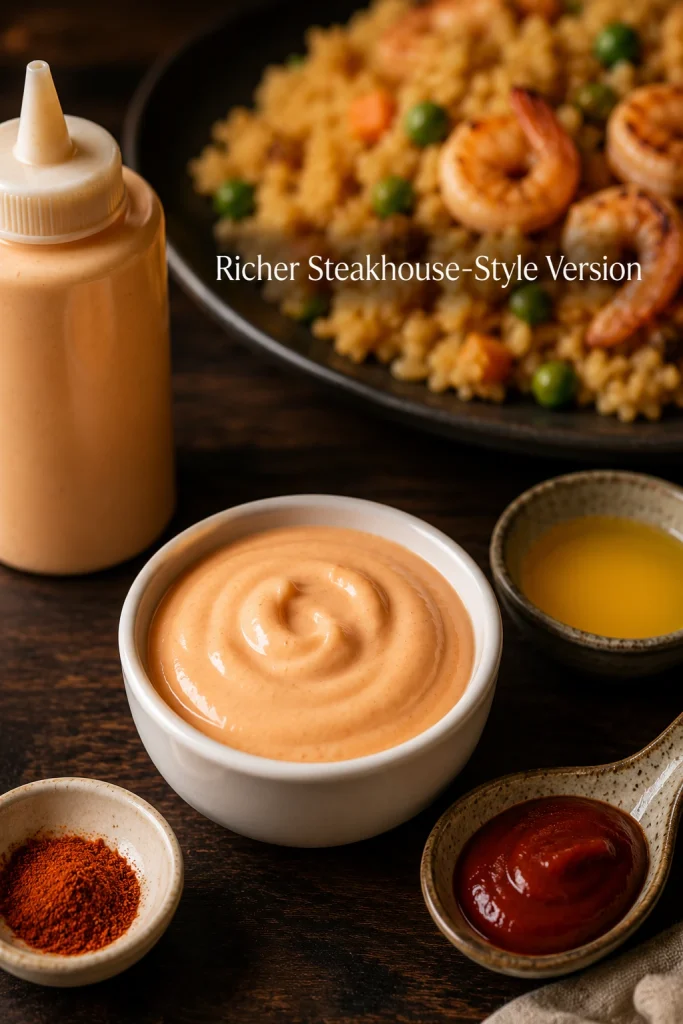
Closest restaurant-style version: Use Kewpie mayo, 1 tablespoon tomato paste instead of ketchup, 2 teaspoons sugar, 1 tablespoon cooled melted butter, 2 tablespoons water, and a tiny pinch of cayenne. Chill for at least 2 hours before serving.
Before You Start
Start with the ketchup version if this is your first batch. It tastes familiar right away: sweet, creamy, lightly tangy, and close to the sauce-cup flavor people remember from hibachi dinners. Try tomato paste next time if you want deeper color, stronger tomato flavor, and less sweetness.
If it tastes like plain mayo after the first whisk, do not panic. That is normal before the sauce rests. A freshly mixed batch can taste sharper than expected, so give it 30 minutes before you start fixing things that may not be broken.
Yum yum sauce is a finishing sauce, not a pan sauce. Add it after cooking, not while the food is simmering or frying. For a sauce that cooks with the food, use this stir fry sauce recipe instead.
Choose Your Version: Classic, Richer, Spicy, or Lighter
The best version depends on what you want from the sauce tonight. Ketchup gives you the familiar sweet hibachi-night flavor. Tomato paste makes it deeper and less sweet. Kewpie and butter push it richer. Yogurt makes it lighter for bowls, even though it moves away from the classic copycat feel.
| Version | Use This | What It Tastes Like |
|---|---|---|
| Classic easy sauce | Mayo + ketchup + rice vinegar + sugar + garlic powder + paprika | Familiar, gently sweet, family-friendly |
| Deeper sauce | Mayo + tomato paste + a little extra sugar | Less sweet, deeper in color, more concentrated |
| Richer steakhouse-style sauce | Kewpie mayo + tomato paste + cooled melted butter | Smoother, fuller, more savory |
| Spicy version | Add cayenne, sriracha, sambal, or chili garlic sauce | Creamy with gentle to medium heat |
| Keto or lower-sugar sauce | Tomato paste instead of ketchup + keto sweetener | Tangier, less sweet, still creamy |
| Lighter bowl sauce | Half mayo + half Greek yogurt | Brighter, lighter, better for bowls than copycat flavor |
For a completely different quick dip in the same weeknight-sauce family, this peanut sauce recipe is better when you want something nutty, salty-sweet, and built for noodles or spring rolls.
Ketchup vs Tomato Paste
Stuck between ketchup and tomato paste? Use this as the simple rule: use ketchup for the easy sweet version and tomato paste for the deeper, less-sweet version.
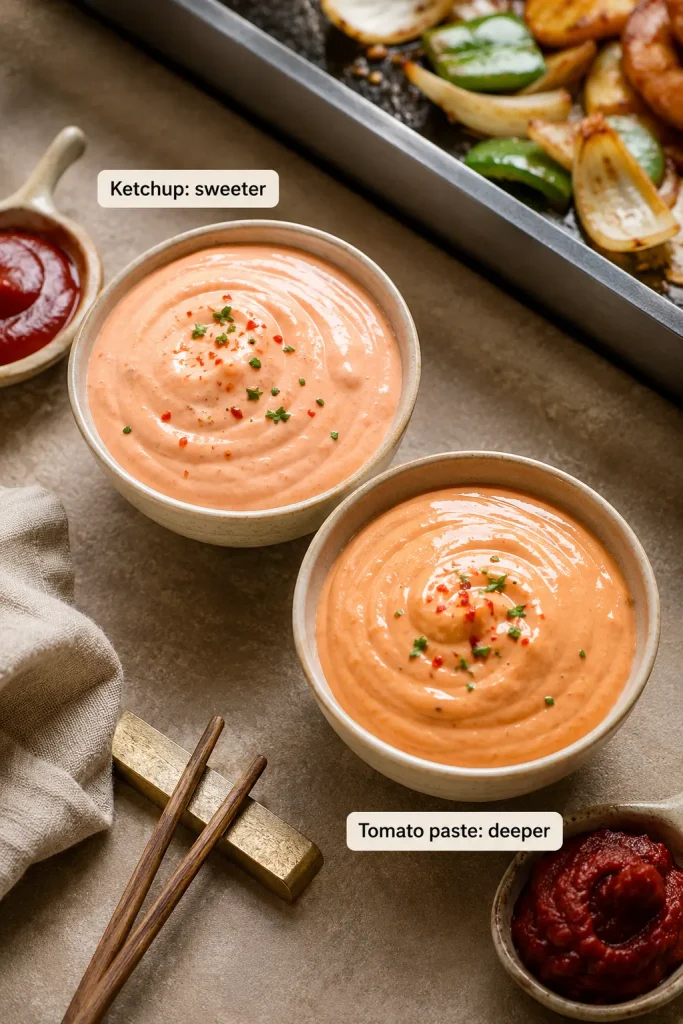
| Use Ketchup When | Use Tomato Paste When |
|---|---|
| You want the easiest version | You want a deeper flavor |
| You prefer a sweeter sauce | You want less sweetness |
| You want a brighter pale pink-orange color | You want a more concentrated tomato taste |
| You are making it for kids or family meals | You are making a keto or lower-sugar version |
| You want a softer, familiar flavor | You want a richer steakhouse-style base |
Ketchup usually needs less sugar. Tomato paste usually needs a little more. Taste after chilling.
Ingredients You Need
The core yum yum sauce ingredients are mayonnaise, ketchup or tomato paste, rice vinegar, sugar, garlic powder, onion powder, paprika, water, and salt. Butter and heat are optional.
Mayonnaise
Mayonnaise is the body of the sauce. Use one you already like, because its flavor comes through. Regular mayo works well. Kewpie tastes richer and slightly more savory. Light mayo or avocado oil mayo can work if you like the flavor, but the sauce may taste sharper or thinner. If using Miracle Whip, reduce the sugar and vinegar because it is already sweeter and tangier.
Ketchup or Tomato Paste
Ketchup gives the sauce that familiar hibachi-night sweetness. Tomato paste is the version you try when you want it to taste a little less sweet and a little more grown-up.
Rice Vinegar
Rice vinegar cuts through the richness of the mayo and keeps the sauce from tasting flat. It is mild enough to brighten the sauce without making it harsh.
Sugar
A little sugar gives the sauce its familiar sweet finish. Ketchup already contains sweetness, so the ketchup version needs less. Tomato paste is less sweet, so it usually needs a little more.
Garlic Powder, Onion Powder, and Paprika
Garlic powder and onion powder give savory depth without raw garlic bite. Paprika gives the sauce its warm color and keeps the flavor from feeling plain. Smoked paprika adds a deeper note that works well with grilled chicken, fried rice, shrimp, or steak bites.
Butter and Water
Butter is optional. Add it when you want the sauce to feel fuller and more like the little cup from a steakhouse; skip it when you want a brighter drizzle for rice or vegetables. Water decides whether the sauce behaves like a dip, drizzle, or dressing. Add it slowly because a small amount changes the consistency quickly.
Why This Recipe Works
This sauce works because every small ingredient fixes one common problem. Vinegar keeps the mayo from tasting heavy. Tomato gives color and tang. Sugar rounds the edges. Garlic powder, onion powder, and paprika make it taste like more than seasoned mayo. Water turns it from a thick dip into the soft ribbon people want over fried rice, shrimp, chicken, and vegetables.
The rest time matters too. After chilling, the garlic powder softens, the paprika settles into the mayo, and the vinegar stops tasting sharp. After 30 minutes it tastes more blended; after 2 hours it tastes closer to the steakhouse-style sauce people remember.
No Rice Vinegar? Use These Instead
Rice vinegar is mild and slightly sweet, which is why it works well here. Rice vinegar is usually milder than sharp white vinegar; for example, Kikkoman lists its rice vinegar at 4.2% acidity. If you need a swap, use another gentle acid and adjust slowly.
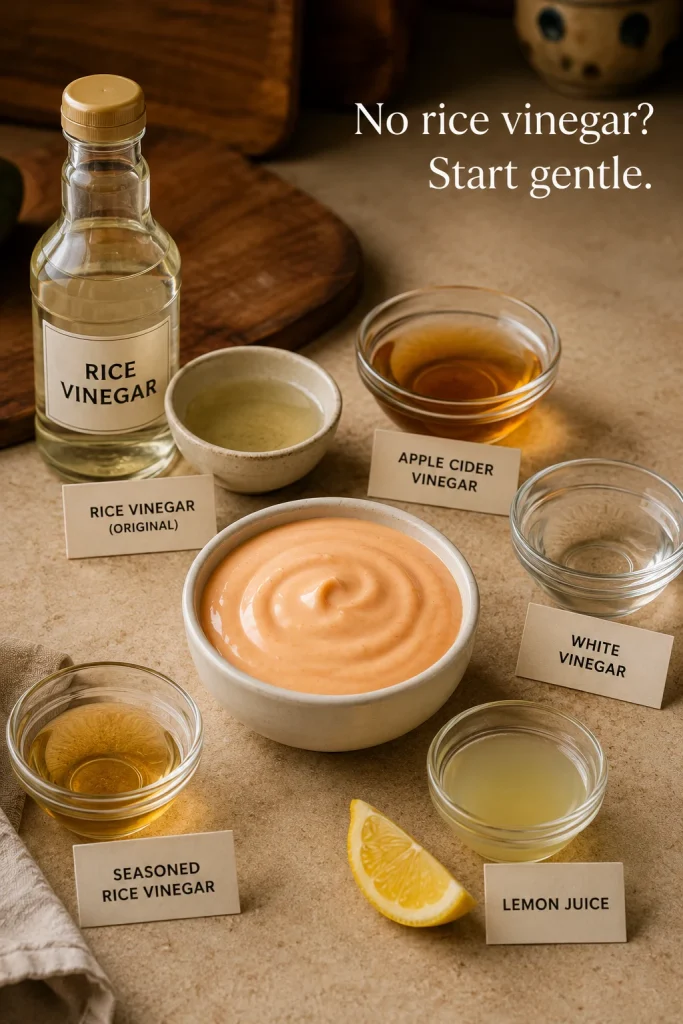
| Substitute | How to Use It |
|---|---|
| Apple cider vinegar | Use the same amount. It is slightly fruitier and a little sharper. |
| White vinegar | Use a little less at first because it can taste sharper. |
| Lemon juice | Use the same amount for a fresher, brighter sauce. |
| Seasoned rice vinegar | Use the same amount, but reduce the sugar slightly because it may already be sweetened. |
| Mirin | Use a small splash for sweetness and depth, but do not rely on it as the only acid. |
Avoid strong vinegars like balsamic or malt vinegar. They can overpower the mayo and tomato. Whichever swap you use, start small, let the sauce rest, and adjust after the flavor settles.
Butter or No Butter?
No, yum yum sauce does not need butter. A good sauce can be made with mayo, ketchup or tomato paste, vinegar, sugar, seasonings, and water. Butter is optional; it makes the sauce richer and silkier, but the sauce still works without it.
Add butter if you want a fuller, sauce-cup style finish. Skip it if you want a brighter sauce for fried rice, spring rolls, or vegetables. If you use butter, melt it gently and let it cool until warm, not hot, before whisking it into the mayo.
How to Make Yum Yum Sauce
Add the mayo, ketchup, vinegar, sugar, garlic powder, onion powder, paprika, and salt to a bowl. Whisk until the sauce is completely smooth and there are no streaks of tomato or spice left in the mayo.
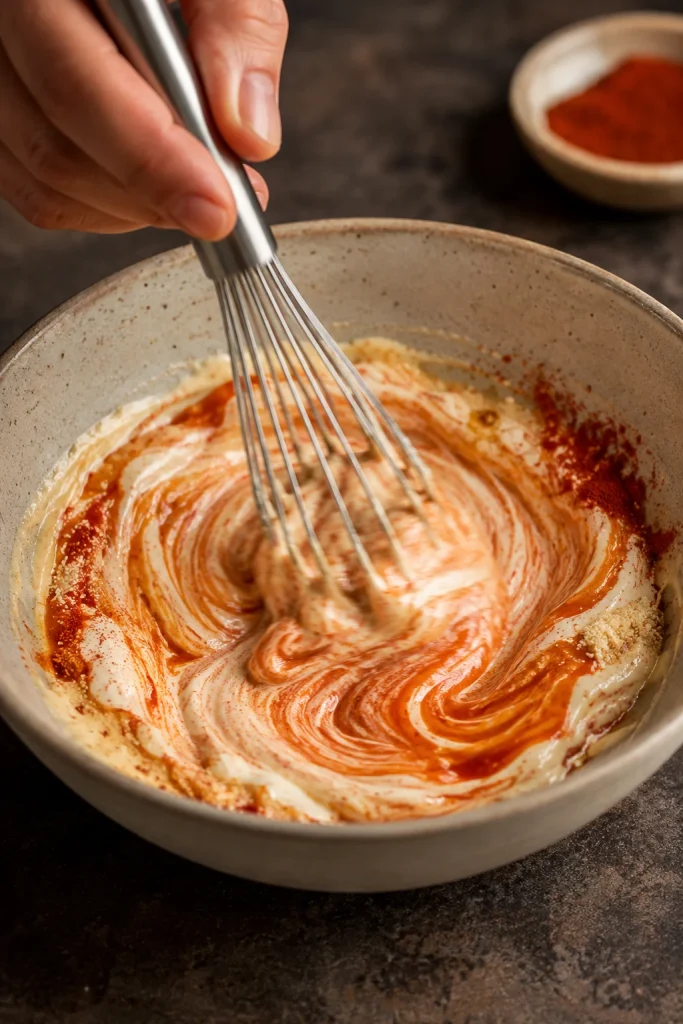
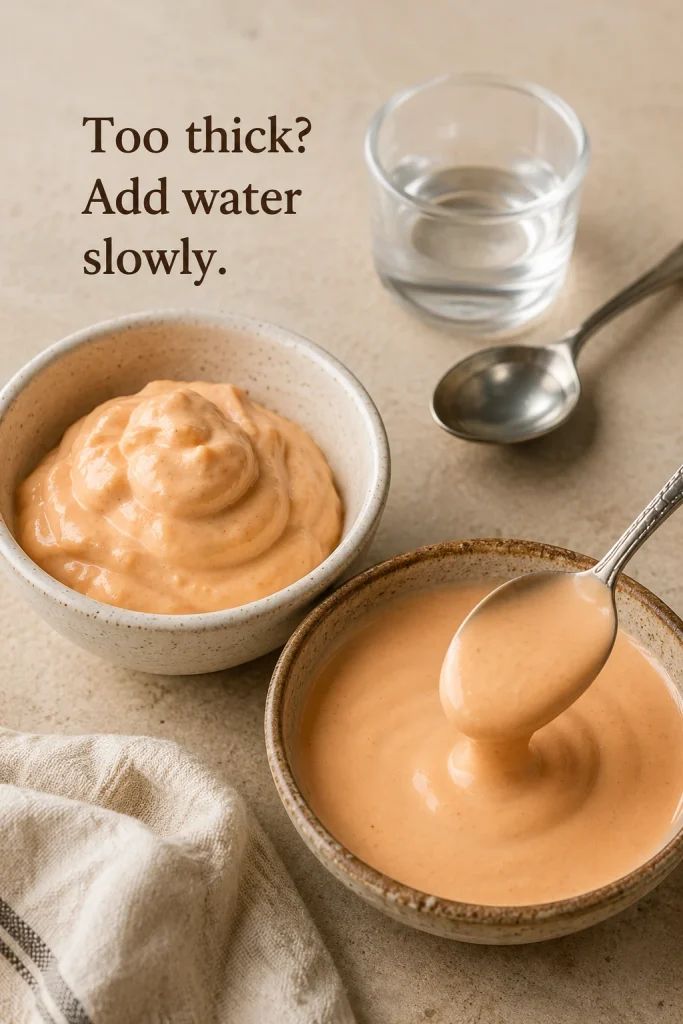
Thin the sauce with water. Start with 1 tablespoon for a thick dip. Add more water 1 teaspoon to 1 tablespoon at a time until it reaches the texture you want. If you are adding butter, make sure it is warm, not hot, before whisking it in.
Finished Sauce Texture
Once the sauce is fully whisked, check the spoon trail before you start changing the flavor. The texture should look glossy and smooth, not stiff or grainy.
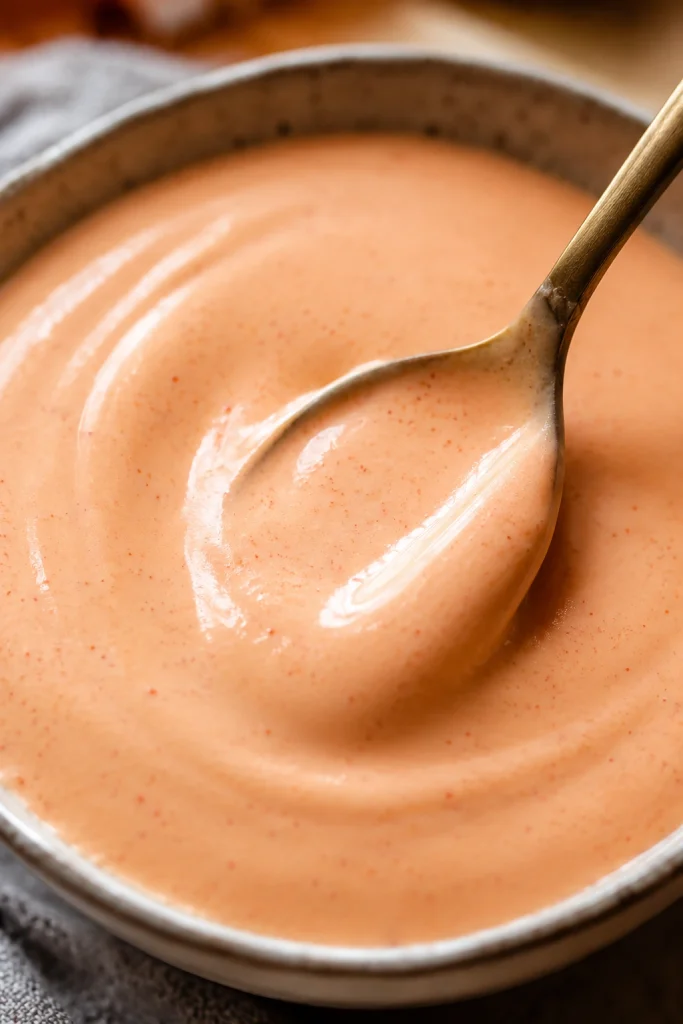
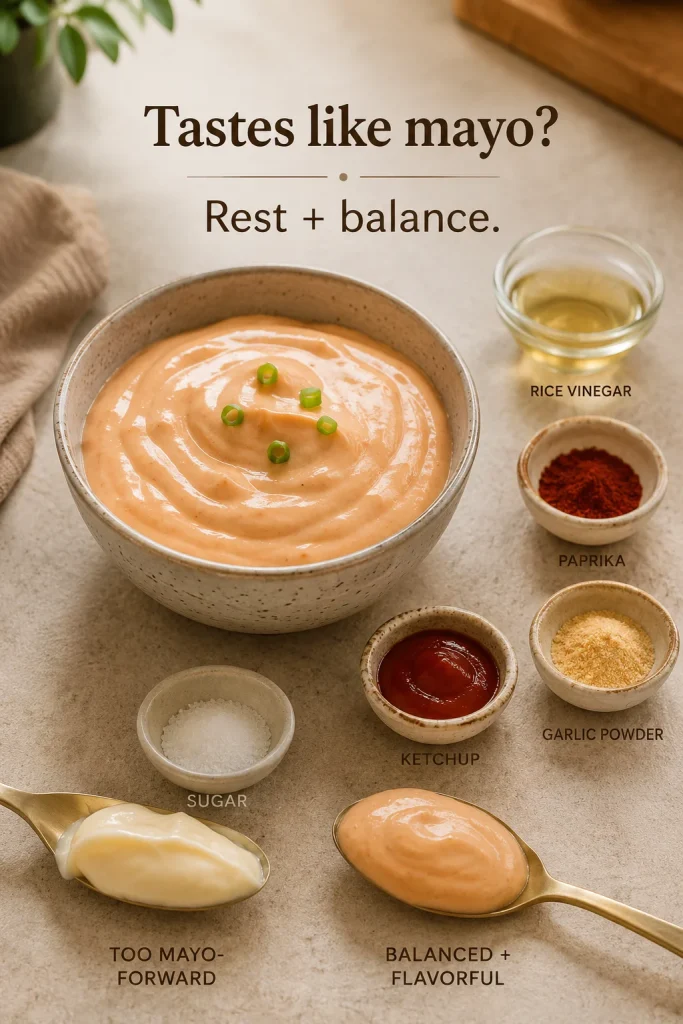
Taste the sauce, but do not make aggressive adjustments right away. Freshly mixed sauce often tastes more mayo-forward than the finished version. Cover and refrigerate it for at least 30 minutes, then stir and taste again.
A Few Things Not to Rush
- Do not add all the water at once. The sauce can go from thick dip to thin dressing quickly.
- Do not add hot butter directly to mayo. Let it cool first so the sauce stays smooth.
- Do not cook the finished sauce in fried rice or stir-fry. Add it after cooking.
- Do not use strong vinegars like balsamic or malt vinegar. They take the sauce in a completely different direction.
Best Texture: Dip, Drizzle, or Dressing
The right texture depends on the plate. Fries need a thick dip. Fried rice needs a loose ribbon. Shrimp can go either way.
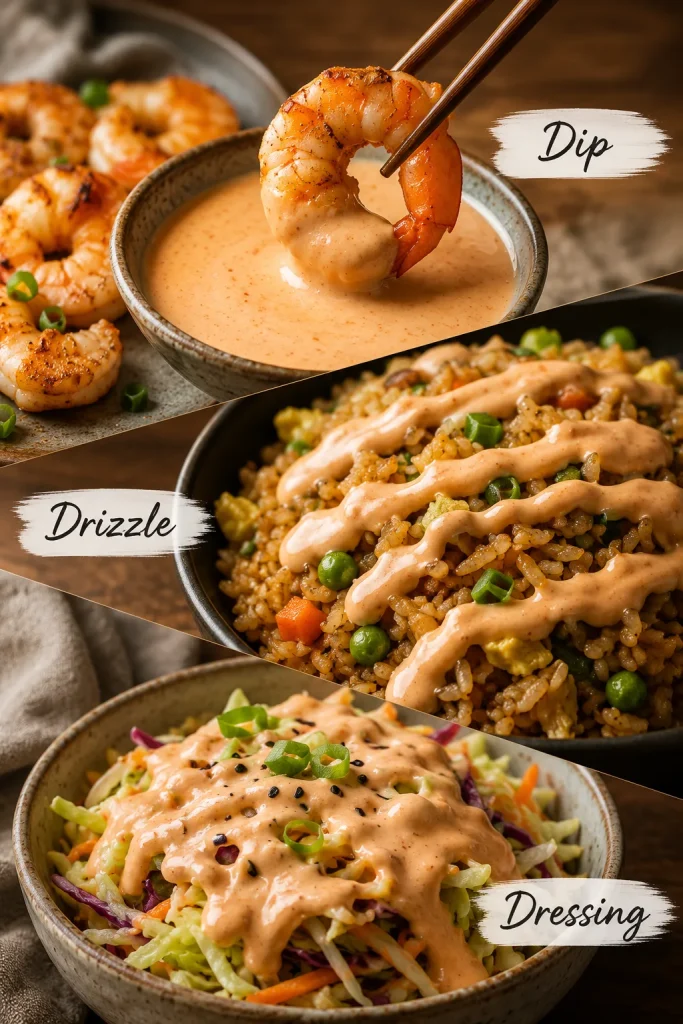
| Texture | Water Amount | Best For |
|---|---|---|
| Thick dip | 1 tablespoon / 15 ml | Shrimp, fries, nuggets, spring rolls, dumplings, roasted potatoes |
| Drizzle sauce | 2 to 3 tablespoons / 30 to 45 ml | Fried rice, chicken bowls, hibachi shrimp, steak bites, vegetables |
| Dressing-style sauce | 3 to 4 tablespoons / 45 to 60 ml, plus a little extra vinegar | Salads, slaws, grain bowls, cold noodle bowls |
The sauce should fall softly from a spoon for rice, but cling after one dip for shrimp, fries, and spring rolls. If you are serving it with hot fried rice, make it slightly thinner than you think; the rice will make a thick sauce feel heavier. If the sauce is for fries or spring rolls, stop thinning early so it clings to crispy edges.
Serving ideas: jump to fried rice, shrimp, bowls, or crispy snacks.
Why Yum Yum Sauce Tastes Better After Chilling
You can use the sauce immediately, but it tastes better after chilling. Right after mixing, the mayo, vinegar, tomato, sugar, and spices can taste separate. The sauce may also taste more mayo-forward than expected.
After 30 minutes in the fridge, the garlic powder and onion powder soften into the sauce. The paprika and tomato blend into the fat. The vinegar becomes less sharp, and the sweetness tastes less raw. After 2 hours, the flavor usually lands much closer to the hibachi-style sauce people remember from restaurants.
If you have time, make it the night before. Overnight chilling gives the smoothest flavor. If the sauce has been in the fridge overnight, let it sit for 5 to 10 minutes and stir before serving. It should be cool, not icy-thick.
Jump to recipe · Texture guide · Back to top
Hibachi White Sauce, Japanese White Sauce, and Shrimp Sauce
If you have ever searched for “that white sauce from hibachi,” this is probably the sauce you meant. In many American hibachi and Japanese steakhouse-style restaurants, this creamy sauce is called yum yum sauce, hibachi white sauce, Japanese white sauce, shrimp sauce, pink sauce, or Japanese steakhouse sauce.
The names come from how people use it. Some remember it with shrimp, some with fried rice, and some from the little sauce cups at a steakhouse. Even though it is often called white sauce, most homemade versions are pale peach or pink-orange because of ketchup, tomato paste, and paprika.
There is no single official formula. The goal is the familiar balance: cool mayo base, gentle sweetness, mild tang, pale tomato color, and enough water to make it dip-friendly or drizzle-friendly.
Homemade vs Store-Bought Yum Yum Sauce
Store-bought yum yum sauce is useful when you just want a squeeze bottle in the fridge. The problem is that bottled versions can swing too sweet, too salty, too thin, or too much like a generic mayo dressing.
Homemade is better when you want the sauce to match the plate: thicker for fries, looser for fried rice, sweeter for kids, tangier for shrimp, richer for steakhouse-style bowls. You can also make gluten-free, vegan, keto, or lighter versions more easily when you control the ingredients.
What to Eat with Yum Yum Sauce
Think of this as a cool finishing sauce. It works anywhere you want something creamy enough to soften heat, bright enough to wake up rice, and rich enough to cling to crispy snacks. This is the drizzle that makes plain rice, shrimp, and vegetables feel like hibachi night at home.
| Use | Best Texture |
|---|---|
| Fried rice | Loose drizzle |
| Shrimp | Thick dip or light drizzle |
| Chicken bowls | Drizzle |
| Fries and nuggets | Thick dip |
| Spring rolls and dumplings | Thick dip |
| Burgers, wraps, and tacos | Spread texture |
| Salads and slaws | Dressing-style |
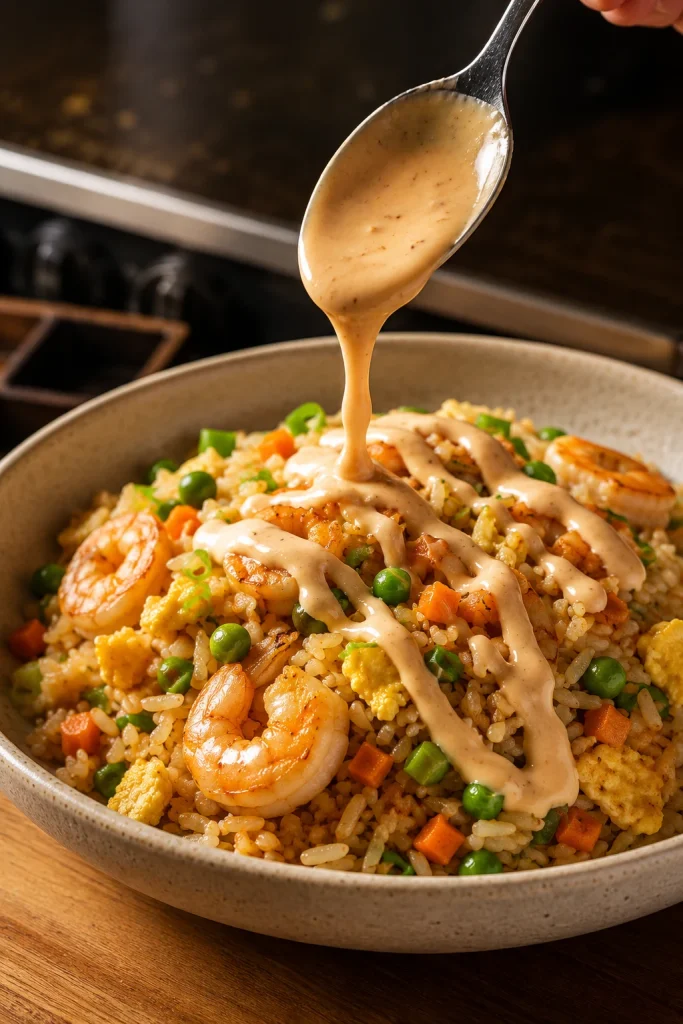
Fried Rice and Hibachi Plates
On fried rice and hibachi-style plates, keep it loose enough to fall from a spoon. You want pale, creamy streaks across hot rice, not a heavy scoop sitting on top. Add the sauce after cooking so the rice stays fluffy and the sauce stays smooth.
Shrimp, Seafood, and Chicken
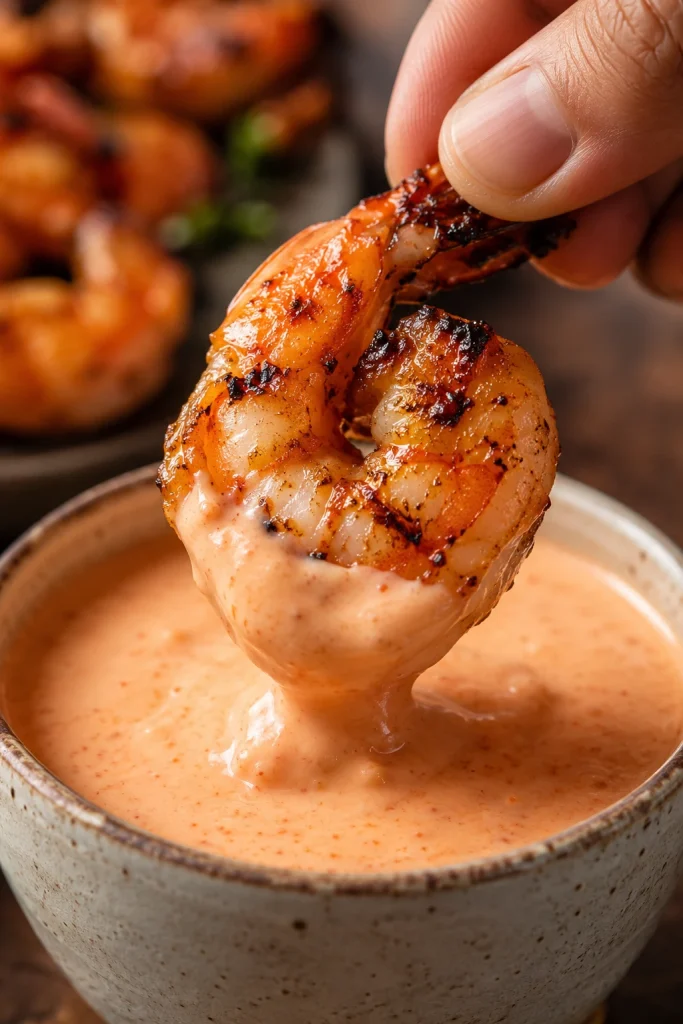
Shrimp can go either way: thick as a dip or slightly loosened as a drizzle. For shrimp, the sauce should be thick enough to cling after one dip. If the protein is already rich or fried, add a little extra vinegar to the sauce for balance.
For another quick shrimp dinner with a brighter lemon-garlic direction, keep this shrimp scampi recipe nearby. If the meal is more fried fish than hibachi shrimp, this homemade tartar sauce is the better match.
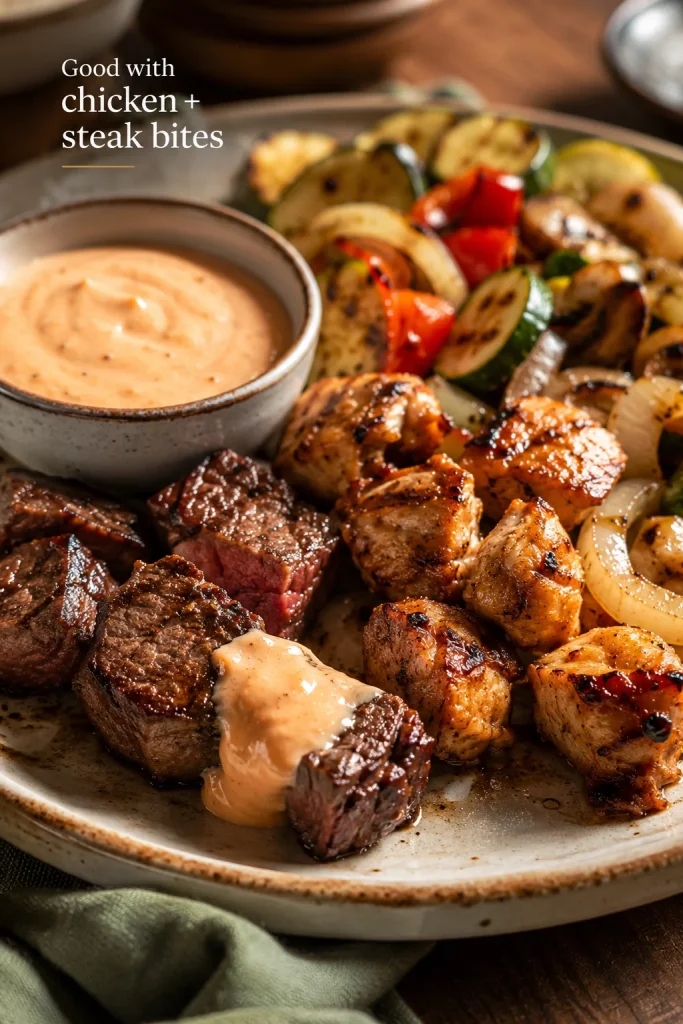
Chicken, Steak Bites, and Hibachi Vegetables
Chicken and steak bites are best with a cool, smooth sauce that softens charred edges without hiding the grilled flavor.
Bowls, Wraps, and Rice Meals
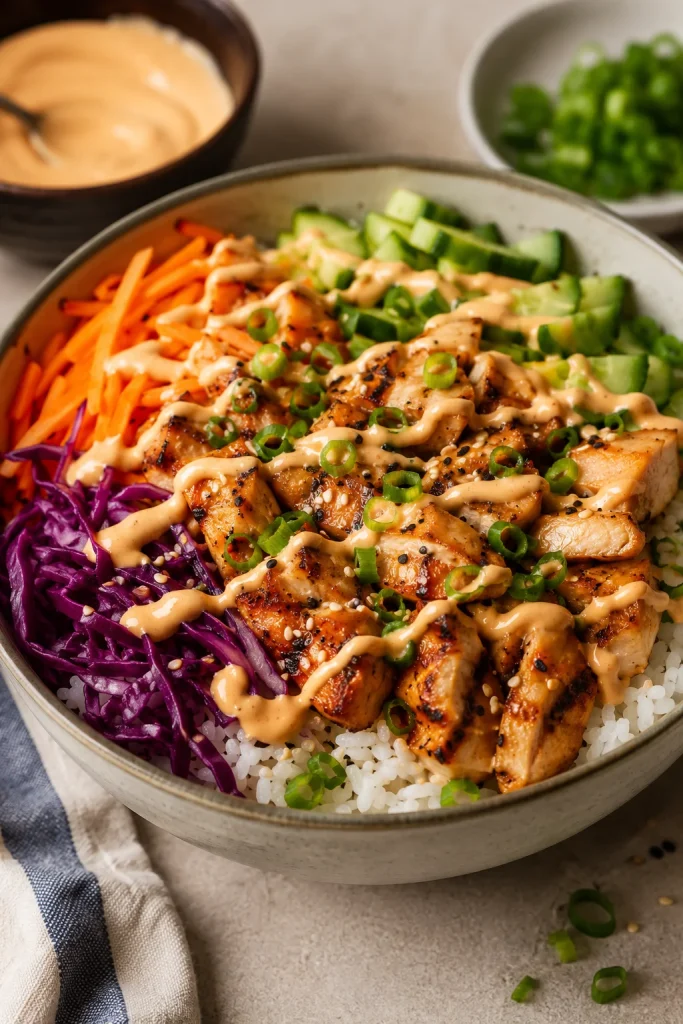
Bowls need a smoother drizzle. A spoonful can make a simple bowl feel finished, especially when there is warm rice, crunchy cucumber, cabbage, lettuce, carrots, grilled chicken, shrimp, beef, tofu, or crispy vegetables.
A seafood rice bowl can borrow the build from this salmon bowl recipe. With beef and rice, use it as a cool creamy contrast beside a saucy Korean beef bowl.
Fries, Spring Rolls, Dumplings, and Snacks
Crispy snacks are where the thicker version wins. Start with only 1 tablespoon water so the sauce clings to fries, nuggets, spring rolls, dumplings, potstickers, onion rings, roasted potatoes, and other crunchy bites instead of sliding back into the bowl.
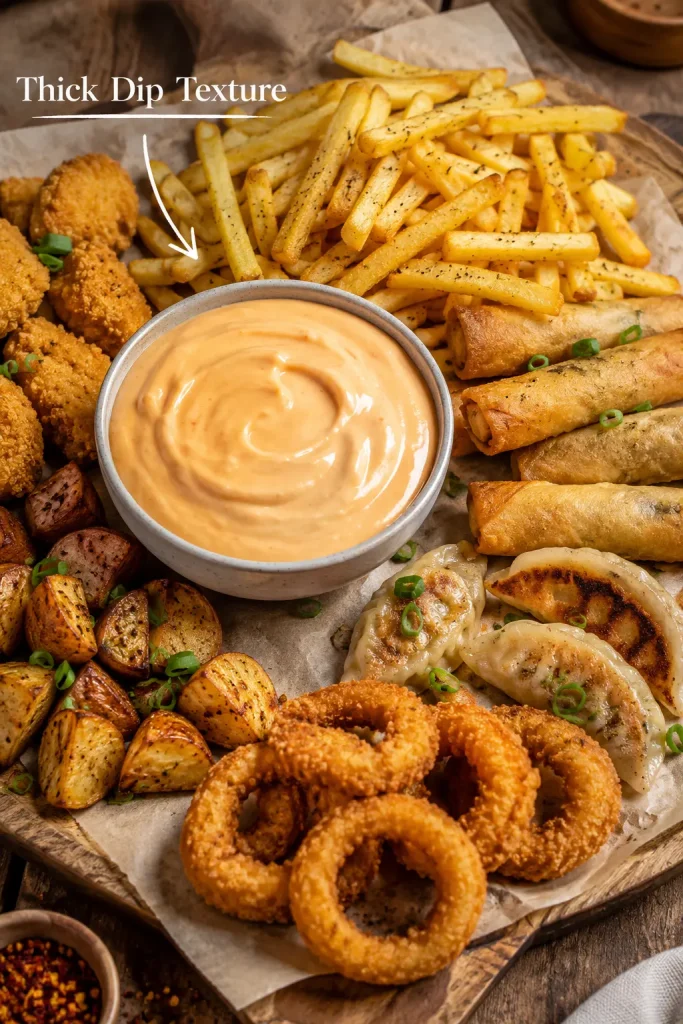
With spring rolls and fries, keep it spoonable and thick so every crispy edge catches some sauce. A crisp snack plate works well beside crispy veg spring rolls, fries, dumplings, or roasted potatoes.
Sandwiches, Burgers, and Tacos
As a burger, taco, or sandwich spread, keep it thicker than drizzle texture so it stays where you put it. It pairs especially well with crunchy lettuce, cucumber, cabbage, grilled chicken, shrimp, or crispy tofu.
Yum Yum Sauce Variations
Make the main version first if you can. Once you know the baseline, these variations help you make it spicier, richer, lighter, vegan, gluten-free, or lower in sugar.
Spicy Yum Yum Sauce
Add cayenne, sriracha, sambal, chili garlic sauce, or your favorite hot sauce. A pinch of cayenne gives gentle heat. About ½ to 1 teaspoon sriracha makes the sauce noticeably spicy. If it becomes too hot, add more mayo and a small pinch of sugar.
For a hotter fruit-and-chili direction that goes further than yum yum sauce, save this mango habanero sauce recipe for tacos, wings, shrimp, grilled chicken, paneer, tofu, or vegetables.
Kewpie Mayo Version
Kewpie mayo makes the sauce richer, smoother, and slightly more savory. It is a good choice if you want a fuller steakhouse-style flavor. Regular mayo still works well, especially when balanced with vinegar, tomato, garlic powder, paprika, and rest time.
Gluten-Free Version
This sauce can be made gluten-free if every packaged ingredient you use is labeled gluten-free. Check the mayo, ketchup, tomato paste, vinegar, hot sauce, and spice blends. If you add soy sauce, chili garlic sauce, or another condiment, choose a gluten-free version.
Vegan Version
Use vegan mayo in place of regular mayo. Skip the butter or use vegan butter. Sugar, maple syrup, or another sweetener can round out the flavor. Vegan mayo gives a more classic result than yogurt-style bases because it keeps the sauce creamy and rich.
Keto or Lower-Sugar Version
Tomato paste is usually the cleaner low-sugar base because ketchup brings sweetness before you even add a sweetener. Replace the sugar with a keto-friendly sweetener, then taste after chilling because some sweeteners can feel sharper before the sauce rests.
Low-Calorie or Greek Yogurt Version
The half-mayo, half-yogurt version is the sweet spot. It still tastes like a creamy sauce, while a full-yogurt version tastes more like a tangy bowl dressing. Use it for bowls, salads, slaws, or lighter chicken-and-rice plates rather than a strict hibachi copycat.
No-Mayo Version
You can make a no-mayo version with Greek yogurt, sour cream, vegan sour cream, or blended cashew cream, but it becomes a different sauce. To keep it balanced, add tomato, vinegar, sweetener, and seasoning in small amounts, then let it rest before adjusting again.
Troubleshooting Yum Yum Sauce
Most “failed” yum yum sauce is not actually failed. It usually just needs a short rest, a tiny splash of acid, or a spoonful of mayo to bring it back. If the flavor still feels off after chilling, the fix is usually small.
| Problem | How to Fix It |
|---|---|
| It tastes too much like mayo | Chill first. Then add a little more vinegar, paprika, garlic powder, ketchup or tomato paste, and a small pinch of sugar. |
| Too sweet | Add rice vinegar, lemon juice, or a pinch of salt. |
| Sharp or tangy | Add more mayo and a tiny pinch of sugar. |
| Thick and heavy | Add water 1 teaspoon at a time until it loosens. |
| Thin or runny | Add mayo 1 tablespoon at a time until it thickens. |
| Looks too pale | Add a little more tomato paste, ketchup, or paprika. |
| Looks too orange | Add more mayo. |
| Not steakhouse-style enough | Use Kewpie mayo, add the optional cooled butter, and chill the sauce longer. |
| Too spicy | Add mayo and a small pinch of sugar. |
| Tastes flat | Add salt, onion powder, garlic powder, or a tiny splash of rice vinegar. |
When It Tastes Too Much Like Mayo
A mayo-heavy sauce usually needs rest and small balancing moves, not a full restart.
Storage and Make-Ahead
Store yum yum sauce in an airtight jar or covered container in the refrigerator for up to 1 week. Stir it before serving because the sauce may thicken slightly as it chills.
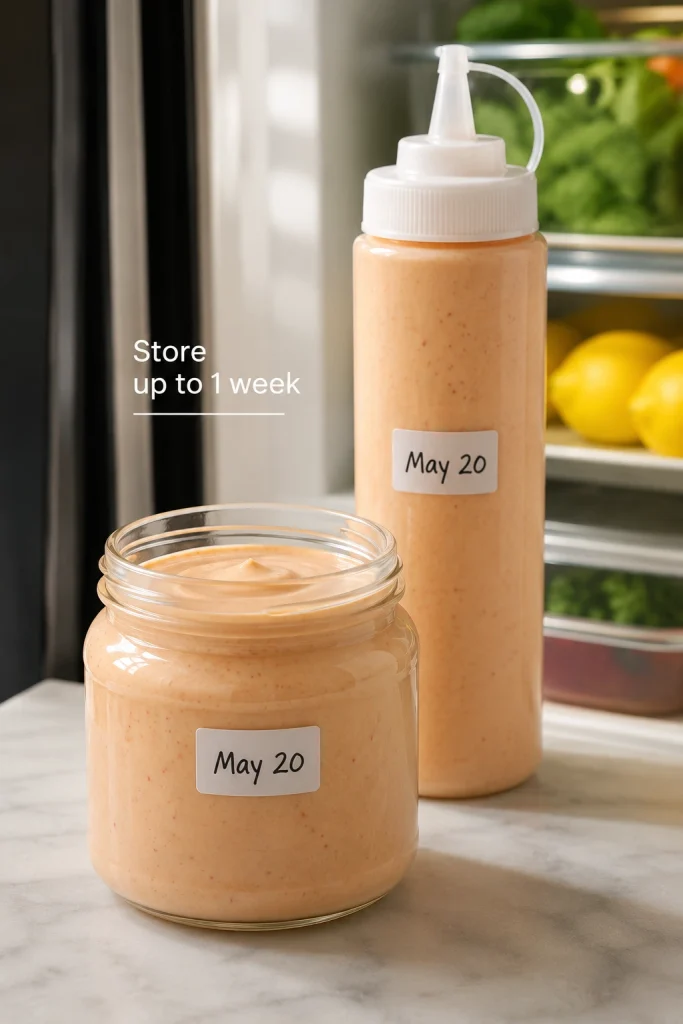
This is a good make-ahead sauce. The flavor is better after at least 30 minutes and usually best after 2 hours or overnight. If you are serving it for a hibachi-style dinner, make the sauce first and let it chill while you prepare the rice, shrimp, chicken, or vegetables.
A squeeze bottle is helpful when you want the restaurant-style drizzle over rice and shrimp. For storage, a jar is easier to clean.
Keep the sauce refrigerated and do not leave it sitting out for long periods. This is not a shelf-stable sauce and it is not meant for canning. For general food safety, FoodSafety.gov recommends refrigerating perishable foods within 2 hours and keeping the refrigerator at 40°F / 4°C or below.
If you use Greek yogurt, vegan mayo, homemade mayo, or any ingredient with a shorter use-by date, follow the shortest storage time. Freezing is not recommended because mayo-based sauces can separate and turn grainy after thawing.
Make-ahead tip: Make the sauce first when you start dinner. By the time the rice, shrimp, chicken, or vegetables are ready, the flavor will already be smoother. It is one of those small prep steps that makes tomorrow’s rice bowl easier before tomorrow even starts.
Jump to recipe · Troubleshooting · Back to top
FAQs
What is yum yum sauce made of?
Yum yum sauce is usually made with mayonnaise, ketchup or tomato paste, vinegar, sugar, garlic powder, paprika, and water. Some versions also include butter, onion powder, cayenne, sriracha, mirin, or hot sauce.
Is yum yum sauce actually Japanese?
Not traditionally. It is best known as an American hibachi-style sauce served at many Japanese steakhouse-style restaurants.
Is yum yum sauce the same as hibachi white sauce?
Usually, yes. Many restaurants and home cooks use those names for the same creamy mayo-based sauce.
Is yum yum sauce the same as spicy mayo?
No. Spicy mayo is usually mayo mixed with sriracha or another hot sauce. Yum yum sauce has more rounded flavor from tomato, vinegar, sugar, garlic powder, paprika, and water.
Can I make yum yum sauce without tomato paste?
Yes. Use ketchup instead. For this recipe, 2 tablespoons ketchup gives the easiest sweet, pale pink-orange sauce. Because ketchup is already sweet, start with only 1 teaspoon sugar and adjust after chilling.
Is this Benihana-style yum yum sauce?
It is a homemade hibachi-style sauce in the same creamy, sweet-tangy family, but restaurant formulas vary. For the closest restaurant-style version, use Kewpie mayo, tomato paste, cooled melted butter, a tiny pinch of heat, and a 2-hour chill.
What can I use instead of rice vinegar?
Use apple cider vinegar, white vinegar, lemon juice, or seasoned rice vinegar. White vinegar is sharper, so start with a little less. Seasoned rice vinegar may already contain sugar, so reduce the sugar slightly.
Does yum yum sauce need butter?
No. Butter is optional. It adds richness and a silkier texture, but the sauce still works without it. If using butter, cool it before whisking it into the mayo.
Why does my yum yum sauce taste like mayo?
Freshly mixed sauce often tastes mayo-forward before it rests. Chill it for at least 30 minutes, then add a little more vinegar, paprika, garlic powder, tomato, and sugar if needed.
Is yum yum sauce good on fried rice?
Yes. Thin it to drizzle texture and add it after cooking, not in the pan. It gives hot fried rice a creamy, tangy finish without making the rice soggy.
What does yum yum sauce go with?
It goes well with shrimp, fried rice, chicken, steak, vegetables, rice bowls, fries, spring rolls, dumplings, nuggets, burgers, wraps, and roasted potatoes.
Is yum yum sauce gluten-free?
It can be gluten-free if every packaged ingredient you use is labeled gluten-free. Check mayo, ketchup, vinegar, hot sauce, spice blends, and any add-ins.
How long does homemade yum yum sauce last?
It keeps for up to 1 week in an airtight container in the refrigerator. Stir before serving and discard it if it smells off, changes texture, or has been left out too long.
Can you freeze yum yum sauce?
Freezing is not recommended. Mayo-based sauces can separate, turn watery, or become grainy after thawing. Make a fresh batch and store it in the refrigerator instead.
How do I make yum yum sauce spicy?
Add cayenne, sriracha, sambal, chili garlic sauce, or hot sauce. Start small, chill the sauce, and taste again before adding more.








