

Posted on — 4 Comments

Egg-cellent Seasoning Options for Flavorful Eggs

Egg-cellent Seasoning Secrets

Eggs are the chameleons of the kitchen—simple, nutritious, and endlessly adaptable. But let’s be honest: plain eggs can get boring fast. What transforms basic eggs into crave-worthy bites? Seasoning! In this guide, we’ll explore classic and trending seasonings, global flavors, pro techniques, and real user-tested combos—all to help you level up your egg game, whether you’re a weekday cook or a weekend brunch boss.


Why Seasonings Matter for Eggs

Eggs have a mild flavor and a rich texture, acting as a blank canvas for spices, herbs, and condiments. The right seasoning can:

  • Bring out the eggs’ natural flavor
  • Add texture and color
  • Elevate simple dishes to gourmet experiences
  • Keep breakfasts exciting and varied

Whether you love soft-scrambled, fried, boiled, or baked eggs, the right seasoning makes all the difference.


Classic Seasonings: Simple, Reliable, and Delicious

Let’s start with the basics that never disappoint:

  • Salt & Pepper: The foundation of every great egg dish. Try kosher salt for its clean taste and fresh-cracked black or white pepper.
  • Paprika: Adds color and a mild, smoky warmth. Smoked paprika is especially good on fried or deviled eggs.
  • Garlic Powder & Onion Powder: Give savory depth—perfect for scrambled eggs and omelets.
  • Chili Flakes or Cayenne: For a gentle heat that wakes up your taste buds.

Pro Tip:
For scrambled eggs, add seasonings before cooking for even distribution. For fried or boiled eggs, sprinkle immediately after cooking.


Trending Now: Everything Bagel & More

In 2025, “egg flights”—six eggs, six toppings—are a social media sensation. People are getting creative, topping boiled or fried eggs with everything bagel seasoning, kimchi, hot honey, truffle salt, or even balsamic-mozzarella. Everything bagel seasoning, with its mix of garlic, sesame, onion, and poppy seeds, adds crunch and flavor. Try frying your eggs with a sprinkle of this blend to crisp up the bits!

User Story:
“Soft scramble them with sour cream, sharp cheddar, and everything bagel seasoning. Legit my favorite way to eat eggs.” – Reddit user


Global Flavors: Take Your Tastebuds on a Trip

Why limit yourself to salt and pepper? Eggs are a global staple, and so are their seasonings:

  • Za’atar (Middle Eastern): Thyme, sesame, sumac—delicious on poached or hard-boiled eggs with olive oil.
  • Shichimi Togarashi (Japanese): Chili, sesame, nori, and orange peel—sprinkle over sunny-side eggs for zing.
  • Dukkah (Egyptian): A mix of nuts, seeds, and spices. Try on sliced boiled eggs.
  • Curry Powder or Garam Masala (Indian): Add warmth and depth to scrambles and omelets.
  • Adobo/Sazón (Latin): Garlic, oregano, cumin, and more for a vibrant twist.

Quick Fix:
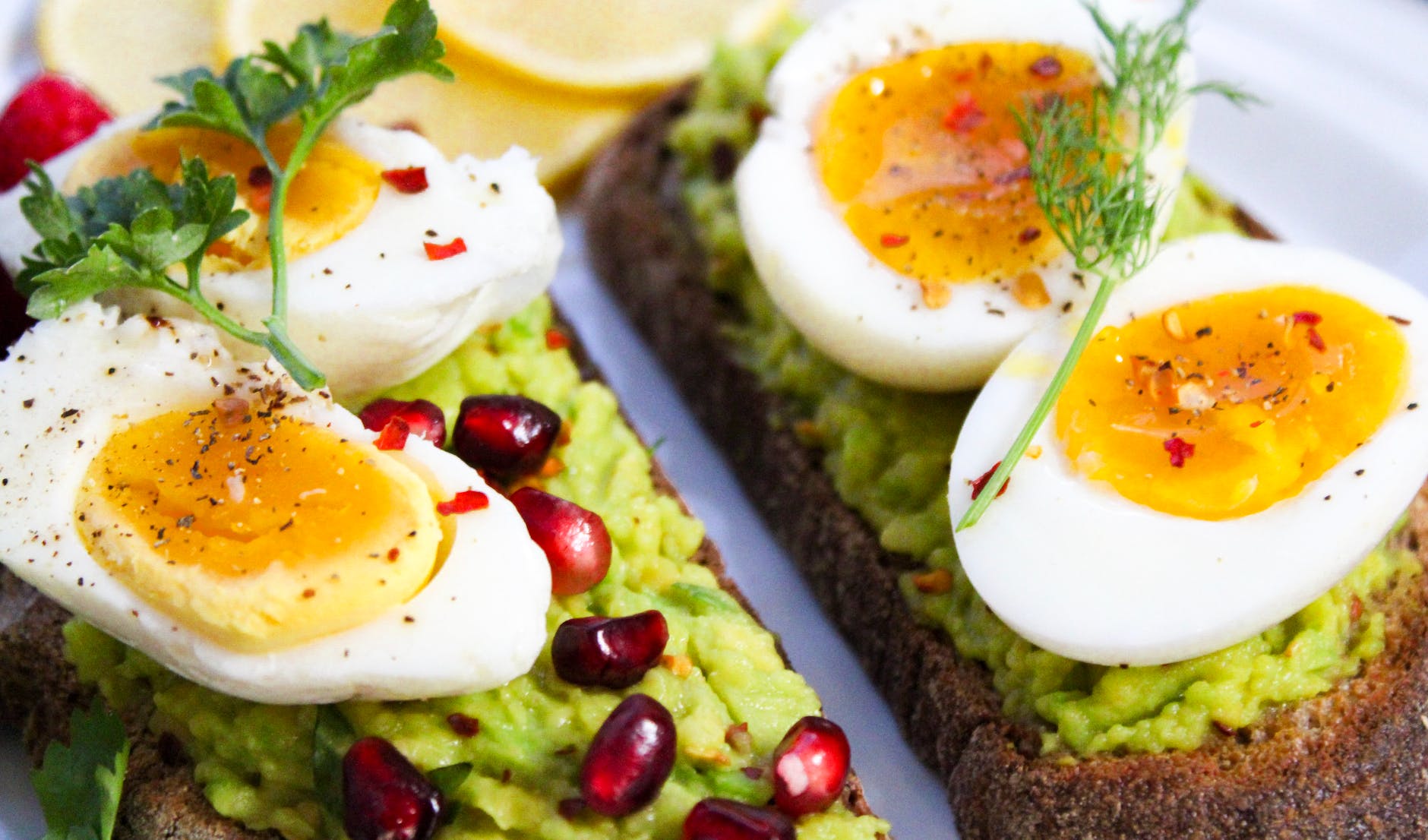
Toast a slice of bread, top with mashed avocado, a poached egg, and a dusting of za’atar. Thank us later.


Creative Add-Ons & Modern Favorites

If you want to get truly egg-citing, try these:

  • Everything Bagel Seasoning: The reigning champion for fried and boiled eggs.
  • Old Bay: Popular with home cooks, especially for deviled eggs or scrambled with a touch of hot sauce.
  • Kala Namak (Black Salt): Adds a sulfurous, “eggy” flavor—especially loved in vegan tofu scrambles.
  • Cheese and Dairy Mix-ins: Stir in a spoonful of sour cream, cottage cheese, or crème fraîche for creamy scrambled eggs.
  • Fresh Herbs: Chives, parsley, dill, and tarragon bring color and freshness.
  • Kimchi, Salsa, or Hot Sauce: Add a punch to eggs, especially for breakfast tacos or bowls.
  • Umami Boosters: Finish eggs with a sprinkle of bonito flakes, miso, or even truffle oil for extra savoriness.

Pro Techniques from Real Cooks

  • Salt Early: Whisk salt into eggs before cooking for fluffier texture and better moisture. Let the mixture sit for a minute if you can.
  • Watch the Pan: Use moderate heat and enough fat (butter/oil) for creamy, non-rubbery eggs—especially on cast iron.
  • Season as You Go: For fried eggs, season as soon as they hit the pan for best flavor.
  • Don’t Overcrowd: Add delicate herbs at the end to preserve their brightness.

Reddit Wisdom:
“I add seasoning to scrambled eggs before cooking. I add seasoning to fried eggs as soon as I get them in the pan.”


Practical Ideas: Seasoned Eggs, Six Ways

  1. Classic Scramble: Salt, pepper, chives, with a touch of parmesan.
  2. Southwest Kick: Cumin, chili powder, cheddar, and salsa.
  3. Asian-Inspired: Shichimi togarashi, scallions, a dash of soy sauce.
  4. Herby Omelet: Fresh dill, parsley, and a sprinkle of feta.
  5. Creole Deviled Eggs: Replace salt with Tony Chachere’s Creole Seasoning, add a dash of hot sauce.
  6. Egg Flight: Six halves of boiled eggs, each topped with a different seasoning (Old Bay, everything bagel, dukkah, za’atar, harissa, black pepper).

Reader Challenge: Your Egg-Seasoning Adventure

Ready to experiment? Here’s a fun challenge for your next brunch or meal prep:

  1. Pick 3–6 seasonings or blends from this list.
  2. Cook a batch of eggs (scrambled, fried, boiled).
  3. Top each portion with a different seasoning—from classic to wild.
  4. Snap a photo and taste test—share with friends or on social media (tag #EggcellentSeasoning!).
  5. Record your favorites and try them in different dishes (avocado toast, breakfast bowls, salads).

Closing Thoughts

Eggs are a blank canvas for flavor. With the right seasonings—classic, trendy, or global—you can turn the simplest meal into something memorable. Don’t be afraid to experiment and have fun! The world of egg seasonings is vast, and the best discovery might just be your next breakfast.


What’s your favorite egg seasoning or combo? Share your tips and results below!


Sources: Food & Wine, Better Homes & Gardens, Reddit r/Cooking, Simply Recipes, Carolina Ingredients, and more food trend experts from 2025.

10 FAQs for Egg Seasoning Options

1. What’s the best time to add seasoning to eggs?
For scrambled eggs, add salt and spices during whisking before cooking for even flavor and fluffier texture. For fried eggs, season as soon as they hit the pan or immediately after. For boiled eggs, season just before serving or use seasoning blends in fillings for deviled eggs.


2. What are the healthiest seasonings to use on eggs?
Fresh herbs (like parsley, chives, dill), spices (turmeric, paprika, black pepper), and low-sodium blends are healthiest. They add antioxidants and flavor without extra calories or sodium. Avoid overusing salty mixes if watching your intake.


3. What’s the best seasoning for deviled eggs?
Classic choices include paprika, mustard, and chives. Trendy options are everything bagel seasoning, Creole seasoning (like Tony Chachere’s), Old Bay, or smoked paprika. Mix into the yolk filling or sprinkle on top for flavor and color.


4. Can I use the same seasoning for scrambled, fried, and boiled eggs?
Yes, but some seasonings work best in specific dishes. Everything bagel, paprika, or herbs are versatile, while blends with crunchy bits (like dukkah) shine as toppings on boiled or fried eggs rather than scrambled.


5. How do I keep eggs from tasting bland without adding too much salt?
Use herbs, spices, citrus zest (lemon/lime), black pepper, or umami-rich add-ins like nutritional yeast, miso, or a dash of soy sauce. These boost flavor without much sodium.


6. Are there seasoning blends for vegan egg alternatives?
Yes! Kala namak (black salt) gives vegan scrambles an “eggy” flavor. Combine with turmeric, garlic powder, and nutritional yeast for savory depth in tofu or chickpea “eggs.”


7. What global seasonings pair well with eggs?
Try za’atar, shichimi togarashi, curry powder, dukkah, harissa, or adobo. These bring global flair and work in scrambles, omelets, or as a topping for poached and boiled eggs.


8. Can I make my own egg seasoning blend?
Absolutely. Start with a base of kosher salt, pepper, garlic powder, onion powder, and paprika. Add herbs or spice blends to taste. Store in a small jar and shake before use.


9. What’s the secret to fluffy, restaurant-style scrambled eggs?
Salt your eggs when whisking, use a little milk or cream (optional), and cook slowly over medium-low heat, stirring gently. Butter or oil helps prevent sticking and adds richness.


10. What’s a quick way to elevate eggs for guests or brunch?
Create an “egg flight”—top boiled or fried eggs with different seasonings (everything bagel, dukkah, smoked paprika, kimchi, hot honey, etc.). Serve with toast or salad for a colorful, flavorful spread.
Posted on — Leave a comment

Eggs and Daily Consumption: Unscrambling the Facts

slice of eggs on cakes

1. Introduction

Eggs, cherished by cultures worldwide, are not just a breakfast staple but a nutritional powerhouse. Their versatility in culinary dishes is matched by their rich nutrient profile. But with so many opinions floating around, how often is it truly safe to indulge in them? Let’s dive deep into the world of eggs and daily consumption.


2. The Nutritional Profile of Eggs

– Protein Powerhouse

Each egg is a source of high-quality protein, essential for muscle building, tissue repair, and overall body function. An average egg contains about 6 grams of protein.

– Vitamins and Minerals Galore

Eggs are teeming with vitamins A, D, E, and B12. They’re also a source of essential minerals like iron, selenium, and zinc, crucial for immune function, DNA production, and maintaining healthy vision.

– Cholesterol Content: The Big Debate

Yes, eggs do contain cholesterol, but it’s essential to understand that dietary cholesterol has a minimal impact on blood cholesterol for most people. The liver produces cholesterol daily, and when we consume foods high in cholesterol, the liver adjusts its production.


3. The Daily Egg Dilemma: Is It Safe?

– For the Average Joe and Jane

For most individuals, consuming an egg a day fits comfortably within dietary guidelines and can be part of a balanced diet.

– Heart Health and Eggs

Contrary to past beliefs, recent studies suggest that moderate egg consumption doesn’t significantly increase the risk of heart disease in healthy individuals.

– Diabetes and Daily Eggs

While eggs offer numerous health benefits, some research indicates a potential link between daily egg consumption and an increased risk of type 2 diabetes. It’s always a good idea to consult with a healthcare professional if you’re at risk.


4. How Many Eggs Are Too Many?

– The Single Egg Theory

Most health organizations agree that one egg per day is safe for the average person, providing essential nutrients without overloading on cholesterol.

– Doubling Up: Two Eggs

Some people can safely consume two eggs daily, especially if they’re active or require more protein. However, it’s crucial to consider other dietary sources of cholesterol and saturated fat.

– Personal Factors to Consider

Your age, genetics, overall diet, and health status play a role in determining your ideal egg intake.


5. The Culinary World of Eggs

– Boiled to Perfection

Whether you prefer them hard or soft boiled, eggs make for a nutritious snack or meal addition.

– Scrambled, Fried, or Omelette

These methods are popular for breakfast. However, be mindful of the oils, butters, and toppings you add, as they can quickly increase calorie and fat content.

– Just the Whites

For those particularly concerned about cholesterol or calories, egg whites offer a lean protein option, devoid of cholesterol and with fewer calories than whole eggs.


6. Beyond the Expiry Date: Are Those Eggs Still Good?

– Best Before vs. Expiration Date

“Best before” is about optimal quality, while “expiration” suggests the last safe consumption date. Eggs can often be consumed a few days after the “best before” date if stored correctly.

– The Float Test for Freshness

A simple test: place an egg in water. Fresh eggs sink, while older ones float. If it floats, it’s best to discard it.

– Sensory Checks

Always trust your senses. If an egg has an off smell, unusual appearance, or odd texture, it’s best to err on the side of caution and not consume it.


7. Special Considerations

– Pregnancy and Eggs

Eggs are a beneficial protein source during pregnancy, but they should always be fully cooked to avoid potential bacteria.

– Egg Allergies

While rare, some individuals might be allergic to eggs. Symptoms can range from mild rashes to severe anaphylactic reactions.


8. Frequently Asked Questions (FAQs)

  • How do eggs impact cholesterol levels?
  • For most people, dietary cholesterol from eggs has minimal impact on blood cholesterol. However, it’s always best to monitor and consult with a healthcare professional.
  • Can I eat eggs if I’m trying to lose weight?
  • Absolutely! Eggs are a satiating source of protein that can help control appetite.
  • Do eggs increase the risk of heart disease?
  • Recent research suggests that moderate egg consumption does not significantly increase heart disease risk in healthy individuals.
  • Are brown eggs healthier than white eggs?
  • The color of the eggshell doesn’t determine its nutritional value. It’s more about the hen’s breed. Nutritionally, both types of eggs are similar.
  • Is it safe to eat raw eggs?
  • Consuming raw eggs carries a risk of salmonella infection. It’s always safer to eat cooked eggs.

Blog Tags: Eggs, Daily Consumption, Nutrition, Cholesterol, Heart Health, Diabetes, Boiled Eggs, Scrambled Eggs, Egg Whites, Expiry Date, Pregnancy, Allergies.

Posted on — Leave a comment

10 Healthiest Foods With No Carbs & No Sugar

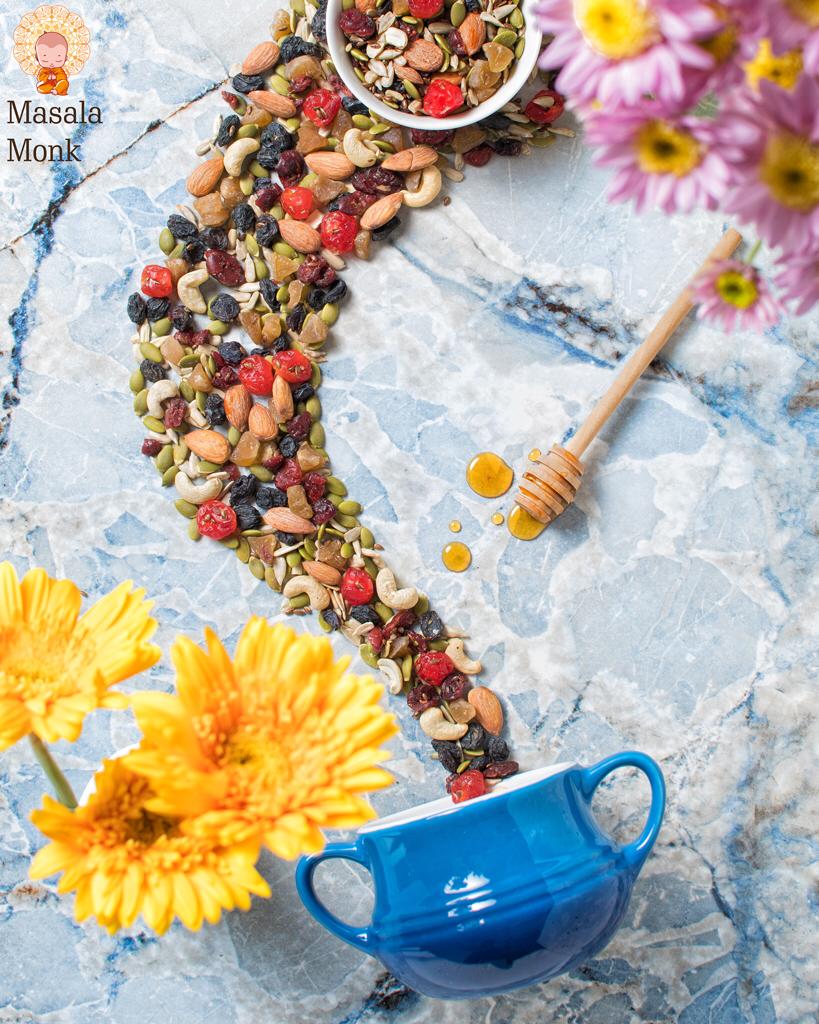
Masala Monk Nuts and Seeds Mix

Hello, health enthusiasts! 🌞🥦

Today, we’re diving into a fantastic video by Ryan Taylor titled “The HEALTHIEST Foods With No Carbs & No Sugar”. With over 2.3 million views, this video has been a hit among those seeking a healthier lifestyle.

Ryan Taylor is a well-known figure in the health and wellness community, providing evidence-based health information. His videos are fact-checked and reviewed by qualified health professionals, ensuring you get the most accurate and beneficial advice.

In this video, Ryan highlights a list of meats, fish, fruits, vegetables, herbs, and spices that have little to no carbs and no sugar. These foods are practical to eat when following a no sugar diet or a low carb diet such as the ketogenic diet or carnivore diet.

Here are the 12 healthiest foods with no carbs and no sugar as per Ryan’s video:

  1. Eggs: Eggs are a great source of choline and lecithin, which can both break down fat inside your liver and help you lose weight. They are also rich in protein, amino acids, vitamins, and minerals which help the body’s cells to heal and grow. 🥚🍳
  2. Kale: Organic kale is one of the most nutrient-dense superfoods on the planet. It contains twice the vitamin C than oranges, more calcium than milk, and more potassium than bananas. 🥬🌿
  3. Grass-fed Meats: High-quality grass-fed animal meats like beef, lamb, or organ meats like liver are essential blood-building sources of protein that are rich in bioavailable iron and vitamin B12. 🥩🍖
  4. Cheese: Cheese is one of the healthiest sources of fat-soluble nutrients like vitamins A, E, D, and K2. It also contains healthy fatty acids and proteins which can improve the health of your brain and help you to concentrate. 🧀🧈
  5. Pecan Nuts: Pecans contain a very low amount of net carbs but contain a high amount of soluble fiber which helps to control your blood sugars. They are rich in zinc, copper, vitamin B1, and also monounsaturated fat. 🥜🌰
  6. Cauliflower & Cruciferous Vegetables: These vegetables are densely packed full of phytochemicals that help your liver to remove toxins from your body. They include cauliflower, broccoli, Brussels sprouts, cabbage, bok choy, arugula, and collard greens. 🥦🥬
  7. Wild Salmon: Wild salmon, sardines, mackerel, and anchovies all lower inflammation throughout your body and reverse oxidative damage. They are rich in omega-3 fatty acids. 🐟🍣
  8. Butter: Pure butter that has not been blended with vegetable oil is one of the healthiest sources of retinol to protect and rejuvenate your eyes, your skin, and also your hair. 🧈🍞
  9. Sauerkraut: Sauerkraut is a form of fermented cabbage and is one of the richest sources of vitamin C and probiotics in the world. 🥬🍽️
  10. Avocados and Extra Virgin Olive Oil: Avocados are one of the most nutrient-dense foodsin the world and are rich in monounsaturated fats which provide fuel and energy to your cells. Avocados are also rich in potassium, magnesium, and a molecule called avocatin B. Similarly, extra virgin olive oil is loaded with anti-inflammatory chemicals like oleocanthal and allure pain. 🥑🍈
  11. Nutritional Yeast: This deactivated yeast is rich in the B vitamin complex and will help to fix your metabolism, lower stress hormones, and support healthy weight loss. 🍞🍽️
  12. Herbs and Spices: Some of the most healing herbs are mint, basil, parsley, oregano, cilantro, dill, rosemary, and thyme. Spices like turmeric, cinnamon, coriander seeds, black pepper, and ginger are some of nature’s most powerful natural healers. 🌿🍃

Ryan also shares some simple tricks and techniques to help turn your body into a fat-burning machine. These include intermittent fasting, taking a digestive enzyme supplement before every meal, avoiding all starchy, sugary, and processed carbohydrates, eating lots of healthy fats, keeping stress levels low, and drinking at least one liter of good quality mineral water each day.

We hope you found this information helpful. If you did, please consider joining our Facebook community where we share more health tips and recipes. Also, don’t forget to check out Ryan Taylor’s YouTube channel for more health and nutrition tips.

Stay healthy, stay happy! 🌞🥦








