Posted on Leave a comment

How to Make Soup for the Poor – The Victorian Way

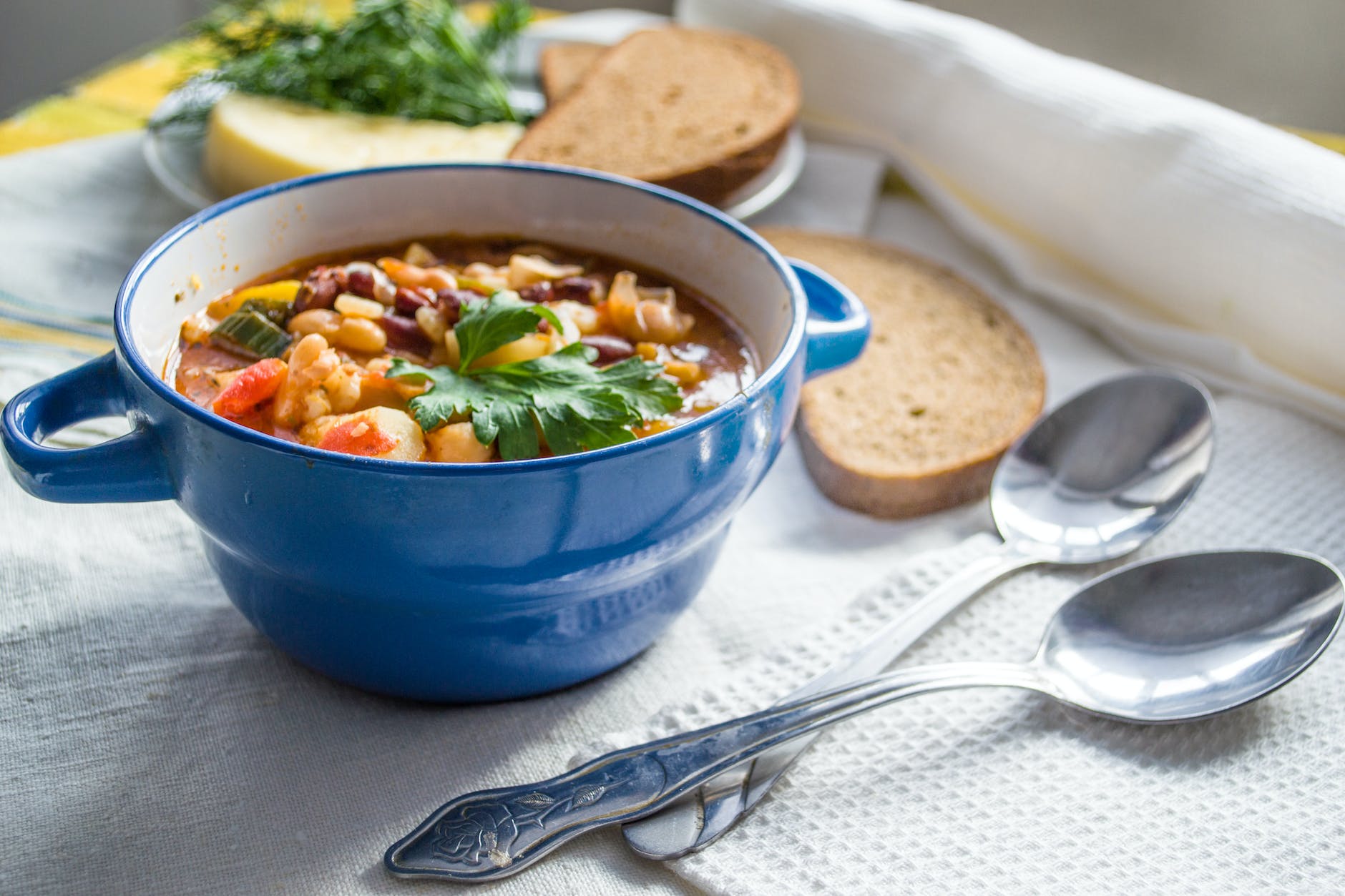
bowl of soup and two silver spoons

Hello, soup lovers! 🍲 Today, we’re taking a journey back in time to the Victorian era with a recipe that’s both hearty and meaningful. We’ve found a fascinating video by English Heritage that guides you through the process of making a traditional soup for the poor. This video has been viewed over 2.9 million times, making it a popular guide for history and culinary enthusiasts.

English Heritage demonstrates how to make a simple yet hearty soup using basic ingredients. The recipe is from Alexis Soyer, a French chef who was renowned for his efforts in improving food for the poor and for soldiers during the Crimean War. He also built soup kitchens in Ireland during the Great Potato Famine.

The Ingredients 🥣

To start, you’ll need a few basic ingredients:

  • Bacon – 3 rashers, streaky
  • Butter – 1 tbsp
  • Onion – x1, large
  • Carrots – x2
  • Celery – x2 sticks
  • Yellow split peas – 300g / 11oz / 1.5 cups
  • Mint – 2 sprigs
  • Stock – 2 litres / 4pts, vegetable or meat stock
  • Salt and pepper, to season

The Process 🍲

Once you’ve gathered your ingredients, the process is straightforward:

  1. Fry the bacon in butter, and add the vegetables to the pan.
  2. Cook for a few minutes and then add the peas and stock.
  3. Bring to the boil and simmer for 45 minutes until the peas have ‘split’.
  4. Add chopped mint and seasoning to taste, and cook for a further 5 minutes before serving hot.

The Result 🎉

The result is a batch of fresh, homemade soup that’s hearty, filling, and full of flavor. This soup was traditionally distributed to the poor of the parish during the cold winter months. As the video states, “Just because one is poor, doesn’t mean that food should be bad.”

For a step-by-step guide and to see the process in action, check out the full video by English Heritage. Don’t forget to like and subscribe to their channel for more historical and culinary insights!

We invite you to join our vibrant community on Facebook where we share our love for food, cooking, and everything in between. Let’s continue learning and growing together in our culinary journey. 🍽️👩‍🍳

Posted on Leave a comment

Peanut Butter Bars: A No-Bake Treat That’s Impossible to Resist

happy woman with rolling pin cooking at home

Hello, dessert lovers! 🍨 Today, we’re diving into the world of no-bake treats with a recipe that’s perfect for peanut butter and chocolate enthusiasts. We’ve found a delightful video by Preppy Kitchen that guides you through the process of making delicious peanut butter bars. This video has been viewed over 1 million times, making it a popular guide for homemade dessert enthusiasts.🥜🍫

Preppy Kitchen demonstrates how to make homemade peanut butter bars that are rich, creamy, and topped with a thick layer of chocolate. The best part? No oven is required! These bars are super easy to whip up and are made with just a few simple ingredients.

The Ingredients 🥣

To start, you’ll need a few basic ingredients:

  • 280 g (2 cups + 3 tbsp flour) All-purpose flour
  • 40 g (3 tbsp) Sugar
  • ½ tsp Salt
  • ¼ tsp Nutmeg
  • 1 Egg
  • 120 g (½ cup) Whole milk
  • 40 g (⅓ stick) Melted butter
  • 7 g (1 packet) Dried yeast

For the glaze for donuts:

  • 250 g (2 cups) Powdered sugar
  • 75 g (⅔ stick) Butter
  • 3 or 4 tbsp Milk, depending how thin you like your glaze
  • 1 tsp Vanilla extract

The Process 🍩

Once you’ve gathered your ingredients, the process is straightforward:

  1. Combine the dry ingredients in a mixing bowl.
  2. In a separate jug, combine milk, melted butter, one egg, and the yeast.
  3. Mix the dough on high for about three minutes.
  4. Grease your bowl and allow the dough to rise for two hours.
  5. Roll out the dough to about an inch thickness and cut out your donuts.
  6. Place your donuts onto a baking sheet with some parchment paper.
  7. Brush the donuts with some melted butter and allow these to rise for another 45 minutes.
  8. Preheat your air fryer to 180 degrees Celsius or 350 Fahrenheit.
  9. Brush the basket with some oil and gently place four donuts into the basket.
  10. Cook these for exactly three minutes.
  11. Glaze the donuts and allow the glaze to set for 10 minutes.

The Result 🎉

The result is a batch of fresh, homemade donuts that are soft, melt in your mouth, and have that beautifully crackly top. They’re everything you want in a donut. Emma promises that you will be amazed at how amazing these are.

For a step-by-step guide and to see the process in action, check out the full video by Preppy Kitchen. Don’t forget to like and subscribe to their channel for more sweet and crafty ideas!

We invite you to join our vibrant community on Facebook where we share our love for food, cooking, and everything in between. Let’s continue learning and growing together in our culinary journey. 🍽️👩‍🍳

Posted on Leave a comment

Air Fryer vs. Air Fryer Toaster Oven: Which One is Right for You?

happy woman with rolling pin cooking at home

Hello, culinary enthusiasts! 🙌 Today, we’re diving into a hot topic in the world of kitchen appliances: Air Fryers vs. Air Fryer Toaster Ovens. If you’ve been contemplating adding one of these to your kitchen arsenal, we’ve found an incredibly insightful video by America’s Test Kitchen that will help you make an informed decision. This video has garnered over 1.2 million views, making it a popular and trusted source for kitchen appliance reviews.

The Traditional Air Fryer 🍟

The traditional air fryer, as demonstrated by Lisa in the video, is a compact, drawer-style appliance that uses convection technology to circulate hot air around the food. This design is deemed the safest and most efficient, keeping you away from the heating element and ensuring even cooking.

The video features the Instant Vortex Plus 6 Quart model, which emerged as the winner in their tests. It has a large capacity, able to accommodate portions for four people or even a whole four-pound chicken. It also has a non-stick interior for easy cleaning, and it preheats for just two minutes, which significantly improves its performance.

The Instant Vortex Plus is versatile, capable of roasting, baking, reheating, and broiling, in addition to air frying. Lisa even demonstrates how it can be used as a toaster and a cheesecake maker.

The Air Fryer Toaster Oven 🍞

On the other hand, the air fryer toaster oven, as shown by Hannah, is a larger appliance that combines the functionality of a toaster oven and an air fryer. It’s a great option if you’re looking for a second, smaller oven for your kitchen.

The Breville Smart Oven Air, their top pick, is praised for its digital interface, multiple rack levels, and the ability to accommodate larger bread slices. It also excels in air frying, producing crispy and delicious food. However, it’s worth noting that it’s larger and more expensive than a traditional air fryer.

For a less expensive option, they recommend the Oster model. While it doesn’t cook as evenly and is harder to clean, it does a reasonably good job of integrating air fryer technology and a toaster oven.

The Verdict 🏆

If you’re mostly interested in air frying and prefer a more compact and less expensive option, a traditional air fryer like the Instant Vortex Plus is a great choice. However, if you’re looking for a versatile appliance that can serve as a second oven, the Breville Smart Oven Air is worth considering, despite its larger size and higher price.

For more detailed insights and demonstrations, do check out the full video by America’s Test Kitchen. Don’t forget to like and subscribe to their channel for more kitchen equipment reviews and cooking tips!

We invite you to join our vibrant community on Facebook where we share our love for food, cooking, and everything in between. Let’s continue learning and growing together in our culinary journey. 🍽️👩‍🍳👨‍🍳

Posted on Leave a comment

5 Essential Tooks for Your Kitchen by Chef Jean-Pierre

woman in apron preparing food against light background

Hello, food enthusiasts! 🍽️ Today, we have a special treat for you. We’re diving into the world of kitchen tools with the help of a renowned chef, Jean-Pierre. He’s the host of the popular YouTube channel, “Chef Jean-Pierre’s,” where he shares his culinary wisdom and expertise. In one of his recent videos, he takes us on a journey through his kitchen, explaining the importance and uses of various kitchen tools. 🥄🔪

In the video titled “The Most Important Tools in the Kitchen,” Chef Jean-Pierre introduces us to a plethora of kitchen tools, explaining their uses and why they’re essential for any home cook or professional chef. He emphasizes the importance of having the right tools in the kitchen, as they can significantly enhance the cooking experience and the final result. 🍲

One of the first tools he introduces is the Microplane grater, which he uses for grating everything from citrus to chocolate. He also showcases different types of strainers, explaining their uses based on the texture you want to achieve in your dish. According to Chef Jean-Pierre, the texture is a conductor of flavor, making these tools crucial for any kitchen. 🍋🍫

Next, he introduces us to various types of knives, from chef’s knives to boning knives, and explains their specific uses. He also emphasizes the importance of having a good pair of kitchen scissors that can be taken apart for cleaning. 🍗✂️

When it comes to measuring tools, Chef Jean-Pierre recommends having both wet and dry measuring cups, as well as a good kitchen scale for recipes that require precise measurements. He also suggests having a variety of spatulas, preferably made of silicone, as they can withstand high heat. 🥣⚖️

Moving on to cookware, Chef Jean-Pierre recommends investing in high-quality stainless steel pots and pans. He explains that while they might be more expensive, they will last a lifetime if taken care of properly. He also showcases his collection of cast iron pans, which he says are great for cooking steaks and chickens. 🍳🥩

Lastly, he emphasizes the importance of having a good thermometer in the kitchen. From instant-read thermometers to oven thermometers, these tools are essential for ensuring your food is cooked to the perfect temperature. 🌡️

Let’s explore these tools in reverse chronological order, saving the most essential tool for the end:

Thermometers 🌡️

Chef Jean-Pierre emphasizes the importance of having a good thermometer in the kitchen. From instant-read thermometers to oven thermometers, these tools are essential for ensuring your food is cooked to the perfect temperature.

Cookware 🍳

Moving on to cookware, Chef Jean-Pierre recommends investing in high-quality stainless steel pots and pans. He explains that while they might be more expensive, they will last a lifetime if taken care of properly. He also showcases his collection of cast iron pans, which he says are great for cooking steaks and chickens.

Measuring Tools 🥣⚖️

When it comes to measuring tools, Chef Jean-Pierre recommends having both wet and dry measuring cups, as well as a good kitchen scale for recipes that require precise measurements.

Spatulas 🥄

He also suggests having a variety of spatulas, preferably made of silicone, as they can withstand high heat.

Knives 🔪

Next, he introduces us to various types of knives, from chef’s knives to boning knives, and explains their specific uses. He also emphasizes the importance of having a good pair of kitchen scissors that can be taken apart for cleaning.

Strainers and Graters 🍋🍫

One of the first tools he introduces is the microplane grater, which he uses for grating everything from citrus to chocolate. He also showcases different types of strainers, explaining their uses based on the texture you want to achieve in your dish.

Chef Jean-Pierre’s video is a treasure trove of information for both novice and experienced cooks. His passion for cooking and his expertise in the kitchen shine through in every minute of the video. If you’re looking to enhance your cooking skills or just want to learn more about kitchen tools, this video is a must-watch. 🌟

As we wrap up, we’d like to extend our gratitude to Chef Jean-Pierre for sharing his knowledge and passion with us. We highly recommend checking out his YouTube channel and specifically the video “The Most Important Tools in the Kitchen” for a comprehensive visual guide.

We invite you to join our community on Facebook, EatLo, where we share our love for food, cooking, and everything in between. Let’s continue learning and growing together in our culinary journey. 🍽️👩‍🍳👨‍🍳

Posted on Leave a comment

The Ultimate Guide to Buying, Storing, and Organizing Spices

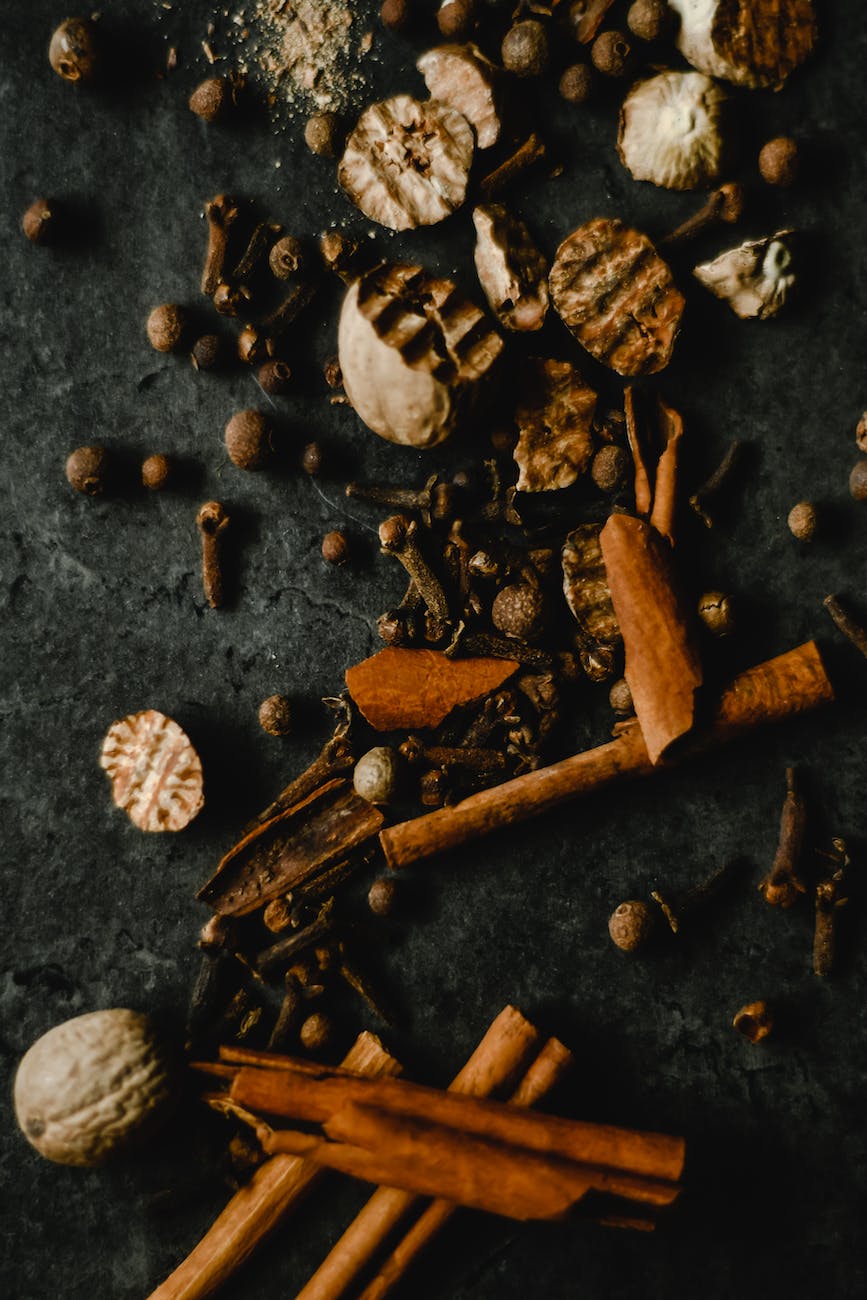
dried herbs and spices on black surface

Hello, culinary enthusiasts! 🙌 Today, we’re embarking on a flavorful journey into the world of spices. Spices are the heart and soul of our dishes, providing depth, complexity, and a world of flavors to our meals. But how do we buy, store, and organize them effectively? We’ve found an incredible guide by Ethan Chlebowski on his YouTube channel, which has garnered over 1.2 million views! We highly recommend checking it out for a comprehensive visual guide. 🎥

Ethan is a home cooking nerd who loves to find better ways to cook and share them with all of us. His channel is a treasure trove of cooking tips, tricks, and recipes that are sure to inspire you in the kitchen.🌶️🍃

1. Understanding Spices 🌿

Spices are plant materials used primarily as flavorings in relatively small amounts. Each spice has an aroma compound that gives it its characteristic flavor. For example, the compound that makes fresh ground pepper smell and taste like fresh ground pepper is different from the aroma compounds that make oregano smell and taste like oregano.

2. Ground vs Whole Spices 🌰

Whole spices will keep well for a year or more, while pre-ground spices will start to degrade in flavor after just three to six months. The fine particles of ground spices have a large surface area and lose their aroma molecules to the air much more rapidly. So, if you want to keep your spices fresh for longer, it’s best to buy them whole and grind them as needed.

3. Storing Spices 🏺

The most optimum storage for maintaining flavor life would be an opaque glass container stored in the freezer. However, for convenience, Ethan stores his spices in clear bottles in a drawer to the left of his stove. This way, he can quickly grab his spices whether he’s prepping food or cooking at the stove.

4. Buying Spices 💰

The question of what spices you should buy is completely personal. Ethan suggests starting with the basics like coarse kosher salt and black peppercorns. His top five used spices include cumin seeds, chili powder, turmeric, smoked paprika, and oregano. With just these five spices, you can make all sorts of dishes from Mexican cuisine, Indian cuisine, Italian, Mediterranean, and more.

5. Saving Money on Spices 💸

Spices can quickly get expensive, especially if you’re picking up those 1-ounce glass bottles at the grocery store. Ethan suggests finding a store that sells spices in bulk so you can buy exactly how much you want and don’t have to pay for the packaging. Another great and cheaper option is to find an international grocery store near you. They’ll typically have a large selection of spices in bags and containers that are much cheaper than your typical big box grocery store.

We hope you found these tips helpful and that they inspire you to explore new ways to use, store, and organize your spices. If you have any other spice tips or tricks, we’d love to hear them. Join our vibrant community on Facebook and share your insights. We’re always looking for new ways to make the most of our kitchen tools. 🎉

Happy cooking, everyone! 🍽️