Posted on Leave a comment

Nettle Tea for Radiant Skin and Luscious Hair

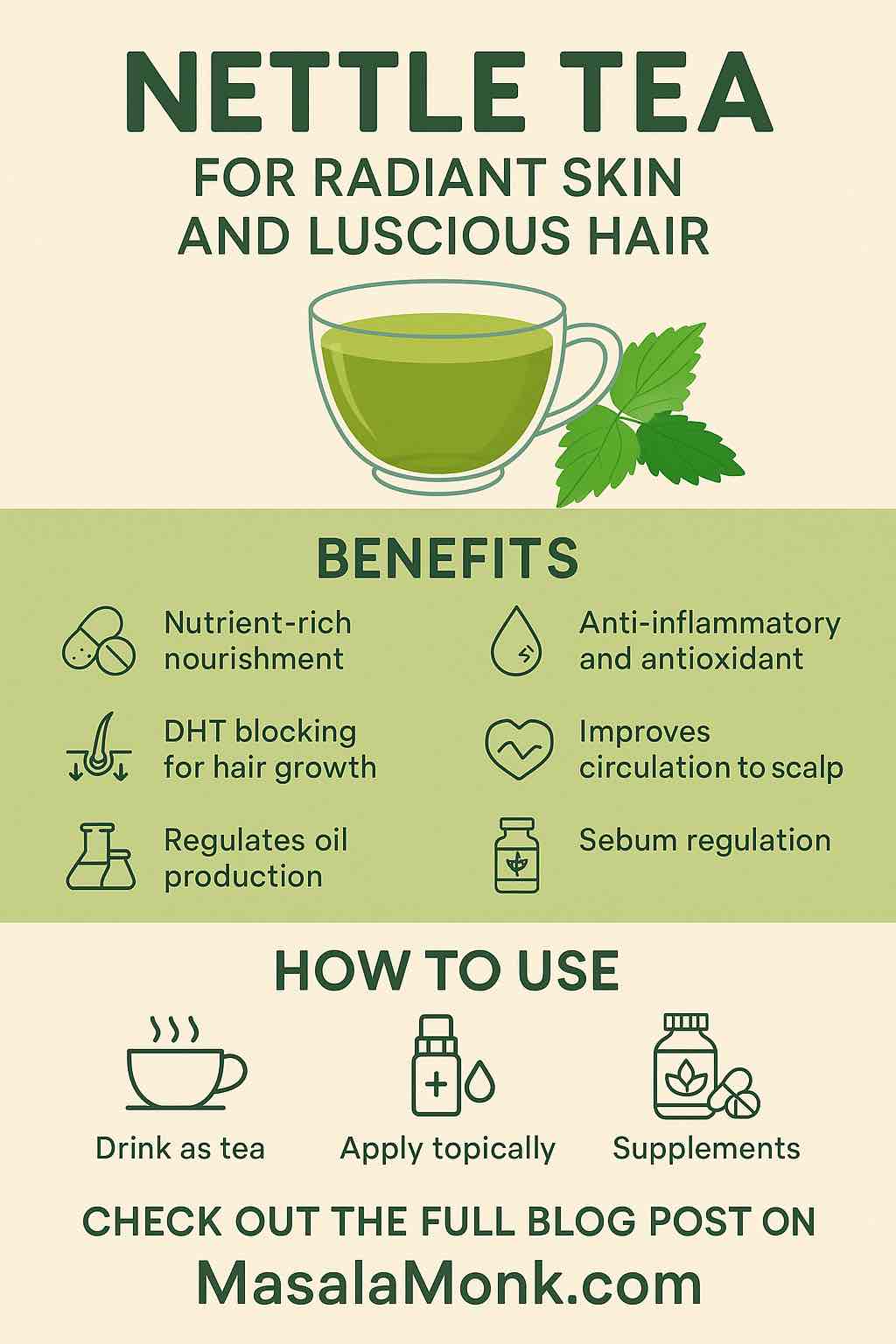
NETTLE TEA FOR RADIANT SKIN AND LUSCIOUS HAIR

When you think of glowing skin and luxurious hair, stinging nettle (Urtica dioica) might not be the first plant that comes to mind. But this prickly wild herb—once notorious for its painful sting—has quietly earned superstar status among herbalists, beauty experts, and wellness enthusiasts. In this post, we’ll explore why nettle tea is having a major moment, what the latest science says, and how to make this ancient tonic work for you—inside and out.


Why Nettle? A Quick Introduction

Nettle is not a new trend. It’s been used for centuries as a healing tonic across Europe, Asia, and North America. What’s changed? Modern research is now catching up to folk wisdom, revealing how nettle supports healthy skin, robust hair, and overall wellbeing.

Key nutrients in nettle leaves:

  • Vitamins A, C, D, E, and several B vitamins
  • Iron, magnesium, silica, calcium, potassium
  • Polyphenols and antioxidants

Nettle delivers a rare combination: deep nourishment, anti-inflammatory action, hormone-balancing effects, and gentle detox—all in a single cup of tea.


How Nettle Tea Benefits Skin and Hair (with Latest Evidence)

1. Nutrient-Rich for Cellular Repair

Your skin and hair are some of the first places to show nutrient imbalances or oxidative stress. Nettle tea provides bioavailable vitamins and minerals critical for:

  • Collagen synthesis (vitamin C, silica)
  • Wound healing (vitamin K, magnesium)
  • Strong, shiny hair shafts (iron, folate, biotin)

2. Anti-Inflammatory and Antioxidant Effects

Nettle contains carotenoids, polyphenols, and flavonoids that help calm chronic inflammation—a root cause of acne, eczema, redness, and even scalp irritation. By fighting free radicals, nettle may help prevent premature aging and dullness.

2025 Research Spotlight:
In silico studies confirm nettle’s antioxidants effectively neutralize skin-damaging free radicals and reduce inflammatory markers in both scalp and dermal cells.

3. DHT Blocking for Hair Growth

One of nettle’s standout benefits: it inhibits 5α‑reductase, the enzyme that converts testosterone to DHT—a key player in pattern hair loss. While more research is needed on nettle tea specifically, clinical trials with nettle-based shampoos and serums found:

  • Up to 90% reduction in hair loss after 6 months (compared to ~40% in placebo group)
  • Increased hair density and reduced shedding

4. Improves Scalp and Skin Circulation

Compounds like beta-sitosterol in nettle help enhance microcirculation. This means more oxygen and nutrients reach your scalp and skin, supporting growth and repair.

5. Sebum Regulation

Nettle has a natural balancing effect on oil production, making it a smart addition for both oily and combination skin types, as well as greasy scalp and hair.


How to Use Nettle for Beauty: Tea, Topical, and More

Here’s how to make nettle part of your beauty routine for maximum benefit:

1. Drink It: Daily Nettle Tea Ritual

  • How: Steep 1-2 teaspoons of dried nettle leaf in hot water for 5–10 minutes. Strain and enjoy 1–2 cups per day.
  • Flavor tip: Add a squeeze of lemon, honey, or mint to offset the earthy taste.
  • What to expect: Gradual, steady improvements. Most people report brighter skin and thicker hair after 2–3 months of regular use.

Pro Tip:
Nettle’s natural diuretic effect helps flush toxins, but be sure to stay hydrated!

2. Apply Topically: Rinses, Oils, and Masks

DIY Nettle Hair Rinse:

  • Steep 1–2 tablespoons dried nettle in 2 cups boiling water.
  • Cool, strain, and pour over clean, damp hair as a final rinse.
  • Massage gently into scalp; do not rinse out immediately.

Nettle-Infused Face Mist:

  • Brew strong nettle tea, allow to cool, and pour into a spray bottle.
  • Mist onto cleansed skin as a natural toner to soothe inflammation and balance oil.

Nettle Oil for Scalp:

  • Blend nettle-infused oil (or purchase pre-made) with a few drops of rosemary or peppermint oil.
  • Massage into scalp weekly to stimulate follicles and ease dryness or dandruff.

3. Supplements and Serums

  • Capsules or tinctures: Consider 500–1000 mg/day, but check with your doctor, especially if you take medication.
  • Serums and shampoos: Look for high-quality, standardized nettle extract near the top of ingredient lists.

Real-World Stories

“I started using nettle tea as a last resort for postpartum hair shedding. Three months in, my hair feels stronger and I have fewer breakouts. The results are real!”
— Jane D., London

“Nettle rinses brought shine back to my curls and calmed my itchy scalp. I wish I’d known about this years ago!”
— Tyler S., NYC


What Science Still Can’t Prove (Yet)

While early results and centuries of folk wisdom are promising, large-scale clinical trials on nettle tea for skin and hair are limited. Most studies focus on topical extracts, not tea. Individual response can vary based on genetics, hormones, and overall lifestyle.


Are There Any Side Effects?

  • Nettle is safe for most adults when used appropriately.
  • If you are pregnant, breastfeeding, or on blood thinners or diuretics, consult your healthcare provider first.
  • Some people report mild digestive upset or allergic reactions—start with a small amount and monitor your response.

Making Nettle Tea a Ritual (That Sticks)

  • Start a 30-day nettle challenge: Take a selfie before, and again at 4 and 8 weeks to track progress.
  • Pair with mindful moments—use tea time as a reset from your daily hustle.
  • Invite a friend to join—rituals are easier (and more fun) together!

Final Take: Should You Try Nettle Tea?

If you’re seeking a simple, holistic way to support radiant skin and healthy hair, nettle tea is an easy, affordable, and evidence-backed place to start. While it’s not a miracle cure, it’s a powerful ally—especially when combined with good sleep, a balanced diet, and gentle self-care.

Ready to get started?
Brew a cup, embrace the ritual, and let nature’s pharmacy nourish you from root to tip.

FAQs: Nettle Tea for Skin and Hair

1. Can anyone drink nettle tea, or are there people who should avoid it?
Most healthy adults can safely enjoy nettle tea. However, pregnant or breastfeeding individuals, and those taking blood thinners, blood pressure medications, or diuretics should consult their healthcare provider before starting nettle due to possible interactions.

2. How quickly can I expect to see results in my skin or hair after starting nettle tea?
Most people notice subtle improvements in 4–8 weeks of consistent use, but individual response varies based on lifestyle, diet, and genetics. For some, hair shedding decreases after a month; for others, it may take longer.

3. Does nettle tea taste good? Can I improve the flavor?
Nettle tea has an earthy, grassy flavor. To make it tastier, add lemon, honey, fresh mint, or blend it with green or herbal teas.

4. Is there a difference between using nettle tea and nettle extract for hair and skin?
Nettle extract (used in serums or shampoos) is more concentrated for topical benefits and often used in clinical studies. Nettle tea offers systemic support and nutrient intake, best for overall health and gentle, ongoing benefits.

5. Can I use nettle tea directly on my hair and skin?
Yes! Use cooled, strained nettle tea as a hair rinse, facial mist, or gentle toner. Always patch-test before widespread use, especially if you have sensitive skin.

6. Where can I buy high-quality nettle tea?
Look for organic dried nettle leaves from health food stores, reputable online herbal retailers, or specialty tea shops. Avoid products with fillers or artificial flavors.

7. Can I make nettle tea from fresh nettle leaves?
Yes, but always wear gloves to avoid stings before steeping. Rinse thoroughly and steep as you would dried nettle (using a bit more volume for fresh leaves).

8. Are there any side effects of drinking too much nettle tea?
Overconsumption may cause upset stomach, mild diuretic effects (increased urination), or rare allergic reactions. Stick to 1–2 cups daily unless otherwise advised by your doctor.

9. Will nettle tea interfere with other supplements or medications?
It may interact with blood pressure drugs, blood thinners, and diuretics. Always check with your healthcare provider if you are on regular medication.

10. Can I combine nettle tea with other natural remedies for better results?
Absolutely! Many people pair nettle with herbs like horsetail, rosemary, or saw palmetto for enhanced hair benefits. For skin, pair with chamomile or calendula. Always introduce new botanicals one at a time to monitor effects.
Posted on 2 Comments

Natural Pressure Regulator: How Coconut Water Can Help Manage High Blood Pressure

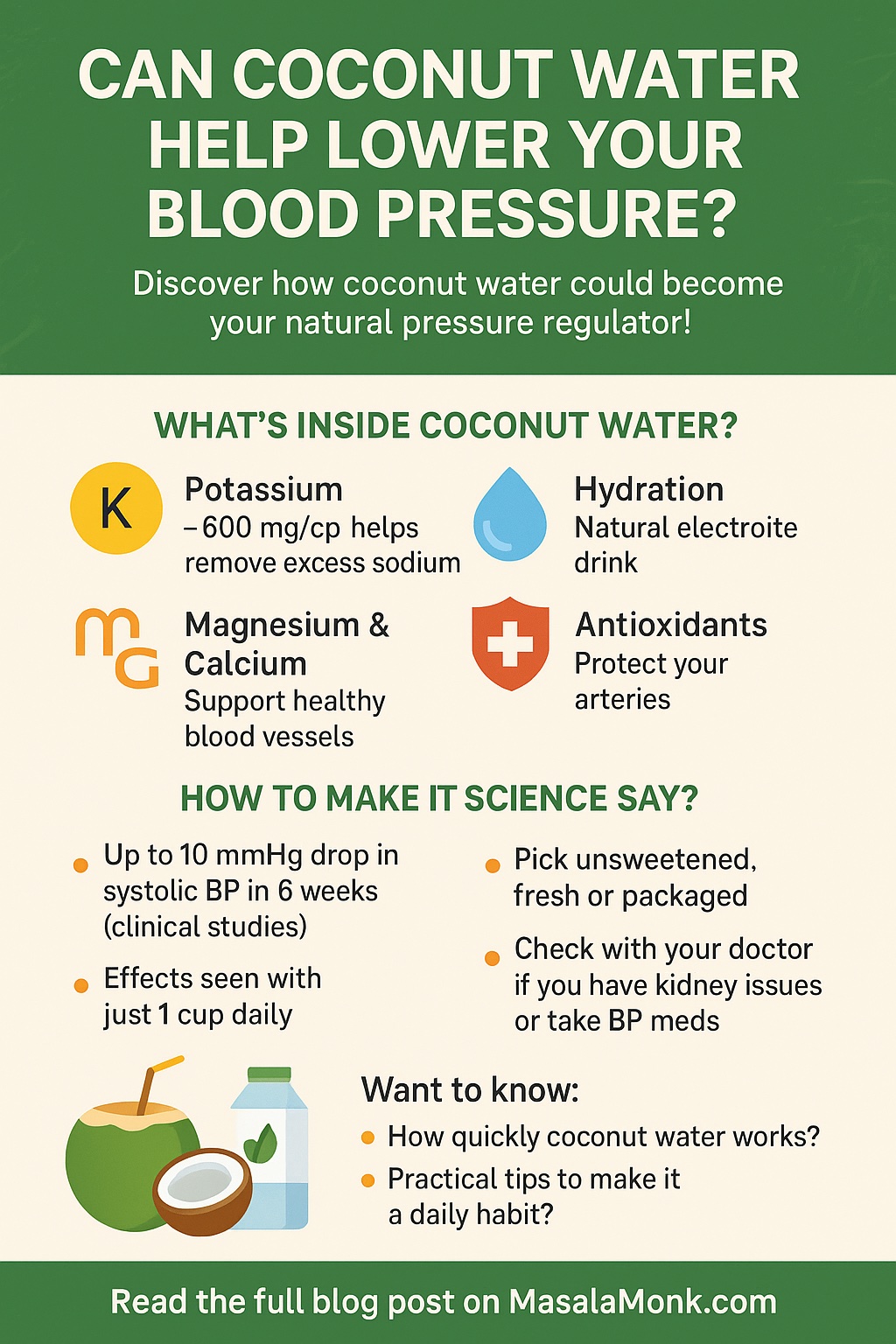
COCONUT WATER HELP LOWER YOUR BLOOD PRESSURE?

High blood pressure, or hypertension, is a silent epidemic affecting more than 1 billion people worldwide. It’s called the “silent killer” because you often don’t feel symptoms—yet it quietly increases your risk of heart attacks, strokes, and kidney disease. While medication and lifestyle changes are the mainstay of treatment, there’s growing excitement around natural remedies that can be added to your daily routine. One such contender? Coconut water.

In this post, we’ll dive deep into how coconut water works as a natural pressure regulator, the latest research, and how you can use it to support your health—practically, safely, and deliciously.


Why Blood Pressure Matters

Blood pressure measures the force of blood pushing against the walls of your arteries. When that force is consistently too high, your heart works harder, and your arteries become damaged over time.
Normal: Under 120/80 mmHg
Hypertension: 130/80 mmHg or higher (for most adults)

Managing blood pressure is crucial for long-term well-being. Alongside regular exercise, maintaining a healthy weight, reducing salt intake, and managing stress, dietary tweaks can make a real difference.


Meet the Natural Regulator: Coconut Water

If you’ve cracked open a green coconut on a hot day, you know how refreshing coconut water is. But it’s not just a tasty thirst-quencher—it’s loaded with nutrients that support heart health, particularly for blood pressure management.

What’s Inside Coconut Water?

  • Potassium (~600 mg per cup): Helps your body get rid of excess sodium, relaxing blood vessel walls.
  • Magnesium & Calcium: Support healthy muscle and blood vessel function.
  • Antioxidants: Fight oxidative stress, which is linked to high blood pressure.

What Does Science Say? The Latest Research

Coconut water’s reputation as a blood pressure ally isn’t just folklore. Let’s look at the most recent evidence:

1. Six-Week Nigerian Study (2025)

  • 70 hypertensive adults drank 300 mL of tender coconut water daily for 6 weeks.
  • Results:
    • Systolic (upper number): Dropped from ~146 to 135 mmHg
    • Diastolic (lower number): Fell from ~94 to 87 mmHg
    • Control group? Minimal change.

2. Indonesian Trials (2022–2023)

  • 150–300 mL daily in adults and elderly with mild hypertension.
  • Results:
    • Systolic blood pressure dropped by up to 29 mmHg in some cases.
    • Diastolic pressure saw significant reductions too.
    • Effects observed in as little as one week for some participants.

3. Caribbean Study (2005)

  • Compared coconut water, a local herbal drink, and a combination.
  • 71% of coconut water drinkers saw a noticeable drop in systolic BP (6–17 mmHg).

Takeaway: Regular, moderate consumption of coconut water can lower blood pressure, especially in people with mild hypertension. The most consistent results come from drinking about 150–300 mL daily for at least 1–6 weeks.


How Does Coconut Water Work Its Magic?

Potassium Power

  • Potassium helps your kidneys flush out excess sodium—the main dietary culprit behind high blood pressure.
  • It also relaxes the walls of your blood vessels, lowering resistance and thus, your pressure.

Magnesium & Calcium

  • Both minerals contribute to the proper contraction and relaxation of blood vessel muscles.
  • A deficiency in these minerals has been linked to higher blood pressure.

Antioxidants

  • Help protect the delicate lining of blood vessels from damage, reducing inflammation and supporting normal function.

Practical Tips: Adding Coconut Water to Your Routine

How Much Should You Drink?

  • 150–300 mL (about ½ to 1¼ cups) daily is the sweet spot according to the latest research.
  • Consistency matters: Aim for daily use over at least several weeks to see results.

What Kind Should You Choose?

  • Fresh is best: Water from a young green coconut is ideal.
  • Packaged is fine—as long as it’s unsweetened and has no added flavors or preservatives.
  • Check the label: Some brands sneak in sugar, which defeats the purpose!

When Should You Drink It?

  • Anytime! Many people enjoy it first thing in the morning, as a mid-day refresher, or post-exercise.

Who Should Be Careful?

While coconut water is safe for most people, a few groups need to take extra care:

  • Kidney issues? Too much potassium can be harmful if your kidneys aren’t working properly.
  • On certain blood pressure or heart medications? Check with your doctor, as potassium can interact with some drugs.
  • Diabetes? Coconut water contains natural sugars—track your carb intake.

Beyond Blood Pressure: Other Benefits

  • Hydration: Coconut water is a natural electrolyte drink—great after sweating or exercise.
  • Digestive support: Its mild diuretic effect can help with bloating.
  • Weight-friendly: It’s low in calories compared to sodas or juices.

The Bottom Line

Coconut water is a delicious, natural, and research-backed way to support healthy blood pressure.
Drinking 150–300 mL daily, as part of a balanced lifestyle, can help lower both systolic and diastolic blood pressure—especially for those with mild hypertension. Choose unsweetened varieties, be consistent, and always consult your doctor before making major changes, especially if you have kidney issues or take medications.

Here’s to a healthier heart, one sip at a time!


Got questions about coconut water, heart health, or want more practical nutrition tips? Drop them in the comments below!

10 FAQs about Coconut Water and High Blood Pressure


1. How much coconut water should I drink to help lower my blood pressure?
Most studies support drinking 150–300 mL (about ½ to 1¼ cups) of unsweetened coconut water daily for several weeks to see potential benefits.


2. Can I replace my blood pressure medication with coconut water?
No. Coconut water can support healthy blood pressure but should never replace prescribed medication. Always consult your doctor before making any changes.


3. How soon will I see results if I start drinking coconut water every day?
Some studies have observed reductions in blood pressure within one week, but most recommend allowing at least three to six weeks for consistent results.


4. Are there any side effects to drinking coconut water daily?
Coconut water is safe for most people, but overconsumption can lead to too much potassium, especially for those with kidney problems. Monitor your intake and consult your doctor if unsure.


5. Can people with diabetes drink coconut water?
Yes, in moderation. Coconut water contains natural sugars, so people with diabetes should track their carbohydrate intake and choose unsweetened varieties.


6. Is coconut water more effective than eating potassium-rich foods like bananas?
Both coconut water and bananas are good potassium sources. Coconut water offers hydration and additional minerals, but it’s best used as part of a balanced diet.


7. What’s the best time of day to drink coconut water for blood pressure?
Any time works, but many people enjoy it in the morning or after physical activity for hydration. Consistency is more important than timing.


8. Should I choose fresh coconut water or is packaged coconut water okay?
Fresh is ideal, but packaged coconut water is also effective—just make sure it’s unsweetened and has no added preservatives or flavors.


9. Who should avoid drinking coconut water regularly?
People with kidney disease, those taking potassium-sparing medications, or anyone on a restricted potassium diet should avoid regular intake without medical advice.


10. Can coconut water prevent high blood pressure from developing?
It may help support normal blood pressure when combined with a healthy diet and lifestyle, but it is not a guaranteed preventive measure.

Posted on Leave a comment

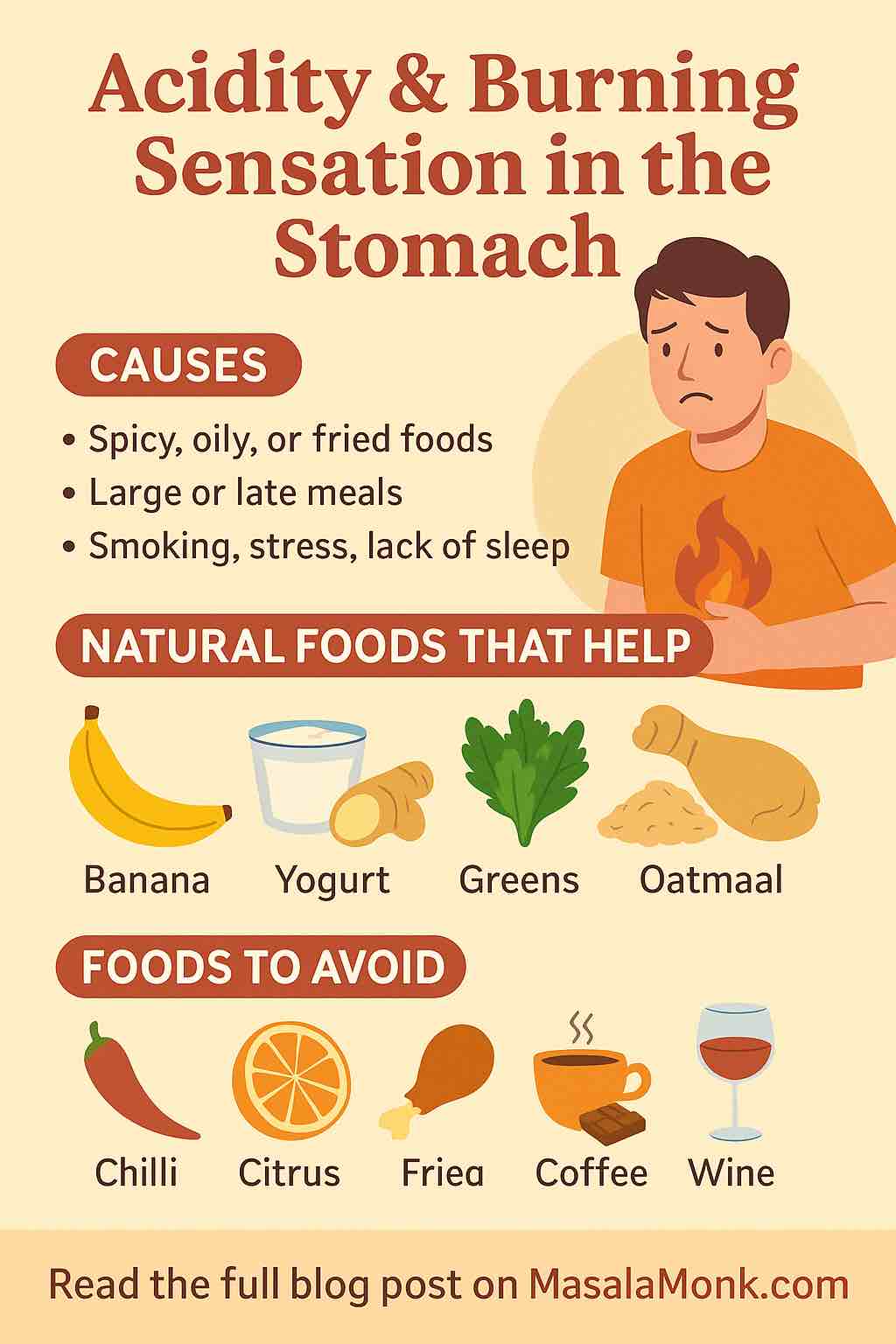
Acidity? Burning Sensation in Stomach? Here is a Natural Food Guide

Acidity & Burning Sensation in the Stomach

Have you ever felt a burning sensation in your chest or stomach after a meal? You’re not alone! Millions worldwide experience acidity or heartburn, and the discomfort can ruin your day (or night). But here’s the good news: with the right knowledge and simple food choices, you can keep acidity at bay—naturally.

In this post, we’ll break down:

  • The real science behind acidity and stomach burning
  • Common causes and risk factors
  • The latest research on natural foods and remedies
  • Practical diet tips, sample meals, and habits for lasting relief

Let’s get started!


What Is Acidity? Why Does Your Stomach Burn?

The Science in Simple Words

Your stomach naturally produces acid to digest food. Problems start when:

  • There’s too much acid or it lingers too long,
  • The lower esophageal sphincter (LES) (the valve separating your stomach from your food pipe) gets weak,
  • Or, acid travels back up into your esophagus (acid reflux).

This can lead to:

  • Burning pain in the chest or upper stomach
  • Bloating, sour taste, frequent burping
  • Occasional nausea or discomfort

Why Does Acidity Happen? Common Causes

  1. Dietary Triggers
    • Spicy, oily, or fried foods
    • Chocolate, caffeine, carbonated drinks
    • Citrus fruits, tomatoes, vinegar
    • Alcohol and mint
  2. Lifestyle Habits
    • Skipping meals or eating late at night
    • Large, heavy meals
    • Lying down right after eating
  3. Other Risk Factors
    • Obesity or being overweight
    • Smoking
    • Stress or lack of sleep
    • Certain medications (like NSAIDs, some antibiotics)

Quick fact: A study published in 2023 confirmed that high-fat meals and irregular eating habits are among the top culprits for reflux symptoms worldwide. (Source)


Latest Research: Natural Foods That Fight Acidity

Science now supports what your grandma may have said all along: certain foods can truly help soothe your stomach. Here’s what the latest studies (2023–2025) reveal:

1. High-Fiber Foods

  • Oats, brown rice, barley: Form a protective layer and absorb acid.
  • Bananas, apples, melons: Their alkaline nature helps neutralize acid.

Research highlight: Diets rich in fiber and complex carbs reduce acid reflux episodes by up to 30% in recent clinical studies.

2. Ginger

  • Natural anti-inflammatory, speeds up stomach emptying.
  • 2023 RCT: 1080 mg/day ginger supplement led to significant reduction in stomach burning.

Tip: Sip on fresh ginger tea or add grated ginger to meals.

3. Yogurt & Probiotics

  • Yogurt with live cultures can soothe the stomach lining and improve digestion.
  • Probiotic foods restore healthy gut bacteria, lowering inflammation and acidity.

4. Leafy Greens and Vegetables

  • Spinach, broccoli, kale, carrots, and cucumbers are alkaline, gentle on the stomach, and packed with antioxidants.

5. Almonds and Healthy Fats

  • Unsalted almonds can buffer stomach acid; healthy fats like avocado (in moderation) support healing.

6. Herbal Helpers

  • Chamomile Tea: Calms the stomach and mind—ideal before bed.
  • Aloe Vera Juice (unsweetened): Can reduce heartburn, but start with small amounts.

Foods & Habits to Avoid (Backed by Research)

  • Spicy, fried, or fatty foods
  • Citrus fruits (oranges, lemons), tomatoes, onions, garlic
  • Chocolate, caffeine (coffee, cola, tea), mint
  • Alcohol, carbonated drinks
  • Heavy meals or eating right before lying down

2024 studies show that cutting down on these foods results in noticeable symptom relief for most chronic reflux sufferers.


Smart Habits for a Calm Stomach

  1. Eat Smaller, Frequent Meals:
    Overloading your stomach triggers more acid. Smaller meals are easier to digest.
  2. Don’t Lie Down After Eating:
    Wait at least 2–3 hours before bedtime.
  3. Stay Upright & Chew Slowly:
    Chewing well and eating mindfully aids digestion and lessens reflux risk.
  4. Hydrate—but Smartly:
    Drink water between meals, not with food, to avoid diluting digestive enzymes.
  5. Track Your Triggers:
    Keep a simple food diary for 1–2 weeks. Note what foods or habits worsen your symptoms—then tweak your routine.

Sample Day: Acidity-Soothing Meal Plan

Breakfast

  • Oatmeal with sliced banana and a handful of almonds
  • Herbal tea (ginger or chamomile)

Mid-Morning Snack

  • Sliced apple with plain yogurt

Lunch

  • Steamed rice with sautéed spinach, carrots, and grilled chicken or tofu

Afternoon

  • Cucumber sticks and a small bowl of papaya

Dinner

  • Lentil soup with brown rice and steamed broccoli
  • Warm chamomile tea

Avoid spicy pickles, heavy sauces, and late-night snacks!


When to See a Doctor

If you experience:

  • Frequent vomiting, difficulty swallowing, unexplained weight loss
  • Blood in vomit or stool
  • Heartburn more than twice a week, not relieved by lifestyle changes

Don’t ignore these signs—see a gastroenterologist for a full check-up!


Takeaway: Simple, Science-Backed Steps to Beat Acidity

  • Focus on high-fiber, alkaline foods and mindful eating habits.
  • Keep a diary and tweak your routine based on your triggers.
  • Try herbal teas (ginger, chamomile) and probiotics.
  • Avoid your main dietary and lifestyle triggers.
  • Consistency is key: One healthy meal won’t fix everything—make it a daily practice!

Have a tip or favorite home remedy? Share it in the comments! Or let us know if you’d like a customized meal plan or more research breakdowns.


FAQs on Acidity and Burning Sensation in the Stomach

1. What exactly is acidity, and how is it different from heartburn or acid reflux?
Answer:
Acidity refers to excess acid production in the stomach. When this acid moves up into the esophagus, it causes heartburn—a burning sensation behind the breastbone. Acid reflux is the process of stomach acid flowing backward into the esophagus; GERD is its chronic, severe form.


2. Which foods should I absolutely avoid if I have frequent acidity?
Answer:
Common triggers include spicy foods, fried and fatty foods, citrus fruits, tomatoes, chocolate, coffee, carbonated drinks, alcohol, and peppermint. Everyone is different, so keep a food diary to track your personal triggers.


3. Are there any quick home remedies that can relieve burning sensation in the stomach?
Answer:
Yes. Sipping on ginger or chamomile tea, chewing a few fennel seeds (saunf), or drinking a glass of cold, plain milk can provide temporary relief. However, these are not substitutes for long-term dietary management.


4. Is it safe to take herbal supplements like ginger, licorice, or aloe vera for acidity?
Answer:
Research supports moderate use of ginger (up to 1–1.5 g/day), deglycyrrhizinated licorice (DGL), and aloe vera syrup for symptom relief. Always consult your doctor before starting supplements, especially if you have other health conditions or take medications.


5. Can acidity be cured permanently with diet and lifestyle?
Answer:
Many people achieve lasting relief with consistent healthy eating, weight management, and lifestyle changes. However, some may still need medications or further evaluation for underlying causes.


6. Are probiotics effective for reducing acidity and heartburn?
Answer:
Yes. Probiotic foods like yogurt with live cultures can help balance gut bacteria and reduce inflammation, potentially easing symptoms for some people.


7. How soon after eating should I lie down or sleep?
Answer:
Wait at least 2–3 hours after meals before lying down or sleeping to reduce the risk of acid reflux.


8. Can children and pregnant women follow these natural remedies and food tips?
Answer:
Yes, most of the foods and habits discussed (high-fiber, low-fat, mild foods, smaller meals) are safe for all ages. However, herbal supplements should be used cautiously and only under medical guidance for children and pregnant women.


9. When should I see a doctor for acidity or burning stomach symptoms?
Answer:
See a doctor if you have frequent or severe symptoms, trouble swallowing, unexplained weight loss, persistent vomiting, blood in vomit or stool, or if over-the-counter measures don’t help.


10. Do stress and lack of sleep make acidity worse?
Answer:
Yes. Research shows stress and poor sleep can worsen acidity and reflux symptoms by affecting digestion and hormone levels. Managing stress and ensuring restful sleep are important for symptom control.


Posted on Leave a comment

Fenugreek: An Appetite Suppressant for Weight Management

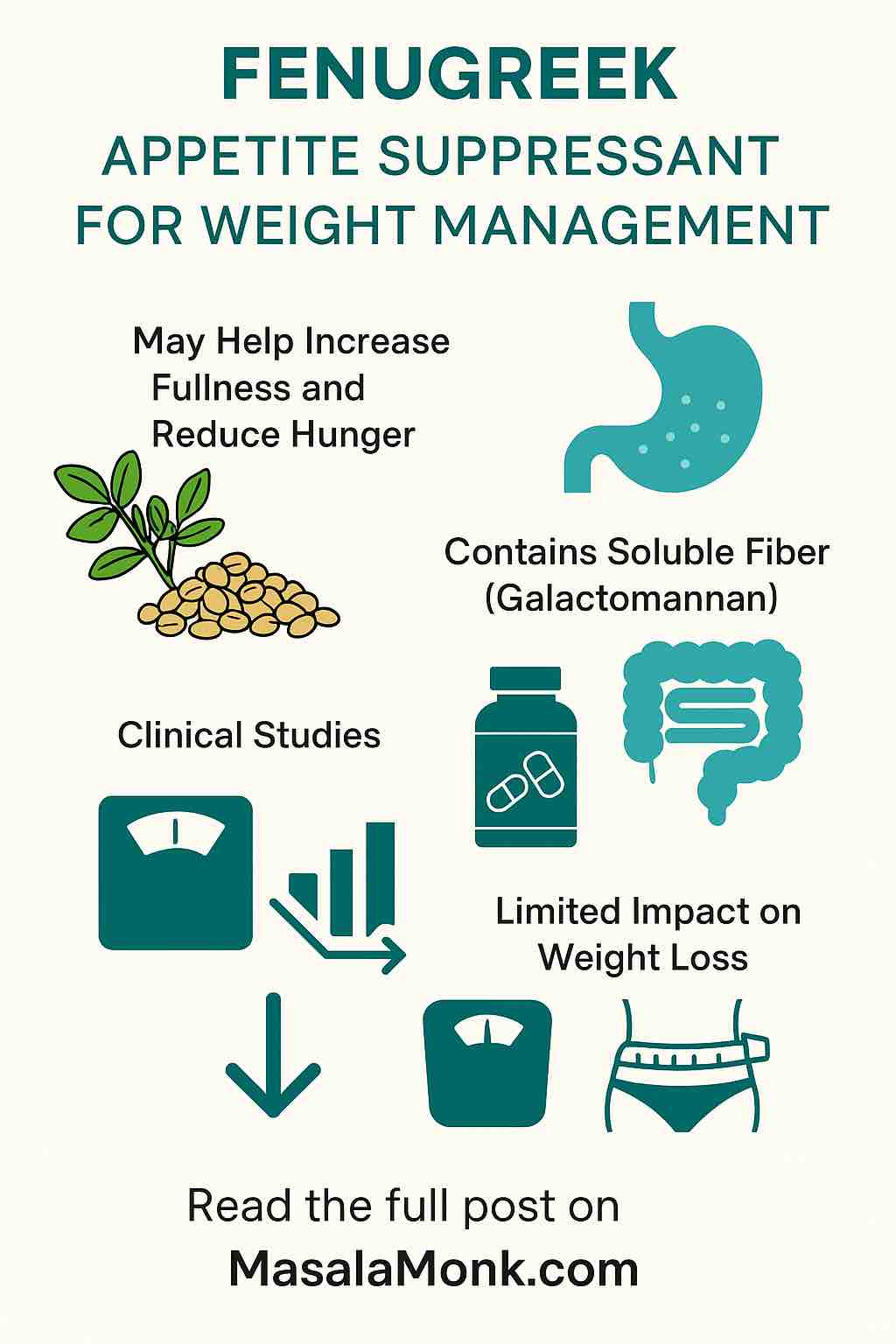
FENUGREEK APPETITE SUPPRESSANT FOR WEIGHT MANAGEMENT

When it comes to natural ways to curb appetite and manage weight, fenugreek probably isn’t the first ingredient that springs to mind. This aromatic spice—best known for its role in curries and herbal teas—has quietly attracted the attention of nutrition scientists for its potential to help control hunger and promote a healthier metabolism.

But how strong is the evidence? Can fenugreek really help you eat less, feel fuller, and slim down? Let’s dig into the latest research, practical tips, and real-world advice on how to use fenugreek safely and effectively.


What Is Fenugreek?

Fenugreek (Trigonella foenum-graecum) is a plant native to the Mediterranean, India, and parts of Asia. Its seeds and leaves have been used in cooking, traditional medicine, and even ancient Egyptian embalming rituals. But it’s the seeds—rich in soluble fiber and unique phytochemicals—that have modern scientists excited about its health potential.


How Does Fenugreek Suppress Appetite?

The secret lies in soluble fiber, especially a compound called galactomannan. When you consume fenugreek seeds or fiber extracts, this fiber swells in your digestive tract, forming a gel-like substance. Here’s why that matters:

  • Slows Gastric Emptying: Food stays in your stomach longer, so you feel full for more time after a meal.
  • Blunts Blood Sugar Spikes: Slower digestion means glucose enters the bloodstream more gradually, helping prevent hunger-inducing sugar crashes.
  • Enhances Satiety Hormones: Some studies show that fenugreek may boost fullness hormones while dampening those that trigger hunger.

But does this translate to real changes in how much you eat or your body weight? Let’s look at the science.


What Does the Research Actually Say?

1. Short-Term Satiety: Real Benefits for Fullness

  • Small clinical studies have consistently shown that adding fenugreek fiber to breakfast or as a supplement increases feelings of fullness and decreases hunger, sometimes for hours afterward.
  • In one U.S. trial, 18 overweight adults ate breakfast with or without fenugreek fiber (0g, 4g, or 8g). The 8g dose significantly boosted fullness and cut down hunger—without any side effects.
  • Similar effects were reported in women drinking fenugreek tea before lunch, who rated themselves as “less hungry” and “more satisfied” after their meal—even if their actual calorie intake didn’t drop.

2. Impact on Eating Habits: Modest but Promising

  • In a controlled trial with overweight men, those taking fenugreek extract for 6 weeks reduced their fat intake (as a percentage of total calories) compared to placebo, suggesting they made slightly healthier food choices when less hungry.
  • However, total calorie intake and weight loss in these short studies were small or statistically insignificant.

3. Metabolic and Waistline Effects

  • Recent meta-analyses (2023) covering dozens of randomized controlled trials found that fenugreek supplementation significantly reduced waist circumference (by about 2.5 cm) and improved cholesterol, triglycerides, and blood sugar in people at risk of metabolic syndrome.
  • BMI and overall weight: The same research found little effect on total body weight or BMI, but waist size is often a better marker of “unhealthy” fat around the organs.

4. The Microbiome Link

  • Cutting-edge animal research shows that fenugreek can improve the gut microbiome—a community of bacteria linked to appetite, fat storage, and blood sugar regulation. While these results haven’t been fully replicated in humans, they point to another possible mechanism for fenugreek’s appetite-modulating effects.

How to Use Fenugreek Practically

So, how can you put fenugreek’s benefits to work in your daily life? Here’s how:

1. Choose the Right Form

  • Whole seeds: Great for cooking, but tough and bitter if eaten raw.
  • Ground seed powder: Can be mixed into yogurt, smoothies, or oatmeal.
  • Fenugreek tea: Mild taste, easy to drink before meals.
  • Supplements/capsules: Convenient and standardized (look for those with at least 500 mg of extract standardized to galactomannan).
  • Fiber extracts: Usually offer the most potent appetite-suppressing effect in research (aim for around 8g fiber per day, split into 2-3 doses).

2. When and How Much?

  • Dose: Most appetite-suppressing effects appear at doses of 4–8g of fenugreek fiber per day, or the equivalent in extract.
  • Timing: For best results, take it 15–30 minutes before meals with a full glass of water. This gives the fiber time to swell and trigger fullness signals.

3. What to Expect

  • Fullness: You’ll likely notice feeling fuller after meals, which may help with portion control.
  • Taste: Fenugreek has a slightly maple-like, bitter flavor—pleasant to some, strong to others. Pairing with bold flavors (curry, lemon, honey) can mask the taste.
  • Digestion: Like all fibers, fenugreek may cause mild bloating or gas at first. Start with a smaller dose and build up over 1–2 weeks.

Who Should (and Shouldn’t) Use Fenugreek?

Fenugreek is generally safe for healthy adults, especially when used as a food or standard supplement. But consider the following:

  • People with diabetes: May need to monitor blood sugar more closely, as fenugreek can enhance the effect of medication.
  • Pregnant women: Should avoid high-dose fenugreek, as it can stimulate uterine contractions.
  • Allergies: Rare, but possible—especially in people allergic to peanuts or chickpeas (same plant family).
  • Medication interactions: Fenugreek can affect absorption of some drugs. Take it 1–2 hours apart from medications.

Always check with your healthcare provider if you have any medical conditions or are taking medications.


Realistic Expectations: Can Fenugreek Make You Lose Weight?

  • Not a miracle cure: The evidence for significant, long-term weight loss is still limited. Most benefits are for controlling hunger, reducing fat intake, and improving waist size/metabolic health.
  • Best as part of a healthy lifestyle: For optimal results, combine fenugreek with a diet rich in whole foods, plenty of protein and fiber, regular exercise, and mindful eating habits.

Key Takeaways

  • Fenugreek’s soluble fiber is a natural, safe way to feel fuller and possibly reduce snacking or overeating.
  • Clinical studies support improved satiety, healthier food choices, and reduction in waist circumference—but not dramatic weight loss.
  • Doses of 4–8g fiber per day (from seeds, powders, or supplements) seem effective and are well-tolerated for most.
  • Combine with healthy habits for best results—and talk to your healthcare provider before starting any supplement.

Want to Try Fenugreek?

Start by adding ground fenugreek seeds to soups, curries, or smoothies. Or try a standardized fiber supplement 15 minutes before your main meals. Track how your appetite changes, and let your body—and your tape measure—be your guide!

Have you tried fenugreek for appetite or weight management? Share your experience or questions below!


Fenugreek for Appetite & Weight Management: Top 10 FAQs

1. How does fenugreek help with appetite control?

Answer:
Fenugreek seeds are high in soluble fiber (galactomannan), which absorbs water and forms a gel in your stomach. This slows digestion, increases feelings of fullness, and helps curb appetite between meals.


2. Can fenugreek actually help me lose weight?

Answer:
Fenugreek may help reduce fat intake, increase satiety, and decrease waist circumference, but most studies show only modest effects on total body weight or BMI. It works best as part of a healthy diet and lifestyle, not as a sole weight-loss solution.


3. What is the recommended dosage for appetite suppression?

Answer:
Most research supports using 4–8 grams of fenugreek fiber daily, ideally split before meals. For extracts or capsules, follow product instructions, aiming for 500–1000 mg of standardized extract per dose.


4. How should I take fenugreek for best results?

Answer:
Take fenugreek fiber or extract 15–30 minutes before meals with a full glass of water. This gives the fiber time to expand and increase satiety signals before you start eating.


5. Are there any side effects to taking fenugreek?

Answer:
Fenugreek is generally safe, but some people may experience mild digestive symptoms like gas, bloating, or diarrhea, especially at higher doses. These usually resolve as your body adjusts.


6. Who should avoid fenugreek supplements?

Answer:
Pregnant women, people with severe allergies to legumes, and those on diabetes medications should avoid fenugreek or consult a healthcare provider before use due to possible uterine stimulation and blood sugar effects.


7. Can I use fenugreek seeds from the grocery store, or do I need a supplement?

Answer:
Both are effective! You can use whole seeds in cooking or grind them into powder for smoothies. Supplements and extracts are more convenient and easier to dose precisely, especially for clinical benefits.


8. Does fenugreek interact with medications?

Answer:
Yes, fenugreek can lower blood sugar and may interact with diabetes medications or anticoagulants. Always separate fenugreek by 1–2 hours from other oral medications, and consult your doctor if you have health conditions or take prescription drugs.


9. How long does it take to notice results from fenugreek?

Answer:
Most people notice increased fullness within the first few days of use. For metabolic changes or waist circumference reduction, expect to use fenugreek consistently for at least 4–8 weeks.


10. Are there any foods or recipes that pair well with fenugreek?

Answer:
Absolutely! Fenugreek has a unique, slightly maple flavor. Try adding ground seeds to curries, stews, lentil dishes, yogurt, or smoothies. Fenugreek tea is a popular pre-meal option for appetite control.

Posted on Leave a comment

7 Health Benefits of Chrysophyllum Fruits or Star Apple

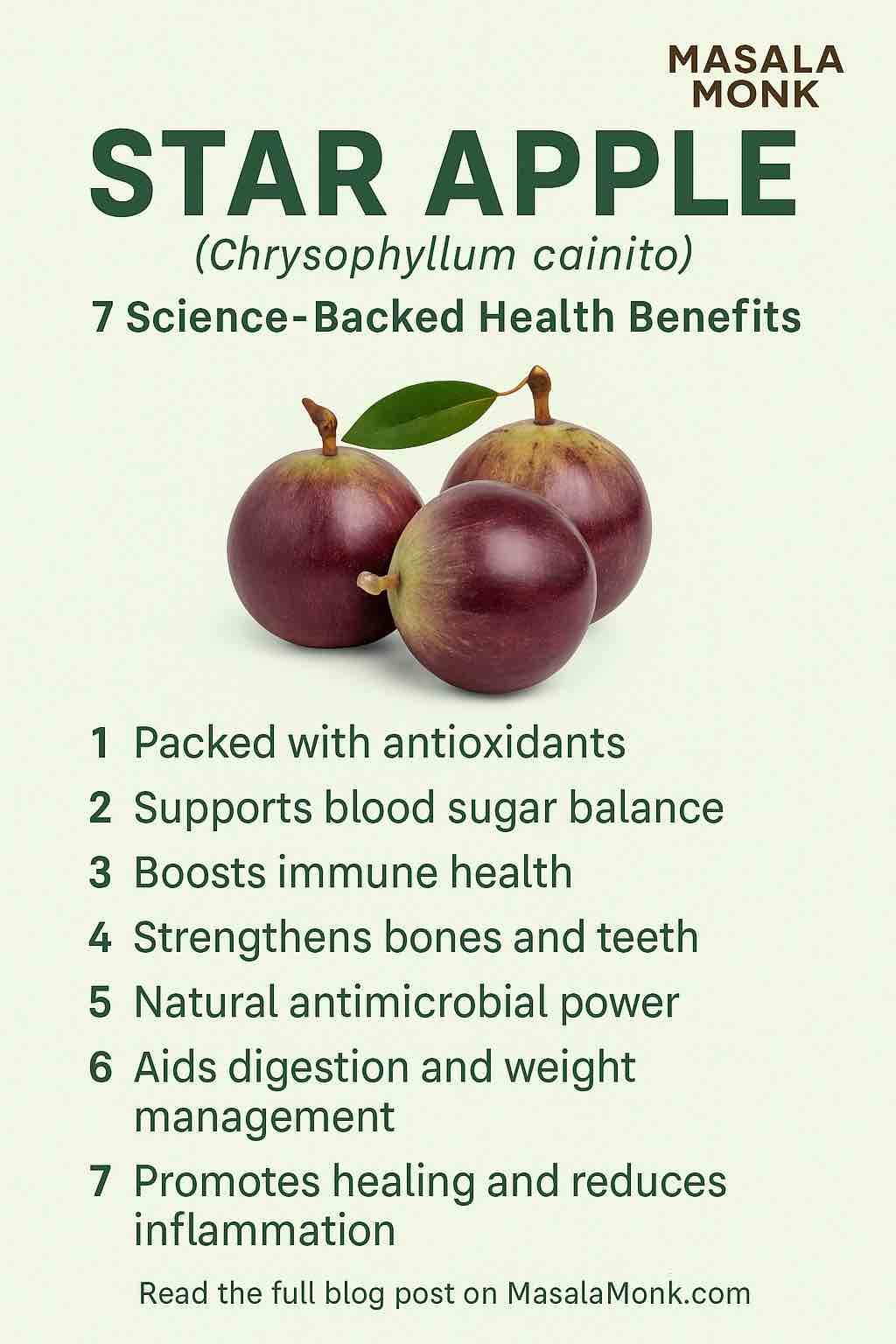
STAR APPLE (Chrysophyllum cainito)

Have you ever bitten into a star apple—its skin shimmering in deep purple or green, the flesh sweet and creamy, and the core gleaming with a star pattern? Beyond its captivating looks and unique flavor, Chrysophyllum cainito, commonly known as star apple, is quickly gaining attention from health enthusiasts and researchers worldwide.

But what’s behind the buzz? In this deep dive, we explore the 7 proven health benefits of star apple, the science behind them, and practical ways you can use this exotic fruit to boost your well-being.


🌿 What Is Star Apple? A Quick Overview

Star apple (Chrysophyllum cainito) is a tropical fruit native to the Caribbean and Central America, but now cultivated in Southeast Asia, Africa, and beyond. Its most striking feature? Cut the fruit crosswise, and you’ll spot a natural “star” embedded in the pulp. Both the purple and green varieties are edible, with the green variety tending to be slightly less sweet.

Nutrition Snapshot

  • Calories: ~67 kcal/100g
  • Vitamins: Vitamin C, B-complex (B1, B2, B3), A, E
  • Minerals: Calcium, magnesium, phosphorus, potassium
  • Phytonutrients: Flavonoids, alkaloids, saponins, triterpenoids

1. 🛡️ Packed With Antioxidants

Star apple is bursting with antioxidants—especially phenolics, flavonoids (like quercetin and catechin), and vitamin C.
What does this mean for you?
Antioxidants protect your cells from oxidative stress caused by pollution, stress, and poor diet. Consuming antioxidant-rich foods has been linked to lower risks of cancer, heart disease, and neurodegeneration.

Research highlight:
Multiple lab studies (see source) confirm that extracts of the fruit, peel, and even leaves strongly scavenge free radicals and reduce lipid peroxidation, making star apple one of the top tropical antioxidant fruits.


2. 🍬 Supports Blood Sugar Balance

Worried about blood sugar spikes? Studies show that star apple can help regulate glucose levels:

  • Animal studies: Diabetic rats given star apple leaf extracts showed dramatic drops in blood glucose, comparable to standard diabetes drugs like glibenclamide and metformin.
  • Mechanism: Compounds in star apple inhibit enzymes (like α‑glucosidase) that break down carbs into sugars, and help the body use insulin more effectively.

Practical tip:
While research is promising, star apple shouldn’t replace your medication, but it’s a smart fruit choice for anyone managing prediabetes or looking to keep blood sugar stable.


3. 💪 Boosts Immune Health

Thanks to its high vitamin C and polyphenol content, star apple supports your immune system on multiple fronts:

  • Fights off infections
  • Speeds up wound healing
  • May reduce the risk or severity of common colds

Did you know?
Just 100g of star apple pulp provides up to 15–20% of your daily vitamin C needs!


4. 🦴 Strengthens Bones and Teeth

Forget chalky supplements! Star apple is naturally rich in calcium, phosphorus, and magnesium—all essential for strong bones and teeth.
Why it matters:
Long-term intake may help prevent osteoporosis and dental issues, especially as you age.


5. 🦠 Natural Antimicrobial Power

Traditional healers have used star apple bark and leaves to treat wounds and infections for centuries—and modern science agrees!

  • Lab tests: Extracts of the peel, pulp, and seeds have been shown to inhibit common bacteria (Staphylococcus, E. coli, Salmonella) and fungi (Candida, Aspergillus).
  • How it works: Phytochemicals like alkaloids, saponins, and tannins disrupt microbial cell walls and slow pathogen growth.

Home use:
While not a replacement for antibiotics, applying a poultice of star apple leaf (under proper guidance) is a folk remedy for minor skin infections.


6. 🏃 Aids Digestion and Weight Management

With its impressive fiber content, star apple:

  • Keeps you fuller, longer (helping control appetite and snacking)
  • Prevents constipation and supports healthy gut bacteria

How to eat it:
Enjoy the flesh raw, add to fruit salads, or blend into smoothies for a creamy, naturally sweet texture.


7. 🩹 Promotes Healing and Reduces Inflammation

Beyond boosting your immune system, compounds in star apple actively fight inflammation and speed up healing:

  • Animal research: Topical star apple leaf extracts helped wounds close faster and improved collagen synthesis, even outperforming some commercial wound ointments.
  • Everyday benefit: Reducing chronic inflammation may lower your risk of heart disease, diabetes, and arthritis.

⚠️ Star Apple Safety: What You Need to Know

  • Eat only the pulp: The seeds, rind, and latex are not edible (can be mildly toxic).
  • Allergies are rare: But always introduce new foods in moderation, especially for children and those with sensitivities.
  • Not a substitute for medicine: While promising, scientific studies are still mostly in animals and labs—use as a food, not a drug.

🥗 How to Enjoy Star Apple (Recipes & Tips)

Simple ways to eat star apple:

  1. Raw and Chilled: Slice, remove seeds and skin, and eat the jelly-like pulp with a spoon.
  2. In Fruit Salad: Pairs beautifully with mango, pineapple, and banana.
  3. Smoothies: Blend with coconut water, banana, and a squeeze of lime for a tropical shake.
  4. Frozen Treats: Puree and freeze into popsicles or sorbet.

Pro tip:
The green variety is less sweet and more refreshing, while the purple is creamier and sweeter. Try both!


🌱 Summary: Why Add Star Apple to Your Diet?

Star apple isn’t just a treat for the eyes and taste buds—it’s a nutritional powerhouse backed by real science. From antioxidant and immune support to blood sugar and gut health, its benefits are wide-ranging and practical for everyday wellness.
Whether you’re a foodie, a health nut, or simply curious, give star apple a try—and let its natural “star” brighten your diet.


References & Further Reading

  1. Phytochemistry and Pharmacological Activities of Chrysophyllum cainito: A Review (NCBI)
  2. Antioxidant Activity of Star Apple Extracts (Scielo)
  3. Nutritional Composition and Antimicrobial Effects (Netjournals)

Have you tried star apple before? Share your experience or recipes below!

10 Star Apple (Chrysophyllum cainito) FAQs

1. What does star apple taste like?
Star apple has a mildly sweet, creamy, and slightly grape-like flavor. The texture is soft and jelly-like, especially around the “star” pattern at its core.


2. Can I eat the skin and seeds of star apple?
No, only the pulp is edible. The skin, seeds, and especially the sticky latex can be mildly toxic and may cause stomach upset.


3. Is star apple safe for diabetics?
Yes, when eaten in moderation. Research suggests it may help regulate blood sugar, but always consult your doctor before making dietary changes if you have diabetes.


4. How do I know when a star apple is ripe?
Ripe star apples are slightly soft to the touch and have a glossy, unblemished skin. Avoid fruits that are rock-hard or have broken skins.


5. Are there any allergy risks with star apple?
Allergic reactions are rare, but as with any new fruit, try a small amount first, especially for children or those with food sensitivities.


6. Can star apple help with weight loss?
Yes, its high fiber content promotes fullness and helps control appetite, making it a good addition to weight management plans.


7. How do I store star apple?
Keep ripe star apples in the refrigerator and eat within a few days. Unripe fruits can be left at room temperature until they soften.


8. What are the main nutrients in star apple?
Star apple is rich in vitamin C, dietary fiber, calcium, magnesium, and natural antioxidants like flavonoids and phenolic compounds.


9. Can I use star apple for home remedies?
Traditional medicine uses the leaves and bark for wound healing and infections, but always use caution and consult a professional before using for medical purposes.


10. Is star apple safe during pregnancy?
Star apple is generally safe when eaten as part of a balanced diet during pregnancy, but as with all tropical fruits, consume in moderation and discuss with your healthcare provider.