Posted on Leave a comment

6 Benefits of Rose for Skin

Roses, revered for their beauty and scent, also possess potent benefits for skin care that have been utilized since ancient times. The original article from Masala Monk outlines the multifaceted benefits of rose for skin, including its anti-aging properties, moisturizing effects, and ability to soothe redness and irritation. Let’s delve deeper into each benefit, offering a more comprehensive guide to harnessing the full potential of rose in skincare.


The Timeless Skincare Elixir: Rose

Roses are not just symbols of love and beauty but have been integral to skincare rituals across cultures. Their inclusion in Cleopatra’s beauty regime underscores their timeless appeal and efficacy. Beyond their enchanting aroma, roses are packed with vitamins, minerals, and antioxidants that offer a holistic approach to skin health.

Unraveling the Skin Benefits of Rose

  1. Premature Aging Prevention: Roses are abundant in antioxidants, such as vitamin C, which combat free radicals and oxidative stress, thus neutralizing factors that accelerate skin aging. The application of rose-based products can strengthen skin cells, promoting longevity and reducing the visibility of aging signs like wrinkles and fine lines.
  2. Deep Moisturization: Rose’s natural oils are known for their exceptional moisturizing capabilities, making it an ideal remedy for dry and dehydrated skin. These oils lock in moisture without clogging pores, ensuring the skin remains supple and hydrated throughout the day.
  3. Soothing Skin Redness and Irritation: The anti-inflammatory properties of rose help in calming skin conditions such as acne, rosacea, and eczema. Regular use of rose water or rose-infused products can reduce skin redness and promote a balanced, even skin tone.
  4. Collagen Production Boost: Essential for maintaining skin’s elasticity and firmness, collagen production is enhanced by the vitamins A and C found in roses. This not only aids in skin repair but also maintains youthful, vibrant skin.
  5. Sebum Production Regulation: For those battling oily skin, rose offers a natural solution. Its astringent properties help in tightening pores and balancing sebum production, resulting in a clearer, matte complexion.
  6. Skin Tone and Texture Improvement: Rose products can lighten hyperpigmentation and scars, thanks to their vitamin C content. Regular use can lead to a brighter, more even skin tone and smoother texture.

Incorporating Rose into Your Skincare Routine

  • Rose Water Toning: After cleansing, spritz rose water on your face to tone and prep your skin for moisturizing. This not only refreshes the skin but also tightens pores and balances pH levels.
  • Rosehip Oil for Anti-Aging: Apply a few drops of rosehip oil at night to target signs of aging. Rich in retinol and vitamin C, it promotes cell turnover and collagen production.
  • Rose-Infused Masks and Scrubs: DIY or store-bought, rose-infused masks and scrubs can exfoliate dead skin cells and deliver intensive moisture, revealing radiant and refreshed skin.
  • Rose Petals in Baths: For a luxurious spa-like experience, add rose petals to your bath. This not only soothes the skin but also relaxes the mind.

Precautions and Recommendations

While roses are generally safe for all skin types, it’s important to:

  • Patch Test: Always perform a patch test before trying a new rose-based product, especially if you have sensitive skin.
  • Pure and Organic: Opt for products that use pure, organic rose ingredients to avoid skin irritation from pesticides and chemicals.

Conclusion: Rose – The Quintessential Skin Ally

The benefits of rose for the skin are both profound and wide-ranging, from anti-aging and moisturizing to soothing and brightening. By incorporating rose into your skincare regime, you embrace a legacy of beauty and wellness that has stood the test of time, offering your skin the nourishment and care it deserves.

10 FAQs for “6 Impressive Benefits of Rose for Skin”

1. How does rose benefit the skin?
Rose petals and rose water are rich in antioxidants and vitamins that help soothe irritation, hydrate the skin, reduce signs of aging, and clear pores, making the skin appear healthier and more radiant.

2. Can rose water be used daily?
Yes, rose water is gentle enough for daily use as a toner or a refreshing mist to hydrate and soothe the skin.

3. Is rosehip oil good for all skin types?
Rosehip oil is beneficial for most skin types, including dry, oily, and combination skin. Its balancing properties help regulate oil production in oily skin and provide deep hydration for dry skin.

4. Can using rose products help with acne?
Yes, the anti-inflammatory and antibacterial properties of rose make it effective in soothing acne-prone skin and reducing acne scars.

5. How can I incorporate rose into my skincare routine?
You can use rose water as a toner, add rosehip oil to your moisturizer, use rose-infused masks, or add rose petals to your bath for a luxurious skincare routine.

6. Are there any side effects of using rose on the skin?
Rose is generally safe for topical use, but it’s always best to do a patch test first, especially if you have sensitive skin, to ensure there are no allergic reactions.

7. Can men use rose products for their skin?
Absolutely, rose products are suitable for anyone looking to improve their skin’s health and appearance, regardless of gender.

8. How does rose water improve complexion?
Rose water helps balance the skin’s pH, reduce redness and inflammation, and provide hydration, which together can improve the skin’s overall complexion.

9. Will rosehip oil make my skin oily?
No, rosehip oil is known for its ability to absorb quickly without leaving a greasy residue, making it suitable for oily skin types as well.

10. Can I make rose water at home?
Yes, you can make rose water at home by simmering rose petals in distilled water and then straining the mixture to collect the fragrant water.

Blog Tags

rose for skin, rose water benefits, natural skincare, anti-aging solutions, acne treatment, skin hydration, rosehip oil, organic beauty care, skincare routine, soothing skin

Posted on 4 Comments

6 Surprising Benefits of Gulkand for Skin

Introduction

In a world constantly seeking natural skincare solutions, Gulkand emerges as a timeless treasure. This ancient Ayurvedic remedy, revered for centuries, is making a remarkable comeback in modern skincare regimes. But what makes Gulkand a sought-after ingredient for radiant skin? Let’s unravel the mystery of this rose petal delicacy that promises more than just a sweet experience.

Historical Significance of Gulkand

Originating from the lush gardens of Indo-Persia, Gulkand (‘Gul’ meaning flower in Persian and ‘Kand’ meaning sweet in Arabic) has been a cornerstone in Ayurvedic medicine for over 4,000 years. Its journey from royal palaces to everyday homes is a testament to its enduring appeal. In ancient scripts, Gulkand was celebrated not only for its delightful taste but also for its healing and rejuvenating properties, particularly in skin care.

The Power of Rose Petals and Sugar

At its heart, Gulkand is a simple yet potent concoction of rose petals and sugar. The roses used in Gulkand are no ordinary blooms; they are carefully selected for their fragrance and therapeutic qualities. These petals are rich in antioxidants and essential vitamins that play a crucial role in skin rejuvenation and repair.

  • Antioxidant Abundance: Rose petals are packed with natural antioxidants. These vital compounds combat free radicals, reducing oxidative stress—a key factor in premature skin aging, dullness, and uneven tone.
  • Vitamin Richness: Roses are a natural source of vitamin C, a skin-loving nutrient known for its brightening and collagen-boosting properties. Vitamin E, another component, provides deep nourishment and protection against environmental stressors.

The addition of sugar in Gulkand isn’t just for sweetness; it serves a hydrating purpose. Sugar, a natural humectant, helps to retain moisture in the skin, ensuring it stays plump, hydrated, and glowing.


The Multifaceted Benefits of Gulkand for Radiant Skin

Unlocking Gulkand’s Skin Care Secrets

  1. Antibacterial Warrior Against Acne:
  • Nature’s Solution: Gulkand’s antibacterial properties make it an effective natural remedy for acne. Its ability to fight skin infections is rooted in the natural compounds found in rose petals.
  • Application: A homemade face pack blending crushed Gulkand, sandalwood powder, rose water, and honey can work wonders. This mixture targets acne-causing bacteria, soothes inflamed skin, and promotes healing.
  1. Dark Circle Eradicator:
  • Under-eye Reviver: The long-standing issue of dark circles can be addressed with Gulkand’s soothing and lightening properties. Rich in vitamins and antioxidants, it helps to rejuvenate the delicate under-eye area.
  • Usage: Soaking cotton pads in Gulkand-infused rose water and placing them under the eyes can significantly reduce dark circles and puffiness.
  1. Sun Protection Like No Other:
  • Natural Sunscreen: Gulkand acts as a barrier against harmful UV rays. Its antioxidant properties protect the skin from sun damage and prevent premature aging.
  • Creating a Sun Shield: Mix crushed rose petals with glycerin and cucumber juice to form a protective layer against the sun’s harsh effects.
  1. Astringent Properties for Skin Toning:
  • Balancing Act: Gulkand’s astringent qualities help in maintaining the skin’s pH balance, essential for a clear and even-toned complexion.
  • DIY Toner: A Gulkand-based facial mist can be prepared by infusing rose water with crushed rose petals. This refreshing spray detoxifies, unclogs, and tightens pores.
  1. Hydration and Moisturization:
  • Deep Nourishment: The natural oils present in Gulkand are excellent for moisturizing dry skin. They provide lasting hydration without clogging pores.
  • Moisturizer Enhancement: Adding Gulkand-infused rose water to your regular moisturizer can enhance its effectiveness, leaving the skin soft and supple.
  1. Fighting Skin Tan and Pigmentation:
  • Even Skin Tone: Gulkand’s ability to balance skin tone and reduce pigmentation is one of its most prized benefits. It helps in reversing the damage caused by sun exposure.
  • Detanning Remedy: Create a scrub using crushed rose petals, lemon juice, brown sugar, and honey to exfoliate and remove tan effectively.

Gulkand in Modern Skincare: A Renaissance

The integration of Gulkand into contemporary skincare products symbolizes a blend of ancient wisdom and modern science. From luxurious face creams to rejuvenating serums, Gulkand is making its presence felt on the global skincare stage. Its natural essence appeals to those seeking organic and effective skin solutions, making it a staple ingredient in many herbal and Ayurvedic formulations.

  • Commercial Products: The market today offers a range of Gulkand-based skincare products, catering to various needs – be it anti-aging, moisturizing, or sun protection.
  • Homemade Skincare: The trend of DIY beauty treatments has brought Gulkand back into the limelight. Its versatility and ease of use make it a favorite ingredient for homemade face packs, scrubs, and toners.

Embracing Gulkand in Daily Skincare and Debunking Myths

Practical Applications: Incorporating Gulkand in Your Skincare Routine

  1. DIY Gulkand Face Packs:
  • For Acne-Prone Skin: Mix Gulkand paste with neem powder and aloe vera gel to create a soothing anti-acne mask.
  • For Skin Brightening: Combine Gulkand with turmeric powder, yogurt, and a hint of lemon juice for a natural brightening face pack.
  1. Gulkand as a Daily Toner:
  • Soak rose petals in water overnight. Strain and add a teaspoon of Gulkand. Use this concoction as a daily toner for refreshing and revitalizing the skin.
  1. Gulkand Infused Lip Balm:
  • Melt beeswax and coconut oil. Add a bit of Gulkand and cool to form a hydrating lip balm. This balm keeps lips soft and adds a natural pink tint.
  1. Gulkand for Body Scrubs:
  • Mix Gulkand with oatmeal, honey, and a bit of milk to create an exfoliating body scrub. This not only removes dead skin but also leaves the skin feeling soft and smelling heavenly.

Addressing Common Concerns and Myths

  • Myth: Gulkand Can Cause Skin Darkening: There’s a misconception that Gulkand can darken the skin. In reality, Gulkand helps in reducing pigmentation and evens out the skin tone.
  • Concern: Allergic Reactions: While rare, some may have allergies to rose petals. It’s always advisable to do a patch test before applying Gulkand-based products to the skin.
  • Myth: Gulkand is Only for Dry Skin: Gulkand is suitable for all skin types. Its balancing nature makes it ideal for oily, dry, or combination skin.

The Science Behind Gulkand

While Gulkand’s benefits in Ayurveda have been long known, modern science also acknowledges its merits. Studies have shown that the antioxidants in rose petals can significantly improve skin health. The natural oils present in Gulkand are known for their hydrating properties, making it a valuable ingredient in skincare.

Beyond Skin Care: Gulkand’s Broader Health Benefits

Gulkand isn’t just limited to skincare. Its health benefits extend to improving digestive health, acting as a stress reliever, and even offering relief from menstrual discomfort. Its cooling properties make it an excellent remedy for internal heat and related ailments.

Conclusion

Gulkand is more than just a sweet delicacy; it’s a treasure trove of benefits for the skin and overall health. By incorporating Gulkand into your skincare regime, you’re not only indulging in an ancient practice but also giving your skin the natural care it deserves. Whether you opt for commercial Gulkand-based products or prefer homemade concoctions, the essence of Gulkand is sure to bring a touch of nature’s magic to your skin.


10 FAQs About Gulkand for Skin

  1. What is Gulkand and how is it beneficial for skin? Gulkand is a sweet preserve made from rose petals and sugar, known for its anti-inflammatory and antioxidant properties, making it beneficial for skin health.
  2. Can Gulkand help with acne? Yes, Gulkand has antibacterial properties that can help in treating acne.
  3. Is Gulkand effective against dark circles? Gulkand can help reduce dark circles due to its soothing properties and the antioxidants present in rose petals.
  4. How does Gulkand protect against sun damage? The antioxidants in Gulkand protect the skin from UV rays and prevent premature aging.
  5. Can Gulkand be used as a skin toner? Yes, Gulkand-infused rose water can be an excellent natural toner for balancing skin pH and tightening pores.
  6. Is Gulkand suitable for dry skin? Gulkand is great for dry skin due to the natural oils in rose petals that provide hydration.
  7. Can I use Gulkand for oily skin? Yes, Gulkand is suitable for all skin types, including oily skin, as it helps balance the skin’s natural oils.
  8. How can I incorporate Gulkand into my skincare routine? You can use Gulkand in DIY face packs, as a toner, or even mix it with your regular moisturizer.
  9. Are there any side effects of using Gulkand on the skin? Gulkand is generally safe for skin use, but it’s always best to do a patch test first, especially if you have sensitive skin.
  10. Can Gulkand help with skin aging? Yes, the antioxidants in Gulkand can help combat signs of aging like wrinkles and fine lines.

Blog Tags

Gulkand, natural skincare, rose petal benefits, Ayurvedic remedies, anti-acne, skin hydration, DIY beauty, herbal skincare, antioxidant skincare, traditional wellness

Posted on 6 Comments

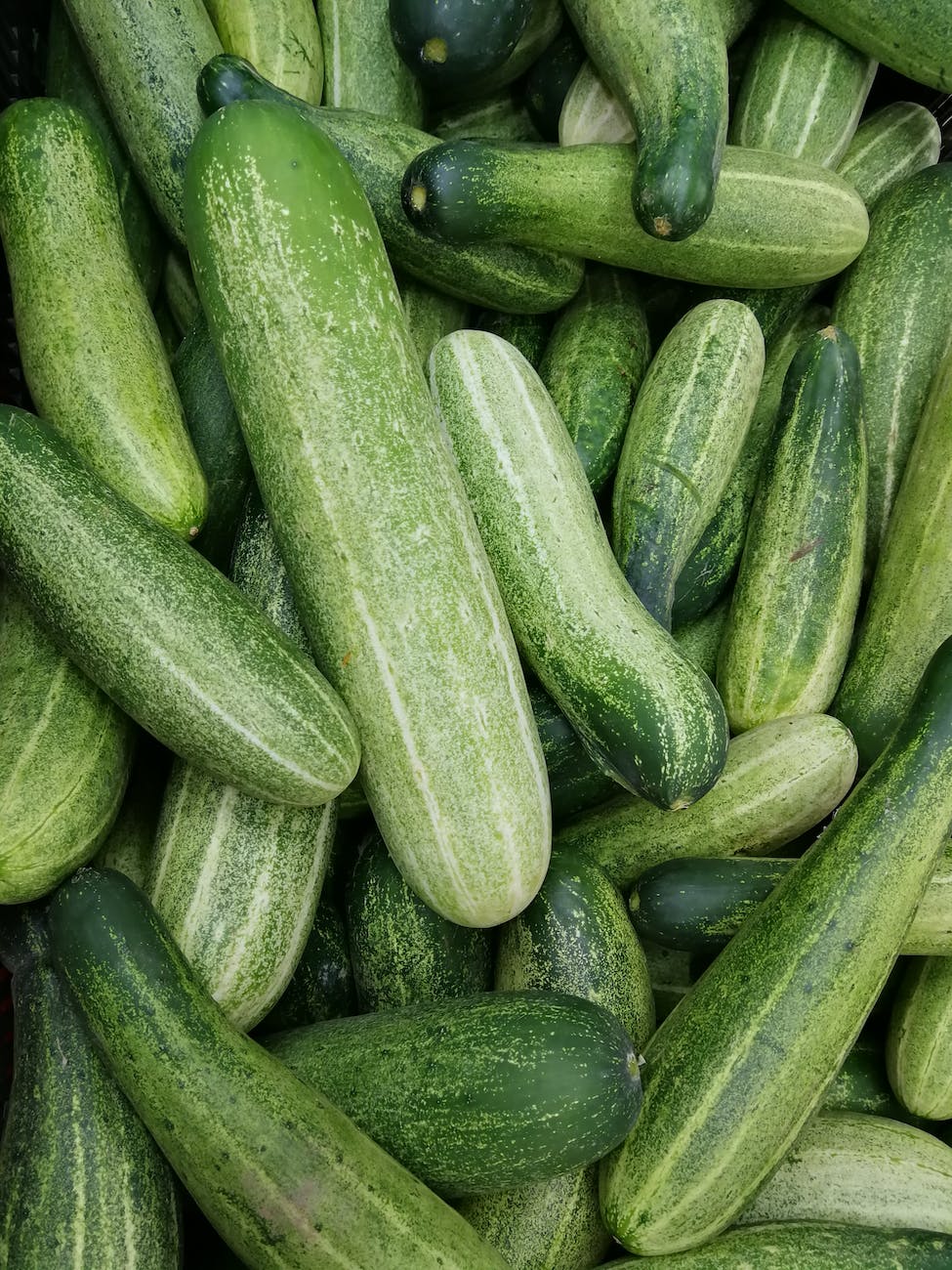
Cooling Cucumber Electrolyte Quenchers: Stay Hydrated with a Refreshing Twist

cucumber

Hey there, cool and refreshed souls! Are you ready to beat the heat and stay hydrated with a burst of cucumber-infused electrolyte quenchers? 🥒💦✨ Get ready to embrace the revitalizing power of cucumbers as we dive into a world of refreshing and hydrating drink recipes that will keep you cool, replenished, and ready to conquer those sunny days! 🌞🍹🌿

What are Electrolytes?

Electrolytes are minerals that carry an electric charge and are essential for various bodily functions. They help balance the amount of water in your body, balance your body’s pH level, move nutrients into your cells, and remove waste from your cells. Electrolytes also help ensure that your nerves, muscles, heart, and brain work the way they should.

Do Cucumbers Have Electrolytes?

Yes, cucumbers are a good source of electrolytes. They contain essential electrolytes such as potassium and magnesium. These electrolytes are vital for maintaining fluid balance, nerve function, and muscle contractions.

The Electrolyte Content of Cucumbers

Potassium

Cucumbers are a good source of potassium, an electrolyte that helps regulate fluid balance, nerve signals, and muscle contractions. A deficiency in potassium can lead to fatigue, weakness, and constipation.

Magnesium

Cucumbers also contain magnesium, another essential electrolyte. Magnesium is involved in many processes in the body, including regulating muscle and nerve function, blood sugar levels, and blood pressure. It’s also necessary for making protein, bone, and DNA.

Cucumber Water as an Electrolyte Drink

Given their electrolyte content, cucumbers can be used to make a hydrating and electrolyte-rich drink. Cucumber water can be a great way to stay hydrated, especially during hot weather or after a workout. It’s easy to make and can be a refreshing alternative to plain water or commercial electrolyte drinks.

How to Make Cucumber Electrolyte Water

Making cucumber electrolyte water is simple. All you need is a cucumber, water, and a pinch of salt for added sodium, another important electrolyte. Here’s a quick recipe:

  1. Slice a whole cucumber and add it to a pitcher of water.
  2. Add a pinch of salt.
  3. Let it sit for at least an hour to allow the cucumber and salt to infuse the water.
  4. Enjoy your homemade cucumber electrolyte water!

Cucumber Electrolyte Water with Twist

Let us explore the cooling and hydrating properties of cucumbers and combine them with a variety of ingredients to create delicious electrolyte quenchers. From crisp cucumber-infused waters to invigorating cucumber mocktails, these recipes will elevate your hydration game and keep you feeling refreshed from within. So, let’s dive in and discover five tantalizing recipes that will quench your thirst and bring a smile to your face! 🥒💧🍃

🌟 Cucumber Mint Cooler: The Refreshing Refresher 🍹🌱 Cool down with this classic combination of cucumber and mint. Blend fresh cucumbers with a handful of mint leaves, a squeeze of lime, a touch of honey or agave syrup, and a splash of sparkling water. The crispness of cucumbers, combined with the refreshing taste of mint and zesty lime, creates a revitalizing cooler that will keep you hydrated and invigorated. Sip on this refreshing refresher and feel the cooling sensation wash over you! ❄️🍃

💦 Cucumber-Lemon Electrolyte Water: The Hydration Hero 🍋💧 Quench your thirst and replenish your electrolytes with this simple and revitalizing cucumber-lemon water. Slice fresh cucumbers and lemons, add them to a pitcher of water, and let the flavors infuse overnight. The result is a hydrating elixir that combines the lightness of cucumbers with the tanginess of lemons, making it the perfect companion for those hot summer days. Pour yourself a glass, sit back, and let the hydration hero save the day! 🌞💦

🍹 Cucumber Limeade Mocktail: The Tropical Twist 🌴🍹 Transport yourself to a tropical paradise with this cucumber limeade mocktail. Blend cucumbers with freshly squeezed lime juice, a splash of coconut water, a hint of agave syrup, and a handful of ice. The combination of cooling cucumbers, tangy lime, and a touch of coconut water creates a tropical oasis in your glass. Sip on this mocktail, close your eyes, and let the tropical flavors transport you to a beachside getaway! 🏖️🌴

🥒 Cucumber-Basil Infused Water: The Herbaceous Hydrator 🌿💦 Elevate your hydration game with the herbaceous goodness of cucumber-basil infused water. Slice cucumbers and add them to a pitcher of water along with fresh basil leaves. Let the flavors meld together for a few hours in the refrigerator. The result is a refreshing and aromatic drink that combines the crispness of cucumbers with the delightful essence of basil. Pour yourself a glass, take a sip, and feel the herbaceous hydration! 🌱🍹

🍃 Cucumber-Ginger Detox Water: The Revitalizing Cleanse 🌿🌶️ Give your body a revitalizing cleanse with this cucumber-ginger detox water. Slice cucumbers and add them to a pitcher of water, along with thin slices of fresh ginger and a squeeze of lemon. Let the flavors infuse for a few hours to maximize the benefits. The hydrating properties of cucumbers, combined with the cleansing effects of ginger and the tanginess of lemon, create a detoxifying elixir that will leave you feeling refreshed and rejuvenated from the inside out! 🥒🍋🌿

There you have it, my refreshing friends! These cucumber-infused electrolyte quenchers are here to keep you cool, hydrated, and satisfied all summer long. So, grab your cucumbers, slice them up, and get ready to quench your thirst with these delightful concoctions!

Frequently Asked Questions

1. What electrolytes are found in cucumbers?

Cucumbers contain essential electrolytes such as potassium and magnesium. These electrolytes play crucial roles in maintaining fluid balance, nerve function, and muscle contractions in the body.

2. How do the electrolytes in cucumbers benefit the body?

The electrolytes in cucumbers, particularly potassium and magnesium, help regulate fluid balance, nerve signals, and muscle contractions. Potassium deficiency can lead to fatigue, weakness, and constipation, while magnesium is involved in many processes, including regulating muscle and nerve function, blood sugar levels, and blood pressure.

3. Can cucumber water replace commercial electrolyte drinks?

Cucumber water can be a refreshing and healthier alternative to commercial electrolyte drinks, especially those high in sugars and artificial flavors. However, it’s important to note that cucumber water may not provide the same level of electrolytes as commercial drinks designed for intense athletic activity. For everyday hydration and mild exercise, cucumber water can be an excellent choice.

4. How can I make my own cucumber electrolyte water?

Making cucumber electrolyte water is simple. Slice a whole cucumber and add it to a pitcher of water. For added electrolytes, you can add a pinch of salt, which provides sodium. Let the mixture sit for at least an hour to allow the cucumber and salt to infuse the water, then enjoy!

5. Can cucumber water help with hydration?

Yes, cucumber water can significantly aid with hydration. Cucumbers are high in water content, and the added electrolytes can help maintain fluid balance in the body. This makes cucumber water a great choice for staying hydrated, especially during hot weather or after a workout.

6. Are there other health benefits to drinking cucumber water?

Beyond its electrolyte content, cucumber water offers a range of health benefits. It helps keep you hydrated, supports proper digestion, flushes out toxins, and promotes skin health due to its hydrating and nutrient-rich properties. Additionally, cucumber water can aid in reducing inflammation in the body, contributing to overall wellbeing.

7. Is cucumber water suitable for everyone?

Cucumber water is generally safe and suitable for most people. However, some individuals may be allergic to cucumbers or have specific medical conditions that require dietary restrictions. If you have any concerns or medical conditions, it’s always best to consult with a healthcare professional before making significant changes to your diet.

Conclusion

Cucumbers are a great source of essential electrolytes, making them a great addition to your diet, especially if you’re active and need to replenish your electrolytes regularly. Whether eaten as is or used to make refreshing cucumber water, cucumbers can help you stay hydrated and maintain your body’s electrolyte balance.

Stay cool, stay refreshed, and enjoy the rejuvenating power of cucumbers in every sip. Cheers to a hydrated and vibrant summer! 🥒💦🌞

Posted on Leave a comment

How to make Mango Pickle? 5 Twists to Classic

Dry mango pickle made of original Ramkela mangoes.

If you’re a fan of bold and tangy flavors, Mango Pickle is a must-have in your culinary repertoire! Bursting with the irresistible combination of ripe mangoes, aromatic spices, and tangy goodness, this homemade pickle is the perfect accompaniment to spice up your meals. In this post, we’ll delve into the art of making Mango Pickle from scratch, provide tips on selecting the best mangoes for pickling, guide you through the step-by-step process, and offer creative variations to customize your pickle to perfection. Get ready to tantalize your taste buds with the mouthwatering tanginess of Mango Pickle! 🥭🌶️🥒

Why Mango Pickle? 🥭🌶️ Mango Pickle, also known as Aam ka Achaar, is a beloved condiment in many cultures. It adds a burst of flavor and tang to any meal, whether it’s paired with rice, bread, or even as a zesty addition to sandwiches and wraps. The combination of tangy mangoes and aromatic spices creates a tantalizing taste experience that enhances a wide range of dishes. By making your own Mango Pickle, you have control over the ingredients, allowing you to customize the flavors and adjust the spice level to your preference.

Crafting Homemade Mango Pickle 🥭🌶️🥒 Now, let’s dive into the process of making Mango Pickle:

Ingredients:

  • 4 cups raw mangoes, peeled and cut into small pieces
  • 1/4 cup mustard oil
  • 2 tablespoons mustard seeds
  • 2 tablespoons fennel seeds
  • 2 tablespoons fenugreek seeds
  • 1 tablespoon turmeric powder
  • 1 tablespoon red chili powder (adjust according to your spice preference)
  • 1 tablespoon nigella seeds (kalonji)
  • 1 tablespoon salt (adjust to taste)

Instructions:

  1. Start by washing the raw mangoes thoroughly and patting them dry. Remove the skin and cut the mangoes into small, bite-sized pieces. Make sure to discard the pit.
  2. In a large bowl, combine the mango pieces with salt. Mix well, ensuring that the salt is evenly distributed. Allow the mangoes to sit for about an hour to release their juices.
  3. While the mangoes are resting, heat mustard oil in a small pan over low heat until it reaches its smoking point. Let the oil cool to room temperature.
  4. In a separate pan, dry roast the mustard seeds, fennel seeds, and fenugreek seeds until they become fragrant and slightly darker in color. Remove from heat and let them cool.
  5. Grind the roasted seeds into a coarse powder using a mortar and pestle or a spice grinder.
  6. In the bowl with the mangoes, add the ground spice powder, turmeric powder, red chili powder, and nigella seeds. Mix well to ensure that the spices coat the mangoes evenly.
  7. Pour the cooled mustard oil over the mango mixture. The oil acts as a preservative and adds a distinct flavor to the pickle. Mix everything thoroughly.
  8. Transfer the mixture into a sterilized glass jar, ensuring that the mango pieces are fully immersed in the oil and spice mixture. Seal the jar tightly.
  9. Allow the Mango Pickle to mature in a cool and dark place for at least a week. During this time, the flavors will meld together, and the pickle will develop its signature tanginess.
  10. Once the pickle has matured, it’s ready to be enjoyed! Serve it as a condiment alongside your meals or use it to add a zesty kick to sandwiches, wraps, and more.

Tips for Selecting Mangoes for Pickling 🥭🌟 Choosing the right mangoes for pickling is crucial to achieve the desired texture and flavor in your Mango Pickle. Here are some tips to help you select the best mangoes:

  • Variety: Opt for firm and unripe mangoes that are suitable for pickling. Varieties such as Totapuri, Rajapuri, or Kesar work well due to their firmness and tangy flavor.
  • Texture: Look for mangoes that are firm and free from blemishes. They should be green or slightly yellow in color.
  • Sourness: For a tangier pickle, choose mangoes that have a slightly sour taste. This will add depth to the flavor profile of the pickle.

Creative Variations 🌈🌶️ While the traditional Mango Pickle recipe is already delicious, you can explore creative variations to personalize your pickle. Here are a few ideas:

  1. Spicy Mango Pickle: Increase the amount of red chili powder or add chopped green chilies to the pickle mixture for an extra kick of heat.
  2. Sweet and Tangy Mango Pickle: Balance the tanginess of the pickle by adding a touch of jaggery or sugar. This will create a delightful sweet and tangy flavor profile.
  3. Mango-Ginger Pickle: Enhance the flavors of your Mango Pickle by incorporating finely chopped ginger. The addition of ginger adds a subtle warmth and depth to the pickle.
  4. Mixed Mango Pickle: Combine different varieties of mangoes, such as raw and slightly ripe mangoes, to create a diverse range of flavors and textures in your pickle.
  5. Fruity Mango Pickle: Add diced fruits like apples, pineapples, or pears to the pickle mixture for a unique twist. The combination of tangy mangoes and sweet fruits creates a delightful flavor contrast.

Join Us for More Culinary Adventures! 🍽️🌍 If you’re passionate about exploring new flavors and connecting with fellow food enthusiasts, we invite you to join our vibrant community of foodies! Discover new recipes, share your culinary creations, and engage in conversations about all things food. Join our secret Facebook group, Eatlo, by visiting https://www.facebook.com/groups/eatlo and be a part of a community that celebrates the joy of cooking and the love for delicious food.

Conclusion Mango Pickle is a tangy and flavorful condiment that adds a zesty touch to your meals. With its combination of ripe mangoes, aromatic spices, and tangy goodness, Mango Pickle is a versatile addition to your culinary creations. By following the simple steps outlined in this recipe, you can make your own Mango Pickle that’s bursting with fresh flavors. So, grab some raw mangoes, gather your spices, and savor the mouthwatering tanginess of Mango Pickle with your favorite dishes! 🥭🌶️🥒

Posted on 1 Comment

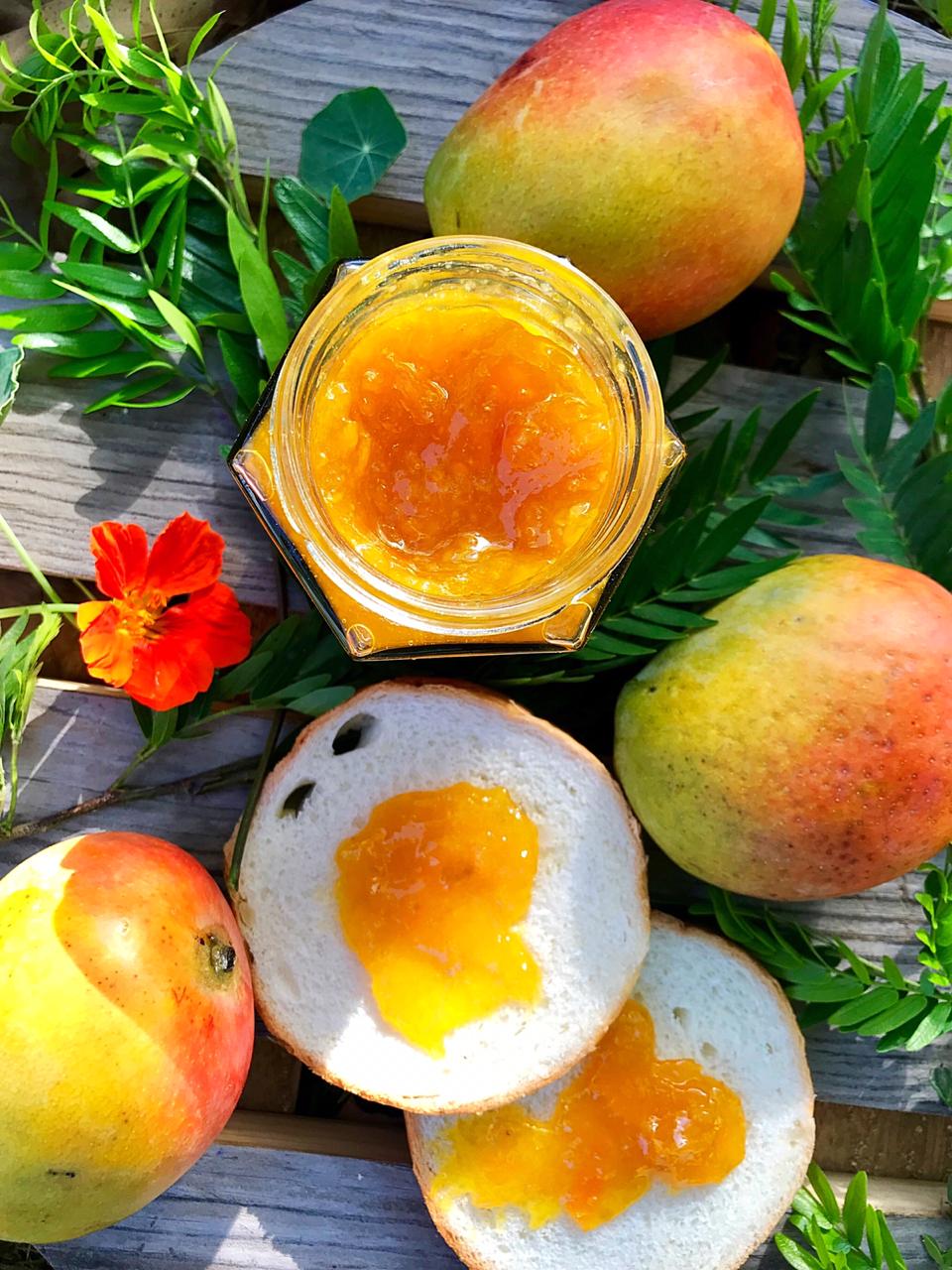
How to make Mango Jam? Recipe with 5 Tangy Twists Inside

If you’re a fan of delicious spreads and the luscious sweetness of mangoes, then Mango Jam is an absolute must-try! Bursting with the tropical flavors of ripe mangoes, this homemade jam is a delightful combination of sweet and tangy notes that will elevate your breakfast or snack time. In this post, we’ll explore the art of making Mango Jam from scratch, provide tips on selecting the perfect mangoes, guide you through the step-by-step process, and share some creative twists, serving ideas, and five flavorful variations to enhance your jam experience. Get ready to embark on a flavorful journey with Mango Jam! 🥭🍯🌿

Why Mango Jam? 🥭🍯 Mango Jam is a delectable way to preserve the natural sweetness and tropical essence of mangoes. It’s a versatile spread that adds a burst of flavor to your morning toast, pancakes, or scones. With its vibrant color and delightful taste, Mango Jam is a true celebration of the mango season. Plus, by making your own jam, you have full control over the ingredients, ensuring a fresh and wholesome treat that you can enjoy throughout the year.

Crafting Homemade Mango Jam 🥭🍯🌿 Now, let’s dive into the process of making Mango Jam:

Ingredients:

  • 4 cups ripe mangoes, peeled, pitted, and finely chopped
  • 2 cups granulated sugar
  • 2 tablespoons fresh lemon juice
  • 1 teaspoon lemon zest (optional)

Instructions:

  1. Prepare the mangoes by peeling them, removing the pit, and finely chopping the flesh. Make sure to discard any fibrous parts.
  2. In a large, heavy-bottomed saucepan, combine the chopped mangoes, granulated sugar, fresh lemon juice, and lemon zest (if using). Stir well to ensure that the sugar is evenly distributed.
  3. Place the saucepan over medium heat and bring the mixture to a boil, stirring constantly to prevent it from sticking to the bottom. Once it reaches a boil, reduce the heat to low and let it simmer for about 45 minutes to an hour, or until the mixture thickens and reaches a jam-like consistency.
  4. As the jam cooks, use a spoon or a potato masher to break down any larger mango pieces, creating a smoother texture. You can leave some small fruit chunks if desired, for added texture in the jam.
  5. While the jam is still hot, carefully transfer it to sterilized glass jars, leaving a small headspace at the top. Seal the jars tightly.
  6. Let the jars cool to room temperature, and then refrigerate them for at least a few hours or overnight to allow the jam to set and the flavors to meld together.
  7. Once chilled and set, your homemade Mango Jam is ready to be enjoyed! Spread it on your favorite bread, toast, or use it as a filling for pastries and desserts.

Tips for Selecting Ripe Mangoes 🥭🌟 Choosing ripe and flavorful mangoes is essential to achieve the best taste in your Mango Jam. Here are some tips to help you select the perfect mangoes:

  • Color and Texture: Look for mangoes with vibrant hues and a slightly soft texture when gently pressed. Avoid mangoes that are too firm or too mushy.
  • Aroma: Smell the stem end of the mangoes. A ripe mango should have a sweet and fragrant aroma.
  • Varieties: Depending on availability in your region, choose mango varieties like Alphonso, Ataulfo, or Kent for their rich sweetness and smooth texture, which work wonderfully in jams.

Creative Twists and Serving Ideas 🌈🥭🍯 While traditional Mango Jam is already delightful on its own, you can experiment with some creative twists and serving ideas to elevate your jam experience. Here are five flavorful variations to inspire you:

  1. Mango Coconut Jam: Add a tropical twist to your Mango Jam by stirring in a few tablespoons of unsweetened coconut flakes or coconut cream. This addition enhances the exotic flavors and creates a creamy texture.
  2. Mango Passion Fruit Jam: Combine the tropical goodness of mangoes with the tangy sweetness of passion fruit. Simply mix in some fresh passion fruit pulp or store-bought passion fruit concentrate to your Mango Jam for a burst of vibrant flavors.
  3. Mango Lime Chili Jam: For those who enjoy a spicy kick, add a pinch of chili powder or finely chopped fresh chili peppers to your Mango Jam. Balance the heat with a squeeze of fresh lime juice for a tantalizing sweet and spicy combination.
  4. Mango Vanilla Bean Jam: Infuse your Mango Jam with the aromatic flavors of vanilla by adding a scraped vanilla bean or a few drops of pure vanilla extract. This addition enhances the overall sweetness and adds a hint of warmth to the jam.
  5. Mango Cardamom Jam: Elevate the flavors of your Mango Jam with a touch of cardamom spice. Add a pinch of ground cardamom to the mixture while it simmers, creating a fragrant and exotic twist to the jam.

Join Us for More Culinary Adventures! 🍽️🌍 If you’re passionate about exploring new flavors and connecting with fellow food enthusiasts, we invite you to join our vibrant community of foodies! Discover new recipes, share your culinary creations, and engage in conversations about all things food. Join our secret Facebook group, Eatlo, by visiting https://www.facebook.com/groups/eatlo and be a part of a community that celebrates the joy of cooking and the love for delicious food.

Conclusion Mango Jam is a delightful way to capture the essence of ripe mangoes and enjoy their tropical flavors throughout the year. With its sweet and tangy taste, Mango Jam adds a burst of sunshine to your breakfast or snack time. By following the simple steps outlined in this recipe, you can create your very own homemade Mango Jam that’s bursting with fresh flavors. So, grab some ripe mangoes, get cooking, and savor the sweet and tangy delight of Mango Jam on your favorite bread or pastry! 🥭🍯🌿