Posted on 1 Comment

Best Juicers in 2023? Comparing the Nama J2 and Kuvings Revo 830 Juicers

crop person pouring fresh orange juice

Hello, juice enthusiasts! šŸŠšŸšŸ„•

Today, we’re diving into a detailed comparison of two high-end juicers that are currently making waves in the market – the Nama J2 and the Kuvings Revo 830. This comparison is based on a comprehensive review by John Kohler, a juicing expert who shares his insights on his YouTube channel DiscountJuicers.com. Let’s get started! šŸš€

The Contenders 🄊

The Nama J2 and Kuvings Revo 830 are both top-of-the-line juicers produced in South Korea. They are designed to provide the highest quality juice extraction, ensuring you get the most out of your fruits and vegetables. šŸŽšŸ„¦

Nama J2 🌟

The Nama J2 is a hands-off juicer that allows you to load up the hopper, shut the lid, and walk away. The processing blade and the hopper do all the work for you, making it a great option for those who prefer a more effortless juicing experience. It also produces a tad bit more juice and puts less pulp in the juice overall. However, it falls short on warranty with only two years on the juicing parts.

Kuvings Revo 830 🌟

The Kuvings Revo 830, on the other hand, requires a bit more hands-on approach but offers a longer warranty of 15 years on the motor body. It also comes with a coarse screen for fruit juicing and smoothie making. However, it does not currently have a blank screen for making sorbets.

The Verdict šŸ†

John Kohler’s verdict? It’s a close call. Both juicers have their own pros and cons, and the choice between the two comes down to your specific needs and preferences. If you prefer a more hands-off juicing experience and don’t mind a bit more pulp in your juice, the Nama J2 might be the one for you. But if you want a longer warranty and the ability to make smoothies, the Kuvings Revo 830 could be a better fit.

Join the Conversation šŸ—£ļø

If you’re passionate about juicing and want to join a community of like-minded individuals, we invite you to join our Facebook group Eatlo. Here, you can share your experiences, ask questions, and learn more about the world of juicing. We look forward to seeing you there! 😊

Credits šŸ™

This blog post is based on the video ‘Nama J2 vs Kuvings Revo 830 – Which is the Best High End Juicer?‘ by John Kohler on his YouTube channel DiscountJuicers.com. We highly recommend checking out his channel for more detailed reviews and comparisons of various juicers.

Posted on Leave a comment

Exploring Cantaloupe Nutrition, Facts, Carbohydrate Content, and Health Benefits

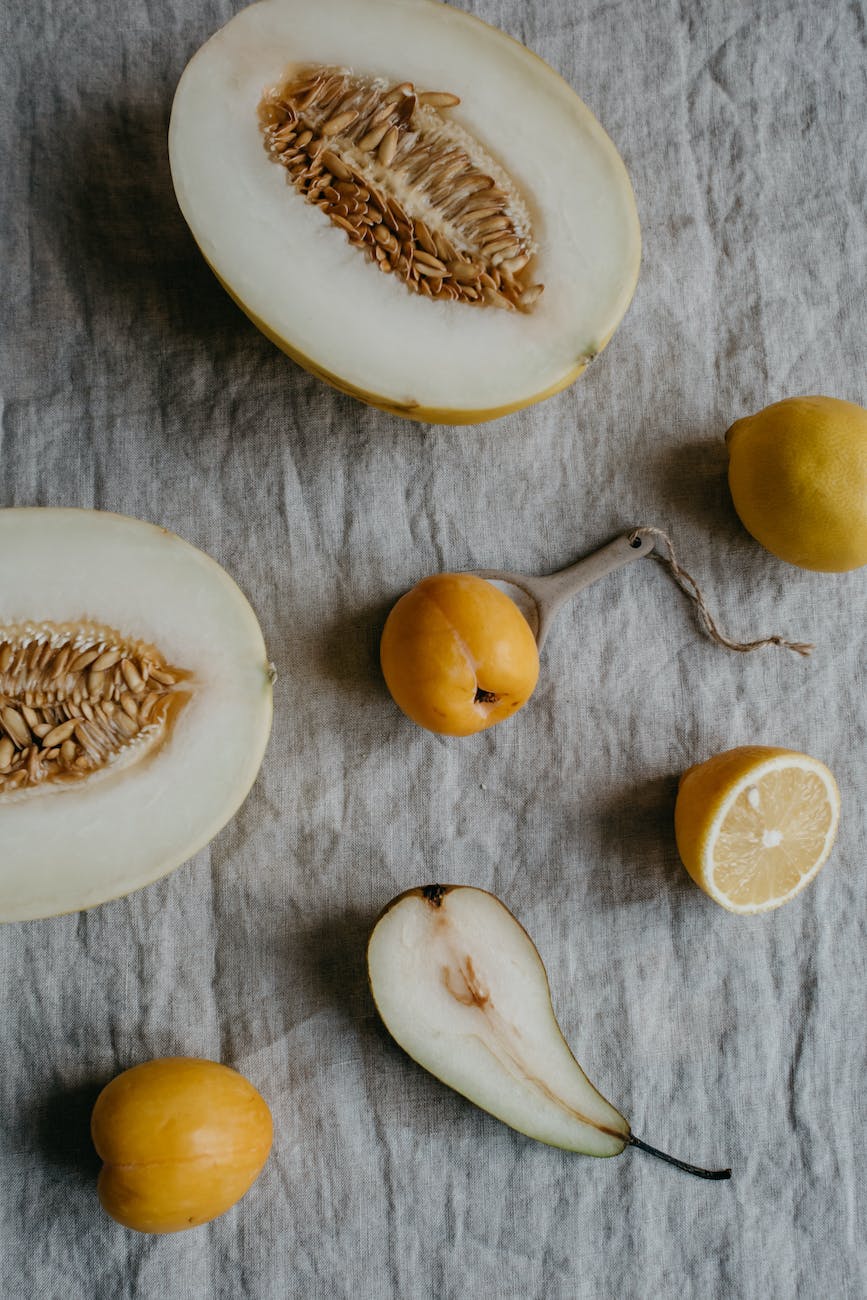
studio shot of fruits

Introduction: Cantaloupe, with its vibrant orange flesh, sweet aroma, and refreshing taste, is a beloved fruit enjoyed during the summer months. In addition to its delightful flavor, understanding the nutritional value, carbohydrate content, and health benefits of cantaloupe can help you make informed decisions about incorporating this fruit into your diet. In this comprehensive article, we will take a deeper dive into the world of cantaloupe nutrition, exploring its facts, figures, and the potential positive impact it can have on your health.

Cantaloupe Nutrition: A Powerhouse of Essential Nutrients šŸˆšŸŒæ

Cantaloupe is not only a tasty treat but also a nutrient-dense fruit that can contribute to a well-rounded diet. Let’s examine the notable nutritional components found in cantaloupe:

  1. Vitamin C: Cantaloupe is an excellent source of vitamin C, providing about 58% of the recommended daily intake per cup. Vitamin C acts as an antioxidant, supporting immune function and promoting collagen production for healthy skin, bones, and connective tissues.
  2. Vitamin A: Cantaloupe is rich in vitamin A, primarily in the form of beta-carotene, which is converted to vitamin A in the body. Vitamin A is essential for maintaining healthy vision, supporting cell growth, and boosting immune function.
  3. Potassium: Cantaloupe contains a significant amount of potassium, an important mineral involved in maintaining fluid balance, regulating blood pressure, and supporting heart health. A cup of cantaloupe provides approximately 14% of the recommended daily intake of potassium.
  4. Fiber: Cantaloupe is a good source of dietary fiber, which aids in digestion, promotes feelings of fullness, and helps regulate blood sugar levels. One cup of cantaloupe offers approximately 1.6 grams of dietary fiber.
  5. Water Content: With its high water content of around 90%, cantaloupe is an excellent hydrating fruit, contributing to your daily fluid intake and helping to maintain optimal hydration levels.

Cantaloupe Nutrition Facts: Serving Size and Caloric Content šŸ“ŠšŸ‰

To gain a better understanding of the nutritional impact of cantaloupe, let’s take a closer look at its serving size and caloric content. The following information is based on a standard serving size of one cup (about 160 grams) of cubed cantaloupe:

  • Calories: One cup of cantaloupe contains approximately 60 calories, making it a low-calorie fruit suitable for various dietary needs, including weight management.
  • Carbohydrates: A serving of cantaloupe typically contains around 14 grams of carbohydrates. These carbohydrates are primarily in the form of natural sugars, including fructose, which contributes to the fruit’s sweet taste.
  • Protein and Fat: Cantaloupe is not a significant source of protein or fat, with minimal amounts present in each serving.

Carbs in Cantaloupe: Understanding the Carbohydrate Composition šŸˆšŸŒ¾

If you’re following specific dietary plans or managing blood sugar levels, understanding the carbohydrate content of cantaloupe can be useful. Here’s what you need to know:

  • Total Carbohydrates: One cup of cantaloupe contains approximately 14 grams of carbohydrates.
  • Fiber: Cantaloupe provides around 1.6 grams of dietary fiber per cup. While not extremely high in fiber, it still contributes to your daily intake and supports digestive health.
  • Sugars: The carbohydrate content in cantaloupe comes primarily from natural sugars, such as fructose. However, the fruit has a relatively low glycemic index, meaning it has a minimal impact on blood sugar levels.

Health Benefits of Cantaloupe: Nourishing Your Body from Within šŸŒæšŸ’Ŗ

Incorporating cantaloupe into your diet can offer several potential health benefits:

  1. Antioxidant Protection: Cantaloupe’s rich vitamin C and beta-carotene content provide antioxidant support, helping to neutralize harmful free radicals and reduce oxidative stress in the body.
  2. Immune System Support: The high vitamin C content in cantaloupe strengthens the immune system, aiding in the prevention of common illnesses and promoting overall health.
  3. Eye Health: The significant amount of vitamin A, primarily in the form of beta-carotene, found in cantaloupe supports healthy vision and may reduce the risk of age-related macular degeneration.
  4. Hydration: With its high water content, cantaloupe can help maintain optimal hydration levels, contributing to overall well-being and supporting healthy bodily functions.
  5. Digestive Health: The dietary fiber present in cantaloupe promotes regular bowel movements, aids in digestion, and helps prevent constipation.

Incorporating Cantaloupe into Your Diet: Delicious and Nutritious Ideas šŸˆšŸ½ļø

Here are some delightful ways to enjoy cantaloupe and reap its nutritional benefits:

  1. Fresh and Simple: Enjoy cantaloupe on its own as a refreshing snack. Slice it into cubes or wedges and savor the natural sweetness.
  2. Fruit Salads: Combine cantaloupe with other fruits like berries, watermelon, and pineapple to create a vibrant and nutritious fruit salad.
  3. Smoothies and Juices: Blend cantaloupe with other fruits and vegetables for a hydrating and delicious smoothie or juice.
  4. Grilled Cantaloupe: Try grilling cantaloupe slices for a unique twist, enhancing the fruit’s natural flavors and caramelizing its sugars.

Conclusion:

Cantaloupe not only tantalizes the taste buds but also provides an array of essential nutrients, hydration, and potential health benefits. By understanding its nutritional composition, including carbohydrates, you can make informed decisions about incorporating this delicious fruit into your diet. Whether enjoyed fresh, in salads, blended into smoothies, or grilled, cantaloupe offers a flavorful way to enhance your well-being while satisfying your taste buds.

Posted on Leave a comment

4 Super Healthy Sprouts You can Grow at Home

happy asian women cooking oriental noodles in kitchen

Welcome to a journey of health and wellness brought to you by the vibrant and inspiring YouTube channel, Splash of Goodness. Hosted by Eva, a passionate health coach, the channel is a treasure trove of information and inspiration for those seeking to lead a healthier lifestyle. Today, we delve into one of their enlightening videos titled “How To Grow Sprouts at Home | 4 Super Healthy Sprouts”.

Sprouts, the tiny powerhouses of nutrition, are a must-have in your diet. They are packed with essential nutrients and are incredibly easy to grow at home. In this video, Eva introduces us to the world of sprouts, their benefits, and the simple process of growing them at home.

🌿 The Importance of Sprouts

Sprouts are the germinated seeds of legumes or grains, and they are a powerhouse of nutrition. They are rich in vitamins, minerals, proteins, and enzymes that aid digestion. Sprouts are also known for their high fiber content, which aids in digestion and promotes a feeling of fullness.

Eating sprouts is like consuming a complete vegetable in itself. For instance, just three tablespoons of broccoli seeds can grow into a volume of sprouts that is equivalent to eating a large amount of fully grown vegetables. Sprouts are also a great source of plant-based protein, making them an excellent choice for vegetarians and vegans.

🌱 The Countdown of Homegrown Goodness

Let’s dive into the process of growing sprouts at home, as demonstrated by Eva in the video. We will be focusing on four types of sprouts: Alfalfa, Radish, Lentils, and Broccoli.

4. Broccoli Sprouts 🄦

Broccoli sprouts are packed with nutrients and are easy to grow. Unlike other seeds, broccoli seeds do not need to be soaked overnight. They only need to be soaked for two to four hours during the day. After soaking, rinse them twice and let them drain.

3. Lentil Sprouts 🌾

Lentil sprouts are a rich source of protein and fiber. To grow them, soak a quarter cup of lentils in a jar overnight. The next morning, drain the water and rinse them twice. Lentil sprouts grow faster and are usually ready in three days.

2. Alfalfa Sprouts 🌱

Alfalfa sprouts are known for their rich flavor and crunchy texture. To grow them, add two tablespoons of alfalfa seeds to a jar and soak them overnight. Rinely rinse and drain them the next morning.

1. Radish Sprouts šŸŒ¶ļø

Radish sprouts are the star of the show. They have a spicy flavor and are packed with nutrients. To grow them, add two tablespoons of radish seeds to a jar and soak them overnight. Rinely rinse and drain them the next morning.

After the initial soaking and rinsing process, continue to rinse the sprouts twice daily for the next four to five days. Once the sprouts are fully grown, rinse them one final time, let them dry, and store them in an airtight container in the refrigerator.

Growing your own sprouts is not only a fun and educational project, but it also allows you to have fresh, nutritious food right at your fingertips.

This blog post is based on the video “How To Grow Sprouts at Home | 4 Super Healthy Sprouts” by Splash of Goodness. All credit for the information and instructions goes to the host, Eva, and her wonderful channel. You can watch the full video here.

We invite you to join our Facebook group, Vibrant and Engaging Community of Food Lovers, where you can share your sprouting experiments and results with a community of like-minded individuals. Remember, your health is in your hands. Start sprouting today!

Posted on 2 Comments

Tropic Like It’s Hot: 5 Refreshing Coconut Water Cocktails for Your Summer SoirĆ©e

photo of woman cracking coconut shells

Hello, tropical trendsetters! šŸŒžšŸ‘‹ Welcome to the fifth part of our 6-part series where we explore the versatility of coconut water. In this installment, we’re shaking things up a bit as we step behind the bar to unveil the exciting world of coconut water cocktails. Get ready to sip on the refreshing flavors of summer and elevate your soirĆ©es with these delightful concoctions. šŸ„„šŸ’¦šŸ¹

Coconut water isn’t just a healthy beverage for workouts and hydration; it’s also an excellent base for cocktails. With its subtle sweetness and natural hydration properties, coconut water adds a unique twist to mixed drinks. Plus, its electrolyte content can help counteract the dehydrating effects of alcohol, making it a popular choice for summertime libations.

1ļøāƒ£ The Hydrating Mixer šŸ’¦: Coconut water is an exceptional mixer for cocktails due to its natural sweetness and hydration benefits. Unlike traditional mixers that are often packed with artificial flavors and excessive sugar, coconut water adds a tropical touch without the unnecessary calories. It not only enhances the overall flavor of the drink but also helps keep you refreshed and hydrated.

2ļøāƒ£ Versatility in a Nutshell 🄄: One of the remarkable qualities of coconut water is its versatility as a cocktail mixer. It pairs beautifully with a variety of spirits, allowing you to create a wide range of delicious cocktails. Whether you’re a fan of vodka, rum, tequila, gin, or even non-alcoholic options, coconut water’s unique flavor profile harmonizes with different spirits, providing a refreshing and light foundation for your cocktails.

Let’s dive into the recipes and explore the tropical paradise of coconut water cocktails:

  • Coconut Water Mojito šŸƒ: Put a tropical twist on the classic mojito by swapping soda water for coconut water. Muddle fresh mint leaves and lime wedges in a glass, add rum and coconut water, and gently stir. Fill the glass with crushed ice, garnish with a sprig of mint, and add a lime wheel for a touch of elegance. This refreshing cocktail is the epitome of summer relaxation.
  • Tropical Mule šŸ: Elevate the Moscow Mule to new heights with a tropical infusion. Mix vodka, lime juice, and coconut water in a copper mug. Add ice cubes and stir gently to combine the flavors. Garnish with a pineapple slice for a visually stunning and delectable tropical mule.
  • Coconut Water Margarita šŸ¹: Take your margarita game to the next level by incorporating coconut water. Shake tequila, lime juice, orange liqueur, and coconut water in a cocktail shaker with ice. Strain the mixture into a salt-rimmed glass filled with fresh ice. Squeeze a lime wedge over the top and garnish with a sprig of fresh mint. This coconut-infused margarita is a vacation in a glass.
  • Coconut-Rum Spritzer 🄄: Create a simple yet delightful cocktail by combining coconut water, rum, a splash of sparkling water, and a squeeze of fresh lime juice. Serve it over ice in a highball glass, garnish with a slice of lime or a sprig of mint, and enjoy the light, effervescent bubbles and tropical flavors of this spritzer.
  • Coconut Gin and Tonic šŸø: Give the classic gin and tonic a tropical twist by introducing coconut water. Fill a glass with ice cubes, add gin and coconut water in equal parts, and stir gently. Squeeze in some fresh lime juice, garnish with a cucumber slice or a sprig of rosemary, and experience the refreshing fusion of flavors.

3ļøāƒ£ Mindful Drinking šŸ”„: While coconut water can contribute to hydration, it’s essential to remember that no drink can fully counteract the dehydrating effects of alcohol. It’s crucial to consume alcoholic beverages responsibly and in moderation. Remember to prioritize hydration alongside your cocktails by alternating alcoholic drinks with glasses of water.

With these tantalizing coconut water cocktails in your mixology repertoire, you’re ready to host unforgettable summer gatherings. So, let your creativity flow, enjoy responsibly, and let the tropical flavors of coconut water transport you to an exotic paradise!

Stay tuned for the final post in this series, where we conclude our exploration of the magic of coconut water. Until then, raise a glass to good times, great company, and the essence of summer! šŸ„„šŸ’¦šŸ¹

Posted on Leave a comment

Discover the Weight Loss Benefits of Eating Fruits and Vegetables Daily

bowl of vegetable salad

Hello, fellow health enthusiasts! šŸ‘‹šŸ„¦šŸŠšŸŽ

The magic of fruits and vegetables goes beyond their vibrant colors and fresh flavors. They are the nutritional superheroes of our diets, providing us with essential vitamins, minerals, and antioxidants while packing minimal calories. But can they actually help us lose weight? The answer is a resounding yes! In today’s deep dive, we’ll explore how these natural powerhouses can aid our weight loss journeys and how to incorporate them into our daily routines for maximum benefit. Ready to explore? Let’s get started! šŸ„•šŸ‡šŸ„’

A Closer Look at the Nutritional Power of Fruits and Vegetables šŸ“šŸ„¦

When we talk about the health benefits of fruits and vegetables, it’s more than just empty hype. These food groups are rich in essential nutrients that our bodies need to function optimally. Here are some highlights:

Vitamins and Minerals šŸŠšŸ„¬: Fruits and vegetables are the best sources of a wide range of vitamins and minerals, including but not limited to, Vitamin A (for eye health), Vitamin C (for immune function), and Potassium (for heart health). They also offer a variety of antioxidants that help combat oxidative stress, reducing our risk of chronic diseases.

Fiber šŸŽšŸ„•: Perhaps one of the most significant benefits of fruits and vegetables for weight loss is their high fiber content. Dietary fiber contributes to feelings of fullness, helps control blood sugar levels, aids in digestion, and can even assist in lowering cholesterol.

Hydration šŸ‰šŸ„’: Fruits and vegetables are rich in water, providing hydration and contributing to feelings of fullness with minimal calories.

Fruits, Vegetables, and Weight Loss: The Science āš–ļøšŸ„‘

So, how exactly can consuming fruits and vegetables aid in weight loss? Let’s break it down:

Low Energy Density šŸŽšŸ„•: Energy density refers to the number of calories (or energy) in a given volume of food. Foods with low energy density, like fruits and vegetables, provide fewer calories than the same volume of high energy-dense foods (like fried foods or desserts). Because they fill you up with fewer calories, they make it easier to create a calorie deficit and lose weight.

Satiety and Blood Sugar Control šŸ„šŸ„¦: The dietary fiber in fruits and vegetables slows down digestion, leading to more sustained energy levels and longer-lasting satiety. Stable blood sugar levels can help prevent cravings and overeating.

Boosting Metabolism šŸŠšŸŒ¶ļø: Certain fruits and vegetables are thought to have metabolism-boosting properties. Citrus fruits, for example, contain compounds that can increase fat burn, while capsaicin in spicy peppers can raise your metabolic rate.

Incorporating Fruits and Vegetables Into Your Daily Routine šŸ„—šŸ‡

Now that we understand how fruits and vegetables can support weight loss, let’s discuss how to incorporate them into our everyday lives. Here are a few ideas:

  1. Make Them a Part of Every Meal šŸ½ļø: Try to include at least one serving of fruit or vegetable in every meal. You could add berries to your morning oatmeal, pack a salad for lunch, and serve steamed vegetables with dinner.
  2. Choose Whole Over Juiced šŸ¹: While fruit juice can be a part of a healthy diet, it lacks the fiber content found in whole fruit. Stick to whole fruits and vegetables whenever possible.
  3. Snack Smart šŸŽ: Choose fresh fruits and vegetables for snacks. They are less calorie-dense than many traditional snack foods and will keep you feeling full and satisfied.
  4. Variety is Key 🌈: Try to eat a variety of fruits and vegetables to get a broad range of nutrients. Plus, trying new foods can keep your meals interesting and enjoyable.

Caution: Avoiding High-Calorie Traps šŸš«šŸŒ

While fruits and vegetables are naturally low in calories and high in nutrients, they can sometimes be served in ways that increase their calorie content substantially. For example, be aware of fruit served with sugary syrups or vegetables cooked in large amounts of oil. The key is to enjoy fruits and vegetables in their most natural state as often as possible.

Conclusion: Enjoy the Rainbow šŸšŸ„¦

In conclusion, making fruits and vegetables a daily habit can bring a wealth of health benefits, including supporting your weight loss journey. Remember, the beauty of fruits and vegetables lies in their variety. Enjoy the rainbow of colors they offer. Each color represents a different set of phytonutrients, so mix and match to get a broad spectrum of nutrients.

And remember, as always, balance is key. Fruits and vegetables are a crucial part of a healthy diet, but they are just one part. Make sure you’re also getting enough protein, healthy fats, and whole grains.

So, here’s to filling our plates – and our lives – with more color! šŸ‰šŸ„•šŸ‡