Posted on — Leave a comment

Is a KitchenAid Mixer Worth It? Let’s Find Out!

yellow kitchenaid stand mixer

Hello, baking enthusiasts! 🥧🍪🍰

Today, we’re diving into a topic that’s been on the minds of many home bakers and professionals alike – is investing in a KitchenAid mixer really worth it? To help answer this question, we’re turning to Natalia Lima, the founder and owner of Curious Cat Bakery, an all-vegan bakery based out of Florida. Natalia has shared her insights in a detailed video on her YouTube channel, which you can watch here.

The Investment 💰

KitchenAid mixers are a significant investment, with prices ranging from around $300 for refurbished models to up to $800-$900 for the commercial series. However, for this discussion, we’ll focus on the more affordable end of the spectrum, which is likely where most amateur bakers are looking.

The Uses of a KitchenAid Mixer

A KitchenAid mixer is a versatile tool that can handle a variety of baking tasks. From kneading bread dough to whipping up a batch of cookies, this appliance can do it all. It’s especially useful for tasks that require a lot of arm work, like kneading bread dough. With a KitchenAid mixer, you can simply turn it on and let it do its thing, freeing up your time and energy for other tasks.

The Comparison: Artisan vs. Professional Series 🥊

Natalia compares two models of KitchenAid mixers that she has used and loved for years – the Artisan series and the Professional series.

The Artisan series, which Natalia started with, is a great beginner model. It has a tilt-head design that allows you to easily add ingredients. This model is perfect for lighter tasks and smaller batches.

On the other hand, the Professional series is more robust and can handle denser doughs and larger batches. It has a bowl-lift design, which means the bowl moves up and down instead of the head tilting back and forth. This model is ideal for those who bake frequently or in large quantities.

The Verdict 🏆

So, is a KitchenAid mixer worth it? According to Natalia, it depends on how much you use it. If you’re an avid baker who bakes every other day or so, then yes, it’s definitely worth the investment. However, if you only bake occasionally, then it might not be the best choice for you.

Remember, a KitchenAid mixer is a machine, and like any machine, it can get tired. If you’re doing several batches one after the other, you’ll need to give it a break to cool down.

In conclusion, a KitchenAid mixer can be a game-changer for those who bake frequently. It can make the baking process more enjoyable and efficient, and the final product more reliably predictable. But, as with any investment, it’s important to consider your individual needs and circumstances before making a decision.

For more insights from Natalia and to get a sneak peek behind the scenes of running a bakery, make sure to subscribe to her YouTube channel and join our Facebook community where we share our love for all things baking!

Posted on — Leave a comment

Cheese and Chive Scones Recipe

woman in apron preparing food against light background

Welcome back, baking enthusiasts! Today, we’re exploring a bit off the beaten path, leaving behind the realm of sweet and venturing into the savory with an enticing twist on a classic English recipe: Cheese and Chive Scones. These scones are the perfect addition to a hearty breakfast, an ideal snack for a quick pick-me-up, or a tasty accompaniment to your favorite soup or salad. They’re also the perfect solution for those with a less sweet tooth but who still crave a satisfying treat with their afternoon tea.

What Makes Cheese and Chive Scones Special?

Unlike traditional scones, which are often sweet and served with clotted cream and jam, these savory scones are studded with sharp cheddar cheese and fresh chives. This combination offers an irresistible balance, with the rich, tangy cheese complementing the mild, onion-like taste of chives.

Cheese and Chive Scones are not just delectable, but also surprisingly easy to make, requiring only a handful of ingredients and a little time. They’re fantastic served warm, straight from the oven, but they cool well for later enjoyment too.

One of the best things about this recipe is its versatility. If you’re feeling adventurous or want a different flavor profile, the recipe is flexible. Add some cooked, crumbled bacon for Bacon Cheddar Chive Scones or swap the chives for chopped scallions for Cheddar Scallion Scones. The possibilities are endless!

Let’s Get Baking!

Without further ado, let’s get started on our Cheese and Chive Scones!

Ingredients

  • 3 cups (375g) self-rising flour
  • 1 cup (225g) cold butter, cut into small cubes
  • 1 cup (115g) cheddar cheese, grated
  • 3 tablespoons fresh chives, chopped
  • 1 cup (240ml) milk
  • 1 egg, for egg wash

Instructions

  1. Preparation: Preheat your oven to 220C/200C Fan/Gas 7 (425F) and line a baking sheet with parchment paper.
  2. Mix the Dough: In a large mixing bowl, combine the self-rising flour and cold butter. Use your fingers to rub the butter into the flour until the mixture resembles fine breadcrumbs.
  3. Add the Flavor: Stir in the grated cheddar cheese and chopped fresh chives.
  4. Form the Dough: Gradually add the milk, stirring with a fork until a dough starts to form. You might not need all the milk, so add it slowly to avoid making the dough too wet.
  5. Knead and Cut: Turn the dough out onto a lightly floured surface and knead it gently just a few times to bring it together. Roll out the dough to about 2cm thick and use a round cutter to cut out the scones. Arrange the scones on your prepared baking sheet.
  6. Final Touches: Beat the egg and use it to brush the tops of the scones. This will give them a beautiful, golden color as they bake.
  7. Bake: Bake the scones in your preheated oven for about 12-15 minutes, or until they’re golden brown and well risen.
  8. Cool and Serve: Allow the scones to cool on a wire rack for a few minutes before serving.

And there you have it, homemade Cheese and Chive Scones! A delicious alternative to sweet scone recipes. Whether you serve them for breakfast or enjoy them as a snack, they’re sure to be a hit!

Share your baking adventures with us using the hashtags #CheeseChiveScones, #Baking, #EnglishScones, and #HomemadeScones. We can’t wait to see your creations!

Stay tuned for more delectable recipes, and happy baking!

Blog Tags: Cheese and Chive Scones, Baking, English Scones, Homemade Scones, Savory Scones, Cheddar Cheese, Chives, Quick and Easy Recipes, Breakfast Ideas, Snack Recipes, Versatile Baking, Cheddar and Chive Scones, Cheddar Scallion Scones, Bacon Cheddar Chive Scones

Posted on — Leave a comment

Secrets of Fennel Seeds or Saunf: Uses, Benefits & Side Effects

Fennel seeds, or ‘saunf’ as they are called in India, are small, aromatic seeds that boast a myriad of health benefits. But along with their benefits, they come with certain side effects, especially when consumed excessively. This guide aims to explore fennel seeds in depth, including their uses, health benefits, and potential side effects.

What are Fennel Seeds?

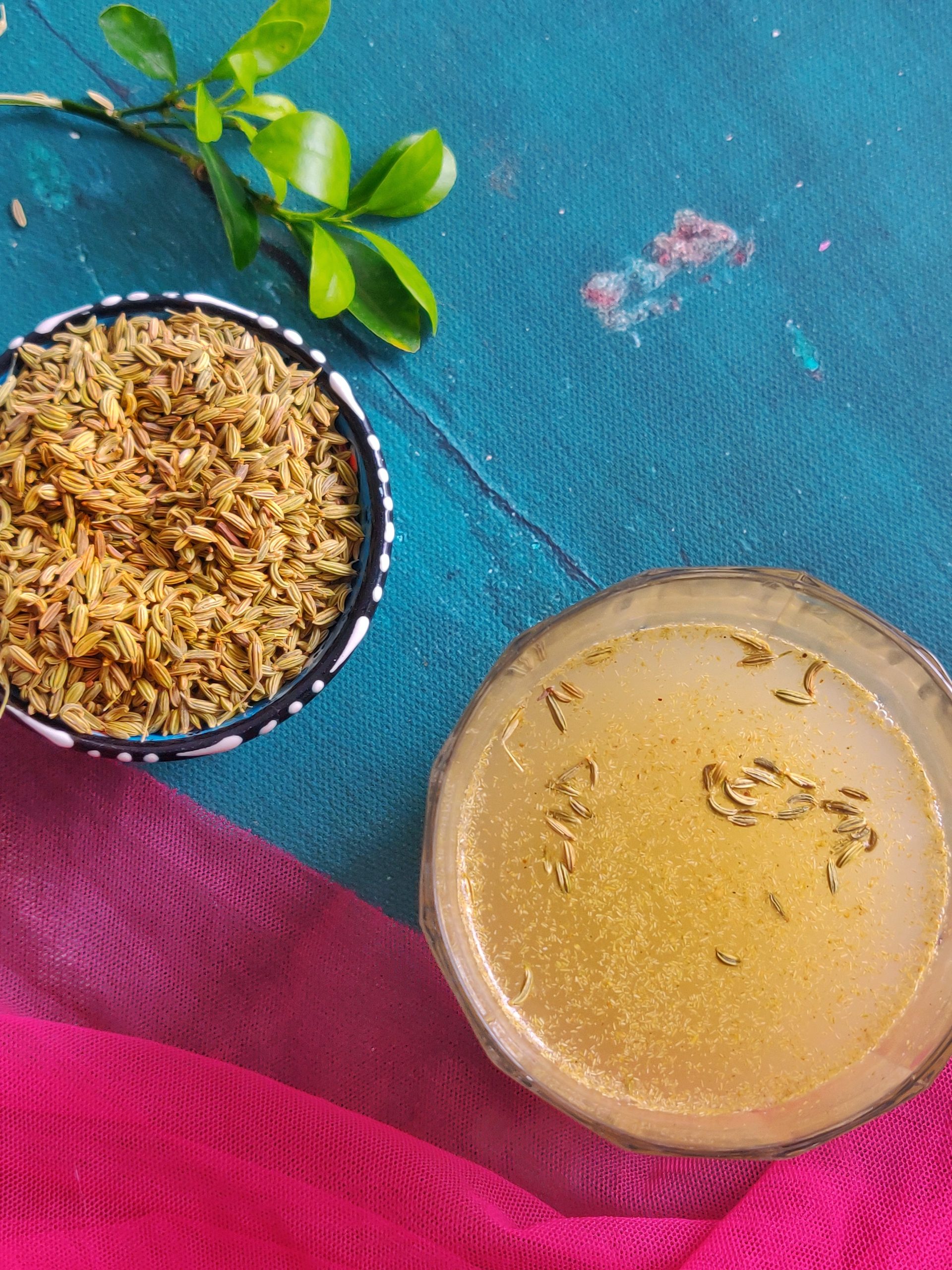
Fennel seeds are the dried seeds of the fennel plant (Foeniculum vulgare), a member of the carrot family. They are oval-shaped and have a light brown color, with an aroma reminiscent of anise or licorice. These seeds are native to the Mediterranean region but are now widely cultivated worldwide due to their culinary and medicinal uses.

The Various Uses of Fennel Seeds

  1. Culinary Uses: Fennel seeds are extensively used in cooking for their unique flavor. They are a common ingredient in Italian sausages, Indian curries, and Middle Eastern cuisine. Additionally, they are used in baking and as a flavoring in natural toothpastes and mouth fresheners.
  2. Medicinal Uses: In traditional medicine, fennel seeds are used to treat various digestive issues such as bloating, gas, and heartburn. They are also used in natural remedies for respiratory and eye disorders.
  3. Cosmetic Uses: The essential oil extracted from fennel seeds is used in soaps, perfumes, and cosmetics due to its sweet and spicy aroma.

Health Benefits of Fennel Seeds

Fennel seeds are rich in fiber, antioxidants, and compounds like anethole and estragole, which confer numerous health benefits:

  1. Aids Digestion: The dietary fiber in fennel seeds aids digestion and prevents constipation. They also have carminative properties that can alleviate bloating and gas.
  2. Rich in Antioxidants: Fennel seeds contain powerful antioxidants like flavonoids and phenolic compounds, which can protect against cell damage caused by free radicals.
  3. Improves Breath: Chewing on fennel seeds can freshen your breath, thanks to their antibacterial properties.
  4. Potential Blood Thinner: Some studies suggest that the consumption of fennel seeds may have blood-thinning effects, which could be beneficial for heart health. However, more research is needed to confirm this effect.

Despite their many benefits, fennel seeds also have certain side effects and precautions to consider.

Side Effects of Fennel Seeds

While fennel seeds are safe for most people when used in moderation, excessive consumption can lead to certain side effects:

  1. Allergic Reactions: Some people may experience allergic reactions to fennel seeds, including skin rashes, itching, and swelling. If you experience any of these symptoms, discontinue use and seek medical help.
  2. Interactions with Medication: Fennel seeds may interfere with the functioning of certain medications, especially blood thinners. If you are on such medication, consult your doctor before consuming fennel seeds.
  3. Pregnancy and Breastfeeding: Fennel seeds have been traditionally used to stimulate menstruation, which may lead to uterine contractions. Therefore, pregnant women are often advised to limit their consumption of fennel seeds. If you are pregnant or breastfeeding, it’s best to consult your healthcare provider before including fennel seeds in your diet.

How to Incorporate Fennel Seeds into Your Diet

Fennel seeds can be used in a variety of ways:

  1. Tea: Boil a teaspoon of fennel seeds in water for 5 minutes, strain, and enjoy a soothing cup of fennel tea.
  2. Spice Mixes: Ground fennel seeds are often used in spice mixes like garam masala in Indian cuisine.
  3. Baking: Add fennel seeds to your bread, cookies, or cakes for an aromatic twist.
  4. Salads and Soups: Sprinkle some fennel seeds on your salad or soup for added flavor.

Fennel seeds are a versatile ingredient with several health benefits. However, they should be consumed in moderation due to potential side effects. As always, it’s best to consult your healthcare provider if you have any concerns or if you are pregnant, breastfeeding, or on medication.

1. What are the side effects of consuming fennel seeds?

Fennel seeds are generally safe for most people when used in moderation, but excessive consumption can lead to certain side effects. These may include allergic reactions, such as skin rashes, itching, and swelling. They may also interfere with the functioning of certain medications, especially blood thinners. Pregnant women are often advised to limit their consumption of fennel seeds as they can stimulate menstruation, which may lead to uterine contractions.

2. Can fennel seeds be used as a blood thinner?

There are studies suggesting that the consumption of fennel seeds may have blood-thinning effects, which could be beneficial for heart health. However, more research is needed to confirm this effect. If you are on blood-thinning medication, consult your doctor before consuming fennel seeds to avoid any potential interaction.

3. Are there any disadvantages of using fennel seeds?

While fennel seeds have numerous health benefits, they can cause certain side effects when consumed in excess. These can include potential allergic reactions, interference with certain medications, and potential risks for pregnant women. It’s always recommended to consume them in moderation and consult a healthcare professional if you have any concerns.

4. Is it safe to consume fennel seeds during pregnancy?

Fennel seeds have been traditionally used to stimulate menstruation, which can lead to uterine contractions. Therefore, it’s often recommended that pregnant women limit their consumption of fennel seeds. If you are pregnant or planning to become pregnant, it’s always best to consult your healthcare provider about including fennel seeds in your diet.

5. What are the culinary uses of fennel seeds?

Fennel seeds are extensively used in cooking due to their unique flavor. They are a common ingredient in Italian sausages, Indian curries, and Middle Eastern cuisine. They can also be used in baking and as a flavoring in natural toothpastes and mouth fresheners.

6. Can I eat fennel seeds for better digestion?

Yes, fennel seeds are known to aid digestion. They are rich in dietary fiber, which can help prevent constipation, and have carminative properties that can alleviate bloating and gas.

7. Are fennel seeds good for freshening breath?

Absolutely. Chewing on fennel seeds can freshen your breath, thanks to their antibacterial properties and pleasant aroma. This is why they are often used as a natural mouth freshener.

8. How do fennel seeds taste?

Fennel seeds have a sweet, slightly spicy flavor that’s reminiscent of anise or licorice. This unique flavor makes them a popular ingredient in various cuisines.

The Bottom Line

Fennel seeds have numerous culinary uses and health benefits. They are a rich source of dietary fiber, vitamins, minerals, and antioxidants. However, they should be consumed in moderation, and certain individuals, especially those on medication, pregnant, or prone to allergies, should consult their healthcare provider before including fennel seeds in their diet.

Remember, while fennel seeds do have impressive health benefits, they’re not a substitute for a varied, balanced diet and a healthy lifestyle.


Posted on — Leave a comment

Subza Seed: Nutrition, Benefits, and How to Eat It

close up of green plants

Introduction: 🌟 Subza seeds, also known as basil seeds or sabja seeds, have gained significant popularity for their exceptional nutritional value and potential health benefits. These tiny black seeds, derived from the sweet basil plant, have been used in traditional medicine for centuries. In this blog post, we will explore the comprehensive nutrition profile of subza seeds, delve into their potential health benefits, and provide creative ideas on how to incorporate these wonderful seeds into your daily diet.

Nutrition Profile of Subza or Basil Seeds: 🌱

Subza seeds are packed with essential nutrients that can contribute to your overall well-being. Let’s take a closer look at the key nutritional components found in subza seeds:

  1. Dietary Fiber: Subza seeds are a rich source of dietary fiber, which promotes healthy digestion, aids in weight management, and helps regulate blood sugar levels. Fiber also contributes to a feeling of fullness, supporting portion control and preventing overeating.
  2. Omega-3 Fatty Acids: These remarkable seeds contain omega-3 fatty acids, which play a crucial role in brain health, heart health, and reducing inflammation in the body. These healthy fats are beneficial for maintaining optimal overall health.
  3. Protein: Subza seeds offer a moderate amount of plant-based protein, making them a valuable addition to vegetarian and vegan diets. Protein is essential for building and repairing tissues, supporting muscle health, and maintaining a strong immune system.
  4. Vitamins and Minerals: Subza seeds provide an array of vitamins and minerals, including calcium, magnesium, iron, and vitamin K. These nutrients contribute to bone health, energy production, and proper blood clotting.

5 Health Benefits of Subza or Basil Seeds: 🌿

Incorporating subza seeds into your diet can offer a wide range of health benefits. Let’s explore some of the potential advantages of consuming these nutritious seeds:

  1. Digestive Health: The high fiber content of subza seeds supports healthy digestion, prevents constipation, and fosters a healthy gut microbiome. It aids in regular bowel movements and promotes overall digestive well-being.
  2. Weight Management: Subza seeds can be beneficial for weight management due to their fiber content, which promotes feelings of fullness and helps control appetite. Including subza seeds in your meals can assist in maintaining a healthy weight.
  3. Heart Health: The omega-3 fatty acids present in subza seeds contribute to heart health by reducing inflammation, improving blood flow, and supporting healthy cholesterol levels. These factors collectively reduce the risk of heart disease.
  4. Blood Sugar Regulation: The soluble fiber in subza seeds helps regulate blood sugar levels by slowing down the absorption of sugar into the bloodstream. This can be particularly beneficial for individuals with diabetes or those aiming to prevent blood sugar spikes.
  5. Hydration Support: When soaked in water, subza seeds develop a gel-like texture, which can help replenish fluids and electrolytes in the body. This makes them a fantastic addition to beverages, especially during hot summer months, aiding in hydration.

How to Eat Subza Seeds: 🍽️

Subza seeds can be enjoyed in numerous delightful ways. Here are some ideas to help you incorporate these nutritious seeds into your daily diet:

  1. Beverage Enhancer: Soak subza seeds in water for about 15 minutes until they develop a gel-like consistency. Add the soaked seeds to your favorite beverages, such as lemonade, fruit juices, or herbal teas, for a refreshing and nutritious twist.
  2. Puddings and Desserts: Incorporate soaked subza seeds into puddings, custards, or chia seed puddings to add a delightful texture and enhance the nutritional value of your desserts.
  3. Salads and Yogurt Parfaits: Sprinkle soaked subza seeds over salads or yogurt parfaits to add a crunchy element and enjoy their health benefits. They can provide an interesting texture and a subtle nutty flavor to your dishes.
  4. Smoothies: Blend soaked subza seeds into smoothies along with your favorite fruits, leafy greens, and a liquid of your choice. This will add a nutritional boost and create a thick and satisfying texture.
  5. Baking: Incorporate subza seeds into baked goods like muffins, bread, or energy bars for an extra nutritional punch. They can add a unique twist to your favorite recipes and provide added texture and flavor.

Conclusion: 🌈 Subza seeds are a versatile and nutritious addition to your diet, offering various health benefits for digestion, weight management, heart health, blood sugar regulation, and hydration support. By incorporating these tiny seeds into your meals and beverages, you can elevate the nutritional value of your dishes and enjoy their unique texture and flavor.

Join our vibrant community of food lovers at Eatlo Community to share your experiences, discover new recipes, and embrace a healthy and delicious lifestyle together.

🌱🌿

Posted on — Leave a comment

Chocolate Chip Cookie Bars: The Ultimate Dessert

happy asian women cooking oriental noodles in kitchen

Hello, dessert enthusiasts! 🙋‍♀️ Today, we’re going to delve into a mouth-watering recipe from Preppy Kitchen, a YouTube channel renowned for its delightful and easy-to-follow recipes. This time, we’re learning how to make Chocolate Chip Cookie Bars, a dessert that marries the best qualities of brownies and chocolate chip cookies into one irresistible treat. 🍪🍫

🍪 Chocolate Chip Cookie Bars: A Delectable Fusion 📝

Imagine the most decadent brownie and the most delicious chocolate chip cookie coming together to create the ultimate dessert. That’s exactly what these Chocolate Chip Cookie Bars are! They’re a delightful fusion of the fudgy, gooey texture of brownies and the crispy, crunchy edges of cookies, all packed with the delightful sweetness of brown sugar, butter, and chocolate.

🍪 The Magic of Chocolate Chip Cookie Bars 🍫

What makes these cookie bars so special is their unique texture and flavor. They’re not just a cookie or a brownie – they’re the best of both worlds. The outside is crispy and golden, while the inside is soft, chewy, and loaded with melty chocolate chips. Every bite is a burst of sweet, buttery, chocolatey goodness that will have you reaching for more.

🍪 How to Make Chocolate Chip Cookie Bars 🍵

The recipe for these cookie bars is incredibly easy and quick to whip up. Here’s how you can make your own batch of these delicious treats:

Ingredients 📋

  • 200 grams of fresh turmeric
  • 50 grams of fresh ginger
  • 100 grams of Tamarind pulp
  • Salt
  • 100 to 150 grams of jaggery or unprocessed sugar

Method 🍳

  1. Preparation: Start by prepping your 8 by 8-inch dish by lining it with parchment paper. This will make it easier to remove the bars once they’re baked.
  2. Mixing the Wet Ingredients: In a large bowl, combine melted butter, regular white sugar, and brown sugar. Mix until it forms a thick slurry. This is the base of your cookie bars, providing them with their rich, sweet flavor.
  3. Adding the Eggs and Vanilla: Add in vanilla extract and two room temperature eggs. Whisk together. The eggs will give your bars structure, while the vanilla adds a depth of flavor.
  4. Incorporating the Dry Ingredients: Dump in the dry mixture and fold it in until it’s mostly incorporated. Be careful not to overmix, as this can lead to tough cookie bars.
  5. Adding the Chocolate Chips: Toss in your chocolate chips and fold them in. Try to distribute the chocolate chips evenly so every bite has a bit of chocolate.
  6. Transferring to the Baking Dish: Transfer the mixture to your prepared baking dish and smooth the top out.
  7. Adding the Final Touches: Dot the surface with some clean chocolate chips. This will give your bars a beautiful, appetizing appearance. If you like, sprinkle some flaked sea salt on top for a hint of savory contrast to the sweet cookie bars.
  8. Baking: Pop it into the oven for 30+ minutes. The exact baking time will depend on how gooey or firm you like your cookie bars.

🎥 Video and Channel Credits 📺

All these amazing tips and information are from the YouTube channel Preppy Kitchen. They share their passion for food and health through their easy-to-follow videos. Check out the original video for a step-by-step guide on how to prepare this drink. Also, don’t forget to visit and subscribe to the Preppy Kitchen channel for more health tips and recipes.

🤝 Join Our Community

We’d love to have you in our community! If you’re passionate about food, health, and wellness, join our Facebook group EatLo. It’s a space where you can share your own recipes, meal prep tips, and foodie adventures. Plus, you’ll get to connect with like-minded individuals who can inspire and motivate you.