
Posted on Leave a comment

Indulging in Clove-Infused Culinary Delights: Enhancing Intimacy Through Sensory Gastronomy

Indulging in Clove-Infused Culinary Delights Enhancing Intimacy Through Sensory Gastronomy

In an age where the dinner table often doubles as a desk and meals are hurried rituals between meetings, the art of eating has become disconnected from the sensory symphony it once was. But imagine a meal that goes beyond mere nourishment—a dining experience so thoughtfully crafted that it awakens every sense, evokes memory, teases desire, and deepens emotional connection. Welcome to the realm of sensory gastronomy, and at its aromatic heart lies a spice that has seduced palates for centuries: clove.

The Intimate Allure of Clove: A Spice of Desire and Depth

Cloaked in mystery, sharp yet sweet, clove carries with it a scent that lingers like a whispered secret. It is the dried flower bud of the Syzygium aromaticum tree, native to Indonesia, and its name derives from the Latin clavus, meaning “nail”—an apt description of its physical form. But beneath its humble appearance lies a history rich in sensuality, ritual, and healing.

In both Ayurvedic and Chinese medicine, clove has long been hailed as a stimulant for circulation and energy—both vital to enhancing physical intimacy. In ancient Arab cultures, it was ground into aphrodisiac potions. And in medieval Europe, clove was one of the rare spices that nobles treasured for its warmth, scent, and ability to mask undesirable odors—making it both a culinary and cosmetic luxury.

The clove’s active compound, eugenol, is not just responsible for its pungent scent and numbing effect—it also stimulates the senses, opens the sinuses, and sparks a warm sensation on the palate. In this way, clove doesn’t just season your dish; it primes your body for pleasure.

The Power of Sensory Gastronomy in Romantic Connection

True intimacy is multi-sensory. Touch, scent, taste, sound, sight—they all play a role in attraction and connection. Sensory gastronomy is a culinary philosophy that acknowledges this, creating meals that are not just eaten but experienced.

Shared dining, when stripped of distraction and infused with intention, becomes a kind of edible foreplay. It is conversation without words, trust through texture, and desire expressed through flavor. And clove, with its intoxicating scent and ability to enhance both sweet and savory, becomes a conduit for this exchange.

Science supports this. The olfactory bulb, responsible for processing smell, is directly linked to the brain’s limbic system—the seat of emotion and memory. That means a whiff of clove can trigger not only nostalgia or comfort, but also desire, if woven into a memorable intimate experience.

Crafting a Clove-Infused Dining Experience

So, how does one create an evening where food and intimacy intertwine? It starts with intention. Choose ingredients that complement clove’s profile—deep reds, earthy browns, golden honeys, citrus zests—and build a menu that tells a sensory story.

Here is a curated, clove-centric culinary journey, designed for emotional resonance and romantic indulgence.


1. Prelude: Scent & Sip

Clove and Orange Mulled Wine

Let the evening begin with a warm, spiced aroma filling the room. Simmer red wine with whole cloves, cinnamon, orange zest, and a splash of brandy. Serve in warm mugs with a sliver of orange peel.

🟤 Why it works: Heat amplifies clove’s aroma, inviting the guest into the experience gently but seductively.


2. First Course: Touch & Taste

Seared Scallops with Clove-Infused Brown Butter

Delicate scallops seared to golden perfection, served with a drizzle of brown butter infused with toasted cloves and a whisper of lemon. Plate over silky parsnip purée.

🟤 Why it works: The smooth texture of scallops against the nutty, aromatic richness of clove butter engages both palate and mouthfeel, sparking sensual anticipation.


3. Main Course: Depth & Desire

Spiced Duck Breast with Clove-Port Reduction

Succulent duck breast, slow-cooked and served with a port wine reduction that’s simmered with cloves, star anise, and blackberries. Pair with roasted root vegetables glazed with clove-infused honey.

🟤 Why it works: Duck’s richness stands up to clove’s intensity, while the port and berry reduction adds luxurious sweetness. This is a dish of complexity, patience, and payoff—like intimacy itself.


4. Interlude: Cleanse & Contrast

Clove-Lemongrass Sorbet

A light palate cleanser that balances the spice of clove with the bright freshness of lemongrass and a touch of mint.

🟤 Why it works: Keeps the sensory experience dynamic—preventing palate fatigue and refreshing anticipation for the finale.


5. Dessert: Sweetness & Seduction

Clove and Orange Crème Brûlée

A silky custard infused with orange zest and crushed cloves, topped with caramelized sugar for a shattering, sensual crunch.

🟤 Why it works: This dessert balances warmth and brightness, softness and crackle—mirroring the balance of intimacy: comfort and thrill.


6. Finale: Shared Scent Memory

Warm Towels Steamed with Clove Oil

End the meal with a ritual: warm towels lightly scented with clove and rosewater, offered for the hands. A small gesture of tactile care.

🟤 Why it works: This completes the sensory cycle, grounding the experience in scent and touch.


Sensuality Is a Shared Practice

The beauty of clove is that it refuses to be background noise. It demands presence. And when integrated into a meal with care and purpose, it becomes an aromatic catalyst for deeper connection.

Sensory gastronomy is not just about ingredients—it’s about intention. It’s about tuning into each other and into the meal as a mutual, immersive act. Clove becomes the thread that ties sensation to emotion, plate to palate, and heart to heart.

So next time you cook, don’t just ask “Does it taste good?”—ask “What does it feel like?”, “What does it awaken?”, “What memory does it stir?”

You may find that with a single spice, a table transforms into a sanctuary of shared indulgence and deepening intimacy.


FAQs

1. Why is clove considered an aphrodisiac?
Clove contains eugenol, which improves blood circulation and creates a warming sensation that can enhance physical sensitivity. Its potent aroma is also emotionally stimulating, often associated with comfort, warmth, and sensuality across various cultures.

2. Can clove be used in both sweet and savory dishes?
Absolutely. Clove’s spicy-sweet complexity works beautifully in savory dishes like duck, lamb, and stews, as well as in sweet treats like crème brûlée, mulled wine, and baked fruits.

3. What’s the best way to infuse clove flavor without overpowering a dish?
Use whole cloves when infusing sauces or liquids and remove them before serving. For subtler flavor, steep in warm liquids or oils for a short time, or use ground clove sparingly in spice blends.

4. How can I create a romantic dining atmosphere at home using clove?
Use clove-scented candles, simmer whole cloves in water on the stove before your meal, or add clove oil to warm towels or napkins. Pair the aroma with dim lighting and soft music to enhance the multisensory experience.

5. Are there any dietary considerations or allergies with clove use?
While rare, clove can cause allergic reactions in sensitive individuals. It’s also quite strong, so people with gastrointestinal issues or on blood thinners should use it cautiously or consult a doctor.

6. Can I substitute cloves with another spice?
Clove has a very unique profile, but for certain applications, you might substitute with allspice, cinnamon, or nutmeg—though none provide the exact same aromatic warmth or intensity.

7. How do I pair wine or cocktails with clove-infused dishes?
Rich red wines (like Syrah or Zinfandel) complement clove’s depth. For cocktails, opt for spiced old fashioneds, mulled wine, or dark rum-based drinks with orange and vanilla notes.

8. What’s the shelf life of whole cloves, and how should they be stored?
Whole cloves can last up to 2–3 years when stored in an airtight container in a cool, dark place. Ground cloves lose potency more quickly and should be used within 6–12 months.

9. How can I use clove for a non-culinary sensory element during a dinner?
Steam hand towels with clove oil for post-meal refreshment, use clove oil in an essential oil diffuser, or create a simple simmer pot with clove, orange peel, and cinnamon to scent the room.

10. What makes sensory gastronomy different from regular dining?
Sensory gastronomy involves intentionally engaging all five senses—taste, smell, touch, sight, and sound—to create a richer emotional and physical experience during meals. It’s about transforming food into an immersive ritual that fosters connection and intimacy.
Posted on Leave a comment

Apple Delight and Diabetes: Unveiling 5 Important Questions and 5 Scrumptious Ways to Include this Crunchy Fruit in Your Diabetic Diet

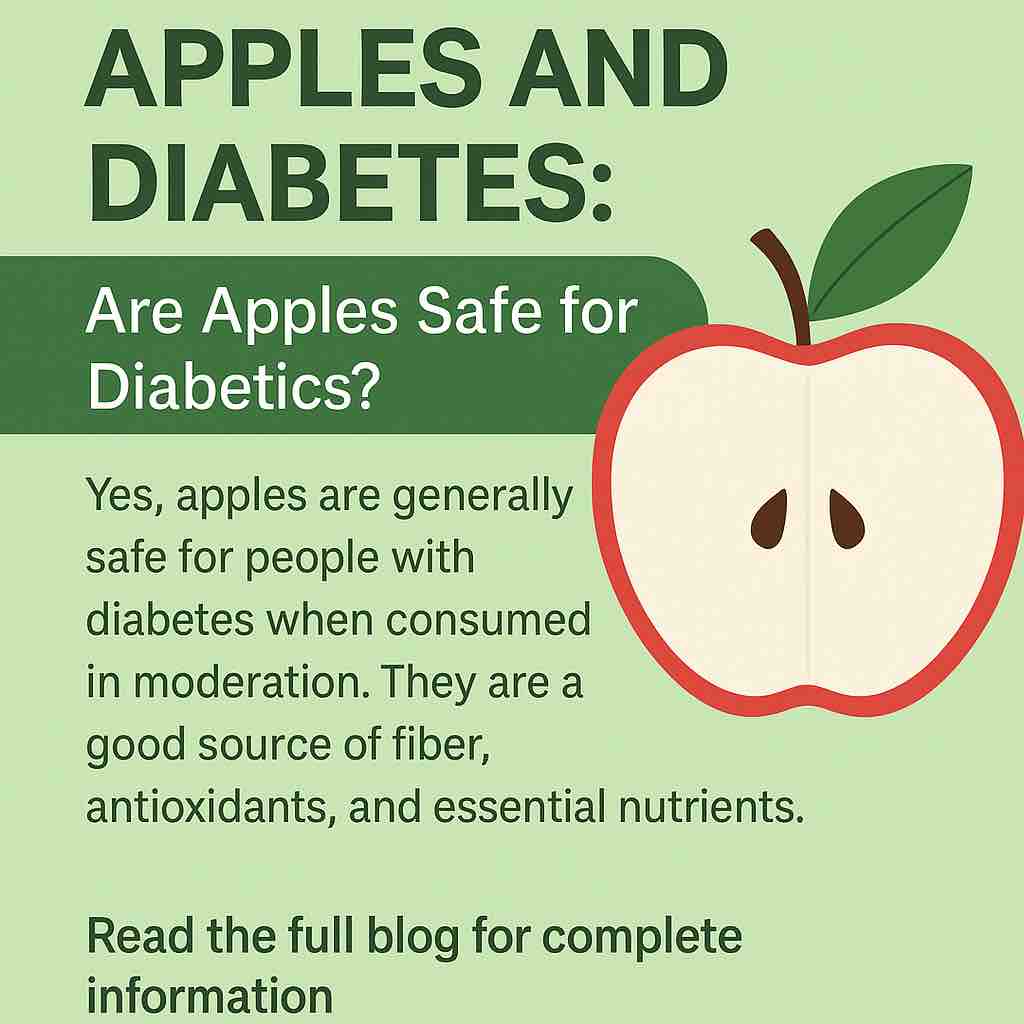
APPLES AND DIABETES: Are Apples Safe for Diabetics?

When you think of a healthy snack, apples often come to mind. With their juicy, crisp texture, apples have long been a favorite fruit worldwide, not just for their taste but also for their health benefits. But if you are someone managing diabetes, you might find yourself wondering, “Can I still enjoy this crunchy fruit?” The good news is that apples can absolutely be part of a diabetes-friendly diet, provided you understand their nutritional impact and how to include them mindfully in your meals.

This blog post dives deep into answering five key questions about apples and diabetes, followed by five delicious and creative ways you can enjoy apples while keeping your blood sugar levels in check. Let’s start with the essentials!


5 Important Questions About Apples and Diabetes

1. Are Apples Safe for Diabetics?

Apples are not only safe but also beneficial for individuals with diabetes, when consumed in moderation. One medium-sized apple contains approximately 20-25 grams of carbohydrates, primarily from natural sugars. However, this doesn’t mean that apples should be avoided; in fact, they are a great option for diabetics because they come with a wealth of health benefits.

First and foremost, apples are rich in fiber, particularly soluble fiber, such as pectin. This fiber plays an essential role in regulating blood sugar levels by slowing down the digestion and absorption of sugar into the bloodstream. This slow release helps prevent blood sugar spikes after meals, which is crucial for diabetics trying to manage their condition.

Additionally, apples contain antioxidants, particularly flavonoids and polyphenols, which have been shown to reduce oxidative stress in the body. Oxidative stress is a key factor in the development of diabetic complications such as nerve damage, heart disease, and kidney issues. Therefore, consuming apples regularly can help promote overall health.

2. Do Apples Raise Blood Sugar Levels?

The glycemic index (GI) of a food measures how quickly it raises blood sugar after consumption. Foods with a high GI value can cause a rapid spike in blood sugar levels, while foods with a low GI value release glucose more gradually. Apples have a relatively low glycemic index of about 38, meaning they have a minimal effect on blood sugar levels.

However, while apples are low in GI, portion control is essential. A large apple, for instance, may contain more carbohydrates than a smaller one. Consuming an entire large apple might lead to a higher blood sugar rise than a small apple. The key to including apples in a diabetic diet is moderation, as well as balancing the apple with other foods that stabilize blood sugar.

3. What is the Best Type of Apple for Diabetics?

Not all apples are created equal when it comes to blood sugar control. Some apple varieties are sweeter than others, and those with a higher sugar content can cause a faster spike in blood glucose levels. If you’re looking for the best apple for diabetes, green apples, particularly Granny Smith apples, are an excellent choice.

Granny Smith apples are not only tart and low in sugar but are also packed with fiber, which helps in blood sugar regulation. They also contain fewer carbohydrates compared to sweeter varieties like Fuji or Red Delicious. While sweeter apples can still be consumed in moderation, opting for a green apple may offer more control over blood sugar levels.

4. How Many Apples Can a Diabetic Eat Per Day?

As with all fruits, portion control is essential. The general guideline for diabetics is to consume a small-to-medium-sized apple (about 150 grams) per day. This amount typically provides 20-25 grams of carbohydrates, which can fit within the daily carb limit for most people with diabetes.

It’s important to consider your overall carbohydrate intake, so if you’re consuming an apple as part of a meal or snack, balance it with protein, healthy fats, and fiber-rich vegetables to prevent a blood sugar spike. For example, pairing an apple with a handful of nuts or a slice of cheese can provide a more balanced snack.

5. Are There Any Benefits to Apples for Diabetics?

Yes! Apples offer numerous health benefits that make them an excellent choice for diabetics. They are rich in antioxidants, particularly flavonoids, which are known for their anti-inflammatory and anti-oxidative properties. These antioxidants help protect the body from damage caused by free radicals, a major factor in the development of diabetes-related complications, such as heart disease and kidney failure.

Additionally, apples are high in soluble fiber, which not only helps regulate blood sugar but also promotes digestive health. The fiber in apples helps slow digestion and prevents rapid spikes in blood glucose after meals. Apples are also linked to better weight management, which is especially important for diabetics, as maintaining a healthy weight can improve insulin sensitivity.


5 Scrumptious Ways to Include Apples in Your Diabetic Diet

Incorporating apples into your diabetic-friendly diet doesn’t have to be boring or bland. Here are five creative and scrumptious ways to enjoy apples while keeping your blood sugar levels under control:

1. Apple and Nut Salad

This crisp, refreshing salad combines the tartness of apples with the crunchy texture of nuts, offering a perfect balance of flavors and textures. Slice a green apple (like Granny Smith) and toss it with mixed greens, such as spinach or arugula. Add a handful of walnuts, almonds, or pistachios for a dose of healthy fats and protein.

Top it off with a light dressing made from olive oil, lemon juice, and a pinch of salt. The nuts provide protein and healthy fats, which help slow the absorption of sugars from the apples, making this salad an excellent choice for a balanced meal.

2. Baked Cinnamon Apples

Baked apples are a warming and comforting treat, especially when the weather turns chilly. Slice up a green apple and sprinkle with cinnamon—a spice that has been shown to improve insulin sensitivity. Cinnamon adds flavor without adding sugar, making it a perfect complement to the natural sweetness of apples.

For a diabetes-friendly twist, bake the apples with a drizzle of stevia or monk fruit sweetener instead of sugar. You can also top them with a dollop of Greek yogurt or a sprinkle of chopped nuts for added protein and healthy fats.

3. Apple and Cheese Snack

If you’re looking for a quick, satisfying snack, try pairing apple slices with a small portion of cheese. The natural sweetness of the apple and the creamy, salty cheese create a delicious contrast. Choose a low-fat cheese like mozzarella, cheddar, or goat cheese to keep the snack healthier.

The combination of apple and cheese provides a good balance of carbohydrates, fiber, protein, and fat, which can help prevent blood sugar spikes and keep you feeling full for longer.

4. Apple Smoothie

A refreshing and nutrient-packed smoothie is a great way to incorporate apples into your diet. For a diabetic-friendly apple smoothie, blend up one small apple with a handful of spinach, a tablespoon of chia seeds, and unsweetened almond milk.

You can also add a scoop of protein powder for an extra boost. This smoothie is packed with fiber, healthy fats, and protein, which will help keep your blood sugar stable throughout the day. Plus, it’s a great way to get in some extra vegetables and antioxidants.

5. Apple Chia Pudding

For a fun, nutritious dessert, try making apple chia pudding. Mix chia seeds with unsweetened almond milk and let them sit overnight to form a thick, pudding-like consistency. In the morning, top the chia pudding with diced apple slices, a sprinkle of cinnamon, and some chopped nuts for added texture.

Chia seeds are a great source of fiber, protein, and omega-3 fatty acids, making them a perfect complement to the apples. This dessert is satisfying, filling, and perfectly suited for a diabetes-friendly diet.


Conclusion

Apples are a delightful and nutritious fruit that can easily fit into a diabetic diet when enjoyed in moderation. By choosing the right variety, controlling portion sizes, and pairing them with other healthy foods, you can savor apples without worrying about blood sugar spikes.

The 5 creative recipes outlined above offer delicious ways to include apples in your daily meals, allowing you to enjoy the many benefits this crunchy fruit has to offer. So go ahead, take a bite into that crisp apple—your taste buds and your body will thank you!

FAQs About Apples and Diabetes

1. Can diabetics eat apples daily?
Yes, diabetics can enjoy an apple a day in moderation. A medium-sized apple typically contains around 20-25 grams of carbohydrates, so it’s important to factor it into your daily carbohydrate intake. Pairing it with protein or healthy fats helps balance blood sugar levels.

2. Are apples high in sugar?
Apples contain natural sugars, but they also have a low glycemic index (GI), which means they do not cause a rapid increase in blood sugar levels. Their fiber content, particularly soluble fiber, helps slow the absorption of sugar, making them a good choice for diabetics.

3. What is the glycemic index of apples?
Apples have a glycemic index of around 38, which is considered low. Foods with a low GI are absorbed slowly, preventing spikes in blood sugar. This makes apples a safe option for individuals with diabetes when consumed in appropriate portions.

4. Is it better to eat apples with or without the skin for diabetics?
It’s better to eat apples with the skin on. The skin is rich in fiber, which helps regulate blood sugar and improve digestion. It also contains antioxidants that can reduce the risk of diabetes-related complications.

5. Can apples be part of a low-carb diet for diabetics?
Apples contain carbohydrates, so they should be consumed in moderation on a low-carb diet. A small apple is usually considered acceptable, but it’s essential to keep track of your overall carbohydrate intake and adjust accordingly.

6. Are green apples better for diabetics than red apples?
Green apples, such as Granny Smith, are often a better choice for diabetics due to their lower sugar content and higher fiber. However, red apples like Fuji and Gala can still be enjoyed in moderation. Opting for tart varieties helps minimize blood sugar spikes.

7. How do apples help control blood sugar levels?
Apples contain soluble fiber, which slows down digestion and the absorption of sugar into the bloodstream. This helps prevent sharp increases in blood sugar levels. Additionally, the antioxidants in apples may improve insulin sensitivity.

8. Can apple juice be consumed by diabetics?
While fresh apple juice may seem like a healthy option, it is not recommended for diabetics because it lacks fiber and can cause a rapid rise in blood sugar. Whole apples, with their skin and fiber, are a much better choice.

9. Are apples a good source of vitamins for diabetics?
Yes, apples are a good source of vitamins, particularly vitamin C, which supports immune function and overall health. They also contain small amounts of other essential vitamins and minerals that contribute to overall well-being.

10. Can apples help with weight management for diabetics?
Yes, apples are a great option for weight management. Their high fiber content promotes satiety, helping you feel fuller for longer. They are also low in calories, making them a great snack for diabetics who are trying to manage their weight.

Posted on Leave a comment

Fruit Focus: The Blackcurrant – Nutrition, Benefits, and 5 Practical Ways for Weight Loss

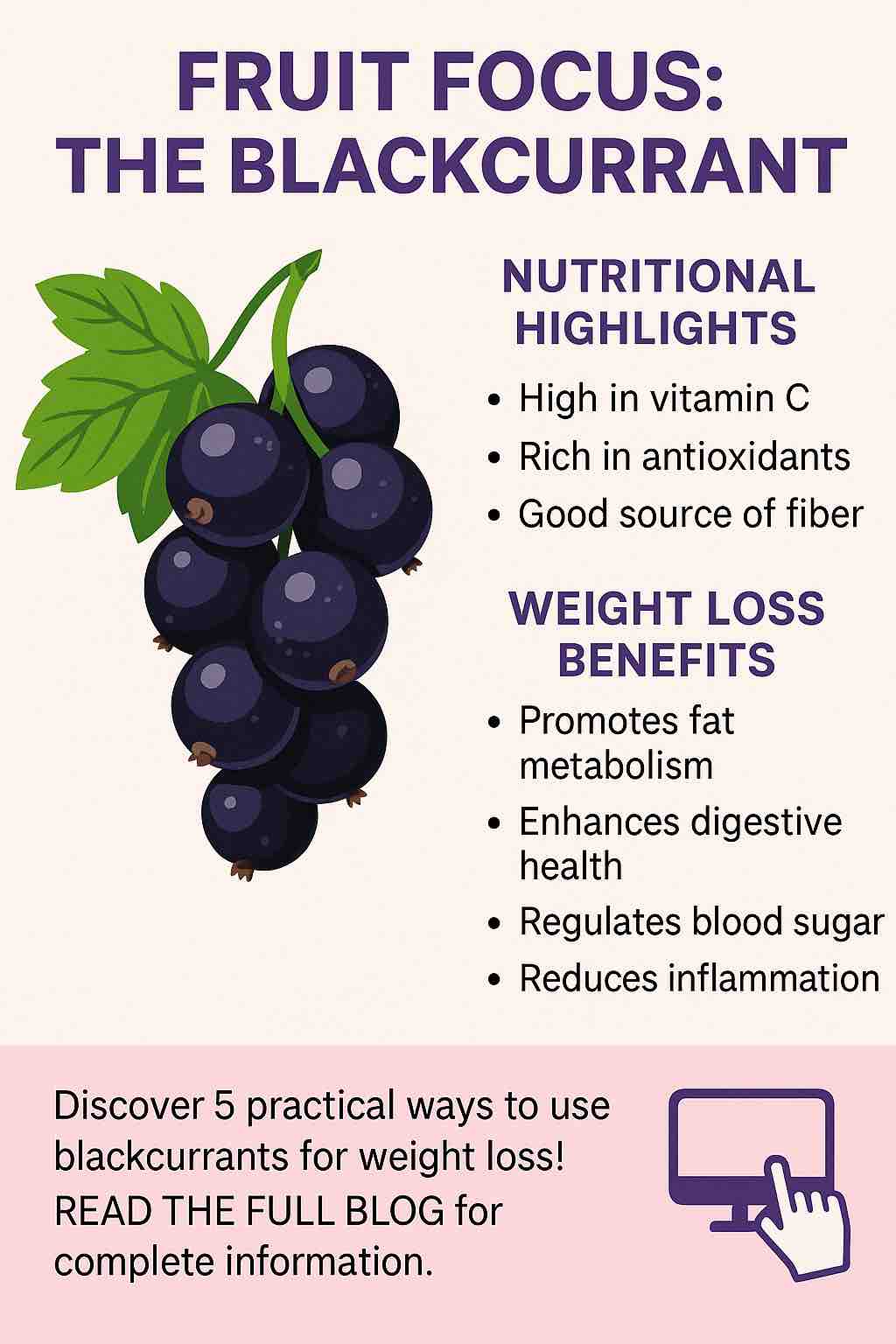
FRUIT FOCUS: THE BLACKCURRANT

When we think of weight-loss-friendly fruits, the usual suspects—blueberries, apples, and grapefruit—often steal the spotlight. But there’s a darker, bolder berry quietly boasting some serious benefits: the blackcurrant. Rich in nutrients, sharp in flavor, and deeply pigmented with health-boosting compounds, blackcurrants deserve center stage in your wellness routine—especially if you’re working toward sustainable weight loss.

In this post, we’ll dive deep into what makes blackcurrants so special, how they support your metabolism, and five practical, enjoyable ways to include them in your weight loss journey.


Meet the Blackcurrant: A Small Berry with Big Impact

Blackcurrants (Ribes nigrum) are small, tart, deep-purple berries native to Europe and Asia. While less commonly consumed fresh due to their sharp taste, they’re widely used in teas, juices, jams, and dried snacks. But don’t let their size fool you—these berries are nutritional giants.

Nutritional Snapshot (Per 100g of Raw Blackcurrants):

  • Calories: 63 kcal
  • Carbohydrates: 15.4 g
  • Fiber: 5.2 g
  • Sugars: 6.8 g
  • Protein: 1.4 g
  • Fat: 0.4 g
  • Vitamin C: 181 mg (over 200% of the RDI)
  • Potassium: 322 mg
  • Anthocyanins & Polyphenols: Exceptionally high levels

The standout here is vitamin C—blackcurrants offer four times more than oranges, making them one of the most concentrated natural sources available. Combine that with potent antioxidants and fiber, and you have a fruit that punches well above its weight.


Health Benefits of Blackcurrants: More Than Just Weight Loss

While we’ll zoom in on their role in weight management shortly, it’s important to understand the wider benefits of blackcurrants. Their comprehensive health profile supports overall wellness, creating a solid foundation for sustainable fat loss.

1. Increases Fat Oxidation and Metabolism

The high vitamin C content helps stimulate fat oxidation during moderate-intensity exercise. Several studies have shown that adequate vitamin C levels are linked to improved fat metabolism, especially during workouts. Additionally, anthocyanins in blackcurrants have been found to increase energy expenditure and reduce fat storage.

2. Supports Gut Health and Satiety

With over 5g of fiber per 100g, blackcurrants promote fullness and aid digestion. Fiber-rich foods slow down digestion, keep blood sugar stable, and reduce appetite—critical elements for any weight loss plan.

3. Anti-Inflammatory and Antioxidant Effects

Obesity is often accompanied by low-grade chronic inflammation. Blackcurrants are loaded with anthocyanins, natural compounds that reduce inflammation and oxidative stress—factors that otherwise interfere with healthy metabolism and weight regulation.

4. Balances Blood Sugar

The polyphenols in blackcurrants can slow the absorption of sugars in the bloodstream, helping prevent the insulin spikes that lead to energy crashes and sugar cravings. This makes them an ideal fruit for those managing insulin resistance or PCOS.

5. Boosts Immune Function and Exercise Recovery

A strong immune system supports consistent movement and better recovery. The vitamin C and antioxidants in blackcurrants help reduce muscle soreness and inflammation after workouts, enabling better performance and more frequent physical activity.


5 Practical Ways to Use Blackcurrants for Weight Loss

Blackcurrants are versatile and easy to incorporate into a healthy eating plan—even in small servings. Here are five creative and practical strategies:


1. Supercharge Your Smoothie Bowl

Swap out high-sugar fruits like mango or pineapple for blackcurrants. Their tart flavor pairs beautifully with creamy Greek yogurt or banana.

Try this combo:

  • ½ cup frozen blackcurrants
  • ½ banana
  • ½ cup Greek yogurt
  • 1 tbsp flaxseeds
  • Splash of unsweetened almond milk
    Blend into a thick smoothie or pour into a bowl and top with oats and nuts.

🟢 Why it works: High fiber + protein = better satiety and lower net carbs.


2. Blackcurrant Tea: A Craving-Crushing Elixir

Brew dried blackcurrants or a blackcurrant herbal tea as a refreshing alternative to sugary drinks or snacks. Add a touch of cinnamon or lemon zest for flavor depth.

🟢 Why it works: Hydration is key for fat metabolism, and the natural tartness can help reduce sugar cravings.


3. DIY Blackcurrant Chia Pudding

Mash ¼ cup of fresh or thawed frozen blackcurrants with ¾ cup almond milk, 2 tbsp chia seeds, and a pinch of stevia or monk fruit. Let sit overnight.

🟢 Why it works: Low calorie, high in omega-3s and fiber—this makes for a perfect fat-burning snack or breakfast.


4. Fuel Your Workout with Blackcurrants

Eat a small handful (about 30g) of dried or fresh blackcurrants 30 minutes before exercise. This provides natural carbs and antioxidants to enhance fat oxidation during your session.

🟢 Why it works: Studies suggest blackcurrants improve endurance and fat metabolism during moderate-intensity workouts.


5. Make a Healthy Blackcurrant Jam or Spread

Simmer blackcurrants with a bit of water, chia seeds, and your preferred natural sweetener. Store it in the fridge for use on oatcakes, whole-grain toast, or even stirred into cottage cheese.

🟢 Why it works: Unlike store-bought jams, this version skips refined sugar and uses the whole fruit—fiber included.


What to Watch Out For

Blackcurrants are generally safe, but a few things are worth noting:

  • Oxalates: If you’re prone to kidney stones, consult a healthcare provider before increasing intake.
  • Blood Thinners: High vitamin K content can interfere with anticoagulant medications.

Final Thoughts: Small Berry, Big Ally in Weight Loss

Blackcurrants may not be the trendiest fruit in your grocery aisle, but they’re certainly one of the most functional. Whether you’re aiming to enhance fat metabolism, control cravings, or simply add more nutrient-rich foods to your diet, blackcurrants offer a low-calorie, high-impact solution.

So next time you’re looking for something new to support your weight loss goals, consider this underrated powerhouse. Your gut, metabolism, and tastebuds will thank you.

10 FAQs About Blackcurrants and Weight Loss

1. Are blackcurrants good for weight loss?

Yes. Blackcurrants are low in calories, high in fiber, and rich in antioxidants, which support metabolism, control appetite, and reduce inflammation—making them an excellent fruit for weight loss.

2. How much blackcurrant should I consume daily?

A moderate serving of ½ to 1 cup (50–100g) of fresh or frozen blackcurrants per day is effective for reaping benefits without excess sugar intake.

3. Do blackcurrants help burn fat?

Yes. Blackcurrants are rich in vitamin C and anthocyanins, which have been shown to increase fat oxidation, especially during moderate exercise.

4. Can I eat blackcurrants if I have diabetes or insulin resistance?

Yes. Blackcurrants have a low glycemic load and contain polyphenols that help regulate blood sugar, making them suitable for diabetics in moderation.

5. Is blackcurrant juice as beneficial as the whole fruit?

Not entirely. While juice contains antioxidants, it usually lacks the fiber found in whole fruits and may have added sugars. Whole blackcurrants or unsweetened juice are best.

6. Are dried blackcurrants healthy for weight loss?

Yes, in small portions. Dried blackcurrants are nutrient-dense but more calorie-concentrated, so limit to 1–2 tablespoons and choose unsweetened versions.

7. Can blackcurrants help reduce cravings?

Yes. The combination of tart flavor, fiber, and blood sugar stabilization can reduce sweet cravings and prevent energy dips.

8. Are there any side effects of consuming blackcurrants?

Generally safe, but people with kidney stone history or on blood thinners should consult a doctor due to oxalates and vitamin K content.

9. What’s the best time to eat blackcurrants for weight loss?

Before workouts (for energy and fat oxidation) or as part of a high-fiber breakfast/snack to enhance satiety and reduce overeating later.

10. Can I use blackcurrants in cooking or baking without losing benefits?

Yes, but keep cooking times low to preserve vitamin C and antioxidant content. Use them in smoothies, chia puddings, and low-sugar jams for maximum effect.

Posted on 1 Comment

The Plum – Nutrition, Benefits, and 5 Practical Ways for Weight Loss

The Plum Advantage Nutrition, Benefits & Smart Ways to Use It for Weight Loss

Forget fad diets. Sometimes, the simplest answers grow on trees.
Plums — often overlooked in the shadow of apples and berries — are a potent ally in both health and weight management. With a rich history, vibrant flavor, and diverse applications, this juicy fruit deserves a front-row spot in your wellness journey.

In this deep dive, we’ll unpack why plums are a nutritional goldmine, how they support fat loss, and five realistic ways to enjoy them without overthinking your diet.


🧠 Why Plums? More Than Just a Sweet Bite

Plums (Prunus domestica) are members of the Rosaceae family and come in over 2,000 varieties, from golden Mirabelle to dark-skinned Damson. But beyond their juicy bite lies a compact package of bioactive compounds that can transform your gut, your bones, and even your cravings.


🥣 Plum Nutrition at a Glance

A single medium-sized plum (approx. 66g) provides:

NutrientAmount
Calories~30 kcal
Carbs7.5g
Sugar6.6g
Fiber0.9g
Vitamin C7% of DV
Vitamin K5% of DV
Potassium2% of DV
AntioxidantsHigh (polyphenols, anthocyanins)
Plum Nutrition Chart (Approx)

💪 Science-Backed Health Benefits of Plums

1. Supports Metabolism and Satiety

The soluble fiber in plums slows digestion and keeps you full longer — which can naturally reduce snacking and overeating.

2. Natural Antioxidant Booster

Plums are packed with polyphenols and vitamin C, which reduce oxidative stress and inflammation, both of which are linked to obesity and metabolic disorders.

3. Gut-Friendly (Prebiotic Action)

Plums contain sorbitol and fermentable fibers that fuel beneficial gut bacteria. A healthy gut microbiome improves digestion and fat metabolism.

4. Hormonal Balance and Bone Support

Especially when dried into prunes, plums are linked to higher bone density in postmenopausal women thanks to compounds like boron, vitamin K, and potassium.

5. Craving Crusher

Sweet but low in calories, plums help bridge the gap between restrictive dieting and satisfaction — reducing reliance on processed desserts.


⚖️ Can Plums Really Help with Weight Loss?

Yes — and here’s the science-backed why:

  • Low Energy Density: Plums deliver sweetness without spiking your daily calorie load.
  • High Satiety Index: Thanks to fiber and water content, you feel full with fewer bites.
  • Blood Sugar Stability: Despite their sweetness, plums have a low glycemic index, minimizing fat-storing insulin spikes.
  • Craving Disruption: Swapping desserts with plums satisfies sweet cravings while staying aligned with weight loss goals.

🍽 5 Practical (and Delicious) Ways to Use Plums for Weight Loss

1. Morning Reset: Plum & Protein Smoothie

Blend 2 pitted plums, ½ banana, 1 scoop plant protein, and almond milk. Boosts fiber and keeps you full till lunch.


2. Midday Sweet Fix: Chilled Plum Chaat

Toss sliced plums with black salt, chili powder, mint, and a dash of lemon. A refreshing low-cal snack under 100 calories.


3. Salad Upgrade: Plum, Arugula & Goat Cheese

Add sliced plums to peppery greens, a few walnuts, and soft goat cheese. Top with a drizzle of balsamic for a balanced, fiber-rich meal.


4. Plum-Infused Hydration

Soak sliced plums overnight in water with cucumber and mint. Drink throughout the day to reduce bloating and boost hydration.


5. Roasted Plums with Greek Yogurt

Halve and roast plums with a sprinkle of cinnamon. Serve with plain Greek yogurt for a post-dinner, fat-burning treat.


⚠️ Caution Before You Go Plum-Crazy

  • Don’t overdo prunes — excess sorbitol can cause bloating or diarrhea.
  • Watch portion sizes if you’re on a low-FODMAP plan.
  • Check for allergies if you have sensitivities to stone fruits.

🔚 Final Word: Add This Underrated Superfruit to Your Daily Routine

Plums are a delicious, accessible, and science-backed ally in your weight loss and health journey. From gut health to glucose control to satisfying your sweet tooth — they’re a small fruit with big potential.

Don’t just snack — snack smart. And let plums do the heavy lifting.

Posted on 6 Comments

Millets: The Gluten-Free Superfood

Millets: Rediscovering the Ancient Supergrain for Modern Health and Sustainability

In a world increasingly plagued by lifestyle diseases, food intolerances, and climate instability, an ancient grain is quietly making its way back into our kitchens—and onto our plates. Millets, once relegated to the margins of agriculture and diets, are now being hailed as superfoods for the future. With their impressive nutritional profile, natural resilience, and culinary versatility, millets are not just good for your body—they’re good for the planet.

This isn’t just a dietary trend—it’s a global movement. From the United Nations declaring 2023 as the International Year of Millets, to nutritionists and chefs spotlighting them on social media and menus alike, millets are having a moment—and it’s well deserved.


🧬 Section 1: The Nutritional Bounty of Millets

Millets are small-seeded grains from the Poaceae family, cultivated in Asia and Africa for thousands of years. What sets them apart nutritionally?

🔹 1. Packed with Macro and Micronutrients

  • High Protein Content: Millets like foxtail and pearl millet are excellent plant-based protein sources.
  • Rich in Minerals: They provide iron, calcium, magnesium, potassium, and phosphorus—critical for everything from blood production to muscle and bone function.
  • Loaded with B Vitamins: Including niacin, riboflavin, folate, and thiamine, supporting brain function, energy metabolism, and cellular health.

🔹 2. Superior Dietary Fiber

Millets contain both soluble and insoluble fiber, aiding digestion, regulating blood sugar, and promoting heart health. Just 100 grams of finger millet (ragi) provides nearly 15-20% of daily fiber requirements.

🔹 3. Antioxidant & Phytochemical Powerhouse

They contain:

  • Phenolic compounds: Anti-aging, anti-inflammatory, and cancer-preventive properties.
  • Phytates & Lignans: Linked with reduced cholesterol and hormone-related cancers.
  • Ferulic Acid & Catechins: Help neutralize free radicals and protect cellular integrity.

💡 Section 2: Health Benefits — Backed by Science

Millets are more than nutrient-rich—they’re disease-fighting powerhouses.

🩺 1. Blood Sugar Regulation

Due to their low glycemic index, millets slow glucose absorption—making them ideal for managing diabetes. Clinical studies show millet-based diets improve insulin sensitivity and reduce postprandial blood sugar spikes.

❤️ 2. Heart Health

  • Soluble fiber in millets reduces LDL (bad) cholesterol.
  • Magnesium relaxes blood vessels, improving blood flow and reducing blood pressure.
  • Their anti-inflammatory properties help prevent atherosclerosis.

🧠 3. Mental and Cognitive Benefits

  • Niacin and folate in millets support neurotransmitter function.
  • Magnesium aids in mood stabilization and anxiety relief.

💪 4. Bone Density and Strength

Ragi (finger millet) provides 3x more calcium than milk—supporting bone development, especially in children and older adults.

🌾 5. Gluten-Free and Gut-Friendly

Perfect for those with celiac disease or gluten intolerance, millets are easy on the gut, non-allergenic, and don’t trigger inflammation like some processed flours.


🌿 Section 3: Millets and the Planet — A Sustainable Grain

Millets don’t just benefit people—they’re a climate-smart crop.

🔹 Water-Efficient

Require 70% less water than rice or wheat.

🔹 Drought-Resilient

Can thrive in poor soil and high temperatures, making them perfect for dry zones and small-scale farming.

🔹 Low Carbon Footprint

Minimal need for chemical fertilizers or pesticides, reducing greenhouse gas emissions.

🔹 Supports Agricultural Biodiversity

There are over 20 varieties of millet, helping preserve genetic diversity in a world dominated by mono-cropping.


🍽️ Section 4: Bringing Millets Into Your Daily Diet

Millets are remarkably versatile. Here’s how to add them to every meal:

☀️ Breakfast

  • Ragi porridge with banana, cinnamon, and nuts
  • Foxtail millet upma with veggies
  • Millet pancakes using barnyard or little millet flour

🍱 Lunch

  • Bajra or Jowar roti instead of wheat
  • Millet grain bowls with lentils, greens, and tahini dressing
  • Kodo millet khichdi with moong dal and ghee

🌆 Dinner

  • Millet stir-fry with tofu and vegetables
  • Biryani with barnyard millet instead of basmati rice

🍪 Snacks & Sweets

  • Millet energy bars with seeds and dates
  • Ragi ladoos or cookies sweetened with jaggery
  • Millet puffs or crackers as healthy munchies

📚 Section 5: Popular Types of Millets and Their Benefits

MilletNutritional HighlightsBest Uses
Ragi (Finger)High calcium, iron, antioxidantsPorridge, dosa, cookies
Bajra (Pearl)Iron-rich, cooling, great for wintersRotis, bhakri, porridge
FoxtailLow GI, protein-richUpma, rice substitute, salads
BarnyardHigh fiber, low calorieFasting dishes, khichdi, pulao
KodoGluten-free, good for heart and weight lossIdli, pongal, salads
Little MilletHigh in fiber and B vitaminsUpma, pongal, millet bowls
Sorghum (Jowar)Great for gut health, lowers cholesterolRotis, flatbreads, muffins

🔚 Conclusion: Why Millets Are the Future of Food

From nourishing your body to healing the planet, millets offer a complete package. They’re ancient grains with modern relevance, offering a sustainable solution to many of today’s health and environmental challenges.

So the next time you reach for rice or wheat, consider this: a small grain can make a big difference. Swap in millets a few times a week, and you might just unlock a healthier, more conscious lifestyle—one bowl at a time.

FAQs

1. What are millets and how are they different from other grains?

Millets are a group of small-seeded grasses cultivated for thousands of years. Unlike refined grains like white rice or wheat, millets are whole grains, gluten-free, and rich in fiber, protein, and essential minerals. They’re also more environmentally resilient.


2. Are millets suitable for people with gluten intolerance or celiac disease?

Yes, millets are naturally gluten-free, making them safe and highly suitable for individuals with celiac disease or gluten sensitivity.


3. Can diabetics eat millets?

Absolutely. Millets have a low glycemic index (GI), which means they release glucose slowly into the bloodstream, helping manage blood sugar levels and reducing insulin spikes.


4. What are the most popular types of millets and their uses?

  • Ragi (Finger Millet) – Porridge, dosa, cookies
  • Bajra (Pearl Millet) – Rotis, khichdi
  • Foxtail Millet – Upma, rice replacement
  • Barnyard Millet – Fasting foods, khichdi
  • Kodo & Little Millet – Idlis, salads
    Each variety has unique nutritional benefits and culinary applications.

5. Are millets good for weight loss?

Yes, their high fiber content promotes satiety, reduces overeating, and aids digestion. Replacing refined grains with millets can support healthy weight management.


6. How can I include millets in my daily meals?

Millets can replace rice, wheat, or oats. Use them in:

  • Breakfast: Millet porridge, pancakes, or upma
  • Lunch/Dinner: Millet rotis, grain bowls, or biryani
  • Snacks: Millet cookies, puffs, or ladoos

7. Are millets safe for children and the elderly?

Yes, millets are excellent for all age groups. Ragi, for example, is rich in calcium, aiding bone development in children and preventing osteoporosis in seniors.


8. Do millets require special cooking methods?

Not at all. Millets are easy to cook—just wash, soak (optional), and boil or steam like rice. Cooking times vary slightly between types, usually 15–25 minutes.


9. Are there any side effects of eating millets?

Millets are generally safe. However, excessive consumption of raw or poorly prepared millets may hinder nutrient absorption due to compounds like phytates. Moderation and proper cooking (like soaking or fermenting) help avoid this.


10. Why are millets considered environmentally sustainable?

Millets grow in arid conditions, require minimal water and fertilizers, and have a low carbon footprint. They are ideal for sustainable agriculture, especially in regions facing climate change and water scarcity.