Posted on Leave a comment

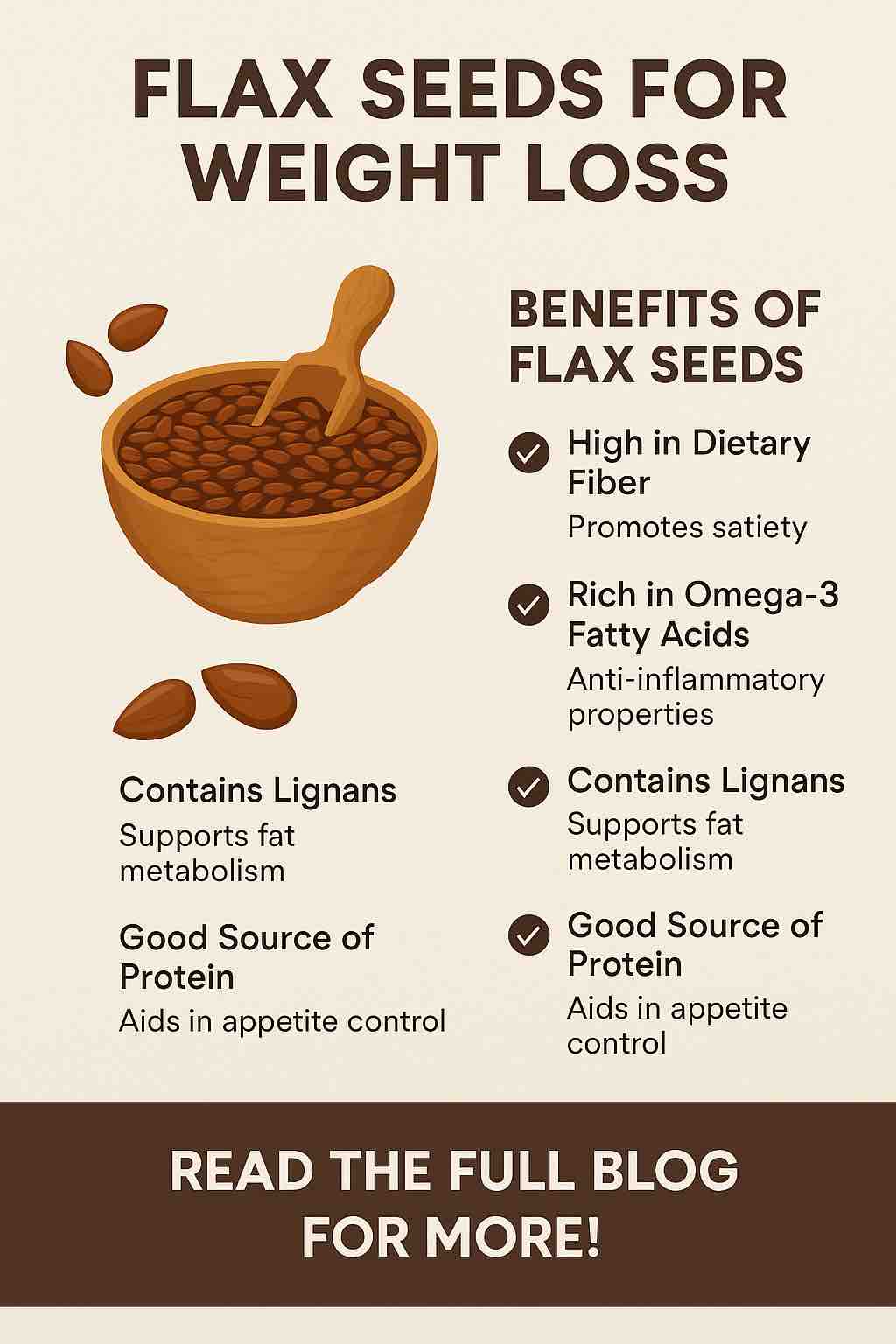
Flax Seeds for Weight Loss: Harnessing the Nutritional Power of Nature’s Superfood

FLAX SEEDS FOR WEIGHT LOSS

In the ever-evolving world of wellness and nutrition, flax seeds have carved a niche for themselves as a timeless superfood. From ancient civilizations to modern dietary trends, these tiny, nutty-flavored seeds have remained a staple for those seeking better health. But beyond their impressive resume of nutrients, a growing body of research is highlighting their promising role in weight loss—making them a go-to ingredient for anyone looking to shed extra pounds naturally and sustainably.

In this post, we dive deep into the science, nutritional makeup, benefits, usage tips, and precautions around flax seeds—giving you everything you need to make them a meaningful part of your weight management journey.


🌱 What Are Flax Seeds? A Brief Overview

Flax seeds come from the flax plant (Linum usitatissimum) and have been cultivated for over 5,000 years. Historically used for their fibers and oil, it’s the nutritional profile of the seeds that has attracted scientific and consumer interest in recent decades.

Flax seeds are available in whole, ground (milled), or oil forms, and each form has unique health benefits. For weight loss, ground flax seeds are particularly effective due to their fiber content and digestibility.


🔬 The Science Behind Flax Seeds and Weight Loss

1. High in Dietary Fiber

One tablespoon of ground flaxseed contains around 2 grams of soluble and insoluble fiber. Fiber helps:

  • Increase satiety (the feeling of fullness), reducing overall calorie intake.
  • Stabilize blood sugar levels by slowing the absorption of glucose.
  • Support gut health, which is increasingly linked to healthy weight management.

📌 Clinical Evidence: A meta-analysis published in Obesity Reviews concluded that flaxseed supplementation led to a significant reduction in body weight, waist circumference, and BMI—especially in people with a BMI over 27.

2. Rich in Omega-3 Fatty Acids

Flax seeds are the richest plant-based source of alpha-linolenic acid (ALA), a type of omega-3 fatty acid.

  • Omega-3s are known for their anti-inflammatory effects, which can improve metabolic efficiency and reduce fat storage.
  • They may also help regulate hormones that influence appetite and fat metabolism.

3. Packed with Plant-Based Protein

With about 1.3 grams of protein per tablespoon, flax seeds add a protein boost to meals—important for:

  • Preserving lean muscle mass during weight loss.
  • Reducing hunger hormones like ghrelin.

4. Lignans: Antioxidants with Hormonal Balance

Flax seeds are a top source of lignans, a class of polyphenols with antioxidant properties.

  • Lignans may influence fat metabolism and insulin sensitivity.
  • They also support hormonal balance, which is crucial for fat storage regulation, particularly in women.

🥣 How to Incorporate Flax Seeds into Your Diet

🌄 1. Flaxseed Tea for Metabolic Boost

Boil a teaspoon of ground flaxseed in water, strain, and add cinnamon, lemon, or honey. This soothing tea can help control appetite and improve digestion.

🥛 2. Add to Smoothies

Toss a tablespoon of ground flaxseed into your morning smoothie for added fiber and omega-3s. It blends well with berries, bananas, and plant-based milk.

🍶 3. Mix into Yogurt or Oats

Flaxseed adds a nutty texture and fiber boost to your breakfast bowl. Mix into Greek yogurt or overnight oats for a satisfying meal.

🍞 4. Baking and Cooking

Use flaxseed meal in muffins, pancakes, or breads. It can also serve as a vegan egg substitute:

Flax Egg: 1 tbsp ground flaxseed + 3 tbsp water = 1 egg

🍲 5. Sprinkle Over Salads and Soups

Ground flaxseed can be added just before serving to enhance the nutritional value of salads, soups, or stir-fries.


When to Eat Flax Seeds for Weight Loss

There’s no strict rule, but morning and midday are excellent times, as they:

  • Help stabilize blood sugar early in the day.
  • Keep you feeling fuller longer between meals.
  • Support digestion and bowel regularity.

💡 Tip: Avoid consuming large amounts right before bed, as high fiber can cause bloating for some people.


⚠️ Precautions and Things to Keep in Mind

1. Hydration Is Key

Flax seeds absorb a lot of water. To prevent constipation or digestive discomfort, increase your fluid intake when consuming them.

2. Start Small

Begin with 1 teaspoon a day, then gradually increase to 1–2 tablespoons. Too much fiber too soon can cause bloating or gas.

3. Whole vs. Ground Flaxseed

  • Whole seeds pass through the digestive tract largely undigested.
  • Ground flaxseed offers maximum absorption of nutrients—especially omega-3s and lignans.

4. Medical Conditions

If you’re pregnant, breastfeeding, diabetic, or on blood-thinning medications, consult a healthcare professional before adding flax seeds to your routine.


🧊 Storage Tips

  • Ground flaxseed should be stored in an airtight container in the refrigerator to maintain freshness and prevent oxidation.
  • Flaxseed oil should be kept in a dark, cool place, ideally refrigerated.

Final Thoughts: Is Flaxseed Right for Your Weight Loss Plan?

Flax seeds are more than just a trendy health food—they’re a scientifically-backed, nutrient-dense powerhouse that can support sustainable weight loss when combined with a balanced diet and regular exercise. Their high fiber, healthy fat, and antioxidant content make them a smart addition for those seeking natural ways to manage appetite, improve digestion, and support metabolism.

🌟 Small Seed. Big Impact.

Whether stirred into your morning smoothie or baked into your favorite muffin, flax seeds offer a simple yet potent way to align your nutrition with your weight loss goals.


Have you tried flax seeds in your diet? Share your favorite recipes or experiences in the comments below!

🧐 10 FAQs About Flax Seeds for Weight Loss

1. How much flaxseed should I eat daily for weight loss?

Start with 1 teaspoon per day and gradually increase to 1–2 tablespoons. This provides enough fiber and nutrients without overwhelming your digestive system.


2. Is ground flaxseed better than whole flaxseed for weight loss?

Yes. Ground flaxseed is easier to digest and allows your body to absorb key nutrients like omega-3s and lignans. Whole seeds may pass through undigested.


3. Can I eat flax seeds on an empty stomach?

Yes, consuming flax seeds in the morning on an empty stomach can aid digestion and help control appetite throughout the day.


4. Are flax seeds safe to consume every day?

For most people, yes. Daily consumption of 1–2 tablespoons is safe and beneficial. However, consult your doctor if you’re on medication or have a medical condition.


5. Do flax seeds have any side effects?

Excessive intake may cause bloating, gas, or constipation, especially without adequate water. Start slow and hydrate well.


6. Do flax seeds help burn belly fat?

While flax seeds won’t target fat in a specific area, their fiber and omega-3 content can reduce inflammation, improve metabolism, and promote overall fat loss—including around the abdomen.


7. Can I use flaxseed oil for weight loss?

Flaxseed oil contains omega-3s but lacks fiber. It’s beneficial, but for weight loss, ground flaxseed is more effective due to its high fiber content.


8. What’s the best time to eat flax seeds?

Morning or midday is ideal. These times support satiety and stable energy levels. Avoid late-night consumption if you’re prone to digestive issues.


9. Are flax seeds keto- or vegan-friendly?

Yes, flax seeds are both keto- and vegan-friendly. They’re low in carbs and rich in healthy fats and plant-based protein.


10. Can I cook or bake with flax seeds without losing nutrients?

Baking at moderate temperatures is safe. While some omega-3s degrade with heat, the fiber and lignans remain intact, so baked goods still offer benefits.
Posted on Leave a comment

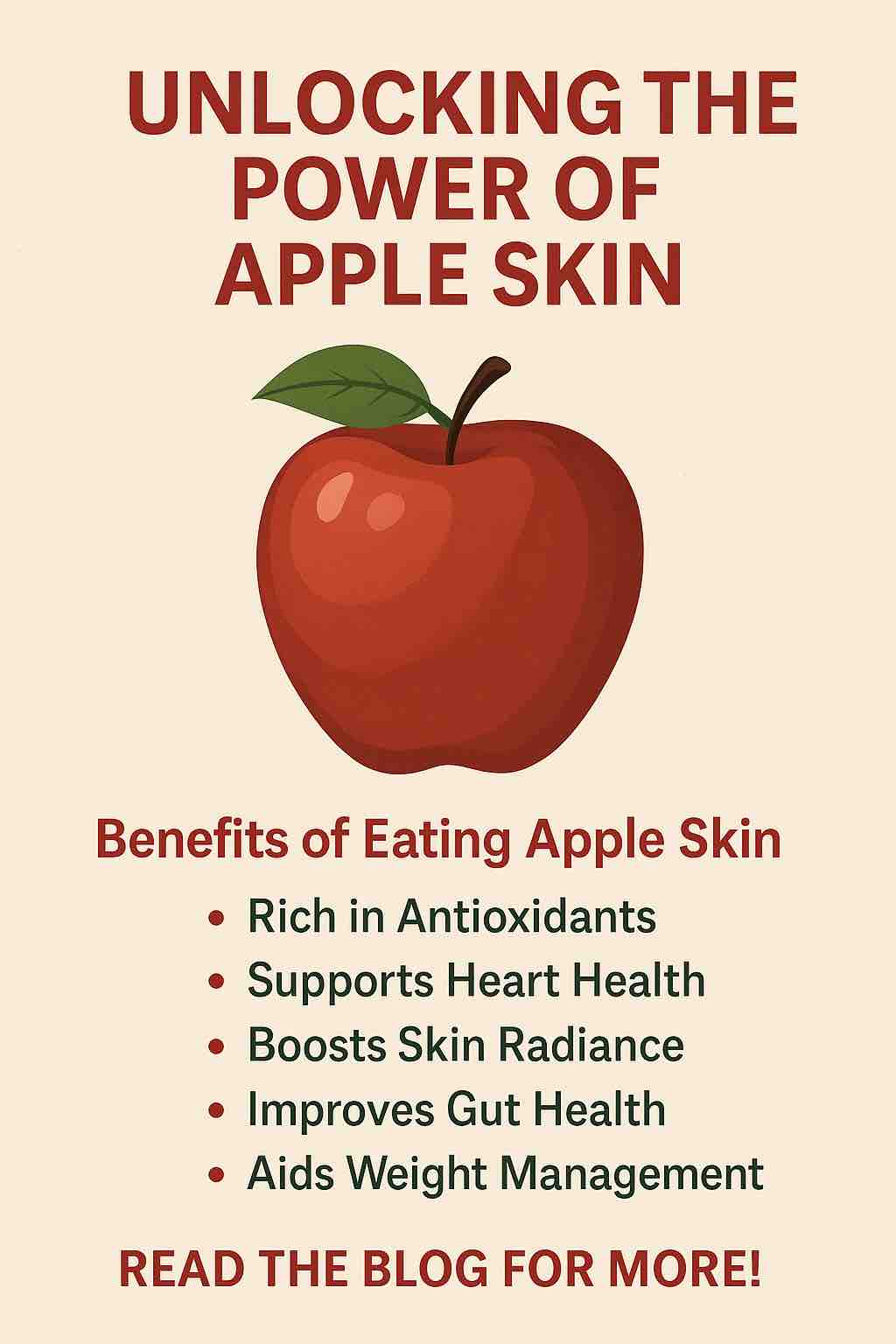
Unlocking the Power of Apple Skin: Exploring the Hidden Benefits for Health and Beauty

Benefits of Eating Apple Skin

When it comes to apples, we often hear the phrase: “An apple a day keeps the doctor away.” But what if we told you that the real power of the apple lies in something most people throw away — the skin?

In a world where superfoods and miracle beauty treatments abound, apple skin stands out as a humble yet potent source of nutrients, antioxidants, and bioactive compounds that can transform both your health and appearance. Backed by emerging scientific research and traditional wisdom, this often-discarded peel deserves a spotlight in your wellness routine.

Let’s peel back the layers (pun intended) and explore why eating apples with the skin is one of the simplest yet most effective health decisions you can make.


🍎 1. The Nutritional Powerhouse You’re Ignoring

Apple skin is a concentrated source of nutrients, containing a rich blend of:

  • Antioxidants: Especially quercetin, catechin, chlorogenic acid, and phloridzin
  • Dietary Fiber: Nearly half of an apple’s total fiber content is in the skin
  • Vitamins and Minerals: Including vitamin C, potassium, and small amounts of vitamin A and K
  • Phytochemicals and Polyphenols: Essential for protecting against inflammation and disease

These compounds are significantly more concentrated in the skin than the flesh — in some cases up to 4 to 6 times more!


🧬 2. Antioxidants: Nature’s Anti-Aging Arsenal

According to a 2024 study published in Frontiers in Nutrition, the antioxidants in apple skin, especially quercetin, play a major role in fighting oxidative stress — a key driver of aging, cellular damage, and chronic diseases. These antioxidants:

  • Neutralize free radicals that accelerate skin aging
  • Reduce inflammation, a root cause of many diseases
  • Support the body’s natural detoxification processes

For your skin, this means fewer wrinkles, improved elasticity, and a more radiant complexion.


💪 3. Ursolic Acid: The Muscle-Boosting, Fat-Burning Miracle

Among the most exciting discoveries is ursolic acid, a compound found in high concentrations in apple peel. Recent research from 2025, featured in iScience, showed that when ursolic acid was combined with mistletoe extract, it significantly improved:

  • Muscle strength
  • Endurance
  • Fat metabolism

In animal studies, this combination enhanced running time and reduced muscle fatigue, showing promise for both fitness enthusiasts and older adults seeking to maintain muscle mass.

Ursolic acid also increases brown fat, a type of fat that burns calories — making it a potential ally in the fight against obesity and metabolic diseases.


❤️ 4. Cardiovascular Health: An Apple Skin a Day Keeps the Cardiologist Away

Flavonoids and polyphenols in apple skin support heart health by:

  • Lowering bad cholesterol (LDL)
  • Reducing blood pressure
  • Improving arterial elasticity
  • Decreasing C-reactive protein (CRP) — a key marker of inflammation

A meta-analysis cited by NutritionFacts.org found that flavonoid intake from apple skins is associated with a lower risk of heart disease and stroke. Apple skin isn’t just good for your heart — it’s protective.


🌱 5. Glowing Skin from the Inside Out

Beauty truly starts from within, and apple skin is proof. Its rich blend of nutrients enhances:

  • Skin hydration
  • Collagen formation
  • UV protection, thanks to photoprotective compounds like quercetin

A 2024 feature in Verywell Health noted that regular apple consumption improved skin elasticity and reduced signs of aging among participants in a 12-week study. Apple peel essentially acts as a natural beauty supplement — but without the pills.


🦠 6. Gut Health & Immunity: A Prebiotic in Disguise

Apple skin contains pectin, a type of soluble fiber that nourishes good gut bacteria. Combined with polyphenols, it helps:

  • Balance gut microbiota
  • Improve digestion
  • Support the immune system
  • Reduce the risk of colorectal cancer

A healthy gut is linked to everything from mood regulation to skin clarity — another reason to keep the peel on.


⚖️ 7. Weight Management Made Easy

With its ability to:

  • Stabilize blood sugar
  • Promote satiety (feeling full longer)
  • Increase calorie-burning brown fat

Apple skin may help with weight management without restrictive dieting. It’s a small change — but with cumulative impact.


⚠️ A Word on Pesticides: Should You Worry?

One valid concern is pesticide residue on apple skin. Studies show that washing fruit does not always remove all chemicals, especially those absorbed into the peel. Here’s how to protect yourself without missing out:

  • Choose organic apples when possible
  • Wash thoroughly with a baking soda soak or vinegar rinse
  • Use a soft brush to scrub the surface

The benefits of apple skin far outweigh the risks when proper cleaning methods are used.


🥗 How to Incorporate Apple Skin into Your Routine

Want to get started? Try these:

  • Eat raw apples with the peel intact
  • Blend whole apples into smoothies
  • Bake chips using apple peels with cinnamon
  • Add to salads, oatmeal, or muffins
  • Simmer peels into detox teas or flavored water

The key is consistency — one apple a day, skin on, can create visible changes over time.


🧠 Final Thoughts: A Simple Habit with Profound Impact

The next time you bite into an apple, don’t strip away its most potent part. Apple skin is not waste — it’s medicine, skincare, fitness fuel, and preventive health rolled into one.

It’s time to rethink how we consume this everyday fruit and give its peel the credit it deserves.


Your Wellness Challenge

For the next 7 days, try eating at least one apple with the skin on. Track how you feel — your digestion, energy, skin, and mood. You might just unlock a surprising transformation.

FAQs: Unlocking the Power of Apple Skin

1. Is apple skin really healthier than the apple flesh?
Yes. Apple skin contains significantly higher concentrations of antioxidants, fiber, and bioactive compounds like quercetin and ursolic acid compared to the flesh. These nutrients provide extra health benefits, including improved heart health, better digestion, and enhanced skin vitality.

2. Can eating apple skin help with weight loss?
Apple skin’s fiber content helps you feel full longer and slows sugar absorption, which supports weight management. Ursolic acid in the skin may also boost metabolism by increasing muscle mass and calorie-burning brown fat, making it helpful for fat loss.

3. Are there any risks of pesticide residues on apple skin?
Yes, apple skin can carry pesticide residues. To reduce this risk, choose organic apples when possible and wash conventionally grown apples thoroughly using a baking soda or vinegar soak and a brush. Peeling reduces nutrients, so cleaning well is the best option.

4. How does apple skin benefit skin health?
Apple skin is rich in antioxidants like quercetin that protect skin cells from UV damage and oxidative stress, helping reduce wrinkles, improve elasticity, and promote hydration, giving a youthful glow from the inside out.

5. Can apple skin help with heart health?
Absolutely. The flavonoids and polyphenols in apple skin help lower LDL cholesterol, reduce inflammation, improve blood vessel function, and reduce blood pressure, all of which support cardiovascular health.

6. Is it okay to eat apple skin if I have digestive issues?
Generally yes, since apple skin contains fiber that supports gut health and promotes beneficial bacteria. However, for people with certain digestive conditions like diverticulitis or irritable bowel syndrome, it’s best to consult a healthcare professional first.

7. What is ursolic acid, and why is it important?
Ursolic acid is a natural compound in apple peel linked to increased muscle strength, endurance, and fat metabolism. It also has anti-inflammatory and anti-cancer properties, making apple skin a valuable addition for overall metabolic health.

8. Can children eat apple skin safely?
Yes, apple skin is safe for children as long as the apples are washed properly. It’s a great source of fiber and antioxidants that support their growing bodies and immune systems.

9. What is the best way to clean apples before eating the skin?
Use a solution of water with baking soda (about 1 teaspoon baking soda per 2 cups water) to soak apples for 12-15 minutes, then scrub gently with a brush and rinse thoroughly. Vinegar solutions can also be effective.

10. Can I use apple skin in cooking or beauty treatments?
Yes! Apple skins can be baked into chips, added to smoothies, or used in baked goods. They also can be simmered to create toners or infused waters with antioxidant properties for skin benefits.

Posted on Leave a comment

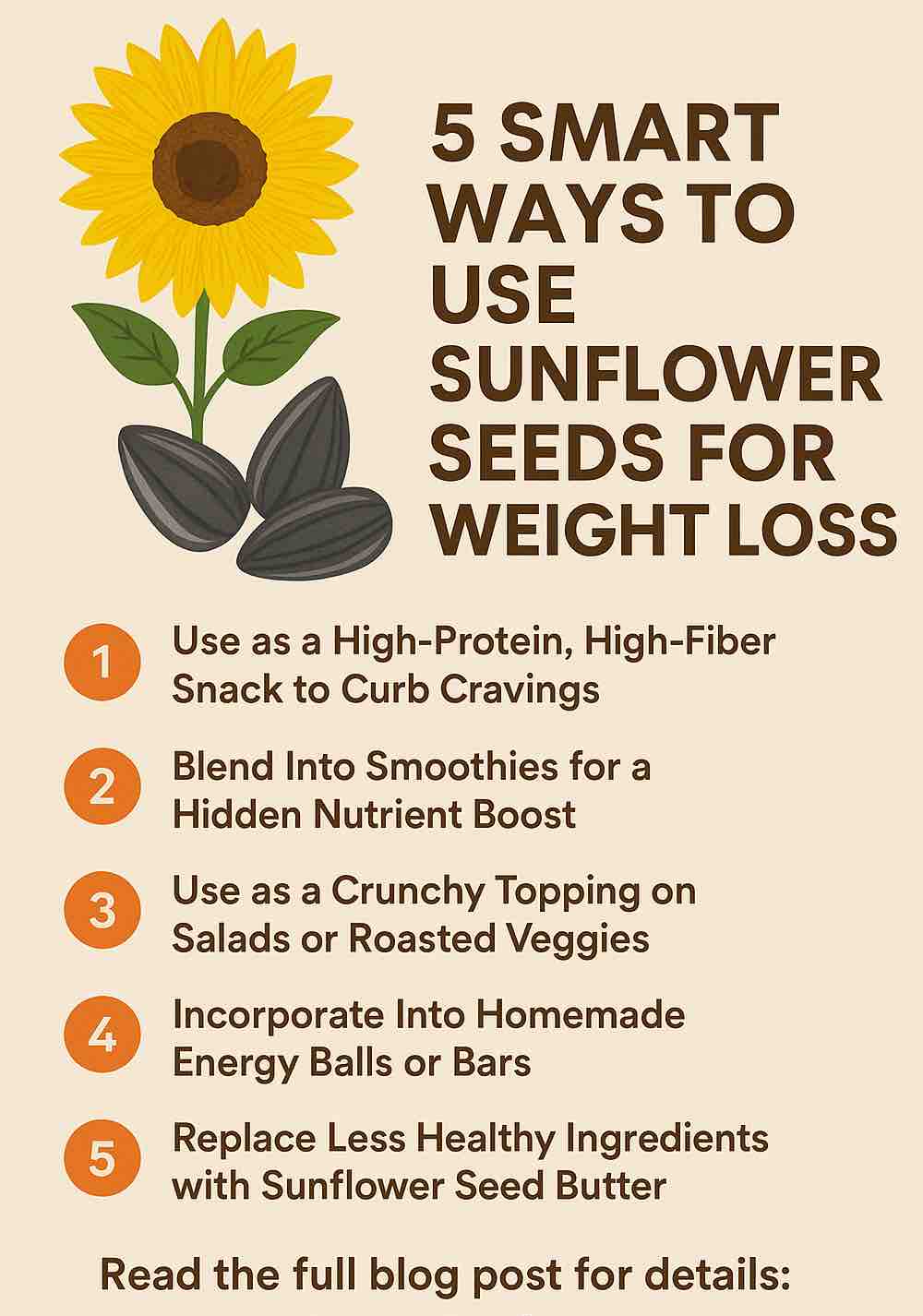
5 Ways to Use Sunflower Seeds for Weight Loss

5 SMART WAYS TO USE SUNFLOWER SEEDS FOR WEIGHT LOSS

When you think of sunflower seeds, you probably imagine a light snack or a topping for your salad. But did you know these tiny seeds can also be a powerful ally in your weight loss journey? Packed with fiber, healthy fats, protein, and essential nutrients, sunflower seeds offer much more than a satisfying crunch — they can help regulate appetite, stabilize blood sugar, and even reduce inflammation.

Let’s explore five effective and sustainable ways to incorporate sunflower seeds into your daily routine for lasting weight loss success.


1. Use as a High-Protein, High-Fiber Snack to Curb Cravings

One of the biggest hurdles in weight loss is managing hunger between meals. Sunflower seeds — especially the shelled, unsalted kind — are naturally high in both protein and dietary fiber, two critical nutrients for promoting satiety.

  • 1 oz (28g) of shelled sunflower seeds contains:
    • 5.5g of protein
    • 3g of fiber
    • 14g of healthy fats
    • Only 164 calories

How to Use It:

  • Pack 2–3 tablespoons in a small container and keep them handy at work or in your bag.
  • Eat them slowly, chewing thoroughly. The act of cracking shells (if using in-shell seeds) also helps you eat more mindfully.
  • Pair with a piece of fruit or a few veggie sticks for a balanced mini-meal.

Why It Works:

The protein helps preserve lean muscle mass during calorie deficits, while the fiber slows digestion — making you feel full longer and less likely to reach for processed snacks.


2. Blend Into Smoothies for a Hidden Nutrient Boost

Smoothies can be a double-edged sword in weight loss — nutrient-dense when done right, or sugar bombs when not. Adding a tablespoon of sunflower seeds (or sunflower seed butter) can significantly enhance the nutritional profile of your smoothie without spiking blood sugar.

Benefits in Smoothies:

  • Healthy fats reduce glycemic load, preventing energy crashes.
  • Magnesium, Vitamin E, and Selenium contribute to better metabolism and reduced oxidative stress.
  • Mild flavor that doesn’t overpower fruits or greens.

Try This:

Weight Loss Smoothie with Sunflower Seeds

  • 1 cup unsweetened almond milk
  • 1 cup spinach or kale
  • ½ banana
  • 1 tablespoon sunflower seeds
  • 1 tablespoon chia seeds
  • ½ cup frozen berries
  • Blend until smooth

This combination keeps blood sugar stable and provides long-lasting energy.


3. Use as a Crunchy Topping on Salads or Roasted Veggies

Replacing croutons, fried toppings, or high-calorie dressings with sunflower seeds is a smart swap. They provide texture, flavor, and nutrition — minus the refined carbs and unhealthy fats.

How to Do It:

  • Lightly toast raw, unsalted seeds in a dry pan until golden (3–4 minutes).
  • Sprinkle 1–2 tablespoons over:
    • Mixed green salads
    • Quinoa bowls
    • Roasted vegetables like broccoli, sweet potatoes, or Brussels sprouts

Weight Loss Edge:

The seeds’ combination of fats and fiber enhances absorption of fat-soluble vitamins (like A, D, E, and K) from vegetables, making your healthy meals even more efficient and satisfying.


4. Incorporate Into Homemade Energy Balls or Bars

When you’re on the go, it’s easy to reach for convenience foods that derail your calorie goals. Making your own energy balls with sunflower seeds gives you full control over ingredients and nutrient density.

DIY Energy Balls Recipe:

  • ½ cup oats
  • ¼ cup sunflower seed butter or ground seeds
  • 2 tablespoons flax or chia seeds
  • 2 tablespoons honey or date paste
  • Dash of cinnamon
  • Optional: cocoa powder, dried fruit, or vanilla

Mix and form into balls. Refrigerate and enjoy as a pre- or post-workout snack.

Why It Helps:

Keeps you full and energized with clean-burning fuel, rather than crashing after high-sugar snacks.


5. Replace Less Healthy Ingredients with Sunflower Seed Butter

Sunflower seed butter can be a game-changer if you’re allergic to nuts or trying to avoid highly processed spreads. It can be used in everything from dressings to breakfast bowls and baking.

Use It:

  • As a spread on whole grain toast instead of butter
  • In overnight oats or yogurt for added creaminess
  • Mixed with lemon juice and water to make a healthy salad dressing

What You Avoid:

  • Hydrogenated oils
  • Added sugars (if you opt for natural varieties)
  • Highly processed nut-based alternatives

Bonus Tip:

Be mindful of portion sizes — 1 tablespoon of sunflower seed butter has about 100 calories. Use measuring spoons to stay on track.


Nutritional Highlights of Sunflower Seeds (Per 1 oz, shelled):

  • Calories: ~164
  • Protein: 5.5g
  • Fiber: 3g
  • Fats: 14g (mostly polyunsaturated and monounsaturated)
  • Magnesium: ~37% of RDI
  • Vitamin E: ~37% of RDI
  • Selenium & Phytosterols: Support metabolic health

Final Thoughts

Sunflower seeds aren’t just a tasty snack — they’re a functional food that supports a healthy metabolism, curbs appetite, and provides essential nutrients that many weight-loss diets miss. By integrating them thoughtfully into your meals, you can make your weight loss journey more nourishing, satisfying, and sustainable.

Whether you’re sprinkling them on a salad, blending them into a smoothie, or using their creamy butter as a swap — sunflower seeds might just become your secret weapon in achieving your health goals.

📌 FAQs:

1. Are sunflower seeds good for weight loss?

Yes, sunflower seeds are rich in protein, fiber, and healthy fats — all of which help you feel full longer, stabilize blood sugar, and reduce overeating. When eaten in moderation, they can support weight loss as part of a balanced diet.


2. How many sunflower seeds should I eat per day for weight loss?

A recommended portion is 1 to 2 tablespoons (about 15–30g) per day. This gives you the benefits without consuming excess calories. Always account for them in your daily calorie intake.


3. Are roasted sunflower seeds healthy?

Yes — if they’re dry-roasted and unsalted. Avoid heavily salted or oil-roasted seeds, which can contain added sodium and unhealthy fats. Light toasting at home is ideal.


4. Is sunflower seed butter a good alternative to peanut butter for weight loss?

Yes, unsweetened sunflower seed butter can be a healthy, allergy-friendly alternative. It offers similar protein and fat content, and it’s often free from added sugars and oils if you choose clean brands.


5. Can I eat sunflower seeds at night while trying to lose weight?

Yes, in moderation. A small handful of sunflower seeds at night can prevent late-night cravings thanks to their protein and fat content. Just be mindful of portion size and total daily calories.


6. Do sunflower seeds help burn belly fat specifically?

While no food burns belly fat directly, sunflower seeds support overall fat loss by helping regulate hunger and blood sugar. They’re part of a weight-loss-friendly eating pattern, not a miracle food.


7. Are sunflower seeds high in calories?

Yes, they’re calorie-dense. One ounce (28g) contains about 160–170 calories, but they’re nutrient-dense calories that contribute to satiety and better metabolism when consumed wisely.


8. Can I add sunflower seeds to my weight loss meal plan every day?

Absolutely — as long as you keep your portion sizes in check and use them to replace, not just add to, higher-calorie or less nutritious foods.


9. What’s better for weight loss: sunflower seeds or chia seeds?

Both are excellent in different ways. Sunflower seeds provide more protein and essential fats, while chia seeds offer more fiber and omega-3s. Use them together for the best benefits.


10. Should I buy raw or roasted sunflower seeds?

Raw, unsalted sunflower seeds are best for full control over how they’re prepared. You can lightly toast them at home to enhance flavor without sacrificing nutrition or adding harmful ingredients.

Posted on Leave a comment

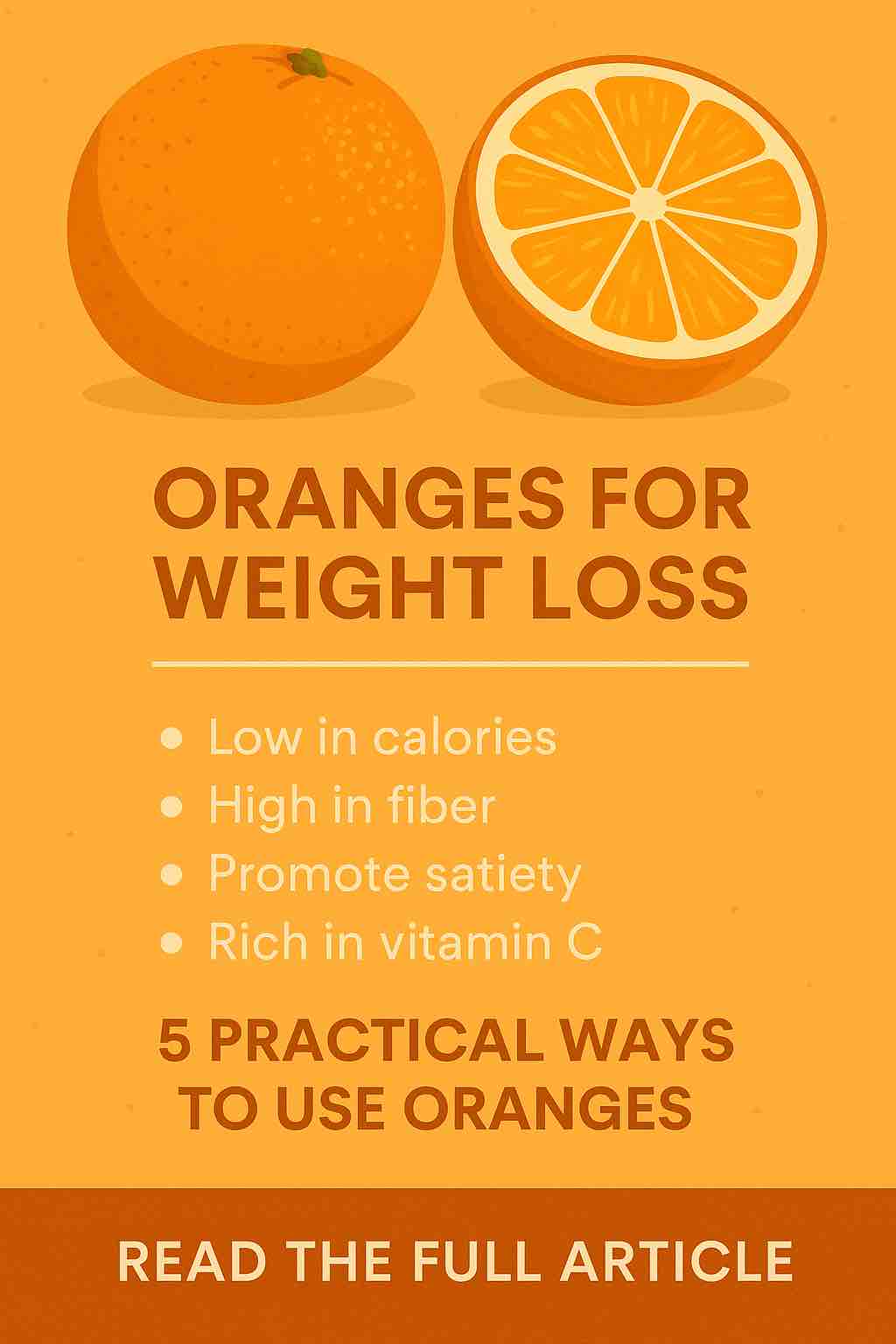
The Orange – Nutrition, Benefits, and 5 Practical Ways for Weight Loss

5 PRACTICAL WAYS TO USE ORANGES for weight loss

Citrusy, juicy, and bright as a summer morning — oranges are more than just a refreshing fruit. Packed with nutrients and steeped in centuries of agricultural tradition, this humble citrus has long been a symbol of vitality. But beyond the vibrant peel and sweet-tart taste lies a powerhouse of health benefits — especially when it comes to managing weight effectively.

In this post, we peel back the layers of this iconic fruit to uncover its nutritional value, health benefits, and five practical, evidence-based ways oranges can support your weight loss journey.


🔬 The Nutritional Profile of Oranges: Small Fruit, Big Impact

Oranges are primarily composed of water (~87%) and carbohydrates, mainly in the form of simple sugars like glucose and fructose. But the real value lies in their micronutrient richness and low calorie content.

📊 Key Nutritional Facts (Per Medium Orange – ~130g):

  • Calories: 62
  • Carbohydrates: 15.4g
  • Sugar: 12g
  • Fiber: 3g (12% DV)
  • Vitamin C: 70 mg (78% DV)
  • Potassium: 237 mg (7% DV)
  • Folate: 40 mcg (10% DV)
  • Vitamin A: 295 IU (6% DV)
  • Glycemic Index: ~40 (Low)

💡 Note: Oranges have a low energy density — meaning they provide fewer calories than the volume of food they occupy in your stomach. This is crucial for satiety and weight control.


💪 Health Benefits of Oranges Beyond the Scale

While weight loss is often a key goal for many, oranges contribute to overall health in multiple ways:

1. Immunity Booster

With nearly 80% of your daily Vitamin C in just one orange, it’s no wonder this fruit is linked with immune support. Vitamin C helps enhance white blood cell function and reduces inflammation — vital during flu season or high-stress periods.

2. Heart Health Ally

Oranges contain hesperidin, a flavonoid shown to improve blood vessel function and reduce blood pressure. Their potassium content also aids in maintaining healthy blood pressure and heart rhythm.

3. Antioxidant Armor

Beta-carotene, Vitamin C, and other phytonutrients found in oranges fight free radicals, reducing oxidative stress — a major contributor to chronic diseases like cancer and diabetes.

4. Digestive Support

Thanks to their fiber content, oranges support gut motility and promote a healthy microbiome, aiding not just digestion but metabolic efficiency as well.


⚖️ Oranges & Weight Loss: What’s the Science?

Many fruits are healthy, but not all are helpful for weight loss due to high sugar or calorie density. Oranges strike a great balance — low-calorie, high-fiber, and naturally hydrating.

Several studies have suggested that foods with high water and fiber content increase satiety, reducing overall calorie intake. Oranges, particularly when consumed whole rather than juiced, top that list.

A 2021 meta-analysis in Nutrients journal concluded that whole fruit consumption was associated with weight loss or better weight maintenance, especially when paired with a calorie-conscious diet.


✅ 5 Practical Ways to Use Oranges for Weight Loss

1. 🍽️ Start Your Day with an Orange

Before breakfast, eat a whole orange. The fiber and hydration help fill you up, potentially reducing the quantity of food consumed in the meal that follows. It also triggers digestive enzymes that prime your metabolism for the day.

2. 🥗 Add Orange Segments to Salads

Instead of calorie-heavy dressings, use fresh orange segments in your green salads. They add flavor, texture, and a boost of Vitamin C — all without unnecessary fats or sugars.

Pro Tip: Try it with spinach, walnuts, and a drizzle of balsamic vinegar.

3. 🧃 Skip the Juice — Eat It Whole

Orange juice might be convenient, but it’s often stripped of fiber and spikes blood sugar quickly. Eating the whole fruit ensures slower glucose absorption and better satiety.

Reminder: One cup of OJ has the sugar of 2–3 oranges but none of the fiber.

4. 🍧 Use Frozen Orange Slices as a Dessert Substitute

Craving something sweet post-dinner? Freeze orange slices and enjoy them as a naturally sweet, low-calorie treat. Sprinkle a dash of cinnamon for added flavor and metabolic boost.

5. 📦 Make Smart Snacks with Oranges

Keep peeled orange slices in a container for an on-the-go snack. They’re portable, mess-free (mostly), and a far better option than processed 100-calorie snack packs.

Pair with a handful of almonds or Greek yogurt for a balanced snack that keeps you full longer.


⚠️ When to Be Cautious

Oranges are generally safe and beneficial for most people, but here are a few caveats:

  • Acid Sensitivity: If you suffer from acid reflux or GERD, oranges may trigger symptoms.
  • Diabetics: Whole oranges are fine in moderation, but juice should be limited due to its high glycemic load.
  • Kidney Issues: People with kidney disease may need to monitor potassium intake.

🍊 In Summary

The orange is more than a convenient fruit — it’s a smart nutritional choice that can support your weight loss goals through its fiber content, hydration, and low energy density. Plus, it adds variety, color, and natural sweetness to meals and snacks.

Whether you’re trying to shed a few pounds or simply make healthier food choices, incorporating oranges in creative and sustainable ways is a delicious step in the right direction.


💬 What’s Your Favorite Way to Eat an Orange?

Have a unique orange-based recipe or tip that helped you lose weight? Share it in the comments below and let’s inspire healthier habits together!

🍊 FAQs – Oranges & Weight Loss

1. Can I eat oranges every day for weight loss?

Yes, eating one to two whole oranges daily is generally safe and can support weight loss due to their low calorie content, high fiber, and hydration. Just be mindful of overall fruit intake and balance it with other whole foods.

2. Are oranges fattening if eaten at night?

No, oranges are not fattening — even at night. They are low in calories and sugar compared to most snacks. Eating an orange instead of high-calorie processed snacks can help with weight control.

3. Is orange juice as good as whole oranges for weight loss?

No. Orange juice lacks the fiber found in whole oranges and causes a quicker spike in blood sugar, which can lead to increased hunger and calorie intake. Whole oranges are better for weight loss.

4. How many calories are in one medium orange?

A medium orange (about 130g) has approximately 62 calories, making it a great low-calorie snack or meal addition.

5. What is the best time to eat an orange for weight loss?

Eating oranges in the morning or as a mid-meal snack can help reduce overall appetite and prevent overeating during main meals. Avoid combining them with heavy carb meals to control blood sugar.

6. Does orange speed up metabolism?

While oranges don’t drastically increase metabolism, their Vitamin C and bioflavonoids support healthy fat oxidation and insulin sensitivity, both of which are linked to better metabolic health.

7. Are oranges good for belly fat reduction?

No food targets belly fat specifically. However, due to their fiber and water content, oranges help reduce overall calorie intake, which may lead to a decrease in belly fat over time when combined with a healthy diet.

8. Can diabetics eat oranges for weight management?

Yes — in moderation. Whole oranges have a low glycemic index and are rich in fiber. They are a better choice than juice. Diabetics should monitor their portion size and consult their healthcare provider.

9. Which type of orange is best for weight loss?

All oranges — including navel, Valencia, and blood oranges — offer similar benefits. Choose fresh, whole, and preferably seasonal varieties without added sugars or preservatives.

10. Can I use oranges in cooking for weight loss meals?

Absolutely! Oranges can enhance salads, grilled dishes, smoothies, and even marinades, adding flavor and nutrients without extra calories. Just avoid sugary syrups or heavy sauces.

Posted on Leave a comment

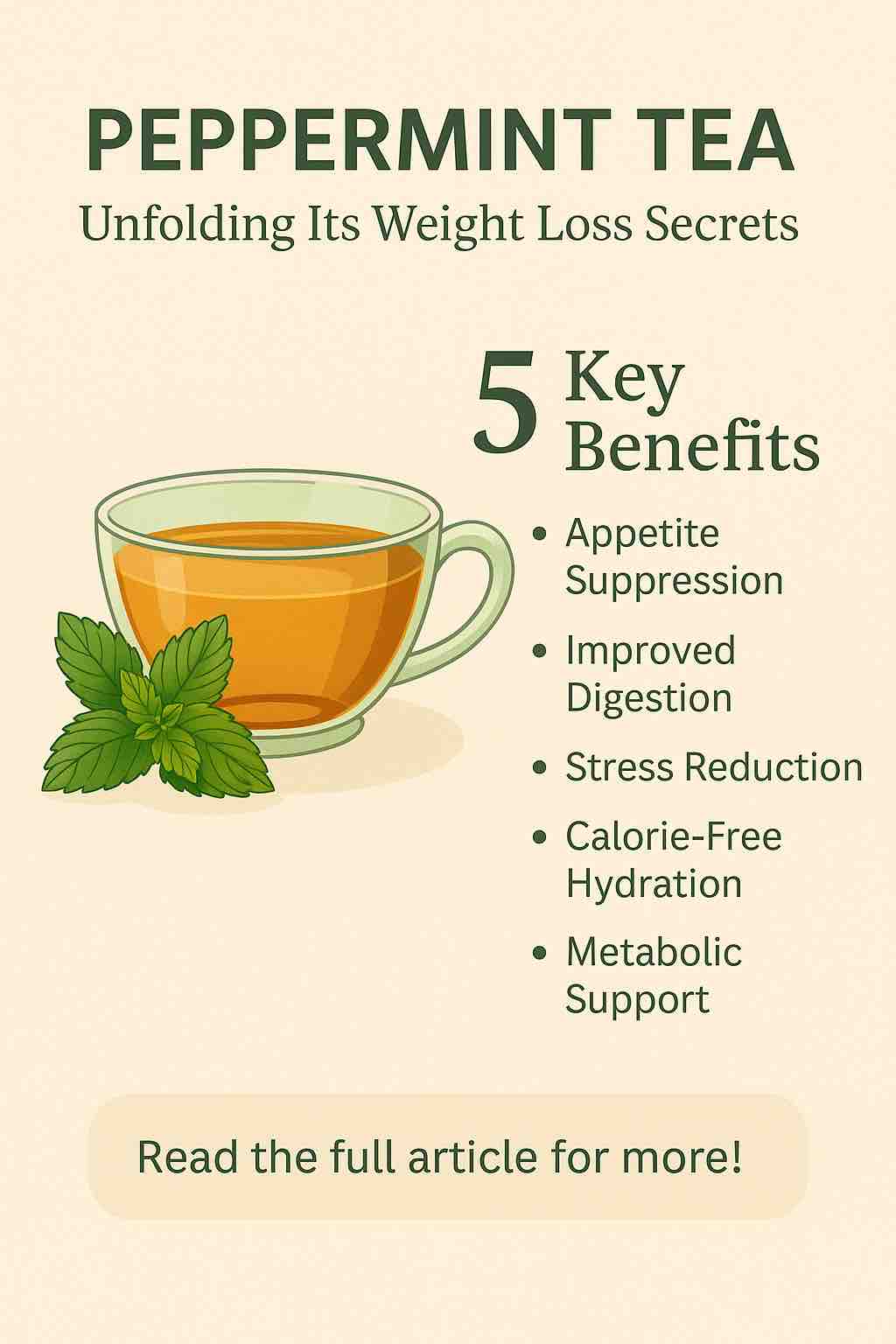
Peppermint Tea: Unfolding Its Weight Loss Secrets – 5 Key Benefits and Practical Applications

PEPPERMINT TEA Unfolding Its Weight Loss Secrets 5 Key Benefits

When it comes to weight loss, most people immediately think of rigorous workouts, strict diets, and a dramatic overhaul of daily habits. But sometimes, it’s the subtle changes—the quiet additions to your routine—that can have a surprising impact. Enter peppermint tea: a humble herbal infusion with a long history of healing, now gaining attention for its role in weight management.

While it’s not a fat-burning miracle, peppermint tea works on several fronts to support weight loss naturally, making it a smart addition to your wellness toolkit. In this post, we’ll unpack the science-backed benefits of peppermint tea and explore how you can use it effectively in your daily routine.


🌿 Why Peppermint Tea?

Peppermint tea is made from the leaves of the peppermint plant (Mentha piperita), a hybrid of watermint and spearmint. It contains menthol, menthone, and various volatile oils known for their soothing and digestive properties. Beyond its calming scent and cooling taste, peppermint tea has a unique ability to influence appetite, digestion, and metabolism—all critical elements in managing your weight.

Let’s delve into the five key ways peppermint tea supports weight loss, followed by practical tips to make it work for you.


1. Curbing Cravings and Suppressing Appetite

One of the biggest obstacles in any weight loss journey is controlling hunger and emotional eating. Peppermint tea helps here in two major ways:

🔬 The Science:

Studies suggest that the aromatic compounds in peppermint, particularly menthol, may influence the satiety centers in the brain. The scent alone can help reduce appetite and diminish cravings—especially for sweets and processed snacks.

🛠 How to Use It:

  • Drink a cup 20–30 minutes before meals to reduce appetite naturally.
  • If you’re prone to snacking late at night, replace your usual treat with a warm mug of peppermint tea.
  • Keep dried peppermint or a teabag at your work desk for mid-day cravings.

“Sometimes, what feels like hunger is actually stress or dehydration. Peppermint tea helps tackle both.”


2. Boosting Digestion and Beating Bloating

A sluggish digestive system can lead to bloating, discomfort, and poor nutrient absorption, all of which can indirectly sabotage your weight loss efforts.

🔬 The Science:

Peppermint tea is a known carminative, meaning it helps relax the digestive tract, reduce spasms, and promote the smooth passage of food and gas. It also increases bile flow, helping the body break down fats more efficiently.

🛠 How to Use It:

  • Sip on peppermint tea after meals, especially after heavy or high-fiber meals.
  • If bloating is a common issue, try taking peppermint tea twice daily—after lunch and dinner.

“Feeling lighter isn’t always about losing pounds—it’s also about easing digestion. Peppermint can help you feel less bloated and more energetic.”


3. Calming the Mind and Lowering Cortisol Levels

The relationship between stress and weight gain—particularly around the abdominal area—is well-documented. That’s because cortisol, the stress hormone, encourages fat storage and increases appetite.

🔬 The Science:

Peppermint’s soothing aroma and natural muscle-relaxing properties make it a mild adaptogen, helping the body respond to stress more calmly. A relaxed body often means fewer stress-induced cravings and better hormonal balance.

🛠 How to Use It:

  • Brew a cup as part of your nightly wind-down ritual.
  • Use it as a mindful moment—inhale the aroma slowly before sipping to enhance its calming effect.
  • During high-stress workdays, switch your afternoon coffee for peppermint tea to avoid a caffeine crash.

“When you calm the mind, the body follows—and often, the scale responds too.”


4. A Flavorful, Zero-Calorie Hydration Boost

Staying hydrated supports virtually every metabolic process, yet sugary sodas, juices, and fancy coffee drinks sneak hundreds of empty calories into our day.

🔬 The Science:

Peppermint tea is naturally calorie-free, but far more enjoyable than plain water for many. Drinking warm beverages also helps you feel fuller and more satisfied.

🛠 How to Use It:

  • Keep a thermos of peppermint tea on hand to sip throughout the day.
  • Replace high-calorie drinks like sweetened lattes with peppermint tea.
  • Use it as a palate cleanser after meals to reduce the urge to snack.

“Weight loss isn’t just about eating less—it’s also about drinking smart. Peppermint tea satisfies without sabotaging your goals.”


5. Supporting Metabolism Through Mild Thermogenic Effects

While peppermint isn’t a stimulant like caffeine or green tea, it may support metabolism in subtle but valuable ways.

🔬 The Science:

Preliminary studies suggest that peppermint oil can stimulate thermogenesis—the body’s heat-producing, calorie-burning process. While the effect is mild, every little bit adds up, especially when combined with other healthy habits.

🛠 How to Use It:

  • Drink a cup of peppermint tea in the morning to gently awaken the metabolism.
  • Combine it with a light walk or gentle stretching for a synergistic boost.

“Think of peppermint tea as a gentle nudge—not a jolt—to your metabolic engine.”


🍵 How to Brew Peppermint Tea for Maximum Benefits

Ingredients:

  • 1 tsp of dried peppermint leaves (or 1 teabag)
  • 1 cup of hot water (not boiling)

Instructions:

  1. Steep the peppermint for 5–7 minutes.
  2. Cover the cup while steeping to preserve volatile oils.
  3. Strain (if loose-leaf), sip slowly, and inhale the aroma as part of your ritual.

Pro Tip: Avoid adding sugar or honey if your goal is weight loss. For variety, add a slice of lemon or combine with green tea for an added metabolic boost.


⚠️ When to Be Cautious

Peppermint tea is generally safe, but a few considerations:

  • People with GERD or acid reflux may experience worsened symptoms due to the relaxing effect peppermint has on the esophageal sphincter.
  • Pregnant or breastfeeding women should consult a healthcare provider before consuming large amounts.
  • May interfere with iron absorption if consumed excessively during meals.

💡 Final Thoughts: Small Habit, Big Impact

Peppermint tea won’t make you shed pounds overnight—but when used consistently, it can support your weight loss journey by reducing cravings, easing digestion, calming stress, and helping you stay hydrated without added calories.

It’s a small, soothing act of self-care that fits seamlessly into almost any lifestyle. So the next time you reach for a snack, pause—and reach for a cup of peppermint tea instead.

Slim down, one sip at a time. 🌱

🧠 10 FAQs About Peppermint Tea and Weight Loss

1. Does peppermint tea directly burn fat?

Answer: No, peppermint tea doesn’t directly burn fat like some stimulants (e.g., caffeine), but it supports weight loss indirectly by suppressing appetite, improving digestion, and helping reduce stress-related eating. It works best when combined with a balanced diet and active lifestyle.


2. How many cups of peppermint tea should I drink per day for weight loss?

Answer: For general support, 2–3 cups per day is ideal. One cup before meals can help with appetite control, one after meals aids digestion, and one in the evening may assist in relaxation and stress reduction.


3. When is the best time to drink peppermint tea?

Answer:

  • Before meals: to curb hunger and prevent overeating.
  • After meals: to aid digestion and reduce bloating.
  • Before bed: to relax and manage stress-related cravings.

4. Can I drink peppermint tea on an empty stomach?

Answer: Yes, peppermint tea is gentle and generally safe to consume on an empty stomach. It may help reduce morning bloating and stimulate digestion without irritating the gut.


5. Does peppermint tea have caffeine?

Answer: No, peppermint tea is 100% caffeine-free, making it suitable for drinking in the evening or by people sensitive to caffeine.


6. Is peppermint tea safe to drink daily?

Answer: Yes, in moderation. Drinking 2–3 cups daily is typically safe for most people. However, those with GERD, acid reflux, or gallbladder issues should consult their doctor, as peppermint can relax smooth muscles and worsen certain symptoms.


7. Can I sweeten peppermint tea and still lose weight?

Answer: It’s best to avoid sweeteners if your goal is weight loss. Even natural sugars like honey or agave add calories. If you prefer a flavored twist, try adding lemon, cinnamon, or a slice of ginger instead.


8. Will peppermint tea help with belly fat specifically?

Answer: Peppermint tea does not target specific areas like belly fat, but it can reduce bloating and support hormonal balance (by lowering stress and cortisol), both of which influence abdominal fat retention over time.


9. Can I combine peppermint tea with other teas for better results?

Answer: Yes! Peppermint tea pairs well with green tea (for metabolism), ginger tea (for digestion), or lemon balm (for relaxation). Just ensure the combination suits your body and doesn’t trigger sensitivity.


10. Can pregnant or breastfeeding women drink peppermint tea?

Answer: In small, occasional amounts, peppermint tea is usually safe during pregnancy or breastfeeding. However, it can sometimes affect milk production or cause uterine relaxation, so it’s important to consult a healthcare provider before including it regularly.