Posted on 3 Comments

Cinnamon & Clove Spiced Iced Tea: 5 Benefits for a Revitalizing Afternoon

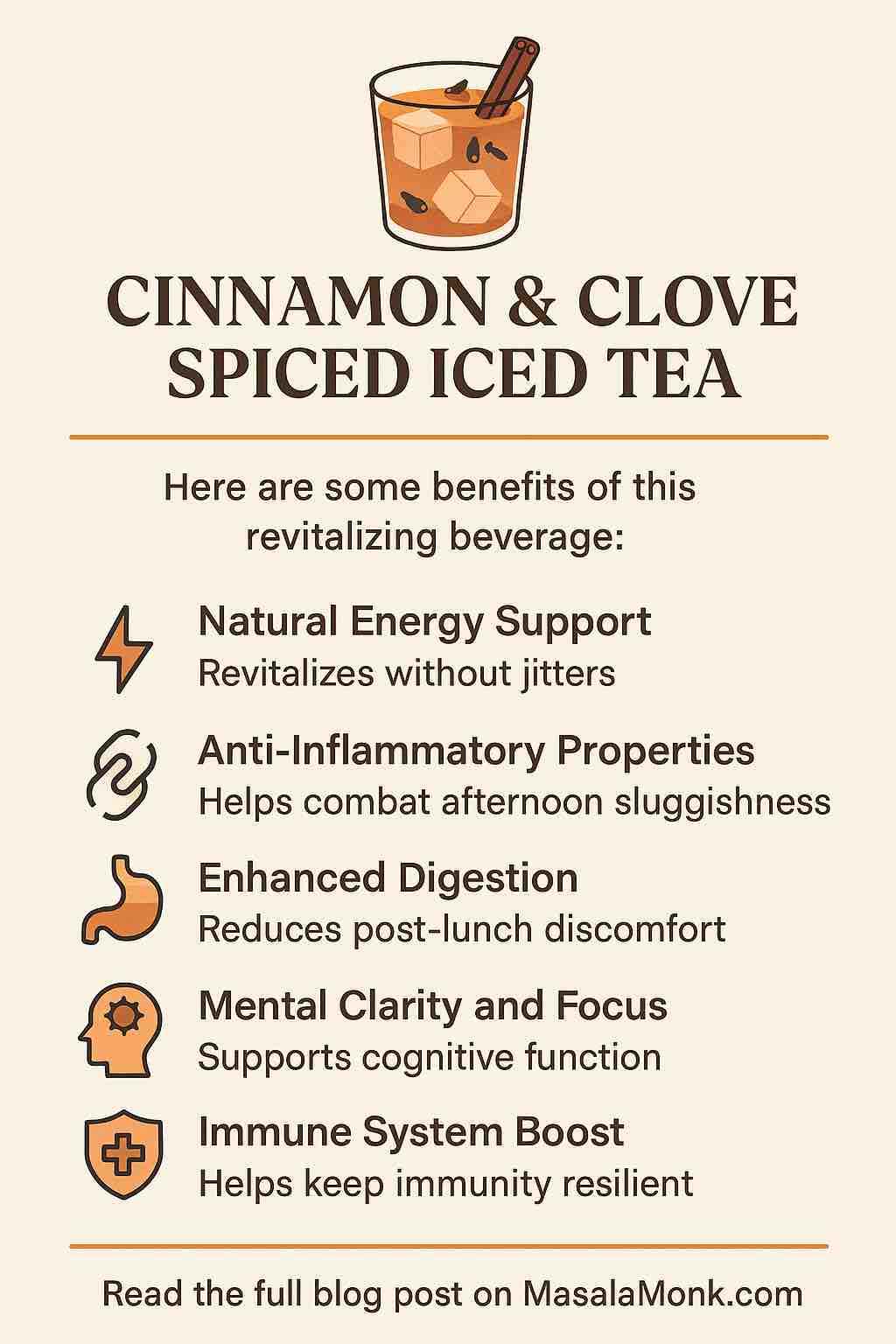
CINNAMON & CLOVE SPICED ICED TEA

When the post-lunch slump hits and your mind starts to fog, most of us reach for coffee or energy drinks to push through the rest of the day. But what if there were a more natural, calming yet revitalizing alternative that doesn’t come with the caffeine crash? Enter the Cinnamon & Clove Spiced Iced Tea—an ancient combination reimagined for the modern afternoon pick-me-up.

This aromatic, spiced herbal infusion isn’t just a flavorful refreshment. Backed by traditional wisdom and modern scientific research, cinnamon and clove are a dynamic duo that offer a range of health benefits. Let’s dive into the five science-supported reasons why this tea might just become your new go-to afternoon tonic.


1. Natural Energy Boost Without the Jitters

Unlike caffeine-based drinks that give you a quick spike followed by a crash, cinnamon and clove work at a more subtle, metabolic level.

Cinnamon helps regulate blood sugar levels, preventing the post-lunch crash and keeping your energy stable throughout the afternoon. In fact, research has shown that cinnamon may improve glucose metabolism and increase insulin sensitivity.

Clove, on the other hand, may enhance circulation and oxygen flow to the brain due to its high eugenol content, leading to a gentle feeling of revitalization. It doesn’t overstimulate your nervous system but supports your body in finding a natural rhythm.

Together, they provide a calm yet effective lift in energy, minus the jitters and sleep disruptions.


2. Anti-Inflammatory Allies

Chronic low-grade inflammation is increasingly recognized as a culprit behind fatigue, brain fog, and a host of chronic illnesses. Fortunately, cinnamon and clove are packed with powerful anti-inflammatory compounds.

A study published in BMC Complementary Medicine and Therapies highlighted that both cinnamon (particularly cinnamaldehyde) and clove (rich in eugenol) significantly reduce markers of inflammation like COX-2 and nitric oxide.

This makes them excellent companions for soothing the body in the middle of a hectic day, helping you feel more centered and less weighed down by stress or inflammation.


3. Digestive Support to Avoid the “Food Coma”

Post-lunch drowsiness often results from poor digestion or blood sugar dips. Fortunately, this spiced iced tea has natural digestive benefits.

Cinnamon is known to reduce bloating and enhance gastric emptying, while clove acts as a carminative—reducing gas and soothing the digestive tract. The antimicrobial properties of both spices also help maintain a healthy gut microbiome.

By sipping this tea after lunch, you may ease digestive discomfort and avoid that sluggish, heavy feeling that tempts you to nap at your desk.


4. Brain Health and Mental Clarity

Need a brain boost to tackle your afternoon workload? Emerging research suggests that cinnamon and clove can enhance mental clarity and even offer neuroprotective effects.

A 2023 systematic review from PubMed found that cinnamon compounds improved cognitive functions, memory, and attention in both human and animal models. Clove, too, has shown neuroprotective benefits by reducing oxidative stress and inflammation in the brain.

Even the aroma of cinnamon has been shown to enhance alertness and improve task performance. Imagine combining both in a chilled, spiced tea that keeps your mind sharp and your focus steady.


5. Immunity and Antioxidant Boost

Afternoon energy dips often coincide with minor immune system lulls due to our natural circadian rhythms. The good news? Cinnamon and clove come armed with immune-boosting antioxidants.

Clove extract has demonstrated antimicrobial activity against common pathogens like E. coli and K. pneumoniae. Cinnamon ranks among the top antioxidant-rich spices, packed with polyphenols that help combat oxidative stress.

These protective effects not only boost immunity but also support long-term wellness when consumed regularly.


How to Brew Cinnamon & Clove Spiced Iced Tea

Creating this revitalizing tea is simple and rewarding:

Ingredients:

  • 1 cinnamon stick
  • 3–4 whole cloves
  • 2 cups water
  • Optional: black tea, rooibos, lemon, or a dash of raw honey (added after cooling)

Instructions:

  1. Bring the water to a boil.
  2. Add the cinnamon stick and cloves. Simmer for 10 minutes.
  3. Strain and let cool to room temperature.
  4. Pour over ice and enjoy!

This tea can be stored in the refrigerator for up to 3 days, making it a convenient grab-and-go option.


Final Thoughts

In a world of overstimulation and synthetic solutions, the humble blend of cinnamon and clove offers a grounded, nourishing alternative. Whether you’re powering through emails or planning your next big project, this iced tea brings clarity, calm, and vitality in every sip.

Why not make your afternoons a little more flavorful and a lot more functional?

Try it, and let your senses (and science) be your guide.

FAQs

1. Can I drink cinnamon and clove iced tea every day?
Yes, moderate daily consumption (1–2 cups) is generally safe and beneficial for most people. However, individuals on medication for diabetes or blood thinning should consult a doctor due to potential interactions.

2. Does this tea contain caffeine?
Not inherently. The base recipe is caffeine-free. However, if you choose to add black tea or green tea to the brew, it will introduce a mild caffeine content.

3. Can cinnamon and clove help with weight loss?
While not a magic solution, both spices may support weight loss indirectly by stabilizing blood sugar, improving digestion, and enhancing metabolism.

4. Is this tea safe during pregnancy?
In small culinary amounts, cinnamon and clove are usually safe. However, high doses or concentrated extracts should be avoided during pregnancy. Always consult a healthcare provider first.

5. How long can I store the brewed tea?
You can store it in the refrigerator for up to 3 days in an airtight container. For best flavor and potency, consume within 48 hours.

6. What kind of cinnamon should I use?
Ceylon cinnamon (“true cinnamon”) is preferred over cassia for regular use, as it contains lower levels of coumarin, which can be harmful in large amounts.

7. Can I sweeten this tea?
Yes. Add natural sweeteners like raw honey (after cooling), stevia, or a touch of maple syrup. Avoid adding sugar while it’s hot to preserve its antioxidant benefits.

8. Does clove have any side effects?
Excessive consumption of clove can lead to gastrointestinal discomfort or interact with blood-thinning medication. In tea form, the dose is low and generally safe.

9. Can I drink it hot instead of iced?
Absolutely! It makes an excellent hot spiced tea during colder months. Just follow the same brewing method and enjoy it warm.

10. Is this tea good for immunity?
Yes, both cinnamon and clove have strong antimicrobial and antioxidant properties, which can help bolster your immune defenses when consumed regularly.


Posted on Leave a comment

Cinnamon and Headaches

Discover How CINNAMON May Help HEADACHES & MIGRAINES

Headaches and migraines are among the most common neurological complaints worldwide, affecting millions of people of all ages. While many turn to conventional medications to manage their pain, a growing number of individuals are exploring natural remedies. Among these, cinnamon — a spice known for its warm aroma and culinary uses — has recently gained attention for its potential to relieve headaches and migraines.

But can cinnamon truly help ease your headache symptoms? Let’s dive deep into the science, mechanisms, and practical applications behind this fascinating possibility.


The Burden of Headaches and Migraines

Before exploring cinnamon’s role, it’s important to understand the challenge headaches pose. Migraines, in particular, can be debilitating, often accompanied by throbbing pain, nausea, sensitivity to light and sound, and lasting from hours to days. Standard treatments, such as painkillers and triptans, are effective for many, but not all — and they sometimes come with side effects or risks of dependency.

This has led researchers and sufferers alike to look for complementary approaches that might reduce the frequency or severity of headaches in a safer, more natural way.


Cinnamon: More Than Just a Kitchen Spice

Cinnamon, derived from the bark of trees in the Cinnamomum genus, has been used for thousands of years in traditional medicine. It’s prized not only for its flavor but also for anti-inflammatory, antioxidant, and neuroprotective properties.

There are two main types:

  • Ceylon Cinnamon (Cinnamomum verum) — often called “true cinnamon,” known for its milder taste and lower coumarin content.
  • Cassia Cinnamon (Cinnamomum cassia) — more common and stronger in flavor but contains higher levels of coumarin, which can be harmful in large quantities.

For medicinal use, especially for frequent or long-term intake, Ceylon cinnamon is generally considered safer.


What Does Recent Research Say About Cinnamon and Headaches?

Promising Clinical Findings

Recent studies have begun to scientifically evaluate cinnamon’s effect on migraines and headaches:

  • Korean Study (2025):
    A 73-year-old chronic migraine sufferer showed remarkable improvement after taking a herbal medicine containing cinnamon. His migraine frequency dropped from four episodes a week to just one within 42 days, allowing him to stop his usual medications entirely. This suggests cinnamon’s potential as a powerful adjunct therapy, especially for those who have not responded well to conventional drugs.
  • Isfahan University Study (2024):
    In a well-designed randomized, double-blind, placebo-controlled trial involving 50 migraine patients, cinnamon supplementation led to significant reductions in the frequency, intensity, and duration of migraine attacks. Moreover, the study reported a drop in inflammatory markers such as interleukin-6 and nitric oxide, both of which are linked to migraine pathophysiology.
  • Earlier Research (2019):
    An investigation published in the Journal of Neurology, Neurosurgery & Psychiatry echoed similar results, with cinnamon reducing migraine frequency and severity.

Understanding the Mechanism

How does cinnamon work against headaches?

  • Anti-inflammatory effects: Cinnamon contains cinnamaldehyde and other compounds that help reduce inflammation — a key factor in migraines.
  • Antioxidant properties: These help combat oxidative stress in the nervous system, which may trigger or exacerbate migraine attacks.
  • Neuroprotection: By protecting nerve cells from damage, cinnamon may reduce the sensitivity of pain pathways in the brain.

Together, these effects may make cinnamon a valuable natural ally in headache management.


How Can You Use Cinnamon for Headache Relief?

If you’re intrigued and want to try cinnamon as a natural remedy, here are some practical ways:

1. Cinnamon Tea

Steeping cinnamon sticks or powder in hot water makes a soothing tea. This traditional remedy may help reduce mild headache symptoms. Adding honey or ginger can enhance flavor and benefits.

2. Topical Application

Some people find relief by applying a paste made from cinnamon powder mixed with water directly to their forehead or temples. The warming sensation may help relax muscles and ease tension headaches.

3. Supplements

Clinical studies often use capsules containing standardized amounts of cinnamon powder (e.g., 600 mg). If you choose this route, consult your healthcare provider to ensure safety, especially if you’re on other medications.


Important Considerations and Precautions

While cinnamon offers promise, it’s not a cure-all and should be approached carefully:

  • Potential Drug Interactions:
    Cinnamon, especially in concentrated form, may interact with drugs by affecting liver enzymes responsible for medication clearance. This could alter how your body processes certain drugs.
  • Type of Cinnamon Matters:
    Avoid excessive intake of Cassia cinnamon because of its higher coumarin content, which can harm the liver with prolonged use.
  • Consult Healthcare Providers:
    Particularly if you have chronic conditions or take prescription medications, professional guidance is crucial before adding cinnamon supplements to your routine.

What’s Next? Ongoing Research and Future Directions

Exciting studies are ongoing. For example, a clinical trial by Shiraz University of Medical Sciences is investigating how cinnamon biscuits enriched with vitamin D affect migraine symptoms — exploring potential synergistic effects that could open new doors in headache treatment.


Final Thoughts: Should You Try Cinnamon for Your Headaches?

Emerging evidence supports cinnamon’s potential to reduce headache frequency and severity, especially for migraines linked to inflammation and oxidative stress. It offers a natural, accessible option that may complement conventional therapies — especially for those seeking fewer side effects.

However, cinnamon is not a standalone solution. Always consider it as part of a broader headache management plan that includes lifestyle changes, stress management, and medical advice.

If you decide to give cinnamon a try, start with small amounts, opt for Ceylon cinnamon, and monitor your symptoms carefully.


Have you tried cinnamon for headaches? What was your experience? Share your thoughts and questions below — let’s continue the conversation!

FAQs about Cinnamon and Headaches

1. Can cinnamon really help relieve headaches and migraines?
Recent studies suggest that cinnamon, due to its anti-inflammatory and antioxidant properties, may reduce the frequency, severity, and duration of migraines. However, it should be used as a complementary approach alongside medical treatment.

2. What type of cinnamon is best for headache relief?
Ceylon cinnamon (true cinnamon) is recommended over Cassia cinnamon because it contains less coumarin, a compound that can be harmful to the liver if consumed in large amounts over time.

3. How should I consume cinnamon for headache relief?
Common methods include drinking cinnamon tea, applying a cinnamon paste topically, or taking cinnamon supplements. Always consult a healthcare professional before starting supplementation.

4. Are there any side effects or risks associated with using cinnamon for headaches?
Excessive consumption of cinnamon, especially Cassia type, may cause liver issues due to coumarin. Cinnamon supplements can also interact with medications, so caution and professional advice are important.

5. How does cinnamon help reduce migraines?
Cinnamon’s active compounds, like cinnamaldehyde, reduce inflammation and oxidative stress — two major contributors to migraine development — and may offer neuroprotective effects.

6. Can cinnamon replace my current migraine medications?
No, cinnamon is not a substitute for prescribed migraine treatments. It may serve as an adjunct therapy, but always discuss any changes with your healthcare provider.

7. Is there scientific evidence supporting cinnamon’s effectiveness for headaches?
Yes, several recent clinical studies, including randomized controlled trials, have demonstrated cinnamon’s positive impact on reducing migraine frequency and severity.

8. How much cinnamon should I take for headache relief?
Clinical trials have used doses around 600 mg of cinnamon powder per day. However, individual needs vary, so consult a healthcare professional before starting any supplement regimen.

9. Can I apply cinnamon directly to my skin to relieve headache pain?
A diluted cinnamon paste can be applied topically, but it’s important to test for skin sensitivity first, as cinnamon may cause irritation or allergic reactions in some people.

10. Are there any ongoing studies about cinnamon and headaches?
Yes, current research includes trials exploring cinnamon combined with vitamin D to assess potential enhanced effects on migraine relief.

Posted on Leave a comment

Cinnamon Supplements: Benefits and Risks

The Truth About Cinnamon Supplements: Benefits, Risks, and What You Need to Know

Cinnamon is one of the world’s most beloved spices, prized not just for its warm, sweet flavor but also for its historical role in traditional medicine across cultures. In recent years, it has surged in popularity as a dietary supplement, marketed for a wide range of health benefits including blood sugar control, weight loss, and inflammation reduction. However, a growing body of research suggests that while culinary use of cinnamon is generally safe, high-dose or prolonged supplement use may carry significant health risks.

Understanding the Types of Cinnamon

There are two main varieties of cinnamon available on the market:

  • Cassia Cinnamon (Cinnamomum aromaticum): The most commonly available type in North America, it contains high levels of coumarin, a naturally occurring compound that can be harmful in large quantities.
  • Ceylon Cinnamon (Cinnamomum verum): Often labeled as “true cinnamon,” this variety has lower coumarin levels and is considered safer for regular use.

Potential Health Benefits: What Does the Science Say?

Some preliminary studies suggest cinnamon might help with:

  • Blood Sugar Control: Some evidence hints at improved insulin sensitivity and reduced fasting blood glucose.
  • Weight Loss: There’s limited data suggesting a modest effect, often in conjunction with other lifestyle changes.
  • Anti-inflammatory and Antioxidant Effects: Compounds like cinnamaldehyde may help fight oxidative stress and inflammation.
  • Allergic Rhinitis Relief: Early-stage research indicates potential when used in nasal sprays containing Ceylon cinnamon.

However, the National Center for Complementary and Integrative Health (NCCIH) states that current research does not conclusively support cinnamon for treating any medical condition.

Risks of Overconsumption: What You Need to Watch Out For

A recent study published in Food Chemistry: Molecular Sciences raised new concerns about the overuse of cinnamon, especially in supplement form. The study focused on cinnamaldehyde, the active compound in cinnamon, and found:

  • High Bioavailability: Cinnamaldehyde is 100% bioaccessible in both fasted and fed states.
  • Drug Interaction Risk: It activates receptors involved in drug metabolism, which could alter the effectiveness of prescription medications.

Additional concerns include:

  • Coumarin Toxicity: Cassia cinnamon’s high coumarin content can lead to liver damage and increase bleeding risks, particularly in individuals on anticoagulant medications.
  • Potential Interactions: Cinnamon may interfere with medications for cancer, hypertension, HIV/AIDS, and depression, as well as supplements like turmeric, ginseng, and ginkgo biloba.
  • Lead Contamination: The FDA recently flagged several cinnamon products for elevated lead levels, raising additional safety concerns.

Who Should Be Especially Cautious?

People with the following conditions should consult a healthcare provider before taking cinnamon supplements:

  • Liver disease
  • Cardiovascular conditions (especially if on blood thinners)
  • Diabetes (if on glucose-lowering medication)
  • Cancer (undergoing chemotherapy)
  • HIV/AIDS
  • Depression (on SSRIs or other psychiatric medications)

Culinary Use: Is It Still Safe?

Yes, the consensus remains that small amounts used in food pose little to no risk for the general population. A sprinkle in coffee or on oatmeal is unlikely to cause harm. The concern lies in concentrated doses over extended periods.

Key Takeaways

  • Cinnamon offers some promising health benefits but should not be viewed as a cure-all.
  • The form, dosage, and duration of use significantly impact safety.
  • Choose Ceylon cinnamon when possible, especially for frequent use.
  • Always consult a healthcare provider before starting supplements, particularly if you take prescription medications.
  • Stay informed about product recalls and safety warnings from trusted authorities like the FDA.

Final Thoughts

Cinnamon can be a delightful and healthful addition to your diet when used in moderation. But like many “natural” products, its potential to interact with medications and cause harm when misused should not be underestimated. Be cautious, informed, and consult your healthcare provider before introducing cinnamon supplements into your wellness routine.

FAQs: Cinnamon Supplements – Benefits and Risks

1. What is the difference between Cassia and Ceylon cinnamon?
Cassia cinnamon is more common and contains higher levels of coumarin, which can be toxic in large amounts. Ceylon cinnamon, known as “true cinnamon,” has lower coumarin levels and is generally safer for regular use.

2. Are cinnamon supplements effective for managing diabetes?
Some small studies suggest cinnamon might help lower blood sugar, but the evidence is inconclusive. The NCCIH does not currently recommend cinnamon as a treatment for diabetes.

3. Is it safe to take cinnamon supplements daily?
Daily use of cinnamon supplements can pose risks, especially if they contain Cassia cinnamon. Long-term, high-dose use may affect liver function or interact with medications. Consult your doctor before beginning any regimen.

4. Can cinnamon interact with medications?
Yes. Cinnamon, especially its compound cinnamaldehyde, can interfere with drugs metabolized by the liver, including blood thinners, diabetes medications, and some cancer or psychiatric drugs.

5. What is considered overconsumption of cinnamon?
There’s no exact threshold, but the concern arises with concentrated supplements taken regularly over weeks or months. Culinary use, like sprinkling on food, is generally safe.

6. Are there any groups of people who should avoid cinnamon supplements?
Yes. People with liver disease, those on anticoagulants, chemotherapy, or other chronic condition treatments should avoid supplements unless approved by a doctor.

7. Can cinnamon be harmful during pregnancy?
There is limited research on cinnamon use during pregnancy. While culinary use is fine, high-dose supplements are best avoided unless prescribed by a healthcare provider.

8. What are the symptoms of cinnamon overuse or toxicity?
Potential signs include liver issues, bleeding disorders, or allergic reactions. If you’re on medication, watch for side effects like bruising or abnormal bleeding.

9. How can I ensure I’m using a safer form of cinnamon?
Choose Ceylon cinnamon over Cassia. Labels might specify the source; if not, assume it’s Cassia. When in doubt, ask the manufacturer or opt for verified products.

10. Should I trust cinnamon supplements on the market?
Be cautious. Dietary supplements are not tightly regulated by the FDA. Look for third-party tested products and always consult your doctor before using them.

Posted on 4 Comments

Fluffy Buttermilk Pancakes with Stewed Cinnamon Apples

I take breakfast very seriously. This is my favorite meal and I need a good start to the day. If you ask my family, what I specialize in, it would definitely be breakfast.

When it comes to pancakes, nothing beats Buttermilk Pancakes. Though classic American pancakes are made with milk but the secret ingredient to best, fluffy, moist & tender pancakes is buttermilk. Buttermilk when combined with baking soda and powder gives pancakes a nice lift making them fluffy and thick. Also, I love the slight tang it adds to the pancakes balancing the sweetness so well. 

These pancakes are good enough on their own but nothing compared to how wonderful they are when piled on gooey caramely stewed apples. This is what I call breakfast any time of the year! Mmmmm… time to dig in!

Recipe: makes approx 12 pancakes

Ingredients for pancakes: 

  • Flour: 2 cups (you can use All Purpose Flour, Wholewheat flour or a mix of both)
  • Buttermilk: 2 cups 
  • Eggs: 2 large, separated 
  • Vanilla extract: 1 tsp
  • Baking soda: 1 tsp
  • Baking powder: 1 tsp  
  • Oil for cooking
  • Salt: 1/4th tsp
  • Castor sugar: 2 tbsps
  • Unsalted Butter: 2 tbsps (melted and cooled)

For Apple Stew:

  • 2 large Apples (any apples will do)
  • 2 tbsps Unsalted Butter
  • 1/4th cup Brown Sugar or Jaggery powder
  • 1/2 tsp Cinnamon powder
  • 3 tbsps Maple Syrup
  • A pinch of Nutmeg
  • 1 cup Water

Instructions for Pancakes: 

  • In a large bowl sieve flour, baking powder, baking soda, cinnamon and salt. Mix all the dry ingredients. Set aside.
  • In a separate large bowl, add egg yolks & half the sugar. Whisk till sugar combines. Now add butter, buttermilk & vanilla extract. Mix till everything incorporates well.
  • Add dry ingredients to wet ingredients in batches gently mixing each time. The batter at this stage will be thick & lumpy. Set aside
  • Now add the remaining sugar to egg whites and whip them till you get soft peaks. Do not go for stiff peaks. Soft peak is what we are looking at.
  • Very gently combine egg whites to the rest of the batter in 2 batches. Cut and fold gently. Do not over mix the batter or the pancakes will be flat. Use a light hand while mixing. Few flour streaks in the batter are absolutely fine.
  • Heat a non-stick skillet or a cast iron pan on a medium to low heat. Brush it with any non-fragrant oil. Allow the skillet to preheat for 3 to 4 minutes before adding the batter.
  • Scoop 1/3rd cup of the pancake batter into the pan. Allow it to cook till edges begin to appear cooked and top sets with bubbles forming on top. Using a spatula, flip the pancake and continue to cook the other side for 2 more minutes or until pancake is golden brown.
  • Repeat until all the batter is used. Keeping brushing the pan between each batch of pancakes.

For Apple stew:

  • Finely chop apples. Heat a pan to a medium heat.
  • Add butter and allow it to melt. Tip in apples, brown sugar or jaggery powder (I used jaggery powder), maple syrup, cinnamon powder, nutmeg & water. Give it a good mix. Increase the heat and bring it to a boil.
  • Once boiled, lower the heat, cover and cook apples for 10 minutes or till they become tender & mushy. If you want a thicker stew, mix 1/2 tsp of cornflour in 2 tbsps of cold water & add when the apples are perfectly cooked. Cook for 1 more minute after adding the cornflour.
  • When your pancakes are ready, serve it with warm apple stew topping and enjoy that perfect cozy breakfast.

Notes:

  1. Make sure you don’t over mix the batter. We don’t want to lose that whole fluffiness factor.
  2. Measuring your pancakes out into the pan is the best way to ensure you get uniform size of pancakes and they will take the same time to cook.
  3. You can store the topping for 3-5 days in the refrigerator. The leftover topping can be used for oatmeal, served with Greek yogurt or vanilla ice cream, can be used to make apple muffins.
  4. If you don’t have buttermilk on hand, then you can substitute buttermilk with 2 cups of milk mixed with a tsp of apple cider vinegar and kept aside for 5 minutes or till milk starts showing signs of curdling.
  5. If you are using wholewheat flour for this recipe, you might have to increase the amount of buttermilk. I would suggest you to slowly add more buttermilk till you get a thick but runny batter consistency.
  6. If the apples you are using have soft or mealy texture, it may take less time to cook. In that case reduce the water to 1/2 a cup at first. In case you need to add more water, gradually add a little.
Posted on 1 Comment

Cinnamon Water to Reduce Belly Fat: Exploring the Benefits, Preparation Tips, and Scientific Evidence

If you’re searching for a simple and natural way to enhance your weight loss efforts, cinnamon water might be just what you need. This delightful concoction is easy to prepare and offers potential benefits that could support your goals.

Q1: How to Make Cinnamon Water for Weight Loss

Creating cinnamon water is a breeze. Simply add a cinnamon stick or a teaspoon of ground cinnamon to a glass of warm water. Stir it well and let it steep for a few minutes. You can also add a dash of honey for extra flavor, but keep it in moderation to avoid added calories.

Q2: What Are the Benefits of Cinnamon Water?

Cinnamon water may provide several benefits for weight loss:

  • Blood Sugar Regulation: Cinnamon can help stabilize blood sugar levels, reducing cravings for sugary snacks.
  • Improved Metabolism: It may contribute to a slight boost in metabolism, which can aid in calorie burning.
  • Appetite Control: Cinnamon may help you feel full for longer, reducing overall calorie intake.

Q3: When to Drink Cinnamon Water for Weight Loss

The best times to enjoy cinnamon water include:

  • Morning: Drinking it on an empty stomach in the morning can jumpstart your metabolism and help control cravings throughout the day.
  • Before Meals: Having a glass of cinnamon water before meals might help with portion control.
  • Before Exercise: Some people find that consuming it before a workout provides an energy boost.

Q4: Is Cinnamon Water a Magic Solution?

While cinnamon water can be a valuable addition to your weight loss routine, it’s not a miracle solution. It works best when combined with a healthy diet and regular exercise. Remember, sustainable weight loss is a gradual process.

Q5: How Much Cinnamon Should You Use?

Start with a small amount, such as half a teaspoon of ground cinnamon or one cinnamon stick per glass of water. You can adjust the amount to suit your taste and tolerance.

Conclusion

Cinnamon water is a refreshing and potentially beneficial addition to your weight loss journey. It may help with blood sugar regulation, metabolism, and appetite control. However, for the best results, use it in conjunction with a balanced diet and an active lifestyle. Stay hydrated, stay committed, and sip your way to success!