Posted on Leave a comment

Mangoes & Weight Gain: 11 Things you need to know

Introduction: Unraveling the Mango Mystique
Embark on a tropical adventure as we delve into the world of mangoes, a fruit that’s often misunderstood in the weight management arena. Bursting with flavor, nutrition, and health benefits, mangoes have more to offer than meets the eye. Let’s peel back the layers of this delicious enigma and reveal how it can be a game-changer in your diet.

1. Nutritional Symphony in Every Bite
Mangoes are a medley of nutrients. Each bite is laden with vitamins A and C, essential for immune strength and skin health, along with folate, potassium, and an array of antioxidants. These nutrients orchestrate a health symphony in your body, providing a range of benefits from improved vision to enhanced digestion.

2. Metabolism’s Secret Ally: Mangiferin
This unique compound found in mangoes is a metabolic maestro. Mangiferin works behind the scenes to fire up your body’s fat-burning capabilities, subtly shifting your metabolism into a higher gear. It’s like having a personal trainer hidden within each succulent piece.

3. The Glycemic Index: A Balanced Perspective
While mangoes do have natural sugars, their glycemic load is in the lower spectrum, meaning they offer sweetness without the rapid blood sugar spike. By understanding and respecting this balance, you can enjoy mangoes without fear, as part of a healthy diet.

4. Championing Weight Management
Integrating mangoes into your diet can be a smart move for weight control. Their fiber-rich profile induces satiety, reducing the temptation for unhealthy snacking. Think of them as nature’s tasty treat that also keeps your hunger pangs in check.

5. Energize Your Workout Routines
Mangoes can be a delightful pre or post-exercise snack. They provide a quick energy source for your workouts and help in recovery and muscle repair, thanks to their rich carbohydrate content and health-boosting vitamins.

6. Culinary Versatility: A Chef’s Delight
Unleash your inner chef with mangoes! Their versatility in the kitchen is unmatched – be it in smoothies, salads, salsas, or as a natural sweetener in desserts. The possibilities are endless, allowing you to inject vibrant flavors into your meals while keeping them nutritious.

7. Mindful Portions: The Art of Enjoying Mangoes
Enjoy mangoes in moderation. Savoring a cup of diced mangoes can be a delightful experience that adds value to your diet without overloading on calories. It’s about finding that sweet spot in your portion sizes.

8. Digestive Wellness with Every Slice
Mangoes are a boon for your digestive health. They can help alleviate issues like constipation and promote a healthy gut, which is vital for weight management. A happy gut often leads to a happy weight scale!

9. Snacking Redefined: A Healthier Alternative
Replace processed snacks with mangoes for a guilt-free indulgence. Whether it’s mango salsa, dried mango strips, or just a plain mango slice, they are perfect for satisfying those in-between-meal cravings healthily and deliciously.

10. Uplifting Your Mood
The sensory pleasure of eating mangoes – their fragrance, taste, and texture – can be a real mood booster. This positive impact on mental well-being is an often-overlooked aspect of diet and weight management.

11. Culinary Inspirations: Mango-Infused Recipes
Experiment with mango-infused recipes to keep your diet interesting and diverse. How about a mango and avocado salad for lunch? Or a tangy mango curry for dinner? Let’s not forget a mango sorbet for dessert! These recipes can bring excitement and a nutritional punch to your meals.

Conclusion: Embracing the Mango Magic for Holistic Health
Mangoes are more than just a tropical delight; they’re a fusion of taste and health. By incorporating them into your diet in a balanced way, you embrace a world of flavor, nutrients, and joy. Remember, the mango is not just a fruit; it’s a celebration of healthy living!


10 FAQs for “Mangoes & Weight Gain: 11 Things You Need to Know”

  1. Are mangoes good for weight loss or weight gain? Mangoes can be beneficial for weight loss due to their high fiber content and low-calorie profile. They help in feeling full, thus reducing the likelihood of overeating. However, moderation is key, as excessive consumption can lead to weight gain.
  2. How many mangoes can I eat in a day without gaining weight? Typically, one to two mangoes a day is considered a healthy amount. This depends on individual dietary needs and overall calorie intake.
  3. Do mangoes cause a spike in blood sugar levels? Mangoes have a moderate glycemic index, so they don’t cause significant blood sugar spikes, especially when eaten in moderation and as part of a balanced diet.
  4. Can diabetics safely eat mangoes? Yes, diabetics can enjoy mangoes in moderation. The fiber in mangoes helps to regulate blood sugar levels. However, it’s important to monitor overall carbohydrate intake.
  5. What is the best time to eat mangoes for weight management? Eating mangoes as a mid-morning or mid-afternoon snack is ideal. This helps in managing hunger pangs effectively without adding too many calories.
  6. Are mangoes fattening if eaten at night? Eating mangoes at night is not necessarily fattening, but it’s better to consume them during the day to avoid calorie surplus and potential digestion issues.
  7. Can mangoes be a part of a keto diet? Mangoes are high in natural sugars and carbohydrates, so they might not fit well into a strict keto diet. However, small portions can be included depending on individual carbohydrate limits.
  8. What are the healthiest ways to consume mangoes for weight loss? Fresh mango slices, mango smoothies with low-fat yogurt, and mango salads are some healthy ways to include mangoes in a weight loss diet.
  9. Do mangoes help in boosting metabolism? Yes, compounds like mangiferin in mangoes can help boost metabolism and aid in weight management.
  10. Are all types of mangoes equally beneficial for health? All mango varieties offer similar health benefits, including vitamins, minerals, and fiber. However, the taste and texture can vary, so choose according to personal preference.

Blog Tags for the Post: mangoes, weight management, healthy eating, nutritional benefits, dietary fiber, glycemic index, diabetic diet, weight loss snacks, keto-friendly fruits, metabolism booster, tropical fruits, dietary tips, balanced diet, health and wellness, fruit benefits


Posted on Leave a comment

Benefits of Chia Seeds & How to use then in Indian Diet?

Introduction
Welcome to the world of chia seeds, a superfood that’s stealthily making its way into the heart of Indian kitchens. Once unknown, these tiny seeds have now become a staple for those looking to add a nutritious punch to their diet. This post isn’t just about what chia seeds are; it’s an exploration of how they seamlessly blend with Indian cuisine, enhancing both the flavor and the nutritional value of traditional dishes.

What Are Chia Seeds?
Chia seeds, small and unassuming, are native to Central America but have found a global audience due to their impressive nutritional profile. Rich in omega-3 fatty acids, fiber, protein, and a host of vitamins and minerals, they are a powerhouse of health benefits. But how do they fit into the Indian diet, known for its diverse flavors and textures? Let’s dive in.

Health Benefits: More Than Just a Seed

  1. Heart Health: These seeds are a boon for cardiovascular health, thanks to their high omega-3 content.
  2. Weight Management: The fiber in chia seeds keeps you full for longer, aiding in weight control.
  3. Bone Strength: Rich in calcium, magnesium, and phosphorus, chia seeds are great for bone health.
  4. Blood Sugar Regulation: Their ability to slow down digestion helps in stabilizing blood sugar levels.

Incorporating Chia Seeds into Indian Cuisine
The versatility of chia seeds means they can be included in any meal, adding a nutritional kick without compromising on taste.

  1. Chia Seed Parfait: Start your day with layers of chia pudding, fruits, yogurt, and granola. A delightful and nutritious breakfast option.
  2. Energy Bars: Combine chia seeds with dates, nuts, and dried fruits for a homemade energy bar – perfect for those mid-day hunger pangs.
  3. Chia Seed Upma: Give your regular upma a nutritious twist by adding chia seeds to the mix.
  4. Chia Seed Raita: Enhance this cooling side dish with a sprinkle of chia seeds for added texture and health benefits.
  5. Chia Seed Chapati: Integrate chia seeds into your chapati dough to make this staple more nutritious.
  6. Chia Seed Lassi: A refreshing drink made more healthful with the addition of chia seeds.

Chia Seeds: Beyond the Kitchen
Apart from their culinary uses, chia seeds also offer benefits for skin hydration and protection against oxidative stress. They’re a multi-faceted ingredient that transcends the boundaries of cooking.

Conclusion
The integration of chia seeds into Indian cuisine is not just a trend, but a testament to their versatility and health benefits. Whether you’re sprinkling them over your breakfast or mixing them into your dough, these tiny seeds can make a big impact on your health. So, next time you’re whipping up an Indian dish, remember to add a sprinkle of chia seeds for that extra nutritional punch!

Experiment and Share
We encourage you to experiment with chia seeds in your cooking and share your creations with us. Whether it’s a traditional dish with a chia twist or something entirely new, let’s celebrate the fusion of good health and great taste. Share your recipes and experiences in the comments below or on social media using #ChiaInIndianCuisine.

Remember, with chia seeds, a little goes a long way in making your meals healthier and more flavorful. Happy cooking!

10 FAQs About Chia Seeds in Indian Cuisine

1. What are chia seeds and where do they come from?

  • Chia seeds are tiny, nutrient-dense seeds from the Salvia hispanica plant, native to Central America. They’ve gained global popularity for their health benefits.

2. Can chia seeds be used in traditional Indian cooking?

  • Absolutely! Chia seeds can be incorporated into various Indian dishes like parfaits, upma, chapatis, and lassi, enhancing their nutritional value without altering their traditional flavors.

3. How do chia seeds benefit health?

  • Chia seeds are a rich source of omega-3 fatty acids, dietary fiber, protein, and essential minerals, contributing to improved heart health, digestion, bone strength, and blood sugar regulation.

4. Are chia seeds suitable for weight loss diets?

  • Yes, their high fiber content helps in feeling full for longer periods, aiding in weight management.

5. How can I add chia seeds to my breakfast?

  • Chia seeds can be added to breakfast dishes like smoothies, parfaits, and oatmeal, or used to make energy bars for a nutritious start to the day.

6. Do chia seeds have any side effects?

  • In general, chia seeds are safe for most people, but overconsumption can lead to gastrointestinal issues. It’s always best to consume them in moderation.

7. Can chia seeds be cooked, or are they eaten raw?

  • Chia seeds can be eaten raw or added to cooked dishes. They can be soaked in liquids like milk or water, which makes them swell and attain a gel-like consistency.

8. Are chia seeds gluten-free?

  • Yes, chia seeds are naturally gluten-free, making them a great option for those with gluten sensitivities or celiac disease.

9. How do I store chia seeds, and how long do they last?

  • Store chia seeds in an airtight container in a cool, dry place. They can last up to two years if stored properly.

10. Can chia seeds be used in desserts?

  • Definitely! They can be used in puddings, as a topping for desserts, or incorporated into baked goods like cakes and cookies for added nutrition.

Blog Tags

Chia Seeds, Indian Cuisine, Healthy Eating, Superfoods, Nutritional Cooking, Heart Health, Weight Management, Gluten-Free, Vegetarian Recipes, Breakfast Ideas

Posted on 2 Comments

The Benefits of Dietary Fiber in Millets for Good Digestion

Welcome to the world of millets, a treasure trove of health benefits waiting to be unlocked! These tiny grains, though small in size, pack a mighty punch in terms of nutritional value, especially when it comes to boosting your digestive health. Journey with me as we explore the magic of millets and how they can transform your wellness routine.

The Fiber Fable: Millets at the Heart of Digestive Health

Millets are champions of dietary fiber, essential for keeping our digestive system running smoothly. Each millet type brings its unique profile of soluble and insoluble fiber, creating a perfect symphony for gut health.

  • Soluble Fiber: This is where the magic happens. Soluble fiber in millets forms a gel-like substance, slowing digestion, stabilizing blood sugar levels, and even reducing cholesterol. It’s like having a natural regulator inside your body, ensuring everything moves at the right pace.
  • Insoluble Fiber: Think of this as your internal broom, sweeping through the digestive tract. Insoluble fiber in millets adds bulk to your stool, preventing constipation and ensuring regular bowel movements. It’s nature’s way of keeping things clean and tidy in there.

Nutritional Powerhouses: Beyond Just Fiber

Millets are not just about fiber; they are nutritional powerhouses. Each type of millet, from finger millet to foxtail millet, boasts a rich array of vitamins, minerals, and antioxidants. These nutrients work in harmony to enhance your overall health, contributing far beyond just digestive wellness.

  • Minerals and Vitamins Galore: Imagine a grain so small yet so mighty that it can supply your body with essential minerals like calcium, iron, and zinc. Finger millet, for instance, stands out for its high calcium content – a boon for bone health.
  • Antioxidant Arena: Millets are like the unsung heroes in the fight against oxidative stress. Rich in antioxidants, they protect your body from harmful free radicals, reducing the risk of chronic diseases.

Culinary Creations: Millets in Your Meals

Incorporating millets into your diet is not just healthy; it’s a culinary adventure. Their versatility makes them a perfect fit for any meal, from breakfast porridges to savory dinner options. Here’s how you can make millets a staple in your kitchen:

  • Breakfast Bowls to Energize Your Day: Start your morning with a warm bowl of millet porridge. Top it with your favorite fruits, a sprinkle of nuts, and a dash of cinnamon for a breakfast that’s both nutritious and delicious.
  • Savory Suppers: Replace rice with millets in your pilafs, stir-fries, or even as a side dish. Their nutty flavor and satisfying texture make them an excellent complement to any main course.

Embracing Millets: A Step Towards Better Health

Adopting millets into your daily diet is more than just a dietary change; it’s a lifestyle choice. By choosing millets, you’re not only enhancing your digestive health but also contributing to better weight management, blood sugar control, and overall well-being.

Conclusion: The Millet Marvel

Millets are more than just grains; they are a testament to the power of nature’s simplicity. As we journey towards better health, let’s not forget these small yet mighty grains that hold the key to improved digestion and overall wellness. Embrace the marvel of millets and experience the transformation in your health journey.

10 FAQs About Millets and Digestive Health

  1. What makes millets good for digestion? Millets are rich in dietary fiber, which aids in regulating bowel movements and preventing constipation. Their high fiber content also helps maintain a healthy gut microbiome.
  2. Are millets gluten-free? Yes, millets are naturally gluten-free, making them a great choice for those with gluten sensitivities or celiac disease.
  3. Can millets help in weight management? Definitely. The high fiber content in millets promotes a feeling of fullness, reducing overeating and aiding in weight management.
  4. What types of fiber are found in millets? Millets contain both soluble and insoluble fibers. Soluble fiber helps in regulating blood sugar and cholesterol, while insoluble fiber aids in digestion and regular bowel movements.
  5. How can I incorporate millets into my diet? Millets can be used in various dishes like porridges, salads, and as a rice substitute in pilafs or stir-fries.
  6. Are millets beneficial for people with diabetes? Yes, the soluble fiber in millets can help regulate blood sugar levels, making them a suitable food choice for diabetics.
  7. Do millets offer any other health benefits? Apart from digestive health, millets are beneficial for heart health, blood sugar control, and provide essential nutrients like vitamins and minerals.
  8. How do millets compare to other grains in terms of nutritional value? Millets are generally higher in protein, fiber, and essential nutrients compared to many other grains, making them a more nutritious choice.
  9. Can children and elderly consume millets? Yes, millets are safe and beneficial for people of all ages, including children and the elderly, due to their high nutritional content and digestibility.
  10. Are there any risks associated with consuming millets? Millets are safe for most people, but as with any food, it’s important to consume them in moderation. People with thyroid conditions should consult with a healthcare provider due to millets’ goitrogenic properties.

Blog Tags

Millets, Digestive Health, Gluten-Free Diet, Weight Management, High Fiber Diet, Diabetic Friendly Foods, Nutritional Benefits, Heart Health, Healthy Eating, Plant-Based Protein

Posted on Leave a comment

Green Apples in Pregnancy: A Quick Guide for Expectant Mothers

Welcome to an in-depth exploration of how green apples can positively impact your pregnancy journey. This guide delves into the multifaceted benefits of these crisp, tart fruits, offering practical advice on incorporating them into your diet, understanding their nutritional value, and addressing common pregnancy concerns.

Nutritional Breakdown: What Makes Green Apples a Pregnancy Superfood

Green apples are a nutritional treasure trove. They are rich in essential vitamins like Vitamin C, which boosts immunity and aids iron absorption, and Vitamin A, crucial for the baby’s eye development. The presence of B-complex vitamins, particularly folate (Vitamin B9), is vital in preventing neural tube defects in the fetus. Additionally, they offer minerals like potassium, which regulates blood pressure, and calcium for bone health.

Key Nutrients in Green Apples:

  • Vitamin C: Essential for immune function and iron absorption.
  • Vitamin A: Important for fetal eye development.
  • Folate: Crucial for preventing neural tube defects.
  • Fiber: Aids in digestion and prevents constipation.
  • Potassium: Helps in maintaining healthy blood pressure levels.
  • Iron: Prevents anemia by boosting hemoglobin production.

Tackling Pregnancy Ailments with Green Apples

Morning Sickness and Nausea

The unique flavor profile of green apples – a blend of sweetness and tartness – can be soothing during episodes of morning sickness. Eating them can help stabilize stomach acids and reduce nausea.

Digestive Health

Rich in dietary fiber, green apples promote healthy digestion and can prevent common pregnancy-related issues like constipation and hemorrhoids. Fiber adds bulk to stool and aids in smoother bowel movements.

Swelling and Edema

Pregnancy can lead to fluid retention and swelling in the feet and legs. The potassium in green apples helps balance fluid levels in the body, providing relief from such swelling.

Weight and Blood Sugar Management

Healthy Weight Gain

Green apples, being low in calories and high in fiber, provide a sense of fullness without contributing to excessive weight gain. They can be part of a balanced diet that supports healthy pregnancy weight gain.

Blood Sugar Regulation

The risk of gestational diabetes, characterized by high blood sugar levels during pregnancy, can be mitigated by including green apples in your diet. The fiber content in these apples slows down glucose absorption, helping to maintain steady blood sugar levels.

Ensuring Fetal Development and Maternal Health

Reducing Anemia Risk

Iron in green apples plays a vital role in preventing maternal anemia, a common condition in pregnancy that can lead to fatigue and other complications. Regular consumption can help maintain healthy iron levels.

Lowering Prematurity and Birth Defect Risks

The nutrients in green apples contribute to reducing the risk of premature births and certain birth defects. They support the overall development of the fetus, including the brain and the central nervous system.

Respiratory Health

Antioxidants in green apples, such as flavonoids and polyphenols, strengthen lung function, potentially benefiting both the mother and the baby in terms of respiratory health.

Practical Ways to Include Green Apples in Your Pregnancy Diet

  • As a Raw Snack: Simply wash and enjoy them whole for a quick, nutritious snack.
  • In Salads: Add sliced green apples to salads for a crunchy, tangy addition.
  • Smoothie Ingredient: Blend them in smoothies for a refreshing, fiber-rich drink.
  • Baked or Stewed: Bake with cinnamon or stew them for a healthy, sweet treat.

Precautions and Moderation

While green apples are beneficial, overconsumption can lead to excessive weight loss. Pregnant women should aim for a balanced diet and consult with their healthcare provider for personalized dietary advice. Always wash apples thoroughly, or choose organic options to reduce pesticide exposure.

In conclusion, green apples can be a delightful and beneficial part of your pregnancy diet. Their diverse range of nutrients supports both maternal and fetal health, offering a natural solution to many pregnancy-related challenges. Enjoy them in moderation and savor the crisp, refreshing taste as you nurture the new life within you! 🍏✨

10 FAQs for “Green Apples in Pregnancy: A Comprehensive Guide”

  1. Can green apples help with morning sickness?
    Absolutely! The unique blend of tartness and sweetness in green apples can help alleviate nausea and morning sickness common in early pregnancy.
  2. Are green apples good for controlling gestational diabetes?
    Yes, green apples can be beneficial for managing blood sugar levels due to their high fiber content, which helps in regulating glucose absorption.
  3. How many green apples can I safely eat per day during pregnancy?
    Moderation is key. One to two green apples per day is a good range, ensuring you get their benefits without overconsuming.
  4. Can eating green apples prevent anemia in pregnancy?
    Green apples contain iron, which is essential for preventing anemia. However, they should be part of a balanced diet that includes other iron-rich foods.
  5. Do green apples aid in digestion during pregnancy?
    Yes, the dietary fiber in green apples aids in smooth digestion and can help in preventing constipation, a common pregnancy issue.
  6. Is there any risk of allergic reactions from green apples during pregnancy?
    Allergic reactions to apples are rare, but if you have a known fruit allergy, consult your doctor before adding them to your diet.
  7. Can green apples reduce the risk of premature birth?
    The nutrients in green apples can help balance internal body processes, potentially reducing the risk of premature labor.
  8. Are there any side effects of eating too many green apples in pregnancy?
    Excessive consumption might lead to unwanted weight loss and an imbalance in nutrient intake. It’s best to eat them in moderation.
  9. Should I choose organic green apples during pregnancy?
    Opting for organic green apples is advisable to reduce exposure to pesticides, which is particularly important during pregnancy.
  10. Can green apples help in maintaining a healthy pregnancy weight?
    Yes, green apples, being low in calories and high in fiber, can help in managing a healthy weight during pregnancy.

Blog Tags for the Post

green apples, pregnancy nutrition, morning sickness relief, gestational diabetes, dietary fiber, prenatal health, healthy snacking, digestive health, pregnancy diet, iron-rich foods, weight management, organic produce, fetal development, maternal health, antioxidants in pregnancy

Posted on Leave a comment

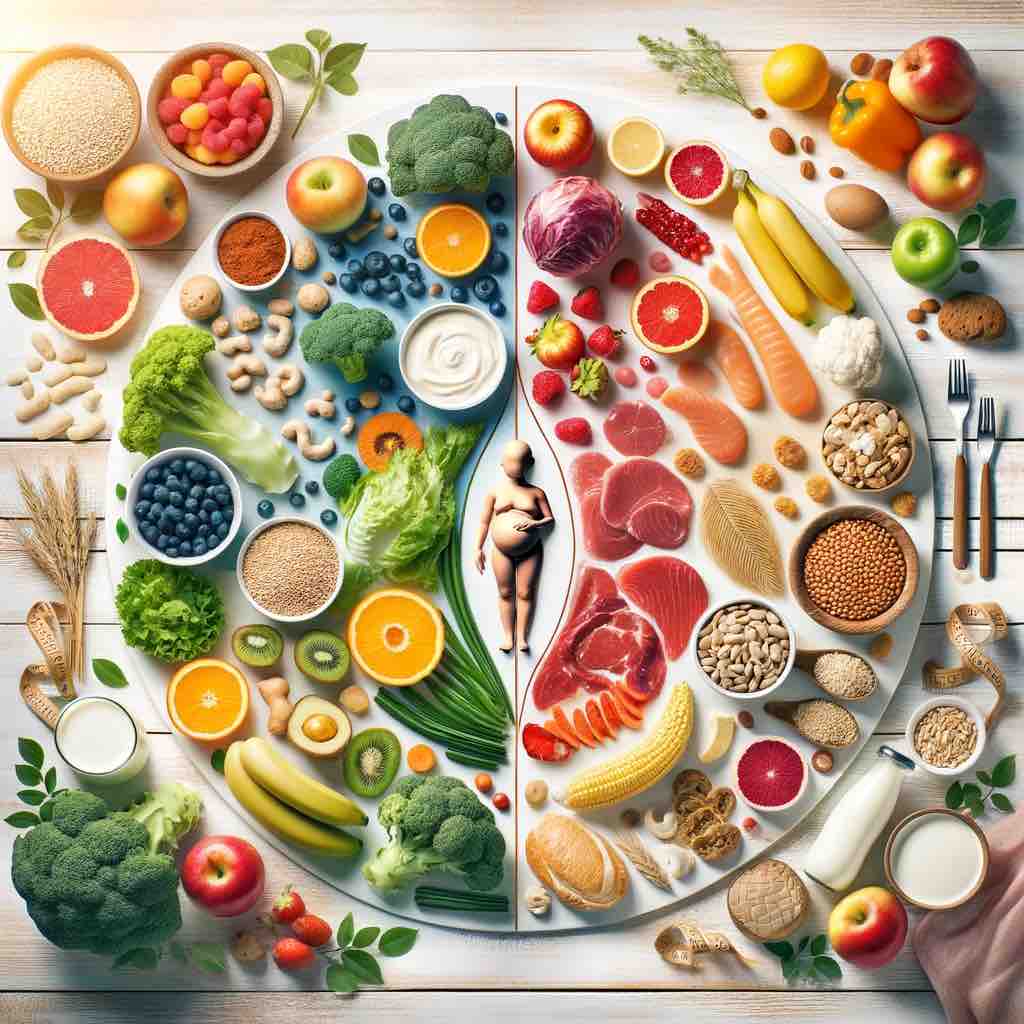
Embracing a Balanced Diet Post-Pregnancy: A Comprehensive Guide

Journeying Beyond Postpartum

As you move beyond the immediate postpartum phase, your focus gradually shifts back to establishing a regular, balanced diet that supports your long-term health and well-being. This transition is an opportunity to reassess and realign your dietary habits to suit your evolving lifestyle as a new parent. Let’s delve into detailed strategies for a seamless transition to a regular diet, ensuring optimal health and vitality in your life as a new mother.

Tailoring Your Nutritional Profile Post-Pregnancy

  • Caloric Needs Reassessment: Evaluate your daily caloric requirements considering your current activity level, lifestyle changes, and whether you are still breastfeeding.
  • Macro and Micronutrient Balance: Aim for a diverse intake of nutrients. Incorporate a wide range of fruits, vegetables, whole grains, lean proteins, and healthy fats. Pay special attention to iron, calcium, magnesium, and B-vitamins, which are crucial in the postpartum phase.
  • Sustained Hydration: Maintain a focus on hydration. Water aids in postpartum recovery, supports lactation (if continuing), and helps maintain energy levels.

Managing Post-Pregnancy Weight

  • Gradual Weight Loss Approach: If weight loss is a goal, adopt a gradual and sustainable approach. Rapid weight loss can be detrimental, particularly during the recovery period.
  • Incorporating Mindful Eating Practices: Embrace mindful eating to enhance your relationship with food and to better recognize hunger and fullness signals. This approach can lead to more satisfying and healthful eating experiences.

Diet Diversity and Enjoyment

  • Food Reintroduction: Gradually reintroduce foods you might have avoided during pregnancy or breastfeeding, like certain fish, caffeine, or spicier foods. Monitor how your body responds to these reintroductions.
  • Culinary Exploration: Experiment with new recipes and flavors to keep your diet interesting and enjoyable. Cooking can be a creative outlet and a way to ensure a healthy diet.
  • Catering to Changed Palates: Acknowledge that your taste preferences might have changed post-pregnancy. Explore different cuisines and ingredients that align with your current palate.

Fostering Digestive Wellness

  • Fiber Focus: High-fiber foods like fruits, vegetables, legumes, and whole grains are essential for maintaining digestive health and preventing issues like postpartum constipation.
  • Gut Health with Probiotics: Incorporate probiotic-rich foods such as yogurt, kefir, sauerkraut, and kimchi to support gut health and overall well-being.

Mental and Emotional Well-being through Diet

  • Nutrition’s Role in Mental Health: Recognize the impact of diet on mood and energy levels. Foods rich in omega-3 fatty acids, magnesium, and antioxidants can have a positive effect on mental health.
  • Body Image and Self-Care: Embrace a positive body image and practice self-care through balanced nutrition. Celebrate the incredible journey your body has been through and nourish it with respect and care.

Practical Meal Planning for Busy Parents

  • Efficiency in the Kitchen: Embrace meal planning and prepping strategies to manage time effectively. Consider simple, nutritious recipes that can be prepared in bulk and stored for convenience.
  • Snacking Smart: Keep healthy snacks within easy reach to maintain energy levels throughout the day. Options like cut-up vegetables, nuts, fruit, and whole-grain crackers are excellent choices.

Addressing Special Dietary Needs

  • Individualized Diet Considerations: If following specific dietary preferences or restrictions, ensure that your diet is well-rounded and nutritionally complete. Consulting with a dietitian can provide personalized guidance.

Cultivating Healthy Eating Habits for the Family

  • Inclusive Family Meals: As your child grows, plan meals that are nutritious and enjoyable for the whole family, fostering healthy eating habits from an early age.
  • Continuous Learning and Adaptability: Stay informed about nutritional best practices and be open to modifying your diet as your family’s needs evolve.

Ongoing Health Monitoring

  • Regular Health Check-ups: Continue to consult with healthcare professionals to monitor your health and receive guidance on any nutritional concerns or changes in your dietary needs.

Forward Focus: Lifelong Nutritional Wellness

As we conclude our series, remember that your journey towards maintaining lifelong nutritional health is an evolving process. Stay engaged with current nutritional insights and practices, ensuring you and your family thrive in health and happiness. The journey of motherhood is enriched with continuous learning and self-care, with nutrition being a key pillar of your overall well-being.

FAQs for Post-Pregnancy Nutrition

  1. How many extra calories do I need post-pregnancy?
    • If you’re breastfeeding, you might need about 500 extra calories per day. If not, your caloric needs will gradually align with a normal, balanced diet based on your activity level.
  2. What nutrients should I focus on post-pregnancy?
    • Prioritize protein, iron, calcium, vitamin D, and fiber. These support tissue repair, bone health, and overall recovery.
  3. Is it safe to diet for weight loss immediately after giving birth?
    • It’s recommended to focus on a balanced, nutrient-rich diet rather than a restrictive diet, especially if breastfeeding. Gradual weight loss is healthier and more sustainable.
  4. How can I manage post-pregnancy constipation?
    • Increase your fiber intake with foods like whole grains, fruits, and vegetables, and ensure you’re drinking plenty of water. Physical activity also helps.
  5. What foods should I eat to boost my energy levels?
    • Focus on a balanced diet with complex carbohydrates (like whole grains), lean proteins, and healthy fats. Small, frequent meals can also help maintain energy levels.
  6. Can I still take prenatal vitamins after childbirth?
    • Yes, continuing prenatal vitamins, especially if breastfeeding, can help ensure you’re getting essential nutrients like iron and calcium.
  7. How soon can I start exercising post-pregnancy?
    • This depends on your delivery and overall health. Generally, gentle exercises like walking can be started relatively soon, but always consult with your healthcare provider.
  8. Are there specific foods that can help with postpartum recovery?
    • Foods rich in vitamins C and E, zinc, and protein can aid in healing. Include citrus fruits, nuts, seeds, lean meats, and leafy greens.
  9. What dietary changes can help with postpartum mood swings or depression?
    • A balanced diet rich in omega-3 fatty acids, whole grains, fresh fruits, and vegetables can support mental health. Avoid excessive caffeine and processed foods.
  10. How can I ensure a balanced diet as a busy new mom?
    • Plan and prepare meals in advance, opt for healthy snacks like fruits and nuts, and consider simple, quick recipes. Don’t hesitate to seek help with meal prep if needed.

Blog Tags for the Post

postpartum nutrition, breastfeeding diet, weight management, healthy eating, dietary fiber, meal planning, vitamin supplements, post-pregnancy exercise, mental health, family meals, new mom wellness, balanced diet, hydration, recovery foods, motherhood health