
This potato leek soup is rich without feeling heavy. Yukon Gold potatoes give it a naturally velvety texture, and a little cream rounds it out while leaving the soup loose enough to flow from a ladle.
Also known as leek and potato soup, this version lets the sweet, mellow leeks lead, with the potatoes providing body and the cream adding just enough richness.
The two places this soup usually goes wrong are almost opposites: the leeks are rushed, while the potatoes are worked too aggressively. Fortunately, neither mistake is difficult to avoid.
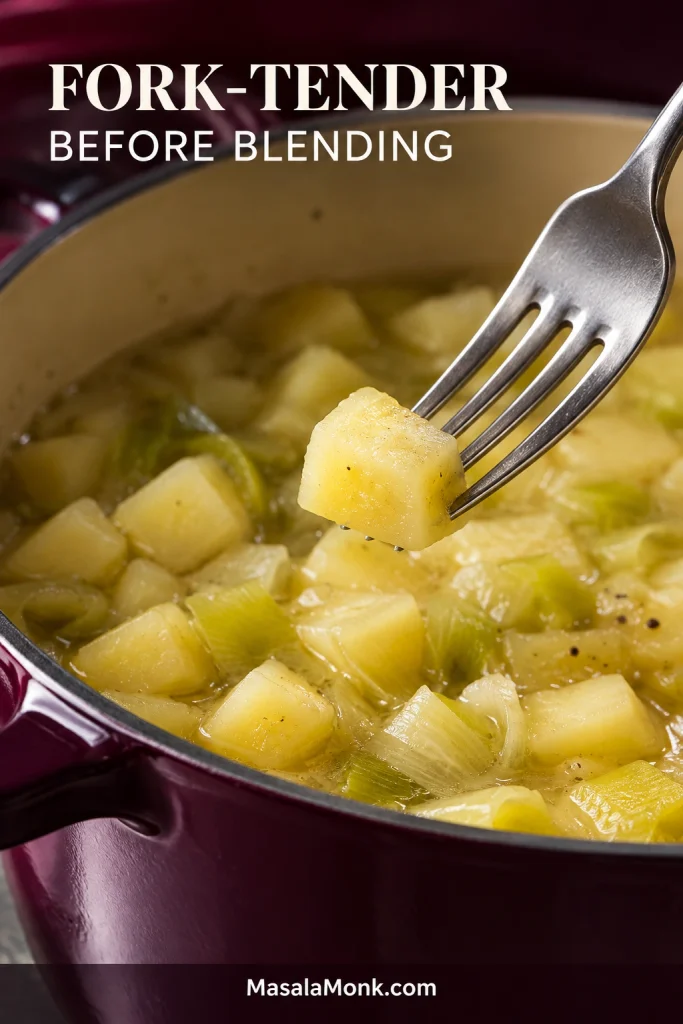
Before you blend: make sure the leeks are soft and sweet-smelling and the largest potato piece yields easily to a fork. Keep the extra broth nearby; you can adjust the consistency after blending.
Potato Leek Soup Recipe
An easy potato leek soup with plenty of leek flavor, Yukon Gold potatoes for texture and just enough cream for richness. Reduce or omit the cream for a lighter finish.
Equipment
- 5- to 6-quart heavy pot or Dutch oven
- Large bowl for washing the leeks
- Immersion blender, or a countertop blender used carefully in batches
- Fine-mesh sieve, optional for an extra-fine finish
Ingredients
- About 4 large leeks, enough to yield about 18 oz (500 g) trimmed and cleaned white and pale-green parts, thinly sliced
- 3 tablespoons (42 g) unsalted butter
- 3 garlic cloves, minced
- 2 lb (900 g) Yukon Gold potatoes, weighed before peeling, then peeled and cut into roughly ½-inch (1.3 cm) pieces
- 5 cups (1.18 L) low-sodium chicken or vegetable broth, plus up to 1 additional cup (240 ml) of extra broth for adjusting the consistency after blending
- 1 bay leaf
- 3 fresh thyme sprigs, or ½ teaspoon dried thyme
- 3.5 g kosher salt to start (about 1¼ teaspoons Diamond Crystal or ¾ teaspoon Morton), divided, plus more as needed; broth brands vary in saltiness
- ½ teaspoon freshly ground black pepper, plus more to taste
- ½ cup (120 ml) heavy cream, optional
- 1 to 2 teaspoons (5 to 10 ml) fresh lemon juice, as needed
- 2 tablespoons chopped fresh chives, for serving
Instructions
- Wash the leeks. Put the sliced leeks in a large bowl of cold water and swish them well with your hands. Let the grit settle, then lift the leeks out and drain them. Do not pour the dirty soaking water back over the leeks.
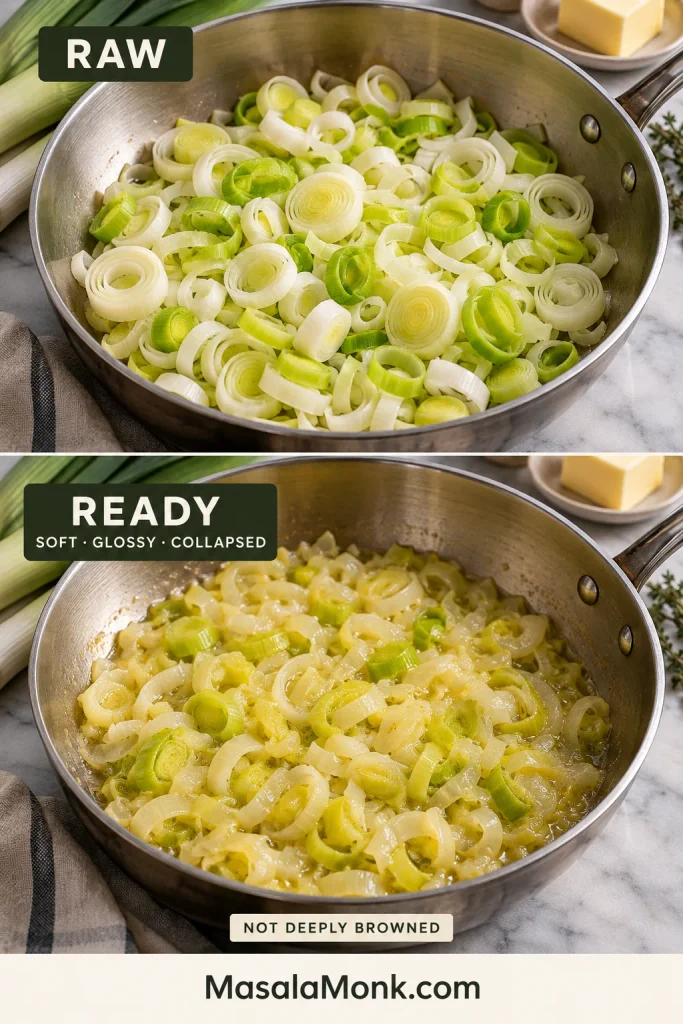
- Soften the leeks and add the garlic. Melt the butter in the pot over medium heat. Add the leeks and about half of the measured salt, reduce the heat to medium-low, and cook for 8 to 12 minutes, stirring occasionally, until very soft, glossy and collapsed but not deeply browned. Stir in the garlic for the final 30 to 60 seconds, just until fragrant.
- Simmer the potatoes and herbs. Add the potatoes, 5 cups (1.18 L) broth, bay leaf, thyme, the remaining measured salt and black pepper. Bring just to a boil, then reduce to a gentle simmer. Cover with the lid slightly ajar and cook for 15 to 20 minutes, until a fork slides through the largest potato piece without resistance.
- Remove the herbs and blend briefly. Discard the bay leaf and fresh thyme stems, if using. For the chunky variation only, lift out about 2 cups of cooked potato and leek now and set them aside. For a smooth soup, blend all the vegetables in the pot. Either way, blend only until the visible pieces disappear; if you reserved vegetables, stir them back in afterward.
- Add the cream. Planning to freeze part of the batch? Ladle that portion out now, before adding dairy. Stir the heavy cream, if using, into the soup over low heat just until hot.
- Set the final thickness. Add extra broth about ¼ cup (60 ml) at a time until the soup pours the way you like. It should coat a spoon but still flow easily. Remove the pot from the heat.
- Finish the flavor. Taste for salt and pepper first. When the seasoning is right but the soup still tastes heavy or muted, stir in 1 teaspoon (5 ml) lemon juice. Taste again before adding the second teaspoon.
- Serve. Ladle into bowls and finish with chopped chives and freshly ground pepper.
Notes
- For an extra-fine finish: pass the soup through a fine-mesh sieve after blending and before adding cream.
- Without cream: omit the cream and use extra broth to set the final consistency.
- For a chunky bowl: follow the optional vegetable-reserving method in step 4; otherwise, blend the soup smooth.
- If cream is already in the soup: you can still freeze it, though the texture may change after thawing. Reheat while stirring, add extra broth if needed, then whisk well before serving.
What you’re aiming for: a smooth, velvety soup with a clean finish. The cream should round it out, and lemon—if you use it—should brighten the flavor without announcing itself.
In This Guide
Let the Leeks Lead
The potatoes give the soup its texture; the leek should still be the first flavor you recognize. This recipe uses about 18 oz (500 g) of trimmed, cleaned leek because leek count alone can be misleading. Three very large leeks may give you as much usable white and pale-green leek as five smaller ones.
The dark-green tops can make the soup darker and more fibrous, so save them for stock instead. Rinse them thoroughly, drain well and freeze them for another batch.
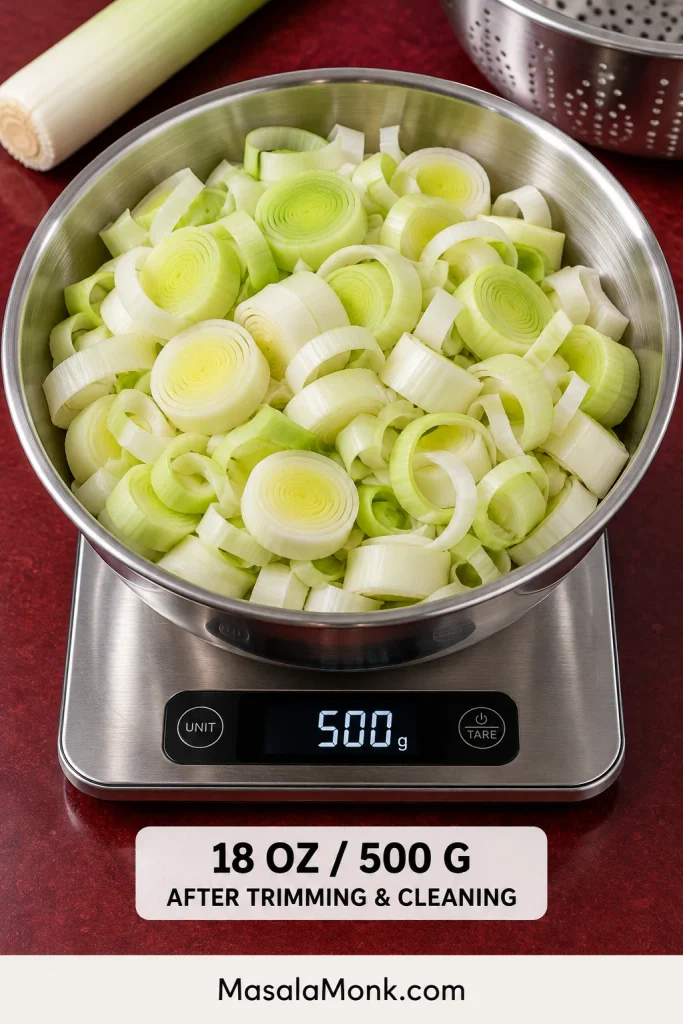
Wash sliced leeks, not just whole leeks
The easiest way to clean leeks for soup is to slice them first, swish them in cold water, let the grit settle, then lift the clean leeks out. Sand hides deep between the layers, and pouring the whole bowl through a strainer can send some of that settled dirt straight back over them.

Soften them; do not race to brown them
Give the leeks 8 to 12 minutes over medium-low heat. Watch the pan more than the timer: they should look glossy, collapsed and very soft, and the sharper onion smell should fade into something sweeter. Deep caramelization is not a disaster, but it moves the flavor away from the pale, delicate soup we are making.
Choosing Potatoes for Potato Leek Soup
For a fully smooth potato leek soup, Yukon Gold potatoes are the best all-around choice. They turn creamy with brief blending and are more forgiving than very starchy potatoes. Other varieties can work too; choose them according to the texture you want in the bowl.
| Potato | What it does best |
|---|---|
| Yukon Gold | Buttery, naturally smooth and well suited to a brief puree. This is the potato used here. |
| Russet | Starchier and naturally thicker. Useful when you want lots of body or less dairy, but easier to overwork in a blender. |
| Red or other waxy potatoes | Hold their shape better, which makes them useful when you want visible potato pieces rather than a fully smooth soup. |

Whichever potato you choose, cook it all the way through before blending. A potato that still resists a fork will not become silky because the blender runs longer. Yukon Gold and Russet behave differently when mashed too; our mashed potatoes recipe shows that contrast clearly.
Silky Soup Is About When You Stop
The leek needs time; the blender does not. Once the potatoes are fully tender, an immersion blender can take the soup from chunky to smooth very quickly. As soon as the visible pieces disappear, stop.
Potato leek soup can turn gluey when the cooked potatoes are blended too aggressively or for too long. Blending breaks down the potatoes and releases more starch; once the soup is already smooth, continuing to run the blender can push the texture from velvety to sticky.

The blender gets you to smooth. A sieve gets you finer.
An immersion blender is convenient because you can blend in the pot and stop as soon as the soup is smooth. A countertop blender can work too, but hot-liquid rules vary by model. Follow the manufacturer’s instructions for maximum temperature, fill level, lid position and venting; work in batches and begin at low speed. If your blender is not approved for hot liquids, let the soup cool before blending.
For a finer finish, pass the blended soup through a fine-mesh sieve. Our tomato basil soup uses the same final step.
Adjusting the Thickness
The amount of liquid a batch needs is not perfectly fixed. Potato variety, leek moisture, pot width and evaporation all shift the finish slightly, which is why this recipe starts with 5 cups of broth and keeps more in reserve.
After blending and adding the cream, if using, add extra broth ¼ cup (60 ml) at a time until the soup coats a spoon and still pours easily. Some people prefer it thicker, others lighter. When it pours well and tastes good, you are done.
Potato soup keeps thickening as it cools, so a pot that looks perfect while piping hot can be noticeably heavier by serving time or the next day. A slightly looser finish at the stove is usually safer than pushing it too far.

Working with leftovers? Jump to storage & reheating →
Seasoning the Soup
If your potato leek soup tastes bland, check the salt before reaching for more cream. Potatoes can mute the leek, while cream softens the overall flavor. Once the salt is right, a dull-tasting bowl may simply need a little brightness.
- Start with salt. Potatoes need enough seasoning to taste alive.
- Then taste for leek. If potato is dominating the bowl, more dairy will only soften the flavor further.
- Use lemon only for brightness. Once the salt is right, a very small amount can bring a heavy or muted soup back into focus.
- Finish with chives and pepper for freshness and contrast.
Unsure whether the pot needs lemon? Ladle about ½ cup (120 ml) soup into a small bowl and start with ⅛ teaspoon lemon juice. If the sample tastes brighter without tasting lemony, stir 1 teaspoon (5 ml) into the full pot and taste again. You can use the same small-bowl test for cautious salt or pepper adjustments.

Still not right? Go to troubleshooting →
Potato Leek Soup Troubleshooting
| Problem | What happened and what to do |
|---|---|
| It tastes flat even after salting | It may need brightness, not more dairy. Test ⅛ teaspoon lemon juice in about ½ cup of soup; if the sample tastes brighter, add 1 teaspoon to the full pot and taste again. |
| It mostly tastes like potato | The leek-to-potato balance is off. If you have another leek, use the rescue just below; otherwise, chives and a little lemon can improve the finish. Next time: measure the trimmed, usable leek rather than relying on leek count. |
| It is sticky or gluey | The potatoes were probably over-blended. Stop blending and loosen the soup with extra broth. You cannot completely undo a gluey texture, but you can often make it pleasant enough to serve. Next time: stop as soon as the visible pieces disappear. |
| It feels sandy between the teeth | This is usually grit that stayed trapped in the leeks. A very fine sieve may improve a mildly gritty batch, but distinctly sandy soup can be difficult to rescue completely. Next time: wash sliced leeks in a bowl of water and lift them away from the settled dirt. |
| It is grainy but not sandy | Likely cause: the vegetables may not have been fully tender, or the dairy may have been overheated. Check the cause before reaching for the blender again. If the vegetables are undercooked, return the soup to gentle heat first. |
| It is too thick | Add extra broth ¼ cup (60 ml) at a time. Potato soup also thickens as it rests, so set the final consistency only after blending. |
| It is too thin | Simmer uncovered gently first. If it is still too thin, cook 1 medium Yukon Gold potato until fully tender, mash it with a little soup, then whisk the mixture into the pot. Add more mashed potato only if needed. Leave the rest of the batch out of the blender. |
| The cream looks split | Take the pot off high heat and whisk gently. A badly split dairy soup may not become perfectly smooth again. Next time: add the cream at the end and reheat gently rather than hard-boiling. |
When Potato Overpowers the Leek
If the texture is good but the bowl tastes mostly of potato, adding more cream will only mute the leek further. Instead, soften an extra sliced leek in a little butter until completely tender, then blend it with one ladle of soup and stir that concentrated mixture back into the pot. Taste before changing the salt or lemon again.

Variations That Work
Chunky Potato Leek Soup
Setting aside some of the cooked vegetables gives each bowl visible pieces of potato and leek. For a more potato-centered soup with larger pieces throughout, try our potato soup recipe.

Potato Leek Soup with Bacon
Cook 4 to 6 oz (115 to 170 g) chopped bacon until crisp. Remove it, leave about 1 tablespoon of the rendered fat in the pot, and use about 2 tablespoons of butter to soften the leeks. Return the bacon at serving so it stays crisp and gives each bowl a little crunch.

Vegetarian: use a flavorful low-sodium vegetable broth. The rest of the method stays the same.
Vegan or dairy-free: use olive oil or plant-based butter, vegetable broth, and omit the heavy cream or use a neutral unsweetened dairy-free alternative. Coconut milk brings a noticeable coconut flavor, so use it only if you want that in the bowl. Our white bean soup is another creamy soup that gets much of its texture from the beans.

Ready to cook? Back to the recipe card →
Storage, Freezing & Reheating
Refrigerating Potato Leek Soup
Divide leftovers into shallow containers and refrigerate them within 2 hours; shallow containers help a large pot of soup cool more quickly. FoodSafety.gov recommends keeping cooked leftovers refrigerated for 3 to 4 days.
Reheating Without Making It Too Thick
Add a little broth first if the soup has tightened in the refrigerator, then warm it over medium heat, stirring often. USDA guidance recommends reheating leftovers to 165°F (74°C) and bringing soups, sauces and gravies to a boil. Once the soup reaches a rolling boil, take it off the heat; prolonged boiling does nothing useful for the cream.
Freezing Potato Leek Soup
Freezing before adding cream gives the soup a better chance of keeping a smooth texture, though potatoes can still change slightly after thawing. For best quality, use it within about 2 to 3 months. Thaw overnight in the refrigerator, reheat to the safe temperature described above, add extra broth if the soup has thickened, then add cream if you want it and adjust the salt and lemon at the end.

For serving, this soup needs very little: crusty bread, toasted sourdough or a simple green salad is enough for a light meal. Our Irish soda bread is especially good for tearing and dipping. A hot, silky bowl with cool chives and a crack of black pepper already feels complete; croutons or crisp bacon are there if you want more contrast. Whatever you put on top, you should still taste the leeks first.