Posted on Leave a comment

Urinary Tract Infections (UTIs) : Food & Beverage Guide

CAN FOOD HELP PREVENT UTIs?

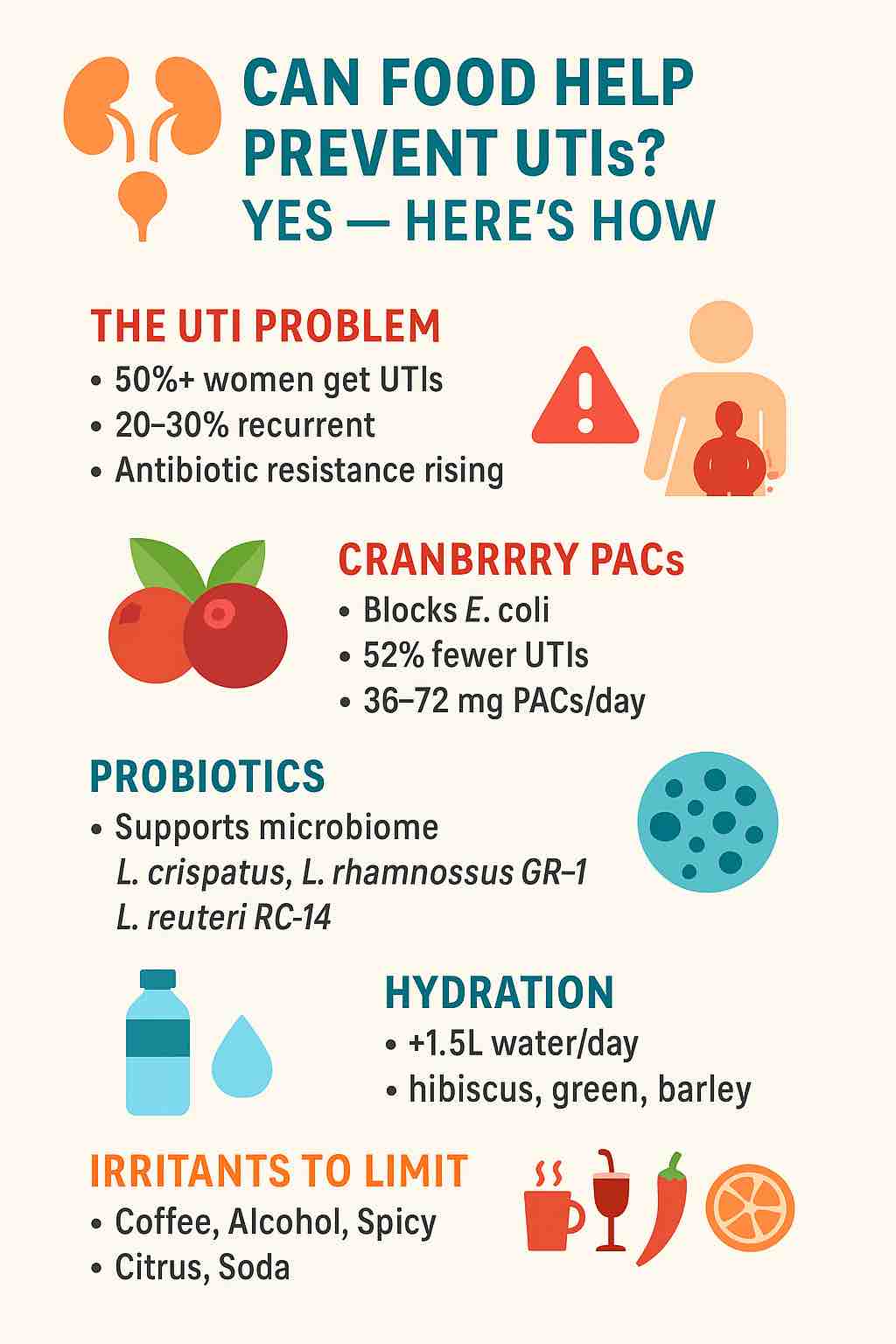
Urinary Tract Infections are deceptively simple yet incredibly frustrating. More than 50% of women will experience at least one UTI in their lifetime, and 20-30% will face recurrent episodes. While antibiotics work for acute infections, overreliance fuels rising antibiotic resistance, potential gut dysbiosis, and leaves many patients caught in a vicious cycle.

Today, nutrition science, microbiome research, and clinical trials are opening new doors. What you eat and drink can influence:

  • The adhesion of bacteria like E. coli in the bladder
  • The strength of your immune response
  • The resilience of your vaginal and gut microbiome
  • The inflammatory state of your bladder lining

This guide combines cutting-edge research, practical dietary advice, and holistic strategies to empower you.


🔬 The Microbiology of UTIs: Setting the Stage

To fully appreciate how food helps, we need to understand how infections take hold.

  • 90% of uncomplicated UTIs are caused by uropathogenic Escherichia coli (UPEC).
  • UPEC attaches to the bladder lining via fimbriae (hair-like structures) and forms biofilms, making them harder to flush or kill.
  • Other pathogens include Klebsiella, Enterococcus, Proteus, and Staphylococcus saprophyticus.
  • Women are more prone due to a shorter urethra, hormonal factors, and anatomical proximity to the rectum.

👉 Disrupting adhesion and biofilm formation is one of the key ways foods like cranberries, probiotics, and certain teas exert their protective effects.


🍒 The Star Player: Cranberries and Their Powerhouse Compounds

What’s in Cranberries?

  • Proanthocyanidins (PACs) – specifically A-type PACs, unique to cranberries.
  • Flavonoids & Polyphenols – antioxidant, anti-inflammatory.
  • Quinic Acid – contributes to urinary acidity, creating an unfavorable environment for bacteria.

Latest Evidence: 2025 Highlights

  • RCT on Pacran™ (500 mg daily, 6 months): 52% fewer culture-confirmed UTIs.
  • Meta-analysis (50 studies): Meaningful reductions in recurrence, particularly in women with frequent UTIs.
  • Mechanism: PACs physically prevent E. coli fimbriae from latching onto bladder cells.

Bioavailability Matters

  • PACs are poorly absorbed into the bloodstream but act directly within the urinary tract.
  • Many commercial juices lack therapeutic PAC levels due to dilution and processing.

How Much Cranberry Is Enough?

ProductPAC ContentDosage
Pure cranberry juice (unsweetened)~36 mg per 240 ml1-2 servings daily
Cranberry capsules (standardized)36-72 mg PACs1-2 capsules daily
Cranberry teaVariableDaily routine

Note: Sweetened cranberry cocktails offer little benefit and add unnecessary sugars, potentially feeding harmful bacteria.


🧬 Probiotics: Restoring the Microbial Defense

Our body has natural “good bacteria” that help maintain urinary health. Disruptions (from antibiotics, stress, poor diet) can allow bad bacteria to flourish.

Vaginal Microbiome Defense

  • Healthy vaginal flora dominated by Lactobacillus crispatus and Lactobacillus jensenii lowers pH, produces hydrogen peroxide, and inhibits pathogens.
  • Women with depleted vaginal lactobacilli have higher UTI rates.

Gut Microbiome Link

  • Gut dysbiosis can increase fecal shedding of UPEC, raising UTI risk.

Probiotic Research

  • Some small studies show up to 50% fewer recurrences with oral or vaginal probiotics.
  • Optimal strains include: L. crispatus, L. rhamnosus GR-1, L. reuteri RC-14.

Food Sources of Probiotics

  • Plain yogurt (unsweetened, live cultures)
  • Kefir
  • Kimchi, sauerkraut
  • Miso, natto, tempeh

Probiotic Supplements

  • Look for refrigerated capsules with at least 10 billion CFUs.
  • Vaginal probiotics may offer direct urinary benefits for some women.

💧 Hydration: The Simplest, Cheapest, Overlooked Tool

One 2018 clinical trial showed that increasing fluid intake by 1.5 liters daily reduced recurrent UTIs by 50%.

  • Hydration promotes frequent urination, flushing bacteria before they can adhere.
  • Dehydration concentrates urine, creating an environment for bacterial growth.

Smart Hydration Options

  • Water (best)
  • Hibiscus tea
  • Weak green tea
  • Unsweetened barley water
  • Watermelon juice
  • Coconut water

Avoid:

  • Highly sweetened drinks
  • Caffeinated energy drinks
  • Sugary sodas

🌿 Plant Allies Beyond Cranberries

🍵 Green Tea

  • Catechins inhibit bacterial growth.
  • Anti-inflammatory.
  • Potential mild diuretic.

🌺 Hibiscus Tea

  • Contains hibiscus acid with antimicrobial properties.
  • In one study, elderly catheterized patients saw 36% fewer UTIs.

🧄 Garlic

  • Contains allicin, a potent antimicrobial shown to inhibit E. coli in vitro.
  • Can be used in cooking or as aged garlic extract.

🌿 Dandelion & Parsley

  • Mild natural diuretics, sometimes included in “bladder cleanse” teas.

🚫 Dietary Irritants to Minimize

During active infection or high-risk periods, reducing bladder irritants may help:

FoodWhy Avoid?
Coffee & CaffeineBladder stimulant, worsens urgency
AlcoholDehydration, bladder irritant
Spicy FoodsHeightens inflammation
Artificial SweetenersLinked to bladder discomfort
Carbonated DrinksGas, acidity
High SugarMay feed bacteria
Citrus FruitsAcidic, can irritate sensitive bladders

Not everyone reacts the same. Keeping a bladder diary helps identify personal triggers.


💊 Non-Food Interventions (That Pair Well with Nutrition)

1️⃣ Methenamine Hippurate

  • Converts to formaldehyde in acidic urine.
  • Prevents bacterial growth, very effective for recurrent UTIs.
  • Equal efficacy to antibiotics in recent large trials.

2️⃣ Uromune (MV-140)

  • Sublingual vaccine exposing immune system to inactivated UTI bacteria.
  • Shown to reduce recurrences by up to 70% in early studies.
  • Limited availability; still under regulatory review in many countries.

3️⃣ d-Mannose

  • Popular sugar thought to block E. coli adhesion.
  • Recent 2024 JAMA study found no significant benefit vs placebo.
  • May help select patients, but not strongly recommended as first-line.

⚖ Integrating Lifestyle, Nutrition & Medical Care

Prevention StrategyEvidence Strength
Hydration⭐⭐⭐⭐⭐
Cranberry PACs⭐⭐⭐⭐
Probiotics⭐⭐⭐
Avoiding bladder irritants⭐⭐⭐
Methenamine Hippurate⭐⭐⭐⭐⭐
Uromune Vaccine⭐⭐⭐⭐
d-Mannose⭐⭐

Always involve your doctor when:

  • You have multiple UTIs yearly.
  • UTIs are associated with fever, kidney pain, or systemic symptoms.
  • You are pregnant, diabetic, or immunocompromised.

📅 Enhanced 3-Day Food Plan for UTI Prevention

Day 1

  • Breakfast: Kefir with chia seeds & blueberries
  • Mid-Morning: Parsley tea + handful almonds
  • Lunch: Grilled salmon, steamed broccoli, quinoa
  • Snack: Hibiscus iced tea + Greek yogurt
  • Dinner: Garlic-lemon chicken, roasted sweet potatoes, asparagus
  • Before bed: Cranberry PAC supplement

Day 2

  • Breakfast: Oatmeal with ground flaxseed & kiwi
  • Mid-Morning: Coconut water
  • Lunch: Lentil soup, whole-grain bread, cucumber salad
  • Snack: Watermelon cubes, green tea
  • Dinner: Stir-fried tofu with garlic, ginger & bok choy
  • Before bed: Plain yogurt + probiotic capsule

Day 3

  • Breakfast: Scrambled eggs with spinach and avocado
  • Mid-Morning: Barley water
  • Lunch: Turkey wrap with arugula & hummus
  • Snack: Herbal chamomile tea + pumpkin seeds
  • Dinner: Grilled cod, sautéed zucchini, brown rice
  • Before bed: Hibiscus tea

🔬 Final Thoughts: The Food-Microbiome-UTI Triangle

UTIs are not simply infections—they are complex imbalances of host immunity, bacterial biofilms, microbiome composition, and behavioral factors. This is why diet, hydration, and microbiome support offer a multi-layered defense.

Small daily choices stack up. From your morning cup of hibiscus tea to that evening spoonful of yogurt, you’re actively reshaping your body’s defenses.

👉 Empower yourself with evidence-based strategies. Eat to nourish not just your body, but your urinary tract too.

🔎 Frequently Asked Questions (FAQs)

1️⃣ Can diet alone prevent UTIs?

Diet plays a powerful supportive role but isn’t a guaranteed prevention method for everyone. Hydration, cranberry PACs, probiotics, and bladder-friendly foods can lower your risk significantly, but certain medical or anatomical factors may still predispose some people to UTIs. Always combine dietary strategies with good hygiene and medical care if needed.


2️⃣ How much cranberry juice should I drink for UTI prevention?

Clinical studies suggest aiming for cranberry products that deliver at least 36 mg of PACs daily. This usually requires:

  • ~240 ml (1 cup) of pure, unsweetened cranberry juice, or
  • 1-2 capsules of standardized cranberry extract.

Most commercial cranberry “cocktails” don’t contain enough PACs and have added sugars—avoid those.


3️⃣ Is d-Mannose effective for UTIs?

While some smaller studies suggested possible benefits, a large 2024 JAMA study found no significant difference between d-Mannose and placebo for preventing recurrent UTIs. It may still help select individuals, but it’s not as strongly supported as cranberry PACs or methenamine hippurate.


4️⃣ Which probiotics are best for preventing UTIs?

Probiotics containing Lactobacillus crispatus, L. rhamnosus GR-1, and L. reuteri RC-14 show the most promise. These can help restore vaginal and gut microbiota balance, indirectly reducing UTI risk. Both oral and vaginal probiotic options are available.


5️⃣ How much water should I drink daily to prevent UTIs?

Studies show that increasing your daily water intake by 1.5 liters (about 6 extra cups) can cut UTI recurrence by nearly 50%. Total fluid intake should be around 2–2.5 liters/day, unless restricted for medical reasons.


6️⃣ Are there specific foods that worsen UTI symptoms?

Yes. Foods that may irritate the bladder include:

  • Caffeine (coffee, black tea)
  • Alcohol
  • Spicy foods
  • Artificial sweeteners
  • Carbonated drinks
  • Citrus fruits
  • Sugary desserts

These don’t cause UTIs but can exacerbate symptoms during an active infection or in sensitive individuals.


7️⃣ Is cranberry tea as effective as cranberry juice or capsules?

Cranberry tea may provide some PACs and hydration benefits but generally contains lower PAC levels than concentrated juice or supplements. It’s a good supportive beverage, but for therapeutic effects, standardized PAC supplements are usually more reliable.


8️⃣ What is methenamine hippurate and how does it help?

Methenamine hippurate is a non-antibiotic UTI prevention option that releases formaldehyde in the bladder, killing bacteria. Clinical studies show it’s as effective as daily antibiotics for preventing recurrent UTIs—without contributing to antibiotic resistance.


9️⃣ What is Uromune, and is it available everywhere?

Uromune (MV-140) is a sublingual bacterial vaccine that helps train the immune system against common UTI-causing bacteria. Early studies show up to 70% reduction in recurrent UTIs. It’s available in some countries but not yet widely approved worldwide.


🔟 Can men use dietary prevention methods too?

Yes. While UTIs are far more common in women, men (especially older men with prostate issues) can also benefit from:

  • Hydration
  • Cranberry PACs
  • Probiotics
  • Avoiding bladder irritants
  • Good urological care

Always consult a healthcare provider for recurrent infections, especially in men.
Posted on 1 Comment

5 benefits of Black Pepper and How to Use It

Benefits of Black Pepper

When you think of spices, few can rival the humble black pepper. Sitting proudly on kitchen tables across the globe, black pepper is so common that we often forget it’s much more than just a seasoning. Known as the “King of Spices,” black pepper (Piper nigrum) has been treasured for thousands of years not only for its bold flavor but also for its remarkable health benefits.

In this article, we’ll dive deep into the science-backed benefits of black pepper and explore how you can easily incorporate this powerhouse spice into your daily routine.


A Brief History: The King of Spices

Before we get into the health benefits, let’s set the stage. Black pepper has a rich and storied history:

  • Ancient Trade: Originating from the Malabar Coast of India, black pepper was once so valuable that it was called “black gold.” It drove trade routes between Europe and Asia for centuries.
  • Ayurveda & Traditional Medicine: In Indian Ayurveda and traditional Chinese medicine, black pepper has long been used to treat digestive issues, respiratory problems, and even as an energizing tonic.
  • Modern Popularity: Today, black pepper remains a staple in nearly every cuisine worldwide.

What makes black pepper so potent? The answer lies in a bioactive compound called piperine, responsible for its pungent taste and most of its health benefits.


The 5 Major Health Benefits of Black Pepper

1️⃣ Powerful Antioxidant and Anti-Inflammatory Properties

Modern lifestyles expose us to oxidative stress from pollution, processed foods, and chronic stress. Over time, oxidative damage can contribute to aging, inflammation, and numerous chronic diseases.

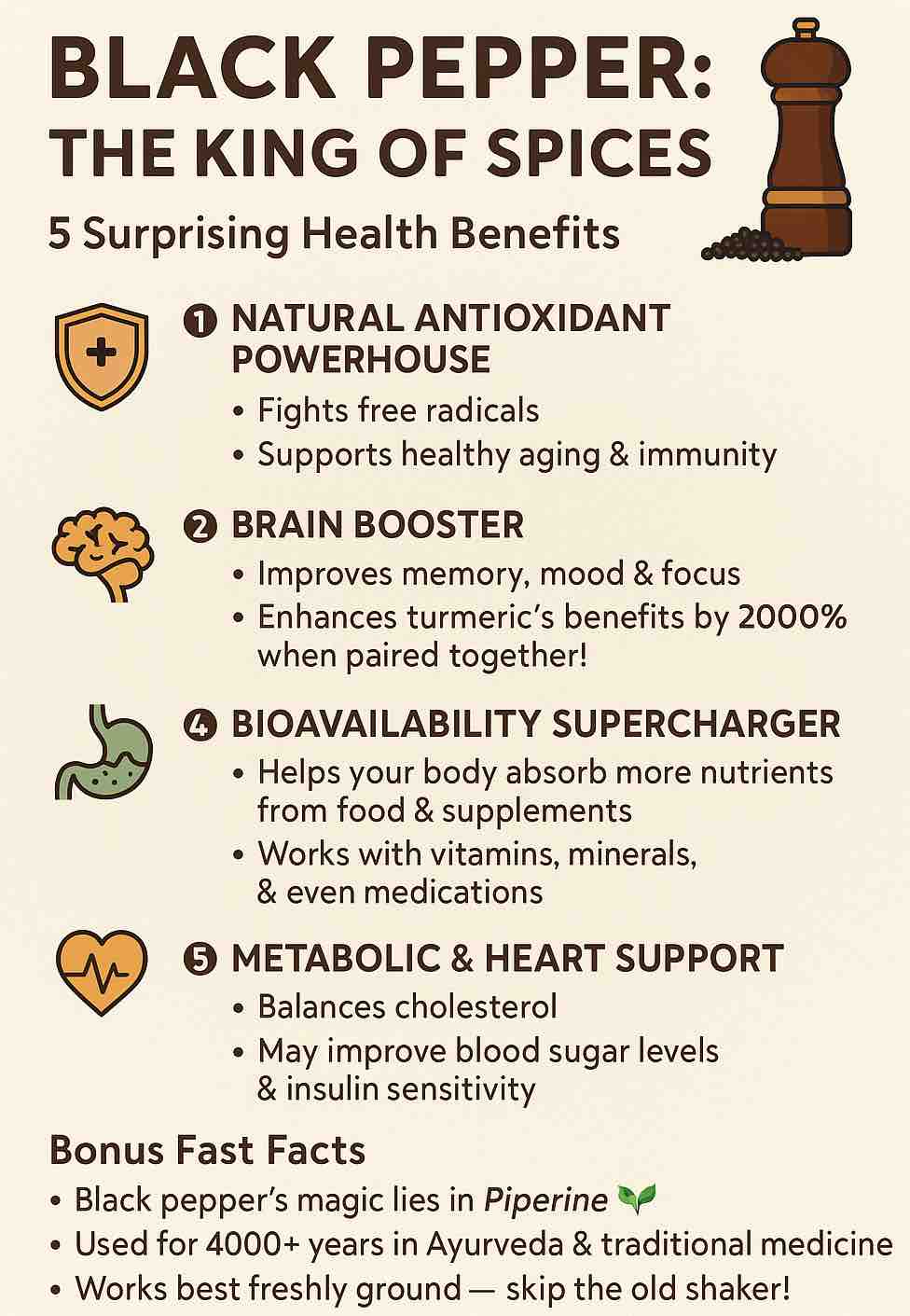
  • Piperine acts as a potent antioxidant, neutralizing free radicals and protecting our cells from damage.
  • Studies show that piperine helps reduce markers of inflammation, potentially benefiting conditions such as arthritis, metabolic syndrome, and even certain cancers.
  • A 2024 review highlighted that piperine, along with black pepper essential oils, can modulate inflammatory cytokines and support overall immune function.

💡 Takeaway: Adding black pepper to your meals regularly may provide your body with additional protection against oxidative stress and chronic inflammation.


2️⃣ Supports Brain Health and Cognitive Function

Emerging research suggests black pepper may offer neuroprotective effects:

  • Piperine has been shown to enhance cognitive function, improve memory, and potentially slow down age-related cognitive decline.
  • Animal studies indicate that piperine may increase levels of neurotransmitters like serotonin and dopamine, which regulate mood, memory, and focus.
  • A particularly exciting benefit: when combined with turmeric, piperine enhances the absorption of curcumin (turmeric’s active compound) by up to 2000% — a synergy that many brain-health supplements now leverage.

💡 Takeaway: Regular consumption may support memory, focus, and even help reduce the risk of neurodegenerative diseases when used alongside other brain-healthy foods.


3️⃣ Aids Digestion and Supports Gut Health

In many traditional medicine systems, black pepper is valued for its digestive properties — and modern science agrees:

  • Black pepper stimulates the release of hydrochloric acid in the stomach, which aids in digestion, improves nutrient absorption, and prevents gas and bloating.
  • It promotes bile acid secretion, helping break down fats more effectively.
  • Piperine has mild antimicrobial properties, which may help balance gut flora and combat harmful pathogens like H. pylori.

💡 Takeaway: A pinch of black pepper before meals may assist digestion and promote a healthy gut microbiome.


4️⃣ Enhances Nutrient Absorption (Natural Bioenhancer)

Perhaps one of black pepper’s most unique features is its ability to boost the bioavailability of other nutrients and drugs:

  • Piperine slows down the breakdown of compounds in the liver and intestines, allowing for greater absorption into the bloodstream.
  • This property has led to piperine being combined with nutrients like curcumin, beta-carotene, selenium, CoQ10, and certain B vitamins to maximize their benefits.
  • In India, piperine has even been included in formulations to enhance the absorption of anti-tuberculosis medications.

💡 Takeaway: Adding black pepper to nutrient-rich meals can amplify your body’s ability to absorb vital nutrients.


5️⃣ Supports Heart Health and Blood Sugar Control

Emerging evidence points to black pepper’s potential role in metabolic and cardiovascular health:

  • Animal studies suggest piperine may help lower LDL cholesterol, increase HDL cholesterol, and reduce triglycerides.
  • It may also improve insulin sensitivity and help regulate blood sugar levels.
  • By reducing oxidative stress and inflammation, black pepper may contribute to overall cardiovascular protection.

💡 Takeaway: While more human studies are needed, black pepper may offer supplementary support for heart health and metabolic function.


Other Potential Benefits Under Investigation

  • Anti-cancer properties: Early lab studies suggest piperine may slow the growth of some cancer cells, though human research is still in early stages.
  • Weight management: Piperine may help inhibit the formation of new fat cells (adipogenesis).
  • Antimicrobial effects: May help combat certain bacteria and fungi.
  • Respiratory support: Used traditionally for coughs, colds, and sinus relief.

How to Use Black Pepper for Maximum Benefit

Use Freshly Ground Pepper

  • Pre-ground black pepper loses its potency quickly as volatile oils evaporate.
  • Invest in a good pepper mill and grind whole peppercorns directly onto your food for maximum flavor and benefits.

Pair with Turmeric

  • The piperine-curcumin synergy is well-documented.
  • Try adding both spices to dishes like curries, soups, and golden milk.

Incorporate into a Variety of Meals

  • Sprinkle on salads, eggs, avocado toast, pasta, grilled vegetables, or even fruit for a surprising flavor twist.
  • Add to marinades, rubs, or salad dressings.

Supplements (With Caution)

  • Piperine supplements exist but should be used cautiously:
    • Typical supplemental doses range from 5–20 mg/day.
    • May interact with medications due to its effect on drug metabolism enzymes.
    • Pregnant or breastfeeding women should avoid high doses.
  • Always consult a healthcare provider before starting supplements.

Safety and Precautions

While black pepper is generally safe in culinary amounts, excessive consumption or concentrated supplements may cause:

  • Gastrointestinal upset
  • Drug interactions (due to enzyme inhibition)
  • Irritation for those with GERD, ulcers, or certain gut sensitivities

As with any health intervention, moderation and professional guidance are key.


Final Thoughts

Black pepper is a prime example of how nature packs powerful health benefits into even the smallest of packages. Its versatility, affordability, and science-backed effects make it a worthy addition to nearly every diet.

By simply adding a few fresh grinds of black pepper to your meals, you not only elevate the flavor but also invite a host of protective, nourishing benefits for your brain, heart, gut, and beyond.

Remember: it’s not about mega-dosing, but about consistent, thoughtful use as part of a balanced, nutrient-rich lifestyle.


Quick Summary Table

BenefitKey Effect
AntioxidantFights free radicals, reduces inflammation
Brain HealthSupports cognition, boosts neurotransmitters
DigestionImproves enzyme secretion, reduces bloating
Nutrient AbsorptionEnhances bioavailability of nutrients
Heart & MetabolicSupports cholesterol, blood sugar balance

📌 10 FAQs About Black Pepper

1️⃣ Is black pepper good for you?

Yes! Black pepper is rich in piperine, a compound with antioxidant, anti-inflammatory, digestive, cognitive, and metabolic health benefits. When used moderately as part of a balanced diet, it can support overall well-being.

2️⃣ How much black pepper should I consume daily?

For most people, 1/4 to 1 teaspoon (1–3 grams) of freshly ground black pepper daily is safe and beneficial. Higher amounts or supplements should only be taken under professional supervision, as piperine may affect medication metabolism.

3️⃣ Does black pepper help with weight loss?

While not a weight-loss miracle, piperine may help suppress the formation of new fat cells and improve metabolism modestly. Combined with a healthy diet and exercise, it may offer some supportive effects.

4️⃣ Can black pepper improve digestion?

Yes. Black pepper stimulates digestive enzymes and stomach acid, helping break down food efficiently, reduce bloating, and improve nutrient absorption. Many traditional systems like Ayurveda have used it for digestive support for centuries.

5️⃣ Is it safe to take black pepper with medications?

Piperine can affect drug metabolism by inhibiting certain liver enzymes (CYP3A4, CYP2D6). This may alter the effectiveness or toxicity of medications. Always consult your doctor if you’re on prescription meds and planning to take large amounts of black pepper or piperine supplements.

6️⃣ Does black pepper help absorb turmeric better?

Absolutely. Piperine increases curcumin (the active compound in turmeric) absorption by up to 2000%. Many turmeric supplements now include black pepper extract for this reason.

7️⃣ Can black pepper prevent cancer?

Preliminary lab studies suggest piperine may have anticancer properties, but current evidence is limited to animal and cell studies. More human research is needed before any firm conclusions can be made.

8️⃣ Is black pepper safe during pregnancy?

Culinary amounts are generally safe. However, pregnant or breastfeeding women should avoid high doses or supplements due to potential hormonal effects and limited safety data.

9️⃣ Can black pepper cause side effects?

Excessive intake may cause digestive discomfort, heartburn, or gastrointestinal irritation, especially in people with GERD, ulcers, or sensitive stomachs. Stick to moderate, food-based amounts unless advised otherwise.

🔟 What’s the best way to consume black pepper?

Use freshly ground black pepper directly on food to preserve its volatile oils and maximize benefits. Pairing it with nutrient-dense meals, turmeric, or healthy fats can further enhance absorption of beneficial compounds.

Posted on 2 Comments

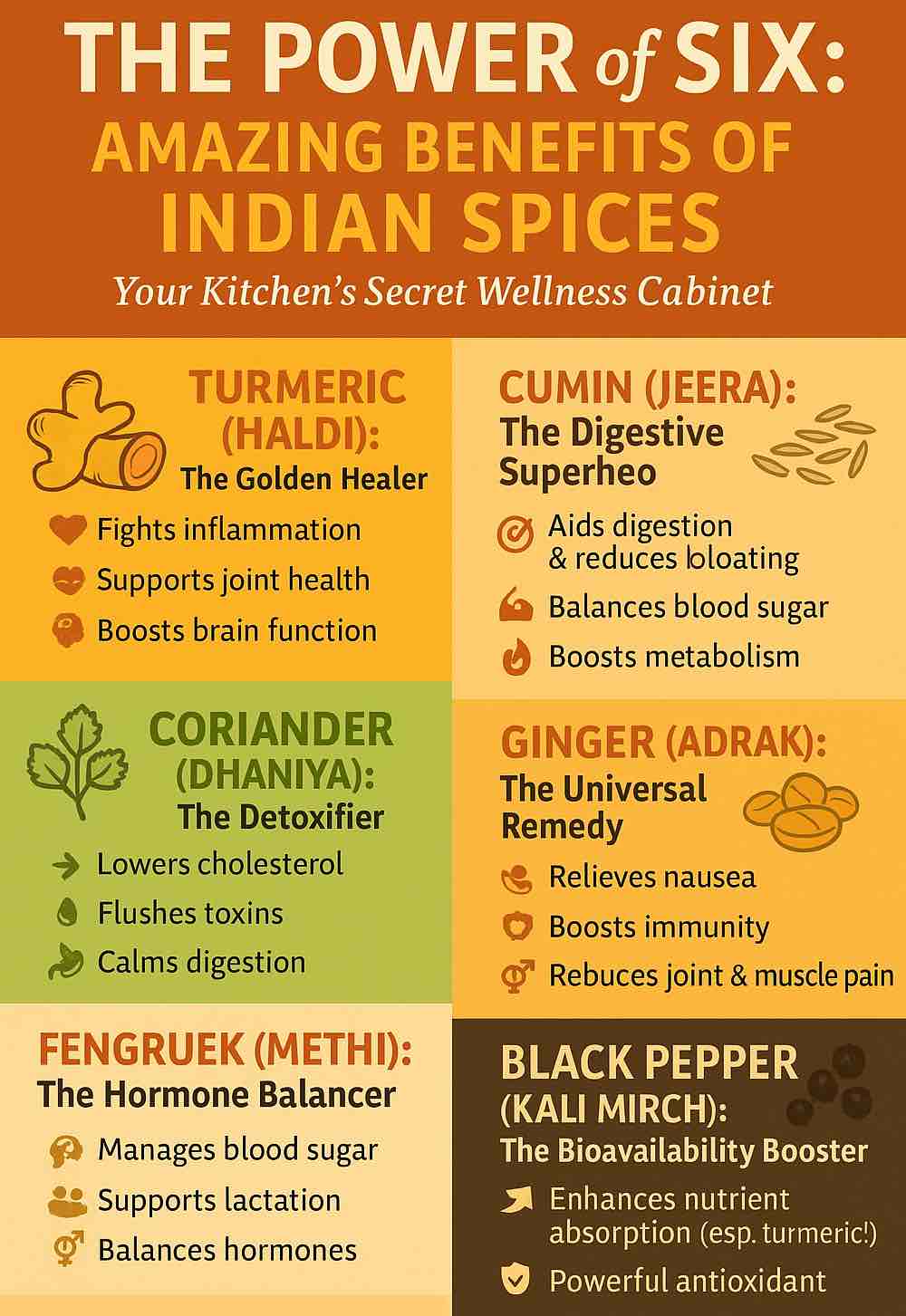
The Power of Six: Amazing Benefits of Common Indian Spices

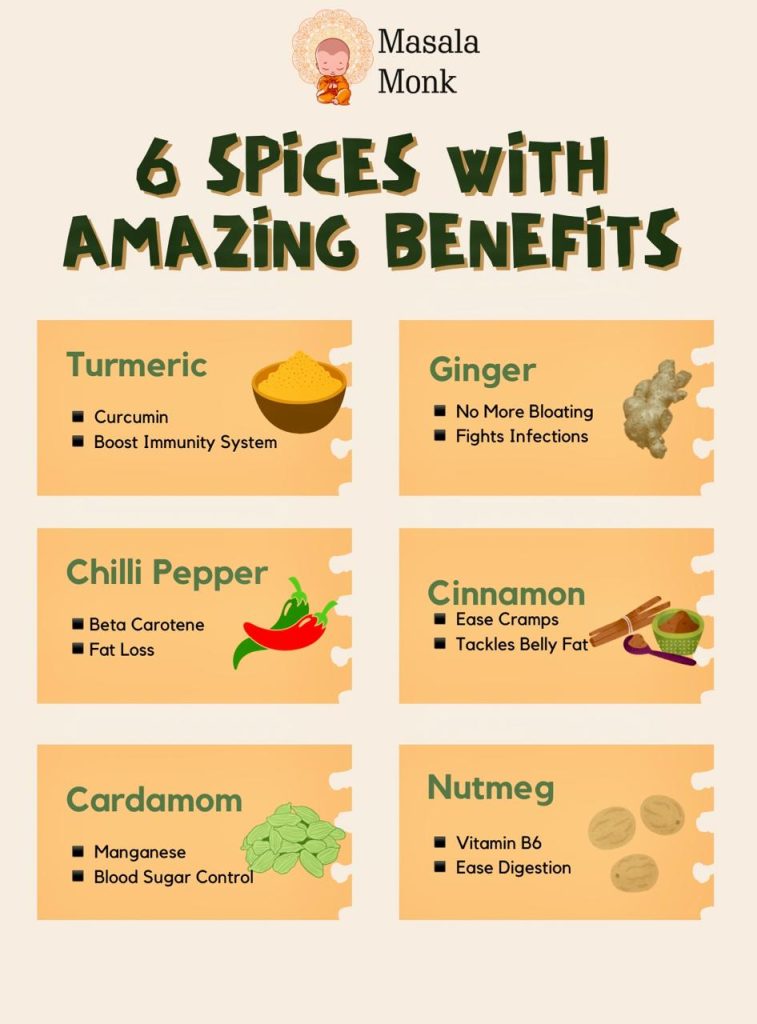
BENEFITS OF INDIAN SPICES

When we think of Indian cuisine, the first thing that often comes to mind is its explosion of colors, aromas, and flavors. But behind these vibrant dishes lies a centuries-old tradition of using spices not just for taste but also for their powerful health benefits.

Indian spices have been a cornerstone of Ayurvedic medicine and holistic health practices for millennia. Today, modern science is validating many of these traditional uses, making Indian spices an essential part of global wellness conversations.

In this article, we explore the powerful health benefits of six common Indian spices, their uses, and why you should consider incorporating them into your daily routine.


Why Indian Spices Are Healthy

Before we dive into our list, let’s address a common question:
Are Indian spices healthy? Are Indian spices good for you?

Absolutely. Indian spices are rich in bioactive compounds, antioxidants, anti-inflammatory agents, and essential nutrients. They support digestion, boost immunity, fight chronic diseases, and promote overall well-being. What makes them even more special is that they are easily accessible and simple to incorporate into everyday meals.

Now, let’s take a deep dive into the six super spices you should know about.


1. Turmeric (Haldi) — The Golden Healer

Key Compound: Curcumin

Turmeric is often called the “golden spice” of India — and for good reason. It contains curcumin, a powerful antioxidant and anti-inflammatory compound that has been widely studied for its health benefits.

Health Benefits:

  • Anti-inflammatory powerhouse: Helps reduce chronic inflammation, which is linked to diseases like heart disease, cancer, and Alzheimer’s.
  • Antioxidant effects: Neutralizes free radicals, reducing oxidative stress.
  • Joint health: Alleviates symptoms of arthritis and joint pain.
  • Brain function: May enhance cognitive function and protect against neurodegenerative diseases.
  • Supports immune system: Strengthens the body’s natural defense mechanisms.
  • Heart health: Helps maintain healthy blood pressure and cholesterol levels.

Traditional Uses:

  • Curries, dals, rice dishes
  • Golden milk (turmeric latte)
  • Herbal teas and wellness shots
  • Skin care remedies (face masks)

Pro Tip: Pair turmeric with black pepper to enhance curcumin absorption significantly.


2. Cumin (Jeera) — The Digestive Aid

Key Compounds: Thymol, Cuminaldehyde

Cumin seeds have been used for centuries to aid digestion and improve gut health.

Health Benefits:

  • Digestive support: Stimulates the secretion of digestive enzymes, reducing bloating and indigestion.
  • Blood sugar regulation: May help lower blood sugar levels.
  • Weight management: Boosts metabolism and may aid in fat loss.
  • Rich in iron: Supports hemoglobin production and combats anemia.
  • Antimicrobial: Helps fight bacteria and parasites.

Traditional Uses:

  • Tadka (tempering) in dals and curries
  • Rice dishes like jeera rice
  • Roasted snacks
  • Herbal infusions (jeera water)

Pro Tip: Soak cumin seeds in water overnight and drink in the morning for digestive benefits.


3. Coriander (Dhaniya) — The Detoxifier

Key Compounds: Linalool, Quercetin

Both the seeds and leaves of coriander are widely used in Indian cooking, offering a fresh, citrusy flavor.

Health Benefits:

  • Heart health: Lowers bad cholesterol (LDL) and increases good cholesterol (HDL).
  • Antioxidant rich: Helps combat oxidative stress.
  • Anti-inflammatory: Reduces inflammation in the body.
  • Supports digestion: Relieves bloating and promotes gut health.
  • Detoxification: Helps the body eliminate heavy metals and toxins.
  • Antibacterial: Fights infections and supports oral health.

Traditional Uses:

  • Curries and gravies
  • Chutneys and sauces
  • Garnishing salads, soups, and snacks
  • Coriander seed tea for digestion

Pro Tip: Coriander seeds can be dry-roasted to enhance their flavor and medicinal properties.


4. Ginger (Adrak) — The Universal Remedy

Key Compounds: Gingerol, Shogaol

Ginger is a versatile spice known for its therapeutic effects across cultures.

Health Benefits:

  • Anti-nausea: Effective against motion sickness, morning sickness, and nausea.
  • Digestive aid: Stimulates digestion and relieves bloating.
  • Anti-inflammatory: Reduces joint pain and muscle soreness.
  • Boosts immunity: Helps ward off infections.
  • Cardiovascular support: Improves blood circulation and heart health.
  • May reduce cancer risk: Shown to inhibit the growth of certain cancer cells.

Traditional Uses:

  • Masala chai (spiced tea)
  • Curries and stir-fries
  • Soups and broths
  • Ginger shots and teas

Pro Tip: Fresh ginger juice with lemon and honey is an excellent natural remedy for colds.


5. Fenugreek (Methi) — The Hormone Balancer

Key Compounds: Saponins, Trigonelline

Fenugreek is a nutrient-dense spice often used for its hormone-balancing effects.

Health Benefits:

  • Blood sugar control: Lowers blood glucose levels, beneficial for diabetics.
  • Cholesterol reduction: Lowers LDL cholesterol and triglycerides.
  • Supports lactation: Increases milk production in breastfeeding mothers.
  • Digestive aid: Reduces constipation and bloating.
  • Anti-inflammatory: Alleviates arthritis symptoms.
  • Hormonal balance: May help manage symptoms of PCOS.

Traditional Uses:

  • Curries and dals
  • Methi paratha (flatbreads)
  • Pickles
  • Sprouted fenugreek salads

Pro Tip: Soak fenugreek seeds overnight and consume in the morning for metabolic benefits.


6. Black Pepper (Kali Mirch) — The Bioavailability Booster

Key Compound: Piperine

Black pepper, often called the “King of Spices,” not only adds heat to dishes but also enhances nutrient absorption.

Health Benefits:

  • Enhances bioavailability: Increases the absorption of nutrients like curcumin from turmeric.
  • Antioxidant effects: Fights oxidative stress.
  • Gut health: Stimulates digestive enzymes.
  • Respiratory support: Helps relieve congestion and respiratory issues.
  • Anti-inflammatory: Reduces inflammation and supports joint health.
  • Brain function: May help improve cognitive performance.

Traditional Uses:

  • Spice blends like garam masala
  • Soups, stews, and gravies
  • Marinades and salad dressings
  • Herbal teas with honey and ginger

Pro Tip: Add freshly ground black pepper at the end of cooking to preserve its health benefits.


How to Incorporate Indian Spices into Your Daily Routine

  • Start your day with warm water infused with turmeric and black pepper.
  • Use cumin and coriander in your everyday cooking.
  • Add ginger to your morning tea or smoothies.
  • Include fenugreek seeds in your salads or soak them overnight.
  • Finish your meals with freshly ground black pepper.

Moderation is key: While these spices offer many benefits, excessive consumption can cause side effects. Always consult with a healthcare professional if you have any underlying health conditions.


Conclusion: The Timeless Power of Indian Spices

Indian spices are far more than culinary ingredients — they are nature’s pharmacy, offering a wide array of health benefits that have been recognized for generations. By incorporating these six common spices — turmeric, cumin, coriander, ginger, fenugreek, and black pepper — into your diet, you can enjoy delicious flavors while supporting your overall health and well-being.

The power of six is simple, accessible, and profoundly effective.

Start small, explore new recipes, and let the ancient wisdom of Indian spices enhance your modern lifestyle.

10 FAQs with Answers

1️⃣ What are the most common Indian spices?

The most common Indian spices include turmeric (haldi), cumin (jeera), coriander (dhaniya), ginger (adrak), fenugreek (methi), and black pepper (kali mirch). These spices are staples in most Indian kitchens and offer a range of health benefits.

2️⃣ How do Indian spices improve digestion?

Many Indian spices like cumin, coriander, ginger, and fenugreek stimulate digestive enzymes, reduce bloating, prevent gas formation, and improve nutrient absorption, thereby promoting healthy digestion.

3️⃣ Can I consume turmeric daily?

Yes, consuming turmeric daily in moderate amounts is generally safe and beneficial due to its anti-inflammatory and antioxidant properties. However, high doses should be taken under medical supervision, especially if you are on blood thinners or have gallbladder issues.

4️⃣ Which Indian spices help with immunity?

Turmeric, ginger, black pepper, and cumin are particularly known to boost immunity by reducing inflammation, fighting infections, and enhancing the body’s natural defense mechanisms.

5️⃣ Do Indian spices have side effects?

In moderation, Indian spices are safe for most people. Overconsumption may cause side effects like heartburn, digestive upset, or interact with certain medications. Always consult your healthcare provider if unsure.

6️⃣ Can Indian spices help with weight loss?

Yes. Spices like cumin, turmeric, and fenugreek can support metabolism, blood sugar control, and appetite regulation, which may assist in healthy weight management when combined with a balanced diet and exercise.

7️⃣ Are Indian spices suitable for people with diabetes?

Many Indian spices such as fenugreek, cumin, and turmeric help regulate blood sugar levels, making them beneficial for people managing diabetes. Always consult your doctor for personalized guidance.

8️⃣ How can I start using Indian spices if I’m new to them?

Start by adding small amounts of turmeric, cumin, or coriander to soups, stews, and rice. Ginger and black pepper can be added to teas or salads. Gradually experiment with traditional Indian recipes to get familiar with flavors.

9️⃣ Do Indian spices lose their benefits when cooked?

Some heat-sensitive compounds may degrade with prolonged cooking. To retain maximum benefits, add spices like black pepper towards the end of cooking, while others like cumin and turmeric can handle heat better.

🔟 Are Indian spices the same as masala?

Masala refers to a blend of multiple spices, while individual spices like turmeric, cumin, and coriander are the building blocks. Masala mixes can offer a combination of health benefits depending on their ingredients.

Posted on 5 Comments

5 Soothing Drinks to Help Lower Cortisol and Calm Your Mind

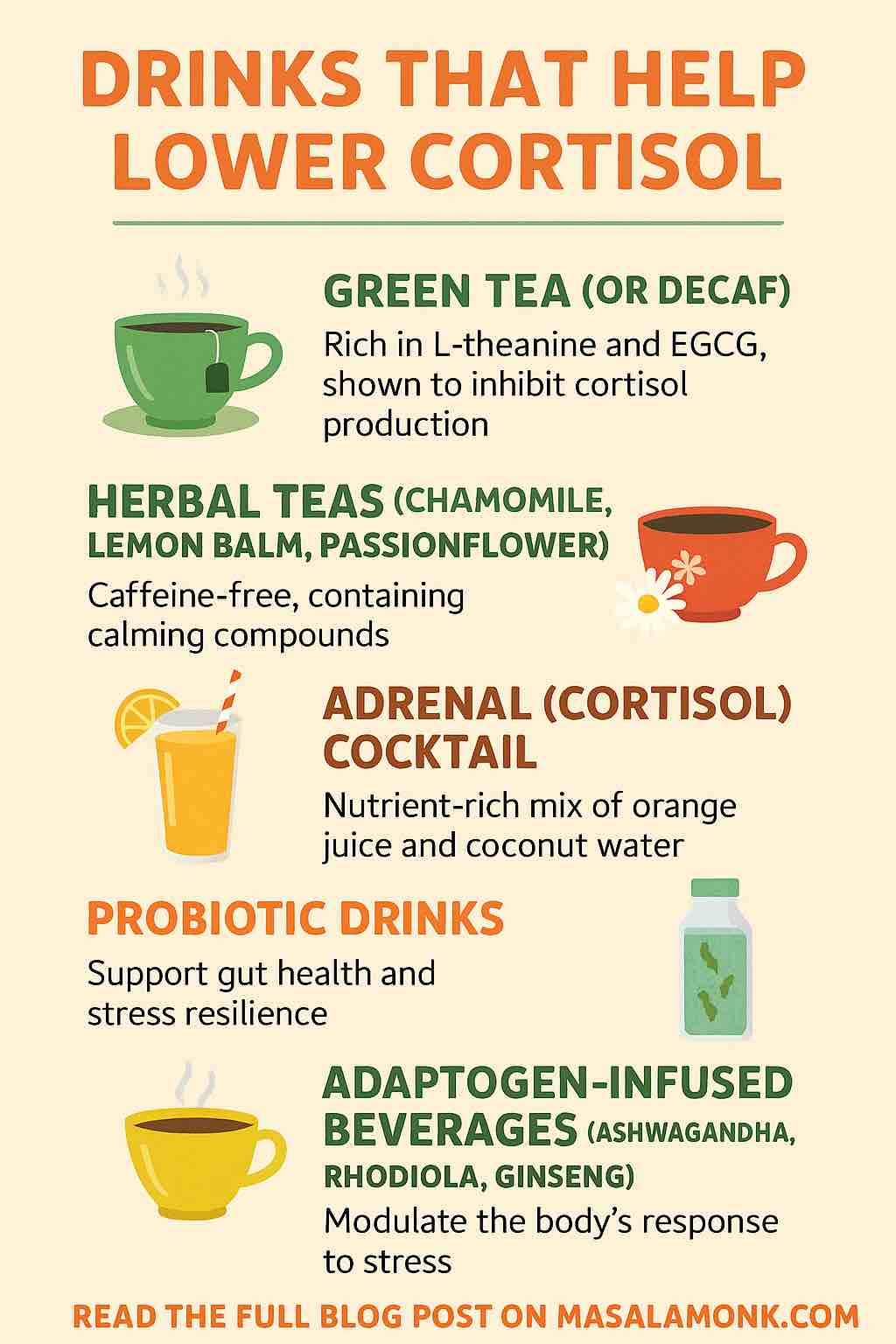
DRINKS THAT HELP LOWER CORTISOL

In today’s fast-paced world, stress is practically unavoidable. From work deadlines to social obligations, our bodies are constantly navigating a sea of stressors. And behind the scenes? A hormone called cortisol is often steering the ship. Produced by your adrenal glands, cortisol plays a crucial role in the “fight-or-flight” response. While helpful in acute situations, chronically high cortisol levels can lead to weight gain, sleep problems, anxiety, and even cardiovascular issues.

But here’s the good news: You can influence your cortisol levels naturally, and one of the simplest ways to do that is through what you drink. Yes, your daily beverages can either fuel the fire or help put it out. In this post, we dive deep into five evidence-backed drinks that help lower cortisol, support mental clarity, and bring your body back to balance.


What is Cortisol?

Cortisol is your body’s main stress hormone, produced by the adrenal glands. It helps regulate blood sugar, metabolism, blood pressure, and your “fight-or-flight” response. But when cortisol levels remain high for too long, it can cause issues like weight gain (especially belly fat), anxiety, sleep problems, and hormonal imbalances. That’s why learning how to balance cortisol naturally is so important.


How to Lower Cortisol Naturally and Quickly

If you’re wondering how to lower cortisol levels naturally, here are simple science-backed strategies you can try today:

  • Sip calming teas like green tea, chamomile, or lemon balm.
  • Eat cortisol-lowering foods such as leafy greens, berries, and omega-3-rich fish.
  • Avoid cortisol-triggering foods like sugar, alcohol, and processed snacks.
  • Practice deep breathing or meditation for just 5 minutes a day.
  • Stay hydrated, as even mild dehydration raises cortisol.
  • Prioritize good sleep, since lack of rest is one of the biggest cortisol triggers.

👉 Consistency is key — small daily habits add up to lower stress and better hormonal balance.

Here you might want to read How to Naturally Lower Cortisol Levels?


Symptoms of High Cortisol in Women

High cortisol affects women differently than men. Common symptoms of elevated cortisol in females include:

  • Irregular or missed periods
  • Weight gain, especially belly fat (“cortisol belly”)
  • Fatigue, even after sleeping
  • Mood swings, anxiety, or irritability
  • Thinning hair or increased facial hair
  • Acne or skin problems
  • Poor sleep quality or insomnia

If you notice several of these signs, it may be worth checking your cortisol levels with a healthcare provider.

For deeper insights into this, please refer to 10 Symptoms of High Cortisol Levels in Females


Foods That Trigger Cortisol (to Avoid!)

Some foods make cortisol spike, adding more stress to your system. To naturally lower cortisol, limit or avoid:

  • ❌ Sugary drinks & desserts
  • ❌ Refined carbs like white bread and pastries
  • ❌ Too much caffeine (especially on an empty stomach)
  • ❌ Alcohol
  • ❌ Fried or processed fast foods
  • ❌ Energy drinks

👉 Instead, swap in cortisol-friendly foods: whole grains, fatty fish, probiotic yogurt, herbal teas, and plenty of fruits and veggies.

Read More about 5 Foods That Increase Cortisol

Best Drinks to Lower Cortisol

Now coming to the main point of this post, if you’re searching for the best drinks that lower cortisol, here are top picks:

  • 🍵 Green tea (L-theanine calms while antioxidants fight stress)
  • 🌿 Chamomile or lemon balm tea (soothes the nervous system)
  • 🥥 Adrenal cocktail (orange juice + coconut water + sea salt)
  • 🧉 Probiotic drinks (kefir, kombucha, yogurt drinks)
  • 🌱 Adaptogen elixirs (ashwagandha, rhodiola teas or lattes)

👉 These drinks don’t just hydrate — they actively support your body’s stress response and help balance cortisol levels naturally. Lets dig deeper into each one of them below.

1. 🍵 Green Tea: Calm in a Cup

Green tea isn’t just a morning ritual; it’s a scientifically supported stress soother. It contains two star compounds:

  • L-theanine: An amino acid that promotes relaxation without sedation. It balances the stimulating effect of caffeine and may reduce cortisol responses in stressful situations.
  • EGCG (Epigallocatechin gallate): A potent antioxidant known to reduce inflammation and modulate hormone balance.

Studies show that drinking several cups of green tea per day can significantly reduce cortisol levels and improve mood. One trial even observed a reduction in ACTH and corticosterone (both stress markers) after 6 weeks of daily green tea consumption.

How to enjoy it: Aim for 2–4 cups daily. Opt for decaf green tea in the evening to maintain cortisol-lowering benefits without interfering with sleep.


2. 🌿 Herbal Teas: Nature’s Tranquilizers

When it comes to non-caffeinated, stress-reducing beverages, herbal teas shine. Popular options include:

  • Chamomile: Rich in apigenin, a flavonoid with calming effects.
  • Lemon balm: Supports sleep and reduces nervousness.
  • Passionflower: Traditionally used for anxiety and insomnia.

While herbal teas may not directly lower cortisol in all cases, they contribute to overall nervous system calm, indirectly reducing cortisol levels by improving sleep and lowering anxiety.

How to enjoy it: Brew a strong cup (or two) in the evening. Sip slowly and make it a mindful ritual.


3. 🥥 Adrenal Cocktail: A Trend Worth Trying

Popular on wellness blogs, the “Adrenal Cocktail” isn’t a medical treatment but a nutrient-packed drink designed to support adrenal function and energy regulation.

Typical ingredients:

  • 1/2 cup fresh orange juice (vitamin C)
  • 1/2 cup coconut water (potassium and electrolytes)
  • A pinch of sea salt (sodium for adrenal support)

Vitamin C is crucial for adrenal gland function and helps regulate cortisol output. Electrolytes help maintain hydration, a key factor in stress resilience.

How to enjoy it: Drink mid-morning or mid-afternoon when cortisol naturally dips. It can also be a great post-workout replenisher.


4. 🫲 Probiotic Drinks: Gut-Driven Stress Relief

The gut-brain axis is a major player in stress regulation, and your gut microbiome directly affects cortisol levels. Enter probiotic-rich drinks like:

  • Kefir
  • Probiotic yogurt drinks
  • Kombucha (low sugar, non-caffeinated varieties)

A 12-week study among students showed that daily intake of probiotic beverages significantly lowered cortisol and improved stress perception.

How to enjoy it: Include one probiotic drink in your daily routine, ideally with meals. Choose high-quality products with live cultures and low added sugar.


5. 🌿 Adaptogenic Elixirs: Ancient Herbs, Modern Calm

Adaptogens are natural substances that help the body adapt to stress and normalize physiological functions. Popular adaptogenic herbs used in drinks include:

  • Ashwagandha: Shown in multiple studies to lower cortisol and improve sleep and mood.
  • Rhodiola Rosea: Enhances stress resilience and reduces fatigue.
  • Panax Ginseng: Balances the HPA axis and reduces anxiety.

You can find these herbs in ready-made adaptogenic drinks or add powders/tinctures to smoothies, lattes, or herbal teas.

How to enjoy it: Start with one adaptogenic drink per day. Use under supervision if you’re pregnant, breastfeeding, or taking medication.


Quick Tips for Cortisol-Calming Drinks

  • Consistency matters: Benefits build over time.
  • Watch the sugar: High sugar can spike cortisol.
  • Stay hydrated: Even mild dehydration increases cortisol.
  • Avoid late-night caffeine: Choose calming herbal blends instead.

Do Read 5 Herbal Teas & Brews That Help Lower Cortisol Naturally

Cortisol Detox: Reset Your Stress Hormones Naturally

You don’t need a harsh cleanse — a simple “cortisol detox” means resetting your lifestyle with stress-lowering choices:

  • Drink plenty of water (add electrolytes if needed).
  • Focus on anti-inflammatory foods like turmeric, ginger, and omega-3s.
  • Try adaptogens like ashwagandha or rhodiola for stress resilience.
  • Reduce alcohol, caffeine, and processed foods.
  • Prioritize rest and recovery with 7–8 hours of sleep.

💡 Cortisol Belly Explained: Chronic high cortisol pushes your body to store fat in the abdominal area, even if the rest of your body is lean. Managing stress, diet, and sleep can help reverse this effect.

You might like to read: Fasting and Cortisol: Is Intermittent Fasting Stressing Your Hormones?


Final Sip: Nourish to Flourish

Stress may be unavoidable, but being chronically overwhelmed doesn’t have to be your normal. Choosing beverages that support your body’s stress response is a small, daily act of self-care that adds up. Whether it’s a warm mug of green tea, a fizzy probiotic shot, or a soothing cup of chamomile before bed, your drink choices can help you lower cortisol and lift your mood.

🌟 Want more practical tips, research-backed strategies, and delicious recipes to support your well-being?

Read the full guide on cortisol-lowering nutrition here: masalamonk.com/diet-strategies-to-lower-cortisol-levels

🔗 Related Reads on Cortisol, Stress Management, and Hormonal Health

Explore more in-depth insights on how cortisol impacts your stress levels, metabolism, mood, and overall well-being:

✅ Frequently Asked Questions (FAQs)

1. What is cortisol, and why should I be concerned about it?
Cortisol is the body’s primary stress hormone, released by the adrenal glands. While it’s vital for managing acute stress and energy, chronically high cortisol levels can contribute to weight gain, poor sleep, anxiety, high blood sugar, and immune dysfunction.

2. Can drinks really help lower cortisol levels naturally?
Yes. Certain beverages—especially those rich in antioxidants, adaptogens, L-theanine, and other calming compounds—can support cortisol regulation by reducing inflammation, improving mood, and promoting relaxation.

3. How often should I drink these cortisol-lowering beverages?
Incorporating 1–2 of these drinks into your daily routine can be beneficial. For best results, pair them with a healthy diet, stress-management techniques, and good sleep hygiene.

4. Is green tea better than coffee for managing cortisol?
Yes. While coffee can spike cortisol (especially in large amounts or when consumed on an empty stomach), green tea contains L-theanine, which has calming effects and may help blunt cortisol release—even with its small caffeine content.

5. Can I drink these beverages at any time of the day?
Most of these drinks can be consumed throughout the day, but herbal teas (like chamomile or ashwagandha) are best taken in the evening to promote relaxation and better sleep.

6. Are there any side effects to these natural drinks?
Generally, no. However, some adaptogens like ashwagandha may interact with medications or hormonal conditions, and green tea contains caffeine, which may not suit everyone. Always consult a healthcare professional if unsure.

7. What foods should I avoid if I’m trying to lower cortisol?
Avoid or limit sugary drinks, refined carbs, energy drinks, alcohol, and processed or deep-fried foods. These can spike cortisol or disrupt blood sugar, worsening stress responses.

8. Are store-bought “stress relief” drinks effective?
Some may help if they contain science-backed ingredients like L-theanine, magnesium, or herbal adaptogens. But always read labels carefully—many are high in sugar or contain stimulants that do the opposite of what you want.

9. Can I mix ingredients like ashwagandha or turmeric into my regular drinks?
Absolutely. You can add powdered ashwagandha to smoothies or golden milk, or use turmeric with black pepper and a healthy fat in warm plant-based milk for enhanced absorption and anti-inflammatory effects.

10. Is hydration important for managing cortisol?
Yes. Even mild dehydration increases cortisol levels. Alongside these cortisol-lowering drinks, make sure you’re drinking enough plain water throughout the day to support optimal hormonal balance.

Posted on 1 Comment

Ginger, Garlic, and Lemon: A Powerful Trio for Boosting Immunity and Enhancing Overall Well-Being

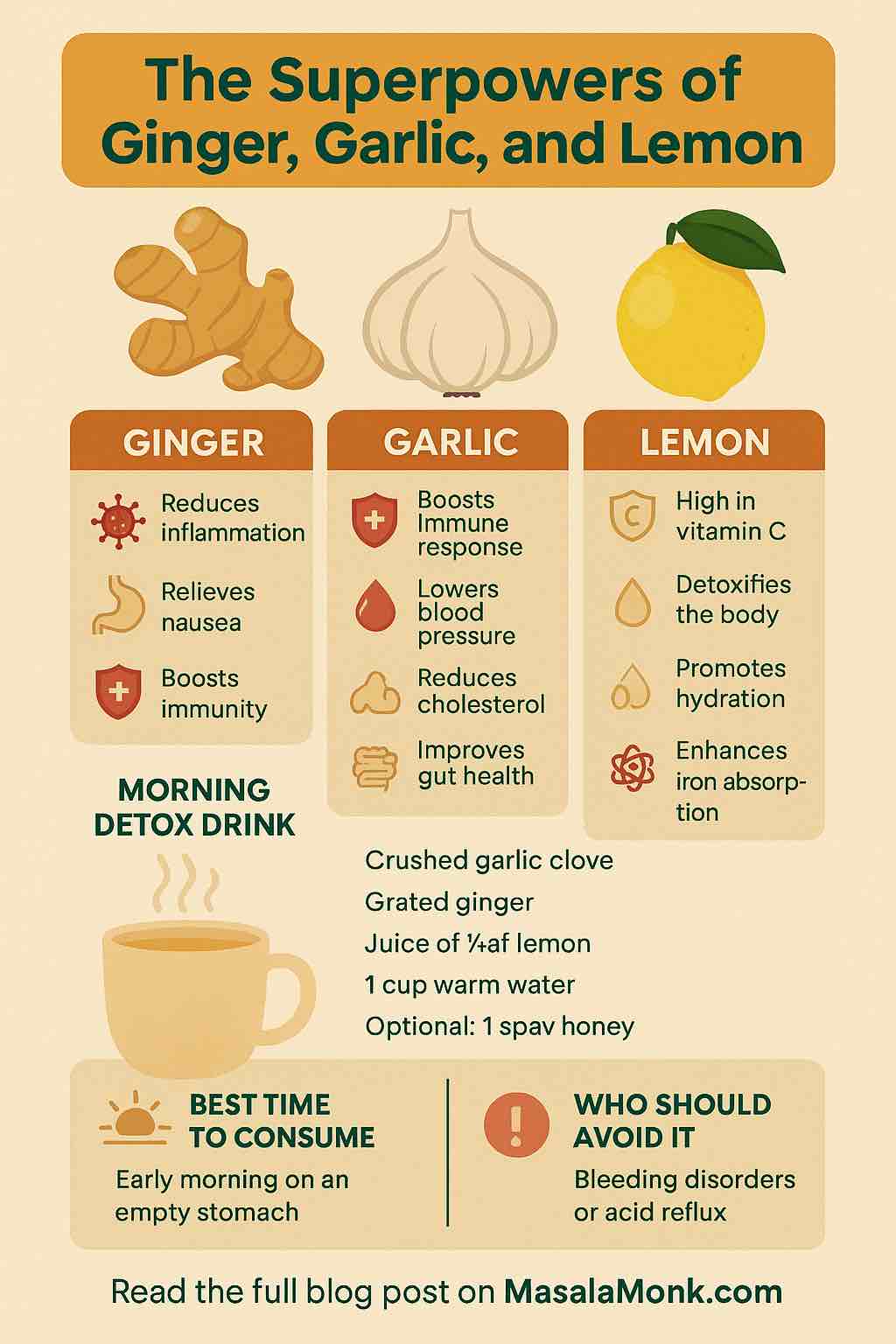
Superpowers of Ginger, Garlic, and Lemon

In the world of natural wellness, few combinations are as revered and time-tested as ginger, garlic, and lemon. These three powerhouse ingredients are more than just kitchen staples—they’re natural allies in supporting immunity, improving digestion, combating inflammation, and promoting overall health.

From Ayurvedic medicine to modern clinical studies, the benefits of this trio continue to be validated by science. In this blog post, we explore how each ingredient contributes to your health, the synergy they create when combined, and how to integrate them easily into your daily life.


🧄 The Immunity Boosting Power of Garlic

Garlic has long been known as nature’s antibiotic. Its active compound, allicin, is responsible for much of its medicinal power.

✅ Health Benefits of Garlic:

  • Boosts immune response: Studies show that garlic may reduce the severity and duration of common colds and infections.
  • Lowers blood pressure: Garlic supplements can help reduce systolic and diastolic blood pressure, especially in hypertensive individuals.
  • Reduces cholesterol: Garlic may help reduce LDL (bad) cholesterol while maintaining HDL (good) cholesterol.
  • Anti-cancer potential: Some studies have linked garlic consumption with a reduced risk of certain cancers, including colorectal and stomach cancers.
  • Improves gut health: Its antimicrobial properties help in maintaining a balanced gut microbiome.

🔍 Recent Study: A 2024 review published in Frontiers in Nutrition confirmed garlic’s immune-boosting properties and potential role in metabolic health.


🌿 Ginger: Nature’s Anti-Inflammatory and Digestive Aid

Ginger, with its sharp flavor and warmth, is a versatile root that has been used for centuries in both Eastern and Western natural medicine.

✅ Health Benefits of Ginger:

  • Reduces inflammation: Its bioactive compound gingerol has powerful anti-inflammatory and antioxidant effects.
  • Relieves nausea and indigestion: Ginger is well-known for reducing nausea—especially during pregnancy and chemotherapy—and improving digestion.
  • Boosts immunity: Ginger helps modulate immune responses and combat oxidative stress.
  • Supports metabolic health: Ginger may help lower blood sugar and improve markers of metabolic syndrome.
  • Improves circulation: Its warming properties promote better blood flow and cardiovascular health.

💡 Fun Fact: Ginger shots have become trendy in wellness circles, offering concentrated doses of antioxidants and immune-enhancing compounds.


🍋 Lemon: A Citrus Superfood for Detox and Immunity

Lemon, rich in vitamin C and flavonoids, is an essential immune-supporting fruit. Its tangy juice not only enhances flavor but also offers numerous health benefits.

✅ Health Benefits of Lemon:

  • Vitamin C powerhouse: Essential for white blood cell function and collagen production.
  • Detoxifies the body: Lemon water may help support liver function and detoxification.
  • Promotes hydration: Adding lemon to water makes it more palatable and encourages better hydration.
  • Alkalizing effect: Despite its acidity, lemon has an alkalizing effect on the body once metabolized.
  • Enhances iron absorption: Consuming lemon with iron-rich foods improves iron bioavailability.

🧬 Clinical Insight: A 2022 study found that lemon-ginger extracts suppressed cancer cell growth and oxidative stress markers in lab conditions.


🧪 The Synergistic Power of the Trio

When ginger, garlic, and lemon are combined, their benefits amplify. Together, they form a potent natural remedy for immune defense, inflammation reduction, and general vitality.

🌟 Key Synergistic Benefits:

  • Stronger immune defense: Each ingredient boosts immune function, but together, they can help strengthen your body’s resistance to viruses and bacteria.
  • Antioxidant overload: Rich in compounds that fight oxidative stress and neutralize free radicals.
  • Anti-inflammatory blend: Helps alleviate chronic inflammation—a root cause of many modern diseases.
  • Digestive aid: Promotes gut health, reduces bloating, and enhances nutrient absorption.
  • Cardiovascular support: Helps regulate blood pressure, cholesterol, and blood sugar levels.

🧉 Traditional Wisdom Meets Science: In folk medicine, this trio has been used for centuries to make healing tonics. Science now confirms many of these age-old practices.


🍹 How to Use Ginger, Garlic, and Lemon

🌞 1. Morning Detox Drink

Ingredients:

  • 1 garlic clove (crushed)
  • 1 tsp grated ginger
  • Juice of 1/2 lemon
  • 1 cup warm water
  • Optional: 1 tsp raw honey

How to make:
Crush garlic and let it sit for 5–10 minutes to activate allicin. Mix with ginger and lemon juice in warm water. Stir and drink on an empty stomach.

🍯 2. Ginger-Garlic-Lemon Immunity Shot

Ingredients:

  • 2-inch ginger piece
  • 2 garlic cloves
  • Juice of 1 lemon
  • Dash of turmeric
  • Optional: black pepper for absorption

Instructions:
Blend all ingredients with a little water. Strain and drink in small quantities. Store in the fridge for up to 3 days.

🫖 3. Soothing Herbal Tea

Simmer ginger slices and crushed garlic in water for 10 minutes. Add lemon juice and honey before drinking. Great for colds and sore throats.


⚠️ Precautions and Who Should Avoid This Trio

While these ingredients are generally safe, there are a few cautions:

  • Pregnancy: High doses of garlic or ginger should be avoided.
  • Bleeding disorders: All three can thin the blood—consult your doctor if you’re on anticoagulants.
  • Acid reflux: Lemon and ginger may aggravate symptoms in some people.
  • Medication interaction: Garlic and ginger may interfere with blood pressure, diabetes, or anticoagulant medications.

💬 Final Thoughts

The combination of ginger, garlic, and lemon isn’t just a folk remedy—it’s a scientifically supported wellness booster. Whether you want to strengthen your immunity, improve digestion, or simply add more nutrient-dense foods to your routine, this trio can be a powerful addition to your daily habits.

🌱 Try incorporating them in your morning routine, soups, teas, or salad dressings. Your body—and your taste buds—will thank you!


🙋‍♀️ 10 Frequently Asked Questions

1. Can I take ginger, garlic, and lemon every day?
Yes, in moderate amounts. Daily use supports immunity and digestion, but listen to your body and consult your doctor if on medications.

2. What’s the best time to drink the detox drink?
Early morning on an empty stomach helps maximize its effects on metabolism and immunity.

3. Does this trio help with weight loss?
It can support metabolism, reduce bloating, and curb appetite, but it’s not a magic bullet. Pair with healthy habits.

4. Can it cure colds or infections?
It can reduce severity and duration, but it’s not a substitute for medical treatment or antibiotics when necessary.

5. Can I use powdered versions instead of fresh?
Fresh is always better, but high-quality powders can work if fresh ingredients are unavailable.

6. Is it safe during pregnancy?
Consult your healthcare provider. Small culinary amounts are generally safe; supplements or high doses should be avoided.

7. How long should I take this mix?
It can be used daily for general wellness or in short cycles (2–4 weeks) for seasonal immunity boosts.

8. Does it help with cholesterol and blood pressure?
Yes, especially garlic. Multiple studies confirm its benefits for heart health markers.

9. Can I give it to children?
In diluted forms like teas, yes. Avoid strong concentrations or raw garlic for young children.

10. What other ingredients go well with this mix?
Honey, turmeric, black pepper, and cinnamon enhance both taste and health benefits.