Posted on 1 Comment

Should you be eating Mustard oil regularly? Nutritional Benefits, Warnings, and How to use it in your cooking.

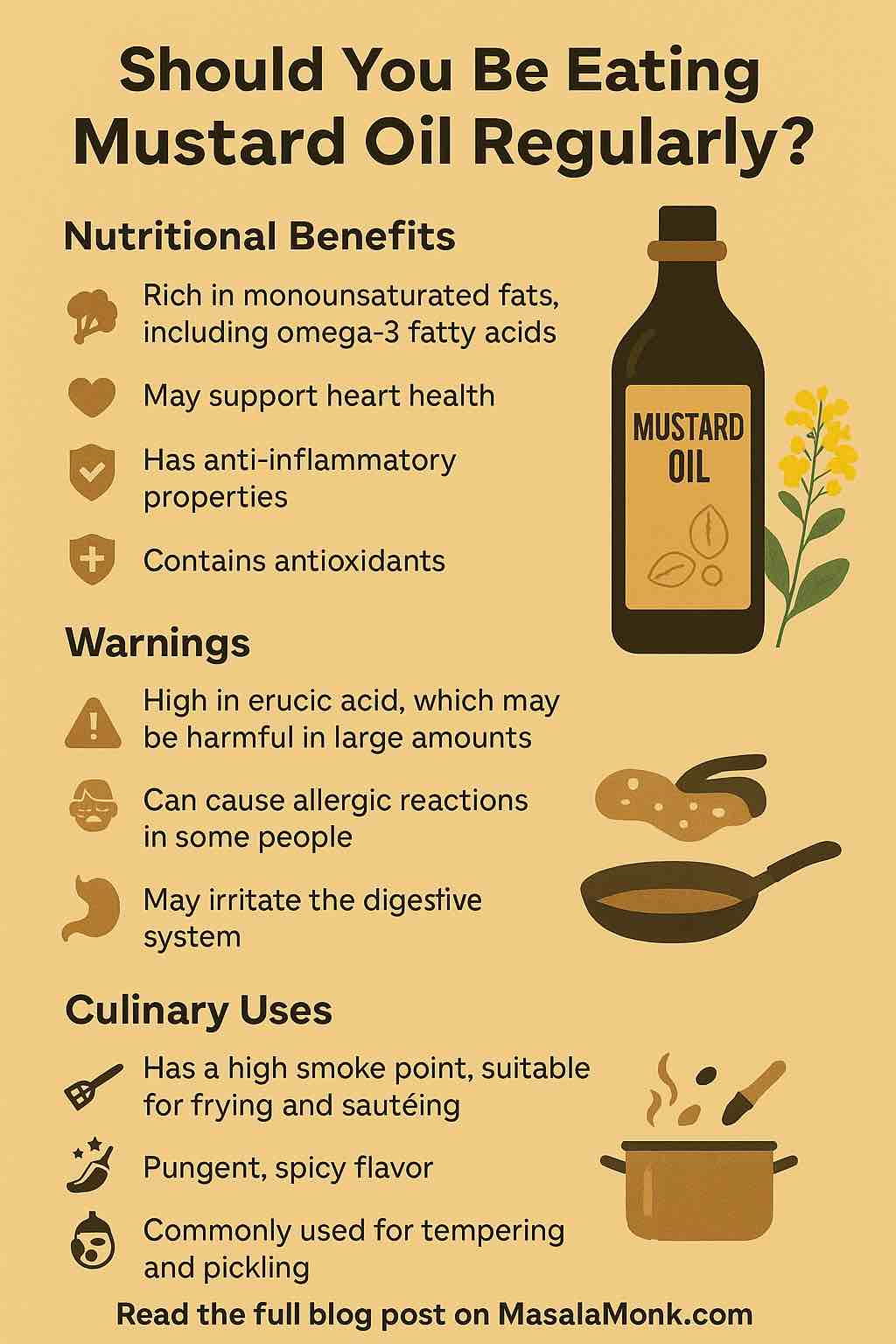
Should You Be Eating Mustard Oil Regularly?

Mustard oil has long been a staple in many South Asian kitchens, prized for its pungent aroma, bold flavor, and versatile cooking properties. But beyond its culinary charm, mustard oil has sparked debates about its health effects, safety, and whether it deserves a permanent spot in your pantry. So, should you be eating mustard oil regularly? Let’s dive deep into the science, benefits, potential risks, and practical cooking tips to help you make an informed choice.


What Is Mustard Oil?

Mustard oil is extracted from the seeds of the mustard plant, known scientifically as Brassica juncea. It has a distinctive pungent aroma and a spicy, slightly bitter flavor. Traditionally used in Indian, Bangladeshi, and Nepalese cooking, mustard oil is valued not only for frying and sautéing but also for pickling and even therapeutic uses in massage and home remedies.


Nutritional Profile: What’s Inside Mustard Oil?

Mustard oil stands out for its unique composition of fats and micronutrients:

  • Monounsaturated Fatty Acids (MUFAs): About 60% of mustard oil’s fats are MUFAs, predominantly oleic acid, which is known to support heart health by helping to lower LDL (“bad”) cholesterol.
  • Polyunsaturated Fatty Acids (PUFAs): Contains omega-3 fatty acids like alpha-linolenic acid (ALA), which have anti-inflammatory benefits.
  • Saturated Fat: Roughly 12%, lower than many other cooking oils.
  • Vitamin E and Antioxidants: Mustard oil provides vitamin E, a powerful antioxidant that helps protect cells from damage caused by free radicals.
  • Selenium: A trace mineral that supports immune function and has antioxidant properties.

This blend of fats and nutrients means mustard oil has potential health benefits, but its safety and consumption require a closer look.


Health Benefits of Mustard Oil

1. Heart Health

Thanks to its high content of monounsaturated fats and omega-3 fatty acids, mustard oil can support cardiovascular health. MUFAs help reduce LDL cholesterol levels and raise HDL (“good”) cholesterol, which may decrease the risk of heart disease. Moreover, omega-3s contribute to lowering inflammation and improving blood vessel function.

However, research is mixed on mustard oil’s impact on heart health, partly because it contains erucic acid (more on this below). Some studies suggest moderate use is beneficial, while excessive consumption could pose risks.

2. Anti-Inflammatory and Antioxidant Properties

Mustard oil contains natural antioxidants like vitamin E and selenium, which help neutralize harmful free radicals in the body. This antioxidant action can reduce oxidative stress, a factor involved in aging and many chronic diseases.

Additionally, the omega-3s and other compounds in mustard oil may help reduce inflammation, which is linked to conditions like arthritis, asthma, and some autoimmune diseases.

3. Respiratory Benefits

Traditionally, mustard oil has been used in natural remedies for respiratory issues. Its strong aroma acts as a natural decongestant, helping to clear blocked nasal passages. Applying warm mustard oil mixed with garlic on the chest is a common folk remedy to ease congestion and coughs.

4. Skin and Hair Health (Bonus)

While this post focuses on dietary use, it’s worth noting that mustard oil is also used topically for skin and hair care, thanks to its antimicrobial and nourishing properties.


The Controversy: Erucic Acid and Health Concerns

What Is Erucic Acid?

Erucic acid is a type of monounsaturated omega-9 fatty acid found in high amounts in unrefined mustard oil. Historically, animal studies linked high erucic acid intake to heart lesions, raising concerns about its safety in humans.

How Much Is Too Much?

The exact risk level for humans remains unclear, and modern refining processes reduce erucic acid content significantly. Many countries regulate mustard oil and recommend limits on erucic acid consumption.

Potential Risks

  • Heart Health: Excessive consumption of high-erucic acid mustard oil may contribute to heart muscle damage.
  • Pregnancy: High doses during pregnancy are not advised due to potential risks to fetal development.
  • Allergic Reactions: Mustard oil can cause skin irritation and allergic responses in sensitive individuals.
  • Digestive Issues: Some people report stomach irritation, heartburn, or bloating when consuming mustard oil.

Regulatory Status

In the United States, mustard oil is labeled “for external use only” due to erucic acid concerns. However, in South Asia, where it’s widely used as cooking oil, consumption is common, and refined versions are considered safer.


Should You Eat Mustard Oil Regularly?

The answer depends on multiple factors: your health status, cooking habits, and where you live.

  • Moderation Is Key: Using mustard oil occasionally or in moderate amounts as part of a varied diet is unlikely to cause harm for most people.
  • Choose Refined Oil: Refined mustard oil has reduced erucic acid and is generally safer for cooking.
  • Consider Your Health: If you have heart issues, allergies, or are pregnant, consult your doctor before regular use.
  • Balance Your Fats: Use a mix of oils rich in omega-3s and MUFAs, such as olive, canola, and flaxseed oils, alongside mustard oil.

How to Use Mustard Oil in Cooking

1. High-Heat Cooking

Mustard oil has a high smoke point (~250°C or 482°F), making it excellent for frying, deep-frying, and sautéing. This means it remains stable and does not break down easily under heat, preserving nutrients and flavor.

2. Flavor Enhancer

Its strong, pungent flavor is perfect for adding depth to dishes like curries, stir-fries, pickles, and marinades. A small amount can impart a rich aroma and spice that elevates simple meals.

3. Tempering and Finishing

Use mustard oil for tempering spices (known as tadka) in Indian cuisine, where hot oil is poured over cumin seeds, mustard seeds, or dried chilies to release flavors.

4. Storage Tips

Store mustard oil in a cool, dark place, preferably in a sealed container, to maintain freshness and prevent rancidity.


Final Thoughts

Mustard oil is a flavorful, nutrient-rich cooking oil with potential health benefits and some risks to be aware of. While concerns about erucic acid are valid, moderate use of refined mustard oil is generally safe for most people and can add unique taste and nutrition to your cooking.

If you decide to include mustard oil in your diet:

  • Use it thoughtfully and sparingly.
  • Combine with other healthy fats.
  • Choose refined versions if possible.
  • Be attentive to any allergic reactions or digestive discomfort.

Ultimately, mustard oil can be a valuable addition to your kitchen — when used with knowledge and care.


Have you tried cooking with mustard oil? What’s your favorite dish? Let me know in the comments below!

FAQs About Mustard Oil

1. Is mustard oil safe for cooking?
Yes, mustard oil is safe for cooking, especially when using refined versions with lower erucic acid. Use it in moderation and avoid excessive consumption.

2. What are the health benefits of mustard oil?
Mustard oil provides heart-healthy monounsaturated fats, omega-3 fatty acids, antioxidants like vitamin E, and anti-inflammatory properties that may benefit cardiovascular and respiratory health.

3. What is erucic acid, and why is it a concern?
Erucic acid is a fatty acid found in high amounts in unrefined mustard oil. Excessive intake has been linked to heart damage in animal studies, which is why consumption should be moderate and refined oils preferred.

4. Can mustard oil cause allergies?
Yes, some people may experience allergic reactions such as skin irritation, rashes, or respiratory issues. It’s advisable to do a patch test before topical use and monitor for any digestive discomfort if consumed.

5. Is mustard oil good for heart health?
Mustard oil contains beneficial fats that may support heart health, but due to erucic acid concerns, it should be consumed in moderation and balanced with other healthy oils.

6. Can pregnant women use mustard oil?
Pregnant women should consult their healthcare provider before using mustard oil, as high erucic acid intake may pose risks during pregnancy.

7. How does mustard oil taste and how is it used in cooking?
Mustard oil has a pungent, spicy flavor and is widely used for frying, sautéing, pickling, and tempering spices in South Asian cuisine.

8. What is the smoke point of mustard oil?
Mustard oil has a high smoke point of around 250°C (482°F), making it ideal for high-heat cooking like frying.

9. How should mustard oil be stored?
Store mustard oil in a cool, dark place in an airtight container to maintain freshness and prevent it from becoming rancid.

10. Can mustard oil be used topically?
Yes, mustard oil is traditionally used for massage and skin care, but always perform a patch test first to check for allergic reactions.


Posted on 2 Comments

Morning Sickness in Pregnancy: 10 Foods that can Help

MORNING SICKNESS IN PREGNANCY: 10 FOODS THAT CAN HELP YOU BETTER

Pregnancy is a transformative journey, but it often begins with a less-than-glamorous phase: morning sickness. Despite its name, morning sickness can strike at any time of day and affects nearly 70% of pregnant women during the first trimester. Symptoms range from mild queasiness to persistent nausea and even vomiting. While this is often considered a sign of a healthy pregnancy, it can significantly impact a woman’s daily life and well-being. The good news? Diet can play a pivotal role in managing morning sickness. In this comprehensive guide, we explore ten foods that are backed by science and widely recommended by healthcare professionals to help soothe nausea during pregnancy.


1. Ginger: Nature’s Nausea Remedy

Why it helps: Ginger has been used for centuries to treat digestive issues. Modern research supports its effectiveness in alleviating nausea and vomiting in pregnancy. It works by enhancing gastric motility and has anti-inflammatory properties that calm the digestive system.

How to consume: Sip on ginger tea, nibble crystallized ginger, or add freshly grated ginger to smoothies and soups. Ginger capsules are also an option, but consult your healthcare provider first.

2. Bananas: Gentle and Nourishing

Why it helps: Bananas are rich in potassium and vitamin B6—both nutrients known to reduce nausea. They are easy to digest, making them ideal for sensitive stomachs.

How to consume: Eat a banana on its own, blend it into a smoothie, or pair it with peanut butter for a quick and satisfying snack.

3. Bland Carbohydrates: The Safe Bet

Why it helps: Simple, bland carbohydrates like toast, rice, and crackers can absorb stomach acid and provide quick energy without overwhelming the digestive system.

How to consume: Keep plain crackers at your bedside and eat a few before getting out of bed. Rice or dry toast can serve as a base for more nutritious toppings later in the day.

4. Apples and Applesauce: Antioxidant-Rich Comfort

Why it helps: Apples are high in fiber and antioxidants, which help settle the stomach. The pectin in apples may aid digestion.

How to consume: Try raw apple slices, unsweetened applesauce, or mix into oatmeal or smoothies.

5. Protein-Rich Foods: Stabilize Blood Sugar

Why it helps: Protein can help maintain stable blood sugar levels, which in turn may prevent the dips that trigger nausea. Research suggests small amounts of protein throughout the day can reduce nausea.

How to consume: Snack on hard-boiled eggs, Greek yogurt, nuts, seeds, or small servings of lean meat. Plant-based options like tofu or protein-fortified shakes are also great.

6. Hydrating Foods and Electrolyte Drinks

Why it helps: Vomiting leads to fluid and electrolyte loss. Rehydrating is crucial to prevent dehydration, which can worsen nausea.

How to consume: Choose coconut water, sports drinks like Pedialyte, or homemade electrolyte-rich smoothies. High-water content foods like watermelon and cucumber also help.

7. Cold Foods and Smoothies: Less Aroma, Easier Tolerance

Why it helps: Warm foods often emit strong smells, which can intensify nausea. Cold foods usually have a milder scent and texture.

How to consume: Make nutrient-packed smoothies with fruits, spinach, Greek yogurt, and a touch of ginger. Yogurt parfaits, cold soups, and frozen fruit bars are other soothing options.

8. Citrus Fruits and Lemon: Aromatherapy and Acidity

Why it helps: The scent and acidity of citrus fruits like lemons can cut through nausea. Lemon contains natural compounds that may stimulate the digestive system and reduce queasiness.

How to consume: Sip lemon-infused water, sniff a fresh lemon slice, or add a splash of citrus juice to your meals. Lemon essential oils are also popular for quick relief.

9. Peppermint and Herbal Teas: Soothing and Safe

Why it helps: Peppermint is known to relax the stomach muscles and improve the flow of bile, making digestion smoother. Herbal teas can calm the gastrointestinal tract.

How to consume: Drink peppermint tea or suck on mint candies. Always verify that herbal teas are pregnancy-safe; chamomile, lemon balm, and rooibos are usually good alternatives.

10. Complex Carbohydrates and Whole Grains: Sustained Energy

Why it helps: Foods like oatmeal, quinoa, and sweet potatoes provide long-lasting energy and help maintain stable blood sugar. They are also rich in fiber, aiding digestion.

How to consume: Prepare a warm bowl of oatmeal topped with fruit, snack on roasted sweet potato wedges, or incorporate quinoa into salads.


✅ Quick “Grab-and-Go” Food List

Food CategoryExamples
GingerGinger tea, chews, fresh slices
Bland carbsCrackers, toast, rice, dry cereal
FruitBanana, applesauce, citrus slices
ProteinYogurt, kefir, nuts, eggs, protein shakes
Hydrating fluids/foodsElectrolyte drinks, watermelon, cucumber
Cold & SmoothSmoothies, cold soups, frozen fruit pops
Herbal/citrusLemon water, peppermint/ginger tea
Starchy grainsOatmeal, quinoa, sweet potato prep
10 Foods that can Help for Morning Sickness in Pregnancy

Additional Tips for Managing Morning Sickness

  • Eat small, frequent meals: An empty stomach can worsen nausea, so eat every 2-3 hours.
  • Stay hydrated: Sip water, herbal teas, or electrolyte drinks between meals.
  • Avoid triggers: Identify and steer clear of smells or foods that worsen your nausea.
  • Consider vitamin B6 supplements: Often recommended by doctors, B6 can help reduce nausea. Dosage should be guided by a healthcare provider.
  • Try acupressure wristbands: These apply pressure to specific points and may provide relief.
  • Seek medical advice: If symptoms are severe or persistent, talk to your doctor. Prescription medications are available and safe for many women.

Final Thoughts

Morning sickness, while unpleasant, is usually a temporary phase and a sign that your body is adjusting to pregnancy. Choosing the right foods can make a significant difference in how you feel. From soothing ginger to hydrating watermelon and protein-rich snacks, there are plenty of nourishing options to help you navigate this challenging stage with greater ease. Always consult your healthcare provider before making major dietary changes or introducing supplements.

Remember: every pregnancy is different. Listen to your body, eat what you can tolerate, and be kind to yourself. This too shall pass.

Frequently Asked Questions (FAQs)

1. What causes morning sickness during pregnancy?
Morning sickness is primarily caused by hormonal changes—especially the rapid rise in human chorionic gonadotropin (hCG) and estrogen—in early pregnancy. Sensitivity to smells, stress, and fatigue can also exacerbate symptoms.

2. When does morning sickness typically start and end?
It usually begins around week 6 of pregnancy and peaks between weeks 8 and 11. Most women find relief by week 14–16, although for some, it may continue longer.

3. Is morning sickness harmful to the baby?
In most cases, no. Mild to moderate morning sickness is considered a normal part of pregnancy and doesn’t harm the baby. However, severe cases (hyperemesis gravidarum) may require medical treatment.

4. Can I take ginger supplements safely during pregnancy?
Yes, ginger is generally considered safe in moderate amounts (up to 1 gram/day). However, consult your healthcare provider before starting any supplement, especially if you’re taking medications or have preexisting conditions.

5. What foods should I avoid if I have morning sickness?
Avoid spicy, greasy, or highly aromatic foods. Caffeine and strong-smelling vegetables like broccoli or cauliflower may also trigger nausea in some women.

6. How do I stay hydrated if I can’t keep water down?
Try small sips of cold or flavored water, electrolyte drinks, ice chips, or water-rich fruits like watermelon and cucumber. Drinking between meals instead of during meals can also help.

7. Are there medical treatments for severe morning sickness?
Yes, options include vitamin B6, doxylamine (an antihistamine), anti-nausea medications like ondansetron (Zofran), and IV fluids in extreme cases. Always consult a healthcare provider.

8. Is it safe to fast during pregnancy if eating makes me nauseous?
Fasting isn’t recommended during pregnancy. Instead, eat small, frequent meals or snacks with bland, easy-to-digest foods to avoid triggering nausea from an empty stomach.

9. How can I meal prep when I feel nauseated most of the time?
Opt for cold foods or snacks that require minimal preparation. Consider preparing meals when symptoms are milder (often evenings), or ask a partner/support person to help with cooking.

10. Will morning sickness affect my weight gain during pregnancy?
A small amount of weight loss in the first trimester is common due to nausea. As long as you’re able to maintain hydration and nutrition overall, it usually doesn’t pose a long-term concern. Talk to your provider if weight loss is significant or prolonged.

Posted on 1 Comment

What Is Inflammation? Body’s Double-Edged Sword

WHAT IS INFLAMMATION?

Inflammation — it’s a word that pops up frequently in health conversations. Sometimes it’s the culprit behind chronic diseases, and other times it’s the hero protecting us from harm. But what exactly is inflammation? How does it work? And why is it often described as a double-edged sword? In this post, we’ll unpack everything you need to know about inflammation, from the basics to the latest science, so you can understand how it impacts your health and what you can do to keep it balanced.


What Is Inflammation? The Body’s Natural Defense

At its core, inflammation is the body’s natural response to injury or harmful stimuli. Imagine you scrape your knee or catch a cold — your immune system springs into action, sending white blood cells to the affected area. This process causes redness, warmth, swelling, and pain, all classic signs of acute inflammation. It’s your body’s way of protecting itself by removing harmful agents and starting the healing process.

Acute vs. Chronic Inflammation: Two Sides of the Same Coin

  • Acute Inflammation
    This is short-term, localized, and beneficial. It helps the body fight infections, heal wounds, and protect tissues. Think of it as a temporary alarm system that goes off to alert and defend.
  • Chronic Inflammation
    When inflammation lingers beyond its usefulness, it becomes chronic. This low-grade, long-term inflammation can smolder quietly within your body, often without obvious symptoms, but it steadily damages tissues and organs over time. Chronic inflammation has been linked to a host of modern diseases like heart disease, diabetes, Alzheimer’s, and autoimmune disorders.

Why Chronic Inflammation Is a Growing Concern

The rise of chronic inflammation correlates with lifestyle changes and environmental factors in modern society. Here are some common contributors:

1. Diet

High consumption of processed foods, refined sugars, trans fats, and excessive saturated fats can fuel inflammation. A recent study from the Walter and Eliza Hall Institute showed that high-fat meals can negatively impact gut health in just 48 hours, reducing protective immune activity and compromising the gut barrier.

2. Stress and Sleep

Chronic psychological stress causes the prolonged release of cortisol, a hormone that can dysregulate immune function. Meanwhile, poor sleep disrupts the body’s natural repair and immune balance, worsening inflammatory responses.

3. Sedentary Lifestyle

Lack of physical activity reduces circulation and the flow of lymph, the body’s waste-removal system, making it easier for inflammatory compounds to build up.

4. Environmental Toxins

Pollutants, cigarette smoke, and alcohol introduce harmful substances that trigger inflammatory pathways.

5. Gut Health

Emerging research highlights the gut’s pivotal role in immune regulation. A “leaky gut” or imbalance in gut bacteria (dysbiosis) allows toxins to enter the bloodstream, triggering systemic inflammation.


The Science of “Inflammaging”: When Inflammation Meets Aging

As we grow older, our bodies enter a state known as inflammaging — chronic, low-level inflammation that contributes to the development of age-related diseases such as Alzheimer’s, cardiovascular disease, and cancer. This phenomenon occurs because the immune system loses its ability to regulate inflammation efficiently, leading to persistent immune activation.

Understanding inflammaging underscores why managing inflammation isn’t just about feeling good now, but also about healthy aging and longevity.


Natural Allies Against Inflammation

While chronic inflammation can seem daunting, nature offers many tools to help keep it in check.

Anti-Inflammatory Foods

Incorporate nutrient-rich, anti-inflammatory foods into your diet, such as:

  • Leafy greens (spinach, kale)
  • Fatty fish (salmon, mackerel) rich in omega-3 fatty acids
  • Nuts and seeds
  • Berries rich in antioxidants
  • Turmeric and ginger, known for their bioactive compounds (curcumin, gingerol) that inhibit inflammatory pathways
  • Whole grains and legumes

Phytosterols: Plant Compounds With Potent Benefits

Recent studies have shown that phytosterols, found in nuts, seeds, fruits, and vegetables, reduce inflammation and may lower risks of cardiovascular disease and type 2 diabetes.

Herbal Remedies: Ginger Tea

Ginger tea stands out as a potent, natural anti-inflammatory beverage. Its bioactive components not only combat inflammation but also offer antioxidant protection, supporting overall immune health.


Chronic Inflammation and Disease: The Hidden Connection

Chronic inflammation doesn’t just cause discomfort—it underpins many chronic illnesses:

  • Heart Disease: Inflammation contributes to plaque formation in arteries, leading to heart attacks and strokes.
  • Diabetes: Inflammatory markers can disrupt insulin function, increasing blood sugar levels.
  • Autoimmune Diseases: When the immune system attacks the body’s own tissues, inflammation plays a central role.
  • Neurodegenerative Diseases: Inflammation affects brain cells, contributing to cognitive decline and mood disorders.

How to Keep Inflammation in Check: Lifestyle Tips

  • Eat an Anti-Inflammatory Diet: Focus on whole foods, plenty of vegetables, and healthy fats.
  • Manage Stress: Practice mindfulness, meditation, or yoga to reduce stress hormone levels.
  • Prioritize Sleep: Aim for 7–9 hours of quality sleep per night.
  • Stay Active: Regular moderate exercise helps regulate immune function and reduce inflammation.
  • Avoid Toxins: Limit alcohol, quit smoking, and reduce exposure to environmental pollutants.

Final Thoughts: Inflammation Is Not the Enemy — It’s About Balance

Inflammation is a vital process — without it, we couldn’t heal or defend ourselves. But like fire, when uncontrolled, it can cause significant harm. By understanding how inflammation works, what fuels it, and how to tame it naturally, you empower yourself to live a healthier, longer, and more vibrant life.

FAQs

1. What exactly is inflammation?

Inflammation is the body’s natural immune response to injury, infection, or harmful stimuli. It helps protect and heal the body but can become harmful if it becomes chronic.

2. What’s the difference between acute and chronic inflammation?

Acute inflammation is short-term and helps heal injuries or fight infections. Chronic inflammation is long-lasting, low-grade, and can silently damage tissues, contributing to many chronic diseases.

3. What causes chronic inflammation?

Common causes include poor diet (high in processed foods and sugar), chronic stress, lack of sleep, sedentary lifestyle, environmental toxins, and gut health issues like leaky gut.

4. How does inflammation affect aging?

As people age, their immune system’s ability to control inflammation weakens, leading to “inflammaging,” a chronic low-grade inflammation that contributes to age-related diseases.

5. Can diet really influence inflammation levels?

Yes, diet plays a crucial role. Eating anti-inflammatory foods like leafy greens, fatty fish, nuts, berries, turmeric, and ginger helps reduce inflammation, while processed and sugary foods increase it.

6. What are some natural remedies to reduce inflammation?

Natural remedies include consuming turmeric, ginger tea, omega-3 fatty acids, and phytosterols. Lifestyle habits like stress management, regular exercise, and sufficient sleep also help.

7. Is chronic inflammation linked to specific diseases?

Yes. Chronic inflammation is associated with heart disease, type 2 diabetes, autoimmune disorders, Alzheimer’s disease, certain cancers, and more.

8. How can I tell if I have chronic inflammation?

Chronic inflammation symptoms are subtle and may include fatigue, joint pain, brain fog, digestive problems, weight changes, and skin issues like eczema.

9. Can exercise help with inflammation?

Absolutely. Regular moderate exercise improves circulation, boosts the immune system, and reduces inflammatory markers in the body.

10. Should I try to eliminate all inflammation?

No. Acute inflammation is essential for healing and defense. The goal is to prevent inflammation from becoming chronic and damaging, maintaining a healthy balance.


Posted on 4 Comments

Benefits of Cucumber, Lemon, and Ginger Water

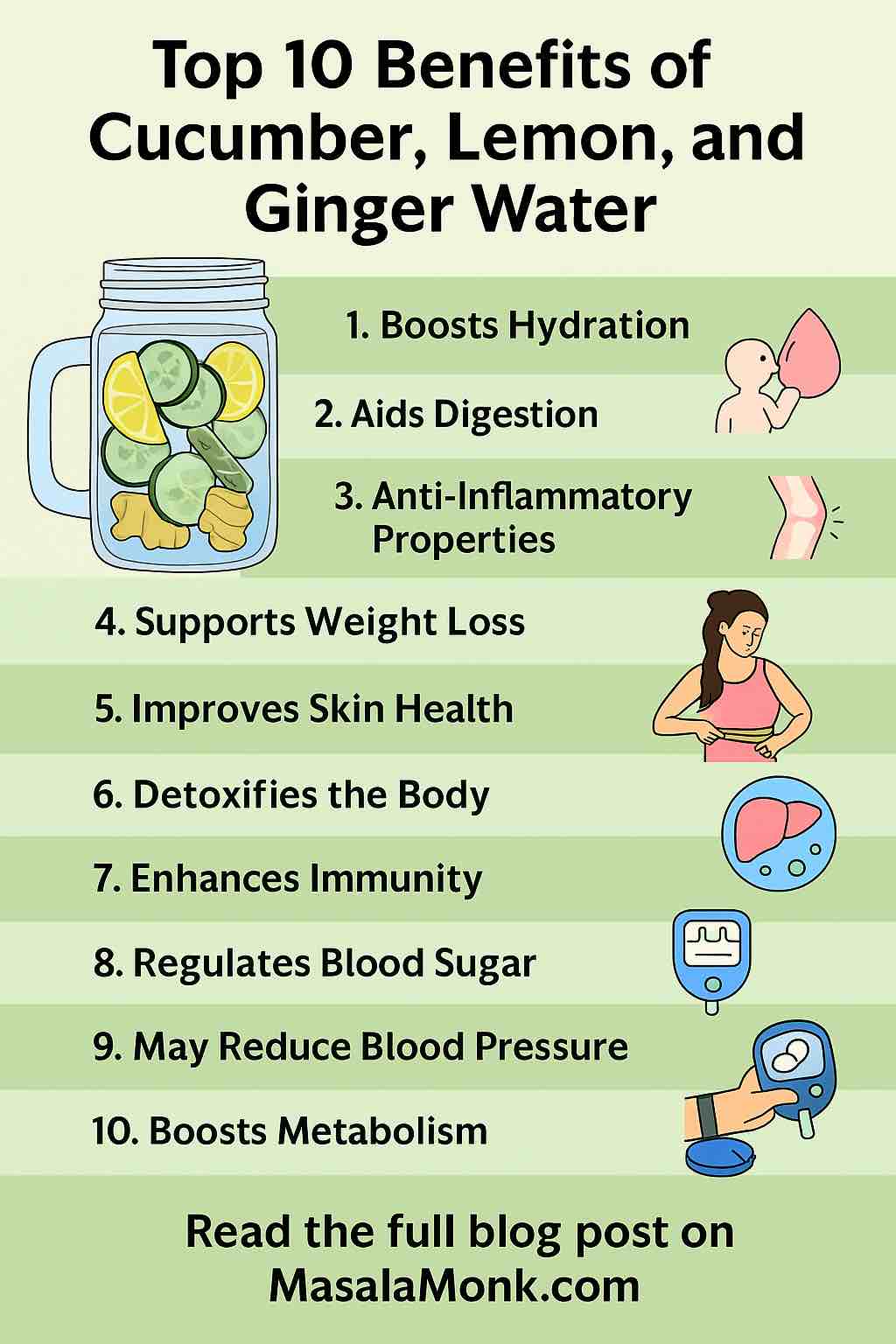
Top 10 Benefits of Cucumber, Lemon, and Ginger Water

In the world of health and wellness, simple yet effective solutions are often the most powerful. One such remedy that has gained immense popularity is cucumber, lemon, and ginger water. This hydrating and refreshing detox drink isn’t just trendy—it’s rooted in both traditional healing practices and supported by modern nutritional science. Whether you’re trying to start your day on a healthier note, replace sugary drinks, or simply boost your overall wellness, this three-ingredient infusion might be exactly what your body needs.

Packed with essential vitamins, antioxidants, and anti-inflammatory compounds, cucumber, lemon, and ginger together form a synergy that can benefit your body in remarkable ways. In this blog post, we dive deep into the top 10 science-backed benefits of this powerful combination. We’ll also explore how to make it, when to drink it, its potential side effects, and why adding this simple tonic to your daily routine could be a game-changer.


What is Cucumber, Lemon, and Ginger Water?

Cucumber, lemon, and ginger water is an infused beverage made by soaking fresh cucumber slices, lemon wedges, and ginger root in water. Optionally, mint leaves or a dash of honey may be added for extra flavor and enhanced health benefits. The drink is low in calories but rich in hydration and micronutrients. Unlike juice or smoothies, this water infusion doesn’t contain added sugars or heavy caloric loads, making it an excellent option for daily consumption.

This drink is often referred to as a “detox water,” but its benefits go far beyond detoxification. Let’s explore how each ingredient contributes:

  • Cucumber: High in water content, rich in silica and antioxidants.
  • Lemon: Loaded with vitamin C, potassium, and citric acid.
  • Ginger: Contains bioactive compounds like gingerol, which has powerful medicinal properties.

Top 10 Benefits of Cucumber, Lemon, and Ginger Water

  1. Boosts Hydration
    Staying hydrated is crucial for every bodily function—from brain function to digestion to skin health. The refreshing taste of cucumber, lemon, and ginger water makes it easier to consume more water throughout the day. Cucumbers themselves are over 95% water and contribute directly to hydration. Lemons add a citrusy zing that excites the palate, while ginger gives it a warming depth. Combined, they transform plain water into a delicious, health-boosting beverage you’ll actually want to sip on all day long.
  2. Aids Digestion and Relieves Bloating
    Ginger is renowned for its digestive benefits. It stimulates saliva and digestive enzymes, which help break down food efficiently. Lemon juice encourages bile production, assisting in the emulsification and digestion of fats. Cucumber has natural cooling properties and soothes the gastrointestinal tract. Together, these ingredients can help alleviate bloating, indigestion, and even symptoms of acid reflux for some people. Drinking this water before meals can prime your digestive system and enhance nutrient absorption.
  3. Supports Natural Weight Loss
    If you’re trying to shed a few pounds, cucumber, lemon, and ginger water can be your ally. It acts as a natural appetite suppressant, especially when consumed before meals. Ginger increases feelings of satiety and can stimulate metabolism through thermogenesis (heat production). Lemon helps regulate insulin and blood sugar levels, reducing fat storage. Replacing high-calorie beverages with this drink also cuts your daily caloric intake significantly—an often overlooked but effective weight-loss strategy.
  4. Flushes Out Toxins and Cleanses the Body
    Detoxification is a key promise of this drink, and for good reason. Lemon acts as a gentle diuretic, helping the kidneys filter out waste more efficiently. Ginger supports liver function, the primary detox organ in the body. Cucumber’s high water content aids in flushing out accumulated toxins and waste, helping maintain a clean and efficient lymphatic system. The antioxidants in these ingredients also help neutralize harmful free radicals, reducing oxidative stress.
  5. Reduces Inflammation and Joint Pain
    Chronic inflammation is at the root of many health conditions, from arthritis to heart disease. Gingerol, the active component in ginger, is a potent anti-inflammatory agent. It works at the cellular level to suppress pro-inflammatory signals. Cucumber contains flavonoids and tannins that inhibit the release of pro-inflammatory compounds. Drinking this infusion regularly may help reduce joint pain, muscle soreness, and even inflammation associated with conditions like osteoarthritis.
  6. Enhances Skin Clarity and Glow
    Want radiant, glowing skin without expensive creams? Start from within. Hydration is essential for skin elasticity and clarity. Lemon provides vitamin C, crucial for collagen production and skin repair. Cucumber contains silica and antioxidants that help reduce puffiness and irritation. Ginger combats skin-aging oxidative stress. The result? Clearer, more youthful-looking skin that feels as good as it looks.
  7. Strengthens Immunity
    With its high vitamin C content, lemon plays a vital role in strengthening the immune system. Ginger has natural antimicrobial and antiviral properties that can help your body fend off colds, flu, and other infections. Cucumber’s anti-inflammatory properties also support overall immune resilience. Drinking this infusion regularly gives your immune system a gentle but effective daily boost.
  8. Balances pH and Alkalizes the Body
    While lemons are acidic in taste, they have an alkalizing effect on the body once metabolized. A balanced pH helps maintain energy levels, reduce acid reflux, and improve overall vitality. Ginger and cucumber also support internal balance. An alkaline internal environment is associated with better bone health, reduced inflammation, and improved cellular function.
  9. Naturally Freshens Breath
    Bad breath often results from poor digestion and bacterial growth in the mouth. Lemon and ginger have antibacterial properties that reduce oral bacteria. Cucumber adds hydration, helping maintain saliva flow, which is essential for washing away food particles and bacteria. Drinking this water between meals can naturally keep your breath fresh without chewing gum or mints.
  10. Stabilizes Blood Sugar Levels
    Ginger has been shown in studies to enhance insulin sensitivity and lower fasting blood glucose levels. Lemon’s soluble fiber (especially when you include some pulp) slows the absorption of sugar into the bloodstream. Hydration from cucumber helps cells use glucose more effectively. Altogether, this drink can be a great addition to a diabetic or prediabetic diet when used alongside medical guidance.

How to Make Cucumber, Lemon, and Ginger Water

Ingredients:

  • 1/2 cucumber, thinly sliced
  • 1 lemon, thinly sliced
  • 1-inch piece of fresh ginger root, peeled and thinly sliced
  • 4 cups filtered water
  • Optional: a few fresh mint leaves, 1 tsp honey, or a pinch of turmeric

Instructions:

  1. Add all ingredients to a large glass pitcher or jar.
  2. Lightly muddle the cucumber and ginger with a spoon to release their juices.
  3. Pour in the water and stir gently.
  4. Cover and refrigerate for at least 4 hours or overnight.
  5. Strain before drinking if desired. Refill with water once or twice before replacing ingredients.

Pro Tip: Use organic produce and slice ingredients thinly to maximize nutrient infusion.


When is the Best Time to Drink It?

  • Morning (empty stomach): Kickstarts digestion, flushes out toxins, and energizes your body.
  • Before Meals: Controls appetite and improves digestion.
  • Post-Workout: Rehydrates and replenishes electrolytes naturally.
  • Midday Slump: Refreshes and re-energizes without caffeine.
  • Evening: Helps with digestion and detox while you sleep (note: avoid late intake if prone to nighttime bathroom trips).

Potential Side Effects and Precautions

While cucumber, lemon, and ginger water is generally safe, it’s good to be aware of a few considerations:

  • Acid Reflux or GERD: Lemon and ginger can aggravate symptoms in some individuals.
  • Blood Thinners: Ginger may interact with medications like warfarin. Consult your doctor if you’re on medication.
  • Allergic Reactions: Rare but possible, especially with ginger or citrus.
  • Tooth Enamel: Lemon is acidic and may erode tooth enamel over time. Use a straw or rinse your mouth afterward.
  • Overconsumption: Excessive intake might cause mild gastrointestinal issues or mineral imbalances—moderation is key.

Conclusion

Cucumber, lemon, and ginger water is more than just a refreshing drink—it’s a vibrant wellness tonic that brings together hydration, healing, and flavor. From improving digestion and immunity to enhancing skin health and supporting weight loss, the benefits of this simple infusion are broad and impactful.

What makes this drink especially appealing is its versatility and ease. No fancy ingredients, no complicated prep. Just pure, nourishing elements working together to boost your health.

So why not try it for a week? Replace your usual beverages, stay consistent, and observe how your body responds. Better hydration, clearer skin, less bloating—you might just discover your new favorite ritual.

Cheers to your health—one sip at a time!

Share this article with a friend or family member who could use a simple health boost, and let us know your favorite ingredient combo in the comments below!

FAQs

1. Can I drink cucumber, lemon, and ginger water every day?
Yes, you can drink it daily as part of a healthy routine. It’s low in calories, hydrating, and offers a wide range of benefits. Just be mindful of portion sizes and any personal sensitivities (like acid reflux or allergies).

2. How long should I infuse the ingredients before drinking?
For best results, infuse for at least 4 hours in the refrigerator, or overnight. This allows the flavors and nutrients to properly steep into the water.

3. Can I reuse the same ingredients for a second batch of water?
Yes, you can typically refill the pitcher 1–2 more times within 24 hours. However, the flavor and potency will decrease with each refill.

4. Is it safe to drink this water on an empty stomach?
Yes, drinking it in the morning on an empty stomach can help stimulate digestion, flush out toxins, and hydrate your system for the day ahead.

5. Can I make a large batch and store it for the week?
It’s best to prepare fresh batches every 1–2 days. After 48 hours, the ingredients may lose potency, and the water may start to ferment slightly, especially if left at room temperature.

6. Are there any risks associated with drinking this water?
While generally safe, people with acid reflux, citrus allergies, or those on blood thinners should consult a doctor. Also, overconsumption could cause mild digestive discomfort.

7. Will this drink help me lose belly fat?
It can support weight loss when combined with a balanced diet and regular exercise, mainly by improving digestion, reducing bloating, and curbing appetite. It’s not a miracle fat burner but can contribute positively.

8. Can I add other ingredients like mint or honey?
Absolutely. Mint adds a cooling element, and a small amount of honey can enhance taste and offer antimicrobial benefits. Just avoid over-sweetening it if weight loss is a goal.

9. Is this drink suitable for kids?
Yes, in moderation. Make sure it’s not too strong (especially the ginger), and avoid honey for children under one year old. Always check for food sensitivities first.

10. Can I drink it hot instead of cold?
Yes, you can steep the ingredients in hot (not boiling) water to make a warm infusion, especially during colder months. Just note that prolonged heat may reduce the vitamin C content from lemon.

Posted on 4 Comments

Pineapple Juice for High Blood Pressure: 5 Important Insights 🌟

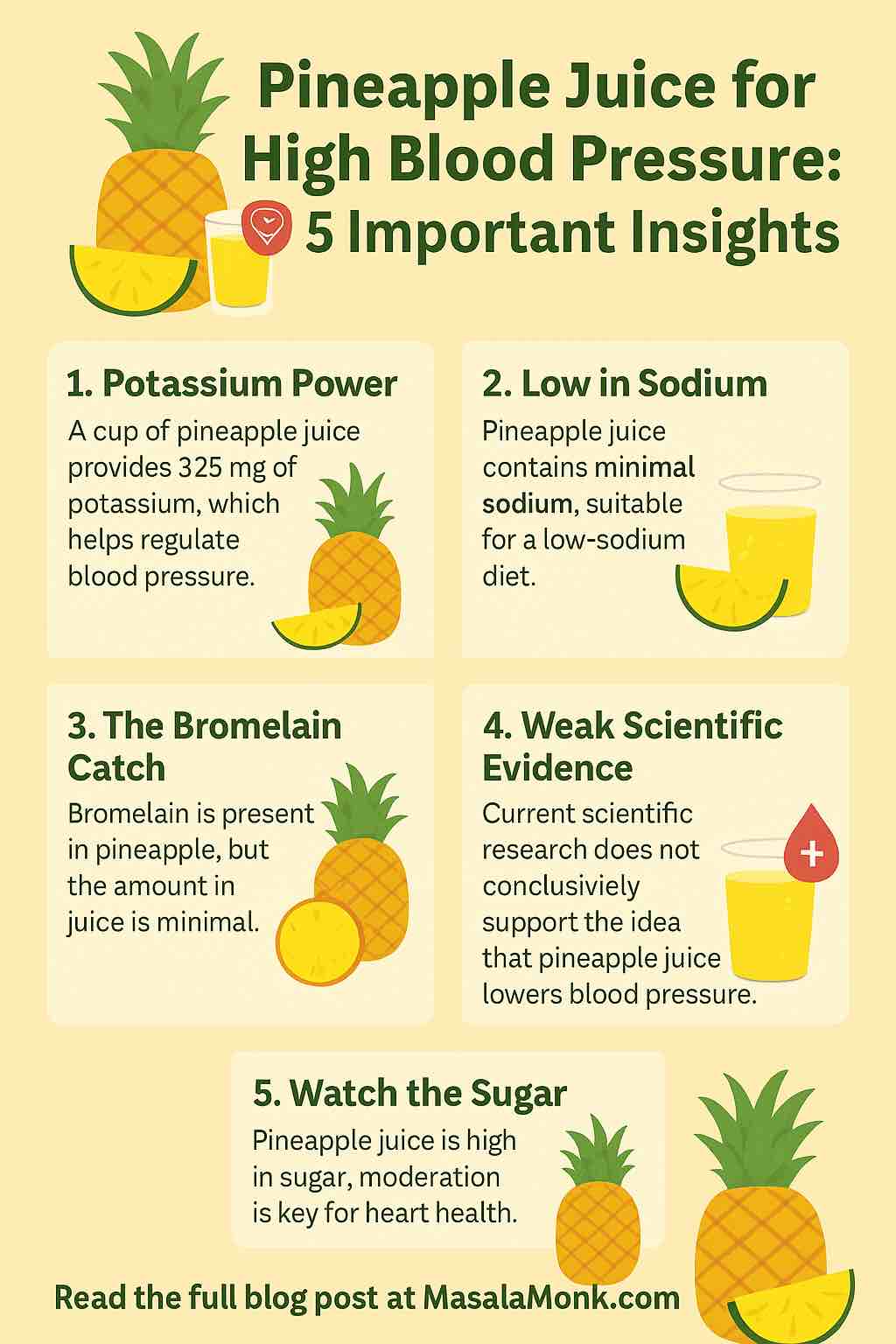
Pineapple Juice for High Blood Pressure: 5 Important Insights

High blood pressure, or hypertension, affects over a billion people globally—and it’s not going away anytime soon. With the rise of natural wellness remedies, many are turning to everyday foods for solutions. One question comes up time and again: “Is pineapple juice good for high blood pressure?”

Let’s break down what science, nutrition, and experts say about this tropical drink’s role in cardiovascular health—without the myths, hype, or health guru nonsense.


1. Potassium Power: The Real Star in Pineapple Juice

Potassium is one of the most crucial minerals when it comes to managing high blood pressure. Why? Because it helps relax blood vessel walls and counters the effects of sodium—the primary villain in hypertension.

Pineapple juice contains a moderate amount of potassium. A cup of unsweetened juice offers roughly 325 milligrams, which contributes about 7% of your daily recommended intake.

What this means in practice:

  • Potassium encourages smoother blood flow.
  • It helps the kidneys flush out excess sodium, lowering overall pressure in the arteries.
  • It supports heart rhythm regulation.

However, pineapple juice isn’t as potassium-rich as bananas, sweet potatoes, or avocados. If your goal is to manage high blood pressure through potassium, pineapple juice can support your intake, but it shouldn’t be your only source.


2. Low Sodium Content Makes It DASH-Diet Friendly

The DASH (Dietary Approaches to Stop Hypertension) diet is the gold standard for managing blood pressure. It emphasizes:

  • Fruits and vegetables
  • Whole grains
  • Low sodium intake
  • Foods rich in potassium, magnesium, and fiber

Pineapple juice—specifically unsweetened, 100% juice—checks several boxes here:

  • It contains minimal sodium (under 5 mg per serving).
  • It’s free of saturated fats and cholesterol.
  • It offers natural hydration and antioxidants that can help reduce oxidative stress on blood vessels.

Still, it’s critical to read the label. Many store-bought pineapple juices are sweetened or blended with syrups, which can spike blood sugar and negate the benefits. Choose pure juice, or better yet, juice fresh pineapples at home for better control.


3. The Bromelain Debate: Promising, but Limited

Bromelain is an enzyme found in pineapple—particularly in the core—that’s received attention for its anti-inflammatory and anti-coagulant properties.

In lab settings and animal studies, bromelain has been shown to:

  • Reduce inflammation markers
  • Improve circulation
  • Prevent excessive platelet aggregation (i.e., thinning the blood slightly)

Sounds ideal for heart health, right?

Here’s the catch: Commercial pineapple juice contains very little bromelain. The enzyme is heat-sensitive and mostly found in the core and stem, which are typically discarded during juicing and pasteurization.

If you’re looking to benefit from bromelain, you’d need to:

  • Eat the pineapple core (fibrous but possible)
  • Take bromelain supplements (speak to a doctor first)

In short, don’t count on pineapple juice for a bromelain boost. Its presence is minor and not therapeutic in most bottled varieties.


4. Scientific Research: Hopeful Theories, But Weak Evidence

A lot of the hype around pineapple juice lowering blood pressure comes from anecdotal experiences and social media claims. But what does actual clinical research say?

  • A study from the Philippine Council for Health Research and Development tested pineapple juice on adults with hypertension. The result? No significant change in systolic or diastolic pressure compared to the control group.
  • Cardiologists from the Philippine Society of Hypertension have gone on record to say: “There’s no clinical evidence supporting pineapple juice as an effective intervention for high blood pressure.

This doesn’t mean it’s harmful—it just means it’s not a treatment. The nutrients in pineapple juice can support a heart-healthy diet, but the idea that it acts as a natural medication is an overreach.

Let’s be clear: drinking pineapple juice is not going to lower your blood pressure overnight. Nor will it replace your prescribed medication, exercise, stress reduction, or other doctor-recommended interventions.


5. Sugar Content: The Hidden Factor No One Talks About

One major issue with fruit juices—pineapple included—is sugar. Even natural fruit sugar (fructose) can spike blood glucose levels, which is increasingly being linked to vascular damage and higher blood pressure over time.

  • One cup of pineapple juice can contain up to 25 grams of sugar.
  • That’s more sugar than a glazed donut—and it’s absorbed faster in liquid form.

For people with insulin resistance, diabetes, or metabolic syndrome, this can worsen underlying conditions that contribute to hypertension. And for everyone else, frequent consumption of sugary beverages—yes, even natural ones—can increase calorie intake and body weight, both of which raise blood pressure risk over time.

If you’re going to include pineapple juice in your routine:

  • Stick to half a cup to 1 cup, a few times a week.
  • Make sure it’s 100% juice with no added sugar.
  • Drink it with meals to slow down sugar absorption.

Final Thoughts: Is Pineapple Juice Good for High Blood Pressure?

Let’s summarize this without the fluff:

  • Yes, pineapple juice contains potassium and is low in sodium—two wins for blood pressure.
  • No, it does not contain enough bromelain or clinical support to be considered a natural treatment.
  • Yes, it can be part of a balanced, DASH-aligned diet when consumed in moderation.
  • No, it should not be relied on to replace medication or major lifestyle changes.
  • Yes, overconsumption—especially sweetened versions—can worsen your condition due to sugar.

Bottom Line: Pineapple juice is a supportive player, not a star in blood pressure management.

Include it as one of many healthy habits: regular physical activity, better sleep, weight control, less salt, and more whole foods.

If you’re managing hypertension and enjoy the occasional glass of pineapple juice—go ahead. Just don’t fall for the myth that it’s a cure in a cup.