Posted on 2 Comments

Cayenne Pepper for Weight Loss: Spicing Up Your Diet Plan! 🌶️

CAYENNE PEPPER FOR WEIGHT LOSS

When it comes to weight loss, most people imagine bland salads, endless cardio, or strict calorie-counting. But what if your favorite spicy kick could actually help you slim down? Enter cayenne pepper — a fiery red spice made from ground chili peppers that not only adds flavor to your meals but might just tip the scales in your favor.

In this comprehensive guide, we explore how cayenne pepper works for weight loss, the science behind it, and practical tips to use it safely and effectively.


🔬 The Science Behind Cayenne Pepper and Weight Loss

Cayenne’s weight loss benefits stem primarily from capsaicin, the compound responsible for its heat. Here’s how it helps:

1. Thermogenesis: Fire Up Your Metabolism

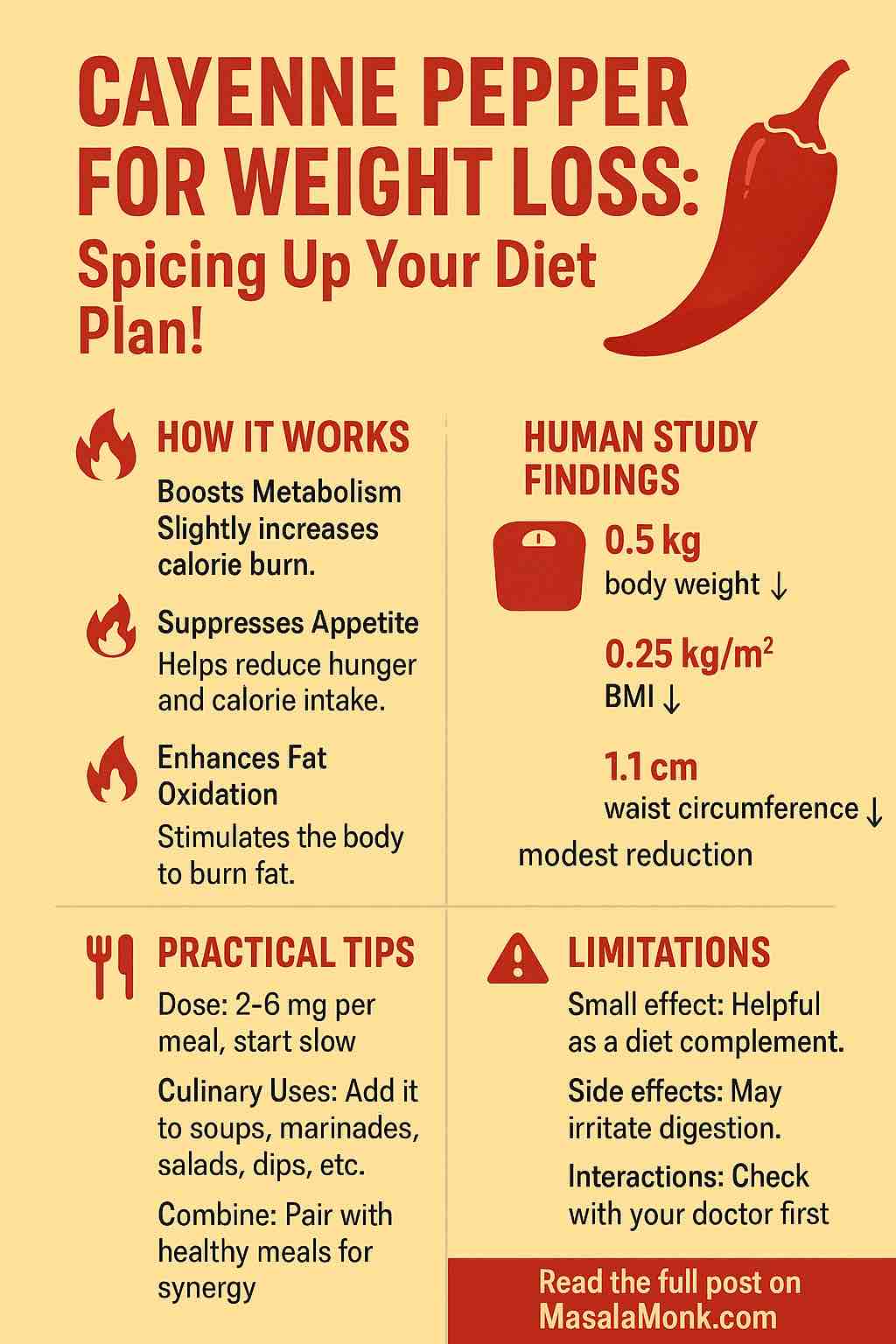
Capsaicin stimulates thermogenesis — a process where your body generates heat, thereby burning more calories. Research shows that even small doses (2-6 mg per meal) can modestly increase energy expenditure by 50-70 calories per day. While this won’t melt fat overnight, it adds up over time.

2. Appetite Suppression

Cayenne pepper has been shown to decrease levels of the hunger hormone ghrelin and increase GLP-1, a hormone that promotes satiety. One study found people consumed up to 74 fewer calories at meals when adding capsaicin to their diet.

3. Fat Oxidation

Capsaicin activates TRPV1 receptors, encouraging your body to use fat as fuel. This could be especially helpful during workouts or intermittent fasting routines.

4. Mindful Eating Benefits

Adding heat to your meals can slow down how quickly you eat, helping your brain catch up with your stomach’s fullness signals. This behavioral benefit is often overlooked but can significantly reduce overeating.


📊 Evidence from Real-World Studies

Meta-analyses of randomized controlled trials (RCTs) have shown:

  • Weight loss: ~0.5 kg reduction
  • Waist circumference: ~1.1 cm decrease
  • BMI drop: ~0.25 kg/m²

These results are modest but consistent. They show that capsaicin-rich diets can support your weight loss goals when paired with a healthy lifestyle.


🚩 Limitations and Caveats

Cayenne isn’t magic. Here’s what you need to keep in mind:

  • Tolerance builds: The thermogenic effect decreases over time as your body adapts.
  • Digestive irritation: Can cause heartburn, nausea, or stomach pain, especially at high doses.
  • Medication interactions: May interfere with blood pressure meds, blood thinners, and diabetes drugs. Always consult your healthcare provider.
  • Pregnancy/breastfeeding caution: Capsaicin may pass into breast milk and isn’t recommended for those pregnant or nursing without medical advice.

🌎 Practical Ways to Add Cayenne to Your Diet

You don’t need to eat a spoonful of spice to get the benefits. Here are simple, delicious ways to work cayenne into your meals:

☕ Morning

  • Add a pinch to your lemon water or green tea
  • Sprinkle on avocado toast or eggs

🍽️ Lunch

  • Stir into soups, stews, or chili
  • Mix into yogurt-based dressings or hummus

🍜 Dinner

  • Season roasted vegetables or grilled meats
  • Blend into marinades or sauces

🍇 Snacks

  • Add a dash to popcorn or roasted nuts
  • Mix into dark chocolate or spicy smoothies

Tip: Start small (1/8 tsp) and work your way up as your tolerance builds.


🔺 Supplementing with Capsaicin

If you’re not a fan of spice or have sensitive digestion, capsinoid supplements (non-pungent capsaicin analogs) offer a gentler alternative. Look for products standardized to at least 6 mg capsaicin per serving. As always, consult a healthcare professional before starting any supplement.


✅ Final Thoughts: Spicing Up Your Success

Cayenne pepper is a flavorful, research-backed addition to your weight loss toolkit. While it won’t replace healthy eating and exercise, it can enhance them in subtle but meaningful ways — boosting metabolism, curbing cravings, and helping you enjoy meals more mindfully.

So go ahead, spice things up. Your metabolism might just thank you for it.


Disclaimer: This article is for informational purposes only and does not constitute medical advice. Always consult your physician before starting any new dietary regimen or supplement.

🔍 FAQs on Cayenne Pepper for Weight Loss

1. How much cayenne pepper should I take daily for weight loss?
Start with 1/8 to 1/4 teaspoon per meal and gradually increase to 1/2 teaspoon if tolerated. Most studies show benefits from 2–6 mg of capsaicin per meal, which translates to around 1/2 teaspoon of cayenne powder daily.

2. Can cayenne pepper burn belly fat specifically?
While cayenne may aid in reducing overall body fat through increased metabolism and fat oxidation, it doesn’t target belly fat directly. However, some studies observed small decreases in waist circumference.

3. What time of day is best to take cayenne pepper?
There’s no strict timing, but using cayenne before or during meals can enhance satiety and thermogenesis. Many people add it to their morning drink or main meals for consistent intake.

4. Can I take cayenne pepper on an empty stomach?
It’s best to avoid it on an empty stomach if you’re prone to heartburn or digestive issues. Try adding it to meals to reduce irritation.

5. Are cayenne pepper supplements effective?
Yes. Capsaicin or capsinoid supplements can deliver benefits without the heat. Look for standardized extracts offering at least 6 mg capsaicin per dose. They’re especially useful if you dislike spicy foods.

6. How long does it take to see results with cayenne pepper?
Expect subtle changes over 4–12 weeks. Benefits like reduced appetite may be noticeable sooner, but weight and fat loss accumulate gradually with consistent use and a calorie-controlled diet.

7. Will I build a tolerance to cayenne’s effects?
Yes, thermogenic responses may decrease over time. Cycling off for a few days a week or using varied intake methods (e.g. food + supplements) may help retain sensitivity.

8. Can cayenne pepper interact with medications?
Yes. It can affect blood pressure meds, anticoagulants (e.g., warfarin), diabetes meds, and others. Consult your doctor before regular use if you’re on medication.

9. Is it safe to take cayenne pepper daily?
Generally safe in culinary amounts. For supplements or high doses, consult your healthcare provider, especially if you have GI issues, are pregnant, or nursing.

10. What are the side effects of taking too much cayenne?
Common side effects include stomach irritation, acid reflux, sweating, and, in rare cases, allergic reactions. Start with low doses and observe how your body reacts.
Posted on 1 Comment

Garlic and Honey: A Dynamic Duo for Health and Healing

GARLIC AND HONEY

In a world flooded with synthetic health remedies, more people are turning to ancient, natural solutions that have withstood the test of time. One such powerful combination making waves across modern wellness circles is the duo of garlic and honey. This seemingly simple pairing is garnering attention not only from holistic health enthusiasts but also from scientists exploring its medicinal potential. Let’s dive into why fermented garlic and honey could be your next kitchen remedy powerhouse.


The Science Behind the Power Combo

Both garlic and honey are well-known individually for their health-promoting properties:

  • Garlic is packed with sulfur-containing compounds like allicin, known for its antimicrobial, anti-inflammatory, and heart-protective properties.
  • Honey (especially raw or Manuka) offers potent antibacterial and antioxidant benefits, thanks to enzymes, phenolic acids, and flavonoids.

But when combined, these two ingredients don’t just add their benefits—they enhance each other’s effects through a synergistic relationship.

1. Immune System Support

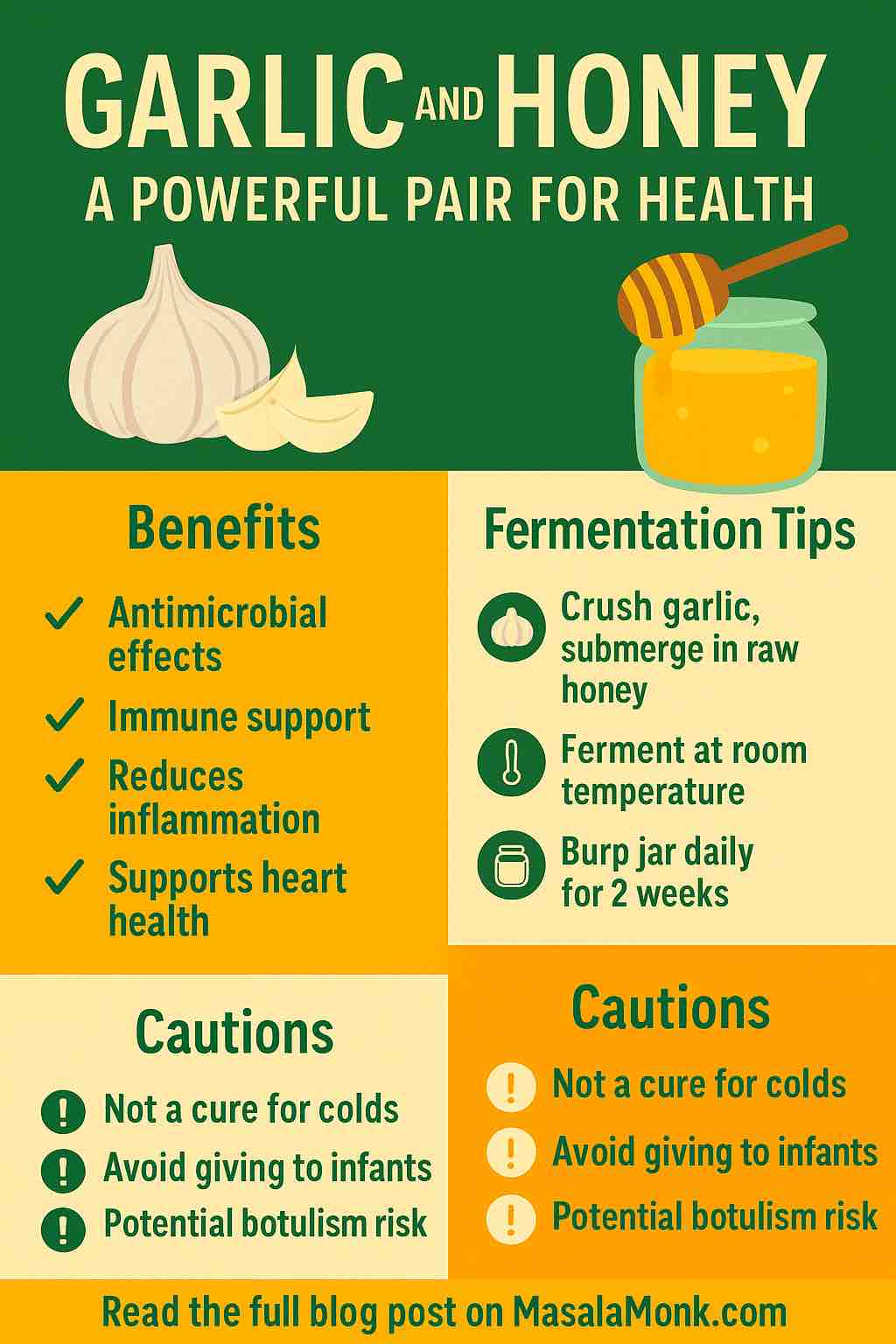
Recent studies (2023-2025) reveal that fermented garlic honey boosts immune cell activity, particularly macrophages, which help the body fight infections. Regular consumption during cold and flu season may reduce the frequency and duration of respiratory infections.

2. Antimicrobial Powerhouse

Lab studies show the garlic-honey combo outperforms either ingredient alone against bacteria like E. coli, S. aureus, and Streptococcus pneumoniae. Adding ingredients like black cumin oil further enhances this antimicrobial effect.

3. Cardiovascular Benefits

Garlic lowers blood pressure and LDL cholesterol, while honey improves vascular function via antioxidants. Taken daily, fermented garlic honey can support heart health, reduce inflammation markers like CRP, and even modulate blood sugar levels.

4. Wound Healing and Skin Health

When used topically, honey and garlic mixtures promote wound healing, reduce infection, and support tissue regeneration. Manuka honey infused with garlic has shown improved outcomes in healing infected wounds in preliminary studies.


How to Make Fermented Garlic Honey at Home

Making your own batch is easy, but it requires some patience and attention to hygiene.

You’ll Need:

  • 1 cup raw, unfiltered honey (Manuka or organic recommended)
  • 10–20 peeled garlic cloves
  • A clean glass jar with an airtight lid

Steps:

  1. Slightly crush each garlic clove to activate allicin.
  2. Place them in the jar and cover with honey.
  3. Leave some headspace for bubbling (fermentation).
  4. Seal the jar and place it in a dark, cool place.
  5. Every day, open the jar briefly (“burp it”) to release gases.
  6. Fermentation is noticeable within a week and ready to use in 3–4 weeks.

Tips:

  • Garlic may turn blue/green—this is safe and due to sulfur compound reactions.
  • Stir or flip the jar gently every few days.

How to Use It Practically

Daily Wellness:

  • Take one garlic clove with a spoonful of honey each morning.

At First Sign of Cold:

  • Take 1–2 cloves every 4–6 hours to soothe symptoms and support immunity.

Topical Use:

  • Mix with aloe or coconut oil and apply to minor wounds (test first on skin).

Culinary:

  • Drizzle over roasted vegetables, mix into dressings, or stir into herbal teas.

Cautions and Considerations

  • Not for infants: Honey should never be given to babies under 1 year due to botulism risk.
  • Monitor blood sugar: While honey has medicinal properties, it’s still high in sugars.
  • Medication interactions: Garlic can interact with blood thinners and some medications—consult your doctor.
  • Fermentation safety: Use clean jars and raw honey; watch for mold or strange smells and discard if uncertain.

Final Thoughts: More Than a Folk Remedy

Garlic and honey aren’t just ingredients in grandma’s cold remedy—they are a scientifically supported, synergistic duo that offers a multitude of health benefits when used correctly. Whether you ferment it yourself or use it raw, this combination deserves a place in your wellness routine. With emerging studies confirming its efficacy and safety, garlic and honey have stepped beyond folklore into functional nutrition.

So why not take a cue from nature and start a jar today? Your future self might thank you with fewer colds, better heart health, and a stronger immune system.

FAQs

1. Is fermented garlic honey safe to consume daily?
Yes, in moderate amounts. Most adults can safely consume 1–2 teaspoons per day. However, those on blood-thinning medications or with allergies should consult a healthcare provider first.

2. How long does fermented garlic honey last?
Stored properly in a sealed jar in a cool, dark place, it can last up to 12 months. Always check for off smells, mold, or bubbling that doesn’t subside after the fermentation period.

3. Can I use cooked garlic or paste instead of raw garlic?
No. Raw garlic is essential because cooking destroys allicin, the compound responsible for most of garlic’s medicinal properties. Use fresh, crushed cloves for best results.

4. Is it necessary to burp the jar daily during fermentation?
Yes. Burping releases gases produced during fermentation, preventing pressure build-up and potential leakage or spoilage. Do this daily for the first 2 weeks.

5. What if my garlic turns blue or green? Is it safe?
Yes, this is a natural reaction between sulfur compounds in garlic and acidic elements in honey. It’s harmless and safe to consume.

6. Can children consume fermented garlic honey?
Children over 1 year can take small amounts (¼ to ½ tsp). Never give honey to infants under 1 due to the risk of infant botulism.

7. Does it help with sore throats and coughs?
Yes. Anecdotal and lab evidence supports its use for soothing sore throats, easing coughs, and reducing upper respiratory symptoms.

8. Can I refrigerate it?
It’s not necessary, and refrigeration may slow or halt fermentation. Room temperature storage (cool, dark spot) is ideal.

9. What kind of honey is best to use?
Raw, unfiltered honey is best. Manuka or local organic honey offers stronger antibacterial properties. Avoid pasteurized or processed honey.

10. Can I take it if I have diabetes?
While honey has medicinal value, it’s high in natural sugars. Diabetics should consult a doctor before using it regularly, and consider very small doses only.

Posted on Leave a comment

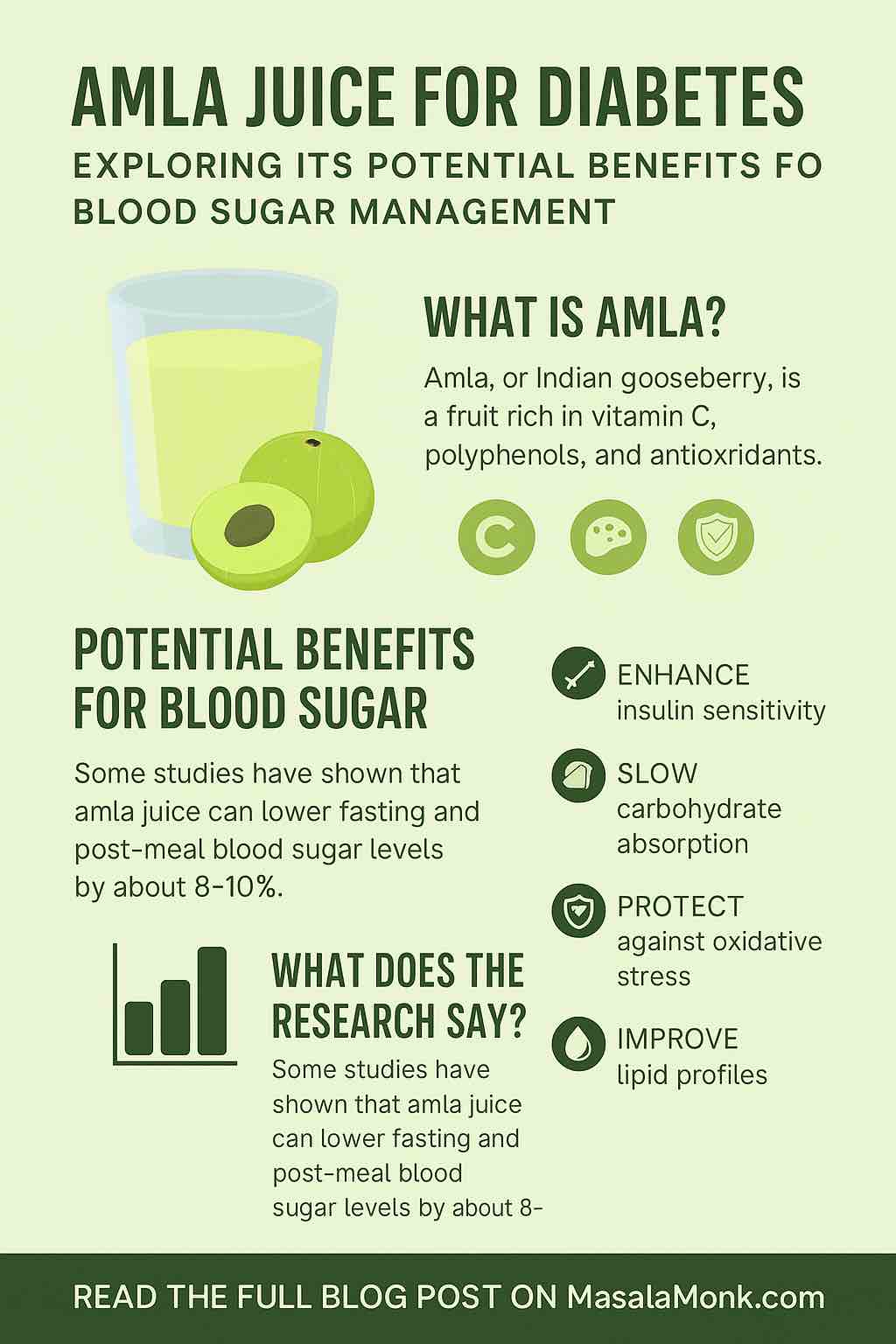
Amla Juice for Diabetes: Exploring Its Potential Benefits for Blood Sugar Management

AMLA JUICE FOR DIABETES

Introduction: The Diabetes Epidemic and Natural Interventions

Diabetes is no longer a condition limited to the elderly or genetically predisposed; it’s a global epidemic affecting millions worldwide across age groups. According to the International Diabetes Federation, over 537 million adults worldwide are living with diabetes, and this number is growing rapidly. Managing blood sugar levels effectively has become a daily challenge for many — and while medications are essential for many patients, growing interest surrounds natural dietary interventions that may offer complementary benefits.

One such promising natural remedy is Amla (Emblica officinalis), also known as Indian gooseberry. Long revered in Ayurveda as a powerful rejuvenating fruit, recent scientific research suggests that amla might play a meaningful role in blood sugar management.

In this comprehensive article, we’ll explore:

  • The science behind amla’s potential anti-diabetic properties
  • Practical recommendations for consuming amla juice
  • Dosages, safety considerations, and real-world tips
  • The latest human studies validating amla’s potential

What is Amla?

Amla (Emblica officinalis), a small, greenish-yellow fruit, has been a cornerstone of Indian traditional medicine for thousands of years. It is rich in:

  • Vitamin C (among the highest natural sources)
  • Polyphenols (gallic acid, ellagic acid, emblicanin A and B)
  • Tannins
  • Chromium
  • Fiber and antioxidants

Amla is traditionally used for enhancing immunity, improving digestion, balancing metabolism, and promoting longevity. But it’s the emerging research on its blood sugar regulating properties that has made it particularly intriguing in the modern diabetes context.


How Amla May Help with Diabetes: The Science Explained

Several biological mechanisms may explain how amla can help manage blood sugar levels:

1️⃣ Enhancing Insulin Sensitivity

  • Studies suggest that amla can improve insulin sensitivity by protecting pancreatic beta-cells, enhancing insulin secretion, and supporting glucose uptake by tissues.
  • The chromium present in amla may also enhance insulin’s action at the cellular level.

2️⃣ Slowing Carbohydrate Absorption

  • Amla is rich in soluble fiber, which can slow down the absorption of sugar from the intestines into the bloodstream, thereby preventing sharp spikes in post-meal blood sugar.

3️⃣ Antioxidant Protection

  • Hyperglycemia leads to oxidative stress, damaging cells and organs. Amla’s high antioxidant content — especially emblicanins, gallic acid, and ellagic acid — helps neutralize free radicals and reduce systemic inflammation.

4️⃣ Anti-inflammatory Benefits

  • Chronic inflammation worsens insulin resistance. Amla has been shown to have potent anti-inflammatory effects, which may indirectly support improved glucose metabolism.

5️⃣ Lipid Regulation

  • Amla may also address one of diabetes’ common complications: dyslipidemia (high cholesterol and triglycerides). Studies show significant improvements in lipid profiles, reducing cardiovascular risks often associated with diabetes.

What Does the Research Say? (Scientific Evidence)

Let’s review some of the most significant studies that back up amla’s anti-diabetic claims:

✅ 1. 2011 Clinical Study (Amla Powder vs Diabetes)

  • In a landmark 21-day study, patients with type 2 diabetes received 1g, 2g, and 3g amla powder daily.
  • All doses led to significant reductions in fasting and postprandial blood glucose levels, as well as improvements in lipid profiles (lower cholesterol, triglycerides, and LDL; higher HDL).
  • The glucose-lowering effect was dose-dependent, with 3g showing the most profound impact.

✅ 2. Amla Extract vs Metformin (2020 Study)

  • A 90-day study compared amla extract (1g & 2g daily) with metformin (500mg daily) in diabetic patients.
  • Both groups showed significant reductions in fasting blood sugar, postprandial sugar, and HbA1c.
  • Notably, the 2g amla group performed comparably — and even better — than metformin for some markers.

✅ 3. Amla Juice (Fresh Juice Studies)

  • Several smaller studies have demonstrated that drinking 30–50 ml of fresh amla juice daily significantly reduced post-meal blood sugar levels by about 8–10% after 2–3 months.
  • The effects were even more pronounced when combined with dietary fiber-rich juices (e.g., okra juice).

✅ 4. Amla + Olive Extract Combination

  • A large real-world Belgian study used 1g amla fruit with 50mg olive leaf extract daily in prediabetics and T2DM patients.
  • After 2 months, fasting glucose decreased significantly while also improving cholesterol without side effects.

How to Incorporate Amla Juice for Diabetes Management

While research supports multiple forms of amla (powder, capsules, extract), amla juice remains one of the most popular and practical options for daily use.

✅ Recommended Dosage

FormDaily DoseNotes
Fresh Amla Juice30–50 mlBest taken on empty stomach
Powdered Amla1–3 gramsMix with warm water or honey
Standardized Extract500 mg – 2 gramsConsult healthcare provider for higher doses

Pro Tip: If you’re just starting out, begin with 30 ml juice daily and gradually increase based on tolerance and response.

✅ When to Take It

  • Morning empty stomach is ideal.
  • Avoid consuming close to high-carb meals to allow for better metabolic response.
  • Stay consistent for at least 8-12 weeks to observe measurable benefits.

✅ Choosing High-Quality Amla Juice

  • Ensure it’s 100% pure amla juice without added sugar or preservatives.
  • Organic and cold-pressed options retain more bioactive compounds.
  • Avoid diluted supermarket versions with minimal amla content.

Potential Side Effects and Safety Precautions

While amla is generally very safe, it’s important to be aware of a few considerations:

Possible IssueNotes
HypoglycemiaMay enhance effect of diabetes medications. Monitor blood sugar closely.
GI UpsetHigh doses may cause acidity, diarrhea, or mild stomach discomfort.
Bleeding RiskAmla has mild blood-thinning properties; caution if on anticoagulants.
Allergic ReactionsRare but possible itching, swelling, or rashes in sensitive individuals.

👉 Always consult your doctor before introducing amla into your diabetes care routine, especially if you’re on medications or have other chronic conditions.


Real-World Testimonials

Many people with type 2 diabetes who integrate amla juice into their diet report:

  • Lower fasting and post-meal blood sugar levels
  • Reduced sugar cravings
  • Improved energy and digestion
  • Better lipid profiles after 3–6 months

While individual results vary, many find that amla serves as a powerful adjunct — not a replacement — to their existing treatment plan.


Can Amla Replace Medication?

👉 The short answer is: No, not entirely — at least not without careful medical supervision.

While studies have shown amla’s potential to rival medications like metformin at certain doses, it’s not a stand-alone replacement. Rather, think of amla as a supportive tool that can:

  • Help stabilize daily glucose swings
  • Potentially allow for lower medication dosages
  • Protect against long-term diabetes complications

With proper monitoring and professional guidance, amla may become a valuable part of a broader, holistic diabetes management strategy.


Final Thoughts: Is Amla Juice Worth Trying for Diabetes?

✅ Backed by both ancient wisdom and modern science, amla juice shows real promise for blood sugar regulation.
✅ It’s safe for most people, affordable, and easy to incorporate into daily routines.
✅ While not a miracle cure, consistent, mindful use may help improve glucose control, lipid profiles, and overall metabolic health.

In the battle against diabetes, nature often provides remarkable allies — and amla might be one of the most overlooked. If you’re looking for a natural adjunct to support your diabetes management, amla juice may be worth a closer look — always with your healthcare provider’s supervision.


References (Key Studies)

  • Akhtar MS et al., (2011). “Hypoglycaemic activity of Emblica officinalis fruit in normal and diabetic human volunteers.” Pakistan Journal of Pharmaceutical Sciences.
  • Antony B et al., (2020). “Efficacy of Amla Extract Compared to Metformin in Type 2 Diabetes Mellitus.” Journal of Dietary Supplements.
  • De Smet J et al., (2023). “Effect of Amla and Olive Extract on Fasting Glucose and Lipids: Real-World Evidence.” Journal of Integrative Medicine.
  • Indian Journal of Clinical Biochemistry (2011), 26(4): 419-425.

🔎 10 Frequently Asked Questions (FAQs) About Amla Juice for Diabetes


1️⃣ Can amla juice really lower blood sugar?

Yes, several human studies show that amla juice, powder, and extract can lower both fasting and post-meal blood sugar levels. In some trials, regular consumption led to reductions of 8-10% in blood glucose levels, and in some cases, performed comparably to standard medications like metformin. However, it should be used as a complementary strategy, not as a sole treatment.


2️⃣ How much amla juice should I take daily for diabetes?

A common recommended starting dose is 30–50 ml of fresh amla juice per day, preferably on an empty stomach in the morning. You can adjust the dosage under medical supervision depending on your body’s response.


3️⃣ Is amla juice better than amla powder or extract for diabetes?

Both forms have benefits:

  • Powder and standardized extracts have more consistent dosing and higher concentration of active compounds.
  • Juice provides antioxidants and fiber but can vary in potency.
    Many clinical studies used powder or extracts, but fresh juice is practical and effective for daily use.

4️⃣ How soon will I see results after starting amla juice?

Some people notice improvements in blood sugar within 3–4 weeks, while full benefits on blood sugar, lipids, and energy levels may take 8–12 weeks. Consistency is key.


5️⃣ Can I take amla juice while on diabetes medication?

Yes, but with caution. Amla may enhance the effects of diabetes drugs, which could lead to hypoglycemia. Always consult your doctor, monitor your blood sugar regularly, and adjust medications as needed.


6️⃣ Does amla juice have any side effects?

For most people, amla is very safe. However, high doses may cause:

  • Mild stomach upset or acidity
  • Diarrhea
  • Rare allergic reactions
  • Increased bleeding risk if combined with anticoagulant medication

7️⃣ Can prediabetics benefit from taking amla juice?

Absolutely. Studies show amla can help improve insulin sensitivity, reduce post-meal glucose spikes, and improve lipid profiles — all beneficial for prediabetes management and prevention of progression to full diabetes.


8️⃣ Should I take amla juice with food or on an empty stomach?

Taking amla juice on an empty stomach in the morning allows for better absorption and effectiveness. Avoid taking it with heavy meals or sugary foods.


9️⃣ Can I make amla juice at home?

Yes. You can blend fresh amla fruits with a little water, strain, and consume 30-50 ml daily. Freshly prepared juice retains more nutrients. You may add a few drops of lemon or a pinch of turmeric for taste and additional benefits.


🔟 Is store-bought amla juice effective?

It depends. Look for:

  • 100% pure amla juice
  • No added sugar or preservatives
  • Organic, cold-pressed if possible
    Avoid diluted or flavored commercial products with minimal amla content.
Posted on Leave a comment

Sprouted Coconut: Nutrition, Benefits & More

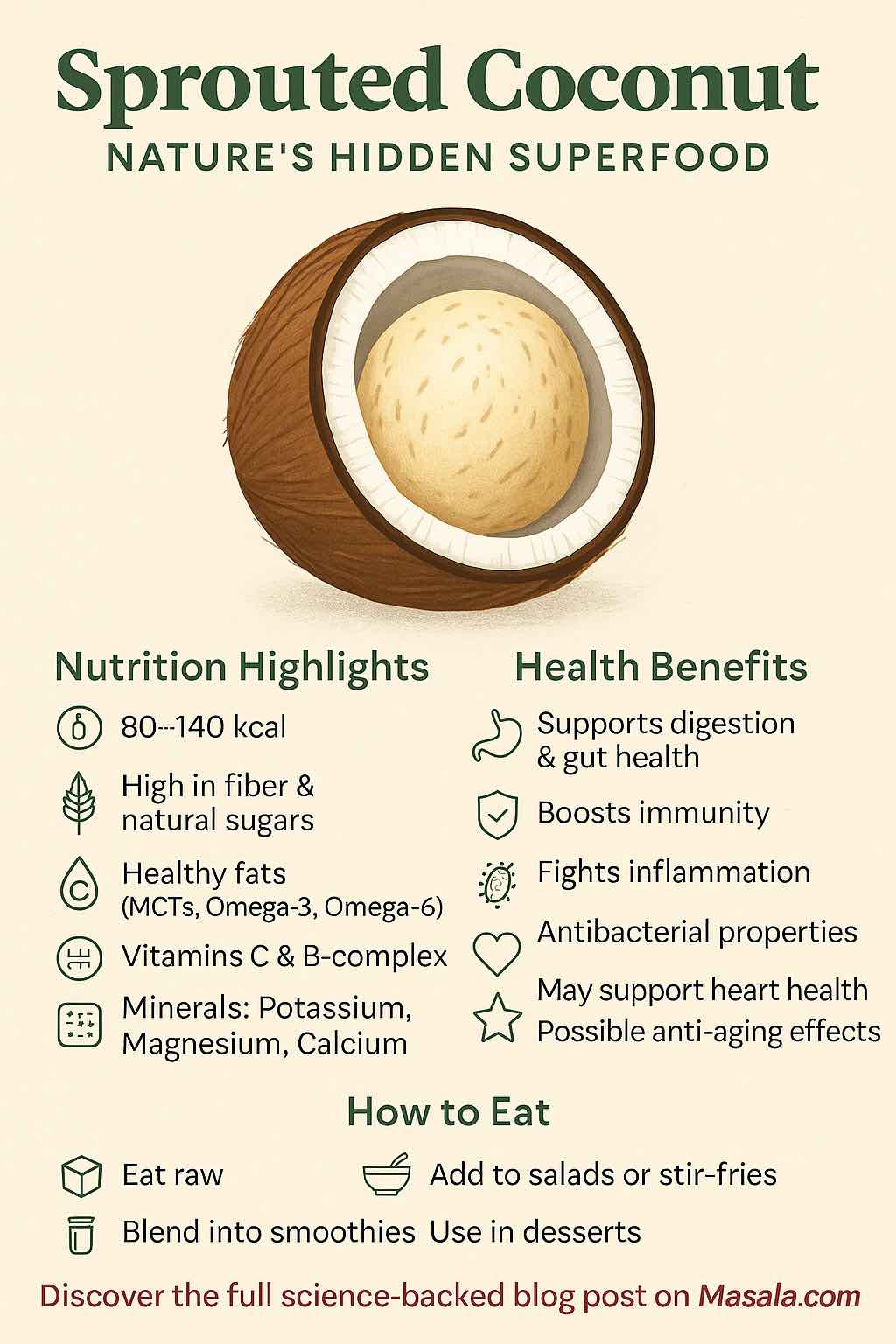
When we think of coconuts, our minds usually jump to coconut water, oil, or that delicious white flesh inside. But deep inside some mature coconuts lies a lesser-known gem: the sprouted coconut, often called coconut apple or coconut haustorium. Though it’s rarely found on store shelves, this fascinating food has been cherished in tropical regions for generations.

In this post, we’ll explore what sprouted coconut is, its unique nutritional profile, health benefits, scientific research, traditional uses, risks, and emerging future potential.


🌱 What Exactly Is Sprouted Coconut?

Sprouted coconut forms during the germination phase of a mature coconut. As the seed prepares to grow into a new coconut palm, it draws nutrients from the coconut water and endosperm to form a spongy, orb-shaped mass called the haustorium.

  • Texture: Airy, spongy, slightly crunchy
  • Taste: Mildly sweet, nutty, almost like a cross between cotton candy and sponge cake
  • Development time: 1–4 months after the coconut falls

Found predominantly in regions like India, the Philippines, Sri Lanka, Southeast Asia, and the Pacific Islands, it has long been a fresh treat eaten straight from the shell.


🧪 Nutritional Powerhouse: The Composition of Sprouted Coconut

Unlike regular coconut meat, the sprouted version offers a fascinating nutritional profile:

NutrientAmount (approximate per 100g)Key Benefits
Calories80–140 kcalEnergy
Carbohydrates~66% of dry weight (mainly sugars)Quick energy
Fiber2–8 gDigestive health, satiety
Protein1–7 gCellular repair, hormones
Fat6 g (with MCTs, omega-3 & omega-6)Heart health, brain function
Vitamin C~8% RDIImmunity, antioxidant
B VitaminsB1, B2, B3, B5, B6, FolateEnergy metabolism
MineralsPotassium, Magnesium, Calcium, Iron, Phosphorus, Zinc, Manganese, CopperBone, muscle, metabolic support

Key Bioactive Compounds:

  • Squalene
  • Flavonoids
  • Terpenoids
  • Polyphenols
  • Medium Chain Triglycerides (MCTs)

These compounds give sprouted coconut its rich functional health benefits that go far beyond basic nutrition.


🩺 Evidence-Based Health Benefits

Sprouted coconut is more than just a tasty snack — it’s packed with scientifically supported benefits.

1️⃣ Antioxidant & Anti-Inflammatory Powerhouse

  • Laboratory studies demonstrate high DPPH and FRAP antioxidant scores, indicating free radical scavenging potential.
  • Flavonoids, polyphenols, and squalene help reduce chronic inflammation, supporting cardiovascular, immune, and brain health.
  • Antioxidants help protect against oxidative stress that accelerates aging and chronic diseases.

2️⃣ Potent Antimicrobial Properties

  • Extracts show inhibitory action against harmful bacteria like Salmonella, Shigella, Klebsiella, and Helicobacter pylori.
  • Molecular docking studies suggest compounds like squalene may bind bacterial proteins, potentially offering natural ulcer protection.

3️⃣ Digestive & Gut Health

  • High fiber content aids regular bowel movements, supports gut flora, and may reduce risk of conditions like IBS and constipation.
  • Traditional use includes treating acidity, gastritis, and indigestion in many cultures.

4️⃣ Heart & Metabolic Benefits

  • MCTs and fiber help regulate blood cholesterol, potentially raising HDL (“good cholesterol”) and lowering LDL.
  • Potassium contributes to healthy blood pressure regulation.
  • Low glycemic index may support blood sugar balance, benefiting diabetics or those with metabolic syndrome.

5️⃣ Pregnancy & Women’s Health

  • Community studies suggest consumption may support healthy blood pressure during pregnancy, likely due to potassium and antioxidant content.
  • Its hormonal balancing effects may assist with menstrual regulation and potentially support thyroid health (though more research is needed).

6️⃣ Kidney, Skin, and Anti-Aging

  • Traditional uses involve aiding kidney stone dissolution and urinary tract health.
  • Antioxidants help maintain youthful skin, reduce wrinkles, and may strengthen hair.

📚 Traditional & Cultural Uses

  • In Ayurveda, sprouted coconut is used as a cooling food for balancing pitta and soothing digestion.
  • Pacific Islanders and Southeast Asians consume it for general vitality, kidney health, and energy.
  • Often consumed raw, with honey, or in traditional desserts and salads.

🔬 What the Research Says (And What We Still Don’t Know)

BenefitResearch StatusKey Takeaways
AntioxidantIn vitro, animal modelsStrong evidence
AntimicrobialIn vitro, docking studiesEffective against multiple bacteria
CardiovascularEarly animal modelsPromising, needs human trials
GastrointestinalTraditional + small studiesWidely used, scientifically plausible
Pregnancy & BPEducation-based studiesLimited but encouraging
Kidney supportTraditional claimsNeeds formal clinical evaluation

Research Gaps:

  • Human clinical trials are still scarce.
  • Standardized dosage, long-term safety, and bioavailability studies are lacking.
  • Future studies should explore its effects on cholesterol, glucose control, hormone balance, and pregnancy outcomes.

🍽 How to Eat Sprouted Coconut

Fresh sprouted coconut is best enjoyed raw, straight from the shell.

Culinary Ideas:

  • Salads: Toss cubes into fruit or vegetable salads.
  • Smoothies: Blend with tropical fruits for creamy texture.
  • Stir-fries: Add chunks for a nutty crunch.
  • Desserts: Use in puddings, parfaits, or ice cream.
  • Vegan bun substitute: Slice thickly for use in plant-based burgers.

Storage Tip: Once cracked open, consume within 1–2 days and refrigerate to prevent spoilage.


⚠️ Safety Considerations

While generally safe and nutritious, some individuals should be cautious:

  • Allergies: Rare, but possible for those allergic to tree nuts or coconut.
  • Kidney Disease: High potassium content may pose risks.
  • Overconsumption: Excessive intake could cause digestive upset or high calorie load.
  • Pregnancy: Likely safe but consult healthcare providers before consuming in large quantities.

🌎 The Future of Sprouted Coconut: A Functional Food Rising

As scientific research slowly catches up to traditional wisdom, sprouted coconut shows enormous potential as:

  • A functional food ingredient in health products.
  • A natural alternative to processed snacks.
  • A source of novel nutraceuticals targeting inflammation, cardiovascular, and gastrointestinal disorders.

With further clinical trials and standardization, sprouted coconut may join the ranks of globally recognized superfoods.


🔑 Final Thoughts

Sprouted coconut is an untapped nutritional treasure—rich in fiber, minerals, healthy fats, antioxidants, and bioactive compounds. From gut health to heart health, from immune support to anti-aging benefits, its potential seems vast. While scientific research is still developing, centuries of traditional use speak strongly in its favor.

If you ever find a mature coconut with this spongy treasure inside — savor it. You’re enjoying one of nature’s most unique and underappreciated gifts.

🔎 10 Frequently Asked Questions (FAQs) About Sprouted Coconut

1️⃣ What is sprouted coconut?

Sprouted coconut (also called coconut apple or haustorium) is the spongy, sweet mass that forms inside a germinating mature coconut. It develops as the coconut prepares to grow into a new tree, feeding on the water and meat inside the shell.

2️⃣ Is sprouted coconut safe to eat?

Yes, for most people it is completely safe when eaten fresh and in moderation. However, those with coconut allergies, kidney problems (due to potassium), or certain metabolic conditions should consult a healthcare provider before consuming it regularly.

3️⃣ What does sprouted coconut taste like?

It has a mildly sweet, nutty taste with a unique airy, spongy, slightly crunchy texture — somewhat like a soft, sweet cake or cotton candy.

4️⃣ What are the main health benefits of sprouted coconut?

Sprouted coconut offers multiple benefits: antioxidant support, anti-inflammatory effects, antimicrobial activity, gut health support (due to fiber), cardiovascular support (due to MCTs and potassium), and traditional uses for digestive health and kidney support.

5️⃣ Does sprouted coconut help with weight loss?

Its fiber content can promote satiety and improve digestion, while MCTs may help boost metabolism slightly. However, like any food, it should be part of a balanced diet rather than a sole weight loss solution.

6️⃣ Can diabetics eat sprouted coconut?

Yes, in moderation. Its low glycemic index and fiber may help regulate blood sugar. However, because it does contain natural sugars, portion control is important, and diabetics should monitor their blood glucose response.

7️⃣ Is sprouted coconut good for the heart?

Potentially yes. The potassium helps regulate blood pressure, while MCTs and antioxidants may contribute to better cholesterol levels and overall cardiovascular health. More human research is still needed.

8️⃣ How do you store sprouted coconut?

Once cracked open, sprouted coconut should be stored in the refrigerator and consumed within 1–2 days to maintain freshness and prevent spoilage.

9️⃣ Is sprouted coconut available commercially?

In most places, sprouted coconut is not widely sold in stores due to its short shelf life. It’s typically found fresh in tropical regions or local markets where coconuts are harvested.

🔟 Can pregnant women eat sprouted coconut?

Generally, yes — sprouted coconut provides minerals like potassium and magnesium that can benefit pregnant women. Some studies suggest benefits for managing blood pressure during pregnancy. However, pregnant women should consult their healthcare provider before consuming large amounts.

Posted on 3 Comments

7 Health Benefits of Cumin Seeds

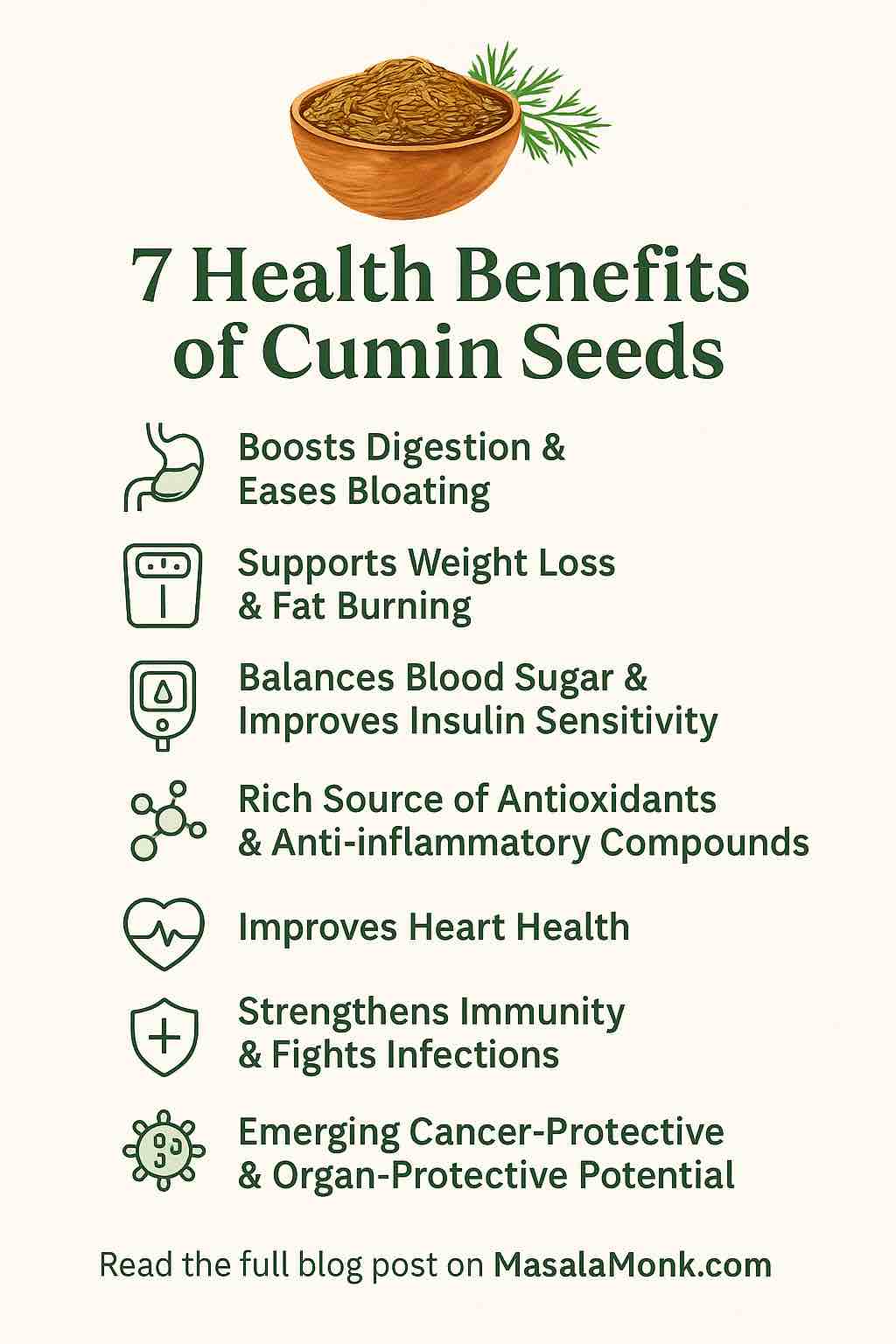
7 Health Benefits of Cumin Seeds

Cumin seeds (Cuminum cyminum), known as jeera in many parts of the world, have been a staple in traditional cuisines and healing systems like Ayurveda for centuries. But modern science is catching up, uncovering fascinating evidence behind cumin’s remarkable health benefits. From metabolic health to digestion, recent research shows that cumin isn’t just a flavorful spice—it’s a powerful functional food.

Let’s explore 7 science-backed health benefits of cumin seeds, along with practical tips on how to add them to your daily life.


1️⃣ Boosts Digestion & Eases Bloating

Cumin has long been revered as a digestive aid. Modern studies confirm that compounds in cumin—such as cuminaldehyde and thymol—stimulate the secretion of digestive enzymes, which:

  • Accelerate food breakdown
  • Reduce gas, bloating, and indigestion
  • Improve bile secretion, aiding fat digestion

In people with irritable bowel syndrome (IBS), cumin extract has been shown to reduce symptoms like abdominal pain and bloating significantly. Even simply drinking jeera water (soaked cumin seeds) first thing in the morning can support gut health and reduce flatulence.

Practical Tip:
Soak 1–2 teaspoons of cumin seeds in a glass of water overnight. Drink this jeera water on an empty stomach to jumpstart digestion.


2️⃣ Supports Weight Loss & Fat Burning

One of the most impressive areas of cumin research lies in its role in weight management. Several randomized controlled trials (RCTs) have shown that:

  • Consuming 3g/day cumin powder (usually with yogurt) for 3 months led to significant weight loss, BMI reduction, and waist circumference shrinking.
  • A recent trial combining 150mg cumin extract with lime twice daily for 8 weeks led to up to 2.1kg weight loss compared to placebo.

Cumin appears to:

  • Increase metabolism
  • Suppress appetite
  • Improve insulin sensitivity
  • Lower triglycerides and LDL cholesterol

Practical Tip:
Mix 1 teaspoon of cumin powder into plain yogurt and consume daily as part of your lunch or dinner.


3️⃣ Balances Blood Sugar & Improves Insulin Sensitivity

For people struggling with high blood sugar, prediabetes, or type 2 diabetes, cumin may offer powerful support:

  • Multiple human trials show that 50–100mg/day of cumin extract or essential oil significantly reduced fasting blood sugar, insulin resistance, and HbA1c.
  • It helps modulate adiponectin and leptin levels, hormones involved in metabolism and insulin sensitivity.
  • Cumin’s antioxidant properties may protect pancreatic β-cells from oxidative stress.

Practical Tip:
Discuss with your healthcare provider if high-dose cumin extract supplements are appropriate for your blood sugar management plan.


4️⃣ Rich Source of Antioxidants & Anti-inflammatory Compounds

Cumin seeds contain a range of phytochemicals including:

  • Flavonoids (apigenin, luteolin)
  • Phenolic acids (caffeic acid, ferulic acid)
  • Essential oils (cuminaldehyde, p-cymene)

These compounds help:

  • Neutralize free radicals
  • Suppress inflammation pathways like NF-κB
  • Lower markers of systemic inflammation like IL‑1β, IL‑6, and TNF-α

This antioxidant action is linked to protection against chronic diseases like cardiovascular disease, cancer, and neurodegeneration.

Practical Tip:
Use roasted cumin powder as a seasoning on salads, soups, and vegetable dishes to increase daily antioxidant intake.


5️⃣ Improves Heart Health

Heart health benefits from cumin supplementation have been consistently reported:

  • Lower total cholesterol, LDL cholesterol, and triglycerides
  • Elevation of HDL (good) cholesterol
  • Reduction of blood pressure markers (in some small trials)

In one 2014 RCT, overweight women consuming 3g/day of cumin powder saw significant improvements in their lipid profiles over 3 months.

Practical Tip:
Consider using cumin oil capsules (standardized extracts) for targeted cardiovascular support, under medical supervision.


6️⃣ Strengthens Immunity & Fights Infections

Cumin demonstrates broad antimicrobial properties:

  • Inhibits bacteria like E. coli, S. aureus, and Pseudomonas
  • Fights fungi like Candida albicans
  • Has antiparasitic potential

New research (2025) has isolated bioactive peptides from cumin seeds that show promising antibacterial, antifungal, and hypoglycemic activity in laboratory settings.

Practical Tip:
Adding cumin regularly to your meals can offer a natural defense boost, especially during cold and flu season.


7️⃣ Emerging Cancer-Protective & Organ-Protective Potential

Animal and lab studies suggest cumin may have:

  • Anti-tumor effects in breast, colon, and liver cancer models
  • Protective effects on the liver and kidneys
  • Neuroprotective benefits linked to reduced oxidative stress and improved memory in animal models

While human trials are still limited, the research is encouraging for cumin’s long-term protective roles.

Practical Tip:
Combine cumin with other anti-inflammatory spices like turmeric, ginger, and garlic to build a daily “spice therapy” regimen that may offer broad-spectrum organ protection.


⚠️ Safety & Considerations

  • Cumin is generally safe at culinary doses (~1–3g/day).
  • High-dose extracts should be used under healthcare supervision, especially for:
    • Pregnant or breastfeeding women
    • People on diabetes or blood pressure medications
    • Individuals prone to low blood sugar or bleeding disorders
  • Always buy high-quality, organic cumin seeds or extracts to avoid contamination.

🔬 The Future: Cumin Peptides on the Horizon

The February 2025 study identifying over 400 bioactive peptides from cumin seeds could revolutionize its applications in:

  • Pharmaceutical research
  • Functional foods
  • Nutraceuticals

Some isolated peptides show impressive potential for anti-cancer, antimicrobial, and metabolic regulation, though large-scale human studies are still awaited.


✅ Bottom Line

Cumin seeds are no longer just a kitchen staple—they’re a proven functional super-spice with diverse health benefits supported by modern science. Incorporating cumin into your daily routine is an easy, affordable, and flavorful way to enhance your digestion, metabolism, immunity, and overall well-being.


👉 Start today:

  • A pinch in your cooking
  • Jeera water each morning
  • Yogurt mixed with cumin powder
  • Roasted cumin seasoning on snacks

Your body will thank you for it.

🔟 FAQs About Cumin Seeds


1. How much cumin should I consume daily to see health benefits?
You can consume 1–3 grams (about ½ to 1 teaspoon) of ground cumin daily in food or as jeera water. For therapeutic effects, studies have used up to 3g/day of powder or 50–150mg of extract, but always consult a healthcare provider before high-dose supplementation.


2. What is the best way to consume cumin for digestion?
The simplest and most effective method is jeera water: soak 1–2 teaspoons of cumin seeds overnight in a glass of water and drink it first thing in the morning. It enhances enzyme activity and reduces bloating.


3. Can cumin help with weight loss?
Yes. Clinical trials show that 3g/day cumin powder or 150mg cumin-lime capsules twice daily can reduce body weight, BMI, and waist circumference by improving metabolism and fat digestion.


4. Is cumin effective for managing blood sugar levels?
Yes. Human studies report that cumin extract or essential oil improves fasting glucose, insulin sensitivity, and HbA1c levels, making it useful for people with type 2 diabetes or prediabetes.


5. Are cumin and black cumin (Nigella sativa) the same?
No. Cumin (Cuminum cyminum) and black cumin (Nigella sativa) are different plants. Both have health benefits, but they contain different active compounds. Cumin is common in cooking; black cumin oil is often used medicinally.


6. Are there any side effects of taking cumin?
Culinary doses are generally safe. High doses (especially in supplement form) may cause heartburn, low blood sugar, or interfere with medications. Pregnant or breastfeeding women should consult a doctor.


7. Can cumin help with immunity or infections?
Yes. Cumin has antibacterial, antifungal, and antiviral properties. Recent research also shows cumin-derived peptides with potent antimicrobial activity against pathogens like E. coli and Candida albicans.


8. Does roasting cumin affect its benefits?
Roasting cumin enhances its flavor and doesn’t significantly reduce its core benefits. However, very high heat over long periods may degrade some antioxidants. Light toasting is ideal.


9. Can cumin be used for kids or the elderly?
Yes, in small culinary doses. For children, use cumin in food (like lentils or rice). For elderly individuals, cumin water or spiced yogurt can aid digestion and metabolism—monitor for sensitivity.


10. How soon can I see results from taking cumin?
Digestive benefits can be felt within a few days. For weight loss, blood sugar, or cholesterol improvements, studies show noticeable effects in 6–12 weeks with consistent daily intake.