Posted on Leave a comment

Watermelon for Weight Loss: A Refreshing and Nutrient-Packed Aid

When it comes to weight loss, finding delicious and satisfying foods that are low in calories and high in nutrients is key. Watermelon, with its high water content and refreshing taste, is often hailed as a beneficial fruit for those on a weight loss journey. In this extensive blog post, we’ll dive deeper into the reasons why watermelon can be a helpful addition to your weight loss plan, its impressive nutritional profile, various ways to enjoy it, and some practical tips for incorporating it into a balanced diet. Let’s explore the juicy benefits of watermelon for weight loss and discover why it deserves a prominent place in your healthy eating routine! 🍉🌿

🌿 Hydration and Low Calorie Content Watermelon’s high water content makes it a fantastic choice for weight loss. Staying hydrated is crucial for overall health and maintaining a balanced metabolism. With over 90% water, watermelon can help keep you hydrated throughout the day, promoting optimal bodily functions and supporting weight loss efforts. Additionally, watermelon’s low-calorie content is a bonus. With approximately 46 calories per cup of diced watermelon, it can be enjoyed guilt-free while providing a refreshing and satisfying experience.

🍉 Nutritional Profile Beyond its hydration and low-calorie benefits, watermelon packs a nutritional punch. Here are some key nutrients found in watermelon:

  • Vitamin C: Watermelon is an excellent source of vitamin C, a powerful antioxidant that supports immune function, collagen production, and wound healing. Vitamin C also aids in the absorption of iron from plant-based foods, which is essential for energy production and overall health.
  • Vitamin A: Watermelon contains beta-carotene, a precursor to vitamin A, which is crucial for maintaining healthy skin, vision, and a strong immune system. Vitamin A also plays a role in promoting healthy cell growth and development.
  • Lycopene: Watermelon is rich in lycopene, a potent antioxidant responsible for its vibrant red color. Lycopene has been associated with numerous health benefits, including reducing the risk of certain types of cancer, supporting heart health, and protecting against oxidative stress.
  • Citrulline: Watermelon is one of the few fruits that naturally contains citrulline, an amino acid that has been linked to various health benefits. Citrulline is converted into arginine, another amino acid that plays a role in blood vessel dilation, promoting healthy circulation and cardiovascular health.

🌿 Incorporating Watermelon into a Weight Loss Diet Here are some practical tips for incorporating watermelon into your weight loss plan:

  1. Enjoy it as a Refreshing Snack: When cravings strike, reach for a bowl of chilled watermelon cubes. Its natural sweetness and high water content will satisfy your sweet tooth while keeping you hydrated.
  2. Incorporate it into Salads: Add watermelon cubes to your favorite salad for a burst of refreshing flavor. Pair it with leafy greens, cucumber slices, feta cheese, and a light vinaigrette for a satisfying and nutritious meal.
  3. Create Flavorful Smoothies: Blend watermelon with other fruits, such as berries or pineapple, and a source of protein like Greek yogurt or a plant-based protein powder for a nourishing and filling smoothie.
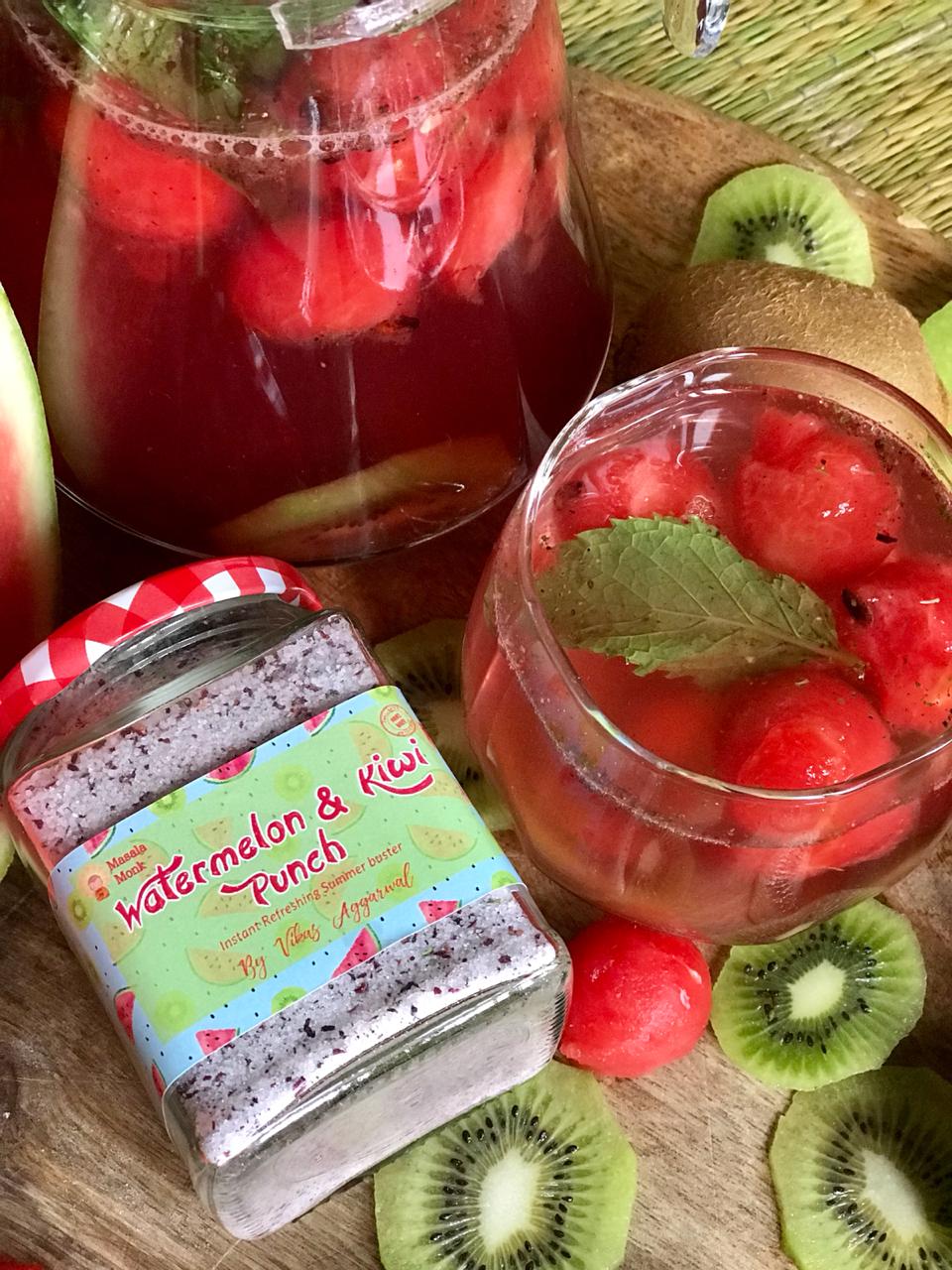
  4. Make Fruit-Infused Water: Enhance the taste of your water by infusing it with watermelon slices and other fruits like cucumber or mint. This simple and refreshing beverage will keep you hydrated throughout the day.
  5. Experiment with Grilled Watermelon: Surprise your taste buds by grilling watermelon slices for a unique and savory twist. The heat caramelizes the natural sugars, intensifying the flavor and providing a delightful contrast to savory dishes.
  6. Pair it with Protein: While watermelon is primarily a source of carbohydrates, combining it with a source of protein can create a balanced snack or meal. Pair watermelon with a handful of nuts, a slice of lean chicken or turkey, or a dollop of Greek yogurt for a satisfying and balanced combination.

🍉🌿 While watermelon alone won’t magically melt away excess pounds, its hydrating properties, low-calorie content, and valuable nutrients make it a favorable choice for weight loss. Remember to pair it with a balanced diet that includes a variety of nutrient-dense foods and engage in regular physical activity for optimal results. So, embrace the juicy goodness of watermelon and enjoy it as part of a wholesome and weight-conscious lifestyle!

Posted on Leave a comment

Best Fruits for Weight Loss: Nature’s Delicious Allies

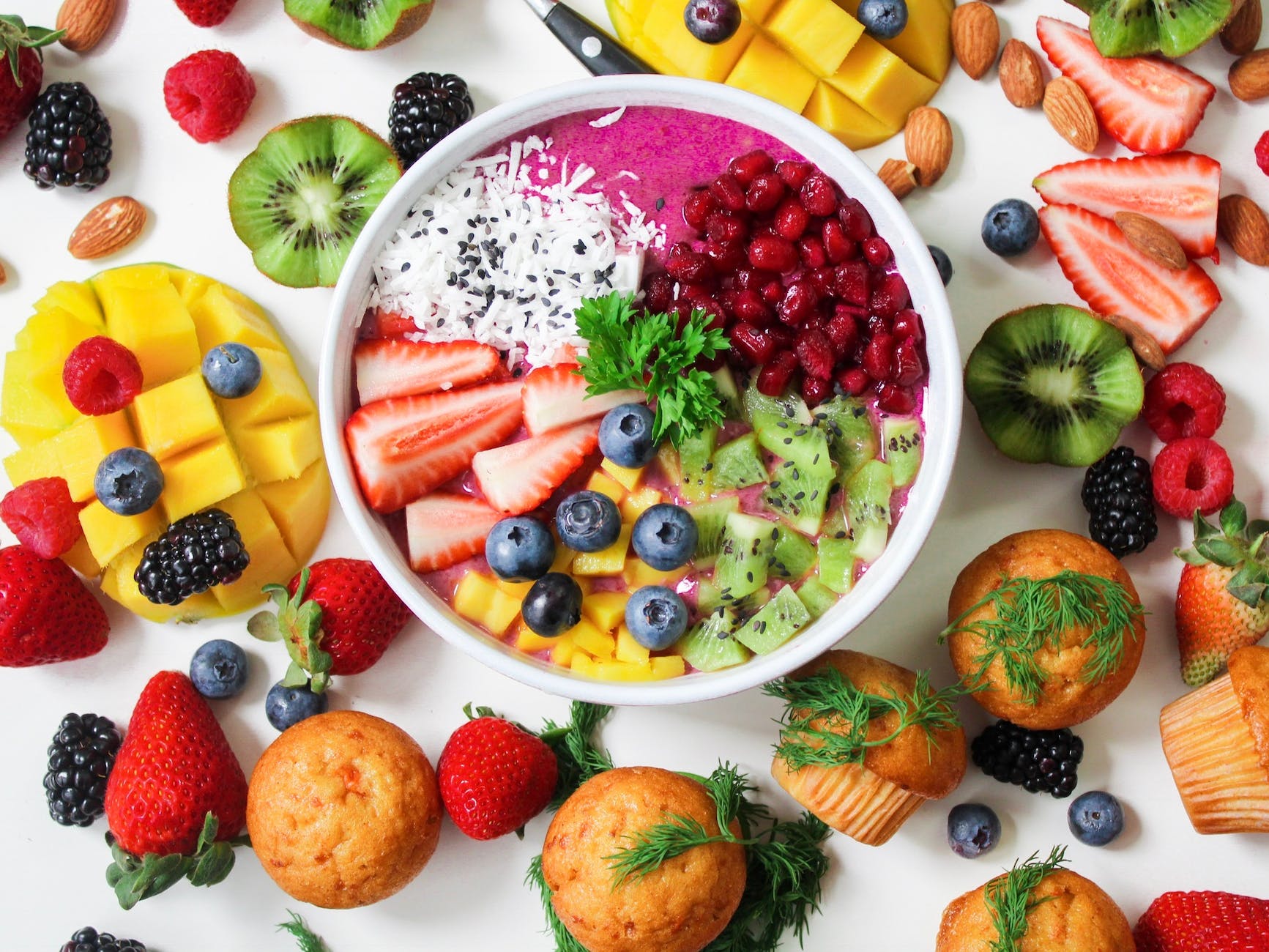
assorted sliced fruits in white ceramic bowl

When it comes to weight loss, incorporating fruits into your diet can be a smart and satisfying strategy. Fruits are not only packed with essential nutrients but also offer natural sweetness and a plethora of health benefits. In this informative blog post, we’ll explore some of the best fruits for weight loss, their nutritional profiles, and how they can support your weight loss journey. Get ready to discover the power of nature’s delicious allies in your quest for a healthier and slimmer you! 🍎🍌🍇

🍎 Apples “An apple a day keeps the doctor away” is a saying for a reason. Apples are low in calories, high in fiber, and packed with antioxidants. The fiber content in apples promotes satiety, keeping you feeling fuller for longer and reducing the likelihood of overeating. They also contain pectin, a type of fiber that aids in digestion and may contribute to weight loss. Enjoy apples as a crunchy and portable snack or incorporate them into salads and desserts for added flavor and nutrition.

🍌 Bananas Bananas are a popular fruit that offers numerous benefits for weight loss. They are a great source of dietary fiber, which helps regulate digestion and promotes feelings of fullness. Bananas also provide a natural sweetness, making them a satisfying and healthier alternative to sugary snacks. Additionally, bananas contain resistant starch, a type of carbohydrate that resists digestion and can help improve insulin sensitivity and reduce fat storage. Enjoy bananas as a standalone snack, blend them into smoothies, or use them as a natural sweetener in baked goods.

🍇 Grapes Grapes are not only delicious but also a fantastic choice for weight loss. They are low in calories, rich in water content, and contain natural sugars that satisfy cravings for sweets. Grapes are also a good source of dietary fiber, which aids digestion and promotes feelings of fullness. Moreover, grapes are packed with antioxidants, such as resveratrol, which may have positive effects on metabolism and fat-burning processes. Enjoy grapes as a refreshing snack on their own or freeze them for a cool and healthy treat.

🍓 Strawberries Strawberries are a nutrient-dense fruit that can aid in weight loss. They are low in calories, high in fiber, and rich in antioxidants. The fiber in strawberries promotes satiety and helps regulate blood sugar levels. Additionally, strawberries are packed with vitamin C, which supports immune function and may contribute to fat-burning processes. Enjoy strawberries as a topping for yogurt, blend them into smoothies, or add them to salads for a burst of flavor and nutrition.

🥝 Kiwi Kiwi is a small fruit that packs a nutritional punch. It is low in calories, high in fiber, and rich in vitamins and minerals. Kiwi contains an enzyme called actinidin, which aids in digestion and may promote healthy gut function. The fiber content in kiwi promotes satiety and helps regulate blood sugar levels. Moreover, kiwi is a great source of vitamin C and antioxidants, which support overall health and may enhance fat-burning processes. Enjoy kiwi on its own, add it to fruit salads, or blend it into smoothies for a tangy and nutritious twist.

🍊 Oranges Oranges are not only refreshing but also a great choice for weight loss. They are low in calories, high in fiber, and packed with immune-boosting vitamin C. The fiber content in oranges promotes satiety and aids in healthy digestion. Oranges also provide a natural sweetness, making them a satisfying and nutritious snack. Additionally, the high water content of oranges can help keep you hydrated and contribute to a feeling of fullness. Enjoy oranges as a standalone snack, squeeze them for fresh juice, or incorporate them into salads and desserts for a burst of citrusy goodness.

🍎🍌🍇 Incorporating these fruits into your weight loss journey can add variety, flavor, and essential nutrients to your diet. Remember to practice portion control, choose fresh and whole fruits over processed alternatives, and include them as part of a well-balanced and calorie-controlled meal plan. Combine these fruits with other nutritious foods and a regular exercise routine for optimal weight loss results. Embrace the power of nature’s delicious allies and enjoy the journey towards a healthier and slimmer you!

Posted on Leave a comment

Unveiling the Nutrition Facts of Carrots: A Powerhouse of Nutrients

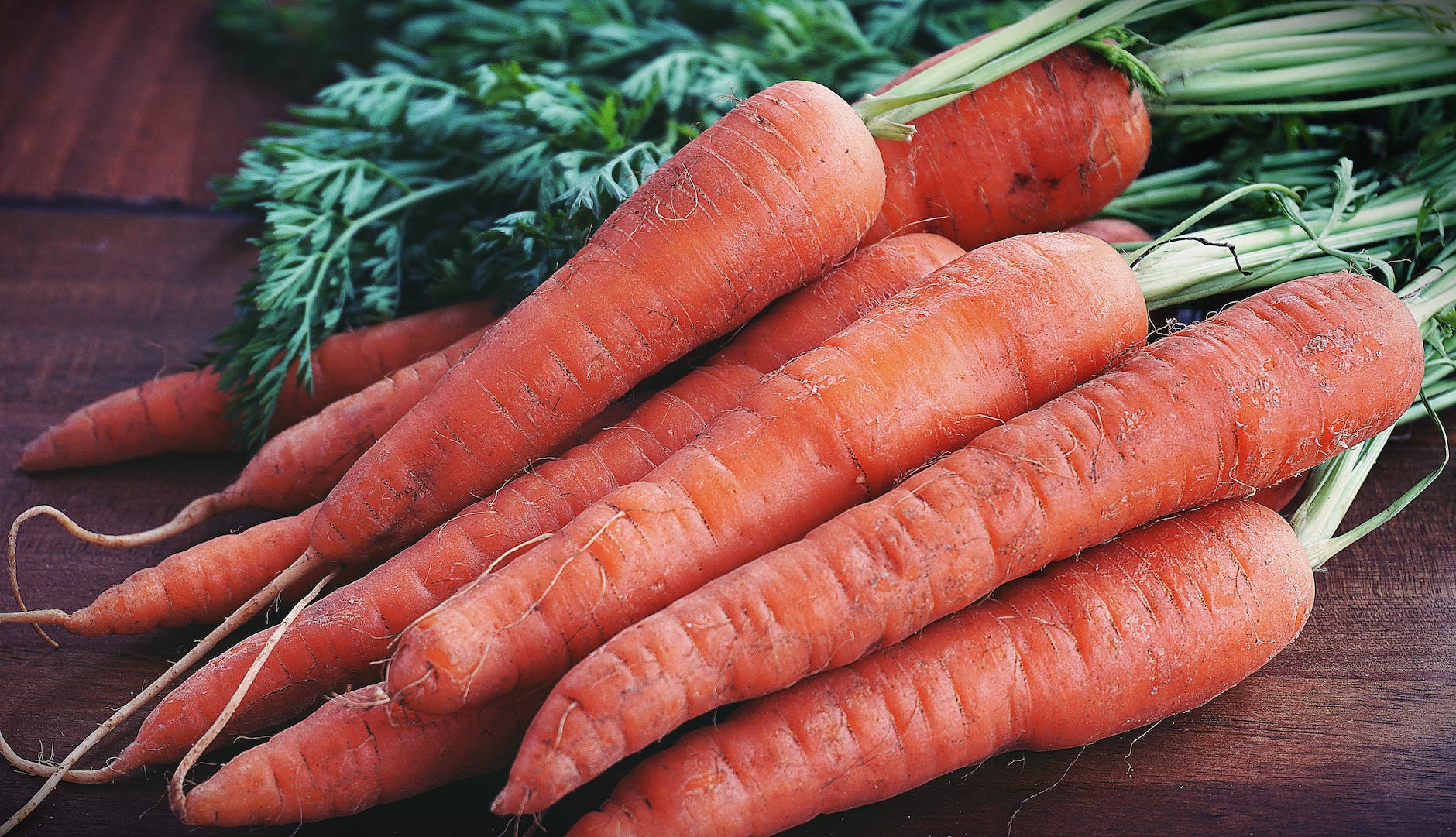
close up photography of orange carrots

Carrots are not only visually appealing with their vibrant orange hue but are also packed with essential nutrients that can benefit your overall health. In this comprehensive blog post, we’ll take a closer look at the nutrition facts of carrots, exploring their macronutrient and micronutrient composition, health benefits, and ways to incorporate them into a balanced diet. Get ready for a deep dive into the nutritional goodness of carrots and discover why they deserve a prominent place on your plate! 🥕🔍

🔍 Macronutrient Composition Carrots are primarily composed of carbohydrates, with a modest amount of protein and minimal fat content. Here’s a breakdown of the macronutrient profile for a 100-gram serving of raw carrots:

  • Calories: Approximately 41 calories
  • Carbohydrates: Around 9.6 grams
    • Dietary Fiber: Roughly 2.8 grams
    • Sugars: Approximately 4.7 grams
  • Protein: About 0.9 grams
  • Fat: Less than 0.2 grams

🥕 Rich in Dietary Fiber Carrots are an excellent source of dietary fiber, which is crucial for digestive health, weight management, and maintaining stable blood sugar levels. The fiber in carrots adds bulk to the diet, promoting feelings of fullness and aiding in healthy digestion. Additionally, fiber helps regulate blood sugar levels by slowing down the absorption of glucose in the bloodstream.

🔍 Vitamins and Minerals Carrots are packed with a variety of vitamins and minerals that contribute to their nutritional value. Here are some key nutrients found in a 100-gram serving of raw carrots:

  • Vitamin A: Carrots are famously known for their high vitamin A content. A 100-gram serving can provide around 835 micrograms of vitamin A, which is essential for eye health, immune function, and maintaining healthy skin and mucous membranes.
  • Vitamin K: Carrots contain vitamin K, a nutrient important for blood clotting and bone health.
  • Vitamin C: Carrots offer a moderate amount of vitamin C, an antioxidant that supports immune function, collagen synthesis, and iron absorption.
  • Potassium: Carrots are a good source of potassium, an electrolyte that helps regulate fluid balance, nerve function, and muscle contractions.
  • Other Micronutrients: Carrots also contain small amounts of vitamin E, vitamin B6, folate, calcium, magnesium, and phosphorus.

🥕 Antioxidant Power Carrots are rich in antioxidants, which are compounds that help protect the body from the damaging effects of free radicals. The antioxidants in carrots, such as beta-carotene, lutein, and zeaxanthin, have been associated with various health benefits, including reduced risk of chronic diseases like heart disease and certain types of cancer.

🔍 Incorporating Carrots into Your Diet Carrots are versatile and can be enjoyed in various ways. Here are some delicious and nutritious ways to incorporate carrots into your daily diet:

  1. Raw as Snacks: Enjoy carrot sticks on their own or with a dip like hummus or Greek yogurt for a satisfying and healthy snack.
  2. In Salads: Add grated or thinly sliced carrots to your salads to add a touch of sweetness, vibrant color, and crunch.
  3. Roasted or Steamed: Roasting or steaming carrots can enhance their natural sweetness and bring out their tender texture. Drizzle them with olive oil, sprinkle with herbs and spices, and roast or steam until tender.
  4. In Soups and Stews: Chop carrots into small pieces and add them to soups, stews, and casseroles for extra flavor, nutrition, and texture.
  5. As a Juicing Ingredient: Juice fresh carrots with other fruits and vegetables for a nutrient-packed and refreshing beverage.
  6. In Baked Goods: Grate carrots and incorporate them into muffins, cakes, or bread for added moisture, natural sweetness, and nutritional value.

🥕🔍 Carrots are a nutritional powerhouse, offering an array of vitamins, minerals, dietary fiber, and antioxidants. By incorporating carrots into your diet through various cooking methods and recipes, you can reap the benefits of these vibrant and nutrient-dense root vegetables. So, go ahead and savor the goodness of carrots while nourishing your body and supporting your overall health!

Posted on Leave a comment

Mango for Weight Loss: A Tropical Fruit that Supports Healthy Eating and Shedding Pounds!

Kaccha Aam Bomb

When it comes to weight loss, incorporating mangoes 🌱🥭 into your diet can be a smart and delicious choice. This tropical fruit not only satisfies your taste buds but also provides a range of nutritional benefits that can support your weight loss goals. Let’s explore in more detail how mangoes can aid in weight loss, diving into their nutritional composition, unique properties, and effective ways to include them in your weight loss regimen. Get ready to embrace the tropical sweetness of mangoes while working towards a healthier you! 🌴🥭🏋️‍♂️

🌿 Fiber-Rich and Low in Calories: Mangoes are rich in dietary fiber, which is an essential component of a weight loss diet. Fiber adds bulk to your meals, promoting a feeling of fullness and reducing overall calorie intake. By including mangoes in your diet, you can increase your fiber intake and enhance satiety, which can help control hunger and prevent overeating. The fiber in mangoes also aids digestion and supports a healthy gut microbiome, which is essential for efficient weight management.

🍉 Hydration and Satiety: Mangoes have a high water content, contributing to their hydrating properties. Staying properly hydrated is crucial for weight loss as it supports optimal metabolism, aids in digestion, and helps regulate appetite. The combination of fiber and water in mangoes helps keep you hydrated and promotes a feeling of fullness, reducing the likelihood of reaching for calorie-dense snacks or overeating during meals.

🌱 Nutrient Density and Vitamins: Mangoes are not only delicious but also nutrient-dense, providing an array of essential vitamins and minerals. They are an excellent source of vitamin C, an antioxidant that supports immune function, promotes collagen synthesis, and helps the body absorb iron. Mangoes also contain vitamin A, which is essential for healthy vision, immune function, and cell growth. Additionally, they provide significant amounts of vitamins E, K, and several B vitamins, all of which play crucial roles in energy metabolism, brain function, and overall well-being. By incorporating mangoes into your weight loss journey, you’re not only nourishing your body with essential nutrients but also supporting overall health.

đź’Ş Antioxidant Powerhouse: Mangoes are packed with antioxidants that help protect the body against oxidative stress and cellular damage caused by harmful free radicals. The vibrant color of mangoes comes from their high content of carotenoids, such as beta-carotene, which provides numerous health benefits. Antioxidants play a crucial role in reducing inflammation, supporting heart health, and preventing chronic diseases. By consuming mangoes, you’re boosting your antioxidant intake and supporting your body’s natural defense mechanisms.

🍽️ Incorporating Mangoes into Your Weight Loss Regimen: To make the most of mangoes for weight loss, here are some practical tips on how to include them in your daily routine:

  • Enjoy them as a healthy snack: Slice up fresh mangoes and savor them as a satisfying and nutritious snack. The natural sweetness and fiber content will help satisfy your sweet tooth and keep you feeling full between meals.
  • Add them to salads and bowls: Chop up mangoes and incorporate them into your salads, grain bowls, or fruit salads. They add a burst of tropical flavor, natural sweetness, and vibrant color to your dishes.
  • Blend them into smoothies: Create delicious and nutrient-packed smoothies by blending mangoes with other fruits, leafy greens, protein sources (like Greek yogurt or plant-based protein powder), and a liquid of your choice. This makes for a refreshing and filling meal or snack option.
  • Use them in homemade sauces and salsas: Mangoes can add a unique twist to homemade sauces, salsas, or dressings. Their sweet and tangy flavor pairs well with spicy or savory ingredients, creating a delightful balance of flavors.

🌴🥭🏋️‍♂️ Remember, weight loss is a gradual process that requires a combination of healthy eating, regular physical activity, and a sustainable lifestyle. While mangoes can be a beneficial addition to your weight loss journey, it’s important to practice portion control and balance them with other nutritious foods. Consult with a healthcare professional or registered dietitian for personalized guidance tailored to your specific needs and goals.

Posted on Leave a comment

Dried Mango: A Healthy and Delicious Snack Worth Savoring!

Dried mangoes are a delightful and nutritious snack that offers the convenience of enjoying mangoes anytime, anywhere. These chewy, sweet treats provide a burst of tropical flavor and are packed with essential nutrients that contribute to overall health and well-being. In this blog post, we’ll delve deeper into the health benefits of dried mangoes, explore their nutritional value, and highlight why they can be a smart choice for incorporating into a balanced diet. Get ready to discover why dried mangoes are more than just a delicious snack! 🥭🌞🌾

🌱 Nutritional Powerhouse: Dried mangoes retain many of the nutrients found in fresh mangoes, making them a nutrient-dense snack. They are rich in essential vitamins and minerals that are vital for various bodily functions. Dried mangoes are particularly high in vitamin C, an antioxidant that supports the immune system, promotes collagen production for healthy skin, and aids in iron absorption. They also provide significant amounts of vitamin A, which is beneficial for eye health and immune function. Additionally, dried mangoes contain potassium, magnesium, and various B vitamins, which contribute to overall health and well-being.

đź’Ş Energy Boost and Satiety: Dried mangoes serve as a natural energy booster due to their high sugar content, primarily in the form of natural sugars like fructose and glucose. These sugars provide quick energy, making dried mangoes an excellent choice for a pre-workout snack or a midday pick-me-up. Additionally, the fiber content in dried mangoes contributes to feelings of fullness and satiety, helping to curb cravings and promote healthy eating habits. The combination of natural sugars and dietary fiber in dried mangoes can provide a sustained energy release, keeping you energized throughout the day.

🌿 Dietary Fiber and Digestive Health: Dried mangoes are an excellent source of dietary fiber, which plays a crucial role in maintaining a healthy digestive system. Fiber adds bulk to the stool, promoting regular bowel movements and preventing constipation. It also supports the growth of beneficial gut bacteria, aiding in overall gut health. Including dried mangoes in your diet can contribute to a balanced fiber intake, ensuring optimal digestive function and promoting a healthy gut environment.

🍊 Antioxidant Protection: Mangoes, whether fresh or dried, contain a range of antioxidants that help protect the body against oxidative stress and cellular damage. These antioxidants, including phenolic compounds and carotenoids like beta-carotene, work to neutralize harmful free radicals and reduce the risk of chronic diseases. Consuming dried mangoes can provide a boost of these protective antioxidants, supporting overall health and well-being.

🥭 Choosing the Right Dried Mangoes: When selecting dried mangoes, opt for varieties that are natural and free from added sugars, preservatives, or artificial additives. Read the ingredient list carefully to ensure that no additional sweeteners or chemicals have been used. Organic and naturally dried mangoes are the best options, as they retain the authentic flavors and health benefits of the fruit.

🌞 Enjoying Dried Mangoes: Dried mangoes are not only delicious on their own but also incredibly versatile. Here are some creative ways to enjoy dried mangoes:

  • Add them to trail mixes or homemade granola for a burst of natural sweetness and tropical flavor.
  • Chop them into small pieces and sprinkle them over yogurt or oatmeal for added texture and flavor.
  • Include them in baked goods such as muffins or cookies to infuse a tropical twist into your favorite recipes.
  • Blend them into smoothies or use them as a topping for ice cream or desserts.

đź’ˇ Tips for Storage and Freshness: To maintain the freshness and quality of your dried mangoes, store them in a cool, dry place in an airtight container. Avoid exposing them to moisture or heat, as these factors can affect their texture and taste. Proper storage will help preserve their natural sweetness and ensure they remain enjoyable for longer periods.

🌾🥭💚 While dried mangoes offer numerous health benefits and can be a wholesome snack option, it’s important to consume them in moderation. They are calorie-dense due to their concentrated sugar content, so be mindful of portion sizes. Remember to incorporate dried mangoes as part of a well-rounded diet that includes a variety of fruits, vegetables, whole grains, lean proteins, and healthy fats.